Directors:
Lasse Hallström, Michael Haneke, Mahamat-Saleh Haroun, Hal Hartley, Howard Hawks, Todd Haynes, Monte Hellman, Werner Herzog, Alfred Hitchcock, Hong Sang-soo, Christophe Honoré, Hou Hsiao-hsien, Danièle Huillet, John Huston
Hackford, Taylor
allmovie ((( Taylor Hackford > Overview ))) bio from Hal Erickson
American producer/director Taylor Hackford
was hired by a Los Angeles TV station after his two-year hitch in the Peace
Corps. On his own, he created New Visions Productions, which he eventually
merged into the New Century Company before giving up producing to concentrate
on directing. He won an Academy Award in 1978 for Teenage Father,
a short-subject elaboration of a TV news story on which he'd previously worked.
Hackford's
first feature was The Idolmaker
(1980), a jaundiced recreation of the "Philadelphia school" of '50s
rock & roll; he later returned to the rarefied world of vintage rock in his
Ritchie Valens
biopic La Bamba
and his revelatory documentary Chuck Berry: Hail! Hail!
Rock 'n' Roll (both 1987). He also directed Dolores Claiborne
(1995), the Al Pacino vehicle
The Devil's Advocate
(1997), and edited the boxing documentary When We Were Kings
(1996). Though Hackford has
toted up some impressive credits over his career, few of his films have matched
the audience appeal or box-office bankability of his biggest hit, 1982's An Officer and a Gentleman.
Hackford
married British actress Helen Mirren
in 1997, whom he had lived with since 1986.
Helen Mirren Appreciation Society brief
bio, including his wedding to Helen Mirren here: Helen Mirren Appreciation Society
What is
Enlightenment? Interview Who Is Satan? article and interview by
Carter Phipps
Hackford, Taylor They Shoot Pictures, Don’t They
AN
OFFICER AND A GENTLEMAN
USA (124 mi) 1982
Pace all those swooning fans of gorgeous Gere,
but Hackford's hymn to rampant individualism in Reagan's America is an
exploitative no-no. While the immaculately garbed and coiffed hero goes through
the paces of training under a sadistic black (natch) sergeant to be a US Navy
pilot (we all find it admirable to want to drop bombs and kill, don't we?), he
discovers that self is the sole person worth bothering about, and that women
are really only after men for their status and money. Macho, materialistic, and
pro-militarist, it's an objectionable little number made all the more insidious
by the way Hackford pulls the strings and turns it into a heart-chilling
weepie.
digitallyOBSESSED.com (Dale Dobson)
An Officer and a Gentleman
stars Richard Gere as Zack Mayo, a talented but selfish young man who enters
the Navy's Officer Candidate School to become a pilot. Under the tutelage of
his tough drill instructor Gunnery Sergeant Emil Foley (Louis Gossett, Jr.),
Mayo learns discipline, leadership and compassion, forming a relationship with
local girl Paula Pokrifki (Debra Winger) along the way.
To a great extent, this is standard-issue romantic melodrama—boy meets girl,
boy grows up, boy gets girl—Set against a patently Hollywood-ized military
training environment. The development of Gere's character is predictably
inspirational, from a rough boyhood (an absent military officer of a father,
early loss of his mother), to his determined, record-setting performance in the
Officer program, to his acceptance of responsibility and a love he scarcely
recognized. A subplot involving his classmate Sid (David Keith), whose
storyline after dropping out of the program only to be rejected by his
pilot-chasing girlfriend Lynette (Lisa Blount), is so heavy-handed as to be
almost comical, as is some of the exposition early in the film.
Where An Officer and a Gentleman
succeeds, almost in spite of itself, is in its casting and performances.
Richard Gere as Mayo finds a balance between the character's inner pain and
outer bravado that actually works, and even though we all know what's going to
happen, his character's growth is still interesting onscreen. Debra Winger does
fine work in an underwritten part, communicating a great deal with her eyes and
expressions where the script shortchanges her linewise. And Louis Gossett,
Jr.'s breakout, Academy Award®-winning turn as Sergeant Foley is consistently
riveting—his drill instructor is abrasive and demanding, but visibly human
underneath, allowing him to be a tough but fair motivator, not a
two-dimensional villain. David Keith and Lisa Blount play their roles with
conviction, though they're not given much to work with, and the film benefits
from a strong supporting cast, including David Caruso, Harold Sylvester and
Lisa Eilbacher as Mayo's classmates, all of whom register as individuals and
lend a credible ensemble feel to the film. Grace Zabriskie appears in a small
role as Paula's mother, upping the film's coolness factor by her very presence.
In the end, An Officer and a Gentleman
is still a predictable early-1980's melodrama, trotting out the conventional
plot elements so we can all feel upbeat as the credits roll and the pop single
kicks in on the soundtrack. But director Taylor Hackford leads his talented
cast with a sure hand, finding more substance in the telling than the tale
would seem to merit. A guilty pleasure, perhaps, but a pleasure nonetheless.
filmcritic.com Pete Croatto
Most articles about the state of American movies in the 1980s
feature writers bitching and moaning about how the era was built on sequels and
action-packed, plot-deprived blockbusters. They may have a point. Independent
films really didn't become relevant (again) until sex,
lies, and videotape, which was released in 1989. Miramax was still
growing.
Something good did come out of the decade: a slew of great date movies. Not
surprisingly, there was a formula to it. The typical woman would get a love
story usually featuring a hunky, emotionally lost male lead. The typical man
would get a macho storyline featuring slapstick, sports, violence, or male
bonding. Sometimes he got to see bare breasts. It all led to movies that didn't
require three days of negotiation: Hoosiers,
Witness,
Field
of Dreams, Tootsie,
Say
Anything (for the music geek subset), and the John Hughes
stuff for the teens.
All of those movies worked because they were entertaining and they went beyond
the parts of the equation. One such movie has been re-released on DVD, Taylor
Hackford's An Officer and a Gentleman (1982), and the timing couldn't be
better. I can't remember the last good, to use the popular definition, date
movie. This one takes place in and around a Navy officer training school in
Washington State, where Zack Mayo (Richard Gere) has decided to break away from
his philandering, alcoholic dad (Robert Loggia). Given Zack's pedigree and the
demands of the program -- the candidates drop out like Britney Spears at a
geography bee -- it's a long haul. It becomes more so when Zack starts a romance
with Paula (Debra Winger), a young factory worker who wants more than a
blue-collar lifestyle.
Paula could easily trap Zack through pregnancy, a tactic used by other
"Puget debs." He's fighting a case of love-and-leave 'em genetics.
Plus, he's only in the Pacific Northwest for 13 weeks. Screenwriter Douglas Day
Stewart smartly toys with the relationship, having it go back and forth with
the characters' burgeoning maturity. You're never quite sure what's going on:
the love may last or tradition may undercut it. Gere and Winger are terrific
despite the fact they reportedly got along like Cain and Abel. (Note: Winger
didn't have nice things to say about Hackford, either.)
Two supporting actors stand out: David Keith as Zack's training school buddy,
whose discovery of his true self comes at the worst possible time, and Louis
Gossett Jr., who deservedly won an Academy Award for his performance and then
did nothing of note afterwards. As the school's drill sergeant, he challenges,
insults, and bends Zack to the point of breaking. Both Keith and Gossett play
pivotal roles as they help Zack (Keith as the best friend archetype; Gossett as
the stoic father figure) become a man.
Zack's time with Paula and his time in officer training lead to a coming of age
story featuring adults. And it works because -- like most good romantic
comedies -- the emotions on display aren't false. There's a familiarity to
these characters and their roles that goes beyond the Hollywood trappings. Its
famous ending may be hokey, but in a movie this honest, it couldn't feel more
right.
The DVD includes a commentary track, a retrospective featurette, and a handful
of additional featurettes about the making of the film.
An Officer And A Gentleman Male Bonding and Self-Abuse, by Jon Lewis from Jump Cut
DVDProfiles.com [Steve Rogers]
Apollo Movie Guide [Brian Webster]
Roger Ebert, Chicago Sun-Times
Read the New York Times Review » Janet Maslin
RAY B 85
USA
Certainly better than
the Billie Holiday portrait in LADY SINGS THE BLUES, here we have the Ray
Charles story, a project that began while Charles was still alive, but
unfortunately, he died before the film was completed. However, Jamie Foxx is brilliant in his
physical mannerisms, seamlessly lip synching about 25 songs to the unmistakable
voice of Ray Charles, while also capturing the essence of this complicated
man. The film starts out like
gangbusters, hitting the road at 17 with the
While sharp as a
tack in the ways of business, he was the first to own his own record masters,
and understanding the public’s music interest better than those in the
industry, he mixed genres that had never been done before, blues and jazz,
gospel and rhythm and blues, as well as country, showing a perfectionism of
true genius. Charles’ personal life on
the other hand was a mess, which is intertwined here with the dirty corruption
of the music industry as well as the continuing segregated concert practices of
the Jim Crow South, where they spent much of their time touring. The film fizzles out at the end, as he kicks
his heroin habit, and bam – the film is over, hardly what happened in real
life, as he had another twenty or thirty years of his life that remained untold.
But the Ray Charles
music is the engine that runs this film, which is so supremely powerful that it
renders much of the rest of the film as truly secondary, despite the terrific
performances all around, especially Sharon Warren as his mother, Kerry Washington
as his wife, and Regina King as Margie Hendricks, one of the original
Raylettes, the one that belts out the unforgettable cries of “Baby” on the
gospel and rhythm and blues anthem, “The Right Time.” I had the feeling this might work really well
as a play, as it aspires to the best of what August Wilson tries to do,
defining people in their time through language and music, and while the musical
set pieces come alive, literally bursting off the screen, the rest of the film,
particularly his contact with the white record producers and his ultimate break
with Atlantic records, fails to match the intimate language needed to balance
that raw power. Instead it deteriorates
late in the film into a series of musical montages with very little substantive
dialogue.
BFI | Sight
& Sound | Ray (2004) Sam Davies from Sight and Sound, February 2005
Florida, 1948. Seventeen-year-old
Ray Charles Robinson (Jamie Foxx) boards a Greyhound bus to Seattle, where a
job as a nightclub pianist awaits him. He soon discovers he is being taken
advantage of and escapes through a contract with Jack Lauderdale's Swingtime
Records, using the name Ray Charles. As a lonely touring musician, haunted by
memories of his brother's tragic drowning, he turns to heroin.
Atlantic Records picks Charles up
and label bosses Ahmet Ertegun (Curtis Armstrong) and Jerry Wexler (Richard
Schiff) nurture him into America's _pre-eminent jazz and R&B musician. He
meets and marries Della Bea (Kerry Washington), but though they start a family
he continues to use heroin and seduces his co-vocalist Mary Ann Fisher
(Aunjanue Ellis). Teenage vocal trio The Cookies are redubbed The Raelettes,
and while on the road with Charles, their leader Margie Hendricks (Regina King)
replaces Mary Ann in his affections. When rival label ABC/Paramount offers a
deal Atlantic cannot match, Charles abandons Ertegun and Wexler.
Armed with unprecedented wealth
and clout, he makes an abrupt musical departure, eschewing the raw mix of
gospel, blues and R&B which has made his name for country music. The risk
pays off with further commercial success, but when Charles refuses to play
lucrative segregated shows in Georgia, his principled stand sees him banned
from performing in the state. Caught in possession of heroin on a flight from
Montreal to Boston, Charles faces federal charges and personal ruin. An
emotional showdown with the long-suffering Della Bea leads Charles to undergo
rehab and he emerges emotionally as well as physically rehabilitated, freed of
the burden of guilt and grief over his brother's death.
Review
Ray clearly and self-consciously aligns
itself with a Hollywood sub-genre of films chronicling the lives of black
cultural icons, and like Angela Bassett as Tina Turner in What's Love Got
to Do with It, or Will Smith in the lead role of Ali, Jamie
Foxx is bound to receive Oscar consideration. Of course, playing a troubled
genius ticks another box beloved of the Academy but, cynicism aside, Foxx's
performance is superb in its naturalism and meticulous in its attention to
detail. Charles' vocal and physical mannerisms are carefully observed and
caricature is eschewed. Without a Charles of this quality, Ray
would risk being an unexceptional, if dutiful, contribution to the genre.
Director Taylor Hackford (who
filmed Chuck Berry's 60th birthday concert film Hail! Hail! Rock 'n'
Roll! before making polished studio dramas such as Dolores
Claiborne and The Devil's Advocate) lets the story tell
itself, trusting Foxx to bring some charisma and drive to a very familiar
format. James L. White's debut screenplay seems to embrace the clichés and
broad strokes of biopic form: sound engineers exchange knowing smirks of
congratulation as future number ones are laid down; headlines stud the film as
historical shorthand; after Charles' move into country music, his manager
marvels "You were right again, Ray - they did love it!" Adversity is
conquered and the human spirit triumphs. The film's colouring is suitably bold,
particularly in the saturated greenery and red earth of Charles' Georgia
childhood. There's also a deliberate emphasis on atmosphere, conveyed through
the chiaroscuro of natural lighting and smoke, in jazz clubs and hotel rooms.
The element that unsettles the
film's otherwise slick and accomplished surface is Ray's memory of his
brother's drowning, recalled in fragments whenever the hero is threatened by
fear, loneliness or betrayal. Charles recoils as the suitcase he is packing is
suddenly filled not with clothes but water and a child's arm; a corridor seems
flooded and his reaching hands brush a still foot. These sequences have an
economy missed by the bulk of the film, conveying the sensory uncertainty of
blindness and the metaphoric seeping of Charles' haunted unconscious. By
contrast Charles' heroin addiction is treated almost perfunctorily; in this
sense, Ray supports Charles' assertion that it did not hamper his
creativity or productivity but it produces a somewhat artificial crisis and
resolution within the narrative arc, imposed presumably by the lack of incident
in Charles' career after 1966. Interestingly, it does touch on the contractual
specifics of Charles' success - interesting because his nous in negotiating
favourable deals and claiming ownership of his own master tapes is part of an
important narrative within black musical history, from the exploitations of
Elvis' black songwriters to the canny franchising of today's rap moguls, who
turn their musical identities into consumer brands of all descriptions.
Charles' music of course plays a
major role, and Hackford and White seek to write it in as organically as
possible. The furious argument that terminates the affair with Margie Hendricks
occurs during a rehearsal of Hit the Road Jack and segues
immediately into a vicious live performance. The music provides the most
straightforward pleasure in an enjoyable and straightforward film, especially
when heard through the full sound system of a cinema.
Hackman, Gene – actor
BFI | Sight &
Sound | Gene Hackman: Royal Rapscallion
Andrew Collins from Sight and Sound, November 2005
He was already past his
youth when Bonnie and Clyde established his name but Gene Hackman became a byword for all that was
authentic about the explosive new American cinema of the late 60s and 70s
Hadjithomas, Joana and Khalil Jorgeige
I WANT TO SEE (Je Veux Voir)
Lebanon France (75 mi) 2008
Je
Veux Voir (I Want To See) Howard Feinstein
at Cannes from Screendaily
The idea here is surreal: make something akin to a documentary with French icon Catherine Deneuve and well-known Lebanese artist/actor Rabih Mroue making a day trip by car from Beirut to the ruins in South Lebanon left over from the Israeli incursion in 2006. The film-making couple of Hadjithomas and Joreige, who proved their imaginative skills with the 2005 Lebanese-set fiction A Perfect Day, succeeded in making it happen. And brilliantly.
These politically-engaged Lebanese co-directors have broken new ground in the documentary/fiction fusion debate, and not only with their dream cast. Once word gets out that Je Veux Voir is such an original work, it will find playdates large and small across the globe. Deneuve's participation will of course give it a boost.
In the film Deneuve is in Beirut for a glamorous gala, but insists "Je veux voir" ("I want to see") the carnage wrought against innocent civilians in Israel 's pursuit of members of Hezbollah in the summer of 2006."I feel it's impossible to stay on the fringe," she adds. She means it. This is not the classic Hollywood scenario of an up-and-coming star meeting with a facilitator to find the right charity for his or her marketing image. It rings with sincerity and curiosity.
So Hadjithomas and Joreige, who know firsthand the sites Deneuve and Mroue will visit, arrange for a meeting – it is captured on camera - and the two embark on a surprisingly gorgeous two-hour drive to southern Lebanon in time to return to her appointed engagement.
To their credit, the directors are not didactic. The two passengers talk about life and seat belts and Belle De Jour: It almost seems normal. They establish a comfortable intimacy without overdoing it. Occasionally something they encounter will ruffle their feathers: buildings destroyed during the Civil War, low-flying Israeli airplanes, but more than anything, their destination – where there are no exhausted images of homes without roofs, gutted roads, because it is it is all gone.
We see the film crew only occasionally, and that is as it should be. Deneuve does not play the star, although Lebanese men do line up to stare at her. The only false note follows an ellipsis to the gala, where Deneuve eagerly awaits Mroue's presence. Something here smacks of movie fiction, as if a romance might develop out of their shared compassion. Whether it does or not, the actress looks beautiful, but not so beautiful that she overshadows such an important film. This one is for the history books.
Alissa
Simon
at Cannes from Variety
What becomes a
legend most? Surely not being a figurehead in a self-consciously arty pseudo
docu-cum-road movie. Still, Catherine Deneuve's iconic
presence lends some commercial appeal to "I Want to See," third
feature from Lebanese helmers Joana Hadjithomas and Khalil Joreige ("Around the Pink House,"
"Perfect Day"). An uneasy mix of scripted scenario, improvisation and
surprising reality, pic professes to want to show destruction wrought during
Lebanon's 2006 summer war through the French star's eyes, but seems more
concerned with capturing her image as she's trundled about. Fests and Euro tube
constitute best market.
Lacking the immediacy
of Philippe
Aractingi's somewhat similar and more compelling "Under
the Bombs," which filmed, in part, during the fighting, "I Want
to See" was shot in late 2006. It's structured as a single day's
excursion, although in reality filmed over a week.
The helmers'
favorite actor Rabih
Mroue drives Deneuve south from Beirut through his heavily hit home village
of Bint El Jbeil to the border with Israel. Filmmakers (and Deneuve's
impressively buff bodyguard) follow closely behind, occasionally inserting
themselves into the action while commenting on the dangers and difficulties
they face.
Lensing
concentrates more on twosome in the car then what's outside. Seeming somewhat
uncomfortable, Deneuve makes banal conversation about chaos of Lebanese
traffic, hastily fastening her seat belt and repeatedly bidding Mroue to do the
same.
Strongest images
show a beach site where the rubble from ruined buildings winds up. A striking
vision of swirling dust clouds, red trucks, yellow bulldozers, and the blue
Mediterranean turning to rust, it makes palpable the broken country
disappearing into the sea.
Most interesting
moments appear unplanned, such as when an Israeli fighter jet roars overhead at
a low altitude, causing Deneuve to jump in her seat. Better yet, Mroue becomes
so preoccupied reciting Deneuve's monologue from "Belle du jour" in
Arabic, that he accidentally turns onto a road that might be mined, creating
intense distress all around.
Mostly as stiff as
her perfectly coifed hair, a tired-looking Deneuve appears as if she feels
every bump in the road. In contrast, Mroue, is a warm and sympathetic presence,
articulate in French and Arabic, as he negotiates the hazardous highways.
Tech credits are
pro, although d.p. Julien
Hirsch's penchant for shooting reflections through the car's windshield
becomes irritating, as does portentous electronica score.
Hadzihalilovic, Lucile
INNOCENCE
BFI | Sight & Sound
| Innocence (2004) Jonathan Romney from Sight and
Sound, November 2004
Lucile Hadzihalilovic was until
recently best known as the partner and collaborator of Gaspar Noé. But, as I
told a colleague recently, her much-awaited debut feature 'Innocence' - which
has just won the new director's prize at San Sebastian - has little in common
with Noé's work. "What's it about, then?" asked my colleague.
"People having picnics in a forest?" Oddly enough, that's exactly
what it's about, and nearly all its characters are little girls in pristine
white frocks.
Hadzihalilovic - who co-edited
Noé's 1998 'Seul contre tous' - showed in her 1996 medium-length film 'La
Bouche de Jean-Pierre' (shot by Noé) that she was fascinated by the traumatised
perspective of a child's-eye view: that film was about child abuse in a
claustrophobic apartment block. The entirely different 'Innocence' bears some
marks of the Noé connection in its ruthless establishment of a distinctive
style and its play on the viewer's anxious expectations. The overall mood of
uncanniness leads us from the start to expect a horror film of sorts; and
that's perhaps what it is, but certainly not of the kind we anticipate.
Hadzihalilovic creates a totally
self-enclosed imaginative universe, quite literally as her setting is a walled
domain with no obviously accessible exit to a known outside world. Based on a
story by Frank Wedekind (1864-1918), German theatre's great investigator of
sexuality ('Pandora's Box', 'Spring Awakening'), the film unfolds in a girls'
boarding school - a collection of houses scattered around a forest - apparently
at the start of the 20th century. Each house is home to a group of girls of
different ages, and the film begins with the smallest novice arriving,
apparently delivered in a wooden coffin.
The new girl's housemates
initiate her into a strict but benign world in which there is little adult
intervention save for the supervision of two young teachers (Hélène de
Fougerolles, Marion Cotillard). Daily life is a pleasant round of lessons,
swimming parties and bucolic leisure. But each night the oldest girl in each
house makes her way through the dark forest to the main building, the scene of
rituals we can only guess at from glimpses of a maze of tunnels filled with
ominous rumblings.
Hadzihalilovic's riskiest move in
'Innocence' is to use imagery that at first glance appears to belong to paedophile
fantasy. But it soon becomes clear that what in one era immediately suggests
sexual taboo is used in another to signify a denial of sexuality: the white
frocks in this archaic world connote a fetishised ideal of purity. While
investigating the nature and socially conditioned origins of female sexual
knowledge, Hadzihalilovic plays with an image that advertises an absence of
sexual knowledge. What makes 'Innocence' so unsettling is that everything is in
the eye of the beholder - and the beholder's perspective is at once that of the
too-knowing present-day adult and of the girls themselves, who perceive the
world around them as an infinitely fascinating mystery.
The film draws to uncanny effect
on the language of childhood dreams, alluding to fears of adulthood and death.
Hadzihalilovic's vision of a republic of little girls may evoke the sexualised
imagery of artists such as Hans Bellmer, Balthus and Walerian Borowczyk, but
the film also - as shot by Benoît Debie, DoP on Noé's 'Irréversible' - echoes the
mise en scène of French photographer Bernard Faucon, whose 1980s 'Les Grandes
Vacances' series set shop mannequins of teenage boys in bizarre, ritualistic
tableaux vivants. For British viewers especially, 'Innocence' will recall tales
of all-female schooling, from 'Mädchen in Uniform' to 'Malory Towers', though
its gothic atmosphere brings it closer to Angela Carter than Angela Brazil.
A surreal and unexpectedly
euphoric climax makes it clear what 'Innocence' is really about - and the eerie
richness of Hadzihalilovic's filmic language, including a chilling use of
sound, means nothing can be easily reduced to straightforward allegory. With
dazzling performances from a largely pre-pubescent ensemble cast, 'Innocence'
is without doubt the most disconcerting French debut of the year.
INNOCENCE
Steve Erickson from Chronicle of a Passion
If French cinema remains the strongest in
In the
Lucile Hadzihalilovic’s “Innocence” has been made in an entirely different world—like Denis’ films, it is unique, enigmatic, and visionary.
“Innocence” is based on an 1888 novella by Frank Wedekind entitled “Mine-Haha, or the Corporal Education of Young Girls.” The film opens with a rumbling sound and a series of puzzling images. Eventually, a coffin is transferred through a passageway. It arrives in a house, leading to the “birth” of a nearly naked six-year-old girl, Iris (Zoé Auclair). She’s just entered a strange, isolated boarding school, peopled entirely by young girls; the oldest are just about to enter puberty. They live together in five houses and study dance, gymnastics, and biology. In some respects, it’s liberating for the girls to live apart from adults, but rebellion has lifelong consequences. Anyone who tries escaping from the school will be forced to remain there as a servant, while the others eventually get to leave. Every night, Bianca (Bérangere Haubruge) puzzles the other girls by leaving the house to go to a secret meeting.
At a Q&A after a screening of “Innocence” at the Walter Reade’s “Rendezvous with French Cinema” last spring, an audience member asked whether the film is set in the future. He pointed to several lines referring to evolution, particularly “tomorrow’s children will doubtless be very different,” as evidence. Hadzihalilovic said that she intended to set it in the ‘60s. While an otherworldly ambiance runs through it, “Innocence” takes place in a dingy, slightly run-down universe. The use of natural light makes interiors look rather dim. On the other hand, the forest exteriors are stunning.
The girls dance to crackly albums played on a turntable, not CDs. The soundtrack uses music sparingly––we rarely hear it unless characters are listening to records on-screen. In place of a score, the distant sound of a train and a large clock’s metronome tick-tock are omni-present
The first 75 pages of Kazuo Ishiguro’s recent novel “Never Let Me Go” are so similar to “Innocence” that the writer must have drawn on Wedekind’s novella. However, Ishiguro eventually explains his narrative with a sci-fi conceit, while Hadzihalilovic avoids such devices. “Innocence” isn’t a horror film, but it often plays like one, even though nothing particularly dangerous happens. One other film has been inspired by Wedekind—Italian director Dario Argento’s 1977 “Suspiria,” set at a boarding school that turns out to be a witch’s lair. Argento reveled in gore, loud music, and blazing colors, while “Innocence” strives for subtlety. Nevertheless, its final half hour feels close to “Suspiria,” especially in its depiction of girls ferreting out a world’s hidden dangers and literal secret passages.
Hadzihalilovic films water like Robert Mapplethorpe
photographed flowers. Her images of it carry a near-fetishistic charge,
especially when she uses extreme close-ups that turn into abstract
compositions. “Innocence” begins and ends in water. Rather than a conventional
character arc, it’s a story about how a girl gets from an isolated brook to a
public fountain. When it was recently released in
As an outline, “Innocence” might sound like a pat metaphor for childhood. As an experience, it’s genuinely uncanny. Despite the story’s strangeness, the child actors give quite believable, spontaneous-seeming performances that counter its dreamlike feel. However, Hadzihalilovic explains little and resolves nothing. She expresses a worldview derived from the way children often see life—as a maze of mysterious rules and regions from which they’re excluded—while hinting that the film’s story is a Freudian prelude to something much larger and darker.
“Innocence” relies a bit too heavily on creepy portent alone to sustain the viewer’s interest for almost two hours. Otherwise, it stands alone among recent cinema, French, female-directed or otherwise, for its ability to create a beautiful, resonant private world.
School For Scandal Jonathan Romney from Sight and Sound
Dealing with an
all-girls' boarding school located in the middle of a dense forest, Lucile
Hadzihalilovic's Innocence is like Enid Blyton re-written by Kafka
Haggis, Paul
Paul Haggis Publicly Renounces Scientology Verena von Pfetten from Air America, October 26, 2009
Paul Haggis on Scientology: 'Morally reprehensible' Patrick Goldstein from The LA Times blog, October 27, 2009
CRASH C 75
USA
An exasperatingly clichéd film that overly accentuates an intentionally turbulent world of racial tensions in Los Angeles by exploiting the use of racial stereotypes, pitting one race against another, and then sitting back and watching what happens, using the imagery of a violent car crash which both begins and ends this film, like the myth of Sisyphus, expected to reoccur over and over again ad infinitum. But this is all too simplistic, and the dialogue is so predictably obnoxious and lame that within minutes I had the urge to walk out of the theater. There is nothing in this film that we haven’t seen before and it never rises above the intentional set ups of a mediocre made for television movie, much of it resembling typically condescending, thoroughly manipulative sitcoms, despite a top notch cast that includes Don Cheadle, Matt Dillon, Ryan Philippe, and Thandie Newton, as well as an overly hysterical Sandra Bullock.
Matt Dillon as a corrupt cop and Thandie Newton as his targeted victim have what amounts to bookend scenes, provocative behavior on the opposite ends of the moral spectrum. Critics love the dramatic moment where Dillon, who was previously seen patting down Newton, abusively feeling her private areas while making racist taunts of Thandie Newton’s husband, then later rescues her from a burning car about to explode. For me, however, there were two memorable scenes, one where a locksmith comes home at night and tucks his daughter, who is afraid hiding under her bed, under the covers by telling her a story about an invisible necklace that will offer her protection, and another near the end of the film, a quiet, wordless sequence where Don Cheadle returns to the scene of the crime and snow begins to fall in Los Angeles. But the rest is all a cops and robber movie revealing a dilemma when each individual goes bad, an indicator how each can have such a negative, unseen consequence on innocent lives, not to mention their own. People are seen here as battering rams of bad taste, each eventually crashing into another, which leads where? Like this movie is going to set anyone straight? The way that people marginalize others, putting them completely off the radar screen, may be an accurate reflection of life in Los Angeles, but this has such a contrived, cynical view of human nature, creating automatic caricatures of racial strife rather than allowing any real life to breathe out of this film.
Despite winning an Academy award, this is a film that embarrassingly foreshadows its every move, where one would need to be watching with blinders on not to know what was coming, that instead of allowing events to unfold naturally, the film instead tells the viewer what to think and feel at every moment, literally patting themselves on the back along the way in a pretentious display of multi-cultural liberalized arrogance disguised as good will. The extremeness of each position shown is so artificially contrived in the way this is written, without an ounce of naturalness, that it actually trivializes the seriousness of the subject matter. As a result, this is a largely heartless film with no spontaneity or sense of authenticity, as every move is forced and subject to an almost mathematical symmetry, the kind that exists only in the world of storybooks, where for every good there is an equal amount of bad, and for every bad there is an equal amount of good. What we have here is a stalemate of contrived intentions.
Crash David Denby from the New Yorker
A brazenly alive and
heartbreaking film about the rage and foolishness of intolerance—the mutual
abrasions of white, black, Latino, Middle Eastern, and Asian citizens in the
great and strange city of
Manohla Dargis - New York Times
How did “Crash,” a somewhat obvious, over-the-top, contrived
drama, score so many nominations and now come to be considered as a possible
dark horse for best picture? —Danny,
There are a few obvious reasons why “Crash” connected with the Academy. First, Los Angeles, where most of Academy members live, is a profoundly segregated city, so any movie that makes it seem like its white, black, Asian and Latino inhabitants are constantly tripping over one another has appeal. If nothing else it makes Los Angeles seem as cosmopolitan as, well, New York or at least the Upper West Side. Second, no matter how many times the camera picks out Oprah Winfrey on Oscar night, the Academy is super white. Third, the Academy is, at least in general terms, socially liberal. You see where I’m going, right? What could better soothe the troubled brow of the Academy’s collective white conscious than a movie that says sometimes black men really are muggers (so don’t worry if you engage in racial profiling); your Latina maid really, really loves you (so don’t worry about paying her less than minimum wage); even white racists (even white racist cops) can love their black brothers or at least their hot black sisters; and all answers are basically simple, so don’t even think about politics, policy, the lingering effects of Proposition 13 and Governor Arnold. This is a consummate Hollywood fantasy, no matter how nominally independent the financing and release. I also think it helped the film’s cause that its distributor sent out more than 130,000 DVD's to the industry, ensuring easy viewing.
IN THE VALLEY OF ELAH B- 81
USA (124
mi) 2007
‘Scope
Another Haggis vehicle,
a man who more than anyone else in the business (even Spielberg) utilizes force-fed,
contrived situations, writing about things being more than what they seem, exploring
dual meanings in the interconnectedness of things. So of course, this is a film about one thing,
a mysterious murder investigation involving an army unit along with unfolding
secrets about combat stress and how this affects our society at large, but it’s
really a metaphor for the current war in Iraq and how our nation conceals the
returning dead bodies from the public as well as the extent of the injuries and
maladjustments effecting the survivors over there. So what the filmmaker is trying to tell us is
about what unintended consequences this war is causing, creating a new mutative
breed of soldier, one who has become so dehumanized in order to survive the
daily trauma in Iraq that he’s grown beyond immoral into a state of being
amoral. And in order to show that
Hollywood cares, there’s a few names of organizations and websites over the end
credits that help deal with the effects of combat stress and post-traumatic
stress disorders, like viewers are going to be jotting down these websites to
visit once they get home, apparently incapable of googling these illnesses or
agencies on their own. Just this credit
sequence alone reveals a lot about what the filmmaker wants us to think about
this movie. On the other hand, perhaps
it’s just a sign of the times similar to the blatant plugs at the end of
environmental documentaries. Everyone
has a stake in telling us what to think and believe these days, like we’re
fodder for the advertising corporations.
Haggis has never been shy in that regard.
Haggis may have bit off
more then he can chew here as most of us don’t like being told how to feel
about this war, particularly since we’re so sick of the government’s
mouthpieces spewing their fantasies about fighting for a democracy and making
the world a better place. In this film,
the uncannily brilliant Tommy Lee Jones (Has this man ever given anything less
than a brilliant performance?) plays Hank Deerfield, the father of a reportedly
missing AWOL Iraqi war veteran who turns up dead and dismembered not far from the
Fort Rudd US army base in New Mexico where he’s stationed after returning from
a tour of duty, never notifying his family that he’d returned. The film explores the father’s journey to the
army base to find out some answers, but when he’s stonewalled by the locals, including
both the army and a police detective played by Charleze Theron, both sides continually
haggling over jurisdictional issues, he takes matters into his own hands and
eventually leads his own investigation.
It doesn’t hurt that he is a long-retired sergeant in the army military
police himself. In the process, his
views on the war and what constitutes patriotism undergoes a thorough
transformation, leading him to believe that those soldiers, our soldiers, are
in dire need of someone’s help. Jones
tries to provide that help for his son, whose own behavior grows more and more
complicit in his own crime the more we learn about him, but he arrives too
late. The impact of this tragedy is in
nearly every shot of this film, not the least of which is a final photo at the
end of the end credits, but also etched onto every crevice of Jones’s world
weary face. The scars of his soul represent that of a mournful nation, as his
dilemma is ours, a fact this actor makes painfully clear with another
astonishing, award-worthy performance.
There’s an interesting
use of blurred, nearly unwatchable video imagery here, as Deerfield’s son
filmed combat situations in Iraq on his cell phone, almost like trophy pieces,
which the father discovers by decoding the heat corrupted image files from his
son’s cell phone, which play repeatedly throughout the film like a modern day
version of BLOW UP, as Deerfield is continually seen scrutinizing what scrambled
images remain. At the same time, Theron,
who blew him off initially, sympathizes with the man when the graphic horror of
his son’s death comes to light, eventually partnering with him to try to
unravel the clues. In the most amusing
scene of the film, after having him over for dinner to make amends, Deerfield
is asked by Theron to read her son a bedtime story, and can be seen silently
thumbing through a copy of C.S. Lewis’s fantasy story The Chronicles of Narnia as the boy grows impatient under the covers,
reminding him that it’s customary to read “out loud,” but Deerfield tosses the
book aside claiming he can’t make any sense out of it and instead decides to
tell him the origins of his name David, which comes from the Biblical story of David
and Goliath, each representatives of the Israelites and the Philistines, both
positioned high atop mountains separated by the valley of Elah. This story, of course, comes to signify much
more, magnified by its use as the title of the film. We are forced to decide whether our nation
has taken on the role of the lumbering giant Goliath, threatening the potential
David’s of this earth.
The actual police
procedural search to uncover what happened is intriguing, as the details of the
murder are doled out in slow order, seemingly covered up by the son’s own unit
for some mysterious reason. Jones’s use
of whisky with soldiers is equivalent to truth serum as he searches for
answers, never really getting any, finding only small pieces of the
puzzle. Between Jones and Theron, one or
the other is in nearly every shot and both are seen as the real professionals
surrounded by a sea of incompetents, where authorities hide behind a blur of
prejudice, rumors and red tape. It’s an
odd way of separating the universe, or the good guys from the bad, simply by
writing noble heroes surrounded by wretched caricatures for people to
play. Even top billed Susan Sarandon,
rock solid as always, was underwritten and underutilized, as she was actually
onscreen for all of 5 minutes or so, probably filming her part in two days
tops. One can see how easy it is to pile
on the negatives here, but the actual film experience itself is feeling what
Tommy Lee Jones feels, sharing his pain, which is considerable, matching what
families across America must feel about the oddly twisted circumstances the
army offers about their missing or dead or now psychologically challenged
children. The line that keeps
reverberating is Theron’s simple acknowledgement, “You’re a good father,” which
again has multiple ramifications. There’s
a lot of information here, much of it useful, but hardly anything in this film just
happens without the filmmaker later drumming into our heads what it all means, almost
with a mathematical certainty. So in the
end this turns out to be just another Paul Haggis flick, whose imprint is all
over everything he does. It’s amazing
how his unsubtle approach ruins his own pictures, as this would otherwise be
pretty mesmerizing, as it’s a terrific subject matter based on a real life
incident and Tommy Lee Jones is nothing less than superb. This one actually has something to say, but
it’s the way he says it that’s troubling.
Who doesn't love a good murder mystery? Add an army cover up and
who wouldn't want to see how Jones, or John Wayne before him, could ride
into Dodge and clean up the mess? A word of warning, it's dour and
nearly entirely humorless, which is totally in keeping with Jones's character.
User reviews from imdb Author: Tony43 from Los Angeles
The big movies about
the Vietnam war -- Apocalypse Now, Deer Hunter, Full Metal Jacket -- didn't
reach the screen until about five years after the war ended. But movies dealing
with Iraq and terrorism are cropping up all over even as this war still rages.
What exactly that means is hard to know, but it would seem to indicate that no
matter which side of the issue they come down on, the filmmakers are willing to
risk alienating about half the potential audience in an America more polarized
today than at any point in our history.
"In the Valley of Elah" treads lightly on the politics for most of
the movie, concentrating on the unfolding mystery of what happened to a young
soldier who vanishes shortly after returning from a tour of duty in Iraq.
Looking for answers are his father, a former sergeant in the Army's Criminal
Investigation Division, and a young female civilian detective, who gets
involved in the case, gets bounced off in a jurisdictional dispute, but winds
up back on the case when its determined the crime took place off military
property.
While director Paul Haggis gets uniformly good performances out of all the
characters, the movie belongs to Tommy Lee Jones as the grieving father and
Charlize Theron as the determined detective. Both turn in outstanding
performances. Jones shines, playing a man who has spent his life holding in his
emotions and can't change now, even as his world falls apart. Theron radiates
strength as a woman trying to survive in a sexist police department where all
her male colleagues are certain she slept her way into her detective's job.
That is somewhat important to the story, because the movie provides a look into
the lower class white community that provides the bulk of the recruits in the
all volunteer army.
None of this really deals with the politics of the war, though, and it is not
until the very end of the film that politics come into play, and even there, it
is handled with great care. The message is more about the kind of war America
finds itself fighting today and what that type of combat does to the men who
engage in it. Unlike world wars one and two, Vietnam and Iraq are not wars
between easily recognized enemies. We are not battling the Germans or the
Japanese. In both Nam and Iraq, Americans find it is difficult to tell friend
from foe. That means they often must make snap decisions that sometimes
determine whether they themselves live or die. Needless to say, their decisions
also determine the fate of the people in the sights of their weapons..
"In the Valley of Elah" does an excellent job of showing that post
traumatic stress syndrome is not an oddity, but rather a growing problem in an
army of young men whose job requires them to be quick on the trigger.
Every American should see this movie and then think long and hard about it.
Seattle Post-Intelligencer [Sean Axmaker]
Paul Haggis doesn't lack for ambition. He tackled no less than the state of race and class in America with his high-minded, Oscar-winning social drama "Crash." Subtlety is another matter. Despite the Oscar win, I find "Crash" equal parts affecting and insufferable, a film where the human drama is swamped by overreaching commentary and glib irony.
The subject of his sophomore feature as a director, "In the Valley of Elah," is no less ambitious -- the psychological toll of the Iraq war on the American soldiers ground down by unending tours and stop-loss extensions -- but he's more focused and his storytelling more honed. And it doesn't hurt to have Tommy Lee Jones driving the film with a beautifully realized performance.
Jones plays Hank Deerfield a taciturn father, husband and long-retired Army MP whose patriotism and ingrained respect for the military becomes secondary to paternal duty when his soldier son goes AWOL after his latest tour of duty in Iraq.
Though inspired by a true events, Haggis structures the drama as a classic detective story with Deerfield as the lone investigator seeking the truth in the face of resistance. Jones plays it stripped to the bone -- he's a man on a single-minded quest, and his responses are primal.
Charlize Theron is his only ally through the slapdash investigation and jurisdictional tug of war. It's a nice turn by Theron but the role is eclipsed by Jones' performance.
Haggis drops exclamation points after his symbolic gestures, but in the rush to drive home his message on the confused mission in Iraq he offers a queasy revisionism that all but denies the legacy of Vietnam. Considering Deerfield is a Vietnam vet, it feels doubly false.
"Elah" works better when Haggis lets the story tell itself: in the tensions between the civilian and military cops brushing up against each other in an arid Texas town, the eloquence of the climactic interrogation, and the weary odyssey of Deerfield to find peace in truth.
filmcritic.com (Chris Barsanti)
Although Paul Haggis' gut-punch of a story, In the Valley of
Elah, is the first truly great narrative film about the Iraq War, it only
spends a total of maybe five minutes there. The rest of the time, Elah is back
in the U.S., dealing with all the stomach-churning consequences of what the
country has sent young men over the sea to do. For this war story, combat --
that terrifying adrenaline high that changes many soldiers forever -- would be
a distraction. The film comes at the war elliptically, immersing viewers in a
world of soldiers, veterans, military bases, and civilian hangers-on, where
President Bush is always pontificating from a nearby radio or television and
everyone gets their check, directly or indirectly, from the Pentagon.
Elah is set in late 2004, when previously pro-war segments of the population
started seeing cracks in the official flag-waving rhetoric, and ugly rumors
started flying about what was actually going on Over There. Haggis' hard-boiled
script -- closely based on Mark Boal's harsh, eye-opening article, "Death
and Dishonor," published in Playboy in 2004 -- takes the form not of a war
film but of a mystery, hiding its disquieting revelations in a familiar
structure. Retired military policeman Hank Deerfield (Tommy Lee Jones) finds
out that his son Mike (Jonathan Tucker, from Haggis' short-lived TV show The
Black Donnellys), currently serving in Iraq, went AWOL not long after coming
home on R&R. Having already lost his other son to combat in Afghanistan,
and convinced he's getting some sort of runaround from the army, Hank hops in
his winded old pickup and heads to Mike's base looking for answers.
The structure of what follows could be taken straight from most any televised
crime dramas. There's an onion-skin unlayering of truths about Mike and his
squad, parsed out with an extra lashing of drama by the slow decoding of some
mysterious combat-scene videos recorded on a cell phone Hank finds in Mike's
room. The mood is appropriately somber, but leavened with the occasionally stab
at humor. We even have a local detective, a tough but vulnerable single mom
(played in a straightforward manner by a slightly too-glamorous Charlize
Theron) looking to prove herself, to grudgingly help Hank out. The villains are
not so clearly defined here, though, with everyone keeping quiet about
everything happening in Iraq and the spiritual toll it's taking on the men
coming back.
Haggis has come a long way as a filmmaker since 2004's Crash, learning to keep his more sprawling and
melodramatic impulses under control; with the possible exception of the
portentous title, taken from the Biblical valley where David faced off with
Goliath. His script sticks close to the source article, keeping many of its
most vivid details of military life, holding fictional additions to a minimum,
and focusing on telling the same tough truths about war and soldiers. Even the
police investigation scenes feel fresh and original.
There's hardly any fat in Elah, nearly every scene is snapped off with clipped
professionalism by a crisply-performing cast and a director who seems to have
learned a few tricks from his frequent collaborator in tough minimalism, Clint
Eastwood (for whom this film was originally a vehicle). Roger Deakins' wintry,
bleached-out cinematography neatly matches Jones' scraped-dry delivery and the
generally bleak and unsentimental tone. Needless to say, Jones does titanic
work here as the proud, working-class vet with his neatly creased slacks and
courteous demeanor who begins to crack as the awful truth becomes clear. His
final act in this achingly sad film is one of the most poignant expressions of
betrayed patriotism ever to hit American theaters.
The Army has not released Iraqi casualty reports, but it’s
estimated as many as 100 enemy died during this exchange, and bodies were reported
to be “piled in the streets.” The hours following the initial gunfight saw such
carnage that the men of B Company were calling ambush alley “the midtown
massacre.”
—Mark Boal, “Death and
Dishonor”
“Freedom is on the
march, and we’re safer because of it.” As soon as you hear President Bush on a
background TV, during the first moments of In the Valley of Elah, you’ll
likely guess what’s at issue. If you don’t know precisely that he first made
this pronouncement in September 2004, you understand its use here is ironic.
Punctuated throughout by similar bits of commentary and rhetoric, the movie
takes the Iraq war as a point of departure, tracing the costs of war both
physical and emotional, in Iraq and back home. In fact, the film submits, no
one is “safer because of it.”
The most obvious and
metaphorical victim is Mike Deerfield (Jonathan Tucker), a young soldier just
back from Iraq. At film’s start, his father Hank (Tommy Lee Jones), a Vietnam
war vet and retired MP, gets word from Fort Rudd that Mike’s gone AWOL. Sure
that his son would never run off without a reason, Hank hops in his pickup
truck and drives straight through to New Mexico from Tennessee. On arriving in
the desert, he learns that Mike is in fact murdered, stabbed 42 times and left
by the side of a road late at night. Because the body was found between
military and local police jurisdictions, questions come up as to who should
investigate. The Army wants the case, the cops don’t much care. But Hank does.
And so the movie becomes his investigation—into the murder, the military, and masculinity.
Based on Mark Boal’s
“Death and Dishonor,” which first appeared in May 2004’s Playboy
magazine, Paul Haggis’ follow-up film to the over-awarded Crash posits
Hank as an old-school man of honor, both punished and revered for his
traditional “values.” Like Crash, it overstates banal points and
overlooks more disturbing insights. It layers blame and guilt upon grief and
loss, but reaches exasperatingly superficial conclusions. While the film
presents a raft of sad and thoughtful characters—from Hank to his despondent
wife Joan (Susan Sarandon) to Emily Sanders (Charlize Theron), the hardworking
single mom detective who takes up Mike’s case—it remains fixed on its initial
assumptions, that the war makes monsters of young men (and the focus here is specifically
men, mostly white), then abandons them.
Indeed, the film
reveals varieties of abandonment, as means of meeting or avoiding
responsibility: a young woman who fears her boyfriend is dismissed by the
police; Emily’s young son doesn’t know his father; and Hank leaves Joan to her
worry and sorrow back home. Their phone calls are devastating. She sobs and he,
also heartbroken, can offer no comfort except to promise to solve the case.
Like many a movie hero before him, Hank asserts that if he can only set right
what seems askew, he will have done his duty and reset his little piece of the
universe. Even if he knows this isn’t what Joan needs, it’s what he needs, to
be a man in the most efficient, self-defining, and uncompromising sense.
Almost immediately,
Hank confronts disorder extending far beyond the brutal murder. Stealing Mike’s
cell phone from his bunk at Fort Rudd, Hank discovers fragmented footage from
Baghdad. Hoping for clues to what went wrong for Mike, he enlists the help of a
local tech, never named (Rick Gonzalez), who works on the deciphering on his
off hours, sending Hank reconstructed bits by email. That these missives arrive
irregularly (and also conveniently, when Hank’s quest needs narrative prodding)
makes them seem at once crucial and random. What they reveal, little by little,
is what you have already guessed: Mike saw and committed atrocities in Iraq.
And he was horrified.
It becomes clear in
flashbacks that Mike tried to contact Hank while still in country, and his
father rebuffed him by phone, essentially urging him to man up. This peek into
Hank’s brittle psyche fits with the brief glimpses of his marriage (Joan blames
Hank for Mike’s decision to enlist), jarring his concept of paternal and
patriotic obligations. Hank’s pursuit of his “truth” is complicated and nuanced
by Jones’ singular intensity (a close-up of his deeply creased face does more
emotional work than pages of dialogue), but still, he is quite obviously part
of the problem, a true believer.
Hank is eventually
pushed to question himself, though not by the usual obstructions, the New
Mexico cops (whose captain [Josh Brolin] looks shady for the two minutes he’s
on screen) and the MPs, headed by Lt. Kirklander (Jason Patric), trying to
smooth over what he sees as a burgeoning PR crisis. Hank is instead moved by
Emily, herself harassed by the men in her squad precisely because she is a
woman. Where the soldiers discuss the excitement of combat and the male
detectives share a measure of cynicism, Emily repeatedly appears isolated and
lonely, framed in doorways or against the wide New Mexican sky, not “safe” at
all. When Hank tells her she can’t understand what it’s like to be part of a
unit because she’s never “been to war,” you’ve already seen that she daily
faces another kind of trauma at the hands of her so-called unit. Where Hank
trusts in the loyalty of masculine, combat-forged company, she sees rupture,
competition, and cruelty.
If this difference is
instructive, Elah does less well in considering the racism beneath the
surface of the “unit.” As Elah focuses on its underdog against the giant
storyline (the title taken from the site where David slew Goliath), Hank is
shocked to see his son’s malice against “hajiis” in Iraq. And he can’t see his
own abuses of a Mexican American soldier he deems “Chico.”
When at last, Hank
has a heart-heart minute with the young man, Private Ortiez (Victor Wolf),
their faces are turned away from one another, Ortiez’s bruised following a
recent run-in with Hank. As the camera frames them as near-mirror images, Hank
is suddenly less different from Ortiez than he thinks. The private remembers
being in Iraq and wanting only to come home. Now, he says softly, he only wants
to go back. While many movie-style military men have voiced this desire, here
it seems tragic. The horrors of the war have changed his sense of time and
self, he no longer feels “at home” anywhere. And now you see that Hank has
never been home either, never at ease with Joan or Mike, that his sense of
order is artificial and dissonant. The close shot of Ortiez’s expression, sad
and self-knowing, is more effective than the rest of the film’s point-pounding.
New York Magazine (David Edelstein)
indieWIRE Chris Wisniewski from Reverse Shot
The Arizona Republic Bill Goodykoontz
The Valley of Elah is much, much better than The Hurt Locker zunguzungu May 17, 2009
Lessons of Darkness [Nick Schager]
Monsters and Critics [Brittany Sims]
Between Productions [Robert Cashill]
Salon.com [Stephanie Zacharek]
The Onion A.V. Club [Nathan Rabin]
James Berardinelli's ReelViews
eFilmCritic.com (Peter Sobczynski)
Film Journal International (Doris Toumarkine)
Austin Chronicle [Josh Rosenblatt]
Los Angeles Times (Kenneth Turan)
Roger Ebert, Chicago Sun-Times
New York Times (registration req'd) A.O. Scott
Haigh, Andrew
WEEKEND B+ 91
Great Britain (97 mi) 2011 Official site
When I’m alone, I’m happy being gay. —Russell (Tom Cullen)
Shot in 16 days with a crew of just 15 people, this is one of the
best low budget indie gay films in years, about as authentic a portrait of
being gay as you’re going to find, intelligently written by the British
director where none of the dialogue feels forced, feeling like something out of
the Mumblecore vein, where over the course of a few days two guys spend time
together and eventually fall in love.
Meeting in a bar, a one-night stand turns into something more, complicated
by the fact one of them is leaving for
What’s immediately clear is this is no Gus Van Sant film, as these guys aren’t models or pretty boys, but just ordinary looking guys with inquisitive minds, where their conversations and sexual experiences together feel comfortable and authentic, where their views on sex are immediately fleshed out, as Glenn is an artist who enjoys recording the voices of his lovers the next morning, asking whether the reality meets their anticipated expectations, suggesting how one approaches an affair is like a blank canvas, where what you end up with may not be what you wished for initially, but how you deal with the difference reveals what kind of person you are. Russell is shy and embarrassed to talk about such intimate details, while Glenn is developing his thesis that gay people never talk about sex in public because they’re too ashamed. Russell is out, but not with everybody, where he doesn’t have the fierce determination of Glenn who’s determined to talk loud and graphically about sex as often as possible around straight people, but has no illusions about his art project of a series of morning after voices. “No one is going to come and see it because it’s about gay sex. So the gays’ll only come to see some cock and they’ll be disappointed, and the straights won’t come because, well, it’s got nothing to do with their world. They’ll go and see pictures of refugees, or murder or rape, but gay sex, fuck off.” It’s hard not to be drawn to these guys because conventionality about sexual preference is thrown out the window, as this is candidly refreshing stuff about whether or not people are happy enough.
Glenn has to acknowledge, however, that he’s running off to Portland, Oregon to take an art class, but if interested, they can keep seeing each other until it’s time to go, inviting him to a bar that evening for a gathering of many of his friends. The color scheme of reds and yellows are beautifully blended together in their initial encounters, with closely observed cinematography by Urszula Pontikos, who’s fond of a repeated high overhead shot of Glen leaving the building, walking alone, a stark image of singularity. Russell works as a lifeguard at a local pool, another example of how isolated people can become in public places, and how only a daring few have the nerve to show affection. The party is at a straight bar (because it’s more fun!), where Glenn can hold court about his neverending sexual adventures, but the two of them hit the streets and scamper off into the night. These guys are not bashful about plying themselves with all manner of drugs and alcohol, yet they endearingly struggle to get real, to talk about things that matter, where what the other guy feels makes a difference. While never evolving into the profound depths of novelistic complexity, these guys simply enjoy spending time together where it’s obvious they’re having an effect on each other, while offscreen the filmmaker allows the sound of catcalls or hate speech to occasionally interrupt moments of intimacy, like an everyday reality. The writer/director also edits this film with minimalist simplicity, a beautifully conceived day-in-the-life film where there’s not a false step anywhere in the movie, including the choice indie music from James Edward Barker, including John Grant’s “I Wanna Go to Marz” John Grant - I Wanna Go To Marz YouTube (3:57) which plays over the closing credits, where there’s nothing searingly dramatic or theatrically contrived other than the fact that everything in this quietly registering low key film rings true.
Review: Weekend - Reviews - Boston Phoenix Gerald Peary
This appealing gay-themed drama, written and directed with intelligence by Andrew Haigh, is a British cousin to the American mumblecore movement, as two twentysomething guys meet, have sex, talk, have more sex, have much more chat, and get closer and closer over a long weekend. Russell (Tom Cullen) is a lifeguard who is private about his sexuality. Glen (Chris New) is an art student who talks loudly and in graphic detail about what he does in bed, especially around straight people. Their time together is sweet without being sentimental, and they certainly don't meet cute, checking each other out at a gay-bar urinal.
New York Magazine [David Edelstein]
In Andrew Haigh’s gentle and incisive Weekend, two British gay men—Russell (Tom Cullen), an awkward, semi-closeted lifeguard, and Glen (Chris New), a cheeky artist—meet in a club, have sex, and then talk, graphically, about the sex they had, and what they thought when they first saw each other, and why Russell is uncomfortable being out, and Glen’s art project, in which gay men talk about sex, that he thinks no one will come to see: not gays because there won’t be any visible cock, not straights because “it’s got nothing to do with their world.” And just when you’re squirming and thinking there might be a little too much navel-gazing here for one film, the men’s easy intimacy begins to seem like a respite, a time-out from a world in which sex talk is either giggly and salacious or nonexistent. Haigh mixes long shots of high rises, of people held apart by their apartments, with loose, warm scenes of Russell and Glen coming out of themselves. Will they stay together? I hate to damage so fragile a work with overpraise, but, gay or straight, if you don’t see yourself in this movie, you need to get a life.
Naturalistic without being ineloquent, heartfelt yet unsentimental, Weekend is the rarest of birds: a movie romance that rings true. After spending an evening with his domesticated straight friends, Russell (Tom Cullen) goes dancing and then home with the object of his desire. But before they can part on customarily awkward morning-after terms, Glen (Chris New) whips out a tape recorder and asks Russell to narrate the night’s events, from first sight to last sigh. Jump-started by Glen’s impersonal art project, they begin a free-form, increasingly intimate dialogue, exchanging ideas, confessions, and come-ons. Per the title, there’s a proscribed duration to what transpires, but we’re so hooked on the moment that the shape of the affair never plays as structure. Veteran editor Andrew Haigh proves adept at scripting characters with full, compelling personalities, facilitating fearless and beguiling performances from his two young leads, and working with DP Urszula Pontikos to devise a visual scheme that’s both organic and evocative. Perhaps the loveliest film to ever show a jizzed belly, Weekend manages to have universal appeal without muting its gayness. It’s a film in which love and sex aren’t fetish objects but negotiable aspects in a developing relationship. Each man has his limits and is only more appealing for having the wherewithal to know and accept what they are.
Time Out New York [Keith Ulhich]
Love is not necessarily forever. For lifeguard Russell (Cullen) and artist Glen (New)—two gay Britons who have a life-changing weekend tête-à-tête—a couple of days will do. Following a brief prologue, in which a clearly discontented Russell attends a party thrown by some straight friends, writer-director Andrew Haigh’s gentle wisp of a film is quick to get the duo together. They meet late at night in a strobe-lit bar, the pounding music drowning out their dialogue so we’re focused entirely on furtive glances and inebriated body movements (a gorgeous, hypnotic sequence). Glen doesn’t even seem that interested in Russell, and we only find out how they ended up together in bed during some morning hangover chat (it involves a diminutive nuisance hilariously nicknamed “the Hobbit”).
From there, Weekend settles into an intentionally minor-key groove, caught somewhere between bracingly direct honesty and cringingly mumbly pretense. Russell and Glen fuck, take walks and have some drug-addled talk about gay issues ranging from media representation to coming out. And after Glen reveals he’s going to be leaving for the U.S. come Monday, what started as a one-night stand becomes a short-term long-term relationship of the Brief Encounter kind. Cullen and New have an easy chemistry, and their modest good looks are a nice riposte to queer cinema’s tendency to favor the smooth, the muscled and the pillow-lipped. But the consistently hushed palette proves so enervating—even the teary-eyed climax barely rises above a whisper—that Haigh’s good-natured and amiable effort ultimately lapses into inconsequence.
Weekend Review. Movie Reviews - Film - Time Out London Ben Walters
Andrew Haigh’s
2009 film ‘Greek Pete’ wasn’t the sort of directing debut you’d automatically
expect from someone whose CV largely comprised editing work on studio pictures
such as ‘Shanghai Knights’ and ‘Hannibal Rising’. Its story of contemporary
London rent boys – their charm and sex lives, their fraught relationships, their
attempts to make it big – fell somewhere between documentary and drama, drawing
on reality without wholly forsaking the tools of fiction.
With ‘Weekend’, Haigh builds tremendously on his
debut’s intriguing if frustrating promise. His new film is an engaging and
moving romance with its head screwed on and, like its predecessor, a film that
mines digital video’s peculiar tendency to blur lines between performative
registers; the characters in ‘Weekend’ might not acknowledge the camera as
those in ‘Greek Pete’ did, but they do probe the idea of the self as an act of
performance.
The story is set in a mid-sized town, unnamed in the
film, and takes place over a 48-hour period. Easygoing, open-hearted lifeguard
Russell (Tom
Cullen) meets outspoken, sharp-tongued Glen (Chris New),
an aspiring artist, at a club on a Friday night. Over the following couple of
days, they hang out, talk, have sex, eat, party and possibly fall in love. More
or less a two-hander shot in chronological sequence, the result is an elegant
and affecting miniature, the slow-burning intensity of its central relationship
expressed through potent performances and marshalled through smart framing and
lean editing. The chemistry between Cullen and New is made credible not only
through intimacy and humour but also curiosity and frustration. Haigh’s
filmmaking, meanwhile, demonstrates an editor’s sense of economy and pace but
also faith in long takes and moments of quiet.
For all its humour, this is not exactly meet-cute
territory: Russell and Glen spend as much time mulling normative behaviour and
social conventions as making goo-goo eyes. Serious without being solemn, their
encounter prompts questions about the pay-off between gay rights and queer
questioning – broadly, assimilation and its discontents. There’s a shrewd sense
here of the personal and intellectual challenges facing a generation that grew
up after Section 28 – perhaps after ‘Queer as Folk’ – with basic battles for
legal recognition won but more insidious forms of alienation very much alive.
But the film is of more than niche appeal; sexy, provocative, engrossing and
occasionally ornery, it should appeal to anyone whose curiosity about someone
new has provoked them to question their own identity.
Writer/director Andrew Haigh has lovingly crafted a deeply intimate film that looks and feels like theatre at its best.
With just two main characters and minimal set changes, it’s left to the actors to carry the production and deliver Haigh’s bounty of insights into man-to-man relationships that easily spill over into the predominantly straight world.
Tom Cullen gives a superb performance as Russell. The “happy enough” orphan is blessed with loyal friends, cute-as-can be goddaughter and regular work as a lifeguard (framing him in front of the “Deep End” sign is just one example of subliminal, visual underscoring; the sparse use of music adds even more weight to the impact of the dialogues). (Still, John Grant’s “Marz”—reserved for the closing credits—is a welcome tonic to all that came before.) Cullen’s transition from a queer man who can only be himself at home to a menace to bigots (largely off camera, but their presence is felt), able to show his real feelings in public places, is a marvel of nuance and grit. If only so many of the important moments weren’t fuelled by copious amounts of drugs and alcohol, which could be construed as the “mask that dare not be removed.”
Russell’s sudden love interest begins as a pick-up in Nottingham’s Propaganda Bar. A furtive look in the men’s room soon leads to a barely remembered sleepover with a surprise awakening. Glen (Chris New devours the wide-ranging role with equal amounts of in-your-face queer and desperately seeking self through solitude) promptly cues up his portable tape recorder and asks his new bed mate to recount last night’s romp.
At this juncture, the film is eerily reminiscent of Claude Pérès’ Unfaithful: two strangers meet up for sex and agree to film the entire night’s activities (cross-reference below). Fortunately, Haigh soon abandons the narrative prop and goes about his extremely skilful business of mixing scenes of growing lust with pillow talk that deftly rounds out the protagonists’ hopes, fears and frailties.
Before long the elephant in the room emerges: “I’m leaving tomorrow,” confesses Glen after their second steamy/thoughtful encounter. But it’s not for a weekend in the country, the young artist is heading to Portland, Oregon for a two-year course to fine-tune his craft (and abandon his “noose around my neck” friends).
Much is made of the ability for a new relationship to begin as a blank canvas where both parties can—initially—project an extremely limited edition of who they are. That notion is expertly contrasted with just how much longtime friends really know about each other. Where Glen likes to interview his partners (for a vague art project/installation somewhere down the road), Russell opts for journaling—especially mindful of chronicling various coming out stories. Those twin threads intersect for a wonderful climax when the parentless protector of lives is offered a surrogate father to come out to. Anyone who has ever been on either side of those telling moments won’t forget that intimate scene anytime soon.
Living on the 14th floor, the camera (beautifully rendered by Urszula Pontikos—the three tub shots add silent punctuation as Russell cleanses himself prior to leaving the security of his domain) captures a trio of views from on high as Glen heads back to his unsatisfactory existence, having just found something fleetingly special.
Filmmaking as sensitive as this is exceedingly rare these days. See it with a friend or partner of any persuasion: everyone will come away richer and, perhaps, wiser than before.
Andrew Haigh’s triumphant Weekend Paul Brunick from Film Comment, September, October 2011
Director Andrew Haigh’s Weekend, Audience Award winner in South by Southwest's Emerging Visions section, has a deceptively simple conceit. Working-class Russell (Tom Cullen) goes cruising at a gay bar in a British Midlands town and wakes up next to Glen (Chris New), who is leaving the next day to study in the States. They decide to meet up again (why not?) and a one-night stand becomes a lost weekend. There’s lots of drinking and some recreational drug use; there’s a trip to the fair and a goodbye party with Glen’s closest friends; there are explicit but unsensational scenes of casual sex. But mostly there are long and winding conversations. And then suddenly, unexpectedly, things aren’t so casual anymore.
Like the brief relationship it portrays, Weekend’s gut-punch emotional impact depends on just how unexpected its final trajectory is. Starting from a somberly kitchen-sink setup, the pitch builds slowly but with geometric progression, climaxing in an affective register that almost belongs to another genre entirely. The near-final scene would be a total cliché of tear-jerking romance if it weren’t so entirely earned and so seamlessly, devastatingly perfect.
I’m worried (really quite anxious) not to oversell the film, to create expectations when it depends so much on surprise. It’s not a matter of spoilers. There is a last-act revelation in which Russell and Glen learn they’re connected in a way that neither had realized, but it’s really not that important. The surprise of this film is just how ambitious it is: how unhurried its characterizations are, surreptitiously setting up backstory that it patiently waits to pay off; how little self-regard the actors betray, never playing the subtext in their emotionally complex performances; how totally the script avoids spelling out its themes, staging a dialogue between its leads that’s of such unpretentious philosophical resonance that you don’t quite realize how exacting it is until long after you’ve left the theater.
Cullen’s Russell is guileless without being falsely naïve. We first see him interacting with his mates at a childhood friend’s small house party. Russell seems like the gentlest and most well-adjusted boy you could ever hope to meet. “I got Lois the sweetest little present,” he says of the friend’s daughter, with a smile that just lights up the frame. “That’s why we made you the godfather,” the father responds. The exchange might be cloying if they weren’t both high as kites and passing a pipe back and forth. (That’s called counterpoint.) A drunken friend stumbles over and snatches Russell’s hat. “How do I look?” he asks, putting it on. “You look lovely,” Russell answers without a hint of irony. “Very nice.”
But your impression of Russell as emotionally unguarded and enviably grounded is subtly qualified by his late arrival and early departure in two framing scenes. He uses his job as a lifeguard to explain them away (had to work late, got to get up early) but neither is honest. The film opens on him milling about his house (lingering in the bathtub, staring quietly out the window) and continues with him heading to a gay bar. Disco lights strobing, he knocks back some drinks and cruises the room (followed in a bouncing rack-focus and subtly sloppy camerawork). After a quick tour, he heads to the dance floor. “I’ve got so much love to give” blares on the stereo and he starts to dance: stiffly at first, then closing his eyes as he tries to lose himself in the music. The camera lingers on his face as we try to puzzle out its meaning.
A few brief scenes later he’s offering instant coffee to a boy who had brushed off his advances earlier that night: Glen. They seem like a terrible match. Every line of Glen’s dialogue has an affect of carefully distanced sarcasm. As he gets ready to leave, he insists on claiming his “pound of flesh”: an audio interview for his “art project.” Prompting Russell to narrate their evening together, Glen repeatedly cuts in with shock-effect interruptions (“Then I wanted to lick your pits”) and aggressively intrusive questions. “Are you even out to your friends?” he condescendingly inquires. Russell is out, actually, though we may have wondered ourselves. Unsatisfied, Glen presses on, determined to expose some sexual hypocrisy or self-loathing contempt.
The camera holds on the exchange in near-static tableaux (each scene was filmed in flowing master shots). Russell’s monologue is intensely self-conscious but while he and Glen are so focused on his words, their faces become completely transparent. As Russell meets each provocation with beguiling awkwardness and disarming sincerity (“I just thought we had a really nice time”), we watch Glen’s carefully cultivated persona start to wilt. He can’t help but be moved and is made to feel ashamed. His eyes start to glaze over—then abruptly dart away. He stops recording and visibly shakes it off. In spite of himself, this boy has gotten under his skin, and in that moment of vulnerability years of hurt are made manifest. It wouldn’t be an exaggeration to say that these are some of the most beautifully revelatory close-ups I have ever seen.
Weekend is so delicately lyrical and intuitively direct that it almost comes as a shock to realize, upon reflection, just how philosophically schematic the characters’ positions are: two illustrative embodiments of the assimilationist and radical schools of gay politics. Glen revels in transgression: rearranging Russell’s fridge-magnets to spell FAGGOT, eagerly provoking homophobic reactions in public so he can strike back at them with arguments memorized from Introduction to Queer Theory. Most of his complaints, of course, are absolutely justified: the “boy meets girl” hegemony we’re steadily fed from birth, the gay-bashing violence and casual cruelty so relentlessly meted out, the sexless persona gay men accept so as not to offend. (“Gays never talk about sex. Straight people talk about sex all the time, but with gays it’s just cheap innuendo.”) Yet we see how emotionally deadening it is to be so relentlessly embattled, to turn a gesture of tenderness like holding hands into an act of aggression.
And with a symmetry that’s somehow not schematic, Russell embodies the parallel trap. He’s so eager not to alienate anyone that he neurotically conceals and downplays his sexuality even when he doesn’t have to—even when his reticence itself alienates. His friend, more than accepting, asks questions about his romantic life only to be misdirected and rebuffed. “We never talk about this kind of stuff,” Russell later explains when pressed on the issue. “I know,” the friend responds, visibly hurt by the response. It’s an amazing inversion that makes the psychic costs of our schizophrenically (un)accepting era tangibly real. “I’m not embarrassed,” Russell explains to Glen. “I’m not ashamed. And I don’t want to be straight.” “But…”
But: homophobia has a radioactive half-life. I can’t think of another film about gay boys that so totally spoke to my own generational experience of being queer. But (but…) Weekend is not a “gay movie,” made to be slotted in a special-interest demographic ghetto. As Glen says of his own art project: “The straights will go see pictures of war and refugees. But gay sex? Fuck it.”
Weekend is a work of surpassing emotional insight and artistic accomplishment. It’s about (yes) the human condition—and it’s already one of the best of the year.
Slant Magazine [Eric Henderson]
Weekend | Film | Movie Review | The A.V. Club Alison Willmore
FilmFracture: What's Your Time Worth? [Kristen Sales]
Filmcritic.com Chris Barsanti
Andrew Haigh's Weekend: Sex, No Lies & Audiotape - Time Magazine Mary Pols
Phil on Film [Philip Concannon]
Film-Forward.com [Kent Turner]
Smells Like Screen Spirit [Don Simpson]
The Film Pilgrim [Jodie Hatley]
NextToTheAisle [Jamie Garwood]
DustinPutman.com [Dustin Putman]
Weekend — Inside Movies Since 1920 - Box Office Magazine Kate Erbland
Film Monthly.com – Weekend (2011) LaSonya Thompson
Screen Comment [Lita Robinson]
Reeling Reviews [Robin Clifford, Laura Clifford]
Weekend review | Screenjabber Charles Whitting
Weekend - Entertainment Weekly Lisa Schwarzbaum
SXSW 2011: Andrew Haigh is an emerging talent destined to become the main event Catherine Shoard from The Guardian, March 21, 2011
Peter Bradshaw's review The Guardian, November 3, 2011
Philip French's review The Observer, November 5, 2011
Weekend's a three-day wonder Charles Grant from The Guardian, November 8, 2011
Weekend - Boston.com Wesley Morris from The Boston Globe
TGIF: 'Weekend' worth watching - BostonHerald.com Stephen Schaefer
Critic Review for Weekend (2011/II) on washingtonpost.com Michael O’Sullivan
'Weekend' review: The thing about ... - TwinCities.com-Pioneer Press Chris Hewitt
Austin Chronicle [James Renovitch]
'Weekend' review: Testing boundaries David Wiegand from The SF Chronicle
Movie review: 'Weekend' - Los Angeles Times Kenneth Turan
Weekend :: rogerebert.com :: Reviews
Movie Review - 'Weekend' - 'Weekend,' Directed by Andrew Haigh ... A.O. Scott from The New York Times
45 YEARS B+ 90
Great Britain (95 mi)
2016 Official
site
Pomp and
circumstances, where we have curiously grown into a society that loves to
celebrate ourselves, which seems like an excuse to cover up the lengthy periods
of emptiness and disenchantment that define our lives, unhappy with our jobs,
our nation’s leaders, and the inexplicable violence that continues to erupt
around the globe, instead throwing a good party for ourselves, claiming we
deserve it. This is a curiously
understated, beautifully acted, slowly developing portrait of a longstanding
marriage, where the length of time together would seem to suggest solid
footing, but we’re on especially delicate grounds here. Underneath the storyline is a crumbling
dissection of class differentiation covering a veneer of happiness, where
settling into the customs and habits of the bourgeoisie isn’t all that it’s
cracked up to be, where there are longstanding disappointments on the
limitations of so-called success. That
being said, the film is set in the rural outlying areas of Norfolk, England,
where we’re witness to the established routines of an aging couple that’s been
together for nearly half a century, Kate (Charlotte Rampling) and Geoff Mercer
(Tom Courtenay), where Kate rises early in the morning to give the dog a nice,
long walk through the mostly unpopulated territories of the region, where Geoff
is about through with breakfast by the time they arrive back, where she
dutifully cleans up afterwards. We’re
privy to the smaller aspects of their day, chatting about nothing in particular
before she heads into town to run errands while he sets about performing needed
chores around the house, where they each exist in a comfort zone with as little
confrontation as possible. After dinner,
having discussed whatever needs to be discussed, they head upstairs where
they’re in bed by 10:30, only to do it all over again the very next day. Living a comfortable existence in retirement,
the film itself is a series of collected minutiae, where we’re able to surmise
little dissension in the ranks, but within the week they’re expected to
celebrate their 45th wedding anniversary, an event that’s been
planned for weeks and months, where they stand up before a gathering of family
and friends and honor their marital stability, performed by the standard
bearers of British theater, where Rampling was the recipient of a 2015 Lifetime
Achievement Award from the European Film Awards, while Courtenay was
honored with knighthood in February 2001 for his contribution to the nation’s
theater and cinema.
While on the
surface, what could be simpler? Part of
the film’s fascination is that it appears to be driven by offscreen issues, by
something we’re never familiar with, which can be an unsettling experience for
the audience, as whatever truth there is to be found remains ambiguous. What sets this apart is the influence of the
writer/director, whose acclaimed earlier film Weekend
(2011) is considered one of the more naturalistic portrayals of gay romance,
where one might expect something altogether different going on underneath the
surface of this film. Adapting a short
story by David Constantine called In
Another Country, Haigh resets the time period, making the couple a bit
younger, where their paths initially meet in the 60’s, a time of social
upheaval, changing the overall context of the story, adding the anniversary
story at the end while altering the central psychological point of view from
the husband to the wife. Setting the
story in motion is the receipt of a letter, where Geoff has to pull out an old
foreign-language dictionary just to be able to read it, coming from Swiss
authorities announcing the discovery of a dead body in the Swiss Alps they
believe is Katya, his former lover before he met Kate, whose frozen body has
been perfectly preserved in the glacier ice from a hiking accident that
happened in the early 60’s. While
initially this revelation from his past seems to stir little to no reaction at
all, by the end of the week, however, the impact has the makings of potentially
undermining their marriage. The film
follows the day-by-day developments in their lives as they approach the
celebration, where ever so slowly there is a shift in their understanding of
one another, where this single event has a way of eroding their trust and
confidence, though on the surface things stay primarily the same. It’s an interesting take on the fragility of
relationships, even with long-established couples, where sometimes the least
expected thing can cause irrational ebbs and flows, where it may not
necessarily even make sense, but it certainly happens. The premise here is that it’s not supposed to
happen, as couples like this are the bedrock of the community, having endured
their share of adversity, supposedly setting an example for others. But even they are susceptible to unexpected
surprises, despite having built a good life for themselves, with a dog filling
the spaces of children they never had, where there’s a noticeable absence of
family photos, no smiling pictures of grandchildren, with most of their
personal memorabilia tucked away in the attic somewhere.
Memories of Katya start infiltrating their lives, where Geoff ruminates over his lost dreams, remembering a time in his life when he still held convictions, associating Katya’s death with his own resurrected youth, where he certainly anticipated a different life, filled with progressive young ideals about social change, while now he finds himself surrounded by people that reflect that status quo, exactly what he once railed against. When he sneaks into the attic at night to sneak a peek of old photographs, Kate grows concerned by a change in habits, where he starts sneaking cigarettes as well, suddenly viewed as the forbidden fruit, something they both decided long ago to overcome, making a pact to stop smoking. While distressing, it’s not altogether earthshaking, yet Geoff, it seems, is going through a period of mourning, where remembering the dead is part of the expression of grief. This is not something Kate sympathizes with, as she is and has always been consumed by bourgeois values, with social expectations suggesting she may be more worried about what others think than the man sitting across from her, where her emotional state of repression and icy reserve is guarded like the national treasury, rarely exhibiting any feelings of spontaneity or even charisma, where her over-controlling manner sets her apart from others, but it’s based on presumed middle class security, where she’s rarely, if ever, been under threat. Nonetheless, it’s her dog that is seen as her loyal companion, while Geoff continues to surprise her and do the unexpected, which she thinks is getting away from her, where she’s losing all control. In her mind, her husband’s feelings are borderline infidelity, as he insists on re-experiencing faded memories, where Katya’s spirit is like an unexpected ghost that is now terrorizing and haunting her, allowing doubts to creep in, where Geoff does little to dispel her growing anxiety. Instead she grows tired of smelling Katya’s perfume, seeing her pictures, the preserved diary with dried flower petals, or feeling the hold she still has on her husband, growing increasingly frustrated, where she’s beginning to think she doesn’t even know the man she’s been married to all these years. In an impetuous moment, Geoff calls Kate’s best friend a fascist for being a Margaret Thatcher apologist. Mind you, this is the lady that’s springing for the party, so courtesy suggests a certain amount of gratitude, but it’s symptomatic of a fissure that’s grown between them, where long-frozen secrets are suddenly springing to life. Who’s more of a domineering Thatcherite than Kate, making an ultimatum about how it’s going to be the night before their anniversary party, adding pressure to a crucial speaking appearance before the distinguished guests, where it’s as if Geoff is delivering a speech before the House of Lords. Meanwhile Kate, suddenly exposed and vulnerable, reacts angrily, thinking the unthinkable, as love is illusive, subject to unalterable shifts, but only because their unspoken feelings have been left to fester for so long. Much of the viewer’s take on this film is highly subjective, as it all comes down to how you read the characters, where the real intrigue is how quietly devastating the final sequence becomes.
TIFF
2015 | 45 Years (Andrew Haigh, UK)—Special ... Angela Murreda from Cinema Scope
Andrew Haigh branches out from his chronicles of transitory love among gay male urbanites with 45 Years, one of the shrewdest follow-ups to a calling-card picture in recent memory. The filmmaker trades the Nottingham setting of Weekend (2011) and the San Francisco clubs of his HBO series Looking for the flatlands of Norfolk, surveyed in a series of countryside tableaux that announce the arrival of each morning in the course of an increasingly fraught week. Placid though the field looks each time we see it from afar, rot has set in within the household of Kate (Charlotte Rampling) and Geoff (Tom Courtenay), whose marriage begins to unravel on the verge of their 45th anniversary. The catalyst for this disintegration is the re-emergence of the frozen body of Geoff’s long-lost lover Katya from its icy tomb in the Swiss Alps—a literal resurfacing of the dead past that is very much on Geoff’s mind in the lead-up to the party.
Unnervingly quiet and rigorously orchestrated, 45 Years is the work of an accomplished filmmaker who could stand to take more chances. Fluent as he is in the kind of offhanded characterization we tend to see from seasoned realists—Kate and Geoff reveal themselves here and there in wordless gestures and passive-aggressive grumbles of assent—Haigh often seems to be hitting his marks at alarmingly regular intervals, doling out his dramatic beats courtesy of an intravenous drip feed. The result of Haigh’s ostentatiously prosaic aesthetic—best encapsulated by an overdetermined composition that finds a shadowed Kate flanked on her right by a spectral slide-show projection of her deceased, black-clad romantic rival—is often uncanny. Every intimate two-hander becomes an over-scripted one-act; every new scrap of previously concealed information (especially that concerning the couple’s conspicuous childlessness) lands with the brute force of an exclamation mark. 45 Years may be annoyingly precise in its execution, but it’s nuanced enough that it doesn’t always matter, skillfully evoking literary antecedents like James Joyce’s “The Dead” and Virginia Woolf’s Mrs. Dalloway without being too fussy about it, and building to a hell of a coda that stings in spite of its inevitability.
Review: 45 Years - Film Comment Michael Koresky, November/December 2015
It only takes about two minutes of screen time for Andrew Haigh to establish the comfortable domestic home life of his main characters in 45 Years before he sets about disrupting it. A cozy gray sweater here, a well-cradled coffee cup there, a wife’s quick kiss to her husband’s forehead—Charlotte Rampling’s Kate and Tom Courtenay’s Geoff are enjoying an overcast morning in Norfolk surely much like any other over the course of their nearly half-century together. They are preparing for an overly elaborate 45th wedding anniversary party, discussing the possible music playlist (oldies, of course). Then the letter arrives: the body of Geoff’s former love, who died during a hiking accident in Switzerland way back in 1962 after disappearing into a crevasse, has finally been recovered. The news is swiftly troubling for each of them, but for different reasons: for Geoff it reminds him of a tragic loss he was clearly never able to mourn fully; for Kate it dredges up a terrible thought—that there was a woman her husband loved before her and potentially more than her, and that their entire relationship, however contented, is predicated on the untimely death of another.
It’s a neat, if perhaps too tidy, metaphorical conceit—the past literally surfaces after years of dormancy—and one that makes the film feel very much like the adaptation of a short story (by David Constantine) that it is. As in his 2011 debut, Weekend, Haigh brings crystalline precision to every shot, although here he trades that feature’s more rough-and-tumble working-class Nottingham look for a series of higher-gloss art-film compositions that thankfully stop short of studied airlessness. Working with cinematographer Lol Crawley, Haigh zeroes in on every eyelid twitch and cheek-muscle contraction on Rampling’s reliably nuanced face without getting suffocatingly close; Courtenay, the less knowable of the two because of the screenplay’s increasing focus on Kate’s growing emotional estrangement, is more opaque, although the former Billy Liar is granted space for some lovely moments of unadorned vulnerability. At one tender point, when Geoff is unable to maintain an erection while the couple attempts a bout of makeup sex, Haigh ensures it’s neither humorous nor pitiful, just a momentary technical hitch. Throughout, the film similarly refuses to champion Kate’s perhaps overly anxious behavior (as a more one-sided women’s picture about unappreciated wives might), allowing us to simply observe as her mind grinds away behind the stoic facade.
The circumscribed plot of 45 Years necessitates that we believe that, over the course of less than a week, the sturdy edifice of a marriage between two intelligent, presumably faithful people could be undermined by the reverberations of one distant echo from the past. For some the very premise will seem unlikely, even preposterous; and as in Weekend, which followed two men from casual hookup to teary farewell over the course of two days, it’s possible that Haigh has compressed too much of his characters’ emotional transformation into too short a time frame. (The superb HBO series Looking, which he co-created and frequently directed, avoided this problem by allowing its central relationships to blossom over the course of many episodes and months in the lives of its characters.)
Yet the questions about the couple raised by the film make 45 Years more a provocation to its audience than just another collection of scenes from a marriage. It’s up to the viewer to decide whether this relationship is really in jeopardy at all or whether they will just go on for the remainders of their hopefully happy lives together plagued by the slightest twinge of doubt. 45 Years is ultimately not about the larger forces that tear us apart but the demons that lurk in the backs of our minds while we stay together. The elegant final shot, a single take that lets the Platters’ “Smoke Gets in Your Eyes” do most of the emotional heavy lifting until the brilliant final coup, will likely mean something different depending on who you talk to—which speaks not to Haigh’s need for artful ambiguity, but to his acknowledgment that human beings are so complicated and fragile that it’s downright scary.
Film of the
Week: 45 Years | Andrew Haigh - Film Comment Jonathan Romney, December 17, 2015
British writer-director Andrew Haigh made his name with his second feature, the realist gay romance Weekend (11), about the beginning of a relationship. His follow-up 45 Years is about the end of a relationship—or, at least, a moment late in a long marriage. It’s also about a relationship’s prehistory—its backstory, if you really must. The terrible event that makes 45 Years so intensely charged has happened long before the action begins—more than 45 years earlier, in fact—and what Haigh shows us is a sort of extended aftershock, following the belated bringing to light of something long forgotten. Haigh established himself in Weekend as a master of understatement; 45 Years confirms that not showing us is absolutely his forte.
The opening shot shows us an unremarkable house in a small quiet fold on a rural horizon. We’re in Norfolk—an eastern county of England that’s generally regarded as somewhat hard to get to from most places, if not actually isolated. In dramatic terms, it’s the kind of locale you might expect to be inhabited by people whose existences haven’t changed for some time. The Mercers, Kate (Charlotte Rampling) and Geoff (Tom Courtenay), have lived here for years: she was a local schoolteacher, he worked in management in a nearby factory. They’re both retired, thoughtful, cultivated, left-wing, and they’re about to throw a party to celebrate 45 years of married life.
We meet Kate returning from her daily morning walk with the dog: the postman has delivered a letter and it contains a bombshell. “They found Katya,” Geoff quietly announces. “I know I told you about my Katya,” he adds—and that quiet “my” is the first of the film’s depth charges. Years ago, in the early Sixties before he and Kate met, he loved a young German woman; while they were out walking in the Swiss Alps, she fell into a chasm and died. Now she has been found, her body perfectly preserved in a glacier. “How strange it would be, though,” muses Geoff in a quiet leap of philosophical fantasy, “if she looked like she did in 1962, and I look like this.” All this emerges in a long take in the couple’s kitchen, during which time a cozy domestic space gradually becomes intensely claustrophobic.
The drama—told chapter by chapter over several days of a single week—traces the process by which the couple’s relationship, and Kate’s sense of their past, are slowly affected by the presence of an invisible intruder, a person possibly not even mentioned for decades, but who suddenly becomes the ghost in the household. Kate senses she suddenly has a threatening rival in this eternally young woman frozen by time and memory; Katya’s name suggests a menacing doppelgänger, or the young Geoff’s desire to find a similarly named woman to replace his lost love. Perhaps Katya is the secret that has played a much larger part in his life than he has ever let on, and that he has perhaps deliberately been keeping under wraps; it’s as if, all along, this marriage has always concealed a lie, even if only a lie of omission. On their trip, it emerges, Geoff and Katya posed as a married couple. He mentioned it to Kate, long ago—or did he? “I’m sure I did,” he hesitates—Courtenay’s delivery, woolly and distracted, gives a wonderfully casual tone to Geoff’s evasion—“and if I didn’t, it’s hardly the sort of thing you tell your beautiful new girlfriend, is it?”
The power of this drama, based on a short story by David Constantine, stems from the discrepancy between, on one hand, the horrific strangeness of Katya’s death and resurgence, and on the other, the mundanity of the world in which this drama unfolds. When Kate goes to look at the venue for their anniversary party—a stately Georgian-era banqueting suite—the manager tells her that the place is “so full of history, like a good marriage.” We don’t learn much about this particular marriage, other than that Kate and Geoff sparked on a dance floor in Leeds—but while they’ve clearly been comfortable together for years, this may well be a marriage without history, without significant events. They have no children, but more importantly, they have no catalog of photographs to document their shared existence. History, it seems, happened before they met—and it happened primarily to Geoff. The film focuses on Kate’s experience as someone who suddenly finds herself radically excluded—the bystander looking on at someone else’s dramatic life event.
In its simplicity, 45 Years is the kind of film that once would routinely have been dismissed as being too much like a TV movie—that is, like the one-off TV dramas that used to get made in the U.K., written by writers of the caliber of Alan Bennett, or directed by the likes of Stephen Frears or Philip Saville. But such single dramas are a thing of the past, while British cinema has almost entirely turned its back on serious treatments of middle-class subject matter, whether because such material isn’t considered sexy at the box office, or because it’s seen as elitist, boring, and fundamentally uncinematic (recent exceptions include Joanna Hogg’s films, and Mike Leigh’s Another Year). In the current climate of UK cinema, 45 Years is a striking anomaly, and a rigorously executed one.
This classic “return of the repressed” story is psychological drama at its most delicate and acute. There are little telling touches of cultural detail that make the couple real—the Sixties pop that Kate chooses for their party, the fact that Geoff listens to Lee Hazlewood in his solitary moods, the upmarket popular history paperback she reads (Simon Sebag Montefiore’s Jerusalem). But above all, so much is revealed by simple implication. We notice that Kate is the one who drives the car: Geoff seems happy to be dependent on her, and as a man who doesn’t get out much, he seems to have given up on much of life, as if his real life happened before he married.
There’s a wonderful piece of withholding in a crucial scene. When Geoff goes up to the attic to dig out a picture of Katya, Kate angrily insists that he show it to her. She stares at the picture, but Haigh doesn’t let us see it: Kate leaves it resting on the attic steps and walks away, and Haigh just leaves us looking at the steps. We do get to see Katya later, in fact, when Kate looks at Geoff’s old slides of her. Haigh pitches it perfectly, dividing the space of the screen in two so that we’re looking at Kate as she gazes at the projection of Katya. And this is where we see Rampling’s face register the realization that there’s more to her husband’s youthful romance than she realized; while watching this, I thought of all the other filmmakers, British or otherwise, who would have insisted on lacing the film with young actors in Alpine flashbacks, and appreciated Haigh’s discretion all the more (even if he’d had the budget, I can’t imagine him considering it).
Rampling and Courtenay are superb. He gives us a marvelously cantankerous character study in the beautifully written scene in which, after a works luncheon, the generally diffident Geoff lets rip in the car about how one of his old radical friends has sold out to the system. Courtenay plays Geoff as a bit of a bumbler, somewhat soft and feminized, as if his masculinity had departed long ago; and Geoff clearly carries his advancing age much more heavily than Kate does. She’s svelte, youthful, while Courtenay casts vanity aside to show us Geoff in his Y-fronts, distinctly paunchy and a victim of time and gravity. But there’s a brilliantly counterintuitive streak in the casting. For Geoff is the one who has a led a life, a secret life at that, while Kate’s history remains an unknown to us: maybe she’s never lived, not in a way you’d consider dramatic. Rampling, not someone you would normally cast as a homebody, is an actress whose face and knowing, silky voice (not to mention the louche associations of her filmography) suggest deep dimensions of experience, knowledge, and urbane sophistication. She has the eyes of someone who’s seen the world and figured that world out—but here, she plays a woman who might well be confronting darker realities for the first time. There are wonderful non-verbal moments where Kate’s doubt and pain become eloquently palpable: like a shot of her gazing at him in bed in the dark, or Kate waiting for Geoff in a café, the slight droop of her shoulders, silhouetted against the window, speaking volumes about the sudden seismic shift in their relationship.
The visual detail is perfectly pitched—in Sarah Finlay’s production design, the décor of the Mercers’ home has clearly little changed since the Eighties or thereabouts, suggesting either staleness or their stable contentment with unostentatious comfort. DP Lol Crawley captures an autumnal state of nature and of soul, from the brown unpretty leaves around the cottage windows to the flatness of the Norfolk Broads, with a miniature Mississippi-style riverboat looking absurdly, and resonantly, landlocked on a placid waterway.
There’s telling use of sound, like the impressionistic effect of a distant eerie draught that seems to come from the attic door, as if Alpine winds are blowing through the house, making this a very discreet domestic form of English ghost story. Over the opening credits, the obsolete sound of a photographic slide carousel (now remembered only by people of a certain age, or Mad Men viewers) suggests the years clicking slowly away. And notice the perfect timing with which, right at the end, a certain Moody Blues number kicks in over the end credits—just after an extended, wordless, sublimely choreographed, beautifully painful closing shot that reminds us why the face of Charlotte Rampling is one of the most eloquent signifying surfaces in today’s cinema.
Interview: Andrew Haigh Paul Dallas interview from Film Comment, December 1, 2015
Every
relationship is a story that two people agree to believe. In Andrew Haigh’s 45
Years, we witness just how fragile that story can be. The director’s
follow-up to Weekend (11) stars Tom Courtenay and Charlotte Rampling as
Geoff and Kate, a couple who have spent the better part of their lives
together, now comfortably enjoying their twilight years in a small provincial
English town where she taught elementary school. Theirs is a happy, childless
marriage; the most serious infidelity is the occasional cigarette Geoff sneaks
in the backyard, despite his heart surgery, which delayed their anniversary
five years earlier. As the film begins, they are getting ready to celebrate
their 45th with a party Kate has organized for all their friends.
One
morning, a letter arrives in the mail for Geoff. The body of Katya, his former
lover, has been found perfectly preserved in a Swiss glacier. She was lost
during a hiking accident with him in the early 1960s. The uncanny discovery
unsettles Geoff, and as he grapples with this (literal) ghost of his past,
Haigh shifts our attention to Kate, who finds the event unexpectedly difficult
to get over. Smart and self-aware, she understands that it’s absurd to feel
jealousy for her husband’s long-dead ex-lover. And yet she does.
With
45 Years, Haigh has crafted an exquisitely observed, emotionally
resonant mystery about the instability of identity. At first, Kate is rattled
by the visible effect of Katya on Geoff, who becomes moody and withdrawn. But
something larger, a more amorphous anxiety, begins to take hold of her. She
finds herself questioning not just the authenticity of their marriage, but the
foundations of her own self-image. Who is she? What life has she chosen? This
apparently minor bump in their relationship begins to signify a fissure in the
smooth shell of her life. A trip to the attic leads Kate to discover a hidden
piece of Geoff’s past, further fueling her existential spiral.
The
film is remarkable for treating the romantic experiences of 70-year-olds with
no less urgency than that of the millennials in Weekend. If that film
was about how a fling in your twenties could change the course of your life, 45
Years suggests that certainty in love is an illusion at any age. Shot on
35mm and anchored by sharp dialogue, Haigh’s latest is arguably a richer, more
layered work, due in large part to the performances of its two stars, who
deliver some of the best work of their careers. Rampling is especially
satisfying to watch as she navigates with incredible dexterity Kate’s mixture
of sophistication and vulnerability.
FILM
COMMENT sat down with the 42-year-old British director, who was jet-lagged but
in good spirits, at the Fairmont Royal York Hotel following his film’s North
American premiere at the Toronto International Film Festival. 45 Years screens
in a sneak preview on December 1 at the Film Society of Lincoln Center and
opens December 23.
45 Years is based on a short story published this year by the English writer David Constantine.
Can you talk about the origins of the project and the process of adapting it
for film?
Shortly
after making Weekend, I discovered a collection of short stories by
David Constantine that included In Another Country, which is really the
core of 45 Years. The story is quite short, only about 15 pages long,
but it really struck me. I found the central metaphor of a frozen past and a
potential stopped short very compelling. On one hand, the premise of finding
Katya in the ice seems absurd and illogical. At the same time, it’s also
believable. It feels weird in the way real life feels weird. I changed a few
details in adapting it for the screenplay. In the original story, Geoff and
Kate are much older, in their late eighties and it’s set in the 1990s. This
meant that their past occurred during the Second World War. For the film, I
made the couple younger, in their late sixties and early seventies. That
shifted the backdrop of their past to the 1960s, so the context was different.
The time frame of the story also changed. David’s story unfolds over several weeks,
but the film takes place over the course of one week, and each day is announced
on screen in a title card. I also added the anniversary party, which doesn’t
happen in the book. Perhaps more importantly, David wrote the story from
Geoff’s perspective, which I changed. I was tired of seeing stories told from
the male point of view. I felt that surely women should be able to have
romantic and existential crises, too, despite what society says!
Charlotte Rampling won the award for best actress at Berlin for her
performance. She’s able to express, with astonishing economy, a whole range of
emotions just below the surface. It’s the first time we’ve seen her in a
multidimensional role like this for some time.
She’s
been absolutely amazing in these smaller roles in films like Melancholia
and Life During Wartime, but I feel that she’s become primarily known
for this iciness. If you go back and watch Under the Sand, you’re
reminded that there’s so much more to her. With 45 Years, I wanted to
see her subtlety. The film is so much about what’s unknowable about a person.
It’s about what you should and shouldn’t know about the person you’re with,
being close and then being pushed away. And Charlotte can just express all of
this in her face. She has an incredible sense of both giving you things and
keeping things hidden. I also loved the idea of taking someone like her, who
has become so iconic, and dropping her in a small provincial town in England,
where she has to go down to the shopping center each day!
We see Geoff struggle to come to terms with his past, but as you said,
the film really becomes the story of Kate’s inner crisis.
Kate
feels threatened by the discovery of Katya. At the same time, she’s also aware
that there’s something wrong with this feeling. I mean, Geoff is not having an
affair. This is something that happened 50 years ago. So, it’s something else.
In a way, it’s like a ghost story. Kate knows it’s not real, but she still
feels the presence of this ghost, and it has a profound effect on her. I see Geoff
as going through an existential crisis and then getting over it. Kate observes
what’s happening to him and has her own crisis, but she’s not able to get over
it by the end of the film. It becomes too much for her. Katya is like a fissure
that opens up all these other questions. What is my life? What have I done?
Could I have done more with it? When they are in bed together, Kate asks Geoff
whether he would have married Katya if she hadn’t died. She’s wondering what on
earth her life would have been like if that had happened. She wouldn’t be
living where she is. She wouldn’t be doing what she is doing. She would be with
somebody else. And I actually think Geoff and Kate are happy together as a
couple. But this idea that your life could easily have been different is a
terrifying idea.
Weekend took place over two days and 45 Years plays
out over the course of a week. Each film is structured dramatically by a
deadline: a lover’s departure, or in this case, a countdown to the party. Can
you talk about time as a subject?
Time
obsesses me. It’s very hard for me to articulate why it obsesses me. It
appears to stretch onward forever, but of course it doesn’t. There’s a very
finite point for everything, especially for us. And things change so rapidly.
Our surroundings and our identities are so fragile, so changeable. They can
fall apart really quickly and it’s quite terrifying. You can go along very
happily in your life, and suddenly it can just crumble away. It’s also the
notion that the choices we make are so important. I wish it was possible
to realize how important they are while you’re making them, but that’s not
usually the case.
Prior to directing, you worked for a number of years as an assistant
editor working on some big productions, including the Ridley Scott films Gladiator
and Black Hawk Down. I’m wondering how this background influences how
you approach making films now that you’re a director.
Working
in editing, you learn the mechanics of how to develop a story over an hour and
a half. For me, it was especially interesting to see what a director chose to
shoot and what actually made it into the final film. In the mainstream film
industry, directors tend to shoot a lot of footage and then find the scene in
the edit. Even before I made Weekend, I decided that I would work the
other way around. I wanted to find what was important in a scene while
shooting. If I determined that a scene could be done in one shot, that’s how I
would shoot it, and I wouldn’t worry about coverage. In 2009, I made a
quasi-docudrama called Greek Pete that was produced very quickly.
Basically, I would turn up with a camera and just film two guys improvising.
The scenes usually happened in one shot, and I found this process of capturing
two people interacting really fascinating. You are better able to see how two
people relate when you let the camera roll. It’s the opposite of designing and
editing a scene around emotional beats. Instead, it was just happening in front
of you, and it was something that I wanted to try to re-create in the romantic
relationships in my films.
When
I used to make short films, I was always concentrating on how to direct
individual scenes. Now, I think in terms of larger sequences. In Weekend,
there’s a 15-minute sequence of three scenes that feels like a single scene.
The two characters are in bed talking, and we shot it in three shots—wide, mid,
and close-up. Shooting it this way with the idea of how the shots would work in
sequence made it feel like one big scene. I know that if I shoot a scene one
way, the next will likely be shot in contrast. What I am trying to do is make
the whole film feel like a piece of music. In 45 Years, we don’t have a
musical score to link everything together, so choosing the right shot size and
blocking for each scene becomes essential in constructing the larger sequences.
Since there’s a high degree of intentionality and precision in the way
you are shooting, I’m wondering whether your scripts change much during the
process.
In
general, my scripts don’t change dramatically once they’re written. Individual
scenes tend to stay the same, but I might add a new scene here or there, if I
feel that it’s necessary later on. The challenge is finding the right balance
between how much you reveal and how much you withhold from the audience. This
is always the hardest thing. I often write scenes that I feel will be necessary
to explain things, which I then later remove in the edit.
Both Weekend and 45 Years are two-handers that explore the
nature of intimacy. I would imagine that you must rehearse extensively with
your actors to be able to create that on screen.
I
don’t do any rehearsals. I always meet the actors before the shoot and talk
together about the film and the characters. I had three days with Charlotte and
a couple days with Tom. We discussed our own interpretations, and about how we
feel about the characters and our own lives. This helps everyone get to a very
secure point, where we’re all in agreement about what we’re doing. After that,
we start shooting. I don’t storyboard, but I’m very clear about what I want the
blocking to be. I might take some lines out, add some new ones, or change the
blocking. So, I like to work through it when the camera is on because I don’t
want to miss something special.
There’s a moment midway through 45 Years when Kate expresses
regret that she and Geoff never took many photos of themselves together. Later,
during a critical moment in the film, she discovers a photo of Geoff and Katya
that entirely changes her relationship to her own past. But it raises an
interesting question about why and for whom we need to document our lives.
We
can’t escape our own past, and we can’t escape other people’s pasts. It’s about
our human weakness, wanting to believe that the person we’re with is dedicated
to us and that we are dedicated to them. We don’t like to acknowledge that each
person has a past that precedes the relationship. It’s a problem because
however truthful you think you are being with someone, you are always keeping
things under the surface. But maybe that’s okay as well.
I’m
someone who takes lots of photos and I make albums for each year. It’s
interesting to try to put your life into perspective. It’s really about my own
desire to understand where my life has been and how it’s developing. Because
it’s so easy to forget. Suddenly, you wonder where the last 10 years have gone.
I used to keep all my letters, photos, and stuff I’d collected in boxes under
my bed. But at night, I’d get freaked out thinking about my past being living
underneath me. I thought about moving it to the attic, but I was afraid of
having all of it above me, falling on me. Instead, I put it all in a storage
unit miles away!
45
Years: 'The UK has a blind spot for dramas about middle-class ... - BFI Joseph Walsh from BFI Sight and Sound, January 13, 2016
45
Years review | Sight & Sound | BFI
September 2015
In
Andrew Haigh's 45 Years, a long marriage comes unraveled in a short time Andrea Gronvall fom The Chicago Reader
Movie Review: Andrew Haigh's 45 Years -- Vulture David Edelstein
Review:
Andrew Haigh's Elegant And Empathetic '45 Years ... Jessica Kiang from The Playlist
Andrew Haigh's 45 Years, starring Tom Courtenay ... - Slate Dana Stevens
* 45
Years – Andrew Haig Patronising, Depressing Stereotypes Zettel Film Reviews
45 Years ::
Movies :: Reviews :: Paste - Paste Magazine
Tim Grierson
45 Years | Film Review | Tiny
Mix Tapes
The
Film Stage [Giovanni Marchini Camia]
iNFLUX
Magazine [Steve Pulaski]
45 Years:
A nightmare on the brain of the living?
David Walsh from The World Socialist Web Site
ErikLundegaard.com
- Movie Review: 45 Years (2015)
Seongyong's
Private Place [Seongyong Cho]
45 Years - Village Voice Melissa Anderson
Movie Review: Charlotte Rampling Dazzles in Andrew Haigh's Oscar-Nominated '45 Years' David Sims from The Atlantic
Film
Freak Central Review [Walter Chaw]
45 Years · Film Review The devastating 45 Years is as ... A.A. Dowd from The Onion A.V. Club
Digital
Spy [Stella Papamichael]
The House Next Door [Kenji Fujishima]
45 Years - Little White Lies Sophie Monks Kaufman
Blu-ray.com
[Dr. Svet Atanasov]
DVDizzy.com
- Blu-ray [Luke Bonanno]
DVDfever.co.uk
- 2016 UK Blu-ray release [Dom Robinson]
Filmaluation
[Hemanth Kissoon]
45 Years -
The New Yorker Richard Brody
(capsule review)
Ozus'
World Movie Reviews [Dennis Schwartz]
45 Years by Andrew Haigh: Official Film Website
Berlin:
Andrew Haigh on Surprising With '45 Years' and the Future of ... Nigel M. Smith interview from indieWIRE,
February 11, 2015
'45 Years': Berlin Review - Hollywood Reporter Stephen Dalton
'45
Years' Review: Andrew Haigh's Moving Marital Drama ... Charles Gant from Variety
45
Years review – Tom Courtenay and Charlotte ... - The Guardian Peter Bradshaw
45 Years review – a very stylish marriage | Film | The Guardian Mark Kermode
45 Years review: 'Charlotte Rampling has never been better' Tim Robey from The Telegraph
Irish
Film Critic [Alex Saveliev]
South
China Morning Post [James Marsh]
Toronto
Film Scene [Adam Sidsworth]
Charlotte Rampling is quietly devastating in '45 Years' - The ... Ann Hornaday from The Washington Post
The Cleveland Movie Blog [Bob Ignizio]
Austin Chronicle [Kimberley Jones]
Review:
'45 Years' - Los Angeles Times
Kenneth Turan
45 Years Movie Review
& Film Summary (2015) | Roger Ebert
Susan Wloszczyna
Review:
In '45 Years,' a Dead Flame Threatens a Marriage ... A.O. Scott from The New York Times
DVDBeaver
Blu-ray [Gary Tooze]
45 Years - Wikipedia, the free
encyclopedia
Hallström, Lasse
All-Movie
Guide Rebecca Flint Marx
One of Sweden's most renowned
directors, Lasse Hallström
is best known to international audiences as the maker of such poignant but
resolutely unsentimental coming-of-age films as My Life as a Dog
and What's Eating
Gilbert Grape. The son of an amateur filmmaker, Hallström
was born in Stockholm on June 2, 1946. He began his professional career in high
school when, with the assistance of a group of friends, he made a short film
about some school mates who had formed a band. The film was shown on Swedish
television, and after graduating high school, Hallström went on to do more work
for television. His Shall We Dance? was aired in 1969, while The Love
Seeker (1972) was Sweden's entry at the Montreux Television Festival. The
following year, Hallström's Shall We Go to My or to Your Place or Each Go
Home Alone?, a televised film about Swedish youth, was so well received
that he was able to make his feature film directorial debut.
Hallström made his debut with the
romantic drama En Kille och en
tjej (A Guy and a Gal)
in 1975. Two years later, he focused his lens on one of Sweden's most famous
exports in ABBA - The Movie.
He subsequently made a number of romantic comedies, but it was not until 1985,
with Mitt Liv Sond Hund
(My Life as a Dog),
that Hallström had his international breakthrough. A bona fide art-house hit, My
Life was the touching and wholly un-patronizing coming-of-age story of a
young boy sent to live with relatives when his terminally ill mother can no
longer care for him. The film earned a score of international honors, including
the Best Foreign Film Golden Globe and New York Film Critics Circle award, and
Hallström received Oscar nominations for Best Director and Best Adapted
Screenplay.
Following the success of My Life as a Dog,
Hallström remained in Sweden, making children's films. In 1991, he came to the
U.S. and made his stateside debut with Once Around.
A romantic comedy starring Holly Hunter
and Richard Dreyfuss,
it enjoyed a favorable reception. Two years later, the director's international
reputation was further solidified with the film that many regard as one of his
best, What's Eating
Gilbert Grape. Another unsentimental coming-of-age story,
it was centered around the travails of the title character (played by Johnny Depp),
a young man longing for change from his mundane everyday existence. It featured
strong performances all around, particularly from Depp and a then-unknown Leonardo DiCaprio,
who earned Oscar and Golden Globe nominations for his portrayal of Gilbert's
retarded younger brother.
Hallström's follow-up to Gilbert,
Something to Talk
About (1995), returned him to the realm of romantic
comedy. Starring Julia Roberts
as a woman bent on getting revenge on her philandering husband (Dennis Quaid),
it earned a less enthusiastic reception than Hallström's previous film, but
still managed to be fairly successful. The director did not make another film
for four years; when he re-emerged, it was with an adaptation of John Irving's The Cider House
Rules. Featuring a script by the author, it starred Tobey Maguire,
Charlize Theron,
and Michael Caine,
the latter playing his first ever American-accented role as a kindly doctor and
occasional abortionist. The following year Hallstrom
scored yet another art-house hit with the romantic comedy drama Chocolat,
the tale of a small-town candy maker who shakes up her community by staying
open on Sundays earned numerous award nominations including four Golden Globe
Nominations and five Oscar nominations. Hallstrom's
pace showed no signs of lagging with the release of The Shipping News
in 2001, and though the film may have not been as universally adored as his
previous few films it nevertheless earned positive critical notice and earned a
healthy keep at art-house box-offices.
Keeping the drama personal for
his next film, An Unfinished Life,
audiences eagerly awaited the tale of a down-on-her-luck woman (Jennifer Lopez
who moves in with her estranged father in law (Robert Redford)
in order to ensure her daughter a safe and sheltered upbringing.
Since 1994, Hallström has been
married to actress Lena Olin,
with whom he has a daughter.
Filmbug biography
Film
Reference profile by Robin Wood
Hallström, Lasse They Shoot Pictures, Don’t They
ABBA: THE MOVIE
Sweden Australia (96 mi) 1977 ‘Scope
Unashamed and supremely slick commercial for the group, maintaining a gentle air of self-parody while at the same time being a celebration of all the various apparatuses which make a merchandising phenomenon like ABBA possible. The narrative, without which the film would mostly consist of footage of the band on stage, follows ABBA through an Australian tour pursued by a Sydney deejay. If the idea's spread a bit thin, it's occasionally handled with a humour and panache worthy of Dick Lester's Beatles' movies or ABBA's own Phil Spector/Brian Wilson- inspired studio craftsmanship.
All Movie Guide [Donald Guarisco]
This surprisingly inspired concert documentary is much more than the throwaway quickie one might expect. In fact, ABBA: The Movie functions both as a fun concert movie and a nifty time capsule thanks to some inspired filmmaking. The film's wraparound device of a reporter stalking ABBA might seem fairly stale in concept, but it works here because the script underplays this element, choosing to focus on the real-life hassles the character would deal instead of placing him in a series of contrived slapstick moments (the moments with him recording and editing down his on-the-street interviews are particularly interesting). It's also worth noting that Robert Hughes delivers a surprisingly wry performance as the Disc Jockey that manages to deliver plenty of humor without lapsing into mugging or overtly broad gesticulation. However, the heart of any concert film must lie in its musical numbers, and ABBA: The Movie delivers this element in spades: director Lasse Hallström and cinematographer Paul Onorato capture each song with a variety of angles and flashy moves that Hallström has deftly edited into fast-moving bursts of music and image that anticipate the programming that would soon fill MTV. They also periodically intercut these performances with other moments to ironic effect, the best example being all the shots of ABBA merchandise and vendors that are cut into the performance of "Money, Money, Money." In front of the camera, ABBA deliver their songs with big, bright smiles and plenty of gusto as a string of relentlessly screaming audiences whoop it up. ABBA fans should be especially happy with the film's musical content because it includes both familiar hits like "Dancing Queen" and lesser-known fan favorites like "Eagle." In short, ABBA: The Movie is a slick, fast-paced treat for the group's fans and a fine way for novices to experience this internationally popular group at the height of their fame.
Turner Classic Movies Pablo Kjolseth
A November 10, 2004 CNN post declared that ABBA, the Swedish
pop superstars that disbanded in 1981, would not be getting together for a 30th
year re-union. The article also noted that "Four years ago they turned
down an offer of $1 billion to re-form" and quoted singer Bjorn Ulvaeus as
saying "Just look at our videos - That energy, that drive, that
enthusiasm. You just wouldn't see that anymore if the four of us got on stage
today. It's just not there." Those willing to take Bjorn up on the
challenge of watching ABBA videos will notice one name behind most of these
promo clips; Lasse Hallström, the Swedish director behind such films as My
Life as a Dog (1985), What's Eating Gilbert Grape (1993), and The
Shipping News (2001), among others, including an early feature called ABBA:
The Movie (1977).
ABBA: The Movie is a playful concoction that mixes actual concert
footage of ABBA performing around Australia in March of 1977 with a thin
narrative that follows a disc jockey by the name of Ashley (played by Robert
Hughes, who later worked in various Australian TV shows) working against the
clock to secure an interview with the band. Ashley's desperation is fueled by
the fact that his job is at stake, and also due to his efforts being repeatedly
foiled. Most viewers will probably find the interludes with the persistent disc
jockey an irritation and an unnecessary distraction, but it does serve the
purpose of providing a medium by which some superficial information about the
band and their success can be relayed to the novice.
The film does a few interesting things, beginning with a cramped flat
presentation which introduces us to Ashley that is soon thereafter stretched
open to reveal a Panavision wide-screen format to introduce ABBA - preceding a
similar motif by Douglas Trumbull, used in Brainstorm (1983), where he
would switch between different film formats to punch up desired moments. There
is also an abundant use of the splitscreen, made popular in Woodstock
(1970), and there are even some fantasy and dream sequences tossed in for good
measure. While these attempts to spice up the proceedings will do little to
convince non-fans that ABBA could rise above a bland stage show that was
carried mostly by pleasant vocals and, secondly, by some measure of gloss and
frilly white costumes, the overall effect does serve to pump up the seventies
time-capsule vibe that saw ABBA at the peak of its career.
ABBA is an acronym derived from the first names of its members Agnetha
Faltskog, Bjorn Ulvaeus, Benny Andersson, and Anni-Frid Lyngstad. Agnetha and
Bjorn were married in July of 1971 (divorced 1979), while Benny and Anni-Frid
were married in October of 1978 (and divorced in 1981). Their initial
collaboration began in 1970 with a cabaret act called Festfolk (a word whose
double-meaning could be interpreted as either "party people" or
"engaged couples"). As the group climbed its way up the ladder and
changed its name a few other times it finally got to the 1973 Swedish
selections for the Eurovision Song Contest, where their song "Ring
Ring" garnered third place. The next year they officially took on ABBA as
their name and their song "Waterloo" took them all the way to the
Eurovision finals. According to "ABBA - The Site," a good internet
repository for band info, "ABBA was also the name of a Swedish canned fish
company, which luckily agreed to lending their name to a pop group. The
Eurovision Song Contest on April 6, 1974 turned out to be the most famous
moment in ABBA history, when the group won the international juries over with
'Waterloo'. " And the rest, as they say, is history.
Aside from the concert footage and back-stage snippets afforded by the film,
ABBA fans have another reason to seek out this particular film according to
another website titled "The Secret Guide to ABBA: The Movie":
Many ABBA books over the years (starting with ABBA for the Record in
1980) have listed three mysterious instrumental songs that are supposed to be
heard in ABBA - The Movie , 'Johan pa snippen', 'Polkan gar', and
'Stoned'. They have often been described as "traditional" tunes¿
'Johan pa snippen' is the Swedish "polka" tune played in the
backstage dressing room¿ 'Polkan gar' is heard very quietly in the background
of the very next scene¿ 'Stoned' is heard very quietly during the scene when
ABBA are in the hotel room (in "Perth") reading the reviews of the
Sydney concert.
The above excerpt puts "Perth" in quotes due to obvious liberties
taken while filming the tour. Liberties that included only shooting Agnetha
above the neck for most of the film (due to a pregnancy) or strategically
obscured newspaper headlines trying to hide the headline "AGNETHA'S BOTTOM
TOPS DULL SHOW." Such cynicism is surely easily shrugged off by the kind
of avid fan base that sold over 26 million copies of the 1992 compilation CD
titled ABBA Gold and that also recently helped make Mama Mia!
(based on ABBA songs) one of Broadway's most popular shows. Similarly, while ABBA:
The Movie won't make converts out of nonbelievers, it does capture a moment
of seventies innocence in amber and is sure to please fans looking for a dose
of clean and upbeat music.
eFilmCritic.com spoken (or written) like a true ABBA aficionado
eFilmCritic.com (Stephen Groenewegen)
MY LIFE AS A DOG (Mitt liv
som hund)
Sweden (101 mi) 1985
This charming, bitter-sweet evocation of childhood is something of a minor gem. Set in the Sweden of the 1950s, it describes the 400 blows suffered by a resourceful, twitchy and energetic 12-year-old boy who is farmed out to country relatives when his antics and demands for attention prove too much for his ailing mother. Hallström nurtures from his young star (Glanzelius) a performance of remarkable range and maturity, presenting a poignant picture of youthful tenacity struggling to come to terms with disappointments and events that may be beyond his comprehension, but which he manages to negotiate with his quirky, open-eyed optimism intact. Witty, touching and perceptive as he contrasts the rural village and its strange but generous-hearted eccentrics with the harsher realities of the city, Hallström makes it a seamless mix of tragedy and humour.
filmcritic.com David Bezanson
My Life as a Dog is a nostalgic slice of the life of a
child in welfare-state Sweden in the 1950s. Young Ingemar (Anton Glanzelius) is
slightly quiet, slightly troubled, slightly mischievous -- pretty much a
typical kid. He has always been close to his mother (Anki Liden, in a very good
performance). But now she is dying of TB. So he is sent away to the country to
live with his likeable uncle Gunnar (the equally likeable Tomas von Brömssen)
in Smaland, amongst a cast of crazy Swedish townspeople and a new bunch of
kids.
For some reason, during the 1980s many European directors finally became interested
in making technically competent and emotionally involving films -- for the
first time. My Life as a Dog is a transitional work in the evolution of
continental cinema -- there are still moments of home-movie sloppiness,
slow-paced nostalgia, and self-indulgent pseudo-profundity, and enough sex gags
to satisfy European audiences. But Lasse Hallström’s film also contains
insight, humor, intelligence, and warmth, and his direction is graceful and
effective.
Unfortunately, this film brought Hallström international fame and he now
directs big-screen adaptations of atrociously bad American fiction (John
Irving’s The
Cider House Rules and Annie Proulx’s awful The Shipping News).
There are some very nice moments of depth and verisimilitude in this movie --
especially the kids’ fights and games, and the jousting between sexually
precocious girls over the oblivious Ingemar. Some things about the movie are a
little confusing, like the ending, but life is confusing when you’re a
kid. By the end of the movie, you care enough about the characters to want a
sequel, even though life probably goes on predictably for them in Smaland.
Like most European films, My Life as a Dog also contains some very
bizarre scenes, in which Ingemar barks like a dog and Uncle Gunnar crawls
around on the floor trying to bite his wife’s clothes off. Like Falco records,
these scenes are a reminder that -- in spite of their moral self-righteousness
and two millennia of civilization -- Europeans are still a strange and
degenerate people. (P.S. As a French-American, I can say that.) But films like My
Life as a Dog give cause for hope.
Turner
Classic Movies [Sean Axmaker]
One of the greatest and most sensitive films about children
and the turbulence of childhood, My Life as a Dog (1985), Lasse Hallstrom's adaptation of Reidar Jonsson's
autobiographical novel, was a break-out film for the director. The story of a
12-year-old boy sent to a rural Swedish village full of amiable eccentrics
while his seriously ailing mother attempts to convalesce had universal echoes
and it became both a local and international hit. It earned Hallstrom Oscar®
nominations for Best Director and Best Adapted Screenplay (shared with author
Jonsson and two other writers), a Golden Globe award for Best Foreign-Language
Film, and entrée to Hollywood, where Hallstrom eventually became a favored
in-house director for classy Miramax Oscar®-bait productions like The Cider
House Rules (1999) and The Shipping News (2001). None of those films
approach the simple joy and poignant pain of My Life as a Dog, a drama that tempers the flights of childhood idyll with
an undercurrent of guilt and unease as the puppyish boy blames himself for his
mother's declining condition.
Eleven-year-old Anton Glanzelius, a non-actor in one of his only major roles,
is an adorable puppy of a spirited kid as Ingemar, a sweetly eccentric boy with
a creative sense of mischief that has a tendency to spiral out of control.
Father is conspicuously and inexplicably absent (Ingemar's explanation, that
he's busy at the equator loading bananas into boats, is fanciful at best) and
frail, ailing mother is dying of tuberculosis. Ingemar is a sweetheart but he's
also a handful and his antics, often instigated by his equally unrestrained
older brother, have a tendency to reduce mom to a screaming, sobbing wreck. In
need of peace, she has the boys split up and Ingemar is sent to stay with his
goofy uncle and joyously tolerant aunt in one of the cutely offbeat little
villages that thrive in European films. This is a place where a bedridden old
man has Ingemar secretly read to him from a lingerie catalogue, a maverick
sculptor puts erotic touches on the pitchers produced by the local glassworks,
a buxom blonde beauty drafts Ingemar to chaperone while she poses nude for the
same sculptor, and a soccer-playing tomboy poses as a boy (and the boys go
along with the charade). "I have an affinity for eccentrics and outsiders,
and portraying them and not being judgmental," Hallstrom admitted in an
interview with London's Guardian. Ingemar, who has what can only be
described as a drinking problem (for some inexplicable reason, he is physically
incapable of lifting a drinking glass to his mouth in public without sloshing
the liquid everywhere) and has a tendency to drop to all fours and bark like a
dog, is strangely at home here.
Hallstrom was one of the first directors to make his name in the music video
world, directing practically every music video for Abba as well as their big
screen debut, ABBA: The Movie (1977), and he established his film
credentials with a series of autobiographical television films directed from
his own original scripts. My Life
as a Dog was his first adaptation of another author's work and he
collaborated with author Reidar Jonsson who based the novel on his own
childhood; he grew up with a mother who suffered from tuberculosis and terrible
fits of violence, but Hallstrom found his own personal connection. "I
related to it much more than I realized as I was making the film,"
reflected Hallstrom in a 2002 interview. "My mom was a writer and needed a
lot of that privacy and I do recall that feeling of that closed door, that
typewriter that you heard from the other side of the door. I can relate to
being shut out like that." Hallstrom was 13 years old in 1959, the year in
which the novel is set, and his recollections of the culture and texture of the
period helps color Ingemar's experience.
The metaphorical dog of the title is most obviously Laika, the dog that the
Russian space program sent up into space in a Sputnik. As Ingemar sees it, the
helpless canine was imprisoned in a capsule and sent orbiting around the Earth
to die, alone, of starvation, sacrificed to human progress. Closer to home, he
distresses over his own beloved pooch, who was kenneled back home when he was
sent away (never to be seen again), and has a tendency to bark with
unrestrained exuberance when he gets overexcited. It's pure childish play, but
it also keeps him from having to expose the feelings and fears bubbling under
his alert eyes and adorable smile. For all the joy and laughter in his uncle's
home, for all the adventures of his summer of discovery and his winter of
acceptance, he's plagued by guilt and unease, terrified that he's responsible
for his mother's death. That's a lot of responsibility to be heaped on a 12-year-old
boy facing constant rejection as he's shuttled from home to home and Hallstrom
never lets us forget the big emotional weight this little boy carries.
"I've been lucky compared to others," muses Ingemar in a reflective
monologue played out against a view of the night sky, as if he's peering up for
a glimpse of Laiki. "You have to compare so you can get a distance on
things."
Hallstrom's subsequent Swedish productions – The Children of Bullerby
Village (1986) and its sequel, More About the Children of Bullerby
Village (1987) – were sweet juvenile productions that continued in the vein
of childhood, but without the depth of emotion and bittersweet ache of My Life as a Dog. Nevertheless,
Hollywood was already beckoning. His first American, the offbeat romantic
comedy Once Around (1991) and the troubled family drama What's Eating
Gilbert Grape (1993), are more in tune with the subtlety of feeling and the
complicated emotional conflicts at the heart of this career-making film.
Hallstrom balances the pleasures and pain of Ingemar's life beautifully: the
ephemeral joys of everyday events, the curiosity and mystery of sex and
attraction, the confusion of growing up, the helplessness of being a kid in a
grown-up world, the fear of abandonment, the comfort of being accepted into a
community, and the possibilities that every new day brings.
Goatdog's Movies [Michael W. Phillips Jr.]
DVD Times Anthony Nield
not coming to a theater near you (Rumsey Taylor)
digitallyOBSESSED.com (Jeff Ulmer)
Camera Journal [Paul Sutton] nice use of photos
PopMatters David Sanjek
The QNetwork Film Desk [James Kendrick]
Movie Reviews UK Damian Cannon
Turner Classic Movies Paul Tatara
The New York Times (Vincent Canby)
DVDBeaver.com - Graphic Review [Gary W. Tooze]
ONCE AROUND
USA (115 mi) 1991
All Movie Guide [Michael Hastings]
Swedish director Lasse Hallström's first American picture met with a
generally tepid reception from audiences and critics, but it's worth another
look in retrospect. Once Around is of a piece with the director's
shaggy, gently satirical portraits of tightly knit families and the forces that
threaten to break them apart. The plot -- vulnerable Renata Bella (Holly Hunter) takes up with a smarmy condo salesman
(Richard Dreyfuss) who alienates the rest of her
clan -- is the stuff of television melodrama, but Hallström seizes on the script's ethnic clashes and
meandering dialogue to craft a messier, more authentic vision of a proud
American family. Despite the two performers' conspicuous lack of chemistry in
1989's Always, here they complement each other well. The
over-animated Dreyfuss is used to good effect, as his impulsive,
eccentric outbursts are played for tension as opposed to punchlines; it becomes
understandable that Hunter's slightly manic Renata would be smitten
with him.
Dogs can't fulfill their dreams
so humans have to do it for them. So goes a Lithuanian proverb that Sam Sharpe
likes to recite in Once Around, the American film debut of Swedish director Lasse
Hallstrom (My Life as a Dog). Richard Dreyfuss stars as Sam and everyone knows
someone like him. He'd do anything for you, but perhaps with ulterior motives.
He's as lovable as he is obnoxious and he always has to be "on." He
is his own caricature and feels compelled to be the center of attention. In Hallstrom's film, Sam captures the
attention of Renata Belle (Holly Hunter) and tries to woo her family as he has
her. Renata meets Sam at a real estate seminar, a new business she's pursuing
in hopes of healing from her breakup with her boyfriend Rob (Griffin Dunne in
an amusing cameo).
Sam masterminded the
condominium ploy, demonstrated in a dead-on parody of those half-hour
infomercials that inundate the TV airwaves in the wee hours of the morning. Don't
be confused into thinking that Once Around exists solely as comedy, because it's much more
than that. It takes moviegoers on a life-affirming journey through the lives of
a family that teeters between reality and fantasy. Some critics complain that Once Around has an inconsistent tone, that
characters -- particularly Sam -- seem realistic one moment, a broad caricature
the next. This isn't a weakness -- it's a plus. These dynamic characters, like
most real people, seldom stay in the same mood for years. Once Around dares to show these characters in
different modes and it deserves applause for that. The performances make the
film work on that level. In addition to Dreyfuss and Hunter's work (despite her
iffy Boston accent), strong performances come from Danny Aiello, Laura San
Giacomo and Gena Rowlands as Renata's family. Aiello gives his usual strong
performance as Joe Bella, Renata's concerned father who lives for family and
distrusts outsiders. San Giacomo shines as Renata's younger, newly-wed sister.
Perhaps the strongest kudos deserve to go to Gena Rowlands' underplayed
elegance as Marilyn, Joe's wife. A no-nonsense woman, she usually spots a
problem quickly and keeps it in perspective. However, she babies Renata, her
oldest daughter and at times seems too intent on being seen as perfect. Malia
Scotch Marmo's script consistently rings true with surprises that feel right
without being manipulative. It equally balances humor and tension, chaos with
calm. Hallstrom keeps the shifting tones of the film moving within the circular
motif he follows. Rings and circles and round objects constantly pop up in the
visual field and finally it hits home what Once Around aims at being about. This movie is about change and
the life cycle itself. In the end, Once Around presents one of the most moving depictions of this
classic subject in a long time.
Movie Vault [Arturo Garcia Lasca]
Washington Post [John F. Kelly]
Washington Post [Rita Kempley]
Roger Ebert, Chicago Sun-Times
The New York Times (Janet Maslin)
WHAT’S EATING GILBERT GRAPE A 95
USA (118 mi) 1993
"We're
not going anywhere!"
In a small town setting that feels a million miles from anywhere where time has passed this community by decades ago, a big box grocery store called Food Land has opened up by the interstate drawing people away from what was once their downtown charm. Endora, Iowa is the place, but the opening and closing sequences may as well be a tribute to Jacques Demy’s THE YOUNG GIRLS OF ROCHEFORT (1967), where people from all over the country driving their shiny silver trailer homes ride past in their annual caravan of people on the move, all traveling from nameless destinations heading somewhere else, not even bothering for a pit stop. But the spectacle seeing the line of vehicles kicking up a cloud of dust as they rumble through the outskirts of town may as well be a traveling circus passing through carrying elephants and giraffes, as it’s likely the most exciting event that happens all year long, until it happens again the next year. Adapted by the novelist Peter Hedges for the movie, this is a highly imaginative yet delicate story that suggests big box Wal-Mart’s in their rush for profits are sucking the very souls out of the people who inhabit small rural communities. This is a veritable ensemble of fresh talent that comes alive onscreen, resembling the emotional realism expressed from the small town characters in THE LAST PICTURE SHOW (1971), but what’s unique here is the dysfunctional nature of the family, something akin to Jane Campion’s SWEETIE (1989), where familiarity with what we might otherwise find discomforting and even grotesque breeds tolerance and compassion. The director’s non-judgmental tone allows the audience room the breathe as they experience these wonderfully crafted characters, whose humor and self-doubts and ultimately their appreciation for one another resemble our own lives, even if the circumstances are not the same.
A young Leonardo DiCaprio plays Arnie, just days away from his 18th birthday, but a brain damaged boy who’s stuck with the mind of a young four or five-year old child, completely innocent and free, unaware of worldly dangers, but also unable to take care of himself, needing constant supervision or he’s liable to wander off and get lost. Johnny Depp plays his big brother Gilbert Grape, a warm, gentle soul who has a tendency to retreat from life, a guy in his twenties with his hands full, as he’s expected to support his family all by himself while also looking after Arnie 24 hours a day. Darlene Cates is his mother Bonnie, but she’s so overweight at 500 pounds that she hasn’t left the house in seven years, literally fixed to the couch. Gilbert’s two younger sisters are Amy (Laura Harrington), the dutiful older sister who tirelessly and selflessly is at her mother’s side, while Ellen (Mary Kate Schellhardt) is still in the thralls of being a self-centered teenager. DiCaprio is completely authentic throughout, charming us with his youthful playfulness, where his physical mannerisms and emotional world are astoundingly realistic, but as the title suggests, the story is more about Gilbert, who due to no fault of his own bears the burden of responsibility, and has from an early age, so much so that his own childhood was all but snatched from him, as he’s had to shoulder such a heavy load while working at the town grocery store, much like George Bailey in IT’S A WONDERFUL LIFE (1946). But unlike the love that George Bailey was fortunate to have all his life, Gilbert’s family has been all about necessity, leaving him in an uneventful town with no place to go and with little opportunity for personal growth.
But rather than dwell on these hardships, the film accentuates humor and personal eccentricities, especially Arnie’s charming innocence, yet also the relentless aggravation this causes Gilbert as he continually has to sacrifice his own life to keep rescuing Arnie from his daily round of mishaps and troubles, where all he wants to do is play all the time, even as he continually exposes himself to greater dangers simply out of a playful curiosity. He’s the kind of kid that would wander out into the middle of a country highway, arms waving furiously in a greeting of friendship, but then get run over by an unsuspecting driver. Gilbert’s life is an established routine, a steady dose of the same, nothing out of the ordinary, yet his closeness to his brother, who he fiercely protects, and the experiences they share together are like none other, so from an audience’s point of view, these are startlingly unique and offer a different opening into a complex set of emotions. When Becky (an adorable Juliette Lewis), a young girl passing through with the caravan who’s grandmother’s car is stalled and in need of an engine part that must be ordered, this offers Gilbert an adventure of a different kind, one that has him completely perplexed, where his mind is literally elsewhere all the time, especially considering she’ll be leaving soon. The beauty of this film is the heartfelt attention to what one might call Truman Capote short story detail and the brilliantly constructed characters, all of whom matter, where each is somehow an extension of Gilbert, and in turn ourselves, stuck in the same dreary place while the world seems to pass them by, but the road beyond leads somewhere, and life is nothing if not a personal journey down that road, where each one of us has to find his or her own way. What makes this so unconventional is not the degree of dysfunction, but the startling originality on display and the devotion to the idea that we are living in a world where all people matter. Perhaps no one realizes this better than those isolated in rural communities with limited options, where one might be dazzled by what it must be like in movies or magazines or somewhere else down the road, before coming to the realization that home is really our own sense of purpose and the freedom to determine what is right for ourselves rather than having it forced upon us.
Hallström's finally struck a chord
with the Americans, though it's much the same cocktail of whimsy and worry, the
eccentric and the banal, that he's been mixing all along. The frustrated
Gilbert (Depp) lives at home in Endora, Iowa, with his two younger sisters, his
mentally disabled brother Arnie (DiCaprio), and his sofa-crushing 600lb mother
(Cates). Deep in a Midwestern rut, Gilbert holds down a job at the local store,
maintains a bored affair with housewife Betty Carver (Steenburgen), and tries
to keep Arnie out of trouble, but his patience is running out - it's only when
he meets teen traveller Becky (Lewis) that he can really take stock. Cute
adolescent poetry with a sentimental kick.
Exclaim! dvd review [Special
Collector's Edition] Ian
Mackenzie
For a screenplay with relatively little dialogue, there’s a lot going on in this portrait of small town America and its requisite angst. Obesity, mental illness, death, corporate destruction of rural businesses and the burden of family all figure prominently in Peter Hedges’ screenplay (adapted from his novel). And while the themes tend toward the universal, they are anchored to a small, broken family and their unique struggles. The main reason to revisit this 1993 gem on DVD, however, is in watching the film’s handful of terrific performances. Leonardo DiCaprio is uncanny as the mentally handicapped Arnie Grape — compare this performance to his recent Howard Hughes role in Martin Scorsese’s The Aviator (and the uneven work in between) for a persuasive case that this is America’s most impressive young film actor. For the role of the obese “Momma,” director Lasse Hallström (The Cider House Rules, Chocolat) cast amateur Darlene Cates. It’s an incredibly affecting performance (the word “brave” seems apt but patronising) and it provides the raw core that the film revolves around. There are more strong performances — John C. Reilly, Mary Steenburgen, Juliette Lewis and Johnny Depp as the title character — and all of them bring depth and humanity to their flawed characters. The one clear miss is the criminally underused Crispin Glover in his dispensable supporting role. The DVD contains three recently made “making of” featurettes, with many of the film’s actors looking back with a tangible fondness for the project. These extras are insightful and emotive in their own way and well worth the 20 or so minutes they comprise. Hearing Depp, in full The Pirates of the Caribbean production hair, lauding DiCaprio’s performance and the “dashing young man he has become today” is a graceful example of professional camaraderie. Also included are a writer/director commentary and the original theatrical trailer.
digitallyOBSESSED.com (Joel Cunningham) dvd review [Special Edition]
Gilbert Grape (Johnny Depp) is trapped in the small town of
Endora, Iowa: trapped by his obligations to his mentally-impaired younger
brother Arnie (Leonardo DiCaprio); by his mindless job as a stock boy at the
local grocer; by his awkward affair with a local mother (Mary Steenburgen), and
most of all, by his mother, a once-beautiful woman who is likewise trapped—she
weighs 500 pounds, and hasn't left the house in seven years.
Depp has always gravitated towards oddball characters (he's a favorite of
director Tim Burton, an oddball in his own right), and Gilbert is similarly
alienated from his surroundings. He's fiercely protective of Arnie, but resents
his role, and tires of constantly bailing him out of trouble (Arnie has a
tendency to climb the town water-tower when no one is looking). Of course, he's
not alone—Endora is populated with a variety of small-town weirdos. Gilbert's
best friends, Tucker (John C. Reilly) and Bobby (the always slightly-off
Crispin Glover), have their own peculiarities. Tucker's goal in life is to
become manager at the newly opened Burger Barn, and Bobby is an under-worked
undertaker always on the lookout for a new client ("I haven't seen your
mother in a while, how's she doing?" he asks a neighbor, hopefully).
But Gilbert is the only one who seems unfulfilled with life.
Everything changes, as things often do, when a stranger rolls into town. This
time, it is Becky (Lewis), a young woman as idealistic as Gilbert is cynical,
who begins a timid romance with the dissatisfied young man. She opens his eyes
to the world around him, disrupts a routine that might have gone on for years.
It's not a monumental change, or an easy solution to Gilbert's problems. But
she sees the simple beauty of Gilbert's life, and of his brother Arnie.
Gilbert, so long asleep, finally awakens to meet his present and contemplate a
future he didn't think he had.
Johnny Depp is a fine young actor, and he's perfect for Gilbert; he hits just
the right notes of gentleness and angst. Leonardo DiCaprio, in a performance
that deserved to earn him the fame that Titanic eventually did, gives the
most convincing performance as a mentally-impaired person since Dustin Hoffman
in Rain Man. He never goes for the obvious, loveable, clichéd
"dunce with a heart of gold." His Arnie is equally endearing and
exasperating, and it's clear why Gilbert is so devoted to him (and why he
drives everyone so crazy). The real standout, though, is newcomer Darlene Cates
as Gilbert's mom. She manages to inject humanity into a role that could've been
one-note. Yes, she's fat, but she's also human, more than a simple freak show,
and once again we see both why she is so difficult for Gilbert to live with and
why he sticks around.
Lasse Hallstrom has gained notoriety is recent years for his annual Miramax
best-picture bid (The Cider House Rules, Chocolat), and his craft
is on display in this picture as well. He balances the routine, the dramatic,
and the bleakly comic without faltering. Peter Hedges, adapting from his own
novel, has crafted an elegant slice-of-life screenplay, one without a
traditional, forced narrative. At the end, nothing has changed and everything
has, and we've done little more than spend a few hours getting to know a unique
cast of characters.
Less a standard, plot-driven film, and more a series of poignant vignettes on
the allure and frustration of small town life, What's Eating Gilbert Grape
is a touching character piece that deserves to be seen.
Tone alone cannot sustain a film, but it can go a long way. If I can find myself lost in the time and place of a story, it scores immediate style points. When that tone is backed up by an outstanding story and great acting, the effect can be described best by an adjective I do not use lightly: "literary." WHAT'S EATING GILBERT GRAPE? is such a film. It's a rich, memorable and stunningly acted story of desire colliding with responsibility, staged in a manner which many viewers might find too prosaic, but which insinuated itself into my imagination with its confidence.
Gilbert Grape (Johnny Depp) is a young man living in rural Endora, Iowa, facing incredible responsibilities. As the man of the house since his father's suicide, Gilbert must support the family by working at the local grocery store. He also must watch over his mentally handicapped brother Arnie (Leonardo DiCaprio) and help care for his extremely overweight mother (Darlene Cates). Gilbert seems destined to spend the rest of his life in the small town until the arrival in Endora of Becky (Juliette Lewis), a free spirit passing through with her grandmother when their truck breaks down. As he spends time with Becky, Gilbert begins to think about all the things he is missing. Slowly his resentment builds, until he realizes that he can no longer live his entire life for other people.
Director Lasse Hallstrom (MY LIFE AS A DOG) and legendary cinematographer Sven Nykvist create a magnificent visual backdrop for Peter Hedges' screenplay, based on his own novel. Endora is a town on the edge of the world represented by the giant FoodMart, a tiny insular community where everyone knows everyone else. The midwestern sunsets and sprawling fields are beautifully photographed, and the atmosphere of the town is intensely real. Minor characters, like Crispin Glover as the town's mortician, are vividly realized, and there are echoes of THE LAST PICTURE SHOW in Mary Steenburgen's desperately unhappy housewife. One of the most perfectly realized scenes focuses on the grand opening of a burger franchise, attended by the entire town and accompanied by the off-key high school band. Not a single note in the depiction of Endora rang false.
The same can be said of the character of Gilbert. It's testimony to the precision involved in his creation that he came together completely with one perfectly placed line, when Becky responds to Gilbert's description of his father with, "I knew someone like that once." Gilbert is a man harboring an ever-growing bitterness about where he finds himself in life, a bitterness which reveals itself in moments of surprising cruelty. In one scene, he allows local children to look at his mother through their window, displaying her like a side show attraction. His entire life seems to be mocked by Arnie's repeated chants of, "We're not going anywhere," but instead of expressing his dissatisfaction he lets his anger simmer, and it becomes clear that he is following in his father's footsteps in this regard. Johnny Depp expertly demonstrates the tension central to Gilbert by playing everything below the surface, but he never gives in to one-dimensional blankness or simply regurgitates his naif roles in BENNY & JOON and EDWARD SCISSORHANDS.
Depp's performance is overshadowed, however, by Leonardo DiCaprio's astonishing Oscar-nominated supporting work as Arnie. He puts to shame such big name actors as John Malkovich and Dustin Hoffman, whose mentally challenged characters never seemed completely real. DiCaprio is perfect to the last twitch and squeal, and anyone who has ever spent time with mentally challenged kids will be hard-pressed to spot a flaw. Darlene Cates, a first-time actor, brings real pain to her scenes as Gilbert's tortured mother, and Laura Harrington and Mary Kate Schellhardt are solid as Gilbert's sisters. Only Juliette Lewis doesn't quite click, playing a critical role with her now familiar dopey drone and too little genuine spark. GILBERT GRAPE does seem to drift into its conclusion, but it never lost me. Thanks to a lovingly created setting and a marvelous cast, this 1993 release proves well worth the wait.
Movieline Magazine dvd review Michael Atkinson
Few recent films have had as little a chance at finding an
audience as What's Eating Gilbert Grape--a small-town "bittersweet
comedy" with a thoughtful story and a title that could make a diabetic's
teeth ache. Having Johnny Depp as the star helped, as did the eventual Oscar
nomination for Leonardo DiCaprio, but still Gilbert Grape had a long row to hoe
at the box office. It's a shame, because to my mind it's one of 1993's best
movies and something of a quiet miracle--as with live people, you're never sure
how any of its characters will behave. The Grapes are as authentic, and as
flat-out weird, as any real family I know.
The director is Lasse Hallstroem, whose My Life as a Dog and Once Around are
both just as intoxicated with offbeat everydayness. In all of Hallstroem's
movies you get a clear sense that the members of a family or community have
actually known each other for a long, long time--look at movies like Six
Degrees of Separation, Household Saints or Damage if you think that's easy.
Here are some of the Grapes's oddities: Dad committed suicide years before, and
the 500-pound Mom (Darlene Cates) hasn't left their collapsing house since she
became obese; Gilbert (Depp), easily the sanest person in town, works at the
local grocery store, dallies with banana-bread housewife Mary Steenburgen, and
works hard at keeping his wacko clan (which includes two sisters) together and
happy. And then there's Gilbert's brother, Arnie, played by Leonardo DiCaprio.
Arnie is the center of the Grape cyclone, a mentally retarded teenager who
finds trouble like a fly finds dogshit. Keeping Arnie happy and clean is a
full-time job, and one Gilbert begins to resent once he strikes up a romance
with free-spirit Juliette Lewis, who's passing through town.
DiCaprio, who also won acclaim in last year's This Boy's
Life, does the best retarded character I've ever seen in a movie. He does what
Dustin Hoffman thought he was doing in Rain Man. I know what I'm talking about,
too; my 30-year-old brother was born brain-injured/autistic, and I've been
around the mentally handicapped my whole life. As you'd expect, few things piss
me off more than movies that can't tell an authentic "special" person
from Jerry Lewis--and most can't. DiCaprio is so faultless in his portrayal,
especially his stunted body language, that it's easy to forget he's normal.
Arnie's not just a handicap, he's a whole character, with a life story you can
read in every grin.
In the same way that Arnie is not a fake, tearjerking geek, What's Eating
Gilbert Grape is far from a congenital-defect-of-the-week soaper. It regards
the whole town with the same genuine affection and healthy sense of humor it
holds for Arnie. Unlike most movie locales, the town is full of people who
speak in natural cadences and say unpredictable things. Supporting cast members
like Steenburgen, who plays a scatterbrained adultress, Kevin Tighe, a
bursting-at-the-seams insurance salesman, and Crispin Glover, a content,
philosophical mortician, all give uniformly terrific performances. Darlene
Cates, a first-time actress whose girth landed her on "Sally Jessy
Raphael," delivers a sensitive portrayal of a woman who knows she's
spinning out of control. Depp handles the complex and mild-mannered Gilbert
beautifully and calmly. Even the often-annoying Lewis is surprisingly relaxed
and believable as the wandering love child.
Grape is a strange movie with its own rhythms. The simplest scenes--swimming in
a pond, watching a fast-food franchise open, visiting a new supermarket--are fresh,
funny and touching. Hardly the kind of movie America takes to with any great
gusto, What's Eating Gilbert Grape could easily be overlooked a second time on
the video store shelves, and that would be a shame as well. (Yeah, while
sleepwalks like The Pelican Brief fly like cheap beer on Saint Patrick's Day.)
Gilbert Grape can renew your faith in a movie's ability to be recognizably
human. It may seem like a small movie, but it's as big as your neighborhood.
Digesting Gilbert Grape Gloria Cahill interviews novelist Peter Hedges and actress Darlene Cates from Radiance magazine online, Spring 1995
Q Network Film Desk (James Kendrick)
VideoVista Debbie Moon
James Berardinelli's ReelViews
DVD Verdict Patrick Naugle
Eye for Film (Angus Wolfe Murray) review [4.5/5]
The Digital Bits dvd review Greg Suarez
Brilliant Observations on 1173 Films [Clayton Trapp]
Film Freak Central Review [Travis Mackenzie Hoover]
filmcritic.com eats with Gilbert Grape Christopher Null
DVD Verdict (Brendan Babish) dvd review [Special Collector's Edition]
DVD Talk (Preston Jones) dvd review [4/5] [Special Collector's Edition]
Movie-Vault.com (Arturo García Lasca) review
eFilmCritic.com (Chris Wilson)
allmovie ((( What's Eating Gilbert Grape > Overview ))) Brian J. Dillard
Entertainment Weekly review [B-] Owen Gleiberman
Variety (Todd McCarthy) review
Austin Chronicle (Marc Savlov)
Roger Ebert, Chicago Sun-Times
The New York Times (Janet Maslin)
What's Eating Gilbert Grape - Wikipedia, the free encyclopedia
Leonardo Dicaprio - Whats eating Gilbert Grape YouTube (1:55)
What's Eating Gilbert Grape News Story (2:08) local Iowa news channel segment on the movie
1993: What's Eating Gilbert Grape Trailer HQ Trailer (2:10)
Recut Trailer - What's Eating Gilbert Grape (2:04)
What's Eating Gilbert Grape - Story of my Life Take 2! (3:55)
What is you watching? #1: What's Eating Gilbert Grape? (5:05)
Gilbert Grape-Why (5:26)
Gilbert Grape (characters) (9:51) actors talk with the director about the movie
SOMETHING TO TALK ABOUT
USA (106 mi) 1995
Tucson Weekly [Zachary Woodruff]
From the screenwriter who gave us Thelma & Louise comes this insightful yet directionless tale of a Southern wife (Julia Roberts) who has to re-think her life when she learns her husband (Dennis Quaid) has been having several affairs. Crisp direction by Lasse Hallestrom, warmly vibrant cinematography and a handful of fun performances (by Kyra Sedgwick, Robert Duvall and Gene Rowlands) keep the film enjoyable long after the story has lost sight of a point. And Roberts is surprisingly good--after years of limited performances in dumb roles, she really seems to be blossoming.
After a couple of false starts, Lasse Hallström appears to have found a niche for himself in Hollywood as a purveyor of eccentric character pieces; mellow-dramas with class. Working here from a choice script by Callie Khouri (Thelma & Louise), he's fashioned a gently caustic soap about adultery, parenthood and independence. Roberts is Grace Bichon, wife, mother, daughter and manager at the family's award-winning stables - not necessarily in that order. Grace has allowed herself to drift into the absent-minded inertia expected of a respectable Southern woman. She's shocked to find out that husband Eddie (Quaid) has been fooling around, but disappointed when the folks (Duvall and Rowlands) try to talk her back into the fold. Only her sister (Sedgwick, very plausible) understands, planting her knee firmly in Eddie's groin. Although the film-makers ill-advisedly saddle themselves with a brattish kid with a speech impediment and a corny-as-Kelloggs show jumping finale, for the most part this is a pleasing, polished affair, honest enough to steer a compassionate middle course without succumbing to caricature or conservative sentimentality.
Austin Chronicle (Alison Macor)
In this film by Swedish director Hallstrom (My Life as a Dog, What's Eating Gilbert Grape?) , a family is laid bare, warts and all, and made to seem ideal, ugly, weak, and strong all at the same time. Screenwriter Callie (Thelma & Louise). Khouri's dialogue contains some sweet surprises. Just when you think you've got a handle on Grace (Roberts), a young Southern wife estranged from her philandering husband Eddie (Quaid), she utters some line that reveals a little more depth than is at first apparent. Grace spends the movie trying to address her emotions and needs. Battling not only her husband but her domineering, horse-breeding father (expertly played by Duvall), Grace struggles against expectations and years of tradition to pinpoint her own goals. Roberts and Quaid work well together onscreen. The luminous Gena Rowlands, Sedgwick, and Aull round out a well-chosen cast. And the inimitable cinematography of Sven Nykvist captures all of the natural beauty of South Carolina and Georgia. Perhaps the most satisfying aspect of this film is its lack of tidy closure. As in life, compromises are reached and battles continue. The characters react to one another with love, anger, subtle manipulation, and generosity. While the film does have its overwrought moments and Southern clichés, Something to Talk About is a pleasant surprise amidst a summer of big hype and little payoff.
Linda Lopez McAlister (c/o inforM Women's Studies)
James Berardinelli's ReelViews
Los Angeles Times (Kenneth Turan)
Roger Ebert, Chicago Sun-Times
The New York Times (Janet Maslin)
CIDER HOUSE RULES A- 93
USA
The
Cider House Rules Anthony Lane from
the New Yorker
The director Lasse Hallström has come to specialize in grownup movies
about kids and teen-agers, especially of the luckless variety. This new
picture, adapted by John Irving from his own novel, teems with scores of the
little beggars; the tale begins at a snowbound orphanage in
Director Lasse Hallstrom's
thoughtful adaptation of John Irving's The Cider House Rules has been
accused of being "pro-choice," and if the accusers are talking about
the right to safe and legal abortion, then Hallstrom's film is guilty as
charged. But abortion (as an alternative to unwanted children) is only one
theme that Hallstrom illuminates from Irving's rich text. The Cider House
Rules could be more rightly described as a film about the pain of
choice--about what we're supposed to do with all our free will.
Tobey Maguire stars as Homer
Wells, a passive, cheerful adult orphan who learns obstetrics and gynecology
from his institutional guardian Dr. Larch (played by Michael Caine). Troubled
by the doctor's constant rule-bending and law-breaking (including serving as an
abortionist), Homer leaves the orphanage to work at an orchard, following a
whim and a glimpse of a lovely apple-picker named Candy (Charlize Theron). At
the apple orchard--no small biblical symbolism there--Homer learns that his
fear of making bad moral choices has led him to do nothing in the face of evil.
And inaction is itself a choice.
Hallstrom--who made two of the
best sleepers of the '90s, Once Around and What's Eating Gilbert
Grape?--worked from Irving's own script, and it's hard to imagine who
could've done a better job. Hallstrom's understated naturalism combines with
stellar performances across the board, especially by the amiable Maguire, and
by Delroy Lindo as the troubled (and troubling) boss of a migrant worker team.
The film is so sunny and soft that it's not until after the closing
credits--while the viewer tries to make sense of a too-ambiguous ending--that
the deft layering of potent religious metaphors begins to weigh heavily.
What holds The Cider House
Rules back is the virtual impossibility of filming Irving's quirky plot
twists. A couple of whopper revelations late in the story shatter the mood, no
matter how hard Hallstrom and his cast fight to sustain it. (The same problem
plagued George Roy Hill's otherwise fine adaptation of Irving's The World
According to Garp).
But despite the rough road, the
film's breathtaking demonstrations of how theoretical problems resonate in the
real world are never less than invigorating. Hallstrom and Irving bite to the
core of our sins; as the creed says, it's about what we have done, and what we
have left undone.
BFI | Sight
& Sound | The Cider House Rules (1999) Peter Matthews from Sight and
Sound, February 2000
Maine, 1943. Abandoned by his
parents in infancy, Homer Wells grows up at St Clouds orphanage. Unofficially
trained in obstetrics by resident doctor Wilbur Larch, Homer helps deliver
unwanted babies, but refuses to assist at the illegal abortions Larch does at
St Clouds.
One day, fighter pilot Wally
Worthington and his pregnant girlfriend Candy Kendall show up for a
termination. After the operation, Homer impulsively decides to leave with the
couple. He is hired as an apple picker at the orchard run by Wally's mother in
a nearby coastal town. Wally ships off to war, and Homer gets acquainted with
the farm's migrant workers, including crew boss Mr Rose and his daughter Rose
Rose. In Wally's absence, Homer and Candy fall in love. The governors of St
Clouds want to replace Larch with a more orthodox physician. Hoping Homer will
succeed him, Larch trumps up a phoney medical career for him, but Homer
declines the post to stay with Candy.
Rose Rose confesses to Candy
she's pregnant by her own father. Homer performs an abortion assisted by Mr
Rose, who later kills himself. News arrives that Wally was shot down over Burma
and is now paralysed. Candy elects to take care of him and ends the affair with
Homer. Larch dies from an overdose of ether. Homer returns to St Clouds, where
he is joyfully greeted by the orphans.
Review
If you never quite got over Annie and long for another batch of whimsically forlorn moppets, make haste to The Cider House Rules. It's true the orphans here don't sing or dance, but they compensate by occasioning more syrupy bathos than the screen has witnessed in decades. Just for starters, there's an irresistible tyke named Curly, who delivers the plaintive refrain "I'm the best!" whenever browsers drop round the asylum. Then there's Fuzzy, confined to an oxygen tent and gasping his last with a heart-tugging blatancy that would have embarrassed Little Nell. Clearly John Irving, who adapted the script from his mammoth 1985 novel, intends a cunning pastiche of Victorian sentimentality - he wants to kid the clichés and reactivate them at the same time. The shamelessness works to the extent that you can't help choking up a little even while you're giggling. But such are the twists of the author's baroque imagination that the orphanage doubles as an undercover abortion clinic - and what's bizarre about the movie is how it grafts greeting-card schmaltz on to a muckraking liberal agenda.
The fusion is broadly reminiscent of Dickens, and there are scattered hints
that
At least I guess that's what the story is about, since once Homer enters the
big wide world, the film becomes a masterpiece of dithering. Crammed with
picaresque incident, quirky caricature, conceits and philosophising, the book
is an unwieldy juggernaut that rolls along on pure pop energy. It must have
been a bitch to condense, and
There may be an additional reason for the curious lack of focus. As he
proved in My Life as a Dog and What's Eating Gilbert Grape, Lasse
Hallström has a wry, delicate touch - and that's exactly wrong for a hard-sell
contraption like The Cider House Rules. The director's sensitivity here
serves merely to undercut the book's aggressive showmanship, leaving little
more than a texture of undifferentiated blandness. What's probably needed is
the outré stylisation that Tony Richardson brought to
James Berardinelli's ReelViews
Salon.com [Stephanie Zacharek]
The Onion A.V. Club [Keith Phipps]
World Socialist Web Site David Walsh
culturevulture.net Tim Cassidy
The Flick Filosopher's take MaryAnn Johanson
Film Freak Central Bill Chambers
New York Observer (Andrew Sarris)
3 Black Chicks...Review Flicks
Nitrate Online (capsule) Gregory Avery
Film Journal International (Shirley Sealy)
The UK Critic (Ian Waldron-Mantgani)
eFilmCritic.com (Rob Gonsalves)
PopMatters Cynthia Fuchs, also here: Nitrate Online (Cynthia Fuchs) or here: Philadelphia City Paper (Cindy Fuchs)
City Pages, Minneapolis/St. Paul Kirsten Marcum
Reel.com DVD review [Carrie Wheadon]
Crazy for Cinema (Lisa Skrzyniarz)
ToxicUniverse.com (John Nesbit)
Apollo Movie Guide [Guy MacPherson]
Austin Chronicle (Marjorie Baumgarten)
The Boston Phoenix Peter Keough
Los Angeles Times (Kevin Thomas)
Roger Ebert, Chicago Sun-Times
The New York Times (Stephen Holden)
CHOCOLAT B+ 92
USA Great Britain (121 mi)
2000
A whimsical little story resembling the tone, but not the fast-paced frenetic camerawork of AMELIE (2001), where strange goings on in a small conservative French town change with the arrival of some newcomers, Juliette Binoche and Victoire Thivosol (from 1996’s PONETTE), Vianne and Anouk, a mother and daughter in red hoods who appear as if by apparition carried in on a northern wind. Immediately their presence changes the dynamic of the all-Catholic town, where everybody knows everybody else’s business, and where Alfred Molina as the Comte de Reynaud, the mayor, is the voice of morality as well as the biggest busy body in town representing centuries of rules and repression, spreading gossip and ill rumors when needed, controlling his town by the content of the Sunday sermons, which he rewrites and revises from week to week. His stern secretary, Caroline, (Carrie-Ann Moss), admires his strict principles, but wouldn’t dare show even an ounce of affection, which seems to be the overall mood of the town. Vianne uses a centuries old family recipe to open a chocolatiere in the main town square directly across from the church, which the mayor takes as a personal affront, as if a shot across the bow from Satan himself, especially since she doesn’t go to church and since it opened during the week of Lent. Despite his avowed threats to close her down, she befriends most everyone in town.
The brilliant ensemble cast makes this amusingly lightweight, especially the use of secondary characters, where Anouk’s world of children and imaginary playthings intersect with reality, while also dealing with some rather weighty issues, like spouse abuse, moral conformism, elderly care, family banishment, and xenophobia. Judi Dench is delightful as the grumpy, free speaking grandmother who refuses to be sent to an old folk’s home, despite the constant nagging from her daughter Caroline, who forbids her son Luc (Aurèlien Parent Koenig) to see her, believing she’s a bad influence. Lena Olin as Josephine is getting the snot beat out of her by the local barkeep, Serge (Peter Stormare), a guy who believes he owns his wife. Another couple looks like they haven’t touched one another for years, a lonely man walks his 14-year old dog, while a triad of old women walk everywhere together, one of whom is none other than Leslie Caron. Vianne conspires to bring people together by freedom of choice, offering them some of her finest chocolates, which she uses as an elixir of love, working a little supernatural magic in this otherwise sleepy community. Reynaud feels like his family has already run the Huguenots out of town centuries ago, so why not a woman who runs a chocolatiere? Everyone is allowed to somehow transcend their initial character.
Dench, especially, steals nearly every scene she’s in, as her quick witted use of language is simply unsurpassed, and though shot on location in France and England, using a variety of French actors, the film is surprisingly shot in English. When Johnny Depp arrives with a group of bohemians called river rats traveling down the river by boats, the town wants nothing to do with them, believing they are Godless creatures. But Depp and Binoche have a good deal of chemistry together, both feel very much at ease, which is pretty much the point, to enjoy life while you can and not get too concerned with all the things in life that you feel you’re supposed to do. The film loses a bit of its quirky originality near the end, slowing down, feeling overly contrived, making sure all the loose ends fit together, but what it really feels like is that it stops taking chances with the characters. Much of this is presented like a bedtime story with a “Once upon a time” into, using a child narration, where the film is entirely a what if scenario. There’s a brief story within a story scenario that reveals the family history, but it’s fairly tame with an exotic touch, and like the general tone of the movie, it’s more suggestive than real.
The overall contempt of “Hollywood” Hallström by many in the indie community of three films in a row starting with CIDER HOUSE RULES (1999), is unwarranted, in my view, as they believe he’s overly moralistic, contemptuous, saccharinely sweet, and highly overrated, especially come Academy Award time when his films get a big financial boost. I just find that he uses exquisite locations, excellent ensemble casts, and some unusual character and story development instead of camera theatrics, which a lot of indie lovers like. Delroy Lindo’s character in CIDER HOUSE RULES, for instance, is startlingly original, especially in contrast to the lovably eccentric Michael Caine. Dench is superb in this film, while the contrast between Depp and Molina is pretty close to comic farce, but both represent legitimate trains of thought, while the locations in THE SHIPPING NEWS (2001), once again featuring Judi Dench, are nothing short of phenomenal. I love the fact that in CHOCOLAT, Hallström utilizes the exceptional talents of a young Victoire Thivisol who deserves to be seen right alongside the ageless beauty of Leslie Caron.
The 1950s. Lent in
the Gascony village of Lansquenet. A red-hooded woman (Binoche) and child
(Thivosol) boldly set about converting the old bakery into a chocolate shop
which offers delights so tempting that hyper-conservative mayor Reynaud
(Molina), fearing for the moral and religious health of the villagers,
determines to eject her from the community. Well, what with Vianne's witchlike
knowledge of their hearts' desires, the effrontery of her fashionable dress,
her friendship with the despised 'river rats', led by handsome, Irish-accented
Roux (Depp), she does stir some dangerous emotions in this backwater. Even so,
the villagers rally to her life-affirming cause. From the start, Hallström's
soft adaptation of Joanne Harris's popular novel-cum-magical fable smoothly
proceeds to construct a 'feminist' parable about the role of courage, support
and pleasure in personal transformation. But, however excellent the
performances, their relevance is diminished by the historical bubble in which
they're situated. Roger Pratt's
'period' cinematography preserves the whole in aspic.
Movie
ram-blings (Ram Samudrala) review
Chocolat is a clever movie about what it means to question traditional or dogmatic beliefs.
The film focuses on the traditions in the small rural French town of Lansquenet-sous-Tanne. Here, the Comte de Reynaud (Alfred Molina), the mayor, is the supreme arbiter of morals. Like his predecessors before him, he takes the view that morality is preserved by resisting change, instead of encouraging people to think for themselves about what is right and wrong.
Vianne Rocher (Juliette Binoche) and her daughter Anouk (Victoire Thivisol) are veritable flies in Reynaud's ointment when they set up a chocolate shop in his little town during Lent. A iconoclast herself, Vianne ends up tempting the others in the town who would question Reynaud's ways and ends up being a positive influence for the abused Josephine Muscat (Lena Olin), the lonely Armande Voizin (Judi Dench), and the mischaracterised river rat, Roux (Johnny Depp). However, her crusade also has its own toll on Anouk's development when it turns out that Vianne herself has a set of traditions that she blindly follows.
The cinematography and pacing are very good and pangs of desire for something sweet are sure to be felt seeing the delicacies prepared by Vianne. The story is told effectively by creating an aura of enchantment in the way Vianne works: Is she just offering chocolate or is there something more? The actors do an amazing job and give Chocolat its sweetness.
A lot of religion is based on the notion that something pleasurable must be wrong. Chocolat makes the point that something as good as chocolate can't be bad. Or perhaps it can be, but that choice should be left to individuals since consuming it doesn't cause harm to others. This is a message I wholly endorse, since I reject tradition for the sake of tradition. In fact, I believe that anything that doesn't cause harm to others shouldn't be considered wrong. While this is subjective, it is clear in the case of the traditions targeted by Chocolat that not only does ignoring tradition not cause harm, but that following it can be harmful.
Austin Chronicle (Marjorie Baumgarten) review [2.5/5]
Like its title implies, Chocolat tastes good in the moment but leaves behind little nutritional substance. This English-language movie is set in a provincial French village in 1959 and deals with the pressing question of whether the seductive and mysterious powers of chocolate can soothe the priggish tendencies of the local townsfolk— and during Lent, no less. Lasse Hallström, the director of My Life as a Dog, What’s Eating Gilbert Grape?, and last year’s The Cider House Rules, has a recurring affinity for stories about small-town eccentrics, and Chocolat also falls into this category. The movie has almost a fairy-tale quality that sets it apart from the demands of strict realism and also packages a tidy moral lesson made easy to swallow by its lush chocolate coating.
Beautifully cast, the performances are all delectable, especially that of lead Juliette Binoche. However, the characters are all bogged down with traits that telegraph their entire personalities in a matter of seconds and leave little to further discovery as the film progresses. It begins as Vianne (Juliette Binoche) and her daughter Anouk, attired in two red hooded capes, arrive in the sleepy village of Lansquenet and rent a storefront and the living space above it. Vianne opens a chocolaterie filled with irresistible confections of her own making, based on secret recipes handed down to her from her mother.
Vianne has a mysterious knack for being able to guess each person’s favorite chocolate treat, and also makes no secret of her never-married status. Her behavior and her temptations are the whispered buzz of the town. Appetites become aroused and desires piqued. The order of traditional life in the village soon becomes threatened. A crotchety old woman melts her armor with a bite of chocolate, the new parish priest resists the sanctimonious piety of the all-controlling local nobleman (Alfred Molina), another man works up the courage to ask out the town’s career widow (Leslie Caron, in a practically wordless performance), and a long-suffering woman finds solace in Vianne’s kitchen. But when a group of riverboat vagabonds (led by the dreamily seductive Johnny Depp) dock, the town is whipped into a frenzy of xenophobic fervor. Can chocolate save the day? Do you have to ask?
Epinions.com [Christopher J. Jarmick]
The Onion A.V. Club [Scott Tobias]
PopMatters Dale Leech
DVD Times Raphael Pour-Hashemi
CultureCartel.com (John Nesbit) review [2.5/5]
Crazy for Cinema (Lisa Skrzyniarz)
eFilmCritic.com (Rob Gonsalves) review [1/5]
hybridmagazine.com review Roxanne Bogucka
Flipside Movie Emporium (Rob Vaux) review [C-]
Q Network Film Desk (James Kendrick) review [2/5]
filmcritic.com (Annette Cardwell) review [2.5/5]
The Flick Filosopher MaryAnn Johanson
Philadelphia City Paper [Sam Adams] including an interview with: Lena Olin
The Village Voice [Dennis Lim]
Reel.com dvd review [3.5/4] James Plath, Special Edition
SF, Horror and Fantasy Film Review review [2/5] Richard Scheib
ReelViews (James Berardinelli) review [2/4]
World Socialist Web Site David Walsh
Apollo Movie Guide [Brian Webster]
eFilmCritic.com (Collin Souter) review [4/5]
Movie Martyr (Jeremy Heilman) review [1/4]
CineScene.com (Chris Dashiell) review
Combustible Celluloid (Jeffrey M. Anderson) review
TV Guide Entertainment Network, Movie Guide review [4/5]
Variety (Lael Loewenstein) review
San Francisco Chronicle (Carla Meyer) review
Chicago Sun-Times (Roger Ebert) review [3/4]
The New York Times (Elvis Mitchell)
THE
SHIPPING NEWS B+ 91
USA (111 mi) 2001
‘Scope
There's a
significant scene in Hallström's adaptation of E Annie Proulx's bestseller.
Friends of an eccentric English adventurer (Ifans) gather on the rugged
Newfoundland shore for an all night party to mark his imminent departure, and
boozily destroy his boat while he looks stoically on. Tough love. This is the
close, windswept ancestral home - full of cruel ironies, ghostly secrets,
inherited superstitions and harsh realities - to which the timorous Quoyle
(Spacey) returns, child in tow, formidable aunt (Dench) in support, after the
traumatising death of his wild, selfish wife (Blanchett). The task facing
Hallström is credibly to chart the course Quoyle takes from mouse to man, under
the hardening inclemency of this environment. The movie has its frontiersman
pleasures. It's fun to see the gradual refurbishment of the Quoyles' exposed
'salt-box' family house, as its ghouls and harboured secrets are whitewashed
with the industry of new life. But Quoyle's early moral victories are hard to
take unless you forget the docile no-hoper Spacey presents in his New York
incarnation. Holding his head sideways like a little boy as he's kissed by
fellow outsider Wavey (Moore), he takes 'low key' close to the edge of
self-consciousness. Still, he generally succeeds. So does the director, but
it's a pretty, shallow victory.
Slant Magazine Ed Gonzalez
The best thing than can be said about Lasse Hallström's The
Shipping News is that it's considerably less brow-beating than The Cider
House Rules and Chocolat. Robert Nelson Jacobs is loyal to E. Annie
Proulx's original text: Petal (Cate Blanchett) still can't make an Alabama
Slammer; hubbie Quoyle (Kevin Spacey) is the poster child for the
pussy-whipped; and closeted skeletons are raring to cut loose. The film's first
quarter is virtually unwatchable. Proulx's hell-fire harpy Petal is transformed
into a gum-smacking student of the Marisa Tomei My Cousin Vinny kind.
The once ghoulish witch takes the town by slut-storm while the pathetic Quoyle
stays home with their baby Bunny. Spacey can do pathetic—usually
intentional—but Hallström's Quoyle is nothing more than a child who confuses
sex for love. Seemingly stripped of Proulx's sad stoicism, Quoyle is now a mere
victim to Hallström's heavy-handed water imagery. Silly special-effects
morphing give way to egregious flashbacks that set up Quoyle's hydrophobia (his
father was an unconventional swimming instructor). Petal goes to sleep with the
angels, Aunt Agnis (Judi Dench) comes to town and Quoyle decides to find his
family roots in Newfoundland. Hallström is best when quirky; there's a
sweet-natured, matter-of-fact humanism to the film's more oddball scenarios.
Quoyle snags a job as a reporter at the local newspaper, The Gammy Bird,
covering the shipping news. Ghoulish discoveries (a headless body, its rolling
head) are played for laughs while the film's learning lessons are never
ham-fisted. Hallström's characters are helpless and disconnected; all are in
need of human contact though victims to a land that seems to portend only
death. Hallström deftly free-floats between his stories: Quoyle moves up the
occupational ladder; finds love with Wavey (Julianne Moore), mother of a
mentally-challenged Harry Potter; and a creepy uncle blabbermouths the Quoyle
past. Agnis is a relatively loose cannon, a shining example of Hallström's
awkward jitterbug between the quirky and flat-out melodramatic. When skeletons
fall out of their closets, explanatory flashbacks become difficult to swallow.
Hallström is an obvious visualist. Quoyle's computer screensaver is
underwater-themed while car accidents turn into bloody Petal spottings. The
score and accents conjure images of Leprechauns searching for Enya and her
Lucky Charms but Hallström's rendering of place and time is quaint and
evocative even if the film, as a whole, moves at the speed of a glacial ice
flow.
Washington Post [Rita Kempley]
"The Shipping News" moves at a glacial pace, thawing as gradually as its protagonist, a middle-aged loser who has been frozen in fear since his abusive childhood. This strangely hypnotic adaptation of E. Annie Proulx's Pulitzer Prize-winning novel chronicles his brooding journey toward self-recovery.
Although there are rays of hope, the melancholy drama takes on the characteristics of the story's chilly setting of Newfoundland, island of weathered faces and blustery skies. Director Lasse Hallstrom captures the landscape's stark, stormy beauty as well as its impact on its people.
Quoyle (Kevin Spacey), a hapless city boy, is a descendant of the pirates who first raided and then settled the Atlantic island. His ancestors' blood still burned in his battering father's veins and, though less brightly, in his own. Ultimately he will learn that he inherited strength and determination enough to rebuild his world.
The movie opens with a quick synopsis of Quoyle's résumé of underachievement, culminating in his current post as an inker with a daily newspaper in Upstate New York. He has accepted his uneventful routine, even wallowed in it, when the brazen, tarty Petal (Cate Blanchett) bursts into his life, and Quoyle is smitten by this man-eating hothouse flower. They are married, she becomes pregnant with a daughter, Bunny, and after the delivery, she takes up with a series of lovers.
When she is killed in a car accident, Quoyle and Bunny, now 6, are rescued by his flinty aunt Agnis Hamm (reliable Judi Dench), who drags them with her to Newfoundland, their ancestral home. The battered family house still perches above the sea cliffs, though surely it would have blown away had it not been anchored there by braids of thick, creaking cables.
Bunny's psychic talents, or maybe only her imagination, are fueled by the noises of the house settling in for the night. On stormy nights, the cables seem to moan in pain. And the place is haunted by the family's perverse past – and, if Bunny is right, by a ghost and his white dog. Apparently psychic powers come with the territory, encouraged by the Zen rhythms of the fishing village of Killick-Claw.
Though his only newspaper experience involves the presses, Quoyle is hired to write a shipping column for the local newspaper. His quirky colleagues quickly hone his writing skills, such as they are, and with each article, Quoyle grows a little bit taller.
There's also love on the horizon – a widowed schoolteacher, Wavey Prouse (Julianne Moore in a sweet performance). Initially they are drawn together by mutual loss, though their relationship becomes more complex and conflicted as their hesitant courtship progresses.
Moore and Spacey's affair doesn't throw off a lot of heat. That's okay, because they have been hurt before, and they have to trust before they can love. Blanchett, on the other hand, is as steamy as a sauna, and what a convincing witch she makes, too. She, along with Pete Postlethwaite, Scott Glenn and Rhys Ifans as newspapermen, adds a splash of fun to the proceedings.
Spacey, with his plodding gait and apologetic air, doesn't bring Quoyle to life. He resuscitates him, teaches him to stand up straighter and look other people in the eye. It's a solid performance, if a stolid one, and the same can be said for the movie.
Hallstrom, who previously directed Oscar nominees "Chocolat" and "The Cider House Rules," has carved a niche for himself adapting small-town family dramas. He ably brings the communities to life, though this film has neither the tastiness of the one nor the bite of the other. For better or worse, it smells of salt air, squid burgers and fishing boats. It's worth seeing at the very least because it is so different from standard Hollywood fare.
Film Freak Central Walter Chaw
The Onion A.V. Club [Scott Tobias]
The Village Voice [Jessica Winter]
Film Journal International (Erica Abeel)
Images Movie Journal David Gurevich
City Pages, Minneapolis/St. Paul Terri Sutton
DVD Verdict Barrie Maxwell
VideoVista Robin Landry
PopMatters Cynthia Fuchs
James Berardinelli's ReelViews
The Flick Filosopher's take MaryAnn Johanson
culturevulture.net, Choices for the Cognoscenti Scott Von Doviak
Austin Chronicle (Russell Smith)
Seattle Post-Intelligencer William Arnold
Roger Ebert, Chicago Sun-Times
The New York Times (Stephen Holden)
Halperin,
Victor
WHITE
ZOMBIE
USA (69 mi) 1932
A dream-like
encounter between Gothic romance and 'primitive' mythology, with an American
innocent (Bellamy) plucked from her wedding feast and consigned to walk with
the Haitian living dead by voodoo master Lugosi. Halperin shoots this poetic
melodrama as trance; insinuating ideas and images of possession, defloration,
and necrophilia into a perfectly stylised design, with the atmospherics
conjuring echoes of countless resonant fairytales. The unique result
constitutes a virtual bridge between classic Universal horror and the later Val
Lewton productions.
DVDTalk's Review by John Sinnott
White Zombie is a small, poverty
row film that was shot in 11 days for a mere $50,000 in 1932. Staring Bela
Lugosi (in his first roll following the success of Dracula ,) it was the
very first movie about zombies, and is now remembered as a classic.
The movie concerns two young
lovers, Madeleine (Madge Bellamy) and Neil (John Harron) who have arrived on
the island of Haiti to be married. Monsieur Beaumont (Robert Frazer) has
offered to let them use his plantation for their wedding, but Beaumont has
ulterior motives. He has fallen in love with Madeleine, and is hoping to steal
her away. When that does not work, he turns to Murder Legendre (Bela Lugosi.)
Legendre is the owner of a sugar plantation, and voodoo master. Murder informs
Beaumont that there is only one way to possess the fair Madeleine, and that is
to turn her into a lifeless zombie. Aghast, Beaumont at first refuses to allow
it, but the thought of his love marring another is too much for him, and he
makes a bargain with Murder.
Coming at the beginning of the
sound era, White Zombie has the look and feel of a silent picture.
That's actually a good thing. When sound came to the movies, most directors
filled their scenes with dialog, even when none was needed. White Zombie
does not do that. There are many scenes where director Victor Halperin lets the
atmosphere and action carry the scene, with little or no talking. The scene
where Legendre carves Madeleine's image out of wax and then melts it is much
enhanced because of it's lack of dialog. The sugar mill manned entirely with
zombies is another eerie scene where little is spoken.
One thing that was lost from
films in the early days of sound was camera movement. Used to great effect in silent
pictures the advent of sound saw directors locking the camera down and shooting
mostly medium and long shots. (They were afraid that the microphone would pick
up the sound of the camera moving.) Halperin did not seem to fear that. In one
scene where Neil is talking with a friend, Dr. Bruner (Joseph Cawthorn) the
camera starts out stationary, then moves out and circles the entire room and
ends up near where it started. Not just that shot, but all of the
cinematography in this film is absolutely wonderful. Each shot is crafted to
give the movie a spooky atmosphere. Shadows and close-ups are used as are super
impositions and matte shots, creating many images the stay in you mind long
after the film ends.
That is not to say the movie is
perfect. The pacing is rather slow, with many scenes lasting longer than the
ought to. It is has more melodrama than most horror movies, even those of the
30's. The acting on the whole is not of a high quality. Madge Bellamy acts like
a zombie even before she is turned into one. She shows little emotion during
any part of the film, and John Harron is never convincing as the groom. The
picture is redeemed by the wonderful acting of Bela Lugosi. He really steals
the picture as the evil Murder Legendre. His hand movements and facial
expressions broadcast his evil intent perfectly. He is even better here than he
was in Dracula. Lugosi's best performance of his career.
Roan has included some great extras on this disc. First, there is a trailer from the 1952 re-release of the film. Then, there is a full length commentary provided by Gary Don Rhodes, the author of White Zombie: Anatomy of a Horror Film. The commentary is insightful and for the most part interesting, even though many of the things he points out are fairly obvious, many are not. (Watch for the "dead" man holding his nose as he is thrown into a river.)
There is also a 1932 short Intimate Interviews. This is a scripted "interview" where a female reporter goes to Lugosi's house to talk to him, and ends up running away scared due to Lugosi's spooky nature. An entertaining novelty even if it doesn't provide any insight into Bela Lugosi.
The final extra is an excerpt from a 50's television show, or possibly a news segment Ship's Reporter. A reporter interviews Bela (a real interview this time!) as he arrives in New York after spending some time in England. The most interesting extra on the disc, this shows Bela after his star has faded, yet still hopeful of making a comeback.
Though rather slow at points, White Zombie is a good
film. Bela Lugosi at his prime, more than makes up for the other actors, and
the wonderful camera work and composition make this enjoyable to watch. Having
this movie presented with a clean print is reason enough to buy this disc, but
the extras make this DVD one that belongs in every classic horror collection.
Turner Classic Movies Jeff Stafford
Following his sucess in Dracula (1931) and Murders in
the Rue Morgue (1932), Bela Lugosi surprised some of his film industry
colleagues by agreeing to star in White Zombie (1932), a low-budget production
which exploited the country's current interest in voodoo. The Halperin
Brothers, who produced White Zombie, were independents with no proven track
record in Hollywood and they offered Lugosi a low salary for a week's work on
the film (Reports vary on the actual salary, ranging from $500 to $5,000). Why
Lugosi agreed to this arrangement is open to speculation. Perhaps he didn't
want to turn down another leading role, as he did for the part of the monster
in Frankenstein, a role that made Boris Karloff a star and his chief
rival in the horror genre. Perhaps he simply couldn't turn down any offer of
work or money. Whatever the case, White Zombie is one of Bela Lugosi's most
distinctive roles and one that captures his mysterious, hypnotic allure.
As Murder Legendre, Lugosi is evil personified. He plays the owner of a sugar
mill in Haiti who controls an army of zombie workers. When he becomes enarmored
of a young bride-to-be (Madge Bellamy) who is visiting a neighboring estate,
Legendre resorts to black magic to make her his own. The apparent model for
this role and his dramatic interpretation of Count Dracula was a character
Lugosi had portrayed in his first German film, Slave of a Foreign Will
(Sklaven Fremdes Willens) in 1919. In it, he played a hypnotist with the
mesmerizing power of Svengali.
Long considered the first Hollywood production to feature zombies, White Zombie
was inspired by The Magic Island, William B. Seabrook's 1929 book on
Haitian voodoo. The Halperin Brothers (Victor directed, Edward produced) also
borrowed elements from Kenneth Webb's 1932 New York stage play, Zombie.
(In fact, Webb tried, unsuccessfully, to sue the brothers for copyright
infringement.) Besides the coup of casting Lugosi in the lead, the Halperin
Brothers also hoped to revive the career of former silent star Madge Bellamy in
the role of the female lead, Madeline Short.
The film was shot on the RKO-Pathe lot in Culver City and at Universal City.
One of the sets from Cecil B. DeMille's epic, The King of Kings (1927),
was used for Legendre's mountaintop veranda and castle interiors were assembled
from parts of the Dracula and Frankenstein sets. The creepy
zombie makeup was devised by Carl Axcelle and Jack Pierce of Universal who
transformed Boris Karloff into The Mummy (1933) and other famous
monsters. Another unique contribution was the innovative use of music arranged
by silent picture maestro Abe Meyer. Some terrifically weird effects are
achieved using native drumming, chants, and natural sounds. Even a Spanish jota
composed by Xavier Cugat is used for one haunting sequence where John Harron
(Neil Parker) pursues an apparition that looks like his bride.
The critics were particularly hard on White Zombie during its initial release
and found it embarrassingly outdated and old-fashioned by current standards,
citing the silent-era style of acting and Victorian era dialogue as examples.
Seen today, White Zombie has the look of a gothic fairytale and can be viewed
as a precursor to the works of Val Lewton with its heavy emphasis on atmosphere
and sound. What most people don't realize is how much creative control Lugosi
had over the project. His co-star, Clarence Muse, later stated that Lugosi
rewrote, restaged and even directed some scenes making it unclear how much of
the finished film reflects his influence.
And You Call Yourself a Scientist!
Cold Fusion Video Reviews (Nathan Shumate)
White Zombie White Zombie, Haitian Horror, by Tony Williams from Jump Cut
Goatdog's Movies [Michael W. Phillips, Jr.] also seen here under code name Kairo: Classic-Horror
Best-Horror-Movies.com Zombie Master Lee Roberts, calling it arguably the first zombie film
Cinescape Steve Biodrowski
Cinepassion.org Fernando F. Croce
Hamaguchi,
Ryûsuke
PASSION
Japan (115 mi) 2008
So many people come to Japanese film through such violent films
as Kinji Fukasaku's "Battle Royale" and Takashi Miike's
"Audition" and "Ichi the Killer". If you were to ask a random
selection of film fans what they think of when they hear "contemporary
Japanese cinema" most would name check these titles and their infinitely
ingenious ways of depicting man's inhumanity to man. There couldn't be a film
that is further from "Battle Royale" and "Ichi the Killer"
than Ryusuke Hamaguchi's debut feature "Passion", or at least on the
surface it bears no resemblance to these hyper-violent spectacles, but if you
look past the polite faces and domestic interiors of this quiet relationship drama
you'll find just as much, if not more, cruelty than anything Fukasaku or Miike
could or can muster, albeit cruelty of the emotional variety.
"Passion" should, and hopefully will, become just as well known in
the coming years as these other more flashy explorations of violence as it is
easily one of the best Japanese films I've had the pleasure of seeing in the
past decade.
"Passion" begins with very little passion. Math teacher Kaho (Aoba
Kawai) and her boyfriend Tomoya (Ryuta Okamoto), a handsome academic are going
to a dinner to celebrate Kaho's 29th birthday. At the restaurant they meet
their friends Kenichiro (Nao Okabe) and his girlfriend Sanae and Takeshi
(Kiyohiko Shibukawa) and his pregnant wife Marie. It's all smiles and cake, a
little bit of trepidation about nearing the Big 3-0, but mostly it's the kind
of pleasant night out that we've all shared at one time or another with our
close friends... that is until Kaho and Tomoya make an announcement. The two
plan to marry and the reactions of those around the table are the first
indication that things aren't entirely right with this group. While Takeshi and
his wife seem happy for their friends the colour drains out of Kenichiro's face
when he hears the news. His girlfriend breaks into tears and leaves the tabel,
but the most interesting reactions come from Kaho and Tomoya themselves.
Neither seem convinced of or comforatable with their decision to be man and
wife. The emotional tremors following their announcement give way to more
merrymaking though and soon Tomoya, Takeshi and Kenichiro head out for some
male-bonding while their wives and girlfriends head home. They end up at the
apartment of Kenichiro's msitress Takako (Fusako Urabe) and her roommate Hana.
It seems that there's not just Kenichiro's affair with Takako at play here as
Tomoya was once involved with her as well and Takeshi's idea of himself as a
happy husband and expectant father are shaken when he meets the bohemian Hana.
What appears to be the set up to a fine domestic drama, one of the many that
was released in 2008 (Kiyoshi Kurosawa's "Tokyo Sonata", Ryosuke
Hashiguchi's "All Around Us" and Hirokazu Koreeda's "Still
Walking" being the best known of these) takes a dark psychological turn
after Tomoya, Takeshi, and Kenichiro stumble home after their night out.
Hamaguchi cuts to a scene of Kaho standing in front of her class of junior high
school students. One space is empty and a vase of flowers sits on its desktop.
It turns out that a student has committed suicide after suffering from
prolonged bullying. Kaho goes on an extended lecture about "violence"
that occurs between people, but she's not just talking about punching, kicking
and general bodily injury. While her example of raising her hand to one of her
students and nearly slapping him across the face is shocking it's "People
are not transparent. We can't see through them." She explains that it's
the opaqueness of people, their hidden intentions and feelings, that are the
root cause of violence. Does her student think his teacher will slap him? He
says he doesn't, but how can he be sure when he it is impossible to be inside
the head of this "other" and see what their true intentions are?
Kaho's lecture to her students is delivered by actress Aoba Kawai
in fascinatingly brittle and nearly panicked way, and once Hamaguchi takes us
back to her life and the lives of Tomoya, Kenichiro, Takeshi and Takako all the
unspoken tensions, the hidden desires, the petty grievances and the cruel slips
in fidelity all become magnified. It's revealed that Kenichiro has loved Kaho
for years, but his feelings have never been reciprocated, and that Takako
dreams that Kenichiro could lover her the way she does him. Takeshi's meeting
with Hana makes him question just how good a husband, father and person he
really is. As for Tomoya, well, is this handsome, socially distinguished man
capable of loving Kaho or anyone at all? Hamaguchi, who also wrote the
screenplay for "Passion", expertly weaves these webs of love and
deceit together and ends up creating a film unlike any coming out of Japan at
the moment.
While there is cruelty and violence around every corner in "Passion"
it isn't, as I mentioned at the top, the kind that has been celebrated in
bloody displays in the films of Fukasaku, Miike or Takeshi Kitano and Shinya
Tsukamoto. It seems Hamaguchi isn't concerned with the visual pyrotechnics and
arterial spray utilized by these filmmakers, but instead hearkens back to the
masters of social tragedy like Kenji Mizoguchi and Mikio Naruse. I could easily
see the scene where Kaho and Kenichiro quietly walk along the waterfront at
dawn as coming directly from a Naruse film of the late 50's. But there's an
added sting mixed in with all these classic elements. Any fan of the films of
John Cassavetes, a filmmaker who Hamaguchi has called one of his cinematic
heroes in interviews, and most especially Mike Nichols screen adaptation of
Patrick Marber's vicious stage play "Closer" will easily be able to
draw comparisons with "Passion". One need only watch as Tomoya, Takeshi
and Takako indulge in one hour of pure honesty to see the near Roman Coliseum
level of emotional savagery that Cassavetes and Nichols brought to their films.
There are times when the conversations go on a bit too long during
"Passion", times when the camera stares a hole through his characters
a few seconds longer than maybe it should, although the long unbroken wide
angle landscape that slowly morph into intimate close-ups are indeed something
to see. If you consider that this was the graduating film by writer/ director
Ryusuke Hamaguchi, who graduated from Tokyo's School of the Arts in 2008, then
these technical and narrative missteps end up being minor quibbles in what is a
genuinely remarkable film. I can only hope that despite the fact that it is already
a couple of years old at this point that "Passion" gets some form of
North American exposure (festival screenings, DVD release) as it's as this
emotionally violent tale is as close to a classic Japanese film as has been
released in the past few years.
HAPPY
HOUR (Happî Awâ) A 97
Japan (317 mi) 2015 Official
site
Brilliantly co-written by director Ryûsuke Hamaguchi, but also Tadashi Nohara and Tomoyuki Takahashi, this more-than-five-hours, expansive work may be among the best films ever written about women, where it has a novelistic reach of Edward Yang, but also reaches into the revelatory, searingly confessional outpourings of Jean Eustache’s The Mother and the Whore (La Maman et la Putain) (1973), where characters continually examine the depths of their souls, discovering they are surprisingly unhappy with the limits of their expression, where they are given no voice in modern society and are instead routinely ignored even by those closest to them. More than anything, the film examines the failures of conventional marriages, which in Japanese society also includes traditionally arranged marriages from the prewar generation, where women are expected to stay in their place, largely confined to the duties of home, while their husbands, who control all the money, have the freedom to earn a living and do pretty much whatever they please. Women are not expected to raise their voice and complain, but to accept their place in society, as this is simply handed down from ancient traditions, largely reinforced by religious practices. This film is surprisingly resonant in the modern world, as it reveals how well intentioned men, without ever meaning to do so, actually choke the life out of their marriages due to neglect and psychological abuse, where prolonged disinterest only makes matters worse for their wives, as they haven’t a clue how to act any other way, as there are no societal examples to draw upon, as the entire nation is promulgated on laws written totally and exclusively by men, where there is no precedent to include the views of women. While Kenji Mizoguchi is arguably the most fiercely critical Japanese filmmaker, actively exposing the plight of women throughout his legendary film career, where the oppression and subjugation of women are at the center of nearly all his films, gender equality was never incorporated into Japanese law until the postwar Constitution of 1947, which abolished the previously existing patriarchal authority and re-established marriage (including divorce) on the grounds of equality and choice, where women consequently received the right to vote. Nonetheless, old habits are hard to break, and divorce remains a social stigma in Japan, associated with a loss of face and honor, where elite private schools are said to reject children from single-parent homes, while many companies are reluctant to hire divorced women or promote employees who have divorced. Among the more remarkable statistics, only about 15 percent of divorced fathers in Japan pay child support. From columnist Todd Jay Leonard, Divorce in Japan varies greatly from that in the United States:
No upstanding family
wants their child to marry someone from a divorced family, as if it were
something contagious. So, they live in misery, putting on a happy façade until
the children marry, then they divorce. […]
Also, traditionally,
with the father working outside the home — often married to his career and
spending most days, evenings and weekends with work colleagues — the wife feels
her personal space is invaded when he retires and sometimes decides not to
spend the rest of her life serving him. So, she seeks a divorce from him. […]
In my opinion, women in
Japan certainly get the short end of the stick in divorces. There are a number of derogatory terms used
toward women, such as “demodori” which refers to a woman who goes back to her
parents’ home after the divorce. Another
term, “kizumono,” means “damaged goods” like those that are on a discount table
because they likely cannot be sold again — “seconds,” in other words. A more modern term used for both men and
women is “batsu ichi” meaning “one failure,” like the English term “one
strike.”
These terms are quite
harsh, so it is understandable why people here are hesitant to divorce — even
those who desperately need to — because of the stigma associated with them
afterwards by society.
Divorce remains a sticky issue in Japan, for families as well as couples, as unless both parties consent, divorce proceedings are long, protracted, and difficult, while women have a hard time getting alimony and child-support payments. A woman’s financial dependence on her husband is the most persuasive argument for continuing an unhappy marriage. More and more, however, Japan sees in-house divorces, called “katei-nai-rikon,” loveless marriages that often end in stalemate rather than separation, where married couples continue to live under the same roof, but separately, leading their own individual lives, having little to no contact with the other. While Hamaguchi’s film is not specifically about divorce per se, but it has an explosive impact on the lives of four women, all in their mid to late 30’s who happen to be best friends, Akari (Sachie Tanaka), the lone divorcée of the group, yet the most bluntly honest while arguably the most outgoing, who works as a professional nurse, under considerable pressure because of the grim realities of Japan’s large aging population, Sakurako (Hazuki Kikuchi), a shy, in-home housewife raising her teenage son Daiki, with her mother-in-law in the home, subject to the whims of her stoic, overworked husband Yoshihiko (Yoshio Shin), Fumi (Maiko Mihara), perhaps the most reserved of all, the curator of an art center named PORTO, living with her husband Takuya (Hiroyuki Miura), a distant and emotionally unreachable literary editor, and Jun (Rira Kawamura), a kitchen assistant who inadvertently sets the gears in motion by revealing she is seeking a divorce from her husband Kohei (Yoshitaka Zahana), an impassive yet overly rational biologist who specializes in fertilized egg development, the kind of guy who can’t begin to understand the complexities of his wife, yet insists upon having his way. While these are the main characters who seem to appear before the audience like revolving doors, each sequence providing more insight into their gradually unfolding lives, the origins of the narrative actually began in twenty-three theater workshops, much like the methods of Mike Leigh, where the cast is made up entirely of nonprofessional participants, using improvisatory sessions to flesh out the characters and their motivations, starting under the working title Brides. Driven by seemingly organic exchanges between characters, an extraordinary authenticity is established by reaching profoundly personal depths of discussion, often using question and answer techniques, where this is the truly unique characteristic of the film, even more than the unusual length. Premiering at the Locarno Film Festival in Switzerland, Hamaguchi won a prize for Best Screenplay, while all four actresses shared a prize for Best Actress.
The setting is the port city of Kobe, as the introductory shot reveals the four women riding inside a tram heading up the side of a mountain, as their destination is a gazebo picnic site overlooking the city. While normally this is a beautiful panoramic vista, on this particular day it is dismally cloudy, engulfed in a fog bank, where they can’t see but just a few feet in front of them. “This resembles our future,” Jen suggests, but overall the spirited group has too much fun together to take the comment seriously, already planning their next outing. Fumi invites her friends to an upcoming New-Age meditative workshop at her art center, which turns into an exercise class in search of their inner balance. Led by Ukai (Shuhei Shibata), a conceptual artist who made a name for himself balancing large pieces of debris left on the beach from the Tōhoku earthquake of 2011, he guides a class of about ten participants through a series of group exercises designed to increase trust and understanding of their own bodies in connection to the group at large, often partnering up to enhance the experience, devoting an extensive amount of time establishing a collective rhythm, reminiscent of the intricate detail established in Rivette’s legendary Out 1 and Jacques Rivette R.I.P. (1971), itself a mammoth 12-hour film, as both reflect the organic improvisatory rehearsal process as a lead-in to discovering the true voices of the characters in the film. Shot by cinematographer Yoshio Kitagawa, the intimacy of these scenes involves the audience as well, setting the tone from the outset, identifying the characters, sharpening their senses, eliminating all skepticism and negativity, establishing the concept of a group dynamic as the central focus of the film, acting as a gateway to a new and unique discovery, preparing for a different kind of honesty, opening the floodgates for what’s to come, both literally and symbolically. Ukai is an unusual facilitator, as outside the classroom setting he’s a completely different guy, much more direct and confrontational, asking blunt, even awkwardly personal questions, a trait that is more in keeping with his personality, according to those who have known him since childhood, which comes into play in a group meal after the classes are over. Asked about their personal lives, it’s here that Jun reveals to the group that she’s involved in a particularly grueling divorce procedure, acknowledging having an affair outside the marriage, which comes as a surprise to her friends, except for Sakurako, who has known her since childhood, so they have a closer relationship. Akira in particular, who reveals her own growing fears about legal liabilities in the nursing profession, is incensed to have been left out until now, believing they shared everything with each other, but Jun flatly states no one ever asked her before. This emotional bombshell has a way of reverberating throughout their group for the remainder of the picture, as they each have their own way of displaying understanding and support, which, at least initially, isn’t fully understood.
Hamaguchi, like Edward Yang, is interested in human relationships and how narratives unfold in naturalistic settings, told without a trace of sentiment or melodrama, with much of it having the feel of documentary realism, edited in such a way as to allow a kind of clinical detachment, as it never allows too much time with a single character, but clearly is interested in delving into psychological realism through each evolving character, as they are vividly better understood by the audience over time, as what we know about them undergoes a transformation, where by the end each one is in a substantially different place from the outset, largely developed through shared experiences, intensive dialogue, and our ability to gain psychological insights out of ordinary moments. What seems to set them in motion is a court scene, as they support Jun in her “ugly” divorce proceedings, but she is clearly on the losing side of the court battle, caught up in a deeply sexist, male-dominated Japanese society, where Jun’s real intent is to be free of her husband, not based on salacious details, as he’s never been violent or overly hostile, but simply based on the oppressive nature of the relationship, where she believes he’s all but killed her inner spirit through a boring period of continual neglect and disinterest, where she needs to be free of him to liberate what’s left of her spirit. The court however, is looking for a different kind of evidence than simply breaking her spirit, so it’s set up for the male partner to prevail, and he’s not interested in divorce, but instead insists upon holding onto her, like his possession, as otherwise he will be viewed with disgrace. So he’s worried about his personal reputation, not the feelings of his wife. Try as he may, the more he insists, the farther she wants to be away from him. While the husband Kohei, the court system, and Japanese society at large haven’t a clue why Jun would be demanding a divorce, as Kohei is an accredited working professional, viewed by society as a success, it’s clear by her personal testimony that she’s the harmed party suffering years of emotional abuse, and it’s well past the point of reconciliation, yet that’s what the court recommends. Each of her three friends witnesses the casual yet derisive manner that Jun’s feelings are completely disregarded, where because of her admitted affair the law remains on her husband’s side, but he’s too insistent on getting his way to even care what Jun’s going through. This forces them all to reexamine more closely their own marriages and relationships, where things are not as they seem, as an underlying tension is hidden in politeness and social grace. Hamaguchi scrutinizes each one more closely, yet with deceptive simplicity, where clearly he demonstrates sympathy for the other men involved, yet when faced with a moment of truth, tested by a fierce wave of feminine independence, they behave in an expected manner, unable or unwilling to see beyond their own interests. This becomes the modern era battleground, all taking place behind closed doors, but women are simply speaking up for themselves, taking control of their own lives, yet it’s clear men prefer their traditional muted expressions. Much of this plays out with an extraordinary degree of tenderness, accentuated by astonishing music by Umitarô Abe, which shifts from classical symphonic to traditional Japanese to a gorgeously melancholic piano score, all lending credibility to the achievement of sublime moments.
Sometime later, the four friends take an overnight trip to the Arima hot springs, given another layer of interest when Takuya decides to drive them there, as he intends to meet with a budding young novelist who’s only 25, a female writer he’s editing, Yuzuki Nose (Ayaka Shibutani), which gives the others a chance to needle Fumi about her marriage, suggesting Takuya looks more relaxed in the cute young writer’s company. In fact, they all feel a new attitude about the solidarity of their friendships, discovering something changing and anew, where each one faces the camera and re-introduces themselves, with Sakurako, who’s known Jun since childhood, confessing, “ I’ve known you a long time. But it’s like I’m meeting you for the first time.” These personal shifts are a key to understanding the film, as the film probes under the surface in revealing how the thoughtless and self-absorbed behavior of men places such internalized pressures on women, where it has an extraordinary influence on their existing relationships as well, as women are forced to seek emotional fulfillment outside the bonds of marriage. Interestingly, as if to prove this point, the other three women return home but Jun stays behind, presumably to see more sights, meeting another woman on a bus, who unexpectedly reveals her entire family history before getting off, where this flurry of interior exploration comes to represent what this film is all about, showing how easily our lives are affected by external events. With that, reminiscent of Antonioni’s L’AVVENTURA (1960), Jun suddenly disappears, never to be seen again, heading off into a network of protected support groups where confidentiality protections prevent her husband from locating her, though it’s not for lack of trying, literally stalking her, as he hires a private detective in the process. But she’s also missing from her friends, who probably suffer more severely than her husband, as they rely upon her friendship in an everyday manner, as she’s important to them. As if to mirror the earlier extended exercise session at PORTO, Fumi’s art center, Yuzuki Nose gives a reading of her latest work, introduced by Takuya, where she reads an extended passage about her experience at the hot springs, which becomes a sensuous expression of nude body shapes and repressed emotional longing, suggesting the unspoken object of her affection is probably Takuya, which certainly makes Fumi, as well as the audience, exceedingly uncomfortable. This leads to a series of random events where Ukai resurfaces and reveals himself to be something of a snake, though he was expected to lead a Q & A with the author, but his strange disappearance creates a last-minute substitution, none other than Kohei, who goes on a diversionary speech about his research into molecular cell division that is excruciatingly off-topic, yet somehow he pulls it together to make a few cogent observations about her story, which, by all accounts, is little more than a shallow, coming-of-age story that seems fueled by feelings she’s afraid to express. In an ill-advised dinner afterwards, Fumi and Sakurako are placed in the awkward position of having to confront Kohei about the negative impact he’s having on their lives, as his refusal to accept a divorce is preventing Jun’s return, where her absence is a glaring omission, as she was the one that brought them all together. Predictably, Kohei is unmoved, thinking only of himself, where the dinner ends in disaster, reaching extraordinary levels of tension. A chaotic series of events occurs changing the trajectories of each relationship, mysteriously moving from optimism to tragedy and back to optimism again, where the story becomes increasingly fragmented into dark twists and detours that contrast against the previously existing harmony, but has a transformative effect overall, ultimately revealing how dramatically lives are changed, becoming an immersive, intensely moving, cinematic experience.
Slant: Chuck Bowen #3 from 25 Best Films of 2016
In Happy Hour, Ryûsuke Hamaguchi follows four intelligent Japanese women in their 30s as they discover that their dialectal beliefs are no longer adequate compensations for their emotional estrangement. Hamaguchi mounts an epic film of intimate gestures that unfolds in great lapping movements containing minute stanzas of heartbreak, in which a meditation class, a post-workshop happy hour, a divorce hearing, and a book reading are allowed to exist both as worlds onto themselves as well as links in chains comprising larger existences. The women debate with themselves, resenting and reaching out to the equally miserable husbands and lovers who disappoint them, attempting to rediscover the healing primacy of touch in the film's overarching sequences. Hamaguchi is that rarity: a tough, exacting humanist who puts his characters through their paces, relentlessly pointing and counterpointing their actions, his elegantly tensile imagery serving to render them wholly explicable and mysterious in seemingly equal measure.
MoMA Presents: Ryusuke
Hamaguchi's Happy Hour | MoMA
MoMA presents a weeklong theatrical run of one of the great revelations of New Directors/New Films 2016. “Four thirtysomething female friends in the misty seaside city of Kobe navigate the unsteady currents of their work, domestic, and romantic lives. They seek solace in one another’s company, but a sudden revelation creates a rift, and rouses each woman to take stock. Ryusuke Hamaguchi’s wise, precisely observed, compulsively watchable drama of friendship and midlife awakening runs over five hours, yet the leisurely duration is not an indulgence but a careful strategy—to show what other films leave out, to create a space for everyday moments that is nonetheless charged with possibility, and to yield an emotional density rarely available to a feature-length movie. Developed through workshops with a cast of mostly newcomers (the extraordinary lead quartet shared the Best Actress award at the Locarno Film Festival), and filled with absorbing sequences that flow almost in real time, Happy Hour has a novelistic depth and texture. But it’s also the kind of immersive, intensely moving experience that remains unique to cinema” (New Directors/New Films 2016 screening notes).
Review:
Happy Hour | Ryusuke Hamaguchi - Film Comment Dan Sullivan, August 26, 2016
Few recent art-house films have been saddled with a reputation for being long more than Ryusuke Hamaguchi’s Happy Hour has. Yet Hamaguchi, compared to established marathoners like Lav Diaz and Wang Bing, is a relative unknown, with a number of films under his belt but until now a low profile outside his native Japan. Viewers intimidated by the film’s 317-minute runtime will be pacified by the familiar grammar with which Hamaguchi composes his longhand drama—which isn’t to say that Happy Hour is merely a kinder, gentler take on the Very Long Movie.
Friends Jun (Rira Kawamura), Sakurako (Hazuki Kikuchi), Fumi (Maiko Mihara), and Akari (Sachie Tanaka) are all thirty-something bourgeois women in Kobe just trying to get by, obtaining a quantum of comfort from their friendship while the world proves underwhelming, disappointing, and at times outright hostile. Akari is a nurse categorically unwilling to suffer fools (least of all her subordinates on the job). Timid Sakurako leads a life of quiet desperation as a housewife with an overbearing live-in mother-in-law, a doctor husband who is nearly devoid of qualities, and an adolescent son who’s starting to discover his inner horn-dog. Fumi valiantly manages a nonprofit arts space while fretting over whether her editor husband, Takuya (Hiroyuki Miura), might have eyes for a young female author he’s working with. And Jun is entering a nasty divorce from her emotionally dead biologist husband, Kohei (Yoshitaka Zahana), after confessing to a past affair.
Jun’s divorce, which she keeps on the down-low too long for hyper-sensitive Akari’s liking, serves as the catalyst for the women to begin reevaluating the state of their lives, their relations with one another, and their senses of themselves. What follows is a rhythmically varied and consistently moving succession of episodes in which secrets accidentally surface at awkward group dinners, couples bicker behind closed doors, and day trips together function as essential reprieves.
The first act of Happy Hour contains a long scene that’s among the very best in recent movies: a workshop (think team-building seminar meets Happening) organized by Fumi and led by an enigmatic artist who goes by Ukai (Shuhei Shibata). This scene has drawn apt comparisons to the rehearsal scenes in Jacques Rivette’s Out 1 and L’Amour fou, but what makes this digressive foray into real-time cinema so rich is where Hamaguchi winds up taking Ukai later in the film. He’s first presented as a handsome guru-type who became famous for fashioning gravity-defying sculptures of debris after an earthquake. But the full scope of Ukai’s personality emerges piecemeal across various interactions with the four protagonists, and he comes to more closely resemble the mind-controlling amnesiac villain from Kiyoshi Kurosawa’s Cure than some sort of benevolent land artist. (It seems relevant to note here that Hamaguchi studied under Kurosawa at Tokyo University of the Arts.) What’s more, the fact that the script of Happy Hour was the product of extensive improvisational workshopping by Hamaguchi and an assortment of amateur thespians slyly implies a knotty point of identification between the director and this strange, sometimes menacing figure.
Another long scene in the film confounds our narrative expectations profoundly: a reading at Fumi’s arts space by the author she suspects her husband of lusting after, followed by a Q&A that winds up being led by Kohei, an improbably sensitive and capable moderator. The scene is nearly as audacious in its use of eventful duration as the workshop sequence with Ukai, and the subtle ways in which it distorts what we thought we knew about the film’s supporting players are as exhilarating as the attendees’ feedback is plausibly interminable.
Buoyed by four captivating performances from its unheralded actresses, Happy Hour is a fascinating, towering confection of contradictions: a modest epic; a work that simultaneously resembles both contemporary television drama and art cinema at its airiest; a film you feel like you’ve seen before but that somehow never ceases to surprise. I suspect we’ll be talking about this one for some time to come—and not because of its length.
Film of the Week:
Happy Hour - Film Comment Jonathan
Romney, August 26, 2016
According to Octave, the character played by Jean Renoir in The Rules of the Game, “The awful thing about life is this: everyone has their reasons.” Whether viewed as awful or otherwise, the insight has become emblematic of a certain kind of observational humanistic cinema, and the proposition has rarely been explored so assiduously or at such calm length as in Ryusuke Hamaguchi’s 316-minute Happy Hour.
We often associate extremely long fiction films either with a sort of expansive fabulism (as in Béla Tarr’s work) or with experimental dramas that seek their own forms as they go along (Lav Diaz, Jacques Rivette’s Out 1). Happy Hour could be described without too much distortion as a relatively conventional piece of psychological realism, about the emotional lives of four women and the people around them: as a sort of ensemble melodrama. But the film’s unusual running time, and the leisurely pace at which Hamaguchi allows his characters to unfold on screen—to become themselves, as it were—causes the film to evolve slowly and subtly into something else. It becomes a very delicate piece of anti-melodrama, in a sense, insofar as all the powerful emotions it addresses are exposed with a somewhat scientific analytical detachment, so that the “reasons” that drive everyone become vividly understood by us—not 100 percent clear, transparent, or consistent, but certainly comprehended with a certain depth and immediacy. If this makes Happy Hour sound like a chilly exercise in emotional forensics, rest assured you’ll feel moved at certain points—all the more so because Hamaguchi consistently resists yanking our heartstrings. In fact, in the way it patiently teases minor-key emotional and psychological insights out of ostensibly mundane moments studied at length, the film this most reminds me of is Edward Yang’s Yi Yi.
Happy Hour begins by introducing us to four women living in Kobe, friends all approaching 40, who set out for a picnic at the top of a hill. At the summit, they sit surrounded by heavy mist, and one jokes, “This resembles our future.” In fact, it rather resembles the hours that will follow, in which we watch the four navigate themselves out of their own personal mists, while trying to make our own way through the sometimes elusive complexities of their lives. As the film moves along, we meet the women either singly or in different combinations, at home, at work, or socializing. Akari (Sachie Tanaka) is a hospital nurse, divorced, of the four women the one with the hardest exterior, who spends much of her work time showing a kind of pitiless tough love to a clueless novice assistant. Fumi (Maiko Mihara)—who for me remained the least readable of the four—is elegant, self-possessed, somewhat taciturn. She runs an arts center called PORTO—although it seems to be little more than a drab office-type space—where her publisher husband Takuya is organizing a series of events. Sakurako (Hazuki Kikuchi, her nervous, watchful demeanor irresistibly reminiscent of the young Shelley Duvall) is a housewife with a teenage son, a bluff but affable mother-in-law, and a glum, bossy salaryman husband, the sort who comes home and instantly demands rice and tea. Then there’s Jun (Rira Kawamura), seemingly slightly older, who later lands a surprise on the group which will, directly or indirectly, catalyze changes in all their lives.
The first part of the film, as the title suggests, is largely to do with moments where the characters attain glimmers of happiness—not least, as in so many films about groups of female friends, through relaxed moments of comradeship. Bonding or—as one character earnestly puts it, “communication”—is a key theme throughout. The star guest at Takuya’s first event is a man named Ukai, supposedly an artist, although his claim to that title seems to hinge on his bizarre ability to set pieces of earthquake debris standing on end (the film’s only hint of the oddball or uncanny), a talent he briefly demonstrates with a chair. Otherwise, Ukai’s “art” manifests itself here in a sort of mindfulness seminar, during which he encourages participants to listen to each other’s bellies, place their foreheads together and make stabs at experimental telepathy. In reality, his techniques seem harmless fun, although they also allow certain male and female characters to size each other up for later potential romance.
But, played out at considerable length, together with a post-session get-together in which participants talk about themselves, the workshop offers a wonderful method to discover the nuances of the ways these characters exist on screen. Hamaguchi’s actors, largely first-timers from Kobe who rehearsed through extended workshop sessions, seem incredibly at ease throughout, and the relaxed tone of the film, even when it’s at its most formal, allows for a sort of extended bonding process between cast and viewers. As a result, you may not understand these characters better by the end of the film, but you will feel you know them: which is how we often feel about people we get to spend time with in real life, a kind of intimate knowledge that may not be deep but that’s certainly more than superficial.
The event that sets the film spinning on a new orbit comes during the post-session drinks, when Jun announces that she’s going through divorce proceedings, having had an affair with a younger man. Akari is furious that Jun has never confided in her about it before, but Jun’s friends agree to join her in court, where her husband Kohei (Yoshitaka Zahana), a molecular biologist, is doggedly opposing her application for a divorce. Throughout the court scene, shot very formally with many a symmetrical frontal composition, Kohei is seen glaring silently and expressionlessly in a pale suit: he looks like a chilly bastard, and we’re inclined to dislike him from the start. But it’s typical of Happy Hour’s nuanced approach to human behavior that Kohei later reveals an unsuspected sensitivity. Called on to stand in as host of a Q&A with a young writer, he offers some surprisingly perceptive insights into artistic creativity. Similarly, while the film has us rooting for Jun against Kohei, her own behavior isn’t obviously admirable. When Kohei shyly visits her at home, she phones her lawyer and claims he’s acting aggressively, before nearly pushing him out of the window—all the potential for melodrama quietly defused by the scene being shot in silhouette against the daylight outside. People in Happy Hour behave inconsistently, unpredictably, not always sympathetically, and that’s the film’s richness.
The narrative increasingly fragments into subplots and digressions, but it all holds together with the cohesion of a well-structured novel. Jun meets a woman on a bus, who tells her own family history; the thread stops there, as the woman gets off, but the episode feels integral to the overall drift. Sakurako’s teenage son gets his girlfriend pregnant, but her husband is too busy to do the expected thing and apologize to the girl’s parents; that’s left to Sakurako and her mother-in-law, who afterward cuts through the business of decorum by noting that the two kids are probably in love. Elsewhere, the four friends head off for a break at a hot springs resort, where Takuya is accompanying a young female writer he’s editing, Yuzuki Nose; the story Yuzuki later reads at PORTO inescapably suggests that she has a thing for Takuya. In fact, at the spa town, Fumi’s friends—most untactfully, you can’t help thinking—keep pressing Fumi on her marriage. “It’s like there’s a thin veil between you two, like you’re both trying not to touch it,” says Akari—then adds, “That veil didn’t exist when he was walking with Miss Nose.” The friends all question Fumi, but it’s all done so quietly, with such calm analytical seriousness, that it never feels intrusive. There is indeed something scientific, as well as philosophical, in these characters’ considered contemplation of human mores. Kohei himself makes the connection clear when quizzing Yuzuki on her fiction and describing his own work on egg development: “Putting it at its simplest, I scrutinize how things happen.” And that, at its simplest, is Hamaguchi’s game too.
It’s perhaps for that reason that the film’s look cultivates an effect of undemonstrative spareness. Shot by Yoshio Kitagawa, the restricted color palette of beiges, grays, and dull maroons, and the use of bland, even antiseptic urban spaces—courtrooms, cafés, PORTO itself—suggest a sort of laboratory situation in which emotions can reveal themselves uninflected by externals. The seemingly understylized execution is in fact deceptive: there are distinct but discreet touches of visual rhetoric throughout, including a number of shots in which characters seem to speak directly to camera, a number of Ozu-style compositions and certain minor-key flourishes like the shot in which, after Jun gets out of a car, the camera holds on her seat’s headrest. There are odd narrative flourishes too, breaking up the everyday realism of the narrative: a leitmotif that increasingly resembles a running joke involves characters fainting or falling down staircases at times of stress.
Hamaguchi—whose previous features include Intimacies (12) and Touching the Skin of Eeriness (13)—has done an amazing job in assembling this cast and getting them to breathe as easily as they do. Shuhei Shibata excels as the charismatic, slightly creepy Ukai, his boho flakiness accentuated by the actor’s facial and vocal resemblance to Adam Driver. The film especially represents an astonishing debut for Sachie Tanaka as Akari, whose toughness and prickly complexity are mesmerizing. It’s an especially strong performance given that the character is so acutely self-aware, especially when it comes to the problematics of her work and private life (Akari has avoided finding too much excitement in sex, she says, because it would blunt the sharpness she requires for nursing); when Akari has a rapturous moment of self-release on a dance floor, you feel Tanaka has truly earned that moment for her.
There are a number of such moments throughout—moments of feel-good release, if you must, but the film’s detachment allows us to understand that it’s the characters who feel good and that we shouldn’t expect to vicariously cash in on their catharsis. Even so, when some of the women finally achieve personal breakthroughs, while we might not get the easy glow a comparable Hollywood BFFs dramedy might award us, we feel we know everyone in this story well enough to share in their triumph. And yes, you do rather feel that you’d like to see Hamaguchi revisit these people five years from now, to see where they went next—for old acquaintance’s sake, as it were.
Happy
Hour (Hamaguchi Ryusuke, Japan) - Cinema Scope Michael Sicinski
It’s a strange film that calls to mind both Out 1 (1971) and Sex and the City. But Hamaguchi Ryusuke’s Happy Hour is defined by that odd tug between spacious, undirected improvisation on the one hand, and an incident-driven examination of the ups and downs of four women friends on the other. The resulting mix, worked out by Hamaguchi with mostly first-time actors through workshops in Kobe, oscillates between poles that reasonably seasoned viewers might be prompted to consider “cinematic” and “televisual,” even though the very nature of the Happy Hour project makes these descriptors rather inadequate.
One of the key themes of Hamaguchi’s film—and a word that not only features prominently in the dialogue, but jumps out as the Japanese characters use its English-language cognate—is “communication,” and Happy Hour explores several different ways that audiovisual media can depict or describe this basic act. People talk, they fight, and have domestic dramas in a conventional sense, but they also touch, listen, observe, and create. By allowing for space in Happy Hour for these more passive forms of social interaction, Hamaguchi shows what both art cinema and TV dramedies omit, yielding a highly unusual, upper-middlebrow atmosphere for the reception of new ideas.
Happy Hour is a fascinating anomaly. In the Competition lineup at Locarno, it was the longest film by some distance at five hours and 17 minutes. But also, when seen alongside the other more stylized, formally assertive works in the Competition, Happy Hour certainly seems more like high-minded television, perhaps an experimental variation on a conventional Asian soap. Happy Hour is indeed long. But last year’s Golden Leopard went to Lav Diaz for his epic From What Is Before, which is only 21 minutes longer than Happy Hour. If Diaz’s film “feels longer,” this is not only because of Diaz’s preference for extended, fixed-frame shots and Hamaguchi’s more conventional decoupage, but also because of Happy Hour’s tendency to emphasize human psychology and incident, as opposed to Diaz’s more marked interest in the structural determinants of human existence.
In this light, what makes Happy Hour more “like TV” is its patient elaboration of character, and, in particular, its slow but in-depth explication of patterns of relationship and history among its chief protagonists. From the opening scene of a foggy hilltop picnic, Happy Hour quite deliberately introduces its four key characters. Jun (Kawamura Rira) is a quiet, somewhat serious woman, who, even in this early scene, exerts a subtle pull as de facto group leader; Sakurako (Kikuchi Hazuki) is a demure housewife, deferential and nervous; Akari (Tanaka Sachie), a nurse, is the gruff, sardonic, slightly butch member of the group; and Fumi (Mihara Maiko), a manager of an arts space, is the sophisticated, generous, but perhaps silently judgmental friend.
Over the course of the film, we learn a great deal more about them, especially marriages past and present. To Hamaguchi’s great credit, none of these initial impressions ever becomes the sum total of the women’s personalities, nor are the early intimations entirely off-base. Given the depth and seriousness of Happy Hour as an endeavour, the women are not types à la Sex and the City (“I’m such a Charlotte”). But this is partly due to the fact that, unlike popular TV, this film uses its expanded length to propose shared experiences for the four friends that are simultaneously touchstones for later interactions and metaphors for the crises they are facing in their everyday lives.
Though it seems that many of the women’s social events are somewhat standard bourgeois vacation outings, such as a trip to a hot-springs spa resort (the film’s second major event), Fumi’s art shows also serve as a primary anchor. Although Happy Hour doesn’t let us know the extent to which we are witnessing a typical span of time among the women, Hamaguchi structures Happy Hour around three key activities, two of which are events at Fumi’s downtown Kobe venue, interestingly named PORTO. The first and third are highly uncharacteristic of what we usually think of as cinematic material, at least outside the confines of artist-centred documentary. The fact that Hamaguchi devotes so much time to them, and the manner in which he does so, speaks to the filmmaker’s rare and intriguing representation of the place of aesthetic engagement within otherwise ordinary lives.
The first section of Happy Hour is organized around a movement workshop led by Ukai (Shibata Shuhai), an artist-activist who first gained notoriety for unorthodox arrangements of rubble following an earthquake three years prior. His seminar is called “Finding Your Centre,” and begins by balancing a chair on a single fulcrum of its leg at a diagonal pitch. As it turns out, Ukai became a “sculptor” by balancing large pieces of flotsam in similarly confounding ways. For Hamaguchi’s part, he realizes that Ukai’s description of his work will evoke inevitable memories of the Kobe earthquake of 1995, even as it goes understandably unmentioned. Although it would be a crass simplification to think of Happy Hour as a kind of extended, metaphorical observation of the 20th anniversary of the Grand Hanshin quake, all of the film’s characters, from various points in their adulthood, find themselves taking stock, realigning their respective “centres” and finding old interpersonal rifts only worsening in the course of time.
The movement workshop is in some senses a lovely combination of Rivette-style theatrical inquiry and the gentler explorations one might find in the academically inflected self-help projects of Brené Brown. Ukai emphasizes physical communication and group dynamics, with exercises such as having small, and then increasingly larger numbers sit back-to-back, using the others’ weight to stand or, in one of the most significant for Sakurako and Akari, placing one’s head on the other’s abdomen so as to “listen to their guts.” In description, such behaviours sound silly, characteristic of standard theatre trust games, and in reality they aren’t so far removed from this. But Hamaguchi permits the seminar to take up nearly an hour of screen time. His organization of space, his intimacy, and, in particular, his articulation of small, private reactions of performers with the broader group dynamic, suggests a strange hybrid of Rivette and Rohmer, without ever settling down into the lock-groove rigour of either one.
We are even privy to the dinner afterward, where Fumi and her PORTO associate take guest artist Ukai out for an obligatory meal. Akari, Jun, and Sakurako come along, as do several of Ukai’s old school friends. We see that the Zen guru is a bit of a cad, and learn more about Akari’s job (she’s hamstrung by bureaucracy and fear of malpractice) and Jun reveals that she is in the process of divorcing her cellular-biologist husband Kohei (Zahana Yoshitaka), a fact only Sakurako already knows. As usual, Fumi is taciturn, but Akari feels betrayed by the deception-by-omission.
Earlier in the scene we learn that Akari is a divorcée whose husband cheated on her; Jun explains that by way of planning her split from Kohei, she’s hooked up with a younger guy. Jun’s divorce court hearing, which they all attend shortly after the dinner, creates further group disruption. The camera is fixed on Jun in the witness box, her friends behind her in the gallery in deep focus. She explains that Kohei never hit her or psychologically abused her, but through his coldness “murdered the best part of her.” Kohei is contesting the divorce, and since Jun has admitted to adultery, her petition has little chance of succeeding. Hamaguchi’s centrality of Jun in this section—the emotional fulcrum of Happy Hour—will serve as a pivotal formal moment as well.
The second section at the hot springs becomes the final moment of closeness between the foursome. Each of the women is experiencing problems in her own private life. A key sequence in this central section of Happy Hour involves the four friends sitting in robes playing mahjong. There is an openness among them during this shared moment, as a general bitch session about work and husbands gives way to a more nuanced, wistful reflection on their lives. As women in their 30s, they have many years ahead of them, and yet none are satisfied. But Jun’s decisive action to intervene in her own unhappiness creates a kind of shockwave through the group, forcing each of them to take account of their own resignation and passivity. Jun offers a feminist consciousness-raising by example.
And so, at the mahjong table, the women find themselves wanting to assert new identities, or to somehow break with their past selves. The friends take turns introducing themselves to one another as if they are meeting for the first time. In a lovely formal coup, Hamaguchi departs from the casual editing that has up to now characterized the mahjong scene. Here, he moves to direct address, frontal close-ups, and straight cuts—the cinematic language of Ozu. If Jun, Akari, Fumi, and Sakurako are indeed stripping their identities down to their core, or trying to begin again, Hamaguchi accompanies this starting over with a return to one of the fundamental syntactic moves of Japanese cinema. But these straight-on close-ups also recall the frontal isolation of Jun in the witness box during the divorce hearing. Now, each of the women is similarly isolated, subject to her own “trial.”
Key to Happy Hour’s conclusion is the fact that Jun, claiming to want to stay on longer at the hot springs, separates from the other women when they head home. Hamaguchi’s tracking shot from the back of the bus, with Akari, Fumi, and Sakurako disappearing from view, provides a hint of what’s to come. Since Kohei will not grant her the divorce, Jun has decided to move away without telling anyone where she’s going. This provokes the expected strain on the remaining three women, all of whom originally met through Jun. But to make matters worse, Kohei calls them together to press them for information. He informs them that Jun is pregnant, and makes it clear that he will search for and essentially stalk Jun. Fumi and Sakurako, meanwhile, suspect one another of knowing more about Jun’s whereabouts than they’re letting on (they don’t), while Akari feels sufficiently betrayed as to want to wash her hands of Jun, and the others.
As the foursome dissolves, alliances break down and the fallout of Jun’s divorce results in ruptures in the friends’ identities, well beyond what they might have anticipated at the hot springs. The central event in this third act is a fiction reading by Yuzuki Nose, co-organized by Fumi and Takuya. While this is the extended art event that brings most of the principal characters together, most of the bonds between them have already been stretched to the breaking point. Fumi resents having to listen to Yuzuki’s rather precious, impressionistic writing, and is consumed with watching Takuya for signs of attraction to the demure young author. Ukai has been scheduled to conduct the Q&A following Yuzuki’s reading but bails. He hits on Fumi in the hall and, striking out, uses the exact same line on Akari outside while smoking. She goes for it, and off they go. In a bizarre twist, Kohei, having been involved with a minor literary event of Takuya’s, comes up from the audience to conduct the Q&A on the spot. Even more improbably, he does a fantastic job, drawing out the latent phenomenological elements in Yuzuki’s jejune, self-involved prose.
Like Ukai’s movement seminar, Yuzuki’s reading is a highly unusual cinematic event. Hamaguchi allows it to play out in nearly real time, and it zeroes in on the fundamental crises facing the women of Happy Hour. More importantly, it does so in oblique ways. Yuzuki’s short fiction is comprised of a series of portraits of spas and hot springs, detailing both her immediate responses to the environment and her sense of her own body in relation to those around her. While the descriptions Yuzuki provides are unspectacular, they speak to the ongoing theme of communication that Hamaguchi explored as a sidelong metaphor, with Ukai’s demand for expanded touch or the women’s desire at the hot spring to shed old self-conceptions and emerge renewed.
When I characterized Happy Hour as perhaps being an upper-middlebrow work of art, I was trying to make an effort to reconcile some of its seemingly incompatible impulses. However, these impulses are only at odds based on our standard assumptions about how art functions, or even what might count as a transformative aesthetic experience. A movement-based seminar promising to help us “find our centre” should in fact realign our way of being in the world; spa treatments at natural hot springs are supposed to be “revitalizing;” fiction about the experience of female embodiment ought to provide “a new way of seeing,” as Kohei says of Yuzuki’s work. In fact, most of the time art lets us down. But in Happy Hour—which is based on a series of experiments with non-professionals—Hamaguchi proposes a life-world in which the experiences that are really supposed to rearrange our daily identities actually do.
After all, by the end of the film, Jun is but a memory, Fumi and Sakurako are both requesting divorces from their useless husbands, and Akari appears to be less bitter and lonely, fully embracing the primacy of her career. Admittedly, there is something a bit pat in these concluding scenes. Happy Hour’s final 45 minutes are too incident-driven, a squaring of accounts. But ultimately Hamaguchi’s long-haul approach yields surprising emotional dividends. That’s because we are seeing the gradual accumulation of pressure along active interpersonal faults and, despite their genuine resistance—comfort, shame, depression, self-doubt—something must give. These women simply have to move.
Sister to Sister, Friend to
Friend: On "Happy Hour ... - Movie Mezzanine Alex Engquist, August 24, 2016, also seen
here: Movie
Mezzanine: Alex Engquist
Happy
Hour ハッピーアワー
(2015) – Genkinahito Genki Jason,
October 19, 2015
Reverse
Shot: Nick Pinkerton August 26,
2016
Happy Hour | 4:3 Jaymes Durante, September 2, 2016
The
Reality Hunger of Happy Hour | New Republic Ryu
Spaeth, September 1, 2016
A Five-Hour Japanese Film Captures the Agonizing Intimacies of
Daily Life Richard Brody from The New Yorker
Happy
Hour ハッピーアワー
( Ryusuke Hamaguchi, 2015) – Windows ...
Hayley Scanlon from Windows on Worlds
Happy
Hour, The Best 317 Minutes of New Directors/New Films 2016 ... Vadim Rizov from Filmmaker magazine, March 25, 2016, also seen here: Filmmaker: Vadim Rizov
Review:
HAPPY HOUR, An Absorbing Long-Form Masterwork
Christopher Bourne from Screen Anarchy
Is
Happy Hour Japan's epic answer to Sex and the City? - Little White ... Bella McNeill from Little White Lies
MIFF
2016 Review: Happy Hour - Filmed in Ether film
discussion between Hieu Chau and Natalie Ng
Review:
Happy Hour - The Pantograph Punch
Brannavan Gnanalingam
Happy Hour |
2015 | Film Review | Slant Magazine
Carson Lund
Chris
Knipp • View topic - Ryusuke Hamaguchi: Happy Hour (2015 ... Chris Knipp
"Pen! Pad! Action!" @The Michigan Theater – Latest News about ... Michigan Theater Pen Press
Happy Hour |
easternkicks.com Wai Lu Yin, October
20, 2015
Happy Hour |
easternkicks.com James Mudge,
November 9, 2015
Right Here, Right Now: On Ryûsuke Hamaguchi’s Happy Hour Daniel Nava from Chicago Cinema Circuit
Locarno 2015. Day 9
on Notebook | MUBI Daniel Kasman, also seen
here: MUBI's
Notebook: Daniel Kasman
Locarno
Film Festival Review • Senses of Cinema
Jaimey Fisher, September 7, 2015
A Monumental Film
From Japan Finds Majesty in the Mundane
Melissa Anderson from The Village
Voice
The
Film “Happy Hour” is Five Hours—And Worth It Dan Piepenbring from The Paris Review
Happy
Hour (2015) Movie Review from Eye for Film
Jennie Kermode
Cancel
Everything and Make 'Happy Hour' Plans - Brooklyn Magazine Forrest Cardamenis, also seen here: Brooklyn Magazine: Forrest Cardamenis
Ryusuke
Hamaguchi's Happy Hour - Harvard Film Archive
Haden Guest
Review: Happy
Hour - The Reel Bits Richard Gray
Happy Hour (ND/NF
Review) Movie, Review - Way Too Indie
Blair Hoyle
Happy Hour –
LFF Review | Mild Concern Tim
New
Directors/New Films Offers a Bounty of Possible ... - Village Voice Calum Marsh
Happy Hour • New Zealand International Film Festival
HAPPY HOUR,
a film by Ryusuke HAMAGUCHI - ハッピーアワー
- fictive
Happy
Hour Screening with Director Ryusuke Hamaguchi | Things to ... Ivy McNally from Time Out
Ryusuke
Hamaguchi's study of human love, loss and trust | The Japan ... Mark
Schilling from The Japan Times
New
Directors/New Films 2016: The Power of Understated Feminism ... Tina Hassania from the Ebert site
Review:
In 'Happy Hour,' the Effects of One Divorce on Four Women Manohla Dargis from The New York Times, also seen here:
Review:
In 'Happy Hour,' the Effects of One Divorce on Four Women ...
The New York Times: Ben Kenigsberg
Hamer,
Bent
KITCHEN
STORIES
Norway Sweden
(95 mi) 2004
Kitchen Stories Michael
Sicinski from the Academic Hack
A sturdy work of Scandinavian craftsmanship worthy of being
projected on the far wall of an IKEA showroom, and not just because of its household-related
subject matter. Like the basic shape of an ironing board or a dinette
set, Kitchen Stories feels vaguely inevitable. It plunges into
certain intellectual strains (male stoicism as a barrier to bonding; uptight
Swedes vs. laid-back Norwegians; the postwar interest in domestic science; the
quixotic hilarity of Taylorization; the collapse of the observer / observed
dichotomy as the end of modernist anthropology) and fully commits to them,
braiding them through to their logical conclusions. Part of why this
relative predictability feels comforting rather than irksome is Hamer's strong
visual sense. Compositions are unerring, adopting the static high and low
vantage points dictated by the story, with minimal fuss. This, combined with
a color palette borrowed from Oster and
FACTOTUM A- 93
USA Norway Germany Sweden France
If you’re going to try, go all the way.
There is no other feeling like that.
You will be alone with the gods,
and the nights will flame with fire.
You will ride life straight to perfect laughter.
It’s the only good fight there is.
—Charles Bukowski, excerpt from his 1992 poem Roll the Dice
The film is about
fucking and drinking
There is an
alluring Norweigan influence to this slow, perfectly paced, moody
autobiographical adaptation of the life of Charles Bukowski based on his 1975
novel by the same name, a man whose sole desire seemed to be to stay drunk all
the time, but who also had a strange fascination with words that kept bubbling
out of his head, writing two or three short stories a week at one point, sending
them off to would-be publishers (the Black Sparrow Press and The New Yorker) despite never
hearing from them, supporting himself by finding a multitude of menial,
dead-end odd jobs (Factotum – a man who performs many jobs) that held little
interest, some that did not even last a day, the kind that blue collar workers
and day laborers around the world are forced to take every day in order to
survive, but here they provide a pay check to buy a drink. Shot largely in a bleak, factory district of
Minneapolis/St.Paul, there’s a terrific scene where he’s ordered not to smoke
on the job, then immediately pulls out a cigarette and blows smoke out a
window, where the camera pulls back until eventually Bukowski is a tiny speck
in a vast expanse of brick and industrial waste. Matt Dillon plays Bukowski (whose parents
moved to Los Angeles from Germany when he was age 3), as a man with inner
confidence and a quiet swagger, yet he narrates in a calm, steady tone, always
shown at a very leisurely pace, at times barely able to get up off the
barstool, mumbling, always polite, never as a man possessed, instead as a man
who knows what lies within, who has utter faith in his abilities. At one point, when reflecting on moments when
doubts enter his head about his ability to write, all he has to do is read
somebody else’s writing and he has no more doubts.
Lili Taylor is
exceptional as his drunken girl friend, matching him drink for drink, who is
completely in love with this unpretentious lowlife who does nothing but lay
around and screw her up to 4 times a day.
After a few lucky runs at the race track, he starts dressing in style
and buying more expensive booze, but she finds him a shell of his former self,
a complete phony that has lost all appeal for her, as she prefers lowlifes, the
lower the better. There’s a wonderful
scene as they both awake one at a time in the morning, each separately wretches
in the toilet, he immediately grabs a beer, she a cigarette, and within this
realm of shifting orientation, with a minimum of words, they inexplicably
separate. Penniless, spending his last
dollar buying a drink for a girl in a bar (Marisa Tomei in her first onscreen
nudity), she leads him to a temporary alcoholic promised land, where the drinks
and lodging are all on the house, paid for by a sugar daddy who has younger
lady interests to keep him company. This
vision of happiness is a temporary oasis, a mirage in a lifetime of facing up
to the hauntingly grim realities that lie under each and every phony
facade. This is a film that exposes life
on the edges, where he even returns home at one point, where mom shovels out a
meal, but dad thinks he’s a worthless swine, so Bukowski offers to take dad out
for a few cocktails, but he admits he’s looking to find a “piece of ass,”
whereupon he’s thrown out on his ass, a wonderful scene that acknowledges how
far he’s come from the world of decency.
He hooks up again with
There’s a highly
personalized allure to this film, beautifully photographed by John Christian
Rosenlund, capturing the poetic beauty of being alone with your thoughts in a
dingy bar, with mesmerizing music by Kristen Asbjørnsen that couldn’t possibly
sound more like solitude, where we come to accept the languorous pace of the
film as a natural extension of
Bukowski’s imagination, which edges forward in small cinematic
portraits, like sketches, offering precise language and details, much like the
exquisite flavor of short stories, made more powerfully intense by the
superlative performances of the 3 major players who are always inviting, who
continually add a measure of interest and authenticity to the material. By the end of the film, as Bukowski is a
solitary customer watching a stripper in a surreal neon-lit landscape, you have
a feel for the dreary ennui, for days that extend into nights, which could
easily pass into an endless haze that stretches to infinity.
Time
Out London review Geoff Andrew
The first English-language feature from Norwegian
writer-director Bent Hamer
may be an unlikely follow-up to ‘Kitchen Stories’, but it’s no less wise, warm
and wonderful. An updated adaptation of Charles Bukowski’s novel, it centres on
a terrific, possibly career-best performance from Matt Dillon
as Bukowski’s largely autobiographical hero Henry Chinaski, a slob of a man
who’s hired and fired from one undemanding job after another because of his
inability to focus long on anything but bouts of boozing, gambling and sex with
women as libidinous and devoted to hooch as himself. Between times he
occasionally works on becoming a writer – he’s forever sending short stories to
publishers, and equally often receiving rejection notes – but mostly he’s in a
bar, in a brawl, at the track or in the sack with dames as different and
determined as Jan (Lili Taylor)
and Laura (Marisa
Tomei).
The first half of Hamer’s film is near-perfect: the dry visual and verbal gags,
the unsentimental acknowledgement of life’s hardships and injustices, the
tender generosity to characters are all virtues in themselves, but also ensure
an unusually pleasing fidelity to the peculiar spirit of Bukowski’s writing and
world-view. Appropriately, the movie’s blessed with a real love of language,
evident not only in some deliciously absurd dialogue (an interviewer asks
Chinaski, ‘Why do you want to work in a pickle factory?’), but also in the
protagonist’s reflective voice-over. And though the second half has minor flaws
(the strangely brisk curtailment of the fling with Laura, for example), it’s
still marvellously funny and perceptive. The interplay between Dillon and Taylor
really comes into its own here, and the narrative, hitherto so wondrously
laidback as to feel a little episodic, begins to tighten into something vaguely
resembling a manifesto illustrating Chinaski’s existential desire to go all the
way. The film may be more modest in its ambitions – but achieves just as much
anyway. Just terrific.
filmcritic.com (Jay Antani) review [3.5/5]
While Bent Hamer's Factotum isn't equal to the source
material, it's a must-see for all of us fascinated by Charles Bukowski, by his
persona as much as his words. Adapted from the namesake novel by Hamer and Jim
Stark, Factotum's central character is Henry Chinaski, Bukowski's fictional
alter ego who, like its author, is a shambling, hard-drinking writer, slumming
away at odd jobs, quartering in hole-in-the-wall apartments, while he scrawls
away at poems and stories every chance he gets.
To watch Matt Dillon personify Chinaski/Bukowski is thrilling: At least from
outward appearance, the actor has nailed the role, and, at times, he seems to
be channeling Bukowski from the grave. It's an eerie simulacrum: Dillon skulks
about the screen, slouch-shouldered, sporting a scruffy beard, a mane of
combed-back hair, wearing the short-sleeves and slacks that was Bukowski's
standard wardrobe, regarding the world with hangdog eyes and a jaw jutting
outward in a subtle show of defiance.
Equally arresting is the always-fantastic Lili Taylor, playing Chinaski's
on-again, off-again girlfriend, Jan. She's his kindred spirit, which means the
two get along best with a jug of wine between them. As Jan, Taylor projects a
mannish energy. Wearing a perpetual sneer, keeping her frayed hair and
shoulders tossed back, she enters any room like she's spoiling for a fight. Jan
is also fiercely possessive of Chinaski and panics whenever any windfall
threatens their low-rent, booze-sodden lifestyle. She's also the only person
who can push the bearish Chinaski's buttons. When they break up, their trails
lead back to each other and entwine, as before, then wind apart again, exactly
like twin DNA strands.
Chinaski's search for work and his rocky relationship with Jan form Factotum's
nominal narrative thread. No sooner does Chinaski land a job that he gets bored
with it or chafes under the authority of white-collar boobs, and leaves. He
hates them so much -- in the same way he hates his father (as one scene
implies) -- that he defies their authority in ways both direct and
passive-aggressive: After one boss, finding him at a local dive instead of on
the job, fires him, Chinaski calmly replies by offering him a drink. Midway
through Factotum, we get a romantic interlude of sorts involving Laura (Marisa
Tomei), a gold-digging floozy. Laura's got her hands in the pockets of a
moneyed, European eccentric (Didier Flamand) who offers wayward women asylum in
his morgue-like home. Chinaski's sojourn with Laura and her ilk takes Factotum
into outer David Lynch territory, and, somehow, we're glad when Chinaski breaks
free of them and returns to his sunnier, native habitat of the urban jungle.
Like Post Office and Ham on Rye, Factotum is ultimately a chronicle of its
author's anxious, unconquerable desire to write, to transcribe his toils,
obsessions, and pains into the stuff of art. Beneath Bukowski's reticent
surface, fires raged -- stoked by the man's angry, lustful, transgressive
emotions. Words plucked from those fires were then hammered into shape and
branded onto the page. It's that smoldering quality in the prose that missing
in Stark and Hamer's handling -- the contradiction between the inner and outer
dimensions of the writer. Rather than finding an expressive style that rendered
the world as grotesquely as Chinaski sees it, a style to counterpoint the
character's calm, composed exterior, the material settles for a safe, neutered
approach. This Factotum is more eager and willing to put Bukowski's words in
prettily composed frames. Hamer and Stark only get the outlines of Chinaski's
life right -- the hand-to-mouth living and boozing in which all that
spiritually sustains the writer are the hours spent hunched over his notepad
with a ballpoint pen. Finally, Dillon and Taylor are the sources of Factotum's
vitriol and sharpness. They seem willing to delve where Hamer's direction dare
not go.
stylusmagazine.com (Chris Panzner) review
DVD Talk - Theatrical [Jamie S. Rich]
Movie House Commentary Johnny Web and Tuna
Film Freak Central review Walter Chaw
The New Yorker (Anthony Lane) review
sneersnipe (David Perilli) review
culturevulture.net, Choices for the Cognoscenti review Les Wright
ReelViews (James Berardinelli) review [2.5/4]
Jigsaw Lounge [Neil Young] Leeds Film Festival report
Reel.com review [3/4] James Emanuel Shapiro
eFilmCritic.com (Scott Weinberg) review [4/5]
Cinepassion.org Fernando F. Croce
Slant Magazine review Jeremiah Kipp
The Village Voice [Melissa Levine]
DVD Verdict (Dan Mancini) dvd review
MovieMartyr.com [Jeremy Heilman]
Boston Globe review [2.5/4] Ty Burr
Philadelphia City Paper [Sam Adams]
Seattle Post-Intelligencer review Sean Axmaker
Austin Chronicle (Marc Savlov) review [4/5]
San Francisco Chronicle [Mick LaSalle]
Los Angeles Times (Kenneth Turan) review
RogerEbert.com (Jim Emerson) review [2.5/4]
The New York Times (Manohla Dargis) review
O’HORTEN
Norway (90 mi) 2008
O'
Horten Mike Goodridge at Cannes from
Screendaily
Bent Hamer's unique blend of absurdist humour and aching melancholy has never worked better than in O' Horten, an arthouse charmer which should duplicate a similar sales and distribution pattern to his last Norwegian film Kitchen Stories (2003) and win over a new legion of specialised fans.
Hamer, who scored a minor international ripple with his first English language venture Factotum in 2005, is nevertheless more comfortable working in his native Norwegian and employing his wonderfully deadpan sense of comedy which is somewhere between Aki Kaurismaki and Monty Python.
Central to O'Horten's success is Bard Owe, a veteran Norwegian actor based in Copenhagen who has worked with everyone from Carl Theodor Dreyer to Lars Von Trier (most memorably as Dr Bondo in The Kingdom series). Owe plays Odd Horten, a 67 year-old train driver and engineer who has spent his life on the railways and is facing retirement.
His existence is one of comfortable old routines – he devotedly feeds the birds in his apartment, he owns a boat which he has always refused to sell, he regularly goes to see a lady friend Mrs Thogersen (Norby) on one of his train stop-offs. He visits his senile old mother, a former ski-jumper, in a retirement home, lamenting the fact that he was too afraid to jump himself in his youth.
But his calm life is unsettled the moment he retires. At his retirement party, he is locked out of his friend's apartment, climbs up a scaffold and walks into the house of a young family where he falls asleep keeping a young boy company.
When he decides to sell his boat to his friend Flo (Floberg), he goes out to Olso airport where Flo works, but gets lost and ends up smoking his pipe on a runway. When he gets locked in at the local swimming pool, he loses his shoes and ends up walking home in stolen red high-heeled boots.
On the same night, as he strides along the snowy streets of Oslo in his heels, he meets an aging man called Trygve Sissener (Skjonberg) lying on the sidewalk and accompanies him home. The oddball Sissener serves him drinks and suggests that he takes Horten out blindfold driving the following morning. Sure enough, Sissener covers his eyes at the wheel but then pulls over and dies.
Left with Sissener's dog and a newfound desire to live life to the full, Horten decides to attempt the ski jump that would make his mother proud.
Underneath the whackiness and crisp visual imagery runs a vein of wistful sadness which infuses all Hamer's works. In this case, the sorrow derives from Horten's quest for identity once his professional career is at an end, the onset of old age and death.
But even a lovely scene in a shop when he finds out that his friend and lifelong tobacconist has died is peppered with laughs. Hamer can never quite plumb the depths, his natural optimism shining through in the ending and in some laugh-out-loud sequences like the railway engineers' choo-choo song chanted in tribute at Horten's retirement party or the chef being ejected from a restaurant while Horten and the other patrons look on unfazed.
Hamer,
Robert
KIND
HEARTS AND CORONETS
Great Britain (106 mi) 1949
BFI Screen Online Mark Duguid
Louis is shunned by his family, the noble and snobbish
d'Ascoynes, as a result of his mother's marriage to a foreign commoner. After
his mother's death, Louis becomes determined to inherit the family title, even
if he has to murder his entire family in the process. Show full
synopsis
Kind Hearts and Coronets (1949) was the only Ealing comedy directed by Robert Hamer, and the critical and commercial highpoint of Hamer's troubled but often brilliant career. Adapted by Hamer and John Dighton from Israel Rank, a relatively little-known (but not as obscure as some have claimed) Edwardian novel by Roy Horniman, the film brilliantly taps a rich vein of black humour largely neglected in British films since Hitchcock.
Alec Guinness's attention-grabbing performance - as all eight members of the doomed aristocratic d'Ascoyne family - tends to overshadow the masterful playing of Dennis Price as the frustrated lower middle-class Louis Mazzini (and, briefly, as Louis's father), who coolly murders his way to the dukedom denied him by the D'Ascoynes' snobbery and rejection of his mother. Similarly impressive is Joan Greenwood as Sibella, whose self-serving deviousness matches Louis's own.
The story is narrated in flashback by Louis, in a letter written from his prison cell. Far from undermining the visual storytelling, the conceit shows us the world as Louis sees it, with detached self-justification, allowing us to share the joy of each successive murder, while not blinding us to Louis's own callousness.
Hamer later listed among his aims, "that of using the English language, which I love, in a more varied and, to me, more interesting way than I had previously had the chance of doing in a film", and Kind Hearts abounds with clever wordplay and literary allusion. Louis' wry comment, after puncturing Lady Agatha d'Ascoyne's hot-air balloon, wittily appropriates Longfellow: "I shot an arrow in the air / She fell to earth in Berkeley Square." Elsewhere, the film alludes to Shakespeare, Chaucer and Tennyson, whose lines "Kind hearts are more than coronets / And simple faith than Norman blood" provide its title.
The film has barely dated, despite being the only period piece among the Ealing comedies, thanks to its cynical wit, its radical criticism of England's stifling class system, the subtle eroticism of Louis and Sibella's relationship and the brilliantly ambiguous ending (which was too much for the American censor, who demanded changes).
Although Ealing boss Michael Balcon later listed the film among his favourites, his attitude at the time was apparently more hostile, and Hamer was denied the chance to follow up with a long-cherished project set in the West Indies. He directed only one more film at Ealing, the disappointing His Excellency (1952).
Robert
Hamer: Kind Hearts and Coronets
Derek Malcolm from the Guardian
Of all those involved with the
British film industry in the 40s and 50s, Robert Hamer was perhaps the most
intelligent and talented. He was arguably Ealing Studios' brightest star, yet
his career was short and ultimately tragic. He made his directing debut in 1945
and died largely unfulfilled at the age of 52 in 1963. His descent into
alcoholism was one of the great tragedies of cinema. But at least it could be
said that he made one masterpiece. Kind Hearts and Coronets (1949) is not only
one of the best British films, but also one of the most extraordinary black
comedies cinema has known.
To call it an Ealing
comedy is really a misnomer. Kind Hearts was much cooler, darker and more aware
of sexual irony than most of the genre.
Hamer wanted to do
three things: make a film that was totally different from what had gone before,
use the English language in a more interesting way, and pay as little regard as
possible to moral conventions. People have said that his style was a
combination of Wildean wit and the pessimism of such post-war French directors
as Marcel Carné.
That he succeeded, in
spite of working for the puritanical Michael Balcon, was a minor miracle.
Another was that the film was a success, making the reputation of Alec
Guinness, confirming that of Dennis Price and reaching the status of a classic
that could be viewed simply as funny and clever entertainment if its serious
undertones were ignored.
It is revived so
often that it seems hardly necessary to detail the plot, most of it told in
flashback. Price plays Louis Mancini, condemned to hang for a murder of which
he is innocent, and writing his memoirs about all those he actually committed.
His mother had been disowned by her aristocratic family for marrying a singer
and left to live in poverty.
Louis vows vengeance
and slowly eliminates those who stand between him and the dukedom he is deter
mined to claim for her sake. In doing so he becomes as cold and calculating as
the horrid d'Ascoyne family itself. But the film's major trick was to have
Guinness playing every one of them.
Guinness's
performance is a tour de force. Nine characters in one film has to be, and most
of them are a superb mixture of disguise and parodic vigour. But Price's Louis
ought not to be underestimated. A homosexual at a time when it was virtually
impossible to admit it, he put a whole slice of himself into his performance.
Hamer worked against
all the rules. He allowed the suppressed passion of the story full rein,
getting near a particularly English kind of eroticism. His ambiguous feelings
about the family life Balcon espoused were made clear. And all the time, he let
people laugh as if he were merely making a well-honed comedy.
It seems almost
unbelievable that Hamer's career went downhill after this. Perhaps Kind Hearts
was a giant fluke. But there is little doubt English good taste closed in on
Hamer and most of British cinema until the 60s reignited the spirit of revolt.
Kind Hearts and Coronets: Ealing’s Shadow Side Criterion essay by Philip Kemp, February 21, 2006
Kind Hearts and Coronets (1949) - The Criterion Collection
The Film Journal (Simon Justice)
Kind Hearts and Coronets - TCM.com Felicia Feaster
Kind Hearts and Coronets (1949) - Articles - TCM.com
The Onion A.V. Club [Scott Tobias]
DVD Verdict [Steve Evans] - Criterion Collection
Reel.com DVD review [Ken Dubois] Criterion Edition
DVD Savant (Glenn Erickson) Criterion Edition, also seen here: Kind
Hearts and Coronets (1949) - Home Video Reviews - TCM.com
digitallyOBSESSED.com (Mark Zimmer) Criterion Edition
The QNetwork Film Desk [James Kendrick]
filmcritic.com David Bezanson
DVD Talk - Criterion Collection [Preston
Jones]
DVD Savant [Glenn Erickson] The Alec Guinness 5-DVD Collection
The Onion A.V. Club [Keith Phipps] The Alec Guinness 5-DVD Collection
DVD Verdict - The Alec Guinness Collection Barrie
Maxwell
Reel.com DVD review [Mary Kalin-Casey] The Alec Guinness 5-DVD Collection
Roger Ebert, Chicago Sun-Times
The New York Times (Bosley Crowther)
Hamilton,
Tanya
NIGHT
CATCHES
Mama’s
in the kitchen feeding the entire neighborhood.
—Iris
(Jamara Griffin)
This plays out like a movie of the week Black Panther
melodrama, a nostalgic-tinged reminder of the Panther presence in black urban
neighborhoods in the late 60’s to middle 70’s, now a faded and distant memory
that a few of the former participants rarely if ever speak of any more. The lingering memories, however, hover over
this picture like a dark cloud. Using original
black and white archival footage of the Black Panthers, including images of
Fred Hampton and Bobby Seale, these serve as a reminder of the hopes and
aspirations of blacks no longer being intimidated by police brutality which
typically reserved its harshest treatment for the black community. The whole gist of the story is told like the
return of the prodigal son, where Anthony Mackie as Marcus, a former Panther,
returns after a mysterious four year absence to
Marcus actually pays them a visit, where Patricia has continued to stay active with community organizing and is the face of the always needed legal defense funds, an everpresent force in getting people out of jail for minor or trumped up charges with the police, a common occurrence in black neighborhoods. And in turn, Patricia invites Marcus to a pot luck backyard fundraiser, where his presence causes a commotion, as people who were apparently happy that he was gone are not thrilled to see him back. A neighborhood thug even spray paints the word “snitch” on his car, as word on the street is that he snitched to the FBI, which got Patricia’s husband shot, where the mythology is that he took a good many cops with him. Of interest is the discovery of a Black Panther comic book which portrays the police as pigs, where Panthers are routinely attacking the pigs. Patricia has a mentally challenged 19-year old cousin Jimmy (Amari Cheatom) who idolizes the comic book perception and continues to preach black nationalism and “offing the pigs” even after Marcus informs him the comics were printed by the FBI and were intended to incite violence in order to justify a heavy police response, which was basically to shoot first and leave no prisoners. This complex police informer mythology continues to plague the community to this day. This film doesn’t examine the historical roots of the problem, which is entrenched in an era of police corruption protecting its hold on a white majority police force, just acknowledges its existence in the black community, creating a fictional story using this history as a backdrop, where the period funk music by the Roots is nothing less than revelatory, especially the use of Syl Johnson’s anguishing lament “Is It Because I’m Black” (7:40 on YouTube).
Though it’s not mentioned in the film, those in
This racially divided history where truth rarely finds the light of day still conjures up ghosts of the dead, where few speak for those original dreams and ideals which quickly got lost, misrepresented, and demonized when a new era of law and order was ushered in. One’s view about the Panthers still seems to depend on which side you’re on, which makes a film like this get zero financial backing, so few will ever see it. If truth be told, however, despite the presence of the rare archival Panther footage, this film does not match the sparks and intensity of the times, or examine its turbulence, but instead builds a quiet and somber story which reflects the vacuum left in the wake of the Panthers, an era of confusion and disillusionment where black males in particular get caught up in gangs and having to fight over every piece of turf and every last crumb in their ravaged neighborhoods, all too often resorting to crime, hopelessly thinking the odds are stacked against them so this is the only means left to survive. The thought of getting out for better schools and better neighborhoods in the suburbs becomes just as appealing to blacks as whites, so the connection to one’s neighborhood is tenuous and filled with uncertainty, which is certainly the mindset of the film. It’s basically a rekindled love story where the performances are adequate at best, with the exception of Anthony Mackie who is riveting throughout, always a standout performer, and here he is wise beyond his years, showing maturity and restraint, but also taking responsibility for his present day actions even as those around him harbor grudges and continue to repudiate him for what they perceive as the tragic mistakes of the past.
Chicago Reader Andrea Gronvall
Deliberately paced and artfully framed, this pensive drama about
an African-American community takes place in
TimeOut Chicago Joshua Land
The past 40 years are littered with films about the travails of
ex-radicals, the vast majority of them white and at least middle-class. Set in
Sober but never despairing and smart enough to know that
retrenching isn’t the same as giving in, Night Catches Us is
ultimately about how life tempers the heightened ambitions—and emotions—of
youth. The film is appropriately small in scale, playing out largely in
one-on-one encounters between the characters—the getting-to-know-each-other
scenes featuring Mackie and
Chicago
Tribune [Michael Phillips]
Surely the gentlest American film ever made about home-grown
revolutionaries, writer-director Tanya Hamilton's "Night Catches Us"
is not long (88 minutes), but its rhythm forces audiences to pay attention to
what its superb actors express non-verbally, and to measure the weight of the
characters' past lives. In other words it is not a commercial picture. It is
merely a good one.
The flag-strewn iconography of the nation's bicentennial year, 1976,
establishes the atmosphere for this North Philadelphia-set story. Anthony
Mackie, the still water at the center of "The Hurt Locker," plays the
mysterious Marcus, a former Black Panther who has been away (for a while we
don't know where, or why) for four years. He has returned to the old
neighborhood for his father's funeral; his brother (Tariq Trotter of the
The film explains that label in due course.
Mackie's one of the shrewdest actors in movies today, and while his character
is dangerously recessive in dramatic terms, Mackie and Washington make the most
of their courtship dance.
Night Catches Us Jeffrey M. Anderson from Cumbustible Celluloid
Tanya Hamilton makes her feature writing and directing debut with
this exceptional character study; it veers perilously close to message
mongering and smugness, but instead it focuses on some surprising character
traits. Anthony Mackie plays Marcus Washington, who suddenly returns home to
1976
It's a rough-and-tumble time, with the remains of the Black Panther movement still evident in the streets. Marcus tries to fix up the family home in exchange for a place to sleep, but his brother wants nothing to do with him. Instead he ends up staying with an old flame, Patricia Wilson (Kerry Washington), a do-gooder with the habit of taking in stray souls.
Of course, there's a secret, shameful history here, and
Arguably,
Village Voice Melissa Anderson
Writer-director Tanya Hamilton’s striking debut is the rare recent American-independent film that goes beyond the private dramas of its protagonists, imagining them as players in broader historical moments. Set in the Germantown section of Philadelphia in the summer of 1976, Night Catches Us examines the failed hopes of ’60s liberation struggles through former Black Panthers Patricia (Kerry Washington), now a lawyer, and Marcus (Anthony Mackie, mesmerizing as always), returning to Philly after a mysterious four-year absence. Interspersing snippets of iconic Black Panther footage from the docs Murder of Fred Hampton, Off the Pig, and Mayday, though resolutely opposed to easy nostalgia (unlike Mario Van Peebles’s 1995 film Panther), Hamilton considers the near-impossibility of disentangling the personal from the political.
As the film opens, Jimmy Carter’s campaign promises are heard on the radio. Nine-year-old Iris (an impressive Jamara Griffin) observes the world from her porch, filling the hours of another unstructured summer day, the season’s shifts in light and texture beautifully captured by Hamilton, who trained as a painter at Cooper Union, and cinematographer David Tumblety. (The film’s expert look is matched by the Roots’ hypnotic, propulsive original score.) Her life nothing but commitments to others, Iris's mother, Patricia, a dedicated community activist, grows disenchanted with her older, squarer boyfriend, also an attorney; contends with her troubled 19-year-old, can-collecting cousin, Jimmy (Amari Cheatom); and faces Iris’s persistent questions about what really happened to her father, Neal, a Panther who was killed by the police when she was eight months old. A few streets away, Neal's old friend, Marcus, returns with nothing but an overstuffed duffel, bickering with his Muslim brother over their recently deceased reverend father and the fate of the family home.
Patricia and Marcus have been guarding for nearly a decade the secret of what really happened the night of Neal’s death: “We don’t talk about the past. It’s too painful,” Patricia reminds him. But the neighborhood’s former Panthers, led by bar owner Dwayne (Jamie Hector, joined by fellow Wire alum Wendell Pierce as a corrupt detective in a strong supporting cast), continue to believe that Marcus snitched to the police about Neal’s involvement in an earlier cop killing.
Dwayne and his pals still favor the uniform of black-male militancy: berets, leather jackets, and vests—attire that seems, in the bicentennial summer, outmoded, desperate, and empty. Yet a misinformed next generation, represented by Jimmy, will mimic the Panthers' get-ups and bravado, lionize their history, and fetishize their violence.
Refusing to romanticize Black Power,
“They’re all around us—ghosts,” Iris mournfully admits to Marcus, who’s come back home to make amends with his own phantom menaces. In doing so, he and Patricia will act on long simmering desires in an effort to leave the bloody past behind. But the more important relationship is the one between Marcus, a soldier disillusioned by the struggle but not without hope, and Iris, a wise, melancholic child whose innocence has been protected by her mother’s necessary lies. Tenuously forming a bond with Iris while watching Popeye cartoons, Marcus is the first adult to honor her wish for answers—and to seek her out when she’s hurting the most. Theirs is the most touching adult-child relationship in a film this year, with Marcus’s temporary surrogate fatherhood a model of manhood far more complex than the rock-hard Panthers Jimmy is so desperate to emulate.
Smells Like Screen Spirit [Don Simpson]
REVIEW:
For Better and Worse, Night Catches Us
Lives a Little Too ... Michelle
Orange from Movieline
Night Catches Us | Film | Movie Review | The A.V. Club
Salon.com Andrew
O’Hehir
NPR Mark Jenkins
Filmleaf
[Chris Knipp] also seen here: IC
Places [Chris Knipp]
Black
Swan, I Love You Phillip Morris, Night Catches Us |
Film ... Joe Morgenstern from The Wall Street Journal
Slant Magazine
Nick Schager
Night Catches Us — Inside Movies Since 1920 Pam Grady from Box Office magazine
Film Threat
Mark Fulton
Rolling
Stone Peter Travers
NIGHT
CATCHES US Facets Multi Media
Film-Forward.com
Black
Panther Party Profiled In 'Night Catches Us' Michel Martin interviews the director for
NPR,
NPR: filmmaker interview
Variety Reviews - Night Catches Us -
Film Reviews - - Review by ... John
Anderson
A
deft debut film, set in the Phila. of '76 -
Philly.com Carrie Rickey from the Philadelphia
San
Francisco Chronicle [Mick LaSalle]
Movie
review: 'Night Catches Us' - Los Angeles Times
Kenneth Turan
Chicago
Sun-Times [Roger Ebert]
New York Times
(registration req'd) A.O. Scott
Frank Rizzo - Wikipedia, the
free encyclopedia
Fred Hampton - Wikipedia, the
free encyclopedia
"The
Assassination of Fred Hampton: How the FBI and the Chicago ... Democracy Now,
Hamilton,
William and Edward Killy
SEVEN
KEYS TO BALDPATE C- 67
USA (80 mi) 1935
I’m
not a reasonable person. I’m a woman and I’m tired and I’m nervous, and I want
to cry. —Mary Norton
(Margaret Callahan)
A fairly routine whodunit story about a writer seeking the quiet refuge of a hotel that is closed for the winter, urged on by a bet with the hotel owner that he can’t write a novel in 24 hours, that is interesting only because this is the origin of the real Baldpate Inn in Estes Park, Colorado (www.baldpateinn.com), which opened in 1917, an old-fashioned inn at the foot of the Rocky Mountains that is now home of the world’s largest key collection, the website claims over 20,000, where customers are urged to donate some of their own keys to add to the collection, which now takes up an entire room. The mystery novel The Seven Keys to Baldpate was among the most popular novels of its day, written by Earl Derr Biggers in 1913 long before he invented his most famous character, Chinese detective Charlie Chan, which led subsequently to seven movies, and interestingly enough seven years before women were given the right to vote. Almost the entire film takes place inside a 2-story hotel, with a centrally located staircase off the main lobby, but also a secret staircase as well, along with hidden rooms. While supposedly given the “only key” to the hotel, mystery writer Billy Magee (Gene Raymond) discovers a host of mystery guests that secretly arrive with their own keys, each one adding to the intrigue and allure of an ongoing mystery, as all are interested in the $200,000 hidden in the hotel safe.
One by one, Magee politely introduces himself to each of the new arrivals, supposedly seven in all, that range from gangsters, girl friends, ghostly groundskeepers, to women in distress, all seeking something and all suspicious of everyone else’s motives. While there is never even a hint that this might all be a staged diversion by the publishers to guarantee they’ll win the bet, Magee appears to be the only one capable of maintaining any coherency about what’s going on, as otherwise clues are flying fast and furious. Adapted from the George M. Cohan play, the dialogue is rapid and oftentimes comic, used mostly to advance the plot which includes shootings and people jumping out windows, while the characters are overly stereotyped, especially the dumb gangsters, and the acting is abhorrent, with Raymond, who seems to speak with a foreign accent, always tilting his head like a puppy dog whenever something important registers. No one in the entire cast stands out except a brief early appearance by Walter Brennan as a desk clerk at the train station. There’s absolutely no directional flair exhibited whatsoever in this fairly standard and mediocre rendition of a house detective mystery, as there’s no building of any suspense and no expression of any fear or terror. It’s all too nonchalant, though one does appreciate the director’s love of characters peeking through ice frosted windows. By the time the police actually arrive on the scene, more bumbling even than the gangsters, they have a hard time finding the supposed missing corpse, but everything wraps up quickly and cleanly in about two minutes time, showing little more complexity than if this was a Silent era film.
User reviews from imdb Author: the_bernie (the_bernie@tx.rr.com)
There are several film versions of this George M. Cohan play based on a
novel by Earl Derr Biggers the writer of Charlie Chan novels.
I only read part of the book but this play starts out with much of the book
thrown in. as we see a lady (Margaret Callahan) crying in the waiting room and
being discussed by a male passenger (Gene Raymond) and the station agent
(Walter Brennan.) The story is of a writer who picks Baldpate Inn, a quiet
place, closed for the winter, as an ideal place for writing a quick novel. He
is given the "only key" to the Inn. The film slowly unfolds and makes
you wonder why you are watching. Soon it picks up the pace as we find
"Seven Keys to Baldpate" and discover who has them both the
characters and the familiar actors of the time. It takes time getting used to
the cavalier attitude of the writer.
Fantastic Movie Musings and Ramblings Dave Sindelar
A writer moves into Baldpate Inn to wirte a novel under the belief he has the only key to the establishment. However, when several other people show up (including gangsters, women and a professor), he realizes that there are several keys. He then gets embroiled in a struggle over a big wad of money.
I suppose I could complain about how many versions of this story are out there, but this is only the second one I've seen; compare than to "Dr. Jekyll and Mr. Hyde", of which I've seen at least nine versions to date. Also, since the story is only marginally fantastic (in this one, a decidedly non-ectoplasmic hermit is the "ghost" haunting the house, and he does precious little of that), most reference books omit them. I've already seen the 1929 version, and even though i don't remember it very well, I get the impression that this version makes a number of changes to the story. Its play version by George M. Cohan must have been phenomenally successful to have this many versions of it made, but I suspect that its magic doesn't quite translate to the screen; it's only mildly funny at best, and the fact that the wise-guy writer refuses to be frightened by anything somewhat short-circuits its ability to build much in the way of suspense. Ultimately, it's a somewhat confusing rehash of "old dark house" mystery elements. Still, the movie is enlivened by some fun performances including Henry Travers as the misogynistic ghost/hermit and a cameo by Walter Brennan as a station agent. It's only a matter of time before the other versions show up in this series as well.
User reviews from imdb Author: F Gwynplaine MacIntyre from Minffordd, North Wales
George M Cohan's success as a songwriter and performer has obscured the fact
that he also wrote or co-wrote many plays, most of which were very successful
in their day. But Cohan's plays have dated badly. He relied heavily on one very
contrived device. Most of Cohan's plays feature a wide assortment of very
old-fashioned stock characters, contrasted with a wise-cracking slang-slinging
protagonist (often played by Cohan himself) who speaks directly to the
audience, and who comments on the stiffness of all the other characters in the
cast.
'Seven Keys to Baldpate', which Cohan adapted from a novel by Earl Derr Biggers
-- now remembered as the creator of Charlie Chan -- is the only Cohan play
which is still revived with any frequency. Even this one is squeaky and creaky.
The story has been filmed (to date) *seven* times under its original title,
with some disguised remakes such as 'House of Long Shadows' and Gene Wilder's
wretched 'Haunted Honeymoon' (which ripped off its one and only funny gag from
the unjustly obscure comedy 'Murder, He Says').
This 1935 edition is probably the best film version, which isn't saying much.
It modernises the material somewhat, deviating significantly from Cohan's
original play. Gene Raymond portrays a novelist who comes to the old abandoned
Baldpate Inn so as to get some peace and quiet while he writes a novel. He
expects to be left alone because he possesses the one and only key to Baldpate
... so nobody else can get in. But then a succession of oddball characters show
up, each one weirder than the last ... and each one possesses what he or she
claims is the one and only key to Baldpate.
There's a 'surprise' ending that's quite obvious, especially if you've seen
'Haunted Honeymoon'. The best performance in this 1935 movie is by Henry
Travers, as a crusty hermit who's misogynistic with it, and who is busy writing
a manuscript denouncing womankind. 'Hey, mister!' he shouts, interrupting just
as Gene Raymond is about to smooch bland leading lady Margaret Callahan. 'If I
start a sentence with the word 'women', do I *hafta* use a capital W?' That's a
typical example of the weak humour on offer here.
Cohan's original play ended with a startling piece of meta-fiction, a coup de
theatre in which we learn that the events we've just witnessed are actually the
contents of the novelist's manuscript, which he has already written. It would
have been an improvement if this 1935 film version had attempted something like
that, instead of the flat obvious ending which this movie has. I'll rate it 3
out of 10, mostly for its fine cast of supporting actors.
User reviews from imdb Author: tedg (tedg@FilmsFolded.com) from Virginia Beach
Movie Mirror (spoilers included) Sanderson Beck
Seven Keys to Baldpate (1935) - Overview - TCM.com
At the RKO Albee. - Movies - New York Times T.M.P.
Hammer,
Barbara
Barbara Hammer | The website of visual artist and filmmaker ...
Barbara Hammer
Biography
Barbara Hammer Films |
Barbara Hammer Filmography ...
Barbara Hammer |
Experimental Cinema
Films
of Barbara Hammer Jacquelyn Zita
from Jump Cut, March 1981
Lesbian
Feminism, editorial Doug
Eisenstark, John Hess, Chuck Kleinhans, and Peter Steven from Jump Cut, March 1981
Recent
work of Barbara Hammer Claudia
Gorbman reviews Hammer’s 1980’s films from Jump
Cut, April 1987
Time
is an Emotional Muscle BARBARA HAMMER with ... Jarrett Earnest interview from The Brooklyn Rail, December 10, 2012
Inside
Out 2015 Women Directors: Meet Barbara Hammer ... Laura Berger from indieWIRE, May 22, 2015
Barbara Hammer - Wikipedia,
the free encyclopedia
DYKETACTICS
USA (4 mi) 1974
User reviews from imdb Author: Kieran Kenney from California
Barbara Hammer, one of the most powerful voices in
independant lesbian cinema, crafted this home-movie-like production with her
friends in 1974. Nearly thirty years later, it's still wonderfully
entertaining, if not as shocking as it was when it was first shown.
I'm very glad I got to see it. It's the same energetic, frisky, dykie stuff
that I assume it always was, brought togeather with a lot of humor and
tenderness. Soundtrack includes the les-folk classics "Loving a
Woman" and "Any Woman Can Be A Lesbian."
WOMEN
I LOVE
USA (25 mi) 1976
DOUBLE
STRENGTH
USA (16 mi) 1978
Women
I Love
and Double Strength Lesbian Cinema and Romantic Love, by
Andrea Weiss from Jump Cut, March
1981
Barbara Hammer and her work have contributed significantly to the growing field of lesbian cinema. Yet as much as there is a need for more lesbian filmmakers and films, so is there the need for a lesbian feminist criticism that continually demands more of each work. Without a challenging forum on lesbian art, the work will lack vitality, urgency, and clarity.
Both intentionally and naively, Barbara Hammer rejects the major developments of film history, aesthetics, and theory on the basis of the patriarchal values they reflect. She instead opts for what she would like to be an intuitive, feminine, and emotional approach to film, with an emphasis on subjective content rather than on structure and form. Yet ironically, while Barbara rejects film theory as masculine and "left brained," for some reason she does not reject traditional oppressive notions of romantic love (1), on which her films' content is based.
Within the literary tradition of Romanticism, the validity of emotion and subjective experience overshadows formal concerns. "Good" Romantic poetry according to Wordsworth was defined as the spontaneous overflow of feeling. Nature imagery became the primary poetic subject, and woman, the traditional Muse, was usually objectified as a passive flower.(2)
In Barbara Hammer's WOMEN I LOVE, a series of lesbian relationships is depicted by natural environments. In the style of Judy Chicago's central core imagery, each lover is compared with a colorful flower, or a fruit or vegetable peeling open from its core in animated pixilation. It's become fashionable for women's bodies to be represented by pieces of fruit, not too differently from how it once was fashionable (and still is) to compare women with pieces of meat. Basically though, these images are more tiresome to me than they are objectifying.
Using double-exposure, out-of-date stock, and what Barbara names country vegetable garden living without cultural distractions, the relationships are portrayed with a strong sense of the romantic. The lovers' identities are never presented; rather the women are objectified and idealized. The film form tells us much about "lesbian lifestyle." But this information is rooted in the weaknesses of both the film and the lifestyle. The relationships are clearly delineated (with black leader), yet the traces of one relationship's failure are repeated in the next. Rather than progression, Barbara sets up a system of displacements. This is the basic problem of a lesbian lifestyle based on romantic love and its consequence, serial monogamy. Likewise, the film is linear, lacking both visual depth and the understanding of the past that would enable it to move forward.
Far more successful is Barbara Hammer's newer film, DOUBLE STRENGTH. The film intelligently explores new sound-image and image-image relations as it acknowledges and confronts the old problems of woman-to-woman relationships (specifically one between the filmmaker and a trapeze artist). The film parallels the different stages of the relationship, offering abstract views on the rewards of a longterm love while the actual communication between the two women is in process of breaking down. All the audio and visual clues for the demise are strong: busy signals and voices that say the number is disconnected, still photographs expressing rage, dissonant chords, a pulsating black-and-white face of one lover as a shocking backdrop for the movements of the other. Yet each time I've seen the film, audiences have stated that they missed all these signs, had no idea that the relationship was deteriorating. This response can be attributed to the film's inability to break down the romanticism that permeates it.
In DOUBLE STRENGTH, the lovers' idealization of each other is both moving and disturbing. The voice-over narration in the beginning of the film is filled with story-book fantasies of love and the "you-complete — me/I-complete-you" syndrome. Toward the end of the voice-over narration, we find that the relationship in real time is only two months old. Yet so much attention is given to this section (and because it is so visually engrossing), we come to mistake the early fantasy for the actual relationship. Then the relationship's decline, when perceived at all, is perceived as the other, tragic side of the same romantic picture.
Not only during the Romantic period of the 19th century but throughout all Western culture, the male artist has called upon and romanticized the female Muse. From Plato to Jung to Stan Brakhage, the Muse has played the role of servant and angel in men's imaginations. Set off against the artist as the Other, the anima, the traditional Muse is passive, distanced, and cloaked in fantasy. Barbara Hammer is not alone in adopting the masculine romanticized view of woman. Even Emily Dickinson, unaware of a female/ lesbian tradition but in shrewd recognition of the literary and artistic significance of her love for women, identified with the male romantic view:
"We remind Susan (3) we love her. Unimportant fact, though Dante didn't think so, nor Swift, nor Mirabeau."
Yet it is improbable that Susan Dickinson became for Emily what the traditional female Muse, Beatrice, Stella, or Sophie, signifies for men, although such an assumption raises new questions about women and creative process. Women's lives, specifically lesbians' lives, are too interwoven for the kind of objectification male writers and artists enjoy. It is time that lesbians/ women stopped shaping our visions of ourselves on men's literary and artistic conventions.
Notes:
1. By this I refer not (directly) to a political analysis of romantic love and its role in the institutions of the family and heterosexuality, but to the literary traditions of romantic love and Romanticism, so eloquently espoused by such poets as Wordsworth, Keats, Shelley, and Coleridge.
2. Especially true in the "Lucy Poems" of Wordsworth, who, incidentally, borrowed freely and verbatim from the diaries of his loving sister Dorothy, his servant and his Muse, who devoted her life to serving his genius.
3. Susan Gilbert Dickinson, Emily's brother's wife, was the subject and recipient of many of Emily's love poems and love letters. This quotation is from one such letter.
Women
I Love - MUBI
SNOW
JOB
USA (9 mi) 1986
User reviews from imdb Author: teleboy from Atlanta, GA
Hammer combines MTV-style quick cut montage with text and sound bites for an unconventional and highly stylized documentary on the media's treatment of AIDS in the early years of the epidemic. The experimental format is the most interesting aspect of the piece, forgoing traditional documentary voice-over and linear structure for the disconnected juxstaposition of multi-media archival material to communicate it's message. With this technique, it effectively mirrors the expanding media landscape of the time, a pre-internet barrage of sound bites and video snippets, a scattergun blast of infotainment and an indictment of the mainstream press's early reaction to the growing AIDS crisis.
NITRATE
KISSES
USA (67 mi) 1992
PopcornQ Review Randy Turoff
Taking
the updraft on the current wave of lesbian archivism, Barbara Hammer does in
film what Lillian Faderman did in her book Odd Girls and Twilight Lovers.
She presents a narrative history of queer life (including an extensive gay male
section) from the `20s to the voices of people beginning to speak for
themselves against the backdrop of queer cultural history.
In
this nonlinear film, Hammer makes a point of showing how history comes from
fragments which are left to us to interpret. She holds to the theory that this
approach comes closer to the truth of life, which is experienced in disjointed
images, symbols, and processes that only verge on being meaningful after we
assign meaning to them. She knows how nonnarrative film makes most people
uncomfortable, and this film seems more than her others to take her audience
into consideration. She is, after all, working on creating a collective, rather
than a personal, vision of queer cultural history.
The
impulse to archive begins with a quotation from Adrienne Rich, who warns us
that whatever is left out, ignored, or censored about a people will become not
merely unspoken, but unspeakable. Hammer underscores her project as an attempt
to uncover hidden history with a view toward a future that will give credence
to queers and which will exhibit a strong lesbian visibility. Artifacts live
longer than the people who create them, and works of art, like films, continue
to have a life of their own through time.
Hammer
interweaves images from the past and the present in a viable way. Traveling to
Willa Cather's final resting place, we see a monument erected to her, and hear
a tour guide speaking about the house where she wrote and lived. Not once is
her lesbianism mentioned. Before her death, Cather and her female lover burned
all of her letters. She didn't want anything of her personal life to be
revealed. And so, except for the work of the lesbian decoders, Cather would
have remained invisible as a lesbian role model. Since not all lesbians are
writers or artists, lesbian visibility is often perpetuated through oral
history and a shared secret iconography. Hammer shows us the icons, and the
people in her film speak about the preliberation days and the decoys involved
in living "in the life."
Since
sexuality is a major defining characteristic of a lesbian identity, Hammer
doesn't shirk in presenting this reality. Unlike other cultural documentaries,
Hammer displays graphic sex in her film. The sex she shows is not
run-of-the-mill titillation. Her first sex partners are old lesbians, quite
wrinkled and beyond the prime. They tongue-kiss, caress, and then go full
boogie with cunnilingus and manual penetration. It's something we don't often
see on screen. In fact, I don't think I've ever seen it on screen.
While
searching through archives for her film, Hammer came across a large number of
outtakes from the 35mm nitrate film, Lot in
Sodom (1933), which now has the distinction of being the first
queer film made in America. Most of the men in it were filmed seductively,
either naked or in posing straps, or in very effeminate drag. Hammer uses lots
of footage from this film, and she intercuts it with present-day erotic scenes
of lovemaking between a black/white young male couple. While the narrator
explains the Hollywood Film Code 1934-1961, which prohibited same-sex eroticism
and outlawed miscegenation, we see the white guy putting a condom over his
partner's erect cock.
Nitrate
Kisses
continues unveiling transgressions with political bravado. There is a quotation
from Pat Califia about denied eroticism. We hear a woman with a heavy German
accent speaking about lesbians held in World War II concentration camps. The
few accounts we have, she says, come from straight women who have written about
the two types of lesbianism in the camps. There was the "disgusting"
kind: physical sex between those who were seen as criminals, prostitutes,
asocial perverts. And then there was the idealistic kind between Jewish women
and political types, which was seen to be "orderly," platonic.
Essentially, there are no accounts by lesbians themselves of life in the camps,
and so it remains as a hidden history. On screen, between shots of rubble and
steel gratings, we see two dykes making love, one with a leather harness strap
on, penetrating her companion. A voice speaks about how fluid sexual categories
are and how no specific sexual identity should be denied.
The
film ends with a reflection of Barbara Hammer, with her camera in hand, looking
through a window and waving at two punk lesbians who've just been having sex.
The last words are from a speech given at the Lesbian History Archives about
how lesbians have shared a long history of discrimination by the various medial
establishments which have used arguments of "biology" to prove that
we're less than human. "Never again," is the message.
TENDER
FICTIONS
USA (58 mi) 1996
Considering the rich, interesting
life she has lived, Barbara Hammer's new, highly personal documentary, "Tender
Fictions," is a frustrating experience, a densely textured film that
doesn't especially illuminate the artist or the woman. This one-hour collage of
sounds, images and quotations is best suited for gay and lesbian festivals.
A subjective memoir about what it
has meant to be a lesbian-feminist filmmaker in the U.S. over the past three
decades, docu juxtaposes autobiographical material about Hammer's conservative,
middle-class background with observations on the emergence of a candidly
politicized artist.
Born into a Jewish Ukrainian
family, the loquacious Hammer was almost predetermined to pursue a showbiz
career, encouraged by her mother to take dance and elocution lessons during the
Depression, and introduced by her grandmother, who worked as a cook for Lillian
Gish in Hollywood, to D.W. Griffith.
The sequence detailing her marriage
and subsequent coming out in the '70s is interesting, capturing the fermenting
political milieu that fostered anti-establishment protests by, among others,
feminist and gay liberation movements.
But there is too much narration,
which is not always revelatory, and quotes from intellectuals on the order of Roland
Barthes and Audre Lordes are often interwoven into the personal narrative
in a rather arbitrary manner, giving the work a disjointed feel. Stylistically,
the film relies heavily on montage of brief images and sounds that creates a
busily thick texture but undercuts its emotional resonance. Pic isn't boring,
but is exhausting and not much fun to watch.
HISTORY
LESSONS
USA (65 mi) 2000
The Village Voice [Jessica Winter]
Starting off by envisioning Eleanor Roosevelt as the honored guest at a pioneering lesbian-rights conference, Barbara Hammer's collage of homophilic pre-Stonewall imagery, History Lessons, decodes its footage through cut-and-paste juxtaposition and knowingly clumsy, Forrest Gump-like synching. The spirit of cheeky subversion is dampened and soon snuffed out by glib repetition—here Hammer betrays a tiresome attachment to cross-cutting ladyporn with antiquated educational filmstrips, to no real end but snarky giggles.
PopcornQ Brandon Judell
Barbara Hammer, who's responsible
for "Superdyke Meets Madame X" (1978) and "No No Nooky
T.V." (1987), has returned to theaters with an often very funny
documentary you might as well label a "revolutionary comedy."
What this in-your-face filmmaker
has done is take historical newsreel footage, music, and vintage lesbian porn
and cut it into a hard-hitting, visually enchanting, clitorally stimulating art
piece that makes you think every woman who ever walked down an American avenue
was a dyke, a potential dyke, or just damned wished she could be a dyke.
To get her celluloid thesis off
to a striking start, Hammer doctors a speech to make you think Eleanor
Roosevelt is holding a meeting for same-sex rights. Then there's footage of
military women washing their hair and cooking in their army helmets, lady
golfers putting, gymnasts leaping, and lots of gals just getting down and
dirty. Yes, there's even some feisty majorette baton action.
Consequently, the whole film,
which happily includes ample footage of women of color, is a constant hoot
except for two episodes that Hammer seems to have shot herself. In one, a
gaggle of women dressed as men and their honeys are being photographed by a
tabloid magazine, and in another a doctor is measuring a butch and a femme to
see if their physical attributes predict their sexuality. These are great
popcorn buying moments or junctures to make-out during if you're not alone.
Otherwise, the wry Hammer is
consistently on target, aggressively uprooting the word "invisible"
from any phrase that deals with "lesbians." As she herself has noted:
"Anyone can be left out of history. I am compelled to reveal and celebrate
marginalized peoples who stories have not been told." She succeeds here
valiantly -- and wickedly.
Film Threat Merle Bertrand
There's good news
and bad news about veteran filmmaker Barbara Hammer's "History
Lessons." The good news is, the film is full of what my colleague Anthony
Miele might refer to as, "hot lesbian chicks." (Oh, grow up. I bet
Ms. Hammer would agree.) The bad news is, most of these "chicks" are
long-since dead.
"History Lessons," you see, is an experimental documentary comprised primarily of archival lesbian-oriented footage dating back to the days of Edison and Melies. If nothing else, this is an impressive collection of stuff. Clips of vintage lesbian melodramas, sepia-tinged peep show loops, and tacky lesbian adult films all combine with other, not necessarily lesbian oriented items such as military propaganda films, sports clips, and sex-education films from the 1950s.
Hammer also mixes in some vintage erotic lesbian artwork, photos from exploitative tabloid articles, and the covers of adult paperback novels. Occasionally, she alters her imagery, over-dubbing audio on an Eleanor Roosevelt speech, for example; nicely comic touches that combine with the overall context of the film to plant the subliminal message that all women have at least a touch of lesbianism at their core. Once Hammer plants this seed, the audience fills in the blanks, giving a humorous double-entendre to even the most innocent comment in a military film.
The end result is an offbeat look at lesbianism prior to the Stonewall uprising. This film is at its strongest when it depicts, not only the sexism rampant in "Leave It To Beaver"-era America, but the paranoia bordering on hysteria concerning lesbianism and other "unnatural" such behavior. Had it stuck to its archival footage to drive this theme home a little more forcefully, it would have been a much stronger film. As it is, Hammer stages and shoots scenes, including one long and tedious gangster tangent that completely disrupts her film's flow. Such sequences muddy the waters on a film that has little natural story arc to begin with.
Lacking this central driving theme, one tends to tune out the movie after a while; the novelty of watching vintage lesbian footage just for the sake of watching eventually wears off. This underscores the idea that there is such a concept as too much of a good thing.
Even cool lesbian chicks.
filmcritic.com takes its History Lessons Rachel Gordon
History Lessons gives a unique glimpse into the
background of lesbian relations -- by putting it through a historical lens. It
effectively dispels any idea that being a lesbian is some kind of trend that
emerged from Stonewall, as some of its footage dates back 50 years or more. And
more than most films that deal with the subject of lesbianism, this film
brightly takes into account the fact that there is more than one form of women
sleeping with her own gender.
Some of the images are shockingly graphic, but they also force the viewer to
accept how natural it is for women to enjoy one another. From displaying
fully-clothed women frolicking during the war effort to showing oral sex acts,
Barbara Hammer wisely chooses to look at the subject from every angle. It’s not
about empowering women or degrading them, but simply cataloging the wide
variety of lesbians and their behaviors.
That’s not to say that History doesn’t have a general feeling of inner
female power. In shot after shot we see women doing what they want and enjoying
themselves. When they are hindered, it is by some laughably naïve, intruding
character that has no real impact on their lives. So even when the world at
large becomes a challenge, they find strength and enjoyment in one another.
Just like heterosexual women, they endure and find a way to live life to the
fullest.
Unfortunately, due to the nature of archival footage, sometimes the images have
too much of a scrappy, thrown-together look. And when these old reels get
repeated, the result is not as effective. Another difficulty, especially for a
film with a documentary feel, is that there is no rhyme or reason to how or
when scenes are placed together. There are no datelines provided, so we don't
really understand if any progress has been made. It’s impossible to guess why
one scene follows another. Though just over an hour in length, stylings like
this make the viewing experience feel longer. The basic premise of the film is
ever-present, instead of building to any kind of climax.
Still, History is also an intelligent, satirical presentation of how
misdirected the media is in defining lesbians. Often the music and sarcastic
narration are more interesting than the pictures they are matched to. The
altered historical voices provide enjoyable commentary instead of spouting some
moralistic, heavy-hitting speech about injustice. It’s a clear, unique voice
that allows you to think for yourself, and even sometimes laugh in the face of
sadness.
Film Journal International (Doris Toumarkine)
New York Times (registration req'd) Dave Kehr
RESISTING
PARADISE
USA France (90 mi)
2003
Given an artist
residency grant in 1999, noted U.S. experimental filmmaker Barbara Hammer intended
to make a film about the famous Southern France-on-the-Mediterranean light that
inspired so many great painters. But war's breakout in Kosovo instead turned
her attention to political matters, resulting in a docu more concerned with
refugees and Resistance fighters in this area of Southern France during WWII,
as well as the role of art and artists under enemy occupation. Somewhat
peculiar mix of personal and historical inquiry makes for an intriguing,
absorbing hybrid that's especially apt for Jewish fests and intellectually
adventuresome educational tube slots.
Principal thread is the
correspondence between contemporary painting giants Pierre Bonnard and Henri
Matisse, which as excerpted here paints a portrait of the celebrated artist as
apolitical, self-absorbed and oblivious to all save the inconveniences wrought
by distasteful "war and politics." Matisse's closest relatives felt
differently: His wife, son and daughter Marguerite risked their lives in
service of the Resistance, with Marguerite narrowly avoiding a concentration
camp.
Stories of German antifascist
Lisa Fittko, French mayoral secretary Marie-Ange Allibert (who helped Jews get
false identity cards) and brilliant philosopher Walter
Benjamin's unsuccessful attempt to flee Nazi Europe (he committed suicide
in 1940 Spain) are woven in via survivor interviews and archival materials.
Asking how war effects the
creation of art, not to mention the artist's own social responsibility, Hammer
-- whose films have frequently spoken more specifically from her roots in '70s
radical lesbian feminism -- clearly has scant sympathy for those who abstain
from taking a stand under crisis. Her view doesn't permit acknowledgement that
much great art is apolitical -- and many great artists have, for better or
worse, been incapable of seeing past their own obsessive art and ego.
Seemingly tenuous connection
between various themes is granted strong stylistic unification by helmer's
imaginative deployment of layered multiple images, occasional impressionistic
animation and brief staged sequences using actors as historical figures.
LOVER
OTHER
aka: The Story of Claude Cahun and Marcel Moore
USA (55 mi) 2006
Variety.com
[Ronnie Scheib]
Veteran
experimental filmmaker Barbara Hammer's newest docu, "Lover Other: The
Story of Claude Cahun and Marvel Moore," focuses on two Jewish stepsisters
living together as lovers, artists and resisters on the Channel Islands off of
Normandy during the German Occupation. Intermingling the surrealist
photographic self-portraits of Cahun, texts and illustrations by Moore,
interviews with their contemporaries and accounts of the stepsisters' arrest
and trial, docu shows their jointly created lesbian identity, lifestyle and
activism. Weaving together more hooks than a drunken angler, docu could lure
the entire spectrum of specialized fests.
Part
of the extraordinary flowering of avant-garde art in Paris in the '20s, the
self-styled Claude and Marcel virtually interiorized that milieu in their villa
on the isle of Jersey. Though they were certainly judged to be eccentric, what
with Claude's shaved head and Marcel's masculine attire, the stepsisters seemed
to have been accepted by the locals, and even to have enjoyed a certain cachet,
later enhanced by their anti-Nazi activities.
Though
many Jews on the Islands were rounded up and sent to concentration camps, the
stepsisters were largely left alone, for reasons that Hammer never fully makes
clear.
But,
this uneasy tolerance stopped cold once the duo started writing subversive,
often illustrated pamphlets in German and Croatian encouraging the Axis
soldiers to mutiny.
The
sisters were condemned to death by the Gestapo, a sentence later commuted
through the intervention of the local authorities. Liberated in 1945, Cahun
never fully recovered and died in 1954, almost two decades before her
partner/sister.
In
"Lover," Hammer reprises the question of the artist's political role
posed in her 2003 "Resisting Paradise," also about French artists
during the Occupation, but here she gives it photographic (and lesbian)
specificity.
The
context of the war provides pic with a satisfying dramatic curve, as former
fellow-resisters, neighbors and cellmates fondly bear witness to the pair's
courage and uniqueness. But, it is the women's artwork (only some of which
survived the Nazis' confiscatory ravages) that gives shape to Hammer's more
lyrical imagery.
Cahun's
startling black-and-white still photography, shown straight on or fancifully
kaleidoscopic, dominates the film, strangely echoed in segments of a thinly
disguised autobiographical text written by Moore and performed by look-alike
actors Kathleen Chalfant and Marty Pottenger.
Hammer,
Lance
BALLAST B 89
USA (96 mi) 2008
‘Scope
The only film seen so far
with the director present, this is a small, minimalist film
shot in the Mississippi Delta that depicts the hardships of rural life for a
group of blacks living next door to one another, but at times barely speak to
one another. Two brothers live in the
blue house, former radio deejays who now operate a run down gas station/mini
mart, while a single mother and teenage son live in the green house, separated
only by a light at the top of a tall pole that shines on each house at
night. One of the brothers is the
child’s father, but the mother wants to keep him at an arm’s distance,
believing he’s a terrible influence on her son James (JimMyron Ross) who has all but dropped out of school due to the prevalence of drugs and
constant fighting. James is a
hard-headed kid who listens to no one and can be seen bolting out the door from
time to time whenever his mother calls for him.
His life is a prototype of many other kids from the area who drop out
early or find school a complete waste of time, so they sit around with nothing
to do and eventually wind up in trouble.
In James’s case, hard as it is for him to believe, people are thankfully
paying attention to him, even during the worst of times.
Using a non-professional black cast from the
region, the white director indicated he would only show them the day’s script
on the day of shooting, that otherwise he kept the script completely to
himself. His aim was believability and
regional authenticity, including elements of dire poverty, the beauty of the
landscape, any regional dialect they use, all creating what was primarily
designed to be a feature length tone poem.
Narrative content (which is barely there) is considered secondary to
emotional content, which is intensely thrust upon the audience from the outset
of the film. There isn’t a single
musical note anywhere to speak of, so natural sound or a shift to complete
silence adds a hushed element to this film which refuses to sentimentalize or
overdramatize the bleak elements that comprise this world. The performances are surprisingly powerful,
though slow in developing, where the pace of the film may be infuriorating to
some, yet despite a few hysterics, there’s a distinguishable note of calm
throughout this picture that’s hard to resist. Shot on real locations by
cinematographer Lol Crawley, the Christmas season has rarely
felt this brutally harsh, but to the director’s credit, the wintry atmosphere
and the ghostly lives depicted here are the real deal.
George Christensen at Cannes:
It was a stark contrast to "Ballast," an
American independent whose African American cast in a small southern town all
looked as if they could have been playing themselves, and with passion. A
40 year old guy who has just lost his twin brother and business partner to
suicide can't find the will to get up and tend to their business--a small gas
station and market. He doesnt even care when his brother's 11 year old
son comes around with a gun demanding money for his crack habit. The
boy's mother loses her job when she is beat up by the drug dealers her son owes
money to. These three lost souls struggle to get their lives back on
track.
BALLAST Ken Rudolph
This is a wide screen, but mostly hand-held and rudimentary
American indie film which is a contemporary slice-of-life story of a
struggling, broken African-American family unit in the
Jigsaw
Lounge [Neil Young] Berlin Film Festival 2008
Low-key, no-frills American "indie" is quiet
to the point of occasional inaudibility, but repays the close attention it
demands. It's a notably well-observed tale of family dysfunction, set in a
notably bleak and flat corner of the
Time
Out New York (Joshua Rothkopf) review [4/6]
We’ve seen the
Deep South onscreen before, in caricature (O Brother, Where Art Thou?),
stridency (Mississippi Burning) and gauzy loveliness (Undertow).
But boy, don’t it look blue in Lance
Hammer’s subtle Ballast? Literally: Hammer’s indie, shot on the
cheap in rural Mississippi during wintertime, has the denatured feel of bruised
Bergman—rainy, depressed and lacking the merest hint of orangey sunlight. You
might say an apocalypse has happened here, and you wouldn’t be wrong: Lawrence
(Smith), a shopkeeper, shivers in the dimness of his trailer, unable to
function, his twin brother a suicide in the next room.
Darius’s death,
perhaps of a broken heart, sends echoes throughout the rest of Ballast,
which balances its welcome strain of healing against the presence of ghosts.
Lawrence, who tries to take his own life, is roused from his post-hospital
stupor by a friendly neighbor who cooks him a steak, then by a gun-waving teen
(Ross, extraordinary) pinned in by tense circumstances. The boy, James, is
actually Lawrence’s nephew; his mother, Marlee (Riggs), is a former drug addict
and hard worker who has only difficult memories of Darius. Gang activities
loiter on the periphery of the movie, as do workplace indignities; front and
center is desperation and real-world poverty.
So it comes as a
gift, one of Ballast’s most praiseworthy, that these three characters
grow together in ways that are totally unsentimental. There is virtue in
industriousness: in the rituals of the store, the stocking of shelves, the
keeping of hours. If anything holds Hammer’s slice of life back, it’s that the
movie is just getting started when things cut to black. Young James hasn’t made
his stand yet, nor have Marlee and Lawrence gotten beyond a tenable peace. But Ballast
has a potential that few Sundance movies even approach.
Movies into Film.com (N.P. Thompson) review
Lance Hammer’s Ballast, gorgeously
photographed in the blue mists of a Mississippi Delta winter, put me in mind of
Jeff Nichols’s Shotgun
Stories. Both films were shot in the
Ballast,
although flawlessly acted, isn’t a great movie; it’s a singularly idiosyncratic
vision of life in and around
The cinematographer Lol Crawley deservedly won a prize at
Sundance this year. He achieves a number of superb wide-angle shots of frond-topped
marshes and of azure twilights crisscrossed by the dark silhouettes of spindly
tree trunks and finger-thin branches—an atmosphere no less lovely for being
slightly forbidding and forlorn. Yet my favorite moment, visually, belongs to a
sensuous aerial vertical over a pink/fuchsia carpet: Juneau, a beautiful
wolfhound, lies outstretched on the left; on the right, lies James (JimMyron
Ross), a troubled little punk with a history of holding at least one relative
of his at gunpoint. In this moment, James serenely, gently strokes
Hammer’s screenplay realistically delves into family
bitterness, into the “fucked-up kind of love,” one character accuses another of
proliferating. As Marlee, the loving and initially unsuspecting mother of James
(she tucks her gun-toting, drug addict pre-teen into bed with such tenderness),
Tarra Riggs shows tremendous range. She makes Marlee’s rage—and the character’s
need to get beyond it—palpable. And I’m awed by how skillfully Hammer and the
actors portray
Even so, the low-key black people in Hammer’s film are
real blacks—a (welcome) far cry from the glib, hyperbolic caricatures who
overpopulate Craig Brewer, Tyler Perry, Denzel Washington, and Wayans Brothers
movies.
The Village Voice [Elena Oumano]
Unhurried rhythms and spare, beautifully composed shots infuse Lance Hammer's Ballast with the sweet, dark melancholy of a Delta blues. This remarkable, unfailingly intelligent debut film, rooted in the Mississippi Delta's vanishing way of life, tells of the fall-out from one man's suicide on three people.
Ballast doesn't portray the sensual Delta of popular imagination, the one drenched in sunshine and teeming with fecundity and song. Instead, the film's haunting tableaus of loss and healing are photographed against a wintry gray sky that casts a chill, bluish pall over the endless vista of bare, resting fields. Ballast's opening alternates between James (JimMyron Ross), a 12-year-old African-American boy roaming the vast flatscape, and Lawrence (Micheal J. Smith Sr.), a big, stony-faced man sitting in his small, dark house, frozen with grief. In a typically evocative shot, James approaches a dense flock of migrating geese as it lifts off, crowding the air with beating wings and honking cries. Like the trains that periodically race by, the flock is only passing through, but the middle-aged Lawrence, James, and his valiant, struggling mom, Marlee (Tarra Riggs), are trapped, each one in a bubble of increasingly desperate loneliness.
Whether wandering outside, planted in front of his TV, or attending a school we never see (but that is evidently plagued by violence and adult indifference), James is alone and in trouble. He makes drug runs for a group of older teens to support his burgeoning coke habit and is fascinated with guns. His loving mother slaves in a night-time cleaning job and is too anxious and exhausted to see the clues. James owes the gang money, and soon mother and son take refuge with Lawrence, whom Marlee hates with an old and bitter passion.
The conflicts, truths, and, ultimately, grace and dignity that bind these three together are brought to authentic life, without Hollywood-style exaggeration, through the quiet little miracles of performance that Hammer coaxes from his non-actors, especially the heartrending Riggs—and all save one are Delta residents that he found through local community centers and churches.
This writer-director is also bravely unafraid of silence—at least human silence—for his images are continuously awash in the sounds of the wintertime Delta: the wind, the rain, the wet crunch of boots on bare, sodden ground. Hammer cleaves to the stripped-down reality of Dogma filmmaking, but there's no theoretical preciousness to drag down Ballast's clear, spare lyricism or muddy the pleasures of its ambiguities. British cinematographer Lol Crawley moves his camera so intuitively within this world that, at times, it seems to express the consciousness of the viewer. And Hammer's artful jump cuts between scenes, as well as the film's abrupt ending, create just enough tension to draw you in, but leave just enough mystery to let you create your own understanding of what's happening between Lawrence, James, and Marlee, and to form your own insights into the psyches of these people trying to survive with their souls intact.
The film's characters aren't the only ones confronting challenges: The sky continues to cave in for independent American filmmakers trying to survive with their financing intact. Ballast won several festival prizes this year, including the Sundance awards for cinematography and dramatic directing, and was snapped up for distribution by IFC Films. But even this supposedly plum arrangement would've required Hammer to forfeit the rights to his film for 20 years, with no guarantee of recouping his expenses. So, instead, he's distributing Ballast on his own—theater by theater, town by town. Like his fictional characters, he's doing it for himself.
The House Next Door [Zachary Wigon]
ShortEnd Magazine [Noralil Ryan Fores]
The New York Sun (S. James Snyder) review
PopMatters (Cynthia Fuchs) review
Cinematical (James Rocchi) review also see here: interview with Lance Hammer
Reel.com review [3/4] Chris Cabin, also seen here: filmcritic.com (Chris Cabin) review [4/5]
Screen International review David D’Arcy at Sundance from Screendaily
Film Threat, Hollywood's Indie Voice review [4.5/5] Jeremy C. Fox
CompuServe (Harvey S. Karten) review
Combustible Celluloid (Jeffrey M. Anderson) review
The Hollywood Reporter review Kirk Honeycutt
The New York Times review Manohla Dargis
Hamri, Sanaa
SOMETHING
NEW B+ 90
USA
A film that has
coined the new phrase for interracial love, no longer “Jungle Fever,” but now
called “Something New.” Formulaic, but ultimately successful look at a segment
of black society rarely taken seriously, the urban professional class, that has
knowledge, style and money, but the difficulty, just like anyone else, to make
good decisions in love. The film
resembles LADY CHATTERLY’S LOVER, instead showing the upper crust of black
society, replacing the hard-core sex with romantic notions of love, where in
this film a beautiful overworked black woman dabbles with her salt-of-the-earth
white landscaper. This is an interesting
take on an age-old problem, but with a twist.
Financially successful black men have historically had white women on
their arms, instead of black women. In
this story, the financially successful black woman, beautifully personified by
the immensely appealing Sanaa Lathan, a fast rising star and soon to be partner
in a prestigious all-white law firm, is set up by a friend on a blind date with
a white guy (Simon Baker), a disastrous awkward moment in an impersonalized
crowded Starbucks that comes back to haunt her later when she realizes she
rejected the man she has just hired to be her back yard landscaper for her
newly purchased first home. Talk about awkward moments.
Despite the fact we
know where this is going, and the film never establishes anything new
style-wise, it is basically a retread in the movie of the week formula, there
is actually some interesting material to digest here, which is presented
naturally within the storyline, with terrific performances by the entire
crew. The film effectively shows the
conflict within her soul at the thought of dating outside the black race, and
the considerable pressures amounted on top of the already existing pressures
reserved exclusively for black women.
Her family dynamic, where she is torn at the thought of not pleasing her
parents, the community pressure for a black woman to stand by black men,
expressed at a comedy club where she is accompanied by a white guy, the object
of several sharp scornful jokes, the work pressure, having to work that much
harder than the others to prove herself worthy, having her work double checked,
leaving her always feeling inadequate in the eyes of her customers and her
employer, and the failure to find the man of her dreams, that perfect guy that
she’s been looking for since childhood.
In her dreams, it never “looked” like a white guy. So this film effectively shows her constant
inner turmoil, such as how defensive and hurt she becomes when someone comments
on her hair, but in particular, when witnessing a black modern dance
performance, accompanied by her family, projecting her own thoughts onto the
dancers interpretation of black on black love.
What works is the
guys she finds aren’t perfect, despite being good-looking, ultra nice and
considerate guys. They screw up in ways
that make perfect sense, and aren’t at all beyond what most of us would do. So the film doesn’t exaggerate into
stereotypes, at least not the main performances, which are kept smart and
all-too real, especially a scene in a grocery store where the young lovers have
an exposed moment where they clearly aren’t on the same page, but no one really
crosses the line of bad taste, it’s all kept extremely respectful of the
characters. This continues in the next
phase where she has a brief fling with Blair Underwood, the perfect black guy,
good looking, successful, rich, very polite and well-spoken, but there’s no
sizzle between them. Everything comes
together in an old-fashioned cotillion dance, ultra formal, where she’s
initially ashamed to bring a white guy, as he doesn’t fit society’s image, so
she flirts with the idea of a successful black guy, the right guy to be seen
with, where they have everything more in common, but she’s again undermined and
taken for granted in a wonderful moment, a single moment, that ends their
relationship. The film can be silly, but
also dead on when it comes to societal pressures, some artificially placed, and
some our own. These are barriers that we
are all faced with sooner or later, and in mixed race company, the objection is
immediate, where “only the strong survive.”
Handke, Peter
THE LEFT-HANDED WOMAN (Die
linkshändige Frau) A 95
Germany (119 mi) 1978
adapted from his own novel, a gorgeous, remarkably beautiful film, with a haunting performance by Edith Cleaver
Wenders produced
this film, and his bleak outlook on life is very much in evidence here. It is
directed by Handke, also one of Germany's finest authors, who turns in a
wonderfully crafted and intellectually flawless work. Wenders would only match
it with Wings of Desire, which was co-written by Handke. Clever is the wife who
tells her husband Ganz to leave; he obliges, setting off on a journey of
discovery on her behalf. It sheds new light on each and every aspect of her
existence. Not much happens here, but the quiet inner voyage is perfectly
judged.
Peter Handke's 1977 film of his
novel is a remarkably assured work for a first-time director, shot with almost
no dialogue and relying on concise, enigmatic, and sometimes sinister vignettes
to tell its story of a housewife (Edith Clever in a brilliantly minimalist
performance) leaving her husband and grasping at selfhood. It's An Unmarried
Woman as it might have been filmed by Yasujiro Ozu (who is duly credited in
a brief hommage sequence), finding a metaphysical thrust in images that
seem placid on the surface but contain an inexpressible tension. The
photography is by Robby Müller, Wim Wenders's right-hand man, who creates
expressionist effects out of deceptively natural lighting. With Bruno Ganz and,
in a funny, small bit, Gerard Depardieu. In German with subtitles. 113 min.
User comments from imdb Author: robert burton from United Kingdom
Peter Handke was best known as a
novelist,playwright and screenwriter of many of Wenders' early films (he went
on to write "Wings of desire" nine years later) when he made this,his
debut feature. Few novelists make the transition to director easily but this
film is remarkably assured for a first effort. Edith Clever, the German actress
who starred very memorably for Eric Rohmer as "The Marquise of O"
plays the housewife who one day announces that she wants a divorce from her
husband. No reasons or explanations are ever given; the viewer can only
speculate about her state of mind as the film proceeds in a series of
beautifully shot, reflective scenes photographed by Wenders' usual cameraman
Robby Mueller. The static camera-work and long takes are reminiscent of
Japanese master Yasujiro Ozu.
A train shatters the
stillness of a Paris suburb, leaves a puddle on the station platform quivering
with some unsolicited, mysterious, moving energy. This Romantic metaphor is at
the very centre of Handke's grave, laconic film, produced by Wim Wenders,
which begins where The American Friend left off: in the ringing void of
Roissy airport. Here, the Woman (Edith Clever,
superb in the role) meets her husband (Ganz) and, for no apparent reason,
rejects him in favour of a solitary voyage through her own private void. In her
house, with her child, the film records a double flight of escape and
exploration, her rediscovery of the world, her relocation of body, home and
landscape. This emotional labour makes its own economy: silence, an edge of
solemnity, an overwhelming painterly grace. Self-effacement is made the
paradoxical means of self-discovery, and the film becomes a hymn to a woman's
liberating private growth, a moving, deceptively fragile contemplation of a
world almost beyond words.
User comments from imdb Author: emgasulla
Of the many films by Peter Handke (either alone or with his
partner Wim Wenders) this may be the most appealing. It is also not recommended
for modern viewers accustomed to
On
Peter Handke's The Left-Handed Woman (1978) an analysis Jacqueline Valencia from These Girls On Film
Books
on German film New German Film: The Displaced Image
by Timothy Corrigan (213 pages) and West
German Film in the Course of Time by Eric Rentschler (260 pages),
reviewed by Jan Mouton from Jump Cut,
February 1988
Handler, Mario
MESTIZO C+ 79
Venezuela Cuba (82 mi) 1988
While this is a Venezuelan film shot in the late 80’s, it feels more like a 60’s film, an era of more radical experimentation, where due to the repressive and conservative element of the 50’s, the content of many 60’s films often explodes off the screen, where sex is more freely expressed and nakedness exposed unlike any other era. But this film, something of a raw and sensationalist adaptation of the modernist Venezuelan novel El Mestizo José Vargas (1942) by Guillermo Meneses that attempts to graphically express the prevalent influence of racial discrimination, unfortunately ends up unintentionally expressing an egregiously misogynous view of women, which may actually be a worse crime. Feminist social development is slow in coming to the machismo based Latn American societies where men exclusively control the ruling power, though women's presence in politics has grown steadily over the last decade, with Brazil and Chile electing female Presidents, where in the past five years, Costa Rica, Argentina, and Trinidad and Tobago have also elected women leaders. Today Latin America has four of the world's 19 female heads of state, and while gender equity is key to achieving social justice, none of the women were elected on a feminist platform, and their inclusion in politics has not led to policy proposals advocating women’s issues. MESTIZO, unfortunately, while radical on one front, is regressive on another, as its characterization of women is deplorable, where literally every female character is viewed as a willing seductress or whore, where women are entirely defined by having an insatiable sexual appetite, which despite an attempt to express an unbalanced power dynamic more likely reflects the male fantasy view. This unreality affects one’s view overall, as it taints any other serious social comment the film may offer.
Part of the continuing story of the effects of slavery, this
film reflects the colonial mentality where white landowners once proudly owned
black slaves, a view that hasn’t evolved in the modern era. The title and subject of the film refer to
mulatto people of mixed race, where historically landowners and rulers of power
have been exclusively white, though they typically have sexual relations with
the black subservient class, often with the domestic help they hire, so when
white aristocrats produce dark-skinned babies, these children have a curse on
their heads, as they’re not perceived as white.
This film follows one such child, José Ramon Vargas (Marcos
The Judge’s peculiar fascination with José Ramon is to first get him stinking
drunk in a bar before taking him home and proudly introducing him to his
voluptuous white wife Gregorina (Nancy González), who allows herself to be seduced for pleasure as the
impotent Judge lecherously watches.
Afterwards, despite the apparent awkwardness, José Ramon goes back for more, away from the prowling eyes of the
Judge, becoming helplessly driven by his sexual appetite, where Gregorina is
more than willing, so long as her lovers are black. Easily the most pronounced effect is the
offscreen use of sound, simulating wild jungle animals and the screeching and
wailing sound of her pet parrot, all accentuating the animalistic aspect of
what we’re watching. In an extended
sequence that plays out more like fantasy than reality, Gregorina, along with 3
other culturally privileged white girlfriends. spend the night on the beach
having sex with mestizo men, where this system of racial sexual exploitation
literally defines the status quo, so long as no one upsets the balance. José
Ramon becomes so enraptured, however, that he falls in love, proposing they run
away together, which, of course, Gregorina refuses, as she has all she wants at
her fingertips. When Don Aquiles gets
word, he chastises the kid for failing to find a (white) civilized and
reputable path, as he instructed, and for instead falling victim to his (black)
lustful desires. Afraid and thoroughly
disappointed, José Ramon runs
off to the fishing community with his mother, where he’s despised and
immediately disowned as an unwelcome outsider, seen as an over-privileged white
boy taking food out of the mouths of those that need it, becoming even further
discouraged when he discovers that the only way his mother was able to buy her house
was sleeping with rich white clients.
Using an attractive black housemaid to sexually lure him back to his
father’s home, Don Aquiles decides his future lies elsewhere, sending him off
to
The
11th Annual CHICAGO AFRICAN DIASPORA FILM FESTIVAL Facets Multi Media
The action takes place in a village on the Venezuelan
coast, a place of fishermen and big haciendas. Jose Ramon, son of a white
aristocrat and a humble black fisher-women, is trying to define his own
identity while dealing with social and sexual conflicts, power, culture, the
law, and the impossible relationship he has with both his parents. Based on the
novel El Mestizo Jose Vargas by Guillermo Meneses.
User reviews from imdb Author: zetes from Saint Paul, MN
It begins with a scene without context, and then proceeds for a good quarter
of an hour somewhat randomly, but then it pulls itself together and ends up
being very good. Actually, I now have an inkling that, if I were to see it
again, those opening 20 minutes or so would seem a lot better and the film
would be nearly a masterpiece.
Mestizo (a word that I don't remember ever being defined, by the way) is a
Venezuelan film about the son of a wealthy, white man and a poor black woman
whose people are fishermen. This boy is named Jose Ramon, and he lives in an
extremely confusing society. He is brought up as a white man, though he is
visibly mulatto. The aristocratic community, with whom his father is trying to
assimilate him, does not entirely trust him. Later in the film, when he tries
to live amongst the community of black fishermen, they trust him even less.
SPOILERS: Eventually, Jose's boss, a judge, leads his wife, Gregorina, into
sleeping with Jose, which arouses the judge. This is Jose's first sexual
experience, and from that point on sex runs his life. He believes that he loves
Gregorina, and he convinces her and three other white women, daughters and
wives of rich, white men, to take a boat ride with him and another black man.
The sequence in the boat, where the six of them play a game where they similize
the moon convinced me that the film was very good; it's a brilliantly edited
sequence.
Soon, Jose figures out that Gregorina and the other white women were only
slumming. And because he took his relationship with her so far, his boss fires
him. His father, who wants to mold him into a respectable aristocrat despite
his African roots, verbally assaults him over the affair. Jose runs away to his
mother, who also kicks him out of the fishing village when he allows the other
fishermen to rip off his share of the profits. He does this, obviously, because
he has never needed money. Now he does, and he won't take it. His mother is
offended that her son is just a chump, and that he is treating the fisherman's
life as only a game.
With both of his potential homes off limits, he becomes a homeless man on the
beach. It's an idyllic life, but he misses people, well, more specifically, sex
with women. In the film's most amusing scene, he builds a woman out of sand.
When the scene opens, you see Jose resting in the sun, but there's an odd lump
of sand closer to the camera with some bits of driftwood or seaweed on top of
it. Then Jose begins to caress the sand, and we realize that he has sculpted a
woman (we only see it from the hips down). He has used driftwood and seaweed as
pubic hair! He brushes his hand and fingers over the faux crotch, but he
sharply pulls his hand off of it. The pubes fall off, and under them is a
crippled tarantula, pushing itself along with its few working legs. It is a
spectacular scene, lasting only a minute, if even that long.
Eventually, he is convinced to come home (by sex), and his father apologizes.
He has planned to send Jose to Caracas (I can't remember the name of their town
(maybe it's Mestizo!), but it's a rather small fishing village) to learn law.
Before Jose leaves, he visits his mother, who also forgives him and wishes him
good luck. As he stands on the ship to Caracas (which is contrasted with the
small fisherman's boat that he has used so often elsewhere in the film,
including the preceding scene), his racial conflict has been solved: he is now
a white man, in a white suit and smoking a cigar. He tips a black man for
helping him. But the solution has rough edges: he begins to hear the sounds of
the city in his head, and they disturb him greatly. We end with this notion.
END SPOILER: The style and rhythm of the film is akin to French New Wave films,
which means it's quite choppy. Some shots are on and off so quickly that they
never have time to register, which is a problem a few times during the film.
The acting is exquisite. Marcos Moreno plays Jose Ramon Vargas to perfection,
and everyone else is as good. The direction, by Mario Handler, is quite good,
especially during the boat ride I mentioned and the sex scenes that follow it.
Perhaps someday others will have a chance to see it. I implore you to do so. I
myself really want to see it once more, to see if the beginning was as bad as I
perceived it to be. My guess is that the previous film that I had watched, the
awful Natal da Portelo from Brazil, was still influencing my mind for the first
20 or 30 minutes of Mestizo, because I had a lot of the same criticisms. To
think, I nearly left the theater (it was a double feature) after Natal da
Portelo ended! Thank God I was too lazy to get up off my butt! I give it a
9/10.
The
25-year-old Mestizo: the freshest movie in town Ben Sachs from The Reader
Last year the African Diaspora Film Festival presented two important rediscoveries, Lionel Rogosin's quasi-documentary Come Back, Africa (1959) and the Dutch-Surinamese coproduction One People (1976). This year the major rediscovery of the fest is the Venezuelan feature Mestizo, which screens tomorrow at Facets at 6:30 PM. The movie was made in 1988, but it feels like a lost film of the 1960s. Director Mario Handler employs a playful, exploratory style to consider complex political ideas, a strategy reminiscent of the late-60s films of Jean-Luc Godard (La Chinoise) and Glauber Rocha (Terra em Transe); as in near-contemporaneous films by Dusan Makavejev (W.R. Mysteries of the Organism) or Nagisa Oshima (Sing a Song of Sex), he employs frank sexual content to political effect, presenting sexual relationships to characterize power dynamics in society at large.
Not surprisingly, Handler entered filmmaking in the mid-60s, directing a series of verite-style documentaries about marginalized people. These films were rather contentious in Handler's native Uruguay—he claims to have been harassed for years by government authorities before he left the country around 1970. For a few years he produced television in Argentina, Bolivia, and Chile (briefly crossing paths with the young Raul Ruiz) before settling in Venezuela in 1973. He directed or codirected a few movies there before returning to TV production in the 80s, working mainly on political documentaries. Mestizo was the only narrative film he directed in that decade (as well as his last one to date); the confidence and overall authority of the filmmaking suggests the movie had been gestating within him for some time.
The film is an adaptation of the novel El Mestizo José Vargas, whose author, Guillermo Meneses, is considered one of the first modern Venezuelan writers. The hero is the illegitimate son of a white colonial administrator and a black woman who lives in his rural district; the story centers on his struggle to reconcile his split identity upon entering adulthood. Handler introduces this struggle in no subtle terms. Mestizo opens to intense symphonic music and a handheld shot of the administrator, Don Aquiles, beating his black mistress. He's just found out she's carrying his child. Cut to Don Aquiles holding his newborn son on a turbulent beach, crying out at the society the boy's been born into. "Damn mixture of Indians, blacks, whores, and bums!" he says of the native population, defining his son as an embodiment of everything respectable society loathes. The style here is sensationalist with a purpose, illustrating the brutality at the root of the national culture.
Moments later, another hard cut brings us 18 years into the future. Don Aquiles has raised the boy as his own—which is to say, as white—within elite colonial society. José Ramon wants to become a poet, but his father wants him to be "respectable." He gets the boy a job as secretary to a district judge, a Mestizo who has risen to a position of colonial authority. The introduction of the judge is one of the film's most New Wavish moments, a Brechtian tableau about the nature of power. A little man with Trotsky glasses and a thick, well-groomed mustache that conveys desperation to be taken seriously, the judge is a caricature of power. "Human beings must be governed," he recites to José Ramon while pacing his office. "The subconscious, the loss of will, passions which take control of our instincts must be governed by our authority, which is conscious, legitimate, repressive, and corrective." Offscreen, a prisoner howls in pain as interrogators torture him.
Naturally, the judge is impotent—he derives sexual pleasure exclusively from watching other men ravish his beautiful wife. José Ramon soon discovers that a big part of his job is assisting his boss in such a manner. There's a snag to the arrangement, though. The wife, who's white, enjoys the transgression only if her paramours are black. And so, the Mestizo's rise in white society depends on exploiting the parts of his self (black, whore, bum) that his father always wanted to suppress.
In the film's lengthy centerpiece, the judge's wife and three of her girlfriends spend a night on the beach to carry out their extramarital affairs with Mestizo men. (This part of the movie anticipates Ulrich Seidl's recent Paradise: Love in its sexual relationships between privileged white women and underprivileged native men. It arrives at the same discomforting insight: that a society based on exploitation still allows the exploited to experience moments of genuine pleasure, provided they work within the system rather than against it.) José Ramon and the judge's wife have such great sex that he believes she's fallen in love with him. He proposes the next day that she run away with him, but she refuses. To make matters worse, Don Aquiles threatens to disown him when he finds out about the affair. (He's most upset that José Ramon submitted to the desires of that "half-breed judge.")
Disgusted with the hypocrisy of white society, José Ramon leaves town and goes to live with his mother in her beachside village. Predictably he can't relate to any of the poor fishermen in her community, and they in turn view him with suspicion. He discovers that the natives are no more principled than the whites he left behind; his mother freely admits that she built her house and sponsored community projects with the money she earned by sleeping with wealthy white men. Handler foreshadows this revelation in earlier parts of the movie, cutting to shots of José Ramon entering the village when he experiences a rude awakening at home.
Though the source novel was published in 1942, it's hard to tell when Mestizo takes place. Handler makes almost no effort to ground the movie in a particular period, suggesting that its conflicts are timeless. As a result, it doesn't feel particularly like a movie of the 1980s either. Impassioned filmmaking like this has a way of staying young.
Hanefjord, Per
THE HIDDEN CHILD (Tyskungen) B- 81
Sweden Germany (105 mi) 2013
Some
footprints can never be erased.
Ever since the death of Swedish author Stieg Larsson in 2004, a highly regarded journalist known for investigating right-wing extremism, author of the immensely popular Millennium series that was published posthumously, and the first author to sell a million electronic copies on Amazon’s Kindle, Nordic literature has become extremely popular around the world. Larsson’s heir apparent is Swedish crime-writer Camilla Läckberg, who has become the best-selling author in Sweden, whose work has been translated into more than thirty languages, including Tyskungen (The Hidden Child), first published in 2007, translated into English in 2011. Swedish television is planning on turning Läckberg’s series of novels into twelve films, known as The Fjällbacka Murders, with two for general release, and ten 90-minute made-for-TV films, all featuring the same lead actors taking place in and around the Swedish town of Fjällbacka, (1,280 × 472 pixels), the author’s birthplace. Tyskungen (The Hidden Child) is the first of a series of six episodes that were shot in 2011 and released on DVD (Camilla Läckberg - THE FJÄLLBACKA MURDERS | dvd) in October 2013, but the filming stopped when director Daniel Lind Lagerlöf disappeared in late 2011 while scouting out a film location for the third episode, where it’s believed he fell off a cliff just north of the village. When he was presumed dead, Rickard Petrelius assumed the new director duties of episodes #3 and #4 of the TV series, while Per Hanefjord, in his first feature film, was chosen to direct the first of the intended international releases. The Season One made-for-TV lineup looks like this:
Fjällbackamorden morden 1 - Tyskungen (The Hidden
Child) (105 mi) 2013
d: Per Hanefjord, originally
aired October 9, 2013
Fjällbackamorden 2 - Havet ger, Havet tar (The Sea Gives, The Sea Takes) (88 mi)
2013 d: Marcus Olsson, originally aired September 22,
2013
Fjällbackamorden 3 - Strandridaren (The Coast Rider) (88 mi)
2013 d: Rickard Petrelius, originally aired September
22, 2013
Fjällbackamorden 4 - Ljusets Drottning (The Queen of LIghts) (89 mi)
2013 d: Rickard Petrelius, originally aired September
29, 2013
Fjällbackamorden 5 - Vänner för livet (Friends for Life) (90 mi)
2013 d: Richard Holm, originally aired January 2,
2013
Fjällbackamorden 6 - I betraktarens öga (In the Eye of the Beholder) (88 mi)
2012 d: Jörgen
Bergmark, originally aired September 29, 2013
Claudia Galli stars as successful author Erica Falck, who has just recently given birth and whose parents are killed afterwards in a tragic car accident. A few weeks later she’s moved into her parent’s home along with her husband Patrik Hedström (Richard Ulfsäter), when she’s suddenly surprised by a mysterious man in her home, Göran (Björn Andersson), claiming they have the same mother. His awkward intrusion may be the actions of a stalker, a rabid fan, so she asks him to leave. However, when the man is subsequently murdered a few days later, Erica starts taking his claim seriously, especially when her husband, a local police officer, confirms the DNA is a match. So she starts making inquiries, delving headlong into an investigation of her family past where she’s forced to unravel mysteries that date back to World War II. She begins by exploring her mother’s belongings, going through her diary, finding old newspaper clippings, searching for any evidence of having a brother, and interviewing several of her mother’s old friends mentioned in the journal. What she does turn up is a Nazi medallion, consulting a local World War II historian who claims they were quite common in the region. But as several bodies begin to pile up, all friends of her mother, the deaths suggest unfinished business connected to her mother’s past. The intersection of her own investigation and her husband’s policework creates internal conflict, as her husband is worried about her safety, wondering if she could be next, and also doesn’t need police evidence compromised by her snooping around. In most detective stories, the police may drive the investigation, but not here, as the focus of the entire film is on Erica and her discoveries, where the viewer is drawn into her search, which probes her own interior world as well, where undiscovered mysteries of the past continually haunt the present.
While the film opens with a great deal of promise, given a
sleek look and excellent production design, using a film-within-a film
technique with flashback sequences back to her mother’s youth where a band of
friends help each other survive during the war, but it is ultimately undone by
an unending series of convoluted plot twists, each one more preposterous than the
last, where it all gets so ridiculous after awhile that we hardly care anymore
who did what or why. While this may work
in the novel, adding an underlying historical tension through a kind of memory
play of the characters Erica interviews, but in the film all the twists and
turns interrupt any rhythm or flow and have the effect of slowing everything
down to a dead crawl, literally taking all the suspense out of the film. The movie exposes hidden secrets, suggesting
Norwegian collaborators assisted the Nazi’s in running the Grini concentration camp, while
also suggesting there were Nazi infiltrators passing themselves off as regular
citizens, some of whom collected information from within Grini while pretending
to be fellow prisoners. In this way, the
Gestapo identified the leaders of the resistance movement, who were shipped off
to the Sachsenhausen concentration camp
in
The Hidden Child at Gene Siskel Film Center , Chicago on The Marty Rubin
With Claudia Galli, Richard Ulfsäter THE HIDDEN CHILD is the first film adapted from the work of mystery writer Camilla Läckberg, who outsells Stieg Larsson in their native Sweden. Erica Falck, a best-selling author married to a policeman, has just had her first baby when her parents (in a hair-raising scene) are killed in an auto accident. Soon afterward, a man shows up claiming to be Erica’s half-brother and is found murdered a few days later. Discovering her mother’s diary, Erica follows an increasingly dangerous trail that points toward a 1943 gathering of Nazi collaborators, some of whom are still very much alive. Stunningly photographed in coastal locations, Per Hanefjord’s film weaves multiple perspectives and different time-frames into an intricate web that keeps us guessing up to the very end. In Swedish , Norwegian, German, and English with English subtitles. DCP digital courtesy of the Swedish Film Institute.
The Nordic thriller is turning out to be one of Sweden’s finest exports and THE HIDDEN CHILD is no exception. Based on a true story adapted from Camilla Läckberg’s Fjällbacka novels, this is Swedish helmer Per Hanefjord’s second feature finely shot in the bleak seascape of Västra Götelands Iän. Marek Wieser’s atmospheric widescreen visuals and strong performances from leads Claudia Galli Concha (Erica) and Jan Malmsjo (Axel) will appeal to fans of ‘Borgen’ and ‘Wallander’.
It opens with a cosy family scene where young writer Erica Falck has just given birth to her first child surrounded by her policer officer husband Patrick and loving parents. Minutes later they are killed in a tragic car crash leaving the couple free to move into their Ikea-furnished home with its attractive seaside setting. But not everything in this garden is rosy: a middle-aged man named Göran turns up claiming to be her brother. Erica later discovers a Nazi medallion in the attic, along with wartime newspaper cuttings prompting her to investigate her mother’s mysterious past and a group of wartime friends who may have also been enemies.
Per Hanefjord’s good-looking but sombre thriller moves along as speedily as a SAAB; almost losing control of its pacing but confidently handling a fractured narrative told from various viewpoints with well-crafted wartime flashbacks punctuated by Magnus Jarlbo’s suspenseful, original score.
Enfused with popular themes of Nazism and the Holocaust, THE HIDDEN CHILD is a gripping and immersive insight into Swedish and Norwegian wartime history and the concentration camps of Grini and Sachsenhausen, set against the life of a modern couple in current-day Sweden. MT
The Hidden Child - Nordic Film Festival | www.filmjuice.comww Dan Clay
Though the likes of Apt Pupil and The Debt are keen to hint that the most ordinary seeming of people could be former Nazi war criminals, that hasn’t stopped others from pursuing the same theme. This time, Swedish screenwriter and director Per Hanefjord brings Camilla Läckberg’s novel to life, hinting that the most troubling of secrets can emerge after you’ve gone.
When her parents are killed in a car crash, author and new mother herself Erica (Claudia Galli) gets a visit from a man claiming to be her brother. When he’s murdered not long after she discovers her mother’s diary, some Nazi memorabilia and secrets which had been kept hidden away for decades.
It’s only as Erica begins to investigate her mother’s past and a group of friends she associated with back then, that some of those friends, now aged start turning up dead. Clearly something that happened in the past has repercussions for the present.
A shame then that this rather workmanlike thriller never really intrigues or excites as much as its premise might suggest. Saddled with a frankly humourless and dull lead, The Hidden Child never leaps off the screen in much the same manner as Ron Howard’s lengthy and expository Da Vinci Code.
The plot may zip between the present and the past (helpfully signposted with a sun-kissed brown sepia-like haze) but too often it sags, only coming to life when another character and potential lead kicks the bucket in Erica’s presence. Why no-one suspects her then remains a mystery of course; although Jessica Fletcher, Morse and co all evaded suspicion for their ‘grim reaper’ presence too.
So while all the pieces of a decent murder-mystery are there – including a suitably grey-palette Nordic landscape – and the performances generally solid, Hanefjord’s rather pedestrian pacing means that come the finale we’ve either lost track of who we’re rooting for or the desire to find out who did it and why anyway.
My Movie Reviews: My Review: The Hidden Child (5/10) Esteban Gonzalez
The Hidden Child is a Swedish film directed by Per Hanefjord based on Camilla Lackberg's 2007 best selling crime novel. It is actually Lackberg's fifth novel in the series based on Erika Falck and Patrik Hedstrom's crime investigations in their native Swedish town of Fjallbacka. I have personally never read any of these novels, but the tone and style of the film reminded me a lot of Stieg Larsson's Millennium trilogy because they both try to uncover a crime that occurred several decades ago. The story and the mystery worked well, but the major problem I had with this film had to do with the characters that had no depth to them whatsoever. Every character was simply introduced to move the story forward and even the main character had no personal trait other than that of a detective. The story was gripping and engaging, but the characters I could care less for. The Hidden Child is a decent film, but one that I wouldn't recommend.
When Erika's (Claudia Galli Concha) parents pass away after a tragic car accident, a mysterious man shows up at their home claiming to be Erika's half-brother. Erika's mother never mentioned anything about having another son, so she doesn't believe him and asks him to leave. The next day the man is found dead in his hotel room and Erika decides to investigate more about her mother's past. She discovers her journal and finds some secrets about her past. Patrik (Richard Ulfsater), Erika's husband, is a police officer who confirms the DNA results that in fact this man was Erika's half-brother. Together they begin trying to find leads as to who might have murdered this man, and Erika begins by interviewing some of her mother's old friends that she mentioned in her journal. While the investigation continues several bodies begin to pile up as everything seems to be connected to her mother's past during the Second World War. Apparently someone is trying to keep the past hidden in the dark and doesn't want Erika to uncover the past.
Claudia Galli gives a strong lead performance despite not having much to work with. She simply does her detective work without any distinct personality and gets the story moving forward in a rather fast pace. The film is told in flashbacks through the memory of the characters she interviews. The rest of the characters are all pretty much flat as well and there is nothing memorable about them. The story is gripping and engaging, but the characters are far from it. Half way through the film it becomes rather predictable as to how the mystery is going to unfold so that was a bit of letdown. The scenery in this film was quite beautiful as it was filmed almost entirely on location. This could have been a better film if the characters were given some more depth and not just introduced to move along the story.
The Hidden Child | Peace & Love Film Festival
Thrill Me Softly [Stefan Hedmark]
THE HIDDEN CHILD presented by Nordic Film Festival (UK)
Fjallbacka, Sweden: The quiet town that inspired Camilla Lackber Steve Vickers from The Washington Post, June 1, 2012
The Hidden Child - Wikipedia, the free encyclopedia
Camilla Läckberg - Wikipedia, the free encyclopedia
Fjällbacka Murders - Wikipedia
Haneke, Michael
The Onion A.V. Club [Scott Tobias] (excerpt)
There's no better filmmaker in the world than Michael Haneke—no one more rigorous, no one more provocative, and certainly no one more in command of an audience's emotions—yet for these very reasons, respect and gravitas haven't always been forthcoming. A prude among sensualists on the film-festival circuit, Haneke is an unsparing moralist who dares to criticize viewers while offering them a singularly unpleasant moviegoing experience. His recent hit Caché may be his most accessible work to date, perhaps because its mysteries are more conventionally inviting, but even it left behind a residue of shock and puzzlement. More common are films like The Seventh Continent, Benny's Video, 71 Fragments Of A Chronology Of Chance, and Funny Games, four disquieting early efforts about the atrocities that occur when people become detached from their own humanity. (edit. –this entire article may be seen below under 71 FRAGMENTS)
Haneke,
Michael from World Cinema
Austrian director and scriptwriter. A stage director, scriptwriter and director of television films since 1970, Haneke emerged in the 1990s as Austrian cinema's most significant talent internationally, with his bleak but compelling vision of the end of civilization. He made his mark early on with a number of television films which portray isolated individuals and understated relationships in a style reminiscent of Robert Bresson—such as Sperrmüll (1976), Lemminge (1979, two parts) and Wer war Edgar Allen? (1984). In 1989, he introduced a new aesthetic paradigm in Austrian cinema with his first feature Der Siebte Kontinent / The Seventh Continent (1989), which depicts with relentless logic the journey to collective suicide of a middle-class Viennese family. It was followed by Benny's Video (1992) and 71 Fragmente einer Chronologie des Zufalls (1994), forming a trilogy around the theme of narcissism, abjection and the coldness of personal contacts in the age of video, and portraying—through a disciplined, sparse style—what he has called "my country's emotional glaciation."
— Andrea Lang, Encylopedia of European
Cinema
Philadelphia City Paper [Sam Adams]
Michael Haneke
likes to see you squirm. The Austrian cineaste's Caché (Hidden) was a
surprise art-house hit earlier this year, and it's a textbook demonstration of
Haneke's skills. The story of a haughty TV intellectual (Daniel Auteuil) who is
terrorized by a series of surveillance videotapes, the movie expertly
manipulates the audience's uncertainty. From the first shot onward, it's hard,
and sometimes impossible, to tell if we're watching an ordinary scene or one of
Auteuil's tapes, and so we often don't know how we're supposed to react to what
we're watching. Are we supposed to imagine Auteuil and his wife (Juliette
Binoche, in an appalling series of sack dresses) somewhere outside the frame, looking
on with mounting horror as they realize how much of their life has been
observed unawares? Or are we supposed to assume our habitual position, looking
on unobserved, guiltlessly?
As the new DVDs of
his first four features demonstrate, Haneke has been putting audiences
uncomfortably face to face with such questions since the very beginning. In Benny's
Video (1992), a teenage boy obsessed with horror movies and video equipment
passionlessly murders a young girl while the camera looks on unblinking, while Funny
Games (1997) follows an even more horrific crime with an unbroken,
practically unending shot, in which the surviving victims of a horrific home
invasion limp to their feet and wail out their grief. These are things no sane
person would wish to see, and yet it's impossible to tear yourself away.
If Haneke can't be
said to make horror movies, it's only because he rigorously rids his movies of
the escape valves that make butchery easy to watch; there's no self-referential
humor, little or no musical score, and none of the Pavlovian editing that
pushes our reponses this way and that. Make no mistake: Haneke wants to
manipulate our emotions. He just doesn't want to get caught doing it.
The Seventh
Continent (1989),
Haneke's first theatrical feature, is a formidable, assured and chilling
depiction of middle-class anomie. The director's desire to alienate audience
from subject couldn't be more plain: It's nearly 10 minutes before we get the
first identifiable glimpse of any of the characters' faces. Instead, Haneke
carves disassociated tableaux from their daily routine: hands working a
coffeemaker or cereal spilling into a bowl. The effect is at once mundane and
unbearably intense, an unbroken rhythm that becomes dizzyingly uncomfortable.
(Sustained rhythm is critical to Haneke's art, so if you're watching these at
home, I suggest turning off the phone and hiding the remote.) Moving forward a
year, Haneke repeats the same events, and repeats them again, until the
family's explosive response to their circle of tedium starts to seem like a
natural conclusion.
Boredom produces
equally violent results in Benny's Video, in which a teenage boy murders
a young girl with a pig-killing gun because he wants "to see what it feels
like." Again, Haneke keeps his distance. The central murder is filmed at a
double remove, with a stationary camera focused on a video monitor, although
Haneke encourages us to use our imagination. Benny confidently proclaims that
movie violence is only "ketchup and plastic," but Haneke's largely
bloodless approach (at least, until after the fact) is far more wrenching.
Still, the worst
is yet to come. Funny Games is utterly brutal and entirely unnerving,
the story of a family (as always, the statutory minimum of two parents and a
single child) are held hostage by two soft-spoken, well-kept psychopaths (one
of whom played the young murderer in Benny's Video). The two young men,
who go by the names of various pop culture duos (Beavis and Butt-head, Tom and
Jerry) insinuate their way into the family's lakefront house, and promptly
shatter the father's leg with a golf club. What follows is nearly an hour of
excruciating physical and psychological torture, culminating in the most
devastating act in any of Haneke's films.
Unfortunately,
Haneke squanders the blistering intensity of the movie's climax on a protracted
final act. The killers start to address the audience, and the movie, which up
to now has been Haneke's most conventionally suspenseful, consumes itself in a
fit of self-referential smugness. The movie actively starts to attack its
audience, as if to say, "What kind of asshole is still watching this
thing?" Haneke himself seems to think there's something wrong with people
who don't walk out. "Those who watch this movie until the end are the ones
who need it," he says in an interview on the DVD.
The trouble with
Haneke is that as biting (or, at least, as vicious) as his critiques of
bourgeois complacency can be, he rarely turns that criticism on himself.
There's no "we" in his movies, and when he tries to force one, as in
the collective patchwork 71 Fragments of a Chronology of Chance (1994),
the result is an abstract jigsaw puzzle whose pieces never fit together. Haneke
is happy to exploit his audience's fascination with violence, and its desire to
rationalize compulsive behavior, but he rarely seems to confront his own
longings. It's why he could so blithely dismiss the question of who sent Caché's
mysterious videotapes, leaving only an easy-to-miss hint that poses more
questions than it answers. To him, it's all a game, and any sucker who plays
deserves what he gets.
More Than a Master of Everyday Horror Bronwyn Jones from the High Hat
The French call Michael Haneke
“Le Cineaste d’Horreur Ordinaire”: the master of everyday horror. While this is
true in a large sense, it fails to capture the nuances of his work. Many people
would compare him to discomfort-inducing filmmakers like Lars von Trier, whose
subversion of film conventions to provoke and often anger the audience seems
quite like Haneke’s attempts in movies like Funny Games and Benny’s
Videos. However, Haneke’s targets tend to be more complex than von Trier’s
(at least until von Trier’s Dogville), and have not gone for a blithe
deconstruction of easy targets. Rather, what makes Haneke’s films compelling
but disturbing are their deconstruction of societal mores and politesse. He
pulls back the curtain on these tropes and allows us to see what really holds
them up and what we really think. In a world where rebellion and taboo have
become clichés and, worse yet, marketing terms, Haneke shows us what honest
rebellion and taboo-breaking really mean and what the consequences of those
acts really are. He avoids the easy road of complete and utter cynicism seen in
many films today.
Lately, Haneke has become an even
more complex thinker in his films. As a director, he is similar to Polanski in
the way he allows his films to unfold seductively, naturally and smoothly. He
allows his actors to carry the most difficult emotional aspects, and recently,
in films like The Piano Teacher and The Time of The Wolf,
Isabelle Huppert has become his muse.
At the same time, he experiments
with conventions to make a cogent point. In Funny Games, a family is
under siege from a couple of boys who want to kill them for fun. When the
mother shoots one of her attackers, the act is immediately undercut by the
other attacker, who grabs a TV remote and “rewinds” the film we’re watching,
giving himself a chance to reorder events and reclaim the upper hand. He
overpowers her and continues his torture of her and her family, taking any
sense of comfort and relief away from the audience. It’s one of Haneke’s
cruelest moments; he inflicts a taste of the family’s torture on the audience
not through the violence, which in his films is always off-screen, but through
the sense of emotional horrors that the protagonists are suffering. Why do
these boys decide to torture and kill this particular family? The irrationality
is terrifying. The viewer, like the family, is at the mercy of the senseless.
In The Piano Teacher,
Isabelle Huppert plays a Viennese piano instructor who has emotionally
repressed herself to the extent that only the most violent and abusive acts can
bring an emotional response out of her. She embarks on a disastrous
relationship with a student. While the novel on which this film is a critique
of the Viennese middle class and the class structure in Austria
Code Inconnu (“Code Unknown”) is his most sociological picture.
Where his other films remained within the personal, this film critiques Western
European society as racist and unfulfilling. Lives intersect and move in and
out of each other, almost anonymously, but the film asks whether, separated
from the travails of its eastern and southern neighbors by the luck of rich
capitalism and relative stability, Western Europeans can afford to live deeply
inside Fortress Europe. The infidels have already arrived. Even the liberal,
tolerant and open Juliette Binoche is forced to face her own demons when
attacked by Arab youths on the Metro.
The code that is unknown is the
code not spoken, one that drives our differences and similarities: the lack of
acknowledgement of basic humanity in others. In other words, we hide behind
societal mores, politesse and manners rather than confront realities. When
Binoche’s character’s husband returns home from covering the conflict in
Kosovo, he cannot feel comfortable anymore, because all he sees now are the
hypocrisies of Western society. His dip into a torn-down society has spoiled
him in a sense, because humanity and reality are all explicit and upfront. Life
in a state of chaos is about the basics and it has a thrill, a sense of meaning
and purpose. His life in Paris
The Time of The Wolf is Haneke’s latest film, and it continues his
development as an observer of the political upon the personal. A horrible event
has happened, but the movie never shows exactly what it is. A family goes to
their country retreat and finds another family living there; the patriarch of
the interlopers holds a gun upon them. From this premise, Haneke imposes a
complete societal breakdown and a stripping away of all that keeps us rational.
He asks whether we can keep our humanity under such circumstances, and what
kind of humanity can emerge. As society is being destroyed, all of its demons,
specifically class and racism, rise up again — even though rationally, at this
point, they no longer matter. Clearly, these events are not new, and societal
implosions of the kind that Haneke depicts happen every day in many countries
(though usually not in the West), but, at the same time, senseless acts of
kindness occur as well. It is Haneke’s most optimistic film, even if it seems
to be advocating a kind of complete destruction of society in order to rebuild
something that is fair and honest.
It’s this sense of optimism that
keeps Haneke from falling into the all too familiar role of the cynical
filmmaker, merely breaking the dishes for the sound of it. He truly loves his
characters, despite how flawed or predatory they may be, and imbues them with
strength and beauty, giving them all a complexity and depth that belies their
faults and allows the audience to appreciate the complete character even more.
Ultimately, Haneke’s message
comes down to this: in The Time of The Wolf, a young girl writes a
letter to her dead father, communicating her hopes, dreams, loneliness, and
fears in the midst of what can only be described as hell. Her letter carries
such emotional clarity and beauty that the viewer knows the gorgeous fullness
of the human spirit will rise above the senseless, irrational and baser parts
of ourselves.
All-Movie Guide Jason Buchanan
Central Europe Review
- Film: Michael Haneke - Transitions Online De-icing the Emotions, Michael Haneke’s retrospective in London by Andrew
J. Horton, October 26, 1998, also seen here:
Central Europe Review - Film: Michael
Haneke
BFI | Sight & Sound | Code Unknown (2000) Richard Falcon from BFI Sight and Sound, May 2001
CER | Austrian Film: Michael Haneke's Code inconnu Locked Out! Michael Haneke’s Code inconnu: Récit incomplet de divers voyages (2000), by Andrew James Horton from Central Europe Review, May 28, 2001
Funny
Games Stefan Herrmann, December 7, 2001
Undoing Oedipus: Feminism and Michael Haneke's The Piano Teacher John Champagne from Bright Lights Film Journal, April 1, 2002
Alienation and Perversion: Michael Haneke's The Piano Teacher ... Maria van Dijk from Bright Lights Film Journal, April 1, 2002
The French
Connection to Michael Haneke's Benny's Video - Cinetext Supermodernity,
Capital, and Narcissus: The French Connection to Michael Haneke’s Benny's
Video, by Mattias Frey, September 28, 2002
RealTime Arts - Magazine
- issue 53 - Visions, illusions and delusions Visions,
illusions and delusions by Peter Sainsbury, February/March 2003
Do the Right
Thing: the Films of Michael Haneke • Senses of Cinema Maximilian Le Cain from Senses of Cinema, May 22, 2003
Between Action and Repression: The Piano Teacher • Senses of ... Nina Hutchison from Senses of Cinema, May 22, 2003
Kinoeye | Vol 4.01, 8 Mar 2004 | Michael Haneke A slap in the face, The films and philosophy of Michael Haneke from Kinoeye, March 1, 2004
Kinoeye
| Austrian film: Michael Haneke's Seventh Continent Michael Haneke’s Der siebente Kontinent
(The Seventh Continent, 1989), by Adam Binham from Kinoeye, March 8, 2004
Kinoeye | Austrian film:
Michael Haneke's Benny's Video Michael
Haneke’s Benny’s Video (1993), by Brigitte Peucker from Kinoeye, March 8, 2004
Kinoeye | Austrian film:
Michael Haneke's Funny Games Michael
Haneke’s Funny Games (1997), by Tarja Laine from Kinoeye, March 8, 2004
The horror of the middle
class - Kinoeye Michael Haneke’s La
Pianiste (The Piano Teacher, 2001), by Christopher Sharrett from Kinoeye, March 8, 2004
Kinoeye | Austrian film: Michael Haneke's Le Temps du loup Long night’s journey into day, Michael Haneke’s Le Temps du loup (The Time of the Wolf, 2003) by Adam Binham from Kinoeye, March 8, 2004
The Seventh Continent • Senses of Cinema Christopher Starrett, February 8, 2005
Modern Times: Notes
Toward a Reading of Michael Haneke's 71 ... Modern Times: Notes Toward a Reading of Michael
Haneke’s 71 Fragments of a Chronology of Chance (1994), by Adam Bingham from Senses of Cinema, February 8, 2005
The Time
of the Wolf • Senses of Cinema
William “Bill” Blick from Senses of Cinema, February 8, 2005
Funny Games •
Senses of Cinema Chris Justice from
Senses of Cinema, February 8, 2005
Endgame:
Michael Haneke's Cache - Film Comment The paranoid universe of Michael Haneke,
by Paul Arthur from Film Comment, November/December
2005
BFI | Sight &
Sound | Secrets, Lies & Videotape
Catherine Wheatley, February
2006
A
Crumpled Piece of Paper - Like Anna Karina's Sweater A Crumpled Piece of Paper: Scattered &
Inconsequential Musings on Code Unknown, by Filmbrain, February 12, 2006
Zach
Campbell, 'Blog-a-thon: Code Inconnu', Elusive Lucidity, February 12, 2006
Dipanjan's Random Muses: Haneke's optimism February 13, 2006
The
Evening Class: Blogathon No. 2: Michael Haneke's Code Unknown Michael Guillen, February 13, 2006
Sergio Leone and the Infield Fly Rule: CODE UNKNOWN and CRASH ... Dennis Cozzalio, February 13, 2006
Code Unknown (2000) – Long Pauses Darren Hughes, February 13, 2006
February
13, 2006 - Drifting: A Director's Log:
Following [On Code Unknown],
by David Lowery, February 13, 2006
Christine
Evans, 'Cache', UBCinephile, Volume 2, March 2006 (pdf)
Cache | Film Quarterly Ara Osterweil, June 1, 2006
RealTime Arts - Magazine - issue 75 - Hidden: a film for our time Hamish Ford, October/November 2006
the current state of Austrian cinema Trouble in the Hothouse, by Christoph Huber from Fipresci magazine, November 2006
Films of Michael Haneke: the utopia of fear Justin
Vicari from Jump Cut, Winter 2006,
also seen here: Films of Michael
Haneke by Justin Vicari - Jump Cut
Lost World: Michael Haneke's Time of the Wolf Reconsidered - Bright ... Ian Johnston from Bright Lights Film Journal, May 1, 2007
Minister
of Fear Michael Haneke has built a career out of making violent movies with an
unexpected victim — the audience, by John Wray from The
New York Times, September 23, 2007
Downcast Eyes. Michael Haneke and the Cinema of ... - Nordicom 12-page essay, Downcast Eyes, Michael Haneke and the Cinema of Intrusion, by Asbjørn Grønstad, 2008 (pdf
The New Order: Madness in Cinema of Michael Haneke 18-page essay by Oliver Speck from Crime and Madness in Modern Austria: Myth, Metaphor and Cultural Realities, 2008 (pdf)
How Do you Think it Feels Lee Hill from Vertigo magazine, March 2008
Fun
and Games: On Michael Haneke's 2007 Remake of His 1997 ... Daniel Hui from Bright Lights Film Journal, July 31, 2008
Caché - Videoed roundtable discussion of Michael Haneke's film with Roy Grundman, Edward Nersessian, Brigitte Peucker, Brian Price, and Garrett Stewart (1hr25), Philoctetes Center November 19, 2008, Video (85:15)
CACHÉ
AND THE SECRET IMAGE KARTIK NAIR - Wide Screen Journ 5-page essay, Kartik Nair from Wide Screen Journal, April 2009 (pdf)
Cannes
2009: Portrait of a Small Town on the Eve of World War I in ... Cannes
2009: Portrait of a Small Town on the Eve of World War I in Germany
("White Ribbon," Haneke), by Daniel Kasman from Mubi Notebook,
May 22, 2009
Cahiers2Cinéma:
Michael Haneke: A Ribbon of Links
articles and links, October 6, 2009
Funny
Games Funny Games | Spectacular Attractions Dan North, October 15, 2009
Hari
Kunzru assesses the films of Michael Haneke | Film | The Guardian Hari Kunzru, October 30, 2009
What Michael Haneke owes to Kafka | Peter Bradshaw - The Guardian Peter Bradshaw, November 5, 2009
Thomas Elsaesser, "Performative Self-Contradictions Michael Haneke's Mind Games," in Roy Grundmann (ed), A Companion to Michael Haneke (Oxford: Wiley-Blackwell, 2010) 22-page essay by Thomas Elsaesser, 2010 (pdf)
The
Mumpsimus: Robin Wood on Michael Haneke January 17, 2010
Algeria
Deferred: The Logic of Trauma in Muriel and Caché 15-page essay by Matthew Croombs, February
2010 (pdf)
Mutable Sound » Michael
Haneke's Perverse Cinema
Luther Phillips, April 13, 2010
Film Studies For Free: Michael Haneke Studies: videos, podcasts and ... various articles and links, June 26, 2010
Catherine Grant, "True Likeness: Peeping Tom and Code Unknown", Filmanalytical, June 26, 2010
Michael
Haneke • Great Director profile • Senses of Cinema Mattias Frey from Senses of Cinema, originally August 2003, updated and revised December
20, 2010
Michael
Haneke | Code inconnu: Récit incomplete de divers voyages Douglas Messerli from International Cinema
Review, February 4, 2011
La Pianiste: Michael Haneke's Aesthetic of Disavowal - Bright Lights ... Mark Chapman from Bright Lights Film Journal, October 31, 2011
A
Post-Humanist Moralist? Michael Haneke's Cinematic Critique ... 16-page essay by Robert Sinnerbrink, January
4, 2012 (pdf)
Caché: The Specter of
Colonialism and the Politics of Guilt in Mich… The
Return of the Other: The Specter of Colonialism and the Politics of Guilt in
Michael Haneke’s Caché, by Rachel Victoria Richmond, April 29, 2012 (pdf)
1
Ambivalence and Displacement in Michael Haneke's Caché Mary ... Ambivalence
and Displacement in Michael Haneke’s Caché, 12-page essay by Mary Caputi,
October 2012 (pdf)
The Cinema of Michael Haneke, Ben McCann & David Sorfa • book ... Richard Martin book review of The Uses of Guilt: The Cinema of Michael Haneke: Europe Utopia, edited by Ben McCann and David Sorfa from Senses of Cinema, November 3, 2012
Love,
Death, Truth – Amour - Senses of Cinema
Roy Grundmann, December 10, 2012
The Brooklyn Rail: Jaap Verheul December 10, 2012
Amour and the Fate of the European Film Industry | New Republic James Farago, February 22, 2013
The Quietus | Film | Film Reviews | Challenge Haneke: Amour ... Tony McKiver, March 18, 2013
Serious Film: Cavell, Automatism and Michael Haneke's <em>Caché ... Lisa Trahair from Screening the Past, December 2013
Haneke, Michael They Shoot Pictures, Don’t They
Director Michael Haneke talks sadomasochism | Film | The Guardian Stuartt Jeffries interview, May 24, 2001
indieWIRE Interview by Scott Foundas, December 4, 2001
Kinoeye | Austrian film: Michael Haneke interviewed The World That Is Known, Christopher Sharrett interviews Haneke from Kinoeye, March 8, 2004
Karin Badt, 'Family Is Hell and So Is the World: Talking to Michael Haneke at Cannes 2005', Bright Lights Films Journal, Issue 50, November 2005 Karin Badt interview, November 1, 2005
The Eisenman-Haneke Tapes - Icon Magazine Peter Eisenman interview with Haneke, January 2008
The White Ribbon, Michael Haneke interviewed | Film | The Guardian Elizabeth Day interview, October 24, 2009
Michael
Haneke Interview: Uncut - Film Comment
Alexander Horwath interview from Film Comment, November/December 2009
Ranked 22nd on The Guardian's 2004 List of the World's 40 Best Directors
THE SEVENTH CONTINENT (Der Siebente Kontinent)
Talking Pictures [Howard Schumann]
"For what possible
end to these wastes where true light never was, nor any upright thing, nor any
true foundation, but only these leaning things, forever lapsing and crumbling
away, beneath a sky without memory of morning or hope of night." —Samuel
Beckett
Arguably, no greater cinematic interpreter of alienation
exists in the world today than Austrian director Michael Haneke. Haneke shows
us characters whose response to the world around them has deadened, people who have
forgotten how to feel, how to love, how to care. The Seventh Continent,
the first film of the trilogy that, with Benny's Video (1992) and 71
Fragments of a Chronology of Chance (1994), depicts what Haneke has called
"my country's emotional glaciation." Based on a true story of the
disintegration of a middle class Austrian family, the film has little plot,
only incident and observation. Divided into three parts and shot in episodic
fragments, as in his 2002 film Code Unknown, each fragment is tenuously connected
by fadeouts in which scenes start and end abruptly. A mood of banality is
established early in an extended sequence in which a car moves through a car
wash showing all the details of detergent sprays, high-pressure washers, and
rotating brushes. At the end of the car wash is a travel poster beckoning
tourists to visit
The Schobers, husband George (Dieter Berner), wife Anna (Birgit Doll), and daughter Eva (Leni Tanzer), are the happily married family living next door. George is an engineer and Anna an optician. Eva is a bright child of about eight with deep, expressive eyes. The family moves through their morning ritual with precision -- brushing their teeth, feeding the fish, and eating breakfast with little conversation or emotional interaction. The camera avoids their faces, focusing on mundane objects such as a bowl of cereal, an alarm clock, a fish tank, a package of congealed broccoli. This preoccupation with objects underscores the lack of connection between the characters and the things they have acquired. We get our first hint that something is not right when Eva pretends to her teacher that she has lost her eyesight. Anna questions her about the incident, promising not to harm her if she tells the truth but, when Eva admits to the lie, suddenly slaps her across the face ignoring the fact that she is a very troubled little girl. It is from here that the cracks begin to widen.
Depicting ritualistic actions like counting of money at a supermarket, the distractions of television, the meaninglessness of work, the film reflects the powerlessness and isolation of people in modern society. Haneke chronicles a family enslaved to the structures they have created, operating in a morass of emotional vacuity. The first hour may seem slow but it builds considerable tension until it reaches a shattering climax. Little by little the family disengages. George quits his job and writes letters to his parents hinting of something dark about to happen. In the absence of a spiritual core, without the possibility of meaningful action, the family sinks deeper into an abyss, unraveling and discarding the tightly woven structures of their life. Similar in theme to Todd Haynes' 1995 film Safe but with three times the power, The Seventh Continent is a ruthlessly intelligent film that burns its way into your psyche, leaving an indelible mark that will forever haunt your dreams.
Cinematic Reflections (Derek Smith)
SPOILER WARNING:
Important events occurring in the third act will be mentioned in this
review. In this case, I don't feel that knowing the outcome beforehand
would, in any way, effect how one views the film, but if you'd rather not know,
please do not read until after seeing it.
Michael Haneke's debut film The Seventh Continent, the first of his
"emotional glaciation" trilogy, is a stunning examination of
the effects of emotional isolation and the inability to communicate in the
modern age. Here Haneke focuses on the family unit, using a true story he
read in a newspaper about a families group suicide as the springboard for his
structuralist study of modernity. The opening shot of the man and his
wife sitting still and silent in their car as it passes through an automated
car wash is one of the film's many recurring images of cleansing and
routine. For the first 10 minutes or so, we see no character's face
straight-on as they are either obscured or framed to show only arms and
torsos. The effect of this technique, reminiscent of Robert Bresson (one
of Haneke's major influences), is disorienting at first, but is extremely
effective at presenting the characters as the sum total of their routines and
interactions with technology. It's a cold and clinical approach that
strips the characters of all individuality outside of their actions and while
this doesn't present "the whole story", the film's first act manages
to inform us about the process of dehumanization that eventually leads to the
horrific finale without explicitly trying to explain it.
The Bressonian style is incredibly effective in forming abstractions in the domestic space, where freedom to roam or congregate with the family is eliminated and people are confined to areas where they perform their daily tasks. Haneke isolates these instances of repetition throughout, both in the home and in the couple's respective workplaces, in order to stress their tyranny not in one instance, but of the pattern over the course of time. The framing of segmented bodies suggests a constant detachment while performing these actions - everything from feeding fish to making coffee and eating dinner takes on a similar quality to the automated car wash. Existence for this family consists of numerous involuntary, yet seemingly necessary actions, that despite their efforts to reform and escape after their daughter pretending to be blind at school brings about an unwelcome fit of self-reflectivity, they find destruction to be their only logical route. Just as their inability to cope with modern living is expressed by the cumulative dehumanization of senseless repetition and routine, their demise occurs in the same frighteningly methodical way. It is here, in the final act, that it becomes truly sickening that the events are based on an actual occurrence. The husband quits his job and after removing all of their money from the bank, they begin destroying everything they own. The destruction of possessions is clearly a catharsis for the family - less so for the daughter who seems to perform her tasks as an automaton out of pure duty to obey her parents, until she lets out one final shriek when she finds her fish flopping helplessly on the floor - but also a form of rebellion against the restrictions of their bourgeois life. Haneke has said that the image of all their cash being flushed down the toilet was one of the parts which most disturbed audiences upon it's release and it still remains potent today. Such an action can only be seen as a blatant attack on the moral bankruptcy (no pun intended) of the capitalist system and more than food, water and air, money is the crucial element of survival in the modern world. By highlighting the horror of seeing the family destroy their home and possessions, the value society places on material things is stressed to the point that these actions are nearly as disturbing as the suicides themselves. The objective approach to the story helps to avoid any preachiness, yet the cumulative effect of the film, especially the gut-wrenching final act, is one that is nothing short of frightening.
Kinoeye
| Austrian film: Michael Haneke's Seventh Continent Michael Haneke’s Der siebente Kontinent
(The Seventh Continent, 1989), by Adam Binham from Kinoeye, March 8, 2004
The Seventh
Continent • Senses of Cinema
Christopher Starrett, February 8, 2005
The Onion A.V. Club [Scott Tobias]
Not Coming to a Theater Near You [Ian Johnston]
Slant Magazine [Fernando F. Croce]
Reel.com DVD review [Pam Grady]
DVD Outsider Slarek
DVD Times Noel Megahey
Lessons of Darkness [Nick Schager]
The Seventh Continent Acquarello from Strictly Film School
The New York Times (Caryn James)
BENNY’S VIDEO
Austria Switzerland
Chicago Reader (Jonathan Rosenbaum)
People seem
divided by the second film (1992) in Michael Haneke's deadpan, low-key Austrian
trilogy (after The Seventh Continent, before 71 Fragments of a
Chronology of Chance), about affectless contemporary violence. Some
consider it an essential document of our time, while others (myself included)
regard it as a letdown after its predecessor--overly familiar in its themes,
though still somewhat potent in its depiction of an alienated 14-year-old boy
from a well-to-do family who's preoccupied with video technology and winds up
commiting a monstrous act. In some ways, the portrait of his parents is even
more chilling. In German with subtitles. 105 min.
digitallyOBSESSED.com (Chuck Aliaga)
One of the more difficult directors to fully grasp, Michael
Haneke, is, nevertheless, one of the most interesting auteurs in the
international film circuit. His most recent movies (The
Piano Teacher, Caché)
have really put him on the map, in a global sense, but it's his earlier works
where the filmmaker truly shines. Beginning with his first feature, The Seventh Continent, Haneke has
given us some of the most haunting moments on film. His unique, meticulously
paced films can be very difficult to sit through, as they often feature
extremely realistic, brutal imagery. 1992's Benny's Video, only Haneke's second feature, is no different, and
raised the bar for what he could accomplish.
It's a stirring portrait of the title character (Arno Frisch), a young boy who
spends most of his time watching his enormous, very odd videotape collection.
One video features a pig being killed by an electroshock gun. Benny can't get
enough of this footage, slowing it down to watch the pig's final moments over
and over again. He also frequents the local video store, where he invites an
unnamed girl (Ingrid Stassner) back to his place. While the two are getting to
know each other (and Benny's video collection), they decide to take a closer
look at the same electroshock gun that felled the pig. If what I've told you
about the director made any impression, you won't be surprised that it doesn't
go well from there.
The above only describes about the first 20 minutes, but any further plot
description would give away far too much. Haneke's intimate filmmaking style
practically has us in the room with Benny at all times, experiencing the
dramatic turn that his life takes right along with him. Again, this is
extremely tough material to experience, even in the comfort of your living
room, but those of us who have been around the bend with Michael Haneke before
know what we're getting ourselves into.
While not as downright shocking as many of the moments in Haneke's brilliant Funny
Games, the critical event near the beginning will stay with the
viewer long after the credits have rolled. Much of this sequence takes place
out of frame, but what we can see comes via Benny's video camera, and
what we hear is even more unsettling. The consequences of this event, as well
as the viewer's memories of its specifics, resonate throughout the rest of the
story. Part of Haneke's genius is his ability to place such a powerful,
life-changing event at the beginning of the film, when such a thing is usually
reserved for the finale, or, at the latest, the half-way point. Where many
filmmakers would have struggled to make the rest of their film competent, let
alone entertaining, Benny's Video
gets better as it goes on, becoming a tight study in potential madness and the
lengths that parents will go to for their children.
A young Arno Frisch (one of the intruders in Funny
Games) is well beyond his years as Benny. It's amazing how a role
requiring so little dialogue can be so powerful, especially from such a
youngster. While Benny's parents, played by Angela Winkler and Ulrich Mühe,
stay mostly in the background and are arguably part of the protagonist's
underlying problem, they eventually play a huge part in the story's outcome.
Winkler plays vulnerable and motherly as well as any top-notch
Slant Magazine [Eric Henderson]
Benny's Video is a smug, contemptuous,
passive-aggressive attack on the dehumanizing effects of media, without even
the common decency to offer shrill sensationalism to punch up its subsequently
feckless, reactionary, pomo assertions. Benny is a young, slate-faced
neo-Nazi-to-be who checks out at least one violent video from the corner rental
outlet every day. The desk in his room (in his parents' swank high-rise condo)
is so completely covered with a makeshift video-editing bay that he does his
homework lying in bed while blankly watching Hollywood carnage. His favorite
video, though, is a nasty piece of piggy snuff he shot himself while on holiday
with his parents at their country ranch: a jumpy one-shot affair in which
farmhands lead a hog out into the open and terminate it with what seems to be a
.30 caliber pellet gun.
Maybe it's the cold-blooded efficiency of the slaughter that appeals to Benny
and causes him to hypnotically rewind the footage over and over again, and
maybe it's the blunt force of the murder instrument that gives him a case of
sticky fingers, but eventually the time comes for him to film a sequel. Having
no pigs available back in the city, he invites a pudgy, pink young girl he
often spies frequenting the video store up to his room, trains the camera on a
master shot and shows her the losing end of the tube-shaped gun's barrel.
Haneke films the scene as he subsequently would most of Caché and The Time of the Wolf, both infinitely more
intriguing films that tiptoe tipsily along the eschatological line between nihilism
and a liberating sort of insane hope. That is to say, he films it with the sort
of poker face that Jonathan Rosenbaum once wrote about observing in Brian De
Palma as he watched an audience ride out Dressed to Kill's museum chase
scene. It's a face that keeps its composure even as it all but gushes,
"My, aren't we amused!" (Preferably in the voice of latter day
Vincent Price, with "aren't" coming out as two syllables.)
I know that I wrestle with the question of being amused against being abused
constantly when trying to reconcile my affection for the likes of De Palma (or,
more to the point, Cannibal Holocaust), but Haneke's early
works, climaxing with the utterly reprehensible albeit cathartic Funny Games, deploy both amusement and abuse
in one-two fashion, usually at the precise moment where a little bit of the
opposite effect would've gone a long way. What the fuck are we supposed to do
with a polemical screed against the numbing effects of violence-saturated media
that insistently keeps its captive audience as numb as its characters? Are they
expected to learn from Benny's example? Probably not. More than likely they're
expected to empathize with Benny's shell-shocked parents as they attempt to
clean up their pathological son's mess. Which, in the film's final scenes,
reveals Haneke's undiluted bad faith in anyone stupid enough to take Benny's
Video seriously. My advice to those up for the challenge is to repeatedly
knock on your own skull and exclaim, "Think, McFly, think!" Otherwise
risk a thousand paper cuts from the binding of Haneke's antiseptic
dissertation.
Kinoeye | Austrian film:
Michael Haneke's Benny's Video Michael
Haneke’s Benny’s Video (1993), by Brigitte Peucker from Kinoeye, March 8, 2004
The Onion A.V. Club [Scott Tobias]
DVD Times Noel Megahey
DVD Outsider Slarek
Reel.com DVD review [Ken Dubois]
Cinematic Reflections (Derek Smith)
Lessons of Darkness [Nick Schager]
Benny's Video Acquarello from Strictly Film School
VideoVista Paul Higson
The New York Times (Stephen Holden)
71 FRAGMENTS OF A CHRONOLOGY
OF CHANCE (71 Fragmente einer Chronologie des Zufalls)
As cool, cerebral and painstaking as Haneke's earlier Benny's
Video, this fragmented account of numerous events leading up to or loosely
linked with a seemingly motiveless murder never really gets very far beyond
images of alienation, anxiety and frustration, but thanks to its awareness of
how time's very passing affects us, the film weaves a persuasively hypnotic
spell. Oddly, the structure, which unexpectedly makes for considerable
suspense, suggests not chance but destiny, while the final news collage is a
corrosive statement on how even the most extraordinary events are packaged and
trivialised by the media.
The
Village Voice [Michael Atkinson]
A hot property since the success of Caché, Austrian
director Michael Haneke enjoys a retro buttering up at Anthology, where this
1994 assault gets its long-lost
The Onion A.V. Club [Scott Tobias]
There's no better filmmaker in
the world than Michael Haneke—no one more rigorous, no one more provocative,
and certainly no one more in command of an audience's emotions—yet for these
very reasons, respect and gravitas haven't always been forthcoming. A prude
among sensualists on the film-festival circuit, Haneke is an unsparing moralist
who dares to criticize viewers while offering them a singularly unpleasant
moviegoing experience. His recent hit Caché may be his most accessible
work to date, perhaps because its mysteries are more conventionally inviting,
but even it left behind a residue of shock and puzzlement. More common are
films like The Seventh Continent, Benny's Video, 71 Fragments
Of A Chronology Of Chance, and Funny Games, four disquieting early
efforts about the atrocities that occur when people become detached from their
own humanity.
New to DVD, the first three
comprise Haneke's so-called "glaciation trilogy." Each one negotiates
the fine line between civilization and barbarism, which is breached when
society's rules break down. Inspired by a true story, Haneke's frighteningly
assured 1989 film-feature debut The Seventh Continent deals with the
deterioration of an average middle-class family by focusing obsessively on
mundane life details. As images and actions start repeating themselves, it
becomes clear to the family (and to us) that their lives are little more than a
collection of routines, without joy or meaning. The conclusion they reach is
better left as a surprise, but suffice to say, the third act shifts gears
completely.
Haneke's schoolmarm tendencies
come to the surface in 1992's Benny's Video, which implicates the media
for desensitizing people to violence. The film opens with home video of a pig
getting shot by a butcher's gun, perhaps the most cherished footage in the
sizeable collection of teenager Arno Frisch. What follows when Frisch shows the
tape to an unknown girl isn't terribly surprising, but the unexpected aftermath
deepens what might have been a Joe Lieberman speech writ large. The trilogy's
conclusion, 1994's 71 Fragments, doesn't quite fit the
"glaciation" theme, but it does show Haneke's willingness to
experiment with the form and challenge the way audiences receive information.
Though basically a warm-up to 2000's superior Code Unknown, the film's
radical deconstruction of various narrative strands questions the way such
information is delivered and received.
Though not officially part of the
trilogy, 1998's Funny Games could be its summation; it's a masterful
home-invasion thriller that's designed to drive people out of the theater.
Failing that, it punishes them for staying. Haneke's relentlessly sadistic
story of a bourgeois family tormented by two young psychos goes to extreme
lengths to take the sensationalism out of violence. It succeeds by being deeply
unsatisfying.
Modern Times: Notes
Toward a Reading of Michael Haneke's 71 ... Modern Times: Notes Toward a Reading of Michael
Haneke’s 71 Fragments of a Chronology of Chance (1994), by Adam Bingham from Senses of Cinema, February 8, 2005
Not Coming to a Theater Near You [Ian Johnston]
DVD Times Noel Magahey
Slant Magazine [Fernando F. Croce]
Reel.com DVD review [Pam Grady]
Lessons of Darkness [Nick Schager]
VideoVista Jonathan McCalmont
New York Times (registration req'd) Manohla Dargis
THE CASTLE (Das Schloß) – made for TV
Germany Austria (123 mi)
1997
User reviews from imdb Author: vicentiugarbacea from Bucharest, Romania
Michael Haneke illustrates Franz Kafka's manuscript for the
novel bearing the same name, in his film 'Das Schloss'. We can call it a
cinematic rendition of the plot. The film begins with the scene of K. entering
the door of the inn, which commences with the still image of a mountain village
posted on the door. Consequently the film ends unexpectedly in the middle of a
scene which presents K. walking to the horse stables waiting to find
Gerstäcker's mother reading. It's like you read a text and you stop where it
stops. This illusion is perfectly staged by Haneke.
However, it is a film and not a novel. You cannot control the point where you
would like to stop. You cannot read again a paragraph; everything is rendered
linearly, in a narrative form. Basically, in this instance the film as a medium
encompasses the novel. It would feel inappropriate to say just that about this
film.
What is remarkable in Haneke's work is the way he recreates the absurd universe
of Franz Kafka: by using long static shots, lack of conversation, abrupt ending
of scenes and arranging all narrative elements to express in every moment a
state of insecure and temporary state of facts.
The image is outstanding in terms of expressiveness, at least. There are lots
of nuances of blue and brown and the light is used very carefully to create
special types of dark settings resembling Rembrandt's paintings.
The actors' performance must be highly credited, especially in the case of
Ulrich Mühe and Sussane Lothar who are playing K. and Frieda, respectively.
If making films is about relying on other artistic forms, especially on the
novel and if you believe in the concepts of mimetic and cathartic art, then at
least you have to come up with something outstanding in these terms. Michael
Haneke manages to do this because his very own approach of film-making.
DVD Times Noel Megahey
Made for Austrian television in 1997 - the same year that he
would make his feature Funny
Games - Michael Haneke’s adaptation of Franz Kafka’s ‘Das Schloss’
sees the director working with adapted material that chimes entirely with a
personal worldview we have come to know from films like The
Seventh Continent, Code
Unknown and Hidden
(Caché), depicting individuals buckling under the increasingly cold and
uncaring mechanical progress of modern society. Using many of the same actors
who feature in Funny
Games, it presents an intriguing parallel to the director’s breakthrough
feature film.
Kafka’s unfinished novel ‘Das Schloss’, follows the activity of one such
alienated individual trying to make sense of the innumerable and unfathomable
levels of bureaucracy to find his own place and position in the world. K.
(Ulrich Mühe) arrives in the village that surrounds the Castle as a stranger.
Finding an inn, he is unable to obtain a room, but the innkeeper allows him to
sleep on a mattress in the parlour of the bar. His intrusion is seen as
unwelcome and Schwarzer, the son of the under-Castellan, challenges him,
regarding him as a vagabond. A quick call however reveals that K. has been
engaged by the Castle as a Land
Surveyor.
K.’s assistants Jeremias and Artur (Felix Eitner and Frank
Giering) arrive the next day, but rather than assist K., who finds them
indistinguishable, the incompetent duo, arriving without his apparatus, seem to
hamper his every attempt to make contact with the Castle, and always seem to be
following him around. Even when K. attempts to gain the influence of Frieda
(Susanne Lothar), a barmaid who tells him she is the mistress of a prominent
Castle official called Klamm, the hapless duo spy on him as he makes love to
her behind the bar.
As a consequence, Frieda loses her position at the Herrenhof bar, and K., under
pressure from his landlady, finds he has no option but to support her while he
tries to find out what work he has been engaged by the Castle to carry out.
Those instructions never seem to arrive, and indeed the Castle continually
refuses, via letters and messages that Klamm’s assistant Barnabas (André
Eisermann) communicates to K., to allow him entrance to the Castle. Frustrated,
K. finds out from the Superintendent that the summoning of a Land Surveyor was
an administrative error, and his services are no longer required. As no-one
however is in a position to confirm his appointment or admit the error, K.
finds himself in a curious position of having status but no position. With no
other option – particularly as he is under pressure from Frieda and his
landlady - K. accepts a lowly position as a janitor at the local school. His
troubles with various women continually distract him from his task, and any
attempt to approach and appeal to the Castle continue to be met with
indifference, obstinacy and bodded down in bureaucratic red-tape.
As would be expected from the director at this point in his career, Haneke’s
now familiar style is appropriate to the subject, adopting a neutral approach
marked out by jump cuts to black screens. The gaps however are not Kafka’s - The
Castle is perhaps the writer’s most fluid and consistent work, and only
incomplete in that it never reached a conclusion. Haneke however makes use of
his trademark method here rather to cut back on the length of certain scenes,
excising a number of minor characters and reducing others - the landlady’s role
is greatly reduced and it removes many of her and K.’s cross-purpose
confrontations - but it matches the curious elliptical rhythms and the
dreamlike passing of immeasurable periods of time in Kafka’s novel. Haneke of
course fully exploits the fact that the novel is open and unfinished – as most
of his own films are – taking pleasure in bringing the film to an unexpected
conclusion as the end of the manuscript, even though it is not the one (again
featuring the landlady) that finishes the novel. Haneke’s way of showing K.
attempting to make headway against the constant grind of the machinery of
bureaucracy and the petty social hierarchy, is to show him trudging repeatedly
back and forth through the snow and howling winds, often in the dark – waiting
for the smallest scrap of information or news from the Castle, that they have
need of him or at least recognition of him.
It’s a perfectly adequate way to depict Kafka’s struggle of the individual to find their place in society, but it’s also a failure, as is any attempt to capture the essence of Kafka on the screen. The best any director can do with Kafka’s absurd, nightmarish and unfilmable works is find elements from them to incorporate into their own worldview - as in Soderbergh’s fun-but-missing-the-point Kafka – or vice-versa, as in Orson Welles’ ambitious, often impressive, but ultimately doomed adaptation and re-writing of The Trial. Haneke’s adaptation of The Castle is more literal and faithful to Kafka than either of those films, but he never makes it come alive or personal in the way that he can usually lift a storyline off the screen and into your own life. A narrator is used to maintain some of the authorial musings on the characters and their behaviour, but more often Haneke depicts events with neutrality and lack of comment, which allows him to capture Kafka’s sense of the absurdity of social behaviour, but fails to capture the complexity of the characters’ deeper striving for belonging and spiritual meaning. Haneke would achieve this element of humanity much more successfully in Time Of The Wolf, but, perhaps through the necessity of adaptation and simplification for television, he fails to do so here.
FUNNY GAMES A 95
Austria
A gruesome, punishing, sadistic and brutal film about 2 merciless psychopaths, Peter and Paul, Frank Giering and Arno Frisch, who have nothing better to do than torture a middle class family, toying with them, ultimately murdering them for sport, hideously ugly to watch, but provocative to think about as the filmmaker is questioning the audience’s motives with direct asides to the audience, potentially changing the outcome, rewinding the film, and making it even more gruesome. No happy ending here, the enjoyment of this film begins only when it ends. No matter how many films you’ll see in a lifetime, this one is unforgettable.
Filmed by Fassbinder cameraman Jürgen Jürges, this is a film that wears the viewer down initially with the nauseatingly precise use of controlled tone and language, forcing a safe, comfortable wealthy white family at random to be victimized by a pair of overly apologetic, excessively polite home invaders in white gloves playing what they characterize as a “funny game” on them, a series of random acts of violence that couldn’t be more sadistically cruel. Designed to make the audience uncomfortable and expose the true nature of violence, Haneke uses a static camera, the most essential living room shot is held for ten minutes, also natural sound to heighten the tension and dread. The relentless psychological torture using words is only the introductory course, however, where in the original, as opposed to the American remake, the cruel preciseness of the Germanic language associated with demonic Nazi atrocities actually feeds into the horror, as eventually horrible brutality awaits each of them, as the invaders through punishment and pain require strict and absolute obedience, subject to a blitzkrieg assault of instant pain and horrors for violating the rules.
This is a completely unsettling and unnerving movie, reducing one’s nerve to mush, leaving one quivering with dread at having to endure this unique piece of what feels like live theater, where at brief moments, the audience is put on notice that this is just a game, no one really gets hurt, it’s only a film, as one of the invaders speaks directly to the audience, beginning with a wink, but eventually testing our willingness to be done with this nightmare, to simply put an end to it, no matter the cost, thinking for a single moment that we might be spared. But of course, the audience doesn’t really have a say, we are just being tested before the punishment continues even more viciously brutal than before. That’s all part of the game, which forces us to sit passively as we helplessly witness the insanity of unrelenting terror, where no one is rescued until the film is over. This film stands alone in the provocateur department, as Haneke is returning in spades to American theaters what it willingly exports around the world as mindless Hollywood entertainment. No one could possibly enjoy the experience without also hating being victimized by the game, but no one is likely to forget this film either, as it will remain imprinted in the deep recesses of our consciousness, which makes it an essential work.
TIFF 2005: Days Five And Six more Scott Tobias from
the Onion
I’ll never forget
the first time I saw a Michael Haneke film in a theater. The film was Funny Games, an unsparing
critique of movie violence in the form of a sadistic home invasion thriller. It
was shown in front of a huge audience at the Miami Film Festival, which
functions a lot like the New York Film Festival in that only a select two dozen
or so films are chosen and screened at the Gusman Center, a venue with a
seating capacity of well over 1,500. After spending much of the film watching
two young men torture a bourgeois family held captive in a lakehouse, there’s a
moment when it appears that the tables have finally turned—as thriller
conventions dictate—and the audience let out a burst of applause, relieved that
this unbearable tension had been relieved. Then, just as the applause died
down, Haneke completely pulls out the rug, and the audience gasped in unison,
as if all the oxygen had been sucked out of the room.
City Pages, Minneapolis/St. Paul Rob Nelson
One of the things that
you said, which I've used in different interviews because it was so right on
the money, was that as a film-maker, when you deal with violence, you're
actually penalized for doing a good job. —Quentin Tarantino to Brian De Palma, 1994
Tarantino's words are true enough: To criticize a horror film
such as the family-under-siege thriller Funny Games for making you sick is in
some way to acknowledge its achievement. Conversely, the comic-book carnage of
Con Air et al. too rarely comes under our attack for failing to disturb--the
implication being that scenes of nameless, faceless hordes being mowed down
video-game-style simply represent the natural business of slam-bang
entertainment delivered in good taste. In fact, according to Austrian director
Michael Haneke, it's precisely this anesthetizing depiction of horror by
The Onion A.V. Club [Scott Tobias]
At last year's
Cannes Film Festival, Austrian auteur Michael Haneke introduced his
relentlessly cruel but brilliantly conceived and executed Funny Games as
an "anti-Tarantino film." Given Haneke's similar penchant for long
takes, off-screen violence, and sadism, this statement is essentially bogus,
except to imply that his brutality is meant to punish the audience, not to
entertain it. An affluent young family, expecting a nice vacation in its
lakeside summer home, is instead subjected to a night of torture and
humiliation at the hands of two politely demented neo-Nazi types. When asked
why they're doing it, the suave leader responds, "Why not?" The
airtight simplicity of Funny Games' set-up is echoed in the purity of
its style, as Haneke uses a static camera (one shot is held for 10 minutes) and
natural sound to casually heighten the tension and dread. Rather than engage in
the satisfying tension/payoff cycles of most modern horror films, Funny
Games joins Last House On The Left, The Texas Chainsaw Massacre, and
Henry: Portrait Of A Serial Killer in a disturbing sub-genre designed to
expose the true nature of violence. Haneke implicates everyone but himself: The
sadists are presumably desensitized by the media (they call each other Beavis
and Butt-Head); the victims' symbols of wealth (golf clubs, a cell phone, a
high-tech security system) are turned against them; and, most pointedly, the
audience is indicted for its bloodlust. There's perversity in paying admission
to get harshly scolded, and Funny Games is not for the squeamish, but
this may be one time to step up and take the licking you deserve.
Funny
Games (Michael Haneke, 1997)
Eric Henderson from When Canses Were Classeled
Funny Games, a tightly wound Teutonic exercise in sadism from Michael Haneke in which a sterilized, rich, single-child family finds their home invaded by two pranksters-cum-murderers who place a bet they won’t survive twelve hours, is like Lars Von Trier at his least controlled trying to fashion a Marxist grindhouse homage. And, no matter how many times Haneke winks at the camera through his deviant protagonists-by-proxy, it has no more to say about the audience’s relationship to the on-screen violence and emotional abuse than the two separate previews slapped together to sell Fight for Your Life: one of them stressing valiance (the one aimed at white audiences) and the other stressing salty-quipped retribution (the one aimed at black audiences, for whom that particular piece-of-shit film was helpfully re-titled I Hate Your Guts). In fact, at its deluded molten cortex, Funny Games (probably inadvertently) encourages the same brand of fascination with cheap social rifts (at the expense of its loftier aims of self-reflectivity, et al), only to pull the rug out from under the intelligentsia. It succeeds in inciting anger and forcing viewers to consider their own relationship to violence, but it makes the fatal error of assuming that audiences, like the central affluent family unit, are too privileged and comfortable to be either capable of or considerate enough to be initiated into a class dialogue without someone sticking a gun into their puckerhole. This is an obscene suggestion, and one which reveals a complete lack of faith in audiences of any stripe other than utter, nerve-fried nihilists, much less the sort of understandable, healthy bad faith to be found in something like Cannibal Holocaust or Dogville. Because Haneke’s bourgeoisie-crashing crusaders aren’t particularly intelligent, nor are their games particularly funny, any sort of social significance to their otherwise aimless brutality ends up getting sabotaged, skewing all concern against their representation of the supposed underclass’s rage (embodied, here, by the two assailants’ status as disaffected youths… not to mention, given all that queerish lip-pursing from the more dominant of the two, their latent hetero-cidal bent). Like the onslaught of cruel parlor games the family, particularly the wife, have to endure -- “which would you rather lose, your son or your husband?” type stuff -- Funny Games is frustrating, effective in its streamlined shock quotient and, in the end, adds little to your understanding of cinematic violence other than maybe the desire to return to the naiveté of cheap kicks rather than have to suffer through another half-baked dissertation.
De-icing the emotions Andrew J. Horton from Kinoeye
When a director announces "I wish you a disturbing evening" before the showing of his latest film, you probably are not in for an easy ride. If he says it with cheerful abandon, you have all the more reason to take him seriously, or so discovered Londoners attending the recent retrospective of five films by the controversial existentialist director Michael Haneke, part of the Festival of Central European Culture.
Haneke, who studied philosophy at Vienna University, talks about his films using long barely translatable German words that make you wonder if discussing his work in English is at all possible: Entfremdung (alienation from oneself), emotionale Vergletscherung (emotional glaciation) and Entwirklichung (reality losing its sense of realness).
Behind these fearsome expressions, Haneke's films are very
immediate and comprehensible, although by no means simplistic. He is concerned
with a society that no longer knows how to love - or for that matter how to
hate. His films are an attempt to resharpen our feelings and responses to the
world around us, which have been blunted, especially by the media. Rejecting
standard conventions of timing , build up of suspense and logical plotting, he
is not worried about inducing boredom, irritation and frustration. Haneke
repeatedly draws us into the cinematic medium, as any film seeks to do, but
then breaks the illusion to show us how we have been seduced and tricked, and
what willing accomplices to it we were.
Although he had been writing television scripts since 1974,
Haneke first hit cinema screens in 1989 with part one of his trilogy on
"emotional glaciation," Der Siebente Kontinent (The Seventh
Continent, 1989). This leisurely but intricate study, inspired by the real-life
suicide of a middle-class Viennese family, immediately established Haneke as a
unique director. The critic Alexander Howarth has suggested that the film
should bear the subtitle "How strict thinking, writing and viewing found
how to love each other." The trilogy, which followed with Benny's Video
(1992) and 71 Fragmente einer Chronologie des Zufalls (71 Fragments in a
Chronology of Chance, 1994), is permeated with a crushing absence of passion.
Apologies are monotonously murmured unmeant, a man's "I love you" is
addressed more to his beer than his wife and a father's reproaches to his son
for murdering a girl are little different from those for staying up too late.
This makes bleak viewing, but Haneke insists he is an optimist. "The
people who make entertainment movies are the pessimists," he explains,
"the optimist tries to shake people out of their apathy."
His latest film, Funny Games (1997), sees a return to
form, and it will, if nothing else, do much to bolster Haneke's notoriety.
Whilst Hollywood is spending millions of dollars on marauding aliens,
city-sized dinosaurs and icebergs to convey fear and terror, Haneke has
realised that the people from the house next door who drop in for some eggs can
do the job far more effectively. Especially if they bet that by
As the duo try to entertain us by playing their games with the family, Haneke plays games with us in order to awaken us to the senselessness of the increasing lust audiences have for blood on the cinema screens. He builds up tension and then destroys it. He gives us what we want and then takes it away. He pulls us out of our comfortable cinema seats and forces us to recognise our role as protagonists in the film and de facto initiators of the bloodshed. The ultimate object is to restore to violence its real properties, as opposed to its cinematic ones, and to faithfully represent the very real suffering and distress that actual violence causes.
The focus is therefore far more on the after-effects than the actions themselves, which, with one deliberate exception, are not shown. Haneke skilfully lets us create the violence in our own minds, and stresses the agony, terror and humiliation through unimportant actions, a device he used so well in his trilogy. Doubtless many will disapprove of Haneke using violence to criticise violence (as censors in several countries have), but he sees no other way. In a post-screening discussion with a rather vocal audience, he expressed his reservations about the efficacy of Wim Wenders's The End of Violence, which just talked about the subject.
Funny Games is a genuinely shocking and discomforting
film. In shattering preconceptions and by confronting you with your darker,
more bloodthirsty nature as a cinema viewer, it goes much further than other
films tackling the issue of violence, such as Peter Greenaway’s The Cook,
the Thief, His Wife and Her Lover. This is not a film to be easily
dismissed, particularly since it is currently making its way around
Kinoeye | Austrian film:
Michael Haneke's Funny Games Michael
Haneke’s Funny Games (1997), by Tarja Laine from Kinoeye, March 8, 2004
Funny
Games Stefan Herrmann, December 7, 2001
Funny Games •
Senses of Cinema Chris Justice from
Senses of Cinema, February 8, 2005
Funny Games Funny Games | Spectacular Attractions Dan North, October 15, 2009
Films of Michael Haneke: the utopia of fear Justin Vicari
from Jump Cut, Winter 2006, also seen
here: Films of Michael
Haneke by Justin Vicari - Jump Cut
The Onion A.V. Club [Scott Tobias]
DVD Times Noel Megahey
Chicago Reader (Lisa Alspector)
ToxicUniverse.com (Mike Bracken) also seen here: CultureCartel.com (Mike Bracken)
The SF, Horror and Fantasy Film Review Richard Scheib
Classic-Horror Rob Wrigley
Not Coming to a Theater Near You [Rumsey Taylor]
Nitrate Online (Capsule) Eddie Cockrell
MovieMartyr.com Jeremy Heilman
Film Journal International (David Bartholomew)
digitallyOBSESSED.com (Rich Rosell)
Karin Badt, 'Family Is Hell and So Is the World: Talking to Michael Haneke at Cannes 2005', Bright Lights Films Journal, Issue 50, November 2005 Karin Badt interview, November 1, 2005
Austin Chronicle [Marc Savlov]
The Boston Phoenix Peg Aloi
New York Times (registration req'd) Stephen Holden
CODE UNKNOWN (Code inconnu: Récit incomplet de divers
voyages) A- 94
aka: Incomplete Tales of Several Journeys
France Germany Romania
An intense, ravishingly beautiful film, a
mixed, cross cultural integration of personal experiences that is unlike any
other film seen this year, using, in my view, completely
original cinematic methods, as the director's style here is to film, with
utter clarity and a brilliant sense of being exact and concise, what appears to
be random sequences, incomplete fragments from people's lives that, without any
explanation at all, produces such a depth of emotion from an audience
that is forced to unseal the secret to this madness.
In
Review: Best of the Decade Marc
Raymond from One One Four, November 19, 2009 (excerpt)
Another strong contender for director of the decade is
Haneke, with CACHE (2005), his recent Cannes winner THE WHITE RIBBON (2009),
and perhaps his most underrated work, 2000’s CODE UNKNOWN. This is Haneke’s
first film in France following his career in Austria, and it is a remarkable
study of the contemporary French society. It is similar in some ways to one of
my least favorite films of the decade, Paul Haggis’s Oscar-winning CRASH (2005),
and shows how a talented director can shape material that could be completely
mishandled into a work that is both formally adventurous and politically
uncompromising. Like most of Haneke, it is very bleak, but there is less overt
moralizing than some of his other films, and Haneke seems more invested in his
characters than usual. The best film of arguably the greatest European auteur
since Robert Bresson.
The Village Voice [Jessica Winter]
Austrian director Michael Haneke
is a ruthless anthropologist of domestic nihilism, but his first
French-language feature, Code Unknown, is also his most humane. It's
less eager to implicate the audience in its exhibitions of motiveless
savagery—as with the amiable psychopath's to-camera asides in Funny Games—and
more inclined to arrange ordinary people not as isolated terrorist cells but as
a frail, knotty web held together by selfish interdependence and clashing
grievances. A bravura tracking shot establishes the fragile latticework of Code
Unknown's universe: A sullen white youth (Alexandre Hamidi) tosses a
crumpled bakery bag into a beggar woman's lap, setting off a volatile chain
reaction—a streetside scuffle, the arrest of well-meaning African French
teacher of deaf children (Ona Lu Yenke), and the deportation of the woman, a
Romanian refugee (Luminita Gheorghiu).
The film then branches off into
the multiform narrative of its subtitle, Incomplete Tales of Several
Journeys, centering on yet another miserable Hanekean couple named Anne and
Georges (Juliette Binoche and Thierry Neuvic). They work as actress and war
photographer—fitting on-screen vocations for a director so endlessly fixated on
questions of representation and translation. This obsession arguably becomes
self-interrogatory in Code Unknown, since Anne is glimpsed shooting
scenes that could be outtakes from several of Haneke's earlier, crueller
outings. Here it's Binoche's naked, disbelieving face staring into the camera
as an unseen actor intones, "I have nothing against you . . . I merely
want to watch you die." Then the screen goes black, and another world
within the world takes hold: a bittersweet homecoming to Romania, a crying
mother in a Parisian apartment, a ghastly series of stills from the Kosovo war.
Code Unknown is Haneke's most expansive and, oddly, hopeful work—not a
gaze into the void, but a fierce attempt to scramble out of it.
Jigsaw Lounge (Neil Young) : "conscience
and consequence"
When exactly? You can’t quite remember. You add it all up, there is
always something missing somewhere. A few seconds unaccounted for. A missing
factor in any equation. The invisible mould of what is not that inexorably determines
what is…
William S Burroughs
Code Unknown – Incomplete Tales of Several Journeys is a bit of a mouthful. ‘Conscience and consequence’ would perhaps be a more economic alternative, with its appropriately Jane Austen-ish air. Because, like so many 19th-century novels, Code Unknown is essentially an attempt to extend the circumference of its audience’s sympathy, with a special focus on a slightly over-sensitive artistic youngish female: here, actress Anne (Binoche). But Haneke’s techniques are aggressively modern: his film is as much a product of Jean-Luc Godard as George Eliot. There is a narrative, and there are stories, but they exist only as fragments, and the audience must work to piece them together – these are ‘incomplete tales,’ according to the subtitle. And, as the main title indicates, the film deliberately aims to be difficult, impenetrable: perhaps, even, indecipherable.
Haneke’s last picture, 1997’s Funny
Games, was a darkly comic masterpiece of excruciating claustrophobia:
with Code Unknown, he widens his canvas, aiming for nothing less than a
panoramic snapshot of
On a
This ‘mosaic’ technique is often popular among ambitious directors, as it gives them carte blanche to chuck in pretty much anything they feel like, especially when, as here, their theme is the mysterious impenetrability of everyday life, and how hard it is for modern, isolated invididuals to communicate. There are times when Haneke strays into the trap of self-indulgence, and it’s up to Binoche to hold things together. She’s seldom looked so unglamorous on screen, but, if anything this emphasises her appeal – her vulnerability warms up an otherwise chilly, though always fascinating, cinematic exercise.
BFI | Sight & Sound | Code Unknown (2000) Richard Falcon from BFI Sight and Sound, May 2001
Paris, the present. Anne (Juliette Binoche), an actress, meets Jean (Alexandre Hamidi), the younger brother of her war-photographer boyfriend Georges (Thierry Neuvic). Jean has run away from his father's farm and asks her for the new entry code to her apartment; he then discards a crumpled paper bag into the lap of Maria (Luminita Gheorghiu), a Romanian illegal immigrant who is begging on the street. Amadou (Ona Lu Yenke), a teacher of deaf children, remonstrates with him. In the ensuing scuffle, policemen arrest Maria and Amadou. Maria is deported. Amadou's West African mother expresses her grief at the treatment of her son. Anne performs a scene from the thriller she is filming, in which she is imprisoned in a soundproof room by a killer.
Georges returns from Kosovo, where he has been photographing atrocities. In
Review
"Morality," Cahiers du cinéma critic Luc Moullet famously said in 1959,"is a question of tracking shots." Michael Haneke's first — predominantly- French-language film begins with an exquisitely realised nine-minute tracking shot initially following Juliette Binoche's Anne as she walks along the street. Were this not a Haneke film, it would be tempting to view these opening moments as a homage to the nouvelle vague film-makers' fondness for long-take sequences that juxtapose a beautiful actress with a Parisian boulevard caught in real time. But as in Haneke's earlier 71 Fragments of a Chronology of Chance and The Seventh Continent, both of which introduce the fragmented, episodic narrative structure employed in Code Unknown, Haneke is concerned here with philosophical first principles rather than referentiality. As this sequence-shot bears witness to the sudden street incident that links the disparate experiences of Maria (a Romanian immigrant), Amadou (the son of West African refugees), Anne, and Jean (the brother of Anne's boyfriend Georges), the film offers the first of a number of scenes which use the multicultural public spaces of Paris, not for their fashionability (Haneke points out he could as easily have filmed his script in London) but as a laboratory for testing the relationship between representation and reality. The results confirm Haneke's reputation as one of cinema's most accomplished moralists.
Both Benny's Video and Funny Games tended to didacticism and indulged Haneke's perverse modernist desire to punish us for our collusion with the commodified- and thus, for Haneke at least, mendacious- narrative certainties of dominant cinema. Code Unknown, on the other hand, furthers Haneke's project of countering what he sees as the degradation of our sense of the real by modulating with true virtuosity between various realisms. The opening sequence is by turns manipulative- stoking our indignation at the policemen's casually insensitive and implicitly racist handling of the confrontation between Jean and Amadou- and naturalistic, artfully thwarting our desire to reach easy judgement. In a later sequence in the Métro, a static camera observes in neutral long shot- again with an unbroken take- as Anne is tormented by an aggressive Arab youth who, incensed by her lack of reaction to his unprovoked taunts, spits in her face. In between the film presents us with fragments- interspersed with Brechtian fades and sudden Godardian sound edits- which turn on the difficulty of relating in a moral fashion to others in a world in which any communication seems fraught with the dangers of victimisation. Anne, while ironing, turns down the television when she hears screams coming from another apartment and this too is left unexplained and unresolved. Alongside this quotidian malaise are the characters' attempts to achieve contact through dissimulation, such as when Anne challenges her elderly neighbour, who may or may not have written a letter purporting to be from an abused child in the adjoining apartment, or when Anne, during an argument with Georges, claims- we don't know whether it's true or not- to have aborted his child when he was in Kosovo. Georges' own subterfuge, his surreptitious photographing of people on the Métro- a form of surveillance that leads to a marvellous montage of portraits (the work of war photographer Luc Delahaye)- further complicates the film's insistent thematic build-up around responsibility to others and the unbridgeable glacial distance between people.
As Haneke has suggested in interviews, all of this would merely be a
reiteration of various modernist clichés about the impossibility of
communication were the film not to comprise one superb sequence after another.
Rather than dryly demonstrating a thesis, each scene conveys a deeply affecting
sense of authenticity and immediacy. The performance of the deglamorised- but
still luminescent- Juliette Binoche, whose approach to Haneke initiated the
film, contributes immeasurably to the success of Code Unknown. A sequence from
the film she is shooting (she plays an actress), in which she is interrogated-
one of two startling scenes that reveal Haneke's grasp of the strength of our
desire to be manipulated (the other- at first deliberately confusing levels of
reality - involves a toddler crawling on the edge of a tall building)- is a
masterclass in close-up acting. That amid all these heavy-duty moral/aesthetic
preoccupations Haneke manages to offer powerfully understated images of the lot
of economic migrants- Maria's silent deportation and return to Paris- adds to
the sense of Code Unknown as a major achievement. Orchestrating his long
takes, his superb use of off-screen space and chilly long shots, Haneke sets
about if not reinventing, then reinvigorating a non-naive realism for the 21st
century. In the process, he gives us the most intellectually stimulating and
emotionally provocative piece of European cinema of recent times.
CER | Austrian Film: Michael Haneke's Code inconnu Locked Out! Michael Haneke’s Code inconnu: Récit incomplet de divers voyages (2000), by Andrew James Horton from Central Europe Review, May 28, 2001
Austrian film was having something
of a quiet life, bumbling along and not being watched by too many people, when
suddenly in 1997 Michael Haneke's film Funny Games convinced people that
watchable Austrian cinema was not perhaps an oxymoron after all.
And suddenly not only was a new star
of European cinema born but a whole country's film industry was given a new
wave of optimism. Turning to Haneke's previous works, film buffs found a richly
philosophical oeuvre, tackling some of the most compelling moral questions of
our day in a noticeably filmic form.
Now that Haneke has grabbed hold of
international attention, he clearly wants to keep it, and his film Code
inconnu: Récit incomplet de divers voyages (Code Unknown: Incomplete
tales of several journeys, 2000) again tackles a Big Question in the
framework of a consciously art house film. Instead of just merely tackling the
problems of Austrian society, here he takes on a wider theme to match the new
scale of his audience—immigration in a multicultural
Diverging
threads
In contrast to Funny Games, Code
inconnu consists of a fragmented mosaic of only semi-related events (or in
more blunt terms: it has little or no plot). It tracks a group of people linked
by one chance encounter: an argument on a street corner which blows up when an
young man, Jean, contemptuously throws a screwed-up piece of paper at a woman
who is begging on a street corner. From this one point, the characters' lives
follow—as the subtitle alludes to—different paths.
Anne is trying to make it as a film
actress while her boyfriend, Georges, tries to make sense of his profession as
a photographer (we are presented first with his stark images of war, taken in
Kosovo, and then with an arresting series of shots taken of unsuspecting
passengers on the Paris Metro). Georges' brother, Jean, is meanwhile trying to
escape from the influence of his father who wants him to take over the family
farming business.
Maria, the Romanian beggar at whom
Jean callously discards his rubbish, is caught without papers and deported.
Back at home she boasts she had a good job as a teacher in
The other main protagonist is
Amadou, an angry young man of African origin, whom we meet when he takes
offence at Jean's treatment of Maria. Aside from this street fight, we see him
talking to a friend explaining who his father arrived in
Finally, these paths converge again
for the film's ending, with its prosaic action dramatically set against
drumming music being played by the children at the deaf school where Amadou
teaches.
In a mirror of the film's main
opening sequence, Georges arrives at Anne's flat to find that he no longer
knows the security code (presumably the source of the film's title) and is thus
denied entry to the sanctuary he requires—a metaphor for the film's wider
concerns. Meanwhile, Maria is back on her old street corner.
Alienating
fragmentation
Code inconnu is in some ways related to the third film of
Haneke's "emotional glaciation" trilogy, 71 Fragmente einer
Chronologie des Zufalls (71 Fragments of a Chronology of Chance,
1994) which also uses a dislocated mosaic structure to link characters to a single
event (a motiveless killing spree in a Vienna bank by a disaffected student).
The return to this style is intriguing. 71 Fragmente is by far the least
successful of Haneke's trilogy, not in box office terms but in its ability to
challenge us intellectually.
It is hardly surprising, then, that
the criticisms that could be levelled at 71 Fragmente also resonate with
Code inconnu. Both are horribly dry exercises in intellectualism and
lack what might be termed the "intellectually visceral" quality of Funny
Games or the second of Haneke's trilogy, Benny's Video (1992), both
of which challenge our gut instincts rather than our most abstract thoughts.
Moreover, Haneke seems so wrapped up in the formal qualities of Code inconnu
that the very human message he is trying to give out is totally lost.
Even discounting this alienating
factor, the film somehow fails to work, it sitting uncomfortably in the shadow
of 71 Fragmente trying hard not to look like a derivative work.
"I'm playing with the public, and I make them fall into all kinds of traps
and show them they've fallen into the trap," the director explained in the
May edition of Sight and Sound.
But this is Haneke's sixth feature
film, and he is running out of mechanisms to force us to question the power of
film as a medium. He resorts to tactics that are now seemingly commonplace in
his films, such as suddenly cutting off the dialogue mid-sentence. Even worse,
he employs techniques that are universally clichéd, such as showing the making
of a film within the film we are watching and trying to confuse us as to which
level we are looking at. This, quite frankly, is old hat.
Pulling
apart the definitions
Putting aside such concerns over
form, however, the way Haneke pieces together his mosaic with steadfast neutrality
is remarkable. Time and time again he seeks to present something as
"truth" and then undermine it. His philosophical aims (Haneke studied
philosophy at university) are to force us to question first the reality we see
in the film and—rather more ambitiously—the reality we see around us. In one
scene, Anne and Georges have an argument. To force her lover's position, Anne
tells him she is pregnant, but then denies it. We have no way of knowing which
version is true.
As such, Haneke has no answers to
give us on immigration or multiculturalism. He merely urges us to question the
reality of the issues around it. In this he does, perhaps, have a major point.
Immigration is largely a seen as a subject for political debate and a topic
that dominates newspaper headlines. Rarely do we stop to consider the stories
of the people behind the statistics, who they are and how the single word
"immigrant" describes a multitude of experiences.
If there is anything positive
Haneke's film can achieve it should be to force us to abandon our predefined
and narrow definitions of "immigration" and
"multiculturalism" and make us find meaning for them again based on
what we see, not on what newspapers tell us. "What matters is the end
result," Georges tells us in one of his monologues, and that could be a
kind of motto for the film, urging us to look at each situation anew and not
fall into the trap of placing things in predefined pigeon holes.
But curiously, if anything, the
film's analysis of the lack of community and communication in multicultural
Doubtless, in the meantime, Code inconnu will receive something of a
boost from its successor's fame (Code inconnu opened in the UK on 25
May) and some punters will be attracted merely by the presence of art house
pin-up Juliette Binoche in the cast list. However, it is unlikely that the film
itself is going to turning much of the cinema- going public into a new wave of
Haneke fans.
Films of Michael Haneke: the utopia of fear Justin
Vicari from Jump Cut, Winter 2006
A
Crumpled Piece of Paper - Like Anna Karina's Sweater A Crumpled Piece of Paper: Scattered &
Inconsequential Musings on Code Unknown, by Filmbrain, February 12, 2006
Zach
Campbell, 'Blog-a-thon: Code Inconnu', Elusive Lucidity, February 12, 2006
The
Evening Class: Blogathon No. 2: Michael Haneke's Code Unknown Michael Guillen, February 13, 2006
Sergio Leone and the Infield Fly Rule: CODE UNKNOWN and CRASH ... Dennis Cozzalio, February 13, 2006
Code Unknown (2000) – Long Pauses Darren Hughes, February 13, 2006
February
13, 2006 - Drifting: A Director's Log:
Following [On Code Unknown],
by David Lowery, February 13, 2006
Catherine Grant, "True Likeness: Peeping Tom and Code Unknown", Filmanalytical, June 26, 2010
Michael
Haneke | Code inconnu: Récit incomplete de divers voyages Douglas Messerli from International Cinema
Review, February 4, 2011
DVD Times Noel Megahey
Code Unknown Scott Tobias essay from The Onion A.V. Club, June 4, 2009
The Onion A.V. Club [Scott Tobias] March 29, 2002
Slant Magazine Ed Gonzalez
CineScene.com (Howard Schumann)
Philadelphia City Paper [Sam Adams]
CountingDown review [Daniel Baig]
Film Journal International (Erica Abeel)
Lessons of Darkness [Nick Schager]
filmcritic.com (Jeremiah Kipp)
MovieMartyr.com Jeremy Heilman
Kamera.co.uk Ben McCann
digitallyOBSESSED.com (Jon Danziger)
Code
Inconnu Acquarello from
Strictly Film School
Chicago Tribune [Michael Wilmington]
New York Times (registration req'd) Anita Gates
DVDBeaver.com - Review [Donald Brown]
THE PIANO TEACHER (La pianiste) A- 93
Austria France Germany
I hesitate to say too much about this Michael Haneke film, as I don't want to spoil it for those that haven't seen it, suffice it to say, Isabelle Huppert is superb, it's a treat to watch the film just for her performance, it reminded me in so many ways of Jeanne Dielman, but I have to mention my absolute favorite scene, this is really for Kirk's benefit, as this was the Kubrickian moment in this film. The opening third of the film is filled with classical music segues and yes, it helps if you are familiar with the music, as it is of the most excruciatingly personal musical context and Haneke brilliantly bridges the music's text to the themes of the film, it's all very high brow, in my view, but then my scene which changes the entire film - the stern piano teacher is performing an ensemble piece, the slow Andante movement from Schubert's Piano Trio # 2, the exact same music that Kubrick featured in BARRY LYNDON, it was mesmerizing and so haunting, unquestionably powerful in Kubrick's hands, and so it appears to be in this film, again, it's all so serious and so austere, she is briefly scolded by the cellist for not paying strict attention, so they start again to play, but a la Kubrick, the music continues on into the next scene where she is simply walking through crowded streets, totally oblivious to the world around her, just the opposite of the heightened sensitized listening mode needed to play a Schubert Trio, which is exquisitely classical in structure, supremely crafted, instead she is lost in her own world, bumping into people, completely awkward and out of control, just like a regular geek, all this is well and good, but then you see she has entered a porn shop, mind you, this luscious music is continuing to play and all around her she is surrounded by porn magazines featuring shaved pussies, endowed breasts with clamps and chains attached to the nipples, until it leads to her own personal viewing pleasure...
I have to say, I was guffawing out loud at this moment, I couldn't believe how funny and yet how perfectly constructed this scene was, it totally changed the entire structure of the film...
Washington Post
[Ann Hornaday]
Isabelle Huppert delivers a taut,
quietly explosive performance in "The Piano Teacher," Michael
Haneke's harrowing cinematic portrait of a woman coming unhinged.
Erika Kohut (Huppert) lives with
her domineering mother (Annie Girardot) in Vienna
Erika lives a life of severity
and control, but underneath she seethes with transgressive passions: Standing
like a well-groomed martinet over her students, she seems to be willing them to
fail. As she begins to explore the dark side of her sexuality (sex shops,
self-mutilation, a dangerous affair with a young musician), her exploits take on
the desperation of a woman trying to expunge desire altogether.
In the tradition of
"Repulsion," "Belle de Jour" and "Looking for Mr.
Goodbar," "The Piano Teacher" creates a hermetic, frightening
world, and Huppert delivers a courageous performance as the woman around whom
it ultimately falls apart.
The last major film Michael
Haneke directed was "Funny Games," a study of claustrophobia and
sadism that was thoroughly unlikable but proved a fitting prelude to "The
Piano Teacher." Haneke, who adapted this film from Elfriede Jelinek's
novel, has clearly mastered the art of balancing on the knife edge between
carefully structured drama and terrifying chaos. What's more, he's a
compassionate chronicler of Erika's suffering, which begins by expressing
itself in small acts of rebellion and ends in a final, inevitably tragic
gesture.
Philadelphia City Paper [Sam Adams]
Arriving just weeks after the
The Piano Teacher is full of such moments of deadpan brutality, but Haneke never resorts to mere voyeurism. Huppert drains the comedy out of her role, even at moments where a lesser actor would wink at the camera; when a stranger bumps into her in a mall, Huppert waits a moment before wiping at the point of contact, not allowing the gesture to develop into a tic. When she counsels a student to play a passage as if it represents "the obstinacy of the complacent middle-class," there's no irony in her voice, no remove from the moment. The Piano Teacher feels too narrowly focused, as oppressively narrowed as the characters it depicts. There's a certain integrity in that approach, but a certain narcissism as well, as if turning the audience's stomach were an end in its own right. The Piano Teacher's remove is what gives it strength, but it's also what makes it uncomfortable to watch. We never get close enough to the characters to do more than stare.
“Arretez ce cinema!” snaps imperious piano-teacher Erika Kohut (Huppert) as a student dissolves into tears: the subtitles render this innocuously as ‘stop blubbing,’ but it’s quite obvious that Haneke has other interpretations of ‘cinema’ in mind. After Funny Games and Code Unknown, this is another daunting journey into his relentlessly psychological school of movie-making: and ‘school’ is the word. The film is full of instructions as Erika lays down the law in class, and it’s clear that most of these apply to us as well, diktats from an unseen, even higher force – Haneke himself: “Do you have an ear for what coldness is?” enquires the Anne Robinson of the Viennese music world, and by the end audiences may feel frozen, but also invigorated. Erika praises Schubert because his range runs “from scream to whisper, not from loud to soft,” and it’s refreshing to encounter similar stark extremities in the cinema, even if such a direct assault sometimes feels like we’re being pummelled in the face.
A fate which awaits Erika herself, as she enters into an intense, destructive relationship with her student Walter Klemmer (Magimel). If ‘relationship’ is the right word… the passion between them is all jagged edges, sharp advances and retreats, they come into each other’s orbits and are soon locked in a fatal circuit of compulsion and repulsion: cold as magnets, and with about as much free will. As in Bunuel’s Belle de Jour, highbrow bourgeois veneers abruptly crack to reveal bizarre, disturbing emotions: Erika, who spends her life in charge of her students, needs to be dominated in the bedroom, a need which appals the easy-going, down-to-earth Walter. He’s a science student specialising in ‘low voltage’ (les courants faibles), and it’s as if he’s from a different species, carefree and impulsive, his feet on the ground. While she succumbs to (inherited) mental disintegration, he gets on with the opposite, ice hockey, enabling Haneke to include a marvellous throwaway moment when his team-mates boorishly displace ice-dancers whose time on the rink is up.
A case-study in repression, Erika lives at home with her nosy mother
(Girardot), and the first scene shows them arguing, the word ‘cage’ mentioned
twice in as many minutes, signalling a series of closed doors, locks, shuttered
windows (as in two current Austria-set nightmares, Dog Days and Lovely Rita,
and radical moviemakers should now perhaps try to present the country in a positive
light.) Erika’s liberation lies in degradation – she casually mutilates
her own genitals with a razor-blade, sniffs the tissues left in porn-cinema
cubicles, spies on couples in a drive-in cinema before pissing on the ground.
The film is full of these casual, disorientingly strange moments, and the camera
doesn’t help us much – it moves, but maintains a distance so we can’t
quite work out exactly what’s going on. Despite the
Huppert doesn’t give much away, either - Haneke holds on Huppert’s face, which seems to register the tiniest gradations of feeling: pleasure and disgust flashing across the transparent mask of her features. As with Ellen Burstyn in Requiem For A Dream, we worry for the actress’s mental and physical health – Funny Games survivor Lothar pops up as a student’s mother, reminding us how Haneke likes to put his performers, characters and audiences thtough it. Late on, Walter’s disgust overcomes his fascination and he delivers the beating Erika thought she craved, and as she sits, bruised and broken on the floor, Huppert somehow runs an almost imperceptible frisson through her whole body. This is the justification of the coldness, the distance, the reserve: when it’s shattered, the resulting fragments are all the sharper. The cumulative effect is uncomfortable but electric: it’s impossible to obey Erika’s desperate cries of ‘Don’t look, don’t look’ as she vomits up Walter’s semen after a bout of oral sex. It’s a plea to Walter, to herself, to us, and to Haneke. But the camera does not move.
BFI | Sight & Sound
| Piano Teacher, The (2001) Tony
Rayns from Sight and Sound, November
2001
Pushing 40 and unmarried, Erika Kohut (Isabelle Huppert) teaches piano at the Vienna Conservatoire and is often hard on her pupils. She lives in a relationship of mutual dependence with her domineering mother (Annie Girardot), who wanted her to be a concert pianist; her father is dying in a mental hospital. After hours, while her mother waits for her to come home, Erika visits porno shops and cruises a drive-in cinema to spy on couples having sex in their cars; alone in her bathroom, she mutilates her genitals with a razor blade.
Pushing 30, pianist and ice-hockey enthusiast Walter Klemmer (Benoît Magimel) sets his heart on Erika after seeing her play at a private salon. Despite her hostility, he is accepted as a student in the Conservatoire. When Erika runs to the toilet after maiming the hands of hated pupil Anna Schober (Anna Sigalevitch) by concealing broken glass in her coat pocket, Walter follows her and comes close to raping her. Asserting control, Erika says that they can have a relationship if he obeys the instructions she will give him in a letter.
Soon after, Walter follows Erika home and barges into her bedroom. Erika forces him to read her letter, which contains a list of extreme masochistic demands, and Walter leaves in disgust. Erika tries to apologise by throwing herself at him after an ice-hockey game; he insults and abuses her. He turns up at her flat, locks her mother in the bedroom and batters and rapes Erika. Next day Erika takes a kitchen knife to a concert by Conservatoire students (where she is to stand in for Anna). After seeing Walter with friends, she stabs herself in one shoulder and, unnoticed, leaves.
Review
Elfriede Jelinek's grimly brilliant novel Die Klavierspielerin was published in 1983, long before Jörg Haider's rise in Austrian politics. Narrated in short, urgent sentences in the present tense, the book explores the neuroses of a deeply repressed middle-aged woman on a fast ride to self-destruction. Explores, but declines to explain. According to Michael Haneke, it was precisely the absence of psychological justification that drew him to the book.
Many of the specifics of protagonist Erika Kohut's plight (the
specialisation in Schubert and Schumann, the cruel treatment of pupils, the
invasion of the men-only porno subculture, the inculcated lack of self-esteem,
the underlying need to be wounded) suggest the book should be read as feminist:
it's an extremist vision of what it means to lack social, sexual and cultural
power. But by making the character a Conservatoire teacher and relating her
agony to her feelings for great composers, Jelinek broadens her attack to
Haneke has filmed the text with near-total fidelity, streamlining the sequence of events here, transposing a location there. (The scene in which Kohut urinates in excitement while spying on a copulating couple has been moved from the Prater park to a drive-in cinema, for no obvious reason.) The director prides himself on his objectivity, and so it's a little surprising that some of his aesthetic choices point towards editorial comment. The interpolated top-shots of male hands on the piano keyboard (first in the credits sequence, then later when Kohut delivers her letter of sexual demands to an admirer) insist portentously on a metaphorical dimension. And the audio overlaps of classical music at the beginning and end of Kohut's first visit to the sex shop work too hard to link culture and pornography - unless, of course, they're just reaching for a facile irony. Mostly, though, Haneke is happy to maintain his usual studiously neutral stylistic equanimity in the face of all the bourgeois horror.
To make such an ultra-faithful adaptation of the book in 2001 implies an
intention to skewer Haider's
Set in a Vienna where everyone speaks French, this is as much a quintessential Euro art movie as the average Hollywood movie is a commercial entertainment - which perhaps explains why it's too 'nasty' in exactly the same way as, say, Almost Famous is too 'nice'. The conspicuously humourless Haneke started working with stars only in Code Unknown, one film ago, and hasn't yet found a credible way to reconcile his determinedly dark-side view of humanity with his new-found need to attract the mass arthouse audience. He scores in the pairing of Huppert with Annie Girardot as her monstrous mother (their early scenes together sketch a frighteningly plausible symbiotic relationship), but cannot solve the script problem which requires her admirer Klemmer to turn from a promising Schoenberg virtuoso into a woman-battering rapist virtually overnight. And he's defeated by the challenge of making the broken glass/hand-maiming incident convincing physically, never mind psychologically. Overall, the film misses the brilliance of Jelinek's novel by some way. It settles for being merely grim.
The horror of the middle
class - Kinoeye Michael Haneke’s La
Pianiste (The Piano Teacher, 2001), by Christopher Sharrett from Kinoeye, March 8, 2004
Undoing Oedipus: Feminism and Michael Haneke's The Piano Teacher John Champagne from Bright Lights Film Journal, April 1, 2002
Alienation and Perversion: Michael Haneke's The Piano Teacher ... Maria van Dijk from Bright Lights Film Journal, April 1, 2002
La Pianiste: Michael Haneke's Aesthetic of Disavowal - Bright Lights ... Mark Chapman from Bright Lights Film Journal, October 31, 2011
Between Action and Repression: The Piano Teacher • Senses of ... Nina Hutchison from Senses of Cinema, May 22, 2003
Films of Michael Haneke: the utopia of fear Justin Vicari
from Jump Cut, Winter 2006
The Village Voice [J. Hoberman]
The Onion A.V. Club [Scott Tobias]
PopMatters Jocelyn Szczepaniak-Gillece
THE PIANO TEACHER Steve Erickson from Chronicle of a Passion
DVD Times Noel Megahey
Slant Magazine Ed Gonzalez
Camera Eye Evan Pulgino
d+kaz. Intelligent Movie Reviews (Daniel Kasman)
Film Journal International (Kevin Lally)
MovieMartyr.com - The Piano Teacher Jeremy Heilman
digitallyOBSESSED.com (Jon Danziger)
TheWorldJournal.com Frank Ochieng
Chicago Tribune [Michael Wilmington]
Austin Chronicle (Marjorie Baumgarten)
Roger Ebert, Chicago Sun-Times
New York Times (registration req'd) Stephen Holden
DVDBeaver.com - Full Graphic Review [Gary W. Tooze]
TIME OF THE WOLF (Le temps du
loup)
Haneke's films are often an attempt to bring a subject
constantly exploited by Fear TV (the news) and put the audience into the
situation so they actually contemplate it (rather than "that's awful,
honey can you pass the butter.") This uncompromising highly provocative
film looks at dehumanization and alienation caused by an apocalypse. It's one
of Haneke's most successful because the spare minimalist style coincides with
what's happened to the characters, what they thought of as life has vanished
and all that's left are the very basics. All the contrived backstories and most
of the expected scenes are eliminated, leaving formerly spoiled people trying
to pass the time and secure the essentials. The film shows the erosion of man
because while the have nots can function in this situation since it's more or
less been their whole life, the haves are simply lost without their security
blankets of money and technology. But perhaps more importantly they are lost
without all the stuff that distracts everyone from having to interact with one
another. Most films exploit desperate situations focusing on man at his most
base, and while obviously there are some awful deeds, they don't get in the way
of Haneke's focus on the loss of the self as seen through the lack of privacy.
The close quarters don't lead to any more intimacy, but rather they squash the
characters ability to be themselves, making passing the time arguably the
hardest part of survival. Credible performances across the board from a fine
cast including Isabelle Huppert, Olivier Gourmet, and Beatrice Dalle.
Bright Lights Film Journal [Robert Keser]
In the opening moments of Time of the Wolf (Le
Temps du Loup), a family arrives at their country cottage only to have
their world of bourgeois security destroyed by a single shock cut and a single
gunshot that kills the father. Some unspecified and unspoken darkness has
fallen over the world (“Don’t you really know what’s going on, or are you just
stupid?” asks the killer), allowing Austrian auteur Michael Haneke to pull at
the skin of civilization that covers the western world, stripping it of
electricity to plunge the characters into the same hellish conditions that
prevail in postwar Iraq or much of the third world. Forced into a makeshift
existence to survive in a new post-apocalyptic wolf-age, the mother (Isabelle
Huppert) leads her two children in quest of safety and relief through the
menacing backwater (she keeps asking about the city, seeking other urban
dwellers). Enclosed in primal darkness and silence, they are reduced to
primitively burning clumps of hay for some transient, flickering light or
traveling by the light of bonfires that consume carcasses of cattle and sheep,
dead from contaminated water. In images that are precise but not airless,
cinematographer Jürgen Jürges — collaborator with Fassbinder and Wenders, as
well as Haneke (Code Unknown) — provides memorably striking visuals: the
pitch-black night stretches across the widescreen, extending the darkness of
the theater onto the screen, relieved only when torches proceed along the top
of the screen, or day dawns with an almost impenetrable veil of white smoke
shrouding the countryside. With no power, movement ceases (even a bicycle has
become useless: there is nowhere to go), and technology appears like the
privilege it is for most of the world. Never romanticizing the mother’s
emotional responses (in fact, others criticize her), Haneke soon shifts the
film’s center away from the nominal star to the children, both in highly
sensitive performances, and then outward to peripheral characters, probing at
the human capacity for violence, until all humanity seems to be on trial. In
extremis, people cannot help but reveal their essence as human beings, but
thieves and control freaks have also survived, as have class divisions and
bigotry. With dualities of dark and light, living and dead, Haneke’s cinema of
anxiety builds an austere atmosphere of sensory deprivation where a few bars of
music sound unbearably precious, yet for once this most unnerving director
allows that charity and sacrifice are also realities. When the father’s
presence resurfaces, suggesting a challenge to the finality of death, the
finale mounts toward a gesture of hope and generosity from one stranger to
another, before the powerfully enigmatic final tracking shot (but be forewarned
that several animal deaths are depicted).
The Village Voice [Michael Atkinson]
An inspired and uncompromised experiment in apocalyptic anxiety, Michael Haneke's Time of the Wolf is conceived as a headlong rush into the unknown, and so the less prior knowledge you have of its content and textures, the more the film will grip you like a waking dream. How to compel audiences to witness this desperate scald without bludgeoning it with hype? Stop here, and go in unsullied. Few films you'll see this year will shake your timbers as rigorously.
As in Haneke's offensively high-handed earlier film Funny Games, Wolf begins with a family trip gone suddenly predatory. Confronting a rifle-brandishing family squatting in their vacation home, the movie's nuclear unit (led by mom Isabelle Huppert) is immediately sundered and heads into the countryside, looking for help it never finds. (Haneke's title is from the Elder Edda, referring to the chaos leading up to the Ragnarok.) "You really don't know what's going on?" spits one unhelpful villager, and panic sets in for protagonists and audience alike.
Starving, frayed, and tripping into a night that swallows them whole (summoning a pitch-black Blair Witch affect broken only by the appearance of distant torches or bonfires), Huppert and her two children suddenly inhabit a poisoned-water, carrion-strewn landscape on the edge of social anarchy. It's achieved economically—we see only what real flames will show us. By the time we glimpse the first pyre of burning cows, the characters are already hurrying past it. Eventually, a teenage scavenger (Hakim Taleb) leads them to an abandoned train depot, where a helter-skelter capitalist commune has been erected by a primeval lout (Olivier Gourmet), and where the family fades into a burgeoning crowd that must buy drinking water from armed vendors on horseback.
The film is unrelentingly visceral but decontextualized—the unspecified period and locale have been boiled down to the survivalist essentials. And as much as it smacks, in its broad strokes, of post-apocalyptic sci-fi (shades of Cornel Wilde's neglected No Blade of Grass), the more immediate evocation is of post-revolution third-world famine-states, to which a globalized and disaffected Europe may be closer than it thinks. Resonances fly effortlessly, everything has a metaphoric payload, and Haneke's incisive visual choices keep our concerns front and center.
World cinema's premier doyenne of emotional damage, Huppert just does not fuck around—her fierce Mother Courage hugs the scary gray zone between maternal devotion and mercenary self-preservation. Her angry gaze is wielded like a flamethrower. But as the film progresses, Huppert's mom becomes lost in the contentious struggle to reformulate some kind of primitive social fabric, and Time of the Wolf is allowed to roam and refocus, rather beautifully, on any of the other dozens of survivors, including the children. As streamlined and despairing as it is, Haneke's movie shifts its priorities from the self to the many, and the penultimate tableau is an unpredictable vision of love in the ruins.
It seems clear now that the sophomorically confrontational early films that made Haneke a festival name were in fact juvenilia, and that with Code Unknown, The Piano Teacher, and Time of the Wolf, the ice-cool Austrian has found a new dignity and respect for his audience's vulnerability. In today's digital bog of empty light and marketing deceptions, this is what early-millennium Euro art-film masterpieces feel like—lean, qualmish, abstracted to the point of parable but as grounded as a gravedigging.
The Boston Phoenix [Chris Fujiwara]
Michael Haneke’s film is a war
between two looks: one that sees nothing and says nothing and one that seeks to
make meaning out of disorder. The first look is that of Anne (Isabelle Huppert)
at her young son, Ben (Lucas Biscombe), as the latter huddles over the little
grave he’s building for his parakeet, a fresh victim of the unnamed calamity
that has turned rural France — and, one presumes, everyplace else — into a land
of lawlessness, disease, and scarcity. Averting her gaze, Anne goes to the door
of the barn where she and her two children have taken shelter and looks
outside. It’s right after this moment that Ben goes missing, as if his
disappearance were a response to his mother’s inability to see him. The second
look is that of Eva (Anaïs Demoustier), Anne’s daughter, at a runaway youth
(Hakim Taleb) who has taken to thieving and scavenging in order to survive.
Eva’s circumspection and compassion will make it possible for the boy to renew
a contact with humanity that he has lost.
Haneke’s refusal to give details
about the catastrophe that has occurred, or many hints about what national,
political, and social structures are in place, if any, has a few obvious
advantages. These are clearest in the opening scenes. The family arrive at
their country house as if for a normal vacation; the first signs that anything
unusual has happened in the outside world appear only after Anne’s husband has
been shot dead by a squatter and she and her children have ventured into town
in a vain search for help. The logic of the images says that the father’s death
has triggered the general collapse (instead of, as is objectively the case,
being the consequence of it). This way of dramatizing the situation tightens
our identification with Eva and Ben, whose perceptions and responses will shape
our response to the narrative.
The vagueness of the
post-apocalyptic background becomes a liability when Anne, Eva, and Ben reach a
railroad station where numerous refugees have come in hope of rescue. The
featureless waiting room, the disparate types thrown together, the uncertainty
over whether a train will ever come and whether its arrival will do any good —
all these are so many allegorical temptations signifying that Haneke is in
danger of giving in to a stagy, conventional imagination of disaster. The
interplay among the refugees sometimes comes off as schematic: a low point is
reached with the scenes devoted to the very Bergmanesque sado-masochistic
couple played by Béatrice Dalle and Patrice Chéreau (the latter best known as a
director of film and opera).
That Le temps du loup
retains its power to disturb after the action has settled in and around the
train station is perhaps a testimony to Haneke’s interest in exploring disaster
not as an artistic end in itself but as a metaphor for betrayal. Anne’s failure
to meet her children’s emotional and spiritual needs isn’t just a symptom of
social collapse — it is the collapse. (The movie Le temps du loup
most resembles is Bergman’s Shame, in which global disaster is
ambiguously linked to a bickering couple; it also has a more remote affinity
with Tarkovsky’s The Sacrifice.) Haneke likes to harrow the audience by
unleashing horror on the soundtrack while keeping the image bland. In one shot,
a grieving mother howls and cries while the camera stays on a group of legs
disappearing around an improvised funeral. Haneke has the construction of such
reticent, disagreeable tableaux down to a science.
Filmed in Cinemascope, Le
temps du loup is probably Haneke’s best visual achievement to date and a
considerable advance over the stifling, undistinguished elegance of his two
previous films, Code inconnu/Code Unknown and La pianiste/The
Piano Teacher. In Le temps du loup, the wide screen allows him to
make piercing visual statements that are both concise and expressive: Anne is a
blur in the left background as she tells her daughter not to forget that she
loves her. And the crepuscular light that becomes the film’s signature is truly
remarkable: a blue-black half-light in which faces get revealed only when you
concentrate on them. Such light is perfect for a film whose main theme is the
struggle for clarity.
Kinoeye | Austrian film: Michael Haneke's Le Temps du loup Long night’s journey into day, Michael Haneke’s Le Temps du loup (The Time of the Wolf, 2003) by Adam Binham from Kinoeye, March 8, 2004
Lost World: Michael Haneke's Time of the Wolf Reconsidered - Bright ... Ian Johnston from Bright Lights Film Journal, May 1, 2007
The Time
of the Wolf • Senses of Cinema
William “Bill” Blick from Senses of Cinema, February 8, 2005
Reverse Shot Andrew Tracy
Reverse Shot J. Holden M.S. White
PopMatters Jocelyn Szczepaniak-Gillece
The Onion A.V. Club [Scott Tobias]
DVD Times Noel Megahey
d+kaz . intelligent movie reviews (Daniel Kasman)
10kbullets John White
digitallyOBSESSED.com (Rich Rosell)
not coming to a theater near you (Matt Bailey)
Film Journal International (Maria Garcia)
Milk Plus: A Discussion of Film Daniel
Lessons of Darkness [Nick Schager]
Reel.com DVD review [Rudy Joggerst]
Cinepassion Fernando F. Croce
Twitch Canfield
Strictly Film School [French Cinema 2004 notes] Acquarello
New York Times (registration req'd) A.O. Scott
Los Angeles Times [Manohla Dargis]
DVDBeaver.com - Review [Nick Wrigley]
CACHÉ (HIDDEN) A 96
Austria


Perhaps not on the same level as, but in the same manner as Dreyer, Ozu, Bresson, or Tarkovsky, Haneke's formalistic execution is so flawless and precise that he disciplines the audience to reconfigure their conceptual vision of film, using a cinema by reduction, reducing what’s shown onscreen to only the barest minimum, employing subtlety to an extreme degree. An appropriate title for this film, which is an elegantly filmed, internationally implicating whodunnit that offers so few clues that by the end of the film, the viewer is required to return to all the scenes of the crime and come up with their best explanation. That, ultimately, is the power of this film, that it so purposefully motivates the viewer to think for themselves in trying to figure this out. Opening with a static shot overlooking a street into a facing apartment, we sit there awhile, as if in a state of pause, and reflect on what we see. I kept looking for Raymond Burr with a suitcase in a window, or leaning more towards the Clue factor, searching for the butler, with a kitchen knife, in the dining room. This simply sets the stage for what follows, as it emphasizes how the viewer might approach the practice of watching carefully. The residents of that apartment, Daniel Auteuil and Juliette Binoche, both working professionals with a moody, yet intelligent teenage son, have received a video tape that simply watches their home over an extended period of time. This sends them into a series of questions, such as who or why, and how? Their life continues pretty much as it did before, until they receive even more specific video tapes from someone who has personal access to their lives, who is in fact spying on them, but again, they do not know who or why. When they go to the police, since no direct threat has been made on their lives, the police refuse to intervene. However their nerves begin to fray, which is expressed by Auteuil stepping out into the street and nearly getting his head taken off by a speeding cyclist, yelling out “You dickhead!” The cyclist, who is black, stops to confront Auteuil about the nature of his offensive comments.
Auteuil’s apartment is the picture of wealth and comfort, spacious, with an
entire wall lined with books, in the center a giant TV screen. He works as a television literary reviewer,
where we see him working to edit out much of the dense, analytical discussion
in favor of the more incendiary views sure to heighten the ratings. Auteuil has a hunch who the culprit may be,
but he refuses to share it with his wife, claiming it is irrelevant, which
sends her into a rage, an internalized shock and awe, completely disgusted with
him, unable to believe he doesn’t include her and what could potentially happen
to her as relevant. Through a series of
dreams and personal conversations, we learn more about Auteuil ’s
childhood, that an Algerian family lived and worked at his parent’s country
estate when he was age 6, and they had a child about his age. At that time a historical event took place
when Algeria, then a colony of France, was fighting France for its
independence, an event known as Black Night on October 17, 1961, when residents
of an Algerian neighborhood in Paris were rounded up and 200 of them drowned
mysteriously in the Seine River, which included both parents of the Algerian family
living with Auteuil. The family decided
to adopt the orphaned Algerian boy, but Auteuil
was jealous of all the attention he received, and devised a plan to get rid of
him. It is this boy, now a grown man,
Majid, that Auteuil suspects of getting his
revenge.
Interspersed with this information, we see an international television news
report about the current war in Iraq, as people of Arabic descent are rounded
up and arrested, many of them tortured or killed, events that have become so
commonplace that they are ignored, hardly stirring up any emotions any more,
events that seem to mirror the historic events in Paris some 40 years
earlier. No one in the film ever
questions the war. And while its
presence is felt, in particular the methodology of war, which certainly
includes surveillance techniques, Italy, France, England, and the United
States, a coalition of the willing, seem to be a gang of majority white
citizens rounding up and attacking largely Arabic citizens, with the invading
nations showing little or no regard to any cultural understanding or respect,
or any regard to the consequences of their actions when so many innocents are
implicated, harmed, or even killed by these methods. Instead this aggression is fueled by
ammunitions and raw military power.
Auteuil, living as comfortably as he does, feels no guilt or
responsibility for either his own complicity with the eventual eviction of a
6-year old Algerian kid from his home, or with the unfolding international
events. In fact, if Auteuil is to
represent the behavior of the privileged, he’s not interested in learning the
truth about any of these events, which he’d just as soon ignore and forget, as
he’s too busy placing the blame on others, devising ways to threaten them,
anything to avoid any personal responsibility.
Similarly, this is how news coverage is received in the United States Auteuil , feel no guilt or
responsibility.
What we are asked to do is question the validity of media information and
our own understanding of how we view ourselves in relationship to others, how
quickly do we implicate others, how easily are we ourselves manipulated, how
long do we live in denial and fail to implicate our own actions? This just scratches the surface of some of
the unanswered questions of the film. As
we learn Auteuil lied to his parents, blaming
an innocent Algerian boy, it is significant no one listed to or believed the
Algerian kid. Only the white kid was
believed. This theme continues into
adulthood, as Auteuil refuses to listen to or believe what Majid or his son in
the film are telling him, instead he’s quick to blame and threaten both of
them. Majid, on the other hand, takes a
differing view, which is cinematically shocking, in what may culturally be a
noble and dignified act. The pain and
suffering of all those involved are unintended consequences, something the United States
The most likely culprit, at initial viewing, acting with the knowledge and complicity of Majid’s son, who may be ashamed and disgraced by what he perceives as his own father’s submissive emasculation, which may have unexpectedly led to his own surprising actions, is Auteuil’s own son, who may be equally pissed with his parents for a number of possible reasons, only his displeasure with his mother is even hinted at in the film, nothing else is revealed about either son. It’s all speculation suggesting the sins of the fathers are twistingly revisited into the sins of the sons, but certainly Auteuil’s son has the means and opportunity, and similar to Timothy McVeigh and Terry Nichols, based on the color of his skin, no one suspects him. For that matter, what about Auteuil himself, in an attempt to expunge his guilt about his past? On the other hand, this may be, if you will, a mindfuck of a film, as Haneke may simply leave this an open question without resolution. Initially, not knowing who sent the tapes, I found this to be an optimistic ending, as the parental animosity seemed to be replaced by a kind of accepting friendship of the sons. Naahhh, this is a Haneke film, how can you trust optimism? Perhaps living with unanswered questions is the way it has to be, as contemporary society so often misjudges or misunderstands the information it already has at its disposal, and governments have grown so used to lying, concealing, even fabricating information, all have contributed to the disastrous consequences that reflect the world situation today.
James Ryan in Wrapped in
Plastic, but changing the words David Lynch and
Caché
(Hidden) Anthony Lane from the New Yorker
The latest attempt on the part of the Austrian director Michael Haneke to
disturb our peace. As with "Code Unknown," the story takes place in
Reviews roundup Peter Bradshaw at
Cannes for the Guardian
The big prize odds are perceptibly shortening
for Austrian director Michael Haneke's metaphysical psycho-drama Hidden, which
was profoundly unsettling and superbly filmed, punching home a stiletto-stab of
fear. The title has a double edge. There's a secret in the life of successful
Paris TV presenter Daniel Auteuil, who is also plagued by a vengeful stalker
with a hidden camera who sends him intimate "surveillance" videos of
his daily life. Static two-hour films of the street outside his apartment come
along with crude and shocking daubs of a boy covered in blood. But the police
can do nothing without an overt violent threat, and an angry and terrified
Auteuil becomes convinced that a childhood act of cruelty, long repressed, has
come back to haunt him. The performances from
CINEASTE Christopher
Sharrett writes at length one of the best Haneke reviews (excerpt)
Michael Haneke's latest film Hidden, as its evocative title
suggests, is concerned with suppression—in this case, the suppression of
history. Hidden and Time of the Wolf (2002),
Haneke's previous film which focused on the easy collapse of a tenuous social
order in the aftermath of an unnamed apocalyptic event, are meant to be viewed
as the filmmaker's ‘post-9/11' works. As many nations—especially the U.S.
Movie
Reviews and Movie Critics - NSFC
Daniel Vancini
Hidden throughout Caché is the sense that you should be
watching every moment in this film closely, just as the protagonists are
themselves being watched by someone unknown. Georges and Anne Laurent’s (Daniel
Auteuil and Juliette Binoche) enviable lives are terrorized by the sudden
arrival on their doorstep of a videotaped recording of their Parisian
townhouse. It’s nothing but a long, unedited shot of the façade of their house,
but it’s disturbing nonetheless. Soon another arrives, this time of the
farmhouse Georges grew up in, and then another of a car driving down a suburban
street, and a walk down a hallway to a low-rent apartment. Again the videos are
benign but unsettling. Then the mystery becomes more threatening when they
receive gruesome postcards depicting child-like drawings of bloody, dead stick
figures. Georges believes he knows who the culprit is, but for reasons all his
own refuses to let his wife in on the secret. Clearly more is hidden here than
just the identity of their stalker. In Caché, writer and director Michael
Haneke skillfully, methodically pulls back multiple layers of deception, like
new skin being pulled off an old wound, he masterfully fuses elements of his
predecessors to create a film that is haunting and memorable. There is
Bergman's fascination with the complexity of relationships, the suspense and
lurking danger of Hitchcock, and the unique cinematic sensibility of Antonioni.
In fact, the provocative final shot is practically a tribute to The
Passenger--a lot of people will want to rewatch it many times to see what they
can find in it (if, after watching it, you are still unsatisfied with the
resolution, then watch the interview with Haneke in the DVD's special features
for his insights). It's a film of great effect and intrigue. There are no easy
resolutions, and the answers given in this mystery will only lead to more
questions.
Hidden (Cache) Allan Hunter in Cannes from Screendaily
So, who made the tapes? Does it
matter? How long can you escape the grip of a guilty conscience? Does no bad
deed go unseen or unpunished? Those are just some of the questions that
audiences are left to ponder by the new Michael Haneke film. The fact that Hidden
refuses to reveal all of its secrets means that they are likely to remain
engaged and intrigued by it long after the final credits have rolled. Following
the sensationalistic subject matter of The Piano Teacher and the murky
obscurity of The Time Of The Wolf, this is Haneke close to his best with
the kind of intense, unsettling reflection on guilt, trust and paranoia that
should play to the top of his arthouse potential. In certain European
territories (France Austria
Modern technology has allowed the
possibility for more closely scrutinized lives than ever before, an issue that
has fascinated Haneke since the days of Benny’s Video (1992). He returns
to it in Hidden as television presenter Georges (Auteuil) and his wife
Anne (Binoche) receive a package with a video tape that contains covertly
filmed images of their home and the street where the live. The audience is
implicit in the gaze of the video camera and Haneke lingers on this quiet city
street with such an intensity that your imagination begins to take over and
suggest all kinds of unhealthy possibilities. Could it be the act of an
unbalanced fan? A schoolboy prank by their 12 year-old son Pierrot
(Makedonsky)? A sense of menace is palpable within the first few minutes and
all Haneke has asked is that the audience observe and think. He doesn’t lead in
any particular direction.
The videos keep coming and become
personal, including footage of the house where Georges grew up. They come
wrapped in drawings of a chicken’s head sprayed with blood. Postcards are
delivered with the same images. Anonymous telephone calls are received. There
is no real crime, just an intent to unsettle, and so the police are not
interested in pursuing the matter. Georges feels he cannot let it go and we
begin to realise it has some connection to an incident in his childhood.
On one level Hidden
operates as a detective story with Georges determined to get to the truth of
the matter and convinced that all his assumptions are leading him on the right
path. On a much more interesting level, it lays bare the soul of this
particular family unit and how they all react to the pressures put upon them.
Georges becomes short-tempered and secretive, keeping his thoughts to himself.
Anne begins to see a different side to the husband she thought she knew.
Pierrot suspects his mother of some kind of infidelity. Their suspicions are
often encouraged by different video tapes revealing new information to them
that has been concealed by someone they trusted. Rock solid performances by all
the actors keep the focus on the family and Auteuil
might even be a Festival Best Actor contender for his portrayal of a man whose
anger and righteousness seems to cast aside any self doubt or moral quandaries.
There becomes something blinkered and monstrous about his refusal to see the
other possibilities in his story.
A visit to Georges’s mother
(Girardot) and his former boyhood friend Majid (Benichou) convince Georges that
he knows exactly what is happening and brief glimpses of the past allow the audience
a sense of the events that seem to have returned to haunt him. A master at
controlling mood and emotion, Haneke shows such precision in his pacing and
imagery that the audience is in the palm of his hand. One moment in the latter
stages of the narrative is so sudden and shocking that is takes the breathe
away with a force that no scary movie could hope to match.
Some audiences may be frustrated
by Haneke’s refusal to offer a complete explanation for what has just happened
but that could only disappoint. The point is what it has done to the people
concerned. Can Georges simply take a couple of sleeping pills and wake up
feeling better. Will Anne look very differently at the man sitting across the
dinner table from her? Is the covert surveillance continuing? Questions to be
discussed in the hours and days after the film has been seen. Questions that
should stimulate strong word of mouth.
CACHE
Steve Erickson
from Chronicle of a Passion
Michael Haneke’s never come across a genre he didn’t want to implode—family
melodrama in “The Seventh Continent” and “The Piano Teacher,” horror in “Funny
Games,” science fiction in “Time of the Wolf.” With “Caché,” he’s made a
thriller that retains all the form’s tension while offering little of its
satisfactions and catharsis. Its mysteries start with surveillance tapes sent
to TV host Georges (Daniel Auteuil) and spiral out from there, taking in his
past and
Post-film conversations about who sent the tapes—watch the final shot very carefully—are inevitable, but Haneke makes one do a lot of work for tenuous, ambiguous conclusions. Georges, who hosts a literary chat show called “La Table Ronde,” lives with his wife Anne (Juliette Binoche), an editor, and their teenage son, Pierrot (Lester Makedonsky.) Their complacency is disrupted by the arrival of the anonymous videotapes, depicting lengthy, static views of their house. Many of the tapes are accompanied by childlike drawings of bloody figures. The police refuse to do anything, since Georges’ family faces no physical threat. Eventually, Georges receives clues that lead him to a figure from his past, but this causes him to descend into mistrust and paranoia.
Haneke has a love/hate relationship with genre. He synthesizes the thriller with the art film brilliantly in “Caché.” If he’s often critical of his chosen forms, he’s clearly done his homework and can mimic them extremely well. As for television, where he toiled for 15 years, his suspicion verges on phobia—in “The Seventh Continent” and “Funny Games,” it’s essentially a villain. Ironically, Georges—a man who makes his living being filmed—is horribly frightened by surreptitious videotaping. However, the film pivots around control of the gaze. Georges’ fear is a product of the young looking critically at the middle-aged and Arabs looking back at Europeans. In “Caché,” it’s a given that filmmaking is an act of aggression.
Although Haneke, who’s originally from
The greatest achievement of “Caché” is turning an ordinary part of cinema’s grammar—the establishing shot—into an image of horror. This begins with the very first scene, in which the unusual shot length and lack of camera movement are eventually revealed to be surveillance video. The anonymous taper favors similar shots of Georges’ house. Soon, one comes to suspect that every establishing shot, peaceful as it may be, is part of his plan—until context establishes that it’s not.
Haneke’s mix of moralism and sadism can be off-putting. “Funny Games” castigates its audience for indulging violent fantasies that he, after all, thought up. The one really flawed scene in “Caché” depicts a young boy killing a chicken. Edited for maximum shock value, it’s a moment more befitting ‘70s exploitation schlock than the rest of the film. Oddly, Haneke, who’s often reticent about killing fictional people on-screen—preferring to suggest violence through sound design—has few qualms about genuine animal slaughter, which happens in three of his films. On the other hand, the other sadistic indulgence of “Caché” is far more justifiable—one of the year’s most powerful and disturbing scenes, it’s sure to have the entire audience cringing in unison.
Before “Caché,” “Code Unknown” was Haneke’s most overtly political film.
Gentle compared to the rest of the work, but still deeply pessimistic, it
seemed both anti-conservative and anti-liberal. The central metaphor of “Caché”
can be taken many different ways. Some observers have seen it as a reflection
on 9/11, although the film refers specifically to a 1961 massacre of Algerians
by French police. News footage of
If “Caché” is Haneke’s masterpiece, that’s largely because its ellipses
offer something more than a passive-aggressive means of manipulating the
audience. At long last, it suggests the possibility of escaping from the
submerged doom central to his vision of middle-class European life. Amazingly,
it manages to do so without forcing this interpretation on us—diluting the
devastating
Endgame: Michael Haneke's Cache - Film Comment The paranoid universe of Michael Haneke, by Paul Arthur from Film Comment, November/December 2005
Fed up though we may be, it is of course pie in the sky to imagine a corporate climate in which serious confrontation with topical issues could become a priority. Indeed, leaving aside recent tinderboxes like Fahrenheit 9/11 or Million Dollar Baby, moviegoers still get in line for March of the Penguins rather than Iraq combat doc Occupation: Dreamland, flock to Batman Begins rather than…? Here’s where it gets interesting. Critics have continually argued that in lieu of genuine “problem films” (that long-abandoned post-WWII flurry of liberalism), Hollywood genres smuggle in hot-button political ideas and controversies through the trapdoor of allegory—hence the notion that, for instance, sci-fi charades in War of the Worlds conceal an otherwise unsanctioned message about imperialism. This sort of insight depends on an understanding of ideology as fraught with contradiction, and of genre as a risk-friendly receptacle, but it is at best peripheral to the clamor for “relevance.” Yet even assuming a rough consensus on what it means to produce cogent social dramas, is there an extant model of popular narrative cinema offering unvarnished perspectives on divisive themes?
A logical place to start is the European art film, celebrated at least since the Fifties for its ostensibly deeper engagement with the twin scourges of alienation and neocolonialism. Among other beacons of resistance, pantheon directors Godard, Fassbinder, Antonioni, and Makavejev provided valuable diagnoses of historically specific ills. Unfortunately, that tradition’s pulse-taking cachet has faded, dulled by exercises like Lars von Trier’s potted political cartoons and preoccupied of late with the burdens of multiculturalism—snooze material for a nation built on immigration and slavery. At the risk of echoing jingoistic cant, Americans exist in a post-9/11 universe, while advanced filmmaking in Donald Rumsfeld’s “Old Europe” often appears parochial or, as he delicately put it, “out of step” with the rough beasts that populate our waking nightmares.
Who then possesses a creative sensibility befitting our contemporary hash of dread, disgust, and rage? Since his first theatrical feature in 1989, The Seventh Continent, German-born Michael Haneke has dispensed post-9/11 visions of violent, benumbed swatches of middle-class society on the brink of dissolution. Four years and numerous debacles after the onset of our apocalyptic era, it is increasingly clear that in our heads—as, for the most part, comfortable, educated, anxious urbanites who also constitute the prime audience for Euro art cinema—we inhabit the same unremittingly bleak, paranoid landscape within which Haneke conducts his nasty business. It is a place we would call home only under duress. Hidden (Caché), his latest and arguably most accomplished provocation, revolves around central characters and a plot predicament that—despite being set in an unnamed French city—feel terrifyingly familiar. That’s the operative word, terrifying. Haneke specializes in what Alexander Horwath labels “boundary transgression” narratives, in which upscale professionals—cushioned from harsh realities by racial and class privilege, as well as by an illusion of control derived from televised news programming—become suddenly vulnerable to hostile outsiders or, alternatively, to subversive acts from within the family circle, frequently committed by children.
Like the repellently purgative Funny Games (97), Hidden mines an especially timely fable of domestic insecurity: home invasion as the trigger for personal/familial catastrophe. In this case, a pair of seemingly self-satisfied bourgeois bohemians—he hosts a Charlie Rose-type TV literary forum, she’s a book editor— receive a series of unsettling videotapes, at first just surveillance footage of the facade of their luxurious townhouse, accompanied soon after by crudely menacing drawings. As husband Georges (Daniel Auteuil) tries to investigate the source of these threats, his relationships with wife Anne (Juliette Binoche) and preteen son Pierrot (Lester Makedonsky) unravel, in part due to a long-suppressed secret from Georges’s childhood that oozes to the surface. To make matters worse, this revelation—the sketchy betrayal of a young Algerian friend adopted by Georges’s farm-owning parents after an infamous 1961 police massacre of anti-colonial protesters—is matched in disorienting impact by emerging betrayals, sexual and otherwise, perpetrated by Anne and Pierrot.
As usual, Haneke decks out inhospitable family spaces in glinting glass and metallic panels, omnipresent TV screens and rows of videotapes, doorways, and other architectural elements that simultaneously enforce separation and allow for unwanted encroachment. He surveys the disjointed, inconclusive action through a clinical grid of long takes, slow fades, and frontal master shots. Scenes of Georges’s dreams disrupt Hidden’s coolly distanced fabric with an anomalous jolt of subjectivity. In the end, despite an almost throwaway clue, the mystery of who set the fuse that atomizes the family, and why, remains unsolved. As in previous films, the director’s manipulation of genre expectations—a twisting of formula that never stoops to parody or quotation—redirects the hermeneutic energies of the thriller inward toward the protagonist’s flimsy identity and outward to his enveloping social context. The closest analogy would be classic film noir—say, Act of Violence or In a Lonely Place—mediated by the deceptions of the Bush administration instead of the Cold War.
In a move reminiscent of several Haneke films in which a scene is replayed on video, it pays to quickly rewind his career leading up to Hidden. The son of professional actors, he studied philosophy at the University of Vienna, and wrote and directed plays before logging a 15-year stint in commercial television, a medium repeatedly excoriated in his features as a desensitizing purveyor of violence. The opening chapter in his “trilogy of emotional glaciation,” The Seventh Continent, is loosely based on a real case, a common source for Haneke’s deadpan tabloid scripts. Understated to a fault, the film hovers over the silences and miscommunications in a household of bourgeois automatons who calmly decide to commit suicide, although not before smashing their worldly possessions to bits and flushing wads of money down the toilet. In Benny’s Video (92), a pampered teenage boy obsessed with footage he shot of a hog being killed with a stun gun on his parents’ weekend farm invites a disaffected girl to the family apartment, then kills her with the purloined weapon, only to have pragmatic Dad cover up the crime. 71 Fragments of a Chronology of Chance (94) exudes more urban anomie and senseless murder, this time through a stark calculus of four separate stories of unfulfilled need, shards of which overlap during a shooting spree in a bank.
Haneke essentially tells two kinds of stories: chamber pieces that implode around a family triad—what the director dubs the “germinating cell for all conflicts”—and more expansive medleys involving socially disparate ensembles. They are distinctly urban, and distinctly European in texture. Moreover, the traditional Romantic remedy for estrangements of urban society, the pastoral sojourn, has long ceased to be an option. Nature is governed by brute Darwinian imperatives realized in motifs of dead livestock and desiccated forests. One of his few non-urban endgames, The Time of the Wolf (03), rehearses the dog-eat-dog aftermath of an unspecified national crisis suggestive perhaps of a massive terror attack. When an ineffectual paterfamilias is gunned down by an intruder in a rustic vacation cabin, Mom and two kids scavenge the countryside until they arrive at an improvised refugee center whose social dynamics resemble a Holocaust concentration camp; A Day in the Country it is not.
As is true with brand-name auteurs on both sides of the ocean, Hanekeland is filled with signature stylistic gestures, iconography, and thematic ploys. To be sure, each film nurtures its own discrete episodes and trajectories; given how thoroughly Haneke eschews behavioral explanations—forget Freud—there is surprisingly little cross-textual redundancy of character. That said, an almost Hitchcockian bounty of small obsessions (think chicken dinners) lends the oeuvre a dense personal tapestry: solitary women crying; people determined to sleep in the midst of upheaval; people named Anna and Georges; secondary characters with the surname “Schober” (a historical figure drawn from the messy life of Haneke’s beloved Schubert); mechanized rituals such as eating or tooth-brushing; supermarkets; reality TV footage as domestic wallpaper; letters spoken in voiceover; fences that occlude entrances to buildings; classical music; darkened bedrooms; pitch-black exteriors; vomit; self-inflicted wounds; blood seeping slowly from beneath inert bodies.
By the same token, no map of Haneke’s grim territory would be complete without mentioning its emotional ecology, predicaments replayed with slight variations, by which individual tales unfold. Latchkey children are primed to turn feral, or worse, given the opportunity. Chance meetings in public places fuel unforeseen narrative detours but rarely result in illumination for their harried participants or for us. Guy Debord’s Society of the Spectacle is by now thoroughly internalized. While speed is never a determining factor, auditory leaps from loud to soft—or, as a masochistic woman in The Piano Teacher (01) articulates Schubert’s tonal range,“from a scream to a whisper”—puncture an otherwise laid-back formal syntax. Since knowledge is always less absolute than situational, it is hard to take sides in heated cross-cultural skirmishes around gender or race—a stance that resembles but ultimately rejects postmodern skepticism. Domestic security is a mirage, like empathy or filmic subjectivity.
The withholding of crucial narrative information, including flagrant use of ellipses, becomes the formal embodiment of a reluctant ethics framed largely through negation. According to Haneke, his films are intended as “polemical statements against the [unthinking] American cinema and its disempowerment of the spectator.” In place of what he sees as simplistic explanations, a “clarifying distance” will transform the viewer from “simple consumer” to active evaluator: “The more radically answers are denied to him, the more likely he is to find his own.” In truth, this prescription for battling psychic evils associated with the Hollywood system—slow the pacing, deny subjective identification, refuse to tie up loose ends—has had numerous proponents; at times Haneke sounds like an anti-humanist version of André Bazin, champion of long-take perceptual ambiguity as practiced by Renoir, Welles, Bresson, et al.
It is no accident that Haneke refers to Bresson as his “idol,” or that he cites Antonioni’s urban anatomies as inspiration. Kubrick’s morbid detachment and paranoid outlook on technology spark additional comparisons (as homage, The Piano Teacher uses the Schubert piano trio featured in Barry Lyndon). Indeed, an abiding paradox in Haneke’s work is that its hermeticism can also foster copious links or affinities with wider artistic practices, especially those of postwar Germanic culture. Yes, Fassbinder’s Why Does Herr R. Run Amok? looms as godfather to Haneke’s early trilogy, but so do several of the Straub-Huillet literary adaptations. There are intriguing convergences with documentary essays by Harun Farocki, in particular his caustic 1990 rendering of mechanized learning in How to Live in the German Federal Republic. The flat affect Haneke adopts for even the most outrageous activities has a literary pedigree that extends from Kafka—whose novel The Castle was filmed by the director in 1997—to Heinrich Böll and Peter Handke. In the visual arts, Gerhard Richter’s expressionless paintings of the Baader-Meinhof gang resonate with several films, and the treatment of urban exteriors in Hidden and Code Unknown (00) recalls the huge architectural photo studies of Thomas Struth and Andreas Gursky.
The crux of the problem in Hidden, as it often is in the work of Haneke’s artistic soul mates, revolves around questions of control, of power and emotional manipulation—more precisely, who is behind the surveillance tapes and what was their motive in making and sending them. Imagine the scenario of Rear Window re-presented from the perspective of wife-murderer Thorwald rather than voyeur-sleuth L.B. Jeffries (minus the resolution, of course). Except in this case the plaintive cry delivered by Thorwald when he enters the lair of his eager tormentor—“What do you want of me?”—is delivered by guilt-ridden investigator Georges to a hapless victim, when it should be directed inward at the deceptions propping up his fatuous sense of self. Once again, this is typical film noir turf implanted with the fleurs du mal of contemporary crisis. We feel insecure, stressed, threatened by elusive forces whose connection to us as individuals is obscure. Yet we can’t quite shake rumbles of complicity, of having acceded to something for which we will ultimately be held accountable and from which our unprecedented standard of living cannot protect us. It is this heart of darkness that beats beneath the icy surface of Haneke’s films. An unwelcoming site, we avoid it at our peril.
BFI | Sight &
Sound | Secrets, Lies & Videotape
Catherine
Wheatley from Sight and Sound, February
2006
Christine
Evans, 'Cache', UBCinephile, Volume 2, March 2006 (pdf)
Cache | Film Quarterly Ara Osterweil, June 1, 2006
RealTime Arts - Magazine - issue 75 - Hidden: a film for our time Hamish Ford, October/November 2006
Caché: The Specter of
Colonialism and the Politics of Guilt in Mich… The
Return of the Other: The Specter of Colonialism and the Politics of Guilt in
Michael Haneke’s Caché, by Rachel Victoria Richmond, April 29, 2012 (pdf)
Algeria
Deferred: The Logic of Trauma in Muriel and Caché 15-page essay by Matthew Croombs, February 2010
(pdf)
1
Ambivalence and Displacement in Michael Haneke's Caché Mary ... Ambivalence
and Displacement in Michael Haneke’s Caché, 12-page essay by Mary Caputi,
October 2012 (pdf)
CACHÉ AND THE SECRET IMAGE KARTIK NAIR - Wide Screen Journ 5-page essay, Kartik Nair from Wide Screen Journal, April 2009 (pdf)
Serious Film: Cavell, Automatism and Michael Haneke's <em>Caché ... Lisa Trahair from Screening the Past, December 2013
Not Coming to a Theater Near You [Chiranjit Goswami]
The Village Voice [Michael Atkinson]
The Onion A.V. Club [Scott Tobias]
DVD Times Noel Megahey
indieWire [Michael Joshua Rowin] with responses from Nick Pinkerton and Jeannette Catsoulis from Reverse Shot
Jigsaw Lounge [Neil Young] Leeds Film Festival report
Lessons of Darkness [Nick Schager]
World Socialist Web Site David Walsh
eFilmCritic.com (Peter Sobczynski)
europeanfilms.net Boyd van Hoeij
Cinepassion.org Fernando F. Croce
d+kaz . intelligent movie reviews [Daniel Kasman]
filmcritic.com (Chris Barsanti)
Reel.com DVD review [Ken Dubois]
PopMatters Cynthia Fuchs
stylusmagazine.com (Jake Meaney)
MovieMartyr.com [Jeremy Heilman]
Twitch Kurt
eFilmCritic.com (William Goss)
New York Press (Armond White) probably the singlemost negative review
James Berardinelli's ReelViews
10kbullets John White
Bright Lights Film Journal [Robert Keser]
2005 NYFF:
Caché Acquarello from Strictly
Caché - Videoed roundtable discussion of Michael Haneke's film with Roy Grundman, Edward Nersessian, Brigitte Peucker, Brian Price, and Garrett Stewart (1hr25), Philoctetes Center November 19, 2008, Video (85:15)
Chicago Tribune [Michael Wilmington]
Los Angeles Times (Kevin Thomas)
Austin Chronicle (Marjorie Baumgarten)
Roger Ebert, Chicago Sun-Times
The
Discreet Masochism of the Bourgeoisie - The New York Times A.O. Scott, also seen here: New York Times (registration req'd)
FILM
REVIEWS; Anxiety and Turbulence Permeate 3 Films at Cannes Manohla Dargis from the New
York Times
The New York Times > International Herald Tribune > Movies > The ... Joan Dupont, film critic for the International Herald Tribune, looks at actress Juliette Binoche for the New York Times
FUNNY
GAMES
Still a gruesome, punishing, sadistic and brutal film about 2 merciless sadists who have nothing better to do than torture a middle class family, toying with them, ultimately murdering them for sport, hideously ugly to watch, but provocative to think about as the filmmaker is questioning the audience’s motives with direct asides to the audience, potentially changing the outcome, rewinding the film, and making it even more gruesome. No happy ending here, the enjoyment of this film begins only when it ends. No matter how many films you’ll see in a lifetime, this one is unforgettable.
While not a shot-for-shot remake like van Sant’s PSYCHO (1998), this is
indeed a frighteningly similar update of Haneke’s earlier film, despite
changing the locale from
This is a completely unsettling and unnerving movie, reducing one’s
nerve to mush, leaving one quivering with dread at having to endure this unique
piece of what feels like live theater, where at brief moments, the audience is
put on notice that this is just a game, no one really gets hurt, it’s only a
film, as one of the invaders speaks directly to the audience, beginning with a
wink, but eventually testing our willingness to be done with this nightmare, to
simply put an end to it, no matter the cost, thinking for a single moment that
we might be spared. But of course, the
audience doesn’t really have a say, we are just being tested before the
punishment continues even more viciously brutal than before. That’s all part of the game, which forces us
to sit passively as we helplessly witness the insanity of unrelenting
terror. Like the earlier version, no one
is rescued until the film is over. This
film stands alone in the provocateur department. Haneke is returning in spades to American
theaters what it willingly exports around the world as mindless Hollywood
entertainment. No one could possibly
enjoy the experience without also hating being victimized by the game, but no
one is likely to forget this film either, it will remain imprinted in the deep
recesses of our consciousness, which makes it an essential work, though I
prefer the more nasty German version filmed by Fassbinder cameraman Jürgen
Jürges, which is the original and features smarmier, more repulsively
ingratiating invaders in my view.
The Onion A.V. Club Scott Tobias
Michael
Haneke's nearly shot-for-shot English-language remake of his 1997 Austrian
thriller Funny Games has to be one of the most perverse experiments in
cinema history—more so even than Gus Van Sant's Psycho, which at least
had the advantage of updating a film that people consider fondly. Haneke's
film, by contrast, doesn't play the audience like a piano so much as rap its
fingers for touching the keys; his tone is deliberately aggressive,
confrontational, and scolding, and many of the critics, festival-goers, and
arthouse audiences who saw Funny Games in '97 responded with equivalent
outrage and contempt. A chilly and extraordinarily controlled treatise on film
violence, Funny Games punishes the audience for its casual bloodlust by
giving it all the sickening torture and mayhem it could possibly desire. Neat
trick, that.
Leaving
aside the "whys" for a moment, Haneke (Caché, The Piano
Teacher) has captured lightning in a bottle once again; even with a new
cast, a new language, and a decade's distance from the original, the film's
hostile brilliance has not been muted by this uncanny facsimile. The home
invasion premise is simple and deliberately banal: A bourgeois family of
three—Naomi Watts and Tim Roth are husband and wife, and Devin Gearhart plays
their preteen son—travel to a lakeside summer home for vacation. Two polite
young men in white gloves, played by Michael Pitt and Brady Corbet, infiltrate
their house and proceed to torture them through a series of "games"
that are about as much fun as Anton Chigurh's coin-flips.
So why did
Haneke remake his perfectly nasty thriller in English? And why now? Haneke
always intended Funny Games as a rebuke to American films specifically,
since Hollywood is the primary purveyor of violence-as-entertainment worldwide,
and he now has a chance to insult them in much larger numbers. And what could
be a timelier theme in our post-9/11 world than Americans complicit in torture?
Or a family made more vulnerable by its excessive security measures? While it
wouldn't be unfair to tag Haneke as a sadist condemning sadism, his rigorous
and harrowing use of offscreen violence keeps the hypocrisy to a minimum. Funny
Games feeds off of hatred like a monster, and as it storms American
theaters, it stands to generate enough ill will to light up the Vegas strip.
Lessons of Darkness [Nick Schager]
Given that Michael Haneke has been making the same movie for his entire career, it’s fitting that his latest is a shot-for-shot English-language redo of his 1997 meta-shocker Funny Games (technically dubbed Funny Games U.S.). Consequently, there’s nothing new here for the initiated, as the Austrian director’s stateside debut is a thoroughly unnecessary photocopy of its expectation-upending predecessor, from its cruel punishment of the bourgeois (Haneke’s favorite whipping post), to its self-conscious references to its own artificiality, to its tsk-tsk commentary on depictions of – and audience hunger for – cinematic violence. At their lakeside vacation home, wealthy Anna (Naomi Watts), husband George (Tim Roth), and son Georgie (Devon Gearhart) are tormented by two polite, nondescript intruders in white shirts and gloves (Michael Pitt and Brady Corbet) who call each other pop culture-relevant names (Peter and Paul, Tom and Jerry, Beavis and Butthead) and like to tell their captors things like “You shouldn’t forget the importance of entertainment.” The two villains want to play head games with their prisoners before killing them, while Haneke wants to play an elaborate deconstructionist game, the main objective being to condemn viewers for seeking thrills, excitement, pleasure from the sight of horrific death and reassuring, cathartic heroism.
He does this by denying a view on his story’s murders (and Watts’ nude body) and – in an infamous last-act twist – by allowing Pitt to “rewind” the story so that Anna’s revenge is annulled. Yet such stunts don’t change the proceedings’ belligerently hectoring tone, nor the impression that Haneke is a hypocrite who wants to censure anyone who likes fictionalized cruelty but nonetheless takes great pleasure in punishing his innocent upper-class protagonists for being too comfortable and happy in their luxurious, behind-driveway-gates lives. The image of a blood-splattered TV showing NASCAR (see? Americans love death-as-sport!) and a final discussion in which Pitt and Corbet state that film and reality are indistinguishable (because both can be seen) prove further articulations of the auteur’s tired concerns, while Pitt occasionally breaks the fourth wall as a means of implicating artists and consumers for the proliferation of frivolous filmic mayhem. Watts delivers as wrenching a performance as the lecture-before-drama material will allow, especially during a protracted take in a chaotic living room that also confirms Haneke’s icy technical prowess. But as the opening God’s Eye view of the victims’ car elucidates, Anna and company aren’t characters so much as just pawns in the director’s moralizing, grandstanding critique. Call him the high priest of Finger-Wagging Cinema.
The Village Voice [J. Hoberman]
That the play must please is the most obvious truism in show business. But what about those aggressive modern works designed to affront the audience? The surrealist chestnut, Un Chien Andalou, was probably the first movie so conceived; it remains one of the successful because its 16 minutes of baffling insult are pithy, inventive, and comic. Austrian filmmaker Michael Haneke's Funny Games—a scene for scene, if not word for word, remake of the director's 1997 German-language film, also called Funny Games—is none of these.
Briefly described, Funny Games presents the ultimate bourgeois nightmare. A picture-perfect family retreats to their comfortable, gated, lakeside house and, before there's even time to restock the fridge, find themselves beset by a pair of clownish trespassers. Dressed in tennis whites, the lads swiftly evolve from innocuous preppies to annoying pests to gleeful psychopaths, holding the family captive and torturing them, presumably for our delectation. As Haneke makes clear in his press notes, Funny Games was always intended for an American audience: "It is a reaction to a certain American Cinema, its violence, its naïveté, the way [it] toys with human beings."
Right on! Funny Games is not without a certain artistry. An image of one captor idly channel-surfing with his lissome captive bound and gagged on a couch beside the large-screen television set has the bored depravity of an Eric Fischl bedroom painting. But for all the laughs it pretends to laugh, Haneke's movie is essentially founded on the programmatic denial of catharsis. "I want the spectator to think," he's been quoted as saying—although with regard to Funny Games, his hope seems as touchingly utopian as the notion that an illiterate might teach people to read. (In any case, the American audience whom Haneke seeks to address is less apt to see Funny Games as a critique of dominant cinema than an argument for personal handguns.)
As enacted by Tim Roth, little Devon Gearhart, and especially co-executive producer Naomi Watts, the family's suffering seems naturalistic enough. They are recognizable people, while their scarifying captors (in this version, Michael Pitt and Brady Corbet) are deliberate ciphers who anticipate the implacably murderous, Oscar-winning joker created by Javier Bardem in No Country for Old Men. As suggested by their cartoon nicknames (Tom and Jerry, Beavis and Butt-head), their white Mickey Mouse gloves, and the fun they have inventing motives for their inexplicable antics—not to mention their occasional asides to the audience—Haneke's villains are blatant textual effects. (As a strict exponent of unpleasure, however, Haneke will permit none of the narrative thrills the Coens provide in their funny games.)
Everything is calculated. Self-consciously manipulating conventions more or less invented by D.W. Griffith in the days of the nickelodeon, Funny Games is what a German might call a "devilish trick," or schelmenstreich. But, unlike other prankster showmen—the names Lars von Trier and Carlos Reygadas cavort to mind—Haneke is pretty much a humorless pedant. I did admire his adaptation of The Piano Teacher, thanks largely to Isabelle Huppert's bravura performance, although, reading Elfriede Jelinek's novel, I was surprised to discover that it was actually comic. Thus, Das Funnygame is a very severe schelmenstreich. The movie's early emphasis on the family's innocent, time-killing competitions is preparation for the joyless sport Haneke will have with the spectator.
Without ever acknowledging his own sadism, Haneke self-righteously lays his aesthetic and moral cards on the table. The use of music—largely a blast of John Zorn neo-punk noise—is anything but subliminal. The violence is all imaginary, a factor of clever editing, precise camera placement, and the power of suggestion. Moreover, its sickening escalation is rigorously based on the host family's lack of "manners." The wife loses her temper with the visitors well before anything bad really happens; her husband strikes the first blow; their child fires the first shot. Everything is, of course, returned in spades.
Perhaps these victims deserve their fate. One of the movie's persistent ironies is that the family is a victim of their insistence on bourgeois property rights. Their own toys are inevitably turned against them as weapons: More than once, they are trapped by their own fancy security system. Funny Games is nothing if not a punitive movie—and once Herr Haneke gets you to admit your own bloodlust, he's got you.
Funny Games is ultimately about forcing the viewer to confront his or her expectations. Would you enjoy seeing a terrified, helpless, half-naked woman? (The remake's major concession to the American market is a long scene of Naomi Watts hopping around in her underwear; in the original, the wife is clothed.) Are you getting bored? Isn't it about time for something to happen? Do you want to see the worm turn? Or simply wish the movie would end? Professional obligations required that I endure it, but there's no reason why you should.
Cineaste Robert Koehler
The arrival of Michael Haneke's English-language remake of his baldly provocative 1997 film, Funny Games, is like the reboot of a computer that downloads all sorts of (cultural) software. The program titles might run from "Why Re-Do Exactly What's Already Been Done?" to "The Moral Responsibility of the American Moviegoer in the New Century," leading on to fun ones like "The Chasm Between the Film Critic and the Filmgoer." Precisely because Haneke conceived of his original and his nearly exact duplicate not as genre movies but as critiques of genre, and as polemical vessels for a nest of issues rather than as what he's termed a "consumable" entertainment, the new film is best addressed not in terms of whether it actually works on screen, but as an object that spews out ideas—and in terms of whether the ideas convince. This use of a film as topic-machine rather than as a drama or a slasher movie remains as controversial and dubious in the view of some critics now (see Derek Elley's Variety review from the 2007 London Film Festival) as it was when the original Austrian Funny Games premiered to a violently split crowd in Cannes, and it suggests that much of the forthcoming critical response—especially among the clusters of North American critics who've never seen the original, and perhaps know Haneke only previously from Caché —will repeat a similar complaint: A violent horror-thriller about two young effete killers systematically torturing and killing a family must first provide catharsis, and then, only secondarily (if at all), address moral and cultural issues.
As in the old Funny Games, the remake centers on the happy family of Anna (Naomi Watts), George (Tim Roth), and their young son Georgie (Devon Gearhart), vacationing at their lakeside summer home, when two young men, Paul (Michael Pitt) and Peter (Brady Corbet)—whose only outward sign of suspicion is that they're wearing white cotton gloves—are introduced to them by neighbors. From here, the two men deploy a seemingly innocent ruse to enter the home and proceed to slowly terrorize the family. Originally conceived as an American horror show which Haneke, for practical reasons, had to set in Austria, the new version brings things back home as it were, exactly replicating the 1997 version, down to the physical layout of the house, the color schemes, props, and even the various day and nighttime light tones in exterior shots. Among other things, this proves for certain that—whether he uses the great cinematographer Jurgen Jurges (for the 1997 version) or the great Darius Khondji (for the new film)—Haneke is fundamentally his own cinematographer exercising considerable control over the entire look of his films.
Much had been made, in 1997, of Haneke's deliberately upturning the notion of what genre is supposed to do. By forcing audiences through cleverly surreptitious devices and shock moments to confront their own implicit bloodlust and manipulated desire for revenge against evil depicted on screen, he was effectively putting on trial a whole corral of movies that use violence to titillate and emotionally cleanse. But what was at least as important was Haneke's interest in alienating the audience against the movie itself and in foregrounding issues inside the Trojan Horse of thriller conventions. This was by far the most "Germanic" aspect of Funny Games—the Brechtian tradition of commenting on the drama itself, the direct confrontation with the audience by characters—not in a Shakespearean aside as a third party overhearing the conversation or as a friend being confessed to, but as an outside party who may either want to join in on the mayhem or, as a potential opponent, who must be convinced. When Paul, the brains of the pair, looks back to the audience with a wink in one scene or with a question in another ("You're on their side, aren't you?"), Brecht's alienation effect is in full force, alternating between collusion and confrontation.
It's also worth noting in this regard that the original Funny Games was read differently based on critics' national/cultural origins. Many European and English-language critics expressed mild forms of outrage along with admiration, but generally set their criticism against the backdrop of the American slasher movie that the film was subverting. Almost alone, Austrian critics (with their easy access to the Austro-German genre), cited the attempts of Funny Games to undermine the "heimat" film and its extolling of home-based bourgeois values. Although this is certainly valid, and brings up a theme of the paradoxes of critical response I'll discuss later, it does not lessen Haneke's primary mission from the start against the American brand of exploitation—and the moral matter of the human consequences of violence inflicted by one character (good or evil) on another. And because of this, it works to answer the hypothetical question, "Why Re-Do It?" Haneke all along imagined and intended Funny Games as an American-produced film set in America involving American characters. Funny Games U.S. is, then in fact, the film that Haneke had ideally and initially devised.
The moral challenges that both films pose remain the same, while the context and purposes have changed. Given the films he made after 1997, I had presumed that Haneke had privately determined that he had failed with the original Funny Games—that he concluded his techniques for forcing the audience out of their comfort zones to examine their roles as consumers and, even more radically, his techniques for opening up the possibility that audiences could collude with the killers, were simply beyond the pale. (The film's most notorious example of this is the much-discussed scene when Anna, the mother, shoots Paul's partner Peter with a rifle, followed by Paul's frantically finding the TV remote control to rewind the scene in order to make things go his way—thus tripping up an audience who had found themselves rooting for a murder.) It seemed reasonable to assume that the wide-ranging survey of European disquiet represented by Code Unknown and the observation of human beings surviving in the wake of civilization's collapse in Time of the Wolf were two means for Haneke to get beyond the facile gamesmanship of his previous cause célèbre. I had also perhaps been engaging in my own game, which was to project my extreme disappointment with the 1997 film as pushing things so far as to invite the audience to join in on the murdering itself—that Haneke's original purpose was so undone in the thrill of the act of moviemaking that Paul's contact with the viewer was more than that—it had become an alliance, capped by a closing shot that seemed to seal a complicity between viewers and the Paul-Peter team. But for Haneke to actually revisit Funny Games—and not just revisit, but remake it down to a virtual duplicate shot for shot—indicated that this assumption, this projection, was wrong, and that something else was going on. And it was this: Funny Games from its title on, had to be in English.
It can't be overstated that the effect of hearing what is essentially the same film over again (that reboot effect), now, in one's native language utterly transforms the experience of the film itself. This goes far beyond a possibly greater emotional identification with stars like Watts (whose Anna is more sexualized this time) and Roth (whose George is more emotionally vulnerable than Ulrich Muhe's characterization in the original), or a familiarity with past dark performances by Pitt, who has a peculiar gift for sliding inside the minds of nefarious young men with outsized and disturbed intellects. While a non-German listener could at least detect the unctuous irony in the voice of Arno Frisch (who played Paul in the original), there's an entirely greater, more chilling and infinitely funnier impact for the English ear when hearing the same lines delivered by Pitt, or for that matter by Corbet as Peter, who will always be remembered for his disarming explanation of the torture "games" themselves to Anna, George, and Georgie: "You shouldn't forget the importance of entertainment." For a film designed primarily as a visual analysis of how the urges for violence are shared by characters and audiences alike—and as a rebuke to the audience for not recognizing this point—the impact of words in the new Funny Games is unexpectedly overwhelming and creates a manifestly American filter through which all else flows.
Of course, this is felt only by those who've seen the original, which leaves out the vast majority of the new film's viewers; there's been a boomlet for the original in North America among those who've caught up with the film on DVD, either in Koch Lorber's release or in Kino's subsequent repackaging, which includes a Haneke interview with critic Serge Toubiana. There's no doubt that this helped convince Warner Independent Pictures (along with producing partner Celluloid Dreams) to finance the remake, a business decision exactly along the lines of other Hollywood remakes of recent Asian extreme home-video hits like The Ring (which, in a case of trivia and coincidence gone wild, featured Naomi Watts as star in an English-language redo by the original's director). Put aside this small audience sliver, and the transformational linguistic effect of the new Funny Games will be lost on almost all who now see it.
This leads to some new speculations, and new concerns. Since Funny Games has been restored to its originally intended form in English and in an American setting (Long Island, to be precise)—a form to match its action and ideas—it begs the general question regarding what's missed in the translation when an English-language critic listens to a non-English language film (assuming, for these purposes, that the critic is a dummy in the other language).
Is it possible that critics, and audiences, can be fooled by films not in their native language? Naturally, this applies across all languages, but the framework for the issue is always going to be subjectively based in one's own tongue. Taken a step further, there's the even more subjective effect of how a foreign language sounds to one's ear; while some friends and acquaintances hate the sound of German, for instance, and thus will always have a core problem cozying up to any German film, others adore the language's aural textures and music. It may even be possible that some English-speaking fans of the Austrian Funny Games may feel that the new version is missing some edge, especially with Pitt's English, since they may associate German with evil Nazis and how the language has long been satirized in (especially) the U.S.
But another concern with the new Funny Games (which Haneke originally wanted to title Funny Games U.S.—the title that was on the high-definition video print I saw last September) has nothing to do with linguistics. Haneke discusses whether, at the end of his video interview with Toubiana, the unexpected popularity of the original Funny Games on DVD might mean that the film is becoming, perversely, too popular; or at least, more popular than Haneke ever wished a critique of consumerism would be. Is Funny Games, he wonders, becoming just another consumer entertainment? Is it destined to be viewed as just another Naomi Watts chiller? Has Warner Independent guaranteed this with its ad poster featuring Watts's big head, with the obvious device of appealing to Ring fans? Is the trailer—viewable all over the Web—a kind of con job, since it's nothing more than your basic teaser for a slasher-thriller? Precisely by remaking his film in America, with an American studio indie division, has Haneke unavoidably played right into the studio's game of peddling consumer products? And with all of this in play, as the film is framed and marketed for the North American public, are the expectations and sets of responses to Funny Games certain to widen the gap between the manner in which audiences and critics see movies in general, with Haneke's film as a prime example?
All of this and more is not only possible, but certain. The arguably courageous attempt by Haneke to effectively smuggle his polemical work of antigenre into the commercial mainstream of American movies is almost certain to be undone by the very forces he has openly despised, and perhaps no amount of critical explication will reverse it since the movie—by its position inside a genre that it nevertheless wants to subvert—is being sold as something that it's not. Apart from the sheer merits of the film—and they are considerable, not only in the ways in which Haneke has brilliantly succeeded in reframing his original work, but in the manner in which his control of the medium has reached awesome heights—that control ends once the film is flung out into the marketplace, where the new Funny Games will doubtless be gobbled up and spat out. And Haneke should probably have seen this coming. As the film's ad line says: "You must admit, you brought this on yourself."
Fun
and Games: On Michael Haneke's 2007 Remake of His 1997 ... Daniel Hui from Bright Lights Film Journal, July 31, 2008
Fangoria Sarah Walker
TheMovieBoy Review [Dustin Putman]
Screen International Ed Lawrenson
Colonel's Crypt Col. Scott W. Perry
Eat My Brains LFF Review David Hall
EvilDread.com Mark Hodgson
ReelViews (James Berardinelli)
FirstShowing.net [Alex Billington]
Austin Chronicle [Marc Savlov]
Chicago Tribune (Michael Phillips)
Chicago Sun-Times (Roger Ebert) site editor Jim Emerson gives it half a star
THE WHITE RIBBON (Das Weiße
Band – Eine deutsche Kindergeschichte) B+ 92
aka: The White Ribbon – A German Children’s Story
France Germany Austria Italy (145 mi) 2009
The general feeling is that this is not like anything else
Haneke has ever done, as it doesn’t have the punishing individual guilt
associated with his other works and it brings children more prominently into
the foreground, though it certainly examines the skeletons in the closet of the
human race as if trying to peer into our Darwinian roots of evil. While CACHÉ (2005) plays upon the collective
guilt of a nation, using the present to comment upon racial injustices of the
past, here he conjures up the past to reflect upon a country’s impending
future, which is another way at taking a look at history before it
happened. The director does this by
examining symptoms of communal guilt, denial, and random acts of violence, all
leading to a societal breakdown, feeling much more narratively accessible,
though completely austere, almost as if it was a Bergman Scandinavian chamber
drama on the absence of God, like in his 60's WINTER LIGHT (1963) or THE
PASSION OF ANNA (1969) stage. Using a restrained and achingly slow pace, it
has the comforting feel of a bedtime story with a
malicious streak as a narrator describes a prequel to WWI in a typical rural
town in northern Germany that thrives on its cohesive community structure which
becomes a mirage, like a house of straw, where the foundation is discovered to
be rotten to the core, where children are beaten or cruelly molested, women are
humiliated by the pompous arrogance of loathsome men, and where an unseen
cruelty creeps into the lives of virtually everyone.
From the outset, the film
is narrated by an elderly man (Ernst Jacobi) who we soon discover is one
of the introductory characters, a school teacher (Christian Friedel) who comes
from another village, but interestingly, he begins his story by saying it may
not actually be true, but he is recalling the bizarre events in the village in
order to “clarify things that happened in our country” afterward, which is
certainly a comment on both history and memory, each subject to individualized
recollections that have a tendency to reflect how we want to remember
things. Because of the prevalence of a
narrator throughout, this is reminiscent of Fassbinder narrating his own
novelesque EFFI BRIEST (1974) or John Hurt’s biting sarcasm in von Trier’s
brutally disturbing DOGVILLE (2003), each exposing characters trapped in the
social convention of the 19th and 20th centuries
respectively, where society’s alleged good intentions end up suffocating the
inhabitants, as defined by Fassbinder’s alternate title: “Effi Briest, or Many who have an idea of
their possibilities and needs nevertheless accept the prevailing order in the
way they act, and thereby strengthen and confirm it absolutely.” In this way, while this story is a tale of
ordinary German citizens, Haneke uses a claustrophobic atmosphere of brutal oppression to sow
the seeds of what is to become Nazism.
He does this by examining not just the prevailing authority figures, but
also the behind-the-scenes behavior of their own children, many of whom will
one day be called upon to fight for the Third Reich.
There are a series of
unexplained catastrophes that suddenly affect the residents of the village,
where certain individuals are apparently targeted for acts of malicious
violence, as if sending a message, yet these acts speak for themselves, as
there are no follow up repercussions except more retaliatory acts. No one is arrested and the crimes are nearly
forgotten, instead, life goes on with the village inhabitants barely even
acknowledging the events. In this way,
with societies turning a blind eye, atrocities are allowed to continue. Due to the slowly evolving chamber structure
of the story, moving from family to family, where what the audience sees is a
slowly evolving moral void, much of it through the harsh recriminations of the
utterly intolerant local pastor (Burghart Klaussner), a Protestant fundamentalist
who forces his children to wear shameful white ribbons as armbands (like the
Jewish star or the Nazi armbands) to remind disobedient children of innocence
and purity, a man who would be right at home in the bleak Bergman dramas, where
the subject might be a crisis in faith, but here it’s more a collective
community absence of moral responsibility, given a completely austere look by
the black and white imagery shot by Christian Berger,
which was interestingly initially shot in color with much of the interiors
bathed in candlelight or kerosene lamps.
Leave it to Haneke to unveil a continuing series of mysteries, none of
which is ever explained, like a riding accident intentionally caused, a work
accident which leads to acts of retribution, suicide, and humiliating acts of
violence inflicted against children, a barn burning and eventually a beastly
attack on a good-natured retarded child that may leave him blind, each strange
event affecting the next, yet each remaining elusively out of rational comprehension. The sheer meanness of the adults is as
exasperating as the secretive, near cultish behavior of the children, who may
be behind some or all of these events.
But instead of finding out what really happened, it remains the subject
of rumors and gossip and eventually family lore. The schoolteacher himself, who also doubles
as the church choirmaster, and his virginal fiancé (Leonie Benesch) 14-years his
junior, are an innocent couple unscathed by the macabre evil that surrounds
them, and represent a vein of hope in a wicked world imploding in its own
self-destruction, eventually leading to WWI and beyond. It's a fascinating
film, though perhaps not one of Haneke’s most provocative, as it tends to be
simplistic in its personification of evil, where societies refuse to stand up
to their own home grown cruelties. Actually,
I kept thinking of America during the Bush years allowing the perpetuation of
torture with so little public outcry, especially from elected officials, so
Haneke doesn't really nail the German history angle, leaving it instead vague
and ambiguous.
Sukhdev Sandhu at Cannes from
The Daily Telegraph
The White Ribbon,
by Michael Haneke, would make for a fine if chilly television series. Set in a
starchy German rural community just before WW1, it is a fascinating mystery
drama about a baronial estate suddenly beset by strange incidents: a doctor is
felled by tripwire; a retarded boy is nearly blinded.
The white ribbon
of the title symbolizes an innocence that has now been lost. Suddenly, every
relationship in this once regulated environment comes up for critical
examination. The authority dubiously wielded by doctors, pastors and
aristocrats is undermined; their hypocrisy giving way to even more malevolent
forces. Shot in lustrous black-and-white, and illuminated by many adroitly
parsed performances, this is — by Haneke’s normally icy standards - a
surprisingly affecting forensic study of social breakdown.
The White Ribbon : The New Yorker Anthony Lane
Even those who have resisted—or, indeed, recoiled from—the work of Michael Haneke may find themselves drawn into the calm and complicated tale that he tells in his latest film. We find ourselves in a village in northern, Protestant Germany, a year before the outbreak of the First World War, and there, with only the briefest of excursions to the world beyond, we stay. We also come to know, or think we know, the home lives of its leading citizens, including the local baron (Ulrich Tukur), the pastor (Burghart Klaussner), the doctor (Rainer Bock), and his frightened housekeeper (Susanne Lothar). More baffling are the lives of their various children, who are the victims of, and, we increasingly suspect, the possible culprits in, a series of mysterious crimes. This being a Haneke project, no case is thoroughly solved, and the air of threat that looms over the population is never dispelled; we can readily imagine, in fact, that its malignity might endure for years to come—perhaps to the verge of another war. The film, however, should not be read as a plain parable of incipient Nazism; the warning that it issues, about the fallout of social repression, is a universal one, and the manner of its delivery is disarmingly graceful. The monochrome imagery is not just jewel-sharp but, unusually for Haneke, touched with moments of loveliness and hints of peace, as in the subplot of a schoolteacher (Christian Friedel) and his beloved (Leonie Benesch). You expect harm to befall them, like a plague, but, for once, it stays its hand. In German.
The Guardian at Cannes 2009 (Peter Bradshaw)
review [4/5] May 22, 2009
With this new film, Michael Haneke returns to his classic themes of guilt, denial and violence as the mysterious symptom of mass dysfunction. The White Ribbon is a period film set in a secluded northern German village on the eve of the first world war, shot in a pellucid monochrome, impeccably acted, and directed with this film-maker's icily exact rigour and severity.
An isolated community is shaken by unpleasant, inexplicable events: a razor trip-wire fells the local doctor on his horse, and he is badly injured. The landowning baron's son is found, bound and whipped. A boy with Down's syndrome is horribly abused. The white ribbon of the title is a badge of mortification: the pastor's children must wear it as a reminder of their sinful state and need for purity. But of course it is effectively the symbol of the retaliatory violence to come.
Like Haneke's earlier film Hidden, this is to some degree about the return of the repressed. Unlike that movie, however, The White Ribbon is not about the repercussions of a single buried event, but a continuous diseased process, in which those without power - children and disenfranchised adults - are in a permanent state of futile rebellion against authority, expressed in spiteful acts of anonymous nastiness; these trigger spasms of fear in both the community and their masters, who respond by redoubling their resented discipline. And so the unhappy process goes on. The outbreak of war, with its promise of larger violence, is to provide a distraction without which the village's petty hell would simply have gone on for ever.
Some viewers may be intrigued, or exasperated, that no clear culprit is ever unmasked. And yet the perpetrators' identities are not so hard to guess, and this open-endedness has the unfinished quality of real life. The White Ribbon has an absolute confidence and mastery of its own cinematic language, and the performances Haneke elicits from his first-rate cast, particularly the children, are eerily perfect.
Dave Calhoun at Cannes from Time
Out London, May 21, 2009 (link no longer available, replaced by
version dated November 12, 2009 – see below)
For quite some time at the beginning of Michael
Haneke’s latest film, which is a two-and-a-half hour parable of
political and social ideas set entirely in a north German village in 1913 and
1914, you wonder what you’re watching, how its disparate parts hang together
and what it all might mean. More than ever, the playful, challenging, sometimes
shocking director of ‘Hidden’, ‘Funny Games’ and ‘Time of the Wolf’ solidly
resists answering the ‘what’s it all about?’ question and makes you work hard
to make sense of what you’re seeing. As in ‘Code Unknown’, he resists focusing
on one story or a limited number of characters and instead offers a wide, rich
canvas of people and experiences linked only by the fact that they are
neighbours and increasingly all subject to a burgeoning threat from within.
The hard work pays off. Once the film comes to a close, you might be asking the
same questions as early on: why are we watching these people? Why do they
behave as they do? Who is behind a series of crimes they suffer? But, by then,
you’ve been presented with a portrait of a place that is so rich, so detailed
and so full of telling relationships and behaviour that you feel you have
gained an understanding of the very essence of these people. And don’t forget
the red herring – the ‘who is sending the tapes’ question – that was posed but
never answered by ‘Hidden’. Once again, Haneke uses a mystery to trigger ideas
about far greater issues than the surface of his story might suggest.
As a series of brief episodes and incidences pile up – many of them domestic
scenes – we move from family to family, pastor to doctor, teacher to steward,
nanny to schoolboy. But something is upsetting the natural order of this
peaceful village: the local doctor is injured when his horse trips over a wire
wound between two posts. No one knows who’s responsible, but it’s clearly
sabotage. Some time later, a farmer’s wife dies in an accident at a sawmill;
the son of the Baron is assaulted; the doctor’s four-year-old child goes
missing and is found, half-dressed, on the road.
All this is presented with a visual austerity that reflects the unsmiling,
Protestant values of this small community that hangs on to feudal ties: the
Baron (Ulrich Tukur) and his family are still the centre of this small,
enclosed universe and after harvest everyone gathers at his home to celebrate
in much the same way as they gather together in the church for religious
festivals. The appearance is of a rural village in harmony with itself. The
classical, still, black-and-white look of the film recalls Dreyer’s ‘Ordet’
(another portrait of a northern European Protestant village where the
inexplicable is upsetting the apple cart), while there’s a hint of Clouzot’s
‘Le Corbeau’ in the film’s suggestion of a sickness at the heart of a small
community.
Haneke pays great attention to the details of family relationships, especially
those between parents and children, suggesting, perhaps, that this is the root
of these people’s values and ways of behaving. The pastor demands that two of
his children wear a white ribbon, to denote purity, after they arrive home late
one night. The same pastor tells his son off for masturbating in terrifying,
God-fearing language and demands that his hands are tied to his bed at night.
The doctor’s small son finds his father alone with his elder, teenage sister
late at night and we can only assume abuse. Many of the men exploit their power
with physical or verbal violence: the doctor tells his secret partner, the
midwife, that she’s ‘flabby, messy and has bad breath’ and no longer wants
anything to do with her. Repression and anger in the household has its effect
on the younger generation too: angered by punishment and reproach, the pastor’s
daughter kills his budgie by plunging scissors into its body. Not all the
characters are reprehensible, even if many of them are monsters once indoors.
We spend some time with the affable local schoolteacher, also the film’s
narrator, who spends the year-long period of this film trying to secure the
engagement of the Baron’s family nanny, an innocent, nervous 17 year old.
The voice of the narrator is the voice of the schoolteacher as an elderly man,
telling this story from the point of view of the 1950s perhaps, certainly after
the events of World War Two, we can assume. He tells us that what we’re
watching may be true and may be helpful in explaining what came later. As this
is the eve of great change in Germany – the beginning of World War One, the
sunset on German imperial power and the onset of enormous political and social
disruption leading to National Socialism – we must assume that Haneke is
delivering ideas on the German national character, a charcter that partly led
to a people supporting the government of Hitler.
The exact nature of this national character is left to us to decide, but surely
the words of the Baron’s wife, when she decides she wants to leave this village
for good, are a strong hint. She tells her husband that she’s sick of a place
dominated by ‘apathy, malice, envy and acts of revenge’ – four attributes that
would surely be at the heart of any account of Germany in the late 1930s and
early 1940s. It is typical of Haneke, though, that he makes such strong
suggestions so indirectly and purely through the sheer brilliant, precise power
of his characterisations and superb conjuring up of an astonishing sense of
time and place.
Independent.co.uk
[Jonathan Romney] November 15, 2009
When you watch the films of Austrian director Michael Haneke, you're not so much looking at a screen as gazing into a mirror, and a pretty forbidding one. You the viewer, with your cultural assumptions, are always Haneke's real focus, the target of his critique. You're not merely involved in the story but implicated. It's a bit like finding yourself the subject of a police investigation
So his new film ought, in theory, to offer us some relief from Haneke's punishing scrutiny. This year's Palme d'Or winner in Cannes, The White Ribbon is a film about another time and (unless you're German) another place. Set in 1913, it is partly a philosophical detective story, partly an archaeology of modern German society, examining a generation of children who, two decades on, would prove a very baleful force indeed.
Haneke's setting is a village where order seems absolute, timeless and unquestioned. Authority is embodied by the local baron (Ulrich Tukur) and enforced morally by the pastor (Burghart Klaussner). There are farm workers who know their place, and an educated bourgeoisie that keeps the social wheels turning: teacher, doctor, midwife, identified only by their functions.
The story begins with a dramatic event: the village doctor is riding home when a concealed wire sends him and his horse flying. It's the first of several ominous incidents that suggest cracks opening up in this small world: a worker is killed, a fire breaks out, a child goes missing .... Someone is responsible but, this being a Haneke film, we are invited to read these happenings as symbolic – as obscure symptoms of a malaise that the characters cannot perceive, bound as they are by the assumptions of a society blindly staggering towards extinction.
In one sense, it seems clear what's going on: the village children, eerily impassive, are surely involved, but how and why? Meanwhile, the adult order is shown to be moribund and corrupt. In a deeply disturbing scene, the doctor (Rainer Bock) calmly plies his mistress (Haneke regular Susanne Lothar) with humiliations. The pastor's house particularly is the domain of repression. When his children misbehave they must wear a shaming white ribbon to remind them of innocence. Yet adult frailty runs the gamut from hypocrisy to certain vices that, to be honest, make you feel that Haneke is making his point a little too bluntly.
Superbly and sparely acted, The White Ribbon is a remarkable achievement. It reads like a sprawling modernist novel with its extensive cast, dense narrative and systematic refusal to answer questions. Shot in black and white by Christian Berger, its comprehensively detailed evocation is modelled on the photography of August Sander, the great chronicler of early 20th-century Germany. Every aspect of the world re-created feels intensely real, from the sunlit fields to the severe parlours, from the farmers' felt hats to the actors' authentic-looking period physiognomies. But it's an enclosed, stifling universe: interiors and landscapes are shot to look unnaturally static, the drama unfolding in a frozen, almost embalmed universe.
There is, unusually for Haneke, a degree of lightness, even hope, notably embodied by the young teacher (Christian Friedel), a moon-faced, ineffectual figure who narrates the story retrospectively, as an old man. The film's gentler aspects derive from his shy courtship of a young governess (Leonie Benesch).
But if there's a question mark sewn into the film's fabric, it appears in the teacher's opening voice-over, as he introduces the tale that he has pieced together years later, and that he feels will "clarify" subsequent events. In other words, expect an unreliable narrative, distorted by retrospect.
But does this enigmatic chronicle really clarify later history? To say that The White Ribbon offers an explanatory account of the origins of Nazism would surely be reductive. It's up to us to decide what the film is about, or what speculative direction it's prompt-ing us in. But I'm not convinced that, for all its suggestive intricacy, it quite yields the depths that it promises.
Even so, it's hard not to be fascinated by the loose ends of this Ribbon. For example, besides the badge of shame imposed on the children, could the "weisse Band" of the German title also be the bandage wrapped, late in the film, around the eyes of an injured child? A key theme is blindness: the society portrayed is ruinously unaware of its own imminent collapse, and here Haneke, as usual, puts us on the spot. Hindsight might allow us to feel superior to these people who can't see the 20th century coming. But Haneke surely wants us to ask ourselves whether we're really all that clear-sighted about our own historical moment.
If, ultimately, I find The White Ribbon hard to embrace with undiluted enthusiasm, it's because of its very mastery, which can make Haneke's films feel as airless as the worlds he depicts. His severity and formal perfectionism are at once Olympian and oddly old-fashioned: for a director often considered something of an avant-gardist, Haneke's artistic confidence and philosophical authority make him something like the Tolstoy of contemporary art cinema. But without doubt The White Ribbon is one of the few really serious and adult films of this year.
One has to concede, however reluctantly, that it is a masterpiece – although my worry is that that is precisely what Haneke intends it to be.
Michael
Haneke Interview: Uncut - Film Comment
Alexander Horwath interview from Film Comment, November/December 2009
The following interview was conducted in soft sunlight, on the porch of Michael and Susi Haneke’s weekend house, a good hour south of Vienna in Lower Austria. Because of its hilly landscape, the Viennese have always called this supremely beautiful region “the hunchbacked world,” suggesting a dark, malformed quality. In all likelihood this contradiction isn’t coincidental: the Viennese generally delight in multiple meanings or meanings that can inverted, e.g., the “sweet rottenness of beauty” (and vice versa). They tend to be skeptical of the rigorous or unequivocal in life and art alike, which is probably why Michael Haneke (like many other rigorous filmmakers, writers, and composers based in Vienna) has only belatedly become a cultural hero in his own city. For 25 years, his films mostly earned critical applause (or were met with controversy) at home, but were hardly embraced or debated by a wider audience. His public image as a relentlessly serious, “professorial” man didn’t help. It took several major awards at Cannes, for The Piano Teacher (01), Caché (05), and now The White Ribbon, for the Austrian public to accept Haneke, at age 67, as one of “their” pre-eminent artists. He’ll never turn into a king of hearts, nor—as he explains in the following interview—did he ever remotely strive for that role in the cultural card game. But in the private hunchbacked world of his garden, he appears as a much more relaxed, funny, and pleasure-embracing human being than his public persona would ever seem to admit.
Is it a coincidence that you followed your American remake of Funny
Games, a production that in some ways seems the most “foreign” in your
career, with a work that moves deeper into your own culture and its history
than any of your previous films?
It’s pure coincidence; nothing pre-planned about it. To be honest, it’s hard to talk about the “inner logic” of one’s own work. I rarely think about such things. It’s certainly easier to categorize after the fact. The so-called Austrian trilogy, for instance, was not planned as one. It was only after having made Benny’s Video that I thought there needed to be a third film. And later, too, it was more a question of what each production context allowed me to do, rather than any overall aesthetic notion of following this film with that film.
So the new film isn’t a counter-reaction to your experience of
working in the U.S.?
The only counter-reaction was that I was much more relaxed on the set of The White Ribbon! It’s a lot easier to control the situation if you work in your own language, and my English is not very good. As a control freak, I need to be fully aware of what goes on around me on the set. So, although The White Ribbon was by far the most complex, expensive, and time-consuming of my films, the work was also very easy and natural from my point of view.
The film is set in 1913-14, in a small town in northern
Germany. As a moment in history, this date carries great importance. On the
other hand, the locale is extremely remote from the historical centers and
important events. How did you arrive at this conjunction of time and place?
I think it’s always in the “small” places that larger events or developments are being rehearsed, in terms of the spiritual and moral climate. My basic idea was to tell the story of a group of kids who make an absolute of the ideals that are hammered into them by their parents and educators. They turn inhuman by appointing themselves as judges of those who do not live by what they preach. If the drill to which you’re exposed is really rigorous, it becomes a perfect breeding ground for all kinds of terrorism. You turn an ideal into an ideology, and all those who oppose it or are neutral toward it can be constructed as the enemy.
The choice to tell this story in a small town in Protestant Germany on the eve of World War I has a bit of a personal background, but the main reason was that it allowed the film to implicitly refer to things that went on later in the 20th century, or even today. The personal aspect is that I was the rare case of a Protestant child in Catholic Austria. And the rigor that I encountered in Protestantism as a boy was quite fascinating. It’s much more elitist and arrogant, if you like, than Catholicism, where you have a go-between between yourself and God. The Catholic priest can absolve you and take away your guilt, whereas in Protestantism you are directly accountable to God.
And historically speaking, the generation of children that you
show and the kind of “training” they were subjected to makes us think of their
future roles as adults, or even of their own future offspring. I assume that’s
why the voice of the narrator is that of a very old man. The distance between
his voice and the appearance of his character in the film, a young teacher,
opens up a wide range of historical experiences that lie between.
1914 was the real cultural break. In Germany and Austria, the unity of God, Emperor, and Fatherland broke down with World War I, and in many ways World War II and postwar developments can be related to this. At the height of National Socialism, the 8- to 15-year-olds in The White Ribbon would have reached an age where one takes responsibility. But I was also thinking of the history of leftist terrorism, the Red Army Faction. Gudrun Ensslin was the fourth of seven daughters of an evangelical pastor, and Ulrike Meinhof also came from a very religious background. They both had this moral rigor that I found very interesting. I knew Meinhof a bit in the late-Sixties, when she prepared her teleplay Bambule for German Südwestfunk where I was a young broadcast editor. She didn’t appear to be a fanatic, actually. She was charming, highly educated, and pretty funny. Once, her children were late for school, and she told them that if it happened again they should justify it by saying “It’s the fault of capitalism.”
A different context, again with different roots but with a similar moral structure, is that of Islamic fundamentalists and terrorists. What all these groups and individuals share is that ideals are being turned into ideologies to a degree which is life-threatening—not only for other people but also for themselves, because they are willing to die for their convictions.
Except for a brief and vague remark at the beginning, the
narrator does not reflect on anything beyond this one story and these local
characters. And his last words are: “I never saw any of them ever again.” The
paradoxical effect, of course, is that we immediately start to think of where
and when we might have encountered them in other shapes—throughout history or
in our own lives. This is a good example of your double strategy to leave some
things open but also leave enough traces for substantial interpretation.
I always look for the places in a story where leaving things open can become really productive for the viewer. I often compare filmmaking with building a ski jump; the actual jumping should be done by the audience. For the filmmaker, this is pretty hard—it’s much easier to do the jump yourself, to do it for the viewer. Because there’s always the fear of frustrating them. What do I have to indicate? What do I leave out? How much can I not spell out when constructing a film and still not frustrate the audience? Such strategies have become widely accepted in modern literature, but much less so in cinema. That’s a bit sad.
When writing a script, do you always have too much stuff at
first, too much explanation, and then you hack away at it?
It’s an issue at an earlier stage—during construction. That’s when I ask myself all these questions. When I start writing the actual script, the storyline is already set. The actual writing is a pleasurable process that also involves the unconscious. But before that I need to know in detail the economy and the means of the narrative. I don’t think that any artwork based on a vector of time can be constructed in a free-flowing manner. You can certainly write a novel or a poem without knowing at the start where it will lead you. The author of a book can navigate differently from its reader. But the distinct vector of time involved in any drama, film, or musical piece asks of you to include a notion of the viewer or listener in your artistic construction. In film this presupposes, of course, that the mise en scène will be on the same artistic level as the writing. The films that have really excited me, emotionally and intellectually, were always created from such a unity, the unity of form and content. It may sound old-fashioned, but I don’t know any sensible approach that would have superseded it.
I love the scene with the girl Erna in tears, when she asks
the teacher if dreams can become real. She says that she dreamt one of the
violent acts that create such tension in this little town, before it actually
happened. On a larger scale, this also recognizes the idea of a certain
prescience in society, that societies may “dream up” or imagine changes or
catastrophes that will happen at a later stage—like in Kracauer’s metaphor of
Dr. Caligari and Hitler.
I won’t oppose such an interpretation. But it was much more banal. I was looking for a way to have one of the kids say something that leaves us with a feeling of suspicion as well as suspension. When she talks about her dream, it seems to us that she knows something, but it’s also possible that she doesn’t. I decided to do it that way because I remembered an experience from a long time ago, when the woman with whom I was living at the time woke up one morning and told me of a dream she had just had. In the dream, her brother was standing at a ledge in the mountains shouting for help. Later that day, her mother called, telling her that the brother, who had gone skiing in the Alps, hadn’t returned home. Several hours later, the mountain rescue service found him and two friends on a ledge where they had lost their way, almost frozen to death. It was precisely how she had dreamt it the night before! I wouldn’t believe it if someone told me this story, but I was a witness.
In our first interview 20 years ago, when The Seventh
Continent came out, the question of religion took up quite some space. You
talked a lot about Jansenism, Pascal, and Bresson, for instance. And in later
years, theologians have engaged with your work in books and conferences.
Nowadays, you rarely talk about such issues, but The White Ribbon is a
film that directly tackles religion—in its less transcendent aspects, of
course.
I don’t mind this approach to my work, but I am not a religious filmmaker. Not at all. The Seventh Continent is a much more existential film than The White Ribbon, which deals more with the surface of religion, its negative political side; the question of God is not raised at all. No religion automatically spawns terror, it’s always the churches and people who use the basic religious needs of others for their own ideological ends, in conjunction with education and politics. Faith per se is something positive; it generates meaning. I for one have no religious faith anymore. Tough luck! Because if you do, you have a different, more contented view of life. For the Jansenists, the existence of God survives in his remoteness or unavailability. You can say that this is only wordplay, but it’s closer to one’s sensations than a purely rational explanation. You can rationalize and explain away the feeling of being overwhelmed by nature, for instance, but the feeling remains.
You already mentioned that you were baptized as a Protestant,
but you’ve also told me that you grew up without seeing much of your father and
that you were educated by three “mothers” in cozy Catholic surroundings—which
you disliked. Your upbringing must have been quite the opposite from the
pastor’s kids in The White Ribbon.
Since puberty, I‘ve always defined myself by taking a certain distance. I see it even in everyday conversations. That’s also why I’m not good at accepting accolades. How should I say . . . As soon as a majority takes shape, I’m against it on principle. It’s instinctive. Whenever people agree on everything, I get aggressive. At school, I didn’t go to Catholic religious instruction—we had Protestant instruction once a month, and I enjoyed being different from all the others in my class. I never liked being slapped on the back, and I don’t want to do the back-slapping myself, either. I was a loner as a kid and I’ve remained that way. I’m not especially proud of it, of course, it’s just a fact.
In the reception of your films, violence and its media
depiction are often discussed as your major theme. But there may be a larger
term that defines your interest better and that includes violence, namely the
notion of lovelessness. It’s also at the center of the new film.
Doesn’t all dramatic work deal with this? Chekhov at least, who is the greatest dramatic writer next to Shakespeare. He is so heartbreaking in Uncle Vanya, the way he presents carelessness and the desperate longing for a love that, in the end, one is unable to muster anyway. And it’s also what’s prevalent in daily life, the feeling of a lack of love that everyone is afflicted by.
But since the fetish of love in all its variations has been
such a core element of middle-class ideology for two centuries, it’s not
surprising that the great artworks of this same era regularly uncover the
actual lack of love in bourgeois relations. It’s an important type of social
critique, and I see your films as part of this tradition—even though you don’t
tend to view them as explicit social critique.
Well, I’m certainly a part of bourgeois culture, and I do view the society I live in as pretty loveless. In The White Ribbon the theme probably presents itself more pointedly, almost in model form, because of the historical distance between the story and ourselves. But it’s not limited to works from the past two centuries. I think that poems or artworks from earlier times appear to us through our own framework. You read or hear something that was made in the 17th century or in antiquity and you draw it toward you. Otherwise we wouldn’t be moved by so many creations from the distant past. There is a continuity of certain themes that can’t be dismissed, even if the forms of social life and artistic expression undergo massive changes.
I’m interested in the topic of education and its
representative in The White Ribbon, the teacher and narrator of the
film. In many ways he departs from the rigidity, cynicism, or brutality that
the other figures of authority often show—the pastor, the doctor, the steward.
The teacher is the only male character who really asks questions, almost like a
detective, and he’s also the only one who is allowed a genuinely sweet love
story. But we never really see him in his job, teaching things to the pupils or
bringing some enlightenment. It’s almost as if he becomes part of the
repressive system by default, his potential as an alternative figure not fully
realized.
Yes, of course. On the one hand he is a bit of an outsider from the start. He’s a counterweight in the whole construction, someone who takes a distance and has his doubts. Teachers often play this role. Look at how Wittgenstein practiced his job as a schoolteacher—he was in direct conflict with the small community where he worked. I also remember one or two teachers from my own childhood who were real idealists. On the other hand, he’s a bit of an opportunist sometimes, for instance when he echoes the pastor’s authoritarian stance toward the pupils. He’s not fully up to snuff in terms of acting as an alternative. To me there are no completely positive or negative characters in the film. The pastor is not evil either, he’s really convinced of what he does. He really loves his children. That’s the horror of it. It was normal to beat one’s kids. When he tells them, “I won’t sleep tonight, because tomorrow I will have to hurt you,” it sounds cynical to our ears, but I think it’s better to believe him. It’s not very interesting to see him as a sadist or as a grotesque mental case. If these people had just been perverts, this kind of behavior wouldn’t have had such broad effects. And I’m not sure if any other system of education is inherently better. It’s always about the individual pedagogical impulse: do you do something just to exert your authority, or to help the other person find his or her way in society—as shitty as society may be. Each educational system is only as good as the person who acts in it.
As a professor at the Vienna Film Academy, you are also a
teacher. Do you feel an obligation beyond the professional side, beyond
teaching filmmaking, to educate the students in a more general sense?
I guess I’m a relatively demanding teacher because I think it’s no use treating students with kid gloves. At the Academy, they are working with a net anyway, so I try to quickly raise the requirements to prepare them for the professional life. I also try and give them internships on my shoots, but it can’t be more than two per film. And usually I don’t mix with the students on a personal level. I mean, I give advice whenever they call me, but I don’t go out for a beer with them. I don’t believe the role of “best buddy” is something that a teacher or parent should aspire to. I think kids hate that, they find their buddies at school, but in a father or teacher they look for a role model.
After the Cannes premiere, several critic friends asked me
which literary work The White Ribbon is based on. But it’s an original
script, of course. Can you describe the tone that you were aiming at? What kind
of writing were you thinking of when working on the dialogues and the
narration?
In terms of the formal mode, I decided on two things early on: to do the film in black and white and to have a narrator. Both are means to create distance and avoid any false naturalism. It’s the memory of someone from that era, so I wanted to find a language adequate to this period. I wanted to write from the feeling of how I had experienced this era through literature. Theodor Fontane is probably the closest I can think of. His writing seems representative. I like this measured language—it gives a kind of dignity to the subject and to the reader, it doesn’t jump at you. It’s gentle and discreet.
It’s pretty daring, I think, to introduce such a strong
narrator. Ten or 15 years ago, this might have been deemed old-fashioned, but
in today’s film landscape it feels like a radical gesture.
That’s why I felt it was legitimate to do it, and why it was fun. It’s like a slap in the face of what is seen as up-to-date and necessary in storytelling today. And it’s an attempt to provoke a certain attentiveness or thoughtfulness in the viewer that the current narrative models in film no longer provoke, even if they are very refined or complicated. There are also people in music and literature who create highly advanced works and at some point return to a “classicist” mode.
Apart from the creation of distance, are there other reasons
for the choice of black and white?
There’s a very important practical reason, too. You need to bluff when making a historical film, because you never find original settings that have remained unchanged. You always have to add to the locations and structures that you find, which is much easier if the end result is in black and white and not in color. If you drive through the former GDR, for instance, you see that the houses have very different colors than ours, made by a different industry that produced different chemicals. Each era and each region have their own color that dies with the specific companies that produced it. I rarely see historical films that seem to get it right in color.
What are the positive exceptions?
Patrice Chéreau’s Queen Margot I find terrific—he manages to create a historical climate for which we have no photographic sources, of course, but which I find fully credible. At the same time, it becomes operatic. Visconti managed to do that too, even better.
So far, the technical side of filmmaking has not been a major
topic of discussion about your work. But the look of your films seems to become
more important, with Time of the Wolf, for instance, and especially with
the new film.
For me, it’s always important, but the more experience you have, the closer you can follow what the cinematographer does. For instance, I always fight for less light when we shoot! In this case we shot on color film, because if you work with candles and oil lamps a lot, you need extremely light-sensitive material, which is unavailable in black and white. It became a black-and-white film only in postproduction. I had a fantastic crew—Christoph Kanter, my art director who I’ve been working with for ages, Moidele Bickel, the costume designer, whom I hired because she had done the costumes for Queen Margot—the best I’ve seen in cinema. She’s a master in creating the necessary patina, clothes that look truly worn. I don’t think a director needs to be proficient in all these crafts, cinematography, set design, etc., but he needs the ability to quickly perceive all details and proportions and see if something is wrong.
Today, digital postproduction also allows you to “fix” things that weren’t physically possible or went wrong on the set.
The only thing that counts is the result, in its effect on the viewer. And if the viewer is being respected in the work, then all kinds of artistic or technical intervention are not only legitimate, but should be required.
Would it be conceivable for you to make a computer-generated
film in the manner of Pixar, provided it were possible to render fully
realistic, lifelike images of humans?
Absolutely. It could be total cinéma d’auteur. But the pleasure and the value of collaborating with others, primarily with the actors, would be gone. The kind of tension that you always look for, between a written part and a real person who inhabits that part with all the additional qualities that are unique to this actor—that element would be gone.
Are your films still storyboarded throughout? I wonder if
certain strong images—like the crucified bird—are already present in the script
rather than “found” while making the film.
In general, I draw the storyboards after I’ve decided on the locations. But images like the one with the bird are always in the script. I don’t believe in fortuitous events on the set, except in relation to the actors’ work. I never trust “symbolic” things that happen by chance while shooting. They sometimes appear like sudden “proposals,” but usually I cannot judge in that exact moment what it would mean for the whole film if I were to include them. I did that twice in my career, and in the end I cut them out. You may find it great that very second, but it’s usually wrong in some other way. I pretty much follow the script 100 percent.
The first idea for The White Ribbon dates back to the
late-Nineties when you still had some connection with television production.
Originally, it was a multi-part project. How did you reframe it?
There is a lot of explanatory stuff that you need on TV and that you can do without if you make a “real” movie. Also, there were several smaller characters that were easy to get rid of. For the final version of the script, I had the help of screenwriter Jean-Claude Carrière, who had some smart ideas about what to cut—for instance, there were several scenes with the kids playing games that are now gone. They made the whole setup much too obvious.
One of the central themes in your work has always been how
guilt and violence are passed on, especially between generations. Your
four-hour made-for-television movie Lemmings (79) is a strong example of
this. The first part is set in the Fifties and the second part in the
Seventies. One could almost think of The White Ribbon as a belated
prequel and that there is a larger generational epic of guilt at work here.
I never thought of that, but you’re right. There is a certain thematic similarity. As I said before, I have no conception of my “complete works,” but it’s always the same brain stirring things up.
What brought up this connection for me is the writing on the
piece of paper left at the scene where the handicapped boy has been tortured.
It’s from the Lutheran bible: “I am a jealous God, punishing the children for
the sin of the fathers to the third and fourth generation.” The idea of an
evil-with-a-history, or a violence that is generationally handed down, always
raises the question of where the “curse” originates from—where did the series
of violent acts begin and how can it end? If you want to avoid the religious
concept of original sin, you need to find historical or sociological origins
for such a genealogy.
I think that everyone is capable of everything, of all kinds of viciousness as well as the opposite. It’s just as Goethe said: “I have never heard of any crime which I might not have committed.” The balance between good and evil is always there; the question is how circumstances and individual choices make it tip. There is a deep injustice in the world, because not every social or family situation offers the same opportunities to be good, nor the same ability to reflect on one’s own behavior and choices. But for those who have these opportunities and abilities, the question of good and evil is immediately present, and also the question of how to live with something that you’ve done, how to assume responsibility. As for the biblical quote in the film: I used it because it is especially horrific. And the kids take it seriously, it’s what Father taught. For them it legitimizes the torturing of the weakest person in town. That’s what fanatics do.
Notwithstanding Freud, children are still fetishized in our
culture as representatives of innocence or uncorrupted nature. In your films,
that’s definitely not the case. The ironic subtitle of The White Ribbon,
which makes sense only for those who know this old German font, is “A German
Children’s Story.” On the other hand, some of the children in your earlier
films are strongly associated with utopian moments, like the girl in The
Seventh Continent, or the boy in Time of the Wolf. It seems that
childhood is a rich terrain for your storytelling.
The child is a highly rewarding subject—80 percent of what we carry around with us is based on imprints from our childhood, from a time before we were able to develop protective mechanisms. So if you want to represent human drama, childhood can serve as a sort of tabula rasa that waits to be imprinted. If you want to describe a society’s conflicts or relations of power, it’s an important element, because whenever power is exercised, the child is usually at the lowest rank, and on the receiving end. And any child will transform these experiences in interesting ways.
It’s also fun to work with children on the set, even though it’s more time-consuming. Acting-wise, they can’t lie, they are not professionals, so you have to work differently with them. You are also more dependent on their talent, so casting is important. If the talent is there and the part is right, you get something very special, much more than from any professional actor.
Some of the images in The White Ribbon have reminded
critics of Village of the Damned—but as someone who is relatively
uninterested in genre cinema, you usually dismiss these things as coincidental.
Can you describe why genre traditions hold very little appeal for you, even
though, as in the case of Funny Games or Caché, the points of
contact are sometimes obvious?
Points of contact is the correct expression, because I do use genre—both films you mention are thrillers in a certain way. But generally, what bores me in genre cinema is the sort of abstraction or de-realization of reality that takes place there. It bores me as a viewer, not as a filmmaker. It’s like in the theater, in cases such as Ionesco or Gombrowicz: when the world is reduced to a model, I lose interest after five minutes, because I know right away what it will boil down to. I also try to build models in my films, but ones that are “filled with the world,” where the effect is not just metaphorical but steeped in a verifiable reality. And most film genres—apart from the thriller—don’t do that for me. They offer prototypical modes of behavior that only interest me if I can reflect them as a filmmaker.
That’s why I often said I’d like to do a Western, a super-realistic one. Actually, I like to watch Italian Westerns, that’s the little boy in me . . . In music, too, I’m only interested in certain composers. The world of music is infinitely richer than my personal field of interest. And it’s the same in film, I don’t feel the need to be interested in everything. Ah, yes, Altman—he made genre films, too, but he did it in a way that entranced me, partly at least. Not all his films are great, but some are truly amazing.
If you look across the contemporary filmmaking landscape,
which peers would you name as allies, which are the ones whose work you cherish
the most?
I’d have to say Kiarostami. He is still unsurpassed. As Brecht put it, “simplicity is the hardest thing to achieve.” Everyone dreams of doing things simply and still impregnating them with the fullness of the world. Only the best ones achieve this. Kiarostami has, and so has Bresson. But I must say that I see too few new films; I used to see more, but now I mostly watch older things, at home. I feel more enriched when re-watching Dreyer or other classics. They tell me more about the world of today than todays’s films! But, of course, there are many exceptions. I’ll watch Lars von Trier’s films; he’s certainly special, and he probably represents the optimum in terms of doing things with actors. I like the Dardennes, I loved Tsai Ming-liang’s The River, but that was a decade ago . . . And I’m interested in what Valeria Bruni Tedeschi does as a director. She has found something, an original form that’s really hers.
In terms of future projects, are there any collaborations with
specific actors that you would like to pursue?
I have often worked with so-called difficult actors and had the time of my life. And then I often want to extend such working relationships to future projects, because you don’t need to start from zero again. In general, it’s much nicer to collaborate with actors who are exacting and intelligent, and who are really “workers,” who demand a lot from themselves. I think Sean Penn is the best film actor today, he can do anything—I would certainly want to work with him if the project makes sense. It’s the same in France: Valeria Bruni Tedeschi, Charlotte Gainsbourg—I’m in talks with her. One has to find the right constellation. It doesn’t matter if they are well-known or not, it just has to fit the story. There is also a project that I’d like to do with Jean-Louis Trintignant, whom I’ve admired for almost 50 years now.
I came upon something from Pascal, who is one of your gurus.
It’s from the Pensées: “We do not content ourselves with the life we
have in ourselves and in our own being; we desire to live an imaginary life in
the mind of others, and for this purpose we endeavor to shine.” I had to think
of Cannes, where you’ve been a regular, and of your recent Palme d’Or—the whole
glamour and fame aspect of cinema. It’s not something you seem made for, but
maybe even you desire to live this “imaginary life in the mind of others.”
Look, this is a truly happy moment in my life. We are all social beings, and we strive for some appreciation by others. If your work is the center of your existence, it’s great to be recognized for it. You don’t do all this for yourself, you want to communicate. First and foremost, you may actually do it for your own pleasure, because you like to do it, but this energy will stall if you find no response or success. What makes me happy about the Palme d’Or is definitely not the glamour that goes with it but that it’s the optimal form of recognition in my métier. The work should shine—it’s what I go public with. As a person, I’d rather have my peace and quiet.
Fascism, Repression
and ‘The White Ribbon’ Stuart
Klawans from The New York Times,
November 1, 2009
not coming to a theater near you (Leo Goldsmith) review
Village Voice (J. Hoberman) review also seen here: Certainty and a Sure Hand Behind The White Ribbon's Unsolved Mystery
Cannes
2009: Portrait of a Small Town on the Eve of World War I in ... Cannes
2009: Portrait of a Small Town on the Eve of World War I in Germany
("White Ribbon," Haneke), by Daniel Kasman from Mubi Notebook,
May 22, 2009
SBS Film (Mary Colbert)
The House Next Door [Lauren Wissot]
The
White Ribbon: Poisonous Seeds of Hitler's Germany Mary
Corliss from Time magazine, May 2009
The White Ribbon Michael Sicinski from The Academic Hack
User reviews from imdb Author: Chris Knipp from
Berkeley, California
Plume Noire review Moland Fengkov
Slant Magazine review Fernando F. Croce
Electric Sheep Magazine [Pamela Jahn]
Ruthless Reviews (potentially offensive) Matt Cale at Telluride
The Lumière Reader Brannavan Gnanalingam
Little White Lies [Dan Stewart]
CompuServe [Harvey Karten]
Eric Kohn Does
It Take This Village? “White Ribbon” Ascends Art, at Cannes from
indieWIRE, May 21, 2009
CineScene.com (Howard Schumann) review
The Onion A.V. Club review [A] Keith Phipps
The Wall Street Journal (Joe Morgenstern) review
Raging Bull Movie Reviews (Mike Lorefice) review [3.5/4]
Pajiba (Dustin Rowles) review
Cinematical [Eugene Novikov]
PopMatters (Cynthia Fuchs) review
filmcritic.com (Chris Cabin) review [4/5]
The Theory of Chaos [Nicholas Thurkettle]
Lessons of Darkness [Nick Schager]
Eye for Film (Amber Wilkinson) review [4/5]
The L Magazine [Henry Stewart]
James Bowman review
The
White Ribbon Mike Goodridge at
Cannes from Screendaily
Avuncular American [Gerald Loftus]
Jigsaw Lounge [Neil Young]
FilmJerk.com (Brian Orndorf) review [A-] also seen here: eFilmCritic Reviews and here: Briandom [Brian Orndorf]
One Guy's
Opinion (Frank Swietek) review
[A]
The NYC Movie Guru [Avi Offer]
theartsdesk.com [Sheila Johnston]
Cinema Viewfinder (Tony Dayoub) review
Cinema Autopsy (Thomas Caldwell) capsule review [3.5/5]
Confessions of a Film Critic [John Maguire]
Strictly Film School review Acquarello
Daily Film Dose [Blair Stewart]
New York Post (Kyle Smith) review [3.5/4]
Screenjabber review Doug Cooper
Combustible Celluloid (Jeffrey M. Anderson) review [3.5/4]
DVD Talk (Jason Bailey) review [1/5]
Bina007 Movie Reviews [Caterina Benincasa]
David Bourgeois at Cannes from Movieline, May 21, 2009
Cannes '09: Day Eight Mike D’Angelo at Cannes from The Onion A.V. Club, May 21, 2009
Haneke: “It’s About The Roots of Evil” Eugene Hernandez at Haneke press conference at Cannes from indieWIRE, May 22, 2009
Cannes. "The White Ribbon" David Hudson at Cannes from The IFC Blog, May 21, 2009
Scott Macaulay at Cannes from Filmmakers
magazine, May 23, 2009
Neil
Young’s Palme d’Or odds Jigsaw Lounge
Fabien Lemercier an interview with Haneke at Cannes from Cineuropa, May
21, 2009
Peter Brunnette at Cannes from The
Hollywood Reporter, May 21, 2009
Entertainment Weekly review [B-] Owen Gleiberman
Variety (Todd McCarthy) review
Time Out London (Dave Calhoun) review [5/6] November 12, 2009
Time Out New York (Joshua Rothkopf) review [4/6] December 17, 2009
Time Out Chicago (Hank Sartin) review [4/6] January 14, 2010
Haneke: undisputed king of Cannes
Xan Brooks from The Guardian,
May 24, 2009
The Guardian (Peter Bradshaw) review November 12, 2009
The Independent (Anthony Quinn) review [4/5] November 13, 2009
Michael Haneke: cruel to his characters - and to us Sheila Johnston from The Daily Telegraph, June 8, 2009
The Daily Telegraph review [5/5] Sukhdev Sandhu, November 12, 2009
Boston Globe (Wesley Morris) review [4/4]
San Francisco Chronicle [Mick LaSalle]
Los Angeles Times (Betsy Sharkey) review
Chicago Tribune (Michael Phillips) review
Chicago Sun-Times (Roger Ebert) review [4/4]
After Days of
Cringing at the Screen, a Reason to Smile Sweetly Manohla Dargis at Cannes from The New York Times, May 21, 2009
The New York Times (A.O. Scott) review December 30, 2009
AMOUR
(Love) A- 94
France Germany Austria (127 mi) 2012 Official site [jp]
Haneke has made a powerfully devastating film about the horrible indignity of dying, and watching someone you love deteriorate before your eyes, where in your mind they’re still alive and strong, the way you remember them, except they’ve become fragile creatures that can’t help themselves anymore. What’s different about this approach is Haneke’s unsparing and exhaustively banal detail in depicting all aspects leading up to death, including the unsettling, interior psychological turmoil that plays into such a personalized experience. Perhaps Haneke’s crowning achievement is casting the aging couple with French New Wave cinema royalty, writing the film for Jean-Louis Trintignant (who’s 81) as Georges, from Claude Lelouch’s A MAN AND A WOMAN (1966) and Eric Rohmer’s MY NIGHT AT MAUD’S (1969), a superb actor who hasn’t worked in seven years, while Emmanuelle Riva (85) is Anne, from Alain Resnais’s HIROSHIMA, MON AMOUR (1959), the one who has a series of medical setbacks. Both appeared in Krzysztof Kieslowski’s THREE COLORS TRILOGY, Riva appearing in BLUE (1993) while Trintignant was the lead in RED (1994), where both personify a cultured European dignity with an undisputed air of intelligence in their roles, which certainly comes into play here, as both have professional backgrounds living in an enormous Parisian apartment with an entire wall filled with shelves of books, including a piano, where she was a revered piano instructor, along with various drawings and paintings on the wall. This couple is the epitome of cultural refinement, where it’s actually a joy, initially, to watch their clever wordplay with one another.
The initial intimacy is followed by the realization that Anne is likely having a minor stroke while sitting at the breakfast table, where hospital efforts to restore her back to full health fail, leaving her partially paralyzed on her right side, requiring a wheelchair, where Georges has to help her get in and out of bed, her chair, the bathroom, and anywhere else she goes, but we never again see her leave the apartment, creating a highly restrictive use of ever confining space, as if the walls are caving in on them. While they still maintain a daily routine, where the mundane details become the surgically precise structure of the film, they simply don’t get out anymore, so all they have is each other, music, and photograph books of earlier memories. Their daughter Eva, Isabelle Huppert, shows obvious concern, thinking her mother should be receiving round the clock hospital care, but after her initial experience, Anne has no interest in ever returning to another hospital. Eva complains to Georges, as if he’s not doing enough, but he’s taking care of her himself, feeding her, helping her perform the daily exercises, with nurse visits three times a week, and the doctor every other week, but Eva is devastated when her mother has another mild stroke and loses much of her speech, where her indistinguishable words don’t make sense and she can’t make out what her mother’s trying to say, which only becomes more disturbing. None of the medical setbacks are shown, but happen incrementally, where Anne, once a fiercely stubborn force to be reckoned with, becomes completely helpless, requiring full-time care, which Georges is happy to provide, though it is exhausting. He is the consummate picture of a man giving his undying devotion to the love of his life, where he is still consumed by her presence, still filled with the incredible aura of her life.
But no matter how well educated and culturally aware, this never prepares anyone for watching a dying partner, where the daily grind eventually grows frustrating, especially when all you’re looking for is just a tiny sign that the person you’re married to is still there. Haneke has a seamless approach to unraveling his film, where memories and dreams are mixed into the daily routines, reflecting the inner thoughts of those onscreen, where the mosaic of mixing them all together is an extremely accurate reflection of their existence. So too is the way Georges starts hiding just how ill Anne is becoming, especially from Eva, who continues to call for the latest updates, where his energy to respond without anything hopeful to say simply disappears with each passing day, yet she persists, which from Georges’ point of view feels like an invasion, as all this couple has left is a few private moments. The energy it takes out of her mother for one of Eva’s visits is something perhaps only Georges understands, which leaves Eva even more devastated as she simply doesn’t know what else to do. Georges, of course, knows he’s already providing all there is to do, but he can’t change the agonizing twists of fate. The lingering finality of the experience is hauntingly sad, as there’s nothing about it that’s easy or refined, where the underlying theme that persists throughout the film is a civilized and genteel couple who are cultured, who understand that beauty stands alongside life’s tragedies, but this still leaves you weakened and trembling at the knees, where nothing can prepare you for the inevitable finality. Haneke doesn’t make any of this comfortable for the viewer, but it is a daring and exquisitely elegant portrait of what awaits us all, given a poetic and wordless farewell that has a touch of theatricality to it, where there are no neat bows tying up loose ends, instead there’s a sudden flood of emptiness, and the rest is silence.
If truth be told, my own personal life has had an overload of painfully prolonged and tragic deaths very reminiscent of what is portrayed onscreen, unfortunately witnessing too many people die in the end stages of cancer, so there is a certain degree of traumatic discomfort when encountering the subject once again, especially with the unaltered, unedited amount of realism mandated by this director, which to a large extent is the dramatic power of the film, the accumulating effects of death shown with such acute detail. As a result, this is not a film likely to be revisited again. The film is reminiscent of Maurice Pialat’s THE MOUTH AGAPE (1974), another film about a woman slowly dying from cancer, a starkly realistic portrait of death, told in segments of real time with long takes of her lying in bed. While Haneke narrows his focus to an aging couple very much in love, Pialat paints a satirical portrait of the woman’s family avoiding bedroom visits or any dealings with sickness or death as they instead find ridiculous ways to pleasure and amuse themselves as they all wait for her to die. In contrast, Haneke shows us the face of death through an exacting control over the increasingly oppressive material, confining actions within a ruthlessly restrictive space, which seems to parallel Georges’ efforts to maintain control over his beloved wife, right down to locking her inside a room so no one else, including her daughter, can see her in such a deteriorating state. However, once distanced from Haneke’s film, the more one appreciates a certain simplistic perfection, though one can't yet determine overall greatness when the subject matter alone is something that would likely never be returned to, so as a one time only experience, how significant can a film be? Might the same be asked of Haneke’s own loathsome Funny Games (1997), or Pasolini’s SALÒ, OR THE 120 DAYS OF SODOM (1975)? Still can't answer that perplexing question. Final thoughts, however, are appreciating the film’s tenderness and restraint, including the unique way Haneke expresses compassion through unspoken, interior thoughts and a highly inventive use of visual cues, offscreen sound, and original imagery, much like Edward Yang’s touchingly poetic finale of YI YI (2000).
Cine-File
Chicago: Rob Christopher
One of Haneke's overarching themes has always been society in relation to the individual; more specifically, how society's toxic elements (prejudice, the class system, mass media) exact their consequences on the individual. On the face of it, AMOUR appears to be an exception. At heart it's a two-person character study that takes place almost entirely within the confines of an apartment. Yet even this self-contained world is regularly invaded by the outside world. Family members. A former student. A healthcare worker. And, invisibly but devastatingly, society's view of how one is "supposed to" grow old. In other words, us. Just as forcefully as in FUNNY GAMES, when the murderer winks at the camera and thereby implies our complicity, AMOUR implicates us, the viewer. "Did you imagine that moving into your twilight years would be serene and dignified? Perhaps not." Isn't that what that pigeon's all about?
Cannes
'12, Day Five: Get out your Haneke-chiefs, we have a Palme D'Or favorite Mike D’Angelo at Cannes from The Onion A.V. Club, May 21, 2012, also
seen here: The A.V. Club: Mike D'Angelo
Ladies and gentlemen, your Palme d’Or frontrunner has arrived. In fact, had Michael Haneke not won a mere three years ago for The White Ribbon (one of his weakest films, in my opinion), I’d be prepared to tell the remaining Competition hopefuls to pack up their gear and head home, sight unseen. Such is the nearly undeniable power of Amour, in which Haneke trains his merciless rigor—leavened, for perhaps the first time ever, with deeply felt tenderness and compassion—on the most universally heartbreaking aspect of the human condition: old age and its myriad indignities.
Opening with a violent rupture—police breaking down the door of a tastefully appointed Paris apartment, to find a solitary corpse neatly laid out on the bed—the film flashes back to introduce its central couple, Anne (Emmanuelle Riva) and Georges (Jean-Louis Trintignant), experiencing smaller but more ominous cracks in their world. First they arrive home from a concert to find that the lock on their front door has been jimmied, though nothing is missing. The next morning, Anne abruptly freezes in the middle of a conversation, then snaps back to life with no memory of having gone briefly catatonic. From there, as Georges will later bluntly tell their daughter Eva (Isabelle Huppert), things get gradually worse until it’s finally over. But Georges, determined to honor Anne’s request not to return to the hospital following an unsuccessful operation, movingly illustrates the pragmatic sentiment that Terence Davies inserted into his recent adaptation of Terence Rattigan’s The Deep Blue Sea, viz. that true love isn’t candy hearts and flowers but wiping someone’s ass when they can no longer do it themselves.
For about an hour or so, I could scarcely believe I was watching a Haneke film, despite his trademark formal classicism and absence of overt sentimentality. Riva (who’s 85) and Trintignant (81), both icons of the nouvelle vague (she was the star of Resnais’ Hiroshima, Mon Amour, he the titular pronoun in Rohmer’s My Night at Maud’s), divest themselves of all fussiness and vanity, creating a wholly credible portrait of a lifelong relationship grounded in mutual respect and understanding. There’s almost an “aww” factor to Georges’ attentiveness following Anne’s first stroke, which ill-prepares you for the truly grueling compendium of slow deterioration to come. By the time she’s reduced to an immobile husk capable only of slurring the word “hurts” over and over again, Haneke’s single-minded, unsparing approach will surely have wrecked you…and yet there’s also so much raw beauty in this paean to devotion, including several starkly poetic interludes (a strange nightmare sequence, a montage of landscape paintings) that have no logical/narrative explanation but nonetheless feel exactly right. (There’s a symbolic pigeon, too, but its intrusion doesn’t play out as you might expect.) Even the halting way that Georges is forced to hurry when Anne urgently needs his help, due to his own slight infirmity, speaks volumes about the anguish of being betrayed by your own body and the fortitude necessary to carry on with the business of loving regardless. Amour is a tough sit, and tells you nothing you don’t already implicitly know (sing along with young Mick: “What a draaaag it is gettin’ old”), but I still felt oddly uplifted, as if I’d seen an act of great heroism. Grade: B+ (but to put that in perspective, this is my favorite film not just here at Cannes but of the entire year so far; I’m just ridiculously stingy with A’s).
Film
Comment [Robert Koehler] also seen
here: Film Journey: Robert Koehler Robert Koehler at Cannes from
Filmjourney, May 26, 2012
Having just turned 70, Michael Haneke appears to be turning a new leaf in his abrasive view of humanity as being, for all its attempts at civilization, barely out of the jungle. This view might in the end be correct, but Haneke’s insistence on it and his habit for mechanistic and even sadistic methods for dramatizing it can be the work of an artist who’s effectively pinning down his characters like a butterfly collector securing his possessions to a board. In his displays of complete technical and dramatic control of his materials, Haneke accentuates the impression of an über-controlling artist who allows no oxygen into the room.
The fascination of Amour is that the oxygen tank is turned on by Haneke this time, although this or any other medical device won't be enough in the end to save the life of dying piano teacher Anne (Emmanuelle Riva), who’s patiently and meticulously cared for in her Paris flat by her husband Georges (Jean-Louis Trintignant). A film that permits no ironic reading, Amour is about the response by one loved one toward another in dire conditions, in which unconditional love is called for and acted upon.
At the same time, Amour is a bit too prim and proper, too buttoned-up, too designed to win end-of-the-year critics awards, too elegantly turned out to please. It’s a kind of art-house movie parade, presenting all of the items that would directly please the Laemmle Theatre’s target audience (of a certain age, cultured, urban, old enough to recall Trintignant and Riva as A Man and a Woman). Haneke has made an honest film without sensationalism, but it’s also quite strategically programmed, down to the lust in its bones to win yet another Palme d’Or, which it did on Sunday.
The great, moving entity at the center of Amour is Trintignant, whose first perception that something is wrong with Anne—she simply shuts down for a minute or two over breakfast—produces not concern so much as peeved anger, as if she’s playing a game and he’s the butt of a joke. It’s a fascinating choice, and true to the emotional temperature that caregivers of ailing loved ones often feel. These are genuinely cultured people (like their audience), regularly attending concerts, conversing about the new biography on conductor Nikolaus Harnoncourt, whose last name is casually mentioned in the same way that NBA fans would mention Kobe. Their shelves—always an important, revealing detail in Haneke’s dramas—are bulging with music and art books, literature, and CDs; the living room remains centered on a grand piano which is slightly out of tune. Yet this life of culture is about to retreat to the background as health matters become all-consuming.
Their only daughter Eva (Isabelle Huppert) is genuinely concerned that her father is taking on too much, but she may or may not know that caregivers who give their all often die before those they’re caring for. Eva grows increasingly perplexed at Georges’ efforts to control the situation completely (much the same way Michael Haneke directs his movies), down to locking the bedroom door so nobody can see Anne in her decrepit state. “You can’t stop me from seeing her,” Eva correctly tells him, and the movie can’t stop the viewer from seeing Anne in her final phase, verging on death, and finally refusing even to take water.
Amour doesn’t end in murder so much as relief (Rick Santorum’s response, if we care, would be outrage, confirming his worst fears about those suicidal Dutch). Haneke makes too fine a point of it by having Georges handle an errant pigeon which has flown into the apartment not by killing it (as would have happened in an earlier movie by the maker of Funny Games) but by gently capturing and freeing it. The symbolism is obvious, the gesture is telling, even close to a direct message: I, Michael Haneke, am no longer into torture. At least, not until the next movie.
Film Comment: Scott Foundas May 27, 2012
No matter what happens at tonight’s Palmarès awards ceremony, the film from Cannes 2012 that seems sure to have the greatest resonance as it goes forth into the world is Michael Haneke’s Amour (Love). It is a title that, at first, may seem unusual for a film about the human body’s gradual betrayal of itself, and the effect this has on those who experience it and those who merely bear witness to it. It may also seem a strange title for a film by Michael Haneke, the great Austrian director best known in America for his Oscar-nominated study of the origins of German fascism, The White Ribbon; the surveillance thriller Caché; and The Piano Teacher, which was itself a kind of love story—the sadomasochistic kind. Yet there is no mistaking Amour for anything other than a great love story, and one of a sort rarely seen in movies—a portrait of two people at the end of a long, not always happy, but profound relationship, who find themselves tested by the words of that eternal promise: “till death do us part.”
The story of the film was inspired by an event in Haneke’s own family—an elderly relative who took her own life rather than suffer a prolonged descent into infirmity—and the film’s setting is one that Haneke has now mapped more acutely than any other director working today: the lives of bourgeois European artists and intellectuals whose privilege fails to insulate them from the violence and horrors of everyday life. Indeed, despite the various critics who chided earlier Haneke films for their supposed finger-wagging moralism and chilly Protestant air, and who are now falling over themselves to praise Amour as the director’s most compassionate work to date, Amour is as much of a home-invasion horror show as Haneke’s earlier Funny Games. Only, in this case, the masked intruder is none other than death himself. It is a connection slyly acknowledged by Haneke himself, who opens Amour with a scene in which the elderly couple, retired music teachers Georges (Jean-Louis Trintignant) and Anne (Emmanuelle Riva), return home from a concert to find that someone has attempted to break the lock on their apartment.
No amount of heightened security, however, can prevent the stroke that befalls Anne the next morning over breakfast, in the middle of a rather ordinary conversation with Georges about what they are going to do later that day. One moment she is there, present, her usual self, and the next she is silent, unresponsive, as if her soul has evaporated from her body. There is some surgery, which proves unsuccessful, and for the rest of Amour we—and Georges—watch as this vibrant woman further disappears before us, first physically, then mentally too. That risks making the sound morbid, when in fact I think it’s anything but. For while Haneke doesn’t shy away from showing us the reality of Anne’s decline—in unsparing but never exploitative detail—he also stresses at every moment the love that she and Georges share, and the beauty they continue to find together in music, and in each other’s gentle touch, even as the life they have known crumbles all around them.
The actors—both legends of the French screen lured out of semi-retirement for these roles—are extraordinary. You believe them instantly as people who have spent decades sharing the same air, surviving myriad betrayals and compromises, soldiering on, growing closer. (As one colleague remarked to me after seeing the film: “You can imagine these people having sex, even at their age,” which is a great deal more than can be said about the grotesque geriatric caricatures in the current box-office hit The Best Exotic Marigold Hotel). And if Riva has the more obvious tour-de-force, baring herself physically and emotionally on the screen, Trintignant is no less astonishing in his moments of confusion and quiet contemplation—capped by a pas de deux between him and a confused pigeon that has become trapped inside the apartment which is, I think, among the most poetic expressions of grief I have ever seen in a movie.
Likewise, Haneke’s direction is just about perfect—perfect in terms of the choice of shots, the distance between the camera and the actors, and between the actors themselves, and the unexpected bursts of lyricism the punctuate the film’s stark atmosphere. Midway through the film, there is an unexpected montage of landscape paintings, culminating in Anne’s remark, “C’est beau la vie.” And earlier, there is a scene in which Georges reminisces about himself as a young man, moved to tears by a film he had seen, and though he no longer remembers the name of the film, he still recalls the emotions stirred by it. Great movies can do that to us. And the emotions stirred by Amour are unforgettable.
A Nutshell Review [Stefan S] also seen here: User reviews from imdb Author: DICK STEEL from Singapore
If I had watched this film no less than 5 years ago, I'd probably wouldn't
think too much about Michael Haneke's Palme d'Or winning Amour, which made him
one of an elite group of filmmakers who had won the top prize at the Cannes
Film Festival at least twice (and within a span of three years too). But I
suppose having to live through some of life's experiences, both pleasant and
those that are not, would have opened up one's horizons, connect and identify
with the many elements about terminal illness and suffering, love and the
quality of life, being affected in more ways that I would have normally allowed.
As in most of the Austrian filmmaker's movies, this film centers around the
characters of Georges (Jean-Louis Trintignant) and Anne (Emmanuelle Riva), an
elderly couple whom we see are enjoying the twilight of their lives, and their
companionship with each other, since daughter Eva (Isabelle Huppert) is away
overseas most of the time. Unfortunately Anne suffers a stroke and more,
rendering her paralyzed on one side, gradually relying on the primary care
provided by Georges to get through day by day. And given Georges' age, being
primary caregiver is also something of a challenge, and a stress both mentally
and physically, having made a vow to Anne that he is adamant in keeping, of
having no further hospital visits, or to put her in a home.
The many things that Haneke had put into his film are the hard truths revolving
around the dedicated attention given to the patient, from things like feeding
and the changing of diapers, doing the household chores which include enlisting
the help of others in grocery shopping, to hardware requirements like the
commode or the adjustable bed. There may be a certain level of shyness involved
during cleaning up, and in every step of the way you want to maintain the
dignity of the patient, because the last thing you want to do is to have a drop
of morale. The deterioration is painful to witness, as Eva goes from having
strength to being completely bedridden, with the ability of communication, a
very key thing, taken away when speech impairment rears its ugly head, when therapy
can only do so much. Haneke doesn't gloss over the necessary aspects of
suffering, even if under the hands of uncaring home nurses, and probably
introduced a little tinge of fear as one grows old, gets sick, and get put
under the mercy of others.
Georges gets the periodic visits from his daughter, but you can almost feel a
distant rift between the two each time they try to sit down and communicate.
What Haneke's story and screenplay brilliantly achieved is to be able to say so
much without saying much at all, directing the actors to bring out ideas and
back-channel communication through their acting craft, making it a very
fulfilling experience watching, and dissecting the human relations and
condition in each of the characters, even when Eva had to spend most of her
time in bed, and portraying the limited range of emotions a stroke patient can
muscle together. Perhaps I too felt some guilt each time Eva returns home to
check on the latest status of her mom and dad, as it mirrors how I would have
loved to be able to do more, if not for modern day commitments, or what we
would like to think of as commitments.
Being a Haneke film, we'd come to know some darker moments to sort of jump
through when we least expected, especially so when the title is one as benign
as Love in its many forms. While what was shocking wasn't something narratively
new in films done by others, it still made one heck of an impact, lingering for
some time which I thought was quite wicked, leaving things rich and open to
post-screening debate. Haneke makes you work to come up with your
interpretation of events, never telling you verbose details unnecessary to
spoonfeed, preferring that you experience and take away something from it,
though this was perhaps one of his less obtuse works.
What made this film was also the performances of Jean-Louis Trintignant and
Emmanuelle Riva, who hardly put in a wrong foot. Trintignant returns to the big
screen after an absence of 7 years, with a role specifically written for him,
which he duly delivered. His Georges came across as heartbroken and exasperated
rolled into one. Emmanuelle Riva may seem to have gotten the easier role having
to be in bed, and sometimes absent for the most parts as Georges keeps her Anne
locked away, but credit to her fine acting without having the need to over-act
or over-compensate for the condition she has to flesh out. The make up
department also deserves mention for being able to realistically age her on
screen as well.
Amour continues in its winning of the minds of various critics and chalking up
awards in the festival circuit, as well as year end accolades. It should be
interesting if it does culminate in walking away with the Best Foreign Language
Film Oscar statuette next year. Recommended!
Amour
(Michael Haneke, France/Austria) - Cinema Scope Christoph Huber, July 2012, also seen
here: Cinema Scope: Christoph Huber
Besting Bille August by a year, it has taken Austrian director Michael Haneke only four to join what we cynical film critics like to call the Emir club: the allegedly prestigious circle of two-time Palme d’Or winners, hitherto occupied only by Kusturica (1985, 1995), August (1988, 1992), and the Dardennes (1999, 2005). Counting shared Palmes as well, this group expands to include Francis Ford Coppola (1974, 1979) and Imamura Shohei (1983, 1997) plus the special case of Alf Sjöberg, whose two triumphs (both shared: 1946, 1951) predate the cultivation of the Golden Palm. If Haneke’s second Cannes win after The White Ribbon (2009) seemed as inevitable and preordained as most developments in his rigorous chamber play Amour, this can only partly be explained by the mainstream-to-highbrow hosannas greeting the director’s allegedly new and unexpected (although actually rather dubious) “tenderness” in this universal story of Love and Death after years of political parables and scholarly shocks, declaring the Palme d’Amour a fait accompli mid-festival. Given that in the previous three years it was either the designated (and also mainly critically beloved) Genius Art outlier in competition—Apichatpong, Malick—or Haneke that won, it rather seems indicative of what Cannes has become over the years.
In the last two decades, the festival circuit spearheaded by Cannes has become its own market, especially for riskier, unconventional fare, while art houses, certainly in Europe, have become a more cultivated form of the multiplex for the increasingly elderly and “discerning” audiences, dominated by a certain type of interchangeable funding-friendly Euro-projects (with special saturation by French productions), ostensibly still arty by definition, no matter how shamelessly audience-baiting. The most auspicious Cannes contribution to this trend is the current triumvirate of big art-house names, guaranteeing supposedly sophisticated marquee value: Pedro Almodóvar, parfumeur extraordinaire (and probably his own best customer); Lars von Trier, provocateur célèbre (and scandalized despite his work being curiously unpolitical at its core); and, certainly by now, Michael Haneke, an agitator of a more academic and bourgeois kind: in fact his work is the perfect expression of Art as prescribed by traditional Bildungsbürgertum (“educated middle-class”). The Dardennes should be on that marquee since their second Palme, but their fusion of handheld “realism” and harnessed spirituality has been more influential for other filmmakers than successful at art-house box offices: a different kind of Bressonian cinema than Haneke’s strict disquisitions, it never clicked with the public beyond festivals, even as the Dardennes seem to be striving to get there. With Kusturica thankfully having evaporated as an audience draw, Cannes could be blamed additionally for the continued presence of Woody Allen and the late output of Nanni Moretti, bent on justifying the earlier Allen comparisons hurled at him, and not coincidentally presiding over a Cannes jury whose decisions seemed like a validation of the Cannes-approved art-house mainstream movement, with Amour its designated crown jewel.
And yet, from an Austrian perspective there is something quite touching about Haneke’s international renown having been achieved by refining a culture outmoded for quite some time in the mainstream—just as it is hard to resist the irony of the Austrian mainstream now fêting a filmmaker as “our” two-time Cannes winner thanks to minority co-productions, one mostly German (The White Ribbon’s subtitle: eine deutsche Kindergeschichte) and one mostly French, with Amour (Austrian contribution: 10%) the latest in a long string of French(-language) Haneke films; the director smartly used his festival cachet in the late ’90s to go where his kind of cinema would find a financially and discursively more welcoming culture.
Emerging from a mildly progressive continuation of bourgeois artisanal tradition with educational aspirations—the German and Austrian teleplay of the ’70s and ’80s as heir to novels and theatre—Haneke has become its ambitious beneficiary, stubbornly clinging to the idea of Bildungsauftrag (“educational mandate”) that today’s state-sponsored TV still invokes repeatedly for justification, even as it mostly marginalizes serious work to a degree that its symbolic function feels almost parodic. Haneke’s best work springs directly from that small-screen habitat, most notably his masterpiece, the Joseph Roth adaptation Die Rebellion (1994), a highlight of flying-donkey cinema and a vastly more imaginative and complex historical examination of early 20th century history and society than The White Ribbon (whose origins tellingly go back to Haneke’s TV times). However, his cinematic work has become less meaningful as it has become more magisterial: the first films of both his Austrian phase (The Seventh Continent, 1987) and his French period (Code inconnu, 1998) contain promises never fulfilled, as Haneke veered towards closed-off perfection, imparting very little with a very high level of formal achievement. Which is why his customary stabs at metaphysical openness have come to feel annoyingly threadbare, since the whole project is geared precisely towards one point: regardless of who conspired, Caché (2006) just mobilizes bourgeois guilt and The White Ribbon remains a schematic indictment of feudal repression as proto-fascism.
Similarly, Amour lays its cards on the table in two fine opening scenes: firemen breaking into a sealed-off apartment and discovering the decomposing body of an old woman, surrounded by flowers, on her bed, and an extended audience-mirroring long shot of the attendees of a concert taking their seats—then leaves you to watch a meticulous machine grind as expected from the title and the press book’s sole five sentences of synopsis: “Georges and Anne are in their eighties. They are cultivated, retired music teachers. Their daughter, who is also a musician, lives abroad with her family. One day, Anne has an attack. The couple’s bond of love is severely tested.” (The rest of the press kit meticulously lists every award or nomination for all Haneke films.) Of course, there is something inherently touching about the sight of frail star bodies, as Jean-Louis Trintignant’s increasingly haunted Georges tries to deal with the unstoppable mental and physical deterioration of his paralyzed, doomed Anne, represented with amazing body control by Emmanuelle Riva, while we wait for him to reach the inevitable point when he considers ending her life as the ultimate labour of love. Still, Haneke feels obliged to drive the point(s) home, with even carefully applied nuances as lifelessly predetermined as the details in Darius Khondji’s mercilessly digital all-in-focus shots, conjuring up a bourgeois retreat of Schubert appreciation and quality hardwood floors, shaken by the force of destiny. There’s also quite a bit of overdetermination to deal with, much of it shouldered gallantly by Haneke workhorse Isabelle Huppert as their dutiful, but invariably alienated, daughter. And even the film’s most surprising turn—a pigeon slooowly stalked by Georges as he tries to catch it—is imbued with a symbolic weight that tries do outdo the doves of John Woo’s operatic redemption sagas. In the end, what distinguishes this carefully calculated Haneke ordeal from its previous incarnations is mostly the personal aspect: everyone is reminded of a death in his or her family.
I also flashed back occasionally to my increasingly demented grandmother’s demise two years ago, only to come up with the final image of Ulrich Seidl’s Import Export (2007) instead: an absurd aria of transience, and a reminder that Austria’s other foremost festival brand, opposite (in many ways) to Haneke, contains an essential element of Volkskunst. Considering 2012 as Cannes’ year of love, Seidl’s Paradise: Love adhered to this principle of popular art by treating the titular subject with subversive glee as an inherently contradictory illusion, whereas Miike Takashi’s relegated-to-out-of-competition highlight For Love’s Sake found a no less ambivalent, but jubilatory expression as pop art, befitting its adolescent protagonists. Haneke, meanwhile, adhered demonstratively to the world of his polite, bourgeois couple, tactful even in the “provocations,” making Amour the ultimate in art-house art: a film that comfortably ushers its dwindling target audience towards its eventual demise. What else should have won?
The Quietus | Film | Film Reviews | Challenge Haneke: Amour ... Tony McKiver, March 18, 2013
The Cinema of Michael Haneke, Ben McCann & David Sorfa • book ... Richard Martin book review of The Uses of Guilt: The Cinema of Michael Haneke: Europe Utopia, edited by Ben McCann and David Sorfa from Senses of Cinema, November 3, 2012
Love,
Death, Truth – Amour - Senses of Cinema
Roy Grundmann, December 10, 2012
Amour and the Fate of the European Film Industry | New Republic James Farago, February 22, 2013
Reverse Shot:
Michael Koresky October 06, 2012
Village Voice [Nick Pinkerton] December 19, 2012, also seen here: The Village Voice: Nick Pinkerton
The Brooklyn Rail: Jaap Verheul December 10, 2012
Salon: Andrew O'Hehir December 20, 2012
Sight & Sound [Catherine Wheatley] November 18, 2013
MUBI's Notebook: Boris Nelepo May 24, 2012
The
House Next Door [Kenji Fujishima]
also seen here: The House Next Door: Mother Nature
In Review Online [Matthew Lucas]
for Tribune: Michael Haneke's AMOUR [6/10] | Neil ... - Jigsaw Lounge Neil Young
Please, Love Me Do: Michael Haneke's 'Amour' | PopMatters Adrian Warren
Age, Actually: On Michael Haneke's "Amour" : The New Yorker Teju Cole from The New Yorker, January 6, 2013
The Self in Self-Help Kathryn Schulz from Slate, January 6, 2013
Amour · Movie Review · The A.V. Club Scott Tobias
Eric Kohn at Cannes from indieWIRE, May 20, 2012
Press Play: Glenn Heath Jr. at Cannes from indieWIRE, May 20,
2012
Kevin Jagernauth at Cannes from the indieWIRE Playlist, May 20, 2012
REVIEW: Michael Haneke's Amour A Beautifully ... - Movieline Alison Willmore
Amour, directed by Michael Haneke, reviewed. - Slate Dana Stevens
Film Freak Central Review [Angelo Muredda]
The Steve Pulaski Message Board [Steve Pulaski]
Tiny Mix Tapes [Jeffrey Dunn Rovinelli]
Pick of the week: A wrenching tale of love and death - Salon.com Andrew O’Hehir, December 21, 2012
Cargo: Michael Sicinski September 17, 2012
The House Next Door [Budd Wilkins]
Paste Magazine [Jonah Flicker]
Michal Oleszczyk at Cannes from Hammer to Nail, May 21, 2012
Review: Michael Haneke's 'Love' expertly charts the dissolution of self Drew McWeeny at Cannes from HitFix, May 21, 2012
Melissa Anderson at Cannes from Artforum, May 20, 2012
Press Play: Simon Abrams at Cannes from indieWIRE Press Play,
May 20, 2012
The Film Stage [Raffi Asdourian]
PopcornReel.com [Omar P.L. Moore]
The History of the Academy Awards: Best Picture - 2012 [Erik Beck]
Phil on Film [Philip Concannon]
Understanding Screenwriting #105: Django Unchained, Amour, Banjo on My Knee, & More Tom Stempel from Slant magazine, (Page 2), February 10, 2013
DVD Talk - Blu-ray [Christopher McQuain]
DVDTalk.com - theatrical [Jamie S. Rich]
Movie Metropolis - Blu-ray [James Plath]
Slant Magazine Blu-ray [Jaime N. Christley]
Blu-ray.com [Dr. Svet Atanasov]
Amour [Blu-Ray] James Kendrick from QNetwork Entertainment
DVD Verdict - Blu-ray [Tom Becker]
Blu-rayDefinition.com - UK Blu-ray [Brandon A. DuHamel]
DVDizzy.com - Blu-ray with Pictures Luke Bonanno
Surrender to the Void [Steven Flores]
theartsdesk.com [Emma Simmonds]
Screen International [Jonathan Romney]
World Socialist Web Site [Robert Maras]
Talking Pictures [Howard Schumann]
And So it Begins...[Alex Withrow]
Film School Rejects [Caitlin Hughes]
Film School Rejects [Allison Loring]
Amour (2012) - Reelviews Movie Reviews James Berardinelli
Boxoffice Magazine [James Rocchi]
Anthony Lane: “Les Miserables,” “Django ... - The New Yorker Anthony Lane
JamesBowman.net | Amour James Bowman
Film-Forward.com [Kevin Filipski]
Artsforum Magazine [John Arkelian]
Monsters and Critics [Ron Wilkinson]
Amour (2012) Movie Review from Eye for Film Amber Wilkinson
Culture Blues [Jeremiah White]
Cinema Autopsy [Thomas Caldwell]
Smells Like Screen Spirit [Anna Bielak]
The Dissolve: Sheila O'Malley Listed as #32 in Top 50 Films of the Decade,
February 02, 2015
Artforum: Dennis
Lim May 30, 2012
MUBI's Notebook: Fernando F. Croce September 07, 2012
Michael Haneke/AMOUR: Cannes Masterpiece? Andre Soares at Alt Film Guide, May 20, 2012, also seen here: Alt Film Guide
Cannes 2012 Review: No Love for Michael Haneke's 'Love' ('Amour') Alex Billington at Cannes from First Showing, May 20, 2012
David Jenkins at Cannes from Little White Lies, May 20, 2012
Georgia Straight [Mark Harris]
DAILY | Cannes 2012 | Michael Haneke’s AMOUR David Hudson at Cannes from Fandor, May 20, 2012
Time [Mary Corliss and Richard Corliss] The Palme d’Amour: Director Michael Haneke Takes Cannes’ Top Prize—Again, May 27, 2012
Michael Haneke: “Art doesn't offer answers, only questions” - Salon ... Andrew O’Hehir interview with Haneke, January 22, 2013
Michael Haneke on Amour: "When I Watched it with the Audience, They Gasped!" Scott Foundas interview from The Village Voice, December 20, 2012
Michael Haneke Discusses 'Amour' - The New York Times Dennis Lim interview, May 25, 2012
Owen Gleiberman at Cannes from Entertainment Weekly, May 20, 2012
Deborah Young at Cannes from The Hollywood Reporter, May 20, 2012
Hollywood Reporter [Deborah Young]
Peter Debruge at Cannes from Variety, May 20, 2012
David Fear at Cannes from Time Out New York, May 20, 2012
Dave Calhoun at Cannes from Time Out London, May 20, 2012
Time Out New York: Joshua Rothkopf
Cannes 2012: Amour – review Peter Bradshaw at Cannes from The Guardian, May 20, 2012, also seen here: Peter Bradshaw
Examiner.com [Jana J. Monji] also seen here: Pasadena Art Beat [Jana J. Monji]
Examiner.com [Rick Marianetti]
Love (Amour) Review and Showtimes, Jean ... - Washington Post Ann Hornaday
'Amour' review: So this is what happens when you ... - Pioneer Press Chris Hewitt
Austin Chronicle [Marjorie Baumgarten]
The New York Times: Manohla Dargis December 18, 2012
Manohla Dargis at Cannes from The New York Times, May 21, 2012
DVDBeaver Blu-ray [Gary Tooze]
Hansen-Løve,
Mia
ALL
IS FORGIVEN (Tout est pardonée)
The Village Voice [Vadim Rizov] (excerpt)
Mia Hansen-Løve's feature debut, All Is Forgiven,
maintains the psychological intimacy of a short story while fleshing out a
novelistic life-and-death saga; its stylistic modesty covers its ambition for a
long time. Victor (Paul Blain) is a happy family man; he's also a raging coke
addict. Hansen-Løve is Olivier Assayas's fiancée, but her style hews closer to
recent developments in the loosely grouped new Austrian and German cinemas,
where dowdy people suffer through low-key romantic angst and self-consciously
drab mise-en-scène. Appropriately, the story begins in Vienna before moving to
France, covering not just European geography but some 20 years. How to film
addiction and withdrawal? Hansen-Løve's boldest, smartest move is to not even
try; this is the story of everything Victor alters irrevocably while he's
off-screen. The ending makes the titular absolution gut-level moving, even if
Hansen-Løve could stand to be a little less afraid of going straight for the
jugular.
All
Is Forgiven (Tout est pardonnee)
Lee
Marshall from Screendaily at Cannes
Debut director Mia Hansen-Love turns seemingly random slices
from the life of a disintegrating family unit into a remarkably graceful,
natural film about what it is to be human. Perhaps the most persuasive aspect
of this hopeful parable of failure is the way casting, acting, script, and
camerawork conspire to usher us into an immediately believable world which is
observed with a painterly eye yet never seems staged.
Originally produced by
the late, great Humbert Balsan, then taken over after his death by Philippe
Martin and David Thion's Les Films Pelleas, Hansen-Love's debut is too
unconventional in structure and downbeat in theme - though not in approach - to
break out of the arthouse niche, but it should garner consensus both in France
(where it will be released theatrically by sales company Pyramide's
distribution arm) and in select overseas territories - particularly continental
Europe.
The film opens in
media res, observing the life of French lounger and aspiring poet Victor
(Paul Blain), his petite but together Austrian partner Annette (Marie-Christine
Friedrich) and their six-year old daughter Pamela (Victoire Rousseau) in
Hansen-Love gives time
to scenes that have no immediate dramatic point, at least in the three-act
textbooks; the payoff for the patient viewer is an unmediated, close-up sense
of lives observed that is a rare gift even in more mature directors. Captioned
chapter breaks move the action forward in time; the greatest leap comes
two-thirds of the way in, after Annette has finally decided to leave Victor.
Suddenly we are seeing things from Pamela's point of view, 11 years after she
last saw her father. (Casting Victoire's teenage sister Constance Rousseau as
her older self is further proof of the director's commitment to naturalism.)
The material sounds
bleak, but it's dealt with in an unexploitative mode that stresses the
ordinariness of Victor's problem and the desperate affection that binds the
family together. Part of this delicacy has to do with Pascal Auffray's formal,
lucid, light-filled photography, which has something in common with Annette's
job - she's curator of 19th-century decorative art at the Musee d'Orsay (one of
the film's backers).
There's a sense, at
times, that casting and composition are too pretty for the story being told -
but this is held in check by Hansen-Love's assured way with her uniformly
excellent ensemble cast. And in the end, it's the director's old-fashioned take
on a contemporary story, with its symphonic structure and kind but reticent
narrative eye, that is one of the most intriguing things about this convincing
debut.
The House Next Door [Vadim Rizov]
These last four years, I've never seen a better film in the
"Rendez-Vous with French Cinema" series than actress Mia
Hansen-Løve's directorial debut All
Is Forgiven (although that says as much about the hazards of
programming an annual series of films not high-profile enough to get into NYFF
or Tribeca as anything). Hansen-Løve's approach is aligned
in many ways with the self-consciously dowdy minimalism practiced by Valeska
Grisebach's Longing and Barbara Albert's Falling—two recent
movies of Teutonic origin (Germany and Austria respectively) that put ordinary
people through romantic torture. Elliptical story-telling is favored over the
concrete; big romantic and personal ruptures emerge from quotidian
dissatisfaction and banal affairs rather than the classical "inciting
incident"; airbrushed physical perfection is shunned in favor of "realistic-looking"
people; ostentatious mise-en-scene is outsourced for static frames just wide
enough to contain all the necessary information and, at special heightened
moments, handheld camera; conspicuous elegance is forbidden, and the only sense
of release comes during a party dance sequence. I'd hesitate to call this a new
arthouse/festival trend per se, but there's something going on: these films are
poised uneasily between Bresson/Tarr-esque rigor and middlebrow sloppiness.
I found Longing and Falling unsatisfying; the
former is almost consciously opposed to any pleasure, its actors as ugly as its
visual scheme. Falling can't work out if it's a lecture on political
activism or a personal drama and how to integrate the two. No such problems
here. All Is Forgiven starts in Vienna, 1995: a large, window-lit house
where Victor (Paul Blain) plays with daughter Pamela (Victoire Rousseau).
Victor is ostensibly a family man, yet tensions seem latent with partner
Annette (Marie-Christine Friedrich). They go to her family's to celebrate
Pamela's birthday, and Victor seems on the verge of making out with her sister,
eye contact discreetly behind her back. That false lead unconsummated, Victor
and Annette move back to Paris. 20 minutes have gone by before we learn that—in
addition to writing poetry and looking after his daughter—Victor likes to do
coke recreationally. Every day.
All Is Forgiven is so resolutely modest that it took me a while to realize
what I was seeing was closer to Yi Yi than another purposefully
small-scale festival movie. The style may be hermetic, but all the better to
keep the plot away from the melodrama it would've turned into in lesser hands.
There's heroin addiction here, destroyed marriages, abandoned children and all
kinds of casual emotional damage—but it never feels like one damn thing after
another, just a truthful look into the lives of adults fighting problems they
should've resolved well before marriage and their potential march to serenity.
(Imagine the kids from Regular Lovers still pulling the same shit 15
years down the line.) Indeed, what happens is so devastating I began to hope
the title was a promise. It is, of sorts, but All Is Forgiven hedges its
bets on its conclusion, afraid of committing too grand a gesture. It's a small
movie stylistically, but there's a whole life in here, literally. Always
truthful if rarely comforting, it's the closest thing to a filmed psychological
novel I've seen in a long time: when Paul eloquently pins down Annette's
attraction to him as her seeming impression that "my inertia somehow made
her stronger," it's one of many moments of seemingly effortless insight
and honesty.
[Cahiers du cinéma] Jean-Michel Frodon from Cahiers du Cinéma
The first film by Mia Hansen-Løve tells in a very simple way
a very complicated story. Not complicated in the sense that it could be hard to
understand, but in the sense that complex relations are mobilized, between
different periods in life, epochs, generations, between people who don’t have
the same age, nor the same country nor the same mother tongue, nor the same
sex, nor the same idea of life. In Vienna then in Paris, yesterday then today,
there is, there has been, there will be Victor, who loves so strongly Annette,
with whom he has given birth to Pamela, but whose life gets dispersed between
vague impulses and seductions, addiction to hard drugs, desires for writing,
gentle momentums with no follow up. There is this spiral here of dependency and
the desire for death, that spiral there where confront each other respect of
the other and struggle for one’s own survival. There is this jump in time where
we meet again with little Pamela become adolescent, in high school, a daughter
without a father, whom affectionate but maybe dangerous voices will lead
towards a reunion. There is the infinite layering of relations where the stakes
are freedom and selfabnegation, belonging desired, accepted or suffered. We
know - the recent works of Jacques Rancière helped to think it, we have often
echoed it in these pages - that today, part of what still manages to be
questioned at a political level, only does it on the terrain of the family, and
the modes of freedom that are coded on it, for all the other practices that we
will want - that we will be allowed to. All is Forgiven, which does not have
the faintest apparent sign of a “political film,” is nonetheless a rigorous
construction of questions about freedom, in the name of ideals that are all the
more beautiful that they are never erected into a statue, but always perceived
“on the margin,” as on the extreme edge of a field of vision which seems to
only focus on a “small family story.” It needs a very exact art of mise en
scene, of the composition of each shot, of the rhythm of movement in the
bodies, of the modulation of the voices, of distance to the faces, to make
happen in this manner, without ever saying it, how the many sad adventures of a
beautiful young spineless adult, of his deserving young wife, of their little
girl become older, are stories of life (and death) for each one.
It needs for example, to summon this extreme simplicity of narration, that we
could sum up in one line: filming each scene as if it was the first and the
last, as if the fate of the whole world could be played in it, as if it where
all of the film. All is Forgiven consists of very few “key scenes” or climaxes,
the “key” is to believe that each moment of existence can be of an equal
dignity, that all is endlessly at stake, and that a birthday meal, a walk in
the garden, a discussion in the café between girlfriends can be filmed with the
same urgency, the same necessity, the same availability - understood as well
towards characters that will only appear for a few seconds in the film - as if
the characters’ “destiny” was at stake. This relationship to the world, to the
characters, to the story, reminds of Rozier and Eustache, certainly she finds
here a particular tonality, yet a little further back than on the side of Adieu
Philippine or of Santa Claus Has Blue Eyes. She lets through more air, offers
herself to that which gives even more of a welcoming to what makes the texture
and the colors of the moments. Rather than simplicity, certainly it should have
been said “concretely.” The film runs away the farthest from everything that
resembles a metaphor or a generality. A leaf is a leaf, a family is a family, a
face is a face. The words of the dialogue have this same precision on the edge,
of a dailyness, which keeps at an equal distance the artificial and the vulgar,
like if a secret music was guiding the rhythms and the sounds, always hanging
from the extreme edge everything that weighs or settles. Precisely, there is no
destiny in All is Forgiven, a story in which the tragic is not absent, but that
refuses Tragedy. Without making any concessions the film affirms on the
contrary with self-assurance, and a form of wisdom that is also an act of
political courage, let’s insist on it, that it is possible to do differently,
in one’s own life, with others. This will stop neither sadness nor injustice
nor death and this remains essential. “ Many things remain lost in the night...
take care, stay alert and full of spirit!”. The verses passed on by the father
to his daughter at the end of the film seem to echo with “Live Celadon, Live,
Live, Live, I command you,” the last line in Rohmer’s film released almost at
the same time, and it is justice. At the extremes in the chain of the ages, and
with stories as different as possible, it is a similar breath.
We need to dedicate a paragraph of love and admiration to each interpreter of
the film, to sing for a long time the finesse of interpretation by Paul Blain,
the extraordinary apparition of cinema that is the very young Constance
Rousseau. It remains that what the actors and actresses do here have no
separate existence to the manner in which Mia Hansen-Løve looks at and listens
to them. This articulation between actor and director comes through the very
sensitive affirmation of a taste, of a sense of the balances and imbalances legitimate
at every instant, capable of welcoming a spark of light, a tremble in the
voice, a brisk movement. The director can in this manner film as well “extreme”
situations - a crisis in a couple, overdose, reunions menaced by all the
sentimental clichés - with exactly the same possibility of vibrations, which
touches without submerging, and also leaves the spectator all the space to make
of this story, even if completely foreign, his own.
Strictly Film School Acquarello
THE
FATHER OF MY CHILDREN (Le Père De Mes Enfants)
France (110 mi) 2009
Peter Bradshaw Who’s Afraid of The
Talking Fox? I Am, from The
Guardian, May 18, 2009 (excerpt)
A far superior
film was The Father of My Children,
by the 28-year-old actor-turned-director Mia Hansen-Løve, showing in the Un
Certain Regard sidebar. Based on the suicide of the film producer Humbert
Balsan, it is a deeply thoughtful and intelligent study of a family in crisis.
At its head is a handsome, charming and workaholic movie producer, who is much
admired but secretly facing bankruptcy after he has bet the farm on brilliant
but uncommercial films. Facing ruin, he kills himself; his wife and daughters
must then decide whether to get involved in his business and reclaim their
father's memory - or to reject the film world as an illusory and vain
ego-parade that made possible what could be seen as a cowardly act of suicide.
The clarity and maturity of the film was, for me, a marvel - one of the jewels
of the festival so far.
Scott Foundas Dreaming in Film: At
Cannes and Its Renegade Festivals, from The LA Weekly, May 20, 2009 (Page 2
excerpt)
Meanwhile, back in Un Certain Regard, another film shed light on a rarely heralded aspect of the movie business — the maverick independent producers who gamble their livelihoods on the uncommercial visions of leading art filmmakers. The film, Mia Hansen-Løve’s The Father of My Children, takes its inspiration from the real case of the late French producer Humbert Balsan, who killed himself in 2005 with his company on the verge of bankruptcy. In sharp relief to Hollywood’s constant supply of mawkish dead child/parent weepies, Hansen-Løve’s film — her second — casts its clear-eyed gaze upon the unpleasant business of lawyers, unpaid debts and everything else that must be reckoned with before anyone has the time to sit around grieving. (As one who has spent much of the past year settling my own father’s untidy estate, I had many moments in which I sensed my life passing before my eyes.) Ultimately, the film renders tribute to Balsan’s artistic vision (which supported films by the likes of Claire Denis, Youssef Chahine and Bela Tarr), to the many others who work for little personal gain to make the movies that broaden our cinematic horizons, and to the festivals, like Cannes, where we line up to see them.
Father
Of My Children (Le Père De Mes Enfants)
Jonathan Romney at Cannes from Screendaily
The travails of
film producers – and their families – are paid tender homage in Father Of My
Children, an insightful, mature and extremely accomplished second feature
by French director Mia Hansen-Løve. Inspired by the life and tragic death
of revered producer Humbert Balsan, Hansen-Løve’s superbly acted drama marks a
confident consolidation of her 2007 debut All Is Forgiven. The film not
only has brains to spare, and considerable savvy about the cinema business,
it’s also guaranteed not to leave a dry eye in the house. Festivals will
pounce, as will buyers with an eye to upmarket but accessible French material.
The central
character is unmistakably modelled on Balsan, who took his own life in 2005
after a career working with such illustrious directors as Youssef Chahine, Elia
Suleiman and Lars von Trier. In the film’s opening stretch, which plays almost
as a breezy movie-biz comedy, Grégoire is shown on his daily round:
chain-smoking, talking endlessly on his mobile and trouble-shooting various
projects for his beleaguered company Moon Films, including a collaboration with
a high-maintenance Swedish auteur. In the face of looming disaster, Grégoire
gets by on charm, energy and unwavering faith in the tradition of the obscure
art-house masterpiece.
What home life
Grégoire has time for is shared with loving wife Sylvia (Caselli) and three
strong-natured daughters (Alice de Lencquesaing and the younger Gautier and
Driss). They don’t see enough of Grégoire, however, and on an Italian holiday,
the tensions begin to show. It soon becomes clear that Grégoire’s reserves,
financial and emotional, have reached cracking point, and at the film’s exact
midway point, Grégoire makes a drastic exit – abrupt and shocking, but handled
by Hansen-Løve with striking grace and economy.
At this point,
Sylvia and her daughters step into centre stage, as they cope with their
tragedy and its repercussions. While Sylvia tries to clean up the financial
mess that Grégoire has left behind, oldest daughter Clémence undertakes her own
research into her father’s life. In this second hour, the film zigzags
effortlessly between business negotiations and the more delicate emotional
drama.
Hansen-Løve’s
previous feature showed her as an insightful chronicler of family complexities,
and in her follow-up she pursues her interests with an enriched novelistic
depth. This is a prime example of a film that makes you believe its characters
are drawn from life, and Hansen-Løve is aided by a trio of young actresses who,
as the daughters, bring a fabulous vivacity and emotional openness to their
roles.
De Lencquesaing’s
Grégoire is surely one of the most convincing producers ever depicted on
screen, the character’s off-hand exuberance and surface sang-froid only
gradually revealing their stress points. Caselli has a much quieter, more
brooding role, but gives it an intense, tenderness. In a daring casting
choice, de Lencquesaing’s own daughter Alice makes a striking debut as the
bereaved teenager beginning to discover her own identity. Gautier and Driss,
meanwhile, make a winning, never overly cute double act.
As befits
Hansen-Løve’s past career as a critic, the cinema background offers as informed
and convincing an insight into the grandeur and misery of the profession as
Truffaut’s Day For Night and Olivier Assayas’s Irma Vep. The film
also stands out as a rare screen tributes to the craft of the producer, one
traditionally viewed in France more than anywhere as a truly artistic vocation.
Cannes 2009: Playtime ("Father of My Children," Hansen- Løve) David Phelps at Cannes from The Auteur’s Notebook, May 24, 2009
All is Forgiven is the name of Mia
Hansen-Løve’s first film, Doris Day’s "Que Sera Sera" ends her second
as cars enter and exit Paris, and the presumption that affairs move on and
whatever will be will be is a good deal of what makes the world of her films as
recognizably ours (mine) as hers. In both Hansen-Løve’s films—The Father of
My Children is the new one—the narrative of a relationship or a life ends,
and the film goes on to see how supporting characters grow up to deal with the
residue; in both, characters walk around between rooms and talk to people they
meet while background conversations and games continue as one character moves
onto the next and wait to be reentered into. Obviously, she’s not the first to
care about life beyond the frame—of the narrative, of the image—but unlike,
say, Griffith, Tati, or Renoir, whose characters are resolutely themselves
despite the surrounding context, or Hou or Yang or Assayas (something of
Hansen-Løve’s mentor), whose characters are struggling to be themselves against
the surrounding context, Hansen-Løve’s characters can tailor themselves to a
situation at hand and seize it. This is one reason why all the context at the
edges counts. The panoply of particular details in The Father of My Children—characters
surveying the fridge mid-conversation and turning off lights as they leave the
room—isn’t just valuable evidence of real lives lived in 2009, and isn’t just
larkish beauty of people amusing themselves by dancing and hooking up and swimming.
For the most part, it’s also evidence of all the situations, from hunger pains
to bankruptcy, that the characters have to deal with, and all the people that
have to deal with them. The story is of a producer whose company is in debt,
and the things he does during the day and night.
Lives are relative in these movies, as in life: situations
change according to the character involved, and characters change according to
the situation. Only children, in The Father of My Children, are
insistently themselves, and they’re always acting: Manelle Driss, as Billie
Canvel, a 6-year old, tucks her mouth and blurts her eyes as she waits to
deliver lines in a play, as if suffocating them to the moment, walks funny long
strides with her family by a river, and winces widely when her mom expects her
to tactfully say she’d like to move. All of these gestures are as hammy as they
are revealing, and as revealing as they are real—Hansen-Løve’s technique was to
get the kids playing, hide behind the furniture so they wouldn’t think about
her, wait a few minutes, start rolling, and to call the main actors in for the
scene. The result’s probably about the best film about children and childhood
there could be.
Because even though The Father of My Children isn’t
about children or childhood, it is: children’s comedy inside a bubble, adults
tragedy outside, even though Hansen-Løve’s children are adults, able to cope
with drama and move on, while her adults are children, innocents unable to deal
with the practicalities of real life, and so childish not to think of the
effects they have on anyone else (she’s said she deliberately picks actors with
childish features, round faces). The childishness is also their charm:
"yes, yes, I killed a man," says the producer, Gregoire Canvel (Louis-Do
de Lencquesaing), as playful as his kids, when the cops take him in for
speeding and he calls home to explain where he is to his family. The major
question of The Father of My Children is who these people are when they
aren’t playing at life, and what they feel in a world where people express
their love for one other by making each other coffee. The pivotal moment of Father
answers the question even as it suspends it indefinitely. Where All Is
Forgiven had soul-baring arguments, Father builds off the best
moment of that film, where two characters who don’t know each other take a
leisurely walk, look at each other occasionally, say nothing, and it’s clear
their newfound love for each other is just an ability to get along well with
one another.
Father only has these moments of hidden
reserve, the children aside (and counterpointed). The film flies with these
little grace notes of interactions, then slows down for its best moments,
Impressionistic shows of leisure, almost from Renoir or Manet, as characters at
key moments relax in isolation: a young girl with her face just emerging from
milky white water (an image inspired by Nostalghia), her older sister as
she sits by the window and light seems to soak into her, the older sister again
after a night with a boy as she orders a cappuccino at a bar, puts her head on
her hand, and listens to Lee Hazelwood. In a film that watches time pass and
relationships change in the most minute exchanges, these are the hinges,
Hansen-Løve explains, the moments of transition that she started the film with
along with the real-life story. Somehow, it’s these shots of characters doing
nothing but gazing off that are the most revealing, in a film where despair
lingers inside and outside but is only once seen on-screen, the single moments
characters have to themselves from time and the world.
Cannes 2009: So far, away (details, handheld, Antichrist, and meeting Resnais) David Phelps at Cannes from The Auteur’s Notebook, May 22, 2004
Cannes.
"Father of My Children" David Hudson at Cannes
from The IFC Blog, May 18, 2009
Kirk Honeycutt at Cannes from The Hollywood Reporter, May 18, 2009
Justin Chang at Cannes from Variety, May 18, 2009
GOODBYE FIRST LOVE (Un amour de jeunesse) B 84
A gorgeous French film shot on 35 mm (always a treat) which features the on again and off again performance of the lead character, Lola Créton as the obsessive young Camille, a head-over-heels in love high school teenager who seems beside herself at the thought of her cute boyfriend, Sullivan (Sebastian Urzendowsky), foregoing college for an extended 10-month trip with friends through South America. While Créton is in nearly every shot of the film, where we view the world through the perspective of her eyes, we also get some opening insight from Sullivan, who seems to be stringing her along for the ride due to her not to be dismissed, uninhibited sex drive, expressed through plenty of nudity early on, where she literally lives for those moments of intimacy, believing this is the ultimate sign of love. Otherwise, however, her mood is downbeat and gloomy, subject to irrepressible Ophelia-like mood swings, threatening to throw herself in the river if he leaves. And therein lies the real problem with this film, as the lead character is too bored to take an interest in herself, leaving the audience floundering and likely divided about maintaining an interest. So much of the film is frontloaded, where this methodical rhythm of the two characters becomes second nature, where the director seems enamored with the methodical, Dardennes style, hand-held camera technique, where the camera literally flows with their body movements, where their so-called passion is usually followed by flare-ups and arguments, where all they really have in common is sex, quite typical of what we’ve come to expect from French films, where sex fills the emptiness.
With a kind of sly precision, Hansen-Løve does an excellent
job dissecting the social status of the two families, where both children
couldn’t be more spoiled, where Sullivan’s house actually lies on the outskirts
of a forest, like a dream house that he routinely accesses on his bicycle. Shot in
Jumping ahead a few years, Camille’s suddenly become an outstanding student of architecture, initially over personalizing her approach, building fantasia models to fit her own moods, but eventually learning to understand the significance of following a blueprint. Aided by her über architecture professor Lorenz (Magne-Havard Brekke), a brilliant man easily ten or even twenty years her senior, he takes a personal interest in her career which develops into an intimate relationship. Never for a moment is this relationship believable, as she continues to exhibit the attention span and maturity level of a brooding teenager, sneaking out on Lorenz the first chance she gets when of course Sullivan reappears in her life. What follows is a rather detestable series of events, all of it contrived and predictable, one might even say pretentious even though the director takes great pains to unsentimentalize the material. It’s not that the film is completely unrealistic, but there’s some question whether this makes for a good movie, as Camille’s character is high maintenance and too high sprung, where there’s nothing about her that draws the audience to her story. This may be an attempt at a Chekhovian slice of life written by the director, who shares a real life love and child with French director Olivier Assayas, where their stream-of-conscious method can offer fresh insight simply by allowing their characters to breathe, but Créton is simply too detached and openly deceitful to involve an audience for the duration of the film. The film has its moments, but it feels smallish with too few interior revelations, where it’s all about the manner of the game, never really dropping any bombshells.
Locarno Film Festival 2011 review - Time Out London Sarah Cohen
Mia Hansen-Løve follows the
wonderful 'Father of my Children' with a dull, overlong study of the
intoxicating and paralysing power of falling in for the first time. The grave
problem with 'Goodbye First Love' is that there's no hint of passion in lead
actress Lola Créton's performance. Her character comes across as bored and
aloof when she's meant to be alive with desire. As a result, the film falls
flat – it looks gorgeous, but there's an emotional vacuum that sucks it dry.
Cinesnatch: Film Review: Goodbye First Love - Un amour de ...
French coming of age film about
falling in love—the unique do or die kind that only makes sense to a 15-year
old girl—Camille (Lola Creton) cannot live without Sullivan (a slightly older
Sebastian Urzendowsky). She lives and breathes every moment she has left
with him as his 10-mouth sojourn to South America draws near and her need for
him grows more intense (to an obnoxious degree for some with more age than
patience).
Upon his departure, things get
predictably worse. Once she decides to turn the corner, she loses herself
in her studies; time passes and she is able to function again. But she
never forgets why her life has been so unbearable without him.
Director Mia Hansen-Love doesn’t
try to reinvent the wheel; she only wants to share a personal story (that is
semi-auto-biographical) with honesty, while weaving in an architectural
metaphor. It’s pedestrian on paper, but she adds a sweetness which isn’t
saccharine. And she gets a great deal of assistance from fresh-faced
Creton. She plays Camille from age 15 to 23 quite convincingly, as well
as a girl thirsty for an unquenchable love. She turns into a no-nonsense
jaded career woman while retaining a softness and vulnerability.
Yet, Sullivan, who took a chance
and set out to find himself inadvertently gives Camille the best gift she could
receive: a chance at happiness—a sustainable and mature love she gets from
another man. It may be a love unadorned with passion and urgency that can
only be achieved via childhood impressionability and memory, but it’s a love
that will give her a self-sufficient life with reasonable expectations and
low-key, yet consistent pleasure.
TIFF
Day 3: Goodbye First Love / Habibi / Hotel Swooni / Into the ... Jay Kuehner from Cinema Scope,
Young love,
So, success transcends heartbreak. We move on. The sentiment isn’t enough to
hinge a (non-psychosexual) drama on, until of course Camille’s first love
reappears in
LOCARNO REVIEW | Mia Hansen-Love's Smart 'Goodbye First Love ... Eric Kohn from indieWIRE
Director Mia Hansen-Love is only 30 years old, but her three films already contain textures sharply attuned to the experiences of a long life. This may have something to do with her close kinship to Olivier Assayas, who cast her in “Late August, Early September” as well as “Les destinées,” reportedly kickstarting her interest in filmmaking and helping establish her own directorial style as well. (The two are now engaged and have a child.)
Hansen-Love’s last feature, “The Father of My Children,” was a tragic story of personal obsession with a structural surprise at the midway point that broadened its scope, exploring the resolve of a tortured auteur’s offspring when faced with his shattered legacy. By contrast, Hansen-Love’s third feature, “Goodbye First Love,” folds in on itself: The story of a teen romance that won’t die, it holds so tightly to feelings of lovesickness that it eventually inhabits them.
The teen romance at the center of “Goodbye First Love” imbues it with a nostalgic atmosphere. In that regard, it echoes Assayas’ “Summer Hours” by lyrically evaluating a single character’s emotional trajectory over the course of several years. Opening in 1999, the story follows 15-year-old Camille (Lola Créton) and her mad love affair with the equally passionate 19-year-old Sullivan (Sebastian Urzendowsky). But Sullivan has other passions as well, including a desire to travel the world by himself, which troubles the hyper-romantic Camille to no end. “I cry because I’m melancholic,” she moans to her cynical mother, who amusingly suggests she just go watch a movie. Instead, Camille pops some pills and winds up in the hospital, buried in grief before deciding to move on. Or does she?
Years pass by with the abruptness of a scene change, maintaining the sense that little about Camille’s sentiments have shifted. Still obsessed with the long-absent Sullivan, the slightly older woman falls into a loveless affair with her architecture teacher and attempts to move on, right in time for Sullivan to return to the scene. In a predictably quirky romance, Sullivan’s arrival might play like a late act twist, but Hansen-Love takes a quieter approach.
Their passions quickly rekindled, Camille forgives and forgets her previous heartbreak for the sake of reliving the excitement of her original affair. Tenderly embodied by relative newcomer Créton (who also appeared in Catherine Breillat’s “Bluebeard”), Camille is a fascinatingly sympathetic creation, slave to her destructive whims to matter how much everyone around her calls them out.
Unfortunately, since Hansen-Love never stays far from observing her delicate heroine, “Goodbye First Love” lacks a dramatic edge to keep up with its profound characterizations. On the one hand, the movie works as a relatively simplistic two-hander about a couple fated to repeat the same ups and downs indefinitely, begging comparisons to Maren Ade’s recent talky romance “Everyone Else,” although neither Camille nor Sullivan have the verbal acuity to properly verbalize their problems in the same fashion. (They do try quite a bit.) In both movies, however, one of the character’s obsession with architecture appears to reflect a need to compartmentalize the world as a means of making up for an inability to do the same thing for their intangible feelings.
But “Goodbye First Love” derives its chief strength from the dichotomy drawn between Camille’s perspective and Hansen-Love’s observation of it. The director sympathizes with her creation (and presumably draws from real life to create her) while allowing the pathological dimension of her obsession with Sullivan to critique inexperienced romantic desire. In that regard, it treads ground similar to Drake Doremos’ acclaimed Sundance entry “Like Crazy” (hitting theaters soon), a far more conventional look at the strain of long distant relationships.
Whereas “Like Crazy” works hard to make its young lovers appear destined for each other as a typical means of making the inevitable heartbreak that much harder to take, “Goodbye First Love” acknowledges the challenge of making characters both real and likable at once: When Camille and Sullivan see a movie together, Sullivan complains that “the actors are annoying and complaisant,” to which an adamant Camille replies that he’s “not sensitive enough.” By comparison, “Goodbye First Love” is just sensitive enough.
TIFF '11 Review: Goodbye First Love « Movie City News Kim Voynar
CIFF 2011: GOODBYE FIRST LOVE Ben Sachs from Cine-File Blog, October 8, 2011, also seen here: October 2011
Bonjour Paris - Film Review: Un Amour de Jeunesse (Goodbye First ... Dimitri Keramitas from Bonjour Paris
Goodbye First Love | Review | Screen - Screen International Lisa Nesselson from Screendaily
Critics Circle Mike Goodridge responding to Nesselson’s review
TIFF 2011 Day Three: Goodbye First Love, Twenty Cigarettes ... Dalila Jovanovic at The Official Film Army Blog
Reel Film
Reviews [David Nusair] at
Film Blather [Eugene Novikov] at Telluride
Goodbye First Love (Un amour de jeunesse): Film Review - The ... Jordan Mintzer from The Hollywood Reporter
Variety Reviews - Goodbye First Love - Film Reviews - New Int'l ... Boyd van Hoeij
Locarno
film festival welcomes Goodbye First Love | Film | guardian ... David Cox at
EDEN B 89
France (131 mi) 2014 ‘Scope
Official
site
I
mean it’s great to dance to, but I don’t know that I would listen to it every
day at home.
―Julia (Greta Gerwig)
Loosely inspired by the biography of Sven Hansen-Løve, the
director’s brother and co-writer, the film is told in two parts covering twenty
years in the life of a Parisian DJ who in the early 90’s was one of the
pioneers of French EDM (Electronic Dance Music), developing a passion for
playing garage style techno-music, a variation of Chicago disco-style house
music with more soulful rhythms and vocals.
While the director has previously focused upon creative artists, this
one exposes both the exhilaration and the underbelly of the music business,
showing the toll it takes over time, especially when one remains fixed only on
the present, with no thought whatsoever about any of the unforeseen
consequences of tomorrow. Covering the
time period from 1992 to 2013, where the first part is called Paradise Garage, and the second part Lost in Music, the film is a
portrait of mad obsession and heavy drug use, where people “in the life” are
oblivious to anything else that may have happened during this period. Paul (Félix de Givry), a
literature student with aspirations to become a writer, initially discovers the
underground rave scene of Paris as a teenager, losing any and all interest in
his school work as together with a friend he forms a DJ duo called Cheers. Dropping out
of daytime society, these young artists plunge into the life, an ephemeral
nightlife of sex, drugs, and endless music, building
their following one set at a time. Among their acquaintances are a group called Daft Punk,
a real-life French electronica group that eventually developed international
acclaim, but at least early on they’re just a couple of knuckleheads like the
rest. Paul hooks up with an American in
Paris named Julia (Greta Gerwig), but their paths cross in the night, where
regrettably she returns to New York.
Much like her husband, French director Olivier Assayas, Mia Hansen-Løve watched plenty of cinema at an early age and started writing for the legendary French journal Cahiers du Cinéma when she was still in her teens, acting in one of Assayas’s earlier films, Late August, Early September (Fin août, début septembre) (1998), at the age of 17, while directing her first film ALL IS FORGIVEN (2007) at the age of 25, reclaiming the observational naturalism previously espoused in the films of Renoir and Truffaut, though the detachment of her style may be more closely related to New German and Austria cinemas, featuring people who are all self-absorbed and overly detached, without really getting “into” any of her characters, who are all viewed as if from a distance. A common theme in her films are unkempt characters who experience an unspoken, interior disappointment or emotional angst that sticks with them throughout their lives, but rather than reveal the source of any lingering discontent, we only see recurring glimpses of fleeting moments, as the director passes right over their situation and seamlessly moves ahead a few years, connecting her characters through some invisible but recognizable emotional thread that remains attached to the core of their souls, never showing any other visible signs of age except this interior connection.
According to Adam Nayman from Reverse Shot, June 18, 2015, NYFF: Eden By Adam Nayman - Reviews - Reverse Shot:
Time is a weapon in the
movies of Mia Hansen-Love. The gaping narrative holes in the middles of All Is Forgiven, The Father of My Children,
and Goodbye First Love are exit
wounds, portals through which key characters suddenly escape (or are forcibly
taken), leaving the protagonists who’ve previously leaned on them in varying
states of limbo and loneliness. As a narrative strategy, it’s devastatingly
effective, if also at this point a little bit familiar. It’s the go-to move of
a writer-director whose gift for creating fleeting sensations could also be
taken as a sign of discomfort with traditional dramatic presentation. Faced
with the sorts of pivotal moments that are usually placed at the center of
other movies, Hansen-Love excuses herself from the action, as if she can only
truly find her bearings—if not her comfort zone—amidst a bad situation’s
aftermath.
Unlike her earlier films, which are largely relationship movies, this is more of a generational movie of the 90’s, much like Assayas’s Something in the Air (Après mai) (2012) was about the 60’s, where rave parties dominate the culture and electronic dance music is featured as the rock ‘n’ roll of our time. With a soundtrack so essential to the story, the film relies less on any narrative drama and instead becomes more about capturing the texture of the times, creating a mosaic of lasting impressions, using largely unknown French actors, where the director takes a personal story and transforms it into a reflection on wayward youth, lost dreams, and missed opportunities over an extensive period of time. One of the clever choices made by the director is to return to Denis Lenoir, the same cinematographer she first worked with on Late August, Early September (Fin août, début septembre) , where part of the artistic vision is achieved by the masterful handheld cinematography, perhaps most perfectly expressed in Cold Water (L’eau Froide) (1994), using long, unbroken takes, where the constant camera movement reflects the continuing restless anxiety of the characters. With so many scenes taking place on the dance floor, the fluidity of the camera is essential, literally floating above before moving in and out of the crowds, where almost by chance Paul meets Louise, Pauline Etienne, a Belgian actress who is a revelation in the role and easily the best thing in the film, who is involved in some kind of argument, but she catches his eye and eventually goes out of her way to meet up with him again. The dreaminess of their early sexual encounters have a staggering authenticity, in particular the infatuation conveyed by the look in Etienne’s eyes, expressed through body language, glances, and facial expressions, where the audience is drawn to their youthful exuberance. These brief exchanges reflect the rhythm of the picture, as different people continually move in and out of the frame, where so much of the film is a choreography of motion, from small groups meeting in a café to a sea of bodies writhing to the music on a dance floor. In this scenario no one is ever alone. Everything happens in public, where there’s little to no reflection on what occurs, as lives are lost and abandoned in the night, but the train keeps moving day in and day out, dragging along the stragglers who are left onboard.
Telling the story in a series of interconnecting episodes, avoiding heavy drama in favor of ordinary day-to-day activity, having a loose, meandering style that at first feels hypnotic, we watch Paul go from being a hungry, teenage up-and-comer with an insatiable curiosity to one who wields power and influence over the Parisian scene with his weekly party Cheers. Essentially an impressionistic mood piece, what works are perhaps the unspectacular moments, waiting around until another DJ finishes the set, wandering around looking for a long lost friend, or closing down the club at the end of the night before spilling onto the streets in the wee hours of the morning, eliciting a sensory experience all pumped up on cocaine and a passion for house music. What has now become the exclusive territory of the ultra-rich was once accessible to the many, where the film certainly exhibits the feeling of being at a party when you’re young, feeling the surge of a crowd singing along to the tracks the DJ is laying down, where the spirit of the moment is simply unmatched by any other, but also the exhaustion of being out all night, and the painful and embarrassing details of relationships that sour. The film is a refreshingly authentic and naturalistic take on a little-known Parisian underground movement that becomes an intelligent and somewhat bittersweet drama about friendship, fleeting youth, and disappointment, as Paul tours the world, releases his own tracks, meets some of the biggest names in the industry, who play themselves, like Tony Humphries, India, Arnold Jarvis, and Terry Hunter, accumulating a surprising degree of weight in the second half when at the age of 35 he’s still at it, still mixing party music long after the party has ended, finally burning out, mired in drug and financial problems. The problem with this film, especially relying so much upon physical motion, is the repetition of hand and arm gestures, especially on the dance floor, where the initial euphoric emphasis grows stale and worn out, where at one point, when Paul and Julia meet again in New York after the passage of several years, Greta Gerwig actually uses the arm gestures as a satiric comment on expected dance floor demeanor. Despite creating an unabashed ode to celebratory music, with a massive soundtrack of 42 dance numbers, becoming what is probably the definitive film on house music, it all runs together after a while, where the viewer is subject to a prolonged period of time that often feels inescapable, where one’s apt to grow tired and feel restless and fidgety, as the pulsating music never changes, even as life goes on. Delving into the ups and downs of the industry, the film is painstakingly accurate in capturing the love and heartache of dedicating one’s life to following your passion, not realizing how time passed you by so quickly, losing most of your friends in the process, and in the end having so little to show for it.
you can listen to the full soundtrack
“Eden” Soundtrack Tracklist
1) Plastic Dreams (original version) - Jaydee
2) Sueno latino (illusion first mixt) - Sueno Latino
3) Follow me (club mix) - Aly US
4) A Huge Evergrowing Pulsating Brain That Rules From The Centre Of The
Ultraworld (Orbital Dance Mix) - The Orb
5) The Whistle song (original version) - Frankie Knuckles
6) Going Round (UBQ original mix) - Aaron Smith feat D’Bora
7) Caught in the middle (Gospel revival remix) - Juliet Roberts
8) Promised land (club mix) - Joe Smooth
9) Sweet Harmony - Liquid
10) Private Number - Catalan FC & Sven Love feat Nicole Graham
11) Da Funk - Daft Punk
12) Solid ground (spensane vocal) - Jasper Street Company
13) Closer than Close (mentor original) - Rosie Gaines
14) The MKapella - MK
15) Get up everybody (parade mix) - Byron Stingily
16) One More Time - Daft Punk
17) Makin’ a living - The african dream
18) Happy song (4007 Original mix) - Charles Dockins
19) Sweet Music - Terry Hunter
20) Unique The cricket song (club mix) - JT Vanelli
21) Odoru (unreleased version) - Watanabe
22) Cheek – Venus (Sunshine people)- Dj Gregory Full length Mix
23) Finally (orignal mix) - Kings of tomorrow
24) Blackwater (string vocal mix) - Octave one ft. Ann Saunderson
25) It’s yours (original distant music mix) - Jonn Cutler
26) Little Girl (version originale) - Viola
27) Shout to the top - The Style Council
28) To be in love (12 inchees) - Masters at work feat India
29) Brotha (DJ spen & Karizma remix) - Angie Stone
30) Just As Long As I got you - Love Committee
31) Jealousy - Lee Fields & Martin Solveig
32) Gyspsy Woman (La Da Dee) (Basement Boy Strip to the Bone Mix) - Cristal
Waters
33) Within - Daft Punk
34) Tak a lickin (and keep on ticking) - Paul Johnson
35) Veridis quo - Daft Punk
36) Energy Flash - Joey Beltram
37) Photomaton - Jabberwocky
38) Rivolta (Get A Room! Remix) - Polo&Pan
39) Amazing - Kenny Bobien
40) Lost in Love - Arnold Jarvis
41) We are (I’m here for you) - Kerry Chandler
42) Your Love – Terry Hunter
CINE-FILE:
Cine-List - CINE-FILE Chicago Michael
Castelle
It is a remarkable (albeit Francophilic) fact that one of the world's greatest living filmmakers--Claire Denis--and one of the world's greatest up-and-coming filmmakers--Mia Hansen-Løve--are, more-or-less, serious aficionados of club music, a relentless, ecstatic, and sometimes melancholic variety of genres which, to be honest, is poorly matched to many other emotions conventionally provoked by cinema. But like her protagonists in EDEN, Hansen-Løve has thrown caution to the wind and built an epic 21-year audiovisual mixtape around the prolonged young-adulthood of her brother, Sven Løve, a Parisian DJ whose social circle was obsessed with the soulful, vocals-heavy style of the 1980s-era Paradise Garage nightclub in New York (located around the corner from Film Forum). Her staging thrives in the events' thresholds--in those tunnels and stairways of echoing (and frequently Chicago-manufactured) basslines, spaces sometimes more memorable than the parties themselves--for those were the corporeal and mundane passages through which an apolitical generation in Europe and England found a temporary transcendence. But radically, EDEN's story is told less through plot and dialogue than in the gospel-influenced lyrics of the wall-to-wall soundtrack, stylistically constrained to express love, heartbreak, isolation, and communion. The addresser and addressee of these songs, once representing a choir speaking to god, comes to represent the voice of a lover to another; or from dancer to anonymous dancer; or from the DJ to the dance floor. "Follow me, where we can be free"; "Let's get close, closer than close"; "I'm trying to hold on to your love"; "One more time, one more time, one more time, one more time."
In Review Online [Kenji Fujishima]
“Mia Hansen-Løve’s Something in the Air” was the first thought that popped into my head after Eden…and not necessarily in a complimentary way. If (Hansen-Løve’s husband) Olivier Assayas’s memoir of life among young Europeans after the May ’68 demonstrations often seemed too beholden to recreating history to be all that engaging on a human level, Hansen-Løve’s epic chronicle of a DJ's rise and fall during the height of the “French touch” generation (of which Daft Punk is its most visible exemplar today) in the 1990s onward is at times similarly alienating in its eschewing of the psychological in favor of the temporal.
As event-packed and beat-laden as its first half is, we are always kept at a remove from main character Paul (Félix de Givry) as he finds himself wading deeper into the DJ world, tapping the house-music zeitgeist and achieving increasingly greater success while more or less shucking his college studies. It’s a sign of how under-imagined Paul is, however, that we are barely given much of a clue as to why Paul gravitates toward this profession; we’re instead meant to accept this character at face value and groove on Hansen-Løve’s impressionistic evocation of these characters’ lifestyles, in all their ecstatic highs and drab lows. This makes for a frustratingly remote experience, at least in its early going.
By the film’s second half, however—as the initial thrill of success give way to disillusionment as music trends move away from his preferred garage music and gigs start drying up—the film begins to gain in emotional resonance. Like her previous film, Goodbye First Love (2011), Eden is a coming-of-age tale, with Paul's love of house music initially driving him the same way the initial stirrings of adolescent romance drove Camille in the earlier film. But if Camille eventually found her own identity through a gradual trial-by-fire maturation process, Paul’s destination is ultimately less sure in the end. Having focused so much of his energies on DJing as a teenager and early adult, he finds himself ruinously adrift when he discovers how unsustainable his lifestyle—along with his coke addiction and his philandering ways with women—is. His neon paradise of flashing lights and booming beats isn’t enough in the face of harsh practical realities.
Vague Visages [Josh Slater-Williams]
When calling Eden one of the more directionless portraits of a life and movement, one must clarify that this is not meant as a bad thing and that the lack of direction refers only to traditional expectations of narrative for what’s essentially a biopic of sorts. On its surface, Eden seems to be simply telling the rise and fall of one particular man in one particular music scene, in this case the French house or “French touch” scene that took off in the early 1990s. Director Mia Hansen-Løve is concerned less with a narrative of modest success followed by years of toiling away, and instead with the yearning for youth, to recapture something that seemed like it was only just there.
Her biggest concerns are capturing bodies and faces in a lived-in atmosphere. Eden has something in common with another 2014 premiere, Richard Linklater’s Boyhood, in that the mission statement (of sorts) in the latter is something found throughout the details and storytelling approach of Eden. At the end of Boyhood, Linklater’s protagonist Mason philosophises that life is all the little moments, and the greatest strength of Hansen-Løve’s films is how she does so much with so little. The economy of Eden’s scenes have a great poetry to them, distilling a wealth of emotion and character history into the briefest of exchanges, many of them physical gestures.
Take for example, Louise, the lead character’s most prominent love interest in the film’s two decade span. She’s beautifully played by the wonderful Belgian actress Pauline Etienne, and she in particular is remarkable at conveying so much about their gradual infatuation and subsequent relationship complications through body language, glances and short facial expressions.
Hansen-Løve co-wrote the screenplay with her brother Sven, and the film is, by all accounts, an autobiographical account of his experiences over two decades. Rather than going by his name, the protagonist of Eden is Paul (Félix de Givry), whom we follow from his mid-teens in 1992 to his mid-thirties in late 2013. As in her previous film, Goodbye First Love, pretty much all the main players don’t visibly age beyond change in haircuts, though this generally excludes Paul and many a person mention that he never seems to change, lending a vampiric quality to the DJ who already lives by night.
When its stars don’t age, the background details of Eden help one find a bearing on the time beyond a superimposed title card stating the year. Recurring figures through Paul’s social circle early on are the two men who would be Daft Punk, though their presence diminishes as their own success inflates. If you don’t know most of the other music playing in Eden, the presence of career-spanning tracks (“Da Funk” and “One More Time” feature prominently) from one of electronic music’s biggest acts can hone you in on what the something in the air is given the timeframe.
It should be stated, though, that familiarity with any of the music is not a prerequisite for appreciating Eden. It’s an era epic that’s both euphoric and melancholy, riveting despite running on the ever fleeting. It’s the new best film from one of the world’s greatest new directors.
The
thrill of techno is alive in the French drama Eden Ben Sachs from The Reader
French director Mia Hansen-Løve is one of the most ambitious filmmakers working today, trading in themes that are nearly universal yet difficult to articulate. Goodbye First Love (2011) isn't about the loss of innocence so much as how one feels losing his innocence. Employing a rich, subtle cinematic language, one rooted in jump cuts and confident, sweeping camera movements, Hansen-Løve renders almost palpable the sensation of time slipping away. Her fourth feature, Eden, does this in the service of yet another complicated emotion—the longing for transcendence. The hero, Paul (Félix de Givry in his acting debut), spends almost two decades searching for self-actualization through music—specifically "garage," a subgenre of French and American techno—though Eden is less about him than about the life and death of his dream. As Paul says of a favorite song, the movie hovers between euphoria and melancholy.
Eden follows a narrative arc familiar from other musician biographies (just as Goodbye First Love superficially resembles other youth romances), but it never plays like a conventional biopic. Hansen-Løve flits between crucial events and seemingly trivial details, drawing little distinction between the two; watching her movie feels like wandering through someone's memories, and in fact Eden is based closely on the recollections of her older brother Sven (who cowrote the script), a respected garage DJ from the mid-90s to the late aughts. The movie spans 21 years, beginning with Paul in his mid-teens, as he discovers garage, and ending with him in his late 30s, a few years after he's quit DJing. Eden may feel like an epic, but only for its density of detail. Hansen-Løve plunges the viewer into Paul's world, rarely providing any background information about the music he plays or the people he meets—call it an epic made from the inside out.
That design is fitting, because the world Eden covers is small even by techno standards. Garage, which combines electronic music and soul-style vocal melodies, never caught on as other techno forms did, yet it generated a passionate fan base and plenty of brilliant practitioners. Hansen-Løve's approach allows the viewer to appreciate how garage devotees immerse themselves in the music, and her style also conveys the bustle of Paul's wide circle of friends, lovers, and collaborators. One gets to know a variety of fascinating characters, all of whom steal the spotlight from him at some point: Stan, his comparatively level-headed musical partner; Arnaud, a pathetic, would-be ladies' man; Cyril, a gifted but depressive artist who designs flyers for Paris garage acts; and the various groupies and fellow travelers who pass through Paul's bed.
What brings these people together is their shared love of the music, which, for some of them, has the force of a religious devotion. When Paul, attending an underground rave in the early 90s, first hears the music that will dominate his life, Hansen-Løve presents his discovery as a spiritual epiphany, complete with hallucinations; the morning after the party, Paul finds the DJ who played the track in question and makes his first inroads into the subculture. He wants to relive the sensation from the previous night, and therein lies Eden's tragic undercurrent: one day into Paul's career, his most important musical moment is already behind him. Like an addict, Paul will pursue bigger and bigger buzzes—larger crowds, more lavish parties—as the constant stimulation dulls his senses (not surprisingly, he succumbs to drug addiction too).
Throughout Eden, Hansen-Løve finds ways to convey Paul's garage-induced rapture and his simultaneous disappointment that the rapture can't last. The movie's first half, covering Paul's teens and 20s, is marked by nearly constant camera movement, creating a lyrical sense of progression similar to that of his favorite songs. Hansen-Løve frequently carries over songs from one scene to the next, suggesting that the music has an internal continuity independent of the plot, and she allows the narrative focus within a scene to drift from Paul to one of the supporting characters, making him seem like a guest in his own story, carried along by events as well as music. Her unpredictable edits move the story forward by weeks or years without warning, making you feel constantly that you've just missed something.
In the swirl of events one keeps track of time by following certain details that repeat from scene to scene. Near the beginning of the movie, Cyril draws a self-portrait on a dry-erase board in Paul's apartment, and his drawing becomes a poignant reminder of youth and creative energy as the characters succumb to decadence and despair. When Paul and his friends congregate at a fancy restaurant to commemorate the death of a peer, they assume nearly the same seating arrangement as they did earlier while celebrating Paul and Stan's first big show. Indeed many plot developments in Eden, both major and minor, repeat over the course of the film; the repetition is almost always less joyful than the initial occurrence, conveying Paul's longing for an irretrievable past.
Another way Hansen-Løve marks time is through Paul's love affairs, which leave him increasingly dissatisfied and mirror his growing disillusionment with music. In his early 20s he has a brief fling with Julia (Greta Gerwig), an American writer whom he considers the love of his life. After she ditches Paris for New York, he pursues an on-again, off-again relationship with the wayward Louise (Pauline Etienne), who seems to love him more than he loves her; even after their relationship dissolves and she has children with another man, they keep in contact, reminding each other of their shared golden days. In the new century, as Paul's music career wanes, he hooks up with an upper-class party girl (Laura Smet) and then a spoiled cokehead from the United Arab Emirates (Iranian actress Golshifteh Farahani in a galvanic performance). These women clearly correspond to Paul's evolving personality, yet as imagined by Hansen-Løve and her talented cast, each registers as a fully formed individual with her own longings and disappointments. One wishes to spend more time with all of them—but as with so much else in the film, they vanish too soon.
Why
'Eden' is the Movie That House Music Deserves Jim Poe from Beatport
NYFF: Eden By Adam Nayman - Reviews - Reverse Shot
Little White Lies [David Jenkins]
Noisey [Michael-Oliver Harding]
David Ehrlich Little White Lies
Nikola Grozdanovic The Playlist
Eric Kohn indieWIRE
EDEN Steve Erickson from Chronicle of a Passion
EyeForFilm.co.uk [Anne-Katrin Titze]
ArtsHub [Sarah Ward] also seen here: Concrete Playground [Sarah Ward]
Slant Magazine [Steve Macfarlane]
The 10 Best Films About the Music Industry Bill Gibron from Film Racket
New
York 2014 Review: EDEN, An Ambitious Yet ... - Twitch Dustin Chang
IONCINEMA.com
[Jordan M. Smith]
Sound
On Sight (Dylan Griffin)
Eden
| Reviews | Screen - Screen International
Tim Grierson
Kiva Reardon Cinema Scope
Ignatiy Vishnevetsky
The Onion A.V. Club
Grolsch
Film Works [Oliver Lunn]
Next
Projection [Derek Deskins]
theartsdesk.com
[Kieron Tyler]
Film
Corner, The [Greg Klymkiw]
Film-Forward.com
[Michael Lee]
Nick Schager Village Voice
Fernando F. Croce
Mubi Notebook
Smells
Like Screen Spirit [Don Simpson]
The
House Next Door [Jake Cole]
EDEN | Gene Siskel Film Center Marty Rubin
Daily
| NYFF 2014 | Mia Hansen-Løve's EDEN ... - Fandor David Hudson
Daily
| Toronto 2014 | Mia Hansen-Løve's EDEN | Keyframe ... David Hudson
The
Party's Over: Director Mia Hansen-Love on Her French ... Jordan Mintzer interview with the director
from The Hollywood Reporter, June 13,
2015
An
interview with the cowriter and star of Eden, a masterful epic about the French
house-music scene Ben Sachs
interviews writer Sven Hansen-Løve and actor Félix de Givry from The Reader, June 26, 2015
'Eden':
Toronto Review - The Hollywood Reporter
Jon Frosch
Eden
review: heaven is midnight in Paris, dancing to ... Paul MacIness from The Guardian
Examiner.com
[Travis Hopson] also seen here: Punch
Drunk Critics [Travis Hopson]
Iranian
Film Daily [Ali Naderzad]
Eden Movie Review & Film
Summary (2015) | Roger Ebert Sheila
O’Malley
Godfrey Cheshire The Ebert site
Review:
'Eden,' a D.J.'s Passion for Electronic Music, by Mia ... Jeannette Catsoulis from The New York Times
THINGS TO COME (L'avenir) C+ 79
France
Germany (100 mi) 2016 Les
Films du Losange [France]
Anyway, after 40 women are fit for the trash.
—Nathalie (Isabelle Huppert)
Despite winning a Silver Bear Best Director award at Berlin from a jury
headed by Meryl Streep, this film may be the lone disappointment in the short
career of Mia Hansen-Løve, who has built a career making meticulous,
observational films that become intimate character studies, where part of the
joy of her films is veering into the unexpected, where by the end of the
journey, you’ve entered some sort of forbidden or unanticipated territory that
would have been impossible to predict from the outset, where in her
last two films, for instance, Goodbye
First Love (Un Amour de Jeunesse) (2011) and Eden
(2014), the primary characters have no way of anticipating how their
lives would turn out, as it’s nothing close to what they originally dreamed or
imagined. While that’s partly true here,
what’s missing is any hint of the unexpected, as this utterly conventional film
couldn’t be more predictable, and while it’s a contemplative portrait of
womanhood, where a husband’s mid-life crisis leaves a woman’s marriage on the
rocks, finding herself suddenly isolated and alone, there’s never any doubt
that the woman in question would land on her feet. And while she thought she would remain
married forever, she’s always been a strong independent thinker, capable of
making her own life decisions, exemplified by the fierce independence of
actress Isabelle Huppert, whose fearlessness in taking on roles boggles the
imagination. Is there a more commanding screen presence than Isabelle Huppert? So is it any wonder that she survives so convincingly,
with her wounded pride and dignity in tact?
It’s never really an issue. As a
result, there isn’t an ounce of suspense to this film, where instead it
meanders into muddled territory, name-dropping books and philosophers without
any intellectual curiosity or exploration, where they simply become part of the
overall narrative. What this film lacks
is any sense of risk or danger, even in the student radicals portrayed, as they
all lead a life of comfort, where their lifestyle, ability to earn a living, or
freedom to express themselves is never threatened. What all the characters in the film have in
common is a white middle class, overprotected life of privilege and comfort,
where they have every advantage, as all avenues of life are open to them, which
they are free to explore. Where’s the
drama in this film? Where’s the
challenge to the viewer? If it’s about
life throwing us a curve, where in midlife we have to alter the direction of
our lives, well, honestly, with divorce rates being so high, isn’t that fairly
common, and isn’t it worse for those on the economic fringe, as they have so
much more to lose? What about all the
people that lost their jobs and their homes in recent years from the worldwide
economic crisis, or the flood of refugees leaving their former lives
behind? No one in this film gives a whit
about any of them, as they are safely protected in their middle class bubble,
where they don’t even have to think about such things.
Essentially a one-woman show, a showcase of a single character, the film
concerns a middle-aged Parisian high school philosophy teacher Nathalie Chazeau
(Isabelle Huppert), appearing dedicated and comfortable in her role, where her
philosophy textbook has been regarded as the standard in schools throughout
France for years. But the film opens off
the coast of Brittany where Nathalie, her husband Heinz (André Marcon) who is
also a philosophy professor at the same school, and their two younger children
are visiting the grave of Chateaubriand, an author who is considered the
founder of Romanticism in French literature, which by itself is a mild stab at
humor, as there is little fire or romance on display in their relationship
which has grown soft and complacent through the years. The film jumps ahead a few years to Paris in
2010, the Sarkozy era of pension reform strikes that affected universities
across France, where we hear President Sarkozy give lip service to the problem
in an attempt to quell a rising tide of resentment, “I am aware that people
suffer.” While students are protesting
in the streets asking her to join their cause, which will actually benefit her,
Nathalie strides right through the picket lines, undaunted by their spirit,
sheltering the students in her class as well, indignantly shouting “Your talk
of ‘68 is pathetic!” Well, the idea of a
student needing the help of a teacher to get through the picket lines is also
fairly incomprehensible, as if students themselves have no free will. This is one of many strange aspects to this
film. While Nathalie is an inspiring
teacher that her students enthusiastically respect, she exhibits little passion
in her work, as if it’s all been said before to generations earlier, where
she’s simply reworking the same thoughts and phrases into the curriculum, where
among her favorites is Jean-Jacques Rousseau, one of the most influential
thinkers during the Enlightenment in 18th century Europe, whose
political philosophy led to the French revolution and remains at the core of
French values today. As if mirroring the
current social unrest, she offers a quote from his seminal work The Social Contract (1762), suggesting “If we take the term in the strict sense, there never has been a real
democracy, and there never will be. It
is against the natural order for the many to govern and the few to be
governed. […] Were there a people of gods, their government would be
democratic. So perfect a government is not for men.” Thought and reality merge from the same
source for Nathalie, where if a question arises, she picks up a book, as
evidenced by the overflowing bookshelf in her living room filled with
philosophy books. Totally dedicated to
challenging her students, she sees her role as teaching young minds to think
for themselves, to join a collective of similarly educated adults to form a
more perfect society, where according to Rousseau, “Liberty is not inherent in
any form of government, it is in the heart of the free man.”
However, things start pecking away at her
more perfect world, throwing her life into turmoil, none more troubling than
her aging mother, Édith Scob, always a delight, from Franju’s horror classic EYES WITHOUT
A FACE (1960), who neurotically buys expensive clothes in
the wrong size and continually suffers panic attacks at all hours of the day
and night, calling her daughter, calling for an ambulance, all signs that she’s
unable to care for herself and needs a more professional setting with medical
staff on hand. In another blow, her
publisher wants to redesign her philosophy textbook, with marketers discussing
a more brightly accommodating color scheme to make it more inviting, eventually
deciding to dump it altogether. But the
coup de grâce is the announcement from her philandering husband that he’s in
love with someone else and will be moving out of the house, leaving her,
effectively, all on her own. The full
effects of this dramatic earth shift is beautifully rendered by the profound
sadness of Schubert Lieder, “Auf Dem Wasser
Zu Singen (To Sing On Water),” Dietrich
Fischer-Dieskau; "Auf dem Wasser zu singen"; Franz Schubert
YouTube (3:28), easily the most sublime moment of the film.
Ah, with dewy wings
On the rocking waves, time escapes from me
Tomorrow with shimmering wings
Like yesterday and today may time again escape from me,
Until I on towering, radiant wings
Myself escape from changing time.
The film goes into a freefall of exploratory
acts, placing her mother in an assisted living facility while assuming the care
of her aging black cat Pandora (which she tries to pawn off on others), while
also temporarily joining an overly smug, former classroom student Fabien (Roman
Kolinka) who has joined an anarchist collective living in a rural farm commune,
interestingly playing the 1944 Woody Guthrie labor song Ship In The Sky -
Woody Guthrie - YouTube (2:41) on the car stereo as they approach
the mountain retreat, which she enthusiastically embraces, but he’s already
sick of it, claiming it’s the only CD that works. Once they arrive, Pandora immediately gets
lost in the wild, with Nathalie amusingly more concerned about the cat than
anything else, but Fabien assures her the cat can take care of itself, that
survival instincts will kick in. As if
on cue, the cat proudly arrives with a mouse the next morning, demonstrating
complete assurance in this new environment.
While an obvious metaphor for her own life, this entire segment feels
like a step back in time, feeling overly pretentious, something never
associated with a Mia Hansen-Løve film before, including the use of Donovan’s overly repetitive mantra Deep
Peace - YouTube (3:11), spouting meaningless platitudes like
“Denying reality won’t lead to a new way of thinking,” with books by Slavoj
Žižek (Slavoj
Žižek: 'Humanity is OK, but 99% of people are boring idiots ...) next to The
Unabomber Manifesto in their library, suggesting all points of view are
viable options as they attempt to align radical thought with action, yet
Nathalie has absolutely no connection to any of them, so other than the cat
sequence, much of this feels like a complete waste of time. Without resorting to dramatics, it’s clear
Nathalie isn’t going to suffer an emotional meltdown, but relies upon the
solace and security of books, whose ideas have always held a major impact in
her life. There is an earlier tearful
scene of her on the train, at a point when her life feels totally out of
control, but when she sees her ex-husband with his new girlfriend out the
window on the street, she bursts out with laughter, immediately restoring the
balance. This, in essence, is the film, a bourgeois midlife crisis showing equal parts vulnerability and
resilience, becoming a feminist rebuke to fatalism. The director has indicated the film grew out of
her own experience with her parents, their ensuing separation, while observing
her mother’s subsequent struggle to regain her emotional equilibrium. In Nathalie’s case, her core foundation of
philosophy and her love to inspire new generations of students helps alleviate
any emotional crisis, as she’s perfectly comfortable relying on herself. She does get a kick out of seeing her ex-husband
suffer, conveniently leaving him out of family gatherings with their children,
which they will always share, but she makes certain they don’t share them
together. Passing the torch to her
newborn grandchild, seen crying uncontrollably, she comforts the child to the
familiar refrains of “Unchained Melody,” Unchained Melody - The
Fleetwoods - YouTube (2:47), which tenderly plays out over the end
credits.
Film
Comment: Olaf Möller April 29,
2016
Handing Mia Hansen-Løve the Best Director Silver Bear for a job very well done on Things to Come was an acceptable move, if one looks at the film strictly from the perspective of craft—but Crosscurrent, with its crazy mix of documentary basis and flights of fiction fancy, was a decidedly meaner feat to pull off. Similar things could be said of the Best Screenplay Silver Bear which went to Tomasz Wasilewski for his United States of Love; again, international art-house technique was lauded and a film like A Dragon Arrives! that defied all categorization was excluded. And Danis Tanović’s Death in Sarajevo, which the jury considered worthy of its Grand Prize Silver Bear, is nothing more than another fraud by one of contemporary cinema’s foremost charlatans.
Cinema Scope: Adam Nayman September 7, 2016
A decade after her youthful debut Tout est pardonné (2007), the now-35-year-old Mia Hansen-Løve has become a veteran. But she’s always been an old soul. Her films are rife with scenes of teenagers being forced to confront hypocrisy and loss well ahead of schedule, and she’s very good at capturing the split-seconds where cleanly diagrammed idealism either comes up short or melts away into the rear-view mirror—partings of such sweet sorrow. The title of Un amour de jeunesse (2011) thus resonates as a kind of artistic mission statement, although it gets refined and reframed in L’avenir, which has a very different—and more distanced—relationship to nostalgia. In her fifth feature, Hansen-Løve obliges herself for the first time to gaze forward even as her sexagenarian main character is compelled to look back, in anger and acceptance, at what has already come and gone.
Essentially a one-woman show, L’avenir stars Isabelle Huppert as Nathalie, a formidably brilliant professor of philosophy whose long-standing desire to have her charges think for themselves rather than recite rhetoric by rote has won her a passionate campus following. Splayed out on the grass at the park with a semi-clandestine study group (the film is set in 2010, during the pension reform strikes that affected universities across France), she looks more like a member of the undergraduate tribe than their high priestess. Beginning with an unexpected estrangement from her philandering husband (André Marcon), circumstances nudge Nathalie further into the orbit of the younger generation, embodied by an attractive former student (Roman Kolinka) whose anarchist collective respectfully welcomes her into the fold. She fits in, but only to a point, and there’s the rub. Where Eden (2014) was a slightly unnerving fable of youthful stasis about a DJ who seemingly refused to age—the Mixtape of Dorian Gray—this mostly superior follow-up contemplates the ache that comes with moving inexorably forward. Compare the films’ two opening shots: Eden’s spookily beautiful harboured submarine has been replaced by a boat motoring toward the horizon line, seen through glass, dimly.
As Hansen-Løve’s first truly grown-up protagonist, Nathalie offers a very different identification point than her winsome adolescent antecedents. (The character is reportedly based on the filmmaker’s own mother, a teacher who separated from her husband later in life.) Huppert, of course, gives Nathalie the lived-in, multi-dimensional credibility that has marked all of her recent performances. (Since 2009, she’s acted for Michael Haneke, Wes Anderson, Claire Denis, Brillante Mendoza, Hong Sangsoo, Marco Bellocchio, Serge Bozon, and Paul Verhoeven, among others, as well as playing Catherine Breillat’s surrogate in an auto-biopic; is there another actor alive with such auteur cachet?) The script and the acting are nicely complementary of one another throughout; Hansen-Løve’s selection of an academic milieu serves and is served by her star’s credibly intellectual comportment. In a movie where pretty much everybody onscreen has not only read Adorno, Horkheimer, and Levinas but also possesses dog-eared first editions filled with underlined passages of text, Huppert finds a way inside the talking points, as if animated by philosophy’s inherent excitement.
The waning of hardline radical values is a running motif here, as Nathalie ruefully recalls a pre-marital sojourn in Russia (“I was disenchanted by the end”) and is preoccupied more generally by the problem of adaptability, i.e., if it’s synonymous with compromise. The tenured professor’s commitment to curriculum is challenged early on, when the unctuous new marketing managers hired by her publisher present her with a style guide describing possible glossy layouts for a new philosophy textbook—one of several methodically worked subplots meant to give the slender narrative some meaty conceptual texture. “Don’t misinterpret,” Nathalie warns her students after assigning a challenging passage by Rousseau, and these marching orders could also be directed at the audience, even if they might need them a little less than anticipated.
It may be that the difference between a metaphor that feels magical and spontaneous and one that betrays its craftsmanship is simply a matter of style, and Hansen-Løve, for all her gifts, doesn’t quite have the sleight-of-hand to bring off, say, the symbolic black cat named Pandora that Nathalie inherits from her mother (Edith Scob) halfway through the movie, a possible homage to the mythologically monikered kitty in Inside Llewyn Davis (2013). But she can also conjure up moments of real, insinuating potency, as in a beautifully conceived (and acted) scene where Nathalie is compelled to describe the events of her mother’s life and realizes she’s simultaneously narrating her own story as a mixture of prophecy and cautionary tale, or a pan across a muddy beach in Brittany whose grayed-out expanse takes on a lunar aspect as a backdrop to a passage of intense alienation.
The question of whether true subtleties are so readily perceived surely applies, and, in a way, Hansen-Løve’s sincere determination to make meaning is the real subject of the film, which not only contains several exchanges about the irreconcilability of spiritual and secular values but permits its characters to freely debate about the true nature of reality (in Eden, the biggest and most significant argument within the EDM community was over the merits of Showgirls). Rather than trying to draw a line (or thread a skewer) between the apparent pretentiousness of the people onscreen and the filmmaker behind the camera, it might be better to see them as existing along a similar continuum, which allows at least for the possibility that some of the script’s many, many reading-list references comprise a form of highbrow satire. And if they’re not meant satirically, then give Hansen-Løve credit for taking Nathalie’s métier seriously, and trying to nurture a tradition of explicit philosophical discourse in modern French cinema derived from Rohmer and Eustache.
At 97 minutes, L’avenir is both more succinct and shapely than the jumbo-sized Eden, which had a droning, run-on quality appropriate to its selected musical subculture. The soundtrack selections in this comparatively quiet and reflective movie here are more judicious, and several of the needle drops draw blood, including Woody Guthrie’s working-class heroic “My Daddy”—the perfect car-seat sing-along for prosperous lefties off on a jaunt to the country—and Donovan’s “Deep Peace,” which washes over the soundtrack at a moment when its eponymous invocation feels especially unlikely for Nathalie. Hansen-Løve even gets mileage out of “Unchained Melody,” reclaiming it from its post-Ghost cliché via a lovely cover by forgotten doo-woppers The Fleetwoods, which frames a final moment of graceful repose. It may be that Hansen-Løve is too softhearted to let her story end on a truly discordant note, but there’s a genuine complexity to the final image that belies its sweetness. Nathalie’s embrace of old roles in the face of a destabilized life is cathartic, but it’s also a form of surrender. And as Denis Lenoir’s camera recedes into a carefully bisected domestic composition, the boundaries between the past, the present, and the future shimmer and blur together in a way that suggests that nothing ever really slows down.
Berlin
Interview: Isabelle Huppert - Film Comment Emma Myers interview February 19, 2016
Nathalie (Isabelle Huppert) doesn’t throw a fit when her husband of 25 years informs her that he’s seeing another woman, in Mia Hansen-Løve’s L’Avenir (Things to Come). She doesn’t cry either, nor does she smash any porcelain against the wall. She simply looks up at him and asks: “Why did you tell me that?” Played with characteristic stoicism, caustic humor, and a welcome dose of warmth by the always fantastic Huppert, it’s a telling moment in the life of a woman who refuses to collapse as her supporting pillars erode from beneath her.
Increasingly burdened by a near-senile mother (played by a striking Edith Scob) and her equally skittish cat, Nathalie remains a dedicated teacher of philosophy even amidst rising student protests in Paris. She finds comfort, stability, and endless pleasure in the world of letters and ideas. Writer-director Hansen-Løve draws on her experiences growing up with philosophy professors as parents and portrays the inner workings of academics—a world which can often feel stilted and alienating both onscreen and in real life—with a mix of admiration and lighthearted absurdism.
As Nathalie adapts to the dissolution of her marriage and her two children moving out—and on—she begins to take solace in the company of her handsome ex-student and protégé, Fabien (Eden’s Roman Kolinka). But when she joins him at his farmhouse in the hills for a visit, heady conversations reveal not only the extent to which their ideals have diverged, but also that Nathalie’s personal philosophies may have shifted over the course of her life. “I’m too old for radicalism,” she tells Fabien one day.
In a movie about the relentlessly forward motion of time, the still very young Hansen-Løve refreshingly embraces her heroine’s multiplicity here, and Huppert portrays a full spectrum of emotion to go with that—often with just a single look. FILM COMMENT sat down with the physically diminutive but enviably poised Huppert shortly after the Berlin premiere of Things to Come.
The passage of time is a very important element in Mia
Hansen-Løve’s work—her last film covered 20 years or so. This film is certainly
more condensed, but we start with your character in the past, when her children
are still young, and from the title alone, there is a looming awareness of the
future. Is it easier to approach a character when so much of her trajectory is
laid out in the script?
What makes the character really rich here, beyond the time that you mention, is the multiple faces to the character. The time isn’t too extended—there’s a little bit in the beginning and a small bit at the end. Of course that brings richness to the role but more than that it’s the movement that she [Nathalie] has all through the film that takes her into so many variations of her own psyche and to so many locations. When she’s free, she wants to go to the country, she wants to travel, she obviously wants to get away from something. That provided so many opportunities to create a very complex and a very rich character.
She’s never contradictory, but just rich, multiple. Some people seem to think she’s contradictory. They’re surprised that she’s an intellectual, but she has a domestic life, which happens in everybody’s life! You know? [Laughs] She can be an intellectual, and a mother, and a wife who is abandoned by her husband. She has so many topics to deal with. The movie is really about that—the movement of life. It’s not about life being still, or frozen in time, frozen by circumstances, but on the contrary, being in constant movement. She doesn’t make herself a victim but that doesn’t mean she doesn’t feel things. It’s really a challenge to create a character like this and make her believable.
Visually, too, there’s a lot of movement in the film. Your
character is often on the move, running to help her mother, or, in that first
scene, pacing around her classroom as she teaches. It all feels very fluid,
like you’re just moving and the camera is always ready to follow you. Did it
feel that way on set?
Yes, it is very fluid. That’s really Mia’s immense talent for direction, but staging as well. The camera is constantly in movement and its constantly in movement following the character, circling around the character. It makes things so easy to act with this camera, literally wrapping itself around you, and at the perfect distance, always. She really amazed me, in that respect.
I hate to qualify directors as “female directors,” but for me this film was very palpably created by a woman. I think precisely because of the multiplicity of your character, which you mentioned. She has so many relationships and so many roles but isn’t defined by any of them, and that’s why she doesn’t fall apart when she loses everything.
Yes, as she puts it at some point, “my husband left me, my children are gone, and yet, I’ve never been so free.” She turns it into something very positive. I think the great statement of the film is that she really shows us somebody who finds inner resources in herself, rather than in others. Her salvation doesn’t come from the outside, but from the inside. Maybe because she’s a philosophy teacher, she’s able to find these answers, which makes her so strong—even if she is fragile at the same time.
Women seem like they’ve won so many battles, and they have—but I actually think that even in fiction it’s so rare just to show merely a woman not as a victim. At the same time [Nathalie] is not a warrior. She remains very human, but she doesn’t collapse either.
You’ve been in so many films at this point that it’s perhaps
futile to try and draw a common thread through your characters, but there do
seem to be recurring qualities. In a previous interview you used the term
“winning victims,” to describe the types of women you often play, which I think
is an interesting way of phrasing it. Do you seek out these types of roles or
do they tend to find you?
It’s not so much that I’m drawn to these characters, but more that instinctually, I’m drawn to portray them in this way. In certain films my characters were perhaps more objective victims, but also survivors: victims to a historical or political situation.
I’ve read that Mia wrote the role specifically for you. Did
you work with her at all during the writing process or was the character handed
to you fully formed?
No, I don’t know at what stage she thought of me… She always told me she always had me in mind for the role, but I only saw the script when it was finished—and I loved it. Mainly I thought the dialogue was wonderful. I keep thinking that the dialogue is the most important element when you’re reading a script, more than the situations themselves, because those can really be transformed by the visual language. One thing that’s not going to be transformed is the dialogue. You know that’s going to be the same as it is on the page, and the dialogue is great.
The dialogue is great. It’s actually very funny, even
if the themes are dark.
It’s sometimes very funny and I was able to bring to it a sense of self-mockery and irony and humor.
Yes! The delivery of those caustic lines is so good. I was
reading another interview from a couple years back and you were explaining how
you feel there’s often comedy in even your darkest roles.
In a way, yes. Even in The Piano Teacher there was comedy at some points.
Well, it’s very deadpan. Obviously nothing is comedic for the
character in any given situation, but rather for the audience.
Yes. I’m sensitive to this kind of comic. Not necessarily the externalized comic. But just you know, a look, a silence. Just something whispered.
Mia loosely based the film on her parents, who were philosophy
professors. As a result, that world in the film feels very authentic, and you
seem completely at home as well. Did you have a familiarity with the texts your
character knows so well before you came to the script or did you have to
familiarize yourself with a heavy reading list?
Well, I read, but I’m not a philosopher myself. I know what it is to find some answers, or just pleasure, in reading—answers are the next step. There’s a sensual kind of pleasure in reading. I like going to bed in the evening and reading a book. It makes your imagination travel, and it can make you forget things. It brings a lot to you.
Going back to this mix of vulnerability and strength in the
character, I wanted to talk about that scene where her husband tells her he’s
been seeing another woman. I love how she reacts. She remains so calm and asks
him why he bothered to tell her.
Yeah, and she also says to him “I thought you would love me all of your life.” I like this reaction. It’s almost a woman from another generation thinking like a little girl who believes Prince Charming. It’s very naive, and very candid, and very touching at the same time, in just one line. It’s a bit narcissistic, too. “I thought I was the Queen of your world!”
Of course you can always say she could have fought more, but I think that’s what defines her. I’m not saying all women are like this, or should be like this, but what truly defines her is that she doesn’t want to fight pre-lost battles. So she doesn’t fight, she doesn’t beg. Even with the publisher, you know? When they tell her they’re not going to renew the book, she doesn’t fight them. She has a sense of dignity. She always remains very upright always, that’s nice, I like that.
Her relationship with the student [played by Roman Kolinka] is
another very important one—one which brings up things about her own past ideals
and how she’s since moved on. I’m curious how you see that character, the movie
sometimes seems to be making fun of the notion of idealism altogether.
Yeah, but the film also never reduces anybody to what they’re supposed to be. So in principle, the next generation is the one that’s supposed to be controlled, suspected of “lightness.” In this case it’s the contrary. [Nathalie’s] mother [Edith Scob] is obviously much more superficial than her daughter, who became this intellectual, a much more serious woman. [Mia] twists the normal patterns. In the relationship with the young people she also twists the normal pattern. One would think that the young people are the most inventive and open, but when she goes back to them in the summer, she understands that there’s a gap between herself and them.
You almost find her to be younger than they are, because they are already limited in their beliefs, in their dogmatic view of life. She is more fragile, but she’s also more open. It’s interesting because the adult is not what you expect her to be and neither are the young people. They are already kind of the bourgeois of the politically correct, convinced of what they think.
I love that she finds the Unabomber manifesto on his shelf.
[Laughs] Exactly.
The relationship to her mother is another great entry point
into the complexities of her emotion. She seems so flippant about and irritated
by her mother’s “ailments.” But in that scene when she’s talking to the priest
after her death, it’s clear she also has a very deep love and understanding of why
her mother behaved the way she did.
Yes, her mother was always in love with the same man and in a way she was never able to come to terms with that. So her mother was of an old-fashioned pattern, eternally in love with the same man. And by these few words you understand this, exactly, and that maybe this is what [Nathalie] doesn’t want to be.
Right, she’s very deliberately fashioned her life in the
opposite direction.
You feel responsible for your parents, but she doesn’t hesitate to express that this responsibility can also be a burden. The mother is always disturbing her as she’s giving her courses, etc. There is no fake compassion. Of course she loves her mother, that’s not the point. The movement of life is forward, but it can’t move forward without harming, and she always needs to move. If a river flows, it doesn’t go without leaving some people behind. The movement of life takes you away from your parents, and at some point they are a burden. The movie is really deep in this way.
The mother-daughter interactions are also a great source of
comedy, and the relationship is kind of reincarnated after her mother’s death through
Pandora, the cat.
The cat was a very good actor, but what I really like about the cat is how much it is metaphorical. It tells so much about life—obviously it’s a representation of the mother, but not only of the mother but it’s a representation of life in itself. It’s a burden, but sometimes she still wants it. At any given moment, she wants to get rid of it, but at the moment she’s going to let it go she wants to see it. She’s like a little girl, saying “where’s my cat?” In the narration of the film, the way [Mia] uses the cat is just wonderful. It’s what you want to get rid of, it’s what you need, and it’s very heavy to carry. It’s so funny and it’s so smart.
It’s also the only thing we see her being physically
affectionate with—she never embraces her husband or her children. When she
loses her husband she keeps asserting that all she needs is intellectual
stimulation to be happy, but she does clearly crave some kind of physical
connection. Finally, at the end of the film, she’s excited to embrace her
granddaughter—it’s another really great scene.
She has compassion and she’s immensely touched by the baby. But sometimes her rectitude doesn’t come without insensitively. Mia does not expect her to be perfect, or just kind all the time. She doesn’t ask her husband to stay for dinner at Christmas for example. I mean, I understand that, but she could also invite him just for the children, for the family to be united again. But that’s her way. It’s interesting because when her husband tells her he’s leaving, she doesn’t say anything. Even the next day, she prepares lunch for him. But six months later, she doesn’t care about him being alone on Christmas Eve, which I think is really interesting. She can be kind, but when it’s over, it’s over and she can have this harshness.
Sometimes you can also hurt people just by lack of sensitivity. When she’s in the hospital [after her daughter has given birth], I really like that scene. She’s so happy when the husband leaves. She says, oh my God, you know, I’m so happy he left. In the next moment her daughter falls into tears. She asks is it because of what I’ve said? Obviously the daughter falls in tears because the mother is not sensitive enough to understand that perhaps it was more difficult than she thinks for the daughter to accept the parent’s separation. I think that’s so smart how it’s done. Because it’s not an explanation, the daughter never says, “Of course you hurt me.” No, she just falls in tears and then says, give me back my baby, because that’s what’s going to give her comfort, at this moment. It’s so subtle.
In
“Things to Come” (“L'Avenir”), what are some of the philosophical ... Jutta Brendamühl from Screen Prism, February
26, 2016
Slant
Magazine [Clayton Dillard]
Telluride Film
Festival 2016 Janina Ciezadlo from
Merely Circulating
Seongyong's
Private Place [Seongyong Cho]
The
Film Stage [Giovanni Marchini Camia]
Sight
& Sound [Kate Stables] September
2, 2016
Sight
& Sound [Harriet Warman] August
31, 2016
Filmmaker: Vadim Rizov September 07, 2016
MUBI's Notebook: Daniel Kasman February 16, 2016
Way
Too Indie [Nik Grozdanovic]
The
House Next Door [Diego Semerene]
ScreenAnarchy.com
(Ben Umstead)
Movie
Mezzanine: Tina Hassannia
EyeForFilm.co.uk
[Anne-Katrin Titze]
Letterboxd: Mike D'Angelo September 20, 2016
Filmaluation
[Hemanth Kissoon]
The A.V. Club: Ignatiy Vishnevetsky
picturesthattalk.com
[Alan Frank]
Little
White Lies [Josh Slater-Williams]
Sight & Sound: Geoff Andrew February 26, 2016
Mia
Hansen-Løve: 'Oh no, please don't touch the cat!' | Film | The ... Xan Brooks interview from The Guardian, August 30, 2016
The Hollywood Reporter: Jordan Mintzer
Berlin
Film Review: 'Things to Come' - Variety
Guy Lodge
Things
to Come review – Isabelle Huppert in exquisite agony | Film ... Peter Bradshaw from The Guardian
Things
to Come review – Isabelle Huppert is note-perfect | Film | The ... Mark Kermode from The Guardian, September 4, 2016
Review:
Isabelle Huppert Is Great in ‘Things to Come.’ Discuss. A.O. Scott from The New York Times
Hanson,
Curtis
All-Movie
Guide Rebecca Flint Marx
Hanson,
Curtis They Shoot Pictures, Don’t
They
Spliced
Wire Interview September 3, 1997
Guardian
Unlimited Interview by Akin Ojumu
from the Observer, October 22, 2000
THE
HAND THAT ROCKS THE CRADLE
USA (110 mi) 1992
Claire (Sciorra), happily married and
pregnant, is molested during a visit to her gynaecologist. The ensuing
investigation results in the doctor's suicide, thus causing his pregnant wife
(De Mornay) to miscarry. De Mornay finds solace in an elaborate revenge which
involves posing as a nanny and gaining employment with Claire in order to wreak
havoc. Screenwriter Amanda
Silver gleefully exploits parental fears, and skilfully depicts the
shifting loyalties, malevolence and escalating paranoia within Claire's
household. But as the film progresses, malicious schemes and loony excesses are
combined, with Hanson's self-conscious direction rendering one particularly
sensational murder even more implausible. Subtler and more involving are
sequences which show the splendidly unnerving De Mornay in coercive,
threatening mode.
Washington Post [Rita Kempley]
Rebecca De Mornay is the nanny from hell in "The Hand That Rocks the Cradle," a luridly efficient thriller that targets a particularly vulnerable audience in expectant, new or busy mothers. Basically De Mornay is Glenn Close with baby lust and oh my God it's "Fetal Attraction."
Directing from Amanda Silver's film school thesis turned screenplay, Curtis Hanson sets out to muddy, if not altogether dismantle, the mommy track. A tale of child care turned to baby-napping, it exacts from working women a costly emotional ransom. It's hard to imagine that any mother would enjoy the film, particularly if she's left the kids with a stacked blond babysitter. She looked so sweet ...
Well, that's what Claire (Annabella Sciorra) thought when she hired Peyton (De Mornay), a lovely maniac posing as the ideal mother's helper. Perhaps the most unsympathetic villainess since the Alien, Peyton sets out to destroy Claire, whom she blames for her husband's suicide and the consequent miscarriage of her child.
Claire, a sublimely happy wife-mother-botanist with a full life, is easily manipulated by the crafty Peyton, who quickly wins the affection of her husband (Matt McCoy) and her 5-year-old daughter Emma (Madeline Zima). Most disturbing of all, the new baby rejects Claire's attempt to breast-feed him because Peyton has been wet-nursing him herself. None of this would have happened if Claire hadn't wanted time to herself to build a greenhouse.
Claire does have one ally in the endearing Solomon (Ernie Hudson), a mentally challenged handyman who is easily outmaneuvered by the scheming nanny. But we've got this feeling that he'll be back when Claire, Emma and Baby need him most. In fact, we're always anticipating Peyton's next move in this practiced script. The movie is so solidly structured, the director might have been working from a floor plan.
Hanson, who also directed the Hitchcock-styled thrillers "Bad Influence" and "The Bedroom Window," doesn't win much spontaneity from De Mornay or Sciorra. Their choices seem stock set against Julianne Moore's acerbic turn as Claire's best friend, who cautions: "Never let an attractive woman take a power position in your home."
This anti-feminist parable is both a labor and a pain.
The SF, Horror and Fantasy Film Review Richard Scheib
Edinburgh U Film Society [Neil Chue Hong]
Austin Chronicle [Marc Savlov]
The New York Times (Vincent Canby)
LA
CONFIDENTIAL A 95
USA
What an absolutely
brilliant performance by two Australian actors playing LA cops, Guy Pearce, the
intellectual and repressed, thinking man’s cop, and the best performance of the
year that I have seen, Russell Crowe, the brute with the heart of gold in
another film about men and the underlying layers of repression, including
repressed homosexuality, and how these male testosterone hormones are then
unleashed, uncontrolled, onto the unsuspecting public in the form of police
brutality, exposing cops who are so macho that they have to beat people to
display their masculinity. There’s a lot
of sick puppies on display here, disguised by their slick and smooth images put
out by a Dragnet-like TV version of LA cops represented so effectively here by
Kevin Spacey, suggesting that the LA world of cops is a giant, twisted, sordid
world of cover-ups, where the head honcho-Fascist is James Cromwell, so silky
smooth and so evil that you’d think he’s an alien about to remove his rubber
mask. Danny DeVito is a dirt bag scum
bucket digging out all the dirt for his Hush Hush sleaze rag, and Kim Basinger
is the high priced
Life
is Corrupt in Los Angeles
essay by Eva Kennedy, June 5, 2012
“Come
to Los Angeles! The sun shines bright, the beaches are wide and inviting, and
the orange groves stretch as far as the eye can see. There are jobs aplenty,
and land is cheap… Life is good in Los Angeles... it's paradise on Earth.”
Quite the opposite of the appearance of L.A., as described
in the opening quote (shown above), L.A. Confidential tells the story of the
reality of the dark, corrupt city of Los Angeles, in particular the Los Angeles
Police Department, or LAPD. In addition to the corrupt police officers, L.A.
contains sleazy reporters who publish pictures of well-known police figures
having sex with prostitutes, and crooked pornography thugs who cut prostitutes
to make them look like movie stars. In this particular story, Dudley Smith, a
police captain, and Pierce Patchett, a prostitution business head, kill the
leaders of the heroin ring in order to gain control over the heroin trafficking
themselves. Throughout the movie, Dudley Smith murders anyone he thinks knows
too much about this business on the side, including his fellow police officers
and even partner, Pierce Patchett. He
covers all this up of course, making sure that innocent citizens are blamed
instead. However, police officers Edmund Exley and Bud White discover his
secret, eventually murdering him and his fellow drug ring workers. Throughout
the movie, Exley is seen wearing and not wearing his glasses. When wearing
these glasses, Exley is able to see the corruption of the LAPD; when not
wearing them, he is just another part in it.
Exley is introduced, wearing his glasses, and talking with
Captain Smith about his desire to become a part of the detective bureau. Smith
asks him, “…Would you be willing to beat a confession out of a suspect you knew
to be guilty… Would you be willing to shot a hardened criminal in the back, in
order to offset the chance that some lawyer…” Exley answers no to all of his
questions, saying “I don’t need to do it the way you did.” This displays that he
can see the corrupt treatment of law breakers, or even innocent citizens, that
LAPD partakes in, and he doesn’t want to be one of them. Dudley then says, “At
least get rid of the glasses. I can’t think of one Bureau man who wears them.”
But Exley doesn’t get rid of them, at least yet, because he, unlike the other
detectives in the bureau, can see the corruption that the other detectives have
grown a part of.
Exley takes his glasses of for the first time when he gets
promoted to detective. With this newfound title, he feels the power that the
other corrupt police officers feel; he feels that he has the ability to walk on
water alongside them. In his first case as a detective, the Nite Owl restaurant
has a shooting, where all the customers present at the time were shot and
killed. It is thought that this was due to a burglary, and there are three
black suspects who already hold a police record. Exley, with his glasses off,
along with another officer Jack Vincennes, find them in their drug dealer’s
house, and shoot and kill the three suspects, along with everyone else inside
the house. Without any proved evidence against the suspects, Exley kills them.
And he kills all of the other people in the house who were unquestionably
innocent. For his actions, Exley is rewarded the medal of valor, the highest
bravery award in the LAPD. Exley is rewarded for his corrupt actions of killing
every single person in that house. This reward made Exley’s career, it made him
a big shot. From this point forward, Exley keeps his glasses off, joining in on
the corrupt acts that are a necessity for the famous hot shots of the LAPD.
However, eventually the outcome of the Nite Owl case really
bothers Exley. He discovers that the three suspects he convicted and killed
weren’t actually responsible for the restaurant murder. With this knowledge, he
puts his glasses back on, and talks to Vincennes about his discovered findings.
He tells him about Rollo Tomasi, a made up name given to the man that shot
Exley’s father and got away with it. He states, “Rollo Tomasi’s the reason I
became a cop. I wanted to catch the guys who thought they could get away with
it. It’s supposed to be about justice. Then somewhere along the way I lost
sight of that.” After he received his medal of valor reward and took off his
glasses, Exley turned a blind eye to the corruption of the LAPD, he “lost
sight” of it. Exley declares that he wants to solve the Nite Owl case the right
way this time, even if it means paying the consequences of shooting and killing
innocent men and bystanders. With his glasses on again, he is able to see the
corruption again, and wants to do everything in his power to try and stop it.
With his glasses still on, he and fellow police officer,
Bud White, discover the truth about the Nite Owl restaurant incident. Captain
Dudley Smith was responsible for the shooting. Another police officer, Dick
Stensland, was dining at the restaurant at the time, who Smith thought knew too
much about his heroin trafficking work, so he shot and killed him, along with
everyone else at the restaurant to ensure that no one could know that it was
him. With this knowledge, Exley and White start to hunt down Smith and anyone
else who may be connected to this case. White asks Exley, “Why are you doing
this? The Nite Owl made you. You wanna tear all that down?” And Exley responds,
“With a wrecking ball. Wanna help me swing it?” With his glasses, Exley is able
to see the disgustingly corrupt nature of Captain Smith, and will not let him
get away with his actions any longer. Exley and White finally meet Dudley and
his men, and both sides partake in a shooting spree against one another. Exley
and White prevail, and it is Exley who shoots Captain Dudley Smith, with his
glasses on.
Although Exley shot Smith and his fellow workers because he
was determined to end the corruption of the LAPD, Exley turned into a corrupt
police officer as well. He shot and killed several people, not even seeing or
knowing who they were. He assumed them to be the bad guy, working with Smith,
being just as corrupt as he. But that’s just it; he assumed all of it, just
like he assumed the Nite Owl suspects to be guilty when they weren’t.
Therefore, he stopped wearing his glasses for good. He is now just one in the
crowd of corrupt police officers. And unlike White, who chose to leave the
police force, Exley chose to stay part of the corruption.
With his glasses, Edmund Exley is able to distinguish
between the two sides of L.A.: the sunny appearance and the corrupt reality. He
is able to see that the appearance is not at all similar to the reality.
However, without his glasses, his understanding of the reality of L.A and the
LAPD disappears. With his one-sided view of just the appearance, he becomes a
part of the corrupt reality without even realizing it. Exley can be compared to
Nick Carraway, in The Great Gatsby.
At first, both men can see the corruption in their worlds: Nick can see the
corruption present in the East and West Egg, and Exley, in the LAPD. However,
then both men get sucked into the corrupt worlds of both New York and Los
Angeles. Nick chooses to go to the crazy parties of the rich world, continues
hanging out with Daisy, Tom, Jordan, and Gatsby, and even dates a rich, corrupt
woman, Jordan. Exley blocks out the corrupt world of the LAPD and becomes a
part of it himself. However, eventually Nick is again able to see the
corruption and see what it has done to him. Therefore, he leaves the corrupt
world, and moves back to the Midwest. Exley, unfortunately, does not have this
realization. He stays with the LAPD, joining its corrupt force.
The Onion A.V. Club [John Krewson]
Although it has
been compared to legendary noir films, as well as crime classics like Chinatown,
L.A. Confidential is a considerable and important step in a different
and more human direction. James Ellroy's mammoth, improbably complex novel of
early-1950s crime, police work, and politics couldn't have been easy to adapt
to the screen, but the film does a masterful job of presenting this dark,
haunting L.A. love song. Kevin Spacey, Russell Crowe, James Cromwell, and Guy
Pearce are all cops, each with his own degree and color of tarnish. After being
thrown together in the wake of a garish mass murder, their characters are
slowly whittled away, all against the backdrop of a city already beginning to
warp and curdle under the influence of greed, corruption, drugs, and the lure
of fame and glamour. Los Angeles was a different place in the 1950s, but the
city we see is recognizable as the root of the present evil growth. It's a
perfect backdrop for the seamless bop-and-rebop performances of the four main
characters; not even the presence of Kim Basinger and Danny DeVito can break
the spell, so perfectly are they typecast. As the story unfolds, carefully and
elaborately, what develops is not just a remarkably intricate crime tale but a
brilliant and compassionate story of people who struggle to rise above their
flawed nature. This may be the best movie of the year; it's definitely one of
the greatest crime films of all time.
Combustible Celluloid [Jeffrey M. Anderson]
In some cases, a filmmaker can live an entire career by flipping a coin. Curtis Hanson has been working steadily in Hollywood for over 20 years, with nothing but exploitative thrillers and 'B' movies -- his coin had come up tails. Now, in 1997, he has finally hit heads.
L.A. Confidential is a big, long movie, full of great costumes and sets. You could call it a huge epic, but it's also a scrappy movie, full of energy as well as style. The movie gets to us through three fully-rounded characters that, in a lesser movie, would have teetered into stereotypes. Jack Vincennes (Kevin Spacey) is a slick cop who has a job on the side as a "consultant" to the TV show "Badge of Honor," (read: "Dragnet"). He uses his Hollywood connections and the media for his own image and advancement. Bud White (Russell Crowe) is the no-nonsense cop who is willing to break a few rules to get justice done. (To him, justice is more important than law). Ed Exley (Guy Pearce) is the by-the-book character (to him, law is more important than justice) who is not above ratting out his colleagues if the "book" tells him to.
The screenplay by Hanson and Brian Helgeland -- based on James Ellroy's novel -- has these three characters twisting in and around the same case, a gangland slaying in an all-night coffee shop. Their varied approaches and their clashing interactions are what make the movie click.
Danny DeVito adds spice to the movie as the writer of Hush-Hush, a gossip magazine not unlike the National Enquirer. He narrates the film with his peppery language, and adds a layer of humor and cynicism to the movie. The movie's biggest drawback is that DeVito gets killed with 30 minutes left. Kim Basinger has the best role of her career as Lynn Bracken, part of a mafia organization of hookers cut to look like stars (Basinger looks like Veronica Lake). She screens This Gun for Hire in her house for her clients, so they can see the resemblance. She is a great Chandler-esque character who may know more than she lets on. James Cromwell plays the kindly Irish police chief who also may know more than he lets on.
The unraveling of the complex plot is part of the fun, so I won't
try to give it away. The last 30 minutes of this long (138 minute) movie tends
to fall into standard humorless shoot-outs, but it's not enough to kill the
movie's spirit. L.A. Confidential has the same kind of freshness as Carl
Franklin's underrated Devil in a Blue Dress (1995) and John Dahl's noirs
Red Rock West and The Last Seduction. In other words, it's not
just a tribute or a remake. It's something new.
Deep Focus (Bryant Frazer)
If you care about character and
plotting, if you're one of those people who's complained that movies don't have
a compelling story anymore, if you've ever mourned the demise of adeptly
concise filmmaking technique at the hands of directors interested in "look
at me" stylistic spectacles, then get off your ass and go see L.A.
Confidential, a crime drama that doesn't prettify the crime or back off
from the drama. If the critics overrate this one, it's only because it looks so
damned good in contrast to the rest of what's out there.
The motley ensemble of James Cromwell (Babe), Russell Crowe (The Quick and the Dead), Guy Pearce (Priscilla, Queen of the Desert) and Kevin Spacey (The Usual Suspects) are the cops anchoring this carefully plotted story of how ideals and idealism work in the real world. Pearce is Ed Exley, a smart young cop who's trying to live up to the legacy of his famously hard-assed father but refuses to engage in the rule-bending and back-breaking that the L.A.P.D. considers an important part of its duty. Crowe is Bud White, a veteran hard-ass who takes a personal interest in the unfolding mystery when his partner Dick Stensland (Graham Beckel) is gunned down in a massacre at a coffee shop called the Nite Owl. Spacey is an odd bird named Jack Vincennes, a suave detective who's in cahoots with the editor (Danny DeVito) of a sleazy city tabloid called Hush-Hush and who's technical consultant for a TV cop show called Badge of Honor for good press and a few bucks on the side. And Cromwell is homicide lieutenant Dudley Smith, the no-nonsense patriarch of this codependent family of policemen.
Kim Basinger, who's wrecked her career as badly as anyone who ever looked like a star on the rise, makes up for lost time with her performance as the luminous Lynn Bracken, a call girl whose hairstyle is meant to evoke images of Veronica Lake. (In one of L.A. Confidential's seamy subplots, David Straitharn lords it over a prostitution ring featuring girls "cut" by surgeons to look like movie stars.) The nails-on-a-chalkboard DeVito is, I admit, just about perfect in a mercifully minor role.
In 1992, director Curtis Hanson helmed the enjoyably lurid The Hand That Rocks the Cradle, a movie that had my shits-and-giggles seal of approval until the moment it killed off villainess Rebecca DeMornay, for whom I had been rooting. I remembered that movie for the morbid efficiency with which it assaulted the domestic ideal, and for its success in creating a vengeful nemesis who had a human motivation for her dirty deeds. It may be a stretch to compare these two films, but L.A. Confidential is similarly interested in the lives of people who do bad things.
The story tracks the trajectories of two main characters -- Exley and White -- to the point where they intersect and beyond. The unlikeable White grows on us as he's shown to be driven by some very human demons. And the staid Exley pulls us into his moral dilemma as he learns that it may be impossible to hold fast to one's ideals and still work within a corrupt system. Both performances are top-drawer, and Crowe's is probably one of the best this year. Spacey's is the only real sense of humor, and he's a welcome presence who doesn't get as much screen time as you might expect. Cromwell, meanwhile, is the very embodiment of steely pragmatism.
If you've read James Ellroy, you may wonder how his crazy prose style translates to a screenplay. The answer is pretty damn well. The cops' pervasive racism has been mostly elided, as have the more distasteful details of how L.A. indulged itself back in the day (sidelong references to pedophilia and bestiality). But the movie's dialogue is faithful to the book in spirit and sometimes in detail. The intricacies of the novel have been trimmed down substantially but smartly by screenwriters Brian Helgeland and Hanson. For viewers, the bottom line is that the entire cast of characters may well be expendable, which adds urgency to the plentiful twists and turns. Unlike all too many thrillers du jour, this one's convolutions are absorbing rather than confounding, and lead to dramatic payoffs.
Cinematographer Dante Spinotti, who shot Michael Mann's very different vision of Los Angeles for 1995's Heat, photographs L.A. Confidential in a restrained style that emphasizes character and mood while always finding the least obtrusive angle on a brawl or a murder scene. Together with Hanson, he can communicate violence through understatement (one victim is found sitting sitting up in a chair with his arms hanging over the sides and blood stains on the carpet below), through resort to the gross-out (other corpses are photographed with all the delicacy of a glossy from a crime scene), or by going completely nuts with a final, cathartic gun battle.
But what matters more than L.A. Confidential's style is, finally, its story -- and this one is rich and disturbing and it moves like a greased pig, leaving you breathless. It's about loyalty, morality, and -- most of all -- corruption. It's about the ways that a good man compromises his integrity in order to do the right thing. It's about deeply flawed heroes grappling with extraordinary everyday circumstances. It's about where Los Angeles has been and maybe about where it's going. It's about the distance between stars, whores, and ordinary lives. And by extension, like all great films, it's about us. Don't miss this one.
Images -
L.A. Confidential Gary
Johnson
L.A.
Confidential - Bright Lights Film Journal
Ray Davis, August 10, 2014
LA
Confidential - TCM.com James
Steffen
City Pages, Minneapolis/St. Paul Rob Nelson
Hush,
Hush, Sweet City - Slate
David Edelstein
Nitrate Online Carrie Gorringe
culturevulture.net Tom Trinchera
Review for L.A. Confidential
(1997) - IMDb Scott Renshaw
James Berardinelli's ReelViews
Crazy for Cinema (Lisa Skrzyniarz)
EyeForFilm.co.uk Angus Wolfe Murray
The QNetwork Film Desk [James Kendrick]
Qwipster's Movie Reviews (Vince Leo)
DVD Verdict Nicholas Sylvain
EyeForFilm.co.uk MaryAnn Johanson
L.A. Confidential Jeffrey Overstreet from Looking Closer
Los Angeles Times (Kenneth Turan)
Roger Ebert, Chicago Sun-Times
The New York Times (Janet Maslin) Janet Maslin
Hanson,
John
WILDROSE
USA (95 mi) 1984
FilmFanatic.org [Sylvia Stralberg Bagley]
Writer/director John Hanson’s
independent film about life in a northern mining town is nothing if not
sincere, and tackles its serious subjects — blue collar work security, male
chauvinism, and spousal abuse — with sensitivity. It’s refreshing to see an
entire world so authentically portrayed — these people (including the leads)
look like they belong in their setting. Unfortunately, the film’s
documentary-like pacing doesn’t always jive with its dramatic arc, and certain
crucial tensions are resolved far too neatly; however, there are enough scenes
that work — including those depicting the sweetly unfolding romance between
Bower and Eichhorn — to recommend this film for a single viewing.
P.S. Wildrose bears many
similarities to independent filmmaker Victor Nuñez’s Ruby in Paradise
(1993): both deal with blue-collar females struggling to maintain financial
autonomy while making healthy choices about work and love.
The New York Times (Janet Maslin)
LISA EICHHORN, who appeared in ''Cutter's Way,'' has gotten heftier since her days as an ingenue, so that she fits very convincingly into the role of a miner in ''Wildrose.'' Miss Eichhorn plays June Lorich, employed as a pit laborer and a truck driver at a strip mine, in the Mesabi Range in Minnesota. The film was shot there and in Bayfield, Wis., and the best parts of it present a simple, documentarylike look at living and working conditions in those places. The film has a flat, unadorned style that is much better suited to documentary than drama.
''Wildrose,'' which will be shown at the Museum of Modern Art tonight at 8:30 and tomorrow at 6 P.M. as part of the New Directors/New Films series, was directed by John Hanson, who (with Rob Nilsson) co-directed ''Northern Lights.'' Mr. Hanson's feeling for small-town life and for the problems faced by women miners seems eminently sincere, but it is not matched by a strong storytelling ability. ''Wildrose'' is gently affecting at times and more often quietly tongue- tied in attempting to dramatize June's situation.
The film follows her on the job, where she is resented and harassed by many of her male co-workers; as ''Wildrose'' begins, she is assigned to an all-male team after having worked previously with a group of other women. Only one of her fellow miners, a shy, good-natured man named Rick (Tom Bower), is at all friendly to June, and he eventually becomes her suitor. Meanwhile, June, newly escaped from a marriage to a drunk who beat her, underscores her self-sufficiency by single-handedly building her own log cabin. The film tries in many ways to illustrate June's conflicting feelings about her independence.
Miss Eichhorn has a sturdy presence, but she has the patient demeanor of a good listener. Her face doesn't reveal much, and the screenplay, by Mr. Hanson and Eugene Corr (from a story by Mr. Hanson and Sandra Schulberg) gives her little to say. The best sequences are those in which she is surrounded by more outgoing people - in church, in a bar after work, on the job or at a picnic given by Rick's large family. Mr. Bower's scenes alone with her have a naturalism and sweetness, but they also suffer from the static quality that hampers the film in general.
Wildrose Niceness Isn’t Enough, by Rob Silberman
from Jump Cut
Hara, Kazuo
Facets : Cinémathèque: Kazuo Hara
Kazuo Hara has been making scandalous films about scandalous people since 1972. He made his debut with Goodbye CP and shocked Japanese audiences with its frank portrayal of people with cerebral palsy. He describes his work as going beyond the boundaries set by society so that he can approach his subjects in close-up. He left the Tokyo Technical Institute of Photography because "photography only allowed him to get to know people on a superficial level". He decided to start an independent career which would bridge the gap between the two great extremes of documentary filmmaking of the last thirty years: the collective documentary of the 60's and the private films of the 90's. His films reveal how life stories are constructed across the border between fiction and reality.
Navarra Documentary Film Festival (link lost)
Kazuo left the Tokyo Technical Institute of Photography
because "photography only allowed him to get to know people on a
superficial level". Influenced by Ogawa and Tsuchimoto, Kazuo became
interested in documentary film and was on the verge of joining Ogawa
Productions. He chose, however, to start an independent career which would
bridge the gap between the two great extremes of documentary filmmaking of the
last thirty years: the collective documentary of the 60’s and the private films
of the 90’s. His filmography consists of the following works: Sayonara CP
(Goodbye CP, 1972); Kyokushiteki erosu: Renka (1974) (Private
Eros: Love Song); Yuki yukite shingun (The Emperor’s Naked Army
Marches On), Caligari Prize at the Berlin Festival, Gran Prix at the Cinema
du Réel and Critics’ Prize in Rotterdam; Zenshin shosetsuka (A
Dedicated Life, 1994), chosen as the best film of the year by the magazine
"Kinema Jumpo"; Watashi no Mishima (My Mishima, 1999);
and the full-length fiction film Mata no hi no chika (2005).
Goodbye PG - 48 hills Jason Shamai from the San Francisco Bay Guardian
When Japanese documentary filmmaker Kazuo Hara was approached by Okuzaki Kenzo — the subject of his 1987 The Emperor's Naked Army Marches On — and asked to film him committing murder, Hara strongly considered it before turning him down, more than anything because he "had become really sick of Okuzaki." Or so he told an interviewer. This sounds like bullshit, and it may be, but the filming approaches and content of Hara's body of work make you think that maybe he could have done it.
(Okuzaki, incidentally, is currently serving time for the unfilmed murder
attempt.) Hara has captured on film, in a doc that is essentially the
sanctioned stalking of his ex-wife, the full frontal birth of her child. This
was in 1974, understand, way before the Learning Channel or even The Cosby
Show. He has followed a head case who once slung pachinko balls at Emperor
Hirohito as the leader traveled around
Two of Hara's docs will be showing this week at Yerba Buena Center for the Arts.
Goodbye CP (1972) was his first film and caused quite a fuss in
A Dedicated Life (1995), about the life and death from cancer of Japanese
author Mitsuharu Inoue, isn't as gonzo as most of Hara's other films, but it's
one of his fullest and most mature. The transgression of the biography (beyond
a fairly fruitless preoccupation with Inoue’s playboy persona) is Hara's
gruesome admission that he was basically waiting for the man to die so that he
could get more candid interviews from those who knew him. This information,
taken from an interview with professor Kenneth Ruoff, adds menace to the scenes
in the doctor's office and muddies the poignance of conversations Inoue had
with his wife about his illness. But the poignance is always there, in this and
Hara’s other films. It just usually has to share the spotlight with the creepy
methods of the man behind the camera.
Kazuo Hara
Crosses the Line Ed Halter of the Village Voice
Though it displays not a single
dead body, gory gash, or bombed-out building, and limits its on-screen violence
to heated arguments and abortive senior-citizen wrestling matches, Kazuo Hara's
The Emperor's Naked Army Marches On (1987) nonetheless stands as
one of the most harrowing, astonishing documentaries about war ever thrown onto
celluloid. It reveals a side of Japan
Hara follows Kenzo Okuzaki, a
sixtysomething veteran who at first appears to be nothing more than a
shell-shocked, crystal-eyed crank, proudly boasting of the time he tried to
assassinate Emperor Hirohito with a slingshot. In a vehicle hand-painted with
anti-Hirohito slogans, he drives around the Imperial grounds bullhorning until
impeccably white-gloved policemen haul him away. The scene plays like
performance art of the insane, with Okuzaki evidently egged on by Hara's
camera.
But once Hara and Okuzaki get
down to the real business of the film, this complicity between director and
subject goes further than one would think legally possible. Determined to find
out why and how members of Japan's 36th Regiment killed their own soldiers in
World War II, Okuzaki, a former 36th private, tracks down surviving members of
his troop, which had been stationed in New Guinea at the war's end. Entering
their homes at first with excruciating politesse, Okuzaki begins to grill the
old men with increasing insistence—and when they don't provide answers, starts
pummeling them. The sudden lurches between formalized gentility and violent
outbursts provide the blackest humor: "No violence!" one kimonoed
matron implores, demurely hovering over Okuzaki as he body-slams her husband to
the ground.
Imagine the setup of Roger and
Me with the payoff of Winter Soldier, or a version of Shoah
in which the director walks around with a sidekick who bitch-slaps wartime
memories out of the more reticent interviewees. At one point, Okuzaki brings
the brother and sister of two of the long-dead privates along with him to
confront the veterans; when the siblings decide to leave, Okuzaki hires two
actors to take their place for the next inquisition. Hara shits on every
hallowed ethical precept of nonfiction filmmaking and yet arrives at deeper
revelations of complex humanity than most directors can hope to reach. As a
stomach-churning account of what occurred in New Guinea Japan
As evidenced in Anthology's Hara
series, the filmmaker's stalker-cam tendencies go back at least as far as his
second film, Extreme Private Eros: Love Song 1974 (1974), which centers
on his ex-girlfriend Miyuki Takeda, not long after their breakup. By following
her around with his 16mm rig, Hara explains in voiceover, he'll be able to
continue the relationship. At first portending a sadistic macho trip, Extreme
Private Eros proves to be an unexpectedly humanist, even feminist film as
it chronicles Takeda's later relationships with other women and black American
GIs in the low-rent, gutter-tough world of Okinawa
go-go bars. Hara himself never appears in frame, but remains present as a
self-deprecating voyeur to his former lover's ongoing life. He depicts not one
but two births in real time; by film's end, the screen is stuffed with the
toddling babies of Takeda's communal residence.
Both visually and audibly
grueling, Hara's debut work, Goodbye CP (1972), documents a small group
of young Japanese men and women with cerebral palsy, their bodies and voices
cruelly distorted as if trapped in eternal agony. Not only does Hara's camera
allow viewers to examine lives otherwise kept hidden, it again treads into
morally questionable zones. At one point, the likewise handicapped wife of one
of his subjects attempts to throw Hara out of their home. He keeps filming as
her muscle spasms and weak limbs prevent her from doing anything but run away
from his silent watch. In a more recent film, A Dedicated Life (1994),
Hara at first appears to have abandoned gonzo vérité for a more conventional,
talking-head format to tell the story of leftist writer Mitsuharu Inoue. But
before long, Hara follows Inoue to the hospital, and soon we're peering into
his bloody torso while doctors remove several pounds of damaged liver. Hara's
transgressive ethos remains in effect: The truth hurts.
"Filming at the Margins: The Documentaries of Hara Kazuo," with Kenneth Ruoff, Iris: A Journal of Theory on Image and Sound, no. 16 (Spring 1993), 115-126. also seen here: Filming at the Margins: The Documentaries of Hara Kazuo
Kazuo Hara Crosses the Line - Page 1 - Movies - New York - Village ... Ed Halter from The Village Voice, January 23, 2007
The Films of Hara Kazuo - Harvard Film Archive Spring 2007
Kazuo Hara in Person - BAM/PFA - Film Programs May 2, 2009
“Life Ridiculing Art” « Night in the Lens Chaiwalla from Night in the Lens, October 17, 2010, also seen here: “Life Ridiculing Art”
"Japan's Outlaw Filmmaker: An Interview with Hara Kazuo," with Kenneth Ruoff, Iris: A Journal of Theory on Image and Sound, no. 16 (Spring 1993), 103-113. also seen here: Japan's Outlaw Filmmaker: An Interview with Hara Kazuo
Kazuo Hara - Wikipedia, the free encyclopedia
GOODBYE CP
from YBCA (link lost):
Goodbye CP challenges taboos about representations of handicapped people. Made in 1972 with the cooperation of the radical disability group Aoi Shiba no Kai, the film's portrayal was darkly disturbing for the time, and the film was roundly denounced in Japan.
GOODBYE CP | Tidepoint
Pictures
Goodbye CP is Kazuo Hara's first feature film and offers an unprecedented and candid depiction of a man with cerebral palsy. The unsentimental portrayal shocked Japanese audiences at the time and remains controversial to this day.
“Life Ridiculing Art” « Night in the Lens Chaiwalla from Night in the Lens, October 17, 2010, also seen here: “Life Ridiculing Art” (excerpt)
An earlier film in which Hara documents a struggle that is both personal and political, Goodbye CP shows the daily life of people afflicted with cerebral palsy. Ignored by mainstream society, their struggle is as much about being noticed as being accepted, and it is about getting support from the people of Japan. Hara in particular focuses on Hiroshi Yokota, whose extreme bodily contortion forces him to drag himself around on his knees, and his constant, strangely fluid movements frequently knock his own glasses to the ground. The director is committed to showing the incredible difficulty with which this man executes mundane tasks and, in spite of the painfully long amount of time it takes for him to speak a sentence, makes him the sole narrator of the film. Like Extreme Private Eros, the film has an unfinished quality, shot on black and white 16mm, and also with asynchronous sound that makes it feel almost like a journal or travelogue coming from its subject.
Yokota hands out pamphlets, conducts a poetry reading, and boldly announces himself in a crowded subway station. The faces turn blank when they approach him, look through him as though he were a current of air. Another man with severe cerebral palsy exhibits his love of photography, snapping pictures of Hara as he films. This emphasis on the subjects doing the much of the viewing, as well as the interpreting, serves the film’s conceit of total intimacy, showing the loneliness of being left out of the mobility of a modern society. This spell is broken at points when the filmmaker’s presence once again comes to the fore, as when Yokota’s wife objects to the camera in her home and Hara refuses to turn it off.
Although he is putting another human being on display, it would be wrong to assume that Hara is not also risking himself in the process. Simply by tackling such subject matter, and investing so much of his personal vision in it, Hara is taking a great risk. He is putting himself here in the role of the intruder, suffering the criticism and bad consequences that result from that. And he is also performing the duties of an illusionist, masking his own intent by making the film appear more like a private statement from Yokota. He wants his perspective to be the same as his subject, to experience his struggle in the same way, but the most the film could ever be is a confrontation in its own right, a statement against the need for conformity that grants Yokota pity in the best of times, and outright invisibility at the worst.
DVD Savant Review: Goodbye CP Glenn Erickson
Goodbye CP The Ongoing Cinematic Education of Steven Carlson
EXTREME PRIVATE EROS: LOVE SONG 1974 A- 94
You can't make a
good film out of this squalor
Positively inspiring filmmaking, in-your-face raw and graphic documentary imagery, unusual to say the least, black and white, shot on 16 mm with occasional gaps in sound, the film actualizes the real life relationship between the director and his ex-wife, Takeda Miyuki. When she separated, taking their son with her, he felt the only way to fill the emotional void and to retain contact with her was to make a film about her, and she is never less than an extraordinary subject, a remarkably strong-willed woman whose ardent feminist stance and fierce individualism would be considered radical even in our era, who was shocking to audiences, brought to even greater extremes by the filmmaker’s startling choice to twice allow the cameras to capture unedited full-frontal footage of childbirth. In the first instance, even he was quick to admit he was startled at how quickly the baby came, catching him off guard, so the entire procedings are slightly out of focus, which lends an interesting softness to the graphically intense experience, especially considering neither he nor his new wife, Sachiko Kobayashi, who held the sound mike, offered any assistance, allowing Miyuki to perform everything by herself.
Initially the filmmaker follows Miyuki to Okinawa where she is living with a girl friend, where the intrusion of a former male lover seems to precipitate a marathon all day, all night argument, leaving their poor son in tears for much of the time, as her girl friend is also having an affair with another man at the time, but refuses to offer any explanation. Immediately, we are caught in the grips of Hara’s idea of autobiographical filmmaking, where the intrusion of the director affects the outcome of his own “realist documentary,” which is highly incendiary, as he may intentionally be provoking his subject, ultimately changing reality for the purposes of his film.
Later they break up and she lives with a black American GI, fraternizing with them on the base where they offer black power salutes to the music of James Brown, but they break up soon after conceiving a child, and later she unsuccessfully attempts to find him. In a phone call, her mother outrageously suggests killing the child, but she decides to deliver this interracial child all on her own, even as her young son watches the delivery with terrifying fascination. Miyuki makes her feelings known about her son, hoping he becomes wild and rebellious, as she finds gentle behavior nothing less than cowardice, an accusation that she points directly at the filmmaker, who silently bears the brunt of much of her anger, even reduced to tears at one point.
But Miyuki is remarkable in starting a day care center for
prostitutes, with whom she lives for awhile, where one 14-year old girl is seen
engaging in sex with another black American GI.
Miyuki sympathizes both with the prostitutes and the GI’s, who she
acknowledges have bleak, dead end jobs all day with nothing to look forward to
in their lives except to seek the comfort of women at night. When she attempts to distribute leaflets to
the girls on the streets, showing solidarity with their plight, but
recommending they leave the squalid exploitation in
Extreme
Private Eros Love Song 1974 - The New York Times Jonathan Crow from All Movie Guide
Noted Japanese documentary director Kazuo
Hara makes an obsessive, compelling film about Takeda Miyuki, his former
lover. Drawn by her letters, he goes to
Hara’s second film, and without doubt his most outrageous, personal and masochistic work. Shot over several years, mostly in handheld black-andwhite and often with out-of-synch sound, this raw confessional has Hara following his ex-wife, 26- year-old radical feminist Miyuki Takeda. The two lived together for three years and share a child, as this documentary captures their post-break-up relationship and her new life without him. This was a brutal dose of reality for Japanese viewers, as it matter-of-factly tackles heartache, sex, insecurities, gender politics, and even on-camera childbirth. This is an extraordinarily intimate portrayal of the ideology, philosophy, and lives of radicals in the Vietnam era, revolving around the postwar relationship of Japan, Okinawa, and the United States.
from the Helsinki
Kazuo Hara’s
personal portrait of his relationships with women differs from the traditional
documentary film. This humane, private and intimate film is also shockingly
direct.
The film’s central character is Miyuki, Hara’s former girlfriend, with whom he
had a child. Hara decided to make a film about her in order to keep the
relationship alive when Miyuki moved to another city. During that time in Japan
the women’s movement was gaining ground; people had been oppressed and
authorities in general were considered bad, but Hara and his women in their own
way wanted to be above all that.
Revealing life’s contradictions and weaknesses to the camera has undoubtedly
been a profound experience to both the film maker and the film’s subjects.
During the filming new relationships were born – as well as children. The
climaxes of Hara’s work are the rough birth scenes in which the women had little
help.
“Life Ridiculing Art” « Night in the Lens Chaiwalla from Night in the Lens, October 17, 2010, also seen here: “Life Ridiculing Art” (excerpt)
In Extreme Private Eros: Love Song 1974 Hara examines Miyuki Takeda, a radical feminist and former lover of his, in her life following their separation. Of all his films this is the most overtly self-conscious, as much about himself as it is about his subject. Looking at Takeda as someone who openly flouts social norms, Hara is coming face to face with his own limitations of thought and how they are challenged by this extraordinary woman. The repulsion with which her unorthodox lifestyle fills him remains a sort of attraction, his almost belligerently invasive filmmaking process feeding his unwillingness to let go.
At one point Hara even states that he is only making the film as an excuse to keep in contact with Takeda. He follows her to Okinawa, where she is living with their three-year-old child and her recently moved-in girlfriend, with whom she fights incessantly. Hara seems to delight in watching their protracted battles and reconciliations, happily aware of the untenability of the relationship, even trying at one point to re-seduce Takeda. But she proves too restless for him, taking up briefly with an African-American G.I. and later bearing his child.
There seems to be the awareness, in Hara’s view, that Takeda’s wish to eschew patriarchal control and a tied-down way of living has taken her beyond the realm of productivity, picturing her as a kind of misguided missionary on Okinawa, as she foists her radical opinions onto the women there, who seem to be the least receptive that she could hope for. When she adopts another mixed-race baby (while still pregnant with her own), insisting on doing all the child-rearing herself, it seems she might have bitten off more than she can chew. But, willful and strong (if misguided) she continues to stand on her own. She is an object of fascination for Hara, but one whom he ultimately wants to see falter under the burdens of social pressure. She awakens in him a self-awareness that keeps him fixated on her travails and exhaspirations; as he sees it, her strengths are his own deficiencies.
And by his continued involvement in her life, he is undeniably wrapped up in her exploits. Her leafletting on the streets of Okinawa results in her and Hara getting assaulted by gangsters, and her eventual decision to move back to the mainland. She also returns some of the jealousy earlier fueling Hara’s examination of her when she meets his girlfriend Sachiko, who would go on to be his longtime production partner. So her confusion is also his own, and he seems at pains to draw these parallels, to underscore the similarities he has with her. However he must experience her dedication and removal from society vicariously, mainly through looking, unable to live it himself. This overriding fact is the most overt expression of self-criticism in any of Hara’s films, the fullest glimpse he makes into himself. The rest of the time his personality is shrouded by what he is looking at, aligning his preoccupations and agendas behind the subject matter.
Kazuo Hara - Gokushiteki erosu: Renka 1974 aka Extreme Private Eros: Love Song 1974 (1974) (2) PC Scarpa
Life in Film: Hito Steyerl | Frieze April 1, 2008
THE EMPEROR’S NAKED ARMY MARCHES ON A- 93
An interesting credit in this film is “conceived by Shohei
Imamura,” one of
Okuzaki Kenzo is
now in his mid 60’s and is required to get police permission to travel, as his
van is decorated in anti-Emperor rhetoric, including banners and flags to draw
attention to it. It’s like a walking advertisement. He drives to Tokyo on Emperor’s Day to
discredit and largely denounce him on a loud speaker system from inside his
van. He is immediately stopped by the
police, but his voice is heard before they pull him out of the car and ask him
politely to stop what he is doing. What
follows is a series of interviews cris-crossing across Japan in search of the
surviving officers in his unit in New Guinea, exploring the hideous allegations
that officers murdered young privates for food even after the war was declared
over, and trumped up false charges of desertion to justify their deaths. In an amazing sleight of hand, Kenzo brings
people along pretending to be the surviving widow or brother of the young
soldiers in a blatant attempt to play on these old men’s guilt. One after the other blames someone else,
saying they had nothing to do with it, yet through sheer persistence, Kenzo
refuses to leave until he gets answers, and when he gets none, he actually
pounces on them, attacking them physically, calling them cowards, ordering them
to confess, even calling the police if they want, but demanding the truth about
what happened in the Pacific 40 years ago.
In each instance, Kenzo arrives unannounced, catching them by surprise, where the camera films the whole situation, and surprisingly, after an initial refusal, each is willing to be cordial, have the wife bring tea, as they sit down while Kenzo attempts to shame them, even browbeat them into startling personal confessions. In one such instance however, the former officer is at a busy Japanese restaurant feigning illness where the woman are bringing food in and out of the picture saying they are too busy right now. Kenzo gets outraged, saying they are making money on the backs of the dead, that he is there to obtain respect and honor for dead soldiers, that they should bow down at his feet, or some such language. But this series of interviews, and initial stonewall answers, eventually reveals results due to the intricate layers of questioning, as similar to police procedure, Kenzo uses specific pieces of information gathered from one against another, revealing what he already knows, until little by little he has filled in all the missing pieces. However, by then, he has become so outraged at the continued cover ups by the commanding officer, that he makes it his mission to actually murder the man, but becomes flustered during the actual crime and instead shoots his son, only injuring him, which results in another 12-year prison sentence.
What was interesting about Kenzo was his zealot attitude, as he developed a point of view that he was outside man’s laws, but served only Divine law, which held each man responsible for his actions. Kenzo serves this Divine law much like the soldiers served the Emperor, as he’s completely obsessed with the Zen-like perfection of his own understanding and has no second thoughts. All men obey his Divine understanding, or they’re cowards, there is no middle ground. He comes on like a reformed smoker, or a born again Christian, where he sees the world in absolutes. While his point about the criminal behavior of the Japanese officers during the war is well founded, including acts of murder occurring after the war was declared over, but these men, including the Emperor, and their alleged crimes are all protected by Japanese law, which forgives the acts of all who survived under the horrendous conditions of war, so Kenzo could only hold them to a higher standard. What he forgot to understand was his own criminal negligence, as he felt obligated to commit crimes in order to expose hidden or forgotten war crimes. As my friend Gabe rightly pointed out, Kenzo obtained more confessions from his guilty officers than Claude Lanzmann did in his epic Holocaust documentary SHOAH, where the filmmaker persisted for over 9 hours on camera, but no one ever confessed to murdering Jews. Only through his incessant provocation of attempting to shame his targets, an aggressive style that captured the attention of Werner Herzog or spawned the likes of Michael Moore, was Kenzo ever able to unravel the truth he so desperately needed to find. Unfortunately, in the process of his own inquiry, he succumbs to a level of madness, haunted and fixated by the lingering aftereffects of war, obsessed on holding the Emperor and his Army chiefs accountable, ultimately failing to abide by man’s laws, willing to pay too high a price for his fanaticism, a Japanese version of Dr. Kavorkian, whose obsessional views of death with honor earns him a one-way ticket to jail.
THE
EMPEROR'S NAKED ARMY MARCHES ON | Tidepoint Pictures
THE EMPEROR'S NAKED ARMY
MARCHES ON is a brilliant exploration of memory and war guilt,
a subject often ignored in modern
Navarra Documentary Film Festival (link lost):
Note on the title: According to Kazuo Hara, the English translation of the title of the film is not a good reflection of the original. He says that the English title should be “God’s Army Marches on”. This recommendation is followed here although it should be pointed out that the international title by which the film is known is “The Naked Emperor’s Army Marches On.”
Kenko Okuzaki lived through one of the bloodiest episodes of the Pacific War when soldiers were dispersed in the jungle and almost one hundred died of malaria or hunger. This episode marked Okuzaki for life, obsessed as he was by the conviction that the souls of the soldiers had returned to haunt him. Filmed over five years, the film encountered great difficulty when it came to distribution, not only due to the crudity of the images and revelations of cannibalism in the Army, but also as a consequence of Okuzaki's accusations against the Emperor and those in command.
Helsinki Film Festival (link lost)
Kazuo Hara’s
masterpiece The Emperor’s Naked Army Marches On (1987) continues in the same
paradoxical tone. In his documentary, Hara follows Kenzo Okuzaki, a World War
II veteran, through his sometimes seemingly psychotic crusade to find the truth
about certain hushed-up war crimes of the Imperial Army. Why were privates
Yoshizawa and Nomura executed 23 days after the war had ended? Was it because
of deserting, or were they executed in order to cover up some questionable
incidents, even cannibalism?
The encounters between Okuzaki and the family members of the executed soldiers
and the former comrades-in-arms resemble the wedding scene from the beginning
of the film: they are a perplexing combination of reserved Japanese politeness
and straightforward, even fanatic zeal. Okuzaki has shaken off the Japansese
attitude of subservience and has taken fighting the Establishment to the end as
his calling. He does not count on perseverance only, but will literally beat
out the answers from his old brothers-in-arms if needed – despite the presence
of the camera, or perhaps encouraged by it. Indeed, the horrors of war are not
observable only when secrets kept hidden for years finally begin to reveal
themselves. Rather, they are there all the time, embodied by the unpredictable
and tormented Okuzaki.
The Emperor's Naked Army Marches On Eric Henderson from Slant magazine
A tall but gaunt old Japanese man
strolls up to the entryway of another old Japanese gentleman. He apologizes for
not calling in advance and begs forgiveness for dropping in unexpectedly. The
two seat themselves. The unwitting host's wife and granddaughter pop their
heads in to tell the strange visitor to make himself feel at home. The man
unhesitatingly disabuses his host of his sense of integrity, calling him a
coward, a liar, and a murderer. The stranger is Kenzo Okuzaki, and in this and
all other episodes in The Emperor's Naked Army Marches On (directed by
Kazuo Hara, with developmental assistance by Shohei Imamura) the stranger is
one of a number of enfeebled WWII veterans who Okuzaki accuses of murder, for
the benefit of both his own and Hara's camera crew's satisfaction. According to
Okuzaki, his ambushed interviewees orchestrated the execution of two members of
his unit during the wasted, waning period of Japan's New Guinea campaign. They
were, Okuzaki speculates, targeted because of their objections to the officers'
allowance and possible partaking of cannibalism.
While it's true that Okuzaki fanatically holds Emperor Hirohito—who he once
slinged pebbles at and forged pornographic images of—responsible above all
others for every last atrocity committed during the war, he nevertheless has
made it his life's mission to goad, intimidate, and even beat admission of
guilt out of the officers he claims were responsible for the
military-sanctioned killing of his innocent comrades in arms. At first he
enlists the assistance of the killed soldiers' relatives for empathetic
credibility, but when they drop out of the picture unceremoniously, it's hard
not to wonder whether even they were uncomfortable siding with a man whose
sanity is never assured, even when held against an ex-officer's rational
explication of such terminology as "pigs" and "white and dark
meat." Undeterred, Okuzaki simply forces his wife to act as a victim's sister,
telling her not to speak but simply sit there (a role she seems distressingly
apt at portraying, on and off "stage").
It doesn't take long before Okuzaki is revealed to be an unstable counterpart
to the nation's right-wing fanatics, who still insist Japan should've never
surrendered; he collects testimony of the war's atrocities so that all future
wars can be averted, and he'll thrash you senseless if you don't give him that
potentially peace-making information. A trend-setting example of firebrand verité
crossbred with muckraking journalism, the film's confrontational tension (the
ingredient that most likely incited Michael Moore's endorsement blurbed on
Facets' DVD cover…well, that and the shared affinity Moore and Okuzaki have for
literalized, sweeping blacks and whites in lieu of "the unanswered
question") stems not only from Okuzaki's open abuse of his interview
subjects, but also from Hara's own struggle to remain an impartial observer.
It's no easy task when the subject of choice wills everyone around him to
reevaluate their own existence by his warped standards, but it's telling that
his obstinacy registers, even with those who are in the middle of being stomped
on by Okuzaki. "You just film it and do nothing?" one victim
questions.
Review/Film; Japanese Psychotic Gets His Wish: Return to Jail Vincent Canby from the New York Times
The New Directors/New Films festival is presenting a number of unconventional documentaries, but none as alarming and significantly lunatic as ''The Emperor's Naked Army Marches On,'' conceived by Shohei Imamura (''Vengeance Is Mine'') and directed by Kazuo Hara as his first feature.
Its central figure is Kenzo Okuzaki, 65 years old, a World
War II veteran who lives in Kobe with his pliant, uncomplaining wife, whom we
later learn is dying of cancer. At the start of the film, Kenzo has already
spent 13 years 9 months in jail. His crimes: plotting to assassinate a former
Prime Minister, attempting to hit the Emperor with lead pellets fired with a
sling shot and distributing pornographic pictures of the Emperor to people
outside a
Kenzo is a political activist. He's also a marriage broker. In an astonishing and funny precredit sequence, we see him delivering a wedding feast homily in which he recalls his years in jail and suggests that all countries and, indeed, all families are barriers to the true brotherhood of man. The bride and groom listen with eyes lowered, as if this were the sort of thing every bride and groom expected to hear on their wedding day.
From everything the audience sees, Kenzo Okuzaki is a certifiable psychotic, though ''The Emperor's Naked Army Marches On'' never addresses this suspicion. He's the sort of fellow who writes long, crazily incoherent letters to editors, confronts people on street corners and harangues them with a loudspeaker from his van. It could be that Mr. Hara thinks the psychotic state is the only sane response to the contradictions in contemporary Japanese society.
Whatever the film director thinks, he never says. Instead he
follows Kenzo around
The audience never understands just why, at this late date, Kenzo decides to investigate these events, the details of which remain fuzzy. With Mr. Hara and a camera crew in tow, Kenzo calls on former officers and enlisted men he thinks were responsible for ordering the executions. There are suggestions that the men were condemned for desertion or for cannibalism. There's the further suggestion that they were executed to provide meat for their starving comrades.
Some of those interviewed treat Kenzo with respect and attempt to answer his questions. Others equivocate. Some contradict themselves. Through all the testimony, Kenzo behaves as if he had been appointed by God to act as His prosecuting attorney. At one point he starts beating an old man who is sick, while the old man's wife pleads: ''No violence. No violence.'' The farce becomes dark and disorienting.
The cops are frequently called, and Kenzo often has to admit that
there are some circumstances in which violence is called for. He says it with
the stoicism of the true fanatic. At one point he decides he'd like to have his
own jail cell in his house and drives off to the
It's difficult to understand ''The Emperor's Naked Army Marches On'' without knowing more of the facts than the film wants to give. It may be that there really are no more facts. What we see is all there is. In that case, the film raises pertinent questions about the extent to which the presence of the camera ''entraps'' events that otherwise would never have occurred. In some documentaries, like this one, the questions are especially pertinent.
The most invigorating thing about ''The Emperor's Naked Army Marches On'' is its consistent irreverence. It doesn't mean to be polite or nice or soothing. It means to provoke and disturb - and let the devil take the hindmost.
A screen note at the end ot the film reports that after photography was completed, Kenzo set out to assassinate one of his former Army comrades and, unable to get at him, shot and wounded the man's son instead.
He is now serving a 12-year prison sentence, seeming to be very happy, as well as satisfied that his wife died earlier than expected. Otherwise he would have had to worry about how to take care of her.
Emperor's Naked Army Marches On, The Lindsay Nelson from Midnight Eye
“Life Ridiculing Art” « Night in the Lens Chaiwalla from Night in the Lens, October 17, 2010, also seen here: “Life Ridiculing Art”
Review of The Emperor's Naked Army Marches On Film Walrus
Life in Film: Hito
Steyerl | Frieze April 1,
2008
Screening the Past Chris Berry reviews the book
Offscreen Donato Totaro reviews the book
The Emperor's Naked Army Marches On - Wikipedia
A DEDICATED LIFE B+ 91
From the outset, this has the feel of Kurosawa’s final work,
MADADAYO, as legions of followers sit around a literary master while drinking
beer, sake, or whisky and offering toasts, awaiting any thoughts that might
come out of his head. While Kurosawa’s
film centers around a WWII teacher
turned novelist, Hyakken Uchida, renowned for staying in
Incredibly, Inoue’s
primary interest appears to be the love of drink, as following the surgery, he
continues his pattern of drinking, making the rounds with his friends and
followers, completely ignoring his health issues. One of his more interesting friends is a
fellow writer who is also a nun, who remains at his side till the end and who
memorializes him at his funeral service.
Inoue is seen addressing a writer’s conference following her invite,
speaking pointedly about his own mortality.
Once more, as in other Hara films, the camera is in the face of this
subject, giving us the feel that he never leaves his side, capturing him at his
weakest as well as most profound moments.
In one scene, Inoue loses his temper with one of his students and kicks
him out of the dinner he is hosting.
While others attempt to bring calm, he exacerbates even his own anger,
until the student meekly leaves.
Eventually, we hear
in several versions the story of his life.
But the filmmaker follows up and attempts to document what he’s heard
and oddly discovers that much of it is a complete fabrication. An entire series of sequences sheds the truth
on what were earlier versions of his life, which sounded believable enough, but
nevertheless, never happened. The nun
reveals that she discovered everything the man told her in his lifetime was a
lie, that in essence, his credo was that to live is to lie. Another colleague observed that if he was
born to fictionalize his own life, then he chose the right profession. Despite his deteriorating health, which we
follow as the camera is in the room with him as he appears for his medical
exams or receives his reports, he continues his practice of offering drinks to
friends, and drinking whenever he can, but he also works “like a man possessed”
to complete his latest novel. He is an
awarded novelist, nominated for the highest literary honors in
An intensely intimate portrait of Japanese literary figure Mitsuharu Inoue. Born in 1926, Inoue was a member of the Japanese Communist party and his book Chi no Mure was nominated for the highest literary prize in Japan. He was also a maddeningly complex person. On one hand, he was revered by students and colleagues alike; on the other, he was an unrepentant womanizer and a shameless liar. While Hara catches him in a number of lies, he never loses sympathy with his subject.
A Dedicated Life - comments - AMC Movie Guide Jonathan Crow from All Movie Guide
Master documentary filmmaker Kazuo Hara -- who gained
international acclaim with his harrowing, compelling work Yuki Yukite Shingun
-- directs this portrait of noted writer and literary figure Mitsuharu Inoue.
Born in 1926 on the southern
“Life Ridiculing Art” « Night in the Lens Chaiwalla from Night in the Lens, October 17, 2010, also seen here: “Life Ridiculing Art” (excerpt)
Viewed alongside previous efforts, A Dedicated Life is a strikingly mature, even autumnal work. It is a look at the final years of the author Mitsuharu Inoue, a teacher and writer of fiction, and also one who lives an ongoing fiction, constantly generating spectacle wherever he goes. In the film he lectures, attends discussions and regales others with his inimitable personality at dinner parties, all the while going in for treatment of his rapidly developing cancer. He also spends a great deal of time writing and, sensing an imminent end, enters his most creatively prolific period.
Hara sees in Inoue a compelling subject because so much of him is already laid bare, partially digested to Hara’s sensibility before the cameras even begin rolling. He creates a portrait of a singular man, the details of whose life are largely fleshed out by interviews with people who feel touched for having known him. Inoue also speaks directly and candidly about his own mortality, with Hara even providing black and white dramatizations of moments from Inoue’s childhood.
When the film begins Inoue is getting made up for a kabuki performance, and reveals that it has always been his dream to have a theatre troupe of his own. On stage he acts out the role of an aging but florid geisha, and even his friends agree that it is quite grotesque. He is the center of attention at every point in the film, surrounded at all times by acolytes. In what seems a rehearsed, time-worn dichotomy, his air is at times cerebral and at other times brash. And he is disarming in his foolishness, his everyman’s uncouthness – but all this too is calculated.
What terminal disease spells, in terms of a legendary life or a storied career, is either the examination and revelation of the truth underlying it all, or the burying of the facts for good. So death can be an uncomfortable, embarrassing prospect for someone who has so much guarded and a legacy to maintain. He talks about having worked, in his youth, as a medium, speaking to widows of coal miners killed on the job, as though he were their dead husbands. He shares this story with a class of his, partly to illustrate where his interest in creating fiction began, and partly to convince those around him, in an innocent and entertaining way, that deception is something in his past, now channeled strictly into writing. But then there are the hidden aspects of his life that remain for the filmmaker to expose – both the artifacts beneath his monolithic life and the inconsistencies of its very surface that crack apart and fall away as soon as they are prodded.
As the film progresses, Hara returns to and in calls into questions parts of Inoue’s autobiographical recollections that he had previously taken as fact: that Inoue was born in Manchuria and that his father disappeared from his life shortly thereafter. His communist and left-wing revolutionary credentials are not what he makes them out to be. He plays up his humble beginnings, saying he grew up destitute and abandoned by both parents, not for credibility among his cohort, but to seem more inviting, more relatable – someone who has suffered and who has dreamed. People see the man as observant, entertaining – someone who sees their essence and recognizes their innate beauty. He browbeats and shrilly pushes their limits, forces them to grow. Like any tough teacher, he can be by turns a burden or a comfort, and given the rigor with which the Japanese like to inject most aspects of their lives, these two things are one and the same. Thus his students treasure him.
For someone who has woven an elaborate story surrounding his own past, Inoue comes out looking not like he was intent on lying to everyone but on muddling history to the point where his friends and colleagues would have no desire to separate fact from fiction. It is their own proclivities that cause them to believe certain things, for they want him to be the things he says he is even if he is not. Even when Hara begins to sort out the truth no one is interested in it.
Again there is something of an inverse effect happening as a result of Hara’s observational methods, a twofold mystery: it is Inoue’s public life, his appearances and masks, that dominate much of the film, while peripheral characters in his life are the ones who let down their guard and reveal their hidden selves to the director. Just like Extreme Private Eros, which is an exhibition masquerading as a diary (and which is in turn, beneath the surface, a very profound personal critique), so too does A Dedicated Life point to the act of soul-baring as a form of distraction, of dilatory relief from the reality underlying outspokenness or sincerity.
Haraldsson, Björn Hlynur
THE HOMECOMING (Blóðberg) A- 93
Iceland
(100 mi) 2015
Some
people are insane. —Dísa (Harpa
Arnardóttir), opening line of the film
Another highly entertaining and terrific film from Iceland by a first-time
actor, writer, and director Björn Hlynur Haraldsson, who is considered
Iceland’s top actor, graduating from the Icelandic Drama Academy in 2001 while
co-founding Vesturport, Iceland’s most innovative theater and film company,
expanding his own first play Dubbeldusch
to a feature-length film. That being
said, this is a complex, exceedingly well-written, near Shakespearian,
Scandinavian dark comedy that defies expectations and will have audiences
howling with delight in a Bergman-like story about hidden secrets and family
relations that operates on multiple levels, exposing the boundaries of a
seemingly successful marriage, showing the fragility of established trust, as
often what you know and depend upon in a relationship is little more than an illusion,
perhaps created with the best of intentions, but their exposure can be
devastating. Gunnar (Hilmar Jónsson) and
his wife Dísa (Harpa Arnardóttir) are seen sipping their morning coffee while
reading the Sunday papers in their luxurious, glass-windowed summer house in
the countryside where mountains can be seen off in the distance, but they seem
to have invented their own language to communicate with each other, beginning
sentences without ever completing them, starting a thought without finishing it,
where to them this all seems perfectly normal.
A sociologist in his mid-fifties, he’s written several successful
self-help books that have allowed him a comfortable lifestyle, tinkering with
the house on weekends, which is always a work in progress, while Dísa works as
a nurse at a nearby hospital. But even
reading the gossip columns, it’s pretty clear that after 30-years of marriage,
having been together since their teens, there’s plenty of distance between
them. On the spur of the moment, the
couple is visited by their 25-year old son David (Hilmir Jensson), who is kind
of a young Icelandic Ben Affleck (who can act!), and with him is his attractive
new fiancée Sunna (Þórunn Arna Kristjánsdóttir) that he’s only just met in
Denmark while backpacking through Europe, but she’s adorable and both are
obviously madly in love. This
announcement comes as a huge surprise, as it’s the first time the family has
heard about her, but Sunna is smart, polite, and ambitious, where she seems
like the ideal girl to bring home to the parents.
But all is not sweetness and nice, as Sunna mentions the name of her
mother, growing more uncomfortable mentioning she’s never known anything about
her absent father, which makes Gunnar slink down in his chair as if he’s been
hit with a haymaker, suddenly unable to speak, offering a forced smile of
discomfort, but never utters a word afterwards.
Terrified and desperate, despite being a so-called expert in solving
other people’s problems, he hasn’t a clue what to do next, unable to face his
darkest secret, as he hasn’t the heart to tell his overwhelmingly elated son
the truth, thinking he’d be crushed and would never forgive him. The only person he speaks to is his brother
Gestur (Sveinn Ólafur Gunnarsson) who has recently survived the fifth surgery
of his head only to get news from his doctor that he needs another one, as
there are still traces left of cancer.
Constantly fed a strange Icelandic mixture of Arctic thyme called
blóðberg in Icelandic (the original title), his girlfriend Guðný (María Heba
Þorkelsdóttir) swears it’s the only thing keeping him alive. With time running out on his own life, Gestur
advises Gunnar to do what is right before it’s too late, suggesting all may be
forgiven if he tells the truth, but he has to give them that chance, explaining
“There is nothing more difficult than asking for forgiveness.” Of course, Gunnar can’t follow his brother’s
advice and instead starts acting strangely and becomes headstrong “against” the
marriage, becoming a constant irritant, trying to sabotage their relationship,
hoping they’ll simply fall apart on their own.
But these two lovebirds have never been happier, and are literally
ecstatic to announce Sunna is pregnant.
Gunnar is griefstruck and in sheer agony, unable to fathom the extent of
the damage he has caused. Dísa finds his
outrageous behavior utterly reprehensible, claiming she doesn’t even recognize
him anymore.
Caught up in this dilemma, where ugly traces of his long forgotten past
are being pushed back to the surface, things are only going to get worse, and
Gunnar simply can’t allow this to happen.
Just when you think you’ve got this film figured out, something else
comes along and changes everything, as Gunnar will soon have to face the
meeting with Sunna’s mother, Þórunn (Jóhanna Jónas), who just happens to be
invited over for dinner to celebrate the announcement of the baby. Literally tearing his hair out with fear,
Gunnar is forced to face the inevitable, becoming one of the more agonizingly
awkward dinner parties on record, where everything that can possibly go wrong
does, leaving everyone aghast in silence until all hell breaks loose. What separates this film from other dramatic
powerhouses like Thomas Vinterberg’s THE CELEBRATION (1998) or Susan Bier’s
AFTER THE WEDDING (2006) is the hellacious amount of humor involved, where
according to the director, people from Iceland will think this is a comedy and
be more influenced by the devious nature of the wickedly dark humor, while
other parts of the world may be drawn purely to the tragic elements. The beauty of the film is that it works both
ways, as it’s a superbly written theater piece, casting the same two actors as
the older couple that appeared in the original play. The acting is extraordinary, completely in
synch with the changing dynamic required and constant emotional upheaval, where
this small, unheralded film coming from a tiny country of 300,000, producing 15
feature films in 2014, with only 40 screens nationwide (according to Icelandic Film
Centre - European Film Promotion), turns out to be one of the better films
seen all year. To think that Ragnar
Bragason’s Metalhead
(Málmhaus) (2013) and Benedikt Erlingsson’s OF HORSES AND MEN (2013) were only
released in the USA this year, along with the stunning success of Grímur
Hákonarson’s RAMS (2015), which won the Un Certain Regard Award at Cannes this
year, these films are a remarkable indication of the quality of films coming
out of Iceland today. Perhaps we should
pack our bags and plan an immediate visit, as these cultural offerings are
simply outstanding.
What to see at the
51st Chicago International Film Festival ... Ben
Sachs from the Chicago Reader
A smug self-help author gets the surprise of his life when his grown son brings home his fiancee—who happens to be the illegitimate daughter the author abandoned at her birth. Björn Hlynur Haraldsson, who wrote and directed this Icelandic feature, moves unpredictably between dark comedy and straight-faced melodrama, though the comic passages aren't all that funny and the dramatic parts aren't very compelling. Still, this is commendable for refusing to simplify any of the major characters, who seem more believable as the film goes on. The characterization of the author's wife (who'd likely be a cipher in a lesser film) is particularly strong. In Icelandic with subtitles.
The Homecoming |
Calgary International Film Festival
Gunnar’s (Hilmar Jonsson, FROST, BLACK’S GAME) life as a self-help author revolves around teaching the public to confront their problems, but he doesn’t confront his own. He and his wife Herdís (Harpa Arnardóttir, POLITE PEOPLE, THE CLIFF) struggle with marital problems, and he harbours the secret of an affair he had 25 years ago. The couple’s adult son David, (Hilmir Jensson, XL, FROST) returns home from backpacking through Europe, with a new girlfriend, Sunna. (Þórunn Arna Kristjánsdóttir, METALHEAD) and her very existence turns Gunnar’s life upside down when he finds out that her mother was his old flame. He starts to behave oddly, doing everything he can to sabotage his son’s relationship with the girl who is secretly his daughter. He will have to face the truth and risk ending both his marriage and his career.
Gunnar, a sociologist in his fifties who has written countless self-help books lives in a beautiful house with Dísa, his wife of thirty years. Despite his expertise, their relationship is on the rocks and their attitude towards one another is becoming increasingly resentful and bitter. Their 25-year-old son and only child, David, comes back from a holiday with a new girlfriend, Sunna. Sunna is pretty, smart, polite and on the face of it, the perfect daughter in law. However, on meeting Sunna, Gunnar is forced to face a dark secret. Although his life’s work has been to instruct others on how to work through their problems, he seems incapable of dealing with his own dilemma. He starts to act strange and does all he can to sabotage his son’s relationship with Sunna. However, inch by inch, the noose tightens and finally he is forced to reveal his secret. Sunna is Gunnar’s daughter from a brief love affair he had when Dísa was pregnant with David. When his lover became pregnant he ended the relationship and hasn’t been in contact with his daughter since. Now, the secret is out.
Homecoming |
Iceland Review Yaroslava Kutsai
Meet Gunnar (Hilmar Jónsson), a popular best-selling writer in his fifties and clear evidence that self-help books should be taken less seriously. Gunnar is the main character of Icelandic dramedy Blóðberg (Homecoming, 2015), directed by Björn Hlynur Haraldsson. The plot of the film would be somewhat far-fetched had the events taken place somewhere else than in Iceland with its small and bizarrely intertwined society.
“Some people are insane,” sighs Gunnar’s wife Dísa (Harpa Arnardóttir) in the beginning of the film while leafing through a daily newspaper with fresh town gossip. She and Gunnar have been together since their teens and have by now almost run out of ardor towards each other, becoming bored with daily routine. But this is about to change.
Their son Davíð (Hilmir Jensson) comes back from a holiday with a new girlfriend, Sunna (Þórunn Arna Kristjánsdóttir), whom he introduces to them at dinner. Sunna is pretty and witty and has a sweet disposition—all trumps to gain approval of potential parents-in-law. Raised by a single mother, she gets slightly sad when asked about her father—she doesn’t even know who he is. As Sunna reveals some details about her childhood, Gunnar has a horrible realization.
Terrified and desperate, Gunnar now faces a series of problems he’s used to guiding other people through. But his own situation doesn’t propel him to follow the instructions he would give to someone else.
Enter Gunnar’s mortally-ill brother Gestur (Sveinn Ólafur Gunnarsson), who has recently survived the fifth surgery of his head only to get news from his doctor (Erlendur Eiríksson) that he needs another one. Gestur decides instead to enjoy the time he has left, drinking a strange Arctic thyme (blóðberg in Icelandic) mixture prepared by his girlfriend (María Heba Þorkelsdóttir) every day, which she believes may keep him alive. “There is nothing more difficult than asking for forgiveness,” Gestur tells Gunnar, advising him to do what is right before it’s too late.
Just as it seems you have the plot all figured out, the story takes an unexpected turn.
Innovative Release
Strategy For Icelandic Homecoming Nordisk Film
homecoming
premiere in cinemas in iceland on april 10th.
icelandentertain |
I'll be telling you about the entertainment ...
New Directors
Competition Announced | Chicago ...
'Men,' 'Rams,'
'Daughter' Screen at Haugesund's ... - Variety Emiliano De Pablos
Hardwicke, Catherine
THIRTEEN B 89
USA
While the film is powerful and brutally honest, to the point of abject despair, providing an intense, near documentary look at the early teen years, written by one of the lead actresses (Nikki Reed), also featuring another terrific performance by Evan Rachel Wood, adding Holly Hunter as her mom, but this is an all-too narrow, claustrophobic view, in my opinion, with an unexpected descent into a world few of us are really familiar with. The attention to detail is deadly serious and is not to be taken lightly, but it feels more like we’re subject to lapses of predictability where every teen vice must be explored and reveled in, where parents are even more clueless than usual, instead it's basically a full steam ahead drama that always goes for the jugular, where the acting is first rate, as is the pacing of the film.
The body clock
struck thirteen. Out with Barbie and schoolbooks; in with fellatio and body
piercing. Tracy (Wood) has this one shot at coolness - she's impressed school
bad-girl Evie (Reed) by snatching a wallet to fund a shopping spree - and she's
not going to blow it, even if it means her old intimates are in the dust.
Single mom Melanie (Hunter), previously scraping by on family affection,
doesn't know what's hit her; or at least doesn't want to believe it. And once
Tracy's in, what a buzz! At last she can get out of the skin she's secretly
been lacerating. Recent censor-baiting dispatches from Larry Clark and
Catherine Breillat may smack of something vampiric, but that's part of their
complex provocation. They also have the advantage of clear vision and composed
stories. Co-written by director Catherine
Hardwicke and a then 13-year-old Nikki Reed,
on the basis of the latter's own tumults, Thirteen suggests the
adolescent trait of not quite knowing what it's kicking against. Early scenes
are great on detailed empathy, the performances sizzling with needy volatility.
But somewhere the story loses it, and an attempt to chart the collision of teen
insecurities and age-old rebellion with sexed-up pop consumerism gives way to
cold sweat.
Seattle Post-Intelligencer [Sean Axmaker]
The opening scene of Catherine Hardwicke's
"Thirteen" is a bracing slap in the face. Two giggling girls, willowy
Tracy (Evan Rachel Wood) and sun-tanned Evie (Nikki Reed), their drugged-out
eyes bleary with escape, pummel each other with increasingly harder blows to
the face. It isn't a fight, it's a game to see just how much abuse they can
take under the numbing effects to the drug of the moment. The punishing scene
grabs your attention.
As we see in flashback, Tracy was once a nice girl, the
devoted daughter of single mom Melanie (Holly Hunter) in a shabby but homey
suburban house in a Los Angeles neighborhood on the verge of decline. In the
bustle of recovering addict Mom's open-door policy (home is a kind of halfway
house for the extended family of her support group), Tracy's rebellion starts
innocently enough. No longer a little girl, she needs some privacy.
But she also wants what everyone else has, especially the
"cool girls" who parade through seventh grade in midriff-exposing
fashions and display their developing curves. Tracy's hormone-fueled
transformation into shoplifting, drug-taking, body-piercing teen rebel comes on
like a twig snapping under the accumulated weight of want and desire, almost
too fast to believe. But the very suddenness of Tracy's self-absorbed bungee
jump into sensation, and the incandescent burn of Wood under the rush of
rebellion, makes it all the more believable.
Inspired by the real-life experience of 13-year-old Reed
(who co-wrote the script with the director and co-stars as the manipulative,
destructive, cripplingly needy Evie), the most painfully real aspect of the
autobiographical tale isn't neglect but well-intentioned fumbling. Hunter is
heartbreaking as a loving mother who blinds herself to the glaring clues around
her ("Don't be so shocked, Mom. You know, all the clothes and stuff. Even
you couldn't be so dumb."). So dedicated to caring for the world, she
misses the crisis at home and, ironically, enables her daughter's addiction to
the thrill of sex, drugs and rebellion.
"Thirteen" is a message movie to be sure, a
cautionary tale for the 21st-century youth, imbued with cultural authenticity,
but despite the raw gut-punch of its direction, its power lies in compassion,
not sensationalism.
The Onion A.V. Club [Scott Tobias]
Hysteria
masquerading as naturalism, first-time director Catherine Hardwicke's thirteen
opens with a scene in which two seventh-grade girls, numb and giggly from
huffing on aerosol cans, take dares to punch each other in the face. Like the
sloppy French kisses that commence a crude deflowering at the beginning of
Larry Clark's Kids, thirteen's most obvious antecedent, the
images are the opening lines to a visual essay about the Youth Of Today, meant
to jostle the adult audience out of its collective stupor. In lieu of any real
perspective on their shocking observations, both Kids and thirteen
seem intended as a wake-up call for naïve or absentee parents, who might still
view adolescent life as a parade of slumber parties, sock hops, and ice-cream
socials. After a while, this stream of horrors can't help but take on a
panicked and excessively moralistic tone, like the parenting equivalent of an
old drunk-driving film, all grisly pileups and smoking wreckage. A seasoned
production designer with credits that include Three Kings and Vanilla
Sky, Hardwicke (also like Clark) has an intuitive feeling for the way teens
talk and act around each other, especially how peer pressure can cause an
ordinary get-together to escalate into something much more dangerous. In less
than a week, Hardwicke wrote the script with then-13-year-old Nikki Reed, a
family friend whose own rocky adolescence gives the story some authenticity,
even though its square coming-of-age trappings are strictly movie-of-the-week.
Reed also acquits herself well in her acting debut, taking on the pivotal
supporting role of a magnetic "bad girl" who puts the innocent
heroine on the slippery slope from Barbies to blow jobs. In a galvanizing
performance, Evan Rachel Wood stars as a generally sweet-natured girl whose bid
for popularity takes a sudden, harrowing turn into drug use, shoplifting, and
sexual experimentation. Her mind-and-body makeover comes courtesy of Reed, a
troubled, manipulative player who leaves behind her drug-addled guardian
(Deborah Kara Unger) and moves in with Wood and her single mother (Holly
Hunter). A recovering alcoholic with problems of her own, Hunter initially
indulges the girls' friendship, and by the time she picks up on Reed's
poisonous influence, it's nearly too late to intervene. In a film built around
clichés about out-of-control teens and running with the bad crowd, the
mother-daughter relationship stands out as unusually complex and authentic,
because Hardwicke doesn't cast judgment on single motherhood or even a former
addict's ability to raise a child. Though thirteen too often mistakes
hard realism for overheated spectacle, the heightened drama brings out the best
in Wood and Hunter, who turn their climactic scene into an actors' workshop,
charged with raw emotion. As the film barrels toward the outrageously
histrionic, they nearly pull it back from the brink.
Boston Review (Alan A. Stone) review December 2003/January 2004
PopMatters Cynthia Fuchs, also seen here: Nitrate Online [Cynthia Fuchs]
Salon.com [Stephanie Zacharek]
Film Freak Central review [Travis Hoover]
Kamera.co.uk Ann Lee
FlickFilosopher.com [MaryAnn Johanson]
Thirteen Gerald Peary
Slant Magazine Sal Cinquemani
culturevulture.net, Choices for the Cognoscenti Leslie Katz
AfterEllen.com - Lesbian and Bi Women in Entertainment C. Triban
Jigsaw Lounge (Neil Young) review [5/10]
Nick's Flick Picks (Nick Davis) review [B]
digitallyOBSESSED.com (Robert Edwards)
stylusmagazine.com (Akiva Gottlieb)
The Village Voice [Laura Sinagra]
ReelViews (James Berardinelli) review [3.5/4]
filmcritic.com (Chris Barsanti) review [2.5/5]
hybridmagazine.com review Vadim Rizov
FilmStew.com review Todd Gilchrist
Reel.com review [4/4] Sarah Chauncey
CNN Showbiz (Paul Clinton) review
eFilmCritic.com (Carina Hoskisson) review [4/5]
New York Magazine (Peter Rainer) review
CineScene.com (Howard Schumann) review also seen here: Talking Pictures (UK) review
Reel.com dvd review [3/4] Pam Grady
DVD Verdict (Rob Lineberger) dvd review
Movie Magazine International review Heather Clisby
Isthmus (Kent Williams) review
Eye for Film (Angus Wolfe Murray)
Combustible Celluloid (Jeffrey M. Anderson) review
Lessons of Darkness [Nick Schager]
New York Observer (Andrew Sarris)
NYC Film Critic (Ethan Alter) review [3/5]
TV Guide Entertainment Network, Movie Guide review [3.5/4]
Variety (Todd McCarthy) review
Boston Globe review [3/4] Ty Burr
The Boston Phoenix review Loren King
Austin Chronicle (Marc Savlov) review [4/5]
San Francisco Examiner (Jeffrey M. Anderson) review
San Francisco Chronicle (Mick LaSalle) review
Chicago Tribune (Michael Wilmington)
Chicago Sun-Times (Roger Ebert) review [3.5/4]
The New York Times (Elvis Mitchell)
TWILIGHT B 87
USA (122 mi) 2008 ‘Scope
Well this is
certainly vampire-light material, featuring a certain sect of vampires that
consider themselves vegetarians because they restrict themselves to animal
kills, refraining from the more preferred human blood, the elixir of
vampires. In this way, we have a class
division of morally responsible vampires who choose to leave the humans alone,
and the old traditional kind that kill the old fashion way, because of a ravenous
appetite to suck human blood. But while
vampires flood the screen, this isn’t really about them or their world, instead
this is a teen romance about forbidden love, much like Romeo and Juliet couldn’t help madly loving one another despite
their parents open hatred for one another.
But in Shakespeare, the tragic consequences resulting from the adult’s
petty, irrational authority led to a healing of the wounds that separated
people, reuniting all of humanity under a common pledge to respect one another,
despite their differences. Not so here,
where the warm glow of the feel good finale hints of a SILENCE OF THE LAMBS
(1991) style sequel. Set in Forks,
Washington, in the heart of the Olympic peninsula, though largely shot in
nearby Oregon where Cannon Beach is instantly recognizable, surrounded by
mountains, alpine meadows, rains forests, Indian reservations and a nearby
ocean, there is just the slightest inclusion of local Indian lore, which had
real possibilities that remain under-developed, as unfortunately in this film
it plays out like something out of WOLFEN (1981).
Much of this has
the feel of Johnny Depp going undercover in high school during one of his early
21 Jump Street TV episodes, as it
centers around a devastatingly gorgeous, broodingly intense 17-year old boy,
Edward Cullen, the ghostly pale Robert Pattinson (Cedric Diggory in Harry Potter IV), who is too good
looking and self-absorbed for any of the girls to think they ever have a chance
with him, so they just send him dreamy looks from afar. Kristen Stewart as Bella, looking like a
young Sigourney Weaver however, is another story, as she resembles that
awkwardly attractive girl, usually artistically inclined, who’s too shy and
confused about things to ever think of herelf as pretty, surprising everyone
when she speaks candidly and directly, usually right to the point, though she’s
rarely taken seriously and is never comfortable being the center of
attention. One of Bella’s traits is not
wanting to get her picture taken when she shows up as the new girl in
school. After living together in the
heat of Phoenix, Arizona, her mom is off in Florida with the new guy in her
life, a striving minor league baseball player who travels the circuit, not a good
environment for school, so Bella treks to the Pacific Northwest to live with
her father, Billy Burke, a Twin Peaks
style sheriff who eats in the same diner on regular nights of the week, always
ordering the same flavor of fruit pie.
His work often leaves him away from home, so Bella has plenty of
independence and free time to fill as she pleases. Meeting Edward makes all the difference in
her life, as he may as well be EDWARD SCISSORHANDS (1990), a Tim Burton
creation with a Pinocchio, child-like
spirit who is caught between two worlds, the imaginary and the real world,
where he has difficulty living in the real world as he’s so easily
misunderstood. Bella has the same
problem as Winona Ryder, as in that film she’s the only one who understands his
secret, but finds it impossible to stop the rest of the world from hating
Edward, who is odd and too peculiarly different not to be suspected of horrible
deeds. But the horror on display is not
from Edward, but takes the form of ordinary people, like the bullies who would
choose to abuse him, framing him for their own criminal activities, and then
setting into motion a hysterical, mob-like mentality of suburban outrage
against him when he has no means to defend himself, as he’s an utter
innocent.
The Edward of
this story is hardly an innocent, yet he’s portrayed as one due to his vampire
ethics, which seems to put him in the upper echelon of the vampire world, one
that is perhaps capable of crossing over into the human world. Bella is impressed from first sight, and
after a bumpy beginning, nothing else matters in their lives but each other,
which is beautifully portrayed between the two protagonists in a slowly
developing romance that draws her into his world, as he’s capable of flying her
through the air, carrying her on his back through immense forests, perched high
atop the tallest trees, overlooking magnificent views, seemingly invincible as
he’s immortal, and she wants to live with him forever. But much like her, he doesn’t see his own
reflection. Instead he sees himself as a
monster, and in a Beauty and the Beast
story, he wants to protect her from the ugliness and horror that he lives
through every day. Thankfully, due to
the director’s patience, nothing is revealed quickly except the intensity of
their attraction, where the world of high school is artfully constructed and
then just as quickly disappears altogether as the mood shifts into the vampire
world, which is portrayed a bit like a Harry
Potter movie, where a game of vampire softball resembles the wizard game of
quidditch. Hardcore vampire lovers may
regret the omission of blood and violence, staples in vampire movies, even
though there is a requisite Buffy style
vampire showdown scene, as this is instead a high school romance story where
one of the lovers happens to be a vampire with abilities that approach super
powers. The love aspects are movingly
handled, especially the quiet, burning intensity of the performances, as
Kristen Stewart (Jodie Foster’s daughter in David Fincher’s 2002 Panic Room) is truly a remarkable
actress, and there’s a beautiful sensibility in the creation of this film, as
the world of young kids is meticulously accurate, wildly overdramatizing the
simplest things, yet an undercurrent of attraction and sensuality in all things
is wonderfully reflected through this depiction of sexually repressed first
love, a moment when time literally stops and nothing else in the universe
matters except to be drawn further into that idealized world.
The Village Voice [Chuck Wilson]
Stephenie Meyer’s wildly popular novel, Twilight—the first in a four-book series about a 17-year-old girl who falls in love with the hunky vampire who sits next to her in biology class—bored me silly, but that’s clearly a minority opinion. In the novel, Bella and her cold-to-the-touch lothario, Edward, talk and talk and talk. For the beautifully photographed (by cinematographer Elliot Davis) film version, screenwriter Melissa Rosenberg (bless her) has pared the couple’s blather down to the essentials, as when Edward (Robert Pattinson) says to Bella (Kristen Stewart), “You’re my own personal brand of heroin.” Poor girl. How could she not succumb? Actually, Bella’s in love/lust the moment she walks into her new Pacific Northwest high school and sees Edward, who shuns her, and then loves her obsessively. Eventually, he introduces her to his progressive vampire family—they eat wild animals, not people—and invites her for a game of bloodsucker baseball, where they encounter a vampire thug (Cam Gigandet) who begins stalking Bella. Director Catherine Hardwicke (Thirteen, Lords of Dogtown) has drawn strong, star-making performances from her two leads, but in the end, she’s clearly no more interested in vampires than Meyer herself. In the 17-million-copy land of Twilight, the calling card isn’t blood and fangs, but the exquisite, shimmering quiver of unconsummated first love. By that measure, the movie version gives really good swoon.
Time
Out London (Trevor Johnston) review
[3/6]
With sales of
novelist Stephenie Meyers’s vampire romance saga escalating towards a
phenomenon, this adaptation reaches cinemas with a core audience ready and
waiting (low-teenage girls, judging by the crowd at the screening). Protagonist
Bella Swann (Kristen
Stewart) is presumably the point of identification. Sent to live with her
dad in small-town Washington state, she’s the archetypal new girl. Neither
geeky outsider nor social magnet, she hardly dares to dream that resident
enigmatic hunk Edward Cullen (Robert
Pattinson) would give her a second glance. However, it turns out he’s as
smitten as she is, but theirs is destined to be a complicated relationship,
since he’s a hundred-year-old bloodsucker whose powers of restraint are sorely
tested by her mere presence. One snog and he might rip out her throat …
It’s hard not to read this as some slightly sinister metaphor for the perils of
fornication and the wonders of abstinence, yet at the same time there is
something tantalisingly swoony about impossibly elusive gratification. With
brooding mist-wreathed mountains an effective backdrop, the key performers
strike sparks from the electric tension of not-quite-kissing, though it’s soon
obvious that there’s nowhere else for the story to go. Given the
tween-accessible rating, blood-drenched carnage isn’t an option, and neither
the fey, pale-faced vampire clan nor the mild final-reel pursuit carry a
significant degree of threat. Some will find it all too polite, but compared to
rival blockbuster exercises in explosive CGI mayhem, its character-based index
of longing and protectiveness at least provides a viable alternative moodscape.
New York Magazine
(David Edelstein) review
It’s no mystery why Stephenie Meyer’s romantic vampire saga Twilight gets under the skin of so many young readers—and why the movie, although nowhere near as penetrating, will be the occasion for mass public swoon-a-thons. It’s the biochemistry angle. See, the gorgeous vampire, Edward (Robert Pattinson), is driven mad with desire by the high-school heroine Isabella’s scent. He smells her, and his eyes become a feral yellow-black; and she loves him hungrily, too, in her ordinary teenage raging hormonal way. But in the vampire universe, appetites can’t be controlled. One taste of her blood could trigger carnage on an operatic scale.
Meyer’s prose is skimmable but her dialogue hits all the right beats; experiencing these two beautiful creatures’ enforced sexual suppression on the page made me feel like I was 17 again. The movie, though, is cautious and rather wan, a sort of Tiger Beatified Twin Peaks. But a lot of people have so much invested that they’ll love it anyway. At the screening I went to, three rows of girls shrieked at the entrance of Pattinson and shrieked again when he locked eyes with Bella (Kristen Stewart). He’s more my idea of a hunky Frankenstein than a hunky vampire, with six inches of hair above six inches of forehead above a foot of face in too-obvious white greasepaint. But when he rolls his eyeballs up and stares down at Stewart, trying to convey the hopelessness of their situation, his dippy sincerity is touching.
You’ll need to have read the book to pick up on all the vibes—the couple is writhing in the throes of intimacy before their intimacy has even been established. The best thing in the movie is Stewart. She was the leggy hobo-camp teen in love with Emile Hirsch in Into the Wild, and she’s better at conveying physical longing than any of the actors playing vampires. She alone suggests how this series was born, in the mind of a young Mormon girl who had to sublimate like mad with thoughts of having her blood sucked. With characters that veer between implosive sexual repression (Twilight) and explosive sexual liberation (Milk), are Mormons the new Catholics?
Combustible Celluloid (Jeffrey M. Anderson) review
Based on the wildly popular "young adult" novel by Stephenie Meyer, Twilight is a vampire film without any horror and a romance with the type of unbridled, unchecked passion that only teenagers can conjure up. Kristen Stewart stars as "Bella," who leaves her re-married mother and the warmth of Arizona to live with her single dad (Billy Burke), a small town police chief with a moustache and a lack of conversational skills. She arrives in school in the middle of the semester and meets the usual gang of teen weirdos, but is fascinated by one Edward Cullen (Robert Pattinson), with his dark eyes and pale skin. While the other teens babble, he broods and glares from under his mop of James Dean hair, and girls everywhere swoon. ("What if I'm not the good guy?" he asks at one point. "What if I'm the bad guy?" Then you double your box office take.) Of course, Edward is a vampire, though it takes Bella the film's first hour to discover that for herself. Edward and his family are able to live comfortably in the gray, Pacific Northwestern weather, but they must skip school on bright sunny days. Moreover, they eat only animals and have learned to curb their appetites. Unfortunately, some bad vampires learn about Bella and uproot her life. The film brings up an interesting subplot, presumably to be further explored in sequels: a local Indian tribe is apparently the sworn enemy of the vampires. One of Bella's childhood friends, Jacob (Taylor Lautner), glares when he sees Edward around.
Director Catherine Hardwicke, whose Thirteen (2003), seemed to understand the peculiar, alien thought processes of teenage girls, somehow turns in a 122-minute film that moves briskly. She makes lovely use of weather and atmosphere; you can almost smell the crisp woods. The movie has some throwaway moments, mainly special-effects related, such as a vampiric baseball game, but many other moments ring true. The adults, especially come across as intelligent and caring, rather than the usual buffoons we see in teen films. But though the film lacks the humor of, say, "Buffy the Vampire Slayer" as well as the sheer adrenaline of something like Near Dark (1987), it has a definite appeal of its own.
Guardian.co.uk [Peter Bradshaw]
Let's be honest.
Which of us, in our impressionable teenage years, has not displaced an
irrational horror of sex into a freaky emo crush on a moody vampire with
sky-high cheekbones and a taste for human blood? I mean, haven't we all - in a
very real sense?
Since her celebrated 2003 film
Thirteen, director Catherine Hardwicke has accumulated some expertise in the
dark side of adolescence and puts it to good use in this wildly enjoyable new
film, an adaptation of the bestselling young-adult novel by Stephenie Meyer. Twilight is
mad, bad and deeply unwholesome to know, and perhaps, in its serious way, the
most entertaining teen film since 10 Things I Hate About You. It is certainly a
new twist on the time-honoured nice-girl-bad-boy storyline. Virginal lovelies
from the right side of the tracks have been conceiving the hots for unsuitable
guys since Olivia Newton-John in Grease, Jennifer Grey in Dirty Dancing and
Claire Danes in TV's My So-Called Life. But this is something else: an
outrageous story of young love played absolutely straight, and actually better
and more convincingly acted than many of the ponderous grown-up
"relationship" movies we have to sit through. It sports with the high
school genre and America's pro-abstinence True Love Waits movement. But it's
got something other than satire on its mind.
Kirsten Stewart plays Bella, a
winningly pale girl who is the child of a broken home: she has been living with
her divorced mom in Phoenix, Arizona, but now proposes to live with dad, a
police chief in a small northwestern town near a snowy landscape which vampire
connoisseurs will instantly notice is a little reminiscent of the Carpathian
mountains of Transylvania. (I am incidentally waiting for a post-modern vampire
story to pay homage to Dracula's relationship with Yorkshire.)
Bella shows up for her first day
at her new school and instantly establishes herself as a bit of a klutz, but
not outrageously so, and she is certainly enough of a babe to get plenty of
acceptable-looking guys to want to make friends. But it is Bella's destiny not
to be attracted to these nice, normal people and, near the movie's climax, we
see her looking poignantly from the window of a speeding car at these very same
nice, normal people emerging from a diner, a veritable tableau of the nice,
safe normality that could have been hers.
For Bella is instantly attracted
to a gaunt and charismatic hottie called Edward Cullen, played by the young
British star Robert Pattinson. Edward is one of a super-cool bunch of
standoffish kids who seem to have dark hair, pale skin and a very great
aversion to sunshine. Edward spends a good deal of his time looking at Bella
intensely, up through his eyelashes, as if in homage to Princess Diana. Pretty
soon Edward is using what appear to be superpowers to save Bella from various
scrapes - and then he confesses his feelings for her and the truth about himself.
Edward is undead, from a family of semi-nice vampires who live in the forest,
and who have vowed to be "vegetarians" - that is, live only on animal
flesh.
Edward and Bella are in agonies.
However much he wants to give in to his feelings for Bella in the bedroom
department - and however much Bella wants him to - he cannot, because he will
become, ahem, carried away. The quaint niceties of conventional penetrative sex
will not be sufficient. In the heat of the moment, Edward will need some
old-school neck munching and blood slurping and he will therefore condemn Bella
to an eternity in the vampire's twilight - and he, of course, loves her too
much for that. Edward shows up in Bella's bedroom and they try a little
innocent making out before Edward has to wrench himself away, mastering himself
with as much virile self-control as a 19th-century curate. Edward is enough of
a gentleman to take Bella to the prom, traditionally the venue at which
America's young women decide to surrender their virginity to some profoundly
unworthy suitor. They smooch a little on the dancefloor, but then he inclines
his teeth towards her ivory throat, before whispering a question with infinite
gentleness: is she ready?
Of course, all this parodies
conservative America's preoccupation with Just Saying No - but it also, in a
strange and unexpected way, responds to the Just Say Yes movement. When
anything and everything is sexualised in the media, when women and women's
bodies are obsessively presented in sexual terms, then what happens if you
don't fit in? To many intelligent young people, the world of the sexually
active may indeed seem like an unlovely vampiric cult. Is there any romance, any fervency, any
rapture at all that has nothing to do with any of this commercially determined
sexiness?
Twilight offers its own
uproariously weird and engaging answer. It is, in its unworldly way, sweetly
idealistic with a charm all of its own: a teen romance to get your teeth into.
Salon (Stephanie Zacharek) review
PopMatters review Jennifer Makowski
CBC.ca Arts review Rachel Giese
Screen International review Mike Goodridge
Fangoria review Jessice Leibe
Fangoria dvd review Michael Gingold
Flipside Movie Emporium (Rob Vaux) review [D]
Critic After Dark Noel Vera
ReelViews (James Berardinelli) review [2.5/4]
Ferdy on Films, etc. Marilyn Ferdinand
The Science Fiction, Horror and Fantasy Film Review Richard Scheib
Slant Magazine review Nick Schager
Salon (Stephanie Zacharek) review
Christian Science Monitor (Robert Koehler) review [C-]
DVD Verdict (Bill Gibron) dvd review [Special Edition]
Reel.com dvd review [1.5/4] Brie Beazley, 2-disc Special Edition
Cinema Blend dvd review [Special Edition] Emily McDonald
Salon (Stephanie Zacharek) review
About.com Hollywood Movies (Rebecca Murray) review [B-]
Bloody-Disgusting review [3/5] Mr. Disgusting
Q Network Film Desk (James Kendrick) review [2/5]
The Horror Review [Steven West]
eFilmCritic.com (Mel Valentin) review [2/5]
filmcritic.com (Bill Gibron) review [1.5/5] also seen here: Reel.com review [1/4]
Black Sheep Reviews [Joseph Belanger]
eFilmCritic.com (Peter Sobczynski) review [1/5]
The Flick Filosopher (MaryAnn Johanson) review
Moving Pictures Magazine Deborah Day
CNN Showbiz (Tom Charity) review
Cinefantastique Online Steve Biodrowski
Confessions of a Film Critic [John Maguire]
Monsters and Critics Anne Brodie
Ruthless Reviews review Matt Cale
CHUD.com (Devin Faraci) review Devin Faraci
The New Yorker (David Denby) review
The Wall Street Journal (Joe Morgenstern) review
hoopla.nu review Mark Lavercombe
Entertainment Weekly review [B] Owen Gleiberman
The Sunday Times of London review Cosmo Landesman
Time Out New York (Hank Sartin) review [3/6]
Boston Globe review [3/4] Ty Burr
Austin Chronicle (Marjorie Baumgarten) review [2/5]
Austin Chronicle (Marc Savlov) review [1.5/5]
San Francisco Chronicle (Peter Hartlaub) review [3/4]
Los Angeles Times (Kenneth Turan) review
Chicago Tribune (Michael Phillips) review
Chicago Sun-Times (Roger Ebert) review [2.5/4]
The New York Times (Manohla Dargis) review
Twilight Overruns Forks, Washington Alison Flood from The Guardian, July 13, 2009
Home of Twilight the Book by Stephenie Meyer- Forks Washington ...
Forks, Washington - Wikipedia, the free encyclopedia
Image results for forks washington
Harlow, Jean – actress
The Original Blonde Bombshell - Jean Harlow Somebody Stole My Thunder, February 26, 2010
Haroun, Mahamat-Saleh
Mahamat-Saleh Haroun Harvard Film Study Center, 2008-9 McMillan-Stewart Fellow
Born in Chad in 1961, Mahamat-Saleh Haroun left the country during the civil war of the 1980s and relocated to France, by way of Cameroon. There he worked as a journalist before studying at the Conservatoire Libre du Cinéma in Paris. He is now more than a dozen years into his career as a filmmaker, shooting primarily in Chad. This career has so far produced three feature films and a number of shorts that have made Haroun one of the leading lights in African cinema. He excels at spinning narratives that begin with easily recognizable situations – usually the loss of a parent – and expand to encompass allegorical and political reflection on the state of Chadian society. Often calm on the surface, Haroun's filmmaking belies this calm with simmering strains of anger and melancholy. While occasionally compared to the work of Iranian directors Abbas Kiarostami and Mohsen Makhmalbaf, perhaps because of their deceptively quiet surfaces, Haroun's films recognizably belong to an African tradition of filmmaking stretching from Ousmane Sembene to Abderrahmane Sissako that considers the place of cinema in a postcolonial Africa and, by extension, in a postcolonial world.
Letters from Chad: Mahamat-Saleh Haroun - Harvard Film Archive March/April 2008
The Harvard Film Archive is honored to welcome Mahamet-Saleh
Haroun, recipient of the tenth annual McMillan-Stewart Fellowship in
Distinguished Filmmaking, awarded by Harvard's Film Study Center. Born in Chad
in 1961, Haroun left the country during the civil war of the 1980s and
relocated to France, by way of Cameroon. There he worked as a journalist before
studying at the Conservatoire Libre du Cinéma in Paris. He is now more than a
dozen years into his career as a filmmaker, shooting primarily in Chad.
This career has so far produced three feature films and a number of shorts that
have made Haroun one of the leading lights in African cinema. He excels at
spinning narratives that begin with easily recognizable situations – usually
the loss of a parent – and expand to encompass allegorical and political
reflection on the state of Chadian society. Often calm on the surface, Haroun's
filmmaking belies this calm with simmering strains of anger and melancholy.
While occasionally compared to the work of Iranian directors Abbas Kiarostami
and Mohsen Makhmalbaf, perhaps because of their deceptively quiet surfaces,
Haroun's films recognizably belong to an African tradition of filmmaking
stretching from Ousmane Sembene to Abderrahmane Sissako that considers the
place of cinema in a postcolonial Africa and, by extension, in a postcolonial
world.
New York Movies - Letters from Chad: Filmmaking without a film ... Letters from Chad: Filmmaking without a film industry, Laura Sinagra from The Village Voice, February 10, 2004
Bordeaux-based Mahamat-Saleh Haroun is happy to be part of a "filmmaking gang." It is, he says, "the only way you change things, build things." He explains that his current film, Abouna, about two young boys abandoned by their father in Chad, is in direct conversation with the meditative work of his friend and producer, Mauritanian director Abderrahmane Sissako. "I call them 'letter films,' " he says, "films that answer each other. If you look at Sissako's Waiting for Happiness, the father in Abouna could be there."
Born in 1961, Haroun arrived in France in 1982 after taking the Trans-Siberian train from China, where he, his diplomat father, and their family lived for a year following their escape from civil-war-torn Chad. Though Haroun cites Abbas Kiarostami as his current polestar, he acknowledges that Abouna's take on abandonment bears the imprint of French film, from The 400 Blows to Time Out. Like Kiarostami, Haroun uses fiction only as a framework. But capturing real life also means conjuring the trickery of memory and desire.
Abouna's brothers wear the same clothes throughout the film because, Haroun explains, "I work with these colors to build the memory in a short amount of time. So it becomes not only the color but the guy. The orange is a vibrant color. The blue is very sane. The younger is fiery, trying to push everything. And the other one controls his passions." The repetition also suggests, he says, "a jail where everybody has the same clothes year in year out."
Having explored his own ties to home and issues of mobility in his earlier, quasi-documentary Bye Bye Africa, Haroun explains the jump from that movie's DV to Abouna's film stock: "Bye Bye Africa was just an idea of asking my own reality if it's possible to, in these conditions—no money, no crew, no industry—if it is possible to continue to make movies. And the answer is Abouna."
Mahamat-Saleh Haroun - Director, Screenwriter, Actor, Director of ... Unifrance profile page
Mahamat
Saleh Haroun brief bio from Utne Reader
African
filmmakers' new strategies
Olivier
Barlet from Africultures, October 1, 2001
Interview: Mahamat Saleh Haroun | Culture | The Guardian Out of Africa, feature and interview by Stuart Jeffries from The Guardian, November 15, 2002
BFI | Sight & Sound
| Film of the Month: Abouna (2002)
Philip Kemp, December 2002
MoMA | Flaherty at MoMA: The Films of Mahamat Saleh Haroun June 22 – Jun 30, 2007
Forums Directory:- Weekend Update<br>By Iquo B. Essien, The ... Iquo B, Essien from The African magazine. June 21, 2007
BFI | Sight &
Sound | Beyond the Horizon Mark Cousins, July 2007
BFI | Sight & Sound
| Film of the month: Daratt (2006)
Roy Armes, August 2007
Film New Hampshire: Top African director Mahamat-Saleh Haroun to ... June 26, 2008
Vertigo Magazine, Article - LOCATION, LOCATION: Fatherlands, by By ... Jerry White from Vertigo, Spring/Summer 2008
Mahamat-Saleh
Haroun's Hissein Habré, a Chadian Tragedy ... - BFI Geoff Andrew, November 4, 2016
World
Socialist Web Site review David Walsh, including an interview with the
director, September 28, 2000
Interview:
Mahamat Saleh Haroun | Film | The Guardian Stuart
Jeffries interview, November 14, 2002
Mahamat-Saleh Haroun: Chad, mon amour - Features, Films - The ... Fiona Morrow speaks to the director from The Independent, November 15, 2002
Filmmaker Magazine | Web Articles: WHEN FATHER WAS AWAY ON BUSINESS Thomas Allen Harris interview from Filmmaker magazine, Spring 2003
Abouna,
elogy to respect Olivier Barlet interviews the director
from Africultures, May 1, 2003
The Lumière Reader » Film » There Will Be Hope: The Films of ... Alexander Bisley interview, March 14, 2008
A
Film is Trying to Build a Sort of Eternity: An Interview with Mahamet ... Angela Dalle Vacche interview with Haroun from
Senses of Cinema,
BFI | Sight & Sound | Shadow of the father: A Screaming Man Suzy Gillett interview, June 2011
CINEMONDO: Daratt Peter Scarlet intro and video interview with the director on Link TV (two and a half minutes each)
Mahamat Saleh Haroun - Wikipedia, the free encyclopedia
GOÏ GOÏ
Chad (15 mi) 1995
gareth's movie diary: Two short films by Mahamat Saleh Haroun July 3, 2007
There's something of the films of Fanta Régina Nacro in this 1995 short, which evokes the terrible consequences of infidelity, as well as the matter-of-fact attitude of one woman in dealing with the aftermath. There's an extraordinary amount of action - and violence - in the film's brief running time, with Haroun making intelligent use of his limited resources (his methods of avoiding the need for extensive special effects are especially resourceful, while the impact of the deeds evoked is perhaps the greater for their indirect depiction). There's a tinge of Roald Dahl's short story Lamb to the Slaughter in the humorous ending, which Hitchcock might have appreciated.
SOTIGUI KOUYATE: A MODERN GRIOT
Chad France (58 mi) 1996
Sotigui Kouyate: A Moder Griot - directed by Mahamat-Saleh Haroun ... African Film
When casting The Mahabharata, Peter Brook’s assistant scoured through film studios in search of an actor to take on one of the lead roles, Bhisma the sage. “I saw one shot of a tree and a man as tall and slender as this tree, with an extraordinary presence and quality. It was Sotigui,” recalls Brook in this documentary about the actor. Born in 1936 in Bamako (Mali), Kouyaté belongs to an illustrious family of griots–masters of words who are at once genealogists, historians, masters of ceremonies, advisers, mediators, singers and musicians. He has handed down all these talents, as a composer, dancer, actor and father, to his own children and a multitude of “spiritual children” dispersed across the world, for whom he is a precious guide. Filling each of his roles with profound dignity, he has appeared in some 60 films, including Sia The Dream of the Python directed by his son Dany Kouyate and Names Live Nowhere in which he follows African immigrants in Belgium and tells their story only as a griot could.
Through testimonies by Peter Brook, Jean-Claude Carriere, Jean-Pierre Guigane, and Sotigui Kouyate himself, Sotigui Kouyate: a Modern Griot dresses the portrait of one of Africa’s greatest actor now based in Paris. From Africa to Europe, the film unveils the multiple facets of Sotigui Kouyate, actor, musician and modern griot. Winner ACCT award at the Amiens Film Festival, 1996.
"Despite years away from home and a career spanning many cultures, Malian actor and griot Sotigui Kouyaté has not strayed from his foremost mission: to break ignorance of Africa?s living traditions and spark encounters across continents" Cynthia Guttman, UNESCO Courier journalist
B 400
France (3 mi) 1997
gareth's movie diary: Two short films by Mahamat Saleh Haroun July 3, 2007
Haroun's second short is both very brief and very slight, the
tale - if it can be called that - of a young girl who locks herself out of her
apartment building; the film seems to exist for its low-key punchline.
BYE BYE AFRICA
France Chad (86 mi) 1999
Bye Bye Africa is a kind of mock documentary about director Haroun returning to his home country of Chad after his mother's death to reunite with his family and to try to make a movie. The film starts off being a prodigal son story, with Haroun taken to task for abandoning his family and his country by living in Europe. However, that subject is quickly dropped and the film becomes a self-referential look at trying to get a movie made in Chad in the context of film being a dying art form due to lack of funds and resources. Haroun is excessively indulgent in his voice-over narration, and manages to come across as quite sleazy in his filmed romantic exploits, which seem quite out of place here. Most of the conversations about life in Chad and the nature of cinema there have an unnatural scripted quality to them, despite the attempt to make the meetings look spontaneous. Despite all this, the film does raise some interesting points about the difficulties in sustaining an artistic culture in a country stuck in economic and military crisis, and how that contributes to the continued under-representation of voices from the developing world.
Reel Movie
Critic (George O. Singleton) review
[3/4]
30 Second Bottom Line:
Leaving your homeland has a profound effect on both your new family and your
"old" one, even when one's dreams in the promised land are realized.
Story Line:
Haroun is an African who migrated to Europe and is now married to a white
woman. He is separated from his African wife and his two children. Haroun works
in the film industry in Europe, as he did at one time in Chad. In the middle of
the night he gets a telephone call from Africa advising him that his mother has
died in his homeland of Chad.
Bye Bye Africa is a story about more than just one's
feelings of having left their homeland. The central plot is about Haroun's
return to Africa, with a subplot examining the importance of film to cultures
around the world. In Chad, war had become
a culture and it resulted in movie houses being destroyed and replaced
by video clubs. A video club is like going to the local Moose or VFW lodge and
sitting on the floor to look at a film rented from Hollywood Video, with 100 of
your closest friends, who also paid admission.
Although he arrives in Africa too late for his mother's
funeral, Haroun does take the opportunity to visit old friends. Garba sees his
way out of his poor life (not quite poverty) by winning the lottery. Ali, his
nephew, wants to be a filmmaker. Isabelle is a former lover, and actress in a
film Haroun made a few years back when he lived in Chad. Clearly she wants to
change her life; notice her western hairstyle and dress.
Isabelle played the role of a woman with aids in Haroun's
film Goi Goi. Because people believed she really had the disease, it
changed her life in the community. She wants to pick up where they left off,
but Haroun is not so sure.
Garba and Haroun tour the town and are sad when they observe
the closed down movie houses. They begin to have hope when they become involved
with a man who is making a film in town. The freedom of thought and expression,
as conveyed by film, states in effect that "cinema is stronger than
reality."
Tell Me More About It:
Countries with the best technology determine the dominant culture. Making films
on a consistent basis means not losing money and that often requires
distribution of the film beyond the borders of the country of origin. To
attract other cultures to pay to see your films, you may have to play down certain
aspects of your society, or show things about it that may have other than a
positive reflection at home…Chinese films come to mind. In this African
country, female nudity could make you an outcast rather than a star. In this
case, a potential actress has to decide if she is willing to do a nude scene in
a film. We are talking R, not NC-17 or X type nudity.
When one looks at the closed movie theaters in a country with
pervasive poverty, other than religious beliefs, political constructs and the
structures housing these icons, you wonder what culture there is. From that
perspective, the film has a depressing effect. As Ali wants to make films, it
appears that his youthful aspirations will be thwarted because of a lack of
mentors, resources and in general, opportunity.
Haroun is used to going from place to place any hour of the
day without concern of a curfew. Back home in Africa, he must have an ID card
to avoid being subject to arrest if stopped by the police. Although the
shooting part of the war may be over, the mindset of the military being in
control is very much in evidence.
When Haroun tries to get funding from a producer in Africa,
he is turned down because the movie is too expensive to make relative to the
limited outlets for potential income. The Hollywood studio system of dollars
and cents is intuitive even in small, poor African countries.
At the end of the film, powerful statements are made by
Isabelle, Ali and, most effectively, Garba. In each case, movies changed their
lives in a way that will benefit the greater society.
World
Socialist Web Site review David Walsh, including an interview with the
director, September 28, 2000
Abubuwan da nake rubutawa: Review of Mahamat-Saleh Haroun's Bye ... Talatu-Carmen from Abubuwan da nake rubutawa, January 27, 2008
Educational Media Reviews Online review Thomas J. Beck
Variety (Dennis Harvey) review
ABOUNA (OUR FATHER) B 88
Chad France Netherlands
Minimalist story set in Chad Mali
Time
Out review
Beginning with the
unannounced departure of an errant father, Haroun's second feature follows the
efforts of his two sons, left with their mother in the Chad capital N'djamena,
to make sense of their lives in his absence. They're dismayed, for instance, to
learn that he hadn't visited his supposed place of work in two years, and even
more surprised when they're convinced they've spotted him onscreen during a
trip to the cinema. There's wry comedy here, but a strong sense, too, of
rootless unease as the family buckles under the strain. One could view their
personal plight as the by-product of post-colonial insecurities in a landlocked
country blighted by the longing for escape. Primarily, though, the film engages
our emotions and senses. The effortlessly natural performances, truly vibrant
palette of colours and perfectly attuned, gently melancholic music from Malian
guitar hero Ali Farka
Touré combine with such self-evident rightness that you'll be trembling
with pleasure. Touching but never manipulative, this heartfelt film has an
expressive, unforced songfulness reminiscent of, say, Pather Panchali. A
future classic.
Abouna Michael Sicinski from the Academic Hack
The most noteworthy aspect of this film is its visual style. As if setting out to confound Western conventional wisdom regarding African cinema, Haroun leaves his copy of Bazin's What is Cinema? Vol. 1 at home. He opts instead for a deliberately orchestrated color scheme, with piercing hues issuing from clothing, random objects, and especially the artificial, midnight-blue moonlight that comes in the boys' bedroom window. Abouna emphasizes the artifice by placing its two young protagonists, Tahir and Amine (Ahidjo Mahamat Moussa and Hamza Moctar Aguid) in the same bright button-down shirts -- blue and orange, respectively -- throughout the entire film. Ostensibly the tale of a family coping with the fact that their father has skipped town without a word, Abouna at first feels warmly observational but too slight to make any great claims for. Eventually, after a naive dip into juvenile delinquency, the film tips its hand and reveals itself as child's-eye coming-of-age story, the natural world taking on a vaguely enchanted air reminiscent of Night of the Hunter. What had seemed underdeveloped in the film is actually just mirroring the boys' perspective -- simple, guileless, and free-associational. This quality evaporates in the final act, however, when Haroun strives for more significance than his tale can bear. The conclusion is not only jarringly hackneyed. It also rules out women's strength as a foundation for shaping sons into good men. Final note: be it Irreversible or In Praise of Love or The Triplets of Belleville or this film right here, using posters from other people's movies, as either tributes or as thematic hint-dropping, is a pretty cheap practice. Moratorium, please.
Africultures - Critique - Abouna Olivier Barlet from Africultures, May 1, 2003
We were dying to see Mahamat Saleh Haroun's latest film. His earlier short films had revealed a sharp gaze tinged with humour and a heightened sense of suspense. In his first feature, "Bye bye Africa", and the too little-known "Letter from New York", he developed an innovative style in which questions of image and film combined inseparably with a journey into the realm of the intimate and an acute awareness of the state of Africa. He and Abderrahmane Sissako (whose company in fact produced "Abouna") were involved in a similar line of experimentation in that both inscribed the real in the narrative through series of quotidian anecdotes and metaphorical details that fragment the cinematographic treatment, giving it beautiful depth.
Yet, in many respects, "Abouna" marks a new direction. The film offers a subject with no digressions. Whilst his earlier works fell into the creative documentary and real-life image vein, here the cinematography, lighting and colours are polished to the point of formalism. Whilst not abandoning the qualities of his earlier creations, "Abouna" testifies to the true progression of an auteur who, right from the start, has always thought film. The two children go to steal the reels of a film in which they believe they spot their father who walked out of their lives without a word. There is no boundary between reality and fiction, making it possible to dream life in order to reconstruct the self, to open up the realms of the possible to re-inject life into reality when it seems to have been snatched away. It is precisely film's utility, the proposal to broaden one's view of oneself, of one's environment, of Africa, that makes "Abouna" so very moving. A demand for respect emanates from each image because the images themselves show respect for their subjects. This is clear from the angles chosen, which include elements of décor and play on lighting, only to reveal the essential without ever violating the person. This is clear from the silences and the gazes, and also the fraternity and filial sense. This is clear from Ali Farka Touré's music which encourages contemplation. All of this works towards a moral that is not at all narrow, a moral of respect, a proposition to the spectator. It is thus no longer necessary to demonstrate or to say, the images speaking for themselves. The two children cutting across a refuse-strewn square says everything there is to say about the state of the country and their solitude. When the harshness of the Koranic school fails to spoil the beauty of the characters, an intensity asserts itself, far from a banner-waving cinema. It is not about denouncing here, but rather about capturing the poverty and the riches, the limits and the grandeur. Thanks to its humane depth, this gaze most certainly better pinpoints the contradictions and finds a just radicalism. "Abouna" is a hymn to life, an affirmation of dignity, a lesson in cinema.
BFI | Sight & Sound
| Film of the Month: Abouna (2002)
Philip Kemp from Sight and Sound, December 2002
Abouna is a delicate and poignant study of loss
set in the Chadian bush
A man is trekking alone across
the desert, silhouetted against the sky: if the genre existed, this would
surely be the archetypal opening of an African Western. But the image's heroic
associations - the voyager forging boldly off into the unknown - are promptly
undercut as the man turns and stares into the camera, meeting our gaze and
breaking the illusion of solitude. His expression is unreadable. Guilt? Regret?
Relief? The opening sequence of Abouna, played under the credits, introduces a
note of emotional ambivalence that recurs throughout the film.
In any case, this traveller -
whom we soon learn is a father walking out on his family - isn't the focus of
the action, though his absence remains palpable, colouring all that follows. He
turns and trudges forward, over the crest of a dune and out of shot, never to
reappear in the film except as a dream or a fantasy. His departure is simply
the starting point, and from then on the focus shifts to those he's left behind.
Mahamat-Saleh Haroun's first feature as writer-director Bye Bye Africa (1999)
adopted the viewpoint of a Chadian expatriate like himself. (The director also
took the lead role, playing a film-maker returning from Paris to his native
country.) Abouna reverses that perspective. And where the earlier film suffered
from uncertainty of tone, never making up its mind whether to be a feature or a
documentary, this time the narrative feels more confident in its thrust, and in
the immediacy of its vision.
The quiet melancholia that
pervades the film draws on a sense of absence and emotional withdrawal. Most of
the characters - and especially the two abandoned sons, 15-year-old Tahir
(Ahidjo Mahamat Moussa) and eight-year-old Amine (Hamza Moctar Aguid) - long to
be somewhere other than where they are. Early on in their search for their
father they find themselves by the bridge that leads out of the Chadian capital
N'Djamena across the river into neighbouring Cameroon, watching the stream of
people in the faint hope their father may be among them. "Over this bridge
you're already somewhere else," Tahir tells his brother wistfully. Later
on, when their father sends them a poster of the sea (a potent image of
otherness in a landlocked country like Chad), they pin it on the wall and gaze
at it avidly. But first they usher their schoolfellows out of the room; this
act of rapt contemplation is too private and personal to be shared.
In the course of the film the
brothers are effectively orphaned not once but three times - first when their
father leaves; then when their mother (Zara Haroun), unable to cope, banishes
them to a harsh school out in the bush; and finally when Tahir, returning to
the city, finds his mother has withdrawn into catatonia. We never learn exactly
what caused her breakdown - the disappearance of her husband? the death of her
younger son? - any more than we know just why the father left, but her
diminution into this passive state comes as something of a shock (especially
given her initial appearance as an imposing, capable figure on her scooter in
flowing peach-coloured robes). But her reaction corresponds to that of Amine,
whose first asthma attack follows his father's disappearance while his second,
fatal bout seems a response to Tahir's refusal to try running away from the
school again - or to explain why. Lack of emotional support can disable, or
kill.
Tahir, far luckier than his
brother, finds all the support he needs from an emotionally generous deaf-mute
girl (we never learn her name). Mounira Khalil gives a glowingly tender
performance; when Tahir lovingly decorates her ears with his first present to
her, a pair of ear-rings improvised from peanut shells, her beam of joy lights
up the screen.
One of the commonest tropes of
sub-Saharan African cinema - as in Idrissa Ouédraogo's Samba Traoré (1992) or
his fellow-Burkinan Drissa Touré's Laada (1991) - is the culture clash between
city and village, with the village as the haven of wholesome, traditional
values that become tarnished and forgotten amid the city's noisy streets.
Haroun avoids any such schematic dichotomy: the brothers seem at ease in the
city, which supports them like an extended family, while if they're lost and
disaffected in the village, it's simply that they're out of their natural element.
There's veiled criticism, though, of the Koranic school their mother consigns
them to, where the approach to learning seems to be limited to mass,
incomprehensible gabbling of the Koran (a sight familiar from Mohsen
Makhmalbaf's Kandahar), and despite preaching "peace, tolerance and the
removal of hatred", the teacher's only response to any kind of dissent is
harsh beatings.
Another Ouédraogo movie Yaaba
(1989) gets a name-check earlier on, featuring on a poster outside the movie
house where Tahir and Amine believe they see their father on screen. (Laudably
eclectic in its programming, the cinema also offers Chaplin's The Kid and Jim
Jarmusch's Stranger Than Paradise.) At its best Abouna emulates the quiet
simplicity of Ouédraogo's film. One of the most moving moments comes at the
point of Amine's death. Rather than dwell on the dying boy or the grief of his
brother, Haroun cuts away to a window in the wall of the darkened hut through
which we glimpse a patch of light on the bare earth outside. Contemplating this
almost abstract composition in total silence, the camera slowly pulls back as
though gradually letting go - an image at once poignant and redemptive.
Haroun has lived and worked for
much of his adult life in France, and echoes of French cinema permeate Abouna,
from such classics as François Truffaut's Les Quatre Cents Coups (1959) to more
recent features - a hint of Laurent Cantet's L'Emploi du temps in the
revelation that the father has been going to a non-existent job for two years
("All those lies," laments Amine), and even the mirror image of Anne
Fontaine's Comment j'ai tué mon père, in which the father abandons his family
in France to go and work in colonial Africa. But these are no more than
plot-point details, and the film never feels derivative or inauthentic. And
it's hard to imagine that any European film-maker would have the audacity to
end on such a note of unforced, minor-key optimism.
The
Onion A.V. Club [Scott Tobias]
Jigsaw
Lounge (Neil Young) review [6/10] including an
interview with the director: Mahamet-Saleh
Haroun
click here
Village
Voice (Michael Atkinson) review
PopMatters
(Cynthia Fuchs) dvd review
DVD Savant
(Glenn Erickson) dvd review
digitallyOBSESSED.com
(Jon Danziger) dvd review
DVD Town
(William David Lee) dvd review
DVD Talk
(Matt Langdon) dvd review [3/5]
Eye for Film
(Angus Wolfe Murray) review [3/5]
Film Threat, Hollywood's Indie Voice review
[5/5] Phil Hall
Shadows on the Wall [Rich
Cline]
Eye for
Film (Keith Hennessey Brown) review
[3.5/5]
Letters
from Chad: Filmmaking without a film industry - The ... Laura Sinagra from The Village Voice
AvaxHome
-> Mahamat-Saleh Haroun - Abouna ('Our Father') (2002) March 13, 2008
Interview:
Mahamat Saleh Haroun | Film | The Guardian Stuart
Jeffries interview, November 14, 2002
Africultures - Entretien - Abouna, elogy to respect Olivier Barlet interview the director from Africultures, May 1, 2003
BBC Films review Jamie Russell
The New York Times (A.O. Scott) review
DVDBeaver
dvd review Gary
W. Tooze
DARATT (Dry Season) A- 94
Chad France Belgium Austria (96 mi) 2006
A brilliant film about the aftereffects of war and how
amnesty and/or reconciliation never really brings about a peace, as the
profound losses leave the nation and its citizens depleted of its most natural
resource, human kindness and love, which all but disappears off the face of the
earth. Interestingly, another African
film resembles this story nearly exactly, MUNYURANGABO (2007), released a year
afterwards and set in
Using a stationary camera throughout, each shot by Abraham Haile Biru is beautifully composed without an ounce of artifice showing the natural colors of the region, the dry arid deserts and the poor dusty villages with mud and clay homes on dirt streets and no trees for miles as far as anyone can see across an empty horizon. Out into this wilderness Atim is sent, as if fulfilling a Biblical obligation to carry out his mission, which leads him into the capital city of N’Djamena where he is promptly beat up by a few sadistic soldiers, signs of the continuing resentment and rage leftover long after the so-called peace agreement. He soon discovers the home of Nassara (Youssouf Djaoro), a devout Muslim man who speaks with a voice box, a battle scar left over after someone nearly slit his throat. He’s married to a young bride (Aziza Hisseine) who is closer in age to Atim, the result of an arranged wedding. What follows is Atim sullenly and wordlessly helping Nassara who assumes a fatherly role with his sweaty and back-breaking routine of baking loaves of bread, where Atim withholds all thoughts and emotions and takes on the role of an angry, aimless youth far away from home. Nassara personally acknowledges “I’ve done a lot of harm,” and keeps a small closet filled with a hoard of guns and ammunition. Haroun advances the story through a series of flawless edits that reveal the passing of time in close proximity to one another, where it’s never clear Atim’s real aims, where under the surface is a seething, pent up rage for which there is no relief. Atim oftentimes contemplates shooting his victim, but each time he gets his nerve up his target is not readily accessible, so against his will he ends up containing his anger.
A companion piece to the divided lives of Abderrahmane Sissako’s BAMAKO (2006), who is himself a producer on this film, another portrait of the aftereffects of an African truth and justice commission, one also finds a similar theme in the Dardenne brother’s film THE SON (2002), which reverses the role of the child and the adult, as in that film, it is a father’s son that is killed by another kid about his son’s age that he suddenly comes in close contact with at a rehab woodworking workshop for juvenile offenders. The difference here is the maturity level of the father whose loss is balanced against this adolescent journey to adulthood by a young Atim, continually set against a backdrop of lingering signs of war as evidenced through wordless images of offending police officers, a brutal wife-beating husband, and the seething hostility that continues to exist underneath the surface between father-figure Nassara and Atim. Written by the director, featuring original music by Wasis Diop, the brother of Senegalese filmmaker Djibril Diop Mambéty, all of this is expressed visually through a continuing series of intelligent, near wordless sequences, where we all but lose track of time, but feel the subtle rumblings of something developing, even if it is just brief instances of kindness or human assistance, as it goes against the better judgment of each character, whose life history has been filled with absorbing continuing rounds of neverending punishment. The camera lingers on what’s unsaid, on the spacious emptiness that surrounds so many moments of this film. If the war is over, these men show few signs of it, as they couldn’t be more tense and tightly wound, finding it hard to hold it all in. The finale is a poetic suggestion that people hold the answer to their own destiny, that the mind can find solutions, even if it doesn’t conform to their family or even their government’s wishes, as there is little doubt but that justice was obtained.
"Dunya"
Performed by Malouma
"Yeo da"
Performed by Diego
Chicago Reader Andrea Gronvall
In this spare but powerful 2006 drama, the wounds of civil war continue to fester long after the guns fall silent. Following a 40-year conflict in Chad, the national government proposes a wide-ranging amnesty, but a blind elder in a remote Saharan village, still seething at the loss of his son, urges his orphaned grandson (Ali Bacha Barkai) to avenge his father. The young man tracks the man who killed him (Youssouf Djaoro) to a city where he's built a new life as a baker, husband, and repentant Muslim; recognizing the youth's anger but not knowing the cause, the baker takes him on as an apprentice. Writer-director Mahamat-Saleh Haroun (Abouna) masterfully escalates tension through his characters' intractable silences. In French and Arabic with subtitles. 95 min.
Seattle Post-Intelligencer [Sean Axmaker]
In the aftermath of Chad's bloody 40-year civil war and the wake of the amnesty granted to war criminals, an angry teenage orphan (Ali Barkai) is sent by his blind grandfather out of his desert village and into the dusty, clay brick and corrugated metal capital city to take revenge on his father's killer. The war is never discussed, but the scars are seen everywhere, from an appalling beating the country boy receives from overzealous city cops to the hard road of his target, a childless Muslim baker (Youssouf Djaoro) who speaks through an electric voice box. "I've done a lot of harm," he confesses, and hands out bread to the poor as if in atonement. Mahamat-Saleh Haroun directs with a striking simplicity that gives the volcanic emotions space to simmer and surge while the men attempt to keep them coiled inside. There's plenty of anger and regret and collateral damage to go around, which makes revenge as hard as forgiveness.
Time
Out London (Dave Calhoun) review
[5/6]
When watching this
wise and moving modern parable from the former French colony and west African
state of Chad, it’s worth bearing in mind that soon after director Mahamat-Saleh
Haroun (‘Bye Bye Africa’, ‘Abouna’) started shooting in the Chad capital of
N’Djamena, civil war eruped yet again and regularly threatened the safety of
his crew as they continued filming. You’d never know it, though, from the quiet
storytelling and subtle performances that define ‘Daratt’, which, like Haroun’s
earlier ‘Abouna’, assumes an intimate focus and a gifted humanism but leaves
the viewer thinking much more widely than just about the lives of the
characters on screen. It’s apt, too, considering the threat to the film’s
production, that Haroun’s purpose is to show that cycles of violence and
predetermind patterns of war can sometimes be avoided by personal strength
alone.
As in ‘Abouna’,
the absence of a parent hangs over ‘Daratt’, but this time we know what became
of the father of 20-year-old Atim (Ali
Bacha Barkaï): he was killed during the civil war by Nassara (Youssouf
Djaoro), an ageing, weak man who now lives comfortably as a baker in the
Chad capital. As the film opens, the radio declares a government amnesty for
all war criminals, yet Atim’s blind grandfather responds angrily by giving his
taciturn, impressionable grandson a gun and sending him to avenge his son’s
death. When Atim finds Nassara, he hesitates, and rather than firing the gun in
his pocket he takes a job and a bed from Nassara. It’s now that the film’s most
interesting conundrums kick in. Will he carry out his mission? Will he
reciprocate the paternal fondness shown him by an unsuspecting Nassara? And is
Nassara as unsuspecting as he appears? Blessed with a near-silent but always
telling performance from Barkaï, Haroun dances around all these questions and
more, but only allows an answer in the superb final moments: until then, the
debate is as much with us as with Atim. Beautifully and simply photographed on
location, ‘Daratt’ is a fine follow-up to ‘Abouna’ and confirms Haroun as one
of Africa’s leading filmmakers, a committed humanist and a sly political
commentator.
Eye for
Film (Jennie Kermode) review [4/5]
Many long years after the end of the civil war which devastated Chad, the news comes through on the radio: a general amnesty has been granted for all those accused of war crimes. It may have been a long time, but old wounds haven't healed. Still agonised by the death of his son, elderly Gumar gives his grandson Atim a gun and sends him out to get revenge. But when Atim meets the man who killed his father, he finds someone altogether more complicated than he expected. Offered a job in his bakery, he works hard whilst struggling to determine his own moral direction. As he works the two begin to form a bond, with his enemy becoming the father figure he has never known.
'Daratt' translates literally as 'dry season', and this is a long, dry story, with a hero who speaks so little that he might as well be working for Kim Ki-Duk. Nassara, the man he has been sent to kill, has his own war injuries, and speaks using a mechanical aid which, given the theme, cannot help but invite Darth Vader comparisons. Despite this, Daratt manages to communicate a great deal. As the troubled young hero, newcomer Ali Barkai delivers a complex performance which will resonate with teenagers everywhere - one doesn't need to have been through a war to understand his frustration with the way adults treat him, his anger at society in general or his burning need to assert his own identity.
This is a coming of age story in the old tradition, and it unravels more as a fable than in a modern movie style, but it is no less powerful for that. It has already taken the Grand Special Jury Prize at the Venice Film Festival, together with a slew of other awards. It's strong, accomplished film-making, and it should serve as a wake-up call to the West: African cinema is on the verge of a breakthrough.
In portraying the aftermath of war, Daratt has important things to say for people who have experienced conflict all across the world. With its pale, bleak landscapes and large empty spaces, its Chad is a visibly haunted place, a place where at least a third of the people we see have some major disability, living with the consequences of past violence. Yet it is also a place where boys play at football and run around the streets utterly carefree, reminding us that there is a generation which has escaped such suffering. It's clear that there is real hope for the future if the country can escape the legacy of its war-torn past; yet Atim has a gun in his pocket and a decision to make. It seems his masculinity is at stake. When it is over, he has promised, he will meet his grandfather under the jujube tree. To join him there, you'll have to see the film.
The
New York Times (Manohla Dargis) review
Truth arrives as grudgingly as reconciliation in the Chadian film “Daratt” (“Dry Season”). Gently and quietly told, steeped in the kind of resigned sorrow that can come after years of hurt and disappointment, it is an unassumingly political work that unfolds with the simplicity of a parable and the gravity of a Bible story. In 2006, in the uneasy wake of the country’s decades-long civil war, a fatherless boy sets out to murder a childless man.
The boy is Atim (Ali Bacha Barkai), or, as he explains in the intermittent French-language voice-over, “the orphan.” His story opens with a blind old man, Atim’s grandfather, calling out in Arabic for the 16-year-old, his voice echoing through dusty village streets. Barefoot, panting, Atim rushes home, where together he and the grandfather hear radio news of a general amnesty for war criminals, an announcement that sets off angry cries and machine-gun fire through the village. Atim voices outrage, but the old man presents a more concrete response in the form of a gun. “My son was brave as a lion,” the grandfather says. But the lion is long dead, and now it’s left to the cub to exact revenge.
Revenge is generally wretched business, but in “Daratt,” written and directed by Mahamat-Saleh Haroun, it is mainly bedeviling, surprising. Enjoined to undertake what his grandfather calls his “mission,” Atim travels to the capital, Ndjamena, where he dashes through traffic, now in sneakers instead of bare feet. He meets a convivial rogue, Moussa (Djibril Ibrahim), who steals and sells fluorescent lights and cautiously makes his way to his target, a baker named Nassara (Youssouf Djaoro). A fierce-looking man somewhere in late middle age, Nassara lives with his pregnant, much younger wife, Aicha (Aziza Hisseine). He works hard, freely hands out his pale baguettes to beggars and worships with the frequency of the devout. He’s an exemplary citizen, but there is blood on his hands, not just flour.
Mr. Haroun, whose earlier films include “Bye Bye Africa” and “Abouna,” tells this story of a would-be boy-killer and his prey with restraint, a touch of humor and an elegant eye. Although the setup borders on the contrived — sure enough, Atim is soon working for Nassara — the result is anything but. The characters speak in the unrushed cadences of real life or not at all, with some interludes unwinding without a single word. Shortly before Atim goes to work for Nassara, the two wordlessly circle each other like dogs, like boxers squaring off in the ring. Nassara, who uses an electronic larynx to speak, asks Atim what he wants. “Not charity,” the scowling boy responds, touchingly unaware that benevolence is precisely what he needs most.
Despite the film’s subject, Mr. Haroun’s storytelling shows little urgency, which might be cultural or symptomatic of war-weariness. The unhurried pace distracts as well as charms, and the same holds true of some of the more obvious rhetorical strategies, like the repeated images of Atim and Nassara sweating side by side while cutting dough and feeding the oven. Even so, the film has the feel of a gift. Particularly noteworthy are Mr. Haroun’s eloquent silences, visual and aural. Among the more indelible moments is an early scene that finds Atim rushing into his village’s center after news of the amnesty breaks and the guns start firing. There in the heart of this modest little place where, one imagines, blood once dampened the dust, Atim stands silent surrounded by dozens of hurriedly abandoned shoes. He picks up one shoe and then another, as if searching for answers.
BFI | Sight &
Sound | Beyond the Horizon Mark Cousins, July 2007
BFI | Sight & Sound
| Film of the month: Daratt (2006)
Roy Armes, August 2007
DearCinema Juju Abraham
DVD Times Noel Megahey
Electric Sheep Magazine Tom Huddleson
Chris Knipp • View topic - Mahamat-Saleh Haroun: Daratt (2006 ...
User
reviews from imdb Author: johnnyboyz
(j_l_h_m@yahoo.co.uk) from
Hampshire, England
User
comments from imdb Author: guy-bellinger
(guy.bellinger@wanadoo.fr) from
Montigny-lès-Metz, France
James Bowman review see another review below
The New York Sun
(James Bowman) review also seen here: James
Bowman review
Filmjourney Doug Cummings
The Village Voice [Michelle Orange]
Daratt Michael Sicinski from the Academic Hack
The
8th Annual CHICAGO AFRICAN DIASPORA FILM FESTIVAL Facets Multi Media
By Christoph Huber Operas for the 21st Century: Mozart’s New Crowned Hope, from Cinema Scope, Fall 2006
CINEMONDO: Daratt Peter Scarlet intro and video interview with the director on Link TV (two and a half minutes each), also seen here: Director interview
BBCi -
Films David Mattin
Time Out New York review [4/6] Joshua Land
The Guardian (Peter Bradshaw) review
The Observer (Philip French) review
SEX, OKRA AND SALTED BUTTER (Sexe, gombo et beurre salé) – made for TV
France (81 mi) 2008
User comments from imdb Author: arsenick from Paris,
France
The story takes place in the French city of Bordeaux, inside the African community. Sex issues, loneliness, tradition and modernity, interracial relationships, conflict of generations...all these issues are depicted in a humorous manner, as the characters all remain serious. A 70 years old man from Ivory Coast is living with his 45 years old wife who is a nurse, and their 2 youngest child boys. One day, the nurse falls in love with a young white man who is an oyster-farmer in Arcachon and leaves the family apartment. The same day, her husband discovers that their oldest son, who lives in town and works for a car-seller, is gay. Shame! But soon, the gay son is requested by his younger brothers to come and help them because their old father is totally unable to run a house and becomes to drink. Meanwhile, the white neighbor of this family, a 50 years old bachelor woman grasps the opportunity to help and seduce the old African. Other women invade the story: the African sister in law coming right from Ivory Coast and a young and mysterious pregnant girl without a roof on her head. The old fashioned brothers of our 70 years old hero symbolize the African morale. It is a movie but could have been a cartoon, actors and actresses being able to drive a lot of emotions by making wonderful story-telling faces. It's a pity it is only a TV show.
Strictly Film School Acquarello
Similar to Pierre Yameogo's Me and My White Pal, Mahamat-Saleh Haroun's crisp, lighthearted satire Sex, Gumbo and Salted Butter reflects on the challenges posed by dislocation, estrangement, and cultural assimilation. For old-fashioned family patriarch and Malian expatriate, Malik (Marius Yelolo), the belated culture shock of immigrating to Bordeaux comes when his attractive, much younger wife, Hortense (Mata Gabin) decides to run away with one of her patients - an oyster farmer (a not so subtle reference to her sexual awakening after a passionless marriage) named Jean-Paul (Manuel Blanc) and, in the process of enlisting his eldest son, Dani's (Dioucounda Koma) help to help find her, discovers that Dani has not been harboring his mother in his apartment, but rather, a gay lover. Meanwhile, having neglected his younger sons in pursuit of his wayward wife - in a hopeless display of romanticism that included surprising her at work and serenading her with a kora from her hospital window (followed by a swift ejection from the grounds by security) - the boys have begun to search for their own surrogate caretaker, first, in the genial, if repressed, widowed neighbor, Madame Myriam (Lorella Cravotta), and subsequently, in Dani's troubled friend, Amina (Aïssa Maïga). Resigned to a life of dodging questions from his ever-disapproving, busybody elders, and tolerable, if unconventional living arrangement with Amina, Malik finds a glimmer of hope for reconciliation with the arrival of Hortense's aunt, Tatie Afoué (Marie-Philomène Nga) from Africa, only to find that the headstrong Afoué has her own ideas about tradition. As in Yameogo's film, the comedy of errors in Sex, Gumbo and Salted Butter stems from misperceptions of identity - gender, familial, and racial roles that, rather than upholding culture, ends up distorting it in its rigidity and exclusion.
Sexe, Gombo et Beurre Salé::Sex, Okra and Salted Butter | Zuqka Sciculturist from Zuqka, October 30, 2009
Disclaimer: It is no secret that I am the number
the one fan of the Chadian-French writer and film director Mahamat-Saleh
Haroun. This man has inspired me to no end. It is therefore perhaps biased that
for me, his recent (2008) film Sex, Okra and Salted Butter was my highlight at
the Kenya International Film Festival. Having said that, it has received rave
reviews, which is an affirmation of my opinion.
Having built a
reputation for what I refer to as ‘conscious films’ in a filmography that
lists gems such as Bye Bye Africa
(1999), Daratt (Dry Season) (2006),
Expectations [short film] (2008)
and my all-time favourite, Abouna (Our Father)
(2002), which is incredibly beautiful and poetic in many ways throughout the
story-line and cinematography, this film marks Mahamat-Saleh’s stretching of
boundaries with the venture into a new genre of film.
The title which I
love, had stirred up much curiosity in me and having seen the film now, I can
fully appreciate how it is an accurate reflection of the nature of the film. On
face value, the film is about those 3 things, but when you start to tease the
layers apart, they are also a representation of the themes explored in the
film. Mahamat-Saleh has successfully merged conscious cinema with dishings of
satire and comedy, and pulled it off remarkably well. Not having read the
synopsis of the film beforehand, the surprise was a wonderful way to discover
this.
Sex, Okra and Salted Butter explores issues Africans living in the Diaspora are faced with – in this
case through the experience of francophone Africans living in Bordeaux -
the need to integrate for survival and the evolution of values, belief-systems,
identity and culture, which can be painful when people are afraid to question
what they know. What they left behind at home. And tightly cling onto. On
the other hand, these very systems (beliefs, values and practices) that we
carry with us, give an invaluable grounding when plugged into a foreign system
and help us wade our way through when creating a new, unique mental space in a
foreign land and holistically, in our lives. In addition, the next generation
born in Europe or elsewhere face legitimate issues as they are navigate their
parents’/extended family’s world view and that of the society they grow up in.
These are addressed through a story that traverses inter-racial relationships,
sexuality, the clash between traditions and modernity, inter-generational
conflict and reconciliation.
Admittedly, some
issues are only subtly touched upon, which is entirely excusable given that the
film addresses what it sets out to do well, as opposed to pretending to address
the Diasporan experience in its entirety, which is frankly incredibly
difficult, if not impossible. For instance, it doesn’t show the blatant racism
and alienation as explored in the recent, excellent film Entre Les
Murs (The Class)
(2008), which is set in a school in a Parisian surburb (Writer & Screen
play: François Bégaudeau; Director: Laurent Cantent). Having said that, I find
when you read in between the lines, more meaning emerges from Sex, Okra and Salted Butter – both in the
title of the film and the content, which I find to be incredibly clever. For
instance, it depicts the desire to integrate and be accepted in a society where
you would be better off with the name Ludovic instead of Abdou. I coudn’t have
put it better than the following truncated reviews which accurately verbalise
my sentiments:
Mahamat-Saleh
Haroun’s crisp, lighthearted satire Sex, Gumbo
and Salted Butter reflects on the challenges posed by dislocation,
estrangement, and cultural assimilation. As in Yameogo’s film, [Me and My White Pal] the comedy of errors in Sex, Gumbo and Salted Butter stems from
misperceptions of identity – gender, familial, and racial roles that, rather
than upholding culture, ends up distorting it in its rigidity and exclusion. [Source:
Film
Fest Journal]
Reminiscent of the
Stephen Frears/Hanif Kureishi collaborations of the 1980s, Sex, Okra and Salted Butter offers a marked
contrast with Haroun’s earlier features. An ensemble comedy set in
France, Haroun’s latest film tells the story of a recently emigrated African
family reeling from the mother’s sudden departure with her white lover – merely
the fist in a series of shifts that shake the family—and especially its
patriarch—to the core. Many of Haroun’s signature preoccupations are in full
flower, however – absent parents, revenge versus reconciliation – all seen
through his lucid visual style that gives this sharp-edged comedy of manners
plenty of space to breathe onscreen. [Source: Harvard Film
Archive]
Not to ruin the
film for you, but my favourite lines in the script that had me in stitches were
in a quasi-romantic scene (and also the first reference to salted butter): African man (Malik)
(Marius Yelolo): Do you have shea
butter? for those
who don’t know, raw shea butter is widely used in the African community as a
moisturiser & massage oil and is available in markets that carry African
products) White French woman (Myriam) (Lorella
Cravotta): No. [pause]. But I have salted
butter. Um, you had to be
there.
A SCREAMING MAN (Un homme qui crie) A 95
Beware
of assuming the sterile attitude of a spectator,
for
life is not a spectacle,
a
sea of miseries is not a proscenium,
a
screaming man is not a dancing bear….
—Aimé Césaire from Return to My Native Land, 1939
All of Haroun’s
films touch on father and son relationships and the traumatic repercussions of
war, his last three forming what amounts to a War Trilogy, showing children who
are abandoned by their fathers in ABOUNA (2002) to a child seeking his dead
father’s revenge in DRY SEASON (2006), which features an adult father figure
(his father’s alleged killer) who is a shell of his former self, haunted and
scarred by his role in war and by what he’s been forced to witness. Africa is a continent that knows continual
strife from the everpresent eruptions of violent and bloody civil wars, where
Chad itself has had 4 different Civil Wars in the past 40 years and is linked
to the ongoing conflict in Darfur, where the worst African scenario usually
involves the conscription of young children who are kidnapped by warlords or
local militias and sent off to the front, usually hopped up on drugs carrying
AK-47 assault rifles, oftentimes never seeing their families again, whose
villages may have been burned during the many massacres. One of the more controversial books written
on the subject centers on the fighting in Sierre Leone, written by a child
soldier who was abducted at age 13 and is called A Long Way Gone: Memoirs of a
Boy Soldier, by Ishmael Beah, though many have questioned the historical
accuracy of his recollections. Haroun,
on the other hand, never provides the specifics of these bloody events, relying
on the viewer’s familiarity with African atrocities, but instead is more
interested in the psychological ramifications of the survivors. Both A SCREAMING MAN and DRY SEASON were shot
in
From the cheerful
opening scene in a hotel swimming pool, the brightness of the clear blue pool
water contrasts heavily against the final somber images of the film, where a
peaceful river flows into the dark of night.
Youssouf Djaoro as Adam is the centerpiece of the film, a quiet,
mild-mannered father whose relaxed face describes his even temperament. He’s a former
Listening
to the radio is another common Haroun theme, where a grandfather and his
grandson listen to the Truth Committee Investigation hearings in DRY SEASON,
where war murderers were offered amnesty, and here Adam listens to the daily
reports of rebel forces attacking cities across the country but being repelled
by the Army, where TV reports show shots of rebel children killed laying dead
in the streets. Local authorities demand
money from families for the “war effort,” but as few have any money to offer,
the Army takes their able bodied sons instead.
Adam doesn’t raise a hand in protest when they basically kidnap his son
and send him off to the front. Despite
reclaiming his former position at the pool, he is wracked with guilt, but
rather than cry out and scream, he suffers in silence while devastated by the
news reports of escalating violence, while the continual sounds of helicopters
flying overhead drown out the natural street sounds. When Abdel’s pregnant girlfriend shows up,
Djénéba Koné, who comes from a family of artists, she stays in Abdel’s room and
can occasionally be heard singing softly.
The
entire tone of the film shifts from daylight to darkness, as the bright African
colors so pronounced in the sunlight are drowned out by the darkness, turning
this into a mournfully sad film, where in a haunting image Adam drives
his motorcycle down a narrow alley engulfed in darkness, as his headlights
become smaller and smaller before disappearing in the total blackness of the
night.
Djénéba
receives an audio tape from Abdel that describes a living hell around him where
friends are quickly dying around him, where reports of rebels advancing is
followed by a swarm of people exiting the city in a mass exodus, where chaos
reigns even as the police are making unheeded loudspeaker announcements that
everything is under control. In what is
perhaps Haroun’s final offering in his War Trilogy, the overriding theme is
that “”war is perpetuated by man…war is a history, knowledge and experience
that is handed down from father to son.”
Adam’s emotional devastation leads him to question the presence of God,
where his scream is not so much against the war and its ravaging effects but
against the silence of God. The film is
poetic and restrained, highly personal, quiet, transcendent, and beautifully
understated, gorgeously shot almost entirely outdoors on location in ‘Scope by
Laurent Brunet (who also shot two recent Christophe Honoré films), and has a
transfixing finale, an offering of quiet peace against an unending assault of
perpetual violence.
The Globe and Mail (Liam Lacey) capsule review [3/4]
Modest, but quietly powerful, A Screaming Man
(which took a jury prize at Cannes) begins with a middle-aged pool attendant
named Adam, a former swimming champion, now a proud employee in a tourist hotel
in Chad’s capital. When new owners decide to promote Adam’s assistant, his
adult son, to his job, he’s left with the humiliating job of gate-keeper. As
the army pushes the citizen to contribute either money or sons to the war
effort against rebel insurgencies, Adam chooses to send his son. The initial
calm of the film builds gradually, until reports of war on the radio suddenly
become an immediate reality. Throughout, characters are artfully framed against
their environment, with the hotel pool as a kind of centre of calm and the
desert outside the city as its war-torn opposite.
At
Cannes, the Economy Is On-Screen
Manohla Dargis at
By Sunday evening the strongest competition film, at least
for me, was the deceptively straightforward “A Screaming Man,” from the
Chadian-born director Mahamat-Saleh Haroun, a self-designated exile living in
France. The story turns on a former swimming champion turned hotel pool man,
Adam (Youssouf Djaoro), whose world collapses when he loses his job to his only
son. With its initial unhurried rhythms and emphasis on quotidian details — one
gently sexy early scene shows Adam and his wife feeding each other watermelon —
the film creates a misleading sense of calm, which makes the coming tragedy all
the more devastating. What begins as modest portrait of a happy family gives
way to a story in which the encroaching civil war decimates not only the
country, but also the soul of a man who believes the pool is his entire life.
Filmmaker Magazine [Livia Bloom]
At first glance, the
protagonist of A Screaming Man (pictured above) (Un homme qui crie,
seeking distribution), by the talented Chadian director Mahamat-Saleh Haroun,
looks less like a man screaming than a man lounging. Champion (played by Saleh
Haroun) hangs out with his teenage son in the pool of the posh hotel where they
work, feeds watermelon to his wife till juice drips from her chin, and knows
all his neighbors by their nicknames. At night, he does sit-ups on a plastic
mat outside his home until he can do no more; then a pause; then he begins
again. When this former swimming ace loses the job that defines him, emotional
hurt barely registers on his placid surface. Only gradually do his actions, set
against the backdrop of his country’s political strife, begin to belie the
startling ferocity of his true response and the disastrous ripples of its
consequences.
The House Next Door [Matt Noller]
The two competition titles screened for the public today—Mahamat-Saleh Haroun's A Screaming Man and Bertrand Tavernier's The Princess of Montpensier—typify much of what has been lacking in the fest so far. Both are altogether "worthy" films, and the reason for the scare-quotes is that in this case I mean that as an insult. Both films treat their somber subject matter with the utmost respect, which would be fine if either film actually had anything substantial going on beneath the surface.
A Screaming Man is the threadbare tale of a pool attendant in
2010 Films -
Screaming Man Cameron Bailey from
TIFF
Mahamat-Saleh
Haroun has quietly assumed a place among today’s best filmmakers. His second
feature, Abouna, premiered at the Cannes Film Festival and established his
style of simple profundity. His third feature, Daratt, won five prizes at the
Venice International Film Festival and was described by the New York Times as
having “the feel of a gift.” With A Screaming Man, Haroun refines and distills
his already austere approach. He returns to his rich theme of sons pitted
against fathers, but focuses this time on the father’s perspective.
At a
luxury hotel in N’Djamena, the capital of Chad, Adam (Youssouf Djaoro) works
tending the swimming pool, which sparkles incongruously in the middle of the
poor, dusty city. A former swimming champion and local hero, Adam has managed
to get his son, Abdel (Diouc Koma), hired at the pool as well. But when new
Chinese owners buy the hotel, there is only room for one job and Adam is forced
to cede to his son. He hides his humiliation, but it festers. With a long civil
war still raging in the country and Adam too old to join the fight, he is
constantly pressed by the neighbourhood strongman to support the struggle, but
is more impotent than ever to help.
A
Screaming Man draws these narrative elements towards its moving climax with
calm precision. As in Haroun’s previous films, events here feel guided by the
inevitable hand of fate. Such is Haroun’s control of sound and image that a
scene where Abdel’s girlfriend discovers shocking news about him is devastating
to witness. The narrative builds with a string of discoveries, culminating in a
final scene that embodies the full tragedy of this African father’s story. The
film’s title is taken from the great poet and pan-African Aimé Césaire: “Beware
of assuming the sterile attitude of a spectator, for life is not a spectacle, a
sea of miseries is not a proscenium, a screaming man is not a dancing bear….”
Haroun transforms that caveat into an elemental, heartbreaking tale.
Time Out London (Dave Calhoun) review [4/5]
Tensions between fathers and sons and a background of civil
war rear their heads again in this fourth film from Mahamat-Saleh Haroun, the
Paris-based, Chad-born director of ‘Bye Bye Africa’, ‘Abouna’ and ‘Daratt’.
Haroun’s simple framing and pared-down storytelling once more offer a
contemporary parable about life in modern west Africa and create welcome space
for the exploration of a few essential themes. It’s a confident, controlled
work, which boasts a sensitive performance from lead actor Youssouf Djaoro (who
played the baker and father in ‘Daratt’).
We watch as economics and war conspire to disrupt the routine of ageing Adam
(Djaoro), who, having been Central Africa’s swimming champion in 1965, now
spends his days guarding a pool in a hotel in the Chad capital, N’Djamena,
helped by his teenage son Abdel (Diouc Koma). There’s news on the radio of an
inflamation of hostilities in
Adam is devastated by these changes – ‘The pool’s my whole life’ – and his
sadness and growing sense of his own age and mortality is compounded when he
discovers that his son has taken over his old job. Not long after these events,
Adam, under great pressure from local chief Ahmat (Emil Abossolo M’Bo), makes a
fateful decision to contribute to the government’s war effort in a manner that
has serious repercussions for his future and his family.
Haroun is a filmmaker who communicates in direct, simple images: he much
prefers a slow zoom in to a close-up on Adam’s face than a monologue about his
predicament. One assumes that Haroun believes these are people who are
unwilling or unable to communicate their fears, although we witness tender and
frank conversations between Adam and his friend the sacked cook.
The film’s images and themes are more memorable and persuasive than its
relationships and plot turns, some of which tend towards the unconvincing. But
‘A Screaming Man’ has a slow, cumulative power and is a moving comment on how
war corrupts in the most unlikely and unnatural of ways. The film is perhaps a
little too similar to ‘Daratt’ to suggest that Haroun has developed and
progressed a great deal since that film, but he remains one of Francophone
African cinema’s leading talents.
A
Screaming Man Lee Marshall at
A disappointment after Dry Season, Mahamat-Saleh Haroun’s latest reflection on the troubled history of his
Chadian homeland unfolds a poorly developed story about a senior pool
attendant’s rivalry with his son and co-worker against the background of the
country’s ongoing civil war.
Where Dry Season (Daratt) etched itself in the mind thanks to its mix of visceral drama, myth-rooted storyline and primal imagery, A Screaming Man struggles with a contrived plot that tries, but mostly fails, to resonate.
Credit must be given to Haroun for filming in such difficult conditions, and he does manage to communicate the tension and grinding difficulties of life in a war-ravaged country. But outside of the co-production territories, France and Belgium, plus festivals and specialised African cinema berths, this opaque drama is unlikely to achieve even the limited arthouse deals that Dry Season chalked up.
The story centres on Adam (Djaoro), a former swimming champion in his early sixties, who is now a pool attendant in a smart hotel in Chad’s capital, N’Djamena. Adam’s athletic, braided, twentysomething son Abdel (Koma) works next to his rather stiff and wiry old father at the pool, which like the hotel itself is frequented mostly by foreigners.
But some naif exposition scenes inform us that the hotel has been taken over by a Chinese owner, and soon Adam has been demoted to gatekeeper. Abdel is now the sole pool attendant; and his father stews with resentment.
There is bad blood between father and son because of the latter’s promotion - but it seems little more than a tiff, nothing that prepares us for the act of betrayal the father commits when the army come around to press-gang Abdel into military service on the front line.
Perhaps this is Haroun’s point - that people do odd things in wartime. UN soldiers form human pyramids in the pool, while a cordon of Chadian soldiers make sure that nobody bothers the splashing kids or their bikini-clad mothers - but these images are throwaway, never built into a coherent argument.
So by the time Adam sets out to right the wrong he’s done to his son we’re unconvinced either by the emotional truth of his transgression or by his subsequent remorse. And while Youssouf Djaoro’s performance in the title role emanates authority, it gives us little clue as to what’s going on in Adam’s mind.
A final scene in an army camp where astonishingly lax security measures apply stretched credibility, though it does allow the director to set up a poetic and beautifully shot finale. There is some sort of peace after suffering achieved at the end of the film, underlined by Wasis Diop’s lilting score - but it’s built on shaky foundations.
Mahamet-Saleh Haroun's A Screaming Man - Cinema Scope Michael Sicinski from Cinema Scope, March 10, 2011
The opening shot of Chadian director Mahamet-Saleh Haroun’s third theatrical feature is striking in at least two respects. It serves as an encapsulation of the film’s major conflict, since it introduces the two protagonists in a key environment. Adam (Youssouf Djaoro, also the star of Haroun’s previous film Daratt [2006]) is a 55-year-old swimming pool attendant at a shabby but still oasis-like hotel on the outskirts of the capital city of N’Djamena. His 20-year-old son Abdel (Diouc Koma) works as a towel man and assistant to his dad. In the shot, Haroun shows us the two of them in medium close-up, horsing around in the pool and challenging one another to see who can hold their breath under water the longest. In the end, the younger man prevails, joking with his father, “I let you win the first time!” This friendly rivalry will eventually turn ugly, especially since Adam’s pride and sense of identity are on the line. In the 1960s he was the Central African swimming champ, and around the hotel and throughout his district, he is still known as “Champion.” So, although Adam and Adbel have a loving father-son relationship, an Oedipal anxiety is brewing amidst the chlorine.
But there’s something else about this opening shot of A Screaming Man that is a bit unusual, and it only dawns on you in retrospect. After a minute or so of white opening titles on black leader, the screen lights up with shimmering blue water, streaked with white horizontal bands of sunlight glinting off the ripples in the pool. Soon enough, we also see Adam’s and Adbel’s dark-skinned bodies shoot up from below the surface, providing a lovely, painterly contrast in a film that is generally short on aesthetic beauty. (The saturated primary colours of Haroun’s debut feature Abouna [2002] are a distant memory here.) But this water shot not only contrasts starkly with most of what follows in A Screaming Man, it is practically the antithesis of a particular aesthetic dominant that characterizes a great deal of African cinema, and “Third Cinema” more generally: the sand shot. The pool is almost impossibly lush, and Haroun is simultaneously overturning certain cinematic prejudices and setting up the problematic within which such activity could occur.
The hotel, after all, is a fantasy, a Sun City or a Green Zone inside of whose barriers white UN envoys and aerobicizing guests of President Idriss Déby can shut out the calamity that surrounds them on all sides. A Screaming Man uses the pool, and Adam’s position with respect to it, as the dominant emblem of this blinkered response to Chad’s seemingly endless civil war. Adam’s resentment, together with his having to deal with a shakedown by the district chief (Emile Abossolo M’bo) for a monetary “war contribution,” result in the man surreptitiously volunteering Abdel for the Army, a Faustian pact he almost immediately regrets. But all the while, he continues going to work at the (empty) hotel, cleaning the pool, riding through increasingly hazardous checkpoints on his motorbike. As his wife (Hadje Fatime N’Goua) harangues him for his fiddling about as N’Djamena burns, Adam demurs. “It’s not me that’s changed. The world has changed.”
In time, and with the surprise introduction of a fourth key character, Adam wakes up to the crisis around him. Suddenly, fixing his attention on the fictitious bourgeois normalcy of the hotel is no longer an option, and the proverbial ostrich must pull his head out of the sand (or in this case, stick his head back into the sand). This dichotomizing is precisely where Haroun runs into trouble, because A Screaming Man’s clashing tendencies become rather difficult to square. Haroun’s last film, Daratt, dealt obliquely with the decades-old turmoil in Chad, creating a story in which a young boy must learn to forgive the sad old man (Djaoro) who slew his father in the conflict and lay a family grudge to rest. Conceived as part of Peter Sellars’ New Crowned Hope festival, Daratt found Haroun borrowing from the specificity of the Chadian civil unrest in order to forge a more archetypal cine-fable about the power of forgiveness.
Now, this is not to say that Haroun is more cinematically correct when he abstracts from the history of his own nation, or when he takes a self-consciously humanist turn in his representation of global affairs. This can cause its own problems, and historical specificity is always preferable to the logy platitudes that typically front as “political cinema.” The trouble, as I see it, is that A Screaming Man is a transitional work for Haroun, and finds him stranded between two incompatible tendencies. On the one hand, using the hotel as a symbol of Adam’s disengagement can only go so far. Yes, it is a holdover from the heyday of French colonialism, and yes, it is a cordoned-off playground for those who can pretend that no one is dying in the streets. But, from Adam’s perspective, why shouldn’t he take daily strife for granted? It’s something he’s been living with almost his entire life, so the film’s characterization of him as exemplifying reckless disengagement is somewhat disingenuous.
On the other hand, the film Haroun seems most comfortable making—the semi-allegorical/dramatic one focused primarily on Oedipal struggle—could, in theory, be deepened by situating it inside the real exigencies of Central African geopolitics. But Haroun has beset himself with a nearly impossible task. Even reading about Chadian politics on Wikipedia (the ultimate bluffer’s guide, and no way to “learn” much of anything except just how much you don’t know) is enough to make your head swim. The Déby regime is notoriously secretive. The unique internal structure of Chadian coups d’etat is maddeningly complex. The consolidation and division between rebel groups, such as the United Front for Democratic Change, is very difficult to keep track of. The current situation in Chad is intimately connected to the conflict in Darfur, and, given the history of Libyan incursion into Chad, the probably-imminent ouster of Muammar Gaddafi is most likely complicating the situation as we speak. But, aside from one passing reference on the radio to “The Front for a Just Society,” A Screaming Man only ever speaks of “patriots” and “rebels.”
Now, to be sure, Haroun presents all of the official talk from governmental sources with a fair degree of skepticism. Still, there is a frustrating vagueness throughout A Screaming Man with respect to what it is we’re actually witnessing. It is clear that Adam and Abdel are locked in a mortal struggle that is intended to be encompassed within a much larger, ultimately more meaningful crisis, one that is bigger than Adam’s pride, and one from which all Chadians must, in the end, summon up the will to “rescue their sons.” But again, the director finds himself artistically stranded between the allegorical impulse and the will to historicize. Even for an artist as talented as Haroun, there is no possible way to encapsulate the Chadian civil unrest in a 92-minute film. But perhaps in his subsequent films, Haroun will find the means to more productively engage with this ongoing tragedy, even if it means gesturing toward its partial unrepresentability.
Shadow And Act » Mahamet-Saleh
Haroun at Cannes 2010 Ms. Woo, May
23, 2010
User reviews from imdb Author: chunky_lover_68 from
Peter Brunette at
Mike
Collett-White at
Cannes 2010.
Mahamat-Saleh Haroun's "A Screaming Man" David Hudson at
A
Film is Trying to Build a Sort of Eternity: An Interview with Mahamet ... Angela Dalle Vacche interview with Haroun from
Senses of Cinema,
BFI | Sight & Sound | Shadow of the father: A Screaming Man Suzy Gillett interview, June 2011
Variety (Robert Koehler) review
Cannes
'10 Day 5: But nothing happened...
Wesley Morris at
A Screaming Man - Wikipedia, the free encyclopedia
Aimé Césaire - Wikipedia, the free encyclopedia
Chad - Wikipedia, the free encyclopedia
Chadian Civil War - Wikipedia, the free encyclopedia
Civil War in
Chad Global Security,
Libyan intervention in Chad (1980-87) Global Security
Chad: Civil war, power struggle and imperialist interference ... Alex de Waal from GreenLeft, February 8, 2008
A Long Way Gone: Memoirs of a Boy Soldier - Wikipedia, the free ...
The feud over Ishmael Beah's child-soldier memoir, A Long Way Gone. - By Gabriel Sherman - Slate Magazine Gabriel Sherman from Slate, March 6, 2008
GRIGRIS B 86
Chad France (101 mi)
2013 ‘Scope Website
Trailer
Mahamat-Saleh Haroun was born in Chad but fled the country in the 80’s
due to the civil war conflict and relocated in France, where he worked as a
journalist before studying at the Conservatoire Libre du Cinéma in Paris. Following in the tradition of African
filmmakers from Senegalese Ousmane Sembène to Mauritanian Abderrahmane Sissako,
Haroun uses deceptively quiet surfaces, where his films obscure the underlying
tensions of the region, perhaps most beautifully expressed in his acclaimed War
Trilogy. Returning to Chad to make
films, the locations could be anywhere in Africa, as they always reflect a
postcolonial African society, where in dealing with poverty or family loss,
people are often uprooted and transplanted away from their homelands,
struggling to find their place in the modern world. Haroun contrasts the moral compromises that
result from the challenges of living in the fast-paced urban life against the
distant rural communities that continue to maintain a link to the traditional
past. After concluding his War Trilogy
with 2010
Top Ten Films of the Year: #2 A Screaming Man (Un homme qui crie), winner
of the Jury prize at Cannes, Haroun has chosen an odd, almost eccentric
character in Grigris (Souleymane Démé), where in the riveting opening sequence,
we hear a cramped nightclub audience come to life with applause as they chant
his name: “Grigris! Grigris!” The man does not disappoint once he hits the
dance floor, though he has a noticeably imbalanced walk due to a nearly useless
crippled left leg. His flexibility,
however, is abnormal, as is his upper body strength, which allows him to do
high-powered gymnastic moves where his body bends and moves in ways that it
shouldn’t, but his choreographed performance is highly entertaining, enabling
him to earn a few dollars on the side.
Grigris works as an assistant in a storefront photography studio owned
by his uncle (Marius Yelolo), often chided by his wife for smoking too much,
where there’s a wry humor to their family relationship. When the stunningly beautiful Mimi (Anaïs
Monory) steps into the studio looking for fashion model photos, it’s amusing
how the eyes of each man on the street follows her every move, but none more
than Grigris, who thinks she’s the most beautiful women he’s ever seen in his
life. Accordingly, he treats her with
kindness, and catches her eye dancing in the nightclub she frequents, as little
does he know she works as a bar hostess.
Though she appears way out of his league, she takes to him and they
become friends, as he views her differently than all the others who see her
only as a commodity. We watch him
rehearse his act on an abandoned stage, where he has dance aspirations, hoping
one day it might take him somewhere. But
his dreams are short-lived when his uncle ends up in the hospital with a
whopping medical bill. Desperate to earn
fast money, he turns to the local crime boss for a job, Moussa (Cyril Gueï), a
gun-toting gangster that travels with hired thugs, but also a guy that smuggles
black market gasoline over the border to Cameroon, which involves swimming
across the river carrying the gasoline behind in large plastic containers that
are tied together. Grigris nearly drowns
in his first attempt, drawing the ire of his boss, who needs guys he can depend
on, contemptuously throwing Grigris back out onto the street. But he begs for another chance, claiming he
can drive a truck, and is surprisingly successful in outmaneuvering the chasing
police.
When Grigris double-crosses his boss, selling the gasoline to others,
then purposefully injuring himself in an attempt to explain he was robbed and
beaten up by the cops, Moussa and his troops are furious, but he secretly
brings all the cash to his uncle in the hospital. But guys like Moussa aren’t ones to just let
things go, reminiscent of the brutally violent, paramilitary militia of Papa
Doc’s Tonton Macoute in Haiti, marauding gangs with guns
that carry out indiscriminate threats and murders in a vicious reign of
terror. After an amusing Muslim ritual
in front of Moussa with this thugs all dressed in white robes while wearing
dark glasses, Grigris vows, with his hand on the Holy Quran, that he’s telling
the truth, but they beat him up afterwards anyway, contending he’s lying,
giving him two days to return the money or he’ll be shot. Bleeding profusely, he has only Mimi to turn
to, where the two of them go on the run into the outlands to her family’s
village in the bush, where they’re greeted with open arms and immediately
accepted into the community. In an
interesting twist, all the men are away in the fields harvesting crops, so what
we see reflects a simplistic rural lifestyle of people living in huts, but also
a collective mindset of the women, all dressed in vibrant colors, reflecting a
unified spirit. With music by
Wasis Diop, brother of the director Djibril Diop Mambety, there is a gentle
underlying tone of melancholic tenderness, a softer side that contrasts with
the brutally cruel world of the urban male gangsters they’re running from. What governmental structure exists remains
unseen and is largely an invisible presence in ordinary people’s lives, while
Moussa’s anarchistic gang of thugs are the everyday reality ruling the streets,
threatening the safety of everyone.
What’s perhaps most devastating in the film is the continuing presence
of poverty and the horrendous effect this plays in the decisions made by the
characters, who are driven to perform loathsome acts by the surrounding forces
of power and corruption. While flowing
with poetic naturalism, the film doesn’t have the bracing intensity of his earlier
films, but continues to express the splintered disarray left in the wake of
postcolonial Africa.
Jigsaw
Lounge / Tribune [Neil Young]
Films from ‘obscure’ countries which fail to land high-profile
awards at the major festivals often struggle to obtain
Glenn Heath Jr. at
Cannes from Little White Lies
Mohamat-Saleh Haroun's film is the sole representative of the
African continent in the 2013
Mohamat-Saleh Haroun’s Grigris is a film of communities in contrast. How people identify themselves within a given social space is paramount to the director’s overt thematic interests involving family and region. But Haroun’s straightforward approach is surprisingly simplistic when compared to his nuanced direction of 2010’s A Screaming Man. With Grigris, he relies heavily on the character’s cliché external conflicts to convey a thinly explored ideology that gratuitously favours country living over urban existence.
In the film’s vibrant opening sequence, Souleymane (Souleymane Deme), a young photographer whose leg is hobbled with paralysis, enters a colorful discothèque to the applause of a large crowd chanting his stage name, "Grigris! Grigris!" He proceeds to dance for the adorning onlookers, bending and contorting in ways a normal human body could not. Flexibility allows Souleymane to entertain, but doesn’t afford him any real economic security. His situation grows more desperate when his stepfather grows extremely ill.
Patriarchs obviously interest Haroun since A Screaming Man dealt with the crumbling relationship between a Hotel pool cleaner and his protégé son. In Grigris, the patriarch is eliminated from the situation and replaced by a gangster who employs Souleymane for various shady dealings involving petrol smuggling. Their relationship is nearly always plot-driven, a superficial and familiar construct that foretells an inevitable narrative trajectory. Survival fuels Souleymane’s reckless actions in the second half of the film, mostly involving his relationship with a prostitute named Mimi (Anais Monory), but Haroun fails to create any tangible danger in this situation.
If the central coupling at the center of Grigris crackles with chemistry, the world around them has very little dynamism. The film’s protracted and melodramatic ending is a perfect example of Haroun foreshadowing his scathing critique of city life in an all too familiar way. It’s not the dancing that will set Souleymane free, but the return to a more traditional way of viewing community.
If he lived somewhere else—or had been dealt a better hand—maybe Grigris would have a happier life. And yet despite being hampered by a crippled left leg and living in poverty in Chad’s capital city of N’Djamena, this slender 25-year-old almost always has a smile on his face. Maybe it’s in part because he’s found an escape from the world around him through dancing at a local nightclub, his friends and admirers chanting his name whenever he takes the floor. His moves are graceful, his confidence without question. Despite his difficult situation, his sweet temperament seems bulletproof.
Filmmaker Mahamat-Saleh Haroun’s Grigris wonders how a man with such a sunny disposition can survive with his spirit intact, and for most of this casually engaging drama, that answer remains uncertain. This isn’t a particularly gripping tale of crime and love, but it works on a character level. You like Grigris more than you love the movie.
Souleymane Démé plays Grigris, who as the film begins learns that his beloved father-in-law is gravely sick, needing money to pay for a lengthy stay in the hospital. But Grigris is poor and no one can help him—except, that is, for Moussa (Cyril Gueï), a local criminal who will pay him handsomely to help smuggle precious petrol in the dead of night. Grigris shouldn’t, but what choice does he have?
Grigris is in some ways a predictable crime-doesn’t-pay cautionary tale, its underdog hero quickly realizing a way to bring in more money from these illegal activities by cutting out his employers. You don’t need to guess how that turns out, but Haroun’s calm, simple filming style gives the movie a dry intensity that makes the slim story more riveting than it would be otherwise.
Démé, a newcomer, is endlessly charismatic in the lead role. But he’s not coyly adorable: There’s toughness and street smarts within him as well, the easy smile a way to hide darker realities. (Haroun has said that he based the film somewhat on Démé’s real background in dance, grafting a smuggling plotline on top of that.) Importantly, Démé has terrific chemistry with fellow first-timer Anaïs Monory, who plays a village beauty named Mimi who has had to do questionable things herself to earn a living. It’s a simplistic love story, but Haroun, who last made the award-winning A Screaming Man, wisely latches on to Démé, a potent rooting interest who enlivens a meaningful but schematic study of African poverty, a subject too often overlooked by Westerners.
But even if the plotting is a trifle trite, that doesn’t mean that Haroun can’t find ways to surprise. Once Grigris runs afoul of his criminal cohorts, the film switches gears to become a subdued, slow-motion chase movie, Grigris hiding out with Mimi in the small, isolated community where she grew up. Grigris builds to what seems like an inevitable showdown between Grigris and the bad guys, but Haroun subverts those expectations to deliver something unexpectedly more hopeful—and yet starker at the same time. Crime may be a grim constant in Haroun’s homeland, but he argues that there are ways to combat it, even if it means taking the law into your own hands.
Eric Kohn at Cannes from indieWIRE
Grigris Dan Fainaru at Cannes from Screendaily
Kevin Jagernauth at
Cannes from The Playlist
Grigris
(2013) Cannes Movie Review - Film School Rejects Shaun Munro
Fabien Lemercier at
Cannes from Cineuropa
Cannes
2013, Day Nine: James Gray and Joaquin Phoenix reteam for a compelling period
drama Mike D’Angelo at Cannes from The Onion A.V. Club
Daily | Cannes
2013 | Mahamat-Saleh Haroun’s GRIGRIS
David Hudson at Fandor
Grigris:
Cannes Review - The Hollywood Reporter
Stephen Dalton from The Hollywood
Reporter
Guy Lodge at Cannes from Variety
Cannes
2013: Grigris – first look review
Peter Bradshaw at Cannes from The
Guardian
Glamour
Boys: Cannes Report, May 21, 2013 | Cannes | Roger Ebert Barbara Scharres
Harris, Christopher
RECKLESS EYEBALLING
USA (13 mi) 2004
Apr Michael Sicinski from the Academic Hack
One of the joys of reviewing experimental film packages at festivals (in this case, the Nashville IFF) is the discovery of exciting new talent. While Reckless Eyeballing is still a little rough around the edges (partly, it seems, by design, but probably not entirely), it announces Chicagoan Harris as a very promising filmmaker. The film is an inquiry into the position that African-American women occupy with respect to what we used to call "the cinematic apparatus," but this tidy summation fails to convey both the complexity and the sensual pleasures Harris offers the attentive viewer. The visual touchstone of Eyeballing is Pam Grier, who we see (in full Foxy Brown mode) gazing out of the frame, and sometimes being gazed at -- by others in the adjoining found footage, and most significantly by us. How can this woman's image resist being reduced to an object? Well, it's pretty easy (maybe deceptively so) when you're Pam Grier, but Harris presents her strong, aggressive image as a test case for black female spectatorship and representation. He also incorporates what appear to be filmed wanted-posters or condemnations of Angela Davis, implicitly arguing that Grier's Blaxploitation enforcer might serve as her visual stand-in. Complex intercutting with other images from the history of racist representation (The Birth of a Nation most prominently) produces a troubling tapestry, while the insistent looping of the soundtrack grounds this history in an aural rut. That is, we're still working through the same damn problems a hundred years later. This soundtrack sometimes feels undercomposed, relying on the loop structure with variable regard for its contrapuntal function for the found footage. Nevertheless, this is a strong, intelligent, and accomplished effort.
Between
Two Eyes: Four Emergent Avant-Garde Film ... Michael Sicinski from Cinema Scope
Christopher
HARRIS: Reckless Eyeballing | Rencontres ...
rosegrafilms.com :: Reckless
Eyeballing
RECKLESS EYEBALLING
| Viennale
Harris, Ed
POLLOCK
BFI | Sight & Sound
| Pollock (2000) Michael Bracewell from Sight and Sound, June 2002
Harron, Mary
AMERICAN PSYCHO B 88
USA Canada
I
have to return some videotapes. —Patrick Bateman (Christian Bale)
A film that seems to have been inspired by both Ronald Reagan’s right-leaning seismic shift on the social consciousness of America and David Lynch’s LOST HIGHWAY (1997), both of which suggest near inexplicable psychotic ruptures. Meet Patrick Bateman (Christian Bale), an anonymous man in a perfectly chosen, well-tailored suit working on Wall Street which is suddenly aflush with money in the late 80’s, given the green light by the Reagan administration where portfolios skyrocket through the roof. In this competitive era, jealousies are bound to exist, as it’s each man for himself, yet each yearns to be the alpha male in the corporate world, which is seen as a soulless, empty universe of rampant consumerism and hedonism, all fighting to be the star player with the biggest office, the sexiest secretary, an open ended expense account, and the apartment with a giant picture window overlooking Central Park. Bateman narrates his existential sense of detachment to this meaningless existence (“I simply am not there”), as he spends all his income on expensive clothes, fancy restaurants, and upscale bars as well as high end drugs, pornography and prostitutes, all in an attempt to fit in. It’s as if he’s a stranger in a strange land, feeling completely alien to the world around him. Harron does an exquisite job with space, exaggerating the influence of exteriors and interiors to reveal a pervading sense of vacuousness flooding the screen, as the near mindless chatter signifies the extent to which nothing matters to these people except themselves. There’s a defining sequence where the men compare business cards, examining each with the care and consideration as they might a fragile art object, each man wanting theirs to be the best, then growing downbeat and dejected when people prefer someone else’s. It’s all about making a name for themselves, being the center of attention, being the person other people want to be.
It starts with rude comments that are so over the top one actually wonders if they heard correctly, but Bateman’s inner thoughts begin seeping out loud, yet these coarse, vulgar thoughts reflect the bullying nature of a man who thinks everyone else is subservient to him. But where this film veers into its own unique territory is when the things people sometimes think to themselves start happening onscreen. With visions of the surreal, Bateman takes on psychopathic behavior by picking up prostitutes and becoming a sex phenom in bed, especially provocative when he looks in the mirror at himself as he is fucking two women. Here and only here, in a kind of wish fulfillment universe, Bateman has thrust himself into the center of attention, where he’s the master of the universe. All the men in Bateman’s world ever talk about sounds like magazine descriptions of the best food, the best dish, the most perfect restaurant, or the “in” place to be. The use of music complements this hyperbole, as Bateman begins describing in meticulous detail, which may as well be a psychological indicator, the music he is about to play before his lurid sex scenes, which include Huey Lewis & the News singing “Hip to Be Square” Hip to be Square - American Psycho (3/12) Movie CLIP ... - YouTube (2:56), which leads to an ax murder of his chief business rival, or the overpraised but inescapably monotonous Phil Collins song “Sussudio” American Psycho: Funniest Sex Scene Ever - YouTube (6:23), something bound to have been heard incessantly on the Miami Vice TV show, but used here to beef up Bateman’s overhyped sense of masculinity and swagger.
When Bateman starts going after naked women with chainsaws, we know he’s taken a dive into a dark void, which leads to still more elaborately staged, near comic book mentality sequences that simply blow out of proportion, as the guy is starting to believe he might be getting into trouble. But this is the 80’s, an era of high deficits where no one takes any responsibility, where Reagan is seen on TV defending the Iran-Contra scandal, where his government publicly told the nation one thing while secretly performing other actions out of sight from the public eye, suggestions of a secret government that answers to no one and exists outside any democratic measures. If the President can say one thing on TV, but then do what he wants offscreen, then why can’t normal citizens? All roads lead to self-serving measures, until the excess baggage begins backing up with dead and mutilated bodies that have been stashed somewhere, and suddenly those occasionally hilarious private fantasies, where the schism between fantasy and reality becomes seamless after while, explode into something so damaging and brutal that he begins to believe he can no longer handle it alone. This is a creepy and bizarre nightmare of Reaganomics, where this sterile existence is completely insulated and protected from the outside world by huge amounts of money and influence, remaining out of bounds to the normal citizen, yet it is still portrayed as that promised land at the end of the rainbow, where the American dream is seen as little more than selfish greed, envisioned here in a scathing social satire where everyone wants to worship at the altar of its all consuming powers.
It's not easy being Patrick Bateman. Strive as he might to do the right thing, it's not clear anyone's taking any notice. And when they do he feels sullied, because they're all filthy oiks anyway. 'I like to dissect girls. Did you know I'm utterly insane?' he offers a bartender, but she doesn't even blink. And there are already enough unblinking Manhattanites filling his brushed steel fridge. Writer/director Harron (I Shot Andy Warhol) has sensibly excised the gratuitous gore at the sick heart of Bret Easton Ellis's yuppie slasher novel, leaving a provocative socio-psychological satire balanced tantalisingly on the cusp of chilly horror and outrageous comedy. Bateman may be the (barely) human face of a particularly '80s brand of narcissism and materialist vacuity, but he's also a spoilt dork without cause or taste. And while the production relies on '80s period trappings for much of its humour, Bateman's hollow obsession with body and status are hardly bygone phenomena. The film makes wonderfully unsettling entertainment; crucially - and gloriously - Bale nails Bateman with a sublimely dead-eyed and deadpan performance.
Goatdog's Movies (Michael W. Phillips, Jr.) review [4/5]
In this Kubrick-inspired thriller, Christian Bale plays an uber-yuppie whose narcissistic shallowness is frighteningly real. He is so consumed with keeping up with 1980s high life that he turns to mass murder to ease his rage. In a hilarious scene, five or six vice presidents whip out their business cards to compare them. When rival Paul (Jared Leto) proves to have the best card, Patrick must kill him to maintain his dignity. Strangely enough, no police ever investigate the disappearance. Instead, Paul's family sends detective Kimball to investigate. The bodies pile up as Patrick begins to lose his tenuous grip on sanity and reality.
Director Mary Harron takes a theatre of the absurd approach to the controversial best-seller. Patrick murders without remorse or fear, and he gets away with it. Everyone who should realize that he's dangerous are oblivious: his secretary Jean (Chloe Sevigny) overlooks the fact that he almost murders her on their date; his girlfriend Evelyn (Reese Witherspoon) is more concerned with eating at the right restaurant to notice that he's barely human. The evilly effective ending will piss off a lot of people, but it works beautifully with the rest of the film.
With this and Shaft, Brit Bale seems to want to get himself typecast as a psycho. Well, he is good at it... (Remember him from Empire of the Sun? Who knew how he would turn out).
BFI | Sight & Sound | American Psycho (2000) Tony Rayns, May 2000, also seen here: American Psycho
Upstaged at a board-room meeting by his colleague Paul Allen, Bateman works
off his frustration by knifing a street-sleeper and later contrives to murder
Allen with an axe. He lets himself into Allen's apartment and re-records the
answering-machine message to say that Allen has gone to
Events spiral out of control, at least in his mind. An attempt on the life
of Carruthers (who is gay) is misinterpreted as an expression of closeted
affection. He is deflected from murdering his secretary Jean when Evelyn calls
at the crucial moment. A threesome in Allen's apartment with his friend
Elizabeth and prostitute Christie turns into a chaotic bloodbath in which both
women die. The shooting of an interfering old woman leads to a police chase
through the night streets; Bateman kills a cop and at least two others before
hiding in his office and calling his lawyer to confess everything. But when he
next visits Allen's apartment he finds it being redecorated and up for sale. In
Bateman's absence, Jean checks his private diary and finds doodled evidence of
his psychosis. Bateman runs into his lawyer (who takes him for someone else)
and learns that Paul Allen is indeed in
Psycho killer, qu'est-ce que c'est? The widely shared intuition that lousy books make good movies and vice versa finds a partial corroboration in Mary Harron's long-coming adaptation of American Psycho. Bret Easton Ellis' stream-of-unconsciousness novel maps its narrator's befuddled stasis in a miasma of designer labels, hard-to-get bookings in fashionable restaurants and psychotic fantasies. Resting on the thin conceit that an 80s Manhattan consumerist lifestyle would be the perfect cover for random serial killing and on a series of overplayed gags (identikit personalities lead to recurrent cases of mistaken identity, intense emotional crises are triggered only by fears of losing status in the food chain), the book runs out of shtick around the halfway mark but dances on the spot for another 200 pages. As a satire of a social phenomenon, it's no more cutting than the caricature of a braying, depraved yuppie in Naked.
Against the odds, Mary Harron and Guinevere Turner have succeeded in extracting a viable narrative screenplay from this plotless blank. Almost everything in their film comes from the book, but they have sensibly junked a huge amount: the recitations of designer brands, the taunting of beggars with banknotes, the obsession with a morning television talkshow, the 'ironic' ubiquity of Les Misérables in the background, the starved rat and most of the sex, violence and sadism. What's left is a brittle and stylised satire of Me-generation values rather conventionally structured as an escalation into madness.
The opening scenes sketch the norms and parameters of Bateman's life: platinum AmEx cards, the workless office, the Robert Longo painting, exfoliating skin creams, that kind of thing. Unsubtle pointers to his psychosis are dropped in sparingly at first but gradually allowed to take over the film until they climax in the night-time shoot-out with the cops on Wall Street, complete with exploding cars and circling helicopters like something out of a Jean-Claude Van Damme movie. The film presents its psychotic episodes as fantasies from the get-go (Bateman leaves trails of blood on his sheets, his walls and across the lobby of his W. 81st Street building without arousing suspicions), which turns Willem Dafoe's scenes as an investigating gumshoe into dramatisations of Bateman's paranoia and makes the closing scenes - in which Bateman is forced to confront the unreality of his dreams - more interesting than they otherwise would have been.
Thanks to excellent art direction and a set of self-effacing performances from those playing the yuppies, Harron captures late-80s vacuity better than she captured late-60s vacuity in I Shot Andy Warhol. She flatters the book by playing up its humour: the decision to turn into dialogue three of the book's interpolated critiques of MOR rock-pop stars (on Phil Collins, Huey Lewis and Whitney Houston, all spoken while preparing people for the slaughter) was sort-of inspired, and the sex scene in which Bateman never stops admiring his own prowess in a mirror is genuinely funny. Christian Bale makes a fine co-conspirator in all this, presenting Bateman as a man on the cusp between braggadocio and a barely suppressed awareness of his own insignificance.
And yet the film doesn't work. Late in the game Harron brings in Ronald
Reagan (seen defending the Iran-Contra scandal) to provide an objective
correlative for the gap between surface and substance as found in the yuppie
milieu generally and in Bateman in particular. But Bateman has insisted from
the moment he started intoning voiceovers that he exists only as a cipher
("I simply am not there"), and so it's hardly a knockout
conceptual punch to close the film with a threatening close-up of his eyes and
a threatening assertion on the soundtrack that he has gained no insight into
himself or catharsis from his experiences. The problem, again, is the book, an
insurmountable obstacle. If Harron and Turner had set out to make a real movie
on these themes, they would never have started from a script like this. As it
is, they've come up with an ingenious adaptation, minimising the book's
shortcomings and maximising its intermittent panache. But they remain prisoners
of the smug and self-satisfied Bret Easton Ellis.
BFI | Sight & Sound | Blood Symbol Jeff Sipe from Sight and Sound, July 1999
BFI | Sight & Sound | Sick City Boy Nick James from Sight and Sound, May 2000
Everyman and no man: white, heterosexual masculinity in contemporary
serial killer movies Nicola Rehling
from Jump Cut, Spring 2007
American
Psycho - Bright Lights Film Journal Alan
Vanneman from Bright Lights Film Journal,
July 1, 2000
Anorexic
Logic: On American Psycho - Bright Lights Film Journal Amy Nolan from Bright Lights Film Journal, May 1, 2007
Nitrate Online (Gregory Avery) review
Nitrate Online (KJ Doughton) review
AboutFilm.com
(Jeff Vorndam) review [C-]
AMERICAN PSYCHO Steve Erickson from Chronicle of a Passion
Philadelphia City Paper (Cindy Fuchs) review
eFilmCritic.com (Rob Gonsalves) review [5/5]
Deep Focus (Bryant Frazer) review [B-]
Salon (Stephanie Zacharek) review
Images (Crissa-Jean Chappell) review
Nick's Flick Picks (Nick Davis) review [B]
Slant
Magazine review
Ed Gonzalez
eFilmCritic.com (Erik Childress) review [4/5]
The Horror Review [Egregious Gurnow]
City Pages, Minneapolis/St. Paul (Rob Nelson) review
ReelViews (James Berardinelli) review [3.5/4]
DVD Journal D.K. Holm
CineScene.com (Ed Owens) review
SF, Horror and Fantasy Film Review review [4/5] Richard Scheib
Movieline Magazine (Stephen Farber) review
SPLICEDwire (Rob Blackwelder) review [2.5/4]
Jigsaw Lounge (Neil Young) review [2/10]
Movie ram-blings (Ram Samudrala) review
One Guy's Opinion (Frank Swietek) review [B+]
eFilmCritic.com (Stephen Groenewegen) review [4/5]
Monsters At Play J. Read
This Distracted Globe [Joe Valdez]
The Onion A.V. Club [Keith Phipps]
Xiibaro Productions (David Perry) review [3.5/4]
Movieline Magazine (Chris Phillips) review
eFilmCritic.com (Chris Parry) review [4/5]
Movie House Commentary Johnny Web
Combustible Celluloid (Jeffrey M. Anderson) review
Bloody-Disgusting review [4/5] Matt Dalton
Exclaim! review James Luscombe
Q Network Film Desk (James Kendrick) dvd review [2.5/4]
DVD Verdict (Nicholas Sylvain) dvd review
DVD Town (John J. Puccio) dvd review
DVD Talk (Jeremy Kleinman) dvd review [3/5]
DVD Review e-zine dvd recommendation Mike Long
Fulvue Drive-in dvd review Nate Goss
DVD Times D.J. Nock, Uncut Killer Collector’s Edition
Movieman's Guide to the Movies (Brian Oliver) dvd review [4/5] [Uncut Killer Collector's Edition]
DVD Talk (Daniel Hirshleifer) dvd review [4/5] [Blu-Ray Version]
DoBlu.com Blu-ray Review [Matt Paprocki]
DVD Authority.com (Matt Brighton) dvd review [Blu-Ray Version]
Film Freak Central review Bill Chambers
Salon (Andrew O'Hehir) dvd review
Classic Horror review Nate Yapp
David N. Butterworth review [3.5/4]
The Land of Eric (Eric D. Snider) review [B+]
The UK Critic (Ian Waldron-Mantgani) review [3/4]
Mark R. Leeper review [+1 out of -4..+4]
Film Journal International (Ed Kelleher) review
Plume Noire review Fred Thom
The Nation (Stuart Klawans) review (Page 2)
Isthmus (Kent Williams) review
Eye for Film (Angus Wolfe Murray) review [3.5/5]
The Flick Filosopher (MaryAnn Johanson) review
Bloody-Disgusting review [4.5/5] Brad Miska (Mr. Disgusting)
CineScene.com (Chris Dashiell) review
filmcritic.com (Christopher Null) review [3.5/5]
Movie Magazine International review Monica Sullivan
Entertainment Weekly review [A-] Owen Gleiberman
Variety (Dennis Harvey) review
BBC Films review Michael Thomson
The Boston Phoenix review Peter Keough
Austin Chronicle (Marc Savlov) review [3/5]
Seattle Post-Intelligencer review William Arnold
San Francisco Examiner (Wesley Morris) review
San Francisco Chronicle (Edward Guthmann) review
Los Angeles Times (Kenneth Turan) review
Chicago Sun-Times (Roger Ebert) review [3/4]
New York Times (registration req'd) Stephen Holden
In Hindsight, an 'American Psycho' Looks a Lot Like Us Dwight Garner from The New York Times
Iran–Contra affair - Wikipedia, the free encyclopedia
THE NOTORIOUS BETTIE PAGE B 85
USA
Gretchen Mol is simply divine, though perhaps overly simplistic, in this
slice of life look at the early career of Bettie Page, pin up girl supreme from
the early 50’s, actually pre-dating Hugh Hefner and Playboy, before
retiring around 1957 and devoting the rest of her life to Christ. Exquisite camera work by Mott Hupfel,
some of the best footage here are the black and white street life images of the
giant lit-up marquees of 1950’s New York City, then stepping inside to the
claustrophobic aisles of a city newsstand, with guys protecting their territory
while leering at sexy magazine photos with cool jazz playing in the background,
including the likes of Art Pepper and Charles Mingus. While most of this sticks to biographical
material, a young girl from a strict religious background from Nashville,
Tennessee is brutally mistreated in her home town, aspires to be an actress and
moves to the bright lights of New York City and innocently falls into a
modeling career for what was considered at the time lewd and lascivious photos,
dressing up in lingerie, including specialized fetish photos wearing corsets,
high heels and stockings, including some bondage pictures menacingly
brandishing a whip, eventually making naked peep show short movies, none ever
with men, all innocently enough simply because she liked the people she was
working with and she felt it made some people happy. The film jumps to over-saturated color in Miami Beach
Perhaps she’s a bit too country bumpkin to be believable, but a better performance would be hard to find. Mol has a love affair with the cameras and is marvelous to look at as she goes through the photo shoots in style, constantly changing her position or the look on her face, always with a glorious smile. She seems born to photograph. Rather than ever explain what was “notorious” about her, we are left with images of leering men, guys making fools of themselves trying to get close to her, all the while she’s too innocent to read their body language. Somehow this doesn’t compute. We’d like to think she was smarter than that. But this film, though co-written by the director and Guinevere Turner, oftentimes creates generous images for Bettie, but everyone else never rises above the world of stereotypes. Sadly, we’re left with glimpses of a pretty girl who never knew what she got herself into. Sex never enters her world. Understandably, this has the feel of a Jayne Mansfield or Linda Lovelace story, as Page turned out to be more of a cheerful naturalist than a porn star, and in the end, she returned to a life of Christ, always a believer, but one who was never ashamed of her nudity and felt comfortable in her role as an Eve in Eden. Her continual scenes in acting classes are among the saddest in the film, as she’s clearly without talent, yet she inevitably sees herself, like Jayne Mansfield did, despite her tours around the country in seedy clubs as a nude poseur with her body-building husband, as an actress.
What doesn’t work is framing her story in history. David Strathairn, oddly enough, fresh from his black and white portrayal of shrewd liberal newscaster Edward R Murrow in GOOD NIGHT, AND GOOD LUCK, plays a right-leaning conservative Senator Estes Kefauver who is conducting Senate hearings on the dangers of pornography, believing its dangers to the young are potentially more harmful than Communism, capable of luring teenagers to their deaths. While this hearing frames the film, it never makes clear any outcome, or even Bettie Page’s place in those hearings, as she was called but never asked to testify, feeling content simply to stick to her biography itself and leave the rest to somebody else. The film fails to fully comment on censorship or freedom of speech, but instead ends up with images of burning photos, as the photographers didn’t want to get arrested, as if, somehow, that was the final word on the subject. One female photographer gleefully stuffs her pocket with some of her favorite photos that she can’t bear to part with, burning the rest, as if scantily clad photos of women remains an underground business today, perhaps only available on the black market. Much of the elusive territory between sex and religion, exaggerated to far extremes in the 50’s as well as today, will have to remain just as ambiguous today as it was then, as we are a nation that remains politically repressed and culturally perplexed by our notions of sex, fining one television station for half a million dollars just for showing a breast for a split second during a live halftime telecast of a football game, despite the rise of feminism, a so-called sexual revolution, and frank sexual advice columns for over 50-years from Hefner’s Playboy. We are no more sexually “notorious” today than we were then, but looking back, what interests us is how tame the images are that were thought of at the time as indecent, forbidden, or even obscene. Perhaps that is, in itself, a political comment.
THE NOTORIOUS BETTIE PAGE Steve Erickson from Chronicle of a Passion
“The Notorious Bettie Page” features a great protagonist, even if it’s unsure what to do with her. The life of Bettie Page reveals some of the contradictions of her times—this film focuses on the ‘50s, when she worked as a pin-up model—and ours. Utopian thinking has fallen out of fashion, but in its own modest way, “The Notorious Bettie Page” practices it. It imagines a reconciliation between sex and religion. Admittedly, it’s a troubled one that requires a great deal of naiveté to work, but its awkwardness is still revealing.
Bettie Page (Gretchen Mol) grew up in Tennessee and came to New York in 1949. Following an abusive marriage and a gang rape, she sought a new start. Walking on the beach at Coney Island, she met off-duty cop and part-time photographer Jerry Tibbs (Kevin Carroll). She agreed to pose for him on the spot, gaining entry into a world of camera clubs. She soon became a favorite of photographers who freelance for men’s magazines and collectors. At the same time, she tried pursuing an acting career, taking classes and attending auditions. She found far more work as a model and was willing to appear both nude and in bondage. “The Notorious Bettie Page” tells her story in chronological order, interrupted by scenes of a 1955 Senate hearing on pornography.
Mol’s version of Page feels more like a fictional construct than a real woman, even if she’s based on one. Like Marilyn Monroe or Jayne Mansfield, there’s something hyperbolic about her—even her protective detachment seems exaggerated beyond reason.
In the ’50s, it was impossible for a woman to be both innocent and sexual. I’m not sure that the present day is much better. In a climate where a TV network gets fined for showing pixelated breasts, Page’s story retains its political impact. In her very persona, she reflected the schizophrenia of a culture in which pornography and fundamentalist religion held equal sway. These contradictions have yet to be settled. However, Page’s story is also a product of the ‘50s. It would have gone very differently had she taken responsibility for her desires or claimed authorship over her image. Before feminism and the sexual revolution, she had to remain shallow as a defense mechanism.
The film’s Page seems unreal partially because she rarely acknowledges her own sexuality. Unashamed of her body and willing to doff her clothes at the slightest pretense, she keeps her sex life and even her relationship with her boyfriend private. There’s something childlike, even pre-sexual about her poses. However, she enacts them with an enthusiasm that’s hard to fake. In her heart, that joy may have had more to do with acting than bondage, but most present-day porn performers are obviously going through the motions, enacting someone else’s fantasies. Page made you believe she really was turned on by the silly whip-and-high heels scenarios.
The structure of “The Notorious Bettie Page” doesn’t really suit her individual life story. The framing device of the Senate hearing makes her seem like a First Amendment martyr, but the point could have been made just as well without it, since she winds up not having to testify. Although the biopic formula calls for a dramatic redemption and Harron and Guinevere Turner’s script delivers one, Page never sinks to the depths that would require it. A few people say hurtful things to her; at worst, a man suggests that his son died trying to copy her bondage poses. In her modeling career, she’s never sexually degraded—the photographers keep their hands off her and don’t even come on to her verbally. The mainstream film industry is depicted as sleazier than the pin-up world. Even rape doesn’t seem to have any long-term impact on her. All through this period, she never gave up her religious faith.
Something about Page remains elusive. Harron adeptly apes various ‘50s styles—an early scene set in a newsstand is shot like a film noir, complete with jazzy score. She integrates her footage, mostly shot in black and white, well with archival images and clearly loves the texture of that time. Still, copying the look of a period doesn’t equal understanding it. Harron’s film entertains at the expense of deeper insights. The real Page is now quite dismissive of her bondage modeling, while the fictional one, even after becoming a born-again Christian, says she’s not ashamed of posing nude, citing Adam and Eve. In order to make a statement about the American psyche—granted, it’s a good one—the complexities of Page’s life have been shortchanged along the way.
BFI | Sight & Sound | Film of the Month: The Notorious Bettie Page ... Linda Ruth Williams from Sight and Sound, August 2006
The ravishment is
principally visual in Mary Harron's otherwise discreet biopic of a female icon
of 1950s sexuality. But is the film just another rose-tinted vision of the
pre-video sex industry?
Buried within the opening shots
of The Notorious Bettie Page is some documentary footage of 1950s
New York: big city, bright lights, and a cinema advertising The Wizard of
Oz. From the bare threads of 1950s pin-up Bettie Page's lurid story,
director Mary Harron has woven a cinematic tale that could have been fashioned
by Frank Baum himself.
Bettie Page was a brunette in an
age of blonde bombshells, and is now a camp icon of 1950s sexuality. She was
both prime cheesecake and - more famously - goddess to those seeking less
mainstream satisfactions. In 1957 she gave her heart to Jesus and disappeared
from public life. Then in the 1980s, her back-catalogue of fetish modelling was
rediscovered and elevated on to its current kitsch pedestal.
Harron's glorious biopic of the
queen of softcore bondage, which focuses on the period up to 1957, could easily
have been a retro-romp of epically camp proportions. Instead it is a visually
ravishing investigation of a life lived with an innate sense of decorum.
Gretchen Mol, walking tall in Page's nine-inch heels, plays the heroine as a
demure southern belle (Page was from Tennessee), an innocent abroad,
unshockable and willing to give most things a go but anchored by her personal
modesty and belief in God. However many clothes she strips off, she never loses
her manners or her faith. Mol's subtle performance is a portrait of 'restraint'
in more ways than one.
As Harron's film reveals, Bettie
Page had two parallel photographic careers. There is the Bettie of mildly racy
gentlemen's magazines with titles like Wink, Bachelor
and Beauty Parade, their pages filled with bikinied babes saucy
with suggestion. On one cover a scantily clad model tosses a pancake, taking
kitsch into the kitchen. These girlies smile accommodatingly, look the punters
in the eye and make them feel good about what they're doing. As Harron's
beautifully detailed photo-shoot scenes indicate, Bettie pulled this off
brilliantly and seemed to be having fun, even when she snarls or poses with
leopards for the photographer and model Bunny Yeager (who got Bettie her only Playboy
centrefold in 1955). Then there is the Bettie who hooked up with
photographer-distributor double act Irving and Paula Klaw. The Klaws took
Bettie under their wing and introduced her to the world of fetish for which she
is now more famous, supplying 'naughty' material for (then) underground tastes.
"Shoes and boots, boots and shoes - can't get enough of them,"
exclaims Paula to the initially incredulous Bettie.
Harron's film shows other
Betties, too: God-fearer, aspiring Method-tutored actor - but, surprisingly,
rarely an exploited victim. Once Bettie has departed a grey Tennessee of
abusive fathers and gang-rapists, her world is all good clean fun. Harron makes
great play with cinematic and pop-cultural quotations, the Wizard of Oz
touchstone allowing her to switch headily between noirish
monochrome and melodramatic colour. At one point a live-action Bettie jiggles
and wiggles within a still magazine frame whose cover asks "Are Sex Dreams
Normal?" The meticulously crafted ambience is filtered through
genre-inflected visuals: as Bettie poses with leopards for Yaeger, the colour
burns with Sirkian intensity. Even the noirish, black-and-white
styling of 1940s and 1950s New York takes on the racy panache of a fast-paced policier,
accompanied by a rinky-dink soundtrack supplied by Artie Shaw and Charlie
Mingus. Bettie smiles her way through a bebop fantasy: more Oz than Gotham,
this New York is a place where some dreams come true.
If there's a villain, it's
Senator Estes Kefauver, who leads hearings into whether pornography causes
juvenile delinquency. The prosecution's evidence is far more salacious -
exploitative, even - than the 'honest' goings-on in the Klaws' industry, and is
peppered with absurdities: "Communism will never defeat America,"
says a priest. "It's something from within." By contrast, the world
of the fetish producers comes across as a haven of support and camaraderie:
models look after each other, and the Klaws function as mom-and-pop figures. It
helps that the Klaws are played by Chris Bauer and Lili Taylor, the latter a
Harron veteran who starred as Valerie Solanas in I Shot Andy Warhol
(1996). Jared Harris, who played Warhol in that film, is hilarious as dissolute
British fetish photographer John Willie.
But the sexual liberalism of The
Notorious Bettie Page might be a little too easy. Over a montage of a
semi-naked Bettie frolicking in the surf, Yaeger's voice reads the accompanying
magazine copy, highlighting the model's enjoyment of her own naturalness: she
is "nude but not naked". In a sense Harron's whole film takes its cue
from these words, offering the justification of wholesomeness in its contention
that Bettie did what she did because it felt good and she hoped it helped
people. I'm not wishing exploitation on Bettie (though she surely earned less
than the Klaws), but aren't we becoming tired of nostalgia movies about the sex
industry that view the pre-video past as a world of happy families and
consensual pleasures? The Super 8-style home movies here of country-house romps
(showing the Klaws shooting titles like Sally's Punishment and Second
Initiation of the Sorority Girl to the accompaniment of Peggy Lee's
'It's a Good Day') are funny and heart-warming. But the notion that back then
fashions were cooler, sex was hotter and everyone looked after each other is
wearing a bit thin. Films such as Boogie Nights and Inside
Deep Throat presented the 1960s and 1970s sex industries as the happy
fumblings of a cottage enterprise; in Harron's film the 1950s fetish scene is
represented as the triumph of the little man's championing of an 'it takes all
sorts' attitude. It's entertaining, but there's a whiff of 'over the rainbow'.
The Notorious Bettie Page is not the first biopic of this
much-loved icon, and it probably won't be the last. Bettie Page: Dark
Angel (2004) was a straight-to-DVD account of the last three years of
Page's career, but neither that film nor Harron's probes her self-imposed
exile. (Page is now 83, and publicity-shy; she reportedly didn't know anything
of her post-1960s rediscovery until it was well under way.) Rather than
conjecturing about psychological motivation and damage, or about the post-fame
years, Harron takes her good-natured heroine at face value and reads her story
in the context of national sexual prejudice as well as underground sensual
pleasure. This means that in spite of the lurid subject matter, the narrative
is slight: Bettie moves from tough beginnings to sexual celebrity, and then to
God (her 'Emerald City/return to Kansas' moment) via a bit-part in a senatorial
investigation.
Bettie Page circa 1955 suggests
one formation of American sexuality; Bettie Page for the 1990s and beyond,
quite another. By the time Madonna donned a cone-bra, Page had become a
commodity of postmodern sexual nostalgia, combining the illusion of an innocent
prelapsarian sexuality with sharp 1950s stylings and lashings of innuendo
which, courtesy of mainstream borrowers like Jean-Paul Gaultier and the Skin
Two brigade, had become freshly cool. Harron's clever movie manages to bypass
all that while having fun with the styles and the sounds: the mood music is
pitch-perfect, the design - from the most inconspicuous lampshade to Bettie's
corsets - impeccable.
But this Bettie is more a product
of cinema history than a sexual pioneer out-of-time. Perhaps the Wizard
of Oz references signal Harron's own movie-nostalgia; perhaps she simply
figured out that Judy Garland and Page were born within a year of each other
and that Page's 1930s Nashville must have felt a bit like Dorothy's monochrome
Kansas. Page is compared to peroxided sex icons Monroe and Mansfield, but
Garland might be a more appropriate alter ego, particularly given her own
reinvention by camp. Harron's heroine makes several attempts to break through
to mainstream acting, failing a stage audition when the producer recognises her
as "the notorious Bettie Page". Given different circumstances, the
film implies, Bettie might have become Judy, and Judy Bettie.
Asked - while posing
spread-eagled in bondage - "What do you think Jesus would say about
this?", Bettie displays a wide-eyed ingenuousness befitting Dorothy:
"God gave me the talent to pose for pictures, and it seems to make people
happy." The Notorious Bettie Page may be nothing but a series
of beautiful poses, but audiences will be more than happy with the result. As
Julie London croons 'Gone with the Wind' over the final credits, this
latter-day Dorothy Gale is blown beyond the moment she came to epitomise.
Harron's sweet-natured model, buffeted by fortune, finally discovers there's no
place like home.
The Sexpot Spectrum [THE NOTORIOUS BETTIE PAGE & BASIC ... Jonathan Rosenbaum from the Reader, April 21, 2006
Harryhausen, Ray – animator
Ray Harryhausen - Films as director and producer:, Films as ... Leonard G. Heldreth from Film Reference
From the 1950s until his retirement in the 1980s, Ray Harryhausen set the standards for stop-motion animation effects in film. Influenced as a child by Willis O'Brien's King Kong, Harryhausen contacted O'Brien in the late 1940s and worked with him on Mighty Joe Young, finally doing most of the animation for that production. He also worked with George Pal in the Puppetoons series of children's short films.
His big break came when he provided, for a minimal budget, the special effects for The Beast from 20,000 Fathoms. The rhedosaurus that attacked an amusement park was impressive, and it established Harryhausen's reputation. Three low-budget, black-and-white science-fiction films followed. In It Came from beneath the Sea Harryhausen created a giant octopus with five tentacles that attacked San Francisco and wrapped itself around the Golden Gate bridge; the fluid motion of the octopus and its integration with live-action shots made it a believable fantasy. This film was also Harryhausen's first collaboration with the producer Charles Schneer, a working relationship that lasted for a quarter of a century. Although the second of these films, Earth vs. the Flying Saucers, was made primarily to capitalize on the paranoia of the 1950s, Harryhausen's special effects brought some originality to what was otherwise a standard plot and mediocre characterization. In this film Harryhausen was challenged to make interesting an inanimate, virtually featureless, spaceship, and he succeeded in conveying menace while giving almost no views of the aliens. The opening sequence, when a flying saucer swoops down behind a car on a lonely desert highway is a classic example of alien paranoia. The most interesting of the three films is 20 Million Miles to Earth, in which a Venusian Ymir grows rapidly and menaces the Italian countryside. Like King Kong in many ways, the Ymir is Harryhausen's most sympathetic monster. These early black-and-white films, even with their low budgets, often have a more unified plot and adult point of view than the later family films, which were technically more advanced but episodic. In his last strictly science-fiction film, First Men in the Moon, Harryhausen tackled the challenges of widescreen and color to bring H. G. Wells's period novel successfully to the screen. Willis O'Brien had made The Lost World, and Harryhausen also created prehistoric creatures for his heroes to battle in Mysterious Island, One Million Years B.C., and The Valley of Gwangi. Gwangi failed to be the box-office success that its creators expected from its unique combination of cowboys and dinosaurs.
Harryhausen's most popular films have been the "voyage" productions with Gulliver and Sinbad. All of these are episodic narratives with interchangeable plots in which the hero sets sail to aid a beautiful girl, right a wrong, or achieve some personal goal; but each film has outstanding examples of animation—the skeleton fight in The Seventh Voyage of Sinbad, the six-armed Kali of The Golden Voyage of Sinbad, the Minotaur or troglodyte in Sinbad and the Eye of the Tiger. Harryhausen focused on Greek mythology in two films, although mythological elements and figures show up in a number of other productions. With Jason and the Argonauts he came closest to capturing the power of myth; in the creaking movements of the statue Talos, in the attack of the harpies, and in Jason's fight with seven skeletons, he captures this sense of awful magic without reducing it to a child's point of view.
No one who works in science-fiction or fantasy films can escape the influence of Ray Harryhausen, and works as diverse as Flesh Gordon and The Empire Strikes Back draw upon techniques he perfected. Yet Harryhausen, for a number of reasons, has often been seen as a technician rather than as an artist. First, he has worked exclusively in the science-fiction/fantasy genres, an area considered unimportant by many film critics and scholars. Further, his biggest box-office successes have been directed toward children and have avoided the darker sides of fantasy that can enrich and give depth to the genre. Last, episodic scripts, often with banal dialogue and uninspired acting, have detracted from his special effects work. Yet Harryhausen's animation scenes are unique, and long after the weaker parts of the films have faded away, the best of them remain in the viewer's mind to exemplify a special kind of cinema magic.
Ray Harryhausen - An Appreciation and Criticism Ray Patanella
Ray Harryhausen profile by Arnold Liebovit from Sci-Fi Masters
The 7th Voyage.com fan website
Ray Harryhausen Creature List | Chinese Jet Pilot a tribute to his work
Ray Harryhausen - The Fantastic Films Of
Feature on Ray Harryhausen's War Of The Worlds project
Blue Water Productions comic follow-ups Matt Brady
Ray Harryhausen- Interesting Motherfucker - Acid Logic ezine John Saleeby from Acid Logic
A 2003 interview Stephen Applebaum from Netribution
Ray Harryhausen: An Animation Legend (2004 interview) Mark Doyle from Tail Slate
Ray Harryhausen | The A.V. Club interview by Christopher Bahn from The Onion, March 21, 2006
Ray Harryhausen, Ray Bradbury | Interviews | SCI FI Weekly Tara DiLullo Bennett from Sci-Fi Weekly, August 27, 2007
Monsters, Inc.: An Interview with Ray Harryhausen
Happy
Birthday, Ray Harryhausen (June 29, 1920 – May 7, 2013): An ... Damien Love interview from Bright Lights Film Journal, November
2007
Mother Goose Stories 1946 animated film
YouTube - Ray Harryhausen Creature List four and a half minute compliation of every Ray Harryhausen animated creature in feature films, presented in chronological order
2006 stop motion short film The Pit and the Pendulum
CGSociety - Ray Harryhausen Presents on THE PIT AND THE PENDULUM
Ray Harryhausen - Wikipedia, the free encyclopedia
Hartigan, Chad
THIS IS MARTIN BONNER C+ 77
USA (83 mi) 2013 Official site
Like David Gordon Green, this director graduated from the
North Carolina School of the Arts, but rather than be influenced by the sublime
visual poetry of Terrence Malick, Chad Hartigan evolved from the school of
mumblecore, reflected in his first feature film LUKE AND BRIE ARE ON A FIRST
DATE (2008), which was shot in 5 days and made for just under $4,000
dollars. While it took 5 years before
his next film, costing 10 times as much to make, still an extremely low budget
effort, winner of the Audience Choice in the limited budget Best of NEXT category
at Sundance, this is a stylistic departure for the director, crafting a quietly
unassuming character sketch following the lonely lives of two individuals whose
lives intersect. While we don’t realize
it initially, both are lost souls whose lives are defined by a quiet
desperation, though each approach their situation in life through differing
paths. Martin Bonner (Paul Eenhoorn) is something of a quietly relaxed Australian
lookalike of Ian Holm, a father of two grown children, sporting a wrinkled brow
with grayish hair turning nearly white, whose kindly accessible manner reflects
the years he spent as a business manager for a Catholic church, a theology
student who displayed a devotion to his faith throughout his career until he
got fired after his divorce—something about violating the church’s position. When we catch up to him he’s interviewing an
angry black prisoner (Demetrius Grosse) for a faith-based non-for-profit
organization in Reno, Nevada about a transition back into the community where
they help prisoners adjust to the outside world. While the interchange is extremely loud and
confrontational by the prisoner, who only seems interested in getting his
sentence reduced, Martin’s calm and matter-of-fact response makes no promises,
but suggests they can be a positive and helpful bridge back to the
outside. While he’s new on the job, he
seems to believe it, but the prisoner is cautiously pessimistic and openly
defiant, which sets the tone for the film, which is about starting over after a
lengthy period of disillusionment and pain, where it’s time to restore some
degree of balance and harmony in their lives.
In another encounter, Martin is seen
picking up another prisoner who is just being released, Travis (Richmond
Arquette), who is actually assigned to one of the other staff members, but
Martin drives him into town and offers him breakfast before dropping him off at
a non-descript motel. The film then
splits the screen time between these two men, where Travis literally has no one
but the four blank walls of his motel, where his freedom only accentuates a
feeling of abandonment, as if society has discarded this individual that it has
no use for. A clever device repeated
throughout the film are brief spurts of wordless imagery, one of the few
explorations of the interior realm, as Travis steps outside to explore his
surroundings, set to hauntingly beautiful music of Keegan DeWitt, where the
music feels like an echo effect to the aching loneliness he feels. Martin routinely calls his two grown
children, where his daughter recently had a baby, making him a grandfather, and
is happy to hear from him, while his son works as an artist and never returns
his calls. This practice defines his
non-existent family life, however, as it is surviving on the skeletal
remains. Travis is seen listening to the
church sermon before joining in an overly polite Sunday dinner with his program
sponsor Steve (Robert Longstreet) and his wife, both devout believers, where
Travis is seen on his best behavior. The
banalities of the film’s dialogue (written by the director) becomes literally
suffocating, as many would simply bolt before having to endure such insipid
conversation. This growing tedium
actually defines the film, as it feels expressionless and downright boring. And while it’s meant to stand for the
enveloping emptiness that haunts these men’s lives, it does nothing to sustain
the audience’s interest, which has to endure this unalluring monotony as
well.
But Travis eventually calls Martin, as he feels more comfortable talking around him, as his life is not so consumed by religion, where he seems more like a regular guy. While Martin has a job, Travis has literally nothing, as society has quite literally cast out any sense of obligation to prisoners, even after they’re released, where he’s little more than a forgotten statistic, a non-existing entity. Other than these religious outreach programs, there are few organizations that recognize his existence, exemplified by a trip to the local DMV where he hears the spiel about what he has to do in order to regain his driving privileges, where learning how to be an airplane pilot might be an easier route. At least Martin befriends the guy over a cup of coffee, where Martin’s own shortcomings come into play. Throughout the film there are continual attempts to find a way out of this deafening silence imposed by their societal isolation, but all they really hear is the sound of their own voices reminding them of how little progress they’ve made. When Travis tries to reunite with his grown daughter Diana (Sam Buchanon), who he hasn’t seen in over a dozen years, she agrees to visit from Arizona by Greyhound bus and spend an afternoon, so he turns to Martin for help, as he has no confidence whatsoever in his own social skills which have eroded considerably while wasting away behind bars. And true to form, when they meet, Travis is ridiculously inept in re-establishing contact, where there remain unresolved issues over what sent him to jail in the first place, as he was convicted of drunken vehicular manslaughter, inadvertently killing someone in an auto accident, an act that continues to plague both Diana and Travis with a great deal of shame. This is a continuing theme hovering over both men, as neither are proud of themselves, haunted by their past failures, where they’re attempting to not let that define their lives, but guilt is a strong emotion, and despite their best attempts, it continues to latch onto them with an unbreakable grip, where really all they can do is lead lives that resemble the type of people they prefer to be, even if it feels like they’re only pretending. Ultimately, this is a dramatically low key and nearly inert film about how difficult it is attempting to learn how to relive your life after an extended dormant period where you didn’t trust or believe in yourself, where the banalities of ordinary existence are all that’s left for you to cling to for support.
Chicago Reader JR Jones
Written and directed by Chad Hartigan, this touching, uncommonly humane drama centers on the tenuous friendship between two lonely older men. The title character (Paul Eenhoorn), an Australian expatriate divorced from his wife and estranged from his grown son, has recently moved to Reno for a job helping paroled prisoners at a Christian rehabilitation center; Travis Holloway (Richmond Arquette), a parolee in the program, is haunted by the crime that put him away and painfully alone on the outside. Hartigan is only 31, but he's remarkably attuned to the lost connections and blocked avenues of middle age, and both Arquette and Eenhoorn are exceptional. The powerfully austere string score is by Keegan DeWitt.
NewCity Chicago Ray Pride
Chad Hartigan’s festival favorite, “This is Martin Bonner” won an Audience Award at Sundance 2013, and its virtues and limitations are very much part of what amounts to an American indie film genre: the life-bump. Two taciturn men of different ages reach a crossroads in each of their lives; their meeting and what unfolds helps them in their self-discovery. Sounding therapeutic in outline, “Martin Bonner”’s near-static form and overpowering reserve instead provides sparks and slivers of behavior and character that accumulate simple grace. Hartigan’s style is akin to the offhand accretion of backstory and motive in a couple of films by Aaron Katz, which becomes more notable when cinematographer Sean McElwee also shot Katz’s provocative “Dance Party, USA” (2006). The characters bear their broodiness, but Hartigan finds just the right elements in their banal passage to lift them above their sorrows. With Paul Eenhoorn, Richmond Arquette, Sam Buchanan, Robert Longstreet, Demetrius Grosse. 83m.
Coming from the school of mumblecore, Chad
Hartigan's sophomore effort, This is Martin Bonner, marks a sharp
stylistic departure, having a defined and rigid formality suggesting planned
deliberateness rather than the organic, almost arbitrary, progression of his
earlier, extremely low budget work. It's a film about starting over and about
re-establishing a place in the world after being out of it for a long time.
The titular Martin Bonner (Paul Eenhoorn) works with a
church program in Reno, Nevada, re-acclimating parolees into society. Similarly
adapting to the challenges of starting anew, having left his bureaucratic
church job years before, Martin is more understanding of, and more empathic to,
the feelings of displacement and isolation felt by men thrust into a changed
world with the added baggage of self-loathing.
When not selling discount auction items on eBay or
placating his geographically distant daughter by partaking in a speed dating
service, he acts as a friend and confidante for Travis (Richmond Arquette), a
recently paroled man with good intentions but few options. Their growing
friendship and the subtle pains they cope with while trying to make it in a
world surrounded by people with a seemingly certain life trajectory is
ultimately what connects them and mirrors the experience of two people on polar
opposites of the social spectrum
Hartigan's approach to the material isn't to force these
parallels down our throat, or make his intentions obvious by making the
rumbling feelings of alienation melodramatic. Instead, he captures routine
conversations between Travis and the DMV, discussing the process of obtaining a
license after going to jail for vehicular manslaughter, and Martin's quiet
evenings alone eating dinner or listening to music.
The subtle "God squad" subtext is also deadened
to potential social critique, existing as sort of a patronizing and
manipulative mode of forcing Christianity onto those vulnerable and in need of
community, yet not acting as a villain. Though Travis has a hard time
connecting with the more rigidly Christian members, the actual church service
does help him establish a support system with Martin Bonner, in addition to
providing him tools to be a functioning part of society.
This is Martin Bonner is the sort of quiet and
carefully realized character piece that is largely ignored in a modern
cinematic context. But despite the limited action and avoidance of big
emotional set pieces, there's a somber tone and acute observation of peripheral
social behaviour that speaks to the importance of acknowledging and helping your
fellow man, no matter how small your extension of kindness may seem.
EyeForFilm.co.uk [Amber Wilkinson]
Chad Hartigan's character study serves as a reminder that films don't need to contain momentous events, violence, sex or death to be interesting and compelling. His approach to this story about friendship and transition - the secular cousin of redemption - may be gentle but the end result is surprisingly affecting.
His film - which deservedly won the audience award at Sundance Film Festival and has been gathering gongs elsewhere since - is driven by the twin engines of Australian actor Paul Eenhoorn as the titular character and the equally impressive Richmond Arquette as Travis. Helped by Hartigan, who cleverly stitches in details from the actors own lives - such as a record made by Eenhorn in his youth and Arquette's high school year book photo - they slip effortlessly into their characters, inviting us to tap into their introspection and try it on for size rather than shutting us out.
Martin is an instantly likeable sort, quietly spoken and with an easgoing charm, but this hasn't been able to save his marriage and when we meet him he has just moved to Reno to an apartment that, though small, still seems three times to big for him. There, he plans to do volunteer work as a co-ordinator with a church organisation which aims to help ex-cons reintegrate into society. Travis is also about to move to Reno, although technically he has lived on its fringes for a dozen years, serving time at his government's pleasure in the local jail for a serious drink drive offence. Reserved and with his estrangement emphasised by a series of terrible charity hand-me-down jumpers, there is still the glint of a good soul twinkling beneath the surface.
Both men seem to have shrunk back from their circumstances, still the people they were but also lost in the familiar. Hartigan is interested in complexity, bringing a thoughtfulness to both of them. Even as Martin has a surface level of ease and a strong phone relationship with his daughter back east, this is offset by a more inner thoughtfulness as he struggles to re-establish and form new relationships, both through tentative answer messages left for his uncommunicative son and attempts at speed dating. The sight of him selling low grade antiques on eBay, freshly bought and immediately bundled, also smacks of a transience that his engaging personality belies. Travis, meanwhile, is grappling with a sense of guilt that goes well beyond the crime he committed to the affect it has had on others in his life.
Initially, Travis is assigned to a Christian mentor (Robert Longstreet), who in a break from the cliched polar portrayals of Christianity in film - either wholly saints or sinners - is refreshingly normal. He and Travis simply just don't click, whereas Martin and he are simply on the same wavelength. And so, a friendship is born and examined, along with ideas of responsibility and embracing the possibility of change. Hartigan is an unfussy director, who has no interest in galloping through a scene.
Sean McElwee’s camera drinks in the Americana of Reno, its industrial pockets and dusty roads exemplified by one beautiful 360 degree point of view shot as we consider the place as Travis does, outsiders looking in. Hartigan also handles his smaller characters admirably - you could be forgiven for thinking that a con in the first scene of the movie would become one of its lynchpins, such is the powerful turn put in by Demetrius Gross, and Sam Buchanan's portrayal of Travis's daughter also carries an emotional weight despite limited screen time. This Is Martin Bonner is undoubtedly a small film but it is finely crafted and has a big heart.
HollywoodChicago.com
Brian Tallerico
In Review Online [Carson Lund]
Onion AV Club Sam Adams
Shockya.com
[Abe Fried-Tanzer]
Smells Like Screen Spirit [Don Simpson]
[Review] This is Martin Bonner - The Film Stage Jared Mobarak
This Is Martin Bonner / The Dissolve Andrew Lapin
We Got This Covered [Alexander Lowe]
The New Yorker [Richard Brody] capsule review
THIS IS MARTIN BONNER Facets Multi Media
Director interview
Francesca McCaffrey interviews the director from Black Book, January 28,
2013
Hollywood Reporter
David Rooney
Variety John
Anderson
'This Is Martin Bonner' a finely etched character study - latimes.com Robert Abele
Chicago Tribune Michael Phillips
This Is Martin Bonner - Movies - The New York Times
Hartley,
Dan
LAD: A YORKSHIRE STORY B 89
Great Britain (96 mi) 2013 Website Trailer
Written, directed, produced, and edited by Dan Hartley in his first
feature film, working as a video assistant operator on all the Harry Potter films, but born and raised
in Yorkshire, making this something of an autobiographical project, where this
is a somewhat uneven effort that takes awhile to get going before winning the
audience’s favor, becoming something of an uplifting feelgood film of the year
by the end. Easy on the eyes, this is a
literal travelogue through the Yorkshire
Dales, which are used as more than a backdrop to this film, as the rocky
landscape literally becomes the heart and soul of the lead character, Tom
(Bretten Lord, a non-professional), a stand-in for the director, a young
impressionable child whose headstrong reactions often produce chaos, yet also
tug at your heartstrings, as you know the kid has the best of intentions. What begins as a poor family living on the
outskirts of town, far away from everything, yet their backyard is a panoramic
vista as far as the eye can see of unspoiled natural landscape, a simply
idyllic place to live, but for this family, with a truck driving Dad (Liam
Thomas), a grocery clerk mom (Nancy Clarkson), and two young boys, Tom and Nick
(Robert Hayes), it’s all they know, where the boys are often seen playing in
the splendor of the immense green plateaus.
While Tom is something of a whiny kid that tends to get on everybody’s
nerves, he’s also well meaning and earnest, while remaining loyal to a
fault. His world caves in, however, when
his Dad suffers a heart attack and dies, made even worse when they don’t have
the income to maintain the mortgage payments, so they’re threatened with losing
their home.
While the set-up feels like a stock melodrama, and if truth be told, it
is, the film slowly overcomes this weak introduction by investing Tom’s playful
humor and stubborn, childlike personality into a willful push to save his
family. While it doesn’t feel like the
kind of thing that would work (where after all, one might wonder: Where’s Lassie?),
but the winning performance of Bretton Lord is priceless, as he successfully
guides this picture into a fairly accurate recollection of childhood, befitting
of an S.E. Hinton novel. When Nick
unexpectedly joins the army and leaves home, it feels like the ship is sinking
when the bank refuses to grant an extension and intends to take home
possession, but Tom’s boisterous antics, borrowing a tractor filled with a load
of manure and driving it to the bank and plastering the front door with the
entire load, has a way of drawing attention to the local residents. The police decide, due to the death of his
Dad, that rather than harsher punishment, what he really needs to do is some
community service, where he’s ordered to help the local ranger, Al (Alan
Gibson, another non-professional), a middle-age handyman who’s been at the job already
for 17 years. The special relationship
that develops between these two, both of whom couldn’t be more natural souls,
is the centerpiece of the film. Hartley
dedicated the film to the real Al Boughen, whose death in 2010 inspired the
making of the film. There are no large,
drawnout scenes meant to magnify the experience, but instead becomes a series
of smaller, genuine moments where they just talk honestly to one another.
The film retains its comical balance with Lucy (Molly McGlynn), Al’s
granddaughter, a straight talking tomboy a few years older than Tom who’s used
to using her wits, where she continually flusters and outsmarts Tom, who’s
simply befuddled by her presence.
Largely to get away from her, he turns to Al for refuge, where the two become
fast friends, with Al becoming the father figure that Tom missed. It’s a tender, quietly affecting story that
accumulates depth and humanity over time, as Al is an intelligently reserved,
no-nonsense guy who’s been to war and back, but doesn’t open up easily
himself. Lucy gets plenty of screen time
and becomes less unnerving, while Tom’s mother has a bit of growing up to do as
well, as she has to literally charm her way into a new job, using all the
intimidation tactics she can muster.
It’s an interesting mix of comedy, landscape portraits, coming-of-age
adventure story, and heartfelt moments that all combine to provide an authentic
portrait of the region, using people from the community who had never acted
before. The film is something of a memory
piece that pays an inspirational tribute to growing up in the region, capturing
the spectacular scenery of the national park, but also the role rangers play in
protecting and preserving the natural beauty, most of which goes unseen. Young Tom becomes an authentic voice from the
region, like a young Huck Finn living along the Mississippi riverbank, whose
heart and soul become affected by the circumstances that define who he is on
his journey to adulthood.
EyeForFilm.co.uk
[Jennie Kermode]
One of few large expanses of open land left in
A simple, sweet story that has plenty of heart but rarely relies on sentiment, Lad: A Yorkshire Story was adapted by Dan Hartley from his award-winning 2011 short. Though it lacks the punch of the original - there's not a lot of story to spread across the 94 minute running time - it's an impressively accomplished first feature. Still more so when one considers that it has a largely amateur cast. Lord, a graduate of local theatre groups, handles his weighty role well, avoiding the temptation to get too earnest. Opposite him, Alan Gibson plays park ranger Al with real assurance. Though it's his first professonal role, he shares a military background with the real man on whom the story is based, and seems to connect with the character instinctively.
Also impressive is Nancy Clarkson as Tom's mum. In an environment where there's no room for self pity or emotional weakness, the bereaved woman responds to debt problems by deciding she'll learn to drive an HGV. Her practical focus leaves little room for fussing over Tom but there's a suggestion that, in this landscape, conventional mothering would not give him what he needs. As his brother escapes into the army, traditionally the place to become a man, it is Tom who has to shoulder new responsibilities, and his journey into adulthood becomes an organic part of a world still rooted in a traditional, cyclical understanding of time.
The other character here is the landscape. Towering over everything, those hills wield an inescapable influence. "A bit of weather never hurt anyone," we are told, yet Al's face looks etched by the weather, eroded like the limestone tors on the skyline. Every now and again, sunlight strikes the land like a smile, brightening the grey water to silver, the brown scrub blazing gold. Al tells the boy that when we die our molecules go back into the land. Tending it, he might be practicing a form of ancestor worship, as might Yorkshire-born expat Hartley with this film. It's a poetic tribute to a much-loved place but with the blunted, rain-washed edges the land knows well. Not brilliance yet, but a promising start.
Yorkshire
Dales win film gold from one end of the US to the other ... Martin Wainwright from The Guardian, March 12, 2013
Yorkshire
News: Lad: A Yorkshire Story
Hartley, Hal
DVD Verdict Nicholas Sylvain (excerpt)
Since his graduation from film studies at the State
University of New York in 1984, writer/director Hal Hartley has certainly
devoted his career to putting the "independent" in "independent
film." In both financial and aesthetic aspects, Hartley seems to have an
ambivalent relationship with the
The Official Website of Hal Hartley
and Possible Films
A Hal Hartley
Page
All-Movie Guide bio from Jason Ankeny
Film
Reference profile by Joseph Milicia
Great Director’s Profile: Hal
Hartley by Vanessa Long
What Ever
Happened to Hal Hartley? Logan Hill
from New York Movies magazine, February
7, 2005
Hartley, Hal They
Shoot Pictures, Don’t They
indieWIRE
Interview on Henry Fool by
Anthony Kaufman, 1997
Hal Hartley interview
with Keith Phipps from the Onion A.V.
Club, June 24, 1998
Hal Hartley interview
with Scott Tobias from the Onion A.V.
Club, April 3, 2002
GreenCine
Interview (2005) by Hannah Eaves,
April 24, 2005
Reheating Hal Hartley |
Film | The Guardian Reheating
Hal Hartley, feature and interview by Ryan Gilbey, March 9, 2007
Fay Grim -
Parker Posey and Hal Hartley
Talk Fay Grim, Henry Fool ... brief interview by Rebecca Murray from
About.com, May 7, 2007
Hal Hartley and Parker
Posey Interview Shmuel Reuven from JewReview, October 1, 2007
Hal Hartley - Wikipedia, the free encyclopedia
THE UNBELIEVABLE TRUTH
The
Unbelievable Truth Jonathan Rosenbaum from the Reader
A highly intriguing if not always
fully successful first feature (1990) by independent writer-director Hal
Hartley, shot in his hometown on Long Island, gives us, among other characters,
a mechanic mistaken for a priest (Robert Burke) returning from a prison
sentence, a politically alienated teenager (Adrienne Shelly), and the
teenager's mercenary redneck father (Christopher Cooke). Fantasies about global
annihilation obsess the teenager, fantasies about money obsess her father, and
fantasies about a pair of murders apparently committed by the mechanic obsess
almost everyone else. The unvarnished quality of some of the acting limits this
effort in spots, but the quirky originality of the story, characters, and
filmmaking keeps one alert and curious. With Julia McNeal, Mark Bailey, and
Gary Sauer.
Edinburgh U Film Society [Stephen J. Brennan]
Unbelievable Truth is the first
major motion picture by Hal Hartley (though he had made three shorts
beforehand) and was made for a no budget $75,000. It utilises Hartley's tight
group of actors and friends whom he has used for most of his subsequent films
and was filmed in a matter of days.
The film revolves around a girl,
Audrey Hugo, who is obsessed with nuclear holocaust and "disgusted"
by her jealous exboyfriend. She then finds herself falling in love with a dark
mysterious stranger Josh Hutton who no-one is sure whether he is a priest,
mechanic or mass murderer (the latter two in this case).
The film works on many levels and
is (along with Trust) one of the tightest Hartley works. It has a coherent
vision and startling dialogue, made before Hartley fell into a penchant for
more whimsical films.
Central themes in the film
include people's use of money to buy and corrupt one another. Are people are
"only as good as the deal's they make and keep?" Is it possible then
have love and trust for others?
The film uses swathes of
repetition (as worked so well in films such as Trust and Simple Men) as a way
of satirising the characters, and has a sound-track by Ned Rifle (a pseudonym
for Hartley himself).
For such a small budget film, the
cinematography is startling, with a deliberate use of camera work and group
shots reminiscent of 1960s French new wave cinema.
The comedy comes from the pairing
of incompetent mechanic Mike against boss Vic Hugo (who is always scheming to
make more money and not have to pay for daughter Audrey's education) played
against straight man Josh. There are also absurdities such as ex-boyfriend
Emmet's constant sparring to win back the hand of Audrey. There is also the
fact that although Audrey regularly skips school and tries to procure valium
from her mother, she manages to get a place at Harvard. Add to this, Audrey's
astronomically successful modelling career and the complete fog which surrounds
Josh's past. All of these combine to make up the unbelievability of the title.
However whether you choose to
look at the film in the deeper sense, or merely watch and appreciate Mike's
atrocious guitar solos (also to be found in Simple Men), sit back and enjoy
possibly one of the most underrated gems of American Independent Cinema.
Unbelievale Truth, The Emanuel Levy
The son of a
steel-bridge worker, Hartley studied film at State University of New York,
Purchase. He was answering phones at an industrial video company, when his boss
agreed to bankroll his first feature, "The Unbelievable Truth."
A black comedy set in Long Island flat lands, the film revolves around Audry
(Adrienne Shelley), a high school senior who has decided not to go to college,
and Josh (Martin Donovan), a paroled killer who works as a mechanic at her
father's garage. They fall in love, but stay apart until they can clear up some
misunderstandings. Like Jon Jost, Hartley satirizes commercial
transactions--using the "deal" as a metaphor for the ways people
negotiate with one another. As Audry asserts: "You can't have faith in
people, only the deals you make with them."
For his lyrically offbeat explorations, he takes the audience to
familiar-looking yet utterly strange places. Truly Godardian, Hartley's tales
are logically constructed; "Simple Men" contains a dance number that
pays homage to Godard's "Band of Outsiders," a quintessential film
for indie directors. Hartley also cites Wim Wenders and Preston Sturges as influential
directors, along with Robert Bresson's spare style and Carl Theodore Dreyer's
religious overtones.
Hartley's actors simultaneously echo and mock movie icons: Adrienne Shelley is
Hartley's sulky Brigitte Bardot, Robert Burke a version of the steely Clint
Eastwood. His movies are personal in another way--his leading men are tall and
thin like him--Hartley stands about six-three and weigh 150 pounds. Hartley
likes to read, and the characters in his movies read books too.
"I try to eliminate everything that's superfluous in the dialogue and in
the gestures," Hartley said about his laconic language. He prefers to
think of his films as precise rather than deadpan: "in each moment of the
film, I'm trying to get down to something exact." The humor derives from
an "inability to see the difference between the serious and funny,"
Hartley allows. "The comic effect is not a result of intellectual thought
but a visceral reaction. I put that stuff in because the characters are having
some esoteric conversation and it's difficult to follow."
In all of his films, young people are forced to make decisions and, as he said,
"if decisions are the subject, you are going to deal with issues of
ethics. The process of making decisions is how our moral selves are evidenced."
His urge for self-expression is "a reaction to questions, the only way to
find out more is discourse. My films are a discourse that starts with myself,
and then the characters begin to take on more of the load."
The look of Hartley's films is as coherent and distinctive as their language.
The visual consistency derives from working with the same team: Michael
Spiller's precise cinematography and Steve Rosenzweig's exquisite design.
There's also the cash factor. According to Hartley, the budget is the ultimate
aesthetic: "When I know how much money I have, I know how the film will
look." "The Unbelievable Truth" was made in 11 days for only
$75,000.
Reel.com DVD review [Rod Armstrong]
Ah, the glories of director Hal Hartley.
With his beautifully written (but not quite real) characters who speak in arias
of longing and disillusionment and his sublime use of music and space to
further illuminate his quirky worldview, this director has been turning out
assured, original, and shamefully underestimated works ever since he began
making full-length films in 1989 with The Unbelievable Truth. Now
available on DVD, Truth is an extremely witty and plangent examination
of how love can exist amidst the pitfalls of capitalism and the omnipresent
threat of nuclear annihilation.
The Deals People Make
Like the work of Atom
Egoyan, it's always best to uncover the details of a Hal Hartley film on
one's own, but in simple terms, the story of The Unbelievable Truth is
about a high school senior named Audry (played by Adrienne
Shelley of the bee-stung lips and unfathomably red hair) who falls for a
recently released murderer named Josh (Robert Burke).
But even though this synopsis suggests a straightforward romantic comedy, it is
really about the juxtaposition of opposites. A mechanic who doesn't drive, a
teen who constantly picks fights in the name of love, a nice guy who happens to
be a murderer, and so on. Above all, Hartley wants to investigate whether love
is possible in a world that suggests otherwise.
Audry has been raised by a father who believes that "people are only as good as the deals they make and keep," and in American society, how can a parent be expected to convey otherwise? Though the deal-making scenes between Audry and Vic (Chris Cooke) are laugh-out-loud hilarious, there's a chilling seriousness to what they stand for — the complete breakdown of familial devotion in modern society.
The Unbelievable Truth is almost perfect from beginning to end. Hartley not only offers up meaty material and quotable dialogue, but also gives us a multiplicity of interesting performances. Shelley and Burke make an ideal fin de siècle couple, Cooke is a delight as the dickering dad, and Gary Sauer manages to make his belligerent ex-boyfriend character oddly touching. Look also for The Sopranos' Edie Falco in a small role.
Hartley on Hartley
Besides the theatrical trailer, the only extra is a 15-minute filmmaker
discussion called "Business Is Business." Though many will want it to
be much longer, it is nevertheless an interesting bonus, and no one who's read
an interview with Hartley will be surprised by his intelligence or the
articulateness he displays about his craft. In the brief conversation, he discusses
how editing aids his writing, his interest in female characters, the use of
music in his films, and some of his influences. His most surprising comment is
the off-handed remark near the end that the favorite of his films is Flirt, which most people
consider his biggest failure.
The Unbelievable Truth is presented in widescreen format, enhanced for 16x9 TVs. The picture and sound quality could be better, but the result is a vast improvement on some of the terrible VHS prints of the film.
MovieMartyr.com Jeremy Heilman
CineScene.com (Chris Dashiell)
Apollo Movie Guide [Scott Weinberg]
digitallyOBSESSED.com (Dale Dobson)
DVD Verdict (Lindsey Hoffman) clearly not getting it
Washington Post [Rita Kempley]
Roger Ebert, Chicago Sun-Times
The New York Times (Caryn James)
TRUST
All Movie Guide [Rebecca Flint Marx]
Hal Hartley's
second excursion to absurd suburbia, Trust offers audiences the surreal farce and
deadpan wit that Hartley made
his calling cards. It also offers a surprisingly touching romance, marked by
wry irony and universally resonant concerns, centering on trust as a substitute
for love. Trust also
works as a calm, unforced, deeply precise meditation on identity, and the ways
in which it can be built, destroyed, and re-formed into something new and
unanticipated. Clad in purple lipstick and a neon mini-skirt at the film's
beginning, Maria (Adrienne Shelly)
gradually transforms into a serious, intelligent young woman, with glasses and
pulled-back hair. It's a believable transformation, thanks to Shelly's
remarkable performance; one of the film's truest moments comes when Maria writes
in her diary, "I am ashamed. I am ashamed of being young. I am ashamed of
being stupid." Fortunately, in Martin Donovan's
Matthew, Maria finds someone who understands this. Donovan
makes no apologies for his character's difficult personality, making the
misanthropic, emotionally stunted repairman's idiosyncrasies raggedly
endearing. He and Shelly
navigate the flat Formica landscape of Hartley's
dialogue with great ease, their blunt, no-frills performances forming the heart
of an ornery but immensely satisfying film.
Cinematic Reflections [Derek Smith]
In all the hype of the 1990s independent film movement, it's amazing that Hal Hartley's Trust, likely the best of the bunch, still remains relatively obscure. It's uncompromising comic vision turns audience expectations on its proverbial head, making for an alternatingly bizarre, moving, tender, and funny filmgoing experience. The opening sequences introducing the two protagonists - Maria, the not-so-bright 17-year old troublemaker who's just been kicked out of school and Matthew, the 30-something intelligent but anti-social outsider. The film opens with a close up of Marie smearing on purple lipstick and repeatedly asking her father for $5, or as she says it "fiyve dallers". There is a disjointed dialogue between her and her parents where they all seem to be talking to each other but not with each other, a trait which runs throughout the film. When she reveals she has been once again kicked out of high school and is pregnant, her father calls her a slut and tells her to get. After slapping him and storming out, he drops dead on the kitchen floor, a catchy rock song pulsates in the background leading into the opening credit. And that pretty much sets the tone of the film, where anything and everything can happen, but it usually ends up being something you wouldn't imagine.
Matthew's home life is equally dysfunctional. His domineering father is a suffocating presence leaving Matthew barely able to express himself without sending him into a tirade. When Matthew and Maria meet, they are both at rock-bottom and unable to connect to anyone. It is here where Trust catapults from mere quirky indie feature territory into something dark, beautiful, and completely original. The plot follows the typical trajectory of us vs. the world relationship films, but with a strange array of characters, witty, overlapping dialogue, and offbeat situations, Hartley is able to subvert the cliche's he takes on and craft a poignant film about alienation, angst, and obviously, trust in modern America. Some of the material, the abortion protests for example, may seem a bit stuck-in-the-90s, but the emotions and mental states of his characters are universally identifiable even in their exaggerated weirdness.
Trust is certainly not a surreal film, as comparison's some critics have made between Hal Hartley and David Lynch, but the universe where it takes place often feels otherwordly even when the sets are typical suburban homes and workplaces. The unique pacing and delivery of the dialogue may be it's most important and unique asset. Characters often respond to one another at the very second the other stops or have simultaneous monologues where they seem to express their personal subconscious thoughts while somehow carrying on a conversation. Maria and Matthew exist as two distinct individuals in an environment which constantly reinforces conformity, obedience, and the sacrifice of one's principals. It is refreshing to find a film so willing to embrace the misfits and outsiders who don't fall in line without turning them into mere trophies of social rebellion. They are, by normal standards, screw-ups, but are both more human and genuinely likeable than their more traditional counterparts. Their love for one another is a small ray of hope in Hartley's unique world, where everything honest and real is eventually stamped out or carved into something recognizable. It is a bold film that defies logic and the rules of screenwriting making it difficult to articulate exactly what makes it so damn likeable.
As a filmmaker, Hal Hartley is an odd combination -- a baggy-pants comic in a lab coat. He's made two features, "The Unbelievable Truth" and now "Trust," and both are cool, strikingly original case studies of middle-class anomie. Not many filmmakers have run their fingers along the scrubbed-down Formica countertops of suburbia and found their inspiration, but this is the territory Hartley knows best, and he walks it like an assured specialist, his ears keen to every cracked inflection, every palpitating rhythm.
The backdrop for both movies is
Hearing this, Maria's father calls her a slut and she slaps his face and marches out of the house in a rage to tell her boyfriend. A bonehead jock with dreams of scholarships and a career in the NFL, he has not the slightest interest in playing papa while his once-foxy wife blimps up in front of the tube. The high school hallways here look familiar from countless John Hughes films, but Hartley pounces on precisely what Hughes leaves out, the core emotions of his teen material. Parents and children negotiate for power in earnest here; it's not a game, it's for real. And there are real winners and losers. It's "Not So Pretty in Pink."
Maria's rejection shocks her into looking squarely into her own eyes, and she doesn't much like what she sees. During a visit to an abortion clinic, Maria tells the nurse -- who pours them both a stiff drink -- that she wonders whether her lover has seen anything of her besides her face and her body. But how could he, she says. There's nothing else there.
As it turns out, it's a good thing Maria had that drink. When she gets home, she discovers that her slap to the face caused her father to die of a coronary, prompting her outraged mother (Merritt Nelson) to toss her out of the house. And it gets worse. Hoping to drink away her troubles, she wanders down to a convenience store, where the cashier tries to rape her and a depressed housewife snatches another woman's baby from its stroller. What a day!
Though this pileup of misfortune may seem ludicrous, Hartley handles it as if it were perfectly natural, bouncing from one disaster to the next without pause. And while Maria's life is unraveling, a parallel series of woes is descending on Matthew (Martin Donovan), a tightly wound, chain-smoking loner who teaches himself physics and keeps a live hand grenade close by for days such as these. We're introduced to Matthew at the computer factory where he works, and within minutes he's jamming the head of his supervisor into a vise -- a move that costs him his job and brings down the wrath of his perversely tyrannical father (John MacKay).
Matthew and Maria are kindred spirits, and at first, more ward mates than romantic partners. They discover each other in an abandoned building where both have taken refuge, and instead of meeting cute, they interrogate each other skeptically, as if they were scanning for symptoms, checking the charts for signs of disease. Hartley's methods are those of a disciplined clinician; he keeps his stylistic head even while his characters are losing theirs. Not everything in the picture responds to his controlling hand. Some scenes seem overscaled and hysterical, and at times the precision deadpan of his farce timing winds down.
Also, it can't be easy for Hartley's actors to live within the Godardian soap opera universe he's created, and some of them are better than others. (The fathers in his movies tend to be grotesque caricatures.) His stars, though, seem to know exactly what he wants. Shelly has come to specialize in this particular variety of confused but headstrong teenage waif. (She starred in "The Unbelievable Truth" too.) Until now, Maria hasn't thought much about her life; dressed in her bandage-wrapped neon skirts and tops, she was content to let her body do the talking. She liked being hell on wheels. Now that she's landed in trouble, though, she hungers for some form of definition; she wants to be somebody, though she's not sure who, and Shelly brings a desperate sense of focus to Maria's search. Stripped of her bimbo regalia, she seems vulnerable and uncertain, fresh out of the womb of her rebirth.
As Matthew, Donovan doesn't undergo such a drastic transformation, but there's a chance that by the movie's end, he's discovered a reason to live. As an actor, Donovan looks like everything Andrew McCarthy would like to be when he grows up. He smolders without pouting, and he gives the character a genuine quality of danger; you know why people shy away from him in fear when he slumps into a bar. Matthew is damaged goods, warped by anger and frustration. And Donovan gives full dimension to his suffering; no kid stuff here.
Hartley is truly someone to get excited about. His movies have their own sure, distinctive voice; though you can trace his sources and track the genesis of his style, his movies aren't like any you've ever seen before. As both writer and director, he's capable of shifting with ease from realism to absurdism, from glum despair to blank-faced comedy. They're dark and yet boldly, brightly colored, talky yet filled with glowering silences. In "Trust," Matthew and Maria are too messed up to respond to a quick fix, and Hartley is savvy enough not to force one on them. He leaves them in flux, still searching, still suffering, still stuck like specimens under his microscope. He's started them on their way, but the research continues.
Trust Emanuel Levy
Austin Chronicle [Marjorie Baumgarten]
Roger Ebert, Chicago Sun-Times
New York Times (registration req'd) Caryn James
SURVIVING DESIRE
Seen by Hartley partly as a workshop experiment providing an opportunity to tell an unresolved story, film a rock band, and choreograph a dance number, this made-for-TV featurette nevertheless bears a strong resemblance to his feature work proper. About a lecturer in literature (Donovan) whose obsession with Dostoievsky is replaced by an infatuation with one of his students (Ward), it's packed with literary allusions, ironic wit, sparkling non-naturalistic banter, and moments of playful formal experimentation (most notably a deliciously absurd street dance performed without music). The cast of Hartley regulars makes the most of the droll, discursive dialogue, the saturated primary colours are a joy to behold, and there's the usual concentration on themes relating to trust, ambition, and the solaces and dangers of living too cerebrally. Great fun.
The Spinning Image Daniel Auty
Of all the American indie directors who flourished during
the 1980s – Jim Jarmusch, Wayne Wang, Whit Stillman – Hal Hartley is the only
one not to have quite made it to the premiere league in terms of either
breaking into the mainstream completely (Wang) or attracting A-list stars to
appear at B-list prices (Jarmusch). Hartley has continued to work with a
revolving ensemble of actors, and if the elliptical, overtly theatrical tone of
his relationship comedies has kept audiences at bay, the best of his work
remains as funny and wise as any of his peers.
Such is the case with Surviving Desire, a perfectly formed 60-minute film
detailing the relationship between misanthropic college professor Jude (Martin
Donovan, Hartley’s favourite leading man) and Sofie (Mary B. Ward), a beautiful
student in one of his English literature classes. Sofie is the only member of
his class not to be driven mad by Jude’s insistence on spending hour after hour
on a single passage from Dostoevsky’s The Brothers Karamazov; she finds Jude
somehow ‘tragic’ and is inspired to write stories about him. And yet, as their
friendship becomes something more, she refuses to publicly acknowledge it,
believing that others will interpret it as an attempt on her part to boost her
grades.
Nothing outward is remotely realistic in Surviving Desire; the characters wear
their hearts on their melodramatic sleeves (“If you never see me again will you
be sad?” Sofie asks Jude, “Will you be tortured by the memory of having been
with me? Will you become obsessed? Will you be maudlin? And anti-social? Will
you get into fights?”), Donovan performs a wonderful silent dance routine in
the street with two passers-by after receiving his first kiss from Sofie, while
Jude’s best friend Henry (Matt Malloy) ends up engaged to an attractive
homeless woman (Merritt Nelson) after a particularly drunken night out. And yet
there is something quite moving about Jude’s determination to overcome the
obstacles thrown his way in his pursuit of Sofie. She is far more attracted to
the concept of a relationship and how it will shape her as a person than the
relationship itself, while the sudden discovery of love in his life finally
gives Jude something to actually care about.
The literary theme is carried throughout, Jude coming to the realisation he is
in love by breaking down the constituent parts of his feelings like he would a
novel in his class. He spends much of the day when not teaching reading in the
bookshop Sofie works in, but the fact that none of the solutions he seeks can
be found inside a book is what causes a suppressed rage to finally bubble to
the surface.
If this all sounds heavy going, it’s really not, because although the themes
are serious, it is also one of Hartley’s warmest and funniest films, especially
when compared to latter efforts like the overtly-arch Amateur and Henry Fool.
The performances are pitched perfectly, it’s crisply shot in primary colours by
Hartley’s regular DP Michael Spiller, and Hartley himself provides a shimmering
guitar/synth score. Best line: “Listen pal, you can’t waltz in here, use my
toaster, and start spouting universal truths without qualification!”
digitallyOBSESSED.com (Robert Edwards)
Hal Hartley's films are like those of no other director, and
no other directors' are even remotely like his. In this, his third feature (and
barely that, at under an hour in length), he examines the would-be relationship
between a college professor and one of his students.
Jude (Martin Donovan), the professor, is tormented by his inability to teach
his students in a manner that they see fit. He has spent the last month and a
half examining a single paragraph from The Brothers Karamazov, and all
of his students are rebelling, except one, Sophie (Mary Ward), who remains
attentive to her teacher's incessant questions and self examination. Sophie is
fascinated by Jude, and is torn between her desire to start a relationship with
him, and her own fears that she will be seen as sleeping with him to improve
her grade. Jude uses his pal Henry (Matt Malloy), an amateur philosopher who
can't hold down a job, as a sounding board, expressing his concerns and
desires, but Henry is more often discouraging than not. Despite their
self-doubt, Jude and Sophie move ever-closer to a relationship....
The film is intensely literary, beginning with the characters (literature
professor and student) and locations (Sophie and Henry both work in a book
store). There are numerous shots of people reading books, or reading quotes
from books, and Sophie keeps a journal in which she writes down not only her
observations, but also her analysis of Jude. Literary and biblical quotes make
up much of the dialogue—not surprisingly, there are references to Hardy's Jude
the Obscure, and amusingly, when Henry bumps into Sophie as she leaves
Jude's apartment, she denies—three times—that she is his girlfriend.
Hartley's style is unique, and its most salient feature is his nontraditional
usage of dialog. Characters are forever speaking in aphorisms, quoting
literature, and repeating themselves and others. Often, conversations are at
cross-purposes, each character wrapped up in his or her own analysis, and
paying little or no attention to the words of their interlocutor—which
description might be taken as a description of a film that is heavy-handed and
bombastic—but in fact, nothing could be farther from the truth. The seriousness
of what is being said is often leavened by giving one character the role of
"the pretentious one," whose highfalutin dialog is contrasted with
that of the "the base one," who is more concerned with things like
beer and toast. In addition, the conversations are usually spoken in a
rapid-fire, staccato style, almost monotonically, which mocks the
pretentiousness of what is being said. This reviewer finds the whole
combination funny and occasionally hilarious, but your mileage may vary.
Visually, Hartley is, in this film at least, more of a traditionalist. Camera
placement and movement are dictated more by the characters and their
near-incessant conversations, than by any superfluous stylistic tics. This is
not to say that film is visually boring—Hartley's framing and compositions are
varied and interesting, but those elements are generally in service of the
dialogue, and do not call attention to themselves.
AMBITION
USA
User reviews from Author: Adam-154 from Brisbane, Australia
Ambition is one of those Hartley shorts that you can look back on and say "what's all that about?!". A series of one-off philosophical statements that are strung together to add a voice to the central character and his motivation to live as he is literally beaten-up by the world at large. Personally I loved it, but then again I have loved all of Hartley's work. I can understand however, why some people hate it. If you are fortunate enough to catch "Surviving Desire" I suggest you keep watching for this short tacked on the end.
User reviews from imdb Author: Matt Stephens (mattserendipity)
Hal Hartley once outlined his objective as a film-maker as
defining the essential - to reduce a narrative to it's core and purge all
sundry and non-essential content. If this is indeed his manifesto, then it
serves him well on Ambition, a film which achieves more unity and cohesion in
it's 15 minute duration than most films achieve in 90.
Based around an artist whose modest ambition is seemingly only to be "good
at what I do", the film charts his brief rise and fall with the same
unemotional eye. Initially seduced by those who control art and celebrity for
his unique identity and voice, he is to be discarded just as quickly.
He later finds himself attacked (quite literally) by two suited thugs who scorn
his vision and drive - "I love New York because the most beautiful women
in the World live there" - before concluding that he is beyond hope.
Stunning visuals, perfect dialogue and immaculate performances.
This is possibly Hal Hartley's greatest achievement.
THEORY OF ACHIEVEMENT
User reviews from imdb Author: kinojunkie from United States
Theory of Achievement is a great little film where about a
bunch of down and out college educated
SIMPLE MEN
Edinburgh U Film Society [Iain Harral]
Bill, who makes a career of his
criminal activity, and his student brother Dennis are brought together when
they learn of the recent arrest of their father, William McCabe, the anarchist
and former baseball star accused of bombing the Pentagon building in 1968. The
'radical shortstop' escapes custody and Bill and Dennis begin a search for him
that leads ultimately into the twin realms trouble and desire.
As usual Hartley is
unconventional. The travelling involved in the search for William McCabe avoids
indulgence in the easy cliché of the iconic car on the open road: Bill and
Dennis, unable to afford the bus fare to Long Island ,
are reduced to hitching from a cosy New
York
The unusual (banal) locations
that are one of the hallmarks of Hal Hartley's oeuvre are here in abundance as
are the customary offbeat characters: the neurotic sheriff, beset by romantic
problems, the exhausted convent sister whose real problem is finding a secluded
spot where she can light up.
Hartley's avoidance of over-used
devices and his determination to employ an idiosyncratic style that produces
funny, intelligent, engaging cinema is totally refreshing and provides a great
deal of hope for the future. Take in Simple Men or Amateur and
you may find yourself agreeing that Hal Hartley is quite simply too cool to be
hip.
The first mistake with a Hal Hartley film would be to look for a plot. He paints a portrait of middle class angst where his twentysomethings are searching for the meaning of life and love, of their existence. Like Jean-Luc Godard, the digressions are the film. All the characters are thoughtful goofballs who love to impart their philosophy. Simple Men is a comedy, but thankfully Hartley never tells you which of the theories from his colorful characters to laugh at, so what you find humorous someone else might find intelligent and vice versa. As long as you don't mind asides, the dialogue is excellent. Simple Men is a collection of Hartley's observations on relationship troubles. Love from women and relatives is painful, but we constantly seek it even when we swear we'll never do so again. The problem lies within the characters - they believe their worldview to a fault - but as they struggle to see the big picture they wind up basing the current relationship on the previous failure. The two stars, Robert John Burke in particular, have a hard time reconciling their theories with reality, thus the world threatens them because they are unable to explain it. Burke is a thief who was just doublecrossed by the blonde woman he loved, so his answer is to exact revenge on the next blonde he sees by making her fall in love with him then dumping her. Younger brother Bill Sage has never really gotten anywhere in life due to the absence of his radical activist father, who has been in hiding basically all of Sage's life after being blamed for bombing the Pentagon. He's determined to track down his father because somehow that will solve all his problems, or at least give his life some direction. Both brothers project what's absent in their life onto others, seeing them as the missing piece. Burke doesn't care about his father, but he's on the lamb anyway. So begins Hartley's version of a road movie, where his characters hitchhike because they can't even afford a fairly short bus ride. Along the way they find an appealing epileptic Romanian (Elina Lowensohn), who happens to be their father's girlfriend, but Sage goes for her anyway, and bitter blonde Karen Sillas, a hostile divorcee who is ill matched for Burke because she also hates the opposite sex. Desire leads to trouble, but excitement comes along with it.
digitallyOBSESSED.com (Robert Edwards)
Pity poor Bill (Robert Burke). His elaborate scheme to steal
$650,000 in computers goes awry when his partners double-cross and desert him,
leaving him with a pittance. It doesn't help that he was in love with one of
them, and now she's abandoned him. To make matters even worse, Bill finds out
that his radical activist father, who has been in hiding since he was accused
of throwing a bomb into the Pentagon and killing seven people, has been arrested.
Bill and his brother Dennis (Bill Sage), a philosophy student, converge at
their mother's house. Meanwhile, their father has escaped and is once again on
the lam. Both sons have their own reasons for wanting to find him, but their
mom has only one clue to his possible whereabouts, a photograph with a
telephone number and the mysterious word "
Despite the title, the men in Simple Men are not that simple, and
Hartley seems to be saying something about the duality of man (and woman) here.
There are two brothers, one of whom is the scholarly, reflective type, obsessed
with finding the truth; the other, the man of action who is more concerned with
love than philosophy. There are two potential love interests: Kate (Karen
Sillas), who takes in the two strangers once they get to
Despite the obvious pairings in the film, Hartley's film is no single-minded
study in opposites, and there's certainly no heavy-handed philosophical message
here. Anything but—Hartley, who also wrote the script, populates the film with
frequent gentle humor and quirky minor characters, including a nun who
desperately tries to hide her smoking habit, and a service station attendant
who's learning French to impress a girl who may or may not speak the language.
His visual style is fairly functional and not flashy, but he does carefully
distinguish between the opening scenes, with their bright, almost surrealistic
primary colors, and the off-whites and earth tones once the characters arrive
on
Simple Men is mid-period Hartley. He still hasn't abandoned the
rapid-fire, almost monotone dialogue that he favors in his early films, but his
increasing skill at creating an involving, consistent narrative from disparate
threads is fully in evidence. The basic plot motivation (Dennis and Bill have
to find their father), as well as the mystery to be solved (what really
happened to him?), are set up early in the film, and new characters and
subplots are introduced and integrated smoothly into the whole. Of course, it
wouldn't be a Hartley film if everything was 100% consistent, and just as we've
come to accept the film's slightly off-kilter rhythms as something resembling
realism, Hartley switches gears and the story grinds to a halt. Martin (Martin
Donovan), a friend of Kate's, shouts "I can't stand the quiet!" and
we cut to Elina dancing in a bar while Sonic Youth's immortal Kool Thing
blasts away on the soundtrack. The rest of the characters join her in a
semi-choreographed dance that is both disruptive and exhilarating.
While not as consistently successful and entertaining as Henry Fool,
Hartley mixes interesting narrative and character arcs with engaging visuals
and a great score (written by himself under the pseudonym 'Ned Rifle') to great
effect in Simple Men.
Kamera.co.uk Adrian Garqett
Simple Men Emanuel Levy
Washington Post [Rita Kempley]
Roger Ebert, Chicago Sun-Times
The New York Times (Vincent Canby)
FLIRT
User reviews from imdb Author: helizara from UK
Flirt is such a great film. Maybe it just didn't get the distribution it deserved, as is the way with so many films. It takes the idea of making a film based on a very simple, almost cliched, idea and plays with it, producing a thought-provoking and intelligent film, that explores how society and cultural norms change and how they govern our lives
User reviews from imdb Author: Trufó from Cologne, Germany
Hartley is probably one of the most strange filmmakers of our
time. His movies are far from perfect, but he manages to portray human nature
in a way many directors would want for themselves.
"Flirt" is a simple love story, about trying to find what our
feelings really are. It's like a big question with very few answers, intriguing
and with a profound sentimentalism.
OPERA NO. 1
User reviews from imdb Author: sdhardman-1 from Canada
This is a very short mock-opera, very entertaining. Should be
of great interest to fans of Hal Hartley, and the late Adrienne Shelly. It is
fun, extremely quirky. The music, which I believe to be a Hartley original, is
excellent, the actors look at though they are having fun. I found this on a
compilation in
The Onion A.V. Club [Keith Phipps]
For most directors,
short films are a form abandoned in youth, used as a calling card when starting
out, then put aside. The prejudice toward long pieces is almost unique to film.
After all, authors don't universally give up on short stories upon publishing a
novel, and it's not like composers never look back once their first symphony
hits the streets. It doesn't help that, apart from the occasional anthology
collection or TV series, there's no real market for shorts, and those that do
get made tend to disappear into footnotes. Possible Films: Short Works By
Hal Hartley 1994-2004 looks to correct that for one filmmaker by compiling
short pieces from the director of Trust and No Such Thing.
The result is, perhaps
unavoidably, a mixed bag. Most of the DVD's shorts had their origins in other
projects, which leads to wild shifts in tone. "The Sisters Of Mercy,"
for instance, reconfigures raw footage shot for a Breeders video into an essay
on the tedium actors must endure to indulge their directors. (The result: more
tedium.) "The Other Also" began as an installation in an art gallery,
arguably the only place where a single out-of-focus shot of two actresses
circling each other in slow motion to the accompaniment of an ambient score and
a haltingly repeated Bible passage would be welcome.
Still, there's a
reason DVD remotes have skip buttons, and the disc's highlights are worth
seeking out. "NYC 3/94" has ordinary-looking New Yorkers walking the
streets to the accompaniment of sounds of war from the former Yugoslavia, and
the "it could happen here" subtext is more chilling now than ever.
Shot for the German TV series Erotic Tales, "Kimono" follows
Hartley's wife, Miho Nikaido, as she loses one piece of her wedding dress after
another in the tangles of a forest. It develops a hypnotic power beyond its sex
appeal (although it's best not to understate that element, either). But the
best of the bunch comes first: "Opera No. 1" stages a wildly
abbreviated tale of star-crossed gods in a warehouse using a to-the-point
libretto. (He: "You're perfect." She: "Well, I'm
immortal.") It's exactly the type of short that deserves preserving,
should other directors need to justify this sort of collection for themselves.
(Editor's note: This disc is available online, through Hal Hartley's website, possiblefilms.com.)
NYC 3/94
The Onion A.V. Club [Keith Phipps]
AMATEUR
Thomas: How can you be a nymphomaniac and never had sex?
Isabelle: I'm choosy.
—Martin Donovan, Isabelle Huppert
Edinburgh U Film Society [Neil Chue Hong]
A man with no memory, an ex-nun who writes pornography, the most notorious porno actress of all time and an accountant are just some of the off-beat characters flung together in Hartley's quirky, yet, for him, mainstream film, treading the path laid down by Simple Men.
Hartley regulars Martin Donovan and Elina Lowenson join French actress Isabelle Huppert (who got the part by writing a fan letter to Hartley) in an excellent cast.
Isabelle (Huppert) is a character with an unusual amount of inner contradiction. Claiming to be both a nymphomaniac and a virgin, she reconciles this with the statement that she's just "choosy". However she reacts sympathetically when Thomas (Donovan) crashes into her life and takes him in.
Thomas is more or less helpless as he tries to fit together the pieces of his past which will solve his current predicament whilst being pursued by a maniac accountant turned hitman with a new method of balancing the books.
At times this film's plot may seem contrived to all but Hartley's fans, but the skill with which he manages to introduce seemingly outrageous events into ordinary situations is sufficiently accomplished that the viewer can suspend their disbelief and be drawn into Hartley's quasi-reality.
The director also tries to raise some serious questions about responsibility and identity. Are we responsible for actions we have no knowledge of committing? Do we create or own identity or is it moulded by those around us? Can we truly be in control of our lives and destinies? Or are we merely pawns in some higher game?
In trying to graft these ideas onto his own brand of ironic humour, Hartley loses some of the simplicity present in his earlier films. However he has mastered the ability of pulling off what, under a different helmer, might have seemed merely stupid but that, in this film at least, really doesn't matter in the slightest. Hartley's style is almost European now and a miilion miles from directors such as Ron Howard or Kevin Reynolds - which can only be good for American cinema in general.
Now if only Ken Loach was more like him...
ToxicUniverse.com (Jeremiah Kipp)
An amnesiac pornographer; a nymphomaniac virgin ex-nun; an
electro-shock fried accountant…these are the lost souls that comprise Hal
Hartley's Amateur,
a deadpan examination of coincidence versus signs; tangibility versus faith. With
that rogue's gallery cast of characters, one might imagine an indie film
quirk-fest, one of those annoying low-budget features where every character has
a peculiarity that's milked into the ground. But Hartley keeps things solid and
sure with his actors' Buster Keaton stone-faced line deliveries, and his
Bressonian cinematic rigor.
Amateur
may be Hartley's best looking film, with cinematographer Michael Spiller taking
in
Thomas wakes up in the street, covered in blood and glass, with only Dutch money
in his pockets. He is taken in by Isabelle the nun (Isabelle Huppert), who
attempts helping him rediscover who he is. (They've got priceless Hal Hartley
dialogue. When Thomas wonders aloud how she can be a nymphomaniac virgin, she
demurs, “I'm choosy!”) Thomas approaches the world with a young man's
forthrightness, only gradually figuring out that he was a violent criminal
before his change—tied in with his former wife/dirty movie actress, now
girl-on-the-run Sofia (Romanian beauty Elina Lowensohn) and two Pinter-esque
hitmen out to kill him. When he's about to torture Sofia, one of the hitmen
asks her how she feels about her position as a woman in the motion picture
business, reducing her to an article of trade.
Hartley deals with cinematic violence for the first time when
PopMatters Terry Sawyer
Amateur was the first independent movie I ever fell in love
with. I grew up in rural America
At first glance, Amateur's
plot looks wholly conventional: Thomas Ludens (Martin Donovan) wakes up with
amnesia and sets out to determine his identity. He happens upon a café, where
he forms an improbable friendship with Isabelle (Isabelle Huppert), an ex-nun
and self-proclaimed nymphomaniac virgin ("I'm just choosy," she
says), currently writing pornography. She agrees to help Thomas piece together
his life, which begins with finding his wife, Sofia (Elina Löwensohn), whom he
abused and forced to make porn. From here, Thomas, Sofia, and Isabelle are on
the run from hit men.
Whereas the typical movie
amnesiac seeks reasons for his memory loss, in Amateur, that mystery is
rather banal: Thomas was a bad person. As the ramifications of who he was
continue to plague him (in the form of the hit men), Thomas finds little
comfort in expanding self-knowledge. The film's most pressing questions don't
hinge on his past secrets so much as his present ambiguities.
Amateur's strengths lie not in this improbable plot, but in
Hartley's challenges to conventions. For one thing, as in all his films, language
and tone become inscrutable, as actors deliver their lines flatly. In the DVD's
featurette, "Professional Amateurs: The Making of Amateur,"
Donovan describes the difficulties of being asked, essentially, to "do
nothing": "It's what you do that's important, not what you act. It's
what the character does." Hartley, for his part, discusses his use of
humor to "dilute" his intellectualism, admitting that he enjoys
making films "about ideas," where characters are launch into meditative
asides about the nature of the universe while munching sandwiches.
Amateur's apparent voids of typical cinematic
"feeling" and explanatory dialogue are filled with subtleties that
accumulate into fully formed characters. Isabelle watches Thomas bathe while
she sits smoking on the toilet. She runs her hand along the length of his body
without touching him while he is sound asleep. They're in love even if they
rarely make eye contact.
Through such seeming
abstractions, Amateur interrogates connections among memory, self, and
responsibility. Set free from our past, do we revert to some former
"core" or do we proceed anew, building a self out of current
influences? Here, the questions plaguing Thomas are no different from anyone
else's. Sofia Sofia
Uninterested in resolutions, Amateur
is most compelling during its frequent moments of meditative stillness, as when
Isabelle slowly zips up her dress, or she and Thomas stand in silence outside
his old apartment, engulfed in a blue haze. Prone to exaggerated eloquence and
open-ended questions, Amateur take the scenic route to its conclusion.
The Film Journal (Jens Nicklas)
Amateur Emanuel Levy
digitallyObsessed! DVD Review [Dan Heaton]
James Berardinelli's ReelViews
Austin Chronicle [Alison Macor]
Roger Ebert, Chicago Sun-Times
The New York Times (Caryn James)
FLIRT
The Onion A.V. Club [Keith Phipps]
With Flirt,
writer/director Hal Hartley explores new territory both structurally, by
telling the same story three different ways in three different cities, and
geographically, by moving outside of the New York/Long Island area for the
first time in his career. Each of Flirt's three parts tells the story of
an indecisive and promiscuous lover facing a crisis in his or her current
relationship. The first part, set in New York and featuring a number of
Hartley's regular players (Tate Donovan, Bill Sage, etc.), is strongest,
probably because Hartley is on familiar turf. The second and third segments
(the latter starring Hartley's wife Miho Nikaidoh) suffer from redundancy,
which, in a project like this, is an avoidable flaw. All the segments have
something to recommend them, however, and it's a testament to Hartley's talent
that he makes it work as well as he does. Though unlikely to win any new fans,
admirers of Hartley and of experimental moviemaking will not be disappointed.
Austin Chronicle [Alison Macor]
I love Hal Hartley's images. I may not always be as enthusiastic
about his films, but with cinematographer Michael Spiller, Hartley never fails
to create stunning tableaux that stand alone as visual commentaries on themes
of love, trust, faith, and the dynamics of human relationships. With Flirt,
Hartley makes his most ambitious film yet. Shot in three different
international locations over the course of a number of years, Flirt
developed from a 23-minute short in 1993 to this feature-length film. Not only
is Flirt a logistically complex film, but it also tackles Hartley's
thorniest creative proposition yet: Can one filmmaker tell the same story from
three different viewpoints filmed in three different time zones across three
years? Beginning in New York in 1993, Flirt follows Bill (Sage) as he
solicits advice about committing to Emily (Posey), his girlfriend of six
months. Emily must leave for Paris for a three-month stay with her boyfriend --
on whom she's cheating with Bill -- and she's determined to get a commitment
out of Bill or end the relationship. With only an hour and a half to spare
before Emily's flight departs, Bill anxiously seeks his friends' advice. In the
process he accidentally is shot in the face. We leave Bill in NYC with surgical
tape on his lip and without resolution. Flash forward to Berlin, 1994. Dwight
(Ewell) must make the same mental journey for his lover, due to fly to New York
for a three-month stay. Like Bill, Dwight is similarly noncommittal. When his
own quest for reassurance ends in a shooting, Dwight and his story are left to
their own devices. The film moves on to Tokyo, 1995. Miho's (Nikaidoh)
narrative is, not surprisingly, quite similar to Bill's and Dwight's. Caught in
the emotional crossfire between her butoh dance instructor and his desperate
wife, Miho struggles to maintain equilibrium amidst this chaos and that of her
own unresolved relationship with an American director named Hal, whose next
film is taking him to Los Angeles for three months. You get the picture. If
anyone can do justice to this narrative experiment, Hartley is the man. Like
most Hartley films, Flirt requires a patient and attentive viewer. The
reward for this patient attentiveness lies in the humor and the small touches
that Hartley includes in each of the film's three “acts.” Familiar faces such
as Karen Sillas and Elina Löwensohn from previous Hartley films make small but
memorable appearances. Dialogue rings both true and hollow except in the last
sequence filmed in Tokyo, which is eerily beautiful and nearly silent. I once
wrote that a Hal Hartley film is an acquired taste. I still believe this. Flirt
has its ups and downs, but it's certainly an intriguing ride.
Los Angeles Times (Kevin Thomas)
With his delicious "Flirt," a romantic comedy at
once serious and feather-light, writer-director Hal Hartley poses a very
right-now question in three locales:
The ways in which his people ask, "Has this relationship a future?," and the ways in which they are answered are so consistently fresh that he makes us forget all those pictures grappling earnestly with the challenge of commitment in the stressed-out '90s.
In only his fifth feature, Hartley has moved light-years from
"The Unbelievable Truth," his 1988 first feature, a quirky, jagged,
attention-getting take on love and romance in blue-collar
With his first episode, set in
Amusingly, the moment of truth-and-consequence is exactly the same in each vignette, yet each grows increasingly longer and more complex. Episode 1 is certainly deft, no more or no less impressive than the work of many other filmmakers, but the ever-richer complexities of differing cultural contexts make "Flirt" special and give it cumulative impact.
The next time it's a German art dealer (Dominik Bender) who
asks his young American lover (Dwight Ewell) whether their relationship has a
future before the dealer flies off to
In a delightful stroke of inspiration, Hartley comes up with a Greek chorus composed of three construction workers who with Germanic thoroughness make an exhaustive attempt to define flirtation and its moral implications.
The deepening and broadening of perspective in Episode 2
continues with a bold leap forward in the final
A lovely, demure young dancer (Miho Nikaidoh) wonders whether
she has a future with her teacher-choreographer (Toshizo Fujiwara), called Mr.
Ozu in homage to the great director Yasujiro Ozu. Alas, he has an intensely
jealous wife (Chikako Hara), who is also his principal dancer. Meanwhile, the
dancer's lover, an American filmmaker (played by Hartley) soon off to
In only 82 minutes, Hartley brings considerable dimension to his key people in each segment; in the film's biggest role, Nikaidoh especially excels. His cinematographer, Michael Spiller, who has shot all of Hartley's films, serves him so well that the camera's every move, placement and composition seem a precise yet fluid expression of Hartley's every feeling and perception.
"Flirt" has a terrifically clean, spare look
combined with an easy flow that's echoed and supported by Ned Rifle and Jeff
Taylor's score, alternately spare and dramatic. There's a beguiling throwaway
quality to "Flirt" that has the effect of making it stick with you.
MovieMartyr.com Jeremy Heilman
James Berardinelli's ReelViews
Los Angeles Times (Kevin Thomas)
Roger Ebert, Chicago Sun-Times
The New York Times (Stephen Holden)
HENRY FOOL A 97
Written, directed, produced, and music written by and performed by the director in a truly amazing display of offbeat hilarity and intelligence, winner of the Best Screenplay award at Cannes, this superbly directed film has a flair for imaginative visual imagery. An immensely enjoyable film featuring stellar acting, James Urbaniak plays Simon Grim as a dour and humorless garbage man who is quiet, nonverbal, and totally nerdy, a lonely outcast living in a dysfunctional family that includes his more exhibitionist, nymphomaniac sister Fay, the always alluring Parker Posey, who never ceases to amaze with her electrifying performances. While Posey is simply sensational, she’s quite a contrast to their depressed and mentally unstable mother (Maria Porter) who requires a heavy dose of looking after, and even heavier doses of medicine. Into their lives walks Henry Fool, Thomas Jay Ryan in a stunning movie debut, who simply inhabits the role of a lifetime as a beer-guzzling, chain-smoking, fast-talking con man, a colossal egomaniac and self-styled intellectual whose motto is “An honest man is always in trouble.” Preoccupied with writing his memoirs, Henry carries around with him a bundle of handwritten notebooks, a multiple volume “Confession” that he claims will “blow a hole in the literary establishment,” describing his manifesto in painstaking detail, “It’s a philosophy. A poetics. A politics, if you will. A literature of protest. A novel of ideas. A pornographic magazine of truly comic book proportions. It is, in the end, whatever the hell I want it to be. And when I’m through with it it’s going to blow a hole this wide straight through the world’s own idea of itself.” Among other things, Henry is an overly pompous, hedonistic sham, but also a lecherous man who was recently released from prison after serving 7-years for having sex with a minor, is always on the run from his parole officer, and takes up residence in Simon’s basement apartment in Queens.
In a story partially inspired by the real-life friendship between Irish novelist James Joyce and his younger disciple Samuel Beckett, Henry, a true instigator of dreams, encourages Simon to overcome his exceedingly low self-esteem and take up writing, inspiring him to write “the great American novel.” Unbelievably, Simon writes a bombshell, an epic poem denounced as obscene and pornographic by the local school board, but hailed as a visionary work. At first recognized only by Henry, who convinces Simon to publish, he is rejected at every turn until Henry comes up with the idea of putting the poem on the Internet, causing a worldwide groundswell of attention, literally changing the lives of all who read it, making Simon the equivalent of a rock star, eventually awarded the Nobel Prize for literature, while Henry’s work is denounced as inept and pretentious, causing him to utter such self-congratulatory remarks as “A prophet is seldom heeded in his own land.” While this change of fate creates a certain degree of friction, matching the twists and turns in the storyline, each more improbable than the last, however the tender relationship between Simon and Henry is highly developed and truly unique, two improbable lost souls locked together in a bleak, but disturbingly absurdist world, perhaps perfectly captured by the strange cast of characters inhabiting the “World of Donuts” down the block, a convenience store that seems to be a neighborhood conduit to which everything else in this film is connected in some strange way.
As we follow the rhythm of life in deadpan faces, oblique angles, and clipped phrases, distinguishing characteristics present in all Hal Hartley films, here the donut shop becomes a meeting place people come and go, where it’s impossible not to notice the owner’s sister singing softly when she first reads Simon’s poem, but also the irritating politics of pretense represented by a losing reactionary congressional candidate who props himself up with the support of a neighborhood bully, but then makes his own assessment of Simon’s poem on television, calling it a disgusting outrage to the moral fabric of the country. It’s only a matter of time, of course, before Henry’s life sinks to the bottom, consisting of hanging around in depraved, low-life bars spouting his own self-styled philosophy like, “You need to do something to be ashamed of every once in a while,” or “You can’t put a fence around a man’s soul, we think and feel where and when we think and feel. We are servants of our muse and we toil where she commands,” while rationalizing a life avoiding responsibility and work of any kind, complaining, “I can’t work for a living, Simon, it’s impossible. I’ve tried once. My genius will be wasted trying to make ends meet. This is how great men topple.” But he finds time to impregnate Fay, where we witness the neverending flow of Budweiser, a wonderful dance scene at Henry’s wedding, and *the* memorable bathroom scene that leads up to the wedding. Henry is always chasing his own shadow, turning darker, elusive, and more troubling with each passing year, but he continually searches for his humanity, his moment of glory in a world dulled by doomed romances and dead-end lives. Epic, and yet small and intimate, the clever intensity of the dialogue makes every word matter as the film challenges the worth and meaning of art, the random and elusive nature of success, while exploring the evershifting role of an artist in the modern world. While exploring the entire dynamic of artistic expression, the ultimate irony is pouring your heart and soul into a work that is largely ignored by the viewing public, the curse of the low-budget, independent film movement, where in a business that prefers to finance and celebrate films that make the most noise, those devoted cineaste followers of lesser known, more outlandishly original films are a dying breed.
City Pages, Minneapolis/St. Paul Rob Nelson
At the risk of sounding didactic, an “auteur,” from the French-derived “auteur theory,” is a film director whose particular themes are traceable across his entire oeuvre. Hal Hartley’s Henry Fool, for example, is about a garbage man (James Urbaniak) who miraculously becomes known for his poetry, much like Hartley’s Amateur was about a “nymphomaniac virgin former nun” (Isabelle Huppert) who miraculously becomes known for her pornographic fiction, and Flirt was about a filmmaker (Hal Hartley) who’d miraculously become known for his films. Such consistency need not be calculated by the auteur, but when it is, he may also be regarded, like Hartley, as a “formalist.”
Some even more highly evolved auteurs wear their preoccupations on their person, and Hartley is one of these. Meeting the press in the restaurant of the Minneapolis Hilton, the studiously refined director appears Ivy League preppy in a blue blazer and polo shirt, enunciating impeccably and listening always with his lips slightly pursed. Hartley is an auteur who can talk in great detail about his own work. Not to compare him to his character Henry Fool (which would suggest another sort of auteur), but the director’s press-kit description of wanting to render Fool “knee-deep in creatureal [sic] reality” and to “amp it up to a comic book clarity” seems to recall Fool’s definition of his opus as “a poetics. A politics, if you will…A pornographic magazine of truly comic-book proportions.”
Speaking of outspoken auteurs, Hartley has been compared by some cineastes to Jean-Luc Godard, the genius French critic/filmmaker who helped define the auteur theory through his ‘50’s criticism and ‘60’s filmmaking. Critic J. Hoberman once wrote of Hartley’s “Godardian mixture of ardent talk, deadpan hyperbole, and unexpected action”--but the comparison has always been lost on this reviewer. I ask Hartley to explain his appreciation for Godard and we wind up talking at length about the ultra-rare, early-‘80’s videotapes of Godard in interview that Walker Art Center film/video curator Bruce Jenkins pulled from the vault and duped for Hartley on his previous swing through town (the privileges of being an auteur, n’est-ce pas?), and about Hartley’s meeting with Godard four years ago for their Q&A in Filmmaker magazine. “But we shouldn’t be talking about Godard,” Hartley says. “We should be talking about me.”
Mais oui.
CITY PAGES: What was your impulse to make Henry Fool?
HAL HARTLEY: On the one hand, I wanted to reach back into tradition for modes of storytelling, to Faust and Kasper Hauser. But the most immediate desire I had--apart from the sheer joy of telling a story that could really be big--was to create a mythic-size character in a work that achieves any relevance it might have from our experience of contemporary America, in the process bringing this epic character down to a recognizably human, everyday, creatural level.
Chicago NewCityNet [Ray Pride]
All seven of Hal Hartley's dark comedies, with ironic titles like "Trust," "Amateur" and "Simple Men," share the same characteristics: dour, good-looking thirtyish characters, speaking in a clipped deadpan, struggle through doomed romance and dead-end jobs, occasionally breaking out in fistfights or dance numbers, while Hartley's own guitar-pop score jangles anxiously around them.
Hartley studied painting before becoming a filmmaker, and it shows in his sparse frames that burst with carefully designed patches of color and light. The languorous mood drives some viewers to distraction, and others go along with a line from "Amateur": "It's poetry, and don't you try and deny it."
The 39-year-old, Long Island-born auteur has never had a breakout hit, continuing to work on small budgets in order to focus on his fascinations. "Henry Fool" has gotten the most lavish critical reception of Hartley's decade-long career, including a boisterous mash letter from Janet Maslin of The New York Times.
After "Amateur"'s quick exit from theaters, Hartley made several experiments with form, including "Flirt," his three-part work in which the same script was filmed in three countries. The experiments led to "Henry Fool," a bold parable whose title character insists, "An honest man is always in trouble."
The trouble starts when Henry (played with epic bravura by Thomas Jay Ryan, right) arrives in Queens and insinuates himself in the household of the Grim family. Simon Grim (James Urbaniak, left, consciously patterning his role after the young Samuel Beckett) is a garbageman who almost never speaks, but Henry's influence will lead him to pen a momentous poem that changes the life of all who read it, whether in the World of Donuts down the block or worldwide on the Web. While Henry brags about his "Confession," his own sheaf of composition notebooks --"It's a philosophy. A poetics. A politics, if you will. A literature of protest. A novel of ideas. A pornographic magazine of truly comic-book proportions" --Simon delivers.
Hartley also delivers, taking his work out of the art school - and art-house - ghetto, into a wider, darker, more troubling world. There are sallies into politics, pop culture, scatology, pedophilia and the value of literature in the marketplace that are new to his work.
"I really wanted to make something that showed some aspects of contemporary common experience," the quiet-spoken Hartley says. "I never really made a list, what's contemporary, what's topical. Even things like the particular type of child abuse that is indicated in movies. I really was reaching for basic generalities. I didn't want anything too specific or too obscure, or peculiar. It's funny when people tell me this is an odd film, because this is our world. I mean I really think this is a realistic movie." He laughs self-consciously. "I was very excited to try to pit my skills and my sensibility against those things because I often try to avoid them, consciously or unconsciously."
Hartley believes in confronting his anxieties, including that of being able to continue working in today's megaplex movie marketplace. "I've always been the type of person who's wanted to think of his work, not as a series of presentable items, y'know, products," he says, "but as a continuum. I have certain interests as a creative person, and I'll probably spend my entire life pursuing an expression of them and an investigation of them. Having sensible budgets provides me a degree of freedom that I see other people losing because they take more money from outside sources. I think that a consistency of momentum is important in one's work, if one thinks of one's work not as a bunch of presentable items but as a lifelong commitment to a particular type of creative activity."
Hartley has expressed an interest in making movies that take several viewings to decipher, but took a step back with "Henry Fool." "This is consciously more emotionally obvious. It just wants to be that kind of movie, that gets people excited in a more accessible way. The entire conceit of the movie is a little bit like Henry's case. I wanted to create a situation where the audience was constantly engaged - I hope that their moral assumptions are challenged [by his boorish behavior and criminal past] if we're enjoying his company, so to speak, if we are enjoying him being loud... and arrogant... and disgusting."
One of the more disgusting scenes, which starts as a riff on the explosive diarrhea scene in "Dumb and Dumber," turns into something tender within the same shot. Hartley went for that contrast hoping to earn his laugh. "Our culture is infatuated with this 'Dumb and Dumber' stuff. And I said, 'Well, I want to talk about some more serious things, but I don't want to talk about it in an academic atmosphere.' I didn't want Henry and Simon to be wearing tweed coats and have Ph.D.s. They needed to be, to a certain degree, disgusting. It was important that Henry just be disgusting and that we experience a lot of disgust around him. I think that the shit scene is one of the most sophisticated comic things I've ever done. There's a complexity that keeps the sophomoric, scatological humor legitimate. It's a legitimate laugh when people crack up at that."
Henry Fool - FILM REVIEW - The New York Times Janet Maslin
The affectless precision of Hal Hartley's previous work is absolutely no preparation for the brilliance and deep resonance of his "Henry Fool." Here is a great American film that's no more likely than "Nashville" to turn up on the American Film Institute's Top-100 hit parade (where "Rocky" outranks "The Searchers") but will linger where it matters: in the hearts and minds of viewers receptive to its epic vision.
Without forsaking the clean, spare look and hyperreal clarity that are so much his own, Hartley moves into a much larger realm than was used in his earlier works. This film aspires to be a meditation on (among other things) art, trust, loyalty, politics and popular culture. With utter simplicity, and with unexpectedly intense storytelling, it achieves all that and more.
Shot so beautifully by Michael Spiller that its squalid Queens, N.Y., settings assume an instant mythic quality, "Henry Fool" is a perfect modern parable. It begins with the utter degradation of Simon Grim (James Urbaniak) and the mysterious appearance of a stranger who may be his salvation.
"Get up off your knees!" orders Henry Fool (Thomas Jay Ryan, a stage actor making a swaggeringly good screen debut) barging into the basement apartment in Henry's house and instantly taking up residence. Henry's arrival would be Faustian even if it were not, thanks to the basement hearth, greeted by a fiery glow.
The scarecrow-thin, owlish Simon (the haunting Urbaniak bears a deliberate resemblance here to young Samuel Beckett) works as a garbage man and takes heaps of abuse from much of the neighborhood. That includes his heavily medicated mother (Maria Porter) and his slatternly sister Fay (played with deadpan, nonchalant wit by Parker Posey, in one of her best roles). Simon is so silent that his response to this literally and figuratively Grim existence is a mystery until Henry urges him to write down his thoughts.
Henry describes his own huge, unpublished work, known variously as "my opus" or "my confession," with supreme grandiosity. "It's a philosophy," he tells Simon. "A poetics. A politics, if you will. A literature of protest. A novel of ideas. A pornographic magazine of truly comic-book proportions." The work's mystique comes from Henry's cagey unwillingness to let anyone see it.
Simon's writing also remains hidden at first (and always wisely hidden from the audience). But as it starts to emerge, its effects are astonishing. The mute girl at the local World of Donuts, this story's cultural and culinary mecca, reads a few words and she suddenly sings. A girl who once bullied him becomes a literary groupie in a beret. A waitress with conservative political leanings is offended.
"You brought on my period a week and a half early, so just shut up!" complains Fay, after typing Simon's manuscript. When the Board of Education denounces Simon's poem as scatological (in a film that insists on a few wild gross-outs of its own), Simon and Henry share a proud handshake. "An honest man is always in trouble," Henry has announced early in the story, and an honest artist is, too.
Genius and celebrity eventually shift the story's balance in wry ways. There's an especially droll sequence devoted to the world of publishing, where slick young executives insist on thinking way beyond mere books. The effect of a right-wing political candidate on the neighborhood's sleaziest character (Kevin Corrigan) points to another wave of the future. But the tension between Simon's utter seriousness and Henry's big dreams always remains the story's central concern, especially after Simon learns more about Henry's past.
"To be honest, my ideas, my writing, they've not always been received well -- or even calmly," Henry eventually confesses.
"Henry Fool" is its own testament to the power of words, even as it merges the fortunes of its characters in a wonderfully ambiguous final gesture. Hartley's splendidly articulate screenplay (which won a prize at Cannes this year) is as exacting as his visual style. Even more than its story of private genius and public opinion, the dialogue itself offers proof that every word matters. All the film's characters speak with utter honesty about matters both large and small, and sometimes make a major virtue of understatement. As in: "Look, Simon, I made love to your mother about half an hour ago, and I'm beginning to think it wasn't such a good idea."
Visually, "Henry Fool" shows off such fine compositional sense that there's not a paint streak on a wall that doesn't tie in with some other part of the frame. There are no casual details and absolutely no clutter. Props are where Hartley finds them, to the point where a stack of huge tires, a gum-ball machine or a garden hose can be as arresting as another film's elaborate set. Everything the camera sees is present for a reason.
Hal Hartley's Henry Fool , A Study in Rejection - New York ... Andrew Sarris from The New York Observer
CNN - Review: Complex 'Henry Fool' one of year's best films ... Paul Tatara from CNN
ReelViews [James Berardinelli]
HENRY FOOL Peter Henné from Film Journal International
Henry Fool - Deep Focus Bryant Frazer
EyeForFilm.co.uk Angus Wolfe Murray
DVD Verdict Bill Gibron
Henry Fool : DVD Talk Review of the DVD Video Adam Tyner
dOc DVD Review: Henry Fool (1998) - digitallyOBSESSED! Robert Edwards
The QNetwork Film Desk [James Kendrick]
The Onion A.V. Club [Nathan Rabin]
Apollo Movie Guide [Brian Webster]
eFilmCritic Reviews Chris Parr
Nitrate Online (capsule) Eddie Cockrell
The Stop Button [Andrew Wickliffe]
Philadelphia City Paper the normally insightful Sam just didn’t appreciate this one
Nick Davis' Movie Archives (Review) nor did Nick
Hartley, Hal (Henry Fool) Anthony Kaufman interviews Hartley from indieWIRE, 1998
Hal Hartley's Grim Family: An Oral History From 'Henry Fo ... Eric Kohn interviews the principals from indieWIRE, April 2, 2015
Henry Fool | Variety Derek Elley
Henry Fool - Time Out Geoff Andrew
The Boston Phoenix Peter Keough
The Japan Times [Giovanni Fazio]
Austin Chronicle [Marjorie Baumgarten]
San Francisco Chronicle [Mick LaSalle]
Fate, Friendship Intertwine in Darkly Funny 'Fool' - Los ... Kevin Thomas from The LA Times
Henry Fool Movie Review & Film Summary (1998) | Roger ... Roger Ebert, also seen here: rogerebert.com [Roger Ebert]
Henry Fool - Wikipedia, the free encyclopedia
THE BOOK OF LIFE A 96
I could never get used to that part of the job. The power and the glory. The threat of divine vengeance. But I persevered. I was about my Father’s business. It was the morning of December 31st, 1999
when I returned, at last, to judge the living and the dead. Though still, and perhaps always, I had my
doubts.
─Jesus
Christ (Martin Donovan)
Following on the heels of the immensely enjoyable Henry
Fool (1997), Hartley continues to play it fast and loose with this little
one-hour gem, a romp in the park, a witty, entirely imaginative scenario facing
the dreaded new millennium, all taking place 12-31-99 in New York City as the
Y2K Apocalypse is fast approaching where all hell is supposed to break loose,
only this time it’s the real deal. Jesus
Christ, the quiet, suave, yet troubled Martin Donovan lands at JFK airport in a
clean cut, blue suit to meet with God’s lawyers, Armageddon, Armageddon,
Armageddon & Greene to settle this whole Apocalypse thing and carry out the
will of God. Following close behind is
the über-female, PJ Harvey as
Magdalena, carrying a backpack with all the necessary paperwork, including a
Mac laptop containing the seven seals in the Book of Life, three of which have
yet to be opened, also including the names of the 144,000 souls that will be
spared eternal damnation. They check
into a sleek, modern
Ryan shows up in a coffee shop with Dave Simonds, a down-on-his-luck, compulsive gambler named Dave, and with a devilishly smooth sales pitch offers him a guaranteed winning lottery ticket. “What’s the catch?” “No catch.” “I’ll have to think about it.” As it turns out, Ryan is actually a sleazy, compulsively bad-news Satan, with a black eye and a bandaged cut on his face, called “Mr. Chuckles” by Dave, who recognizes that spew of venom and hopeless negativity about the end of the world coming out of his mouth because he’s been living it. But then Satan turns on the screws, pulling into the game that sweet little waitress behind the counter Edie, played by Hartley’s gorgeous wife Mihi Nikaido, the one who’s been giving him free coffee and pretending not to notice, described by Satan as “terminally good.” Would Dave surrender her soul in exchange for the winning lottery ticket? Meanwhile we get a steady dose of William S. Burroughs on the radio as an apocalyptic preacher describing how doom and damnation will arrive no sooner than tonight. When Dave asks Edie why she listens to that crap, she responds, “I like the hymns.” Edie, by the way, is so sweet and low key, she makes a terrific foil to the more manic and world weary Satan. A compulsive gambler however can’t resist for long and eventually accepts the deal, and when the ticket hits, Edie decides she wants to spend her time serving homemade soup to the homeless, while Dave turns his attention to Christ “Can you help me? I think I’ve just lost my girlfriend’s immortal soul for a long shot.”
An extremely stylish film that’s obviously been Wong Kar-wai-icized, featuring a nonstop whir of colorful blurred images that seem to represent life passing by at the speed of light, where all of history moves in a passing instant, where each person, each soul, is a speck in the landscape. The dialogue is quick, fresh, occasionally brilliant, spoken with that precise comic timing of Hartley deadpan humor that is like no other. From the opening, the fast talking, wise-cracking Satan has all the best lines, countered by the almost angelic good moods of Edie, but one of the better scenes is a meeting in a bar between Satan and Jesus where they toss back a few drinks together, where the Son of God must proceed with the business at hand which is about to get messy. But Jesus gets cold feet and starts wavering, feeling uneasy about implementing the totality of a Final Judgment. Satan reminds him He has no choice, that it’s all been prophesied in Revelations. Speaking of those prophets, “I really never liked those guys anyway” Jesus laments, claiming He may have to break with His Father on this one, refusing to carry it out, as He’s always had His doubts about all that vengeance and wrath of God. After all, He lived as a human once, and He’s grown fond of them. Satan is fascinated by the startling developments and starts feeling a little brotherly towards Jesus, as both are now permanently exiled from God.
Well, of course, improbable things happen when Word gets out, including Mormons in a shoot out at God’s law firm, Satan finding a live microphone set up on the street where he offers a few choice comments, or PJ Harvey making a visit to a Tower record store where she sings a smokin’ version of “To Sir With Love,” PJ Harvey sings ''To Sir With Love'' - YouTube (1:16), with a dissonant screeching guitar in the background. The music and sound design have an edgy subterranean groove that matches the feeling of a world on its edge, about to tilt on its axis, usually shot with oblique angles. The provocative and colorful storyline always has a playful, yet dour mood happening simultaneously, where the free wheeling twists and turns are off the wall funny, including Yo La Tengo as a Salvation Army Band. Hartley was one of the dozen international directors selected to make short films that dealt with the theme of the new millennium, commissioned by French TV’s 2000 Seen By film project, another of whom was Tsai Ming-liang’s THE HOLE, which was lengthened to a feature length film. The film’s shorter length actually works here, as it has the feel of a concise, well-written short story with nothing extra tagged on, where the incredibly fast pace of urban life in New York City moves at near breakneck speed, almost like a 1930’s screwball sci-fi comedy.
Eye for Film [Angus Wolfe Murray]
Hal Hartley is too intelligent to be called eccentric. His new
film-for-television is about Jesus and the Devil having drinks together on the
last day of the 20th century, doing deals for human souls and deciding whether
the eve of the millennium is the moment that
The photography is startling in its originality, using blurred images and primary colours to great effect. The script, as always with Hartley, is sculpted. His language has a chipped-for-the-new-block sound to it, definitely stylised, yet exact as cut diamonds. The way his actors speak is unique to his movies. Martin Donovan (Jesus) knows Hartley's work so well, he slips into the way of it like a tired foot into an old shoe.
Jesus comes to New York with Magdalena (the English singer/songwriter, PJ Harvey), a mysterious black-haired, black clothed assistant, to meet His Father's lawyers and discuss the Apocalypse. Meanwhile, the Devil (Thomas Jay Ryan) is already in town, at a hotel bar, being lugubrious and mischievous, assuming the persona of a recovering depressive, with mostly, but not quite all, the best lines.
The film is delightfully obscure and darkly funny, a visual kaleidoscope and musical treat (PJ Harvey, David Byrne, Ben Watt, Yo La Tengo, etc). Donovan is laid back as only he can be, never allowing the flicker of an expression to darken his lightness. As a master of minimalist acting, he is Hartley's representative on earth. Harvey has such dramatic looks, all she has to do is stare at the camera like a spaced-out angel and walk fast in tight trousers as if late for lunch. With every new venture, one thing becomes increasingly clear. HH is an alien. His imagination leaps aeons ahead of mere mortals, which is why some may feel confused.
Austin
Chronicle [Marc Savlov]
Take this, Bill Gates: Jesus Christ uses a PowerBook. At least, in Hal Hartley's new, short (63 minutes) film, he does. Moreover, he keeps on his desktop The Book of Life, complete with the dreaded Seven Seals and the names of the righteous few who will be saved come Judgment Day. And you thought the government's antitrust case was all you had to worry about. This is a wicked, skillfully crafted, and eminently wise black comedy that feels as fresh as anything the director has done in years. Book of Life was originally commissioned for the recent 2000 Seen By film project, which brought together notable filmmakers from around the world and let them each take their own stab at the coming millennial rollover. Hartley's film, while clearly a product of his own unique style, is a far cry from the director's usual offerings. From its opening frames, in which we are privy to the arrival of Jesus Christ (Donovan) and his gal Friday Magdalena (played with irrepressible panache by British indie-rock fave P.J. Harvey) at New York's JFK airport, Hartley washes the images with odd camerawork, primary colors, and staccato editing. It's shot on digital video and blown up to 35mm, and the effect is magical, and strangely orienting. It's December 31, 1999, and J.C., looking rakish in a pressed suit and tie combination, is in town to meet with his Father's lawyers (Armageddon, Armageddon, Armageddon & Greene) to set in motion the Apocalypse. Magdalena, with her black backpack, leather jacket, and skin-tight clothing, tags along looking more like, well, P.J. Harvey than an angel. Jesus, though, is having his doubts about this whole destruction of the human race thing, and he's not the only one, either. In a nearby hotel bar sits the Father of Lies, Satan (Ryan), tossing back a few stiff ones while rhapsodizing over the needlessness of it all. Satan, it seems, is content with the way things have been running all along. “Let God have his eternity,” he sneers. “My precincts are the seconds and the minutes of the everyday. As long as there is a future, well, I have my work to do.” At the bar beside him is the battered atheist Dave (Simonds), equally morose over his ongoing gambling problems and the fact that the bargirl Edie (Nikaido), his secret love, seems to ignore him. Still, she gives him freebies from time to time and there's clearly something between them. Satan spots this right off and makes Dave an offer he can't refuse -- later, Dave approaches Jesus with the line “Can you help me? I think I've just lost my girlfriend's immortal soul for a long shot.” Hartley's film is full of dry, crackling wit like that, shot through with crystal clear observations on both humankind and things beyond that. Droll, sublime, and very, very funny, it's the director's most invigorating, intellectually arresting work in years.
User Reviews from imdb Author: jhclues from Salem, Oregon
One of the many speculations about Y2K was that the world was going to end at the stroke of midnight on December 31, 1999. In `The Book Of Life,' writer/director Hal Hartley takes a look at the possible ramifications of a new millennium Armageddon, beginning with the return of Jesus to Earth on New Year's Eve, ‘99. The story examines the task of the Son of God, who must open the remaining three of the seven seals contained in the Book of Life (now contained in a Mac laptop computer), in which there is also the names of the one-hundred and forty-four thousand good souls who will be spared on the last day. Jesus (Martin Donovan), along with Magdalena (P.J Harvey), arrives in New York City to make the preparations necessary for carrying out his Father's will, but he begins to have second thoughts; must he judge the living and the dead? Do they deserve what must befall them? It is a cup He would prefer not to embrace at this particular moment, which gives encouragement to Satan (Thomas Jay Ryan) who fears that the fruit of all his hard labor is about to be washed away at midnight, for he can only continue his work so long as there are people around who cling to their pitiful hopes and dreams. An artistically rendered, high concept film, Hartley presents the story in an intelligent, thought provoking manner, taking great care in dealing with the sensitive subject matter so as to make it inoffensive even to the most ardent fundamentalist. The dialogue between Jesus and Satan is intriguing and stimulating, as is the effect of their presence upon those they encounter during their corporeal stay in the city. It's an engrossing meditation on the spiritual side of Man's fragile existence and a contemplation of that which has been prophesied in the Revelations of St. John in the Apocalypse, the last Book of the New Testament. And there is logic in Hartley's approach to the Second Coming; he maintains the aesthetic of the contemporary setting while employing altered film speeds which visually give the film an ethereal quality. Christ inconspicuously wears a suit and tie, effectively blending in with the populace, while Satan's attire is a bit more casual, his appearance somewhat scruffy; he sports a bruise above his left eye. Donovan is well cast as Jesus, lending a benevolent mien and a sense of restrained urgency to his character that is very effective. It is, of course, a unique portrayal of The Saviour, and possibly the best since Max von Sydow's in `The Greatest Story Ever Told.' He successfully conveys a feeling of inner peace and tranquility, of serenity, that is the essence at the very core of the character. And Ryan is thoroughly engaging in his role of the Prince of Darkness; he has a distinct manner of speech and a resonant quality to his voice that make him absolutely mesmerizing to watch. His eyes are darkly penetrating, a trait he uses effectively with furtive glances and captivating stares. He's the guy who could sell you anything in exchange for your soul before you ever knew what hit you. It's a memorable performance that contrasts so well with Donovan's portrayal of Jesus. The supporting cast includes Martin Pfeffercorn (Martyr), Miho Nikaido (Edie), Dave Simonds (Dave), D.J. Mendel (Lawyer), James Urbaniak (True Believer), Katreen Hardt (Lawyer's Assistant) and Anna Kohler (Hotel Clerk). In his own, inimitable style, with `The Book Of Life,' Hartley has crafted a perspective of the last days that is interesting, entertaining and truly unique. He has a way of capturing life as it is just off center, a method which works especially well with a film like this. Comparatively short for a feature film (running time of 63 minutes), it nevertheless is one of Hartley's best, and more than worth the price of admission. It's a film that will stay with you and perhaps make you think about some things you may have tucked away in a corner of your mind for later. And that is part of the attraction of this film; it makes you realize that `later' most likely is now. I rate this one 9/10.
The Book of Life - AMC Blogs Jeremiah Kipp
After six feature films shot with the same "too hip to
smile" minimalist approach, critic's darling Hal Hartley really needed to
shake things up. Shot on hand-held digital video as part of the France
Collection 2000 series, The Book of Life is that project, a shaggy dog
guffaw at the end of the millennium.
Miles away from what we critics enjoy referring to as "visually austere"
(i.e., static shots with careful compositions), The Book of Life throws
caution to the wind. Working with new cinematographer Jim Denault (Boys
Don't Cry) instead of old standby Michael Spiller (Trust),
Hartley spins and fusses in colorful blurred abstractions, creating a dreamy,
impressionistic look with none of his trademark hard edges. Look, ma -- no
hands!
The plot, of course, is pure Hartley. On
Meanwhile, the bourbon-voiced devil (Thomas Jay Ryan, reprising his Henry
Fool persona), desperately attempts to get his hands on that powerful
Book of Life. He chases Jesus through the city. They have a few drinks, argue
over the state of the planet, and consider whether or not Satan was
"fired" from that big business firm in the sky.
Millennial fears have passed, but audiences may still be riveted by this time
bomb scenario. The clock is slowly ticking to
Tension is sustained despite a series of digressions, some funny, others
tedious. There are amusing scenes with God's perpetually irritated lawyers
("Armageddon, Armageddon, and Jehoshaphat, how may I direct your call?")
cleaning up shop at the end of days, as well as a surprise high-tech shootout
between Christians and a Mormon sect.
Throughout, Satan finds time for angry sermons, preaching into microphones from
omnipotent boom poles occasionally dropped into frame. Jean-Luc Godard would
have adored this self-referential "we're making a movie" in-joke, but
general audiences may pooh-pooh such cheap, pretentious hijinks. Still, even
too-cool hipsters will dig the buoyant music, which includes original work by
Harvey and Yo La Tengo (who have a nifty cameo playing a Salvation Army Band).
The masterstroke is casting Donovan, Hartley's favorite actor, as Jesus Christ.
Donovan plays the role in much the same manner as their earlier collaborations
-- soft spoken, intense, prone to erratic head tilts and ever-so-slight mood
swings. He resembles a young politician in his dark suit and tie, PowerBook
tucked under his arm. Think Jesus from Squaresville. It's a nice touch.
Running at 63 minutes, The Book of Life is a briskly paced jaunt that
doesn't take itself too seriously. Admirers of Hal Hartley, that modern day
Buster Keaton of philosophers, will be pleased to see their man expanding his
range. Non-fans can rejoice, too, since he hasn’t made a feature film since
this one. Maybe the candle that burns twice as bright really does burn half as
long.
End Games | Village Voice Dennis Lim
The Book of Life - The Science-Fiction, Horror and Fantasy ... Richrd Scheib
The Onion A.V. Club [Nathan Rabin]
Film Threat Merle Bertrand
MovieMartyr.com [Jeremy Heilman]
DVD Talk [Christopher McQuain] also reviewing THE GIRL FROM MONDAY
Home Video Releases for November 2000 - Nitrate Online ... Eddie Cockrell
Time Out Geoff Andrew
New York Times [Stephen Holden]
The Book of Life (1998 film) - Wikipedia, the free encyclopedia
KIMONO
Germany (28 mi) 2000
User reviews from imdb Author: Timothy Damon (thd@cwru.edu) from Cleveland, Ohio
I was able to talk to Hal Hartley at a festival a few years ago, before KIMONO came out. I'd seen about 1/2 of his films at the time and I really enjoyed them. Plus, I thought I had a pretty good grasp on understanding them. (And I REALLY liked THE BOOK OF LIFE, which I've seen more than once). Then came KIMONO. Well - quite good for a film class discussion. I saw this film with two others in the 6th (of 8) series of 3 films each. Due to some technical error, a minute of so of KIMONO had inadvertently been spliced onto one of the other 2 short films. When this was discovered, the director of the venue came out and explained the situation, saying they would shortly run the additional footage. And then said, with tongue firmly in cheek, "And then the film will be entirely understandable." Nope - still rather inscrutable. An Oriental newlywed couple driving in the countryside stop - the man throws the woman out. She makes her way through fields and forests and finds an abandoned cabin. Are the other female figures we see real or wraiths? Transitions from one scene to the next are framed by floating words coming together on the screen to make philosophical quotes. Beautifully photographed, intriguingly sequenced. But I don't think I could write a spoiler for it if I tried. Worth the time, though.
The Onion A.V. Club [Keith Phipps]
NO SUCH THING
Iceland USA (102 mi) 2001
The Boston Phoenix Peg Aloi
From idiosyncratic filmmaker/composer Hal Hartley comes
something wholly unexpected: an Icelandic monster movie. But not quite a horror
film. We first meet the monster (Robocop’s Robert John Burke) confessing
on tape to some brutal murders. The tape finds its way to Beatrice (Sarah
Polley), a self-possessed secretary who works for network news maven Helen
Mirren (cold, bitchy, perfect). Beatrice travels to
Burke is a marvel as the monster, a profane, hard-drinking, erudite sort in a Victorian frock coat with leathery stalagmites growing from his head. He’s been alive forever, and nothing can kill him but the willful imagination of a myopic Dr. Artaud (many literary and mythic homages here). So brave, kind Beatrice (Polley is perfect as this tough ingenue) agrees to help him die. Dark, absurd, romantic, No Such Thing is quintessential Hartley (inscrutable dialogue, bold color, emotional dysfunction) but also bears the stamp of filmmaker/ co-producer Fridrik Thór Fridriksson (Children of Nature) and production designer Árni Páll Jóhannsson, whose vision of Iceland is a mossy, alien moonscape. There will be inevitable comparisons with Cocteau’s Beauty and the Beast, but Hartley eschews melodrama for a knowing clarity, and his dreamy, edgy musical score is a revelation.
The Onion A.V. Club [Keith
Phipps]
In the
45-degrees-north-of-reality world of Hal Hartley's No Such Thing,
hundreds die from a rise in domestic terrorism and hardly anyone raises an
eyebrow. Transit delays due to subway attacks have become mundane. Even the
sale of lower Manhattan to a movie studio barely qualifies as news. In such a
world, monsters have a tough time staying relevant, as the older-than-humanity
creature played by Robert John Burke essentially admits in the film's first
line. "I'm, uh, not the monster I used to be," he says, looking like
a version of Jean Cocteau's Beast that's been left in the sun a few centuries
too long, and speaking into a tape recorder left behind by a camera crew he
seems to have slain. Though still able to breathe fire and make an awful noise,
Burke has seen better eras. The current one has reduced him to an isolated,
alcoholic life on a rocky Icelandic island, highlighted only by the occasional
trip across the sound to terrorize the inhabitants of what barely qualifies as
a village. The attention of Sarah Polley, herself a bit of an oddity, disrupts
his solitary existence. Traveling to Iceland in search of her fiancé (one of
the unfortunate cameramen) at the behest of fast-talking, chain-smoking
network-news producer Helen Mirren, Polley becomes the sole survivor of a jet
crash, and resumes her search only after a painful course of treatment overseen
by kindly doctor Julie Christie. No naïf, she's an innocent nonetheless (the
ponytails act as a tip-off), and upon arrival, she begins to play Beauty to
Burke's Beast, albeit not in any fashion predictable from past versions of that
familiar story. Unpredictability serves as the watchword here. Even those
familiar with Hartley's work might be puzzled by what's certainly his oddest
feature film to date. His characters remain the same: Their acerbic shells
still protect a secret hope for happiness—except for Polley, who's all
hopefulness—but here they inhabit a film that's part fairy tale, part media
satire, and largely a eulogy for wonder, terror, and transcendence. No Such
Thing is Hartley's most ambitious film, but it's also among his most
uneven, shifting away at moments when its characters should be allowed to
connect, underemphasizing some themes, overemphasizing others, and letting a
general clash of ideas stand in for momentum. It ultimately works anyway,
thanks to memorable turns from Polley and the all-too-human Burke, but also to
less concrete Hartleyisms. His mournful atmosphere, always somehow the product
of impossible love, survives its enlargement to a universe of failing myth and
mundane catastrophe.
The Helen Mirren Appreciation Society Elaine Matlock
Beatrice:
one who brings blessings and happiness; the ideal woman; a voyager.
Beatrice
(Sarah Polley) is a timid, lowly aide to a TV network boss (Helen Mirren). When
her cameraman fiancee disappears on assignment to locate a monster (Robert John
Burke) in remote Iceland she begs her boss for the opportunity to find the lost
crew. On her way to Iceland, Beatrice miraculously survives an airplane crash
and becomes a minor celebrity. She who has been blessed with a new life finds
the monster who is cursed with immortality. They strike up a precarious
friendship.
Through the
millennia as the population of the world has multiplied the beast has become
tortured with radio and digital waves. He is unable to sleep and unable to die.
He is the only one of his species and has been forever isolated. For the first
time in his existence, thanks to Beatrice, he is not alone. She offers to help
him find the doctor who may release him from his misery as long as he agrees
not to kill anyone while they are in New York City. They go to Manhattan where
Beatrice’s callous boss is waiting with news crews and the full red carpet
treatment. Beatrice, temporarily blinded by fame, loses sight of their goal.
She regains her senses in the nick of time and rescues the beast from the
clutches of her boss who is determined to keep him alive as long as the public
is interested in his story. The monster has found that the modern world is so
fearsome he has lost his power to frighten. In a world where Freddy Krueger is
entertainment, he can no longer “scare the villagers.” Disheartened, the
monster and Beatrice return to Iceland where the scientist awaits them.
Described as
a modern-day version of Beauty and the Beast, No Such Thing is a
not a love story but a tale of an unlikely friendship. The film explores the
corruption of modern society while presenting the insights of the beast with
clarity. It is bittersweet and funny but ultimately a somber tale. It is a
story with a moral. Perhaps we need monsters to make us feel that mankind is
not the source of all evil.
Director Hal
Hartley, who also composed the romantic score, elicits performances from his
lead actors that are noteworthy. Robert John Burke´s performance as the monster
is impressive with thoughtful monologues about the state of mankind. Sarah
Polley’s Beatrice is funny and poignant with just the right touch of innocence.
The friendship between the two characters becomes so real that you forget that
it is a fable. Helen Mirren as the network boss out to exploit the monster
offers one of her usual dynamic performances. As always, it seems the movie
would have benefited if she had more screen time. Mirren’s Boss does on one
occasion allow a touch of humanity to surface but it is ever so brief. Her
obsession with ratings makes her so rigid she would be villainous were she not
so amusing. Baltasar Kormakur as the near-sighted genius, Dr. Artaud, is
charming as the scientist who may be able to end the Monster’s torment. Julie
Christie also appears as a sympathetic doctor. The two doctors represent the
finer aspects of the human spirit and provide a balance to the coldness of the
network boss. The film is visually exquisite with one eye-catching image after
another.
There is
plenty of depth and resonance in No Such Thing. It is a haunting
experience if one is willing to explore its significance.
(Mirren
devotees warning: there is a 45-minute stretch in the middle of the film where
she does not appear!)
You would think No Such Thing could at least lay claim to being the best film to feature Iceland in the past year, but it looks like that honor belongs to the indie success 101 Reykjavik. While No Such Thing serves as a polished tourist advertisement for that large rock Americans normally fly past on their way to Europe, the question remains: "But is it art?" Unfortunately, it is.
Director Hal Hartley has a history of producing inscrutable
work, and No Such Thing — set to be his first major commercial release —
will only bolster that reputation. On the face of it, though, this is
unpromising material. A takeoff on the old
The film's heroine, Beatrice (Sarah Polley), begins as a
starry-eyed intern at a
Reports of a homicidal monster in back-country
Robert John Burke has his work cut out for him as an ageless, fire-breathing, nearly indestructible entity whose makeup job makes him look like a somewhat bedraggled Klingon. Instead of chewing off Beatrice's head, the Monster takes a chance and confides in her. The evolution of the human race has annoyed him so much that he's retreated to this desolate corner of the planet, swilling whiskey and occasionally venturing out to terrorize the nearest village. Death alone can end his agony, but there's a catch: the Monster is impervious to bullets and almost everything else. Only one human scientist has discovered how to destroy him. Can Beatrice help him track down the eccentric, possibly insane Dr. Artaud?
By the time those with a palate for such things have digested
this thuddingly unsubtle allusion — to Antonin Artaud, the
inter-war French dramatist who invented the "Theater of Cruelty" —
the film returns us to
If it's any consolation, Antonin Artaud didn't believe in making things easy either. In one of his best-known aphorisms, he declared that his idea of good theater was firing a loaded revolver at random into the audience. That quip nicely captures the strengths and weaknesses of No Such Thing. It's not often that we get a high-budget motion picture written with the precious, "experimental" sensibility of an off-off-Broadway play … but if great art has to hurt, this film must not be quite painful enough.
PopMatters Elbert Ventura
CountingDown Daniel Baig
Christian Science Monitor (David Sterritt)
Salon.com [Stephanie Zacharek]
Film Freak Central review [Bill Chambers]
DVD Verdict Nicholas Sylvain
Apollo Movie Guide [Kevin Laforest]
Film Journal International (Erica Abeel)
eFilmCritic.com Thom
The Village Voice [Mark Holcomb]
Washington Post [Ann Hornaday]
Los Angeles Times [Kevin Thomas]
Roger Ebert, Chicago Sun-Times
New York Times (registration req'd) Elvis Mitchell
SISTERS OF MERCY
USA (17 mi) 2004
J. Magovern (
SISTERS OF MERCY (5/5) - A must for all Hartley
fans. Parker Posey and Sabrina Lloyd (SPORTS NIGHT, ED) are in an apartment,
speaking typical Hartley dialogue back and forth in this shot on video fifteen
minute film. But, what makes this so interesting, and a must for his fans is
that the film appears to be unedited (is this a mistake????). You hear Hartley
in the background, running lines with the actresses, trying to set up shots in
interesting ways. Even all the small talk between Parker and Sabrina. It is
fascinating to watch, both because of the actresses and because of the insight
into Hartley's filmmaking process.
The Onion A.V. Club [Keith Phipps]
THE GIRL FROM MONDAY
USA
Boston Phoenix [Peter Keough]
You can’t get much more outside
the system than Hal Hartley’s latest. In a dystopic future that looks very much
like the present except that there are more SWAT cops around, the
"Revolution" has put a corporation named Three M in charge of
everything. Consumption is the ultimate goal, people have sex to up their
market value, and nobody would be caught dead without a barcode. The only
resistance to this Brave New World comes from "counter-revolutionaries
with no credit rating" led by a corporate insider (Bill Sage) with a bad
case of weltschmerz. Oh, and then there are the alien "immigrants."
Hartley, an indie icon for decades, proves that alternative doesn’t necessarily
mean original as he raids films ranging from Ron Howard’s Splash to Chris
Marker’s "La jetée" for inspiration. (84 minutes)
Seattle
Post-Intelligencer [Sean Axmaker]
Indie darling Hal Hartley's first feature in three years is a
snarky satire of consumerism in the guise of pseudo sci-fi. Imagine
"1984" by way of "The Man Who Fell to Earth" with Hartley's
trademark dry humor, deadpan delivery and intellectual word games. Corporate
PopMatters Rob Horning
Hal Hartley makes no secret of his fondness for Godard. This
makes his films interesting and out of step with virtually everything else going
on in
The obvious formal debts -- the guerrilla location shooting, the choppy editing, and so on -- bleed into conceptual debts. These include voiceovers with overlapping voices, characters reading to each other from books or speaking in quotations. The imagery toys with what is and isn't diegetic, with genre expectations, and concerns with verisimilitude. The dialogue is typically stylized to a deadpan, haiku fineness, set against capricious structures, full of airy spontaneity. Hartley restores the shock and cruelty to violence, while mining pathos from otherwise ludicrous moments. He attempts socio-political critique that is both oblique and ham-fisted. And like his idol, he tends to fetishize beautiful, short-haired women.
Sabrina Lloyd plays the latest of these bobbed women in The
Girl from Monday, a science-fiction dystopia shot in
In Monday's
One of Hartley's early films, Surviving Desire, considered this at the level of the personal relationship, with sexual desire exploited by women with short dark hair as opposed to advertisers. But the uneasy feeling the inaccessible short-haired woman in Surviving Desire evokes is extended in Monday to an entire society that revolves around desire elaborately instigated, then perpetually unfulfilled.
Another common Hartley trope concerns the idea of trust. It crops up in Simple Men, where brothers confront their fugitive father, and Amateur, where Isabelle Huppert's amnesiac nun turns out to be a brutal criminal. In the disquieting Monday, there is no "right" side or related question of trust, since all struggle, all yearning, ends in unmet desire, here given a literal value. In this society, desire tends to isolate people; when it brings them together, it is only so they may exploit each other.
Opposed to the society of ultraindividualists is an alien race of ultra-communitarians, who share one body and all feelings, none of which is desire. The film uses these impossible idealized creatures to work out the various trade-offs involved in obtaining a concept of self, even if this means submitting to market forces. The girl from Monday herself (played by newcomer Tatiana Abracos, charged with the unenviable task of having to act as though she's just discovering what it's like to have a body) is an alien overwhelmed with both the capitalist cornucopia of commodities and the inexhaustible pleasures that another person's attention can provide. Her experience hints at the ways the desire to have a self (and commodities) can become indistinguishable from the desire to merge, to move beyond one's own limits.
Humans are all trapped in this paradox, but corporations, made up of no particular humans, transcend this and can thereby perpetually profit from it. Institutions, immune to desire, can always position themselves to exploit it, and forever. In Monday, the ad boss realizes that both revolution and counterrevolution are good for the ad business. All desire, understood as discontent and instability, is good for business, even if desire's paradox and ambivalence are bad for the specific humans who make up the businesses. So in the film, Jack (Bill Sage) carries out the business of the corporation he works for even as it traps him in his quixotic desires. His role in the corporation, enforcing its individualist creed and extending its persuasive reach, works to exacerbate his own need while offering only the tentative and incoherent solutions of selfhood and selfishness. Unfortunately, the ending Hartley offers feels like an escapist cheat, a disappointing sidestep around the insoluble problems of identity he had so deftly raised.
Carnal Capital
[MASCULINE FEMININE & THE GIRL FROM MONDAY ... Jonathan Rosenbaum, April 15, 2005
The Onion A.V. Club [Scott Tobias]
Movies into Film.com (N.P. Thompson)
The Girl From Monday Michael Sicinski from the Academic Hack
eFilmCritic.com (Peter Sobczynski)
EyeForFilm.co.uk Themroc
New York Times (registration req'd) Stephen Holden
DVDBeaver.com [Per-Olof Strandberg]
FAY GRIM A- 94
Another one of those inexplicably chosen Todd Wagner and Mark Cuban
productions, men with questionable artistic resumés financing legendary
American indie-film director Hal Hartley in this deliriously upbeat film about,
like INLAND EMPIRE (2006)’s tagline, a woman in trouble. Shot in New York, Paris, Berlin, and
Istanbul, this film gives you no idea where it’s heading, even as it begins in
the familiar neighborhood of Queens and extends outward to greater distances,
eventually ending in the remote mindset of the entangled web of intrigue that
resembles America’s current obsession with the murky underworld of terrorism. What Hartley does do, besides write his own
film music which blends perfectly with the changeable mood of his films, is
write some of the best dialogue in films today, and through the skills of
Parker Posey, see The House
of Yes
(1997), who provides a startlingly complex and risqué performance, he has
crafted a wonderful balance of savage Team America-style subversive hilarity
with the dramatic breadth of Posey’s ever changing persona where “she is not
what she seems.” Everyone underestimates
Parker Posey, critics and audiences alike, as do all the men in this film, with
the possible exception of her own family, led by the cynical CIA foil Jeff
Goldblum, who fast and furiously spurts out the latest Agency plans which
continually turn on a dime based on a series of their own catastrophes. A comment on our modern day governmental
quagmire you think? Possibly, but think
again, as this film invariably spoofs spy thriller films, including the exaggerated
use of giant titles cutting into the action reminding us just where we are in
place and time, in case we forgot, while poking a little fun at Hartley’s own
1997 film Henry Fool, which he uses in
the musical prelude and fugue variation, starting with a restatement of the
theme, combining updated elements from that theme, and then breaking into a
jazz riff that all but obliterates any resemblance to the original except Posey,
who always works within the framework of that film, while everything around her
changes. Lest we forget, Posey had a
tiny role in Henry Fool, but made so much
of her brief appearance that here it has expanded infinitely.
In a role resembling Gena Rowlands in GLORIA (1980), Posey makes a
fashion statement as an ultra sophisticated woman dressed all in black whose
composure is tested on every level, especially in a scene where she hides a
cell phone set on vibrate in her pants.
Opening at home, Fay (Posey) is called to school to meet with
authorities after her 14-year old son (Liam Aiken) is caught with a small
hand-cranked moviola that reveals pornographic material, a device that he
recently received anonymously in the mail, a gift that keeps on giving as it’s
mined for more comedic material throughout the film. “”It’s an orgy,” he matter-of-factly tells
his mom when she peers into it. But all
is set right in the world as he’s eventually expelled from school for getting a
blowjob from two classmates, but not until this knowledge has been perfectly
set up by a single shot of two short skirted girls silently staring down the
school staircase at him, like hawks about to swoop down on their prey. But that’s the least of her problems, as
waiting for her at home are a couple of CIA operatives led by motor-mouthed
Goldblum who pesters her with questions about the supposed disappearance of her
long lost husband, missing in action for the past seven years, the notorious
conman Henry Fool (Thomas Jay Ryan), who they suggest may have dabbled in
previous secret espionage missions involving governmental overthrows in
Nicaragua and Chile, also rumored to have been seen in Israel, Iraq, China, and
even the Vatican where the Pope threw a chair at him before disappearing into
the friendly confines of the Middle East.
Of course, this all feels ridiculous to Fay, but her son confirms his
own 5-year old memories of his dad’s bedtime stories which he still vividly
recalls were a whirlwind of political intrigue.
All this leads to their report that her husband is dead, and there is a
serious need to collect his previous series of notebooks, previously viewed as
a series of deluded rantings, but now thought to be a secret code filled with
potentially embarrassing international intelligence secrets. As his widow, they want to send her on a
mission to Paris to collect some of the known missing material, a mission that
should she choose to accept, she makes contingent upon their releasing her
imprisoned brother, Nobel Prize poet laureate Simon Grim, the ever dour James
Urbaniak who was found guilty of conspiring to falsify documents which led to
Henry’s escape from the country. Fay’s
overriding concern here is that her son needs a good home schoolteacher now
that he’s been expelled from school and Simon is certainly up to the task.
This sends Fay unwittingly into the frenetically paced, cryptic world of international espionage, cover ups, false identities, wrong turns, double crosses, forged identities, and assassination attempts, as things don’t go precisely as planned, all set in motion by clues found in the moviola and the suddenly unraveling mysterious secret life of her missing husband, where bodies start piling up, but so does her collection of his missing notebooks. As she gets deeper involved in the CASABLANCA (1942) like political charade, she discovers her husband may still be alive and meets a partner in crime, Elina Löwensohn, a Chechen punk rocker refugee on the run, “I’m not a spy! I’m a stewardess—sometimes a topless dancer!” who may have love connections to her husband, where the flashbacks of their hotel lovemaking reminds us of what an insidiously amoral creature Henry is, later describing himself to the Osama bin Laden-like terrorist and former friend who has been quietly keeping him under wraps: “It’s just the way I am, I gravitate to the lowest common denominator on principle.” But it’s Parker Posey, who begins the film as a distraught, deer-in-the-headlights mother, a clueless American abroad who sets the tone of the film by adapting to every situation presented to her, becoming ever more ballsy in her leggy slit skirt and high heeled boots, devising incredibly well-thought-out, on-the-spot strategies, planning harrowing escapes, making an eloquent plea for her husband’s life, adding real emotional weight to what might otherwise be seen as a Get Smart-style sideslapper comedy. And while this may be the funniest film seen all year, it’s also one of the smartest and best written, filled with highly sustained deadpan, yet always intelligent dialogue that audiences are simply not used to, shot through oblique angles by Sarah Cawley Cabiya that straighten out at the end, changing its tone in the final reel, giving the film a novel inventiveness, utilizing the continuing presence of quirky characters and what is easily the performance of the year from Posey as well, a criminally underused American indie-film icon who is simply phenomenal in the extension of her dramatic range, who couldn’t be more perfect in this film, whose bewildered poignancy in the final shot is nothing less than sublime.
Seattle Post-Intelligencer [Sean Axmaker]
The defiantly indie iconoclast Hal Hartley's sequel to "Henry Fool" is a 21st-century geopolitical thriller in the distinctively self-reflexive Hartley mode.
The action leaps from New York to Paris to Istanbul, but never leaves the rarefied Hartley world where everyone speaks in clipped, staccato bursts of dialogue that sound like a New York indie take on David Mamet, and characters have a tendency to pose and look offscreen as they proclaim their lines in pensive bursts.
Parker Posey is Fay Grim, a single mom left behind when Henry (Thomas Jay Ryan) fled the country to escape a murder charge. Seven years later, the CIA (led by Jeff Goldblum) comes searching for Henry's magnum opus.
It turns out the enigmatic garbage man with a foul mouth is a former government agent and the self-indulgent notebook scribblings he called "The Confessions" is actually an elaborate code hiding secrets that could take down governments. Or maybe its just more subterfuge.
Regardless, Fay flies to
Too hip to play it straight and too cool to resort to an actual story, Hartley turns the whole rambling spy game into a puzzle box where every certainty is thrown into doubt, every character has a hidden motive, and every clue is contradicted. Which leaves Parker in Hartley-land, verbally sparring her way through literary games while trying to make sense of a tangled plot that finally knots itself to an end.
Austin Chronicle [Marc Savlov]
There's no other woman acting today that even remotely
resembles Parker Posey. For that matter, there's never been anyone quite like
her that I can think of. She has the dynamite improvisational instincts of a
born grifter who wandered too far from one con and ended up in another – acting
– and her tricky-risky game of onscreen three-card monte is, again and again, a
jewel in indie filmmaking's oft-tattered crown. She's the best reason to see
this wild, borderline screwball sequel to Hal Hartley's 1998 Henry Fool, in
which Posey played Fay, a firecracker nymphomaniac married to a slouchy, genius
writer – the Fool of the title (Ryan). It helps matters if you've seen the
earlier film, but Fay Grim has a lunatic charm all its own, with nearly all of
Henry Fool's cast returning, including the sublimely self-contained Urbaniak,
as Fay's brother, Simon Grim, a former garbageman whose life-changing encounter
with Fool in Fool resulted in no small epiphany, one for which he is currently
in prison, having switched identities with his literary mentor (there was a
murder, of sorts), while the real Fool's gone on the lam for the past decade.
Fay, a single mother to a smart, tenuous little chip off the old man named Ned
(and here Lemony Snicket's 17-year-old Aiken very nearly runs away with the
film's emotional center), is just looking to connect in Posey's lip-gnawing,
brassy way. Then the FBI appears in the form of Goldblum, first to announce the
death of Henry, then to embroil Fay in what can only be accurately called
"international intrigue." There are duplicitous, bizarre schemes
involving not Fay but the missing (or dead?) Fool, but he's really just a
loudmouth MacGuffin around which orbits Posey's Fay, eclipsing everyone she
encounters, including Burrows as a double agent and Nadja's Löwensohn as
Henry's Euro-squeeze. If it sounds like a lot to swallow, it is; Goldblum
doesn't so much devour the scenery as molest it, his lanky Semitic frame and
Cronenberg eyes making easy sport of a character whose clownish authority plays
like one of Kurt Weill's earnest oddball strays. Hartley's film doesn't match
up to the cockamamy punch of its predecessor, but it's enough to see Posey run
riot through the director's skewed visions. Even in a hail of gunfire, she
makes you grin, helplessly.
How goes the Jihad? Ray Pride from
A wicked bedazzlement and some sort of fucked-up treasure, Hal Hartley's comedy-turned-terror "Fay Grim" is as misunderstood (and darkly subversive) as the deepest runnels of American foreign policy.
A ton of reviewers hate the fact that Hartley's unexpected return to form begins as a comedy and matures into something angrier and much, much less than hopeful: can the clever yet smarmily arrogant Henry Fool face up to an Osama Bin Laden figure? Or did he inspire him? This is dastardly stuff, with lots of deadpan jokes, nicely embroidered--if difficult to follow--paranoia and intermittent beauty.
A sequel of sorts to Hartley's 1998 "Henry Fool," the mannered writer-director's tenth feature stars Parker Posey as single mother Fay Grim, from Woodside, Queens, who's raising 14-year-old Ned (Liam Aikin, from "Henry Fool" and "Lemony Snicket") in the shadow of the reputation of his disappeared dad, that crude brawler of a Zelig, Forrest Gump savant and polymath who has more secret pasts than most of us have socks. Something's happened: two CIA men, including Agent Fulbright (Jeff Goldblum, gorging on Hartley's meritorious mouthfuls), prompt Fay into a welter of international intrigue that's been prompted by notebooks left behind by Henry, and interpreted by her imprisoned brother, Simon (James Urbaniak, with his customary dour depth) and Simon's publisher of his jailhouse poetry, Angus (Chuck Montgomery, all beard and baritone). A typically flavorful passage from this world where literature matters as much as anything comes when Fay's trying to figure out why the notebooks are so important to so many governments, and Angus says, "Iconoclastic avant-garde poetry of the kind your brother has come to personify, this marginal yet vital form of artistic expression, it is becoming less and less popular in America... But I have an idea." There are consistent, insistent bursts of gratifying grandiloquence that could well be inspired by the lavish, logorrheic, lovely Don DeLillo (or a paraphrase of Goebbels): "Why is it when I hear someone talk about `civilization,' I hear machineguns?"
From some spiteful and dismissive reviews, I suppose that "Fay Grim" is a movie that may be for only a few people, a verdict shared by Magnolia/Landmark/ HDNet Films who have cut back on the movie's release in anticipation of its Tuesday DVD release. ("Why don't you make movies like `The Unbelievable Truth' anymore, Mr. Hartley?") Aw fuck it, they're wrong, their instincts are spinach, and I say to hell with it. "Fay Grim" is a subversive masterpiece, and let me tell you, I've deliberated long and hard on that and I'm content to claim that after a third viewing. (It's worth seeing on the big screen, where cinematographer Sarah Cawley Cabiya's richly colored images and intent focus on the light in characters' eyes shines best.)
Glib and glam, "Fay Grim" is a fashionably appointed batshit-crazy
clusterfuck, best-friend-will-turn-on-you ratfuck. (And of course I mean that
in only the nicest way.) I'll pass over in silence Hartley's habit of canting
the angle of every widescreen shot, but beyond that tic, I was tickled and
thrilled and horrified beyond belief from start to finish. Contrived? Hell,
yes. Talky? It's Hal Hartley. Filled with stop-start roundelays of
conspiratorial mayhem? Hartley's an American citizen living in
"It's called plausible deniability, mom," Ned tells Fay in response to all the compartmentalizing she's finding the larger world built from. But she loves him, even if it's tough love: "Go away, you conceited little monster." (We've just found out he was expelled from school after something he was caught doing after a lovely shot where two teenage girls in school skirts standing midway up a flight of stairs, looking down on him like eager raptors ready to swoop.)
The women Hartley adores all come off wondrously: there's the leg-baring Posey in a long black spy sheath, in a state of constant sexual perturbation, offering up a performance more moist than twitchy (even if the cell set to silent she's shoved into her panties didn't keep going off). Who wouldn't relish the image of Posey surrounded by a surging SWAT team at a nice hotel? Elina Löwensohn is the mysterious one, as in earlier Hartley films. The taciturn bad woman is Saffron Burrows, whose breccial facial features of near-granite boniness are awe-inspiring in the HD light.
A grab-bag of wordy wonder: "It's all Greek to me, Fulbright, I'm going home"; "We think Faye's been roped into some kind of international espionage, Father"; "How goes the Jihad, you cheap fuck?"; "Hey, I was suave enough in my day."
Eventually, Fay finds out about her man, and the movie becomes a parable of
searching for a ghost, such as Bin Laden, and allowing him to evaporate again
and again, to nourish the least kindly reaches of the zeitgeist. Hartley goes
to a deep, dark place, but he also gives us Posey in boots and then black,
ornamented Turkish-widow's weeds on the streets of Istanbul and Löwensohn in a
rocker in profile, quietly, compulsively nourishing herself with a cookie.
After the onslaught of political documentaries produced and
released in the wake of the war in
As the film begins, we see what has become of Fay Grim (Parker Posey). After
her beau Henry Fool (Thomas Jay Ryan) fled the authorities in the previous film,
with poet brother Simon (James Urbaniak) locked up for aiding his
disappearance, she now has a teenage son by Henry named Ned (Liam Aiken), who
is a school troublemaker but curiously crafty, just like his old man. Still
amusingly set in the workaday neighborhood of Woodside,
But Fay Grim is no fool (literally, she cheekily keeps her maiden name), and as
played by Parker Posey, is one marvelous creation. Posey is the most misused
great actress in this country, and Fay Grim proves why. Except for her sharp
turns in films as rangy as Personal Velocity to Superman Returns (and some not-bad stage
work in there too), she is usually deployed as a sort of goth gargoyle,
typically in crappy studio pictures, where they assume her gift for acidic,
throwaway line readings suffices as character styling. Actually, she is an
accomplished dramatic actress, and in Hartley's masterful hands, gives Fay Grim
the weight of someone truly iconic yet firmly down to earth, which is why the
allegorical implications of Fay's infiltration of other countries in the film
becomes so specific. She is commonly maneuvered as the ultimate rook by nearly
everyone in the film, yet through Posey's endearing, desire-laden portrayal,
she is by all accounts a real woman, walking through the blur that is our
global universe, and as perplexed and unnerved by the actions of all of its
participants as any critical-thinking human.
Thankfully, she is surrounded by top-tier co-stars here, with Urbaniak
wonderfully reprising his title role in the last picture and the inspired
addition of Goldblum, who is so naturally at ease in the Hartley lexicon one is
amazed they have never collaborated before. And if Henry Fool had a
flaw, it's that Thomas Jay Ryan's performance was maybe a little too
charismatic at times (you often felt like he could devour Urbaniak or Posey at
any given moment); here, brilliantly, he only rates an extended cameo, but
everything you need from him is right there in his scenes, and all of his oily
bravado mixed with inquisition and menace is completely palpable.
And the film also happens to be great fun, which is never something one would
ever presume about a Hal Hartley movie. Never sacrificing its jaunty pleasures
(displayed impressively in the superb HD lensing, with every scene at a
slightly canted angle to reflect the off-center state of affairs), Hartley
miraculously manages to make a grandly entertaining—and relevant—movie that never
seems as if it's being too cloying. In fact, the hipster pretension of many of
Hartley's contemporaries is nowhere to be found here. Sure, there's a teasing
layer of self-reflexivity here, but Hartley has his mind on our deeper senses.
All one has to do is witness Fay's final, fateful gaze in the film, in which
Posey beautifully embodies bewilderment and melancholy, an all-too familiar set
of variables for any red-blooded American trying to make heads or tails of this
wacky world of ours.
The Onion A.V. Club Nathan Rabin
The Village Voice [J. Hoberman]
Killer Movie Reviews (Andrea Chase)
Click here to listen to the interview with Hal Hartley and Parker Posey (12:37)
eFilmCritic.com (Peter Sobczynski)
Film Journal International (Chris Barsanti)
Fay Grim Michael Sicinski from the Academic Hack
Christian Science Monitor Peter Rainer
Los Angeles Times (Kevin Crust)
Roger Ebert, Chicago Sun-Times unfortunately, never really getting Hartley
New York Times (registration req'd) Stephen Holden
NED RIFLE A- 93
USA (85 mi) 2014 Official site
But
it’s funny about Henry, Tom Ryan and I had this conversation about how he would
be different. I remember Tom
articulating it really well, saying, No, Henry doesn’t change. Henry is exactly the slob, the childish,
self-involved but hilarious guy that he’s always been. The context changes but he’s like a rock at
the center. I think there’s something in
that. I think the third one could be
really quite hard on him, without bashing him, but coming to the brutal truth
about a character like that. I could definitely see the son saying, ‘You know,
Mom’s in a Turkish prison.’ Or, think
about it, if Fay is accused of treason by the United States—we’re the only
country in the world that kills people for this. She could be executed. You can be executed. It could really come down hard on his
father. This could definitely be a Luke
Skywalker/Darth Vader type thing, like he’s going to kill the old man. But I could imagine him finally not doing it
because he understands that this man is just a child. He’s a perpetual child. He doesn’t know what the implications are of
everything that happens to him.
─Robert Avila interview with writer/director Hal
Hartley from Fandor, August 16, 2013, MEANWHILE,
Hal Hartley's Been Busy | Keyframe - Explore ...
In typically unorthodox fashion, this is another spinoff from Henry Fool (1997), Hartley’s humorous critique of the modern world that won a Best Screenplay at Cannes when it premiered, the third variation on a theme that also includes Fay Grim (2006), where the revelation of this film is the introduction of a new character, Aubrey Plaza as Susan, identified as Simon Grim’s stalker, who is herself a study of secrecy and repressed motives, immediately fitting right in to the Hartley universe of deadpan expression and over-intellectualization, a somewhat salacious character who places herself at the center of this unraveling mystery along with Ned (Liam Aiken), the offspring of Henry (Thomas Jay Ryan) and Fay Grim (Parker Posey), essential characters in all three features of the trilogy. The Long Island-born Hartley studied painting before becoming a filmmaker, where critic J. Hoberman describes his work as a “Godardian mixture of ardent talk, deadpan hyperbole, and unexpected action.” Hartley’s films are much funnier with more clever dialogue than anything Godard has done in half a century, yet he’s an author that fits into the category of least appreciated. Think of the acidic black humor in the Coen brother’s Fargo (1996), but this is even more bleakly obscure, where the entire fascination with this film trilogy is never being able to take anything too seriously, as it all feels like a tongue-in-cheek satiric parody, where the smarter you are the more room there is for disappointment in your life, as if excellence in schoolwork and a college degree haven’t really prepared anyone for the calamity that’s waiting for them after they graduate. Perhaps only Wes Anderson possesses the same overly satiric approach, where humor is literally entrenched through every developing scene, layered in a deadpan sarcasm that refuses to give away the punch lines. Instead it’s the comic absurdity that awaits each character in every new situation, ensnared in a web of intrigue from which they can’t escape. Bordering on the ridiculous, life is not what it seems, as the fear and paranoia of the post 9/11 world has altered our perceptions of one another, showing little tolerance or understanding anymore, where the capacity for human connection has become so confusing and disorienting that real intimacy is rarely ever achieved, as instead it resembles an apocalyptic sci-fi world of the future where the Keatonesque humor is so dry as to be almost unrecognizable. Characterized by his trademark deconstructed storytelling where dialogue comes in rapid-fire outbursts, sounding like they’re commenting on the filmmaker himself, or perhaps the state of art in general, featuring deliberately artificial performances and offbeat deadpan humor, Hartley still writes his own musical scores and remains a true independent voice at a time when that term has lost much of its meaning and significance, and while his fan base hasn’t exactly grown, he’s stuck to the path that’s made him such a unique auteur.
Perhaps it’s the modern era’s disconnection with films of the Silent era, where they simply don’t recognize nonverbal communication anymore, but Aubrey Plaza gives a master class on facial expressions and making the most out of silent moments, then completely catching the audience off guard with a verbal barrage of such intellectual weight and unaccustomed insight that we hardly believe what we’re hearing. This emotional and intellectual imbalance is at the core of Hartley films, because it requires an off-center perspective to make sense of it all. The beauty, of course, is that it doesn’t even have to make sense, but exists in a wonderfully constructed netherworld all its own. Few other artists are so consistently unique and weirdly original where they can ever hope to actually create a look that is all their own, but Hartley’s been doing it with a loyal group of actors working with next to no budgets since the early 90’s while receiving some of the more scathingly negative reviews from film critics. Despite having American indie roots at his core, he remains an enigma, a stranger in a strange land, something of a misunderstood misfit who places his own artistic dilemma front and center in his films, poking fun at his own obscurity. As the film begins, the focus is upon Ned Rifle, the gloomy offspring of Fay Grim (Parker Posey) and Henry Fool (Thomas Jay Ryan), first seen as a 6-year old in Henry Fool where the debauched Henry brings him to a bar/strip club and offers him his first taste of whisky, now being raised in suburbia by a kindly minister (Martin Donovan) and his wife in foster care, hidden under the witness protection program, becoming a devoutly religious young man with a deeply troubled past, where he’s about to reach 18, the age of emancipation where he’s free to go where he wants. On television we see the news reports of public demonstrations angrily protesting against the light prison sentence of his mother who is given a life sentence, with an irate public clamoring for an even harsher death penalty for betraying her country after having been convicted of committing a terrorist act, charged with conspiring with the known international terrorist Henry Fool who remains at large. Immediately we see the mindsets at odds with one another, as we know his mother is no terrorist but simply an overprotective mom who was coerced by the CIA to retrieve valuable documents from what was believed to be her deceased husband, only to be drawn into a nefarious network of politically questionable operations by her very much alive at the time husband, where the government’s twisted spin on the story is a fabricated lie meant to conceal and protect their own bungled secret operations. Nonetheless, Parker Posey is hilarious as a maximum security prison inmate, visited first by her loving son, somewhat astounded that he’s a religious convert, affectionately urging him to call as he leaves, reminding him “I’m always here,” and later visited by the minister who informs her that her son has left home with Oedipal designs to kill his father, who he blames for all his mother’s dismal misfortunes. With that, the film turns into an extended road movie where Ned seeks out his father, where except for an aerial shot of Seattle consists entirely of local establishments in the state of New York made to resemble other parts of the country.
Before he hits the road, however, Ned pays his Uncle Simon a
visit, a poet laureate holed up in a New York City hotel that he never leaves,
where he’s undergone his own conversion, of sorts, refusing to write serious
poetry anymore that no one would ever read anyway, throwing that aside for a
more popular YouTube website that channels his inner clown, writing jokes and
posting comic videos, coached by a comedy instructor, believing in this manner
he actually connects with his public, where among the more popular draws to his
site are regular posted comments of excoriating personal denouncements of
Simon’s stand-up blog coming from a disenchanted viewer somewhere in Seattle
whose disgruntled voice can be none other than Henry. Hanging out in
the lobby of the hotel, however, unbeknownst to Ned, is a stalker of Simon, Susan
Weber (Aubrey Plaza), someone who wrote a
phonebook-sized graduate school dissertation on his work, who remains planted
on the premises hoping to catch a glimpse of him. With a penchant for lipstick, excess mascara
and an overcoat covering thigh high stockings, she
coolly nestles up to Ned for her way inside, becoming an alluring femme fatale
figure, literally attaching herself to Ned throughout the rest of the film
where she’s infinitely more interesting than he is, though she’s secretly motivated
by traumatic events during her troubled childhood, which includes stints at a
psychiatric hospital. With Ned playing straight man to her crazy antics, she
provides the twists of fate, the hyper-literate dialogue, the comic
bewilderment, and the central thrust of the film, much as Parker Posey did in
the previous installment, becoming her natural heir apparent. Simon is obviously deeply touched by the
complexity of her academic analysis, showing incredible psychological insight
into a dysfunctional situation that he finds a bit troubling, believing she
must be seriously disturbed herself. But
when she recommends he ditch the website, he asks, “You think its okay
for me to be unpopular?” to which she bluntly replies, “Oh, I think it’s
necessary.” Ned and the uninvited Susan,
who always seems to show up, set out for Seattle on an adventure together
searching for the missing Henry, perceived as a diabolical fugitive from
justice, where the trip only grows more convoluted along the way, where the
personal motives and deeply reflective philosophizing are subject to change at
any given moment, where Hartley’s shrewd writing ability blends a group of irreverent
moments and satiric asides into emotionally compelling glimpses of an underside
of America, as seen through unanticipated detours (delusions) and side effects
of the war on terror, religious fundamentalism, secret prisons, the CIA,
Homeland Security, gun love, a pharmaceutical industry gone amok, and the
pretentiousness of academia. Like a
world spinning out of control, the innocent get arrested while the guilty
remain free to commit even more havoc, where Ned’s naïve innocence is
manipulated at every turn, leaving him devastated to discover that his dad is
even more incorrigible than he ever imagined, a man incapable of expressing
remorse, yet even his innate goofy charm doesn’t begin to match just how
delightful the unusually bewitching Susan becomes over the course of the
journey, where her intoxication level rises to the unimaginable, leaving the
open-ending film in a state of limbo, with no real resolution except an ending
that recalls the zany prison finale of THE PRODUCERS (1968), as Fay forms a
book club in prison where they begin with some of the longest works on record,
like Don Quixote and War and Peace, as these women have
plenty of time on their hands.
Ned Rifle | Chicago Reader Ben Sachs
Hal Hartley was one of the most celebrated young indie filmmakers in America when he released Henry Fool (1997); by the time of its sequel Fay Grim (2006), he was one of the most unjustly neglected. This second sequel (2014) finds Hartley at the margins of U.S. film culture, understandably bitter about the state of art in America and longing for a sense of renewal. The returning characters from the previous films are either in hiding or in jail, and the new, younger protagonists—the 18-year-old abandoned son (Liam Aiken) and the former lover (Aubrey Plaza) of failed-poet-turned-international-terrorist Henry Fool—are clueless naifs with no idea of how to achieve their goals or what to do once they achieve them. Yet for all the evident despair, Hartley can't repress his love of cinema; the comic dialogue sings and many of the images have a fragile beauty.
Ned Rifle: Better Than Boyhood? Hal Hartley's More Daring ... Prairie Miller from News Blaze
That is, for those preferring their family dramas with the accent on dysfunctionally deviant, and with an ample chaser of toxic lunacy. While touching on the world way beyond Woodside, Queens, with flaky forays into America's satirically laden take on, you name it - the war on terror, gun love, religious fundamentalism, secret prisons, the CIA, Homeland Security, Mossad, the crafty and corrupt pharmaceutical industry, and the oddly combo passionate pretentiousness of academia.
Ned Rifle begins with a now emancipated 18 year old Ned (Liam Aiken), the understandably troubled son of Fay Grim (Parker Posey) and Henry (Thomas Jay Ryan) who first appeared as a six year old in Henry Fool. Ned it seems, was sent into a witness protection program following his mother's arrest on charges of international terrorism, don't ask, when she found herself disappeared into a secret CIA prison,
Ned is intent on tracking down his diabolical dad in hiding, and killing him in revenge for destroying the family. Now bearing the government approved alias of Ned Rifle, the introspective, gloomy teen departs from his religious suburban foster family headed by a caring minister (Martin Donovan), and heads to New York City in search of clues from his uncle, Simon Grim (James Urbaniak).
The only member of the peculiar family without his own biopic, Simon has morphed from humble garbageman to celebrated poet - and now currently a hermit comic with his own channel on YouTube, obsessively in touch at the moment with his 'inner clown.' Following leads from Simon that Henry is a wanted fugitive for a lengthy menu of charges and hiding out in Seattle, Ned sets out for the West Coast. And apparently under free lance surveillance by a covertly flirty femme fatale coed and former bottom feeder film critic (Aubrey Plaza) with her own hidden agenda, who is apparently stalking all three of them.
The detours along this suburban noir road movie are endlessly convoluted. But peppered with such richly conceived verbal literary abandon, that all is forgiven. Though not so for these collectively questionable kooks, where nearly everyone here is a philosophizing felon, or potentially so. And whose greatest crime all told, much to the bold whim of a rarely disappointing Hartley, is reading too much.
The Devil, Probably: Good, Evil and the Return of Hal Hartley Ray Pride from New City
What was indie? What was this thing, “indie film”?
In the 1990s, Hal Hartley passed for it: a deadpan pasticheur from Long Island who liked French movies and poker-faced piquant variations in highly verbal comedies drawing from Godard and Gallic epigrammatists, dropping in complications a la screwball comedy with just a smattering of vulgar provocations. A modest, blunt, elemental visual style. Simplicity and directness. And catchphrases like “There’s no such thing as adventure and romance, only trouble and desire.” Yeah, that becalmed romanticism spoke to me and the yet younger me inside the movie-mad me. But indie didn’t last.
Hartley nourished a modest following—perhaps only a certain stripe of film critics? A few neurotic romantics here and there across the land?—with his 1989 debut, “The Unbelievable Truth” and on through “Trust,” the short feature “Surviving Desire,” “Simple Men,” “Amateur” and “Flirt.” While none of those movies made true money, Hartley’s earliest films were distributed by Miramax in that go-go decade for the Weinstein brothers’ first company, and even Sony Pictures Classics got into the mix with the Isabelle Huppert-starring “Amateur.” While there’s been a gap in both quantity and quality in his output, Hartley’s twelfth feature, “Ned Rifle” (a pseudonym Hartley has used for his minimal, melancholy scores) is out, partially financed by Kickstarter and primarily distributed on Vimeo with big-screen showings in a handful of cities including Chicago. I don’t want to even think of how few dollars are involved in an enterprise like this, which as a late-century debut might have been a $50,000 film and a couple projects along, a million-dollar one. But “Ned Rifle”? A confident yet very, very self-effacing fable.
Relationships and romance: trouble and desire. Thematically and visually, Hal Hartley’s features, even the haphazard ones like “Ned Rifle”’s predecessor, “Fay Grim,” are remarkably consistent. In vaudeville, they called it shtick. Film critics see a signature style and are quick to dub the unwitting filmmaker an “auteur.” Hartley is aware of the process, prefacing the Faber paperback of his 1995 “Flirt” script with a few words from Jean Renoir: “Everyone really only makes one film in his life, and then he breaks it into fragments and makes it again with just a few little variations each time.”
The true forebear of “Ned Rifle” is 1998’s “Henry Fool,” Hartley’s seventh feature, an intimate epic about the convergence of reticent Queens garbage man Simon Grim (James Urbaniak) with Henry Fool (Thomas Jay Ryan), a vagabond and charming braggart who wanders into the lives of Simon’s family, preaching the virtues of the artist’s life, cadging loans for six-packs and bedding members of Simon’s household. While the Faustian comedy of “Henry Fool” resembled Hartley’s earlier work in formal terms—spare, geometric frames commonly captured in natural light; extremely good-looking actors uttering aphoristic comic dialogue in the driest of deadpan; all underscored by melancholy guitar pop—its engagement with a larger world of concerns marked an interesting turn. Did anyone expect the plain yet cosmopolitan surfaces of a Hartley film to reflect back a garbage man who might storm the world with a book-length pornographic poem? Where a gruffly entertaining character would admit to statutory rape while offering up his side of the story?
Well, Henry’s back, as well as a dozen or more actors, including Martin Donovan, Bill Sage and Parker Posey, who were part of Hartley’s ongoing if only vest-pocket repertory company. Nearly twenty years later, the impeccably yet modestly scaled “Ned Rifle” finds the same characters in a new world. Older, but still outside greater swathes of society. With his most controlled and satisfying film since “Henry Fool,” the bard of Long Island calmly traffics in a mode of would-be-transcendental screwball, with bumptious comedy complications that also engage larger questions of good, evil and moral responsibility, with visual restraint and a pointed reference or two to movies by Robert Bresson. (A character tosses off the phrase, “The devil, probably” with almost as much of a verbal shrug as the bus driver in Bresson’s final film, of the same name.)
While talk of good and evil makes for emphatic essay as in his earlier work, the once-stylized cadence is now relaxed, but not nearly naturalistic. (And there are no shutter flickers or juddered angles as in the “fake sci-fi” of 2005’s “Girl From Monday.”) Ned Rifle (Liam Aiken, playing the role since an infant) is the “chaste” spawn of Henry Fool (Thomas Jay Ryan) and Fay Grim (Parker Posey), an institutionalized poet and a woman imprisoned as an enemy of the state, an international terrorist. Turning eighteen, he leaves witness protection with the sole aim of killing his father, for all that he brought upon his mother. Most of his aims are foiled by a grad student (Aubrey Plaza) with her own particular internecine complications, obsessed with the work of Ned’s uncle, former poet laureate Simon Grim (James Urbaniak, who etches Hartley dialogue as casually yet emphatically as anyone).
Melodramatic complications cascade, yet Hartley keeps cool distance.
In the '90s, Hal Hartley was an indie film God. His humble,
low-budget aesthetic, his propensity for verbosity, his pseudo-indulgent
(albeit hilarious) rants, his knack for blending the tender and innocent with
the profane, and his persistent assertion that increased instant gratification
and an overwhelmingly derivative pop culture would bring about the apocalypse
echoed the countercultural (but actually cultural) ethos with perfect aplomb.
In many ways, Henry Fool, the first of three films in a trilogy
culminating with this film is the very epitome of American independent cinema
in the '90s, reflecting a fluid socio-cultural dynamic at a time when it was at
its most introspective.
And just as Henry Fool, a movie about a socially inept garbage man
inspired to write by a graceless but witty and astonishingly observant failed
writer, represented the decade at the height of its unabashed self-reflection,
Hartley's underrated 2002 release, No Such Thing, represented the end.
Many of the themes presented in No Such Thing pop up in Ned Rifle.
Though the former fantasy was more literal about its tragic depiction of the
death of dreams, hope and mythology in monster form, this latter work has a
similarly apocalyptic vibe, making a functional narrative out of the idea that
a generation grappling with theological concepts that are ostensibly moot has
little else to do but destroy those (their parents) that helped make the world
what it is.
The titular Ned (Liam Aiken), in responding to the events that unfolded in Fay
Grim, the second entry in this trilogy, sets out on a trip throughout
America to kill his father, Henry (Thomas Jay Ryan), for his role in landing
his mother (Parker Posey) in prison. Since the overriding theme here is making
amends for past mistakes and confronting a future defined by past regressions
and failed opportunities, another mishap from Henry's past is thrown into the
mix in the form of an ambitious, obsessive grad student named Susan (Aubrey
Plaza).
Ned and Susan mix like oil and water. Ned, a chaste, humourless, hyper-religious
vessel of solipsistic rage is, in part, perturbed by — in a subtly misogynist
way that reinforces his theological beliefs — Susan's vast intellect and
unapologetically salacious demeanour. But, given that this dynamic (Amateur
was about a nun sustaining herself with sex work while waiting for a message
from God) is virtually a necessity in the world of Hartley, they continue their
journey together given their mutual need to find Henry. While Ned's motives are
crystal clear from the outset, Susan's are decidedly less lucent.
In essence, Henry, a functional alcoholic that has convinced a team of
psychiatrists that he believes he's the devil, is very much the monster from No
Such Thing. He's the sort of character that would opine about the most
refined of literature while engaging in watersports with a pregnant hooker; in
fact, Ned was conceived on a bathroom floor after a bout of intense
coffee-fuelled diarrhoea. He's the sort of contradiction that overwrought
political correctness would quash and a culture of instant celebrity would
negate. As such, the idea of killing him, of ridding the world of the sort of
problematic paradox that inspires creativity, is representative of the end of
many things, even beyond the simple notion of mortality.
Thematically, the somewhat defeatist template is reiterative of Hartley's
career auteur trajectory, wherein he points out that stupidity and convenience
will eventually be the death of us all. It's a valid perspective and one that
Hartley has mastered discussing and analyzing with simultaneously hilarious and
insightful rants. Aesthetically, Ned Rifle feels like an accompaniment
piece to Henry Fool, having the same flat direction and moderately
theatrical, declarative style, where speechifying is prioritized over visual
stimulation. It's also just as consistently laugh-out-loud funny as Fool,
eschewing the darker tone of Grim in favour of bringing everything back
to its beginnings (even in the gauche '90s CBS procedural font used during the
title sequence).
In most respects, Ned Rifle is a nearly perfect way for Hartley to wrap
up this trilogy, but its existence is a tad problematic unto itself. Save those
already familiar with — and appreciative of — the American auteur's particular
style, it's hard to imagine anyone having much appreciation for a work like
this. It's also hard to imagine where Hartley might go from here. If he, like
the underground writer Simon Grim (James Urbaniak), is destined to be mostly
forgotten — a dusty book in a library in a world addicted to YouTube — then
where does a film like this stand and what purpose does it serve? Will a
guileless journalist travel to Iceland to find him anytime soon?
Ned Rifle - Reviews - Reverse Shot Jeff Reichert
Movie Review: Ned Rifle -- Vulture Bilge Ebiri
Joshua Reviews Hal Hartley's Ned Rifle [Theatrical Review] Joshua Brunsting from The Criterion Cast
[Review] Ned Rifle - The Film Stage Nick Newman
Ned Rifle / The Dissolve Scott Tobias
Film Freak Central Review [Bill Chambers]
Review: Ned Rifle concludes the odd trilogy Hal Hartley ... Mike D’Angelo from The Onion A.V. Club
TIFF Review: Hal Hartley's 'Ned Rifle' Starring Liam Aike ... Kevin Jagernauth from The Playlist
Film Review: Ned Rifle | FilmJournal International Nick Schager
Ned Rifle | Reviews | Screen Allan Hunter from Screendaily
'Ned Rifle,' Reviewed - The L Magazine Jonathan Stevenson
'Ned Rifle' Review: Aubrey Plaza, Liam Aiken ... - TheWrap Inkoo Kang
TIFF 2014 | Ned Rifle (Hal Hartley, US) — Special ... Jason Anderson from Cinema Scope
Sleeper of the Week: 'Ned Rifle' | Criticwire - Indiewire Max O’Connell
Way Too Indie [Nik Grozdanovic]
Hal Hartley Anchors His Humor to a Genuinely Thrilling ... Zachary Wigon from The Village Voice
Sean Kelly on Movies [Sean Kelly]
Daily | Toronto 2014 | Hal Hartley's NED RIFLE | Keyframe ... David Hudson at Fandor
MEANWHILE, Hal Hartley's Been Busy | Keyframe - Explore ... Robert Avila interview from Fandor, August 16, 2013
Aubrey Plaza Takes a Dramatic Turn - The Austin Chronicle Russ Espinoza interviews actress Aubrey Plaza, April 3, 2015
Hollywood Reporter [Jordan Mintzer]
Hal Hartley returns to form - Movies - The Boston Globe Ty Burr
MOVIE
REVIEW: Hartley creates another quirky character in ... Ed Symkus from The Patriot Ledger
Review - Ned Rifle - Seattle Movie | Examiner.com Brian Zitzelman
'Ned Rifle' review: Hal Hartley wraps up the 'Henry Fool ... Marc Mohan from The Oregonian
"Ned Rifle": Liam Aiken plays a younger Fool in Hal ... Jonathan Kiefer from The SF Weekly
'Ned Rifle' a high mark in Hal Hartley's bizarre world - Los ... Betsy Sharkey from The LA Times
Ned Rifle review - Chicago Tribune Dennis Harvey
Ned Rifle Movie Review & Film Summary (2015) | Roger Ebert Brian Tallerico
The New York Times (Ben Kenigsberg)
Ned Rifle - Wikipedia, the free encyclopedia
Harvey, Anthony
THEY MIGHT BE GIANTS
USA (98 mi) 1971
They Might Be Giants Time Out London
A delightfully quirky movie about a New York lawyer (Scott) who imagines he is Sherlock Holmes, adopting the deerstalking garb and savouring four-pipe problems. The pressures of modern life and the death of his wife have, of course, turned him into a textbook case of paranoid delusion. His somewhat sinister brother sends him to a shrink, Dr Mildred Watson (Woodward), whose Freudian analysis of him is rather overshadowed by his Holmesian analysis of her. Watson's other case is a man who refuses to speak - he thinks he's silent screen star Valentino. Meanwhile, Scott refuses to get better; indeed, he lures everyone into his fantasy, gathering a bunch of Bleeker Street Irregulars who go into snowbound Central Park for a final showdown with the Napoleon of crime, Moriarty. Produced by Paul Newman, it was a box-office disaster (shorn of ten minutes on its original release) that now seems years ahead of its time.
Past Picks Online [Jimmy Gillman]
This delightful film featuring George C. Scott as a retired judge and widower who has become convinced he is Sherlock Holmes turns out to be much more than just another take on the famous fictional detective and the traditional whodunit. Scripted by James Goldman (from his Broadway play), it’s a one-of-a-kind story and treatment that’s best described as an adult, seriocomic fantasy.
The plot follows "Holmes" as he contends with an unscrupulous brother who wants to have him committed so he can control his estate and payoff gambling debts, a lonely psychiatrist (deftly played by Joanne Woodward) who’s been brought in to certify the judge as insane, Holmes’ own nagging self doubts and, of course, the dreaded Professor Moriarty.
The whole fantasy world Holmes has constructed might just collapse, except for the fact that the psychiatrist sent to coral him happens to be named Dr. Mildred Watson! Sure enough, as quick as you can say “the game is afoot,” Holmes and Watson are together again, intent on solving the mystery.
Present-day New York locations and a host of off-beat characters mesh well with a running satirical commentary on modern life to create a unique, mature film full of wit and wisdom. Little-known even among fans of actor Scott and Holmes’ aficionados, it’s a smashing good re-imagining of the world's most famous sleuthing duo. Well done, Holmes!
Author’s note: The title, “They Might Be Giants,” is taken from an important passage in Cervantes' "Don Quixote."
User reviews from imdb (Page 2) Author: theowinthrop from United States
With his roman nose profile and height, and before he put on weight, George
C. Scott was a natural looking actor to essay the role of that greatest of
fictional detectives Sherlock Holmes. But for some reason he never got the nod
to do a film on Holmes or Conan Doyles stories. Instead, he did get to play a
pseudo-Holmes: Justin Playfair, the eccentric (some would say cracked) judge
who is currently in an asylum and believes he is the great detective. Assigned
to help treat him is Joanne Woodward as Dr. Mildred Watson, who first tries to
slowly get him back into reality (like Alonso Quijano was supposed to be
brought back from being Don Quixote de la Mancha into being a wealthy land
owner by his niece and her fiancé). Gradually Woodward begins seeing that far
from being crazy, Scott is seeing the world in a different way: Scott is
basically letting his imagination look beyond the forms of reality to the
hidden side of things. As he says, with a reference to his Cervantes' model
(rather than his Conan Doyle model), when Quixote charges the windmills we
think him mad, but those windmills might actually be giants, justifying
fighting them.
In this film it is the small people versus the proper and more powerful ones
that are at the heart of things. Scott and Woodward are soon leading others
with a romantic view of life. Jack Gilford gives another one of his sweet,
profound performances as a little man who does see himself - as the Scarlet
Pimpernel - righting the wrongs of the world. So it goes with many of the
characters in the film. The real climax (there are two) is in the supermarket
scene, when momentarily the forces of power gain the upper hand over Scott's
allies and start rounding them up. Scott turns the tables by basing a
counter-attack on their greed: he starts announcing insanely cheap prices for
meat, poultry, bread, fruit, etc., that these "realists" cannot pass
up. They start grabbing things (and releasing Gilford and the others, who look
bemused at the "realists" as they sneak away).
The film's second climax is timed at the conclusion. For Scott/Holmes must have
his Moriarty (it is his brother, who is trying to have him permanently
committed). Scott and Woodward go for a final rendezvous, and we last see them
admiring their adversary as he advances. The film does not show what happens
but leaves us wondering if they survive or not. But it is a conclusion that
leaves us somehow satisfied for the sake of Playfair and his Watson. Maybe it
was only his brother they saw approach, but it could have been Moriarty - just
like it could have been those giants.
This portrayal of Sherlock Holmes by George C. Scott is simply
astounding. A brilliant, mentally ill, former judge, Justin Playfair (Scott),
believes that he is the great detective Sherlock Holmes. He spends his waking
hours trying to locate his nemesis, Professor Moriarty. His greedy brother spends
his waking hours trying to have Justin committed to an asylum and obtain
control of Justin’s fortune.
In the process of having Justin’s mental state evaluated, Dr. Mildred Watson
(Joanne Woodward) is brought into the mix. When Justin learns her name, he is
overjoyed. He has always worked alone.... but now he has Dr. Watson to assist
him, which, in his mind, is the way it should be. Dr. Watson is not too
thrilled with her new role, but it affords her an opportunity to observe her
new patient.
Justin has a magnificent laboratory..... bunsen burners, beakers, bottles of
assorted chemicals, everything that Sherlock Holmes would need to evaluate
clues. He is a keen observer, and no detail escapes his piercing eye. He can
rattle off facts about a person he has just met, while the person being
analyzed stands open-mouthed in astonishment.
Clues..... they are the centerpiece of his investigations. “Half the trick of
finding clues is knowing that they’re there,” declares Justin. His clues lead
him throughout New York City, with Dr. Watson running after him, trying to keep
up.
Justin’s brother is being blackmailed, but is short of cash. The blackmailer
decides that if Justin is murdered, the money will be available sooner than it
would be if Justin is declared incompetent. So Justin is being threatened not
only by the evil Professor Moriarty, but by the evil blackmailer. The police
are also after Justin because of an unfortunate incident at the telephone
company while he and Dr. Watson were following clues.
Charming and hilarious scenes abound in this entertaining movie... Justin’s
assessment of Mr. Small in the hall of the mental institution... the customary
group of patrons in the balcony of the movie theater... the visit to the
long-defunct academy... Dr. Watson’s ill-fated attempt to cook dinner... the
supermarket riot... and, you will never look at a trash basket the same way
again.
I think this is George C. Scott’s finest performance. He makes you believe...
no, you are positive that he is, indeed, Sherlock Holmes. Joanne
Woodward does a stellar job of portraying Dr. Watson. She is both bemused by
and protective of Justin Playfair, who apparently is the only interesting
person in her dreary professional life. In time, she starts to believe that
Justin is correct, that there really is a Professor Moriarty, and he is
arriving by horseback through the tunnel.....
The title of this 1971 movie, They Might Be Giants, refers to the story
of Don Quixote, who was looking for giants to overcome in his epic
battle of good versus evil.
Classic Film Freak Greg OryPeck
DVD Savant review Glenn Erickson
AudioVideoRevolution.com DVD review Bill Warren
DVD Verdict Norman Short
DVD Review - They Might Be Giants Guido Henkel
Q Network Film Desk James Kendrick, also seen here: They Might Be Giants
DVD Authority.com Fusion 3600
Notes Turner Classic Movies
New York Times (registration req'd) Vincent Canby
Harvey, Joan
WE ARE THE GUINEA PIGS
USA (90 mi) 1980
We Are The Guinea Pigs Three Mile Island Continues, by Doug
Eisenstark from Jump Cut
Alternative
Cinema in the 80s Chuck Kleinhans
from Jump Cut
Has,
Wojciech
THE
Frasquita
told her story to Busqueros, he told it to Lopez Suarez, who in turn told it to
Señor Avadoro. It’s enough to drive you crazy.
Based on an 1813
novel by Jan Potocki, the film begins with the macabre drama of Macbeth, an
evil intermingling of the supernatural, complete with witchcraft, and then
turns into a 16th century Spanish romantic novel, a la Don Quixote,
set in the Napoleonic era, complete with terribly long run-on sentences,
represented in this film by incessant flashbacks, to the point of silliness,
turning the film into a kind of CHINESE GHOST STORY film, following the
adventures of a Walloon guard under the King of Spain, something of a Don Juan,
having to prove his courage, honesty, and honor in order to become a
distinguished member of society. He is
sent on a fantastic journey by two princesses as a test of his worthiness to
woo them. His adventures, the stories
collected in the Saragossa Manuscript, use a storytelling style that becomes a
ridiculous game, as flashbacks occur within flashbacks, each character feeling
the need to tell the story of their lives, and the listener must honorably oblige
the storyteller, within whose story are still more listeners, a labyrinth in
narrative structure, constantly cutting from one story to another. Potocki was a Polish aristocrat who chose to
write in French, was an eccentric world traveler who viewed fiction as an
opportunity for witty intellectual gamesmanship.
The Saragossa Manuscript Mike D’Angelo from Time Out
Some movies transcend simple cult status to become the stuff of
legend. Hang out with a group of film buffs, and it won't be very long before
you hear somebody mention an obscure Polish flick called The Saragossa
Manu-script— almost certainly in hushed, borderline reverential tones. Now,
thanks to the efforts of fans like Martin Scorsese and the late Jerry Garcia
(it was reportedly Jerry's all-time favorite film), ordinary moviegoers have a
chance to see what all the fuss is about. Long available in the West only in truncated
120- and 152-minute prints,
Giving a conventional plot summary of the film is patently
impossible, since Saragossa doesn't follow the rules of the standard
three-act narrative. Instead, it's structured like a Chinese puzzle box, as a
series of tales within tales. The plot kicks into gear when a Belgian officer
fighting in the Napoleonic Wars in Spain discovers the film's eponymous
document and learns that it contains the history of his family, but it isn't
long before this ostensible protagonist is left far, far behind. First we see
the story he's reading; then a character within that anecdote starts to spin
another tale, which we also see; then somebody in that yarn invites a
few listeners to pull up a chair while he relates a rather unusual
account. Eventually, the narrative path becomes so convoluted that your head
threatens to spin off of your shoulders.
Having previously seen the two-and-a-half-hour cut, I found this version pretty much the same, only longer. The extra material neither improves nor damages the movie's overall impact, which is considerable no matter what the running time. The quasi-omnibus nature of the project prevents director Has from building up an emotional head of steam, but those who enjoy brilliant intellectual gamesmanship and stunning anamorphic black-and-white photography will sit rapt, awestruck.
The Saragossa Manuscript (DVD) - The AV Club Noel Murray
Jan Potocki's 1813 novel The Manuscript At Saragossa should have been impossible for Polish filmmaker Wojciech Has to adapt. An Arabian Nights riff replete with harems, duelists, folkloric beasties, and a story-within-a-story-within-a-story structure, Potocki's text is at once irresistibly cinematic and too complex to be converted into visuals. (In a premature fit of post-modernism, the author even occasionally stopped the layered narrative for a treatise on mathematics.) But Has did make a yeoman stab at an adaptation with his three-hour cinematic tapestry The Saragossa Manuscript, released in 1965 to the delight of budding hippie head-cases around the globe. When belated, ruthless editing reduced Manuscript's running time by an hour, and the film disappeared into the ether of disputed international rights, it acquired a reputation as one of the great lost '60s movie "trips," rivaling Alejandro Jodorowsky's El Topo. Then, prior to his death, Saragossa disciple Jerry Garcia donated money to have the film restored and re-released. With additional assistance from Martin Scorsese and Francis Ford Coppola, The Saragossa Manuscript finally experienced a revival in 1999. It opened to mostly tepid reviews, but stoked an enthusiastic reception by new converts, who have built a plethora of web-based temples concentrated on cracking the film's structural codes. Manuscript may not reward such intense study, but it's a fun way to pass the time. The film is broken into two parts: In the first 80 minutes, a Belgian captain played by Zbigniew Cybulski travels through Spain, avoiding military and/or Inquisition capture by ducking into spooky inns where scantily clad women offer him drink and comfort if he will promise to share their faith—which he does, just before waking up and beginning a variation on the same cat-and-mouse game. In the final 100 minutes, Cybulski breaks the cycle, settling in at a manor where gypsies entertain the guests by relating a tale of feudal romance and honor, featuring characters who tell stories about characters who tell stories. By about the fifth level of nested narrative, the conceit becomes hilariously lunatic. Has' understanding of the wit in Potocki's book (coupled with Mieczyslaw Jahoda's sumptuous black-and-white cinematography) keeps Manuscript entertaining even when one story begins to collapse into another; the Byzantine plot can be taxing, but it's never boring. The film's absurdist black humor and mockery of aristocratic pretensions predates Monty Python and Stanley Kubrick's Barry Lyndon by a few years, but Manuscript does show kinship with both. It's also obvious why the film appealed to Garcia: Has' stream-of-consciousness storytelling and sardonic humor have an analogue in the late icon's folk-rooted guitar improvisation.
Has He Lost His Mind?: The Saragossa Manuscript Robert Bright from The Quietus, March 28, 2015
In the classic counter-culture novel Illuminatus!, Robert Anton Wilson and Robert Shea speculate on the JFK assassination. Let’s assume, they say, that the conspiracy theorists are right. Not just one, or a combination of a few, but all of them. You’d be forced to conclude that, had you been at Dealey Plaza on November 22nd 1963, you couldn’t have moved for all the Mafia hoods, CIA operatives, KGB spies, Cuban Revolutionaries, Freemasons, Cabbalists, Bavarian Illuminati and aliens from Sirius training their gun sights on the president’s motorcade.
The JFK conspiracy is now so multi-faceted and complex, it’s become a kind of meta-conspiracy, a Conspiracy Theory of Everything. It’s also the blueprint of what Richard Hofstadter, in an essay for Harpers magazine published a year after the assassination, called ‘the paranoid style’, in which he reveals a Byzantine wealth of conspiracies in American culture stretching back centuries.
What does any of this have to do with The Saragossa Manuscript? Only that Wojciech Has’s film is a prime example of this paranoid style at work. Certainly its hero, Alphonse van Worden, has good reason to think everyone’s out to get him. As the character Velásquez puts it midway through the film, “Someone must be after you to put you through all these misfortunes.” Someone or something, since for Worden and for us, events unfold along the lines of a Gothic nightmare, with a full compliment of dark omens, including animal skeletons, human skulls, black crows, writhing serpents, alluring succubae and the fog-eyed ghosts of men hanging from the gallows.
The Saragossa Manuscript was released in Poland in 1964 – the same year as Hofstadter’s essay was published, and despite being on the eastern divide of the Iron Curtain, it’s clearly a film of the Sixties. It’s as a psychedelic film that its generally regarded, although this is as much to do with those who championed it in the West as anything else, in particular the The Grateful Dead’s Jerry Garcia, who watched it at the Cento Cedar in San Francisco in 1966. The film became part of the Midnight Movie circuit, along with such exotic delights as Alejandro Jodorowsky’s El Topo, George Romero’s Night Of The Living Dead and the pre-Hays Code favourites, Freaks and Reefer Madness. Garcia must’ve experienced an epiphany or two sat at the Cento Cedar, since he took it upon himself to seek out the full three-hour version of the film, a quest completed after his death by Martin Scorsese, whose Masterpieces of Polish Cinema series comes to the BFI next month, and includes The Saragossa Manuscript among its number.
Whether or not any laced sugar cubes ever found their way into Has’s tea I don’t know, but there’s no doubting the qualities those imbibing the cool-aid would have admired. The film is brimming with Bacchanalian revelry, arcane mystery and mortal dread. It has an elliptical, repetitive and disjointed structure that is both disorientating and uncanny, Worden frequently finding himself back where he started despite all the frenetic horseback riding, like a character in an MC Escher drawing. Basic leitmotifs like the skull, the gallows, and the giant illustrated manuscript from which the film takes its name, recur like a primal, hypnotic drumbeat.
With its dissembling, fractalised, stories within stories, it’s just the kind of thing you might expect from a writer like Thomas Pynchon – after all, The Crying Of Lot 49, published in 1966, has it’s fair share of occult symbols, secret societies and even a band called ‘The Paranoids’. Likewise, William Burroughs’s Naked Lunch and its cut-and-paste approach to narrative. But there’s perhaps something of a feedback loop going on here, since the book on which the film is based, The Manuscript Found At Saragossa, written between 1790-1810 by the worldly Polish adventurer Jan Potocki, embodies some of the experimental exuberance of early novelists, employing telescoping framing devices to build up a patchwork of interconnecting stories. His novel also reflects a period of tumult in European history not entirely dissimilar to the renegade atmosphere of the 1960s, including a controversial war, ground-shaking advances in technology, and a sense of profound discontent with the established order.
Along with work by Blake, Poe and Sade, The Manuscript Found At Saragossa was adopted as a founding text by the surrealists, and the director Wojciech Has was in turn influenced by surrealism. Some of the imagery in the film is clearly inspired by artists like Max Ernst and Salvador Dali, as well as 18th century contemporaries of Potocki like Francisco Goya, or going even further back, that surrealist favourite, Hieronymus Bosch. It certainly comes as no surprise that Luis Buñuel admired the film, as did David Lynch.
So what is The Saragossa Manuscript about? At a simple level, it’s the story of Alphonse van Worden (played by one of Poland’s biggest stars, Zbigniew Cybulski), a young army officer, who in 1739 is trying to find the shortest route to Madrid from Andalusia in the south of Spain. It sees him moving through the rocky moonscape of the Sierra Morena, a haunted region where, as his servants warn him, “invisible hands push you into the abyss.” Ignoring their remonstrations, he presses on among sinister rock formations and contorted petrified trees, arriving at a deserted inn called the Venta Quemada. It’s here that, to paraphrase Robert Anton Wilson, things turn into something of an astral mindfuck.
There’s no comforting ‘save the cat’ screenwriting formula to fall back on here. This is more a ‘kill the cat and use its skull as a receptacle for LSD-spiked vodka shots’ kind of formula. At the inn, a semi-naked woman directs Worden through a door and along a passageway into a cave decorated with arabesque carvings, and where a feast is laid out, apparently in his honour. Two beautiful women arrive declaring themselves as sisters, and after brief introductions reveal they are also incestuous lovers, but that they’d nevertheless like to marry him (in a two-for-one deal), primarily because he is related to them too. They seduce him and convince him to drink from a chalice made out of a human skull.
He blacks out and wakes under the gallows to find his two servants dead, their skin flaking off. He returns to the inn at Venta Quemada, walks the passageway to the cave, only to find it in a state of antique decay, rats nibbling at human bones. He gets back on his horse and rides to a church, where an old monk greets him, and who, it transpires, is the ward of the psychologically damaged Pasheko. We get a story in flashback about Worden’s father, an obsessive duelist, a story in flashback about Pasheko’s love of his father’s wife’s sister. Then the Holy Inquisition arrives and kidnaps Worden. And so it continues. At this point we’re a little over thirty minutes into a 180-minute film…
In contrast to his Polish contemporaries, whose films were often explicitly social or political, Has was more interested in the terrain of the individual psyche. The Sierra Morena is a world suspended, an interregnum full of potent symbols of ‘the Other’. The recurring images of skulls can be interpreted as so many signifiers incessantly struggling after what cannot be known, namely the existence of non-existence, the void onto which are projected our most primal fears and desires.
It’s nevertheless possible to see Poland’s postwar political plight here, not least in the pervasive sense of disorientation, contradiction and discontinuity, hallmarks of a country manipulated, coerced and occupied by the empires on its borders, and which instilled in Poles the talent not so much for doublethink as triplethink. No doubt the audience at the time of the film’s release would have looked at the Holy Inquisition and seen a wry comment on the secret police, or found in the seduction by the sisters the commonplace briberies and betrayals of a subjected people, or noted in the absurdity of Alfonso’s obsessively dueling father the unquestioning obedience to ideological codes of practice. But the story’s provenance is mythic and folkloric, and the prismatic nature of such stories means they throw light and colour into any historical age or cultural milieu.
After close to three hours down the rabbit hole, the film tries to break the Gordian knot and provide an ultimate ‘reveal.’ In the novel, a prolonged unravelling is possible, but here the effect is hurried and unconvincing. And such an attempt at a conventional dénouement makes little sense in a film where the logic of a fractalised structure is that it remains open-ended. Clearly Wojciech Has and the writer, Tadeusz Kwiatkowski, felt the same way, unable to resist one final mind game with the audience. As the closing titles roll, we’re left in much the same state as the hapless Worden, who at one point concedes that he’s “lost the feeling of where reality ends and fantasy takes over.”
East
European Film Bulletin [Konstanty Kuzma]
East
European Film Bulletin [Pau Bosch Santos]
The Saragossa Manuscript website devoted to the film
Martin Schell's
Saragossa Manuscript website - American ... website devoted to the film
The
Saragossa Manuscript • Senses of Cinema Darragh O’Donoghue, August 2012
The Saragossa Manuscript - Bright Lights Film Journal Gary Morris, January 1, 2000
PopMatters David Ray Carter
Home
Video Reviews - Turner Classic Movies Jeff Stafford and Richard Harland Smith
Ferdy on Films [Roderick Heath]
Eye for Film Anton Bitel
Westminster Wisdom Gracchi
Poland's Greatest Cult Film Returns | Village Voice J. Hoberman from The Village Voice, April 1, 2008
Electric Sheep Magazine Virginie Sélavy
VideoVista Richard Bowden
'The Saragossa Manuscript': Jerry Garcia's favorite film ... John Seal from Berkeleyside, June 10, 2014
366 Weird Movies [Alfred Eaker]
Blueprint: Review [David Brook]
The Science Fiction, Horror and Fantasy Film Review [Richard Scheib]
The Spinning Image Graeme Clark
CineScene.com Chris Dashiell
The DVD Journal | Quick Reviews: The Saragossa Manuscript JJB
DVD Savant Glenn Erickson
DVD Talk John
Sinnott
digitallyOBSESSED.com Rich Rosell
DVD Compare [Eric Cotenas] (UK Blu-ray)
All Droid Up | Village Voice J. Hoberman from The Village Voice, May 18, 1999
Ozus' World Movie Reviews [Dennis Schwartz]
Combustible Celluloid [Jeffrey M. Anderson]
MovieMartyr.com Jeremy Heilman
BAM | The Saragossa Manuscript
The Saragossa Manuscript
(1965) - MUBI
Time Out David Fear
Baltimore
City Paper Jack Purdy
New
York Times Vincent Canby, also seen
here: The New York Times
DVDBeaver.com
Blu-ray [Gary W. Tooze]
The Saragossa Manuscript Blu-ray - Zbigniew Cybulski DVDBeaver
The Saragossa Manuscript (film) - Wikipedia, the free ...
Hashiguchi, Ryōsuke
ALL AROUND US (Gururi no
koto)
Japan (140 mi) 2008 Official site [Japan]
NYAFF 09 Review: ALL AROUND US - ScreenAnarchy Christopher Bourne
One of the best selections this year of both the New York Asian Film Festival and the Japan Cuts Festival is Ryosuke Hashiguchi’s All Around Us, a beautifully observed film that examines the vicissitudes of the relationship between a married couple – Kanao (Lily Franky), a courtroom sketch artist, and Shoko (Tae Kimura), an editor at a publishing house – against the backdrop of the larger Japanese society from 1993 to 2001. At the film’s outset, the tone is lightly comic, as Shoko puts Kanao on a strict schedule of sex three times a week, and also a curfew, because of her suspicions that he is cheating on her – which are probably not unfounded, as evidenced by early scenes in which Kanao openly flirts with women at his shoe-repair shop. Kanao is a somewhat isolated person, estranged from his own family and saddled with in-laws who don’t show him much respect. During a family dinner, Shoko’s mother (Mitsuko Baisho) leans toward her daughter and whispers, “You can do better.” Shoko resists her family’s opposition, perhaps sensing that Kanao’s easygoing nature balances out her control-freak tendencies. Soon after, a friend of Kanao’s introduces him to a new line of work, as a courtroom artist for a local television station. At first, this promises to be the latest in a series of jobs Kanao casually drifts into, but he soon takes to the work, and he now spends his days in the courtroom observing trials for some of the most heinous crimes: serial killers, cannibals, cult mass murderers, as well as their victims, fall under his artist’s gaze, as he picks up the telling details that he sketches and presents to the public to satisfy their insatiable curiosity. While Kanao becomes a more responsible, stable person due to his new calling, Shoko begins making an opposite trajectory, unable to cope with the death of their infant daughter and sinking into a deep depression. Kanao, as much as he wants to help her, is ultimately at a loss as to how to do so, and can only observe his wife getting worse, much as he observes the criminals in the courtroom.
Hashiguchi, one of the few openly gay filmmakers in Japan, returns after a seven-year hiatus from directing with his best film to date. While the subject matter of his latest film would seem to represent a break with his previous gay-themed features, such as A Slight Touch of Fever (1992) and the film festival favorite Hush! (2001), All Around Us retains the qualities of humor and astute observation that run through all his films. At once sweepingly panoramic and microscopically intimate, Hashiguchi’s fourth feature parallels the pains and struggles of the married couple at its center with the changes in Japan itself, touching on such major events as the 1990’s economic collapse, the 1995 subway sarin gas attacks, and others. Also attesting to Hashiguchi’s care in accurately detailing the specific time period he covers is the fact that the courtroom trials we see in the film are based on actual cases of the time. Shoko’s trauma of the death of her child and the subsequent devastation to her psyche mirrors (perhaps a bit too neatly in the film’s scenario) Japan’s economic collapse and the violence and desperation that follows, at least as can be evidenced from the increasingly grisly crimes that Kanao observes in the courtroom. At almost two and a half hours, All Around Us is patient and subtle in its examination of the married couple it follows, leaving the major dramatic moments mostly off-screen, instead conveying them through synecdochic details: the altar for their dead child; the parenting manuals left in the trash; spilled rice in a sink representing Shoko’s mental unraveling. Shot with a burnished glow and a gorgeous palette (appropriately for a film in which art plays such a large role), All Around Us boasts great performances across the board, but especially by those of its two anchors – veteran character actress Tae Kimura, who compellingly registers Shoko’s changing mental state and eventual healing with astute precision, and Lily Franky, a real-life illustrator and author (his memoir Tokyo Tower became a popular television series, and later an equally celebrated film), whose appealingly deadpan performance paradoxically conveys an emotional depth that is a revelation and endlessly fascinating to watch.
EyeForFilm.co.uk [Robert Munro]
Playing out like a Russian novel, All Around Us charts the highs and lows of a thirtysomething couple over the course of eight years against the backdrop of Japan in the tumultuous Nineties. Running at almost two and a half hours long, filmmaker Ryosuke Hashiguchi puts time and consideration into the detailed portrayal of the protagonists’ lives, for the most part, with great success.
The film begins in 1993, with our two central characters Kanao (Lily Franky) and Shoko (Tae Kimura) expecting their first child. They seem the epitome of a young, modern Tokyo-dwelling couple. She designs covers for a publishing company, while he initially works repairing shoes, but soon becomes a courtroom sketcher. Both have studied art at college and seem content, despite their differing personalities. Shoko believes in order and determinism – she marks dates on a calendar with a large red X each month to schedule her and Kanao’s sexual appointments. Shoko, however, is more laidback, taking life as it comes while flirting with an assortment of women who come to have their shoes repaired.
Ryosuke’s script is funny and candid in its discussion of the sexual appetites of Kanao and Shoko, and their friends and family, who dip in and out of the story as the epic, yet personable, narrative begins to unfold. As Kanao gets more work in the courtroom sketching those involved in the increasingly depraved and psychotic murders – all of which are taken from real cases – Shoko quits her job and slumps into a deep depression after a tragic turn of events. The years go by rapidly and their relationship seems to deteriorate in parallel with the morals of a Japanese society increasingly fascinated by the media fervour around the murder trials. There are no longer any dates marked with an X on the calendar.
The novelistic approach extends to include a host of supporting characters. They each have their own character arcs rather than existing as supplementary to our two central lovers. They’re by turns cynical, funny, whimsical, suicidal and driven by their work. That they flit in and out of the story, with the viewer interested in the progression of their own lives, is testament to the quality of the writing.
While the pace may seem slow at times, the deliberate and considered consumption of all the little details that make up the couple’s life results in a more than satisfying pay-off towards the end. This is also in no small part aided by the performance of Franky, whose likeable charm and endearing outlook on overcoming the shit that life throws your way, allow you to overlook his wandering eye and sometimes less than understanding attitude towards Shoko. Kimura has, perhaps, a more demanding role as she struggles to deal with the tragedies that befall them and is plunged into despair. Her lonely isolation throughout the couple’s lean years is powerfully acted, without ever becoming mawkishly sentimental.
The sensitive outlook given to the characters and their fragile relationships continues on to the look and design of the film. Cinematographer Shogo Ueno takes a thoughtful approach to capturing the actors and their surroundings. Long, single-take scenes abound with characters either seated on the floor or moving in and out of the room, reminding us of past Japanese masters of cinema. Not all of the decisions surrounding the film work quite as well, however. There are some odd transitions made in the edit in the form of iris wipes and the like - such as the circling of a spider on the wall - which feel like affectations jarring with the rest of the film. The soundtrack is also problematic at times - the sooner filmmakers stop using a twinkling piano to accompany an emotional scene the better.
These are minor concerns that aren’t large enough to detract from a well thought-out film which can’t fail to bring a smile to even the most cynical of lips, as a couple in love endure the hardest of times to come out smiling at the other end.
The picture that the movies so often paint of love is a soft
focus combination of an almost mystical union of souls, hours of championship
lovemaking and a level of obsession that normally precipitates taking out a
restraining order. Yes, LOVE big, bold and in upper case can be magical, horny
and close to insanity. We wouldn't fall in love if it wasn't, but love
in lower case, the familiarity and trust that comes after the hormones die
down, has been soarly under-represented on movie screens. Ryosuke Hashiguchi,
the director who brought us 2001's "Hush!" remedies this cinematic
imbalance beautifully with his most recent film "All Around Us."
Lily Franky (Blind Beast vs. Killer Dwarf) and Tae Kimura (Densha Otoko,
Kaidan) star as Sato and Shoko, an average couple in their early 30's whose
relationship Hashiguchi charts over a nine year period. We're first introduced
to the two in 1993 when level-headed Shoko is working at a small publishing
house while Sato is holding down a job at a shoe repair stall. They're engaged
despite the fact that Sato still has a wandering eye for the ladies and Shoko's
family feels that she can do a lot better than this scruffy young man. Despite
these obstacles the two are seriously in upper case LOVE, averaging sex three
times a week ( a schedule strictly enforced by tiny red "X" stickers
Shoko puts on the calendar) and both eagerly await the birth of their first
child. It's this child and a tip that Sato gets from an old friend about a job
as a courtroom sketch artist that will ultimately change their lives and the
direction of the rest of the film.
The story jumps ahead a year and immediately we see that Sato and Shoko's
situation has indeed changed. The "X" stickers are absent from the
calendar and a small altar has been erected in the corner of their apartment
dedicated to the "memory of our infant girl." Despite this terrible
loss Sato has made the transition from slacker to responsible sketch artist,
rushing to make tight deadlines at the courthouse with his newfound friends and
colleagues. Meanwhile Shoko is trying desperately to maintain some appearance
of normalcy at work and at home even though the grief caused by the death of
her infant daughter has nearly hollowed her out.
Upper case LOVE has been dulled by life's cruel realities and now
love's stubborn endurance must take over. Hashiguchi takes us ahead at
intervals as Sato's life is marked by high profile trials based on actual court
cases (the sarin gas attacks of 1995, the trial of an otaku who beheads a
little girl), while Shoko's is marked by her slow slide into a crippling
depression. Despite the true to life, but dramatically puzzling choice of
giving Franky and Kimura very few scenes together to present emotional distance
when the director does put them opposite each other their performances are
phenomenal. Franky exudes patience and genuine caring, but also frustration as
a husnband dealing with a spouse with mental illness. Kimura is equally
remarkable, depicting Shoko's ripping grief in scenes that brought tears to my
eyes. The supporting cast of Akira Emoto as Sato's boss, Yasuda and Mitsuko
Baisho and Susumu Terajima as Shoko's mother and brother also heighten the
drama as the couple's support network.
But what also impressed me about "All Around Us" was how Hashiguchi
uses simple imagery: the "X"s on the calendar, bundled pregnancy and
parenting books left out for the trash, spilled rice in the kitchen sink as a
visual shorthand to advance the emotional arch of the film. There's no better
example of this than the rainbow of jars filled with dried pigments that Shoko
uses to paint floral panels for the ceiling of a Buddhist temple, finally
finding a way out of her depression.
I can't think of a movie released this year that moved me as much as "All
Around Us" did. In its honest depiction of a marriage it proves that a
fantastic film can be powered just as easily by that everyday and enduring
lower case love as it can by its more flashy counterpart.
Nippon Cinema Kevin Ouellette
All
Around Us (ぐるりのこと。,
Ryosuke Hashiguchi, 2008) – Windows ... Hayley Scanlon from Windows on Worlds
Review: 「ぐるりのこと。」(Gururi no Koto/All Around Us) | Otherwhere Alua
Cinespot : All
Around Us Kantorates
World Socialist Web Site David Walsh
All Around Us
(2008) - LoveHKFilm.com Kevin
Ma
Japan Cuts 2016
– Dispatch 3 – In Review Online
Sam C. Mac
Review: All Around Us:
Ryosuke Hashiguchi: Whose Film is it Anyway ... Neil McEwan from TV Bomb
The Evening Class: TIFF08—CONTEMPORARY WORLD CINEMA Michael Guillen
2008 TIFF Update #3 - Reviews by
David Nusair - Reel Film Reviews
David Nusair
10/10: Bi Gan -
Grasshopper Film Bi Gan, the
director of Kaili Blues, listed at #1 from his ten favorite films from
the last ten years
Midnight
Eye feature: Midnight Eye's Best (and Worst) of 2008 Tom Mes, listed as #2
Asia
Pacific Arts: Best of 2008: Asian Films listed as #5 from Brian Hu
Film
Review: All Around Us | Hollywood Reporter
Maggie Lee
Haskin, Byron
ROBINSON CRUSOE ON MARS
USA (110 mi) 1964 ‘Scope
Intelligently
imaginative sci-fi version of the Defoe classic, in which an astronaut and his
monkey are stranded on Mars, and later joined by the humanoid slave of an alien
race. Haskin and producer George Pal provide the same excellent camerawork and
special effects that marked their earlier War of the Worlds and Naked
Jungle (the hostility of the Martian landscape is spectacularly evoked in
California's Death Valley); but here, harnessed to a surprisingly faithful
rendition of Defoe's conception, the result is an economical, subtle study both
of Crusoe's will to survive, and of the hesitant growing friendship between the
astronaut and his futuristic Friday. Most remarkably, Haskin avoids sentimentality
even when dealing with the monkey, such is the assured sensitivity of the film.
The Onion A.V. Club [Tasha Robinson]
Had Byron Haskin
waited a year to shoot 1964's Robinson Crusoe On Mars, it might have
been a very different film—or gotten scrapped altogether. Ib Melchior's
original script adapted Daniel Defoe's classic novel Robinson Crusoe for
the space-race age, populating it with armadillo-like Martian beasts and
three-fingered space travelers. But when Melchior left to film another of his
scripts, The Time Travelers, Haskin and screenwriter John C. Higgins
threw out the '50s pulp elements and set out to make a "factual"
science-fiction film, proudly proclaiming in their ads, "This film is
SCIENTIFICALLY AUTHENTIC… It is only one step ahead of present reality!"
But "present
reality" changed in 1965, when Mariner 4 brought back the first
images confirming Mars as a rocky, dead desert. In 1964, Mars was still
presumed to hold water, a thin but possibly breathable atmosphere, and
potentially even extraterrestrial life. So in the film, when a near collision
with a planetoid forces astronauts Adam West (due for Batman fame two years
later) and Paul Mantee down to Mars' surface, Mantee is able to follow in
Crusoe's footsteps, working out sustainable native sources of heat, air, food,
and water. The film's first half plays out with the plodding earnestness of
early Star Trek, with West flipping giant switches in their amusingly
clunky spaceship, and Mantee bumbling around silently making discoveries, then
dutifully audiotaping his diary to update viewers on his goals. Eventually, a
space fleet (repainted props from Haskin's classic The War Of The Worlds)
descends, and Mantee finds his man Friday in Victor Lundin, dressed and acting
like a Ten Commandments reject. But until he arrives, the film strives
studiously for a speculative brand of "authenticity."
Which may help explain
why such a lumpy, plodding film was so highly praised in 1964; its attention to
detail and lack of rubber-suit monsters made it a thinking fan's picture. These
days, it mostly seems naïve and self-important, not to mention dull next to
similar but superior fare like War Of The Worlds and Forbidden Planet.
At least the Technicolor vistas still look gorgeous, and it's easy to see the
early influences on Star Trek. (Haskin co-produced that show's pilot.)
While it's still considered a classic, and it remains a fascinating time
capsule, in some ways, Robinson Crusoe On Mars was dated almost before
it left theaters.
DVD Savant (Glenn Erickson) also seen here: Robinson
Crusoe on Mars (1964) - Home Video Reviews - TCM.com
By 1963 America's NASA space program had overtaken science
fiction movies about fantastic flights to other planets. Nigel Kneale and Ray
Harryhausen placed their First Men In the Moon in H.G. Wells' 1900 era
time frame, and didn't do too badly. But with Mercury and Gemini missions part
of our daily news, the monsters and nonsense science in writer Ib Melchior's The
Angry Red Planet and Journey to the 7th Planet no longer seemed
relevant. Melchoir's next project began as Destination: Mars, the story
of a stranded astronaut coming in contact with yet more monstrous Martians. It
was eventually rewritten as Robinson
Crusoe on Mars, a much more realistic tale of survival. Caught between
silly efforts like Queen of Outer Space and the high budget wonders of
the later 2001: A Space Odyssey, Robinson Crusoe on Mars is a unique and serious adventure.
Synopsis: When a fireball-like meteor forces their command ship out of orbit,
astronauts Kit Draper (Paul Mantee) and Dan McReady (Adam West) are forced to
land on Mars in separate capsules. Only Draper survives the landing. With his
monkey flight mascot Mona, Draper must find shelter, water and a source of
oxygen on the barren planet. Just as he's beginning to get settled, alien ships
arrive bringing humanoid slaves to mine for valuable metals. Draper helps a
slave (Victor Lundin) to escape, and they form a strong bond despite
communication problems. Draper names his new companion Friday.
A beautiful-looking show filmed on a modest budget, Robinson Crusoe on Mars
reunites top talent from the earlier Sci-Fi hit The War of the Worlds.
Director Byron Haskin was enjoying a second life in the genre making some of
the best episodes of the Outer Limits TV series. Art director Al Nozaki
had been a key designer on both of George Pal's Paramount space films, as well
as Cecil B. DeMille's The Ten Commandments. With special effects by Lawrence
Butler and Albert Whitlock, Haskin's picture had the benefit of big-studio
resources usually lacking in movies about outer space. The vegetation-free
canyons of Death Valley were used as the surface of Mars.
Given the year that it was made, Robinson Crusoe on Mars is scientifically very impressive.
Elinor M's twin landing craft separate and descend much like NASA's
later Lunar Excursion Module. Mars presents a grim challenge to the marooned
astronaut. Instead of pulp fiction monsters, the resourceful Kit Draper must
find the basic necessities of life, just as Defoe's imaginary Crusoe did a
hundred years before. Draper carries some practical-looking modular equipment,
including a portable video camera identical to a porta-pak from the 1980s.
The version of Mars imagined by screenwriters Melchoir and Higgins does indeed
stretch reality. Atmospheric pressure and temperature are cheated to allow
Draper to breathe with only periodic boosts of oxygen. The blazing red sky is
an impressive effect. Odd fireballs dance on the surface like tumbleweeds.
Draper finds rocks that emit oxygen when heated, pools of potable water and
plants that yield convenient breakfast sausages. Astronaut Draper is a
likeable, essentially fearless American hero in the Mercury program mode. He's
trained to do the best he can, and if survival is impossible, he'll leave a
sensible record of his experience for the next guy. His only enemy is
loneliness, and he suffers some frightening hallucinations.
Then comes Friday, the escaped slave pursued by alien masters, and the fantasy
returns to familiar territory. We can tell that the story will be resolved in
conventional terms, with no more surprises. The alien slaves are ordinary
people in leftover Egyptian slave costumes and wigs suitable for Brazilian
natives. The alien masters wear pressure suits from Destination Moon,
while their space mining ships are re-cast Martian war machines from War of
the Worlds. Draper and Friday successfully elude the aliens by hiding in
vast Martian tunnels beneath the surface depressions once called canals.
Instead of battles and conflict, the film concentrates on the fugitives'
growing relationship. Draper and Friday find mutual understanding and save one
another from additional natural dangers. Friday proves to be a standard noble
primitive, sharing his precious 'oxygen pills' with Draper. He soon learns to
communicate in English. While the soundtrack slips into church organ music, the
comrades discuss the nature of God. Robinson Crusoe on Mars goes to another world to deliver
familiar moral lessons.
Robinson Crusoe on Mars
didn't click with film audiences. Indifferent distribution was blamed, but it's
also probable that the public preferred to see their astronauts on the 6
O'Clock News. I remember our grammar school teachers cramming a hundred kids
into one room to watch a Gemini space walk on TV. A couple of seasons later
Sci-Fi fans would embrace the big-concept TV show Star Trek, with its
'Great Society' mission to extend Earthly influence across outer space with
peace-loving warships. The Enterprise presented a good example for competing
alien cultures while carrying a big stick. Now that's the kind of space
saga that might find a following.
Criterion's disc of Robinson Crusoe on Mars
offers an exceptionally good transfer, allowing us to appreciate the fine
effects work originally done in the 2-perf Techniscope process. Although some
of the matte paintings representing the weird Martian landscapes aren't very
convincing, the film's look is remarkably consistent, with almost undetectable
rear-screen effects.
Disc producer Curtis Tsui replicates most of the laserdisc's extras. Veteran
special effects artist and film researcher/author Robert Skotak provides much
of the structure for an interesting edited commentary, joining actors Vic
Lundin and Paul Mantee, writer Ib
Melchoir and the late Albert Nozaki. Archived statements from director
Byron Haskin appear as well. Paul Mantee's remarks on his starring role are
thoughtful and balanced. Nozaki explains how his happy career in the Paramount
art department was interrupted by Pearl Harbor. Melchoir complains about the
changes to his original screenplay and scoffs at the many burning objects in
the oxygen-challenged Mars atmosphere. The story stipulates that some
oxygen is present, and who's to say that the fire isn't chemically fed, like a
magnesium flare?
Excerpts of Melchoir's script are available as a DVD-Rom extra, along with fat
galleries of preproduction sketches and the usual stills and trailers.
Actor/singer Victor Lundin recorded a song about the movie, which is presented
in the form of a music video. Michael Lennick's featurette compares the
fanciful Mars of 1964 with four decades' worth of new information. The
attractive cover evokes the look of a 1950s Sci-Fi paperback.
Robinson
Crusoe on Mars - Bright Lights Film Journal Walter Rankin, October 31, 2003
The House Next Door (The Criterion Collection #404) (Robert Humanick) also seen here: The Criterion Collection Database [Robert Humanick]
Robinson Crusoe on
Mars - Cinescene Dan
Schneider
The Sci-Fi Movie Page James O’Ehley
Oh, the Humanity! Rob and Alan
DVD Savant Review:
Robinson Crusoe on Mars - DVD Talk
Glenn Erickson
Q Network Film Desk (James Kendrick)
DVD Review: Robinson Crusoe on Mars | Sound & Vision Ken Richardson, Blu-Ray review
Robinson
Crusoe on Mars | Blu-ray Review | Slant Magazine Chris Cabin, Blu-Ray review
Robinson Crusoe on
Mars Blu-ray Review | High Def Digest Gordon S. Miller, Blu-Ray review
Filmcritic.com Christopher Null
DVDBeaver - DVD review [Gary Tooze]
Robinson Crusoe on
Mars - Wikipedia
Haslett, Julia
AN ENCOUNTER WITH SIMONE WEIL B+ 90
USA Italy Sweden (85 mi) 2010 Official site
Attention
is the rarest and purest form of generosity. —Simone Weil
This is perhaps the quietest film you’ll see all year, as it’s intentionally made with such low volume that it actually forces the viewer to listen more intently to what is a profoundly sad but deeply moving experience, an introduction into the life of a prolific writer, teacher, social activist and French philosopher, Simone Weil, a woman Albert Camus described as “the only great spirit of our times,” who died at age 34 while trying to help liberate France from the Nazi’s during World War II. Most likely little known except for college theology students, where she might be heralded as something of a rebel in Catholic circles, and perhaps a mystic by others. Her obscurity is part of the beauty of this film, as the entire tone of the film is literary and quietly respectful, where the audience can expect to engage with the mind of what is likely a previously unknown historical figure, where her life story parallels that of the person telling the story, the filmmaker Julia Haslett, who also writes, edits, narrates, and produces her first film. Early on we discover the narrator was confounded at a young age when her father committed suicide when she was just 17, where she felt a terrible responsibility for his loss, also her brother’s life-long mental health issues, plagued by the torment of unending headaches. “My father's death taught me that if I don't pay attention, someone might die.” But her outlook changed when she ran across a quote, “Attention is the rarest and purest form of generosity,” which she eventually attributed to Simone Weil. These few words seemed to answer what was missing in her own personal turmoil with her family’s suffering, urging her, literally, to become more empathetic and a better listener, where sometimes just being present offers a kind of hope that would otherwise be missing if she weren’t there. Learning more about Weil, she discovered a near saintly life, one zealously dedicated to improving the human condition, exhibiting a near incomprehensible compassion for the suffering of others, where she similarly led such an austere and frugal existence, all of which she felt was necessary in order to truly understand the needs of others.
Weil grew up a Marxist Jew from the 30’s, a teacher who frowned upon the use of textbooks, preferring to translate the texts herself from the original ancient Greek, Latin, German and English, quitting her job once she began to idealize the automation of the working class, where machinery and assembly lines increased productivity and maximized human potential, taking a job working the line in a Renault car factory in France, thinking this would enlighten her understanding of working class consciousness. However, she was forced to conclude that rather than incite the proletariat to revolution, oppressive working conditions instead drove workers into submission, creating a working force of capitulating slaves. Weil eventually renounced Marxism and Communism and became a pacifist, yet also started leaning toward the transcension of religious faith, becoming a devout follower of the Catholic church, visiting the Benedictine Abbey of Solesmes in France, yet still joined the fight against the Fascists in the Spanish Civil War, believing freedom empowered people against oppressive forces, but she accidentally injured herself early in the campaign. When Fascism spread across Europe, her Jewish family had to flee to the safety of United States when Hitler occupied the nation, but Weil returned to London to help organize the French resistance. During the First World War, she refused to eat sugar at age 6, as soldiers had to go without, and during the Second World War she would not heat her home so she could experience the cold that soldiers suffered while sleeping on the battlefield, while also refusing to eat anything more than minimal war rations, attempting to subsist on onions and tomatoes, even after contracting tuberculosis, eventually perishing from malnutrition, suggesting extreme fatalism in her beliefs. Her approach to human goodness resembles that of the country priest in Bresson’s Diary of a Country Priest (Journal d'un curé de ca... (1951), who tried to subsist on a diet of stale bread and wine, continually struggling against the weakness of his own human limitations, where both seem inclined to ask the moral question posed by this film: “What response does seeing human suffering demand of us?” Weil and the priest associate God’s love in their own actions, which are not so much moral choices as human necessities, believing faith is passed to others in the highly committed way we choose to lead our lives.
Haslett not only respects the social commitment of Weil, but her
literary acumen, which is explored throughout the film, though the filmmaker
has difficulties accepting a religious conversion, not being religious
herself. However she expressed her
admiration for Susan Sontag, who unfortunately died before the filmmaker could
meet her, herself a professor of philosophy and theology, in a 1963 book
review, Simone
Weil by Susan Sontag | The New York Review of Books, “such writers as Kierkegaard, Nietzsche,
Dostoyevsky, Kafka, Baudelaire, Rimbaud, Genet—and Simone Weil—have their
authority with us because of their air of unhealthiness. Their unhealthiness is
their soundness, and is what carries conviction.” When De Gaulle heard about Weil’s proposal to
send nurses to the front lines along with the soldiers, believing they could
develop a form of shared mental communion, bordering on spirituality, he
considered her a “madwoman.” Sontag
acknowledges as much, where Weil’s insistence upon self-denial and “her
contempt for pleasure and for happiness” would not be an example for anyone
else to emulate (as her family in France readily acknowledges), where her
martyrdom is what places her outside all human understanding, much like
Dostoevsky’s The Idiot, where
the unnatural endurance of so much pain and suffering is Christ-like,
continually bearing the sins of others.
Lest anyone think this film is an excursion into the formulation of
religious doctrine, it’s not, but it carefully takes us through Weil’s own
personal transformation and the impact her life had on the development of a
human conscious, as the director evolves in her own life through her intimate
understanding of Weil. None of this
feels like a documentary, more like a personal revelation, where the tenderness
exhibited is reverential, yet the intensity displayed in the director’s need to
know and understand through Weil is startling, exhibiting an experimental,
personal essay style approach, not through any inventive camera techniques or
montages, but simply through a thoughtful invocation of her language. Haslett uses a look-alike actress to assume
the part of Weil and asks questions she might have wanted to ask, but this
simulation all feels like part of the director’s imagination. When most of the leftists of the era were toying
with atheism, Weil embraced religious views of transcendance, bordering on a
kind of mysticism, perhaps similar to that of Russian film director Andrei
Tarkovsky, where ascending above the misery and suffering imposed by war was
the only option.
Recommended Reading:
Waiting for God, a
collection of letters and essays that reveal Weil's spiritual autobiography,
and her essay The Love of God and
Affliction
In the abbreviated life of French philosopher and sociopolitical activist Simone Weil (1909–1943), the daughter of agnostic Jews went to workers'-movement meetings as a child, later fought in the Spanish Civil War, experienced three Christian mystical episodes, and filled 15 meaty volumes—some published posthumously with the help of her intellectual admirer Albert Camus. Julia Haslett's absorbing if patchy ode to Weil, an advocate for the rights of the disadvantaged, confronts her subject's ideas of moral responsibility through surprisingly personal and experimental means. Weil's author niece and 97-year-old cousin share remembrances (as do theologians, literary critics, and one of her former students), but Haslett also turns the camera on her own brother Tim, a black-studies scholar struggling with severe depression since the suicide of their father. The link is a stretch, though suffering and self-sacrifice were themes of Weil's career and ultimate demise: Diagnosed with tuberculosis, Weil died after refusing to eat more than the rations offered to soldiers in occupied France. Further trying to resurrect the spirits, Haslett supplements her running commentary by hiring an actress to conjure Weil while she interviews her. The effect isn't as visceral as the director might believe, but her teary-eyed curiosity feels sincere.
Georgia Straight [Brian Lynch]
If you were looking for an iconic writer to become obsessed with, you could certainly find one less elusive, difficult, and personally demanding than the French philosopher Simone Weil. And filmmaker Julia Haslett is nothing short of obsessed, as she shows in this occasionally frustrating, ultimately moving exploration.
Weil, who died in 1943 at the age of 34, was altruistic to the point of self-harm. Theory meant nothing to her if it didn’t stir action against oppression and brutality, whether political or economic. (In the mechanized industries of the day, she wrote, “Things play the role of men, men the role of things. There lies the root of evil.”) Her quest to respond to suffering led her away from a comfortable existence and into gruelling factory work, battle against fascists in the Spanish Civil War, and, near the end of her short life, a form of mysticism.
In Weil’s thought and example, Haslett sees hope against her own torments, most of which are caused by the current of mental illness that runs through her family. She chases Weil’s phantom from city to city, interviewing scholars, philosophers, and the writer’s aged relatives, all in an effort to “sit across from her and ask my questions”. But when Weil refuses to appear at the séances, Haslett resorts to creating a living mock-up to interrogate—dressing up a young actor with prop glasses and cigarette and having a series of bizarrely stilted conversations with her about Life.
These scenes are hard to watch, partly because of their clunkiness, but mostly because of Haslett’s raw need. Still, as the depth of that need is revealed in the director’s struggles not only with her brother’s clinical depression but with the “sham” of American politics during the Bush years, the real-world power of Weil’s legacy shines through.
Huffington Post Jamie L. Manson
"What response does seeing human suffering demand of us?"
This question, which opens the new documentary "An Encounter with Simone Weil," couldn't be timelier. From the unfathomable violence in Syria and Afghanistan to the epidemics of disease and famine in the global South, the suffering in our world is so overwhelming it is difficult to conceive of any response, let alone an adequate one.
Filmmaker Julia Haslett believes that an answer can be found by delving into the life and thought of Simone Weil, an early 20th century French philosopher and mystic.
Haslett first encountered Weil in a quotation: "Attention is the highest and purest form of generosity." The idea touched her so deeply that she sought out a biography of Weil. As she ventured to read Weil's work, which totals almost 16 volumes, she found herself increasingly obsessed with the thinker.
But it may have been the nature of Weil's death more than the story of her life that captured Haslett.
Weil died in 1943 at the age of 34. Although she had tuberculosis, her cause of death was ruled a suicide, since she refused to eat more than the rations given to French soldiers who were fighting in WWII. Rest and overeating were the only known treatments for consumption at the time. Weil likely would have survived if she'd followed doctor's orders.
The specter of suicide looms in Haslett's own life. Her father took his life when she was 17 and her brother, Tim, suffers from depression and anxiety that threatens to consume him as well.
"My father's death taught me that if I don't pay attention, someone might die," Haslett tells the audience.
The intensity of Haslett's need to understand Weil benefits the first half of the film. She travels to France to interview the few remaining survivors who knew Weil: one of her philosophy students, her niece and her cousin.
They all agree that Weil was exceptionally intelligent. Her philosophy student recalls that Weil would not allow her students to purchase any textbooks because she preferred to translate the texts herself from the original ancient Greek, Latin, German and English.
One of Weil's lessons in particular remains with the student: "When you have to decide to do something, always do what will cost you the most."
Weil's relatives are less enamored of her legacy.
"I admire her, but I would never want to imitate her," her niece, Sylvie, admits.
Weil's cousin, Raymonde, is less charitable. When asked if Weil felt guilty about her privileged childhood, Raymonde barks, "Yes, but it doesn't explain it. Why this guilt?! ... I didn't feel this guilt, yet I was born in this same milieu."
Weil's "guilt" was evidenced in her deep desire to experience the sufferings of workers, soldiers and the poor. She left her teaching job to work in the Renault factory. She insisted on only eating what workers could afford. Likewise, in times of war, Weil would not heat her home so she could experience the cold that soldiers suffered while sleeping on the battlefield.
"Unless one has placed oneself on the side of the oppressed to feel with them, one cannot understand," she wrote. It was this radical immersion into suffering that led Weil to develop the idea of "affliction" as a suffering that encompasses "physical pain, distress of the soul, and social degradation, all at the same time." She believed that we needed to attune over vision to understand and unite with the afflicted.
Weil was driven in part by her radical commitment to Marxist philosophy. Initially a pacifist and a great champion of workers' rights, she spent most of her 20s writing political philosophy, teaching workers and leading marches.
Haslett's presentation of Weil the activist is the strongest part of the film, perhaps because the filmmaker herself has a deep interest in political action and spent her filmmaking career documenting human suffering and the horrors of war.
But the film begins to falter when Haslett moves into the religious phase of Weil's life. Haslett admits that she is not a religious person and feels "betrayed by Weil's turn towards God." Ultimately, Haslett determines that Weil was forced to turn to religion because "there wasn't anywhere else for her to go."
Haslett's unwillingness to engage in Weil's theological thought deprives both the audience and Weil herself.
Although Weil was Jewish, in her late 20s she began to visit the Benedictine Abbey of Solesmes in France. She suffered from terrible migraines and found that the smell of incense and sounds of chants helped to separate her spirit from the pains of her body.
Although she never received the sacraments and spent most of her time in the abbey when it was empty and quiet, Weil had three mystical experiences. In the final experience, she writes that Christ inhabited her soul and allowed her to see through his eyes.
Weil saw Jesus as the perfect model of affliction. She understood the love of God as so great that it journeyed across space and time to draw us closer to God.
And if we refused God's love, Weil says, "God comes back again and again like a beggar." Weil believed that God's love becomes incarnate in us when we pay attention to others. This requires emptying ourselves of our own our interests and projections in order to be truly present to another person.
If Haslett had allowed herself to absorb Weil's idea of attention in its fullness, the second half of her film would have been as successful as the first half. Unfortunately, Haslett's reservations about God and her compulsion to find answers to her questions prevent her from opening herself to the entirety of Weil's person.
Haslett's need to resurrect Weil becomes so overwhelming she actually hires an actress to read Weil's work and then dress like Weil. In a bizarre sequence in the film, Haslett interviews the actress as if she were Weil.
Although the actress does her best to articulate Weil's thoughts, the neediness behind Haslett's questions forces her to come out of character at one point. "I feel like sometimes you're pushing me into an answer you want to hear," she finally says to Haslett. It is perhaps one of the best insights in the film.
But Haslett refuses to accept the actress's argument, and insists that she simply loved Weil so much that she doesn't want her to die. This only begs the question of whether Haslett is seeking an understanding of Weil's life or an explanation for her father's death. Haslett projects her father's suicide on to Weil's so strongly that she begins to demand of Weil answers that only her father could give.
The connection Haslett wants to establish between Weil's death and her father's suicide is more tenuous than perhaps she can see. Although Haslett tells us little about her father, we know that his suicide was likely the result of years struggling with the despair that comes with depression and anxiety.
Weil lived a life of self-imposed isolation and seemed to despair of the violence and desolation of the world, but there is not evidence that her death was the direct result of depression. It could be argued that Weil assumed the mantle of many women mystics before her. Catherine of Siena, like Weil, was known to starve herself. Her extreme fasts resulted in her death at the age of 33. Some of the Beguines, like Weil, longed to be one with Christ's suffering and even harmed their own bodies to heighten the experience.
Weil, like most mystics, led an extreme life with a radical commitment to her beliefs. Throughout the film, Haslett often evokes Weil's quote: "There should not be the slightest discrepancy between one's thoughts and one's way of life." Given Weil’s absolutism, obsession with suffering and glorification of self-emptying love, it seems that her life could only find fulfillment in a sacrificial death.
With all of my reservations about the film, I still recommend it for its valuable introduction to Weil's life, her political action and her writing. Haslett has the depth and courage to devote herself to a subject that no other documentarian has taken on before.
But any viewing should be supplemented by a reading of Weil's spiritual autobiography "Waiting for God," particularly her essay "The Love of God and Affliction." Not to read it would be to deny Weil the fullness of attention that she believed everyone deserved.
"An Encounter with Simone Weil" is currently playing on the film festival circuit and will be available for purchase on DVD next month. For further information, visit linestreet.net.
This column was originally published at the National Catholic Reporter. Jamie L. Manson received her Master of Divinity degree from Yale Divinity School, where she studied Catholic theology and sexual ethics. Her columns for NCR earned her a first prize Catholic Press Association award for Best Column/Regular Commentary in 2010.
Simone Weil by Susan Sontag | The New York Review of Books book review of Selected Essays by Simone Weil, translated by Richard Rees, February 1, 1963
Force of Life - by Robert Zaretsky - Tablet Magazine – Jewish News ... book review of Weil’s essay, The Iliad, Or the Poem of Force, by Robert Zaresky from Tablet magazine, June 2, 2011
Slant Magazine [Kalvin Henely]
Spirituality & Practice Frederic and Mary Ann Brussat
1More Film Blog [Kenneth R. Morefield]
The House Next Door [Jesse Paddock] also seen here: Slant Magazine
About.com Documentaries Jennifer Merin
AN ENCOUNTER WITH SIMONE WEIL Facets Multi Media
Shooter Julia Haslett talks about her new documentary An Encounter With Simone Weil Helen Jack interview from Shooting People, March 21, 2012
The Hollywood Reporter [Frank Scheck]
The New York Times [Rachel Saltz]
Simone Weil - Wikipedia, the free encyclopedia
The Spiritual Autobiography of Simone Weil « Paying Attention To ... excerpts from Waiting for God, from Paying Attention to the Sky
A
Sacred Longing: A Review of Simone Weil's Waiting for God : The ... Mary Van Denend from The Other Journal
The
Love of God and Affliction « Paying Attention To The Sky excerpts from The Love of God and Affliction
Simone Weil's Tragic Wisdom | Christianxiety
Hathaway, Henry
KISS OF DEATH
USA (98 mi) 1947
Late '40s Fox saw
several attempts to conceal the split in the gangster film between noir
expressionism and 'procedural' authenticity, but few as bizarre as this. Mature
is the stool-pigeon torn apart by two kinds of family loyalty: the Mob and the
Missus. Widmark debuts as a psycho hood with an unforgettable chuckle and a
nice line in helping wheelchair-ridden old ladies down stairs. Of its period,
of course, but extraordinarily modern too: nighttime New York peopled only by
daylight's misfits (à la The Warriors); and when Mature's wife kills
herself, a neighbour happily takes her place.
It would be no surprise to learn that Richard Widmark was a
big Batman fan, as his star-making screen debut in Kiss of Death
as grinning, cackling psychopath Tommy Udo (for which he received an Academy
Award nomination) seems heavily indebted to the Caped Crusader's arch-nemesis
The Joker. Certainly, the live-wire actor's amoral lunatic, a fiend who
delights in pushing crippled wheelchair-bound women down stairs, is the primary
(and perhaps only) reason to sit through Henry Hathaway's over-praised 1947
noir, a jumbled piece of cinematic crime fiction that's visually elegant
(having been neorealistically shot on-location throughout Manhattan) but
regularly confused about its own point of view. Nick Bianco (a powerfully dull
Victor Mature) is a lifelong thief with a wife and two young daughters (and
some lingering daddy issues) who gets picked up on Christmas Eve for a jewelry
heist. Both the female narrator as well as assistant district attorney DeAngelo
(Brian Donlevy) confirm that Nick is, at heart, an upstanding guy who only
continues committing crimes because the stigma of his prior record makes
gainful employment impossible. And thus when he sticks to "that good ol'
hoodlum complex" and refuses to squeal on his robbery cohorts, Nick seems
to be a principled man who knows the value of loyalty and personal
responsibility.
At least, that's the position the film takes until it totally flip-flops its
stance on the nobility of such male codes of honor once Nick, while in the joint,
learns that his wife has committed suicide (despite Nick's pal Rizzo promising
to watch after her) and his kids have been packed away to an orphanage. This
tragic turn of events immediately compels Nick to sing like a canary to
DeAngelo about his accomplices in exchange for freedom, attempt to orchestrate
the death of Rizzo (whose crippled mother instead takes that infamous headfirst
flight down the stairway), and rat out—and later testify against—his buddy Udo,
a strange, disingenuous shift in the movie's moral bearings that screenwriters
Ben Hecht and Charles Lederer never fully resolve. Nick is championed as
inherently "good" for both refusing to, and then wholeheartedly,
squealing, a two-faced strategy that elicits only loathing for Nick—whose decision
to inform on his friends may be the ethical course of action, but still comes
off as disgracefully dishonorable—and, as a result, sabotages director Henry
Hathaway's efforts to have one root for the hero over Udo during their
climactic showdown. Hathaway's noir may pretend otherwise, but to use its
villain's vernacular, it's the towering yet spineless Nick that's a
"squirt" and the insanely giggling Udo that's Kiss of Death's
genuine "big man."
Big House Film (Roger Westcombe)
Not since the 30s Gangster Cycle has an urban criminal been so lionized as Kiss of Death’s Nick Bianco (Victor Mature). We get a clue early in a mirror shot of Nick, indicating two sides to his nature, in the elevator descending from the opening jewel heist. This descent, with all its agonising stops at one banal floor after another, beautifully builds the tension and strengthens our identification with the gangster. That visual duality is reinforced by various authority figures verbally endorsing Nick’s ‘difference’ from the run-of-the-mill hood. The hagiography is complete when, entering an orphanage, the camera frames Nick tightly below a cross, beatifying him in stained glass sunbeams radiating upward.
What’s interesting is that this is used to critique the establishment. "Your side’s nearly as crooked as mine" he tells pragmatic DA Louie D’Angelo (Brian Donlevy) after sealing the deal that propels the plot forward. Nick’s view of the justice system is reinforced when he, D’Angelo and a police bodyguard arrive together at the orphanage to be greeted with the nun’s query: "Which one of you is Mr Bianco?"
Naming symbolism underlines this for those who can interpret the Italian for bianco (white), de angelo (of the angels) and the pseudonym Nick adopts in the antediluvian witness protection situation he finds himself in – cavallo (knight). Co-writer Ben Hecht was in on the ground floor of ambiguous gangster portrayals with his seminal Scarface but what’s changed in the intervening decades is the souring of the humanism underpinning the American Dream. Where the 1930s could accommodate Horatio Alger individualism expressed in ‘can do’ upwardly mobile gangsters, a postwar audience faced the impossible task of reconciling footage of GIs liberating Buchenwald with a worldview of good guys and bad guys.
The previous year’s The Postman Always Rings Twice had "burst the dam" of Hays Code censorship and its legendary dictum that no criminal go unpunished, and 1947 was no time to teach war-sickened audiences a trite lesson. Thus its ‘cake-and-eat-it-too’ ending which is a flaw in the film, undermining not just hagiography’s need for martyrdom but also medical textbooks, considering how many slugs Nick eats.
All of which overlooks the enduring impact of Kiss of Death: the debut performance of Richard Skidmark, err, Widmark, as psychotic (with a capital ‘tic’) gunsel Tommy Udo. The notorious wheelchair assassination is handled so objectively that today, audiences inured to uber-violence barely flinch. Be thankful this is the 1940s and we are spared Peckinpah-inspired excesses of slo-mo, freeze frame etc. Widmark wisely moved away from this persona to ensure his career longevity but it can be seen reprised note-perfect in Frank Gorshin’s Riddler in the 1960s Batman TV series.
With its Naked City inspired insistence on location shooting, Kiss of Death has enormous documentary value today, and its scariest scenes are the Sing-Sing prison textile factory – an occupational health and safety nightmare!
Despite Widmark’s impact I can’t get past Mature, who rarely figured in thrillers. Anyone who says he can’t act should watch the scene where Nick waits for Udo in Luigi’s restaurant. As Nick stares straight ahead we sense the arrival of Udo in Mature’s face as his temples bulge almost imperceptibly before those hooded eyes swivel slowly to the far side of the room. In a correspondingly brilliant shot Widmark’s features separately fill a tiny slit in the heavy curtain behind which his party had been dining, ending with one maniacal eye staring out through the cat’s-eye slit of this pillbox ordinaire.
It’s a brilliant exchange from a film that’s always stood alone at the top of, rather than amongst, the Hollywood thriller.
Kiss
of Death (1947) - TCM.com
Richard Harland Smith
Kiss
of Death - TCM.com Fred
Hunter
Kiss of
Death (1947) - Notes - TCM.com
Film Noir of the Week Steve-O
Kiss of Death |
Film Review | Slant Magazine
Nick Schager
The Invisible Hand Of Alan Smithee one of 5 Noir films featured
digitallyOBSESSED.com (Jon Danziger)
EyeForFilm.co.uk Angus Wolfe Murray
Read the New York Times Review » T.M.P.
Kiss of
Death (1947 film) - Wikipedia
TRUE GRIT B 84
Novelist Charles Portis had John Wayne in mind when he wrote
the book True Grit, which immediately
grabbed the attention of Wayne, who was outbid in attempting to secure the
rights to the movie. But not to worry,
he was the lone choice to play Rooster Cogburn, a self-parodying role for which he won his only Academy Award as a
one-eyed, mean-tempered, hard-drinking U.S. marshal who is long since past his
prime, going on to make a sequel 6 years later called ROOSTER COGBURN
(1975). Wayne was a sentimental favorite
in 1969, by then a stalwart Vietnam War supporter and cancer survivor beating
out counterculture actor Dustin Hoffman in perhaps the performance of his
career as Ratso Rizzo in
The upbeat
soundtrack by Elmer Bernstein is typical for rousing Westerns, but this isn’t
really that kind of story. Instead, it’s
a last hurrah not only for Cogburn but for the unique individualism of the
American West, soon to be beset with a population explosion changing the
dynamic from the gruff frontier spirit where a man has the freedom to see
unhindered for miles in any direction to the overpopulated cosmopolitan cities
where people all live in little boxes and head off to work at the same
time. Cogburn isn’t ready for that kind
of change and the well educated little whippersnapper named Mattie Ross
represents a different kind of future.
Nonetheless, the lure of ready cash leads him to accept her proposition
to find the man who killed her father.
Along the way they are joined by a Texas Ranger, Glenn Campbell, who
sings the opening credit song, and never hears the end of belittling cracks
about Texicans, as Cogburn calls them, all meant to torment him, suggesting
Texans are legendary braggarts who need to be whittled down a notch. Calling her “Baby Sister,” Mattie endears
herself to Cogburn with her fierce and defiant spirit and her refusal to let
setbacks deter them from their mission.
The film itself is
rather sloppily directed, spending unnecessary time in town before the journey
even begins, introducing the audience to dozens of characters who are never
even seen again, but Cogburn’s court testimony is always a joy to watch, as is
a memorable later scene where after a long day’s ride whisky gets the better of
Cogburn and he falls off his horse, defiantly claiming this is where they’ll
bed down for the night. The
cinematography by Lucien Ballard, who in the same year worked with Sam
Peckinpah in WILD BUNCH (1969), also several other films, is nothing less than
spectacular, highlighting the mountain scenery of Colorado and the
Time
Out Tom Milne
It was in
not coming to a theater near you Adam Balz
I was weaned on stories
about gunfighters and their doings, and I know all the lingo, too. My
grandfather came West as far as
— Marguerite “Maggie” Roberts
Marshall Reuben J. “Rooster” Cogburn, the gruff and eye-patched†anti-hero first created by author Charles Portis and embodied twice on film†by John Wayne, was†translated to the screen both times by female screenwriters — an occurrence not without its predecessors and one that is both incongruous and ironic considering the harsh treatment of women in Western films. For decades they were departmentalized like stock characters, reduced to nothing more than saloon singers and bar maids, prairie wives and homemakers, madams and prostitutes, never mind that their historical predecessors were often just as equally iron-willed as their male counterparts, lawmen and outlaws alike. Consider, for instance, Belle Starr and Pearl Hart, or Margaret Borland and Elizabeth Bradshaw, or even Annie Oakley. It’s this contrast — between fiction and reality, between writer and product — that does much to lend credence to the character of Mattie Ross in True Grit, a film written by Marguerite Roberts.
Ross, as portrayed by Kim Darby, is a brash and androgynous young
woman who seems more at home in the untamed American West than many of the men
around her. As the film opens, we see her acting as the family’s accountant and
financial advisor, giving her father money for horses and discussing which
breeds would serve them best before he leaves for town with Tom Chaney at his
side. Chaney is a grizzled man the Ross family has taken in, and after a
barroom scuffle he murders the patriarch before absconding with his money; only
later do we learn that Chaney is a wanted man, sought to stand trial for the
murder of a
At first, Cogburn and La Boeuf conspire to leave Ross behind, going so far as to convince a ferryman that she’s a runaway in need of an escort back to town. In each instance, though, she proves her might, equaling the men in speed and distance on horseback, even using the ferryman’s preconceptions about dainty women to escape his clutches and cross the river, leaving Cogburn to remark that she “reminds me of me.” Eventually, both men acquiesce to her presence, and she becomes an unlikely source of harmony, utilizing her homespun patience and folksy optimism to quell tensions between Cogburn and La Boeuf as their trek brings all three closer to Chaney.
As the search intensifies, the relationship between Cogburn and Ross becomes something akin to father and daughter, with La Boeuf, who begins the film as Ross’ assumed future suitor, ebbing into a sort of fool: Cogburn criticizes him for his unusual habits, which he attributes to the young man’s Texas upbringing, while Ross notes that his gun is mismatched for gathering food — in this case, a wild turkey — and leaves nothing on the dead bird worth eating; his inattentive and trigger-happy temperament even leads to an impromptu exchange with a gang of outlaws led by an old nemesis of Cogburn’s named Ned Pepper. (Chaney, Cogburn knows, is now a part of Pepper’s gang.) Later, Ross attempts to get Cogburn to give up his drinking, which becomes so much of a dependency that at one point he falls off his horse and cannot stand; they are forced to set up camp where he lies, situating them only yards from Pepper and his gang and leading to the bloody climax.
Throughout everything, Mattie Ross remains a tough, outspoken, and self-reliant individual, often acting in spite of the wishes of the two men and always acting against their expectations. In the final scene of True Grit, after the gunfights have taken place and lives have been lost, we find Cogburn escorting Ross to her father’s final resting place. His tombstone stands alone in a small, fenced-off width of field, and his grave is coated by a thin layer of snow. As she kneels, dusting off his plot, she asks Cogburn in an uncharacteristically timid way if he would be buried alongside her, suggesting that she believes his old, worn soul will outlive hers. Cogburn turns her down, commenting that the span of dirt beside her future grave should be kept for her husband and children — a direct rebuttal of her bleak prediction. They exchange smiles before he rides off into the distance, an old gunslinger returning unchanged — at least on the outside — to the West in which he thrives.
DVD Town (John J. Puccio) dvd review [Blu-Ray Version]
"I call that bold talk for a one-eyed fat man."
--Robert Duvall
It's nice to see
You remember the story: A no-good scoundrel named Tom Chaney has robbed and
murdered the father of young Mattie Ross, and the girl determines to track the
culprit down and see him hanged, if she doesn't kill him herself with her
father's old gun. But she needs help finding the man, so she looks for the
meanest, toughest U.S. Marshal around and lands upon Reuben J.
"Rooster" Cogburn, a man with "true grit." Turns out,
however, that Cogburn is overweight, one-eyed, and almost perpetually drunk. It
doesn't stop Mattie, though, who finally badgers and bribes him into helping
her. Along with a Texas Ranger named La Boeuf, who is also looking for Chaney,
the three of them eventually ride out on their adventure, if not quite
together.
The story comes with a decent pedigree: Henry Hathaway ("North to Alaska,"
"The Sons of Katie Elder") directed it; Hal Wallis ("Sergeant
York," "Casablanca," "Becket") produced it; Elmer
Bernstein ("To Kill a Mockingbird," "Hud," "The Great
Escape") composed the music; Charles Portis ("Norwood") wrote
the novel; and Marguerette Roberts ("Dragon Seed,"
"Ivanhoe," "5 Card Stud") adapted the screenplay. That's a
lot of talent, even if the director is not exactly in the John Ford category.
Interestingly,
Whatever, it's John Wayne who's the biggest part of the show here as Rooster
Cogburn. Although I'm not sure the Academy should have awarded him an Oscar for
best actor in the role, he's certainly good in it (the trivia note below
stating that the book's author had
Likewise, Kim Darby is quite good as young Mattie Ross. Maybe she's a tad old
for the part (early twenties rather than mid teens), but it hardly shows. Her
character is appropriately feisty, headstrong, and brave, the one person in the
movie who shows the truest grit of all.
There's also a fine supporting cast of leading character actors of the day.
Jeff Corey plays the squirrelly reprobate Tom Chaney: "Everything happens
to me, and now I am shot by a child." Robert Duvall plays the outlaw
leader Ned Pepper: "Too thin, Rooster, too thin." Dennis Hopper, in
an early role, plays another outlaw, "Moon." And, best of all,
Strother Martin plays the frustrated livestock auctioneer Col. G. Stonehill,
the actor practically stealing the show in his desperate but unavailing
attempts to best Mattie at horse-trading.
The one letdown among the cast is singer Glen Campbell as Texas Ranger La
Boeuf.
Still, this is not to say there aren't other shortcomings in the film. The
title song, sung by
In all, "True Grit" is a good movie, just probably not
the great one of memory.
Trivia: (Courtesy of John Eastman, "Retakes," Ballantine
Books, NY, 1989): "The 'best scene I ever did,' said John Wayne, was the
one in which as aging, one-eyed marshal Rooster Cogburn, he reminisces with Kim
Darby about his life. He also believed Marguerite Roberts's screenplay the best
he had ever worked from. His silver and leather hatband in this film had
belonged to Gary Cooper, who had given it to Henry Hathaway.
rec.arts.movies.reviews
Mark O'Hara
True Grit
- TCM.com Jerry
Renshaw
Jerry's Armchair Oscars or . . . They Wuz Robbed [Jerry Dean Roberts]
Home Theater Info Doug
MacLean [Special Collector’s Edition]
DVD Talk Paul Mavis [Special Collector’s Edition]
digitallyOBSESSED.com Rich Rosell [Special
Collector’s Edition]
Monsters and Critics - DVD Review - Collector's Ed. [Jeff Swindoll]
DVD
MovieGuide Colin
Jacobson [Special Collector’s Edition]
DVD Talk Stuart Galbraith IV, Blu-Ray
DVD Talk Jason
Bailey, Blu-Ray
DVD Clinic Jason
Adams, Blu-Ray
rec.arts.movies.reviews
Walter Frith
Daily Film Dose Alan Bacchus
The Spinning Image Graeme Clark
Ozus' World Movie Reviews [Dennis Schwartz]
Laramie Movie Scope Patrick Ivers
The New York Times Vincent Canby
DVDBeaver Gary W. Tooze
Hattendorf, Linda
THE CATS OF MIRIKITANI A- 93
A small but powerful portrait of an outsider artist who
prefers to call himself a Grand Master Artist, an elderly Japanese man
discovered living under the awning of a Korean store in the Coho district of
New York City in the winter of January 2001, a homeless man who spends his days
drawing, refusing to accept money unless it is for his art. The filmmaker Linda Hattendorf lives in an
apartment nearby and begins taking an interest in who he is, regularly filming
him beginning August 2001 when an art professor from Kansas University saw
several of his drawings sold on eBay, many of which depicted Japanese
internment camps during WWII, a subject he is intimately familiar with as well,
so he seeks out the artist and they strike up a friendship. Jimmy Tsutomu Mirikitani’s drawings are
featured throughout the film, describing his part in many of them, an
embittered story of how war and governments have betrayed him his entire life,
yet there’s a colorful childlike innocence in his art, much of which features
drawings of cats, as he claims people love his cats. After the events of 9/11, where a view of the
two towers could be seen just down the block, Jimmy is left alone on the
streets which are engulfed by a toxic cloud, so the filmmaker invites him into
her home where he makes himself comfortable, especially with her playful and chatty
calico cat.
Living in a small corner of her apartment, Jimmy continues
to paint and draw, no longer having to fight the elements, and seems to enjoy
being alone while she is at work during the day, while also enjoying her
pleasant return at night when she can look after him. But once inside, the stationary camera
remains fixed on Jimmy, as the filmmaker attempts to reconnect the man with his
past and to his present, at times quietly enduring his defiant resistance. Despite his limited English, he bluntly and
poetically reveals the source of all his anger and pain, which comes out in his
broken speech patterns as he proudly shows off his drawings. Not all
at once, but in brief fragments, we learn he was born in Sacramento,
California, but he was educated in Japan, living in Hiroshima before the war, a
place he fondly recollects depicting fruit and flowers in especially bright
colors, studying art before returning to America after a disagreement with his
father, as he refused to enlist in the Japanese military, preferring instead to
pursue a career in art. But upon his
return, his family was separated, their home taken away, as they were among the
130,000 American Japanese sent to internment camps, living for three and a half
years in the desert of Tule Lake, the last time he ever saw his sister, which
was 60 years ago. Jimmy recalls the
arrival of government agents demanding signatures to strip them of their
citizenship status. Even now, Jimmy has
avoided using his Social Security number again, refusing benefits he’s
obviously entitled to as he’s 85, and spends days on end drawing that same camp
over and over again, as if he’s never left.
Over 200,000 Japanese were killed at Hiroshima as a result
of the atomic bomb, including all the relatives on his mother’s side, a city
immersed in the brightest color red of any of his drawings, a stark reminder to
the audience of the most calamitous loss of civilian life in history, an act
for which the American government was responsible, an interesting consideration
as we witness the current American response to the loss of their own innocent
civilians on 9/11. Jimmy’s view of the
American government is that in a time of crisis, they’re likely to overreact,
which is evident on the TV news reports listing large numbers of casualties of
innocent civilians from American bombings in
Despite his ingrained bitterness, his views are searingly
honest, born of personal experience, yet while remaining emotionally guarded,
he’s warm-hearted and polite to everyone he meets, amusingly asking for a few
hundred thousand dollars for a painting every now and then, always endearing
himself to others. The filmmaker is
successful in tracking down his sister who’s alive and living in Seattle, also Janice
Mirikitani, a socially active
*another film that
features autobiographical art as a means of recovery from a painful injury, as
they were painted by Kitano as he was recovering from a near-death motorcycle
accident that left his face partially disfigured, both films using art as a
therapeutic sense of healing and recovery
Life
among the monks Andrew O’Hehir from
Salon
This week also brings us "The Cats of
Mirikitani," a haphazard but heartwarming documentary by Linda
Hattendorf that tells the extraordinary story of Jimmy Tsutomu Mirikitani, an
aging, eccentric Manhattan street artist whom Hattendorf took in during the
post-9/11 chaos. As she gets to know Jimmy better, his history becomes stranger
and stranger: He's a Japanese-American who was interned during World War II and
forced to renounce his
New York Magazine [Bilge Ebiri]
How refreshing it is to see a documentary nowadays that
doesn’t announce from its opening frames exactly where it’s headed and how it’s
going to get there. Linda Hattendorf’s film begins with images of a curious,
elderly homeless Japanese artist known as Jimmy (real name: Tsutomu Mirikitani)
living on the streets of
Jimmy Mirikitani has led quite a
life. For years, he was a chauffer for a wealthy family on New York Park Avenue .
Decades ago, working at a fishing camp in East Hampton ,
he introduced the painter Jackson Pollock to tempura and sushi. But mainly,
Mirikitani is an artist himself, "a grand master," he proudly tells
filmmaker Linda Hattendorf at the start of her powerful and moving documentary The
Cats of Mirikitani. This is a film that started out as one thing, and then
fate conspired to turn it into something else; what would have no doubt been a
captivating portrait of an unconventional artist instead evolves into an aching
study of humanity and decency in a harsh, violent world.
In 2001, when Hattendorf first
meets Mirikitani, he is an 80-year-old homeless man, given shelter from the
bitter winter cold by a kindly grocer. He is the type of guy who is so much a
part of the urban landscape that most people would probably walk by him without
even noticing him, except for the fact that he is constantly sketching or
painting and surrounded by his art. Many of his paintings are portraits of
cats; others are of barracks set among a jack rabbit-populated desert. Still
others are of bright and colorful flowers and pieces of fruit.
As the filmmaker seeks him out
over and over again throughout the year, the facts of Mirikitani's life
gradually emerge. Born in Sacramento ,
California Hiroshima Seattle Tule Lake , California Hiroshima Tule Lake Hiroshima
All of that would have been
enough for one movie, but 9/11 and the bombing of the World Trade
Center
Like Mirikitani's art, The
Cats of Mirikitani is graceful and poignant, and a subtle plea for peace.
Best of all, the film not only celebrates the work of a talented artist who
spent his life toiling in anonymity, but it brings Mirikitani back to the
world. Now 87, he is thriving, and still making art. And, after surviving World
War II and 9/11, Mirikitani deserves this happy ending.
The
Cats of Mirikitani Louis
Proyect: The Unrepentant Marxist
I doubt that
I will see a film this year that is more emotionally involving, politically
relevant and artistically realized than “The Cats of Mirikitani,” now playing
at the Cinema Village in New York City. This is a 74 minute documentary about
Jimmy Mirikitani, a homeless 80 year old Japanese-American who eked out a
living selling his art on the streets of downtown New York, and whom director
Linda Hattendorf invited into her apartment shortly after September 11th
2001. She refused to allow him to be exposed to the toxic substances in the air
that have already cost the lives of many rescue workers and sickened others.
The film
takes its title from the favorite subject matter of the artist, who appeared to
care little about anything else in the world except his work. Like many of New
York’s homeless, he initially appears rather withdrawn and confused. It is only
after Hattendorf takes the time to draw him out that she discovers his story.
Jimmy
Mirikitani was born in Sacramento, California in 1920 but spent time with his
family in Hiroshima as well. On the eve of WWII, he decided that he was an
artist and not a soldier, and came to the United States to work in freedom.
Immediately after the Japanese attack on Pearl Harbor, he was thrown into the
Tule Lake concentration camp in California, where he was confined for 3 ½
years. All of his relatives in Japan died in the bombing of Hiroshima.
After Jimmy
takes up residence in the film-maker’s living room, he begins to relate his
background to her and the viewing audience as well. His story is one of
profound dislocation and demonstrates the precedence for the assault on civil
liberties that took place after September 11th. As he sits on the sofa watching
TV coverage of attacks on Arab-Americans and the bombing of civilian homes in
Afghanistan, he shakes his head in dismay at the obvious connections with his own
experience.
But this is
not just a film about politics. It is about human relationships. Although Jimmy
has lost just about every blood relative or friend he ever had in Hiroshima or
at Tule Lake, Hattendorf–who begins to become both a surrogate daughter and a
mother to him–discovers that there are some other Mirikitanis.
One of them
is Janice Mirikitani, the poet laureate of San Francisco, whose poetry often
refers to the internment camps, a subject of Jimmy’s paintings as well. During
WWII, she and her family were imprisoned in Arkansas. In the 1960s, she emerged
as a leader of the Third World cultural revolt in San Francisco. The other is
his older sister Kazuko, living in Seattle in 2001, who he had not spoken to
since they were released from Tule Lake. We listen to their phone conversation
in the film. When it is over, he remarks that her voice has not changed much in
45 years. If his reaction to her seems muted, it is understandable. Given the
terrible suffering and disappointment he has had to endure, he is wary of
allowing himself to expect much out of life even as it is approaching its end.
But that is
what director Linda Hattendorf is determined to accomplish. Feeling a deep
sense of loyalty to a fellow artist and a victim of racism, she does everything
in her power to make sure that Jimmy is paid back for his suffering and is
reconnected with loved ones. She is also obviously very committed to educating
the general public about the work of a major artist, a project that the film
itself is part of. Throughout, we see Jimmy Mirikitani at work. In some ways,
watching the film is like going to a gallery that is displaying the work of an
important but unrecognized talent.
Although my
reviews generally focus on the ideas and social relevance of films, a word must
be said about the artistic merits of this documentary. It unfolds like a piece
of music, with certain leitmotifs appearing over and over–such as Jimmy’s
remembrances of Tule Lake, the bonding between the artist and the film-maker
and the parallels between Pearl Harbor and September 11th. Joel
Goodman’s excellent film score is always highlighting the emotional content of
the drama, but is never intrusive.
Using
archival film from prewar Japan, Tule Lake during WWII and family photos of the
Mirikitanis, we can place the artist into a broader social context and more
deeply understand the great crime committed in the name of “national security”.
Jimmy Tsutomu Mirikitani
Movies into Film.com (N.P. Thompson)
Philadelphia City Paper [Sam Adams]
Jigsaw Lounge [Neil Young] Tromsø Film
Festival report
Chicago Reader (Jonathan Rosenbaum) also seen here: Two Takes on the Truth
Slant Magazine [Ed Gonzalez]
Shitebot
Timothy Caldwell
Healing, redemption
through art Chad Schuster, from the Bainbridge Island Review
New York Times (registration req'd) Jeannette Catsoulis
Literary
Encyclopedia: Janice Mirikitani
Janice Mirikitani Big Bridge, Euro-San Francisco Poetry
Festival 2001
Heath
Anthology of American Literature Janice Mirikitani
- Author Page
Why is Preparing Fish a Political Act? a Janice Mirikitani poem
Hattu, Jean-Pascal
SEVEN YEARS (7 Ans) B- 80
Starting
as one of the assistants on André Téchiné’s brilliant 1995 film WILD REEDS, this
director’s first feature is well-crafted, using a stark, near
documentary style of realism where all emotion has been stripped away, leaving
a crisp, almost surgical precision to express the routine of one woman’s life,
shot in dark, washed out colors which maintains a dreary look throughout. This might meet the films to see on a rainy
day criteria. Maïté, Valérie Donzelli from ENTRE SES MAINS,
keeps a tidy household as she goes about performing her same routine chores,
which includes doing her husband’s laundry exactly the same way each time,
folding it neatly in the same order, spraying his favorite perfume on his
folded shirts, while also regularly visiting him (Bruno Todeschini) twice weekly in prison, where he’s sentenced to 7 years. She gallantly tries to maintain the intimacy
of their relationship and provide him with what he needs, all under the
watchful eye of the guards, but her manipulating husband is something of a
heartless, demanding shit.
The stress of
fulfilling her marital obligations is tested further in the form of the growing
sexual void in her life. Opportunity
knocks in the line up of visitors waiting outside the prison walls, when a
young man named Jean (Cyril Troley) offers her a ride, which leads to
regular tryst of loveless sex that usually takes place in his car parked
discreetly in an outlying field. When
Jean eventually reveals he’s a prison guard, Maïté is
stunned, horrified at first, but steadfastly keeps up the visits. Eventually she only falls deeper into this
hole, as the circumstances grow weirder, leading her into a psychological
wasteland that only leaves her more emotionally drained. A cool, somber film of repetitions and
routines, where the rhythm of life is fully established, what’s missing is more
that matters.
www.european-films.net (Boyd van Hoeij) review
Jean-Pascal Hattu's love drama 7
ans (7 Years) explores the sexual life of a woman whose husband has been
incarcerated. The film's ideas are intriguing but Huttu, who makes his
directing debut here and co-wrote the script, fails to completely bring his
material into focus. Maïté (Valérie Donzelli, from Entre ses mains)
struggles to get by as a baby-sitter for the child of her neighbour while her
husband Vincent (Bruno Todeschini, from Chéreau 's Son frère) is
sitting out his first year of seven years of imprisonment. She diligently
prepares her husband his washing and buys him the things he needs, but every
night she is still alone in bed. This changes when she gives in to the
insistence of Jean (Cyril Troley), who is allegedly in prison to visit his
brother, who has also got seven years ahead of him. "We've got seven years
to get to know each other," he says, and from his mouth it sounds not like
a vulgarity but like a fact.
At the beginning of the film's second act, the plot takes a sudden (or, for those with a lot of French films under their belt, not so sudden) left turn into sexual-psychologial territory that makes the story change gears. Hattu handles this change rather nicely, carefully pushing ahead, adjusting to the new situations at the same rate as his characters. It turns out that Jean and Vincent are actually quite good friends, which of course complicates things between the three, especially when Jean tells Maïté that he really loves her.
The relationship between the
characters, though based on a tried-and-tested conceit, feels real enough
thanks to an impeccable direction of the actors and a low-key mise-en-scene
reminiscent of the British kitchen sink dramas and the work of the Dardenne
brothers. Where Hattu goes wrong is in the development of his story elements:
his characters and their reasoning may follow through, but the scenes in which
they find themselves do not always bear directly on the story.
Two subplots illustrate this; one
involves the loveable young boy whom Maïté babysits for a living and who is in
love with her, and the other involves the possibility of her working elsewhere.
Both could add something to the narrative and our knowledge of the characters
(is the small boy an indication that Maïté attracts only the wrong, impossible
men? Should she break with her habits completely, leave the small boy who
adores her and work elsewhere?) but Hattu and co-screenwriters never develop
these elements beyond a cursory outline that makes the film come up short in
the end, despite an intriguing premise and solid work from the actors.
Slant Magazine review Nick Schager
Jigsaw Lounge [Neil Young] Crossing Europe Film Festival (Linz) report
TORONTO '06 DISCOVERY INTERVIEW: Jean-Pascal Hattu: "The success of a filmmaker is the success of his desire." Indie Wire interview with the director, September 11, 2006
Hausner, Jessica
AMOUR FOU
Austria Germany Luxembourg (96 mi) 2014
Amour Fou - The New Yorker Richard Brody
The real-life turbulent endgame of the seminal German Romantic writer Heinrich von Kleist and his beloved, Henriette Vogel, as adapted by the director Jessica Hausner, is reduced to a wan drama and an unintended comedy. The action takes place near Berlin in 1811, when the thirtyish Kleist becomes obsessed with the idea of a suicide pact with a woman—he’d shoot her and then himself. Unable to persuade one of his cousins, he sets his sights on Henriette, a wife and mother with an unfulfilled penchant for music, whose secret discontent is liberated by Kleist’s world-weary rhetoric. Their chaste affair kicks into high gear when Henriette is given a diagnosis of terminal cancer, at which point she’s raring to go with him into that good night, and Kleist, who talks big, gets cold feet. Hausner’s passion is for the psychosomatic, as in a scene of hypnosis that’s meant to probe the emotional roots of Henriette’s illness. The director looks empathetically at lives of convention and duty that stifle romance and desire, but she reduces the fiery literary lovers to ciphers. The colorful costumes and décor have more character than the blandly coached cast, and the stiff, tableau-like images are a vain artistic pose. In German.
The House Next Door [Budd Wilkins]
Jessica Hausner's anti-Romantic comedy, Amour Fou, takes the final days of the German poet Heinrich von Kleist less seriously than your average biopic. Kleist (Christian Friedel) ended his life in a murder-suicide pact with terminally ill hausfrau Henriette Vogel (Birte Schnoink), a subject that easily could have been turned into a full-on emo Sorrows of Young Werther. Hausner's real innovation, aside from some wonderfully bathetic dialogue, is her portrait of the Romantic hero as pest. "Die with me" is Kleist's calling card, wheedling his way into Henriette's good graces with his proto-Freudian prattle about "fear and desire," and then dropping her like an unclean thing when he discovers she's dying, not owing to her illness, but because she's not committing to her own extermination out of uncontaminated love for him. "I'm sick of existence!" he pouts. An early reference to Kleist's short story The Marquise of O should clue you in on Hausner's stylistic debt to Rohmer's film version, with its static camera setups and gorgeous yet minimalist sets. Maybe there's a bit much pianoforte practice, but standout performances from luminous Schnoink and pouty stuffed shirt Friedel buoy the proceedings. Henriette gets the last laugh on Kleist when, annoyed at one of his tantrums, she pithily nails his shtick: "All he cares about is himself!"
CINE-FILE: Cine-List - Cine-File.info Michael Glover Smith
Most period films try to convince us that the past was just like the present: that people in earlier eras had the same feelings, the same hopes and fears, the same ideas about romance and spirituality that we do today--only they expressed those things while wearing different-looking clothing amid different-looking settings. Austrian writer/director Jessica Hausner (LOURDES) takes the opposite approach in the thrilling AMOUR FOU, positing early-18th century Berlin as a landscape as unfamiliar as that of futuristic science fiction. The film centers on Heinrich Von Kleist (Christian Friedel), a young German poet and dramatist, and his quest to find a suitable woman to accompany him in a suicide pact. After being rebuffed by his cousin Marie (Sandra Huller), he turns his attentions to Henriette (Birte Schnoeink), a friend's wife who believes she is dying of a terminal illness. The real-life Kleist authored THE MARQUIS VON O, Eric Rohmer's film adaptation of which would appear to provide Hausner's primary cinematic model here: her camera is always static and the performers deliver their monotone lines reading while frequently remaining perfectly still. These tableaux-like shots, which feature broad planes of color and exquisite natural lighting, are astonishing in their painterly beauty, but it is ultimately the way Hausner's mise-en-scene combines with her sharp original screenplay that immerses viewers in her compelling vision of the Romantic Age: ancient political debates among aristocratic characters (about taxation for all, and the dangerous influence of French-style democracy on Germany) in the most meticulously art-directed interiors imaginable make this portrait of a vanished way of life feel both compelling as social commentary as well as wonderfully, aesthetically strange.
Slant Magazine [James Lattimer]
Amour Fou wastes no time in getting to the heart of the matter, its opening salvo a cheerful ditty about a metaphorical violet being trampled underfoot, before one of the guests at a small domestic recital declares the performance so beautiful that you could shoot yourself. It's the height of the Romantic era in Berlin, and the happily married Henriette (Birte Schnöink) and Friedrich Louis Vogel (Stephan Grossmann) are receiving company, among them famous writer Heinrich von Kleist (Christian Friedel). Kleist's writings have already piqued the interest of the previously carefree Henriette, whose subsequent association with the fatalistic poet won't end happily, as history also tells us. Yet unlike, say, Dominik Graf, Austrian writer-director Jessica Hausner is less interested in historical revisionism than mining this real-life tragedy for its existential thrust, even as her off-kilter compositions remold the costume drama into a geometry of suppressed feeling.
As he has no problem proclaiming publicly, Kleist is tired of this world and yearns to leave it, ideally in the company of a woman so madly in love with him, she's willing to follow him into death. Having already tried and failed to groom his cousin, Marie (a wonderfully caustic Sandra Hüller), to this end, there's something irresistibly pragmatic about Kleist's attempts to woo Henriette, whose initial, incredulous rebuff carries nervousness and doubt in its wake nonetheless. But the root cause of Henriette's ensuing agitation remains as intangible for her and her family as it is for the viewer. Is this a bodily complaint, a mental condition, a rocky road to enlightenment, or—whisper it now—love? Once the medical profession decides her affliction is physical, one thing is at least certain: Swift to reconsider Kleist's offer in the aftermath of her terminal diagnosis, Henriette is bound to her suitor in pragmatism, if nothing else.
But a closer look at the world this doomed duo inhabits suggests pragmatism may be the only sensible strategy. Hausner's implacable gaze turns 19th-century life into an endless, airless procession of stiff social engagements, prim performances, and indignant discussions on universal taxation, all framed with a systematic austerity that chimes perfectly with the all-pervading sense of ossification. Each painterly, meticulously arranged shot relies on the same key elements: big blocks of pastels whose shades reappear in the high-collared costumes; carefully placed sections of patterning on floors, wallpapers, or fabrics; a solitary photo, painting, or mirror on a wall; door frames and windows for further delineation as necessary. Every composition functions like a new, equally stifling iteration of the previous one, interiors and exteriors alike a matrix of tidily interlocking shapes, all united by the great swathes of unoccupied space they contain.
Yet decorum and convention ensure that no one would dream of moving into these tantalizingly empty spaces, as the geometric rigor of the frame serves to root everyone to the spot like butterflies under glass. And on the few occasions that the characters are permitted to move, they do so "like puppets, moving to a fixed choreography," as Kleist himself remarks, a sublimely jerky waltz scene being the most pointed example here. Hausner also makes shrewd use of color to highlight the relationships within these static tableaus, clothing the Vogels' maid in bright fuchsia to prevent her from blending in with the bourgeois background or making sure that Henriette and Kleist's clothing harmonizes, while Vogel's clearly does not.
In lesser hands, all this existential soul-searching and compositional rigor might end up feeling drily academic or just plain depressing. But even if Hausner's sense of precision is already hugely impressive, perhaps her greatest achievement is how she manages to lace this cerebral material with bone-dry wit. Aside from the perfectly pitched dialogue, whose passive constructions and abstract nouns are drolly inadequate for exploring feelings, the deliberate shifts in register between different characters provide a constant source of amusement. After the doctor reads out an absurdly detailed report on the mental and physical intricacies of Henriette's condition, her mother's deadpan response is: "So it is something serious after all." And when Kleist makes one gushing final plea for Marie to join him in death, her stinging riposte is: "I've always enjoyed philosophizing with you, but now you're ruining my good mood."
As these star-crossed non-lovers' pact moves into its final stages, other relationships become perversely reaffirmed and new doubts rear their head. If there's a thesis here, it's that love, or what's termed as such, is to be found at that elusive sweet spot between pragmatism and projection. Even if this realization arrives too late to save Henriette, it does at least liberate Hausner's film from cynicism. Perhaps the true lesson is what Marie delivers as one final punchline: "I agree that life is meaningless and people are cruel, but there's no need to let that get you down."
Heinrich von Kleist was an extremely important figure of early
German romanticism, chiefly noted in his lifetime for his scandalous 1808
novella The Marquise of O. You wouldn't necessarily grasp that fact
from Jessica Haussner's ironic and beautiful film Amour fou ("Mad
Love"). Though Kleist is seen reading aloud from that novella at one
point, he's not represented as very much of a literary man. The main focus is
on his project of carrying out a joint suicide with a woman, which happened,
historically in 1811, when he was 34. He shot the woman, and then himself. (He
had to use two pistols.) Some details of this event have been changed. In the
film Kleist is searching for a woman who will agree to end her life with him.
He fails with the first lady, his cousin Marie (Sandra Hueller), who finds the proposal
absurd. He succeeds on the second try with a married woman, Henriette Vogel,
who has been diagnosed as having a terminal tumor. The twist is added in the
film that after they've died, an autopsy reveals Henriette had nothing
physically wrong.
This is not historically true. It is also not true that Kleist was the
instigator of the double suicide; Henriette Vogel apparently was. But the
biggest change is that Kleist seems in the film a drab dabbler, not the active
man who'd served in the Prussian army, then studied law and worked for the
finance ministry and wrote drama, narrative, and philosophy. Haussner has a
quaint, almost Brechtian way of doing a costume drama, where everyone is formal
and stiff but none the less "real" for that; the effect at first
reminded me of Roberto Rossellini's 1966 The Rise to Power of Louis XIV/La
prise de pouvoir par Louis XIV, but Amour fou is at once more
conventional and more severely minimal, but also beautiful. The interiors are
so perfectly composed and framed with such clear light they make one think of
Vermeer.
Everything is just so, but there's the feeling that actors stand on their marks
and deliver, without much flavor. Notably Christian Friedel, as Heinrich, is
dorky, and when he speaks he often stands with his hands motionless by his
sides, like a puppet waiting to be more fully activated. Birte Schnoeink, as
Henriette, has a warm and appealing face, however, and just as the real Kleist
loved Henriette for her musical gifts, which he appreciated, in the film
Henriette sings often, with keyboard accompaniment by her 12-year-old daughter,
Pauline (Paraschiva Dragus), the pieces by Mozart, Beenhoven, and others
playing out in real time. This adds to the ceremonial feeling of the film,
which has that Brechtian, Rosseillinian feel that events are the more real
because they are only being alluded to here, and their reality is elsewhere.
There are always dogs running around in the house, calm, self-possessed, with a
life and sensibility of their own, as if they are real, and the humans are only
figures in a tableau.
For me Amour fou was a pleasure to watch; it felt fresh and unique.
But later one wondered if it might not seem drab and silly to others, or sound
that way if described. It didn't work for Mike D'Angelo, who said in his review
that proceedings were so flat that the pattern of the wallpaper became more
interesting. (Perhaps it's not that the conversation is too drab but the
wallpaper is too interesting.) One may wonder why Haussner chooses to present the
"romantic" death-in-love of Heinrich von Kleist and Henrirette in
this way, other than because she favors an austere, withholding style in her
films, as seen in her previous one, Lourdes, an impressive but dry and
slightly chilling depiction of a miracle cure.
One answer is that this film is partly offered as a corrective to conventional,
mistaken present-day views of romanticism. Here we see what at the time was a
quintessentially romantic gesture performed by a key German romantic figure,
but he and his associates still have one foot in the 18th century. This is
underlined by repeated discussions between Kleist, Henirtte's husband, and
others, showing many aristocrats still thought like aristocrats, rejecting
egalitarian notions, not wanting to be taxed, insisting the poor are better off
as slaves, and regarding the French revolution as a triumph of very bad ideas
that, moreover, had failed miserably (not entirely untrue). Berlin upper
bourgeois life, anyway, was a stolid thing. No bodice-ripping here. In fact,
Henriette and Heinrich don't even make out, let alone have sex. Love is in the
heart, not in the bed.
But while the lovely mise-en-scene, authentically performecd music, and
Vermeer-like interiors are a delight to the eye, Haussner is also clearly
poking some fun at Kleist's whole project and his fits and starts in the effort
to carry it out. She is taking into account that we might find these people in
person a bit foolish, if tragically so. After all the two "lovers"
(not even lovers in our sense), as Justin Chang puts it in his Variety
review, "bumble their way toward their tragic destiny." History is
sillier than it looks on paper. Tragedy isn't tragedy on the police blotter.
And yet by anticipating these objections and revealing these fallacies,
Haussner gives us an event more solid than a conventional tear-jerker. But,
admittedly, the conventional tear-jerker is what most people want, not a movie
like Amour fou.
But the film is also dissecting the behavior of both Kleist and Henriette Vogel
and debunking the idea that what is going on is "mad love." Kleist
seems to have a screw loose, or at least an idee fixe. The actual
Kleist's suicide may have been inexplicable, but the romantics typically
followed a "sine wave" of feelings, flowing up and down between
violent extremes of exultation and despair. Romanticism is also a very
self-centered way of looking at things and both Kleist and Henriette are self-deluded
for their own ends. She justifies dumping her perfectly nice husband Freidrich
Louis Vogel (Stephan Grossmann) on the pretense that she is in love with
Kleist, when she simply prefers a quick death to a slow painful one from
illness. Meanwhile the (in this version) nerdy Kleist seems not so much to
really "love" anyone as to want somebody to accompany him on the way
out of this world.
This depiction may not be fair to the historical Kleist. But that may not
matter. The point may be to look at Kleist's tragic gesture -- and German
romanticism-- with droll, fresh eyes.
Ferdy on Films [Marilyn Ferdinand]
Review:
The period suicide rom-com is born in droll ... - HitFix Guy Lodge
Cannes
Review: 'Amour Fou' A Delightful But Slight Comedy ... Nikola Grozdanovic
Amour Fou / The Dissolve Mike D’Angelo, and an earlier version
here: Day
4: Shivers / The Dissolve
Little
White Lies [Adam Nayman]
theartsdesk.com
[Kieron Tyler]
In Hausner's
Amour Fou, the End Is Refreshingly Pragmatic ... Melissa Anderson from The Village Voice
The
Focus Pull Film Journal [Josef Rodriguez]
Sound
On Sight Tina Poglajen
Film Forum · AMOUR FOU
Daily
| Cannes 2014 | Jessica Hausner's AMOUR FOU ... David Hudson from Fandor
Interview
with Jessica Hausner Video interview
from Cineuropa (5:17)
'Amour
Fou': Cannes Review - The Hollywood Reporter Boyd van Hoeij
'Amour
fou' Review: Jessica Hausner's 'Romantic ... - Variety Justin Chang
Amour
Fou review – stark and chilly | Film | The Guardian Mark Kermode
Amour
Fou review – doomed passion in Romantic-era Berlin Peter Bradshaw from The Guardian
The
Cleveland Movie Blog [Milan Paurich]
Review:
'Amour Fou,' - Los Angeles Times
Gary Goldstein
Amour fou - Roger Ebert Scout Tafoya
Review:
'Amour Fou,' About the Woman in a Poet's Suicide ... Manohla Dargis from The New York Times
Havilio, Ron
FRAGMENTS *JERUSALEM (Shivrei
T'munot Yerushalayim) – made for TV
Israel (358 mi – in 7 sections) 1997
J.
Hoberman's Top 10 Listed as #1,
December 26, 2000
Ron Havilio's monumental home movie is at once a family photo album and a national pageant; exploring his native city, the Israeli filmmaker is both flaneur and time traveler. The streets of Jerusalem's old city are saturated with remembrance and, as current events have made amply clear, one needn't strain to make these phantoms contemporary. Although the Walter Reade had the guts to give this six-hour epic a theatrical run, the audience was surely diminished thanks to the casually dismissive notice by the fifth- or sixth-string reviewer at The New York Times.
Fragments: Jerusalem | Chicago Reader Lisa Alspector
Photographer, archivist, and filmmaker Ron Havilio views his family history through multiple lenses: the political history of Jerusalem, where he was born in 1950 and where his family has lived for centuries, and the history of photography and the art of documentation. His 358-minute documentary (seven chapters split into two cycles of 164 and 194 minutes) is a collage of archival imagery and texts and a decade of “home movies” that show his daughters growing up in front of the camera. The associations between the archival and the personal aren't so much metaphoric as poetic—evocative codas to some of the chapters seem at once totally unexpected and artistically inevitable. Havilio's thoughtful voice-over is punctuated with excerpts from the writings of famous travelers to the region and with interviews that have an intriguing ambiguity. During these segments the movie's ideological perspective becomes almost frustratingly neutral; Havilio?s father, an Israeli diplomat, tells self-congratulatory stories that demonstrate personality more than power of recall. Another relative speaks of his own memoir, saying, “I included only things I was sure happened. What I wasn't certain about I didn't write down.” Yet nothing is privileged or dismissed in this boldly expansive history of a city, a family, and many modes of remembering—complex combinations of the ephemeral and the concrete that create a sense of the past.
The
Onion A.V. Club [Scott Tobias]
Ten years in
the making, Israeli director Ron Havilio's six-hour documentary Fragments*Jerusalem
is a singularly ambitious attempt to fuse personal history with regional
history, viewing the Old City's tumultuous past and present through the scope
of genealogy. Havilio's roots in Jerusalem extend more than 500 years, when his
paternal descendants fled there from Spain during Columbus' time; his mother's
side, the Rosenthals, arrived much later as part of a sect preparing for the
Messiah's prophesied return in 1840. Their various stories are neatly situated
in a range of different periods over the centuries, revealing the extent to
which families are shaped by forces outside their control. As its title
implies, Fragments*Jerusalem is less a comprehensive history than a
loose assemblage of pieces cobbled together from old photos and sketches,
extensive archival discoveries, and home-movie footage. Divided into seven
chapters and screened in two three-hour "cycles," Havilio's opus
requires the viewer to have at least a broad understanding of the city's
history (a reasonable request, considering it was made for Israeli television),
not to mention a lot of time and patience. But even under the best possible
circumstances, Fragments*Jerusalem is a daunting challenge, constantly
lurching back and forth from the past to the present without much orientation.
For all the conceptual ingenuity and admirable breadth of his project, Havilio
simply isn't much of a storyteller, pasting a confusing narrative out of
half-developed anecdotes and scraps of information. Still, at its core, the
film presents a heartfelt and resonant portrait of a city with a tenuous
permanence, continually demolished and rebuilt, fiercely divided yet remarkably
resilient. Havilio opens and closes with images from his birthplace, the
now-vacant Mamila district, a once-thriving commercial area outside the city
walls that became a desolate no-man's land after the Six Day War. Revisiting it
as an adult, the director mourns how readily a piece of history—the city's and
his own—can be so easily eradicated, worrying about how this will affect the
future of his three young daughters. It's in poignant moments like these that Fragments*Jerusalem
lives up to its overreaching promise.
Ron Havilio web-site >>> Fragments. Jerusalem
Israeli Cinema 1995-1998 - Israel Ministry of Foreign Affairs Dan Fainaru, November 24, 1998
Fragments: Jerusalem Gerald Peary
Fragments Jerusalem | Village Voice Leslie Camhi
A Very (Very) Long Engagement | Village Voice J. Hoberman
Antti Alanen: Viewpoints on Israel in the Cinema (a lecture) January 17, 2012
Review: 'Fragments * Jerusalem' - Variety
New York Times (registration req'd) Anita Gates, also seen here: Movie Review - Fragments Jerusalem - FILM REVIEW; A ...
Hawks, Howard
Howard Hawks - Biography from
IMDb (excerpt)
Jacques Rivette wrote in his 1953 essay, "The Genius of Howard Hawks", that "each shot has a functional beauty, like a neck or an ankle. The smooth, orderly succession of shots has a rhythm like the pulsing of blood, and the whole film is like a beautiful body, kept alive by deep, resilient breathing." Hawks, however, considered himself an entertainer, not an "artist". His definition of a good director was simply "someone who doesn't annoy you." He was never considered an artist until the French New Wave critics crowned him one, as serious critics had ignored his oeuvre. He found the adulation amusing, and once told his admirers, "You guys know my films better than I do."
Hawks,
Howard Art and Culture
The next time you watch a Howard
Hawks film, look for the seams -- they won't be there. An unobtrusive, quietly
gifted director, writer, and producer, Hawks constructed films that seem as
effortless and artless as the films of his contemporaries seem idiosyncratic.
With a background in mechanical engineering -- he designed planes for the
aircraft industry after World War I -- he came to movies as a film cutter,
later graduating to story editor, casting director, and then assistant
director. From this unassuming start, he learned the technical side of
filmmaking inside out, becoming a virtuoso in all genres.
Hawks achieved his concentrated
style through sins of omission -- leaving feelings unspoken beneath the glassy
surface of images. An intuitive storyteller, he subtly played against sexual
stereotypes and genre conventions, allowing characters to develop fully through
innuendo and symbolic gesture, while the movie’s mechanics melted into the
background. Hawks directed, produced, and often wrote an astounding line-up of
commercial hits including "Twentieth Century" (1934), "Bringing
Up Baby" (1938), "Only Angels Have Wings" (1939), "His Girl
Friday" (1940), "Sergeant York" (1941), "To Have and Have
Not" (1944), "The Big Sleep" (1946), "A Song is Born"
(1948), "Red River" (1948), "The Thing" (1951),
"Gentlemen Prefer Blondes" (1953), and "Rio Bravo" (1959).
In 1974, the reserved artisan of the narrative-driven and visually unified film
was presented with an honorary Academy Award; his films were cited as a major
contribution to world cinema.
Howard Hawks Frances Gateward from St. James Encyclopedia of Popular Culture
Considered one of
the great film auteurs of the Hollywood Studio era, Howard Hawks directed
forty-six films and has the distinction of being one of the few directors to
work in every major genre, including the gangster film (Scarface, 1932);
the war film (The Road to Glory, 1936, and Air Force, 1943); the
screwball comedy, (Bringing Up Baby, 1938); the biopic (Sergeant
York, 1941); the Western (Red River, 1948, and Rio Bravo,
1959); science fiction (The Thing, 1951); film noir (The Big Sleep,
1946); and the musical (Gentleman Prefer Blondes, 1953).
His films are
among the most popular still shown on U.S. television.
Hawks started in
film as a prop man for the Mary Pickford Company in 1919. Within six years, he
had risen to editor, scriptwriter, and assistant director. He directed his
first feature film in 1926. His first all-talking film was produced four years
later, a First National release entitled The Dawn Patrol. Arguably, his
most important film as a director during his early years was Scarface,
starring Paul Muni and Ann Dvorak. Though finished in 1930, the film was not
released until 1932 because the producer, Howard Hughes, fought over censorship
issues with the Hays Office, the administrative body which oversaw the
industry's Production Code, which found the film too violent and amoral. Upon
release, it was a critical and popular success, and was instrumental in
establishing the gangster genre.
Other films for
which Hawks is praised include Only Angels Have Wings (1939), His
Girl Friday (1940), and To Have and Have Not (1944). As with most
auteurs, artists of the cinema who have managed to transcend the studio system
and "imprint" on their oeuvre thematic motifs and a formal style
unique to their use of film as personal expression, Hawks is noted for his
visual style and recurring character types and themes. The "Hawksian
vision," as described by film scholar Peter Wollen, consists of a high
value placed on the camaraderie of exclusive all-male groups with women as
threat to the all-male community, professionalism of the protagonists; and in
comedy, regression to childhood and the reversal of gender roles.
In 1975, the
Academy of Motion Picture Arts and Sciences presented Hawks with an Honorary
Award, for a master American filmmaker whose creative efforts hold a
distinguished place in world cinema.
Howard Winchester Hawks UXL Newsmakers
Howard Hawks
(1896-1977) was perhaps the greatest director of American genre films. He made
films in almost every American genre, and his films could well serve as among
the very best examples and artistic embodiments of the type: gangster, private
eye, western, screwball comedy, newspaper reporter, prison picture, science
fiction, musical, racecar drivers, and pilots. Into each of his narratives
Hawks infused his particular themes, motifs, and techniques.
Born in Goshen,
Indiana on May 30, 1896, Hawks migrated with his family to southern California
when the movies did. He attended Pasadena High School from 1908 until 1913.
Hawks went on to Exeter Academy in New Hampshire from 1914 until 1916. He spent
his formative years working on films, learning to fly, and studying mechanical
engineering at Cornell University. During vacations, he worked in the property
department of Famous Players-Lasky in Hollywood. After graduating from college
in 1917, Hawks served in the U.S. Army Air Corps until 1919. Following his
discharge from the army, he worked as a designer in an airplane factory until
1922.
Hawks began his
career in films as an editor, writer, and assistant director. He was put in
charge of the story department at Paramount in 1924 and signed as director for
Fox in 1925. Hawks directed his first feature film, Road to Glory in 1926. His
initial work in silent films as a writer and producer would serve him well in
his later years as a director, when he would produce and, if not write, then
control the writing of his films as well. Although Hawks’s work has been
consistently discussed as exemplary of the Hollywood studio style, Hawks
himself did not work for a single studio on a long-term contract. Instead, he
was an independent producer who sold his projects to every Hollywood studio.
Whatever the genre
of a Hawks film, it bore traits that made it unmistakably a Hawks film. The
narrative was always elegantly and symmetrically structured and patterned. This
quality was a sign of Hawks’s sharp sense of storytelling as well as his
sensible efforts to work closely with very talented writers: Ben Hecht, William
Faulkner, and Jules Furthman being the most notable among them. Hawks’s films
were devoted to characters who were professionals with fervent vocational
commitments. The men in Hawks’s films were good at what they did, whether
flying the mail, driving race cars, driving cattle, or reporting the news.
These vocational commitments were usually fulfilled by the union of two apparently
opposite physical types, who were spiritually one. In some cases, they
represented the union of the harder, tougher, older male and a softer, younger,
prettier male (John Wayne and Montgomery Clift in Red River, Wayne and Ricky
Nelson in Rio Bravo ). At other times, they united a sharp, tough male and an
equally sharp, tough female (Cary Grant and Rosalind Russell in His Girl
Friday, Bogart and Bacall in To Have and Have Not and The Big Sleep, John
Barrymore and Carole Lombard in Twentieth Century ). This spiritual alliance of
physical opposites revealed Hawks’s unwillingness to accept the cultural
stereotype that those who are able to accomplish difficult tasks are those who
appear able to accomplish them.
This tension
between appearance and ability, surface and essence in Hawks’s films led to
several other themes and techniques. Characters talk very tersely in Hawks’s
films, refusing to put their thoughts and feelings into explicit speeches that
would either sentimentalize or vulgarize those internal abstractions. Instead,
Hawks’s characters reveal their feelings through their actions, not by what
they say. Hawks deflects his portrayal of the inner life from explicit speeches
to symbolic physical objects – concrete visual images of things that convey the
intentions of the person who handles, uses, or controls the piece of physical
matter. One of those physical objects, the coin which George Raft nervously
flips in Scarface has become a mythic icon of American culture itself, symbolic
of American gangsters and American gangster movies (and used as such in both
Singin’ in the Rain and Some Like It Hot ). Another of Hawks’s favorite
actions, the lighting of cigarettes, became his subtextual way of showing who
cares about whom without recourse to dialogue.
Consistent with
his narratives, Hawks’s visual style was one of dead-pan understatement, never
proclaiming its trickiness or brilliance but effortlessly communicating the
values of the stories and the characters. Hawks was a master of point-of-view,
knowledgeable about which camera perspective would precisely convey the
necessary psychological and moral information. That point of view could either
confine us to the perceptions of a single character (Marlowe in The Big Sleep
), ally us with the more vital of two competing life styles (with the vitality
of Oscar Jaffe in Twentieth Century, Susan Vance in Bringing Up Baby, Walter
Burns in His Girl Friday ), or withdraw to a scientific detachment that allows
the viewer to weigh the paradoxes and ironies of a love battle between two
equals (between the two army partners in I Was a Male War Bride, the husband
and wife in Monkey Business, or the older and younger cowboy in Red River ).
Hawks’s; films are also masterful in their atmospheric lighting; the hanging
electric or kerosene lamp that dangles into the top of a Hawks frame became
almost as much his signature as the lighting of cigarettes.
Hawks’s view of
character in film narrative was that actor and character were inseparable. As a
result, his films used a lot of improvisation. He allowed actors to add,
interpret, or alter lines as they wished, rather than force them to stick to
the script. This trait not only led to the energetic spontaneity of many Hawks
films, but also contributed to the creation or shaping of the human archetypes
that several stars came to represent in our culture. John Barrymore, John
Wayne, Humphrey Bogart, and Cary Grant all refined or established their essential
personae under Hawks’s direction, while many actors who would become stars were
either discovered by Hawks or given their first chance to play a major role in
one of his films. Among Hawks’s most important discoveries were Paul Muni,
George Raft, Carole Lombard, Angie Dickinson, Montgomery Clift, and his
Galatea, Lauren Bacall.
Although Hawks
continued to make films until he was almost seventy-five, there is disagreement
about the artistic energy and cinematic value of the films made after 1950. For
some, Hawks’s artistic decline in the 1950s and 1960s was both a symptom and an
effect of the overall decline of the movie industry and the studio system
itself. For others, Hawks’s later films – slower, longer, less energetically
brilliant than his studio-era films, were more probing and personal
explorations of the themes and genres he had charted for the three previous
decades.
Hawks was married
three times, each marriage ending in divorce. His second marriage to Nancy Raye
Gross produced one daughter. His third marriage to Mary (Dee) Hartford produced
two sons and two daughters. Hawks died in Palm Springs, California on December
26, 1977.
Howard
Hawks American Artist Historical Journal of Film, Radio and ... Graham Roberts
Howard Winchester
Hawks was born in Goshen, Indiana on the last day of May 1896. With the
centenary of the man whose work was so central to the birth of 'auteur theory'
it is time to ask: what is an 'auteur'? Answer: a wizened old professional who
when asked what he was trying to achieve will reply: 'a cheque' (John Ford) or
in the case of Howard Hawks: 'I'm a story teller, not an artist' and 'I try to
tell my story as simply as possible'. Is there more to Hawks' genius than an
ability to place the camera at eye level (or was it slightly above?) and then
not move it too much? Has Walter Hill, another fine professional film maker,
got it right when he suggests that Hawks' place in the pantheon is a result of
his ability to make fine movies out of trash material and thus give every
filmmaker hope?
With his 100th
anniversary the Hawks industry--and particularly the British Film
Institute---is in full flow. We should not complain. The centenary has been the
impetus for new prints of Hawks movies including His Girl Friday to be struck.
We have been treated to a varied season of great films on TV and a marvelously
entertaining documentary (again produced by the BFI). We have also been
presented with these two immensely readable books.
Hilller and
Wollen's (or probably more accurately Wollen and Hillier's) collection allows
us to see the historiography of Hawks studies. As such it is an invaluable
guide to Hawks and auteur theory and beyond. Almost all of this material is
easily available in other places. However this well-researched volume saves us
the effort of finding the key texts scattered over decades in varying forms of
publication and the notes--strangely placed after each item--are most useful as
contextualisation and guide to further study.
Amongst the
highlights of this collection are Wollen's introductory essay which reflects on
the whole Hawks phenomenon and Wollen's own role. Jim Hillier's involvement
naturally provides a good selection of the Cahiers du Cinema material. The
reader can see how Rivette started the serious study of Hawks with 'The genius
of Howard Hawks' in 1953 and read Bazin's key auteur theory essay 'How could
you possibly be a Hitchcocko-Hawksian?'
The reader can
reread or enjoy for the first time not only Robin Wood's essay on Rio Bravo
(rightly described by Wollen as 'magistral') but also the retrospect contained
in the second edition of his book on Hawks. The later piece is noteworthy not
least for Wood's desire to develop earlier positions and the realisation that:
'the films change, reveal new aspects, new implications new uses (pp. 163-164).
This is in itself surely a major reason for appreciating Hawk's artistry. Wood
is generous enough to note that you do not have to be a semiologist to
appreciate this.
The book is
clearly situated in the structuralist tradition. Wollen makes no bones about
that. However, this wide selection also shows us there are other approaches
which move us away from the more macho end of the auteur school--we are also
treated to a piece from Sarris' seminal work on 'The American Cinema'--and illustrates
the richness of Hawks' work in its amenability to so many approaches. Amongst
these are various feminist--or feminist informed--methodologies as well as
Robert Sklar's historical view and Richard Jewel's piece stressing the
important role of script writers. Few readers will feel able to concur with
every piece. No reader of this periodical will find the range and quality less
than fascinating and stimulating. Finally we have the inestimable treat of a
Laura Mulvey original. Her piece on Gentlemen Prefer Blondes (and naturally
much more) is truly magisterial in its range and understanding of the subject
and context as well as full of insights which will stimulate others to
investigate further.
Wollen's book
shows us why Hawks is regarded as an artist and even a genius. David Thomson
focuses on one product of that genius. Thomson's book is part of the excellent
BFI 'Film Classics' series (linked to the collection of the National Film
Archive). It is interesting in itself that Thomson should choose this
particular film above all others. That the author of the Biographical
Dictionary of Film and eminent Wellesian could have picked and written well on
so many accepted classics of the canon. Thomson's is a personal response. He
begins by remembering his first viewing of the film and names it his favourite.
Surely this is the key to Hawks' success. He could elicit a personal response
from individual members of an (often) vast audience.
Thompson is good
on Hawks' working methods and business acumen as well as his personality whilst
recognising the director's ability to invent himself via story telling. The
book gives us insightful analysis of Hawks and Hemingway and Hawks and Lang as
well as the more obvious Hawks and Chandler. We are also treated to discussions
of Hawks as fantasist (and voyeur) and his feel for textures and materials. The
discussion of the changes wrought on the film after poor preview showings is
fascinating. As usual the author writes with panache and an eye to the
impressive phrase--a bit like Howard Hawks with his understanding of the need
for great scenes (occasionally to hide shoddy product). Thomson points out the
Acme bookstore scene (as well as the 'horse-riding' double talk and screwball
telephone conversation) are not necessary to the film except for 'their
pleasure, their fun' (p. 63). An example of his insight and style in discussion
of the office meeting: 'As so often with Hawks, tiny gestures or phrases can
loom like zeppelins of subtext' (p. 39).
The book can be
repetitive and patchy in its content but it is a personal approach. The author
is as liable to idiosyncratic opinion as ever. His personal responses can be
presented as definitive statement: 'the big sleep can only be the sated peace
of lovers' (p. 38). This makes for good and thought-provoking reading. The
final clincher for this book as a necessary purchase are the beautiful stills
(not staged publicity shots).
It is easy to
baulk at the (obligatory?) pay-off that: 'The Big Sleep inaugurates a
post-modern, camp, satirical view of movies being about movies that extends to
the New Wave and Pulp Fiction' (p. 61). But let us remember not the glib
ahistorical ending but the warmth of the opening and that: 'seeing it offers
the chance of a rapture like that of being in love' (p. 9). It is too easy to
forget why we watched movies in the first place. Thomson reminds us. If his
book makes us look at The Big Sleep again and anew, as I am sure it will, he
should be thanked.
After reading
these books I went back to read Joseph McBride's 1982 collection Hawks on Hawks
(Faber and Faber, 1996) a book which is an essential read not least as an
antidote to the possibility of overcomplication of the Hawks phenomenon. It
also has by far the best and most detailed filmography. That is not to suggest
that either of these new books is not worthwhile. They are indeed valuable
additions to the library of anyone interested in the study of popular film and
Hawks--that most popular of filmmakers in the best sense--in particular. Let us
now look forward (as Wollen does) to Todd MacCarthy's forthcoming biography.
All-Movie Guide bio from Andrea LeVasseur
Howard Hawks -
Screenwriter, Director, Producer - Biography.com
A Howard Hawks Biography from Books and Writers
Howard Hawks |
American director | Britannica.com
Scene 360 Profile brief biography along with several film synopsis
Film Reference profile from Gerald Mast
Howard Hawks –
Director – Deep Focus Review
reviews of several films
The New Republic: Manny Farber The Big Sleep, September 23, 1946
Routt For Christmas of 1955, Cahiers du
Cinema published an entire issue devoted to American cinema,
leading to this essay L'Evidence by
William D. Routt, published in 1992 by Adrian Martin from Continuum: The Australian Journal of Media & Culture
Underground
Films"A Bit of Male Truth" - Commentary Magazine Manny Farber, November 1, 1957
Notes
on The Big Sleep, 30 years after | Sight & Sound | BFI James Monaco, Winter 1974/75, also seen
here: Sight & Sound: James Monaco
washingtonpost.com: Howard Hawks: The Grey Fox of Hollywood Howard Hawks, The Grey Fox of Hollywood by Todd McCarthy, first chapter published in The Washington Post, 1997
SHOOTING
FROM THE HIP - The Washington Post Dennis Drabelle’s book review of Todd
McCarthy's book, Howard Hawks: The Grey Fox of Hollywood, from the Washington Post, June 15, 1997
The Chicago Reader: Jonathan Rosenbaum June 20, 1997
Split
Screen Diane Jacobs reviews Todd McCarthy's book, Howard Hawks: The Grey Fox of
Hollywood, from the New York Times, July
20, 1997
on Howard Hawks and Filmmaking - The New York Times Bosley Crowther on Hawks from the New York Times, July 20, 1997, also seen here: Treatise on Hawks
There's
Something about Harry: To Have and Have Not as Novel and ... Ed Krzemienski from Bright Lights Film Journal, August 1,
1999
Red River • Senses of
Cinema Adrian Miles, February 13,
2001
I Was a Male War Bride •
Senses of Cinema Adrian Danks,
February 13, 2001
Scarface • Senses of
Cinema Michael Cohen, February 13,
2001
The Big Sleep • Senses of
Cinema Andrew Slattery, February
13, 2001
Howard
Hawks: The Grey Fox Of Holllywood · Todd McCarthy · Book ... Howard
Hawks: The Grey Fox Of Holllywood, by Todd McCarthy, book review by Keith
Phipps from The Onion A.V. Club,
March 29, 2002
Howard Hawks • Great Director profile • Senses of Cinema David Boxwell from Senses of Cinema, May 21, 2002
A Girl in Every Port •
Senses of Cinema David
Boxwell from Senses of Cinema, May
21, 2002
'Courtship
Readiness' in The Big Sleep - Senses of Cinema Warren Buckland, May 17, 2003
American
Triptych: Vidor, Hawks and Ford • Senses of Cinema American Triptych: Vidor, Hawks and Ford,
by Tag Gallagher, February 13, 2007
Hawks's Eagle Eye - The New York Sun Gary Giddins, June 5, 2007
Happy birthday, Howard
Hawks! The Sheila
Variations, May 30, 2008
Thanks
for the Use of the Hall: Dan Sallitt The Big
Sleep, December 31, 2008
Under the Cover of Darkness: Expressionistic ... - Senses of Cinema Christopher Weedman, February 2, 2009
Ceiling Zero • Senses of Cinema Pedro Blas Gonzalez, February 2, 2009
Tiger Shark • Senses of Cinema Michael J. Anderson, February 2, 2009
The Dawn Patrol •
Senses of Cinema Brian Wilson, February
2, 2009
Male Irresponsibility
and (Temporary) Redemption: Howard Hawks ... Tony Williams, February 2, 2009
Hatari! and the Hollywood Safari Picture • Senses of Cinema Michael J. Anderson, September 28, 2009, also seen here: Tativille: "Hatari! and the Hollywood Safari Picture" & "The Mortal ...
The Big Sleep
(1946) at Reel Classics March 10,
2011
Ball of Fire • Senses
of Cinema Brian Wilson, March 13, 2011
Director
Howard Hawks, in focus - latimes
December 23, 2013
Sight & Sound: Samuel Wigley The
Big Sleep, August 23, 2016
Movie
Mezzanine: Jeremy Carr August 31,
2016
Antti Alanen: Film Diary: The Dawn Patrol (1930) March 15, 2017
TSPDT
- Howard Hawks They Shoot Pictures, Don’t They
Howard Hawks by Constance Penley, Saunie Salyer, and Michael Shedlin Howard Hawks on film, politics, and childrearing, interview from Jump Cut, April 23, 1974, also seen here: Howard Hawks interview
What Makes a Star?--Howard Hawks Knew Best of All An interview with Robin Brantley just months before Hawks’s death at the age of 81, from The New York Times, January 22, 1978
The religion of director Howard Hawks Adherents
Howard
Hawks (1896 - 1977) - Find A Grave Memorial
The 18th Most Influential Director of All Time (2002 MovieMaker Poll)
Survey of Filmmakers: Top 25 Directors (2005 poll by The Film Journal)
Jean-Pierre Melville's 64 Favourite Pre-War American Filmmakers (Cahiers du Cinema, October 1961)
Geoff Andrew's 5 Best Directors
Fred Camper's Top 10 Directors
Derek Malcolm's 5 Best Directors
A GIRL IN EVERY PORT
USA
Chicago Reader (Dave Kehr)
Young director Howard Hawks hit his stride with this 1928 comedy, which established the themes, plot situations, and even some of the lines he was to use for the next 40 years. Robert Armstrong (King Kong) and Victor McLaglen are roughneck sailors who compete for the prettiest girls in every port they visit, when they aren't beating each other up. Louise Brooks, already packing her bags for Germany and Pandora's Box, appears as a circus performer who comes between the two buddies; distant and eerily self-contained, she unbalances the male-bonding themes with intimations of a superior femininity. With Natalie Joyce and Marcia Casajuana.
Time Out
'That big ox means more to me than any woman!' says Armstrong's sailor
(via an intertitle) in Hawks' engagingly naive fourth film, thus paving the way
for decades of buddy love. A strange choice, you might think, when the ox is
McLaglen and the woman is the almost divine Louise Brooks, glowing with beauty
in a cloche hat and beguiling fringe. But the film's allegiances remain so much
with the triangle's male sides - two sailors who stumble over each other
befriending the same girls in the same ports - that the result is dramatically
lopsided. Technically, however, it's perfectly adroit, swiftly paced, clearly
detailed, with only a modicum of overacting from the lads when they're tanked
up and spoiling for trouble ('Let's pick another fight and go fifty-fifty on
the fun'). No Hawksperson should miss it.
User reviews from imdb Author: fredf from massachusetts
This is what we call today a "guy
film" in which two buddies share everything from drinking bouts to bar
room brawls to girls. An early effort by director Howard Hawks, the bar and
fight sequences are fast, at times comical and always colorful.
Another interesting thing about the film is that we get a chance to see what
ordinary people looked like in the 20's. Being about two sailors and their
adventures ashore, we a shown a much more exotic world than we might see today.
Take for example when one of our heroes picks up a Dutch girl, dressed in full
traditional Dutch costume which was common at the time. From our modern view,
we expect her to act like some old fashioned Dutch doll, but instead she acts
like any other teenaged girl who is out on a date with a hunk. It is a reminder
that people haven't changed that much.
Louise Brooks is another treat in the film. A very extraordinary personality,
Louise is the center of attention whenever she is on screen. The sexual tension
is highly electric in her scenes. It was because of this film that she was
chosen for her famous role as Lulu in "Pandora's Box" where she would
make cinema history. All in all, although the film is not one of the greats, it
certainly has some great moments and is well worth seeing.
A Girl in Every Port •
Senses of Cinema David
Boxwell from Senses of Cinema, May
21, 2002
Cinepassion.org Fernando F. Croce
The New York Times (Mordaunt Hall)
SCARFACE
Its seminal importance in the
early gangster movie cycle outweighed only by its still exhilarating
brilliance, this Howard Hughes production was the one unflawed classic the
tycoon was involved with. Hawks and head screenwriter Ben Hecht were after an
equation between Capone and the Borgias: they provided so much contentious meat
for the censors amid the violent crackle of Chicago gangland war that they
managed to slip a subsidiary incest theme through unnoticed. Two years'
haggling ended with the subtitle Shame of a Nation being appended, one
cardboard denunciation scene being added, and a hanging finale being
substituted for the shootout - happily restored - which closes proceedings with
forceful poetry. Unmissable - if only as the first film in which George Raft
flips a dime...
Jigsaw Lounge [Neil Young]
Semi-legendary gangster film has enough fast-moving thriller elements (most scenes are short) to still hold up pretty well seven decades on, despite some absurdities in Ben Hecht’s script. Hawks (who supposedly has a cameo as ‘man on bed’) handles things with his usual efficiency – and has a lot of fun seeing how many crosses he can sneak into the frame in countless different forms. A religious subtext? References to the anti-hero’s scar? Or an exhortation to the viewer/voter, reminding us of our ballot-box duty? Democracy, we’re told, means the people must hold the government to account on the subject of organised crime – rampant, then as now.
Supposedly based on Al Capone, the movie traces the not-so-meteoric rise of crime-boss Tony Camonte (Paul Muni). It takes a while for Camonte to bump off his boss Lomo (Osgood Perkins, father of Anthony), and (implausibly) seduce Lomo’s sophisticated mistress Poppy (Karen Morley). In fact, so late in the day does Camonte take over as Chicago’s top dog – memorably disposing of gimlet-eyed English crook Gaffney (Boris Karloff!) in a bowling-alley along the way - that his reign is surprisingly brief. In hardly any time, it seems, he’s holed up in his (amusingly) heavily-armoured apartment with his sister Cesca (Ann Dvorak) while the cops unleash their firepower from the street below.
Much has been made over the years of Tony’s supposedly incestuous (but unconsummated) interest in Cesca. His excessive protectiveness is, however, more a function of his general macho ignorance than any kind of taboo sexual perversion. Camonte must be among the most knuckle-headed of movie heroes - he’s only a fraction smarter than his hapless, illiterate ‘secretary’ Angelo (Vince Barnett), a stooge who functions as the film’s main comic relief. He’s certainly much more doltish than his laconic best pal and second-in-command Guino (George Raft) – whose love-affair with Cesca ends in (predictably) tragic circumstances when Tony (predictably) discovers it, gets the wrong end of the stick, and murderously over-reacts.
Tony’s killing of Guino neatly sets up Cesca as a steely-eyed angel of vengeance – so it’s ludicrous when she abruptly changes her mind, and takes up arms alongside Tony as he battles the cops. Then again, this fickle turnaround is no less unlikely than Poppy’s volte-face: amused contempt at Tony’s brute inarticulacy one minute, swooning passion the next. So much for those strong ‘Hawks women’!
Big House Film (Roger Westcombe)
Scarface is one of the trio of films, along with Little
Caesar and Public Enemy, that defines the gangster genre. Like those
films it made its star a star. Muni (real name Muni Weisenfreund, a hit
on Broadway from the ‘teens) is dynamite, filling the screen whenever
he’s on and leaving a vacuum in his wake – gesticulating, hamming it up,
threatening – communicating with an urgency and intensity that leaves
polite debates about other actors’ ‘reach’ in his dust. Something of a
chameleon (he is largely forgotten today), his forté was the biopic, as
epitomised by his Oscar-winning performance in The Story of Louis Pasteur.
It’s an obvious pun to say he could ‘ape’ his subjects, as he plays Al Capone
here with a simian relish which Leslie Halliwell considered as "like King
Kong".
Yet it’s a flattering,
irresistible portrait (no wonder Capone liked it!). The Big Man is said to have
watched his own personal copy of Scarface six times and thrown a party
for Hawks on completion. Both the director and producer Howard Hughes
considered it their favorite of all their films. Today it just seems
surprisingly good. Clearly ahead of its time, it’s remarkably modern,
showing up many of its contemporaries as stiff and static in that peculiarly
‘30s Hollywood way. Hawks was evidently inventing many future clichés here as
many shots ring with a familiarity that sets up expectations and telegraph
outcomes – only because we’ve seen them so many times since.
Scarface is a film whose own backstory in some ways
threatens to eclipse its viewing experience. The censorship battles lasting two
years are legendary, surrounded as they are with stories of verisimilitude
guaranteed not just by tabloid reporters on the payroll (The Chicago Tribune’s
crime ace, Fred Palsey) but mobsters as well ringing up offering their services
as ‘advisers’; Capone scoffing at its claims to authenticity when interviewed
by trade paper Variety (!); Hawks actually machine-gunning a set for
that final touch of cordite-smoking reality; the different endings to appease
the censor; the bootleg prints in defiance of Hughes’ attempts to suppress it
for decades and Hawks locking the negative in a safe for decades out of the
billionaire’s reach; the New York State censored version sending Gotham
gore-hounds across the river for the ‘Joisey’ version; the list is seemingly
endless!
But some of its currents remain
untapped. Claims that its fabled high concept - ‘the Borgias set in Chicago
And no one seems to point out
that its story hinges on technology. It’s the introduction of the tommy gun
that the narrative turns on. Compact, mobile and efficient, this could be a
paradigm of any one of a host of historical breakthroughs (like computers)
overturning the old order.
Fabled for its insistent ‘X’
symbolism, this aspect seems bludgeoningly heavy handed today; only the lattice
work (showing a plurality of ‘X’s) preceding the St. Valentine’s Day Massacre
retains any lightness of touch.
No matter, for Scarface
lives on amongst its brethren for its high energy and enduring timelessness,
validating Hughes’ boast that his film would be the gangster film to end them
all.
Scarface • Senses of
Cinema Michael Cohen, February 13,
2001
Greatest Films - comprehensive analysis of classic US films Tim Dirks
Scarface: Shame of a Nation (1932) Review – Pre-Code.Com Danny Reid
Scarface
Reviews Pauline Kael
and TV Guide's Online Motion Picture Database
Scarface - Howard
Hawks - 1932 - film review - Films de France James Travers
Scarface
(1932) Howard Hawks « Twenty Four Frames
John Greco
Scarface
(1932) - TCM.com Bret Wood
The New York Times (Mordaunt Hall) also seen here: Movie Review - - Paul Muni as Scarface Tony in a Story of Chicago's ...
Scarface (1932
film) - Wikipedia
TWENTIETH CENTURY
Hecht and MacArthur never wrote a better film script (or play)
than this madcap tale of a theatrical producer chasing after his absconding
star. Barrymore was an actor (and a drinker) after their own hearts,
particularly since his grandiloquent gestures and delivery were then edging
towards self-parody - exactly what the part of Oscar Jaffe, Broadway producer
extraordinary, demands. And Lombard's mercurial beauty, Lily Garland, is a
perfect match. Thanks to Hawks, the film not only takes place on an express
train, it moves like one too.
Austin Chronicle [Harry Knowles]
I discovered this film a few years back when it played at
the
Based on Charles Bruce Millholland’s celebrated
play, Howard Hawks’ Twentieth Century purports to champion the noble
theater over the base cinema, yet this seminal 1934 screwball comedy is nothing
if not a shining example of moviemaking magnificence. Oscar Jaffe (John
Barrymore) is a Broadway maestro whose newest Pygmalion, Mildred Plotka (Carole
Lombard), is given the name Lily Garland, a round of caustic acting lessons
(including Jaffe teaching her how to properly scream by pricking her behind
with a pin), and the lead role in the director’s latest production. When Lilly
becomes a sensation and bristles at Oscar’s increasingly possessive behavior,
she flees for the bright matinee lights of
Slant Magazine [Eric Henderson]
A sort of upstairs-downstairs farce, with the
so-called low arts (and, more to the point, the financial gear-greasers)
waiting in the parlor while John Barrymore and Carole Lombard butt heads in the
second-floor bedroom for the sake of The Theatre, Twentieth Century was
Howard Hawks's first talkie comedy. Barrymore plays Oscar Jaffe, the archetypal
egomaniacal director (introduced in the film by the sidewalk placard
advertising "an Oscar Jaffe production…of an Oscar Jaffe
spectacular…directed by Oscar Jaffe") who is so confident in his
ability to create chicken salad out of chicken shit that he casts a listless, opaque
shopgirl named Mildred Plotka (Lombard) in the lead of his newest production,
just to demonstrate his knack for finessing out the inner talent in even the
most untrained of would-be thespians. (His intricate methodology consists
mainly of pricking his debutante in the ass with a hatpin to get her to scream
convincingly during a duel sequence.) Unfortunately for his ego, his training
succeeds to the extent that his pet progeny leaves Broadway to sew her refined
oats in
Twentieth Century - TCM.com Sean Axmaker
Twentieth
Century (1934) - Articles - TCM.com
PopMatters Erich Kuersten
DVD Savant Glenn Erickson
digitallyOBSESSED.com Jon Danziger
Twentieth
Century (1934) - Home Video Reviews - TCM.com Paul Sherman
Movie Martyr Jeremy Heilman
Ozus' World Movie Reviews Dennis Schwartz
Edinburgh U Film Society Mark Radice
The New York Times Mordaunt Hall
BRINGING UP BABY
Chicago Reader (capsule) Dave Kehr
Though it's almost impossible, try to sit back sometime and enjoy this 1938 Howard Hawks masterpiece not only for its gags, but for the grace of its construction, the assurance of its style, and the richness of its themes. Cary Grant's adventures with Katharine Hepburn lead from day into night, tameness into wildness, order into chaos; needless to say, it's a deeply pessimistic film, though it draws its grim conclusions in a searingly bright and chipper way. Amazingly, the film was a failure when first released (during Hepburn's "box-office poison" period), but time has revealed its brilliance, as well as the apparent impossibility of its like ever being seen again (What's Up, Doc? notwithstanding). With May Robson, Charlie Ruggles, and Barry Fitzgerald. 102 min.
The Bride Came C.O.D. to Broken Blossoms Pauline Kael
Lunatic comedies of the 30s
generally started with an heiress. This one starts with an heiress (Katharine
Hepburn) who has a dog, George, and a leopard, Baby. Cary Grant is a
paleontologist who has just acquired the bone he needs to complete his dinosaur
skeleton. George steals the bone, Grant and Baby chase each other around, the
dinosaur collapses-but Grant winds up with Hepburn, and no paleontologist ever
got hold of a more beautiful set of bones. The director, Howard Hawks, keeps
all this trifling nonsense in such artful balance that it never impinges on the
real world; it may be the American movies' closest equivalent to Restoration
comedy. With Charles Ruggles as an explorer, Barry Fitzgerald as a drunk, May
Robson as a dowager, Walter Catlett as a sheriff, and Fritz Feld as a frenzied
psychoanalyst. George is played by Asta, of The Thin Man Series. The screenplay
is by Dudley Nichols and Hagar Wilde, from Wilde's story. (This picture was the
taking-off point for Peter Bogdanovich's comedy WHAT'S UP, DOC?) RKO.
Cine-File
Chicago: Martin Stainthorp
A box-office flop when it was released in 1938, Howard Hawks's screwball comedy has since gained classic status. Cary Grant takes a nerdy turn as David Huxley, a klutzy paleontologist reluctantly wooed by flaky socialite Susan Vance (Katharine Hepburn). The baby is, of course, a pet leopard that unwittingly brings the two together. As is typical of the genre, the pair is mismatched, the banter is rapid-fire and full of double entendres, and the plot leads to a variety of slapstick situations in WASPy locales (the Connecticut countryside). Stanley Cavell likens the structure to a "comedy of equality" in its refusal to exclusively identify either of its leads as the hero or the "active partner" in quest. There's some truth to that sense of romantic parity, but more simply, what we have here is a kooky woman relentlessly pursuing a straight-laced man. Call it the anti-KNOCKED UP. Here, love equals the triumph of the quirky and childlike over the proper and adult. Also of note: reputedly, Grant's ad-libbed line, "I just went gay all of a sudden!," is among the first filmic usages of the word in a homosexual context.
digitallyOBSESSED.com (Jon Danziger)
Can you imagine? "Box office poison." That was the
moniker slapped on Katharine Hepburn in the late 1930s, after a series of her
films underperformed financially; it was only with The Philadelphia Story, in 1940, that her high
Cary Grant plays David Huxley, a paleontologist, who knows exactly what he
wants: to finish his dinosaur skeleton with the recently discovered,
long-elusive final bone; the intercostal clavicle!; and to marry his drippy
fiancé, Miss Swallow. Both are to happen tomorrow, and David's priorities are
in exactly that order: work first and foremost. There's some business to take
care of before walking down the aisle, though: David must seal the deal with a
patron of his museum, a dowager of sorts with $1 million to give away,
earmarked for David's museum. Things are supposed to go forward as so
beautifully planned, but something upsets the apple cart; and that something is
Susan Vance (Hepburn), who muddles up David's plans in every conceivable way.
Susan is a force of nature, and she realizes immediately that David is the man
for her; we know it too, principally because she is Katharine Hepburn, and he
is Cary Grant. What ensues is a daffy, improbable series of misadventures,
during which David's every hope is dashed. Susan is the principal agent of his
demise, but she's got no shortage of help: the title character, Baby, is a
leopard, sent from
Howard Hawks' movie moves like a house afire; the whole story takes place over
just a couple of days, and the principal thrust of the dramatic action takes us
from the city to the country (first Manhattan, then Riverdale, then the wilds
of Connecticut), and from day to night (rarely will you see a screen comedy in
which so much of the action takes place in the dark). No doubt one of the
appeals of screwball was, in the worst days of the Depression, getting to see
the high life, and the movie doesn't disappoint; Grant looks dashing in his
white tie and tails and takes the appropriate number of pratfalls; Hepburn is
nothing less than ravishing, though, what is that crazed ribbon in her hair?
Grant's David is a textbook example of screen comedy at its best: none of this
is very funny to him, and he's in pain throughout the story. Also, the chasm
between what he wants and what he needs couldn't be more clear: he wants to get
back to the ivory tower and complete his brontosaurus, but we know he needs to
get down and dirty with Susan, that she and he belong together, that he won't
find happiness in the museum, with the chilly Miss Swallow and his dinosaurs to
keep him warm at night.
Hawks shoots many of the scenes in master shot, which allows the comedy to come
out of the absurdity of the situations; there's no winking at the camera, and
we're in on the joke, too, the fundamental absurdity of shepherding a couple of
leopards through the Nutmeg State. Nobody is above being made fun of here, and
Susan is such a whirlwind that she can overcome even crazed wild animals deemed
unfit for anything but the jungle; we know that we're always in a Hollywood
movie of high style, though, because in a story that takes place over only a
couple of days, Hepburn is in lots of different outfits. Perhaps the movie occasionally
does try a little too hard; early on especially, you can feel the joke machine
being ginned up, and the machinery is at times a little creaky and noisy. But
so much of this movie is so funny, and the two stars are so delightful, that
you're likely to get caught up in the whirlwind along with them. It really is
one of the all-time great screen comedies, and in almost seventy years it's
lost none of its fun, charm, wit or spirit.
Q Network Film Desk (James Kendrick)
When I watch screwball comedies like "Bringing Up Baby," there is a certain part of me that laments the fact that our culture has become so jaded and cynical that a movie like this could never be made again.
Oh sure, there have been some attempts in the last ten to twenty years, most notably two Madonna vehicles: "Desperately Seeking Susan" (1985) and "Who's That Girl?" (1987), the second of which is an awful, thinly disguised modern update of "Bringing Up Baby." Peter Bogdanovich, always in love with classic films, tried to resurrect the genre in the early '70s with "What's Up, Doc?" (1972), but it just didn't catch hold. Some argument can be made that the TV show "Moonlighting" was inspired by screwball comedies, but that series ended almost a decade ago.
Nowadays, people want their comedy open, obvious, and graphic. The enjoyment gleaned from fast-paced, rhythmic verbal exchanges and double-entendres simply won't satisfy audiences anymore. Instead, screwball has morphed into grossness, with the undeniably hilarious "There's Something About Mary" being the most obvious example. But, despite the humor of movies of that sort, they lack the sophisticated charm and the imaginatively unreal essence of the screwball films that made them so unique and enjoyable.
Along with "It Happened One Night" (1934), Howard Hawks' "Bringing Up Baby" is perhaps the most memorable screwball comedy. There is a touch of irony in that statement, because the movie was a complete bomb when it was first released. In fact, in a survey of theater managers, the lead female star, Katherine Hepburn, was labeled "box office poison." Hepburn plays Susan Vance, a zany (is there any other word to describe her?) heiress who becomes fixated on the bespectacled David Huxley (Cary Grant). David is a stuffy, overworked zoologist who's engaged to an even stuffier female zoologist who doesn't want "domestic entanglements" like honeymoons, sex, and children to get in the way of their marriage.
Through a series of coincidences, misadventures, and planned
schemes over the course of two days, Susan works her way into David's life,
completely throwing it out of whack. For the first part of the film, it seems
like everything between them is merely a happenstance. However, once Susan
finds out that David is getting married the next day, everything she does is
arguably in the pursuit of keeping him away from his wedding date in
She and David first meet on a golf course when David is trying--in his own clumsy way--to woo a corporate lawyer into donating $1 million to his museum. The lawyer represents the actual donor, a wealthy woman named Elizabeth (May Robson), who happens to be Susan's aunt. By the time the movie reaches its zenith, it has incorporated a big-talking game hunter named Major Horace Applegate (Charlie Ruggles), a small, yapping dog named George that steals a precious dinosaur bone David needs to complete a brontosaurus skeleton, and a tame leopard, the "Baby" of the title.
Like the majority of screwball comedies, "Bringing Up Baby" is distinctly American and distinctly upper class in nature. It takes place in a suburban world of golf courses, expensive hotels, museums, and large houses with lots of land. The slapstick pranks framed in these settings take on entirely different meanings than if they had been framed in the kind of harsh, poor environments--city ghettos, rural farms, etc.--that characterized the world-wide Depression of the era. Instead of being social critique like the Chaplin films, the screwball comedies were pure escapism. People with monetary problems sought the movie houses for escape, and what better escape when you're in dire straits that to laugh at those better off than you?
But the magic of "Bringing Up Baby" can hardly be
confined to the period in which it was made. Although it wasn't a box office
hit when it was first released in 1938, it has gained status and popularity in
the years that have passed. It is now seen as one of the essential films of the
classic
Of course, much of the movie's fun is more in listening to it than watching it. The superb dialogue by screenwriters Dudley Nichols and Hagar Wilde is delivered with perfectly timed wit and sharpness by Hepburn and Grant. The tone and rhythm of their petty bickering, with Grant scolding and Hepburn generally misunderstanding everything he says, is an art form in and of itself. The physical comedy, including Grant trying to hide Hepburn's exposed backside when she tears her dress and Grant parading about the house in a frilly woman's robe because Hepburn has stolen his clothes, is only icing on the cake.
Incidentally, the scene with Grant in the woman's robe is regarded as the first instance where the word "gay" was used to connote homosexuality in a product of popular culture (when asked why he's wearing the robe, Grant jumps up in a fit of frustration and blurts, "Because I just went gay all of a sudden!"). The only reason the censors let it remain in the movie is because they didn't know what the word "gay" meant in that context.
Only the most jaded of cynics could see "Bringing Up Baby" and not walk out in a good mood. It takes place in a world this is distinctly out own, and yet, it has never existed. In essence, it is what the magic of the movies is all about--transporting us to another time and place, but allowing us to see ourselves nonetheless.
Film
@ The Digital Fix - Bringing Up Baby
Mike Sutton
Slant Magazine [Jeremiah Kipp]
The Greatest Films - comprehensive analysis of classic US film Tim Dirks
Sunset
Gun: Baby Love: Birthday Boy Howard Hawks Km Morgan, May 30, 2013
Bringing Up Baby - Film (Movie) Plot and Review - Publications Lauren Rabinovitz from Film Reference
Thanks for the Use of the Hall: Dan Sallitt August 17, 2007
Bringing Up Baby - TCM.com Kerryn Sherrod
Bringing
Up Baby (1938) - Articles - TCM.com
not coming to a theater near you Thomas Scalzo
Crazy for Cinema Lisa Skrzyniarz
DVD Savant Glenn Erickson
Q Network Film Desk James Kendrick
FilmFanatic.org [Sylvia Stralberg Bagley]
The Stop Button Andrew Wickliffe
The A.V. Club: Ignatiy Vishnevetsky Best Romantic Comedies by the Letters
The New Yorker: Richard Brody capsule rview
The New York Times Frank S. Nugent
The New York Times A.O. Scott)
DVDBeaver Gary W. Tooze
ONLY ANGELS HAVE WINGS
USA (121 mi) 1939
The Americans gathered in a South American port are a picture
of
FilmFanatic.org [Sylvia Stralberg Bagley]
Only Angels Have Wings — made during what is generally cited as Hollywood’s finest year, 1939 — may not be as famous as Gone With the Wind or The Wizard of Oz, but remains a highly enjoyable romantic adventure flick. Cary Grant and Jean Arthur are excellent in the lead roles, and exhibit genuine screen chemistry together: Arthur is both strong and sexy (convincingly playing a woman who finds herself smitten despite her better judgment), while Grant — performing his 34th role in just seven years of filmmaking — perfectly embodies Hawks’ masculine ideal. Notice how he strides away from emotional situations without hesitation, and justifies the death of his colleague by stating flatly: “Joe died flying — that was his job. He just wasn’t good enough; that’s why he got it.”
The supporting performances in Only Angels Have Wings are uniformly excellent as well. Rita Hayworth is appropriately seductive in her first major role (though she doesn’t appear on screen all that often); Thomas Mitchell (who co-starred in no less than five noteworthy films in 1939) is sympathetic as an aging pilot who is losing his sight; and former silent-screen-star Richard Barthelmess is perfectly cast as a pilot hoping to redeem his past cowardly actions.
Although the film’s Oscar-nominated special effects don’t come across as all
that impressive today, the actual footage of planes flying over the
As Ninotchka was billed
as, "Garbo Talks!", Only Angels Have
Wings could've been billed as, "Cary Cries!" since Mr.
Grant, in one of his most complex performances (to my mind, only Notorious exceeds it), actually sheds some
tears of grief. He also loses his cool at one point, kicking over a chair in
furious fit. For the debonair and always upright actor, it's an
uncharacteristic film.
Uncharacteristic in more ways than one. Only
Angels Have Wings sports an unusual (for a '30s movie) opening
scene that's long and hardly bothers to get the plot moving, dawdling instead
in a set piece that introduces and extensively develops the characters. (Only Angels... is a rarity—a successfully
character-driven action movie.) The adorably squeaky Jean Arthur is on a sea
voyage with a stopover in
Is Grant really so cold and unsentimental? When Arthur reprimands them for
going about their business without properly mourning Joe, they all reply,
"Joe who?" That tears it, and a fight breaks out between she and
Grant in which he briefly takes off his mask to snap at her: "You feel
like bawlin', hun? How do you think we feel?" But men don't get nowhere by
crying, so instead they have one hell of a party. Arthur pulls herself together
and rejoins the guys. "Grow up yet?" Grant asks her. "Hope
so," she replies with a smile before working the piano like she was Dooley
Wilson.
The pilots are like soldiers, risking their lives on dangerous missions and
leaving the women behind to worry; primarily, Only
Angels Have Wings is an examination of the nature of fraternity, in
the strictly literal male sense, thrown out of a balance by the introduction of
a woman. Arthur falls for Grant but The Kid (Thomas Mitchell, always amazing)
warns her, "he's a good guy...for girls to
stay away from!" Still, Arthur can't help herself and Grant,
against his better judgment, falls for her too, but they won't get together
until: (1) Arthur stops being so emotional, and (2) Grant cuts out all the
tough-guy posturing. In short, until they meet half-way and—in broad,
stereotypical terms—she acts like a man and he acts like a woman. (A decade
later, Grant and Hawks would take this a step further in their tribute to
transvestitism, I Was a Male War Bride.)
Grant, Arthur and Mitchell all came from screwball comedies—the latter two went
on six months later to memorably fill-out Frank Capra's masterpiece Mr. Smith Goes to Washington—and together they
bring moments of levity to an otherwise dark film, moments that would've been
lost with an actor like Bogart in the lead. What's remarkable is that the cast
never fumbles with the story's grim side—even Mitchell, often the disposable
comic-sidekick, gets his own dead-serious dramatic scene, and he pulls it off
marvelously.
Only Angels Have Wings Zach Campbell from Slant magazine
Only Angels Have Wings (1939) - Articles - TCM.com Mark Frankel
The Greatest Films (Tim Dirks)
Movie Reviews UK Damian Cannon
Crazy for Cinema Lisa Skrzyniarz
DVD Town [James Plath] reviewing a 5-dvd box set of Cary Grant films, including HOLIDAY, TALK OF THE TOWN, HIS GIRL FRIDAY, and THE AWFUL TRUTH
DVD Savant (Glenn Erickson) also reviewing the 5-dvd box set
DVD Verdict [Brett Cullum] also reviewing the 5-dvd box set
The New York Times (Frank S. Nugent)
Only Angels Have
Wings - Wikipedia
HIS GIRL FRIDAY
Philadelphia City Paper [Sam Adams]
Looking for the
right version of classic films is like trying to find the right melon at the
supermarket: They look the same, but the quality varies wildly. Even on DVD,
it’s not uncommon to find cheapie transfers masquerading as "collector’s
editions." But the new Columbia Classics edition of His Girl Friday
(not to be confused with the multiple other versions floating around) is the
real deal: a beautiful, rich image of one of the great classic comedies,
enhanced with audio commentary by Variety scribe and Howard Hawks
biographer Todd McCarthy. (McCarthy’s critical and biographical insights are
far more enlightening than Peter Bogdonovich’s disappointing job on Columbia’s The
Lady from Shanghai disc. McCarthy switches from history to analysis with
admirable ease, while Bogdonovich merely recites an interview he’d formerly
conducted with Welles.) Cary Grant is at his most theatrically exuberant as
tyrannical, conniving newspaper editor Walter Burns, a scurrilous blowhard who
will do and say anything to get his former ace reporter (and wife) Hildy
Johnson (Rosalind Russell) back on his staff and into his life. Both supremely
stylized and giddily offhand (catch his fleeting references to co-star Ralph
Bellamy and to his own real name, Archie Leach), Grant reminds you here how
much more than a suave matinée idol he was. But the most supreme joy is
Russell’s performance, the more so because she never quite equaled it. Cast
only after scores of actresses had turned down the part, a chagrined Russell
clearly set out to knock Hawks and company off their feet, and the breathless
ease with which she shoots out Charles Lederer, Ben Hecht and Charles
MacArthur’s dialogue is nothing short of astonishing. (Russell’s manic style is
delightfully parodied/paid tribute to by Jennifer Jason Leigh in The
Hudsucker Proxy, which made the mistake of trying to sustain His Girl
Friday’s lightning pace for over two hours — an exhaustion compared to Friday’s
terse 92 minutes.) Whether or not it’s the fastest comedy in sound history — a
claim that’s been disputed as often as it’s made — His Girl Friday is
a sparkling gem, and if its appeal has dimmed in the 60 years since its
original release, it’s hard to imagine it could have been funnier then than it
is now.
digitallyOBSESSED.com (Dan Heaton)
Hildy Johnson (Rosalind Russell) strolls down the hallways of
the hectic newsroom with complete confidence and comfort. She is the epitome of
the "newspaperman" and speaks at a rapid pace without pausing to take
a breath. Yet Hildy is quitting this life to become a domesticated woman with
Bruce (Ralph Bellamy), a stiff insurance agent. Can she escape this frenetic
life and be happy? Not if her ex-husband and editor Walter Burns (Cary Grant)
has anything to say about it.
Howard Hawks' His Girl Friday crackles with stinging dialogue and wonderful
one-liners. In this newspaper world, everyone thinks fast and talks even faster,
and the result is an energetic and hilarious film. Based on the classic play
The Front Page by Ben Hecht and Charles MacArthur, the story showcases the
exciting and often untruthful life of journalists in the 1920s. It also
explores the corruption of local government through the imminent execution of
Earl Williams, a convicted murderer. In the original play, the Hildy Johnson
character was a male, and the story focused solely on Walter's occupational
need for him. By converting Hildy to a female for this film, screenwriter
Charles Lederer introduces extra dimensions to the story that allow for even
better confrontations between the two leads.
Rosalind Russell wonderfully immerses herself into the Hildy character and
creates a three-dimensional woman with determination and wittiness. She
dominates the screen in most of her scenes, and stands up well with Cary Grant,
an imposing presence, also in top form. Her juggling of varied phone
conversations remarkably presents her ability to change her tone within a
single moment: Russell switches effortlessly from dealing quietly with her
lap-dog fiancée to arguing vehemently with her former husband. Although Grant
is the biggest star, Hildy is the central character in the story. The primary
conflict exists in her mind, and Russell shines throughout the film.
His Girl Friday features a wonderful supporting cast of character actors who
add life and quirkiness to the story. My personal favorite is Billy Gilbert's
Joe Pettibone, a jovial government messenger who saves the day. Gene Lockhart
plays crooked Sheriff Hartwell—an imbecile who just can't seem to do anything
right. It's enjoyable to watch this little man trying to act important and
assert his authority with Walter Burns. Also, the entire group of fast-talking newspaper
writers perfectly depict the inventive nature of the press at the time. The
precise choreography necessary in their frenetic telephone scenes is priceless.
Howard Hawks is one of the premier American film directors and deserves to rank
on the level of John Ford and Alfred Hitchcock. While his work may not contain
the flashiness of others, it showcases his versatility and ability to draw
top-notch performances from actors. Although Ethan in Ford's The Searchers is
often regarded as John Wayne's most complex performance, his morose Tom Dunson
in Hawks'
100 films Lucas McNelly
Perhaps the
fastest-paced comedy ever made, Howard Hawks' His Girl Friday is often credited
with being the first film to use overlapping dialogue, but is best known for
the machine-gun rapport between its two leads. Rosalind Russell stars as Hildy
Johnson, ex-wife and former ace reporter of newspaper editor Walter Burns (Cary
Grant), who's come back to inform him that she's marrying insurance salesman
Bruce Baldwin (Ralph Bellamy) and moving...to Albany. Burns uses every trick at
his disposal to keep Bruce in and out of jail and Hildy on the story of a
murderer scheduled to hang in the morning. This is one of the best comedies
you'll ever see.
Although he is in retrospect listed as one of the elite directors in the
history of cinema, Howard Hawks was largely ignored, or at the very least taken
for granted, by his peers. His resume is one of the most prolific of all time,
yet he was only nominated for one Oscar (for 1941's Sergeant York) and three
Director's Guild Awards. According to the Internet Movie Database, the only
major award he ever received was a Honorary Oscar in 1974. This is the man who
started in silent films, directed the original Scarface (1932), had a career
that spanned nearly fifty years, and did an uncredited rewrite on The French
Connection (1971), but here he shows a deft comic touch. He encouraged his
actors to ad-lib and improvise and set a frenetic pace to match the natural
rhythms of both the dialogue and the newspaper world it reflected. The shots
are simple, with very little editing--essential in preserving the fluidity of
the scenes. The breakneck speed of the dialogue is enough to hold the audience,
and the amount of editing required to film the conversations in anything other
than a master shot would be distracting, so Hawks doesn't try to force
anything. He's smart enough to put the camera on a tripod and let his actors
go.
Of course, it helps to have Cary Grant at his devious best. He's a
fast-talking, conniving, egotistical, selfish bastard and no one could have
played it better. This is a role he was born to play. You don't trust
him--you'd have to be foolish to--but you sure do like him a lot and he sure is
convincing and in a position like that of newspaper editor, he's more than
willing to throw his considerable weight in any direction necessary to get the
story. That includes getting Bruce arrested three different times in the span
of a couple of hours on trumped-up charges and hiding a convicted murderer in a
desk for the sole purpose of scooping his rivals. Ralph Bellamy's Bruce is the
polar opposite. He's a naive salesman from Albany. Clearly he hasn't a clue what's
going on. He's continually flabbergasted when he ends up in jail. Between this
and The Awful Truth (1937), we see how Hollywood has typecast Bellamy as a
well-meaning hick, dependable and dull. To his credit, Bellamy would later
subvert this trend and show a great deal of range. ( He won the 1958 Tony Award
for Best Dramatic Actor and worked steadily until 1990's Pretty Woman, his
final film.) The film even makes sly mention of this when Cary Grant, in a
moment of frustration says he "looks like that film actor, Ralph
Bellamy". Rosalind Russell has the difficult task of going toe to toe with
Grant, and she's more than up to it. She manages to strike that balance between
the tough newspaperman and the compassionate female. It's a fine performance
all-around. She understands this world of reporting--lives for it,
actually--and while she's able to convince Bruce that she wants to settle down,
and possibly even convinces herself for a time, her fellow reporters don't buy
it, and neither do we. It's obvious this is where she belongs. One of the
reporters lays 3-1 odds that the marriage won't last 3 months, but no one will
take the bet. Nor would we. The only person who might is Bruce, but he's in
jail for stealing a watch.
His Girl Friday: The Perfect
Remarriage Criterion essay by
Farran Smith Nehme, January 10, 2017
His Girl Friday
(1940) - The Criterion Collection
His Girl Friday - TCM.com Frank Miller
His
Girl Friday (1940) - Articles - TCM.com
His Girl Friday Screwball liberation, by Tom Powers from Jump Cut, April 1974
The Greatest Films - comprehensive analysis of classic US film Tim Dirks
How 'His Girl Friday', One of the Best Movies of All Time, Led to ... Alex Dueben from Splitsider, January 12, 2017
The House Next Door Elise Nakhnikian
PopMatters Chris Barsanti
PopMatters Michael Barrett
Village Voice Nick
Pinkerton
Edward Copeland on Film
Edward Copeland
Crazy for Cinema Lisa Skrzyniarz
DVD Savant Glenn Erickson
digitallyOBSESSED.com Dan Heaton
DVD Verdict Barrie Maxwell
Slant Magazine Chuck Bowen, Criterion Blu-Ray
DVD Talk Randy Miller III, Criterion Blu-Ray
ScreenAnarchy Jim Tudor, Criterion Blu-Ray
Movie Reviews UK Damian Cannon
Apollo Movie Guide [Brian Webster]
eFilmCritic.com (Natasha Theobald)
MovieMartyr.com Jeremy Heilman
Time Out Joshua Rothkopf
The New York Times Frank S. Nugent
The New York Times A.O. Scott
DVDBeaver Blu-Ray
SERGEANT YORK
Film Freak Central Review [Travis Mackenzie
Hoover]
Before it settles into the martial flag-waver it clearly
wants to be, Sergeant York is a terrific movie. Its story of
Tennessee-born WWI hero Alvin York, heavily supervised by the man himself, is
one of not just a military coup, but an evolving conscience as well--and if
that conscience eventually cons itself into supporting that most pointless of
international conflicts, the film is nevertheless a moving story of personal
growth. Though it barely betrays the hand of Howard Hawks (it lacks the team
spirit that courses through his oeuvre), the director tells the tale with the
kind of conviction and nuance a lesser director couldn't provide. The movie feels
York (Gary Cooper) was of course famous for capturing 133
German soldiers more or less single-handedly, but as the film opens, you're
thinking of anyone but that guy. Initially a hellraiser and a layabout,
Even a cynical atheist like me can appreciate
It speaks to the skill of Hawks and the writers (John Huston
among them) that this doesn't erase the achievement of the bifurcated film's
first half. Although Sergeant York stops dead the moment
Sergeant
York - TCM.com Richard
Steiner
On the eve of American involvement in WWII, final scenes were
being filmed at the Warner Brothers studio lot for one of the greatest war film
biographies ever made. It took many years and the passion of one producer to
bring to life one of America's most famous and honored war heroes, but the
pursuit resulted in a career defining performance for its star and a celebrated
film which would bolster an American public faced with the brink of worldwide
change.
The making of Sergeant York (1941) was a case of determination and
persuasion. The dedicated producer, Jesse Lasky, was adamant about bringing the
man's life to the silver screen. In conjunction with legendary Warner Brothers
producer Hal Wallis (Casablanca, 1942), Lasky unsuccessfully pursued
Alvin C. York for the rights to his life story for several years, with the shy
Tennessee man, happily living as a local farmer, resisting every time. With
WWII approaching, Lasky made the case that
Finding a director for Cooper turned out to be an arduous task for Lasky and
Wallis. Warner Brothers and Lasky had spent considerable time and money prying
Cooper away from his commitments at Goldwyn (they succeeded only after swapping
Cooper for Bette Davis, who would appear in Goldwyn's The Little Foxes,
1941). Cooper decided on previous collaborator Howard Hawks, an unusual choice
at the time for a dramatic biopic. In the end, it was an inspired choice - Hawks'
combination of gritty action and fluid camera movement gave the WWI scenes of
The life of Alvin C. York, a genuine war hero for both his reported war
exploits and his humble American roots, was still very much a well-known
American figure. And Sergeant York resonated well with US audiences and
American overseas troops at a time when the possibility of another war was very
real. Cooper, unable to participate in WWII due to his age and an old injury to
his hip, felt strongly that Sergeant York was his way of contributing to
the cause. Cooper later said "Sergeant York and I had quite a few
things in common, even before I played him in screen. We both were raised in
the mountains -
Critical acclaim for the film was unanimous, especially Cooper's performance,
with Variety calling the film "a star-spangled attraction of unlimited
box-office value - film biography at its best," As to the question of the
film's propaganda themes, some New York critics were dismayed. Bosley Crowther
for the New York Times noted "The suggestion of deliberate
propaganda is readily detected here; the performance of Gary Cooper in the
title role holds the picture together magnificently and even the most
unfavorable touches are made palatable because of him." Variety
went on to say, "In Sergeant York the screen has spoken for
national defense. Not in propaganda, but in theater."
The film was a tremendous wartime success and the top-selling film of 1941. It
was nominated for a whopping eleven Academy Awards, but only garnered two - one
for Cooper as Best Actor and one for William Holmes for editing. Cooper also
won the
DVD Savant Glenn Erickson
Sergeant York on
DVD - TCM.com Jeremy Arnold
Sergeant York (1941) - Notes - TCM.com
The New York Times Bosley Crowther
BALL OF FIRE
Crazy for Cinema Lisa
Skrzyniarz
This is one of those screwball comedies from the late 30's/early 40s that has a real doozy of a plot, yet it works like a charm thanks to the immense talent of Stanwyck and Cooper. Both play opposites of their usual type – she's a gullible floozy and he's a priggish English professor – which only enhances the comedy of the situations. They are innately too smart for this picture, but that just adds depth and weight to their characters. Stanwyck is electric as Sugarpuss O'Shea, a simple entertainer who finds herself in between a rock and a hard place. Using the professors' home as a safe haven is her boyfriend's idea, however, it turns out to be her salvation. The road to true love is never easy and Professor Potts (Cooper) learns that lesson the hard way. A simple excursion to learn the latest slang (for the encyclopedia the men are writing) lands him in the arms of the most unexpected woman and on an adventure that forces him to experience life off the page. It's a rare thing to watch Cooper playing an uptight chump, yet he pulls it off with grace, humor and quiet strength. Due to the dialogue, which is filled with the vernacular of the day, the film is exceedingly clever, funny and witty, especially when the professors and the "regular Joes" get together. Many of the best character actors of the era are part of the ensemble and they make the most of their time onscreen. Stanwyck and Cooper are evenly matched and make you believe this unlikely pairing will actually last. Classy, sweet, romantic fun.
In Praise of Babs Jim Emerson (excerpt)
Ball of Fire (directed by Hawks and written by Billy Wilder and Charles Brackett), Stanwyck's Sugarpuss O'Shea, gangster's moll and nightclub singer decked out in a dress that produces spontaneous fireworks, unceremoniously thrusts her cold, damp foot at befuddled Professor Potts in an attempt to persuade him to let her spend the night. (She's hiding from a supoena; he's cloistered in a big house with a team of elderly academics, working on an encyclopedia article about American slang. Think of it as Sugarpuss and the Seven Fuddy-Duddies.)
When one of Potts' fellow eggheads acknowledges a "slight rosiness" in her throat, she cracks: "Slight rosiness? It's as red as the Daily Worker and just as sore!" Turns out that Sugarpuss (as suggested -- among other things -- by what W.C. Fields would call her "euphonious appellation") is bursting with such vividly expressive language. Soon, she's sweetening the stale, academic air with her colorful lingo, inviting Potsy to feel her cold feet while melting his heart.
The clichés of conventional (screen) romance are too sappy, too corny (and probably too oblique), for Stanwyck's heroines. By being so forward, so daringly "earthy" and cutting through fuzzy romantic illusions, she forces her men to see and appreciate the living, breathing woman in front of them. In one of the funniest and most erotic scenes in movie history (all played out in a tight two-shot), Stanwyck's "Lady" Eve teasingly and seductively demolishes Fonda/Hopsie's safely abstract fantasies about the "ideal" woman he thinks he's never met and makes him face reality: "How are her teeth?" she quizzes him. "Well, you should always pick one out with good teeth. It saves expense later." Her own fantasy mate, she confesses, is "a little short guy with lots of money." "Why short?" asks Hopsy. "What does it matter if he's rich?" she explains. "It's so he'll look up to me, so I'll be his ideal." She's so pragmatic.
Slant Magazine [Fernando F. Croce]
Howard Hawks liked to hide behind the role of unpretentious
genre craftsman, but he was truly classic Hollywood's closet intellectual,
perpetually fascinated by the clash between mind and body in westerns,
comedies, gangster thrillers, and sci-fi adventures. The tension is more
relaxed in Ball of Fire, where the screwball intensity of Bringing Up Baby or His Girl Friday
feels a bit diluted, though who's complaining when it's Gary Cooper and Barbara
Stanwyck providing the minds and bodies in question? Indeed, the first of the
picture's jokes comes from the sly casting of virile man's man Cooper (who
played Sergeant York for Hawks that same year) as English professor
Bertram Potts, a prematurely fusty brainiac who, while collaborating with a
sextet of graybeards on an updated encyclopedia, hits a dead-end upon reaching
the "slang" entry. Off he scrambles through
Produced by Samuel Goldwyn, this hilarious, essential
comedy was directed by Howard Hawks. Its screenplay was written by Charles
Brackett & Billy Wilder, who collaborated on many great, award-winning
films, though it was Wilder & Thomas
Seven elderly, bachelor professors (Homolka, Travers,
Sakall, Marshall, Kinskey, Haydn & Mather) and a younger one (Cooper) have
been cocooned in
When garbage man Jenkins happens enters the professor's enclave one day to ask some questions to win a radio contest, Bertram Potts (Cooper) realizes his whole chapter on slang is woefully out of date. So, he decides to spend the day in the city to update his essay. Along the way he meets a newspaper boy (Tommy Ryan) and others, he invites to their townhouse the next day, before he ends up in the nightclub where Stanwyck performs and sings "Drum Boogie" in a revealing outfit. Hearing Katherine O'Shea (Stanwyck) talk, he's convinced she'd also be a perfect attendee for his research session. Upon returning to her dressing room, Katherine learns that her gangster boyfriend Joe Lilac (Andrews) has been arrested for murder from two of his gang, Asthma (Ralph Peters) & Pastrami (Duryea), and that she's been sought for questioning. When Professor Potts knocks on the door, she thinks he may be the police. She is relieved to find out that he is not, and then dismisses him, but not before he's left his card with her. However, after she narrowly escapes before the police arrive, they decide that the professor's home would be a great place for her to hideout until Lilac is "sprung".
What follows is hilarious! Leggy, sexy Stanwyck arrives at
the home of eight bachelor, sequestered from the World male professors at near
Ball of Fire • Senses
of Cinema Brian Wilson, March 13, 2011
not coming
to a theater near you Matt Barry
Ball
of Fire (1941) Howard Hawks « Twenty Four Frames John Greco
Ball of Fire: An In-depth look at the
classic - Moderntimes Michael
Mills
Ball of Fire - TCM.com Frank Miller
Ball of
Fire (1942) - Articles - TCM.com
indieWIRE Peter Bogdanovich
Village Voice Charles
Taylor
DVD Talk Heather Picker
Edward Copeland on Film
Ivan G. Shreve, Jr.
The New York Times Bosley Crowther
AIR FORCE
The story of a bomber and its crew, buffeted through most of the major battles of the first weeks of the Pacific war. In this 1943 propaganda film, Howard Hawks finds a perfect vehicle for his study of the male group. William Faulkner polished the dialogue, but as a silent it would still be tremendously exciting and evocative. Recommended. 124 min.
Hawks's 'contribution to the war effort', for all its then
topical anti-Japanese propaganda, now comes across as a typical Hawksian
examination of the isolated, all-male group, here the crew of an American B-17
Bomber operating in the Pacific shortly after Pearl Harbor. As so often, the
predominant themes are self-respect, loyalty, professionalism, and the problems
of integration facing the newcomer/outsider, in this case cynical rear-gunner
John Ridgley plays Captain Mike "Irish" Quincannon, the pilot of a B-17 bomber (the Mary-Ann) whose crew includes crew chief Sergeant Robbie White (Harry Carey), co-pilot Lieutenant Bill Williams (Gig Young), bombardier Lieutenant Tommy McMartin (Arthur Kennedy), navigator Lieutenant "Monk" Munchauser (Charles Drake), assistant crew chief Corporal Weinberg (George Tobias), and radio operator Corporal Peterson (Robert Wood). There are two new additions made to the crew at the beginning of the film - a greenhorn youngster Private Chester (Ray Montgomery), and a "washed out pilot, now aerial gunner" Sergeant Joe Winocki, cynically played by (who else?) John Garfield.
Evidently, there was a little intra-service rivalry within the Army between big plane crews and pursuit plane pilots in those days, so James Brown plays Lieutenant Tex Rader, a fighter pilot. Also recognizable in this film is Edward Brophy, as a Marine Corps Sergeant J. J. Callahan.
It is
Everything is pretty routine until Hickam Field's radio
transmission goes out. The radio operator is able to pick up Japanese voices
and background static which doesn't sound good, explosions etc.. When the
squadron leader finally gets through to someone in
After a successful landing at Hickam Field, they learn that
Tommy's sister, who'd been dating co-pilot Bill, was injured in the attack.
Part of the news is related to them by
On the way to
It is at this point that Winocki starts to become part of
the crew. Once airborne, when the crew chief demands to know how a dog got
onboard, Winocki says it was he that did it. Later, when the Mary-Ann makes it
to the
More exciting action and interesting plot-line, much of
it predictable to fans of this genre, make this film continue until it
exceeds two hours on screen and the good guys deliver some comeuppance and
payback at the
Air Force
(1943) - Articles - TCM.com Roger
Fristoe
Cinematic Reflections (Derek Smith)
The New York Times (Bosley Crowther)
TO HAVE AND HAVE NOT
To
Have and Have Not - TCM.com Margarita
Landazuri
Actors claim that the term "overnight star" is a
publicist's fantasy, that most who are given that title have labored long and
hard in obscurity for the "sudden" recognition.
Then there's Lauren Bacall.
Oh, she wanted to be an actress all right. But in 1943, at age18, Betty Bacall
had barely set foot on a stage, and never on a soundstage. She was working as a
fashion model in
But then, Hawks was a gambler. Bacall wasn't the only one making her film debut
in To Have and Have Not. Hawks met songwriter Hoagy Carmichael at a
party, and had a hunch he'd make a good actor. As Cricket, the saloon pianist,
So like all
To
Have and Have Not (1944) - Articles - TCM.com John Miller
The tale associated with the origins of the film To Have
and Have Not is a famous and oft-told one. On a particular fishing trip,
producer / director Howard Hawks was trying to persuade his friend, Nobel
Prize-winning novelist Ernest Hemingway, to come to
Hemingway had actually already sold the film rights to his book prior to
Hawks's decision to make it, for $10,000 in 1939 to Howard Hughes. To proceed,
Hawks needed those rights, so although he had connections to the Hughes Co., he
paid $92,500 for the rights in October 1943. In a shrewd deal, Hawks turned and
sold these rights to Warner Bros. for $92,500 plus one-forth of the gross receipts
of the picture.
When To Have and Have Not was released, it enjoyed both a commercial and
critical success, but a common complaint among the press and public alike was
that Warner Bros. had tried to duplicate the success of the previous year's
Hemingway's novel was set in
Hawks actually thrived on the sort of spontaneity in filmmaking that such
changes demanded. Faulkner was his favorite script doctor, and he remained
available in Hawks' office and occasionally on the set to finish polishing the
script as filming began. At this point, Hawks shifted his attention to the
personal relationships of the story over the politics and was able to capture
the spontaneous on-screen chemistry between Bogart and Bacall as they fell in
love during the making of the film.
To Die in Madrid to Torrid Zone Pauline Kael
In
this picture, Humphrey Bogart, the greatest cynical hero of them all, found
himself in Martinique, where a beautiful big cat of a girl named Lauren Bacall
slouched across the screen for the first time and managed to make the question
"Anybody got a match?" sound like the most insolent and insinuating
of demands. Howard Hawks directed this slickly professional, thoroughly
enjoyable Second World War melodrama, which was taken from what Warner Brothers
advertised as Ernest Hemingway's novel, with William Faulkner listed as
co-writer (with Jules Furthman) of the screenplay--making this the only movie
on record with two Nobel Prize-winning authors. Don't be misled: it's the
Warners mixture as before--sex and politics--but better this time. Asked to
explain the genesis of this film, Hawks explained that once when he and Ernest
Hemingway were hunting together, he had claimed that he could take Hemingway's
worst story and make a movie of it. Hemingway asked which was his worst, and
Hawks said To Have and Have Not. According to Hawks, Hemingway then explained
that he had written it in one sitting when he needed money. Hawks made good on
his boast, but he and the screenwriters cheated a bit: the movie deals with
what may have occurred in the lives of the characters before the novel begins.
(Footnote for somebody's Ph.D. thesis on "Novel into Film": the
novel's ending was used to polish off John Huston's film version of Maxwell
Anderson's dreary play Key Largo; the novel's plot was used for another movie,
THE BREAKING POINT, directed by Michael Curtiz, in 1950; and the short story
"One Trip Across," which Hemingway had expanded into To Have and Have
Not, was used for an Audie Murphy movie, THE GUN RUNNERS, directed by Don
Siegel, in 1958. And no doubt the Hawks version altered the Hemingway original
in order to combine elements that had made big box office of Curtiz's
Movie Vault [Friday and Saturday Night
Critic]
Essentially
Hemingway’s novel of the same name crossed with “
Humphrey Bogart plays a tough fishing boat captain who takes crap from no one,
save his rum-soaked pal Walter Brennan (relatively young). An empty wallet
convinces him to take part in a rebel smuggling run that has trouble written
all over it. Lauren Bacall plays a penniless pickpocket, far from home,
slinking around and looking like a million bucks. She’s a lot of fun, one
moment smirking at everything under hooded eyes like it means nothing, the next
dropping her guard around Bogie, and usually regretting it. “I went to a lot of
trouble to get you out of here,” Bogart says to her, to which she huskily
intones, “That’s why I didn’t go.”
The film’s biggest potential shortcoming isn’t its lack of fidelity to the
source material (even the Netflix DVD sleeve claims it was “allegedly” inspired
by Hemingway’s novel). My wife felt that every inch of the set-up suggests that
we’re watching a noir. Bogart again and again claims there are no strings
attached to him, but he is faithful to Walter Brennan and becomes equally
faithful to Bacall and the French Resistance. He keeps spinning more and more
plates – he violates his code and in the noir universe, that means he should
eventually be smote for it. “Double Indemnity,” oft considered the first true
noir, came out the same year; maybe Hawks just wasn’t ready for a gloomy
ending.
Co-scripted by William Faulkner, who invents Bacall’s character out of whole
cloth, it’s economical in an old
Because they’re often mentioned in the same sentence, I have to say I prefer
Howard Hawks over John Ford. Hawks is said to have made professional movies
about professional men; everything here is to a purpose. Bogart does math in
his head and dispenses orders and one-liners at a good clip. He stands
remorseless over a client killed in a crossfire, rifling the man’s wallet and
regretting that he didn’t sign his traveler’s checks.
As in “The Big Sleep,” director Hawks lets Bacall lip sync a couple songs in a
nightclub (in between double entendres, that is). It’s rhythmically perfect to
switch from the light-footed economy which surrounds it to a suddenly leisurely
singalong, as she leans luxuriously over a piano while sweaty musicians strum
and smoke. The framing is a little cramped, as often the case in mid-century
And the innkeeper is called “Frenchie;” I want to know what you have to do on a
French island to earn the nickname Frenchie.
(Not to be confused with “The Big Sleep,” authored by Raymond Chandler and co-scripted by Faulkner,
and not to be confused with “Double Indemnity” authored by James M. Cain and
co-scripted by Raymond Chandler).
There's
Something about Harry: To Have and Have Not as Novel and ... Ed Krzemienski from Bright Lights Film Journal, August 1,
1999
The Greatest Films - comprehensive analysis of classic US film Tim Dirks
James Berardinelli's ReelViews
Crazy for Cinema Lisa Skrzyniarz
digitallyOBSESSED.com (Jon Danziger)
Catching the Classics [Clayton L. White]
The Onion A.V. Club [Noel Murray] also reviewing THEY DRIVE BY NIGHT, HIGH SIERRA, and DARK PASSAGE
Philadelphia City Paper [Sam Adams] also reviewing the 4 Bogart films
The New York Times (Bosley Crowther)
THE BIG SLEEP
A very good movie (1946), and by far the best Raymond Chandler adaptation, but it isn't one of Howard Hawks's most refined efforts—it lacks his clarity of line, his balance, his sense of a free spirit at play within a carefully set structure. What you remember here are moments: Bogart's line about Martha Vickers (“Ain't she been weaned yet?”), Dorothy Malone in the bookshop, the broken roll of quarters pouring from a hood's fist, Bogart and Bacall's racetrack dialogue, the romance that is charted in the borrowing, lighting, and puffing of cigarettes. If you can figure out who killed the chauffeur, the world is waiting for the answer. With John Ridgely, Regis Toomey, and Elisha Cook Jr.; from a script by William Faulkner, Leigh Brackett, and Jules Furthman.
O.K., so no one really knows what happened in this film (e.g. the actual solution to the mystery is still being debated today, and apparently wasn't known at the time either;-). It's still a classic, with Humphrey Bogart as Philip Marlowe investigating a murder and a socialite's (Martha Vickers) involvement for her father (Charles Waldren). Her sister, played by Lauren Bacall, gets involved pretty deeply in the story too, which also features a quirky (redundant?) Elisha Cook Jr. performance. There's also a great scene between Bogart and Dorothy Malone (Written on the Wind (1956)) in a bookstore. Directed by Howard Hawks with a William Faulkner script. Added to the National Film Registry in 1997. Bogart's Philip Marlowe is AFI's #32 hero.
Part of the reason for the film's muddled plot is the fact that it was completed in 1944, and was then shelved due to Warner Bros.'s rush to get their backlog of war themed films out the door before they became dated, per the pending end of World War II. Subsequently, Hawks's earlier film with Bogie & Bacall, To Have and Have Not (1944), was released, which contained such great interplay between its two stars (who would fall in love and marry in real life), that Jack Warner decided to put this film back in production a year after primary photography had been completed. The script was spiced up and several scenes were cut and/or altered to make it even better than the original, which was never released but can be seen (if infrequently) on TCM along with a documentary detailing the changes.
The Best of Times to Billy Budd Pauline Kael
Humphrey
Bogart is Raymond Chandler's private eye in this witty, incredibly complicated
thriller. You may not be able to figure out the plot even after the dénouement
(Chandler reported that while the film was in production, William Faulkner and
the other screenwriters had to appeal to him for guidance, and apparently
Chandler couldn't exactly figure it out either), but it's the dialogue and the
entertaining qualities of the individual sequences that make this movie. It
takes place in the big city of displaced persons-the night city, where
sensation is all. The action is tense and fast, and the film catches the lurid
Continuing the run of Chandler adaptations that have been gracing the screen at the Music Box of late—following the utterly unlikely selection of The Long Goodbye as this season's entry in the dubious if well-intentioned "One Book, One Chicago" program (Altman's glorious deconstruction of Goodbye shows next weekend: an antidote to all sanctimony, thank goodness)—here is a movie so storied and so central to so many mythologies that it can frustrate even the best-intentioned of appraisals. While many (including Jacques Rivette, who knows whereof he speaks) prefer the preview cut that surfaced a few years back, the version being shown here is the more familiar, slightly shorter, slightly more incoherent, and considerably racier theatrical release, including many scenes re-shot and/or shuffled to capitalize on Bogart's then-escalating affair and all-but-incendiary onscreen chemistry with Lauren Bacall (whom he would marry shortly thereafter, following a nasty but necessary divorce). With a screenplay that seems as much a post-structuralist pastiche of the famous source novel as an honest attempt to "bring it to life"—courtesy screenwriter Jules Furthman, the legendary Leigh Bracket, and some guy named William Faulkner—SLEEP at best skims the surface of the genre tropes that it's often blamed for introducing: the film is a wonderful example of how plot, at its extremity, can be made into an instrument of utter exhaustion.
The Tech (MIT) [Stephen Brophy]
LSC starts off its fall Classics series tonight with The Big Sleep
(1946), one of the
Philip Marlowe first came to life in the novels of Raymond Chandler, an American mystery writers who elevated crime fiction from its pulp origins to a more highly literate plane. Their protagonists inhabit a corrupt urban underworld dominated by powerful criminals. They usually work alone, depend on their wits to solve puzzles, and expose evil-doers as much as on their physical strength and endurance to survive the assaults of their adversaries. Offered bribes as frequently as threats to stop their investigations, these characters seem to fit into their milieu all too well. But they ultimately choose actions which lead to the re-establishment of a moral order. You will notice that several different people offer to pay Marlowe's fee in the course of his investigation in The Big Sleep.
Compared to earlier detective movies like The Maltese Falcon, director Howard Hawks created a darker, more violent, and dangerous world for his protagonist. Working from a screenplay by William Faulkner, Leigh Brackett, and Jules Furthman, Hawks did little to clarify the convoluted ambiguities of the novel.
Instead he emphasized the thick atmosphere of lies and deception Philip Marlowe must cut through to solve the mysteries that confront him. You will experience in this movie a lot of rain and fog, the physical correlates of the miasma of mistrust that threatens to drown Marlowe.
The Big Sleep offers one major variation from the standard private eye formula. Philip Marlowe is not alone again at the end of the movie, but in love with his client's daughter, played by Lauren Bacall in her second pairing with Bogart after Hawks' To Have and Have Not. The erotic energy between these two stars, married soon after their first encounter, still creates sparks almost fifty years later.
Don't worry if the plot doesn't seem to make a whole lot of sense to you. It's not the plot that's important. The pleasure of this movie lies in the witty interplay between characters, the excellence of the black and white cinematography, and the generally high level of acting - even in tiny roles. Watch for a dialog between Bogart and Bacall about racehorses. You'll wonder how they ever managed to get it past the censors.
Reel.com DVD review [Pam Grady]
The ground beneath
A Stylish, Convoluted Case of Blackmail and Murder
Bogart, who had already played Dashiell Hammett's Sam Spade in The Maltese Falcon, fills
infamous P.I. shoes once again as he takes on the part of
So convoluted is the plot to The Big Sleep that not even Chandler —
in answer to a query from Hawks and the screenwriters — knew who killed one of
the story's many victims. One character, very much a part of the tale, never
appears on-screen (alive or dead). The story hardly matters, though — it's all
about the denouement. This is an exercise in high style that
After playing mostly bad guys in the '30s, Bogart forged a career for himself in the 1940s as a romantic lead. Even in The Maltese Falcon, though, and Casablanca, his is an almost dour presence. There's none of that here. Bogart's Marlowe is a man relaxed with himself, not just cool, but humorous in the face of danger. One running gag has every woman he meets flirting with him and it's easy to see why — Marlowe may be hard-boiled, but, at his heart, there is a soft center. In his scenes with Bacall, the pair virtually ignites the screen, so palpable is the heat between them.
Later Edition Emphasizes Stars' Passion
The 1945 version of The Big Sleep is two minutes longer and somewhat
more linear. A scene in the district attorney's office, excised from the 1946
version, adds exposition to make a bit more sense of the plot. The later
version emphasizes the growing relationship between Marlowe and Vivian, and
includes a new scene to replace the scene in the D.A.'s office: a drink between
Vivian and Marlowe, an exchange by turns flirtatious, tense, and sexy. Both the
1945 and 1946 versions of the story are eminently entertaining, but the 1946
edition radiates with Bogart and Bacall's passion.
Documentary Short Highlights Special Features
The separate versions are contained on either side of the DVD. Neither the 1945
nor the 1946 version boasts a pristine transfer, with some dust and scratches
on the source prints in evidence, but the picture quality is acceptable and the
Dolby Digital mono soundtrack is excellent. Special features can be accessed
from both sides of the disc and include production notes, the film's amusing
theatrical trailer featuring Bogart in the Hollywood Public Library
"looking for a good mystery," and a short documentary outlining the
differences between the two Big Sleeps.
In the documentary, The Big Sleep Comparisons 1945/1946, UCLA film and TV archive preservation officer Robert Gitt explains both the differences between the two versions of the film, as well as how there came to be two Big Sleeps in the first place. He makes it clear that this was not a case where a film sat on the shelf because the studio perceived problems with it. But sit it did, and a letter ensued from Bacall's agent, Charles K. Feldman, to studio head Jack Warner suggesting that he could better protect his latest commodity and make a better film by reshooting to take advantage of the extraordinary chemistry between Bogart and Bacall. The documentary is short, only 15 minutes long, but it is a fascinating glimpse at both filmmaking and studio politics.
I can't think of a crime drama with a story that can match that can match the headlong intricacy of The Big Sleep. Adapted from Raymond Chandler's novel by a screenwriting team that included William Faulkner, the story sprouts from its roots in a deceptively straightforward case of blackmail into a multiplicity of crimes and potential suspects that twist round one another to form a morass of human duplicity. That intricacy, though, is secondary to the true pleasures of the film.
Rather, what matters in The Big Sleep is atmosphere and character. For atmosphere, this one is suffused with a wartime gloom and fatalism that it shares with the early films of the noir cycle. The world of Raymond Chandler is ably reproduced in tones of light and shadow, bloodsoaked carpets and waterlogged cars. And it's cut through by director Howard Hawks' strong sense for relationships. If so many names are thrown at us so quickly in the course of all of The Big Sleep's plot twists that it's difficult to keep the players straight, it's nonetheless fascinating to consider just one of the mysteries at hand -- the ultimate nature of Philip Marlowe's relationship with Vivian Sternwood.
Marlowe is probably the best role Humphrey Bogart ever had, building on his established strengths as a disillusioned romantic and a wary private eye (in Casablanca and The Maltese Falcon, respectively). His dialogue is sharp and highly entertaining, and his way with women anticipates James Bond. When he stops in at an antiquarian book dealer with a bottle of rye in tow, it takes him mere moments to charm the bookseller (Dorothy Malone) into closing up shop for the day, folding up her glasses and letting her hair down. After a salacious welcome from Vivian's younger sister -- a cheap flirt who thinks he's "cute" -- Marlowe observes drily, "She tried to sit on my lap while I was standing up."
Even so, his worldliness hasn't prepared him for Lauren Bacall's Vivian. Interestingly enough, Bogart and Bacall were married by the time The Big Sleep was released. It's perhaps a curious fact of the movie's history that a significant portion of the film was re-shot and re-edited just before release, emphasizing the romance between Bogart and Bacall's characters at the expense of the film's brooding atmosphere. It's an original, pre-release version of the film that has made its way into release, complete with an attached documentary detailing what was changed where and hashing through all of the altered footage from both versions after the movie ends.
Originally, Vivian was meant to be an incalculable presence. Marlowe was unquestionably attracted to her, but it was never clear until the film's final reels whether or not he could trust her -- or whether she could trust him. (In a by-the-numbers film noir, Bacall might have been the femme fatale who led our hero to his downfall.) But since Bacall's previous film had taken a beating at the hands of critics, and because studio honcho Jack Warner felt he had to take an interest in protecting her career, the filmmakers were brought back together a year after principal photography had wrapped to reshoot certain scenes (one character's haircut changes in mid-conversation) to make her character a little more saucy, and more appealing. In this version, Marlowe is a more trusting character who begins sharing information -- and meaningful glances -- with her early on. The redone material includes the famous "racehorse" dialogue between Bogart and Bacall -- culminating in some rather blatant double entendre. It's among the film's most memorable scenes, but actually diminishes the impact of the movie as a whole.
Bogart is at his best when he seems to be acting on instinct -- when his instincts tell him to put Ingrid Bergman on that plane at the end of Casablanca, or to send Mary Astor up the river in The Maltese Falcon. In the version of The Big Sleep that audiences have known and loved for 50 years, it becomes obvious that he and Bacall are made for each other. When he finds out just how close she lives to the heart of the darkness he's investigating, it's obvious that he's lucked out -- he's got a friend in a low place. But in the rediscovered pre-release version, it takes a leap of faith for the two of them to finally work together toward a common goal. In a way, that's really the answer that Marlowe's searching for (somehow I doubt that Chandler's novel is as romantic as Hawks' vision). This version of the film is an edgy love story with more darkness and fewer winks than its better-known doppelganger. Fans and purists may be dismayed by this reconfiguring of a classic, but I'd imagine it's a great way to experience the movie for the first time.
The New Republic: Manny Farber September 23, 1946
Notes
on The Big Sleep, 30 years after | Sight & Sound | BFI James Monaco, Winter 1974/75, also seen
here: Sight & Sound: James Monaco
The Chicago Reader: Jonathan Rosenbaum June 20, 1997
The Greatest Films - comprehensive analysis of classic US film Tim Dirks
Thanks
for the Use of the Hall: Dan Sallitt December 31, 2008
Sight & Sound: Samuel Wigley The
Big Sleep, August 23, 2016
The Big Sleep • Senses of
Cinema Andrew Slattery, February
13, 2001
Movie
Mezzanine: Jeremy Carr August 31,
2016
The Big Sleep
(1946) at Reel Classics March 10,
2011
The
Big Sleep - TCM.com Frank Miller
The Big Sleep (1946) - TCM.com Brian Cady
The Big
Sleep (1946) - Articles - TCM.com
Images Movie Journal Kevin Jack Hagopian
Film Noir of the Week Don Malcolm
Thinking about The Big Sleep and Howard Hawks Justine Smith from House of Mirth and Movies
James Berardinelli's ReelViews
Crazy for Cinema (Lisa Skrzyniarz)
artist as entertainer: Howard Hawks, The Literature Film Quarterly ... Gene D. Phillips reviews David Thompson’s book The Big Sleep
DVD Verdict Mike Jackson
Movie House Commentary Johnny Web
MUBI's Notebook: Daniel Kasman October 08, 2008
Apollo Movie Guide [Brian Webster]
Movie Magazine International [Andrea Chase]
Edinburgh U Film Society [Mark Brown]
The Big Sleep – review | Film | The Guardian Philip French
Woman Who Nixed the Mimsy Vera Rule from the Guardian, August 3, 1995
Risque Business Helps Killer Movie Live On Helen Purvis from the London Sunday Telegraph, August 6, 1995
To Love and Love Not: A newly discovered version of 'The Big Sleep' reveals how a movie studio manufactured our desire for Lauren Bacall Rob Nelson from the Minneapolis Star Tribune, April 9, 1997
The Big
Sleep Movie Review & Film Summary (1946) | Roger Ebert
The New York Times (Bosley Crowther)
RED RIVER
digitallyOBSESSED.com (Dan Heaton) (link lost)
Howard Hawks is one of the premier American film directors
and deserves to rank on the level of John Ford and Alfred Hitchcock. While his
work may not contain the flashiness of others, it showcases his versatility and
ability to draw top-notch performances from actors. Although Ethan in Ford's
The Searchers is often regarded as John Wayne's most complex performance, his
morose Tom Dunson in Hawks'
Red
River | Chicago Reader Dave Kehr
John Wayne and Montgomery Clift star in Howard Hawks's epic 1948 western—one of the few such projects in which the human element takes its rightful precedence over spectacle. The plot concerns a rancher and his adoptive son, who come into conflict over the leadership of a cattle drive. But the film is only superficially a study in the ethics of command; its real subject lies in the deeper bonds of friendship and mutual respect. With Joanne Dru, Walter Brennan, and John Ireland. 133 min.
Crazy for Cinema Lisa Skrzyniarz
The most amazing thing about this movie is that it's
The Razor's Edge to Repulsion Pauline Kael
A magnificent horse opera-one of
the more elaborate celebrations of those trail-blazing episodes that Hollywood
used to glorify as "historical events"--this time it's the
mid-19th-century first cattle drive up the Chisholm Trail. (The cattle in this
production are not to be passed over lightly: they are impressive and they were
very expensive. 6,000 head were rented at $10 a day each-and then it rained and
rained while the cattle waited and the film's cost rose from $1,750,000 to
$3,200,000. Figures like that help make a movie an epic.) The director, Howard
Hawks, structures the drive as an exciting series of stampedes, Indian battles,
and gunfights, with a ferocious climax in the fight between the two
principals--John Wayne, as the father, and Montgomery Clift, as the adopted
son. A lot of it is just terrible, but Clift-in his most aggressively sexual
screen performance-is angular and tense and audacious, and the other actors
brawl amusingly in the strong-silent-man tradition. Russell Harlan's
photography makes the rolling plains the true hero; the setting has epic grandeur.
The screenplay is by Borden Chase and Charles Schnee, from Chase's story
"The Chisholm Trail," but as Chase admitted, it's actually MUTINY ON
THE BOUNTY turned into a Western, with Wayne as Captain Bligh and Clift as
Fletcher Christian. The cast includes Walter Brennan, Harry Carey, Coleen Gray,
John Ireland, and frantic Joanne Dru, who acts as if the Old West were
Greenwich Village. Music by Dimitri Tiomkin. United Artists.
Combustible Celluloid Jeffrey M. Anderson
It can be argued that John Wayne's best performance is in John Ford’s The Searchers. In it, he plays uncle Ethan, who returns home from the war, only to find his home attacked by Indians and his niece kidnapped. He becomes obsessed with finding her, even though it takes years. We can see obsessions boiling beneath his surface, and can tell that it has a lot more to do with just his niece. But in Red River, his character, Thomas Dunson, is equally obsessed, first with driving cattle to California, then with catching up with and killing his surrogate son, Matt Garth (Montgomery Clift). Here he is hell-bent with fury in his eyes. "Aging" 20 years over the course of the film, it's a more exterior performance, but equal in precision and power. Maybe both performances are great, but Red River is the better film.
Red River -- a movie Wayne made 8 years earlier, and with Howard Hawks, the story-teller, not John Ford, the myth-maker -- is the clearer of the two films. A loose variation on Mutiny on the Bounty, it has a more tangible goal in mind. Clift (in his first and best role) is the orphan Wayne raises to be a cattleman and son-figure. Along the way, Wayne begins to grow obsessed to the point where he gets dangerous. Clift and the rest of the men mutiny and send Wayne on his way without supplies. They ride on, trying to figure out how many days it will take Wayne to catch up to them and kill them.
One of the most telling remarks about Red River came when Ford saw the film. His comment was, "I didn't know the big son of a bitch could act." Hawks is the most gifted storyteller in cinema. The movie breezes along, and he completely immerses us in the cattle drive and the surrounding events. He doesn't do anything flashy, just establishes a good, sharp pace, and a well told story. The movie is a bit long, at 2 hours and 13 minutes, but after the film is over, we think back and remember how beautiful and crisp the photography is, the incredible motion of the cattle, and how sublime and perfect it is. Hawks never did anything self-consciously. You always realize how great his films are after you're through enjoying yourself.
The gorgeous, fluid black-and-white photography is by Russell Harlan.
Images Movie Journal Grant
Tracey
Howard Hawks’ epic
Tom Dunson (John Wayne), a hard man who has taken land from
the Mexicans and built a cattle empire, walks with fear in the days following
the Civil War. On his make-or-break cattle drive, the first of the
And the failure in leadership continues. Paranoid, drinking too much, and lacking sleep, Dunson gives the men short rations and bitter coffee, and when three men try to leave the drive, Dunson, with the help of Matt and Cherry Valance (John Ireland), kills them. "I don’t like quitters, especially when they’re not good enough to finish what they started." His words echo Howard Hawks’ professional code of men being good enough to get the job done, but the way Dunson does that job makes him an unfit Hawksian hero and thereby unfit to rule.
Like Ethan Edwards in John Ford’s The Searchers,
Along with the generational conflict and the question of
leadership,
Red River: The Longest Drive Criterion essay by Geoffrey O’Brien, May 27,
2014
10
Things I Learned: Red River Curtis Tsui May 29, 2014
Peter
Bogdanovich on John Wayne in Red River
Video, July 08, 2014 (2:45)
Red River (1948) - The
Criterion Collection
Red River • Senses of
Cinema Adrian Miles, February 13,
2001
The Greatest Films - comprehensive analysis of classic US film Tim Dirks
indieWIRE Peter Bogdanovich
Red River – Deep Focus Review Brian Eggert
Tyranny
and Ranching on the 'Red River' - SixSeeds - Patheos Paul Miller, November 18, 2013
World
Cinema Review: Howard Hawks | Red River Doug Messerli
Howard Hawks and John
Wayne Defined a Genre with 'Red River ... Guy Crucianelli from Pop Matters, July 2,
2014
Red River - TCM.com Rob Nixon
Red River
(1948) - Articles - TCM.com
Red River - Film
(Movie) Plot and Review - Publications - Film Reference Gerald Mast
Red River / The Dissolve Keith Phipps
Red
River · Film Review Montgomery Clift made his screen debut ... Mike D’Angelo from The Onion A.V. Club
Red River -
Howard Hawks - 1948 - film review - Films de France James Travers
Film/Classic: Red River - City
Review Carter B. Horsley
The
Digital Bits Tim Salmons, Criterion
REVIEW:
HOWARD HAWKS' "RED RIVER" (1948) STARRING JOHN ... Raymond Benson from Cinemaretro, Criterion
Blu-Ray
How
Hawks' 1948 Classic 'Red River' Drew a New Map for the ... Matt Brennan from indieWIRE, Criterion
Blu-Ray
Red River Blu-ray
Review - Blu-ray.com Svet Atanasaov,
Criterion Blu-Ray
DVD Savant Blu-ray + DVD
Review: Red River - DVD Talk Glenn
Erickson, Criterion Blu-Ray
Red River Blu-ray
Review | High Def Digest David
Krauss, Criterion Blu-Ray
Qnetwork.com - Search Engine and
Entertainment Portal - Red River ...
James Kendrick, Criterion Blu-Ray
Red River | Blu-ray
Review | Slant Magazine Jordan
Cronk, Criterion Blu-Ray
Red River
| Blu-Ray Review | Film @ The Digital Fix
Mike Sutton, Blu-Ray
Red River
Blu-ray review | Cine Outsider
Blu-Ray
Scott Reviews Howard Hawks' Red River [Masters of Cinema Blu-ray ... Scott Nye, Blu-Ray
Red River Blu-ray Review - Front Row Reviews Ali Gardiner, Blu-Ray
DVD Talk Ryan Keefer, Blu-Ray
Edward Copeland on Film Edward Copeland
Radiator Heaven: Red
River J.D. Lafrance
Red River, directed by
Howard Hawks | Film review - Time Out Geoff Andrew
Red
River | Film | The Guardian
Philip French
Red River
Movie Review & Film Summary (1948) | Roger Ebert
Movie
Review - - THE SCREEN IN REVIEW; ' Red River,' Horse Opera ... Bosley Crowther from The New York Times
Red River
Blu-ray - John Wayne - DVD Beaver
Red River (1948
film) - Wikipedia
A SONG IS BORN
If not for a later, title role that Danny Kaye really wanted to play (Hans Christian Andersen (1952)), this would have been the actor's last performance in a Samuel Goldwyn film. It was the last that Kaye, and co-star Virginia Mayo, did as contract players for the producer. By the time Goldwyn made this film, his creativity was waning, even on the heels of arguably his greatest success, the Academy Award Best Picture winner The Best Years of Our Lives (1946). For this comedy, Goldwyn finally convinced Howard Hawks to work for ($25,000/week) him again, ironically to direct a remake of their last film together, Ball of Fire (1941), which had co-starred Gary Cooper and Barbara Stanwyck. It's a Snow White and the Seven Dwarfs-type story with Mayo as the comely street smart moll Honey Swanson, who has to hide out from the law in the residence where seven single elderly (save Kaye) professors have been voluntarily sequestered for years to complete a "history of music" reference for their homely benefactor (Mary Field, in both films). Harry Tugend (uncredited) did little with the Thomas Monroe-Billy Wilder story (Wilder/Charles Brackett screenplay) besides change the professors’ work from an encyclopedia (From A to Z), in the original, to the music tome. Like most remakes, it doesn't have the charm of the original (nor the great supporting character actors either!).
Instead of the youngest professor, Hobart Frisbee (Kaye),
investigating the new slang (as Cooper's character did), this time he's
interested in the newest music (e.g. jazz) that's been developed during the
nine years that the professors have been "shut-in" working on their
book. During his investigation, Frisbee meets Honey singing in a nightclub, and
several other famous music professionals of the day including Tommy Dorsey,
Louis Armstrong, Lionel Hampton, Charlie Barnet, Page Cavanaugh, and the Samba
Kings (among others). Benny Goodman plays one of the professors (incognito
until he's asked to play the clarinet with the others). Honey initially brushes
off
A
Song Is Born - TCM.com Jeremy
Arnold
In 1943 Samuel Goldwyn signed Danny Kaye to a contract, and
the result was four Technicolor musical and comedy hits in four years. For the
fifth film, Goldwyn decided to produce a musical remake of Ball of Fire,
which he had produced and Howard Hawks had directed in 1941. That comedy
classic starred Barbara Stanwyck as a gangster's moll who hides out with a
bunch of professors writing an encyclopedia, and whom she teaches about modern
slang. For the remake, entitled A Song Is Born (1948), the story
remained the same except now the professors are writing a music encyclopedia
and the moll (Virginia Mayo) teaches them about jazz, thereby setting up the
film's musical numbers.
A high-powered group of real jazz greats are featured in this movie, including
Benny Goodman, Louis Armstrong, Tommy Dorsey, Lionel Hampton, Charlie Barnet
and Mel Powell. All appear as themselves except for the King of Swing, Benny
Goodman, who has his only feature film acting role (in which he doesn't play
himself). As Prof. Magenbruch, in fact, he delivers one of the movie's best zingers.
Goldwyn brought Howard Hawks back on board to direct his own remake, and
cinematographer Gregg Toland also returned from the original film, this time
working in Technicolor. Getting a script, however, wasn't so simple, and
ultimately A Song Is Born became the rare narrative feature without a
screenplay credit. It does have a story credit, to Thomas Monroe and Billy
Wilder no less, and ironically the script was the result of many writers' work
- too many, in fact. This was a
Originally, Goldwyn hired Harry Tugend to adapt Billy Wilder and Charles
Brackett's Ball of Fire screenplay, which itself had been based on a
story by Wilder and Thomas Monroe. After Tugend wrote a couple of drafts,
Goldwyn brought in writer after writer for revisions and additional scenes:
Phil Rapp, Daniel Fuchs, Melville Shavelson, Robert Pirosh, Ken Englund,
Everett Freeman and Roland Kibbee are those known to have contributed
(according to Todd McCarthy's book Howard Hawks). Wilder and Brackett
felt no connection to the final script and asked not to be credited. Tugend
felt that his version, too, had been obliterated by all the rewrites, and he
demanded that his name not be used. But Monroe, one of the original story
writers, did want a credit, and so his partner Wilder had to have his name
included after all.
To top it off, Danny Kaye's personal writer/composer, who had devised most of
his songs and comic routines in all his earlier pictures, was having no part of
this film. That's because this writer, Sylvia Fine, was also Kaye's wife, and
Kaye had recently left her for Eve Arden. With Kaye and Fine separated, Fine
refused to take part in any more of his projects. Kaye didn't want anyone else
writing songs for him so he simply didn't have any in A Song Is Born.
(Eventually Kaye and Fine reconciled, and they remained married for the rest of
Kaye's life with Fine managing his career and continuing to write his songs.)
Howard Hawks always said he hated A Song Is Born, but as he never
watched the rushes or even saw the final product, the truth must be that he
hated the experience of making it. He and Goldwyn had worked together a few
times before and had had creative clashes; nonetheless, he came back for A
Song Is Born purely because of the $250,000 paycheck it delivered. Hawks,
who had just finished shooting one of his best movies,
Hawks described Virginia Mayo's performance as "pathetic." She had
co-starred with Kaye in his last three movies, and Goldwyn promised Hawks that
she wouldn't be working on this film. But, Hawks said, "We not only had to
take Virginia Mayo, but [Goldwyn] had her run Ball of Fire about twenty
times and rehearse with somebody else to play Stanwyck's scenes. She's not
Stanwyck, I'll tell you that. So he just loaded the thing up so that there was
no chance of making a good scene."
Mayo, for her part, wasn't too fond of Hawks either. She later recalled how
Hawks seemed to care much more about her looks than about directing her
performance: "He liked every woman to sort of resemble his wife. I had to
wear clothes that were patterned after his wife Slim. Even my hairdo was
patterned after [hers]." Mayo's singing voice, by the way, was dubbed by
Jeri Sullivan.
A Song Is
Born (1948) - Notes - TCM.com
DVD Talk Stuart Galbraith IV
San Francisco Chronicle Mick LaSalle
The New York Times Bosley Crowther
I WAS A MALE WAR BRIDE
When an interviewer asked him what he had been up to all those years if not making Art, Howard Hawks replied, with stunning concision, "Business. And fun." Indeed, Hawks did attempt to bring his keen appetite for both business and fun to this clumsy piece, which was inexplicably close to the heart of Darryl F. Zanuck. It was also beloved by postwar America: A work of clean smut in which newlyweds Cary Grant and Ann Sheridan are kept from coitus by a string of military missions, Male War Bride (1949) was a hit among viewers whose own sex lives had just been deferred by the Axis powers. If anyone could have found the salt inside the smarminess, it was Hawks--and, sure enough, his musical gift for the orchestration of high-speed dialogue is in fine fettle during the first few reels. But as penetration is delayed by a Buñuel-like series of 11th-hour telegrams from headquarters, the burden of humor is placed on the contrast between Grant's easeful manliness and his status as a "male war bride." In the inevitable scene in which Grant is dolled up in a skirt and a horsehair wig, Hawks plays it all so close to the vest that mirth never quite comes to the surface.
I Am a Camera to The Iceman Cometh Pauline Kael
Somebody must have thought it
would be funny to put Cary Grant in skirts and a horsehair wig. The whole thing
is one of those awful transvestite jokes that never has the grace to go
off-color; it all stays at the chortling wholesome-family-picture level. Ann
Sheridan plays the WAC lieutenant whom Grant (a French Army captain) marries;
the gimmick is that she's stationed in Occupied Germany (where the film was
made) and the only Army regulation under which he can accompany her back to the
U.S. is the one concerning the immigration of war brides. The conception
requires Sheridan to be bossy and butch (it's one of her least pleasant
performances) and Grant is never so beefy and clumsy as when he's in drag; he
doesn't play a woman, he threatens to-flirting with the idea and giggling over
it. Howard Hawks directed, but his pacing is off and everything seems forced.
The screenplay is by Charles Lederer, Leonard Spigelgass, and Hagar Wilde, from
a book by Henri Rochard (Grant plays Henri Rochard). There are no subsidiary
roles of any consequence; with Ken Tobey, Robert Stevenson, and William Neff.
20th Century-Fox.
Apollo Movie Guide [Derek Smith]
If one director from the Golden Age of
Starring Cary Grant as French Army Captain Henri Rochard and Ann Sheridan as
American Lieutenant Catherine Gates, who is assigned to work with him on a
secret mission, I Was a Male War Bride pokes fun at the sexist nature of
the American military and the xenophobia that so often leads to absurd
prejudices. Hawks always keeps the mood light with a series of visual gags that
make for some hearty laughs at the expense of Grant, and the constant sexually
charged bickering between Grant and Sheridan. The development of their
relationship is handled delicately and while much of their arguing is included
for laughs, the love-hate relationship clearly exists as a result of Grant’s
inability to deal with masculine aspects of
This film’s attitude toward women and the military are quite risqué for 1949
standards, but Hawks gets away with this by making the comedy and commentary
inseparable. American attitudes toward women and foreigners that would, in
those days, normally have had the censors up in arms were overlooked since they
appear on the surface as harmless occurrences solely there for comic purposes.
While the socially relevant aspect of the film is important, the clever romance
between Grant and Sheridan shouldn’t be overlooked, and their odd but charming
chemistry is key in making the film flow as smoothly as it does.
It’s a rare comedy that can consistently make you laugh and think
simultaneously and I Was a Male War Bride does just that. The slapstick
gags and snappy, intelligent dialogue set the perfect comedic tone while the
intelligent critique of the American war-time attitude adds the perfect touch.
Hawks and Grant made several famous films together but it’s a shame this one is
often overlooked since it’s a true comic gem that works well on every level.
I Was a Male War Bride •
Senses of Cinema Adrian Danks,
February 13, 2001
Only
the Cinema: I Was a Male War Bride
Ed Howard
I
WAS A MALE WAR BRIDE (Howard Hawks, 1949) | Dennis Grunes
Antti
Alanen: Film Diary: I Was a Male War Bride April 21, 2017
I
Was a Male War Bride - TCM.com Eleanor
Quin
EyeForFilm.co.uk Angus Wolfe Murray
The New York Times (Bosley Crowther) also seen here: Movie
Review - - 'I Was a Male War Bride,' With Cary Grant, Ann ...
THE THING (FROM ANOTHER WORLD)
aka: The Thing from Another World
Watch
the skies, everywhere! Keep
looking. Keep watching the skies!
—Ned “Scotty” Scott (Douglas Spencer)
Thieves Like Us to Three Little Words Pauline Kael
Scarily effective sci-fi. It's a
kind of flying-saucer ghost story, set in the cold--in a remote station at the
North Pole. The Thing (played by James Arness) is like a more abstract
Frankenstein monster. The events surrounding its appearance are wonderfully
well staged; they're so banal and economic and naturalistic they have a kick.
Howard Hawks was listed as "presenting" the film, with Christian Nyby
listed as director, but chances are that Hawks also had a sizable share in the
directing. The amusing, ingenious script, by Charles Lederer (with a possible
assist by Ben Hecht), is loosely based on a 1938 story, "Who Goes
There?," by John W. Campbell, Jr. (under the name Don A. Stuart). With
Kenneth Tobey, Margaret Sheridan, Dewey Martin, Eduard Franz, Douglas Spencer,
William Self, John Dierkes, and Robert Cornthwaite as Professor Carrington. The
bluish looking black and white cinematography is by Russell Harlan; the music
is by Dmitri Tiomkin. RKO.
eFilmCritic.com (Rob Gonsalves)
James Arness, in bulging-forehead pre-Klingon latex, is the 'intellectual carrot' ('The mind boggles!') in this fast, witty, scary sf-horror classic based glancingly on the John W. Campbell Jr. story.
As Stephen King wrote in his excellent analysis in Danse
Macabre, the script is a product of its time and therefore heavily
reactionary — anti-Communist, pro-military, anti-intellectual. If you can get
past that (and you'll have to if you expect to enjoy 75% of the horror movies
from any decade), you'll crack up at Charles Lederer's great speedball dialogue
(one area where this film outdoes the John Carpenter remake), from an era when
dead spots in the action were occasions for overlapping patter. (You can tell
this is a Howard Hawks production; in fact, rumors abound that he directed much
of it.)
When scientist Robert Cornthwaite attempts to communicate with the savage Thing
and is cast aside, it's a defining moment in American science-fiction cinema, a
declaration that the Unknown can't be trusted or reasoned with; it wouldn't be
seriously challenged until Steven Spielberg's pair of good-alien films.
Frequent collaborators Hawks and Lederer (His Girl Friday, I Was a Male War
Bride, Monkey Business, Gentlemen Prefer Blondes) pretty much initiated the
American sf-horror craze of the '50s but never returned to the genre.
A perfect popcorn movie.
Legend has it that
1951's The Thing From Another World was helmed not by its credited
director Christian Nyby but by the film's producer, celebrated filmmaker Howard
Hawks. The film certainly provides ample evidence to suggest that such a covert
switch occurred—the film's controlled atmosphere of dread, as well as its
abundant rapid-fire repartee between the primary players, seem to have been
molded according to Hawks' trademark template. Yet regardless of the principal
author's identity, what's most remarkable about The Thing (which was
remade in 1982 by John Carpenter) is its continued ability to function as both
a taut science-fiction thriller and a telling snapshot of the Cold War paranoia
beginning to sweep the country in post-WWII
DVD Journal Mark Bourne
In
1951, moviegoers filled their popcorn bags for two influential films destined
to define science fiction movies into the 21st century. In The Day
the Earth Stood Still, a Christ-like man from space, on a mission to save
us from our "petty squabbling" and "strange, unreasoning
attitudes," is besieged by trigger-happy, paranoid militarists before
appealing to the superior minds of Earth's scientists, then flies away having
given us food for thought. Meanwhile, all namby-pamby First Contact niceties
were torched to the ground in The Thing from Another World, where the worst
way to deal with its flying saucer pilot is to let the eggheads trump our men
in uniform in the name of some fatally wrongheaded "communication"
and "understanding." This taut and entertaining thriller is to The
Day the Earth Stood Still what Alien is to Star Trek, or the
Rolling Stones to the Beatles.
Although
it hasn't aged quite as robustly as the nostalgia surrounding it, The Thing
from Another World remains on many Top Ten favorites lists and still stands
tall as one of the seminal influences in genre cinema. It's the prototype for
most subsequent SF-horror hybrids, from It! The Terror from Beyond Space
to Alien, Predator, and, naturally, John Carpenter's The Thing,
which revisited the same source material — John W. Campbell, Jr.'s novella
"Who Goes There?" — with memorably unnerving visual effects.
Christian
Nyby received the director credit, though it's an open secret that the man at
the controls was the film's producer, Howard Hawks, whose
The
story starts with the discovery of a crashed flying saucer buried in the
The
torch-bearer of Science is Dr. Carrington (Robert Cornthwaite), an austere,
goateed Amazing Stories stereotype, his high-domed brow barely big
enough for his cold intellect. Driven only by the quest for Knowledge, his
desire to protect the monster, even to the point of sacrificing his fellow humans,
comes off as murderously naive. When he says admiringly of the Thing, "Its
development was not handicapped by emotional or sexual factors," we
suspect that Carrington's was.
The
military flyboys are likable wiseacres, the scientists a bunch of squares led
by a dangerous obsessive. Such easily drawn archetypes and
blast-first-ask-questions-later mentality helped shape the wave of
anxiety-ridden Cold War invasion paranoia films that followed. 1951 was just
four years after
In
its day, writers and critics of of science fiction blasted The Thing from
Another World. Some voiced concern that just when literate science fiction
might be finally emerging from its shabby old ghetto toward respectability,
here stomped
The
only weak link is the appearance of the Thing itself, which might as well have
doubled as a Hammer Films Frankenstein's Monster. Wisely, Hawks keeps it in the
shadows or framed snarling in doorways. It fully reveals itself only at the
climax, where the crackle-pop of the moment prevents its cheapskate looks from
disintegrating the tension and atmosphere. "Starring James Arness as The
Thing" now trumpets the unforgivable DVD box art. The man who in just four
more years would become a household name as Gunsmoke's Marshal Matt
Dillon was obviously unsuccessful in his attempts to distance himself from his
second most well-remembered role.
digitallyOBSESSED.com (Rich Rosell)
Arguably one of the finest science fiction films of the
1950s, The Thing From Another World
not only helped launch the career of Gunsmoke's James Arness (who shows up here as the very unfriendly
visitor from outer space) but it eventually spawned John Carpenter's 1982
remake, which itself is arguably one of the finest science fiction films of
that decade. There isn't much denying the influence this 1951 film had on
shaping the mood of subsequent paranoid 1950s sci-fi, though it was seldom done
as well as it was here.
At a remote Arctic research station (could there possibly be a better setting
for a sci-fi film?), a massive UFO is discovered buried deep in the ice after
crashing to Earth days before. And it's not just a UFO that our intrepid team
of scientists and military men find, but an eight-foot alien (Arness) as well,
also encased in a massive block of ice. After digging up the frozen spaceman,
the team lug it back to their research station and begin bickering and arguing over
what should be done next.
When the alien's ice block coffin accidently melts (thanks to a necessarily
inept soldier and an electric blanket) and Arness' towering bad-ass self comes
to life, the story shifts into a classic battle between the reasoning wishes of
science and the destructive intent of the military, led by scientist Dr.
Carrington (Robert Cornthwaite, here looking an early incarnation of Lost in Space's Dr. Smith) and
by-the-books military pilot Captain Pat Hendry (Kenneth It Came from
Beneath the Sea Tobey). The scientists (including uncredited roles by
Groucho Marx's television sidekick George Fenneman and cartoon/voiceover giant
Paul Frees) want to study the creature, even as it goes on a killing spree, and
to their credit they do discover some rather alarming secrets about its origins
and what it needs to eat to survive. This leads to a serious case of "pick
a side" for the surviving members, as Hendry works desperately to destroy
the alien, even as Carrington does his best to thwart those efforts.
The directorial credits for The Thing
From Another World are given to Christian Nyby (who went on to do a lot of
television directing, including ironically Gunsmoke), with producer credits going to the legendary Howard
Hawks (The Big Sleep,
Hawks' underlying influence on the script is seemingly evident in the
smartly-written, often overlapping dialogue, though like the directing role, he
is not credited onscreen as a writer. For a 1951 production, it is odd and
refreshing to hear to so much open talk about evolution (and that coming from
Dr. Carrington's misguided voice of scientific reason). The none-too-vague
sexual innuendos between Hendry and Nikki Nicholson (Margaret Sheridan),
including 1950s taboo stuff like brief, veiled references to premarital sex and
bondage; after one exchange, Hendry even tells Nikki that he'll "bring
the rope." Rock on, Captain Hendry.
Like most genre films of the era, Arness' alien gets appropriately minimal
screentime, despite his glowing green mug on the cover art, and its not until
the climactic showdown that we get any prolonged look at the big guy. But his
presence is always felt, so when all is said and done it seems that we have
seen more of him than we really did. One of the underrated sequences of The Thing From Another World,
where we do get a somewhat extended early peek, occurs when the alien is doused
with kerosene and set ablaze, and it remains as a marvelously frenzied bit of
filmmaking. There is a real sense of chaos in this scene, with the
out-of-control flames spreading believably and quickly, as the alien fights
back violently against Hendry and his cohorts, who appear to be in genuine
danger.
While John Carpenter would incorporate the added thematic layer of body-jumping
into his version, to say nothing of more advanced visual effects, the original
is a comparatively straightforward "Us versus Us versus Them" story.
The dated hokiness that is evident in a lot of 1950s sci-fi is not really
evident here, thanks to a script that preaches logic, whether you side with
scientific principles or military might.
The Invisible Hand of Alan Smithee
Outpost #31 - The Ultimate THE THING Fan-Site
The SF, Horror and Fantasy Film Review Richard Scheib
Turner Classic Movies Lang Thompson and Jeff Stafford
Classic-Horror Chris Justice
KQEK DVD Review [Mark R. Hasan]
The Sci-Fi Movie Page James O’Ehley
HorrorTalk Peter West
The Digital Bits Bill Hunt
DVD Verdict: The Thing From Another World Patrick Naugle
The Thing & The Thing From Another World an extended review
The Duck Speaks - From source to screen. The Thing from Another World vs The Thing
The New York Times (Bosley Crowther)
DVDBeaver.com - Graphic Review [Gary W. Tooze]
MONKEY BUSINESS
USA
Modern Times to Moscow on the Hudson Pauline Kael
Grating screwball farce. As a
middle-aged professor who drinks a rejuvenating potion, Cary Grant is required
to act frolicsomely juvenile; it's painful to see him playing cowboys and
Indians with a bunch of kids. As his wife, who also swigs the potion, Ginger
Rogers is reduced to thumb-sucking infantilism, and she gives a nightmarishly
busy performance. This boisterous, labored whimsey, which also features Marilyn
Monroe and Charles Coburn, was scripted by Ben Hecht, I.A.L. Diamond, and
Charles Lederer from a story by Harry Segall, and was directed by Howard Hawks,
for 20th Century-Fox. With Hugh Marlowe, Larry Keating, Esther Dale, and George
Winslow, the little boy with the foghorn voice.
Combustible Celluloid (Jeffrey M. Anderson)
Perhaps the greatest Hollywood director who ever lived, Howard Hawks knew instinctively how to use certain actors. A year before he made his masterpiece Gentlemen Prefer Blondes, he made this superb comedy starring Cary Grant and Ginger Rogers with Marilyn Monroe in a scene-stealing supporting role that helped establish her screen persona for all time. Grant plays an absent-minded professor who stumbles upon a youth formula that restores vitality but causes you to act silly; both Grant and Rogers get a chance to go crazy. Monroe plays a sexy secretary who goes for a ride in Grant's snazzy new convertible and acts as the object of his desire for an afternoon. Filmmaker Jacques Rivette wrote a great essay about this film, discussing all its underlying Freudian implications, but it's also just great fun. Hawks' voice can be heard during the opening credits saying, "not yet Cary."
Crazy for Cinema Lisa
Skrzyniarz
You'd think with a cast like this directed by an acclaimed
comedy genius, that this would be a great movie. Well, think again. It's
certainly not a horrible picture, it just never captures the right manic energy
to be a great screwball comedy. It has all the right elements – crazy plot,
talented performers, quick dialogue and wild animals – it just doesn't quite
come together. Grant is yet again a scientist on the verge of an amazing
discovery, a sort of fountain of youth, that creates havoc in the lives of all
who drink the stuff. Only it's not his formula. One of the test monkey's mixed
a batch that actually causes the drinkers to regress back to their youth,
mentally and to an extent physically. Grant's boss tries to get his hands on
the stuff in order to market it and become rich. Craziness ensues as Grant and
Monkey
Business (1952) - TCM.com
Paul Tatara
They say that
Howard Hawks' screwball comedy, Monkey Business (1952), is a case in
point. Although it contains a handful of very funny sequences and features the
inspired comic pairing of Cary Grant and Marilyn Monroe in several scenes, the
picture is highly derivative of 1938's Bringing Up Baby, which also
starred Grant and was directed by Hawks. The absurd plot of Monkey Business
also kicks into gear via an animal that gets referenced in the title
("Baby," in case you haven't seen the first film, was a troublemaking
leopard.)
Grant, just as he did in Bringing Up Baby, plays an absent-minded
professor, except that this one has thicker glasses and speaks slower than the
first one did. The professor, Barnaby Fulton, has been trying to find a way to
reverse the aging process. He's not having any luck, but a monkey that's caged
in his lab escapes one night, mixes together some of Barnaby's chemicals, and
pours them in the water cooler. The next day, when Barnaby drinks from the
cooler wouldn't you know it he suddenly starts acting like a much younger
man!
Soon, he's behaving like a college freshman, even going so far as to buy a
sports car so he can drive his boss' sexy, flabbergasted secretary (Monroe,
whose dim-bulb character gets to work early because she's been told to work on
her "punctuation") around town with him. It's all innocent enough.
But Barnaby's wife, Edwina (Ginger Rogers), senses something is up, of course.
Before long, Edwina drinks from the tainted water cooler as well and starts
acting like an exceptionally silly adolescent girl. Soon, she and Barnaby are
screaming and playing games like belligerent school children and the situation
deteriorates from there.
"I don't think the premise of the film was really believable," Hawks
himself later said, "and for that reason it was not as funny as it should
have been." He also wasn't particularly pleased to be working with Rogers,
who was forced on him by the studio. Originally, Hawks wanted only Grant's
character to experience the effects of the serum. But
Still, Monkey Business is frequently hilarious, and it did manage
to cast a spell over Jacques Rivette, a highly influential critic (and, later,
a talented director) who wrote for the groundbreaking French film digest, Cahiers
du Cinema. Strangely enough, Rivette came to view Monkey Business as
one of the masterworks of the studio era, and he wasn't shy about announcing
it.
The title of Rivette's famous 1953 essay, The Genius of Howard Hawks, is
on the money - Hawks was a superior craftsman, and he successfully worked in
more different genres than any of his peers. But Rivette's lengthy rumination
on Monkey Business's thematic complexity is the kind of thing that makes
otherwise intelligent people blanche at the very concept of film criticism. His
unyielding opening passage sets the tone - "The evidence on the screen is
the proof of Hawks' genius: you only have to watch Monkey Business to
know that it is a brilliant film. Some people refuse to admit this, however;
they refuse to be satisfied by proof. There can't be any other reason why they
don't recognize it." One passage even compares Grant's regression to early
childhood to the plight of the down-sliding lead character in The Blue Angel
(1930), a classic slice of Germanic misery in which a dignified college
professor is systematically humiliated by a sexy, pitiless showgirl. "It
is by no means facile to compare these two similar tales of ruin," Rivette
wrote. "We recall how the themes of damnation and malediction in the
German cinema had imposed the same rigorous progression from the likable to the
hideous."
Be that as it may, Monkey Business is far more enjoyable if you banish
any themes of damnation and malediction from your consciousness while Grant
plays cowboys and Indians with a bunch of second graders. The monkey, for his
part, is pretty funny too.
Film
@ The Digital Fix - Monkey Business
Mike Sutton
moviediva
Marilyn
Monroe's Brains | Movie Review | Chicago Reader Jonathan Rosenbaum, December 1, 2005
Monkey
Business (1931) - TCM.com Frank
Miller
Crazy for Cinema Lisa
Skrzyniarz
Film
@ The Digital Fix - Monkey Business
Michael Brooke
DVDTown
[John J. Puccio]
digitallyOBSESSED.com Jon Danziger
DVD Talk D.K. Holm
Apollo Movie Guide
[Scott Weinberg]
Three Movie Buffs (Eric Nash)
The Spinning Image Graeme Clark
DVD Verdict Barrie Maxwell, Marilyn Monroe The Diamond Collection #2, also reviewing DON’T BOTHER TO KNOCK, NIAGARA, RIVER OF NO RETURN, and LET’S MAKE LOVE
DVD Savant Glenn Erickson reviewing The Diamond Collection #2
The New York Times Bosley Crowther
GENTLEMEN PREFER BLONDES
Combustible Celluloid Jeffrey M. Anderson
My personal favorite of Marilyn Monroe's films is Howard Hawks' Gentlemen Prefer Blondes (1953), which is also Monroe's first starring role along with the voluptuous Jane Russell. They play a pair of fortune hunters on board an ocean liner; Monroe hunting for a rich husband, Russell longing for a well-built hunk. Of course, they break into song from time to time. (It is a musical, after all.) Hawks uses the rich colors to make a kind of cartoon out of the proceedings, emphasizing unreality and the diametric opposites of Monroe's blonde and Russell's brunette. The best line comes when the girls climb on board the ship: First man: "Suppose the ship hits an iceberg and sinks. Which one of them do you save from drowning?" Second man: "Those girls couldn't drown."
CINEFILE.info Tristan Johnson
Howard Hawks' glitzy sing-along of consumerism on tour, GENTLEMEN
PREFER BLONDES, is headlined by the hottest of commodities, Jane Russell and
Marilyn Monroe. It is, of course, far most interested in what these ladies
prefer--which may be love or may be diamonds, depending on whom you ask--as
opposed to the gents, here occupying a grand range of caricatures from
buffoonish millionaires to meddling private investigators to
rigidly-disciplined muscle men. Russell and Monroe are Dorothy Shaw and Lorelei
Lee, two showgirls fresh out of Little Rock and adrift on an Olympian-infested
ocean liner bound for Paris. Both women give career defining performances here,
with Monroe playing up American extravagances to hyperbolic heights, and
Russell as the lovelorn straight woman, a term infused with entirely new
meaning during the great "Ain't There Anyone Here For Love" number.
Here's a film that is an equal-opportunity objectifier, a carefree capitalist
musical as essential for piecing together American identity in the 1950s as any
film by Nicholas Ray or Douglas Sirk, making this old favorite prime for a
revisit.
Crazy for Cinema Lisa Skrzyniarz
GENTLEMEN PREFER BLONDES is a funny, classy, sexy musical
that shows exactly why Marilyn Monroe is still popular today. One can say that
it features a classic
This may be a musical, but not in the traditional sense. Monroe and Russell
play showgirls, so the singing and dancing mainly take place to show them in
their line of work. There are several sequences outside the theater – Russell
dancing with Olympic athletes by a pool and the pair singing outside a Paris cafe
– but they help the story along and showcase the ample talents of the leads so
I don't think anyone will complain all that much. In fact, the dance number by
the pool is quite sexy and entertaining for men and women. These two little
girls from
As a romantic comedy, the thrust of the picture is to get Lorelei (Monroe) and
Dorothy (Russell) happily married. Lorelei already has her husband picked out,
millionaire Gus Esmond (Noonan). They happen to be in love, but his father
thinks she's just out to get their fortune. Lorelei sees no problem with
marrying a man for his money, as it's just as easy to fall for a rich man as a
poor one. Dorothy, on the other hand, seems to gravitate to the muscular poor
men with no futures. On their cruise across the Atlantic, each woman makes it
her job to look after the other – Dorothy to see that Lorelei doesn't do
anything improper to anger Gus's father and Lorelei makes it her goal to find a
suitable wealthy man for Dorothy.
Neither's plans go exactly well. Lorelei hooks up with Sir Francis Beekman, an
elderly married aristocrat in charge of a diamond mine. She does nothing
improper, she just can't resist the allure of a man with diamonds, which gets
her into trouble not only with Gus, but the authorities as well. After being
fixed up with a 7-year-old by Lorelei, Dorothy takes her love life into her own
hands. She strikes up a "friendship" with Mr. Malone (Reid) only to
discover that he's been spying on Lorelei for Mr. Esmond and his reports aren't
good. When Dorothy discovers his true occupation, she cuts him out of her
heart...or at least tries to. Due to a misunderstanding, the gals end up in
GENTLEMEN PREFER BLONDES would have been just another forgettable musical if it
weren't for the talent of Monroe and Russell and their director Howard Hawks.
Though it could be perceived as fluffy, Hawks gives the film wit and zest
through snappy dialogue and fabulous musical numbers.
Gentlemen
Prefer Blondes - TCM.com Margarita
Landazuri
Based on a 1949 musical from the 1925 novel by Anita Loos, Gentlemen
Prefer Blondes (1953) is a comedy about two gold-digging dames who sing and
dance, go to
The expense was worth it. The two stars had excellent onscreen chemistry, with
Russell's relaxed sensuality and lack of star ego providing an excellent foil
to
Hawks was known as a versatile director, adept with every genre from screwball
comedy to westerns to action films. But he freely admitted that he had no
interest in directing large-scale musical numbers. In Gentlemen Prefer
Blondes, he turned over responsibility for the musical sequences to
legendary choreographer Jack Cole, and his assistant, Gwen Verdon (who would
herself become a legendary Broadway musical performer). Besides the opening
duet, "Two Little Girls from
To publicize Gentlemen Prefer Blondes, the two stars put their hand and
footprints in cement at Grauman's Chinese Theater. And the film cemented
Gold
Diggers of 1953: Howard Hawks's GENTLEMEN PREFER ... Jonathan Rosenbaum, January 4, 1985
The
Surprising Feminism of 'Gentlemen Prefer Blondes' - Bitch Flicks Myrna Waldron, September 27, 2012
Gentlemen
Prefer Blondes - TCM.com David
Sterritt
Marilyn
Monroe's Brains | Movie Review | Chicago Reader Jonathan Rosenbaum, December 1, 2005
Two
Blondes Are Better Than One: On Gentlemen Prefer Blondes and ... Nick Pinkerton from The Village Voice, August 4, 2010
Gentlemen
Prefer Blondes | Film Review | Slant Magazine Christian Blauvelt
Jigsaw Lounge Neil Young
Classic
Film Review: Howard Hawks' scintillating Gentlemen Prefer ... Hadley Hury
Film
@ The Digital Fix - Gentlemen Prefer Blondes Raphael Pour-Hashemi
digitallyOBSESSED.com Jesse Shanks
Gentlemen
Prefer Blondes Blu-ray Review - Blu-ray.com Casey Broadwater
FilmFanatic.org [Sylvia Stralberg Bagley]
mardecortesbaja.com :: GENTLEMEN PREFER BLONDES
DVD Savant Review Glenn Erickson reviewing the Marilyn Monroe Diamond Collection, also HOW TO MARRY A MILLIONAIRE, THERE’S NO BUSINESS LIKE SHOW BUSINESS, THE SEVEN YEAR ITCH, and BUS STOP
DVDTown [John J. Puccio] reviewing the Diamond Collection
Daily Film Dose Alan Bacchus
Gentlemen
Prefer Blondes - The New Yorker
Richard Brody, capsule review
Variety William
Brogdon, also seen here: Review:
'Gentlemen Prefer Blondes' - Variety
Time Out David Jenkins
Film
review: Gentlemen Prefer Blondes | Film | The Guardian Peter Bradshaw
The Independent John Walsh
The New York Times Bosley
Crowther, also seen here: Movie
Review - - THE SCREEN IN REVIEW; ' Gentlemen Prefer Blondes'
Gentlemen
Prefer Blondes (1953 film) - Wikipedia
RIO BRAVO A 96
While this is generally considered the model for John
Carpenter’s
The film is surprisingly easy on the eyes, as it has a
terrific cast shot during the prime of their careers, all
Wayne is solid as the no nonsense Sheriff John T. Chance, as
his decisions are sensible, carefully reasoned, where he continually looks
after the interests of others over his own personal welfare, perfectly
expressed to the Wagon Train master Ward Bond early in the film. Bond offers to help, and gets himself killed
in the process. Dean Martin is barely
recognizable as the Dude (yes, before Jeff Bridges!), a nervous, sweaty, rather
shifty kind of deputy who can startle you with his shooting accuracy, where
almost Columbo-like, he takes people by surprise, as for the past 2 years
(after losing a girl) he’s been on a drunk, but since this murder he remains
sober, though going through the shakes through most of this film. The Dude’s best moment is entering a bar
filled with a dozen or so of the prisoner’s friends and having to pick out the
man who shot Ward Bond, no easy feat, especially when they continue to ridicule
him for being a drunk, but he impressively sizes up the situation
perfectly. The other deputy is Walter
Brennan, a grizzled old man who walks with a limp and has one of the most
recognizable voices in show business, often imitated by impersonators, but he
gives a stellar performance here. Add to
this cast two stragglers who came in on the stage, Ricky Nelson as
What makes these characters so useful is the way each one is used, as they carry the action when the camera is turned on them, as there’s an underlying story of a jailhouse that is surrounded and outnumbered, a sheriff who hasn’t a clue how to hold his prisoner as they wait for a federal marshal to arrive in six days. How do they hold them off? Rather than focus on the tension, which is established early, the director clearly delights in the infectiously appealing nature of pairing off different personalities, letting them each have brilliantly extended scenes together, where the bravado performances only color the already heightened tension. Hawks is really in no hurry to deliver the inevitable showdown scene, which he delivers in spades, but the film is actually everything leading up to that moment, where the people become the story, where they have to stand their ground and take stock of one another, where they may occasionally wobble a bit in their belief in themselves, but they’re surprisingly supportive in the way they relate to one another. It’s impressive how Hawks works a few songs into the works while sitting around the jailhouse, where Dean Martin sings “My Rifle, My Pony, and Me” accompanied by a guitar-playing Nelson, with Brennan on the harmonica, and all three chime in to Nelson’s “Cindy.” The entire film is superbly written and directed, brilliantly acted, perfectly paced, with some terrific naturalistic sounding dialogue. The bad guys and the owners of the hotel may be stock characters prone to stereotypes, but they don’t infect the psychological intrigue that is established early, as the film is surprisingly intricate, establishing a protective and harmonious community before our eyes through the complex interplay of such appealing characters.
Rio Bravo Review. Movie Reviews - Film - Time Out London Geoff Andrew
Arguably Hawks' greatest film, a
deceptively rambling chamber Western made in response to the liberal homilies
of High Noon. Here the marshal in need of help is
A Film Canon [Billy Stevenson]
This astonishing film attempts to recoup the blow to homosocial
integrity leveled by High Noon, identifying the idiosyncratic
family that metonymises around Sheriff John P. Chance's (John Wayne) efforts to
hold a notorious criminal prisoner in a unmanned border town, with that full
spectrum between pathos and bathos that remains Hawks' most distinctive
signature as a director of Westerns. While this tends to preclude the sublimity
of Ford's countervailing vision, it compensates by it's amenability to comic
relief and sympathetic expansion, with the result that the film never feels
like a chamber western, despite being almost exclusively set inside or at
night. This is enhanced by the near-absence of close-ups, as well as a tactical
attention to the music of silence, culminating with the melancholy, Mexican
"cut-throat song" that opens up "time for a cowboy to
dream", ushering in a conclusion in which the villains are strangely
elided, and almost incidental, the final showdown reduced to the standoff
between a house and the posse's own sympathetic architecture. The result is a
collapse of age, gender and race into an eccentric, heterogeneous communion
that ultimately feels as heterodox, in its own way, as High Noon; Hawks' most democratic achievement,
Combustible Celluloid [Jeffrey M. Anderson]
It's difficult to choose a single
masterpiece by Howard Hawks because he was such a chameleon. He made top movies
in all genres: the detective film (The Big Sleep), the western (Red River ), the musical (Gentlemen Prefer
Blondes) the screwball comedy (Bringing Up Baby), the war film (Air
Force), the epic (Land of the Pharaohs), the adventure (To Have
and Have Not), the gangster film (Scarface), etc. He lent a
professionalism, clarity, and solid pace to each movie he made.
Most critics have realized
recently, however, that it's possible to bookend Hawks' career with two
extremes: Bringing Up Baby is a mad screwball that shoots across the
screen without a breather, and Rio Bravo is a loose, laid back, but
psychologically complex western. These two disparate movies can represent all
that is great about Hawks. Rio Bravo
(1959) has one of the best and strangest casts in all of movies; John Wayne,
Angie Dickinson, Dean Martin, Ricky Nelson, and Walter Brennan.
Wayne Rio Bravo . He
captures the leader of a gang and throws him in prison. His only deputy is the
lame and elderly Brennan. He recruits drunk Martin and greenhorn Nelson to help
guard the prison against the coming rescue attempt by the villain's gang. This
may sound like a Breakfast Club conflict of personalities, but Hawks'
gift was to ease the movie along and gently blend all the elements into a
cohesive whole. Since most of the movie consists of waiting, each character has
plenty of time to develop. There's even time for a legendary singing duet
between Martin and Nelson. But Hawks treats the waiting period the same as the
action scenes, and we're never bored. At least one scene belongs in the canon
of great scenes: Wayne and Martin are looking for a shooter in a bar. Martin
notices drops of blood in his beer whirls around and shoots the bad guy hiding
in the rafters above. The movie has a sort of glee that goes with it. It's more
than exciting, and more than just interesting or funny. It's a pure joy to
watch.
DVD Details: In 2007 (for the
100th anniversary of John Wayne's birth) Warner Home Video re-released Rio Bravo on DVD, replacing their 2001 version.
The new, two-disc set comes with a commentary track by critic Richard Schickel
(who wrongly calls this Hawks' "last great" film) and filmmaker John
Carpenter (who unofficially remade Rio Bravo
twice, as Assault on Precinct 13 and Ghosts of Mars). There's a
tribute to the movie, a very good hour-long documentary on Hawks (featuring
interviews with him shot in 1977) and a featurette about the Tucson , Arizona Wayne
Images Movie Journal Grant Tracey
“Sorry don’t get it done, Dude.”
John Wayne, as John T. Chance in
Chance agrees, and moments later, in an early form of a music video, Martin, his black hat tucked over his eyes with Rat-pack cool, Nelson, pimples dotting his chin and cheek and a guitar strapped around his shoulder, sing in contrasting styles, "My Rifle Pony and Me," and "Cindy." Walter Brennan (the goofy-limping Stumpy), a harmonica around his pouty gums, joins in the merriment and Wayne, drinking coffee and leaning with relaxed ease, smiles. An aura of male camaraderie resonates.
This is the pure Hawksian moment as men stand by their friends and face possible death with grace under pressure. They have Burdett’s "no good" brother locked in the jail and they won’t buckle. They are a group of professionals, insular, standing against the void of the outside world.
Hawks claimed that he made
No doubt,
And in typical Hawksian fashion there are several great scenes stitched together. From scenes of character-- Dude’s struggles with the bottle (Dean Martin gives perhaps his best performance as a man who tries to regain his former skills and strong sense of self), and Chance’s love, allowing Dude to find himself and Feathers to forget her dance hall past (he throws her sexy tights out the window); to scenes of action--the drops of blood in a mug of beer that allows Dude to spot Wheeler’s killer hiding in the barroom rafters, and the front porch shootout in which Dickinson throws a flower pot through a window, Nelson pitches Wayne his Winchester, and together they mow down three of Burdett’s guns.
All-in-all,
Rio Bravo
- TCM.com Jeff Stafford
It has been said that director Howard Hawks made
John Wayne was at the peak of his career in 1958 and Howard Hawks could not
think of a better actor to play John T. Chance, a lawman who embodied duty, decency,
and integrity. Walter Brennan, who had worked for Hawks before on several films
including
Cast in the role of Dude, an alcoholic battling inner demons, Martin turned to
his friend Marlon Brando for advice about playing the role. According to Hawks
in a later interview with Joseph McBride, Martin showed up for the first day of
shooting "dressed like a musical comedy cowboy. I said, 'Dean, look, you
know a little about drinking. You've seen a lot of drunks. I want a drunk. I
want a guy in an old dirty sweatshirt and an old hat.' He went over, and he
came back with the outfit he wore in the picture. He must have been successful
because Jack Warner said to me, 'We hired Dean Martin. When's he going to be in
this picture?' I said, 'He's the funny-looking guy in the old hat.' 'Holy
smoke, is that Dean Martin?'"
The only thing Martin really had a problem with was a scene in which he had to
cry. The idea of pretending to cry totally unnerved him but he eventually got
it right. He also got along great with the cast and crew, even if his joke
telling sometimes held up production or he was hung over for most of the shoot.
Martin and Wayne also played mischievous older brothers to Ricky Nelson on the
set, presenting him with a 300-pound sack of steer manure for his eighteenth
birthday and then tossing him into the center of it.
Rio Bravo – Deep Focus Review Brian Eggert
Rio Bravo - Features -
Reverse Shot Julien Allen, August
3, 2012
Derek Malcolm's Century of Films: Rio Bravo
Rio Bravo (1959) - Home Video Reviews - TCM.com Sean Axmaker
Haunted
by the Memory of Her Song: Fifty Years of 'Rio Bravo' - Breitbart Leo Grin, May 3, 2009
Rio Bravo - Great Western Movies Nicholas Chennault, September 11, 2013
Howard
Hawks' RIO BRAVO (1959) – Once upon a screen… Aurora from Aurora’s Gin Joint, May 27, 2013
50th
Anniversary of Rio Bravo - True West Magazine Why
Rio Bravo beats High Noon, by Johnny D. Boggs, January 28, 2009
The
“Duke” and Democracy: On John Wayne | Dissent Magazine Charles Taylor, Winter 2008
JOHN
WAYNE AND THE SUBTLE PLEASURES OF "RIO BRAVO ... Lee
Pfeiffer from Cinemaretro
filmcritic.com shoots out in Rio Bravo Chris Barsanti
Edward Copeland on Film [David Gaffen]
Rio Bravo | Larsen On Film Josh Larsen
Rio Bravo (1959) Chris Dashiell from CineScene
George Chabot's Review of Rio Bravo
The Films of Howard Hawks [Michael E. Grost]
DVD Verdict Review - Rio Bravo Barrie Maxwell
Rio Bravo John Danzinger from digitallyOBSESSED
Rio Bravo: Special Edition (1959) Colin Jacobson from DVD Movie Guide, 2-disc Special Edition
DVDTown - HD-DVD Edition [John J. Puccio] also seen here: DVDTown - Two-Disc Special Edition [John J. Puccio]
Rio Bravo (HD DVD) : DVD Talk Review of the HD DVD Adam Tyner, 2-disc Special Edition
Rio Bravo HD-DVD Mark Zimmer from digitallyOBSESSED, 2-disc Special Edition
DVD Verdict - HD DVD) [David Johnson] 2-disc Special Edition
Rio Bravo - Blu-ray review (1 of 2) Dean Winkelspecht from DVD Town
Rio Bravo (Blu-ray) : DVD Talk Review of the Blu-ray John Sinnott
DVD Verdict - Blu-Ray) [Ryan Keefer]
Rio Bravo: Wayne's Courtship and Romance | Emanuel Levy
Rio
Bravo, El Dorado and Howard Hawks' Degree of Separation ... Wade Sheeler, March 17, 2014
Apollo Movie Guide [Ryan Cracknell]
The
Great Scenes: The Opening of RIO BRAVO | - FilmNerds.com Ben Stark
Montreal Film Journal (Kevin N. Laforest)
Rio Bravo - Directed by Howard Hawks James Keast from Exclaim
Female Sensuality Female sensuality, Past joys and future hopes, by Gertrud Koch from Jump Cut
Brilliant Observations on 1173 Films [Clayton Trapp]
BBCi - Films (DVD review) Stella Papamichael
My favourite film: Rio Bravo Tony Paley from The Guardian, November 10, 2011
Rio Bravo Movie Review
& Film Summary (1959) | Roger Ebert
The New York Times (A.H. Weiler)
Hawks' effortless Western gathers together a gunfighter, a
drunken sheriff, a young hopeful, a couple of tough women, and sets them up in
a jail, fighting for their lives against a cattle baron and his hired killers.
Sounds familiar? In many ways the plot resembles Hawks' earlier
E.T. The Extra-Terrestrial to The Elephant Man Pauline Kael
John Wayne and Robert Mitchum,
parodying themselves while looking exhausted. When the movie starts, you have
the sense of having come in on a late episode of a TV series. Mitchum plays a
drunken old sheriff, and there are home remedies for alcoholism, vomiting
scenes that are supposed to be hilarious, and one of those girls who hide their
curls under cowboy hats and are mistaken for boys until the heroes start to
wrestle with them. Wayne has a beautiful horse, but when he's hoisted onto it
and you hear the thud you don't know whether to feel sorrier for man or beast.
Except for a few opening shots, this Howard Hawks Western was made in a studio.
Wayne and James Caan help the sheriff pull himself together and fight the bad
guys. With Arthur Hunnicutt, Charlene Holt, and Ed Asner. Script by Leigh
Brackett, based on Harry Brown's novel The Stars in Their Courses. Produced by
Wayne's production company, Batjac, for Paramount. For a more extended
discussion, see Pauline Kael's book Kiss Kiss Bang Bang.
Combustible Celluloid [Jeffrey M. Anderson]
1967 was a strange crossover time in American film. Directors like Howard
Hawks had been canonized by the French "auteur" theory, and
critics-turned filmmakers like Jean-Luc Godard, Francois Truffaut and Peter
Bogdanovich were freely citing Hawks as an influence. At the same time, younger
moviegoers were becoming attracted to new, hip cinema like Blow Up, Bonnie
and Clyde and The Graduate, and Hawks and John Wayne were considered
fogeys, way past their prime. When
A lot of the films that were considered hip in the 60's have become transparent, and the values that were once topical that attracted the young have become ancient. Looking at most of the movies from that era on video, from a 90's standpoint, its more refreshing to see a master craftsman like Hawks keeping the status quo than to see some first-timer showing off and trying to be self-consiously brilliant.
DVD Cult Review Phil Chandler
Rio Bravo, El Dorado and Howard Hawks' Degree of Separation ... Wade Sheeler, March 17, 2014
Chicago Sun-Times (Roger Ebert)
RIO LOBO
Combustible
Celluloid [Jeffrey M. Anderson]
Rio Lobo was Hawks' last film and is universally
considered his weakest. Still, John Wayne is great to watch, and the train
holdup sequence that leads the film is genuinely exciting.
Though Hawks' last film moves away from the claustrophobic
night-time interiors of Rio Bravo and the second half of El Dorado,
the third Western in this loose trilogy scripted by Leigh Brackett retains many
similarities with its predecessors. Wayne is the Union cavalry officer who,
after the Civil War, joins forces with a couple of Confederates he once
captured, in an effort to hunt down a treacherous bootlegger. Rambling, relaxed
(though with several superbly staged set pieces), and often shot through with
laconic humour, it's another of Hawks' fascinating portraits of disparate
individuals brought together into a cohesive moral force by a mutual sense of
respect, responsibility, and physical and emotional needs. If it lacks the
formal perfection of
Rio Lobo
- TCM.com Rob Nixon
Although in interviews published at the time, Howard Hawks
indicated he would be producing and directing more films, Rio Lobo
(1970) turned out to be the last in a career that began in 1926 and turned out
great classics in every genre: the gangster drama Scarface (1932), the
comedies Twentieth Century (1934) and Bringing Up Baby (1938),
the musical Gentlemen Prefer Blondes (1953), action films such as Only
Angels Have Wings (1939) and Air Force (1943), the Bogart-Bacall
mystery/thrillers To Have and Have Not (1944) and The Big Sleep
(1946), and such great Westerns as Red River (1948). Oddly enough, the
director now considered one of the top film artists in
Many reviewers at the time lamented Rio Lobo as a disappointing end to a
distinguished career, pointing out the many similarities between this and two
earlier Hawks projects with John Wayne,
In Rio Lobo,
That ending, however, underwent some changes when Hawks became disenchanted
with his leading lady. Jennifer O'Neill had been a top model with small roles
in a couple of previous pictures when he cast her in his Western. He later said
the leading role went to her head and, although still a relative unknown, she
arrived on set with an entourage and the attitude of a major star. Hawks became
so fed up with what he perceived as her uncooperative nature and lack of
experience that he cut her out of the ending and gave her lines to a supporting
player, Sherry Lansing (the same Sherry Lansing who later became the very
successful head of 20th-Century-Fox and later Chairman of Paramount Pictures).
Not that he left
Hawks had issues with the remainder of his leading cast as well. Jorge Rivero,
a Mexican star making only his second American picture, was deemed by the
director as too slow and unappealing. Christopher Mitchum was no more than a
substitute for his famous father (and
Hawks was assisted on this project by two great Western veterans. William
Clothier had been the cinematographer on five of John Ford's films and an Oscar
nominee for The Alamo (1960), directed by
DVD Movie Guide David Williams
DVD Authority.com ("Fusion3600")
Roger Ebert, Chicago Sun-Times
Hayashi, Kaizo
THE MOST TERRIBLE TIME IN MY LIFE (Waga jinsei saiaku no toki)
The Most Terrible Time in My Life Mike D’Angelo from Time Out New York
He's a private eye. He confides in the audience via hard-boiled narration
replete with tortured metaphors. He works out of a low-rent office—so low-rent,
in fact, that the dimly lit room is dominated by a 35mm film projector, and his
clients have to pay admission to whatever flick is currently unspooling in
order to consult him. He's at odds with the local police force, who regard him
as an outlaw and something of a traitor. He's got a hair-trigger temper. He
isn't easily intimidated. His name?
No self-respecting film buff could
possibly fail to be tickled by the notion of a contemporary Japanese take on
Mickey Spillane, especially one shot in gorgeous, anamorphic black and white
and starring the wonderfully saturnine Masatoshi Nagase (Cold Fever, Mystery
Train) as the dogged private dick. How, I wondered en route to the theater,
could it possibly have taken seven years for this movie to land a distributor?
As it turns out, however, Most Terrible Time has little or nothing to do
with Spillane's Mike Hammer novels. Indeed, what proves most frustrating is
that the movie ultimately isn't about Maiku Hama at all.
Convoluted story lines are more or less mandatory in detective pictures, and this one, very briefly summarized, finds disgruntled loner Hama befriending a Taiwanese waiter, Yang Haitin (Yang Haitin—several of the actors use their own names, for some reason) following a skirmish in which the latter is bullied by thugs...little realizing that his new pal is actually a professional assassin with a hidden and harrowing agenda. Initially sprightly and overtly parodic, the film abruptly shifts gears at roughly the halfway point, abandoning not only its playful tone but also its ostensible protagonist in order to concentrate on the blood feud between Haitin and his brother, Hou de Jian (Hou de Jian—see?), another gang member, who's abandoned his Chinese roots. What had appeared to be a giddy genre exercise turns out instead to be a very serious—but, alas, rather uninvolving—meditation on cultural identity, the nuances of which may well be lost on American viewers unfamiliar with Taiwanese history. Director Kaizo Hayashi has since made two more films in the Maiku Hama series; unless the sequels are a bit more energetic, though, you shouldn't hold your breath waiting for them to turn up at a theater near you.
Haynes, Todd
Interview: Todd Haynes - Film Comment Nick Davis interview, November 11, 2015
Ever wonder how Todd Haynes’s movies achieve such specific, cohesive tones? Actors and collaborators doing press for Carol frequently invoke the multimedia dossiers he circulates prior to production, sharing music, colors, images, film recommendations, and other indicators of the imminent project’s look, sound, and feel. For viewers, the fun in Haynes’s films often derives from comparing his visions to their evident pretexts, like the loving riffs on Jean Genet in Poison (91) or the kaleidoscopic tours through Fellini, Godard, Lester, and Altman in I’m Not There (07). Even when his citations seem most direct—as in the homage to Douglas Sirk that famously structures Far From Heaven (02)—they always reveal subtle idiosyncrasies, encompassing quick nods to other influences amidst the more foregrounded tributes.
This November and December, Lincoln Center audiences can enjoy a peek into Haynes’s creative process through a film series called “Todd Haynes: The Other Side of Dreams,” which runs November 18 to 29. With the necessary exception of the legally black-boxed Superstar: The Karen Carpenter Story (87), Haynes has curated eight double- or triple-bills linking each of his features and shorts with movies that inspired something in their textures or constructions. Never one to belabor the obvious, he has avoided connections amply rehearsed in existing critical discourse, so don’t expect to see Far From Heaven alongside Douglas Sirk’s All That Heaven Allows (55), or the chilly, symmetrical interiors of Safe (95) in the company of Kubrick. Beyond casting his own films in fresh new lights, Haynes’s choices furnish a welcome showcase to features, documentaries, and experimental shorts that are hard to locate on DVD, much less to enjoy on the big screen.
FILM COMMENT caught up with him in Chicago last month to ask about the rationales behind his programming choices, eliciting some touching stories of how he first discovered these reverberant artifacts.
I imagine that if people attend every night of this series, they might find that some films you chose resonate with more than one of your own movies. For example, I love the pairing of The Reckless Moment with Far From Heaven, but I also see glints of it in Mildred Pierce and even in Carol, where blackmail becomes a narrative concern, as does the image of a woman who simply won’t follow some man’s orders about how to resolve some major crises in her life. When did you first see it?
I came to it early, in a college course I took from Mary Ann Doane, and it just hit some nerve in me the very first time. The maternal force is operating on such overdrive, which absolutely relates to Mildred. It’s so important, too, when I consider my approaches to the love story, in Carol or in Far From Heaven, because Lucia in The Reckless Moment is so defended, she’s so in militant mode to conceal the body of her son! Protect the morality of her daughter! Maintain that household! For any other force or influence to penetrate all of that takes some real doing. And all along, Joan Bennett gives such an exquisite performance. What an amazingly cool woman she must have been. She was behind so many interesting productions, by Fritz Lang and Max Ophüls and others.
There’s an especially weird moment [in The Reckless Moment] when James Mason, as the blackmailer, expresses his feelings for Lucia for the first time. He’s calling her from a drugstore—
Asking her not to worry about the money he’s previously been worrying her about—
Yes! But we actually don’t cut to her, we push in on him, and suddenly, there’s music. And you realize in that moment, the film has completely privileged a romantic subject we didn’t see coming. And Mason gains a closer proximity to you than the woman the whole movie’s about. It’s a strange shift—maybe not entirely successful, even, but really fascinating and noteworthy.
We see how many barriers Lucia still puts up to his advances, such that any emotional response clearly signifies, to her or to him, as the ultimate transgression. But it all just comes pummeling out of her anyway, in the last scene of the movie. And, my God, that one shot. I’ve never studied a shot and copied it to the degree that, in Far From Heaven, I copy Joan Bennett crying on the bed. Not that anybody would ever care unless they were complete and total nerds, like me.
I saw it in graduate school, in a double bill with its American remake, The Deep End, which was just entering the repertory circuit a year into its run, and a couple of months before Far From Heaven came out. So when I saw your movie, and that shot on the bed, and your take on another black maid sharing the name of Sybil, plus some other residues, I didn’t remember the connections to The Reckless Moment but felt I was remembering a dream I must have had.
Yeah, I think those guys who made The Deep End resisted the temptation to copy much better than I did.
I also had no idea how lucky I was to see The Reckless Moment, which remains inexplicably elusive in this country on DVD.
That’s true of other Ophüls movies from that period, too. Caught is almost as rare, with Barbara Bel Geddes being so extraordinary. By now, Letter from an Unknown Woman has become easier to see, but as a group they’re so important and such gems.
Staying with midcentury rareties for a minute, I just saw Ruth Orkin and Morris Engel’s Lovers and Lollipops, and though this isn’t the reason you’ve paired it with Carol, I feel like that movie may feature the realest kid in the history of American film.
Everything about that movie is amazing. For one thing, it’s totally post-dubbed, and incredibly well—even by the child. You seriously cannot tell. I have no idea how they did that. Beyond that, it’s certainly a phenomenal document of that mid-Fifties moment, but there’s also a real artistry to that film: the shots from the kid’s point of view, her looking through windows and doorways, which you see in Carol. I love the male lead, too, played by Gerald O’Loughlin, who only becomes known a decade or two later as a character actor. But above everything, I find the mother so fascinating as a specimen of a kind of femininity that does not exist anywhere in Hollywood films of the time, and certainly does not exist in contemporary life. Look at those scenes in Lollipops where the woman is waiting in an empty house, thinking O’Loughlin’s character just isn’t coming—yet there she sits, at a makeshift table, so remarkably poised.
For us, on Carol, scenes like that made it an incredibly useful resource for period specificity, to say nothing of the whole scene on the Macy’s doll floor, and beautiful shots on the streets of Manhattan. Even the chalk drawings you see on the brownstone stoops in that movie—
And also in the Chinatown scene—
That’s right, there, too! Those shots by Ruth Orkin match up with famous photographs by Helen Levitt of kids scrawling with chalk in the middle of a street. Levitt was another artist that inspired us on Carol. I loved the image so much that I literally added a line so we could use it in Carol, when Therese speaks to her boyfriend Richard from her window, and says: “I love all your chalk drawings.” It was just totally cheating. But I had to.
Other selections in the Lincoln Center series, like Fox and His Friends with Poison, were not such direct links. I knew there had to be a Fassbinder and a Sirk in the mix, but I didn’t want to put them where people might expect them.
To see Sirk with Safe is such a fresh twist, given how that film predates the moment in your career when his influence on you became more obvious. Were you consciously thinking about Imitation of Life while working on Safe, or is Sirk’s pervasive imprint on your work more palpable to you now?
I wasn’t necessarily thinking about Imitation at that time, though I was always interested in Sirk as a distanciator, and his genius with the false happy ending. I know that might be more classically demonstrated in All That Heaven Allows or Magnificent Obsession than in Imitation of Life. And you know, by contrast, Far From Heaven, for all its reliance on Sirk, doesn’t really have that false Sirkian ending. It just goes for a more sincerely compromised and sad ending, and an obvious sense of loss. But Safe does have one. It follows through with narrative expectations of Carol seeming to get better, but by the time the film ends, you have accrued so much information about Carol’s sad acquiescence to the laws of identity, and even the new rules of identity that she accepts at Wrenwood. For her to say “I love you” in the mirror should feel like something has resolved, but all the film language in Safe should be telling you that nothing is resolved. And that, to me, is Sirk.
Another surprise for audiences might be Eat the Document, a quite different Bob Dylan concert-tour documentary than Don’t Look Back, which many folks will know better. Among all of their divergences, which are most important in your mind?
I haven’t watched Eat the Document in a little while. Dylan cut the first half-hour of it, and I think Robbie Robertson cut the rest of it, and it’s so fractured, like an anti-concert concert film, full of strange diversions. You remember scenes like when Dylan gets pulled off the stage and, thinking back, you almost can’t place where in the film they actually happen. But that said, the cutting of this bizarre object is really gorgeous. Shots where the camera is so high up it’s almost terrifying, capturing a spookiness in his world at that time. Then there’s a scene of Dylan performing a song in a hotel room, which we used in I’m Not There. It’s the only document that exists of him singing that song live. There are so many slips and fragments like that which don’t exist anywhere else except in this resolutely obscure, sort of suppressed movie that I think Dylan has always been very ambivalent about. For what reason, no one exactly knows.
You’re also showing I’m Not There with your own early short film Assassins: A Film Concerning Rimbaud, which I hesitate to call suppressed, and yet I cannot be your only fan who has longed to see it and finds it’s impossible to locate.
That’s one I can watch without squirming too much. There are some parts I find really lyrical, still. What I like about the film, and what it always was to me, is a story of translation: the way Rimbaud is appropriated by artists and writers, who almost covet him as their own. So a lot of the soundtrack is made of multiple voices reading translations of the same poem on top of each other, and in the original French as well—these highly mythologized moments in his work. People will see the influence of Fassbinder, for sure, including some freeze-frames, and a shot of a burning card straight out of Querelle. And there are other moments of experimentation or of me translating different influences. For example, after a shot of Verlaine fucking Rimbaud, the camera pans over the room, very Laura Mulvey, very Peter Wollen, and then finds me and my then-boyfriend in this Fassbinder pose, blankly staring at this event on the bed. There’s step-framing and a lot of punk, and some Henry Miller, who was obsessed with Rimbaud, so he becomes a way to think about everyone’s over-identification with Rimbaud, mine included.
Has anybody ever proposed making Assassins available as perhaps a special feature on a disc of one of your films?
It should be. I would actually like to have that available with something, but there hasn’t been an obvious pairing in a little while.
Lastly, interviewing you here in the city of Roger Ebert, I have to ask you about Beyond the Valley of the Dolls, which you’ve paired with your tremendous short Dottie Gets Spanked, maybe the film of yours I teach most often.
I always think about Roger so fondly when I’m here in Chicago. I thought the documentary that came out about him last year was really moving and gorgeous. He was so kind, and I remember being at the Chicago Film Festival with Far From Heaven, which he really loved.
But I will tell you, when I first met Roger Ebert, it was right after he had most definitely not cared for Poison. I can’t remember if our encounter was at a festival, or possibly at that year’s Independent Spirit Awards. I went up to him and said: “I know you don’t like my film, but I love yours.” I think I might have said it with a slight twist of the knife, because I’d heard he was not totally happy with the movie they had made of his script for Beyond the Valley of the Dolls. I may have been wrong, or his feelings may have changed over time. But it was not as revered or as seriously taken up, even by that point in time, as it has been lately.
But you know what: it’s an amazing film. Just editorially, Beyond the Valley of the Dolls has the most bizarre, sped-up editing. There is almost no line in the film that is completed in one shot, without being interrupted by the next shot. There’s so much going on in the movie already: the fantastic soundtrack, the montage sequences, all the subplots, the party scenes, a lesbian love story that is actually incredibly sincere and heartfelt. The original cut must have been, like, three hours. So you can imagine someone in the editing room going, Let’s just take all of this footage and make it feel like there is no moment, ever, anywhere, that just rests. In that way, it has a rhythm completely of its own, and I think it’s brilliant.
ToddHaynes.net : Todd Haynes Fan Community
All-Movie Guide Rebecca Flint Marx
Todd Haynes Queer Theory
Crimes of Passion | Movie Review | Chicago Reader Jonathan Rosenbaum, July 11, 1991
Steven Shaviro:
Stranded In The Jungle - Alt-X Interzones, October 1995
The bad boy and the bubble | The Independent Roger Clarke, April 16, 1996
Norman
Bryson - "Todd Haynes's Poison and Queer Cinema" Todd
Hayne’s Poison and Queer Culture, by Norman Bryson, 1999
BFI | Sight & Sound | Queer And Present Danger B. Ruby Rich from Sight and Sound, March 2000
New Queer Cinema Daryl Chin from an Encyclopedia of Gay, Lesbian, Bisexual, Transgender, and Queer Culture, 2002
Todd Haynes • Great Director profile • Senses of Cinema Keith Uhlich, July 19, 2002
In Every Dream Home - Film Comment Amy Taubin in Film Comment, September/October 2002
Film;
Back to the Sunny Suburban 50's and Its Dark Secrets J. Hoberman from The New York Times, November 10, 2002
The
Rise and Fall of The New Queer Cinema? Re-Assessing The State of Gay &
Lesbian Film Eugene Hernandez from
indieWIRE, January 21, 2003
The
Last Place in the World… A review of Far from Heaven • Senses of ... Gabrielle Murray from Senses of Cinema, March 21, 2003
The Trouble with
Carol: The Costs of Feeling Good in Todd Haynes's Safe and the American
Cultural Landscape Julie Grossman
from Other Voices, January 2005
Other Voices 2.3 (January
2005), Julie Grossman, "The Trouble with ... The
Trouble with Carol: The Costs of Feeling Good in Todd Haynes's [Safe] and the American Cultural
Landscape, by Julie Grossman, January 2005
Nick Stevenson, 'What
is Safe? Cultural Citizenship, Visual Culture and Risk', Sociological Research Online, Volume
10, Issue 2, 2005 Academic essay,
June 30, 2005
Andrew
Burke,
'"Do You Smell Fumes?": Health, Hygiene, and Suburban Life',
ESC: English Studies in Canada, 32.4, December 2006 22-page essay, 2006 (pdf)
Offscreen :: Beneath the Surface of Things: Interpretation and Far ... Interpretation and Far From Heaven, by James MacDowell from Offscreen, May 31, 2006
2006 FRAMELINE XXX—B. Ruby Rich On The Q-Word, the Post-Brokeback Landscape, Queer Normativity and the Genderation Gap Michael Guillen reporting on B. Ruby Rich’s keynote address to Frameline's Persistent Vision Conference from The Evening Class, June 23, 2006
Poison in the Sirkian System: The Political Agenda of Todd Haynes's ... Poison in the Sirkian System: The Political Agenda of Todd Haynes's Far From Heaven, 17-page essay by Niall Richardson, October 2006 (pdf)
Joan Faber McAlister, 'Unsafe
Houses: The Narrative Inversion of Suburban Morality in Popular Film',
Liminalities, 4.1, 2008 25-page
essay, 2007
'"No
Callous Shell": The Fate of Selfhood from Walt Whitman to Todd Haynes', in
James Morrison (ed.), The Cinema of
Todd Haynes (London: Wallflower Press, 2007) Anat Pick, 21 pages, 2007 (pdf)
Toxic
Shock: Gendered Environments and Embodied Knowledge in Don DeLillo’s White
Noise and Todd Haynes’s [Safe]
10-page essay by Rachel Carroll from Transformations,
March 2007 (pdf)
A Brief History of Queer Cinema Gary Morris from GreenCine, March 30, 2007
What Ever Happened to Queer Cinema? Alonso Duralde from AfterElton.com, July 15, 2007
The Lives of Others: I'm Not There - Film Comment Larry Gross, September/October 2007
A Funny Kind of Tribute [I'M NOT THERE] | Jonathan Rosenbaum November 22, 2007
Politics and Film: Poison: Construction Of A Moral Scaffolding C. Bantay from Politics and Film, February 12, 2010
Todd Haynes' Poison, Two Decades After the Controversy ... Vadim Rizov from Screengrab in Exile, November 19, 2010
Mildred Pierce's Bitter Tears - Cinema Scope Richard Porton, 2011
Çakirlar,
Cüneyt, 'Cinephilic Bodies: Todd Haynes’ Cinema of Queer Pastiche', Kult 1.1 (2011): 162–200 20-page essay by Cüneyt Çakirlar, 2011 (pdf)
Poison (1991) Tristan from Cudder City Film Chronicles, January 13, 2011
This
Woman's Work - The New Yorker
Hilton Als, March 28, 2011
Mildred Pierce - Film Comment Paul Brunick from Film Comment, May/June 2011
Politics
in American Popular Culture What you are seeing outside is a reflection
of what you are feeling within space, ideology and biopolitics in Safe, by Jeremy
Justus, October 2011
Todd
Haynes's “Mildred Pierce”: A Discussion | Film Quarterly A debate about Todd Haynes's miniseries Mildred
Pierce between Amber Jacobs and
Rob White, February 23, 2012
Haynes and Sirk James Harvey from Film Comment, March/April 2013
Raised
in Fear: The Self-Help Horror of Todd Haynes' SAFE | IndieWire Jed Mayer, April 16, 2013
filmanalytical:
Un[Contained]? On Todd Haynes's [SAFE]
Catherine Grant from Film
Analytical, June 17, 2013
Film Studies For Free: Study of a Single Film: Todd Haynes' [SAFE ... various articles and links, June 17, 2013
She's
Lost Control, Again: Todd Haynes's Safe — cléo Mallory
Andrews, July 25, 2013
Structural/Sexual
Transgression: Todd Haynes' Poison as a Critique of ... Andy Hartman from Bright Lights Film Journal, October 31, 2013
Gay
Pride 2015: Celebrating Todd Haynes' Poison | Emanuel Levy June 27, 2015
13
Things We Learned at Todd Haynes' Masterclass | IndieWire
James Berclaz-Lewis September 30, 2015
Retrospective:
The Films Of Todd Haynes - The Playlist
Jessic Kiang, November 12, 2015
10
Greatest Queer Moments From Todd Haynes | Out Magazine Nnathan
Smith, November 17, 2015
Through a Glass Lovingly:
The Cinematography of Todd Haynes ... Kyle Turner from Movie Mezzanine,
November 19, 2015
Review: Carol - Film Comment Amy Taubin, November 19, 2015
The
Films of Todd Haynes, Ranked From Worst to Best | IndieWire
November 19, 2015
Where to begin with Todd Haynes | BFI Simran Hans from BFI Sight & Sound, February 22, 2016
Todd
Haynes' Cinematic Voice: Stream 7 Classic Films That Shaped ... Chris O’Falt from indieWIRE, May 9, 2017
Haynes, Todd They
Shoot Pictures, Don’t They
BOMB Magazine — Todd Haynes by Alison MacLean Summer, 1995
Gentlemen Prefer Haynes feature and interview by Chuck Stephens from Film Comment, July/August 1995, also seen here: Todd Haynes (film retrospective) - IndustryCentral
Todd Haynes interview
by Keith Phipps from the Onion A.V.
Club November 4, 1998
BBC:
Calling the Shots interview by
BFI | Sight & Sound
| Interview with Todd Haynes
Nick James interview, March 2003
"The last refuge of democracy": a talk with B. Ruby Rich Jennie Rose interview with B. Ruby Rich from GreenCine, May 7, 2004
Todd Haynes · Interview
· The A.V. Club Noel Murray
interview, November 20, 2007
In the first installment of indieWIRE’s two-part interview with
Todd Haynes Eric Kohn interview from
indieWIRE, April 8, 2011
INTERVIEW | Todd Haynes, Part II: 'There's no way I could make ... Eric Kohn interview from indieWIRE, April 9, 2011
Todd
Haynes on His My Morning Jacket Concert Film, Poison at 20 ... S.T. VanAirsdale interview from
Movieline, May 17, 2011
Todd Haynes Interview | Carol - Film Comment The Object of Desire, interview by Nick Davis, November/December 2015
Rooney Mara Explains Why 'Carol' is Not a Political Film | IndieWire ... Kate Erbland interview from indieWIRE, November 13, 2015
Todd Haynes Explains the Cinematic Influences That Impact ... Miriam Bale interview at indieWIRE, November 23, 2015
Todd Haynes Interview | Carol - Film Comment The Object of Desire, interview by Nick Davis, November/December 2015
Todd Haynes, director of 'Carol,' lives in Portland but is rarely home ... Jeff Baker interview from The Oregonian, December 24, 2015
Ranked 16th on The Guardian's 2004 List of the World's 40 Best Directors
Todd Haynes - Wikipedia, the free encyclopedia
SUPERSTAR: THE KAREN CARPENTER STORY
USA (43 mi) 1987
Haynes examines the Carpenter
phenomenon without succumbing to the sensationalism which surrounded Karen's
death at the age of 32. But in using Barbie dolls and minatures, his film pays
less heed to the individual and more to the singer's status as a symbol for
wholesome America. On the more intimate level, it links impossibly overbearing
parents to Karen's anorexia nervosa, cutting between family rows, images of
food, and on-screen text to outline the psychological basis and physical
symptoms of the illness. But our emotional grasp on the subject is somewhat
compromised by Haynes' methods. The use of dolls is inventive, and successfully
conveys the idiocy of objectifying women's bodies, but it's also unintentionally
funny to see them bobbing around on screen with voice-overs spouting
deliberately clichéd dialogue. The effect is curiously distancing, and one is
left with an uncomfortable sense that a real-life death is being trivialised.
User comments from imdb Author: androx from New York, New York
A marvelous film made by Todd
Haynes, a Brown University student at the time, later the director of
"Poison" and the brilliant, hypnotic "Safe" (1995),
"Superstar" details the rise and fall of Karen Carpenter entirely
through an inspired formal devise: Carpenter, her brother Richard, family, and
friends are all "portrayed" by Barbie dolls. The film is not merely
about fame or anorexia (the disease of which Carpenter died), but conjures the
suburban California of the 1970's, indeed the whole plastic experience of
America and American pop culture (of which, of course, The Carpenters and
Barbie dolls are most certainly a part). The sincere lite-rock of The
Carpenters is juxtaposed with the emptiness and powerful sorrow of these
"people"; the film isn't merely a satire--it's deeply touching in a
way that many "human stories" fail to be. Upon its appearance, the
film became a minor cause celebre in hip, arty New York circles; unfortunately,
when Richard Carpenter, proprietor of The Carpenters' music (who doesn't
exactly come across as a hero in the film), got wind of it, he called his
lawyers. The fact of the matter is that Haynes and his producers never cleared
the use of the music--the film was never intended to be shown for profit.
Simply, though, there is no film without the music. The still-standing
cease-and-desist order prevents the film from being distributed in any form; I
saw a third- or fourth-generation copy on video, and it was still better than
virtually anything I saw that year. "Superstar" is worth seeking out;
it's genuinely (and I rarely use this word) inspiring.
User comments from imdb Author: el-mno-p from Newcastle, England
I've been wanting to see this for years and, thanks to the
miracle of the internet, I finally did, last night. Granted, the audio and
visual quality of the film were absolutely atrocious, having probably been
uploaded from a billionth-generation bootleg. But that doesn't mean I didn't
see it! There were definitely images on my screen, and sound coming out of my
speakers.
Anyway. Since I have a guilty fascination with the music of The Carpenters (I
say "fascination" because I'm not quite ready to admit that I like it
yet. I'm getting there step-by-step, but it's a slow process), the opening bars
of 'Superstar' after the attention-grabber of an opening soothed me into a
receptive mood, perfectly evoking nostalgia for the period of early-1970s
America. Considering I wasn't there, I'd consider that an effective opening.
Then, we get our first glimpse of the infamous Barbie dolls. In case you didn't
know, Haynes made this film with Barbie dolls in all of the major roles. He had
wonderful sets built for the dolls, including the Carpenter family home,
recording studios, record company offices and so on. I know what you're
thinking, but it actually doesn't look stupid. Karen's life story is played out
through highly-stylized scenes, and while the dolls may add a layer of
detachment to the story, the detail in their expressions, particularly the Karen
doll, which was gradually filed down to reflect Karen's fatal struggle with
anorexia, is at times remarkable.
There's a soap opera feel to the whole film, and Haynes' love of melodrama
makes itself evident in the characterizations provided by the voice actors and
also in the incidental music. Haynes favours an elaborate approach to editing
and direction, inter-cutting the main narrative with documentary-style
interludes, almost in a parody of the form, and inserts of found footage,
flashbacks and fantasy/dream sequences, occasionally overlaying text in order
to add an authorial commentary on Karen's life and eating disorders in general.
Richard Carpenter didn't have the film banned solely for unauthorized use of
the Carpenters' music. In the film, he is shown as a domineering, oppressive
influence on his sister (not to mention Haynes' coy insinuation of
homosexuality), who, along with his and Karen's parents, are portrayed as
having greatly contributed to Karen's illness. This emphasizes Karen's famous purity,
but how much of it is actually true is something only the Carpenter family know
for sure. The film is most certainly in Karen's camp, and sets her up as a
martyr of sorts in the battle to liberate women from dumbfounded media
expectations. It's a shame that the film had to be banned, because it puts
across its message in an original, dazzling fashion and is a genuine one-off in
the annals of cinema, as far as I'm aware.
Washington Post (Rita Kempley) review
Like leisure suits and easy listening, the Carpenters fell from favor when the realities of Watergate and the Asian war made their every "wo-wo-wo-wo" seem an insidious, syrupy form of mind control. At one with America's suburban lullaby, they became the brunt of jokes, seemingly as oblivious as Barbie and Ken.
Today Karen Carpenter is fashionable again, the subject of a recent TV biography and a far more fascinating 43-minute docudrama, "Superstar," which portrays her as a feminist martyr. Though a straightforward life story, this deadly earnest sociopolitical commentary features a bizarre ensemble of Barbie dolls, uncannily assembled by artist Todd Haynes, who sees Karen variously as a toy, a product and a role model for little girls. Who could imagine feeling empathy for Barbie or finding depth in the Carpenters' "Rainy Days and Mondays"? Haynes, a semiologist, achieves both in this postmodern puppet show.
The coarse grain of the film and the rigidity of the Barbies impugn the popsicle optimism of the Carpenters' soundtrack, just as Karen's anorexia nervosa destroyed her image as the girl in the split-level next door. And beyond all this, Haynes would show us a pop culture of American Clean that cloaked the corruption of the period. As the Barbie Karen coos "We've Only Just Begun," bombs fall on Cambodia on the television news, part of a series of montages interspersed into the doll docudrama.
The '60s had subsided and the American people had entered the Brave New World, their ideas shaped by television, their meditation aided by Muzak. Women, in particular, saw that to be loved and accepted they first must be Lite. Men realized that thin women would have sex with them if they managed a close shave.
It is this fascism of superficiality, this tyranny of perfection as route to acceptance that is the core of "Superstar." Haynes and his collaborator Cynthia Schneider define anorexia nervosa as "an abuse of self-control, a fascism over the body" in response to "a culture that continues to control women through the {selling} of their bodies." They illustrate their point with quick cuts from the Barbie Karen, whose latex is stripped away layer by layer, to footage of concentration camp victims starved to the bone. It's an effective and creepy mix of images: emetics, Ex-Lax packages, emaciated dolls and Hitler's awful human purge.
Obsessed with purification, the anorexic as "both dictator and victim" becomes the film's philosophical explanation for the bourgeois white woman's affliction. But "Superstar" also offers the psychological answers to "Why at 32 was this smooth-voiced girl found dead in her parents' bedroom?" A controlling family, a demanding career, an addiction to limelight killed the underappreciated overachiever.
Ma Carpenter, played by a scruffy old Barbie, is seen as the Ma Barker of MOR. "You're not going to get big-headed," says Ma to her twentyish kids. "You're both going to continue living at home."
"Great suggestion, Mom, and it's in keeping with our image," says brother Richard, portrayed by a coiffed Ken doll with a frozen grin, molded plastic that manages to be oleaginous. Moved by wire and unseen hands, these dolls give us the unnerving impression that children are putting on the show with these antiseptic, asexual golems.
One critic has written that the Carpenters "recorded the soundtrack for the Reagan era before it started." "Superstar" concurs. Along with its sympathetic treatment of Karen Carpenter, it provokes frightening conclusions. If Karen were alive today, wouldn't she have sung at the Bush inauguration?
eFilmCritic.com (Rob Gonsalves) review [5/5]
Thoughts on Stuff Patrick
Movie Martyr (Jeremy Heilman) review [4/4]
JackassCritics.com ("The Grim Ringler") dvd review [8/10]
The Spinning Image (Graeme Clark) review
Shadows on the Wall (Rich Cline) capsule review
All Movie Guide [Jason Buchanan]
Superstar: Todd Haynes's banned Karen Carpenter movie is visionary Guy Lodge from The Guardian
Washington Post (Desson Howe) review
POISON B 89
USA (85 mi) 1991
Homosexual: is that written as two words? —admitting prison official
Easily one of the most uncomfortable film experiences ever,
as the film dwells on themes of fear, panic, and personal horror, intertwining
three stories which are each inspired from Jean Genet novels, specifically Miracle
of the Rose, Our Lady of the Flowers and
Thief’s
Journal. Haynes uses entirely different
film styles for each section, where the stories aren’t really similar, and they
don’t blend together particularly well, though they share common themes which
just happen to be expressed differently.
Perhaps the one element that cohesively pulls this all together is the
dissonant chamber music playing throughout which couldn’t be uglier, as there
is no attempt whatsoever to pull the audience into the story with something
warm or nice and attractive. Instead the
images are violently disturbing and express the feeling of blunt trauma. There’s nothing uniquely memorable about any
of the acting performances, each feeling just a bit detached from reality, almost
as if filmed during the era of silent films.
The dialogue is equally as indistinguishable, making sure none of the
characters stand out, so all are blended into the same mix where the lead
characters are forced to face some horrible trauma, which are identified over
the end credits as Hero, Horror, and Homo.
In Hero, using a newsreel style
documentary format, a young 7-year old boy has been identified as killing his
father in suburbia, where the mother undergoes an extensive interview staring
directly into the camera as she describes what happened in great detail. Horror is a black and white, panic
stricken tribute to the 50’s sci-fi B-movies usually associated with a dreaded
catastrophic event that causes public hysteria, while Homo is a depiction of the brutality
displayed inside all-male prisons, set in an era where homosexuality was
considered a crime, where undesirables were kept locked up, and where the idea
of love is a foreign concept to be kept concealed, like valued contraband.
Probably the
climax of the AIDS scare in this country was around 1985, smack dab in the
middle of Ronald Reagan’s Presidency, just after his rousing re-election
winning 49 of 50 states, showing little compassion for gay or minority rights,
a time when AIDS was initially seen as an exclusively gay disease because it
was first diagnosed among gay men, so little attention was paid by government,
where a lack of funding as well as foresight remained a constant. While never identifying this illness in the
film, which didn’t exist at the time Genet’s novels were written, Haynes
incorporates common reactions both to the discovery of having AIDS, a panic
stricken sure sign of a contagion of death as there was as yet no treatment or
cure, and the experience of being gay, seen through differing stages of one’s
life, a uniquely unalluring prospect as one could foresee a lifetime of being
despised and hated by the unsympathetic majority public, where the film
includes many of the common boyhood experiences where a child is singled out
and shunned by the others, including multiple trips to the nurses office for
incessant injuries and bodily harm. One
of the bullies admits on camera that the singled out kid wanted him to do it,
that he made him do it, so he publicly spanked him, admitting he felt compelled
to hurt him because he and all the others believed the kid was evil. This kind of humiliation continues well into
the boys homes of adolescence and the dreary prison existence of adulthood, where
bullies rape and humiliate homosexuals for sport. Horror has an otherworldly, almost Guy
Maddin feel, though this film precedes any of his work, but it has the same
somnambulistic feel where characters appear to sleepwalk through their roles,
where a scientist discovers the origin of the human sex drive, reduced in his
lab to a liquid formula, which he unfortunately drinks, turning into the Leper Sex
Murderer where he spreads the horrible skin contaminated
disease to others through simple human contact, creating a large scale
epidemic.
Much of the backlash following the success of this film was the discovery by those on the religious right that this film received money from the National Endowment for the Arts, which they found scandalous, holding Congressional hearings where they actually screened portions of the film denunciating the idea of a film made with public funds that flouts explicit scenes of homosexuality. To be fair, sixty years earlier in the 1930’s, this same moral outrage was expressed at the release of James Joyce novel Ulysses, calling it obscene, the same with Allen Ginsberg’s poem Howl in the 1950’s, where the courts had to intervene in order to allow these works to be distributed in the United States. Jean Genet was himself a French petty thief and gay hustler, spending much of his life as a career criminal behind bars, where the graphic description in his novels of sexually explicit homosexual acts got his work banned in the United States during the 1950’s as well, along with William S. Burroughs and Naked Lunch, giving their works greater notoriety due to the attempts to censor the content. In the case of Todd Haynes, with this film he was quickly anointed to the leading vanguard of the New Queer Cinema movement due to his identification with gay oriented themes, though over time his interest is more associated with artistic freedoms and society’s perception of social outsiders. Still, there’s something exceedingly creepy about his initial work, which remains a dense and difficult film, completely humorless, swirling in a state of delirium, as it reflects the point of view of a panic stricken victim who is immediately shunned and ostracized from society, forced to hide, oftentimes in their own self-imposed, prison-like exile where a strange and mysterious fascination with death may be seen as an inevitable and even acceptable option.
Note: James Lyons, who was Haynes's lover for years, plays the object of desire in the Homo section, and also edited the film, breaking up nearly a decade later where he eventually succumbed to AIDS. Haynes’ later film I’M NOT THERE (2007) is dedicated to his memory.
Time Out
review Geoff Andrew
Inspired by Jean
Genet, Haynes' enigmatic movie interweaves three apparently unconnected
stories. In 'Hero' (shot in the style of a vox-pop TV documentary on suburban
life), a young boy's mother (Meeks), schoolmates and neighbours relate how he
disappeared, miraculously, after killing his father; in 'Horror' (reminiscent
of '50s B movie sci-fi fantasies), a scientist (Maxwell) isolates the human
sex-drive in a serum which turns him into a lethally infectious, grotesque
mutant; and 'Homo', a mix of pastoral lyricism and claustrophobic grittiness,
portrays the cruel, obsessive love felt by an imprisoned thief (Renderer) for
an inmate he first met at reform school. The disparate styles and the absence
of clear links between the stories make for unusually provocative viewing,
because their shared themes (deviancy, alienation, persecution, monstrousness)
are merely implied through the cutting. Compelling and quirkily
intelligent; Genet, one feels, would have been impressed.
CINE-FILE: Cine-List Ben Sachs
Todd Haynes' first feature remains a high point of his career, a
startling pastiche of film styles that waves its themes before the audience
like a moving target. One section, a B-movie hommage about a disfigured
scientist and the woman who comes to accept him, suggests an allegory for the
AIDS generation; the melodramatic prison romance, inspired by the writings of
Jean Genet (and looking a bit like R.W. Fassbinder's Genet adaptation
QUERELLE), hints at an epic poem about queer culture in general. The third
strand, however, is something else entirely: a domestic drama presented in the
style of a Dateline human-interest piece (and broken by occasional
experimental flourishes) about a seven-year-old boy who's shot and killed his
father. This section—deadpan, elusive, and gradually terrifying—is what ensures
the movie's lasting impact. Designed like a puzzle with no solution, it throws
everything we see into doubt, casts its horror on the entire film (which Haynes
subtitled, provocatively, "three tales of transgression and
punishment"). Haynes interweaves the three stories for poetic rather than
thematic effect, imbuing the somewhat clinical compositions (the greatest
weakness of all his film) with a rich, associative imagination. The director's
Bowie-like ability to mimic various genres rarely seemed more purposeful than
it does here: at its most direct, POISON evokes like few other films what it's
like to never feel at home in one's own skin. The Film Center will be
screening a new 35mm print in celebration of the movie's twentieth anniversary.
(1991, 85 min, 35mm)
The Village Voice [Rob Nelson]
Arguably the strongest American debut feature of the '90s, Todd Haynes's Poison—aptly billed as telling "three tales of transgression and punishment" and now restored in 35mm for its 20th anniversary—opens with a quote, at once topical and prescient, from Jean Genet: "The whole world is dying of panicky fright." Leading his own phobic death charge just prior to the movie's release in 1991, the Reverend Donald Wildmon—alerted to the film and its NEA grant by a rave in Variety—penned a letter to the House and Senate complaining of public funding for "gay porn" and rallying his troops for battle in the era of queer theory, AIDS activism, and rampant smut.
For a time, Poison was both the bête noire of right-wing culture cops and a cause célèbre among arthouse queers of all persuasions. Could any indie nowadays be as sexually transgressive, generating such a storm of fierce loathing and impassioned awe? Of course not. Beyond being a worthy preservationist endeavor, Poison's re-release invites one's wistful nostalgia for a moment when a defiantly experimental movie could bring bigotry out of the closet and get us to act up.
While less than 10 percent of the film's $300,000 budget came from the NEA, Haynes's blatantly oppositional film about a trio of disparate outsiders—a monstrously disfigured scientist, a lonely prison inmate, and a seven-year-old perpetrator of patricide—didn't lack for backing. Even fuddy-duddy Vincent Canby entered the fray, arguing in his Times review, "It is a work of original aspirations, just the kind of project the [NEA] should support." Opening-weekend grosses at the Angelika set a record that lasted for years, while the movie—a major prizewinner at Sundance—became credited with inaugurating what would be known, all too briefly, as New Queer Cinema.
Still, befitting its title, Poison doesn't go down smooth—and not only for its Salo-esque scene of reform-school punks hocking loogies into a weeping kid's open mouth. The movie is awash in bodily secretions—blood, sweat, shit, pus, and cum—but, more profoundly, in fear, guilt, and shame. To be gay in Poison, if not in the brutally Reaganist America of the early '90s, is to be deviant, persecuted, and pissed, which makes the film's furtive love between inmates all the more tender—and hot.
Haynes, as even his detractors would admit, lives to wave his freak flag high, alternating in the years since Poison between pointedly political melodramas (Safe, Far From Heaven, the forthcoming Mildred Pierce) and rock-connoisseur odes to malleable identity (Velvet Goldmine, I'm Not There). As for Poison, its fractured narrative, complete with multiple narrators and wildly diverse styles (suburban mock-doc, B-movie horror flick, Genetian reverie), is enough to make the movie itself appear, well, queer. In the Voice, J. Hoberman likened the film to a "low-budget Intolerance," referring to D.W. Griffith's epic of historical suffering. He also made a prediction: "[I]ts unique combination of bluntness and metaphor suggests it may turn out to be a landmark. . . ."
Introducing a screening of Poison at Minneapolis's Walker Art Center a few years ago, Haynes made explicit what remains provocatively allegorical in the movie: "I felt that the gulf between Genet's death [in 1986] and the breakout of the AIDS epidemic was something that could be bridged," he said. "Genet's ideas and positions"—including the notion of queer sexuality as an uncontainable force—"could be applied in a kind of empowering way to what the gay community was already feeling as a profound blow. The film was an attempt to recover our own sense of freedom—to exist, to express ourselves, and to experiment."
Gentlemen Prefer Haynes feature and interview by Chuck Stephens from Film Comment, July/August 1995, also seen here: Todd Haynes (film retrospective) - IndustryCentral (excerpt)
The Antidote: Poison
Haynes: "What was most fascinating to me about 'A Child Is Being Beaten' is the masochistic subtext Freud reveals behind his patient's fantasies/memories of witnessing beating scenes: a subtext that reveals the person as the child being beaten, as opposed to being an observer and watching it gleefully from the sidelines. That's so interesting to me, ow sadism becomes a more acceptable version of masochism culturally."
A slow-acting compound of apparently incompatible substances, Haynes's feature-length Poison ('90) intercuts a triptych of stylistically divergent episodes, each set in a world "dying of panicky fright." "Hero," shot in the talking-head manner of televised newsmagazines, uses interviews with neighbors and schoolmates to construct a portrait of a preteen boy, who, according to his mother, murdered his abusive father and flew off into the sky. "Horror" takes its campy expressionism and comic-paranoid cues from the Waters-Kuchar school of aggressively mutated Fifties B flicks: a repressed medical researcher isolates a liquid version of the human sex drive and is transformed into a pathetic, pus-oozing ghoul. "Homo," a lusty, bruised pastiche of Jean Genet's prison writings, inflected by Fassbinder's rough-trade penile codes and shot in alternating tones of rosy passion and steel-blue brutality, concerns a career thief's consummation of his longing for a fellow inmate.
Each story is fraught with the consequences of being named. "Hero"'s suburban Richie Beacon so identifies with his mother's conjugal loathing (finding her in bed with the family gardener, Richie flashes on a memory of being paddled by his father) that he needles his disgusted schoolmates into complying with his spanking fantasies. But was he a "meek soul," or a "liar" who once shat in his neighbor's yard? A "manipulative" hellion or, as his mother (played with maximal denial by Edith Meeks) prefers it, "a gift from God"? In "Horror" Dr. Graves, for whom "science, man's sacred quest for truth" was his only love, becomes momentarily distracted by the pert twitches of his new assistant and mistakes his sex-drive distillation for his coffee cup. Unforgivably, he begins to externalize his desires in the form of oozing pustules (which, in one of the film's many money-shots, drip onto a hot dog in mid-bite). Dubbed the "Leper Sex Murderer," Graves horrifies the city's roving mobs of repressed hetero-normals as he infects them with singular urges.
In the film's most impassioned tale, Broom (hungry-eyed Scott Renderer), a convict at Fontanel Prison, becomes obsessed with Bolton (a sultry James Lyons), beset with arousing recollections of him as a small, victimized adolescent in the borstal where they once did time as youths. Juxtaposing florid memories of the borstal's crumbling idyll - where, in the film's tour-de-force of ecstatic humiliation, Bolton's tormentors seem to bob in the heavens, showering endless gobs of phlegm into his mouth and face - with the wet-stone blues and brutish denials of Fontanel, Haynes rhymes Broom's transformation from Bolton's masochistic sympathizer to furtive lover and sadistic ravisher, with Richie Beacon's patricidal acting-out. Richie's final, skyward flight is a bleak complement to Broom's continuing incarceration: both have acted honestly on their confusions of longing and sexual violence, and both, in effect, murder the objects of their desires. Dr. Graves, by comparison, becomes a suppurating martyr to his "dark" urges, and in his death succeeds only in reverting to repression, confusing the buzzing of a fly (the episode's film-generic touchstone) with the beating wings of a grubby angle.
In its ever-tightening, Intolerance-like weave, Poison's echo chamber of earthly limitations and celestial boundlessness, deadly secretions and beautiful spew, succeeds in engaging topicality precisely by repressing it. The film's silent meditation on the climate of crisis and sexual fear that produced it may be its most enduring quality: by refusing to address AIDS by name, Poison concocts a subversive, if purely formal, antidote of destruction and transcendence.
User reviews from imdb Author: gftbiloxi (gftbiloxi@yahoo.com) from Biloxi, Mississippi
Filmed in 1990, POISON was an extremely obscure art house film--until
Senator Jessie Helms, a hysterical homophobe, threw a public temper tantrum
over the fact that it had been financed in part by a grant from the National
Endowment for the Arts. Helm's tirade had the effect of piquing public
curiosity, and while it never played mainstream cinemas POISON did indeed go on
to a wider release on the art house circuit, winning the Grand Jury Prize at
the 1991 Sundance Film Festival and receiving an unexpectedly rapid release to
the homemarket as well. Thereafter it rapidly returned to the same obscurity
from which came.
In a general sense, the film is inspired by the writings of Jean Genet
(1910-1986), a French author associated with the existentialist movement. A
deliberate outsider, Genet spent so much of his youth in and out of prison that
he was ultimately threatened with a life sentence as a habitual criminal. In
his writings, Genet fused his homosexual, criminal, and prison adventures into
a consistent point of view--one that championed freedom of choice (no matter
how unattractive the choice), self-determination (no matter how unfortunate the
result), and generally gave the finger to any form of authority (no matter how
necessary.) POISON specifically references three of his most celebrated works:
OUR LADY OF THE FLOWERS, THE MIRACLE OF THE ROSE, and THE THIEF'S JOURNAL, all
of which were to some extent autobiographical.
At the same time, the film also references a host of other films--so many that
it is sometimes difficult to know whether a single reference is deliberate or
simply a fluke, an effect that Genet himself would have likely admired. The
most obvious of these references is D.W. Griffith's 1916 silent masterpiece
INTOLERANCE, for like that film POISON tells three distinctly stories,
cross-cutting between them that they might heighten each other. Unlike
INTOLERANCE, however, each story is also told in a distinctly different
cinematic style, and these too seem to reference various other films.
The first of these stories, HOMO, is very specifically drawn from Genet. It
tells the story of a constant criminal and homosexual who, while in prison,
meets a man whose repeated sexual humiliation he witnessed when both were
children in a reformatory. He forces the man, who is unwilling mainly due to
fear than from morality, into an emotional relationship and later rapes him.
The "present" sequences are shot in a murky half-light, the prison
presented as a labyrinth of potential sexual destruction. When the prisoner
recalls his youthful past, however, the tone changes to a surrealistic and
extremely artificial beauty--not unlike that seen in such films as James
Bidgood's PINK NARCISSUS and Fassbinder's QUERELLE. It is worth pointing out
that these different styles are ironic in use: although shot darkly, the events
of the "present" sequence are only mildly shocking in comparison with
the events of the "past" sequence, which is shot in a bright and
rather romantic style.
HORROR references the 1950s and early 1960s cinematic style of such
"B" directors as William Castle and Roger Corman, and it frequently
borrows cinematic ideas from Rod Sterling's television series THE TWILIGHT
ZONE. In this particular tale, a scientist has labored to isolate the essence
of the human sex drive--and succeeds only to ingest the element by accident.
With human sex drive raging out of control in his body, he develops oozing
sores, and his physical contacts with others spread the condition. It is
difficult not to read this as a reference to the AIDS epidemic.
The third story, HERO, is actually presented very much like a modern television
news story and is told through a series of interviews. Here, a young boy has
shot his father--and then, according to his mother, leaps from the window sill
and simply flies away. Neighbors comment: the boy exposed himself. School
teachers comment: the boy was unnatural, the boy was normal, the boy was
creative, the boy was a liar. A doctor comments: it is possible the boy had a,
er, disease of the genitals. As the story progresses the layers add up--but it
leaves us without clearcut answers, much less a clearcut response, and in this
last respect it is exactly like the other two stories.
It is extremely, extremely difficult to know how to react to POISON. It has
moments of remarkable beauty, but these are coupled with moments of equally
remarkably off-putting disgust. It is often an erotic film, but the eroticism
is tinged and occasionally saturated with revulsion. And in all of this it is
remarkably true to its original source: Genet, whose works typically provoke
exactly the same sense of beauty, disgust, sensuality, revulsion, and
uncertainty of response. I cannot say that I like POISON, which was the
directorial debut of Todd Haynes, presently best known for FAR FROM HEAVEN--but
then, it is not that sort of film; it does not invite you like it, but rather
to consider it both in whole and in part. It strives to be interesting, and in
that it is often quite successful.
Unfortunately, it may also be a little too interesting for its own good. While
it certainly has its visceral moments, occasionally to the gag point, it asks
us to solve a puzzle from which pieces are missing. This not a necessarily a
bad thing, but in the case of POISON too many pieces have gone astray; it seems
deliberately unsolvable. This may actually be intentional, but if so it was a
mistake. A sense of mystery is one thing, but mystification is another, and
given its overall strangeness--not to mention the subject matter--I think it
very, very unlikely that it will ever have more than curiosity appeal outside an
art house audience.
GFT, Amazon Reviewer
Crimes of Passion | Movie Review | Chicago Reader Jonathan Rosenbaum, July 11, 1991
Structural/Sexual
Transgression: Todd Haynes' Poison as a Critique of ... Andy Hartman from Bright Lights Film Journal, October 31, 2013
Norman
Bryson - "Todd Haynes's Poison and Queer Cinema" Todd
Hayne’s Poison and Queer Culture, by Norman Bryson, 1999
Todd
Haynes's Poison | The House Next Door | Slant Magazine Paul Brunick
Poison (1991) Tristan from Cudder City Film Chronicles, January 13, 2011
Politics and Film: Poison: Construction Of A Moral Scaffolding C. Bantay from Politics and Film, February 12, 2010
Gay
Pride 2015: Celebrating Todd Haynes' Poison | Emanuel Levy June 27, 2015
Todd Haynes' Poison, Two Decades After the Controversy ... Vadim Rizov from Screengrab in Exile, November 19, 2010
Old School Reviews [John Nesbit] also seen here: CultureCartel.com (John Nesbit) review [4/5]
Todd Haynes' Poison Jeremiah Kipp from Suite 101
BFI
| Sight & Sound | Queer And Present Danger B.
Ruby Rich from Sight and Sound, March
2000
NEW QUEER CINEMA - Movie List on
mubi.com Greg Daisies
New Queer Cinema Daryl Chin from an Encyclopedia of Gay, Lesbian, Bisexual, Transgender, and Queer Culture, 2002
"The last refuge of democracy": a talk with B. Ruby Rich Jennie Rose interview with B. Ruby Rich from GreenCine, May 7, 2004
2006 FRAMELINE XXX—B. Ruby Rich On The Q-Word, the Post-Brokeback Landscape, Queer Normativity and the Genderation Gap Michael Guillen reporting on B. Ruby Rich’s keynote address to Frameline's Persistent Vision Conference from The Evening Class, June 23, 2006
A Brief History of Queer Cinema Gary Morris from GreenCine, March 30, 2007
What Ever Happened to Queer Cinema? Alonso Duralde from AfterElton.com, July 15, 2007
>Queer Film and Theory Links In Memory of Eve Kosofsky Sedgwick April 16, 2009
Reverse Shot - Proposition 24: Defining a New Queer Cinema Michael Koresky and Jeff Reichert introduce several Reverse Shot articles, Spring 2011
Poison Todd Haynes Review Anthony’s reviews
Thirtyframesasecond [Kevin Wilson]
Todd Haynes | Senses of Cinema Keith Uhlich, July 19, 2002
Poison Ken Eisner from Georgia Straight
DVD Times Gary Couzens
Fulvue Drive-in dvd review Nicholas Sheffo
DVD Verdict - 20th Anniversary Edition [Brett Cullum]
Febriblog Chris Day, June 10, 2009
Surrender to the Void-[Steven Flores]
Goatdog's Movies (Michael W. Phillips, Jr.) review [2.5/5]
Thoughts on Stuff Patrick
PopcornQ review Dennis Harvey
Movieline Magazine review Stephen Farber
CineCaché: Todd Haynes' Poison | Brattle Theatre
Combustible Celluloid (Jeffrey M. Anderson) review
Poison at Gene Siskel Film Center , Chicago on Do312 Marty Rubins
International House Philadelphia » Film: Poison – 20th Anniversary ...
"Poison,"
World Cinema Foundation, Film Comment, More on ... - Mubi David Hudson from Mubi Notebook
The Reckless Moment – Two Pioneers of the New Queer Cinema Look Back on a Short-Lived Sensation Dennis Lim interviews Tom Kalin and Christopher Munch from The Village Voice, March 19, 2002
Poison's Todd Haynes - Film - Time Out New York David Fear interview 20 years after the film, November 9, 2010
Entertainment Weekly review [B-] Owen Gleiberman
Washington Post (Hal Hinson) review also seen here: 'Poison' (NR)
Austin Chronicle (Marjorie Baumgarten) review [4/5]
A 'Poison' Pill for NEA? : Todd Haynes' Film Sparks a New Arts ... Allan Parachini from The LA Times, April 3, 1991
MOVIE
REVIEW : Deviance Is Theme of Erotic 'Poison' - latimes May 17, 1991
The
New York Times (Vincent Canby) review
also seen here: Movie
Review - - Review/Film; 'Poison,' Three Stories Inspired by Jean ...
Todd Haynes's 'Poison'
and the Film World It Made - NYTimes.com
Dennis Lim, November 5, 2010, also seen here: Todd Haynes's
'Poison' and the Film World It Made - The New York ...
Poison (film) - Wikipedia, the free encyclopedia
SAFE
USA Great Britain (119 mi) 1995
A superbly ditzy Julianne
Moore plays Carol White, a San Fernando Valley housewife whose closeted
middle-class existence results in multiple allergies, a nervous breakdown and
her eventual absorption into a 'New Age' retreat for the socially
dysfunctional. Haynes' earlier films include a life of Karen Carpenter
featuring animated Bardie Dolls and the stylistically splintered Poison.
Here, he again beats his own path in terms of genre and tone, but his stance is
so coolly detached that one's left at the end in a state of deliberate
uncertainty about whether Carol quits or finds a 'safe' life. The ironic
handling of decor and characterisation builds an eerie portrait of the
blissed-out West Coast bourgeoisie at their most brainwashed.
Philadelphia
City Paper [Sam Adams]
When I first saw
Todd Haynes’ brilliant Safe back in 1995, I promised myself I’d never
watch it on the small screen. Haynes’ cavernous, Kubrickian compositions derive
much of their power from sheer scale; while in a theater a tiny figure in the
corner of a massive landscape might seem tragically disconnected, the same
image on a TV set comes across as merely distracting, a human being reduced to
a few dozen pixels in height. That said, though, watching Safe at home
is still a chilling experience, the strength of Haynes’ carefully planned
mise-en-scène and Julianne Moore’s performance far outweighing the drop in
scale. Moore, who says in the audio commentary that she consciously tried to
disassociate her character’s voice from her body, plays Carol White, a
privileged San Fernando housewife who suddenly becomes allergic to her life.
Devoted to aerobics, drug- and alcohol-free — "I’m just a total
milkaholic, really," — Carol suddenly begins coughing at the slightest
hint of fumes in the air, breaking out in rashes and getting nosebleeds at the
beauty salon. Before long, she’s sleeping in a colorless room and wearing an
air-filter mask to the dry cleaners, but even that’s not enough to satisfy her
deteriorating immune system, and she ends up at a New Age enclave called
Wrenwood run by a snaky self-help guru (Peter Friedman). (In the movie’s
wickedest line, one enraptured co-worker coos, "He’s a chemically
sensitive man with AIDS, so his perspective is incredibly vast.") Haynes,
who made his reputation as a vanguard of the New Queer Cinema with the
Genet-inspired Poison, surprised many by taking on a follow-up project
without any explicitly gay characters. On the commentary track (shared with
Moore and producer Christine Vachon), Haynes recalls how when Safe was
screened at the 1995 Philadelphia International Gay and Lesbian Film Festival,
the audience erupted in relieved laughter when Poison’s James Lyons
shows up in a tiny role as a cab driver; finally, he implies, they knew what to
think of the film. (The metaphorical import of Carol’s illness is clear as day,
but Haynes deliberately excludes all but the most passing references to AIDS; in
one scene, Carol and her friend practically trip over themselves to avoid
mentioning it.) Both a sly satire and an insidious modern horror film, Safe
is frighteningly adept at getting into your system, preying on anxieties you
might not even know you had. Haynes, Vachon and Moore all reflect on how the
film in some ways marks the end of an era, one where visually inventive,
stylized, risky films could be made for under a million dollars and still get
major distribution. "That world is gone," Moore reflects of the
independent cinema of the ’80s and ’90s. If so, you couldn’t ask for a better
swan song.
Apollo
Guide (Ryan Cracknell) review [78/100]
We are never completely safe. The locks on our front doors
or screaming car alarms can go a long way to create that illusion. If robbers
really wants to break in to a house or an automobile, there’s always a bedroom
window to smash or windshield to shatter. Threats to our well-being are all
around us, even in the air. That’s what Todd Haynes (Velvet Goldmine,
Poison) writer and director of Safe, makes us believe in an eerie
and strangely seductive way.
Carol White is good and pure. A dependable mother and wife, she’s proud to
declare her role as homemaker. She and her family live in a comfortable house
in California’s San Fernando Valley. Her hobbies include aerobics, getting
perms and making sure her new home is decorated with perfectly matching
colours. She’s healthy and fit, content in her average upper-middle class
everyday lifestyle. Then it hits. One day she gets a sneeze, the next she’s a
little chilled. Nose bleeds, shortness of breath and wheezing follow. Carol’s
sick and nobody knows why. A fruit diet maybe, but the doctors can’t really
tell. Soon Carol’s friends and family begin to avoid her, thinking she’s a kook
looking for some attention.
The enemy surrounds Carol. It’s in the air. She can’t escape it. She’s trapped.
Carol finds she has an uncharted disease known as environmental illness.
Essentially, her body reacts negatively to everything in the environment: dust,
fumes, cologne. Carol ends up in Wrenwood, a new-age support camp that stresses
inner peace and personal love as the only cure.
Safe is not very exciting cinema, at least not in a curl up on the couch
with a big bowl of popcorn sense, but it still manages to be interesting even
while moving at a snail’s pace. There is very little action in the film. Instead,
Haynes uses static scenes, near-silence and almost constant distance to get
inside Carol’s head, or rather he tries to get inside her head. Carol’s
greatest weakness is that she doesn’t know who she is. She has a role, but very
little beyond that. When she realizes she has become too average, she snaps and
becomes sick. In order to cure herself, she must first find herself.
Moore is perfectly cast as Carol. Never an overpowering actress, its her
subtleties that work so well, her blank stares, her slow gestures, her saddened
smiles. Haynes’ direction is equally impressive. Carol’s distance is seen
through the camera, which offers very little in the way of tight close-ups.
Instead it stays back, showing the open environment that is so harmful to Carol.
In a time where AIDS, heart disease and cancer get a lot of media attention,
environmental illness is rarely discussed. It’s a subversive disease that
nobody really knows a whole lot about. At the very least Safe exposes
the illness. But it’s also much more than that – amounting to a piece of strong
filmmaking for all involved.
Philadelphia
City Paper (Cindy Fuchs) review also seen here: Cynthia Fuchs (c/o inforM Women's Studies) review
Carol White (Julianne Moore) is a perfect housewife. Or no, as she corrects herself during a shrink session, she's a "homemaker." She wears beige and pink outfits with white heels, and drinks milk. She tends to her yellow roses and her husband's social schedule, and not incidentally provides him with something approximating safe sex.
The opening sequence shows Carol and Greg driving home. The camera takes us along a winding suburban road, accompanied by dreary, near-spooky music. The car parks in the garage and the seat belt alarm goes off, the beep-beep muted as the camera waits across the street, watching. Carol and Greg (Xander Berkeley) emerge from their opposite doors. She sneezes, quietly. "Bless you," says Greg. "It's freezing in here," says Carol. Cut to the next shot: Greg on top of Carol, moaning routinely as his pumping speeds up. She silently pats his back, gives his neck a slight kiss as he finishes and rolls off. End of scene.
Such emptiness haunts every image of Safe, Todd Haynes' starkly brilliant examination of a world where no one can be "safe," where illusions remain opaque and surfaces are cryptic. It's an achingly familiar world: Set in the San Fernando Valley in 1987, the film assumes not so much that you've been there, but that you've seen it in so many TV shows or films that you know it by a kind of media osmosis. The ostensible subject is Carol's gradual descent into environmental illness, an allergic reaction to "the 20th century." (And this is an officially recognized illness, called Multiple Chemical Sensitivity.) The other subject is your own reaction to her attempts at understanding what's happening "to" her, the way that you process her situation, her vulnerability, her resilience.
The world Carol lives in is a scary place. Everything about it is pristine and dull: huge rooms with impeccable furniture, interchangeable client dinners, conversations composed of unspeakable questions and answers — for instance, about her best friend's dead brother. Sitting at Linda's designer kitchen table, Carol asks, "Was it...?" Linda stops her: "No, but everyone thinks... 'Cause he wasn't married." Beat. "It's so unreal."
Right. Repeatedly, language falls short; there's no communication in this unreal world, only affects and poses. In the locker room after an aerobics class, a friend observes Carol jealously: "You do not sweat! I hate you!""I know," admits Carol, embarrassed and indeed quite sweatless, "it's true.""No," the friend says, "it's great." If there were a single tension driving Safe, it might be something like this weird non-distinction between what's "true" and what's "great." But the tensions are multiple and in motion. While Carol's disease certainly functions as a metaphor for what might be termed the toxicity of contemporary life, it's also more intricate, less reductive than that. As in Haynes' previous movies, Poison and Superstar: The Karen Carpenter Story, the pieces only fit together when viewed from some version of an outside; stuck on the inside, the characters flounder, smile, avert their glances.
Afloat in her own over-ordered existence, Carol is gradually overcome by a growing sense of dislocation and dread. Unable to articulate her fears but increasingly aware of them, she searches for rationales: Her doctor tells her there's nothing wrong, her husband is frustrated by her perpetual headache, her girlfriends in shimmery pastel dresses look at her with a kind of horror. The film's most obvious generic allusion is to the disease-of-the-week movie, where central characters' moral fibers are tested and viewers' tears are jerked. But Safe won't go there, it doesn't solicit tears; instead, it makes your relation to what you're seeing untenable, confusing, irritating and fascinating. It sets you up, with a relentlessly chilly visual tone, while continually slipping the knot on any expectations. Dominated by a series of numbing, wide-shot architectural compositions that won't let you "identify" with Carol, the movie only gestures toward sympathy for her.
Moore is extraordinary in this difficult role, luminous and eerily blank, fragile and determined: You really want to feel something for her, but Carol is so dopey and bland, she's hard to hang onto. I've seen Safe twice now, and both times audience responses were fragmented. The first time, viewers were hushed and clearly uncomfortable; several walked out, letting their seats flop back with loud bangs to emphasize their disgust. The second time, there was again some shifting in seats, some bored or weirded-out coughing, but also some pointed laughter; the character vacuum seems less threatening if you laugh, maintain your own distance.
What's compelling throughout is the film's insistence on Carol's emotional squeeze. While she's plainly not equipped to deal with the harsh materiality of her illness (she's so used to her color-coordinated, insular life), she's also all too willing to take on an ambiguous responsibility for what's ailing her. "I'm sorry," she says again and again, to Greg, to her doctors, to her friends. The film's style approximates this familiar mixed message (the environment makes her sick, but it's her fault). When, for instance, Carol has a coughing attack on the highway and pulls into a parking garage, the camera refuses to take — or let — you in: It insists on watching from afar the garage pillars and fluorescent lights at the edges of Carol's fit, which is center-framed, like a performance.
By the end, when she takes up residence at a new-agey Arizona colony called Wrenwood, the possibility for "answers" becomes increasingly remote. After seeing advertisements for the center on television, Carol packs up her oxygen tank and a suitcase, and leaves behind her emotionally sterile world for a chance at group hugs. The guru-founder, Peter Dunning (Peter Friedman), is described by one of his aides as "a chemically sensitive person with AIDS, so his perspective is incredibly vast."
"You made yourself sick," he tells his clients, as they get teary or resistant. "Let go of your anger."
It's no surprise that the majority of these clients are women, though the film doesn't hammer this point. Peter functions as an inspirational and so-suspicious evangelist (he even has a mansion on a hill, while the rest of the colonists live in tiny cabins). His mantra-like prescription is that the "immune system" can be made to "believe" the world "out there" is good, or at least dismissible. And when Carol tries to repeat the feel-good language, she mixes it up, producing a mishmash of the phrases she's heard: "We have to be more aware..." she stumbles, "like reading labels or going into buildings." Her listeners toast and applaud her. She's on her way.
But to where? Safe doesn't take her anywhere, except to her own reflection in a mirror. And as she gazes on her image, her blotchy face and blank eyes, the camera serving as her glass, so she's looking at you and you at her, it's hard to know what to think or how to feel. This image captures the stunning beauty of Safe, its precision and poetry in the face of all its absurdities and seeming voids. It's not an image you'll soon forget, no matter how you read it.
Steven Shaviro:
Stranded In The Jungle - Alt-X Interzones, October 1995
Other Voices 2.3 (January
2005), Julie Grossman, "The Trouble with ... The
Trouble with Carol: The Costs of Feeling Good in Todd Haynes's [Safe] and the American Cultural
Landscape, by Julie Grossman, January 2005
Nick Stevenson, 'What
is Safe? Cultural Citizenship, Visual Culture and Risk', Sociological Research Online, Volume
10, Issue 2, 2005 Academic essay,
June 30, 2005
Andrew
Burke,
'"Do You Smell Fumes?": Health, Hygiene, and Suburban Life',
ESC: English Studies in Canada, 32.4, December 2006 22-page essay (pdf)
Joan Faber McAlister, 'Unsafe
Houses: The Narrative Inversion of Suburban Morality in Popular Film',
Liminalities, 4.1, 2008 25-page
essay, 2007
Toxic
Shock: Gendered Environments and Embodied Knowledge in Don DeLillo’s White
Noise and Todd Haynes’s [Safe]
10-page essay by Rachel Carroll from Transformations,
March 2007 (pdf)
Politics
in American Popular Culture What you are seeing outside is a reflection
of what you are feeling within space, ideology and biopolitics in Safe, by Jeremy
Justus, October 2011
Çakirlar,
Cüneyt, 'Cinephilic Bodies: Todd Haynes’ Cinema of Queer Pastiche', Kult 1.1 (2011): 162–200 20-page essay by Cüneyt Çakirlar, 2011 (pdf)
Raised
in Fear: The Self-Help Horror of Todd Haynes' SAFE | IndieWire Jed Mayer, April 16, 2013
filmanalytical:
Un[Contained]? On Todd Haynes's [SAFE]
Catherine Grant from Film
Analytical, June 17, 2013
She's
Lost Control, Again: Todd Haynes's Safe — cléo Mallory
Andrews, July 25, 2013
eFilmCritic.com (Rob Gonsalves) review [5/5]
Dave Cowen retrospective 2nd
of two reviews
Slant
Magazine review
Sal Cinquemani
not coming to a theater near you (Rumsey Taylor)
review
Reel.com review [4/4] Rod Armstrong
Movie-Vault.com
(Avril Carruthers) review
Thoughts
on Stuff Patrick
Movie Martyr
(Jeremy Heilman) review [4+/4]
ReelViews (James Berardinelli) review [2.5/4]
CultureCartel.com
(Rachel Gordon) review [4.5/5]
DVD Talk (Gil Jawetz) dvd review [4/5]
Shadows on
the Wall (Rich Cline) review
digitallyOBSESSED.com
(Jeff Ulmer) dvd review
Combustible
Celluloid (Jeffrey M. Anderson) review
State
of the Arts [Emrys Hughes]
DVD MovieGuide dvd review Colin Jacobson
filmcritic.com
(Christopher Null) review [4/5]
Comments/Images The DeSalvo Den
All
Movie Guide [Michael Hastings]
Entertainment
Weekly review [B+] Lisa Schwarzbaum
TV Guide Entertainment Network, Movie Guide review [4/5]
Washington Post (Desson Howe) review
Washington Post (Rita Kempley) review
Austin Chronicle (Marjorie Baumgarten) review [4/5]
San Francisco Examiner (Barry Walters) review
San Francisco Chronicle (Edward Guthmann) review
Los Angeles Times (Kenneth Turan) review
Chicago Sun-Times (Roger Ebert) review [3/4]
The New York Times (Janet Maslin) review
VELVET GOLDMINE
Time Out review Geoff Andrew
This witty, evocative re-creation of
the heady days of glam rock is loosely structured on the lines of a Citizen
Kane-style flashback narrative, with a journalist (Bale) sent back from New
York to Britain to investigate, ten years on, the disappearance of Bowie-like
star Brian Slade (Meyers) after an on-stage assassination is revealed to have
been a publicity stunt. Partly a film à clef which retranslates
real-life events and personalities into a dazzling fiction, partly an
unsentimental celebration of an era of (potential) pan-sexual liberation
(complete with unexpected but fitting tribute to Oscar Wilde), and partly a
typically Haynesian study of transgression, identity and the gulf between
private and public image, it's superbly shot, edited and performed, and
exhilaratingly inventive throughout.
Jigsaw
Lounge (Neil Young) review [8/10]
A major box-office flop on its initial release, and it isn’t hard to see why – in fact, it’s baffling that it was ever regarded as a potential crowd-pleaser. Haynes’ followup to his equally idiosyncratic Safe is defiantly non-commercial – perhaps even anti-commercial. This is a wonderful mess of a movie, an anything-goes recreation of the spirit of glam rock’s 1974 heyday that plays fast and loose with normal cinematic standards of period accuracy and plot development, but the unorthodox approach proves just right. Off-the-wall tone is set by prologue in 1854 Dublin, as a giant spacecraft deposits a baby on a doorstep which grows up to be glam-ancestor Oscar Wilde. Remainder of the action flicks between the “present”, a drab dystopian version of 1984, and ten years before, when ‘Maxwell Demon’, baroque alter-ego of Birmingham pop star Brian Slade (Jonathan Rhys-Meyers), sabotaged his meteoric chart career with a clumsy on-stage ‘murder’. Movie’s structure – unobtrusively echoing Citizen Kane – follows journalist Arthur (Christian Bale) interviewing Slade’s friends and colleagues in an attempt to find out the truth behind the headlines, including Slade’s wife (a brilliant Toni Collette, whose accent habitually switches mid-sentence between New York and London), and volatile US rocker Curt Wild (a miscast, top-billed Ewan McGregor), who’s as much Kurt Cobain as he is Iggy Pop. Rhys Meyers, in the pivotal role, delivers a string of Bowie-type numbers with aplomb; silky-voiced Michael Feast and brash Eddie Izzard excel as his feuding managers. Film is occasionally meandering and repetitive, and it does goes on a bit long, but builds to a satisfyingly melodramatic finale. A brave, unique picture that confirms Haynes as one of the leading US directors of his generation.
Chicago NewCityNet (Ray Pride) review
Todd Haynes' "Safe" remains one of the decade's masterpieces - serene, mysterious, unyielding. "Velvet Goldmine" is just as smart, just as rewarding to the attentive viewer, yet its surfaces are far more alluring. A riff on the personalities of the 1970s glam rock era, "Goldmine" is freakishly busy in its dynamic welter of pop history, and its affair between two characters, Curt Wild (Ewan McGregor) and Brian Slade (Jonathan Rhys-Meyers), who have their likenesses to real-life figures such as Iggy Pop, Lou Reed and David Bowie. Haynes (photo, with Rhys-Meyers) describes his uncommonly accomplished $8 million film as "an act of thievery, which glam rock is as well."
There is a Wildean verbal wit throughout, and Haynes, who opens the film with a vignette of Wilde as a child, admits to using Wilde's style of observation throughout. "A lot of them are direct lifts. What I did was retrace the steps by which these ideas were put together by Bryan Ferry, Brian Eno, David Bowie at the time. I took it a step further after reading the amazing and strange intersections of Oscar Wilde's life in the [Richard] Ellman biography [of Wilde] and David Bowie's life and how they each constructed themselves from the outside in, adopted the pose before the work."
As with "Safe," Haynes is suspicious of traditional notions of psychological depth. "The sense of depth as we know it in film is completely constructed, even at a visual level. 'Velvet Goldmine' is in some ways like an opera or a musical in that the story is not complex. We've seen it before, it's almost mythic or gestural. The emotion is really more found in the music and the spectacle. That's how you have an emotional connection to musicals you see - it's not in story or complexity of character or in the gritty realism of the scene."
"Velvet Goldmine" is equally striking for how the story unfolds in the mind afterwards, once the barrage of imagery has ceased, much as it does when the characters become absences in each others' memories. "I always knew the emotional connection would be about how the main character touched the lives of others and moved on and how they struggled with the aftermath," Haynes says. "He doesn't really become a character until he's gone."
Velvet Goldmine Jeremiah Kipp from Slant magazine
In Velvet Goldmine, a British journalist
(Christian Bale) in Orwellian New York City (it's no coincidence the film is
set in 1984) backtracks his way through history while trying to research the
whereabouts of a glam-rock icon, Brian Slade (Jonathan Rhys-Meyers). This Citizen Kane structure provides the
narrative backbone for Todd Haynes' freewheeling ode to 1970s glitter. The film
opens with the audacious birth of Oscar Wilde, who drops from the heavens from
a flying saucer and later declares while attending boy's school that he'd like
to be a pop idol when he grows up. The Wilde sequence gives way to young Jack
Fairy (a Jack Smith/Andy Warhol figure played by non-actor Micko Westmoreland)
finding Wilde's brooch and discovering inspiration for the
fop-meets-outer-space fashion of his time: teenage boys and girls who paint
their nails, preen, rock n' roll, and break all sorts of sexual rules.
Fairy inspires the rising superstar Slade (a stand-in for David Bowie), and
Slade's mad dog boyfriend Curt Wild (playfully interpreted by Ewan McGregor,
sending up the obnoxious rock star antics of Iggy Pop but more accurately
brining to mind the sensitive Kurt Cobain). Bisexuality is seen by Fairy and
his fellow rock n' roll movers and shakers as a fashion statement, a code, and,
finally, a blur between constricting societal lines. It finds means of
expression through pop music, and Velvet Goldmine focuses in on the
Slade/Wild relationship that extends and destroys Fairy's vision. Through sex,
fiery concert sequences, even a cameo from Superstar-style Barbie dolls,
Haynes charts the rise and fall of a love affair (first glimpsed as a romantic
car ride where Slade and Wilde cruise through a laser light show, to the tune
of Lou Reed's aching "Satellite of Love") against the backdrop of the
times.
Repeat viewings will allow one to piece together the fragmented montage as a
melancholic ode to freedom, and those who fight for it through art. These
sexually charged revolutionaries (including McGregor's snarling mad variation
of Iggy, dropping trousers before diving through onstage flames) don't
comprehend their politically charged acts until the Reagan era catches up with
them, and those without ideals drop out or sell out. The final meeting between
Bale and McGregor's characters in the dark end of some dive is initially
depressing ("We set out to change the world." "What's wrong with
that?" "Nothing, if you don't look at the world."). But the
reappearance of an Oscar Wilde pendant (a reaffirmation of what the music does
for the listener) gives poignancy, depth, and hope to the climax.
Velvet Goldmine is a rollicking good ride, thanks to Todd Haynes' haunting,
colorful, and poetically vivid images and expressive, soulful performances from
the entire cast, which includes Toni Collette as Slade's trend-shifting wife.
(Eddie Izzard steals every scene as a canny manager with the temerity of a
young Oliver Reed.) Some nagging critics accuse Haynes of being too academic a
filmmaker, which is to say they're terrified of a movie with so many ideas.
They're so intimidated by an examination of the ever-shifting culture to see
that Velvet Goldmine is also about the emotions and desires attached to
those changing times. Music is the great equalizer between mind, body, and
soul—and Haynes views glam rock as an art form that allowed means of expression
for a band of outsiders. Someday, the whole stinking world will be theirs.
Philadelphia
City Paper (A.D. Amorosi) review
Once upon a time, say, in the early 1970s, there was a land. Call it England. There reigned an unimaginably magical klatsch of image-mongering young men and women content to rule the world through androgyny, bisexuality, pithy sayings and kissable lipsticks. They had funny made-up names like Bowie and Iggy. They wore smashing gender-bent clothes with sparkles and feathers. They pulled birds and blokes and flaunted convention. And they played dazzlingly catchy lit-based pop more like cabaret than rock.
Then one day, in a poof of smoke, it was gone. And life was left where it had been before them: a dull mass of denim-colored dreams and phony earnestness. At least this is how director Todd Haynes sees the relationship (here fictionalized, but not much) between David Bowie—the mod turned languorous folkie who gets glitzed, becomes Ziggy Stardust, then ends glam by offing Ziggy—and Iggy Pop/Lou Reed, the wild-eyed American originals who inspired him. In recounting these hazy characters' troubled pasts, Velvet Goldmine is quite literally a real-life fairy tale. But there is so much more to this ever-after than meets the eye.
For what Haynes and his stars have done—at maximum volume—is turn reality into myth by tossing halos around it, wowing us with an epoch that seems so very far away. Starting in 1854 with the birth of Oscar Wilde, Velvet follows its muse in the guise of a gaudy emerald brocade, tracking its silly (spaceship-dropped!!) lineage by aping not only Citizen Kane's newsreel feel but Bob Fosse films like Star 80 and Cabaret, where every loving stare is back-lit. Equal parts mockumentary, music vid and frilly period drama, Velvet delves into the staged death in 1974 of Maxwell Demon, the mega-monstrous creation of glam rocker Brian Slade (poutily played by Jonathan Rhys-Meyers). Ten years later, in the charcoal confines of a world gone corporate, Brit reporter Arthur Stuart (Christian Bale) is sent off to find out whatever happened to Slade, who mysteriously disappeared after he slew his own beast in a silvery hail of bullets, blood and slow-flying feathers. But Stuart must face his own youthful dalliances with shagged hair, stacked heels and men, and his subsequent fall into dull reality.
For Haynes, Slade/Demon's simulated death meant a passing of all that was decadent and risky in life, art and entertainment. A director whose films Poison and Safe I hated for their futile abstraction, he catches the innocence and the calculatedness of entertainment-turned-tribal-excess by moving Slade through a twisted, stunningly costumed history, as seen by the forgotten souls who once carried him on their shoulders—most importantly, his Angie Bowie-esque American wife, Mandy (Toni Colette), and Curt Wild (Ewan McGregor), the unholy combination of Bowie acolytes Iggy, Lou and guitarist Mick Ronson. McGregor seems to flounder about as the drugged-up, dick-pulling American at first, lost in Slade's shadow. But by film's end—the Death Of Glam party in '74 and the backstage passage (and mystery solver) in '84—McGregor gives Wild a corny elder statesmanism, a sexy big brother brio that's gooey and corny and even a little tearful.
The music here is a huge factor. For the first time in recent memory the soundtrack is actually an integral part of the film. Haynes and film producer Michael Stipe enlisted mod rock types Placebo, Pulp, Shudder To Think and members of Radiohead and Sonic Youth to ape the tart cabaret rock of yore as well as cover that period's classics like T. Rex's "20th Century Boy" and Roxy Music's "Ladytron." The result (often masquerading as Slade's band The Venus In Furs or Wild's Ratzz) is furry and furious, campy and wonderfully incisive.
We watch the joy of getting into a newfound, almost secret music scene, one whose bizarre sexuality must be kept under constant wraps until it becomes a mainstream sensation. We see, too, the secret machinations of the scene's creation. How Slade would be pumped up, made to believe in his unique vision. How that unique vision would be streamlined by watching a woolly Wild act out rage and ire and sexual fire within a rock song's three-minute glare. How Slade would make it theatrical and tart. How flashy cigar-chomping manager Jerry Divine—played quite devilishly by comic Eddie Izzard—would package the story and make it unravel like an onion.
Slade is attracted to Wild's fire and the two become a transcontinental item, a Sonny and Cher of glitter rock. But Slade usurps his new protégé in every way: style, music, hitmaking largesse. As with everyone else in his life (except those who can keep making him money), Slade discards him with a kiss. This futility—that Wild is simply not half the "star" that Slade is -upends all possibilities of romance. Even Slade can't keep up, which is why he sends Demon off to the gallows. What Slade wants—and Rhys-Meyers plays up every pucker and preening pout with snotty gusto—is to be left alone, Garbo-like.
That Haynes actually gives his characters closure, even smiling relief, is part of the movie's charm. For in the end he theorizes that stardom, the great gift of a spotlit existence, never really leaves those who most deserve it, whether for good or for bad. Those who are born stars will die stars.
As for Haynes, he has fashioned what may be not only the finest rock movie of all time—deliciously dedicated to detail without losing dramatic structure and a sense of humor—but also the film that most revels in the glory and emotional grunge of the '70s. More so than the tedious Boogie Nights and the listlessly glossy 54, Haynes shows off the end of an era of hedonism and decay as if through a prism, radiating all of its colors, showing off all of its flaws.
The Village Voice [J. Hoberman]
Nick's Flick Picks (Nick Davis) review [A]
Salon (Stephanie Zacharek) review
Nitrate Online (Gregory Avery) review
Punk,
glitter and glam redrafted: going downtown with Patti Smith and ... Punk,
glitter and glam redrafted: going downtown with Patti Smith and David Bowie,
by Gina Marchetti from Jump Cut, Fall
2016
The Onion A.V. Club [Keith Phipps]
PopcornQ Review Stephen Kent Jusick
This Distracted Globe [Joe Valdez]
Poffy The Cucumber's Movie Mania Jon Dunmore
Thoughts on Stuff Patrick
ReelViews (James Berardinelli) review [2/4]
CineScene.com (Chris Dashiell) review
Eye for Film (Angus Wolfe Murray) review [4/5]
SPLICEDwire (Rob Blackwelder) review [3.5/4]
Apollo Movie Guide [Diane Selkirk]
Movie Vault [Friday and Saturday Night Critic]
Movie House Commentary Johnny Web and Tuna
CNN Showbiz (Paul Tatara) review
Movie Martyr (Jeremy Heilman) review [3.5/4]
Film Threat, Hollywood's Indie Voice review [3/5]
Rolling Stone (Peter Travers) review
Bright Lights Film Journal review Gary Morris (capsule review)
Plume Noire review Fred Thom
Entertainment Weekly review [B+] Owen Gleiberman
TV Guide Entertainment Network, Movie Guide review [4/5]
Variety (Todd McCarthy) review
The Globe and Mail review [2.5/4] Liam Lacey
Austin Chronicle (Russell Smith) review [4/5]
San Francisco Examiner (Craig Marine) review
San Francisco Chronicle (Edward Guthmann) review
Los Angeles Times (Kenneth Turan) review
Chicago Sun-Times (Roger Ebert) review [2/4]
The New York Times (Janet Maslin) review
FAR FROM HEAVEN B+ 92
USA
In Every Dream Home Amy Taubin in Film Comment, September/October 2002
Todd Haynes's latest film, Far from Heaven, is a
reworking of Douglas Sirk's 1955 film All That Heaven Allows, previously
remade in 1971 by Rainer Werner Fassbinder as Ali: Fear Eats the Soul.
In Sirk's film, an upper-middle-class widow falls in love with her gardener.
Shunned by her children and her friends, she breaks off the relationship only
to realize, perhaps too late, that she made the wrong decision. Far From
Heaven adds the complication of homosexuality to the destabilizing force of
interracial intimacy. An anti-Pleasantville, it short-circuits nostalgia
by showing us the ugly social reality masked by now-fetishized Fifties surfaces
and objects. It is such a blatantly aestheticized film that it seems almost
inconceivable for it to be radically political as well, but that's exactly what
it is. Just as Safe was a response to the AIDS crisis in which the term
AIDS went unmentioned, Far From Heaven is a furious denunciation of the
return to the rampant power of the military-industrial complex.
Time Out review Geoff Andrew
Like RW Fassbinder before him, Haynes
reworks Sirk's All That Heaven Allows to masterly effect. Unlike Fear
Eats the Soul, however, Far from Heaven retains the post-war suburban
New England setting - Hartford, Connecticut, 1957 - a time and place of
deceptively tranquil well being, prior to the liberating turmoil of the '60s.
Cathy and Frank Whitaker (Moore and Quaid) appear to have it all. He's a TV
sales exec, she's a happy wife and mother with fine friends and a wonderful
maid. Then she finds Frank leads a double life. And because their circle has no
truck even with guilt ridden homosexuals, she's so isolated that her most
comforting moments are conversations with their gardener - trouble is, Raymond
(Haysbert) is black. While Haynes' script has its moments of humour, it wisely
steers clear of condescension and camp while exploring a maze of taboos,
confusions, prejudices and double standards. Elmer
Bernstein's music, Sandy Powell's costumes and Ed Lachman's camera hit all
the right notes, but Haynes' immaculate confection is finally best served by
the extraordinary acting. Exultant in both its artifice and its cruel honesty,
it's a movie Sirk would make today - and, as such, it's quite brilliant.
Magnificent Obsession Richard Falcon from Sight and Sound
(excerpt), also Nick James talks to the director from Sight
and Sound, March 2003
"I have seen six films by
Douglas Sirk. Among them were the most beautiful in the world." This
remark concludes an astute 1971 personal appreciation by Rainer Werner
Fassbinder of, among others, Sirk's All That Heaven Allows (1955),
Written on the Wind (1956) and Imitation of Life
(1959). Sirk's 1950s Hollywood melodramas were the spur to a decade of
ferocious creativity on Fassbinder's part, leading up to his untimely death in
1982. It was in the early 1970s also that Sirk's films were unearthed by
feminist film theory. The hitherto despised form of the 'weepie' or 'women's
picture' offered an object of study to which women's experience was central.
Now, nearly half a century after
the first appearance of All That Heaven Allows, and decades after
Sirk's rediscovery, comes Todd Haynes' Far from Heaven, a
remarkable tribute to Sirk's cinema. Its success in the US has shifted Haynes'
career up a gear, from indie festival favourite to mainstream acclaim. So the
'Sirk effect' strikes again. But what does Sirk's world of stifling social
restriction mean to us now in the anything-goes era, where excess is a
cinematic staple?
Jigsaw
Lounge (Neil Young) review [9/10]
Of all the movies nominated for this year’s Oscars, none is more worthy of
awards than this superbly crafted drama – easily one of the best films of the
year. Knowing the Academy, however, it’ll be all too depressingly predictable
if Haynes loses out to Nia Vardalos’ My Big Fat Greek Wedding for Best
Original Screenplay, and his star Julianne Moore is pipped at the post and
loses by a (plasticine) nose to Nicole Kidman, her co-star in The Hours.
As in that (inferior) movie, Moore is typically superb as a troubled housewife in affluent 1950s small-town America - Cathy Whitaker, whose marriage to TV sales executive Frank (Dennis Quaid, never better) comes under strain as he starts giving way to long-repressed gay impulses. Cathy seeks solace with her gardener Raymond (24’s Dennis Haysbert), but when their friendship gradually develops into romance her friends react with horror: not only is Raymond seen as a manual labourer, he also happens to be black…
Far From Heaven is a loose remake of Douglas Sirk’s 1955 Jane Wyman / Rock Hudson tearjerker All That Heaven Allows, and every element of the production (including the Oscar-nominated cinematography and score) brilliantly recreates the look and feel of Sirk’s stylised, artifical world. In lesser hands, this could easily have resulted in a movie-bore’s sterile exercise in ironic, kitschy camp – but Haynes somehow delivers a thoroughly absorbing and entertaining but absolutely dead-serious analysis of issues that remain all too pressing five decades on. This is barely a ‘period’ movie at all: we very quickly forget all about the Sirk-recreation business as we’re willingly swept along by this feat of unashamedly intelligent, unashamedly emotional movie-making.
In Every Dream
Home - Film Comment Amy
Taubin in Film Comment,
September/October 2002
Todd Haynes’s latest film, Far from Heaven, is a reworking of Douglas Sirk’s 1955 film All That Heaven Allows, previously remade in 1971 by Rainer Werner Fassbinder as Ali: Fear Eats the Soul. In Sirk’s film, an upper-middle-class widow (Jane Wyman) falls in love with her gardener (Rock Hudson). Shunned by her children and her friends, she breaks off the relationship only to realize, perhaps too late, that she made the wrong decision. As Fassbinder wrote, “If anyone has made their love life this complicated for themselves they won’t be able to live happily ever after.” This from a man who never portrayed love as anything but complicated, its almost inevitable doom sealed by basic human drives, configured through the ideology of what used to be called “late capitalism” and is now Capitalism Unbound.
And yet, Fassbinder, like Sirk before and Haynes after him, found hope—and a reason to make films—in resistance expressed not directly but through dramatic irony arising from their description of the world as it is and an implied vision of what, ideally, it could be. (Consider the titles All That Heaven Allows or Far from Heaven.) This classical form of irony, characteristic of all three filmmakers, also involves a discrepancy between the awareness of the characters and that of the audience. But rather than merely putting the audience in a superior position, this difference makes them more acutely aware of the commonality between their own dilemmas and those enacted on the screen. In melodrama, the genre to which these three films belong, that commonality is further emphasized by the use of certain expressive elements (music, color, lighting) that play on the emotions. “I wanted to make a film that would make you just weep,” said Haynes, and indeed he has, although you won’t weep as convulsively as you might in some of Sirk’s films.
Irony, in this sense, has little to do with the current use of the term to describe the mix of parody and cynicism that dominates popular entertainment today. “We’re in this incredibly cynical, emotionally guarded moment in American culture, especially in youth culture,” says Haynes, explaining why he’s nervous about how Far from Heaven’s combination of extreme aestheticism and emotional sincerity will be received. Far from Heaven is Haynes’s fourth feature, and since its budget (roughly $14 million) is double that of Velvet Goldmine (98), and seven times that of Safe (95), how best to position it in the marketplace is a cause for concern for its distributor, Universal Focus.
“What I learned from the test screenings—ridiculous as the test screening situation may be—is that this film does exactly the opposite of what audiences want today,” says Haynes. “They want something that on the outside seems real and authentic—even though we know these codes of realism change historically, so that when we look back at films that were supposed to be realistic they look, oh my God, so fake—but where people act heroically. They want a heroic ending. They want this bullshit. They don’t want to see people who act like us, who are feeble and fearful and limited and can only take tiny steps toward their desires.”
Far from Heaven
Chris Fujiwara, also seen here: The Boston Phoenix review
The Hollywood melodrama of the
’50s was a great form: a crucible for the guilts, the repressions, and the
apocalyptic sensibility of the period. The highest achievements of the genre —
such as Douglas Sirk’s All That Heaven Allows and Nicholas Ray’s
Bigger Than Life — are unmatched in American cinema for their intensity and
formal brilliance.
Writer/director Todd Haynes (Poison,
Safe, Velvet Goldmine) isn’t the first admirer of these films to
have picked up on their progressive implications, but after his latest effort
he can claim to be unique in the lengths he has gone to make this awareness
explicit. Far from Heaven is a big-budget pastiche of ’50s melodrama in
which homosexuality and interracial love are the overt themes. The film is set
in Hartford in 1957. TV manufacturer Frank Whitaker (Dennis Quaid) and his
devoted wife, Cathy (Julianne Moore), are a Sunday-supplement couple with a
perfect house, two nice kids, and a black maid, Sybil (Viola Davis). The
problem is that Frank is an alcoholic with a penchant for furtive gay sex.
Isolated and deprived of emotional support, Cathy becomes drawn to her black
gardener, Raymond (Dennis Haysbert).
Haynes studiously re-creates
certain aspects of Sirk’s style: the use of décor to heighten a sense of
entrapment and duplicity; the chilling pictorial irony. It’s a perfect Sirkian
moment when a guest at Cathy’s party remarks that Little Rock–style upheavals
over integration could never occur in Hartford because "there are no
negroes here" and the camera reframes on the black servant holding a tray
in front of the man while two other blacks stand on duty in the background. In
the scenes dealing with how Cathy and Frank’s marriage breaks down, Haynes
draws on Nicholas Ray’s expressionism for inspiration — and it’s fitting that
the film’s cinematographer, Edward Lachman, was Ray’s last director of
photography, on the Wenders-Ray collaboration Lightning over Water.
But whereas in Sirk and Ray,
style, however extreme, always correlates with story and character, the style
of Far from Heaven is also a conspicuous comment on itself. Much of the
film is dominated by incredibly rich and warm autumnal colors — to the point
that the four women at an afternoon daiquiri party are all dressed in red or
orange. Haynes emphasizes the art-object aspect of his movie by using dissolves
to denote even trivial time lapses between shots, providing a distancing
greater than that in Sirk films.
Elmer Bernstein’s lush score
further æstheticizes the film, underlining its conventionality rather than its
truth. When Cathy lies face down across her bed and weeps, Bernstein’s music
won’t let us weep with her. The performance style of the film is also
alienating, though more subtle: Moore showing Cathy overdoing the model-wife
role; Quaid’s tight, constricted vocal mannerisms as he squeezes the lines out
in short fragments. Moore is impressive, Quaid a little less so, but the best
performance in the film is Haybert’s more naturalistic one.
Far from Heaven is most successful when it’s least like its models.
The scene in which Raymond brings Cathy to a black club is the equivalent of a
party scene in All That Heaven Allows. What’s new and remarkable in the
Far from Heaven scene is Raymond’s disingenuousness. He must be aware of
the sexual undercurrent of his relationship with Cathy, and he must have chosen
this place in order to bring it out, but he refuses to acknowledge as much. He
looks at her with taunting superiority: he’s waiting for her move, implying
that it’s up to her, as the white, to decide whether the hidden level of their
relationship will be exposed.
After All That Heaven Allows,
the movie that Far from Heaven most resembles is John Waters’s
Hairspray — another film that should but couldn’t have been made during the
period in which it takes place (for Hairspray, the early ’60s). Haynes’s
ambitions in Far from Heaven are, I think, the same as Waters’s, but
whereas in Hairspray Waters exceeds expectations for musicals by
addressing racial integration and body image, Haynes, in choosing the melodrama
as his form, raises expectations that he doesn’t fulfill: he actually does less
than what melodramas can do, and did.
Talking
Pictures (UK) review Alan Pavelin
In Douglas Sirk’s All That
Heaven Allows (1955), a wealthy widow (Jane Wyman) has a romantic
entanglement with her gardener (Rock Hudson). In Todd Haynes’
sort-of-remake Far From Heaven (2002), set in 1957-58, the wealthy
Connecticut housewife Cathy (Julianne Moore) becomes romantically attracted to
her black gardener (Dennis Haysbert), while her husband (Dennis Quaid)
reveals himself to be gay.
Haynes’ film could be seen as a cynical postmodern comment on all those “women’s pictures” made by Sirk and (up to a point) Max Ophuls in the 1940s and 1950s. However, unlike a film such as Gary Ross’ unpleasant Pleasantville (1998), which invites us to sneer and scoff at the supposed inferiorities of 1950s America, Far From Heaven immerses us lovingly in that world of middle-class immaculateness. We can, if we wish, take it on a “what-you-see-is-what-you-get” basis, a stunningly-designed melodrama with a Brief Encounter ending, about a woman trying to hide her unhappiness with a permanent smile.
However, it certainly enriches our viewing if we are familiar with Sirk’s best-known films, which also include Written on the Wind (1956), which was the inspiration for TV’s Dallas, and Imitation of Life (1959), and indeed with 1950s Hollywood cinema generally (now, there’s something that was certainly better than today’s equivalent!). For one thing, Far From Heaven is very deliberately made in the style of that cinema, with scenes linked by dissolves instead of cuts, a lush score (by Elmer Bernstein) instead of rock music, larger-than-life colour photography (by Ed Lachman), and (what to me was quite a jolt) the words THE END appearing on the screen as the camera soars up into the trees. Needless to say, THE END is followed by the obligatory several minutes of credits. It is also refreshing to have a modern American film where every word of dialogue can be easily understood by the British ear, and where every other sentence is not punctuated by that horrible phrase “Oh my Gaad!”
Haynes’ film could not have been made in the 1950s, however, because of its treatment of the themes. Homosexuality could only have been elliptically hinted at then, while the inter-racial romance, however chaste (as this one is), would have been equally taboo on the screen. Interestingly, the latter seems far more “shocking” than the former to the worthy citizens of Hertford, Connecticut, in the film. Cathy, it should be noted, is regarded as a “liberal” who supports the National Association for the Advancement of Colored People at a time when the notorious Governor Faubus reigned in Alabama. Another detail which would never have got past the 1950s Hollywood censors is the single use of the “f-word”.
The central question I have about this exquisite-to-watch film is: how truthful is it? Does it represent how things actually were at that time and in that place? Or does it merely represent how things were then being portrayed in movies, which, subject to the qualifications in the previous paragraph, it certainly does? Todd Haynes was born in 1961, so he has no direct memory of the time. I was around in 1957, but not in America, so am unqualified to give an authoritative answer. The veteran critic Philip French, who did live in America then, claims that it is spot on, but he is referring specifically to the surface appearance of things (clothes, houses, etc.), and not to the attitudes of the people. The not-quite-so-veteran critic Jonathan Rosenbaum, who lived in Alabama which was (and is) worlds away from Connecticut, also finds it fairly authentic, apart from taking great exception to a scene where Cathy’s gardener takes her to a black bar, complete with dance band, in the afternoon; this is “simply ridiculous”.
Only someone who lived in New England at the time is properly qualified to comment on the authenticity of the attitudes of the characters, not so much the central ones as the good townsfolk who tut-tut at seeing, for example, Cathy briefly put her hand on this educated black man’s shoulder. My immediate reaction was one of questioning; Connecticut was always, I believe, a “liberal” state, and somehow I feel that the film’s characters are to some extent caricatures, as far as their attitudes to race are concerned. I also feel that Haysbert’s business-management-qualified modern-art-appreciating gardener is just a little “too good to be true”, rather like some of Sidney Poitier’s later roles. Perhaps I’m wrong.
Be that as it may, Far From Heaven is thoroughly recommended, not least for the superb acting from all concerned. Just one final question occurs to me though: would the story have been any different had All That Heaven Allows not starred Rock Hudson?
Haynes and Sirk James Harvey from Film Comment, March/April 2013
Why, for some of us at least, does Todd Haynes’s Far From Heaven seem so far from Douglas Sirk?
That’s not what the reviewers promised us. Take this early rave by the New Yorker’s Anthony Lane:
“Everything from the crane shots to the genteel fades … shows a director hitting a new high in pastiche, and, if you are a film buff, Far From Heaven will be an all-body massage; notable moans of delight will come from fans of Douglas Sirk, who made Imitation of Life and Written on the Wind, and Max Ophüls’s The Reckless Moment, from which Haynes borrowed the character of the supportive black maid . . . .”
Never mind the tone of this, coming from a reviewer who often manages to sound both pompous and antic in the same breath: it names the right precedents—Ophüls’s American masterpiece and Sirk’s two greatest films. Though it curiously fails to mention the Sirk film that Haynes is most closely imitating, 1955’s All That Heaven Allows, starring Jane Wyman and Rock Hudson.
Far From Heaven reproduces not only those crane shots and slow fades from the Sirk film but also its Populuxe interiors, its golden-leaved garden belonging to the heroine with two children (grown to full awfulness in the Sirk film, still minors in the Haynes, as in the Ophüls), and its central story of a woman beset by the prejudices of her upscale suburban town and involved in a near-scandalous love affair. Quite a bit less than scandalous in the Haynes film (since there is no lovemaking) but quite a bit more too: the romantic object of desire is black. And where the Jane Wyman heroine is a widow, Julianne Moore’s husband in Far From Heaven—Dennis Quaid—is not only alive and in residence as head of the house and family, but gay, though struggling with it. Throughout, it’s this latter topic, along with the interracial one, that gives Haynes’s film a feeling of substance, of social reality, lacking in the Sirk film, in which the heroine’s problem was that her lover was a gardener (!) and that her children, as well as the town, were snots about it.
All That Heaven Allows is not a major Sirk film—it doesn’t compare to the wonderful, even more bitter family melodrama he made just after it, There’s Always Tomorrow (56) with Barbara Stanwyck and Fred MacMurray, or even to his earlier film with Stanwyck, All I Desire (53), about a tum-of-the-century small town. Haynes is imitating a movie that he can certainly improve upon—and he does. The character of the heroine’s nasty-sweet best friend, for example, played by Patricia Clarkson (Agnes Moorehead in the original) is written and performed with perfect tonal control and accuracy. And some of the movie’s domestic scenes with Quaid’s suffering father and husband, his self-pitying bitchiness intruding on the ghastly little charades of family happiness, are authentically upsetting.
Sirk had a varied career in Hollywood, ranging from the offbeat independent productions he did in the late Forties—some of them, like Lured (47), Sleep My Love (48), and The First Legion (51), quite marvelous—to the glossy big-studio assignments he got at Universal, where he became more or less house director and where he made, by almost any measure, more bad movies (like Interlude (57), Sign of the Pagan (55), and 1957’s truly execrable Battle Hymn) than good ones. But it was here that he did his major work. Which has a character, it seems to me, quite opposite to anything suggested by Haynes’s homage—“hitting a new high in pastiche”—or by the critics who’ve been kvelling over it.
Sirk’s great films are about people who don’t believe in death, made by someone who does. That is the explicit contrast between the black characters and the white ones in Imitation of Life (59), and the implicit one between the “bad” and the good couples in Written on the Wind; What could be more alien to that than the sort of tasteful heart-tugging you find in Far From Heaven? Like the ending—as Julianne Moore’s Cathy says goodbye to the man she loves but can never be with, as his train pulls away from the platform, as she drives off in her turquoise station wagon (the same color as the one in All That Heaven Allows), as the camera and the music rise. So it’s okay, that moment—the movie has earned that at least, you suppose—and the filmmaker has let you know (has he ever!) that he knows how cliché this all is, so you can relax and enjoy it guilt-free if you want. But then think of what Sirk does for a contrast—Annie’s funeral at the end of Imitation of Life, Marylee’s totentanz at the climax of Written on the Wind. Haynes means to make you cry, as he’s said in interviews. Sirk’s great films mean to wipe you out.
The
Last Place in the World… A review of Far from Heaven • Senses of ... Gabrielle Murray from Senses of Cinema, March 21, 2003
Offscreen :: Beneath the Surface of Things: Interpretation and Far ... Interpretation and Far From Heaven, by James MacDowell from Offscreen, May 31, 2006
Poison in the Sirkian System: The Political Agenda of Todd Haynes's ... Poison in the Sirkian System: The Political Agenda of Todd Haynes's Far From Heaven, 17-page essay by Niall Richardson, October 2006 (pdf)
BFI | Sight & Sound |
Magnificent Obsession Nick
James from Sight and Sound, March
2003
Village Voice (J. Hoberman) review
Slate (David Edelstein) review
Slant Magazine review Ed Gonzalez
d+kaz. Intelligent Movie Reviews (Daniel Kasman) review [A]
Kamera.co.uk review Antonio Pasolini
Nick's Flick Picks (Nick Davis) review [A] #6 Film of the Year
stylusmagazine.com (Scott Plagenhoef) review
Mark Reviews Movies (Mark Dujsik) review [3/4]
eFilmCritic.com (Alexandre Paquin) review [4/5]
Christian Science Monitor (David Sterritt) review [4/4]
New York Magazine (Peter Rainer) review
eFilmCritic.com (Erik Childress) review [4/5]
Apollo Guide (Derek Smith) review [85/100]
PopMatters (Lucas Hilderbrand) review
Q Network Film Desk (James Kendrick) review [4/5]
ReelViews (James Berardinelli) review [3.5/4]
culturevulture.net, Choices for the Cognoscenti review Arthur Lazere
CultureCartel.com (Rachel Gordon) review [5/5]
New York Observer (Andrew Sarris) review
REVIEW: An Audacious Throwback; Todd Haynes’ Triumphant “Far From Heaven” Howard Feinstein from indieWIRE
DVD Talk (Matthew Millheiser) dvd review [3/5]
CultureCartel.com (John Nesbit) review [4.5/5]
PopMatters (Cynthia Fuchs) review
Film Freak Central review Walter Chaw
The Filmsnobs (James Owen) review
Crazy for Cinema (Lisa Skrzyniarz) review
SPLICEDwire (Rob Blackwelder) review [4/4]
Movie Martyr (Jeremy Heilman) review [4/4]
Reel.com dvd review [3.5/4] Sarah Chauncey
eFilmCritic.com (Rob Gonsalves) review [4/5]
Plume Noire review Carol Saturansky
eFilmCritic.com (Kelly Palma) review [5/5]
Reel.com review [4/4] Pam Grady
CineScene.com (Kevin Lee) review
PopcornQ review Brandon Judell
Isthmus (Kent Williams) review
Movie-Vault.com ("Le Apprenti") review
Film Monthly (Coco Delgado) review
Window to the Movies (Jeffrey Chen) review [10/10]
eFilmCritic.com (Stephen Groenewegen) review [5/5]
FilmStew.com review Susan Michals
CineScene.com (Sasha Stone) review
eFilmCritic.com review [5/5] Robert Rosado
Movies into Film.com (N.P. Thompson) review
The UK Critic (Ian Waldron-Mantgani) review [3.5/4]
Eye for Film (Angus Wolfe Murray) review [3.5/5]
CineScene.com (Les Phillips) review
Moda Magazine (Brian Orndorf) review [8/10]
Movie Magazine International review Moira Sullivan
Eye for Film (Jennie Kermode) review [4/5]
The Flick Filosopher (MaryAnn Johanson) review
Flak Magazine (James Norton) review
Nitrate Online (Carrie Gorringe) review
Combustible Celluloid (Jeffrey M. Anderson) review
filmcritic.com (Christopher Null) review [4/5]
hybridmagazine.com review Jennifer Mosley
Film Journal International (Erica Abeel) review
BFI | Sight & Sound
| Interview with Todd Haynes
Nick James interview, March 2003
Far From Heaven Steve Daly from Entertainment Weekly
TV Guide Entertainment Network, Movie Guide review [4/4]
Unhappily ever after | Film | guardian.co.uk John Patterson from The Guardian, March 1, 2003
The Globe and Mail review [3/4] Liam Lacey
Washington Post (Stephen Hunter) review
Austin Chronicle (Marjorie Baumgarten) review [4/5]
Seattle Post-Intelligencer review William Arnold
San Francisco Chronicle (Mick LaSalle) review
Chicago Sun-Times (Roger Ebert) review [4/4]
The New York Times (A.O. Scott) review
Film;
Back to the Sunny Suburban 50's and Its Dark Secrets J. Hoberman from The New York Times, November 10, 2002
The Rise and Fall of The New Queer Cinema? Re-Assessing The State of Gay & Lesbian Film Eugene Hernandez from indieWIRE, January 21, 2003
The
Melodramatic Moment Daniel Mendelsohn
from The New York Times, March 23,
2003
FILM/DVD'S;
Further From Heaven Alex Abramovich
from The New York Times, June 22,
2003
Village Voice review Married Life: Far From Far from Heaven, by Ella Taylor reviewing Ira Sach’s film MARRIED LIFE, March 4, 2008
I’M NOT THERE B+ 91
USA Germany (135 mi) 2007 ‘Scope
Sometimes the lights all shinin on me;
Other times I can barely see.
Lately it occurs to me what a long, strange trip its
been.
—Grateful Dead
This is a
confounding, somewhat bizarre, at times preposterous film fluctuating between
brilliant and pretentious, yet always a fascinating attempt to unravel some of
the mysteries behind one of our generations’s biggest enigmas. Probably the most curious aspect of this film
is there isn’t a single reference attributed to Bob Dylan, he never utters a
word, yet it’s a reality based film that fictionally recreates his life in
stages, especially the 60’s, the early years, his most contentious transitional
period when he switched from being a protest singer billed as the conscious of
America to a more aloof performer, a despised and hated electric guitar
strumming rock n roll singer that many felt turned his back on the very social
causes he once championed. So while
there are images of the real Dylan as well as his actual voice on parts of the musical
soundtrack, there is no other contribution on his part or even any
acknowledgement of his consent, as multiple actors, like in PALINDROMES, Marcus Carl
Franklin (Woody Guthrie seeking Dylan), Christian
Bale (Greenwich Village Freewheeling Dylan), Heath Ledger (TV personality playing Dylan), Ben Whishaw (Rimbaud poet Dylan), Cate Blanchett (BBC London high wired Dylan), and
Richard Gere (an older in the woods Billy the
Kid outlaw recluse Dylan) represent
the various stages or influences in his life, which is an interesting concept
which will find its detractors, as despite the earnest performances by some
terrific actors, they are mimicking the real thing. Like vaudevillian trickery, the closer they
come to capturing his actual mannerisms and voice inflections, the more the
audience is aware it’s a fake. The truth
of this method is the constant reminder that we are not witnessing the real
thing. One of the major overall themes
is that during his real life, his notoriety forced him to take on these different
personas in order to deal with the constant barrage of questions about who he
was and why he was abandoning being the spokesperson for the very causes that
made him famous. So acting was all part
of the game. Much of this film actually
recalls a host of other 60’s films, including Fellini’s 8 ½, as Dylan was under
such personal attack to maintain an image that the public wanted, as opposed to
who he really was, that his real life plays out on some Marcello
Mastroianni-like surrealistic plane of absurdity. Popping amphetamines to help keep him awake
and alert, it’s a wonder he survived intact.
And of course, as we all know, he just barely got out alive, surviving a
motorcycle accident that very nearly killed him, like James Dean a generation before
him.
"It's like the past, present, and future sitting in the same room
together." It’s a fascinating portrait where his recreated
life includes scenes portrayed on his various album covers, or in other words,
in all the places where we’ve seen him before, like in legendary public
performances at the Newport (1965) and Royal Albert Hall (1969) music fests and
in early films from DON’T LOOK BACK (1967) to PAT GARRETT & BILLY THE KID
(1973), but here we’re looking at him through a filter of fiction. Much of the film accentuates his testy
attitude during press conferences where he refuses to be pigeonholed into being
defined as a commercial public icon. But
we also see some of the behind the scenes times in his life, meeting his wife
in a coffee shop, resplendent in haut culture London or decadent New York avant
garde Warholian parties, meeting the Beatles or Allen Ginsberg, witnessing a
marriage gone wrong that pretty much resembles anybody else’s with ugly scenes arguing
over who gets the children. Archival
newscast footage is interspersed throughout, a realist thread that attempts to
hold all the mixed bio versions together by recalling the times, and similar to
Julie Taymor’s recent release ACROSS THE UNIVERSE, both films are nothing less
than superb in perfectly balancing what we see onscreen with the inherent
message of the lyrics. The film is
strongest in the beginning, as we are a bit startled and mesmerized by a young
black kid named Woody playing a Dylan in spirit with his wild-eyed sense of
adventure in exploring the open road, where his visit to a dying Woody Guthrie
in the hospital is one of the best scenes in the film, where the power of the
music surges with dramatic intensity by breaking from the more traditional
musical mold that preceded it. It’s a
break out moment in the film, which offers a combination of other group’s
interpretations of Dylan songs mixed in with his own versions, as well as
several actors singing themselves, all uniquely adding different textures to
the material. Two of the more hilarious
moments in the film are observing the Black Panthers sitting around listening
to his music trying to figure out the meaning of “Ballad Of A Thin Man,” while another comes after an overly
critical, particularly combative press conference where Dylan and Allen
Ginsberg are admiring an immense statue of Jesus on the cross, where after a
long pause Dylan shouts up, “Do your early stuff!”
Ed Lachman’s
photography is scintillating throughout, which through expert editing (Jay
Rabinowitz) adds a feeling of ever
evolving montage, adding an experimental look as well as design to the film,
all of which opens up the possibilities of an audience accepting the multiple
character layers. My own view? The staged documentary recreation was poignantly
interesting, expertly filmed, but extremely flawed, especially the
performances, as the real Dylan was ten times more testy than this
fictionalized movie version, evidence his real life response to being called a
Judas at the Albert Hall performance, which was to answer that with one of the
most incendiary performances in his career of “Like a Rolling Stone,” and his
own incredibly complex personality was far richer than anything portrayed here,
bogged down by multiple head shots of a boring Julianne Moore as Joan Baez blabbing
on, explaining things about his life that he never cared to explain himself,
all of which is fairly self-explanatory.
This has the effect of taking some of the air out of the balloon, where
by the end, the accumulative effect is starting to test our patience. This film plays the full spectrum of his
music, but offers no real hint of where it all came from, as we never see him
writing any songs in the film, so we haven’t a clue how difficult or easy it
was for him, or even how prolific he was, or where he was pulling all these
brilliant ideas from to create such a rich tapestry of visionary music. Dylan is known for constantly reworking his
songs, offering altogether different interpretations in performance, never
sounding the same, which wasn’t even mentioned at all, yet that’s part of his
living legacy. Instead the film
overaccentuates his life prior to his motorcycle accident, much like RAY
explored the career of Ray Charles up until the time he quit doing drugs, as if
their lives afterwards were mere footnotes or short epilogues, but in each case
there was another forty years of their lives with near non-stop
performing. In Dylan’s case, he keeps
writing new songs, continually adding new perspectives to his already iconic
lifetime status, still searching for meaning in his life for which there is
scant reference in this film. Like the
Scorsese film before it, NO DIRECTION HOME (2005), the film spends so much time
obsessed with who he was that they forgot to mention who he is – the exact
opposite of what the man stands for.
 Re:
List of all the Dylan originals in the film
Re:
List of all the Dylan originals in the film
from Message
Boards by mikeslant
(Sat Dec 1 2007 07:52:17)
heres a complete list of the songs, both Dylan
originals and covers, used in the film:
Bob Dylan - Stuck Inside of Mobile With The Memphis Blues
Bob Dylan - Nashville Skyline Rag
Bob Dylan - Moonshiner
Richie Havens - "Tombstone Blues"
Mason Jennings - The Times They Are A Changin'
Trini Lopez - If I Had A Hammer (The Hammer Song)
Mason Jennings – The Lonesome Death Of Hattie Carroll
Bob Dylan - I'll Keep It With Mine
Tom Verlaine & the Million Dollar Bashers - Cold Irons Bound
Bob Dylan - Visions Of Johanna
Bob Dylan - I'll Keep it With Mine (Instrumental Version)
Yo La Tengo – 4th Time Around
Bob Dylan - I Want You
Bob Dylan - Corrina Corrina
Marcus Carl Franklin – When The Ship Comes In
Bob Dylan - Blind Willie McTell
Stephen Malkmus & the Million Dollar Bashers - Maggie's Farm
Bob Dylan - Positively 4th Street
Bob Dylan - Temporary Like Achilles
Yo La Tengo - I Wanna Be Your Lover
Bob Dylan - Simple Twist of Fate
Calexico - Jude's Waltz
Nino Rota - Il Casanova Del Frederico Fellini
Stephen Malkmus & the Million Dollar Bashers - Ballad Of A Thin Man
Calexico - Billy 1
Eddie Vedder & the Million Dollar Bashers – All Along The Watchtower
Bob Dylan - Man In the Black Coat
Bob Dylan & Emmy Lou Harris - One More Cup Of Coffee
Bob Dylan - High Water (For Charley Patton)
Iggy Pop & The Stooges - Ballad of Hollis Brown
Calexico - Bunkhouse Theme
Jim James and Calexico – Goin' To Alcapulco
The Monkees - (I'm Not Your) Steppin' Stone
Bob Dylan - Cold Irons Bound
Bob Dylan - Trouble In Mind
John Doe – Pressin' On
Bob Dylan - Idiot Wind
Bob Dylan - Sad-Eyed Lady of the Lowlands
Bob Dylan - I'm Not There
Bob Dylan - Mr. Tambourine Man
Bob Dylan - Like A Rolling Stone
Sonic Youth - I'm Not There
Antony & The Johnsons - Knockin' On Heavens Door
I’m an enormous fan of Bob Dylan, but wonder if anyone not into the legendary performer will find There exasperatingly inaccessible. Viewers are used to by-the-numbers dreck like Ray and Walk the Line when it comes to biopics about music icons, but instead, Todd Haynes shakes up the genre until it’s practically unidentifiable. The story is incredibly non-linear, and instead of casting a single actor in a lead role that would be guaranteed to be included in early rounds of Oscar hubbub, Haynes opts for six fairly distinct folks to handle each one of Dylan’s enigmatic “characters” (including Heath Ledger, Cate Blanchett, and a young black child). And let’s face it – Dylan has reinvented himself more times than Madonna.
The intent is bracingly original and unbelievably
interesting, bringing into question whether or not all of the personas we’ve seen Dylan embody
over the last 45 years have been a carefully choreographed charade orchestrated
by a genius who smirks when anyone tries to pin him down with questions about
his background or his intent. Facts,
rumors, legend and lore become so intertwined, it doesn’t seem at all out of
place when Guthrie Disciple Dylan (Marcus Carl Franklin) falls off of a moving
train, lands in a river, and is swallowed whole by an enormous whale. Whether you buy the whole enchilada or not,
you’ll be in awe of There’s editing
and photography.
Seattle Post-Intelligencer [Sean Axmaker]
The
songs, lives (real and imagined) and mysteries of Bob Dylan provide the raw
material for Todd Haynes' "I'm Not There." Not a biography by any
conventional definition, this impressionistic survey of the artist, his art,
and the enigma that surrounds the mythology of his persona is a freewheeling
Bob Dylan portrait in which his name is never spoken. His life is represented
by six different actors representing various Dylan personas.
Most
prominent is Cate Blanchett as the electric, weird, wired-on-amphetamines Jude
Quinn, who riffs and fidgets through interviews and whose name evokes the
inevitable cry of "Judas" during his England tour. It's more
interpretation than impression, but hiding under a wild shag of hair and dark
glasses, she nails the look and feel of the going-electric Dylan.
There's
also an 11-year-old hobo (Marcus Carl Franklin) who calls himself Woody and
opens the film with a joyous and jubilant duet of "Tombstone Blues"
with Richie Havens; the early folk singer icon Jack Rollins (Christian Bale);
an actor (Heath Ledger) who plays Rollins in a biopic; a cowboy outlaw (Richard
Gere) in a town populated by characters from Dylan songs; and a poet (Ben
Whishaw) who calls himself Arthur Rimbaud.
"I'm
Not There" pushes the fluid definition of identity explored in Haynes'
earlier "Velvet Goldmine" into even more subjective territory.
Haynes, who draws from song lyrics as freely as from biography, opens with the
singer's death (from a motorcycle accident that Dylan survived) and shifts
cinematic styles and sensibilities as often as the story switches between
personas. It's so rich with ideas and visual details and imaginative gestures
that you can lose yourself in the cinematic musings.
Yet it
all comes back to the music. The soundtrack of Dylan songs (performed by Dylan
and others) doesn't just energize the film, it reminds us why this musical
storyteller commanded the spotlight for so long.
"I'm
Not There" is as much about the cultural connection to Dylan, and the
feelings of loyalty and betrayal that he has inspired, as it is about the man
himself. Faced with an artist defined more by his lyrics than his life story,
Haynes delivers a song-cycle of a movie: vivid, exaggerated, contradictory
impressions of a man who confounds a culture still looking to define him.
Ruthless Reviews ("potentially
offensive") Matt Cale
The latest film from the director
of Safe and Far From Heaven is a pretentious, ridiculous,
incoherent, babbling mess. Impossible to categorize and almost as difficult to
endure, its very existence is damn near an act of war; a hostile gesture
against each and every audience member who dares slip into a screening.
Despite all this -- hell, because of it -- I loved it; every pompous,
appalling, maddening moment of it. After all, the title tells the tale. This is
a 135-minute regurgitation of the only real truth it seeks to tell: Bob Dylan
does not exist. Not as a man, or even an icon. Whatever that name implies, the
reality is the very opposite. As such, the film is everything and nothing. A
negation and a furtive stab at established fact. An empty shell and the most
revealing portrait of celebrity ever released. If I think too much about the
matter, it might not even be about Dylan at all. Because the movie is packed
with wall-to-wall music, it helps to be a fan, though I’m increasingly less
sure that it’s essential. Sure, the unaware will miss allusions, symbols,
career points, and even the occasional dropped line, but this could just as
easily be the story of Elvis, John Lennon, or Frank Sinatra. The details would
change, of course, but not the ultimate desire. After decades of dull,
conventional narratives and highlight reels passing for biographies, what a
fucking hard-on it is to be surrounded by an ethereal soup that dares you to
bolt for the exits. It’s a mixed-up grab bag of sight, sound, myth, and
falsehood, and yet by the end, it’s one of the most honest slabs of cinema I’ve
seen all year.
Everything you hear about it is
true: “Dylan” is played by many different actors, including Heath Ledger,
Richard Gere, Christian Bale, Ben Whishaw, and yes, even Cate Blanchett. At one
point, he’s even portrayed by a black kid who calls himself Woody Guthrie. Yes,
it’s a self-conscious gimmick, but it never tries to be anything else. The
actors are meant to be Dylan at various stages of his life and career, but even
that explanation seems too pat. Quite simply, the presence, absence, and
recurrence of these actors speaks mainly to the pointlessness of trying to find
a real man underneath the façade. And what is the point, then? Was Dylan
a poet, a preacher, or a genuine voice for the working man? Did he define a
decade and betray it in turn? Are the reinventions conscious, or simply the
projections of a fickle audience? There may or may not be an answer, and you’re
just as likely a fool for trying. And whenever Bruce Greenwood appears --
attacking, slashing, filled with accusations -- the film confirms what we’ve
long suspected: this Robert Zimmerman kid is a colossal fraud. And he’s always
known it. Or maybe he merely suspects that a privileged Jewish boy from the
Midwest has no business speaking any form of truth to power, and that when the
ride comes to an end, he’ll be left bereft; a man without a message. All that
and more, Haynes’ film dares us to consider what becomes of the self-proclaimed
genius who outlives his time, only to redefine the times and reinvent the past.
Whatever the case, no review could do it justice. Check it out, let it wash
over you, and don’t come calling when it’s over. Your guess is as good as mine.
Not being the world’s
foremost Bob Dylan expert, but thoroughly loving the films of Todd Haynes, I’m
either the best or worst viewer for Haynes’s new Dylan movie I’m Not There.
It’s not that I don’t care for Dylan’s music—I actually like what I’ve absorbed
through cultural osmosis and some personal investigation a great deal. But
given the sheer volume of material and the accompanying mountain of discourse,
criticism and myth-mongering surrounding the man and his songs, the biggest
question for me has always been: How to possibly begin really learning about
Bob Dylan? So, I’ve generally sat on the sidelines. Those hoping that I’m
Not There, with its splintered Dylans encompassing different portions of the
man’s career, is the ur-text that will provide a greatest hits of a life (like
a Ray or Walk the Line) will be sorely disappointed with Haynes’s
more ambitious project. I’m Not There tells something like the story of
Bob Dylan, but very obliquely—no one here is named Bob Dylan, some characters
only bear passing resemblance to him and others adopt the monikers of famous
persona who influenced the songwriter (Woody Guthrie, Arthur Rimbaud, Billy the
Kid). Yet by so forcefully rejecting standard biographical filmmaking
practices, Haynes has exploded the genre entirely and pushed his material into
a series of dialectical relationships which finds histories actual and
manufactured (and some that fully blend both categories) crossing swords all en
route to a far richer and more multifaceted experience than any standard
biopic. If one were to posit a simple thesis statement for I’m Not There,
it’d read something along the lines of: an honest attempt to reckon with the
myriad ways in which Bob Dylan absorbed and was absorbed by American culture.
The crux being that absorption process—the moment where the two touch each
other is the catalyzing one. That we can speak of these questions at all in
relationship to a film genre that’s grown beyond moribund in recent years
speaks to merely one of the reasons why I’m Not There is great art.
I’m Not There is generally indescribable on a narrative
level, moving as it does in fits and starts through history and locales with
the only connective tissue being the idea of Dylan, who himself isn’t there.
Or, better, the film is describable, but description is worthless, lacking as
it does the thrilling experiential quality of watching Haynes’s various
scenarios rub up against each other. Each of the individual “Dylan” narratives
has its own forward progression, but the general impression of the work overall
is of a series of geometrically impossible circles that somehow manage to be
concentric, yet simultaneously intersecting. Or perhaps more apt: I’m Not
There is some kind of mutant DNA strand, endlessly replicating itself to
increasingly varied results. Given that a central pillar of Haynes’s Dylan
argument rests on notions of performativity and self-reflexive identity
manipulation, the decision to embody Dylan through multiple performers may be
one of the film’s most commonsense maneuvers. Or, it might just be the most
radical move made in a film of this size and scope in a long time. I waver
because even approaching a grasp on Haynes’s accomplishment this early in its
lifespan is a difficult prospect at best. I’m Not There is a text that
may well take years to unravel. While it is easy (and correct) to note the
strength of the performances, especially Cate Blanchett, marvel over Jay
Rabinowitz’s totally unhinged yet completely calculated editing, or Ed
Lachman’s cinematography, boundless in its ability to capture the feel of
different eras, as well as the man under investigation himself, picking off and
examining any constituent parts in a vacuum only unlocks the barest portion of the
story.
As much seduced by the
possibilities of images as he is a seduction artist himself, Haynes takes his
fractal central conceit as an opportunity to dive into as many cinematic
possibilities as he can imagine—different stocks, different period looks,
various quotations to other films. It’s overloaded, candyshop filmmaking in the
best sense, and not unexpected from a filmmaker whose earlier works Poison
and Velvet Goldmine operate similarly, if more hesitantly, in the same
collaged space (for their part, Safe and Far From Heaven were
individual drag runs sustained at feature length). What’s different here is
that just about every choice, miraculously, works. In a 135-minute film
constructed from so many different guises, barely a false note is hit, and
there’s very little that doesn’t belong. The formal play in I’m Not There
would amount to mere showiness if not tied to a project increasingly valuable
for the continued viability of the cinematic medium. In the film’s final
moments, Richard Gere’s Billy the Kid (“Outlaw” Dylan), on the eve of the
destruction of the Shenandoah Valley to make room for a highway muses on an
idea of our world as the past, present and future sitting in the same room
together. If there’s one quality that cinema holds above all other arts it is
this—the ability to manipulate and blend temporality. By crashing different
periods together between frames and within them Haynes has created a cinematic
manifesto that reprioritizes this seventh art in relation to other forms,
mainly its ability to encompass them all. If that weren’t enough, Haynes has
also taken it upon himself to reimagine the possibilities of music montage,
here as a device for tying various strands of his experimental narrative
together and more cleanly elucidating character. Having some of the most
recognizable popular songs of the 20th century at his disposal has only
emboldened him as a director—he correctly realizes the comforting, grounding
potential of familiar music and uses his montages as opportunities to dive off
into the unknown.
Even those with only a
passing familiarity with Bob Dylan’s life and career will likely be at least
peripherally aware of two things: the epochal 1966 Newport Folk Festival
performance in which Dylan “plugged in” and alienated his core audience of folk
fans, and probably his most famous anthem, “Like a Rolling Stone,” also from
the same period. Haynes understands this, and knows well how cinematic history
is distorted and bent to accommodate crucial recognizable bits, building up to
them as if they were action film spectacle. Here he plays along, constructing I’m
Not There such that both reveals burst on the screen in waves of pure
satisfaction. His Newport sequence is simultaneously an introduction to Cate
Blanchett’s thoroughly, uncannily inhabited Dylan (here Jude Quinn), and a nod
to biopic conventions (slow motion, thudding heartbeats on the soundtrack) that
literally explodes in glorious catharsis. By the same token “Like a Rolling
Stone” couldn’t be more skillfully and productively withheld; audiences will
undoubtedly expect it much earlier in the film. I’m Not There also stops
off to look at Dylan ephemera that will be familiar to the initiated: Bob Dylan
copycat folkie (young African American Marcus Carl Franklin, “Woody” aping the
songs of his elders), Bob Dylan the earnest politicized folkie (Christian
Bales’s searing, brooding “Jack Rollins”), Bob Dylan the victim of a motorcycle
accident, Bob Dylan the erstwhile evangelist (Bale again). Like the familiar
songs, these bits of true life help to ground I’m Not There somewhat,
even if these signposts often point more to the film’s creator and the workings
of his mind, than they do to Dylan. And there’s probably plenty more of this
material that I’m not even aware of.
As much as it’s not
necessary to possess a true familiarity with Dylan’s canon to find enjoyment in
I’m Not There (folks read Ulysses pleasurably without annotated guides
all the time—a mixture of accessibility and unfolding density is the mark of a
great work of art), I can only begin to imagine the riches that open up with a
better grasp on the man’s life and music. Even so, in the face of such
astounding intellect, the overwhelming sense is not of weight or seriousness of
purpose, but of pure pleasure. I’m Not There is a blast, and after
exiting, I instantly wanted to watch it again. This is the film Todd Haynes,
always preternaturally talented, but chilly and precious at times, has been
waiting to make. As much a summation of its director’s chameleonic cinematic abilities
as it is a portrait of Bob Dylan, I’m Not There comfortably ranks
amongst the best American films of the decade. And if Dylan is left fully
deconstructed by the finale, the “real” Todd Haynes has fully announced himself
in all his shape-shifting glory. In the process he’s produced a vital, ecstatic
work of American art that should be recognized as sharing similar importance to
its idiom as the songs of Bob Dylan did for theirs.
The
Lives of Others: I'm Not There - Film Comment Larry Gross, September/October 2007
It is certain that neither men nor women are clearly defined personalities but rather vibrations, flows, schizzes and ‘knots.’” —Gilles Deleuze & Félix Guattari, Anti-Oedipus
“It may be true that one has to choose between ethics and aesthetics, but it is no less true that whichever one chooses, one will always find the other at the end of the road.” —Jean-Luc Godard
Todd Haynes’s I’m Not There is an essay-poem on the myth and history surrounding the career and music of Bob Dylan. Allusively complex, it’s also a Finnegans Wake–like meditation on Sixties film culture. Haynes’s references to films like Masculin-Féminin, Petulia, A Hard Day’s Night, 8 1/2, and Darling are not film-historical erudition for its own sake but serve to underscore that Sixties cinema was always already influencing the cultural-political reality from which Dylan sprang. Rather than one more recitation of biographical anecdote, Haynes’s conceit is the construction of a kind of ur-Dylan substance that is drastically collective, a-chronological, and non-psychological. Six Dylan alter egos circulate through the film: Cate Blanchett and Christian Bale are the nearest-to-literal incarnations, with Richard Gere as a mix of Dylan and Billy the Kid, Ben Whishaw as Dylan by way of Rimbaud, and Marcus Franklin, a 10-year-old African-American, embodying Dylan inhabiting the persona of Woody Guthrie. Finally, Heath Ledger plays a movie star haunted by the experience of having recently played “Dylan” in a film within the film. Haynes has previously tried constructing Chinese boxes of allusion, quotation, and pastiche in Superstar and Velvet Goldmine but he masters this strategy in I’m Not There. The film’s thematic center of gravity is the tragicomic success-and-failure of Dylan as a political prophet.
I’m Not There says, among other things, that the presence of politics in works of art, like the presence of the artist’s personality, is at once unavoidable and virtually inexpressible. The audacity, beauty, and complexity of Haynes’s ironic celebration-and-critique are, quite literally, unlike anything you’ve ever seen before. Incidentally, the music’s cool, too.
It’s a strange business,” says French philosopher Gilles Deleuze, “speaking for yourself, in your own name, because it doesn’t at all come with seeing yourself as an ego or a person or a subject. Individuals find a real name for themselves, rather, only through the harshest exercise in depersonalization, by opening themselves up to the multiplicities everywhere within them, to the intensities running through them . . . It’s depersonalization through love rather than subjection . . . We have to counter people who think ‘I’m this, I’m that’ . . . by thinking in strange, fluid unusual terms . . . Arguments from one’s own privileged experience are bad and reactionary arguments.”
Of course, the earliest, most memorably succinct formulation of this idea—the demolition of a stable, coherent, metaphysically grounded self—came from the 19th-century French poet who inspired Dylan and whom Haynes invokes early on in I’m Not There, Arthur Rimbaud: “Je est un autre” (“I is an other”). At the most literal level I’m Not There is not a biopic about Dylan, whose name is never mentioned in the film and whose “real” image only appears once at the end. Haynes isn’t interested in supplying a convincing representation of the events of Dylan’s life, nor some conclusive, coherent, emotionally rewarding interpretation of those events.
Yet at the same time, Dylan is everywhere in this film—as its inspiration, as its limit point, as its condition of possibility. The film’s dialogue probably contains more of Dylan’s actual words than we’ve ever heard before at one time. That’s because Haynes is more interested in what Dylan has created than in what his life has been like. (Indeed, it’s arguable that this ironic dichotomy has been a chief characteristic of that life. When Proust says, “A book is the product of a different self from the one we manifest in our habits, in our social life, in our vices,” he is implying that the “different self” who writes a book is the truer one.) But the panoply of quotations also suggests that there is a strong “documentary” component to Haynes’s radically artificial assemblage.
Six actors play Dylan. Is that right? Not quite. Since none are explicitly identified as Dylan, a different designation is required. Call them avatars, in honor of our era of Internet gaming.
These six Dylan avatars mix and match qualities, and Haynes constructs a way for each to embody not-Dylan from a fresh angle, with a different degree and distance from the literal source. Guthrie, Rimbaud, and Billy the Kid are personas Dylan adopted and they slip, relatively briefly, in and out of the film’s structure. Christian Bale’s Jack Rollins conveys the idea of Dylan most trapped and banalized by liberal political commentary (in this section Julianne Moore is quietly hilarious, evoking the commodification of Sixties political nostalgia by “doing” Joan Baez in more ways than one) and later by evangelical Christianity. Cate Blanchett’s Jude Griffin suggests the Dylan of Don’t Look Back through Blonde on Blonde, that is, Dylan when he almost perfected his persona, image, and voice. She is given his most memorable lines. And yet the change of gender renders her distance from literal truth uniquely extreme.
Heath Ledger, as an actor whose life is transformed after he plays Jack Rollins, is the simulacrum of Dylan—a fictional actor playing a fictional alternative version of a real person. Paradoxically, it is in his story that Haynes comes closest to showing details from the “true story” of Dylan’s existence, his unsettled love life, and ultimately unsuccessful attempt at marriage and family. In this section, he also employs Charlotte Gainsbourg as an inspired fusion/assemblage of Suze Rotolo—Haynes restages the famous photo of her and Dylan on the cover of The Freewheelin’ Bob Dylan—and Sarah Dylan.
It would be tempting to describe I’m Not There as being about six conflicting interpretations of Dylan, another Rashomon, another variant on Citizen Kane (a film that provided the structural template for Velvet Goldmine, Haynes’s first shot at devising the method for this film). Tempting to see it as one more contribution to the modernist canon dealing with the relativity of perspective, the anxiety of representing a Self. Tempting but ultimately misleading.
The film, though never quite upbeat, is urgent, energetic, embodying a newer, more open, more plural, and therefore affirmative kind of thought about identity. Because Haynes is more concerned with a certain Dylan-ness, or Dylan effect, and because Dylan-the-text matters more than Dylan-the-person, there is a prevailing grace and lightness of tone. Older, realistic, anecdotal, pathos-driven narrative structures aren’t merely critiqued or deconstructed. They’re bypassed, ignored. They’re surpassed.
Three artists were the apotheosis of what we still feel compelled to call the Sixties: Dylan, Warhol, and Godard. Each enacted the depersonalized singularity that Deleuze describes. Warhol—the point of intersection between high modernism, self-fashioning gay sexuality, and the awareness of media technology in art, and moreover the great contemporary reincarnation of Oscar Wilde—has at all times been in Haynes’s aesthetic DNA.
Is a cinematic poem of ideas possible? A film organized by concepts and argument that also manages to be entertaining and fun? One significant contemporary, whose concerns and practices overlapped with those of Dylan, thought so. In I’m Not There the director uses Dylan partly to conduct a conversation with Jean-Luc Godard. This is suggested from the outset: I’m Not There opens and closes with offscreen gunshots much like those that begin and end Masculin-Féminin, Godard’s most concerted effort to intervene in Sixties youth culture in its pop-music aspect (“the children of Marx and Coca-Cola”) and incidentally the only major film of the period to name-check Dylan. Casting Gainsbourg, a French actress, as the avatar of Dylan’s most serious love objects, obliquely suggests an overlap between Godard’s passions and Dylan’s: a dark (Anglo-) French gamine, she evokes Anna Karina, Godard’s muse, not to mention her own parents, Serge Gainsbourg and Jane Birkin, French pop-culture icons and contemporaries of Dylan.
But besides these clues, there’s the film’s commitment to devices from the Godard playbook: pastiche, allusion, quotation, the use of actors to construct allegorical or phantasmatic images of people rather than plausibly represent or incarnate them, the utilization of stars not purely to recruit audiences but to inspire reflection on the multiplicity of identity and the illusion of a coherent self. Godard pioneered the use of these strategies. Haynes puts them all to use in I’m Not There. But if there are all sorts of practical uses for Godardian tactics here, there is also the fact of Godard’s role as a lightning rod for Sixties cultural change, just like Dylan. And like Dylan, if Godard helped to create the Sixties, they also decisively created him. Kent Jones even suggests in a recent essay reviewing Colin McCabe’s Godard biography that Godard’s most enduring artwork is his complex persona.
We’d often go to the movies. We’d shiver as the screen lit up. More often we’d be disappointed. The images flickered. Marilyn Monroe looked terribly old. It saddened us. It wasn’t the film we had dreamed, the film we all carried in our hearts, the film we wanted to make and, secretly, wanted to live.”
At a key moment, I’m Not There transposes these words, spoken by Jean-Pierre Léaud in voiceover in Masculin-Féminin (and drawn from a passage in Georges Perec’s 1965 novel Things: A Story of the Sixties). What’s of striking importance about this text is that it discloses a new cultural attitude about the appetite for cinematic representation, the possibility of “the film we wanted to make and, secretly, wanted to live.” Such a cinema was no longer merely a representation of or “about” people’s lives but rather a tool for directly inventing them. Of course, in today’s digital-Internet-reality-TV world, the image has an unprecedented authority, equal or greater to that which is represented. The negative consequences of this situation were decisively elaborated in Guy Debord’s The Society of the Spectacle, the diagnosis of late capitalism’s most recent mutation, the image as commodity, which in trapping our desire blocks and deforms our awareness of the real.
Haynes has absorbed everything wrought by the aesthetic-cultural revolution described by Godard and Debord (and ultimately Dylan), for better and for worse. The voracious power of the image positions conscious artists like Dylan in a uniquely influential place, but corporate and government forces are quick to learn that lesson. The image both liberates and imprisons. This double-sided, positive-negative conception of the image, which is also a positive-negative concept of its political meaning, and its capacity to represent the self, is what inspires what “story” there is in I’m Not There.
Whoever is serving as a Dylan avatar or phantasm at any given point in the film is constantly attempting to outrun the various alternative versions of himself instantaneously being generated in the media-enhanced culture at large, whether in the phenomenon of celebrity, journalistic analysis, or cinematic representation itself—and always at risk of being cannibalized by a relentless, never-ending process of idolatry, imitation, and interpretation.
So what governs and structures I’m Not There is a sense of Dylan as perpetually in flight from banal political interpretation and a celebrity/journalistic culture that seeks to limit, possess, and conclusively define his image. Bruce Greenwood is ominously effective as the reporter/mouthpiece for this process, speaking some of the same accusatory words Brit journalists directed at Dylan in Pennebaker’s Don’t Look Back. Greenwood then morphs into a vindictive authority figure modeled on Pat Garrett, hunting Dylan-as-Billy-the-Kid, embodied by Richard Gere. Here, Haynes’s images suggestively conflate biographical and historical myth and Dylan’s own lyrical text, while using music Dylan composed for his 1973 collaboration with Sam Peckinpah on Pat Garrett and Billy the Kid. Billy the Kid is invoked not only as Peckinpah saw him, a symbol of 19th-century Romantic ideas of rebellion, on the run from the inevitable encroachment of 20th-century capitalist forces, but also in terms of the back-to-the-land hippie nostalgia that arose when more radical political hopes were crushed at the end of the Sixties. And these motifs in turn conjure with the facts of Dylan’s disappearance after a motorcycle accident that temporarily removed him from the public eye. But Gere/Dylan/Billy isn’t shot down, he escapes the 19th-century law and finds the 20th-century guitar that once belonged to Woody Guthrie. This moment, with its strikingly “impossible” temporal logic, celebrates the essentially impersonal freedom of art. It’s the image that Blanchett’s avatar will further define in the film’s closing scene when she dismisses the concept of folk singing and replaces it with the idea of “traditional music,” declaring that “traditional music is too unreal to die.”
It’s in the Gere section that the full complexity of Haynes’s structure emerges and starts to assert itself. We realize that each avatar’s destiny is designed to infiltrate the domain of the others, yet no motif is ever completed, finalized, or closed off according to accepted linear models. Historical time, biographical time, mythical time, and the temporality of poetic discourse all reciprocally contaminate, enhance, and transform each other, their imagery cumulatively building and referring in every direction. I’m Not There is assembled from the flights, collisions, intensities, and jumps that constitute these disparate forms of discourse. And so its form is its argument. The film is made out of the very Dylan effect it seeks to describe. It talks the talk and walks the walk.
The audience to which I’m Not There will matter most consists of those concerned either practically or theoretically with the present and future of film, for whom it may mark a pivotal moment. I’m Not There joins Inland Empire, Zodiac, Syndromes and a Century, and I Don’t Want To Sleep Alone as part of a recent and broadly convergent body of work that revises, questions, and sometimes even tosses out narrative fictional structure, in light of our increasingly collective transnational digital culture.
What do these films have in common that I’m Not There pursues with perhaps the most rigorous and consciously elaborate ambition? Critiques of representations of identity and self with a corresponding sense of mutable sexual identity (none of these films are programatically queer and yet none of them are not-queer); narrative fiction incessantly invaded by documentary codes; cinema made with an entirely new post-Internet awareness of the permeability and fragility of all narrative structures; movies that in different ways scan information, in the modes of sampling and remixing. All of these portend an entirely new digital culture as yet impossible to envisage.
What makes I’m Not There the most ambitious of these films is its acute tragicomic-ironic determination to think about the use of this methodology, proverbially linked with postmodernity’s disassociation from political and historical content, precisely to pursue the issue of the representation of political and historical content—or to be more exact, to put the possibility of representing them, in our dangerously ahistorical, apolitical culture, squarely back on the agenda.
Yet as I’ve said, in any easily recognizable or familiar thematic sense I’m Not There is not a political film. At the end of the day, it neither celebrates the civil rights movement, the antiwar movement, and the Sixties ethos of sexual/gender freedom nor specifically condemns them for being insufficiently radical or successful. But it is profoundly concerned with—and a demonstration of—the possible impossibility of there being such a thing as a political film. It incessantly questions and critiques how politics appears, reappears, appropriates, and is appropriated, in our culture then and, by implication, now. We are given a chain of hypotheses, models, and allegorical scenes concerning what the political in art ought to be conscious of and worried about.
From the first long moving POV shot traveling from backstage out into the spotlight to the scenes of Blanchett moving among vampiric fans, journalists, and hangers-on (scenes that manage to conflate Fellini, Warhol, Schlesinger, and Pennebaker) to Billy-the-Kid-Dylan catching the same train that the Woody-Guthrie-Dylan rode, Haynes builds a huge circular pattern of images confirming the necessity of the wary American popular artist’s flight from the cultural forces that want to coerce, distort, and possess him.
How can a work not give us politics and yet be so political? In Anti-Oedipus, back in 1972, Deleuze and Guattari assert that “from the moment there is genius, there is something that belongs to no school, no period, something that achieves a breakthrough—art as a process without a goal.” While confronting and scrutinizing the Dylan effect as a component in a myth of our cultural political past, I’m Not There, like all great historical fiction, supplies an image of, and relays back a message about, the undecided fate of our present and future. At the end of his journey, Haynes knows that it may be true that one has to choose between ethics and aesthetics, but he meanwhile retains a tiny margin of political hope by discovering his own distinctive way of choosing not to choose.
A Funny Kind of Tribute [I'M NOT THERE] | Jonathan Rosenbaum November 22, 2007
The House Next Door [Kevin B. Lee]
The House Next Door [Lauren Wissot]
indieWIRE Chris Wisniewski from Reverse Shot
Movies into Film.com (N.P. Thompson)
Salon.com [Stephanie Zacharek]
I'm Not There Michael Sicinski from the Academic Hack
Filmcritic.com Chris Cabin
not coming to a theater near you (Jenny Jediny)
eFilmCritic.com (Peter Sobczynski)
culturevulture.net, Choices for the Cognoscenti Harry Chotiner
Slant Magazine Nick Schager
The Onion A.V. Club [Keith Phipps]
Philadelphia City Paper [Sam Adams]
Read Sam Adams' Interview with Director Todd Haynes
I'M NOT THERE Steve Erickson from Chronicle of a Passion, also including: Todd Haynes interview
Mike D'Angelo also here: Cate Blanchett, I'm Not There portrait by Mike D’Angelo from Esquire magazine
not coming to a theater near you (Tom Huddleston)
Screen International Lee Marshall in Venice
FlickFilosopher.com [MaryAnn Johanson]
EyeForFilm.co.uk Amber Wilkinson
eFilmCritic [Brian Orndorf] also seen here: FilmJerk.com (Brian Orndorf)
Combustible Celluloid [Jeffrey M. Anderson]
Film Freak Central Review [Walter Chaw]
New York Magazine (David Edelstein)
New York Observer (Andrew Sarris)
Austin Chronicle [Kimberley Jones] also see here: (See "You Ain't Goin' Nowhere" for an interview with Todd Haynes.)
Boston Globe Ty Burr
Los Angeles Times [Carina Chocano]
Chicago Tribune (Michael Phillips)
Roger Ebert, Chicago Sun-Times
New York Times (registration req'd) A. O. Scott
MILDRED PIERCE – 5-part TV mini-series
USA (300 mi) 2011
Nashville Scene Michael Sicinski
The Belcourt, seizing an opportunity for a little comparison shopping in film history, has the good sense to offer a gift-wrapped box of poison for Mother's Day: Michael Curtiz's 1945 film adaptation of James M. Cain's "hard-boiled melodrama" Mildred Pierce. The booking comes hot on the heels of HBO's five-part miniseries starring Kate Winslet as the titular heroine, a self-sufficient single mom struggling to make ends meet at the height of the Great Depression.
The Curtiz version was a midcareer triumph for Joan Crawford, whose eyebrows semaphore distress as she plays a self-sacrificing mother who becomes a successful businesswoman, taken for granted at every step by her spoiled daughter. The remake — by director Todd Haynes, who provided a similar dissection of the "woman's picture" in his Douglas Sirk pastiche Far from Heaven — rereads Cain's novel through the lens not only of current history but of film history (the earlier film, as well as the analytical melodramas of Sirk and R.W. Fassbinder).
Together, they make a fascinating matched set — a classic black-and-white slice of high-contrast Hollywood noir, and its languid, more coolly appraising mirror image in burnished color. It's fun to compare Crawford's harder interpretation with Winslet's more open vulnerability: Crawford's sexuality is much more subsumed within Mildred's overall struggle to define her steely independence, while Winslet's Mildred seems much more susceptible to the ways the dominant conventions of the time assail her soul.
To see Mildred 1.0 today, however, is no mere exercise in media excavation or social studies. Maybe it's not a semiotic analysis of social conditions, in the manner of Haynes. But it is a singular film — a masterpiece that examines, with brutal frankness, the limits of maternal love and sacrifice. It'll put you through the wringer, all right.
The films, of course, have different historical circumstances and agendas. (Haynes' miniseries deserves to be called a "film," since its style, pacing, and pedigree place it more in the tradition of extended cinematic works customarily made for European television, such as Olivier Assayas' Carlos or Raúl Ruíz's upcoming Mysteries of Lisbon.) Part of what attracted Haynes to the material, clearly, was its engagement with the Depression and how it might resonate with the ongoing effects of the 2008 economic crisis. How do once-stable class and gender identities come unmoored? How can we think critically about an individual's need to improvise solutions, on the one hand, when she's running up hard against unyielding class and social strictures on the other?
Winslet's Mildred, as a "grass widow" (i.e., a married woman facing divorce), is implicitly blamed by her daughter Veda (played as an adult by Evan Rachel Wood) for turning out her cheating husband Bert (Brían F. O'Byrne). This leads, at least in Veda's eyes, to an intolerable demotion in class. In this sphere, actually working for a living is revolting — the stuff of inferiors. But Haynes is able to step back and demonstrate the frameworks which neither Veda nor Mildred can see — namely, that the world around them is stuck in a modernist dichotomy of art against craft. Veda's musical talent appears virtually God-given, for example, where Mildred's astonishing gifts as a baker are crass, demeaning labor.
A deconstructionist who aspires to the direct appeal of a four-hankie weeper, Haynes highlights social action in broad strokes, even as he plunges into the heartbreak of a woman convinced by the vipers around her she will never be good enough. But Curtiz, who also directed Casablanca, is more of a button-pusher than an intellectual. His greatest gift as a helmer is getting out of the way of his cast and script (co-written by an uncredited William Faulkner). Needless to say, the shorter, faster 1945 version is haunted by the living memory of Hoovervilles and soup kitches, and as such it packs a more potent emotional punch.
His Mildred begins with the shooting death of her second husband, playboy Monte Beragon (Zachary Scott), then moves into the police interrogation that serves as the frame story. We see Mildred and Bert's split, Mildred selling pies for cash, her attempt to conceal her waitressing job from the judgmental Veda, and the eventual opening of her own restaurant, which leads to vastly improved financial circumstances. As Veda never fails to point out, however, Mildred's work ethic and class background always undermine her efforts to improve. (This image of Woman as the Rise of the Middle Class makes Mildred an older sister to Fassbinder's Maria Braun, the goddess of West Germany's Economic Miracle.)
Shot through with noirish shadows, spaces of decadent wealth, and a general sense of decency bobbing hopelessly within a sea of vile desperation, Curtiz's Pierce is a true hybrid work. Feminist scholars have rightly embraced it as a study in maternal dysfunction and the melodramatic double-bind, even as its organization and bad-seed characterization of Veda place it squarely in the noir canon. (Unlike in Haynes' film, this Veda [Ann Blyth] is not even redeemed by art.) Crawford's performance anchors the film with a hard-edged tenderness, a bootstraps mentality very much keeping with the times (pretty much debunked in Haynes's world) undermined time and again with basic motherly love.
In the end, her Mildred is not "liberated" as such, but she does find her place in the world. And, as she and Bert exit the courthouse in the final shot, we see an African-American cleaning woman on her knees, scrubbing the floors of the halls of justice.
Mildred Pierce - Film
Comment Paul Brunick from Film Comment, May/June 2011
James M. Cain’s father was an English professor and a puritanically prescriptive grammarian. Cain later told an interviewer for the Paris Review that this native fluency in academically correct syntax is what landed him a staff-writing gig at the New Yorker—but his literary style was equally influenced by the boyhood hours spent slumming with the university’s maintenance crews.
Unlike his famously first-person potboilers Double Indemnity and The Postman Always Rings Twice, Cain’s 1941 masterpiece Mildred Pierce deploys (to use a ten-dollar phrase) a “free indirect discourse” that blends high diction with gutter talk. This quintessentially American novelist could draw a bead on any species of speech—professional jargon and adman sloganeering, homegrown vernacular and pidgin-English hybrids, middle-class clichés and aristocratic affectations—and score a lethal hit every time. His work was devoured by both the reading public and critical heavyweights because it so totally transcended the class-bound categories of high and low art.
Such is the postmodern promise of Todd Haynes’s filmography, where pop culture and art-salon style are meant to march arm in arm toward a unibrow utopia of ideological critique. Yet as much as Haynes obsesses over the iconography of mass culture, this arch semiotician has always spoken to and in the language of the ivory tower. Far From Heaven (02) is only Douglas Sirk Redux on a secondary level; it is first of all a faithful translation of the revisionist school of Sirk Studies, i.e., post-Seventies critics like Laura Mulvey, Fred Camper, and Paul Willeman. Haynes’s films are not simply influenced by critical theory. They are theory. They dramatize post-structuralism’s preoccupations and logical rigidity with an almost literal-minded exactitude. His film’s subjects are “subjects”; they self-reflexively point out that there is no self. The heroine of Safe (95) is named Carol White; it’s not just a metaphor (blank-slate anti-essentialism) but a meta-metaphor (what do you mean by “meaning”?) And if you feel like you’re losing your way in a mise-en-abyme of endless mediation, rest assured that you’re not lost at all.
Am I being anti-intellectual or (dare I say it?) re-inscribing a false duality between intellect and emotion? Umm, I don’t think so. I like academic essays (I have a Master’s degree, sort of!) and regard them as equal to any other kind of writing. But I detect an aspect of willful denial in Haynes’s attempts to redeploy commercial conventions into a political dialogue with non-specialist audiences. Why? Because those people don’t watch his films. But hello—HBO! Mildred Pierce ads slapped on the side of buses! A pointed decision not to reference the Joan Crawford version! Haynes’s miniseries was designed to be his popular breakthrough and it (mostly) succeeds at that task. In adapting Cain’s story of an up-by-her-bootstraps divorcée, Haynes hews close to the text, keeping the focus on the characters and story. A little too close, perhaps, as the series translates the novel through verbatim dialogue in scenes rolled out in ploddingly linear order. The opening episode is a yawn of exposition, but the series reaches cruising speed by the third, and episodes four and five are the honest-to-God stuff of soap opera. The sex scenes are actually sexy, the comic exchanges are almost funny, and the lived-in production design looks really great.
Though many critics have commented on Haynes’s uncharacteristic avoidance of cinematic quotation, I’d say that there’s as much stylistic pastiche as ever, just this time it’s more self-effacing. I observed Fassbinder’s frontal tableaux and vanity-mirror mise en scène, Ophuls’s curlicue tracking shots and aperture framing via doorways and windows. And speaking of windows, there are lots of those: beveled, mottled, mullioned, semi-transparent, draped with curtains and flush with wrought-iron latticework. Every other image in this series is shot through a window. Shades of Douglas Sirk’s through-a-glass-darkly distanciations? Or have I pigeonholed Haynes as a certain kind of filmmaker and now actively seek out allusions I otherwise wouldn’t find? At one point as I was focusing on Haynes’s uncharacteristically fluid use of character-dictated camera movements, I thought to myself, “These compositions are studiously unstudied!” So as insistently as Haynes mediates the drama through visual devices, perhaps there’s a degree to which I’m the one over-thinking things.
The main weakness of the series is that its eponymous protagonist (underplayed by Kate Winslet) never completely comes into focus. Like most of Haynes’s heroines, Mildred is touchingly naïve and something of a cipher, a well intentioned but deluded figure defined by social forces she only vaguely understands. That Haynes regards her stupidity with such tenderness is, I suppose, what makes him a feminist. Cain could be much more cruel to his characters—his tone far sharper, his satire more cutting—but even as he observes Mildred from a critical distance that precludes simple identification, he also allows her more intelligence and self-awareness. Cain individuates his character with a psychological specificity that makes her memorable and unique. Haynes’s characterization seems at once coddling and condescending by comparison. But after five-and-a-half hours where Mildred figures in every scene, the character remains remarkably vague.
I suspect that Haynes doesn’t really understand people on an intuitive level. It’s not just the analytically top-down way he anatomizes his characters’ desires. It’s the recurring feeling you get that certain scenes or line deliveries don’t quite work due to subtleties of tempo, tone, and inflection. You can feel that something’s slightly off. As Jean-Luc Godard, another director of reflexive cinematic essays, once wrote: “Every film is a documentary of its own production.” This fact—that the pro-filmic reality of a movie set has the power to radically transform any given camera setup or line of dialogue—seems lost on Haynes. His awkwardness with actors suggests an almost autistic inability to read people, to grasp the irreducible expressivity of their faces, gestures, and carriage. He certainly feels for his characters, but perhaps too much—it’s as if he overcompensates for a lack of empathy with an excess of sympathy. How else could a film like Far From Heaven feel at once coldly alienated and cloyingly sentimental?
At one point in the novel, Cain remarks of Mildred’s nymph-fatale daughter Veda: “She spoke in the clear, affected voice that one associates with stage children, and indeed everything she said had the effect of being learned by heart.” Such is the feeling one gets from Haynes. Though he has 70 years of perspective on Cain, the novel always seems to remain one step ahead of the film. To examine them side by side is to watch a master go head to head with a very advanced, very hard-working student who nonetheless can’t quite keep up.
If Haynes were a slightly lesser filmmaker, this would probably be a more positive review. But I always sense in his work a potential not quite realized, a kind of brilliance that keeps bumping up against the same creative blockages. Mildred Pierce is quite good—it’s certainly worth five-and-a-half hours of your time—but it’s not quite the masterpiece Haynes just might be capable of.
Mildred Pierce's Bitter Tears - Cinema Scope Richard Porton
In “The Boys in the Back Room,” a famous essay written in 1940, Edmund Wilson damned James M. Cain’s work with faint praise by referring to the hard-boiled novelist as a “writer for the studios” whose “novels are produced in his off-time…they are a kind of Devil’s parody of the movies.” Yet while Cain worked on mostly humdrum projects at several studios throughout the ‘30s and ‘40s, other screenwriters were responsible for the scripts based on his most famous novels—The Postman Always Rings Twice (1946), Double Indemnity (1944), and Mildred Pierce (1945). In fact, his true cinematic legacy probably lies with the fact that these novels provided a malleable narrative template for generations of otherwise disparate filmmakers ranging from, among innumerable examples, Visconti and Petzold to Wilder and Kasdan. We only need to hear phrases such as “amoral drifter” or “shifty insurance investigator” to summon up the boundaries of Cainland.
Mildred Pierce (written in 1941), despite the penchant of publishers and booksellers to classify it as genre fiction, was not a mystery or crime thriller but instead blends naturalism with melodrama that verges on hysteria but never quite goes over the top. The story of a once upper-middle-class housewife impoverished by the aftermath of both the 1929 crash and her realtor husband’s financial ineptitude is a stripped-down version of a Theodore Dreiser potboiler. The uninflected prose keeps readers hooked on a barrage of details that accompany the heroine’s relentless upward mobility, her troubled relationships with several shifty men, and, most importantly, a titanic struggle with Veda, her snobbish and ungrateful older daughter. The novel’s steamy mélange of extramarital dalliances and implied incestuous longings, coupled with a savvy awareness of class distinctions in supposedly egalitarian America, was obviously a combustible brew for Hollywood during the ‘40s. Michael Curtiz’s highly compromised, if nevertheless entertaining, adaptation represents the apogee of the “genius of the system” for film historian Thomas Schatz. Curtiz, producer Jerry Wald, and Warner Bros.’ key technicians managed to circumvent the minefields of the Production Code by blending the conventions of the “woman’s film” with film noir and transforming Cain’s disturbing moral ambiguities into a star vehicle for Joan Crawford as a self-sacrificing super-mother.
Few directors are as cannily self-reflexive as Todd Haynes, whose five-part HBO adaptation of Mildred Pierce reinvents Cain for a new generation with audacious finesse. (In a recent Artforum interview, he cites reading Lacanian feminist Pam Cook’s essay “Duplicity in Mildred Pierce” as a seminal influence.) While even Cain’s admiring biographer Roy Hoopes claims that the novelist’s colloquial dialogue doesn’t sing onscreen (and Raymond Chandler felt obliged to make the repartee in Double Indemnity considerably snappier for Wilder’s movie), Haynes and his co-screenwriter Jon Raymond include large swatches of Cain’s original banter with genuine success. If some critics felt that Far from Heaven (2002) was a bit too much of an on-the-nose retro homage to Douglas Sirk or that I’m Not There (2007) was an exercise in empty virtuosity, it will probably be more difficult to lob similar accusations at Mildred Pierce, a scrupulously faithful adaptation of Cain’s novel with no trace of snark. This is not because Haynes has become less preoccupied with raiding film history and the vicissitudes of pastiche; it’s merely the case that the film’s resourceful allusiveness, which references the Hollywood movie brats’ vision of the Depression, large chunks of Fassbinder, and the aesthetics of long-form cable dramas, cannot be reduced to a one-dimensional gimmick. For attentive viewers, Haynes offers a multiplicity of entry points: the reverberations of the ‘30s within the ongoing Great Recession, a scary view of dysfunctional family dynamics, a highly ironized look at the machinations of show business, and a mordant commentary on the early stirrings of contemporary consumerism—to name only a few tangible thematic tributaries.
Rather surprisingly for the quintessentially postmodern Haynes, the not-so-hidden injuries of class nearly trump the ramifications of gender. Even production designer Mark Friedberg’s conception of the Pierce domicile in Glendale, the Los Angeles suburb despised by social climber Veda (Morgan Turner as her childhood incarnation and Evan Rachel Wood as the adult ingrate), reinforces the protagonists’ pretensions. Ensconced in a preternaturally dark Spanish-style bungalow, Mildred (Kate Winslet, who looks uncannily like Barbara Stanwyck when photographed from certain angles) and her brood are overwhelmed by bulky furniture and are constantly in the shadow of what, to my uncertain eyes, looks like an Albert Bierstadt print of animals gamboling in the Old West—this is less of a home than a fading showroom of flimsy affectations. During her pilgrim’s progress from humble waitress to nouveau riche head of a restaurant empire, she gradually escapes from the confines of this lair and takes on the Southern Californian haute bourgeoisie.
In a key scene from the first episode, Haynes’ chilling recreation of one of Cain’s best-observed set-pieces highlights both Winslet’s talent and the material’s artful delineation of the semiotics of snobbery. Applying for a job as a housekeeper, her prospective employer, a wealthy matron named Mrs. Forrester, seems more like an imperious medieval monarch than a rich broad looking for a servant. During the interview, Winslet’s visage goes from relative composure to undiluted panic; when she tries to flee and Mrs. Forrester insists, “The Mistress terminates the interview, Mildred,” the seeds of the plucky heroine’s entrepreneurial zeal have been firmly planted.
Although James Naremore maintains that Cain treats his characters with “Flaubertian detachment,” his novels’ preoccupation with money is positively Balzacian. Haynes’ treatment of this dynamic, like Cain’s, is less bound up with Marxism than a Veblenesque emphasis on the intricacies of status and consumption. After ditching Bert (Brían F. O’ Byrne), her mild-mannered but ineffectual and philandering husband, Mildred’s evolution as a material girl is modified by her choice of lovers. Her first dalliance with Wally Burgan (James LeGros, considerably more slovenly and fleshy than the smooth operator portrayed by Jack Carson in the Curtiz version, conforming to Cain’s description of him as a “fat blob”) aids and abets her ascension as a chicken-and-pie mogul; it’s less of a romance than a business partnership. Her subsequent, more erotically charged, relationship with cynical playboy Monty Beragon (Guy Pearce) immerses her in a conflict between her Protestant work ethic and her lover and eventual husband’s contempt for menial labour and fondness for what Veblen termed “conspicuous leisure.”
An unashamed man of leisure, Monty evokes decidedly ambivalent feelings in Mildred. According to Cain, “She had a complex on the subject of loafing, and hated it, but she detected there was something about this man’s loafing that was different from Bert’s loafing….this loafing wasn’t a weakness, it was a way of life and it had the same effect on her that Veda’s nonsense had; her mind rejected it, and yet her heart, somehow, was impressed by it; it made her feel small, mean and vulgar.” There’s no doubt that Monty’s peculiar pose as some sort of Californian faux-aristocrat (who will eventually show his colours as a penniless gigolo) also intensifies his sexual appeal for Mildred. But in a somewhat uncharacteristic departure from Cain’s feigned neutrality, Haynes ups the rhetorical ante by placing President Roosevelt’s denunciation of “unscrupulous money changers” from his 1933 First Inaugural address on the soundtrack as Monty prepares for a polo outing.
Given the leisurely pacing allowed by HBO and the fealty to the original text, the Veda who emerges in Haynes’ Mildred Pierce is considerably more nuanced than Ann Blyth’s irredeemable bad seed, the character audiences love to hate in Curtiz’s pale noir. Evan Rachel Wood’s Veda, in sync with Cain’s unsentimental stance, is a blatantly grotesque appendage of Mildred’s own aspirations. When Mildred tenderly kisses Veda in bed after her daughter is on her way to a triumphant career as an opera singer (a moment that academics will no doubt christen the “queering of Mildred Pierce”), it is less homoerotic or incestuous than a function of one character gazing at her own funhouse reflection.
Claiming to be influenced by the “long-lens naturalism” of ‘70s films such as The Godfather (1972) and Chinatown (1974), Haynes’ style, augmented by cinematographer Ed Lachman’s muted colour scheme, is relatively restrained. The most antic stylistic flourishes seamlessly blend the oneiric and the naturalistic; a moving camera shot of caged chickens to be purchased for Mildred’s restaurant is both seemingly gratuitous and an apt emblem of her deftly Taylorized take on the chicken dinner. (As Cain recounts her system, “she packed breasts, drumsticks, second joints, and wings into four different dishes, and placed them in the icebox so she could pick up a portion with one motion.”) But Haynes’ talent for balancing intimacy with a distancing mise en scène in which the actors are viewed through windows, bars, or mirrors is gloriously Fassbinderian. Mildred may be less calculating than Maria Braun, or less of a victim than Martha in the Fassbinder film of the same name. Nevertheless, Mildred Pierce manages to balance operatic intensity with analytical prowess—it captures our current anxieties without falling prey to a Mad Men-like tendency to treat the past with blithe condescension.
The 1945 Joan Crawford/Michael Curtiz version of Mildred Pierce has been playing regularly on television for decades, and it's safe to say that more people have seen it than have read the original James M. Cain novel, which is written in his hard-boiled, rather careless style. Cain sometimes seems unduly interested in detailing the physical attributes of his main character, Mildred, and her daughter, Veda, rather than dissecting their elaborately dysfunctional relationship. But almost incidentally, without putting himself to too much effort, he lays out a lip-smackingly detailed study of America's semi-hidden class system, and his tossed-off psychological observations can be extremely acute, especially in the scene where Mildred has lost her youngest daughter Kay and feels "a guilty, leaping joy that it had been the other child that had been taken from her, and not Veda."
Cain himself had wanted to be an opera singer, but his mother told him that his voice wasn't good enough, and this letdown haunts a lot of his work; in Mildred Pierce, Veda studies piano, but she doesn't have the talent to make it as a pianist, a blow she takes nearly as hard as Cain took his own disappointment. Toward the end of his tale, Cain concocts a bizarre subplot where the nearly satanic Veda suddenly discovers that she has a once-in-a-century coloratura soprano voice; she goes on to success as a vocalist, leaving her terminally middle-class mother behind, and this reads like something of a private fantasy for the writer.
The Crawford movie smartly axed this operatic plot turn, and in many ways it remains a model of adaptation, doing away with Cain's unnecessary plot detours and characters. The 1945 film begins with the murder of playboy Monte Beragon, and the rest of the movie functions as a "Who shot Monte?" mystery noir as well as a corking melodrama, but its main function is as a vehicle for Crawford, who revived her career and won an Oscar for her work. Cain's small, ordinary Mildred got swallowed up by the insistent noble throb in Crawford's voice and the Medea-like size of her resentment, which reaches a nearly psychotic height in the famous scene where she screams "Veda!" at the top of her voice, charges over to her blackmailing daughter (played by Ann Blyth), rips up a check, and receives a slap in the face from the girl. Crawford looks briefly surprised at this point, and then her saucer eyes start to fill with the kind of murderous anger that can only be described as animal-like.
Todd Haynes's miniseries version of Cain's novel for HBO runs over five hours, and it isn't enough to say that he has stayed faithful to the book; he has put it up on the screen practically page by page and line by line, and has thought through every aspect of the material, fleshing out and dramatizing all of Cain's rushed-over ideas about class and familial competition. As a director, Haynes is the exact opposite of Cain as a novelist; he has taken Cain's raw pulp inventions and teased out the ironies and reversals in these inventions at a dreamy, leisurely pace that reflects the mind of his Mildred (Kate Winslet), a woman who is shrewd at seizing opportunities, but not too smart about herself or her daughter Veda (played in the early episodes by Morgan Turner and the later ones by Evan Rachel Wood). Haynes outright borrows from Sirk and Fassbinder in his visuals, trapping his characters behind staircases, windows, and home furnishings until it becomes increasingly clear that the only thing that matters in this American Depression society of the 1930s is money and how to get it and how to control people once you have it.
Mark Friedberg's production design is marvelously suggestive; the series envelops us in the 1930s, and this isn't a vision of that decade taken from the movies of the time, but an all-encompassing notion of what it might have been like to actually live in California then (this naturalistic series couldn't be more different from Haynes's arch movie pastiche of the 1950s, Far from Heaven, where everything plays out in quotation marks). At one point, Mildred wanders onto the grounds of a country club where her lover, Monty (Guy Pearce), is playing, and Haynes cuts to a series of shots from her bewildered point of view so that we can take in this seamlessly created alien world just as she would; it's a magically convincing few moments, and there are others like it in Haynes's Mildred Pierce, like the sequence in which Mildred sits down in a diner after having looked for work all day and the rhythm of the editing starts to slowly bring you into a timelessly lonely sort of Edward Hopper mood.
On the level of design and costumes (check out the hilariously fussy hat and dress that costumer Ann Roth puts on Veda to wear for the opening of her mother's first restaurant!), this Mildred Pierce is a triumph from beginning to end, and the casting in supporting roles couldn't be bettered: Melissa Leo does her best Aline MacMahon as Mildred's next-door neighbor Mrs. Gessler, while Mare Winningham seems to have sprung straight out of a 1930s diner as Ida (in the Crawford version, the sardonic Eve Arden played Ida like a valued secretary doing a bit of slumming in the restaurant trade). Haynes lets his female characters operate as they would have at the time in this milieu. He doesn't do any modern editorializing on their plight and he doesn't outright celebrate their resourcefulness; instead, he sets up a panorama of female struggle and solidarity and views it distantly, like somebody writing a history book and trying to keep personal opinions out of it.
James LeGros makes for a suitably creepy and nasty Wally Burgan, who was played as a venal but likable wolf by Jack Carson in 1945; best of all, though, is Pearce's alarmingly decadent Monty Beragon, a high-style layabout who provides Mildred with such intense sexual satisfaction that she has to keep him around, even though he sponges off of her and makes Veda even worse than she already is. All of these actors have hours to make layered cases for each of their characters, and Haynes seems to give them all the encouragement they need. This strikes me as a project for which everybody did copious amounts of research about period and thought a lot about motivation, and the payoff is in the way Pearce speaks in an entirely artificial way that seems to come naturally to this particular man, or the way that Hope Davis adds all kinds of subtleties to a character who is a two-scene horror and bald plot device in the novel.
Winslet gets an A for effort, as always; it's a little like seeing Sylvia Sidney play Mildred Pierce. Winslet's wet, beseeching eyes were made for suffering, and she does so convincingly and touchingly most of the time, even if her playing inevitably begins to seem repetitive in the last episodes; Mildred is in almost every shot, after all. Winslet thinks through her role conscientiously, and she really puts across the moment in the book when Mildred is glad that her daughter Kay died instead of Veda, climbing into bed with her and crying, "Thank God!" Winslet's acting is exactly like Haynes's directing here: sensitive, intelligent, even downright brainy, but lacking wildness, risk, fire (maybe Haynes should have gone crazily conceptual in the middle of all this thoughtful naturalism and had Ann Blyth reprise her Veda opposite Winslet?)
In the last episodes, Wood makes a suitably vicious, hard-faced Veda, and Haynes films her writhing around nude after Mildred discovers her in Monty's bed so that she seems almost like a Biblical temptress. Yet in many of the early and middle scenes, the director makes a strong case for Veda, always seeing her side against her mother, and he allows for some cuts in the novel's dialogue whenever Cain makes Veda too mean (he leaves out the telling moment when Veda's reaction to Kay's death is to worry over the money she stole from her little sister). It must be said that Kay's extended death scene here makes the 1945 version of Kay's death look a bit inadequate by comparison, and the opera sequences actually play better than they read, especially when Mildred looks through her opera glasses and sees that Veda's eyes are filled with hate as she does her angelic trilling.
Crawford knew about how a mother might prefer one child over another, but she would never have brought this knowledge out into the open for Mildred Pierce. Still, this knowledge is there if you look for it because it's obviously part of what drives her somewhat minimalist performance. A native, instinctive talent like Crawford or Cain goes for an effect and lets the meaning of the effect take care of itself; interpretation is our job, not theirs. For calculated types like Haynes and Winslet, the meanings have to be all spelled out, so that finally this Mildred Pierce works on a dozen intellectual planes but never has the brio of a full-blooded melodrama where we might be able to discover something that hasn't been planned. Crawford is the role of Mildred, and it doesn't matter that she can't actually act parts of it; whereas Winslet inexhaustibly fills out every single shade of this woman's obliviousness, Crawford will simply be oblivious, with no actorly fuss. The war between Mildred and Veda in this miniseries is sometimes mind-blowing in its degree of insight and comprehensiveness, bringing out all of Cain's rude inklings and some he might not have known he intended, yet not one moment has the force of Crawford screaming "Veda!" before tearing up that check.
In this Mildred Pierce, it's clear that Mildred is just as bad a mother at times as Veda is a daughter, yet at a certain point even Haynes has to throw up his hands over Veda's behavior, and he leaves us with Mildred and her first husband, Bert (Brian F. O'Byrne), the most enigmatic character in all versions of this story. A jazz version of Debussy's "Reverie" plays under a late sequence, and this attempt to pep up dreamy music underlines all of the basic American incompatibilities that make this tale such a tragic one. In the climactic moment where Bert tries to get Mildred to forget about the daughter she has loved so obsessively, Winslet smiles through her tears, and for the first time, she seems stumped as to how to play a scene. This last exchange, taken straight from the book, only points up the fact that all this time and care has been lavished on…what exactly?
Haynes's Mildred Pierce finally seems like the most elaborately produced critical close reading of a novel of all time; for all its many virtues, I'm not sure I'll ever want to sit through it again, but I'm certain I'll be looking at the 1945 version for the rest of my life. In fact, I did watch it for the umpteenth time the day after I watched the miniseries, and I was surprised by a small detail I hadn't remembered: Curtiz ends his film with a shot of Mildred walking out of a courthouse past two women who are hard at work scrubbing floors. It's a perfect little grace note, and it's not in the book, and its meaning is excitingly ambiguous. A great movie is always a bit of a mystery, and that creative mystery is missing from the center of Haynes's Mildred Pierce, which cannot be faulted for craft or intelligence, but cannot be felt on the gut level of Cain, Crawford, or Curtiz, who might not have had a thought in his head about the story, but directs the hell out of it in pure visual and visceral movie terms.
This
Woman's Work - The New Yorker
Hilton Als, March 28, 2011
Todd
Haynes's “Mildred Pierce”: A Discussion | Film Quarterly A
debate about Todd Haynes's
miniseries Mildred Pierce
between Amber Jacobs and Rob White,
February 23, 2012
Edward Copeland on Film March 25, 2011
Edward Copeland on Film...and more: Mildred Pierce Parts One and Two March 27, 2011
The Village Voice [J. Hoberman]
"Mildred Pierce" is a quiet, heartbreaking masterpiece - Mildred ... Matt Zoller Seitz from Salon
Todd Haynes Flunks Melodrama Armond White from The NY Press
HBO's Mildred Pierce is too classy for its own good. Troy Patterson from Slate
"Part One and Part Two" | Mildred Pierce | TV Club | TV | The A.V. ... Donna Bowman from The Onion A.V. Club
Todd
Haynes's Mildred Pierce: the crystal meth of quality television ... Peter Bradshaw from The Guardian, June 23, 2011
Mildred Pierce Reviewed David Ehrenstein from LA Weekly, March 24, 2011
Review of "Mildred Pierce" Mary McNamara from The LA Times, March 25, 2011
'Mildred Pierce' recap, Parts 1 and 2: No good sex goes unpunished Carolyn Kellogg from The LA Times, March 28, 2011
CAROL A- 94
USA Great Britain (118 mi) 2015 Official site
What
a strange girl you are. Flung out of space! —Carol Aird (Cate Blanchett)
Todd Haynes has made the finest film of his career, a glowing tribute to all the gay romance stories that were never told during the golden era of Hollywood, a different kind of love story told with such eloquent restraint, yet it’s a story that’s been waiting perhaps a hundred years to be told, charged with extraordinary cinematography by Ed Lachman, shot on Super 16 mm with subdued tones and ultra-saturated colors that stand out brilliantly, where the suppressed emotion is the engine that drives the film throughout. Described by John Waters in Artforum magazine (John Waters - artforum.com / in print), “Maybe the only way to be transgressive these days is to be shockingly tasteful. This Lana Turner–meets–Audrey Hepburn lipstick-lesbian melodrama is so old-fashioned I felt like I was one year old after watching it. That’s almost reborn.” The film is without question an adult drama, where it never overreaches, as little to nothing is explained in political terms to the audience, yet the dramatic emotions are shockingly clear, while the two lead performances are among the best and most enduring of the year. Adapted from the 1952 Patricia Highsmith lesbian-themed novel The Price of Salt, when the aftereffects of McCarthyism and 50’s conservatism are still in full swing, a period of vicious national anti-gay bias and continual witch-hunts, where according to Highsmith in a postscript to the novel many years later, “Those were the days when gay bars were a dark door somewhere in Manhattan, where people wanting to go to a certain bar got off the subway a station before or after the convenient one, lest they were suspected of being homosexual.” The compact nature of the story and the sheer intimacy makes it feel more like an extended short story, as what’s so delicious to enjoy cinematically are the exquisite depth of characters, a luminous look, and tiny details where the subtleties make all the difference, with Carter Burwell’s musical score adding a quiet, prodding sense of urgency. When this film is over, it’s as if we’ve known these two women all our lives.
Haynes has worked his entire career to achieve what no other American director has ever accomplished, to bring a cinema of transgression into the mainstream, where this prim and proper and all too conventional film clearly reflects the influence of women’s films of the 40’s and 50’s that were often derided at the time, yet today are viewed completely differently, as if they incorporate subversive commentary, becoming psychological studies of complex female characters, much like his first extended television mini-series of MILDRED PIERCE (2011) was a remake of a 1945 Michael Curtiz film and ALL THAT HEAVEN ALLOWS (2002) was a reworking of a 1955 Douglas Sirk film. Each focuses on what’s going on under the surface, as in that era it was the only place that gays and lesbians were allowed to express themselves, as what could be viewed on the surface could be used against them, as simply being gay was sufficient grounds to deny work, housing, and social opportunities, not to mention the unleashing of punitive legal restrictions when it came to love. Even the novel upon which the film is based was published under the pseudonym of Claire Morgan and under a different title, as the author always wanted the title to be Carol (retitled in 1990 only after publishing it in her own name) according to screenwriter Phyllis Nagy who was friends with Highsmith, with the contents reflecting the obstacles any lesbian couple would likely encounter in the mid-20th century, adding to the confusion of many coming-of-age women, as any expression of gay and lesbian desires was not only frowned upon but outlawed. According to Highsmith, at the time, homosexuals in fiction “had to pay for their deviation by cutting their wrists, drowning themselves in a swimming pool, or by switching to heterosexuality… or by collapsing — alone and miserable and shunned — into a depression equal to hell.” As the only novel written by Highsmith that is outside the crime genre, Haynes points out “it is completely consistent with the rest of her work. But in this case, the crime is love, and the love is illegal,” where the defiant optimism of the book has always been viewed as radical social content, as it’s one of the rare lesbian love stories of its time that remains guardedly hopeful and optimistic.
Interesting that the origin of the story has real-life roots, as Highsmith used to work part-time at Macy’s in New York in the doll department, where she was so struck by the elegance of a particular woman, Kathleen Senn, a “blondish woman in a fur coat,” who came in looking for a doll for her child that she wrote down her address in Park Ridge, New Jersey from the sale’s slip, taking a train and cab out to her house on her day’s off just to spy on her, though they never met again. But that night, after seeing the woman in the store, Highsmith went home and wrote out the plot for the novel. “All my life work will be an undedicated monument to a woman,” Highsmith wrote in her diary in 1942, ten years before the novel was published. “I see her the same instant she sees me, and instantly, I love her… Instantly, I am terrified, because I know she knows I am terrified and that I love her.” Only afterwards did she learn the woman was a troubled alcoholic who killed herself in the garage from the exhaust fumes of a running car, but this was the original inspiration for The Price of Salt. In addition, Highsmith recalls the personal circumstances of one of her former lovers, Virginia Kent Catherwood, a wealthy Philadelphia socialite she first met in New York in 1944, whose debutante ball in December 1933 was reportedly the most lavish party in Philadelphia since the Depression, who lost custody of her child in a particularly scandalous divorce that was the subject of gossip columns in the 1940’s, where a tape recording of her and one of her lovers in a hotel bedroom was used against her in court. Written from the perspective of a young Manhattan shopgirl named Therese Belivet (Rooney Mara), the book is ostensibly “an interior monologue of her thoughts,” according to Nagy, using an experimental, stream-of-conscious point of view, where “Therese is (Highsmith’s) alter ego, so she isn’t a character — she’s the voice of an author.” Nagy, who wrote her first draft of the script a decade ago, had to rework the ghostly presence of the author in Therese’s character, reconstructing a new personality through the incandescent subtlety of Mara’s performance, instilling in her the shy and naïve qualities of a younger woman in her twenties (only 19 in the book) still discovering herself while yearning for a wealthier woman considerably older and more confident in Carol Aird (Cate Blanchett), who just happens to stroll into her department store counter one day over the Christmas holiday leaving a lasting impression that won’t let go.
While Carol, in effect, represents the object of Patricia Highsmith’s own desire, bearing an odd similarity to the Hitchcock blonde, she is immediately seen as a glamorous, charismatic, and self-assured woman pursuing her own interests, though we quickly realize her personal relationship with her husband Harge (Kyle Chandler) is on the rocks. While they live separately, he continues to dominate her life by making threats and demands, and while his alcoholic behavior tends towards abusive when things aren’t going his way, that doesn’t stop him in his perpetual quest to control her, which includes their shared 4-year old daughter Rindy (played by two child actresses, Sadie and Kk Heim) that Carol pampers with constant affection. While they represent the icy coolness of upper class wealth, with well-established emotional distance and reserve, Therese is plagued by the incessant attention from her well-intentioned boyfriend Richard (Jake Lacy) who reminds her at every opportunity that their summer will be spent voyaging to Europe in hopes that they will marry. It’s hard not to forget that perfectly well-intentioned husbands routinely confined their wives to housework and to the kitchen in this time period. While he’s obviously smitten by her beauty, she’s under no such spell, remaining indifferent to his advances, but appreciating his friendship. When Carol asks to meet for lunch, it’s a cautious meeting, with so much going on under the surface, ending prematurely with the interruption of a friend, which leads to a subsequent invite to Carol’s lavish home. The first time they’re alone is expressed in a car ride leading out of the city into the scenic countryside, with Therese taking pictures of Carol buying a Christmas tree, where the impressionistic mosaic seen from the reflection in the window is utterly intoxicating, where despite few words being spoken, it’s an enthralling moment, beautifully capturing the initial signs of being in love, so perfectly integrated into the rest of the film, which couldn’t be more understated. Instead of an idyllic afternoon alone in her home, playing the piano or listening the LP records of jazz recordings, their interlude is broken up by the intrusion of Harge, who grows increasingly upset by the presence of Therese, leading to a full-fledged rant about her lifestyle, where Carol had an affair years earlier with her best friend Abby (Sarah Paulson), and he’s obviously alarmed and suspicious of more of the same. Fuming out of the house with Rindy in tow, Harge spends the holiday in Florida with his parents, while Carol, visibly upset, abruptly drives Therese to the train station.
Despite the obvious hysterics, more is yet to come, as Harge petitions a judge for full custody of Rindy, claiming Carol’s pattern of attraction to other women violates a Morals clause, sending her into a depressive swoon of emotional turmoil, becoming a Sirkian melodrama where her rights are being subjected to the narrow views of a husband and ultimately a judge, both male, which has the effect of tightening the noose around her lifestyle. With limited options, Carol decides to take a lengthy road trip to alleviate the stress, inviting Therese along, where Richard, seeing her pack, feels just as suspicious as Harge, both men feeling the effects of losing their controlling interests, where mistrust leads to an untidy break up. The road trip is deceptively subdued, filled with small moments, where everything is strange and ambiguous, including roadside encounters that make it clear Haynes is a fan of Edward Hopper, with little to note except the tenderness that builds between them, where they are literally reconstructing their lives in a vacuum, standing outside all intruding conventions of society, taking their time, feeling like a kind of slowly paced, wish fulfillment coming out party, where politeness and manner enter into the equation, yet most of all there is a developing need to be needed, while continually hanging over any buildup of erotic tension is the lingering custody of a young girl. It’s not until Waterloo, Iowa, ironically, that they consummate their desires, where it’s more suggested than revealed, expressed with inordinate taste and refinement. By the time they get to Chicago, however, staying in the swank elegance of the Drake Hotel, their momentary bliss comes to a crashing halt when Carol learns they’ve been secretly tape recorded by an unsavory detective hired by her husband working undercover. While it hardly feels like forbidden love, as in Haynes’ hands it’s positively ordinary, yet it has taken until June 26, 2013 for same-sex marriage to become the law of the land in the United States, so the film itself, set in a flashback structure, where we see the same scene from utterly different perspectives both at the beginning and near the end, is a historical flashback into our own discriminatory pasts when the dominant ideology forbid it and lives were ruined because of it. Haynes’ protagonists couldn’t be less subversive, yet at the time they were viewed as abnormal, disrupting social order, setting a dangerous precedent for our children. It’s the all-consuming tenderness of the protagonists that sets this film apart, where rarely have we ever seen intelligent characters be so quietly civil and display such well-construed politeness, yet their romantic affairs are continually interrupted in the harshest manner possible, with their lives upended by society’s dominant interests, showing little regard for the emotional upheaval it caused, all protected by the enormous power of the law. To think all this wisdom eluded us for so many years. The final, silent encounter is nothing short of stunning, a rare glimpse of poetry in motion, where sometimes the smallest moments are the most miraculous.
Setting Sun - Film Comment Amy Taubin, July/August
Indeed, the only other movie in the festival in which images demanded and rewarded contemplation was Todd Haynes’s Carol, shot in Super 16 by Ed Lachman, in another long-standing pairing of director and cameraman. Adapted from Patricia Highsmith’s novel (originally published under a pseudonym and titled The Price of Salt) it is set in the early Fifties in New York (Cincinnati is not a convincing substitute location but that’s a minor matter). It concerns a lesbian, and therefore forbidden, love affair between Therese, a young, penniless photographer (Rooney Mara), and Carol, an upper-class suburban wife and mother (Cate Blanchett). Haynes charts the play of desire between them—the interchange and merging of subject and object—within a darkened mise en scène that makes the sudden illumination of a face literally breathtaking.
Review: Carol - Film Comment Amy Taubin, November 19, 2015
A pair of gray suede gloves abandoned on a department store counter; a small 35mm still camera obscuring a woman’s face except for her eyes; an electric train set; a finger on the disconnect button of a telephone; an ungloved, well-manicured hand resting briefly on another woman’s shoulder: Todd Haynes’s Carol is not a Hitchcockian thriller, although it is adapted from the second novel by Patricia Highsmith, whose first, Strangers on a Train, was the basis for one of the master of suspense’s great movies. But as Godard said of Hitchcock—that what we remember of his films are not their plots but “a glass of milk, a handbag, a string of pearls”—we might apply to Carol, a film in which objects and small gestures become touchstones, for characters and viewers alike, of a passion beyond words.
Perhaps it’s misleading to raise the specter of Hitchcock, since Carol is the first of Haynes’s six features (seven with the miniseries Mildred Pierce) that feels as if it is made entirely in his own voice. Yes, we might recognize that the hand touching the shoulder echoes David Lean’s Brief Encounter and that the transcendent final scene is inspired by the blocking and camera moves (although not the averted eyes) of the Ernie’s Restaurant sequence in Vertigo. But Haynes has reimagined these and other moments in putatively heterosexual film romances as expressions of the thrilling slow-burn, obstacle-strewn passion of two women fully emerging from the closet. And it is Haynes—without the extravagant shape-shifting masquerades of Velvet Goldmine and Poison—coming out as well.
The narrative, precisely chiseled by Phyllis Nagy from the ungainly novel, is deceptively simple. The setting is New York in the early Fifties. Therese (Rooney Mara) is a 20-year-old recently arrived in the big city. Carol (Cate Blanchett) is a wealthy suburban married woman and mother of a preteen. They meet in the toy section of a department store where Therese is working as a Christmas temp salesgirl and Carol is shopping for a doll. Carol, seductive, sophisticated, and in a mess of trouble at home because of her history of affairs with women, and Therese, beautiful and as unreadable to herself as to others (“Like something flung out of space” Carol will say of her), are attracted at first sight. Carol leaves her gloves on the counter, probably as bait, but maybe not. The surprise is that Therese, whose desires are unformed and inchoate, seizes the opportunity to call her. They meet and soon are madly in love. The affair is fraught with danger even before it is consummated. Carol could lose custody of her daughter; Therese could lose Carol, if her rejected, resentful husband (Kyle Chandler) forces her to choose between Therese and her child.
What’s remarkable about Carol is that it seems to exist entirely in the present moment—to be precise, in that electric, elastic, heart-stopping/heart-racing present of romantic desire. It is a film composed of gestures and glances, its delicacy a veiled promise of abandon. And it could not exist without the extraordinary performances of Blanchett and Mara, who summon the entire lifetimes of their characters in their eyes and in the timbre of their voices. The chemistry between Carol and Therese is palpable and universal, but their desire, which takes rare courage to pursue, is shaped by the sexual repression of America in the years immediately following World War II. That world is beautifully realized in Ed Lachman’s cinematography, where the drab, oppressively shadowed, often rain-swept city is transformed by the faces of two lovers, illuminated from within and without. “You’d be so easy to love,” sings Ella Fitzgerald in one of the period tunes that augment Carter Burwell’s aching score. Is it an irony or is it the body-and-soul truth? It’s both, and how!
Carol, film review - The Independent Geoffrey Macnab
Todd Haynes's latest feature is a subtle, moving and deceptive story of two women (brilliantly played in very contrasting styles by Cate Blanchett and Rooney Mara) who refuse to live against "their own grain". Carol is based on a Patricia Highsmith novel (The Price of Salt, published in 1952) but this isn't the typical Highsmith adaptation. We do see a gun at the bottom of a suitcase and there is a fleeting appearance from a private detective, but there are no murders here or Ripley-style psychopaths up to nefarious games. Instead, this is a very closely focused character study.
Early on, the film seems to be shaping up as a modern-day equivalent to one of those swirling Douglas Sirk melodramas from the 1950s (the era in which it is set), featuring long-suffering but defiant heroines in states of extreme emotional turmoil. Carol has very sumptuous production values. Blanchett, in an array of costumes – often draped in a fur coat or brandishing a gleaming cigarette holder and always with immaculately coiffed hair – looks as glamorous as any Lana Turner-esque star from Hollywood's golden age.
Blanchett's Carol Aird is chafing against the constraints of her role as wife and mother. When she swears ("Son of a bitch!"), that itself seems as if she is breaking a taboo. Expressing her sexual desire for a woman is another way of rebelling against the rigidly conformist world in which she is trapped. Blanchett has the ability to bring a Clytemnestra-like fury to roles as fragile and vulnerable women. Here, she manages to give a 1950s housewife the pathos and grandeur of a tragic heroine. In one of the most telling scenes, in which she has to make a plea to lawyers for the right to maintain contact with her daughter, she shows a defiance and searing eloquence that takes the men around her utterly by surprise.
Mara is more subdued as Therese Belivet, a sly young woman working in a New York department store. Early on, we see her face through a rain-spattered windscreen. She is a guarded figure who gives the impression that she is looking in at her own life. Even at the most climactic moments, she keeps her reserve. Mara plays up the inscrutable side of the character. An aspiring photographer, she hides behind her camera in a way reminiscent of the equally mysterious real-life photographer Vivian Maier. Softly spoken, dressed in a woollen hat and tartan scarf, she seems to have a passive and sweet-natured personality, and yet she is as single-minded in her relationships as she is in pursuit of her professional career.
On the face of it, Blanchett's Carol is the dominant one in the relationship: older, wealthier and more experienced. Mara's Therese, though, has an independence that Carol lacks. She is part of a nascent New York bohemian subculture. She listens to jazz. She refuses to accept the conventions of an older, more conservative generation. This is a love story but one with a coolness and a sense of ironic detachment at its core. The most neurotic figure is a man, Carol's husband, Harge Aird (Kyle Chandler), who cannnot bear the idea that his lesbian wife is drifting away from him. "I love her!" he wails in self-pity at one moment. "I can't help you with that," is the deadpan response.
Haynes sets the tone with a brilliant early sequence set in a Manhattan department store just before Christmas. We are in Eisenhower-era America, a time of new affluence and opportunity. This, though, is the Cold War era, too. The irony, very deliberately accentuated by the film-makers, is that US society is as rigidly conformist in its own way as the communist world. "Compliments of the season from the management," the shop workers are told as they are all given identical Santa hats just as the Christmas rush is about to begin. Little details – the near-identical clothes of the women shopping, the Big Brother-style tannoy voice telling customers what to buy – hint at how rigidly behaviour is controlled.
The two women first encounter one another in the store. Blanchett's Carol is out on a shopping spree. She is married to a man who dotes on her. They have a daughter and live in a beautiful home, but she feels trapped. When she leaves her gloves behind, thereby giving Therese the opportunity to get in touch with her, she is clearly looking for a means of escape. The lovers refuse the roles of victims. Even when they are being spied on during sex, or when Carol is being threatened by her husband's powerful lawyers, neither is ever apologetic. Phyllis Nagy's screenplay emphasises their steeliness and self-reliance.
In sly and subversive fashion, Haynes is laying bare the tensions in a society that refuses to acknowledge "difference" of any sort. The film stands as a companion piece to the director's earlier Far from Heaven (2002), in which Julianne Moore played an affluent American wife and mother whose husband turns out to be gay, and who then scandalises her neighbours herself through her friendship with a black gardener.
Ed Lachman's richly textured cinematography gives us the sense that we really are back in the 1950s. The costume and production design are meticulously detailed but without stifling the searing emotional charge in the film.
Together, Blanchett and Mara make an extraordinarily potent couple. Alongside Saoirse Ronan in Brooklyn and Maggie Smith in The Lady in the Van, they are front-runners in what looks likely to be one of the most fiercely contested campaigns in recent times for the next Oscar for Best Actress. They are both helped that in Todd Haynes, they have a director who is sensitive to every last nuance in their performances.
Todd Haynes Interview | Carol - Film Comment The Object of Desire, interview by Nick Davis, November/December 2015
An ice pick. An atomizer. A rose.
I scrawled these words in my notebook before swooning home from Carol, Todd Haynes’s consummate braiding of social diagnosis and emotional catharsis. Weather aside, there is something irreducibly cold about the world inhabited by Rooney Mara’s Therese Belivet, a shopgirl and aspiring photographer in early-Fifties Manhattan, and by Cate Blanchett’s Carol Aird, a well-to-do suburban homemaker. Carol’s impending divorce gets messier once her husband cites a vague “morality clause” in petitioning for custody of their daughter. Therese, whose boyfriend keeps pushing romantic trips and long-term commitments, finds that beginnings and middles of relationships can be as disorienting as conclusions. The two women meet, differently unprepared for the passion they soon feel for each other.
While capturing the chill of inhibited longings and New York winters, Carol chips away at its own shimmering surface, evoking the violence often required, toward oneself and toward others, to attain self-knowledge. The script, images, and performances all reveal sharp edges. At the same time, Carol is uncommonly delicate. Insights into character and theme feel diffused across the frame, not bundled into discrete objects or neat speeches. Haynes is too precise a semiotician to mount anything “timeless,” but even the piece’s most contemporary concerns—with sexism and sexuality, inchoate ambition, and alternative social arrangements—blend fully into its vision of mid-century malaise, as inseparable as the dancer from the dance, the red from the petal.
Elegant but thorny, Carol is the work of a director who has thought through every angle of his material. But whereas Safe (95), Velvet Goldmine (98), and Far from Heaven (02) translate such thinking into bold metafilmic spectacle, Carol finds Haynes standing at zero distance from the material, which is derived for the first time from someone else’s script, in this case written by Phyllis Nagy. While subduing his voice on screen somewhat, he is at no loss for words when asked about his latest feat.
What movie would you
nominate if someone new to your films asked where to start?
That’s hard, because they fall into categories: the melodramas, which are typically women’s stories, and the more exuberant, eccentrically structured films about musical artists. But I will say Superstar: The Karen Carpenter Story [87], because in some crazy way it encompasses all those elements in my very first outing. It deals with questions about narrative, the subject, and identity, together with a take on pop culture in a particular historical framework. So that film brings all those concerns of mine into a tight, containable package.
For you, which
throughlines across your body of work persist most strongly in Carol? And,
conversely, what is the most self-conscious departure you made with this film?
Honestly, I was not even familiar with [Patricia] Highsmith’s novel when the script came to me. But what I immediately responded to was that it was a film about sexuality and gay or lesbian themes—all of which I’d dealt with in earlier films, even within the Fifties—but this was a different take on those subjects, which is what I’d been looking for.
The novel and Phyllis’s beautiful adaptation are such powerful love stories, and raised questions for me about how “the love story” in movies differs from the domestic dramas or melodramas I’ve looked at in the past. Plus, I was interested in the isolation of the desiring subject, who’s more in love, who’s more liable to be hurt by the object of desire—in this case, Rooney’s character, Therese. In the novel, you’re placed entirely in her point of view. The first draft I read of Phyllis’s script opened it up, giving us somewhat equal access to Carol’s side, where all the most dramatic material really resides—whereas Therese is just this young woman coming into focus, even to herself. There was something so strong about the entrapment you felt in the book of being stuck with Therese inside her own consciousness. I was really moved by that and wanted to bring some of that feeling back into the film.
I also saw a direct line from the overproductive mental states of all the criminals in Highsmith’s other novels to the romantic imagination, in its constant state of hyperproduction, conjuring scenarios and outcomes, getting overwhelmed by all the signs it’s trying to read, trying to determine whether the person you love feels any need to be close to you. That craziness, that loneliness, that paranoia, but also the pleasure of reading everything—to the point of total distraction from everything else—I found to be such a great premise.
How much were you inspired
by other films from the era in which Carol unfolds?
Obviously one of the movies that influenced Carol was David Lean and Noel Coward’s Brief Encounter, with its methods for binding you to a character but also that structural doubling. In the beginning, the lovers are introduced as background figures whom you slowly realize will become the central players, especially the Celia Johnson character, who is its ultimate subject. Then you travel back as she recalls the entire experience of meeting Trevor Howard’s character, then you come full circle and return to that opening and discover what it was really about and what was at stake.
In Carol, toward the end, when you come back to the scene in the Ritz Hotel, Therese has been hurt, and has developed defenses and survival mechanisms to endure this experience she went through with Carol. So Therese’s disappointment is now the object of Carol’s reevaluation, as is the meaning of this young girl within Carol’s own life. We come back, then, not just to experience that scene a second time, but to do so from another character’s perspective.
That sheer “pleasure of
reading” you allude to also informs how Carol operates formally, but in an
unexpected way. As you’ve said, the plot of Carol intensely concerns
everybody’s reading of everybody else. So what prompted you in this case to
make the film’s surface less conspicuously “legible”?
Even though I wanted to feel rooted in a certain character—the more amorous, the more desiring of the two—I didn’t need that to be enacted by the language of camera. Some of the stylistic language I started to explore on Mildred Pierce [11] I wanted to continue examining in this. Some of it emanates from that beautiful mid-century color photography of Saul Leiter, with its tendencies toward refracting the frame, interrupting the frame, and abstracting the frame, but also the site-specific light conditions of being inside a café looking out on the snowy streets, or through a dusty bus window. Really, whatever conditions make you feel a sense of place and presence that was extremely specific and unique to photo-journalism from the period.
In looking at historical material from the period, what I found was a lot of photo-journalism and art photography, maybe not as dramatic or artistically liberated as Leiter’s, but so interesting—and a lot of it by women. I’m thinking of Ruth Orkin’s color photography of New York City, and Helen Levitt’s black-and-white stuff around that time, though she went on to do beautiful things with color. Esther Bubley’s color images inspired us, and then of course the recent discovery of Vivian Maier. All of it became a continuing language: the muted palette, the almost indecipherable temperatures, partly as a result of that palette but also because of how the city looked at this time. Not this cleaned-up, shiny, Eisenhower-era Fifties that I focused on in Far from Heaven.
We also looked at those black-and-white docudramas Ruth Orkin made with Morris Engel, the best known being Little Fugitive, but also Lovers and Lollipops. That one had locations that related much more to Carol: scenes in Macy’s, in the Museum of Modern Art, and in other New York City locations. Beyond the sets, though, these films informed our overall design, because they were all shot with natural light. I also shared Lovers and Lollipops with Cate and Rooney, and just the physicality of the central female character—very codified and limited in her freedom of expression, but combined with something very spontaneous and lovely—revealed a language of femininity that was very particular to this time and place. This became especially apropos for Therese, who is studying and practicing what kind of woman she is becoming. In that sense, this age difference between the women is as much an issue—well, maybe not “as much”—as their sexuality.
But it’s right up there, I
think we can agree!
It’s right up there, in terms of how they relate, the tensions between them. Plus, of course, the class differences. All of that culminates in a real isolation Therese feels around Carol, even in the midst of this new, wondrous world that she’s falling in love with, which has this woman at the center of it.
I was taken aback by how
Carol is, beyond a doubt, a film about the closet and its necessary
circumspections but also by how much frankness manifests in the film. In that
scene where Sarah Paulson’s character picks Carol up after a meal with Therese,
I expected some prevarication about what this date entailed, but there is none.
Within this circle, everybody knows. Even Richard, Therese’s boyfriend, talks
about her having “quite a crush on this woman.” I had never seen a queer film
set in this era that made so much room for a kind of transparency within
certain company. It’s not as simple as “in the Fifties, nobody anywhere could
say x about y.”
Granted, as contemporary viewers, we’re reading every overture with a kind of intentionality, questioning whether each exchange is crossing taboos or not, which is not always a fair judgment. But you do get surprised. The utter unrepresentability, the just unimagined notions of what love between women might look like and how it might be explored, actually allowed for conventions of, say, older women and younger women going to lunch, pursuing each other as friends. Even at the end, when Carol invites Therese to live with her, we know what that means, but in that time and place, it would probably be far more scandalous, if not intolerable, for an unmarried heterosexual couple to move in together in a new apartment than for a younger girl to start living with an older woman. So, absolutely, there were these surprising openings for mobility or freedom or at least indecipherability that allowed for some explorations.
Still, as bracing as I
found these moments of relative candor, I love that we never quite know where
Carol and Therese’s relationship is heading, or even if they know.
That tension is being carefully developed throughout the course of the story, leading up to the question of how they will eventually hook up, and when, or even, will they?
Or have they already?
Or have they already! They’ve been living in hotel rooms—who knows what has happened. In the script I first read, there was a more immediate rapport between the women, which I thought worked against the tensions in the piece. So some of that unease Phyllis and I restored from the novel.
Another thing she did was move the characters away from any bohemian circle. In the novel, Therese is an aspiring stage designer and Richard an aspiring painter. In our film, these characters are less exposed to alternative lifestyles, less exposed to bohemia, less exposed to positive examples of lesbian love relationships, which really puts them at a loss for what they were about to embark on. I preferred stressing Therese’s inability to even grammatically comprehend what this love means—this uncollated, unorganized sense of desire just coming at you.
Even when you’re not a lesbian in the early Fifties, new love feels that way. You feel like your unique discovery of your object of desire was destined, and nothing like it has ever occurred before, and your special knowledge of this person is what made it possible.
Over your career, you have
been associated at different points with New Queer Cinema, with the “woman’s
film,” with activist work, and with academic approaches to semiotics. Which of
these reputations seems to govern how the industry or the audience currently
perceives you?
For the most part, people notice my career’s obvious attentiveness to female subjects and the very great actresses I’ve worked with. And let’s face it, these days, anybody who is making women’s stories a priority is distinct from the ongoing, tiresome turn to the male spectator as our sole value. It’s a distinction I completely appreciate and feel I’ve earned and am proud to hold.
It’s not like I would mind being considered for all kinds of things. But I feel sated with the stuff I get sent, and it’s absolutely fine for offers to be largely curtailed along these lines. And actresses often bring me properties they are developing, which is great.
I cosign all of that,
though I must add, there are so many men I have never liked better than in work
you directed: Xander Berkeley in Safe, Brían O’Byrne in Mildred Pierce, Dennis
Haysbert in Far from Heaven. Do you sense that men who act in your films feel they
are working with a “woman’s director”? Is there ever any conversation along
those lines?
I have had great experiences with so many male actors. But absolutely, in some cases where a film is driven by a woman, it is a bigger challenge to get men attached, especially when you’re seeking a “name” that might get the film financed. But I cherish the experiences I’ve had with Christian Bale, Heath Ledger, Richard Gere… We all shared an ability to get close very quickly. And yes, I felt I could offer them something unique, something that challenged them and forced the audience to revisit assumptions they might have about Richard Gere’s career, or Dennis Quaid’s. And God, Dennis Haysbert! He did such a phenomenal job with that role, and so fully understood the tenor of that period, and the almost musical quality of how that character needed to speak and move in Far from Heaven. That’s a collaboration I will never forget.
But really, I’m pleased if I’m doing anything to reinvigorate a discussion in movies about women’s stories, women’s status, and women’s experiences—and also, stories that aren’t by definition affirmative or heroic. My films may not make you completely comfortable with the outcomes. They raise questions about our lives, and about choices we do or do not have. If these kinds of stories find greater expression in domestic tales that are driven by female characters, then I’m thoroughly proud to be part of that tradition. And it is a tradition!
The Love Story Behind “Carol” - The New Yorker Margaret Talbot from The New Yorker, November 30, 2015
“Carol”
isn't just a “lesbian movie”: Cate Blanchett and ... - Salon.com Andrew O’Hehir, November 25, 2015
Sight & Sound [Kate Stables] December 14, 2015
Ravished by “Carol” - The New Yorker Anthony Lane, also seen here: The New Yorker [Anthony Lane]
Cannes Review: Todd Haynes' 'Carol' Starring Cate Blanchett & Rooney Mara Jessica Kiang from The Playlist
Cate Blanchett and Rooney Mara in Todd Haynes' Carol ... Dana Stevens from Slate
The understated genius of queer cinema pioneer Todd ... Laurence Barber from SBS (Special Broadcasting Service), December 21, 2015
Carol:
Todd Haynes Most Fully Realized Film | Emanuel Levy
Cold
and Dreamy, 'Carol' Examines Women in Love | Village Voice Stephanie Zacharek, November 17, 2015
Cannes:
Todd Haynes's Carol Is a Marvel on a Pedestal | Village Voice Stephanie Zacharek, May 20, 2015
Carol Is the Best Movie of 2015, if Not the Decade David Ehrlich from Slate, January 4, 2016
World Socialist Web Site [Joanne Laurier]
Seongyong's Private Place [Seongyong Cho]
Review: Cate Blanchett masters all the signals for Todd Haynes Carol Gregory Ellwood from Hit Fix
5
myths that prevented Carol from getting a Best Picture ... - HitFix Louis Virtel, January 15, 2016
Why
Todd Haynes's Oscar-Nominated 'Carol' Is ... - The Atlantic Why
Carol Is Misunderstood, by David Sims, January 15, 2016
Carol Review Cannes | Vanity Fair Richard Lawson
'Carol' and Forbidden Romance | PopMatters Chris Barsanti
Carol Review | Flavorwire Jason Bailey
Slant Magazine [Steve Macfarlane]
Cannes Review: Carol - Slant Magazine James Lattimer
Vague Visages [Josh Slater-Williams]
Cannes Review: Todd Haynes' 'Carol' is a Masterful Lesbian Romance Starring Cate Blanchett and Rooney Mara Eric Kohn from indieWIRE
Joshua Reviews Todd Haynes' Carol [Theatrical Review] Joshua Brunsting
Movie
Review: Carol -- Vulture
David Edelstein
Todd Haynes's 'Carol' Review - Word and Film Lisa Rosman
'Carol' Review: Cate Blanchett and Rooney Mara's 1950's ... Caspar Salmon from Pajiba
The Film Stage [Giovanni Marchini Camia]
Carol
· Film Review Todd Haynes goes back to the '50s with ... Mike D’Angelo from The Onion A.V. Club
Sight & Sound [Isabel Stevens] May 17, 2015
'Carol': Review | Reviews | Screen - Screen International Tim Grierson
Ferdy on Films [Marilyn Ferdinand]
Reel Insights [Hannah McHaffie] also seen here: Hannah McHaffie [Hannah McHaffie]
reviews Carol Todd Haynes - Exclaim! Robert Bell
What does the title of "Carol" mean? Why was the source ... Debra Minoff from Screen Prism
DVDizzy.com - Blu-ray [Luke Bonanno]
Daily Verdict (Blu-ray) [Erich Asperschlager]
Spectrum Culture [Erica Peplin]
theartsdesk.com [Demetrios Matheou]
Film Freak Central Review [Walter Chaw]
Film Corner, The [Greg Klymkiw]
Cinema365 [Carlos deVillalvilla]
The Reel Critic.com [Lisa Minzey]
The Coops Review [Freda Cooper]
Cannes Review: "Carol" | Movie Mezzanine Adam Cook
Cannes 2015 Review: CAROL, Tremendously ... - Twitch Ben Croll
Ozus' World Movie Reviews [Dennis Schwartz]
EyeForFilm.co.uk [Richard Mowe]
Daily | Cannes 2015 | Todd Haynes's CAROL | Keyframe ... David Hudson from Fandor
Todd Haynes Explains the Cinematic Influences That Impact ... Miriam Bale interview at indieWIRE, November 23, 2015
Todd Haynes and Writer Phyllis Nagy Talk 'Carol ... - Indiewire Anne Thompson from Thompson on Hollywood at indieWIRE, November 15, 2015
Rooney
Mara Explains Why 'Carol' is Not a Political Film | IndieWire ... Kate Erbland interview from indieWIRE,
November 13, 2015
Hollywood Reporter [Todd McCarthy]
Carol - Time Out Dave Calhoun
Carol: the women behind Patricia Highsmith's lesbian novel ... Jill Dawson from The Guardian, May 13, 2015
Todd
Haynes: 'She said, there's a frock film coming up, with Cate ... Rachel Cooke from The Guardian, November 15, 2015
Carol: the best Patricia Highsmith adaptation to date? | Film ... John Patterson from The Guardian, November 23, 2015
Carol named best LGBT film of all time Mark Brown from The Guardian, March 15, 2016
Carol
review – Cate Blanchett and Rooney Mara are dynamite Mark Kermode from The Observer
Carol review: 'Cate Blanchett will slay you' - The Telegraph Tim Robey
'Instantly, I love her': the affairs that inspired Carol Andrew Wilson from The Telegraph, November 28, 2015
South China Morning Post [James Mottram]
Toronto Film Scene [Andrew Parker]
Westender Vancouver [Thor Diakow]
Examiner.com [Travis Hopson] also seen here: Punch Drunk Critics [Travis Hopson]
Movie
review: Todd Haynes's 'Carol' casts a ... - Washington Post Ann Hornaday
Austin Chronicle [Marjorie Baumgarten]
Los Angeles Times [Kenneth Turan] also seen here: Review: The beautiful and thrilling 'Carol' belongs among ...
Carol Movie Review & Film Summary (2015) | Roger Ebert Sheila O’Malley
Cannes 2015: "Carol," "Nahid" Barbara Scharres at the Ebert site
'Carol' movie review: Blanchett, Mara excel in Todd Haynes'
exquisite adaptation Michael
Phillips from The Chicago Tribune
Review:
'Carol' Explores the Sweet Science of Magnetism ... A.O. Scott from The New York Times, also seen here:
New
York Times [A. O. Scott]
Carol (film) - Wikipedia, the free encyclopedia
Todd Haynes •
Great Director profile • Senses of Cinema
Keith Uhlich, July 19, 2002
Hazanavicius, Michel
THE ARTIST B+ 91
France Belgium (100 mi) 2011 Official site [ca]
Despite the unapologetically nostalgic tone of a silent era film that accentuates Hollywood cinema in its golden age, along with its dashingly handsome and debonair stars, like swaggering silent star George Valentin (Jean Dujardin), this film, along with Scorsese’s holiday release HUGO (2011), both eloquently pay tribute to a magical era of early cinema. Set in the late 20’s and early 30’s, coinciding with the SINGIN’ IN THE RAIN (1952) shift from silent to talking pictures, the camera initially adores matinee idol Valentin with cameras and news items following his every move, living in a posh Hollywood mansion with a wealthy socialite wife Doris (Penelope Ann Miller) who’s too bored with show business that she spends her idle time marking up movie posters with graffiti-like mustaches and goatees, her caustic comment on the whole world of entertainment, rarely uttering a word to her husband. This dysfunctional portrait of marriage is a satiric comment on Myrna Loy and William Powell’s supposed marital bliss in THE THIN MAN (1934), right down to a theatrical scene-stealing pet dog Uggie, who is a stand-in for Asta and all but steals the picture. Valentin’s breakfast table scene mimicking the dog’s every move is a classic silent era comedy routine, but his wife couldn’t be bothered to even notice. Valentin never lacks for a smile, exuding confidence and generosity from the outset, beautifully expressed in a spontaneous moment at a publicity appearance where he is accidentally bumped by a woman who drops her purse while standing in a cordoned off crowd of fans and well-wishers, where at first he expresses rude indignation at the insult, unwanted physical contact, but when he sees what a lovely and charming woman it is (Argentinean actress living in France, Bérénice Bejo, who happens to be the director’s spouse), he immediately turns into the gallant gentleman, where their pictures are all over the Hollywood tabloids the next day.
From this simple coincidence, A STAR IS BORN (1937, 1954, 1976), so to speak, as the lovely lady is Peppy Miller who suddenly lands a job working with Valentin on a picture as a chorus line dancer, nearly thrown off the set by movie mogul John Goodman, the cigar chomping movie producer who blames her for the little stunt which took the actual movie being promoted off the front page, but he relents when Valentin insists she belongs in the picture. While the two obviously have chemistry, their careers are on different paths, as talkies are the new thing, introducing ambitious young talent like Ms. Miller, while Valentin’s career is all but over, though he refuses to believe he can’t draw an adoring public. When the stock market crashes and the Depression hits, people show little interest in the way things used to be, despite Valentin’s insistence that he’s an “artist,” not some puppet on a string. With his marriage on the rocks, his career in ruins, his fortune lost, he becomes a sad and destitute man, still unable to comprehend the chaotic madness of noise associated with talking pictures. His much more organized silent life seems enchantingly simple, where all he has to do is perform before adoring fans to win their hearts, where he’s a natural born charmer. Making matters more interesting, the film is actually silent in Valentin’s world, where sound is slowly and cleverly introduced, which others accept, where they eventually live in a world of sound, but Valentin and Uggie remain steadfastly silent. The film effortlessly walks a fine line between the two worlds, where the unrecognized and distant love between the two stars remains confined to silence.
The real magic of this film is an old-fashioned romance set against a backdrop of a continual stream of homages to different film eras, where Valentin begins as a 1920’s swashbuckling Douglas Fairbanks hero, where his Chaplinesque comic routines or enthralling Fred Astaire dance numbers are utterly captivating, but when his luck fades, he’s a down on his luck fading movie star lost in the decaying psychological cobwebs of SUNSET BLVD. (1950), filtered through the alcoholic doldrums of meaningless despair from THE LOST WEEKEND (1945). What’s truly remarkable is actor Jean Dujardin’s range of ability in wordlessly conveying each of these tumultuous emotional turns so effortlessly, where his eminent demeanor never slips out of character. Despite the predictable narrative arc of falling from grace to living a life in shambles, he carries himself with an immensely appealing dignity throughout, where the scenes with Bérénice Bejo simply sparkle and couldn’t be more scintillating, becoming heartbreakingly tender at times, bringing needed poignancy to their relationship. Labelled crowd pleasing and lighthearted entertainment by critics, that would be misleading, as this is scrupulously well put together, painting a particularly tragic note to fame, which like youth, is fleeting. The director combines a rare combination of cleverness and craft, where the extraordinary personalities of the superb talent onscreen win out in the end. While the relatively unknown director is French, one can’t help but think of fellow countryman Jacques Tati, whose enduring silent comedy was set entirely during the unpredictable modern landscape of the present. Something of a living, iconic anachronism, he spent everything he earned back into his own unfailingly unique cinematic art, crushed by the lack of success at the box office, probably thinking he was something of a failure at the end of his life, while today he is revered as a rare comic genius. One might have wished for a special tribute paid to Tati, instead there’s a curious debt of thanks to Argentinean soccer superstar Diego Maradona.
Time Out New York [Joshua Rothkopf]
A fascinating experiment is about to happen, and who doesn’t want to be part of a little fun? That rarest of birds—a b&w silent film—is set to swoop into multiplexes. Trust us, it won’t bite. One could call The Artist a French import (it is) or a Hollywood movie (it’s essentially that, too); the picture might even have the wings to be a global phenomenon if the onscreen evidence is to be believed. At the very least, you won’t have to complain to your neighbor to be quiet.
Exuberantly entertaining and an emotional grower on reflection, Michel Hazanavicius’s backstage drama takes the old A Star Is Born plot and makes it sing (very quietly). Our hero and title character is the Fairbanksian George Valentin (the magnetic Dujardin), a Tinseltown draw whose career is at its brightest. He and his trick dog delight the crowd. But with the impending rise of talkies—“the future,” his studio boss (Goodman) warns—Valentin’s pride flares up disastrously; he’s soon out of work and destitute.
Meanwhile, a rising starlet with a whistle and a wink (Bejo) strides up the same stairs that Valentin is descending. If The Artist has any chance of connecting with the masses, it’s via this tender relationship, transcending the form and material. Were the silents of yore simple affairs? Often, yes. But the era’s masterpieces threw complex shadows, and this new one shouldn’t be dismissed as a lark: If you can point to a glut of other new movies that touch upon voicelessness, personal calamity and economic despair, I’ll eat my bowler hat.
Making a black and white silent film in an
age of 3D extravaganzas might seem like a gimmick, but The Artist has
more to it than just an atavistic hook. Using the format as both mode and
subject, writer/director Michel Hazanavicius has created a stunning, cerebral
and wholly exhilarating picture.
The Artist follows silent movie superstar George
Valentin (Jean Dujardin) as the emergence of talkies destroys his career and
complicates his burgeoning love for rising ingénue Peppy Miller (Bérénice
Bejo). While the plot is familiar (see Singin' in the Rain),
Hazanavicius's savvy direction keeps a safe distance from homage.
Without words as a crutch, save for a handful of dialogue
cards and John Goodman's great enunciation, the filmmaker relies on a range of
other tools for extrapolation. Using sly set pieces and a dense, symbolic
landscape (a fantastic stair sequence, some well-timed quicksand and a glut of
reflections), he has little need for vocal chords.
Throughout, Hazanavicius and cinematographer Guillaume Schiffman
keep the camera moving, maintaining a spry pace even in moments of desolation.
Moreover, Ludovic Bource's outstanding score accentuates and advances the plot,
while a crack art department renders a gorgeous, fully realized Depression-era
world.
Still, it is Dujardin's masterful performance that
transforms the film from a pretty curio into an instant classic. The French
actor, primarily known for comic roles and a spy satire, seamlessly moves
between charming, mugging, pathos, despair and catharsis, delivering a nuanced
breakout performance.
In Bejo (Hazanavicius's real-life wife), he finds an
absolutely charming muse, while James Cromwell is strong as a dutiful servant,
but ultimately, it's Dujardin's movie.
The A.V. Club [Tasha Robinson]
French director Michel Hazanavicius makes movies for movie buffs—up to a point. His two OSS 117 spy spoofs are packed with film references and direct parody; his latest, the Cannes-acclaimed black-and-white silent feature The Artist, consciously draws on decades of Hollywood features. But for viewers who will get all the in-jokes and call-outs, the film may seem too familiar. There’s a fine line between homage and just repeating well-known stories.
OSS 117 star Jean Dujardin (who won Best Actor at Cannes for this role) brings his usual million-dollar smile to the role of a silent-cinema star who’s on top of the world until the advent of talkies, which he dismisses as a fad, leaving the world to pass him by. Meanwhile, a starstruck fan he meets in a crowd (Bérénice Bejo) rockets to stardom, but never forgets her crush on him, and continues to admire him from afar (and sometimes a-near) as he slides toward irrelevance. Hazanavicius scripts and directs broadly; as with classic silent features, the emotions are meant to play clearly even without dialogue, but even so, Hazanavicius sometimes overplays his hand with lead-footed symbolism. One particularly obvious scene has Dujardin and Bejo stopping for a bittersweet conversation on a Hollywood studio stairwell; he’s headed down and out of the building, she’s going up and in, but they pause for a moment in the middle, with him looking up soulfully at her newly lofty position. Later, a shot of his latest movie poster, lying discarded in the rain and being stepped on by oblivious passers-by, offers a similarly corny summary of his situation.
That said, Hazanavicius never set out to be subtle; the opening shot of Dujardin, playing the hero in a movie-within-a-movie, being interrogated and stolidly proclaiming that the baddies can’t make him talk, ably lays out the film’s wink-wink self-awareness and sense of humor. As with the OSS films, catching the many references is part of the fun: The story meshes Singin’ In The Rain with A Star Is Born by way of Buster Keaton, the soundtrack covers the gamut from silent classics to Alfred Hitchcock, and even Dujardin’s ubiquitous cute-dog companion recalls The Thin Man. And by nature, The Artist is a charming romance, in which two naturally winning people are denied what they want just long enough to make audiences feel satisfied when everyone’s needs are finally met. It’s a beautifully shot, beautifully acted piece of fluff.
Village Voice [Melissa Anderson]
An undeniably charming homage to Hollywood in the late 1920s, The Artist will probably be the most successful silent movie since the days of the Gish sisters. It might also be the first silent film many of its viewers have ever seen.
French writer-director Michel Hazanavicius, who has previously struck gold by mining the past with his Bond-era spoofs (and Gallic box-office hits) OSS 117: Cairo, Nest of Spies (2006) and OSS 117: Lost in Rio (2009), eases neophytes’ discomfort by creating the cinematic equivalent of an amuse-bouche (an amuse-oeil?). Although many of the technical aspects of the silent period are expertly re-created—shooting at 22 frames per second, the boxy 1:33 aspect ratio—The Artist’s blithe presentation of the transition from sound to talkies is even less complex than the one found in Singin’ in the Rain.
The film opens in 1927, when preening matinee idol George Valentin (Jean Dujardin, the lead in the OSS 117 capers), saluting his own life-size self-portrait in his mansion every morning, is still the top draw at Kinograph Studios. Ignoring the increasingly icy glares his wife (Penelope Ann Miller) aims at him from across the breakfast table, George acts as a mentor to Peppy Miller (Bérénice Bejo), a chorine with big ambitions. Borrowing heavily from A Star Is Born (just as the score does, rather incongruously, from Bernard Herrmann’s music for Vertigo), The Artist tracks both Peppy’s ascent (through amusing montage) and George’s decline as he refuses to acknowledge synchronized sound as more than a passing fad. By 1932, Peppy’s attracting lines around the block for her latest, Beauty Spot, while George spends his afternoons passed out on a barroom floor, his Jack Russell terrier his sole remaining fan.
Or so he thinks: Peppy has never forgotten him, and the film’s concluding act restores The Artist’s buoyancy. The movie pivots on the spry connection between the mute (save for one scene) Dujardin and Bejo, both nimble performers elegantly turned out in period finery and pomade. If the charm offensive comes on too strong at times, it’s the result of a ham playing a ham: Dujardin, who won the Best Actor award at Cannes, seems incapable of not daring us to adore him, constantly arching his brow and flashing his choppers—a surfeit of cute for a character already inspired by suave silent-era smoothies like Douglas Fairbanks. The Artist is movie love at its most anodyne; where Guy Maddin has used the conventions of silent film to express his loony psychosexual fantasias for more than a decade, Hazanavicius sweetly asks that we not be afraid of the past.
Filmcritic.com Sean O’Connell
At a time when legends of the field -- James Cameron, Martin Scorsese, Steven Spielberg -- are acknowledging the future by experimenting with 3D technology, Michel Hazanavicius reverses gears to embrace the past. In The Artist, he has crafted a black-and-white, two-dimensional and largely silent comedy that's unlike anything modern audiences will find outside of Turner Classic Movies. And it just might be the best movie you'll see all year.
It's undoubtedly one of the most entertaining films released in 2011. There's a reason Hazanavicius' crowd-pleasing ode to Golden Age Hollywood picks up audience awards at virtually every festival it plays.
The secret to this riches-to-rags storyline is a consistently lighthearted tone, even as Hazanavicius subtly weaves in such unsettling notions of unemployment, depression, divorce, suicide and -- worst of all, from Hollywood's standpoint -- unpopularity. Never mistake The Artist for cheap nostalgia, though. Hazanavicius merely employs old gimmicks to spruce up a surprisingly contemporary fable of a dedicated, productive employee being squeezed out of his chosen industry by technological advances.
The business is, in this case, show business, and in 1927 Hollywood, few stars shone brighter than George Valentin (international superstar Jean Dujardin). Fresh off his latest hit, Valentin is introduced by longtime producer Al Zimmer (John Goodman) to a test reel of audio cinema, or "the talkies." Valentin laughs it off, even though we immediately recognize that the industry already has passed him by.
As one star tumbles, another ascends. Valentin's lovely co-star, Peppy Miller (Berenice Bejo), has the right face and voice for cinema's next stage. She lucks onto the set of the latest Valentin smash as a background player and never looks back. So as the once-mighty silent-film star sinks his last pennies into a passion project he hopes will keep him relevant, Miller rides one of those stereotypical meteoric rises to the town's top marquees. But can she stay there?
Those paying attention to the 2011 Oscar race are debating how high The Artist can climb. As one analyst tweeted, Hazanavicius's love letter to Old Hollywood should play to the Academy the way milk plays to kittens. It's a joyous romp for film aficionados, and you'll smile ear-to-ear from the opening scenes in a vintage movie theater to the rousing closing number on bustling movie set.
Yet Hazanavicius's reach extends deeper than delivering a purely pleasurable bauble. On one level, The Artist is a novelty act -- an attempt to resurrect a storytelling method from a bygone era. But everyone involved is so proficient -- and the cast so enthusiastic -- that it's virtually impossible not to be swept up in the ebullient joy permeating every scene. Dujardin's an impish rogue, adept at using every other tool other than his voice to convey a wealth of emotions. His Valentin's cut from the cloth of Buster Keaton or Charlie Chaplin (who's Hazanavicius's favorite director, and it shows). Co-stars Goodman, Bejo and James Cromwell understand how to overplay or underplay the material, respectively. And composer Ludovic Bource lays a lively bed of Ragtime carnival music on which Hazanavicius's ensemble can dance, mug, flirt and play.
"They don't make movies like they used to," has to be the number one complaint critics hear from disappointed audience members nowadays. The Artist proves that statement wrong.
Slant Magazine [Jaime N. Christley]
CANNES REVIEW | “The Artist” Pays Amusing Homage to the Silent Era, But Visuals Dominate Over Story Eric Kohn at Cannes from indieWIRE, May 15, 2011, also seen here: indieWIRE [Eric Kohn]
Slate [Dana Stevens]
Twitch [Todd Brown] at Cannes, also seen here: TIFF 2011: THE ARTIST Review
Christian Science Monitor [Peter Rainer]
A Mighty Fine Blog [Edwin Davies]
The House Next Door [Elise Nakhnikian]
The New Yorker [Anthony Lane]
Armchair Cinema Jerry Roberts
Movieline [Stephanie Zacharek] Updated review, November 23, 2011
CANNES REVIEW: Satiny Black-and-White Silent The Artist Emerges as a Palme d'Or Frontrunner Stephanie Zacharek at Cannes from Movieline, May 15, 2011
World Socialist Web Site [Joanne Laurier]
DVD Talk [Jason Bailey] also seen here: Fourth Row Center [Jason Bailey]
Monsters and Critics [Anne Brodie]
DustinPutman.com [Dustin Putman]
EyeForFilm.co.uk [Anne-Katrin Titze]
Phil on Film [Philip Concannon]
Next Projection [Jason McKiernan]
The House Next Door [Glenn Heath Jr.] at Cannes
Could a black-and-white silent really be a hit? Andrew O’Hehir at Cannes from Salon, May 15, 2011
Cannes Film Festival 2011: Day Five – The Artist, Martha Marcy May Marlene, and House of Tolerance Glenn Heath Jr. at Cannes from The House Next Door, May 15, 2011
Battleship Pretension [Scott Nye]
The Artist Mark Adams at Cannes from Screendaily
SHORT TAKE: “The Artist” (***1/2) Guy Lodge at Cannes from In Contention, May 15, 2011
Kevin Jagernauth at Cannes from the indieWIRE PLaylist, May 15, 2011
Booze Revooze: A Drinker's Skewed View [Al K Hall] great photos of the principle stars in other venues
Criticize This! [Andrew Parker]
Film-Forward.com [Kent Turner]
Paste Magazine [Annlee Ellingson]
Living in Cinema [Craig Kennedy]
Digital Spy [Stella Papamichael]
Ferdy on Films [Marilyn Ferdinand]
Boxoffice Magazine [Pete Hammond]
jdbrecords [Jeffery Berg]
Next Projection [Kevin Ketchum]
The Oscar favorite no one really likes Andrew O’Hehir from Salon, February 18, 2012
Cannes '11, day five: Our favorite film at Cannes so far turns out to be our favorite film from Sundance, too. Mike D’Angelo at Cannes from The Onion A.V. Club, May 16, 2011
Sex, death, rape, murder: Just another day at the movies Barbara Scharres at Cannes from the Ebert blog
“The Artist” at Cannes: A remarkable achievement Charles Ealy at Cannes from The Austin 360 Blog, May 15, 2011
Cannes 2011 Review: Michel Hazanavicius' B&W Silent Film 'The Artist' Alex Billington at Cannes from First Showing, May 16, 2011
The Artist Brings Down the House at Cannes Jada Yuan at The Vulture, May 16, 2011
Daily Film Dose [Alan Bacchus]
Critic's Notebook [Sarah Manvel]
Film as Art: The Cinema of 2011 [Danél Griffin]
Georgia Straight [Mark Harris]
Smells Like Screen Spirit [Don Simpson]
Ozus' World Movie Reviews [Dennis Schwartz]
AdvanceScreenings.com [Matthew Fong]
Reel Film Reviews [David Nusair]
Cannes 2011. Michel Hazanavicius's "The Artist" David Hudson at Cannes from Mubi, May 16, 2011
Interview: Michel Hazanavicius on "The Artist" Peter Sobczynski interviews the director from eFilmCritic, December 30, 2011
Entertainment Weekly [Owen Gleiberman]
The Hollywood Reporter [Todd McCarthy] at Cannes, May 15, 2011, also seen here: The Artist: Cannes Review
Peter Debruge at Cannes from Variety, also seen here: Variety [Peter Debruge]
Why Silent Films Are Golden Once More Pamela Hutchinson from The Guardian, November 20, 2011
Oscar tip heaps loud praise on silent French film Angelique Chrisafis from The Guardian, November 30, 2011
The Artist silently leads the charge in Oscars race Ben Child from The Guardian, November 30, 2011
The Artist and the rise of retrovision Steve Rose from The Guardian, January 6, 2012
Philadelphia City Paper [Sam Adams]
Washington Post [Ann Hornaday]
Austin Chronicle [Marc Savlov]
Santa Fe Reporter [Ann Lewinson]
Portland Mercury [Jamie S. Rich]
San Francisco Chronicle [Mick LaSalle]
Silent Film Could Be Next Oscar Underdog Rebecca Keegan interviews the director from The Los Angeles Times, November 21, 2011
Chicago Sun-Times [Roger Ebert] (English)
Hedges, Peter
PIECES OF APRIL B 86
USA
A quirky Thanksgiving film early in the career of actress Katie Holmes that presents her in the best possible light, while poking fun of her dysfunctional family, turning this into something of a road movie, though this may feel like a long, long, long, long, long ride to take through what at times feels like a dreadful mess of a movie to get to the punch line at the end, something right out of the spectacular ending of Cassavetes’ Minnie and Moskowitz (1971). But to get there, you have to endure endless hit or miss scenes of quirky, somewhat stereotypical characters written for the sake of being quirky, sometimes only occasionally rising to the level of interest as the editing is so quick that we continually cut away from any developing action. The film, however, develops sequentially through a series of small vignettes that over time accumulate resonance, eventually all coming together at the end. With an all-star indie cast of Patricia Clarkson, Oliver Platt, Derek Luke, Alison Pill, and a hilariously nasty appearance by Sean Hayes, the performances all around are excellent, occasionally hilarious followed by some more obvious bad jokes, followed by extremely poignant moments that seem to come out of nowhere. Patricia Clarkson has a gas in her role as the semi-demented, always cantankerous mother who is dying of cancer, where you may shake your head at some of the twists and turns, perhaps horrified at the lengths this film is willing to go to. Winner of the Audience Choice Award at the 2003 Chicago Film Festival, the film does tend to meander a bit before it all leads to an indescribably sublime and nothing less than brilliant movie ending, along with a terrific soundtrack written by Stephin Merritt of the Magnetic Fields, featuring the song "You, You, You, You, You" sung by Katharine Whalen and the 6ths, You You You You You - The 6ths - YouTube (3:26), over the end credits.
Heerman, Victor
ANIMAL CRACKERS
USA (97 mi) 1930
Time Out review Geoff Andrew
The Marx
Brothers' second film and one of their best, satirising the rich at play as
they infiltrate a society party and beome involved with a stolen painting.
Groucho is Captain Spaulding the explorer, the art expert is Abey the
Fishmonger, Chico and Harpo have trouble with a flash, and Groucho insults the
beautiful Ms Dumont.
not coming to
a theater near you (Rumsey Taylor) review
Groucho Marx, as
the esteemed Captain Spaulding, returns from an expedition in Africa to the
home of a billionaire. His arrival cues song and dance; as in every Marx
Brothers film, the supporting characters remain poised for a musical number at
a moment’s notice. Similarly, both Chico and Harpo are given patient screen
time to exhibit their talent on the piano and harp, respectively, and Groucho
touts off an unending string of puns and insults—this, in between songs of
course. Somewhere in the mix is the fourth Marx brother, Zeppo, whose presence
is often unremarkable among his brothers’ incessant slapstick (my favorite of
which is a bad check that literally bounces back into Harpo’s hand).
All four become
involved in the theft of the billionaire’s recently acquisitioned painting. Two
women (regular guests, apparently) aim to confiscate it, Zeppo intends to
replace it with his own reproduction (in order to display his talent as a
painter). Inevitably and inexplicably, Chico and Harpo—the least compatible and
discreet thieves imaginable—become accomplices to the crime by mere chance. It
is as if after a rigged game of spades (which includes about a dozen aces in
Harpo’s hand) the brothers simply decide to steal a painting, which they
narrowly manage to do after Harpo understands Chico is requesting a flashlight
and neither a flask nor fish.
Turner Classic Movies review Genevieve
McGillicuddy
Animal Crackers
(1930), like The Cocoanuts (1929), started out as a stage hit for the
Marx Brothers. In fact, while they were shooting their first film at Paramount
Studio's East Coast headquarters in Astoria, NY, the brothers spent their
evenings performing Animal Crackers on Broadway (It was their second
stage hit).
The Marx Brothers' first two films provide a unique look at how the brothers'
developed their brand of humor and how they worked on stage, since both were
essentially filmed versions of their popular theatre plays. In Animal Crackers, musical numbers are
interspersed with a storyline concerning the theft of a valuable painting. The
film even parodies contemporary theater: Eugene O'Neill's play, Strange
Interlude, inspired a scene in which Groucho's character, Captain
Spaulding, has an interior monologue concerning his marriage proposals to two
different women.
The unrestrained anarchy of the brothers' antics onstage was often mirrored in
their off-stage behavior. Typically, the brothers arrived late on the set,
sometimes slept in their dressing rooms or departed for a game of golf or an
early lunch. While their nonconformist lifestyle and humor attracted audiences,
it was a headache for Paramount Studios and the director of The Cocoanuts.
To ensure a more stabile work environment on Animal Crackers, Paramount hired Victor Heerman, a director who had a reputation
as a disciplinarian.
Heerman was also charged with reining in the ingenue of the film, Lillian Roth,
who had gained a "difficult" reputation working with Cecil B. DeMille
on her previous film. As Roth remembered it, she was informed of her assignment
by B.P. Schulberg, new head of the West Coast office, at a party given by David
O. Selznick. Schulberg stated, "We're sending you back to New York to be
kicked in the rear by the Marx Brothers until you learn to behave."
Stunned, she fled the room in tears. Roth found her experiences on the set to
be "one step removed from the circus."
Although Heerman and the Marx Brothers clashed over who had final control of
the film, Heerman successfully convinced them to drop some of the musical
numbers to emphasize the comedy routines. Still, Heerman's attempts to gain
control over the madhouse set resulted in at least one tall tale. Lillian Roth
reported to friends that a jail had been constructed on the set to hold the
brothers between takes. Heerman issued a repudiation, stating "(t)here was
a jail left over from another picture, and we used it as a makeup room or for
the actors to lie down in. It was never locked."
Animal Crackers
received raves from audiences and critics; its international acclaim earned the
brothers a lucrative stage contract in London and further success in Hollywood.
The film would also be the last film adaptation of a Marx Brothers' stage play.
User comments from imdb Author: theowinthrop from United States
The first two surviving Marx Brothers films were based on
their second and third major Broadway successes: THE COCONUTS and ANIMAL
CRACKERS. As early movies they suffer from the rigidity of the early talkies.
Papers used as props on the set had to be wet in order for the crackling of
paper to be reduced as much as possible from being picked by the microphones.
It is remarkable that the films survived to continue to bring pleasure to
audiences. In the case of ANIMAL CRACKERS, for years it and the later A NIGHT
IN CASABLANCA were tied up in copy-write problems that prevented them being
released to the public. I did not see it until I went with my sister to see the
film in 1974 in
This film is the one that established Groucho Marx's theme song, "Hooray
For Captain Spaulding." Groucho's Jeffrey T. Spaulding has just returned
from
There are many similarities between this musical's book and THE COCONUTS, such
as both having detectives named Hennesey, and both naming Zeppo Jamison. The
struggles of Roth standing by her struggling painter-boyfriend mirror the
struggles of Mary Eaton supporting her struggling architect-boyfriend Oscar
Shaw. But here Groucho is a visitor, not the hotel owner/manager. And here
there is more use for Zeppo. In fact, except for the third film (MONKEY
BUSINESS)and the fifth film (DUCK SOUP), Zeppo never had as much to do that was
funny in any of the Marx Brothers movies than here. He has to take dictation
from Groucho regarding the legal team of Hungerdunger, Hungerdunger,
Hungerdunger, Hungerdunger, and McCormick (pronounced
"Hoongerdoonger"). It is a classic Marx routine.
There are some topical humor. Roscoe W. Chandler is a spoof on the noted millionaire
and culture maven Otto Kahn, head of the Board of the Metropolitan Opera. Kahn
was trying to find a location for the new opera house in the late 1920s, and we
hear
Another topical jab is regarding Eugene O'Neill's STRANGE INTERLUDE, where
O'Neill had characters speak their minds separately from the regular dialog
with each other. In fact, Groucho even admits he is going into a strange
interlude of his own. His comments are spoken in a clipped, sad voice, and
include a final set of lines where he sounds portentous - talking about strange
figures, weird figures. Then he starts giving stock quotations!
The film is a little slow at spots, as was THE COCONUTS, but the brothers do
well, as does Lillian Roth and Margaret Dumont. The film is very entertaining,
and it is good that it is still around.
The Greatest Films (Tim Dirks) recommendation [spoilers]
eFilmCritic.com (M.P. Bartley) review [4/5]
Animal Crackers Neil Young from Jigsaw Lounge
Don Ignacio's Movie Reviews Michael Lawrence
The DVD Journal | Reviews : The Marx Brothers: Silver Screen ... Mark Bourne from DVD Journal, The Marx Brothers Silver Screen Collection
DVD Savant (Glenn Erickson) dvd review The Marx Brothers Silver Screen Collection
Film Freak Central Review [Walter Chaw] The Marx Brothers Silver Screen Collection
The Onion A.V. Club dvd review The Marx Brothers Silver Screen Collection
DVD Talk (John Sinnott) dvd review [4/5] The Marx Brothers Silver Screen Collection
DVD Verdict (Patrick Naugle) dvd review The Marx Brothers Silver Screen Collection
Turner Classic Movies dvd review Jeremy Arnold, The Marx Brothers Silver Screen Collection
The New York Times (Mordaunt Hall) review
Groucho Marx- Capt Spalding's Adventures in Africa (2:46) Animal Crackers on YouTube
Heisenberg, Benjamin
THE ROBBER (Der Räuber) B 88
Incredibly based on a true story, this is another technically proficient Austrian film exercise on Johann Kastenberger, also known as “Pump-Gun Ronnie,” a world class marathon runner who was also a habitual bank robber, seen initially inside the prison confines where he spends both his indoor and outdoor activity running around in circles, where he actually is allowed an inclined treadmill inside his prison cell. Andrea Lust, the policeman in REVANCHE (2008), plays Johannes Rettenberger, the unemotional inmate who is seen discussing the possibilities of a life outside the prison walls with a parole officer who is more of a prison psychiatrist, where he doesn’t register even the slightest of concerns. Everything about this guy’s life fits the controlled environment of prison, as his heart rate, his speed, and his time checks all fall under regular routines where there’s little variance in the numbers. His emotional world is much the same, where after his release, without any backstory of explanation, he runs into Erika (Franziska Weisz) at a work release program for convicts, where they obviously have some history together, as he moves into her vast apartment, where they share her car and he’s even given his own room, but they seem to lead different schedules, as his life is based upon marathon training. There’s little for the camera to do here except follow the guy as he runs, where the routine of running becomes forged into our heads, where all that changes is the scenery around him, as he’s skilled at running through pastoral landscapes and immaculate forests before returning home to Vienna. Just as soon as his life appears to be in order, safe from any distractions, the guy pulls a bank robbery using a rubber Ronald Reagan mask and a pump gun, where initially he makes his escapes in stolen cars that are parked directly in front of the bank, which amusingly seems all too easy. Nonetheless, by following Rettenberger in action the camera has found a new subject, discovering the visceral thrill of pounding hearts that elevate off the charts during a bank robbery.
What follows are scenes of intimacy that develop between old
friends, where Erika obviously loves this guy, but he’s too easily distracted
by his obsession with theft to feel any romantic obligations. The routine of running now adds the routine
of robbery, where the two seem to go together, as he’s a cool customer who
doesn’t fly off the handle, a guy who seems to get a thrill out of his work,
more so than any love affair. Even more
improbably, he starts winning marathon events, a guy that comes out of nowhere
in the rankings to beat world class marathon runners, which sends sports
delirious Austrian fans into a state of frenzy.
The rhythm of his life appears to be harmonious, as everything is in
perfect balance, so it seems, until a heist goes wrong, where the cops are all
over him on the streets afterwards and he has to use his conditioning to make
his escape, where once again the dexterity of hand held cameras follows him
leaping over fences, dropping off of buildings, hiding under cars, slipping
through alleyways, into narrow storefronts and back out through rear kitchen
exits as he continually searches for that opening where he can speed away,
where the audience is treated to a front row seat for this adventure. The guy has an amazing ability to evade cops,
where his guile and cunning are at a premium along with his unheard of
stamina. These improbable escapes
continue, along with the repetition of running, where his reflex escape
mechanism becomes so preposterous after awhile that the audience is laughing at
the sheer impossibility that anyone could actually pull off these miraculous
feats. The movie is geared around the
build up of suspense, but there’s only so much running the audience can bear,
as after awhile this singular image becomes predictable, so he temporarily
moves to cars, actually outwitting a helicopter that was tailing him. This is a taut little thriller that exudes
Austrian precision and brings an amazing story to light, but it doesn’t have
the icy perfection of REVANCHE, which wraps itself around issues of moral
ambiguity. Rettenberger’s obsession with robbery, on the other hand, remains
unfathomable, especially since he hardly needs the money and it appears that he
rarely spends any of it, but it speaks of a human condition that seems to
thrive on adrenaline rushes, where robbery and long distance running seem well
matched like the perfect symbiotic team.
Cinema Autopsy (Thomas Caldwell) capsule review [3/5]
Based on a
true story, The
Robber is about an Austrian man obsessed with two things –
running and robbing banks. There is something slightly cold and detached about
this film and the rather subdued acting keeps you at an arms length for the
entire film. There are some exhilarating bursts of action and in particular
some of the on foot chase sequences echo the effective use of first person
cinematography that Kathryn Bigelow is so skilled at delivering. However,
overall The
Robber never fully connects in the way that you feel it should.
CIFF 2010: The First Seven Ben Sachs from Cine-File
Director
Benjamin Heisenberg, adapting a non-fiction novel by Martin Prinz, is working
with an amazing case here: a national marathon champion who anonymously
committed armed robberies in his free time. The subject matter readily invites
a no-nonsense, psychologically astute action movie–a contemporary update on THE
FRIENDS OF EDDIE COYLE or Don Siegel’s CHARLEY VARRICK–but Heisenberg’s
approach is decidedly more cerebral. Grim, distant, and making no attempt to
understand his psychopath psychologically, the perspective suggests an
entomologist pretending to be Jack Webb. The film is most fascinating when its
antihero is giving himself over to one of his two major passions. The Steadicam
long-takes present a man exacting, almost robotic in running and robbing, and
Andreas Lust, in a highly physical performance, appears that he could only
master the latter by training for the former. (In an ironic variation on the
sports movie formula, the athlete’s self-actualization makes victims of
everyone around him.) Eschewing any explanation of intent, however, leaves
Heisenberg open to a lot of comfortable aestheticizing. As in David Michod’s
recent ANIMAL KINGDOM (another promising debut feature), a lot of the
filmmaking is fascinating to watch, but seems on reflection like a shorthand
version of the more complex art of Michael Haneke and Bruno Dumont. Minimalist
widescreen compositions, unemphatic line deliveries, and a finely chiseled
soundtrack that’s always heightening some mundane piece of white noise (the hum
of a machine, a lousy top 40 single) confirm an intellectually vogue,
predigested-Adorno sensibility that mass society is inherently dehumanizing.
Even if you find that attitude patronizing, there’s plenty to admire in
Heisenberg’s suspenseful movie, including several foot chases that carry the
spontaneity, foreboding, and strange exhilaration of a bad dream. (2010, 97
min, 35mm)
Daily Film Dose (Blair Stewart) review
If you're going to
pick an interesting hobby, you could do worse than a bank robbery.A dry
procedural about an extraordinary man makes for one of the surprises of the
Berlinale.
"The Robber" relates the life of Austrian marathon runner, thrill
junkie and career criminal Johannes Rettenberger. Adapted from the book
"Der Rauber", Rettenbergen, as played with quiet pathological menace
by Andreas Lust, had a public 'lust' for running and a private one for
stealing. Upon his release from prison Johannes easily shifts back into his old
habits with an animal compulsion to do only what he knows and desires, often
for the spike of his heart rate as he barrels across
Relinqished of melodrama, "The Robber" observes a man who's great at
the skill of his own downfall with a clinical eye and a shrug. No explanation
of a tortured childhood or disgust with modern society, Johannes just wanted to
go fast, and all the better while being chased. This was an objective tactic
used recently in Mann's "Public Enemies" to middling effect; John
Dillinger was presented both as a tough-guy myth and a mortal who just enjoyed
stealing, whereas Rettenberger comes across as a single-minded force of nature
in a run or on the run.
Director Heisenberg shows a great skill for action that's becoming lost in
American cinema, there's fast-cutting chases but for once it's action we can
follow. The script is tight and drained of artifice, and as serious as a German
bellhop. Worth seeing alone for the third act surprise, and worthy of being
remade by
The Village Voice [Nicolas Rapold]
Running a marathon gives most
people enough of an adrenaline rush, but for the truly hardcore, why not rob
banks as well? In the 1980s, Johann Kastenberger excelled at both:
The Austrian oddity set records in long-distance races while—in the rest of his
free time—he secretly knocked over bank after bank. Benjamin Heisenberg’s The
Robber is the exhilarating account of Kastenberger’s life on the run, adapted
from Martin Prinz’s 2005 book. An intelligently shot study in self-control and
calculated release, it’s equally surprising as an action film and character
portrait.
“We’re used to films where we get to know the person right away in the first 10 minutes,” says Heisenberg of the mysterious figure, renamed Rettenberger in the movie and rivetingly played by Austrian actor Andreas Lust (Revanche). “In this film, the thrill comes out of observation. We do the first 10 minutes of a normal film over 90 minutes.”
Far from the arty thumbsucker that description might conjure, the film has
chase sequences to outdo
The antihero’s motives are a fascinating blank: He hoards the stolen cash under his bed and boasts to no one, and, until the police finally catch on, there’s no clear endpoint to his private routine of robberies, escapes, and marathons. “It is more than him constantly reassuring himself of his freedom. He has to prove to himself that he even is alive,” says Lust. But it’s also a road to oblivion: “Running to destroy oneself.”
Heisenberg places his subject’s motives almost beyond psychology, drawn from “a deep way of being that is probably there since birth.” Ironically, one of the filmmaker’s very first shorts was also about a bank robber—but at rest: “He comes home between two bank robberies, looks at a porno movie, and goes out again.” (The adventuresome Heisenberg will next shoot a buddy comedy.)
As for the real Kastenberger (who met a premature end), Lust recalls how his escapades triggered fear and fascination among the public. “People would barricade themselves in their houses out of fear of coming across him. He was a murderer, after all,” he says, referring to an unplanned act of violence depicted in the film. “On the other hand, there was sympathy for this lone warrior who managed to escape and fool the whole Austrian police.”
CIFF 2010: 'The Robber' (Benjamin Heisenberg, 2010) < PopMatters Matt Mazur
User reviews from imdb Author: ihrtfilms from
The Hollywood Reporter review Peter Brunette at
Images for Johann Kastenberger
Heisler, Stuart
AMONG THE LIVING B 86
USA (67 mi) 1941
This is a rarely screened, oddball hybrid of a movie that is a mixture of film noir and horror, that seems to have seeds of political subversiveness as well, where what’s especially memorable is the portrayal of mob hysteria, no doubt the influence of screenwriter Lester Cole, a writer who unashamedly joined the American Communist Party in 1934, later blacklisted, writing both the story and the script. Cole wrote more than 40 screenplays that turned into movies, but after he refused to testify in 1947 about his political affiliations before the House Committee on Un-American Activities, one of the Hollywood Ten, he was sentenced to a year (serving 10 months) in federal prison for contempt of Congress. After the blacklisting, only 3 screenplays were made into movies, the most successful of which was BORN FREE (1966), written under the pseudonym Gerald L.C. Copley, an adaptation of Joy Adamson's 1960 non-fictional book about raising orphaned lion cubs in Kenya. This movie also features a scintillating early performance by actress Susan Hayward, something of a vivacious young vixen, eventually known as the Queen of Melodrama in the 1950’s, winning an Academy Award as Best Actress playing a tough, wise-cracking prostitute charged with murder and condemned to the gas chamber in the tearjerker I WANT TO LIVE (1958). Seeing her so early in her career is a special delight, as she’s a joy to watch, stealing nearly every scene she is in.
Shot in a Southern gothic setting, the film opens with a memorable shot peeking through an iron gate at the small funeral service for the industrialist owner of the town’s mill, while kept outside the gates are hoardes of striking or unemployed workers who can be seen taunting the deceased. As a storm approaches, we soon learn the secret identity of a twin brother long thought dead, Paul Raden, the deranged identical twin of the more respectable John Raden (Albert Dekker in both roles), who lost his mind as a child when his father, the recently deceased, threw him against a wall when he tried to stop his father from beating his mother, where the last sounds he heard before going insane was his mother screaming, sounds that he has never gotten out of his head, constantly holding his hands to his ears whenever trouble sets in. In our initial view of him he’s wearing a straightjacket, living in a secret room locked up in the basement of the old family plantation quarters, where Ernest Whitman as Pompey, a black family servant, has been looking after him for 25 years, assisted by Dr. Saunders (Harry Carey), who fabricated a death certificate for a fake funeral service that kept everyone from asking questions. Following the camera down the stairs into the bowels of this dilapidated home resembles how we discover FRANKENSTEIN (1931), one of the original monster movies that co-screenwriter Garrett Fort helped script. In each case, the monster breaks free from their imprisonment before wreaking havoc on the town.
The interesting twist is how Paul arrives in a rooming house in town with a wad of cash and is treated as a “respectable gentleman.” The landlady’s daughter is Hayward, who is herself imprisoned by her mother, never allowed to escape from the claustrophobic confines of the rooming house. So she’s a free spirited woman just waiting for someone to sweep her out of this dead end town, where she, and all the rest of the local folk, see no prospects for the future now that the mill has closed. Hayward’s flashy and flirtatious behavior is the best thing in the film, an exaggerated expression of sexuality in contrast to the rather sexless behavior of the twin brothers, and the completely dull and lifeless appearance of Frances Farmer as John’s wife. Hayward takes the unsuspecting Paul on a shopping spree, allowing him to buy her a giant bottle of perfume and a slinky new dress before he wanders into a happenin’ dance club where he engages in weird, completely inappropriate conversation with one of the hostesses, discovering an electrifying, foot-stomping jump joint where the swing dancer’s jitterbug energy is so frenetically wild that the world starts spinning out of control, beautifully photographed by Theodor Sparkuhl in what could easily have been a dry run for the sensational teen dances in John Waters’ HAIRSPRAY (1988).
Paul unexpectedly turns into Jack the Ripper, the town’s serial killer, who can only silence the sound of women screaming by strangling them. In typical noir fashion, the family’s shameful past has been uprooted, like opening Pandora’s Box, producing a secret so vile that it can only be viewed as a monster on the loose who can’t help himself. The town is in an uproar, where their public frenzy is unleashed with the radio announcement of a $5000 reward for finding the killer, where the hysteria of a mob scene is so overwhelmingly over the top, it’s like the unleashing of panic in every direction, as if the world was invaded by aliens. The lynch mob mentality is quite a spectacle, shown with a great deal of flair, where they want to string the guy up right then and there, dragging a judge out of his home to perform the public trial. But the man they have caught is John, mistaken for his evil twin Paul, instantly condemned by the mob, despite John’s desperate pleas which fall on deaf ears. Hayward herself leads the public condemnation of the man, where all are turned against him. Fritz Lang’s M (1931) reveals a similar public trial, where the outlaws judge the criminal actions of a sexual pervert who preys on little girls, while FURY (1936) creates the same lynch mob hysteria, not to mention the psychological dread that accumulates throughout Hitchcock’s The Wrong Man (1956). At just over an hour, the film is brief but surprisingly complicated and far reaching for 1941, touching on the Nazi madness that was marching unchallenged throughout Europe while America sat on its hands in a position of neutrality until Pearl Harbor happened a year later. This is a film seething with social discontent, public outrage, hysteria, as well as madness, all equally intense, bizarre, delightful, and terrifying at the same time, something rare and quite unique, easily one of the darkest depictions of American society on record.
Among the Living | Chicago Reader Ted Shen
In this 1941 psychological thriller set in a grimy mill town, Albert Dekker (Dr. Cyclops) plays identical twins: one a respectable businessman with a loving wife (Frances Farmer), the other a psychotic killer escaped from an asylum. The businessman, who grew up believing his brother died in childhood, must catch him or take the fall for his crimes. Stuart Heisler (The Glass Key), a competent B-movie technician, directs from a script by Lester Cole and Garrett Fort. The cinematography is gloomy and noirish but the psychology is simplistic: the bad twin kills whenever he hears a scream that reminds him of mother. The acting is perfunctory except for Dekker's double star turn and Susan Hayward's performance as a high-strung single girl who attracts the maniac's eye.
Among the Living Tom Milne from Time Out London
A gripping piece of Southern gothic, with
Albert
Dekker (excellent) as identical twins. John, sent away to school as a boy,
returns home after 25 years for his father's funeral, and is horrified to learn
that his brother Paul is not dead as everybody thought, but shut away in the
family mansion, driven insane by his father's cruelty to his mother when he was
still a boy. In a nicely grisly touch, echoed in a later murder, the body of
Paul's keeper is found with his hands placed over his ears (shutting out the
mother's screams that Paul still hears); and in a wonderfully touching
sequence, Paul goes walkabout in town, tasting freedom with the same joyous
innocence as Frankenstein's monster when he first comes alive. But the violence
underlying everyday life sparks a new crisis in him; the two people who know
his story try to duck responsibility to preserve their own reputations; and
soon the town is in the grip of lynch-fever. Script (Lester Cole/Garrett Fort),
camera (Theodor
Sparkuhl) and direction all conspire beautifully to keep the screws turned
tight.
User reviews from imdb Author: bmacv from Western New
York
Just what sort of movie is Among the Living? It's not that easy to determine. This short (67 minute) 1941 offering is part thirties gothic and part early noir; in any case it's fairly primitive but it has its moments. Albert Dekker (his screen debut) plays twin brothers, one of whom, presumed dead for a quarter-century, is an infantile psychotic. He's been sequestered away in the decrepit family pile all these years but manages to escape, taking up residence in a rooming house owned by the young Susan Hayward's mother. When it looks like the gibbering idiot has money to burn, Hayward sets her hat for him. The most interesting facet of the film is watching Susan Hayward play her speciality, an on-screen hellion, particularly since Frances Farmer, gets wasted as the proper and dutiful wife of the "good" Albert Dekker. Much mayhem ensues, revolving around the confusion between the brothers (the existence of one of whom, remember, has been a deep dark secret). Toward the end, the film develops an ugly energy as the townspeople coalesce into a lynch mob, but, beware: this is not Fritz Lang's Fury. By modern standards, Among the Living has become a curio.
User reviews from imdb Author: ackstasis from Australia
'Among the Living (1941)' sits in the middle-ground between film noir and
horror. The horror elements are obvious: the use of twins, representing the
duality of man, recalls a more literal take on the themes of Stevenson's
"Dr Jekyll and Mr Hyde." But even the "evil" twin himself
is not a monster, as he is often described. Like Frankenstein's Creature, he is
merely a social outcast, corrupted by the abuse of the true monsters, and who
ultimately finds it impossible to assimilate into society. Like a frightened
animal, Paul Raden struggles to understand the violent, cynical world in which
he's been thrust, and the injustices knowingly done to him, combined with the years
of abuse he endured at the hands of a dominating father, lead him to murder out
of sheer terror. In many ways, Paul resembles the character of Lennie in
Steinbeck's "Of Mice and Men," a simpleton with a brutish strength
that he can't reconcile with his own child-like desires.
Though one would stop short of calling this a film noir, there are certainly
traces of the necessary elements. Most prominent is the theme of hidden family
secrets, of a shameful past coming back to haunt wrongdoers, as in 'The Strange
Love of Martha Ivers (1946).' The corruptive influence of power is also
referenced – as in the latter film, the primary sinner of 'Among the Living'
(Raden, Sr., who is dead by the film's beginning) resides in a town that bears
his name. The viewer can draw two conclusions: either that only through
committing sin can a man attain power, or that from power itself is borne the
desire to perpetrate crime, for he now has the means to conceal his misconduct.
The latter is certainly true for the otherwise-respectable Dr. Saunders (Harry
Carey), who – just once – compromised his professional integrity, and,
twenty-five years later, finds that this one transgression has blackened his
soul and destroyed his future.
John Raden (Albert Dekker) is the film's hapless protagonist, an honest guy who
unwillingly stumbles upon his family's dirty secret. Via a succession of
ill-fated coincidences, implying the forces of Fate that would later pervade
the film noir movement, John finds himself on trial for murder, thrust protestingly
into an ad hoc mob trial that recalls Peter Lorre's judgement in 'M (1931).'
Dekker is excellent in the dual- roles of John and Paul Raden, with the
"bad" half always distinguishable, not just by his grizzled beard and
raggedy clothing, but by the way he carries himself: slouched shoulders, arms
held awkwardly, innocent and perplexed eyes upturned at the eccentricities of
this unfamiliar society. Susan Hayward plays Millie, a minor femme fatale.
She's an angel when you first see her, but the way she knowingly toys with
Paul's naivete is quite repulsive, and her nastiness during the courtroom trial
is similarly brutal. Notably, director Stuart Heisler would progress onto
full-blown noir the following year with the Hammett adaptation 'The Glass Key
(1942).'
Among the Living Richard Scheib from The Science Fiction,
Horror and Fantasy Film Review
Ozus' World Movie Reviews [Dennis Schwartz]
User reviews from imdb Author: melvelvit-1 from NYC suburbs
User reviews from imdb Author: dougdoepke from
Claremont, USA
User reviews from imdb Author: MARIO GAUCI (marrod@melita.com) from Naxxar, Malta
Chicago Noir City 3 (Day 6) Dan in the MW from Blackboard, August 18, 2011
Fantastic Movie Musings and Ramblings Dave Sindelar
THE GLASS KEY C 74
USA (85 mi) 1942
You’re
built well, got a pretty face, nice manners, but I wouldn’t trust you outside
of this room. —Ed Beaumont (Alan Ladd)
Not to be confused with the earlier version of this film The
Glass Key (1935) starring George Raft and Edward Arnold, adapted from a
Dashiell Hammett novel, considered one of his best, this remake stars
Perhaps more faithful to the book, it’s a complex story of
political corruption and murder, where Madvig and Beaumont come from a crooked
past supporting prostitution and gambling interests. So when party boss Madvig comes out in
support of a reform candidate for Governor, society millionaire Ralph Henry
(Moroni Olsen), believing he’ll be rewarded with a key to the Governor’s
mansion, his fashion-minded daughter Janet (Lake) is the real object of his
desire, making her his fiancé, so he starts shutting down gangster run gambling
houses, like Nick Varna’s, which turns heads, and infuriorates Varna who vows
revenge. When Henry’s troubled son is
murdered, Madvig is quickly implicated, fueled by rumors fed to the newspaper
by
After a hospital recovery, Beaumont engineers what is
perhaps the most morally despicable scene in the film, but it starts out like
one of those Inspector Hercule Poirot scenes in an Agatha Christie novel, where
he gathers all the usual suspects in a room and figures it all out. Beaumont reveals that Varda owns the mortgage
to the newspaper, so the publisher, Arthur Loft as Clyde Matthews, is forced to
print all the rumor and gossip as actual news, which the publisher’s wife
Eloise (Margaret Hayes) finds a detestable development, especially the
realization that they’re broke. When she
and Beaumont cozy up to one another in plain view of the husband, brazenly
kissing on the sofa,
The Glass Key Tom Milne from Time Out London
Not quite so resonant an early example of
noir as The Maltese Falcon, partly because the novel's ending has
been clumsily softened, but still a remarkably successful Hammett adaptation.
Best sequence by far is the marathon beating-up sustained by Ladd in a bout of
grating sado-masochism as Bendix ('He's a tough baby, he likes this') coyly begs
his 'little rubber ball' to bounce back for more. Shot and played with
deceptive casualness, the sequence is central to the film, flaunting an erotic
undertow that sows continuing doubts throughout. Playing with his usual deadpan
as he weaves warily through a maze of political machinations and underworld
snares in the service of his boss, Ladd remains equally frozen whether
expressing his love for Lake or his loyalty to Donlevy. The result is a teasing
sexual ambiguity, considerably enhanced (at least until the copout ending) by
the fact that Hammett's hero - here callous enough to admit a willingness to
let Lake hang if necessary in furtherance of his aims - has been toughened up
by being reduced to a noir cipher for the film.
User reviews from imdb Author: cyril aubaud (cyril_aubaud@yahoo.fr) from Le Carbet, Martinique FWI
Paul Madvig (Brian Donlevy), a crooked politician has decided to give up his
corrupted past to team up with the respectable candidate Ralph Henry for the
ongoing election. As an example of his new ethics, he refuses to protect the
clandestine place of Nick Varna by giving a call to the Police in the presence
of Nick Varna and Paul's personal hired man Ed Beaumont telling the cops to
prepare a visit to this gambling place. Things get complicated when Ralph
Henry's son is discovered dead by Ed Beaumont probably murdered in front of
Paul Madvig's place. Taylor had a gambling problem and was in love with Paul
Madvig's young sister Opal ‘Snip' Madvig. Paul is a first choice suspect, at
least to the local journal but did Paul really do it? Who is he protecting? And
who is writing these nasty anonymous letters?
This is truly a classic Hollywood film noir. The plot is harder to follow than
in the Blue Dahlia, but this is nonetheless a high standard movie. The acting,
the dialogues and the directing are all good and playful. This is one of the
movies where Alan Ladd and Veronica Lake chemistry first exploded. Just have a
look at the first scene when they meet: she gives Ladd sultry looks when Paul
Madvig is doing all the talking. I had a hard time concentrating on the discussion
at this point. You know that these two will go a long way, even when at some
point in the movie, she becomes engaged to Paul and that their relationship
becomes more difficult. Veronica Lake is absolutely beautiful in this movie.
Her looks are very suggestive and her husky voice is the sweetest. During this
movie, you will see Lake kissing Ladd, but it's only a one way kiss. I just saw
this movie last night in Oak Street Cinema (Minneapolis) and the audience
enjoyed it very much until the very end, and so shall everybody. A classic film
noir. Highly recommended 8/10.
User reviews from imdb (Page 2) Author: ackstasis from Australia
In the early 1940s, the unofficial film noir style was only just beginning
to find its feet, and much of its inspiration, at least plot-wise, was to be
found in the hard-boiled detective novels of authors like Raymond Chandler and
Dashiell Hammett {whose best-known creations are probably Sam Spade and Nick
and Nora Charles}. "The Glass Key" was originally published by
Hammett in 1931, and was first adapted to film by Frank Tuttle in 1935, with
George Raft in the main role. Seven years later, director Stuart Heisler
brought the story into the 1940s with his slick, professional tale of nasty
political scheming. Very few punches are pulled, and many characters get well
and truly "beat up," but the film itself seems somewhat dispensable
at the end of the day. The oddball characters are intriguing without being
memorable, their surfaces only scratched as far as the complicated plot
requires; likewise, the performances themselves are worthwhile, if not
altogether convincing. All things considered, 'The Glass Key (1942)' is a solid
film noir, but not a timeless one.
When political boss Paul Madvig (Brian Donlevy) decides to back reform
candidate Ralph Henry (Moroni Olsen), he stirs up the anger of crime boss Nick
Varna (Joseph Calleia), who will be crippled by the partnership. When Henry's
meddlesome son (Richard Denning) is found murdered, everybody suspects Madvig
of the crime, including the victim's beautiful sister Janet Henry (Veronica
Lake). It falls to Madvig's hard-edged assistant Ed Beaumont (Alan Ladd) to
sort out the truth of the matter, and to ensure that Varna's gang doesn't
succeed in snuffing out Madvig's candidate from the political ballot. Ladd is
curiously uneven in the main role. Though he courageously takes multiple
beatings with a blood-tinged grin, and talks his way through swathes of lethal
encounters, it is the unnecessary romantic moments that bring him down.
Whenever he meets Janet Henry, Ladd suddenly acquires this curious lopsided
smirk that makes him look weak and uncomfortable – it's hardly the expression
of a man who's almost always in control of the situation.
Veronica Lake plays her role with a resolute passiveness that gives her
character an air of innocence. However, as any good femme fatale should, her
apparent inaction radiates a very subtle suggestion of menace, implying that
Beaumont would do well to keep a peripheral eye on her movements. Donlevy is
assuredly smug and confident as the political man who never loses face ("I
just met the swellest dame... she smacked me in the kisser!"), and Calleia
is suitably ominous as his sworn opponent. Unusually violent for a 1940s film,
'The Glass Key' features men being thrown through windows, throwing themselves
out of buildings and Alan Ladd being beaten within an inch of his life (courtesy
of William Bendix, whose sadistic pleasure in inflicting pain is almost
frightening). Heisler's film was reportedly an inspiration for Akira Kurosawa's
'Yojimbo (1961),' though I more readily noticed parallels with the Coen
brothers' 'Miller's Crossing (1990),' in which Gabriel Byrne becomes estranged
from his crime partner but nonetheless takes innumerable beatings for him.
The Glass Key (1942) - Articles - TCM.com - TCM Turner Classic Movies Jeremy Arnold
The Glass Key (1942), a complicated tale of political
corruption and murder, centers on a nonchalant political boss from the wrong
side of the tracks, Paul Madvig (Brian Donlevy), who backs a reform candidate
for Governor, partly because he is in love with the candidate's daughter
(Veronica Lake). He closes down a local gangster's casino, infuriating the
gangster and his henchmen. When the candidate's carousing son turns up dead,
Donlevy is the obvious suspect, and his right hand man, Ed Beaumont (Alan
Ladd), must try to figure out the truth - all the while falling for Lake
himself.
Full of tough talk, brutal violence, and a dash of romance, this 1942 version
of Dashiell Hammett's novel is quite faithful to the book, and it's generally
considered superior to the 1935 film version starring George Raft. Perhaps the
main difference between the two, aside from the remake's shadowy noir look and
bigger budget, is that the character of Ed Beaumont as played by Ladd is much
less concerned with behaving morally than George Raft was in the original.
Beaumont is loyal to his boss Madvig, but he has no problem with standing by
during a murder, stealing and destroying a will, and basically causing a
character to commit suicide. Of course, for the film noir style that was just
getting underway in 1942, such antiheroic qualities were perfect.
The Glass Key started production before the release of This Gun for
Hire (1942), the first Lake/Ladd pairing which would soon ignite screens
across the country. And interestingly enough, Lake wasn't originally cast in
the new film. Patricia Morison shot a few scenes before it was decided that she
was too tall. Lake was then brought in to replace her mainly because she looked
good standing with Ladd (he was 5'5", she was barely 5 feet). Little did
the studio executives know how lucky a choice they had made, for like This
Gun for Hire, The Glass Key would become a huge hit thanks to the
public's excitement over the red-hot team. (Two more Ladd/Lake films were to
follow: The Blue Dahlia, 1946 and Saigon, 1948.)
Ironically, top billing went to Brian Donlevy - who delivers a superbly
charismatic performance - and the picture was practically stolen by William
Bendix. Has there ever been a more lovable pathological screen heavy? He gives
Ladd one of the cinema's most memorable beatings, calling him "baby"
in the process. He spits contemptuously at the floor before leaving a room, and
he has the film's best, funniest lines. "I'm just a big good-natured
slob," he says after strangling a character to death. At a funeral, he
suggests to his boss that they "knock off [Donlevy] right here - that way
they won't have to take him far to bury him."
During the film's memorable beating scene, Bendix accidentally slugged Ladd in
the jaw for real, knocking him out. (The take survives in the finished film.)
Bendix felt awful and he burst into tears. When Ladd woke up, he was so touched
by Bendix's reaction that he became friends with the actor and requested him
for many of his future films, helping him with his career as best he could.
But that wasn't the only accidental real-life beating on the set. In the
opening scene, Lake's character was called upon to sock Donlevy in the jaw.
Lake disliked Donlevy. They had worked together on I Wanted Wings (1941)
and she knew he didn't think much of her acting ability so she took this
opportunity to actually hit him, and as he wasn't prepared for a punch of any
real force, she almost knocked him out. "I'd learned in my Brooklyn youth
to lead with the hip when you throw a punch," Lake wrote in her
autobiography. "Every pound I owned was behind it when it caught his
jaw." Seething, Donlevy asked her why she had connected, and she admitted
she didn't know how to pull her punches. "I'll give you until the next
take to learn," he said and walked away.
Though Ladd and Lake were by all accounts never more than cordial with one
another (studio publicity to the contrary), Lake, like Ladd, hit it off with
William Bendix, and they too became close friends. "I came to adore the
guy," she later wrote. "It was a platonic adoration for a marvelous
human being."
Miller's Crossing, The
Glass Key and Dashiell Hammett • Senses of ... Paul Coughlin from Senses of Cinema, March 13, 2002
Film Noir of the Week Phantom Lady
Review for Last Man Standing (1996/I) E.J. Winner reviews 5 films
User reviews from imdb (Page 5) Author: theowinthrop from United States
filmsgraded.com [Brian Koller]
Ozus' World Movie Reviews [Dennis Schwartz]
Crazy for Cinema Lisa Skrzyniarz
User reviews from imdb Author: Neil Doyle from U.S.A.
User reviews from imdb Author: bkoganbing from Buffalo, New York
User reviews from imdb (Page 2) Author: imogensara_smith from New York City
User reviews from imdb (Page 2) Author: Terrell-4 from San Antonio, Texas
User reviews from imdb (Page 2) Author: gpachovsky from Canada
User reviews from imdb (Page 2) Author: blanche-2 from United States
User reviews from imdb (Page 3) Author: JohnRouseMerriottChard from United Kingdom
User reviews from imdb (Page 3) Author: Mark_Burton from France
User reviews from imdb (Page 3) Author: bmacv from Western New York
User reviews from imdb (Page 4) Author: jzappa from Cincinnati, OH, United States
User reviews from imdb (Page 5) Author: Robert J. Maxwell (rmax304823@yahoo.com) from Deming, New Mexico, USA
User reviews from imdb (Page 5) Author: writers_reign from London, England
Baltimore City Paper: The Glass Key | Movie Review Eric Allen Hatch
Helgeland, Brian
42 B- 82
USA (128 mi) 2013 ‘Scope
He
(Jackie Robinson) knew that the future of blacks in baseball depended on it.
The pressure was enormous, overwhelming, and unbearable at times. I don't know
how he held up. I know I never could have. —Duke Snider, Dodger teammate in
the Hall of Fame
The Jackie Robinson story is a film black director Spike Lee has been wanting to make literally for decades, but never received funding for the project, so it will likely never get made. Instead the film gets the exaggerated Hollywood treatment, finally getting onboard with a young, white filmmaker writing and directing the story, a maker of three fairly ordinary action thrillers to his credit, including two Health Ledger ventures, A KNIGHT’S TALE (2001) and THE ORDER (2003), and nothing since, telling the story in the most narrow view possible, anointing Robinson to the sainted hero status, making him all too flawlessly perfect and larger than life, where if you listen to Harrison Ford’s Branch Rickey tell it, with Robinson following in the footsteps of Jesus and turning the other cheek, this historical event unfolds like a Biblical crusade. Focusing on only three years, 1945 – 47, Robinson is seen making the transition as the only black player on otherwise all-white minor league teams to becoming the first black player in major league baseball, starting the season with the Brooklyn Dodgers in 1947, making an impact hitting .297 and winning Rookie of the Year honors while leading his team to a pennant. End of film.
Of interest to viewers, though left out of the film, the Dodgers didn’t win the World Series until 1955, the worst year of Robinson’s career as his skills had diminished considerably at age 37, playing one more year before being diagnosed with diabetes and retiring from baseball, where the Dodgers left Brooklyn and moved to Los Angeles before the 1958 season. Perhaps the biggest disgrace is Robinson’s inability to obtain employment with the Dodger organization after his career, where they were too busy redefining themselves in the leisurely image of Southern California. Even after being elected into Baseball’s Hall of Fame, Robinson reached out with a letter to Walter O'Malley, the owner of the Dodgers, attempting to bridge the supposed communication gap, but nobody anywhere in baseball, including General Manager Branch Rickey (who was in Pittsburgh at the time), offered him a job, despite the mythical hero status that the game of baseball supposedly pays him today, making an exception for Robinson alone when they retired his number 42 from baseball on the 60th anniversary of his major league debut, celebrating the first Jackie Robinson day on April 15, 2007, twenty-five years after he died. What this film doesn’t tell is the untold story of how much of a tortuous psychological beating Robinson endured and how it effected him for the rest of his life, literally killing him prematurely at the age of 53.
Chadwick Boseman, the actor playing Robinson, is a Chicago playwright whose play Deep Azure was performed by the Congo Square Theatre Company in Chicago and was nominated for a 2006 Joseph Jefferson Award for Best New Work, while he also has an extensive television acting career. While the film balances his baseball playing days with his steamy romance with his wife, Nicole Behaire from Shame (2011), it is also divided in half, where the first half documents his progression through the minor leagues and the second half shows his first year in the big leagues. What’s clear early on, however, is the equally heroic depiction of Dodger General Manager Branch Rickey by Harrison Ford, giving it the aw shucks treatment, where his vision-defining nobility make him a co-equal star in the film. Needless to say, Boseman and Ford are both excellent, Boseman in exuding that electrifying joy and affection for playing the game, and Ford for having the moral mettle to see through and stand up to all the racial guff leveled at his player, basically running interference for him, offering alternative black housing in an era of “white only,” or pep talks from time to time, resuscitating his dwindling spirits. Ford plays him like a country preacher, as if he’s been to all the rural revival meetings and can quote scripture with ease, where his cause is driven as if by divine understanding, making it all the more evident that the white writer/director cannot imagine how it must have felt being slurred and scorned as relentlessly as Robinson was.
While Rickey maintained a deep Christian faith, he was first and foremost a baseball man who wanted to win and saw that Robinson’s talent added value to the team on the field and at the gate, bringing in additional black customers, where he saw a future for blacks in baseball. Anyone who saw players in the Negro Leagues at the time would have come to the same conclusion, as so many were major league quality players, but Rickey was able to get them at bargain basement prices. Other forces were in play to integrate the game of baseball, including a long drawn out crusade led by the leading black newspapers at the time, The Chicago Defender, Pittsburgh Courier, and Baltimore Afro-American who were also interested in integrating other American industries after the war, including the military, but Robinson was America's first taste of affirmative action, as he was a qualified black applicant denied the opportunity to advance in his chosen profession by an institutionally racist industry. Later on at Pittsburgh, Rickey signed a contract with Roberto Clemente, the first Latino in baseball in 1955. In this film, Rickey is Robinson’s closest confidante, the one who accurately predicted the death threats and racial hatred that Robinson would be forced to endure, while also foreseeing how easily Robinson could jeopardize the chances of other blacks coming after him if he ever responded to the taunts, as he would be blamed as the instigator, as was the racial superiority custom of the times.
The film fails to mention Robinson’s tryout (closed to the public, consisting of only management personnel) along with two other black players with the Boston Red Sox at Fenway Park in 1945, an event prompted by the persistence of several black journalists, which was mostly a humiliating travesty designed to placate baseball traditionalists, where the players were subjected to endless racial epithets and Robinson left the tryout angry and disappointed. It wasn’t until 14-years later that the Red Sox were the last major league team to eventually integrate in the summer of 1959. Also left out is the largely triumphant 1946 Triple A minor league season with the Montreal Royals, where in contrast to America, Canada embraced Robinson and two other black pitchers on the team, winning over the initial racial resistance of his southern Mississippi manager Clay Hopper on day one with his spectacular play in the field and by hitting .349 and stealing 40 bases in 124 games, laying the groundwork for 2 subsequent major league baseball franchises in Canada. Like the jingoistic sentiment expressed in the Academy Award winning Argo (2012), both Hollywood films leave out significant Canadian influence. Also inexplicably, the film leaves out other blacks that followed on the heels of Robinson in that same year, like Larry Doby playing for the Cleveland Indians just two months afterwards, both ending up in the Hall of Fame, or pitcher Dan Bankhead, baseball's first black pitcher, and the first black player to hit a home run in his first major league at bat, who happened to be Robinson's roommate with the Dodgers in 1947, as they were the first blacks to play in a World Series, eventually losing in 7 games to the New York Yankees.
Born into a family of sharecroppers, Robinson starred in 4 white-dominated sports in college at UCLA, baseball, basketball, football, and track, where he was the nation’s college Long Jump champion. His older brother Mack won a silver medal at the 1936 Olympics in the 200 meter dash, only 0.4 seconds behind Jesse Owens. Robinson was actually pursuing a football career as a running back until Pearl Harbor intervened. So while there are gaping holes in the film, it is well acted and inspirational, providing important perspective about the historical relevance of Robinson's life and accomplishments. But the threadbare script just doesn’t do Robinson justice, especially in establishing his legacy as a groundbreaker, as the American public grew to appreciate the unbridled enthusiasm that he brought to the game, where kids growing up on the 50’s and 60’s learned to appreciate racial diversity not through landmark legislative or Supreme Court decisions, but through everyday exposure to so many black and Latin baseball players who became not only their favorites, but among the greatest players of all time, like Roberto Clemente, Rod Carew, Juan Marichal, Frank Robinson, Bob Gibson, Willie Mays, or Hank Aaron. Robinson’s stature transcends sports, as he almost single handedly dispelled the notion of black inferiority, where his Hall of Fame career subsequently spoke for itself, becoming a role model for courage and grace, both on the field and off as he opened doors, calling into question the senseless injustice of a segregated white and black America, becoming a good will ambassador for integration and equality, an advocate for Civil Rights, where his life serves as a personal and professional inspiration, posthumously awarded the Presidential Medal of Freedom and the Congressional Gold Medal. He’s a man that helped blacks believe that things they could not imagine were now possible, where Robinson took the hateful insults, racial slurs, death threats and abuse and made it just a little bit easier for the next person of color to become the “first” or second in their school or workplace.
The Jackie Robinson biopic 42 operates in a box inside of a box—and not the batter’s box, either, because that would imply it has some freedom to swing away. It’s thoroughly embalmed in the glossy lacquer of conventional baseball movies, and limited further by trying to deal with the horrors of racism in that context. Written and directed by Brian Helgeland, whose credits range from scripting L.A. Confidential to directing Payback and A Knight’s Tale, the film functions as a tribute to Robinson’s courage and dignity, and it’s often stirring in that capacity. But it approaches him more as legend than man, muting the truly dangerous and menacing circumstances under which Robinson broke the color barrier and excelled as a major-league ballplayer. No true Jackie Robinson biopic would be rated PG-13.
The casting helps. Wisely choosing to skip a more established name and find the right man for the part, the filmmakers found Chadwick Boseman, a TV and film bit player with an athlete’s frame and a quiet way of imposing his will that feels right. Robinson had to be sensitive to the politics surrounding his ascension, and Boseman projects the discipline necessary to do it without compromise. Harrison Ford, on the other hand, barks like a junkyard dog as Branch Rickey, the Brooklyn Dodgers executive who broke the color barrier when he signed Robinson, then a star shortstop for the Kansas City Monarchs of the Negro leagues, to play for the team in 1945. Robinson brings Rachel Isum (Nicole Beharie), his future wife, along with him as he develops with the Montreal Royals farm club before making the bigs in 1947.
There’s adversity: A gas attendant refuses to let Robinson and his Negro-league teammates use the non-colored bathroom, a Philadelphia hotel won’t allow him to stay overnight on a road trip, coaches and teammates shun him on the field and in the locker room, and fans festoon the Dodgers front office with hate mail and death threats. Then there’s the overcoming of adversity through Robinson’s inspired play, and his ability to transcend confrontations that would fell weaker men. It’s impossible not to be moved by Robinson’s story, even in the broad strokes painted by Helgeland here, but 42 feels like it’s ducking out of the conversation it’s purporting to start. It’s a post-racial movie about a racist world.
The most remarkable aspect of Jackie
Robinson becoming the first African-American Major League baseball player is
how routinely he went about the business of baseball in the face of such
extreme opposition. As captured in Brian Helgeland's stirring and evocative 42,
Robinson's greatest virtues didn't lie in the esteemed skills he displayed with
any bat or glove, but rather his almost unfathomable stoicism.
The movie wastes little time with set-up, using an early
scene to depict how the eventual fate of Jackie Robinson (Chadwick Boseman)
could very well have been that of any number of other Negro League players in
1945. Brooklyn Dodgers executive Branch Rickey (Harrison Ford), insisting that
talent shows no regard for skin color, carefully selects a file on Robinson
from a stack and extends he and his new wife, Rachel (Nicole Beharie), an
invite to attend the team's Spring Training in Florida.
Helping Jackie deal with the inevitable catcalls and
startlingly overt racism he faces — first while playing in the minors with the
Montreal Royals, then during his time with Brooklyn — Rickey's motivations
remain intriguingly cloudy despite being periodically called into question. The
film's structure is appropriately episodic in nature, with setbacks like an
opposing team threatening to boycott a game if Jackie is on the field offset by
the highs of Robinson becoming a father or the encouragement of electrified
fans.
The first act is a little stiff, coming across more as a
series of biographical events being ticked off while sacrificing a fair amount
of humanity in the process. But character begins to present itself in the
day-to-day struggle of defying such deeply ingrained prejudice. If the events
do feel somewhat repetitive, in the way blind hatred seems to lurk around every
corner, it's easy to imagine that's how it must have felt for Robinson.
The performances are all effective, with Ford, in
particular, appearing to relish the opportunity to play outside his comfort
zone. Baseball fans will appreciate the authenticity and attention to detail,
with ample screen time for renowned Dodgers like Pee Wee Reese (Lucas Black)
and Ralph Branca (Hamish Linklater). In portraying adulterous Dodgers manager
Leo Durocher, Christopher Meloni has a great moment where he calls his divided
team together in the middle of the night to assure them all that Robinson may
be the first, but he certainly won't be the last.
Watching Jackie, as he dances away from a base, rattle a
pitcher, it's clear why he would persevere. There were always those ineffable
moments when the strife dissipated and all that remained was his simple love
for a game.
ReelViews [James Berardinelli]
42 tells the (mostly) true tale of how Jackie Robinson (Chadwick Boseman) broke the Major League color barrier in 1947, becoming the first black player to appear in a Major League baseball game since 1884. Robinson's story is inspirational, and there are times when Brian Helgeland's conventional narrative evokes powerful emotions. Unfortunately, the generic bio-pic structure of 42 prevents it from ever becoming something great. The film takes no chances and does nothing bold. It's a competent chronicle of Robinson's life from 1945 through 1947 but it doesn't do much more than a documentary could do. Instead of being the definitive cinematic interpretation of Robinson's turbulent clash with baseball's deeply embedded culture of segregation, it offers a rote account of events. It's worth seeing because the film is competently presented and the story is inherently important, but I couldn't help be disappointed that the result wasn't more fresh or visionary.
42 tells of Robinson's year in the minors and his first campaign with the Brooklyn Dodgers. While not doing an especially good job of capturing Robinson's personality - he's more of an icon than a fully developed character - it effectively realizes the wall of racially-motivated resistance that greeted him upon his inauguration as a player in what was a white man's game. When Dodgers' GM Branch Rickey (Harrison Ford) tells Robinson "I want a player with the guts not to fight back," we understand what he was up against in 1947.
Helgeland's biggest problem is that he tries to do too much with the film. There are really three separate stories vying for screen time: Robinson's personal tale away from baseball, which includes his romance with wife Rachel (Nicole Beharie) and his relationship with his children; Robinson's struggles against often violent forms of racism on and off the field; and the way in which Robinson influenced not only baseball but society as a whole. We get bits and pieces of all three, shaken together and blended into something that a times feels incomplete. An argument can be made that there's no way to effectively narrow down the movie's scope without impacting its themes, but the same contention could have been made about Spielberg's Lincoln, and look how that turned out. If Helgeland's intention was to tell Jackie's story in a linear, paint-by-numbers fashion, he has achieved that goal.
The most compelling scenes in 42 happen on the baseball field. That's where Robinsion shows off the dynamic athleticism that made him Branch Rickey's choice to break the color barrier. In one sequence, he reaches first, steals second, steals third, then comes home on a single. That's more dramatic than when he hits a home run. The centerpiece of 42 recounts Robinson's real-life verbal excoriation by racist Phillies manager Ben Chapman (Alan Tudyk). Although Chapman wasn't the only opponent to hurl epithets at Robinson, his tirades are by far the most persistent and vicious. Chapman's assaults, while humiliating to Robinson in the moment when they occur, have unintended consequences; not only do they hasten Robinson's acceptance by his teammates but they help to turn the tide among moderate baseball fans. Chapman's words are widely reported in newspapers and many whites are appalled.
TV actor Chadwick Boseman provides an effective Robinson. There's not a lot of depth in his performance but he's convincing on the bases, in the field, and at-bat, and shows enough emotion to give the historical figure an element of humanity. Harrison Ford's physical resemblance to Branch Rickey is impressive but the performance skews toward making the Dodgers' GM into a candidate for sainthood. There's little doubt that there was an element of idealism in Rickey's decision to integrate baseball but the film presents him as a man with few (if any) character flaws. Outside of these two actors, no one has much to do. Alan Tudyk's Chapman is suitably nasty, providing a capable antagonist (if only for a few scenes). Nicole Beharie is attractive fulfilling the "stand by her man" role. And Lucas Black's Pee Wee Reese becomes the only non-anonymous Dodger player not named Robinson.
For those unfamiliar with Robinson, his era, or his struggles, 42 represents a solid introduction to what the man meant to baseball and the civil rights struggle. The movie works better as a teaching tool than as a pure drama, although its weaknesses as the latter are in part counterbalanced by the compelling nature of the story it tells. For baseball fans, there's the added benefit of excellent recreations of 1940's era stadiums and play. Their authenticity and the lack of grievous mistakes in the way the game is represented, make this a worthwhile sports movie that's about more than winning and losing.
Righting the wrongs of '42' Howard Bryant from ESPN, also seen here: Bryant: '42' has flaws, starts conversation
In 1989, as something of a social experiment in watching how film confronted America's deepest divides, I saw Spike Lee's "Do the Right Thing" on consecutive days. I was 20 then, a student at Temple University. The first showing was on a Friday night, a packed house on 15th and Chestnut streets in Philadelphia. It was a raucous scene, young whites and blacks leaving the film as they had watched it, at full decibel, electrified by the raw power of the searing images on the screen.
The next day, I took in the afternoon show at the Roxy on 20th and Sansom in Rittenhouse Square, the famous art house appealing to an older clientele, which watched the same movie that was playing so noisily just a few blocks away. When it was over, the majority of the audience stared solemnly at the screen until the final credits rolled, and left the theater just as they had watched it -- in total, stunned silence.
There was "Malcolm X" in 1992 at the old Alexandria on Geary Street in San Francisco, where blacks and whites in the audience watched the film (and each other) uneasily as Spike Lee's opening montage contained the still raw, still fresh image of several Los Angeles Police Department officers mercilessly beating an unarmed Rodney King.
There were others. I skipped Steven Spielberg's "Amistad," but a few months ago, I sat in the theater and watched "Lincoln," amused that so many patrons, who must have been writing love notes to their sweethearts or making paper footballs instead of paying attention during 10th-grade history, were so gripped by the tension of the 13th Amendment vote. (Spoiler alert: It passed, which explains 1. why there's a 14th Amendment; 2. why the theater was integrated; and 3. why in part the president dies at the end of the movie.)
Last week, for "42," I continued the experiment, but this time with company. I took my 8-year-old -- just father and son. It was nice for once to look at his eyes, for it had been a while since he was in a theater not wearing 3D glasses. Fearful of what Hollywood would do with such an important piece of American history (while the term "false advertising" is redundant, the subtitle "The True Story of an American Legend" added exponentially to the cringe factor), I went into the theater with low expectations.
At this late date, Robinson lives in the chamber of American sainthood, what he symbolized far more important than the details of his life, or the price he paid for it. Like Martin Luther King Jr. and John F. Kennedy, John Wayne and George Washington, Robinson is the embodiment of the famous credo from the great Western film "The Man Who Shot Liberty Valance":
When the legend becomes fact, print the legend.
"42" felt like American history for Bolivians, an embarrassing commentary of how little the filmmakers believed their American audience would know of his story, made even sadder because they likely were correct. Sports films traditionally do poorly internationally, so the filmmakers were clearly targeting American moviegoers. The film was quite compelling for younger audiences; the kids in the audience seemed riveted by Robinson's charisma, his triumphant arc and the surface obviousness of his challenge.
Throughout the film, my son, who is of mixed race, would whisper questions, and the evening became part of a touching and bittersweet passage toward adulthood. Even though he's only in third grade, it was time to for me to say goodbye to the simpler stories of stuffed animals and Calvin and Hobbes, the perfectly manufactured insulation of childhood, and provide for him the answers he sought, answers that could not be presented with a pretty bow:
"Papa, what's Jim Crow?
What does the sign mean 'Colored?' What's 'Colored?'
Why are they doing this to him?
What's a Negro?" (to which I answered, "You.")
The film grabbed him, and seeing him engrossed for two hours in a story where the protagonist did not have superpowers in turn grabbed me, even as what was on the screen lost me intellectually. The story isn't only the story but who is allowed to tell it. As the story progressed, the historical inaccuracies of "42" gnawed at me. Branch Rickey was given credit for integration of the game as his idea solely, when as early as 1943, the integration forces in government and the press (notably Lester Rodney of the Communist Party newspaper Daily Worker, Wendell Smith and Sam Lacy) had pressured baseball and other industries, such as the military, to integrate.
The film ignores the arrival two months after Robinson of Larry Doby to Cleveland as the American League's first black player, as well as of pitcher Dan Bankhead, baseball's first black pitcher, who happened to be Robinson's roommate with the Dodgers. Hollywood manufactured tension between Smith and Robinson and omitted both Robinson's 1945 tryout with the Boston Red Sox (where the Red Sox team humiliated him) and Robinson's triumphant 1946 season in Montreal (where Canadians accepted and cheered him, an important contrast to many Americans). The Canadian omission made me think of the film "Argo," which also unnecessarily minimized the Canadian influence and role in the Iranian hostage crisis.
The film's conventions were predictable and unnecessary, intellectually lazy, and showed little regard for baseball's African-American history. Early in the film, Smith introduces himself to Robinson, who acts as though he's never heard of the Pittsburgh Courier. In black America at that time, the Chicago Defender, Pittsburgh Courier and Baltimore Afro-American were the leading black newspapers, shipped across the country. An athlete of Robinson's stature, especially one raised amid the segregated and parallel structures of American life, would have known of the Courier the way most people today have heard of Time magazine.
Smith had accompanied Robinson to the 1945 Red Sox tryout. In Robinson's autobiography, he wrote, "I will forever be indebted to Wendell because, without his even knowing it, his recommendation was in the end partly responsible for my career."
For the past week, the concepts of how a story is told and who gets to tell it have resonated as I thought about Boston and listened to complex conversation about war and terrorism devolve along the simplistic lines of "heroes" and "cowards" and "resilience." That simplification is a template borrowed from the tattered handbook of how there is generally one way to write about race in America: to make the majority of the mainstream feel good about itself without depth, without substance, without respect or appreciation for grievances that can successfully change society but that don't always have happy endings.
On August 30, 2003, I remember standing on the field at Fenway Park before a Yankees-Red Sox game and a man in the stands yelled at me and asked me to turn around. It was Spike Lee. We had never met, never spoken. He was holding a cell phone and handed it to me. On the other end was Ralph Wiley, the late and great author, former writer for the Oakland Tribune, Sports Illustrated, GQ and ESPN whose voice was so big and fearless and sharp it made you want to find your own.
After I handed the phone back to Spike, I asked him about the Jackie Robinson movie he had envisioned and I asked when it was finally coming to the big screen. I told him that a decade earlier, I responded to an ad he had placed in a baseball magazine looking for researchers for his Robinson film. He told me the film essentially died because he couldn't get the money people in Hollywood to finance it. For years after, I would think about how Hollywood could make "Harold and Kumar go to White Castle," but there would be no Jackie Robinson movie.
Watching "42" a decade later, conflicted by the gaping holes in the film but also accepting its value in terms of how it captivated my son, I couldn't help but wonder what Spike Lee's Jackie Robinson would've looked like on screen and how differently his life story would've been told from the African-American perspective (whether it was Lee's or another director's), that a people must be able to tell its own story, too.
The Robinson story ended well for everyone -- except Jackie Robinson. On July 25, 1962, three days after barely being elected to the Hall of Fame on the first ballot, Robinson wrote to Walter O'Malley, owner of the Dodgers. Robinson had been retired six years and was outside of baseball. Nobody, not the Dodgers nor Branch Rickey, who had moved on to Pittsburgh and then St. Louis, offered him a job.
"I couldn't help but feel sad by the fact that the next day I was entering the Hall of Fame and I did not have any real ties with the game," Robinson wrote to O'Malley. "I thought back to my days at Ebbetts Field and kept wondering how our relationship had deteriorated. Being stubborn, and believing that it all stemmed from my relationship with Mr. Rickey, I made no attempt to find the cause. I assure you, Rae [Rachel Robinson] has on many occasions discussed this, and she too feels we should at least talk over our problems. Of course, there is the possibility that we are at an impasse, and nothing can be done. I feel, however, I must make this attempt to let you know how I sincerely regret we have not tried to find the cause for this breach …"
Sincerely yours,
Jackie Robinson
It is hard, if not impossible, to peel away only the first layer of the onion, which explains why it is often easier to avoid race as a subject or be offended if the conversation is anything more nuanced than "things are better now." For the next several days, in the car, at baseball practice, after bedtime reading, my son wanted not the first layer from the movie theater but the rest of the story.
I told him what I believed and that I was gratified that progress has been made, that his life is full of hope and possibility. I told him that the cartoonish villains -- especially the racist Phillies manager, Ben Chapman -- whom the entire theater of whites were laughing at and rooting against were not always the bad guys, but represented the normal American attitude for many years. For centuries, Chapman spoke for America, but today's America refuses to claim him.
It was also with sadness and a little bit of fear that I watched his face contort as I answered each question about Jim Crow, segregation and desegregation, about how Jackie Robinson and MLK and Rosa Parks weren't the only ones, about his school trip last year to Plimoth Plantation and the Wampanoags, and the rest of that story. I told him of yesterday and today.
As his brow furrowed, I asked him how many of his classmates looked like him or like me, how many times he saw people like us in restaurants or cartoons or movies. He was quiet and I knew I had darkened his mood. "That life does not have to be your life," I said. "And it won't." Then, he looked up and said, "Papa, when I get older, I'm going to do things that make the world better. I want to make sure everybody has the same chance, so no one has to go through what Jackie Robinson went through."
I smiled, and told him I was happy the movie was made because we were having this conversation. There was so much more, and we would discover all of it together. I told my boy the game had broken a piece of Robinson, aged him, killed him prematurely. Baseball honors him today, but during his life it praised him while simultaneously refused to hire him after he was done playing, despite everything he had done for it and America.
He asked me why this part, the rest of the Robinson story, wasn't in the movie. An 8-year-old could handle these truths but a country apparently couldn't. It was a good question, and I smiled a different smile. When the legend becomes fact, print the legend. In Hollywood, saints aren't allowed to have tears.
World Socialist Web Site [Alan Gilman]
Grantland
[Wesley Morris] The Problem With Saints
Bathed in Amber Light, 42 Sugars Over the Greatest ... - Village Voice Alan Scherstuhl
42 Swing and a Miss, by Dana Stevens from Slate
The Film Stage [Jared Mobarak]
My Father and Jackie Robinson: ‘42’ Cynthia Fuchs from Pop Matters
42 | Reviews | Screen - Screen International John Hazelton
'42': The Mythology of Jackie Robinson, Done Right | PopMatters Michael Landweber
Film School Rejects [Kate Erbland]
Ozus' World Movie Reviews [Dennis Schwartz]
FilmFracture [Kathryn Schroeder]
Combustible Celluloid Review - 42 (2013), Brian Helgeland, Brian ... Jeffrey M. Anderson
FILM REVIEW: 42 - The Buzz - CBC Eli Glasner
Georgia Straight [John Lekich]
Entertainment Weekly [Owen Gleiberman]
The Hollywood Reporter [Todd McCarthy]
The Star-Ledger [Stephen Whitty]
Philadelphia Inquirer [Steven Rea]
Philadelphia Daily News [Gary Thompson]
Washington Post [Ann Hornaday]
The Cleveland Movie Blog [Joseph Anthony]
St. Paul Pioneer Press [Chris Hewitt]
St. Louis Post-Dispatch [Joe Williams]
Austin Chronicle [Louis Black]
Oregon Herald [Oktay Ege Kozak]
Los Angeles Times [Kenneth Turan]
42 Movie Review & Film Summary (2013) | Roger Ebert Richard Roeper
Jackie
Robinson's legacy in a changing America
Lonnie G. Bunch III from The Washington Post, April 19, 2013
Jackie Robinson's Legacy As 'The Greatest' Stan Simpson from The Hartford Courant, April 25, 2013
washingtonpost.com: Telling It Like It Was About Howard Cosell Shirley Povich from The Washington Post, May 2, 1995
Heller, André and Othmar Schmiderer
BLIND SPOT: HITLER’S SECRETARY (Im toten Winkel - Hitlers Sekretärin) B 88
Austria (90 mi) 2003
Blind Spot: Hitler's Secretary Michael Agger from the New Yorker
Traudl
Junge started working for Hitler in 1942 when she was twenty-two years old. She
took dictation and typed his private communiqués, and was one of the few people
to survive the final days in the Berlin bunker. After the war, she kept herself
and her story out of sight until two Austrian filmmakers, André Heller and
Othmar Schmiderer, interviewed her two years ago, shortly before her death. The
film is just Frau Junge and the camera, unadorned with newsreel footage, still
photography, or even a fade. The starkness is deliberate: there's nothing to
cushion us from taking the measure of this dignified, carefully spoken old
woman who worked next to Hitler, admiring him as a father figure while
remaining unaware of the concentration camps. In German.
Blind Spot:
Hitler's Secretary Gerald Peary
Traudl Junge was a well-mannered
Bavarian girl raised by a single mother, who yearned, she recalls, for a father
figure to enter her life. In 1942, her wish was fulfilled, and how! In Berlin,
the comely 22-year-old landed a job with Der Fuhrer himself, hired to type his
speeches and correspondence. She remained in Hitler's employ until his suicide
in 1946. It was to Junge that Hitler dictated his final will.
This
amazing story was kept hidden for almost sixty years, until, at 81 and knowing
death was approaching, the conscience-struck Junge spilled all for a
documentary camera set up in her Munich apartment. Behind it stood Andre Heller
and Othmar Schmiderer, Austrian Jews. Blind Spot-Hitler's Secretary, shrunken
by the filmmakers to 90 potent minutes from ten hours of confessional
interviews, premiered at the 1992 Berlin Film Festival. A day after, Frau Junge
died of cancer.
It
begin for Traudl Junge with a Third Reich entry-level opening: the last
secretary had suffered hysteria trying to type for her VIP boss. Martin Bormann
discovered Junge and brought her to his commander's freezing-cold office. Hitler,
Junge remembers, was "Very friendly. He said, 'My child, don't be nervous.
Should I get an electric heater for you?'"
Hitler
confided that he fretted about staff turnover, that pretty young women run off
and marry. Junge persuaded him that such was not the case with her: "I've
been without a man for 22 years," she told him. A virgin!
Der
Fuhrer was a considerate employer from day one.
"He
didn't want someone making coffee, or taking dictation," Junge says, and
he wasn't the type to make passes. "I felt he was uneasy about anything
erotic. He wasn't one to let himself go." Junge eavesdropped on her boss's
private life. She watched him relying on the advice of his in-house physician,
a Dr. Morrell, who supplied Adolf with homeopathic pills, and hormone injections
"for digestion, for wind."
Hitler
didn't like to be touched, and he would wash his hands after petting his
beloved dog, Blondie. Even in the hottest weather, Der Fuhrer wore long pants.
He admitted to his secretary, "I can't wear shorts because my knees are
too white."
All
for the good, but it is Junge herself who realizes, as the camera interview
proceeds, the superficiality of her testimony: "All of these stories sound
so banal," she says. Her interrogators probe deeper: how did the War
outside enter the office? What about Hitler and the Jews?
Hitler
didn't wish to talk about the War, especially as it began to go against
Germany. In 1943, Junge was warned, "Don't bother him with questions about
Stalingrad." Later, Hitler, with Junge among those accompanying him, would
ride by train through Germany with the shades drawn, shrouding himself from the
destruction. "He never saw a city which was bombed," claims Junge.
Similarly,
Hitler almost never discussed the Jewish Question around his help. But Junge
was witness to a seminal argument between Hitler and a well-placed woman, who
challenged the Fuhrer to his face about his ill treatment of Jews. A livid
Hitler struck out: "Don't interfere with things you don't understand. Such
mawkishness and sentimentality!" At this time, Junge's unspoken thought:
"What if he found Jewish blood in his own family? Would Hitler have gassed
himself?"
Blind
Spot-Hitler's Secretary has significant value: (a) as an extraordinary oral
history of a witness to the inner workings of the Third Reich, and (b) as an
intimate look at how a decent, well-behaved German dealt with running with
Hitler: then and now, thinking back guiltily on her complicity with the
genocidal Nazi regime.
For
the first: Junge offers creepy remembrances of life within the Berlin bunker,
where Adolf and Eva hid in 1946, before ending their lives. She talks of a
despondent Hitler sitting in a hallway petting puppies, then trying out cyanide
on Blondie to make sure it would work for him. And then there was the time that
Junge and Frau Braun went up for air, to discover flowers growing in Berlin.
For
the second: Junge began to see Hitler's downside, that, for example,
"Human life meant nothing to him." But she never challenged him,
because, "If you like and respect someone, you don't want to dent the
image." Her epiphany came late, when she was asked to write down his last
will. Instead of being contrite down in the bunker, Hitler blamed the Jews for
causing all of this, and the Germany people for being unready, "so they
must perish." When Hitler killed himself, Junge, a short distance away in
the bunker, finally seethed with anger at the shortcomings of her boss.
Nitrate Online [Carrie Gorringe]
Slant Magazine Ed Gonzalez
DVD Verdict Adam Arseneau
The Onion A.V. Club [Scott Tobias]
filmcritic.com Rachel Gordon
The Village Voice [J. Hoberman]
Film Freak Central review [Bill Chambers]
PopMatters Jonathan Kiefer
The Flick Filosopher [MaryAnn Johanson]
digitallyOBSESSED.com (Mark Zimmer)
Bright Lights Film Journal Megan Ratner (capsule)
Montreal Film Journal (Kevin N. Laforest)
Philadelphia City Paper [Sam Adams]
Seattle Post-Intelligencer [Sean Axmaker]
Austin Chronicle [Marjorie Baumgarten]
Los Angeles Times (Kenneth Turan)
Chicago Tribune [Michael Wilmington]
New York Times (registration req'd) Elvis Mitchell
Heller,
Marielle
DIARY
OF A TEENAGE GIRL B 84
USA (102 mi) 2015 ‘Scope Official site
For
the girls, when they have grown. —book and movie dedication
The title pretty much sums up this film, as it is a bit like peeping into your teenage daughter’s diary, where you might be surprised and even shocked at what you discover. There’s a reason parents or siblings aren’t supposed to invade one’s personal privacy, as diaries are not meant for the eyes of others, but instead provide an outlet for the aspiring author, providing autobiographical documentation of one’s thoughts and feelings, which are hard enough for that individual alone to understand. But this film shares its contents willingly, allowing the world to take a glimpse inside the mind and heart of a young teenage girl as she explores her budding sexuality and her first great love, where her life becomes an explosion of hormones and emotions, often unable to separate one from the other. Set in San Francisco in 1976, the story concerns a childhood with no boundaries, where the adult figures are so wrapped up in their own worlds that their children are free to do whatever they want. There is an ick factor to some of this that might creep some people out, as it doesn’t hide the darker elements, but it’s presented through the sunny disposition of the girl who is wildly enthusiastic about sharing her personal experiences, where it’s all bathed in a washed-out light, giving the subject a sepia-toned look of nostalgia, as if we’re sifting through old family photograph albums, much like Robert Altman insisted upon for the look of McCabe & Mrs. Miller (1971), though that was 35 mm film while this is all captured on digital. Nonetheless 15-year old Minnie (Bel Powley) sets the tone from the outset, declaring through voiceover, “I had sex today…Holy shit!” This comes as she’s walking happily through Golden Gate Park, smiling at the world around her, filled with picnickers, couples kissing, or people playing with their dogs, where life is good and all seems right with the world. Only afterwards do we realize she’s talking about her mother’s boyfriend Monroe (Alexander Skarsgård in Scandinavian reserve mode), a man in his 30’s who offered little resistance to her persistent curiosity about sex. While she may have initiated the action, Monroe obviously didn’t have the good sense to say no, apparently still suffering from the lingering effects of a 60’s counterculture haze where the narcissistic culture was defined by the catchphrase “love the one you’re with.” Before people get too judgmental about this, consider the thoughts of Sheila O’Malley from the Ebert site, The Diary of a Teenage Girl - Roger Ebert:
There’s a difference
between portraying behavior and endorsing behavior, but often
movies and filmmakers get caught up in crossfires of controversy and confusion.
Did “Wolf of Wall Street” endorse misogyny or was it a portrayal of a world
where misogyny ran rampant? Did “Zero Dark Thirty”
endorse torture? Or was it a story told from within the community that did not
question torture’s use? When 2009’s “Observe and Report” came out, a
controversy ensued about one scene where Seth Rogen’s character has sex with Anna Faris, who
is so wasted she is clearly unable to consent. The scene is disturbing, but it
ends with a huge laugh, and therein was the problem. Did “Observe and Report”
endorse date rape then? Where you come down on this issue is dependent on a lot
of different factors, personal taste, political/social opinions and your
feelings on what role art should play in our culture. Some feel art needs to be
inspirational or educational: Films have a responsibility to show the
consequences of bad behavior. Films should portray the world as it should be, not as it is. A film is
dangerous if it does not point an arrow at bad behavior telegraphing “Don’t do
this.” There aren’t any wrong answers, but the problem comes when the same set
of criteria is used for all works of art. The purpose of the old ABC
Afterschool Specials was to warn kids about the dangers that were out there.
But are all films to be judged with the same set of rules? Context matters.
“Diary of a Teenage Girl” is bound to stir up some controversy along these
lines. Does it endorse a 35-year-old man sleeping with a 15-year-old? Shouldn’t
she or he be made to “pay” for it in order to show the wrong-ness of the
situation? But that opening scene, showing Minnie strolling through the
sunshine, smiling to herself, loving the world, sets the mood and tells us the
film’s attitude towards the story that is about to unfold.
The story originates with comics artist Phoebe Gloeckner who began cartooning at the age of 12, influenced by her mother’s friends, which included San Francisco underground artists Robert Crumb and his wife Aline Kominsky, also Diane Noomin and her husband Bill Griffith (apparently couples that draw together stay together), and others, where one of her early influences was the comic book series Twisted Sisters by Noomin and Kominsky, which led to her own semi-autobiographical (though described as fiction) underground anthologies that were published in Wimmen’s Comix, Weirdo, Young Lust, and Twisted Sisters, featuring explicit subject matter, including graphic sex and drug use, where underground art imposes no boundaries, essentially viewing art is limitless. As revealed in Terry Zwigoff’s brilliant documentary Crumb (1994), where depression and suicide were prevalent in his family history, R. Crumb was the least tormented in a severly dysfunctional family, where art as a therapeutic mechanism was the saving grace that may have kept him alive. Having grown up in that culture, Gloeckner received a master’s degree in medical illustration from the University of Texas, which vastly improved her technical skills. In 2002 she wrote her own graphic novel, The Diary of a Teenage Girl: An Account in Words and Pictures, depicting the often confused and troubled life of a young teenager Minnie Goetz, a recurring alter-ego character who had appeared in her previous comics, where in her own words, “Although I am the source of Minnie, she cannot be me — for the book to have real meaning, she must be all girls, anyone.” According to Whitney Joyner, an editor at Seventeen magazine and a frequent contributor to Salon, March 15, 2003, "Not your mother’s comic book":
For the past 27 years,
Gloeckner has been one of the premier alternative cartoonists, if not the most
prolific. She’s also one of the most explicit: Her first collection of comics
and illustrations, 1998’s “A Child’s Life and Other Stories,” was confiscated
by British and French customs officials who deemed it pornographic. Their main
complaint: a panel of a young Minnie, Hello Kitty diary by her side, about to
give a blow job to a much older man.
“Diary of a Teenage
Girl,” published late last year, continues the story of Minnie, a precocious and
insecure 15-year-old growing up in San Francisco in the late 1970s. Living with
a mother who fills the house with her friends and their pot smoke, wine glasses
and coke lines, Minnie craves love and attention. Hungry for experience, she
begins a tortured affair with the first man who notices her: Monroe, her
mother’s boyfriend. Hoping to impress him, and experimenting with her newfound
sexual knowledge, Minnie starts to pick up strangers in Golden Gate Park and
revels in the lecherous stares of older men. (“I really want to get laid right
now,” reads an early entry. “I don’t know if I’ve made that clear — I really
love getting fucked.”) After expulsion from various private schools, she runs
away to Polk Street, where young gay boys and trannies hang out, and where
drugs abound. Eventually, she falls in with Tabatha, a troubled junkie who
shoots Minnie up with speed and heroin and prostitutes her for drugs.
In form alone, it’s a
groundbreaking work: Minnie’s diary entries intermingle with illustrations; comics
move the narrative along. It’s also one of the most brutally honest, shocking,
tender and beautiful portrayals of growing up female in America. This diary is
no cautionary tale, no “Go Ask Alice.” Minnie is achingly real, and — despite
her out-there explorations with drugs and sex — incredibly easy to relate to.
She loves Janis Joplin and R. Crumb and science and eggs and the color purple;
she spends her allowance on candy; she bullies her little sister.
There’s a reason why
Minnie is so realized: like most of Gloeckner’s work, “Diary” is based on her
own life.
Director Marielle Heller grew up in San Francisco during the 1980’s, while actress Bel Powley was raised in England almost two decades later, yet both were drawn to Gloeckner’s sexually charged protagonist, as movies tend to objectify women in sexual situations, where they are usually seen as the object of desire. Fittingly, the great Spanish director Luis Buñuel’s final film was entitled THAT OBSCURE OBJECT OF DESIRE (1977). Yet this film turns the tables, allowing the audience to see a girl’s point of view, complete with her gnawing uncertainty about how to act on her sexual impulses. In her late 20’s, Heller was given Gloeckner’s book as a Christmas gift from her sister, claiming she’s never connected to a character so much. In an interview with Todd Jorgenson from D magazine, August 20, 2015, Marielle Heller on Filling the Void For Coming-of-Age Movies About Female Sexuality, Heller points out “I had been relating to male protagonists my whole life, and I had been relating to young men in coming-of-age stories. To have a young woman who was so intelligent, so curious, so brave, so flawed, who was like my Holden Caulfield, I just wanted to bring that to the screen. I wanted future generations of women to have that character to look at.” Listed at #31 in the Rolling Stone magazine 2014 poll "Drawn Out: The 50 Best Non-Superhero Graphic Novels", Heller initially adapted the book for a New York off-Broadway theatrical production in 2010, "Theater Review: The Diary of a Teenage Girl - Me and My Hormones, Raging in the 1970s", which was her first effort at streamlining the story, moving the work to the Sundance Institute for a 2015 screen adaptation that eliminates much of the lurid detail of living in the streets, instead becoming a frank exploration of Minnie’s artistic and sexual awakening, where much of her interior imagination is reflected by her own expressive animated drawings (via animator Sara Gunnarsdottir) that share the screen along with a painfully honest series of tape recorded diary entries. Living with her chain-smoking, pot loving, alcohol swigging single mother (Kristen Wiig), Minnie is starved for love and affection, despite being present at these wild parties where she’s free to partake, afterwards spending nearly all her time alone in her room decorated wall-to-wall with pictures, including a shirtless Iggy Pop and Janis Joplin posters, while impulsively losing her virginity to Monroe, a sluggish layabout with no apparent ambition, a likable loser who suddenly turns sweet, that happens to be the first man who pays her any attention. Even if it’s the wrong kind of attention, causing a great deal of internal confusion, it changes her mental outlook, as it gives her something to look forward to, which she excitedly reveals in her diaries, “Everything looks totally different to me now.” Suddenly her pent-up anxieties and adolescent insecurities have a sense of direction and a purpose — namely getting laid, which she does frequently, even while realizing it’s a misguided idea.
While there are parallels with Andrea Arnold’s FISH TANK (2009), a wonderfully conceived social realist drama about another aggressive 15-year old’s inappropriate sexual behavior with her mother’s boyfriend, an early introduction to none other than Michael Fassbender, but that film, with an even more atrocious mother, is drenched in an economic stranglehold of bleakness, where there’s literally no way out of the rathole they call home, where the larger purpose is revealing unsparing truths about desperate people struggling to survive brutally harsh conditions while leading particularly empty lives. While that film seethes with emotional deprivation, Heller adds a lightness of tone that for some might recall Todd Solendz’s HAPPINESS (1998), a somewhat blissful take on human misery, where each subsequent sequence is bathed in overly oppressive artificial light, a satiric contradiction in terms that degenerates into cheap provocation. Perhaps it’s the colorful fantasy animation sketches and dreamlike diary entries that soften the edginess of the subject matter that remains raw and disturbing, but the term statutory rape and the subsequent waves of guilt, shame, and emotional trauma involved (including, perhaps years of therapy) are never mentioned, as it remains a somewhat optimistic, coming-of-age story seen almost exclusively through Minnie’s impressionable eyes. To that end it may be a fantasy, but it’s her story. Heller walks a fine line between her youthful exuberance and the discomforting behavior, accentuating the swirling emotions racing through her body, where she’s not so staggeringly good-looking as Sue Lyon in LOLITA (1962), who remains under a constant male gaze throughout, so the film instead accentuates her unusual intelligence and constantly shifting point of view, exemplified by the ease and naturalness of Powley’s performance, as she literally carries the film. Sympathetic at one moment, a sly fox in the next, she effortlessly captures the full range of emotions associated with adolescent sexuality, including the hunger for sex, the happiness associated with being appreciated for the first time, which she can’t help but share with her best friend Kimmie (Madeleine Waters), even imagining herself as an animated 50-foot woman, but also the self-loathing that comes with the dysfunctional territory. Skarsgård’s low key emotional motor allows Minnie to remain the pursuer, giving her the space needed to experience her first crush, which is no doubt flattering to him, where they share a vitally needed sexual chemistry, but it also allows her free reign to pursue other interests, like a developing fascination with Aline Kominsky, her new comic book role model that she emulates with her drawings, actually developing a rapport through letters. When it all comes to a crushing end, however, as it inevitably does, she’s devastated and hurt, and gets a little crazy initially, where she and her suddenly sober mother both freak out. But to her credit she remains resolute and refuses to be a victim, chalking it all up to experience as she starts a new chapter in her life, taking immediate control by announcing “Maybe it’s not about being loved by someone else.” While it comes off a bit like a cinematic girl manifesto, telegraphing it’s intent from the outset, it’s presented without judgment or exploitation and remains a performance-driven film where the acting throughout is excellent. Much like Céline Sciamma’s Girlhood (Bande de Filles) (2014), these films written and directed by women fill a needed void in a traditionally male dominated industry.
The Diary of a Teenage Girl | Village Voice Amy Nicholson
Bel Powley, the star of Marielle Heller's merciless The Diary of a Teenage Girl, soaks up 1970s San Francisco with saucer eyes and a hungry mouth. As fifteen-year-old, "born ugly" Minnie, she's all appetite: She craves attention, love, and sex, however -- and from whomever -- it's offered.
Problem is, her nearest paramour is her cocaine-snorting mother's (Kristen Wiig) 35-year-old boyfriend, Monroe (Alexander Skarsgård). The setup smacks of Lolita, but here the fantasies belong to the girl. Minnie, equally knowing and naive, can't tell the difference between a handsome grown-up and a stunted sad man.
We can, and Heller's camera shoots Monroe's halfhearted seductions with icky, erotic electricity. It feels shocking, but shouldn't: Any woman who survived puberty knows that girlhood is all about obsession -- just ask Justin Bieber, One Direction, New Kids on the Block, or the Beatles. Skarsgård is more handsome than the Monroe that Phoebe Gloeckner, the artist behind the semi-autobiographical graphic novel, originally sketched, which shifts the balance from "Why would she?" to "Who wouldn't?"
Yet Wiig, playing an aging bombshell awkwardly straddling repressive Fifties gender roles and the rotting libertinism of the early Seventies, chips away at her daughter's insecurities, convincing her and us that a woman's self-esteem is her sexual attraction. She's great, but the film's in the pocket of Powley's rib-high corduroys from the second she struts onscreen -- and long after she takes them off.
Movie Shark Deblore [Debbie Lynn Elias]
One of my “Must See” picks at Los Angeles Film Festival 2015 was “The Diary of a Teenage Girl” from writer/director Marielle Heller based on Phoebe Gloeckner’s novel of the same name. Finally opening in theatres, “Diary” is a unique coming of age story set circa 1976 and revolves around 16-year old Minnie who is in lust and having an affair with her mom’s boyfriend; and she’s keeping a daily cassette taped diary of her adventures – in a box – under her bed; and she has a younger sister.
Boasting a strong cast with Kristen Wiig, Alexander Skarsgard and as the “teenage girl” Minnie, Bel Powley, Powley proves to be the heart of the film and carries its weight well. A revelatory emotional powerhouse, with a gift for emotive expressiveness, Powley can turn on a dime from a childish, coquettish uncertain innocence to self-perceived maturity to scowling tantrum filled child to manipulative blackmailing vixen without missing a beat. She is emotionally evocative and embraces every note of adolescence and the awakening sexual experience.
As Monroe, the much older object of Minnie’s affections, Skarsgard is simply divine. Going beyond the perfection of the costuming and hair of the period that in many ways captures the “Tiger Beat” cover boys of the day, Skarsgard brings an emotional authenticity that allows he and Powley to play. In one moment, Minnie is the adult and Monroe the child, but Minnie is always the aggressor in the relationship which gives Skarsgard a tightrope to walk so as not to give Monroe a “skeevy” edge.
Never a huge fan of Kristen Wiig, she won me over with her recent film “Welcome to Me” and now impresses me still more with her performance here as Minnie’s mother Charlotte. Wiig gives Charlotte depth and layers that give credence to her behavior as a woman, as a mother, as a person – and then pushes the envelope with the freewheeling alcohol and drug use of the day.
Reminiscent in some respects of “Fish Tank”, which helped launch Michael Fassbender, writer/director Heller avoids the pitfalls of thematic darkness and adds a layer of lightness thanks to fantasy animations and dreamlike diary entries that enchant and entertain. Taking a cue from the novel and retaining the POV of Minnie and lacing the film with fantasy animations and dreamlike diary entries, Heller softens the free love/age inappropriate relationship between Minnie and Monroe. Where she also excels is by keeping Minnie as the pursuer with very believable performances of a doe-eyed young girl “in love” with an older man. In 1976, this was more then social norm, despite the illegality of a 16 year old and 30+ year old sexual liaison. Although shocking to have a parent bringing a 16 year old into alcohol and drug parties – and giving her the substances no less – the chemistry of the actors and the construction of the film by Heller makes that situation also palatable and believable.
I fell in love with Brandon Trost’s cinematography years ago with the little indie “Weather Girl.” He has only gotten better and more textured with his eye for lighting and lensing since then. Here, burnt orange tones infuse the film, immediately transporting you to the era while metaphorically creating the haze of Charlotte’s world in seeing her children, especially Minnie. Sexual escapades are shot intimately yet tastefully and again, with light akin to eyes wide open at both the experience and the naughtiness of it. Contrastingly, and hand in hand with production design, Minnie’s bedroom is softly yet brightly lit, as if reading an open book. Beautifully designed and adds not only a visual layer to the story, but its own chapter and subtext. Similarly, Jonah Markowitz’ production design is period perfection both for the era and the emotional bandwidth of the characters and the film. While his work on “Quinceanera” was fine, I see more attention to detail and design growth with this film and particularly the world as seen through Minnie’s eyes in her bedroom with no stone unturned for how a teen girl’s world looked in 1976.
“The Diary of a Teenage Girl” is a diary I want to read – and see – again.
It’s a common observation that parents’ conduct affects their children, so that one generation behaves differently from the one before. This creates cycles: we think that strict parenting in the ‘50s led to the vibrant counterculture waves of the ‘60s and ‘70s, and that when these kids had kids, their irresponsibility and solipsism produced the 21st century’s neurotic helicopter paradigm.
That paradigm can make ‘70s-style loose parenting look strange now, as in those jaw-dropping scenes in Mad Men when Betty drives the kids in the car without seatbelts or the picnicking family simply flings their garbage off the blanket into the grass. But Betty’s like many parents in the ‘60s and ‘70s, indulging in drugs, rock, and spouse-swapping, leaving their children to act like adults while they lay passed out on the shag carpet.
Marielle Heller’s adaption of Phoebe Gloeckner’s excellent graphic novel captures that specific, lurching dynamic to the degree that those of us who lived through it might find ourselves dropping our jaws in recognition. We follow the exploits of Minnie (Bel Powley), a 15-year-old aspiring cartoonist growing up in the epicenter of countercultural tumult, 1976 San Francisco. The first thing she tells us—“I just had sex. Holy shit!”—sets the film’s tone.
It turns out the person with whom she’s had sex is Monroe (Alexander Skarsgård), the boyfriend of her whipped-out, boozed-up, proto-feminist mother Charlotte (Kristen Wiig). This begins a months’ long affair, with the two meeting up in his apartment (with its celestial view of the city through large, plate-glass windows) as Minnie moves further and further from her mom’s waning influence.
Not that her mother represents much of a safe harbor. Charlotte routinely brings the parties back home to her place, snorting coke, smoking weed, and drinking in front of Minnie and her incredulous younger sister, Gretl (Abby Wait), occasionally dispensing opinions on Patty Hearst (she’s a defender) and feminism (which she thinks helps define her). Minnie’s negotiation of such chaos helps us to see beyond the era’s usual symbols, the Polaroids, bellbottoms, and pop art. While Charlotte denies herself nothing, her kids have to figure out their transitions to adulthood through incredibly painful, and sometimes dangerous, trial and error.
Minnie’s transition involves deceit and increasing distress with Monroe, and then a turn, when she leaves home after her mother discovers the relationship. As she discovers that adults can be exploitative and cynical (even her relationship with an older woman leads to her getting pimped out for drugs in short order), Minnie develops her raw intelligence and advanced sense of self, sometimes manipulating in her own way. She keeps an audio diary of her affair with Monroe, right away recognizing it as a turning point in her life, and pursues her talent as a comic book artist.
Monroe, for his part, is reasonably thoughtful, which helps to complicate what might have been a winsome story about statutory rape. Like everyone around him, he’s working hard to discover an inner truth, eventually attending EST encounters and constantly looking for self-help medications. When he and Minnie share tabs of acid, his trip turns virulent, leaving him sobbing into her lap, telling her over and over again how much he loves her. At this point, she finally sees through his adult façade into the scared, helpless child he actually is. The relationship stripped bare of romanticism, she wants nothing more to do with him.
Through it all, Minnie works on her art, even reaching out to Ailene Crumb for affirmation (which is kindly returned). This proves to be her salvation, after the failures of school, romance, and her mother, so that we might see Diary of a Teenage Girl as a portrait of the cartoonist as a young woman. Near the end of the film, Minnie sees Monroe as she’s selling her sketches near the beach. They’re now two sober grown-ups, embarking on their separate journeys.
"Not your mother’s comic book" Whitney Joyner, editor at Seventeen magazine and frequent contributor to Salon, March 15, 2003
Vague Visages [Josh Slater-Williams]
The Diary Of A Teenage Girl - Screen International Lee Marshall
The
Diary Of A Teenage Girl · Film Review · The A.V. Club Jesse Hassenger
The Diary of a Teenage Girl | Film Review | Slant Magazine Elise Nakhnikian
Film Freak Central Review [Angelo Muredda]
Sundance Review: 'Diary Of A Teenage Girl' Starring Bel P ... Rodrigo Perez from The Playlist
Sound On Sight (Dylan Griffin)
Review: Newcomer Bel Powley is magnificent in the ... - HitFix Gregory Ellwood
Little White Lies [David Jenkins]
The Diary of a Teenage Girl - Sundance Institute
Daily | Sundance 2015 | Marielle Heller's THE DIARY OF A ... David Hudson at Fandor
Alexander
Skarsgård on Diary of a Teenage Girl -- Vulture Jada Yuan interviews Alexander Skarsgård and
Bel Powley, February 1, 2015
Five Women Directors Discuss Their Art and Craft at the Berlin Film Festival Taylor Hess interviews Michelle Heller from Filmmaker magazine, February 20, 2015
The Birds and the Bees as Seen at 15, in 'The Diary of a ... The Birds and the Bees as Seen at 15, in ‘The Diary of a Teenage Girl,’ Cara Buckley interview with the director and comics novelist from The New York Times, July 29, 2015
The Diary of a Teenage Girl - Los Angeles Times 'The Diary of a Teenage Girl' is a rare film that explores female sexuality without judgment, by Mark Olsen who interviews the director, July 29, 2015
Marielle Heller on Filling the Void For Coming-of-Age Movies About Female Sexuality Todd Jorgenson interviews the director from D magazine, August 20, 2015
The Diary of a Teenage Girl - The Hollywood Reporter Todd McCarthy
Sundance Film Review: 'The Diary of a Teenage Girl' - Variety Dennis Harvey
The Diary of a Teenage Girl review - The Guardian Leslie Felperin
The Diary of a Teenage Girl review - The Guardian Jonathan Romney
Examiner.com [Travis Hopson] also seen here: Punch Drunk Critics [Travis Hopson]
Review:
'The Diary of a Teenage Girl' is vivid, even shocking ... Rebecca Keegan from The LA Times
'Diary
of a Teenage Girl' aims for a coming-of-age rarity
Steven Zeitchik from The LA Times
The Diary of a Teenage Girl - Roger Ebert Sheila O’Malley
New York Times [Manohla Dargis]
"Phoebe Gloeckner Is Creating Stories About the Dark Side of Growing Up Female" Peggy Orenstein from The New York Times, August 5, 2001
"Theater Review: The Diary of a Teenage Girl - Me and My Hormones, Raging in the 1970s" Andy Webster from The New York Times, March 31, 2010
The Diary of a Teenage Girl - Wikipedia, the free encyclopedia
Hellman, Monte
BAM : Brooklyn
Academy of Music
“many of (Hellman’s) movies are so soundly emblematic of
their times it seems impossible that they’re not known better, much less
canonically anointed.” —The Village Voice
“Hellman gets my voice as the cinema’s most under-appreciated great
director” – Kent Jones
The auteur as cult director. Monte Hellman’s resumé is as eclectic
as it is influential. Best known for the road-trip classic Two-Lane Blacktop,
he worked at subverting the conventions of low-budget genre films, usually with
partners-in-crime Jack Nicholson or Warren Oates. Hellman’s works are
explorations of the psyche wrapped in chrome and gunmetal—celluloid literally
burning with intellect and passion.
Intriguing director whose films have earned a cult following
over the years.After studying drama at Stanford and film at UCLA, he directed
his first film, Beast From Haunted Cave (1960), for producer Roger Corman and
worked on other Corman productions like Creature From the Haunted Sea (1961) and
The Terror (1963). Hellman went to the
Monte Hellman: Visual Arts: Joel
Wicklund: CenterstageChicago.com
During the 1960s and '70s, as the movie industry struggled commercially (before the current "blockbuster" era was born with "Jaws" and "Star Wars"), it thrived creatively. Doors were opened to a diverse array of talent in the hopes something – anything – would spark consistent box office success to regain the audience lost to television.
Monte Hellman was one of those idiosyncratic filmmakers who benefited from this unstable era. But while some of his contemporaries later found a niche in the mainstream (Martin Scorsese, Francis Ford Coppola, Brian De Palma) or thrived on the "art house" circuit (Robert Altman, Roman Polanski), Hellman faded into obscurity and hackwork (his last directorial credit was 1989's "Silent Night, Deadly Night 3," third entry in a psycho Santa series). Too bad, because his best films reveal a vision as strong and distinctive as any of his better-known colleagues.
Like many directors of his generation, Hellman's career was
launched in the B-movie empire of Roger Corman. His directorial debut, a
cheapie monster flick called "The
Beast from
"Ride in the Whirlwind" (1965) was a strong if conventional western, but "The Shooting" (filmed at the same time but released in 1967), was something altogether different. It begins in straightforward fashion, as a hardened bounty hunter (Warren Oates) and his not-so-bright companion (Will Hutchins) are recruited by a wealthy, mysterious and demanding woman (Millie Perkins of "Diary of Anne Frank" fame) to guide her through the desert landscape.
Though she names a specific town as her destination, the path she forces upon her guides is less clear than her own intentions. When a stylishly dressed but deadly gunman (Jack Nicholson in one of his best early roles) meets up with the group, things become increasingly sinister and strange. Something terrible and unnamed in the past of Oates' character may be behind it all, but don't look for clear-cut answers in "The Shooting," which builds in tension but ends with a symbolic depiction of self-destruction open to widely differing interpretations.
Though not the masterpiece some have labeled it as, "The Shooting" is a memorably spare and spectral feature that combines classic western elements with a disorienting mood and psychology. While the performances of Hutchins and Perkins leave much to be desired, Oates and Nicholson (also a producer on the film) are fantastic and Hellman's restrained but evocative direction flavors the enigmatic story by Carole Eastman (the screenwriter of the great Nicholson vehicle "Five Easy Pieces," credited as Adrien Joyce here). Too bad VCI's excellent DVD is out of print (though available for fairly high prices from some sources) because the Madacy disc most online rental outlets carry doesn't do the film justice. The print transfer looks like a second-rate video duplication and the sound quality is muffled. It's better than nothing, but if you can hunt down the VCI edition, do so.
Trying to tap into the counter-culture audience that made "Easy Rider" a smash hit, Universal hired Hellman for "Two-Lane Blacktop" (1971), which many consider his finest work. The story is so minimal, it makes the lean plot of "The Shooting" seem as involved as a soap opera. A driver (singer-songwriter James Taylor) and his mechanic (Dennis Wilson, the late Beach Boys' drummer) travel from one small-time drag race to another, with seemingly little on their minds beyond keeping the car running and making it to the next town.
They pick up a girl along the way (Laurie Bird), but even her free-spirited, reckless ways fail to stimulate her sleepwalking companions. Far livelier is GTO (Warren Oates again, as great as ever), an older driver who goes by the name of his car and is the only character named in the film. GTO seems like an upbeat braggart, but his competitive nature has an angry side that comes out when the driver and the mechanic challenge him to a cross-country race with ownership of the loser's car going to the winner.
It could be the set-up to an action-packed car chase, but it's not. "Two-Lane Blacktop" is deliberately slow – dull for those who don't fall for its hypnotic allure, fascinating for those who do. It's less a road trip than a road study, as Hellman contemplates the ordinariness and emptiness of his characters' motor-obsessed lives. He gives us a plain, unadorned world that speaks to the quiet dissatisfaction and endless yearning in all of us.
Taylor and Wilson can't really act, but they don't need to. They are the emotionally flat extensions of their car, driving simply to drive. Oates is their fiery counterpoint – still raging in his soul yet equally tied to his machine. This is a one-of-a-kind film that gets a first-rate treatment on the Anchor Bay DVD, which is out of print but available from several online rental services. A superb restoration of this widescreen film is accompanied by an informative audio commentary track by Hellman and associate producer Gary Kurtz, a short documentary segment on Hellman, a theatrical trailer, and some short cast and crew biographies.
"Two-Lane Blacktop" may have the reputation as Hellman's masterwork, but my favorite of his films is "Cockfighter" (1974). Though more structured in plot than the earlier films and less experimental in style, it is far from an ordinary movie in any respect. The subject matter alone made it an unlikely film to get made, as cockfighting is an illegal and brutal sport of animal cruelty. Using documentary footage of cockfights along with matches staged specifically for the film, this feature could absolutely not make the claim "no animals were harmed in the making of this film."
But Hellman is hardly casual or neutral in showing the violent forced battles between roosters (equipped with slicing spurs tied to their legs) and the "sport" comes across as repellant as it sounds. But as the title suggests, the film is less about cockfighting than the men behind it. Once again, the amazing character actor Warren Oates was called upon to bring humanity to one of life's losers. His Frank Mansfield is a man so perversely obsessed with winning that, after blowing a shot at the cockfighting championship, he vows not to speak until winning the title.
We do hear Oates in voiceover narration, but his character
remains silent to others until the final scene, which includes what may be the
most shocking reaction to romantic rejection ever committed to film. Before
getting to that point, the movie takes us as deep inside the subculture of cockfighting
as it does into
Besides offering another exemplary performance by Oates, "Cockfighter" reunited Hellman with "Two-Lane" cast members Bird and Harry Dean Stanton and Perkins from "The Shooting" (much better this time around). There's also fine supporting work from Steve Railsback, Richard Shull, Patricia Pearcy, and former teen heartthrob Troy Donahue.
If Hellman's films are not suited to all tastes, that's a mark in favor, not against them. There is no shortage of mass appeal filmmakers – both good and bad – turning out crowd pleasers. But we could use a few more daringly different visions these days. We could use a few more Monte Hellmans…as if there could be more than one.
Hellman, Two Lane Blacktop, Sight and
Sound at tedstrong.com a reprint of
Beverly Walker’s winter 1970/71 article in Sight
and Sound
STANFORD
Magazine: July/August 2003 > Showcase > Motion Pictures Raymond Hardie
A
bullet in the back | | Guardian Unlimited Arts Alex Cox examines the fate of westerns from
the Guardian May 2006
Hellman, Monte They Shoot Pictures, Don’t They
Cashiers du Cinemart Issue 7: Interview: Monte Hellman biography and interview by Mike White
Monte Hellman an interview with Keith Phipps from the Onion, November 10, 1999
Interview Cars and Speed and Flight, article and interview by Marc Savlov March 10, 2000
7°
Festival Internacional de Cine Independiente program notes from the
The Cinematheque -
The Top 5 Project -- Week #13 / Road Movies
listed by many among the Top 5 all time greatest road movies
Monte Hellman - Filmography - Movies -
New York Times
FLIGHT TO FURY
A 1966 quickie directed by the terse and talented Monte Hellman (Two-Lane Blacktop) and produced in the Philippines by Roger Corman (one of the assistant directors was Lino Brocka, later to become the Philippines' leading filmmaker). A plane carrying a band of adventurers in search of hidden diamonds crashes in the jungle; among the passengers are Dewey Martin, Fay Spain, and a young Jack Nicholson. 76 min.
Film Threat Ron Wells
Much has been
made of the pair of low-budget political Westerns director Monte Hellman and Jack Nicholson shot
back-to-back in
As the screenplay to "Flight to Fury" was actually written by Nicholson from a story by Hellman and producer Fred Roos, you can actually see the same themes from Hellman and the same kind of performance from Nicholson that you could expect from their later films, together or apart. Hellman was only about 32 at this time while smilin' Jack was five year younger.
The actual star is Dewey Martin as Joe Gaines. We find Joe
losing at a
When a local woman he picks up is murdered while he's in the shower after the pair had sex, Joe figures it's a good time to leave town. He sends a message to his pilot pal Al Ross (John Hackett) to save a seat on the next flight out. Joe sends the message through Jay who promptly invites himself along for the ride. As a matter of fact, most of the other passengers, and Al, look mighty familiar from the opening scenes of the jewelry exchange. Somehow I don't think the flight will actually arrive anyplace any of them had wanted to go.
The budget constraints are fairly obvious, and according to
Hellman, filming in the
"Flight to Fury" still looks more competent than the majority of the independent films I see made today, and there's several hints of the great things to come from the people involved. I guess part of the fun is watching the proceedings and realizing that Jack never ever really looked particularly young and innocent. He was crazy even then.
BACK DOOR TO HELL
A war movie shot for around three bucks in the
Ozus' World Movie Reviews [Dennis Schwartz]
Renown cult director Monte Hellman ("Flight to
Fury"/"The Shooting"/"Two Lane Blacktop"), in his
first directing effort, does wonders with this wartime adventure story
considering he was operating on a shoestring budget and didn't have the bread
to shoot extensive battle scenes. The black-and-white film is based on a story
by Richard A. Guttman and scripted by Guttman and John Hacket (he also has a
leading role as a sergeant called
It's set in 1944 in
The film's main strength is the lively banter among the American soldiers. Nicholson ribs the cynical Hackett with the line "You're the kinda guy who'd call Mahatma Gandhi a rabble-rouser." In another exchange Hackett says to Nicholson in the battlefield "We're all gonna die anyway - tomorrow, next week, 30 years from now. Did that little thought ever penetrate your thick skull?" Nicholson replies "Yeah, once when I was a boy, but naturally I dismissed it as being too outrageous." The small film had that kind of big personality.
DVD Talk [Stuart Galbraith IV]
RIDE IN THE WHIRLWIND
USA
DVD Cult Review Darren Collette
In 1964, Jack Nicholson and Director Monte Hellman
collaborated on an adventure film, FLIGHT TO FURY. They formed a working relationship
that would spill over into a new film project. Jack Nicholson penned a script
for a Western film called RIDE IN THE WHIRLWIND, which Hellman agreed to
direct. The only thing they lacked was proper funding. They took Nicholson’s
script and pitched the concept to producer Roger Corman. In true Corman
fashion, he offered to finance the film with one caveat—Nicholson and Hellman
must agree to film another Western back-to-back with RIDE IN THE WHIRLWIND. So
the duo agreed to take on another low budget project, THE SHOOTING, featuring
the same crew and cast. When the films both debuted in 1966, they proved to be
successful at drive-ins across the country, and allowed Nicholson and Hellman
to make their mark in the Western genre. VCI Home Entertainment acquired the
rights to release these films (which have never been seen on home video) on
newly remastered special edition DVDs with the input of Monte Hellman himself.
When the rodeo they were to perform in got canceled, two
riders, Wes (Jack Nicholson) and Vern (Cameron Mitchell), they intend to make
the return trip home to
Having shot or lynched the outlaw gang, the posse turns their
attentions towards Wes and Vern, whom they believe are members of the outlaw
gang. Wes and Vern know they will be hanged if they are caught so they become
desperately nervous. They need horses if they expect to get away from the
posse. When they come across a frontier family, desperation forces Wes and Vern
to take the mother and daughter (Millie Perkins) hostage. They use the mother
and daughter to lure the father into a trap. When they preside over the entire
family, they inform the father that they must take his horses to escape the
posse that is searching for them. Just when they are about to leave on
horseback and release their hostages, a posse leader comes to check on the
family. Wes and Vern send the father out to turn away the posse member, but
instead the father whispers that his family is being held hostage inside their
cabin. Wes and Vern make a break for it, but the posse dogs them the entire
way. How will Wes and Vern escape with their lives and clear their names?
Jack Nicholson’s script carefully avoids the cliches that
befall most Western films. Nicholson removes the entire good hero vs. greedy
villain scenario that is present in every Western film ever made. In the world
of RIDE IN THE WHIRLWIND, there are no heroes and no villains. The posse is
made up of law enforcers, and the protagonists are simply in the wrong place at
the wrong time. This sense of tragedy is what gives the film its power. RIDE IN
THE WHIRLWIND focuses less on action, and more on authenticity, atmosphere, and
melodrama. That’s not to say that there is no action; there is actually quite a
bit of gunplay and lynchings. It’s just that Monte Hellman’s artistic approach
stretches out the action with plenty of tense moments and grim emotion. Hellman
takes his time to establish a mood by doing things like focusing the camera on
an old man who washes his face. Hellman does this for a reason of course. Later
in the film when the old man is washing his face, it is a moment of great
suspense. Hellman pulls out all his cinematic bag of tricks to make RIDE IN THE
WHIRLWIND rise above it’s low-budget roots.
Hellman reduces The Western genre to its basic essentials.
Outlaws trapped in a shack are smoked out by unforgiving lawmen. The
protagonists are on the lam from a lynch mob. Tense, purse-lipped dialog
between reluctant kidnappers and their hostages. All wrapped up in the
Hellman’s artsy approach that is often compared to that of Wim Wenders or Jim
Jarmusch. Hellman uses his trademarked naturalistic style and pace with invisibly
punchy editing rhythms and mystical cinematography. Hellman imbues RIDE IN THE
WHIRLWIND with a simplistic tone with authentic cowboy vernacular. There is a
feeling of sadness between each and every line. Add to this the brilliant
underplaying of Jack Nicholson and Cameron Mitchell, and you have one of the
most authentic Westerns of all time.
Today, we see Jack Nicholson deliver big performances in this
phase of his career. How refreshing it is to see him play small, before he
became the icon that he is. Even back then when he was working for Corman, you
can clearly see that he has that something special that would make him a star.
Cameron Mitchell turns in a subtle, unmannered, personal performance. His
controlled facial expressions and the look in his eyes convey his character’s
sense of vulnerability and despair. In the conclusion, Mitchell delivers one of
the most memorable and realistic farewells in Western history. Millie Perkins
(as the hostage, Abigail) delivers a suitably geeky performance as this young
range woman, who is quite different from her hell bent character from THE
SHOOTING. Perkins is a rare actress in that despite being beautiful, she’s also
quite intelligent and talented.
Admittedly, RIDE IN THE WHIRLWIND is not for everyone. The film
does not follow the blueprint of either the Spaghetti Western, or the
traditional John Wayne-style Old West picture. But RIDE IN THE WHIRLWIND offers
an authentic perspective of the genre, served up with the unique direction of
Monte Hellman. Let’s not forget the fine performances of Jack Nicholson, Millie
Perkins, and Cameron Mitchell (who turns in perhaps the best performance of his
career). VCI Home Entertainment has stepped up to the plate, providing one of
their best DVD transfers ever. Any audio commentary with Monte Hellman is a
good one. VCI credits Roger Corman’s New Horizons productions for much of the
material on this DVD, which tells me they probably licensed the film from Roger
Corman himself. Can you imagine if New Horizons released RIDE IN THE WHIRLWIND
themselves? We would get a grainy full frame transfer that would probably look
better if you videotaped it off TV. Three cheers for VCI!
Ride in
the Whirlwind DVD review on AudioRevolution.com Bill Warren
Images [Derek Hill] also reviewing THE SHOOTING
Nitrate Online [Gregory Avery] (capsule review) also reviewing THE SHOOTING
The Onion A.V. Club [Keith Phipps] also reviewing THE SHOOTING
Apollo Movie Guide [Scott Weinberg]
DVD Authority.com ("Fusion3600")
THE SHOOTING
Combustible Celluloid [Jeffrey M. Anderson]
Roger Corman produced this "existential Western" along with its counterpart, Ride the High Country, but never took credit. It's one of my favorite Westerns, period. Screenwriter Carole Eastman wrote the script under the pseudonym "Adrien Joyce," and went on to receive an Oscar nomination for her next outing, Five Easy Pieces (1970). The director was Monte Hellman, a member of Corman's stable, who had previously worked on mostly monster movies; this was his first chance at proving himself and establishing his unique voice. Warren Oates stars as Willett Gashade, who returns to camp only to find a dead body and his jumpy, simple-minded sidekick Coley (Will Hutchins) hiding and shooting at shadows. Before long, a mysterious lady rider (Millie Perkins) turns up and hires the duo to escort her across the desert to some unknown rendezvous. Halfway to their destination, a fourth person shows up, the professional killer Billy Spear (Jack Nicholson). Hellman uses the desert landscape to play havoc between these four extreme personalities, clashing them against one another in every conceivable way. The shocking, baffling ending provides the "existential" part. All told, The Shooting is a masterpiece of underground filmmaking.
Probably the first Western which really deserves to be called existential. Bounty hunter Gashade (Oates) and his young sidekick Coley (Hutchins) are persuaded by an unknown woman (Perkins) to lead her into the desert. On the skyline appears a spectral figure who later turns out to be Billy Spear (Nicholson), a sadistic gunman whose relationship to the woman remains obscure. The prevailing atmosphere of fear and despair intensifies as Gashade and Coley realise they are involved in the hunting of an unidentified man, and as strange suggestions about the nature of the hunt multiply. On the way they encounter a dying man, and Coley, in an absurdist gesture typical of the film, offers him coloured candy. There is talk of 'a little person, maybe a child', who was killed back in the town they left, but this is never clarified; instead Hellman builds remorselessly on the atmosphere and implications of the 'quest' until it assumes a terrifying importance in itself. 'It's just a feeling I've got to see through' says the bounty hunter, and Gregory Sandor's excellent photography manages to create the feeling visually, with dialogue kept to a bare minimum. What Hellman has done is to take the basic tools of the Western, and use them, without in anyway diluting or destroying their power, as the basis for a Kafkaesque drama.
CINEFILE.info Ben Sachs
This relatively early effort by Monte Hellman (TWO LANE BLACKTOP) is a pioneering example of what Jonathan Rosenbaum would later term the "Acid Western." As in Hellman’s RIDE IN THE WHIRLWIND (which was made at the same time as this), Hellman takes common iconography of the genre—barren landscapes, cowboys posing with intractable stoicism—and strips them of any mythologizing context, repositioning them as eerie, quasi-abstract art. In THE SHOOTING, Hellman and screenwriter Carol Eastman (who would write FIVE EASY PIECES a few years later) even omit the motivations of their main characters, a group of travelers going off the beaten trail to search for a wanted criminal. Constructed around a central absence, THE SHOOTING recalls the absurdist dramas of Samuel Beckett—which Hellman staged in Los Angeles, incidentally, before becoming a filmmaker. The film depicts, per Michael Atkinson’s notes for the Criterion Collection, the “crepuscular odyssey” of a cowboy named Gashade (Warren Oates) who, at the start of the film, finds one of his compatriots shot to death from a stray bullet. The cowboys are soon “joined by two others, Godot-ishly but not quite,” Atkinson explains. “First, an unnamed woman (Millie Perkins) with a pouch of money, insisting, with cash that Gashade and [his fellow travelers] show her the way across the desert ‘to Kingsley’... and, later, a tightly leather-bound gunslinger named Billy Spear (Jack Nicholson), who shows up in response to a misfired gunshot cue from the icy and manipulative woman... Who these people are, what they really want, what they might have to do with the earlier offscreen incident—these are all unspoken mysteries, and all potentially mutable, their essence evolving as time passes, and as Oates’s trepidatious middleman perceives what may be the reality of what’s happening.”
Apollo Movie Guide [Ed Gonzalez]
Monte Hellman once said that Albert Camus and Jean-Paul
Sartre were his philosophical influences. The Shooting, a film that
breaks with the mythology of the Western, is a story that finds characters
following a relentlessly existential path. It’s not so much an anti-Western
along the lines of Altman’s McCabe and Mrs. Miller, because it pays
obvious homage to the classics of John Ford and Howard Hawks. It supports the
notion that individual choice is often subverted by morally objective choices
of others. The film’s ending, a favourite amongst cultists, is the paradigm of
Camus’ thinking: stoic, but humane, and advocating nature over violence.
Monte Hellman, with The Shooting and Ride With the Whirlwind,
isn’t concerned with exaggerating the likeability of his characters. He is,
instead, interested in painting their foibles as something wholly human. He
isn’t scared to give any of his good guys that not-so-nice edge and that is why
our sympathy for death in his film is so strong; but certainly not as strong as
our relative uncertainty when viewing morally off-kilter characters like the
one played by Jack Nicholson. So, in the end, the film doesn’t necessarily ask
to be viewed as an existentialist film but merely as accurate view of American
life.
Hellman, sadly known to many as the man who almost directed Reservoir
Dogs, has said that The Shooting is about the JFK assassination and
that the ending is really about the capture of Lee Harvey Oswald,
although one would be hard-pressed to figure that out without his explanation.
The film is a road movie of sorts, as three figures trek across the desert on a
manhunt. It’s minimalist in nature, magical in scope, and it espouses frontier
poetry through archetypes: the faithful sidekick (with a penchant for the
comedic), the rough-minded hero whose mug says plenty about his inner climate,
the obnoxious lady figure, and the mysterious man in black.
Disorienting spatial dynamics lend the film an added mystique and social
urgency. (Hellman uses a tree trunk to split a shot in two, placing Perkins’
female character on one side and his Oates and Hutchins characters on the
other). Its dreamy structure is fragmented – a Picnic at Hanging Rock
set in the Nevada
mountains. The film is made more troublesome by our inability to pinpoint
whether a character is good or evil. This is the key to the mythology of the
film. There is an overwhelming sense of mystery that permeates it. You never
know who anyone is and what exactly has happened to individuals in the film. It
isn’t purposefully opaque, but merely light on the details. A lone bearded man
is hurt in the desert and our inability to hear him speak is as frustrating as
the ramblings of the Native American we hear grumble early on in the movie.
It’s not an easy film to digest but it is rewarding in the way it quietly sinks
into your skin, asking us to contemplate the full scope of the world around us.
CineScene [Howard Schumann] also reviewing
Images [Derek Hill] also reviewing RIDE IN THE WHIRLWIND
Nitrate Online [Gregory Avery] (capsule review) also reviewing RIDE IN THE WHIRLWIND
The Onion A.V. Club [Keith Phipps] also reviewing RIDE IN THE WHIRLWIND
Film Threat [Ron Wells] also reviewing RIDE IN THE WHIRLWIND
Epinions [Stephen O. Murray]
calling it the most pretentious western ever made
The Shooting Cult-Film
Slant Magazine more from Ed Gonzalez
TWO-LANE BLACKTOP B 89
After
the Altamont concert disaster in December 1969, when a fan was killed a few
feet from the stage where The Rolling Stones were performing, psychedelia lost
its middle-class appeal. More unpleasant
news followed in 1970 — the Kent State and Jackson State shootings, the Manson
Family trials, the deaths by overdose of famous rock stars. And even more quickly than it had sprung up,
the media fascination with the counterculture evaporated. But the counterculture, stripped of its
idealism and its sexiness, lingered on.
If you drove down the main street of any small city in America in the
1970’s, you saw clusters of teenagers standing around, wearing long hair and
bell-bottom jeans, listening to Led Zeppelin, furtively getting stoned. This was the massive middle of the baby-boom
generation, the remnant of the counterculture — a remnant that was much bigger
than the original, but in which the media had lost interest.
—Louis Menand, “Life in the Stone Age,” from The New Republic, 1991
One of the better films reflecting the era in which it was
made, as this is a post-60’s existential road odyssey about drifting through
moments of life, where the story concerns itself with the general aimlessness
of the times. Made outside all
commercial avenues, films like this look so much better in retrospect because
so few films actually capture the look of the era with this degree of
authenticity. Much to the chagrin of his
actors, Hellman took his crew on a real cross-country trip—from
Hellman studied drama as an undergraduate at Stanford and
film at UCLA as a grad student, but spent a few years directing summer theater,
including his production of Beckett’s Waiting
for Godot in 1957, the first time the play had ever been staged in Los
Angeles, turning it into a western where Pozzo was a Texas rancher and Lucky an
American Indian. He got an early job cleaning
the film vaults at ABC, which led to work as an apprentice film editor, cutting
commercials into 16mm film prints. As
one of the investors of his theater productions, he met legendary B-movie
producer Roger Corman, who hired him to direct BEAST FROM HAUNTED CAVE (1959),
his first film. In the early 60’s he
shot additional scenes for Corman, where he met actor Jack Nicholson,
eventually teaming up with him for two of his early pictures shot back-to-back
in the Philippines, BACK DOOR TO HELL (1964) and FLIGHT TO FURY (1964),
followed up by two existentialist westerns shot in Utah, THE SHOOTING (1966)
and RIDE IN THE WHIRLWIND (1966), films that were an elegy to the American West
and a vanishing frontier, where cars hitting the open road soon took the place
of horses. In 1969,
TWO-LANE BLACKTOP originated with a screenplay from
television actor Will Corry, who worked briefly on a few westerns, and even
wrote an episode of Gunsmoke in
1965. But after taking a road trip in
1968, his script involved a road race between two teenage drivers, one white
and the other black, who race across the country followed by a young girl. CBS producer Michael Laughlin paid $100,000
for the rights to Corry's screenplay, but when Hellman was brought in as the
director, he was dissatisfied with the script and hired Rudy Wurlitzer to do
the rewrite, an underground writer whose first novel written in 1969 was the
highly experimental and psychedelic Nog, who would go on to write Peckinpah’s last western Pat
Garrett & Billy the Kid (1973). Holed up in a Los Angeles motel room with
stacks of car magazines, Wurlitzer wrote the script in four weeks while hanging
out with “stoner car freaks” and weirdly obsessive mechanics from the San
Fernando Valley to get a better feel for the subject, maintaining the original
concept of three characters, the Driver, the Mechanic, and the Girl, inventing
a fourth GTO character and the rest of the supporting cast. According to Wurlitzer, he claims he didn’t
know much about cars, but did “know something about being lost on the
road.” After the initial project was
cancelled just weeks before the start of the shoot, the film was then turned
down by
Hellman frequently
scheduled filming between sunset and dawn in motel interiors, diners, and gas
stations. Daylight sequences were
sometimes shot on lonely country roads or against the backgrounds of sleepy
hamlets. By the time the company rolled
back into
While the initial cut of the film was three and a half hours long, Hellman was contractually obligated to produce a film no longer than two hours, so he eventually whittled it down by doing his own editing. In their April 1971 cover story months before the film was released, Esquire magazine printed the entire Wurlitzer screenplay, entitling it “Our nomination for the Movie of the Year.” While this generated plenty of advance publicity and expectations were certainly high, but studio head Lew Wasserman saw the film and hated it, refusing to promote it when it opened over the 4th of July, where there were no newspaper ads promoting it. Viewers drawn to the film due to the casting of singers James Taylor and Dennis Wilson were disappointed to learn they don’t contribute any of the music from the film. Unlike the youth oriented musical soundtrack for EASY RIDER, which was certainly part of its appeal, this film doesn’t rely heavily upon music, which is only heard in small doses, often marginally playing off on the side, and no soundtrack album was released. TWO-LANE BLACKTOP is not a follow up of EASY RIDER, but is nearly the antithesis, as it’s not really about the highway, where there’s no brash rebelliousness, and the open road does not represent some sort of sought-after freedom, instead the road is heartbreakingly lonely with offbeat characters chasing an elusive dream, where there’s a smaller focus on a nearly invisible car culture, with inward looking guys that understand all you need to know about cars but display few social skills when communicating with others, wounded souls whose sense of alienation is profound, all but ignoring the rest of the population, where they don’t fit in and have little to say, hardly the spokespersons of their generation, where there were no posters of James Taylor and Warren Oates plastered on people’s walls. These were not iconic characters that kids wanted to emulate, in fact, this is largely the work of outsiderist filmmaking, where according to Brad Stevens book on the director, Monte Hellman: His Life and Films, “Hellman’s cinema is a cinema of outcasts, of societal rejects who … exist outside the mainstream.” While truly an extraordinary example of an original style of American indie filmmaking and one of the most striking films of its era, yet ironically it was hyped in magazines ahead of time through mainstream commercialism that elevated people’s expectations. The film flopped badly, becoming something of a cult attraction, a remnant of the counterculture, unavailable on video for years, ironically delayed due to litigation over musical rights, where it remained largely unseen until rediscovered in the late 90’s.
Perhaps more than anything else, the 60’s counterculture meant to redefine essential American values, replacing religion, conservative ideas of commercialism and monetary success with a kind of exploratory inner harmony, finding a natural balance, being at peace with yourself and the world around you, where success was more in tune with being true to one’s own set of core principles. In much the same way, artists like Monte Hellman took traditional American formats like westerns and the road movie and transformed them into a bleak existential narratives that reflected the anger and dissatisfaction of the Vietnam generation. In TWO-LANE BLACKTOP, the main characters are perceived as rootless drifters who are so alienated that we never even learn their names or anything about their pasts, following two men, the Driver and the Mechanic, who move from town to town drag racing their souped-up, custom-made ‘55 Chevy against other muscle cars, hoping to fleece the locals of a few hundred bucks, where the overly detached and unemotional James Taylor gets as animated as he does throughout the entire film when he strikes up a deal, “Make it three yards, motherfucker, and we’ll have us an auto-Mo-beel race.” These guys are oblivious to life outside of their car, which they keep especially fine tuned and ready to roar, always stopping to check “the jets” or to let the engine breathe, so when a strange young woman known as the Girl shows up in the backseat of their car at an Arizona diner, no questions are asked and their aimless journey continues just as before, where all they have is their stripped down car and the open road. This defines the spirit of the film, where there’s little conversation between them, yet there’s an unstated trust and understanding that they’re on the same wavelength. The one time music factors into the story is at a gas station, when a middle-aged man with a factory-made bright yellow muscle car, a 1970 Pontiac GTO, shows up after they’ve been running into each other along the road and the GTO always races ahead, but the Driver never goes after him, saving it for when it matters. When the Girl crawls into his car and plays a tape, we hear the bare and desolate sounds of Kris Kristofferson’s original version of “Me and Bobby McGee” Kris Kristofferson~ Me and Bobby Mcgee - YouTube (4:23) playing as these guys agree to a cross-country race, winner takes the losing car and the pink slip. For all intents and purposes, this single event accounts for the story.
While there’s plenty of macho posturing and some daredevil driving, initially GTO senses some kind of youthful trouble from these boys, becoming an authority figure like he has to show them a lesson and teach them who’s boss, but he’s caught off guard when they help him fix a mechanical problem with his car, sticking around the whole time, not taking any advantage, and is completely befuddled to discover they’re not taking the race seriously, where he pulls into a roadside diner where they’re having breakfast and angrily asks “Are we still racing?” Going against the grain, there are no exhilarating car chases and no daring stunts, where car stereos and restaurant jukeboxes provide all of the music heard throughout the film. The characters themselves couldn’t be more low key, where the silent, stoicism of James Taylor’s aloof Driver is met with an even more profoundly unembellished Dennis Wilson as the Mechanic. Laurie Bird’s the Girl is typically inquisitive and openly curious, carrying with her all she has in the world, which she eventually leaves behind, running off with an unnamed motorcyclist in a scene that could just as easily be the final sequence in Bob Rafelson’s Five Easy Pieces (1970). But the heart and soul of the film is the adrenaline-challenged Warren Oates, a comic delight with a cocky grin and a wet bar in the trunk, cassette tapes that reflect every mood, seen wearing a different colored V-neck sweater throughout, picking up hitchhikers just to have someone to talk to, and continually changing his story with every new passenger. GTO struggles to find a place in the evershifting void of this new generation, “If I’m not grounded pretty soon, I’m gonna go into orbit,” where he can’t make sense of a world without meaning, where he’s like a throwback to the dying outlaws in THE MAGNIFICENT SEVEN (1960) who in their last gasp of breath are told their harrowing suicidal mission couldn’t possibly be about saving poor farmers and was always about gold, sack and sacks of it. While continually reinventing himself by weaving a tale of lies, he can’t outrun a life of broken dreams and wounded feelings that he carries with him wherever he goes, becoming the emotional core of the movie. While the cinematic style has the feel of a documentary, with a camera positioned in the back seat looking at the driver, passenger, and the road beyond, a camera position later made famous by Kiarostami, we follow the cars filled with nameless souls as they wind their away around country roads, passing through small towns, service stations, and authentic American diners, where Hellman genuinely captures the loneliness of life on the road.
Ten (sixteen, actually) Reasons I Love Two-Lane Blacktop Richard Linklater, January 08, 2013
01 Because it’s the purest American road movie
ever.
02 Because it’s like a drive-in movie directed by a French new wave
director.
03 Because the only thing that can get between a boy and his car
obsession is a girl, and Laurie Bird perfectly messes up the oneness between
the Driver, the Mechanic, and
their car.
04 Because Dennis Wilson gives the greatest performance ever . . .
by a drummer.
05 Because James Taylor seems like a refugee from a Robert Bresson
movie, and has the chiseled looks of Artaud from Dreyer’s The Passion of
Joan of Arc.
06 Because there was once a god who walked the earth named Warren
Oates.
07 Because there’s a continuing controversy over who is the actual
lead in this movie. There are different camps. Some say it’s the ’55 Chevy,
some say it’s the GTO. But I’m a Goat man, I have a GTO—’68.
08 Because it has the most purely cinematic ending in film history.
09 Because it’s like a western. The guys are like old-time
gunfighters, ready to outdraw the quickest gun in town. And they don’t talk
about the old flames they’ve had, but rather old cars they’ve had.
10 Because Warren Oates has a different cashmere sweater for every
occasion. And of course the wet bar in the trunk.
11 Because unlike other films of the era, with the designer
alienation of the drug culture and the war protesters, this movie is about the
alienation of everybody else, like Robert Frank’s The Americans come
alive.
12 Because Warren Oates, as GTO, orders a hamburger and an
Alka-Seltzer and says things like “Everything is going too fast and not fast
enough.”
13 Because it’s both the last film of the sixties—even though it
came out in ’71—and also the first film of the seventies. You know, that great
era of “How the hell did they ever get that film made at a studio?/Hollywood
would never do that today” type of films.
14 Because engines have never sounded better in a movie.
15 Because these two young men on their trip to nowhere don’t
really know how to talk. The Driver doesn’t really converse when he’s behind
the wheel, and the Mechanic doesn’t really talk when he’s working on the car.
So this is primarily a visual, atmospheric experience. To watch this movie
correctly is to become absorbed into it.
16 And, above all else, because Two-Lane Blacktop goes all
the way with its idea. And that’s a rare thing in this world: a completely honest
movie.
Two-Lane Blacktop Gerald Peary
Here's a cult movie as good as its exalted reputation. Made
by Monte Hellman soon after he had directed a stage production of Waiting for
Godot, this minimalist road movie, screeching tires and dust, with a legendary
script by Will Corry and Rudy Wurlitzer, is the Roadrunner meets Kerouac meets
Samuel Beckett. Vladimir and Estragon are James Taylor's Driver and Dennis
Wilson's Mechanic on the road to nowhere, and their nonstop nonsense talk about
car engines is a correlary go Lucky's dead-language Godot soliloquy. Pozzo is
motor-mouth G.T.O, the late Warren Oates, wearing a different sweater in every
car scene and delivering one magnificent performance. Hellman on his film:
"I'm romantic in the sense Camus was romantic. I feel a nostalgia for what
cannot be."
Time Out Tom Milne
Hellman, as his later inactivity testifies, seems to have turned himself into box-office anathema by toying once too often with his beloved actes gratuites, so open-ended that they would delight even the most demanding existentialist. Here two young hot-rodders (Taylor, Wilson), making their way across America by picking up racing bets on the side, challenge (or are challenged by) the boastful middle-aged owner of a gleaming new Pontiac (Oates). As their mesmeric duel unfolds within a landscape that narrows down to a claustrophobic tunnel of highways, filling stations and roadside cafés, it soon becomes apparent that Hellman is less interested in allegory (class and generation conflicts as in Easy Rider) or in the race itself (which simply fizzles out), than in the mysterious process whereby a challenge is subtly metamorphosed into an obsession. Self-enclosed, self-absorbed, and self-destructive (as the last shot of the film catching in the projector and burning suggests), it's absolutely riveting.
The
Village Voice [J. Hoberman]
Monte Hellman's
"We blew it," Fonda's Captain
Two-Lane Blacktop Mike D’Angelo from Time Out
What with Björk appearing on the
cover of just about every magazine in town (including this one, just last
week), the subject of musicians who act—a perennial college-dorm favorite—is
very likely in the air. Among those frequently credited with turning in
respectable performances are David Bowie (The Man Who Fell to Earth),
Mick Jagger (Performance, appropriately enough) and more recently,
Courtney Love (The People Vs. Larry Flynt). Rarely, however, does
anybody think to mention Monte Hellman's cult classic Two-Lane Blacktop, in
which James Taylor and Beach Boy Dennis Wilson challenge Warren Oates to a
cross-country automobile race. Granted, neither of the two was robbed of an
Oscar, but few screen appearances are as retroactively startling as
Virtually plotless and effectively character-free—only Oates, playing a
somewhat dorkier variation on his standard disgruntled loner, comes across as
an individual rather than a type—Two-Lane Blacktop is a quintessentially
American movie that nonetheless feels vaguely European in tone. While the
film's automotive scenario may call to mind various mediocre Burt Reynolds
flicks (Smokey and the Bandit, The Cannonball Run, etc.), Hellman
demonstrates little interest in the race itself; indeed, more than half an hour
elapses before the gauntlet is thrown, and even the participants seem curiously
dispassionate about the outcome, especially since they're racing for pink
slips. (Taylor and Wilson drive a dilapidated but souped-to-the-gills '55
Chevy; Oates sits behind the wheel of a brand-new Pontiac GTO.) What makes the
film utterly fascinating is its clear-eyed depiction of a marginalized culture;
as in Hellman's 1974 film Cockfighter (also starring Oates), it's the
milieu that's front and center, with the emphasis here on dimly lit parking
lots and middle-of-nowhere service stations. Hellman frequently shoots from a
distance, watching the characters tinker with their vehicles; dialogue is at a
premium, but you can almost smell the oil and gasoline. Few
Two Lane Blacktop | www.filmjuice.comwww.filmjuice.com Jonathan McCalmont
Like many of the movers-and-shakers in 1970s
The film revolves around two young men who make their way in the world by moving from town to town, gulling the locals into racing against their customised muscle car. We never learn very much about these young men as they never mention their names or their place of origin. Rootless and directionless, they aspire to nothing other than simply existing. In fact, the pair are so oblivious to life outside of their car that it barely registers when a strange young woman shows up on the backseat of their car. We never learn her name either.
After a few days drifting from town to town, the trio encounter a cravat-wearing middle-aged man driving a factory-made muscle car. This man is just as mysterious as the youngsters in so far as we never learn his real name or his place of origin. However, unlike the youngsters who remain silent on these topics, the older man feels the need to fill every gap in conversation with pointless lies about himself, his destination and how he wound up owning such an impressive piece of engineering.
Sensing some kind of threat from the affect-less youngsters, the middle-aged man challenges them to a race but despite lots of macho posturing on both sides, the two cars never actually wind up racing as the youngsters keep wanting to help out the older man with his mechanical problems. At one point the middle-aged man is driving along and spots the youngsters having breakfast in a diner. Annoyed that they seem to be taking his challenge so lightly, the old man pulls over and confronts them, angrily asking “Are we still racing?” but no answer is forthcoming. Increasingly ill at ease with this strange relationship, the older man convinces the young girl to travel with him and he takes off while the other two are racing a local. With steel in their eyes, the pair take off after the older man but rather than confront him about cheating or stealing their girl, their annoyance seems to come from the fact that he moved the relationship from one of mutual cooperation to one of competition. As the older man drives off alone, he begins to weave lies about how he won the car from the younger men using his customised muscle car.
Like most of Hillman’s films, Two-Lane Blacktop is all the more gorgeous for the seeming effortlessness of the cinematography. Devoid of flashy camera-work or obviously ‘artistic’ composition, Hillman’s camera seems to constantly stumble upon images of America that yell their broken loneliness at the unending sky. The connection to the great revisionist Westerns of the 60s and 70s is also present in the script by Rudy Wurlitzer, an experimental novelist who went on to write the script for Sam Peckinpah’s Pat Garrett and Billy the Kid (1973). This screenplay, though extraordinarily minimalist, contains just enough oddness and just enough substance to hint at a tale of inter-generational conflict. Indeed, the older man looks upon the youngsters as a threat and so challenges them to a race.
However, the boys are not interested in racing and so the older man begins to struggle. He struggles because he cannot live in the world devoid of meaning that these young people seem to inhabit. Trapped on the move and disconnected from any sense of place or purpose, the older man fills in the gaps with lies. Lies that allow him to make sense of the world but which remain totally alien to the younger men. The role of the young woman is also vital to this interpretation as the older man quite clearly sees himself as being in competition with the young men but the young men are completely uninterested in the possibility of bedding the young girl. As she herself puts it at one point, there’s nobody to take care of her back end.
This Masters of Cinema Blu-ray edition comes with a booklet of essays and a number of fascinating documentaries about the making of the film. As ever, Masters of Cinema have done a great service to cinephiles everywhere by re-releasing a much under-appreciated classic of 1970s countercultural cinema in a style that befits both its quality and intelligence.
Two-Lane Blacktop: Slow Ride Criterion essay by Kent Jones, January 08, 2013, also seen here: Criterion Collection film essay [Kent Jones]
Ten (sixteen, actually) Reasons I Love Two-Lane Blacktop Richard Linklater, January 08, 2013, also seen here: 16 reasons to love Two Lane Blacktop , and here: Criterion Collection film essay [Richard Linklater]
Sweet
Baby James Taylor in Two-Lane Blacktop
Video,
On
the Road with Two-Lane Blacktop Photo gallery,
Two-Lane Blacktop (1971) - The Criterion Collection
Bright Lights Film Journal :: Two-Lane Blacktop Tom Sutpen, November 2006, also seen here: if charlie parker was a gunslinger,<br>there'd be a whole lot of ...
Go
East, Young Man - Slate Elbert
Monte
Hellman: His Life and Films by Brad Stevens • Senses of Cinema Noel King’s book review from Senses of Cinema, February 12, 2004
Sunset Gun: In the Pinks: Two-Lane Blacktop Kim Morgan
On the Road with the New
Hollywood The Making of
On Route 66 -- Filming
Two-Lane Blacktop Michael Goodwin
from the Rolling Stone,
Electric
Sheep Magazine Jeff Hilson,
Not Coming to a Theater Near You [Rumsey Taylor]
The 1955 Chevy - Unofficial American Graffiti Homepage Walt Bailey
Sound On Sight Ricky da Conceição
Slant Magazine Blu-ray [Joseph Jon Lanthier]
Two-Lane Blacktop (1971) - Articles - TCM.com Richard Harland Smith
Two-Lane Blacktop (1971) - Notes - TCM.com
Two-Lane Blacktop Movie - Turner Classic Movies
REVIEW – Two-Lane Blacktop (1971) | Ruthless Culture Jonathan McCalmont
This Distracted Globe [Joe Valdez]
Two-Lane Blacktop | PopMatters Bruce Dancis
digitallyObsessed!
[Mark Zimmer]
DVD
Savant [Glenn Erickson] Criterion
Collection
DVD
Talk - Criterion edition [Jamie S. Rich]
also seen here: Criterion
Confessions
The
QNetwork Film Desk [James Kendrick]
Criterion Collection
digitallyObsessed!
[Rich Rosell] Criterion Collection
DVD
Verdict - Criterion Collection [Tom Becker] Criterion Collection
Two-Lane
Blacktop - Film @ The Digital Fix
Gary Couzens
DVD
Savant - Blu-ray [Glenn Erickson]
Criterion Collection, Blu-Ray
Blu-rayDefinition.com
- Blu-ray [Brandon A. DuHamel]
Criterion Collection, Blu-Ray
Blu-Ray.com
[Dr. Svet Atanasov] Criterion
Collection, Blu-Ray
Horrorview.com
[Black Gloves] UK Blu-ray
Cine
Outsider [Camus] Blu-Ray
DVD Talk - Blu-ray [Christopher McQuain] Criterion Collection, Blu-Ray
Movie Metropolis - Blu-ray [Christopher Long]
DVD Verdict (Blu-ray) (Region 2) [Paul Pritchard] Criterion Collection, Blu-Ray
Ruthless Reviews (" potentially offensive") Alex K.
The Onion A.V. Club [Keith Phipps]
“Two-Lane Blacktop,” “The Way I Spent the End of the World” – IFC Michael Atkinson
Qwipster's Movie Reviews [Vince Leo]
CineScene.com [Chris Dashiell]
No Beginning, no end, no speed limit Adam Webb
Dennis Wilson in Two-laned Blacktop from the Dennis Wilson website
Audio Revolution Bill Warren
Big House Film [Roger Westcombe] (capsule review)
CineScene.com [Howard Schumann] also reviewing THE SHOOTING and COCKFIGHTER
Pat Padua Introduces Two-Lane Blacktop candidate introduction to the National Film Registry
disinformation
| two-lane blacktop Alex Burns from disinformation
Scopophilia:
Movies of the 60's, 70's, 80's [Richard Winters]
Mondo Digital
also reviewing IGUANA
The
New Yorker [Richard Brody] DVD of
the Week
Lessons
of Darkness [Nick Schager]
Permanent
Satisfactions: The Last Great American Picture Show: New ... thoughts on the book by Charles Leary from
Senses of Cinema
Two-lane blacktop page
(english) a website devoted to the
film
Monte Hellman interview by Nicholas
Pasquariello from Jump
Cut in 1976
Reel.com: Monte Hellman Pam Grady interviews the director
in 2000
Interview
(english) Marc Savloc
from the Austin Chronicle interviews Hellman
IRS (english) Jane Hinde from the Independent
Review Site June 2000, including an interview with Hellman
He is what he is
(english) digital views
interviews the director November 20, 2000
Cinephile:
Monte Hellman on Two-Lane Blacktop
Matthew Thrift interview
Two-Lane Blacktop | Film | The Observer - The Guardian Philip French from The Observer
MSN Entertainment [Sean Axmaker]
James Taylor Online - Los Angeles Times - 11/3/99 LA Times video release review by Donald Liebenson
New York Times [Vincent Canby]
CRITIC'S CHOICE; New DVDs Dave Kehr from The New York Times
Two-Lane Blacktop Blu-ray - James Taylor - DVDBeaver.com Gary W. Tooze
Two-Lane Blacktop - Wikipedia, the free encyclopedia
Monte Hellman - Wikipedia, the free encyclopedia
Two-Lane Blacktop Wikipedia
COCKFIGHTER
Albuquerque Alibi [Scott Phillips]
Talk about an impossible-to-resist movie--this flick was
produced by Roger Corman, written by Charles Willeford, directed by Monte
Hellman and stars the incredible Warren Oates! Oates plays a professional
cockfighter, traveling the southern states with his battling roosters. While
boozing with Harry Dean Stanton one night before a big fight, Oates gets to
bragging too much and
"I learned to fly a plane, I lost interest in it. Waterskiing, I lost interest in it. But this is something you don't conquer." The opening of the unique Cockfighter tries to immediately explain the allure of its illicit subject, but the effort is in vain, as the remainder of the film's story showcases an assortment of obsessed men who love and care for their fighting roosters, then send them to violent deaths in order to gamble short money on their fate. Indeed, the final image of the picture finds the hero pulling the head off the rooster that just restored him to cockfighting glory, hardly a man who considers his birds anything more than a means to an end. Adapted by crime writer Charles Willeford from his own novel (he also appeared in the film as the sympathetic referee Ed Middleton), Cockfighter is an interesting treatment of an ugly subject, though the film never establishes a positive or negative attitude. The characters speak often of their prize roosters with admiration and affection, and have high regard for the science and mystery of the sport, though they are all ultimately just gamblers, never sure of the outcome despite hours of training and cross-breeding. The strange ambivalence of Cockfighter is likely due to the fact that director Monte Hellman never felt comfortable with the subject in the first place, and producer Roger Corman felt compelled to add graphic footage of bloody cockfights after production that Hellman was loathe to include. As it turned out, cockfighting is such a secretive, underground activity that even in Southern states where it was legal, most people were embarrassed by the sport and Cockfighter was a commercial failure. Still, the film boasts many fine performances, especially Warren Oates, who melts into the role of Frank Mansfield without uttering a sound (aside from some voice-over narration and a flashback scene). Cockfighter is simultaneously intense and contemplative, an episodic road film that simmers with obsession.
ToxicUniverse.com [Christopher J. Jarmick]
No, Cockfighter
is neither a porno-film nor is it filled with ultra gory chicken fights
bloodily ripping each other to pieces. WAIT... wait it's still a good film !!!!
It's a unique cult film character study that is set in the world of the illegal
but still very popular underground sport of cockfighting.
Most haven't heard of this 1974 film that was too art-house to be embraced as
the pure exploitation film it was foolishly marketed as and it was still too
violent, controversial and unique to find a big appreciative audience. The
closest thing some of you might have seen to this movie is the film Amores
Perros (aka Loves a Bitch 2000) where one third of the film is set in the world
of dog-fighting.
Cockfighter
stars one of the most interesting actors to ever grace the silver screen --
Warren Oates under the direction of the under-appreciated and under-utilized
Monte (Two-Lane Blacktop)Hellman. The film was co-produced by none other than
Roger (Little Shop of Horrors, Masque of Red Death, The Terror) Corman.
Cockfighter
was not a project Monte Hellman was itching to do, but rather one which Roger
Corman gave him, believing it would be a good film for them to do together
since it would potentially take a controversial subject that Hellman could add
some class to,while delivering plenty of marketable violence and nudity.
As Hellman and Willeford fought over the script and another writer was brought
in to write some additional scenes, Corman grew impatient and demanded the film
get started. What they delivered was a quirky little masterpiece which is
waiting for you to discover.
Cockfighter
is based on a novel written by the late great Charles Willeford who also
co-wrote the screenplay and plays an important supporting role in the film.
Willeford's books have been the basis for a few other good quirky films like
Miami Blues and the recent The Woman-Chaser.
Cockfighter
is set in an underground world where fighting cocks are bred, trained, and
pitted against each other for spectators and gamblers to enjoy. Our guide to
this world is Frank Mansfield(Warren Oates)-- a man who has devoted his life to
being the best cockfighter on the circuit. We will learn a great deal about
this underground sport as Frank demonstrates he is willing to risk everything
and anything in pursuit of his goal-- a medal. In fact because Frank was too
cocky (he drank and bragged too much) a few years ago, he ruined his chance at
winning his coveted cockfighter of the year medal and took a vow of silence. He
would not talk again until he won the Cockfighter
of the Year medal. It's an ironic vow of silence because fighting cocks rarely
make noise as they fight to the death in the pit.
As the film begins, we watch as Frank loses a cockfight to his old adversary
Jack (Harry Dean Stanton) which costs Frank his motor home trailer and current
girlfriend Laurie Bird (previously seen in Two-Lane Blacktop).
Returning to his hometown, Frank re-acquaints himself with his old girlfriend,
Mary Elizabeth (Patricia Pearcy). Mary Elizabeth would prefer marrying Frank
than another suitor but doesn't consider cockfighting a real profession and
needs Frank to give it up. Our mute hero isn't about to give up his obsession
and hooks up with a new partner, Omar(played to perfection by Richard B.
Shull), a new attitude and some new fighting cocks to try again to win his
medal.
Frank's adventures are unique and for most the world of this sport is not one
you're likely to be familiar with, nor one you've even seen on film before (or
ever again).
The violent sport is illegal and cruel to animals and this film doesn't flinch
in showing the sport for what it is (but only the last fight in the film is
particularly bloody). Animals were killed in the making of the movie, but just
because they were animals destined to be killed anyway in actual cockfights
won't make this film any easier to watch for the truly squeamish. The film was
made on location and the crowd extras were made up of the actual fans and
participants of this so-called sport. Also in the film are Troy Donahue, Millie
Perkins, Robert Earl Jones (Father of James Earl Jones), Ed Begley Jr., and
Steve (Helter Skelter,The Stunt Man)Railsback.
Although Oates plays a man who is silent through 99% of the film, he delivers
one of his finest performances and also does the voice-over narration. The film
is worth seeing just to bear witness to Oates' stunning performance. It's also
a beautifully paced character study very much worth seeing. Despite the low
budget, cinematographer Nestor Almandros creates several memorable shots while
accommodating Hellman's style which uses many master shots and long takes.
Nestor's lighting design accommodated Hellman's style. Some rules are broken to
great effect such as when a lake background is too hot (bright)and serves as
the perfect background for a love scene between Frank and Mary Elizabeth. The
film has such a strong documentary verite style we can usually forget we are
watching a fictional film with actors. In fact there are so many non-actors in
the film, Hellman considers more than half the film a documentary anyway.
Director Monte Hellman's career started with Corman on 1959's Beast from the
Cockfighter
is a gem of a film you're probably never heard of. It's one of best films of
the 1970's features one of Warren Oates finest performances and has been
rescued from near obscurity by
The Cockfighter The glamour of individualism in The Cockfighter (Born to Kill), by John Hess from Jump Cut, 1976
Audio Revolution Bill Warren
CineScene.com [Howard Schumann] (capsule review) also reviewing THE SHOOTING and TWO-LANE BLACKTOP
digitallyOBSESSED! [Mark Zimmer]
DVD Maniacs [Vince Bonavoglia]
cockfighter journal screenplay writer Charles Willeford
Monte
Hellman interview by Nicholas Pasquariello - Ejumpcut.org 1976
Festival pulls cockfighting movie from the BBC News
ROAD TO NOWHERE C+ 78
USA (121 mi) 2010 Official site
As in the midst of battle
there is room
For thoughts of love, and in foul sin for mirth;
As gossips whisper of a trinket's worth
Spied by the death-bed's flickering candle-gloom;
As in the crevices of Caesar's tomb
The sweet herbs flourish on a little earth:
So in this great disaster of our birth
We can be happy, and forget our doom.
For morning, with a ray of tenderest joy
Gilding the iron heaven, hides the truth,
And evening gently woos us to employ
Our grief in idle catches. Such is youth;
Till from that summer's trance we wake, to find
Despair before us, vanity behind.
—As in the Midst of Battle There Is Room, by George Santayana (1863 – 1952)
After waiting 21 years between films, one might develop
expectations from a director who used to have his hand on the counter culture
element of society, constantly taking a look over the edge, where his vision
did not reflect that of mainstream
Shot on HD Video, Hellman has created a work that probably reveals more about the effects of alcoholism and drug abuse than anything recognizable about his life. While supposedly based on a true story, it’s true roots feel more reminiscent of the outrageous life of Beat writer William S. Burroughs, a lifelong drug addict who happened to play the game of William Tell in Mexico City with his girl friend, Joan Vollmer, claiming he could shoot the apple placed on her head with a bow and arrow while drunk, only to kill her instead. This event so traumatized him that it may have inspired him to invent his autobiographical stream of consciousness writing style, writing in the introduction to his first book, Queer, written in 1953 but not published until 1985 due to its alleged obscenity: “I am forced to the appalling conclusion that I would have never become a writer but for Joan’s death.” Burroughs never told a straight story, where instead his works are filled with fragments, hallucinations, sexual fantasies, dangling thoughts, poetry, dead ends and lengthy run-on monologues. It is this style that Hellman seems to be emulating, but without the full-fledged nerve and commitment to let it all hang out. Instead it’s a very deceptive work that appears clouded in trickery, using the device of filming a story that already happened within an existing story, constantly shifting between time periods, becoming more confusing than illuminating. Hellman unveils his story in fragments, dangling thoughts, plenty of dead ends, and by the end, seems lost in an alcoholic stupor, a state of mental and psychological paralysis, where the blending of what’s real and what’s imagined stopped being interesting to the viewer a good hour into the film. Much of this is due to an outrageous stroke of fate with one of the characters that the audience is expected to accept, but more likely it’s the out of synch dialogue and listless acting, where even according to the movie storyline 90 % of a director’s responsibility is in the casting, but here Tygh Runyan, who plays the always onscreen filmmaker recreating a tragic event that already took place, couldn’t be less appealing, while his choice of a look-alike actress, Shannyn Sossamon, chosen very much in a duality homage to VERTIGO (1958), is a gorgeous revelation.
It’s never a good sign when a filmmaker uses old vintage movie clips in their film, which instead become the most interesting part of the film you’re watching. The audience is invited to watch several key scenes from Preston Sturges’ THE LADY EVE (1941), watching child actress Ana Torrent in a non-subtitled Spanish version of Erice’s SPIRIT OF THE BEEHIVE (1973), and the infamous chess sequence with Death from Bergman’s THE SEVENTH SEAL (1957). The idea is that artists fill their imaginations with the collected works of other artists, basically blending their own interior worlds with those of fellow artists, creating for filmmakers a seamless mosaic of dreamlike imagery where the artist himself can’t really claim ownership of his own thoughts. Inspirations come from everywhere. Similarly, storylines are a sprawling mess in this movie, more like the fractured, incomplete style of Cubists without the use of Surrealism. What’s really missing is an emotional connection to any of this, as if it’s really personal and autobiographical, as one assumes it is, only the writer himself appears at all interested. To that degree, this is a writer’s film, where the writer becomes obsessed with his own work, supposedly written by Steven Gaydos, an executive editor at Variety, where he can no longer distinguish the good from the bad, blending it all together in a haze of ambiguous incomprehensibility and expecting the audience to find something they like about it. Similarly, the raw, extremely confessional country songs by Tom Russell bookended at the opening and closing of the movie, sounding very much like outlaw country artist Waylon Jennings decades ago, almost make the audience cringe, as they have such a personalized, stream of conscious storyline all to themselves, a style that by the end is really calling attention to itself. It might make a difference if it was a natural outgrowth of the movie in some way, but it feels overly forced and manipulative, basically telling the audience what mood the director expects them to feel, which is the last thing this director needs to be doing. Otherwise, there was a surprising lack of soundtrack music used during the film, rarely providing a needed change of pace, where over and over again we return to that same movie set watching a somewhat dysfunctional crew try to develop a movie that is mostly taking place inside the director’s head.
Note: Much of this is
shot at the Balsam Mountain Inn in the
Nashville Scene, Festival Line Up [Jim Ridley]
Directed by Monte Hellman, who was the recipient of the Golden Lion at the 2010 Venice Film Festival, “Road to Nowhere” follows a passionate filmmaker creating a film based upon a true crime. He casts an unknown mysterious young woman bearing a striking resemblance to the femme fatale in the story and finds himself drawn into a complex web of intrigue and obsession. From the Smoky Mountains of North Carolina to Verona, Rome and London, new truths are revealed and clues to other crimes and passions, darker and even more complex are uncovered. Starring Tygh Runyan, Shannyn Sossamon, Cliff De Young and Waylon Payne.
The Village Voice.com [Nick Pinkerton]
Road to Nowhere is the first feature by Monte Hellman the Great since 1989’s Silent Night, Deadly Night 3, an ignoble last chapter, that, for an artist who at his peak (Two-Lane Blacktop, Cockfighter) superbly combined an absurdist worldview and snapshot-authentic Middle America. But rather than rehashing the old hits, 79-year-old Hellman has ranged out here. Combining an almost quaint self-reflexiveness with state-of-the-art digital filmmaking, Road concerns the production of a film based on a controversial lovers’ double-suicide in North Carolina. Director Mitchell Haven (Tygh Runyan) is determined to have a young undiscovered (Shannyn Sossamon) for his lead—unaware that he’s actually cast the True Crime character’s real-life basis, living incognito after faking her death. Sossamon, with her geometric elegance and placid voice, is a captivating muse—especially good are her scenes running lines with co-star Cliff De Young. While juggling Mitchell and his star’s on-set affair, the interference of a conspiracy-minded blogger (Dominique Swain) and rockabilly insurance investigator (Waylon Payne), and sundry international intrigues, Road remains a purposefully immobile, downbeat “thriller.” The screenplay is by Variety editor Steven Gaydos, and it combines a working knowledge of on-set dynamics with corny cinephile in-joking, frequently elevated by the fresh evidence of Hellman’s craft in the tranquil, largely nocturnal atmosphere, until the closing-credits song ruins everything.
Time Out New York [David Fear]
Crammed to the brim with swooning cinephilia and shattered fourth walls, Monte Hellman’s meta-thriller milks a let’s-get-lost vibe for all it’s worth; you’re never sure where the Möbius strip ends and the movie itself begins. Filmmaker Mitchell Haven (Runyan) is helming a thriller based on a true-life political scandal involving graft, murder and a femme fatale (Sossamon). He’s obsessed with casting a comely young nonprofessional for his lead, one who bears a startling resemblance to the actual mystery woman; given that Sossamon also plays the ingenue, you can see where this is leading. Or maybe you can’t, since every time you start to get a grasp on the movie’s plot, chronological shifts and the sudden appearances of film crews ensure that the real-to-reel ratio becomes wildly imbalanced.
Calling Road to Nowhere a noir is like referring to Hellman’s cult classic Two-Lane Blacktop (1971) as a road movie: Technically correct genre assignations hardly do justice to either work’s existential ennui and elliptical, Euro-jagged style. The Corman alum’s signature moody bluesiness almost makes up for the way his suspense flick continually trips over its own loop-the-loops, and for all of Hellman’s hat tips to bygone film eras—cue shoehorned-in clips of The Lady Eve and The Seventh Seal—the genuine homages seem to be directed toward David Lynch’s surreal Dream Factory nightmares. The Mulholland Drive director would have properly realized this nugget’s potential to become a true Pale Fire of B-movie pulp fictions, however. Plus, he would have included dwarves.
The Onion A.V. Club [Keith Phipps]
If Monte Hellman never made another film after Two-Lane Blacktop—a 1971 road movie about men who love driving their cars down the open road so much, they either don’t notice or don’t care that it stretches to oblivion—he could have retired knowing he’d still be talked about today. Some films are reputations unto themselves, even though Hellman did interesting, sometimes startlingly good work like The Shooting and Cockfighter both before and after his most famous effort. He worked sporadically in the years after Blacktop, and then not at all, seeming to settle into a career teaching at Cal Arts with little interest in taking up the camera again. Now, almost out of nowhere, there’s Road To Nowhere, which uses the hallmarks of neo-noir the same way The Shooting used cowboys and Two-Lane Blacktop used cars: as familiar guideposts steering viewers toward unfamiliar destinations.
Hellman opens the film, written by Variety executive editor and longtime Hellman friend Steven Gaydos, with an act of cinematic sleight of hand that doubles as an overture for what’s to come. Speaking to a woman with a camera (Dominique Swain), a blogger in the North Carolina community in which most of the film is set, a filmmaker named Mitchell Haven (played by Tygh Runyan; note his character’s initials) pops a DVD of his latest movie, Road To Nowhere, into a laptop. As it begins to play, the camera slowly zooms in on the laptop screen until its image fills the frame and the world around the movie within the movie melts away. After a languid scene punctuated by a gunshot, the credits start to roll for Road To Nowhere, “a Mitchell Haven picture.” The reality of the film within the film has supplanted the film itself, even stealing its credits sequence.
That’s only Road To Nowhere’s first hall-of-mirrors moment. Runyan’s film involves a double-cross, a murder, a cover-up, and a femme fatale, but the details remain fuzzy. So does the film-within-the-film’s relationship to the events that inspired it, or their connection to its leading lady (Shannyn Sossamon), an unknown cast in a fit of inspiration. Runyan falls for her, and they spend their downtime watching famous films in their hotel room. Watching him sob at the conclusion of The Spirit Of The Beehive, she asks, “How many movies have you seen?” “You shouldn’t really ever ask a filmmaker that,” he replies. “We don’t ever really want to admit how much time we spend obsessing over other people’s dreams.”
That’s as close as Road To Nowhere comes to offering clues for decoding the way its reality keeps shifting. Told via a fractured chronology, it keeps playing with the divide between truth and fiction, identity and performance, in ways that remain compelling even in the moments when the film feels opaque to the point of frustration. Those moments feel like part of the design, though a few other elements, like Sossamon’s not-quite-there performance as a woman of ineffable mystery, don’t gel into the surroundings. (Another semi-forgotten it-girl of years past, Swain fares better in her earthier role.)
The tone and subject at times recall David Lynch’s Lost Highway and Mulholland Dr., but the approach is Hellman’s own. As Sossamon prepares to take a meeting, the camera lingers on her as she laces up her shoes and fixes her hair, as if the preparations meant as much as the encounter itself. It’s possible, even likely, that viewers will leave Road To Nowhere with a much better understanding of the characters than the plot. Dreamers, after all, have more shape than their dreams.
The New Yorker - C inema in Extremis [Richard Brody]
It would have been better if someone other than the thirty-five-year-old Tygh Runyan had played the character of Mitchell Haven, the protagonist of Monte Hellman’s new film, “Road to Nowhere” (which opens this Friday). Haven is a movie director, but one who, as Anthony Lane writes in his review, “is far too young and dull a stand-in for the charismatic Hellman.” Of course, Elliott Gould or Robert Downey, Jr., would have done better than in the role of a grizzled director making a long-awaited comeback (Hellman, whose long-awaited comeback the film is, turns seventy-nine years old next month). But it really doesn’t matter. Hellman’s intricately constructed neo-noir drama is a paradox: it’s an eruptive mosaic meticulously composed of the shards of the career that Hellman hasn’t had, the glorious ruin of his twenty-year absence from feature filmmaking and his absence from prominence for even longer than that.
Anthony writes that the production overseen by Haven—the making of the film-within-the-film—“looks hopelessly amateur.” In fact, it’s the very image of the production of Hellman’s “Road to Nowhere,” which was shot with a DSLR (in other words, a tiny camera that doesn’t at all look like a movie camera or even like a video camera), with a very spare crew, very little added lighting—and, of course, very little budget. (In a recent interview with Kevin Thomas in the L. A. Times, Hellman said that the movie “would have been expensive, had people gotten paid.”)
The images of “Road to Nowhere,” thanks to the cinematographer Josep M. Civit, seem wet, as if captured with paints that haven’t yet dried, and Hellman’s shots taken on location of the film-within-the-film, in which the flip-out screen of the little SLR camera is in frame, doubling the action along with the performances taking place in front of it, have a quiet cinematic ecstasy, a tight-lipped creative intensity of a rare exaltation. Whatever else “Road to Nowhere” is, it’s a paean to the art of the cinema—and to the raw, violent relations of love and power on which the cinema is built. Hellman shows how Haven makes a film (itself called “Road to Nowhere”) about a financial scandal and a couple of related murders, in which the actress (with whom Haven falls in love) may have some involvement with the true story on which it’s based. He shows the shady hangers-on with mixed motives who float around behind the scenes and both infuse a film with authenticity and endanger it; he shows the reckless mysteries and secrets that make for an actor’s alluring screen presence; he symbolizes, in a framing device of a devastating poignancy, the agony of his constrained artistic activities.
Hellman is in an odd position; his film falls between stools, as does his own career. He worked on the margins of Hollywood, getting his start as a director in the sixties on a pair of low-budget Westerns, “Ride in the Whirlwind” and “The Shooting,” starring Jack Nicholson; his most famous film is “Two-Lane Blacktop,” from 1971; his adaptation of “Cockfighter,” which screens tomorrow night at Film Society of Lincoln Center along with a première of “Road to Nowhere”—an event at which Hellman will speak—is a fine, hard-bitten Southern noir, adapted from a novel by Charles Willeford. (I’ve never seen his 1978 Western, “China 9, Liberty 37.”) From then on, he’s had trouble getting films made and released, which is a terrible shame—he’s simply one of the finest directors of his generation.
“Road to Nowhere,” unlike the spate of micro-budgeted films that have been the jewels of the recent independent cinema, is made by a director with Hollywood experience and Hollywood wiles. In the film-within-a-film of “Road to Nowhere,” the camera is the size of the palm of the hand, but there are trailers on location to which actors withdraw between takes, and they complain to their agents when their part changes in the course of the shoot. The silently energetic opacity of the Hollywood icons and neo-icons whose hard-edged wisdom informs Hellman’s films has little to do with the loose, documentary-centric performance style of younger directors’ micro-budgeted films; yet, for “Road to Nowhere,” Hellman clearly had trouble getting actors as charismatic and as intense as his own directorial presence. It’s not an off-Hollywood film, it’s a part-Hollywood film, and, like many hybrids, its parts fit together uneasily. There’s little pleasure to be derived, for instance, from the leaden dialogue—Steven Gaydos’s script fits together superbly but strains to give the characters anything to say—yet Hellman’s reflexive modernism, a sleek insulation for burning passions, is the very image of joyful artistic idealism in the face of bitter worldly wisdom.
P.S. Here’s my capsule review, from 2006, of “The Shooting”:
Monte Hellman’s low-budget Western, made in 1965, offers primal violence with a modernist chill. After a hardscrabble rancher is gunned down in cold blood, a nameless young woman gunslinger (Millie Perkins, whose cold, refined hysteria blends Tippi Hedren and Katharine Hepburn) arrives at his outpost and hires the clever Willett Gashade (Warren Oates) and the dull Coley Boyard (Will Hutchins) to guide her through an empty, quasi-lunar desert wilderness to a distant town for no reason that she’s willing to give. Throughout the existential journey, she plays them against each other and signals her hired gun, Billy Spear (a sardonic, tooth-flashing young Jack Nicholson, who co-produced), to join them when their talents no longer suit her whim. Carole Eastman’s literate, harshly naturalistic script gives the characters a half-Biblical, half-backcountry poetic patois and demythologizes their mission, reducing the West to drudgery, sunburn, and constant danger. Hellman’s tight telephoto shots press the characters entomologically against the barren landscape; he revels in the technical charms of the medium and the scruffiness of his B-movie budget as audaciously as a French New Wave director, concluding with a blank, cerebral ending that is as ingenious as it is mysterious.
PopcornReel.com [Omar P.L. Moore]
REVIEW: Monte Hellman's Road to Nowhere Gets Lost ... - Movieline Michelle Orange from Movieline, June 9, 2011, also seen here: Michelle Orange
Film-Forward.com Jack
Gattanella
Steve Erickson Chronicle of a Passion
Monsters and Critics [Ron Wilkinson]
Combustible Celluloid [Jeffrey M. Anderson]
Moving Pictures Magazine [Amy R. Handler]
Road To Nowhere | Review | Screen - Screen International Lee Marshall
Long Island Pulse Magazine [Dylan Skolnick]
Road to Nowhere — Inside Movies Since 1920 - Box Office Magazine Todd Gilchrist
Dustin Chang Twitch
MUBI.com [David Hudson] June 8, 2011, also seen here: Monte Hellman's "Road to Nowhere" (and More)
Interview with
Monte Hellman Film Is Nothing,
November 23, 2010
Film Maker Magazine SXSW Features [Nick Dawson] Director interview from Filmmaker magazine, March 13, 2011
Film Threat -To Hellman and Back on the "Road to Nowhere" [Noel Lawrence] Director interview from Film Threat, May 16, 2011
'I Don't Know How You Achieve That': Filmmaking Great Monte Hellman Plays My Favorite Scene S.T. VanAirsdale from Movieline, June 9, 2011
Movie Line.com - 22 Years between Features [S.T. Vanairsdale] Director interview from Movieline, June 10, 2011
The Hollywood Reporter [Natasha Senjanovic] October 15, 2010
The Hollywood Reporter [Tim Appelo] 8 Reasons Why Monte Hellman and Terrence Malick are Actually the Same Person, June 8, 2011
Monte Hellman: King of the road movie Xan Brooks from The Guardian, September 16, 2010
The Austin Chronicle- SXSW [Marc Savlov]
Austin Post SXSW Picks [Karie Meltzer]
'Road to Nowhere' review: Too true-to-life crime? - SFGate David Lewis
Los Angeles Times - LA Opening [Kevin Thomas] Movie review: 'Road to Nowhere,' by Kevin Thomas from The LA Times, June 17, 2011
LA Times.com [Kevin Thomas] (English) Monte Hellman's long and winding road, Thomas interviews the director from The LA Times, May 14, 2011
Movie Review - 'Road to Nowhere' - Monte ... - Movies - New York Times Trouble Ahead: Director Falls for Leading Lady, Stephen Holden from The New York Times, June 9, 2011, also seen here: Stephen Holden
Elder Statesman’s New Story John Anderson from The New York Times, May 12, 2010, also here: New York Times - Arts and Leisure [John Anderson]
Hellstedt, Lenka
ME AND MORRISON B+ 90
aka: LEVOTTOMAT 2
Finland
Chicago Reader (Ted Shen)
"Morrison"
is the legendary Doors front man, worshiped by "me," a bulky Gen Xer
and single father who smuggles and snorts heroin. This 2001 debut drama by
Finnish director Lenka Hellstedt is seen from the perspective of Milla (Irina
Bjorklund), a waif who becomes emotionally entangled with the drug runner and
pays the price. A rock-laden sound track tries to compensate for what the
script lacks: emotion and credible characters. The wan Bjorklund suffers
exquisitely, but costar Samuli Edelmann (a Finnish pop singer) is no Jim
Morrison. In Finnish with subtitles. 100 min.
User reviews from imdb Author: P.S. Paaskynen from Tornio, Finland
I have to disagree with some of the other commentators in that this film is
not a realistic depiction of life or romance for the majority of Finns. The
director Selin is seeking to glorify the low life and the emotional wasteland
of certain individuals on the edge of Finnish society. These
"restless" young people are depicted as leading a life (mostly)
without work, spending their time smoking, drinking enormous quantities of
alcohol and having sex left and right and using drugs as well. Needless to say
that this is not the way of life of the average Finnish youth. However,
depicting sex, drugs and rock and roll brings in the public and thus the money.
Almost all characters in this film are negative and the apparent love between
the protagonists cannot redeem them as it is merely a form of escapism. The
only one who stands out as a ray of hope for the future is the child Joonas (a
very good performance).
The film itself was declared the best Finnish film of 2001, and the leading
actress Irina Björklund received a film prize for her performance, while the
love song featured in the film (Milla by Anssi Kela) became a big hit in
Hemphill, Jim
THE TROUBLE WITH THE TRUTH B 88
USA (96 mi) 2011 Official site
THE TROUBLE WITH THE TRUTH, as the title aptly suggests, leads us to believe that honesty is not always the best policy, for reasons the film is likely to make clear, though that’s not really how it plays out. Instead it becomes something we haven’t seen in awhile, becoming a take-off of Louis Malle’s MY DINNER WITH ANDRE (1981), a marathon talkathon between two charming and sophisticated characters over dinner, where this turns into My Dinner with Lea, starring the irrepressibly likeable Lea Thompson as Emily, the ex-wife of Robert, John Shea, a face we immediately recognize from television, but never in a lead role. Thompson’s performance is so warm and engaging we wonder where she’s been, seemingly absent from motion pictures for awhile, but she’s been working in smaller projects, where it’s a joy to see her in a movie worthy of her talent. The film opens when Robert’s daughter Jenny (Danielle Harris) meets him for breakfast to announce she’s engaged, hoping he’d be thrilled, but instead gets an earful on why marriage is not the way to go, basically lecturing her about learning from the mistakes made in his own life, where his own divorce with her mother after a 14-year marriage is a perfect example for why marriage destroys people’s lives. Blunt and to the point, this was not exactly the response Jenny was looking for in what she hopes is the happiest day of her life, but it typifies Robert’s views on life, as he’s not thrilled by her fiancé, thinking he’s not the brightest bulb, and knows his daughter could do better if she wouldn’t settle so soon for mediocrity. It’s obvious Jenny doesn’t share her father’s views, and after mentioning her mom’s in town for a writer’s seminar, she leaves in a huff, apparently used to cool receptions from her father.
The divorcees decide to meet for drinks at a bar just outside her hotel, where there’s a restaurant nearby. As it turns out, Robert plays piano at the hotel lounge, mostly for tips, eking out a living by occasionally writing compositions, but he’s off the night she arrives in town, so they have the whole night to themselves, where he drinks choice scotch and she’s a white wine connoisseur. Their breezy conversation is filled with light hearted barbs with an underhanded satiric edge, as both obviously endured a great deal of pain when they separated, where Robert openly holds nothing but contempt for her new husband, a highly successful businessman who’s filthy rich, especially since she walked out of the marriage to be with him. Nonetheless, both seem genuinely glad to see one another, where it’s apparent from the natural feel of the well-written dialogue that both have a familiarity with each other’s habits and views, where they’re soon talking as if they never split up in the first place, which leads them to dinner in an intimate upscale restaurant. The ease of their conversation never lets up, as there are no embarrassing moments or quiet pauses, but a keen interest in each other’s lives, as after another round of drinks, they begin probing many of the personal details that helps explain who they are. Emily is a successful writer living in comfort, while Robert is a struggling pianist who often feels inclined to sleep with the barmaids. Each, in their own way, feels comfortable with their choices, as they felt they were suffocating one another during the marriage.
As the length of the conversation expands, and they retreat
to a lounge area for desert and yet another round of drinks, it’s apparent the
entire film is built upon holding the audience’s rapt attention by the romantic
implications of the conversation taking place in real time, where they grow
more honest and confessional, revealing closely held secrets that might change
how they feel about one another. Robert,
especially, is seen in the beginning as overly opinionated, the kind of guy
that thinks everyone else is a phony while he’s holding down the fort on being
authentic. But Emily is stunned to
discover a certain male bluster covering up his real insecurities about an
artistic career that never happened, where he always thought he’d make it in
the business, but by now, he still has little to show for it. Maintaining a healthy distance from his
daughter after the divorce only leaves him angry at his personal ineptitude and
failure. Also, it turns out, much to
Robert’s delight, Emily’s marriage has a few cracks of its own, where a comfort
zone is blocking out real passion, becoming a safe choice, but one that leaves
her wondering if she made the right decision to leave Robert in the first
place, who has always been her closest and most trusted friend irrespective of
their differences. In the waning
THE TROUBLE WITH THE TRUTH Facets Multi Media
Robert (John Shea) is a middle-aged jazz musician who ekes out a living playing piano in a hotel bar. He is a perpetual "starving artist", but he likes it that way, being able to flirt while living a life of leisure with minimal commitments. When his daughter Jenny (Danielle Harris) tells him that she is engaged, he advises her against getting married, as his own relationship to Jenny's mom Emily (Lea Thompson, Back to the Future, Some Kind of Wonderful) did not last. He does not understand why anyone would want to give up their independence. Yet when Robert and Emily reunite for dinner, it quickly becomes clear that things are more complicated than he believed. They still have feelings for each other, and as the night progresses, begin to wonder if they made a mistake by splitting up, as memories and confessions bring things to the surface. Robert and Emily eventually find that they have a lot of unresolved issues to talk about, which leads to unexpected results. They eventually learn that marriage is like a phone call in the night: first the ring, and then you wake up.
Village Voice F.X. Feeney
Two people revisiting their long-ago marriage over dinner should—in theory—make a better stage play than a movie, but John Shea, Lea Thompson, and writer-director Jim Hemphill defy this beautifully in The Trouble With the Truth. There isn’t a false note in either the dialogue or the performances. The characters as written and played have such intricate backstories, such complicated mixtures of motive, that their evening grows uniquely, movingly suspenseful. Shea is a musician so loyal to his art that he has blocked off every good opportunity life has sent his way—marriage to Thompson foremost among them. He is just defeated enough to see this and regret it, admirably without self-pity. She is a successful novelist who comfortably owns the stable post-divorce life she has built for herself and her daughter by Shea. Yet his fierce commitment to his goals sings to a passion she hasn’t felt since he left. Hemphill has perfect pitch when it comes to where to place the camera: There are close-ups and moments of cinematic irony so right (fleeting beats of regret or acquiescence that we see but the characters cannot) they would be impossible to bring off on stage. The suspense becomes erotic. We can imagine these star-crossed divorcees might end up in bed—they’re imagining the same thing—but a key to this film’s wit and wisdom is that, as in life, anticipation doesn’t make a thing inevitable. Few things are scarier than a dream that threatens to come true.
User reviews from imdb Author: Sean Galloway from Little Rock, Arkansas
A poignant human study handled honestly, showing all facets of emotions,
"The Trouble with the Truth" shows us two people that we can see
ourselves in, even the parts we may not want to admit to.
Jim Hemphill's script deftly guides us into a character study that at times is
heart wrenching, funny, sad, desperate, hopeful, and in the end really gets us
to care about these two people in a way that we care about good friends as they
go through their up's and down's.
John Shea as Robert does a masterful job with a character that is easy to
dislike at first. Opinionated and blunt at times but with a gift of words and
charm he transform this bristly guy into someone with insecurities, doubts, and
winds up with honor and hope that connects with the audience and shows us the
bright side idealist that he was as a young man, truly in love.
Lea Thompson shows us the full range of emotions, her Emily is both lovely,
desperate, yearning for the sparks of love in a life that is comfortable but
unfulfilled. Her feelings for Robert, her ex-husband, is evident as the two
talk. She is caring, funny, brutally honest about her current situation, cynical,
sometimes dark and at the same time hopeful that it is not to late to make a
change.
These two characters send us on a roller-coaster of emotions where we like
them, dislike them, marvel at the honesty they share, and ultimately win us
over with their humanity as each of us have experienced the emotions they bring
to light. This is a can't miss movie that shows two actors at their best and a
script that is powerful that will be with you long after the closing credits.
The Trouble with the Truth Movie Review : Shockya.com Brent Simon
A spare but winning romantic drama that taps into the same talky, intellectually stimulating vein as Richard Linklater’s “Sunrise”/”Sunset” collaborations with Ethan Hawke and Julie Delpy, “The Trouble with the Truth” is cinematic catnip for anyone who fancies themselves a student of the human condition. Written and directed by Jim Hemphill, this intimate bauble serves as a great showcase for actors Lea Thompson and John Shea, and a reminder that human desire doesn’t expire at 35 years of age.
On the heels of learning that their 24-year-old daughter Jenny (Danielle Harris) is engaged to be married, middle-aged divorcées Bob (Shea) and Emily (Thompson) get together for a dinner, their first in years. Bob is a Los Angeles-based musician who prides himself on his low economic overhead. Sardonic and fatalistic, he’s been cycling through a string of care-free relationships with younger, less demanding women. Remarried and living on the East Coast, Emily is a successful author who’s worried that she’s becoming “dull by osmosis” via her new husband; she finds herself banking conversation topics like aircraft awaiting take-off, just to have enough to talk with him about. Over dinner, the pair find themselves reminiscing over what went wrong, and what was right. As they slide into an alcohol-enabled haze of nostalgia, and confess the still-existent depths of their feelings even almost 15 years after splitting, the question comes into focus – are they up for a passionate one-night stand, willing to give it another go as a couple, or perhaps even both?
“The Trouble with the Truth” isn’t as stylistically audacious as Hans Canosa’s 2006 drama “Conversations with Other Women,” another playful adult love story, starring Aaron Eckhart and Helena Bonham Carter, that was shot in a “dual-frame” style which kept both leads on the screen for the entirety of its 84-minute running time. Shot on Canon DSLRs, its austerity sometimes gets the best of it. And the breakneck pacing of some of Hemphill’s dialogue (particularly for Shea) could be counterbalanced by a bit more fluidity, and different composition.
Still, this movie is an actors’ piece, and in this regard it succeeds mightily. Bob is a bit piggish (“I love everything about women, including wanting to have sex with as many of them as possible,” he says), but his bravado and patter of justification is also a bit of an act — something Emily knows when she calls Bob out on what she deems his unique combination of narcissism and self-loathing. Years removed from any nastiness, Bob and Emily are at a place where they can let down their respective guards and simply let fly with their true feelings, with no worries of how inartfully phrased they may be. They “get” each other — deeply and realistically, in the ways that a couple with a turbulent shared history that spans late twenty- and thirtysomething life often do.
In spirit, Hemphill’s movie certainly owes a debt to Linklater’s previously mentioned films, along with “My Dinner with Andre” and other similar chatty, philosophically-minded flicks; “The Trouble with the Truth” is a bit like a re-stitched backward-glance “He Said, She Said,” in which both perspectives of a relationship are laid up against one another, conversationally. The deeper in a viewer gets, the more it matters to them. It’s more verbose and ambiguous than this fall’s “Hope Springs,” but Hemphill’s film trades in similar truths, capturing the revelations — wondrous and sticky all at once — that can occur when old couples cease with any play-acted niceties and actually start speaking with candor about swallowed feelings.
DustinPutman.com [Dustin Putman]
Avi Offer [The NYC Movie Guru]
Film Threat
Mark Bell
Long Island Press [Prairie Miller]
New York Post Sara Stewart
User reviews from imdb Author: Wickedwayoff from United States
Los Angeles Times Gary Goldstein
RogerEbert.com Omer M. Mozaffar
Jim Hemphill - Wikipedia, the free encyclopedia
Henry, Kyle
ROOM B 86
An unusual post 9/11 film, using a mix of experimental
imagery to expose the interior trauma of an unhappily married woman, the camera
follows a Rosanne Barr-like, middle-aged Julia (Cyndi Williams) with two
daughters, a hot-tempered husband, and a job at a bingo parlor in Houston,
Texas where she is at odds with the owner, constantly bickering, resulting in
pay checks that are less than her hours worked, leaving her without the means
to pay her household expenses. Using a
cinematic style that resembles PRIMER (2004), a very low budgeted sci-fi film,
this eliminates the sci-fi and instead explores the interior psychological
landscape of this woman, who seems possessed by a physiology or existential
horror she cannot explain, perhaps some undiagnosed mental illness that
reflects her psychotic reaction to the radio and TV reports which constantly
assault the viewer on US casualty reports from the war in Iraq, which results
in migraine headaches, momentary eye blur, occasional black-outs, and a
recurring image of an empty industrial floor with a white window on the far
wall, which she sees before she veers out of control in her car, crashing off
the side of the road. After stealing the
night’s cash deposit, she inexplicably heads for the George Bush airport in
The film is shot in a dreary, washed out color, which
clearly diminishes our interest in what we are seeing, while Julia wanders
aimlessly, almost like a homeless woman, completely alienated from her environment,
lost in a dysfunctional maze as she becomes engulfed by the neon phantasmagoria
of Times Square. In a scene out of
A sparse, enigmatic tale of a woman's ultimately mysterious
quest, Kyle Henry's Room is one of those rare American indies that
confidently and successfully propose their own narrative logic, drawing viewers
into a mental puzzle that may not contain a single clear solution. Miserable
middle-aged Julia (Cyndi Williams), a
The New York Times (Nathan Lee) review
The towers have fallen, the war is on, God is dead, and it's
Christmas in
And then one morning she wakes up, robs a safe and boards a
plane at
Written and directed by Kyle Henry, "Room" is an existential horror film, a parable of the war against terror being waged in Julia's psyche. A small-scale indie with bountiful ambitions, this resourceful debut ballasts a great deal of conceptual idiosyncrasy (simmering experimental flourishes erupt in a full-blown psychedelic set piece) with strict observations of personality, behavior and the textures of space.
Ms. Williams's intense, single-minded performance is neatly
proportioned to the complex location shooting, which deftly ranges from
stagnant
Slant Magazine review Ed Gonzalez
DVD Talk (Thomas Spurlin) dvd review [2/5]
Jigsaw Lounge [Neil Young] post-Ljubljana
Austin Chronicle (Kimberley Jones) review [3.5/5]
Henson, Jim
Henson,
Jim (general discussion) an interview with Henson by Judy Harris in
1982
TIME PIECE
Classic Films Michael Sicinski from the Academic Hack (seen in December)
The single best oldie I saw in 04, an ultra-rarity that just
happened to be in the
Muppets, a wacky, accessible American avant-garde work, all based on syncopated
rhythms and masterful edits and stopmotion. Surprisingly ribald for Henson, and
this may be why Disney (the owners of the Henson Associates empire) have
suppressed it. Basically it foreshadows the goofy yet sophisticated humor he'll
develop with The Muppet Show, but here it's filtered through an almost Robert
Breer-like sensibility. Pretty much a masterpiece. (Also on the program was an
impressive short film by Canadian underground legend Arthur Lipsett, called
VERY NICE VERY NICE. It was, although I'd need a second viewing to be sure.)
Henzell, Perry
THE HARDER THEY COME
Jamaica (120 mi)
1972
Philadelphia City Paper [Sam Adams]
Touted as the first Jamaican
feature film, Perry Henzell’s 1973 tropical Western is an outlaw film ahead of
its time, one that deserves to be remembered for more than its soundtrack. It’s
certainly got some rough edges (and it won’t be winning any awards from
feminist groups), but the story of fugitive rebel Ivanhoe Martin (Jimmy Cliff)
connects on many levels, from simple anti-authoritanism to political awareness.
Based on the story of Rhygin, a criminal who thrilled and terrorized 1950s
Jamaica, Harder follows country boy Ivan as he comes to the city,
promptly loses everything he has, and tries to fight his way up from poverty.
At first, he goes the legit route, cutting a reggae record for an unscrupulous
producer. But when he finds how high the odds against him really are, Ivan is
pushed into a life of crime, first dealing ganja and then going on a killing
spree which turns his fellow hoods against him. Though it dates from the
blaxploitation era, Harder is tons smarter than movies like Superfly,
both because it pays closer attention to the poverty that lands Ivan in his
predicament, and because that notwithstanding, it doesn’t make any excuses for
him. The brilliant finale makes it clear that his legend will endure, even as
it reminds you that it’s only a story. (Extras include commentary with Henzell
and Cliff and an interview with Island Records’ Chris Blackwell.)
Plume Noire Anji Milanovic
The Harder They Come, Perry Henzell's 1973 film, stars reggae
great Jimmy Cliff as a Jamaican country boy turned Kingston gangster who'll
stop at nothing to make an album and die a legend.
The film is a cult
classic for several reasons: it helped introduce reggae music to the U.S. and made
Jimmy Cliff a superstar with its exceptional soundtrack, it's a a study of life
in gritty, urban Kingston in the seventies produced by Jamaicans for Jamaicans,
and finally, it quickly veers into a gangster movie that is part spaghetti
western, part blaxploitation film with a heavy dose of the burgeoning marijuana
trade. Several facets of the film prove fascinating as so few films come out of
Jamaica and this one was the first one made after her independence.
Jimmy Cliff's
perfomance is solid as a country hick looking for a chance to make it big with
his special brand of music. From his employer, to the preacher to the record
producer, there is no end of people trying to take advantage of him. He's paid
$20 to make his hit record and must somehow supplement his nonexistent income.
Off to the marijuana trade he goes and from there it's a quick jump to violence
and ultimately becoming a folk hero outlaw á la Jesse James. From the looks of
it Quentin Tarantino has seen this film more than once. One of the most
memorable scenes is Jimmy Cliff yelling "Don't fuck with me!", with
each syllable accentuated by the knife in his hand cutting up the face of his
former boss. The Harder They Come lies somewhere between Scarface, City of God and Black Orpheus mixed in with a little Sergio Leone.
Apart from reggae
and beaches, how much do we know about Jamaica? The shootout scene with Jimmy
Cliff on the shore takes the notion of beautiful white sand and azure water and
turns it upside down. Converted into a den of deceit (with a Rasta Judas of
course), an anti-hero finale can only mean one thing, to quote from Cliff
himself: "For as sure as the Sun will shine / I'm going to get my share
now, what's mine/ and the harder they come, the harder they fall, one and all.
" A must-see for fans of reggae and Scarface.
Images Movie Journal Mick Sleeper
The Harder They Come
Cultural colonialism and the American dream, by Julianne Burton from Jump
Cut
The Onion A.V. Club [Scott Tobias]
digitallyOBSESSED! [Jeff Ulmer]
Apollo Movie Guide [Dan Jardine]
The Film Desk [James Kendrick]
Combustible Celluloid [Jeffrey M. Anderson]
Goatdog's Movies [Michael W. Phillips, Jr.]
16mm Shrine ("potentially
offensive") Ash Karreau
San Francisco Chronicle [James Sullivan]
Roger Ebert, Chicago Sun-Times
New York Times (registration req'd) A.H. Weiler
Hepburn, Audrey – actress
In
Which Nothing About Audrey Hepburn's Ex-Husband Interests Us The Dark
Side of Audrey Hepburn, by Almie Rose from This Recording,
Audrey Hepburn: Photos From Life Magazine
Audrey
Hepburn: Life and Career
Hermanus, Oliver
SKOONHEID
South Africa France (104 mi) 2011
Skoonheid: Cannes 2011 Review Jordan Mintzer at Cannes from The Hollywood Reporter, May 17, 2011
Oliver Hermanus’ film is a plodding South African drama that feels like a short stretched into a feature
CANNES -- A closeted homosexual has the hots for his brawny nephew in Skoonheid, a plodding South African drama that feels like a short film stretched into a feature, and fails to find its rhythm despite a decent lead turn from Deon Lotz. Basically a one-idea, one-plot-point movie that tries to provide grandeur via ineffective widescreen cinematography, writer-director Oliver Hermanus’ slim exploration of repressed desire and sexual angst will be of most interest to LGBT fests and distribs.
The title, which means “beauty” in Afrikaans (Skoonheid is the first film partially shot in that language to play Cannes’ Official Selection), is perhaps meant to sum up the way unhappily married timber supplier, Francois (Lotz), views other men, and especially his sometime model/actor nephew, Christian (Charlie Keegan). From the opening scene, in which Francois spends his daughter’s wedding staring hungrily across the room at Christian, there’s no doubt what’s on his mind, and his sexual preference is soon confirmed during a rather unattractive orgy sequence set in a grim country farmhouse.
Francois begins to keep tabs on Christian, eventually traveling from the drab city of Blomfonteim to Cape Town, where the young man studies law when he’s not showcasing his pecs on the beach. At that point, the script (co-written with producer Didier Costet) takes a disturbing turn that, given what preceded it, one could see coming from miles away, and the lack of subtlety in this extremely blunt scenario prevents it from digging deeper to find any underlying emotion.
The drama’s effectiveness is further impeded by the choice to shoot in the Scope format, which takes away from our intimacy with Francois, whose face often appears in odd close-ups, his hairline cropped off at the top. The static use of widescreen by Jamie Ramsay (who shot sections of District 9) winds up slowing down the general rhythm of each scene, and though Lotz has a strong screen presence, it’s not enough to make Skoonheid the parable on stilted South African machismo that it was surely meant to be.
Skoonheid Lee Marshall at Cannes from Screendaily, May 17, 2011
An impressively controlled study of a macho Afrikaaner and the secret he
hides from his family, his friends and himself, Skoonheid (which translates as
‘Beauty’) is a slow-paced but effective portrait of a kind of apartheid of the
mind. It’s also a dour and uncompromising arthouse product which will play to a
wafer-thin audience at home in South Africa - where the director’s debut, Shirley Adams, barely made a dent in
the box office. Further festival action looks like the most obvious next step
after the film’s Cannes premiere, though resilient audiences in Europe and
elsewhere may also be persuaded to take a look.
Reminiscent of a certain strain of austere Latin American cinema that includes Carlos Reygadas (Silent Light) and Rodrigo Moreno (El Custodio), the film derives much of its force from the way structure, rhythm and framing play the same tense waiting game that the protagonist himself is engaged in. A lot of weight is placed on the performance of Deon Lotz, and he rises to the challenge, investing Francois, the frustrated family man at the centre of the story, with a thermonuclear mass of repressed energy.
Lotz is Francois, who lives in Bloemfontein, in South Africa’s Afrikaaner heartland. He’s a big, bullish guy who we first see at a wedding reception, also attended by Christian (Keegan), the son of an old friend. It’s only in retrospect that we realise that the camera’s slow prowl through the room, and its predatory focus adjustment and zoom in on pretty-boy Christian, is Francois’ point of view: even after we’ve identified Francois as the film’s centre of attention, he gives little away.
He’s married to Elena (Scott), though they seem not to have a physical relationship. He owns a lumber company and sawmill, and from certain comments he lets drop we suspect he might be a racist. When he drives to a farmstead meeting with a group of tongue-tied roughnecks, we assume it’s a white supremacists’ hoedown, especially when one of the group is turned away because he has broken their “no faggots or coloureds” rule by arriving with a fey black boy in tow.
So it comes as a shock when in the very next scene we see Francois and his beer-swilling pals engaged in an orgy while gay porn plays on the TV. They’re hard, homophobic men who like to have sex with each other, before (like Francois) going back to their families, going to church and behaving like regular guys. But Francois’ can’t stop thinking about Christian - a trainee lawyer whose sideline as an advertising model leads the older man to convince himself that he too may be living in the Afrikaaner closet.
The film’s dramatic tension lies not in the explicit content of many of the scenes but in the set of the protagonist’s mouth and his alert, needy but downcast eyes; or in little details in the corner of the scene, often out of focus - a mixed-race couple on the beach, a happy gay couple flirting in a gay bar where Francois sits drinking, filled with self-hatred - or the archive newspaper cutting on the wall of a restaurant that reads FREE AT LAST. It’s still a testing ride for the audience, and Hermanus doesn’t quite know how to end the film; but his is a refreshing new voice in a territory known up to now more for its township dramas, at least on the international festival stage.
Hernandez, Gustavo
THE SILENT HOUSE (La Casa Muda)
Uruguay (78 mi) 2010
The
Silent House (La Casa Muda) Lee
Marshall at Cannes from Screendaily
Arsty horror gets a new twist in Uruguayan director Gustavo Hernandez’
impressive debut. After horror films shot all or in part by the protagonists (The Blair Witch Project, Paranormal Activity) or by a camera crew who
are themselves characters ([REC]), we get a classic external camera eye - but one which tracks the action
in real time, in a single take. More than just an exercise, this is a stylish,
handheld house-of-horrors number, which like the best examples of the genre
uses suspense rather than gore to rack up the tension.
The film is also pioneering in its use of HD technology. This is only the second feature film in the world, and the first in Latin America, to be shot on a ‘still’ camera - the Canon EOS 5D Mark II. The resolution looks fine on a big screen even in the low-light conditions that apply for most of the film. With a budget of $6,000, this is a remarkable achievement - and one that opens up all sorts of possibilities for low-budget filmmakers with the right sort of script.
These budgetary and technical feats will no doubt form a part of the film’s marketing strategy. US distributors are apparently already circling the film, and it could do well in the intelligent horror niche if carefully targeted. Its darkly dour tone and indie look make breakout success a la Paranormal Activity unlikely, but this could be a steady performer nevertheless, with vigorous auxiliary prospects if fanboy downloading can be contained.
The film opens with a woman - or perhaps an older teenage girl, it’s difficult to gauge - following a middle-aged man across an overgrown field towards a neglected, battened up summerhouse. They turn out to be father and daughter, Wilson (Tripaldi) and Laura (Colucci - impressive, especially in view of the single take). An acquaintance, Nestor (Alonso) turns up in an SUV and they chat briefly. The house seems to belong to Nestor, while Laura and her father are there to make it look presentable so that it can be sold. Nestor warns the others not to go upstairs because it’s not safe - then he heads off to town to get supplies.
Rays of sunlight filter through the shuttered up windows as Laura’s father settles down to sleep, and encourages her to do the same. This day/night puzzle provides the first hint that all is not right, but our doubts are put aside as soon as danger looms, in the form of strange bangings from outside and upstairs. Laura persuades her skeptical father to go upstairs to investigate. When the inevitable happens, she is left alone in a house, which has been locked, on the outside with the invisible threat.
The camera tracks Laura closely; she’s illuminated only by the light of the electric torch she carries. When it goes out at one point for several minutes, we’re as in the dark as she is - seeing only brief flashes thanks to the Polaroid camera that she’s grabbed hold of. The house is tastily designed, menacing with its china animals, dusty photos and old radios, but not over-the-top creepy until two-thirds of the way in when a terrified Laura explores the upstairs rooms. Eerie electro suspense music and a horror sound design that avoids the usual clichés underline the tension.
There’s a twist towards the end - backed up by a neat shift in the camera’s point of view. To have done this all in one take is impressive; to have done it all in one take on a digital camera is well-nigh miraculous.
Hernández, Julián
A THOUSAND CLOUDS OF PEACE
ENCIRCLE THE SKY, LOVE: YOUR BEING LOVE
WILL NEVER END (Mil nubes de paz cercan el cielo, amor, jamás acabarás de ser
amor)
A Thousand Clouds of Peace . . . Michael Sicinski from the Academic Hack
Given that I've fallen a bit behind on my
reviews lately (mostly due to travelling, and the attendant shift in my
moviegoing fortunes; I'm actually seeing them faster than I can write about
them for a change), I probably should have prioritized this one. After all,
it's getting critically trounced
by a lot of second-stringers who don't seem to even understand what Thousand Clouds is trying to do. It's
being written off as a pretentious, almost adolescent narrative film, whereas
it's actually a hybrid of narrative art-cinema and a certain historical strain
of avant-garde film. Let me break it down in a few plain-as-day numbered
theses, so as to obviate any mystical shit on my part that would only further
hurt Hernández's cause. (1) This is not a tormented coming-out film. Gerardo's
impassivity is not the result of a damaged psyche, but rather the mythologizing
of a particular encounter. Clouds is a portrait of longing, and of a sexual relationship that becomes an
inescapable pattern of desire for every subsequent encounter. It's a paean to
the one that got away. (2) This film is an attempt to expand the vocabulary of
the avant-garde trance film. The best-known example of this genre is Maya
Deren's Meshes of the
Afternoon,
but Hernández is harking most explicitly back to films like Kenneth Anger's
early Fireworks and Gregory
Markopoulos's Twice a
Herrera, Manuel
BAY OF PIGS (Giron)
Cuba (120 mi) 1974 ‘Scope
Bay of Pigs Event into Concept, by John Hess from Jump Cut
Manuel Herrera’s GIRON (Cuba, 1973, distributed in the U.S. by Tricontinental as BAY OF PIGS) is a documentary about the Cuban victory over C.I.A. trained and equipped Cuban exile mercenaries at Playa Giron in mid-April, 1961. This 72 hour war, which ended on the beach of Playa Giron, failed to shatter the Cuban Revolution. Between the premature raids, carried out on April 15 by U.S. B-26 bombers, and the actual landing of troops two days later, Fidel Castro declared that the Cuban Revolution was the first socialist revolution in the Western hemisphere. The Cuban people rallied behind Castro and the Cuban military easily defeated the ragtag band of mercenaries, many of whom had owned a great deal of property in prerevolutionary Cuba.
But GIRON is not a conventional documentary. At times it seems we are watching AIR FORCE or one of those Korean War flics. A handsome young man clambers up the ladder of a fighter plane, he adjusts his helmet and harness, the cockpit cover slides to, the crew pulls the blocks from the wheels, and the sleek jet fires down the runway into the early morning sky. Although GIRON is called a documentary, it is a fascinating, provocative attempt to mesh documentary footage with historical reenactments shot and edited in the style of the Hollywood war film.
The documents are actual footage shot by combat cameramen plus what is apparently some other war footage, still photographs, maps, narration, radio speeches, and interviews. The reenactments, on the other hand, use handheld subjective camera shots, multiple perspective, quick editing (sometimes approaching Eisenteinian montage), emotion-laden music, typical war film soundtrack. But even more than the techniques, the structure and content of these reenactments resemble those of the fictional war film. Isolated units engage in fire fights. Fighter pilots exchange frantic radio messages. Reaction shots are inserted into continuous action And individual heroes’ activities are highlighted (“Here’s where I was when it started, here’s what I did” ).
Unlike Costa-Gavras, Pontecorvo, Rossi, Petrie, and the new German and French historical reenactments, Manuel Herrera and his collaborators do not obscure the difference between truth and fiction, between documentary and reenactment, between then and now. Instead, they heighten it through alienation techniques like those developed by Brecht and Godard. And these intrusions supply some of the best moments in the film. A small unit is pinned down by a mercenary machine-gun emplacement. The scene is a reenactment narrated by an actual veteran of the battle telling his own story. This soldier grabs a grenade from a comrade and crawls down a drainage ditch alongside the road that separates the two groups. In the voice over, he talks about his fear and about how he never used a grenade before. Once in position, he puts the grenade pin in his mouth and pulls. Nothing happens. He explains how he had seen that in movies, but that it doesn't work. He would have pulled all his teeth out. Finally, he primes the grenade and wipes out the mercenaries’ strong point.
A young woman has volunteered to take a message back to headquarters from a group that has been cut off by the enemy. It is night. She and a male companion think they are surrounded by the mercenaries. She explains in voice over how she tries to eat the letter because she had seen them do that in the movies, but the letter is a long one. These digs at Hollywood films are double edged. First, they serve to distance us from the reenactments, to show us that they are staged fictions. Second, they are sly digs at the United States, whose trained mercenaries are the villains of the piece. By showing that many of the conventions of the Hollywood war film are fallacious, GIRON intends to shake its audience’s confidence in these films’ whole ideological base. It’s like saying that John Wayne’s ability to pull out a grenade pin in a Hollywood movie has no bearing on real life, in which the Cuban army can easily defeat U.S. sponsored troops. GIRON celebrates Cuba’s hard-won independence from U.S. imperialism at the same time that it declares its own freedom from Hollywood’s cinematic hegemony. These two scenes and their multifaceted implications show how complex and freshly experimental this film is.
But the film also testifies to the grave dangers involved in borrowing fictional film techniques from Hollywood films. It strengthens the claim of Godard, Gorin, the Cahiers du cinéma group, and others that form has no neutral existence. In their view, all aspects of film form—types of shots. modes of editing, particular camera movements—imply a certain world view. Since most film techniques were developed by bourgeois film makers, these techniques express, according to this view, bourgeois values. While there is much about this extreme opinion that I find unacceptable, the presence of these “bourgeois” forms does undercut the film’s revolutionary content.
Bourgeois film makers from Griffith to Hitchcock and Truffaut developed these techniques (for example, invisible editing, subjective camera movements, constructing scenes from footage shot from different perspectives) the better to manipulate audiences emotionally by involving viewers in the action, by drawing them into the film world. The result is to deny the audience any access to a rational analysis of their situation inside and certainly outside the theater. In an interview in Cine Cubano (Nos. 86-88), Manuel Herrera spoke directly about this problem and about his own intentions:
“For a long time, capitalist cinema taught us to look at films, but only that: to look. It never taught us to think. The narrative structures were organized in such a way as to prevent the spectator from thinking, to prevent any possible reflection. It is up to us, as Lenin said, to assimilate and to transform everything of value the culture has developed.”
But in GIRON, the alienation techniques are not strong enough. The “fictional” segments of GIRON sweep the audience up and force it to accept without question a glorification of war, of tanks, guns, and planes, of male prowess in war, of the “that’s-the-way-it-has-to-be” attitude toward death in combat, by presenting war and its equipment in a visually exciting way.
Admittedly, anyone who thinks very carefully about it, who compares Cuba under the Mafia, Uncle Sam, and Batista with present day Cuba, must rejoice in the Cuban victory at Playa Giron. But, does that mean that we must accept John Wayne’s mentality, that we must buy into the glorification of arms simply because they serve a revolutionary end? This is not an easy question. In thinking about it, I am reminded of the East German poet Wolf Bierman’s scathing lines about the superficial change from one position to another without an accompanying change in heart.
“With the hard broom of Stalin we
So rubbed our bodies down the back
The backside now is scratched all red
That formerly was brown.
(“Germany: A Winter’s Tale; Part One” )
John Wayne’s response to the world is no more acceptable in a Cuban film than it is in an U.S. film. This is not to put forward a pacifist line; the C.I.A.-trained, gusano mercenaries had to be defeated. But that is no justification for reveling in their suffering and death. (For example, the film has scenes in which the defeated, fleeing mercenaries viciously fight and club each other over the few remaining rubber rafts which could take them to safety.)
In GIRON there is a disjuncture between showing the artifice of the narration (the reenactments stand out very clearly as reenactments), yet encouraging the audience to get caught up in the heroics of a selected number of representative combatants. The film lacks an analysis of the forces behind mobilization both in Cuba and in the United States. Once the emotional rather than the analytical method of filmmaking is accepted, the eye becomes more important than the brain. Thus, the visually interesting exploits of a few fighter pilots are emphasized. The mobilization of factory workers, the supplying of the defense forces, the participation of women and black Cubans are ignored. We are told that, contrary to U.S. expectations, the Cuban people rallied around their government, but nowhere in the film is this statement demonstrated. We see one still photograph of crowds listening to a speech by Fidel Castro on the eve of the war. Other than that we see only that the regular military (most of the men interviewed were veterans of the guerrilla war against Batista) and the militia carried out their assigned tasks. The film leaves the civilian population’s participation unexamined. One funny sequence which details the comic reactions of an aged peasant to the war strengthens the feeling that the civilian population did not participate in or understand the war. Except for a few eye witnesses, no civilians were interviewed.
Not only does the film, by default, present an elitist view of participation in turning back the invasion, by default it also presents a racist and sexist one. Although Cuba has a large black population, the only non-white (a mulatto) specifically mentioned in the film tried to run away after he was wounded. An old man physically restrained him and persuaded him that it was more dangerous to run than to stay. Another time, two female witnesses were interviewed extensively. The one female participant, a lovely woman with long flowing black hair, was in the film for poetic visual effect—her letter carrying mission was peripheral in the context of the film and was dropped before it was completed. In sum, the film presents the conventional idea that males do things while women watch.
Because of its emotional impact, the film’s Hollywood aspect dominates the “documentary” part of the film. GIRON ends up glorifying the same thing the Hollywood war film glorifies, the military establishment. It isolates a military moment from history and from the social, political, and economic totality of Cuba in 1961. In spite of these severe criticisms, GIRON is nonetheless an interesting, informative film. It should precipitate valuable discussion of the implications of film form. Cuban directors of fictional films—Gutierrez Alea, Solás, Herrera—and the great documentarist Santiago Alvarez are making valuable contributions to political filmmaking. For those interested in the aesthetic problems of political film, Cuban films are exciting events. But just because Cuba is a socialist country, we should not be mistaken about the extent to which they have solved these aesthetic problems. Seeing GIRON did not prove to me that Hollywood styles and techniques can be assimilated and transformed by socialist filmmakers. This does not mean that they cannot, but proof is still needed.
Herry,
Jeanne
NUMBER ONE FAN (Elle l'adore) C 73
France (104 mi) 2014 ‘Scope
EyeForFilm.co.uk [Richard Mowe]
As the daughter of actress Miou-Miou and the singer Julien Clerc debutant director Jeanne Henry must know first hand about the perils of fame, celebrity culture and insistent and obsessive fans.
She has drawn on all of that for an amusing riff around the subject with the superlative Sandrine Kiberlain (from Nine Month Stretch) and the classically trained Laurent Lafitte from the Comédie Francaise as a distinctly odd couple of conspirators.
She’s Muriel, a beautician with little in her life except her all-consuming interest in pop singer Vincent Lacroix (Lafitte) on the verge of releasing a new album and a tour.
When the singer accidentally kills his girlfriend (Lou Lesage) he calls on Muriel to help him dispose of the body. Throw in a couple of detectives (Pascal Demolon and Olivia Cote) who have a volatile relationship on the side and are in the throes of a break-up, and you have the perfect recipe for intrigue and plot twists that just about stand close scrutiny.
Winner of the Michel d’Ornano prize at the Deauville Film Festival, Elle l’adore (meaning “she adores him") has more than enough playful suspense to sustain itself while the two leads of Kiberlain and Lafitte spark off each as a pair of highly unlikely yet strangely engaging partners in crime.
theartsdesk.com [Kieron Tyler]
The relationship between stars and their fans is symbiotic, but there are barriers for many reasons. Illusions can crumble when the star-struck come too close to their idol. Celebrities have to lead their lives, and intrusions by the obsessed hardly encourage day-to-day routine. Elle L’Adore posits a what-if which takes place when a star decides to breach the barrier.
It’s an improbable what-if. Popular singer Vincent Lacroix (Laurent Lafitte - familiar here from his TV role in Birdsong) accidentally kills his girlfriend during one of their regular arguments and enlists the help of fanatical superfan Muriel (Sandrine Kiberlain) to get rid of the body. Turning up at her apartment, he asks her to drive from Paris to Switzerland in her car but not to look at what he’s put in its boot. Once over the border, she is to go to his sister’s and hand over instructions. Naturally, it goes wrong.
Her backstory reveals beauty shop worker Muriel as a serial fantasist. Friends are used to her tall tales and don’t believe them. A divorcee, she even tells her kids about made-up encounters. Lacroix is a smoothie singer in the varieté mould along the lines of Patrick Bruel. His following is massive. He fills French stadia. At her mother’s house, the walls of Muriel’s old bedroom are plastered with pictures of Lacroix. The room is filled with box after box of memorabilia. Her obsession is no secret. After Lacroix reports his girlfriend missing, the police smell a rat and begin digging. Muriel is hauled in. The body is found in a place which makes things look bad. But her being an evident fantasist skews things. In the end, it’s Lacroix who becomes dependent on Muriel.
If any of this beggars belief, Elle L’Adore is made even harder to swallow by first-time director Jeanne Herry’s incorporation of jarring attempts at humour. The investigating police officers, Antoine (Pascal Demolon) and Coline (Olivia Côte), have a fractious bond. Although they're lovers, she is sleeping with other colleagues and he is jealous. Their bickering is played for laughs. The absurdities don’t end there: the body was supposed to be disposed of in an unlikely way; the object which kills is a Victoire de la Musique award.
Despite the promising yet contrived scenario, Elle L’Adore has too many component parts. It’s a shaggy dog story which doesn’t add up to a lot. The dependable Kiberlain’s nuanced portrayal of lost soul Muriel carries the film. Lafitte plays Lacroix as a cardboard cutout. Beyond Lacroix’s taking advantage of Muriel, the star-fan relationship is not explored. It just is. Why Muriel is a fantasist is impossible to tell. Running the dark and the farcical in parallel makes the film neither one nor the other. It does not play out with the sure hand of, say, Shallow Grave.
Director Herry is the daughter of actor Miou-Miou and the singer Julien Clerc so presumably has some – unexpressed – insight into the star-fan dynamic as well as the nitty-gritty of the music business. Whether any elements of the hyper-real Elle L’Adore have any basis in her own life is an open question.
More certain though is that the film’s trigger incident echoes the real-life story of Bertrand Cantat, the frontman of French band Noir Désir. In 2004, he was jailed after the death of his girlfriend, the actor Marie Trintignant. She was filming in Lithuania in 2003 and, while there, the pair had an argument. The blows he inflicted resulted in her death five days later. Bringing an adaptation of this disturbing episode into the off-the-wall Elle L’Adore makes watching the film very uncomfortable indeed.
The MacGuffin [Allen Almachar]
French
Film Festival 2015 Review: ELLE L'ADORE Keeps You ... Kwenton Bellette from Twitch
The Hollywood Reporter [Mintzer] Jordan Mintzer
'Number
One Fan' Review: A Pop Idol Asks Too Much of His Top ... Peter Debruge from Variety
Elle
l'adore review – silly but stylish Hitchcockian thriller | Film | The ... Mark Kermode from The Observer
Hershman-Leeson, Lynn
TEKNOLUST B- 80
USA (85 mi)
2002
Reminding me of the silly fun of the early Woody Allen years, like SLEEPER, Tilda Swinton plays 4 different roles in this completely amateurish, yet highly stylized futuristic drama recreating 3 different clones of herself, each striving to become unique, harassed by the DNA viral police when unsuspecting men become infected during the sex act. The highlight here is a fabulously choreographed, Bangles-style dance number featuring 3 color-coordinated Tilda Swintons dancing in unison. Yes, it's as silly as it sounds.
STRANGE CULTURE B 87
USA (76 mi) 2006
A very forward thinking film that at the very least provides a window into how American history will be viewed in the post 9/11 era of heightened paranoia, personified by rampant government overreaction, in particular how we have retreated at least 40 or 50 years in the racial profiling department, but also our freedom of expression, which has come under constant attack under the purviews of the Patriot Act. While the government keeps mum about this, always minimizing the extent of their secret surveillance on American citizens, this film provides an interesting glimpse of how the government is just as equally incompetent at home as they are in the war efforts abroad. Keep in mind, this is a Bush administration that at its core doesn’t trust science, that believes whole heartedly in captitalism and open markets, even if that means suppressing or reinventing science to minimize the perception of any public harm in justifying the expansion of corporate or even political interests. This is a film about an artist, Steve Kurtz, who incorporates sophisticated science projects into his work. He is a professor at the University of Buffalo and a member of the Critical Art Ensemble, an organization of politically active artists largely managed by his wife Hope, who provide public exhibitions exposing potential scientific threats to the public that are critical of the laissez-faire governmental attitude of refusing to intervene, allowing untested scientific products to flood the American markets even when they pose potential health risks.
Kurtz was working on an interactive art project for the Massachusetts Museum of Contemporary Art that could scientifically test organic food to determine if it has been genetically altered, thus challenging the label that the product is organic. As trans-corporate conglomerates are routinely patenting natural food products in an attempt to monopolize the markets, refusing to allow other companies to include these patented materials in their products, food companies are busy producing genetically altered food on a massive scale without studying the impact on the human population, and without providing any labels to indicate the use of genetically altered products. Accordingly, some of Kurtz’s colleagues are among the leading biochemistry experts in America, where working with petri dishes to study bacterial growth is pretty common. But when Hope dies one night of heart failure, what was later determined to be natural causes, the paramedics on the scene reported suspicious scientific paraphernalia on the premises, the police immediately jumping to conclusions, initially thinking he killed his wife, where Kurtz allegedly licked some of the petri dish material to prove its harmlessness, then later arresting Kurtz on bio-terrorism charges under the broad reach of the Patriot Act, reaching into the world of academia which routinely work with these products, but singling out this one particular professor who had a history of anti-government expression in what appears to be a blatantly political attempt to bankrupt him through endless litigation and shut him up through police intimidation tactics. This particular case is still pending before the courts, subject to twenty years in prison, despite the fact the FBI found no evidence of any harmful or dangerous bacteria on the premises. This film is an attempt to expose the government’s actions.
As with her previous film TEKNOLUST (2002), an amusing futuristic film about overzealous DNA police that many dismissed due to its amateurish qualities, not the least of which includes the static or lackluster directing and the use of one of the poorest audio tracks on record, where it maintains a distinct impression of being recorded in the hollows of a cave, this film maintains those same primitive standards. While that is a distinct distraction, one of noticeable sensory distortion, the content of this film is disturbingly relevant and it is imaginatively presented through multiple waves of theatrical expression, using four overlapping reality tracks to recreate the events leading up to Hope’s death, Kurtz’s arrest, and discuss the impact of the subsequent charges to suppress any voice of governmental opposition, similar to tactics used in totalitarian nations. Suppress the opposition so you can maintain a dictatorship. As Kurtz himself is under a gag order not to discuss the details of a case still pending final litigation, Thomas Jay Ryan and Tilda Swinton play Steve and Hope in a fictionalized, though adhering as much as possible to known facts, reenactment of the events leading up to her death, the 911 call reporting a medical emergency when he discovers she’s not breathing the next morning, the subsequent police interrogation, and the parade of astronaut-resembling, space-suit-covered, FBI bio-terrorist experts who spend several days combing through his home, leaving much of their equipment and investigating materials behind, suspecting he was harboring biological weapons of mass destruction. Finding none, they charged him anyway on mail fraud charges, as he ordered some of these scientific art products over the Internet, which appears to have been perfectly legal, but which is exactly how the government changed their game plan in Iraq as well. Make the circumstance (science) fit your political agenda. On another track, the director films the real Steve Kurtz who provides updates on his situation, including hilarious undercover agent clumsy misadventures as they try to get him to admit to drug use or make hateful remarks against the President, as well as many of his colleagues who explain how routine it is to work at home with store-bought scientific equipment and materials, and several of the students in his class who are torn at the idea of signing their name to a supporting petition in their teacher’s behalf, believing this would immediately place their name in secret government files and possibly effect their potential career opportunities. On yet another track is a published cartoon column that sarcastically takes us through the various events, making this all appear like something out of a twisted sci-fi comic book reality, where the already exaggerated government actions need no further embellishments, as it already feels twisted and comically unreal. Finally, Thomas Jay Ryan and Tilda Swinton play themselves sitting around the movie set discussing their own thoughts and feelings about the characters they play and the implications their lives have on all of us. Don’t miss the end credit sequence where Thomas Jay Ryan and Steve Kurtz reveal some amusing first impressions.
Cinemattraction.com [Robert Levin]
Despite the festival’s global
focus, the first of the opening night presentations stays close to home,
telling the story of Steve Kurtz, a college art professor recklessly accused of
bio-terrorism by the FBI. Director Lynn Hershman-Leeson combines talking head
interviews, reenactments starring Thomas Jay Ryan and graphic comic
representations to create a compelling condemnation of the widespread abuse of
persecutory power currently being undertaken in the name of wartime national
security.
Combustible Celluloid [Jeffrey M. Anderson]
San Francisco director and digital pioneer Lynn Hershman
Leeson (Conceiving Ada, Teknolust)
crosses fiction and non-fiction for her astonishing, exasperating third
feature. Tilda Swinton plays Hope, a 40-ish woman who suddenly and unexpectedly
dies of heart failure. Her husband, Steve (Thomas Jay Ryan), is a professor
working on an art project that involves petri dishes full of bacteria (the
point is to illuminate the government's ruthless and unsafe experimenting with
our food). When the authorities come to take his wife's body away, they also
arrest Steve for bio-terrorism. The real Steve appears as himself, and though
his nightmare began in 2004, the case is still pending today. At some point,
Swinton and Ryan suddenly drop their characters and begin talking as
themselves. Peter Coyote turns up to read a transcript from one of Steve's
colleagues, and then offers his own comments. The film even includes
storyboard-like drawings of what the events might have looked like! Wallace
Shawn and Josh Kornbluth also appear. The film screened at the 50th San
Francisco International Film Festival.
eFilmCritic Reviews Jay Seaver
SCREENED AT THE 2007 INDEPENDENT FILM FESTIVAL OF BOSTON: I hate reviewing this type of movie. There's a tendency to judge documentaries based upon the merit of their topics, and the merits of "Strange Culture"'s subject matter are darn near unassailable. Nearly everything about how Lynn Hershman-Leeson takes this material and fashions a movie out of it is subpar, though, which makes it difficult to recommend. This is a bad movie about a good topic, but it can be tough to separate the two.
Let me repeat: This is information that the country would do
very well to absorb. It tells the story of how David Kurtz was arrested and
denied his civil rights after his wife's sudden death in May 2004. She passed
quietly in her sleep, but when the police arrived on the scene, they found
bacterial cultures and the equipment to cultivate them. Kurtz had legitimate
reason to have these supplies - he was creating an interactive installment for
the Massachusetts Museum of Contemporary Art (MassMOCA) that used them - but
once the authorities saw research equipment in an unexpected setting, their
thoughts leapt to "terrorist", and after that, everything went wrong.
At the time of filming, the case was still pending, so there's no resolution to
be had. That can be justified; the filmmakers are partly looking for people to
rally to Kurtz's defense, and it turns out that the lack of a definitive ending
may be the least of the film's problems. The film tells us that Kurtz and
company aren't allowed to discuss the ongoing investigation and prosecution, so
it uses re-enactments, with Thomas Jay Ryan playing Kurtz and Tilda Swinton
playing Hope. Ryan and Swinton are good actors, but their scenes are dry at
best - most of the "re-enactments" are just two people talking about
how right they are and how wrong the government or the pharma companies that
the installment targets are. Most of the cast isn't very good, and Ryan mostly
succeeds in making Kurtz look pompous. Being pompous hardly justifies malicious
prosecution, but if the filmmakers' intent is to build sympathy for Steve
Kurtz, they're undercutting themselves badly.
As bad as the re-enactments are - my personal favorite is the one where,
directly after a scientist talking about how carefully Kurtz and his colleagues
followed all safety procedures, Ryan rips his latex gloves off with his teeth,
because there's nothing wrong with the stuff you don't want touching your skin
getting into your mouth - the standard documentary work might be worse. What
initially looks like one of the scenes of Steve and Hope Kurtz is instead an
awkward information dump from Tilda Swinton about how, in her native England,
genetically modified food must be clearly labeled and there's a move to
outright ban it; if that's not awkward enough, it's intertwined with
self-congratulatory discussion of how important the topic is and how
great it is that they're making this movie about it. Hershman-Leeson harps on
how the film's subjects aren't allowed to speak for themselves so much that it
took me a while to realize that one of the talking heads is, in fact, Steve
Kurtz, grinning like he's talking about something other than how the government
put him through hell right after his wife died. Okay, I think, maybe they're
just repurposing an interview done for another medium, but no, there he is
comparing notes with Ryan. What the heck?
It's not that I object to him being able to laugh a little when discussing the
absurdity of what the FBI did two years earlier - it's probably the only thing
that would keep me from repeatedly breaking my hand by punching concrete walls
- but the impression it creates as part of the film is far from positive. The
film does make the point that there's something very wrong with the country
when Kurtz can be persecuted like this, but in doing so it led me to doubt its
own sincerity and take a dislike to its subject. I'm not going to make the
claim that Steve Kurtz doesn't deserve civil rights because a seventy-five
minute movie made him come across poorly when it was going for "noble
artist", but it does keep the film's defense of him less stirring than it
could - and should - be.
Which is a shame. I wouldn't be surprised if "Suspect Culture" - an entry in a comic anthology frequently used to illustrate the film's events - does a much better job at getting the point across. Steve Kurtz the man and the causes of free speech deserve a better advocate.
Film Threat Mark Bell
2007 SUNDANCE
FRONTIER FEATURE! Exactly how far is the U.S. government allowed to go in order
to protect our nation? Some would say as far as humanly possible... but what
happens when they react and attempt to punish a nonexistent threat?
These questions are but two of the many that "Strange Culture" stirs in the mind. The documentary concerns the story of Steve Kurtz, an artist and college professor who was preparing an exhibition on genetically modifed food for the Massachusetts Museum of Contemporary Art exhibition. Part of the exhibition concerned the usage of bacteria and other inocuous biological specimens, as audiences were allowed to test foods with the biological agents to draw conclusions one way or the other. Then, a few days prior to the exhibition, Steve's wife died of heart failure in her sleep.
While responding to the 911 call, paramedics noticed Steve's labeled bacteria specimens, and a few choice books on biological warfare, and they called the FBI, who sent over agents in HazMat suits to quarantine Steve's apartment while he was brought under investigation for possible bio-terrorism. Within hours of his wife's death, he was being detained.
Things get worse from there, as Steve's wife's body is sent around the country and autopsied a number of times. Despite medical proof that she died of a condition not brought on by the harmless bacteria, as well as proof that the bacteria is readily available for ordering online (I don't think you can find Anthrax for $20 on eBay), the government pushes for a bio-terrorism conviction of Steve.
Where the ridiculousness of the situation really presents itself is when the logic process of the government is revealed. Steve had books on terrorism in his apartment, Steve was a particularly open-minded and outspoken professor who may or may not at some point said something negative about how the U.S. is run, he was doing an exhibit that was targeted at the Big Business of Agriculture and the genetic-modification of such (something, in the United States, which is common and, at the same time, not openly expressed on the labels of the foods we ingest), he had bacteria and science equipment in his house and, most laughably, he was invited to another art exhibition and the invite for said exhibition had Arabic writing on it so, therefore, he must be a terrorist.
Where the laughter stops and the tragedy begins is that Steve had just lost his wife, and he didn't even have the opportunity to properly process it and grieve. On top of that, despite every bit of evidence to his innocence, the government presses ever-forward, only instead of simply bio-terrorism they've begun to mix things up a bit. Now he's gone from being investigated for bio-terrorism, to being accused of fraud due to the way he got his scientific equipment via a scientist friend of his (despite the fact that the scientist (who also gets accused of fraud and put on trial) has claimed no fraud, the university Steve worked for claims no fraud and the company that the equipment came from claims no fraud, meaning the U.S. is attempting to try a fraud case with no plaintiffs involved). On top of that, the fraud case is a civil one, but steps are being taken to transfer it into a criminal case instead, where Steve could face, instead of fines, up to 20 years in jail.
Why should this case concern us? Because it's all about the precedents. If the government can just detain willy-nilly, find no cause and still move forward, it is a gross abuse of human rights. Plus, if a precedent is set that a civil case can easily be transmuted into a criminal case, the government could start detaining for one reason, going to trial for another and then issuing prison sentences for normally non-criminal cases. Finally, from an artistic stand-point, what is terrorist intent? If you write a book, film a movie, perform a song that is critical of the government, could you then be liable for possible detainment and criminal punishment for simply expressing freedom of speech in a country supposedly built around building and protecting freedom in all ways? Hell, by writing a favorable review of the film, am I therefore supporting bio-terrorism and thus deserving of a government file and possible investigation? Where does the shakey logic against art and intent end? For all of the reasons above and more, this case is extremely important... and it's still ongoing.
Filmmaker Lynn Hershman Leeson takes a novel approach to the subject of the film, mainly in that the story of Steve's arrest and court trials are still ongoing (yeah, no easy wrap-up or vindication one way or the other in this one) and therefore Steve himself cannot discuss certain details of the case, so instead Leeson uses actors to portray dramatized versions of the events up to and including his arrest.
The actors chosen for the main roles of Steve and his wife are Thomas Jay Ryan and Tilda Swinton, respectively. Ryan looks very little like his real counterpart, but tha's unimportant. What is important is that the audience is given the facts and the opportunity to connect with the idea of Steve Kurtz (as in, he ceases to be a human once he becomes part of a massive legal precedent setting case, instead being transformed into a symbol). Then when the real Steve Kurtz is allowed to speak, you start to relate to him even more.
"Strange Culture" is an important heads-up to what is going on in our country right now in the name of national security, and a brilliant statement on artistic freedom and the dangers it faces. This film should be seen, should be discussed and is an important document on our times.
The harrowing documentary
"Strange Culture," currently being shown as part of the Berlin
International Film Festival, tells the disturbing story of a man accused of
bioterrorism by the FBI -- for possessing art supplies.
For most people, the date 9/11 is etched on their memories.
For Steve Kurtz, it has since been superseded by 5/11. The date marks his
wife's premature death and the start of a thriller-like legal battle involving
FBI agents, Petri dishes and the prospect of a prolonged stint in jail.
The disturbing documentary "Strange Culture" features a mix of personal testimony, reenactments, and cartoons.
Kurtz's story is the subject of "Strange Culture," a harrowing documentary being aired at the Berlinale film festival (more...) as part of the "Panorama" section. It charts an escalating spiral of events which rocked the life of the American arts professor.
"Like many unfortunate dramas, this story begins with a death," dictates a newsreader in the opening sequence of the documentary. On May 11, 2004 Kurtz woke up to find his wife, Hope, had died of heart failure in her sleep. He called 911 but was deeply shocked when, a couple of hours later, their home was crawling with FBI agents who had been alerted to the existence of "suspicious" art materials.
The agents impounded computers, books, his wife's corpse and even their pet cat. Kurtz was held as a suspected bioterrorist -- and is still awaiting trial. "Bob, it's unreal, they're charging us with bioterrorism," an exasperated Kurtz tells a friend on the phone. "I think I'm going crazy."
He was speaking to his long-time collaborator Dr. Robert Ferrell, former chair of the Genetics Department at the University of Pittsburgh Graduate School of Public Health. Both men are charged with federal mail and wire fraud and face a sentence of up to 20 years.
The goose-bump inducing story -- which conjures up a climate of suspicion following the Sept. 11, 2001 attacks -- is directed by artist and filmmaker Lynn Hershman Leeson. She described the shocked response of Berlinale audiences to her saga of official suspicion, bioterrorism and personal loss. "We have seen widespread disbelief that something like this could happen in America," she told SPIEGEL ONLINE. "It's hit a nerve with people because the situation is just so outrageous."
Its stint at the Berlinale follows screenings at the Sundance film festival in late January. There critics were impressed and shocked, describing Kurtz's treatment as "Kafkaesque" and "paranoid."
And the tale is hard-hitting. Kurtz himself makes an appearance, coming across as a down-to-earth guy struggling to make sense of events out of his control. He talks viewers through his work with the Critical Art Ensemble, a controversial group of artists which used scientific tests to publicize fears about genetically modified foods and inadequate food labeling.
The film gives the impression that Kurtz was pounced on by jumpy security services -- becoming the focus of a precedent-setting case about the extent of artists' freedom of expression.
Surreally, the case started with his possession of items like mutated flies, which, as the film points out, can be bought on the Internet by anyone with a credit card. His suspicious supplies included Petri dishes containing bacteria, which are standard equipment in universities.
As well as appearing in the documentary in person, Kurtz is played by an actor -- a device used by Hershman Leeson to sidestep legal restrictions. Unusually, the film includes scenes of Kurtz discussing the case with his doppelganger -- with the effect of making the acted scenes seem more real.
The mixture of reenactments and personal testimony is just one way that artist and filmmaker Hershman Leeson distances herself from traditional documentary making. She avoids talking heads and wordy explanations. Instead, Kurtz's story is told with a patchwork of stark black-and-white cartoons, news footage and interviews.
Fears about a restrictive state system resurface throughout the film. In one scene, students are asked to sign a petition in support of Kurtz. One young man refuses, saying that he's afraid it would give him a record with the FBI and jeopardize his future.
And Hershman Leeson says that Kurtz's tale is the tip of a little-publicized iceberg. "I came across so many other similar, smaller stories that at one point I was thinking of recapping them all at the end of the film," she said. "Those affected were mostly artists and professors -- but Steve's experience was by far the most dramatic."
But despite positive reviews, the political nature of the film has deterred potential distributors. "The subject scares people," Hershman Leeson says, adding she is still in discussions with North American distributors. "I tried to get people to help when I was just starting out but it was too political for anyone in Hollywood."
In this sense, "Strange Culture" is well suited to the Berlinale, a film festival famed for politics rather than glamour. Last year, Michael Winterbottom's docu-drama "The Road to Guantánamo" won plaudits. Among the 2007 crop, the South African film "Goodbye Bafana," which charts Nelson Mandela's 27-year-long incarceration, is among those with its sights set on the Golden Bear award. Meanwhile, the Panorama section of the Berlinale also features "Surveillance," a fast-moving political saga which raises questions about the prevalence of closed-circuit television (CCTV) in Britain.
"Strange Culture" ends with rolling credits and thriller-style music. But the real-life political thriller of Steve Kurtz and co-defendant Robert Ferrell looks set to run and run. The court case has been cancelled four times and there has been no new date set for a hearing.
"Everyone thought I was crazy to make this film before the end of the trial," Hershman Leeson said. "But I wanted to get something out as soon as possible. We could be still waiting for a trial in 20 years' time."
Right
at Your Door; Strange Culture J.R.
Jones from the Reader
EyeForFilm.co.uk Angus Wolfe Murray
Strictly Film School Acquarello
Herzog, Werner
Brattle
Theatre - A Celebration Of Werner
Herzog (excerpt)
"Of modern filmmakers, Herzog is the most
visionary and the most obsessed with great themes. Little wonder that he has
directed many operas. He does not want to tell a plotted story or record
amusing dialog; he wants to lift us up into realms of wonder. Only a handful of
modern films share the audacity of his vision; I think of 2001: A Space
Odyssey and Apocalypse Now. Among active directors, the one who
seems as messianic is Oliver Stone. There is a kind of saintly madness in the
way they talk about their work; they cannot be bothered with conventional
success, because they reach for transcendence." —Roger Ebert
Herzog,
Werner World Cinema
German director of international reputation and one of the figureheads of the New German Cinema. Herzog made shorts and documentaries (Herakles, 1962; Spiel im Sand, 1964; Die beispiellose Verteidigung der Festung Deutschkreutz, 1966) before directing his award-winning script Lebenszeichen / Signs of Life (1968). An auteur with a strong personal signature even when doing remakes (Nosferatu—Phantom der Nacht / Nosferatu the Vampyre) and literary adaptations (Woyzeck, 1979), Herzog has a single subject, which he varies according to the central character's self-image as over-reacher and prophet or underachiever and holy fool: the impossible self-determination of the male individual, best embodied by Klaus Kinski (five films) and Bruno S (two films). Herzog's trademark is the search for extreme locations, outlandish situations and excessive characters, but often in order to let a strange and touching humanity emerge from impossible odds. Herzog's best-known films are the megalomaniac quests of Aguirre, der Zorn Gottes / Aguirre, Wrath of God (1972), Fitzcarraldo (1982) and Cobra verde (1987), all starring Kinski. —Thomas Elsaesser, Encyclopedia of European Cinema
Film Freak Central Review [Walter Chaw]
Untrained and unfettered by convention, Werner Herzog is a
genius and a holy fool. His films are art in the fine sense of the word: so
personal they're often impenetrable, so obsessive that they border on madness.
A master mythmaker on- and off-screen, Herzog has become something like the
guru at the top of the mountain for independent filmmakers; for me, his insight
into the non-distinction between feature and documentary films has been the
guidepost for analyzing many of the best documentaries (Stevie, Capturing
the Friedmans, The True Meaning
of Pictures) of the past few years. His most important contribution to
cinema, in fact, may be his work in blurring the lines between fiction and
vérité, tying his German New Wave canon to that of the
Werner Herzog from New
German Cinema
Werner
Herzog (Werner Stipetic) was born
In 1974, he walked from
He said that when he was
14 years old, he knew that he would be making films.
His first short was
completed in 1962 (Herakles) and one year later he founded his own production company.
Herzog studied history,
literature and drama in
In 1964 he won the Carl
Mayer Prize for the screenplay that was to become his first feature film, Signs of Life (Lebenszeichen), which was financed by the
Kuratorium Junger Deutscher Film (300.000DM) and won the Bundesfilmpreis for
best first feature.
Among Herzog's most
popular films, though not an immediate success, was Aguirre: The Wrath of God (1972) with Klaus Kinski, who
also starred in Nosferatu (1979), Woyzeck (1979), Fitzcarraldo (1982), and Cobra Verde (1987). One of his biggest
successes was Every Man for Himself and God Against All / The Mystery
(Enigma) of Kaspar Hauser (1974), which won the Special Award in
Herzog is famous for
dealing with marginalized figures and for his choice of 'exotic' sets (
In recent years, Herzog
released a number of documentaries and directed various operas. His latest
feature film is Invincible. He lives in
Herzog, Werner Art and Culture
A visionary, revitalizing force
in the New German Cinema of the 1970s, Werner Herzog articulated the dreams of
the human spirit. In contrast to his contemporaries, who focused on frenzied,
high-tech effects and chaotic jump cuts, Herzog used a lyrical film language to
depict quiet spaces of epic unfolding, where characters find enlightenment in
isolation. Herzog’s held images stir epiphanies in his audiences as well; his
poetry of stasis allows natural processes to wield their primal magic. As in
the grand oral storytelling tradition, Herzog plunges characters into untamable
natural settings where there is no longer any distinction between the real and
the unreal. Whether monomaniacal conquistadors or ski jumpers or Nazis,
Herzog’s film personae exist at the extreme poles of human feeling.
Said to reveal "the
miraculous in the mundane," Herzog is admired by some as a visionary. For
others, his shameless self-promotion and need to live dangerously suggest the
recklessness of a mad genius bent on creating his own dubious mythology. Herzog
claims, among other feats, to have smuggled TV sets across the Mexican border
and ridden in rodeos to earn a living while at the University of Pennsylvania
After winning a prize for a
screenplay, Herzog began making films replete with his trademark mystical
landscapes, densely symbolic soundtracks, and single-minded characters pursuing
quixotic quests. With such works as "Aguirre, the Wrath of God"
(1972), "The Mystery of Kasper Hauser" (1975), and
"Fitzcarraldo" (1982), Herzog created a cinematic gallery of
unorthodox characters whom he dangles above the abyss between natural life and
the relentless march of mankind's will to power. Facing decisions between
innocence and destruction, rebellion and failure, his characters seek their
answers in the natural imagery Herzog nearly overwhelms them with. As Herzog
himself declared, "We are surrounded by worn-out images and we deserve new
ones."
Film
Reference an extensive list of
works, followed by an essay by Rodney Farnsworth
Werner Herzog, more than any
director of his generation, has through his films embodied German history,
character, and cultural richness. While references to verbal and other visual
arts would be out of place in treating most film directors, they are key to
understanding Herzog. For his techniques he reaches back into the early part of
the twentieth century to the Expressionist painters and filmmakers; back to the
Romantic painters and writers for the luminance and allegorization of landscape
and the human figure; even further beyond into sixteenth-century Mannerist
extremes of Mathias Günwald; and throughout his nation's heritage for that
peculiarly Germanic grotesque. In all these technical and expressive veins, one
finds the qualities of exaggeration, distortion, and the sublimation of the
ugly.
More than any,
"grotesque" presents itself as a useful term to define Herzog's work.
His use of an actor like Klaus Kinski, whose singularly ugly face is sublimated
by Herzog's camera, can best be described by such a term. Persons with physical
defects like deafness and blindness, and dwarfs, are given a type of grandeur
in Herzog's artistic vision. Herzog, as a contemporary German living in the
shadow of remembered Nazi atrocities, demonstrates a penchant for probing the
darker aspects of human behavior. Herzog's vision renders the ugly and horrible
sublime, while the beautiful is omitted and, when included, destroyed or made
to vanish (like the beautiful Spanish noblewoman in Aguirre).
Closely related to the grotesque
in Herzog's films is the influence of German expressionism on him. Two of
Herzog's favorite actors, Klaus Kinski and Bruno S., have been compared to
Conrad Veidt and Fritz Kortner, prototypical actors of German expressionistic
dramas and films during the teens and 1920s. Herzog's actors make highly
stylized, indeed often stock, gestures; in close-ups, their faces are set in
exaggerated grimaces.
The characters of Herzog's films
often seem deprived of free will, merely reacting to an absurd universe. Any
exertion of free will in action leads ineluctably to destruction, death, or at
best frustration by the unexpected. The director is a satirist who demonstrates
what is wrong with the world but, as yet, seems unable or unwilling to
articulate the ways to make it right; indeed, one is at a loss to find in his
world view any hope, let alone prescription, for improvement.
Herzog's mode of presentation has
been termed by some critics as romantic and by others as realistic. This
seeming contradiction can be resolved by an approach that compares him with
those Romantic artists who first articulated elements of the later realistic
approach. Critics have found in the quasi-photographic paintings of Caspar
David Friedrich an analogue for Herzog's super-realism. As with these artists,
there is an aura of unreality in Herzog's realism. Everything is seen through a
camera that rarely goes out of intense, hard focus. Often it is as if his
camera is deprived of the normal range of human vision, able only to perceive
part of the whole through a telescope or a microscope.
In this strange blend of
romanticism and realism lies the paradoxical quality of Herzog's talent: he,
unlike Godard, Resnais, or Altman, has not made great innovations in film
language; if his style is to be defined at all it is as an eclectic one; and
yet, his films do have a distinctive stylistic quality. He renders the surface
reality of things with such an intensity that the viewer has an uncanny sense
of seeing the essence beyond. Aguirre, for example, is unrelenting in
its concentration on filth, disease, and brutality; and yet it is also an
allegory which can be read on several levels: in terms of Germany America Vietnam
One finds, however, in Fitzcarraldo,
Herzog's supreme apotheosis of the spiritual dimensions of the rain forest. As
much in the production as in the substance of the film, the Western Imperialist
will to reshape the wilderness is again and again met with reversals that
render that will meaningless. The protagonist's titanic effort to get a
riverboat over a hill from one river to another is achieved only to be thwarted
by the natives who cut the ropes, sending it careening downstream through the
rapids in a sacrifice to their river deity. The boat ends up uselessly back where
it began: a massive symbol of human futility. Only the old gramophone shown
playing records of Caruso throughout the jungle voyage offers—like the Spanish
noblewoman in Aguirre—Herzog's vision of beauty that rarely escapes
being rendered meaningless by an otherwise absurd universe.
Herzog's Australian film Where
Green Ants Dream does penance for any taint of Western Imperialism that Fitzcarraldo
might have given him. The director comes down hard against the modern way of
life. This film is saved from tendentiousness by movements of human comedy
through which a very sympathetic hero learns from the Native Australians, and
by Herzog's much-loved 360-degree pans over the flatness of the Outback. This
technique is also used by Herzog to convey the sense of flat immensity of
sub-Saharan Africa in Herdsmen of the Sun, a lyrical celebration of the
Wodaabe tribesmen, who bend Western gender expectations by having the men and
women reverse roles in courtship. Here, too, Herzog evidences his German
heritage by following in the African footsteps of his greatest—if most
problematic—filmmaking compatriot: Leni Riefenstahl, whose last work was a
documentary of a sub-Saharan tribe to the east of the Wodaabe.
New York Press - ERIC KOHN - Werner’s Vista comments by Eric Kohn prior to a Herzog
retrospective
Looking back on nearly 40 years of fevered globetrotting in a quest to document the curiosities of mankind, Werner Herzog exhibits no misgivings when considering the recent spate of mainstream documentaries. “I don’t like them,” he says.
Despite the morbid
qualities of his finest cinematic accomplishments, the 64-year-old contributor
to the late 1970s German New Wave of filmmaking isn’t exclusively pessimistic. “There
are exceptions, of course,” he adds. “Michael Moore is very entertaining.” It’s
an impressively humble aside: Herzog was scrambling through the
Herzog’s fictional
storytelling, which ranges in subject matter from rebellious little people
(Even Dwarfs Started Small) to Amazonian operas (Fitzcarraldo), tends to
dominate mainstream perceptions of his work. But his prolific nonfiction excursions
illustrate the potential of a restless imagination. A self-professed slave to
inspiration, Herzog has dragged cameras to oilfields in
“Documentaries today
are dated,” Herzog explains. “I compare it to a medieval knight who would go to
battle for centuries, and all of a sudden gets confronted with cannons and
firearms. We have to ask questions about reality in a different way. We have to
answer. I’ve been one of those who has come up with answers.”
A stunning
encapsulation of that response begins May 18 at Film Forum, when a nearly
comprehensive retrospective of Herzog’s documentaries unfurls over the course
of three weeks. Arranged to coincide with the 60th anniversary of Magnum
Photos, the program contains an enormous combination of Herzog’s lengthy and
short films alike, culled from every stage of his career. Many of the titles
haven’t been screened in years, and several are only available through Herzog’s
website (wernerherzog.com) for a hefty price. “The beautiful thing is that
after some initial investment, I did make some money out of it,” Herzog admits
while discussing the box set. But he believes the retrospective provides an
ideal setting for the selections. “I have always preferred to have the
documentaries—which are very close to feature films—in theaters,” he says.
“That’s why I enjoy events like this one at Film Forum where you have the films
on a screen.”
Herzog’s insistence on
marginalizing the distinction between documentary and fictional storytelling
dictates his technique. Rather than bowing to the limitations of sporadic
events, Herzog manipulates the elements at his disposal, crafting mystery and
awe with a magician’s touch. Breaking the standard round up of talking heads
that’s grown into a documentary staple, Herzog frequently coaches his subjects
into becoming intimate with his camera. Revealing the insular world of Russian
superstition in Bells From the Deep (1993), Herzog captures the recollection of
a wondrous old woman, standing on a desolate snowy plane, who claims to hear
the distant chimes of a mythical buried city. Behind her, other locals squirm
on their stomachs like trapped fish, scanning a frozen lake for similarly
ethereal auditory encounters.
Herzog’s obsession
with otherworldly enigmas doesn’t negate his interrogative approach. He
considers the powerful indictment of oil waste, Lessons of Darkness (1992), to
be science fiction, since the sweeping aerial shots of desolate Middle Eastern
oil fields that populate the film hardly resemble anything on Earth. Yet Herzog
studies all his subjects through a fantastical lens, elevating them to poetic
scrutiny. He uses keenly observed visual comparisons to inspect the lifestyle
of deaf-blind individuals in
Herzog’s employment of
scripted sequences and other devices around authentic events result from his
conviction about the nature of the form. For years, he has referred to his
panache as “ecstatic truth,” which he posits as an appealing alternative to the
cinema verité offerings of the 1960s. Complaining about the school of
filmmaking led by the Maysles Brothers and their contemporaries, Herzog says,
“They are too fact-oriented. Facts do not convey truth. That’s a mistake. Facts
create norms, but truth creates illumination.”
The exactness of his
philosophy doesn’t prevent him from enjoying other documentarians’
achievements. “Werner’s Picks” run concurrently with the retrospective,
featuring work by other directors that Herzog selected upon request. Although
titles like Errol Morris’ Gates of Heaven and
Dictated by staunch
opinions and unpredictable whimsy, Herzog’s unique taste in media is uncanny
for its specificity. He boasts of a longstanding affinity for “The Anna Nicole
Show” and its late star. “Years ago, when everybody dismissed it as vulgar and
cheap, I kept saying, ‘Watch it closely. This is big. This is important,’” he
says. “It depicted something in our civilization that is very important. Now
that she has died, all of a sudden it dawns on everyone how important this
phenomenon has been. I wish I could’ve made a film with Anna Nicole Smith.”
Despite his
familiarity with mainstream television programming, Herzog is not a fan of the
tube, where many of his documentaries were first broadcast. “I have such
reservations about television, which interrupts stories with commercial
breaks,” he says. “Such a great achievement of communal life is the ability to
tell stories. We have created it since Neanderthal times, and all of a sudden
we are fragmenting it, fracturing it and destroying it for the sake of
commerciality of product.”
Ironically, the
retrospective itself carries a minor commercial aspect of its own—but, to be
fair, it’s certainly a soft sell. On May 18, when Herzog attends the
“The feature film was
always the film that I wanted to do,” Herzog says. “But since it took quite
some time to get the finances, we did a documentary. The documentary is rather
the remake of the feature film.” He’ll take questions, but don’t expect Herzog
to sit through his retroactive remake. “I don’t go back into my own films,” he
says. “When my films are playing, I’m going to go have a steak.”
Werner Herzog Film official Herzog website
Unofficial Herzog site Ezra Friedman from the Boston Phoenix
All-Movie Guide bio from Nathan Southern
biography brief bio from Herzog on Film
Werner Herzog - Filmography - Movies - New York Times including an extensive All Movie Guide biography
productions an impressive list of Herzog productions
Werner Herzog - Overview - MSN Movies a Herzog biography
Baseline Biography 1-World Festival of Foreign Films
Werner Herzog's Rogue Film School
Werner
Herzog Teaches Filmmaking | MasterClass
Movie
City Indie: [<i>DOSSIER</i>] Everybody's a critic: taking ...
an unofficial Herzog blog site with several You Tube videos, including a clip
from Les Blank's Burden
of Dreams, in which Herzog expatiates on the “obscenity” of the jungle; Blank's 1980 Werner Herzog Eats
His Shoe (20 minutes) about an ostensible bet with Blank; Herzog's 13-minute, 1968
short, Last Words (Letzte Worte) in its entirety; the trailer for Rescue
Dawn; Henry Rollins'
recent, earnest eight-minute interview with Herzog from his IFC show; Harmony Korine on his mentor and
collaborator; and footage of Klaus Kinski on
the set of Nosferatu
downloadable PDF brief excerpts on Herzog from two books
downloadable PDF 12 pages from Herzog's book, "Of Walking in Ice"
Extracts from Herzog on Herzog Introduction by Paul Cronin, also various extracts from the book
Herzog on Herzog comments on the book
Jonathon
Delacour » Werner Herzog blog comments and passages from the book,
from Moving Pictures
madrid to kiev quotations from the book
On the Absolute, the Sublime, and Ecstatic Truth » Arion » Boston ... Werner Herzog giving a speech in Milano, Italy, following a screening of his film “Lessons of Darkness” on the fires in Kuwait, where he was asked to speak about the Absolute, but he spontaneously changed the subject to the Sublime. Because of that, a good part of what follows was improvised in the moment, published at The Arion, 1992
MovieMaker
Magazine | Archives The Enigma of Werner Herzog, by Lyall
Bush from Moviemaker magazine,
December 1995
lightly likeable, 12-point "Minnesota Declaration" from David Poland at Hot Blog, Herzog’s 1999 Minnesota
Werner
Herzog - The Real Fitzcarraldo Guido
Menkel from DVD Review, November 1, 1999
My Best Fiend • Senses of Cinema Antonia Shanahan, March 13, 2002
Aguirre, Wrath of God •
Senses of Cinema Ingo Petzke, March
13, 2002
The Great Ecstasy of
Woodcarver Steiner • Senses of Cinema Michael Koller, March 13, 2002
The
Enigma of Werner H John O’Mahony
from the Guardian, March 30, 2002
BFI | Sight & Sound
| Film of the Month: Invincible (2001) Richard Falcon for Sight and Sound, April 2002
Profile: Werner Herzog (from 2001) | Sameer Padania Werner Herzog essay, December 31, 2002
A Wild Walk
With Werner Michael Atkinson
reprinted in The Age from the Guardian, January
18, 2003
Invincible
- Bright Lights Film Journal Robert
Ecksel, July 31, 2003
The Ecstatic Truth - The New Yorker Daniel Zalewski, April 24, 2006
Werner Herzog • Great Director profile • Senses of Cinema David Church from Senses of Cinema, November 5, 2006
Images from the End of
the World: Notes on Werner Herzog's La ...
Adam Bingham fom Senses of Cinema,
November 5, 2006
Grizzly Man • Senses of
Cinema Chris Justice, November
5, 2006
"The secret
mainstream: Contemplating the mirages of Werner Herzog ... essay from Tom Bissell from Harper’s magazine, December 2006
The bullet — small calibre, it wasn’t a serious bullet Brigid Grauman’s
essay on Herzog from the Financial Times,
March 16, 2007
What I've Learned: Werner Herzog - Esquire as told to Matthew Belloni, March 2007
A
letter to Werner Herzog:<br>In praise of rapturous truth ... by Roger Ebert, November 17, 2007
Werner
Herzog on cinéma vérité | IDFA Geoffrey
Macnab, November 22, 2007
Encounters
at the End of the World: A Collection of Essays on Werner .. 63-page Master’s Thesis, Encounters at the End of the World: A Collection of Essays on Werner
Herzog, by Michael Mulhall, 2008 (pdf)
]Conceiving
Grizzly Man through the "Powers of the False" 13-page essay by Eric Dewberry, June 2008
(pdf)
Spotlight | Encounters at the End of the World (Werner Herzog, US ... Jerry White from Cinema Scope, Summer 2008
Encounters
at the End of the World — Cineaste Magazine
Christopher
Long, Summer 2008
Vietnam
War Movies. Representations of a Controversial War. From ... 100-page Master’s Thesis, Vietnam War Movies: Representations of a
Controversial War, from China Gate (1957) to Rescue Dawn (2006), by Bart
van Tricht, October 2008 (pdf)
Review:
Bad Lieutenant: Port of Call New Orleans - Film Comment Jessica Winter, November/December 2009
Ranked:
Werner Herzog's Documentaries from Worst to Best - Nerve Jay Cheel, 2011
Herzog,
Landscape, and Documentary - unit2theory
22-page essay by Eric Ames from Cinema
Journal, September 5, 2011 (pdf)
Short
Takes: Into the Abyss - Film Comment
Nicolas Rapold, November/December 2011
BFI | Sight & Sound
| Film of the month: Into the Abyss (2011) Tony Rayns, April 2012
Intervention:
Werner Herzog at the Whitney - Film Comment Violet Lucca, May 24, 2012
Myth,
Environment and Ideology in the German Jungle of Aguirre, the ... Jacques de Villiers from Senses of Cinema, July 22, 2012
Grizzly ghost : Herzog, Bazin and the cinematic animal par Seung ... Seung-Hoon Jeong and Dudley Andrew from Screen, 2008 December 4, 2012
Review: Happy People: A Year in the Taiga - Film Comment Jared Eisenstat, January 25, 2013
Bells
From the Deep: Faith and Superstition in ... - Senses of Cinema Ioana-Lucia Demczuk, May 12, 2013
The
Dark Glow of the Mountains, Werner Herzog - Senses of Cinema Andrew Grossman, May 12, 2013
The Wild Blue
Yonder, Werner Herzog • Film ... - Senses of Cinema Tyson Wils, May 13, 2013
Little
Dieter Needs to Fly, Werner Herzog • Film ... - Senses of Cinema Darragh O’Donoghue, May 20, 2013
Werner
Herzog: 50 years of potent, inspiring, disturbing films | Film ... Michael Newton from The Guardian, June 1, 2013
Outsider
Documentary and the Technologically Mediated Self: Ferocious Reality by Eric Ames. Carolyn Elerding, Senses of Cinema, June 29, 2013
Werner
Herzog Picks His 5 Top Films | Open Culture Jonathan Crow, May 2, 2014
Fandor: Adrian Martin Say
Hello to My Little Dieter, July 15, 2014
24
Life Lessons for Filmmakers from Werner Herzog - No Film School V Renée, January 19, 2015
In
Search of the Miraculous - DGA
Terrence Rafferty from DGA, Winter 2015
Inside the
Mind of Werner Herzog, Luddite Master of the Internet - Wired Jason Tanz, July 19, 2016
Film of the Week:
Into the Inferno - Film Comment
Jonathan Romney, October 28, 2016
Werner
Herzog: The Art of Becoming a Gonzo Filmmaking Genius ... Erik Hedegaard from Rolling Stone magazine, March 23, 2017
Werner
Herzog wouldn't live anyplace other than ... - Los Angeles Times Joe Donnelly, April 11, 2017
5
times film director Werner Herzog blew our minds - RedBull.com Glen Ferris, May 9, 2017
Life
Lessons From Werner Herzog | The FADER
Amos Barshad, May 10, 2017
Werner
Herzog Praises 'Lion King' & 'La La Land,' Chides ... - Billboard Joe Lnch, May 10, 2017
Download full interview
Ebert
interviews Herzog at a Facet’s film workshop
Fine Line Features | Gummo an interview between Werner Herzog and
Harmony Korine from Interview
magazine in November 1997
indieWIRE
interview Patron Saint
of Eccentrics, Werner Herzog and His “Best Fiend,” by Stephen Garrett, 1999
The Wrath of Klaus Kinski: An Interview with Werner Herzog by A.G. ... A.G. Basoli interviews Herzog about Klaus Kinski for Cineaste, 1999 (pdf)
WERNER HERZOG BBC Four Radio interview with Herzog February 13, 2003
BBC
Interview BBC Four Radio listeners Q&A with Herzog
March 27, 2003
Werner Herzog | The A.V. Club
Keith Phillips interviews Herzog June 11, 2003
Werner Herzog Interview from the 2003 Montreal
index
magazine interview 2004 interview
with video artist Doug Aitken in New
York City
PopMatters
interview (2005)
A More Athletic Approach: An
Interview with Werner Herzog, by
Cynthia Fuchs, August 11, 2005
Conversation
with Roger Ebert (2005) from Ebert’s Overlooked Film Festival, August
28, 2005
BBC
NEWS | Entertainment | Herzog on
his latest film Grizzly Man infamous 2006 Mark Kermode BBC interview and
video newspiece about GRIZZLY MAN with Herzog where he is shot, yet casually
continues, as if nothing happened
World
Screen Interview Anna
Carugati interviews Herzog from World Screen, April 2006
Exclusive
Interview: Werner Herzog - The
Grand Set Visit Devin Feraci from
CHUD, September 2006
Werner Herzog
interviewed at NYPL (2007) Werner Herzog in conversation with Paul Holdengräber: Was
the 20th Century a Mistake? February 16, 2007 at the New York Public
Library
Werner Herzog | The A.V. Club Andy Battaglia interview May 24, 2007
New York Magazine Article (2007 Influences: Werner Herzog, an interview by Logan
Hill, July 2, 2007
Filmmaker
Article (2007) article and interview
by James Ponsoldt, Filmmaker magazine,
Summer 2007
The Believer - Errol Morris talks with Werner Herzog Believer magazine March/April 2008
Transcript
of the Guardian interview with Werner Herzog at BFI Southbank Interview by Mark Kermode, January 26, 2009
Q&A - Werner Herzog on the Madness of My Son, My Son, What Have Ye ... Interview by Jennifer Vineyard from AMC TV, December 9, 2009
A Documentary is Just a Feature Film In Disguise: An Interview with Werner Herzog Ben Simington from The Auteurs, December 12, 2009, including an interview with Herzog
Werner Herzog on Why His Latest Film is "a Great Achievement ... Michael D. Ayers interview from Vanity Fair magazine, December 17, 2009
A Murder That Mimicked Greek Tragedy | BU Today Robin Berghaus interview from BU Today, January 28, 2010
Werner Herzog and Cormac McCarthy Talk Science and Culture ... audio discussion led by physicist Lawrence M. Krauss, April 4, 2011 (47:36)
Werner Herzog on Volcanoes, North Korea, and the Internet | Literary ... Pt 1, a conversation with Paul Holdengraber from Literary Hub, August 3, 2016
Werner Herzog on the Books Every Filmmaker Should Read | Literary ... Pt. 2, a conversation with Paul Holdengraber from Literary Hub, August 10, 2016
Dazed
and Confused [Michael-Oliver Harding]
interview from Dazed magazine,
October 2016
Printing
- Werner Herzog on Myths and Magma - Interview Magazine Haley Weiss interview, November 4, 2016
Werner
Herzog Says Independent Film Is a 'Myth' | IndieWire Herzog sat for a two-hour talk
moderated by film and media curator Sally Berger at the Pratt Institute’s
School of Art, by Graham Winfrey, April 13, 2017
"This
Is Not Our Planet Anymore": Werner Herzog on Why He Makes ... Max Weinstein interview from MovieMaker magazine, April 14, 2017
werner herzog on henry rollins show on You Tube
The
Occasional Diary Entries of German Director Werner Herzog - In ... ramblings from the altered mind of Werner Herzog
Klaus
Kinski raving on the set of Fitzcarraldo on
YouTube (3:27)
The Films of Werner Herzog reviews of 7 selected films from Mondo
Digital
WHOLPHIN DVD » Blog Archive »
Werner Herzog’s Box Set of ... a box set review of documentaries and shorts
Complete Guide to Klaus Kinski just in case you were interested
Werner Herzog - Wikipedia,
the free encyclopedia
Gerald Peary's Magnificent Seven (2006)
HERAKLES
User reviews from imdb Author: ann-ty from Warsaw, Poland
"Herakles"
is a short insight into the Greek myth about Herakles. We observe hero while
training. It is a silent movie and the only words are the subtitles, that are
only questions whether Herakles will defeat someone (they are all connected
with the myth).
What can be interesting is that Herakles is shown only physically, actually
there is not much time to see his face and his surrounding is rather murky and
dark. The questions are asked while Herkles is preparing as if there were some
doubts. In the myth Herakles is rather a pure hero, here he gets a quality of
uncertainty. He is shown as a motivated and strong, but rather human, however
by that I do not mean that Herzog wants to attribute humanity to him. A hero is
a man and a god, therefore it would be pointless.
I must admit that I am very careful while rendering Herzog's film. You cannot
really say at what he was aiming. It is probably film done in result of
experimenting with filming (it is his first film). Probably Herzog visualized
his loose interpretation or rather his attitude towards Herakles. This film is
not spectacular or meaningful, but is a gracious creation of imagination. The
best thing you can to do is to enjoy it for yourself.
LAST WORDS (Letzte Worte)
User reviews from imdb Author: Nestor-13 (ichweile@gmx.de) from Berlin Germany
The short is shot in B&W and is a very surreal film. Set
on a Greek island this short doesnt have a plot but rather follows like a
documentary the tragik story of an old man who withdraws himself of the life on
the island. It is told by the residents of the
Quiet melancholy but damn good!
SIGNS OF LIFE (Lebenszeichen)
Herzog's first feature is his most conventional: three bored German soldiers spend the last months of the World War II occupation 'guarding' a useless munitions dump on the Greek island of Cos, killing time as best they can until one of them - inevitably - flips out. It's the one occasion that Herzog has tried to draw characters in any psychological depth, and (predictably) the going is sometimes heavy, but the film is still loaded with idiosyncratic, remarkable details... like the devastating moment that sparks the soldier's madness.
Combustible Celluloid [Jeffrey M. Anderson]
Werner Herzog made his feature debut at age 24 with this extraordinary film, and already his exploration of man's destiny within nature had begun. A wounded soldier called Stroszek (Peter Brogle) -- no relation to Herzog's 1977 film -- is given a cushy job guarding an old bunker on a remote Greek island. Joining him are his new Greek wife, Nora (Athina Zacharopoulou) and two other soldiers, Becker (Wolfgang von Ungern-Sternberg) and Meinhard (Wolfgang Reichmann). The balding, robust Meinhard is obsessed with various creatures and their capture and he provides a specific, enjoyable balance throughout the film. He builds an elaborate trap for cockroaches, but becomes indignant when he discovers a fly trapped within a little wooden toy that "moves" by itself. Herzog clearly and effectively establishes the film's setting, sun-blasted, rocky and deadly dull. The men invent jobs for themselves, but soon run out of things to do. Eventually Stroszek goes mad and begins shooting fireworks into the town below. At the same time, Herzog takes the time to establish the flow of life, independent of these characters, such as fish circling in the water, darting after some floating debris. Even Stroszek's tender relationship with his Greek wife -- and her tenuous grasp on the German language -- contributes to the movie's rich theme. Signs of Life is more controlled, more fully-formed than many of Herzog's later, madly grasping, exploratory masterworks, but it's a true work of greatness.
Lessons of Darkness [Nick Schager]
In Werner Herzog’s feature-length debut Signs of Life, injured German paratrooper Stroszek (Peter Brogle) – no relation to the lost-in-America protagonist of the filmmaker's 1977 tour de force – finds himself stationed with his wife and two fellow soldiers on the Greek isle of Kos, where he’s tasked with protecting a fortress’ cache of ammunition from (seemingly non-existent) rebels. With little to do but watch one companion decipher ancient stone tablets and another concoct elaborate traps for roaches, Stroszek slowly begins to lose his mind, a mysterious and ultimately lethal disintegration for which Herzog – unlike Kubrick with his subsequent, similar The Shining – offers no apparent explanation. Produced for a meager $20k, Signs of Life utilizes an ambient soundscape and quasi-mystical cinematography of its ruins-littered locale to create a sense of otherworldly dissonance between man and nature. Especially in its Bergman-esque shot of Stroszek crazily flailing about on a hilltop overlooking a sea of spinning windmills, Herzog’s tale of deadly ennui is stunningly haunting and somber. And yet the film nonetheless also exhibits the director’s off-kilter sense of the absurd, whether it be in a quite amusing climactic image of its antihero jumping around his empty stronghold, or in Wolfgang Reichmann’s insect-hating Meinhard articulating heartfelt disgust at learning that a tiny toy owl’s moving eyes and ears are powered by flies trapped inside its wooden frame.
Slant Magazine [Eric Henderson]
not coming to a theater near you [Martha
Fischer]
New York Times (registration req'd) A.H. Weiler
MEASURES AGAINST FANATICS (Massnahmen Gegen Fanatiker)
User reviews from imdb Author: werner-j-busch from Germany
"Measures Against Fanatics" (BRD 1969) is a kind of
fake documentation, containing some loose scenes where people on a horse-racing
circuit talk about the way they prevent the horses of fanatics. But an old
grandpa - hardly breathing - has his own opinions about that...
Very amusing and curious Shortmovie from Werner Herzogs early years, including
a very funny (and rare) performance by Peter Schamoni. Also, Mario Adorf can be
seen in a short but cool supporting role. A must-see.
This rare movie is an extra on the DVD of "Lebenszeichen" (BRD 1968).
The first 90min picture by Werner Herzog. Also "Last Words" (BRD
1967) and "The Unprecedented Defence of the Fortress Deutschkreuz"
(BRD 1967) are extras on this DVD.
YouTube - Werner Herzog - Massnahmen Gegen
Fanatiker (1969) the entire film
(unsubtitled German) may be seen along with several other You Tube clips
EVEN DWARFS STARTED SMALL
(Auch Zwerge haben klein angefangen)
FilmFanatic.org [Sylvia Stralberg Bagley]
More a surreal nightmare than a cohesive narrative, Werner Herzog’s Even Dwarfs Started Small tells the cryptic “story” of a group of German dwarfs who devolve into gleeful chaos once they escape from the clutches of their caretaker (Hermine). It’s never made clear exactly what kind of institution they’re rebelling against — some viewers call it a prison, others an insane asylum, still others a school — but Herzog’s point seems to be that it doesn’t quite matter. On a metaphorical level, the dwarfs represent all humans who are living in a meaningless world which is literally beyond their grasp, and who, once given the chance to do things their own way, are ultimately incapable of anything other than destructive and harmful actions.
Although the imagery in Dwarfs is consistently bizarre and surreal, Herzog tends to indulge certain scenes — such as the car going round and round on a dirt circle — until they run far longer than necessary; eventually, they become repetitive rather than novel. In addition, the footage of animals being harmed (yet another metaphorical layer) are — while ostensibly “authentic” rather than contrived for the film — too disturbing for comfort. Finally, though I admire Herzog’s boldly unique vision, I would prefer for his script to be at least a bit more comprehensible; there’s potential here for even sharper satire.
P.S. It’s been suggested that a more appropriate translation of Herzog’s original title would be Even Dwarfs Had to Start Somewhere, which makes more sense within the film’s context of rebellion.
The Onion A.V. Club [Keith Phipps]
One of the brightest
moments in Tom DiCillo's indie-film satire Living In Oblivion involves a
dwarf actor who berates the film-within-a-film's director for partaking in a
long tradition of using little people to achieve cheap surrealism. Putting
aside The Wizard Of Oz, Werner Herzog's Even Dwarfs Started Small
may be ground zero for that dubious tradition. Barely released in 1971 amid
great controversy from both the Left and the Right—and, it might easily be
argued, any faction representing good taste—Dwarfs essentially disappeared
from public view. But its influence, for better or worse, can be felt in
everything from Harmony Korine's Gummo (which borrows from it liberally)
to Nine Inch Nails' videos, and with this long-delayed video release, it can
finally be appreciated on its own. "I saw the whole film like a continuous
nightmare in front of my eyes," Herzog says on the DVD version's audio
commentary (conducted as an interview with professional eccentric Crispin
Glover), and it's hard to argue with him. The film, which apparently takes
place in an alternate universe consisting entirely of little people, follows an
uprising at an institution of indeterminate purpose. Demanding a fellow inmate
be set free, prisoners trap their supervisor in his office, then proceed to run
amok, conduct mock weddings, crucify a monkey, and set potted flowers on fire
with gasoline. Whether viewed as a powerful political/philosophical allegory or
a grotesque display of willful perversity (and it's a lot easier, though
probably less rewarding, to see it as the latter), Even Dwarfs Started Small
is not easily forgotten: By its conclusion, it truly assumes the quality of a
nightmare. Even those who find their patience stretched, or are unable to
compare it favorably with Tod Browning's Freaks, should enjoy the
typically bizarre and enlightening commentary track, which finds Herzog
offering up such observations as, "Chickens are something that frighten me
because they are so stupid... When you really take a close look into the eyes
of a chicken, it's really, really weird." Part of an ongoing series of
Herzog reissues, Dwarfs once again confirms the director's place as the
sort of genius madman usually thought to exist only as a stereotype.
Film Freak Central Review [Walter Chaw]
Even Dwarfs Started Small opens with a disquieting montage culminating in the image of a chicken eating another chicken (shades of Magritte's 1927 painting "Pleasure") that also features a young girl rending live birds with her teeth. Both actions speak to a sort of insensate savagery, the divorce between the Freudian Id and Ego so favoured by the surrealists--and in setting the film in a fictitious place populated entirely by the little people of the title, it touches on the surrealist belief that non-Western civilizations were closer to an undifferentiated nature. The story proper concerns the uprising of a "Prisoner"-like colony against an ineffectual, Kafkaesque godhead (Pepi Hermine) and the Institution that he represents. Rebelling against the imprisonment of leader Pepe (Gerd Gickel, tied to a chair throughout), the rebels devolve from a semi-organized protest into bedlam, crucifying monkeys, organizing cockfights, and, in one of the most hopeless conclusions in film, watching as rebel leader Hombre (Helmut Döring) laughs until he chokes at the sight of a camel.
The message seems to be not one of anti-revolution, but rather one of man's eternal struggle to live up to his better nature: of how something vital is always lost in interpretation to the baser instincts of lust and violence. I'm reminded of the beggar's banquet sequence in Buñuel's Viridiana and, more, of George Orwell's Animal Farm--far from exploitation, the all-dwarfs casting is essential to the poignancy of the piece, functioning as a way to at once distance the viewer literally and draw the viewer metaphorically. (It's a conceit underscored by the contents of a cigar box mid-film: insects on pins dressed as a wedding party.) In certain respects, Even Dwarfs Started Small is as unapologetic and affirming as Tod Browning's Freaks, and, by similarly assuming the point-of-view of the "freaks," Even Dwarfs Started Small turns the rest of society into the outcasts and monsters. As Herzog progresses as an artist, we'll find the idea of an individual forced by circumstance and nature to lay bare the contents of his lizard brain amidst ritual and ruins surfacing again and again, but even at the height of his artistry, there are few films in the director's portfolio as beautifully shot, scored, and composed as this one.
Cinepassion.org Fernando F. Croce
Reel.com DVD review [D.R. Jones]
DVD Cult Review Neil Messenger
The Digital Bits Todd Doogan
not coming to a theater near you (Leo Goldsmith)
The New York Times (Vincent Canby)
DVDBeaver - Full Review [Ramcharan]
THE FLYING DOCTORS OF EAST
AFRICA (Die fliegenden Ärzte von Ostafrika) – made for TV
User reviews from imdb Author: Chris Bright from London
There are scenes in this film that have really stayed with
me. As has been noted elsewhere, the flying doctors are almost a sideshow, what
Herzog is really interested in is the different ways of seeing and
understanding the world which are revealed by the doctors' experiences.
The most vivid example is that of the eye. The doctors tried to use a poster
campaign to educate their patients about a fly which carries a parasite that
can cause blindness. The message was to keep the flies away from your eyes,
however the posters were ineffective because they used a disembodied picture of
an eye and the Masai did not understand what the picture was supposed to
represent. Asked to point at a picture of an eye they ignore the huge eye on
the poster and point at the eye on a picture of a whole person next to it. As
Herzog points out, it is we who have lessons to learn from this - about our
unthinking arrogance in assuming our own understanding of the world is the only
possible one.
This focus ties the film in with much of Herzog's other work, for example
"
FATA MORGANA
Chicago Reader (Dave Kehr) capsule
Cold, documentarylike images of the
Herzog's completely non-narrative movie is cast in the
mock-heroic form of an epic poem, each of its chapter headings ('Creation',
'Paradise', 'The Golden Age') being more ironic than the one before. Shot in
and around the
Lessons of Darkness [Nick Schager]
A near-silent documentary journey through (and over) the Sahara scored to Leonard Cohen songs and narrated by both director Werner Herzog and German film historian Lotte Eisner (reading from the Mayan “Popul Voh” creation myth), Fata Morgana is one of Herzog’s earliest – and most evocative – cinematic essays on the uneasy relationships between man and Earth, unaffected reality and orchestrated drama. Initially conceived of as a science-fiction project, the film captures the vast African wasteland in all its overwhelming, ominous glory, the big sky portentously hovering over the rolling sand dunes and the husks of modern machinery that litter the ground like relics from an obsolete civilization. When his gaze turns to the desert’s residents, Herzog seems to be consciously testing the limits of non-fiction filmmaking’s policy of non-intrusion, with these scenes exuding a deliberately staged quality that somewhat undermines the air of authentic, otherworldly mystery begat by his seductively roaming cinematography (some of which was reportedly shot by attaching a camera to the roof of a VW van driven by Herzog himself). Still, there’s a beguiling poeticism to Fata Morgana that, even in its slightly redundant latter third, is awe-inspiring, whether it be the majestic shots of shimmering mirages – images that beautifully encapsulate the director’s own bordering-on-surreal documentary aesthetic – or the comments of a man whose admiration for a rare reptile’s ability to survive the harsh desert embodies Herzog’s own career-long fascination with the contentious but vital relationship shared between the natural world and its inhabitants.
Film Freak Central Review [Walter Chaw]
In Fata Morgana, German film historian Lotte Eisner reads passages from the Mayan creation mythology/history (the Popol Voh), the dual nature of which (fable and record) informs director Werner Herzog's own career-long obsession with rubbing out the line between documentary and fiction filmmaking. That focus on the nature of illusion finds its most oblique--and its most reasonable--manifestation in this, a film that began as a science-fiction project (and indeed, the shots of the Sahara resemble the shots of the alien's home planet in Nicolas Roeg's The Man Who Fell To Earth) and ends as something of a montage of landscapes and mirages set to Leonard Cohen tunes and Eisner's narration. If sci-fi is the contemplation of identity, time, and space, however, the non-narrative Fata Morgana fits the bill perfectly. Opening with a long, almost stunned contemplation of the jetstream's role in landing airplanes, the picture proceeds with increasingly hallucinogenic images of the blasted Saharan countryside. It's a place littered with plane wrecks and animal corpses and, eventually, pockets of humanity lined up against dirt huts, posed in dazed aspects of perseverance that speak to both a director's interference in a documentary subject and the impossibility of avoiding director interference in any documentary project.
Produced in the same period of time as the surrealist parable Even Dwarfs Started Small and the landmark documentaries The Land of Silence and Darkness and The Flying Doctors of East Africa, Fata Morgana lays the groundwork for Herzog's masterpiece Aguirre: The Wrath of God, essaying primordial locations as the setting for an individual's awakening to his lizard self while gaining conversance with a style of montage and visual/aural storytelling that will lead to some of the most haunted films in the cinematic conversation. By including actual shots of mirages in Fata Morgana, Herzog has attained a kind of eloquence and concision that is as good a template for analysis of his pictures from here on out as any. This is the New German Cinema as a mirage, a promise of fertility and salvation in what Slavoj Zizek calls the "desert of the real."
Fata
Morgana | DVD Review | Film @ The Digital Fix Mike Sutton
Ruthless Reviews ("potentially offensive") Erich Shulte
Cinematic Reflections (Derek Smith) also reviewing LESSONS OF DARKNESS (1992)
not coming to a theater near you (Leo Goldsmith)
The New York Times (Vincent Canby)
LAND OF SILENCE AND DARKNESS
(Land des Schweigens und der Dunkelhei)
A stunning documentary about 56-year-old Fini, blind and deaf since her late teens. After 30 years of being confined to her bed by her mother, she fought to overcome her immense isolation by helping others similarly afflicted. While some of these tragically incommunicable individuals make for painful viewing, Herzog also demonstrates the humour and joys of a day at the zoo, or of a first plane flight, where touch and togetherness in suffering offer the sole but undeniable reason for living. The courage on view is astounding, and Herzog's treatment is never voyeuristic or sentimental, but sensuous and overwhelmingly moving.
Lessons of Darkness [Nick Schager]
His straightforward, austere direction corresponding with his subjects’ difficult interaction with the world, Werner Herzog masterfully conveys the logistical, emotional, and psychological burden suffered by the hearing and sight-impaired in Land of Silence and Darkness. Fini Straubinger, a woman who lost both sight and hearing during a severe staircase fall at the age of nine, is the primary focus of Herzog’s documentary, which begins by joining the 56-year-old on her first plane flight before following her around the Bavarian countryside to meet and help those with similar disabilities. Remarkably competent and well-spoken, Straubinger communicates via a tactile, hand-touching technique that remains elusive for many of the impaired individuals she meets, from two young boys born blind and deaf to a 22-year-old man so neglected as a child that he never learned to walk and now spends his days spitting and slamming rubber balls against his mouth. Sensorially trapped inside themselves and, thus, cut-off from their surroundings and fellow man, these tragic figures are treated with modest sympathy by Herzog, whose directorial reserve bestows the film with an attitude of fascinated detachment. And yet Land of Silence and Darkness ultimately benefits from the filmmaker’s refusal to overtly express his sympathies (or lack thereof), as it instead allows its organic mise-en-scène – including the heartbreaking image of a braying calf running back to its mother, an echo of many deaf-blinds’ yearning for familial contact – to speak volumes about the intrinsic human desire for empathetic communion.
Slant Magazine [Eric Henderson]
Sometimes it's worth reproducing the standard blurb,
especially if it comes from the director's own mouth: "Of all my films,
this is the one I want to be available to audiences the most." Land of
Silence and Darkness was filmed in close proximity to Werner Herzog's essay
film Fata Morgana, in which the German director attempted to reestablish his
prospective sci-fi film shoot in the Saraha as a free form document of the
shifting, living, dying landscapes (m-ore specifically, their optical
illusions). The film depicts Herzog chasing both mirages and waterfalls."
If Fata Morgana used light, wind, panoramic vistas, gypsy music, and visual
repetition for hallucinatory effect, the documentary Silence and Darkness
strips away practically all audio-visual adornments in deference to its subject
matter: the middle-aged Fini Straubinger, a sweet-natured German woman who went
both deaf and bind in her teen years following a terrible fall and blow to her
head (the neighbor assumed the report of her head cracking came from a gun—in
itself an interesting reflection of the malleability of how sound is
processed).
Rather than attempt to evoke the sensation of what Straubinger might be feeling
with the same strategies of Fata Morgana, Herzog instead chooses to structure
his aesthetically spare and verité footage (perhaps taking a cue from the
therapist who somewhat questionably explains "it's much harder to teach
[deaf-blind children] abstract ideas; we must give them practical
examples") in a spiraling descent into greater and greater adversity. Not for
Straubinger herself, who proves remarkably capable (she is able to speak with
clear diction) and mentally equipped to function normally with the aid of her
translator, but rather the other deaf-blind people she visits out of
philanthropy and her unshaken belief in the ability to reach even the most
extremely afflicted souls.
This shift isn't tonal, or even organizational (though the film opens with Fini
and her dotty deaf-blind companion Juliet thrilling to their first ride in an
airplane and closes with a long series of visits with increasingly more
despairing and hopeless cases of people who were born deaf and blind). Rather
it's through sheer agglutination of visitors that the film, a pithy 81 minutes
at that, suggests the psychological heft of Straubinger's mission as she moves
from institutionalized patients who have received professional treatment but
suffer from depression, to the content but socially-isolated people who have
developed a method of communication with their parents or siblings that only
they can ever hope to understand (as opposed to the generally accepted tactile
translation that Fini demonstrates with a glove), to the heartbreaking case of
Vladimir Kokol, a 29-year-old who was born deaf-blind and whose father (his
only guardian) never even bothered to teach him how to walk, so he spends his
life blowing raspberries with his lips and hitting himself in the face with a
rubber ball.
Though the film's final title card ("If worldwide war would break out now,
I wouldn't even notice it"—apparently Herzog's own words, not Fini's)
seems to summarize the director's respectful but unempathetic stance toward
those like his subject, what really emerges from the film is her unwavering
altruism and her acceptance that results are the exception and not the rule.
Watching and hearing Fini treat her patients is like watching Bob Ross paint.
In both cases, their methods are mostly intuitive and you probably wouldn't
want to hang their final products on your wall, but it's their becalmed craft
that compels you, hypnotizes you.
Jigsaw Lounge (Neil Young) : "neither silent nor dark"
The Village Voice [Michael Atkinson]
Cinepassion.org Fernando F. Croce
not coming to a theater near you [Martha Fischer]
New York Times (registration req'd)
HANDICAPPED FUTURE (Behinderte Zukunft?) – made for TV
User reviews from imdb Author: Chris Bright from London
Worthwhile early documentary from Herzog exploring the
different treatment accorded to the disabled in
Certainly at the time the film was made disabled rights were decades ahead in
the
See it with "
AGUIRRE, WRATH OF GOD
(Aguirre, der Zorn Gottes) A 95
Germany
An excellent examination of psychological descent into madness, a world gone wrong in the age of Pizarro, a visual feel for the real
Richard Brody from The New Yorker
(link lost):
In 1560, a Spanish expedition under Pizarro's banner set out from
Aguirre, the
Wrath of God Jürgen Fauth from
Muckworld
The secret behind such perennial stoner favorites as Dark
Side of the Rainbow is that the brain will always look at odd
juxtapositions and find patterns–it’s what the brain does. So when you watch a
seemingly random double feature like Hacking
Democracy and Aguirre, the two will seem to speak to each other
as a matter of course. The quest for democratic elections can seem as quixotic
as the search for
Then again, part of the brilliance of Aguirre is its metaphorical
power, the ease with which it invites readings like these. From the linear
first shot of the conquistadores decending through the
In his autobiography, Klaus Kinski portrays Werner Herzog as an incompetent
buffoon, a bumbling, bloviating idiot who doesn’t know the first thing about
filmmaking–and I’m just summarizing the gentler of several pages worth of
abuse. According to Kinski, the task of saving Aguirre fell to him,
Kinski. I’ve been entertaining the possibility that this may be true. Kinski’s
genius is evident in every shot.
Film Freak Central Review [Walter Chaw]
A work of holy madness about acts of holy madness, Werner
Herzog's Aguirre: The Wrath of God is a transcendent, haunting film that
defies description and captures, somehow, what it means to be human in all of
the venal, small, sometimes grand things that being human implies. Once seen,
it's never forgotten, and upon repeat viewings, it's one of those pictures that
makes you want to cry for no particular reason but that it is, in almost every
non-quantifiable way, perfect, a film alight with invention, love, and
passion--a memoir of the worm in the gut that demands blood and glory. Aguirre
(Klaus Kinski) is an under-lieutenant in the bona fide Peruvian expedition of
Gonzalo Pizarro (Alejandro Repulles) to find the lost city of gold,
Kinski's Aguirre is an animal--the actor's intent was to move
like a crab or an insect, some combination of Iago, Caliban, and Richard III as
he looks Pizarro up and down with cold, bestial calculation before declaring to
his commander that the river they want to follow will swallow them whole. He
stages a coup, decides that his group is no longer subject to the Kingdom of
Spain, and as their dwindling numbers drift down the endless river towards a
fictional prize, death, invisible and silent, rains down on them from the
mystical jungle. Scored by legendary ambient "Krautrock" band Popol Vuh (naming themselves after the
Mayan creation myth, snatches of which are read as narration in Herzog's Fata
Morgana), the mood of the piece is overwhelmingly, oppressively melancholy
and weighted down with something like spiritual dread. When Aguirre declares
himself "The Wrath of God," it speaks to the arrogance of man in
trying to contain what's uncontainable--Wallace Stevens' "The Idea of Order
at
The Village Voice [J. Hoberman]
Werner Herzog was barely 30 when he made his defining work. Aguirre, Wrath of God is not just a great movie but an essential one. Herzog's third feature—released in 1973 and revived at Film Forum in a beautiful new print—is both a landmark film and a magnificent social metaphor.
Elaborating on the story of the mutinous conquistador Lope de
Aguirre (c.1510–61), Herzog mythologized history even as he dramatized his own
working methods. Aguirre's quest for a nonexistent "golden city" in
the heart of the Amazon rain forest dovetails with the German filmmaker's crazy
attempt to recapitulate this venture, producing his own low-budget extravaganza
in the same jungle location. (Herzog's
Aguirre gave Klaus Kinski his career role—a half-mad actor playing a full-fledged lunatic—but the filmmaker is the protagonist. The opening sequence—in which the Spanish expedition, complete with sedan chairs, llamas, and Indian slaves, descends out of the Andes through the clouds—is a spectacular show of cinematic might. The exclamation point is a cannon that explodes as it falls into the river. "The spectacle is real; the danger is real," Herzog later boasted. "It is the real life of the jungle, not the botanic gardens of the studio."
As with all Herzog, fiction is based in documentary—and vice versa. (The movie, which was shot in sequence, purports to be drawn from a fake historical journal.) Landscape is paramount; animals lend their behavioral presence. The camera is exceptionally mobile even as the action is shot midstream on wooden rafts. Each bend in the river compels the spectator to consider how this movie was actually made. Every shot suggests some sort of ordeal, even if it is only hanging out in the Amazon. The on-set tension was legendary. Herzog and Kinski each famously threatened to kill the other—the Method taken well beyond madness.
Kinski's performance is curdled glam rock. Although he
doesn't do much more than project paranoid hyper-vigilance, his posturing
commands the screen. (Literally: At one point, he pivots to push a horse out of
his way.) "I am the great traitor," Kinski maintains, "I am the
Wrath of God," and his guttural screech even sounds like Hitler. His
character contrives fake trials and secret executions, expresses an ultimate
desire to "forge history," or stage it "like the others stage
plays," and leads his men to destruction. Even as Herzog worked out his
own demons, he dramatized imperial conquest and its connection to European
fascism. That Aguirre appeared during the final stages of the Vietnam
War links it to
As noted by his longtime champion, former Voice critic
Mike Atkinson, Herzog has always been an image-maker others have looted: His
vocation is "making movies, not watching them." Herzog's river
journey anticipated Coppola's in Apocalypse Now (another example of
auteurist psychodrama); Aguirre is the influence Terrence Malick's
over-inflated
The premise is scary. The tone is absurd. The mood, cued by the lush drone of Popol Vuh's score, is languorous, even trippy. The drama ends in a fever of denial—someone hallucinates a boat in a tree, someone else dies from a nonexistent arrow. Alone with corpses and monkeys on a raft that drifts in circles as it is circled by the camera, Aguirre is the last man standing—ranting still, amid the illusion of brute existence.
Myth,
Environment and Ideology in the German Jungle of Aguirre, the ... Jacques de Villiers from Senses of Cinema, July 22, 2012
Aguirre, Wrath of God •
Senses of Cinema Ingo Petzke, March
13, 2002
Ruthless Reviews ("potentially offensive") Jonny Lieberman
Aguirre,
the Wrath of God | DVD Review | Film @ The Digital Fix Noel Megahey
Aguirre
Wrath of God | Blu-Ray Review | Film @ The Digital Fix Baz Hood
Aguirre Herzog on the film
Images - Werner Herzog: Aguirre, the Wrath of God and Cobra Verde Gary Johnson from Images
The QNetwork Film Desk [James Kendrick]
not coming to a theater near you [Rumsey Taylor]
The Projection Booth [Rob Humanick]
Combustible Celluloid Jeffrey M. Anderson
Apollo Movie Guide [Jaime Christley]
digitallyOBSESSED.com (Mark Zimmer)
eFilmCritic.com (Rob Gonsalves)
CineScene.com [Chris Dashiell]
Montreal Film Journal (Kevin N. Laforest)
Strictly Film School Acquarello
filmcritic.com (James Brundage) the only naysayer
DVD Savant review Glenn Erickson, also reviewing FITZCARRALDO and COBRA VERDE as part of a Herzog/Kinski trilogy
DVD Verdict - Herzog & Kinski Collection Mike Pinsky, also reviewing WOYZECK, NOSFERATU, FITZCARRALDO, COBRA VERDE, and MY BEST FIEND
YouTube Large chunks of Aguirre
here Alex Ross reviews Kinski's autobiography Kinski Uncut: the Autobiography of Klaus Kinski, from Slate
Roger Ebert, Chicago Sun-Times
The New York Times (Vincent Canby)
THE GREAT ECSTASY OF
WOODCARVER STEINER (Die große Ekstase des Bildschnitzers Steiner) B 84
Beautifully shot, almost like a child’s love for airplanes, Herzog stumbles across another subject of fascination, a ski-flyer, as opposed to a ski-jumper, a distinguishing feature due to the distance involved, as flyers surpass the limits of safety. And what he discovers is Walter Steiner, a likeable Swiss kid whose individual talent and obsession with the sport has surpassed the knowledge of the sport itself, so when he routinely flies farther that other competitors, surpassing even the distance measurements, and the area where jumpers are expected to land, all anyone asks is how far can he go? Steiner, on the other hand, fears for his safety, as he continually lands in distance areas beyond what the sport itself is designed to handle. Despite difficult landings that leave him battered and bloodied, but Herzog’s team is quick to point out that no concussion was suffered, the mindset of the competition is for him to jump again, and keep on jumping to satiate the public’s appetite. Steiner breaks world records, and even surpasses those records with greater distance, but with failed landings, so they don’t count. To compensate for the dangerous conditions, Steiner shocks everyone by starting with shorter runs off the ramp, but still jumps further than anyone else.
It’s important to consider that Steiner never jumped full out, that he always considered the limits of allowable safety, so he held up on his jumps but still outdistanced the competition. The man was simply a jumper ahead of his time. Herzog used several camera angles on the jumps, including captivating images at slow speed, which allows the viewer to identify with the experience of flight, as the jumper literally soars through the air and maintains his position, adding extremely quiet and eloquent piano music that has a triumphant quality to it, so by the time he finally lands, successful or not, it hardly matters, as the images of the flight itself are so picturesque and sublime. Herzog himself jumps from out of the crowd to interview Steiner about his thoughts after a jump, but this film isn’t really about the sport at all, it’s about defying the limits of gravity, tempting injury and even death, pursuing man’s dream to fly.
A film about flying in the face of death. In Steiner's case,
the flying is literal: he is a champion ski-jumper, in Herzog's view the best
in the world because the most profoundly fearless. Convention would call this a
'documentary reportage', but convention would be wrong: the angle of approach is
wholly unexpected, and Herzog's own participation as
commentator/interviewer/hero-worshipper/myth-maker guarantees a really
extraordinary level of engagement with the subject. Watch especially how he
coaxes a truly revealing story about a pet raven out of a highly embarrassed
Steiner in the closing moments. Herzog, a surrealist to the core, knows that
the real world offers more fantastic phenomena than anything he can imagine.
filmcritic.com Keith Breese, also reviewing HOW MUCH WOOD WOULD A WOODCHUCK CHUCK? and LA SOUFRIÈRE
The late Klaus Kinski
often said that German filmmaker Werner Herzog was a raving lunatic. In his
audacious and salacious autobiography Kinski filled pages with bitter rants
about Herzog’s supposed “talent” and his egomaniacal despotism behind a camera.
And yet, Kinski’s finest performances were for Herzog. Herzog has often said
that there was something important that he and Kinski shared: a relationship
that straddled the slender line between sanity and lunacy – the two pushing
each other closer and closer to the brink. It was there, in the darkest, most
disturbed regions of the human psyche that Herzog and Kinski found their art,
their raison d’etre.
Herzog has always been attracted to that edge, that boundary between the
high-culture of reason and the lowbrow art of madness. In these three short
films (all available on one DVD) he captures the essence of this struggle in both
the profound and the banal.
The Great Ecstasy of the Sculptor Steiner is Herzog’s
1975 45-minute film about Walter Steiner, a Swiss champion ski flyer. Steiner
truly flew on his skis; surpassing existing records and gliding into the record
books as the greatest ski jumper to ever live. As Herzog presents him, all
goofy grins and unkempt hair, he was an enigma wrapped in human skin. Like
Herzog, Steiner is an odd bird, he waxes philosophic, makes woodcarvings that
he leaves on mountainsides for hikers to stumble upon and generally fails to
fit into a neat mold.
This is for many critics Herzog’s most breathtaking film. The sequences of
Steiner gliding through the air in slow motion are surreally beautiful and
achingly exhilarating. Unlike most sports documentaries, Herzog is not
interested in the actual sport. He does not fill the viewer in on the details
and history of ski jumping. He cares more, and makes us care more in the
process, about Steiner, the awkward and gangly kid who stunned the world by flying
as no man has done before. And he captures the limits of human endurance in
ways that have never been equaled.
DVDTown [Christopher Long] also reviewing HOW
MUCH WOOD WOULD A WOODCHUCK CHUCK? and LA SOUFRIÈRE
Some documentaries
set out make the unfamiliar familiar; others to defamiliarize the familiar. In
his documentaries, Werner Herzog transforms both the familiar and the
unfamiliar into the sublime.
In the 1970s, Herzog gained fame as one of the leading lights of New German
Cinema. He was best known for his work with Klaus Kinski in "Aguirre: the
Wrath of God" (1973) or with the elusive Bruno S. in "The Enigma of
Kaspar Hauser" (1974). Critics and cinephiles were only peripherally
aware, if at all, of the fact that Herzog was also a documentarian despite the
fact that he shot more documentaries than fiction films during the 70s.
It´s not hard to understand why. Aside from the feature-length "Land of
Silence and Darkness" (1969) and "Fata Morgana" (1970), Herzog´s
documentaries were all short film (usually 45 minutes) funded by German
television. Needless to say, short documentaries aren´t an easy sell in the
marketplace, and only a handful of festival goers in America ever had the
opportunity to see them on the big screen. The problem grew even worse in the
80s and 90s when Herzog worked almost exclusively in the short documentary
form. Critics wondered if Herzog was still making films when, in fact, he was
as prolific as ever.
Short documentaries still don´t get theatrical releases, but DVDs have rushed
to the rescue. The success of the DVD format has enabled studios to release
many types of films which would never receive traditional distribution:
animation, TV shows, avant-garde films and, yes, even short documentaries. DVDs
fill a gaping void left by Hollywood´s domination of theatrical distribution
channels.
The three films included in "Short Films by Werner Herzog" were all
made in the mid-1970s, arguably Herzog´s peak period. The films demonstrate
different facets of one of the most unusual and innovative careers in the
annals of documentary filmmaking.
Some pundits
mistakenly believe that the goal of a documentary is to reproduce reality.
Herzog, like the best non-fiction filmmakers, understands that a documentary
should transform reality in order to present it in a manner the viewer never
previously considered. Herzog does not merely report on the events he depicts,
he interprets them and presents them in a manner that only he can.
At first blush, "The Great Ecstasy of Sculptor Steiner" appears to be
a simple sports film. Walter Steiner is a wood carver by trade, but moonlights
as the world´s greatest ski-flier. Apparently, ski-flying differs from ski-jumping
by the sheer distance the skiers travel, and nobody can fly further than Walter
Steiner. Steiner is so good that the best ski-fliers in the world don´t bother
to show up to competitions when they know he will be there. He is so good, in
fact, that he has to start his jumps lower on the ramp than everybody else out
of the very real fear that he will fly clear over the course and beyond any
reasonable safety zone. On one jump, he flies so far that he is unable to land
cleanly and winds up with a badly bloodied face that almost knocks him out of
the competition in Planica, Yugoslavia (now Slovenia).
Herzog appears on screen holding a microphone and breathlessly recounts
Steiner´s exploits. He battles sports reporters from across the globe
(including ABC) to get the champion´s attention. But Herzog has something more
in mind than a mere sports film. Using high-speed cameras that can slow down
the footage to 1/20th normal speed, Herzog enables us to see Steiner in a way
nobody has ever seen him before. Seemingly suspended in time, Steiner flies
ever so slowly through the air, his mouth open wide (in horror? in ecstasy?) as
he leans his body forward so far he is practically parallel to the ground. With
the snow and the blinding sun, the image becomes so distorted and blurred it is
barely recognizable as anything more than shape, line and motion. I don´t think
any filmmaker has ever used slow motion to such great effect. With the use of a
moody electronic soundtrack by Popul Vuh (a frequent contributor to his films),
Herzog manages to rip the image clear away from its mooring in reality. It is
otherworldly. Steiner becomes more than just an athlete; he becomes a
transcendent figure, and a "mere" sports film becomes a mystical
experience.
The final image of the film is one of the most memorable I have ever seen. In
super-slow motion (with Popul Vuh still cranking) Steiner sticks a textbook
landing and then keeps skiing. Eventually he becomes nothing more than a black
line that almost disappears into the blurred white snowy background. Herzog
holds the image so long, it becomes unrecognizable. Steiner could be flying, he
could be walking, or he could be sailing across the ocean.
"The Great Ecstasy of Sculptor Steiner" is an achingly beautiful
film, and I consider it the greatest of all short documentaries, and one of the
greatest short films of any kind.
The Great Ecstasy of
Woodcarver Steiner • Senses of Cinema Michael Koller, March 13, 2002
not coming to a theater near you (Rumsey Taylor)
The New York Times (Vincent Canby)
THE MYSTERY OF KASPAR HAUSER
(Jeder für sich und Gott gegen alle)
aka: The Enigma of Kaspar Hauser
Germany
A film that shares with Aguirre, Wrath of God a
fascination with historical manuscripts, an uneasy laughter at human
aspiration, and an awe of landscape. 19th century
Geschichte/n eines Findlings: The
Enigma of Kaspar Hauser in Film und Text a German language educational program
Based on the multimedia program
developed by Ms. Davis, this course will investigate representations of the
mysterious Kaspar Hauser hi/story in politics, law, history, medicine,
psychology and education, music, theater, art, literature, and film. Kaspar
Hauser, a 19th-century foundling of unknown origins, suddenly appeared, as an
adolescent, in the town of Nuremberg
San Francisco Examiner [Walter V. Addiego]
"We live in a society that has no adequate images anymore, and if we do not find adequate images and an adequate language for our civilization with which to express them, we will die out like the dinosaurs." - Werner Herzog, 1979
It's an ambitious program for a filmmaker, and Werner Herzog
has spent almost 30 years trying to live up to it. I don't think civilization's
been saved yet, but the German director and visionary has created an
extraordinary body of work in the attempt. His frequent proselytizing visits to
the
With support from the Goethe Institut, a Herzog retrospective
has been scheduled for several American cities, and the director has been
attending screenings of his films at the Roxie Cinema this week. He'll be there
again Friday after the
"Kaspar Hauser" is one of the purest film examples I know of in which an artist of Romantic sensibility puts society to the test and finds it wanting. It's a reworking of the foundling myth (like Truffaut's "Wild Child" ) based on an actual 19th century incident in which a man mysteriously appeared in a German town and claimed he had been raised in a dark room with no human contact.
This created a sensation at the time, for philosophers and scientists felt they were confronting a specimen of man in his natural state. Kaspar became a pet of aristocratic society before his sudden death. The story has been fodder for artists ever since, and Herzog has put his unique stamp on the material (the original German title of the film translates as: "Every Man for Himself and God Against All" ). Among his coups was the casting of a nonactor known as Bruno S., who had a history of mental troubles, as Kaspar. It's an amazing performance.
Movie Magazine International [Monica
Sullivan]
In 1828, a most unusual young man
turned up in Nuremburg. For the next five years, he was a source of wonder and,
perhaps, fear to the intelligentsia. Who was he? Where had he come from? Why
had he been deprived of a normal existence his entire life? Was he descended
from Royalty? His murder in 1833 only intensified the riddle. Artists and
scholars continue to study Kaspar Hauser to the present day.
Possibly the most heartfelt view
of the subject was provided by the Werner Herzog masterpiece, "The Mystery
Of Kaspar Hauser". Under Herzog's brilliant direction, Bruno S. attempts
and succeeds at the impossible: stripping his entire personality of each and
every trace of socialisation. His Kaspar is like a baby that grows from infancy
to adulthood without learning a thing. His social vulnerability is the quality
that attracts small children who laboriously teach him how to speak, one word
at a time.
Kaspar is later exploited as a
freak attraction, but he escapes and later leads a life of what appears to be
non-stop education in sheltered circumstances. His questions are strong, clear
and child-like, but because he is a man, they are interpreted as a threat. Or
so Herzog suggests. The tenderness and compassion with which Kaspar is
initially received evolves into suspicion and violence. Just when the whole
world appears to be opening up for Kaspar, he is the object of two murderous
attacks, the second eventually proving fatal. His efforts at socialization end
and he reverts to the infant's heartrending gestures for someone, anyone, to
stop the pain.
When Bruno S. is onscreen, it's
impossible to tear your eyes away from his one-of-a-kind performance, but
Herzog wisely gives a spare but eloquent context for "The Mystery Of
Kaspar Hauser". An anatomical dissection of Kaspar Hauser is quickly
carried out, revealing nothing but our eagerness to search for answers, even
when they're wrong. In contrast, Herzog shows us the landscapes that surround
his story, recreating the lush colour experiments of photographers of the
mid-nineteenth century. Herzog's anachronistic images and Bruno S's
newly-reborn eyes make more sense of the mystery than all the state-of-the-art
scientific bumbling of 1833 or 1993.
Werner Herzog: The Enigma of Kaspar
Hauser | Features | Guardian ... Derek Malcom from the Guardian
There is no more entertaining film at the forthcoming London Festival than Werner Herzog's documentary about his madcap relationship with Klaus Kinski, the dangerously eccentric actor who appeared for him so notably as the conquistador in the 1972 film Aguirre, Wrath of God. But in Herzog's case truth is often stranger than fiction.
Perhaps the most famous of his romantic allegories is The Enigma
of Kaspar Hauser - the story, based on truth, of a foundling who had been kept
apart from all human contact before being left one day in 1828 in the middle of
There have been many films about humans being brought up in the wild, from Tarzan to Jungle Boy, but I've only seen two convincing examples. They are Truffaut's L'Enfant Sauvage and Kaspar Hauser. In the Truffaut film about the wild child of Aveyron French rationalism holds sway. A good and patient teacher can save the wild child from himself. In Herzog's film, it is German romanticism, with its respect for the incalculable mysteries of life and its deep suspicion of the "civilised" world.
Kaspar's release from the confines of his underground prison allows him to see for the first time the beauties of the natural universe. But society's attempt to tame him shows that man, not nature, is the trouble. A sequence shows us a painterly cornfield billowing in the wind, with the music of Olando di Lasso on the sound-track. Superimposed is a quotation from Lenz, the tale of another tragic figure. "But can you not hear the dreadful screaming all around that people usually call silence?" The implication is that Kaspar somehow can. Clearly Herzog believes there is something in Kaspar that should not be destroyed by a society that wishes to civilise or classify him, or to use him as a freak or a human pet. In this he is aided by an astonishing performance, if performance it is, by Bruno S, an orphan street singer with no previous acting record who seems to live the part, almost through experience.
If the film appears more self-conscious than Truffaut's, it
also strives for a more haunting metaphysical quality. Kaspar has flickering
visions of
Some consider Herzog a mountebank who exploits marginals like
Bruno S. Some call him a genuine visionary. He is probably a bit of both. He
once claimed to have walked 500 miles from
Film Freak Central Review [Walter Chaw]
by Michael Fox from Movie Magazine International
The Enigma of Kaspar Hauser Rumsey Taylor from Not Coming to a Theater Near You
The Enigma of Bruno S. Rumsey Taylor
Xiibaro Productions [David Perry]
Strictly Film School Acquarello
All Movie Guide [Lucia Bozzola]
Kaspar Hauser Notes on Kaspar Hauser
The Unsolved Mystery of Kaspar Hauser a 3-part series, from Mysterious People
Books
on German film New German Film: The Displaced Image
by Timothy Corrigan (213 pages) and West
German Film in the Course of Time by Eric Rentschler (260 pages),
reviewed by Jan Mouton from Jump Cut
Kaspar Hauser: Ansbach, Germany
historical website
Wooden Horse lyrics to the Suzanne Vega song
Roger Ebert, Chicago Sun-Times
The New York Times (Richard Eder)
Bruno S., 78, Actor Who Played Kaspar Hauser, Dies - Obituary ... Douglas Martin from The New York Times, August 14, 2010
HOW MUCH WOOD WOULD A
WOODCHUCK CHUCK (Beobachtungen zu einer neuen Sprache) C+ 78
Germany (44 mi) 1976
Werner takes his 16mm cameras, including an early collaboration with cinematographer Ed Lachman, to the 1976 Cattle Auctioneering World Championships in rural Pennsylvania, adjacent to an Amish farm community, suggesting there is nothing resembling competition or championship in the Amish language, which, Werner suggests, still has traces of German language in their roots, coming from Germany some 200 years ago. Additionally, due to the Amish lifestyle to reject and abhor modernism, they do not believe in war and they refuse to add toxins to the soil, as so many other farmers around the world routinely do. Herzog suggests this auctioneering language, which is speeded up beyond our ability to comprehend, reflects the competitive nature of capitalism, as the nature of business transactions have speeded up. Here the auctioneers are actually selling livestock. 53 contestants get about 3 minutes each to demonstrate their showmanship and skills while selling cattle that are paraded in front of bidders that sit in the bleachers of an old barn. The jurors then vote for the person who they would most like to represent them in future auctions. Herzog was fortunate enough to film the top 3 finishers, who were awarded trophies later that evening in a nearby town about 100 miles away. Of interest, Werner speaks German over the English-speaking contestants, and then provides vague and less than specific subtitles. Also, there is no music at all, just the repeating drones of this eccentric language that both fascinates and repulses Werner, enjoying the musicality, which expresses language to an extreme, but despising the economic conditions that seem to have driven the need to utilize this auctioning shorthand in the marketplace.
filmcritic.com Keith Breese, also reviewing THE GREAT ECSTASY OF WOODCARVER STEINER and LA SOUFRIÈRE
In Herzog’s 1977 short feature, How Much Wood Would a
Woodchuck Chuck, the state of the human condition is found in a different
sort of human agility. Filmed in
Herzog is obviously fascinated by the talent; his camera zooms in on the men’s
rough faces and their whipping tongues. What Herzog is after is the spectacle
of the auctioneer’s job and the implicit enjoyment of the whole thing. It is,
as Herzog would like us to see, a shining, and beguiling, example of our love
for life.
not coming to a theater near you (Rumsey Taylor)
How Much Wood Would
a Woodchuck Chuck is
subtitled “Observations on a new language.” Werner Herzog’s interest in this
topic, in addition to its Amish heritage and tie to German immigration, has not
to do with translation, but with the fascination that the practice has emerged
with a very precise and limited utility: to announce head of cattle, negotiate
prices for them, and sell them with almost inhuman speed.
The film opens
remarkably, close up on the face of the future champion of the ensuing contest.
His eyes dart to the left and right of the frame without blinking, his finger
sometimes invariably follows them below. The practice is odd to most viewers,
but the scrutiny is not for the purpose of exploitation. The film is rather
observant, and in its 45 minutes highlights without narration over a dozen
auctioneers competing for the world title. Each has some three minutes to
negotiate the sell of a few cattle, politely thanks his (in one case, her)
crowd, and exits.
In each case I
anticipated the next contestant, for what Woodchuck highlights is the
idiosyncrasies and particularities of each speech. The contestants vary from
most of North America; we discern their accents, different gestures, and
different clothes. Each's inimitable manner of auctioneering, intially
considered endearingly odd, becomes somewhat transcendent.
DVD Town (Christopher Long) also reviewing THE GREAT ECSTASY OF WOODCARVER STEINER and LA SOUFRIÈRE
"Steiner"
was a film about images; "Woodchuck" is a film about words.
Herzog and his crew head to Pennsylvania Dutch Country to film the 1976 World
Livestock Auctioneer Championship. Herzog turns his attention on the
Pennsylvania Dutch who are, of course, descended from German immigrants (Dutch
should actually be Deutsch as in German). Despite their common heritage, Herzog
is amazed to discover that he cannot understand a single word of their dialect;
in just a few hundred years, their language, originally German, has mutated
beyond recognition.
After his dalliance with the locals, Herzog focuses on the competition. The
cattle auctioneers speak in a machine-gun quick patter that is not just a
language, but also a kind of performance art. Herzog is known for his highly
manipulated documentaries, but here he simply turns on the camera and lets it
run as one auctioneer after another steps up the microphone. For more than twenty
minutes, we see and hear nothing but a series of auctioneers snapping off bids
and sell off the cattle who mill about the stockyard. The audio experience is
so overwhelming that it soon begins to sound more like music than any kind of
language. You could say that "Woodchuck" is one of the most eccentric
concert films of all time.
I have seen the
German version of this film before. It´s a difficult viewing experience because
the English audio is accompanied by a German translation which is then supported
with English subtitles; talk about cognitive dissonance! The German voice-over
is completely absent here which makes for a more smoother sailing, but also
robs the film of some of its prufndity. In the German version, Herzog explains
that he considers cattle auctioneering to be the "poetry of
capitalism." I find that a lovely thought, and it is sorely missed in this
English-only version.
You will either be mesmerized by the endless auctioneering scenes or bored. I
think it´s pretty darned amazing, and it improves with each viewing. It is also
a truly great film to watch when you are stone drunk.
The New York Times (Janet Maslin)
HEART OF GLASS (Herz aus
Glas)
Germany (93 mi) 1976
It's hard to imagine that anyone other than Herzog would have wanted to make a film like Heart of Glass. It returns to the formal and conceptual extremism of his work before Kaspar Hauser: almost the entire cast are performing under hypnosis throughout, and the plot unfolds in increasingly oblique fragments, making it Herzog's most stylised film to date. It's certainly extremely bizarre, but by no means unapproachable. The tale it tells is plainly allegorical: a glass factory declines into bankruptcy when its owner dies without divulging the formula for its special ruby glass, and the village that depended on the factory for employment goes down with it. But one doesn't have much chance to mull over the implications during the film itself: Herzog directs attention squarely at the performances (which are almost agonisingly intense) and at the imagery (which is very beautiful in a German Gothic way). Any film that dares to hover so close to sheer absurdity needs - and deserves - a sympathetic audience.
click here Neil Young from Jigsaw Lounge
Combining aspects of gothic horror movie, weird fairytale and crazy comedy, Heart of Glass is a way-out bit of seventies experimental cinema that’s also a wildly over-ambitious chronicle of a nation’s history, art and philosophy – nothing less than an attempt to analyse the essence of Germany’s tortured soul. It’s also one of the most aggressively soporific films ever made.
Moments of magic along the way aren’t enough for some viewers – the rare public screenings are renowned for walk-outs and, perhaps even worse, noddings-off. Although it’s barely an hour and a half long, it can often feel like an endurance test. But it is worth it. There are some staggering things here, and in retrospect the memory of tedium fades - you realise the scale of Herzog’s intentions, and the surprising degree to which the finished product measures up.
If nothing else, he’s crafted a terrific, original story on which to hang his metaphysical musings. It’s the early days of the industrial revolution in a small, isolated German town where the only large-scale employer is a glassware business owned by a decadent family of local aristocrats. The firm – and thus the town – are plunged into crisis when glass expert Muhlbeck dies, taking with him the secret of the firm’s renowned ‘ruby glass.’ The impact upon bosses and workers alike is a mood of desolate, terminal, dejection. The only person immune from this cloud of depression is a bear-like shepherd, Hias (Joseph Bierbichler), who happens to be gifted with second sight. As the general mood darkens to a more violent hysteria, Hias’s visions gallop forward in time, through the bloody events of the 20th century, and beyond…
Heart of Glass (nothing to do with the legendary Blondie song of the same name) is best known these days for Herzog having supposedly ‘hypnotised’ the entire cast, with the presumable exception of Bierbichler, in order to convey the world-out-of-joint impact of the ruby-glass crisis, and also recapture the pace of an era completely removed from our own. But even if we accept that such a thing as ‘hypnotism’ exists (most psychologists don’t), the briefest glance through Herzog’s life and work should warn us how dangerous it is to accept anything he does or says at face value. He isn’t in any way malevolent – as with Lars Von Trier, it’s more a manifestation of a very individual sense of prankish humour, and a general way of looking at the world, and it’s partly what makes both men such fascinating film-makers.
And whether Herzog actually ‘hypnotised’ the cast, or merely directed them to give hypnosis-type performances – or even if he sedated them by chemical means - doesn’t ultimately matter. Whatever the process, the results are often agonisingly protracted, with heavy-lidded rustics intoning their lines in a robotic monotone. The effect extends to the viewer, and we may find ourselved being sucked into this sleepy world of nightmarish stasis. It’s the horror, ultimately, of failed progress – as the world teeters on the cusp of a brave new industrial era, the crisis in the glassworks (a spectacular instance of “trouble at t’mill” indeed) opens the possibility that the whole of humanity may actually be poised on the precipice of a terrible abyss. Partly thanks to the questionings of Martin Luther, man has moved slowly away from a reliance upon God – and now finds himself stranded in a cold, lonely universe of imminent bloodshed, apocalypse, holocaust…
But this presents a misleadingly depressing picture of what Heart of Glass is about. While it’s a long way from being light-hearted, there’s a surprising amount of humour in the movie, both specific (the servant who keeps dropping glasses; the senile father looking for his shoes; a cardplayer holding his hand rigid as a lynchmob jostles him around an empty beer-hall) and general - the way everything is taken to ludicrous extremes.
And while Herzog points towards the horrors lying in wait for
A Byronic, tall figure with flowing black locks and prominent cheekbones, the heir may not be superficially repellent, but he’s at least as sinister as anything in Herzog’s later Nosferatu. He plays most of his early scenes against gnome-like retainer Adalbert (Clemens Scheitz), appearing commandingly tall. But when we see him the the same room as Hias, he’s dwarfed by the psychic shepherd. Later, when both are placed in the same prison cell the heir attempts to establish common ground (“You are like me, you have a heart of glass”) but Herzog again undermines him by emphasising their differences: the heir slumps, resigned in his chains, while Hias rages, desperate for a view of his beloved countryside, just like Lecter in Silence of the Lambs.
The cell is one of the film’s numerous cavernous, candle-lit spaces, its two windows eerily resembling a pair of eyes, too deep set to afford more than token blocks of sky. Herzog often has large sections of the screen in shadow, precisely regulating how much light is allowed to enter the shot. There are some remarkable sequences in the glass factory - onlookers fade into the darkness the further away they are from the orange-hot glow of the molten glase, the artisans blowing it into bulbous vase-shapes or, in one remarkable sequence, teasing out a horse from the treacly gloop as we watch.
But in the end these interior sequences pale alongside the
staggering visions of the countryside (even if Popul Vuh’s prog-classical
accompaniment ties them rather too closely with their actual mid-1970s origin),
with one amazing use of time-lapse very early on showing clouds rushing over a
subfusc forestscape. The debt to 19th-century German artists is
evident, with Caspar David Friedrich prominent among the influences (various
shots recreate his famous ‘Wanderer Over a Sea of Fog,’ and ‘Chalk Cliffs on
Herzog’s treatment of the natural world has a specific goal – like Hias, we’re never too comfortable inside. And while the gloomy prison cell is the last we see of the heir, Hias is soon returned to his proper habitat, wrestling an invisible bear out of its cave in a snowy forest. The film ends with us finally being allowed to share one of his premonitions: Hias (visionary) and Herzog (artist) merge into one voice, telling a fable of an island community who, suspecting the world may not be flat, send out a search party to discover the truth.
Being right, of course, won’t save the mission from probable madness, starvation, and death, but that isn’t the point. As long as there are individuals like these, like Hias – and, of course, Herzog – there’s always hope, even if it’s just a ‘sign of hope,’ to quote from the epilogue title-card: a poetic, ambiguous shaft of inspiration that’s enough to reward the viewer’s sorely-tested patience. While Heart of Glass clearly isn’t like anything else, that’s not necessarily a good thing. But it is recommended - and so is drinking some black coffee beforehand.
Ruthless Reviews ("potentially offensive") Jonny Lieberman
not coming to a theater near you (Leo Goldsmith)
The New York Times (Janet Maslin)
DVDBeaver Gary W. Tooze
STROSZEK
Notorious for being the film Joy Division singer Ian Curtis watched right before hanging himself
Herzog seems to have run for cover after Heart of Glass,
a supposedly 'difficult' film beneath whose seemingly impenetrable surface lay
a simple reconstruction of key elements from horror films. And Stroszek
has been labelled unfairly as a travelogue comedy featuring Bruno S from The
Enigma of Kaspar Hauser. Bruno (S for Superstar? He struts like some
remedial cousin of Jack Nicholson) and oddball entourage - including the
excellent Eva Mattes as prostitute girlfriend - leave modern Berlin for the
golden opportunities of America; in reality, the despair of Railroad Flats,
Wisconsin. Although relatively indulgent for Herzog, the film's comedy works
well enough, because Herzog's idiosyncratic imagination finds an ideal
counterpoint in the bleak flatlands of poor white
» Werner Herzog’s Stroszek
from Greylodge
Werner Herzog’s Stroszek is about Bruno Stroszek and his adventure to America to escape the emptiness of Germany and it’s fitting for today in that the ending features a Thanksgiving of sorts, although a myth breaking version of it.
Bruno, a prostitute named Eva, and Scheitz, Bruno’s older friend, go on a
journey to
Interesting things abound in this magical, bleak film: dancing chickens,
mobile homes, colorful idiot hicks, banker schmucks, country and western songs
- a panoply of American mythology looked at depressingly but lucidly.
Film Freak Central Review [Walter Chaw]
I love this film. I'm enthralled by it. And every time I revisit it, it has a new gift for me. Bruno S. plays the titular Stroszek, a street performer released from a two-year institutionalization and left to his own devices with hooker girlfriend Eva (Eva Mattes) and pal Mr. Scheitz (Clemens Scheitz). There's a transparency to the performances that transcends naturalism: you sense that the actors are not only playing themselves (more so than usual), but also that they're playing themselves as allegorical figures in a metaphor for their lives. It's Spider, but it's at once more and less expressionistic than David Cronenberg's film--and while the long, quiet, empty reaches of living in the giant abandoned warehouse of a mind in flux is a constant melancholy the two films share, there is something in Stroszek, crystallized in the haunting image of a premature baby pawing at its bedding, that does more to traumatize the human condition. When the film's heroic triumvirate flee Germany for the gilded shores of Wisconsin ("Everybody's rich there") in a migration that reminds a little of Aguirre's doomed hunt for El Dorado, Stroszek is suddenly a picture about pilgrimage to a holy land that exists solely in the windy spaces conjured by the promise of westward expansion.
They end up in Ed Gein's hometown, a place caged beneath
endless flats capped by endless sunset skies where the locals are achingly
sincere and childlike in their polite discomfort. (It's a look at Americans as
kind-eyed aliens that serves as an almost unbearably piquant counterpart to New
German Cinema-mate Wim Wenders'
CineScene.com [Chris Dashiell] (capsule review)
The Spinning Image (Graeme Clark)
not coming to a theater near you (Rumsey Taylor)
Austin Chronicle [Ada Calhoun]
Stroszek: Roger Ebert's Overlooked Film Festival Roger Ebert
The New York Times (Vincent Canby)
LA SOUFRIÉRE: AN INEVITABLE
CATASTROPHE THAT DID NOT TAKE
PLACE
Germany
Perhaps my favorite Herzog film, and certainly one of his funniest, which
features his greatest epic narrative, a build up so incredibly ominous and
dire, perfectly matched by haunting images and music. One of the great works of documentary film
reporting gone wrong, where in late August, 1976, Herzog reads of an imminent
volcanic eruption on the small Caribbean island of Guadalupe, where 75,000
people have already evacuated, all except one lone man who refuses to leave,
inspiring Herzog to get on a plane the next day with his trusted cameraman Ed
Lachman and discover a totally deserted town, where the traffic lights are still
working, in some houses the refrigerators and air-conditioners are still
running, even a television was left on, but there are no people. Even the police station is deserted. “It was
a comfort for us not having the law around.”
Instead, the streets are filled with animals, pigs, deer, donkeys,
chickens, and plenty of dogs, many starving, as they hadn’t eaten for several
days. To these images, and the romantic
sounds of Rachmaninov, Herzog reminds us:
“The catastrophe was inevitable within the next few hours,” where
thousands of snakes had fled from the mountains only to float drowned in the
sea, where there wasn’t a boat or vehicle in sight anywhere in this small
coastal town, where Herzog becomes more and more obsessed himself with
capturing the last few hours of this town, taking what he believes will be the
last pictures ever taken of it. He
harkens us back to Martinique in 1902, showing us the last photo taken before
the entire capital was annihilated and reduced to cinders by a cloud of
burning, poisonous gas that killed all 30,000 inhabitants, all but one, the
notoriously incorrigible town criminal who had been placed in underground
solitary confinement and somehow survived the ordeal with horrible burns on his
back. He was later displayed in carnival
shows in the United States
To pans of empty streets and monuments, deserted villages, and rural landscapes shrouded in an everpresent mist, the eerie quiet lures Herzog’s team to climb to the crest of the mountain, wrestling with their own fears as they submit to the toxic gases of the volcano’s crater, La Soufriére, which had already split in three ways. Nearby, they discover the lone holdout, who along with 2 other friends, has to be awoken from his sleep, with a cat lying at his head and pigs running free. Herzog reads his written script of questions and answers, where we learn this man is poor, he has no money, and no place to go, wondering – where could he go? Herzog reminds him of the imminent danger and death all around, but the man shows no fear, claiming if it’s God’s will, so be it, and lays down waiting for his death. To the ultradramatic sounds of “Siegfried’s Death and Funeral Music” from Wagner’s Götterdämmerung mixing with images of volcanic fumes sprouting in all directions, we hear Herzog in dismay, “The volcano did not explode. It will always remain a mystery why there was no eruption.” The danger slowly dissipated and the people eventually returned to their homes as Herzog confesses his embarrassment with La Soufriére, an inevitable catastrophe that did not take place.
As 75,000 people were being evacuated from the
filmcritic.com Keith Breese,
also reviewing THE GREAT ECSTASY OF WOODCARVER
STEINER and HOW MUCH WOOD WOULD A WOODCHUCK CHUCK
La Soufrière is, as Herzog explains, a documentary of
an unavoidable catastrophe that didn’t happen. When Herzog learned in 1977 that
the volcano, La Soufrière, on the small
What makes La Soufrière a particularly beguiling film is Herzog’s banal
tone. As is clear, almost from the outset, the volcano didn’t erupt. Yet Herzog
insists that during his entire time of the island, the ground shook and the
volcano may have been minutes from exploding. In hindsight, he realizes the
idiocy of his traveling there and attempting to capture the explosion, the
idiocy of sacrificing himself and his crew for apocalyptic footage and some
insight into the meaning of life and death. What he comes away with is a
striking rumination on absurdity.
While Herzog insists that there is no difference between his fictional and his
non-fictional films, it is evident that in the real world, the world that has
boundaries, the foolishness, the audacity and the madness that Herzog seeks at
the heart of human existence is much closer to the surface than any of us truly
realize.
DVD Town (Christopher Long) also reviewing THE GREAT ECSTASY OF WOODCARVER STEINER and HOW MUCH WOOD WOULD A WOODCHUCK CHUCK
"La
Soufrière" features Herzog´s more playful, self-effacing side. The first
clue to the impending joke is in the opening sequence when the title "La
Soufrière" is followed by the subtitle "Waiting for an Inevitable
Catastrophe."
The titular volcano, located on the island of Guadeloupe, has billowed toxic
fumes for days, and rattling the surrounding villages. Scientists are certain
it will erupt any time now, and local authorities order the villagers to
evacuate the area. Naturally, Herzog decides the most logical thing to do is
fly to the island to film it all.
The beginning is genuinely eerie. Herzog and his two man crew (cameramen Jörg
Schmidt-Reitwein and Ed Lachman) arrive in a deserted town. The residents left
so quickly, they did not even turn off their television sets. Only a few
starving animals walk the streets. Far more ominous than this Twilight Zone
town, though, is the rumbling menace only a few miles away. The volcano belches
forth massive clouds of smoke that almost obscure the sun. Herzog, of course,
wants to take a closer look. The crew begins to climb the mountain, but soon
has to retreat when the wind shifts and blows a black cloud of toxic gas right
at them. Ed Lachman loses his glasses. Herzog promises him they will go back
and find them as long as the mountain still exists tomorrow.
After the crew exercises the better part of valor on La Soufrière, they speak
to a few hearty locals who ignored the evacuation orders. One man is simply
resigned to his fate: "I am too poor; where would I go?" Another man
claims he is unafraid: "We all die some day" but he still asks the
crew if they will take him when they leave.
Alas, Herzog has no intention of leaving until the very last minutes before the
eruption. He wants to film the final moments of this island before it is buried
under ash forever. So they wait, and they wait, and they wait… and nothing
happens. The volcano settles down. The villagers return to their homes, and
life returns to normal.
Herzog appreciates the irony of the situation: "There was something
pathetic in the shooting of this picture for us, and therefore it ended a
little bit embarrassing. Now it has become a report on an inevitable catastrophe
that did not take place." The catastrophe did not take place, yet the film
he made about it is still a compelling one. The lesson here is that a
documentarian can still fashion his own story out of the raw fabric of reality
even when events don´t play out as anticipated. Herzog captures some sublimely
beautiful shots of the volcano in all its glory, and salvages the anti-climax
by hitting us with a big, booming dose of Wagner over the final lingering shot
of the disaster that never was.
Images from the End of
the World: Notes on Werner Herzog's La ...
Adam Bingham from Senses of
Cinema, November 5, 2006
Herzog,
Landscape, and Documentary - unit2theory
22-page essay by Eric Ames from Cinema
Journal, September 5, 2011 (pdf)
notcoming.com | La
Soufriere Rumsey Taylor
From
Werner Herzog to Pompeii: the difficulties of capturing volcanoes ... Oliver Farry from the New Statesman, December 22, 2014
The New York Times (Janet Maslin)
NOSFERATU, THE VAMPIRE
(Nosferatu: Phantom der Nacht)
Nosferatu the
Vampyre Jürgen Fauth from Muckworld
I haven’t gotten to the making of Nosferatu yet in Kinski’s autobiography, but if I had to guess I’d say that he’ll be bragging about his affair with Adjani, the costume designer, three underage extras and a nun before he gets sick, detained, committed, and into fist fights with Herzog. “Nachts ficken wir und prügeln uns.” Casting Kinski as Max Schreck was a no-brainer; I’m wondering who should play the creature in an updated 2006 version. Sacha Baron Cohen? Here’s my short film, and a clip of Herzog and Kinski during the shoot. A moody and faithful homage.
The Onion A.V. Club [Keith Phipps]
The recent release
of Werner Herzog's 1979 vampire movie Nosferatu: Phantom Der Nacht
provides ample evidence that plenty of great films still remain unavailable on
video. A remake of/homage to the Murnau classic of the same title, Nosferatu
nicely blends its director's sensibility with that of its inspiration. Klaus
Kinski steps in for Max Schreck as the ghoulish Count Dracula, who journeys,
although it's never clear why, from Transylvania to the German hometown of
Bruno Ganz and Isabelle Adjani. Kinski takes the wide-eyed, lonely maniacism of
Aguirre, another excellent pairing with Herzog, to its logical extreme,
making for one of the most demented, creepy vampire portrayals of a genre
that's had its share of them. But Herzog's direction is what sets his Nosferatu
apart. Using familiar elements in a new way, he creates a deeply unsettling
film that doesn't rely so much on its power to shock as its power to disturb.
By lingering uncomfortably on such images as a banquet table decked out for a
feast in a town square overrun with rats, Herzog instills in his film a
hypnotic, dreamlike quality. It may fail as a straightforward story, but its
many other virtues allow this version of the Dracula tale to stand beside
Murnau's Nosferatu, Tod Browning's Dracula, Hammer's The
Horror Of Dracula, and the good bits of Francis Ford Coppola's Bram
Stoker's Dracula as the best committed to film.
When Werner Herzog says that he thinks F.W. Murnau's Nosferatu
(1922) is the best German film ever you can be sure that he's taking all
factors into account: The beauty of the images and the flawless pacing, as well
as the sense of dread imposed on the Jewish-caricature of the title character,
an influence of the Weimar Republic's anti-Semitism during that era (an era
that also saw the creation of such lasting masterpieces as The Cabinet of
Dr. Caligari and Metropolis). When he decided to remake Nosferatu
in 1979
For starters, Herzog ignores the Bela Lugosi model entirely, dressing Kinski in Max Schreck-style fangs and skin, a nod to Murnau's film. But he also adds a sadness to the character that turns the story into more of a tragedy than a horror show. Kinski brings a sense of longing that is not tempered by the kind of glamour that Lugosi and Gary Oldman brought to their vampires. One look at his parasitic rat-like presence and you know that he will never experience the love that he craves. The object of his affection is Lucy, played by Isabelle Adjani, who is already married to Johnathan, played by Bruno Ganz. The supporting actors are good, but very understated, leaving Kinski, as usual, in the spotlight. Roland Topor deserves special note as the cackling Renfield, which has got to be one of the juiciest roles in film, since every actor who has ever played him seems to be having a ball.
The idea that Dracula is a foreign agent that corrupts the
innocent town here is underscored by Herzog's linking the myth to the spread of
the plague through
There is a lot to recommend in Herzog's Nosferatu but ultimately it is a very slow film. Fans of Coppola's Dracula may find it tedious or they may feel inspired by the different approach. regardless, Kinski's performance is phenomenal, as different from his previous collaboration with Herzog (Aguirre) as it is from his next (Woyzeck).
The Dracula legend has a lot of fans and has been adapted in many forms. Herzog's vision is unique in the way it draws inspiration from Murnau's classic (soon to be released in a special edition of its own) but still retains an originality. Nosferatu is much quieter and more intimate than Herzog's grand epics Aguirre, Fitzcarraldo, and Cobra Verde, closer to his Woyzeck, which would be shot with the same crew immediately following the wrap of Nosferatu. Fans of European cinema as well as vampire films should definitely have a look at this masterpiece, as should any adventurous filmgoer.
Werner Herzog's Nosferatu: Phantom der Nacht (1979) Garrett Chaffin-Quiray from Kinoeye
James Berardinelli's ReelViews
Images Movie Journal Gary Johnson
Talking Pictures [Nigel Watson] comparing both Murnau and Herzog’s films to the original novel
Nosferatu Herzog on film
The Science Fiction, Horror and Fantasy Film Review Richard Scheib
DVDTimes Noel Megahey
Raging Bull Mike Lorefice
DVD Savant review Glenn Erickson
Ruthless Reviews ("potentially offensive") Jonny Lieberman
Not Coming to a Theater Near You [Leo Goldsmith]
digitallyOBSESSED.com (Dale Dobson)
Q Network Film Desk (James Kendrick)
Movie Reviews UK Damian Cannon
Reel.com DVD review [Pam Grady]
The Z Review David Macdonald
The Spinning Image (Daniel Auty)
Choking on Popcorn Mariken
DVD Verdict: The Herzog/Kinski Collection Mike Pinsky
Philadelphia City Paper [Sam Adams]
The New York Times (Vincent Canby)
WOYZECK
Woyzeck Jürgen
Fauth from Muckworld
To me, Herzog’s Büchner adaptation smells of musty classrooms, but Klaus Kinski saves it with an incredible performance as the humiliated, schizophrenic private who can’t take it anymore. The murder at the climax is unbearably intense; the slow-motion take of Kinski with the knife might be one of the most gut-wrenchingly emotional single shots I have ever seen.
An anarchist's morality play; the tale of an army private
tormented in private by visions of apocalypse, in public by the unbearable
weight of social and sexual oppression; he flips. Herzog's harsh vision of
human suffering beyond despair, adapted from the Georg Büchner play, casts
Woyzeck as a proletarian King Lear (Kinski, extraordinary once again), but
there are echoes, too, of Beckett and Brecht. A sharp parable on social
oppression and dormant rebellion, made with a dispassionate, deliberate
formality that some may find hard to take.
Woyzeck is something of a curiosity. The film is based on a famous unfinished play written in 1836 by Georg Büchner, who died of typhus aged just 23, having completed only four fragments of the play. The order in which the scenes should be performed is unclear, and the play was ignored for sixty years. Despite this, Büchner's rejection of traditional structure, and his focus on a lowly individual's mental state, mean the play is now regarded as the first truly modern play, and a precursor to Expressionism and the Theatre Of The Absurd.
If the eminence of the play is not enough to pique your interest, then consider the film's place in cinematic lore. Woyzeck was the third of five films made by the director-actor team of Werner Herzog and Klaus Kinski, and was shot and edited in only 21 days, with shooting beginning a mere 5 days after the same team had finished the iconic vampire film, Nosferatu.
Herzog and Kinski's films are only matched in their idiosyncracy and madness by the mythology surrounding the men themselves. This, for example, is Herzog's account of his first meeting with Kinski, at age 12: 'I was playing in the courtyard of the building where we lived in Munich, and I looked up and saw this man striding past, and I knew at that moment that my destiny was to direct films, and that he would be the actor'.
Both men claim to have planned to murder the other repeatedly since their first film together, Aguirre, The Wrath Of God, and their relationship seems to have been characterised by a simultaneous mutual hatred and dependence. This fascinating relationship is the subject of two documentaries; Herzog's own My Best Fiend, and Les Blank's Burden Of Dreams, shot on location during Herzog's famously lunatic Fitzcarraldo shoot.
It's a fascinating background, then, but sadly the film isn't quite as entertaining. The story concerns Franz Woyzeck, a soldier routinely misused by everyone around him. The film's best sequence is its first, in which we see Woyzeck forced at bootpoint to do squats and press-ups until he collapses. It is here that we see Kinski at his most extraordinary; his wide-eyed tormented expression managing to be both deeply moving and absurdly comic. Watching Kinski is always an astonishing experience.
After this humiliation, we see Woyzeck shaving his captain, and scolded by his doctor, who forces him to eat nothing but peas for months on end, in the name of science. Speeding him along the road to insanity is his wife, Marie (Eva Mattes), who is brazenly unfaithful with a barrel-chested drum major.
Kinski gives an electrifying performance, and the cinematography and soundtrack are beautifully simple, with the timeless quality of fairy tale. As a result, the film is memorable, and occasionally powerful, but its theatrical origins are always evident, and Herzog chooses to foreground this by frontally staging most of the four-minute scenes, with a minimum of cuts and camera movement. The story is slight and depressing, with the human drama much more effective than the critiques of authority and social institutions, which feel dated and simplistic. Herzog and Kinski will continue to fascinate film lovers, but I think Woyzeck is one for completists only.
Woyzeck |
DVD Review | Film @ The Digital Fix
Noel Megahey
Woyzeck Herzog on film
The Onion A.V. Club [Keith Phipps]
DVD Movie Central [Michael Jacobson]
Apollo Movie Guide [Jaime Christley]
digitallyOBSESSED! [Mark Zimmer]
not coming to a theater near you [Martha Fischer]
The New York Times (Vincent Canby)
FITZCARRALDO
Germany Peru (158 mi) 1982
Though there was a distinct possibility that the much-publicised and characteristically fraught production saga of Herzog's movie would overshadow the completed film itself, it turned out to be some kind of appropriately eccentric and monumental marvel. Operatic excess is both the subject and the keynote, as Kinski's visionary Irish adventurer obsessively hatches grandiose schemes to finance a dream of bringing Caruso and the strains of Verdi to an Amazon trading-post. Staked by loving Molly, a madam (Cardinale), he pilots the resurrected tub 'Molly-Aida' down an uncharted tributary in search of untapped rubber, wooing the fierce natives with gramophone arias before securing their inexplicable collaboration in the ludicrous task of hauling the ship manually over a hill towards a parallel waterway. Overcoming his own disparaged image as an inspired madman, Herzog charts an ironically circular course around an indulged, benevolent Aguirre; perversely illuminates colonialism with surrealism; and demonstrates once again in his always suspect yet somehow irresistible way that 'only dreamers move mountains'.
If you have a dream, the only way to accomplish it is to face it head on. If your dream requires you to drag a massive boat up a mountainside, do it. So says director Werner Herzog in the bizarre but captivating Fitzcarraldo.
Klaus Kinski plays Brian Sweeney Fitzgerald, or Fitzcarraldo as the Peruvian natives call him, an eccentric entrepreneur who dreams of building an extravagant opera house in the middle of the jungle. Like most extravagant things, money had to be raised. The source of the overhead was to come in the form of an emerging technology: rubber.
Fitzcarraldo buys his claim, sets out into the deep jungle by boat and soon discovers that his claim was only accessible by getting over a mountain. Without the means to transport the rubber trees he needed to make a fortune in rubber, Fitzcarraldo decided to move the mode of transportation. Hatching a scheme bigger than any jungle opera house, an idea is hatched that sent the transport boat out of the water and onto a mountain.
Although it's odd to hear a story about taking a big boat over a mountain, in reality it had to happen for the film to happen. Fitzcarraldo is not a special effects extravaganza. It's the opposite, shot straight on with reality in check. So for that to happen, a boat actually had to go up the mountain.
Considering Fitzcarraldo is a German/Peruvian film
made outside of the
The parallels between the story in the film and the story of making the film are hard to ignore. Herzog is his own Fitzcarraldo, chasing a dream that in the end nobody will be able to appreciate the final product as much as the effort would have called for.
Fitzcarraldo is a beautiful film that is a moving experience. Kinski exudes an excentric tension that makes the titualr character both frightening and endearing at the same time. He makes Fitzcarraldo want his dream so bad that you almost overlook his take-no-prisoners attitude.
The parallels between life and reality in Fitzcarraldo are intriguing. So much so, that they in many ways overshadow the final product. While the real-life is in some ways more interesting, the film isn't at all shabby either.
Fitzcarraldo
Rumsey Taylor from Slant magazine
Similar to Aguirre: The Wrath of God,
Werner Herzog's Fitzcarraldo opens with the image of a dense, potent
South American jungle. There is no throng of Spanish soldiers and the story's
fictional narrative transpires three centuries after that of his 1973
masterpiece, but Fitzcarraldo is nonetheless evocative of Herzog's
former work. The differences between the two films are disputably less
discernable than their similarities; Herzog transports Spanish soldiers, their
cannons, and women in elevated thrones across a Peruvian mountain in Aguirre,
and in Fitzcarraldo summons a similar endurance, replacing the
materialistic army with a 340-ton steamship.
This resemblance between Aguirre and Fitzcarraldo is particularly
curious considering that either film is often regarded as Herzog's masterwork. Aguirre
is the more mystified and hallucinatory work (even the viewer inherits the
questionable visions of the final sequence); Fitzcarraldo is a more objective
record of a comparable fever dream, and as such is the preeminent testament of
Herzog's labor as a filmmaker. This is especially redoubtable considering the
frequent experimentation and intended audacity in his filmmaking: For Heart
of Glass, Herzog hypnotized each of his principle actors and real-life
schizophrenic Bruno S. starred in both The Enigma of Kaspar Hauser and Stroszek.
And then there are his documentaries, each of which display Herzog's search for
his self-penned "ecstatic truth." Fitzcarraldo is noteworthy
not for its success in relation to other films in his canon, but rather for its
failure. In one climactic sequence, the title character witnesses in furious
disbelief the swift dissolution of his ambitious entrepreneurial scheme. Herzog's
response to the many mishaps that challenged the film was presumably similar.
The film is taken from the story of 19th-century rubber-baron Fitzcarrald,
himself a man of great wealth, who once oversaw the dismantling and
reconstruction of a large boat in order to transport the vehicle over an
expanse of land between two rivers. Herzog sustains Fitzcarrald's ingenuity but
replaces his primary industry (he dealt with rubber, which is reduced to a
money-making scheme that would finance the man's artistic aims) with a stubborn
love for opera. Fitzcarraldo is a caricature designed to exhibit obsession—he
evokes a cartoon character, befitted with a limited emotive range and a lack of
variety in his wardrobe.
Fitzcarraldo has become notorious for its near-failure and many
obstacles. Jason Robards and Mick Jagger were respectively cast as the film's
title character and sidekick (this is after Jack Nicholson, who admitted his
interest in the film to Herzog, declined the role because of the commitment it
required). Robards was removed after he acquired dysentery and Jagger soon
after resumed a tour with the Rolling Stones. Klaus Kinski was hired
reluctantly and much of the preexisting footage had to be reshot. Kinski's
hostile rants and incompatibility would frequently surface; his behavior on the
set of this film is arguably his most notorious. (It is claimed that the native
Indians seen in the film were so greatly disturbed by Kinski that they offered,
as a favor to Herzog, to kill the actor.)
There are other, more speculative controversies: the reported casualties from a
plane crash, multiple death threats exchanged between Herzog and Kinski, and
the enslavement of Indians to provide the film's key scene in which a crude
pulley system is constructed to ascend the giant steamship. In all, the action
in Fitzcarraldo is distinctly autobiographical. The title character's
hubristic and self-imposed responsibility in forwarding esoteric culture to
rural regions of the Amazon invariably mirrors Herzog's own task in filming
said transplant—it is an imposition, whose magnitude, notoriety, and ambition
foster the offshoot beauty and strength of the film's individual images.
In regard to the final, climactic sequence in which the steamship is bowled
down Amazonian rapids, Herzog has discussed the biographic mishaps and violence
endured to film it—he lays bare his many scars (physical and otherwise) on the
commentary for the film's DVD, regretful for all the pain they caused but
nonetheless humbled by the art and process that produced them. The film's
posters and video boxes all contain the climactic shot of the steamship stilted
upon a precarious wooded slope. This iconic image demonstrates the title
character's obsession, as well as Herzog's own struggles to conceive it. It is
perhaps the pinnacle of the director's labor, and it is arguably the most
formidable and defining image of his career.
Film as Art Danél Griffin
Fitzcarraldo Exotic and Perverse, by Howard Davis and
Dilwyn Jenkins from Jump Cut
Review of Werner Herzog's Fitzcarraldo Gary Johnson from Images
not coming to a theater near you (Martha Fischer)
DVDTimes Noel Megahey
The Onion A.V. Club [Keith Phipps]
DVD Review Guido Henkel
DVD Savant review Glenn Erickson, also reviewing AGUIRRE: THE
WRATH OF GOD and COBRA VERDE
DVD Verdict: The Herzog/Kinski Collection Mike Pinsky
Klaus Kinski raving on the set of Fitzcarraldo on YouTube (3:27)
Philadelphia City Paper [Sam Adams]
Roger Ebert, Chicago Sun-Times in 1982
Roger Ebert, Chicago Sun-Times in 2005
The New York Times (Vincent Canby)
DVDBeaver Gary W. Tooze
WHERE THE GREEN ANTS DREAM
(Wo die grünen Ameisen träumen)
A bunch of inscrutable Aboriginals occupy a patch of Australian desert, sitting down in the path of oil prospectors. Why these surly Abos? Why these belligerent Diggers? It's all because the land is a sacred burial site for mythical green ants - except that no such creatures figure in Aboriginal mythology, they're just bugs in Herzog's brain. That doesn't matter. We follow the protesting Aboriginals through a court case (the most laughable scene in this badly acted, sloppily directed movie), and back to their sit-down strike, still uncertain whether this is meant to be an adventure in anthropology, an exercise in environmental agit-prop, or just an excuse for Herzog to spend someone else's fortune laying classical music over shots of empty desert.
Werner Herzog
is so busy making his myth that he no longer bothers to make movies. Made in
Australia, this effort is a slight, by-the-numbers rehash of Herzog's
increasingly offensive "noble savage" theme: once again, primordial
mysticism (in the persons of an aboriginal tribe) triumphs over the vanity and
impotence of modern society and technology (represented by a mining company that
wants to dig up the aborigines' sacred land). The sentimental confrontations of
savagery and civilization are by now old stuff even for TV movies, and Herzog
gives them a flat, perfunctory treatment, trading on the feeble ironies of
tribesmen dressed in business suits. A few of the more mysterious landscape
shots resurrect the feelings of awe and alienation of Herzog's trance classic Fata
Morgana, but the filmmaker is too wrapped up in his ideological projects to
maintain the innocent regard of that early feature. With Bruce Spence.
Roger Ebert, Chicago Sun-Times
Werner
Herzog believes in the voodoo of locations, in the possibility that if he
shoots a movie in the right place and at the right time, the reality of the
location itself will seep into the film and make it more real. He has filmed on
the slopes of active volcanoes and a thousand miles up the Amazon, and in his
new movie, WHERE THE GREEN ANTS DREAM, he goes to a godforsaken, heat-baked
stretch of Australian Outback. This is grim territory, but it is sacred land to
the Aborigines, who believe that this is the place where the green ants go to
dream, and that if their dreams are disturbed, unspeakable calamities will rain
down on future generations. The Aborigines' belief is not shared by a giant
mining company, which wants to tear open the soil and search for uranium.
As the movie opens, the company is in the process of setting off explosions, so
geologists can listen to the echoes and choose likely mining sites. The
Aborigines sit passively in the way of the explosions, refusing to move,
insisting that the ants must not be awakened. We meet the characters on both
sides: the tall, gangly mining engineer, the implacable tribal leaders, the
supercilious president of the mining company, and the assorted eccentrics who
have washed up on this desert shore.
Herzog has said that he thinks in images, not ideas, and that if he can find
the correct pictures for a film, he's not concerned about its message. In WHERE
THE GREEN ANTS DREAM, his images include an old woman sitting patiently in the
Outback, an opened can of dog food on the ground in front of her, waiting for a
pet dog that has been lost in a mine shaft. Then we see a group of Aborigines
sitting in the aisle of a supermarket, on the exact spot where the last tree in
the district once stood; it was the tree under which the men of the tribe once
stood to "dream" their children before conceiving them. We also see
an extraordinary landscape, almost lunar in its barren loneliness.
We do not see any ants, but then perhaps that is part of Herzog's plan. One of
the strangest things about this film (strange if you are not familiar with
Herzog, who is the strangest of all living directors) is that nothing in this
movie is based on anthropological fact. The beliefs, customs, and behavior of
the Aborigines, for example, are not inspired by research into their actual
lives -- but are a fiction, made up by Herzog for his screenplay. The
confrontation between the mining company and the Aborigines is likewise not
based on yesterday's headlines, but is symbolic, representing for Herzog
similar "real" stories, but in a more dramatic form. Even the details
about the life cycles of the ants are made up; Herzog has no idea if there are
really ants in the Outback.
But there is a reality, nevertheless, in this odd film, and it comes out of the
two conflicting sets of beliefs. The Aborigines sit and wait, inspired by deep
currents of faith and tradition, and the engineers are always in motion,
convinced that success lied in industry and activity. The conflict is
everywhere in the world today, and Herzog didn't need to make it up, only to
find the pictures for it.
The New York Times (Vincent Canby)
COBRA VERDE
Cobra Verde Jürgen Fauth from Muckworld, including Klaus
Kinski: Ich Brauche Liebe, and Kinski on YouTube
It’s not difficult to argue that all Herzog/Kinski films are attempts at making and remaking the same movie — Aguirre, Fitzcarraldo, Nosferatu and Woyzek less so — but that’s the beginning of the discussion rather than its conclusion. After all, most romantic comedies are remakes of the same movie, too. This final collaboration is no less vital than the other films. Kinski plays a Brazilian bandit who comes to the African West Coast as slave trader. Again, here’s the white man in a dangerously alien environment, again, here are Kinski’s borderless mania and passion. We’ve been familiar with Herzog’s grand shots at least since the Machu Picchu opening of Aguirre, and if anything, the extended takes of hundreds of extras in tribal gear are even more breathtaking, as much ethnography as they are drama. It’s also the first time we’ve seen Kinski lead an army of black amazons into battle, a sight that’s not easily forgotten. Take that, 300.
Cobra Verde is playing at the IFC Center right now, and here’s A.O. Scott:
Watching “Cobra Verde,” you feel at times that Mr. Herzog, like a figure out of Joseph Conrad, is in danger of losing his way, or even his mind. His eye, however, never deserts him, and the final third of this film contains sequences of horrifying sublimity and ethereal beauty, moments that have a clarity and power beyond the reach of reason.
Werner Herzog & Klaus Kinski's fifth and unfortunately
final mad adventure is a true cinematic messterpiece. There's no sense of whole
to this endeavor, but all the parts are fascinating, if not mesmerizing, in
some way. It's an exotic film of epic grandeur loaded with spectacular wide
angle long static and tracking shots of African custom and ritual, the ocean,
the forest, and hordes of extras including an army of topless Ghanaian women.
Herzog was able to achieve all this location beauty for a mere $2 million,
insert your own joke about the ridiculous ways
Camera Eye Evan Pulgino
Cobra Verde is last collaboration between crazed
director Werner Herzog and crazed actor Klaus Kinski. The two fought so much on
the set that Herzog claims that the film eventually caused Kinski’s death by
heart attack two years later. Whether the film actually did kill Kinski or not
is hard to say, but this is certainly one of Kinski’s most manic performances.
Kinski plays
Brazilian bandit Cobra Verde, a man so feared that he cause entire villages to
run away screaming. While watching the scourging of slaves Cobra Verde
frightens a slave into running towards the post. The intrigued slavemaster
notices this and, not knowing who he is, hires the bandit to oversee his
plantation. Cobra Verde quickly impregnates the slavemaster’s three daughters.
The slavemaster decides to send Cobra Verde to an area in South Africa to buy
slaves, knowing that the insane king will kill the white Cobra Verde upon his
arrival.
Cobra Verde
manages to live and find success selling slaves, but he is soon caught up in a
local coup and begins training the tribal women to launch an attack on the king
because the men are too afraid.
This is one of
Herzog’s strangest collaborations with Kinski. The narrative structure is
episodic and there is little momentum to the story. But the film still works
because of Herzog’s eye for amazing imagery and the unfocused, blind rage of
Klaus Kinski. Kinski was an electric performer capable of both quiet, sweet
sereneness and extreme, violent anger. There are legends of Herzog and Kinski’s
battles against one another (if you’ve seen all of the Herzog-Kinski films,
watch My Best Fiend and Burden of Dreams to get a taste of the
strange relationship between these two artists).
Even if Cobra
Verde doesn’t exactly work as a story, it is a stunning film. There is some
amazing imagery to behold. Kinski training an army of women is a particularly
wonderful section of the film. There were times when I was afraid of seeing
Kinski kill one of these women on film.
I’m always
impressed by Herzog films because of his willingness to go to any means to get
his imagery. Just imagining the sheer impossibility of getting some of the
shots in this film staggers me (Burden of Dreams shows just how
relentless and mad Herzog is).
This is a good
film to watch if you’ve seen other Herzog-Kinski films. If you’re new to their
films I would recommend starting with Aguirre, the Wrath of God or Fitzcarraldo.
Werner Herzog's grand theme has long been the quixotic struggle of heroically deluded humans against the implacable powers of the natural world—the man-eating carnivores of Grizzly Man, the crushing weight of deep space in The Wild Blue Yonder, or even the law of gravity in Little Dieter Needs to Fly. In Cobra Verde, that unmanageable force of nature is undoubtedly Klaus Kinski. Playing a 19th-century Brazilian bandit named Francisco Manoel da Silva who's sent on a suicide mission to procure slaves from Africa, Kinski turns the old stereotype of civilized explorer versus savage native on its head, then decapitates it with a rusty machete. Throughout the film, Kinski's body veers from silent stillness into sudden attacks of seemingly uncontrolled violence; half his dialogue consists of lower-brain shrieks and canine snarls, discharged through his eerily large and fishy jaws and framed by a whirling mane of unkempt tawny hair. After seeing the picture, it's easy to understand why this was Herzog's final collaboration with the actor (reportedly the director afterward claimed that Kinski had "become uncontrollable") but Kinski's performance nevertheless serves up a potent confusion of documentary and fiction that has long been an essential element of Herzog's filmmaking.
Kinski's character, however, is far from the film's only serving of astonishing insanity: Herzog depicts the 19th century as an insensibly violent era, with both Africans and Europeans given equal time for maniac brutality. After da Silva wanders onto a town square where Brazilian colonials in comfy carriages entertain themselves by watching slaves get whipped in punishment, he's hired by a wealthy sugar plantation owner as an overseer. There, the sweet stuff is wrung from human misery: Slaves work alongside rumbling industrial machinery like cogs (almost literally: One man gets his arm caught in a cane-thrashing mill, and the factory owner calmly calls for someone to cut him loose). Sent to Africa after impregnating all three of the plantation owner's daughters, da Silva successfully parleys with the mad King of Dahomey to procure a boatload of human livestock in return for rifles. But later, da Silva leads a revolt against the king with the help of a massive army of topless warrior-women—like a spectacularly Freudian nightmare conjured after wanking to one too many National Geographic magazines.
Completed in 1987, Cobra Verde has never until now seen a proper American release. But it's deliciously tempting to imagine how it would have been received back in the USA for Africa era: Picture it on the same marquee as one of that decade's Merchant Ivory–style colonial fantasies, totally freaking out both Helena Bonham-Carter fans and the post-colonialist politically-correct crowd in one blood-curdling Kinski swoop.
Film Freak Central Walter Chaw
Film as Art Danél Griffin
Cobra Verde Herzog on the film
Ruthless Reviews Jonny Lieberman
Images - Werner Herzog: Aguirre, the Wrath of God and Cobra Verde Gary Johnson from Images
Cobra
Verde | DVD Review | Film @ The Digital Fix Noel Megahey
DVD Savant review Glenn Erickson, also reviewing AGUIRRE: THE WRATH OF GOD and FITZCARRALDO
DVD Verdict - Herzog/Kinski Collection Bill Pinsky
The New York Times (A.O. Scott)
WODAABE: HERDSMEN OF THE SUN (Wodaabe – Die Hirten der
Sonne. Nomaden am Südrand der Sahara) – made for TV C+ 77
France Germany
User reviews from imdb Author: thelastonehere from United States
Herzog with his usual interesting subject that just needs to be filmed and with the uneasy feeling that he is directing everyone's actions--- This is a good one to find if you are a Herzog fan--- stands tall to any of his best documentaries--- I felt that i was seeing something that could vanish in the near future--- one of Herzog's ideas about being 'outside' civilization to where nature is more powerful than man--- in this case i remember watching the film at a friend's place in Queens and felt that the whole movie was an good analogy to the dating scene in N.Y.C--- or in western culture--- where the 'image' of a person was a very important thing and somehow this film was about revealing how that isn't necessarily a superficial thing---
User reviews from imdb Author: coolhemacha from United States
This film leaves so many important details out. There are
many questions I had after seeing the film that could have been answered
easily.
In addition, the somber tone of the film, combined with the classical European
songs dubbed over footage of the Wodaabe, gave the film a unique feeling of
looking in from a colonialist perspective. Not the type of mood one wants to
set when making an essentially anthropological film.
As a peek into the lifestyle and culture of a foreign people, the film did not
fail completely. But, with so many other statements being made, the focus was
really taken away from what would appear to be a really interesting group of
people
User reviews from imdb Author: Zagria from Ottawa
Actually as a documentary of the Wodaabe, this television
film leaves much to be desired. There is a brief discussion of the enlarging
Sahara and the problem of lack of rain. However this is undercut by actually
filming just after one of the rare periods when it did rain. There is also a
brief segment on the shanty town next to the uranium mines. Then these are
dropped. The major interest is the male beauty competition. The faces of the
contestants are scanned as an introduction, and most of the second half of the
film is about the competition. This aspect is certainly interesting, and the
young men's makeup and clothing is in dramatic contrast to construction of
masculinity in the dominant global culture. We think of such makeup and
restrictive clothing as feminine. Their appearance is somewhat like drag in
Europe/North America, but then yet again is quite different. When the selected
young woman walks past the finalists, she does not look them in the face - she
appears to be looking mainly at the ground. This aspect of Wodaabe femininity
should be explained and contrasted to other male-female interactions.
Do they use mirrors to apply their makeup. None are seen, but some of the young
men are holding their hands as if they have a mirror, but this is not confirmed
by the camera.
Amazingly, there are no tourists at the festival. Only the German camera crew.
We are not shown how the Wodaabe relate to being filmed by these foreigners.
As this film was made for French television, and the opening titles and
commentary and the closing credits are in French, should not the French title
be the prime one?
LESSONS OF DARKNESS (Lektionen
in Finsternis) A- 94
Believed to form a birth and death trilogy, beginning with FATA MORGANA (1971) and concluding with WILD BLUE YONDER (2005), perhaps unconsciously this is Herzog’s completion of his earlier 30-minute film, LA SOUFRIÈRE (1977), as they both fit together perfectly, as this one picks up exactly where that one left off, where the images and tone are strangely identical. These two films are bookended Wagner music fests, as LA SOUFRIÈRE ends with the Death of Siegfried from Götterdämmerung, the finale of the Ring Cycle, while this film opens with Das Rheingold, the swirling strings from the beginning of the Ring Cycle, where fumes of smoke both end and begin the two films. Herzog, as well, is in his gloom and doom narrative form, where his degree of severity never wavers, actually reading from Revelations at one point, as nothing less than the Apocalypse will satisfy his thirst for showing the effects of human destruction. Shot during the first Gulf War, divided into interrupting chapter headings, some of which overlap or repeat themselves, only to return again with a greater vengeance, the film explores how the war laid waste to the landscape, turning it into an eerie science fiction depiction of a lifeless planet, where lakes of oil resemble rivers and streams, confusing the viewer with apparent haunting beauty, which reaches epic proportions once we see the blazing fires and the billowing black smoke where Saddam Hussein uncapped and set fire to all the oil wells as he retreated from his occupation of Kuwait. Using nothing less than opera as his standard bearer, featuring some of the most beautiful music imaginable, Herzog marches us through a blazing inferno of hell on earth while taunting us with music of the sublime, such as Wagner, Beethoven, Schubert’s Nottorno, Verdi’s Requiem, Mahler’s mezzo-voiced “Urlicht” from his 2nd Symphony (Resurrection) to name a few. The cinematography by Paul Berriff is jaw-dropping, offering a staggering closeness to the intense heat of the fires, which caused havoc with the approaching helicopters as well, and God only knows where all that water came from in the middle of the desert, but his crystal clear pictures of Red Adair’s oil-soaked firefighting crew with the brilliant fires spewing from the earth with a volcanic-like intensity to contend with are unforgettable, as is man’s remedy to combat this madness, namely throwing high powered explosives on top of the already erupting natural force. Herzog got to complete his mission as he finally found his inevitable catastrophe that “did” take place, which only shows, as humans are inclined to do, that disasters will keep continuing to take place, much like the myth of Sisyphus, as mankind will always find some excuse to start the devastation all over again.
Lessons
of Darkness Jonathan Rosenbaum from
the Reader
In his characteristically dreamy
Young Werther fashion, Werner Herzog generates a lot of bombastic and beautiful
documentary footage out of the post-gulf war oil fires and other forms of
devastation in Kuwait, gilds his own high-flown rhetoric by falsely ascribing
it to Pascal, and in general treats war as abstractly as CNN, but with
classical music on the soundtrack to make sure we know it's "art."
This 1992 documentary may be the closest contemporary equivalent to
Riefenstahl's Triumph of the Will, both aesthetically and morally; I
found it disgusting, but if you're able to forget about humanity as readily as
Herzog there are loads of pretty pictures to contemplate. 54 min.
Philadelphia City Paper [Sam Adams]
Werner Herzog's brilliant and provocative (if substantially flawed) hourlong tone poem. Composed of breathtaking footage shot while American crews were extinguishing Kuwaiti oil fires in the wake of the Gulf War, the film is anything but a documentary. Herzog's narration, which overlays the film's first half, conjures a science-fictional world where an unnamed conflict has laid waste to the environment; the camera scuds along the sand, picking up shards of metal that jut mysteriously from the ground, their origin as opaque as the means of their destruction. On the one hand, the liberties Herzog takes with documentary footage verge on self-indulgence. But when Herzog narrates "the war lasted only an hour" over the much-seen CNN footage of distant night-vision explosions, then follows it with images of the destruction, science fiction seems as appropriate a response as any to filling the government-mandated gaps in our knowledge. The film falters when Herzog's narration disappears, and the doubts it sows about accuracy are counterproductive -- when Herzog narrates a translation of a Kuwaiti woman's words, can we trust that it's what she actually said? But when Herzog is thoroughly in control, the film is transporting, hypnotic and utterly convincing.
Werner Herzog's 1971 film Fata Morgana used
"documentary" footage of deserts to deal with colonialism by way of a
Mayan creation myth. Returning to the desert, Lessons of Darkness counters with
a destruction myth. The war may last but an hour, however the last vestiges of
life forms are is trapped in a never ending loop of devastating the earth,
technology increasing our power to the point we can assure grass will never
grow again. The key to the trilogy, also including 2005's The Wild Blue Yonder,
is Herzog's recasting of the documentary footage into science fiction. In this
case, oil firefighters trying to extinguish the wells the retreating Iraqi
troops set ablaze are said to be aliens. Using his narration to abstract the
footage and distance the audience from their preconceived notions and Gulf War
allegiances, Herzog subverts limiting readings that render all destruction in
the past and asks the audience to contemplate the results of any war. Similar
to Francois Truffaut's Fahrenheit 451,
firefighters are the tools of the destructive madmen, and thus become their
stand ins. Though not the only tactic used in real life, Herzog limits their
combative methods to explosives, metaphorically piling one brand of destruction
on top of the other to suggest nihilistic rituals are only thing that still
gives purpose to our existence. As always, Herzog's primary theme is madness,
and as usual a secondary theme is man's inability to communicate, rendering
prevention or comprehension impossible. The film is silent other than Herzog's
somber ultra serious narration, which he largely forsakes in the second half
once he's established his reconfigurations. Producer and cinematographer Paul
Berriff captures the most beautifully horrible, or horribly beautiful, images
from a helicopter. Through the distant unbroken wide angle bird's eye views of
bubbling black ponds, spouting neon fires, gushing black geysers, and clouds of
smoke, our planet is at once rendered unrecognizable and grotesquely beautiful.
Herzog reveals his intentions at the outset with a quote from philosopher
Blaise Pascal referring to the grandiose splendor of anti-creation, and his
apocalyptic tale sometimes approaches the meditative qualities and visual
splendor of Godfrey Reggio's look at the collapse of the natural world through
destructive man made imbalance, Koyaanisqatsi.
Film Freak Central Review [Walter Chaw]
(capsule review)
A continuation of sorts of his Fata Morgana, Werner Herzog's Lessons of Darkness, what with its moving classical score and semi-narrated images, is an eloquent anti-war piece painted broad with an artist's touch. Non-narrative, it begins as Fata Morgana begins: with a plane touching down, this time from the plane's point of view as Herzog arrives like some Coppola hero in a Kuwaiti port town hours before its liberation would lay it to waste, the Iraqi occupiers setting oil wells aflame as they retreat. Bones of strange animals litter the blackened landscape and the picture resolves itself through a trance of burned-out husks of vehicles, buildings, and men. "All we could find were traces that people actually lived here... All we found were places where grass would never grow again," Herzog says in his voiceover, revealing a level of forward motion lacking in the works of his most similar to this. (Fata Morgana, of course, but also Heart of Glass and, in the lament of a grieving mother, portions of Nosferatu's danse macabre.) Perhaps it's the treatment of the material--the dead land draped like Eliot's in mourning clothes of splendour and poetry--that lends the film its gasping haunting. If there is ever somehow a film adaptation of Henryk Górecki's Symphony for Sorrowful Souls, this is what it might look like.
The shots of the oil wells on fire are the centerpiece of the thing. Shooting several stories into the air like taps sunk directly into Hell, they leave a wool blanket of black smoke to smother the desert. When Red Adair's firefighting crew arrives, throwing millions of gallons of water at the things just to get close enough to dynamite the air from around it, the battle touches the face of archetype. It's Man attempting to leash what other men have set free--an idea as precise as any of the way that war can escalate beyond anyone's desire even as the film serves to echo the Pandora story. Lessons of Darkness draws a line pure from the failures of our past to the failures of our present and future. It highlights our technological accomplishments while underscoring the tragedy that with miracles at our fingertips, mankind is still unable to curb its bestial nature. A work of sublime science-fiction (like all of Herzog's best work), Lessons of Darkness is a fable of the steady deconstruction.
Ruthless Reviews review Jonny Lieberman
Film as Art Danél Griffin
Lessons of Darkness [Nick Schager]
MovieMartyr.com [Jeremy Heilman]
All Movie Guide [Elbert Ventura]
Cinematic Reflections [Derek Smith] also reviewing FATA MORGANA
Not Coming to a Theater Near You [Leo
Goldsmith]
Combustible Celluloid [Jeffrey M. Anderson]
CineScene.com [Robert S. Jersak] (capsule
review)
New York Times (registration req'd) Janet Maslin
LITTLE DIETER NEEDS TO FLY A 95
As a child, Dieter saw things that made no earthly sense at all. Germany had been transformed into a dreamscape of the surreal. It all looked strange, like a barbaric dream. —Werner Herzog
Lessons of Darkness [Nick Schager]
A stunning tale of survival in which director Werner Herzog once again crafts the portrait of a kindred adventurous spirit, Little Dieter Needs To Fly focuses on Dieter Dengler, a German-American who recounts his youthful dream of being a pilot, his success at fulfilling this aspiration by flying warplanes for the U.S. military during Vietnam, and the terrible ordeal he suffered as a POW in Laos after being shot down during combat. Candid and courageous, Dengler speaks in rushed, rapid-fire sentences that – when coupled with Herzog’s recreation of Dengler’s hand-bound trip through the Vietnamese jungle with local men posing as his captors – create the haunting impression that Dengler, while at once confronting his personal history via participation in this documentary, is also in some way also eager to hurriedly put distance between himself and the traumatic ordeal. Using stock footage of Vietnam bombing and and evocative chants for his soundtrack, Herzog creates a mood of existential surrealism that’s nearly as gripping as the grounded-in-reality stories told by Dengler, a staunch nonconformist who endured a childhood in post-WWII Germany by eating wallpaper (which contains nutrients), and who now habitually paints pictures of open doorways – symbols of safe passage and freedom that speak volumes about Dengler’s tireless, tumultuous attempts (at least until his death in 2001) to come to terms with his horrific past.
The Onion A.V. Club [Keith Phipps]
According to
Werner Herzog, "Invention, imagination, and fabrication can fathom deeper
truths than cinéma vérité can." Though a relatively straightforward
documentary by Herzog standards, the 1998 film Little Dieter Needs To Fly
still veers well away from vérité territory, beginning with an opening scene in
which Herzog and his subject meet in a tattoo parlor to compare their visions
of Death. The Dieter of the title is Dieter Dengler, whose real life seems
dramatic enough to have been a Herzog invention. Raised in impoverished
post-war Germany, Dengler, who died in 2001, was driven by a fascination with
planes triggered by the childhood bombing of his village. Immigrating to
America at 18, he joined the Air Force, taking the first step on a twisting
journey that eventually led to his imprisonment in Laos during the Vietnam War.
These events, and Dengler's matter-of-fact descriptions of the horrific
indignities suffered at the hands of his captors, make up the film's bulk. In
Laos, Herzog and his crew help him revisit his ordeal, even going so far as to
film locals who bind him and march him through the jungle as the Viet Cong did.
The choice may seem questionable, but Dengler hardly minds, and the strange
re-creation only enhances the almost dreamlike structure of the film, which
brings in everything from Army training footage to Dvorak to elucidate its
subject's journey. Dengler's unwavering voice dominates Little Dieter,
and around it Herzog constructs a mysterious film about the strange forms human
compulsions can take, the paths they open, and the fates they forge. Vérité
it's not. But when, after telling a chilling tale involving a stolen wedding
ring and an amputated finger, Dengler puts his arm around the shaken Laotian
man beside him and assures him it's just a story retold for a movie, and his
own finger will not be cut off, Herzog's methods of fathoming deeper truths
feel remarkably right.
Film Freak Central Review [Walter Chaw]
Werner Herzog's Little Dieter Needs to Fly is a summation of the director's work in so many ways that one is tempted to point the neophyte to it ahead of better-known Herzogs like Aguirre: The Wrath of God or Fitzcarraldo. It's beautifully shot and masterfully edited, the technical aspect of the filmmaking near-perfection, naturally, and spellbinding at times--but the genius of the picture is that it's a documentary in its truest, most finely-distilled vintage. Not of the experiences of titular Dieter Dengler, an ex-POW shot down over Laos, that are recounted, revisited, and recreated during the course of the film, but of the process of filmmaking and how movies as a medium fit into our collective memory and individual identities. It's a mistake to dig too deeply into the facts of Dengler's case: attempts to do so result in Herzog's own confessions that great parts of the picture were collaborations between himself and his subject in an effort to render the story more visually compelling--acts of faux-absolution that remind of T.S. Eliot's wryly-convoluted endnotes for his "Wasteland." Contemporary post-modern documentaries like Andrew Jarecki's Capturing the Friedmans and, more specifically, David and Laurie Shapiro's mesmerizing Keep the River on Your Right: A Modern Cannibal Tale, follow the template set by Little Dieter Needs to Fly, and the epiphanies offered the meta-viewer are transcendent and indispensable.
In its mellifluous, deceptively straight-forward way, the eye of the filmmaker sees things that it can't have seen and knows things that no one (not even Dengler, in this case) could know. All the lacunae of life as it accelerates back to nothing are filled in by stock footage and subtle dramatic recreations (it's here that Herzog's flirtation with surrealism finds poignant company in images of post-war Germany) that combine to create this ineffable feeling that life is a long mystery and at the end of it, we look back and make of myth our mendacity. What better way, too, to describe the filmmaker's craft than as the culling of information with disparate, desperate moments of grace, one swollen with drama and import in the hope that a single human life can reflect the experience of all human lives and gain a moment of immortality as it passes its brief shadow across the projector's beam. Little Dieter Needs to Fly is film as a philosophy towards better understanding the impossibility of identity and the slipperiness of memory. It's the product of a master filmmaker in the last third of his career, checking his vehicle into eternity for imperfections as it circles back into itself in endless, voracious consummations. The picture finds Herzog worrying the essential questions of representation in the way of any artist who has evolved into a true believer; the twenty-four images per-second that trick the motor of the mind carry with them every one the face of man in his own image--the author of gods and religions from every life, however spent.
Little
Dieter Needs to Fly, Werner Herzog • Film ... - Senses of Cinema Darragh O’Donoghue, May 20, 2013
The
Film Sufi: “Little Dieter Needs to Fly” - Werner Herzog (1998) June 24, 2012
Fandor: Adrian Martin Say
Hello to My Little Dieter, July 15, 2014
'Little Dieter Needs to Fly': Werner Herzog - Alt Film Guide Dan Schneider from Alt Film Guide
Little
Dieter Needs to Fly (1997) | 10 Essential Werner Herzog Films ... Tobias Carroll from the Men’s Journal, February 23, 2012
Slant Magazine Ed Gonzalez
Ruthless Reviews Erich Schulte
Philadelphia City Paper [Sam Adams]
DVD Verdict: Little Dieter Needs To Fly Barrie Maxwell
not coming to a theater near you (Leo Goldsmith)
Little Dieter Needs to Fly | Variety
Little
Dieter Needs to Fly Movie Review (1998) | Roger Ebert
Movie
Review - - FILM REVIEW; Eating Glue and Biting a Snake ... Janet Maslin from The New York Times
MY BEST FIEND (Mein liebster
Feind - Klaus Kinski)
My
Best Fiend Jürgen Fauth from Muckworld, including a You
Tube video of Kinski during Fitzcarraldo
Self-serving, untrustworthy, irresponsible. I had some doubts about this
project the first
time I saw it, but now I find it insufferable. What exactly makes Werner
Herzog an objective authority on Herzog/Kinski? He revisits locations from
their shoots, exploits lengthy clips from their collaborations, and slanders
The Onion A.V. Club [Scott Tobias]
"Every
gray hair on my head I call Kinski," laments German maverick director
Werner Herzog in My Best Fiend, a revealing and shockingly funny
reminiscence about his volatile collaboration with notoriously ill-tempered
actor Klaus Kinski. A shared, borderline-maniacal passion for cinema may have
been the only thing that kept the pair from killing each other, but their five
features together—including Aguirre: The Wrath Of God, Fitzcarraldo,
and Nosferatu—harnessed their personal friction into something special.
Given enough distance from Kinski's death in 1991, Herzog's reflections on
their partnership take on a disarmingly bittersweet tone, even as he recounts
one appalling tantrum after another. A mix of archival footage and awkwardly
staged "conversations" with former cast and crew members, My Best
Fiend travels back to old haunts, from Herzog's childhood home to the
Peruvian jungles of Aguirre, and tells some great Kinski stories. Many would
seem like outrageous embellishments if Herzog weren't so dead earnest, or if he
didn't have a queue of witnesses to back him up. A few incidents are linked to
Kinski's exceptional capacity for rage, which once led the young actor to
demolish an entire bathroom (tub included) in a sustained 48-hour screaming
fit. Others are ego-driven, such as a dinner that ended with him hurling hot
potatoes and cutlery at a theater critic for referring to a minor performance
as merely "excellent" instead of "monumental" or
"epochal." Most are some toxic combination of the two. Kinski
reserved his worst behavior for Herzog, but their mutual willingness to suffer
for their art led to electrifying moments onscreen. In one clip lifted from Les
Blank's excellent Burden Of Dreams, a documentary about the making of Fitzcarraldo,
Herzog shows a bell-tower scene with his original choice for the title role,
the brilliant actor Jason Robards, then the same scene again with the wild-eyed
Kinski. No comparison. My Best Fiend is, in the end, Herzog's
affectionate tribute to the only person on Earth who could claim to share his
insane level of dedication.
Austin Chronicle [Marc Savlov]
What happens when you put the two
alpha males in a cage together? If you're talking about German director Werner
Herzog and his longtime "friend" and star Klaus Kinski, the answer is
pretty much anything. The pair made five films together Aguirre:
The Wrath of God, Fitzcarraldo, and Nosferatu are the best
remembered of them but Kinski's oeuvre includes 150 more made for other
directors. It's strange that such a tiny slice of an actor's output would link
him forever to one director, but Kinski was always a special case. For one, the
man was almost certifiably mad: a manic, raving thing at the best of times. It
shows in his face, which carries a perpetually pinched expression, and in his
body language, which fairly shouts "stop me if you can." (No one
could.) Of course, Kinski, father of Nastassia, was also a genuinely gifted
actor. In the years since his death in 1991, he's become an underground icon of
sorts. While his daughter continues along her carefully chosen and fairly
steady modeling/acting path, her father has entered the pantheon of film
history and taken up residence in a very strange subgenre, that of
actor/maniac. Kinski's fits were (and are) legendary: On location in the
Amazonian basin to shoot the gloriously epic Fitzcarraldo, he raved
about the mosquitoes while simultaneously goading Herzog who was Kinski's
megalomaniacal equal at times, necessarily to further dangerous extremes. The
film, a mad dream about rivers and death and opera houses, has Kinski and his
team hauling a huge, gaudy, 19th-century riverboat over Peruvian mountain tops
and through slashing rapids, to its final doomed locale. The film was insane
from the get-go; Herzog admits as much, but felt that location shooting was the
only way to capture the essence of the story, and so dragged cast and crew to
the Amazon placing more than a few of them in mortal peril where the film
was "shot." Kinski, predictably, ran amok, screaming, shouting, ever
the prima donna, generally making things hideous for everyone involved and,
finally, creating one of the most enduringly spectacular films ever made
alongside his "best fiend." The same goes for Aguirre: The Wrath
of God, in which Herzog and Kinski traveled to
My Best Fiend Mike D’Angelo from Time Out New York (link lost):
Quick: Name two notable facts about the late actor Klaus Kinski. Odds are
that if you recognize the name at all, the first thoughts that popped into your
head were (a) he worked frequently with Werner Herzog, and (b) he was out of
his fuckin' mind. (Okay, people of a certain age may first ask, "Isn't he
Nastassja's dad?") My Best Fiend, Herzog's documentary portrait of
his relationship with one of the movies' most talented maniacs, so forcefully
confirms (b) that it makes you wonder how (a) could have been tolerable.
In fact, Kinski starred in no fewer
than five of Herzog's films—most notably Aguirre: The Wrath of God (1972)
and Fitzcarraldo (1982)—and the director, revisiting many of the
locations where they once worked, relates their turbulent history in a weary,
bemused tone that's alternately affectionate and exasperated. It's the footage
of Kinski himself, though, that'll lodge itself in your memory. In character,
he invariably evinced a hallucinatory, wild-eyed energy capable of startling
even the most jaded of film buffs; offscreen, as you may have heard, he was
even less restrained, prone to marathon screaming fits and violent outbursts.
(The guy was truly the Prince of Pique.)
The dynamic between the two men is unquestionably compelling, but while the
film is never remotely boring, the subject is more ideally suited to the page
than to the screen. Much of the film's running time is devoted to mundane shots
of Herzog relating anecdotes directly to the lens, and while he's a reasonably
engaging screen presence (incidentally, he can also currently be seen in
Harmony Korine's julien donkey-boy), he too often seems to be dictating
the first draft of a book. What's more, though he speaks mostly in German, he's
chosen to dub himself in English for the
Combustible Celluloid [Jeffrey M. Anderson]
Actor Klaus Kinski certainly is a worthy subject for a documentary. Few other actors have been so egotistical and maniacal. His story could make a great and rich documentary exploring the inner psyche of the extreme artist and what makes him tick. But, entertaining as it is, "My Best Fiend" isn't really that movie. And the reason is simple. Director Werner Herzog is at the same time too close to his subject and too far away from him to be objective.
Herzog made five movies with the extraordinary Kinski; "Aguirre, the Wrath of God" (1972), "Nosferatu" (1979), "Woyzeck" (1979), "Fitzcarraldo" (1982), and "Cobra Verde" (1988). And, for perspective, Kinski can also be seen in Douglas Sirk's "A Time to Love and a Time to Die" (1957), David Lean's "Doctor Zhivago" (1965), Sergio Leone's "For a Few Dollars More" (1965), and Billy Wilder's "Buddy Buddy" (1981), as well as many horror and exploitation movies (many by the Spanish horror director Jesus Franco).
"My Best Fiend" begins by showing Kinski on stage, playing Jesus giving a lecture. He rants and berates the audience. Herzog follows that up by taking us to some of the locations for the five films and telling stories to the camera. (Annoyingly, the movie is dubbed much like those newscasts where you can still hear the original language underneath, but the English track is much louder. Fortunately, Herzog's English is very good and he dubs himself.)
Many of the stories are the same, focusing on Kinski's temper tantrums and fits of rage. There's even some footage of him ranting, most of it courtesy of Les Blank and his brilliant documentary of the filming of "Fitzcarraldo", called "Burden of Dreams" (1982).
Herzog, who is very smart, tries his best to paint a picture of his friend. He psychoanalyzes him and calls him half coward, half maniac. He says that once he had to threaten Kinski with a rifle to get him to act and reveals that together they made up stories for Kinski's autobiography about how much he hated Herzog. In the end, Herzog comes up with some strange metaphors for Kinski's behavior, calling him a "soul trying to fly away" accompanied by an image of Kinski sitting in a boat with his raincoat flapping all around him like wings. The last scene shows a joyful Kinski gently communing with a butterfly.
I think the main problem with "My Best Fiend" is that Herzog and Kinski were a team. They played off of each other and complimented each other. The other problem is that this Herzog is no longer the mad, foolish Herzog that would dare to drag a boat over a mountain to make "Fitzcarraldo".
Kinski, Herzog, and their countryman Rainer Werner Fassbinder stretched the foundations of film with a kind of mini German New Wave in the late 1960's through the early 1980's. Fassbinder and Kinski literally died for their art, driving themselves to the end. Herzog saw what was coming and pulled back just in time. Since his last film with Kinski, he has made weird little documentaries, like "Lessons of Darkness" (1991) and "Little Dieter Needs to Fly" (1997), no less brilliant than his early films, but without the same fire. As this kinder, gentler Herzog looks back on the days of madness, he seems to be slightly disconnected, as if not entirely ready to truly face up to them. (Or perhaps it's the awkward, disjointed dubbing that made me feel that.)
Nonetheless, I enjoyed "My Best Fiend". Herzog's and Kinski's collaboration was one of the strongest in cinema, and the movie does justice to that energy, showing us all kinds of good clips from all five movies but focusing mostly on "Aguirre" and "Fitzcarraldo", the two most difficult shoots. At one point, Herzog says that it doesn't matter what went on behind the scenes. All that matters is what you can see on the screen today. So true.
Klaus Kinski was insane. Truly, unbelievably insane. He would
tear up the homes of his friends, run around naked like a maniac, attack movie
extras with prop swords, shoot bullets wildly into the night, refer to the
human race as ‘the scum’, go through the dictionary to create grandiose new
vulgarities with which to throw around at will, abuse and deride even those who
saw him as genius. He would hold “Jesus Tours” where he would stand before
stadiums full of people and tell them he was God, as they laughed at him and
giggled at his insanity. He was also one of
The real beauty of this documentary is the intricacy of the
footage. Herzog himself was a megalomaniac director of the highest order, and
his epic features like Aguirre: The Wrath of God, Fitzcarraldo and Woyzeck are
now seen as classic works about men on the edge of sanity, but in their time
were portrayed as Kevin Costner-like wastes of money with their exotic
locations (Peru, Pogo and Czechoslovakia respectively) and questionably compus
participants. Thankfully, as part of Herzog’s epic directorial style, he had
cameras going everywhere, almost all the time, and this footage is invaluable
when telling the tale of the real Klaus Kinski.
As the actor runs riot in front of the camera, Herzog’s near madness behind it
at once conflicts with Kinski, drives his neuroses deeper, and then flushes it
out to create the epitome of method acting. Kinski never held back from his
criticism of Herzog, even going so far as to spread the rumor that he directed
the actor while pointing a shotgun at him for an entire film, but though Kinski
spent many years telling anyone who would listen that Herzog was a no-talent
hack, Herzog’s love for the actor is obvious and genuine. Herzog’s best works
were about adventuring madmen – megalomaniacs who went misunderstood by the
world as they descended into delirium – and it’s clear that he knew his leading
man was insane, but also knew that there could be nobody better to portray
those he wanted on the big screen.
“You can lick my ass, I’m going to smack your face!”
In one particular piece of footage, from the production of Fitzcarraldo, Kinski
screeches at the production manager about the standard of the food, as hundreds
of Indian tribesmen look on in bewilderment. Kinski, wild-eyed and frothing at
the mouth, takes his rage to a higher level with each new sentence.
As Herzog intersperses footage from his classic films with behind the scenes
footage from the actual productions, interviews with those he once worked with
alongside long, rambling, screaming passages of Kinski flying off the handle at
those around him, you begin to see not only how a great actor needs to be
insane, but also how a great director needs to exploit that insanity and
channel it to suit his own means. Kinski never looks to heal Kinski, and if anything
he pushes him deeper into the bowels of his own personal hell. The two clash
like bighorn sheep, pounding into each other in a daily test of whose balls are
biggest on the day. As Herzog reveals that the Indian tribesmen extras from
Fitzcarraldo actually offered to kill Kinski for the director, he doesn’t pull
Kinski away for his own safety, nor does he even tell the tribesmen that their
offer is out of the question. Instead he tells them, “No, I need him for more
scenes,” and then uses the tribesman who made the threat in a scene where
Kinski’s character is confronted by an angry tribal chief who wants him dead,
capturing the obvious hatred the chief had for the actor as part of his scene.
“Every grey hair on my head I call Kinski.”
And every grey hair on Kinski’s head could no doubt be called Herzog. It’s no
coincidence that many on Herzog’s films came away injured, maimed, nearly
killed. The director would just as soon drive a boat into rocks and almost
capsize it with a full crew on board just to get a good shot, as he would stand
by as his lead actor descended into madness and then say, “let’s shoot.”
Fitzcarraldo was a story about a madman who would do anything for his art,
including drag a giant ferryboat across acres of jungle in the pursuit of opera.
The catch, of course, is that in order to make the movie, Herzog had to do just
that himself.
My Best Fiend exposes both Herzog and Kinski as polar opposites who can’t work
together without drifting close to the edge, but who have an undoubted love and
respect for one another as they fight their demons to make cinematic history.
Herzog’s recollections of working with (and threatening the life of) Kinski are
well worth hearing, and almost always just this side of unbelievable, and with
footage so revealing running throughout, it’s almost as if the feature films
themselves were secondary in the pursuit of making this documentary about one
(actually two) of the world’s great artistic talents.
The last minutes of Herzog’s Aguirre: The Wrath of God, as Kinski’s conquering
explorer Aguirre drifts down a lonely South American river on a broken and
beaten raft, staggering amongst his dead crew and rusting cannon, his body
thinned from starvation, his eyes wide from madness, his armor scratched and
dented, with spider monkeys crawling over every inch of the stricken wooden
vessel, aptly sums up both Herzog’s career and Kinski’s life. Aguirre tells
himself of how he’ll take his soon-to-sink boat to the ocean, sail it north to
Kinski wasn’t the wrath of God, but he was a damn fine actor, and this documentary so entranced and informed me, that I plan on going out and seeing every one of his films again, just to see if how they affected me the first time I saw them is enhanced by what I now know of those behind the production. And if that’s not the mark of a damn fine documentary film, I don’t know what is.
My Best Fiend • Senses of Cinema Antonia Shanahan, March 13, 2002
The Wrath of Klaus Kinski: An Interview with Werner Herzog by A.G. ... A.G. Basoli interviews Herzog about Klaus Kinski for Cineaste, 1999 (pdf)
Dan Schneider on My Best Fiend
- Cosmoetica
Film as Art Danél Griffin
Ruthless Reviews ("potentially
offensive") Jonny
Lieberman
My
Best Fiend Walter Chaw from Film
Freak Central
A Couple of
Kooks [MY BEST FIEND] | Jonathan Rosenbaum
not
enjoying the show, February 11, 2000
MY BEST FIEND Steve Erickson from Chronicle of a Passion
Apollo Movie Guide [Dan Jardine]
DVD Times [Noel
Megahey]
The Village
Voice [J. Hoberman]
Philadelphia City
Paper [Sam Adams]
digitallyOBSESSED! [Dale Dobson]
Movie Magazine International [Moira Sullivan]
DVD Verdict: The Herzog/Kinski Collection Mike Pinsky
Klaus
Kinski: Ich Brauche Liebe more from Jürgen Fauth at
Muckworld
Roger Ebert, Chicago Sun-Times
New York Times (registration req'd) Janet Maslin
INVINCIBLE B+ 90
Philadelphia City Paper [Sam Adams]
Poorly received in
Zishe is initially transformed, via a cheap blond wig, into "Siegfried, the Iron King," the better to please his Aryan audience. His eventual change of heart and self-proclamation as "the new Samson" give the movie its forward motion, but at times, it's curiously static, as if it took all Herzog's energy to will himself back into the 1930s and he hasn't the strength to move forward again. But if Ahola has no acting experience, he still radiates purity and determination off the screen, enough to push against the historical inertia. The closing, with Zishe trying to warn his shtetl against the coming holocaust, is uncharacteristically mawkish, without the operatic sentiment of Herzog's most ecstatic creations, but what's gone before is an intriguing variation, if not the start of a new corpus.
The Village Voice
[Michael Atkinson]
Invincible, the first fiction film by combustible
cinematic wayfarer Werner Herzog to be released here in the 18 years since Where
the Green Ants Dream, is also the erratic German visionary's first
consideration of the Nazi era since his debut, Signs of Life (1968).
Herzog has always been a global holy fool, fixating on the poetic ironies that
arise from the collision of man and earth, but the new movie takes 20th-century
Euro-history at face value, as a drama between morally opposed forces. It may
be the most traditionally conceived film he's ever made. His subject, in
itself, couldn't be more Herzogian: Zishe Breitbart, a Polish blacksmithing Jew
who, on the eve of the Nazis' ascension to power, gained fame as "the
strongest man in the world" in the Grand Guignol-like
Hanussen is a popular avatar for
Ahola is no actor. Typically realist, Herzog has stocked the cast with genuine athletes, magicians, and musicians—better to see them exercise their uniqueness than feign convincing characterization. Never a filmmaker much concerned with believable performance (actual bugouts like Klaus Kinski and Bruno S. brought their own disquieting energies to the table), Herzog offers him little help, and often enough Invincible lumbers aimlessly along with him. What's more disappointing is how filthy Invincible is with missed opportunities for Herzog to be Herzog.
When the guileless Zishe stands in the spotlight, bending a thick sword around his forearm as the throng of storm troopers cheer and the Hans Zimmer score begins to earnestly weep, Invincible attains a kind of melancholy grandeur. But the overlong film skimps on imagery. The hero's dreams unaccountably visit the masses of red African crabs already seen in Herzog's Bokassa doc Echoes From a Somber Empire, but otherwise Herzog fails to find the visual heart of Zishe's story.
Which doesn't amount to much after all—unlike Hanussen, who was assassinated in 1933 and buried without inquiry, Zishe lived, returned to the shtetl, and died an accidental death years before the war. There are echoes of golem myth in Zishe's late insistence on being a "new Samson" to his people and his urgings that they arm themselves for the oncoming catastrophe. But it's an association Herzog barely acknowledges; beyond a lovely Passover matzo-scramble, he has little grasp on his milieu's Jewishness. You can't help but think that a remake of The Golem would be, in fact, a more aptly Herzogian project.
Film Freak Central Review [Walter Chaw]
With casting, in true Herzog fashion, being the lion's portion of performance, Finnish strongman Jouka Ahola starring as legendary Jewish strongman Zishe Breitbart in Herzog's Invincible is a stroke of inspired madness; Herzog fashions Ahola's total lack of experience and guile into something like an ecstatic holiness. He's done this before, of course, with madmen Bruno S. in The Enigma of Kaspar Hauser and Stroszek and the certifiable Klaus Kinski in some five astonishing pictures (astonishing not only for their quality, but also for the fact that there were five), so although extra-textual complexity ever-threatens to become a distraction in Herzog's films, it's the sort of distraction that edifies Herzog's preoccupation with blurring the distinction between performance and naturalism, fiction and documentary. No less so than in Invincible: the first time Herzog has returned to the pre-bellum Nazi period in Germany since his directorial debut, Signs of Life, it pits one of Herzog's classic social naïfs against a creature of pure manipulative malevolence, Hanussen (Tim Roth), who is, naturally, the kind of master showman/entertainer Herzog has always mistrusted.
Hanussen is angling to be the secretary of the Occult in the ascendant Third Reich, and the way that Herzog stages his burlesque show (it occupies a good third of the picture) is itself an illusion malevolent and compelling. Roth is exceptional, his greasy wiliness at perfect loggerheads with Ahola's lunkheaded purity--qualities in tension against one another, provided an extra level of damnedness by Herzog's own obvious mastery of visual storytelling. The director is firmly of Hanussen's part: consider how a dream sequence in which a mass migration of crabs insensate across a train track, engine looming, recalls the rising tide of Nazi red while making of the train a dual premonition of the Holocaust and the eventual, self-destructive automatism of Hitler's military bureaucracy. It's the efficiency of wordless passages like this that make so much of the rest of Invincible something of an ordeal. For as well-cast as Ahola is, when given long passages of dialogue, he starts to remind--and not in a good way--of Andre the Giant in The Princess Bride. And the entire first half as Zishe is trekking to Berlin (he wants to be the "new Siegfried" for his Aryan admirers before declaring himself the "new Samson") is remarkable mainly for one scene in a moviehouse where he is introduced to not just the marvels of modernity, but the means of representation to which he will become both perpetrator and slave, too.
New Line ushers Invincible home in a DVD presentation that, at least in terms of technical achievement, exceeds expectation. The 1.85:1 anamorphic widescreen transfer is simply glorious, rendering the squalor of Zishe's ghetto with as much texture as Hanussen's eye-splitting study and the mad circus of Zishe's stage debut. The scene in the cinema is alive with motes and shafts of light--it's near-showcase material matched by tremendous Dolby Digital 5.1 audio and an even better DTS option. Rafters-shaking yet distinct and precise, the DTS track is a first for a title in Herzog's library, though the filmmaker's expertise with all aspects of motion picture technology makes the marriage a logical one. Turn to Hanussen's stage show again for a demonstration of the full range and fidelity of the mix. Aside from a theatrical trailer plus trailers for S1m0ne, Shine, and Tumbleweeds, there are no extras on this disc, a somewhat glaring omission given Herzog's friendliness with the medium.
World Socialist Web Site Stefan Steinberg
BFI | Sight & Sound
| Film of the Month: Invincible (2001) Richard Falcon for Sight and Sound, April 2002
Invincible
- Bright Lights Film Journal Robert
Ecksel, July 31, 2003
DVD Verdict Bill Gibron
The Onion A.V. Club [Keith Phipps]
Kamera.co.uk Yoram Allon
Guardian/Observer
Chicago Tribune [Michael Wilmington]
Roger Ebert, Chicago Sun-Times
New York Times (registration req'd)
WHEEL OF TIME C+ 79
Germany
Herzog examines the Dalai Lama as the leader of the Buddhists, as thousands flock to a special Buddhist ceremony set on the spot where Buddha supposedly sat under a tree and reached Nirvana. The monks painstakingly create a colorful Mandela of sand, where each colorful piece is rubbed from stone to fill a giant table, representing the various levels of attaining spiritual enlightenment. Some spent years walking to the event, some getting down to pray after each step, all arriving together, like an Islamic pilgrimage to Mecca, to pray and take part in the Buddhist teachings. What was unusual were the continual images of masked individuals, as if this was filmed during the height of the SARS scare, the extremely long lines people had to endure, sometimes waiting for half the night to get a seat close to the Dalai Lama, the frantic running of the young apprentice monks who wish to serve tea first to their religious elders, also the near thievery that takes place when they pass out gifts and mementos of the pilgrimage, many knocking the gifts out of the baskets and stealing as many items as they could, hardly indicative of a sacred event. I enjoyed watching the monks buy caged birds only to set them free, revealing that all species should have the opportunity to obtain enlightenment, but the condition for each is that they need to be free.
In a moment of extraordinary disappointment, particularly considering the
extent people went to attend the event, the Dalai Lama announces activities
will be suspended due to his ill health, only to reconvene in the fall in Austria Europe ,
the pageantry is not nearly as colorful or ceremoniously splendid, as the
sacred mountains from Tibet Tibet
The Village Voice [Ed Park]
Between balloon (The White Diamond) and bear (Grizzly
Man) comes Buddhism, in this season's transfixing trifecta of Werner Herzog
docs. Wheel of Time focuses on the details of two Buddhist events in
2002—an enormous conclave in
In India we see seas of monks; pilgrims en route by truck,
foot, or body (hurling themselves to the ground, getting up,
genuflecting, ad infinitum); the sick rubbing their backs against a column
supposedly blessed with healing powers; and a monk defending his dissertation
on the nature of reality—a lively debate full of forceful palm smacking that
stretches into the evening. Thumbnail portraits stand out: One monk, from a
region of Mongolia so remote that it requires two translators to his dialect,
has belly flopped his way to Bodh Gaya, a three-and-a-half-year undertaking
that created odd bone spurs and a forehead wound that won't heal. In
Mention the name Werner Herzog and one immediately summons
images of obsessive cine-madness, complete with manic man-against-nature
standoffs and Sisyphean pursuits of rapture unto insanity. And that's just behind
the camera. The tales of Herzog's Kurtz-like "unsound methods" for
conjuring drama--hypnotizing his cast, employing mentally ill actors, dragging
riverboats through the Amazon--are so legendary that it's easy to forget the
moments of transcendental beauty and serenity in the work. Yet with the latter
in mind, the notion of the director who once pulled a gun on Klaus Kinski
turning his eye toward Buddhist ritual doesn't seem so bizarre; indeed, you
can't help but think that the distant cultural anthropology Herzog practices in
his documentaries (even the Kuwait-is-burning essay Lessons of Darkness)
might be expressly designed to supply the yang to his features' yin.
Following the pilgrimage of Buddhist devotees to Bodh Gaya for the traditional
rites of Kalachakra (that's Sanskrit for "wheel of time"), the
auteur of intensity goes with the flow of something closer to Zen, his camera
hovering to capture sacred rituals such as the ceremonial mural constructed one
colored grain at a time, or the mass prostration practiced by typically
Herzog-ian zealots en route to the proceedings. As in most of his nonfiction
forays, the filmmaker himself provides Saxon-on-steroids narration and acts as
the viewer's Virgil--a trick that alternately works as a blessing and as a
means to allow head-scratching hyperbole (e.g., "Like a nocturnal creature
crawling out from its crag, a thought escaped his mind..."). But when the
director drops the verbosity and veers off the Grierson path, you're reminded
why he's considered a master: The sight of travelers filing across the
snow-covered plains past
San Francisco Chronicle [Walter Addiego]
This mesmerizing documentary by Werner Herzog depicts the
Kalachakra initiation for Tibetan Buddhist monks, a ceremony attended by
hundreds of thousands of pilgrims in 2002 in
Among the key events recounted is the laying out of an incredibly complex sand mandala that has at its center an image of the wheel of time. The journey to Bodh Gaya and the extraordinary events that take place there are Herzog's focus, but the film also details a couple of related gatherings.
One is a ritual in
which the faithful walk around the sacred mountain Kailash in
The land, the rituals,
the faces of the participants all suggest a distant past -- there are few signs
of the modern world other than the trucks that some pilgrims travel on. As the
director (who also narrates) says in the opening sequence, the stark landscape
near Bodh Gaya today differs little from what the Buddha saw 2,500 years ago.
The religious
practices shown have an otherworldly air, and, reflecting one of the director's
persistent concerns, many are deeply physical (many of pilgrims undertake a
grueling regime of prostrations, while others rub their backs against a sacred
stone pole for healing). There are touches of Herzogian irony -- a sequence in
which the monks debate the nature of reality is interrupted by a lunch break --
but, in general, the tone is respectful.
By the way, Herzog has
said that one brief sequence near the film's end (it involves a bodyguard of
the Dalai Lama) was staged. The director made his name in the '70s with a
series of intense fictional films, but he's also proven a fascinating
documentarian. Viewers should be aware, however, that he salts his
documentaries with elements of "fabrication and imagination," in
search, he says, of higher cinematic truth. And isn't that what we're all
looking for?
eFilmCritic.com (Rob Gonsalves)
Even if you don't count the Dalai Lama (and you should),
there are two amazing people in Werner Herzog's documentary "Wheel of
Time." One is a monk who made a 3,000-mile pilgrimage to Bodh Gaya, the
place in
Herzog's becalmed yet electrifying film is about the
Kalachakra rituals of 2002, wherein Buddhist monks are initiated. The first
takes place in
Everywhere you look in the frame there are astonishing faces; one is reminded
of why Eisenstein went overboard in
We also spend time with pilgrims who trek around the base of
Herzog, you'll recall, is the guy who not too long ago was actually shot while
giving an interview and shrugged it off ("It was not a significant
bullet"). One look in his eyes and you know he's not like you or anyone
else. (The same could absolutely be said of his longtime star Klaus Kinski,
which explains why they hated/loved/needed each other.) In Wheel of Time
you look in the eyes of the Dalai Lama, or the monk who prostrated his way
across 3,000 miles or the Tibetan who kept insisting on freedom in the face of
imprisonment forever, and they're not anything like you either. Their
serenity and capacity for joy, even after their lifelong struggles and
hardship, shame the rest of us who agonize over such small, small things.
This is yet another Herzog trip into the extreme. Forget "Jackass" and skateboard stunts — this is the real thing. The Dalai Lama takes his unlikely yet oddly fitting place next to Kinski, Timothy Treadwell, Dieter Dengler, and all the other fascinating species in the Herzog menagerie.
Talking Pictures [Howard Schumann]
Movie Magazine International [Joan K. Widdifield]
Film Journal International (Maria Garcia)
Lessons of Darkness [Nick Schager]
New York Times (registration req'd) Stephen Holden
THE WHITE DIAMOND B+ 91
Germany Japan Great Britain
The third Herzog film to be released this year, though actually, this is one of Herzog’s happier films, as for the most part, the mission is successful, and it is filled with astonishing footage of a remote part of the world which is never likely to be seen quite this way again. The subject is aeronautics, beginning with the first quests by man to fly, which led to what at the time seemed like the best way to travel, giant zeppelin’s in the sky, where one could even dine and dance in fashionable splendor, until the burning of the Hindenburg put an end to that idea. Enter Graham Dorrington, a British aeronautical engineer who dreams of flying as quietly as possible in the sky, floating over the rain forest canopy, studying the various plant life which is unique to that region, as possibly, many have medicinal value found nowhere else in the world. So his aim is to build a mobile, easy to steer flying apparatus, currently one of the smallest on record, that can hover just above the trees, observing them in a sort of reverie. At this point, with the camera straight on this somewhat delirious scientist, it has the feel of an Errol Morris film. He builds a two-man air balloon in the shape of a goldfish, called the White Diamond by the natives living in the rain forest of Guyana’s remote Kaieteur Falls, a spectacular falls where what seems like millions of swifts dart around, sometimes diving in unison, apparently living in a dark cave behind the falls where no human has ever been. So, of course, Werner brings along a rock climber who climbs down the back of the falls, hanging from above, and drops him a camera to be the first human to ever film the unexplored, dark cavernous region. But, alas, he chooses not to show this footage, in true Herzog fashion, supposedly adhering to local Indian legend, so in the end, only he alone has this privilege.
While initially, the first flights in the region go awry, as Herzog unaccountably insists to Dorrington that he ride as well, claiming utter disaster may occur, so he wants the opportunity to film during what could turn out to be the one and only flight. As it turns out, Dorrington was witness to an accident ten years earlier when one of his flying machines lost control and flew into the tops of the trees in Sumatra, where a noted wildlife photographer, Dieter Plage, one of the few men Dorrington claims to have respected in his life, died while falling out of the airship in an unfortunate accident. Dorrington, of course, has been racked with guilt ever since, and it took great courage to bring about another effort like this one on camera, which Herzog exploits to the hilt, telling him "I cannot ask a cinematographer to get in an airship before I test it myself." But that’s Herzog, playing on the man’s guilt, suggesting Dorrington flying alone is the third kind of stupidity, “dignified stupidity, heroic stupidity, and stupid stupidity.” Eventually, with Dorrington asking, “Do I have a choice?” Herzog bullies his way onto the maiden voyage, which is a disaster ending with a free fall landing where thankfully no one was hurt. Adjustments are made, and the subsequent footage is nothing less than spectacular. Dorrington is redeemed, his thoughts racing towards Plage, but he shares his glory with a local named Mark Anthony Yhap as well, a locally hired Rastafarian who is something of a poet, astonished and in awe at what he sees, the only one who remained upbeat and optimistic when all others expressed doom. Yhap perfectly fits into Herzog’s world of people showing great curiosity. As a reward, he is allowed plenty of screen time, and a flight as well, where he chats on and on about how he wishes he could share this experience with his pet rooster, a side journey which is nothing less than hilarious. Glory and hilarity, a Herzog sandwich. Again, the mysterious jungle footage, actually touching down in the river, floating through the tropical mists, is accompanied by avant-garde cello-chorale music which appears written by Ernst Reijsiger and Eric Spitzer for the film, that adds an almost sacred feel.
How badly does Werner Herzog miss Klaus Kinski? Their heyday together, as director and actor, respectively, began in 1972, with “Aguirre, Wrath of God,” and came to a majestic close a decade later, with “Fitzcarraldo.” Both those movies were rooted in all but unreachable places, and there is a definite yearning in the air as Herzog’s latest film, “The White Diamond,” finds him back in the kind of lyrically inhospitable realms that it was once his pleasure to survey. Still, Kinski has been dead for fourteen years, and “The White Diamond” is not a savage historical parable but a gentle, nagging documentary that meanders like a mist.
The destination this time is
The good doctor is not, one feels, as outlandish as Herzog would have him
be. His grin has the suddenness of the madly enthusiastic, but he is very far
from mad. In short, he is no Klaus Kinski, and what Herzog comes up with, by
way of compensation, is an agon. In 1993, Dorrington travelled to
I suspect that Herzog knows this, and that is why he veers away from
Dorrington, into the tributaries of subplot. We get a curt scene at a nearby
diamond mine; we get a youthful cook, moonwalking to hip-hop near the crumbling
rim of a cliff; and we get Mark Anthony, a relaxed local soul, who appears to
be in love with his rooster. Herzog has long treasured those who are
semi-detached from life, for whom ecstasy is no sweat, and Mark Anthony is a
fine recruit to the ranks, yet, even so, “The White Diamond” is most radiant
when it glances aside from humanity, from folly and sweetness alike, to stare
at the
"The White
Diamond": A burden of dreams lighter than air, heavier than death
When I interviewed
Werner Herzog
for other purposes last year, he told me: "Documentary filmmaking as we
see it on TV is very boring. I call it the 'accountant's truth.' It only shows
you the surface of what is supposed to be true. I am always trying to dig much
deeper, illuminate things and illuminate an audience, instead of boring an
audience. I've always been after the ecstasy of truth."
Well, if a
documentary about bowling sounds too trivial and one about the Rwanda massacre
too much to bear, I direct you -- nay, order you -- to do whatever you must to
see Herzog's latest exploration of that ecstasy, " The White Diamond.
" It's an indescribable, haunting human story of airships, disasters and the
mysteries of the Guyanese jungle. As smarter people than I figured out years
ago, in Herzog's later career he has pioneered a new-but-old style, in which
the conventional documentary fuses with a highly personal quest to produce a
unique alloy I guess you'd have to call art.
At least on the
surface, "The White Diamond" is about Graham Dorrington, an
enthusiastic English scientist on a mission to revive the airship, that
ill-fated aeronautic conveyance otherwise known as the blimp, the dirigible or
the zeppelin. Dorrington's airship doesn't have that familiar cigar shape,
though; it looks like a sideways teardrop, or possibly a puffy white goldfish.
For reasons that are never 100 percent clear -- and, to put it mildly, don't
seem sensible -- Dorrington decides to test his craft not in the genial
controlled circumstances of the European countryside but in the distant rain
forest of Guyana. It won't surprise anybody who has followed Herzog's work that
he feels he must go along.
Many wondrous
things ensue from this voyage, but among them is not really a documentary film
about airships. There are tropical rainstorms that threaten to destroy
Dorrington's balloon. There are flashbacks to a Sumatran tragedy that haunts
him and frames his current mission. There is a local Guyanese diamond miner
known as Redbeard who virtually kidnaps the film with his mythological and
botanical knowledge, his relationship with his beloved rooster, and his lament
for his family, who he says emigrated to Spain years ago and have lost touch
with him. (It is he who gives Dorrington's airship its nickname, and the film
its title.)
If "The White
Diamond" echoes many of the major themes of Herzog's fiction films, and
returns to the South American jungle he ventured into so fatefully with "Aguirre:
The Wrath of God" and "Fitzcarraldo," that's not accidental.
With these poetic, deliberately digressive quasi-documentaries, I think Herzog
has found the form that justifies his secular quest for spiritual
transcendence. (I like many of his feature films, but these are frankly
superior.) Like "La Soufrière" or "Herdsmen of the Sun" or
"Lessons of Darkness," "The White Diamond" is an
inexpressibly beautiful and moving film, even though (or because) it seems to
be about someone unimportant doing something irrelevant, perhaps something
silly, in the face of insurmountable odds and a world that doesn't care.
No one else in
nonfiction filmmaking is doing what Herzog is doing, and no one could. The good
news is that he ain't slowing down any: Over the next few months we'll see both
"Wheel of Time" (a nonreligious man's movie about Buddhism) and the
much awaited "Grizzly Man," his film about Timothy Treadwell, the
would-be visionary who tried to live with the wild grizzlies of Alaska -- and
succeeded, at least for a while. Like Treadwell and Dorrington, Werner Herzog
is ready to risk his life on a quixotic quest to escape the "accountant's
truth." May he keep winning his gambles, because we can't afford to lose
him.
Lessons of Darkness [Nick Schager]
A superb portrait of the dangers as well as euphoria that can
come from chasing one’s most treasured dreams, Werner Herzog’s The White
Diamond vividly encapsulates nearly all of the director’s recurring
thematic obsessions: adventurers plagued by past tragedies; the beguiling
beauty of the untamed wilderness; the sacredness of the world’s age-old
mysteries; and contemporary man’s simultaneously harmonious and dissonant
connection to nature. Herzog’s doc follows Dr. Graham Dorrington, a
Dorrington’s unbridled fascination with flight, as well as his dogged desire to lay his traumatic past to rest, intimately link him with Dieter Dengler of Herzog’s Little Dieter Needs to Fly. And in the same way, both men’s relentless daredevil spirits are in tune with that of Herzog himself, a brash cinematic explorer whose embroidered narration (both touching and comically affected), intrusion into Dorrington’s story (such as when he demands to be part of an early flight test) and canny ability to effortlessly tie seemingly disparate narrative asides (such as Anthony’s loving relationship with a pet rooster) to his larger thematic preoccupations are alternately amusing and mesmerizing. Like Fitzcarraldo, the brash, occasionally irresponsible Dorrington storms the uninhibited jungle with a team of natives tasked with toiling on a seemingly foolhardy vehicular endeavor. Yet rather than seeking dominion over the cruel, unpredictable environment, Dorrington – recognizing the futility of trying to impose order on an inherently chaotic world – instead looks to achieve accord with his surroundings, an enterprise visualized by Herzog via the floating airship’s serene reflection in a river’s surface and the sight of Dorrington and Anthony lying face-down on a precarious cliff, their relaxed bodies seeming to commune with the rocky soil below.
Herzog’s ethereal and reverential cinematography is awash in
gorgeous imagery, from a vision of the
The Onion A.V. Club [Scott Tobias]
Camera Eye Evan Pulgino
The Village Voice [Michael Atkinson]
THE WHITE DIAMOND Steve Erickson from Chronicle of Passion
Heroic stupidity Dietmar Kammerer from Sign and Sight
Film Journal International (Maria Garcia)
Talking Pictures [Howard Schumann]
Philadelphia City Paper [Sam Adams] also reviewing THE GREAT ECSTASY OF WOODCARVER
STEINER, HOW MUCH WOOD WOULD A WOODCHUCK CHUCK and LA SOUFRIÈRE
RealAudio streaming links of all the tracks Ernst Reijseger's "Requiem for a Dying Planet," the intensely eclectic music
drawn from Herzog's The Wild Blue Yonder and The White Diamond
Chicago Tribune [Michael Wilmington]
Roger Ebert, Chicago Sun-Times
New York Times (registration req'd) A.O. Scott
GRIZZLY MAN A- 94
USA (103 mi) 2005 Official Site
“Bring
back my fucking hat, Mr. Fox”
I found this to be not just bizarre, but a bewildering film experience. Quite a contrast to the “feel good” documentary of the year, watching those lovely little tuxedo clad penguins survive the brutally harsh conditions of Antarctica in THE MARCH OF THE PENGUINS, where survival is a miracle, here Herzog opens his film by reporting facts of a mauling death in the wilderness, describing how a man, who had spent a dozen summers in Alaska's Katmai National Park and Reserve camping in close proximity to enormous grizzly bears without any weapons, was in the end actually killed and then eaten by one. More tragically, it took his girl friend with him. Herzog then recounts the life and circumstances that led to that moment, including interviews with some of the people who knew him. One thing becomes clear straightaway, Timothy Treadwell, the so-called Grizzly Man, was not the hardened macho image of an outdoors-type mountain man, instead he was a geeky guy who behaved like he was doing spots for the Pee Wee Herman show for little kids, always placing himself on camera with the bears, narrating different adventure scenarios where he calls the animals Mr. Bear or Mr. Fox, “You’re the boss,” even providing safe-sounding names for the bears, like Wendy or Mr. Chocolate, as if he was our guide, navigating us through his own imagined inhospitable and unchartered territory. While Herzog has always had a fascination for the obsessed, to the point of madness, Treadwell, on the other hand, was a social outcast who couldn’t get along with people, who probably should have been on medication for his obvious bi-polar mood swings which are on full display, who continued to harbor paranoid delusions about the world around him, believing he was the safe keeper for all the animals in the woods, that the rest of the world was out to destroy them and bring them harm, that only his love and perseverance each year could save them and allow them to live in the Eden-like peace and harmony of his mind. Treadwell’s delusions lead him to over-humanize his feelings for wild animals, especially his favorites, the fox and the bear. He is seen patting a bear, petting a fox, and even sleeping with a teddy bear at night in his tent, where the cameras continue to roll while he expounds on his own virtues as saint and savior of the wild, later unleashing a profanity-laden explosive tirade on a nimble fox that playfully takes his hat or the Forest service that he claims is out to screw him. All of this paints a very uncomfortable portrait of an unstable and unbalanced individual, a victim of his own untreated mental health problems, who thinks the world of nature is somehow idyllic and sweet, and never understands why animals, like humans, get ugly.
A truer picture of the wild is painted by the curator of a Native American museum who speaks of a centuries-old boundary that exists between humans and the wild, suggesting the ultimate disrespect is not to recognize those boundaries. Treadwell, however, was very popular traveling to elementary grade students with whom he freely shared his film footage, which, as Herzog points out, was breathtaking due to its close proximity to such dangerous animals, then getting in a dig, calling it something “no union photographer would do.” However, in true Herzog fashion, by unraveling the mystery of some 100 hours of Treadwell’s film, he discovers a time line of his final hours where he may have inadvertently filmed the bear that killed him, an older bear seen diving in the river for fish at the bottom, one sure sign of hunger, and then Herzog takes us back to the scene of the crime and coldly narrates the final minutes of a man’s life through his own film footage. The actual attack was filmed as well, but Treadwell never had a chance to remove the lens cap, leaving instead a gruesome 6-minute audio-only tape, which Herzog listened to, but chose not to include in his film, suggesting instead that it should immediately be destroyed, leaving Herzog as one of the few humans to ever hear it. The coroner provides a bone-chilling account of how the bear first attacked Treadwell, who screamed for his girl friend to run away, but she stayed with him to the end, trying to fight off the bear with screams and a frying pan. Ironically, it was Treadwell’s flare-up with an Alaskan Air official that he called “obese” that sent him scurrying back into the wild, long after most of the bears he knew were already in hibernation, leaving only the hardened and hungry bears still searching for food, including the one that he films staring blankly at him moments before he was attacked. Herzog concludes that in the end, his film is just as much about the mystery of the human species as it is about exploring the neverending mysteries of the wild, and provides a brilliant ending, a stunningly beautiful shot of Treadwell making his way along a riverbank followed by several bears, where the luminescent brilliance of the color is jumping off the screen, accompanied by a hauntingly melancholic song that offers a brief whoop to so much that has been lost all around us, “Coyotes,” sung by both Don Edwards and the airline pilot that flew Treadwell into the wild, that continues playing over the credits.
Timothy Treadwell, the subject of Werner Herzog's amazing documentary Grizzly Man (Lions Gate), was a manic but lovable whack-job who doggedly filmed and obsessively idealized the bears that would ultimately eat him (along with his poor girlfriend). As a protagonist, Treadwell could have been manufactured by Herzog, who made his reputation spinning sagas of mad dreamers determined to triumph over a nature that bit back, hard. The confluence of the drama-queen Treadwell, whose own footage of bears (and his histrionic self) is the core of the film, and Herzog, who provides passionate, searching, and helplessly hambone audio commentary, makes for quite an emotional roller-coaster ride. You don't know whether to celebrate or mock, to laugh or weep.
The nutty thing about Treadwell is that—for all the talk of his "acting like a bear"—he's a dead ringer for Corky St. Clair, the gay theater director played by Christopher Guest in Guest's Waiting for Guffman. There is the same self-dramatization ("I am a samurai warrior when challenged!"), the same wounded petulance, the same overflowing sentimentality: "I love you! I love you!... He's a big bear, yes he is." He is, indeed, a big bear—big enough to take off a man's head. Treadwell traveled to schools to preach the gospel of nature, appeared with David Letterman (who wondered aloud whether he'd pick up a paper one day and read that Treadwell had been eaten), and spoke of the danger to bears from poachers—although these bears live on a remote Alaskan nature preserve (a portion of which, where Treadwell was killed, is known as "the maze") and seem more likely to be shot with Instamatics than rifles.
If my tone is insufficiently respectful, it's only because Grizzly Man itself often plays like a Christopher Guest "mockumentary." (What's with the weirdly exhibitionistic coroner? Is he auditioning for CSI?) The movie is also informed by Herzog's irony. Although the director finds a kind of cinematic holiness in much of Treadwell's astonishingly beautiful bear footage (along with sequences that involve congenial and very cute foxes), he also quotes a Native American museum curator who speaks—credibly—of the boundary between bear and man that Eskimos for 7,000 years knew enough not to cross. The ultimate disrespect for the bears, he says, with faint contempt, is not to observe that line.
Grizzly Man has the tang of the famous chapter in Moby Dick, Melville's sardonic answer to the Transcendentalist movement, which produced Thoreau (and Whitman). You might sit astride a mast and feel your oneness with nature, Melville wrote, but fall into the sea and you're going to get eaten. For all his attention to his bears, for all his boasts that he was "on the precipice of death" and could be attacked at any moment, Treadwell didn't fully see nature. Reinventing himself after years as a down-and-out alcoholic, he clearly turned the bears into his version of the "higher power" fervently embraced by members of Alcoholics Anonymous.
Was Treadwell suicidal? He often said that his life and cause might be looked at more seriously if he died in the wilderness, although the bear that ate him and his girlfriend was riddled with bullets by rangers before Treadwell had even been digested, and the chief lesson to draw from his story is to do the exact opposite of what he did--to keep one's distance from these huge predators. Parts of Grizzly Man are as bone-chilling as The Blair Witch Project—especially the footage from Treadwell's final days. After railing at humankind (was he bipolar?) and an altercation with an "obese" airport gate agent (what was that about?), he and his girlfriend returned to the maze at a time of year when most of the more tolerant bears were hibernating, and only the old and desperate-for-food ones remained.
Treadwell inadvertently recorded his own death (the lens cap was on, so he didn't film it), and Herzog shoots himself listening on headphones to the six minutes of screaming and Lord knows what else. He doesn't share the tape with us and tells Treadwell's ex-girlfriend to destroy it. You can respect the way Herzog handles that material and still roll your eyes at his theatrics. That's very much true of the whole film—and its larger-than-life subject. Too bad he wasn't larger than bears.
Grizzly Man • Senses of Cinema Chris Justice, November 5, 2006
Outsider
Documentary and the Technologically Mediated Self: Ferocious Reality by Eric Ames. Carolyn Elerding, Senses of Cinema, June 29, 2013
Grizzly ghost : Herzog, Bazin and the cinematic animal par Seung ... Seung-Hoon Jeong and Dudley Andrew from Screen, 2008 December 4, 2012
Conceiving
Grizzly Man through the "Powers of the False" 13-page essay by Eric Dewberry, June 2008
(pdf)
Grizzly Man – Deep
Focus Review Brian Eggert
The
human nature of Werner Herzog's Grizzly Man / The Dissolve Scott Tobias, July 7, 2015
Grizzly
Man: The Overwhelming Indifference Of Nature - Parallax View Sean Axmaker, September 5, 2009
Cinemaphile:
Grizzly Man (2005) David Keyes,
December 11, 2013
World
Cinema Review: Werner Herzog | Grizzly Man Douglas Messerli
Grizzly Man (Werner Herzog, 2005) Eric Henderson from When Canses Were Classeled
when Grizzly Man opened Jewel Palovak’s video interviewing Herzog, from Movie City News
The Nonvirtual Realist - May 18, 2007 - The New York Sun Bruce Bennett
Werner Herzog Shot During Interview at Hollywood.com
BBC
NEWS | Entertainment | Herzog on
his latest film Grizzly Man infamous Mark Kermode BBC interview and video
newspiece about GRIZZLY MAN with Herzog where he is shot, yet casually
continues, as if nothing happened
Grizzly
Man - Review - Movies - The New York Times
THE WILD BLUE YONDER B- 82
USA Great Britain France Germany (81 mi) 2005 Official Site
Something of an excursion into something completely different for Herzog, a science fiction fantasy, as he veers into an abstract experimental film style that is wildly unique, much of it fashioned from archival NASA film stock rearranged to suit Herzog’s unusual narrative. What really doesn’t work is the amount of time Brad Dourif spends in front of the camera playing a normal looking guy who’s supposed to be a grouchy alien from the outer reaches of Andromeda bitterly dissapointed about their failed attempts at earth colonizing, a guy who amusingly kicks dirt on the ground like a disgruntled baseball manager while describing how “We aliens all suck, I guess we’re just failures” far far far away from their home, which is so far away into the wild blue yonder that humans have a hard time even imagining. Nevertheless, he spends gobs of time trying to explain it to us, followed by actual scientists and mathematicians who then add their expertise into how the universe works, how there are hidden doors or tunnels from a chaotic energy theory that space travelers can tap into to move faster through time.
All this back story only sets up the main
course, which is Herzog using underwater sequences to eloquently express life
on another planet. Poking a hole in a
sea of Arctic ice, Herzog turns into Leni Riefenstahl, the famed German
documentarian who spent the last decades of her life filming underwater. Using extremely improbable musical scores by
Dutch cellist and composer Ernst Reijseger (bits of which may be heard
here: The Wild Blue Yonder), the
effect is stunning, a surrealistic visual design that could be expressing God’s
creation, as the shapes and colors and shifting movements are never less than
mesmerizing, creating a shimmering world of unending beauty. In Herzog’s world, these are images of
Dourif’s own planet that earth astronauts have somehow managed to discover,
defying time and space to get there, afterwards returning to an earth that has
become completely depopulated, that has returned to a pristine Eden untouched by
the spoils of man. The uncredited images
here are from the high plateaus of Venezuela’s Gran Sabana which rise high
above the rain forests below, usually swallowed up in a mist, giving it the
appearance of the early beginnings of time.
Without any narrative, the film is a work of astonishing beauty, reminiscent of the sublime, other worldly, gravity defying slow motion imagery of ski jumping from THE GREAT ECSTASY OF WOODCARVER STEINER (1974). Unfortunately we’re left with the aftereffects of a rancorous alien narrative along with the boring math lessons from the scientists which leave the audience feeling like we’re back in school waiting for the bell to ring, as we spend too much time in rambling explanations. There’s plenty of time to reflect, however, and I admit to having thoughts about the end of David Lynch’s INLAND EMPIRE, believing Laura Dern died and was reborn, where the final images may have reflected the joy of an afterlife, similar to the natural majesty of the Gran Sabana in this film which is used to suggest a similar rebirth of a revitalized planet.
The Wild Blue
Yonder Jürgen Fauth from
Muckworld
Only Werner Herzog would attempt
to remake 2001: A Space Odyssey as documentary. Brad Dourif plays an
alien stranded on earth; Roswell and microbes are involved somehow, and NASA
footage is slyly repurposed to illustrate a space mission to his home planet.
Real-life mathematicians explain how to slingshot around planets, and for the
exploration of Dourif’s home world, Herzog uses gorgeous imagery from an ice
dive. Narrative is kept to a minimum; it’s all just an excuse to show people
floating through bizarre black and blue environments–which is something I can
watch for hours, especially if it’s after midnight.
View Program Details Chicago Humanities Fest
This “space oratorio,” as
director Werner Herzog originally subtitled it, features Brad Dourif as a space
alien gone to seed in an abandoned southern Californian ghost town and stewing
over CIA conspiracies, Roswell cover-ups, and eons-long interplanetary travel.
His literally down-to-earth ravings are intercut with images from a secret
interstellar NASA mission to his own home planet, the Wild Blue Yonder. Herzog
appropriates previously unseen NASA footage for the “interstellar” mission and
underwater images from the Arctic ice shelf for the alien world. Accompanying these
visions is an hypnotic score – a blend of Handel opera, jazz cello, Senegalese
vocals, and a five-man Sardinian shepherd's choir. Luminous, at times comic,
the film questions humanity's wisdom while embracing the earth’s incandescent
beauty. Directed by Werner Herzog. Germany, 2005; 78 mins.
Salon.com [Andrew O'Hehir]
I suppose in some technical sense "The Wild Blue Yonder" is Werner Herzog's first new fiction film since whenever -- since "Invincible" in 2001, I suppose. But like all of Herzog's recent films (except, I guess, the relatively straightforward "Grizzly Man," which I liked) this evokes a sort of blissed-out, contemplative mood where questions of fiction vs. reality seem unimportant.
There's a plot, kind of, with Brad Dourif as one of the last of a group of aliens from a distant galaxy who settled on Earth, only to discover that they'd lost all their scientific knowledge and couldn't succeed in our society. ("I hate to tell you this," he says to the camera, "but aliens all suck.") Most of the film consists of footage Herzog has pilfered or extracted from real-life NASA space missions and Arctic underwater exploration, all to tell the tale of Earthling astronauts' long and desperate voyage to the Andromedans' home planet, made possible by various discoveries in chaos-theory mathematics that piss the Dourif alien off.
The equations that might make long-haul space travel possible are real, if entirely hypothetical, and the images in this short, witty, dream-state film are lovely. But Herzog and Dourif make no real effort at rendering a convincing science-fiction universe, and such is not the point. The "dying planet" in this parable is not a distant one, and the "disrespect" the human astronauts show for Dourif's world and its lonely, abandoned wildlife hits pretty close to home. Not a major Herzog work or one that will draw a large audience, but a must-see for those who suspect (as I do) that he's one of the greatest talents now working in this medium.
More at Gpod from Greylodge
The film follows a hypothetical
proposition: a group of astronauts are circling the earth in a spacecraft, but
they cannot return, as our planet has become uninhabitable. The cause of this
remains open - all-out war, outbreak of a new disease beyond control, radiation
after the complete disappearance of the ozone layer, or whatever. The crew of
the spacecraft has to find a more hospitable place out there in space, and
releases a probe from their cargo bay, Galileo. But Galileo - after sending
back very disquieting data - has to be sent on a suicide mission…
Without our knowledge we have had
visitors from outer space for decades. They have come from a planet submerged
in water, The Wild Blue Yonder, and their attempts to create a new community on
earth have so far not met with great success. This film is narrated on-screen
by one of the visitors, Brad Dourif. In words and lyrical images, he shows how
our attempts to find a new home somewhere in space is doomed to failure. He
explains how in the past when Earth was threatened with extinction, a manned
space probe was sent to look for an alternative home in outer space. It did not
succeed. Herzog’s space fantasy uses extraordinary music and images to create
an imaginary scenario that has an impassioned sub-text telling us to protect
our most precious and irreplaceable possession – our planet.
Statement by Werner Herzog:
Astronauts lost in space, the
secret Roswell object re-examined, an alien who tells us all about his home
planet - the Wild Blue Yonder - where the atmosphere is composed of liquid
helium and the sky frozen, is all part of my science-fiction fantasy.
The Onion A.V. Club [Noel Murray]
In the brilliant recent
documentaries Grizzly Man and The White Diamond, quirky German
director Werner Herzog has made the artificiality of non-fiction an overt
theme, largely by coaching real interview subjects until they become
well-rehearsed, B-movie-level actors. Herzog's The Wild Blue Yonder goes
the opposite way. Using footage from NASA missions and Arctic deep-sea exploration,
Herzog constructs an alternate history of American space travel, imagining a
scramble to find a new world after the Earth becomes uninhabitable. On its own,
a random shot of a police-escorted truck convoy may be fairly benign, but when
accompanied by the frazzled voice of Brad Dourif, explaining that what we're
seeing is a misguided mission to transport a downed spacecraft from Roswell,
the whole endeavor becomes more ominous.
Dourif appears on-camera
frequently in The Wild Blue Yonder, standing in the middle of a
California ghost town and telling the audience that he's one of a pack of alien
explorers who came to Earth eons ago, after they spoiled their own world. The
story of his journey and the story of "our" journey become interchangeable
by design, and as Dourif rants about the mistakes that all civilizations
make—like building shopping malls before there are any customers—The Wild
Blue Yonder strays further and further from comprehensibility.
But then, that's probably what
Herzog has in mind. The Wild Blue Yonder has a small message to deliver
about the importance of ecological conservation, but mostly, it's an excuse to
cut together mesmerizing undersea and outer-space photography while a hypnotic
soundtrack drones on. Really, the Dourif parts—marred as they are by wild
overacting and the distracting scrape of his feet on the dirt—get in the way of
what's primarily a sublime mood piece. When Herzog cycles through scenes of
scuba divers under the ice and astronauts sleeping in zero gravity, he conveys
a strong sense of what "alien" really means.
The Projection Booth [Rob Humanick]
Herzog’s use of cinema defies the very fabric of our known
world. From the existential immersion of such “fiction” films as Aguirre: The
Wrath of God and Fitzcarraldo to the
minute grandeur found throughout his documentary work, the oft-mad genius now
takes us on a similarly boundless visual fantasia through his own breed of
mockumentary. An opening title card reads “a science fiction fantasy”, as The Wild Blue
Yonder finds the director rekindling many of his long-running
obsessions in the form of an wholly invented story of a dying alien planet and
the journey taken there by a group of human astronauts. One of its former
residents – conveniently in human form (a wonderful Brad Dourif, familiar to
most as Grima Wormtongue from The Two Towers) –
narrates the tale and reminisces his far away planet, he and many other former
inhabitants having evacuated long ago in the midst of a destructive ice age.
Herzog (assuming his audience capable of suspending disbelief enough to
overlook the presence of some unavoidable anachronisms and inconsistencies)
pieces together scripted interviews about theorized space travel, NASA footage
of the 1989 STS-34 Space Shuttle mission (recasting the astronauts as travelers
en route to the titular galactic body), and underwater footage of artic marine
life (presented as the extra-terrestrial planet), all held together by a wholly
alien (to most viewers, that is) score featuring Dutch cellist Ernst Reijsiger
and Senegalese singer Mola Sylla. The synchronization of these marvelous sights
and sounds creates an overwhelming sense of genuine long-ago, far-away ness (if
Stanley Kubrick and David Bowie ever had a love child, this would have been
it), while the often sublimely ridiculous use of natural footage (at one point
the “inhabitants” of The Wild Blue Yonder are even given voices and their own
distinct tongue) prove a dazzling ode to the mesmerizing power of nature. Our
Alien narrator, meanwhile – often before locations of abandoned buildings or
decrepit scrap heaps – yearns for the preservation of earth’s natural beauty
and the staying of mankind’s viral natural imperialism, the human population
committing many of the same sins his own race once practiced in vain.
The use of marine cinematography is nothing if not coolly brilliant (tapping
into the fact that our own oceans are often more alien and unexplored than even
distant worlds), as countless bits of floating ice sprinkle through the alien
“atmosphere,” and underwater structures are imagined to be ancient alien
cathedrals. Being so naturally outlandish, the experience can surely be
interpreted in many a different way, but it is the unwavering conviction
brought to the table that gives it an unprecedented emotional and spiritual
weight, particularly when it’s imagined human explorers are metaphysically
transported back to earth via light particles, only to find a detoxified,
reborn world awaiting them. An experience that ultimately creates a plane of
higher consciousness through its hallucinatory images, The Wild Blue
Yonder is testament to the power of film to create new histories
and imagine new beginnings.
The Wild Blue
Yonder, Werner Herzog • Film ... - Senses of Cinema Tyson Wils, May 13, 2013
Electric Sheep Magazine Tom Huddleston
eFilmCritic.com (Rob Gonsalves)
The Lumière Reader Tim Wong
The New York Sun [Nicolas Rapold]
Twitch Peter Martin
The SF, Horror and Fantasy Film Review Richard Scheib
Wired 14.07: The Intergalactic Mashup King John Pavlus from Wired magazine
The IFC Blog [Michael Atkinson]
Cinepassion.org Fernando F. Croce
EyeForFilm.co.uk Jennie Kermode
this interview with the New York Sun’s Bruce Bennett with Herzog
Seattle Post-Intelligencer [Sean Axmaker]
The
Wild Blue Yonder | Film | The Guardian Mark
Kermode
The Wild Blue
Yonder - Movies - Review - The New York Times Manohla Dargis
RESCUE DAWN B 86
USA Luxembourg (126 mi) 2006
Invention, imagination, and fabrication can fathom
deeper truths than cinéma vérité can. —Werner Herzog
Having seen LITTLE DIETER NEEDS TO FLY (1997), Dieter Dengler in the flesh was one of the more neurotically astonishing people ever captured on film, a man whose life felt like a Herzog invention, born in Germany, a young boy whose most stirring childhood memory was seeing an invading fighter pilot flying so low to his home that he could actually see the expression on the pilot’s face in the cockpit, his defining experience, as he knew then and there he wanted to fly planes, eventually becoming an American citizen and a Naval air pilot in the mid 60’s during the initial build up of the Vietnam war, a man who in his maturity stockpiled hundreds of pounds of food feeling the Apocalypse was just around the corner, a man who always hesitated at door knobs, as an open door was a blessing, a sacred thing, something that was denied him in the POW camps, yet a man who also told stories as well as anyone in recollection, particularly his own life story, which is one of the best Herzog ever brought to film, a blurred mixture of memory where fact and fiction blend into one image, the one seen by the man behind the camera. Dieter died shortly after the earlier film, and this project feels like a promise Herzog may have made to him, as it’s a feature length film that captures in graphic detail Dengler’s gruesome POW experience during the war, leading to his eventual escape.
Christian Bale plays Dengler at the moment in the Vietnam War when military operations escalated by sending American fighter planes on secret bombing missions to Laos, where American pilots grew excited at the thought of seeing some action, even though they were “officially” never flying beyond the North Vietnamese border. Opening from the sky with bombs exploding on the ground like fireworks, on Dengler’s first mission, his plane is shot to pieces and he is captured, interrogated, tortured, and eventually placed in a small POW camp with half a dozen other American or South Vietnamese prisoners where they are brutally beaten and starved, while the whole group is chained together at night with their feet placed in wood blocks. To Dengler’s amazement, the others had already been there for several years, again, in a place that we were “officially” never supposed to be. Herzog makes no attempts to translate the men screaming at them with rifles in their faces, as much of this is self evident. They were lost in an unknown wilderness surrounded by a jungle that might be harsher and more deadly to them should they try to escape. But it’s also clear that the other men are already psychologically broken, somewhat delusional, and in sad shape compared to his optimism that he could get them out of there. One in particular wants no part of it, knowing that if and when captured, they’d probably all be killed. Herzog extends the long days in confinement, which become wearying even to the viewer, an intentionally unpleasant experience where the men only grow weaker. When Dengler leads them on an escape plan, it feels near miraculous, as we’ve been saturated by their powerlessness. It’s impossible not to think of Stallone as John Rambo, a fictional character who made a living doing this sort of thing, who lived and survived in the jungle, or so we were told, but Dengler was actually forced to do it.
Hiding during the day and fighting his way through the thick
of the jungle at night without so much as a pair of shoes, Dengler brought
along a fellow POW, Duane (Steve Zahn), a man who was deteriorated to the point
where he has to be carried most of the way.
Believing if they followed the water, they might eventually find a river
leading to
Music by Klaus Badelt, including an appealing rescue theme, with cinematography by Peter Zeitlinger, the ending seemed completely out of place with what came earlier, almost like a Hollywood fabrication, but I was particularly struck by the end credits, as there were literally hundreds of Asian men and women put on the payroll by Herzog to help him make this film. He came, he gathered his troops, and he conquered the jungle, toting camera equipment and crew on his own terms, where taming the beast is his own spiritual quest. In Dengler, Herzog has a spiritual soul mate that he’s obviously fascinated with and this film may be a love tribute in admiration. But as a viewer, the endless punishment was difficult to endure, something along the lines of THE PASSION OF THE CHRIST. While one can admire the integrity of the process, where the end result was obviously vividly intense, it was still hard to connect to the awkwardly constructed people in the film, especially the role the military personnel played on both sides. Humans were cast as secondary characters, and it felt like it.
The IFC Blog [Alison Willmore]
We saw "Rescue Dawn"
exactly six months ago (before MGM affixed it with its current winking — or
just hopeless — Independence Day theatrical release date) and it's too hazy in
our mind now to give it any kind of thorough review. Still, we wanted to take a
moment to salute Werner Herzog's
supposed venture into the mainstream, which is as quietly weird and as
unapologetically Herzogian as anything the director has turned out before. Many
of the film's details are recreated with remarkable precision from the stories
recounted by Dieter Dengler in "Little Dieter Needs to
Fly," but while in the doc you sense Herzog's will
shaping his subject into the one he wanted, in "Rescue Dawn"
everything is his to define from the start, and the film ultimately takes on
the strange dreamlike beauty of the shots of bombs exploding in luxurious slow
motion across the Southeast Asian countryside, an image shared by both films.
Dengler's irrepressible optimism, as embodied by Christian
Bale, seems initially to be almost a put-on, though as it
bears up, unfaltering, through torture, imprisonment and starvation, you start
to realize, as do his fellow prisoners of war, that there's an admirable edge
of madness to it. If this is indeed Herzog's jingoistic moment, as some have
chided, then we'd hate to see what his idea of criticism would look like.
Dengler, Herzog's own version of an all-American (German-born) hero, can't
possible compete at the box office with the likes of "Live Free or Die
Hard," but John McClane wishes he could get an ending as
great as the one in "Rescue Dawn," the best all-my-friends-are-here
scene since "Inland Empire."
The Onion A.V. Club [Scott Tobias]
Dieter
Dengler is Werner Herzog's kind of guy, a high-spirited dreamer and adventurer
who has the courage to stare death in the face and not flinch. Herzog first
captured Dengler's harrowing tale of survival in the 1998 documentary Little
Dieter Needs To Fly, and he returns to it in the rousing feature Rescue
Dawn, which brings Dengler's vivid memories and sketches to full life. As
played by Christian Bale at his most exuberant, Dengler gets put through
impossible, spirit-crushing hardship after he's shot down over Laos in the
early stages of the Vietnam War, then confined to a brutal prison camp. Yet
he's best defined by his broad, toothy grin: He smiles when he refuses to sign
a letter condemning America for its aggression, even though it seals a grim
fate. He smiles when he drops an arm around fellow POW Duane Martin,
resuscitating his weak, sullen mate when things seem hopeless. And he smiles
when he's rescued, too, though he knows his memories will haunt him forever.
As a young
boy, odd little Dieter had his first impulse to fly after witnessing Allied
planes destroying his village. The film picks up shortly after Dengler enlisted
in the Navy and was shipped off to fight in Vietnam to engage in classified
offensives against the Vietcong. In one of his first missions, Dengler falls
under attack from anti-aircraft guns in Laos and loses control of his plane,
crash-landing in a jungle clearing. Off the grid in more ways than one, he's
thrown into a prison camp with a handful of fellow combatants, whose bodies
have been wrung out by hunger and dysentery. Escape is unthinkable until the
rainy season, but Dengler patiently devises a plan, though some skeptics are
convinced the war will end soon, and others, including his closest friend
Martin (Steve Zahn), are possibly too weak to follow through.
Conditions
at the camp are beyond horrific, but Herzog does well by treating them
matter-of-factly, where others might have lingered. At night, the prisoners are
pinned down by boards around their ankles and linked together by cross-armed
handcuffs. Food is scarce and rancid (or worse, creepy-crawly), because the
guards are starving, too, which only makes them meaner. Rescue Dawn pays
homage to its heroes' camaraderie and will to survive, embodied by Bale's
irrepressible Dengler, who's as much a crazed visionary in his own way as
Herzog's Aguirre or Fitzcarraldo. In a sense, his enthusiasm winds up nurturing
the gaunt Martin (whom Zahn plays movingly against type), and their bond lends
this more or less conventional POW escape film resounding emotional depth.
The Village Voice [J. Hoberman]
Just when it seemed Independence
Day might be the exclusive province of Michael Bay
Dieter Dengler was, like Herzog,
a small child during World War II; his town was destroyed in an American
bombing raid. In Little Dieter Needs to Fly, he maintains that the plane
strafing his home flew so low he actually made eye contact with the
"almighty being" in the cockpit: "From then on, little Dieter
needed to fly." This story is repeated in Rescue Dawn. "You're
a strange bird, Dieter," is the response from a colleague. For sure: At
18, little Dieter left for victorious America, enlisting in the Air Force and
peeling potatoes for years before he was permitted to enter Navy flight school.
He graduated in 1966 and was sent to Vietnam
Dieter went to war because he
wanted to fly; he wanted to fly because his childhood had been traumatized by
war. Perhaps to inoculate the viewer against the queasy realization that this
relentlessly upbeat hero sought to inflict on others the pain he experienced as
a child, Rescue Dawn fudges chronology and opens with the questionable
assertion that, "In 1965, few people believed that the still limited
conflict in Vietnam would turn into a full-scale war." (There were 23,000
American soldiers in Vietnam at the end of 1964; a year later, there were
184,000.)
This disclaimer is followed by a
crescendo of lush drone music and slo-mo aerial-bombing footage. It's Wagner
lite but pure Herzog. (Little Dieter also includes some stunning aerial views
of napalm explosions, if no images of napalm victims.) Dieter—played by
Christian Bale with a sunny disposish and intermittent German accent—and his
comrades aboard an aircraft carrier in the Gulf of Tonkin Laos
Tied down for the entertainment
of the sadistic rabble, Dieter is subjected to the sort of torture Americans
would never condone, even if someone were captured in the act of imagining a
dirty bomb. Then he's put in a stockade with a number of other captured
Americans, most spectacularly Jeremy Davies, whose patented neurotic-gesticulation
riff keeps the movie bearable during the lengthy incarceration sequence.
Dieter's attitude oscillates
between gung-ho enthusiastic and relentlessly positive—he's able to grin like
Victor Mature even when the guards reduce prison rations to a stingy helping of
live worms. He's certain that he's going to escape and determined to bring
everyone along with him. The date is set for July 4, although it scarcely needs
to be emphasized that Dieter's experience of savage captivity and escape through
the wilderness is a story with a particular American resonance. Although
suffused with Herzog's own particular brand of jungle madness, Rescue Dawn—which
was shot mainly in Thailand—has as much in common with James Fenimore Cooper
novels and Viet-era Indian westerns (A Man Called Horse, Jeremiah
Johnson) as it does with The Deer Hunter.
Little Dieter Needs to Fly was a powerfully incantatory film, in part because
of the actual Dengler's matter-of-fact description of running barefoot through
the tangled tropical foliage—dodging monsoons, sliding down ravines, fending
off leeches, eating snakes, and fighting delirium as well as sudden attacks by
Laotian tribals. Rescue Dawn, which rivals Apocalypto as a jungle
marathon, has all this and more. Bale even looks authentically starved (as in The
Machinist). But seeing Dengler's adventure staged hardly seems more real
than hearing his account—although, as conventionally framed and lit as it is, Rescue
Dawn is the closest thing to a "real" movie that Herzog has ever
made.
The lone conquistador has joined
the club. Rescue Dawn is a Rambo movie without the Man (who, if I
remember my Rambology, was himself of German descent). Here, Herzog
demonstrates his own American-ness by applying Stallone's triumphalist logic.
It's not enough for his essentially solitary protagonist to prevail—survival
needs to be consecrated by a mob of flyboys showing the love, and inscribed for
the ages with a salutary confetti freeze-frame. Yo!
Vietnam
War Movies. Representations of a Controversial War. From ... 100-page Master’s Thesis, Vietnam War Movies: Representations of a
Controversial War, from China Gate (1957) to Rescue Dawn (2006), by Bart
van Tricht, October 2008 (pdf)
The House Next Door (Steven Boone)
Lessons of Darkness [Nick Schager]
Last Night With Riviera [Matt Riviera]
Rescue Dawn Michael Sicinski from the Academic Hack
RESCUE DAWN Steve Erickson from Chronicle of a Passion
Dan Callahan from
Bright Lights After Dark
Monsters and Critics (Ron Wilkinson)
Between Productions [Robert Cashill]
BeyondHollywood.com Brian Holcomb
Not Coming to a Theater Near You [Chiranjit Goswami]
Film Journal International (Lewis Beale)
Film Freak Central Review [Walter Chaw]
Slant Magazine [Fernando F. Croce]
James Berardinelli's ReelViews
Combustible Celluloid (Jeffrey M. Anderson)
Ruthless Reviews Matt Cale
Chatting
With Werner Herzog Aaron
Hillis interviews Herzog for the Village
Voice
Los Angeles Times (Carina Chocano)
New York Times (registration req'd) Matt Zoller Seitz
ENCOUNTERS AT THE END OF THE WORLD B+ 91
USA (99 mi) 2007 Official site
Dedicated to Roger Ebert, this film has the feel of the summation of a
life’s work. Based on a science grant,
Herzog was invited by the National Science Foundation to join them on an
Antarctic expedition, which results in fleeting moments of pure exhilaration,
wonder, and a morally ambiguous sadness about the state of the world. Beginning with images of pure curiosity,
expressed through underwater footage of divers exploring under the ice, there’s
a serene yet eerie feeling similar to space exploration, offering vivid colors
with a glacier-like blue-green hue. Shot
by Henry Kaiser, it was this footage that fascinated and lured Herzog to the
Antarctic. Once there, he arrives at
McCurdo Station, the largest human community in
Featuring stunning cinematography by Peter Zeitlinger, also footage
filmed by Henry Kaiser used in THE WILD BLUE YONDER (2005), the images are
balanced by otherworldy music from Henry Kaiser and David Lindley, which
include many strange choral works that add an uncommon depth, also sound edited
by Herzog himself, where he’s fascinated by the celestial cries of Weddell
seals sounding to some like Pink Floyd, but they may as well be
extra-terrestrial creatures. Cameras
follow the scientists at their work while Herzog follows his own curiosity. One of the funnier scenes comes early on when
we see hideous footage of a species of ants that enslaves another ant in order
to suck milk sugar from them. Herzog
segues to a Bruce
McCall (a New Yorker magazine illustrator)
painting of a chimp riding a goat into the sunset in a surrealistically bright
Monument Valley setting, holding the camera on the painting at length while
asking why the intelligent chimps don’t ride on goats? He speaks to a marine biologist who is about
to pass the mantle to the next generation, as his term in Antarctica has nearly
ended, explaining if humans were suddenly miniaturized in size, they would be
overcome by the violent nature of the tiny, unseen species here, offering
science fiction examples of just how peculiarly weird and menacing they
are. Herzog picks up on this theme and
suggests human evolution from water onto land may have been motivated by
running away from just this type of malicious creature. Later we see this same scientist with a group
of others sitting around watching a 1954 sci-fi classic about giant ants
terrorizing the human population in THEM!
It’s impossible not to notice the contrast between the serious nature of
their work and the somewhat outcast personal life stories that many of them
have, as many seem to be lacking in an ability to survive anywhere else in the
world, as they were troubled souls wandering the earth, but are now experts
holed up in a hermetically sealed, closed in environment, protected from the
brutal cold and the harshest elements on earth.
Underlying the interviews and Herzog’s observations is a pervasive
sadness, as Herzog laments that there is nowhere left on earth unsoiled by
mankind, that there is just as much a dependence on equipment and technology in
Antarctica now as there was in Shackleford’s era, that without all this
high-priced gadgetry and protective equipment, humans would be swept away
instantly. The filth of the human
encampment is reminiscent of Malick’s vision of the muddy early settlements in
THE NEW WORLD (2005). Side by side with
thoughts of human mortality are mesmerizingly beautiful images of a man
exploring an ice cave caused by deep holes near the volcano, sublime images
that offer dream-like celestial thoughts where beauty alone should be enough to
save humanity from itself. Throughout
his career, Herzog has balanced the obsessive and weird with images of the
sublime, delving into the mystical nature of beings, meticulously following the
behavior of the species with wonderment about what kind of planet we live on,
always curious about its mysteries. This
film offers plenty of queries about our past, how at least in Antarctica, it
seems to get separated from who we are in the present, becoming an altogether
unnecessary part of our lives, as this is a place where PhD’s are dishwashers
and lingual specialists end up in a land with no language to study. Herzog takes a stab at the popularity of tree
huggers and whale huggers as do gooders, yet no one is standing up to save the
disappearing languages which are essential in establishing our cultural
identity. He shows us even penguins make
the wrong choices, sometimes losing their way for no apparent reason, which in
this brutal landscape is deadly. How is
man any different? What’s stopping us
from making the same wrong choices, or from suffering the same deadly
consequences? Herzog may be running out
of worlds to explore, yet he’s never stopped internalizing about the fate of
man.
Seattle Post-Intelligencer [Sean Axmaker]
"Encounters at the End of the World" opens on eerie and otherworldly underwater footage under the Antarctic ice shelf, a wet desert of sparse visible marine life cast blue by sunlight glowing through the ice above, and goes on to explore an active Antarctic volcano spewing magma into a deep lava lake. But the encounters in Werner Herzog's documentary have less to do with the natural world than with the scientists, mechanics and adventurers who live in and around McMurdo Station, the biggest human settlement in Antarctica. It looks like a muddy Alaskan mining camp, but to Herzog it's the last frontier town, built in an environment so hostile that survival training is mandatory for any trip outside. Herzog, who narrates with his familiar blend of odd humor and curious wonder, is completely taken with these "professional dreamers" and turns his project into an engaging and generous profile of the fascinating folks who have chosen to live at the end of the world.
Philadelphia City Paper [Sam Adams]
Werner Herzog has never been shy about turning the documentary form to his own ends, but Encounters at the End of the World strikes a perfect balance between Herzog's trademark preoccupations and its relatively straightforward subject matter. On a mission from the National Science Foundation (whom he calls "nice people, but too concerned with my personal safety"), Herzog sets course for the Antarctic, where he latches on to the "professional dreamers" who scour the terrain for signs of life. Unlike the malleable (or unavailable) subjects of Grizzly Man and The White Diamond, Encounters' scientists resist Herzog's attempts to inject drama into their studies. When one biologist finds three uncataloged species in a freshly collected sample, Herzog tendentiously asks, "Is this a great moment?" and is answered only with bemused silence. The back-and-forth between Herzog's fiery pronouncements and the scientists' gelid temperaments gives Encounters a wry tension that is well worth savoring.
Cinepassion.org [Fernando F. Croce]
Werner Herzog has always been a man of exploratory visions and impulses, the stranger the better. In his latest film, Encounters at the End of the World, he journeys to Antarctica to make a National Science Foundation documentary; not having to deal with the damn penguins is his own rule ("My questions about Nature are different"), but then he breaks that by spotting a solitary bird that gets away from the colony and rushes, repeatedly and inexplicably, to the mountains in the distance, "toward certain death." Herzog is visibly unhappy with McMurdo Station, dismissed as a muddy mining town ("It even has an ATM machine!"); he welcomes a snowstorm and takes off to giant icebergs, volcanic craters, and the Pink Floyd-like groans of seals. Fellow wanderers are interviewed -- some are viewed as simpatico (one fellow is identified as a "philosopher and forklift driver") while others are lumped with the director's despised "whale-huggers," yet all are embraced as searching poets. The mutton stew cans from Shackleton's 1914 Antarctic Endurance expedition are contemplated, the extraterrestrial element from The Wild Blue Yonder is pursued: Divers piercing through the gelid surface are variously dubbed "astronauts" and "priests," a whole universe ("horrible and violent," of course) lies under the frozen sky. Next to Herzog's recent documentaries-ruminations (Grizzly Man, Wheel of Time, The White Diamond), Encounters at the End of the World is minor stuff, rather diffuse and easily distracted. It's caustically enchanting all the same, a crotchety tribute to the boundaries of the planet and to the bucketheads who, groping in the dark, stumble upon so much beauty.
Had Werner Herzog lived 500 years ago, he probably would have become a celebrated conquistador, mapping out brave new worlds. Instead, his inquisitive spirit and keen observer's eye have borne one of cinema’s most distinct directorial trajectories.
As a filmmaker, Herzog has circled the globe, shooting everywhere from his native Germany to Ghana to Thailand. Herzog even - sort of - traveled into space, sourcing footage shot aboard a space shuttle for his quirky sci-fi drama Wild Blue Yonder. To make his latest offering, Encounters at the End of the World (currently playing in limited release), he ventured to the southern end of the earth.
It was probably inevitable that Herzog would eventually head to Antarctica, where Encounters producer and soundtrack composer Henry Kaiser had already traveled to capture the stunning underwater footage used in the aforementioned Wild Blue Yonder. Taken together with the time spent by Herzog in Alaska for 2005's Grizzly Man, Encounters is a weighty bookend to the career of a true iconoclast.
In Alaska, pondering Timothy Treadwell's ultimately fatal communion with the grizzlies, Herzog concluded, "I believe the common character of the universe is not harmony, but chaos, hostility and murder." This time around, he is in a more playful mood, with an opening voiceover during which he philosophizes about the Lone Ranger's masks and wonder aloud why chimpanzees have never commandeered a lesser species to use as modes of transportation, the way human beings use horses. Most importantly perhaps, he promises that Encounters is "not a film about penguins," although he does at one point visit a colony where he finds the equivalent of prostitution among the flightless birds.
Most of Herzog’s encounters are of the human variety as he talks to glaciologists, biologists, volcanologists and other scientists, as well as divers, truck drivers and even a plumber. His camera observes survival school, mandatory for anyone traveling away from McMurdo Station, where would-be explorers wear buckets on their heads to simulate whiteout conditions.
The pessimism of the scientists Herzog meets is striking. For many, the evidence of climate change in Antarctica leaves them with little doubt that humanity is headed the way of the dinosaur.
The non-scientists tend to be a dreamier bunch, exemplified by the former banker from Colorado who chucked it all to come to the ends of the earth. There are other contrasts, as well. McMurdo Station, with its yoga classes, ATM machines and frosties, may be an oasis of civilization in the literal middle of nowhere, but it is also a pug ugly scar on a place of otherworldly beauty.
In a way, Herzog is picking up where Ernest Shackleton, leader of a disastrous 1914 expedition to the South Pole, left off. His is a kindred spirit, driven by an unquenchable thirst for discovery, and it is this quality that – as it has for so many of Herzog’s movies - animates the witty, atmospheric Encounters.
It seems almost a shame that Herzog’s next project is slated to be the Nicolas Cage-starring re-imagining of Bad Lieutenant. Heading for territory that has already been ably claimed seems like a waste of this conquistador's talents.
The Village Voice [J. Hoberman]
Some say the world will end in fire, some—like Werner Herzog and Guy Maddin—say ice. Flying in the face of global warming, each of these profoundly idiosyncratic filmmakers leads an expedition, alternately comic and visionary, to the heart of coldness.
Herzog's Encounters at the End of the World chronicles his trip to Antarctica; Maddin's My Winnipeg pays homage to his hometown on the Canadian tundra. Both movies are personal travelogues, wintry in their humor and Nordic in their aggravated sense of impending doom; both feature the director as intrepid, not entirely reliable tour guide.
Heir to the explorer-filmmakers of the silent era, Herzog has made a career documenting extreme landscapes (the Amazon, the Sahara, the Australian outback) and courting danger. He's scaled an active volcano on an abandoned Caribbean island, flown low over the flaming oil rigs of Desert Storm, and, mixing it up with the maddest of actors, directed half a dozen movies starring Klaus Kinski.
Perhaps because Herzog is approaching old-master status, Encounters at the End of the World skews toward the observational. As in Grizzly Man, his 2005 portrait of a deranged bear lover, Herzog seems at least as fascinated with other people's obsessions as his own. Taking an Antarctica-bound military plane out of New Zealand, he ponders his fellow travelers, wondering who they are and what they dream. And like Grizzly Man, Encounters incorporates other people's material—namely producer Henry Kaiser's unearthly under-the- icecap photography and archival footage made nearly a century ago, in the course of the Shackleton expedition.
As discovered (or scripted), the U.S. settlement at McMurdo Sound is populated by an assortment of geeks, vagabonds, and loners—a plumber who displays elongated index fingers as evidence of his royal Aztec lineage, a guy looking to set a Guinness record in each continent, a middle-aged woman introduced with the words, "Back in the '80s, I took a garbage truck across Africa . . . " (Later, she appears in a McMurdo nightclub, performing an act that involves packing herself up in a piece of hand luggage.)
Ga-ga and irascible, claiming to loathe the sensation of the sun on his skin and complaining of being stuck in the "abomination" of McMurdo, Herzog amuses himself documenting "white-out" training, with the would-be explorers running absurdly through the snow, buckets over their heads, as they drift completely off-course. At last, he escapes to a research camp where, the scientists tell him, the silence is so absolute that you can hear your heart beat—not to mention the Pink Floyd sounds with which the seals signal each other under the ice.
The world is upside-down. Herzog is delighted to find a physicist engaged in a spiritual quest, searching for almost undetectable subatomic particles in a parallel universe. He films marine biologists sitting around watching the trailer for the 1954 mutant-giant-ant flick Them! and is pleased to learn that there's a "horrible, violent world" of hungry worms and carnivorous protoplasm thriving beneath the ice. Herzog means his movie's title to be taken literally—and not just because the polar ice is melting. The filmmaker enjoys imagining the end of the world—or rather, its afterlife, with the alien archaeologists of the future visiting our lifeless planet to ponder the meaning of a flower print framed in a garland of frozen popcorn.
As Encounters at the End of the World was, like Grizzly Man, produced by the Discovery Channel, Herzog takes care to inoculate himself against New Age sentimentality—making many mocking references to "tree huggers" and "whale huggers"—and avoids feel-good anthropomorphism. Although not specifically mentioned, his bête noire is March of the Penguins, the wildly popular animal doc that opened opposite Grizzly Man. When he does visit penguin land, Herzog immediately questions the birds' imagined family values, asking a painfully diffident scientist if there are gay penguins. The naturalist ponders the question and suggests that penguin threesomes and even prostitution are not unknown.
Herzog isn't satisfied: "Is there such a thing as insanity among penguins?" he demands. "Could they just go crazy because they've had enough of their colony?" (Could they just go to Antarctica?) Before the scientist can answer, the filmmaker cuts to a single bird, shown in long shot waddling away from its colleagues toward the interior mountains and, as Herzog notes, certain death. This penguin marches to its own tune.
Herzog may loathe the projection of human attributes onto the animal kingdom, but he's managed to find one of his antiheroes: There's no mistaking his point that the doomed, irrational creature is us.
Spotlight | Encounters at the End of the World (Werner Herzog, US ... Jerry White from Cinema Scope, Summer 2008
Whoever thought that Gilles Deleuze and the Discovery Channel would come together to tell us something about the state of modern cinema? And yet here we are, presented with Werner Herzog’s newest film, the Discovery Channel-produced Encounters at the End of the World on our screens (well, some of our screens), and here I am, with Deleuze’s Cinema 1: The Movement-Image in my lap.
Here’s Deleuze on Aguirre, the Wrath of God (1972): “There is thus both a hallucinatory element, where the acting spirit raises itself to boundlessness in nature, and a hypnotic dimension where the spirit runs up against the limits which Nature opposes to it.” This is both preceded and followed by formulations of utterly stultifying density, which are, of course, Deleuze’s stock in trade. Nevertheless, he’s on to something here, and that something is visible even in so ostensibly conventional a work as Encounters at the End of the World. It would be easy to read this film as late, benign Herzog, a soft work from a mellowing figure, the New German Cinema made safe for American cablevision at last. I don’t think so.
Herzog travelled to Antarctica as part of the National Science Foundation’s (NSF) Antarctic Artists and Writer’s Program, staying at the NSF’s McMurdo station on Ross Island. This connection reminds me somewhat of Laurie Anderson’s short video Hidden Inside Mountains (2005), commissioned for the 2005 World Expo in Aichi, Japan, which followed closely on the heels of her 2002-03 stint as NASA’s first artist-in-residence (an experience that her performance piece The End of the Moon is directly based on). Encounters, like Hidden Inside Mountains, is an elliptical meditation on landscape made by someone who has spent a long period in the company of scientists and engineers, people whose personal formations have led them to a very different relationship with technology and nature than most artists tend to (or even can) have. While Les Blank’s Burden of Dreams (1982) and the unbalanced, protracted fever dream that is Fitzcarraldo (1982) itself, suggest that Herzog was in well over his head in confronting the Amazon’s alien landscape, even with a wealth of engineering expertise at his disposal, there is no such comparable feeling in Encounters, which evinces a smoothness, a confidence in its technological mastery that is almost hypnotic; following the Deleuzian formulation, that sense of smoothness serves to cover over the hallucinatory elements that lie just beneath it, those elements which are thoroughly beyond its grasp.
This smoothness cannot simply be read as wisdom bred of age—indeed, what is startling in Herzog’s later films is how the most definitively Herzogian moments arise from his collaboration with experts and technicians. Encounters’ underwater footage, shot beneath the Antarctic ice (which also served as the location for the distant liquid planet in Herzog’s 2005 The Wild Blue Yonder), provides some of the film’s most indelible images. The bluish-greenish hue of the water and the gravity-defying ice-stalactites emphasize the otherworldly quality of the southernmost continent, which is only accentuated by the clinical detachment of the cinematography, shot with minimal movement and largely in extreme long shot. Part of the reason for this, of course, is that this footage was shot neither by Herzog nor his intrepid cameraman Peter Zeitlinger. (When asked at the 2007 Telluride Film Festival what it was like being underwater to shoot that material, he chuckled and said that he wasn’t qualified to do that sort of diving.) While the underwater sequences clearly descend from the hypnotic side of Herzog’s sensibility established over so many films, it also bespeaks the logistical expertise of the divers, a rigourously trained awareness of the enormous resources and skill that it takes to (briefly) master nature in order to capture it on film.
A more hallucinatory side of the film emerges as well, often via a form of oddball comedy—though with a rather hollow laugh at its centre. In one extreme long shot, while Herzog makes dryly sarcastic voiceover jokes about a certain much-loved nature documentary, a disoriented penguin marches off into the empty landscape to die —a singularly peculiar image, at once absurd and ominous, which wouldn’t be out of place in Even Dwarfs Started Small (1968) or even Aguirre, as a meditation on the way in which a harsh, unforgiving landscape can so casually destroy the bewildered beings wandering through it. Herzog works throughout the film to join the dangerous and the lovely, and clearly sees the sort of ecstatic trembling this inspires as one of the characterising elements of Antarctica. He thus has little interest in the tendency of conventional nature docs to find the gentle, the wondrous, or the exciting in open spaces.
In any event, Herzog is not only interested in open spaces. Even in the blank vastness of Antarctica, insides abound—both the natural and the manmade. Herzog spends significant time inside the McMurdo base, acquainting himself with the people who have chosen to inhabit the last continent. These include not only the requisite super-geek scientists and eccentric loners, whom Herzog treats with a combination of sympathetic attentiveness and slightly disdainful bemusement (“Her story was endless,” Herzog deadpans in voiceover as one of the inhabitants details her long life’s journey to Antarctica), but also such unexpected figures as an Eastern European refugee with painful memories of political repression which, in a seemingly uncharacteristic moment of sympathy, Herzog doesn’t push him to explore on camera (“That’s okay,” we hear Herzog quietly say offscreen as the man haltingly and reluctantly tries to put his torturous experiences into words).
Herzog’s conviction that one must travel inside if one
really wants to touch upon the depthless mysteries of nature, and the place of
humans within it, is crucial to his vision of Antarctica. Indeed, one of the
film’s hallucinatory highlights comes when Herzog has to crawl through a set of
dark, narrow tunnels that have been cut through the ice and rock—the camera as
low to the ground as it can be, the soundtrack full of mumbling and huffing as
everyone makes their way through the cramped passages. It’s a surprisingly
resonant image, the struggle and difficulty of humanity’s basic existence as it
attempts to navigate its fascinating and ultimately unconcerned habitat; and
it’s a resonance that emerges not from grand allegorical imposition, but from
the supposedly neutral process of observation and documentation.
This obsession with the interaction between humanity and nature, between
technology and landscape, is the stuff of high Romanticism, and its inheritance
is something that Herzog, good German that he is, has been decisively formed
by, however sardonic his own brand of it is and however seemingly conventional
its packaging. Encounters at the End of the World exemplifies how a
typically pedestrian mandate such as that of the Discovery Channel can be
transformed by subtle shifts in emphasis, by unexpected prolongations and
ruminations and sharp, striking insights. Some TV viewers may tune in expecting
more penguins; what they get instead is a portrait of people in search of the
sublime.
Encounters
at the End of the World — Cineaste Magazine
Christopher
Long, Summer 2008
Noel Carroll once placed Werner Herzog in a small group of filmmakers that included Stan Brakhage and Terrence Malick. According to Carroll these directors were characterized by a devotion to what he termed "the primacy of experience" and by the "presence" of their images. In the case of Herzog, Carroll referred to the director's tendency to hold shots much longer than usual and his repeated return to shots of the sublime, of vast empty spaces or decentered images designed to inspire awe in the viewer: the rows of churning windmills in Signs of Life, the endless rolling deserts in Fata Morgana, and the roiling ash cloud in La Soufriere are early defining examples. These images emphasize the act of looking for its own sake, and encourage the viewer to gape at the sheer spectacle of it all, independent of any narrative or informational content.
Antarctica should be fertile territory for the director to continue his purveyance of presence with its ice plains, blinding blizzards, and a surface as barren as the moon. Like a big game hunter, Herzog has made a living for five decades by hunting down and capturing landscapes and cultures on the margin. But a strange thing happened to Werner Herzog on his way to the seventh continent (also the seventh that he has filmed on): he suddenly became interested in people.
Herzog tips his hand right off the bat. On the plane flight from New Zealand to McMurdo Station, a research facility in Antarctica, Herzog wonders "Who were the people I was going to meet in Antarctica at the end of the world? What were their dreams?" Herzog discovers that McMurdo, despite its banal appearance, is indeed a place full of dreamers and eccentrics. The first he meets is a bus driver who quit his job as a banker in Colorado to work for the Peace Corps in Guatemala where he was once almost killed by machete-wielding Mayans. And that's only the start. A journeyman plumber believes that his unusually long fingers and rib cage prove that he is of Aztec heritage; a linguist is at a loss for words to explain why he has chosen to travel to a continent with no languages. Herzog is clearly fond of these men and women who live at the end of the world, and identifies them with playfully respectful labels such as "Philosopher/Forklift Driver" and another as a "Filmmaker/Cook." At one point, Herzog indicates his impatience to leave McMurdo to explore the inner continent, but after a brief foray onto the ice, he quickly returns to his collection of dreamers. The director who has engaged in a life long quest for "new images" resists the temptation of the unspoiled desolation of Antarctica and keeps his camera focused on the people at McMurdo, curious to know how each of them chose a path that led as far south as south gets.
Of course, everything is relative. Herzog bookends the film with underwater footage taken underneath the Ross Ice Shelf by musician and research diver Henry Kaiser (who also serves as producer and provides original music for the film). Herzog uses another lengthy stretch of this breathtaking footage in the middle of the film, allowing the viewer ample time ogle a giant dose of "presence" in the form of ghostly jellyfish, the frozen sky of the ice sheath above, and free floating divers who "look like astronauts in space." Kaiser's underwater footage is breathtaking enough to make Jean Painlevé proud, and Herzog is so impressed by it that he has now used it in two films: Kaiser's photography doubled as an alien water planet in The Wild Blue Yonder. Aside from his trips under the sea, however, Herzog only indulges his penchant for the sublime with a few measly aerial shots of icy expanses, the first of which arrives 12 minutes into the film and lasts a mere 23 seconds, a far cry from his languorous treatment of the burning Kuwait oil fields in Lessons of Darkness or the prolonged slow-motion shots of ski-jumper Walter Steiner in The Great Ecstasy of Woodcarver Steiner.
This continues a trend in Herzog's documentary filmmaking which began in the late 1990s with his troika of commemorative documentaries: Little Dieter Needs to Fly, My Best Fiend, and Wings of Hope, and was later amplified in Grizzly Man. In these films, Herzog deemphasizes the abstraction and extreme stylization that prompted Carroll's original comments about presence, and relies instead on more easily recognizable documentary elements such as interviews and archival footage. In the spirit of Tom Gunning, we could consider this a move away from a cinema of attractions to a more narrative-based cinema, but Herzog has always balanced his emphasis on the "primacy of experience" with story-telling. In more succinct terms, the trend in these films has been one towards talking and away from gawking.
It is tempting to ask why this idiosyncratic documentarian has shifted towards the mainstream in recent years. Perhaps the 65 year old director has mellowed with age, or maybe he had to adapt Grizzly Man and Encounters at the End of the World to the more commercial demands of the Discovery Channel. While either explanation is plausible (though it is difficult to imagine the word "mellow" being applied to Herzog even today), it's important to note that while this shift is the major trend in Herzog's work over the past decade, there are exceptions. The last several years have also seen the release of Wheel of Time and The White Diamond, both documentaries which offer plenty of long takes, sublime images and plenty of opportunity for gawking. And The Wild Blue Yonder, with its oddball mix of archival footage, interviews, and a tongue-in-cheek science-fiction storyline, is his most experimental (and downright goofy) film in years. As always, Herzog is a director who remains resistant to easy categorization.
Herzog has spoken enthusiastically of his pursuit of "the ecstatic truth," a deeper level of truth that can only be achieved through invention and stylization. He considers fact and truth to be distinctly separate entities ("Fact creates norm, and truth illumination.") and has never been shy about scripting entire scenes and interviews in his documentaries, while seldom clueing the viewer on the fact that he has done so.
At first blush, "Encounters" appears to include a minimum of invention and stylization, but with Herzog's documentaries appearances are often deceiving. There is no single textual or contextual cue that definitively indicates a moment of invention in Herzog's documentaries. However, the director has worked and re-worked a series of themes, motifs and even specific lines throughout his career, and when these crop up in multiple films, the attentive Herzog-o-phile's ears prick up. When Stefan Pashov (our Philosopher/Forklift Operator) explains how he wound up in Antarctica with so many other adventurers, he describes it as a place "where all the lines on the map converge," almost the same language Herzog has used to describe Plainfield, Wisconsin, the American setting for Stroszek. Likewise, glaciologist Douglas MacAyeal's story about "the cry of the iceberg" sounds distinctly Herzogian and, from a purely subjective judgment, his speech sounds rehearsed rather than extemporaneous. It is, of course, possible that Herzog has encountered a kindred spirit who is also prone to poetic expression, but it is certainly suspicious
Sometimes the invention is more clearly coded. Herzog has frequently mined his previous films for repeated images. In one scene, several scientists place their ears to the ice to listen for the underwater calls of seals; the shot is almost a direct lift from Herzog's Bells from the Deep in which Russian pilgrims crawl around on the ice in search of a lost city. Still, on the Herzog scale, invention is kept to a minimum. As in Grizzly Man and other recent films, Herzog appears to shoot (mostly) straight.
In another recent trend, Herzog, who claims to have been born without a sense of irony, has also cultivated a dry (dare I say "ironic") sense of humor over the last several years. After lampooning himself in Zak Penn's mockumentary Incident at Loch Ness , Herzog has recently appeared on screen in The Grand, (yet another Penn mockumentary) as The German, an eccentric poker player with a fondness for strangling small animals. And The Wild Blue Yonder qualifies as his funniest film since Stroszek.
Herzog begins Encounters by marveling that his sponsor, the National Science Foundation, has greenlit his trip to Antarctica despite his promise that he "would not come up with another film about penguins." It turns out that this is a rarity in Herzog's oeuvre: a set-up for a punch line. Late in the film, he visits a penguin colony. Here he does not find cute anthropomorphized little critters on a heroic journey for survival, but rather a confused penguin that gets separated from the pack and wanders away to his doom. The image of a disoriented penguin running inland to certain death is vintage Herzog, a bone tossed to old school fans looking for the next dancing chicken or smoking chimpanzee. In another scene, Herzog listens to "Traveler/Computer Expert" Karen Joyce as she recounts a series of journeys in unlikely transport circumstances (she once traveled from Denver to Bolivia in a sewer pipe in the back of a truck). As she rambles from one bizarre tale to the next, Herzog gently cuts her off on the narrative track by observing that "her story goes on forever" a line that got a huge laugh from the Toronto Film Festival audience in 2007.
While Herzog's formal and rhetorical strategies may have changed in recent years, he remains as doggedly consistent in his thematic treatment as ever. The rebels and outsiders who populate McMurdo Station fit in perfectly with the menagerie of characters Herzog has gathered over the decades. Karen Joyce could walk side-by-side with mountain climber Reinhold Messner (from The Dark Glow of the Mountain); mechanic Libor Zicha, traumatized by his harrowing escape from behind the iron curtain, could be the brother from another mother of former prisoner of war Dieter Dengler. But in Encounters at the End of the World, Herzog does not merely seek to fix each of these stars into his personal firmament. Instead, he treats each with a gentle admiration that is deeply moving. Herzog has made the transition from presence to people with aplomb.Encounters , shot by frequent Herzog collaborator Peter Zeitlinger, is not only a beautiful film, but also one of the director's most sensitive.
The Conquistador of the Useless at the End of the World on Notebook ... Ben Simington from Mubi Notebook, February 18, 2009
culturevulture.net, Choices for the Cognoscenti Beverly Berning
not coming to a theater near you Victoria Large
The House Next Door [N.P. Thompson]
Reel.com [Paul Brenner] also seen here: Filmcritic.com
The Onion A.V. Club [Scott Tobias]
The House Next Door [Vadim Rizov]
Last Night With Riviera [Matt Riviera]
indieWIRE Nick Pinkerton from Reverse Shot
EyeForFilm.co.uk [Angus Wolfe Murray]
New York Magazine (David Edelstein)
Combustible Celluloid [Jeffrey M. Anderson]
Critical Mass Film House [Deborah Dearth]
Screen International David D’Arcy at Toronto
FilmJerk.com Review [Brian Orndorf] also seen here: BrianOrndorf.com and here: DVD Talk
Ruthless Reviews ("potentially offensive") Matt Cale
Cinemattraction.com [James Rocarols]
The New York Sun (Nicolas Rapold)
eFilmCritic.com (Peter Sobczynski)
Werner Herzog on filming Encounters at the End of the World in ... John Patterson from The Guardian, April 15, 2009
Austin Chronicle [Marc Savlov]
San Francisco Chronicle [Walter Addiego]
The Globe and Mail Rick Groen
Los Angeles Times [Mark Olsen]
Chicago Tribune (Michael Phillips)
Roger Ebert, Chicago Sun-Times
New York Times (registration req'd) Manohla Dargis
Encounters
at the End of the World - Wikipedia
BAD LIEUTENANT: PORT OF CALL NEW ORLEANS B+ 90
USA (122 mi) 2009 Official site
"Shoot him again. His soul is still
dancing." —Terence McDonagh (Nicolas Cage)
A
nutty, at times outrageously hilarious film, unlike any other in the Herzog
repertoire, but entertaining as hell, using the fictional cop thriller genre in
a film written by someone other than the prolific documentarian himself, in
this case William M. Finkelstein.
Though the title and lead character
bears a resemblance to Abel Ferrara’s 1992 film starring the twisted and
pathetically corrupt Harvey Keitel as a New York City detective, Nicolas Cage surprises
us all with the acting performance of the year, utterly hilarious from start to
finish, in his most beserko role since David Lynch’s WILD AT HEART (1990),
playing Lieutenant Terence McDonagh, a man whose drug habits are so pronounced
and his soul ravaged beyond redemption, this time set in the post-Katrina
apocalyptic world of New Orleans which has lost its moral center, defined by
the absence of all law and order. Hard
to believe this is a Werner Herzog film, as from the outset, this feels like a
tale of crooked cops, a genre that has nearly defined American television cop
shows for the past two decades, but Cage is so outlandishly over the top, like
a hunchback Richard the Third who has become a vampirish fiend for drugs, a guy
who lives for his next fix, which brings out ever more demented aspects to his
personality. In one of the opening
sequences, his actions on duty result in permanent spine damage, leaving him in
constant pain for the rest of his life, prescribed Vicodin by his doctor, but
it’s not nearly sufficient for what ails this guy, so he continuously swipes
drugs from the evidence room as well as off of every drug bust he makes on the
street leaving him in the same confused state as the local crackhead, mixed
with pills, pot, heroin, and good old fashioned coke.
Rather than Ferrara, Mark Isham’s cool jazz soundtrack is more
reminiscent of Paul Newman as Harper in THE DROWNING POOL (1975), which centers
so exclusively on one guy’s actions, also set in New Orleans, only instead of a
man struggling with his conscience (Newman), Cage has simply flipped the lid,
yet he’s in charge of one of the biggest murder investigations where five
Africans are murdered execution style in what appears to be a gangland message sent
over drug turf. While at every moment it appears Cage is in over his head, he’s
very resilient in his criminally unorthodox methods. One might wonder what drew Herzog to this
material, as he’s not exactly known for comedies, thrillers, or cop sagas,
something this film beautifully blends together, so it must be the opportunity
to work with another lunatic, a throwback to the Klaus Kinski era, his leading
man in five films together, a man who so ignored Herzog on the set that it took
a rifle to his head once to force him to actually shoot a scene. Cage willingly endures all manner of abuse
in this film in order to portray a man on the fringe, a guy whose bookie shows
up in the squad room and makes himself at home.
Cage’s partner in crime is Eva Mendes as his high-priced call girl who
has a thing for the good life. Val
Kilmer is another corrupt cop, also Brad Dourif, Shea Whigham, Michael Shannon,
and Irma P. Hall, along with some other familiar faces, but these secondary
characters, all excellent actors in their own right, barely register onscreen
due to the emotional ballistics of Cage whose antics make or break this movie,
but the enjoyment factor is so high due to the exceedingly good time Cage has
with this role, that from start to finish, this is one hell of a ride. The use of Delta blues music near the end is
particularly inspiring, Sonny Terry’s harmonica from “Lost John’s Blues,” also
used at the end of STROSZEK (1977).
It's
the only Herzog film that plays as a comedy, a riff on a genre that he has no
business making, a psychological cop thriller which Herzog turns into a comedic
romp with a demented, deliriously out of control Cage.
The Wall Street Journal (Joe Morgenstern) capsule review at
Telluride
If a prize had
been given for the most unwieldy title (Telluride doesn't give any prizes at
all), it might have gone to "Bad Lieutenant: Port of Call New
Orleans." But that's the only thing I'll say against Werner Herzog's comic
riff on—or, as some have already charged, violation of—Abel Ferrara's
relentlessly bleak "Bad Lieutenant." This outrageously enjoyable
film, set in post-Katrina New Orleans, stars Nicolas Cage as a cop who goes
from bad to worst with a joyousness we haven't seen in Mr. Cage for much too
long. ("I love it," the lieutenant cries, "I just love it!"
after a preposterous one-man bust.)
New York Magazine
(David Edelstein) review
If there’s a sure thing
in movies, it’s that if you cast Nicolas Cage in a role in which he goes crazy,
he’ll rise to the occasion and keep on rising until he seems even loonier than
his character. In Bad Lieutenant: Port of Call New Orleans (a sequel to Abel
Ferrara’s Bad Lieutenant in name only), he plays Terence McDonagh, whose back
is injured as he saves a prisoner when the levees break. As he moves from
prescription painkillers to huge amounts of crack and smack, his shoulders
stiffen, eyes bulge, and lips pull back to reveal hungry choppers. He’s like a
vampirized Richard Nixon. Werner Herzog directed, deftly at first (plenty of
noir atmosphere) but with escalating wigginess, as if trying to keep up with
his leading man. Talk about the burden of dreams!
Time Out New York (Keith Uhlich) review [3/6]
Nicolas
Cage is the main attraction in this redux-in-name-only of Abel Ferrara’s
1992 Manhattan morality tale, especially as he appears to be channeling the
ghost of director Werner
Herzog’s legendary muse, Klaus Kinski. Playing corrupt New Orleans cop
Terence McDonagh, the actor lurches with a Kinski-esque gait (bug-eyed and
slope-shouldered, frequently twisting his body into the frame like a haughty
zombie) and holsters a .44 Magnum awkwardly above his crotch as if he’s both
brandishing an appendage and tempting fate.
Cage is not quite
Aguirre or Fitzcarraldo in the Big Easy. But his performance hits all the right
mythopoetic beats, rising above the thin script and late-night-cable aesthetic.
There’s plenty here for another of those Wicker
Man YouTube compilations—only Cage could find the perfect
inflections for a line like, “I’m gonna kill all of you…to the break of
dawn!”—though the sense that we’re watching a highlight reel first and a movie
second is pretty pervasive.
This doesn’t apply
to just the film’s star. Herzog’s clearly on “ecstatic truth” autopilot, lazily
gazing at the city around him, and coming fully alive only when he diverges
from the post-Katrina noir shadings. The end credit “Iguana/Alligator Footage
by Werner
Herzog” hints at what he does best: making the commonplace ineffably
strange. When he introduces one of those scaly reptiles into a shoot-out
between McDonagh and some gangsters—a scene that also features a guy’s soul
break-dancing and a reprise of the chicken-dance theme from Stroszek—the effect
is sublime. Ditto the reportedly improvised climactic passages, which grow out
of a brilliant non sequitur: “Do fish have dreams?” asks a drug-addled
McDonagh. Herzog always dreams, even when he’s sleepwalking through a
second-tier effort.
In the long and loopy careers of Hollywood star Nicolas Cage
and legendary German director Werner Herzog, neither has attempted something
quite this bonkers. Neither a sequel nor remake of Abel Ferrera's 1992 film Bad
Lieutenant, Herzog uses only the base character, Terrence McDonagh, a
corrupt, amoral, drug addicted, newly promoted lieutenant attempting to solve a
triple homicide while balancing his various addictions, prostitute girlfriend
(Eva Mendes) and increasing gambling debts.
Where Harvey Keitel originally brought sadness and intensity to his Bad
Lieutenant's grim story of a raped nun, Cage and Herzog make a formidable
break for black humour, giving Cage ample opportunity to run as entertainingly
bonkers as possible while indulging Herzog's penchant for ultra-realist settings
(this time, post-HurricaneKatrina New Orleans) and animal showcases (there are
a number of still inexplicable iguana scenes).
This is a perfect comeback role for Cage; while his National Treasure
films have him living comfortably in his castle (literally), this is the first
role since Wild at Heart that allows him to chew scenes for maximum
effect all the way through. Like its name-only predecessor, Bad Lieutenant
is not for the easily offended; one must be able to see the humour in scenes of
Cage shaking down club couples for drugs, raping women while smoking crack,
pulling out an elderly woman's air tube and generally acting as misanthropic as
possible for two hours.
Despite the over-the-top nature of the film, it already seems destined for
misunderstanding; leaving the screening, frequent mutters of disappointment
over the comic nature were heard. So bear this in mind when investigating Bad
Lieutenant: Port of Call New Orleans. Even the presence of Val Kilmer as
McDonagh's partner is funny and disturbing, with his smarmy paunch competing
with Cage's apocalyptic rage for screen domination.
Tasteful it may not be but at least you don't have to see Harvey Keitel naked.
The Onion A.V. Club review [B+] Scott Tobias
Not since Snakes On A Plane has the line between movie and Internet meme been as confused as it is with Werner Herzog and Nicolas Cage’s remake of the Abel Ferrara shocker Bad Lieutenant. When the project was first announced at Cannes, it immediately triggered reaction along the lines of “What kind of crazy train wreck is that going to be?” And once the wondrously insane teaser trailer went viral, it turned into, “Oh, that kind of a crazy train wreck.” So what about the movie? Bad Lieutenant: Port Of Call New Orleans—the subtitle makes it charmingly unwieldy—is everything the trailer promised and so much more, a batty policier fueled by evocative local color and a sublimely deranged lead performance that recalls Herzog’s work with the wild-eyed Klaus Kinski. It’s not always easy to sort out the legitimately inspired touches from the merely campy ones, but the film has a deranged, go-for-broke spirit that makes such distinctions irrelevant.
Herzog claims he’s never seen the original film, and there’s little reason to doubt him: Other than Cage’s rank in the police force and a laundry list of abuses that include gambling, theft, cocaine and heroin addiction, and sexual shakedowns, the two films have little in common. The themes of Catholic guilt and redemption at the center of Ferrara’s version have been replaced by an explicitly comedic shaggy-dog detective story that tours the Katrina-ravaged neighborhoods of New Orleans. Adding plenty of other pharmaceuticals to a baseline of Vicodin, Cage’s unhinged sleuth investigates the drug-related murder of five Senegalese immigrants, with all roads leading to a kingpin named Big Fate (Xzibit).
Over a career that’s spanned four decades, Herzog has shown little interest in genre films, and Bad Lieutenant has the half-assed procedural elements of a straight-to-DVD thriller. (Herzog’s evident boredom may explain the genesis of a bizarre “iguana-cam” sequence.) But the film comes to life whenever Cage gets to holler and strut, which is often, and with props like an electric shaver and a “lucky crack pipe” in hand. Herzog also adds a lot of evocative touches on the periphery, clearly inspired by the setting. In perhaps the most decisive break from the Ferrara film, Bad Lieutenant isn’t tortured, but fun; Cage takes to sin like a pig to slop, and it’s a blast to watch him splash around in it.
Christian
Science Monitor (Peter Rainer) review
The pairing of Nicolas Cage, one of the world's most out-there
actors, with Werner Herzog, cinema's reigning madman-visionary, is a match made
in looney-tunes heaven. "Bad Lieutenant: Port of Call New Orleans,"
their first movie together, does not disappoint. It's definitely the best
actor-director fit since – well, since Werner Herzog and Klaus Kinski.
Critics who complain that this movie is a great big mess aren't wrong, exactly. But the messiness is what makes it so excitingly oddball. If it wasn't "too much" it wouldn't be enough. Cage plays a New Orleans cop who, because of an injured back, is addicted to Vicodin and cocaine. Investigating a mob-style rub-out of a Senegalese immigrant family, he sinks deeper and deeper into a morass mostly of his own making. Swaggering around in a bulky suit with a big gun tucked into the front of his trousers, Cage's Lt. Terence McDonagh becomes increasingly unhinged as gambling debts and gangland threats pile up.
He turns into a walking pharmacy and yet, despite it all, or perhaps because of it, he's a fearless criminal investigator. The fact that he occasionally hallucinates on the job is just an occupational hazard. For us, it's a boon. I ask you: In what other movie are you going to find singing iguanas?
Herzog's film has virtually no connection to Abel Ferrara's 1992 cult movie "Bad Lieutenant" starring Harvey Keitel. It's a film noir shot mostly in daylight. Post-Katrina New Orleans is employed in the same way that the seedy nabes of Los Angeles often were in the classic noirs – as an emblem of deep-set depravity. The rot brings out everybody's worst impulses. Terence commits despicable acts in the service of rooting out even more despicable perpetrators. His moral compass spins like a top but at least he has a compass. Most of the bad guys he encounters, from the low-level hood Justin (played with scene-stealing panache by Shea Whigham) to the drug kingpin Big Fate (rapper Alvin "Xzibit" Joiner), are conscienceless.
Terence isn't exactly the classic Philip Marlowe-style gumshoe untainted by the corruptions of the jungle. He's tainted all right, but down deep he's really a crackbrained do-gooder. (He severely hurt his back rescuing a criminal locked inside a flooded jail cell.) What Terence is really looking for is salvation. The problem is, he's looking for it in all the wrong places.
This is Herzog's first Hollywood film shot in a large American city, and he turns New Orleans into a phantasmagoria that matches Terence's wacky mood swings. The more manic he gets, the more slapstick he is. All sorts of marvelous actors with great faces, including Irma P. Hall, Brad Dourif, and Jennifer Coolidge, turn up in small roles, and they give Herzog's potpourri a pungency. The film is jazzy, a bit like Robert Altman's neonoir "The Long Goodbye," without having much of anything to do with jazz. It's jazzy in spirit – Cage and Herzog are riffing off each other, seeing just how far they can go and still remain in control.
Cage has appeared over the years in far too many empty commercial vehicles but whenever he really puts himself heart and soul into one of his performances, as in "Vampire's Kiss," "Leaving Las Vegas," or "Adaptation," he is peerlessly daring. In "Bad Lieutenant," you can see how, in moments, he's astonishing himself, and yet he never breaks character. How could he? The character he's playing is so vertiginous and chameleonlike that just about anything goes. The marvel of Cage's performance is that, somehow, it's all of a piece. That's the marvel of the movie, too. This is one fever dream you'll remember whole.
Global Comment [Mark Farnsworth]
Klaus Kinski is alive and well, and living under Nicholas Cage’s skin. In “Bad Lieutenant: Port of Call New Orleans,” Director Werner Herzog has finally found a worthy replacement for his ‘best fiend.’
Imagine Aguirre, Richard the 3rd, and Disney’s villain Jafar stuffed into a cheap suit and given free reign to police the flood-damaged streets of New Orleans. Got that image? Now have that cop devour every bag of coke, smoke every rock of crack, snort every grain of smack and wash it all down with hard liquor and painkillers, and you’re still nowhere close. Cage is so imperious as Lieutenant Terence McDonagh, so exquisitely deranged, that he should burst into the Academy Awards, scream “Get the f*ck down!”And stuff a bunch of Oscars down his trousers next to his Magnum .44 before exploding into a Jerry Bruckheimer fireball.
This is irresponsible filmmaking on a breathtaking scale. No sordid stone is left unturned. The ludicrous heights of Herzog’s direction and Cage’s performance are always in danger of spiralling out of control like a celluloid Katrina, but the opening sequence just manages to snag a stray ankle and keep the whole thing from flying off the ranch completely.
During the hurricane, McDonagh injures his back saving a drowning inmate. This baptism in the filth and scum leaves him with a monster drug habit to kill the pain. He’s a respected, intuitive detective, but the aftermath of the catastrophe has warped him both physically and mentally. He’s Jekyll and Hyde, gradually folding in on himself as he tries to solve the brutal slaying of a Senegalese family.
And that’s as normal as it gets, because after about 3/4 of an hour or so Herzog flicks a switch so incredibly messed up that you are left hanging on by your fingernails. We do get to prepare ourselves for the lunacy to come when he places his camera low down besides a gator grinning at a fatal car accident. It’s a jarring shot, but Herzog springs it on us just at the right moment.
McDonagh’s world swirls completely out of control, flushed down a whirlpool of gambling debts, a family of addicts, his hooker girlfriend’s pissed off clients and some singing iguanas. Yes, you read that right, singing iguanas. And all the while Cage’s appearance depreciates into a hyperactive blur of hair, teeth and shoulders. Cage is a drowning man in a drowned world – is he out of his mind or is there method in his Ralph Steadman madness?
“Bad Lieutenant” might just be the second greatest film of the decade after “There Will Be Blood.” This is no mean feat, and it’s no wonder Abel Ferrara, the director of the original, is so pissed off. Herzog directs with wild abandon and outrageous glee, and we love him for it. You can see the glint in his eye as he winks at us from behind the cinema screen. What next? A remake of “Dirty Dancing” with Sean Young on steroids?
Herzog, like Scorsese, has found a new muse later in life. He made five memorable films with Kinski, and one can only hope that he continues to use Cage and keep him away from dross like “Knowing.” Cage, in turn, has been reinvigorated by the veteran director, unshackled and unleashed and back to his over-the-top best. Reducing an audience full of critics to fits of laughter by raising a single eyebrow is nothing short of genius. As Terence says, “I love it! I just love it!”
So do we, so do we.
Review:
Bad Lieutenant: Port of Call New Orleans - Film Comment Jessica Winter, November/December 2009
When is the audience allowed to laugh at a serious movie? How do you gauge whether the laughter expresses surprise, shock, nervousness, disdain, feigned superiority, genuine mirth, or some combination thereof? Take Werner Herzog’s films with his best fiend, Klaus Kinski: at a New York repertory screening of the deranged-conquistador saga Aguirre, Wrath of God a few years back, the patrons might as well have been watching The Hangover. Were they wrong? Or how about Abel Ferrara’s 1992 hell trip Bad Lieutenant: is it wildly inappropriate to laugh when Harvey Keitel’s depraved cop screams “You ratfucker!” at a church lady he mistakes for Jesus Christ? Is it wildly inappropriate not to laugh?
Herzog’s not-a-remake, Bad Lieutenant: Port of Call New Orleans, tacitly addresses this dilemma. Like much of the Herzog-Kinski catalogue, it’s a case study in bug-eyed monomania, and like Ferrara’s original, it’s a descent into the swamplands of the human soul with a drug-addled, quasi-righteous, borderline-insane cop as your tour guide. Unlike either, the reboot appears to be a comedy, or something close to it. BL:POCNO has comedy props: singing iguanas, a “magic crack pipe,” Val Kilmer. It has comic refrains that become funnier with each iteration, including Nicolas Cage’s emphysematic laugh and—for reasons that are tough to explain concisely—the letter “G.” It has punch lines. (“Everything I take is prescription. Except for the heroin.”) It has, for lack of a better term, a Gator Cam. Best of all, it has Cage, a walking sight gag who throws out his back early and spends the rest of the film bathed in a cold sweat of cocaine and Vicodin, lumbering around the post-Katrina landscape like he’s got a jumbo-sized T-square surgically jammed between his shoulder blades.
Cage’s Terence McDonagh comes off as part Kinski-style holy fool, part standard-issue Rogue Cop Who Gets Results. He shuttles crookedly between his adorable coke-whore sweetheart (Eva Mendes), his alcoholic father (Tom Bower), Dad’s beery girlfriend (Jennifer Coolidge, impressively frowsy), and his 24-7 mission pursuing local crack kingpin Big Fate (Alvin “Xzibit” Joiner), who’s possibly the most affable and credulous drug lord in cinema history. (This ambitious lad is happy to show new friend McDonagh the would-be flagship of a future real-estate empire: “waterfront condos” sited on some godforsaken loading dock, where Big Fate’s henchmen currently dump the bodies of their victims.)
But BL:POCNO’s shaggy police procedural (the screenwriter is NYPD Blue and Law & Order alumnus William Finkelstein) is almost an afterthought, always secondary to the Passion of the Cage: stations include a pharmacy meltdown worthy of Julianne Moore in Magnolia, a scary-funny parking-lot shakedown of two club kids out on Daddy’s credit cards, and above all, a feat of witness intimidation involving an electric shaver and a nice old lady’s nasal cannula. Pawing absently at his face, sniffing at bags of evidence (usually pocketing them for later), and huffing crack with anyone who’s holding, McDonagh is a mass of primitive, unexamined desires. In the grip of both addiction and workaholism, he has an appetite but not a will, a brain but not a mind. He is, perhaps, reptile brain incarnate—hence those singing iguanas and surveillance-camera-eyed alligators, not to mention the lone little fish swimming sad circles in a glass in a dead boy’s room.
The Herzog version almost entirely eschews the religious iconography of BL 1.0, but McDonagh does occasionally experience the kind of ecstatic self-forgetting that saints and drug addicts have in common. The dopey bliss that washes over Cage’s face when he glimpses a break-dancing ghost or regales his starry-eyed girlfriend with childhood tales of “buried treasure” is the happiest gift this erratic actor has given us in a long time. Shot in New Orleans largely for the tax break, labeled Bad Lieutenant largely because the producers had rights to the brand name, and starring an actor who, not to put too fine a point on it, makes a lot of crap, Herzog’s movie has expedience and exploitation written all over it. But it’s too weird and unhinged and endearing—and, for all its sordid details, too ingenuous—to be anything but a labor of love.
Ruthless Reviews (full review from Telluride) Matt Cale
The Bad Lieutenant Gone Wild JR Jones fill review from The Reader, also capsule review: Bad Lieutenant: Port of Call New Orleans
Dossier Journal [Clodagh Kinsella]
TIFF
09: "The Bad Lieutenant: Port of Call: New Orleans" & "My
Son, My Son, What Have Ye Done?" (Werner Herzog, USA) Dan Kasman at Toronto from The Auteurs,
September 21, 2009, also seen here: The Auteurs [Daniel Kasman]
not
coming to a theater near you review Mike D’Angelo
The Village Voice [J. Hoberman]
The New Republic (Christopher Orr) review
Eye for
Film (Anton Bitel) review [4.5/5]
Critic's Notebook [Robert Levin]
Cinematical (Eugene Novikov) review
Cinema Signals
(Jules Brenner) review [4/4]
Slant
Magazine review
Fernando F. Croce
ReelViews (James Berardinelli) review [2.5/4]
Lessons of Darkness [Nick Schager]
Screen International (Mike Goodridge) review
FirstShowing.net [Alex Billington] at Telluride
One Guy's
Opinion (Frank Swietek) review
[B+]
Daily Film Dose [Alan Bacchus]
Some Came Running: "The Bad Lieutenant: Port Of Call New Orleans" Glenn Kenny
Combustible Celluloid (Jeffrey M. Anderson) review [3.5/4] also seen here: Common Sense Media
Should Herzog Have Made 'Bad Lieutenant'? Jeffrey M. Anderson from Cinematical
filmcritic.com (Christopher Null) review [2/5]
Bina007 Movie Reviews [Caterina Benincasa]
Plume Noire review Fred Thom
Defiant Werner Herzog to Defamer: 'Who is Abel Ferrara?' Interview with Herzog from Defamer, June 4, 2008
Entertainment Weekly review [A-] Owen Gleiberman
Variety (Todd McCarthy) review
Time Out London (David Jenkins) review [2/6]
Guardian
interview Abel Ferrara: 'Where does Nic Cage have the nerve to play Harvey
Keitel?' Nick Roddick interviews
Abel Ferrara regarding the Herzog remake, from The Guardian, June 5, 2008
The Independent (Geoffrey Macnab) review [3/5]
San Francisco Chronicle (Peter Hartlaub) review [3/4]
Los Angeles Times (Betsy Sharkey) review
Chicago Tribune (Michael Phillips) review
Chicago Sun-Times (Roger Ebert) review [4/4]
A
letter to Werner Herzog:<br>In praise of rapturous truth ... by Roger Ebert, November 17, 2007
The New York Times (A.O. Scott) review
MY SON, MY SON, WHAT HAVE YE DONE? C+ 78
USA Germany (93 mi) 2009 Official site
Ever
since he came back from Peru he's been strange, different. —Ingrid
(Chloë Sevigny)
capsule review:
Without question, Lynch's influence is all over this flick, which is a
throwback to Lynch's reality disconnects - - see Lost Highway or Mulholland
Dr. - - but using that freakish Herzog style of treating a fictionalized
account as if it was a documentary, though this murder mystery was supposedly
inspired by a true story. The film this most reminded me of was Guy
Maddin's Twilight of the Ice Nymph's, a completely bonkers looking film
that features some of the oddest casting in show business, teaming up Shelley
Duvall with Frank Gorshin. Both feature amateurishly weird
performances, a misuse of the lead performers with what resembles dubbed
dialogue, and both spend a good deal of time on an ostrich farm. Herzog
actually flew to Peru to film on site at one such farm, while also taking one
of his lead (wacko) characters back to that same Peruvian river featured in Aguirre:
the Wrath of God which leads to my absolute favorite line of the
movie, spoken by girlfriend Chloë Sevigny: Ever since he came back from Peru
he's been strange, different. This
is one goofy, messed up movie that plays out as if filmed entirely in a
dream state, reminiscent of an early Heart
of Glass (1976) flick where Herzog made claims that the entire film was
shot while the cast remained under hypnosis. Nearly unwatchable
it seems so bad, so you have to take comfort in small pleasures.
Herzog, like Lynch, shot the film entirely with handheld video, so
the look is really shitty (terrible lighting, faces that remain in the dark)
compared to the lush quality of his earlier films. People were
certainly shaking their heads afterwards in utter disbelief. I'm not
holding my breath for the release of The Making of the Film My Son, My Son,
What Have Ye Done? - - the absurd title words actually attributed
in the film to none other than Grace Zabriskie, who I gather remains
forever on Lynch's speed dial.
longer review:
This is a completely new style for Herzog, who usually intensifies the dramatic heartbeat of madness, who finds soul mates in the mad obsessions of others, a director who loves to show front and center how the universe is coming to an end by man’s complete disregard for nature. The utter absurdity of this project is spelled out in Herzog’s first collaboration with Executive Producer David Lynch, a man who wears his heart on his sleeve even as his characters encounter the horribly disturbing. This collaboration produces an oddity to be sure, as the closest thing I can remember to a movie like this is Guy Maddin’s TWILIGHT OF THE ICE NYMPHS (1997), a film that also features an ostrich farm, some off-the-wall casting (Frank Gorshin and Shelley Duvall!!) that leads to amateurishly weird performances and what resembles dubbed dialogue, and such a strange atmosphere that the viewer is left questioning the sanity of the filmmaker himself. But I’d have to say Maddin’s film is the funnier and more lushly beautiful of the two, and the one where I was at least consciously fascinated by the fabulous look onscreen. Herzog, on the other hand, goes digital in this film causing a bleached look with washed out colors and except for the brightly lit outdoor sequences in San Diego, an unintended darkness to many scenes. So besides an ugly title, there’s also an ugly look to this film, which is unfortunately the wave of the future when even the top-tiered directors are lured into the cheaper cost and ease of mobility of handheld digital cameras.
In a project languishing for fifteen years, inspired by a true story, a somewhat fictionalized take on the supposed madness of a brilliant San Diego grad student Mark Yavorsky, who Herzog met, by the way, a guy that built a shrine in his home to Klaus Kinski from AGUIRRE: THE WRATH OF GOD (1972), after spending 8 years in a psychiatric facility for the criminally insane, an otherwise regular guy (Michael Shannon) in the throes of a play starring as Orestes, an ancient Greek tragedy directed by none other than Udo Kier, who goes beserko and kills his mother (Grace Zabriskie) with an antique sword, supposedly enlightened by his character’s state of mind in the play, even using the same sword, but rather than reeling from the emotionally crushing results afterwards, this guy is barely phased by the events, as if he’s transformed and separated himself from his previous identity, a complete disconnect from reality, a favorite Lynch device—see LOST HIGHWAY (1997) or MULHOLLAND DR. (1999). But rather than maximize the drama, as Herzog is inclined to do, he tones it all down as if the event itself is barely registering with Shannon’s character. In fact, this film reminds me of that kind of modernist spoken theater where characters all sit around on stools and read the script. The actors are never really acting so much as they are reading dialogue. In a sunny suburban street in San Diego, a clueless police detective, who apologizes for not giving his witnesses coffee, is called onto the scene (Willem Defoe) along with a strangely passive SWAT team and the detective pulls individuals aside one by one, his girl friend Ingrid (Chloë Sevigny), his theater director (Udo Kier), his neighbors across the street (Verne Troyer and Irma P. Hall) and tries to piece together the story, which accounts for the film narrative, complete with flashback sequences as witnesses try to fill him in on the background leading up to the murder.
Witness recollections lead Herzog’s camera team around the world, as he rediscovers the Urubamba River in Peru which was so prominently featured in AGUIRRE, still Herzog’s signature piece, with similarly tragic results, shown here as the place Shannon’s mind began to unravel, hilariously expressed by Chloë Sevigny’s eerily understated comments, Ever since he came back from Peru he's been strange, different, where he also visits a Peruvian ostrich farm (apparently to watch ostriches run) owned by his uncle, a raving lunatic Brad Dourif. Remember him as the crazed and despondent alien who got left behind in THE WILD BLUE YONDER (2005)? Well here he’s still an embittered old man who utters the memorable dialogue: “Only faggots and Negroes with attitude become actors. You’re not a Negroe with an attitude, so you must be a faggot.” The film opens with a lone freight train accompanied by Mexican corrida music, travels to Tijuana when Shannon shows Sevigny a strange glasses lens light sculpture, but even reaches the far western provinces of China, where clearly Herzog relishes the idea of dashing across the globe for a single shot or two. All of the background information is slowly gathered while Shannon is holed up inside his home allegedly with several hostages, all set off one morning apparently inspired by his startling reaction to his morning coffee cup that reads “Razzle Dazzle.” Defoe always seems more inclined to get to the bottom of the situation than actually arresting the deranged man seen through a window carrying a rifle. There is an extraordinary cast assembled here for a movie that falls flat and doesn’t really go anywhere, that makes little or no rational sense, where a troubling, downbeat mood prevails, and where the entire movie feels more like it’s taking place in a dream state, reminiscent of Tsai Ming-liang’s recent avant-garde fiasco FACE (2009) which similarly explored making a movie based on the ancient legend of Salomé, actually shooting a costume drama in the Louvre in Paris, but it was similarly met with a complete disconnect from the audience. Well at least it’s not Spielberg.
St. Paul Pioneer Press (Chris Hewitt) review [1/4]
Beginning with its bananas title, "My Son, My Son, What Have Ye Done" is stuffed with so many crazy cliches that after a couple of minutes, I predicted I'd be seeing a dwarf soon. Sure enough, at about the 45-minute mark, the movie produced one.
I guess it goes without saying that the dwarf has nothing to do with anything in "My Son." But that's true of most of the movie's aimless loopiness, which includes a mother who makes black Jell-O and hand-feeds her adult son (and is played by career nut job Grace Zabriskie, to boot), ostriches that stare directly into the camera and a freak's gallery of psycho actors that includes Michael Shannon (the psycho from "Revolutionary Road"), Brad Dourif (the psycho from "Wise Blood"), Zabriskie (one of many psychos in "Twin Peaks") and Udo Kier (never not a psycho).
Speaking of "Twin Peaks," "My Son" is "presented" by David Lynch, whose affect-free oddness writer/director Werner Herzog seems to be trying to ape. Unfortunately, he doesn't have a feel for it, so the movie just seems blank. There are a few jokes that land, and I chuckled whenever the actors started spouting exposition, as if they were so exasperated by the movie's failure to tell a story that they just decided to fill us in. The best example of that: Shannon, having just killed his mother, helpfully shouts to the cops outside his house that he has two hostages, a key piece of information we would have no other way of knowing.
Clearly, Herzog isn't interested in making a conventional melodrama, but unconventionality isn't enough to hang a movie on. Herzog's last film, "The Bad Lieutenant: Port of Call New Orleans," was a loopy comedy that worked because he went for big effects and because he had a lead performer, Nicolas Cage, whose overacting was can't-turn-away-from-him magnetic. I've seen Shannon in electrifying stage work (he was in the off-Broadway "Bug"), but his magnetism doesn't translate to the screen in "My Son," a movie that, as one character says of another, is "not so much strange as different."
Initially, I thought that remark was nonsensical, but by the time this different movie came to its conclusion, I had figured out the distinction. Strange is interesting. Different? Not so much.
Time Out Online (David Jenkins) review [5/5]
Swiftly atoning for all sins committed with his supremely
duff ‘Bad Lieutenant: Port of Call New Orleans’, Werner
Herzog heroically leaps from the ridiculous to the sublime with David
Lynch-produced ‘My Son, My Son, What Have Ye Done’, the surprise competition
film at this year’s Venice Film Festival. And what a surprise it was.
Though Lynch’s participation gives ample idea of what to expect from this
apocryphal slice of tongue-in-cheek Americana, it remains a Herzog film
through-and-through. It's a self-reflexive and puckish essay on the roots of
insanity which bursts with references to the director’s world-beating back
catalogue. While recent films like ‘Grizzly Man’ and ‘Encounters at the End of
the World’ were about the indifference of the natural world towards mankind,
‘My Son, My Son…’ chooses to explore the similarly chaotic and unfathomable
nature of the human mind.
The title refers to the final words spoken by Lynch regular Grace
Zabriskie as her mentally disturbed son, Brad (Michael
Shannon – sensational), runs her through with an antique blade. Holing
himself up in mater’s electric pink bungalow (nb, she has a flamingo fixation)
with a loaded shotgun, the story of how he came to be trapped in this tight
spot is revealed by a series of increasingly bizarre flashbacks narrated by his
fiancée (Chloë Sevigny) and his Germanic acting coach (Udo Kier).
Yet, Herzog is not particularly interested in the strained relationship between
Brad and his mother, choosing instead to piece together the warped fragments of
his now dangerously impulsive mind and ask how a person could be driven to such
acts.
Though the film displays the intellectual rigour (and not to mention the
playfulness and humour) of a Charlie Kaufman script, one group who should be
particularly responsive to it are fans of Lynch’s seminal TV mystery serial,
‘Twin Peaks’. Not only are there distinct echoes of Laura Palmer in Shannon’s
fire-and-brimstone whackjob whose dark past is pieced together in a tapestry of
third party testimony, but there are also delicate nods to the some of the
series’ smaller pleasures, such as when Willem Dafoe’s
chirpy police detective makes an explicit and protracted apology for not giving
his witnesses any coffee.
If it sounds totally loopy, that’s because it is. Yet the reason why the film
works brilliantly is that Herzog anchors the loopiness in a recognisable
reality. There’s little doubt that the film will madden those not willing to
tangle with some of its more lunatic concepts. For everyone else, it will sit
cosily next to ‘Aguirre…’, ‘Fitzcaraldo’, ‘Kaspar Hauser’ and the rest as a
dazzling and utterly distinctive art movie that may be difficult to fathom but
richly rewards those willing to dig beneath its shimmering and oblique
exterior.
Chicago Sun-Times (Roger Ebert) review [3/4]
Werner Herzog's "My Son, My Son, What Have Ye Done" is a splendid example of a movie not on autopilot. I bore my readers by complaining about how bored I am by formula movies that recycle the same moronic elements. Now here is a film where Udo Kier's eyeglasses are snatched from his pocket by an ostrich, has them yanked from the ostrich's throat by a farmhand, gets them back all covered with ostrich mucus, and tells the ostrich, "Don't you do that again!"
Meanwhile, there is talk about how the racist ostrich farmer once raised a
chicken as big as, I think, 40 ordinary birds. What did he do with it?
"Ate it. Sooner pluck one than forty." Knowing as I do that Herzog
hates chickens with a passion beyond all reason, I flashed back to an earlier
scene in which the film's protagonist talks with his scrawny pet flamingoes. Is
a theme emerging here? And the flamingo who regards the camera with a dubious
look, is it doing an imitation of the staring iguana in Herzog's "Bad
Lieutenant?"
For me it hardly matters if a Herzog film provides conventional movie pleasures.
Many of them do. "Bad
Lieutenant," for example. "My Son, My Son, What Have Ye
Done," on the other hand, confounds all convention and denies all expected
pleasures, providing instead the delight of watching Herzog feed the police
hostage formula into the Mixmaster of his imagination. It's as if he began with
the outline of a stunningly routine police procedural and said to hell with it,
I'm going to hang my whimsy on this clothesline.
He casts Willem
Dafoe as his hero, a homicide detective named Hank Havenhurst. Dafoe is
known for his willingness to embrace projects by directors who work on the
edge. He is an excellent actor, and splendid here at creating a cop who
conducts his job with tunnel vision and few expected human emotions. It is
difficult to conceive of a police officer showing less response to a madman
ostrich farmer.
His case involves a man named Brad McCullum, played by the inspired Michael
Shannon as a man with an alarming stare beneath a lowering brow. He kills
his mother with a wicked antique sword, as she sits having coffee with two
neighbors. He likes to repeat "Razzle Dazzle," which reminded me of
"Helter Skelter," and yes, the movie is "inspired by a true
story." His mother (Grace
Zabriskie) is a woman who is so nice she could, possibly, inspire murder,
especially in a son who has undergone life-altering experiences in the Peruvian
rain forest, as this one has--and why, you ask? For the excellent reason, I
suspect, that Herzog could to great difficulty to revisit the Urubamba River in
Peru, where he shot part of "Fitzcarraldo"
(1982). Perhaps whenever he encounters an actor with alarming eyes, like Klaus
Kinski or Shannon, he thinks, "I will put him to the test of the
Urubamba River!"
Detective Havenhurst takes over a command center in front of the house where
Brad is said to be holding two hostages (never seen), and interviews Brad's
fiancée Ingrid (Chloe
Sevigny) and his theater director, Lee Meyers (Udo
Kier). Both tell him stories that inspire flashbacks. Indeed, most of the
film involve flashbacks leading up to the moment when Brad slashed his mother.
Ingrid is played by Sevigny as a dim, sweet young woman lacking all insight and
instinct for self-protection, and Meyers is played by Kier as a man who is
incredibly patient with Brad during rehearsals for the Greek tragedy, Elektra.
That's the one where the son slays his mother.
The memories of Lee Meyers inspire the field trip to the ostrich farm run by
Uncle Ted (Brad
Dourif). If you've been keeping track, the film's cast includes almost only
cult actors often involved with cult directors: Dafoe, Shannon, Sevigny, Kier,
Dourif, Zabriskie, and I haven't even mentioned Oscar nominee Irma
P. Hall and Verne
Troyer. Havenhurst's partner is played by Michael
Pena, who is not a cult actor but plays one in this movie. Little jest. For
that matter, the film's producer is David
Lynch, one of the few producers who might think it made perfect sense that
a cop drama set in San Diego would require location filming on the Urubamba
River.
There is a scene in this movie that involves men who appear to be yurt dwellers
from Mongolia, one with spectacular eyebrow hairs. I confess I may have had a
momentary attention lapse, but I can't remember what they had to do with the
plot. Still, I'll not soon forget those eyebrows, which is more than I can say
for most scenes at the 60% mark in most cop movies. I am also grateful for two
very long shots, one involving Grace
Zabriskie and the other Verne
Troyer, in which they look at the camera for 30 or 40 seconds while flanked
with Shannon and another one of the actors. These look like freeze frames, but
you can see the actors moving just a little. What do these shots represent?
Why, the director's impatience with convention, that's what.
I have now performed an excellent job of describing the movie. Can you sense
why I enjoyed it? It you don't like it, you won't be able to claim I misled
you. I rode on an ostrich once. Halfway between Oudtshoorn and the Cango Caves,
it was.
not coming to a theater near you review Mike D’Angelo
Sight unseen, it was tough to guess which of Werner Herzog’s two new movies, arriving in Toronto after their dual premiere at Venice, would be the more bizarre. One of them, of course, was a quasi-remake of Abel Ferrara’s Bad Lieutenant, and that turned out to be every bit as nutzoid as its trailer suggested; critical response was generally positive, though opinions differ regarding what percentage of its comedy was intentional. To say that Herzog’s other effort has been less warmly received, however, would be an understatement. The very same people who were tickled by Bad Lieutenant’s ludicrous Iguanacam and manic Nicolas Cage performance have dismissed the more somber My Son, My Son, What Have Ye Done as a tedious compendium of mannered eccentricity, with many comparing it unfavorably to the work of one of its producers, David Lynch. Which only goes to show how utterly tone-deaf even the most perceptive film critics can sometimes be.
Granted, on the surface, this is one nutty motion picture. Reportedly based on a true story (though I’ve been unable to dig up any details), it opens with the murder of a middle-aged woman by her adult son, Brad, a stage actor who’s clearly suffering from some form of mental illness. After cheerfully greeting the lead detective from among a gaggle of onlookers (“Why didn’t you arrest him?” asks a colleague; “Should I have?” is the straight-faced reply), Brad barricades himself in his house (across the street from the crime scene), claiming he’s taken two hostages. While awaiting further developments, the detective questions Brad’s sweetly puzzled fiancée and the director of the play that all three had been rehearsing (which happens to be Aeschylus’ The Furies, with Brad as the matricidal Orestes); their answers trigger flashbacks depicting the sequence of increasingly odd events leading up to the crime, as Brad’s already unstable psyche gradually deteriorates.
Here’s how to dismiss this challenging movie in three easy (and lazy) steps. (1) Notice David Lynch’s name in the opening credits. (2) Observe that the film features various elements that could qualify as Lynchian: a dwarf, a couple of pet flamingos, an ostrich farm, a remark about coffee that exceeds four words. (3) Conclude that Herzog has served up little more than a soggy Lynch pastiche. This last step will be tricky, mind you, as it requires completely overlooking the film’s measured, compassionate tone, which couldn’t possibly be further from the menacing trance state that Lynch favors. You can do it, though. Just focus on a few surface affectations and ignore everything else. So long as you don’t address the performances, the numerous moments of tranquil beauty, the blatantly life-and art-affirming final shot, or the simple fact that Herzog does almost everything imaginable to downplay and undermine the story’s surface weirdness, you should be fine.
Come on now, people. Herzog doesn’t do surrealistic nightmares. If there’s a madman in a Herzog picture, you can feel confident that the director empathizes with him, and My Son, My Son treats Brad with such deep and abiding respect that he effectively becomes the movie’s hero despite never coming across as anything but a wack job. Michael Shannon plays the character with surprising restraint, given his onscreen persona—his characters in Bug, Revolutionary Road and even World Trade Center all seem more unhinged than Brad. Meanwhile, Willem Dafoe (as the detective), Chloë Sevigny (as the fiancée) and freakin’ Udo Kier (as the theater director) seem to be vying for the title of Least Demonstrative, turning in performances so resolutely normal that people are mistaking them for weirdo-stilted. (That said, Herzog erred grievously in casting Lynch regular Grace Zabriskie as Brad’s mom, since weirdo-stilted is literally all she can do.)
All in all, the differences between Lynch and Herzog are so obvious and unmistakable that spelling them out makes me feel as if I’m talking to very slow children. Lynch believes in Good and Evil, and makes films that map their occasional world-disrupting intersections. Herzog believes in unpitying nature, and accepts everything he encounters (with the possible exception of ATM machines in Antarctica) as further evidence of life’s glorious mystery. With My Son, My Son, he’s made a film that seeks to find the ineffable in a bizarre real-life tragedy. Even the detective seems far more interested in trying to understand Brad than in capturing him, and Herzog scatters tiny grace notes of beauty and kindness throughout the film, from a cop distributing bottled water to his exhausted colleagues to Brad summoning his fiancée to Tijuana merely in order to show her an impromptu sculpture he’s fashioned from a single bare lightbulb and five pairs of prescription eyeglasses.
As for all the allegedly bizarro stuff, it’s been exaggerated to an almost hilarious degree. Yes, a dwarf makes a (very brief) appearance, but where Lynch uses physical oddity to suggest a parallel dreamworld, Herzog is just making an absurdist joke about a giant chicken named Willard, which was allegedly taller than said dwarf astride an ostrich. It’s a goofy aside, not a mesmerizing setpiece. The pet flamingos have an actual narrative function, and the detective’s quick apology to his witnesses for not offering coffee sooner is just another instance of casual consideration, bearing no resemblance to Agent Cooper’s over-the-top praise in Twin Peaks. One critic even cited the line “Mom, this jello looks hideous” as evidence of insanity; all I can say is that the jello does, in fact, look hideous. I make no great claims for this film, which never even approaches the grandiose heights of old-school Herzog masterpieces like Aguirre, the Wrath of God and Fitzcarraldo. But it does work beautifully as a lyrical flipside to The Bad Lieutenant, finding grace in madness.
eFilmCritic.com (Jay Seaver) review [5/5]
TIFF
09: "The Bad Lieutenant: Port of Call: New Orleans" & "My
Son ... Daniel Kasman fromMubi
Notebook, September 21, 2009
A Documentary is Just a Feature Film In Disguise: An Interview with Werner Herzog Ben Simington from The Auteurs, December 12, 2009, including an interview with Herzog
filmcritic.com (Chris Cabin) review [2/5]
Worldview - Milos Stehlik Reviews “My Son, My Son, What Have Ye Done?” Milos Stehlik from NPR Radio, April 9, 2010
The Stranger (Brendan Kiley) review
Village Voice (J. Hoberman) review
The Onion A.V. Club review [B-] Noel Murray
DVD Talk (Jason Bailey) review [1/5] theatrical release
Slant Magazine review Fernando F. Croce
Combustible Celluloid (Jeffrey M. Anderson) review [3/4]
Q&A - Werner Herzog on the Madness of My Son, My Son, What Have Ye ... Jennifer Vineyard interview from AMC TV, December 9, 2009
Werner Herzog on Why His Latest Film is "a Great Achievement ... Michael D. Ayers interview from Vanity Fair magazine, December 17, 2009
A Murder That Mimicked Greek Tragedy | BU Today Robin Berghaus interview from BU Today, January 28, 2010
The Hollywood Reporter review Deborah Young
Variety (Leslie Felperin) review
Time Out New York (Keith Uhlich) review [5/5]
Time Out Chicago (Ben Kenigsberg) review [1/5]
The Boston Phoenix (Peter Keough) review
Austin Chronicle review [2.5/5] Marc Savlov
San Francisco Chronicle [Amy Biancolli]
Los Angeles Times (Gary Goldstein) review
Inspired by tragedy - SignOnSanDiego.com Lee Grant from Sign On San Diego, April 5, 2009
Chicago Tribune (Alexis L. Loinaz) review
The New York Times (Manohla Dargis) review
My Son, My Son, What Have Ye Done? - Wikipedia, the free encyclopedia
CAVE OF FORGOTTEN DREAMS 3D B- 81
USA Canada France Germany Great Britain (90 mi) 2010
While the recent discovery in 1994 of these remarkable Chauvet caves in Southern France is a revelation, preserved in pristine condition due to a rockslide during the Ice Age which closed the cave opening, kept intact for 35,000 years, the use of a 3D camera to photograph them is more a stunt than a necessity, especially in the close ups of the oldest cave paintings on earth. However, the innate claustrophobia of being enclosed in an underground cave and the accompanying uncomfortable nature of wearing 3D glasses, which produces a tunnel vision effect, as if the rest of the world is totally shut out, does seem to be a natural match. Described by Herzog as “one of the great discoveries in the history of human culture,” denied access to the public and one that only a few scientists had ever been allowed to enter, the film is a gateway into our past, with perfectly preserved prehistoric charcoal drawings on the walls, the earliest known example of human art, where the quality is so high that it appears they were drawn yesterday. Shot at a distance, especially through the narrow openings into another cave corridor, the contrasting fields of vision are spectacular, especially seen through illuminated stalagmites that sparkle in the light. But the crawl space is so limited that most shots of the art on the walls are from extreme close range, where the 3D has no effect whatsoever. Herzog attempts to suggest the 3D offers the illusion of movement, as if the pictures themselves don’t already contain that capacity. The film however, filled with the points of view of various scientists, does inherently feel like an educational project, so in that respect, Herzog suggests he’s simply advancing the science of the possible uses of 3D.
The gorge river area surrounding the cave is utterly gorgeous, where scientists discovered the cave by closely examining the unusual rock formations in the vicinity searching for signs of unusual air drafts, which suggest the presence of a cave. The wall drawings are twice as old as any previous findings of human art in existence, yet these are the best preserved anywhere on earth. A nearby cave was open to the public, but had to shut down when human breath was determined to be the cause for mold growing on the cave walls. As a result, there is a single door entrance which opens and shuts like a bank vault, with restrictions on allowed time, levels of light, where one can not veer off a constructed metal walkway. In truth, one does not need to spend excessive time in the restrictive confines of caves, as after awhile, like being stuck in a submarine, getting out feels like a relief. The one problematic element of the film, which is likely purely subjective, is Herzog’s choice of music, which is usually nothing short of superb. Drawing upon the music of a longtime collaborator, Dutch cellist and composer Ernst Reijseger, Herzog attempts to blend the ancient past with the future, using what might be termed serial music, a combination of atmospheric, atonal cello music that adds the soprano voice occasionally in an overly atmospheric sound, something others might call mood music. Used successfully in previous films, such as THE WHITE DIAMOND (2004) and especially in THE WILD BLUE YONDER (2005), the music provides an otherworldly sound which perfectly matches the onscreen subject matter. But here, the oldest known example of human art on the planet is not in any way enhanced by music that eventually feels irritatingly repetitive, not nearly original enough to capture the unique nature of what’s seen onscreen.
Shot by Peter Zeitlinger, who has worked with Herzog since LITTLE DIETER NEEDS TO FLY (1998), and with Ulrich Seidl before that on some astounding Austrian documentaries, there is no question he brings a level of artistry into the project, especially considering the restrictions on distance to some of the drawings as well as the allowed levels of light. The viewer gets an exquisite view of what’s inside this startlingly unique cave, but Herzog may go overboard in his attempts to explain his findings, as all the commentators are academics who speak in a dry professional vernacular. Only one amusingly confesses he once worked in the circus, but other than that, they offer little personality to speak of. The perfumist brought in to hunt for signs of an interior cave smell in the nearby rocks was admittedly off-beat, as was the man dressed in caveman clothing, or the guy playing “The Star Spangled Banner” on a fossilized flute, but they were more clownish than believable. Herzog offers a few choice zingers of melodramatic overreach in his narration, but otherwise this feels more like a Visitor’s Center lecture than a film, where Herzog and his colleagues are so immersed into the pertinent scientific aspects that they forget how to humanize the subject matter with a more interesting presentation. When Herzog adds a postscript, which includes the close proximity of a large nuclear power plant, which uses its runoff steam and water to power a greenhouse full of tropical plants and albino alligators, suggesting a public theme park using a replica of the Chauvet caves will soon be built nearby, it borders on the ridiculous. All of which suggests the visualization is excellent, but the accompanying music and narration, usually Herzog’s strong points, remain out of balance and are among his weakest in years, which sadly undermine the power of the discovery.
Cave Of Forgotten Dreams | Film | Movie Review | The A.V. Club Scott Tobias
Werner Herzog’s latest documentary, Cave Of Forgotten Dreams, takes viewers to an exhibit of priceless art at the world’s most exclusive gallery. How exclusive? Back in June 2008, Judith Thurman wrote a piece about it in The New Yorker, but was never granted permission to see the artwork for herself. That’s because the gallery is the Chauvet cave of southern France, a setting nature preserved so perfectly that cave paintings from nearly 30,000 years ago have suffered little to no deterioration. Needless to say, the mere discovery of the cave dramatically increased the threat of damage to the paintings, so government restrictions have limited access to a handful of scientists, archaeologists, and other researchers. But Herzog being Herzog, he gained a rare permit to bring his cameras into the Chauvet cave—four hours per day for one week—to document these extraordinary drawings from the Paleolithic era, including dramatic scenes of horses and clashing bison, and even a rendering of a woman’s lower half. And he does it all in 3-D.
Again working with his History Channel partners, Herzog is in Encounters At The End Of The World mode, acting as a tour guide through an otherworldly place while baffling scientists with abstract philosophical questions. In the process, he ponders the roots of artistic representation, proto-cinematic storytelling, and the possible birth of “humanness.” Cave Of Forgotten Dreams has much to recommend it: Herzog’s half off-the-wall/half-profound queries, a delightfully unexpected coda on albino alligators, a single scene on ancient weapons that alone justifies the 3-D process, and the opportunity to see what so few have seen. Yet it lacks the freewheeling inquiry of Herzog’s best documentaries, and his compulsion to scan every inch of the cave walls (and twice more for good measure) gets tedious at times, plagued by a ruinous dirge of a score. In spite of some thoughtful—and occasionally just bizarre—rumination on what the marvels of Chaumet really signify, Cave Of Forgotten Dreams often feels as stifling as the place it explores, rather than the sensual odyssey its evocative title suggests.
Screenjabber.com Bud Moore
The Cave of Forgotten Dreams is both a very real place and a very metaphorical place. It exists in Chauvet caves in southern France, in the mind of Werner Herzog and within us all. Herzog has given himself the mission of exploring something which at the time of writing is the oldest known manifestation of human beings creating art. Using state of the art 3D cameras Herzog takes us into the caves, which are protected under French law and only ever seen by the geologists and anthropologists who care for and study them.
Rather than using a rigid documentary format, Herzog as ever searches for what he calls the ecstatic truth. He asks France's most famous truffle hunter to smell the cave and imagine what the artists would have felt, seen and believed as they painted the horses, bears, bison and the mammoths that roamed the Europe of the 30,000 years ago. He asks us to look inside the mind of the albino crocodiles and imagine how they think of art. Are the cave paintings as alien to them as our ancestors from the Upper Palaeolithic era are to us? What did the animals they painted mean to these people? Were they gods, did they think of them as family or food, how did they rationalise and structure the world around them. These are the questions that would pass through our minds if we ever had the chance to visit the caves, something we'll never be able to do.
Which is very much the point of filming them, and particularly
filming the in 3D. While there are some very pointless 3D shots in the film,
exaggerated vanishing points, and people standing a metre in front of the
camera, with people walking 50 metres behind them, it is justified by the caves
themselves. Where you can take in the curvature that has suggested the head of
a horse, or a small nook that seems to be a shrine for the creature that has
been immortalised there. As well as the monumental stalagmites that
populate the cave that look eternal but are actually only half the age of the
oldest painting.
Herzog's greatest strength as a film maker is his tenacity, which is one of the
reasons he's made nearly 50 films over a forty year career. Many film makers
have been refused permission to film in the Chauvet caves since their discovery
in 1994 and initially he was, and it was only his insistence of becoming
an employee of the French government, taking a salary of one euro a year, and
paying tax on it that got him permission for the project. It seems somehow
fitting that someone who has spent most of their adult life dreaming up images
and re-imaging narrative film with his savants, insect colonies, dwarves, opera
houses in jungles and beautiful deapan, cynical other worldly narration should
be the only person who'll ever be allowed to film the first images that were
ever put on a wall for others to contemplate.
Early on in Werner Herzog's latest documentary, the director
tells us in his inimitable voice that since the Chauvet Cave, the large focus
of the film, is only accessible for extremely short intervals and navigable
only via the two-metre walkway that has been built as a strictly kept-to
viewing platform, Herzog and his minimal film crew are inevitably going to be
in each other's shots. If we can accept this small apology from the filmmaker
who has in the past gone to great lengths to provide the extraordinary - from
mirroring steamship-over-mountain escapades on the Fitzcarraldo (1982)
set to filming in the Antarctic's hostile conditions for the visually hypnotic Encounters
at the End of the World (2007) - we might be pushed here in forgiving the
increasingly grating presence of Herzog himself.
The biggest problem with Cave of Forgotten Dreams,
Herzog's first foray into 3D, is that the director has given himself, perhaps
because of the inevitability of his appearing in some of the tightly framed
cave footage, a role beyond that of mere documentarian, one that seemingly
attempts genuine philosophising but comes off too often as pseudo-spiritualist
pap. To be blunt, Herzog's artistic voice is less visionary these days than
manic; indeed, the genuinely surreal notion of exploring an untouched, fully
preserved cave that boasts human paintings 40,000 years old doesn't so much
seem to have accomodated his preoccupations as been hijacked by them. Here, the
documentarian gets in the way of his own document(ary).
The Chauvet Cave was discovered in 1994 by Eliette Brunel-Deschamps, Christian
Hillaire and Jean-Marie Chauvet, and has been sealed off to the public ever
since, in order to maintain the conditions that had until that point allowed
for the untouched preservation of paintings and other evidence of Paleolithic
life for tens of thousands of years (specialist scientists and archeologists
are allowed access for a short time each year).
The cave paintings depict species typical of the period (horses, reindeer,
bison), as well as predators rarely seen in other examples of such art (lions,
bears, panthers, wild dogs). Most obvious about these remarkable findings,
beyond the extraordinary conditions that have allowed for their preservation in
the first place, is that the drawings themselves are stunning. Not simply
primitive suggestions of animal life, they are rich, anatomically sound
illustrations of various species, made all the more remarkable by the fact they
have been captured on the naturally jagged, inconsistent walls of a cave. There
are several instances of horses drawn with eight legs, as if to capture their
movement. Herzog suggests this is a kind of "proto-cinema".
This last point of course leads us to the film's flaws; Herzog makes the
comment but doesn't attempt to follow it up, as if his thoughts are final.
Indeed, the film as a whole is a deliberately naive work, fascinated by its own
limitations and intellectual shortcomings; indeed, if the director is keen to
dedicate his film to the three speleologists who discovered the cave, and
includes summary details of the incredibly complex technologies that aid the
natural sciences, too often he makes overly humbled broad assessments that
patronise the viewer, all of which carry a vague mysticism or even
religiousness. Instead of genuinely probing details, such as the professional
debate surrounding the precise dates of this cave art, there is a general tone
of contentment, of not knowing "the unknown".
Herzog has been drawn throughout his career to filming the unfilmable or bringing
to the screen parts of the world other directors have not, for whatever reason,
accessed. But whereas earlier documentaries, such as the short films The
Flying Doctors of East Africa (1969), La Soufrière (1977) or the
excellent The Great Ecstasy of Woodcarver Steiner (1974) brought a sense
of awe to what was to the subjects of those films a daily routine (medical
life, a volcanic eruption, athletic genius), which then extended to later
documentaries such as 2004's White Diamond and 2005's Grizzly Man
- both of which became adventure-docs that mirrored their own subjects
(respectively, forest exploration and post-Steve Irwin wildlife obsession) - Cave
of Forgotten Dreams has an obvious absence: the humans that created the art
we are seeing.
Archeology is an important field in aiding our understanding of prehistoric
cultures, but the closest Herzog comes to seeking insight to these Paleolithic
peoples is to have a modern expert throw (badly) spears away from camera; one
sighs with relief (and surprise) when he is not asked to launch the spear towards
us in full-on 3D. Though there are some fascinating observations to be made
about the cave itself that hint toward religious ceremonies, such as a cave
bear's skull placed centrally on a stone with coals surrounding its base, for
the large part, Herzog is too quick to pose vague rhetorical questions and then
answer them with "We will never know." One of these concerns the
foot-prints of "an eight-year-old boy" and a wolf in close proximity
on the cave's floor; Herzog ponders if they walked hand in hand as friends.
Another of these questions appears in the glaring, self-declared
"post-script" that features crocodiles and albino reptiles shot in
close-up. The director, who earlier in the film bombastically described the
Chauvet Cave as a "frozen flash of a moment in time" posits what
these crocs would make of the cave if they saw it for themselves. If it's a
serious question it's also a ridiculous one, and if it's somehow a joke, it's
misplaced. Whatever of this sequence's wider intentions, it has no place in the
film; it would be better suited to a deleted scenes feature on Herzog's
previous effort, Bad Lieutenant, a film that also featured weird scenes
with reptiles.
This isn't a howler like that film was, though, and there are fascinating
moments. Tellingly, it is at its best when Herzog allows the cave drawings to
be captured without commentary. Which is not to say some commentary is
unnecessary. But if the insight we're provided is the kind of "artsy fartsy"
ruminations that the father Herzog played in Harmony Korine's Julien
Donkey-Boy (1999) would scoff at, then we're permitted to forget such
dreams and ask for a more questioning and focused work.
Salon.com [Andrew O'Hehir] also seen here: "Cave of Forgotten Dreams": Herzog's dazzling journey to the dawn ...
Cave of Forgotten Dreams: Werner Herzog's new cave-painting ... Daniel Engber from Salon
Jigsaw Lounge // Tribune [Neil Young]
The House Next Door [Ed Howard]
Cave of Forgotten Dreams + I Am - FILM FREAK CENTRAL Ian Pugh
REVIEW: Herzog Spins a Paleolithic 3-D Fairy Tale in Cave of ... Stephanie Zacharek from Movieline
Werner Herzog's Cave of Forgotten Dreams: If you are a member of ... Dana Stevens from Salon
Cave of Forgotten Dreams: Werner Herzog's 3-D Trip - TIME Richard Corliss
Werner Herzog's 'Cave of Forgotten Dreams': 3-D Done Right Leah Carroll from The Atlantic, April 29, 2011
Holy
Holographs: Werner Herzog's 3D "Cave of Forgotten Dreams" Ben Simington from Mubi, April 30, 2011
SBCCFilmReviews [Richard Feilden]
Bitchin' Film Reviews [Blake Griffin]
Mark Reviews Movies [Mark Dujsik]
Portland Mercury [Jamie S. Rich]
Everything You Ever Wanted To Know About Werner Herzog's Albino Alligators Forrest Wickman at Slate, May 13, 2011
Cave of Forgotten Dreams: movie review - CSMonitor.com Peter Rainer
Screencrave [Tom von Logue Newth]
digyorkshire.com [Daniel Wakefield]
EyeForFilm.co.uk [Jennie Kermode]
Screen International [Allan Hunter]
Fast Five, Cave of Forgotten Dreams, 13 Assassins | A Series Wakes ... Joe Morganstern from The Wall Street Journal
Filmcritic.com Chris Barsanti
Phil on Film [Philip Concannon]
Bina007 Movies [Caterina Benincasa]
Fr Dennis at the Movies [Dennis Kriz]
New York Magazine [David Edelstein]
Little White Lies Magazine [Jason Wood]
Boxoffice Magazine [John P. McCarthy]
The Daily Notebook [Daniel Kasman]
Daily Film Dose [Alan Bacchus]
Obsessed With Film [Rob Beames]
Film-Forward.com Jack Gattanella
Review: CAVE OF FORGOTTEN DREAMS (SXSW '11) | CHUD.com Renn Brown
Lost in Reviews [Sarah Ksiazek]
Gordon and the Whale [Jamie Neish]
Moviefreak.com [Sara Michelle Fetters]
The Film Buff Blog Britarded
EatSleepLiveFilm.com [Tom Grater]
Combustible Celluloid film review - Cave of Forgotten Dreams (2011 ... Jeffrey M. Anderson from Combustible Celluloid
Reel Film Reviews [David Nusair]
Living in Cinema [Craig Kennedy]
Moving Pictures Magazine [Chris Allsop]
Electric Sheep Magazine [Pamela Jahn]
The House Next Door [Fernando F. Croce]
The Hollywood Reporter [Kirk Honeycutt]
Cave of Forgotten Dreams Review. Movie Reviews - Film - Time Out ... Ben Walters from Time Out London
Film critics are foolish to bash 3D films – even Martin Scorsese ... Andrew Lowry from The Daily Telegraph, March 29, 2011
Werner Herzog's cave art documentary takes 3D into the depths ... Ben Child interviews Herzog from The Guardian, April 13, 2010
Guardian [Andrew Pulver] February 14, 2011
'Cave of Forgotten Dreams' review: Herzog's vision Walter Addiego from The SF Chronicle
'Cave of Forgotten Dreams': Movie review - Los Angeles Times Kenneth Turan
Cave of Forgotten Dreams :: rogerebert.com :: Reviews
Movie Review - 'Cave of Forgotten Dreams' - Werner Herzog's 'Cave ... Manohla Dargis from The New York Times, April 28, 2011
Prehistoric Cave With a Hornet on the Wall Larry Rohter from The New York Times, April 22, 2011
Werner Herzog Follows His Passion in New Film - NYTimes.com Michael Cieply from The New York Times, September 13, 2010
Chauvet Cave - Wikipedia, the free encyclopedia
The Cave Art Paintings of the Chauvet Cave Bradshaw Foundation
The Chauvet Cave Art Paintings Bradshaw Foundation
The Cave of Chauvet-Pont-d'Arc French Culture
Chauvet Cave (ca. 30000 B.C.) | Thematic Essay | Heilbrunn ... Met Museum
France's Magical Cave Art @ nationalgeographic.com National Geographic
Chauvet Cave Donsmaps
Chauvet Cave - What and Where is Chauvet Cave Archaelogy About
The Chauvet Cave, France Experience Ardeche
Chauvet Cave Squidoo
Chauvet cave, France. Ancient Wisdom
TIME Europe :: European Journey 2005 :: Chauvet Cave Jean Clottes from Time magazine, July 4, 2005
The Chauvet Cave Paintings: The Oldest Known Cave Art on Earth Alka Sharma from Environmental Graffiti, April 15, 2011
INTO THE ABYSS B 85
aka: Into the Abyss: A Tale of Death, a Tale of Life
USA Germany Great Britain (107 mi) 2011
What starts out as one of the best Herzog films in years, a taut police procedural where Herzog and his cameras follow a police officer as he retraces the scenes of a triple murder, where he slowly and with careful consideration builds a case against the two 19-year old perpetrators, Michael James Perry and Jason Burkett, who in 2001 went on a drug and alcohol binge in Conroe, Texas, senselessly killing three persons in their desperate attempt to steal a car they wanted, a flashy red 1997 Camaro, which they openly drove for less than a week in the nearby town of Cut and Shoot until they were captured in a shootout with police, using the stolen identification from the murdered victims. Despite the riveting details, their significance takes on a life of their own when we discover one of the murderers is scheduled for execution within a week. While both were tried separately, Herzog never makes clear why only one is chosen for execution, an unrepentant Perry who going all the way back to the first grade had a history of untreated mental illness which eventually became known as “antisocial personality disorder” (which was NOT mentioned in the film), while the other is given a life sentence with the possibility of parole after 40 years. Their murderous spree is reminiscent of Truman Capote’s chilling account documented in the book and movie IN COLD BLOOD (1967), where the dimwitted Perry reminds viewers of Robert Blake, where killing someone was a way of proving his barely developed manhood, an act that resonates with utter incomprehensibility. But rather than dig deeper into the psychological implications of the crime or the criminals involved, Herzog changes the focus entirely, basically preaching his own message that the death penalty is no deterrent to those who commit senseless murders like these.
This is a double-edged sword with differing results, for as
long as Herzog sticks to the criminal acts themselves and the horrible impact
the murders continue to have on the victim’s family, marching out family
members who couldn’t be more haunted by the deaths, the film remains vividly
intense and real, but when he sticks in his own message that God or Jesus would
not be advocating on behalf of capital punishment, he’s changing the nature of
the game midstream, not only lessening the impact of the compelling human
footage, some of which is superb, but also showing a bit of bad taste by
undermining the sincerity of those who chose to speak their minds on camera,
some with obvious difficulty, as this pervasive theme was not their message,
but is editorializing by the filmmaker.
Herzog interviews a remorseful prison Chaplin who recalls the difficulty
of walking the final few steps with death row inmates, while also observing the
prison graveyard, a makeshift plot of ground filled with crosses and no names,
containing only the inmate prison numbers.
In the State of
What’s perhaps most surprising is that the State of
Reel Film Reviews [David Nusair]
A palpable improvement over last year's Cave of Forgotten Dreams, Into the Abyss: A Tale of Death, a Tale of Life follows Werner Herzog as he tackles the contentious capital punishment debate by exploring one specific crime in which three people were killed - as the filmmaker interviews every major person involved in the murders, including the young man scheduled to be executed for his part in the deaths. Unlike many of Herzog's past documentaries, Into the Abyss: A Tale of Death, a Tale of Life doesn't contain expectedly idiosyncratic narration from the filmmaker - as Herzog instead employs onscreen titles to fill in any informational gaps. (This is not to say that Herzog's typically off-kilter sensibilities are completely absent, as the director can be heard asking questions that occasionally border on the absurd.) Herzog's impressive ability for eliciting painfully honest answers from his subjects ensures that the film is often far more emotional than one might've anticipated, as it does become increasingly difficult not to become caught up in the tragedy of this real-life case (eg the sister of one of the victims explains how she lost virtually everyone in her immediate family within a six-year period). There's little doubt, however, that the movie does contain a handful of tangents that aren't quite explored to the degree that one might've liked, with the most obvious example of this everything revolving around the wife of one of the perpetrators (eg the two met while he was in prison, but Herzog doesn't really explore what she ultimately hopes to get out of the relationship). Into the Abyss: A Tale of Death, a Tale of Life is nevertheless a stirring documentary that provides an eye-opening glimpse into a seriously divisive issue.
Short
Takes: Into the Abyss - Film Comment
Nicolas Rapold, November/December 2011
Death rules over all in Werner Herzog’s study of a homicide case in rural Texas and its casualties beyond the three murdered over the course of a car theft. The star filmmaker, oft mocked for verging on self-parody, keeps his Teutonic explorer persona in check and allows his subjects’ emotional outpourings—sadness, shame, dread, and desperation, and unexpected glimmers of hope and happiness—to set the tone. Herzog signals his opposition to capital punishment—even as he confesses that he “does not like” set-to-be-executed killer Michael Perry—but then the complexity of people’s reactions sets in.
Instead of an airing of grievances, real life speaks for itself: relatives of Perry’s victims, accomplice Jason Burkett, friends and acquaintances on both sides, a visibly haunted execution guard, Burkett’s self-described “trash” father, shame-filled and himself incarcerated, and Burkett’s pregnant wife. With little doubt hanging over the facts of the case, psychology and character take precedence over questions of morality or overt polemics; as a Herzog voiceover might have it, strange flowers bloom in this bloody soil.
Perry’s disturbingly winning childlike grin sticks in the mind: he is Herzog’s deadly fool, but the director shows no fascination in his heedlessness. The film opens with absurdity, as a pastor recalls nearly running over a squirrel with a golf cart, but the film’s most lasting impression is of the resilience and repression of memory that the crime’s survivors require to cope.
After the Murders, Before the Death Penalty, Into the ... - Village Voice Michelle Orange
An egalitarian study of crime and punishment in a small Southern town, Into the Abyss is also an unmistakably Herzogian inquiry into the lawlessness of the human soul. That would be the abyss of the title, though if you’re looking for more of that kind of shameless lyrical swagger, you might be disappointed by the documentary’s lack of Werner Herzog’s signature, Cousteau-on-quaaludes narration. Here the director is a more spectral presence, an outsider in Conroe, Texas, warmly urging on his subjects—including the two young men convicted of three particularly senseless murders—from behind the camera.
Herzog had only half an hour with each prisoner, one of whom—28-year-old Michael Perry—was scheduled for execution eight days after their 2010 interview. Ten years after their convictions, neither man cops to killing a middle-aged woman, her son, and another teenager. Each is petulant in their blame of the other; the long stretch of crime-scene footage that opens the film accompanied by a pleading string progression and the description given by the detective assigned to the case, tells a different story. Instead the prisoners talk of their upbringing, their families, their exploits on the outside. Perry comes off as a genial cipher, while his handsome partner, Jason Burkett, who was sentenced to life, emerges in greater dimension. Herzog seeks out Burkett’s incarcerated father as well as his correspondence bride, who, by the end of the film, is pregnant with Burkett’s child.
Equal time is given to the family members of the murdered, each of whom makes a kind of victim statement while brandishing framed pictures of their loved ones. Choked pauses and dangling close-ups are pushed for ecstatic effect; Herzog’s opposition to the death penalty is clear, but loaded aesthetic overtures are made to both sides of the argument. His subjects—including a death-chamber chaplain and a former executioner—often veer from testimony to intimate tangent, moments arranged to form the film’s gothic microcosm. Compelling as portraiture but short of a profound whole, Abyss is at its totalizing best when it recalls the courtroom observation of another Perry, Truman Capote’s murderer-muse: “I’ll be damned if I’m the only killer in the room.”
Best For Film Hannah McCarthy
Since 1982 the state of Texas has executed 473 people, and is currently holding 334 people on death row. While California has the highest death row population in the US, it's Texas that has the highest rate of execution - and it's here that legendary filmmaker Werner Herzog travelled to make his mesmerising documentary, Into The Abyss.
While researching several death row cases with the mind of creating a film around capital punishment in the US, Herzog stumbled across a story he couldn’t forget. Michael James Perry And Jason Burkett were teenagers when they were convicted of murdering three people in order to steal a car, and though Burkett received life in prison (with the possibility of parole in 2041), Perry was sentenced to receive the death penalty.
Divided into six parts, Herzog starts his documentary with the crime itself; presumably to give his audience the same introduction to the case that he experienced. While many of us will happily watch crime procedurals such as CSI without batting an eyelid, the crime scene footage Herzog includes is truly haunting, accompanied by ominous background music and an account of the events by one of the policemen who worked on the case.
This is not a whodunit, however. Herzog’s previous feature, Cave of Forgotten Dreams, was a spectacular 3D adventure exploring the Chauvet Cave in southern France, and though his latest offering tackles a very different subject, it still bears Herzog’s unique stamp – his drive for the relationships within the facts. Once the crime has been established, Herzog is much more interested in the people involved. Unlike Cave of Forgotten Dreams or Grizzly Man however, Herzog’s presence is felt only in the questions he asks his interviewees. There is no philosophical voiceover, only his voice off-screen as he talks to the people involved.
Although he makes it clear at the beginning during his conversation with a death row chaplain that he strongly opposes capital punishment, it is not a didactic film. You know his position, it informs his questioning, but he does not preach to his audience. He is simply trying to discover the effects of crime and its consequences on the people involved.
Herzog has the gift of conversation and of finding the truth in people. Through the back and forth between him and his interviewees he is able to get to the heart of his subjects, not only by asking direct questions, but also by taking things in a completely different direction. He allows Perry to reminisce about being attacked by monkeys while on a canoeing trip in his youth, and he asks the death row chaplain to describe an encounter with a squirrel on the golf course, something which moves the chaplain to tears. But this is not a tale filled with darkness; there are frequent, odd glimpses of humour that might seem to some to be out of place, but as Herzog said in the Q&A after the screening,” life is full of tragedy and humour running side by side”. The humour is not tasteless or crude, but emerges from the situations and the people that we meet.
The film is dedicated to the families of the victims of crime, but what Herzog’s film does brilliantly is show how wide-reaching the effects of crime and its consequences truly are. Even people we meet only briefly have been affected by Perry and Burkett’s actions, and no doubt there will be many more once this film is on general release. It is an intense, moving and powerful film, that only serves to confirm that Herzog is one of the best film-makers of his generation.
Filmcritic.com Bill Gibron
Throughout his storied career, filmmaker Werner Herzog has explored two main themes, sometimes simultaneously: man vs. nature, and man vs. his own nature. From early masterworks like Aguirre: Wrath of God to later efforts like the documentary Grizzly Man, the famed German director has uncovered the complexities of the human spirit while discovering the depths/heights to which ordinary people will strive to do extraordinary things. In his latest true life film, Into the Abyss, Herzog discusses a celebrated case in Conroe, Texas. Two young men, out joyriding and looking for cars to steal, ended up killing three innocent people. After a shootout and a series of confessions, the duo were sentenced -- Jason Burkett received 40 years to life, while Michael Perry was given death.
Herzog hates capital punishment. It represents, to him, the worst of society and civilization. With that in mind, he's not out to uncover the truth or turn his interviews into a Paradise Lost style expose. Instead, Into the Abyss wants to illustrate how ordinary individuals end up facing four decades of incarceration, and how the horrific crimes committed impact everyone -- both the felons' and victims' families. In his low and considered way, he offers a series of sit downs, asking questions both obvious ("Are you afraid to die?") and unusual ("Tell us about your hands"). By refusing to approach the material from an investigative stance, Herzog uncovers a deeper, more convicted reality, one few would expect from such a story.
Setting things up in five sections (including a Prologue and
Epilogue) and talking to everyone from the prison priest to an ex-Death Row
execution coordinator, Herzog spells out the futility in such state-sponsored
'murder'. Perry, after admitting everything -- and even going so far as to show
police where the final two bodies could be found -- became a Born-Again denier,
unable to admit what he so freely acknowledged earlier. Burkett is more of a
mystery. He's married to a woman who helps support his appeal and states
emphatically that he was merely a victim of a misguided friendship and assorted
circumstances. The only rebuttal comes from the police, a sheriff walking us
specifically through the kind of facts that are almost impossible to rebut.
Instead, Into the Abyss becomes a passive advocate for a more refined
form of justice. Burkett's Dad apologizes profusely, making it very clear that
his rotten parenting resulted in his son's current situation. Perry is also
painted as misunderstood and misguided, though a few insinuations about his
actual situation at home throw that conclusion into question. We get police
crime scene footage (no gore, thankfully) and one of the more moving scenes
centers on a prisoners' cemetery, where simple cross headstones are engraved
with numbers, not names. When we learn it is for inmates whose families have
disowned them, the message really hits home. As he has done so many times
before, Herzog shows that our own frailty as people plague us in ways that lead
to questionable, even condemnable acts.
With its languid pace and subtle style, Into the Abyss is unlike any
documentary you've ever seen, especially on such an incendiary subject. Herzog
never defends the boys' actions. Instead, he argues the classic "two
wrongs don't make a right" in his own eccentric way. Naturally, the
question of capital punishment is much more complicated than the director's
strict approach, and this film also finds those always tricky gray areas. But
then the senselessness of both the offense and the response remind us of
another truism - with violent crime, there are no victories, only a series of
layered, illogical defeats. In the ongoing battle between man and who he is,
Herzog discovers another insightful illustration. Into the Abyss is
humble...and haunting.
BFI | Sight & Sound
| Film of the month: Into the Abyss (2011) Tony Rayns, April 2012
Werner Herzog at Toronto - Time Magazine Richard Corliss
Spectrum Culture [David Harris]
Into The Abyss | Film | Movie Review | The A.V. Club Scott Tobias
Herzog's Best in Years, Into the Abyss Tells a Story of ... - Movieline Alison Wilmore
Movies.com [Christopher Campbell]
Mark Reviews Movies [Mark Dujsik]
The House Next Door [Nick Schager]
TORONTO REVIEW | How Werner Herzog's Trademarks Impact "Into the Abyss" Eric Kohn from indieWIRE
The King Bulletin [Danny King]
Eye for Film : Into the Abyss: A Tale of Death, A Tale of Life Movie ... Owen Van Spall
Cinefile.com [Nelson Carvajal]
Big Thoughts From a Small Mind [Courtney Small]
Reeling Reviews [Robin Clifford, Laura Clifford]
Into
The Abyss | Review | Screen Alan
Hunter from Screendaily, also seen here:
Into
The Abyss | Review | Screen - Screen International
What Facts Did Werner Herzog Leave Out of Into the Abyss and Why? L.V. Anderson from Slate, November 18, 2011
Lost in Reviews [Sarah Ksiazek]
FlickFilosopher.com [MaryAnn Johanson]
The Daily Rotation [Anthony Stofferahn]
The NYC Movie Guru [Avi Offer]
Combustible Celluloid Review - Into the Abyss (2011), Werner ... Jeffrey M. Anderson
Daily Film Dose [Alan Bacchus]
Into the Abyss - Reelviews Movie Reviews James Berardinelli
Herzog's Death Penalty Doc "Into the Abyss" Gets Rave Reviews Anthony Kaufman from indieWIRE
ColeSmithey.com [Cole Smithey]
Werner Herzog on Into the Abyss - video Christain Bennett video interview from The Guardian, September 9, 2011 (6:34)
Werner Herzog on Acting, Americana, and Journeys Into the Abyss S.T. VanAirsdale interview with Herzog from Movieline, November 8, 2011
Into The Abyss Review | Movie Reviews and ... - Entertainment Weekly Owen Gleiberman
Into the Abyss: Film Review - The Hollywood Reporter Sheri Linden
Variety Reviews - Into the Abyss: A Tale of Death, a Tale of Life ... Peter Debruge
The Guardian [Catherine Shoard]
Ty Burr - Boston Globe Movie Reviews and Movie News - Boston.com Ty Burr
Review: Into the Abyss - Reviews - Boston Phoenix Peter Keough
Critic Review for Into the Abyss on washingtonpost.com Ann Hornaday
'Into the Abyss' review: Emotions on Death Row Amy Biancolli from The SF Chronicle
'Into the Abyss: A ... - Featured Articles From The Los Angeles Times Betsy Sharkey
Into the Abyss - Roger Ebert - Chicago Sun-Times
'Into the Abyss,' by Werner Herzog - Review - NYTimes.com A.O. Scott
Inmate executed for Conroe nurse's murder - Houston Chronicle Mike Tolson, July 1, 2010
HAPPY PEOPLE: A YEAR IN THE TAIGA B+ 91
Germany (90 mi) 2010, not released until 2013 co-director: Dmitry Vasyukov
You
see that everything is going forward as it should. It gives you a sense of a job
being done. And it is not you who are doing it, but you still feel a part of
it. —Gennady
Soloviev, Russian hunter and fur trapper
They
live off the land and are self reliant, truly free. No rules, no taxes, no
government, no laws, no bureaucracy, no phones, no radio, equipped only with
their individual values and standard of conduct. —Werner
Herzog, narrator
This is a contender for the greatest snow footage ever
captured on celluloid, especially given the documentary style realism following
a Russian (Gennady
Soloviev) and his indigenous friend, a pair of hunters living in the
remote wilderness of the Taiga forest in the heart of Siberia, a region so vast
that it covers a territory larger than the entire United States The nearest town is the indigenous village of
Bakhtia on the Yenisei River, a community of 300 people, where there are no
connecting roads, so the only way in or out is by helicopter or by boat in the
few summer months where the waterways are not frozen. The footage was originally compiled by Dmitry
Vasyukov from four hour-long documentaries shown on Russian television,
focusing his cameras on the rugged individualism of Gennady Soloviev, a Russian fur trapper who
has been hunting in this isolated wilderness for thirty years, as he was
originally hired by the Soviet government to work as a hunter for the
State. After the fall of communism and
the break-up of the Soviet empire, he simply continued his established
lifestyle, “You can take everything from the man, everything, but you
can't take his craft,” hunting about 1000 square miles of pristine wilderness in the Taiga
forest, where it takes a day and a half riding on a snowmobile to get from one
end to the other, so he constructs cabins stocked with provisions along the
way. The photography is as stunning as
anything you’re ever likely to see, shot by a collective of Russian
cinematographers, including aerial, underwater, and cinéma vérité techniques
from Alexey Matveev, Gleb Stepanov, Arthur Sibirski and Michael
Tarkovsky, a relative of the infamous Russian filmmaker Andrei Tarkovsky, all
of whom are wilderness experts themselves.
The film recalls Werzog’s own ENCOUNTERS
AT THE END OF THE WORLD (2007) and is comparable to Dick Proenneke's ALONE
IN THE WILDERNESS (2004), another made-for-TV documentary that shows how a man
built his own log house in the Alaskan wilderness by himself and survived the
first winter alone, where his exemplary survival skills allowed him to live for
another thirty years or more in the remote wilds of
Herzog discovered the film at a friend’s house in Los Angeles, becoming
obsessed with the intimate beauty and intense individualism of surviving in
such harsh elements, where it routinely gets 50 below zero in the wintertime,
much as he was once struck by Timothy Treadwell's uniquely personal footage
of Alaskan grizzly bears, the subject of GRIZZLY MAN (2005), one of Herzog’s
most compelling films. In each film,
Herzog works with footage he did not capture himself, as he never traveled to
Siberia or interviewed any of the subjects, but he trimmed the film down to
90-minutes and added his own narration, where it’s impossible not to feel
Herzog’s own adrenaline racing when he expresses how these men live outside the
laws of man, “No rules, no taxes, no government, no laws, no bureaucracy, no
phones, no radio, equipped only with their individual values.” This is Herzog’s view of heaven on earth,
where a man is truly free to live a life as he alone chooses, living completely
off the land, unencumbered by national boundaries, petty bureaucracies or Party
rules, currency and exchange rates, language deficiencies, or any other human
limitations other than his own. In fact,
the biggest problem here is that Herzog has too much of a good thing, where the
material is so in synch with his own thinking that he never develops a
conversation with any of the characters or expounds on the material, as he
does, for instance, with countering Treadwell’s views of humanizing wild
animals, treating them like household pets instead of the dangerous creatures
they are, becoming a film as much about Treadway as it is grizzly bears. In contrast, Herzog never questions anything Gennady does,
treating him like a saint in the wild, exactly the kind of person Treadway
thought he was, where we hear how Gennady nearly lost his life to an attacking
bear, losing two of his dogs in the process.
But to hear him describe it so matter of factly, where every facet of
life is broken down to precisely recalled details, one wonders about the
effects of remote emotional isolationism when one has no other human
interaction for months on end, year after year, where in the enormity of
solitude the rules of God and man stop applying to your existence.
Gennady admits the difficulty of getting through that first Siberian winter alone when he was literally dropped in the middle of nowhere with only what he could carry on his back. Over time, he has been able to add a stove, a chainsaw, a snowmobile, and kegs of oil, not to mention time to train his own dogs, an essential component to any hunter’s survival. He does elaborate on his personal ethics on killing animals, finding it more of a sporting chance with hunting than when he previously raised cattle for slaughter, where he prefers living by one’s wits. “In the Taiga, the wild animal knows that no good can come from me, man. Here it’s about who outsmarts whom.” Gennady acknowledges a special relationship with animals, claiming he despises those who beat their dogs when training them not to go after the food set in the traps, which goes against every hunter’s instincts, and instead he builds traps just for dogs, where the unpleasantness of the experience teaches them not to try that again. This teaches a dog intelligence instead of fear of man. Gennady comes across as deeply reflective and philosophical, where he does appear to be an example of some kind of idyllic utopian ideal, in balance with the natural world around him. But then, every New Years, the hunters come in out of the cold and spend a few days with their families, including the Russian celebration of Christmas, which falls on January 7th. As we see the children dressed up in colorful costumes for a town gathering, all behaving with the spontaneous unpredictability of children, you can just feel the awkward uncomfortableness these hunters must feel having to be social, making small talk with their neighbors, chatting about each other’s children and grandchildren, whose names they may not even recognize, as opposed to the name of every one of their dogs. It’s a different setting, the land of human beings as opposed to the tall trees, and one where only a scant amount of time is spent before they race back out into the wild, where their dogs can once more run free, chasing whatever animals they please, including (unsuccessfully) a reindeer swimming in the river or (more successfully) a Russian sable hiding inside a hollowed out log, and hunters are equally in tune with the world around them, told using the cycle of seasons. As they have been doing for centuries, the daily routines are unchanged, where Gennady can be seen making homemade ski’s from tree trunks using only a sharp hatchet and a wooden wedge, building canoes, constructing or repairing his wooden huts, designing infallible traps, making homemade mosquito repellant, spearing fish, or properly storing food. The outdoor visual splendor is simply astonishing and dramatically overwhelms Herzog’s meager narrative input, where we never know what we’re missing in the 2 and ½ hours of cut footage, but who will ever get an opportunity to spend this kind of guided tour through the mystical landscapes of the Siberian forests?
Review: Happy People: A Year In The Taiga ... - Boston Phoenix Gerald Peary
What Robert Flaherty did with title cards in his silent Nanook of the North, Werner Herzog manages with declamatory voiceover in Happy People: romanticization of the austere, self-reliant lives of hunters and trappers in the icebound north. Herzog does it from the warmth and comfort of an editing suite, where he cut down four hours of a Russian-made anthropological documentary by Dmitry Vasyukov and added his own colorful but sometimes intrusive Herzogian commentary. As always, Herzog is turned on by macho-men in the wilderness, so it makes sense that he falls hard for the Russians who fish and trap sable in the deepest, most cut-off part of Siberia. They are fun to watch as they shape skis out of tree trunks, and hang out with their dogs. Happy people? Perhaps. But there definitely are unhappy people: the native Siberians, who have lost their way with Russian-supplied vodka.
Combustible Celluloid [Jeffrey M. Anderson]
After acclaimed filmmaker Werner Herzog discovered four hours of footage about hunter/trappers in the remote Siberian Taiga region, he decided, with the blessing of the original director Dmitry Vasyukov, to edit his own, feature-length version, using his own narration. Using skills and tools passed down through the generations, the trappers prepare all year long for the frozen winter and the lonely job of catching enough game in the woods to survive. We witness as these amazing individuals make their own skis and build safe and secure shelters. Perhaps even more amazing are the hunting dogs, fierce, dedicated, and unbelievably brave.
Herzog's best assets, his foolhardy courage and nonjudgmental curiosity, usually make his documentaries great. But the major drawback of Happy People: A Year in the Taiga is that, because he wasn't actually there, he never personally interviews his subjects; they don't quite achieve the depth of personality that they might have in another Herzog movie. Moreover, none of these subjects are as dramatically interesting (or as exasperating) as Timothy Treadwell, the subject of Herzog's previous "inherited footage" documentary, Grizzly Man.
But Herzog more than makes up for these shortcomings with his tender, awestruck, view of his subjects, and his narration reflects these qualities as he tells their story. As he speaks, his admiration quickly rubs off on the viewer. The actual footage shot by Dmitry Vasyukov is striking and lovingly detailed, and certainly up to par with anything Herzog himself might have done. It's a fascinating, even touching, movie.
Paste Magazine [Jonah Flicker]
Werner Herzog never hesitates to express his point of view on film, especially through the omniscient voiceovers that are the backing track of many of his recent documentaries. In Grizzly Man, he waxed poetic about the cruel and terrifying emptiness of nature’s fury. In Into The Abyss his contempt for the death penalty was on full display. And in Herzog’s new documentary, a collaboration with Russian filmmaker Dmitry Vasyukov called Happy People: A Life in the Taiga, he posits that the Russian trappers who live in an extremely remote part of Siberia are indeed happy as they face extreme hardships of climate and lifestyle.
Happy People came about after Herzog discovered several hours of footage of the Siberian trappers shot by Vasyukov at a friend’s house in Los Angeles. He was immediately taken with the subject matter and proposed to Vasyukov that he would re-edit the footage into one 90-minute documentary with English subtitles and his own inimitable voiceover. The resulting film is a fascinating look at the residents of the tiny village of Bakhtia, on the Yenisei River in central Siberia. Herzog divides the film chronologically into four seasons, showcasing the intimate bond the trappers have with their dogs as they spend months at a time in the frigid, snowy woods in hand-built cabins where they trap sable and other animals to earn a meager living. This is an extremely isolated community, accessible only by boat or helicopter. In the winter, the men, beards dripping icicles, get around on homemade skis and snowmobiles (a rare technological convenience), and in the summer they are enveloped in clouds of voracious mosquitos. The documentary mostly focuses on those of Russian descent, but several minutes of the film deal with the native Siberians, who seem to have suffered the same fate as natives around the colonized world, relegated to menial labor and alcoholism.
The problem with Happy People is Herzog’s assertion that the 300 residents of Bakhtia are, indeed, “happy people.” It’s similar to the fetishizing assumption that native people anywhere are happy living a simpler life, one that is less burdened by the supposed problems of modern civilization. While this may be true to some degree, it is important not to ignore the hardship and strife that come with such living, as well as the common problems that we all have, whether you live in New York City or Bakhtia, Siberia. It’s safe to assume that the trappers are not by definition miserable, but it’s just as presumptuous to take it on faith that they are living some kind of more sublime existence. One can’t help but wonder how they would answer if they were offered an office job and apartment in Moscow, for example. Still, Happy People is an engrossing look at a culture that many viewers have never been exposed to, and as usual, Herzog’s even-paced, accented narration is a joy to listen to.
Village Voice [Alan Scherstuhl]
Calling Happy People: A Year in the Taiga a Werner Herzog film is something like calling the
dozen 2012 books with James Patterson's name on them novels actually
written by James Patterson. It simply isn't so. But in this case, the end
product isn't some fake ground out by subordinates. It's a Herzog film Herzog
just happened not to have shot.
Herzog came on board as a co-director only after all of this arresting documentary's footage of life in Siberia had been captured. The story goes that Herzog caught a glimpse of it at a neighbor's house. Impressed by the subarctic landscapes, both spare and grand at once, and the not-quite-of-this-century life of the lead subject, the stoic trapper Gennady Soloviev, Herzog tracked down Dmitry Vasyukov, who shot the footage. Herzog's offer: to take the four hours of finished film and cut a movie out of it.
That's not far from what the craftsmen Vasyukov has filmed do to Siberia's trees: They laboriously fashion traps, canoes, skis, and even repellent for the mosquitoes that percolate about each body in the summer like hiccup bubbles around comic strip drunks. Vasyukov accepted, and here we have Werner Herzog and Dmitry Vasyukov's Happy People. If that's what it takes to get this remarkable footage onto screens worldwide, so be it, and let's applaud Herzog for using his name for good.
Happy People cycles us through one year in the life of a trapper in the Siberian town of Bakhta, population 300. We follow Soloviev through the forested vastness as he putters over the frozen Yenisei River, a husky leashed to his snowmobile. It's spring. Soloviev checks his traps, explains how to select wood for ski making, tells us how there's easy game to be had because the crust atop the snowdrifts isn't strong enough for moose to walk on without falling through. These scenes will inspire many viewers to imagine a go at this fat-of-the-land life. Building a trap for sable, Soloviev explains that he's doing it the same way that his Siberian grandparents had; other than that snowmobile, a chain saw, and the plastic he wraps around trees to keep mice from getting at the food he stores up in the boughs, he could be toiling under the rule of the czars.
Then comes the summer with its bounty: fish, vegetables, daylight for 20 hours at a time. Happy People's structure is that of 1,000 nature documentaries, but its immersive patience is rare, as is its commitment to showing us the flat taiga forest as its residents see it. Instead of sweeping vistas, seen from the eye of God or Richard Attenborough, Vasyukov gives us what Soloviev and his fellow trappers see—and have to deal with. The Yenisei thaws, the current takes hold, and fishermen have to tug their dugouts against it with ropes. We're shown a reindeer swimming across, its mighty antlers just dipping into the water. The moment reads at first as an establishing shot, or stock footage. But then there's a ruckus, and a dog splashes into the water, and the camera turns just enough for us to see that we're actually looking out from Soloviev's canoe. That reindeer had just been passing, and now it's being hunted.
Herzog narrates. Doing so, the great German director gets to say the kinds of things viewers of his previous films—Woyzeck, Grizzly Man, Encounters at the End of the World—imagine he's probably always saying, such as "All provisions here must be secured against bears."
The year passes quickly, with festivals in town, a harvest, and preparations for the long winter, when the needle drops down to 50 below zero. The most interesting passages concern work—the process of splitting a tree—and dogs, who are never just companion animals. Soloviev complains about a "freeloader" dog who no longer works; another old dog he likens to a "pensioner" and promises "I'll keep feeding him as long as he is alive," which to Western ears sounds like what you're just supposed to do. Later, displaying little emotion but apparently shaken, Soloviev tells a heartbreaker of a story about his favorite dog going up against a bear.
Soloviev's world is presented simply, with little comment, at a pace in which viewers can sink in it and feel the place. Vasyukov's digital photography is somewhat muddy, with objects and creatures blurring against the backgrounds. This is especially apparent toward the end, when winter has hit and Soloviev, gathering trapped sable, picks his way though snow-bent branches and harsh white horizons. A yellowish aura surrounds him at times, a testament to the expenses that were spared. It's fitting that this film of people making do with what they have should itself look somewhat humble, without lyricism, a work not of beauty but of work—which is the thing that makes it beautiful, no matter who directed it.
Review: Happy People: A Year in the Taiga - Film Comment Jared Eisenstat, January 25, 2013
Werner Herzog returns
with another profile of an outlier living on the fringe. Happy People follows
a grizzled professional hunter based in the small frontier village of Bakhta,
deep in the heart of Russia’s vast and forbidding Siberian hinterland. Every
fall, he sets out on a solitary trapping expedition that lasts through the
winter, a grueling test against the elements with no hope of help if anything
goes awry (cell phones, we learn, haven’t yet penetrated the taiga). Using
footage repurposed from a four-hour documentary that originally aired on
Russian television directed by Dmitry Vasyukov, Herzog overlays this character
study with incisive voiceover commentary studded with his gimlet-eyed wit and
wide-eyed amazement.
Veteran hunter Gennady
Soloviev, a seen-it-all type with three decades of trapping under his belt, is
a no-nonsense yet kindly guide to the extreme wilds of Siberia. He initiates us
into the ins and outs of his trade and living in the unforgiving subarctic at
50 below. In quiet moments he shares his reflections, lambasting trappers who
prey on pregnant sables or musing on the meaning he finds in nature. Gennady is
not entirely alone on his sojourn, though: he is accompanied by his faithful,
charming hunting dog. The two are inseparable partners over the long lonesome
months of winter, their mutual affection on constant display, and theirs is the
central friendship of the film.
Age-old craft techniques
are vital to the dwindling Siberian hunting trade, and Happy People
presents these with attention to detail, as though preserving them for
posterity: building skis from forest wood, creating elaborate traps, pike
fishing and cabin construction. A member of the native Ket people assists the
hunters by building hollowed-out canoes from scratch. It is an awe-inspiring
feat, though the tribe is shown to be in decline. While celebrating the rugged
individuality of the hunters and the Ket, Happy People also probes the
fallout from Siberia’s inclusion in Russia’s socioeconomic program, sketching
the loss of artisanal skills and cultural forms as traditional communities and
trades are snuffed out by broader globalizing forces.
Visually, the film
captures the natural splendors of the stark landscape: low-slung canoes gliding
over still waters, pristine evergreen forests heavy with snowpack, underwater
shots of large squirming pike, ice floes drifting down the Yenisei. It’s a
shame then, that the digital photography introduces blurs and jags in some
scenes, instead of the crisp high resolution these images deserve. Herzog
inherited this footage, though, which he has recut and whittled down to a tight
hour-and-a-half. In addition to providing English subtitles for the Russian
dialogue, Herzog rewrote and narrated the voiceover commentary, bathing the
hunters in a mythic glow. The new soundtrack, an expansive and romantic
orchestral score, adds to the epic scope of the film.
Herzog presents taiga
trappers like Gennady with a respect that verges on veneration. They are happy
people not despite their grueling months-long hunt, but because of it.
Is Werner Herzog a libertarian? Andrew O’Hehir from Salon
Happy People: A Year in the Taiga - Movie Review - 2013 Jennifer Merin
‘Happy
People: A Year in the Taiga’: Werner Herzog Telling Stories Cynthia Fuchs from Pop Matters
Werner Herzog Says These Siberians Skinning ... - Slate Magazine Dana Stevens
Film-Forward.com
[Jack Gattanella]
Klymkiw Film Corner [Greg Klymkiw]
MonstersandCritics [Ron Wilkinson]
Subtitledonline.com [Conor Murray]
Examiner.com [Rick Marianetti]
Smells Like Screen Spirit [Don Simpson]
Spectrum Culture [David Harris]
The Film Pilgrim [Kevin Knapman]
TV
Guide [Mark Deming]
Variety [Peter Debruge]
Movie
Review: Happy People: A Year in the Taiga Sam Adams from Philadelphia City Paper
Austin
Chronicle [Marjorie Baumgarten]
Roger
Ebert, Chicago Sun-Times [Steven Boone]
New York Times [Nicolas Rapold]
LO
AND BEHOLD, REVERIES OF THE CONNECTED WORLD B 88
USA (98 mi) 2016 Official site
No
one ever gets the future right.
—Lawrence Krauss, cosmologist and theoretical physicist
I
worry -- I worry that this excitement about colonizing Mars and other planets
carries with it a long, dark shadow: the implication and belief by some that
Mars will be there to save us from the self-inflicted destruction of the only
truly habitable planet we know of, the Earth.
As much as I love interplanetary exploration, I deeply disagree with
this idea. There are many excellent
reasons to go to Mars, but for anyone to tell you that Mars will be there to
back up humanity is like the captain of the Titanic telling you that the real
party is happening later on the lifeboats.
—Lucianne Walkowicz, astrophysicist at Chicago’s Adler
Planetarium
Much as he did in his voyage to Antarctica in ENCOUNTERS AT
THE END OF THE WORLD (2007), Herzog seems to delight in the company of
distinguished scientists, actually joking with them from time to time as he
offers a meditative essay on the origins and ramifications of the
Internet. Broken down into ten titled
sections, Herzog covers a lot of ground in relatively short order, perhaps designed
to spark questions by viewers about the vast implications of a world addicted
to technology, where by this time there’s simply no turning back as we’ve
crossed the threshold past the point of no return into unchartered
territory. One of the better arguments
made is that one can trace the origins of government, as there are letters and
historical documents describing the mindset of the individuals in the room who
happened to sign the Declaration of Independence, but the same cannot be said
about the originators of the Internet, yet both events are described by Herzog
as among the most significant revolutions effecting human life on the
planet. Herzog himself does not have a
smartphone and uses his cellphone only in emergencies, spending little of his
lingering time scouring the Internet other than a search through personal
emails and simple navigation, once describing social media as a “massive, naked
onslaught of stupidity,” suggesting he may not be the most impartial observer
on this issue, as until now he’s never expressed much interest in the Internet
and has even been described as a Luddite, something he has in common with the
Unabomber Ted Kaczynski. While much of his own input often feels
intentionally tongue-in-cheek, like occasionally asking oddball questions, as
Herzog has always concerned himself with abnormal human behavior, making this
one of his slighter, least probing, but more entertaining Herzog documentaries,
perhaps because the film is conceived and developed by a modern advertising
agency, NetScout, whose chief marketing
officer Jim McNeil hired the director to play to their brand (How
A Brand And Ad Agency Made Werner Herzog's New Hit ...). It’s remarkably clear throughout that
Herzog would rather be reading a book, yet this film attempts to offer a
philosophic glimpse into a future that consists of robotics, artificial
intelligence, and virtual reality connecting humans to satellites, each other,
and the distant universe. Having made
over 60 feature films, the common element in all of them is Herzog himself,
where there is a certain recognizable gravitas in his voice that is
unmistakable, where one can’t forget the comical effect put to use in Harmony
Korine’s JULIEN DONKEY-BOY (1999), yet almost always he’s investigating harsh
conditions or extreme environments that lend themselves to dark narratives or
bleak outlooks, whether it is trudging through the Peruvian rain forest in FITZCARRALDO
(1982), “Taking a close look at what’s around us, there is some sort of
harmony. It is the harmony of
overwhelming and collective murder,” or his harsh perspective on a man being
devoured by a grizzly bear at the end of GRIZZLY MAN (2005), “I discover no
kinship, no understanding, no mercy. I
can see only the overwhelming indifference of nature,” or his musings on
climate change at McMurdo Station in Antarctica from ENCOUNTERS AT THE END OF
THE WORLD (2007), “Human life is part of an endless chain of catastrophes, the
demise of the dinosaurs being just one of these events. We seem to be next.”
I have a mobile device
only for emergencies, and when I turned it on recently it stated to flash at me
angrily that this device hadn’t been used for 52 weeks. Which is fine. I am still doing well. I have survived these 52 weeks without a cell
phone magnificently.
Herzog suggests it all began in a tiny basement room in a large nondescript engineering building on the sprawling UCLA campus, specifically Room 3420 in Boelter Hall. “The corridors here look repulsive, and yet this one leads to some sort of a shrine, ground zero of one of the biggest revolutions we as humans are experiencing.” Set to the momentous sounds of Wagner’s Das Rheingold, Der Ring des Nibelungen, Das Rheingold Act 1: Prelude-Part I ... YouTube (6:38), the same music that inspired the magnificent opening of Malick’s The New World (2005), it was here on October 29, 1969, shortly after the “Miracle” Mets, the first team with a winning record in their team history, upset the much favored Baltimore Orioles in five games to become the first expansion team to win the World Series, that a team of computer engineers, led by Leonard Kleinrock, who would have been age 35 at the time, initiated the first Internet message to a similar team of experts at Stanford Research Institute, a distance of about 350 miles away, intending to send LOGIN, but the system crashed after just two letters, sending the message “lo,” as in lo and behold, which has now been forever enshrined in the history of Internet lore. An hour later they tried again and it worked. Kleinrock shows us the original machine which has remained intact, describing it with “This machine is so ugly that it's beautiful,” opening it up, marveling at the “delicious old odor” associated with the extensive internal electronic circuitry. Within weeks, a more permanent network was established, eventually linking other universities around the country. By 1975, there was a directory listing only 57 hosts, by 1981 there were 213, while today there 3.2 billion Internet users around the globe. Still, according to various experts interviewed, including Silicon Valley mathematician, inventor, and science guru Danny Hillis, we are probably living in “the digital Dark Age.” We meet the self-promoting Sebastian Thrun, the former director of the Stanford Artificial Intelligence Lab, praising the merits of self-driving cars, while Herzog considers insurance liability, “Who is going to be liable in case of an accident? The onboard computer? Its designer? The GPS system? The Internet? Or the driver who eats his breakfast?” And perhaps the geekiest guy in the film is Joydeep Biswas, the designer of robot soccer, claiming the sophistication of his mobile robots will one day (target date 2050) outplay the heralded Brazilian team on the field, who seems to hold a special fascination for his lead striker, confessing openly to Herzog’s personal inquiry that he does indeed love Robot 8. Yes, but can the robot love him back? Despite the many wonders affiliated with the changing look of the modern world, there are also accompanying drawbacks, including electro-magnetic hypersensitivity, where we meet several patients inflicted by the radiation of a debilitating condition so rare that it’s not even recognized by medical science, where people have become bedridden with severe headaches, dizziness, joint pains, and nausea, where they are forced to insulate themselves, living in specially created safe zones to protect themselves, like Julianne Moore in Todd Haynes’ SAFE (1995), but the only known cure has been to live in the remote, rural environment in Green Bank, West Virginia (population 147), a 13,000-square mile area that is radiation free, home of the National Radio Astronomy Observatory that bans all radio and TV broadcasts, Wi-Fi networks, cell signals, Bluetooth, and other signals used by virtually every other wireless device, as the region was specifically designed to avoid the reach of all cell towers, where cell phones won’t work and you can spin the dial on your car radio but won’t find any stations. Currently, 36 people (nearly 25% of the town’s population) have settled in and around the tiny town to escape radiation.
In another instance in 2006, Herzog describes the horrific Internet response to the tragedy of a young teenage girl with mental health problems, Nikki Catsouras, who was crushed and nearly decapitated in a car accident speeding over 100 miles per hour while driving her father’s Porsche, a car she wasn’t allowed to drive. The accident was so gruesome the coroner wouldn’t allow the family to identify the body, even Herzog refuses a look, yet photographs on the scene were taken by the California Highway Patrol (following agency protocol) who sent them to their dispatchers. The photos were leaked to the public and soon found their way to the Internet, including a fake MySpace page for Nikki, along with a barrage of hideous online harassment messages directed at the Catsouras family with the photos attached, one claiming “Woohoo Daddy! Hey Daddy, I’m still alive!” Herzog suggests this is “unspeakably evil,” while this led the family to ban the Internet in their own home, removing their youngest daughter from school where she is now homeschooled, with Nikki’s mother describing the Internet as “the manifestation of the anti-Christ.” Under the guise of anonymity, the Internet gives people the means to express hatred with impunity. The anonymity aspect was set up that way by design, as if the home address was known for each user, what would stop authoritarian governments from initiating raids to prevent free expression of speech? Information technology expert Ted Nelson, who coined the term hypertext in the 1960’s, has been disappointed that the science of the Internet has been so restrictive, and hasn’t come closer to approaching spiritual realms, literally transforming humanity, where his concept of the web comes from an organic understanding of a natural flowing of water, suggesting all things are interconnected, claiming he dislikes all computer markup language in programming communication, considering it a gross oversimplification. While his ideas of an interconnected system of links was never used and have largely been discredited by others in his field, in typical Herzog fashion, he proclaims “You are the sanest person I’ve ever met!” generating hearty smiles and mutual photographs. Herzog also visits a Washington state rehab center for Internet addicts, though in reality they appear to be gaming addicts that refuse to move or leave their chairs for fear of losing precious points, including South Korean marathon gamers who wear diapers to avoid having to go to the bathroom. Attending a Las Vegas hacker’s convention, Herzog meets Greg Mitnick, jailed for 5 years in 1995 for hacking, allowing him to illegally copy software and produce false identification, now working as a security consultant. The man was renowned for avoiding capture by hacking into the FBI’s cell phones, so he remained cognizant of their whereabouts at all times. Mitnick spent more than four years in solitary confinement “before” his trial because the government was convinced he had the capacity to hack into the NORAD system through a payphone from prison and potentially launch nuclear missiles by whistling. Revealing a perpetual vulnerability to cyber-attack, Mitnick describes the weakest link in any security network is the human element, describing how he managed to obtain secret computer codes simply by talking to people over the phone, making it sound like he was a professional colleague.
While the film never gets into a deep analytical study of the problem at hand, Herzog does a good job of exploring all the bases, where through the course of the film he covers an astonishing amount of territory, often treading into murky philosophical waters. One of the most intriguing subjects is Lucianne Walkowicz, a kind of punk astrophysicist at the Adler Planetarium in Chicago, revealing a Chauvet cave animal painting tattoo on her arm, a tribute to Herzog’s Cave of Forgotten Dreams 3D (2010). She insists we should concentrate more on the conservation of our own planet rather than on space exploration. This from a scientist that analyzes data dumps from NASA’s 2009 Kepler mission to discover planets with atmospheric compositions similar to Earth that could potentially host life (NASA Finds 1,284 Alien Planets, Biggest Haul Yet, with Kepler Space ...). She worked on the construction of the Hubble Space Telescope while a Johns Hopkins undergrad, but she’s also an expert on solar flares, something that routinely happens all the time, but occasionally flare up to gigantic proportions, suggesting our entire Internet infrastructure could be wiped out from one oversized, catastrophic event, literally destroying satellites and power grids. An overreliance on computer technology may lead to an apocalyptic future, where according to another scientist, few survivors “would even remember how we lived before everything got wired,” recalling the blackouts in the aftermath of Hurricane Sandy in New York City when the entire city shut down. Imagine if that happened on a worldwide scale. Herzog’s bemusing response: “Our sun: the giver of life. At the same time, it is hostile, destructive. Protuberances unimaginable in size are being hurled into the universe. These flares may become the undoing of modern civilization.” Much of this speculation is what led PayPal and Tessla billionaire Elon Musk to consider building trips to Mars, including building a human colony on the planet, a project Herzog immediately volunteers for, even if it’s only a one-way ticket. Herzog curiously asks if the Internet would exist on Mars, with Musk optimistically affirming that only a few satellites would be needed to make that a reality. Herzog also asks provocative, yet unanswerable questions, taking us back to the science fiction era of Philip K. Dick, pondering “Does the Internet dream of itself?” Mostly this question generated befuddled smiles, as how do technologically advanced scientists answer a question like that? We visit the robotics labs at Carnegie Mellon Institute in Pittsburgh, considered the best robotics research facility in the world, where robots (as we’re discovering lately in police work) can enter dangerous, high risk, and potentially deadly areas that humans can’t go. It is suggested that the 2011 Fukushima Daiichi nuclear disaster might have been minimized had robots been trained to shut off the leaking valves in areas considered too dangerous for humans, as that might have prevented the release of radioactive material, though Herzog gets one expert to acknowledge that the binary intelligence of a robot is less advanced than a pesky cockroach. At one point Herzog cuts to an empty Chicago skyline, and to the sounds of Elvis, Elvis Presley Are You Lonesome Tonight Fantastic Video - YouTube (3:18), we see a group of orange-clad Tibetan monks rooted to their cellphones. An astounded Herzog wonders, as if the world has come to an end, “Have the monks stopped meditating? Have they stopped praying? They all seem to be tweeting.” So much for dreams and artificial intelligence. While there’s little doubt that the world has developed an excessive dependency on computer technology, where there’s a major shift of humans that might prefer the company of their mobile devices over human contact, but before we get sidetracked by technophobia, until the population in technologically advanced nations trends downward from sexual disinterest, who are we really fooling? It’s still humans driving the acceleration of knowledge in the pursuit of newfound discoveries that can hopefully have a beneficial effect on all human existence. As always, the future is still ours to achieve. The question is how we get there. This film examines that development on multiple fronts.
Lo
and Behold, Reveries of the Connected World - Film Society of ...
From the brilliant mind of Werner Herzog comes a new exploratory documentary, which looks at the intricacies and unsettling omnipotence of technology—and society’s rapidly growing dependence on it. Structured in chapters that cover the birth of the Internet, self-driving cars, athlete-robots, and beyond, the film shows us captivating and bizarre stories from eclectic people, whose experiences with technology at once charm and sober. The bigger picture of our brave new world looms behind Herzog’s authorial voice as he threads together these stories that imagine the revolutionary, otherworldly, and often dangerous nature of our wired lives. But while the future of humanity’s relationship to technology remains up in the air, Lo and Behold, Reveries of the Connected World wrestles with the profound and intangible questions that all of us should be asking.
CINE-FILE: Cine-List - CINE-FILE Chicago Kyle Cubr
October 29, 1969: Scientists at UCLA established an ARPANET link with Stanford Research Institute and sent two letters, LO, before the system crashed—the Internet is born. LO AND BEHOLD, REVERIES OF THE CONNECTED WORLD delves into the history of the Internet, its vitalness to modern society, and its future. Herzog’s knowledgeable documentary strives to maintain a tone of impartiality as he interviews people whose lives have benefitted from the global interconnectivity (robotics teams, scientists) and those who have been harmed (internet addiction sufferers, a family whose horrible personal tragedy was grand-standed for all to see). In an age where more and more of daily life is shifting towards a non-tangible digital format, Herzog seeks to ask is humanity losing itself? Can robots and machines replicate or replace human qualities in their functions? The subject matter is treated reverentially as the interviewees speak of the Internet in almost religious manner. The dichotomy of good and bad presented parallels the moral quandaries latent in modern society. Beautifully shot, LO AND BEHOLD is an insightful, provocative, and informative film that tackles the grandiose subject of the Internet with its vast complexities in Herzog’s inimitable style.
Make
It Real: I Was Up Above It, Now I'm Down In It - Film Comment Eric Hynes February 15, 2016
Which brings us to Werner Herzog—a great, thoughtful, wickedly ambitious filmmaker exercising some of his worst tendencies in Lo and Behold, a meandering survey of whatever the director finds interesting or horrifying about the Internet. I’ll save my complaints about the slightness, rank dilettantism, and visual impoverishment of this film for another time, and focus only on the positioning of the filmmaker in relation to his subjects, and the ways in which Herzog curries favor with his audience at his subject’s expense. This isn’t a new development for Herzog, but it struck me as especially off-key and out of touch this time around. Other filmmakers at Sundance like Green, Johnson, Michal Marczak (All These Sleepless Nights), Keith Fulton and Lou Pepe (The Bad Kids), Kim A. Snyder (Newtown), and Roger Ross Williams (Life, Animated) variously tried to get closer to their subjects, either through copping to their own lens or attempting to remove themselves from it. Herzog however looks from on high, as if through a microscope, at all these fascinating creatures squirming about down there. His internationally beloved stentorian voiceover is in full effect, and it’s hard to imagine that he’s not at least somewhat in on the joke. But instead of full self-parody, instead of letting us laugh at his expense to the benefit of those he’s filming (a tack that Moore edges into exploring in his films), Herzog uses that self-awareness as further leverage against his subjects. Laugh with me, not against me, as we look at the freaks.
As a young Internet addict talks thoughtfully about her situation, Herzog frames her to emphasize the stuffed animal posed next to her on the couch. Eventually we cut to a comparatively empathetic close-up, but that infantilizing freak shot crucially comes first. A family talks frankly about the daughter gruesomely killed in a car accident and made into a macabre viral phenomenon, a scene Herzog shoots like an antiseptic Ulrich Seidl horror tableau. The parents stammer through the terrible tale from behind a kitchen island in a formidable suburban home, flanked by grim daughters, all but one of who say nothing. Eventually it comes out that they’re fundamentalist Christians, which instead of deepening the portrait, warps it, with the camera just hanging there, merciless in a moment calling for mercy. Herzog teaches us to look this way. A steady wind of What do you have to tell or show us about the human condition? blows through every shot. You don’t have to be disinterested in the human condition to feel that such a wind is often unfair, and limiting, and supremely condescending to those it breaches. It’s not just a filmmaking technique—it’s a way of understanding the world.
In the sequence with the grieving family, that kitchen island is crucial. There’s a heavy, granite-topped piece of furniture between them and us. It makes for a striking shot, but it also keeps us back. Not everyone in the film is shot this way, and there’s even affection shared with people Herzog clearly considers fellow travelers. But that’s just it—not everyone is extended the same courtesy and accommodation. We’re with Werner, and with whomever Werner wants to have around. The rest may as well be of a different species.
Some cuts, and some shots, bring us closer to people. Others create or maintain distance. Whatever a film’s end or ambition, this is always useful information. After reaching an apex during the ’90s and ’00s—an era of iconoclastic on-camera or heavy-handed documentarians—the impulse to emphasize, maintain, or benefit from tactics of distance seems to be on the wane. Culturally, technologically, formally, there are greater opportunities, as well as a greater appetite, for intimacy and candor. And in terms of our shared vocabulary, our collective understanding of media and its depictions and manipulations of people, I’d say we’re less in need of a strong hand to show us how, when, and why to feel. Admit, or explore that you’re in the way—otherwise maybe consider getting out of it. You may get fewer laughs, but humility in the face of the unknowable is always a better look.
Lo and Behold: Reveries of the Connected World - Film Comment Jonathan Romney August 18, 2016
Werner Herzog’s documentary about the Internet, Lo and Behold, is subtitled Reveries of the Connected World, and in the last week, the connected world has shown us some very curious oddities. It has, among other things, given us Herzog’s responses when told about Pokémon Go (“Is there violence? Is there murder?”); and the German sage’s opinions on Kanye West’s “Famous” video, which he perhaps overrates as a revelation of the moving image, but which triggered some curious speculations about the prevalence of döppelgangers online (not least of all, the ever-popular soundalikes who have spoofed his solemn Bavarian tones on monologues about everything from speed dating to Where’s Waldo?).
On one level, you hesitate to expect insights on cyber-age connectedness from a man who refuses even to use a cell phone, but conversely, you suspect that such an inveterate outsider might have the purity and detachment of vision to offer some truly novel insights: a bit like asking Henry David Thoreau to comment on the skyline of Dubai, or St. Simeon Stylites to file a report on Burning Man.
As it is, Herzog has both too much to say about the Internet and too little—too little of coherent and persuasive interest, that is. Lo and Behold isn’t really an essay on the connected world, rather a series of unconnected mini-essays or sketches—none of which individually get us that far, but which collectively leave us saturated with ideas and info, and overall a little confused, and not necessarily in the most stimulating way. The film’s most Herzogian aspects are in the title—the sense of sublime wonder evoked in “Lo and Behold” (just imagine saying those words with the Herzogian long O’s) and the idea of “reverie.” As it is, this NetScout-funded work is one of the least reverie-like of Herzog’s recent documentaries, and the most mundane in its digressive drift from one intriguing topic to the next.
Perhaps Herzog’s structure here is intended to duplicate the rhythms of online surfing, but it means that he never settles on any idea long enough for the philosophical ramifications of his themes to take a hold (even though many of those ramifications are explicitly addressed by Herzog and his host of expert witnesses). Late in the film, one of those witnesses worries that computers are enemies of deep critical thinking, and imagines that a generation brought up with universal connectivity as the norm will be a generation looking at numbers, not ideas. Yet the film’s own low attention threshold means that few of these ideas have time or resonant space to germinate in the viewer’s imagination.
The 10 chapters of Lo and Behold deal with such topics as the Internet’s early days, its glories, its dark side, people who for different reasons live without the Net, the possible end of the Net, the advent of artificial intelligence, the question of where it’s all going. We meet computing pioneers, security analysts, robotics specialists, astronomers, philosophers, banjo players, and some people who live in digital-free isolation in the countryside, because cellular signals are bad for their health. We also meet—in the film’s most frustrating section—the family of Nikki Catsouras, whose brutal injuries in a fatal car accident ended up leaked online and leading to a vicious and traumatic spate of online abuse. Nikki’s mother comments that there is “no dignity or respect” online, and sees the Internet as “a manifestation of the Antichrist.” It’s upsetting stuff, but is that all Herzog has? Is there nothing to say about the motivations and epidemic sweep of online abuse, the rise of revenge porn, all the factors that allow compulsive trolls to vent their sexual and political violence? Clearly, there are many documentaries that could be devoted entirely to these topics, and you could imagine Herzog making a fascinating one, but to select only one grim episode to represent “The Dark Side,” as this chapter is called, is infuriatingly cursory.
The film starts nicely with shots of the UCLA campus where the first host-to-host message was sent to Stanford in October 1969—a moment that scientist Leonard Kleinrock, who was there, compares to the entry in Columbus’s log indicating the sighting of land. There’s a certain holy tone hovering over this section, which Herzog, perhaps with amused irony, sets to Wagner’s Rheingold overture. Kleinrock talks about the reconstructed room (“some sort of a shrine,” as Herzog calls it) where “the critical events of the origin began.” The film’s neatest revelation—you almost hope that it’s apocryphal, it’s so neat—was that the first message sent was supposed to contain the word “Log” but the connection crashed before the G, resulting in a prophetic “Lo.”
There are some rich philosophical and theoretical insights offered here, but for the most part, Herzog is in such a hurry to get to his next pundit that he rarely loiters too long on one question, or even pushes his questioning so that we know what’s really at issue. Internet pioneer Ted Nelson talks about his ideas of flow, inspired by his experience of watching the water around his hand as he dangled it from a boat: “The world is a system of ever-changing relationships and structures.” Fair enough—but then we also hear that Nelson is widely considered crazy for tenaciously pursuing his particular view of connectedness when other scientists see things differently. Why exactly? What is so radically different about his approach? We never quite get the chance to grasp this because Herzog is too caught up in the camaraderie of chatting with interesting subjects: “To us,” he tells Nelson off screen, “you seem to be the only one who is clinically sane.” Nelson beams, the men shake hands and chuckle. It struck me here that, for all his prowess as an investigator and a master of offbeat insight, in straight documentary terms Herzog is simply not a very good interviewer; he doesn’t press people to pursue points or explain themselves in depth, and he doesn’t always look for the most fruitful way to keep himself out of the picture. The same happens when, later in the film, he harps on his perennial theme of dream (does the Internet dream of itself, he wants to know), or when he asks security analyst Shaun Carpenter: “Can it be that right now we are in the middle of a cyberwar that we don’t even notice?” “Sure,” says Carpenter—and the matter rests there.
The film rushes on from one talking head to another—“Meet Laurence Krauss, he’s a cosmologist…”—and though we don’t always get a chance to understand in detail who they are and what they’re contributing to the overall argument, many are at the very least highly entertaining. Particularly personable is hacking “demigod” Kevin Mitnick, who argues that the real weakness in security systems lies not in technology but in people, and tells of cracking Motorola’s defenses by chatting to a few credulous office workers on the phone. There’s Adrien Treuille of Carnegie Mellon University, where a lot of Herzog’s material is filmed, who compares complex molecular structure and shirt folding. And there’s Joydeep Biswas, who works with robot football players at Carnegie Mellon; the players are actually cylinders on wheels, like little self-propelled dustbins, and Biswas speaks with particular fondness of Robot 8, his project’s own Messi or Ronaldo (Robot 8 has its own idiosyncratic look too; it’s the one with four green dots on top). We see another robotics project too, and a robot “chimp” dangling in mid-air, testing its limbs, “eyes” swiveling all around. Would robots dream? Yes, theoretically, using information supplied by other robots. At this point, I thought it would be interesting to have an entire Herzog documentary about robots; and better still, how great it would have been if he, not Spielberg, had completed Kubrick’s A.I. project. Imagine a robot hero discovering an unfamiliar world, like a cross between Kaspar Hauser and WALL•E.
Among the film’s side riffs: a section on solar flares, which could theoretically do drastic damage to cyber-communications globally; some discussions with the oddly smooth and affectless but clearly hyper-lucid Elon Musk, about colonizing Mars; and a little fantasy about Chicago abandoned by a generation of space pioneers, leaving only Buddhist monks to wander its plazas. Inevitably, Herzog’s apocalyptic imagination comes to the fore. Towards the end of the film, an interviewee asks: “Will our children’s children’s children need the companionship of humans? Or will they have evolved in a world where that’s not important?”—then concludes, most inconclusively, “It sounds awful. But maybe it’ll be fine.” Well, we can imagine how Herzog feels about this prospect. At the very end of the film, he cuts back to a scene glimpsed earlier, from Green Bank, West Virginia, where because cellular signals can interfere with the local radio telescopes, they don’t have phone masts—and where folk musicians gather in an idyllic pre-smartphone arcadia. For Herzog, players swinging together in an intricate bluegrass hoedown is clearly his idea of true human connectivity—a form of collective telepathy without machine mediation.
There’s no shortage of ideas here, just a lack of imaginative space in which to muse on them. Documentaries about complex social and technological ideas can be breathless and crammed to bursting, yet still guide you through their complexities, either because they allow the viewer to free-associate, to riff for themselves on the ideas presented, or because they guide you expertly through their narrative argument. I didn’t much care for this year’s Zero Days, Alex Gibney’s cyberwar documentary, but by the end I felt I’d extracted enough from its informational onslaught to feel that the film had adequately communicated its central concerns. I even found myself understanding far more than I would have expected about CERN and the Higgs boson particle as a result of watching Peter Mettler’s The End of Time.
In Lo and Behold there are few ideas that feel truly revelatory or arresting, partly because these days we’re all constantly reading about the Internet on the Internet—which is perhaps a prime example of the damn thing dreaming about itself—but partly also because this feels like a very flat, mundane assemblage of images, facts, and ideas. Here is a documentary almost entirely without texture, which is a rare thing for Herzog. It’s a film which thinks, but doesn’t itself dream, or allow us to. The initial “Lo and behold!” becomes a mere info-sated “Hey wow!”
Inside the
Mind of Werner Herzog, Luddite Master of the Internet - Wired Jason Tanz, July 18, 2016
BOMB
Magazine — Disconnection Notice by Jon Dieringer
Cosmology Returns in the Connected Age: Werner Herzog's “Lo and Behold” - Los Angeles Review of Books Florian Fuchs from The LA Review of Books, September 2, 2016
With Lo and Behold, Werner Herzog ponders the heaven and hell of ... Dmitry Samarov from The Chicago Reader
Lo And Behold, Reveries Of The Connected World - Mubi Duncan Gray from Mubi’s Notebook, August 18, 2016
Lo and Behold | Louis
Proyect: The Unrepentant Marxist
Lo and Behold: Reveries of a Connected World | 4:3 Keva York
“Lo and Behold” and “Mia Madre” Reviews - The New Yorker Anthony Lane
Werner
Herzog's Lo and Behold Explores the Agony and the ... - Vogue In Lo
and Behold, Werner Herzog Explores the Agony and the Ecstasy of the
Internet, by Julia
Felsenthal, August 21, 2016
Punch Drunk Critics [John Armstrong]
MUBI's Notebook: Carlo Chatrian February 26, 2016
The House Next Door [Chuck Bowen]
Film-Forward.com [Jack Gattanella]
Everyone gets the future wrong: Lo and Behold movie review Peter Opaskar from Ars Technica
Sundance Dispatch 2: Manchester by the Sea, Lo and Behold and All ... Vadim Rizov from Filmmaker magazine
Lo And Behold, Reveries Of The Connected World · Film Review Lo ... A.A. Dowd from The Onion A.V. Club
Werner
Herzog's internet doc Lo and Behold is a must ... - The Verge Chris Plante from The Verge, January 25, 2016
Lo
and Behold, Reveries of the Connected World - Paste Magazine Andy Crump
'Lo And Behold, Reveries Of The Connected World ... - ScreenDaily Tim Grierson
Herzog
Logs On: The Inquisitive Filmmaker ... - Village Voice Aaron Hillis
Lo
and Behold, Reveries of the Connected World - Brooklyn Magazine Benjamin Mercer, August 19, 2016
Independent Ethos [Ana Morgenstern]
Digital Journal [Sarah Gopaul]
Brooklyn Magazine: Kenji Fujishima
BAMcinemafest
2016 – In Review Online Sam C. Mack
What
Werner Herzog's New Film 'Lo and Behold' Reveals About the ... Alexander Nazaryan from Newsweek
Werner
Herzog learns the origins of the internet in this clip from Lo and ... Chris Plante from The Verge, July 28, 2016
Southside with You: Race, Class, and the Obamas | National Review Armond White
VIFF On the Ground: Sundance 2016 | VIFF Adam Cook
Festivals: Melbourne - Film Comment Jonathan Rosenbaum, August 22, 2016
Werner
Herzog Says 'The Internet Has Its Glorious Side' - The New ... interview with Herzog by the New York Times, August 18, 2016
"Sundance: Werner Herzog's 'Lo and Behold' plumbs the Internet's impact" Josh Dickey interview from Mashable, January 21, 2016
The Hollywood Reporter [Todd McCarthy]
Variety
[Justin Chang] also seen at Floating World here: Herzog's
Lo and Behold, Reveries of the Connected World is the Best Film about the
Internet
Lo
and Behold: Reveries of the Connected World review – Herzog's ... Lanre Bakare from The Guardian
five lessons from Werner Herzog's new film - The Guardian Olivia Solon
Toronto Film Scene [Andrew Parker]
The Cleveland Movie Blog [Bob Ignizio]
Austin Chronicle [Kimberley Jones]
Herzog Logs On in 'Lo and Behold,' a Philosophical ... - Seattle Weekly Robert Horton
'Lo and Behold,' Werner Herzog terrifies us about the future - LA Times Robert Abele
Lo
and Behold: Reveries of the Connected World Movie ... - Roger Ebert Matt Zoler Seitz
Sundance 2016: “Lo and Behold: Reveries of the Connected World ... Brian Tallerico from the Ebert site
Review:
'Lo and Behold,' - The New York Times
A.O. Scott
Lo and Behold, Reveries of the Connected World - Wikipedia, the free ...
Green Bank, W.V., where the electrosensitive can escape the modern ... Joseph Stromberg from Slate, April 12, 2013
This Is The Room Where The Internet Was Born Alissa Walker from Gizmodo, March 5, 2014
Lucianne
Walkowicz is an Adler Planetarium astronomer who's on the ... Meet
Lucianne Walkowicz, an astronomer who's on the hunt for extraterrestrial life,
by Cassie Walker Burke from Crain’s
Chicago Business, July 15, 2015
How A Brand And Ad Agency Made Werner Herzog's New Hit ... Jeff Beer from Fast Co-Create, February 2, 2016
Is
Werner Herzog's New Film the Future of Branded Entertainment ... Tim Nudd from Adweek, August 1, 2016
INTO THE INFERNO
Germany Canada Great Britain (104 mi) 2016
In
Review Online: Kenji Fujishima
Werner Herzog’s latest has self-referential origins: He met his “co-director,” volcanologist Clive Oppenheimer, while making Encounters at the End of the World, and included footage from his 1977 documentary La Soufrière, a death-haunted exploration of a town on the island of Guadeloupe in which a volcano was predicted to erupt. Into the Inferno isn’t as morbid as La Soufrière was: Oppenheimer’s scientific background somewhat offsets Herzog’s more poetic obsession with volcanoes. Nevertheless, Herzog can’t help but assert his sensibility, exploring the ways people all over the world project onto volcanoes a mythic significance—whether a Vanuatu tribe’s worship of a volcano-dwelling American soldier named John Frum, or North Koreans’ equation of Kim Jong-il with a nearby volcanic mountain. It’s the latter sequence that may be the most eye-opening of all: not just the fact that Herzog somehow managed to capture footage of life in the notoriously insular nation, but that he did so in the context of a sequence that deconstructs its propaganda. In the end, though, Herzog’s obsession with death comes back in full force for its finale, which basically posits volcanoes as God-like entities profoundly indifferent to the “scurrying roaches, retarded reptiles, and vapid humans” on the ground. Rarely has the intrepid German adventurer/filmmaker been so direct in articulating his pessimistic worldview.
Into
the Inferno (Werner Herzog, UK/Austria) — TIFF ... - Cinema Scope Robert Koehler, September 2016, also seen
here: Cinema Scope: Robert Koehler
Like certain kinds of sports fans, those who are into volcanoes can’t understand those who aren’t. (I’ve met a few, and I’ve found little else in life to discuss with them.) So Into the Inferno, Werner Herzog’s third film addressing volcanoes, and the first taking a global perspective, is not for those people. Herzog doesn’t need to explain his own fascination as far as we’re concerned, but when he does, his narration expresses an essential truth: Volcanoes are the most dramatic reminder that the Earth is a constantly moving, shifting, unstable thing, always on the verge of eruption, always cracking, changing, drifting. L’avventura (1960), the quintessential film of drift and change, ends with a shot of a volcano.
Although he could have—and, oh, it would’ve been fun—pulled in such examples and uses of movie volcanoes to elucidate his views, Herzog decided to be guided by his collaborator (credited as co-director), University of Cambridge volcanologist Clive Oppenheimer. Cameras track Oppenheimer around the world as he studies the geology as well as the indigenous human cultures existing near volcanoes in the Vanuatu Archipelago in the South Pacific, Erta Ale volcano in Ethiopia, iconic Mt. Paektu in North Korea (the one problem segment, turning into a mini-doc on the North Korean state), and Iceland’s massive chain of volatile fissures and mountains.
Herzog has had his own drift in his recent non-fiction after Grizzly Man (2005), toward documentaries with a National Geographic tinge about them. The wild, near-suicidal extremes of his first volcano movie, La Soufriere (1976), have been replaced by a steadier, more “educational” attitude, though one still informed by Herzog’s obsession with the mystical, bizarre and unseen. He’s interested in how the measurements of science can align, or at least have a conversation, with ancient beliefs in spirits, and Oppenheimer is very good and respectful about engaging in dialogues with such believers, like Vanuatu village chief Mael Moses, whose ancestors were cannibals.
Besides the four volcanic spots, a fifth element makes Into the Inferno much better to view on a cinema screen than on the smaller screen via Netflix, which releases the film in late October. This is Herzog’s inclusion of footage from the field documentary film shot by the late French husband-and-wife volcanologist team of Katia and Maurice Krafft, who died shooting on Japan’s Mt. Unzen in 1991. The Kraffts outdid Herzog at his own game of extreme non-fiction cinema, walking and filming in dangerous but deliriously visual proximity to erupting fissures and molten-hot lava flows, producing images of the sort of mesmerizing, otherworldly strangeness that is often described as “Herzogian.” They died doing this, and by Herzog including their footage, he is making a humble gesture of honour.
Film of the Week:
Into the Inferno - Film Comment
Jonathan Romney, October 28, 2016
Werner Herzog’s latest feature, Into the Inferno, is about volcanoes, and if you’ve seen any of his recent documentaries, you’ll know that hearing the director utter the word “volcano” in that sepulchral Bavarian accent is itself one of the film’s selling points. Ever since Herzog achieved a new popularity as an accessible and highly idiosyncratic documentarist—the breakthrough being 2005’s Grizzly Man—his austere voiceover prognostications on the piddling wretchedness of the human condition have been one of his cinema’s prime appeals. Even before that, going back to his 1970s documentaries, Herzog has presented himself as a kind of peripatetic seer, his compulsive globetrotting forever taking him wherever the human condition seemed most precarious and nature most unforgiving. To increasing commercial success, he’s marketed himself as an Indiana Jones of imminent apocalypse, a David Attenborough of despair, a philosophizing Jacques Cousteau of—to use a characteristic phrase, one he memorably uttered in 1992’s Lessons of Darkness—“impending doom.”
The voice, and its pronouncements, have fossilized over the decade into a repetitive shtick, and one that can sometimes obscure what’s most impressive about the pictures that they accompany. A case in point is Into the Inferno, the director’s second recent documentary release, closely following his disappointing inquiry into the Internet, Lo and Behold, Reveries of the Connected World. Unlike that film, which too often skimmed over familiar terrain, Into the Inferno has a great deal of fascinating, indeed hair-raising material to show us. It was made in collaboration with Cambridge University professor of volcanology Clive Oppenheimer, author of Eruptions That Shook the World. Herzog’s first meeting with Oppenheimer, recapped here, took place in Antarctica, during the filming of Encounters at the Edge of the World (2007), another film that was crammed with material mesmerizing in its own right—if you like, the chilly yin to this film’s fiery yang.
Oppenheimer comes across as a politely earnest moon-faced, curly-haired man-boy, like a hyper-qualified Harpo Marx. He knows volcanoes, their science and their history, while Herzog knows how to complement such knowledge with myth and metaphysics. The director is interested in what volcanoes might mean in different cultures, and wherever he follows Oppenheimer, he seizes on the legendary or mythical qualities which different peoples have attributed to their eruptions. “What we were really chasing,” Herzog’s comments in voiceover, following a tranche of hard geographic data from Oppenheimer, “was the magical side—the demons, the new gods.” Of course Herzog’s attention gravitates instantly to one of the odder of those gods—the mythical American GI “John Frum,” revered as a spirit on Vanuatu’s Tanna Island. One day, the islanders believe, John Frum will return, bringing “copious cargos of consumer goods”—Herzog utters this phrase with a faint tinge of disapproval, like one who frowns on consumer goods whether coveted on Tanna or in Tallahassee.
There’s plenty of hard science, of myth and indeed of exotic travel here—any Herzog film these days tends to come across like National Geographic with a supplement of the Tibetan Book of the Dead. This film explores volcanoes around the globe—living and extinct, flaming magma-filled pits as well as the vast crater lakes they have left behind. It visits Korea, Iceland, Ethiopia, Indonesia, Vanuatu; it also briefly revisits Herzog’s 1977 film La Soufrière, about a volcano on Guadeloupe, and a man who refused to run away from the forecast eruption. On Ambrym Island, Vanuatu, village chief Mael Moses tells what he once witnessed in a lava-filled crater: “I saw people in that fire . . . cooking their food in there.” Moses points out that he isn’t related to the volcano, but his brother is: he’s so intimate with it, in fact, that it’ll even light his cigarette (Herzog delights in such touches, where the infinite meets the everyday). At the end of the film, Chief Moses confidently imagines volcanoes engulfing the world: “Everything will melt.” You sense Herzog’s pleasure at discovering an apocalyptic kindred spirit.
On the shores of Lake Toba, Indonesia, the world’s largest crater lake, Oppenheimer tells of the eruption there 74,000 years ago, apparently releasing enough pumice to bury every inhabitant of the United States to head height—a wonderful conjunction of the superlative and the surreal in nature. By Lake Toba, a local man has been inspired to build a Roman Catholic place of worship supposedly shaped like a dove, although it resembles another entirely—hence its local nickname, the “Chicken Church.” On Westman Island in Iceland, Oppenheimer evokes 1783, when the entire landscape burst into flame, making the headline-making eruption of Eyjafjallajökull in 2010 look like a popping zit. This is a great opportunity for Herzog to recite a passage from the ancient Icelandic manuscript, the Codex Regius: “From the mighty gods, the engulfing doom…” (the director made brilliant, and no doubt lucrative, use of his baleful delivery as the villain in Tom Cruise vehicle Jack Reacher; it can’t be long before some horror movie enlists him as the voice of an ancient Sumerian grimoire).
Always on the lookout for the sweet spot where elemental phenomena intersect with oddball characters, Herzog takes us to a dig in the Afar Region of Ethiopia, the hottest place on earth. Here the film veers slightly away from volcanoes per se to dally with a human volcano, effusive palaeoanthropologist Tim White, who could easily be Tommy Lee Jones or J.K. Simmons roaring away under that baseball cap with attached scarf: “Now it’s a matter of going to the casino and rolling the dice . . . Every single piece of bone is a keeper . . . Viva Las Vegas!”
Herzog loves a digression, but sometimes his roving interest gets the better of him. It happens that a British team of volcanologists is collaborating on a project with North Korean colleagues on Mount Paektu, considered the mythical birthplace of the Korean people; so Herzog seizes on a rare opportunity to muse on the strangeness of life in the Democratic People’s Republic. As a group of uniformed university students in peaked caps and tunics heartily serenade the mountain, Herzog comments: “Everything is different in North Korea. Imagine if these were students at a campus in California.” Well, yes, imagine.
In this section, Herzog hits a bedrock of absolute banality. I found myself thinking for a moment what a shame it was that he was only passing through; imagine an entire Herzog film that gave him the space to extrapolate more fruitful insights into life in the DPRK. You quickly become glad he didn’t make that film: looking at the log cabin once inhabited by “Eternal Leader” Kim Il-Sung, Herzog considers it the equivalent of “the stable in Bethlehem”: “the propaganda appears to create a quasi-religious experience.” He shows us an astonishing song-and-dance display with a cast of thousands, then comments: “In all this display of the masses, I find an underlying emptiness and solitude.” Much of the Korean digression takes us far away from the theme of volcanoes, but that doesn’t matter so much; what does matter is that the real emptiness here lies in the platitude of Herzog’s aperçus. He’s relying on his trademark “Dies Irae” delivery to confer profundity on them, but he says little that any TV travelogue host couldn’t tell us.
Years ago, Herzog coined the phrase “ecstatic truth” to describe a modern equivalent of the quality of the Sublime that fascinated poets, painters, and philosophers in the Romantic age of the late 18th and early 19th centuries: Herzog himself from film to film has metaphorically adopted the heroically forward-gazing stance of the figure in Caspar David Friedrich’s 1818 painting Wanderer Above the Sea of Fog. But while earlier Herzog films genuinely achieved ecstatic truth in their filmic textures, the absolute visual matter-of-factness and refusal of personal style in much of his recent work—its functional Discovery Channel flatness—means that the spoken word is often given the job of conveying ecstasy. Verbalized, however, that ecstatic insight seems forced, awkwardly imposed. You can’t help feeling that, if Herzog were to withdraw a little from his films, at least as commentator, he might find a greater eloquence in the images themselves.
In this film, at any rate, he at least allows the volcanoes to speak for themselves. For the most part, he and long-standing DP Peter Zeitlinger simply scan landscapes or point their camera at talking heads, establishing location in a generally unshowy way and allowing Oppenheimer to interview people personably and informatively. This, at least, serves as a foil for the irreducible magnificence and awesomeness—for once, we can use the word 100 percent literally—of the volcano imagery itself. On Lake Toba, grey plumes of smoke and dust rise up like nuclear mushrooms. In footage captured by legendarily audacious duo Katia and Maurice Krafft, a person in a silver suit stands in front of a wall of cascading flames; we then learn that the couple were killed by a “pyroclastic flow,” an avalanche of superheated gas and rock. All these images are genuinely sublime and imposing in themselves, and don’t need to be enhanced either by Herzog’s commentary or by the accompaniment of Russian Orthodox choirs, Vivaldi, or Baroque composer Heinrich Schütz.
But if there’s such a thing as the vocal equivalent of a money shot, then it comes right at the end, when Herzog delivers his trademark Lord-what-fools-these-mortals-be routine. Over vistas of churning red magma, he intones: “This boiling mass is just monumentally indifferent to scurrying roaches, retarded reptiles, and vapid humans alike.” He speaks himself with the Olympian contempt of a volcano god himself, or the contempt of a filmmaker who knows that we caviling critics, scurrying roaches as we are, can say what we like—the unstoppable flow of Herzog’s increasingly self-parodic discourse rolls on, conquering all in its wake, and people will still pay to hear it.
Into
the Inferno review: Werner Herzog communes with volcanoes - BFI Ben Nicholson from Sight and Sound, October 6, 2016, also
seen here: Sight
& Sound [Ben Nicholson]
Brooklyn
Magazine: Michael Joshua Rowin October
24, 2016
Artforum: Amy
Taubin November 04, 2016
MUBI's Notebook: Josh Cabrita November 10, 2016
Seongyong's
Private Place [Seongyong Cho]
ScreenAnarchy.com
(Dustin Chang)
Indiewire: Eric Kohn September 05, 2016
Little
White Lies: Manuela Lazic
Cinema365
[Carlos deVillalvilla]
Film-Forward.com
[Jack Gattanella]
Dazed
and Confused [Michael-Oliver Harding]
interview from Dazed magazine,
October 2016
Into
the Inferno review – Werner Herzog peers into the depths of the ... Peter Bradshaw from The Guardian
Review:
'Into the Inferno' is a lazy, meandering mess - Washington Times Mark Kennedy
The
Cleveland Movie Blog [Bob Ignizio]
Into the Inferno - Los Angeles Times Justin Chang
Werner
Herzog Takes a Scattershot Look Into the Inferno | L.A. Weekly April Wolfe
Into the Inferno
Movie Review (2016) | Roger Ebert
Matt Zoller Seitz
The New York Times: Manohla Dargis Manohla Dargis from The New York Times, also seen here: Review: 'Into the Inferno,' Staring Down the Terrors of Nature - The ...
Into the
Inferno (film) - Wikipedia
Hessler, Gordon
THE GOLDEN VOYAGE OF SINBAD
USA Great Britain (105 mi) 1974
Horror film director Hessler and
special effects man Ray
Harryhausen combine brilliantly to trace Sinbad's mystical voyage. The
effects aren't simply fascinating for their own sake - they genuinely convey a
sense of the magical and otherworldly. Younger kids sit through it happily
enough but probably older kids and adults will enjoy it most. Regrettably, Brian
Clemens' script remains resolutely earthbound.
The second Sinbad film from the Ray Harryhausen trilogy with
the heroic Arab in the lead, 'The Golden Voyage of Sinbad' is perhaps the best
of the three on all fronts, including the signature stopmotion.
Sinbad is cruising the seas when one of his men spots a strange flying creature
and shoots it with a bow. It's a Homunculus and it drops a golden device which
Sinbad slings around his neck on a chain - despite the cautions of his first
mate to chuck it overboard. Sinbad begins to have strange dreams about the
medallion, a dark cloaked man, and a beautiful girl with a eye tattooed on her
hand. Sinbad goes ashore in the land of Marabia and is met by Koura, an evil
sorcerer who tries to kill him and claims that the medallion is his. Sinbad
escapes into the city of Marabia and meets up with the vizier. Apparently Koura
is trying to take over the land with black magic (the vizier himself wears a
golden mask after being burned by Koura's magic). He also explains about the medallion.
Apparently there's another two pieces to the bauble and the vizier just happens
to have one. Apparently if you throw the whole thing into the fabled Fountain
of Destiny you'll get ultimate power (is that Real Ultimate Power? I'm sure all
you web junkies are wondering...) Sinbad manages to figure out that the
medallion is actually a map and we are off on our adventure. We have Sinbad on
his ship with the vizier, a slave girl he took in exchange for taking on board
a local merchant's druggy son, and the rest of the crew. The slave girl just
happens to be quite an eyeful and have a eye tattooed on her hand to boot, what
are the chances? On the other side we have Koura, his right hand lacky, and a
ship and crew he's hired to track down Sinbad. The goal is to get to the
Fountain of Destiny first.
The high jinks begin at sea where Koura animates Sinbad's figurehead to attack
the crew and steal the map which gives directions to the fountain. We also find
out that Koura ages when he uses his dark powers. Thus he can't overdo it.
Koura also gets himself a new Homunculus (Sinbad killed the first one after it
spied on his meeting with the vizier). He literally hatches the little chap out
of some potion. On the island where the fountain resides Sinbad and co. get trapped
in a cave by Koura. They manage to get out and chase down Koura who is now in a
temple inhabited by a six-armed sword-wielding goddess who Koura forces to
attack Sinbad, oh there's also a bunch of green painted natives who run around
and act primitive and scary. While action is going on Koura makes a dash for
the fountain, the heroes manage to follow and a monster fight ensues between a
centaur/cyclops cross and a griffin. Finally the showdown with Koura right by
the fountain (it has lights, it even has water!) occurs and he of course gets
what's coming to him.
This is my favorite Sinbad movie from Harryhausen for a few reasons. First of
all the cast makes a true effort to make this an authentic feeling picture (as
much as any film with a six-armed goddess can feel authentic). John Phillip Law
(Sinbad) went so far as to attempt some sort of a Mediterranean accent
which surprisingly enough almost works. The supporting actors also turn in some
noteworthy performances, particularly Martin Shaw, a staple of British film for
many years. Harryhausen's stop motion work is at its best, easily surpassing
the other two Sinbad films for quality. The sets are good, the costuming
decent, the leading lady lovely, the weapons and props much better than the
other two films (actual tulwars instead of crappy prop swords). The story is
also to me a much better plot than the other two films. Vaguely reminiscent of
Indiana Jones (but oddly enough released quite a few years before Dr. Jones hit
the screen) it has just the right mix of adventure, traps, monsters and fights
all with a bad guy just loaded with charisma. It's a riot from start to finish
in a campy sort of way.
One of the other benefits of the this film is a director who knew how to,
well...direct. This movie feels like more than just segments bridging between
the stop motion. The progression of the storyline is crisp and the narrative
does not lag. The cinematography is good and the locations excellent. As with
many of Harryhausen's films principle photography took place in Spain - mostly
due to cost factors. This is what fun films should be about and all the
elements are there and they work. And just remember, you've always got that
stop motion, it's still amazing, from a technical sense and a visual sense. Overall,
a tight, well-plotted fantasy action piece with strong performances and
excellent visuals, this one gets a 3.5 out of 5.
The Golden Voyage of
Sinbad A
Harryhausen showcase, by Nick Seldon from Jump Cut
Turner Classic Movies Lang Thompson
DVDTown [John J. Puccio]
DVD Cult Review Darren
Collette
The SF, Horror and Fantasy Film Review Richard Scheib
Eccentric Cinema Rod Barnett
DVD Savant review Glenn Erickson, also reviewing THE 7TH VOYAGE OF SINBAD
Hetherington, Tim and Sebastian Junger
RESTREPO A- 94
USA (94 mi) 2010
Where
the road ends is where the Taliban begins. —Captain
Dan Kearney
This appears to be a film that picks up right where The
Hurt Locker (2008), a work of fiction, left off, opening with giggly and
extremely confident soldiers ready for combat on a flight over into Eastern
Afghanistan bordering Pakistan, which may as well be another world altogether,
as their assignment is into a base camp in the Korengal Valley, which is
surrounded on all sides by higher mountains, making them easy targets, where
one of them says it’s like “sitting ducks.”
This one region is responsible for 70% of all the ammunition ordinance
used in the entire Afghan war, so soldiers here get their money’s worth. As anticipation sets in, soldiers express
their thoughts directly to the handheld cameras of photojournalist Tim
Hetherington and writer Sebastian Junger who were embedded with the troops in a
15-month deployment by Battle Company’s Second Platoon of the 173rd Airborne
Brigade beginning in 2007, which is pushed to the limit of a safety zone, as
everything on the other side for as far as you can see is unchartered, enemy
territory. This immediately brings to
mind Valerio Zurlini’s film THE
Under cover of darkness, they send a helicopter into one of
the high grounds that has been causing the most damage, where a small group of
soldiers dig in a temporary fortification, which is followed by a hail of
gunfire, but through persistence and hard work they hold their position,
eventually adding more provisions, but never more than about 15 men who remain
in a precarious position, as it is too far away from the compound to receive
any immediate assistance. They name this
new outpost after their fallen soldier,
In a peace building gesture, there are weekly meetings called shuras between the local Afghani village elders and the military brass, where the officers attempt to persuade the elders to cooperate by pointing out the enemy. In return, American military personnel are building roads that never existed before and are improving the quality of life in the region, including hospitals and needed jobs where none existed. But their attempts to establish credibility fails to make a dent with the centuries-old liaisons that already exist in the region, knowing the elders will live there permanently while the Americans are mere visitors. Nonetheless, these attempts sound shallow and a bit ridiculous, as the elders could care less, knowing to do what the Americans ask would cost them their lives. They’re more interested in receiving American dollars, which are off the bargaining table. Camp Restrepo seems to have turned the tide somewhat, as its elevated vantage point has minimized the damage of incoming fire, which leads to Operation Rock Avalanche, a more adventurous and decidedly more dangerous mission, where they are dropped directly into enemy territory in an attempt to take the battle directly to the enemy, rooting out safe spots and discovering ammunition storage sites. But as soon as they engage in battle, which is described by the soldiers after they have safely returned, only innocent civilians, including small children, are caught in the line of fire. Even as the military is approaching a housing compound, there is no attempt to remove the civilians, so their venture backfires, as Americans will forever be blamed for their losses. Even worse, one is air-lifted out of there seriously wounded while they lose another one of the most battle hardened soldiers, the kind of guy they all look up to, which has tragic and demoralizing consequences. There is a shudder of emotion as they describe this moment, the most haunting in the film, as never were they more stripped bare and vulnerable than at that moment, which exposes the fear and absolute dread of battle. One medic describes how he can never sleep anymore, even with sleeping pills, as he dreads the recurring nightmares that await him, reminding him of what he’d seen. This is truly another BURDEN OF DREAMS (1982), where the horror of this moment is followed by a quick cut to a soldier dance-off, where the sensuous techno trash dance music of “Touch Me (I Want To Feel Your Body),” Samantha Fox Touch Me I Want To Feel Your Body - YouTube (3:42), comes earth-shakingly alive under these harrowing circumstances, where it becomes impossible to understand how any of them could ever live in the real world again after this experience, suggesting the film, through its haunting, fragmented images, successfully captures the horror of war, even as it insanely proves how futile even the best efforts and intentions become.
Postscript
Tim Hetherington obituary | Media | The Guardian
Photojournalist and co-director Tim Hetherington, a British national, was killed at the age of 41 on April 20, 2011 after being hit by flying shrapnel from Gaddafi troops in Misrata, Libya, where he bled to death on the way to the hospital, dying just minutes away. Named world press photographer of the year four times and an Oscar nominee, Hetherington was one of the most respected members of his profession. In his relentless pursuit of capturing come of the most disturbing events of the past decade, Hetherington was covering the Libyan rebels, where he had just captured a series of images where over 60 people, including 85 civilians, were reported killed, with thousands more injured since the city came under siege seven weeks earlier. Hetherington often placed himself in some of the world’s most dangerous battle zones, where he was caught in a mortar attack while returning from a bitterly-contested thoroughfare on the town’s dangerous Tripoli Highway. Also killed at the scene was American journalist Chris Hondros.
Time Out New York review [4/5] Joshua Rothkopf
Stripped to a minimum of editorializing (but, like The Hurt Locker, flush with sympathy), this Afghanistan-shot war documentary takes its cues from the unblinking style of cinema verité. There’s no narrator leading us through a single year in the craggy foothills of the Korengal Valley, a steep trench pinging with sniper bullets and constant enemy attack. An American-claimed outpost will come to be known as Restrepo, named after a fallen, beloved private. Getting to the end of this battalion’s tour is a tense, unnerving experience, divorced from a conventional arc and immune from even the most clichéd comments: A soldier calls being under fire “like crack,” and you nod vigorously.
Embedded directors Tim Hetherington, a photojournalist, and Sebastian Junger (he wrote The Perfect Storm) have years of combined experience in battle zones; they use the opportunity to capture as closely as possible the anxieties and attitudes of fighting men, from their horseplay to tears. (We even wig out with them once, in a euphoric dance-off.) The result is very close to anthropology—not for nothing is the doc’s distributor National Geographic. For politicized viewers, such a nonjudgmental keyhole won’t be enough. Still, these are exactly the people who should see Restrepo, or risk not fully feeling what is meant, politically, by “loss of treasure,” never just a cost of international prestige or ideals, but a human one.
New York Magazine (David Edelstein) review Page 2
The documentary Restrepo is set in an alien world and has a touch of the surreal, but it’s the furthest extreme from escapism. In 2007, directors Tim Hetherington and Sebastian Junger (the best-selling writer) got themselves embedded with Battle Company’s Second Platoon, the “tip of the spear” in the remote Korengal Valley in Eastern Afghanistan, in makeshift hillside outposts not far from the mountains of Pakistan. Hetherington and Junger shot the film themselves and kept their cameras going during the frequent firefights, although this isn’t what you’d call smooth cinematography: You can feel the fight-or-flight instincts in how their cameras swerve and point at the ground or the sky. Experiencing their terror vicariously, you might wish they were holding weapons instead of cameras.
The film is a nearly unrelenting nightmare. Even interviews shot with the survivors after the fact have a current of dread. It opens with rollicking video of the company medic, Restrepo, as he sits on a train and drunkenly shouts, “We’re goin’ to war! We’re goin’ to war!” The larger-than-life Restrepo’s large life ended with two bullets in the neck; he bled out on a helicopter. The new, scarily exposed outpost is, like the film, named in his honor. But this is a place where no foreign force will likely gain the upper hand. Although we’re told that roughly 70 percent of the ordnance in Afghanistan is deployed in the battalion’s area of operations, the landscape from a distance appears unmarked, the bombs absorbed by the same trees and terraced hills that hide the Taliban—who are never actually seen. Monkeys howl as the men gaze into those trees through gun sights, their most trivial exchanges seeming, in this context, momentous. Every other word is “fuck.” The pressure shows.
Restrepo isn’t all scenes of life on the outpost. The earnest new captain, Kearney, often trudges into the small, impoverished village below to meet with the Korengali elders. They stare at him, expressionless, their beards dyed orange, as he tells them, via a translator, that he’s different from his predecessor, that he won’t round up their families and send them to Bagram for interrogation: “Join with the government and I’ll flood this whole place with money, with projects … ” Then seven civilians are killed (and small children wounded) and whatever hearts and minds were in play (probably not many) are lost.
Restrepo is, on its own terms, a stunning piece of work, but to get even more from it you should buy Junger’s book, WAR, which expands on the footage we see, adding world history and personal history and vivid detail, including sections on the neurochemistry of soldiers under fire. I could end this review with a pronouncement about how supposed war movies like The A-Team cheapen and demean the courage of these soldiers—but I’m not sure they wouldn’t enjoy the break from reality. In one scene, we see a soldier playing a war video game and enjoying himself. It’s clearly wonderful to find a place to put all that adrenaline and to understand, for once, the rules of engagement.
User reviews from imdb Author: Chris Knipp from
Berkeley, California
'One platoon, one year, one valley' goes this documentary's impressive
slogan. Such concentrated focus is truly a selling point. This is vivid,
intense, unvarnished stuff, and the two filmmakers won the Grand Jury Prize for
documentary at Sundance this year for their troubles. Hetherington also won
World Press Photo of the Year 2007 for an image of one of the soldiers resting
at Restrepo, an outpost named after medic Juan Restrepo, one of their first
casualties upon arriving at this dangerous place of daily combat, Afghanistan's
Korangal Valley. The two embedded journalists, Sebastian Junger (of 'The
Perfect Storm,' with a contract from Vanity Fair for coverage) and
distinguished British war photographer Tim Hetherington, are both filming the
platoon off and on all through its 15-month deployment. They don't analyze or
look at a wider context. They're in effect in the foxholes, where there are no
atheists, and this time no military strategists either. What they show, and
show well, is the camaraderie of this American Army unit, the Second Platoon,
Battle Company, 173rd Airborne Brigade, their bravery, hard work, humor, and
love of one another, and, less emphatic but also constant, a deteriorating
relationship with the local citizenry. If you are going to make a narrative
feature about how contemporary American soldiers in daily combat look and act,
this is a good place to go, and the images are superb, and bravely shot, at the
cost of physical injury and at the risk of getting shot like the soldiers. The
film has no structure other than the actions of the platoon, their two big
projects being building OP Restrepo, a 15-man outpost above the outpost that
restricted the enemy's movements, and a foray dubbed Operation Rock Avalanche,
during which the troops came under the heaviest fire; some of them still have
nightmares from Avalanche.
The Korangal Valley is a scene in the middle of nowhere with no escape, as the
soldiers saw it on arrival -- a place of multiple daily engagements with a
hidden enemy. Strategically, this place seems like it was useless. The Korangal
Outpost was closed in 2009 after six years, hundreds of US wounded, and 50 US
soldiers dead (and heavier losses on the less well-equipped Afghan side). Some
US military actually think the Korangal Outpost -- and the outpost of the
outpost, O.P. Restrepo where most of the action takes place -- only increased
local sympathy for the Taliban.
This is one "context" thing we get a glimpse of, because the film
shows moments from a few of the weekly "shuras" when the platoon
leader, Captain Keaney, met with local "elders," scrawny men of
indeterminate age, often with brightly hennaed beards. He swears at them freely
(safe, since they don't know English) and replies unceremoniously to their complaints.
He's a combat officer, not a negotiator. At one point one of the locals' cows
gets caught up in concertina wire (we do not see this) and the troops have to
kill it (and eat it, from what we hear, and a very tasty meal it was). Elders
come specially to complain about this, and demand a payment for the lost animal
of four or five hundred dollars. Permission is refused for this from higher
command and the elders leave with only the promise of rice and grain matching
the weight of the cow. It looks as if the Afghans lose face in these
"shuras," but the Americans don't gain anything.
Of course there is the inevitable clash when the Americans push so close they
kill some Afghan civilians and wound some children. As with all wars against
partisans or insurgents, the locals are all implicated. Captain Keaney is
chagrined. But the captain -- he and a handful of the soldiers are shown
interviewed later throughout the film, commenting on the experience and the
platoon's major projects during the deployment -- is proud of the job they did,
nonetheless. They gave the enemy a harder time than their predecessors. OP
Restrepo, their initiative, gave them a strategic advantage in the valley. And
the men were brave, even when they were scared, and they' were kind and loyal
to each other.
'Restrepo' illustrates the Chris Hedges line that opens Kathryn Bigelow's
similarly intense, visceral, but unanalytical fiction film, 'The Hurt Locker,'
"The rush of battle is often a potent and lethal addiction, for war is a
drug." Soldiers are shown hooting with excitement and saying that being
fired upon is "better than crack," and they don't know if they can go
back to civilian life after living day to day with such an adrenalin rush as
the Konragal Valley and Operation Rock Avalance gave them.
The festival enthusiasm is not the end of it because 'Restrepo' will be
broadcast globally by National Geographic. But, reviewing the film at Sundance,
Variety reviewer John Anderson argues, with some reason, that this documentary
"needs a story, much like the war. The roaring lack of public interest in
what the U.S. is doing in Afghanistan is largely due to a failure of
storytelling: Tell us what it's about, and then we'll care." Will we? What
the story of the US in Afghanistan looks like is being stuck in one place,
fighting a pointless war, on varying pretexts, in impossible conditions, like
Vietnam. Here we don't see the drugs and demoralization of Vietnam, though they
may be there. The interviews give only a glimpse or two of the damage this
deployment did on the 29 or so men -- as well as of what a very fine bunch of
men they are. Michael Levine, the film's editor, who cut Venditti's great
little doc 'Billy the Kid,' deserves much credit for bringing some order to a
wealth of chaotic material.
Seen at the San Francisco International Film Festival.
Culver City Observer [d. elias] also seen here: n:zone [D.Elias]
With the Fourth of July upon us, what better way to celebrate than to remember and honor the men and women who, for over 200 years, have fought for and defended the freedoms that we as Americans hold so dear, the freedoms that make up the very core and foundation of what America is. As of year end 2009, there were approximately 1.6 million service members in the U.S. Armed Forces with 1.13 million stationed within the United States. An excess of 516,273 U.S. military are deployed in approximately 150 foreign countries with the largest numbers in Iraq and Afghanistan, along with permanently stationed troops in Germany, Italy and Japan. And as we all know, since these figures were prepared, additional troops have been deployed in growing numbers to Afghanistan. Described as the deadliest place in Afghanistan, the Korengal Valley aka “The Valley of Death” was determined to be a “necessity” for U.S. control in the war on terror. A 6 mile stretch of the ruggedest, most dangerous terrain one can imagine along Afghanistan’s border with Pakistan, the Taliban used the area and its natural cover to move undetected from Pakistan to Kabul. It was also thought to be the base of operations for Al Qaeda leaders. By the end of 2007, one-fifth of all combat in Afghanistan was in the Korengal.
Enter Tim Hetherington and Sebastian Junger who, on assignment for ABC News and Vanity Fair Magazine, joined up with the Men of Battle Company, 2nd of the 503rd Infantry Regiment of the 173rd Airborne Combat Team in June 2007. Both known for their excellence in war reporting and war zone photography, they would spend the next 14 months of the unit’s deployment to the Korengal documenting the lives of the Second Platoon at the remote 15-man outpost, RESTREPO, so named for the platoon medic who was the first casualty under watch of Captain Dan Kearney.
Picking up where THE HURT LOCKER leaves off, if anything, RESTREPO puts to bed any naysayers of Mark Boal who were all questioning how "authentic" the emotion and volatility of the war was portrayed by him. RESTREPO leaves no question as to authenticity. There is no commentary. There is no politics. There are no interviews with generals, politicians or diplomats. There is no script. There are only men; soldiers; doing their job. Life under armament. Life under fire. Life under constant fear of death.
Living with the men under the same harsh conditions, Junger and Hetherington formed a bond that only comes with brothers in arms. No running water, no phones, no internet, no electricity, no heat (the mountains reach altitudes of 10,000 feet creating conditions of extreme cold and snow). They ate the same food, slept on the same rocky ground or cots. Jumped for cover behind the same rocks and trees. They brushed the same sand out of their equipment, scrubbed it out of their skin and their velcro closures. They went out on patrol and recon missions, were caught in almost daily firefights and saw men who had become their brothers, fall in the line of duty.
I've long been familiar with Sebastian Junger's war reporting and camera work and am a great admirer of his work. Reporting from Afghanistan since 1996, and other war zones around the world when conflict has risen, his objectivity and clarity are always welcome and appreciated and never moreso than with RESTREPO. Likewise for Tim Hetherington, who is not only one of the finest war photographers in the world today, but a documentary filmmaker who has spent over ten years reporting on world conflict, catapulting to the forefront of documentarians with THE DEVIL CAME ON HORSEBACK about the genocide in Rwanda. There aren't too many guys like Junger and Hetherington left in the news business. They are a rare breed and men to be appreciated for the truth their pictures tell and the objectivity of their reporting. For them to take this story up a notch and turn it into RESTREPO is a gift for the world and particularly the American people. It is also a gift to those with no understanding and no comprehension of war. War is hell - and so is making a documentary in a war zone that is literally hell on earth.
Using two cameras, Junger and Hetherington each made five trips to RESTREPO during those 14 months of platoon deployment, spending a month with each trip, capturing 150 hours of footage. Lugging batteries, cables and cameras through the treacherous terrain, lensing is all hand held and shot with natural light. Essential to the emotion is the camera movement as bullets fly by, as each is running for cover. The footage captured and the story that unfolds is a testament to them not only as filmmakers, but as human beings. They leave nothing on the table when it comes to capturing the fear, the camaraderie, the naivete, the reflection, the bravado, the uncertainty, the pride and the joy of each of these Men of Battle Company, 2nd of the 503rd Infantry Regiment of the 173rd Airborne Combat Team. Nothing is captured on film nor asked of the men that is outside the daily routine of a soldier’s life. The raw emotion is at times heart-wrenching and overwhelming, making you, the audience, ache for survivors as they mourn the loss of comrades and yearn to return home to their own loved ones. Editing the day-to-day with reflective interviews done in Italy three months post-deployment, only escalates the emotion. Your heart bleeds with the blood of each of these young men.
Particularly moving are the distinctive personalities of each solider and how they blend as a unit. You see the individual relationships within the unit grow and solidify. One of the men that really made an impression on me was Captain Dan Kearney. Just a kid himself, his bravura is a great confidence builder for his men, but at the same time, the camera captured a tentativeness and uncertainty in his eyes and some of his movements that lets one know he is just as scared as anyone else.
This is mankind and humanity at its most base. There is nothing political about the film although some of the film’s lighter comedic moments have the makings for some great political cartoons - particularly an incident involving a cow felled as a casualty of war and an Afghani demand for $500 as payment for the cow (a sum which U.S. officials would not authorize). Also interesting is footage of the locals, much shot during and after attacks. Notable is that only the local women and children were injured in attacks and not the males or the male elders (what do they do, shove the women and kids in front of them?).
Sadly, the one thing that may speak the loudest is the film’s epilogue. In April 2010, the U.S. pulled out the Korengal and abandoned Camp Restrepo. Makes you wonder just what the politicians and decision makers are thinking. For an outpost that was “so pivotal” and “so important” that it had to be built and secured and then to just walk away, one must ask, just what did these boys lay their life on the line for? We lost 50 men in the Valley of Death. Some of whom you will come to know as you watch this film.
As Junger himself has said, “Leave your politics behind.” This is not a political conversation. This is a life conversation. This is understanding and seeing first hand what the men and women who serve this country do for us. This is your own up close and personal deployment as you walk in the boots of the Men of Battle Company, 2nd of the 503rd Infantry Regiment of the 173rd Airborne Combat Team.
Restrepo | Reverse Shot Genevieve Yu
Movieline (Stephanie Zacharek) review [8.5/10]
Salon.com [Andrew O'Hehir] “Restrepo” vs. “The Hurt Locker,” July 1, 2010
The
War From Both Sides J.R. Jones from The Chicago Reader
The House Next Door [Vadim Rizov]
The Village Voice [Ella Taylor]
Eye for Film (Amber Wilkinson) review [4.5/5]
CineScene.com (Chris Knipp) review
The Wall Street Journal (Joe Morgenstern) review
The Onion A.V. Club review [A-] Noel Murray
Restrepo': The War That Won't End, By Kurt Loder - Movie News ... MTV
Film-Forward.com [Nora Lee Mandel]
Slant Magazine [Matthew Connolly]
Boxoffice Magazine (Pam Grady) review [4.5/5]
User reviews from imdb Author: nyshrink from United
States
User reviews from imdb Author: HEFILM from French
Polynesia
eFilmCritic.com (Dan Lybarger) review [5/5]
DVD Talk (Jason Bailey) review [4/5] theatrical review
Filmcritic.com Chris Barsanti
eFilmCritic.com (Brian Orndorf) review [5/5] also seen here: DVD Talk [Brian Orndorf] and here: Briandom [Brian Orndorf]
The L Magazine [Henry Stewart]
Restrepo Directors Sebastian Junger and Tim Hetherington: The Movieline Interview Seth Abramovitch interview from Movieline, January 23, 2010
The Village Voice [Rob Nelson] Interview with the directors, June 15, 2010
Movieline Interview Flashback: Restrepo Directors Sebastian Junger and Tim Hetherington S.T. VanAirsdale interview from Movieline, June 25, 2010
A Few Good Men Adam Weinstein interview with Sebastian Junger from Mother Jones magazine, July 16, 2010
Bearing Witness in Afghanistan: An Interview with RESTREPO
Filmmakers Sebastian Junger and Tim Hetherington Terry Keefe interview from The Hollywood Interview,
The Hollywood Reporter review John DeFore at Sundance
Variety (John Anderson) review
The Boston Phoenix (Peter Keough) review
San Francisco Chronicle (Mick LaSalle) review [3/4]
Los Angeles Times (Betsy Sharkey) review
Chicago Tribune [Alexis L. Loinaz]
Chicago Sun-Times (Roger Ebert) review [4/4]
The New York Times (A.O. Scott) review June 25, 2010
Lens: "Restrepo" and the Imagery of War Michael Kamber interviews the director & reviews some photographs from The New York Times, June 22, 2010
http://www.makingof.com/posts/watch/1978/-tim-hetherington-and-sebasti an-junger-on-restrepo The Making of documentary film
Tim Hetherington -
Wikipedia, the free encyclopedia
Author & Restrepo Director Tim Hetherington Killed in Libya Jason Boog from GalleyCat, April 20, 2011
Tim Hetherington obituary | Media | The Guardian James Brabazon from The Guardian, April 21, 2011
Tim
Hetherington – a retrospective in pictures | Media | The ... The
Guardian, April 21, 2011
Sebastian Junger Remembers Tim Hetherington | Vanity Fair Sebastian Junger from Vanity Fair, April 21, 2011
Tim
Hetherington in Libya: witness to war – in pictures ... James Brabazon from The Guardian, December 16, 2011
Tim Hetherington, his life and death - BBC News - BBC.com Stuart Hughes from The BBC News, January 18, 2013
On
the front line: a documentary tribute to Tim Hetherington ... Sebastian Doggart from The Guardian, January 29, 2013
War photographer felt he had pushed his luck on day he died Hayley Dixon from The Telegraph, February 11, 2013
Tim
Hetherington's war photographs show moments of ... David Batty from The Guardian, September 6, 2013
Sebastian
Junger: 'I got out of war when Tim Hetherington ... Andrew Pulver from The Guardian, October 10, 2013
Heumann, Eric
PORT DJEMA A 97
France Italy
Greece (93 mi) 1998
Actually shot in
Eritrea, where from the opening shot of an airplane one sees Ethiopian
Airlines, this is a brilliant, intricately woven story that intelligently
advances shot by shot, thought by thought, with terrific use of sound, layered
in sumptuous music by Sanjay Mishra along with other sounds of northern Africa,
with an acute interest in what’s taking place both inside and outside of one
contemplative white French doctor who ventures into the heart of a fictitious
ex-Colonial French territory in East Africa that’s undergoing a bloody civil
war unseen by tourists who are forbidden to travel into the war zones, but like
Conrad’s Heart of Darkness, the deeper he explores the region, the more
he uncovers the profound human consequences.
Heumann produced recent Angelopoulos films LANDSCAPE IN THE MIST (1988)
and ULYSSES GAZE (1995), also the recent French film INDOCHINE (1992), here he
co-writes his first feature with Jacques Lebas, a French doctor, who from 1988
to 1991 ran humanitarian medical organizations in Lebanon, Romania, Cambodia,
and the Soviet Union, raising questions about treating “the world’s
wounds.” Angelopoulos co-produces the
film and lends his extraordinary cinematographer Yorgos Arvanitis, whose camera
slowly follows the doctor down empty streets, moving through the hot, desolate
Third World terrain filled with hidden faces with unknown agendas, quick
glances from people who disappear in an eyelash, or dead serious looks by
soldiers carrying machine guns that are meant to intimidate foreigners into
believing their influence in places like this have been reduced to
nothing. To live here is to take sides,
otherwise life is meaningless. People
have no other business being there.
Keeping his
purpose there a secret, Doctor Feldman, played with very few words and an
everpresent cigarette by Jean Yves Dubois, is called an existential tourist by
his own government, which claims neutrality in the war, but has a military
attaché in the field playing both sides against the other, aiding one side by
day, the other by night. With each
moment filled with a sense of fear and constant danger, mixed with images of
great beauty, Feldman follows the tracks of his friend and colleague, Antoine
Barasse, the only doctor aiding the rebel’s cause, who was recently murdered,
but is heard throughout the film in letters and tape recordings. With the unsolicited help of a rebel cab
driver and the accidental assistance from a beautiful Swiss photographer
(Nathalie Boutefeu), who unbeknownst to Feldman turns out to be Barasse’s
former lover, Feldman passes through violent military checkpoints and enters
the unknown danger zone where people are seen as tiny specks against the
immense desert landscape. As he draws
nearer to the conflict, bloody bodies are scattered around the desert
landscape. It is only with the help of
others that he finds the clinic, reporting to the Catholic Sister in charge,
where he has instructions from Barasse to look after a refugee child, seen only
in a photograph, and the Sister doesn’t recognize the child. Confused, without the raison d’etre that led
him there in the first place, he takes the Sister’s advice and leaves
undetected, under cover of darkness early the next morning.
A woman tries to
push a malnourished, dehydrated child into his arms, pleading for help from a
doctor, but he departs from this madness, only to encounter more madness on the
way out, alone, expressed by a single boat sent to pick him up on a long,
lonely shore. He returns to town, which
is now being evacuated, as guerilla fighters with machine guns are shooting
over rooftops, hiding under cover of laundry sheets hanging from a line, as
helpless humans flee for their lives only to encounter loyalist government
troops, men with guns who take sadistic pleasure at brutalizing others,
slaughtering innocent victims, punching and kicking Feldman, ripping up his
passport for sport in front of others, leaving him writhing on the ground, a
feeble fragment of his former self who has now lost his moral bearings in this
Godforsaken wasteland.
Alone, like all
the others who are alone, he seems a helpless victim, and his journey out of
the war zone was no less harrowing than his journey in. One wonders why he didn’t stay, why he didn’t
connect with the life and death urgency that obviously required his expertise,
which included the connection to the mysterious woman he so easily becomes
separated from without ever discovering her unique interest in being
there. He passes on these opportunities,
which one mustn’t take lightly, as they are so rare. Besides the lingering aftereffects of
Colonialism, that seems to be the message of the film, to pay special attention
to the magical moments in one’s lifetime where you are in a position to see
around the corners, beyond the edges into the mysteriously unique realm of the
remarkable. His friend told him the
story of the refugee child just to get him there, but there never was a child,
there was only a war, and a very unique woman photographing the war who, it
turns out, took the picture years ago of that child, smiling in the face of the
unknowable.
As much as Westerners would like to distance themselves from the natural and manmade catastrophes plaguing Africa over the past several years, the guilt from a colonialist past and a realpolitik present lingers. To his credit, French producer-turned-director Eric Heumann confronts that guilt, but his Port Djema provides more mannered opacity than hard-hitting insight.
Pierre Feldman (Jean-Yves Dubois) is a complacent Parisian doctor who journeys to the civil-war-torn fictional African country of the title (apparently Eritrea) on a quest to learn the fate of his friend, a missionary doctor murdered by one of the warring factions. He retraces the dead man's fatal itinerary and, escorted by a cryptic cabdriver, meets with Alice (Nathalie Boutefeu), a young Frenchwoman who may have been his friend's lover, and Jérôme (Christophe Odent), a shady French functionary who may have been involved with his friend's killers.
It's an arty, murky descent into hell related with the
deliberation of Theo Angelopoulos's Ulysses' Gaze (which Heumann
produced) and punctuated by jolting and eloquent images of brutality and
pathos. The doctor witnesses atrocities and comes to grips with his nation's
guilt and his own personal responsibility but somehow remains the same
ineffectual sad-sack he started out as. Port Djema is a needful,
non-preachy corrective to such kneejerk tracts as John Sayles's by-the-numbers Men
with Guns, but the air of existential anomie and the vaguely sentimental
conclusion seem yet another evasion of Western responsibility.
If Eric Heumann, who wrote and directed "Port Djema," had the writing talent of Albert Camus and the directorial gifts of Luchino Visconti, what a movie this could have made! Of course, the challenge is unfair. Heumann may have entertained no plan to equal the great French-Algerian classic, "The Stranger," made into a movie with Marcello Mastroianni 31 years ago, but he darn sure conveys a corresponding ambiance. "The Stranger" is an existential novel about a man, Arthur Mersault, who shows no emotion upon hearing of his mother's death and later goes on to kill an Algerian during the French occupation of that North African country. We say that it's an existential novel because it deals with a man's apparent lack of purpose in a hostile environment and the senseless act of violence he commits against an innocent person.
While the Visconti film of the Camus novel, "Il Straniero," is a brave attempt to put a literary work on the screen, "Port Djema" is its reverse side: a cinematic work that aspires to tell a story through a succession of images. It succeeds only to a degree, its potency marred by the irritating refusal of its principal character to show his emotions. It focuses on a French surgeon, Pierre Feldman (Jean-Yves Dubois), who leaves his stable practice in Paris to travel to the (fictional) East African country of Port Djema which, judging by the Ethiopian Airlines plane which takes him there is actually filmed in various parts of Ethiopia. He checks into a run-down hotel on one of the infinite numbers of unpaved roads en route to a more rural area. Since we are aware that a war is going on in the northern region of the country between the government forces and a minority clan, the Assads, we assume that he has traveled there to cater to the wounded as did his friend, yet another physician who was shot dead by forces loyal to the government. Instead, he is to be considered an existential tourist, one who uses his free will to find a new meaning in life: to locate a boy whose photograph he holds and who is said to have been more or less adopted by his unfortunate friend, Antoine (Frederic Pierrot).
While "Port Djema" tells the story of his experiences in a land so un-western it must be thoroughly alienating to any European, it relates the simple tale through a series of fragile images, of chance meetings and untested suspicions. Who, we want to know, is this so-called French diplomat, Jerome Delbos (Christophe Odent), who forces his presence upon the surgeon and urges him to leave the country quickly? While at first he appears to be a friendly counselor looking out for the interests of the traveler, we soon suspect that he is acting as an agent of the French, who are enigmatically siding with the Port Djema government during the day and with the rebels at night. And what do we make of Alice (Nathalie Boutefeu), a lovely, young Swiss photographer who is traveling alone through hostile territory to photograph the war? The enigma is sometimes intriguing, often frustrating: if Pierre doesn't show that he gives much of a damn despite his compulsion to travel to dangerous areas (he's too listless even to make a pass at the girl), why should we?
Some of the pieces of the puzzle begin to come together by the conclusion of the story, and along the way our quiet journey is broken up by gunshots, by the sight of bodies lying bloodied in the hot desert sands, by the strange spectacle of a blase surgeon who travels almost mindlessly into belligerent locales in search of an elusive young boy.
Eric Heuman has won awards for his direction, perhaps a testament to his willingness to focus forcefully on a single individual despite many potential distractions. We see a section of an exotic part of the world strictly through his eyes. "Port Djema" is a spare and elusive picture whose core audience are viewers who appreciate the ethereal, the puzzling, the sensitively-paced. If your foreign travels have never been existential--that is, if you go only to the high spots of Europe in search of a little culture and a great time--you'll have your mind broadened. You'll follow with trepidation the jaunt of this bizarre fellow who leaves the prosperity and safety of a stable city with pleasant climate to risk his very life in a blazing hell-hole. On the other hand you may wonder what Pierre's fuss is all about. "Port Djema" is a patient inquiry into the mind of the East African and of one quixotic Frenchman which eschews melodrama in order to provide a textured and spare cinematic experience.
Film Journal International (Ed Kelleher) review
Variety (David Stratton) review
The New York Times (Anita Gates) review also seen here: New York Times
Heynemann, Laurent
BIRGITT HAAS MUST BE KILLED (Il faut tuer Birgit Haas)
France Germany (105 mi) 1981
Spirituality & Practice [Frederic and
Mary Ann Brussat]
This is an intriguing French film starring Phillippe Noiret, Jean Rochefort, and Lisa Kreuzer. It centers around a plot by a secret team of French agents to assassinate a famous German female terrorist. Their idea is to hire a man who is at the end of his rope vocationally and personally, send him to Munich as an encyclopedia salesman, arrange an encounter with the sexually liberated terrorist, seize the opportune moment to kill her, and then have the police haul the fellow away for committing a "crime of passion."
This intricately developed and well written film provides a revealing behind-the-scenes look at espionage — a realm where nothing is ever what it seems. Birgitt Hass Must Be Killed is equally impressive as a love story that illustrates the quicksilver and unpredictable nature of l'amour. The entire cast of this poignant thriller is excellent.
Birgitt Haas Must Be
Killed State
Terrorism, by Hal Peat from Jump Cut
Hickenlooper, George
CASINO JACK B- 81
A rousing effort that thinks bigger is better, Kevin Spacey
as super lobbyist Jack Abramoff never saw a scheme he didn’t want in on,
believing he was protected by influential friends in
While Abramoff built his reputation during the
This picture is not nearly as audacious as it might have
been and is likely hurt by the simultaneous release of Jim Carrey’s film I LOVE
YOU PHILLIP MORRIS (2009), which is more eccentric, more risqué, and much more
over the top in every respect, creating an outrageous and irreverent tone that
mixes hilarity with the brilliantly deceptive practices of a lifelong conman,
throwing in heavy doses of gay love as well which makes this film feel tame in
comparison. We
Casino Jack: movie review - CSMonitor.com Peter Rainer
Kevin Spacey gives a bravura performance as superlobbyist Jack Abramoff in the late George Hickenlooper’s uneven but often loopily entertaining “Casino Jack,” written by Norman Snider. Spacey is usually tiptop in movies that bring out his inner sleazeball. (Conversely, he’s dullish in movies where virtuousness is key, like “Pay It Forward.”) In “Casino Jack,” he burnishes Abramoff’s sleaze to a fine polish.
It’s impossible to entirely hate Jack, even at his most hateful, and this is in keeping with the man himself – who, after all, staked his highly successful career on buttering people up big-time. There are other good performances: Barry Pepper as Jack’s right-hand man Michael Scanlon; Jon Lovitz as a crooked Florida mattress salesman who joins forces with Jack; and the late Maury Chaykin, the great Canadian actor, who plays a mob kingpin and whose last screen appearance this is. Grade: B (Rated R for pervasive language, some violence and brief nudity.)
Time Out New York [David Fear]
From superlobbyist to scapegoat, congressional golden boy to
convicted felon: Jack Abramoff has become a genuine Washington Icarus, one
potent symbol of modern political corruption. So why can’t somebody make a
significant film about this capitalistic con man? Alex Gibney’s documentary Casino Jack and the United States of Money
detailed Abramoff’s ascent but never dug into the game he was a pawn in; the
film relegated itself to close-but-no-$1,000-cigar status. Now comes George
Hickenlooper’s biopic-ish take on the man who would be king of the Hill,
picking up where Abramoff (Spacey) and partner in crime Michael Scanlon
(Pepper) get wind of a business opportunity in
Cue ring-a-ding Muzak, scenes of Beltway backroom deals and greased palms on golf courses, and satirical jabs too weak to bruise a peach. This is fertile material for a darkly comic indictment. Instead, we get recycled cynicism (politicians are hypocrites! more dirty money, more problems!) and Spacey’s gallery of impersonations—W.C. Fields, Stallone, Reagan—in lieu of a flawed, flesh-and-blood human being. A last-minute fantasy of Abramoff telling off his enemies doesn’t even register as wish fulfillment; it’s just another lame gesture that loudly says nothing we don’t already know.
Reel Film
Reviews [David Nusair]
Casino Jack casts Kevin Spacey as notorious lobbyist Jack Abramoff, with the film effectively detailing the character's rise and fall over a two year period of time. It's clear immediately that filmmaker George Hickenlooper deserves credit for opening the proceedings to viewers with little or no knowledge of Abramoff's exploits, as the director does a nice job of setting up the various players and the respective roles they play. Spacey's expectedly magnetic turn as Abramoff certainly proves instrumental in initially capturing the viewer's interest, as the actor effortlessly transforms his character into a compelling and surprisingly likeable figure. (It doesn't hurt that the film begins with an absolutely transfixing sequence in which Abramoff delivers a lengthy monologue into a bathroom mirror, although, as becomes clear, the remainder of the proceedings simply can't live up to its promise.) Casino Jack's politics-heavy modus operandi eventually does become something of an obstacle to one's enjoyment, and there's little doubt that the film will hold more appeal for those viewers with an inherent interest in the subject matter. Hickenlooper's playful sensibilities - the movie is, for example, often a lot funnier than one might've anticipated - is ultimately unable to compensate for the familiarity of the narrative, as screenwriter Norman Snider employs a structure that feels as though it'd be more at home within a Scorsese picture. The end result is a sporadically compelling yet lamentably uneven endeavor that is simply unable to wholeheartedly sustain the viewer's interest from start to finish, though there's certainly no downplaying the effectiveness of Spacey's Oscar-worthy turn as the title character.
Returning to the thrilling days of yesteryear, namely the benighted reign of George W. Bush, the late George Hickenlooper’s Casino Jack—not to be confused with the doc Casino Jack and the United States of Money—is an improbably blithe cautionary tale, recounting the rise and fall of D.C. superlobbyist Jack Abramoff.
“You’re either a big-leaguer or you’re a slave clawing your way onto the C train,” the avid antihero (Kevin Spacey) tells his mirrored reflection in the Scorsese-oid pre-credit sequence; most everything that follows in this flat, obvious movie is filtered through Abramoff’s consciousness and dominated by Spacey’s patented brand of smooth insincerity. While acknowledging Abramoff’s role in destroying John McCain’s 2000 candidacy, screenwriter Norman Snider (whose credits include the script for David Cronenberg’s Dead Ringers) downplays Abramoff’s career as a hard right political operative in favor of the fun of his wheeler-dealerism and personal eccentricities (bragging about his gym time, compulsively quoting Rocky and The Godfather, mimicking Ronald Reagan).
A riff on the political economy of lobbying and the presence of Tom DeLay, Karl Rove, and Ralph Reed look-alikes notwithstanding, the notion of a permanent lobbocracy is underdeveloped. Flanked by an antic pair of infantile associates (Barry Pepper’s chuckle-headed skirt-chaser and Jon Lovitz’s mobbed-up mattress salesman), Abramoff is a weirdly self-righteous hustler, devoted to faith and family, shaking down gambling-hungry Native Americans and a Greek gangster to finance his plans for a Jewish day school and K Street kosher deli. When the empire crumbles and Abramoff’s clueless wife (Kelly Preston) finally expresses her concern, Spacey delivers his most flamboyantly unconvincing line: “I worry so much that I let down God.”
In the grand finale, Abramoff fantasizes about using a Senate hearing to blow the whistle on the entire corrupt establishment. His rant offers a clue to how this otherwise pointlessly manic movie might have honed its political edge. Although Abramoff is no longer in jail in real life, the movie ends with the perp behind bars. He exits on a cloud of hot air, threatening to expose the Republicans on his release. Really? John Boehner and Eric Cantor (for whom the lobbyist named his deli’s roast-beef-on-challah sandwich) must be quaking in their boots.
Film-Forward.com [Nora Lee Mandel]
Casino Jack can replace all those civics lessons on
how a bill becomes a law in
The rise, reign, and fall of Jack Abramoff, the king of the lobbyists during the Clinton and Bush administrations, were just detailed in Alex Gibney’s documentary Casino Jack and the United States of Money. Abramoff could only be glimpsed in photos and news coverage there because he has been in Federal prison for several years. Here, a dynamic Kevin Spacey gives us the full razzle dazzle of a flamboyant, complex idealist-turned-wheeler dealer aggressively flimflamming his way through the glad-handing corridors of power. Spacey has played slime balls before—the movie producer in George Huang’s Swimming With Sharks (1994), embodying David Mamet’s real-estate salesman in Glengarry Glen Ross (1992), and more—but this is a much more complex villain with a heart, albeit with a big hat and coat and a penchant for funny impersonations. Abramoff has a comfortably bland home life, a devoted pretty blonde wife, Pam (Kelly Preston), a large brood of kids, and grandiose “If I Were A Rich Man”-like dreams of Jewish philanthropy.
The late director George Hickenlooper—who made biographies before, the feature film Factory Girl (2007) and the 2003 documentary Mayor of Sunset Strip—and scripter Norman Snider conducted extensive research on the case, including several jailhouse interviews with Abramoff. This riotously sympathetic portrait zooms in on when Abramoff was frantically greasing wheels that were going off the rails. A constellation of colorful ethically challenged cohorts spin by on a merry-go-round built on cash for favors. Barry Pepper is smoothly slick as Abramoff’s flashier partner Michael Scanlon, who cheerfully entertains clients around the world while freely spending his cut. It’s not fiction, however, that his cheating on his fiancée, Emily Miller (Rachelle Lefevre), drove her to snitch to the authorities in revenge. Nor is it fictitious that the couple first met working in the office of former Majority Leader Congressman Tom DeLay (a spot-on Spencer Garrett), who is seen frequently here as a primary recipient of the lobbyists’ largesse.
Just as Steven Soderbergh effectively used comedians playing straight roles in an
absurd reality in last year’s The
Informant!, Jon Lovitz is hilariously serious as the sleazy entrepreneur,
Adam Kidan. A contact from Abramoff’s adventuresome pre-D.C. activities,
Kidan’s brought in to front a deal for a floating
The explanation of Abramoff’’s maneuvers on behalf of textile factories in the Mariana Islands—lobbying for favorable import laws in exchange for very large campaign contributions—rolls by too quickly. But the unfunny impact of his milking of millions of dollars from trusting Indian tribes for favorable casino deals (in cohoots with Ralph Reed’s Christian organizations) is given gravitas through Graham Greene’s performance as a persistent protestor.
Abramoff’’s duplicitous Democrat and Republican beneficiaries only back pedal when the staggering scale of his shell games leaks out. The over-emphasis on DeLay and ex-Congressman Robert Ney of Ohio as the bag men—the most egregious ones who were convicted—is given some systemic balance in an almost musical monologue climax in a Congressional hearing before Senator John McCain that summarizes some savage truths, calling in doubt the denunciation of Abramoff as a lone rotten apple. Next to the closing credits is the real footage of the moment that catapulted Abramoff’s career, his sycophantic introduction of DeLay to the National College Republicans in 1981. When millions of dollars currently flow through the U.S. Capitol for political campaigns, these truths will continue to be more self-evident.
Jack Abramoff, "Casino Jack," was the über-lobbyist who
made payoffs to much of Congress, and then got caught for defrauding Indian
casinos (and a Greek one) of millions and served three and half years in jail.
A conservative Republican and an orthodox Jew, Abramoff exemplifies the sleazy,
celebrity-crazed, self-deluded side of
George Hickenlooper, who made Hearts of Darkness,
about the troubled gestation of Coppola's masterpiece Apocalypse Now, has attempted a dramatic feature
about the rise and fall of Jack Abramoff that provides a marathon showcase for
Kevin Spacey's inexhaustible thespian energy. Spacey is good at playing snide,
smart, and underhanded, but not all of that can come into play here. This isn't
a subtle part and as Abramoff he has to do a little too much yelling. The story
of this distasteful man doesn't bring out the best in filmmakers. Six months
ago the talented Alex Gibney, whose films about Enron (2005), Afghanistan
(2007) and Hunter Thompson (2008) are coruscating, passionate, and
enlightening, brought out a film about Abramoff called Casino Jack and the United States of Money that
felt surprisingly rushed and careless. Not only is Abramoff's story, told
straight, poor drama. It barely seems worth telling. It's a footnote to a
larger story of the selling of American politics. Hickenlooper's dramatization
of the Abramoff story lacks dramatic coherence. Like All Good Things, the more stylish recent effort
by documentarian Andrew Jarecki to turn the strange life of the real estate
heir Robert Durst into a drama, Casino Jack fails
to find a rhythm or to provide dramatic coherence.
Spacey's Abramoff doesn't find a rhythm either. He keeps saying he works out
every day. He bullies and humiliates people, and he's clueless, doing tiresome
lines out of famous movies, a habit picked up by his sycophant sidekick, Mike
Scanlon (Barry Pepper) does the movie imitations too, which finally fall very
flat when he proposes buying the SunCruz floating casinos from their Greek
owner, who doesn't go to the movies. It's not clear if Abramoff actually charms
people, or just scares, bullies, and impresses his Indian casino bosses into
thinking he can protect them fro competition when he is playing one of them
against the other. He's not a person; he's a scam. Spacey does a lot of brief
spot-on impersonations of famous voices. But what's the voice of his character?
The are many characters as the Abramoff story is ground out, most of them, like
Spencer Garrett's version of disgraced former House majority leader Tom DeLay
or the late Maury Chaykin's aging mafioso, are standard issue. Spacey has
nobody to play off. Mike Scanlon is just a yes-man who uses cloying slang like
"Dude." Jack is rarely with his wife Pam (Kelly Preston), who simply
goes from concerned to worried to frantic. Spacey is monologuing and the film
opens tellingly with a soliloquy into a men's room mirror. It never resonates
later.
It's hard to say what's most defective here, the flashy, kitsch look, the
spotty editing, the directionless writing by third-string scenarist Norman
Snyder. Casino Jack isn't exactly a
disaster because it moves fast and if you're fascinated by sordid bling you may
find its story fun to watch. But it's not only not a good movie, but barely a
movie at all. It's a documentary that's acted out, a miniseries, shoved
together, thankfully, into a breathless 108 minutes instead of Gibney's
two-hour mashup.
The themes of crime, overreaching, and downfall makes one long for the
grandiosity of Pacino in De Palma's Carlito's Way.
We need a scene when Abramoff looks down on a pile of money or a mound of coke
and the silence surrounds him with ominous portents of downfall; or when like
the scam artist played by Leonardo DiCaprio in Catch Me If You Can, the giddy
excitement grows so intense it becomes thrilling and scary. But there is never
a eal clilmax and never a real pause either, never a moment of realization or
even real drama, just the endless frantic dealing with sleazebags from a
mattress salesman up to the Oval Office. The story isn't complete either. it
focuses on Abramoff's ventures that led to his prosecution, his fleecing of
casino owners. At the congressional hearing that leads to his downfall, he gets
ready to point to the many congressmen who've taken his bribes, but that
humiliating process we do not get to witness in sufficient detail. The movie is
brave with scams on Native Americans, but shy of showing the dishonor of
American politics.
When you make a movie that opens with "Inspired by real events," you
should create a rich fiction with its own cinematic motifs and a varied
structure, the way Paul Thomas Anderson flew with the Upton Sinclair novel, Oil! in Let There
Be Blood. But Hickenlooper and Snyder have no cinematic
inspiration. For all its busy, varied scenes, its recreation of actual moments
(like Abamoff's introduction of DeLay to the College Republican National
Committee) and its invention of dialogue among plotters and intimates, this is
just a series of tableaux. But people still ought to watch it to learn the
depths of profiteering that has invaded American government.
Movieline [Stephanie Zacharek]
Slant Magazine [Andrew Schenker]
The Parallax Review [D. B. Bates]
Jewish
Daily Forward [John Semley]
Movie House Commentary [Greg Wroblewski]
Casino Jack Tony Medley
The Onion A.V. Club [Scott Tobias]
Living in Cinema [Craig Kennedy]
ReelViews [James Berardinelli]
Casino Jack Review - Screen Rant Ben Kendrick
David
Edelstein on 'Casino Jack,' 'Babies,' and More -- New York ... David Edelstein from
Filmcritic.com Chris Cabin
Mark Reviews Movies [Mark Dujsik]
CASINO JACK Frank Swietek from One Guy’s Opinion
Combustible Celluloid [Jeffrey M. Anderson] also seen here: Common Sense Media [Jeffrey M. Anderson]
DVD Talk [Jason Bailey] Fourth Row Center [Jason Bailey]
eFilmCritic Reviews Brian OrndorfDVD Talk [Brian Orndorf] and here: Briandom [Brian Orndorf]
Casino Jack — Inside Movies Since 1920 Barbara Goslawski from Box Office magazine
'Casino Jack' review: Kevin Spacey never quite gets a handle on ... Elizabeth Weitzman from the New York Daily News
The Hollywood Reporter [Michael Rechtshaffen]
Variety (Robert Koehler) review
Austin
Chronicle [Kimberley Jones]
Casino Jack (A-) | Dallas-Fort Worth Entertainment News and ... Joy Tipping
'Casino Jack' review: Lightweight look at lobbyist - SFGate Walter Addiego
Los
Angeles Times [Betsy Sharkey]
Chicago Sun-Times [Roger Ebert]
New
York Times (registration req'd) A.O.
Scott, December
16, 2010
For
Kevin Spacey, a Reviled Lobbyist Is No Mere Villain Melena Ryzick interviews Spacey from The New York Times, December 15, 2010
Filmmaker
George Hickenlooper dies at 47
Hicks, Scott
All-Movie
Guide Lucia Bozzola
Hicks, Scott They Shoot Pictures, Don’t They
Salon.com [Jennie Yabroff] an interview from 1996
BBC
Interview by Anton Yelchin, 1999
DGA
Interview by Mike Reynolds, November
2001
SHINE
Australia (105 mi) 1996
Austin Chronicle [Christopher Null] a more complete review here: filmcritic.com Shines on!
After piano aficionados gave David Helfgott's recent performances a lukewarm reception, the story of the not-all-together Australian prodigy may have lost a bit of its titular luster, but not to my eye. To me, Shine still stands out as a sterling example of filmmaking that is all too rare these days, filled with emotion and carefully crafted detail that you can't get from the Disneys of the world. With Geoffrey Rush's much-deserved Oscar-winning performance, the best score of 1996, and Noah Taylor's unforgivably overlooked role as the teenaged Helfgott, Shine is exquisite on many levels. Combined with its themes of overprotective fatherly love, blind ambition, and the horrific insanity they can cause, the film is a masterpiece. And let me not forget the music, which is simply awe-inspiring (especially the unbelievable "Rach 3"), and which makes you want to applaud after each piece is performed. As Gielgud (another overlooked gem in the picture) puts it, "It's monumental!"
Teenage pianist David (Taylor) has all the usual problems and then some. His father, a Polish-Jewish immigrant in working-class Perth, Australia, places such a burden of hope on his son that he won't let him leave the family nest, and insists on his working towards 'The Rach 3' - Rachmaninov's bone-crunching 3rd Piano Concerto - whether he's ready for such a super-virtuoso piece or not. With a scholarship to London's Royal College of Music there for the taking, the future has some tough questions to ask, answered by a nervous collapse of cataclysmic proportions, years of psychological damage, and a painful recovery sprung from the most unlikely surroundings - requests for the popular classics in a Perth wine bar. Scott Hicks' film, where the rites-of-passage pic meets high-falutin' backstage melodrama, is based on the true story of the prodigy David Helfgott, whose flashing finger work we hear on the soundtrack. Stage actor Geoffrey Rush has total command of the mature artist's chattering eccentricities and with striking on-screen keyboard skills creates a characterisation so minutely observed you expect him to stride naked off the screen. Helfgott's turbulent personal history fits few preconceived patterns. Entirely attuned, Hicks' switchback time-scheme reserves a canny facility for surprise as it guides us round a fine supporting cast - Gielgud (ripe old piano tutor), Mueller-Stahl (a stage papa to reckon with), Lynn Redgrave (warmly supportive spouse) - while the music comes over as if life itself depended on it. Compassionate, deft, unsentimental, inspirational.
The story of real-life classical pianist David Helfgott, an
Australian who rose to international prominence at a very young age in the
1950s and '60s. It covers his youth through his psychological collapse as a
young man, ending in his triumphant return to concert performing.
It's not every day that you come across a film as intelligently written,
brilliantly acted and emotionally uplifting as SHINE. With input from Helfgott
himself, we are taken on his life's journey from his promising, yet
constricting childhood, through his late teens filled with hope and confusion
and onto his adult years where he strikes out on the road to recovery from the
mental illness that took him away from the world. The string that ties his
story together, for good or ill, is his domineering father played by Stahl. A
man who lost his parents to the Holocaust, Peter Helfgott is determined to keep
his family together no matter what the costs. In David's case, his father's
emotional strangle hold gives him the gift of his musical genius, but destroys
his true self. Rush and Taylor, as the adult and teen David, give equally
amazing performances. Rush has the showier role as the somewhat mentally
incapacitated adult, but it's Taylor's quiet determination that lays the
groundwork for him. Never have I loathed and loved a character as much as
Stahl's. The concert sequence where David first plays the Rach 3 in public is
astounding, both in its emotional impact and the way it was shot. It gets
inside the musician's head like never before. An engaging, heartbreaking and
inspirational tale of family, genius and the power of love.
Philadelphia City Paper Brian Caffall
Movies haven't always been kind to serious musicians. While they've certainly come a long way from the days when Cornel Wilde coughed fake blood onto the keyboard playing Chopin in Song Without End, or John Garfield furrowed his brow to convey intensity in Intermezzo, film biographies of concert artists have generally been long on the externals and woefully short on insight. We see the outward manifestations — the grimaces, the sweat, the body contortions — but not the inner workings of the artist's mind.
How, indeed, do you capture on film the abstract processes of a musician's mind? The easiest, and most usual approach for filmmakers has been to take the programmatic route, tying musical passages to episodes in the artist's life. Think Ken Russell's ofttimes bizarre forays into musical biographies for the most extreme examples of that school. How much easier it is to tie that rondo passage to imperfect potty training or a romp with a chambermaid in Koblenz than it is to try to give some visual definition to something which is by nature aural, cerebral and intangible.
Scott Hicks'Shine, based on the troubled life of Australian piano prodigy David Helfgott, is refreshingly free of the usual attempts to translate music into literary terms. The repertoire is the repertoire; Helfgott plays Chopin and Rachmaninoff because these are among the supreme challenges of his field. Helfgott's talent is a given, never used as a metaphor for anything else; Shine does not deal with the whys and wherefores of his musical genius, but rather with the shaping of the man himself.
Shine opens on the pivotal event that makes his story so intriguing and captivating: the rainy night when a middle-aged Helfgott, having wandered off from the halfway house where he lived after years in a mental institution, barges into a little cafe and, after years of refusing to play, sits down at the keyboard again. The cafe's proprietor is so taken with Helfgott's manic, off-kilter charm and virtuoso playing that she gives him a regular job playing for her patrons, launching one of the most unusual comebacks in performance history.
The story shifts to episodes in Helfgott's childhood and adolescence, when the prodigy was relentlessly pressured to succeed by his father, a Holocaust survivor who alternately beats and cossets his son to create the piano career he evidently wishes he could have had for himself. After years of this sort of torment, Helfgott defies his abusive father and accepts a scholarship to the Royal College of Music in London. After a spectacular debut, playing the hideously difficult Rachmaninoff Piano Concerto No. 3, Helfgott has a complete nervous breakdown, and is shipped back to Australia to be institutionalized.
Geoffrey Rush's performance as the adult Helfgott is reason enough to see this film. Rush is dazzling, with a transparency and immediacy that make the character compelling virtually from the first instant he appears on screen. So good is Rush's performance, in fact, that you don't quite realize the gaps and unanswered questions that characterize the latter third of the film. We are so captivated by the unlikely romance between the recovering Helfgott and Gillian, a friend of the cafe's proprietor, that we accept their marriage on face value, despite insufficient development in the script.
In addition to Rush's marvelously alive performance, Shine also benefits mightily from the blessings of John Gielgud as Helfgott's London mentor, Googie Withers as a writer who befriends the teenaged Helfgott, Armin Mueller-Stahl, vivid as the father, and Lynn Redgrave's thoroughly charming Gillian. So strong are these portrayals, in fact, that they make it possible for Shine to shine, and for the gaps in the story to go unnoticed until well after the film has faded from the screen.
ReelViews (James Berardinelli)
The Onion A.V. Club [Keith Phipps]
Edinburgh U Film Society [Andrew Hesketh]
Movie Reviews UK Damian Cannon
Apollo Movie Guide [Dan Jardine]
Kamera.co.uk Monica Maurer
eFilmCritic.com (Rob Gonsalves)
Q Network Film Desk (James Kendrick)
Austin Chronicle (Marjorie Baumgarten)
Roger Ebert, Chicago Sun-Times
The New York Times (Janet Maslin)
SNOW FALLING ON CEDARS
USA
BFI | Sight & Sound | Snow Falling on Cedars (1999) Geoffrey Macnab from Sight and Sound, June 2000
San Piedro Island, not long after the end of World War II. Local fisherman Carl Heine Jr has died at sea in suspicious circumstances. Kazuo Miyamoto, an American-born man of Japanese descent, is standing trial for his murder. Watching the case from the gallery is reporter Ishmael Chambers. As the trial progresses, the depth of the anti-Japanese feeling in this close-knit community becomes apparent. Years before, Kazuo's family had been offered the chance to buy seven acres of land from the Heines. With the onset of World War II, Kazuo's family were interned. When they came back, Carl's mother reneged on the deal. At the time of his death, Carl was contemplating whether or not to allow Kazuo back onto the land.
Ishmael, who was the childhood sweetheart of Kazuo's wife Hatsue, is still bitter about the loss of an arm in the war and Hatsue's abandonment of him. Nevertheless, he sees the flaws in the case against Kazuo and discovers that a freighter, passing by Carl's boat on the night of his death, may have caused him to fall from the mast. In court, Kazuo's lawyer Nels Gudmundsson makes an eloquent plea on his behalf, begging the jury not to allow themselves to be swayed by old anti-Japanese prejudices. With the jury in recess, Ishmael's new evidence is shown to the judge. The next day, the charges against Kazuo are dismissed.
Review
It doesn't come as a surprise to learn that director Scott Hicks (Shine) is an accomplished stills photographer. His screen version of David Guterson's 1995 novel Snow Falling on Cedars is beautifully crafted, full of lovingly composed images of mountains, woods, water and mist. The intention here seems to have been to emulate Guterson's prose with equally subtle and self-conscious camerawork and editing. As we're dealt slow-motion sequences and exposed to director of photography Robert Richardson's artful focus-pulling, it seems at times as if we're watching some sort of experimental film poem. The problem is that all this magical imagery goes hand in hand with some very uncertain storytelling. Strip away the varnish and what is left is a conventional, rather clunky courtroom drama.
In uncovering the anti-Japanese prejudice which gripped wartime
Nor is there anything striking in the way Hicks excoriates what seems a peaceable little community, revealing the prejudices which lurk beneath the happy facade. When Horace, the weasel-like coroner, allows racism to contaminate his evidence, or the prosecutor invites the jury to look at the defendant's inscrutable face and to read guilt in it, they're behaving little differently from Robert Ryan and his small-town lynch mob in Sturges' film.
In probably the film's most heavy-handed scene, we see Japanese families
rounded up as ominous drumbeats are heard on the soundtrack. They're wearing
tags, just like concentration-camp inmates. We hear anonymous voices hurling
abuse down the telephone at Chambers, the local newspaper editor who refuses to
be caught up in the anti-Japanese hysteria which grips the town in the wake of
Ishmael is an enigma. It's through his eyes that we see most of the flashbacks, but he is given precious little dialogue. He's bitter after losing his arm in the war and being deserted by Hatsue. On one level, the film is as much about his struggles to come to terms with his predicament as it is about Kazuo's trial, but he is so sketchily drawn that we're given little sense of his internal conflict. What Hicks offers instead are endless lyrical flashbacks and montage sequences. They're all exquisitely filmed but ultimately only serve to draw attention to the weakness elsewhere in plot and characterisation.
Higgins, Colin
NINE TO FIVE
USA (110 mi) 1980
Despite an excellent and promising cast, this Hollywood attempt at a mainstream feminist comedy is flabby and bland. Fonda is the new secretary in the office, Tomlin and Parton are the veterans who teach her to cope with and combat chauvinistic male oppression, incarnated by embezzling boss Coleman. As one might expect, the three club together in a plot to exact revenge, but as soon as their plans get underway, the film degenerates still further into toothless satire and wish-fulfilment slapstick (notably a fantasy involving Coleman's death). And the climax simply underlines the film's lack of courage in its convictions: the trio's tangle of problems are resolved (happily, of course) by a man. Complacent, and even worse, not very funny, despite the efforts of the ever-excellent Tomlin.
Qwipster's Movie Reviews [Vince Leo]
9 to 5 is a mild, but likeable office comedy which
spins its laughs around a serious issue -- sexual harassment and gender
discrimination. In the offices run by Franklin Hart Jr. (Coleman, Cloak and Dagger), the women
of the office are constantly ogled, groped, made to do menial tasks, and are
habitually looked over for promotions to less qualified male employees.
Judy Bernly (Fonda, Agnes of
God) is a new hire in the company, recently separated and looking to
get back into the corporate world. Training Judy is her supervisor, the
longtime, long-suffering Violet Newstead (Tomlin, Short Cuts), who has just
recently been passed over for a job she more than deserved. Meanwhile,
the office is abuzz with rumors of Hart's philandering with his buxom
secretary, Doralee (Parton, Frank
McClusky C.I.), who is doing anything but. It's all she can do to
keep Hart's hands off of her.
Written and directed by Colin Higgins (Foul Play, The Best Little
Whorehouse in Texas), with Patricia Resnick (Straight Talk, Quintet),
9 to 5 alternates between sharp satire, inspired bits of visually
arresting comedy combined with some very silly slapstick. It is slow in developing,
but once the main premise is set up, it does become an energetic and infectious
romp, although it does occasionally get too silly for its own good.
With three well-cast leads, and a very memorable performance by Dabney Coleman
(few capture the essence of an a-hole better), 9 to 5 is worth a look
for fans of the stars, or for those who enjoy broad farces, especially about
office politics. Parton impresses in her big screen debut --
not a great actress but definitely a capable comedienne in her own right.
You can't even mention the phrase "9 to 5" to me without getting the
hit theme song, which was nominated for an Oscar, stuck in my head for
days. (As it has been while writing this entire review. Oh god,
please make it stop!)
Not spectacular by any stretch, but fun when you're in the mood.
Nine
to Five (1980) - Home Video Reviews - TCM.com Fred Hunter
Everybody's favorite secretaries are back in the new 9 to
5: Sexist, Egotistical, Lying, Hypocritical Bigot Edition. Violet Newstead
(Lily Tomlin) is the battle-worn office manager and assistant to Franklin Hart
(Dabney Coleman), a male-chauvinist lout, who makes the office a living hell.
New arrival Judy Bernly (Jane Fonda) is a recent divorcee who is entering the
workplace for the first time and is hopelessly at sea in her new environment.
She is assigned to Violet for training, and Violet runs her through the ropes
while filling her in on all the office gossip, who to steer clear of and who to
cultivate. And of course, she also fills her in on the fact Hart's well-endowed
and well dressed secretary Doralee Rhodes (Dolly Parton, in her charming
move-debut) is having an affair with the boss.
When Violet learns that she has been passed over for a well-deserved promotion,
which Hart gave to a man because he insists that their clients like doing
business with men, she finally loses her cool and tells him off in front of
Doralee, who is stunned to learn that everyone in the office believes she's
having an affair with Hart. The two, along with Judy go to a local bar where
they swap fantasies about how they would kill the boss. But the next day,
through a series of wild misunderstandings, one by one they find their
fantasies coming true, and when Hart threatens them with the police they take
Hart hostage while they try to find something they can hold over him.
When 9 to 5 was released in 1980, it was unjustly criticized by some for
not being a more serious look at hostile workplaces and sexual harassment (a
pair of phrases that weren't even in common usage yet). But the
writers/producers chose to expose inter-office-inequities with humor instead of
drama, and if some critics missed the point, audiences didn't: the film struck
a chord with men and women alike that made the film a solid hit ? as well as
Parton's title tune, which would become something of an anthem for the working
public.
Most of the film's success ? and the fact that it stays afloat during the
sillier patches ? is due to the three stars who work incredibly well together.
This was only Tomlin's third film, and she grabs the lead and goes with it,
playing Violet with a combination of anger and weariness that is so on the
money she could've been working in an office for decades. Fonda shows a
surprising flair for comedy as well as a level of vulnerability she hadn't
displayed before. And Parton is simply delightful as Doralee, who has some
rather straightforward, down-home remedies for sexual harassment. Dabney
Coleman is suitably evil as the boss from hell.
The new Sexist, Egotistical, Lying, Hypocritical, Bigot Edition includes some
wonderful supplements. The "Nine@25" making-of featurette reunites
the stars for on-screen interviews about the making of the film. Unfortunately,
too much time is devoted to lengthy clips from the movie rather than the
ladies. There's a seven minute featurette "Remembering Colin
Higgins," a blooper reel, 10 deleted scenes, and "Nine to Five"
Karaoke.
The highlight of the supplements, though, is the hilarious feature-length
commentary with Fonda, Tomlin, and Parton, which is so laid back and casual it
sounds a lot like the film's famed pot party. They don't exactly offer a lot of
insights into the movie, but this is one of the most enjoyable commentaries to
date. The trio is incongruously joined by producer Bruce Gilbert, who serves as
an interruption and finally fades into the background, daunted by the
heavyweight talent with which he was trying to contend.
9 to 5 Blondie Gets the Boss, by Carol Slingo
from Jump Cut
Dialogue
on 9 to 5 and Charlie's Angels Sexism and Class Oppression, by Ira Sohn and Cathy Schwlchtenberg
from Jump Cut
The Onion A.V. Club [Noel Murray]
FulvueDrive-in.com [Chuck O'Leary]
Apollo Movie Guide [Scott Renshaw]
FilmFanatic.org [Sylvia Stralberg Bagley]
DVD Verdict [Dennis Prince]- Sexist
Egotistical Lying Hypocritical Bigot Edition
digitallyOBSESSED.com (Joel Cunningham)
Roger Ebert, Chicago Sun-Times
The New York Times (Vincent Canby)
Hill, George Roy
BUTCH CASSIDY AND THE
SUNDANCE KID
You could do worse than catch Redford and Newman in one of the funniest if slightest Westerns of recent years. Unashamedly escapist, it rips off most of its plot (from pursuit to final shootout) and much of its visual style from Peckinpah's The Wild Bunch, and even parodies Jules and Jim. It's slightly the worse for some of the borrowings, but the script is often hilarious, Newman and Redford making the best use of it when they get to parry dialogue with each other (eg, during the pursuit). It is much better and funnier than the The Sting precisely because it allows the two stars to play off each other.
rec.arts.movies.reviews Dragan Antulov
Some films, criminal psychopaths and some politicians like con men have something in common - they are likeable, but not as good as their likeability or popularity would indicate. In the history of cinema there are plenty of example of films being immensely popular despite not being able to withstand criticism. One BUTCH CASSIDY AND THE SUNDANCE KID, 1969 western directed by George Roy Hill, is one of such films.
The plot of the film is loosely based on the real life characters of Robert Leroy Parker a.k.a. Butch Cassidy (played by Paul Newman) and Henry Longabaugh a.k.a. Sundance Kid (played by Robert Redford), two outlaws whose "Hole in the Wall" gang used to terrorise American West in late 1890s. Butch is brain and the leader of the gang, while mostly silent Sundance is good only with his guns. Two of them are nevertheless good team, but all their skills can't save them from changes in the West that would make their way of life impossible. Railroads and telegraphs are everywhere, banks and trains are better protected, and, finally, authorities can afford to have the team of the most experienced lawmen and bounty hunters, specially assembled to hunt down Butch and Sundance - bandits who just happen to be the last of their kind. After barely surviving encounter with this "superposse", Butch and Sundance decide to quit and two of them, accompanied by Sundance's girlfriend Etta Place (played by Katharine Ross) head to Bolivia. There two of them succumb to their instincts and restart their bank-robbing career, but Bolivia in the end proves even less hospitable for American outlaws than the Old West.
From the distance of three decades, it is sometimes hard to see what was so special about BUTCH CASSIDY AND THE SUNDANCE KID and its popularity could be best explained by self-perpetuating myth (that even influenced critics, initially cold towards George Roy Hill's film). There are some good elements in this film, most notably in William Goldsman's script, which provided good combination of real history and fiction and turned two relatively obscure figures of Old West into "larger than life" mythical heroes, while injecting enough humour and irony to make them look human. Paul Newman is also wonderful in the role of Butch, while Redford is also effective in the role of second fiddle, which, ironically, turned him into major Hollywood star. Two of them have good chemistry together and make great "buddy buddy" pairing that would be repeated few years later in STING. Photographer Conrad Hall is also good in the use of sepia tones that give nostalgic, almost ethereal tone to this film. Finally, George Roy Hill shows great skill in the chase scenes at the middle of the film. By never showing faces of the pursuers and portraying our protagonists as scared and powerless against force that they can't fathom, Hill in this segment perfectly condensed the end-of-the-era feeling used in many late 1960s westerns.
Unfortunately, this chase is only one segment of the film. Beginning and the end are not only weaker in comparison, but BUTCH CASSIDY AND THE SUNDANCE KID often looks incoherent, sometimes even like it was patched up from many different movies. This is especially evident in legendary bicycle scene, which features popular Burt Bacharach song (which stands out of otherwise unremarkable soundtrack), but otherwise doesn't serve any meaningful purpose in the film. Some interesting supporting characters appear in the film only to be easily disposed off, while character of Etta Place is played by incredibly bland Katharine Ross. And the main theme of the film - our heroes' inability to adapt to rapidly changing world - is not sufficiently explained to the modern audience who could hardly distinguish 1860s and 1900s versions of American West. The final segment of the film looks incredibly boring and overlong, especially for those who know (and can't wait for) the ending.
Because of these flaws, it could be argued that its immense popularity in 1969 had more to do with a film being in tune with popular sentiments than being remarkably good by its own merit. Young audience, which had just experienced youthful rebellion of 1960s, sex, drugs and rock'n'roll and was suddenly forced to cut hair, wear ties and look for jobs, probably identified with the heroes faced with the fact that their adolescent fairytale existence of outlaws came to an end. Film that featured two mythical figures meeting their end in Bolivia also struck a chord with the audience that viewed Che Guevara as their idol. Newer generations of the viewers would probably miss this dimension of BUTCH CASSIDY AND THE SUNDANCE KID, but they could still enjoy it as a stylish Hollywood entertainment, albeit unworthy of its near-mythical status.
Butch and Sundance are easy-going, non-violent bank robbers until a railroad tycoon's vendetta chases them to the wilds of Bolivia and their luck runs out. This beloved, prototypical buddy movie is an ode, not so much to the romance of the vanished Old West, as to the moment in time when dreamboats Newman and Redford were the sexiest men on earth. Lush (Oscar-winning) photography by Conrad Hall, crackerjack (Oscar-winning) dialogue by William Goldman ("I've got vision," Butch announces, "and the rest of the world wears bifocals") and a sappy 12-minute (Oscar-winning) score by Burt Bacharach.
Screenwriter William Goldman became interested in the Butch and Sundance story in the late 1950s. He researched their outlaw careers, and wrote the first draft of a screenplay in 1966 that kicked around Hollywood for a while. The studio executives hated the final third of the script, because, Goldman thought, "Butch did something Western heroes simply did not do, he ran away." One studio executive told him flatly that Butch and Sundance had to stay and fight in the Old West. "I tried explaining that they really did go to South America, that what was so moving to me was these two guys repeating the past, then dying alone in a strange land. He replied, I don't give a s*** about that--all I know is one thing: JOHN WAYNE don't run away." Goldman also calculated that until the final shoot-out there is a total of only about one minute of standard Western action. So it was not violent enough to be an action film, yet he felt it wasn't funny enough to be a comedy.
When the screenplay finally did sell, it was for a record (at the time) $400,000. Goldman's plan was for Jack Lemmon to be Butch, and Paul Newman Sundance. Producer Richard Zanuck preferred Steve McQueen for Butch, but that fell through, as well as a plan for Marlon Brando to play Butch, or for Newman to play Butch with Warren Beatty as Sundance. Producer Richard Zanuck hated the idea of Redford in a Western, denouncing him as a "Wall Street lawyer type." The final perfect casting was greatly responsible for the film's huge success, propelling Newman to the ranking of #1 box office star. The film was shot in Durango and Silverton, Colorado, St. George and Grafton, Utah, with Cuernavaca and Taxco, Mexico, standing in for South America.
Goldman had already worked with Newman on Harper and wrote, "Newman is the least starlike superstar I've ever worked with. He's an educated man and a trained actor and he never wants more close-ups. What he wants is the best possible script and character he can have. And, he loves to be surrounded by the finest actors available, because he believes the better they are the better the picture's apt to be, and the better he'll come out. Many stars, maybe even most, don't want that competition."
Charles Hamblett quotes Paul Newman on the Butch experience: "Those were marvelous days. A glorious affectionate game one critic called it, and that's what it was all through the shooting stages. I respect Robert Redford as an actor and value him as a friend. It was a perfect example of film making as a community experience. Nobody had to defend their position and everybody was geared to invent and create. Redford and I would fool around during rehearsals, needling George Roy Hill, the director, until he'd say, very anxious, ''Hey, you guys aren't really going to play the scene that way? We'd look kinda dumb, until he'd roll the camera and then play the scene for all it was worth. Laughs all the way." Paul looked thoughtful. "You know, I don' think people realize what that picture was all about. It's a love affair between two men. The girl in incidental." (I think that's pretty clear).
Butch, Sundance and Etta Place were real people. Etta was either a schoolteacher or a prostitute, two jobs that you would not think easily confused. Goldman votes for the former: "There are numbers of photographs of prostitutes in the Old West. There are also some pictures of Etta. She looked like Jeanne Crain, and even the young whores then looked old. To me, she had to be a schoolteacher." The three did have a NYC vacation in 1902, (complete with photos, Butch loved to have his picture taken) and ranched in Argentina for a spell, before taking up their six guns again. Etta came back home in 1907, and the Kid was killed by Bolivian troops two years later and Cassidy committed suicide…or they escaped and died peacefully in the States in 1937.
The film characters of Butch and Sundance had their "roots in the rebellious sixties, in which a disgruntled younger generation made heroes out of social outcasts and even outlaws." (Andreychuk). This was a huge part of the film's appeal, and provoked skittish reviews by older critics. A fuddy-duddy reviewer like Henry Hart in Films in Review was stumped: "This film is so interesting cinematically one is carried away--from the fact that there's a lot of anti-Establishmentarian glamorizing of criminals in it."
Kim Newman writes, "Paul Newman's Butch and Robert Redford's Sundance are excused from their crimes by their sheer charm and prettiness. Incredibly popular at the time, Butch Cassidy now looks as if it simply could not bear to be The Wild Bunch." Sam Peckinpah's landmark western of the same year was bleak, not spoofy like Butch, and ended in a visceral bloodbath. Both films were prophetic in different ways, one permanently ratcheting up the acceptable violence level in films, and the other by setting the standard by which all other buddy movies are judged. Butch and Sundance are doomed romantics, destroyed by an impersonal force, as were many sixties heroes. Their fate intentionally mirrored that of the anti-Vietnam war protesters seen battling the police on the nightly news. Many films of this era, attacking the censors' crumbling sex and violence taboos, now seem quite dated. This is not one of them.
Butch's lukewarm reviews depressed Goldman and Hill. Everyone involved with the film thought it was really good. Goldman mood lifted when a friend told him a story about waiting in line on a drizzly cold October day to buy tickets. "As the preceding show broke, a number of people piled out of the theater. And, one of them, a guy who'd just seen the movie, stopped and looked at the others waiting in the rain. Then, he cupped his hands and shouted out the following: "Hey--it's really worth it." And hey, when I heard that story, I thought for the first time that we really might have something after all…"
PopMatters Glenn McDonald
Butch Cassidy and the Sundance Kid - Pajiba Daniel Carlson
The Greatest Films - comprehensive analysis of classic US film Tim Dirks
ReelViews [James Berardinelli]
The History of the Academy Awards: Best Picture - 1969 [Erik Beck]
Butch
Cassidy and the Sundance Kid (1969) - Articles - TCM ...
Brad Laidman: Elvis Needs Boats Keith Crime
Crazy for Cinema Lisa Skrzyniarz
PopMatters [Steve Leftridge], [Steve Pick] and Steve Leftridge
CineScene.com Kristen Ashley
Butch Cassidy and The Sundance Kid Raphael Pour-Hashemi
The Onion A.V. Club [Nathan Rabin]
FulvueDrive-in.com [Chuck O'Leary]
EyeForFilm.co.uk - DVD Review Sarah Artt
digitallyOBSESSED.com Robert Mandel, Special Edition
Audio Revolution Bill Warren, Special Edition
DVD REVIEW: Butch Cassidy and The Sundance Kid Special Edition
Q Network Film Desk James Kendrick, Special Edition
DVD Talk Louis Howard, Collector’s Edition – 2 discs
DVD Verdict [Ryan Keefer] - Collector's Edition 2 discs
digitallyOBSESSED.com Jon Danziger, Ultimate Collector’s Edition – 2 discs
DVD Clinic Jason Coleman from JoBlo, Ultimate Collector’s Edition – 2 discs
Exclaim! Allan Tong, Ultimate Collector’s Edition – 2 discs
DVDTalk - Paul Newman Tribute Coll. [Paul Mavis]
DVD Verdict- Paul Newman: The Tribute Collection [Clark Douglas]
Big Picture Big Sound - Blu-ray Review [Brandon A. DuHamel]
AVForums (Blu-ray) [Alan Paterson]
DVD Verdict (Blu-Ray) [Gordon Sullivan]
DVD Talk John Sinnott, Blu-Ray
Angeliki Coconi's Unsung Films [Theo Alexander]
EyeForFilm.co.uk Sarah Artt
Qwipster's Movie Reviews [Vince Leo]
A Couch With a View 5 Lovell Mahan-Moutaw from CineScene
The Spinning Image Graeme Clark
Bill's Movie Emporium [Bill Thompson]
Dreams of the Red King [Alexander Case]
Ozus' World Movie Reviews [Dennis Schwartz]
rec.arts.movies.reviews Phil Lochner
Edinburgh U Film Society [Ben Stephens]
'Butch
Cassidy and the Sundance Kid' Review - Hollywood ... Hollywood
Reporter
Review:
'Butch Cassidy and the Sundance Kid' - Variety Whitney Williams
BBCi - Films (DVD review) Almar Haflidason
Butch
Cassidy and the Sundance Kid, review - Telegraph Marc Lee
examiner.com [Christopher Granger]
New York Times [Vincent Canby]
DVDBeaver Blu-ray DVD review [Gary Tooze]
Butch
Cassidy and the Sundance Kid - Wikipedia, the free ...
SLAUGHTERHOUSE-FIVE
USA (104 mi) 1972
DVD Talk [Stuart Galbraith IV]
The easy riders / raging bulls generation of movie brats -- directors like Hopper, Coppola, Scorsese -- were responsible for some of the best films of the late sixties and throughout the 1970s. But while many of their movies have achieved a classic status, worthy today of Criterion Collection treatment or multi-disc special edition lavishness from the other major labels, some movies veer toward an unjust obscurity. Maybe it's because some filmmakers just didn't fit the mold, even if their movies were as exciting and innovative as those made by Hollywood's New Breed. Some were Hollywood veterans whose late masterpieces failed to be appreciated in their time. Others shunned Hollywood altogether while others still seemed too much a part of the mainstream for anyone to take their work seriously.
A few examples that immediately come to mind: John Huston's The Man Who Would Be King (1975), Billy Wilder's Avanti! (1972), Frank Perry's Last Summer (1969), and Michael Ritchie's Smile (1975). These are movies that were ignored when they were new, and while all have their eager supporters, most aren't likely to ever see special edition treatment.
One of the very best forgotten films of the '70s is George Roy Hill's Slaughterhouse-Five, adapted from Kurt Vonnegut's seemingly unfilmable novel. Though it won the Special Jury Prize at Cannes, the film was a major flop at the box office and is barely remembered today.
The film is a random series of representative moments in the life of Billy Pilgrim (Michael Sacks), an ordinary, even bland everyman who in World War II is captured at the Battle of the Bulge and is a prisoner-of-war in Dresden, Germany, when that city was firebombed in February 1945 and more than 135,000 people died, many burned alive. (Some estimates of the dead run as high as 500,000, several times the number killed in Hiroshima.) After the war he marries Valencia Merble (Sharon Gans), whose father (Sorrell Booke) helps optometrist Billy become a wealthy pillar of the community, and whom late in life is whisked to the Planet Tralfamadore, where fourth-dimension beings mate him with soft-core starlet Montana Wildhack (Valerie Perrine). Through all this, Billy is "unstuck in time," with no control over the randomness in which the events of his life unfold.
The film is remarkably faithful to the book in this last regard, one of its major achievements, and is both way ahead of its time yet also recalls what D.W. Griffith had done inter-cutting multiple stories for Intolerance way back in 1916. Hill, screenwriter Stephen Geller, and editor Dede Allen obviously worked together very closely to achieve this, and make it work by carefully bridging out-of-time sequences through various means. Some scenes are linked through props, like an army boot in 1945 that becomes a dress shoe in a scene set several years later. Sometimes a tight close-up of a young Billy will be followed by a cutaway, followed then by a tight close-up of Billy, only older but with his head positioned in the same way. After plainly establishing how this literary device functions in its early scenes, this cutting becomes more and more sophisticated and ambitious. Sometimes the audio from one time is carried into a new sequence, or two periods are cut back and forth to liken or contrast them. And sometimes characters from one time frame straddle another.
None of this is done for its own sake, but rather to draw attention to the many tragic and sometimes funny ironies of life, particularly the randomness of tragedy, the cruelty and senselessness of war, and of man's complete lack of control over his fate.
The centerpiece of the film is the harrowing bombing of Dresden, a semi-autobiographical aspect of Vonnegut's novel. Partly because the author actually lived through the bombing as a real-life P.O.W., these scenes have a horrifying verisimilitude and capture all manner of little details that might have been lost on anyone else. A small company supervises the prisoners and, because Germany was losing the war by this time and because Dresden was not considered a military target (its only industry was chinaware), the German company consists of a too old officer (Frederick Ledebur, previously Queequeg, the cannibal harpooner in Moby Dick) and young recruits obviously in their teens. As they march the prisoners through the streets of Dresden, children take a liking to the goofy looking Billy, until an old man steps out of the crowd to slap him and bring his fellow Germans back to the grave reality of the war. A later scene features a death so casually snuffed out that its shocking impact is greatly accentuated.
Both the novel and the book, because of all the time tripping, state plainly early on that Billy survived the horror of Dresden and watched another of the film's central characters killed. This too is done very matter-of-factly, so as the bombing nears the film achieves an enormous sense of dread. Indeed, few films up to that time were as unflinching in their depiction of wartime violence, and still shocks with its many intensely personal tragedies.
The filmmakers were wise to cast unknowns in the major parts. All are excellent, and Sacks, especially good as the film's wide-eyed innocent, is believable in makeup that takes him from his late-teens to old age.
Glenn Gould is credited with the score, which mainly has him at the piano performing music by Johann Sebastian Bach, which compliments the film and its Prague locations quite nicely. Henry Bumstead, who also is in the film playing Eliot Rosewater, does an incredible job with the film's production design. The firebombed Dresden is especially vivid, while Pilgrim's mannered postwar life is likewise handled with enormous care and precision
Novelist Kurt Vonnegut, Jr. is considered of the premier
storytellers in American literature with his themes of irony and dark humor
often put into the world of science fiction and fantasy. One of his greatest
and most beloved novels was “Slaughterhouse-Five”, a story about a man named
Billy Pilgrim who is unstuck in time as he travels through his days in 1945
World War II during the Dresden firebombing, his home in New York as a
middle-aged optometrist, and in the planet Trafalmador with a Hollywood
starlet. In 1972, filmmaker George Roy Hill decided to film an adaptation of
the strange, sci-fi, anti-war story that is set with a non-linear narrative.
With a screenplay by Stephen Gellar, “Slaughterhouse Five” is a fascinating
film that bends genres where Hill truly captures Vonnegut’s absurd, strange
world of fantasy.
The story begins in early 1970s upstate New York as a woman named Barbara
Pilgrim (Holly Near) and her husband Stanley (Gary Waynesmith) is searching for
her father Billy Pilgrim (Michael Sacks). What Barbara doesn’t know is that
Billy is unstuck in his mind recalling the days when was serving as a chaplain
in Germany during the final months of World War II. In his memory, he recalls
trying to run away from Germans where he encounters a brash, crazed soldier
named Paul Lazzaro (Ron Liebman). Then, Billy finds himself in his middle-aged
form where he’s in the planet Trafalmador with his mate and Hollywood film
starlet Montana Wildhack (Valerie Perrine) where he’s imagining himself but is
back in his WWII days where the Germans capture him and Lazzaro. After the
death of a friend of Lazzaro, the crazed soldier swore to kill Billy after the
war is over sometime in the future.
After arriving in camp, Billy befriends a veteran soldier named Derby (Eugene
Roche) who takes care of Billy after being sick. Billy meanwhile keeps having
strange flashback of his childhood including a future memory when he returns
from the war hiding from his mother. Then, Billy is transported to his days
after the way where he had just married Valencia (Sharon Gans), who swore to
lose weight for him so he could love her more. Billy looks at his strange
post-war life as an optometrist. Back in his war life, after encountering a man
who knew him named Wild Bob Cody (Robert Blossom), he, Derby, and Lazzaro are
moved to a camp with some English troops to the city of Dresden. Billy
meanwhile looks on to his post-war life where he seems to have it all despite a
troubled son in Robert (Perry King) who has a fondness for pornography and
troublemaking. One day when the family is watching a movie, Valencia is
disgusted at the movie while Billy is staring at Montana, who is in that movie.
After arriving at Dresden, Billy notices the peaceful tranquility the city has
in comparison to most German places while the German troops let the prisoners
look on to the city. Then Billy is transported back to his post-war life in the
early 1970s where before leaving on a plane for a convention with Valencia’s
father (Sorrell Booke), he sees a man in a ski mask thinking that the plane
will crash. Eventually it does where a distraught Valencia drives recklessly to
the hospital only to die upon her arrival. Billy becomes the sole survivor
where during his stay; he is roomed with an arrogant professor named Rumford
(John Dehner) who plans to write a book on the firebombing of Dresden. Billy
knew Rumford plans to make a scathing book as he tries to tell him of what
really happened where after being offered to fight with Germany against the Russians
because of Communism, he and his fellow soldiers hid under a bunker because of
the firebombing.
Billy is transported back to present time where after returning home and having
a meeting with Robert, who became a solider for the Vietnam war, is suddenly
abducted by aliens where he finds himself in Trafalmador and is later joined by
Montana. Realizing he’s about to face death, he’s beginning to wonder what is
real and where is he in time.
While its non-linear structure is at times, hard to follow and can often lead
to inconsistency, “Slaughterhouse Five” still proves to be a fascinating film
and if it was done in a more traditional structure, the film and story wouldn’t
really work. With credit given to screenwriter Stephen Gellar for making
Vonnegut’s strange novel into an offbeat script, George Roy Hill is really the
man who helped capture Vonnegut’s vision. Hill brings in a film with loads of
ambiguities and images that is absurd and thought provoking, notably the war
scenes that shows its ugliness and grim humor and in the 1970s scenes, Hill
brings the unfulfilling world of marriage. With a vast cinematography from
Miroslav Ondrieck, who plays with color, notably in the upstate New York scenes
where the grass’ color changes, Henry Bumstead on production design, and
wonderfully paced editing from Dede Allen. The film has a strange look where in
its sci-fi motif; everything plays itself as another film while Glenn Gould’s
orchestral score (that includes the work of Johan Sebastian Bach) of
melancholia and humor is wonderfully executed in giving the film its absurd
tone.
Then there’s the film strong cast that is filled with wonderful yet small
performances from John Dehner, Sorrel Booke, Perry King, Robert Blossom, Gary
Waynesmith, and Holly Near. The film’s most conscience performance goes to
Eugene Roche as the wise Derby who tries to control the crazed Lazzaro while
serving as a guide for the young Billy where Roche brings innocence despite a
tragic foreshadowing. Sharon Gans is hilarious as the naïve, annoying Valencia
with her undying love for Billy that is often reckless and spoiled although her
character can be a complete nitwit yet her performance gives some much needed
humor to the often grim film. Ron Liebman is great in the crazed role of Lazzaro
with his psychotic performance of a man, misguided by his anger while Valerie
Perrine is beautiful in her role as the flimsy Hollywood starlet. Michael Sacks
offers as the film’s best performance with his mix of youthful naiveté as the
young man and the bored tone of himself as an old man. Though Sacks hadn’t done
much since this movie, he brings in a complex, masterfully crafted performance
as the film’s protagonist.
While not up to par with films like “Butch Cassidy & the Sundance Kid” and
“The Sting”, “Slaughterhouse Five” is still one of George Roy Hill’s finer
efforts. While it didn’t become a hit until years later, the film would win a
Special Jury Prize from the 1972 Cannes Film Festival while fans of Vonnegut
praised the film. With a recent DVD reissue in 2004 with a wonderful video
transfer that gives new light to one of the more underrated films of the 1970s.
“Slaughterhouse Five” is a film for those who love time travel and absurd
situations. With a great cast, Hill’s offbeat direction, and genre-bending
storylines, it’s a movie that really stands out.
The Spinning Image Dan Schneider
not coming to a theater near you Evan Kindley
Slaughterhouse-Five (1972) - Notes - TCM.com
The Science Fiction, Horror and Fantasy Film Review [Richard Scheib]
Movie House Commentary Johnny Web and CK Roach
Slaughterhouse-Five James Brundage from filmcritic
eFilmCritic Reviews William Price
The Spinning Image Graeme Clark
Matt's Movie Reviews Matthew Pejkovic
The Sci-Fi Movie Page James O'Ehley
Fantastic Movie Musings and Ramblings Dave Sindelar
IFC's The Independent Eye Alison Willmore tribute
Movie Review - Slaughterhouse Five - Film ... - The New York Times Vincent Canby, also seen here: The New York Times
Slaughterhouse-Five (film) - Wikipedia, the free encyclopedia
Slaughterhouse-Five: Information from Answers.com
THE STING
USA (129 mi) 1973
The Sting George
Roy Hill James Keast
In The Sting, the audience revels in being in on the con as two grifters — one small-time youngster looking for bigger game (Robert Redford) and a down-on-his-luck one-time big shot (Paul Newman) — take on a prominent Chicago gangster (Robert Shaw) through an elaborate betting scheme called "the wire." But what's delicious about The Sting is that, through its intricate plotting and careful reveals, the audience is also themselves being conned; we get to enjoy the thrill of being taken for a ride without losing shirts and wallets in the process. As one of the first — and the best — films to ever feature confidence men (so named because the "mark" must have the utmost confidence that they're on the level), The Sting, a 1930s period piece released in 1973, unveiled a world previously unseen in cinema houses. Now of course such elegant gamesmanship is common, from The Grifters to The Usual Suspects; rarely is it done with the panache and delight found here. Director George Roy Hill has it made easy for him by the team of Redford and Newman; he had already exploited their chemistry to great success in 1969's Butch Cassidy and the Sundance Kid. The apparently delightful experience making the movie is reflected on this Legacy Series two-disc issue in an hour's worth of featurettes that include both principles (Hill died in 2002); Newman in particular shares a delightful anecdote involving eight dollars worth of booze, a saw and the director's desk. Other than that, what's left is a beautifully restored print of this Best Picture Oscar winner, replacing the full-screen version released earlier this year. It's a remarkable film worth looking at again for the delight it takes in unfolding a tale that teases and tantalises viewers with the sheer joy of its storytelling.
The Sting - TCM.com Jerry Renshaw
The Sting brought home a string of Oscars® in l973, for Best
Actor, Best Director, Best Adapted Screenplay, Best Costume Design and Best Art
Direction, among others, and became one of the top box-office grosses of the
Seventies. It's not difficult to figure out its success. Coming on the heels of
Watergate, Vietnam and a string of portentous social-consciousness message
films, The Sting was pure escapism and a breath of fresh air to audiences of
its day.
Director George Roy Hill and art designer Henry Bumstead went to great lengths
to recreate the look and feel of the Thirties for the film, with location
shooting in Los Angeles, Chicago and Pasadena. Each chapter of the story is
announced with a title card done up in vintage style, and key changes of scenes
are achieved with a "wipe", an editing technique of the time that was
like an invisible hand running an eraser over the screen and cutting to the
next image. Cinematographer Surtees' color palette was a wash of yellows,
beiges and sepias that reinforced the film's antique feel. Never mind that the
piano rags of Scott Joplin would have been more appropriate to the pre-WWI era;
they lend a great deal to the film's overall charm and made Marvin Hamlisch a
very popular film score arranger.
Screenwriter David Ward was originally slated to direct The Sting, but wary of
working with a novice, Robert Redford didn't climb on board until it was
announced that Hill would direct. Hill, Redford and Newman had enjoyed great
success a few years earlier with Butch Cassidy and the Sundance Kid
(1969), and The Sting would capitalize on much of the same easygoing
buddy-movie rapport between the two.
It would be hard to imagine Richard Boone in the role of Doyle Lonnegan, but
that's what the producers' original idea was before setting their sights on the
burly Robert Shaw. Incidentally, Lonnegan's pronounced limp wasn't an
affectation; Shaw injured his ankle during the shoot and decided to make the
limp part of Lonnegan's character. By the same token, the script originally
called for Henry Gondorff to be a more seedy individual and much more of a
character part. On reading the script, though, Newman announced that he wanted
the role, so Gondorff was overhauled somewhat for the more suave Paul Newman.
The talents all come together for a satisfying, entertaining movie that nearly
bewilders the audience as much as the suckers who are hoodwinked by Gondorff
and Hooker in their elaborate scam. In the hands of a less able director, the
movie may have been a confusing mess, but Hill leads the viewer through the
story's Byzantine twists and turns without ever telegraphing the outcome.
Coupled with the charisma of its stars, his direction and handling of the story
makes The Sting a delight to watch nearly thirty years later.
Angeliki Coconi's Unsung Films [Theo Alexander]
The Sting is a great movie for the con that it lets play out before its viewers’ eyes – the way it slips into place with such eloquence and dignity; for the way it turns us against its victim, and not the other way around. Of course, while the con is flawlessly executed, The Sting’s direction is also one of the most stylish feats in cinema; everything, from the way the characters find their way into the picture, the words they use, the way they say them – the way the camera follows the actors and slowly sets up the whole picture; the pace at which we can start to make sense of things feels almost like finding yourself before a vast and complex painting, looking at it, piecing it together.
The con is so complicated that it really does take its entire duration to make sense of itself – but it builds up very carefully, it feels as though George Roy Hill knows his actors very well and tries to capture what they are evoking with the camera, especially with Paul Newman, who plays Henry Gondorf. He doesn’t say much, but we get to know him well – he is a very complex, very interesting man. John Hooker (Robert Redford) is a small-time conman who is skilled but in need of some of Gondorf’s guidance. - See more at:
The Sting gets really good with the introduction of Robert Shaw, a banker and gambler from Ireland who grows more and more grotesque as the films moves on. By the last third, even his limp repulses. Shaw is properly introduced on a train journey from New York to Chicago, when he meets Gondorf for the first time around a poker table. As the game progresses, Gondorf plays him beautifully, provokes a kind of pure and indelible hatred in a matter of hours. The poker scene itself is a triumph of filmmaking, but is only the beginning of an unfathomably complex plan –it is what conmen refer to as “the hook” – a way to provoke his interest in the grander scheme. From this point, our justification for enjoying the whole thing becomes a lot more than how rich Shaw is. We start to want to see his face as he’s beaten, made a fool of, and as he loses everything. - See more at:
The enormity of the process is astonishing. On some level, it is reminiscent of the opening scene of The Thomas Crown Affair, only the director stretches it out and keeps the momentum up until the last sequence. On the side, and another point of interest, is how the characters develop by themselves. Gondorf is a tired legend, tragic in his own way, waiting for time to roll onwards. John Hooker is an eager but lonely young man who is constantly on the run. Shaw is a villainous, loathsomely greedy snake. The Sting gives itself time to speed up, and keeps getting better and better. It is a powerhouse of style, substance and energy with moments of gentle reflection and a streak of subtlety throughout.
The Sting (1973) - Articles - TCM.com Andrea Passafiume
In the early 1970s Paul Newman and Robert Redford were
Hollywood's top box office stars and the leading male sex symbols of their
time. Their first pairing together in George Roy Hill's 1969 western Butch
Cassidy and the Sundance Kid had been a smash hit. Audiences had loved the
chemistry between Newman and Redford and held out hope that they would get the
chance to see the two work together again in the near future. That chance came
when a young writer, David S. Ward, got the idea to write The Sting.
Ward, who had previously written the 1973 drama Steelyard Blues, first
got the idea for The Sting while he was doing research on pickpockets. "I
was researching pickpockets, and I had a bunch of books on pickpockets and
grifters in general," said Ward in a 2005 interview, "and all the
books had chapters and information on confidence men. And the more I read about
confidence men, I thought, 'God, this is an incredible subculture. I'd love to
do a movie about this. I've never seen a movie about confidence men-at least
not about this kind of confidence man.' And since it was something I'd never
seen a movie about before, I just said, 'I gotta do this.' The thing that sort
of attracted me about confidence men were they seemed to be in some ways almost
moral...because they didn't use violence, they didn't even steal - they used
the mark's own greed against him...In some ways they were exposing the
hypocrisy and the greed of supposedly respectable people." Out of that
idea came the complex story of a nave young grifter teaming up with an older
seasoned con man to outsmart a dangerous mob boss and avenge the death of a
friend.
Ward gave the script to producer Tony Bill, who loved the idea. Bill, in turn,
shared it with Julia Phillips, a colleague who was looking to become a producer
along with husband Michael Phillips. Both Julia and Michael Phillips were
impressed. The pair decided to team up with Tony Bill and go into business
together. They optioned both Steelyard Blues and The Sting from Ward.
Ward signed on with the understanding that he would be allowed to direct The
Sting when the time came, making his feature film directorial debut.
The producing team next approached Robert Redford to star in the leading role
of Johnny Hooker in The Sting. Redford was interested, but did not like the
idea of David Ward directing. "It seemed fun, it seemed different and kind
of quirky," said Redford in 2005, "but because of its structure I
thought it would take a real master director to pull it off, and I didn't want
to insult or not support a newcomer." Redford told the producers that he
wanted to make The Sting, but only with an experienced director behind the
camera.
Not long afterwards, Robert Redford got a call from his friend, director George
Roy Hill. Hill told him that he had come across the screenplay for The Sting
and thought it was great. The screenplay was at Universal Studios, where the
producing team had partnered with Richard Zanuck and David Brown to make the
film. Hill was in the middle of making Slaughterhouse-Five (1972) at
Universal, but when he was finished, he said, he wanted to direct The Sting.
As soon as Hill signed on to direct, he knew that he wanted to lighten the tone
of The Sting. Originally, David Ward had written the story as a much darker
tale of con men on the take. Hill, however, envisioned The Sting as a playful
homage to old Hollywood gangster films of the 1930s.
Originally the part of boozy worn-out con man Henry Gondorff was much smaller.
It was meant as a supporting role behind Robert Redford's character of Johnny
Hooker. George Roy Hill first described the part of Gondorff as "a burly,
oafish slob of a man," and actor Peter Boyle was one of the first names
tossed around to play him. However, one day Hill called up Paul Newman in order
to rent a house that Newman owned in Beverly Hills. According to Sting co-star
Ray Walston, Hill had rented the same house from Newman while they had worked
together on Butch Cassidy and the Sundance Kid. When Newman asked why
Hill would be needing the house again, Hill said that he would be shooting The
Sting with Robert Redford. Newman reportedly said, "Oh? Anything in it for
me?" Hill, according to Walston, "saw the dollar signs turning in his
head," but told Newman that Gondorff was the second part to Redford's.
Newman told Hill to send him a script anyway.
While Newman loved the script, he told Hill that he would be all wrong for the
"burly, oafish" Gondorff. Someone older, a bit longer in the tooth,
he thought, would be more appropriate in the role. Hill encouraged Newman to
take the part anyway, and had the screenplay tweaked to beef up Gondorff's part
and tailor it more to Newman's style. The actor had been advised before by people
in his professional life not to do comedy because he couldn't pull it off.
However, he was intrigued by the challenge of playing someone like Gondorff and
agreed to sign on.
For the part of menacing racketeer Doyle Lonnegan, Paul Newman gave the script
to English actor Robert Shaw. The day after he finished reading it, Shaw
reportedly said to Newman, "Delicious. When do I start?"
Supporting actors Ray Walston, Charles Durning, Eileen Brennan and Dimitra
Arliss were brought on board to round out the cast of The Sting. Dimitra
Arliss, who played the small but important part of Johnny Hooker's love
interest Loretta, was an unknown face to moviegoers when she made The Sting. It
was unusual for an unknown to be cast next to heavy hitters like Newman and
Redford, but Hill wanted a fresh face to play Loretta. It was important, he
said, that the audience not project any preconceived notions onto the
character, which people would surely do with a name actress.
For the music of The Sting Hill made a controversial stylistic choice: Ragtime.
Ragtime had been popular in America at the turn of the century, not during the
1930s depicted in the film. However, this wasn't something that ever bothered
Hill. "...I don't much care whether the music is in strict period or not,"
said Hill in the liner notes to The Sting's soundtrack album. "If I
thought a jazz band would give me the feeling I wanted for a Roman Epic, I'd
use it. It probably wouldn't, but I'd have no academic objection to trying
it." When he heard both his son and his nephew playing some of Scott
Joplin's rags on the piano while he was doing early preparations for The Sting,
he fell in love with the music. "Although Joplin's 'rags' were written
before our period around the turn of the century," he said, "I kept connecting
in my mind the marvelous humor and high spirits of his 'rags' with the kind of
spirit I wanted to get out of the film." Hill hired his old friend,
composer Marvin Hamlisch, to adapt Joplin's music for the Ragtime score of The
Sting. "The selection of the material was easy," said Hill,
"because his favorites were also mine-'The Entertainer,' "Gladiolus
Rag,' 'PineApple Rag,' 'Ragtime Dance,' and my favorite, I think, of all of
them the lyrical, haunting 'Solace.'"
The History of the Academy Awards: Best Picture - 1973 [Erik Beck]
Why
THE STING Feels So Good | Birth.Movies.Death. Evan Saathoff
Classic Movie Guide [A.J. Hakari]
Krell Laboratories [Christianne Benedict]
Bill's Movie Emporium [Bill Thompson]
DVD Savant Review: The
Sting - DVD Talk Glenn
Erickson, Legacy Series
DVD Verdict [Ryan Keefer] Legacy Series
DiscLand [Colin Miller] Legacy Series
Home Theater Info DVD Review Doug MacLean, Special Edition
The Onion A.V. Club [Nathan Rabin] Special Edition
The Aisle Seat [Andy Dursin] Special Edition
The Sting (HD DVD) : DVD
Talk Review of the HD DVD
Adam Tyner
Blu-ray.com [Jeffrey Kauffman] Collector’s Edition
DVD Verdict (Blu-ray) [Clark Douglas] Collector’s Edition
High-Def Digest [El Bicho] Gordon S. Miller, Blu-Ray Collector’s Edition
The Sting - Cinemalogue Rubin Safaya
Matt vs. the Academy [Matt Foster]
Journeys in Classic Film [Kristen Lopez]
The Sting « Brad Laidman: Elvis Needs Boats
A Couch With a View 5 Lovell Mahan-Moutaw from CineScene
Ozus' World Movie Reviews [Dennis Schwartz]
Edinburgh U Film Society [Ben Stephens]
Combustible Celluloid [Jeffrey M. Anderson]
Review: 'The
Sting' - Variety A.D. Murphy
BBCi - Films Matt Ford
The Sting, directed by
George Roy Hill | Film review - Time Out
examiner.com [Christopher Granger]
Cleveland Press [Tony Mastroianni]
Movie
Review - The Sting - Film:1930's Confidence Men Are ... Vincent Canby from The New York Times
The Sting - Wikipedia, the free
encyclopedia
Hill, Walter
All-Movie
Guide Mark Deming
With his lean but bold and visually powerful approach,
filmmaker Walter Hill's career proved that action films can
be smart, stylish, and distinctive, and his movies put a fresh spin on the
traditional themes of Westerns, crime dramas, and even buddy films
The son of a riveter who worked in shipbuilding, Hill was born in Long Beach, CA, on January 10,
1942. He briefly followed in his father's blue-collar footsteps, earning his
living in oil drilling and construction, before focusing his career on the
arts. Hill studied drawing for a spell in Mexico, and
later enrolled at Michigan State University, where he received a degree in
Journalism. In time, he developed a passion for filmmaking and moved back to
California, where he earned his first movie credits as an assistant director on
such pictures as The Thomas Crown Affair and Take the Money and Run. Hill next worked as a screenwriter; two films were
based on his scripts in 1972: the dark crime drama Hickey and Boggs and Sam Peckinpah's adaptation of Jim Thompson's novel The Getaway. Hill's taut, muscular screenplays, sometimes
written in blank verse, earned him a potent reputation in the industry, and, in
1975, he landed his first assignment as a director when he brought his own
script, Hard Times, to the screen with Charles Bronson and James Coburn in the leads. While his next project as
a writer/director, The Driver, earned a cult following, Hill's third feature really put him on the map. The Warriors earned both rave reviews and
controversy; the tale of a New York street gang making its way home through
unfriendly territory was accused of inspiring a number of violent incidents at
theaters showing the film. However, it also earned a handsome profit, allowing Hill to take on two more ambitious projects: The Long Riders, a period Western in which a
number of criminal siblings join forces, and Southern Comfort, an atmospheric suspense
film about men on Army Reserve exercises who discover they're fighting a real
war. The director then scored a blockbuster with the Eddie Murphy/Nick Nolte comedy 48 Hours. His subsequent movies tended to be
more cult-oriented than bona fide hits, but Hill's sharp visual style and tough, street-smart
scripts kept him in demand, and he earned some of his strongest reviews in
years for his 2002 boxing-behind-bars drama Undisputed.
In 1979, Hill moved into producing, working behind the
scenes on the sci-fi smash Alien, and helped produce most of his own
films, as well as the successful HBO series Tales From the Crypt. He also helped end the
career of the infamous and imaginary director Alan Smithee; Hill was hired to step in as director on the
troubled sci-fi epic Supernova shortly before shooting began, but
opted out of the project before editing was completed, and requested that his
name be removed from the film. Since the Director's Guild of America's
registered pseudonym for dissatisfied filmmakers, Alan Smithee, had become common knowledge in the
wake of the comedy An Alan Smithee Film: Burn, Hollywood, Burn,
a new assumed name was created to accommodate Hill — Thomas Lee — and the name Smithee was officially retired.
Film
Reference profile from Andrew Tudor
Hill,
Walter (Wild Bill) Walter Hill Rides the Western Wave, article
and interview by Marianne Cotter from MovieMaker,
September 1994
Entertainment
Insiders Feature Walter
Hill: Not Just a Peckinpah Wannabe, by Rusty White, January 31, 2002
San
Francisco Chronicle Article (2007) Walter
Hill's Dark visions, by John Stanley, May 27, 2007
Hill, Walter They Shoot Pictures, Don’t They
Film
Monthly Interview (2002) by Paul
Fischer, August 22, 2002
GreenCine
Interview (2005) Walter Hill: "Operate on
your instincts, by
Sean Axmaker, October 3, 2005
HARD TIMES
Hill's debut as a
director: a surprisingly arresting and tight film about illegal bare-knuckle
fighting in Depression era New Orleans. Rather than open up the story with the
type of pretentious moralising that bedevils the majority of American sporting
and gambling films, this utilises Bronson's limited range to produce a laconic,
unemotional, almost Oriental celebration of the mythic fighting hero. Strong
supporting performances, good locations, and well-staged fights contribute to
what is an impressive example of how to assemble this kind of material.
Charles Bronson plays Chaney, a Depression-era tough guy who
rides a boxcar into the deep South intending to make some money as a
bare-knuckles boxer. He meets Speed (James Coburn), a gambler and fight
promoter in need of a new fighter, and the two travel to
Roger Ebert, Chicago Sun-Times
"Hard
Times" is a powerful, brutal film containing a definitive Charles
Bronson performance. He plays Chaney, a man of few words and no past, who
rides the rails to
Chaney gets into his first fight almost by accident, and wins. That's how he meets Speed (James Coburn), who will manage him for a piece of the action. And Speed introduces him to Poe (Strother Martin), who is sort of a doctor: "I spent two years in medical school. In the third year, a dark cloud appeared, and I left under it." He's hooked on opium, but can patch up a fighter and close his cuts. Chaney wins his first fight, and then (in an exhaustingly well-directed action sequence) goes up against the local champion. He's a giant nicknamed Skinhead who has the disconcerting habit of grinning all the time he's pounding his opponents. They fight in a steel-mesh bullpen, and there's a certain nobility about them. They may seem to be animals, but they're craftsmen, in a way, and they respect each other; the real animals are the spectators.
Later in the film, another fight is arranged - the
As Bronson creates it, the character of Chaney becomes curiously interesting. We know little about Chaney, and learn little, but we see a man with a barrier around himself that he's willing to lower for people he respects. He has a quiet affection for a part-time hooker (Jill Ireland), and a certain loyalty to Speed that causes him to fight again when Speed gets in trouble. And that's it. Almost everything else about him is simply implied by the Bronson presence. We could create several possible pasts for the character, but they wouldn't matter. Bronson simply implies that Chaney has had a past, a difficult one. That's what makes Bronson so good for roles like this; he seems to exist already as the character, so exposition isn't necessary. Walter Hill's screenplay and direction understand that, and the period locations provide the right settings. Chaney comes to town, fights because it's a living, lives according to his code and expects the others to. And they do. "Hard Times" is a tough, bitter, evocative document.
DVDBeaver.com - Full Graphic Review [Gary W.
Tooze]
THE WARRIORS
USA (93 mi) 1979
The Warriors Eric Henderson from Slant magazine
Just what is the fanboys' beef with the
new DVD "Director's Cut" of The Warriors, anyway? Walter
Hill's cult 1979 adaptation of novelist Sol Yurick's grungy take on Xenophon's Anabasis—in
short, a Coney Island gang tries to escape the Bronx by night after they're
wrongly accused of killing the head of the most influential NY gang, a
messianic figure named Cyrus who intended to unite all of the city's gangs and
overthrow the police force—was always about as close to street gang realism as West
Side Story, regardless of the incidents of urban violence that accompanied
the film's original release. (And, by my count, more main characters die
violently in the musical.) So now that he's taken the opportunity to insert a
few Creepshow-esque comic book animated linking segues to stress the
film's dystopic gothic fantasy, the same demographic that undoubtedly didn't
even think twice when purchasing the extended, extra-bloated Lord of the
Rings bookshelf set (roughly the girth of the Encyclopedia Brittanica)
suddenly scrounges up their ethical faculties to howl about the desecration of
the "original work"? I don't buy it. My guess is simply that Hill's
vibrant, "sez you" actioneer strikes full-grown little boys right in
the socket. They grew up with this film, watched it with their own suburban
posses at guys-only sleepovers (where the first guy to mistakenly use the
phrase "slumber party" gets fag-tagged and headlocked) and processed
the "I Heart New York"-era milieu as something of a lost world where
you could walk through Central Park at night and own the place. Maybe even run
into Tony Manero and his prom date on the subway, where you'd finally get the
chance to stare his polyester-wearing, disco-dancing ass down and reclaim your
masculinity. But Hill's re-edit, even keeping the reupholstered segues to a
bare minimum as he does, upsets that delicate balance. It deliberately inverts
the original's propulsion from youth towards manhood and brings it all back to
the realm of an adolescent's reverie of a healthy street life without parents
and where no one will call the police whenever you steal food from corner
stands. To understand the wrath of The Warriors' core fan base, tell a
fan of Batman Begins that you prefer the knowingly ridiculous zing-pow
of the 1966 Adam West feature film and see how he (and I do mean he) reacts. In
his attempt to undercut some of the original edit's rakish, punk thrills,
Hill's instincts are entirely correct, even if they inadvertently deny the fact
that Andrew Lazlo's bold-hued cinematography already showcases vivid, tightly
framed ersatz splash panels. Because Hill's characters, with the exception of
Ajax (James Remar) and his love for the epithet "faggot," typically
choose flight over fight. In other words, it's a comic book that acts like most
of its own readers probably would if they were thrown into the same situation.
STREETS OF FIRE
Cinepassion.org Fernando F. Croce
The templates are One from the Heart and Escape
from New York, although the "rock 'n' roll fable" is purely
Walter Hill's, plainly an extension of The Warriors. The opening sets
the tale, "another time, another place" yet clearly the '80s, with a
torchy Diane Lane doing "Nowhere Fast" amid the studio recreation of The
Wild Bunch credits, lit with '50s pop -- freeze-frames, rain-slicked neon,
and Willem Dafoe's Klaus Kinsky mug materializing in the crowd watching the
performance. Dafoe and his leatherjacketed pals snatch Lane and motor away in
choppers; Deborah Van Valkenburgh sends in for badass brother Michael Paré, and
Hill makes sure the very writing of the letter is as kinetic as the soldier of
fortune's smacking of a punk gang in the diner. Another nocturnal odyssey: Rick
Moranis, Lane's nerd-hipster manager, pays Paré to bring back the kidnapped
star and tags along for a trek through a raucous industrial
Underrated action director Walter Hill reaches aesthetic
heights that he’s rarely matched in 1984’s lively kidnapping drama Streets
of Fire. Perhaps best described as an improved amalgamation of John
Carpenter’s Escape From New York and Hill’s own The Warriors re-imagined
as a careening rock opera, the movie enters territory that’s certainly playful
by the hard-edged director’s standards. The results are a movie that is
unabashedly fluent in pop culture terminology, and not afraid to exaggerate its
notions of hipness or downplay its expectations of realism to thrill us. In
construction, it resembles a comic book as much as it does a music video, and,
at least on the surface, has about as much on its mind as either. It’s rare to
see a modern movie that’s so deliriously, obviously fake. With a massive,
fabricated backlot standing in for city streets and a cast of wonderfully
outsized characters (I love McCoy, the butch female sidekick), Streets of
Fire clearly takes place in a world that could only be found in the movies.
This makes the movie a pleasurable experience for those who crave the elements
of genre cinema that more readily lend themselves to escapism. Perhaps, then,
it’s not surprising that the music that plays during this film’s climactic
show-off resurfaces in Tarantino’s Pulp Fiction.
Hill’s skill in this genre pays off in the expected ways. Characters largely defined through action. There are few unnecessary subplots. The pacing is snappy and efficient. It becomes apparent while watching, however, in a lot of ways, this is less an “action movie” than a “motion movie”, since the director is able to find the same kinetic thrills in his dialogue scenes, musical numbers, and establishing shots as in his brawls. With Hill’s evolved, MTV-style editing (does anyone use wipes more readily?) and willingness to let the soundtrack enhance the action, the fusion between the propulsive pop music and the mobile camera create an elated swirl of screen momentum. The end result is a movie that could only have been made in the ‘80s, but somehow maintains its virtues in the present day. As much as the film is stuck with a mid-1980s definition of cool (think MeatLoaf songs and Stevie Nicks), it benefits from a retro-futuristic look that makes it tough to place it definitively in any time period. As action adventures go, Streets of Fire is a likable achievement. With its lively spirit and its unpretentious attitude toward the craft, it delivers on all of the promises it makes.
Cinema Suicide Bryan White
DVD Verdict Norman Short
Roger Ebert, Chicago Sun-Times
The New York Times (Janet Maslin)
Hillcoat, John
THE PROPOSITION B+ 91
A good and evil revenge drama written and scored by Nick
Cave, drearily set in a town on the border of the wide open spaces of the
Australian Outback, as desolate and godforsaken a place as has ever graced the
screen, where any semblance of “civilization” is as out of place as any notion
of justice. Yet those are the overriding
themes in this concisely paired down western where an outlaw gang has been
terrorizing the locals, where humans are like ants on the landscape, barely
scratching the surface from the overall looks of things, yet leaving behind a
bloody trail of the savagely brutal evidence of their handiwork, which includes
murder and rape. The story is largely
seen through two sets of eyes, Captain Stanley (Ray Winstone), the bullying
British sheriff wearing an Army uniform brought in to establish the law,
boasting “I will civilize this country,” and Charlie Burns
(Guy Pearce), part of the ruthless Burns gang, captured early on by Stanley
along with his baby brother Mikey (Richard Wilson). Stanley makes him a proposition to set him
free in order to kill his older brother, the sadistically psychotic madman
Arthur Burns (Danny Huston), the most violently uncontrollable of the brothers,
holed up in the most barren, vacuous landscape that the police and even the
Aboriginals refuse to go there. Carry
out this act and his baby brother’s life will be spared, otherwise Mikey will
be hanged in one week’s time on Christmas Day.
What follows are beautifully structured parallel stories of the two men,
both of whom spend their time in the company of corrupt, disgruntled and
despicable men, as the soldiers are drunken lowlifes who would just as soon
beat the prisoner to death as see him live another day, while the Burns
brothers themselves are no picnic, depraved savages who seem to kill for sport.
What’s evident in nearly every shot is the scorching heat,
where dirt and dust define the land, where barely anything survives in this
hostile isolation, where the land itself couldn’t be more uninviting, yet the
beauty of the landscape is magnificently shot by cinematographer Benoit
Delhomme, much of which resembles the poetic look of a Terrence Malick film,
capturing the serenity of a series of sunsets that torch the earth in bright,
brazen colors. But the people couldn’t
be more dark and gloomy, having nothing that amounts to satisfaction in their
perpetually deprived lives. In a
lustrous performance, Emily Watson plays Captain Stanley’s exaggeratedly well
mannered wife, whose gorgeous presence is like a mirage on the landscape, where
the constantly under siege Stanley continually has to return her safely back
home to the white picket fence and the pristine red rose bushes in order to
prevent her from seeing the brutally dirty business involved in tracking down
outlaws. Winstone has spent so much of
his career playing guys on the wrong side of the law, that when he plays this
robust sheriff with a raw edge, he’s like the last bastion of moral order, as
the townspeople can’t wait until Christmas and want to rip the prisoner apart,
despite the fact he’s just a kid, and the real danger remains at large. When the local prosecutor gets wind of the
deal Stanley made with the outlaws, he undermines his authority and orders
Mikey to receive a public flogging of 100 lashes, perhaps the turning point of
the film, as
As Charlie crosses the expanse of the perpetually empty landscape contemplating what he has to do with his brother, we have seen this part of the story before visualized in Coppola’s APOCALYPSE NOW (1979), where a U.S. Captain (Martin Sheen) is ordered to take out a deranged renegade American commander (Marlon Brando) who has portrayed himself as a God to the natives. Similarly, Arthur Burns is living in an abandoned cave somewhere with another younger white Samuel (Tom Budge), who sings a lovely Irish song, along with an Aboriginal sidekick Two-Bob (Tom E. Lewis) and Queenie (Leah Purcell), living among the Aboriginal people, hunting and living off the land as they do, but also making murderous raids into the white town. Charlie’s visit is a bit unsettling, as he arrives without Mikey, where the weight of his visit is upon his shoulders. Hillcoat does an excellent job shifting between the two stories, editing the material together, and sustaining the psychological tension, where there’s some question as to whether Captain Stanley or Charlie Burns is the lead, as both carry moral dilemmas on their backs, like bullseyes, but only Stanley is targeted and actually emasculated by his superior. Charlie is the great unknown, as he’s already an unlawful outsider, so for him to administer justice does not typically meet Western society’s needs. It’s unusual for him to have been assigned the task, which adds plenty of weight to his role, played with a near wordless complexity that Pearce relishes. His outsider status confirms the difficulty in assigning society’s moral responsibility, like Charles Bronson’s vigilante justice in DEATH WISH (1974 – 94), or John Wayne’s years long search for his niece in THE SEARCHERS (1956), which sometimes resemble the lawless acts the society condemns, but silently accepts during particularly harsh and brutal times, where in crossing the line the film actually plunges into the horror genre to make that point.
Combustible Celluloid (Jeffrey M. Anderson)
review
Gloomy rocker Nick Cave wrote this amazingly rich, vicious
Western, set in Australia. The Burns brothers have caused chaos all over the
country, including raping and killing a pregnant woman. Charlie Burns (Guy
Pearce) has quit the gang, taking with him his little brother Mikey (Richard
Wilson), and leaving the most dangerous brother, Arthur (Danny Huston) still at
large. When British peace officer Captain Stanley (Ray Winstone) captures the
first two, he makes a deal: if Charlie kills Arthur by Christmas Day, he won't
hang Mikey. Unlike your typical Western, The Proposition deliberately
blurs the lines between good and evil. The officers of the law have just as
much nasty baggage as the most brutal killers. In one key scene, the
townspeople demand that the imprisoned Mikey -- clearly a pathetic,
impressionable kid -- receive 100 lashes for his crimes. After only a couple of
dozen lashes, a pair of hands wring out the leather whip like a washcloth,
blood spattering on the ground. The townspeople can no longer stand it, and
they walk away before the punishment is complete. John Hurt gives a wonderful
supporting performance as a scrappy, leathery bounty hunter, and Emily Watson
plays Captain Stanley's proper British wife -- who makes tea and poached eggs
and manages to conjure up a Christmas tree for their humble cottage (complete
with flowers and picket fence); she may be the most nuanced female character
ever to appear in a Western. Director John Hillcoat, formerly of music videos,
gives the movie a Cinemascope grunge, a dirty, sickly yellow atmosphere with a
soundtrack of humming flies.
The
Proposition Michael Sicinski from the Academic Hack
On the surface, The Proposition doesn't depart all
that much from the "anti-Western" template, and at bottom the film is
(yet another) disquisition on the pointlessness of vengeance. But Hillcoat and
screenwriter
Much more than in other like-minded films, the stakes in this relationship serve to clarify the fact that to supplant frontier justice with bureaucratic authority (exemplified by the titular deal with Pearce's Charlie Burns), one must embrace language, structure, and (symbolic) castration over brute force and masculinity. The male body must submit to the mind at all costs, even at its own peril. (I was reminded of the way Michael Dukakis was lambasted after the 1988 Presidential Debate for his failure to respond to Bernard Shaw's lowball hypothetical -- what if Kitty Dukakis were raped and murdered? -- with adequate bloodlust.) The film's conclusion dramatizes this crisis with unblinking horror, and in the end Charlie's decision to intervene (on behalf of a 'third way'?) remains inscrutable. He might be an enforcer from a zone beyond good and evil, but The Proposition's characterization of Charlie withholds any discernible interiority. Likewise, this approach is echoed in the film's form. Hillcoat's direction vacillates between the stillness of vast landscapes, with their dwarfed human figures muttering incoherently to themselves and one another, and short, tremulous clusterfucks of action and violence. The soundtrack swells with semi-structured metallic noise, while dense waves of imagery surge by, yet these saturated moments prove as impenetrable as those obdurate vistas. Hillcoat creates a plastic environment in which meaning (the "law"of narrative) is constantly under assault from brutish material sounds and images, asserting themselves and verging on incoherence. The world of The Proposition is one that exceeds the sense-making, legislative capabilities of its two designated enforcers (Capt. Stanley and Hillcoat himself). It sounds insane, by I kept thinking that this is the sort of Western Leos Carax or Philippe Garrel might make. Needless to say, Hillcoat (a highly-regarded Australian auteur with a mere three films to his credit in 17 years) is a director worthy of further scrutiny.
Milk Plus: a discussion of film Steve
I keep coming back to the flies. There are many stirring and memorable
things about The Proposition, director John Hillcoat's brutal Australian
Western, but the flies made the most potent impression. Maybe this is because
they're everywhere; most if not all of the scenes in the film feature the
omnipresent buzzing of hundreds of hungry flies. Whether indoors or outdoors,
moving or standing still, it matters not - they're there. Their presence is
inevitable in the sweltering outback wasteland in which The Proposition
is set, and that sense of suffocating inevitability is key to the film's
success.
The scenario of The Proposition is as compelling as it is simple.
Charlie Burns (Guy Pearce) is part of an outlaw gang wanted in connection with
the vicious murder of a family. At the picture's start, loses a shootout with
the authorities. He's arrested, along with his beloved younger brother Mike
(Richard Wilson), by Captain Stanley (Ray Winstone).
The idea of brother against brother is the stuff of legends. Hillcoat and
writer
Being that the actors are being asked to portray types rather than characters,
a strong actor is needed in the lead, one who can convey worlds of information
while saying very little. Huston, Winstone and John Hurt are all actors like
that and offer strong support. Guy Pearce, I'd have thought, would have been an
actor like that as well. Unfortunately, he doesn't do much with what he's
given, which leaves Charlie (the ostensible lead) feeling like the writer's
construct that he is. He's not a character, he's a vessel with which to move
the plot forward. This hollowness at the film's center, coupled with the
storytelling technique (which favors texture over incidence), results in a
certain aimlessness.
Fortunately, there's plenty of stuff on the sides to compensate for the hole in
the middle. The supporting cast is a gritty gallery of grotesques. Huston's
economical turn as the fierce and fiercely protective Arthur is a gem; he shows
us a man who is capable of both great cruelty and great love without making it
feel contradictory. Hurt only shows up in a couple of scenes as a verbose
bounty hunter, but his funny and pungent performance demonstrates once again
why he's one of the finest actors in the business. Emily Watson, too, adds her
usual combination of confidence and tremulance as Martha, Captain Stanley's
wife. (Watson should be in everything.)
And then there's Winstone. His Captain Stanley, far from being the expected
hateful authority figure, is a rational man trying to do the right thing and
yet realizing that he's hopelessly overwhelmed. Peering out onto the desolation
of the desert, he exclaims, "Oh, what fresh hell is this!" and the
subsequent story bears this out - The Proposition sees Stanley trapped
in a hell that is partly his own doing and partly circumstance. He asserts his
control early on ("I will civilize this country"), but it's not long
before things slip from his grasp. Note especially the scene where he's
upbraided by Eden Fletcher (David Wenham), his superior, for allowing Pearce to
go free. He starts on equal footing, but by the scene's end he's been reduced
to a dumbstruck child, unable to do much more than whimper for the destruction
of his pride and all he thought was right. Pearce may be the lead, but I hope
I'm forgiven for seeing the story as being essentially about Winstone.
Part of
And happen they do, but when the promise of violence pays out, it's not in any
sort of satisfying or thrilling way. The violence in The Proposition is
borne of an offhand ugliness. It all loops back to the idea of inevitability:
None of the murderous acts are dwelled upon because these things are bound to
happen. All systems in nature are entropic, all good intentions will collapse
and all of us will eventually meet our end. As the film spirals towards the
ending that is must possess, the horror inherent in the story (what would you
do with such a choice?) gives way to a deep and crushing sadness (what to make
of a world where such choices exist?). The final shot shows two characters
sitting motionless in front of an achingly gorgeous sunset as one asks the
other, "What're you gonna do now?" The answer goes unspoken, but it
rings clear anyway: Sit here and wait for the flies to come take me like
everyone else.
BFI | Sight &
Sound | Ballad Of The Wild Boys Nick
Roddick feature and interview with the director from Sight and Sound, March 2006
From The Proposition two extracts are from Nick Cave’s shooting
script, from Rouge
Pajiba (Daniel Carlson) review
Flipside
Movie Emporium (Rob Vaux) review
[A-]
The
Proposition zunguzungu,
Slant
Magazine review
Nich Schager
eFilmCritic.com (Jay Seaver) review
[5/5]
CineScene.com
(Chris Knipp) review
filmcritic.com (Chris Cabin) review
[4/5]
Film Journal International (Chris Barsanti)
review
The Onion A.V.
Club review
Noel Murray
Village Voice (J. Hoberman) review
Beyond Hollywood review Gopal
New York Observer
(Andrew Sarris) review
ReelViews (James Berardinelli) review [3/4]
Movie-Vault.com
(Avril Carruthers) review
PopMatters (Matt Mazur) review
The New Yorker (Anthony Lane) review
PopMatters (Cynthia Fuchs) review
Cinema Signals (Jules Brenner) review [4/4]
Reel.com review [4/4] Pam Grady
DVD Talk (Preston Jones) dvd review [5/5]
d+kaz. Intelligent Movie Reviews (Daniel Kasman) review [C]
Ferdy on Films [Marilyn Ferdinand]
eFilmCritic.com (Scott Weinberg) review [4/5]
Film Freak Central Review [Alex Jackson]
Cinepassion.org Fernando F. Croce
stylusmagazine.com review Matt Jones and Kris Allison
Ruthless Reviews review Matt Cale
DVD
Verdict (Ryan Keefer) dvd review
Isthmus (Kent Williams) review
Critical
Culture [Pacze Moj] John
Hillcoat
eFilmCritic.com (Peter Sobczynski) review [2/5]
hybridmagazine.com review Roxanne Bogucka
Film School Rejects (H. Stewart) dvd review [C+]
Entertainment
Weekly review [A-] Lisa Schwarzbaum
Time Out London (Ben Walters) review
The Guardian (Peter Bradshaw) review
Boston Globe review [3.5/4] Ty Burr
The Boston Phoenix review Tom Meek
Austin Chronicle (Marjorie Baumgarten) review [4/5]
Austin Chronicle (Marc Savlov) review [2/5]
Seattle Post-Intelligencer review Paula Nechak
San
Francisco Chronicle [Ruthe Stein]
Chicago Sun-Times (Roger Ebert) review [4/4]
The
New York Times (Manohla Dargis) review
DVDBeaver dvd review Henrik Sylow
DVDBeaver dvd review [Blu-Ray
Version] Henrik Sylow
THE ROAD B 89
USA (112 mi) 2009 ‘Scope
Blessed are the poor in spirit: for theirs is the kingdom
of heaven.
Blessed are they that mourn: for they shall be comforted.
Blessed are the meek: for they shall inherit the earth.
Blessed are they which do hunger and thirst after
righteousness: for they shall be filled.
Blessed are the merciful: for they shall obtain mercy.
Blessed are the pure in heart: for they shall see God.
Blessed are the peacemakers: for they shall be called the
children of God.
Blessed are they which are persecuted for righteousness'
sake: for theirs is the kingdom of heaven.
—The Beatitudes, Matthew
5: 3 – 10
Well, now we know the end of the world looks like Mount St. Helens, the side of the mountain that blew off with the last volcanic eruption, leaving behind devastation and ruin in its wake, namely gray rivers of dead trees and ash caught in an avalanche of mud. Life as we knew it is all but gone, only traces left in the few people that roam the countryside. Haunting, yet quietly affecting, this is as grim as movies can get showing a frightening post apocalyptic vision of the planet in which the living envy the dead, honed down to the barest essentials of what’s left of humanity as thugs with guns roam the countryside constantly searching for food, resorting to cannibalism, keeping helpless victims alive through enslavement, eating them piece by piece. But this is no zombie movie, this is real life, or what’s left of it, carefully guarded by the keepers of the flame who are “carrying the fire,” a father and son duo who identify themselves as the good guys, both of whom would rather starve to death than resort to ravaging fellow humans. With quiet reverential piano music by Nick Cave, this feels like a memorial tribute to the fallen victims who have been left behind, all lost due to inexplicable circumstances, still left in the fragmented memories of those who can remember while they’re wandering the earth trying to stay alive. Viggo Mortensen is the Man with binoculars who scouts out every building before they investigate, always searching inside for something useful, followed by his young 10-year old son, Kodi Smit-McPhee, who becomes an angelic presence by his side. The spare narration by Mortensen has an almost sacred feel to it, describing a world through memories that are gone, haunted by feelings that are no longer useful in this world, where life has become a harsh and brutal game of survival with few, if any, real choices left, only life or death. The love that exists between the father and son has a Biblical aura to it, where the presence of God guides their path, but like Jesus in human form, they are tormented by the hideous world all around them.
This is likely a film experience that would benefit from reading the Cormac McCarthy novel ahead of time, as the rich textures underneath the eerie landscape would certainly elevate this work to poetic heights that the film fails to reach, spending the entirety of the movie in the grim details of eternal struggle, caught up in the disease and horror of the age, where the father in describing a corpse lying under the sheets in a bedroom tells his son that “it’s nothing you haven’t seen before.” The two are on a road to nowhere, described in the book as "tattered gods slouching in their rags across the waste." There’s nothing stagy here, no signature moments, instead there’s a long, slow push leading them both towards the inevitable end of the road, a point of no return, a finality that registers internally with all the raw anguish of a fallen soldier lost in the brush, soon to be replaced by another, and then another, until there are no more left to fight as sickness and death are all around them, with no hope or salvation for their efforts. Shot in Oregon, Louisiana, and Pennsylvania, this has a rugged, almost cursed look to it, where in an odd moment surrounded by nothing but the dead they actually discover another living creature, an insect that quickly flies away, taking them both by surprise, almost like a miracle. Every single shot bears a similarity to the working class despair and anguish expressed by Béla Tarr, where man’s unheeded, reckless actions lead him inevitably to a state of hopelessness, where the mystical images of Tarkovsky intrude, where an empty well and the vast and endless ocean seem to coincide, all connected by neverending torrents of rain.
It’s interesting how the balance of power between the father and son changes as the film goes on, as we get darker into this labyrinth of Hell on earth, where the father has unquestioned authority, but the son’s sense of decency and human kindness is emotionally gripping, as there’s nothing else like that in the entire picture, like light shining in an otherwise darkened corner. The importance of the son is beautifully recognized only at the end, where even the father seems to understand that he’s taught him all that he can, that the roles have reversed, and the son suddenly has a strange and powerful impact on his father’s actions, suggesting people can change even under the direst of circumstances and at any stage in their lives, and that instead of the strongest and most vile, it is the weakest among us who shall inherit the earth. All of this really does have a Biblical context set in the bleakest of human conditions, where man’s travails are tested like never before. It’s pretty clear that as darkness falls across the land where there’s a war outside raging, it’s the interior battles that will determine the ultimate outcome. Who or what could be more saintly than the thoughts of a child whose innocence seen in this light is utterly captivating. It’s very much like the final scene in the mystical realms of Tarkovsky’s Stalker (1979) where the father witnesses a miracle performed by his own child. A minimalist exercise on man’s fate, a great portion of which is spent considering the option of suicide or facing the dread of impending doom, but it does finally lead us into transcendant territory where the depths of emotion are matched by the simplicity of its depiction. If ever there was a film about faith, this is it.
Christian Science Monitor (Peter Rainer) review
The novelist Cormac McCarthy was served well by the Coen Brothers' adaptation of his novel "No Country for Old Men" but comes a cropper in "The Road," a lugubrious trek through postapocalyptic debris starring Viggo Mortensen (although I could have sworn it was Grizzly Adams). The characters are nameless, for that timeless effect: He's the Man; his young son, the Boy, is played without much vigor by Kodi Smit-McPhee. Careful to avoid the scavengers and crazies eager to turn them into a full-course meal, they make their way across torched and blasted landscapes to the sea. Flashbacks to the duo's more halcyon days keep intruding, which gives director John Hillcoat a chance to work in some quality screen time for Charlize Theron. (She's the Wife.) I was happy when Robert Duvall showed up on the trail playing a dingbat coot, but you know he's a goner as soon as he appears. He had the right idea.
Combustible Celluloid (Jeffrey M. Anderson) review [3/4] also seen here: Common Sense Media
Australian director John Hillcoat (The Proposition) has brought the 2007 Pulitzer Prize-winning novel by Cormac McCarthy (No Country for Old Men) to the screen faithfully, with only a few dramatic additions for the actors' benefit, as well as at least one action-oriented sequence. The emotional core of the movie is the same as the book: the moving relationship between the man and his son and the way they rely on each other for hope and survival. In the future, an unnamed disaster has ravaged Earth, wiping out most animal and plant life. Electricity is gone, food is scarce, and everything has turned cold and gray from falling ash. A man (Viggo Mortensen) and his 10-year-old son (Kodi Smit-McPhee) make their way along the dangerous road toward the coast in the hopes of finding something -- anything -- there. Along the way, they meet some dangerous cannibals -- as well as some good people -- and together they must nurture their fragile flame of hope. Overall, The Road is a well-made movie and a powerful story, but despite the characters' persistent hope, the relentlessly grim material -- including the constant, cold, gray visuals -- can be overwhelming, somewhat stalling the drama's forward momentum. Indeed, it's hard to argue that Hillcoat's intense visual presentation adds anything to or improves upon McCarthy's spare prose. Overall though, The Road is effective -- and interesting as a comparison for those who loved the book.
The Onion A.V. Club review [B-] Scott Tobias
A sobering chaser to the apocalyptic swill of 2012, the film adaptation of Cormac McCarthy’s The Road has the good taste to not turn mass destruction into bread-and-circuses spectacle, and the integrity to recognize that when the world comes to an end, the world actually comes to an end. Whatever hopefulness can be drawn from McCarthy’s unrelentingly bleak vision comes from our will to survive when all is lost and humanity is shuffling toward extinction. In that sense, The Road is something like a zombie movie, as father and son traverse a landscape filled with emaciated marauders whose compassion and decency have been supplanted by raw need. Needless to say, their journey is dangerous, but it’s haunted further by the reality that salvation likely isn’t waiting at the end of the line.
Turning McCarthy’s novel into a palatable feature film couldn’t have been easy, but director John Hillcoat (The Proposition) and cinematographer Javier Aguirresarobe supply some arresting images of an earth that’s literally dying, shrouded in ash and littered with the artifacts of an unthinkable (and unspecified) human tragedy. Viggo Mortensen and newcomer Kodi Smit-McPhee also acquit themselves nicely as a strong-willed father and son who trudge across this barren country in search of food and shelter while dodging bands of cannibals. The constant threat of death, whether through slow starvation or an attack from savages, should sustain a low-level tension throughout, but The Road is mysteriously flat, meandering from episode to episode without giving them much individual life. Hillcoat gives the film a remarkably evocative backdrop, but the drama lacks depth and dimension, and the scenes tend to blur together.
And as grim as The Road gets, Hillcoat goes a little soft at the wrong time. Someone like Michael Haneke would have no trouble embracing this material’s uncompromising dreariness—in fact, Haneke already did his own post-apocalyptic film in Time Of The Wolf—but Hillcoat allows the hard-won emotion of the final scene to veer decisively into sentimentality. (Points off for Nick Cave and Warren Ellis’ disappointingly mawkish score, which tips the balance more than it should.) The Road honors McCarthy’s book with haunting pictures of the future’s end—the persistent thud of dead trees crashing to the ground is particularly chilling—but they tend to overwhelm the drama in the fore.
One of the most hotly anticipated films of the year, John Hillcoat, along with the indispensable help of accomplished screenwriter Joe Penhall reconstruct Cormac McCarthy’s Pulitzer Prize winning novel, The Road, into one of the most beautifully harrowing films of the decade.
Anyone who has read this tremendously moving and thoroughly traumatic dystopia will know with proud familiarity its singularly distinctive and exquisitely barren prose. Like its decimated, ashen landscapes, McCarthy’s laconic style paints a brutally bleak picture of a near future in which no animals live, expired trees stud the moribund landscape and cannibalistic scavengers stalk the ravished countryside hunting for human flesh. Hillcoat renders this nightmarish vision of America onto the big screen with imposing virtuosity; the visual residue left by my reading of the novel correlates with the aesthetic of the film with almost supernatural indistinguishability. A pervasive smoggy, grey shrouds everything in this film; it looks heart-stoppingly stunning, as it does when being read. Any filmic adaptation of a loved and lauded novel inevitably draws intense scrutiny over its ‘faithfulness’ and rightly so; this, however, is arguably one of most impressive reincarnations I’ve ever seen.
Essentially a two-hander, the Man and his son (neither are given names), who stoically traverse the barbarous and desolate wastes of the Eastern Seaboard fighting at all costs to remain alive without resorting to savagery and malice, are played magnificently by Viggo Mortensen and the ridiculously named but gallingly talented Kodi Smit-McPhee, only ten years of age. The mantle of the story rests solely on their relationship. Each of them are all one another has in the world, the Man nourishing his perishing child with not only a raw survival instinct, but with a searing necessity that even in the face of the most heinous evil, benevolence and empathy – two things long extinct – are paramount.
Mortensen – an intriguing man, serene and philosophical – spoke during our interview with such tender sincerity about the two characters and their unremitting and inexpressibly vital bond that it seems clear that he has invested a large but vulnerable part of his soul into his performance. I don’t care that this sounds wanky because there is something about this film, this novel, something so pure, so intrinsically human that forces one to shove aside smart-arsed scepticism and just marvel – humbled – at so crucial and compelling a message.
With a few minor necessary trimmings, the narrative is exactly the same as McCarthy’s. The one notable exception is scriptwriter Penhall’s decision to expand and enrich the largely uncharted character of the Man’s wife and Boy’s mother played here, fleetingly, by Charlize Theron. This woman who leaves the other two in favour of suicidal abandon appears in the novel – in Penhall’s own words – as ‘a bit of a nutter’, whereas Hillcoat fashions a far more human and engaging character. With measured restraint, he dapples brief and extremely moving cross-cuts of pre-shite life – startlingly colourful snatches of their romantic past, tender scenes of a sleeping Theron being stroked protectively by the endlessly compassionate Mortensen. This fleshing-out so to speak lends so much extra poignancy when their eventual parting arrives.
I could gush for pages about why this film is so good but I would far rather expend the energy in urging people to buy the book, consume it, and then watch this. Haunting, intensely beautiful and unbelievable sad, this is a truly accomplished piece of work. Perhaps it was because I had had two hours of sleep the night before watching it at nine in the morning and was feeling more than a little fragile, but it had me weeping like billowing willow. A cathartic release like no other.
The Wall Street Journal (Joe Morgenstern) review
At least the people in "The Road" don't have to worry about global warming. The planet has gone cold after an unexplained apocalypse that killed the flora, the fauna and most of the spectrum (though the sickly light from a blighted sun does manage to produce one wan rainbow). Not that many people populate the film—mainly a father and son slogging across a slag-heap American landscape and subsisting on what shreds of food they can find while trying not to become protein for other survivors who've descended into cannibalism. Normally you give yourself to a movie, suspending disbelief. In this one you hang on to yourself for dear life, resisting belief as best you can in the face of powerful acting, persuasive filmmaking and the perversely compelling certainty that nothing will turn out all right.
The man, played by Viggo Mortensen, doesn't have a name because Cormac McCarthy's novel didn't give him one. Mr. Mortensen gives him a gaunt grandeur—it doesn't hurt that the actor's face can evoke paintings of Christ without a muscle being moved—and an emotional spectrum that is muted but remarkably wide, considering the character's plight and the author's spare style. The man's young son, terrified by a cataclysm he can't comprehend but still capable of sweet optimism and kindness, is played by Kodi Smit-McPhee. Between the two performances there's not a false note. Between the father and son there's an unbreakable bond. Though civilization has ended, love and parental duty shape the course of this fable, which is otherwise as heartwarming as a Beckett play shorn of humor.
"Whatever it takes" is the man's mantra—whatever it takes to survive, to protect his son, to teach the boy how to survive on his own. His parenting is reduced to elementals in a world reduced to savagery. Yet parents teach by example, so the fable grows complex when a brief encounter with a starving old man presents an ethical dilemma—let him starve, as the father wants to do, or follow the boy's impulse to give him food. (Robert Duvall finds fleeting poetry in the old man's attempt to talk about his own son.)
This is not "On the Beach," suffused by a sense of regret and mournful surrender, but it's not exactly musical comedy; the ill winds are icy, and incessant. The director, John Hillcoat, working from an adaptation by Joe Penhall, severely rations our glimpses of life, bathed in blessedly bright sunlight, as it was before: a piano duet played by two hands, one large and one small; a portrait, in jagged fragments, of the wife, and mother—she's played, with eloquence and passion, by Charlize Theron—who couldn't weather the worst of the storm. For the most part, "The Road" is a strip mall of horrors, relieved only by occasional interludes of better fortune during which the father and son find nourishment, temporary safety or brief comfort. (Javier Aguirresarobe was the cinematographer. Nick Cave and Warren Ellis did the lovely music, an unlikely combination of medieval and Appalachian.)
Will all of this bleakness find an audience? Maybe so. The theme of unswerving love is strong. The spectacle of a blasted planet holds a fateful attraction. A beautician who saw a preview told me how much she'd been moved by a scene in which the man and boy find a way to wash their hair with warm water and shampoo, and who's to say her perspective is skewed; at the very least, the movie makes us grateful for the comforts we have. Still, watching this production and reading the book are vastly different experiences.
The book challenges the reader to find the feelings buried in the prose (after challenging the reader to stay with a story that first seems like a dogged exercise in finding different ways to express grim and gray). The conversations between the boy and man are so minimalist as to border on maddening, yet they're charged with suppressed emotion. For better or worse, the book demands work, and rewards it with an acute sense of existential dread. The movie, being a movie, bears inevitable resemblances to other postapocalyptic movies, including those enlivened by crazed bikers or zombies. Yet "The Road," to its great credit, hews closely to the book's vision. And it spares us the culinary details of cannibalism—no small favor under the circumstances.
The Village Voice [J. Hoberman]
Salon (Stephanie Zacharek) review
Film Monthly (Chris Wood) review
John
Hillcoat’s ROAD Trip Michael Gingold
from Fangoria
Sci-Fi Movie Page (James O'Ehley) review Brian Orndorf, also seen here: FilmJerk.com (Brian Orndorf) review [C] also here: Briandom [Brian Orndorf]
If you
were to spell “can’t” as “cant” in a school essay you will get a D minus. But
when Cormac McCarthy did it in The Road, they gave him a Pulitzer. . . Sci-Fi Movie Page, with Pt II: "The
Road owes more to the horror writings of Stephen King than, let’s say, Roger
Zelazny. . ."
Hollywood.com (Brett Buckalew) review [3/5]
DVDTalk.com - Theatrical [Jamie S. Rich]
New York Magazine (David Edelstein) review
Slant Magazine review [2.5/4] Ed Gonzalez
About.com Hollywood Movies (Rebecca Murray) review [A]
PopMatters (Cynthia Fuchs) review
Lessons of Darkness [Nick Schager]
filmcritic.com (Chris Barsanti) review [4/5]
Screen International (Fionnuala Halligan) review
CHUD.com (Devin Faraci) review
THE ROAD (Film Review) Allan Dart from Fangoria
Film Freak Central review Walter Chaw
Beyond Hollywood review Albert Walker
The Land of Eric (Eric D. Snider) review [B]
The Cinema Source (Ryan Hamelin) review [A]
CompuServe (Harvey S. Karten) review
Cinema Verdict [Adam Arseneau]
A Regrettable Moment of Sincerity [Adam Lippe]
Mark Reviews Movies [Mark Dujsik]
ReelViews (James Berardinelli) review [3/4]
Eye for Film (Anton Bitel) review [4/5]
Bina007 Movie Reviews [Caterina Benincasa]
Cinema Signals (Jules Brenner) review [3/4]
One Guy's Opinion (Frank Swietek) review [D]
ViewLondon (Matthew Turner) review [5/5]
Cinema Crazed (Felix Vasquez Jr.) review
Shadows on the Wall (Rich Cline) review
Black Sheep Reviews [Joseph Belanger]
The Hollywood Reporter review Deborah Young
Entertainment Weekly review [B-] Owen Gleiberman
Variety (Todd McCarthy) review
The Independent (Geoffrey MacNab) review [4/5]
Less Traveled Sam Adams from Philadelphia City Paper, November 23, 2009
DIVE in: Before and after The Road Molly Eichel examines image adjustments from Philadelphia City Paper, December 1, 2009
Austin Chronicle review [3/5] Marc Savlov
San Francisco Chronicle (Amy Biancolli) review [3/4]
Los Angeles Times (Kenneth Turan) review
Chicago Tribune (Michael Phillips) review
Chicago Sun-Times (Roger Ebert) review [3.5/4]
The
New York Times (A.O. Scott) review
Cormac McCarthy - Wikipedia, the free encyclopedia
The Road - Wikipedia, the free encyclopedia
Your
Reader's Guide to The Road Oprah’s
Book Club
Cormac McCarthy's Paradox of Choice: One Writer, Ten Novels, and a ... an analysis of his works from The Quarterly Conversation
Southwestern Writers Collection at the Witliff Collection, Texas State University
Cormac
McCarthy's Venomous Fiction Richard
B. Woodward from The New York Times,
April 19, 1992
1995 Essay The Balzac of Human Trash: Novelist Cormac McCarthy, by John-Ivan Palmer from Your Flesh magazine, May 1, 1995
Cormac
McCarthy Crosses the Great Divide
Don Williams from New Millennium Writings (2004)
All Time 100 Novels - The Complete List Time magazine, 2005
What Is the Best Work of American Fiction of the Last 25 Years? The New York Times, May 21, 2006
The Road Through Hell, Paved With Desperation Janet Maslin book review from The New York Times, September 25, 2006
Left
Behind William Kennedy book review
from The New York Times, October 8,
2006
Arts,
Briefly Lawrence Van Gelder from The New
York Times, March 29, 2007
John Hillcoat Hits The Road Empire magazine, April 2, 2007
Three Books From
Knopf Take Prizes in Pulitzers
Motoko Rich from The New York
Times, April 18, 2007
Cormac McCarthy: On the trail of a legend; Author's writing reveals how East Tennessee shaped the man Fred Brown from Knox News, December 16, 2007
At World’s End,
Honing a Father-Son Dynamic Charles McGrath from The New York Times, May 27, 2008
Cormac McCarthy's 'The Road' comes to the screen An Apocalypse You Can Bear, by John Horn from The LA Times, August 17, 2008
About The Road The Road by Cormac McCarthy, from Stalker, December 16, 2008
Big Gun Takes on
the Apocalypse Charles McGrath from The New York Times, September 10, 2009
Cormac McCarthy on The Road - WSJ.com John Jurgensen interview from The Wall Street Journal, November 20, 2009
No Country for
Old Typewriters: A Well-Used One Heads to Auction Patricia Cohen from The New York Times, November 30, 2009
LAWLESS
USA (115 mi) 2012
Peter Bradshaw at Cannes from The Guardian, May 19, 2012
John Hillcoat's Lawless is far closer in spirit to his Outback Western, The Proposition, than his more recent, harrowing film, The Road. Lawless is based on the avowedly true story of the Bondurant brothers in Franklin Country, Virginia, running illicit liquor throughout the prohibition era from their own stills way up in the hills, and fighting battles with corrupt cops and feds, all greedy for a slice of the hooch profits.
Lawless is a handsome-looking film, with a reasonably winning lead performance from Shia LaBeouf. But it's basically a smug, empty exercise in macho-sentimental violence in which we are apparently expected to root for the lovable good ol' boys, as they mumble, shoot, punch and stab. Our heroes manage to ensnare the affections of preposterously exquisite young women, and the final flurry of self-adoring nostalgia is borderline-nauseating.
Tom Hardy plays Forrest Bondurant, a great impassive lunk of a man: tough, grizzled, though with Hardy's weirdly sensuous lips. He is feared and respected for the unhesitating brutality with which he protects his bootlegging business. Jason Clarke plays Howard Bondurant, his more obviously crazy hillbilly brother, given to getting high on his own supply, and to alerting Forrest to cop raids by flinging back his head and howling like a dog. And lastly, there is nervous, quick-witted young Jack Bondurant, nicely played by LaBeouf, touchy about the fact that he is not as tough as his siblings, and eager to prove himself. The brothers run a kind of roadhouse-cum-gas-station very like the kind of establishment you see at the beginning of scary movies — and entertainingly portrayed in Joss Whedon's The Cabin In The Woods.
It is pantywaist Jack who sees how their business could be opened up by selling to the big-hitting mobster Floyd Banner (Gary Oldman), and their new riches inflame the crooked federal agent Charlie Rakes, played by Guy Pearce — a ridiculous pantomime baddie who dyes his hair and wears swish cologne. Meanwhile, Forrest and Jack manage to attract the admiration of two women played by Jessica Chastian and Mia Wasikowska, who shimmer adorably onto the screen turned out as if for a Vogue fashion shoot.
Hillcoats puts it all together capably enough, but the supposed heroism and stoicism of alpha-bro Forrest, as he refuses point-blank to pay off the corrupt feds, is pretty ridiculous and suspect. As with all movies "based on a true story", you wonder what the true story actually is. The final credits disclose that all this was known as the "Franklin County Conspiracy". We are asked to believe that the Bondurant brothers did not need to conspire to survive. I wonder.
The violence is gruesome, and perpetual, with a particularly horrible tar-and-feather scene — and yet nothing somehow seems to be at stake for anyone, and the brutality seems to be there simply to underline how tough and real it all is. Tom Hardy deploys his stolid screen presence, and Gary Oldman has an interesting, but all too brief cameo appearance as the gangster of whom everyone is in awe. But the whole thing adds up to nothing at all, and leaves nothing behind but a nasty moonshine hangover.
Lawless Mike Goodridge at Cannes from Screendaily
John Hillcoat’s latest movie is a well-paced and entertaining story of
bootlegging in 1931 Virginia, skillfully adapted by Nick Cave from Matt
Bondurant’s 2008 novel The Wettest County In The World. But if the film will
boost Hillcoat’s stock as a commercial director, it is lacking in both the
poetry that infused The
Proposition and The Road and the mythic quality of
many other retro ‘30s gangster pictures from Bonnie And Clyde to The Untouchables
A superb cast of hot young actors led by Shia Labeouf and Tom Hardy and the clout of The Weinstein Company, which will no doubt push it out wide in the US, will ensure strong initial returns from Lawless. But several factors will hamper its prospects in the US and internationally, from the thick, often unintelligible southern accents to the consistent and graphic violence. It is likely to perform better in arthouses than in commercial circuits, attracting upscale audiences over the teen crowd.
Bondurant’s book is based on the exploits of his grandfather Jack Bondurant and his two brothers Forrest and Howard, a trio of bootlegging siblings who ruled the illegal whisky manufacturing and distribution trade in Franklin County. The film aligns all the drama into one year – 1931 – in the height of Prohibition.
Jack (LaBeouf) is the youngster of the three, desperate to be taken seriously by his brothers and start doing some illegal runs across county lines. Witnessing Chicago gangster Floyd Banner (Oldman) mow down two cops one day, he longs for a piece of the action. Forrest (Hardy), a brooding silent type with a knuckleduster in his pocket and a head for business, runs the show, while Howard (Clarke), a giant of a man damaged in the war and perpetually drunk, is the heavy who protects the operation.
But when a new county attorney decides he wants a piece of the action, he imports an FBI agent called Charley Rakes (Pearce) to make sure all the bootleggers hand over some of their earnings to the police. Forrest won’t play ball, causing Rakes to start a war against the Bondurants. It starts with him beating Jack senseless and continues when two of his men slit Forrest’s throat.
But the Bondurants have a reputation for being invincible. Forrest survives the garroting with a scar and, while he is in hospital, Jack proves his worth by making a delivery to Floyd Banner and scoring a good price per gallon. Meanwhile Jack has his eye on a local girl Bertha (Wasikowska) and Forrest develops a grunting affection for the Maggie (Chastain), the woman who tends his gas station/bootlegging HQ.
Hillcoat moves the drama along at a brisk pace towards the inevitable confrontation between Rakes and his men and the Bondurants. Cave’s screenplay is a superb linear adaptation of a book which is anything but, tweaking facts and timelines to fit the single year scale of the film, while maintaining the key setpieces and rich characters.
The story, however, does not give Hillcoat much time for the visual or philosophical explorations that have graced his oeuvre to date. While Matt Bondurant’s book ached with the pain of Depression and natural beauty of the Virginia mountains, Hillcoat’s film plays it mainstream.
Casting, on the other hand, is excellent. Labeouf shows that he is maturing as an actor in the central role of Jack and Hardy positively oozes charisma as the uber-masculine Forrest, a cardigan clinging at all times to his enormous shoulders. The Howard role is reduced from the book to third fiddle, giving more room for the female characters and both Chastain and Wasikowska demonstrate once again why they are two of the most sought after young actresses of this generation.
Pearce, on the other hand, seems an uncomfortable fit for the Rakes character – an embodiment of several characters from the book. Fine actor though he is, his two-dimensional bad guy here doesn’t work alongside the nuances of the other characters. In fact, the right side of the law doesn’t get a good airing in Lawless which falls guilty of over-glamourising the bootlegging family right through to a corny coda in 1940. Our heroes are the sweetest ruthless killers you ever did see and anyone who comes up against them is evil personified. For all the bloody violence on show here, there is very little danger in evidence for these gangsters.
Kevin Jagernauth at Cannes from the indieWIRE Playlist, May 19, 2012
CANNES REVIEW: Hillcoat's Lame 'Lawless' Eric Kohn at Cannes from indieWIRE, May 19, 2012, also seen here: Eric Kohn
Drew McWeeny at Cannes from HitFix, May 19, 2012
Jeff Bayer Movies.com, May 19, 2012
Brian Brooks Movieline, May 19, 2012
Adam Woodward at Cannes from Little White Lies, May 19, 2012
Kyle Buchanan on
actor Guy Pearce’s performance, from the Vulture from New York magazine
Anthony Kaufman interview with the director at Cannes from indieWIRE, May 18, 2012
DAILY | Cannes 2012 | John Hillcoat’s LAWLESS » David Hudson at Cannes from Fandor, May 19, 2012
David Rooney at Cannes from The Hollywood Reporter, May 19, 2012
Robbie Collin at Cannes from The London Telegraph, May 19, 2012
Hillman, Robert
FIRE ON THE WATER
USA (57 mi) 1982
Robert Hillman - Melbourne International Film Festival
Fire on the Water is an exploration of the confrontation between Texas fishermen and industrious Vietnamese refugees who have moved in on their fishing grounds. Jim Craig, an extremely sympathetic shrimp wholesaler, tries to give the Vietnamese a helping hand, only to come to grief from all sides in the end.
The film also observes a Vietnamese family caught up in the crises, and the actions of the local Klu Klux Klan.
Night+Day - - Calendar - San Francisco - SF Weekly Ashley Craddock
Director Robert Hillman's Fire on the Water explores the confrontation between Texas fishermen and the Vietnamese refugees who have moved into their fishing territory. The caracters he captures -- a shrimp wholesaler who attempts to help out the Vietnamese; a Vietnamese family caught up in the imbroglio; and a Native American who labels himself a "radical racist Christian" -- helped garner Hillman a 1982 Emmy nomination.
BFI | Film & TV Database | FIRE ON THE WATER (1982) - ftvdb
Top
Honors At .Film .Test Go To Sundance Project . - Google News The
Deseret News, January 29, 1984 (pdf format)
Movie
Review : Subtlety Is Sunk In 'Alamo Bay' - Los Angeles Times Sheila Benson from The LA Times, April 3, 1985
Hirsch, Lee
BULLY B 86
USA (99 mi) 2011 Official site
Dear Family,
If you are reading this I am DEAD. I don’t want to live any longer with this burden I have. I don’t have a supporting family or friends for that matter. You think I am worthless and pathetic. All I wanted was acceptance and kindness, but no I didn’t get love. Maybe I’ll see you in the afterlife or not. I want to end this pain I have and to live in eternal hapiness [sic]. I hate myself because I don’t make everyone happy. Tr. [younger brother] I love you because we share a battle of disabilities. Te., [younger sister] You will be great someday. Tina, Your personality is what helped me. David, I looked up to you for all my life and I love you the most. This World will be a better place without me.
Sincerely,
Tyler Lee Long 1992-2009
This film is a heartbreaking, but ultimately unsatisfying exposé on kids bullying other kids across America, where statistics on the subject are nearly non-existent, making estimates change just since the making of the film from 5 to 13 million American kids who can expect to be targets of bullies every year. This subject has only been brought to life based on examinations of larger disasters, such as the Columbine or Virginia Tech style school shootings, though neither is mentioned in the film, where the underlying causes of these mass murders remain open to question. What motivates anyone to go on a killing spree? And for that matter, why would any teenager take their own life? Teenagers are particularly vulnerable to suicides because many feel they are alone, having no one they can talk to, no support system in place, and no feeling that anyone is looking after their interests, so their future feels bleak and unendurable. Why do these kids feel so bad and so miserably alone, as opposed to other kids who similarly endure the same abuse but don’t consider suicide, as anyone who was ever a teenager can remember plenty of kids getting picked on, often including ourselves, but rarely has it grabbed the public’s attention until now. This film offers no statistics at all, nothing to suggest there’s even a rising increase of bullying, but instead humanizes the subject by singling out 5 families who have endured immeasurable pain, including two with children that were so relentlessly tormented that they committed suicide. While the parents are searching for answers, perhaps the most difficult aspect to fathom is the idea that we may never know. The film makes no link that bullying causes suicide, but instead suggests it’s an inevitable contributing factor, as parents, schools, and society at large routinely underestimate the extent of the damage being inflicted upon weaker, more vulnerable kids today.
After one kid hung himself in his own home, many kids came to school the next day wearing nooses around their neck, a wretchedly inappropriate response to an incident they most likely provoked, only to discover the school took no disciplinary action against any of those brainlessly deficient kids. One of the most starkly unique aspects of the film is the access to a school bus in Sioux City, Iowa where one kid continually gets picked on every day, from being poked, stabbed, choked, punched, all openly displayed on camera, where he is a human punching bag for the other students. When these kids are brought in for questioning, they of course deny they witnessed or participated in any demeaning behavior. What they failed to consider is it’s all captured on camera, where now in the YouTube age everybody can see who the bullies actually are, as they’ve been outed, at least in their particular communities, not that this helps those kids who already took their own lives. But this footage plainly speaks to what is currently considered acceptable behavior. When it was shown to the family, they incredulously berated their own child for accepting as commonplace so much inflicted punishment without speaking up about it. It’s only the mother who has the insight to realize afterwards that the kid would rather accept the punishment than face the humiliation of having to report these incidents to his parents. The kid, on the other hand, is so alienated, that his real concern is that if these guys picking on him are not his friends, then what friends does he have? Even negative attention is better than no attention. Equally as pathetic is the appalling response from the assistant principal, as the film crew captured the school’s horridly inept response, which is so inexcusable that one might consider bringing a lawsuit for negligence.
The film is silent on what these kids can do when confronted
with this kind of disturbing treatment, as when they tell the appropriate
adults, the punishment continues, suggesting a total breakdown of social order,
a portrait of the complete unreliability of any responsible adults, including
bus drivers, school teachers or principals, or law enforcement officers, as all
were at one point or another informed, but none took any preventative measures,
allowing the behavior to continue unabated.
One 14-year old girl got so fed up she brought a gun on the school bus
and pointed it at the perpetrators, who quickly shut up, yet it was the girl
who got kicked out of school and sent to youth detention, where the
stupefyingly clueless police officer suggested the minute she pulled out a gun,
all the other passengers were considered kidnapped victims and hostages, each
subject to potential harm, where in his eyes the girl was facing several
hundred years of jail time. There is no
sign that our society places any value on punishing the bullies, who instead
remain free to inflict harm on other victims.
Not once are any of the bullies actually confronted in this film. And therein lies part of the problem, as
other than physically standing up to the bullies and risk getting your teeth
bashed in, something most kids are unwilling to do out of a sensible sense of
fear, there are no student support groups available, something that after Columbine
or Virginia Tech have become routine in areas that have suffered this kind of
community trauma. But schools across
There is an equally sad portrait of a young teenage girl in high school who has acknowledged being a lesbian, where she and her family have literally been ostracized and shunned from the community at large, where teachers openly heap more derogatory ridicule upon her in classrooms, which in her Bible belt community is deemed acceptable, until eventually she’s forced to leave public school altogether. This should not be an acceptable alternative, but what this film does do exceedingly well is show the inbred relationship of how isolated schools in rural communities project and protect the vested majority interests, where discrimination against outsiders and minorities is part of the community inflicted moral values, reinforced at the ballot box generation after generation, where the narrow views of religion have a decisively influential effect on local politics. Perhaps without intending to make such a direct inference, what this film actually suggests is that future politicians and school principals, upstanding citizens considered the pillars of the community, will actually come from the pool of bullies who are freely allowed to inflict their punishing views of brutality and intolerance on others. This certainly explains how someone like George W. Bush and Rick Perry have been able to rise to the Governor’s mansion in a state like Texas, where they proudly execute far more prisoners than any other state and at a pace that has no parallel in the modern era. No one is a bigger bully than the state of Texas, where this film offers no recommendations on how to fix that.
New York Magazine [David Edelstein]
Harvey Weinstein (ironically, a bullyboy himself) is having a field day with the fact that The Hunger Games, with its kid-on-kid carnage, is rated PG-13, while the MPAA has branded the do-gooder documentary Bully with an R for a few four-letter words hurled at a juvenile object of derision. Weinstein is so right it hurts.
Lee Hirsch and Alicia Dwyer’s painfully earnest plea on behalf of persecuted children should be seen by kids above all. The directors accompany a Sioux City boy, Alex, dubbed “Fish Face,” on an agonizing bus ride; interview an Oklahoma girl, Kelby, who’s ostracized after coming out as gay; and tell the frightening story of Ja’Meya, an accomplished student driven to wave a gun at her persecutors on a school bus and facing 45 felony charges. We hear about children who killed themselves in despair and families who want to call teachers who looked the other way to account. The school administrators who consent to be interviewed (or are seen in news footage) profess concern but remind us that “kids will be kids.”
Village Voice [Benjamin Mercer]
Arriving in theaters on a wave of free publicity—its distributor, the Weinstein Company, butted heads with the MPAA over the R rating; a PG-13-supportive online petition followed—Lee Hirsch's Bully is something of an outlier among awareness docs: It has a clear and calm approach to storytelling and some interest in the quality of its handheld images. Weaving together five far-flung year-in-the-life accounts, Bully affectingly lays out its worst-case scenarios. Subjects include a middle schooler from Sioux City, Iowa, who's harassed mercilessly on the school bus every morning (his tormentors are not camera-shy); a gay high schooler belittled at her Oklahoma school, including by her teachers, to the point that the family mulls moving; a Mississippi teen who has been incarcerated since pulling a gun on the classmates who taunted her; and the families of two children who, fed up by the abuse of their peers, resorted to suicide. The focus here is squarely on what happens in and around the schools, with indifferent administrators coming in for particular criticism. Hirsch isn't interested in issuing warnings that bullying is "on the rise" in any sector. (The film ends by celebrating the Web's getting-the-word-out power while all but ignoring social media as just another venue for kicking around kids who don't "fit in.") Rather, he suggests that the problem, long brushed off as an inevitable part of childhood, should be approached more head-on. If Bully is a bit vague on the call to action, it's also all but impossible to argue against as these wrenching case studies wrap up.
Time Out New York [David Fear]
It doesn’t take a vivid imagination to guess the daily torments 12-year-old Alex might experience: A skinny, socially awkward seventh-grader in Sioux City, Iowa, he unintentionally invites abuse from his middle-school peers. Once he boards the morning bus, students steal his glasses, stab him with pencils, bang his head against the back of his seat and threaten to beat the snot out of him. Then he arrives at school, and his day gets worse.
Bully does not offer any celebrity narration, cutesy animated vignettes or pop-psychology Dr. Phil clips; it concentrates more on effects than causes, using an often powerful, no-frills observational style to capture how this social ill plagues us. There are other stories that filmmaker Lee Hirsch touches upon—including glancing, halfhearted nods to the experiences of a young African-American female and an ostracized lesbian, as well as two gut-wrenching tales involving suicide. But he’s conspicuously drawn to Alex’s victimization, portraying him as the poster boy of an out-of-control bullying epidemic in middle America. (And only in middle America, it seems; such things happening in, say, Los Angeles or the Bronx are apparently the subject of another movie.)
After we witness a particularly damning encounter between Alex’s parents and an epically ineffective principal, Bully’s focus shifts toward a Stand for the Silent rally—and that’s when the film’s real aims become clear. This antibullying advocacy group could not be more well-intentioned or needed, but suddenly, the sneaking suspicion that you’ve merely been watching an extended PSA for the grassroots organization starts to take hold. Awareness will be raised—which doesn’t mean Hirsch hasn’t delivered the artiest infomercial ever.
'Bully' --- featuring Sioux City boy --- exposes hidden torment Jen Chaney from The Washington Post, April 6, 2012
Before filmmaker Lee Hirsch began shooting the documentary "Bully," he walked into a school board meeting in Sioux City, Iowa, and asked for permission to film students and staff for months — while retaining full editorial control.
"We need to be in buses, classrooms, in the halls for one year," Hirsch recalls telling officials that evening in 2008. "And we're going to tell an honest story about what we find. And they agreed."
"Bully" aims to show what teen bullying looks like in contemporary America, in all its cruelty. Shot beginning in 2009 in Iowa, Oklahoma, Georgia and Mississippi, the film focuses on five families coping with the the daily abuse their kids experience under the noses of sometimes apathetic administrators. Two of those families lost sons to suicide.
To capture incredibly personal details, Hirsch — best known for his anti-apartheid chronicle, "Amandla! A Revolution in Four-Part Harmony" — needed unlimited access. Surprisingly, worried parents, tormented students and image-conscious educators were so willing to grant it.
As "Bully" prepares to open April 13, a parent, a school official and a once-bullied high schooler explain why they did.
The parents of 12-year-old Alex Libby — a gangly, irrepressibly innocent Sioux City boy who has become the de facto face of "Bully" — believed the experience might help their withdrawn son. Alex has Asperger's and at the time of filming was mired in a two-year depression, his mother said.
"He wouldn't communicate with us about what we could do, if it was our fault or how we could fix it," Jackie Libby explained during a recent phone conversation. "We just kind of talked about it and thought if Lee followed him around, maybe we could figure out what it was. . . . An outsider would be able to say, 'Well, this is why your kid's depressed.' And sure enough, that's what ended up happening."
"Bully" reveals the intensity of Alex's abuse, particularly on the bus. Hirsch's cameras captured kids bashing his head into seats, stabbing him with pencils and threatening to kill him. Things got so dire that Hirsch ultimately showed the more disturbing footage to staff members at Sioux City's East Middle School and to Alex's parents.
"We were devastated and angry that no one was telling us this was happening, including Alex," says Jackie Libby.
Of course, that footage surfaced only because Hirsch had so much freedom to film at East Middle. Paul Gausman, superintendent of the Sioux City Community School District, says officials granted access, with approvals from individual parents, because of a long-standing partnership with the Waitt Institute for Violence Prevention. A partner on the film, the institute has spent years helping implement anti-bullying curricula in Sioux City schools.
"We had hoped that some of our success and some of our triumphs to prevent bullying would have made it into the film," Gausman admits.
But Alex's seventh-grade story ultimately took center stage, and the ineffectiveness of East Middle's response provides "Bully" with its most anger-inducing moments. One assistant principal — who empathizes with the Libbys after seeing evidence of Alex's daily assault but assures them that the atmosphere on those bus lines is "as good as gold" — emerges as the inept pseudo-villain. (That assistant principal, Kim Lockwood, would not comment for this story.)
"Am I disappointed that certain scenes in the film show us in a less-than-positive light? Of course I am," Gausman says. "But I believe this district was willing to stick our chin out there just a little bit because this is that important. We must engage in discussions about this."
Meanwhile, in Tuttle, Okla., Kelby Johnson — a gay high-schooler who was mocked by teachers and had to stop playing basketball because teammates could not stand to be near her — told her story. Hirsch didn't have access to Johnson's school, so her experience was conveyed in interviews.
She agreed to speak openly for the documentary because it gave her an outlet to channel her frustrations into action.
"I wanted to stay (in Tuttle), and I wanted to fight," said Johnson, now 19. "And Lee kind of gave me that opportunity."
More than two years later, most of these willing "Bully" participants find themselves in new places.
Johnson dropped out and earned her GED. She now lives in Oklahoma City and is hoping to attend college.
The Libbys initially sent Alex to a school across town, where things improved, but almost too much, according to Jackie Libby.
"I know this sounds horrible, but they were going out of their way to please him," she says. "My husband and I would often talk about how unfair it was to all the other kids in the community who were having problems. They were just helping Alex because he's in a movie."
Before the 2011-12 school year, the Libbys moved to an Oklahoma City suburb not far from where the Johnsons live. Now 15, Alex is thriving, making friends and raising his once-failing grades to A's and B's.
"He hugs people again," Libby says. "He didn't hug anybody for almost four years. I mean, that's — I don't know how to put into words how grateful we are for that."
Back in Sioux City, the release of "Bully" has prompted plenty of feedback, both positive and negative.
"I'll be honest with you, some of the feedback that we've received has been riddled with bullying," Gausman says.
But the movie's revelations have also led to installation of audio and video systems on every school bus, an increase in adult aides riding the routes, and a regular monitoring system to detect misbehavior before it escalates into bullying.
Alex's mom still feels anger over her son's treatment and wants the school system to be even more proactive.
"I wish they would just stand up and be like, 'Okay, we have a problem,' " she says. "You know, let's get together as a community and figure out how we can fix it."
Responded Gausman: "That you have found someone who states we are not perfect is only stating the obvious. I want to do what we can to get better."
Everyone interviewed for this article said they would still participate in "Bully" if faced with the decision again.
"I honestly believe that as we went through this whole process — it was painful . . . but we're better because of it," Gausman says. "You asked me if I'd do it again — yes. And that's why."
Bully documentary: Lee Hirsch's film dangerously oversimplifies the ... The Problem with Bully, by Emily Bazelon from Slate, March 29, 2012
Film-Forward.com [Nora Lee Mandel]
Bully - Reelviews Movie Reviews James Berardinelli
Bully | Film | Movie Review | The A.V. Club Sam Adams
Slant Magazine [Kalvin Henely]
Monsters and Critics [Anne Brodie]
Lee Hirsch's BULLY – review | Screen Comment Sam Weisberg
Review: 'Bully' Shifts Blame & Pities The Victims Without ... - indieWIRE Simon Abrams from The Playlist
BULLY Review - Collider Matt Goldberg
Sound On Sight Edgar Chaput
Bully (2012) — Inside Movies Since 1920 - BOXOFFICE Magazine Nick Schager
Derrick Bang on film [Derrick Bang]
Criticize This! [Andrew Parker]
Mark Reviews Movies [Mark Dujsik]
Lost in Reviews [Sarah Ksiazek]
We Got This Covered [Kristal Cooper]
The Film Stage [Kristen Coates]
Movies Hate You Too [Nicholas Herum]
The Daily Rotation [Courtney Tidrick]
EricDSnider.com [Eric D. Snider]
AdvanceScreenings.com [Matthew Fong]
The Independent Critic [Richard Propes]
Bully | EMPTY KINGDOM You are Here, We are Everywhere My Dark Apron
8 Things Parents Should Know About Bully | GeekDad | Wired.com Dave Banks
WEINSTEIN CO. to release Bully without a rating Ali Naderzad from Screen Comment, March 27, 2012
Harvey Weinstein will get his way as Bully finally nabs ... - The AV Club Sean O’Neal, April 6, 2012
'Bully' downgraded to PG-13 as ratings system assailed from all sides Gloria Goodale from The Christian Science Monitor, April 6, 2012
D.C. unveils plan to prevent bullying, screens new film 'Bully ... The Christian Science Monitor, April 11, 2012
Black Sheep Reviews [Joseph Belanger] Joseph Belanger interviews the director, April 12, 2012
'Bully' Director: Mitt Romney Apology 'Fell Short' Tina Daunt interviews the director from The Hollywood Reporter, May 14, 2012
Bully: Film Review - The Hollywood Reporter David Rooney
Bully director takes Mitt Romney to task Ben Child from The Guardian, May 15, 2012
'Bully' is unforgettable - BostonHerald.com James Verniere
Bully - The Washington Post Jen Chaney, March 15, 2012
Documentary faults 'bully' label in U-Va. suicide - The Washington Post Daniel de Vise, April 16, 2012
Austin Chronicle [Kimberley Jones]
Lee Hirsch's 'Bully' humanizes the victims Anders Wright from The San Diego City Beat, April 11, 2012
Bully movie review by Chicago Tribune's Michael Phillips - Chicago ...
Chicago Sun-Times [Roger Ebert]
The New York Times [A.O. Scott]
Readings - Why Is Texas #1 In Executions? | The Execution ... The Execution, by PBS
Hirschbiegel, Oliver
DOWNFALL (Der Untergang) A- 93
Germany Austria Italy
Adapted by Bernd Eichinger, based on two books, “Inside Hitler’s Bunker: The Last Days of the Third Reich” by Joachim Fest and “Until the Final Hour: Hitler’s Last Secretary” by Traudl Junge and Melissa Mueller, the film is a somber and eerie choreography of death, a meticulously authentic, well-written account of historical facts as Hitler hires his last secretary, Traudl Junge, (also seen and interviewed late in life in the memorable documentary BLIND SPOT), to record his last correspondences as the war draws to an end, allowing her to bear witness to the pathetic and horrifying history as seen through her eyes, experiencing Hitler’s claustrophobic deterioration from inside his Berlin bunker, having made his decision not to leave. At first, only the Russian artillery is heard, but later their troops close in. Oddly, the massive and convincing recreation of war-torn Berlin was actually filmed in St Petersburg, using Russian citizens as extras, with images of bombarded ruins up in flames, bodies lying on the street, makeshift hospitals overflowing, bands of SS thugs rounding up and killing “traitors,” all juxtaposed against the madly optimistic, drunken underground parties staged by Eva Braun, while a procession of officers are routinely paraded into Hitler’s bunker for a blistering scolding, leading to orders of executions. It’s an intense, delirious film that focuses on Hitler’s self-deluded refusal to accept responsibility for the destruction all around him, where he remains vile and hate-filled, stubborn and proud to the very end, with no remorse whatsoever shown towards anyone, actually blaming the German people for their own failures, believing they are all gutless cowards that deserve to die – “If the war is lost, it is immaterial if the German people survive. I will shed not one tear for them.” Bruno Ganz is nothing short of remarkable as Hitler, who is always kind and considerate to Traudle Junge (Alexandra Maria Lara), his last secretary, as he is to his dog and to Eva Braun, but he is an extremely paranoid and ill-tempered man with his generals and officers, shifting from delusions of grandeur to rantings of sheer lunacy, scoping out his map with his magnifying glass, barking out orders to non-existent troops, succumbing to mad tantrums, until it becomes inevitable that the end is near, revealed in an eerie sequence of suicides, Hitler and Eva Braun, then Goebbels’ children, followed by Goebbels and his wife, followed by other generals and high-ranking officers, with extremely calm and sympathetic music playing underneath, where a brief bit of Purcell’s “When I Am Laid to Earth,” from Dido and Aeneas can be heard, along with very precise, haunting original music by Stephan Zacharias.
Downfall Andrea Gronvall from the Reader
Oliver Hirschbiegel's lengthy study of
Hitler's final days sparked controversy in
BFI | Sight & Sound | Downfall (2004) Richard Falcon from Sight and Sound, May 2005
East Prussia, 1942.
Twenty-two-year-old Traudl Junge (Alexandra Maria Lara) is interviewed to be
Adolf Hitler's personal secretary. Her dictation is awful but Hitler (Bruno
Ganz) chooses her as she is from Munich, young and pretty.
Berlin, 20 April 1945. Traudl
wakes up in the bunker below the Reichskanzlei to the boom of
approaching Soviet artillery fire. It is Hitler's birthday and the Red Army is
within 12 kilometres of the city centre. Albert Speer encourages Hitler to stay
on the stage until the curtain closes, but other top Nazis turn to Eva Braun
(Juliane Köhler) to persuade Hitler to leave.
Above ground, the Hitler Youth –
including 13-year-old Peter (Donevan Gunia) – are fighting on and idealistic SS
doctor Schenck (Christian Berkel) wanders amid official detritus, ignoring
Himmler's orders to attend a makeshift field hospital outside Berlin. Eva Braun
holds a dance to celebrate Hitler's birthday, which is interrupted by an
artillery shell. Hitler emerges from the bunker to give medals to Peter and the
children. General Mohnke (André Hennicke), who has ordered the western
displacement of Hitler's troops, arrives at the bunker expecting to be shot but
is charged with defending Berlin.
Hitler is forced to admit the war
is over. Traudl decides to stay. Hitler rants about Goering's attempts to take
charge and gives Traudl and the other women suicide pills provided by Himmler.
Traudl types up Hitler's and then Goebbels' last wills. Speer (Heino Ferch)
begs Hitler to surrender, admitting he has been ignoring his orders for months.
Hitler and Eva Braun are married in the bunker and Hitler orders his body to be
burnt before the Russians arrive. The final days of the Third Reich pass with
the guards staying drunk.
30 April 1945. Hitler helps to
put down his dog and takes advice on how to kill himself. He shoots himself and
Eva while taking the suicide pills, and his body is burnt. Magda Goebbels
(Corinna Harfouch) murders her six children in their drugged sleep and her
husband shoots her and himself, their bodies too being burnt. Traudl makes it
through the Russian lines with young Peter to safety.
Review
The last time an actor playing
Adolf Hitler took centre stage in a German film was in Pabst's Der letzte
Akt (The Last Act, 1955). Since then something of an
informal taboo has been in place: in the 1970s, 'New German Cinema' films
tackling the Nazi era – such as Hans Jurgen Syberberg's Hitler, ein Film
Aus Deutschland (Our Hitler, 1977) – were typified by a
profound sense of intellectual and moral burden, and the screening of the US
miniseries Holocaust, which dramatised the Nazi élite, was a
national event. To a British audience fresh from the television plays Uncle
Adolf and Hitler: The Rise of Evil (in which, respectively,
Ken Stott acted out the Führer's relationship with his niece and Robert Carlyle
played the young Hitler), Downfall doesn't look much like a
transgressive film. But its opening scene, in which a group of young women sit
nervously awaiting interviews to become the Führer's personal secretary, offers
their anxiety as a mirror of a German audience's frisson of
anticipation before the appearance from behind a closed door of Bruno Ganz –
now perhaps the most venerable of German-language stars – as the dictator. The
material itself is not new, although recent sources add more detail. Pabst's
film covering the last days in the Berlin bunker came after the accounts of
British historian Hugh Trevor Roper. In 1973, Roper offered a professional
historian's factual seal of approval to the pretty dreadful Hitler: The
Last Ten Days, a film notable only for the skill with which Alec
Guinness impersonated the dictator through the same morbid narrative of ranting
despair and suicide offered by Downfall. In 1981, Anthony Hopkins
earned an Emmy for The Bunker, a TV movie covering the same
ground.
Ganz – predominantly associated
with his melancholy angel from Wim Wenders' Wings of Desire –
succeeds brilliantly with this gift of a role, haunting the mind for days
afterwards with his shuffling, ingratiating Führer, the only element with a
resonance beyond limpid historical reconstruction: stricken with Parkinson's
disease, screaming at his generals to deploy battalions long since fallen,
eating pasta and sorrowfully looking away as his dog Blondi is put down. Having
apparently studied the only extant tape of Hitler's normal speaking voice, the
actor has the Austrian intonations down pat, but has gone on record as saying
that he was happy to be able to interpose his Swiss passport between himself
and the role. Ganz playing Hitler has international marquee value – "Bruno
Ganz ist Adolf Hitler"boasts the trailer – but its wider meaning remains
unexplored by the film. If humanising Hitler is the flavour of the day in
British TV fictions as much as in Germany, and has led to reams of press
pontificating in Germany, the non-financial purpose of the film remains vague.
If most films tend to collapse
under this question, Downfall begs it continually. Based largely
on two sources – Inside Hitler's Bunker by historian Joachim Fest
and Until the Final Hour by Traudl Junge and Melissa Müller – it
vacillates between multiple points of view (notably that of Traudl, Hitler's
personal secretary, and an ostensibly innocent witness) and a more problematic
omniscient, supposedly 'historical' POV. This allows us to accompany a heroic
army doctor through the carnage on the streets above as, MASH-like,
he saws through bones and patches together wounded soldiers; child soldiers
fighting on the streets and later honoured by Hitler; and a gallery of current
German stars strutting their stuff as Nazi bigwigs (including Heino Ferch as a
sympathetically portrayed Albert Speer). Junge herself appears at the end of
the film in a excerpt from a TV documentary made shortly before her death and
tacks on a perspective missing from the body of the film, declaring that youth
does not excuse ignorance. In a similar vein, the proposition that Downfall
exists to inform a younger generation of historical facts is supported by a
welter of publicity which even roped in former Chancellor Helmut Kohl to
suggest in the tabloid Bild that it was almost a duty to see the
film.
Downfall offers a bewildering checklist of
real-life Nazi personnel, sacrificing narrative economy, emotional engagement
and authorial perspective in favour of a trainspotter's notion of historical
comprehensiveness. Producer Bernd Eichinger (Das Boot) and
historian Fest appear more distinctive creative forces here than director
Oliver Hirschbiegel (Das Experiment), the film offering Fest's
historiography as its main raison d'être once Junge's perspective
becomes too limited to carry the narrative.
In a trenchant recent piece in Die Zeit, Wenders expressed his shock at Downfall's wilful avoidance of a coherent perspective, accusing it of Verharmlosung, a specifically German criticism of any trivialisation of the Nazi past, with overtones of political and ethical irresponsibility – a charge he first levelled against Fest in relation to his 1977 documentary Hitler a Career, which started a 'Hitler Wave' in West German cultural life towards the end of that decade. Downfall does indeed trivialise in terms of its literal-minded aesthetic choices, shaking the cinema with artillery bursts and sinking into morbid melodrama when Corinna Harfouch's impassive, Führer-worshipping Magda Goebbels crushes suicide tablets between the teeth of each of her six sleeping children. Identification with these monsters as human beings is the greatest challenge a fiction film on the subject could meet, but Downfall falls short of this, partly because of its habit of hammering home the obvious fact that Germany and Europe were betrayed by these mass murderers; "Now they are having their throats slashed,"a bloodthirsty, cadaverous Goebbels crows of the sufferings of the German people. Lacking any emotional access points beyond morbid curiosity or the desire for an illustrated history lesson, Downfall is ultimately of interest for Ganz's brave, slightly mad performance and its implicit contention, supported by its huge success at the domestic box office, that German commercial film can now treat Hitler like any other historical dictator – like Rod Steiger's Napoleon perhaps, or, more precisely given the film's construction of the Führer's last days, Richard III, whom Ganz evokes most strongly in his final, pseudo-tragic, pseudo-meaningful line: "Tomorrow millions will curse me, but fate wanted it this way."
Downfall Almost the Same Old Story, by Klaus
Neumann from Rouge
Downfall Gerald Peary
THE INVASION C 75
USA (93 mi) 2007
A faint reminder of the original, which was much more
psychologically intriguing, especially since the contrast from the safe and sunny
opening to the hysteria where it all ended couldn’t have been more pronounced, a
film whose mastery lies in metaphoric understatement during the highly
sensationalized Red Scare era of the 50’s, this updated version has more visceral
thrills (it certainly uses more stunt men) and is more unintentionally
amusing. Who says the feminist movement
hasn’t had an impact, as here, in a bit of a role reversal, Nicole Kidman
replaces Kevin McCarthy in the male physician’s role, a plucky psychiatrist
this time around, while Roger Craig, none other than James Bond himself, plays
the supporting femme fatale. Using an
opening and closing bookend sequence, as does the original, much of the early
scenes are tense and suspenseful, as after the unfortunate space shuttle re-entry
explosion leaves potentially radioactive debris strewn all across the nation,
scientists discover what resembles a bacterial virus incubating inside human
bodies and making a complete metamorphosized takeover during the inhabitant’s REM
sleep, leaving behind a zombie-like uniformity of the dehumanized, who lose all
sense of ambition or emotion other than to turn the entire world into a police
state of blind obedience. Jeez, it
sounds like a somewhat overstated but bleak reference to what’s happened during
the Bush administration when
Using an excellent musical track by John Ottman with a creepy undercurrent that always keeps the pace moving, heightening the internalized fear reflecting how the world outside is mysteriously changing, eventually building to a heightened sense of panic, there’s an interesting variation on a theme, as Kidman’s grade school-age son is sent off to visit his separated father, who never expressed any interest in visitation rights before, and Kidman’s maternal instincts are tested when she loses contact with him, where she runs to his rescue at one point but discovers instead of her son, a ROSEMARY’S BABY-style coven of the dehumanized, statuesque zombies all standing around staring at her, eventually groping for her. Her horror at what she realizes, the total control they have taken over her life, a feeling akin to rape, is at the heart of the film. But rather than explore the psychological helplessness she feels, which contains a grim element of familiarity to government overreaction, it turns into a prolonged, revenge-based Michael Bay-style action car chase at the end, which may be the real alien invasion in this movie, as the rest is simply ludicrous, all but destroying what was otherwise a nuanced, tense little thriller that had occasional absurd moments, like how this unworldly virus is spread in the first place. Placing Nicole Kidman behind the wheel of a burning car like some kind of action adventure hero and expecting her to pull it off like Carpenter’s Snake Plisskin or Tarantino’s Stunt Man Mike is simply absurd. Ironically, in the finale, she actually morphs into over-the-top ex-hubby Tom Cruise in WAR OF THE WORLDS, savior of the universe, which is unfortunate, as Kidman is really excellent in the early scenes building yet another believable character, all lost in this mechanized mayhem of demolition derby night at the movies, where Kidman’s car scrapes or crashes into literally dozens of vehicles, and is totally surrounded by cars at one point, not an inch of wiggle room, yet when the dehumanized come after her like a horde of zombies, she puts the pedal to the metal and the Red Sea mysteriously opens. Only in the movies.
The Village Voice [Scott Foundas]
Is there a Razzie Award for worst casting? If so, reserve it early for this fourth, spectacularly lousy screen version of Jack Finney's 1954 novella The Body Snatchers, which some bright light envisioned as the ideal starring vehicle for the Cold Mountain herself, Nicole Kidman, and for Daniel Craig, last seen as poker-faced James Bond. Earth to Hollywood: The whole point is that these characters are supposed to have a difficult time camouflaging their emotions, so that when extraterrestrial DNA start turning everyone around them into soulless drones, there's actually some, um, suspense as to whether or not they'll be able to bluff their way to safety. Not that using actual pod people as actors is the only innovation German director Olivier Hirschbiegel and debuting screenwriter David Kajganich bring to the table: This time, those pesky alien spores are transmitted not by plant life, but rather (I kid you not) projectile vomit, while the script (which reportedly received some eleventh-hour doctoring by the Wachowski brothers) waxes undergraduate-philosophic about how maybe our war-torn, psychotropic-popping world might be a better place without humans. Incredibly, the same studio (Warner Bros.) that back in 1993 barely released Abel Ferrara's superb Body Snatchers spent millions to reshoot The Invasion (with V For Vendetta director James McTeigue at the helm) after an early cut tested poorly. True to pod-person form, you can scarcely tell who did what.
The Onion A.V. Club [Keith Phipps]
First published in
1955, Jack Finney's novella The Body Snatchers enjoyed a five-decade run
in which it seemed incapable of inspiring anything less than haunting films.
Don Siegel's 1956 attempt, Invasion Of The Body Snatchers, echoed
anti-Communist paranoia but muddied the message by making the bad guys take the
form of bland '50s suburbanites. In 1978, Philip Kaufman used it as an excuse
to look at Me-Decade myopia. Abel Ferrara's little-seen 1993 version (called
simply Body Snatchers) channeled the unquestioning nationalism stirred
by Desert Storm. Even Robert Rodriguez's unofficial high school remake The
Faculty wasn't bad, and each film had something cutting to say about the
times that inspired it. The new The Invasion at least acknowledges this
tradition of timeliness, filling its backdrops with footage from 24-hour news
channels and letting grim reports crackle over radio speakers. Unfortunately,
that's little more than set dressing for an unchallenging film.
Originally
scheduled for a 2006 release then yanked for additional shooting (reportedly at
the hands of the Wachowski brothers and longtime associate James McTeigue), the
Oliver Hirschbiegel-directed The Invasion yanks Finney's story into the
modern age without really updating it. This time the virus arrives via a
crashing space shuttle and quickly spreads across the world, transmitted via
alien vomit and a good night's sleep (kind of like an identity-sucking strand
of hepatitis). As a not-easily outwitted psychiatrist, Nicole Kidman decides to
take drastic measures to protect herself and her towheaded son Jackson Bond,
even if it requires consuming mass quantities of prescription drugs and Pepsi
products. (The high-profile product placement practically suggests that Coke is
in league with the aliens.)
Though Hirschbiegel,
or whoever, never teases it out, Dave Kajganich's script has within it the
makings of the grimmest Invasion yet, suggesting that, hey, maybe the
body snatchers have the right idea. After all, humanity's not doing the
greatest job running the planet. A better film might have pushed this conceit
into Strangelove-ian territory. Instead, The Invasion just tries
to ratchet up the action, and the less-than-thrilling results don't bear out
the wisdom of that decision. Opting for car chases instead of the
thought-provoking ideas of its predecessors, the film looks like the work of,
if not pod people, folks who gave up any kind of passion for the material long
before the cameras started to roll.
The vegetative doppelgangers first envisioned by Jack Finney
in his 1955 serial The Body Snatchers are a brilliant allegorical tool
in their ability to flexibly embody universal human fears within a wide range
of specific social and cultural contexts, a trait that has thus far seen four
different cinematic adaptations over half a century's time. Though its makers
have claimed that such parallels were unintentional, the 1956 Invasion of
the Body Snatchers is an unmistakable warning against encroaching
communism; alien plant pods produced exact replicas of their human partners
during REM sleep, sans emotion, just as the Reds were sure to take over lest we
remained vigilant in our moral resistance. This new version sees a space
shuttle breaking up upon reentry into the atmosphere, scattering its
debris—contaminated with a seemingly indestructible alien fungus—across the
United States). Kaufman and Ferrara's versions of the story deliberately
ferreted out the anxieties and paranoias of their times, and while this all
points to the simple truth that no work is made in a social vacuum, The
Invasion suffers from an abundance of such self-awareness, a tenuous
quality compounded here by allegorical laziness. The film doesn't so much
reflect our post-9/11 fears as it cheaply exploits them, its opportunistic
liberal-plugging (rendered via a series of background television news reports
paralleling the mounting alien presence) barely connected to the larger alien
invasion, thus rendering it the latest in a wearisome line of cut-and-paste
attempts at political significance.
The Invasion's lack of thematic coherence, however, points not only to a
simplistic view of the world but to the fragmentation one risks when undergoing
artistic collaboration within the film industry. Director Oliver Hirschbiegel
seemingly rises to the task of coloring this tale with the necessary moral
shades and silent fears of our Big Brother times, though it is impossible to
say for sure given the high level of studio tweaking the film suffered in
post-production; interference is suspect in everything from the generally
choppy exposition, a nearly incomprehensible car chase climax (shot by the
Wachowski Brothers and V for Vendetta's James McTeigue), and an
ending so puerile and cowardly one suspects it was constructed from scrap in
the editing room so as to satiate the demands of unhappy test audiences. Like
the director's enormous Downfall, The Invasion seemingly
wants to be a study on the banality of evil—the wrong that arises not from
malicious intent, but from everyday apathy—and though one would like to give Hirschbiegel's
work the benefit of the doubt, the film suffers from enough weaknesses to
suggest that even a completely restored cut would be far from a perfect animal.
Until then, what we have is reminiscent of the similarly impressive yet
impaired work of David Fincher on Alien³: unfinished and underwhelming. `
“Somebody finally realized there’s a war going on and the
only way we’re gonna win it is in a lab!” Bent over his microscope, Dr. Stephen
Galeano (Jeffrey Wright) is not your likely action movie hero. His white lab
coat and dark-rimmed glasses mark him as the guy who does the grunty lab work
so that he can brief the square-jawed hero on how exactly to defeat the
implacable enemy. Stephen, however, is less fusty than the usual tech, wielding
The Invasion‘s fervent medico-speak like a slice-and-dicey weapon.
He does most of his talking with his cohorts, Washington DC psychiatrist Carol Bennell (Nicole Kidman) and her neighbor Ben (Daniel Craig). The three doctors are the first to discover the source of the mysterious “flu” that’s afflicting the world, and watch in wonder as Europe and Japan initiate emergency epidemic protocols, while the U.S. languishes, urging citizens to be “inoculated” at neighborhood centers run by impassive proles in suits. As they see through this peculiarly national response, the doctors embody an outsider’s position. If the doctors don’t crash cars with panache, they do suggest the thematic shift in this fourth film version of Jack Finney’s 1955 novel (including the Don Siegel’s 1956 Invasion of the Body Snatchers and Philip Kaufman’s 1978 remake). That is, the alien-engineered change that threatens humans is no longer a matter of pods that enclose victims while they sleep, but a virus-like “highly resilient organism,” transmitted through body fluids—most grotesquely, glutinous, sticky phlegm.
The change suits our current times. Directed by Oliver Hirschbiegel (who made the impressive Downfall, based on Hitler’s last days), the movie begins with an allusion to recent U.S. history, a space shuttle disaster that leaves fiery debris and ominous goo all over the crash site. The Center for Disease Control sends in Tucker (Jeremy Northam), who happens to be Carol’s angry ex. Almost as soon as he enters the scene, he’s got yucky stuff on his fingers and an attitude (when he gets home, he’s mean to his girlfriend and his dog growls at him). With Tucker set up as the most perfidious alien—a government official and father of Carol’s young son Oliver (Jackson Bond)—the film has set in motion a most mundane formula: the global invasion threat overlaid on a tale of domestic discord. ("Something’s wrong with my dad,” complains Oliver’s friend Gene [Eric Benjamin]. “Mine too,” comes the answer, their eyes fixed on their GameBoys.)
Carol provides the film’s most insistent point of view (it opens on her panicked effort to find stimulants in a pharmacy, then cuts back in time to show how she got there). Her commitment to Oliver, attraction to Ben, and distraction when it comes to her patients all make her trajectory complicated. The film represents her confusion—as it mirrors the increasing mayhem in the streets—through a fractured storyline, with frantic handheld camerawork and edits suggesting her sense of chaos and fear. This is exacerbated when she lets Tucker take Oliver for the weekend, not knowing that his sudden reappearance after a four-year absence is a function of his now alien determination to infect his erstwhile family, to make them like him. The film’s other, less effective means of conveying Carol’s turmoil is repeated shots of pulsing blood corpuscles, thrown into turmoil whenever she begins to fall asleep. For of course, Tucker spews goo in her face, infecting her with the “highly resilient organism” that will change her into one of them as soon as she falls asleep.
As colorful as these visual variations on Carol’s subjective experience may be, they don’t do much for the problem at The Invasion‘s center. This is made clear in a contentious, intellectual discussion at a diplomats’ dinner she attends with Ben (he knows the hosts, Henryk [Josef Sommer] and Ludmilla [Celia Weston], who look over Carol as if she’s a potential wife). Here Carol argues with a cynical Russian ambassador, Yorish (Roger Rees), who insists all people are self-interested, that “Civilization is a game of illusion.” He namedrops recent crises ("Help me understand Iraq or Darfur or New Orleans") in order to provoke Carol, who believes in cultural evolution and ethical progress (being a “postmodern feminist,” she thinks she’s come a long way...). Still, Yorish asserts, “In the right situation, we are all capable of the most terrible crime.” No surprise, Carol will find herself so capable, committing startling acts of violence in order to save her child.
The film’s insistence on Carol’s maternal motivations is a little tedious, ensuring that she’s sympathetic even when she attacks another child (an alien-infected child, but still). Still, her dilemmas resemble those facing the rest of us. For one thing, Carol makes a living by helping people fit in. Tucker asks her, “You give people pills to make their lives better. How is that different from what we’re doing?” For another thing, conformity and security, however appealing, are costly. “In our world,” proposes one convert, “No one hurts each other, because in our world, there is no other.” Indeed, CNN and Fox News reports on background TVs reveal the rest of the world is changing too: Darfur declares a ceasefire, Iraqi President Al-Sadr calls off suicide bombings, and Hillary Clinton and George W. Bush appear together, all smiles and agreements.
The hitch is that the new world cannot brook difference, so anyone who’s immune from or resists the transition is eliminated—brutally. And so the film undergoes its own change, from sharp paranoid thriller to noisy action flick, with lots of shooting and cars crashing, a chase in DC’s metro system ("You’re sweating,” a still-human cop warns Carol, “They don’t do that. They’ll know"), and a by-the-numbers helicopter rescue. It’s a disappointment that all this physical commotion eventually prevails over the film’s more complicated ideas about fear, independence, and social order. Where Steven imagines the war in its most insidious, convoluted, and intimidating terms, the movie finds its end in a more familiar world.
Film Freak Central Review [Walter Chaw]
Bright Lights After Dark: The Invasion - Metaphor for Everything ... C. Jerry Kutner
James Berardinelli's ReelViews
eFilmCritic.com (Peter Sobczynski)
Austin Chronicle [Marc Savlov]
Los Angeles Times (Kenneth Turan)
Roger Ebert, Chicago Sun-Times
New York Times (registration req'd) Manohla Dargis
Hirszman, Leon
SÃO BERNARDO
Brazil (113 mi) 1971
Brazil
Film Update Robert Stam from Jump Cut
Based on Graciliano Ramos' novel, SAO BERNARDO tells the story of Paulo Honorio, who rises from utter poverty to achieve his goal of becoming master of the plantation, named Sao Bernardo, where he has formerly been brutalized as a hired hand. His methods of advancement range from petty cheating to bribery and murder. Having achieved some of his goals, Paulo marries a schoolteacher for the respectability she can bring him and because he needs an heir. Accustomed as he is to the master-slave relationship, Paulo cannot comprehend his wife, nor can he deal with the feelings of tenderness she arouses in him. Seeing her through the prism of his possessiveness, he poisons her life with jealousy and finally drives her to suicide. Ultimately, he discovers, he has been impoverished by his wealth and unmanned by his machismo. His social progress has been exposed as a long march toward solitude and emotional desolation.
While SAO BERNARDO on one level makes a universal statement about the relations between property and personality, on another it makes a very specific statement about Brazil. Paulo forms a kind of grotesque double of the military regime in Brazil. He comes to power through force and intimidation, bribery and murder. He practices arbitrary rule ("I don't have to explain anything to anybody") and hysterical anticommunism. SAO BERNARDO also demystifies the "Brazilian economic miracle" of the early seventies. The film exposes the miracle for what it was — a cruel deception. Paulo rises economically by a kind of miracle, but the miracle benefits only himself, just as the Brazilian economic miracle enriched only an elite few. If SAO BERNARDO is, as its director claims, "a concrete analysis of a concrete situation," the terms of its analysis can be extended from a plantation in the twenties to present-day Brazil as a whole.
Leon Hirzman calls Paulo a kind of living fossil, an agent of the prehistory in which we are all living." SAO BERNARDO anatomizes the effects of acquisitiveness on the human personality. As a probing analysis of social alienation, and as a film in which every image and sound is thought politically, without ever becoming inaccessible or propagandistic, SAO BERNARDO is an important film not only for Brazilians but also for North Americans.
THEY DON’T WEAR BLACK TIE (Eles Não Usam Black-Tie)
Brazil (120 mi) 1981
User reviews from imdb Author: GMeleJr from Miami & Sao Paulo, BR
This award-winning 1981 film is as realistic a portrait as exists about the struggles of working-class families in industrializing Brazilian cities. The two families whose stories are told, live out the contradictions, violence, and almost overwhelming difficulties that are part of living in Sao Paulo, Latin America's most industrialized metropolis. The film won Fernanda Montenegro (CENTRAL STATION) one of her first international best actress awards, and the film itself was awarded the Special Jury Prize in 1981 at the Cannes Film Festival. It's definitely one of the best films to have come out of Brazil in the 80's.
User reviews from imdb Author: Claudio Carvalho from Rio de Janeiro, Brazil
In São Paulo, the worker Tião (Carlos Alberto Riccelli) is the son of the idealistic Otávio (Gianfrancesco Guarnieri), who tries to organize the workers with his friend Bráulio (Milton Gonçalves) against the exploitation of the employers. Tião's girlfriend, the also worker Maria (Bete Mendes), got pregnant and he decides to get married with her in a hurry. Tião was raised in the repressive period of the Brazilian dictatorship and is very afraid of losing his job, while his father has a totally different political position. Tião believes that the struggle between classes never changes, while his father has an opposite opinion, having confidence in better days. His mother Romana (Fernanda Montenegro) is the balance of their family. The dramatic story is not conclusive, portraying a period in Brazilian history when the workers were trying to organize the strikes and other movements against the employer, after a long period of dictatorship. Having a magnificent interpretation of an outstanding cast, this movie was awarded with the Golden Lion – Special Jury Prize - in Cannes Festival (1981), and also awarded in minor international festivals in Cuba (1981), France (1981) and Colombia (1983), besides winning four prizes in a national festival (Air France). In the present days, the president of Brazil is a former worker, derived from the labor union and elected by the hopeful people, with the expectation of improving the life of our suffered people. He was one of the men who fought against the dictatorship and organized the movement of workers in Brazil. Ironically, he seems to have forgotten his campaign promises and origin, and Brazil has presently one of the highest unemployment rate in our history. In the end, unfortunately it seems that Tião was right. My vote is nine.
They
Don't Wear Black Tie Brazil’s
Union Movement, by Andy Piascik from Jump Cut
Hitchcock, Alfred
DVDBeaver Director’s Chair: http://www.dvdbeaver.com/film/direct-chair/hitchcock.htm
Alfred Hitchcock, 'The Master', is the most widely known and influential director in the history of cinema. His prolific body of work spanned over 50 years. After some exposure to German-expressionism 'Hitch' established his preferred niche in the mystery/suspense genre where his films dominated public appeal for decades. His meticulous preparation and understanding of every facet of the plot and production medium of each project allowed the actual filming process to be considered a foregone conclusion. It would, hopefully, be a decision-less process with every contingency already thoroughly considered. To deter studio post-intervention with his films Hitch would strive to limit his shooting process to only the required scenes. With each sequence essential to the plot, fitting as cohesively as the pieces of a puzzle, it left no other conceivable manner for them to be edited.
Criticism & analysis Hitchcock's Films Revisited (Robin Wood,
1989), a book review by Jim Emerson
This is the only full-scale directorial study that I've included in this section, for a couple reasons: 1) it's one of the first (and best); 2) Hitchcock is the ideal filmmaker to use for studying how films are put together and how they work (most often almost subliminally) on the audience. This is actually two books -- Wood's original 1965 study (which, given the state of American film criticism at the time, had to begin with the rhetorical question: "Why should we take Hitchcock seriously?" and proceeded to study "an unbroken string of masterpieces from Vertigo to Marnie"), and his 1989 revisionist criticism of his own book!
Hitchcock, Alfred Art and Culture
Master of the macabre, avatar of
evil, intensifier of suspense, Hitchcock is the acknowledged king of the
thriller genre he virtually invented. Hitchcock cheerfully poked ironic fun at
the evil nesting inside the nicest of people. At the height of his career in
1950s Hollywood
Hitchcock had an inauspicious
start in film in 1919, illustrating title cards for silent movies at Paramount Munich Germany UFA
Hitchcock created his special
brand of suspense by letting the audience in on information that is denied to
the hapless protagonist. Yet to achieve the greatest level of catharsis, he
insisted that the innocent protagonist always escape unharmed. Hitchcock's gift
for capitalizing on any genre and infusing it with suspense became apparent in
his Hollywood films. There, his access to
advanced cinema technology led to the glossy thrills of the Gothic
"Rebecca" (1940), the domestic drama of "Shadow of a Doubt"
(1943), the wartime propaganda of "Lifeboat" (1944), and the
spy-thriller romance of "Notorious" (1946).
In Hitchcock’s world, the
tentacles of evil curl caressingly around primitive acts of violence, but also
touch on psychological, institutionalized, and systemic forms of cruelty.
Hitchcock’s best work involves ordinary people suddenly hurled into chaos.
"Rear Window" (1954) turns viewers into voyeurs who watch while the
protagonist, also a voyeur, sees normal life spin out of control.
"Vertigo" (1958), a gloomy, gripping romance about faked identity,
provides its despairing hero with enough plot reversals to leave him, and us,
gasping.
"Psycho" (1960), his
relentless black comedy, violates his own sanction against harming a
protagonist and kills off the heroine within 30 minutes. Later films offered
intriguing amplifications of his main themes. "The Birds" (1963),
Hitchcock’s apocalyptic wild card and a film about fear itself, accepts evil as
an environmental fact of life.
Hitchcock’s sly humor,
development of character and theme, and unflagging devotion to fear made him
the world’s best-known director. Mere months before his death, Hitchcock was
knighted. It was a fitting end to a career that tracked the swinging pendulum
of good and evil while scaring the pants off us all.
The MacGuffin
Web Page: Alfred Hitchcock Ken
Mogg official
site of the Alfred Hitchcock Scholars/'MacGuffin' website
Alfred
Hitchcock - The Master of Suspense
Alfred
Hitchcock at Reel Classics
Alfred
Hitchcock - Screenwriter, Director, Producer, Television - Bio.com
Alfred
Hitchcock - Director - Films as Director:, Other Films:, Publications an extensive profile by Robin Wood from Film
Reference
Alfred
Hitchcock Great Director profile • Senses of Cinema Alfred Hitchcock – Master of Paradox, by Ken Mogg, Senses of Cinema, July 22, 2005
Alfred Hitchcock
movies, photos, movie reviews ... - All Movie Guide biography from Bruce Eder
Alfred Hitchcock | BFI | British Film Institute
The Genius of Hitchcock | British Film Institute
Top 5 Hitchcock - Film Forum on mubi.com
The Films of Alfred Hitchcock - by Michael E. Grost
The Five Lost Hitchcocks Finn Clark from The 5 Lost Hitchcocks
DVD Town (Justin Cleveland) an overview of the 12 film Masterpiece Collection
Hitchcock's Film Cameos Tim Dirks Filmsite
List of Hitchcock cameo appearances Wikipedia
Alfred Hitchcock's Cameo Appearances « Video University
Alfred
Hitchcock and Vladimir Nabokov Jim
Davidson explores the similarities in their careers in Images
Alfred
Hitchcock and Charles Dickens
Overview for Alfred Hitchcock - Turner Classic Movies Shawn Dwyer biography
Robert Osborne on Alfred Hitchcock - Turner Classic Movies
BFI
Screenonline: Hitchcock, Alfred (1899-1980) Biography Mark Glancy from Reference Guide to British and Irish Film Directors, also seen
here: Alfred Hitchcock
BFI Screenonline:
Hitchcock's Style: Introduction
Mark Druid
BFI Screenonline:
Hitchcock's Style: Visual Storytelling
Mark Druid
BFI Screenonline:
Hitchcock's Style: The MacGuffin
Mark Druid
BFI Screenonline:
Hitchcock's Style Mark Druid
BFI Screenonline:
Hitchcock's Style: Women Mark Druid
BFI Screenonline:
Hitchcock's Style: The Look Mark
Druid
The
Shaping of Alfred Hitchcock | BFI Mark Druid from BFI Screen Online
BFI Screenonline: Silent
Hitchcock Mark Duguid, on
the director’s early career
BFI Screenonline: English
Hitchcock Mark Duguid, on the director’s early career
BFI Screenonline:
Hitchcock at War Michael Brooke
BFI Screenonline:
Thriller Neil Sinyard
10
great films that influenced Alfred Hitchcock | BFI Ian Montgani from BFI Screen Online
Hitchcock at
100: The Beginnings - Nitrate Online Feature Gregory Avery
Hitchcock at
100: The Early Films - Nitrate Online Feature Gregory Avery
Hitchcock at
100: His Best Work - Nitrate Online Feature
Gregory Avery
Hitchcock at
100: And Then Came Psycho - Nitrate Online Feature Gregory Avery
Hitchcock at
100: The Final Days - Nitrate Online Feature Gregory Avery
Alfred Hitchcock | BFI a Hitchcock page
Hitchcock writes home |
BFI Nathalie Morris from BFI, June 26, 2012
Hitchcock costume
designs | BFI Claire Smith from BFI, June 13, 2012
On set with Alfred
Hitchcock | BFI Nathalie Morris from BFI, August 8, 2012
Restoring
Hitchcock #1: how a film restoration begins | BFI Bryony Dixon from BFI, August 9, 2012
estoring
Hitchcock #2: reconstructing intertitles | BFI Kieron Webb from BFI, August 20, 2012
Restoring
Hitchcock #3: finding the best materials | BFI Bryony
Dixon from BFI, September 3, 2012
Restoring Hitchcock #4: the trouble with Champagne | BFI Bryony Dixon from BFI, September 24, 2012
A
Touch of Psycho? Welles's Influence on Hitchcock - Bright Lights ... John W. Hall from Bright Lights Film Journal, September 10, 1995
Last
Laugh: Was Hitchcock's Masterpiece Vertigo a Private Joke ... John Locke from Bright
Lights Film Journal, March 1, 1997
Here's
Lookin' at You, Kid! Alfred Hitchcock and Psycho - Bright Lights ... Alan Vanneman from Bright Lights Film Journal, April 1, 2000
Alfred
Hitchcock: A Hank of Hair and a Piece of Bone: A Photo Essay ... Alan Vanneman from Bright Lights Film Journal, October 31, 2003
Stranger
and Stranger: Hitchcock and Male Envy - Bright Lights Film ... Mervyn Nicholson from Bright Lights Film Journal, February 1,
2007
The
Mothering of Evil: In Several Hitchcock Films - Bright Lights Film ... Robert Castle from Bright
Lights Film Journal, May 1, 2007
Psycho:
Queering Hitchcock's Classic - Bright Lights Film Journal Jay Poole from Bright Lights Film Journal, July 31, 2008
Alfred Hitchcock at the Drag Ball: When Being Blonde and Soulless Is ... John Calendo from Bright Lights Film Journal, October 31, 2008
The
Pervert's Guide to The Birds - Bright Lights Film Journal Jonathan Simmons, April 1, 2010
The Alfred Hitchcock Story by Ken Mogg • Senses of Cinema book review by Bill Krohn, from Senses of Cinema, April 4, 2000
Modernity:
A Film by Alfred Hitchcock • Senses of Cinema Peter J. Hutchings from Senses of Cinema, May 3, 2000
Drella and the MacGuffin • Senses of Cinema Michael Eaton from Senses of Cinema, a screenplay where Alfred Hitchcock meets Andy Warhol, May 3, 2000
Between Heads: Thoughts on the Merry Widow Tune in Shadow of a ... Patrick Crogan from Senses of Cinema, May 3, 2000
The
Parted Eye: Spellbound and Psychoanalysis • Senses of Cinema David Boyd from Senses of Cinema, May 3, 2000
Vectoral Cinema • Senses of Cinema McKenzie Wark from Senses of Cinema, May 3, 2000
The Vertigo of Time • Senses of Cinema John Conomos from Senses of Cinema, May 3, 2000
I Confess • Senses of
Cinema Ken Mogg, an extract
from his book, The Alfred Hitchcock Story, 1999, pages 122-23 from Senses of Cinema, November 5, 2000
I Confess - Historical Note • Senses of Cinema Bill Krohn from Senses of Cinema, November 5, 2000
A Tale of Two
Psychos (Prelude to a Future Reassessment) • Senses ... Steven
Jay Schneider from Senses of Cinema, November 5, 2000
Extract
from A Long Hard Look at Psycho • Senses of Cinema Raymond Durgnat excerpt from Senses of Cinema, May 21, 2002
A Long Hard Look at 'Psycho' by Raymond Durgnat • Senses of Cinema Ken Mogg book review from Senses of Cinema, January 24, 2003
A Long Hard Look at 'Psycho' by Raymond Durgnat • Senses of Cinema Charles Barr reviews Durgnat’s tributes from Senses of Cinema, January 24, 2003
English Hitchcock
by Charles Barr • Senses of Cinema book
review by Tony Williams, January 24, 2003
Hitchcock, Machines, and Us • Senses of Cinema Tad Gallagher from Senses of Cinema, January 24, 2003
Oedipus at Los
Angeles: Hitch and the Tragic Muse • Senses of Cinema David Kelly, January 24, 2003
Trafic Issue No.
41: Hitchcock/Lang (Printemps 2002) • Senses of ... David Ehrenstein reviews a special
double issue of French film
magazine Trafic from Senses of
Cinema, January 24, 2003
Banquo's Chair (episode of Alfred Hitchcock ... - Senses of Cinema Ken Mogg from Senses of Cinema, March 21, 2003
Recuperation
and Rear Window • Senses of Cinema Murray
Pomerance from Senses of Cinema,
December 2, 2003
Back for
Christmas (episode of Alfred Hitchcock ... - Senses of Cinema Ken Mogg from Senses of Cinema, April 22, 2004
Alfred
Hitchcock's Trailers • Senses of Cinema Pt. I, Alain Kerzoncuf and Nándor Bokor from Senses of Cinema, April 15, 2005
Alfred
Hitchcock's Trailers: Part II • Senses of Cinema Pt. II, Alain Kerzoncuf and Nándor Bokor from Senses of Cinema, July 22, 2005
Hitchcock's
Cryptonymies, Volume 1: Secret Agents by Tom Cohen ... book review by Polona Petek, from Senses of Cinema, February 7, 2006
Hitchcock's Aventure Malgache (or the True Story ... - Senses of Cinema Alain Kerzoncuf from Senses of Cinema, November 5, 2006
The
Sixties, the Thriller and the Judge • Senses of Cinema Richard Franklin from Senses of Cinema, May
12, 2007
Alfred
Hitchcock and John Buchan: The Art of Creative Transformation ... Tony
Williams from Senses of Cinema, May
12, 2007
Hitchcock
and Hume Revisited: Fear, Confusion and Stage Fright ... John Orr from Senses of Cinema, May 12, 2007
Hitchcock's
Romantic Irony by Richard Allen • Senses of Cinema Karen Goodman book review from Senses of Cinema, August
27, 2008
Alfred Hitchcock and The Fighting Generation • Senses of Cinema Alain Kerzoncuf from Senses of Cinema, February 2, 2009
'The Day of the Claw: A Synoptic Account of Alfred ... - Senses of Cinema Ken Mogg from Senses of Cinema, July 9, 2009
Boy
Meets Girl: Architectonics of a Hitchcockian Shot • Senses of ... Murray Pomerance from Senses of Cinema, April 18, 2012
Vertigo:
The Best Film of All Time? - Senses of Cinema Peter Wertz from Senses of Cinema, March 17, 2013
Freud! Superbitch! Alfred Hitchcock's 50-Year Obsession ... Ken Mogg from Senses of Cinema, December 16, 2013
Report: Patrick McGilligan's biography of Alfred Hitchcock (including film by film, to 1929)
Report (cont.): Patrick McGilligan's biography of Alfred Hitchcock (film by film, 1929-1950)
Film Comment (1974) - Alfred Hitchcock - Prankster of Paradox - The ... Andrew Sarris from Film Comment, March 1, 1974, from The Hitchcock Wiki
Murder (1975 review) | Jonathan Rosenbaum Monthly Film Bulletin, July 4, 1975
Number Seventeen (1975 review)[correction added ... Jonathan Rosenbaum from Monthly Film Bulletin, August 3, 1975
The Ring
(1976 review) | Jonathan Rosenbaum Monthly Film Bulletin, July 1976
5 Music and
Murder - The Silent Scream: Alfred Hitchcock's Sound ... Elisabeth Weis: The
Silent Scream – Alfred Hitchcock's Sound Track (1982)
The film-maker as Englishman and exile Philip French from Sight & Sound magazine, Spring 1985, from BFI March 1, 1985 (pdf)
A free replay (notes on Vertigo) by Chris Marker — Notes from the ... Chris Marker from Positif 400, June 1994
Hitchcock's Vertigo The collapse of a rescue phantasy by Emanuel ... Emanuel Berman from The International Journal of Psychoanalysis, 1997
The Fragments of the Mirror: Vertigo and its sources Ken Mogg from The MacGuffin, 1993, revised 1998
Alfred Hitchcock and the Making of a Film Culture Charles L. P. Silet from Mystery Net, 1999
Alfred Hitchcock: Behind the Silhouette One Hundredth Year tribute by Gerald Peary, August 13, 1999
Hitchcock is still on top of film world - Roger Ebert August 13, 1999
BFI | Sight & Sound |
The Man Who Knew Too Much (1934) Jonathan
Coe from Sight and Sound, September
1999
Revisiting The Master - tribunedigital-chicagotribune Michael Wilmington, November 26, 1999
Out of Sight | Village Voice J. Hoberman on Rear Window, January 18, 2000
Rear Window The Guilty Pleasures of Rear Window, by Chris Fujiwara from the Boston Phoenix, February 17, 2000
Backyard
Ethics [REAR WINDOW] | Jonathan Rosenbaum February 25, 2000
The 39 steps - La Trobe University Ken Mogg book review of The 39 Steps (128 pages) by Mark Glancy, from Screening the Past, 2002
Vertigo. A vertiginous gap in reality and a woman who doesn't exist ... Joyce Huntjens from Image & Narrative, January 2003
Building a Better Bomb: The Alternatives to Suspense Peter Gelderblom from 24LiesASecond, January 7, 2005
EXCERPTS 1 - Michael Walker on "Confined Spaces" in Hitchcock 2005
BFI | Sight & Sound | Script Special: The Man Who Wasn't There Michael Eaton takes a look back to Eliot Stannard, who wrote 8 of Hitchcock’s silent films, yet his work still passes today for the modern equivalent of a screenwriting manual, from Sight and Sound, December 2005
The Wit and Wisdom of Alfred Hitchcock Thomas Ryan, November 15, 2006
Alfred Hitchcock and Charles Dickens essay by Ken Mogg, 2007
Bright Lights Film Journal Article (2007) The Mothering of Evil (in several Hitchcock films), by Robert Castle, May 2007
Senses
of Cinema (2007) - Hitchcock and Hume Revisited: Fear ... Hitchcock and Hume Revisited: Fear, Confusion
and Stage Fright, by John
Orr from Senses of Cinema, May 12,
2007 (link lost), reprinted at The Hitchcock Wiki, also here: Film-Philosophy (pdf)
Hitchcock
ACADEMIC HITCHCOCK 2 - Richard Allen on Vertigo Fall, 2007
Form Inversion in Alfred Hitchcock, Part 1 – Offscreen David George Menard, Pt 1 from Offscreen, September 2008
Form Inversion in Alfred Hitchcock, Part 2 – Offscreen David George Menard, Pt 2 from Offscreen, September 2008
Theme Song of the Week # 31: The Alfred Hitchcock Hour (1962-1965) TV Theme song, from John Kenneth Muir’s Reflections on Film/TV, October 13, 2008
Notes
on Editing :: Hitchcock’s The Man Who Knew Too Much Sly from The Open End, January 26, 2009
Jason Bailey TCM Greatest Classic Films: Hitchcock Thrillers, November 20, 2009
Wendel on Hitchcock The Newtons’ Paper House: The Hazards of Hermeneutics in Shadow of a Doubt, by Deanna Wendel from The Common Room, Spring/Summer 2010, also seen here: The Common Room
The Common Room Seduction and Humor: Hitchcock’s Dual Manipulation, (Rear Window) by Cindy Reiter, Spring/Summer 2010, also seen here: Cindy Reiter
García on Hitchcock “Who shot who in the Embarcadero in August 1879?”: Postcolonial Vertigo, by Javier D. Bermúdez García from The Common Room, Spring/Summer 2010, also seen here: The Common Room - Knox College
Molinaro on Hitchcock Souvenir of a Killing: Melancholy, Kitsch, and the Lost Objects of Vertigo, by Megan Molinaro from The Common Room, Spring/Summer 2010, also seen here: The Common Room
Assaf on Hitchcock Money Makes His World Go Round: Hitchcock’s Murderous Economy, by Lauren Marie Assaf, containing elements of Michele Piso’s own essay Mark's Marnie from The Common Room, Spring/Summer 2010, also seen here: The Common Room - Knox College
'Blackmail' and the Birth of the British Talkies | PopMatters Michael Curtis Nelson, June 13, 2010
Roger Ebert | The Hitchcock Report 100 Moments with Alfred Hitchcock, Pt 1, September 28, 2010, also seen here: Rebecca | The Hitchcock Report
Alfred Hitchcock Movies-Best to Worst-Including Box Office Results ... Cogerson from Hub Pages, 2011
Hitchcock's Sound Style (film directing, criticism, film sound) Jeffrey Michael Bays from Borgus, June 2011
Bernard Herrmann at Film Forum (Oct 21 – Nov 3) Dan Callahan from Alt Blog, October 19, 2011
Complete retrospective for Alfred Hitchcock Mark Brown from The Guardian, April 17, 2012
The inventor of modern horror Bee Wilson from The Guardian, June 15, 2012
The Genius of Hitchcock Part One: August 2012 - BFI (pdf)
'Working with
Hitch': Neil Brand on scoring Blackmail | BFI Sight & Sound, July 2012
Hitchcock’s hidden gems (by me, including five of his silents) Pamela Hutchinson and Tony Paley from The Guardian, July 4, 2012
The
style of Alfred Hitchcock – in pictures
Anna-Marie Crowhurst from The
Guardian, August 23, 2012
Ingrid
Bergman and Alfred Hitchcock, 1948 - From Tippi Hedren to ... photo gallery of Hitchcock leading ladies
from The NY Daily News, October 19,
2012
Hitchcock Olympiad - Film Comment Richard Combs from Film Comment, November/December 2012
Producers Anonymous: Alfred Hitchcock’s Family Plot Jerome Christensen from The Los Angeles Review of Books, December 20, 2012
Sexuality and Identification in Alfred Hitchcock's Films Jenna Jauregui from Something Says This, May 9, 2013
Nine Magnificently Restored Films Reveal Hitchcock Was a Pervy ... Bruce Handy from Vanity Fair, June 21, 2013
Alfred Hitchcock's Silent Films - WSJ.com Kristin M. Jones from The Wall Street Journal, June 26, 2013
Rescued, Hitchcock's Silent Films Flicker Anew : NPR Pat Dowell from NPR, June 29, 2013
Movies: The Hitchcock 9
Vince Keenan, August 1, 2013
Hitchcock's obsessions in numbers Adam Frost and Zhenia Vasiliev from The Guardian, August 12, 2013
Hitchcock,
Review by David Thomson | New Republic August 30, 2013
Alfred Hitchcock Geek: Book Review: Hitchcock's Villains Joel Gunz from Alfred Hitchcock Geek, November 11, 2013
<em>Hitchcock's Romantic Irony</em> - Screening the Past Ina Rae Hark book review from Screening the Past, January 2015
The
same cloth – Edith Head and Alfred Hitchcock | Sight & Sound | BFI Thirza Wakefield from Sight and Sound, October 20, 2015
Review: In 'Alfred Hitchcock: A Brief Life,' Fear Drives a Master of Suspense book review from Michiko Kakutani from The New York Times, October 25, 2016
Forever falling: Vertigo | Sight & Sound 2012 poll essay | BFI Miguel Marías from Sight and Sound, November 15, 2016
Hitchcock, Alfred They Shoot Pictures, Don’t They
Hitchcock/Truffaut Audio Interview | Thompson on Hollywood
The Hitchcock Truffaut Tapes 12-hour audio of the 1962 interviews between François Truffaut and Alfred Hitchcock. Truffaut did not speak much English, so he hired Helen Scott of the French Film Office in New York to act as the translator for the sessions
Peter
Bogdanovich Interviews Hitchcock (1963)
BBC
Audio Interviews (1966) audio
interviews by John Kennedy and Peter Eton from BBC 4
Alfred Hitchcock and Bryan Forbes (1969) - The Alfred Hitchcock Wiki Bryan Forbes interview at the National Film Theatre on October 3, 1969, reprinted in The Alfred Hitchcock Wiki
Sight and Sound (1977) - Surviving: Hitchcock John Russell Taylor interview from Sight & Sound magazine, Summer, 1977, reprinted in The Alfred Hitchcock Wiki
Sight and Sound (May/2006) - Under The Influence - The Alfred ... Robin Buss interviews director Dominik Moll on Hitchcock’s influence, from Sight & Sound, May 2006, reprinted in The Alfred Hitchcock Wiki
Photo Gallery: 10 Films Influenced By Hitchcock
The Most Influential Director of All Time (2002 MovieMaker Poll)
Survey of Filmmakers: Top 25 Directors (2005 poll by The Film Journal) Hitchcock is #1, as compiled by editor Rick Curnette
New York Film Academy's 20 Great Movie Directors
Premiere's 10 Directors Who Changed Cinema
Telegraph's Top 21 British Directors of All Time
Gilles Jacob's 5 Best Directors
Angel Fernández Santos' 5 Best Directors
David Sterritt's Top 10 Directors
Alfred Hitchcock - Wikipedia, the free encyclopedia
THE
WHITE SHADOW C 75
aka: White Shadows
Great Britain (43 mi) 1924 d: Graham Cutts Assistant Director, Screenwriter, Editor, and Set Designer: Alfred Hitchcock
It
may be said that there are no such things as white shadows, but just as the sun
casts a dark shadow, so does the soul cast its shadow of white, reflecting a
purity that influences the lives of those upon whom the white shadows
fall.
—opening title card
This is something of a rarity in the film business, as its mere existence surprised the world when a long considered lost film was at least partially unearthed in 2011 in a Hastings, New Zealand garden shed. While only three reels or half the film was discovered, this was still a revelation considering it is the earliest surviving work of a film with such a significant contribution from Alfred Hitchcock. Left on the doorstep of the New Zealand Film Archive in 1989 by Tony Osborne, the grandson of film collector and projectionist Jack Murtagh, the highly volatile nitrate print had been safeguarded in the archives for over two decades. Because the archive only has funding to restore its own country’s vintage films, experts didn’t spend much time with what they thought were American releases. Nitrate expert Leslie Lewis initially started combing through the archives examining miscellaneous unidentified works and discovered the professional quality of the tinted images was striking on two reels that were erroneously labeled “Twin Sisters,” later identifying the same actors and sets on a third reel labeled “Unidentified American Film.” Both the New Zealand Film Archive and the Academy of Motion Picture Arts and Sciences worked on the film restoration, where there are initial signs of deterioration seen in the opening credits, but mostly, even though it’s an incomplete work, this is a unique window into early cinema, where Hitchcock actually broke into the British film business in 1920 as a title-card designer. Within three years he was writing scripts, designing sets, while trying his hand at various other production roles as well.
According to David Sterritt, author of The Films of Alfred Hitchcock:
This is one of the most
significant developments in memory for scholars, critics, and admirers of
Hitchcock’s extraordinary body of work. At just twenty-four years old, Alfred
Hitchcock wrote the film’s scenario, designed the sets, edited the footage, and
served as assistant director to Graham Cutts, whose professional jealousy
toward the gifted upstart made the job all the more challenging….These first
three reels of The White Shadow—more than half the film—offer a
priceless opportunity to study his visual and narrative ideas when they were
first taking shape.
While this is one of five films that the young Hitchcock
worked as an apprentice to director Graham Cutts, apparently serving as
assistant director, art director, uncredited writer, and editor of the film, it
would be another few years before Hitchcock completed his first feature film, The
Pleasure Garden (1925). In all
likelihood after viewing the film, even Hitchcock scholars would be
hard-pressed to identify this as a Hitchcock film, though it’s interesting,
looking back at what we know about Hitchcock today, to extrapolate signs of
what would become associated as familiar Hitchcock themes. What’s intriguing here is the same actress
(Betty Compson) playing the dual role of twin sisters, one good and one evil
(“without a soul”), where a man falls in love with the bad twin while
unwittingly romanced by the other, becoming an early variation on the double
identity Vertigo
(1958) theme. According to the National
Film Preservation Foundation: Lost Hitchcock Film ..., the film is “an
atmospheric melodrama (of) mysterious disappearances, mistaken identity, steamy
cabarets, romance, chance meetings, madness, and even the transmigration of
souls.” The wild and impetuous playgirl
sister Nancy (blond) goes off to
While the film is wildly melodramatic, it’s not without its
comical moments, such as watching Nancy say goodbye to her horse before running
away from home, or seeing the wealthy father turn into an alcoholic street bum
roaming the streets for his missing daughter.
Initially Nancy was the favored daughter, considered Daddy’s little
girl, where the display of overt affection was enough to make the other sister
look away, but this may account for his emotional freefall when he loses his
daughter. Georgina moves to London where
she happens upon a chance meeting with Robin and his friend Louis Chadwick
(Henry Victor), where she reverts to impersonating her sister, as that’s who
Robin thinks he sees, but they fall for each other and move in together,
apparently living together happily for years.
All this changes when Louis insists he’s seen Georgina in Paris gambling,
drinking, and (perish the thought) smoking in an underground bohemian
establishment known as The Cat Who Laughs, which features a giant mask-like
face of a cat, rushing back to London to warn his friend that the woman he
intends to marry is not who she claims to be.
Separately, both Robin and Georgina travel to Paris in search of this
mystery identity, each seeking something altogether different, where there’s a
wonderful shot of Nancy at the top of the stairs of a Parisian nightclub, sort
of a moment of a woman in all her glory, just moments before Robin denounces
Nancy after seeing her, causing a fight to break out, where Nancy slips away in
the ensuing mayhem. Georgina follows
her, however, happy to have found her after thinking she had disappeared, but
becomes so distraught over the circumstances that she’s forced to enter a
sanitarium in Switzerland for her deteriorating health. Robin follows her there, still thinking she
is
CINE-FILE: Cine-List - CINE-FILE Chicago Kathleen Sachs
THE WHITE SHADOW, Hitchcock's earliest surviving film work, was considered lost until 2011 when the first three reels were found in a Hastings, New Zealand garden shed. Both the New Zealand Film Archive and the Academy of Motion Picture Arts and Sciences worked on the restoration, and the result is roughly one-half of a little-known silent film for which Hitchcock served as assistant director, art director, uncredited writer, and editor. It was one of five films he worked on with Graham Cutts, and it was made only three years before he completed his first film as an officially appointed director. It stars Clive Brook, Betty Compson, and Henry Victor. Preceded by Home Movies 1928-1936 (20 min, Digital File) from the Alfred Hitchcock Collection at the Academy Film Archive. (1924, 43 min, 35mm)
The White Shadow |
White City Cinema Michael
Glover Smith
One of the great recent stories of the discovery of a film previously thought to be lost is the 2011 unearthing of Graham Cutts’s silent British melodrama The White Shadow from a New Zealand archive. The discovery sparked worldwide interest mainly because the movie was a formative work in the career of Alfred Hitchcock (who wrote the script and also functioned as set designer, assistant director and editor). Although Hitch wouldn’t make his own feature directing debut until the following year, it’s surprising how much his artistic DNA seems to be all over this (e.g., Expressionist lighting effects, a “doppelangger” motif, and a plot revolving around mistaken identity). Betty Compson excels in a dual role as twin sisters — one naughty, one nice — both of whom become romantically involved with an American tourist (Clive Brook) who is unaware that they are, in fact, the same person. Unfortunately, the last three reels of the film are still missing and so it ends in the middle, right when all of the characters have congregated at a seedy Parisian nightclub named “The Bohemian Cat” — the kind of joint in which Louis Feuillade and Fritz Lang would have been at home. But a synopsis fills us in on the conclusion, which apparently involved a mystical transfiguration between the sisters. Cinephiles should be grateful for what exists, however, for an important, previously missing piece of the Hitchcock puzzle is now firmly in place.
Hitchcock:
Early, Rare, and Classic | siskelfilmcenter.org Marty Rubin, also seen on page 13 here: AUG2014
- Gene Siskel Film Center (pdf)
Considered lost until 2011, THE WHITE SHADOW represents Hitchcock’s earliest existing film work. The film (of which only the first half survives) employed rising talent Hitchcock as screenwriter, assistant director, editor, and set designer. A lively, fanciful melodrama, it stars American import Betty Compson (THE DOCKS OF NEW YORK) as twin sisters--one pure, the other pure evil. Clive Brook (ON APPROVAL) plays the man who falls in love with the bad twin but unwittingly romances the other one. The film’s relationship to future Hitchcock is most apparent in the proto-VERTIGO situation of a man bedazzled and befuddled by a woman with a double identity. Though there are patches of deterioration (especially in the opening titles), this tinted print for the most part looks very good. 35mm print courtesy of the Academy Film Archive. THE WHITE SHADOW was preserved through a partnership of the New Zealand Film Archive and the Academy of Motion Picture Arts and Sciences. The preservation work was completed by Park Road Post Production, in New Zealand, with support from AMPAS and the NFPF.
Preceded by Home Movies 1928-1936 from the Alfred Hitchcock Collection at the Academy Film Archive. Hitchcock was an avid amateur lenser, as well as an irrepressible ham in front of the camera. This 20-minute selection includes on-the-set hijinks, comic skits, and footage of the family traveling and relaxing at their country cottage. ProRes digital file courtesy of the Alfred Hitchcock Estate and the Academy Film Archive.
Ferdy on Films [Marilyn Ferdinand]
Film fans, the day you’ve all been waiting for has finally arrived! Just a few hours ago, the rediscovered “lost” film that marks the earliest surviving feature for which Alfred Hitchcock received screen credit debuted on the internet.
Although missing its last three reels, The White Shadow, a good-looking melodrama of uncommon richness, has come back to cast its white shadow upon audiences again through the good auspices of the National Film Preservation Foundation, with restoration work expertly rendered for the New Zealand Film Archive by Park Road Post Production, donated web hosting by Fandor, and a magnificent new score by Michael Mortilla with violinist Nicole Garcia funded by donors to this year’s For the Love of Film: The Film Preservation Blogathon! For the next two months, anyone anywhere in the world can watch this treasure free of charge here, solving one of the biggest problems in film preservation: offering access to films that have long been out of circulation and are not likely to get wide distribution again.
Annette Melville, executive director of the NFPF and the best collaborator Farran, Rod, and I could have had in making the blogathon a success, says this was one of the most significant finds of recent years: “When the film was recovered last year, David Sterritt, who wrote a book on Hitchcock for Cambridge University Press, pointed out that it was quite a find. But a little more research suggests that it is more like ‘the missing link.’ It appears to be the first surviving feature on which he collaborated with his wife Alma as well as the film that established his connection with the Selznick family. Lewis J. Selznick, David O. Selznick’s father, was the American distributor, and the film survives as a Selznick distribution print.”
So how does The White Shadow stand up as a film? Actually, very well. The screenplay, which chronicles the fates of identical twins—one good, one “without a soul”—shows that Hitchcock’s lifelong fascination with mistaken identity and personality splits began quite early and tracks with the style of melodrama favored in silent pictures. Betty Compson plays devil-may-care Nancy Brent and her demure twin Georgina, daughters of a wealthy and authoritarian drunk played by A. B. Imeson. Nancy meets American Robin Field (Clive Brook) onboard a ship returning to England from the mainland of Europe, a cutaway to the white cliffs of Dover signaling to Nancy that she is almost returned to her “beloved” Devon. Field is immediately smitten with the vivacious Nancy and turns up on her doorstep just as she is becoming bored and restless with life at home. Her romance with Robin is cut short when she impulsively runs away, followed by a father determined to bring her back. Both go missing and the failure of a final effort to find them kills Mrs. Brent (Daisy Campbell).
Georgina meets up with Robin and his friend Louis Chadwick (Henry Victor) by chance, and the romance is back on, with Georgina pretending to be Nancy to save her sister’s reputation. However, when Louis, a painter who has returned to his home in Paris, spies Nancy drinking and gambling in a bohemian nightspot called The Cat that Laughs, he rushes back to Robin to prevent him from marrying the woman who is not the person she appears to be.
I can’t pretend to know much about Graham Cutts and his directorial style, but I would venture to say that the depth of the portrayal Betty Compson gives to her twin characters may be down to his coaching. I would expect Hitchcock to direct the evil twin as more cold and duplicitous, even this early in his career. Compson acts like neither a cardboard goody-two-shoes nor a wildly amoral sensualist. In fact, I felt rather sorry for Nancy for having her character judged so harshly by the title cards. A woman who wants to travel, have the upper hand in romance, play poker, and smoke—in other words, have a man’s freedom—seems to have the kind of spirit Victorian women like Georgina were straining after; indeed, this tale of good and evil seems outdated even by 1920s standards, belonging more to the vamp era of the 1910s. Of course, Nancy wishing her father would break his neck while horseback riding and then showing up his poor “seat” on a horse is awfully wicked, but we are told Mr. Brent made his wife and family miserable. It’s no wonder Nancy ran away.
If a film has to end in the middle, the shot of Nancy at the top of the stairs of the Paris nightclub, gaily unaware that she is about to have a vicious confrontation with Robin, is the perfect place to stop. The synopsis of the rest of the film shows that it veered into a kind of Victorian mysticism with the supernatural restoration of Nancy’s soul. I prefer to write my own scenario for a film that is filled with some interesting, full-bodied characters who deserved better than to have a moralizing fate determine their lives. Some truly suspenseful moments and occasionally murderous emotions leapt from the screen, perhaps revealing Hitchcock’s touch. A raft of interesting villians, from Uncle Charley and Norman Bates to the cruel death dance of Judy/Madeleine and Scottie, have some ancient echoes in this substantial blast from the past happily restored to the world again. Go watch it!
National Film Preservation Foundation: Lost Hitchcock Film ...
Academy to Unveil Hitchcock's Rediscovered THE WHITE .. Michelle McCue from We Are Movie Geeks
Early
Alfred Hitchcock effort discovered - Los Angeles Times Susan King, August 3, 2011
An
education in early Hitchcock at the Siskel Film Center Michael Phillips from The Chicago Tribune, July 31, 2014
The White Shadow (film) - Wikipedia, the free encyclopedia
THE PLEASURE GARDEN C+ 77
Great Britain Germany (75 mi) 1925
Hitchcock’s first feature film at the age of 25 is notable
for several reasons, not the least of which is the assistant director Alma
Reville became his eventual wife and lifelong companion, often thought to be
the only other trustworthy person in the room for Hitchcock, as she was a
talented writer and editor in her own right with a sharp eye for finding
mistakes and inconsistencies in the frame, where at least initially, he was
working for her when they first met in the London film studios of the 1920’s
and were married shortly after this film was released. But the film is also significant as the first
two Hitchcock efforts (the second, THE MOUNTAIN EAGLE has been lost) were
filmed in German studios, mainly in Munich, where it’s likely Fritz Lang had
already begun shooting METROPOLIS (1927) at UFA Studios in Berlin, which began
in May 1925, generating an interest in German Expressionism, which was a
central influence in The Lodger
(1926), but also later films like Suspicion (1941) and Marnie (1964). As a production assistant, Hitchcock was sent
to visit the huge
The opening of this film feels familiar, as it could easily have been swiped in the making of Howard Hawks’ Funny Girl (1968), where Fanny Brice has an initial rejection as a Ziegfeld Follies girl, but steals the show once they hear her sing. Similarly, Carmelita Geraghty as Jill is a hopeful chorus girl whose dreams are initially dashed. As she has no place to stay, she is quickly taken under the wing of another chorus dancer, Patsy (Virginia Valli), who should have known to suspect something when Jill hogged the pillow from the opening night, but they try again the next morning, where they decide to give Jill another chance, almost as a joke, as she admits to never appearing onstage before, but her exuberant dancing impresses them enough to give her a featured role. As the film progresses, Jill is more knowledgeable than she seems, where manipulating others to get what she wants seems to be her primary specialty, while Patsy is exactly what she seems, kind hearted and more concerned about others than her own welfare. When Jill’s boyfriend comes to pay a visit, Hugh (John Stuart) brings along a friend, Levett (Miles Mander), who takes an interest in Patsy, where Jill agrees to wait for Hugh, as he’s about to leave to go overseas to West Africa for two years as part of his job. It’s all Patsy can do to keep guys from pawing all over Jill, especially the money grubbing Prince Ivan (Karl Falkenberg), who seems to give her whatever she wants, but she promises Hugh she’ll take care of Jill before he leaves. Meanwhile, Levett and Hugh are working partners so Levett is also about to leave, but he inexplicably convinces Patsy to get married first, where we see them in blue tint honeymooning along the banks of Lake Como in Italy, which is something of a disaster, as there isn’t a hint of romance, expressed when he throws away the rose on his lapel that Patsy gave him, explaining “It had wilted.” Of interest, Hitchcock and Alma Reville took their own honeymoon at the exact same spot 18 months after filming.
Unfortunately, the film drags after that, where Patsy continues to pine away for her husband even after he’s proven to be a lout, while Jill is safely in the hands of the Prince, long since forgotten all about Hugh. When we see shots of West Africa, presumably Ghana, Levett is sleeping with a native girl (unknown actress inaccurately credited as Nita Naldi, who was in the United States at the time of the shoot) that leaps into his arms when he returns, where she waits on him hand and foot, like an obedient slave girl, while he does nothing but drink nonstop and order her around. It’s impossible to see how the British are benefiting by his service, which may be Hitchcock’s backhanded comment on British Colonialism. Patsy continues to write, but her letters are unanswered until finally Levett makes a pathetic excuse about how he’s been unable to write due to a high fever. This sets Patsy in motion, as she believes he needs her, so when she makes a surprise visit, she’s the one who’s in for a surprise, discovering a half-crazed, perpetually drunken Levett with his native girl, while Hugh is the one laid up with a fever, so she leaves her husband and nurses Hugh back to health, finding more comfort in a man who is actually happy to see her in this godforsaken place. But not before the emaciated Levett goes full-throttle crazy, drowning the native girl (who at the time is attempting suicide, not sure that’s *ever* been depicted before, a rare moment indeed!), demanding his wife return to him, not exactly a well-thought out plan, and then has delirious, ghostly visions of the girl returning as an apparition, haunting him and driving him even more crazy. The whole African sequence is disappointing, like a cheap melodrama, where Levett’s behavior is simply despicable, where racist colonial attitudes are everpresent, and the whole chorus girl segment disappears entirely. The energetic enthusiasm of the more interesting dancing opening simply dies out after Patsy’s dumbfoundingly mistaken marriage, where all that’s left are troubles and travails in the tropics.
CINE-FILE: Cine-List - CINE-FILE Chicago Shealey Wallace
In Hitchcock's directorial debut THE PLEASURE
GARDEN (1926, 90 min) romance and duplicity reign strong in the story of
two dancers, one who achieves stardom and the other who remains in the
background. Far from the darker inner mysteries of his later work, THE PLEASURE
GARDEN plays primarily with the mysteries of the human heart. Even in this his
first work, themes regarding the natural voyeurism of cinema (as in REAR
WINDOW), iconography of staircases (VERTIGO), and the charismatic villain are
already on display.
Pleasure Garden, The
(1925) Mark Duguid from BFI Screen
Online, also seen here: The Pleasure Garden (1926)
In early 1925, Alfred Hitchcock was engaged by Michael Balcon's
fledgling Gainsborough Studios, where he was completing his third film as
assistant to Gainsborough's star director, Graham Cutts. The ambitious
Hitchcock - still only 25 - had, in three years, performed almost every role on
the film set, and his tireless energy was breeding resentment in the older
Cutts, who complained that his assistant was spreading himself too thinly.
Balcon sensed it was time to give his protégé a chance to direct alone, and
dispatched Hitchcock to
Stannard would collaborate on all but one of Hitchcock's silent films, and his script included many of the elements that would preoccupy the director over the next half-century, including the theatre, voyeurism, murder and male violence against women. A striking opening features the chorus girls of the nightspot of the title descending a spiral staircase, with the camera fixed on their legs. We then observe them dancing, watched with evident glee by a largely male audience. One elderly man leers through opera glasses at his favourite girl, who is first flattered, then appalled, as she realises his attention is directed at her legs. This approach, forcing the audience to recognise its own voyeurism, was to become a distinguishing feature of Hitchcock's work.
Balcon gave Hitchcock a largely American cast, led by the Universal star Virginia Valli as the over-trusting Patsy. But Valli is upstaged by the Englishman Miles Mander as her malevolent and ultimately murderous husband, Levett.
In an unusual display of confidence for a first time director, Hitchcock included his own signature in the titles. It was an early sign of his high profile. "Actors come and actors go," Hitchcock told the Film Society in 1925, "but the name of the director should stay clearly in the mind of the audiences."
Completed in 1925, The Pleasure Garden was hated by Gainsborough's financier, C.M. Woolf, who, despite very favourable advance reviews, was convinced the film had no commercial appeal and held up its release until early 1927. The same fate awaited Hitchcock's next two films The Mountain Eagle (1925) and The Lodger (1926).
The Pleasure Garden, 1926 | Silent Film Festival
The 25-year-old Alfred Hitchcock had done nearly every job on the
studio floor by the time he was given his first directing job by the
Gainsborough studio boss Michael Balcon—he had designed titles, written
scripts, art directed and had been assistant director to the studio’s most
successful director, Graham Cutts. His first assignment was an adaptation of
the bestselling 1923 novel by Oliver Sandys, the pseudonym of Marguerite
Florence Barclay. The fates of two chorus girls fall into sharp relief—Jill,
the schemer, finds success, and Patsy, the good-hearted girl, is betrayed by
her unscrupulous husband.
Hitchcock’s confident filmmaking style is evident from the first frame, with a
cascade of chorus girls’ legs tripping down a spiral staircase, but it is his
ability to condense the story and then to weave in extra layers of meaning that
is truly impressive.
The Pleasure Garden is a conventional enough story of the period—as
Hitchcock conceded: “Melodramatic. But there were several interesting scenes in
it.” He may not have cared much for the subject matter but he certainly gave it
an extra dimension—The Pleasure Garden is a treatise on voyeurism,
sexual politics and the gap between romantic dreams and reality. Hitchcock uses
the minor characters to comment on the principals, to contrast the behavior of
the ‘good’ and ‘bad’ characters through the use of parallel action. The shot of
the casually discarded apple, one bite taken from it, effectively symbolizes
Patsy’s husband’s disregard for her on their wedding night, and hints at his
future conduct. It also fits into a scheme of visual images of ‘natural’
elements, such as fruit and flowers, that Hitchcock uses to express Patsy’s
character.
The restoration has enabled us to reintroduce many of these little flourishes
and Hitchcock ‘touches’, revealing how much of his talent was present in his
very first film as director.
It was presumably this kind of artiness that C.M. Woolf, one of the partners in
the early Gainsborough enterprise, disliked and he postponed the release of the
film for over a year. The reaction from other quarters was much more positive. The
Daily Express in their review of The Pleasure Garden saw the cleverness
that we see now and dubbed Hitchcock the “Young Man With a Master Mind.” His
career was launched.
The Restoration
More than any other of Hitchcock’s silent films, The Pleasure Garden
has been transformed by restoration. An international search for material
revealed copies held in France, the Netherlands, and the United States as well
as the BFI National Archive. It was thought for many years that The
Pleasure Garden had circulated in what appeared to be two versions,
perhaps representing two different releases, but close comparison at the BFI of
the five copies, four of them original nitrate prints, meant that we could
trace them all back to the same negative. Major narrative strands and twists
have now been reintegrated making it possible to reconstruct, as fully as
possible, the original edit and using the best of these sources we have been
able to achieve a huge improvement in image quality. This was made possible by
the restoration team’s delicate scanning, over several months, of 20 reels of fragile
nitrate, totaling more than 17,500 feet.
The color scheme of The Pleasure Garden is particularly complex. The
tints and tones of the nitrate copies differed but the colors of the
restoration have been chosen to match the print in the BFI National Archive.
Finally, the artwork and text of the intertitles have been completely restored.
A witty critique by Strictly Vintage Hollywood
Alfred Hitchcock’s The Pleasure Garden (1925) was the first film produced by Michael Balcon’s Gainsborough Pictures in association with the Munich-based production company Emelka, a Bavarian company formed in 1918 as a commercial alternative to the more artistic productions of Berlin-based UFA. Photography was by Baron Gaetano di Ventimiglia, who had worked in Hollywood, Berlin, Nice, and Islington and would go on to lens both The Mountain Eagle and The Lodger for Hitchcock. Editor and assistant director duties were undertaken by Hitchcock’s wife and most frequent collaborator, Alma Reville. The scenario by Eliot Stannard was based on a 1923 romantic novel by Oliver Sandys (the pen name of popular novelist Marquerite Florence Barclay, whose books had been successfully adapted for both stage and screen).
Cast as leads were Virginia Valli and Carmelita Geraghty, American actresses who had both enjoyed success in the U.S. but whose careers did not survive the advent of sound, and British actors Miles Mander and John Stuart, whose careers were considerably more long-lived. The role of Mander’s native mistress is persistently and inaccurately credited to silent screen vamp Nita Naldi, which is mystifying since Naldi’s name appears nowhere in the credits and the actress playing the native girl bears no resemblance to her. Naldi was still in the U.S. at the time the film was shot and did not embark for Europe until after filming wrapped, so although we don’t know who the native girl was, we know she wasn’t Naldi.
Filming on The Pleasure Garden began in the last week in May 1925 and was completed by August 1925. Exteriors were shot in Genoa, San Remo, and Lake Como while the sets were being constructed at Geiselgasteig Studio in Munich. Nightclub dance sequences were shot in a glass-roofed set in late July 1925, in conditions made miserable by summer heat.
The film is a programmer, and a programmer that starts out being one story and ends up being another, not altogether successfully. Patsy (Valli), a chorus girl with more moral fiber than is economically sound for a chorus girl, offers a helping hand to newbie Jill (Geraghty), whose kewpie doll face masks the heart of a sharpie. Jill is engaged to stalwart Hugh (Stuart), who is going off to work in “the East,” an exotic locale that is never geographically defined. Hugh introduces Patsy and Jill to his well-dressed co-worker, Levett (Mander), and toddles away to toil in the tropics. While Hugh toils, Jill ignores her engagement ring and dates up, finally bagging a Russian prince. Patsy has fallen in love with Hugh but must remain true blue to her less worthy friend and so marries Levett, which is inexplicable because he oozes caddishness like baby back ribs ooze barbecue sauce. After an idyllic honeymoon at Lake Como, Levett too departs for “the East,” while Patsy goes back to hoofing. At this point, The Pleasure Garden ceases being a “backstage with the chorus” story and becomes a tale of “white men whose character is tested in the tropics.”
Upon arrival in “the East,” Mander immediately resumes what is obviously a long-standing affair with a native maiden, but soon comes down with a fever. Patsy rushes to “the East” to nurse him. Through the magic of editing she arrives the next day, but discovers him in the arms of his native mistress, whereupon he drowns the poor girl and then threatens to kill Patsy. Happily he’s shot by the local doctor ex machina, who informs Patsy that there is another white fever victim who needs nursing. Experienced movie-goers will not be surprised to learn that it is Hugh, who has found out about the Russian. He and Patsy live happily ever after.
In other words, art it ain’t.
The film was released November 3, 1925 in Germany and trade shown in London in March 1926; it played at the Capitol Theater in Haymarket in April 1926. UK reviews of the film were limp, although Hitchcock himself was singled out as a young man on the move.
The Observer, April 14, 1926: Mr. Hitchcock, the young English director, is here saddled with a complicated story, and, while its raggedness has in the main overcome him, he has made some of it so interesting as to make one eager and optimistic for his future.
The Pleasure Garden was brought to the U.S. with a group of Gainsboroughs by the American distributor Arthur Lee for the Lee-Bradford (Artlee) Company. It played at Loew’s in New York for one day in October 1926. U.S. reviews were cranky:
Photoplay, January 1927: A foreign picture. And “can they make wiener schnitzels? Yes, they can make wiener schnitzels.” Two American girls - Virginia Valli and Carmelita Geraghty - got into this one by mistake.
Variety, November 3, 1926: A sappy chorus picture, probably intended for the sappy sticks where they still fall for this sort of a chorus girl story. Those are about the only places which could use “The Pleasure Garden,” other than the one-dayers and Loew's New York, a one-dayer doubled up with 'Dangerous Friends,' even worse.
Although Balcon had reportedly been pleased with the film at its Munich showing, The Pleasure Garden, as well as Hitchcock’s next English-German picture, The Mountain Eagle, was shelved as unreleaseable. It wasn’t till January 1927 that the two films were released as a buildup to his thriller The Lodger. The film quickly languished and died, and Hitchcock went on to bigger and better things.
Because The Pleasure Garden is the Master’s first directorial effort, it is tempting to see more in the film than what may be there. There are undoubtedly interesting cinematic moments in The Pleasure Garden, moments we recognize in hindsight as distinctly “Hitchcockian”: voyeurism, as the male audience salivates while watching chorus girls; an overhead shot of the nightclub stage; a UFA-esque shot of a spiral staircase with chorus girls scrambling down it; Patsy waving her tear-stained handkerchief in farewell to Levett, which fades into the hand of his native mistress welcoming him home; a psychopathic murderer threatening the heroine. (The reported Sapphic undertones in the scene where Jill and Patsy undress for bed in Patsy’s tiny bedroom bypassed me completely. All I saw were two girls sharing a small room because they couldn’t afford more. Color me insensitive to subtext.) It is a journeyman effort, a pleasant way to spend an hour or so, but easily forgotten. Because it is Hitchcock’s first film it deserves critical study, but there is no way around it—there are better films out there.
Perhaps the most interesting thing about The Pleasure Garden is that it illustrates the rapidity with which Hitchcock completed his journeyman requirements. His second film, The Mountain Eagle, is lost, so unless a print of that work is eventually found, we have only The Pleasure Garden as evidence of the first phase of Hitchcock’s long directorial career. Six months after completing this effort, he began filming his first masterwork: The Lodger.
Hitchcock Olympiad - Film Comment Richard Combs from Film Comment, November/December 2012
It might be an Olympic event. Nine hundred people have assembled in front of a London landmark, and for a moment you might think they are here for a marathon perhaps, because from a distance such spectators all look alike. They all have one face. But actually, crowds have gathered for a bit of stage hocus-pocus, a vanishing trick (call it The Audience Vanishes). They are standing in front of the British Museum, and all of them have donned cardboard cutout masks of Alfred Hitchcock. A restored print of the silent version of his 1929 film Blackmail is about to be projected on a huge screen in the forecourt of the museum (scene of the film’s big chase climax), with a score composed by veteran silent-film accompanist Neil Brand and performed by the Thames Sinfonia.
The masks are a token of the fact that Hitchcock was everywhere in the city this summer. Blackmail is one of five of his silent films that have been restored by the British Film Institute’s National Archive and presented with new scores at live performances around town; his boxing film The Ring (27) played at the Hackney Empire in East London, a venue that Hitchcock apparently visited in his youth. All bar one of his silent films are due to come back to life in the BFI’s biggest-ever restoration program, “Rescue the Hitchcock 9.” Still missing is his second film, The Mountain Eagle (26), made in Germany, which has pulled off a complete vanishing trick. But it might still magically reappear: in a fascinating recent discovery, three reels of The White Shadow (24)— on which Hitchcock worked as writer and designer—came to light in New Zealand and were included in a three-month Hitchcock series at BFI Southbank.
All the Hitchcockery became fused this past summer with the hyperbole surrounding the Olympic Games. The Hitchcock season, for instance, was part of the London 2012 Festival, which despite its name was a U.K.-wide festival of the arts and was in turn a culmination of the Cultural Olympiad, “the largest cultural celebration in the history of the modern Olympic and Paralympic Movements,” which was four years in the making. So Hitchcock has been returned to the city as a local hero—he is now regularly referred to as London’s (i.e., Britain’s) greatest filmmaker— on an Olympian (in the original sense) scale. He took the city into himself and now he gives it back to us—not just the kind of national monuments he liked to film wherever he went, but the ordinary street scenes used as back projections in Blackmail—with added value.
It may now even be necessary to bring the later non-British Hitchcock home. In one of the essays in the BFI collection 39 Steps to the Genius of Hitchcock, Matthew Sweet recounts how the Hollywood Man Who Knew Too Much (56) “suddenly forgets not to be British” (as if Hitchcock had foolishly been trying not to be) when it lands on a London location. The essay then stretches the point by trying to label the Hollywood Hitchcock an “exile.” It also seems part of the Olympic moment that the term “genius” is now regularly applied to Hitchcock—as it once was to Orson Welles, and in a way which may similarly come back to haunt Hitchcock’s reputation. Though that may soon suffer a much more blatant haunting. In this Hitchcock-takes-all season, Vertigo (58) also usurped the top spot (from Citizen Kane) in the Sight & Sound all-time Top 10 poll, and two new films about the director are about to turn the theme of neurotic desire from a matter of art into one of biography. In The Girl, a BBC drama soon to be broadcast in the U.K., Toby Jones gives a prosthetically aided and vocally uncanny impersonation of Hitchcock. His drawling growl echoes through the film like the beast in search of beauty, who is never quite as fully evoked, though the film is about the trials of Tippi Hedren (Sienna Miller), having real birds flung at her on The Birds and being sexually propositioned during the making of Marnie. But apart from these now well-known scandals, The Girl is perfunctory about the two Hitchcock films (shooting in South Africa lends a bright but hard light that doesn’t really evoke Bodega Bay, for instance), and it remains an echo chamber for the beast. When a member of the audience at the Q&A after a screening objected to this demonizing of an “English hero”—slipping into Olympics-speak— the filmmakers suggested we should be prepared for worse when Anthony Hopkins dons the prosthetics in the upcoming Hollywood take on the making of Psycho.
2. “DON’T FORGET. THE BIRDS WILL SING AT 1:45.”
How should a silent Hitchcock film sound? Neil Brand’s solution for Blackmail was to move toward the Hitchcock we know, conjuring the symphonic scores of Bernard Herrmann, Miklós Rózsa, and Franz Waxman. (As Brand put it: “Where tonality seldom enters pure major or minor keys but lurches between the two, matching the characters’ flailing moral choices.”) For The Lodger (26), the first recognizably Hitchcockian thriller, Nitin Sawhney’s new score goes partly in the same direction (slashing Psycho strings, a touch of North by Northwest in the final chase and near-lynching of the wrong man). But it also moves backwards. In its playfulness, a lurking brassiness in the menace, and even a little ballad for the burgeoning romance, the score has an air of carnival, of the shows, circuses, and musical entertainments of Hitchcock’s youth. “The hardworking Hitchcocks loved all manner of entertainment,” states biographer Patrick McGilligan. “They always attended the annual Easter Fair in nearby Wanstead Flats, which had magicians and marksmanship contests and amusement rides.” In fact, the resurrection and restoration of the “Hitchcock 9” should reveal something interesting about Hitchcock’s silent cinema: it’s all show and (The Lodger and Blackmail apart) no thrills. These are basically romances in which the instability of the central couple—the women are generally fickle or faithless, the men somehow unfixed in life, unformed—is set within the fakery of show biz.
The very first shot of Hitchcock’s first film, The Pleasure Garden (26), has feathered showgirls tripping down a spiral staircase, which incorporates the show with a touch of the vertigo to come. The Ring begins with a lengthy celebration of the whirling-around pleasures of the fairground before going on to develop the “ring” motif in more balefully expressionist terms. Even Downhill (27), an Ivor Novello project to follow The Lodger that Hitchcock subsequently scorned, proves fascinating: no thrills, and virtually no plot, simply the downward progression of the hero after being falsely accused of getting a girl pregnant, slipping through all the circles of hell in “the world of make-believe,” until he winds up in virtual prostitution.
There is hurdy-gurdy music in the sound films—even in <em>stage fright<="" em=""> (50), which is set in the world of “legitimate theater” but also takes in the fairground and a marksmanship contest. An early sound film, Murder! (30), locates a thriller—in fact, a rare whodunit— in a theatrical milieu (an actress is accused of murdering the fellow member of a touring company). Like The Ring, this allows for some rigorous, expressionist image-pairing—the prison as a stage, the stage as a prison—but also for something more indefinable in the pairing of Sir John (Herbert Marshall), the distracted, dreamy theater producer, who sets out to solve the murder, and the culprit, Handel Fane (Esme Percy), a melancholic “half-caste” who does a circus trapeze act in showgirl costume.</em>stage>
Hitchcock uses various kinds of show—including the cinema itself—as a source of puns for what is happening in the plot. The Manxman (29), set on the Isle of Man, in the hard terrain of “the lowly fisherfolk,” couldn’t be further from the world of make-believe. But in one crucial scene between the heroine and her two suitors, an ambiguous promise—which will have tragic consequences— is made behind a bedroom blind that becomes a screen for an amorous performance. At the beginning of Sabotage (36), an on-screen dictionary defines the meaning of the word as “alarming a group of persons or inspiring public uneasiness,” which seems to apply as much to the saboteur behind the camera. A cinema here serves as both a family home and a meeting place for a nest of anarchists, and a bird shop doubles as a bomb factory. “Don’t forget. The birds will sing at 1:45,” says a note on a canary cage with a bomb hidden underneath.
Allied to this is another kind of “performance” that runs through Hitchcock’s films from the earliest silent days: a stream of messages, letters, lists, telegrams, and then telephone calls. In the silent films they are a useful substitute for intertitles, and in the spy thrillers a way of planting clues—or MacGuffins (the note in the shaving brush of the 1934 version of The Man Who Knew Too Much). But they can also take more baroque forms: the Vanishing Lady’s existence is confirmed by the name she has traced in the dust on a train window. And in both versions of The Man Who Knew Too Much, when the hero and sidekick/heroine have smuggled themselves into the chapel congregation that is the villains’ cover, they carry on their tactical talk by disguising it as a hymn. It’s time for Doris Day to sing—something other than “Que Sera, Sera.”
3. TRISTAN AND ISOLDE & ISOLDE
Hitchcock began to incorporate his own music cues early in the sound period. In Murder!, in a complicated sound impasto, Sir John is musing in voiceover into his shaving mirror about the woman he has just helped to convict of murder, interwoven with a radio SOS broadcast and then the overture to Wagner’s Tristan and Isolde. It’s a lowering operatic hint in this context, but Wagner’s score for doomed lovers was something to which Bernard Herrmann could allude in his music for Vertigo. Suzanne Pleshette’s schoolteacher in The Birds (63) has Tristan and Isolde in her record collection, and it is quoted in the music for The Girl, as the director undertakes his doomed pursuit of his star.
In fact, the Tristan and Isolde legend features two Isoldes—Tristan’s eternal love and his wife (called Iseult of the White Hands) whose jealousy of the lovers leads to a lie that seals their fate. Something of this comes through the split female roles, even good girl/bad girl pairs, of Hitchcock’s early cinema. The Pleasure Garden is showbiz Wagner, with two mismatched pairs of lovers. The heroine, a showgirl, marries a heartless libertine; her gold-digging stage sister is engaged to the hero. Finally, delirious with fever, the hero kisses the heroine, in the belief that she’s his reprehensible fiancée. Even more radical, the recently rediscovered reels of the first half of The White Shadow, largely written by Hitchcock for director Graham Cutts, has actress Betty Compson playing twin sisters, one blessed with a soul, the other coldly lacking. A deathbed metempsychosis (unseen here) ensures that the latter winds up with both a soul and the hero. They’re not divided into good girl/bad girl pairs, but the heroines of The Ring, The Manxman, and Blackmail are all romantically of two minds. And as historian Charles Barr pointed out when presenting The White Shadow at the BFI Southbank, its doubling looks forward to Vertigo’s dynamic, only reversed: from two women who seem to be one, to one woman who becomes two. What makes all this doubling possible in the silent films—what to an extent must even inspire it—are the stylistic figures Hitchcock is developing, borrowed in the first instance from German expressionist cinema. Apart from qualities of lighting, what’s distinctive about the silent films is their persistent use of one device: the dissolve. Dissolves make ironic or sinister connections between characters, and one of the first, in The Pleasure Garden, spells out the subject: the wife waving her husband goodbye on his ship to the East merges with his mistress waving him welcome.
In the sound films, dissolves are used for more functional transitions. And the mirroring of female roles is replaced by another kind of doubling: the “wrong man.” The first of these had appeared in The Lodger, but that was forced on Hitchcock: originally, the lodger turned out to be the serial killer stalking London, but the producers balked at Ivor Novello playing a murderer. By the time of North by Northwest (59), the concept of the hero being pursued for something he hasn’t done while he pursues the real culprit is given an absurd twist that more or less obliterates it. Roger Thornhill (Cary Grant) is mistaken for someone who doesn’t exist, a fictive agent invented by U.S. intelligence to deceive the spies they’re after. This makes Thornhill most akin to the hero of Downhill, ejected from his comfortable world and caught in a whirl of make-believe. In fact, there’s usually a quality of abstraction about the “wrong man” motif. The real villain may be a problem for the hero, but he’s not actually a doppelgänger; once he is caught, the films show little interest in him, or even (as in The Lodger) in who he is. What’s “wrong” may operate as much at a formal as a character level; it’s a disruption in the scheme of things, a cosmic lapse, or at least a torque in the plot that has to be corrected. That’s clearest in one film in which it isn’t the hero who becomes the wrong man. In Secret Agent (36), John Gielgud and fellow agents are despatched to Switzerland during the First World War to eliminate an enemy spy. Their clues seem to point to an affable old English gentleman, whom they duly push off a mountain, only to find it was a premature push.
This leads to a temporary collapse in the narrative. It is followed by a strange false idyll before the spy hunt can be resumed: Gielgud decides to quit espionage and tries to cement a real relationship with Madeleine Carroll, a fellow agent who has been pretending to be his wife as a cover. Their forced gaiety plays like a charade, like the screwball to come in Mr. and Mrs. Smith (41). What’s gone “wrong” is a narrative misdirection—a derangement of the state of things—from which the film has to recover. Consider the similar narrative collapses in Vertigo or Psycho (60), or even the wrong moves Hitchcock felt he himself had made, from which the films didn’t recover: the “lying flashback” in Stage Fright or the killing of the boy in Sabotage.
In Vertigo, of course, the doubled female comes back with a vengeance. Or is that tripled, if we include the real Madeleine Elster, or quadrupled, if we include the spirit of Carlotta Valdes? And what about Midge (Barbara Bel Geddes), past romantic interest of Scottie (James Stewart) but now reduced to Girl Friday in glasses? One of the strangest scenes occurs before Kim Novak’s Madeleine has even appeared, in Midge’s studio where Scottie is recuperating from the evidently fatal fall he was about to take in the opening scene. The room is filled with Midge’s designs for women’s underwear; she explains a prototype bra (“It’s brand-new: revolutionary uplift”—for the new woman?). They discuss how common it is for men to wear corsets (as he now has to). Midge is in mothering/mending mode; Scottie is adrift, or with the spirits himself. He might still be in free fall, or swinging like Handel Fane in his corset high above the circus floor.
The now certified chic-ness of Vertigo, of its themes of romantic obsession and controlling desire, may have fixed it in a way that belies the chaos at its center. It is a kind of wonderland of broken parts, of shifting roles and dreams of existence such as might fit a fairy tale—which is how Hitchcock occasionally referred to his films. His most charming is Young and Innocent (37), with its young couple on the run being saved by a fairy godfather, and his darkest is Notorious (46), with a princess in need of rescue and a wicked stepmother recast as den mother to neo-Nazis. If Hitchcock had a fantasy version of himself, it has been said, it would have been Cary Grant. But when discussing The Girl, the screenwriter, Gwyneth Hughes, has suggested he might have identified more with his female stars—that the beast’s fantasy was to be beauty.
4. A WALK THROUGH H
Hitchcock would have enjoyed being celebrated in carnival fashion, with the live-music screenings of the Olympic Festival. But did the city take him back or was the city simply reinvested with his spirit, a cinematic presence it was impossible to escape anyway? That presence had even pre-empted the Festival. In spring, pop-up showings of four of his films spread across town: could a candlelit church be the appropriate venue to watch Psycho? Simultaneously, Mary Rose, the J.M. Barrie play that Hitchcock had tried and failed to film for so long, was back on stage.
As it happened, the Olympics themselves, the main sporting venues, usurped Hitchcock’s original London in the east. They brought with them the promise of regeneration for a decaying area, but you only had to walk around the corner from the new pleasure domes, into the High Road Leytonstone where he was born, to see the promise evaporate. Here the Olympics had strangely little presence (elsewhere the aggressive corporate branding was inescapable). There was a sign of something else, though. The Hitchcocks were part of the busy expansion of working families in this area in the late 19th century, and more cultural expansion has followed: cafés advertise “Bulgarian Breakfast” or “Ghanaian & Caribbean Takeaway.” The block of houses containing No. 517 is gone, though on the wall of a pizza shop is a blue plaque testifying that Alfred Joseph Hitchcock “was born near this site.” On the door of the shop is a sign testifying that it is halal.
Everything is food, as Hitchcock, the son of a greengrocer and dedicated gourmand, understood. He had another unmade dream project, an unusually expansive one, which he described to François Truffaut: “It starts out at 5am, at daybreak . . . I’d like to try to do an anthology on food, showing its arrival in the city, its distribution, the selling . . . the various ways in which it’s consumed . . . The end of the film would show the sewers, and the garbage being dumped out into the ocean.” The idea of “filming everything” seems to contradict Hitchcock’s ideal of “pure cinema,” the rigorous selection and distillation of material. But perhaps there’s no reason why one ideal shouldn’t emerge from the other, why Hitchcock shouldn’t have been pushing for something that surpassed all other cinema. It might be most pure when it could dispense altogether with the boundaries between itself and its subject, itself and the world.
One could say he made that happen anyway: in the many manifestations of his own self, in the way certain scenes (the shower murder in Psycho) have sprung free of his films to exist as artifacts in their own right. There was a proto-Conceptual artist in Hitchcock, as a Conceptual artist like Douglas Gordon recognized with his gallery installation 24-Hour Psycho. Douglas also intervened in Rear Window (54), picking up on the address that’s spelled out for wife murderer Lars Thorwald (Raymond Burr). “So I sent him a letter asking: what have you done with her?”
And then there’s a brief, unexpected epiphany in Gus Van Sant’s 1998 remake of Psycho, in the final brutal shot of Marion Crane’s car being winched from the swamp. This now has to be prolonged to accommodate a longer roll of end credits, and the shot pulls back and back until we also see the attending police cars, then the surrounding countryside, and finally, twinkling in the distance, cars on a highway. There’s a shock of recognition. This must be the highway that is talked about but is never part of the landscape in Hitchcock’s film, that has bypassed the Bates Motel and marooned it and its inhabitants in their 1930s, Universal Pictures, Old Dark House limbo.
Cinemonkey: Hitchcock's Films, No. 1: The Pleasure Garden D.K. Holm, also seen here: Cinemonkey Review
Hitchcock and the mystery of the tea cup | British Film Institute Byrony Dixon, August 2, 2013
season of Hitchcock’s silent films Robin Baker introduction from BFI, August 2013
The Pleasure Garden « Early & Silent Film Keith
An introduction to silent Hitchcock: The Pleasure Garden | Silent ... Silent London
Alfred Hitchcock enters “The Pleasure Garden” | The Hitchcock Report January 17, 2010
The Pleasure Garden | The Hitchcock Report
Krell Laboratories [Christianne Benedict]
The Pleasure Garden | DVD Video Review | Film @ The Digital Fix Gary Couzens
Shadowplay is impressed by Mander’s lissome frame David Cairns
Canadian Cinephile [Jordan Richardson]
Strictly Vintage Hollywood: The Pleasure Garden - For the Love of ... Rudy Fan
HITCHCOCK MASTER OF SUSPENSE #1: THE PLEASURE ... Dr. Lenera from Horror Cult Films
The Pleasure Garden (1925)–Hitchcock's Debut - Emanuel Levy
Ozus' World Movie Reviews [Dennis Schwartz]
Alfred Hitchcock Movie Reviews Andrew Nixon
Cinepassion.org [Fernando F. Croce]
The Pleasure Garden 1925 | Britmovie | Home of British Films
Silent Era : Home Video : The Pleasure Garden (1925) Review
Alfred Hitchcock | BFI | British Film Institute
Hitchcock writes home Nathalie Morris from BFI, June 26, 2012
On set with Alfred Hitchcock | British Film Institute Nathalie Morris from BFI, August 8, 2012
Retrospective: The Films Of Alfred Hitchcock Pt. 1 (1925-1939) | The ... The Playlist, brief comments on all 9 films
The Hitchcock 9 - DVD Talk brief comments on all 9 films
The Pleasure Garden - Movie info: cast, reviews, trailer on mubi.com
Hitchcock's Semi-Lost First Film 'The Pleasure Garden' Restored ... Glenn Andreiev from The Examiner
The restoration of Alfred Hitchcock's silent films | British Film Institute Video discussion between Curator Bryony Dixon and film conservation manager Kieron Webb on BFI’s restoration of Hitchcock’s nine surviving silent films, August 2, 2013 (4:48)
How the BFI gave Hitchcock's The Pleasure Garden its rhythm back ... Henry K. Miller from The Guardian, June 29, 2012
Alfred Hitchcock - Dial R for Restoration Holly Williams from The Independent, June 27, 2012
Hitchcock - The British Years - DVDBeaver.com Leonard Norwitz
THE MOUNTAIN EAGLE
aka: Fear o’ God
The Mountain Eagle 1926 | Britmovie | Home of British Films
The Mountain Eagle, released in 1926 in
Alfred Hitchcock Movie Reviews
Unfortunately, no known copies of this film exist. Hitchcock claimed it was as it should be, because it was a "very bad movie". But others have accounted that it was as good, or better, than The Lodger. I remain hopeful that a copy of this film is found someday so we can judge for ourselves. Until a few years ago, it was believed that all that existed were 6 still images from The Mountain Eagle. J. Lary Kuhns found a complete set of stills in Hitchcock's private collection. From looking at the photographs and reading about the film, it seems like one that I'd like to see. I imagine the last still photo of the guy laughing to be the end of the movie and his response to some final twist.
Hitchcock's Notebooks by Dan Auiler (1999) has, by far, the most information about The Mountain Eagle, including: a detailed trade review of the movie that was in the Oct 1926 Kinematograph, an excellent account on the making of the film by Hitch, as well as most of the still pictures associated with the film (see below).
Still Photographs:
Movie
(30)
Production
(11)
Cinemonkey: Hitchcock's Films, No. 2: The Mountain Eagle D.K. Holm
Strictly Vintage Hollywood: The Mountain Eagle - For the Love of ... Rudy Fan
The Mountain Eagle (1926) - The Alfred Hitchcock Wiki
Mountain Eagle, The (Fear O' God): Hitchcock's ... - Emanuel Levy
THE
HITCHCOCK PROJECT: #2 - The Mountain Eagle... Sort Of Shane Wilson from Last
Alfred Hitchcock Filmography #2 - The Mountain Eagle (1926 ... Jesse Gilstrap from Icebox Central
"The Mountain Eagle"...missing Hitchcock film - Philosophy of ... Philosphy of Science Portal
finally, proof of the infamous lost silent hitchcock film! - Profiles In ... Profiles in History
The Mountain Eagle (1926) - Alfred Hitchcock - DVD Talk Forum Film discussion forum
BFI launches hunt for missing Hitchcock movie | Film | The Guardian Maev Kennedy from The Guardian, July 5, 2010
Austrian village holds out hope for lost Hitchcock film Kate Connolly from The Guardian, December 28, 2012
The Mountain Eagle - Wikipedia, the free encyclopedia
THE LODGER B+ 92
aka: The Lodger:
A Story of the
aka: The Case of Jonathan Drew
Who but Hitchcock could take what is essentially a Jack the Ripper serial killer movie and turn it into an unabashed love story? Not likely the original ending planned, as the film is in part based upon a 1915 comic stage production that Hitchcock saw called Who Is He? by the playwright Horace Annesley Vachell, a dramatized version of an original 1913 novel by Marie Belloc Lowndes, based upon the Jack the Ripper murders of 1888 that ends ambiguously, with the reader never sure if the lodger is the murderer or not. Hitchcock would have liked to create a similar ambiguity about the guilt or innocence of the lodger (Ivor Novello), where by the end it wouldn’t be so clear cut, but this was impossible, largely due to the star status of matinee idol Novello, where the public wouldn’t have accepted him as a killer, much like the use of Cary Grant in Suspicion (1941), the biggest star Hitchcock had ever worked with at that point, where RKO studios insisted Grant be a hero instead of the villain, culminating in a substitute ending. So while it’s not entirely the film Hitchcock would have liked, it is his first true suspense film and the first to bear his distinct imprint. Being the earliest makes it in many ways more interesting, as these ideas are not yet formulated or polished into the “Hitchcock” brand where he eventually became known as the Master of Suspense and are instead expressed in a more raw and untested format with ideas still inventively taking shape onscreen and in his head. The restoration includes an energetically dramatic musical score by Nitin Sawhney and the London Symphony Orchestra Alfred Hitchcock's The Lodger (1926) - trailer - YouTube, one that bears the influence of Bernard Hermann, as it pulsates with a string-heavy sense of tension and urgency throughout, with a few jarring moments, including the interesting use of a song, adding a quiet romantic poignancy to go along with the lush, darkly scored melodrama, where there is also the prevalent use of both a sepia-toned and blue color scheme. This is the first Hitchcock film to dwell on the subject of murder, where the entire town of London is in a panic as headlines reveal a 7th murdered victim, always choosing Tuesday nights to target a young blonde woman, and always leaving a personally signed note attached, seen here as the Avenger. From the outset, Hitchcock demonstrates a flair for building tension and creating a pervading sense doom that hovers over the city like a blanket of depressing fog that never seems to lift. As people on the street wildly describe what they’ve seen, where onlookers literally swarm all over the dead body frantically searching for clues, not waiting for the police and not realizing, apparently, that they’re disturbing a crime scene by tampering with and destroying possible evidence.
Out of this foggy gloom comes a knock on the door, where a brilliantly colored sepia-toned light literally bathes the person at the door in a yellow glow, where our first glimpse offers an unworldly look of the lodger, whose behavior is odder still, a quiet and mysterious man in search of a room who does not wish to be disturbed, who insists that the photographs of women in the room be removed, making the landlady Mrs. Bunting (Marie Ault) a bit nervous, but she admittedly needs the money, paid in advance. The Buntings have an attractive daughter, Daisy (June Tripp), that we see do some modeling work, where she is quite relaxed while many of the other girls are crawling over one another to look at the latest news about the Avenger, wearing brunette wigs when going out to avoid being the next victims. Adding fuel to the fire, Daisy’s boyfriend is Joe Chandler (Malcolm Keen), one of the detectives assigned to find the killer, where his tidbits of news keep the Buntings overly inquisitive to the point of obsession about the matter, where soon the landlady starts to think the peculiar behavior and secrecy of their lodger merits further investigation, warning Daisy never to be alone with him, where they literally eavesdrop and spy on everything he says or does, always thinking the worst, constantly fed by the paranoid driven views of the police force who are ready to string a rope around the killer’s neck before they’ve even caught him. While little more than busybodies, this kind of mischievous meddling is found throughout Hitchcock films, where a classic example is Ethel Griffies as Mrs. Bundy, the ornithologist in The Birds (1963), who becomes the town crier reminding everyone that they will be perfectly safe from the birds, who are lovely and perfectly harmless creatures, before she’s seen cowering in a hallway after a particularly ferocious attack. Actually, the blanket of fog seems to seal in the malicious gossip and the pervasive feeling of doom just as tightly as the apocalyptic and neverending presence of birds did in Hitchcock’s 60’s disaster flick, where similar to the threat of birds, Hitchcock amps up the tension by flooding the screen with a malevolent misdirection and misunderstanding, where the police are continually shown as incompetent, the landlady and her husband are atrociously biased amateur sleuths, while the public’s fear is always elevated to a lynch-mob atmosphere, where they are easily susceptible to all forms of gossip and rumor. This misdirection of frenzied hysteria plays right into the wrong man themes of nearly a dozen Hitchcock films, among which include THE 39 STEPS (1935), Suspicion (1941), STRANGERS ON A TRAIN (1951), TO CATCH A THIEF (1955), The Wrong Man (1956), NORTH BY NORTHWEST (1959), and FRENZY (1972).
One of the darkest and cruelest subtexts in the film is
detective Chandler’s sexual jealousy, where he overreacts in crude fashion
against the lodger, not because he suspects he’s guilty, but because the lodger
is drawing the interest of his girlfriend Daisy, which seen in modern context
may be the equivalent of her new love interest being a black man. In the detective’s narrow mind, this is too
outrageous for him to comprehend, so using the underlying, socially accepted
view of providing her with protection, he relishes with a sadistic glee the
idea of being able to put handcuffs on the guy and charge him with the
murders. While there are many subtexts
to this film, one not often mentioned is the openly gay lifestyle of Novello,
who along with Montgomery Clift in I CONFESS (1953) are the two most physically
attractive gay men Hitchcock ever worked with.
In this film, the secrecy of the lodger, along with his aristocratic
nature, arouses overt suspicion in others, especially the lower class, where
they don’t trust him or like him and find him odd, where the landlady goes so
far as to search through the belongings in his room when he’s not there, while
the police conduct a similar search with a search warrant, both on a fishing
expedition hoping to uncover hidden secrets.
The public scorn that the lodger faces is similar to that of openly gay
men, particularly in the 1920’s, where nearly all were closeted due to the
harshly negative ramifications. While on
the surface Novello has matinee idol good looks, and onscreen there is a
physical attraction, but this is accompanied by an underlying need to expose
him to public scorn and humiliation, to out him, as it were, leading to a lynch
mob mentality of people wanting to tear him limb from limb. Instead of gay, the storyline creates a kind
of bogeyman serial killer, elevating the perceived immorality of homosexuality,
viewed in that era as a crime, to a far more egregious offense, but gays and transgenders
have a history of being targeted for particularly vicious and hideous crimes,
perceived today as hate crimes, where for many in society, particularly
religious conservatives, they retain that bogeyman status. What’s significant in Hitchcock’s film is not
any recognition of a gay mindset, but how he examines the very real consequences of mob
mentality, exploring the swirling public passions that ignite into an
irrational mob hysteria surrounding this issue of a perceived bogeyman, where
too many innocent people have already been targeted and in fact lost their
lives over this kind of misperception.
Born in London at the end of the Victorian era, Hitchcock
was destined to make unusually stylish suspense thrillers, where this was the
first to showcase Hitchcock’s brand of sophisticated thriller, as well as his
trademark dry, sometimes morbid humor, but the film is also notable for
utilizing a litany of Hitchcock themes, including visual cues that he would
reference for decades to come. The
everpresent staircase figures prominently throughout, initially in the
claustrophobic confines of the Bunting household, but never more illustriously
than in the finale, where it may as well be Scarlett O’Hara making her
noticeable entrance down this grandiose staircase. The striking look of the boldly decorated
title cards are designed by the Cubist-influenced artist E. McKnight Kauffer,
which recalls Godard’s similar use of giant headlines often screaming across
the screen, while the influence of German Expressionism on the film is particularly
evident, especially the dim glare of the streetlights consumed by fog, but also
the clever use of a glass floor, where
the audience sees the lodger pacing back and forth upstairs, causing the
chandelier to sway on the ceiling, where
of course they can’t really see through the ceiling, but it’s a way of
literally altering reality through pure cinematic imagery, a way of seeing
something that’s not really there, which may as well be the theme of the film. There is an exquisite softness in the
cinematography when the lodger and Daisy first kiss, shown in extreme close up
with soft focus, looking magnificently expressionist and avant garde, using an
experimental style that predates Bergman’s PERSONA (1966), where due to style
alone it’s also one of the most extraordinarily romantic kisses ever captured
onscreen. Almost unnoticed in the film is the very clever use of a flashback
sequence, where the audience has already been informed that the first of the
Avenger’s murders is the lodger’s sister, insinuating that the lodger is not
the murderer, that he is instead on a noble crusade to track him down, obeying
his mother’s dying wishes, where the images of dancing with his virginal sister
at her coming-out ball supposedly clears the lodger of malicious intent, yet
what it actually shows is that he was in a perfect position to kill her,
suggesting the possibility, at least, of a lying flashback. While Hitchcock may have placed this clue as
a red herring, commonly called MacGuffins (The Definitive List of Hitchcock
MacGuffins), as he already
knew from his producers that the lodger could not be the murderer, so this is
strictly an early sign of that personal Hitchcock touch. The film was improved upon and remade decades
later as Shadow
of a Doubt (1943), with Joseph Cotton playing the smoothly eccentric role
of the evil Uncle Charlie, and it’s not at all inconceivable to see signs of Novello’s
lodger in Norman Bates, the pale, hypersensitive stranger from the consummate
Hitchcock thriller Psycho
(1960), where Hitchcock loved to misdirect audiences and play games with them,
again transferring the 1920’s sexual inference with gay actor Anthony Perkins,
but Hitchcock always considered this morbid little film a delicious black
comedy, where Norman at one point utters “We all go a little mad
sometimes.” Despite its slow and languid
pace, certainly part of what’s so thrilling about experiencing this silent
film’s staggering originality and wildly ambitious scope is that it anticipates
Hitchcock’s forthcoming genius.
Note – At around the
3-minute mark Hitchcock’s back can be seen by the audience working the
telephones as a newspaper editor, and again just a few minutes before the end
he plays a spectator in the crowd, seen with his left arm over an upper railing
wearing a flat cap as an angry crowd tries to attack the lodger, while his wife
Alma Reville, the assistant director, also makes a brief appearance, credited
as a woman listening to a wireless.
CINE-FILE: Cine-List - CINE-FILE Chicago Shealey Wallace
Later that year saw Hitchcock's first commercial success with THE LODGER (1926, 90 min), in which a murderer who targets only blonde females is running rampant in London, and suspicion is cast upon the new tenant living in a boarding house. The production was nearly cancelled because of Hitchcock's refusal to show the killer. Considered his first true 'Hitchcockian film' by the Master of Suspense himself, it is also the first work where motifs of sex and violence are cleverly woven together, alongside the continued iconography of staircases, the use of fair-haired female leads, and idea of mistaken identity. And those with a sharp eye can see the director's first cameo appearance (a product of a cast member not arriving on set).
BFI Screen Online Mark Duguid
Made in 1926 for Michael Balcon's new Gainsborough studios, The
Lodger: A Story of the London Fog was Hitchcock's first thriller, and his
first critical and commercial success. Coming shortly after his return from
The Lodger was written by Eliot Stannard from a popular novel by Marie Belloc Lowndes (sister of the poet Hilaire Belloc), and starred matinee idol Ivor Novello - who starred in Hitchcock's next film, Downhill (1927) - as the mysterious lodger who falls under suspicion. Novello reprised this role in a sound remake directed by Maurice Elvey (1932). June Tripp, the young actress who starred as the landlady's daughter, Daisy, was the second of a series of actresses who became blonde at Hitchcock's insistence - the first was Virginia Valli, star of The Pleasure Garden (1925). Joe, Daisy's policeman fiancé, jokes, "I'm keen on golden hair myself, same as the Avenger is". It soon became clear that Hitchcock had similar tastes.
The Lodger was a great success, and quickly established Hitchcock as a name director. But the film was almost not released at all. After a private industry screening, distributor C.M. Woolf, told the director, "Your picture is so dreadful, that we're just going to put it on the shelf and forget about it". In the end the film was released, thanks to the championing of Michael Balcon, and to a young film enthusiast, Ivor Montagu. While Hitchcock re-shot a few rough sequences, Montagu reduced the number of title cards by three-quarters, and added designs by artist E.McKnight Kauffer. This was the version which was shown to the press in September 1926, to be described in glowing terms by trade journal Bioscope: "It is possible that this film is the finest British production ever made".
The film is also notable for the first of Hitchcock's characteristic cameo appearances, as a newspaper editor - he claimed his part was due to the non-appearance of a bit-part actor. Hitchcock's wife and collaborator Alma Reville also makes a brief appearance.
Electric Sheep Magazine Virginie Sélavy
Made in 1926, The Lodger: A Story of the London Fog was Alfred Hitchcock’s third completed feature and the one he considered to be his first real film. In spite of his inexperience, Hitchcock demonstrates a flair for building tension and creating an evocative atmosphere. This early silent establishes some of the idiosyncracies he later became famous for, notably his cameo appearances and his fixation on blonde actresses. It is also Hitchcock’s first take on the theme of the wrongly accused man, which would preoccupy him repeatedly throughout the rest of his career.
Based on the eponymous novel by Marie Belloc-Lowndes, the film is set in a foggy, gloomy London terrorised by The Avenger, a killer loosely modelled on Jack the Ripper. As yet another blonde woman is found murdered, a sinister gentleman takes up lodgings at the house of an elderly couple, Mr and Mrs Bunting. Soon, the lodger’s eccentric ways make him a suspect, and this is exacerbated by his obvious interest in Daisy, the Buntings’ young and pretty blonde daughter. Daisy is also courted by a police detective working on the case, and jealousy further spurs the latter’s suspicions when Daisy appears to reciprocate the lodger’s interest in her.
Like many of Hitchcock’s crime thrillers, this is really a sexual psychodrama. The hunt for the murderer is inseparable from the amorous triangle in which Daisy – a potential victim – is pursued by both the police detective and the suspect. In this way the film suggests that the connection between sex and violence is not simply restricted to the murder case but possibly underlies all male/female relationships. There is a scene in which the detective locks his handcuffs around Daisy’s wrists, telling her he’s hoping to do the same thing to the murderer soon. He means it in a playful manner but Daisy becomes upset and complains that he’s hurting her. Through this incident the film introduces intimations of violence in the courtship, revealing the disquieting side of the detective’s desire to possess Daisy. Although the story ends well – rather unconvincingly – a disturbing reminder of this undercurrent of violence is contained within the last images. As the happy couple stand by the window of their swish apartment, the words ‘To-Night – Golden Curls’ are seen flashing on a building behind them. These very same words appear on title cards at the beginning of the film, in connection with the murders. This small, barely noticeable detail introduces a sense of menace in the conventional happy ending, as if to suggest that men’s vicious impulses towards women lie dormant in any relationship, ready to be awoken at any time.
The Lodger is also worth watching for the sense of excitement that it exudes about the possibilities of the film medium. As the story requires that the killer’s identity should remain mysterious to the end, the tension relies on what is heard rather than on what is seen. This being a silent film, Hitchcock had to find clever ways of expressing sound through images. For some of the early scenes he went as far as constructing a glass floor in order to visually convey the noise of the lodger’s footsteps as he restlessly paces up and down his room. This may be slightly over-zealous, but it is that kind of enthusiasm and inventiveness that make the film so pleasurable to watch. The title cards are also worth mentioning: featuring designs by the Cubist-influenced artist E. McKnight Kauffer, they further enhance the dynamic, modern feel of The Lodger.
The Lodger, 1926 | Silent Film Festival
“The Lodger was the first true ‘Hitchcock’ movie.” —Alfred
Hitchcock
The Lodger: A Story of the London Fog was Hitchcock’s first thriller,
and his first critical and commercial success. Made shortly after Hitchcock’s
return from Germany, the film betrays the influence of the German expressionist
tradition established in such films as The Cabinet of Dr. Caligari
(1919) and Nosferatu (1922). These films, which used stylized, angular
sets and high contrast light and shadow to convey disturbed psychological
states, were a major influence on the developing director.
The Lodger was a best-selling novel by Marie Belloc Lowndes, first
published in 1913, loosely based on the Jack the Ripper murders. Hitchcock knew
the book—and was a lifelong fan of crime fiction—and it gave him the
opportunity to feature what was to become a favorite theme—the hunted man. The
casting of the matinée idol Ivor Novello as the mysterious lodger who falls
under suspicion also heralded another favorite device: casting against type to
play off audience expectations. June Tripp, the young actress who starred as
the landlady’s daughter, Daisy, was the second of a long series of actresses
who were either blonde or became blonde for Hitchcock—the first was Virginia
Valli, star of The Pleasure Garden (1925).
Joe, Daisy’s policeman fiancé, jokes, “I’m keen on golden hair myself, same as
the Avenger is.” It soon became clear that Hitchcock had similar tastes. The
film is also distinctive for its bold use of visual devices, such as the glass
floor through which we can see the lodger anxiously pacing. Allegedly because
of a shortage of extras, Hitchcock made his first cameo appearance and can be
glimpsed both in the newsroom and as a bystander in a crowd scene.
The Lodger was a great success, and quickly established Hitchcock as a
name director. But the film was almost not released at all. After a private
industry screening, distributor C. M. Woolf, somewhat jealous of Hitchcock and
distrustful of ‘art,’ told the director, “Your picture is so dreadful, that
we’re just going to put it on the shelf and forget about it.” In the end the
film was released, thanks to the championing of Gainsborough boss Michael
Balcon and Ivor Montagu. A few rough sequences were re-shot but, more
importantly, Montagu reduced the number of title cards by three-quarters, and
added designs by artist E. McKnight Kauffer. This was the version that was
shown to the press in September 1926, to be described in glowing terms by trade
journal Bioscope: “It is possible that this film is the finest British
production ever made.”
The Restoration
As the negative no longer exists, the source material for the restoration was a
number of nitrate prints, held at the BFI National Archive since the 1940s, and
other material that had been made from them in the various restorations over
the years. An international search proved that our material was unique and,
importantly, the access to Ivor Montagu’s hand-corrected list of edited
intertitles showed that the film’s continuity had survived extremely well.
After identifying and scanning the best material, several hundred hours were
spent on the removal and repair of dirt and damage, resulting in a far cleaner
image. The Lodger was tinted and toned on its original release, the
differing colors used to dramatic effect. Earlier photochemical restorations
had reproduced these effects, but digital imaging systems allow incredible
scope for adjusting the contrast and depth of the colors to ensure a balance
with the underlying black and white cinematography. Particular attention was
paid to the nighttime sequences set in thick fog that are toned blue and tinted
amber.
My favourite Hitchcock: The Lodger | Film | theguardian.com Andrew Pulver from The Guardian, July 30, 2012
The Lodger, the silent film that Hitchcock directed in 1927, is generally acknowledged to be the one where he properly found his "voice": that distinctive combination of death and fetishism, trick shots and music-hall humour, intense menace and elegant camerawork that assured his place among cinema's giants. Hitchcock would go on to make more polished films, scarier films, more suspenseful films, better-acted films, funnier films and weirder films. But none, I think, as simply extraordinary.
The material, drawn from a novel by Marie Belloc Lowndes (sister of Hilaire), is rather obviously inspired by the Jack the Ripper murders; they were still within living memory. Hitchcock himself claimed later that producing studio Gainsborough (including Michael Balcon) ordered him to remove any ambiguity that the central character, the mysterious room-renter of the title, might be guilty of the crimes himself, instead of simply the innocent victim of false suspicion.
Of the film's many beauties, the long-form title is the first. "A Story of the London Fog" not only situates the film in a smoky, sensuous atmosphere (as well as immediately suggesting its visual counterpart), but summons up immediately the opaque moral compass at the heart of the plot. This is a story of betrayal, obsession and persecution, all triggered by the arrival of the extraordinary figure of Ivor Novello at an anonymous boarding house in some London backstreet.
As Matthew Sweet adumbrates at some length in Shepperton Babylon, his superb book about early British cinema, Novello's achievements as a screen actor have been considerably downplayed over the years in favour of his music and theatre activities. A master of what we might call queer sublimation, Novello, in Sweet's words, was "racked by hidden desires, secret passions". Resembling David Bowie in his Just a Gigolo era (a conscious imitation?), Novello exuded an ambiguous, heavy-lidded appeal that was not lost even on critics of the day. The Lodger was perhaps not his archetypal role – that was probably The Rat – but it is still the most widely seen of Novello's cinema output and is arguably the film most likely to restore him to his rightful place in the pantheon.
Hitchcock harnessed Novello's quivering stare masterfully, throwing a shadowy cross on his face on almost our first sight of him. It's perhaps a little obvious, even for 1927, but Hitchcock wasn't afraid of expressiveness: the celebrated overhead-pacing scene, shot through a glass floor; the shadows on the wall as the landlady listens nervously to her tenant; the footprints that yield visions of "deduction"; the macabre "Golden Curls" marquee gag at the start; they all show Hitchcock determined to rise above the filmed-theatre style of much silent cinema by enthusiastically marshalling the medium's visual power. And in a barely noticeable camera-move, Hitchcock uses a push-in track at moments of high emotion: a definite pointer to the way cinema would evolve. (I wouldn't know if Hitchcock was the first to use the device, but it's a distinctly modern technique that is of a different order to the expressionist-influenced trick shots that otherwise litter the film.)
Still in his 20s, Hitchcock apparently found the experience something of a trial; mostly because of constant undermining by his one time mentor Graham "Cocaine" Cutts, who had directed Novello in The Rat and was clearly threatened by his former assistant and art director. Cutts's complaining persuaded the studio to shelve the completed film and foist a rewrite man on Hitchcock, though little, apparently, was changed by the time The Lodger was finally released.
Be that as it may, it's not necessary to know or care about any of this. Come to the film with an open mind, and be amazed by all the early-cinema roughness that Hitchcock would spend his career successfully smoothing away. The Lodger is a jolting mess of a film, but one that remains electrifying. Not simply because it anticipates some of the director's best known tropes – we'll see vertigo-inducing stairwells later in his career, as well as women rummaging through a potential killer's belongings while they are out – but because this is a kind of cinema that has been refined out of existence, not least by Hitchcock himself.
Hitchcock's Films, No. 3: The Lodger, A Story of the London Fog D.K. Holm from Cinemonkey
And You Call Yourself A Scientist! Elizabeth A. Kingsley
London Review of Books [Michael Wood]
1000 Misspent Hours – And Counting
“Hitchcock’s first film” – Cinema de Merde
Old School Reviews [John Nesbit]
Nitrate Online (capsule) Gregory Avery
The Lodger (1926) - Turner Classic Movies James Steffen
An introduction to silent Hitchcock: The Lodger | Silent London
For Criterion Consideration: Alfred Hitchcock's The Lodger Joshua Brunsting from Criterion Cast
Ferdy on Films [Marilyn Ferdinand]
Best Adapted Screenplay: 1927-28 [Erik Beck]
Genius Of Hitchcock: The Lodger Revisited - The Quietus Stephen Martin from The Quietus
Blueprint: Review [David Brook]
DVD Talk [Jamie S. Rich] Alfred Hitchcock Premiere Collection
Blu-ray.com [Dr. Svet Atanasov]
Horror View Black Gloves
Bill's Movie Emporium [Bill Thompson]
Hitchcock Blogathon #5: The Lodger | MacGuffin Movies R. Buccicone
Hitchcock Marathon: The Lodger, Maestro's Third Film - Emanuel Levy
Alfred Hitchcock Movie Reviews Andrew Nixon
Ozus' World Movie Reviews [Dennis Schwartz]
Shadows on the Wall [Rich Cline]
THE LODGER (1927) | mardecortésbaja.com
Brilliant Observations on 1173 Films [Clayton Trapp]
Canadian Cinephile [Jordan Richardson]
Alfred Hitchcock's Murder! / The Lodger : DVD Talk Review of the ... Gil Jawetz, also reviewing MURDER!
The Lodger | Chicago Reader Dave Kehr
The Lodger: A Story of the London Fog | review, synopsis ... - Time Out Guy Lodge
Hitchcock, Finding His Voice in Silents - The New York Times June 19, 2013
Hitchcock - The British Years - DVDBeaver.com Leonard Norwitz
The Lodger: A Story of the London Fog Wikipedia
The Lodger: Information from Answers.com
THE RING
CINE-FILE: Cine-List - CINE-FILE Chicago Shealey Wallace
Released the following year, THE RING (1927, 108 min) revolves around a love triangle between two boxers and a young woman. The film was considered a success by critics but a flop by the general public. Hitchcock utilizes highly stylized camera angles and lighting, drawing from the then-current wave of German Expressionism, developing the formal adventurousness that would set him apart from his peers and continue to mark his career.
The Ring | review, synopsis, book tickets, showtimes, movie release ... Geoff Andrew from Time Out London
Arguably the finest of Hitchcock's silent films, this tale of a
fairground boxer (Brisson) whose wife takes a shine to the far more socially
sophisticated new champion (Hunter), sees the young director completely
confident in his control of the medium. The title is ambivalent, referring not
only to the boxing-ring (scene of Brisson's first humiliation), to the
wedding-ring and to the bracelet Hunter secretly gives to his rival's wife, but
also to the circular shape of the story, which stresses the philanderer's
apathy when his adulterous affair comes to nothing. Impressive, too, is
Hitchcock's keen eye for social detail, and his command of expressionist visual
devices to suggest his characters' states of mind, perhaps most memorably a
shot which 'melts' off the screen to evoke the cuckold's drunken slide into
oblivion.
BFI
Screenonline Mark Duguid, also seen here: Ring, The (1927)
Hitchcock's first film at British International Pictures is one of the finest of his silent films. Hitchcock had become frustrated at Gainsborough after two stage adaptations in a row, and was delighted when given the opportunity to develop an idea of his own. The Ring (1927) is Hitchcock's one and only original screenplay, which makes the subject all the more surprising in retrospect. The film is a love triangle melodrama set in the world of boxing: the title refers not just to the boxing ring, but to the wedding ring which unites up-and-coming contender Jack 'one round' Sander and his girlfriend Mabel, and to the threat to their relationship symbolised by an arm bracelet given to Mabel by Jack's rival Bob.
Colleagues at the studio were impressed by the neatness of Hitchcock's script and its writer's grasp of structure, and it's true that there are few signs of his inexperience. However, Hitchcock had in his previous films developed a close involvement in the writing process which he would continue throughout his career. What's more, writing for silent films came naturally to a director who already thought in visual terms. He was much less comfortable with dialogue, which goes some way to explain why he took no sole writing credit in any later films.
The Ring contains a number of fine examples of the experimental flourishes which appear throughout Hitchcock's early films, particularly in the impressive party scene. It also features some fine performances, notably from the dashing Danish lead Carl Brisson and Lilian Hall-Davis, perhaps the most attractive and natural of his early heroines. Both would appear again in Hitchcock's films, with Brisson returning in The Manxman (1929), and Davis in The Ring's follow-up, The Farmer's Wife (1928).
The Ring was a welcome success for Hitchcock after the disappointing reception of Easy Virtue (1927). An enthusiastic reviewer in Bioscope exclaimed, "This is the most magnificent British film ever made", and Hitchcock went into his next film with his confidence restored.
The Ring, 1927 | Silent Film Festival
The Ring was Hitchcock’s sixth film as a director and
his first at British International Pictures, and, remarkably, his third film
within a year. After directing Downhill and Easy Virtue, two
stage adaptations for Gainsborough, Hitchcock was frustrated and jumped at the
chance to develop an idea of his own. Surprisingly, The Ring (1927) is
Hitchcock’s one and only original screenplay, although he worked extensively
alongside other writers throughout his career. Colleagues at the studio were
impressed by the neatness of Hitchcock’s script and its writer’s grasp of
structure. What’s more, writing for silent films came naturally to a director
who already thought in visual terms. He was much less comfortable with
dialogue, which goes some way to explain why he took no sole writing credit in
any later films.
The film is a love triangle melodrama set in the world of boxing. Hitchcock was
fascinated by the details of boxing, and had attended championship bouts at the
Albert Hall, which appears in the film, constructed through a visual sleight of
hand. The title refers not just to the boxing ring, but to the wedding ring
which unites up-and-coming contender Jack ‘One Round’ Sander (Carl Brisson) and
his girlfriend Mabel (Lilian Hall-Davis), and to the threat to their
relationship symbolized by an arm bracelet given to Mabel by Jack’s rival Bob
(Ian Hunter).
A full-scale fairground was built on the studio lot, populated by hundreds of
extras, giving Hitchcock ample scope to indulge his taste for visual tricks and
distortions, as he does too in the party scenes, prompting critic Jonathan
Rosenbaum to describe The Ring as “the most Germanic in style” of the
silent films. Hitchcock’s fondness for the fairground milieu later surfaced in Saboteur
(1942) and Strangers on a Train (1951).
The film also features some fine performances, notably from the dashing Danish
lead Carl Brisson and Lilian Hall-Davis, perhaps the most natural of his early
heroines—and not one of the ‘Hitchcock blondes.’ Brisson had in fact been an
amateur boxer, and would appear again for Hitchcock in The Manxman
(1929), before leaving for America where he was under contract to Paramount.
Lilian Hall-Davis brought a rare warmth and natural presence to the screen both
here and in Hitchcock’s The Farmer’s Wife (1928). However she did not
make a successful transition to the sound era and took her own life in 1933.
The Ring marked Ian Hunter’s third appearance for Hitchcock after Downhill
(1927) and Easy Virtue (1927), and he was frequently cast in his later
career as a somewhat stolid leading man.
The Ring was shot by John J. ‘Jack’ Cox, who was already an
experienced ‘effects’ cameraman, but was encouraged by Hitchcock to experiment
with new techniques. He shot all ten of Hitchcock’s features at British
International Pictures and reunited with him on The Lady Vanishes (1938),
a record beaten only by Hitchcock’s lengthy collaboration with virtuoso
cameraman Robert Burks.
The Ring was hailed as a “masterpiece” by the Observer and by Iris
Barry in the Daily Mail as “the greatest production ever made” in
England. Hitchcock himself described it to Truffaut only as a “succès
d’estime.”
The Restoration
The BFI National Archive received the original nitrate negative of The Ring
from the Associated British Picture Corporation in 1959. The negative was
already severely unstable and a new ‘fine grain’ positive was made immediately.
The restoration team, working with Deluxe 142, scanned this element at 2K
resolution, and careful grading and manual restoration work enabled the removal
of many of the defects of definition, contrast and warping inherent in the fine
grain (the original negative was no longer extant). The intertitles have been
painstakingly reconstructed and an alphabet in the handcrafted font of the
original was created by scanning all the titles.
An introduction to silent Hitchcock: The Ring | Silent London
We Talk About The Ring We Talk About Movies
The Ring
(1976 review) | Jonathan Rosenbaum Monthly Film Bulletin, July 1976
The Ring (1928) - Turner Classic Movies Brian Cady
Sound On Sight Susannah Straughan
Canadian Cinephile [Jordan Richardson]
Cinepassion.org [Fernando F. Croce]
EyeForFilm.co.uk Amber Wilkinson
Bill's Movie Emporium [Bill Thompson]
The Ring 1927 | Britmovie | Home of British Films
The Onion A.V. Club [Noel Murray] 3-disc set of 5 films, also reviewing THE MANXMAN, MURDER, THE SKIN GAME, and RICH AND STRANGE
DVD Savant Review: The Alfred Hitchcock Box Set - DVD Talk Glenn Erickson, 3-disc set of 5 films
Combustible Celluloid [Jeffrey M. Anderson] 3-disc set of 5 films
The Ring (1927 film) - Wikipedia, the free encyclopedia
DOWNHILL
aka: When Boys Leave Home
CINE-FILE:
Cine-List - CINE-FILE Chicago Kat C. Keish
Actor Ivor Novello co-wrote the play on which DOWNHILL (1927, 105 min) is based, and starred in Hitchcock's earlier film THE LODGER. Novello plays Roddy, an English schoolboy who takes the blame for impregnating a waitress after his disadvantaged chum, the actual suitor in question, refuses to do so. Despite his magnanimous intentions, Roddy's life soon goes further downhill (pun intended). Roddy is first punished for being excessively moral and then punished even more so for being innocuously immoral, a dichotomy that foresees the cynicism of Hitchcock's later films. Several scenes reflect Hitchcock's early association with German Expressionism and one ominous scene in particular (Roddy descending out of the shot via an escalator in an Underground train station) foreshadows visual motifs used throughout his later career. The film is as dark as it possibly can be without a murder taking place—though Roddy is redeemed through circumstance, he embraces his former life with a newfound skepticism that betrays any semblance of a happy ending. It is difficult to imagine Hitchcock directing a romantic comedy, but here it is, the Master of Suspense applying his filmic anxiety towards matters of love rather than luridness.
BFI
Screenonline Mark Duguid, also seen here: Downhill (1927)
After the critical and commercial success of The Lodger (1926), a follow-up reuniting director Alfred Hitchcock and star Ivor Novello was an attractive proposition, and a convenient vehicle suggested itself in the stage play Down Hill, written by Novello with Constance Collier, under the combined alias David L'Estrange.
Despite a swift and happy resolution, Downhill is one of the darkest of Hitchcock's early films. It is also probably his most persistently misogynist work, with a succession of predatory and manipulative female characters who combine to torment Novello's hapless young hero: the tuck shop girl who falsely accuses Roddy of fathering her child; the selfish and mercenary actress who marries him for his inheritance, then abandons him when she has finished spending it; the vampiric 'Madame' who exploits his penury by hiring him out to dance with her lonely, ageing clients.
At least some of the blame for this parade of monstrous women, however, should be laid at Novello's door, and it's not hard to imagine that the play reflects the experiences of a homosexual matinee idol oppressed by unwanted female attention. Intriguingly, in the absence of a female focus, the camera's fetishistic gaze falls on Novello's suffering. One early scene is particularly revealingly: Roddy, fresh from his heroic achievements on the rugby pitch, is involuntarily seen shirtless by his best friend's sister. Roddy's reaction - grabbing a towel to conceal his naked chest - speaks as much of the actor's sexually ambiguous public persona as it does of Roddy's own character.
While the direction is occasionally clumsy - the pace is uneven, while a seemingly endless shot of a descending escalator is a clumsy symbol for Roddy's downward trajectory - and Hitchcock was characteristically disparaging about the film in later interviews, Downhill is a deceptively rich and often elegant work. The Marseilles boarding house in which Roddy hits rockbottom is lit like a Vermeer painting, and the earlier sequence in which sunlight exposes the sordid inhabitants of a dancehall is impressive, if unpleasant. Most striking is the scene in which the delirious Roddy, on a boat bound for home, sees visions of his father and his past tormentors mocking him. Inspired by his memory of stage lighting, Hitchcock had the sequence tinted a sickly green to express both nausea and mental torment. Many years later, he would employ a similar trick in Vertigo (1956).
Downhill, 1927 | Silent Film Festival
After the critical and commercial success of The Lodger
(1926), Gainsborough Pictures were keen to reunite director Alfred Hitchcock
and star Ivor Novello. A convenient vehicle suggested itself in the stage play Down
Hill, written by Novello with Constance Collier, under the combined alias
David L’Estrange. Downhill is one of the darkest of Hitchcock’s early
films and follows the fall from grace of promising public school head boy Roddy
Berwick. It features a succession of predatory and manipulative female
characters who torment Novello’s hapless young hero: the shop girl who falsely
accuses Roddy of fathering her child; the selfish and mercenary actress who
marries him for his inheritance, then abandons him when the money runs out; the
venal nightclub ‘Madame’ who exploits his penury by hiring him out to dance
with her lonely, aging clients.
It’s not hard to imagine that the play reflects the experiences of Novello
himself, a gay matinée idol oppressed by unwanted female attention. One might
even include him in the lineage of Hitchcock blondes—imperiled and vulnerable
and prey to the camera’s fetishistic gaze. We are used to seeing Hitchcock’s
heroines in their underwear, but here we see Novello shirtless in an early
scene. Later, in a gloriously Hitchcockian scene, we see him in a series of
personas as the camera pulls back to reveal him first as a tuxedo-clad
gentleman, then a waiter, then a petty thief, before we realize he is actually
an extra in a West End musical, bobbing up and down with the rest of the cast
in as humiliating a position as any chorus girl might have found herself. This
is clearly the sensation that Hitchcock is trying to deliver: we are
significantly more shocked at the maltreatment of a boy by scheming women than
we are to a girl being similarly maltreated by men.
Hitchcock was characteristically disparaging about the film in later
interviews, but Downhill is a deceptively rich and often elegant work.
Although he later found the descending escalator a clumsy symbol for Roddy’s
downward trajectory, it works well in the context of the late silent movie of
the 1920s and is echoed later in the film with his descent in a lift—the camera
focusing on the ‘down’ button. Roddy hits rock bottom in a Marseilles dance
hall being rented out to desperate middle-aged matrons for five francs a dance.
At the end of the night, in which he appears at last to have found a
sympathetic ear, the curtains are suddenly ripped open in a kind of reversal of
the gloom of German expressionism, the ‘searching relentless sunlight’ exposing
the sordid inhabitants. It is impressively unpleasant. Most striking is the
nightmare scene in which the delirious Roddy, on a boat bound for home, sees
hallucinations of his stentorian father as a policeman and his past tormentors
gloating over the money they have made from him as if in some Dantean circle of
hell. Inspired by his memory of stage lighting, Hitchcock had the sequence
tinted a sickly green to express the character’s nausea and mental turmoil.
Many years later, he would employ a similar device in Vertigo (1958).
The Restoration
The original negative of Downhill does not survive so the restoration
was based on two vintage nitrate prints—one from the BFI’s own collections and
one on loan from the EYE Film Institute in the Netherlands. There was some
compensation in working from original prints as they had their original tinting
and toning so that we have been able to restore the color that Hitchcock used
so expressively in his silent films.
Reproduction of the tones and tints found in three films, The Pleasure
Garden, Downhill and The Lodger, has also constituted a major
aspect of the restoration project. In the absence of scripts or other primary
documentation, it appears that these are the only Hitchcock films that were
released domestically in tinted and toned prints. Considerable pains were taken
to determine the color schemes of British release prints, and these have been
followed in the restored print. As in the other Hitchcock restorations, a great
deal of grading and digital clean up as well as the remaking of the
intertitles, has had impressive results. New negatives of the restored film
have been made for long-term preservation.
An introduction to silent Hitchcock: Downhill | Silent London
Only the Cinema [Ed Howard] also seen here: Only the cinema: Downhill
Jigsaw Lounge [Neil Young] British Silent Film Festival, Nottingham
Things Shadowplay read off the screen in Downhill David Cairns from Shadowplay
Downhill (1927) - The Alfred Hitchcock Wiki
Downhill | DVD Video Review | Film @ The Digital Fix Gary Couzens
Alfred Hitchcock Movie Reviews Andrew Nixon
Ozus' World Movie Reviews [Dennis Schwartz]
Downhill 1927 | Britmovie | Home of British Films
Downhill | review, synopsis, book tickets, showtimes ... - Time Out
The rise and fall of Ivor Novello Homme Fatal, by Geoffrey Macnab from The Guardian, January 9, 2004
What was it like to be in a Hitchcock film? I can’t remember Sybil Rhoda, 101-year-old star of the silent
screen, talks to Geoffrey Macnab from The
Guardian,
Hitchcock - The British Years - DVDBeaver.com Leonard Norwitz
THE FARMER’S WIFE B 84
While The Pleasure Garden (1926) dances around it, this film takes the subject of marriage head-on, opening in an idyllic pastoral landscape that immediately recalls The Trouble With Harry (1955), a somewhat morbid screwball comedy that is one of Hitchcock’s funniest films, and one of the director’s own personal favorites. This early silent film is more obscure, but is one of the director’s earliest attempts at comedy, and is interestingly filmed within the first years of his own marriage, so perhaps one can gage Hitchcock’s initial ideas on marriage from viewing this film, which is essentially a comedy on rural country manners, adapted from Eden Phillpot’s novel, Widecombe Fair, which had already been a wildly popular, long-running hit play in London, which explores what life is like in the 1920’s among the wealthy rural class, where all the households are run by servants, and the male owners of the estate are called “masters.” Based on the folksy eccentricities of country life, this is a character driven comedy that relies heavily upon dialogue to establish personality and much of the humor, so there is heavy use of intertitles continually interrupting and altering the rhythm of the film, an obstacle the movie never really overcomes and something that would never be a problem in a live theatrical performance. One device Hitchcock uses is to allow the camera to linger on his subjects, adding context to their characters, where we do get a good degree of interior development, especially near the end, but all the jokes come from dialogue, much of it written in slang. This film, along with Champagne (1928), are among the few times Hitchcock actually engages in pure slapstick, where there are frenzied moments of anarchy when all mayhem breaks out.
This film is unique for *not* having the usual Hitchcock elements, existing outside the typical realm of his works, but the director had a macabre sense of humor and must have found something here he liked. After his wife passes away, Samuel Sweetland (Jameson Thomas) is a middle-aged farmer (who we never see do a single second of work in the entire film, perhaps the ultimate irony) in Devon whose life gets lonelier after marrying off his daughter, who then moves away, leaving a void to fill. Sweetland’s listless, perpetually grumpy handyman, Churdles Ash (Gordon Harker) provides the comic relief and literally steals the show with his inclination to get away with doing as little as possible, always moving in slow motion as if he has to be pushed to move at all, but he’s never hesitant to offer his views, “He'll be the next to wed now his daughter's marryin’.” “Why not? There's something magical in the married state…it have a beautiful side, Churdles Ash," answers Minta, short for Araminta, the loyal housekeeper played by Lilian Hall-Davis, the reliably upbeat, generous to a fault, and warmhearted woman who actually runs the place. Ash has an altogether differing view, and once Sweetland decides it’s time to start looking for a wife, he finds it disheartening, claiming “beer drinking don’t do ‘alf the ‘arm of love making,” describing marriage as “the proper steamroller for flattening the hope out of man and the joy out of a woman.” Welcome to marital bliss—well at least no one gets murdered in this one. Right then and there Sweetland and Minta decide to draw up a list of eligible women in the countryside, where they’re asked to consider the “possibles and the impossibles,” as Sweetland imagines the “possibles” sitting in his wife’s empty chair sitting across from his next to the fireplace. Minta rightly questions some of the choices, as in her eyes they do not exactly seem like a match made in heaven, but this allows plenty of lowbrow comedy. “Her backview looks like that of a thirty-year old,” Sweetland says about one potential candidate, “Yes, but you have to live with her frontview,” replies Minta candidly.
In something of a riff on Buster Keaton’s SEVEN CHANCES (1925), one of Keaton’s most hilarious films where he discovers he must find a bride before 7 pm that same day or lose $7 million dollars, Sweetland similarly takes his four chances with a certain arrogant expectation, comparing it to foxes hunting hens or lambs being led to slaughter, believing he’s quite a catch, thinking even if they’re not that interested in being the farmer’s lady, they’d at least be interested in being the lady of the farm. To his surprise, when he goes courting them in order, there’s a reason these women are not married and he’s about to find out firsthand, checking off the local spinster’s names on the list one by one. With each rejection, he loses his temper and all evidence of any self-respect, refusing to ever come up the widower Louisa Windeatt’s (Louise Pounds) hill anymore, while the slight, thin-as-a-pretzel Thirza Tapper (Maud Gill) is hosting a tasteful tea party, but when Sweetland corners her, she swoons from the mere thought of the idea, where they have to fan her with air as if she is suffering from heatstroke, while the smilingly obese Mary Hearn (Olga Slade) goes apoplectic after having to endure a series of insults in response to her outright rejection, winding up in a fit of uncontrollable hysterics that can’t be stopped. The last on the list is a saloon bartender Mary Bassett (Ruth Maitland), who’d prefer being one of the boys in the bar to a wife, where the barroom conversation takes place during a full blown fox hunt. Silent film plays best to visual sight gags and slapstick comedy, where here Sweetland and Minta play it straight while everyone else around them exaggerates into somewhat buffoonish caricatures, giving over-the-top performances often resulting in utter chaos. It was only later in sound films that Hitchcock would drop this style in favor of the witty banter of his better known, stylishly sophisticated comedies, where no one was more suave and debonaire than Cary Grant in Suspicion (1941) or NOTORIOUS (1946). After the proposal debacle, when Sweetland’s spirits are at their lowest ebb, it’s Minta who attempts to keep his spirits up, once more using the empty chair device, where in his head each of the list of brides appears in the chair, and finally he sees Minta, who is seen standing around the chair nervously fidgeting with the buttons on her dress, where only then, like a moment of enlightenment, does the farmer realize what’s been standing right in front of him all along, as she is the perfect choice to fill the empty spot. A film without any tension or suspense, where the end comes as no surprise, where it’s a conventionally made movie, but the performances are superb, as are the memorable characters and comic wit displayed throughout, making this one of Hitchcock’s happier films.
A note on Lilian Hall-Davis who provides such remarkable warmth and appeal as Minta, who for a time was considered Hitchcock’s “favorite actress,” having earlier worked with Hitchcock in THE RING (1927), her career stalled with the transition to sound and she never recovered, suffering from severe depression until tragically in 1933, at the age of 35, she committed suicide by turning on a gas oven and cutting her own throat.
CINE-FILE:
Cine-List - CINE-FILE Chicago Kat C. Keish
THE FARMER'S WIFE (1928, 107 min) is exactly what the title would suggest; the film begins with the farmer's first wife dying and the bulk of the film is about his search for her replacement. The farmer approaches several women but is rejected by them all before he realizes that a suitable match is closer than he expected. His pursuit is mostly humorous, but several scenes scattered throughout reveal the real Hitchcock lurking underneath the seeming frivolity. Whenever one of the women declines his demand of marriage, the farmer unleashes a fury that involves hints of physical intimidation and a variety of derisive insults. The humor in these scenes is decidedly uncomfortable.
Alfred Hitchcock's Silent Films - AFI Silver Theatre and Cultural Center
Hitchcock was a great lover of screen comedies but rarely made them; this is one of his most straight-ahead comedic efforts, with winning results. After his daughter weds, Farmer Sweetland (Jameson Thomas), a prosperous middle-aged widower, decides to marry again, and with the aid of his faithful housekeeper, Araminta Dench (Lillian Hall-Davis), sets to finding a desirable mate. Calling on all the eligible ladies of the village, Sweetland's efforts at courting meet with hilariously disastrous results. "THE FARMER'S WIFE is a deceptively subtle film and one of Hitchcock's most enjoyable early works, with good performances, superior settings, lovely locations and the kind of gentle comedy, coupled with farce, beloved of British audiences." – San Francisco Silent Film Festival.
Cinepassion.org [Fernando F. Croce]
The leisurely overture introduces the pastoral setting, the farmer (Jameson Thomas) gazes out the window while indoors the wife expires -- his white pants are aired out (her final order) like flags flown at half-mast, a dissolve finds the bed now painfully empty. Alone after their daughter’s wedding, he goes looking for a new bride of his own only to have his male pride handed back to him. The widowed huntress (Louie Pounds) is "too independent for him" and laughs at the presumptuous proposal, the desiccated fusspot (Maud Gill) is agitated to tears, the "pillowy" bachelorette (Olga Slade) has a goosey giggle that turns into a shriek. At the end of this Goldilocks setup is the vivacious housekeeper (Lillian Hall-Davis), who’s just right as a good wife and, as such, "the next best thing to no wife." "There’s something magical about the married state," sighs the maid, though Alfred Hitchcock seems to agree more with the grumbling handyman (Gordon Harker) who describes it as "the proper steamroller for flattening the hope out of a man and the joy out of a woman." (Like most other social rituals it is a game of power, the farmer tellingly compares it to foxes hunting hens and a lamb being led to slaughter.) The only ordeal bigger than contemplating an empty household is trying to fill it in this fond comedy of humiliation, with an uncharacteristically relaxed technique founded on facial expressions and body language, on the smile that slowly drops from one person’s face and emerges on another’s (Andrew Sarris correctly linked it to the Dreyer of Master of the House). The horse that peeks into the living room and the crotch patch that needs sewing are crucial Hitchcock jokes, Buñuel here locates his hanging meat carcasses (Illusion Travels by Streetcar); the Inspector at home with the missus in Frenzy has the filmmaker’s last word on holy matrimony. With Gibb McLaughlin, Ruth Maitland, and Antonia Brough. In black and white.
Farmer's Wife, The
(1928) Mark Duguid from BFI Screen
Online
Following the original story The Ring (1927), Hitchcock returned to a successful stage play (by Eden Phillpots) as the source for his next film. But The Farmer's Wife, released in 1928, was in no way a retreat. The story, adapted by Eliot Stannard, concerns the search of a widowed farmer, Samuel Sweetland, for a new wife, approaching four local spinsters with arrogant expectation, only to be wounded by rejection each time, until he at last realises the suitability of his doting housekeeper, Minta.
Around this slim tale Hitchcock built a finely judged and very likeable comedy, with further evidence of his growing sophistication. In particular, the scene in which the farmer and Minta consider the "possibles and the impossibles" for the role of future Mrs Sweetland is a small masterpiece of economic storytelling. The director subtly places the idea of Minta as the best candidate in the minds of the audience by showing Sweetland imagining each of the "possibles" seated in the chair facing his; as the image of each candidate fades, the real Minta is revealed in her place. A later sequence, in which a tea party descends into chaos, is a rare attempt by the director at pure slapstick.
The film features strong performances from Jameson Thomas as the proud but vulnerable Sweetland and Lilian Hall-Davis (from The Ring) as the clever and sympathetic Minta, with Gordon Harker, in his second of four roles for Hitchcock, providing comic support as Sweetland's surly and unkempt handyman, Churtles Ash.
The Farmer's Wife, 1928 | Silent Film Festival
A widowed landowner decides to marry again. With the aid of his faithful
housekeeper he draws up a list of all the eligible women in the neighborhood,
and goes wooing each in turn, with disastrous results.
A romantic comedy in a rural setting is about as far as you can get from a
typical Hitchcock film, although he did make a couple of other forays into the
romantic comedy genre over the course of his career, with Champagne
later in the same year, a gentle screwball Mr. and Mrs. Smith (1941)
and The Trouble with Harry (1955). Hitchcock had got into the habit of
dismissing his early works, particularly the adaptations, by the time of the
famous, much-quoted interviews with Truffaut and Bogdanovich, which helps to
explain why it isn’t well known, but The Farmer’s Wife is a
deceptively subtle film and one of Hitchcock’s most enjoyable early works, with
good performances, superior settings, lovely locations and the kind of gentle
comedy, coupled with farce, beloved of British audiences.
The story, adapted from Eden Phillpott’s hit play set in the West Country,
concerns Farmer Sweetland (Jameson Thomas), a widowed farmer, and his search
for a new wife. In essence, it is a finely judged battle-of-the-sexes comedy
and the story of the humbling of an arrogant man, given some depth by the
poignancy of the opening scene where Sweetland contemplates a lonely future
amid the bustle of his daughter’s wedding feast. In pursuit of the perfect
spouse, the irascible Farmer, with the help of his quietly competent
housekeeper Araminta (Lilian Hall-Davis), makes a list of suitable candidates of
his rank and proceeds to woo them, disastrously, in turn. There are moments of
farce, courtesy of Gordon Harker hamming it up as the work-shy farmhand,
Churdles Ash, and a toe-curling party scene in which talented comedienne Maud
Gill reprises her successful comic turn as Thirza Tapper from the original West
End run. The run of humiliating rejections Sweetland endures finally strips him
of his self-defeating pride and allows him to see what we have long since
understood: that his ideal bride has been in front of his nose all along.
The gentle and dignified Lilian Hall-Davis, who had just recently appeared to
such acclaim in The Ring was a good choice to star opposite Jameson
Thomas. Hitchcock also brought in Gordon Harker once again to spice up the
comic element. The gorgeous locations were filmed on the edge of Exmoor near
Minehead, standing in for Widecombe, on Dartmoor, which was Phillpott’s
original setting and the farmhouse was recreated in painstaking detail in the
studio with four walls so that Hitchcock and cameraman Jack Cox could do longer
tracking shots for greater realistic effect. Hitchcock waxed lyrical to the
Daily Herald about the painstaking detail of the sets, “Mr. Hitchcock was
pardonably proud of the spit in the kitchen—a true Devonshire kitchen.”
Contemporary reviewers were enthusiastic: the Sunday Graphic wrote “If
its only use were to show Devonshire scenery to the world, the screening of The
Farmer’s Wife would be worthwhile; but Alfred Hitchcock has made a delightful
picture of Philpott’s comedy. This is surely the kind of film that is typically
English and yet can hold some appeal for the world. You must see it.”
The Restoration
The Farmer’s Wife is one of several of the Hitchcock silent films for
which the original negative does not survive. Working from later duplications
of that negative made in the 1960s, the restoration team’s principal challenge
was to ensure that the film looked as much as possible like the original. Work
on The Farmer’s Wife accordingly focused on meticulous grading and on
a precise calibration to record the image data back to a new film negative.
This has ensured that the new prints have the correct contrast and texture. As
well as minimizing scratches and damage printed in from the original, some work
was done to restore Hitchcock’s trademark dissolves, such as when the camera
moves seamlessly from a long shot of a house through the window to the inside.
This elegant dissolve had been stored in the negative ‘unmade’ i.e. the
constituent parts had not been combined in the printing process so that the
shot didn’t cross fade and flow as intended. As with most of the other silent
Hitchcock restorations the intertitles have been reconstructed using alphabets
constructed from the original lettering and exact layout.
Garbo Laughs at The Farmer’s Wife
An introduction to silent Hitchcock: The Farmer's Wife | Silent London
Restoring Hitchcock #2: reconstructing intertitles | British Film Institute Kieron Webb from the BFI Screen Online, August 24, 2012
Bill's Movie Emporium [Bill Thompson]
Hitchcock Marathon: The Farmer's Wife (1928) - Emanuel Levy
Ozus' World Movie Reviews [Dennis Schwartz]
Hitchcock and comedy Jeffrey Michael Bays from Borgus
The Farmer's Wife | Chicago Reader Dave Kehr
Alfred Hitchcock - The Farmer's Wife (1928) | Movie Review Lenin Imports
The Farmer's Wife Review 1928 | Movie | Contactmusic.com Christopher Null
The sad story of Lillian Hall-Davis BFI Screen Online
The
Farmer's Wife Time Out
The New York Times (Mordaunt Hall)
The Farmer's Wife - Wikipedia, the free encyclopedia
EASY VIRTUE C+ 78
“Virtue
is its own reward” they say - - but “easy virtue” is society’s reward for a
slandered reputation.
—opening title card
What could be more British than a Noel Coward play? By the time Coward was only 26, he had
already written 15 published plays, including this one, a drama about a
divorcée's clash with her rich and snobbish in-laws. The restoration team had the hardest time
with this film, one of the least seen in the entire Hitchcock repertoire, as
they were apparently working from a 2nd negative, a working print,
unable to find an original negative, where a substantial part of the film could
be missing, so this film retains the grainy look of how we’re used to seeing
these films, without clear focus or detail, where there’s little contrast
between darks and whites, all blended together into a gray looking film. While Hitchcock took certain liberties with
the original Coward play, what distinguishes this literary film version of a
talky stage play is the use of close-ups, shot by cinematographer Claude L.
McDonnell, which largely tells the story with an economy of words, where
Hitchcock expresses a preference for lingering on these facial shots and
holding them, where the audience develops a familiarity with the characters
simply by the director’s style. The film
stars Isabel Jean as Larita, who becomes the falsely accused woman, hounded to
her grave for alleged societal infractions, though she’s committed no
crime. Nonetheless, the stigma of a
crime hovers over her throughout, a genre Hitchcock found little use for, much
preferring films about falsely accused men:
The
Lodger (1926), THE 39 STEPS (1935), YOUNG AND INNOCENT (1937), Suspicion
(1941), SABOTEUR (1942), SPELLBOUND (1945), STRANGERS ON A TRAIN (1951), TO
CATCH A THIEF (1955), The
Wrong Man (1956), NORTH BY NORTHWEST (1959), and FRENZY (1972). Even while innocent, what Hitchcock loves to
do is plant the thought or the idea of committing a crime, where they are then
pursued by the police as if they had, where the distinction between imagination
and reality is often ambiguous. Not so
here, as Larita Filton is married to a drunken brute of a man (Franklin Dyall)
who walks in on her posing for an artist (Eric Bransby Williams) painting her portrait, discovering them
kissing, where in his eyes the mere thought of seduction is sufficient grounds
for divorce on adultery charges.
The opening courtroom sequence is notable for a shot through
the judge’s monocle, reflecting the judge and the defense counsel, a similar
technique in the opening and closing shot through a champagne glass in Champagne
(1928). The court finds Larita guilty of
“misconduct,” this after the artist committed suicide and left her with all his
money. To get away from it all, having
been labeled a disgraced woman of “easy virtue,” she decides to head for the
French Riviera, so eloquently utilized later in TO CATCH A THIEF, and there at
a tennis match she meets a younger man, John Whittaker (Robin Irvine), who is
not only filthy rich (this film could serve as a derivation of that phrase),
but falls head over heels in love with her.
Without wanting to know anything about her past, he’s anxious to marry
her right away. Instead of giving him an
answer, she tells him “I’ll call you from my house around
The Whittaker family, one by one, led by Mrs. Whittaker’s example of matriarchal cruelty under the guise of civic morality, gang up against Larita, suspecting her of immorality, where their home becomes little more than a rumor mill of malicious gossip. When it finally comes to light that she is a party in “the Filton divorce,” they all turn against her, even her husband, who she realizes is married more to the family than he is to her. Mrs. Whittaker tells her bluntly, “In our world, we do not understand this code of easy virtue,” to which Larita responds, “In your world, you understand very little of anything,” which generated audience applause during the theatrical screening. But Mrs. Whittaker has the final word, hoping she has the “decency” not to show up at a big party being held in the wedding couple’s honor, where people are curious to meet her. Instead, despite Mrs. Whittaker’s claims of having one of her severe headaches, Larita makes a stunning entrance in a revealing, cut out dress and a highly decorative ostrich feather fan. But despite her gallant efforts to brave her way through a public appearance, she realizes this is one obstacle she can not overcome, quickly agreeing to another divorce, and leaving her husband to the shark-infested waters of his own family. The blatant cruelty expressed in this film is a bit one-dimensional, where none of the characters really stand out, becoming a theatrically melodramatic chamber drama where there’s little dramatic tension, as one character suffers alone from all the slings and arrows of malicious slander, but the overall tone is a character study of the social habits of the rich, another favorite Hitchcock subject. The film goes to great lengths to show the corrosive effects of intolerance, puritanically imposing one’s morals and values onto others, becoming little more than a witch hunt of indecency, an exposé of holier-than-thou moral hypocrisy, where society’s superficial shortcomings are brought out into the open, becoming something of a scathing critique of social convention.
Note – Hitchcock’s cameo is one of the hardest to detect, coming at about the 21-minute mark, where he can be seen walking past a tennis court, his back to the camera, carrying a walking stick.
A Noel Coward play was the basis for Hitchcock’s Easy Virtue. It is the tale of Laurita (Isabel Jean), a married woman who falls in love with a young artist. The young man kills himself and she divorces her alcoholic husband. To forget her woes, she travels abroad and meets another young man, John Whittaker (Robin Irvine), whom she marries. But his stuffy upper-class family investigates her background and compels him to divorce her. At the end we see she has nothing left but misery.
Easy Virtue is possibly the finest example of the purely literary film-making so prevalent in England during the twenties. It is a well-produced, basically straightforward filming of the Noel Coward stage play. Yet Hitchcock raises it above the norm. One scene of note involves a proposal of marriage expected during a midnight phone call. The sequence opens with a close-up of a wristwatch. it belongs to a switchboard operator. We know that this is the call in question and can judge the outcome by the expression on the operator’s face as she listens in. The camera does not linger over long silent shots of the couple broken by titles, but stays with the simple, workable premise of the switchboard operator.
CINE-FILE:
Cine-List - CINE-FILE Chicago Kat C. Keish
Based on a play by Noel Coward, EASY VIRTUE (1927, 70 min; Saturday, 3:30pm, DS) is about a woman who is divorced by her abusive husband after he suspects her of infidelity with an artist. She travels to the French Riviera, meets a man who falls in love with her and promptly proposes. They marry, return home, and the new wife is scrutinized by her husband's judgmental family. Many critics have remarked upon the film's narrative monotony, but there is a bit of Hitchcock's signature perplexity during the opening courtroom scene; perhaps unintentionally, it is never explicitly revealed that the artist lover has died, and it's only hinted at when it's later revealed that he left his fortune to the accused wife. According to Dave Kehr's recent series overview in the New York Times, EASY VIRTUE is the only silent Hitchcock film for which no 35mm material was ever found, making it a possibility that narrative errors exist in what survived. Regardless, an uncertainty lingers throughout the film, suggesting that the woman's alleged infidelity is more conspicuous than a suicide or undetermined cause of death. After her husband's family discovers the scandalous information, she allows him to divorce in order to marry another woman whose virtue isn't so easy. Many critics note the impact of media attention on the woman's notoriety and the involvement of her mother-in-law in her marriage; the former foreshadows the distressing cameras of NOTORIOUS and the latter is a clear influence on the overbearing maternal figures in several of his later films.
Cinepassion.org [Fernando F. Croce]
The Noel Coward play is translated visually, bracketed by looming close-ups of a squinting judge with a powdered wig like a slowly avalanching mountain. The high-society scandal is already underway at the onset, Alfred Hitchcock breezes through it -- the camera dollies out from a close-up of a cognac bottle to find the heroine (Isabel Jeans) posing for a portrait in an atelier, the brawl between her husband (John Dyall) and the painter (Eric Bransby Williams) lands everybody in divorce court. Newly "dishonorable" following the verdict, the socialite moves to Mediterranean shores to escape British scorn but scrutiny follows her anyway (the magistrate’s magnifying monocle at the tribunal is rhymed with a suitor’s tennis racket, both project grids onto her). Jeans marries the callow scion (Robin Irvine) and moves back to England to suffer under the watch of her imperious new mother-in-law (Violet Farebrother). The mansion is a den of cultured cruelty, it might be Dracula’s castle if not for the elongated, orthodox Byzantine icons surrounding the dinner table. "In our world, we do not understand this code of easy virtue." "In your world, you understand very little of anything." An overlooked film (not even Truffaut had seen it when he interviewed Hitch), despite the abundance of invention: Dissolving profiles state the back-and-forth of defense and prosecution, a marriage proposal is reflected in the shifting face of an eavesdropping switchboard operator. The heroine scores a Phyrric victory at her mother-in-law’s ball but ends up thrown to paparazzi-piranha, Hitchcock revisits her masochism in Notorious (and the courtroom in Murder! and The Paradine Case). With Ian Hunter, Frank Elliott, and Dacia Deane. In black and white.
Easy Virtue, 1927 | Silent Film Festival
In Picturegoer of July 1927 a photomontage advertises
the coming attraction of Alfred Hitchcock’s adaptation of the recent stage play
Easy Virtue with the caption; “Screening a Noel Coward play sounds
rather difficult—Mr. Hitchcock has just done it!” In fact all of the trade
reviews focused on the clever adaptation by Eliot Stannard, Hitchcock’s
scriptwriter/ mentor for all of his early films.
It was a challenge. In Coward’s play the blackening of the heroine’s name has
already happened before the action starts, with the explanation of how and why
coming later. This structure, natural in dialogue-driven theatre, was
cumbersome in silent cinema. Stannard came up with a solution he had used many times
before—most famously for Lady Audley’s Secret (1920) in which he
daringly began the film with the surprise ending of the novel. Easy Virtue, the
film, is rearranged chronologically and so begins with the dramatic court case
that ends Coward’s play. This reveals the back story to the proceedings, in
which Larita Filton is being sued for divorce by her husband on grounds of
adultery. It shows the attitude of the judiciary, which is shallow and
unsympathetic, and of the press, which is reductive and slanderous. We see the
judge yawning, the barristers grandstanding and a lady reporter who reduces the
facts of the case—the suicide of the portrait artist in love with his subject,
Larita, and the sum of money he left her—to journalistic platitudes that convince
both the court and the press that she must be guilty.
The trade reviews exhorted the cinema owner to publicize Isabel Jeans—“Talk the
star,” the Kine Weekly instructed. Jeans was an established lead of
the Gainsborough studio—most closely associated with glamorous vamp roles from
the three The Rat films. She had also starred in Hitchcock’s previous
film, Downhill, as the mercenary wife of Novello’s naïve protagonist
(she would play one more role for Hitchcock, in 1941’s Suspicion).
Charles Barr points out that in many ways the characters of Novello’s Roddy in Downhill
and Jeans’ Larita in Easy Virtue are on similar downward trajectories:
pursued by scandal from London high society to the south of France. Again
“society”—represented in this film by the narrow-minded family of Larita’s new
husband, the Whittakers, in their remote moated house—is unforgiving and
hostile to the outsider. The love interest, Robin Irvine, also appeared in Downhill,
as the friend for whom Roddy takes the rap.
Hitchcock’s own contribution didn’t go unnoticed—he excels himself In Easy
Virtue. As he had in The Pleasure Garden and Champagne,
he opens the film with an innovative trick shot. A giant mock-up with mirrors
was used for the shot of the judge looking through his monocle, reflecting the
actor standing behind the camera leading into a perfectly matched close-up of
the prosecuting counsel. Impressive too is the scene where John proposes to
Larita, in which—in another Hitchcock favorite device—the crucial action is
shown only in the facial expressions of the telephone operator as she listens
in to their conversation. Finally, he creates a memorable climax, with the
defiant Larita making a grand entrance at the top of the staircase,
provocatively dressed in a slinky gown and ostrich feather fan—just like the
woman of “easy virtue” her critics always thought her. This delicious movie
moment apparently elicited a spontaneous round of applause at the premiere.
The Restoration
Of all of Hitchcock’s surviving silent films, Easy Virtue has proved
the most challenging for the BFI’s restoration team. It survives only in a
number of more or less identical 16mm projection prints, all in very poor
quality and considerably abridged. The original running time of the film at
7390 feet—amounted to approximately 94 minutes depending on running speed. What
survives is equivalent to 5434 feet a mere 69 minutes. We don’t know if a
major section is missing or if (more likely) there were dozens, perhaps
hundreds, of little trims. We hoped at the beginning of the project that more
or better material would turn up, but this has proved elusive. We will of
course continue to search. The international search for this Easy Virtue has
brought in prints from the U.S., Australia and the Netherlands as well as the
UK. Unfortunately, all the existing copies are 16mm prints that have been much
projected, resulting in surface wear and tear. All the copies derive from the
same source and contain the same printed-in damage. The biggest problem is the
underlying picture quality which, thanks to much duplication, is lacking in
resolution. Working from such limited material, the best that we can do is to
minimize scratches and damage and remake the intertitles. We have chosen the
best source and replaced several shots from a second print where they helped to
improve quality. All the main titles and intertitles were reconstructed using
the original fonts, as in the other Hitchcock restorations.
Cinemonkey: Film: Hitchcock's Films, No. 5: Easy Virtue D.K. Holm
Silent Volume reviews Easy Virtue
An introduction to silent Hitchcock: Easy Virtue | Silent London
Ozus' World Movie Reviews [Dennis Schwartz]
The Films of Alfred Hitchcock [Michael E. Grost]
What if Hitchcock had adapted more of Coward’s work? John Patterson from The Guardian, October 31, 2008
Easy Virtue (1928 film) - Wikipedia, the free encyclopedia
CHAMPAGNE
Hitchcock admittedly was not happy with this film, believing it was a trifling matter with no story to speak of, describing his feelings, “That was probably the lowest ebb in my output.” And while this is not a great film, it is one of his funniest, even if somewhat uneven, proving how difficult it is to make successful comedies, as it is filled with highly inventive camera work by Jack E. Cox and lowbrow comedy bearing a resemblance to Buster Keaton and D.W. Griffith, where the movie is filled with sight gags and delightfully inventive little moments. The star of the film is Betty Balfour, the so-called Queen of Happiness, considered the Mary Pickford of Britain, where no British female during the silent era achieved the international status of Betty Balfour, where Film Historian Rachael Low comments that Betty Balfour was “able to register on screen a charm and expression unequalled among the actresses in British film.” There is no denying Balfour’s energetic talent and her flair for comedy, but she doesn’t fit the profile of a Hitchcock woman, a sophisticated blonde with hidden sexual interests, what Truffaut in his interviews with Hitchcock called “the paradox between the inner fire and the cool surface.” In fact, Balfour is closer to the girl next door, displaying no sex drive whatsoever, remaining too young and naïve, closer to an innocent little girl than a real woman. And while there isn’t much of a story, adapted from a cliché’d Walter C. Mycroft novel, a British novelist that went on to run a rival British movie studio, British International Pictures, Hitchcock turned it into a variation on D.W. Griffith’s WAY DOWN EAST (1920), the story of a young girl going to the big city and having to find her way. But while Lillian Gish comes from a dirt poor country farm, Betty Balfour, in a role known only as “The Girl,” has her heart belong to Daddy (Gordon Harker), so hilarious in The Farmer's Wife (1928), and his millions of dollars in riches. The film has an interesting way of anticipating the Great Depression, where the rich were forced to join the working poor.
Opening and closing with a refracted shot seen through a champagne glass, where the living resemble life inside a miniature snow globe, the movie follows Betty Balfour as a spoiled rich socialite, emblematic of the superficial exploits of the filthy rich who live their lives like there’s no tomorrow, a buoyant reminder of the freewheeling Jazz Age during the Roaring 20’s when every night was an unending party of music, drinking, and dancing. Betty draws the ire of her father when she steals his private plane and flies it into the Atlantic only to ditch it at sea after she successfully joins up with her boyfriend, known as The Boy (Jean Bradin), onboard a luxury oceanliner traveling from New York City to France. This publicity stunt draws headlines, revealed as a millionaire heiress’s mysterious oceanliner romance, whereupon she arranges to get married by the ship’s captain, all of which is too much and too fast for the befuddled boyfriend, where they have a fight instead. Hitchcock humorously expresses the suddenly disappearing emotional equilibrium with a sight gag, as a drunk onboard the ship is seen staggering down the ship’s corridor, swaying from side to side even though the ship is perfectly steady, but when the waves roll the ship into a naturally swaying rhythm, all the passengers have a hard time keeping their balance except the drunk, who suddenly walks in a straight line. Left all alone, Betty is met by a mysterious man with a mustache, known only as The Man (Ferdinand von Alten), perhaps the most interesting character in the film, as we never know anything about him, given almost no dialogue to speak of, but he goes eyeball to eyeball with the Boy, both vying for the Girl, where the Man seems to take an interest in her welfare, but quickly disappears once they dock and Betty winds up in Paris living with a group of party revelers where champagne is as free flowing as a water fountain. Honestly, there’s no difference whatsoever from the frivolity displayed on the oceanliner and in Paris, as it all runs together in a continuous blur. But when her father arrives in Paris, we learn he has made his millions in the champagne business, but he reports they have lost their entire fortune, leaving them with nothing. Forced to fend for themselves, living in a dilapidated hotel room, her Dad puts up with her horrible cooking, where she makes nothing but inedible food, while later he’s seen ordering a full-course meal in a luxurious restaurant, where we learn he’s only pretending to be poor in order to teach his daughter a lesson in frugality. But Betty’s not in on the joke, where her father was against her getting married, claiming the Boy was nothing but a golddigger, and he split as soon as he learned she lost her inheritance.
Actually Jean Bradin as the Boy is the weakest link, as while he plays Betty’s love interest, he’s little more than a matinee idol’s pretty face, as he has no warmth, charm, or personality, and constantly bickers with her, seemingly threatened by her overcontrolling manner, where she likes to do as she pleases, which contradicts his view towards women, apparently, as he’d prefer to be the dominant force. This incompatibility issue is never resolved, but simply overlooked for the sake of the story. When Betty tries to get a job to help out her father, she has few qualifications, but responds to an ad looking for “young girls with beautiful teeth,” but when she arrives, she’s told “We’re only looking for legs.” The do give her a written reference for a job at a swanky restaurant that also offers an extravagant floor show that looks like it might have inspired Fellini. Though she runs into neverending trouble from the Maître D’ (Marcel Vibert), as she hasn’t a clue how to follow instructions, but she’s given the job of a flower girl selling flowers for men’s lapels, where it’s expected that she’d provide a certain flirtatiousness for the customers, but she simply wanders around as she pleases, until the Man and the Boy arrive unexpectedly, each wondering why a girl like Betty is working in a joint like this, where in their eyes a bustling joint with a packed dance floor (turned into a herd of sheep in a surrealist Buñuelian image before Buñuel thought to use it) is suddenly a dive. The film does use an unusual device to show the sordid side of Betty’s carefree party lifestyle, where she imagines herself being sexually assaulted, a violent sequence that abruptly interrupts the comedic moments, throwing the audience for a surprise, as it’s not initially known to be a daydream. It’s something of a confounding film, as none of the characters really click, where it’s a throwback to an earlier era of physical and slapstick comedy, and it’s altogether surprising that Hitchcock is at the helm of such a loosely fit together comedy that has a tendency to ramble on, often incoherently, not making much sense. But it seems to fit the scatterbrained mindset of Betty, who never really comes of age, even after her father confesses he made the whole thing up, again expressed in a newspaper headline, “Father Tries to Teach Spoiled Daughter a Lesson,” complete with an accompanying article. You never know what kind of reportage you’ll find in the 1920’s, where apparently no one heard of Babe Ruth and the New York Yankees, but the fake stock market fall is quite prescient. While the entire film is something of a parody on the foibles of the filthy rich, a subject that always fascinated Hitchcock, it’s also a comment on celebrity worship, as the public becomes obsessed with this kind of high styled, champagne lifestyle, but this is an uneven effort known for having some clever touches, hilarious in one moment and melancholy in the next, where there is no one with such a likable screen persona as Betty Balfour in the entire Hitchcock repertoire, but it’s also a film that got away from Hitchcock and never really captured his full attention.
Note – there is no Hitchcock cameo
Champagne | review, synopsis, book tickets, showtimes ... - Time Out
Hitchcock's five not very happy years at Elstree produced a crop of ten films, most of which are now unfairly neglected. Saddled with a clichéd story from studio rival Walter Mycroft and an ebullient, assertive star, he still managed to imbue this light romantic melodrama with an air of sinister menace. The champagne-drinking sophisticate who clouds the destiny of millionaire's daughter Balfour more than makes up for the weak 'cake-hound' hero, and Balfour herself proves remarkably adept at parodying her lost-little-girl image. Hitchcock's sly blend of fantasy, game-playing and frightening lechery, and his continually inventive visuals, make for an intriguing exploration of '20s high-life.
Cinepassion.org [Fernando F. Croce]
A cork is popped straight at the camera and the bottom of a
champagne glass becomes a fisheye lens, because Alfred Hitchcock is funny like
that. The heroine (Betty Balfour) is a New York heiress first seen behind
smudged aviator goggles, making a splashy mid-Atlantic landing on her private
airplane, a proto-screwball sequence. (Remember, gazing ahead, that the
manacled fugitives in The 39 Steps come from It Happened One Night.)
The undulating ocean liner is as good an excuse as any for a seesawing frame à
la Keaton, the girl’s beau (Jean Bradin) and a wolfish interloper (Ferdinand
von Alten) scowl at each other in a little parody of Stroheim’s Blind
Husbands. Back on dry land the eloping couple live the high life until her
twitchy magnate daddy (Gordon Haker) drops by, bearing news of ruination. And
so begins the brat’s education, a cruel trap disguised as a charming ruse, a
female version of Downhill. Downgraded to a shabby flat, the heroine
looks for work and falls to pieces, or at least to body parts: A sign seeks
"young girls with beautiful teeth," but at the office "we’re
only looking for legs." She finally finds a spot at a bustling restaurant,
where Hitchcock keeps an eye out for the flapper gyrating wildly on the
ballroom and the brioche dropped on the dirty kitchen floor. "Simplicity
to me is the key to good taste," Balfour at one point declares while
parading in a feathery gown, just one in a profusion of kinetic visual jests
which turn up in the damndest places. (Suddenly freeze-framed, a whirling New
Year’s Eve soiree is revealed by a reverse tracking shot to be a snapshot on a
display window, a gag that finds its way into The Shining.) The baleful
comedy of betrayal is a crux continued in Mr. and Mrs. Smith,
effervescence on the edge of the abyss. With Alexander D’Arcy, Clifford
Heatherley, and Vivian Gibson. In black and white.
Bryony Dixon’s article on Champagne BFI Screen Online
Champagne is a romantic comedy (a more common genre in this stage of Alfred Hitchcock's career than it would become) about a millionaire's decision to teach his frivolous 'flapper' daughter - played by the effervescent comedy actress Betty Balfour - a lesson by feigning bankruptcy.
Originally Hitchcock saw it as a rags-to-riches story about a poor girl working in a Reims champagne factory and seeing the bottles go off to Paris for rich bons-viveurs. Finding her way to the big city, she would mix with the champagne drinkers as a paid nightclub hostess, but her virtue would be put at risk. Eventually, she would return home, older and wiser, and renounce the champagne lifestyle forever.
In the end, though, Walter Mycroft’s script reversed the direction of travel, making Balfour's character an irresponsible young 'modern' who infuriates her rich Daddy with her frivolous, 'champagne' lifestyle (she arrives flying her own aeroplane in true 'roaring twenties' style) and her relationship with a young man who her father believes is a gold-digger. In fact the young man has a very sound moral compass, but can't help preaching to her - which only pushes her into ever more reckless behaviour - while underneath it all she is a nice old-fashioned girl at heart.
Whatever Hitchcock thought about the story, he did introduce the usual pleasing experimental touches, including a glorious opening shot filmed through a raised champagne glass and some entertaining effects to convey sea sickness on the part of the girl’s fiancé (played by French matinée idol Jean Bradin). Most recognisably Hitchcockian are the scenes between Betty and 'the man', a sinister 'cosmopolitan' man of the world who crops up with disturbing regularity and whose motives she suspects. She even 'imagines' herself sexually assault by him in the cabaret where, in the search for employment, she is fast discovering the sordid flipside of her former clubbing lifestyle. The scene made it past the censor, perhaps precisely because it was revealed as fantasy, but throughout his long filmmaking career Hitchcock would continue to pursue his interest in male sexual violence and to push at the boundaries of what was acceptable to show on screen.
Champagne, 1928 | Silent Film Festival
Champagne is a romantic comedy about a millionaire’s
decision to teach his frivolous “flapper” daughter (played by the effervescent
comedy actress Betty Balfour) a lesson by feigning bankruptcy.
Hitchcock saw it as a rags-to-riches story about a poor girl working in a Reims
champagne factory and seeing the bottles go off to Paris for rich bons
viveurs. Finding her way to the big city, she would mix with the champagne
drinkers as a paid nightclub hostess, but her virtue would be put at risk.
Eventually, she would return home, older and wiser, and renounce her champagne
lifestyle forever. In the end, though, Walter Mycroft rewrote the script,
reversing the direction of travel, making Balfour’s character an irresponsible
young ‘modern’ who infuriates her rich Daddy with her frivolous, champagne
lifestyle (she arrives flying her own aeroplane in true roaring twenties style)
and her relationship with a young man who her father believes is a gold-digger.
In fact the young man has a very sound moral compass, but can’t help preaching
to her—which only pushes her into ever more reckless behavior—when in fact,
she, like “Thoroughly Modern Millie,” is actually a nice old-fashioned girl at
heart.
Whatever Hitchcock thought about the story, he did introduce the usual pleasing
experimental touches, including a glorious opening shot filmed through a raised
champagne glass and some entertaining effects to convey sea sickness on the
part of the girl’s fiancé (played by French matinée idol Jean Bradin). Most
recognizably Hitchcockian are the scenes between Betty and “the man”, a
sinister ‘cosmopolitan’ man of the world, who crops up with disturbing
regularity and whose motives she suspects. She even imagines herself sexually
assaulted by him in the cabaret where, in the search for employment, she is
fast discovering the sordid flipside of her former clubbing lifestyle.
Surprisingly, the scene made it past the censor, perhaps precisely because it
was revealed as fantasy, but throughout his filmmaking career Hitchcock would
continue to pursue his interest in male sexual violence and to push at the
boundaries of what was acceptable to show on screen.
The Restoration
The restoration team was able to work from an original negative on the
restoration of Champagne, which meant they were able to get very good image
quality. But this, it turned out, was something of a mixed blessing. From the
beginning of the restoration process it was apparent that, for a Hitchcock
film, there were some clumsily juxtaposed shots and framing errors, while a few
shots showed substandard acting. Closer examination revealed an instruction
scratched into a leader saying “2nd neg”. From this we deduced that this
negative was assembled from second-best shots, retained as a back-up in case of
damage to the original or for making additional prints for export. As this
negative is the only original element in existence, it now looks as if we will
never know exactly what the film looked like as it was originally released.
A great deal of work went into the preparation of the film before it could be scanned:
the negative had been stored in sections joined loosely with tape. Some minor
continuity errors were dealt with and some dissolves, which had been left
‘unmade’ in the negative, were tidied up before the film underwent grading and
digital restoration processes. As with most of the other Hitchcock
restorations, the titles were completely remade, recreating exactly the
original fonts and illustrations. The edit may be slightly compromised due to
the source material that has come down to us but the result is a truly
beautiful looking print doing full justice to Betty Balfour’s sparkling frocks.
An introduction to silent Hitchcock: Champagne | Silent London
Restoring Hitchcock #4: the trouble with Champagne | British Film ... Bryony Dixon from BFI Screen Online, September 24, 2012
Champagne - Turner Classic Movies Roger Fristoe
The Films of Alfred Hitchcock [Michael E. Grost]
Champagne (1928) Mark Duguid from BFI Screen Online
Ozus' World Movie Reviews [Dennis Schwartz]
Bill's Movie Emporium [Bill Thompson]
EyeForFilm.co.uk Scott Macdonald
Hitchcock’s Champagne: the 1928 pressbook Samuel Wigley from BFI, September 27, 2012
Betty Balfour homepage
Champagne (film) - Wikipedia, the free encyclopedia
THE MANXMAN B 88
There’s a certain physicality about this film that is reminiscent of Robert Flaherty or Michael Powell’s THE EDGE OF THE WORLD (1937), where the rugged landscape is the essential character of the film, all but dwarfing the fragility and vulnerability of the human population. While this is an old-fashioned Adam and Eve story about original sin, one that recalls Nathaniel Hawthorne’s infamous 1850 novel The Scarlet Letter, which is updated here to the Isle of Man (residents are called Manxmen), the home of Sir Hall Caine, the writer of the 1894 novel upon which the film is based, though Hitchcock shot the film in the small fishing village of Polperro in Cornwall. Like Rossellini’s Stromboli (1950), these remote locations on the edge of the world make it difficult to survive the natural elements, where it’s a hard life, often bare-bones and beset with poverty, with little education and a rigorous adherence to a tough, hard-nosed religion that is often strictly regimented. Nothing comes easy in this part of the woods, as you often pay heavily for your mistakes, where you learn early on that you have to scrape for every dollar and every scrap of food you put on the table. In this hard-scrabble life two boys become best friends, one a poor fisherman without a penny to his name, Pete Quilliam (Carl Brisson), the other an ambitious lawyer, Phil Christian (Malcolm Keen). What they both have in common is the same girl, Kate Cregeen (Anny Ondra), who couldn’t be more rambunctious and carefree as a young girl, nearly skipping wherever she goes instead of walking, but she’s also the most beautiful woman on the island, known as the “Manx Fairy,” working as a barmaid under the stern and watchful eye of her father, Caesar Cregeen (Randle Ayrton), who has no interest in Pete getting anywhere near his daughter, as anyone penniless is without virtue in his eyes. Nonetheless, these two keep their flirtations out of sight, where Pete promises to search the world for his fortune, returning as a rich and successful man, persuading Kate to promise she’ll wait for him.
In Pete’s absence, Kate’s life is seen through little penciled scribbles in her tiny diary, where soon enough she meets up with Phil, quickly transferring her love interest to him, though he’s a much more pensive guy, studying to become a Deemster, which is the title of a local judge, one of the most respectful and prestigious positions on the island. His mother warns Phil about carrying on with Kate, as it could have a disastrous effect upon his career, but he plunges ahead anyway, shown through some of the most beautifully photogenic scenic vistas found in any Hitchcock film, shot by Jack E. Cox, beautifully capturing the stunning magnificence and grandeur of the rocky coastlines overlooking the ocean. If truth be told, however, despite her obvious sensual presence, with Kate at the center of a love triangle, stronger feelings are expressed between the two men, whose “friendship” has a homoerotic quality about it, as they’re always slapping each other around, smiling at one another, and both have a tendency to think of the other’s welfare often above their own, which is something neither one feels for Kate. In this regard, the three-way relationship is way ahead of its time. While the two men continually plod through their overly melodramatic performances, where Pete is much too animated and Phil is too subdued, the camera loves Anny Ondra, the real center of the story, who will go on to star in Hitchcock’s next picture, Blackmail (1929) and become the first of many notable Hitchcock blondes. Here her mixed emotions comprise the dramatic heart of the film, as Pete and Phil’s loyal friendship is established early on and is never in question, becoming one of the fixtures of the picture. But Kate has a fickle nature, perhaps most beautifully expressed on the night she agrees to wait for Pete, framed by a window, where the oscillating light from the nearby lighthouse continually flickers upon her, where we see her move in and out of the darkness, a reflection of her indecision, and a rather poetic visualization of her vacillating mind.
One other aspect of the film is the slow and deliberate pace, where some may tire of the languorous nature, where it takes forever for the story to unravel, and other than the photographic elegance of the outdoor shots, there’s not much action anywhere in this picture, which is mostly an interior chamber drama reflecting the changing moods of the characters. When they receive word that Pete has been killed, for instance, Phil and Kate grow even closer, feeling there is nothing separating them now, where they start to plan a future together, only to have Pete return with a bundle of money, where his returning ship is shown looming off in the distance as Kate is told the news, seen as an impending disaster, but even old man Caesar welcomes him with open arms and gives the lad permission to marry his daughter. It happens with such a rush of anxiety that Kate hasn’t a chance to react, though the wedding is a picture of differing states of mind. The groom couldn’t be more ecstatic, never even noticing the glum look on the bride, while no one is more shamefaced than the best man Phil. Making it even more dour are the reflections of the grizzled old father, Caesar, who speaks with the severity of a fundamentalist preacher, warning them about the reverence of marriage, where if one strays from the path they’ll have to answer to God Almighty, actually turning on their grist mill for effect as he warns the entire congregation “The mills of God grind slowly,” where you can literally feel the guilty couple cringe as they continue to keep their affair a secret. Pete has to remind people that this is a wedding and not a wake, as he remains the happiest guy in town but completely unaware of what happened in his absence, as Kate remains in love with Phil, but is continually forced to placate her new husband. In scene after scene we see that she can’t share in his joy, even when announcing her pregnancy she withholds that she’s carrying Phil’s child. Pete, however, couldn’t be a prouder father, where the baby’s arrival comes near the same time that Phil is about to become a Deemster. Compounding that event, Kate can’t live with a lie any longer and finally leaves Pete, leaving him a note while she runs to Phil, who is consumed by the significance of the upcoming event, which should be the happiest day in his life. The bleak and foreboding future, however, is expressed by having to choose between family and career, where events spiral out of control, as Kate has nowhere to turn, culminating with Phil’s ominous first day on the bench, where he’s in for a rude awakening as all the interweaving personal destinies finally coincide with an extraordinary late act confessional. By the end, one feels this could easily have been the blueprint for David Lean’s overlong but lusciously photographed RYAN’S DAUGHTER (1970).
Note – there is no Hitchcock cameo
The Manxman | review, synopsis, book tickets, showtimes ... - Time Out Geoff Andrew
A distinctly un-Hitchcockian melodrama (his last real silent, since Blackmail came next), based on a best-selling novel by Hall Caine written in the 1890s. Its story is accordingly old-hat (a love triangle that reaches crisis when the woman's fisherman husband - wrongly believed dead - returns to find her pregnant with his best friend's child); but Hitch makes the most of his locations (although the film is set on the Isle of Man, it was shot in Cornwall), while the frequent use of shots taken through windows anticipates the interest in voyeurism in his later work.
Cinepassion.org [Fernando F. Croce]
A swarm of sailboats fills the screen in the introductory view of the Isle of Man, a bedrock for Flaherty and Powell. The triangle is nimbly laid out, the boisterous fisherman (Carl Brisson) and the ambitious lawyer (Malcolm Keen), close as brothers and in love with the tawny barmaid (Anny Ondra), the "Manx Fairy." Met with the fisherman’s marriage proposal, the girl is framed by a window with the revolving beam of a distant lighthouse slashing in and out of the surrounding darkness, a visualization of the vacillating mind. (The expressionistic glow reappears toward the end as the heroine wanders the edge of a pier, lost in suicidal thought.) While Brisson is abroad to make his fortune, she falls in love with Keen (notes scribbled on a diary chronicle the progression of the courtship, an early Godardian use of words as images); the fisherman is presumed dead only to suddenly return "hearty and flush o’ money" to a guilty chum and a pregnant sweetheart. "The mills of God grind slowly," intones the stern old innkeeper at the wedding party, as Alfred Hitchcock sends up the purity of marriage ("a mighty reverent thing") with a string of droll dissolves culminating in a frontal composition of clueless groom, miserable bride and shamefaced best man, all three separated by a mocking double-layer cake. It builds to the tribunal encounter between the judge and the woman he’s deserted (cf. Dreyer’s The President), and an ending that gazes back at Hawthorne and ahead to Under Capricorn. Hitchcock’s last silent, a veritable sonata of POV close-ups aimed straight at the camera; Blackmail hangs on to Ondra and adds a most essential sound, the scream. With Randle Ayrton, Clare Greet, and Kim Peacock. In black and white.
Manxman, The (1929) Mark Duguid from BFI Screen Online
The Manxman, released by British
International Pictures in 1929, was Hitchcock's last silent film, and one of
his very best. Adapted from a novel by Hall Caine, which had already spawned a
successful stage play and a previous film adapation (d. George Loane Tucker,
1916), it was Hitchcock's last collaboration with writer Eliot Stannard, whose
credit appears on all but one of the silent films.
Set in a remote
Neither Hitchcock nor producer John Maxwell were happy with
the film, but it was a commercial success, and was described in Bioscope as a
film of "remarkable power and gripping interest". Certainly, the
film, although stagey in places, effectively demonstrates the extent to which
Hitchcock's visual style had developed.
Two scenes in particular stand out. The first shows the
illicit lovers, Philip and Kate, meeting on the beach, where Philip reveals to
Kate that her fiancé Pete is not dead as she imagined, but is at that moment
returning by sea. Meanwhile we see Pete's ship on the horizon, although there
is no indication that either Kate or Philip see it. The effect is that we see
the ship as the lovers do - as a symbol of impending disaster. Kate is forced
by duty to marry Pete, and Philip must play the part of loyal friend. The
second scene follows this one, and shows Kate and Philip preparing to meet
Pete. The couple's guilty discomfort is contrasted with Pete's exuberant joy in
a scene which uses no title cards, relying instead on the editing which focuses
attention on the lovers' anxious exchange of glances.
The lead roles went to two foreign stars, the Dane Carl
Brisson, also in The Ring (1927) and Polish actress Anny Ondra,
subsequently to star (minus her voice) in Blackmail (1929), and to
Malcolm Keen, also of The Mountain Eagle (1926) and The Lodger
(1926).
The Manxman, 1929 | Silent Film Festival
Set in a remote Isle of Man fishing community (but shot in
Cornwall), The Manxman is Alfred Hitchcock’s penultimate silent film
and one of the best and most mature works of his early career. The film was
adapted from the bestselling novel by Sir Hall Caine, published in 1894, which
had sold half a million copies. Hall Caine was a well connected author, part of
the late 19th century literary scene, and a onetime secretary to Dante Gabriel
Rossetti. He came to specialize in stories set on the Isle of Man, where he
later lived.
The story follows two boyhood friends who take markedly different paths in
adulthood: Pete becomes a fisherman, Philip a lawyer. Both fall in love with
the same woman, the daughter of a puritanical Methodist, bringing them into
conflict not only with their own moral code but also that of the strict Manx
society. This tragic love triangle might not seem like obvious territory for
the director, although The Ring (1927) had proved his ability with
this kind of drama. Like that earlier film, The Manxman is bursting
with bold, Hitchcockian bravado. The portrayal of the wild ‘Manx’ coastline is
among the most evocative in any of his work and trapped within it is the
wonderful Anny Ondra. It’s a complex, sensual performance—part vulnerable waif,
part flirtatious femme fatale—and clearly the reason why Hitch cast her in his
suspense masterpiece, Blackmail, later that year.
The Manxman was well received by the trade press and described in The
Bioscope as a film of “remarkable power and gripping interest”, but in common
with most films that year it suffered from a lack of exposure due to the
conversion to sound film that was underway. In interviews with Peter
Bogdanovich and François Truffaut, Hitchcock later claimed The Manxman
was just an “assignment” and “an old fashioned story… full of coincidences.” In
fact nothing could be further from the truth. It is evident that Hitchcock took
pains over the film to invest it with considerable emotional power.
Hitchcock established strong visual motifs, beginning with the ‘triskele’ (the
three-legged emblem of the Isle of Man) and continued with turning millstones,
whose unstoppable momentum symbolized ‘the mills of God’ as they grind slowly,
a powerful metaphor for the unforgiving puritanical society confronted by the
characters. Chabrol and Rohmer were enthusiastic about the story, observing
that it doesn’t rely on coincidence, improbably evil figures or the vagaries of
fate but instead stresses the moral dilemmas of each of the three principal
characters faced with conflicting loyalties.
The adaptation skillfully extracts the key strands from the very long novel,
omitting the back story which explains the bond between the childhood friends
Phil and Pete, as well as Phil’s reasons for giving up the woman he loves. The
strictures of Manx society so evident in the book are necessarily underplayed
in the film that updates the story from the 1890s to the 1920s. The
consequences for each of the characters in defying those strictures may well
have been better understood by its contemporary audience, who knew that
attempted suicide was punishable by a prison sentence and a woman who left her
husband was treated as an outcast.
The Restoration
The restoration team was fortunate in being able to work largely from an original
negative of The Manxman held by the BFI National Archive. However
parts of the negative had deteriorated so these sections were compared, shot by
shot, with a print made in the 1960s and, where necessary, replaced. One longer
shot, in the scene where Kate and Phil meet in a sunlit glade, was found in
another vintage 1920s print in the Archive’s collection, proving the value of
keeping all available original materials. This shot also required extra grading
work as the copy had been made on a rotary printer that had introduced light
fluctuations every few frames. Careful grading ensured that the film’s original
‘look’ was maintained throughout. The titles were completely remade from
reconstructed fonts exactly matching the originals and the material went
through the usual painstaking digital cleanup process.
The Manxman: London film festival review | Silent London
Ozus' World Movie Reviews [Dennis Schwartz]
The Onion A.V. Club [Noel Murray] 3-disc set of 5 films, also reviewing THE RING, MURDER, THE SKIN GAME, and RICH AND STRANGE
DVD Savant Review: The Alfred Hitchcock Box Set - DVD Talk Glenn Erickson, 3-disc set of 5 films
Combustible Celluloid [Jeffrey M. Anderson] 3-disc set of 5 films
Bill's Movie Emporium [Bill Thompson]
Hitchcock’s The Manxman announced as festival Archive Gala BFI, July 19, 2012
Hitchcock’s The Manxman: the 1929 pressbook Samuel Wigley from BFI, October 19, 2012
The New York Times (Mordaunt Hall)
The Manxman - Wikipedia, the free encyclopedia
BLACKMAIL B+ 91
Great Britain
Depending on how you look at it, this is
either the final silent Hitchcock film or the first full-length British talking
picture, as Hitchcock shot both versions simultaneously, though the talking
version featured a few casting adjustments, including the use of an offscreen
voice for the leading lady, Anny Ondra, Hitchcock’s first icy blonde, an aloof
beauty, sophisticated, smart, and dangerous, traits that Hitchcock felt made
the best victims, claiming “They're like virgin snow that shows up the bloody
footprints.” Ondra, however, spoke with
a thick Czech accent, supposedly resembling Hungarian actress Zsa Zsa Gabor, so
they felt it was unsuitable for a talking picture (That never stopped Zsa Zsa,
however). Some of the original footage
with spoken dialogue also implemented music and sound effects, but they also re-shot
a few scenes and used the voice of actress Joan Barry speaking off camera, but
the lip-synched words never found the natural rhythm of the silent version,
which is now the preferred version, having been restored in 2012 by the British
Film Institute along with 8 earlier silent era Hitchcock films, known as The Hitchcock
9, which are now making the rounds in theaters around the world in
pristine 35 mm prints. For some
screenings, the film is accompanied by newly commissioned scores, original
music written especially for the films by the Mont Alto Orchestra, a five piece
chamber ensemble that has scored over 100 silent films using the repertoire and
scoring techniques of the orchestras in movie theaters during the silent film
era, while other screenings feature live pipe organ accompaniment. Hitchcock had by now hit his stride in making
silent films, which have a rhythm all their own, where in his view “silent
pictures were the purest form of cinema,” where a director’s talent was largely
based upon his ability to advance a story using the least amount of dialogue
title cards. While the talking version
was the first version to hit the theaters, receiving overwhelmingly rave
reviews, where sound in its inventive first use was certainly historical and
far more influential, but most theaters were still not equipped for sound, so
it was the silent version that proved most popular with the public.
What marks this film among Hitchcock’s early silent features is the sophistication of theme, as it’s largely a character driven film where the focus continually moves back and forth between various characters, continually shifting throughout, offering the audience multiple points of view, written and adapted from screenwriter Charles Bennett’s own play, the first of several collaborations with Hitchcock, including THE MAN WHO KNEW TOO MUCH (1934), THE 39 STEPS (1935), SABOTAGE (1936), and YOUNG AND INNOCENT (1937), before leaving England to work with Hitchcock in America on Foreign Correspondent (1940). The film opens as a strict police procedural, with a view of London’s streets whizzing by from the racing police paddy wagons, where after arresting a suspected criminal holed up in his seedy room, with point of view shots moving from the police, to the criminal, and back to the police again, it’s viewed as just another day at the job by Scotland Yard detective Frank (John Longden). But Frank receives an earful from his waiting girlfriend Alice (Anny Ondra), who impatiently complains that she doesn’t like to wait. In the sound version, it opens exactly the same way in a mechanized rhythm of silence, with streets sounds the first sounds heard slowly added, until by the time it gets to Alice, it is full-blown sound from then on. As they go out to dinner to the Lyon’s Cornerhouse at Piccadilly Circus, they amusingly have to wait for an open table, as the place is packed, and once seated, it’s so busy they have to wait once again for someone to wait on them, which only infuriorates Alice, causing the two to get into an argument where Frank storms out in disgust, but sees her leaving with another gentleman. Alice allows herself to be taken upstairs to the studio of a young artist (Cyril Ritchard, of Captain Hook fame), supposedly to view his paintings (No, he didn’t ask if she’d like to come up to see his etchings), but he has other intentions, plying her with alcohol as he has her change into various model’s costumes before he sexually assaults her, where in defending herself, expressed with a shadowy hand hovering over a knife that she can be seen frantically reaching for on the table, she kills him with a butter knife, all taking place behind a curtain, his limp arm finally hanging out the window. In a wordless scene she emerges from behind the curtain shocked and in something of a daze afterwards, still holding the knife and dressed in her undergarments, one of the first Hitchcock scenes to attain this degree of intensity, where she walks the streets all night until returning home in the morning, acting as if nothing has happened.
Her family owns a corner tobacco market selling cigarettes
and cigars, where their morning routine is unchanged except her father (Charles
Paton) takes a heightened interest in a murder that’s taken place just around
the corner. The picture of guilt all
morning, constantly reminded of what she’s done,
Note – Hitchcock had a different ending in mind, revealed in his infamous Truffaut interviews, where after the death of the blackmailer, Alice confesses to the crime, where Frank would be forced to process her arrest, exactly the same images as we saw in the opening scene, placing her in handcuffs, booking her arrest, taking fingerprints, where he and his partner would meet in the men’s room afterwards washing their hands, as they did in the opening, where the unknowing partner would ask, “Are you going out with your girl tonight?” and Frank would answer, “No, I’m going straight home.” The producers claimed this ending was too depressing. Hitchcock’s signature cameo appearance comes at about the 10-minute mark, and at 20-seconds is probably the lengthiest in his film career, as he’s reading a book while riding the London subway train alongside Frank and Alice, but he’s constantly irritated by a small boy who is a continual nuisance to the passengers, especially Hitchcock, seen grabbing at his hat.
Note: Alfred Hitchcock's cameo, a signature occurrence in many of Hitchcock's films, shows him being bothered by a small boy as he reads a book on the London Underground. The small boy was Jacque Carter. This is probably the lengthiest of Hitchcock's cameo appearances in his film career, appearing from 10 min. 24 sec to 10 min. 44 sec. As the director became better-known to audiences, especially when he appeared as the host of his own television series, he dramatically shortened his on-screen appearances.
Blackmail | review, synopsis, book tickets, showtimes ... - Time Out Tony Rayns
Blackmail marked Hitchcock's first use of sound, and it remains famous for its innovations in that area. But it's now more stimulating for its experiment with narrative structure: an efficient, impersonal police investigation that elides into a messy, personal story of attempted rape, murder in self-defence, blackmail and chase to the death.
Richard Brody from The New Yorker (link lost):
This rare silent version of Alfred Hitchcock's first talking film is a
revelation. The story remains the same—a young woman (Anny Ondra) follows a
suave artist (Cyril Ritchard) to his studio; when he tries to rape her, she
kills him in self-defense and says nothing when her policeman boyfriend (John
Longden) is put on the case. It is Hitchcock's lifelong master plot—a woman
yields to temptation and enters a vortex of calamity—but using images alone,
Hitchcock tells it in a strikingly different way. He registers emotional shifts
in intertitled dialogue through jolting changes of angle and, unhindered by the
stage-bound methods of early sound recording, brings the film's documentary
elements to the fore. The street views from aboard speeding paddy wagons and
the attention to police procedural detail suggest Hitchcock's great works of
decades to come, and the film's most astonishing shot—of the artist and his
prey creating together on canvas an alluring portrait of a woman—shows that in
1929 Hitchcock had already found the definitive metaphor for his creative
method as well as for the carnal motives behind it. Silent.
CINE-FILE:
Cine-List - CINE-FILE Chicago Patrick Friel
Hitchcock's final silent film (and his first
"sound" film; it was also simultaneously produced as a part-talkie,
though it's the silent version showing here, as the series' opening selection)
is the terrific suspense film BLACKMAIL (1929, 75 min), which leads
Hitchcock out of the 1920s and out of the silent era on terrain more familiar
to most of his fans. It's not so much a whodunit as it is a
"will-she-get-caught?" A young woman, in a relationship with a
Scotland Yard detective, ends up killing an artist following his unwanted and
increasingly aggressive advances. The boyfriend discovers she was there; a
ne'er-do-well criminal sees her enter and leave the artist's studio; the
blackmail attempt begins. The plot is paper-thin. It's what Hitchcock does with
it that matters. Here again, as in some of the earlier films, there is
particular focus on staircases (featured in several simply constructed but
striking shots). There is also a remarkably sensitive use of close-ups of
details—both as clever narrative devices and as markers of emotion, especially
a recurring focus on hands. Coupled with several set-pieces in famous sites and
institutions (something that would come back in many later films)—Whitehall,
the Lyons Tea House at Piccadilly Circus, and, brilliantly, the British
Museum—the film shifts wildly in its play with scale giving it a wonderfully
unhinged visual quality. The plot and characters struggle to carry the weight
of Hitchcock's formal investigations—he's working out ideas here that will bear
more substantial fruit later—but BLACKMAIL is still a taut, briskly-moving film
that holds its own and has flashes of greatness.
The first fully talking feature from Britian would have been
better if it stayed silent. In fact the film was finished as a silent and that
shorter version is also in circulation, though generally considered superior by
critics it's of course much harder to find. Some scenes were reshot later to
"improve" the film, but it also caused major problems such as the
lead actress, Anny Ondra from
Blackmail, 1929 | Silent Film Festival
Hitchcock’s silent Blackmail is one of the best British
films, if not the best, of the late 1920s. Made in 1929, during the transition
to the sound era, it was commissioned as both a silent and as a part-talkie
with music and some dialogue scenes. With remarkable skill (and an eye to
building a solid career in the new medium), Hitchcock managed to produce both a
beautifully crafted silent and a groundbreaking sound version. Indeed, he
tackled the considerable technical obstacles with such imagination that the
latter has tended to obscure the reputation of the silent version, which is in
fact superior in a number of ways.
As Hitchcock said, “The silent pictures were the purest form of cinema” and
indeed the film contains more shots, more camera movement and the fluidity of
the cutting conveys the narrative with greater style. Every scene counts and
every shot either enhances the atmosphere or moves the story along. The opening
eight minutes of the film is a tour de force of montage in which we see the
forces of the law hunt down and “process” a career villain from capture to the
police cell. Blackmail displays many of the stylistic elements and themes with
which Hitchcock would come to be associated: particularly a fascination with
male sexual aggression and female vulnerability. Like the later Sabotage (1936) it features a woman who
is protected from the law by her policeman lover. It is also one of a number of
Hitchcock’s films to feature a heroine who enters a daze or “fugue” state in
which she acts mechanically and apparently without control of her actions—other
examples are Murder! (1930), Sabotage and, more ambiguously, Vertigo
(1958) and Psycho (1960).
The young Michael Powell (A Matter of Life and Death, 1946), then a
stills photographer, claimed to have suggested that the script should lose the
third act of the original play, in which it is revealed that no murder has been
committed, and end instead with a chase over the dome of the British Museum
Reading Room. The Lodger and The Ring both have
The Restoration
Fortunately the BFI National Archive holds the original negative of the silent
version. However the negative had suffered extensively from “curling” as a
result of one side of the film stock having shrunk more than the other. This,
in combination with very narrow joins between shots, meant careful digital
scanning was required to prevent further damage and to make the film lie flat
in the scanner’s gate. Without this, the sharpness of the images would have
been severely compromised. Eventually, despite the curl of the film emulsion
and the delicate splices, a sharp scan with excellent tonal range was achieved.
The film is one of the first features to be scanned on the BFI’s scanner and it
has benefited from the use of a wet-gate for sections of the film. In this
technology, the film is immersed in a fluid at the point of scanning in order
to greatly reduce or eliminate the many fine scratches on the surface. After
scanning, which was carried out at 4K resolution, the negative’s remaining damage
and several multi-frame tears were removed by digital repair. The intertitles
were present at full-length—rather than the “flash-titles” which often exist in
other silent negatives—and have been preserved as part of the new master. The
dissolves between shots are a crucial part of the film’s narration and, where
possible, they have been reconstructed from the two separate shots.
In the end, the restoration has produced an exceptionally clean picture that
retains the essence, texture and beauty of the original photography.
'Working with
Hitch': Neil Brand on scoring Blackmail | BFI Sight & Sound, July 2012
Blackmail (1929) - Sound Version - Turner Classic Movies James Steffen
Blackmail - Film (Movie) Plot and Review ... - Film Reference Deborah H. Holdstein
Jonathan Rosenbaum Monthly Film Bulletin, October 1974
'Blackmail' and the
Birth of the British Talkies | PopMatters Michael Curtis Nelson, June 13, 2010
Movie Vault [Friday and Saturday Night Critic]
An introduction to silent Hitchcock: Blackmail | Silent London
BFI Screen Online Mark Duguid, also seen here: Hitchcock’s style: Blackmail
eFilmCritic Reviews Jay Seaver
Jay's Movie Blog Jason
Nitrate Online (capsule) Gregory Avery
Edinburgh U Film Society [Neil Chue Hong]
EyeForFilm.co.uk Marnie
Hitchcock
9 Joel Gunz from The Alfred
Hitchcock Geek,
Hitchcock blonde - 451 Hitchcock blondes
Daily | The
Hitchcock 9-Plus | Keyframe - Explore the world of film. David Hudson,
HITCHCOCK: Blackmail - johndmorrison.com
Nightwaves: Blackmail, with Matthew Sweet, Neil Brand, Nathalie Morris, Michael Eaton and Camille Paglia BBC Radio 3
Hitchcock's London – Time Out Film Dave Calhoun
Derek
Malcolm recommends: Hitchcock 9 The London Evening Standard,
Hitchcock’s hidden gems (by me, including five of his silents) Pamela Hutchinson and Tony Paley from The Guardian,
The
List: Top 10 Hitchcock blondes - Washington Times John Hayden,
Blackmail (1929 film) - Wikipedia, the free encyclopedia
Blackmail: Information from Answers.com
JUNO AND THE PAYCOCK
Great Britain
Chicago Reader (Jonathan Rosenbaum)
Though
praised when it came out (1930), Alfred Hitchcock's film of Sean O'Casey's
play, with some of the original Dublin cast (including Sara Allgood as Juno),
is a fairly deadly case of canned theater that's pretty close to what Hitchcock
many years later would refer to as "photographs of people talking."
Directed by Alfred Hitchcock, and written by Sean O'Casey with scenario by Hitch’s wife Alma Reville, this successful O'Casey play did not translate well to the silver screen. Instead, it's a plodding mess, though it does serve as a rather inauspicious (talkie) film debut for the Irish character actor, and future Oscar winner, Barry Fitzgerald (Going My Way (1944)). Ignoring the fact that this drama's story is nothing like the director's later works, the film is still completely lacking any evidence of his technique or mastery of the camera (unlike many of his other early films). The film does precede and resemble in many ways director John Ford's The Informer (1935), but the plot's main thrust is how a poor Irish family's prospects change when they learn they are to receive a substantial windfall.
An orator (Fitzgerald) sets the
It seems the party was the highpoint of the Boyles’s celebration as things go downhill from there. As it turns out, there is no inheritance (perhaps it was just a ruse by Bentham to bed Mary). Though the Captain learns of this, he's able to keep it a secret until the creditors come calling. Joxer turns on him first, and seems to be the one who's spreading the "rumor" of the absence of an inheritance. The tailor wants his 13 pounds; Madigan, who wants the bar tab paid, takes the Victrola for her 3 pounds owed; the furniture store repossesses their 20+ pounds worth of merchandise. Johnny is killed by those who learned about his snitching; Mary shames her father when he learns from his wife that his daughter is pregnant. Jerry provides Mary a brief bit of hope, proclaiming his love and offering to take her back now that Bentham has disappeared, until he too learns of her "condition". Juno laments the fact of their poverty to the Lord.
Juno and the Paycock - TCM.com James Steffen
Film
Notes -Juno and the Paycock - University at Albany Kevin Hagopian
Cinepassion.org Fernando F. Croce
Juno and
the Paycock (film) - Wikipedia
MURDER! B- 82
Opening with Beethoven’s 5th Symphony, Toscanini - YouTube (6:07), often thought of as the sound of death knocking on the door, simultaneous to a flurry of frantic knocks at the door by the police as a murder has been committed, this is one of the more provocative of Hitchcock’s early 30’s works, only his third sound film, playing out more like a radio play, using the sound of voices to greater effect than any visualization, where often the dialogue turns into a chorus of collective voices, expressing a kind of groupthink where the power of the collective is greater than any individual voice. While the film attempts to get into racy themes, it’s all disguised, hidden behind theatrical flourishes of silent era film to avoid having to actually deal with issues of sex and race, which simply weren’t talked about in these times. Nonetheless, this adds to the intrigue of the film, which is essentially a story about hidden homosexuality, using multiple layers to achieve the overall effect, which isn’t particularly a success in terms of building suspense, as the elements don’t exactly come together, but it works better as an experimental film that takes plenty of risks. Oddly enough, the movie was filmed in two languages, English and German, using a different lead actor (Alfred Abel) for the German version, with an almost completely different cast, released as MARY in 1931, which failed miserably, as none of the English language jokes were understood within German culture. Hitchcock developed a special fondness for those European directors who were able to successfully make the transition to another language, like Ernst Lubitsch, Fritz Lang, and Billy Wilder, while René Clair, Julien Duvivier, and Jean Renoir all experienced difficulties in the United States. Despite the seriousness of the subject matter, the story of a falsely accused woman, joining the falsely accused man theme of The Lodger (1927), this plays out as a comical farce, with more than the usual number of secondary characters, each exaggerating their roles with a certain theatrical relish, as the actors are given greater freedom than typical Hitchcock films to expand their limited roles with comic flair, where there may be more extended talking throughout this film than any other in the Hitchcock repertoire.
The film is essentially a whodunit, adapted from a novel about the theater called Enter Sir John written by Clemence Dane and Australian actress-turned-playwright Helen de Guerry Simpson, who would later contribute dialogue for Sabotage (1936) and write the 1937 historical novel that Hitchcock adapted for Under Capricorn (1949). According to Hitchcock, “It was one of the rare whodunits I made. I generally avoid this genre because as a rule all of the interest is concentrated in the ending. They’re rather like a jigsaw or crossword puzzle. No emotion. You simply wait to find out who committed the murder.” Because of the stagy effect, this is often thought of as an adapted play, especially the way Hitchcock keeps intermingling themes of illusion and reality, as so many of the characters work in the theater. The accused is a young actress Diana Baring (Norah Baring), discovered with blood on her dress sitting next to the dead body of another rival actress, a fire poker laying next to the body, and no recollection of what happened, as she’s found in a daze when the police arrive. There’s immediate confusion as members of the same theater company begin offering rumors and behind-the-scenes details that only enlarge the mystery, while the accused herself seems to be deliberately holding back pertinent information, even while incarcerated, apparently protecting the identity of a man she refuses to name. The beauty of the film is often merging their stage characters with real life, blurring the lines between what’s real and what’s not, especially the hilarious police investigation sequence that takes place on the side wings of a stage, with Hitchcock returning to the theatrical setting of his first feature The Pleasure Garden (1925), as the two detectives only grow more confused by the myriad of cast members who offer a few seconds of information before returning to character as performers on the stage. Hitchcock himself was an avid devotee of the theater, but he seems to take particular delight in transferring the farce taking place onstage, that the viewer observes only through an entrance door leading to the stage and the sound of a howling audience, to another one taking place on the wings with a stream of heavily costumed characters quickly coming and going. It’s only here that the speed of the film is most effective, as otherwise there is little camera movement, often standing fixed for prolonged periods of time, moving in and out of conversations, going from character to character, where the relentless pace of the speech is what dictates the action, while there continue to be oddly out of place sequences still shot in the silent era style that slow the pace of the film enormously.
It’s only during Diana’s murder trial that we meet the lead
character, Sir John Menier (Herbert Marshall), a renowned stage actor and
manager, who is also a juror on the case, where all the evidence seems to point
to an open and shut guilty verdict, but Sir John is one of the holdouts who is
not convinced. Hitchcock uses an
artificial wall of voices that resemble a lynch mob mentality all shouting
“Murder!” in the face of Sir John, who unlike Henry Fonda in TWELVE ANGRY MEN
(1957), quickly acquiesces to the swelling group pressure and changes his
vote. Plagued by a guilty conscience
afterwards, he rounds up the stage manager Markham (Edward Chapman) and
recreates the scene of the crime, including the actions of each member of the
cast that night, literally restaging the crime as a play within a play, making
note of clues not obtained by the police, who were convinced this was an open
and shut case. In one of the more inventive shots, we hear Sir John narrate his inner
thoughts as he looks in the mirror, while a live orchestra behind the set (as
sound could not be separated from the live performance) plays Wagner’s
“Liebestod” Wagner
- Tristano e Isotta - YouTube (conducted here by Arturo Toscanini, 5:58)
heard on the radio in the background. Sir John is convinced there was someone else
in the room that night, certain Diana would acknowledge as much during a prison
interview, where she’s watched over by the female guards who never leave her
side. The scene is brilliantly set up
where each is on one side of a long table in between that barely leaves any
room at each end, exaggerating the distance between them, shot with such an
austere style, reminiscent of Carl Theodore Dreyer. Despite being charged with murder, surrounded
round the clock by grim looking guards, she still refuses to acknowledge his
name, though she inadvertently blurts out that the man she’s trying to protect
is a Half-caste,
a racially derogatory term in little use today, where the shame isn’t so much
the racial aspect, but the fact he comes from a lower caste, so would never be
accepted in her social circles.
The half-caste is
none other than the defendant’s fiancé, Handel Fane (Esme Percy), seen earlier
during the police interviews playing the role of a cross dresser onstage, where
“she” could easily have fled the scene of the crime undetected. Using
the same trick as Hamlet in his play within the play, The Mousetrap, hoping to prey upon the guilty conscience of the
actual murderer, Sir John restages the scene of the crime with Fane, asking him
to fill in the missing details, which he’s able to do quite easily. With the theater shut down, Fane has
resumed work as a transvestite trapeze artist at the circus, based on a
real-life transvestite trapeze artist from Texas in the 20’s and 30’s named
Vander Clyde Broadway, stage name Barbette (performer), where his deviance from
sexual norms was the only way gays could be presented onscreen during this
era. Fane’s dubious character begins a
long line of sexually ambiguous Hitchcock villains (often inaccurately
described as Hitchcock’s “murderous gays”) that includes Alex Sebastian (Claude
Rains) from NOTORIOUS (1946), Brandon (John Dall) and Phillip (Farley Granger)
from ROPE (1948), Bruno Antony (Robert Walker) from STRANGERS ON A TRAIN
(1951), Phillip Vandamm (James Mason) in NORTH BY NORTHWEST (1959), and Robert
Rusk (Barry Foster) in FRENZY (1972). In
this case, it’s Britain’s suffocating class system and its implied homophobia
that actually leads to the murder and a suicide. While
the trapeze act itself is a thrilling climactic moment, cast under a looming
shadow of death, the finale is a bit of a disappointment, as the murder mystery
is resolved through the contents of a suicide letter read aloud afterwards that
explains everything. The final shot once
more reveals the theatricality of the film, as Sir John greets the freed
prisoner Diana with what appears to be romantic inclinations, as the camera
pulls back to reveal they are mere performers onstage as the curtain falls.
Note – Hitchcock’s cameo comes just prior to the one hour mark walking past the house where the murder was committed with a female companion (Hitchcock closest to the camera), which comes just after the end of Sir John's visit to the scene with Markham, who are both seen standing outside the front door.
Murder Tony Rayns from Time Out London
Perhaps the most provocative of all early British Hitchcocks, a whodunit (adapted from the novel and play by Clemence Dane) that transcends the limitations of its mystery plot by focusing on theatrical mediations of reality (courtesy of Hamlet). A girl silently accepts her prosecution for murder; the lone juror who believes in her innocence starts an investigation of his own; and winds up confronting the first negative gay stereotype in popular cinema.
Hitchcock prepared two versions-English and German-of his next effort, Murder (1930). Herbert Marshall in his first talking picture is a fancy big time actor serving on a jury; convinced of the innocence of a young actress (Norah Baring) who is on trial for murder, he tries to solve the case to save her life. There are some snobbish bits that appear to ridicule the ‘lower orders’ – apparently the unfortunate results of attempts at improvisation. Hitchcock experimented with a stream of consciousness monologue and there’s a tricky sequence in which Marshall listens to Tristan on the radio while he shaves. (The entire orchestra was behind the set playing simultaneously with the scene, since music could not be dubbed in later.) The actual murderer turns out to be a transvestite-daring at the time. Hitchcock called the film “the first important who-done-it picture I ever made!’. The German version was called Mary and was also made at Elstree.
Hitchcock: Early, Rare, and Classic | siskelfilmcenter.org Marty Rubin
MURDER! is one of the richest and most adventurous films of Hitchcock’s early period. Although the director described it as a misguided foray into the whodunit form, the “who” is actually resolved about two-thirds of the way through, setting the stage for a clever borrowing of the “Mousetrap” device from “Hamlet,” followed by a sensational circus climax. MURDER! introduces the beautiful-woman-on-trial-for-her-life theme later explored in THE PARADINE CASE and DIAL M FOR MURDER, but, after the first act, the film’s focus shifts from the condemned woman (Baring) to one of the jurors who convicted her: a celebrated actor-manager (Marshall) who has second thoughts and resolves to use the techniques of his art to prove her innocence. The film’s use of theatrical motifs is dazzling; also notable are its inventive sound techniques and its doubly exotic prime suspect. 35mm. (MR)
BFI
Screen Online Mark Duguid
Hitchcock's third sound film, made in 1930 for British International Pictures, was a return to the crime genre, adapted from the stage play Enter Sir John written by Clemence Dane and Helen Simpson. The adaptation is credited to Hitchcock and Walter Mycroft.
Like Hitchcock's debut, The Pleasure Garden (1925), and the later Stage Fright (US, 1950), Murder!'s action took place in a theatrical setting. Hitchcock was an enthusiastic theatre-goer, and one of Murder!'s most entertaining scenes takes place during the performance of a farce, when two detectives become increasingly confused as members of the cast come and go, dropping in and out of character.
The film contains a number of innovations, including what some believe to be the first use of a voice-over to denote an internal monologue. This in an unusual scene in which the theatre star turned detective, Sir John, ponders the case while shaving and listening to the wireless; Hitchcock claimed that for the radio music he used a live orchestra on set, rather than a recording.
One of Hitchcock's favourite plots, notably in The 39 Steps (1935), Young and Innocent (1937) and North by Northwest (1959), was the attempt of a falsely accused man to prove his innocence, often with the help of a woman. The plot of Murder!, however, is more closely related to Blackmail (1929) and (to a lesser extent) Sabotage (1936), in that the accused is female and is defended by a male associate. In those two films however, the women in question are guilty of murder - with mitigating circumstances - whereas in Murder!, Diana is entirely innocent but, for reasons of her own, is willing to accept the charge.
Although ostensibly the real villain of Murder!, Handel Fane (Esmé Percy) is driven to murder by the desire to hide his mixed-race origins, the film subtly implies that his true secret is homosexuality. Percy's performance is notably camp, and Fane first appears in women's clothing (although this is in the context of the farce in which the character is performing). In 1930, this is about as close as a mainstream British film could come to representing homosexuality on screen.
Hitchcock simultaneously shot a German language version of the film, with an almost completely different cast, released as Mary in 1931.
CINE-FILE: Cine-List - CINE-FILE Chicago Kathleen Sachs
NOTE: Spoilers! -- In his famed book Hitchcock's Films Revisited critic Robin Wood categorized MURDER! as being a "Story About A Psychopath" in reference to the character of Handell Fane, who is not only the real killer, but also a "sexual half-breed," as stated by Eric Rohmer and Claude Chabrol in their book Hitchcock: The First Forty-Four Films. (As Wood elaborates, "the whole point about Fane is his deviance from social/sexual norms, and in terms of his function he belongs with the psychopaths.") And while all that is interesting, especially when considered in relation to some of Hitchcock's later films, including STRANGERS ON A TRAIN, SHADOW OF A DOUBT, and ROPE, the film is also notable as being the only one from Hitchcock's oeuvre in which a genuinely innocent female character is falsely accused of the crime that propels the narrative. (Even in DIAL M FOR MURDER, the falsely accused woman actually committed the crime in question, and, though done in self-defense, it was during a confrontation instigated by her infidelity. In STAGE FRIGHT, the woman is falsely accused of murder, but is still an accessory since she goaded a man into doing it.) It's about a young actress (Diana Baring, played by Norah Baring) who is convicted of murdering a colleague after she's discovered in a fugue state next to the body and murder weapon. On the jury is a more established actor, Sir John Menier (played by Herbert Marshall), who sets off to defend her innocence after he erroneously votes guilty under pressure from his fellow jurors. Rather than being a transference of guilt, it's a transference of innocence brought upon by feelings of guilt, and thus somewhat conforms to the regular man-falsely-accused trope in that he assumes her innocence and the subsequent quest to prove it. In addition to being somewhat of a thematic rarity in Hitchcock's filmography, it's also an early example of the self-reflexivity that makes REAR WINDOW and VERTIGO two of his most critically acclaimed films. In this instance, Hitchcock instead uses theater as a means of referencing the film's artifice, an element owed to Hitchcock's lifelong appreciation of the performing arts. In some scenes it feels as if Hitchcock is winking at the audience; Sir John refers to something as a "highbrow shocker," and at one point a B-character declares that she "can't handle the suspense, you know." The film also demonstrates Hitchcock's masterful use of sound in its beginning stages. (This is Hitchcock's third sound film after 1929's BLACKMAIL and JUNO AND THE PAYCOCK.) There's a wonderful scene in which Sir John's internal monologue is heard over a radio playing the prelude from Wagner's Tristan und Isolde, and it was filmed with a live orchestra on set playing over a recording of Marshall's dialogue. It's the kind of device we take for granted nowadays, but that scene, just like the rest of the film, is an early example of Hitchcock's innovative genius.
Dial
H for Hitchcock Terrence J. Brady
In 1930, Hitchcock produced one of his first "true" talkies -- Murder! (Indeed, 1929’s Blackmail was Hitch’s first talkie but it initially began production as a silent.) Watching Murder! for the first time, one might wonder if it would have been more successful without the dialogue.
Sir John Menier (Herbert Marshall) is a renowned stage actor who is a juror on a murder case. The accused is a young actress, Diana Baring (Norah Baring) who was found dazed near the recently deceased with an incriminating fire poker and blood stained dress. The jury feels this is an open and shut case but Sir John experiences doubts.
He enlists the assistance of Ted and Doucie Markham (played by Edward Chapman and Phyllis Konstam), a husband/wife team who manage a local theater. Sir John believes Doucie's eyewitness account would prove that Diana was not alone on the fateful night. Diana, now imprisoned, is visited by Sir John but she will not disclose the identity of this individual whom she appears to be protecting. Sir John must revert to his acting faculties to apprehend the alleged perpetrator but his chances are dashed when the true murderer condemns himself to an equally unfortunate end.
The first thing one might notice when watching this film is the speed at which it labors forward. The camera work is lethargic as it moves from one cast member to another, stands fixed on one for great lengths, or moves in/out of conversations. Some scenes are dialogued riddled while others are completely mute. In fact, the overall mood of Murder! strikes one more like a stage play than a cinematic event. Quite possibly the most disappointing aspect of the film was the denouement in which Sir John reads the "suicide note" to Ted that reveals all. Granted, the technology of sound was new at the time but that is hardly an excuse to spell out the ending in a tidy monologue.
Not to point out just the bad, there were positive uses of this new "talk film" technology as well. Hitch experimented with a stream of consciousness monologue as well as having an orchestra (behind the set) playing simultaneously as Sir John listens to "the broadcast" on a radio. Throughout Murder! one will begin to see the many traits of a Hitchcock film. From the opening scene, in which the camera [for no reason other than to be a voyeur] is fixed on Doucie as she dresses to the subtle humor sprinkled throughout. Some of the humorous moments are the "tea" conversation between the landlady and Doucie, the Markham’s window that doesn’t stay up, and the whimsical "12 Angry Men" jury.
Turning to the accused, another Hitchcock staple is the defendant’s case relies on the argument that she had a hidden flaw of the mind; she was someone else (mentally) when the murder happened. [A motif Hitch would reuse in later films.] If one looks deep enough one might find some social commentary as well. The villain is an accomplished trapeze artist who is revealed to be "half-caste" (part Negro). If Hitch wasn’t implying that an individual of African descent wasn’t a skillful circus act, he certainly hit the audience over the head with his new take on the concept of a "public lynching."
Murder (1930) - Articles - TCM.com Jeremy Arnold
Alfred Hitchcock was an experimental filmmaker. He may have graduated
in the 1940s to top Hollywood stars and A-level budgets, but he never stopped
experimenting with camera movement, composition, editing, color, sound, and
just about every other tool of filmmaking imaginable.
Take Murder! (1930), one of his first sound films. It contains a
3-minute uninterrupted take, overlapping dialogue, and inventive use of sound
and music. In 1930, post-production dubbing technology did not yet exist, and
in order to have more than one sound heard at the same time, Hitchcock had to
have them actually played live during the shot. In Herbert Marshall's shaving
scene, the audience is able to hear Marshall's stream-of-consciousness
narration over the ambient shaving sounds because Hitchcock pre-recorded it and
played it back on a tape recorder on the set. And that was just the half of it.
Marshall is listening to music on the radio during this scene, and to get the
music on the soundtrack, Hitchcock hid a 30-piece orchestra behind the bathroom
wall. They played live while the cameras rolled.
Not all the experimentation worked, however. As Hitchcock told Francois
Truffaut, "I also experimented with improvisations in direct sound. I
would explain the meaning of the scene to the actors and suggest that they make
up their own dialogue. The result wasn't good. The timing was wrong and it had
no rhythm."
The plot of Murder! follows a juror (Herbert Marshall, in his talkie
debut) who remains unconvinced of a young actress's guilt after the jury
convicts her of murdering a friend. Playing a distinguished stage actor,
Marshall sets out on his own to find out who really did it by re-enacting the
crime. Murder!, in fact, is
often recalled as having been adapted from a play. It wasn't. The source
material was a novel about the theater called Enter Sir John. The book
was co-written by Helen Simpson, an Australian actress-turned-playwright who
would later contribute dialogue to Hitchcock's Sabotage (1936) and write
the novel Under Capricorn, which Hitchcock filmed in 1949. The
screenplay for Murder! was adapted by Hitchcock, his wife Alma Reville,
and Walter Mycroft. "It was one of the rare whodunits I made," said
Hitchcock. "I generally avoid this genre because as a rule all of the
interest is concentrated in the ending. They're rather like a jigsaw or crossword
puzzle. No emotion. You simply wait to find out who committed the murder."
Aside from the technical innovations, Hitchcock kept things interesting by
playing with the story's themes of reality and illusion. There are constant
plays on what is real vs. what is performance. The characters work in the
theater or the circus; a crime is re-enacted as a play within a play; the
accused's last name is Baring, the same as the actress who plays her. Hitchcock
visually captures the blurring of what is real with what is not throughout the
picture, and never more strongly than in the final shot. Perhaps such an
intellectual idea is why the well-reviewed Murder! played well primarily in cities. At least Hitchcock
thought so, who later said, "It was quite successful in London, but it was
too sophisticated for the provinces."
One of the pivotal characters in Murder! is a transvestite trapeze
artist named Handel Fane. Hitchcock based his presentation of Fane partly on a
real-life transvestite trapeze artist from Texas named Vander Barbette. (And
why not?) This was the first of a long line of sexually ambiguous villains in
the director's movies, and Fane's climactic scene is a thrilling moment in Murder!.
Hitchcock shot a German version of Murder! concurrently with the British
film. A common practice of the time, these foreign versions were called
"bilinguals" and featured different casts in the same sets and camera
set-ups. The German title was Mary, and only one actor appeared in both
versions: Miles Mander, as the murder victim's husband.
Murder (1975 review) | Jonathan Rosenbaum Monthly Film Bulletin, July 4, 1975
Murder (1930) - Home Video Reviews - TCM.com Glenn Erickson on the Alfred Hitchcock Box Set, 5 films, 3-disc, also seen here: DVD Savant Review: The Alfred Hitchcock Box Set - DVD Talk
Canadian Cinephile [Jordan Richardson]
Ozus' World Movie Reviews [Dennis Schwartz]
MyFilmReview Reinier Verhoef
Shameless Self Expression [Ryan McDonald]
EyeForFilm.co.uk Merlin Harries
derekwinnert.com [Derek Winnert]
The Onion A.V. Club [Noel Murray] 3-disc set of 5 films, also reviewing THE RING, THE MANXMAN, THE SKIN GAME, and RICH AND STRANGE
Combustible Celluloid [Jeffrey M. Anderson] The Alfred Hitchcock Box Set, 5 films, 3-disc
Alfred Hitchcock's Murder! / The Lodger : DVD Talk Review ... Gil Jawetz, also reviewing THE LODGER
The Video Vacuum [Mitch Lovell]
New York Times [Mordaunt Hall]
Murder! - Wikipedia, the free encyclopedia
THE
SKIN GAME C+ 79
Who knows where things end when once they begin?...What is it that gets loose when you
begin a fight, and makes you what you think you’re not? What blinding evil! Begin as you may, it ends in this — skin
game! Skin game!
— Mr. Hillcrest (C.V. France)
Adapted from the John Galsworthy play, where Hitchcock used two actors from the original 1920 stage production in his 1931 film version, Edmund Gwenn and Helen Haye, while also using other actors too old to replay their original stage roles in his other sound films, adding an element of theatricality to his British period that doesn’t exist in his American films. This film, however, hardly typifies Hitchcock’s talent, and by all accounts he was rather bored with the project, especially hampered by a clause in the playwright’s contract that not one word of his play could be changed without his permission. This fairly straightjacketed the director, while both Hitchcock and wife Alma Reville did what they could with this British chamber drama, making the film bleaker than the play, but it’s still overly stagy, showing little stylistic innovation and could easily have been directed by someone else. Nonetheless, it is a Hitchcock film, reflective of the early sound films where the sound is erratic, missing altogether in certain moments, despite seeing the lips moving of a minor character, or losing sound as characters move across a room while speaking, where the consistency of sound that audiences are used to today is simply missing. However, it is considered one of the more accomplished sound films of its time due to the constant speaking throughout, using four cameras and a single sound track to capture the sound live as it was being spoken, as opposed to his next film Rich and Strange (1931), which was still shot mostly as a silent film. This bears some similarity to an earlier Hitchcock film, Easy Virtue (1928), based upon a Noel Coward play. In both, the director targets the real or imagined crimes of women, where the mere suggestion of immorality was considered scandalous, subject to gossip and slander, where people were literally driven out of “proper” society by the upper class’s insatiable desire to remain morally superior over the working class. Society rewards wealth and status, and the appearance of virtue, where they’re pretty much free to live as they like, flaunting their wealth and aristocratic assumptions, but one must never allow salacious rumors to bring shame and dishonor upon a family, which, come to think of it, sounds more like mafia rules. This film plays on the falsely accused theme, where the accusation lingers in the air for awhile, tempting the audience, before the merciless hand of truth is revealed to be more than one can bear. The woman in question is Phyllis Konstam as Chloe, easily the most intriguing character in the film, where her shadowy past haunts her throughout the film.
Set in a small country village of Lancashire in the postwar era of horses being replaced by automobiles, the story concerns itself with old wealth and new wealth, where the well-mannered aristocracy of the paternalistic Mr. Hillcrest (C.V. France), a landowner from generations of self-made wealth, has sold a parcel of his vast estate to Scotsman Mr. Hornblower (Edmund Gwenn), who goes back on his word and plans to evict an elderly couple that are longtime tenants on his new property. This defiant act boldly challenges the imperious rule of the Hillcrests, living in the idyllic splendor of their unspoiled pastoral landscape, and then has the audacity to suggest removing all the tenant farmers to build factories on the grounds, bringing in heavy machinery and filthy smokestacks to take the place of trees and meadows, something that would surely be an eyesore, but Hornblower is more interested in profits and will not be dissuaded, as he’s a man that doesn’t take no for an answer. While both men stubbornly refuse the usual social courtesies, both families are drawn into the center of the firestorm, with charges and countercharges about character issues, becoming an example of class warfare, as Hornblower vows to bring nothing but misery to the Hillcrest way of life. The centerpiece of the film is a public auction of the land adjoining the Hillcrests, given several humorous asides, but also a build-up of uncanny suspense by continually stringing out that final bidder, where the two men go at it neck and neck, as if their way of life was in jeopardy, where Hillcrest grows so obsessed, Hitchcock portrays his agitated state of mind with a series of floating images of Hornblower’s superimposed head, anticipating some of the more experimental techniques of Vertigo (1958). Hornblower seems even more determined at what he deems the disgraceful treatment of his daughter-in-law, Chloe, who is shunned from the usual social circles and treated as an outcast. Chloe is a woman of mystery, often seen hidden behind a veil, who always plays her character over-the-top, seen swooning with moments of hysteria throughout the film, always claiming a headache, supposedly weak at the knees from constant fatigue, using exaggerated silent era melodrama as she literally slinks from room to room, where one suspects she is hiding something or plotting some nefarious revenge to get back at her adversaries. In contrast, Hillcrest’s daughter Jill (Jill Esmond, Laurence Olivier’s first wife), is the preppy, free-spirited sort who seems to have an open mind about the future, which includes helping and befriending Chloe, even when no one else will.
While Gwenn plays the more flamboyant character, filled with bluster and Scottish charm, he’s completely unsympathetic due to his black aims, where he may as well represent the British view towards the Northern Irish, that he’s some vermin relying upon lies and dirty tricks, a scourge that needs to be eradicated from the community at all costs, offering what is, according to British author and academic Charles Barr, “the most savage representation of class hostility in all of Hitchcock’s films.” By contrast, Hillcrest is the doting father filled with a benevolent spirit, who’s interested in everyone’s welfare, irregardless of class, and as such is the moral pillar of the community. It’s Mrs. Hillcrest (Helen Haye), however, that plays the offended party, barely holding her tongue when expressing her outrage at Hornblower’s underhanded methods. She employs Dawker (Edward Chapman) as a kind of private detective to snoop around the Hornblower family history and see what turns up. Perhaps unsurprisingly, they uncover the mystery surrounding Chloe, who becomes the target of character assassination and the talk of the town, with her secret spread by vicious behind-the-scenes rumors even before the viewers discover it for themselves. The mantle of moral authority is passed to Mrs. Hillcrest in all matters concerning women, where it is her duty to inform Hornblower of his daughter-in-law’s shockingly disreputable past where due to dire economic circumstances growing up she was forced to support herself as a prostitute, earning a living by playing the professional “other woman” in prearranged divorce cases. While Hornblower and Chloe initially cry foul, claiming it’s all lies and slander until the Hillcrest’s trot out the men she was involved with, turning the tables on her, where she’s forced to admit the truth,
“When I deceived him, I’d have deceived God Himself—I was so desperate. You’ve never been right down in the mud. You can’t understand what I’ve been through.” All of this plays out like a dirty, dark secret that is utterly scandalous to the upper class elite, who are themselves quite familiar with the practice of maintaining “kept women” in addition to their wives, all part of the hedonism of the wealthy, who provide the appearance of moral rectitude while violating every known rule behind the scenes. While the main characters are deliberate postwar caricatures, this allows one to suppose that the playwright Galsworthy was not taking sides in the dispute, preferring to put a pox on both their houses. Konstam rarely utters a word, playing one scene from behind a curtain, but can be seen in all manner of distress, even as she is dressed in revealing evening gowns and adorned from head to toe in the latest fashion, a stunning beauty that becomes one in a long line of Hitchcock fallen women, where her tragedy sets off a chain of events, becoming a sacrificial pawn in a dangerous game. Hitchcock met with the playwright Galsworthy a few times, claiming he lived in baronial splendor, describing one visit to his estate as “the most cultured dinner table I ever attended.” While the class analysis by Galsworthy may have been scathing in its time, his name is not held in the same esteem as Hitchcock’s, and unfortunately it was the playwright’s insistence to remain faithful to his play that prevented Hitchcock from exploring this subject more deeply.
Note – no Hitchcock cameos.
Hitchcock: Early, Rare, and Classic | siskelfilmcenter.org Marty Rubin
Hitchcock considered John Galsworthy and John Buchan (“The Thirty-Nine Steps”) the two writers who had influenced him the most. This 1926 Galsworthy drama centers on the conflict between two families, one (the Hornblowers) representing vulgar but vigorous new money, the other (the Hillcrists) cultured but condescending old money. When the Hornblower patriarch (Gwenn) sets out to obtain a crucial parcel of land, the Hillcrists retaliate ruthlessly. Somewhat constrained by Galsworthy’s contractual script approval, Hitchcock provides an alert and engaged adaptation, bringing out the flaws on both sides while building sympathy for the one closest to his own class. He cuts loose in the centerpiece auction scene--a volley of swish-pans and quick cuts that anticipates the public duels with private undercurrents in THE 39 STEPS, SABOTEUR, and NORTH BY NORTHWEST.
CINE-FILE: Cine-List - CINE-FILE Chicago Kathleen Sachs
As with any great filmmaker, Hitchcock's worst films are still worth watching just for the fun of discerning his auteurist sensibilities amongst the rubbish. It's even more fun when the film happens to be one of the filmmaker's least favorites from his career; as Hitchcock told Francois Truffaut in an interview, "I didn't make [THE SKIN GAME] by choice, and there isn't much to be said about it." In their book, Hitchcock: The First Forty-Four Films, Eric Rohmer and Claude Chabrol devoted less than one page to analyzing it, instead preferring to think of THE SKIN GAME as the duty for which Hitchcock compensated himself by next making RICH AND STRANGE, a far superior film from Hitchcock's British period that played at the Film Center last week. Popular hyperbole might lead one to believe that THE SKIN GAME is a total wash, and while it certainly doesn't rank among his best, it does have its moments. Adapted from a play by John Galsworthy, it's about two families competing for the same property in their small English village. One family, the Hillcrists, come from old money and look to buy the property in order to keep things as they are. The other family, the Hornblowers, are nouveau riche and want to buy the property in order to further industrialize the once-quaint countryside. Upon hearing the synopsis, it's easy to assume who's good and who's bad, especially nowadays when many would likely agree with the Hillcrists in their pursuit to keep things simple and unburdened by progress. But Galsworthy, and subsequently Hitchcock, does a fine job of making the characters and their narrative arc more dynamic than plot convention would normally have it. (Even though Hitchcock was faithful to the original text, the few changes he did make further advanced this viewpoint.) The drama culminates when it's revealed that Mr. Hornblower's daughter-in-law used to be a prostitute who helped men secure divorces, and the Hillcrists' dignity is tested as they sit on that information. Just as in some of his best films, Hitchcock toes the line between good and evil, presenting the characters as embodiments of both innocence and depravity. And though it's unlikely that the film had any direct influence on his later work, there's a hint of the themes that would characterize some of his more suspenseful dramas, especially in regards to his handling of class and moral ambiguity. If you're still not convinced that it's worth checking out, just trust Rohmer and Chabrol when they specifically guarantee at least "an amusing auction scene and a very beautiful shot in the last reel." Also, if you're a stickler for the stars, the film's cast includes Hitchcock favorite Edmund Gwenn and Laurence Olivier's first wife, Jill Esmond. (1931, 77 min, 35mm)
BFI
Screen Online Mark Duguid
Made for British International Pictures, The Skin Game (1931) was adapted by Hitchcock himself, with a scenario by Alma Reville, from the successful stage play by John Galsworthy. A melodrama of rural class conflict, the film has been dismissed by some as too theatrical, and the work of a Hitchcock disengaged from his subject matter. Certainly, by this stage in his career, Hitchcock was becoming frustrated at the number of stage adaptations he had to take on.
The Skin Game has been criticised for an over-reliance on dialogue and performance and a lack of Hitchcock's usual visual flair. Others however have praised the film for its powerful and convincing portrayal of industrial encroachment on the rural gentry, noting also the confident mix of long-take dialogue scenes and montage.
According to biographer Donald Spoto, Hitchcock was thoroughly bored by the project, but entertained himself with one particular shot. In the climactic scene, Chloe, played by Phyllis Konstam (who had previously starred in Murder! (1930)), attempts to drown herself in a garden pond. Hitchcock, with characteristic cruelty, made the actress shoot the scene - and be thrown into the water by his stage hands - a full ten times. In the end, the shot didn't even make it into the completed film.
Hitchcock cast two actors from the preceding stage and screen versions: Edmund Gwenn as the industrialist Hornblower, and Helen Haye as Mrs Hillcrist. Hitchcock made further use of Gwenn in Waltzes from Vienna (1934), and in two Hollywood films, Foreign Correspondent (1940) and The Trouble with Harry (1956), while Haye appears in The 39 Steps (1935).
Turner
Classic Movies [Jeremy Arnold]
When asked about The Skin
Game (1931) in an interview with Francois Truffaut, Alfred Hitchcock
said simply, "I didn't make it by choice, and there isn't much to be said
about it."
It's true that The Skin Game is
not one of Hitchcock's best remembered movies, and in fact it is one of his
least typical. Based on a 1920 play by John Galsworthy about two families - one
aristocratic and one nouveau riche - feuding over land rights, it feels
uncharacteristically stage-bound for a Hitchcock film. However, it is a
somewhat impressive actors' showcase, with two powerhouse performances
essentially preserved from the original 1920 stage hit: Edmund Gwenn as the
nouveau riche Mr. Hornblower, and Helen Haye as the snooty landowner Mrs.
Hillcrist.
Both actors had also played their roles in a 1920 Anglo-Dutch silent film
produced in
According to biographer Patrick McGilligan, Hitchcock was a great admirer of
John Galsworthy, ranking him as strongly as John Buchan (author of The 39
Steps, 1935) as an influence. Hitchcock had seen The Skin Game both in its original
Galsworthy had an agreement with British International Pictures that did not
allow his original dialogue to be changed without his approval, "and no
tampering with the play's integrity." According to McGilligan, Hitchcock
was therefore rather hemmed in on what he could do: "Though he worked to
open it up visually, [he adhered] very closely to the play - shooting most of
the scenes with multiple cameras for a fluid sound track." Another
Hitchcock biographer, John Russell Taylor, has pointed out that even aside from
Galsworthy's B.I.P. agreement, the play is constructed so precisely that
Hitchcock would have found scant opportunity to open up the story in any event:
"The virtues and the faults are much more of Galsworthy than of Hitchcock.
Hitch, indeed, hardly obtrudes himself apart from some big subjective close-ups
to dramatize a faint."
Actually, Hitchcock does also liven up an auction scene with some quick camera
work including swish pans, but overall there is little of his visual mastery on
display here. The critics latched onto this, with The New York Times
sniffing, "Mr. Hitchcock's imagination is never particularly keen during
this production. Now and then this director has a fairly good idea but it is
never brilliant."
One slight change that did distinguish the final film from the play is
something of a tonal one - the movie is weighted a bit more against the gentry
than is the play, possibly reflecting Hitchcock's own views. Actress Jill
Esmond, who appears in The Skin Game
as Jill Hillcrist, was married to Laurence Olivier at the time.
Bill's Movie Emporium [Bill Thompson]
Canadian Cinephile [Jordan Richardson]
English
Hitchcock by Charles Barr • Senses of Cinema book review by Tony Williams, January 24,
2003
The
Skin Game (1931) - Home Video Reviews - TCM.com Glenn Erickson, The Alfred Hitchcock Box Set,
5 films, 3-discs, also seen here: DVD Savant Review: The
Alfred Hitchcock Box Set - DVD Talk
Skin Game (1971) - Notes - TCM.com
EyeForFilm.co.uk Martin Gray
Ozus' World Movie Reviews [Dennis Schwartz]
The Onion A.V. Club [Noel Murray] 3-disc set of 5 films, also reviewing THE RING, THE MANXMAN, RICH AND STRANGE, and MURDER!
Combustible Celluloid [Jeffrey M. Anderson] The Alfred Hitchcock Box Set, 5 films, 3-disc
The Complete Alfred Hitchcock - Harvard Film Archive
Jonathan Rosenbaum - Chicago Reader
Themes - the Hitchcock cameo - The Alfred Hitchcock Wiki
The New York Times (Mordaunt Hall)
The Skin Game (1931 film) - Wikipedia, the free encyclopedia
RICH
AND STRANGE B- 82
aka: East of Shanghai
Full
fathom five thy father lies,
Of
his bones are coral made,
Those
are pearls that were his eyes:
Nothing
of him that doth fade,
But
doth suffer a sea-change
Into
something rich and strange.
Sea-nymphs hourly ring his knell – ding-dong.
Hark! now I hear them.
—Ariel’s song from The
Tempest, Act I Scene 2, by William Shakespeare, 1611
Only Hitchcock’s third sound film, this is a perfectly enjoyable love comedy that acts as a travelogue following a thoroughly miserable couple on an ocean cruise stopping in various ports of call from London to Singapore, having their dreams and love interests heightened and then dashed along the way, where much of it actually appears to float, like a daydream reverie, as if all of this was conjured up in someone’s imagination, like a working man’s fantasy, where perhaps it all takes place in someone’s head while sitting at their desk in their tedious dead-end job. Hitchcock claimed it was inspired by his own honeymoon with Alma Reville in 1926, two innocents abroad on a strange journey with no familiarity whatsoever with the strange and exotic places they visited. Even the names of the central characters, Fred and Emily, bear a close similarity to Alfred and Alma, but this one suffers from indifferent casting, where no one is ever capable of holding a scene, so instead some good material goes to waste. Perhaps one would like to read something autobiographical into it, as it does have the makings of married lore, perhaps the kind of “make-your-own-version” impromptu story that a husband and wife continually recount back and forth to one another for amusement while continually changing the details. The opening plays out like a silent film, a clever Chaplinesque working man montage that is done in silence, a choreography of workers grabbing their umbrellas in unison after work, where two at a time open them up in front of the camera, creating a blossoming spectacle from a musical without the music, until Fred (Henry Kendall) joins the fun only to discover his umbrella won’t open. Following the stream of workers down the stairs onto the street to the subway train, the film captures what workers dread the most during rush hour, getting squashed like sardines, where every ounce of energy is drained out of you just to survive this daily ordeal. By the time Fred makes it home, his umbrella finally opens! Their drab apartment couldn’t look more depressing, meeting his weary wife of eight years, Emily, Joan Barry, who supplied the voice of Anny Ondra in the sound version of Blackmail (1929). From out of the blue, like a Buster Keaton fantasy, Kendall’s rich uncle decides to send them their inheritance while he’s still alive, sending “money to experience all the life you want by traveling,” suggesting why wait until he’s dead?
Instantly wealthy beyond their dreams, they embark upon an
ocean cruise to the Far East, sending them to exotic ports of call that include
land adventures such as a shopping spree in Paris, then Marseille, and Port
Said in Egypt, before heading through the Suez Canal, seen under the exotic
beauty of the moonlight, and eventually Colombo, Ceylan, all picture postcard
perfect where things eventually get out of hand on deck. Initially Fred is seasick and confined to his
quarters, so Emily is kept company by the gracious attention of an explorer
named Commander Gordon (Percy Marmont in his second of three Hitchcock films),
who is all manners and old-world charm, where one does not violate social
etiquette by taking advantage of the situation.
Elsie Randolph, who turns up again forty years later in FRENZY (1972),
plays the Old Maid, a plain Jane character on her own that nobody wants to
associate with, yet she so wants to be the life of the party. Her continual foolishness offers comic
relief, yet she also provides a cure for seasickness. Once on deck, Fred meets a beautiful woman
introduced as “The Princess,” Betty Amann, wasting no time falling madly in
love, displaying his affections openly, not showing an ounce of discretion,
where he wines and dines her, is deliriously drunk most of the time and behaves
like a buffoon, providing attention that she apparently craves, with Fred
spending money for the finest of everything, thinking this is the way it’s going
to be for the rest of his life. Emily’s
courtship by the Commander, on the other hand, remains politely restrained,
where a closeness develops from daily conversations, both appalled by her
husband’s behavior. “Love makes
everything difficult and dangerous,” Emily confesses to the Commander — words to live by, apparently, as they are
prominent themes explored throughout Hitchcock’s works. Each of them falls in love with somebody
different, and while Emily keeps her composure, Fred self-destructs, spending
extravagantly while giving his entire fortune away at the mere thought of
living with a Princess, leaving him ultimately betrayed, humiliated, and
penniless. Whatever chance of
reconciliation exists between them is in acknowledging the shambles that they
made of their lives.
For all its
clumsiness and uncertainties, Hitchcock interestingly experiments with the
camera in a movie that tinkers with the sacred vows of marriage, where the
movie failed commercially, much to the director’s surprise, but most of it is
shot as a silent film, using intertitles and long wordless sequences, freeing
the camera to greater mobility, telling the story through images rather than
dialogue, like using a wobbly camera to evoke the sensations of seasickness, as
he did in Champagne
(1928). The film exhibits the exaggerated acting
style of the silent era, heavy make up, and screen captions, perhaps confusing
an audience that was already making the transition to sound films, while also
experimenting with camera techniques and shot compositions, including the use
of miniature model ships and water tanks.
While the couple tries to escape the boredom of their lives and the
staleness of their marriage by seeking adventure, finding it only makes things
worse, as anything outside their sterile existence is viewed as strange and
terrifying, which they confusingly experience individually rather than as a
couple, sinking back into the same old doldrums they seemingly crawled out of,
this time with a bit of relief.
Marriage, equated with normality, is viewed as an empty and unsatisfying
bourgeois existence, much like Fred’s meaningless job, where the idea of love
is simply out of the question, as that exists only in the storybooks of
fantasy. Fred thought he was madly in
love but he was deluded by his own fatal mistakes, willingly allowing his
pocket to be picked, turning a blind eye to a blatant act of theft, seeing what
he wanted to see, which is hardly love, but a mirage. Emily was able to channel her shared feelings
of love with the Commander, but he wasn’t the man she loved, instead it was
that man out there making an idiot of himself.
Shamed and humiliated, they gather what little money they have left and
start a voyage back home on a tramp steamer, but true to the reference to The Tempest, a heavy storm occurs
causing a shipwreck, where the couple is locked in their cabin and can’t get
out, believing they are doomed, reflecting the state of their marriage as a
shipwrecked, self-imposed prison. By the
time they can escape out the window hatch, all the rest of the passengers have
already abandoned ship and they are left alone, adrift at sea, until a Chinese
junk passes by, offering them safe passage.
There is a bit of dark humor in the meal offered to them, which they eat
heartily, as if it’s the best meal they’ve ever eaten, until they see the
source of their meal hung on the cabin wall.
By the time they make it home, they’re back to the same bickering that
defined their marriage before any of this adventure happened. While the set design by C. Wilfred Arnold is
notable, in a rare occurrence both Mr. and Mrs. Hitchcock receive writing
credits for this film, co-adapting a Dale Collins novel with Val Valentine, a
rather mediocre British screenwriter that wrote dozens of forgettable
scripts.
Note – no Hitchcock cameos.
Hitchcock: Early, Rare, and Classic | siskelfilmcenter.org Marty Rubin
Marriage is a major subject throughout Hitchcock’s oeuvre, but it’s usually folded into a thriller framework (as in SABOTAGE, THE 39 STEPS, etc.). RICH AND STRANGE removes the genre-coating, and the result is one of his most overtly experimental, bitter (though often quite funny), and personal films. A disgruntled office drone (Kendall) and his weary wife (Barry) take a round-the-world cruise. Rather then being inspired by their exotic surroundings, they remain mired in their pettiness, bad faith, and ingrained prejudices, until a Heaven- (or Hitchcock-) sent disaster gives them a final chance. Call it Hitch’s JOURNEY TO ITALY, or, perhaps, a What If speculation about how his life might have turned out if he had stayed at that desk job at W.T. Henley’s Telegraph Works, rather than becoming the world’s greatest film director.
Rich and Strange | review, synopsis, book tickets ... - Time Ou Tony Rayns from Time Out London
Hitchcock's career is full of unexpected patterns and internal correspondences, but none are more bizarre than the comparison between this modestly ambitious drama of 1932 and his Cold War spy movie. Torn Curtain of 1966. Both are about couples abroad (in this case, middle class suburbanites who come into money and take a disastrous world cruise), and both are extraordinarily scathing about the timidity and emotional reserve of their central characters: innocence, of the most banal and compromised kind confronts experience in the form of exotic strangers and risks, and responds by retreating further into its shell. It wasn't well received at the time, but Hitchcock himself retained enthusiasm for it.
Rich and Strange
(1931) Mark Duguid from BFI Screen
Online
Rich and Strange, released in December 1931, was Hitchcock's third sound film (not counting the revue Elstree Calling (d. Adrian Brunel, 1930), to which he contributed), and it begins with an entertaining and cleverly choreographed dialogue-free sequence, following Fred (Henry Kendall), an office worker, on his way home in the rain. As they leave the office, Fred's colleagues open their umbrellas in unison, until Fred finds that his own doesn't work. Fred's journey on a crowded tube train - resembling a comic scene in the earlier success Underground (d. Anthony Asquith, 1928) - shows that 'rush hour' hasn't changed much in 70 years.
Hitchcock claimed Rich and Strange was inspired by his honeymoon with Alma Reville in 1926. Hitch's biographer, Donald Spoto, called it "one of his most openly autobiographical films". The names of the central characters, Fred and Emily, certainly suggest Alfred and Alma.
In fact, the film was an adaptation of a novel by the Australian author Dale Collins, published in 1930. Critic Charles Barr has suggested that the story may have been written by Collins in conjunction with the Hitchcocks, but admits that there is little evidence that it was.
Like The Ring (1927), the film features a couple separated by a more glamorous other, with the difference here being that both partners are distracted. Hitchcock also has some fun using a wobbling camera to evoke seasickness, as he did in Champagne (1927).
Hitchcock told director and critic Peter Bogdanovich that the film contained an inventive cameo in which Fred and Emily meet the director and tell him their story, to which he replies, "No, I don't think it'll make a movie". However, the scene is not in any known print, and it may have been just an invention.
The part of Emily was played by Joan Barry, who had earlier supplied Anny Ondra's voice in Blackmail (1929). Percy Marmont, who plays Emily's would-be lover, turned up in Secret Agent (1936) and Young and Innocent (1937), while Elsie Randolph, who plays a foolish fellow passenger, reappeared some 40 years later in Frenzy (1972).
The film was not a success, and signalled the beginning of the end for Hitchcock's relationship with BIP. After directing one more film, Number Seventeen (1932) and producing another, Lord Camber's Ladies (d. Benn W. Levy, 1932) he left the studio.
I'll say, strange that is!
Directed & adapted by Alfred Hitchcock, based on the Dale Collins novel, with a screenplay by the director's wife Alma Reville and Val Valentine, this infinitely strange, below average romance drama meanders for 80+ minutes and includes countless, seemingly disconnected, visual experimentations by the director. The story is a simple one - a bored, 8 year married couple receives an inheritance (though this is never made clear) and decide to travel around the world by cruise ship. Though each has a shipboard romance with another passenger, which leads one to enlightenment and the other to disillusionment, eventually they come to their senses; a near death experience also helps to bring them back together. The movie's sound, on the DVD I received from Netflix, was atrocious for a film that was made in 1931. The director used music and silent film placards throughout, perhaps in an attempt to mask the abysmal sound quality.
Henry Kendall plays Fred Hill, Joan Barry plays his blonde wife Emily. Accountant Fred is bored with his routine which includes a 35+ minute commute from the office to home, utilizing London's underground system. Hannah Jones (uncredited) plays the Hill's landlord, Mrs. Porter. The couple laments their staid urban life, but luck is with them on this day - they receive a letter telling them that they can pursue their dreams of traveling. They cross the English Channel to Paris during which Fred gets seasick. After seeing some shows and getting inebriated, the couple embarks on a cruise to the Far East aboard a luxury liner. The passengers include a busybody gossiping old maid (Elsie Randolph), an explorer named Commander Gordon (Percy Marmont), a "princess" (the lovely Betty Amann), and an unattached Colonel (Aubrey Dexter, uncredited).
While Fred gets seasick again, the Commander keeps company with Emily; eventually, they kiss. The lonely old maid has given Emily something for her husband's seasickness, and soon he is feeling better. Shortly after coming on deck (for the first time?), Fred meets a beautiful woman that's introduced to him as "The Princess". Unlike his wife, Fred wastes no time in pursuing a liaison, with the princess. By the end of the cruise (Singapore), each is ready to ditch their spouse for their new lover. But while the Commander, who up until this point had held his tongue, tells Emily what a useless sham her husband is, he also lets slip the fact that the princess is just an adventurer who's only after Fred for his money. Emily decides she can't leave Fred and returns to expose this truth to her husband. Though he initially refuses to believe it, he learns that the "princess" has left and taken his 1,000 pounds with her.
Fred and Emily, for want of anything else, stick together and book passage home on a steamer ship with the last of their money. However, during their voyage, the ship strikes something and begins to sink. Trapped in their cabin, the Hills believe they are about to die. But when they wake, they find themselves on a deserted (except for a black cat & a suicide victim), listless ship. A Chinese junk happens upon the now, thanks to Fred & Emily leaving their porthole open, sinking ship. Its passengers climb aboard to loot it while the Hills climb aboard the junk. They hungrily eat what they are fed until they learn that the cat was part of their meal. A baby is born to the junk's (only?) woman. In the next scene, the Hills are home and are amicably greeted by Mrs. Porter. Soon, though, they are back to the argumentative state of their marriage once again, as if nothing had happened.
Turner Classic Movies [Sean Axmaker]
Rich and Strange,
Alfred Hitchcock's third sound feature, is a sly and strange film indeed. Made
in 1931, after such early classics as The Lodger (1927), Blackmail
(1929) and Murder! (1930) but before Hitchcock had firmly established
himself as "the master of suspense," Rich and Strange is not a
thriller at all but a romantic comedy of innocents abroad directed as a satire
of bourgeois complacency and cultural provincialism. The title comes from
Shakespeare's The Tempest, which is quoted in a title card early in the
film that promises that our middle class married couple will "suffer a sea
change / Into something rich and strange."
The film opens on a survey of London working life as the day ends and the
throngs of office workers flee the regimented rows of workplace desks and pour
into the rainy streets and overcrowded subways with the mindless drive of
lemmings. The anonymous parades of people and the careful regimentation of
workplace routines recalls King Vidor's The Crowd (1928) but Hitchcock
is more satirical in his portrait. Bored accountant Fred Hill (Henry Kendall),
a married man who desperately wants to break free of the workaday monotony and
droning predictability of his life, doesn't defy the mechanized routine so much
as fall out of step. He fumbles with a stubborn umbrella that refuses to open
and a newspaper that refuses to fold neatly during a subway ride, becoming
increasingly frustrated with every little annoyance along the way home.
Newspaper headlines and subways ads taunt Fred with the promise of affluence
and adventure out of his reach. When he arrives home to his contented homemaker
of a wife Emily (Joan Barry) in their cozy, conventional flat, the soundtrack
carries on the catalogue of dreary disappointments when he turns on the radio
and finds only a bland announcer droning out a dull lesson in accounting.
Their adventures begin not with a mystery or a threat but an innocent bequeath
of a small fortune by a generous uncle, "money to experience all the life
you want by traveling," he explains in the accompanying note. It is a wish
come true, quite literally. Yet this is a Hitchcock film. One must be careful
what one wishes for, because you just might get it. Fred and Emily rush off on
a world tour, traveling to Paris (where the scandalous nightlife doesn't so
much shock as confuse these middle-class Brits) and then around the world on a
luxury liner. Yet while Emily both adapts to the life and finds it
unfulfilling, little has changed for Fred, who bumbles through the glamorous
and exotic ports of call like a rube trying to appear as a man of the world.
"Love makes everything difficult and dangerous," Emily confesses to
Commander Gordon (Percy Marmont), the older admirer who becomes her constant
companion as Fred falls under the siren call of an ersatz Princess (Betty
Amann). It's a sentiment Hitchcock spent a lifetime exploring, except that in
his thrillers, he plunged everyday people into extraordinary situations and
drew out their reserves of courage and commitment and self-sacrifice as their
lives were on the line and their love was put to the test. Here he reveals
confusion and selfishness and misplaced values through a series of comic
vignettes with a sarcastic edge. The earlier reference to The Tempest
comes back into play when a storm swoops in to finish the hard lesson,
literally shipwrecking their lives like they have shipwrecked their marriage
with shipboard affairs. But Rich and
Strange is a comedy, not a thriller. Even the most dire of situations
are played with a light touch that reassures us that, while humiliating or
humbling, such crises will not be fatal. And so this couple begins the process
of saving themselves and their marriage.
Hitchcock had experimented with the expressionistic possibilities of sound in Blackmail
and Murder!. With Rich and Strange, he reverts back to a silent movie aesthetic, with droll title
cards introducing and commenting upon sequences and numerous scenes played out
with no dialogue or sound other than the film's score. He also has a rare
writing credit on the film, which he scripted with his wife and longtime
collaborator, Alma Reville. Hitchcock has claimed that the film was inspired by
their honeymoon and he told Francois Truffaut that, "Before shooting it,
Mrs. Hitchcock and I set out to do some preliminary research on the
story." Hitchcock biographer Donald Spoto called it "one of his most
openly autobiographical films" (is the name Fred short for Alfred?) and
Hitchcock himself expressed a personal fondness for the film. "I liked the
picture," he admitted to Truffaut, "it should have been more
successful."
He did not particularly like his romantic leads, however, whose performances
are fine but lack the chemistry and personality that enliven Hitchcock's best
films. Henry Kendall, a comic actor from the music halls, apparently had a
tendency to slip into fey affectation which Hitchcock had to drill out of him,
and Joan Barry (who had dubbed the voice of Anny Ondra in the sound version of Blackmail)
was, ironically, uncomfortable with sound filmmaking and tended to freeze
before delivering her lines, causing numerous retakes. That made things more
expensive in the early days of sound filmmaking. "We shot with four
cameras and with a single soundtrack because we couldn't cut sound in those
days," he explained to Truffaut.
Rich and Strange was a financial failure for Hitchcock, which may have
hastened his return to the mysteries and thrillers that would soon make his
fame and fortune. Yet the sophisticated portrait of marriage troubles is pure
Hitchcock, a mature exploration of personal disappointment and longing for a
fantasy that doesn't exist and an adult confrontation of wandering affections
and romantic betrayal, all under the guise of a romantic comedy delivered with
his distinctively dry touch.
Rich and Strange (1932) - Home Video Reviews - TCM.com Glenn Erickson, The Alfred Hitchcock Box Set, 5 films, 3-discs, also seen here: DVD Savant Review: The Alfred Hitchcock Box Set - DVD Talk
Rich and Strange Review (1931) - The Spinning Image Andrew Pragasam
Review for Rich and Strange (1931) - IMDb Ted Prigge
English
Hitchcock by Charles Barr • Senses of Cinema book review by Tony Williams, January 24,
2003
A Full Tank of Gas... [Richard Cross]
Bill's Movie Emporium [Bill Thompson]
Ozus' World Movie Reviews [Dennis Schwartz]
Shameless Self Expression [Ryan McDonald]
EyeForFilm.co.uk Amber Wilkinson
The Video Vacuum [Mitch Lovell]
Edinburgh U Film Society [Matthew Bull]
We Do All Things Cinematic [Benjamin Ramkissoon]
The Onion A.V. Club [Noel Murray] 3-disc set of 5 films, also reviewing THE RING, THE MANXMAN, THE SKIN GAME, and MURDER!
Combustible Celluloid [Jeffrey M. Anderson] The Alfred Hitchcock Box Set, 5 films, 3-disc
Jamaica Inn / Rich and Strange : DVD Talk Review of the ... Gil Jawetz from DVD Talk
DVD Verdict Barrie Maxwell, also reviewing JAMAICA INN
Themes - the Hitchcock cameo - The Alfred Hitchcock Wiki
Rich and Strange - Wikipedia, the free encyclopedia
NUMBER
SEVENTEEN C+ 78
Ya don’t have to do nothin’ in this ‘ere house — ya
stand still and things happen!
—Ben Tramp (Leon M. Lion)
This is something of a creaky, old-fashioned drama, the
likes of which we never see anymore and quite unlike anything else in the
Hitchcock repertoire. However, that is
not necessarily a good thing, as this is an early 30’s Hitchcock film that one
would least likely recommend, where it may actually work better as a silent
film, as it has all the characteristics, including a highly visual German
Expressionist style. But as is, with
dialogue, this is one of the more unengaging films Hitchcock ever made, with no
connection to any of the characters, many of whom are interchangeable, where
you can’t tell the good guys from the bad.
This abysmal disconnect strikes one as an egregious error on Hitchcock’s
part, but one has to acknowledge that this was simply not the director’s area
of expertise, and it crops up again and again throughout his entire body of
work, as Hitchcock was notoriously hard on actors, where just prior to his
arrival in Hollywood he was quoted as saying “all actors are cattle,” quickly
clarifying his position, “I didn't say actors are cattle.
What I said was, actors should be treated like cattle.” Carole Lombard reacted to this comment during
the making of MR. AND MRS. SMITH (1941), a divorce comedy where the director
acknowledged, “Since I really didn’t understand the type of people who were
portrayed in the film, all I did was to photograph the scenes as written.” Lombard played a famous practical joke on
Hitchcock, which he describes, “When I arrived on the set, the first day of
shooting, Carole Lombard had had a corral built, with three sections, and in
each one there was a live young cow.
Round the neck of each of them there was a white disk tied with a
ribbon, with three names: Carole
Lombard, Robert Montgomery, and the name of a third member of the cast, Gene
Raymond.” In his autobiography, Elia
Kazan goes over the ways that different directors handle/respond to actors,
where in his view: “Hitchcock told his
screen stories as much as possible without help from his actors’
performances. When
While this was actually filmed nearly a year “before” Rich and Strange (1931), it was not released until afterwards, supposedly as inflicted punishment for the poor box office showing of Hitchcock’s more favored film, with the director calling it a “quota quickie,” fulfilling his obligation as the final film for British International Pictures. Another adaptation of a stage play, this time by J. Jefferson Farjeon, which for all practical purposes is two different films, where the overly stagy first half is set in what appears to be an old haunted mansion with the camera fixed on a steep spiraling staircase, while the second half opens up into an action chase sequence taking place on a rapidly moving train. The staircase and the train are the two main characters of the film, both explored through a cinematic experimentation and curiosity, as all the rest is purely incidental. The logic of the first half combines Hitchcock’s obsession with old dark houses that were gloomy and oppressive, where the Bates family mansion in Psycho (1960) is virtually a parody of a haunted house, while Hitchcock also had an obsession with stairways, where the director was meticulously picky on every single thing used in his movies, so he made sure the props in his films were as he envisioned, where he was deeply involved in creating the sets for the movies he produced. According to Alan Vanneman in Bright Lights Journal, November 2003, Bright Lights Film Journal :: Alfred Hitchcock Photo Study:
Staircases in
Hitchcock’s films almost always lead to trouble. For Hitchcock, the simple act of going up a
staircase seemed to be a disorienting experience, taking you away from safety
towards the unknown. Spiral staircases
were particularly threatening. In
Hitchcock's films, circular movement — the swirling vortex — implies a loss of
control, usually with sexual overtones, and often leading to death.
Hitchcock often used stairs as the place of the most suspenseful and climactic scenes of his movies, a place where something horrible usually happened. They all had something in common, which was terrible things occurred and were always depicted in a scary fashion. Borrowing from an outline for a Hitchcock educational course by Dr. Glen Johnson, Spring 2013, Stairs, staircases & levels, several instances are listed. Some of the more infamous uses of staircases in Hitchcock films would include The Lodger (1927), as it figures prominently in the arrival of the Lodger (suspected as a serial killer of women), where he immediately goes up the stairs, bypassing the main level where the normal family congregates; The 39 Steps (1935), where Richard Hannay descends the stairs after discovering the corpse in his upper-level apartment, later dragging a resistant Pamela, who is handcuffed to him, to the upper-level bedroom, while Pamela eavesdrops at the top of the stairs and hears key information that confirms Hannay’s innocence; Rebecca (1940), the heroine makes a grand entrance to the ball, wearing a costume modeled on a portrait at the top of the stairs that she is tricked into wearing by the malicious housemaid, knowing it is the same costume the dead Rebecca wore, thoroughly disgracing and humiliating her in front of her angry husband, fleeing back up the same stairs; Suspicion (1941), Johnnie climbs the stairs with a possibly-poisoned glass of milk for his wife, using a light bulb in the glass as an exclamation point: is he or is he not a murderer?; Vertigo (1958), the most famous Hitchcock staircase, the bell tower that Scotty anxiously ascends where Madeleine falls to her death; and Psycho (1960), Detective Arbogast makes his fateful climb upstairs to the fateful domain of Norman Bates’ mother, while later, Lila can't resist descending the cellar steps. Other films would include DOWNHILL (1927), Shadow of a Doubt (1943), Dial M for Murder (1954), REAR WINDOW (1954), The Birds (1963), and FRENZY (1972).
In an excerpt from Meaghan Walsh Gerard, Hitchcock and Stairs - Meaghan Walsh Gerard (pdf format):
In Number Seventeen (1932), a man, chasing his blowing hat down the
windy street arrives at an empty home, with a ‘to let’ sign. As he dusts off his hat, he sees a figure moving in the windows and
becomes suspicious. When he walks up to
the front door, it blows open and reveals a long, curving staircase—the central
focus of the film. We follow him into
the home, innocent of what awaits. He
cautiously pokes around, then looks up.
The camera follows his gaze by
sliding the shot up the bannister to an oval opening before returning to the
man at the bottom, who slowly begins to climb the steps. As he creeps to the top he finds the moving
figure, and a dead body. At the
beginning of the ascent the man is innocent.
He knows nothing of what he will find.
His only purpose seems harmless—to investigate strange activity. But the moment he decides to climb the stairs
he is accepting an encounter with the unknown.
When this happens he agrees to exchange his innocence for knowledge—good
or bad. The entire course of the evening
has changed. Almost all of the action
throughout the film centers around this staircase. Low-key lighting shines through it, making
slatted shadows cut across walls and faces.
Worn shoes trod on it. Heads peek
and dead hands flop between the rails.
In this early film of Hitchcock, one can see the beginning of his
obsession with the architecture of stairs.
In what appears to be an immersion into vertical space, this film is a monument to Hitchcock’s obsession with stairways, three floors connected by a central staircase, with a smaller staircase behind that is unseen by the viewer and only made available to various characters, making it hard to distinguish between them. The film starts off with Detective Barton (John Stuart) arriving at a house, the number 17 of the film's title, marked for sale or rent, though he never identifies himself as such, so the audience is clueless to his identity, calling himself Forsythe until the end, where he could simply be any ordinary man wandering in out of curiosity. Ben (Leon M. Lion) is a Cockney tramp who keeps his pockets stuffed with food and remains blind drunk throughout, where his speech is near impossible, though he appears to have wandered into this old abandoned building purely by chance, as is their discovery of a dead body near the top of the stairs, lighting a candle to see more clearly, where Hitchcock blends plenty of shadows on the wall into the mix, altering reality and disorienting the audience, where a similar technique was used to much greater effect the same year by Carl Theodor Dreyer in VAMPYR (1932), creating an existing netherworld, a kind of shadow world unseen by humans where vampires roam. A stream of people arrive on the scene creating utter chaos and confusion, with the camera continually moving back and forth between them, where there’s not a whit of difference between any of them, except Ben, who’s completely unintelligible and dead drunk all the time. First Rose (Ann Casson) arrives, and then her father (Henry Caine) with some telegram alluding to a stolen necklace, followed by a trio of jewel thieves looking for the necklace, including a deaf and dumb girl Nora (Anne Grey) who later reveals she hears and speaks perfectly, suddenly trying to help them when they’re taken prisoner, a device used later inThe Lady Vanishes (1938), while the corpse disappears only to return very much alive as Sheldrake (Garry Marsh), coincidentally Fred MacMurray’s name in Billy Wilder’s The Apartment (1960).
Much of the black humor is lost in this film, becoming a series of nonstop acts of misdirection and concealed identities, where the true detective is only revealed at the end, with people continually coming and going, subject to poorly staged fisticuffs, locking people in rooms, prisoners being tied up, a few harrowing escapes, and what amounts to changes of allegiance, where the thieves escape through a cellar door that leads down a very long flight of stone steps to a train station. The film finally amps up the manic pace for a runaway train sequence, where thieves hijack a train while following in close pursuit is a commandeered bus, where Hitchcock achieves the desired effects though quick edits and his clever use of miniatures and scaled down models of a train, bus, and ferry designed by William K. Everson. This sequence has silent film written all over it, cutting back and forth between the speeding bus and the train barreling down the track, with a transport train ferry waiting at the end of the line, where the frenetic pace achieved is an example of pure cinema, though the ridiculous story throughout couldn’t be more absurd. Instead it appears Hitchcock is playing around with toys, having fun with his new train set that he got for Christmas, where it lacks the cohesiveness of a finished work, but appears to have captured his interest for only a short duration. Perhaps he needed to tinker with a film like this in order to make The Lady Vanishes (1938), which mirrors the chase scene exactly, though with a far different outcome, showing a certain railway expertise behind the camera, combining Hitchcock’s fascination with trains and his ability to tell a good story. This film, on the other hand, is an example of the difficulty Hitchcock had making the adjustment from the silent era to talking pictures, taking him at least five years before he made the successful transition with The 39 Steps (1935), where these earlier more experimental films are reminiscent in some way to technological achievement films, which today include many Hollywood blockbusters, where the entertainment factor is an explosion of special effects which are achieved at the expense of overall character development and human understanding. The film was a box office disaster, though it is notable for being the first use of a Hitchcock MacGuffin, in this case using the stolen necklace as a decoy in the overall plot twists.
Note – There is no
confirmed Hitchcock cameo in this film, but just after the fifty-one minute
mark, there is a quick glimpse of a passenger on a speeding bus filled with
other panic stricken passengers, but this one is wearing a dark coat and hat,
facing away from the camera, bouncing up and down from the bumpy ride for about
four seconds.
Hitchcock: Early, Rare, and Classic | siskelfilmcenter.org Marty Rubin
Reputedly assigned to this film as punishment for the failure of his pet project RICH AND STRANGE, Hitchcock embraced its tongue-in-cheek potential, sending up mysterious-house conventions in the first part, and race-to-the-rescue conventions in the second. The result is roughly Hitchcock’s equivalent of Hawks’s THE BIG SLEEP: a film that privileges atmosphere and style over coherence, with the plot’s incomprehensibility being part of the fun. Involving an old dark house, a stolen necklace, and a runaway train, the story serves up corpses, heroines, mustached villains, and undercover policemen who proliferate and vanish with dizzying unpredictability. Though the film has the reputation of a throwaway, Charles Barr (“English Hitchcock”) makes a case for its importance as the director’s first use of a Maguffin (the necklace) and as a pioneer example of his favorite trope of the romantic couple that is forged in the heat of thriller danger.
Number Seventeen - BAM/PFA - Film Programs
A dark and mysterious house, a handcuffed corpse, a stolen
necklace, a band of criminals, a prowling detective and a female crook who
falls for him: "Although it was taken seriously at the time, Hitchcock
intended Number 17 as a spoof of the genre, which accounts for some of its
deliberate lapses in logic. Spoof or not, it's an exciting film....The first
half displays many echoes of Hitchcock's apprenticeship in Germany, and is
fine, atmospheric `old-house' stuff. [In the second half] it launches into a
marvelously exciting climactic chase, which is still a most impressive example
of editing and imaginative (if extended) use of miniatures" (William K.
Everson). "Although the movie seems to be remembered today chiefly for its
concluding chase of model bus after model train, before the latter crashes into
a model ferry-a sequence which Claude Chabrol and Raymond Durgnat have each
aptly compared to Jiri Trnka's puppet films-it is worth noting that Hitchcock
handles the entire film like a mechanical toy, a top to be kept spinning at all
costs" (Jonathan Rosenbaum).
• Written by Hitchcock, Alma Reville, Rodney Ackland, from the play by J.
Jefferson Farjeon. Photographed by Jack Cox, Bryan Langley. With Leon M. Lion,
Anne Grey, John Stuart, Donald Calthrop. (64 mins, B&W, 35mm)
Number Seventeen
(1932) Mark Duguid from BFI Screen
Online
Hitchcock filmed Number Seventeen before Rich and Strange (1931), but the film was released by BIP the following year. It was yet another adaptation from a stage play, by J. Jefferson Farjeon, which, according to biographer Donald Spoto, Hitchcock considered "a bundle of clichés". Writer Rodney Ackland, who adapted the play with Hitchcock and Alma Reville, later recalled that Hitchcock, who had wanted to make a different film, London Wall, decided to send up the genre:
As the climax of a thriller was invariably a chase... Number Seventeen's climax must be a chase to end all chases - its details so preposterous that excitement would give way to gales of laughter. It was on these lines and in this spirit that we conceived and wrote the script.
The chase - in this case between a bus and a train - appeared still more absurd in view of its use of what were very obviously scale models. Hitchcock's fondness for models was a feature of his career, notably in the introduction to The Lady Vanishes (1939).
The satirical effect of Hitchcock and Ackland's script was lost on audiences, but the film does make interesting and entertaining use of concealed identities, with the true identity of the detective only revealed at the close. And there is a certain humour in the decision to make the heroine a mute, in recognition of the fact, says Ackland, that "the heroines of thrillers were invariably dumb". Whatever else Hitchcock's heroines were, they were rarely stupid. Number Seventeen is also notable for the first appearance of what was to become a characteristic of Hitchcock's work: a MacGuffin - in this case a stolen necklace.
CINE-FILE: Cine-List - CINE-FILE Chicago Kathleen Sachs
At several points in his career, Hitchcock was resigned to making less ambitious films following the failure of projects near and dear to his heart. The latter films contain formal and thematic techniques then misunderstood by his audience; they include DOWNHILL (1927), RICH AND STRANGE (1931), and UNDER CAPRICORN (1949). He paid the piper for these then critically-panned masterpieces with EASY VIRTUE (1927), NUMBER SEVENTEEN (1932), and STAGE FRIGHT (1950). EASY VIRTUE aptly reflects the shallowness of the Noel Coward play on which it's based, while STAGE FRIGHT is harmless enough as a blasé bit of intelligent entertainment. However, NUMBER SEVENTEEN has the distinction of being “intended partly as an absurdist send-up,” at least according to Dave Kehr in his review for the Chicago Reader. Hitchcock also soothed his disappointment by utilizing his love of toys and miniatures for some of the film's action sequences, a method not unfamiliar to him but used here to convey a sense of boyish experimentation more prevalent than in his other films. The plot is largely insignificant and even difficult to follow at times, a sentiment echoed by François Truffaut in his interviews with Hitchcock. However, it's very humorous, and the dry wit more than makes up for its lack of narrative cohesiveness. It's also quite suspenseful despite Hitchcock's droll intentions; in some scenes, the humor actually heightens what little genuine suspense he factored into it. (A Cockney drifter called Ben is responsible for many of the film's funny parts, though it's also his freewheeling garishness that accounts for most of the anxiety-inducing follies.) Hitchcock further compounds this dichotomy through cinematography clearly influenced by German Expressionism. Eric Rohmer and Claude Chabrol cited MURDER! as being the most expressionistic of Hitchcock's early films, claiming that it evoked Murnau as much as THE MANXMAN (1929) evoked Griffith, but it's arguable that NUMBER SEVENTEEN is more reminiscent of Murnau's work—in particular, NOSFERATU (1922)—than any other film in Hitchcock's oeuvre. Just as Murnau did in NOSFERATU, Hitchcock heightens the (faux?) suspense with artfully cast shadows and precise illumination. His combination of a nonsensical plot and expressionist cinematography make it as surreal as it was intended to be absurd. Overall, it sticks out in Hitchcock's filmography, though like WALTZES FROM VIENNA, it's an entertaining anomaly that should be enjoyed as a one-off rather than dismissed for that fact. (1932, 63 min, 35mm)
This is a most unusual film. You can witness elements of what will become the director's style, but overall the pace is fairly plodding and the story pretty lame and confusing. One immediately notices the experimentation with the camera, from the hand held shot at the beginning when the actor John Stuart enters the "house for let", to the many candle lit scenes as the characters mount the stairs and explore the house, to the quick cuts used later in the chase to add suspense. Additionally, the comic elements used during moments of tension foreshadow the director's later works. One shot, which he used again in The 39 Steps (1935), occurs when the two men discover the body and their screams are masked by a passing train's whistle. The suspenseful, harrowing chase, though clearly done with miniatures, is also a tried and true characteristic later associated with Hitchcock, to say nothing of the use of trains in his films in general.
The story begins with "Stuart" entering an abandoned house, full of cobwebs. He soon meets another man, a rather odd cockney-accented Igor type, who says his name is Ben, and the two of them stumble upon a corpse. Rather oddly, "Stuart" is able to "control" Ben, and there are some really slow moments where not enough tension is built before the next thing happens. Plus, oftentimes what happens next is not enough of a payoff for our wait. There are also some seemly disconnected cutaways, e.g. to doors slamming etc., which show us that the great director was still finding his way in this film.
Shortly thereafter, a young woman (Nora) falls through the rotted ceiling and onto the two men. She provides a clue, a telegram from her father which mentions necklace stolen by Sheldrake from a detective named Barton. Soon there is a knock at the door which "Stuart" goes to answer. After inserting a card with Number Seventeen scrawled on it, a man and a woman are revealed behind the door. They want to see the "house for let". As "Stuart" is closing the door, a second man, not connected with the man and woman, also enters.
When all of them mount the stairs, "Stuart" tries to slow them so they won't discover the corpse, but Ben informs him that the body has disappeared. This leads the two men and woman, who is identified by one of the men as a deaf-mute (and looks a little like Mary Astor), to take control. They tie up "Stuart" and Nora while Ben hides in another room. Ben is then "strangled" by Sheldrake, the "corpse", who'd been hiding in the room. With far too many cuts back and forth between the prone Ben and Sheldrake, who's not sure Ben is really "out", Sheldrake removes the diamonded necklace from the loo (the director's humor was in tact back then;-) but unbeknownst to him, Ben pilfers it from him before he exits.
What follows is a really poorly done fight sequence which allows Sheldrake's gang (the two men & the woman) to leave after tying up "Stuart" and Nora. A chase ensues with perhaps the most suspense the film can manage, though it feels somewhat overlong. A crash, a rescue in water, and a couple of not altogether unexpected twists end the film.
For a film that its director didn't even want to make and later
dismissed as terrible, Number Seventeen
is a surprisingly entertaining, if more than a little ridiculous, minor
thriller. The film was forced upon Alfred Hitchcock, then still very early in
his career and coming off a box office flop that limited his options, so it's
no wonder that he thought so little of it. In fact, it's a convoluted,
frantically paced comic thriller that's devilishly difficult to follow, and
doesn't even attempt to develop its narrative in the least until the hour-long
movie's almost half over already, but is incredibly enjoyable anyway.
The plot involves a stolen diamond necklace, a bunch of crooks meeting up with
their fence to split the take, a detective, the daughter (Ann Casson) of the
man the necklace was stolen from, and an innocent bum (Leon M. Lion) caught up
in this whole mess because he'd stumbled into the wrong building. Of course,
none of these things are explained in the least until most of the movie's over
already. To make things even more confusing, even when this basic scenario
becomes clear, it's still not at all clear who's a crook and who's a detective.
The film has a breakneck pace and hardly ever pauses to explain anything, which
makes it not very satisfying narratively, but kind of fun in a baffling, manic
way. It's the kind of film where a woman (Anne Grey) previously described as
deaf-mute suddenly begins talking halfway through the movie, and it's never
explained why, and where identities seem to switch every few minutes.
In the wordless, noirish opening sequence, the camera tracks rapidly along the
sidewalk as fallen leaves and a man's hat are blown across the ground, stopping
in front of a building where a man (John Stuart) runs into the frame to
retrieve his hat. He stops outside the building, watching as lights
mysteriously play off the walls inside, then he walks up to the door, which
opens on its own like the entrance to the monster's lair in old horror movies.
Inside, Hitchcock plays with expressionist shadows as the man prowls around,
tracking someone else who's inside: there's a loud noise, a man collapses, his
hand hanging over the upper railing and casting a tremendous shadow on the
wall, and then the man from outside meets someone else wandering the abandoned
building, who turns out to be the bum, Ben. They both find the body at the same
moment, and Hitchcock finally deflates the tension with a jagged montage of a
train roaring by, casting flickering lights over the two men — a forerunner of
future Hitchcockian trains — and then cuts to brief, distorted closeups of both
men comically screaming in terror.
More and more people begin converging on the abandoned building
for mysterious reasons, and though nothing ever makes much sense, Hitchcock
builds a compellingly eerie atmosphere as these people cluster in the darkness,
listening for strange noises as shadows dance across the walls. At one point,
the original man goes downstairs to check on noises at the front door, and he
looks out the window to see smoke wafting up from the man on the other side of
the door. Much else is conveyed with shadows and loud noises, and as more and
more people show up, seemingly all of them toting guns and mysterious
appointment cards, it increasingly begins to seem like Hitchcock's going for
the atmosphere of a mystery/thriller with a plot that keeps getting more and
more complicated without ever fully resolving itself. The film's pretty much a
mess, but Hitchcock handles the narrative pile-up so deftly that it's easy to
overlook the shambles of the script and simply enjoy the moody visuals and
goofy comic asides.
Ben's a very comic character, a tramp who's stumbled into a mystery and just
wants out. Hitchcock gives him some fun business to do, further distracting
from the plot, like the scene where he checks to see if a gun's loaded by
peering into and blowing into its barrel. He then tries to stalk his own shadow
before realizing what it is, and playfully waves his arms about, watching as
his stretched-out shadow mimics him.
The film finally accelerates to a manic, chaotic climax with a chase between a
speeding train and a commandeered bus, much of the chase achieved with some
nicely done scale models. Hitchcock keeps cutting back and forth between the
bus and the train, conveying the rapid pace of it all and also emphasizing the
humor, showing the bus passengers bouncing in their seats as it careens along,
flying by a sign that reads, "stop here for dainty teas." It all ends
with an epic crash, the detective's identity changes a few more times, and in
the final shot, Ben gets his moment of glory, grinning heroically for the
camera. It's an extremely absurd and sloppy movie, but its lighthearted tone
and Hitchcock's shadowy expressionist approach to it make it nearly
irresistible.
Hitchcock and Stairs - Meaghan Walsh Gerard (pdf)
Bright
Lights Film Journal :: Alfred Hitchcock Photo Study Alan Vanneman, November 2003 Alan Vanneman from Bright Lights Film Journal, October 31, 2003
Some Came Running: Hitchcock and actors Glenn Kenny, May 15, 2012
Stairs, staircases & levels Hitchcock educational course, by Dr. Glen Johnson, Spring 2013
Symbolism of Stairs in Movies PT. 2 | General Stair ...
English Hitchcock by Charles Barr • Senses of Cinema book review by Tony Williams, January 24, 2003
Number Seventeen (1975 review)[correction added ... Jonathan Rosenbaum from Monthly Film Bulletin, August 3, 1975
Number Seventeen - Turner Classic Movies Felicia Feaster
Ozus' World Movie Reviews [Dennis Schwartz]
Number Seventeen Review (1932) - The Spinning Image Graeme Clark
Shameless Self Expression [Ryan McDonald]
Flicks - March - Cinescene Chris Dashiell
CineScene Review Thor Klippert
Themes - the Hitchcock cameo - The Alfred Hitchcock Wiki
Number Seventeen | review, synopsis, book ... - Time Out
Number Seventeen - Wikipedia, the free encyclopedia
LORD
CAMBER’S LADIES
Lord Camber's Ladies
(1933) Janet Moat from BFI Screen
Online
Produced but not directed by Alfred Hitchcock in 1933, Lord Camber's Ladies was dismissed by Hitchcock as simply a quota quickie for BIP - "this was a poison thing. I gave it to Benn Levy to direct". But despite his absence at the helm, the film does have a few flourishes which remind us of the master's touch - a tracking shot through a hospital ward, a startling swoon into the camera by Lady Camber, looming close-ups of a poison bottle, for example. It also has, at the beginning, a theatrical setting, something which Hitchcock explored in several films, including The Pleasure Garden (1925), Murder! (1930), and Stage Fright (1950). This was a method by which Hitchcock could explore identity and the deceptiveness of appearances - a theme of most of his major work.
Based on a 1915 play, The Case of Lady Camber, by H. A. Vachell, filmed with Violet Hopson and Stewart Rome (d. Walter West, 1920), Lord Camber's Ladies starred two of the most celebrated actors of the day, Gerald du Maurier and Gertrude Lawrence. The film's first surprise is that Lord Camber is played not by du Maurier but by Nigel Bruce, who was later to work with Hitchcock on Rebecca (US, 1940) and Suspicion (US, 1941) in Hollywood. When we first meet the character he is pretending to be someone else and in that guise has won the heart of the heroine.
In true theatre tradition, top-billed du Maurier does not appear until halfway through the story. His understated, naturalistic playing, complete with hesitations and pauses - a quality for which he was renowned on the stage - contrasts effectively with the showier, overtly theatrical style used by Gertrude Lawrence. Her opening scenes, as she prepares to go onstage to sing the kind of musical comedy number for which she herself was famous, while bickering with her lover Lord Camber, are a lovely example of the comic timing and gift for characterisation which she used to such effect in her work with Noël Coward, notably Private Lives.
Playwright and theatre director Benn Wolfe Levy was a contemporary and friend, of Hitchcock, for whom he had written dialogue (for Blackmail, 1929). A Labour MP from 1945-1950, he introduced an unsuccessful Private Member's Bill to abolish stage censorship. He also served on the Executive of the Arts Council in the 1950s. Lord Camber's Ladies appears to be his only film directing credit.
User reviews from imbd Author: F Gwynplaine MacIntyre (Borroloola@earthlink.net) from Minffordd, North Wales
'Lord Camber's Ladies' is notable as the only film ever produced
by Alfred Hitchcock which he did not also direct. There are no end of stories
about Hitchcock's ongoing battles with the various producers of his own films,
most notably David O Selznick. Hitchcock absolutely refused to allow his
producers any creative input into his films: whenever a producer came onto the
set of a Hitchcock movie, the camera would mysteriously have a breakdown, or
some other instantaneous disaster would occur, preventing any footage from
being shot until the producer took the hint and left. I'm extremely curious to
know anything about Hitchcock's behaviour during the production schedule of
'Lord Camber's Ladies': did he give director Benn Levy a free hand to direct
this movie with no interference? Or did Hitchcock -- as controller of the
purse-strings -- inflict upon Levy the same scrutiny which Hitchcock resented
from Selznick and other producers? Hitchcock does not make his customary
walk-on appearance in 'Lord Camber's Ladies', but at this early point in his
career (1932) the Hitchcock cameo was not the entrenched tradition it would
later become.
Gertrude Lawrence -- a major stage star with very few film roles -- gives a
standout performance in a role that might have been tailor-made for her. Lady
Camber, now married to a peer, is a former star of the variety halls, a famed
beauty whose stage turn showcased her talents for mimicry. Now her beauty has
faded, and she's in a loveless marriage to Lord Camber, a philanderer. Lady
Camber has heart trouble, and she now requires a full-time nurse attendant,
under the guidance of Dr Harley Napier. I found that forename somewhat
contrived: *Harley* Street is where
Lady Camber's maid was her dresser in her music-hall days. They were formerly
devoted to each other, but now Lady Camber's affections have transferred to her
nurse. Spitefully, the maid tells her that the nurse is Lord Camber's latest
lover. Lady Camber scoffs at this. But later, she rings her husband and, using
her talents for mimicry down the 'phone line, pretends to be the nurse. Lord
Camber is fooled entirely, and he responds with a statement that incriminates
himself and the supposedly loyal nurse. Lady Camber faints, lapses into a coma,
then soon dies.
Is it possible that she was murdered? And if so, by whom? At this point, the
movie veers onto science-fiction's turf. It turns out that Dr Napier has
recently isolated talcin, a deadly poison that causes precisely the symptoms
which Lady Camber exhibited just before she died. With gobsmacking convenience,
talcin is odourless, colourless, tasteless (no comment) and utterly
undetectable at post-mortem. (I find this unbelievable: any compound that's
toxic enough to kill someone will surely traumatise the victim's body
sufficiently for a pathologist to detect its presence.) Gertrude Lawrence and
Benita Hume give excellent performances here, and I was equally impressed with
Nigel Bruce's portrayal of the unsympathetic Lord Camber. Bruce is best known
for portraying bumbling asses, even playing Dr Watson in that mode. Here he
gives a very different performance, and is entirely believable.
I was also impressed with Gerald du Maurier's portrayal of Dr Napier. Here, a
few comments are in order. Gerald du Maurier had a long distinguished stage
career: he was the first actor to play Captain Hook in 'Peter Pan'. His father
George du Maurier was a distinguished novelist, illustrator and cartoonist (creator
of Svengali, Trilby and Peter Ibbetson), and Gerald's daughter Dame Daphne du
Maurier was a best-selling novelist. As devotees of Hitchcock will know, three
of his films -- 'Jamaica Inn', 'Rebecca' and 'The Birds' -- are based on works
by Daphne du Maurier, whereas no other author's work served as the basis for
more than one of Hitchcock's films.
A couple of decades ago, when I spotted a copy of Daphne du Maurier's
autobiography in a bookstall in the Charing Cross Road, I bought it for the
specific reason of finding out what Dame Daphne had to say about Sir Alfred
Hitchcock. I was astonished that her long memoir doesn't mention him at *all*.
Several years later, I learnt the reason. While 'Lord Camber's Ladies' was in
production, Hitchcock played a very cruel joke on Gerald du Maurier. He invited
du Maurier to a costume party, urging du Maurier to wear the most ridiculous
outfit he could assemble. When du Maurier arrived at Hitchcock's
I'll rate 'Lord Camber's Ladies' 8 out of 10.
English Hitchcock by Charles Barr • Senses of Cinema book review by Tony Williams, January 24, 2003
WALTZES
FROM VIENNA C 72
aka: Strauss’ Great Waltz
Coming on the heels of two flops, Hitchcock was ready for any work just to have something to do, calling it the “lowest ebb” in his career, where he was receiving no constructive criticism and was displeased with his own work, especially on this film, calling WALTZES FROM VIENNA and Champagne (1928) the two worst films he ever made. In the case of Champagne he was wrong, as it features hilarious slapstick comedy routines that don’t exist anywhere else in the Hitchcock catalogue, while he’s dead on with this film, which is a real old-fashioned costume drama that was already out of date at the time it was being made, pulled out of mothballs in this cheaply made musical without any music, though the blunders of this film apparently taught Hitchcock to appreciate the value of a good musical score, which was something he emphasized in his later work. Anxious to finish off his contract with British International Pictures, Alfred Hitchcock agreed to make this schmaltzy light-hearted comedy set in 19th century Vienna that spends much of its time indulging in the sweets from the pastry section of a confectionery shop, making every stereotypical reference it can about the snobbishness of the highbrow, upper crust elite, who bear titles and wear elaborate costumes with wigs, calling themselves Princes and Countesses in a congratulatory aura of pompous self-importance. Had Groucho Marx appeared, we might have looked forward to some snide and satirical references to the haughtiness of it all, but this one takes itself much too seriously, despite the overwrought attempts at lowbrow humor that dot the film. Opening on a horse-drawn fire carriage racing at breakneck speed only to run into a slow moving street parade playing Johann Strauss’s “Radetzky March” Johann Strauss Sr. "Radetzky March" performed by Vienna ... (YouTube, 7:07, with Franz Welser-Möst conducting the Vienna Philharmonic Orchestra), where nobody budges to allow them through, turning into a slow motion version of really old slapstick comedy, like the kind they used in the silent era of the teens. By the time they arrive to the café/bakery where the fire is taking place, the building has been evacuated but the inside tables and place settings are being rearranged on the sidewalk, as if nothing has happened, while also immune to it all, caught up in the rapture of love, Johann Strauss Jr. (Esmond Knight) and Rasi the baker’s daughter (Jessie Matthews) are upstairs having a music lesson in a small studio above the bakery where the younger Strauss is dedicating another piece of music to her. The baker’s assistant, Leopold (Hindle Edgar), however, arrives through a window and insists upon carrying her down a ladder to safety, even though the fire has been put out by this time, apparently a minor detail. Nonetheless, he insists, tearing her dress along the way, an artificially contrived noble gesture gone wrong. This bumbleheaded farce of mis-direction, however, dictates the tone of the film.
The real dilemma here is told in parallel stories, the budding musical talent of young Johann is told right alongside his head over heels love affair for Rasi, while his father (Edmund Gwenn), the elder Johann Strauss’s utter contempt for the idea that any of his sons would follow in his footsteps and enter the music business is matched by Rasi’s refusal to accept any suitor that refuses to work in her father’s bakery. So while Rasi is flattered that Johann’s music is dedicated to her, she has no interest in hearing it. She could care less whether the young man has any musical talent, as all she wants is a man to follow in her own father’s footsteps and run his bakery. Despite Johann’s obvious musical interest and aptitude, it is ignored not only by his father but by his beloved who insists that he wear a baker’s cap and work in the shop getting his hand’s dirty like a real working man. Of course, Johann never looks more ridiculously out of place, showing no aptitude whatsoever for a baker’s life, as his mind is always wandering to music. It is this image of a young Johann slaving away in the bakery shop that becomes a turning point in the film, as in his head while he sees and hears all the bakery machinery grinding away, it becomes music to his ears, all swaying to the rhythm of a waltz that would eventually become the epic Blue Danube Waltz 2001: A Space Odyssey-Strauss - YouTube (5:34) that is iconically featured in Stanley Kubrick’s 2001: A Space Odyssey (1968), basically coopting the music for time immemorial. In comparison, of course, this Hitchcock confectionery daydream is a piece of lightweight fluff that will have little impact on anybody’s life. Nonetheless, we hear stands of the music straining to be heard, where the people that matter most in the young composer’s life have no interest whatsoever—case closed. Enter Countess Helga von Stahl (Fay Compton), surely a rival for the heart (and pocketbook) of Groucho’s legendary foil, Margaret Dumont, where her title suggests access to power and money, taking an interest in the young Johann, believing the obvious, that the man is obsessed with music that was meant for the public to hear, knowing instantly that he’s wasting his life with that selfish little tart who has no idea what she’s depriving the world.
On a similar note, Johann’s father has no idea what lurks in his son’s heart and imagination, but is too busy handling his own business matters, rehearsing his orchestra relentlessly while schmoozing with the aristocratic moneybrokers that might make precious donations to his cause. The heartless manner in which the father refuses to even consider playing his son’s Blue Danube Waltz only further condemns him to that hellhole of a bakery. The film gets bogged down in jealous asides, where Rasi can’t bear the thought of anyone else taking an interest in her man, or attempting to persuade him to come out from slaving away in that underground lair of a bakery where he’s little more than a lackey under her hypnotic mind control, while the Prince (Frank Vosper), husband of the Countess, whose dreams consist of continually winning pistol duals, is warned of his wife’s special interest in this young musician. The Countess is then forced to conspire and outwit not only her husband, but the elder Strauss in the protection of her musical protégé, convinced that his future would be an instant success if the public could only hear his music, where it might come down to a musical battle royale pitting one Viennese waltz king against the other. But instead it becomes the elder Strauss with control over the orchestra pitted against young Rasi who doesn’t want Junior anywhere near the orchestra pit, becoming a battle of selfish wills, each one more detestable than the other. Like the fire engine stalled in the opening scene that eventually manages to get through, it’s only a matter of time before the waltz is heard, even if the Countess has to lead the interference through deceptive means. The waltz is instantly adored by the public, as the elder Strauss was inadvertently detained elsewhere, but sees the success of his misjudged son, initially thinking the crowd is calling for him to take the stand, but the adulation is for the young maestro whose career was to become an overnight success. While the arrogance of the wealthy is served on a platter by Hitchcock’s stinging rebuke, but nothing is more contemptible than the shrill note of vain mirror adoration from the completely self-absorbed Jessie Matthews as Rasi, who was not liked by Hitchcock on the set, and the wretchedness of her performance proves that, as she comes to represent the shallow blindness of the thoroughly outclassed and manipulated working class. While this may have been the low point in Hitchcock’s career, where his 20’s silent films appear to be more accomplished than his early 30’s talkies, thankfully that’s all about to change, as his films in the latter half of the decade would only punctuate his greatness.
Note – no Hitchcock cameos.
CINE-FILE: Cine-List - CINE-FILE Chicago Kathleen Sachs
Also showing is Hitchcock's WALTZES FROM VIENNA (aka STRAUSS' GREAT WALTZ) (Saturday, 3pm), which has the distinction of not only being his most neglected film, but also the film of his that he hated most. Based on the eponymous operetta, Hitchcock only agreed to make it for an independent producer during a rut in his early career. Despite being largely disowned by Hitchcock, it's not without redemption. And the music's not bad, either.
Hitchcock: Early, Rare, and Classic | siskelfilmcenter.org Marty Rubin
Perhaps Hitchcock’s most neglected film, this musical melodrama was frequently badmouthed by the director, yet several leading Hitchcockologists (Charles Barr, Thomas Leitch, Maurice Yacowar) have found it a substantial and charming work. Set in 19th-century Vienna, it concerns the efforts of Johann Strauss the Younger (Desmond Knight) to emerge from his famous father’s shadow; Junior’s musical aspirations also threaten his romance with a baker’s daughter (Matthews). WALTZES FROM VIENNA represents an important advance both in the crucial role of music in Hitchcock’s films and in the psychological depth of his characters. Beneath the frothy surface (filled with pratfalls, sight gags, and knickers shots) lies an Oedipal drama of considerable intensity, involving young Strauss’s relationships not only with his intimidating father (beautifully played by Hitchcock favorite Gwenn) but also with a countess/mother-figure (Fay Compton) whose attraction becomes provocatively non-maternal.
Waltzes From Vienna
(1933) Michael Brooke from BFI Screen
Online
Although one would have to be psychic to guess its director if the opening credits were omitted, on its own terms Waltzes From Vienna is an enjoyable musical comedy with enough imaginative touches to ensure that its resolutely old-fashioned plot never outstays its welcome throughout a comparatively brief running time.
The screenplay was credited to Hitchcock's wife Alma Reville and Guy Bolton, who had worked extensively in musical comedy, often alongside P.G.Wodehouse. If the latter's influence is more obvious than Hitchcock's, there are nonetheless a few touches characteristic of the Master of Suspense, especially in the lead-up to the waltz's premiere as the Countess's cunning subterfuges keep Johann Strauss Senior at bay.
Unsurprisingly, Waltzes From Vienna contains the most extensive use of music of any Hitchcock film up to then, matched by a corresponding improvement in technique. By 1933, sound recording and dubbing had progressed far beyond the relatively primitive Blackmail (1929) and Murder! (1930) to the point where impressively sophisticated soundtracks could be assembled.
This is seen to best effect in Waltzes From Vienna in two scenes: the one where Schani is finding inspiration for the 'Blue Danube' waltz in the bakers' various activities, and especially when the orchestral version of the waltz (performed in full) is premiered. Here, the sound mix subtly shifts from shot to shot so that individual musicians receive both visual and aural close-ups, letting us see and hear their particular contribution.
The film also has a few witty visual ideas, ranging from a hoary old gag involving a fireman's hose that goes back to the dawn of cinema (followed by billowing smoke that turns out to come from a fireman's pipe), to a rather more visually and dramatically sophisticated scene involving two amorously intertwined servants relaying subtly distorted (or indeed blatantly censored) messages between the Countess and the Prince.
Esmond Knight makes an appealingly naïve Schani, neatly contrasted by Fay Compton's older, more experienced Countess, while Edmund Gwenn and Frank Vosper provide plenty of comic relief as Strauss and the Prince, pompous heads of their respective professions.
Jessie Matthews, nominally the lead and certainly the biggest name in the film at the time, has a relatively thankless part, and it probably didn't help that Hitchcock disliked both her and indeed the entire project - though it's greatly to his credit that this isn't at all clear from the finished film.
They Live by Night [Bilge Ebiri]
Alfred Hitchcock had little love for 1934’s Waltzes from
Vienna. He called the period immediately after making it “the lowest ebb of
my career,” and in later years playfully admonished those who even bothered to
see the musical comedy-romance-cum-faux-biopic. Actually, can we even call it a
musical? True, it’s a fictionalized tale about Johann Strauss’s efforts to
compose “The Blue Danube,” and it’s swirling with music and musicians. But
nobody breaks out into song in it, and there isn’t even much dancing. We can’t
call it a historical film, either (a la, say, Amadeus),
because it’s a fanciful re-imagining of Strauss’s efforts and makes no pretensions
towards verisimilitude. It’s one giant tease: A historical musical that can’t
manage to fit either genre.
It’s easy to see why a guy as meticulous as Hitchcock didn’t care for it: Quite
aside from being one of the least characteristic films in his entire oeuvre, Waltzes
from Vienna is also something of a mess, script and story-wise, nothing
like the tightly wound Hitchcock narratives (even the non-thrillers) we’ve come
to know and love. It’s ostensibly a love triangle between Johann Strauss (Esmond
Knight), Rasi the baker’s daughter (Jessie Matthews), and Countess Helga von
Stahl (Fay Compton), but there’s also another, half-baked love triangle between
Strauss, Rasi, and baker’s assistant Leopold (Hindle Edgar). There’s no real
development of love here: Strauss and Rasi are smitten with each other from the
very beginning, and the various romantic obstacles and entanglements they face
seem there mainly to be knocked down, instantaneously.
There’s also an interesting (and slightly more historically apropos) storyline
around the relationship between Johann and his father, Johann Strauss the
elder: Dad doesn’t think Junior is up to composing, and Junior wants to prove
him wrong. (In real life, the elder Strauss forbade all his sons from entering
into the music world, and it was only after he left the family that Johann the
younger came into his own as a composer.) But even this father-son rivalry is
left relatively underdeveloped. Basically, the whole movie is so airy and light
it threatens to blow away. Some will argue that it does.
And yet, there’s more to it than that. The film is perhaps more indicative of
Hitchcock’s powers than we might think. (It may be an early Hitchcock film, but
he was already a veteran director by this point.) It would be easy, of course,
to find accomplishment in its most notable sequence – that of young Strauss
becoming inspired to write "The Blue Danube" while watching the
rhythmic movements of pastries and dough in a bakery. Playful and beautifully
controlled, the scene displays what may well have been Hitchcock’s greatest
strength – his ability to organize and choreograph screen movement and space.
(You can see the scene in this below segment of the film – it starts around the
5 minute mark.)
The scene, however, is not an outlier. Watch (and listen) closely
to Waltzes from Vienna and you’ll realize the entire film pulses with
this kind of control. Take the opening sequence: We start in on a shot of a
fireman’s horn, then pull out to reveal a rapidly rocking fire carriage, racing
towards an alarm. Its way is then blocked by a marching band, which launches
into Strauss the elder’s infamous Radetzky March. Then we cut to the
café/bakery where the fire is ostensibly taking place – it’s being evacuated,
and tables and place settings from inside are being hilariously rearranged
right outside. Meanwhile, Ebezeder (Robert Hale), the baker, desperately tries
to find an empty table on which to place a giant cake.
The chairs and tables and guests and cakes whirl around with majestic grace,
and Hitchcock actually speeds up the movement at times to help maintain the
fluidity of the onscreen action. Indeed, each of the three “elements” in this
opening sequence (the firemen, the marching band, the café) has its own unique
rhythm. Finally, all three come together to create a kind of delirious
cacophony. This then gives way -- once Ebezeder is asked where his daughter is
and he replies that she is still busy at her music lesson – to the sound of a
piano and a couple singing: Johann and Rasi, still inside, practicing, very
much in love and oblivious to the madness outside.
The mixing of music and the rhythm of the imagery here is magnificent. In a way, it’s a rawer, more direct example of what Hitchcock does in all his films – manipulating onscreen action, sometimes subtly, so that it races to a beat, a music, all its own. Waltzes from Vienna is full of sequences like this, and it’s a testament to Hitchcock’s abilities that the film seems to sing, even as its characters don’t. It’s not only a surprisingly delightful little movie that’s worth a reassessment, but at times it makes me wonder if, even though Hitchcock never really made a true musical, we could profitably think of all his films as musicals, in a way.
Cinepassion.org [Fernando F. Croce]
Alfred Hitchcock Movie Reviews Andrew Nixon
Waltzes from Vienna (1933) Britmovie
English Hitchcock by Charles Barr • Senses of Cinema book review by Tony Williams, January 24, 2003
Themes - the Hitchcock cameo - The Alfred Hitchcock Wiki
THE
MAN WHO KNEW TOO MUCH (1934)
 Download this essay
David Bordwell from Film Art
Download this essay
David Bordwell from Film Art
Like His Girl Friday, The Man Who Knew Too Much presents us with a model of narrative construction. Its plot composition and its motivations for action contribute to making the film what a scriptwriter would call “tight.” Moreover, the film also offers an object lesson in the use of cinematic style for narrative purposes. Finally, the film illustrates how narration can manipulate the audience’s knowledge, sometimes making drastic shifts from moment to moment.
Vintage Hitchcock,
with sheer wit and verve masking an implausible plot that spins out of the
murder of a spy (Fresnay) in an equally implausible Switzerland (all
back-projected mountains), leaving a pair of innocent bystanders (Banks and
Best) to track his secret - and their kidnapped daughter - in a dark and
labyrinthine London. Where the remake had Doris Day maternally crooning with
fateful foreboding, sharpshooting Best simply grabs a rifle and gets after the
villains. Pacy, exciting, and with superb settings (taxidermist's shop,
dentist's chair, mission chapel complete with gun-toting motherly body,
shootout re-enacting the Sidney Street siege, terrific climax in the Albert
Hall), it also has nice villainy from a scarred, leering Lorre (here making his
British debut). At two-thirds the length of the remake, it's twice the fun.
(From an original story by Charles Bennett and DB Wyndham Lewis.
BFI Screen Online Mark Duguid
Following the dismal failure of his first and only musical, Waltzes
from Vienna (1934), Hitchcock gratefully accepted a five-year deal with
Michael Balcon's Gaumont British studios. The Man Who Knew Too Much,
released in 1934, was the first in a series of increasingly confident pictures
which would make his name worldwide, and lead ultimately to his departure for
The germ of the plot for The Man Who Knew Too Much had been inspired by Hitchcock and Alma's honeymoon in St. Moritz in 1927 - the thought of the sedate, upper-class resort being undermined by murder and intrigue was irresistable to the director.
The film's theme of ordinary people caught up by chance in a grand conspiracy is one that Hitchcock would rework throughout his career. He even remade The Man Who Knew Too Much in Hollywood (in 1955), with James Stewart and Doris Day replacing Leslie Banks and Edna Best, in a version which is certainly slicker but arguably inferior to the original.
Missing from the remake was the focus on the resourceful heroine, who is introduced at the beginning of the film as an Olympic standard clay-pigeon shooter. This skill with a rifle will be telling at the film's end. The original also featured and impressive climactic sequence, modelled on the notorious Sidney Street siege of 1911, in which a group of anarchists conducted a protracted gun battle with police after barricading themselves in an East End house.
Hitchcock achieved a casting coup in attracting the German actor Peter Lorre, star of Fritz Lang's M (Germany, 1931 to play the villain. Lorre was passing through Britain on his way to Hollywood, where he would find new fame in The Maltese Falcon (US, d. John Huston, 1941) and Casablanca (US, d. Michael Curtiz, 1942). Lorre and Hitchcock shared an unusual sense of humour, and the partnership was repeated in Sabotage (1936).
The Man Who Knew Too Much was a spectacular success, rescuing Hitchcock from a difficult period in which he struggled to find the right projects to match his talent. Afterwards, he increasingly associated himself with the crime genre.
BFI | Sight & Sound |
The Man Who Knew Too Much (1934) Jonathan
Coe from Sight and Sound, September
1999
On holiday with their
daughter Betty in St Moritz, Bob and Jill Lawrence fall in with three
strangers: a French skier called Louis Bernard, a crack marksman called Ramon,
and Mr Abbott, who always carries a gently chiming watch. Bernard is
assassinated while dancing with Jill, but leaves behind a note referring to 'G
Barbor' of Wapping and 'A Hall'. Shortly after reading it, Bob receives a phone
call telling him that Betty has been kidnapped and will die if he reveals its
contents.
At home in London, the
Lawrences learn Bernard was a secret agent who was trying to prevent the
assassination of a diplomat in London. Bob goes to Wapping with his friend
Clive and they find that 'G Barbor' is a dentist whose surgery is being used as
a front by Ramon and Mr Abbott. They follow them to a chapel, where a fight ensues
and Bob glimpses a concert ticket in Ramon's pocket. He realises that 'A Hall'
must be the Albert Hall, and tells Clive to phone Jill with instructions to go
there.
At the Albert Hall
concert, Jill screams just before the fatal crash of cymbals which is meant to
be Ramon's signal to fire at the diplomat. His shot misses and he escapes, but
the police follow him to the spies' hiding place. There is a shoot-out, during
which Bob is injured and the captive Betty climbs out on to the roof with
Ramon. The police marksman won't fire at him for fear of hurting Betty, so Jill
fires instead and kills him with one bullet. Abbott hides but is given away by
the chiming of his watch, and is also shot dead.
Review
For many years The Man Who Knew Too Much has been at the centre of a sterile debate about the relative merits of Hitchcock's British and American films. Truffaut and his followers maintained that the 1956 remake was superior in every way. Doughty patriots like Leslie Halliwell found the original far less bloated and pleased with itself. Meanwhile Hitch himself stood cannily in the middle, striking a magisterial balance as he told the adoring Truffaut's tape-recorder that, "The first version is the work of a talented amateur and the second was made by a professional."
Most punters, however, were unable to take sides because the two films never seemed to be available at the same time. The American version was one of the five 'lost' Hitchcocks that went out of circulation until the early 80s, and since then the British version has all but disappeared, with none of the regular television outings that have kept The Lady Vanishes and The 39 Steps in the public consciousness. Its rerelease is a fascinating contribution to the Hitchcock centenary and reveals a film so different to the remake in pace, atmosphere and emotional texture that comparisons become pointless. The broad outlines of the story may be similar, but otherwise we seem to be dealing with two entirely unrelated works.
In a manner not untypical of mid-to late-period Hitchcock, the 1956 film offered a queasy blend of ultra-realism and flagrant absurdity, whipped together without much regard for the consequences. As the anxious paterfamilias whose child gets kidnapped while travelling abroad (this time in Morocco), James Stewart is honestly affecting as always: grey-haired, beetle-browed and still saddle-sore from all those Anthony Mann Westerns. He brought to this role the same haggard intensity that characterised all his great post-war performances. But this authenticity is wildly at odds with such misjudged moments of comedy as a punch-up in a Camden taxidermist's, while the last few scenes – in which Doris Day covertly attracts the attention of her offspring by belting out 'Que Sera Sera' at the piano – provided a silly coda to the main action.
The original version feels much more of a piece because it is quirky and surreal almost from the start. After a perfunctory prologue in Switzerland, in which the protagonists' plummy-voiced banter feels like dialogue not just from another age but another planet, we are plunged into a deliriously quickfire sequence of events, each one more dreamlike than the last. Compared to the sunbaked Bayswater and Camden Town of the later version, the eerie, nocturnal Wapping evoked by Hitchcock, Curt Courant and Alfred Junge is an extraordinary creation, like something Iain Sinclair might conjure up after a bad trip.
For a while the visuals are so compelling, and the story makes so little sense, we might almost believe that Hitchcock had resolved to follow Dali and Buñuel's dictum on Un chien andalou (1928) and not include any images which admitted of a rational explanation. This is particularly true of a lengthy scene where the distraught father (played with disarming blandness by Leslie Banks) and his sidekick Clive infiltrate a sinister 'mass' being held at a run-down chapel called The Tabernacle of the Sun. Clive is called to the altar and hypnotised by the priestess, for no apparent reason, plotwise. But originally, it seems, this scene was meant to involve Bob's wife Jill. The villains' fiendish plot was to capitalise on her brilliant marksmanship by getting her to fire the assassin's bullet while hypnotised. So Hitchcock retained a version of the scene, but junked the explanation, for the delicious reason that he didn't think audiences would believe in it. Such a hostage to plausibility!
Aside from its East End setting, the earlier version scores two great points over its remake. One, of course, is Peter Lorre's brilliant, wheedling turn as the oleaginous Mr Abbott. The other is its climax, recreating the Sidney Street siege of 1911 in a terse and well-orchestrated shoot-out which is vastly preferable to Ms Day and her interminable crooning. The moment when Edna Best snatches a rifle from the dithering policeman and calmly sends Frank Vosper tumbling to his doom will still provoke a frisson in modern audiences: a startling eruption of Girl Power, 1934-style, which is quite without precedent in the Hitchcock canon.
Notes on Editing :: Hitchcock’s The Man Who Knew Too Much Sly from The Open End, January 26, 2009
English Hitchcock by Charles Barr • Senses of Cinema book review by Tony Williams, January 24, 2003
DVD Verdict Barrie Maxwell, also reviewing YOUNG AND INNOCENT
Three Movie Buffs (Patrick Nash)
Harvey's Movie Review (Harvey O'Brien)
THE
39 STEPS A 95
There are twenty million women in this island and
I’ve got to be chained to you.
—Richard Hannay (Robert Donat)
While certainly one of the more entertaining, critically praised, and commercially successful films of the early Hitchcock period, this was a huge hit in Britain and the first Hitchcock movie to make an impact in America, capturing the attention of producer David O. Selznick who eventually brought him to work in America. Coming during Hitchcock’s series of politically themed spy thrillers beginning with THE MAN WHO KNEW TOO MUCH (1934) through The Lady Vanishes (1938), all set in a backdrop of contemporary European politics during the build-up to war, this one served as a model for several of his later romantic espionage thrillers, most notably NORTH BY NORTHWEST (1959). The film also returns to the theatrical setting of his first feature, The Pleasure Garden (1925), opening with a vaudeville show in an unnamed music hall and closing at the London Palladium, where the film in between serves as a kind of evening feature attraction, linking the working class audience of the first, where beer is served on the side of the auditorium to patrons watching the show, to the more respectable establishment for the middle class. Adapted from a 1915 novel by John Buchan, much of the film’s success must be credited to screenwriters Charles Bennett and Hitchcock’s uncredited wife, Alma Reville, who had a hand in nearly every 30’s Hitchcock script, as the film is a masterwork of compression, literally stuffed full of great characters and memorable sequences, where the protagonist jumps from one close call to another, always moving at an accelerated pace, where one of the special Hitchcock flourishes is a perfectly timed shot of an onrushing locomotive train whistle coinciding with a woman opening her mouth to scream. Not lost on Hitchcock was the success of Frank Capra’s IT HAPPENED ONE NIGHT (1934), a story of bickering mismatched lovers on the road, which came away with five Academy Awards, while making a fortune at the box office. Fusing screwball comedy with the spy thriller genre, Richard Hannay, Robert Donat, who won an Academy Award as Best Actor for GOODBYE, MR. CHIPS (1939), spends about a third of the film handcuffed to the chic, cool, and ultra sophisticated blond Pamela, Madeleine Carroll, who thinks he’s a murderer. Carroll was the highest paid actress in the world in 1938, earning a whopping $250,000. At one time married to Sterling Hayden during the war years, she abandoned her career when her sister was killed during the WWII London Blitz and dedicated her life to helping wounded children and servicemen, where she never regained the same success afterwards.
Hitchcock seems to be paying tribute to cinema history with
this homage to Cecil B. DeMille’s THE AFFAIRS OF ANATOL (1921), where the
married protagonist rescues no less than three different damsels in
distress. Similarly, Hannay’s episodic
journey centers around his encounters with three women, where the second woman
is modeled after Anatol’s second rescue, a dour Presbyterian farmer’s wife
(beautifully played by Shakespearean actress Peggy Ashcroft). These stories are all told from a single
point of view, where Hannay’s deadpan (similar to Hitchcock’s own during his
legendary speeches) greets the absurdity of each developing situation. DeMille was certainly one the most important
filmmakers in the world during Hitchcock’s youth, both working together for
Paramount in the 50’s, where each had a personal obsession with perfection and
the box office. It was only after
DeMille’s cooperative role with the Hollywood blacklisting during the
rabidly anti-communist era of witch hunts during McCarthyism
that Hitchcock turned against his former idol.
The film is a series of densely packed episodes of meticulous detail,
each a self-contained story within itself that opens under rather extraordinary
circumstances where Hannay is a Canadian visiting London where he is initially
seen as one of the patrons in a crowded British music hall, now a virtually
obsolete, distinctly British institution that was designed to entertain the
urban masses, where the star of the show (supposedly based on a real-life music
hall performer known as Datas, according to Hitchcock) is a specialty act with
a photographic memory known as Mr. Memory (Wylie Watson), where the audience is
invited to challenge his superlative powers of recollection. In this manner Hitchcock is able to show a
cross section of ordinary people enjoying an evening out at the theater where
the established mood is one of jocularity until a fight breaks out at the bar
and shots ring out, causing instant panic where customers stream for the
exists. In the ensuing chaos, a
seemingly frightened woman, Annabella Smith (German actress Lucie Mannheim),
takes Hannay’s arm and asks if she can go home with him. “It’s your funeral,” is his flippant answer,
not the least bit surprised by her request.
Wrapped under the guise of a casual sexual encounter, this seemingly bold act, especially for the 1930’s when sex would be unthinkable, is initially viewed as completely plausible due to the casual international sophistication of Donat, who is an unusually handsome and debonair leading man, where the film benefits greatly from the authenticity of his performance, seen as the forerunner to Hitchcock’s favorite American leading man, Cary Grant. It turns out Annabella is not the helpless victim she appears to be, but the one that fired the shots, claiming paid foreign assassins trying to kill her were getting too close. Once back in his apartment, Hannay remarks sarcastically, “Beautiful, mysterious woman pursued by gunmen. Sounds like a spy story.” Little did he know she is a mysterious counter-spy, warning him that his life is in danger (men are seen standing on the corner watching the entryway) as she has uncovered a plot to steal vital British military secrets, masterminded by a man with the top joint missing from one of his fingers. By morning, Annabella has been stabbed to death by a knife in her back, clutching a map of Scotland with a town circled, where she previously mentioned a professor living there, and “the 39 Steps,” where Hitchcock superimposes his face over the map, so it comes as no surprise when he boards the next train leaving for Scotland, but only after he sneaks out of his apartment (with the killers still outside) disguised as a milkman. In the course of the film, Hannay also pretends to be a motor mechanic, a marcher in a parade, a political speaker, as well as the murderer himself, traveling from London to the highlands of Scotland, mixing with various social groups along the way, each one emphasizing the dangers he continually subjects himself to, seemingly betrayed at every turn, yet somehow he always manages to escape. On the train, when he learns from a newspaper that he’s been charged with murder and the target of a nationwide manhunt, to avoid police who are searching the passengers, he sneaks into a private compartment with a single occupant and kisses the attractive Pamela (Madeleine Carroll), pretending to be her husband, but she immediately turns him into the authorities, eventually escaping by jumping off the train at the Forth Rail Bridge. This is one of the earliest examples in a Hitchcock film where a romance is developed around an ordinary man that is caught up in an extraordinarily complicated spy conspiracy while being charged with a murder he did not commit, forced to go on the run where he must unravel the mystery and stop the foreign spy rings to prove his innocence.
Among the more poignant sequences ever filmed by Hitchcock comes as Hannay has been walking at length through the rolling foothills of Scotland and comes across a small farm where the dirt poor proprietor (John Laurie) offers him a place for the night, as he’s nearly 14 miles away from his intended destination. Though it’s a brief scene, it’s carried by the supreme performance of the farmer’s wife, Margaret, the 27-year old Peggy Ashcroft whose theatrical exploits would extend seventy years, becoming Dame Ashcroft, winning a Best Supporting Actress Award a half century later for A PASSAGE TO INDIA (1984). In only her second film, Ashcroft reveals her own tragic circumstances as a puritanically repressed wife of a hard, domineering husband, where we witness her disappointment at being stuck on the farm, where she willingly helps the stranger, even after their eyes see the same newspaper headlines exposing him as a murderer. Her intelligence and selfless generosity belies her own fate, imprisoned by the worst aspects of a bad marriage where her situation appears hopeless, as she is subjugated, treated like property, and eventually beaten by her fanatically jealous and possessive husband who spies on her and suspects her of amorous leanings. Her hushed tones literally haunt this episode, giving Hannay her husband’s best coat and helping him escape out the back door despite the inevitable beating to come. With the police still in pursuit, scouring the Scottish countryside, Hannay arrives in the circled town on the map and heads for the biggest manor, which turns out to be the home of Professor Jordan (Godfrey Tearle), a highly respectable man who seems to embody the best of civilized manner, distinguished as a pillar of the community, yet Hannay immediately realizes his mistake when the professor shows that he is missing part of his little finger. With everything leading up to this moment, he has become face to face with the enemy, catching him completely off guard and without a plan, certainly nothing to match the pistol the professor pulls out of his pocket to shoot him, but only after a calm and perfectly reasoned explanation for why this course of action is the only logical thing to do. This jarringly development, the unusual killing of the main character anticipates Hitchcock’s later film Psycho (1960) where Hitchcock kills off Janet Leigh as Marion Crane in the first third of the film. Yet somehow Hannay manages to escape, as the bullet is caught in a hymnal left in the farmer’s coat pocket. The sheriff’s wry remark upon hearing this implausible story, “And this bullet stuck among the hymns, eh? Well, I’m not surprised Mr. Hannay, some of those hymns are terrible hard to get through.”
The sheriff, however, is chums with the professor and doesn’t believe a word of Hannay’s story about his neighbor’s involvement with a spy ring, handcuffs one hand and is about to hand him over to the foreign agents when he jumps through a window and makes his escape, joining into the anonymity of a street march before ducking into a side street door where he’s immediately mistaken for the introductory speaker at a political rally and waved to the podium, giving a rousing impromptu speech in response to a question about the “idle rich,” describing what amounts to an international socialist utopia, “a world from which suspicion, cruelty, and fear have been forever banished,” to thunderous applause. As his speech gains momentum, however, he’s recognized in the audience by Pamela, who gets what she thinks is the police, but it’s the agents posing as the police, insisting that Pamela come down to the station to make an identification, but instead they make a detour to the professor’s house several hours away. By a stroke of luck, a herd of sheep block the road, where the men handcuff Pamela to Hannay as they get out to clear the road, giving them a chance to make their escape, with Hannay forced to drag her along, making their way through the mist to a country inn where they are mistaken for a romantic couple, instead incessantly bickering with each other. She manages to elude the handcuffs in the middle of the night, but overhears the fake policemen on the phone downstairs whose conversation only confirms Hannay’s assertions, where it all eventually leads to the London Palladium, as Hannay alerts Scotland Yard by sending Pamela to London, but their search reveals no missing documents, and instead follow the girl to get to Hannay. With secret agents, Scotland Yard, and the protagonists all converging at the same location, once more featuring the performance of Mr. Memory, Hannay is finally able to figure it out, that the agents are using Mr. Memory to smuggle the secrets out, so he shouts out to the stage, “What are the 39 Steps?” As if by habit, and unphased by the question, Memory methodically provides the answer, “The 39 Steps is an organization of spies, collecting information on behalf of the foreign office of…” The professor shoots him before he can finish the sentence, leaping off the balcony, but is instantly apprehended. A dazed and weakened Mr. Memory is able to unleash his precious secrets to Hannay before dying on the spot, as the still handcuffed Hannay reaches for the hand of Pamela as the curtain closes.
In Kenneth Barrow’s book, Mr. Chips: The Life Of Robert Donat (1985), he reveals that Hitchcock was a persistent and sometimes wicked practical joker, recounting Robert Donat’s recollection of his first meeting with Madeleine Carroll on the set of the film:
On our first morning at
the studio, immediately after being introduced, we were shackled in a pair of
handcuffs, each having one hand imprisoned, and commenced to act a scene. Such a start was not exactly helpful in
establishing relations, we thought, and these feelings were not lessened when,
at the conclusion of the scene ‘Hitch’ lost the key of the handcuffs! For nearly an hour Madeleine and I shared
this enforced companionship, while the hunt for the key of the handcuff was
sustained. There was nothing else to do,
so we talked of our mutual friends, of our ambitions, and of film matters
generally. Gradually our reserve thawed
as we exchanged experiences. When Hitch
saw that we were getting along famously, he extracted the ‘missing’ key from
his waistcoat pocket, released us, and said, with a satisfied grin, ‘Now that
you two know each other we can go ahead.’
While there have been two remakes of this film, in 1959 and again in 2008, both are clumsy attempts that have little of the precision and craftsmanship of Hitchcock, where the film ranks among Hitchcock’s best films, greeted enthusiastically by audiences in England and America. In 1999, the British Film Institute ranked it the fourth best British film of the 20th century. Cinematographer Bernard Knowles and Austrian art director Oscar Werndorff can take much of the credit for the atmospheric look of the film, especially the outdoor Scottish highlands sequences. Hitchcock educated himself in the technical, structural, and aesthetic aspects of cinema, which helped form a distinctive narrative in his earlier silent films, but he also developed his own editing style, constantly learning from his collaborators. Hitchcock was extremely systematic, and was fascinated by the mathematics of editing to create his iconically suspenseful thrillers. While there is little doubt that Hitchcock became more of a professional filmmaker after he made his move to America, his 30’s films may not reach the same level of artistic heights, but they do provide a level of fresh spontaneity and energy that is often missing in his later works.
Note – Hitchcock has a brief cameo just prior to the 7-minute mark, seen in his signature coat and hat passing in front of the bus at a bus stop, tossing away some litter (a white piece of paper, perhaps a crumpled cigarette box) just as Hannay and Annabella are making their escape from the music hall commotion. Also, in recognition of his contribution, Hitchcock gave screenwriter Charles Bennett his own Hitchcock-style cameo, coming directly on the heels of the director’s own cameo, both seen as passerby’s near the bus, where Hitchcock was passerby #1 while Bennett was #2.
Hitchcock: Early, Rare, and Classic | siskelfilmcenter.org Barbara Scharres
THE 39 STEPS established Hitchcock as a master in the mystery-spy
genre, and remains one of his most satisfying films, full of superbly conceived
sequences and bristling with cleverness. A Canadian visitor (Donat) attends a
vaudeville show at the London Palladium and is unwittingly launched into a new
identity as suspected murderer, fugitive, and foil of foreign spies. Hitchcock
brilliantly evokes the anonymity and dankness of London, the dour side of
Scotland, and the queasy paranoia of pre-World War II Europe.
The 39 Steps | review, synopsis, book tickets ... - Time Out
Other English Hitchcocks may be more provocative, but few offer such a ripping good yarn. Donat's smooth and upright Richard Hannay flees from London in pursuit of a spy ring, responsible for leaving a murdered woman in his flat; the police inevitably take him for the murderer, and the spies are after him too. His itinerary includes an overnight stop in John Laurie's crofter's cottage, a political meeting where he improvises a speech without knowing who or what he's supporting, and a period when he's handcuffed to the resentful heroine. It ends, suitably, in a music hall. The inspiration came from John Buchan's novel, though Hitchcock followed it at some distance, concocting with scriptwriter Charles Bennett what really amounts to a little anthology of Hitchcock stories and motifs. Great fun.
CINE-FILE: Cine-List - CINE-FILE Chicago Josephine Feroreli
Even as every plot device from this thriller has been worn smooth by decades of reuse, THE 39 STEPS stands out in Hitchcock's body of work for its uncommonly playful lightness. Billed as a tale of international espionage, this is actually a paean to the bachelor. Richard Hannay (Robert Donat), looking every inch the rake with an Errol Flynn swagger and an Ed Wood mustache, begins and ends his adventure in the music hall, where unmarried women drink and workingmen brawl. Visiting London from Canada for a few months, the already carefree Hannay thinks nothing of bringing a strange woman back to his furnished apartment, and when she dies abruptly, he steps into her adventure seamlessly, certain that the next right step will appear before him as he strides ahead. Villains, passersby, and policemen fall in behind him as he makes his way to a circled town on a map of Scotland, though the purpose of the mission is mysterious even to him. The speed of the editing leads us through uncluttered sets and spotlit scenes so surely that we need to do nothing but react strongly. Hannay seems to operate the same way; men chase, he runs. If he sees a woman he romances her. If he has an audience he gives them a rousing speech. The adventure serves to showcase his polyvalence rather than the other way around. His bravado is irresistible to the audience, to the dames, and to us, the viewers. (1935, 86 min, 35mm)
BFI Screen Online Mark Duguid
Alongside The Lady Vanishes (1938), The 39 Steps,
released by Gaumont-British in 1935, is the best known and most perenially
successful of Hitchcock's British films, and is still among the most critically
regarded. A free adaptation of John Buchan's popular novel, its central theme
is one of Hitchcock's favourites: an apparently ordinary man embroiled by
chance in a sinister conspiracy and charged with a murder he did not commit; he
must unravel the plot to prove his innocence.
In outline the film therefore closely resembles Young and Innocent (1937) and the later Saboteur (US, 1942) and North by Northwest (US, 1959), and shares with the first two a couple who are chained together (literally in this case) by circumstance, beginning as antagonists, then becoming allies and finally lovers.
The sequence in which Hannay and Pamela (Madelaine Carroll) - a character who doesn't appear in the novel - are handcuffed together is typically Hitchcockian, and the director fully exploits the dramatic potential of their enforced bond, not neglecting the sexual implications (see Hitchcock and Handcuffs).
There are a number of other visual echoes of Hitchcock's other work in The 39 Steps. Like the preceding film The Man Who Knew Too Much (1934), it features an attempted murder in a packed auditorium (in this case, the London Palladium), while the closing shot, with two hands joining, recalls the end of The Skin Game (1931).
The film greatly benefits from Robert Donat's charismatic performance as Hannay. Donat was an unusually fluid, natural actor, both dashing and sophisticated, and he can be seen as a forerunner of the actor who was to become the Hitchcock's favourite leading man: Cary Grant.
Madelaine Carroll, who returned in Hitchcock's next film, Secret Agent (1936), was already a transatlantic star before The 39 Steps. She brought to the film an effortless glamour and a cool sex-appeal which anticipated later Hitchcock heroines like Ingrid Bergman, Grace Kelly and Tippi Hedren.
The 39 Steps was a huge success on its release, and crowned Hitchcock as the undisputed king of British cinema. Campbell Dixon in The Daily Telegraph thought it "immensely cinematic", while the British Film Institute's usually reserved Monthly Film Bulletin described it as "first class entertainment". Sydney W. Carroll in The Sunday Times pronounced the director "a genius".
In recognition of his contribution, writer Charles Bennett was given the rare honour of his own Hitchcock-style cameo. Cinematographer Bernard Knowles (his first of several Hitchcock collaborations, ending with Jamaica Inn (1939)) and Austrian art director Oscar Werndorff (his second of four collaborations) can take much of the credit for the atmospheric look of the film, particularly in the moors sequences.
The 39 Steps (1935) - Turner Classic Movies Brian Cady
Alfred Hitchcock had been a star director in
After years in which Hitchcock had made thrillers only occasionally, Hitchcock
had just produced a British hit with The Man Who Knew Too Much (1934),
the story of an innocent family that gets involved with spies. For a follow-up
Hitchcock and his producer Michael Balcon turned to the novel The
Thirty-Nine Steps (1915) by the suspense author John Buchan. By the time
Hitchcock and his scriptwriter Charles Bennett were through the only details
remaining from the novel were the chase from London to Scotland and back and
the idea that the hero was pursued by the police while he chased the spies.
The resulting screenplay was a marvel of compression. Hitchcock and Bennett
broke all the action into a series of set pieces, and then made the transitions
between those scenes as rapid as possible. A landlady discovers a woman's body
and her scream becomes the whistle of a train speeding the hero away from the
scene. In another moment, the handcuffed hero smashes through a window in the police
station and quickly joins a parade. Exactly how he managed this feat is never
explained but with the film's speed there is never enough time to wonder.
This desire for taut narratives led to the invention of what Hitchcock would
dub the "MacGuffin." Based on a Scottish anecdote, the MacGuffin is
"the thing the spies are after" that is of vital importance to the
characters but of no importance to the audience. Ignoring the point of the
pursuit allowed Hitchcock and Bennett to waste less time in explanation and
focus more attention on humor, romance and the mounting suspense.
Hitchcock was an inveterate theatre-goer while he was in
Several women were touted for the female lead before Balcon went to
The resulting movie has been hailed as one of the greatest British films ever
made and became the inspiration for countless movies ever since, from
Hitchcock's Saboteur (1942) and North by Northwest (1959) to
recent hits such as The Fugitive (1993) and Double Jeopardy
(1999). Every film where an innocent man looks for the evidence to clear
himself while the police close in owes a debt to Hitchcock's The 39 Steps.
Criterion Collection Film Essay [Michael Wilmington] December 9, 1985
The 39 Steps Criterion essay by Marian Keane, November 23, 1999
Thirty-Nine Steps to Happiness Criterion essay by David Cairns, June 25, 2012
12 Title Designs We Love February 28, 2012
Three Reasons: The 39 Steps Video (1:28), June 06, 2012
The 39 Steps (1935) - The Criterion Collection
The 39 Steps (1935) - Home Video Reviews - TCM.com Glenn Erickson
The Hitchcock universe: Thirty-nine steps and then some George Perry from Films in Review, March 1, 1995
The 39 steps - La Trobe University Ken Mogg book review of The 39 Steps (128 pages) by Mark Glancy, from Screening the Past, 2002
English Hitchcock by Charles Barr • Senses of Cinema book review by Tony Williams, January 24, 2003
Alfred
Hitchcock and John Buchan: The Art of Creative Transformation ... Tony Williams from Senses of Cinema, May
12, 2007
Images Movie Journal Gary Johnson
Criterion Reflections [David Blakeslee]
Slant Magazine Blu-ray [Chuck Bowen]
The Criterion Contraption [Matthew Dessem]
News and Comment page The MacGuffin Web Page
The Greatest Films - comprehensive analysis of classic US film Tim Dirks
This Distracted Globe [Joe Valdez]
Studies in Cinema [Jeremy Carr]
Edward Copeland on Film (Iain Stott)
Nitrate Online (capsule) Gregory Avery
A Full Tank of Gas... [Richard Cross]
Review for The 39 Steps (1935) - IMDb Ted Prigge
Best Adapted Screenplay: 1935 [Erik Beck]
Fearfully Funny - CINESPECT Kate Gross
eFilmCritic Reviews Charles Tatum
Movie Reviews UK Damian Cannon
DVD Town John J. Puccio, Special Edition
DVDTown [John J. Puccio] Criterion Collection
DVD Journal JJB, Criterion Collection
DVD Verdict Sean McGinnis, Criterion Collection
Blu-Ray.com [Dr. Svet Atanasov] Criterion Collection
DVDizzy.com - Criterion Collection Blu-ray with Pictures
Blu-rayDefinition.com - Blu-ray [Lawrence Devoe] Criterion Collection
DVD Verdict - Criterion Collection (Blu-ray) [Clark Douglas]
The QNetwork [James Kendrick] Criterion Blu-Ray
digitallyObsessed! - Blu-ray [Mark Zimmer] Criterion Collection
The 39 Steps Blu-ray Review AV Forum
Ozus' World Movie Reviews [Dennis Schwartz]
JackassCritics.com [Tom Blain]
KQEK DVD Review [Mark R. Hasan]
Bill's Movie Emporium [Bill Thompson]
BasementRejects.com [JPRoscoe]
Combustible Celluloid [Jeffrey M. Anderson]
EyeForFilm.co.uk Daniel Hooper
Edinburgh U Film Society [Matthew Bull]
Mondo Digital also reviewing SPELLBOUND, REBECCA, VERTIGO, and PSYCHO
BBCi - Films Thomas Dawson
BBCi - Films (DVD review) Almar Haflidason
My favourite film: The 39 Steps Saptarshi Ray from The Guardian, November 24, 2011
The 39 Steps Peter Bradshaw from The Guardian, April 10, 2008
The 39 Steps Philip French from The Observer, April 12, 2008
The New York Times Andre Sennwald
DVDBeaver.com - Review [Gary W. Tooze]
DVDBeaver.com - Review [Pavel Borodin]
DVDBeaver.com Blu-ray [Gary Tooze]
The 39 Steps (1935 film) - Wikipedia, the free encyclopedia
SECRET
AGENT
One of director Alfred Hitchcock's weaker, early films loosely based on two of W. Somerset Maugham's Ashenden stories and a play by Campbell Dixon based on a third; Charles Bennett adapted them for the screen, Ian Hay and Jesse Lasky Jr. provided additional dialogue, and the director's wife Alma Reville also contributed. It's a mystery thriller with a romance drama angle between John Gielgud's and Madeleine Carroll's characters; Peter Lorre plays a typically unique character, a womanizing assassin. Robert Young plays a debonair American gentleman; his role is additionally against type for the actor (as is Gielgud's).
Richard Ashenden is a British novelist who's just returned from World War I a hero. However, his death is reported by his country's government so that they can utilize his talents as a spy. He's to travel to Switzerland to stop a spy working for the opposition from making it into Germany. His cover includes a wife, Elsa (Carroll), and he's assigned an attache who's to do the dirty work (e.g. execute the foreign agent), the General (Lorre). In the process, they (actually, the General) accidentally kill the wrong man (Percy Marmont), a kindly old man. This so sickens Ashenden and Elsa, who'd only been looking for adventure, that they decide to quit the service and make a life together for themselves. But just as they're about to leave, the General informs Brodie, Ashenden's undercover name, that he's made a valuable contact (through Lilli Palmer's character) in a chocolate factory. While the two of them are chasing around those environs, flaky Elsa decides to run off with an American, Robert Marvin (Young), who'd been flirting with her. Brodie and the General discover that Marvin is the foreign spy and assume, when they Elsa boarding a train for Germany with him, that she's somehow figured it out too. They board the train as well, and the truth is revealed a short time before the train is attacked by the British, who weren't taking any chances in letting Marvin cross the border. A spectacular train crash kills the spy and his intended assassin, while Ashenden & Elsa survive to be together in the end.
BFI Screen Online Mark Duguid
Hitchcock followed the success of The 39 Steps
(1935) with this adaptation of a Somerset Maugham story, 'Ashenden', again
credited to Charles Bennett. Starring John Gielgud, and retaining Madelaine
Carroll from the previous film, Secret Agent (1936) charts an
intriguing, if not completely successful course from a light tale of wartime
derring-do to something more morally complex.
Gielgud was famously sniffy about cinema, unlike his close
theatrical contemporaries Laurence Olivier and Ralph Richardson, who embraced
the medium with great success. Gielgud was fresh from playing Hamlet, and
Hitchcock tempted him by insisting that the character of Ashenden faced a
similar conflict between morality and duty.
Gielgud's experience wasn't an entirely happy one, perhaps
because Hitchcock's real interest - as is immediately apparent - was in
Madeleine Carroll. Elegant, cool and blonde, Carroll was perhaps the first true
Hitchcock heroine (although you could make a case for Anny Ondra, star of The
Manxman (1929) and Blackmail (1929)). Hitchcock's attitude to
Carroll varied between extremes of idolisation and cruelty, setting a pattern
for his relationships with leading women in the future (see Hitchcock and
Women).
Secret Agent's central theme is
that murder has consequences, even when it is done for 'moral' reasons. But the
film isn't completely successful, partly because however much Ashenden frets
about his moral dilemma, none of the actual killing is by his hands: the
morally ambivalent General (Peter Lorre) claims the first (innocent) victim,
while the villain eventually meets his end when the train carrying the group is
bombed.
Still, the film has some excellent set pieces and some
snappy dialogue, as well as a scene-stealing performance from Peter Lorre,
making his return after The Man Who Knew Too Much (1934), who enjoys
himself as the larger-than-life General.
This was the third successive Hitchcock film in which the
villains are identifiably (if not always explicitly) German - Hitchcock was
rarely if ever directly political, but this feature seems notable given that at
this time Hitler was largely viewed in Britain with wary tolerance, and in some
quarters Nazism in Germany was even welcomed. Hitchcock, like many artists and
unlike most politicians, seemed to be preparing for war.
“Sabotage” and “Secret Agent” - Salon.com Michael Sragow from Salon, August 8, 2000
English Hitchcock by Charles Barr • Senses of Cinema book review by Tony Williams, January 24, 2003
The
Spinning Image Daniel Auty
' Secret Agent' at
the Roxy -- 'Hearts Divided' at the Strand -- Two Other New Films. B.R.C. from The New York Times
SABOTAGE B 88
aka: The Woman Alone
One of the more provocatively compelling Hitchcock films from the 30’s, though it may be Hitchcock’s version of Stanley Kubrick’s A Clockwork Orange (1971), a film that led to lacerating criticism, including Kubrick death threats, so he pulled the film from theaters and refused to show it in England for the next 30 years, as the public associated the horrific violence in that film with a marked rise in street crime. Hitchcock’s film, confusingly coming on the heels of a film he made entitled SECRET AGENT (1936), and a later film called SABOTEUR (1942), is loosely based upon Joseph Conrad’s 1907 novel The Secret Agent, one of the great modernist novels that insightfully predicts the historical influence of anarchist and revolutionary violence, also the creation of secret police units, long before many of the social uprisings of the twentieth century. While the book explores the consequences of radical terrorism through detailed characterizations of the people involved, showing the negative effect it has not only on the individual, but also their families, Hitchcock is similarly interested in the scapegoat theme, where innocents are sacrificed while carrying out terrorist aims, which in the film remain nameless. Nonetheless the centerpiece of the film features a scene showing how others are unsuspectingly exploited into the services of these shadowy groups, where Hitchcock builds tension through a carefully sustained editing scheme leading up to the violence, but is less convincing when it comes to the ramifications. Certainly one of the things the film gets right is a pervading mood of paranoia creeping into British life in the preamble to World War II when Europe was on the brink of war, in this case fed by suspicious acts of sabotage meant to frighten citizens and divert their attention from abroad, where Hitchcock introduces the subject in a brilliant opening montage connecting a literal dictionary definition of the word “sabotage” as the deliberate destruction of buildings or machinery “with the object of alarming a group of persons or inspiring public uneasiness,” with electrical inspectors discovering foul play in shutting down their generators, causing the lights to go out in London, where we hear their panicked voices sound out in confusion, “Sand. Sabotage. Wrecking. Deliberate. What’s at the back of it? Who did it?” Hitchcock leaves no doubt who did it, as we see a lone man creeping through the dark of the backstreets to get away, washing the sand off his hands once he gets home, an act as futile as Macbeth trying to wash the blood off his hands. In this way, the audience is introduced to the terrorist, Karl Anton Verloc (Oscar Homolka), before anyone in the film becomes aware. In fact, his wife Winnie (Sylvia Sidney) defends him throughout as the kind of man that wouldn’t harm anyone. The power outage causes an angry mob scene outside where people are in a frenzy demanding their money back from the small Verloc owned movie theater, where just as they are about to get their money refunded the power mysteriously comes back on.
Hitchcock paints an intimate family portrait, where a middle-aged Verloc speaks with a thick Eastern European accent, has a younger American wife, who married the older Verloc apparently not out of love, but because he provides a good home and is good to her much younger brother Stevie (Desmond Tester), who demonstrates a lovable clumsiness in the kitchen, while an interested admirer, Ted Spencer (John Loder), works next door at the fruit stand. It’s a familiar love triangle, where the younger woman meets a handsome man her own age, while the older husband she respects and feels indebted to is hiding a terrible secret. How long will it take her to find out the secret and switch her allegiance to the other man? Little does anyone know both men are covers for their real interests, where Verloc is a paid terrorist belonging to some secret underground organization while Spencer is an undercover detective working for Scotland Yard trying to expose whoever’s behind the recent series of terrorist acts. Stated bluntly, the powerful men behind these acts are too carefully protected and concealed to catch, so what Scotland Yard is after are the people they hire to carry out their dirty business. Spencer has been watching Verloc, suspects he is responsible for the blackout, and has a man tail him afterwards when he meets another suspicious looking, well-dressed foreigner named Vladimir (Austin Trevor) at the Aquarium, receiving a money package in an envelope where he’s ordered to escalate his next mission to something more devastating. Despite raising objections about the potential loss of life, he needs the cash, which places him in a bind, as he needs to support his family. Later Verloc visits a pet store with plenty of canaries, immediately recalling the apocalyptic doom of The Birds (1963), where the proprietor, Professor Chatman (William Dewhurst), amusingly promises singing canaries, but when a customer brings them back when they refuse to sing, he claims the customer is at fault. Led into the back room, the fidgety Professor, an explosives expert, lays out his plans to bomb the Victoria railway station in Picadilly Circus while the streets are overflowing with admiring citizens on the afternoon of The Lord Mayor's Show Street Parade, where in a clever shot Verloc imagines seeing collapsing buildings as he stares into a fish tank, with the Professor delivering the bomb to Verloc’s home hidden in a birdcage. Meanwhile Spencer has been working on getting information out of Winnie and her brother, but quickly realize they’re hiding nothing, focusing all of their attention on Verloc, literally surrounding the house with agents making it impossible for him to leave, so he devises a plan to send the unsuspecting Stevie instead, supposedly delivering two canisters of film (Bartholomew the Strangler) along with a wrapped package carrying the bomb, with strict instructions to deliver the package no later than 1:30, as the bomb is expected to detonate fifteen minutes later.
One might recall Hitchcock’s extended cameo sequence in Blackmail
(1929), where he’s seen as a subway passenger who’s continually bothered by
a persistent little boy that keeps pestering him by grabbing his hat, a scene
the audience finds adorable. Stevie’s
bomb delivery sequence is a ghastly inversion of that scene, where instead of
smiling at the cuteness of the child, the audience is shaken to the core at the
thought of what might happen, where Hitchcock creates considerable suspense
showing how a young boy doesn’t at all understand the seriousness of the
situation, and instead of delivering the package promptly he is seen dawdling
through the city streets along the way, getting sidetracked by all the
activity, continually cross-cutting different events that delay him even
further, mixed in with updated shots of a clock revealing the time. Quentin Tarantino lifted a clip from this
film in INGLOURIOUS BASTERDS (2009) demonstrating the perils of carrying
nitrate film, as they were highly flammable and were not allowed on British
public transportation for safety reasons, which only delayed Stevie’s journey
even more. As the time clicks down, it’s
clear he can’t make it unless he’s allowed onto a bus, where the conductor
insists that he sit away from other passengers, but as time slips away, he’s
still on the bus at the appointed time and instead he’s seen playing with a
puppy before the blast occurs. Audiences
were horrified by the killing a child, where according to François Truffaut,
“Making a child die in a picture is a rather ticklish matter; it comes close to
an abuse of cinematic power,” as it took much of the tension right out of the
air, where many felt it was overly cruel, though it’s undeniably a powerful
scene, taken straight from the book.
Hitchcock later regretted harming a character the audience sympathized
with, especially a child, calling it a violation of his own cardinal rules, but
did not regret showing the explosion, where Hitchcock’s treatment leading up to
it was years ahead of its time. Viewed
from today, after the world has experienced precisely these kinds of terrorist
incidents, including the 7 July 2005 bombings in London, the
audience’s identification with the character only makes it that much more
uncomfortable and tragic, becoming one of Hitchcock’s most powerful
scenes. Hitchcock was likely influenced
by German director Fritz Lang, as actress Sylvia Sydney worked the same year in
Lang’s FURY (1936), but especially his interest in crime, as both directors
shared an abiding obsession with themes of murder and guilt, where both used
suspense and a subjective use of space to establish intensely personal points
of view (like the ten-minute sequence following Stevie), leading us farther
into the character’s psyche than audiences had ever been before, feeling the
full emotional effects of the victims onscreen.
Before Hitchcock rose to prominence, it was Lang who was considered by
many to be cinema’s preeminent master of suspense, where his thrillers had a
profound influence on Hitchcock’s precise means of visual and narrative
storytelling, as it was Lang’s fusion of criminality and ordinary life in M (1931) that
had such an impact on future directors, where both returned again and again to
themes of murder, guilt, identity, sexuality, and the creation of
suspense. Lang may have pioneered the
espionage and conspiracy film, but it was Hitchcock who added his own
mischievous personality, mixing jeopardy with sex appeal and a delicious sense
of humor. While Lang eventually saw
crime as part of an overall social system, Hitchcock focused more on the
personal ramifications. where as time went on Hitchcock realized his true
vocation was a crime thriller director, becoming more and more fascinated with
murder, eventually called the Master of Suspense. But in this film, Hitchcock was as yet to
become the director that we know of today.
After the bombing, Hitchcock veers from Conrad’s book and creates his own memorable aesthetic, as it’s one of the few Hitchcock films without a mystery, as the audience knows Verloc is the saboteur from the beginning, so the film is largely told through pure visual storytelling, where it’s almost entirely a suspense film. After hearing about the death of her brother, Mrs. Verloc is in a state of shock, wandering into the cinema where the audience is howling with laughter over a Disney cartoon, Who Killed Cock Robin? (1935), where she sits down and for a moment laughs along with them until an arrow pierces Cock Robin’s heart, and the narrator boldly asks, “Who Killed Cock Robin?” This blending of the real and the unreal leads to one of the most inventive montage sequences in the film, when Mr. Verloc returns home and rationalizes his actions, showing more concern for his dinner than her brother’s death, becoming a drama of exchanged glances with her husband, glaring at him with suspicion while he tries to maintain a sense of balance and normalcy, but she continues glaring a hole right through him, capturing a look of rage and hatred in her eyes. This is as perfectly executed a sequence as the lead-up to the bombing, where there is no dialogue, no music, just quick successive shots of faces and hands as Mrs. Verloc serves her husband dinner, a vegetable platter where her hand almost automatically becomes glued to the serving knife, where the camera continues to probe under the surface where the tension elevates when he becomes aware of the knife, yet the expression on their faces is unchanged, trying not to give anything away. The way the scene is shot everything revolves around the knife, where their actions are utterly convincing, a choreography of two wounded souls as he walks over towards her, where she’s in a heightened state of alert, in a panicked fright, where a sudden noise creates a reflex action where the knife accidentally finds her husband, who drops to the floor. The shock of losing her husband and brother leads to an unending sense of despair, rescued from turning herself in suddenly by an intruding Spencer, as he has romantic inclinations. Spencer’s hopeful mood of optimism is totally out of synch with the rest of the picture, most especially the depths of anguish of the emotionally tormented Mrs. Verloc, and the finale feels empty, as it’s largely manipulated and orchestrated by a character whose motives are not fully trusted by the audience, bringing the film to a disappointing conclusion. While there are spectacular sequences contained within the film, overall the film as a cohesive whole just doesn’t hold together. The ending does recall Blackmail (1929), which also features a woman committing a murder in a dazed state. Both films end similarly with the heroine prevented from confessing their crimes by a policeman boyfriend. While it’s one of Hitchcock’s darkest works, it’s not nearly as bleak as the book which has Mrs. Verloc hurling herself over the railing of a ferry and drowning in the English Channel. Sidney did not understand Hitchcock’s working methods, especially such a lengthy scene without dialogue, where she might expect extended camera time, but Hitchcock used short quick takes and worked it all out in the editing room. It was only after they hastily put together a rough daily version of the completed scene that she understood how it all came together, taking her totally by surprise, as she developed a dislike bordering on contempt for Hitchcock up until that point. The film received acclaim from esteemed American and British film critics Dave Kehr and Raymond Durgnat, calling it the summit of Hitchcock’s British period. Perhaps the real trouble with SABOTAGE is the time of its release, much like the book which predates actual historical events, where the world was not yet familiar with the work of terrorists or suicide bombers and found the gruesomeness of the act rather preposterous at the time, coming before Hitchcock became Hitchcock, where the deaths of the young boy and the husband in this film are as fully realized as the notorious shower scene in Psycho (1960), but placed in a more meaningful context.
Beginning in 1934, coincidentally the year of Hitler’s rise to German Führer and his declaration of dictatorial power, Hitchcock created a series of politically themed British spy thrillers, beginning with THE MAN WHO KNEW TOO MUCH (1934) through The Lady Vanishes (1938), continuing again in the early 40’s in America, all set in a backdrop of contemporary European politics, though Hitchcock had no interest in ideologies or delving into international relations, but used these real-life circumstances purely to enhance his own cinematic explorations, where ordinary English citizens caught up in extraordinary moments were expected to stop foreign spy rings. Hitchcock went so far as to exclude national identities, or the cause of the political unrest, as his personal interest lay elsewhere. This may surprise some, as Hitchcock lived in Europe during Hitler’s rise to power between 1933 and 1939, when German anti-Semitism spread throughout Europe, yet “the Jewish question” is not a part of Hitchcock’s films. According to An interview with Patrick McGilligan - Dvdclassik, author of Alfred Hitchcock : a Life in Darkness and Light, “Hitchcock was definitely an anti-Nazi and (later) an anti-Communist, so his personal stance was anti-totalitarian.” Hitchcock’s films often warn against spies or terrorists, but offer little commentary on the complicity of governments, where the political sophistication of his postwar masterwork NOTORIOUS (1946) may be an exception. As an individual, Hitchcock had many leftist friends and collaborators, but never viewed himself as a political person and avoided making political statements both in interviews and in his films, which adds an element of timelessness to his films, as they retain the central drama of the story rather than comment upon some ideology that has fallen out of fashion. The key to his success was his flair for narrative, using a kind of cinematic shorthand, working things out to the smallest detail ahead of time, often withholding crucial information from both his onscreen characters and the audience in order to heighten the suspense, while accentuating motive and the underlying psychology. Hitchcock’s films were strongly believed to have been extensively storyboarded in meticulous fashion during pre-production, but much of this may have been a mythology pushed by the director himself, creating a picture of competency and total artistic control before the shooting even began. Hitchcock rarely bothered looking through the viewfinder, as he already envisioned the film he wanted to make, yet he was also flexible enough to adapt to changes that occur during the filming process, actually changing the entire concept of NOTORIOUS midway through the production. While his specialty may be crime storytelling, this was not a style he invented, but was an as yet unexplored artform when he started out, where like Shakespeare, he was not afraid to borrow or blend the best ideas of others into his own works, eventually reaching the pinnacle of success through the crime thriller due to his amazing consistency to intelligently entertain and amaze audiences over six decades of filmmaking, becoming a premiere artist who is in the running for the greatest director in the history of cinema, with Vertigo (1958) finally reaching the top of the list of the once-a-decade poll Sight & Sound 2012 Polls | BFI voted as the greatest film of all-time.
Note – The Hitchcock cameo occurs at about the 9-minute mark, immediately after the lights are turned back on and just before the lady shuts the theater kiosk window, where Hitchcock can be seen wearing a coat and hat walking on the sidewalk from the center of the screen to the viewer’s left, leaning back and looking upwards.
According to David Sterritt, author of The Films of Alfred Hitchcock, The Films of Alfred Hitchcock - Page 12 - Google Books Result:
Three observations can
be made concerning this and other cameos. First, Hitchcock enters his movies
not only to wink and wave at his audience, but to comment on the action in some
small, sly way that accords with the manipulative, often sardonic attitude that
characterises much of his work in general. Second, his presence indicates a
wish to approach and ‘keep an eye on’ his characters.
Third, the cameos
signal to his audience (which normally receives the message on a subliminal
level) that he is the presiding spirit of his films. Each movie posits a
particular relationship between its characters, on one hand, and fate – or
destiny, luck, the way of the world – on the other. In every case, it is
Hitchcock who has determined what kind of relationship this will be and how it
will work itself out through narrative mechanisms. His on-screen presence is a
mischievously overt signature that proclaims his control over the narrative and
the world that it constructs.
Hitchcock: Early, Rare, and Classic | siskelfilmcenter.org Barbara Scharres
Loosely adapted from Joseph Conrad’s novel “The Secret Agent,” SABOTAGE is set in London on the brink of World War II, where random acts of terrorism and a massive power blackout disrupt the city. The hard-working wife (Sidney) of a movie theater owner is unaware of the secret harbored by her morose European husband (Homolka). Hitchcock’s split-second timing mercilessly builds the suspense as politically motivated terrorists unfold a complex plan to blow up the Piccadilly Tube station on Lord Mayor’s Day.
Don’t Go Into the Projection Booth Alone: Hitchcock’s Sabotage Returns to the Big Screen in Suspenseful 35mm Northwest Film Society
Beginning with the bones of Joseph Conrad’s novel The Secret Agent and re-imagining the material to his own ends, Hitchcock fashions Sabotage into a preternaturally stoic and chilling affair. Conrad’s anarchist anti-hero Verloc was a swarthy foreigner hatching a terror plot from the confines of his lewd general store. In Hitchcock’s version, Verloc (Oscar Homolka) has found an even better cover: he runs a cinema with his wife, Sylvia Sidney. We could tell you all about the ingenious investigation of anti-terrorism agent John Loder and the terrible plot that he cannot unravel in time, but let’s be honest about something: we love this movie primarily because it features Sylvia Sidney selling movie tickets, sweeping up the theater, and watching cartoons—just like us! Underrated in its day but subsequently acclaimed as the summit of Hitchcock’s British period by Dave Kehr and Raymond Durgnat, Sabotage perhaps achieved its greatest visibility in 2009 when Quentin Tarantino lifted a clip to illustrate the perils of nitrate film in Inglourious Basterds.
CINE-FILE: Cine-List - CINE-FILE Chicago Kian Bergstrom
Joseph Conrad's 1907 novel The Secret Agent is a nuanced, scathing exploration of terrorism, political naïveté, and the violent toll that large-scale world forces take upon the individual and family. It is a great book: horrifying, beautiful, and deeply wise. In adapting it to the screen here, Hitchcock jettisons the savage narrative structure, the incisive characterizations, indeed everything about The Secret Agent that makes it one of the great Modernist novels, keeping only a few names and the central event from the book. In Hitchcock's version of the tale, Karl Verloc, the small-time proprietor of a struggling storefront cinema, moonlights as an espionage agent for a cryptic foreign power--never named, but obviously supposed to be either Germany or the USSR--and has just botched what appears to be his first assignment as a terrorist. His new mission is to blow up Piccadilly Circus, but a young Scotland Yard detective is both closely observing him and putting the moves on Verloc's long-suffering wife. From the outset of the film, with its dramatic and genuinely unsettling depiction of chaos resulting from Verloc causing a massive blackout, Hitchcock makes his intentions clear: the film isn't interested in the social and historical niceties of Conrad's book but in exploring that visual depiction of evil. In previous films, especially in THE THIRTY-NINE STEPS from a year earlier and THE MAN WHO KNEW TOO MUCH from the year before that, Hitchcock had allowed his camerawork and rhythms to be sidetracked into delicious but unproductive blind alleys, far from the busy thoroughfares of those film's large canvasses and grand meditations on duty, honor, honesty, and justice. In SABOTAGE, the scope has been narrowed--painfully so for those of us who love the source material--in order to allow Hitchcock's camera to glare almost nonstop into Verloc's monstrousness, and the result is a deeply unsettling portrait that is Hitchcock's first successful antihero. As played by Oscar Homolka, Verloc is sweaty, twitchy; he cannot figure out how to hold his hands or keep his body still without turning into a caricature of a wax-figure strangler. The camera seems to flee at times from the vileness of his face, lingering on the back of his head, for instance, or framing him from too far away, as though finding his presence infectious. Evil, in the person of Verloc, pervades SABOTAGE, a movie without a moral or a message, only an urge: make this man's filthy heart be seen. Like most of Hitchcock's British films, SABOTAGE is too tightly wound for formal plausibility. It badly needs another half-hour at the very least after the bombing in order to earn its act of revenge, and the final ten minutes as they stand now are little more than a perfunctory and unconvincing coda designed to let us have our cake and blow it up, too. But in spite of its flaws, there are moments of poetry and power peppered throughout SABOTAGE: Homolka's ravishingly wicked performance; a scene at a bird shop seemingly made up all of wires, longing, and barely-restrained ferocity; and a death aboard a public tram that stands as one of Hitchcock's finest exercises in suspense. The later Hitchcock of SHADOW OF A DOUBT, LIFEBOAT, and THE TROUBLE WITH HARRY would mine the pernicious malevolence of the everyday more effectively and subtly, fashioning elaborate formal webs within which to snare the fetid flies, but SABOTAGE shows us Hitchcock just discovering his own capacity for those detailed explorations, setting himself up on a promise that would take a decade and another continent to begin to really make good on.
BFI
Screen Online Mark Duguid
Hitchcock's follow-up to Secret Agent (1936) was, ironically, an adaptation of Joseph Conrad's classic The Secret Agent, renamed Sabotage. Hitchcock was truer to the dark mood of the novel than he was to the details of plot or characterisation: Conrad's Tsarist agents provocateurs plotting to blow up the Greenwich Observatory are here transformed into a vague conspiracy, with no specified objective, while the torment of Conrad's Verloc takes a back seat to the relationship of undercover detective Ted and Verloc's young wife Sylvia. Verloc is here a cinema owner instead of a tobacconist, and Stevie, the retarded child in the novel, is recast as merely a young innocent. The setting of the action is also moved from Victorian London to the present day.
Hitchcock and producer Michael Balcon had intended to cast Robert Donat as the detective, but when he was unavailable due to illness, settled on John Loder. A poor substitute for the dashing Donat, Loder's lack of charisma made him a weak partner for the gifted Hollywood star Sylvia Sidney, and the film is somewhat unbalanced as a result.
Sabotage bears similarities with several of Hitchcock's previous films, particularly Blackmail (1929), which also features a murder committed by a woman in a dazed state. The two films also end similarly, with the murderess / heroine prevented from confessing her crime by her policeman boyfriend (a rather different ending from Conrad's novel, in which Winnie commits suicide by jumping from a moving train).
Hitchcock himself was dismissive of the film, and particularly of one sequence, featuring the explosion of a bomb on a London bus - which, he told François Truffaut, broke all of his own rules on suspense. The scene, though, is an undeniably powerful one.
Sabotage was widely praised on its release in 1936, although Observer critic C.A. Lejeune - generally a strong supporter of Hitchcock - complained about the cruelty of the explosion scene, which is perhaps why the director dismissed it years later. Despite the vagueness of its politics, the film was banned in Brazil as a potential threat to public order.
Sabotage was Hitchcock's last film for Gaumont-British which, at the behest of its financiers the Ostrer brothers, had decided to abandon production and concentrate on distribution. For what would be his last two pictures before relocating to Hollywood, Hitchcock signed once again with Gainsborough on a two film contract.
Sabotage - Turner Classic Movies Jeff Stafford
In 1936 the idea of a terrorist blowing up a bus in London's
Piccadilly Circus was an unimaginable and somewhat outrageous conceit. Yet that
action provides one of Alfred Hitchcock's most famous and controversial
sequences in Sabotage (1936), an
adaptation of the Joseph Conrad novel, The Secret Agent (the novel title
was actually the name of Hitchcock's previous film, which was based on W.
Somerset Maugham's "Ashenden" adventure stories, hence the need for a
new title). At the story's center is Karl Verloc (Oscar Homolka), the owner of
a movie theatre and a member of a secret terrorist organization bent on
destroying London. His wife (Sylvia Sidney) is completely ignorant of her
husband's activities until a government agent (John Loder), pretending to be a
grocer, arouses her suspicions - but not in time to prevent a terrible tragedy.
The scene in question, which has Mrs. Verloc's innocent young brother Stevie
(Desmond Tester) carrying a package (a well-disguised time bomb) to a specific
destination via a crowded bus, blurs the line between the director's typical
use of suspense versus shock. In an often repeated illustration, Hitchcock laid
out the difference between the two methods. Shocking an audience was easy; you
could show a group of people at a table playing cards and suddenly have an
explosion, killing everyone. Much more effective is to show the same group
playing cards but also show a time bomb placed under the table, knowing that it
might explode any second. This approach is decidedly more suspenseful by
engaging the audiences' fear for the potential victims. Yet, in Sabotage, Hitchcock stepped over that
line into shock when [Spoiler Alert] he had the bomb explode, killing the young
boy along with other bus passengers and an adorable dog (a complete taboo in
England where canines are the favored pet). Audiences and critics alike felt
Hitchcock went too far this time and even the director agreed in retrospect
when he was interviewed years later by French director Francois Truffaut:
"I made a serious mistake in having the little boy carry the bomb...[He]
was involved in a situation that got him too much sympathy from the audience,
so that when the bomb exploded and he was killed, the public was resentful. The
way to handle it would have been for Homolka to kill the boy deliberately, but
without showing that on the screen, and then for the wife to avenge her young
brother by killing Homolka."
Today the bus bomb sequence, while more timely than ever considering the
current state of the world, remains a visual tour-de-force, employing montage
to powerful effect and presenting a breathtaking example of Hitchcock's
emerging technique. For the most part, Hitchcock was faithful to the grim,
despairing tone of Conrad's novel, from the death of Stevie (who died in a fall
in the book) to the underlying theme of the banality of evil and the chaos
inflicted on innocent people by the actions of terrorists. In other regards,
Hitchcock took a great deal of liberties with Conrad's story; he only retained
three of the novel's main characters, changed Mr. Verloc's occupation from a
shop owner to a cinema manager, and added the undercover agent who falls in
love with Mrs. Verloc. In addition, he gave Sabotage a new ending (in the novel Mrs. Verloc commits suicide,
throwing herself off a ferry - a scene the censors would never approve at that
time) and numerous visual flourishes, including a secret meeting at the London
Zoo Aquarium and a scene where Mrs. Verloc, in shock over her brother's death,
retreats into the movie house to watch a Walt Disney Silly Symphony
cartoon, "Who Killed Cock Robin?"
For Sabotage, Hitchcock wanted
to show the East End neighborhood he knew as a boy in London - the street
fairs, back-alley shops, local peddlers, and crowded public transportation. To
achieve this, "a slightly inclined replica of a London street, complete
with fully equipped shops, was built to permit the director to film dialogue
scenes with traffic moving noiselessly in the background, the noise to be
looped in afterward." (From Hitchcock at Work (Phaidon Press). He
also spent an additional 3,000 pounds (which put quite a financial strain on
Gaumont, the production company) to build a facsimile tramline and operational
passenger tram for a one-day shoot; the final result only lasted for a few
seconds on screen but "Hitchcock insisted that a tram would communicate
"London" to American audiences in a way that a mere bus would
not." (From Alfred Hitchcock by Patrick McGilligan). He also wanted
to demonstrate to Hollywood producers that he knew the importance of production
value and could handle expensive budgets - a realization that would soon pay
off for him.
When Hitchcock first planned to film Sabotage,
he envisioned Peter Lorre in the role of Verloc but after working with him on The
Secret Agent decided he was too difficult to direct and cast Oscar Homolka
instead. Robert Donat, the star of his previous 1935 success, The 39 Steps,
had been cast in the role of Ted, the undercover agent, but had to drop out
before production began due to health reasons (he suffered from chronic asthma
and came down with acute bronchitis). Instead, John Loder, a then-current
screen heartthrob, was offered the part though he was clearly a disappointment
to the director; he lacked range and complexity. On the other hand, Hitchcock
was ecstatic about his leading lady, Sylvia Sidney, until they began working
together and found they had little rapport. "She could not piece together
in her mind what Hitchcock was after, the meaning of separate shots and how the
scene could be constructed from them," recalled Ivor Montagu (in Patrick
McGilligan's Hitchcock biography). "She had always acted a scene right
through, and she badly needed words, a single sentence or even a phrase, to
start a mood off for her, as a singer needs a note to find the key."
Naturally, she had a major problem with her biggest scene in which [Spoiler
Alert] she kills her husband with a knife, a sequence that was pure Hitchcock
with its close-ups and inserts of eyes, silverware, facial expressions,
potatoes and cabbages cooking on the stove. "Yet the scene required not a
word of dialogue from Sidney, and it wasn't long before the exasperated
actress, feeling irrelevant, broke into tears, threatening to quit. "Would
you give us a few more hours," [producer Ivor] Montagu pleaded,
"until you see the rough cut?" The sequence was pulled together in a
hurry, and Hitchcock, Montagu, and editor Charles Frend joined Sidney in the
screening room. The actress couldn't help but be impressed by the rough cut - it
was powerful montage, destined to become one of the most famous sequences in
Hitchcock's oeuvre. The actress emerged from the projection room, shaken.
"Hollywood must hear of this!" she declared, appeased."
Hollywood did indeed take notice of Hitchcock. After completing Jamaica Inn
in 1939, he emigrated to the U.S. to make Rebecca (1940) for producer
David O. Selznick and begin a long and illustrious career in America. However, Sabotage was not a major success for
the director, partly due to the controversial bus bombing sequence. It was
banned outright in Brazil where it was accused by the censors of teaching
conspiracy and terrorist techniques. In the U.S. it was given a title change - A
Woman Alone - but it didn't fare much better with audiences here than in
Britain. Hitchcock's daughter, Patricia, wrote in her book, Alma Hitchcock:
The Woman Behind the Man, that "the film was definitely a bit of a
downer. Sabotage remains,
probably with Vertigo [1958] and Psycho [1960], one of my
father's darkest films, where a happy ending was impossible."
Sabotage - From the Current - The Criterion Collection Criterion essay by Mark Fleischmann, January 11, 1988
Sabotage - From the Current - The Criterion Collection
English Hitchcock by Charles Barr • Senses of Cinema book review by Tony Williams, January 24, 2003
Sabotage (1936) Alfred Hitchcock « Twenty Four Frames John Greco
Sabotage: A Forgotten Hitchcock Gem - Classic Movie Blog Kim Wilson
Alfred Hitchcock: Ten Things To Know About The Master of Suspense Edward Frebowitz from Movie Fan Fare
Electric Sheep Magazine Paul Huckerby
“Sabotage” and “Secret Agent” - Salon.com Michael Sragow from Salon, August 8, 2000
Hitchcock 101: Day Two, 1935-1938 Pop Matters, June 13, 2010
"Some of My Best Friends Are in Concentration Camps": T Michael Rennett from Pop Matters, June 15, 2010
Sabotage Jack Gattonella from The Cinetarium
By George Review George Chabot
Ozus' World Movie Reviews [Dennis Schwartz]
Movie Magazine International [Monica Sullivan]
Eye for Film Jeff Robson
Dial H for Hitchcock Terrence J. Brady
CineScene.com Chris Dashiell
Movie Mirror Sanderson Beck
The Stop Button [Andrew Wickliffe]
DVD Talk [Jamie S. Rich] 8 early films from Alfred Hitchcock Premiere Collection
Bill's Movie Emporium [Bill Thompson]
An interview with Patrick McGilligan - Dvdclassik Pierre Charrel interviews author Patrick McGilligan on Hitchcock, February 13, 2012
The New York Times Frank S. Nugent, also seen here: THE SCREEN; The Roxy Presents 'The Woman Alone,' a New Melodrama by Alfred Hitchcock-Two From Abroad
Sabotage (1936 film) - Wikipedia, the free encyclopedia
Themes and plot devices in Hitchcock films - Wikipedia, the ...
YOUNG
AND INNOCENT A- 94
aka: The Girl Was Young
One of the more rollicking entertaining early British Hitchcock films from the 30’s, a delight from start to finish, supposedly Hitchcock’s favorite film from this period, and one can see why, as it relishes his dark sense of humor. One might need to suggest that viewers don’t arrive late, as the opening scene is like nothing else in the Hitchcock repertoire, opening in the middle of a lover’s quarrel, where Guy (George Curzon) accuses his ex-wife, the famous actress Christine Clay (Pamela Carme), that she’s not only running around with the “boys,” but also a liar. When she laughs in his face, belittling his character, he becomes all the more enraged, where the audience is smack dab in the middle of a vicious verbal spat taking place in the stunning locale of a cliff house overlooking the ocean, so wickedly over-the-top, featuring full-blown soap opera melodrama, like something out of Joan Crawford or Gloria Swanson, punctuated even further by flashes of lightning and thunder and a downpour of rain, where it’s hard to keep from laughing out loud, as it’s one of Hitchcock’s great comical openings. In the very next scene, copied decades later in FRENZY (1972), a woman’s body (which turns out to be Ms. Clay) is washed ashore, with flocks of birds ominously circling overhead, anticipating the murderous dread of The Birds (1963), told with an equal amount of amusement and delight.
Adapted from the 1936 novel A Shilling for Candles by Elizabeth Mackintosh, writing under the pseudonym Josephine Tey, Alfred Hitchcock and his team of writers (including his wife) only used about one-third of the novel, added some memorable scenes of his own, and changed the identity of the murderer. Nonetheless they produced a taut screenplay where it’s clear by this stage in his career that the man knows his way around a movie camera, as this is one of the marvelous uses of fast-paced dialogue featuring 30’s screwball comedy, turning into theater of the absurd. Part of the film’s appeal is the initial neglect it received by using such unfamiliar faces in the lead roles, quickly corrected in The Lady Vanishes (1938), but the exuberance from the fresh performances filled with a kind of innocent spontaneity is what makes the film such a charming delight, as it is equal parts suspense thriller and romantic love comedy, with both parts enhancing the other. Despite the overall symmetry, to Hitchcock’s dismay, the American version cut ten minutes from the already brief 80-minute run time, calling it unnecessary, excluding in its entirety a hilarious birthday scene that is a comedy of errors shot with breathtaking speed, where Hitchcock actually used a stopwatch to maintain the frantic pace. This kind of cinematic bludgeoning alerted Hitchcock to what he was likely to expect from studio executives when he made the move to America, producing his own films in order to maintain complete artistic control, which became the key to his success, as it allowed him to make the films exactly as he wanted.
This is one of the better “falsely accused man” movies,
aided by the help of an appealing woman that initially suspects he’s guilty, as
that is the prevailing wisdom, but eventually sympathizes and supports him,
that became a staple of Hitchcock’s work.
The body is discovered by a passerby, Robert Tisdall
(Derrick De Marney), who quickly runs off to get help, but not before two
women, the typical busybodies of Hitchcock films, inform the police that he was
running away from the murder, as it was determined she was strangled to death
before being thrown in the water, and by a belt that happened to be discovered
not far from the body. Instantly he is
suspected of murder and taken into custody, followed by a stream of scandalous
newspaper headlines. In an all-night marathon interrogation session with Scotland Yard, we
learn the belt belongs to Robert, part of a raincoat he reports was stolen a
week ago when he stayed at a nearby shelter.
The police don’t buy his story, treat him with a certain amount of
contempt, finding motive when it is revealed the actress left him 1200 pounds
in her will, causing Robert to faint. He
is revived by the local constable’s daughter, Erica (Nova Pilbeam, age 18), a
brash young woman with a fierce independent streak, where it’s not at all
unusual, apparently, for her to just wander into an interrogation in progress
and then chide the officers for their primitive police techniques.
Hitchcock was uncharacteristically polite with the young
actress, one of
In scenes that predate MEET ME IN ST. LOUIS (1944), Erica’s meals in a motherless household where as the eldest she plays the role of mother to her five younger brothers, while her father (Percy Marmont) sits at the head of the table, have that easy-going, lived-in quality, where the pesky table antics resemble anyone else’s family, but Erica takes special notice of information she can glean from her father’s telephone calls, well aware that protecting the suspect reflects upon her father. Certain that if he could locate his missing raincoat, Robert could find the belt and establish his innocence, but Erica’s not so sure, while she’s drawn to his manner of charm and sophistication, much like Cary Grant is used in Hitchcock’s American films, eventually winning her over to his side, where she eventually becomes his willing accomplice. Their road experiences are laced with interactive humor and character, complimenting each other well like Clark Gable and Claudette Colbert in IT HAPPENED ONE NIGHT (1934), or Cary Grant and Katherine Hepburn in BRINGING UP BABY (1938), where the secondary characters are equally riveting, including a truck driver’s café sequence that breaks out into a brawl, but none more thrilling than her uncle’s house (Basil Radford, who went on to give one of his best performances in Hitchcock’s next film) and her Aunt Margaret (Mary Clare), who invite them in for a birthday party of Erica’s niece, encouraging the couple to stay, while Margaret peppers the couple with questions, suspecting something is not quite right. The more they express a desire to leave, the more they’re pulled into the children’s games, becoming a musical chairs of dreadful choices, making it one of the more unsettling scenes of the film, becoming a theatrical farce of undeniable suspense, where only a blindfolded Margaret taking a turn of blindman’s bluff allows to couple to make a getaway. She immediately alerts the constable, however, setting into motion an unending police chase. According to Hitchcock, “The party was designed as a deliberate symbol – in fact it was the clue to the whole film, but no one got it at the time, and in the American-release prints the sequence was omitted because they thought it slowed down the pace of the picture!”
While most of the film is shot on studio sets, but the
contrasting use of outdoor scenery from the English countryside is quite
stunning, adding a pastoral element of wide open spaces to what is otherwise a
film cluttered with people, where Hitchcock offers a cross section of British
class structure, from the upper bourgeoisie of her aunt and uncle to workers,
tramps, and derelicts, including the choice of some interesting working class
sites, like a railway yard, an old mill, and an abandoned mine shaft where the
car shockingly drops into a deep crevasse, requiring a rescue sequence later
made famous in NORTH BY NORTHWEST (1959).
By the time they make the discovery of an old tramp, Old Will (Edward
Rigby), the man who has his raincoat, unfortunately it’s missing the belt, so
he’s strung along by Erica (Robert gets separated in the mayhem) as he can identify
the man who has it by the peculiar twitching of his eyes, which leads them to a
positively befuddling set piece at the upscale Grand Hotel where they hope to
locate him. Spied upon by police at
every door, they have a seat at a table in the ballroom where the dance band is
playing American jazz while strangely performing in blackface, a
completely disorienting aspect of the film that actually adds to the
confusion. Just as the tramp is about to
give up, finding it impossible to see through the crowd, Hitchcock uses a crane
shot that elevates overhead from the hotel lounge all the way up to the
ceiling, continuing down the corridor through the lobby into the ballroom,
moving past the dancers and the musicians until it comes to rest upon the
drummer’s face until his eyes fill the screen, all done in one unbroken shot as
we observe his eyes twitching, where ironically the song playing is “No One Can
Like the Drummer Man.” It’s a masterful
shot used similarly in NOTORIOUS (1946), starting with a camera set high above
a ceiling chandelier, observing a crowded reception hall below before making a
sweeping movement of the camera until it finds a key in the hands of Ingrid
Bergman, altering the focus of the drama in a single shot. It’s an amusing finale, where the killer is
exposed at last, where Erica finally allows herself to smile when she sees
Robert and her father, no longer holding any secrets, ending with thoughts of
domestic bliss.
Note – At the 16-minute mark, Hitchcock may be seen posing as a photographer standing outside the courthouse holding a camera near his waist just as Robert has managed to escape from the police.
Hitchcock: Early, Rare, and Classic | siskelfilmcenter.org Marty Rubin
Amid seaside cliffs and country lanes, a young man (De Marney) suspected of murder enlists the reluctant aid of a local constable’s teenage daughter (Pilbeam) to elude the police and track down the real killer, a man with a telltale facial tic. One of Hitchcock’s most romantic and affirmative films, YOUNG AND INNOCENT offers a sunnier and more youthful spin on the ingredients of THE 39 STEPS, but, though light, it is by no means lightweight. Charles Barr (“English Hitchcock”) points out its resonantly symmetrical structure and its development of a remarkably balanced male-female relationship. Also adding weight are its two most celebrated set pieces: a children’s birthday party fraught with emotional crosscurrents, and the climactic crane shot, a swooping embodiment of relentless destiny.
Young and Innocent | Chicago - Chicago Reader Dave Kehr
Made in 1937 by a relatively young and innocent
Alfred Hitchcock, this British feature tends to be overshadowed by The 39
Steps and The Lady Vanishes, but actually it's only the
uncharismatic casting that holds it back from being one of the most
entertaining of Hitchcock's English films. Derrick de Marney is the young man on
the run, accused of a murder he didn't commit; Nova Pilbeam is the ingenue who
believes his story and helps him look for the killer. The film is as much
romance as thriller, as Hitchcock develops the erotic frisson of the dangers
the young couple faces (most memorably, a car drops suddenly into the earth, an
early association of sex and vertigo). And then there are the odd lyrical
touches--the description of a child's birthday party, a shot of a flock of
gulls circling a beach--that would resurface 25 years later as full-bodied
images in The Birds. With Basil Radford. 84 min.
CINE-FILE: Cine-List - CINE-FILE Chicago Kathleen Sachs
YOUNG AND INNOCENT (aka THE GIRL WAS YOUNG) is an early version of the "man falsely accused" trope Hitchcock would later use in several of his more well-known films (STRANGERS ON A TRAIN, NORTH BY NORTHWEST, etc...), though it's relatively free of the psychological turmoil that defines the middle to late parts of his career. It's also one of the more lighthearted of Hitchcock's "man falsely accused" films, despite being preceded by THE LODGER and THE 39 STEPS, which are not only serious in tone but also widely considered to be among the best from Hitchcock's British period. It stands out in that regard, and thus makes for an interesting and entertaining early Hitchcock film that is as much inspired by its predecessors as it is an influence on his later work. Based on a detective novel by Josephine Tey that Hitchcock reportedly called "very, very bad" (an anecdote unrelated to this analysis, but amusing nonetheless), it's about a young man, Robert, who's falsely accused of murdering an actress whom he once worked for, and the constable's daughter, Erica, who believes he's innocent. At the very beginning of the film, the actress is shown arguing with her jealous, rage-filled ex-husband, and just as in similar Hitchcock films, it's supposed to be evident that Robert is not the killer. Though, just as in THE LODGER and SPELLBOUND, it's also not entirely clear that Robert is innocent. The evidence is damning and there's even a potential motive, but in spite of it all, Hitchcock maintains the lighthearted tone that makes this film distinct from others of its kind in his oeuvre. In addition to its humorous antics (Eric Rohmer and Claude Chabrol called it "kind of [an] ‘American Hitchcock film' ahead of its time," and that comes through in its dripping, rather than dry, humor), it's also noted for its structural symmetry. This symmetry adds another dimension to the "man falsely accused" plot, as rather than going from zero to 60 in one fell swoop, it goes from zero to 60 and then back to zero again (in the much-lauded birthday party scene) before climaxing with the real killer being brought to justice. Overall, it's a rapturous endeavor that provides easy laughs and keen insight into the master's early work. It's also quite romantic, with the tension between the protagonists providing as much suspense as the police pursuit. (1937, 83 min, 35mm)
BFI
Screen Online Mark Duguid
Young and Innocent (1937) is another of Hitchcock's stories in which the hero undertakes a quest to clear his name, a series which also includes The 39 Steps (1935), Saboteur (US, 1942), To Catch a Thief (US, 1955), The Wrong Man (US, 1957) and North by Northwest (US, 1959). Like several of these, it features a couple pushed together by circumstance, reluctant partners at first, but finally lovers.
It is much lighter in tone than most of Hitchcock's previous thrillers, thanks in part to the easy charm of lead Derrick de Marney, and anticipates the successful blend of comedy and suspense in The Lady Vanishes the following year.
The climax of the film is a justly celebrated sequence in which the camera glides over a crowded dancefloor to pick out the true murderer. But this is not the only impressive scene in the film. In a pivotal scene, strangely removed for the American release, the couple attend a children's party at the house of Erica's aunt and uncle. To avoid suspicion, the pair agree to make up a new identity for Robert, but only create suspicion when they tell different stories. Later they play a game of blind man's buff.
The party scene neatly illustrates the film's central themes: disguise and playacting (Robert makes his initial escape from the courthouse by donning his defense lawyer's glasses; the tramp Old Will dresses up in a suit in order to pursue the killer, who is himself in disguise as a blacked-up drummer in a dance band) and seeing, or impediments to seeing (the search for clues and for the real killer; the glasses Robert borrows ironically impair his vision; the villain has an involuntary blink).
Nova Pilbeam - just 18 - played her first lead role in the film: she had been a juvenile in The Man Who Knew Too Much (1934). According to de Marney, Hitchcock was uncharacteristically gentle with the actress, because he was afraid that his usual hard approach might affect the natural naïveté of her performance. The rest of the cast and crew didn't get off so lightly.
Young and Innocent (aka The Girl Was Young) Jeff Stafford from Turner Classic Movies
In one of the more striking opening sequences in Alfred
Hitchcock's entire filmography, a man and woman argue violently in a cliff-top
mansion above the sea as a storm is brewing. A quick fade to the following
morning reveals the lifeless body of a woman in the surf and the murder weapon
nearby - a raincoat belt. A man walking along the dunes is the first person to
find the victim and runs to get help. Two women on the beach also discover the
body and see the man fleeing the crime scene, assuming the worst. When he
returns with the police, he is fingered as the murderer and taken into custody,
followed by a montage of newspaper headlines. All of this is accomplished in a
brilliantly edited sequence of less than five minutes that not only sets the
narrative of Young and Innocent
(1937) in motion but could also serve as a textbook example of Hitchcock's
storyboard approach to moviemaking.
Robert Tisdall (Derrick De Marney), the unlucky suspect in this film, is a
typical Hitchcock protagonist. An ordinary man thrown into extraordinary
circumstances, not unlike the Robert Donat character in The 39 Steps
(1935) or Robert Cummings in Saboteur (1942), Robert goes on the lam, implicating
a young woman, the daughter of a police inspector, in his escape. Yet the film
is less about the capture of the real murderer than it is about the slowly
evolving relationship of the young couple as they move from mutual suspicion to
romantic infatuation. The tone is light, droll and upbeat; suspense is often
sacrificed for scenes of comic slapstick (a barroom brawl) or eccentric charm
(a family dinner with the distressed heroine). It was a complete departure from
Hitchcock's dark, brooding previous film, Sabotage (aka A Woman Alone,
1936), but it is also one of his most overlooked and enjoyable thrillers. While
it is true that Young and Innocent lacks the perfect mixture of romance,
black comedy and suspense that Hitchcock would later perfect in North by
Northwest (1959), it is a treat for any Hitchcock fan and full of evocative
moments that look ahead to such future Hitchcock films as The Birds
(1963) with its startling close-up of seagulls in flight to a morbid
description of rooks pecking at a man's eyes.
Based on the mystery novel A Shilling for Candles by Scottish author
Elizabeth Mackintosh (using the pseudonym Josephine Tey), Young and Innocent
was worked on by several screenwriters including Charles Bennett, Alma Reville
(Hitchcock's wife), Anthony Armstrong, Edwin Greenwood and Gerald Savory; Joan
Harrison, one of his future collaborators, worked as script consultant. Many
details from the original novel were altered - the hero's profession was
changed from unemployed waiter to unproduced screenwriter, the Scotland Yard
detective became a minor character - and new scenes were added including a
children's party and the climactic capture of the real killer in a hotel
ballroom. In the final script, the solving of the crime was of secondary importance
to the romance between Robert and Erica, played by eighteen-year-old Nova
Pilbeam. This was Ms. Pilbeam's first major adult role although she had
previously worked with Hitchcock as the young kidnapping victim in his first
version of The Man Who Knew Too Much (1934).
The making of the film was a happy experience for Hitchcock even though he was
plagued with poor health at times. Leading man Derrick De Marney recalled,
"Hitchcock's eyes on the set are generally closed. He's been known to take
cat-naps even during shooting. Nova Pilbeam was acting with me in her first
romantic role. Hitchcock rushed us through one scene at express train tempo.
When we had finished, Hitchcock, who had appeared to be snoozing contentedly,
opened his eyes with difficulty and consulted his watch. 'Too slow," he
murmured. 'I had that scene marked for thirty seconds and it took you fifty
seconds. We'll have to retake.' Hitch was using a stop-watch!" (from The
Dark Side of Genius: The Life of Alfred Hitchcock by Donald Spoto).
In one of the film's most striking scenes, a car carrying Robert, Erica and a
tramp who can identify the killer, crashes through the floor of an abandoned
mine. Robert attempts to rescue Erica who is frantically reaching for his hand
as the car is balanced on the edge of a precipice. "I was terrified,"
recalled Pilbeam. "But Hitch had this quirky sense of humor and made that
scene go on and on, so that I thought my arm would come out of its
socket." (from Alfred Hitchcock: A Life in Darkness and Light by
Patrick McGilligan). Hitchcock would later work variations on this rescue
attempt in Saboteur and North by Northwest.
The recurring theme of characters fumbling blindly with their predicament is
reinforced throughout Young and Innocent. "The party," Hitchcock
said years later, "was designed as a deliberate symbol - in fact it was
the clue to the whole film, but no one got it at the time, and in the
American-release prints [titled The Girl Was Young] the sequence was
omitted because they thought it slowed down the pace of the picture!"
(from The Dark Side of Genius: The Life of Alfred Hitchcock by Donald
Spoto).
Of all the technically challenging shots in the film, the final unmasking of
the killer on the bandstand is probably the most impressive. In an interview
with Francois Truffaut, the director recalled, "I place the camera in the
highest position, above the hotel lounge, next to the ceiling, and we dolly it
down, right through the lobby, into the big ballroom, and past the dancers, the
bandstand, and the musicians, right up to a close-up of the drummer. The
musicians are all in blackface, and we stay on the drummer's face until his
eyes fill the screen. And then, the eyes twitch [a clue to the killer's
identity]. The whole thing was done in one shot."
Young and Innocent was a modest success for the director and is now
regarded by most Hitchcock scholars as merely a warm-up for his next picture, The
Lady Vanishes (1938). For those counting every Hitchcock cameo, you can
spot him in this film as a photographer standing outside a courthouse, fussing
with his camera. And there are other amusing bits to discover if you watch
closely. In the railyard scene where Robert and Erica have hidden their car,
the approaching locomotive is clearly a toy train, the sets are miniature and a
brief overhead shot of the couple clearly reveals them to be lifeless dolls.
English Hitchcock by Charles Barr • Senses of Cinema book review by Tony Williams, January 24, 2003
The Films of Alfred Hitchcock [Michael E. Grost]
Old School Reviews [John Nesbit]
Sound On Sight John McEntee
The Man Who Wrote Too Much [Lee Teasdale]
Ozus' World Movie Reviews [Dennis Schwartz]
DVD Talk [Jamie S. Rich] Alfred Hitchcock Premiere Collection, 8 Films
DVD Verdict Barrie Maxwell, also reviewing THE MAN WHO KNEW TOO MUCH (1934)
eFilmCritic Reviews PaulBryant
Bill's Movie Emporium [Bill Thompson]
Young and Innocent Review (1937) - The Spinning Image Graeme Clark
Canadian Cinephile [Jordan Richardson]
Movie Mirror Sanderson Beck
FilmFanatic.org [Sylvia Stralberg Bagley]
Themes - the Hitchcock cameo - The Alfred Hitchcock Wiki
Young and Innocent | review, synopsis, book ... - Time Out
The New York Times Frank S. Nugent
Young and Innocent - Wikipedia, the free encyclopedia
Young and Innocent: Information from Answers.com
THE
LADY VANISHES A- 93
I
don’t see how a thing like cricket can make you forget seeing people.
—Charters (Basil Radford)
When one thinks of Hitchcock’s greatest films, they usually
revolve around Shadow
of a Doubt (1943), NOTORIOUS (1946), STRANGERS ON A TRAIN (1951), REAR
WINDOW (1954), Vertigo
(1958), NORTH BY NORTHWEST (1959), and
Psycho
(1960), where his British films rarely enter into the discussion. British film critic David Thomson, for
instance, acknowledges that “Hitchcock in
The son of a tradesman,
Hitchcock was exposed to the subtle brutalities of the English class system
from an early age, both in his own education and as a precocious
While Hitchcock was a Londoner at heart, he was also European and cosmopolitan, traveling frequently whenever possible, influenced both by key elements within his national culture as well as formative cinematic influences from elsewhere, such as German expressionism, Hollywood cinema, and Soviet montage. So it should perhaps come as no surprise that this film is a beautiful composite of these various cultural influences, adapted from the 1936 novel The Wheel Spins by Ethel Lina White, where the film is a romantic espionage thriller that was largely a metaphor for the peace that was about to vanish in Europe. The film was made in the same year as Chamberlain’s infamous appeasement to Nazi Germany in the Munich Agreement, symbolizing the failure of the West to prevent the annexation and eventual occupation of Czechoslovakia which would be doomed to seven years of Nazi domination, but also Poland’s subsequent invasion in 1939, conditions that lead to the outbreak of World War II. The film is set in the fictional mountains of an unnamed European country, where the trains have stopped running as an avalanche has stranded the mostly British characters in a picturesque mountain resort, introduced in near storybook fashion where the mountainous backdrop has obviously been artfully painted, while the initial shots zooming into the snowbound village, “one of Europe’s few undiscovered corners,” is clearly a miniature set, featuring toy trains, powdered snow, and frozen figurines, all adding a touch of playfulness. While the early hotel scenes play out as a comedy of manners, a British comic farce with Hitchcock deriving pleasure at the misfortunes of the British travelers having to put up with the discomforts and confusions of life abroad, as the hotel is besieged by panicked customers who will need another night’s accommodations, the film is essentially a train journey of British passengers anxious to get home who form a microcosm of English society, all filmed in one train car (the rest were miniatures or artificially realized), where the audience becomes absorbed by the characters and the story. Charters and Caldicott (Basil Radford and Naunton Wayne), are an amusing gay couple who represent the idle rich, the same ruling classes that are working to appease Hitler, where they are more worried about a cricket match than the concerns of others. Stalled at the desk waiting for a room, they are appalled at the attention given to several spoiled and attractive young girls whose idea of wealth is marrying into it, somehow detesting this idea, as represented by the young and beautiful heroine, Iris Henderson (Margaret Lockwood), an heiress returning home to marry some fabulously wealthy, father-approved Lord who comes with a title and his own coat-of-arms, celebrating her last night with champagne.
Miss Froy (Dame May Whitty) is the elderly, but surprisingly
spry governess enthralled by the local music, and if you blink you’ll miss that
the musician she is listening to on the streets below is snuffed out in an
instant, unseen by anyone, adding a gripping element of terror to the nonstop
comedy, where in this film Hitchcock cleverly disguises and prolongs the sense
of urgency from an existing, though largely unseen danger that could threaten
all their lives, yet the rising tension is balanced by breezy, lighthearted
British comedy throughout. Musicologist
Gilbert, Michael Redgrave in his first starring role, rudely refuses to stop
making plenty of racket in his room above Iris, where the two begin as arch
enemies, bickering incessantly, though in that delightfully cultivated British sense of
humor. Both Gilbert and Miss Froy
are coy about their class status, neither one mentioning their past, though
both are cultured and well educated.
Finally there is Mr. Todhunter (Cecil Parker), perhaps a lawyer of some
sort and his attractive female companion, aka Mrs. Todhunter (
The viewer has every reason to believe Iris is going out of her mind, even though evidence seen with our own eyes suggests otherwise, where something sinister hangs in the air. To unravel the mystery, they search every car and every compartment, where they even discover another woman dressed exactly like Miss Froy, which only adds to the intrigue. It has the macabre underground atmosphere of Peter Lorre and Sydney Greenstreet who specialize in the art of the double-cross, always meeting in secrecy while conducting shady business transactions, as there’s a cloud of suspicion hanging over everyone’s head. By a process of elimination, they have only to confirm the identity of Dr. Hartz’s patient, whose face is wrapped in bandages, guarded by a Catholic nun (Catherine Lacy), reportedly deaf and dumb, though later we hear her speaking perfectly, actually changing sides and helping the British couple, a similar theme initiated earlier in Number Seventeen (1932). A key clue gives the nun away, opening the door to new possibilities, actually saving their lives when the doctor, who turns out to be a cold-blooded Nazi agent, thinks the snooping team is getting too close, miraculously finding Miss Froy underneath all those bandages, while exchanging patients with the woman wearing her identical clothes, replacing the bandages over her face. As the doctor gets off with his patient at his intended stop, however, he discovers something is amiss, where we see him speaking to various military officials. While for a moment Miss Froy is free to breathe again, Gilbert makes an announcement to the British passengers in the train’s dining car just as they are having tea (of course) explaining the nefarious activities of the good doctor who attempted to kidnap Miss Froy, suggesting they all may be in trouble. With this announcement, the dining car has been separated from the train and shifted to a side track, where it rolls to a stop in the middle of a forest. Cars can be seen through the trees, along with Dr. Hartz and several military men, where the reaction of the group mimics the standard European reaction to the growing Nazi threat, suggesting things like this don’t happen, they seem like reasonable sorts, perhaps we could reason with them, where Todhunter proclaims with the same assurance as Mrs. Bundy (Ethel Griffies), the bird expert in The Birds (1960), “They can’t possibly do anything to us. We’re British subjects.” Leave it to the gayest character on the train, Caldicott, to retort, “Pacifist? Won’t work. Christians tried it and got thrown to the lions.” But as the soldiers quickly advance with guns pointed, Gilbert fires at them before allowing armed men to take over the train. Disregarding the warnings of others, Todhunter takes the appeasement route and declares, “This is madness, I’ll go out and speak to them,” but he’s shot on the spot, despite carrying a white handkerchief.
There on that train, in the middle of some nameless forest,
a firefight breaks out. It’s only then
that Miss Froy reminds them all, “You
shouldn’t judge any country by its politics. We English are quite
honest by nature,” revealing she is carrying government secrets,
which have been coded into a musical melody that she heard out her window that
night, quickly teaching it to Gilbert before she escapes out the back way. Leave it to the oldest among them to show her
true colors, reminding the embattled group that it will take all of them to
stand up to this fascist scourge. Only
by banding together, instead of meekly minding their own business, are they
able to change the dark tide, but only through the self-sacrifice of the only
working class Brit aboard, where no one in this group even recognizes a
lower-class London accent, disguised earlier as the foreign nun, as she turns
out to be a civilian Englishwoman that helps save the day. This is a different kind of espionage film,
unlike the gun-toting, misogynistic, martini-drinking James Bond films, as this
represents a far more accurate portrayal of the enormous contribution made by
female intelligence agents. Bletchley
Park where the Allies decrypted the Nazi codes during WW II was largely run
by women, where Churchill referred to these invaluable women as being “the geese who laid the golden eggs, but did
not cackle.” American chef and
television personality Julia Child worked for the American Office of Strategic
Services (OSS) during the war, working directly for the head of OSS, General
William J. Donovan. In much the same
way, Charters and Caldicott, the cricket obsessed gay Brits who are the most
jovial couple in the film, rise to the occasion and prove to be patriotic
Englishmen who do not hesitate to use force to defend themselves. They clearly foreshadow the role of the great
British mathematician Alan Turing, the subject of The
Imitation Game (2014), a brilliantly educated gay man who devised a
number of groundbreaking techniques for breaking German codes. Winston Churchill said Turing made the single
biggest contribution to the Allied victory in the war against Nazi
Note – The Hitchcock cameo comes at the 92-minute mark where Hitchcock, wearing a black coat and puffing on a cigarette, is seen walking on the platform of London’s Victoria Station as Iris and Gilbert are returning to the city.
A delightful, in fact overtly funny, gem of a film (certainly in my Hitchcock top 10) starring Dame May Whitty and Paul Lukas, among others. Hitchcock begins the movie with typical British witty humor, laced with nuance, but then builds the suspense as the story progresses. The premise is that an old woman (Whitty), a passenger on a train, disappears. At least one lady aboard, Iris (Margaret Lockwood), insists that she's missing while most of the other passengers either deny it, or can't be convinced of it (particularly since a "substitute" old woman is on the train). Finally, another passenger, a musician named Gilbert (Michael Redgrave), agrees to help Iris. There's a climactic shoot-out scene, but one of the most memorable things (for me) about the film is the comedic pairing of Naunton Wayne and Basil Radford, who play two of the other passengers. Cecil Parker, among others, also appears. Hitchcock won the Best Director Award from the New York Film Critics Circle.
L'Age d'Or to The Landlord Pauline Kael Reviews
Alfred Hitchcock's murder mystery about a fussy,
jolly old lady who boards a train and disappears on it is directed with such
skill and velocity that it has come to represent the quintessence of screen
suspense. It provides some of the finest examples of Hitchcock touches-little
shocks and perversities of editing and detail. The hero is played by a tall,
callow young man making his first major film appearance-Michael Redgrave; the
heroine is Margaret Lockwood, and the lady is Dame May Whitty. With Paul Lukas,
Cecil Parker, Margaretta Scott, Catherine Lacey, Mary Clare, Linden Travers,
Googie Withers, and the team of Naunton Wayne and Basil Radford doing a parody
of the "jolly-good-show" type of Britisher. Screenplay by Sidney
Gilliat, Frank Launder, and Alma Reville, based on the novel The Wheel Spins by
Ethel Lina White. (A 1979 remake with Elliott Gould, Cybill Shepherd, and
Angela Lansbury is good-natured but totally flat; the director, Anthony Page,
doesn't seem to have an instinct for the thriller form.)
CINE-FILE: Cine-List - CINE-FILE Chicago Jason Halprin
Although film schools all teach a semester-long course on Alfred Hitchcock, they might as well just show 1938's THE LADY VANISHES on the first day of freshman year and tell the students he never got it quite as right again. In the director's penultimate UK feature, the plot is tight and the action is full of suspense, but it is the characters that keep us entertained throughout. Margaret Atwood's heroine and Michael Redgrave's unlikely academic hero lead the cast in this tale of international espionage (on a train, of course), but the supporting duo of Caldicott & Charters (Naunton Wayne and Basil Radford) steal their scenes as a pair of dry humored Brits only interested in a cricket match back home. With an overt critique of Britain's pre-war non-intervention policy woven in, the sometimes slapstick, sometimes-understated humor of Hitchcock charms us throughout the film in a way that only resurfaced occasionally in his US work. François Truffaut, who claimed to have seen the film twice a week at some points, told Hitchcock "Since I know it by heart, I tell myself each time that I'm going to ignore the plot (and study the technique and effect). But each time, I become so absorbed by the characters and the story that I've yet to figure out the mechanics of the film."
BFI screenonline [Mark Duguid]
If one film challenges the idea that Hitchcock 'found himself' as
a director only after he arrived in
In Michael Redgrave (in his first film role), Hitchcock found a leading man whose urbane charisma - and his comic timing - rivals that of Cary Grant, while co-star Margaret Lockwood has a warmth which fascinatingly contrasts with the coolness of his American female stars like Ingrid Bergman or Grace Kelly.
Written by the young partnership of Frank Launder and Sidney Gilliat, later well known for their St. Trinian's films in the '50s and '60s, the story is blessed by great characters and many witty and imaginative touches, in particular the conceit by which the passengers are each given selfish motives for refusing to verify Iris' story. As well as the chemistry between the two leads, the film has some of Hitchcock's best character parts, with Basil Radford and Naunton Wayne particularly good value as the cricket obsessed Charters and Caldicott.
The film also contains several elements familiar from earlier Hitchcock films: a shadowy conspiracy with unspecified aims; a vital clue in the form of a piece of music (as in The 39 Steps (1935)); a female villain, apparently mute, who ultimately turns against her co-conspirators (reminiscent of Number Seventeen (1932)); and, a Hitchcock favourite, the man and woman (more or less) reluctantly forced together by adversity (The 39 Steps, Young and Innocent (1937) and a number of US films, especially Saboteur (1942), Notorious (1946) and North by Northwest (1959)).
Before Alfred
Hitchcock struck gold with such well known films as "Vertigo" and
"Psycho," he made films in his native country:
There's a mastermind behind this, and it belongs to that big horror master
himself. "The Lady Vanishes" is one of his best early films (and it
would be his last British film), a true sign of what was to come in the later
years of his life. It was remade in 1979 with Elliot
Gould and Cybill Shepherd, but lacked the freshness and striking narrative
that the original contains.
In
The worst thing of all is that no one recalls having seen a little old lady
aboard the train. Iris looks like a delusional loony, and she even starts to
doubt the story herself, when odd clues start to turn up throughout the train.
Enlisting the help of Gilbert Redman (Michael
Redgrave), a goofy man who is crazy enough to believe Iris' story, the two
search in a frantic race before their train meets its arrival and Miss Froy is
unloaded--if she's even still on the train.
The fundamentals of the story lie in its plot, and also in its characters.
They're all lovable, from Gilbert to Caldicott (Naunton
Wayne) and Charters (Basil Redford), two traveling men looking to get back
to
It's interesting how so many mysteries make so much sense by the end, but you
can't for the life of you guess the ending ahead of time. Sometimes this is not
the case (I guessed the "surprise" ending of "Identity"
from the trailer), especially nowadays with each mystery film being a retread
of "The Sixth Sense." But back in the Hitch days, most every mystery
was a complex one that had a totally unexpected climatic ending.
Filmed on an extremely low budget, "The Lady Vanishes" surprisingly
boasts some amazing special effects in some areas, at least for the decade the
movie was filmed in. One of these is when Gilbert climbs the exterior of the
train, and on the opposite tracks another train swooshes by, knocking him
backwards. You find this type of low-budget effect nowadays in homemade movies,
but then it was quite good.
But other scenes are not quite as exquisite. The opening scene post credits, in
which the camera swoops down into a small German village, is filmed well but
the background and foreground are both models. If you look closely, you can see
that the village folk walking along the street aren't actually walking at
all--they're miniature figurines! Look for the little toy car that drives by
behind the building--stuff like this is classic! But even with a horrible
budget Hitchcock manages to control the scene the way he wants. It shows that
even with a minimal amount of money he still tried to make everything
intriguing and mysterious.
And that he did. Not only is "The Lady Vanishes" one of the best
mysteries of all time, it's one of the best films of all time, too. It takes a
while to start, but once it does, does it ever! It's low budget, yes, but not
nearly as hard to make out as "The
39 Steps," one of Hitch's earlier British films. There are a lot of
Hitchcock fanatics out there, and they may not have even heard of some of his
earlier, lesser known films. Plus, they may be turned off by how hard it is to
make out dialogue and scenes. ("The Man Who Knew Too Much" is
notorious for being hard to understand.) And so for interested Hitchcock fans,
your journey starts here.
Note: Towards the end of the film, look for a quick Alfred Hitchcock cameo.
He's the man at Victoria Station who walks by with a cigarette.
The Lady Vanishes - Turner Classic Movies Frank Miller
With The Lady Vanishes
(1938), Alfred Hitchcock scored his biggest triumph in Great Britain shortly
before leaving to pursue a career in the U.S, where he would eventually become
the world's most recognizable film director. In fact, the success of The
Lady Vanishes helped him negotiate the best possible deal in Hollywood. It
also gave film scholars a healthy helping of those traits that would
distinguish his films: deceptive appearances, sly humor, a tangled
international plot and what he called "The McGuffin," a nonsensical
device used to motivate the action and suspense.
Ironically, although it was one of his biggest hits, The Lady Vanishes
was the only major Hitchcock film that he didn't initiate himself. Two
soon-to-be-successful British writers, Sidney Gilliat and Frank Launder, had
pitched a novel by Ethel Lina White (who also wrote the book on which The
Spiral Staircase, 1946 would be based) to producer Edward Black in 1937.
The story, about a young girl on vacation in Europe who befriends an elderly
woman then has to prove the lady's existence after she disappears, seemed a
natural for the screen. Black gave them the go-ahead, assigned the film to
American director Roy William Neill, then sent a crew to Yugoslavia for
background shots. One of the crewmembers had a minor accident there, and during
the investigation the local police came across the script. One look at the
opening pages, which juxtaposed shots of the Yugoslavian army with waddling
geese, and the authorities deported the entire crew, which led Black to cancel
the production.
A year later, Hitchcock was trying to find a film to end his contract with
Black so he could sign a deal with Charles Laughton's production company and
pursue offers from America following the success of The 39 Steps (1935).
For once, he couldn't come up with a property. Knowing Hitchcock was desperate
to get on with his career, Black dusted off the script to The Lady Vanishes
and the director immediately agreed to the production. He suggested some
changes to Launder and Gilliat that tightened the film's opening and made the
finale more exciting, but basically shot the film as written, although he
insisted on a screenplay credit for his wife, Alma Reville.
Hitchcock was particularly lucky in his casting, awarding the leads to two
actors who would soon become major stars in England. After considering Lili
Palmer for the female lead, he settled on a young actress, Margaret Lockwood,
who had long dreamed of playing one of White's heroines. The male lead went to
Michael Redgrave, a popular young stage actor who had played a bit part in
Hitch's earlier thriller, Secret Agent (1936). The stage star was
reluctant to commit, however. He had just completed three plays in repertory
with John Gielgud and wanted to continue concentrating on his stage work. It
was Gielgud who convinced him that he'd learn a lot about filmmaking from
Hitchcock but the main lesson he learned was how to handle himself on the set.
Hitchcock put most of his work into preparing shots and sequences, editing the
film in the camera by shooting just what would end up on the screen. All he
wanted from the actors was cooperation. Sensing that Redgrave had a swelled
head about his stage work, on the first day of shooting Hitchcock told him,
"You know, don't you, that Robert Donat;the star of The 39 Steps;
wanted to play this role in the worst way." When he realized that Redgrave
didn't care, Hitch took a liking to him, using his casual attitude as a part of
the character. As a result, the film made Redgrave, in his first leading film
role, an international star.
For the title role, Hitchcock cast Dame May Whitty, a stage veteran who had
recently scored a hit in Hollywood as the old lady murdered by Robert
Montgomery in Night Must Fall (1937). Although a wonderful actress in
certain roles, Whitty was somewhat set in her ways after almost three decades
of stardom. To unsettle her, Hitch interrupted her first scene, shouting,
"Stop! That's terrible. Aren't you ashamed of yourself?" From then
on, she did exactly as he wanted and turned in a surprisingly hard-edged
performance as the title character who turns out to be a spy.
As with Whitty, Hitchcock made several of the other actors play against type.
Hollywood leading man Paul Lukas was cast as the villain, a seemingly
compassionate doctor who turns out to be a cold-blooded espionage agent.
Glamorous character actress Catherine Lacy played a nun with a twist -- after a
surprising shot of her wearing high heels under her habit, she turns out to be
one of the enemy spies. But his biggest success, at least with English
audiences, was casting dramatic actors Basil Radford and Naunton Wayne as two
comical cricket fans -- typical English tourists more interested in catching
the latest scores than helping the leading lady find her missing friend. The two
were such a hit in their roles that they would repeat them in other films,
including the classic horror tale Dead of Night (1945).
The Lady Vanishes was one of those rare films that hit pay dirt on its
initial release and has never lost its luster as a classic. When it opened in
England in October 1938 it quickly became the most successful British film to
that time. Two months later, it was the hottest ticket in New York, where it
was named Best Picture of 1938 by The New York Times and brought
Hitchcock the New York Film Critics Award for Best Director. It also helped him
win a lucrative contract with independent producer David O. Selznick, for whom
he would work through most of the '40s.
The Lady Vanishes: Tea and Treachery Criterion essay by Charles Barr, December 06, 2011
The Lady Vanishes: All Aboard! Criterion essay by Geoffrey O’Brien, December 06, 2011
The Lady Vanishes Criterion essay by Michael Wilmington, March 26, 1998
The Lady Vanishes Captured photo gallery
Three Reasons: The Lady Vanishes Video (1:21)
The Lady Vanishes (1938) - The Criterion Collection
The Lady Vanishes, Hitchcock's first Hitchcock film. Nathaniel Rich from Slate, December 4, 2007
Hitchcock, Review by David Thomson | New Republic Why Hitchcock Still Lives, by David Thomson, August 30, 2013
The Hollywood Blacklist: Film Review - The Lady Vanishes
The Lady Vanishes | PopMatters Mark Acherman
The Lady Vanishes (1938) Alfred Hitchcock « Twenty Four ... John Greco from Twenty Four Frames
The Lady Vanishes (1938) - Home Video Reviews - TCM.com Glenn Erickson
Criterion Confessions Jamie S. Rich
Criterion Reflections [David Blakeslee]
English Hitchcock by Charles Barr • Senses of Cinema book review by Tony Williams, January 24, 2003
Commander Kelly: The Lady Vanishes Christopher Kelly
The Lady Vanishes - Film Reference Charles L.P. Silet
Dial H for Hitchcock Terrence J. Brady
The Lady Vanishes. Adams Covell from Celluloid Wicker Man
The Lady Vanishes (Alfred Hitchcock, 1938) - Early Uses of Musical, Narrative Tools. an evaluation of the music, by Adams Covell from Celluloid Wicker Man
The Criterion Contraption [Matthew Dessem]
Crazy for Cinema Lisa Skrzyniarz
Apollo Movie Guide [Brian Webster]
eFilmCritic.com (Mel Valentin)
eFilmCritic Reviews MP Bartley
Dial H for Hitchcock Terrence J. Brady
The Stop Button (Andrew Wickliffe)
Classic Movie Reviews (Jake and Boomer)
DVD In My Pants - Criterion Collection DVD Review Eric San Juan
Edinburgh U Film Society [Alison Dalzell]
The Lady Vanishes (1938) - The Alfred Hitchcock Wiki
My favourite Hitchcock: The Lady Vanishes - The Guardian Philip French, July 24, 2013
THE LADY VANISHES Frank S. Nugent from The New York Times, also seen here: Movie Review - The Lady Vanishes - THE LADY VANISHES
The Lady Vanishes (1938 film) - Wikipedia, the free ...
JAMAICA INN
BFI Screen Online Mark Duguid
Since 1936, Alfred Hitchcock had been talking about making a
film with the legendary German producer Erich Pommer and actor Charles
Laughton. With Hitchcock in discussions with
Du Maurier's novel is a lusty tale of pirates on the Cornish coast, with plenty of Gothic atmosphere, and opportunities for grand set pieces - including two shipwrecks. But the making of Jamaica Inn was not a happy experience for Hitchcock. He was unexcited by the subject of the novel, and was in any case preoccupied with his impending departure for America. Most of all, he found working with Laughton impossible.
Laughton was by then a huge international star - thanks to his success in Alexander Korda's The Private Life of Henry VIII (1933) and Rembrandt (1936) and in a number of Hollywood films, including Mutiny on the Bounty (US, d. Frank Lloyd, 1935) - and he had an ego to match his status. His obsessive approach to performance had already contributed to the abandonment of two major projects for Alexander Korda's London Films (see Korda's Lost Films).
Some impression of Laughton's approach can be gained from this story, told by Hitchcock to François Truffaut:
When we started the
picture, he asked me to show him only in close shots because he hadn't yet
figured out the manner of his walk. Ten days later he came in and said,
"I've found it." It turned out that his step had been inspired by the
beat of a little German waltz.
Laughton's typically larger-than-life performance rather overbalances the film, leaving little space for the other players, including an 18 year old Maureen O'Hara - who would follow Laughton to Hollywood and play Esmerelda to Quasimodo in The Hunchback of Notre Dame (US, Willhelm Dieterle, 1939).
Du Maurier hated Hitchcock's film, and considered withholding the rights to Rebecca (which, in the end, she loved). Years later, Hitchcock directed a third du Maurier adaptation, The Birds (US, 1963).
I almost didn't want to review this film for my website because I feel this is one of director Alfred Hitchcock's poorest efforts. Even though it's based on Daphne Du Maurier’s novel, and features a particularly evil character by Charles Laughton, I didn't find it to be a particularly engaging or satisfying drama. However, though it lacks much of the suspense and intrigue characteristic in most of his other films, I wouldn't label it a complete waste of time. Besides Laughton's performance, another plus for this picture is Maureen O'Hara, who plays the innocent, beautiful heroin. Most Hitchcock fans will find that, not only is the other "good guy" not up to the director's standards, its ending is rather convenient as well.
With nowhere else to go upon her mother's death, Mary
(O'Hara) must find her way to the titled
Upset with these losses, an agent is sent to infiltrate the rogues to learn why they seem to know about the ships and when they are worth pirating. Naturally, there are conflicts between the evildoers themselves, and the agent, James Trehearne (Robert Newton), gets exposed. However, Mary is able to help him and, combined with help from Patience, who is finally overcome with guilt from her husband's complicity with Sir Humphrey, good eventually triumphs over evil, if unsatisfactorily.
Screenplay co-written by Joan Harrison, who received Oscar nominations for both of Hitchcock's films released in 1940. Basil Radford appears in his last of three Hitchcock films.
Turner Classic Movies James Steffen
Crazy for Cinema Lisa Skrzyniarz
DVD Verdict (Barrie Maxwell) also reviewing RICH AND STRANGE
DVD Talk (Gil Jawetz) also reviewing RICH AND STRANGE
THE SCREEN IN REVIEW; Laughton Obscures Hitchcock in 'Jamaica Inn' at the Rivoli--'What a Life' Seen at the Paramount, and 'Fast and Furious' at Loew's Criterion Frank S. Nugent from The New York Times
REBECCA B 89
She
sang beyond the genius of the sea.
The water never formed to mind or voice,
Like a body wholly body, fluttering
Its empty sleeves; and yet its mimic motion
Made constant cry, caused constantly a cry,
That was not ours although we understood,
Inhuman, of the veritable ocean.
—The Idea of Order at Key
West, Wallace Stevens, 1934
Hitchcock spent the first seven years in Hollywood as an employee of David O. Selznick, both admirers, by the way, of Cecil B. DeMille. On Hitchcock’s first film REBECCA, a sumptuous melodrama and painful study in guilt and anxiety, exploring themes of love, class, deception, fear, obsession and power, there’s little Hitchcockian suspense, but plenty of psychological elements at play from a haunted house, an unseen character, and in the conflicting personalities, with one continually fumbling about completely petrified of the other. Selznick controlled the script, edited the film, ordered retakes, re-recorded most of the dialogue, and in some cases directed scenes himself, to the point where many critics believe the film is substandard to Hitchcock’s earlier British work, and Hitchcock himself is quoted in the infamous 1962 interview with François Truffaut, “Well, it’s not a Hitchcock picture.” The exception is a single scene that has Hitchcock’s imprint all over it, the moment the disturbed housekeeper Mrs. Danvers (Judith Anderson, Hitchcock’s only lesbian character) shows the new Mrs. de Winter (Joan Fontaine) Rebecca’s bedroom. Here Hitchcock evokes a terrifying fusion of sex and death in a thinly veiled fantasy conjuring up the dead with Rebecca watching over her husband in bed with his new wife. It’s a startling moment that offers a hint of what might have been if the director was under less interference. In Hitchcock’s mind, it’s a film that got away, not really holding together well, feeling painfully uneven, not a work he’s particularly proud of, but it’s a film with cinematic force and ideas, where much of his subsequent work is haunted by a similar Gothic imagination, including one of his next films Suspicion (1943) working with the same lead actress, where she may be even more terrified while winning the Academy Award for Best Actress. Perhaps even more important is the groundwork the film lays for what is arguably Hitchcock’s greatest work, Vertigo (1958), a film of intense personal devastation and lost love, where the ghosts of the dead rise from their graves and wreak havoc on the living, one of the preeminent films about obsession. Billed as a successor to the epic GONE WITH THE WIND (1939), Selznick was completing work on that film as he began casting for this new film, where the competition for the leading role was similar to Selznick's search for the perfect Scarlett O'Hara. Fontaine competed against Vivien Leigh in both films, and while Leigh eventually won out as Scarlett, Fontaine was chosen to star in Hitchcock’s film. Lead actor Laurence Olivier had just married Vivien Leigh at the time and was disappointed when she did not get the role, so he treated Joan Fontaine horribly, believing she was inexperienced and wrong for the part. When Hitchcock found out that Fontaine was shaken up by her rude and belittling treatment, he told her that everyone on the set hated her, causing her even greater stress and discomfort, exactly what Hitchcock wanted from her performance. Interesting that the only Hitchcock film to ever win an Academy Award, only four were ever nominated, the other three are Foreign Correspondent (1940), Suspicion (1943), and SPELLBOUND (1946), is one told from a woman’s point of view, perhaps the ultimate irony considering the director’s reputation for male domination.
Last
night I dreamt I went to Manderley again... I came upon it suddenly; the
approach masked by the unnatural growth of a vast shrub that spread in all
directions... There was Manderley, our Manderley, secretive and silent as it
had always been, the gray stone shining in the moonlight of my dream, the
mullioned windows reflecting the green lawns and terrace. Time could not wreck the perfect symmetry of
those walls, nor the site itself, a jewel in the hollow of a hand.
Based on Daphne du Maurier’s much beloved 1938 gothic romance novel, described as a picturization of a literary work, the opening lines from an unknown narrator have an almost ethereal storybook quality, where a giant mansion looms off in the distance, seen through a canopy of trees rising out of a gloomy fog, where the locked iron gate recalls Xanadu from Orson Welles’ CITIZEN KANE (1941) made the following year. The thematic use of the letter “R” seen throughout the film to indicate the belongings of Rebecca, which have the effect of branding these objects, is also reminiscent of the giant letter “K” for Charles Foster Kane. What’s immediately apparent is the British influence of the film, as it’s completely a British picture, where the du Maurier story, the actors, including a group that relocated to Hollywood, and a similarly relocated director are all British, complete with manners of etiquette and British accents, where the couple meets, surprisingly enough, in Monte Carlo. Joan Fontaine is in her first starring role and Hitchcock uses that to showcase the character’s vulnerability and at times her frustrating naiveté as a shy young woman whose name, significantly enough, is never revealed, overshadowed by the nonstop conversation of her overbearing employer, Mrs. Van Hopper (Florence Bates), who speaks endlessly about aristocratic gossip and whatnot, and is bored to tears that no one of significance happens to be at the hotel. When she happens upon an aristocratic widower Maxim de Winter (Laurence Olivier), she literally pounces on him, but he steers clear of her, keeping his eyes on her quiet, young companion before making a hasty exit. Their early courtship takes place under the guise of tennis lessons, with Mrs. Hopper conveniently ill and confined to her bed, where Fontaine is literally swept off her feet by picturesque drives along the sea, where it’s obvious the more elegantly sophisticated Maxim enjoys the fact she hasn’t been stained by the upper-class air of pretense that surrounds his world, yet she’s a fragile stranger in a strange land who looks like she could fall apart at any minute. All apprehensive eyebrows and second-guessing, Fontaine shines because she naturally exudes a quality that she herself seems unaware of, where she’s completely caught off guard when he proposes, as is the innocently deceived Mrs. Hopper, who all along continued to think that she was the object of everyone’s attention. The rapturous entrance into Manderlay is like being transported into another world, where the newly titled Mrs. de Winter is a name she has to grow into, as she hasn’t a clue what to expect from this seemingly royal household, where the introduction to dozens of servants leaves her a bit bewildered and overwhelmed. Maxim, on the other hand, immediately falls into a lifetime of routine, making little effort to understand the needs of his wife.
While the film may make some faint attempt to explore contrasting social class, it’s largely dismissed by the continued arrogance of Maxim, who is simply a male version of Mrs. Van Hopper, someone so caught up in the aristocratic world of having everything at his disposal that they were born to believe the whole world revolves around them. Accordingly, Olivier’s brooding performance is emotionally cold and not very sympathetic, where the audience quickly loses interest in his mood swings, attentive for a brief moment, but angrily dismissive the next. Instead, it’s the introduction to the sinister housekeeper Mrs. Danver (Judith Anderson) that takes center stage, who appears like an apparition, where darkness simply surrounds her very essence, like a hanging cloud, as she expresses a cool and sneering detachment to the core. While Mrs. de Winter tries to be polite and friendly, she is met with nothing but disdain and contempt. Without a word from her husband, all she starts hearing about from the hired help is the first Mrs. de Winter, the impeccable Rebecca, where her name echoes through the cavernous rooms like a lingering spirit, as she apparently meant everything to Maxim, ultra sophisticated, a beguiling beauty, the victim of an unfortunate boating accident a year ago, where even in her ghostly absence, she continues to reign as the lady of the house. Whispers are heard throughout the staff reminding the second Mrs. de Winter that Maxim was so distraught that many felt he would never recover afterwards. What’s curious about all this talk is not only how it’s affecting the second Mrs. de Winter, making her feel inept and incapable of filling Rebecca’s shoes, but also how an unseen character is suddenly dominating and hounding her life, becoming the major focus of the film, as she was in the novel, without ever making an appearance, where her presence hovers over every inch of Manderlay, like a nightmarish dream. Fontaine is excellent as a character continually knocked off balance, where she’s constantly ill at ease, out of her depth, made to feel inadequate in this social setting, yet she remains genuine and a pure spirit, earnestly attempting to gain a footing, both with her husband and the legions of domestic helpers, but she’s continually undermined by the devious actions of Mrs. Danver, whose dark presence dominates every scene she’s in, and whose evil intentions feel little more than wicked vindictiveness.
As a result, it’s the completely implied lesbian relationship between Mrs. Danver and Rebecca that is so captivating, filled with mystifying sexual overtones that match du Maurier’s own bisexuality, where the housekeeper has preserved Rebecca’s room exactly as it was, like a shrine, but it’s off limits to the rest of the household, remaining a curiously unexplored secret place where interest is only magnified by the power of her protective force, with the mysterious room guarded by Jasper the dog, the keeper of the flame, so to speak. When Mrs. Danver finally discovers the second Mrs. de Winter alone in Rebecca’s room, always sneaking up on her when she least expects it, Danver makes it clear just how ferociously devoted she was to her dead mistress, describing in intimate detail how she used to draw her bath, help her undress for bed, comb her hair, and listen to her talk about the affairs of the day, suggesting they had no secrets from each other, sexual or otherwise, feeling the delicateness of her silk negligee, stroking it with her hand, rubbing her fur coat on the new Mrs. de Winter’s face, the ultimate act of rebuff and humiliation, suggesting she could never live up to the beauty and sophistication of Rebecca, where there’s a chilling attempt to coerce the new despised mistress of the house into suicide. Perhaps the one item Mrs. Danver most personally associates with Rebecca is a hand designed embroidered cloth she made for her with a monogrammed letter “R” that’s placed over her pillow on her bed. Equally intimidating for the second Mrs. de Winter is Rebecca’s monogrammed address book and stationary, where everywhere she turns, the presence of Rebecca is there staring her in the face, where she comes to believe that her husband is still madly in love with his deceased wife. When the new Mrs. de Winter mentions her suspicions to her husband, also the hatred emanating from Mrs. Danver, he laughingly dismisses this like a silly joke, where he doesn’t take her seriously and continually treats her like a little girl, calling her his “little fool” or “my good child,” where her innocence is something he routinely dominates. There’s always a gaping emotional distance between them, where he’s old enough to be her father as he simply dismisses her every effort, but once she matures later in the film, it’s questionable whether there are any signs of romance left. One of the more interesting scenes is seeing the couple as their marriage is falling apart watching home movie footage of their first weeks together when they fell in love, their ghoulish faces illuminated in an enveloping darkness, a startling contrast of emotions.
It’s not until late in the film that we learn the true story of Maxim’s relationship with Rebecca, an openly confessional outpouring that comes after her body has been found on a capsized boat under the sea, where an inquest is held, as this conflicts with Maxim’s earlier identification of a washed up body one year ago. George Sanders plays a morally dubious car salesman with cynical ambitions to blackmail Maxim (a good man to blackmail, one might add), as he believes Rebecca was murdered. This roving court investigation slows down the pace of the film, which actually drags near the end, adding many unnecessary secondary characters, which only prolongs the inevitable, where the film cleans up the darker intentions of the book. Nonetheless, Mrs. Danver takes matters into her own hands, becoming more deliriously mad than ever, burning down Manderlay much as Selznick set fire to Tara in his previous film, both melodramatic soap operas winning Academy Awards for Best Film. In an unusual move, Selznick also gave Orson Welles permission to do a radio adaptation of Rebecca for his Mercury Theatre of the Air, coming on the heels of his infamous production of The War of the Worlds, guaranteed to generate free publicity for the upcoming film. It was Welles’ reading of the film that assured Selznick to keep the novel’s first person woman’s narration. Selznick previously asked du Maurier to write the screenplay, but she refused, hating what Hitchcock did to the screen version of JAMAICA INN (1939), while the third du Maurier book adapted into a Hitchcock film was The Birds (1963). It was director George Cukor that suggested Selnick test Joan Fontaine, who impressed him with her work on THE WOMEN (1939). With that, Selnick’s first choice for the role dropped out, Olivia de Havilland, Fontaine’s sister who refused to test for the role. Biographer David Thomson suggested Selznick actually fell in love with Fontaine, writing her poetry and attempting to interest her in an affair, but she was already happily involved with her future husband, British actor Brian Aherne. Since 1936, when actors in supporting roles were first introduced, REBECCA remains the only Best Picture winner that received no Academy Awards for writing, acting, or directing.
Note – Shortly after the 2-hour mark in the film, Hitchcock, in a hat and overcoat, can be seen in a brief appearance passing by a policeman on the street, walking next to an outdoor phone booth where George Sanders is making a call.
Rebecca | Chicago Dave Kehr from The Reader
There are too many conflicting levels of authorship—between Alfred Hitchcock, Daphne du Maurier, and David O. Selznick—for this 1940 film to be a complete success, but through its first two-thirds it is as perfect a myth of adolescence as any of the Disney films, documenting the childlike, nameless heroine's initiation into the adult mysteries of sex, death, and identity, and the impossibility of reconciling these forces with family strictures. As a Hitchcock film, it is, with the closely related Suspicion, one of his rare studies from a female point of view, and it is surprisingly tender and compassionate; the same issues, treated from a male viewpoint, would return in Vertigo and Marnie (Laurence Olivier's Maxim becoming the Sean Connery character of the latter film). With Joan Fontaine, George Sanders, Judith Anderson, Nigel Bruce, and Gladys Cooper.
Introduction BFI
Sight and Sound (link lost)
Alfred
Hitchcock brought all his narrative skill to Daphne du Maurier's haunting tale
of a mousy young woman (Joan Fontaine) who meets the handsome, aristocratic
widower Maxim de Winter (Laurence Olivier) in Monte Carlo and is swept off her
feet by his whirlwind courtship. Following their wedding, they move to his
Cornish estate Manderley, where the brooding Maxim once lived with his first
wife Rebecca. Manderley is ruled over by the sinister housekeeper Mrs Danvers
(Judith Anderson) who is ferociously devoted to the memory of her dead mistress
and undermines the new wife at every turn.
Rebecca launched the career of
newcomer Joan Fontaine in the role of Mrs de Winter, although she was not the
production team's first choice. Laurence Olivier pressed for his girlfriend
Vivien Leigh, while Hitchcock's preference was for Margaret Sullavan. But the
21-year-old Fontaine - intimidated by Olivier's surliness, Hitchcock's teasing
and the coolness of other cast members - brought an anxious diffidence to the
role which proved just right.
Many of
Hollywood's best known British actors, George Sanders included, contributed to
the atmospheric evocation of Cornwall and its high society, though none did so
much to establish the film's iconic status as the Australian Judith Anderson
who is genuinely terrifying as the malevolent Danvers, appearing always
suddenly and soundlessly. Also crucial to the film's success were the art
direction of Lyle Wheeler (responsible for the Gothic interiors of Manderley),
the seductive yet eerie score of Franz Waxman, and George Barnes' Oscar-winning
cinematography, conveying mood through subtle shifts in lighting and
composition.
Rebecca | review, synopsis, book tickets ... - Time Out Ben Walters
It’s quite fitting
that the central character of ‘Rebecca’ (Joan Fontaine) goes unnamed. When we
first meet her, in Monte Carlo, she’s under the thumb of the grotesque Mrs Van
Hopper (Florence Bates), a domineering pheasant of a woman who spends her time
belittling her sparrow-like paid companion, gobbling down chocolates and
stubbing fags out in the cold cream. After the dashing, aloof Maxim de Winter
(Laurence Olivier) makes a none-too-romantic proposal (‘I’m asking you to marry
me, you little fool’), she decamps to his Cornwall pile, Manderley.
Here, under the constant scrutiny of his family, staff and spaniel Jasper, she
is expected to slot into the hole left by his first wife, Rebecca, whose memory
smothers the place like a dust-sheet – yet gives succour to Judith Anderson’s
vulture-like housekeeper Mrs Danvers, whose creepy, monomaniac devotion to her
late mistress understandably petrifies the young girl. Manderley’s oppressive
atmosphere is also marked by the sheer number of things in the place, and the
extra filters through which we frequently watch its action – muslin hangings,
cobwebs, flames, even the light cast by a home movie projector.
Hitchcock’s first US production, ‘Rebecca’ was overseen by the notoriously
hands-on David O Selznick, and is somewhat tonally inconsistent; following the
social comedy of Monte Carlo and suspense of Manderley, the pace slackens in
the crime procedural of the final half-hour, which is all tell and no show.
Still, Hitchcock shows superb technical control and attends to his trademark
motifs, from monstrous mother figures to the fetishisation of clothing (strong
foreshadowings of ‘Vertigo’). Struggling not to drown in a stifling miasma of
nostalgia, expectation and soft furnishings, it’s no surprise that our
heroine’s own identity barely gets a look-in.
indieWIRE Peter Bogdanovich
Alfred Hitchcock’s first American film was originally going to be about the sinking of the Titanic. When he arrived at the Port of New York in 1939, the producer David O. Selznick (who had signed the Englishman to a long-term contract) met him and immediately spirited Hitch off to the Brooklyn Navy Yard to see the ocean liner Selznick had bought to portray the doomed ship. Hitchcock told me that Selznick had said, “There you are, Hitch, make the most of it!” And, the director went on, he had thought to himself: “Let’s see now... ‘Make the most of it, make the most of it...’ I’ve got it! We’ll start on a close-up of a rivet, and pull back!”
However, instead of this, in 1940, he did an admirable adaptation of Daphne du Maurier’s novel, Rebecca (available on DVD), which won the Academy Award for best picture—the only time a Hitchcock film won that prize, though of course it was presented to producer Selznick (who had won the previous year as well for a little something called Gone with the Wind). Rebecca also earned Hitch his first of five Oscar nominations for best director——the others were for Lifeboat (1944), Spellbound (1945), Rear Window (1954) and Psycho (1960)——but the most famous filmmaker in movie history never won a competitive award from the Academy, only a belated honorary Irving G. Thalberg Memorial Award toward the end. (He came out slowly to a standing ovation and made the shortest speech in Oscar history before exiting slowly to a standing ovation: “Thank you,” he said.)
Though Rebecca has its weaker moments——Judith Anderson’s evil Mrs. Danvers is a bit much at times; Laurence Olivier could not believably smoke a cigarette; the wrap-up is a trifle too neat—-the story of a young woman in deadly competition with the deceased title character nevertheless remains very affecting. Joan Fontaine’s notably honest, endearing performance, together with Hitchcock’s sensitive and piquant direction, holds the interest securely throughout this suspenseful love story-melodrama.
Fontaine didn’t win best actress that year, but the Academy made it up to her the following season by giving her that prize for a far less challenging role in Suspicion, yet another Hitchcock picture (co-starring Cary Grant in the first of four pictures he did with the Master of Suspense). Olivier is at his most attractive here (when he isn’t smoking) and this is also his most movie-starish (in the good sense) appearance, probably his most appealing. There is also excellent support from George Sanders’ charming bounder at the head of a fine British cast, plus a very funny performance by Florence Bates as a pushy American.
Seeing Hitchcock’s empathetic treatment of the lead woman in this and realizing that Psycho——in which the lead woman is killed off midway——came only 20 years later, reveals a shocking social and cinematic descent for the female: Hitchcock’s prescient view has been mirrored in the increasingly poor roles for women over the subsequent half century. Since the deaths of Marilyn Monroe and Audrey Hepburn, what enduring female stars have been developed besides Barbra Streisand? In its day, Fontaine’s hugely dominant role in Rebecca was in a good ‘20s and ‘30s tradition, and hardly unusual. These days it would condescendingly be called a chick flick.
CINE-FILE: Cine-List - CINE-FILE Chicago Kathleen Sachs
Since Joan Fontaine's death in December, Alfred Hitchcock's REBECCA has been referenced in most every write-up of the late actress's illustrious career, and for good reason. Hitchcock made the film under contract with producer David O. Selznick, who was working on REBECCA at the same time as he was tying up loose ends on his legendary 1939 film GONE WITH THE WIND, and Fontaine competed for the leading role in a race similar to that of Selznick's search for the perfect Scarlett O'Hara. Fontaine even competed against Vivien Leigh, who eventually won out as Scarlett and was also married to actor Laurence Olivier, the man chosen over Ronald Colman to play the male lead in Hitchcock's first joint venture with the infamously controlling Selznick. Fontaine was selected and she brings genuine curiosity to the unique role that is really two characters in one. The film, based on the eponymous novel by Daphne du Maurier, is about a young woman (Fontaine) who falls in love with a handsome widower and settles for a dull, but privileged life in the shadow of his late wife, Rebecca. The young woman's husband, Maxim, rarely mentions Rebecca, but his friends, family, and even the household staff, are deeply reverent of her memory and the impact her death supposedly had on Maxim. She never appears on screen, not even in a photograph or portrait, yet the book and film are titled after her; just as ironically, the first name of Fontaine's character is never mentioned and she's referred to only as Mrs. de Winter, just as Rebecca was called when she was alive. In an attempt to seem as lively and welcoming as the first Mrs. de Winter, Fontaine's character convinces Maxim to throw a costume ball like the one they used to have at Manderley (Maxim's estate) in gayer times, only to receive bad advice from the duplicitous housekeeper, Mrs. Danvers (played intriguingly by Judith Anderson and considered to be Hitchcock's only lesbian character). Danvers suggests that she copies the outfit of an ancestor whose portraits hangs in the house, after which it's revealed that Rebecca had adorned the same costume at the previous year's event. The portrait is not of Rebecca (it's of Maxim's ancestor, Caroline de Winter), but it acts as a representation of the deceased woman, and in being both unnamed and eventually recreating Rebecca's costume, Fontaine's character is also a representation of the conflicting character whose name is as much a presence as her living counterpart. It's no wonder then that, despite Maxim's later admissions of their marriage being a sham and his late wife as having been a promiscuous sociopath, critic Kent Jones, in his essay for the Criterion DVD release, would consider Rebecca to be "the film's real heroine." The film subconsciously suggests that, both in Rebecca's lasting effects on those she knew when she was alive, and those who came after. Hitchcock's first American film was not an entirely his own, with Selznick insisting upon as strict an adherence to the original material as censorship would allow, but scholar Robin Wood is correct when he declares this understated film as the "the most decisive single step both in Hitchcock's career and aesthetic evolution." Hitchcock would use similar themes in later films; for example, in VERTIGO (1958), he adapts another story in which a woman with multiple identities causes a male lead great distress. (Also, the first part of VERTIGO revolves around a painting and the woman who is imitating it.) Wood argues that "[S]kepticism about male-female relationships under patriarchy is central to Hitchcock's importance to us today," and that REBECCA is the first example of this enduring theme in Hitchcock's work. Despite Hitchcock's tempestuous relationship with Selznick, REBECCA reflects a turning point in the iconic director's career that foreshadows some of his best films. (1940, 130 min, 35mm)
Rebecca: The Two Mrs. de Winters - The Criterion Collection Criterion essay by Robin Wood, November 19, 2001
Rebecca Criterion essay by July 1, 1990
Rebecca (1940) - The Criterion Collection
Michael Wood reviews Hitchcock's Rebecca · LRB 20 July ... Michael Wood from The London Review of Books, July 20, 2006, also seen here: At the Movies
Daphne Du Maurier's Rebecca - The Strand Magazine Charles L.P. Silet essay on Daphne Du Maurier’s book
Freud! Superbitch! Alfred Hitchcock's 50-Year Obsession ... Ken Mogg from Senses of Cinema, December 16, 2013
Criterion Reflections [David Blakeslee]
411Mania.com [Dunn]
Mrs. Danvers, or: 'Rebecca' - Bitch Flicks Amanda Civitello from Bitch Flicks, January 25, 2013
The Mysterious Mrs Danvers: Queer Subtext in Alfred ... The Mysterious Mrs. Danvers: Queer Subtext in Alfred Hitchcock’s Rebecca, by Kendra Bean from Viv and Larry, June 28, 2011
Rebecca (1940) | The Blonde at the Film October 31, 2013
Edward Copeland on Film Ali Arikan
Catherine Reviews Alfred Hitchcock's Rebecca [Blu-Ray Review ... Catherine Stebbens from Criterion Cast
Rebecca (Alfred Hitchcock) - Film Reviews - No Ripcord Grant Phipps
Slant Magazine Blu-ray [Jaime N. Christley]
BFI Hitchcock Season - 'Rebecca' - Sound On Sight John McEntee
The Greatest Films - comprehensive analysis
of classic US film Tim Dirks
Re-Vision: Essays in
Feminist Criticism Re-Vision:
Essays in Feminist Film Criticism, edited by Mary Ann Doane,
Patricia Mellencamp and Linda Williams, reviewed by Ellen Seiter from Jump Cut, 1988, 2006
Rebecca: How a Lesbian-Inflected Movie Got Made | The ... Duke Greenhill from The Gay and Lesbian Review, July 1, 2007
Mrs Danvers interview Rebecca novel Hitchcock film Imagine MDD, April 20, 2014
Sexism 1940s-style in Hitchcock's Rebecca | Joss.Bailey July 7, 2010
Classics: A Review of Rebecca By Lauren Ennis Confessions of a Film Junkie, December 18, 2013
Westminster Wisdom: Mrs DeWinter and Hitchcock's Rebecca Gracchi, June 30, 2007
Rebecca - Turner Classic Movies Margarita Landazuri
Rebecca (1940) - Articles - TCM.com
The Essentials - Rebecca - Turner Classic Movies Frank Miller
Images Gary Johnson comparing video versions of REBECCA, NOTORIOUS, SPELLBOUND, and THE PARADINE CASE
Criterion Confessions [Jamie S. Rich] REBECCA, SPELLBOUND
Classic Film Freak Greg Orypeck
KQEK DVD Review [Mark R. Hasan]
This Distracted Globe [Joe Valdez]
On Rebecca and Foreign Correspondent, Hitchcocks 1940 ... Guy Lodge from Hit Fix, November 21, 2012
Old School Reviews [John Nesbit]
A Full Tank of Gas... Richard Cross
The History of the Academy Awards: Best Picture - 1940 [Erik Beck]
Crazy for Cinema Lisa Skrzyniarz
ReelViews [James Berardinelli]
Rebecca (1940): How Joan Fontaine Was Cast in ... Emanuel Levy, March 5, 2006
Rebecca (DVD) · DVD Review · The A.V. Club Keith Phipps
DVD Review Guido Henkel
DVD Verdict Margo Reasner
DVD Savant Review Glenn Erickson
Q Network Film Desk James Kendrick, Criterion Collection, 2-disc
DVD Town John J. Puccio and Yunda Eddie Feng, Criterion Collection, 2-disc
digitallyOBSESSED! DVD Reviews Mark Zimmer, Criterion Collection, 2-disc
homevideo.about.com Ivana Redwine, Criterion Collection, 2-disc
DVD MovieGuide Colin
Jacobson, Criterion Collection, 2-disc, also seen here: DVD MovieGuide (Blu-Ray)
A Guide to Current DVD Aaron Beierle, Criterion Collection, 2-disc
Fulvue Drive-in Nate Goss, Criterion Collection, 2-disc
Ultimate Guide to Disney DVD Luke Bonanno, Blu-Ray
High-Def Digest [Steven Cohen] Blu-Ray
Movie Metropolis - Blu-ray edition [John J. Puccio & Yunda Eddie Feng]
Rebecca (Blu-ray) : DVD Talk Review of the Blu-ray Stuart Galbraith IV, Blu-Ray
DVDizzy.com - Blu-ray with Pictures
DVD Verdict Jennifer Malkowski, Blu-Ray
Rock! Shock! Pop! [Ian Jane] Blu-Ray
DVD Clinic Chris Bumbray, Blu-Ray
Blu-rayDefinition.com - Blu-ray [Brendan Surpless]
Rebecca Blu-ray Review - Home Theater Forum Matt Hough, Blu-Ray
Blu-Ray.com [Jeffrey Kauffman]
Parallax
View [Sean Axmaker] Rebecca,
Notorious, and Spellbound, Blu-Ray
Review for Rebecca (1940) - IMDb Ted Prigge
'Rebecca' (1940) Blu-ray Review: Hitchcock's Classic ... John Nolte from Breitbart
Rebecca – Book vs. Film (1940) Review | Charlie Derry September 15, 2012
eFilmCritic Reviews William Price
NightsAndWeekends.com [Kristin Dreyer Kramer]
Ozus' World Movie Reviews [Dennis Schwartz]
EyeForFilm.co.uk Davros
Bill's Movie Emporium [Bill Thompson]
Apollo Movie Guide [Brian Webster]
Mondo Digital also reviewing 39 STEPS, SPELLBOUND, VERTIGO, and PSYCHO
Qwipster's Movie Reviews [Vince Leo]
Matt vs. the Academy [Matt Foster]
Combustible Celluloid [Jeffrey M. Anderson]
Daily Film Dose Alan Bacchus
Reel Film Reviews [David Nusair]
Edinburgh
U Film Society [Alicia Forsyth]
Variety also seen here: Review: 'Rebecca' - Variety
BBC Films Almar Haflidason
My favourite Hitchcock: Rebecca | Film | theguardian.com Michael Hann from The Guardian, August 7, 2012
The Guardian Peter Bradshaw
The Guardian (30/Jun/2006) - Review: Rebecca - The Alfred ... The Guardian, June 30, 2006
Baltimore City Paper Lee Gardner
THE SCREEN; Splendid Film of du Maurier's 'Rebecca' Is Shown at the Music Hall--'Broadway Melody' at Capitol Frank S. Nugent from The New York Times, also seen here: The New York Times
DVDBeaver
Blu-ray [Gary Tooze]
Rebecca (1940 film) - Wikipedia, the free encyclopedia
See New York Times Book Review: 2/09/14 book review
Rebecca (Review) - LitLovers book review
Joan Fontaine, Dead At 96, Starred For Hitchcock In Rebecca Katey Rich from Vanity Fair, December 15, 2013
FOREIGN CORRESPONDENT B+ 91
I
fought for my country in my heart in a very difficult way, because sometimes
it’s harder to fight dishonorably than nobly in the open.
—Stephen Fisher (Herbert Marshall)
An often neglected but gripping spy thriller story about sending a new fresh American reporter to London to cover a European war that hadn’t truly gotten started yet sounds like the ideal perspective for Alfred Hitchcock, a British citizen newly arrived in America, with this only his second Hollywood film following Rebecca (1940), which won the Academy Award as Best Picture, both released in the same year. It’s something of a rousing patriotic effort supporting the British war effort, a daring gesture considering America’s official position at the time remained neutral, but many British nationals felt uneasy about living and working in Hollywood while their country was on the brink of war. By the time the film finished shooting, the war still hadn’t begun, but when it did shortly afterwards, Hitchcock added the final scene written by Ben Hecht. While this is a complicated and convoluted story, written by a committee of writers, it’s basically a harrowing, behind-the-scenes thriller of political intrigue and espionage that involves kidnapping and murder in an attempt to obtain government secrets. In many ways it foreshadows the exposed traitorous activities of NOTORIOUS (1946), but also the way ordinary men can become drawn into matters of international concern, like The Man Who Knew Too Much (1956) and NORTH BY NORTHWEST (1959), where in each there’s an accompanying romantic angle. Initially seeking Gary Cooper, he turned down his chance to work with Hitchcock, claiming it was just “a thriller,” a narrative genre not yet in favor with the public, but one whose reputation was enhanced considerably by this director. What’s perhaps most notable about this film is there are no proven stars, no one to carry the picture, so the often confusing, labrynthian puzzle aspects of the story carry the suspense.
Joel McCrea is the everyman reporter Johnny Jones sent to cover what was *not* being reported in the newspapers in America, where the newspaper editor Mr. Powers (Harry Davenport) takes an interest when first hearing about him, “Hmmm, beat up a policeman, eh? Sounds ideal for Europe,” but not before changing his name (from his secret files of names) to one more befitting the sound of a foreign correspondent, giving him the ridiculous byline Huntley Haverstock. Sent to cover a peace movement organization led by Stephen Fisher (Herbert Marshall), which newspapermen cynically think is the work of well wishing amateurs that have little hope of stopping a battle trained army sent on a mission of nation destruction and obliteration, he quickly discovers that the only views he’s really interested in are from the candid and straight-talking daughter of the leader, Laraine Day as Carol Fisher, where screwball comedy perhaps best describes their rapid-fire dialogue that almost completely advances the love interest. But they continually get interrupted and separated by quckly developing events on the ground, as Johnny witnesses the assassination of Van Meer (Albert Bassermann), an important Dutch diplomat, in a tribute to a similar scene where a man gets shot in the eye in front of a large crowd on the Odessa Steps of Eisenstein’s BATTLESHIP POTEMKIN (1925), where here the gunman is disguised as a photographer and escapes in the rain underneath a crowd of umbrellas with Johnny in hot pursuit, ending in a extended car chase sequence out into the windmills of Holland, where the car they are chasing simply disappears. One of the best sequences of the film is Johnny’s internal search of one of those windmills where he finds the car stashed, where the geometric structures are so fully utilized, using a heavily stylized set design by Alexander Golitzen and cinematography by Rudolph Maté, where he hides in the tight corners and vertical stairways, evading a large operational gear system that suggests Chaplin’s MODERN TIMES (1936), where he actually loses his coat in the gears and has to follow the circular motion to grab it back, where he witnesses a meeting of the kidnapping team, accidentally stumbling onto Van Meer who was supposedly shot, as a double was used to make the world think he was dead, where he has instead been drugged and continually interrogated for secret information.
Of interest, the Nazi’s are never named or identified as the
enemy, nor are there references to Germany’s military advances in Eastern
Europe, but the extensive network of criminals all speak German and continually
look suspicious. The intense action
apparently brings together the two would-be lovers, who finally succumb in each
others arms with instant plans for marriage, where written into the script is
Hitchcock’s own eccentric marriage proposal to Alma Reville, his wife for over
50 years. Of course, by the time Johnny
gets police to the crime scene, they have all but disappeared, leaving many to
question his version of events. Their
plans to announce their engagement to her father get thwarted when Johnny sees
one of the kidnappers working for Fisher, which she identifies as a loyal
family employee, which certainly takes some of the steam out of the marriage
and ratchets up the intrigue, as Fisher attempts to construct an unsuspecting
net around Johnny to maintain his silence, while he seems to be the one behind
the dastardly assassination and kidnapping plot, continuing to hide behind his
cover as a credible peace movement activist.
Meanwhile, Johnny hasn’t filed a single report of what he’s uncovered
since the day he arrived, stymied by his affection for Carol, where in his
view, “I'm in love with a girl, and I'm going to help hang her father.” This moral dilemma pales in contrast to the
political events of the hour, as
Note—Hitchcock is seen early in the movie walking in front of Johnny Jones reading a newspaper.
Classic Film Guide (capsule) also seen here: Classic Film Guide
I think this is the best of the two Alfred Hitchcock
directed films released in 1940, which is saying something given the fact
that the
other won the Oscar. Not only does it have terrific set pieces (an old
Dutch windmill, a transatlantic clipper, etc.) but it contains standout
performances by Joel McCrea (Hitch had wanted Gary
Cooper, who turned down the role), Herbert Marshall (his best acting?) and
George Sanders (one of many cynical characters he played to perfection). McCrea
plays a reporter assigned to investigate the chances of an outbreak of war in
digitallyOBSESSED.com Nate Meyers
Alfred Hitchcock is commonly referred to as "The
Master." It is easy to understand why, since he has produced and directed
some of the best and most famous films in all of cinema. When looking at his
filmography, it whets a film buff's appetite with a seemingly infinite supply
of goodies. If I were to evaluate his films, it probably would go something
like this: Frenzy is the most frightening, North by Northwest is
the most spectacular, Psycho is the most historic, Rear Window is
the most suspenseful, Rebecca
is the most refined, The Trouble with Harry is the funniest, and Vertigo
is the best. Each of these films represents an element of Hitchcock at his
best, but one of his forgotten films manages to pull all of the classic staples
of a Hitchcock into a single story that provides two of the most fun hours
you'll ever have at the movies.
Foreign Correspondent, made in 1940 (the same year as Rebecca),
is a gem of filmmaking that, for some reason or another, never seems to get the
attention it deserves. The setting is pre-World War II Europe, where a young
foreign correspondent from
Sadly, the events of
This is the beginning of a series of events that will lead the viewer into a
marvelously plotted film that never lets go of its audience. The trademark
suspense of Hitchcock is present throughout, but not in the way people have
become accustomed to. There is no Bernard Herrmann score, but rather an
offbeat, yet effective score by Alfred Newman. Instead of playing on the
pending doom of the assassination scene, Newman's music sets the scene as a
cheery event, which makes the sudden assassination all the more shocking. The
simple fact is that all bets are off in Foreign Correspondent, meaning
that anybody could be a spy and nobody acts the way one should expect.
None of the characters is truly noble; most of them are more concerned about
their personal cause and their own skin then the stake of the world. Joel
McCrea's performance as Jones is probably the best of his career, because he
cunningly presents a good man who is, in his own words, "a jackass."
Equally impressive are Laraine Davis and George Sanders, the latter of which
uses his British accent to great effect in creating humor and suspense with the
limited amount of screen time he has. The rest of the cast, especially Albert
Basserman as Van Meer, turn in fine work that allows the script to shine.
Many of Hitchcock's films seamlessly blend dark comedy with darker subject
matter, but this script (written by Charles Bennett, Joan Harrison, James
Hilton, and Robert Benchley) contains a sophisticated humor, laced with
memorable one-liners, that it feels like The Philadelphia Story meets
Hitchcock. In some respects, Foreign Correspondent could be viewed as
the prelude to Notorious
(though, admittedly, Hitchcock's 1946 classic is much more serious). The
strength of this script is that it manages to keep the audience engaged in the
story without having the events overcome the character's relationships. Never
does the film feel like it is forcing melodrama, suspense, or comedy; all of
these elements are present and obvious, but so effective that the audience
becomes totally enamored in the moving pictures up on the screen.
That is the true accomplishment of Hitchcock's direction, making a film that
contains bold visuals that never feel show-offy. The now oft used move in which
the camera pushes in through a closed window to begin a scene was brought to
mainstream cinema here (not, as many believe, in 1941's Citizen Kane).
However, Hitchcock's control of the medium is so strong that many viewers will
probably not even realize that "The Master" is pushing the boundaries
of filmmaking. The fact that Foreign Correspondent is a great exercise
in filmmaking, and that most audience members will not realize this upon their
first viewing just how great the technical merits are, is what makes it so
good. It does what films rarely do: it puts the audience right into the middle
of the story for a roller coaster ride.
Turner Classic Movies John M. Miller
Following the enormous success of his first American movie, Rebecca (1940), Alfred Hitchcock made his next film, Foreign Correspondent (1940), on loan-out to independent producer Walter Wanger, for distribution through United Artists. For this political thriller, Hitchcock was able to sum up themes and techniques culled from his earlier British films, such as The 39 Steps (1935) and The Lady Vanishes (1938). To work the script into shape, Hitchcock and Wanger brought in a total of fourteen writers, yet the final vision is undoubtedly the director's. Several scenes prove to be textbook examples of the Hitchcock technique; in one, an assassination occurs in a crowd of people holding umbrellas, in another purely visual scene the turning of a windmill reveals an important clue to the film's mystery. Perhaps the most famous scene in Foreign Correspondent is a frightening and spectacular plane crash that still packs a punch today. Aiding Hitchcock in his visualization on the film were atmospheric set designs by the brilliant William Cameron Menzies.
Foreign Correspondent - Turner Classic Movies Jeff Stafford
By early 1940,
The source for Foreign Correspondent was Personal History,
Vincent Sheean's autobiographical account of the growing political turmoil in
Originally, Hitchcock wanted Gary Cooper for the title role in Foreign
Correspondent with Joan Fontaine as his leading lady but eventually settled
for Joel McCrea and Laraine Day. Although some critics viewed the film as a
glorified B-movie after the lush production values of Hitchcock's Selznick
films, Foreign Correspondent actually cost more to produce than Rebecca
(1940), partly due to some very elaborate special effects.
Years later, during an interview with French director Francois Truffaut,
Hitchcock admitted that the whole film grew from a few visual ideas of his own,
"We started out with the idea of the windmill sequence and also the scene
of the murderer escaping through the bobbing umbrellas. We were in
Aside from the assassination that occurs in a crowd of photographers and that
sequence in which the turning of a windmill reveals an important clue to the
mystery, the most famous and costly scene in Foreign Correspondent is
the spectacular plane crash. Regarding this sequence, Hitchcock told Truffaut
"there's one shot so unusual that it's rather surprising that the
technicians never bothered to question how it was done. That's when the plane
is diving down toward the sea because its engines are crippled. The camera is
inside the cabin, above the shoulders of the two pilots who are trying to pull
the plane out of the dive. Between them, through the glass cabin window, we can
see the ocean coming closer. And then, without a cut, the plane hits the ocean
and the water rushes in, drowning the two men. That whole thing was done in a
single shot, without a cut!....a lot of the material for that picture was shot
by a second unit on location in
While it's not in the same league with similar Hitchcock thrillers like The
39 Steps (1935) and The Lady Vanishes (1938), Foreign
Correspondent was enjoyed equally by the critics and the public and even
managed to garner five Oscar nominations including Best Supporting Actor
(Albert Bassermann), Best Screenplay, and Best Cinematography. Hitchcock was
also nominated for Best Director that year - for Rebecca.
A final note of irony: While Hitchcock's anti-fascist message is evident
throughout Foreign Correspondent, it was later reported that Nazi
official Joseph Goebbels found the film very entertaining.
Greatest Films - comprehensive analysis of classic US films Tim Dirks
FOREIGN CORRESPONDENT - Big House Film Society Roger Westcombe
DVD Savant Glenn Erickson
This Distracted Globe [Joe Valdez]
eFilmCritic.com Mel Valentin
Movie Reviews UK Damian Cannon
Reel Film Reviews David Nusair
The History of the Academy Awards: Best Picture - 1940 [Erik Beck]
Ozus' World Movie Reviews [Dennis Schwartz]
MovieFreak.com - "Foreign Correspondent" DVD Review Dylan Grant
Movie Review - Foreign Correspondent - eFilmCritic M.P. Bartley
Celluloid Heroes [Paul McElligott]
The Stop Button [Andrew Wickliffe]
DVD Verdict Maurice Cobbs
HorrorTalk Peter West
DVD MovieGuide Brian Ludovico
Film Freak Central Review [Walter Chaw] also reviewing MR. AND MRS. SMITH and SUSPICION
Images Journal Gary Johnson reviews 9 films from the Signature Collection
CineScene.com Chris Dashiell
KQEK Mark Hassan
Combustible Celluloid Jeffrey M. Anderson
TV Guide Entertainment Network, Movie Guide
Foreign Correspondent Review. Movie Reviews - Film - Time Out ... Geoffrey Andrew
The New York Times Bosley Crowther, also seen here: Full New York Times Review »
The New York Times A.O. Scott
MR. AND MRS. SMITH
Crazy for Cinema Lisa Skrzyniarz
I can understand why Hitchcock wanted to take a break from
all the madness, murder and mayhem that usually populates his films, but MR.
& MRS. SMITH feels like he was trying a bit too hard to create a
traditional Hollywood piece, causing him to leave behind all his best
instincts. This fluffy, screwball comedy starring the exquisite Carole Lombard
and the quirky Robert Montgomery tries to amuse us with their antics as a
married couple who discovers, through a technicality, they aren't really
married. Things get out of hand, when
Combustible Celluloid (Jeffrey M. Anderson)
The strangest thing about Mr. and Mrs. Smith is that it's a good movie, a very good movie, a top-notch screwball comedy, in fact. It's so crisp and snappy that one might think Howard Hawks or Ernst Lubitsch had made it. But in not one frame is it evident that the real director was Alfred Hitchcock.
Hitchcock adored Carole Lombard and expressed interest in making a film with her, which is pretty easy to understand. He later told Francois Truffaut that he agreed to the script, without understanding a thing about the behavior of the characters. He merely filmed it as straightforward as he could.
The catch is that this odd little movie only further proves Hitchcock's genius; if his version of "straightforward" is as good as anything Lubitsch or Hawks did, he must have been very good indeed.
It turns out that, technically, they're not really married. A little man comes around and explains about some kind of legal hang-up concerning all couples who were married in a certain place during a certain time.
They could simply get re-married at city hall, but Mr. Smith has behaved badly, and Mrs. Smith decides to test him a bit and taste some freedom. Like Leo McCarey's The Awful Truth (1937), the lovers continually badger each other in increasingly amusing ways until they fall in love again.
Mr. and Mrs. Smith does not play nearly as "straightforward" as Hitchcock's attitude would indicate. It contains plenty of Lubitsch-like bits and pieces, such as the fact that Mr. Smith keeps returning to his men's club -- the Beefeaters -- to spend the night. The first night, the situation is only temporary. The second night, things begin to look bad. The third night, Hitchcock sums up the entire situation by simply showing the room key hanging on the wall -- with Mr. Smith's name neatly typed on it.
Lombard, of course, is superb. She could easily have been one of Hitchcock's "blondes" if she hadn't died the following year in a place crash after completing her final film, Lubitsch's To Be or Not to Be. She has an unabashed craziness that clashes with her sumptuous blonde beauty. She always seems slightly amused with whatever strange situation she's in, and her flawless line readings still earn laughs.
Mr.
and Mrs. Smith - TCM.com Jay
S. Steinberg
A curio from the waning days of
When interviewed in his latter years by Francois Truffaut, Hitchcock was by and
large dismissive of Mr. and Mrs. Smith, declaring that he only came to
the assignment at
Lombard and Hitchcock were introduced socially by David O. Selznick after he
brought the filmmaker to
The script, a pleasant confection from ace comedy scribe Krasna (The Devil
and Miss Jones, 1941; Bachelor Mother, 1939; Princess O'Rourke,
1943), opens in the
Although David gets a bemused kick out of the situation's possibilities, he is
unaware of Deever's subsequent social call on Ann, who's now been apprised of
what has happened. Neither lets on during a disastrous evening out, and once
bedtime approaches without a marriage proposal forthcoming, a furious Ann
throws David out of the apartment. The balance of the film follows David's
efforts to win her back, with a primary obstacle being his law partner Jeff
(Gene Raymond), who's looking to make the most of his flirtation with the
now-emancipated Ann.
At the time of its release, Mr. and Mrs. Smith enjoyed great popular
success, and gave
Tales from the set of Mr. and Mrs. Smith revealed an earthy and
unpretentious playfulness under
Moreover, the sequence containing Hitchcock's obligatory cameo--as a man trying
to bum the price of a drink off of
Dial H for Hitchcock Terrence J. Brady
digitallyOBSESSED.com (David Krauss)
DVD Verdict Diane Wild
Film Freak Central Review [Walter Chaw] also reviewing FOREIGN CORRESPONDENT and SUSPICION
Images Journal Gary Johnson reviews 9 films from the Signature Collection
Full New York Times Review » TS from The New York Times
DVDBeaver.com [Arvid Sollenby]
SUSPICION B+ 90
Truffaut:
“…you referred to Suspicion and said that the producers would have objected to
Cary Grant being the killer. If I understand correctly, you’d have
preferred that he be the guilty one.”
Hitchcock:
“Well, I’m not too pleased with the way Suspicion ends. I had something
else in mind.”
One of the earlier Hitchcock films to explore the subject of hysteria, which, when mixed with murder, always adds a touch of lingering doubt where illusion and reality are often confused. Hitchcock seems to relish these kinds of stories with perfectly innocent and ordinary people suddenly struck by the idea of murder lurking in their midst, where everything is not as it seems, drawing inferences as to the reasons why, where the tiniest hints or clues grow increasingly large, until eventually they are suffocating and gasping for air on mere ideas and suppositions. Shot during the middle of his espionage phase, from THE MAN WHO KNEW TOO MUCH (1934) until NOTORIOUS (1946), the director made a trio of romantic psychological thrillers about naïve and less than suspecting women falling for shady and darkly disturbing men with something to hide in Rebecca (1940), SUSPICION (1941), and Shadow of a Doubt (1943). Like the latter film which opens with The Merry Widow Waltz, Hitchcock uses another waltz musical theme, initially heard with romantic inclinations at a huntsman’s ball, Johann Strauss, Jr. - Vienna Blood Waltz, Op. 354 ... YouTube (2:23), but later it becomes a trigger for suspected foulplay. While the original novel Before the Fact, by Francis Iles, is much darker in tone, adapted by Samson Raphaelson, Hitchcock’s personal assistant Joan Harrison and his wife Alma Reville, much has been made of the studio’s insistence to alter the ending, substantially changing the outcome, offering a lighter and more hopeful world of optimistic possibilities instead of concluding with a corpse and the damning evidence of a murderous psychopath on the loose. Hitchcock obviously preferred the latter, but this was his first time working with Cary Grant, already considered too popular a star and the biggest star Hitchcock had ever worked with at this point, so RKO studios insisted he be a hero instead of the villain, culminating with a substitute ending. Later Grant and Hitchcock collaborated on NOTORIOUS (1946), TO CATCH A THIEF (1955), and NORTH BY NORTHWEST (1959).
Oddly, this was Hitchcock’s second
Like Shadow
of a Doubt, this is a dark comedy that relishes its little wickedness,
opening in near farce, but the mood of frivolity suddenly turns darker with the
arrival of one of Johnnie’s friends, Nigel Bruce as Beaky, a kind of dim-witted
but jovial fellow who knows the true colors of his friend, a side seldom seen
by his new wife, who’s always the last to know, discovering Johnnie quit his
job and embezzled funds, pawned family heirlooms, and spent the proceeds at the
race track. It’s never explained how
they continue to live in this outrageously lavish country estate on no income
coming in, but it’s certain Johnnie has no intention of working for a living. When Lina’s father suddenly dies of a stroke,
Johnnie’s the picture of disappointment at the reading of the will, discovering
Daddy didn’t leave much, never trusting his marital intentions. Instead he develops an incessant fascination
with the local murder mystery writer, Auriol Lee, literally pumping her for
ways to commit murder, hoping to discover the perfect untraceable poison, where
a close up shot of the Cornish hen they’re eating suddenly looms ominously over
the dinner proceedings. When Johnnie has
to step up and earn a living, he rudely berates his wife for interfering in his
business when he and Beaky develop a little real estate scheme that seems
doomed from the outset, eyeing an undeveloped oceanfront location called Tangmere-by-the-sea,
which is actually shot near Carmel, south of San Francisco, supposedly financed
by Beaky’s lifetime savings. When Beaky
suddenly turns up dead under mysterious circumstances, Lina begins to shudder
with horror and disbelief that her husband may have murdered him, thinking she
could be next, literally fearing for her life, especially when he shows up
without a word after going missing for awhile.
Like Marnie
(1964), another film about a pathological liar, Hitchcock resorts to German Expressionist imagery, where
Johnnie is projected as a shadow on the wall, while Lina is seen hovering in
fear in the living room, where shadowed outlines on the floor reveal what
appears to be a web or a cage, where she’s helplessly locked inside. One of the more memorable images is a
ghoulish image of Johnnie stepping out of the dark carrying a glass of milk up
the stairs, where Hitchcock has the milk illuminated with a light bulb in the
glass, drawing attention to the poisonous possibilities. The finale takes place in a frantic car scene
with the cliffs lurking below, where certain death or doom feels all but
certain. Joan Fontaine won the Best
Actress Academy Award for her performance of a woman losing her psychological
bearings, the only such Oscar for a performance in a Hitchcock film. Not for the fainthearted, the clever and
lighthearted humor of the opening turns into a threatening and suffocating
atmosphere of menacing dread and foreboding, perhaps Hitchcock’s definitive
comment on marriage.
Note – Hitchcock is seen twice in the film, initially walking a horse across the screen during the prelude to a fox hunt sequence, and later mailing a letter at the village post office.
Chicago
Reader (capsule) Dave Kehr
Everyone concedes that this 1941 Hitchcock film is a
failure, yet it displays so much artistic seriousness that I find its failure utterly
mysterious--especially since the often criticized ending (imposed on Hitchcock
by the studio) makes perfect sense to me. This is the first film in which
Hitchcock puts his dazzling technical imagination wholly in the service of his
art: note his subtlety in establishing the menace of the Cary Grant character
by never allowing him to be seen walking into a shot; he simply appears in the
scene, his entrance covered by a cut or dissolve. Grant gives what is perhaps
the finest of his many great performances for Hitchcock: required to play two
different, completely contradictory characters simultaneously, he never cheats
or flattens out, but plays in magnificent, mysterious depth. With Joan Fontaine
(who won the Oscar that Grant deserved) and Nigel Bruce. 99 min.
This is the first movie that the "Master of Suspense" (Alfred Hitchcock) used Cary Grant as his leading man, and it's certainly the weakest in the four film series (perhaps in part because the suspicion is whether or not Mr. Grant's character is the bad guy!). It's the second (and last) time he used Joan Fontaine as his leading lady, though her understated performance earned her several awards including the Oscar. Sir Cedric Hardwicke, Nigel Bruce, Dame May Whitty, and Leo G. Carroll (among others) also appear. The most memorable scenes are near the film's end when Grant's character climbs the stairs carrying a glass of milk for Ms. Fontaine's (the intimation being that it is poisoned) and a wild car ride along a dangerous road with cliffs. Ms. Fontaine not only won her Academy Award for Best Actress, she also received the New York Film Critics Circle Best Actress Award. The film also received two other Academy Award nominations: Best Picture and for Franz Waxman's Score. The screenplay was written by Samson Raphaelson, Joan Harrison (Rebecca (1940)), and the director's wife Alma Reville, from the novel Before the Fact by Francis Iles aka Anthony Berkeley.
Brilliant Observations on 1173 Films [Clayton Trapp]
Alfred Hitchcock left such a distinguished, unique, and large,
body of work that you've got to watch his films differently. You look for
certain things: close-ups meaningful and spare but never random, a certain kind
of undefineable character, gaping plot holes and how those holes relate to the
inevitable plot twists. The Cornish Game Hen is my favorite-but I'll leave it
up to you to figure out whether that's a close-up, character, or plot twist. In
a similar vein the actors don't have to so much give historic performances as
ones that over-indulge the idiosyncracies of the role. I don't know that I've
ever seen Cary Grant more effective, the flawed but imminently satisfied with
himself playboy suits him. Somehow someone dressed up Joan Fontaine to be
credible as a spinsterish frustrated flower of the aristocracy, then it was easy
to let her bloom in relation to a man she doesn't understand, but loves and
trusts against any evidence. The psychological interplay between the two,
archetypes without natural affinity but thrust together apparently by fate (the
other choice being necessity), is somehow very real and personal on a level
that transcends the modest script. Nigel Bruce is a tremendous sideman, his
casting is a much more important touch to the film than the famous glowing
(lightbulb inside) glass of milk. The ending has been much critisized, probably
because it has a decidedly un-Hitchockesque ring of truth, thereby leaving its
critics frustrated and jealous that Fontaine has won the life she deserves
through patience, perseverence, and faith.
Moviegoers who swoon over Jane Campion's
"transgressive" portraits of female protagonists seeking So Bad He's
Good male partners should be stunned into silence by the psychological acuity of
this 1941 women's picture from Alfred Hitchcock. Featuring Hitch's Rebecca
star Joan Fontaine rattling her way through a less Gothic setting, Suspicion
begins with one of those gently plucked notes of perversity that mark Hitchcock
as the most Freudian--and, thus, as the most distinctly classical--of
filmmakers: Cary Grant, a charming heel, sits on a train without a nickel to
his name. When the conductor comes calling with his hand out, Grant looks
across the aisle and spies the perfect mark: Joan Fontaine, reading a book
called...Child Psychology! From this point on, the movie mates a
penny-dreadful woman-in-peril melodrama (of the type currently being cloned to
death by Lifetime) with a fairly strict Freudian analysis of the
ever-masochistic Fontaine's journey into the So Bad He's Good black forest. In
one particularly brilliant scene, Fontaine watches her husband, Grant, show an
investor his plans for development on a table map; Fontaine peers into a black
void on the map and imagines the murdered investor plunging through it to his
death--then faints in the middle of the meeting. (If Suspicion were
remade today, a
digitallyOBSESSED.com Jon Danziger
Did Alfred Hitchcock hate women? That's certainly a prevalent
assumption in much of the critical writing on his work, and while it may be
true, men don't always fare a whole lot better. Admittedly, the boys aren't as
routinely terrorized in Hitchcock movies the way that the fairer sex frequently
is, but it's Hitch's view of humanity generally that seems always to be cloaked
in darkness. Whichever side of the proposition you want to argue, you'll find
lots of red meat with Suspicion, Hitchcock's second film made in America
(after Rebecca),
and academic debates aside, you'll also find this to be a ripsnorting good
time.
As she was in Rebecca, Hitch's leading lady is Joan Fontaine, who plays
The movie charts the relationship between these two—they're soon married, but
goodness knows it's a short-lived honeymoon. Suspicion is among other
things one of the great extended film exercises in point of view: we know only
what
That's the central tension of the picture: is the gold-digging Johnnie looking
to off
And as ever no one is better than Hitchcock in fetishizing props, in using them
to externalize his characters' internal conflicts. A pair of ancient armchairs
become a powerful symbol of a marriage gone awry; there's danger in Scrabble;
and there's no use crying over the most menacing thing in this whole menacing
affair, a glass of milk. Some enterprising up and comer from the American Dairy
Council ought to see about licensing this clip—imagine the ad: Cary rushing up
the stairs with the glass aglow, the pity and terror and acceptance in Joan's
eyes, him rushing over with said glass to her bedside, and the graphic comes
up: Got Milk?
Suspicion
- TCM.com Felicia Feaster
from Turner Classic Movies
Cary Grant is the charming but irresponsible playboy Johnnie
Aysgarth and Joan Fontaine the prim, intellectual, sheltered Lina McLaidlaw who
falls hard for his rakish charms in Alfred Hitchcock's revered romantic
thriller Suspicion (1941). Though it was his second
Kept close to home by her protective parents who anticipate a life of
spinsterhood for their only daughter, Lina is whisked up in a whirlwind romance
when she meets the notorious lothario Johnnie, who everyone warns her is after her
fortune. One minute the couple is waltzing at the hunt ball (which Johnnie has
crashed) and the next moment the pair have eloped, stealing away from Lina's
beloved, watchful parents. But their European honeymoon and new life together
ensconced in a luxurious country house are merely a clever facade for a
well-lived life.Almost immediately Lina learns that her new husband is a
gambler and a loafer who would rather pin his future on a fast horse than on
honest labor. When an old chum, the jolly Beaky Thwaite (Nigel Bruce) comes
onto the scene of growing marital distrust, tensions increase. Lina learns
Johnnie is involved in an embezzling scheme and begins to suspect that her
husband will stop at nothing - possibly not even murder - to secure his
fortune.
Suspicion was Grant's first film with Alfred Hitchcock in what proved to
be an interesting expansion of Grant's usual pattern of playing charming,
mischievous leads. Rather than reverting to the consummately gentlemanly polish
that served him so well in past and future roles, Grant brought a touch of
darkness and untrustworthiness to his debonair, joking, but manipulative
Johnnie. Fontaine, on the other hand, who had worked with Hitchcock once before
on Rebecca, a film that made her a star, reverted to type in Suspicion
playing yet another timid, vulnerable, distrustful wife convinced her husband
is up to some unsavory business. Though some felt her Academy Award win for Suspicion
was compensation for losing the award previously for Rebecca, Fontaine's
believably frightened performance carried the film. Fontaine may have been
unwittingly helped along by Hitchcock's unique "divide and conquer"
strategy in directing actors. Grant disliked what he saw as the preferential
treatment Hitchcock gave to Fontaine and reportedly commented that Fontaine's
"bitchy behavior made it perfectly understandable that her husband could
murder her." Grant was said to be so put out that Fontaine was nominated
for a Best Actress Oscar while he was overlooked that he avoided the actress
for the rest of his life. Fontaine in her autobiography No Bed of Roses
was more generous, calling Grant "fascinating to work with," though
she tartly noted "the only mistake he made on Suspicion was not
realizing that the part of Lina was themajor role."
The most notorious aspect of the film's production, however, was not the
tensions between Grant and Fontaine but the much-contested ending to the film.
Adapting a work by Anthony Berkeley Cox (who wrote under the pseudonym Francis
Iles) called Before the Fact, Hitchcock worked from a script written by
playwright Samson Raphaelson (who had worked on some of Ernst Lubitsch's early
talkies), longtime collaborator Joan Harrison and Hitchcock's wife Alma
Reville. Hitchcock had initially intended to end the film just as Cox's novel
ended, with Johnnie poisoning Lina. But the studio considered Grant far too
glamorous and popular a star to allow such a conclusion. And so, despite
Hitchcock's resistance, the studio insisted that Lina's suspicions prove
unfounded in the end.
That ending proved a disappointment to many caught up on the wave of gripping,
sweaty suspense about Johnnie's true intentions for the terrified Lina. The
New York Times and Variety both remarked unfavorably on the ending,
with the latter calling the studio-imposed ending a "most inept and
inconclusive windup." All the more remarkable, then, was Hitchcock's
finesse in momentarily convincing audiences that matinee idol Grant could
indeed windup to be a murderer. Nevertheless, as testament to Hitchcock's
abilities to work his taut brand of suspense around even studio interference, Suspicion
was nominated for Best Picture, and Best Score, though How Green Was My
Valley (1941) and The Devil and DanielWebster (1941) both won those
categories.
Memories of the Future [Jesse Ataide] also seen here: several thoughts on “suspicion” to support film preservation
Raging Bull Vanes Naldi and Mike Lorefice
Suspicion (1941) ZC from Precious Bodily Fluids
Ferdy on Films [Paroma Chatterjee]
DVD Verdict Review - Suspicion Paul Corupe
DVD Savant Glenn Erickson
This Distracted Globe [Joe Valdez]
Jason
Bailey TCM Greatest Classic Films:
Hitchcock Thrillers,
filmsgraded.com [Brian Koller]
Crazy for Cinema Lisa Skrzyniarz
Edward Copeland on Film (Eddie Selover)
Ozus' World Movie Reviews [Dennis Schwartz]
Qwipster's Movie Reviews [Vince Leo]
Images Journal Gary Johnson reviews 9 films from the
Signature Collection
eFilmCritic Reviews M.P. Bartley
KQEK DVD Review [Mark R. Hasan]
The History of the Academy Awards: Best Picture - 1941 [Erik Beck]
Suspicion Christopher Null from AMC TV
HorrorTalk Peter West
Combustible Celluloid [Jeffrey M. Anderson]
Jerry's Armchair Oscars or . . . They Wuz Robbed [Jerry Dean Roberts]
Re-Vision: Essays in
Feminist Criticism Re-Vision:
Essays in Feminist Film Criticism, edited by Mary Ann Doane,
Patricia Mellencamp and Linda Williams,
reviewed by Ellen Seiter from Jump Cut, February 1988
The New York Times Bosley Crowther
Suspicion (film) - Wikipedia, the free encyclopedia
SABOTEUR
An incredibly ambitious film which is almost like a first
draft of (maybe) Hitchcock's greatest film, North
By Northwest (1959). It contains the familiar "innocent man,
wrongly accused" etc. theme (as mentioned above in The
39 Steps (1935) description) which ultimately culminates in a
thrilling climax at a famous American landmark. Robert Cummings and
Typical Hitchcock chase film has the cops hunting down the
wrong man while the right ones are up to no good. Val Lewton, who was
Selznick's story editor at the time, passed on the script and Hitchcock wound
up making the picture on loan to Universal. Unfortunately, by the time Selznick
cashed in on his lions share Universal had little left for the budget.
Hitchcock wanted Gary Cooper, Barbara Stanwyck, and Harey Carey as the All
American right wing wacko who supports Hitler, but wound up with Robert
Cummings, Priscilla Lane, and Otto Krueger, the first two wooden line readers
and the later not rising above a narcissistic caricature of the wealthy.
Despite several weaknesses, considering how similar the film is on paper to
North By Northwest, it's no reach to think the casting played a large part in
preventing it from reaching Hitchcock's upper echelon. The bit parts are more
memorable, a blind man who at the time is the only one that can see Cummings
innocence and group of circus players who wind up utilizing the democratic
process to vote on whether to turn Cummings in to the police or hide him from
them. The film has a certain urgency because it was released after
digitallyOBSESSED.com (Jon Danziger)
Poor Robert Cummings. Accused of an awful crime he didn't
commit, on the run from the law, can't catch a break from the billboard model
trying to turn him in, and forced to stow away in a car full of circus freaks.
All of this makes him a classic Hitchcock hero, and as Barry Kane, he's the
stolid central presence in Saboteur, a fine opening stanza for
Universal's magisterial Masterpiece Collection, and, despite being made over
sixty years ago, a film with a newfound relevance today.
Kane works in a
Kane spends the rest of the picture on the lam, discovering the sordid world of
Americans in league with the enemy—they're an effete, overly smooth bunch,
dripping with contempt for the ideals, like freedom and community and
patriotism, that Kane holds so dear. It's a zippy movie from the Master of
Suspense, aided by a sharp screenplay; sharing writing credit is Dorothy
Parker, and though her famously acerbic wit is muzzled by the circumstances,
there's a deftness of touch that's just terrific. Hitch gives us a couple of
great set pieces, too: especially good is the one-on-one between Kane and a
kindly old blind gentleman who lives alone in a mountain cabin, whose
hospitality Kane wishes to accept while keeping his identity under wraps. The
old fellow has a dish of a niece, coincidentally enough, and she becomes the love
interest—played by
The geography of the film is a little counterintuitive to the American myth,
for it works its way East, starting in L.A., traveling through the American
West, and climaxing in New York City, in a terrifically memorable final
sequence, with the shady Fry (played with paranoiac menace by Norman Lloyd)
dangling from the torch of the Statue of Liberty. In many respects this film is
the appropriate and necessary precursor to North by Northwest: both
feature dangerous cases of mistaken identity, a cross-country journey by the
hero to clear his name, a female companion, easy on the eyes, who changes her
mind about her man, and a crescendo at an iconic American monument.
And Saboteur especially, in our post-9/11 world, seems newly resonant,
with its sense of dread of conspiracies within our borders, and of the dangers
of terrorism on our own soil. Hitchcock's sensibility was always a little
jaundiced, but here he displays an almost Capraesque belief in the power of one
right-thinking American motivated by the courage of his convictions. This hero
is a citizen Kane for all of us to admire.
Hitchcock
Collection: Saboteur | DVD Review | Film @ The Digital Fix Mike Sutton
Saboteur - TCM.com Brian Cady
Saboteur
(1942) - Articles - TCM.com
The Digital Bits Todd Doogan
DVD Savant Review Glenn Erickson
DVD Review e-zine Shawn Harwell
DVD Verdict Barrie Maxwell
Full New York Times Review » Bosley Crowther
SHADOW OF A DOUBT A 97
Love
and good order is no defense against evil. —Alfred
Hitchcock
A small gem of a film, thought to be Hitchcock’s own personal favorite, perhaps his “first indisputable masterpiece” and the predecessor to David Lynch’s BLUE VELVET (1986), featuring the optimistic charm of small town America, perhaps best captured a year later by Vincent Minnelli’s 1944 film MEET ME IN ST LOUIS, here turned upside down, corrupted and grown ghastly pale, as if the life force was sucked out of it by an unhappy visitor, Joseph Cotton in one of his rare turns as an evil man with a prominent dark streak. The film has a delicious quality to it, filled with a constant stream of clever wit and humor, written by the unlikely combination of Our Town playwright Thornton Wilder, MEET ME IN ST LOUIS writer Sally Benson, and Hitchcock’s own wife, Alma Reville, who seemed to revel in the antics of her husband’s comic obsession with death, relishing the wicked idea of having a weird killer uncle in the family, as if this provided a fountain of neverending delight. Much of what is so marvelous about this film is the likability of the town itself, its citizens with their sunny dispositions, where suddenly one man walks among them who hates living, who thinks life is hell, who dishes out vile thoughts at the family dinner table, but people overlook it as pure nonsense, the ravings of a man who is simply tired and needs a good night’s sleep, or perhaps an extra helping of desert. On the heels of Cotton’s brilliant performance as the ultimate misanthrope, a smooth as silk, quietly mannered, evil snake of a man, there is something amusing and startlingly unique about this unlikely combination of opposites, delivered with an understated perfection from start to finish.
The film opens with images of ballroom dancing, similar to
THE MAGNIFICENT AMBERSONS (1942), only they’re dancing to a Franz Lehár tune called The Merry Widow
Waltz I Love You So
(Merry Widow Waltz) - The Merry Widow YouTube (3:19), introducing an
appropriate recurring leitmotif (often distorted) for a Merry Widow serial
killer who seduces, steals from, and murders wealthy widows, whereupon
we see gobs of money laying all over the floor while Cotton is alone in his
room seen from the street address as #13, where he is alone with his
thoughts. He is told two men came around
looking for him and they are still waiting outside. He takes a walk where he gives them the slip,
filmed from the rooftops above as the two unlucky guys find only each other, as
Cotton is looking at them from high above smoking a cigar. Next, he’s on a train to visit his elder
sister’s family in
Top billing in the credits goes to Teresa Wright, a goodness
gracious, all American girl, also named Charlie after her favorite uncle, who
she adores. The family dinners are reminiscent of
A couple of detectives visit the house, posing as random
questionaires searching for a typical American family, and niece Charlie
figures them out, discovering they are searching for a Merry Widow Murderer who
fits the description of her Uncle Charlie, which completely changes the dynamic
in her bright and cheerful outlook. She
becomes moody and sullen, continuing to sneak in the back way to avoid contact
with her uncle, but soon enough, he realizes she’s on to him. There’s a magnificent sequence where she
flies out of the house, Uncle Charlie heads after her. The sidewalks are jam packed with
pedestrians, while the streets are equally crammed with cars, Charlie nearly
gets herself killed threading her way through the crowd, eventually running
into the middle of a busy intersection where a friendly local policeman safely
collects her. Uncle Charlie pulls her
into a ‘til
“You go through your
ordinary little day, and at night you sleep your untroubled ordinary little
sleep...You live in a dream. You're a sleepwalker, blind. How do you know what
the world is like? Do you know the world is a foul sty? Do you know, if you rip
the fronts off of houses, you'd find swine? The world's a hell. What does it
matter what happens in it? Wake up, Charlie. Use your wits. Learn something.” Shadow of a Doubt (1943) -
YouTube (42 seconds)
While he’s offering this delectable piece of advice, there’s an all-too brief, yet terrific appearance by a burnt out barmaid (Janet Shaw) who may be a year or so older than niece Charlie, but she’s already old before her time, an empty shell of a person that used to have a future in front of her. Now she seems to be the living personification of Uncle Charlie’s dreary vision of the world as hell. The confrontation of the two Charlie’s, the polar opposites of good and evil, both one and the same, plays out in fine fashion, perhaps the predecessor to the multiple personalities displayed in David Lynch’s LOST HIGHWAY (1997). First he’s guilty, then he’s not, we in the audience get played by the contradictory yet juicy elements of the evershifting storyline, all supported by a wonderful supporting cast that add humor and a change of pace to the suspense, eventually drawing us into the murky scenario of the evil uncle, who can’t stop talking about, what else?
“Middle-aged widows…useless women…horrible, faded, fat, greedy
women.” Hitchcock Shadow of a Doubt
Dinner Scene - YouTube (1 minute)
How can you not
love a guy who so plainly speaks his mind, once again, at the family dinner
table, with all the kids gathered around?
All is not what it appears to be in the quiet utopian heart of smalltown
Speaking of messy, Alfred
Hitchcock basked in the banality of suburban America California Santa Rosa
Michael Wilmington from The
Chicago Tribune (link lost):
Whenever he was
asked to name his favorite film, Alfred Hitchcock always chose "Shadow of
a Doubt," his charming, fascinating, blood-chilling 1943 small-town
psychological thriller about two very different people named Charlie. One is an
idealistic young girl (Teresa Wright) and the other, her namesake, is her
suave, worldly uncle (Joseph Cotten), whom she adores until she gradually
learns, to her horror, that he is "The Merry Widow Killer," a serial
murderer preying on rich, elderly women.
Shot on location in
Dial H for Hitchcock Terrence J. Brady
Shadow Of a Doubt is said to be Hitchcock’s favorite and was regarded
as his first true "
The film’s script is not the only element that makes this tale intriguing. There’s a long list of supporting characters from Wright’s spinsterish mother Emma Newton (Patricia Collinge) to her bookwormish sister Ann (Edna May Wonacott) that add depth and subtle humor. One of the nuances of the film is the doubling effect where the dualities of good and evil are exemplified by numerous pairs or doubles: (e.g., the two Charlies, the two detectives, the two murder suspects, etc.).
There’s also the suggestive element of an incestuous relationship between the two Charlies which is supported by such dialogue: "Do you know the world is a foul sty? Do you know if you rip the fronts off houses you'd find swine? The world's a hell. What does it matter what happens in it?"
Based on the real life mass murderer of the ‘20’s (Earle Leonard Nelson) who
strangled wealthy women and had the dubious nickname of "Merry
Widow," Hitchcock took an idealist
Reel.com DVD review [Pam Grady]
Shadow of a Doubt stands out as one of the anomalies of Alfred Hitchcock's thrillers. There is no wrong man accused. There is no dashing romantic hero a la Cary Grant or James Stewart. There isn't even a cool blond. Yet, the 1943 film remained one of Hitchcock's personal favorites. In the documentary included with Universal's new DVD, his daughter, Pat says that her father, "loved the idea of bringing menace to a small town." In Shadow of a Doubt, that he certainly does.
In sleepy Santa Rosa, California, young Charlie Newton (Teresa Wright)
complains to her banker father, Joseph (Henry Travers,
It's a Wonderful Life's
Clarence the angel), "We're in a terrible rut." For Charlie, there
can only be one solution. Her mother's younger brother, Charlie (Joseph Cotten),
the beloved uncle she was named for, simply must visit from
At first, Uncle Charlie's visit is exactly the tonic young Charlie expected. He dotes on the family, bringing them gifts and shocking them with his worldly opinions, and he doesn't disagree when his impressionable niece tells him that they are exactly alike, "like twins." Cracks begin to show early on, though, when Charlie finds strange initials inside the emerald ring her uncle gave her and in the anger he shows Charlie when she tries to discover what was in a newspaper he clumsily destroyed. And his views aren't merely cynical, they're downright corrosive, as when he describes widows, "…faded, fat, greedy women…Are they human or are they fat, wheezing, animals?" When Charlie discovers Uncle Charlie is a chief suspect in a series of grisly murders, disbelief turns into horror when she realizes that the accusations just might be true.
Hitchcock shot on location in
Joseph A. Valentine's cinematography helps Hitchcock create a sense of dread, particularly when it isolates Charlie, revealing exactly how vulnerable she is to her uncle's violent impulses. In the library, when she first senses that Uncle Charlie is guilty of ghastly crimes, the camera pulls back in the darkened library until Charlie is a tiny, lonely figure, isolated in her suspicions. Later, she's framed alone in a doorway as Uncle Charlie gazes down at her at the moment he realizes how much of a threat the person he loves most in the world is to him.
This is Hitchcock at his quietest and most mundane. There's
no
Slant Magazine [Fernando F. Croce]
Despite being his sixth
The celebrated opening sequence finds the film's moral yin-yang, chilly
murderer Charlie (Joseph Cotten) and his young niece and namesake (Teresa
Wright), at opposite ends of the country, he in
Noticeably a template for Lynch's
Just as darkness is shown to have a human face, so do the benign textures of
wholesomeness rupture to reveal sinister depths. The heroine's mother (Patricia
Collinge) dotes on her baby brother with an incestuous intensity, the father
(Henry Travers) plays morbid games with the mystery novel-obsessed neighbor
(Hume Cronyn), and the feeling of safety is but a thin skin stretched over the
entire world. A staircase step breaks off and a garage door seals in
toxins—chaos is a step away, and in the middle of it all is Young Charlie,
navigating treacherous waters of her own into womanhood. Taken by her uncle to
a honky-tonk out of a noir mystery, she meets her reflection in the slattern
waitress manning the tables, but the truth is that, for all her youth and
openness, she's far from immune to the violence simmering within the killer,
her real "twin" ("Go away or I'll kill you myself," she
hisses at him). Her innocence is tainted through her ordeal, yet Hitchcock sees
the process as a necessary one—her snow globe of an existence mercilessly pried
open, she is forced to acknowledge life's potential for evil, as well as her
being inescapably part of it.
Like Lynch's fever-dream of transcendental perversity, Shadow of a Doubt
is about awakening, the simultaneous darkening and enlarging of the world; the
difference is that, where Kyle MacLachlan's Jeffrey Beaumont is able to tap
into his own dark reserves, Wright's Young Charlie must muffle her knowledge as
to not disturb the order of things. What was uncorked must be covered again,
thus a killer is given a lavish hero's funeral while the heroine watches from
afar, next to the ineffectual bearer-of-justice (detective Macdonald Carey).
Hitch's habit of taking us to the edge of the abyss and then returning us with
a wink, so often resulting in unconvincing happy endings, here seals one of his
most pitiless visions of a monstrous cosmos admitted only to be denied.
Between
Heads: Thoughts on the Merry Widow Tune in Shadow of a ... Patrick Crogan from Senses of Cinema, May 3, 2000
Hitchcock
Collection: Shadow Of A Doubt | DVD ... - The Digital Fix Mike Sutton
Images Movie Journal Kevin Jack Hagopian
Greatest Films - comprehensive analysis of classic US films Almost a shot by shot description of the film may be seen from Tim Dirks
DVD Savant Review Glenn Erickson
DVD Verdict Mike Pinsky
The Stop Button [Andrew Wickliffe]
The SF, Horror and Fantasy Film Review Richard Scheib
BON VOYAGE
In 1944 Hitchcock
made two British shorts - Bon Voyage and Aventure Malgache - for
the Ministry of Information; they were shot in French and intended exclusively
as propaganda for liberated French territories. Bon Voyage, from an idea
by Arthur Calder-Marshall, unfolds through flashbacks. A Scottish RAF officer
(with an Etonian burr) is debriefed in London after his escape through Occupied
France. Hitch is right at home with the man-on-the-run scenario, but what's
most interesting is the cleverly structured shift in perspective, from the
subjective testimony of the officer to the overview afforded by his superiors.
Essential viewing for completists, but not, perhaps, for others.
Bon Voyage (1944) Michael
Brooke from BFI Screen Online
Bon Voyage was the first of two French-language propaganda shorts that Alfred Hitchcock made in 1944 for the Ministry of Information as morale-boosters for the French Resistance.
Considerably more successful as pure entertainment than its companion Aventure Malgache, Bon Voyage is an expertly constructed suspense thriller that is neatly divided into two distinct halves: the first being a nerve-jangling story of an escape from a Nazi prison carried out against seemingly impossible odds, the second being a deconstruction of this story that shows the escape wasn't quite the perfectly-executed piece of derring-do that it initially seemed to be.
On the surface, the message seems all too clear - it's a straightforward elaboration of the classic "careless talk costs lives" slogan. But if the film is looked at in more detail, its educational value becomes altogether more suspect. Since we are asked in the second half to question virtually everything that happened in the first, what assurance are we given that the second half is the "true" version and that poor Dougall isn't being subjected to further manipulation?
So Bon Voyage is not so much a propaganda vehicle as a philosophical essay into the nature of truth. It may well be the closest that Hitchcock came to the edgy, paranoid universe of the Czech writer Franz Kafka, with whom his work has frequently been compared.
This decidedly ambiguous message, coupled with the only British character being portrayed as a naïve simpleton (something unlikely to have gone down well with the film's government backers), may explain why it only received sporadic screenings in France, and was then shelved until a 1993 revival. However, it was at least shown, unlike Aventure Malgache, whose anti-British sentiment proved too much for the powers that be.
Bon Voyage was co-scripted by Angus MacPhail, the man Hitchcock credited with coining the term 'MacGuffin' - ironically enough, in this particular instance the papers that Dougall is asked to deliver are all too relevant to the plot! The film also introduces the concept of the "lying flashback" that Hitchcock would later use to memorable if confusing effect in Stage Fright (1950).
The only named actor is John Blythe, with the all-French supporting cast identified only as 'The Molière Players' - a precautionary measure, as many of them had families living in Nazi-occupied France. Despite the language and setting, the film was entirely shot at Associated British Studios in Welwyn Garden City.
Bon
Voyage - TCM.com Lorraine
LoBianco
Washington Post [Desson Howe] also reviewing AVENTURE MALGACHE
Bon Voyage
(1944 film) - Wikipedia
AVENTURE MALGACHE
The lesser of two
French-language propaganda shorts made by Hitchcock in 1944 for the British
Ministry of Information (see Bon Voyage), Aventure Malgache is a laboured
attempt to dramatise the internal conflicts between the Gaullists, Pétanists
and Vichyites in the French colonies. Welwyn Garden City stands in for
Madagascar. In the event, these tensions proved so sensitive that the film was
never exhibited. The plot concerns the rivalry between a corrupt Vichyite
police chief and a lawyer who masterminds the local Resistance. Imaginative
touches and a characteristically droll denouement.
BFI screenonline [Michael Brooke]
Aventure Malgache (originally titled Madagascar Landing) was the second of two French-language propaganda shorts that Alfred Hitchcock made for the Ministry of Information.
The subject came out of his experience writing Bon Voyage, where every line of the script was scrutinised by French government representatives. Their various disagreements made Hitchcock realise that the Resistance were anything but unanimous in terms of what they wanted to achieve, and decided to make this the subject of the follow-up film.
Although much less immediately entertaining than Bon Voyage, and requiring a fair degree of background knowledge to fully appreciate its nuances, Aventure Malgache is in many ways even more interesting than its companion in showing both how unsuited Hitchcock was to making propaganda and his inability to resist subverting the subject at hand.
This is initially shown in the framing device - backstage at the performance of a play presumably intended as the kind of morale-booster that Hitchcock's films were supposed to be. Like Bon Voyage, much of the film is told in flashback, which raises questions about the story's authenticity (did this really happen, or is it heavily embellished by the narrator Clarousse?)
The film is full of sly jokes about the French situation, making fun not only of the Vichy collaborators who sided with Hitler (personified by Jean Michel), but also the stereotypical Frenchman who gives away vital information to his girlfriend. Rather more seriously, the film also shows just how much the Resistance had been infiltrated by spies and Nazi collaborators.
Where the film really offended the powers that be was in its explicit depiction of the French attitude towards the British, which is shown as being suspicious at best and downright hostile at worst, at one point referring to how they "stole" the West Indies and Canada from the French. Aligning with the British is shown as the "least worst" option rather than something especially desirable.
While this is almost certainly an accurate account of the French mindset, it was hardly surprising that the Ministry of Information felt that this slant was unhelpful in a propaganda film, and as a result Aventure Malgache was shelved for nearly fifty years. It was eventually released in a double bill with Bon Voyage in 1993.
As with the earlier film, the cast remained anonymous for the sake of their families in occupied France, and were collectively credited as 'The Molière Players'.
Aventure
Malgache - TCM.com John M.
Miller
Washington Post [Desson Howe] also reviewing BON VOYAGE
LIFEBOAT
Chicago Reader (capsule) Dave Kehr
Alfred Hitchcock's 1944 film was
one of the sound cinema's first experiments with minimalism: the entire picture
takes place in a small boat, as the survivors of a torpedoed luxury liner find
themselves cast adrift with the captain of the U-boat that sank them. The drama
is developed without recourse to flashbacks or cutaways, and it is done
cleverly and stylishly, though it lacks Hitchcock's usual depth. At times, the
film seems on the verge of rising above its frankly propagandistic intentions,
but it never really confronts the Darwinian themes built into the material.
With Tallulah Bankhead, John Hodiak, Walter Slezak, and William Bendix; script
by Jo Swerling, from an original story by John Steinbeck.
Classic Film Guide (capsule)
Alfred Hitchcock received his second of five unrewarded Best Director Academy Award nominations for this creative war drama that was written by John Steinbeck, who earned his first (of three unrewarded) Best Writing Oscar nomination for his Original Story. Glen MacWilliams received his only Academy recognition when his B&W Cinematography was Oscar nominated. Jo Swerling (The Pride of the Yankees (1942)) wrote the film's screenplay.
The director's mastery of his craft in on full display; he challenged himself by assembling a great cast of actors to play characters from various backgrounds with differing political points of view about World War II etc. and placed them in a very limiting environment, the titled boat. Their ship had been blown out of the water by the Nazi's, and international journalist Constance ‘Connie’ Porter (Tallulah Bankhead) is the first to find herself safely aboard the lifeboat; she's dressed in her best jewelry and clothing and has managed to garner her most prized possessions on-board, which she loses one by one during the course of the movie. She's soon joined by millionaire industrialist Charles ‘Ritt’ Rittenhouse (Henry Hull), working class crew member John Kovac (John Kodiak), sailor Gus Smith (William Bendix) whose leg later has to be amputated, a Black steward named George ‘Joe’ Spencer (Canada Lee), a radio operator named Stanley ‘Sparks’ Garrett (Hume Cronyn), who has eyes for nurse Alice MacKenzie (Mary Anderson), a mother who believes the bundle she holds contains her still alive baby (Heather Angel as Mrs. Higley), and even a German U-boat captain they call Willy (Walter Slezak), who doesn't seem to understand their English language but has the ability to manage the boat. Of course, the ‘passengers’ debate whether to kill their enemy or not, especially as they get hungry and thirsty as the food and water run out, yet Willy seems to be doing fine rowing (and navigating the direction of) the boat. An odd couple sort of attraction develops between the rich businesswoman, Connie, and the rugged ‘commie’, Kovac.
The Onion A.V. Club [Keith Phipps]
For a director
with such a boundless command of film language, Alfred Hitchcock had an odd
compulsion to restrict himself. Sometimes his stylistic experiments just looked
like experiments—witness Rope's "single shot" technique—and
sometimes they paid off brilliantly, as when Hitchcock got the crazy notion of
shooting a film from the perspective of a wheelchair-bound photographer. For
the 1944 film Lifeboat—new to DVD in a nicely restored edition filled
out with a scholarly commentary and a making-of doc—Hitchcock fixed his action
to a single location even more claustrophobic than Rear Window's: a
lifeboat drifting from the wreckage of a ship sunk by a German U-boat. Working
from a story by John Steinbeck and a screenplay by Jo Swerling, Hitchcock
filled the boat with characters unlikely to get along, then pulled back to
watch the results.
The roots of
reality TV can be found here, but unlike most reality TV, Hitchcock shows a
genuine (though characteristically distant) interest in people. While he
carefully chooses his cross-section of humanity, he refuses to reduce them to
types. "The more we quarrel and criticize and misunderstand each other,
the bigger the ocean gets, and the smaller the boat," Henry Hull's
multi-millionaire character says at one point. A lot of directors would have
let that stand as the film's message, but Lifeboat is a film in which
people's capacity for kindness and cruelty go hand in hand, particularly when
they find themselves removed from their usual environments.
No one looks more
out of place than top-billed Tallulah Bankhead, first seen presiding over the
empty boat with a regal indifference. Events bring her down to earth, but the
process plays out less like well-earned comeuppance than like a reawakening.
(Did any other actress possess the mix of dry wit and lusty appetite to pull
off the part?) Other characters also rediscover themselves on the boat, and not
always comfortably. In this sense, it's as much a war film as any frontline
drama. Bankhead's fellow castaways (including Hume Cronyn, Walter Slezak, and
William Bendix) are forced to deal with the raw, often ugly business of daily
existence, and Hitchcock responds with scenes that rival any film in his career
for sheer discomfort. Dead babies, amputations, tense confrontations, and, most
memorably, a justified but still brutal lynching: This is Hitchcock with the
gloss wiped off.
It's also a
calculated piece of wartime propaganda, most obviously via Slezak's German
sailor. But even this element has the typical Hitchcock subtlety. His new shipmates
treat him with high-minded kindness and wind up nearly seduced by his
will-to-power. Sometimes it makes sense to pay attention to the vastness of the
ocean and the smallness of the boat just to avoid drowning.
Reel.com DVD review [Tim Knight]
During the 1940s, the legendary Alfred
Hitchcock solidified his reputation as the "Master of Suspense"
with such classic thrillers as Shadow
of a Doubt (1943), Spellbound
(1945) and Notorious
(1946), to name just three. Never one to rest on his laurels, Hitchcock
constantly strove to push the technical boundaries of the film medium. This
drive to test himself and audience expectations occasionally backfired, most
notably in the case of Rope
(1948), a talky melodrama which Hitchcock attempted to film in one continuous
take. Set entirely in a luxurious
But if Rope represents a rare failure of Hitchcock's cinematic daring, Lifeboat (1944) demonstrates his peerless ability to create psychological suspense in a confined setting. Based on a novella-length treatment by John Steinbeck, this riveting morality play/thriller about the survivors of a torpedoed freighter adrift in the German-patrolled waters of the Atlantic remains one of Hitchcock's most provocative and unfairly neglected films from the 1940s. Now, Lifeboat gets the long-overdue recognition it deserves in a Special Edition DVD that offers a wealth of fascinating insights about the "Master of Suspense."
Filmed under grueling conditions in a tank on the 20th
Century Fox lot, the movie opens with the torpedoed freighter disappearing
beneath the waves. Floating amidst the debris and corpses is a lifeboat
occupied by glamorous photojournalist Constance Porter (Tallulah
Bankhead). Dressed to the nines in her mink coat, she initially seems more
upset by the run in her expensive stocking than by the grim reality of her
situation. Seven other freighter passengers and crewmen soon join
Then, an eighth survivor clambers aboard the Lifeboat:
Willie (Walter
Slezak), a crewman from the German U-boat that sank the Bermuda-bound
freighter. Although Kovac and his gravely injured fellow crewman Gus (William Bendix)
want to toss him to the sharks, Constance and the others overrule them. Fluent
in German, Connie quickly discovers that Willie is in fact the German U-boat
captain—and, as such, the only one capable of steering them towards
A gripping example of Hitchcock's cinematic ingenuity, Lifeboat may veer into obvious wartime propaganda at times, but it remains a tightly plotted and terrifically acted film with richly developed characters. It's also the only film in which Bankhead played a role suited to her flamboyant, larger-than-life persona. Addressing everyone as "darling" in her husky, bourbon-soaked voice, Bankhead is perfectly cast as the sophisticated and shallow photojournalist gradually stripped of the trappings of fame and fortune. Although the New York Film Critics Circle named her 1944's Best Actress for Lifeboat, the Motion Picture Academy completely ignored her that year. What should have jump-started her moribund film career failed to translate into A-list stardom. Bankhead would only make three more films, including campy schlockfest Die! Die! My Darling! (1965), before passing away in 1968.
The New York Film Critics Circle also named Lifeboat 1944's Best Picture. However, a backlash later formed against the film, which some shortsighted critics wrongly accused of being "pro-Nazi" for portraying the German U-boat captain as some roly-poly incarnation of Hitler's "Master Race." If anything, the film confirms, albeit with slightly more nuance than most films of the era, that the Nazis are deceitful and ruthless killers whose much-vaunted superiority is a ruse. Apparently, this subtlety was lost on Lifeboat's virulent critics, whose unfounded attacks on the film influenced Fox's Darryl F. Zanuck to backtrack on his support for the picture.
This tempest in a teapot surrounding the film is just one of the
many interesting and enlightening nuggets of information revealed in the DVD's
two special features. In the making-of feature "Alfred Hitchcock's Theater
of War," Hitchcock's daughter Pat Hitchcock O'Connell discusses her
father's ardent support of the Allied effort, and how it inspired him to
approach Steinbeck about making Lifeboat. She also offers some good
dirt about the film's production and Bankhead's antics, which endeared her to
no one. Other contributors to this feature include Robert Demott, the Library
of Congress editor in charge of the Steinbeck volumes, and Drew Casper, the
Hitchcock Professor of American Film at the
Professor Casper also provides a meticulously detailed
commentary track to Lifeboat, which he calls a "masterwork."
In enthusiastic, at times effusive, voice-over he analyzes Hitchcock's
cinematic style and talks about his
For Hitchcock admirers, the Lifeboat Special Edition DVD is a definite must-see.
Dial H for Hitchcock Terrence J. Brady
digitallyOBSESSED.com (Mark Zimmer)
Combustible Celluloid [Jeffrey M. Anderson]
Fulvue Drive-in Nicholas Sheffo
Full New York Times Review » Bosley Crowther
SPELLBOUND
Sounder to The Star Pauline Kael
The idea is intriguing: a murder
mystery set among a group of psychoanalysts, with a solution to be arrived at
by clues found in a dream. It was carried out by one of the most highly
publicized collaborations of all time: Alfred Hitchcock and Salvador Dali, with
Ben Hecht writing the script. Ingrid Bergman is the analyst, Gregory Peck her
amnesiac patient--the murder suspect. Yet, with all the obvious ingredients for
success, SPELLBOUND is a disaster. It was fitting that the actress who was once
described as a "fine, strong, cow-country maiden" should be cast as a
good, solid analyst, dispensing cures with the wholesome simplicity of a mother
adding wheat germ to the family diet, but Bergman's apple-cheeked sincerity has
rarely been as out of place as in this confection whipped up by jaded chefs.
With Michael Chekhov, John Emery, Leo G. Carroll. Academy Award for Best
Original Score (!), to Miklós Rózsa. Produced by David O. Selznick, released by
United Artists.
Lessons of Darkness [Nick Schager]
Freudian symbolism and Salvador Dali surrealism uncomfortably coexist in Alfred Hitchcock’s psychobabble classic Spellbound, which despite its pedigree – Hitch, Gregory Peck and Ingrid Bergman, Notorious screenwriter Ben Hecht – now stands as one of the director’s most laughably dated films. Dr. Edwardes (Peck) arrives at Green Manors psychiatric hospital and, while cultivating a relationship with sexually repressed coworker Dr. Constance Peterson (Bergman), begins exhibiting some serious mental health problems of his own. Dr. Edwardes freaks out whenever he sees lines on a white background, and can’t remember anything about his own book “Labyrinth of the Guilt Complex,” hinting (quite obviously) at his own guilty conscience about a traumatic past event. One of Hitchcock’s first American films, and a project instigated by legendary producer David O. Selznick after his own therapeutic experiences with psychiatry, the film may have been a topical groundbreaker in 1945, but in today’s culture of Prozac, repressed memory revelations, and pervasive therapy, its infatuation with hokey medicalese can be pretty embarrassing. It also doesn’t help that Peck and Bergman have virtually no chemistry together, and that the film, despite thematic concerns about memory and identity, takes its bland Macguffin – namely, What is it from Peck’s past that’s plaguing him? – more seriously than its marquee stars’ tortured romance. The film’s most memorable moment is the trippy dream sequence created by Dali, yet even with this interlude’s chilling, mysterious beauty (and its apt reference to the iconic Dali/Buñuel collaboration Un Chien Andalou), it's hard to ignore the silly second-rate stuff – Dr. Peterson’s exaggerated frigidness, her faux-erudite haughtiness, and Peck’s ridiculous-looking fainting spells – surrounding it. As always, Hitch’s camera exhibits its usual expressive, inventive magnificence (such as a shot through Peck’s drinking glass), but compared to the master of suspense’s previous and future knockouts, it’s tough to be mesmerized by Spellbound.
CINE-FILE:
Cine-List - Cine-File.info Kathleen Sachs
Per usual, the MacGuffin in Alfred
Hitchcock's SPELLBOUND is actually the very thematic element most crucial to
the plot's advancement--the use of psychoanalysis to uncover the mystery,
without which the story would likely have been similarly resolved. Hitchcock
himself said it was "just another manhunt story wrapped up in
pseudo-psychoanalysis," a dismissal perhaps related to producer David O.
Selznick's personal ties to the subject matter. A proponent of psychoanalysis,
Selznick even brought in his own analyst, May Romm, M.D., as a technical
advisor on the film, and it's reported that she and Hitchcock didn't get along.
Perhaps such a collaboration was too literal for Hitchcock, as he recruited
surrealist artist Salvador Dali to design the famous dream sequence; it was
originally upwards of 20 minutes in length, most of which was actually
directed, in Hitchcock's absence, by production designer William Cameron
Menzies and subsequently cut by Selznick to instead comprise only a few minutes
of the finished film. In this pivotal scene, the protagonist, psychoanalyst Dr.
Constance Petersen (Ingrid Bergman), is helping to retrieve the details of her
lover's dream in hopes that she can analyze it and prove him to be innocent of
a crime he doesn't know whether or not he committed. Previously, John
Ballantyne (Gregory Peck) had arrived at Constance's hospital as Dr. Edwardes,
the person hired to take the place of the hospital's current director, who had
recently suffered a mental breakdown. It was love at first sight, love being
something Constance had once considered an irrational state of mind. When it
comes to light that John is not Dr. Edwardes, and that the real Dr. Edwardes is
missing, it's a combination of her skills as a psychoanalyst and the
irrationality of her feelings that enables her to solve the mystery. This film
is another one of Hitchcock's "man falsely accused" thrillers, and
it's fairly straightforward, excepting the dream sequence. An element of the
film that does set it apart is Hitchcock's treatment of Constance as the
heroine; she's representative of Hitchcock's divisive treatment of his female
characters in general, toeing the line between being as strong and assertive as
any male character of Hitchcock's and being loathed by her lover and male
colleagues for those very "unfeminine" traits. Otherwise, the film is
standard, possibly even sub-par Hitchcock fare, though its influence over many
of Hitchcock's later masterpieces is obvious. Just as Hitchcock's collaboration
with Selznick for REBECCA (1940) influenced some of his best films, so, too,
does SPELLBOUND inform Hitchcock's more subtle utilization of psychodrama in
films such as REAR WINDOW (1954) and VERTIGO (1958).
digitallyOBSESSED.com (Mark Zimmer)
Several of Hitchcock's thrillers use psychoanalysis as a
springboard for the story, such as Marnie. This fascination seems to be
traceable to Spellbound, where producer David O. Selznick suggested
doing a picture on analysis, after a year of Freudian therapy helped him out of
creative doldrums. Hitchcock was never one to do things halfway, and the
resultant picture not only uses the couch as its basis but gives it a few
gentle jabs to boot, insinuating that whatever merit there may be in
psychanalysis, there is much about the psyche that isn't covered by Freud.
Constance Petersen (Ingrid Bergman) is a psychiatrist at Green Manors, a mental
institution. The new director, Dr. Edwardes (Gregory Peck), author of Labyrinth
of the Guilt Complex, arrives, and soon the two of them fall in love. But
before long, Dr. Petersen sees some disturbing hints that this may not actually
be Dr. Edwardes at all....and if he isn't, where is Dr. Edwardes, and who
exactly is this?
Bergman's Petersen is a bookish, inexperienced doctor first, and a woman last.
However, Peck (looking for all the world like Norman Bates) quickly melts that
façade. She soon turns to desperation as her beloved finds himself the focus of
a manhunt; this doesn't seem to affect her devotion at all, and she takes a
number of steps that most would consider dubious. However, with her dramatic
passion Bergman manages to smooth over a number of major questions with the
plot. She's aided by a lushly romantic score by Miklos Rosza that pulls one in
despite eye-rolling at the hokum (recurrent door-opening imagery being the most
prominent). Peck is quite stiff as the amnesiac, and really doesn't distinguish
himself, despite having opportunities to do so with the guilt complex theme.
Somehow he just doesn't come off credibly wracked with guilt here. Leo G.
Carroll, as the outgoing institution head, is delightfully arch and seizes the
screen whenever he's on it.
Hitchcock is in fine form here, with several extended suspense sequences that
are unnerving, with vivid use of the camera to direct the viewer and manipulate
the emotions. Particularly notable is the focus of the camera on a note Peck
has slipped under Dr. Petersen's door, as it's stepped on and kicked about by
the investigating police, oblivious to its presence.
The picture is perhaps best known for the participation of
The
Parted Eye: Spellbound and Psychoanalysis • Senses of Cinema David Boyd from Senses of Cinema, May 3, 2000
Spellbound - TCM.com Mark Frankel
Spellbound
(1945) - Articles - TCM.com
Images Movie Journal Gary Johnson
Movie Vault [Friday and Saturday Night Critic]
Crazy for Cinema Lisa Skrzyniarz
DVD Journal D.K. Holm
Q Network Film Desk (James Kendrick)
Movie Reviews UK Damian Cannon
DVD Movie Guide Colin Jacobson
MovieMartyr.com Jeremy Heilman
DVD In My Pants - Criterion Collection DVD Review Eric San Juan
Turner Classic Movies quotes and trivia from the film
Images (Gary Johnson) also reviewing REBECCA, NOTORIOUS, and THE PARADINE CASE
Mondo Digital also reviewing 39 STEPS, REBECCA, VERTIGO, and PSYCHO
TIDE SCREEN IN REVIEW; 'Spellbound,' a Psychological Hit Starring Ingrid Bergman and Gregory Peck, Opens at Astor--Hitchcock Director Dangerous Partners,' a Surprise Package Featuring Craig and Hasso, Is Intriguing Film by M-G-M Now at Loew's State Bosley Crowther from The New York Times
DVDBeaver.com [Gregory Meshman]
Spellbound
(1945 film) - Wikipedia
NOTORIOUS
Edinburgh U Film Society [Keith H. Brown]
Notorious is also famous, of course, for having the longest on-screen kiss,
with Bergman and Grant's clinch clocking in at a little over three minutes.
Their relationship had a real spark. Grant's character is unsure whether he can
trust Bergman, wary that she might hold a grudge against the
One of Hitchcock's most acclaimed (discussed & analyzed) films. It certainly contains terrific characterizations by its three lead actors: Cary Grant (inexplicably ignored by the Academy), Ingrid Bergman, and Claude Rains (whose performance did receive a nomination). The love story within is what distinguishes this thriller from his others. Grant's character must convince the woman he comes to love (Bergman) to seduce the enemy (Rains), whose genuine love for her is betrayed such that "we" are compelled to feel sorry for the villain. Of the many great scenes, perhaps the most memorable include a wide tracking shot of a party in Rains' home which ultimately focuses in on a key in Ms. Bergman's hand, which leads to Grant & Bergman trying to find the "contraband" in the basement. And, of course, the climactic sequence with Grant & Rains escorting Ms. Bergman down the stairs of his home while encountering (still more) bad guys. Leopoldine Konstantin plays Rains's controlling mother; Louis Calhern (among others) also appears. The film received two Academy Award nominations - Rains earned his last of four unrewarded (a crime!) Supporting Actor nominations; writer Ben Hecht earned the last of his nominations for his Original Screenplay. #38 on AFI's 100 Most Heart-Pounding Movies list; #86 on AFI's 100 Greatest Love Stories list. This film was added to the National Film Registry in 2006.
Dial H for Hitchcock Terrence J. Brady from Dial H for Hitchcock
In 1946, the war with the Axis powers might have been over but the threat of
Nazism still was quite prevalent -- in
CIA man Devlin (Cary Grant) is assigned to watch over Alicia Huberman
(Ingrid Bergman), a socialite whose father has been convicted of spying for the
Nazis. Devlin persuades her to go to
While Notorious might come off as an espionage caper, the heart and soul is not the diabolic schemes of the Nazis but the chemistry struck by the romance between Grant and Bergman. Their three-minute kissing scene is as arousing and erotically charged today as it was over 50 years ago. [At that time, the Hollywood Production Code would not allow for kisses to last longer than three seconds, so Hitchcock had them separate every three seconds but kept them embraced for over three minutes.]
The seductive attraction between these mega-stars was maintained from the opening sequence (in which they take a drunken joyride) to the wine cellar scene to the climatic descent of the Sebastian staircase where Devlin helps escort his incoherent, almost catatonic love from the clutches of the Nazi henchmen.
The third member of this love-triangle is Claude Rains who plays the role of Alex Sebastian. Despite playing the role of a Nazi, his character is not that of a cartoonish stooge but a reserved little man who is bullied by his mother and genuinely in love with Alicia. When he finds out Alicia has betrayed him, he is devastated (creating audience sympathy for him).
In the final sequence, Devlin carries Alicia outside to his car in which Sebastian pleads with Devlin to let him join them. He fears for his life, for the other Nazi conspirators wait for him at his front door. Instead of bloodbath execution, Hitchcock ends it with a simple request from one of the Nazis: "Alex, will you come in, please? I wish to talk to you."
The door closes behind Sebastian as he enters; the audience knows that his time has come.
Aside from the on-screen relationship of Bergman and Grant, one of the best known elements of this film is use of a realistic "MacGuffin" -- a sample of uranium concealed in a wine bottle. Hitchcock and scriptwriter Ben Hecht devised the idea of using nuclear materials without knowing that American scientists were in the process of developing the A-bomb. Hitchcock claims he was under FBI surveillance because of his "MacGuffin" but nothing was ever proven to justify this fact.
A compelling spy mission interwoven with a romantic love story, Grant and Bergman are at their best here -- as is Hitchcock.
Roger Ebert, Chicago Sun-Times
Alfred Hitchcock's ``Notorious'' is the most elegant expression of
the master's visual style, just as ``Vertigo'' is the fullest expression of his
obsessions. It contains some of the most effective camera shots in his--or
anyone's--work, and they all lead to the great final passages in which two men
find out how very wrong they both were.
This is the film, with ``
Hitchcock made the film in 1946, when the war was over but the Cold War was
just beginning. A few months later, he would have made the villains Communists,
but as he and Ben Hecht worked on the script, Nazis were
still uppermost in their minds. (An opening subtitle says: ``Miami, Florida,
3:20 p.m., April 20, 1946''--admirably specific, but as unnecessary as the
similarly detailed information at the beginning of ``Psycho.')
The story stars Bergman as a patriotic American named Alicia Huberman, whose
father is a convicted Nazi spy. Alicia is known for drinking and apparent
promiscuity, and is recruited by an agent named Devlin (Cary Grant) to fly to
All of these sexual arrangements are of course handled with the sort of subtle
dialogue and innuendo that
Hitchcock was known for his attention to visual details. He drew storyboards of
every scene before shooting it, and slyly plays against Grant's star power in
the scene introducing Devlin to the movie. At a party the night her father has
been convicted, Alicia drinks to forget. The camera positions itself behind the
seated Devlin, so we see only the back of his head. He anchors the shot as the
camera moves left and right, following the morally ambiguous Alicia as she
flirts, drinks and tries to forget.
There are more famous shots the next morning. Alicia awakens with a hangover,
and there is a gigantic foreground closeup of a glass of Alka-Seltzer (it will
be paired much later in the movie with a huge foreground coffee cup that we
know contains arsenic). From her point of view, she sees Devlin in the doorway,
backlit and upside down. As she sits up, he rotates 180 degrees. He suggests a
spy deal. She refuses, talking of her plans to take a cruise. He plays a secret
recording that proves she is, after all, patriotic--despite her loose image. As
the recording begins, she is in shadow. As it continues, she is in bars of
light. As it ends, she is in full light. Hitchcock has choreographed the
visuals so that they precisely reflect what is happening.
The film is rich with other elegant shots, the most famous beginning with the
camera on a landing high above the entrance hall of Sebastian's mansion in
The Hecht screenplay is ingenious in playing the two men against one another.
Sebastian, played by Rains, is smaller, more elegant, more vulnerable, and
dominated by his forbidding mother (Leopoldine Konstantin). Devlin, played by
Grant, is tall, physically imposing, crude at times, suspicious where Sebastian
is trusting. Both men love her but the wrong man trusts her, and the plot leads
to a moment of inspired ingenuity in which Devlin is able to escort Alicia out
of the Nazi mansion in full view of all of the spies, and the circumstances are
such that nobody can stop him. (There is a point earlier in the film where
Devlin walks up the same staircase, and if you count his steps you will find
that on the way down he and Alicia descend more steps than there actually
are--Hitchcock's way of prolonging the suspense.)
Throughout Hitchcock's career, he devised stories in which elegant women,
usually blond, were manipulated into situations of great danger. Hitchcock was
the master manipulator, with the male actors as his surrogates. ``Vertigo''
treats this theme so openly it almost gives the game away. But look how it
works in ``Notorious,'' where Devlin (like the Jimmy Stewart character in ``Vertigo'') grooms and trains an innocent women to be
exactly who he desires her to be, and then makes her do his bidding.
The great erotic moment in ``Vertigo'' is the one where the man kisses the
woman of his fantasy, while the room whirls around him. There is a parallel
scene in ``Notorious,'' and it was famous at the time as ``the longest kiss in
the history of the movies.'' It was not, however, a single kiss, as Tim Dirks
points out in his essay on the film (www.filmsite.org/noto.
html – see sites below). The production code forbade a kiss lasting longer than
three seconds, and so Bergman and Grant alternate kissing with dialogue and
eyeplay, while never leaving one another's arms. The sequence begins on a
balcony overlooking
The choice of Ingrid Bergman for the role was ideal; she
subtly combined the noble and the carnal. Consider ``
So many movies have ended in obligatory chases and shoot-outs that the ability
to write a well-crafted third act has almost died out. Among its many
achievements, ``Notorious'' ends well. Like clockwork, the inevitable events of
the last 10 minutes take place, and they all lead to the final perfect shot, in
which another Nazi says to Sebastian, ``Alex, will you come in, please? I wish
to talk to you.'' And Alex goes in, knowing he will never come out alive.
Film @ The Digital Fix - Notorious Mike Sutton
Flipside Movie Emporium Michael Scrutchin
Notorious - TCM.com Rob Nixon
Notorious (1946) - Articles - TCM.com
The Greatest Films - comprehensive analysis of classic US film Nearly a shot by shot analysis by Tim Dirks
The Third Man: Hitchcock's Camera In Notorious Richard Hourula from Riku Writes
“Notorious” - Salon.com Andrew O’Hehir, August 15, 2000
7/04/97: Notorious, a Life of Ingrid Bergman, Peter Kurth reviews the book for Salon
DVD Verdict - Criterion Collection Mike Pinsky
Q Network Film Desk (James Kendrick)
digitallyOBSESSED! DVD Reviews Dan Heaton
Crazy for Cinema Lisa Skrzyniarz
DVD Savant Review Glenn Erickson
DVD Review e-zine Michael Pflug
JackassCritics.com Tom Blain
Images (Gary Johnson) also reviewing REBECCA, SPELLBOUND, and THE PARADINE CASE
Mondo Digital also reviewing MARNIE and THE BIRDS
THE SCREEN IN
REVIEW; 'Notorious,' Hitchcock Thriller Starring Ingrid Bergman and Cary Grant,
Opens at Radio City--Claude Rains Featured Bosley Crowther from The New York Times
THE PARADINE CASE
This was the last of the tumultuous director Alfred Hitchcock/producer David O. Selznick collaborations, and it shows. Poorly cast with Gregory Peck (again) were Charles Laughton as a judge & Ethel Barrymore as his wife, Ann Todd (a standout performance), Charles Coburn, and Alida Valli. Additionally, Louis Jourdan plays a role in his only Hitchcock film, while Leo G. Carroll appears in his fourth of six. A woman (Valli) is accused of murdering her blind, rich husband and is defended by lily-white lawyer Peck, married to Todd, who promptly falls in love with his client and convinces himself of her innocence. The most memorable scene comes in court when Peck learns something about the client he's been defending. Ms. Barrymore received an Oscar nomination for Best Supporting Actress.
Apollo Movie Guide [Brian Webster]
Men never ruin themselves – it’s always the fault of
manipulative and conniving women. At least that’s the impression you get from
some of Alfred Hitchcock’s films. An example: The Paradine Case, in which star
lawyer Anthony Keane (Gregory Peck) is all but ruined by a near-fatal
attraction to the mysterious Mrs. Paradine (Alida Valli).
Mrs. Maddalena Anna Paradine has been arrested in the poisoning death of her
husband, an elderly, blind and wealthy
Keane’s fascination with Mrs. Paradine causes great distress for his wife (Ann
Todd), who is strongly devoted to her hotshot lawyer husband. Naturally, she
stands loyally by on the sidelines, waiting to see whether she will lose him.
Keane encounters great personal conflict when he learns that there might have
been another man in Mrs. Paradine’s life. His previously sharp judgement is now
doubly dulled – first by his feelings for Mrs. Paradine, and now also by his
jealousy. Keane’s strategy for saving Mrs. Paradine from conviction for murder
is at odds with her unwillingness to point fingers at the other man.
The Paradine Case is a talky film that features virtually no physical action or
exterior shots. It might be static physically, but it’s psychologically alive,
with unspoken emotion constantly bubbling right beneath the surface.
Peck gives a thoughtful performance as the troubled Keane, allowing his
disturbed look to tell us all we need to know about what he’s thinking. Valli
is perfectly suited to the role of Mrs. Paradine, with her sharp gaze and her
reserved demeanour working utterly convincingly. The supporting cast is
tremendous: Charles Laughton as the lecherous judge, Ethel Barrymore as his
long-suffering wife, Charles Coburn as the Paradine family lawyer, and Louis
Jourdan as the servant Andre Latour.
David O. Selznick took primary credit for the script, which is based on the
Robert Hichens novel. While the story at one level seems distinctly misogynous,
in the final analysis, it is clearly Keane himself who brings himself down. In
fact, if not for Keane’s inability to control his own attraction to Mrs.
Paradine, everyone would have ended up happier.
It’s another fascinating and thought-provoking Hitchcock film.
The
Paradine Case - TCM.com Jay
S. Steinberg
Gregory Peck's power as a box-office draw was at its early
crest when he signed on as the lead for the British-set courtroom drama The
Paradine Case (1947), which would be the final product of the storied
collaboration between producer David O. Selznick and director Alfred Hitchcock.
While the production had much lavished upon it in terms of the budget and the
level of contributing talent, its subsequent legend is due as much to the
intrigues that underlay its filming as to those playing out onscreen.
The narrative opens in post-war
The story's true impetus stems from the time of Keane's first tete-a-tete with
his new client, where he finds himself completely if unknowingly taken with
Mrs. Paradine's beauty and bearing. As the trial preparation progresses,
Maddalena acknowledges to her counsel that her past has been less than
immaculate; still, Keane's certainty of her innocence remains unshaken. It
quickly becomes apparent to everyone close to the attorney, particularly his
wife, that Keane has lost his professional distance.
In trying to build a defense, Keane seeks out the major's faithful valet Andre
Latour (Louis Jourdan), discovering that he had been the last to see the victim
alive. Maddalena angrily bristles at the notion of implicating Latour in the
defense strategy; the wounded Keane is now more resolved than ever to establish
her innocence at the manservant's expense. The remainder of The Paradine
Case plays out within the confines of the Old Bailey, as Keane, in pursuit
of his gambit, places his reputation and the life of his client on the line.
Selznick had been fascinated with Robert Hichens' 1933 novel since his days at
MGM, when that studio had originally optioned the property. He had been
unsuccessful in his 1935 courtship of Greta Garbo to accept the role of Mrs.
Paradine; years later, after he acquired the rights, his efforts to lure the
Solitary Swede out of retirement for the project were similarly rebuffed.
Selznick then turned to Ingrid Bergman, but his onetime discovery had become
weary of their professional relationship. The producer resolved to cast an
unknown, and turned to Valli, regarded as one of the promising actresses in
Italian cinema. With cosmetic corrections to her weight (a crash diet) and
teeth, English lessons, and billing her simply under her last name, Selznick
had his femme fatale.
Hitchcock, on the threshold of having his own production company and desirous
of winding up his contractual obligations to Selznick, signed on to the
project. While Hitchcock's relationship with Peck during the making of Spellbound
(1945) had been cordial but cold, the director was convinced by Spellbound's
box-office receipts to lobby for his casting here. The beautiful British
actress Todd, recently impressive in The Seventh Veil (1946) was loaned
out by Rank for the role of the wronged wife. Meanwhile, Selznick was consumed
by the pre-production phase of Duel in the Sun (1946), and Paradine's
production costs mounted as Hitchcock indulged his pursuit for detail,
including an elaborate set that provided a meticulous--and ceilinged--reproduction
of the Old Bailey.
As the film's daily production progressed, Selznick became dissatisfied with
the screenplay rendered by Hitchcock and Scottish playwright James Bridie and
started providing daily rewrites after viewing the prior day's rushes. The end
result is a rather verbose narrative that never quite builds dramatically from
start to finish, with but instances that reveal the director's visual flair
such as the trial's-end crane shot of the beaten and broken Keane. Overall, the
cast delivered earnest and engaging performances, particularly Laughton (openly
defiant of Hitch's requests to underplay), and Ethel Barrymore, who obtained an
Oscar nomination for her efforts as Horfield's fragile, beaten-down spouse.
Selznick had desperately needed a hit at that point in his career, and The
Paradine Case did not provide one; his total investments in the project
topped $4.2 million, and its global receipts came to roughly half of that.
Valli and Todd had each hoped the picture would give them the repute in
When I Made The Paradine Case Alfred Hitchcock and Mark Rappaport from Rouge
In and Around The Paradine Case Control, Confession and the Claims of Marriage, by Douglas Pye from Rouge
DVD Savant Review Glenn Erickson
Images (Gary Johnson) also reviewing NOTORIOUS, REBECCA, and SPELLBOUND
Read the New York Times Review » Bosley Crowther
DVDBeaver Gary W. Tooze
ROPE
Rope Dave Kehr from the Reader
Alfred Hitchcock's legendary 1948
experiment with a continuous-take cinema. The entire 80-minute film consists of
only 10 or 12 shots, with the shifting emphases of Hitchcock's gliding camera
taking the place of traditional montage techniques. The style is extremely
claustrophobic and controlling, which matches the theme of the Patrick Hamilton
play on which the film is based: two epicene young men (Farley Granger and John
Dall) arbitrarily murder a college classmate, place his body in a trunk in the
middle of their apartment, and then invite the victim's friends and family for
a cocktail party. Hitchcock liked to pretend that the film was an empty
technical exercise, but it introduces the principal themes and motifs of the
major period that would begin with Rear Window. With James Stewart, Joan
Chandler, and Cedric Hardwicke. 80 min.
His first color film was also one of "the lost 5 Hitchcock's", bought back by director Alfred and left as part of his legacy to his daughter Patricia (along with The Man Who Knew Too Much (1956), Rear Window (1954), The Trouble with Harry (1955), and Vertigo (1958)), and re-released in theaters around 1984 after a 30-year absence. Long on technique, but short of much else, though it does mark the first successful pairings with James Stewart (out of four) and Farley Granger (of two); it also features John Dall. The film was shot in a series of 8-minute continuous takes (the maximum amount of film that a camera could hold) and almost plays in real-time as well. The story is loosely based on the real-life Leopold and Loeb murders - Granger & Dall commit a murder, hide the body in the room, and challenge Stewart to unravel their crime and discover it. Sir Cedric Hardwicke and Constance Collier (among others) also appear.
CINE-FILE: Cine-List Brian Welesko
While maybe not Hitchcock's best film, ROPE
is certainly one of his most curious. Based on an English play entitled Rope's
End in which two elitist university students murder an acquaintance and hold a
cocktail party over his hidden corpse, Hitchcock's 1948 film sanitizes it for
American audiences. The play, ostensibly about the infamous Leopold and Loeb
case, purports a homosexual relationship between the two male leads, and a
supposed affair with their former professor--the inspiration for the murder--who
also sniffs out the crime at the party. Hitchcock's film, by removing the
offending gay cues and suggestive Britishisms--"my boy!"--leaves us
mostly with elephants in the room. According to screenwriter Arthur Laurents,
Warner Bros. purportedly never used the word homosexuality or its variants,
preferring to use "it," and never acknowledged its basis on Leopold
and Loeb. It is only fitting that Hitchcock's ROPE, often described as an
experiment, would strike such tension with Hollywood filmmaking: dialogue-driven,
single location, long takes, etc. Even its unique editing construction--long
shots that attempt to hide cuts by disguise through clever camera movements--is
interesting considering the Hollywood style of "invisible" editing.
ROPE isn't exactly subversive, but it doesn't play by the rules either--a
distinctive feature for much of Hitchcock's work.
The New York Times (Thomas M. Pryor)
Censorship, it has been said more than once, often manifests
itself in peculiar ways. The yardstick by which the morality or lack thereof in
motion pictures is measured is not necessarily the same in
At this moment local censor authorities up and down the land are having a time of it sniping at "Rope," the Alfred Hitchcock melodrama currently being distributed by Warner Brothers. The picture, for the benefit of those who have not seen it, parallels a sensational murder case of some years back in that it concerns two young men who kill a friend just for the thrill of committing a murder.
Not an ennobling theme, to be
sure, but then it is not any worse to put it bluntly, than any number of other
crime films that have gotten by without arousing the censors. It is interesting
to note, considering the to-do the picture has occasioned, that the National
Legion of Decency considered "Rope" suitable for its "Class A,
Section Two" or "morally unobjectionable for adults" category.
The purpose of this report is not
to estimate the entertainment or moral values of "Rope," but rather
to draw attention to the peculiarly aggressive attitude of censorship bodies in
this instance. Although the picture has encountered censorship in eight widely
scattered areas of the country on a local level, none of the seven states which
exercise censorship over movies have found any cause to either ban or seek
deletions in regard to "Rope." New York gave the film a clean bill of
health, as did the state censor boards in Pennsylvania, Kansas, Maryland,
Massachusetts, Ohio and Virginia.
However, in Massachusetts, the
municipal authorities in Worcester and New Bedford refused to permit the
picture to be exhibited. Prohibition of "Rope" also was decreed by
censor boards in Spokane and Seattle, Wash.; Atlanta, Ga., and Memphis, Tenn.
In Sioux City, Iowa, the censors, in this case the Civic Advisory Committee, recommended
that the strangulation scene on which the picture opened be eliminated.
Curiously, the picture had
completed all except one day of a scheduled two-week run at the Orpheum Theatre
in Seattle before the censors stepped in and banned further showings. And, after
the Memphis censors placed the picture on the prohibited list, showing of the
film at the naval air station in near-by Millington was canceled at the
half-way mark of a two-day run. This last may have been sheer coincidence, of
course.
"Rope" first ran into
trouble in Chicago last September when the police censor board barred the
picture on the grounds that it was not "wholesome" entertainment. A
week later, after Warner Brothers had appealed the decision, the censor did an
about-face, granting the picture the right of public exhibition with the
"adults only" classification.
Although it is not unusual for
pictures to meet with official protests in certain areas -- Boston, it will be
remembered, considered some of the dialogue in "Henry V" too pungent
for its citizens to hear on Sundays but quite all right on other days -- it is
not often that a picture guns into such difficulty on the scale that
"Rope" has up to the moment. Especially is this true when, as in the
case of "Rope," there have been no pronounced objections voiced by
religious groups.
Slant Magazine [Fernando F. Croce]
The elephant in Rope's posh Manhattan apartment is not
the strangled corpse stashed in a trunk but the homo subtext that Alfred
Hitchcock knew he was working with yet was scarcely able to drag out of the
closet in 1948—from the duo of John Dall and Farley Granger (both members of
Hollywood's don't-ask-don't-tell community) to the surreptitious curlicues
dropped in by screenwriter Arthur Laurents (Joan Chandler's suspiciously
throwaway "How queer" seems to always bring the house down), the film
is crammed with submerged gay intimations. The story of two preppies, sardonic
Brandon (Dall) and jumpy Phillip (Granger), who kill off their friend as a way
of exercising the philosophy of Nietzschian superiority they learned in
college, is based on the Jazz Age Leopold and Loeb murder case, but Hitchcock
is more interested in examining the way violence erupts out of oppression than
in using gays as convenient shorthand for boogeymen. The territory is a
censors-enforced minefield, with brutality and sexuality, the plot's main
elements, having to be alluded to rather than declared. Indeed, the opening
camera set up, looking down at the street before panning left to the outside of
the pair's window, the killing taking place inside obscured by drawn curtains,
shows not just the director's awareness of the small space separating life and
death, but also how much of it he is allowed to show.
The victim's scream brings us inside, and into Hitchcock's stylistic
experiment: Rope is shot as a series of long takes, each editing fissure
hidden to create, nearly five decades before Russian Ark, the feeling of a single
continuous shot—where Sokurov's stance posited a historical perspective,
Hitchcock's suggests a moral decision. Brandon and Phillip throttle their
friend and hide the body inside a living room chest and invite the dead man's
friends and family to the party, with food served off the trunk-coffin, the
kind of ghoulish touch that, according to
"A crime for most, a privilege for some" is how Rupert classifies
murder, but Hitchcock's eye-am-a-camera technique in Rope is after more
than Nazi-superman residue still lurking after WWII. When first seen, the duo
is strangling their chosen victim, whose body goes limp as life seeps out of
him; Brandon and Phillip recompose themselves as if awkwardly cleaning up
post-coitus, complete with a was-it-good-for-you cigarette to soothe jangled
nerves. Their crime clearly stands for another illicit act, and its braiding of
outlaw (homo) sex and brutal violence may give plenty of ammo for people taking
the filmmaker to task for the gay-vilification in films from Murder! to Strangers on a Train (a not dissimilar dance
of death in which another avidly menacing actor mops the floor with bland
Granger). Given Hitchcock's sensitivity to the anxieties upon which order is
unnaturally erected, however, it is just as valid to see the murder as not so
much a perversion of their mentor's teachings as a perversion of the feelings
they are not allowed to express for each other. Hitchcock dutifully restores
normalcy by sending estranged lovebirds Joan Chandler and Douglas Dick home at
the end of the party, but his real interest lies with the society-whelped
"monsters" and the smug teacher who comes to realize his own inescapable
role in their condition. It's fitting that Hitchcock's themes of death and sex
culminate in a pistol's climatic ejaculation out the window, a moment of
necessary exposure that, leaving the three characters alone with their sobering
revelations under the camera's non-dodging gaze, feels paradoxically
liberating.
Rope - TCM.com
Brian Cady
At last he was free. For almost a decade, Alfred Hitchcock
had worked for producer David O. Selznick, the greatest micro-manager in the
history of movies. Now Hitchcock's contract was finally up, he had joined
forces with producer Sidney Bernstein, and together they had formed their own
producing company, Transatlantic Pictures. So why, for his first film, did
Hitchcock tangle himself up in Rope (1948)?
Rope had not been the partners' first choice. An adaptation of Helen
Simpson's period novel Under Capricorn was slated as their first
production, but prior commitments by star Ingrid Bergman forced them to wait.
Next was a plan for a modern dress version of Hamlet starring Cary Grant
but the duo finally decided it was not to be. The third choice was a play
Hitchcock had seen back in 1929. Its story was based on the infamous murder of
fourteen-year-old Bobby Franks by college students Richard Loeb and his lover
Nathan Leopold in 1924. Loeb fancied himself an intellectual and sought to
prove it by committing the perfect crime.
The play, Rope's End by Patrick Hamilton featuring not only grisly
murders but also references to the murderers' homosexual relationship, was
certain to make trouble in 1948
For years, Hitchcock had played with the idea of creating a film in one
uninterrupted take. He had always loved technical challenges from elaborate
crane shots in Young and Innocent (1937) and Notorious (1946) to
oversized props in Easy Virtue (1928) and Spellbound (1945) to
making an entire movie within the confines of a small boat on the open sea in Lifeboat
(1944). However, there were also financial reasons as well. Hitchcock thought
that by shooting the full length of the ten minutes of film contained in a
Technicolor camera in one go, he could speed through the shooting in record
time. Hitchcock would then give the illusion of a continuous take by placing
the reel changes when the camera's vision was obscured by a person's back or a
raised trunk lid.
Unfortunately, the process was neither easy nor cost-effective. Any small
detail that went wrong would ruin a full ten-minutes of filming such as when
Hitchcock discovered after several days of shooting that the developed
Technicolor film was distorting the sunset he had so elaborately designed for
the backdrop. Almost half the movie had to be re-shot as a result. Meanwhile
the actors, even though they were stage trained professionals, were terrified
to flub a line of dialogue as the mistake would require a ten-minute re-shoot.
While they were trying to remember their lines and hit their marks, stagehands
were whisking away furniture and walls to make way for the gigantic Technicolor
camera. Finally, even the mild-mannered Jimmy Stewart had had enough, asking
Hitchcock why, if he was so intent on capturing the feel of live theatre, he
didn't just set up seats at the studio and sell tickets?
The ten-minute take garnered publicity for Rope but it did not bring in
the audiences. Hitchcock, still unconvinced, went on to try the ten-minute take
to a more limited extent in his next film, the even more unsuccessful Under
Capricorn (1949) whose box-office failure brought Transatlantic Pictures to
an end. Rope might have been written off as a failed experiment at the
time but it was responsible for introducing Hitchcock to a valued asset, the
actor Jimmy Stewart. Stewart was brave enough to work again with Hitchcock and
together they created some of their greatest movies with Rear Window
(1954), The Man Who Knew Too Much (1956) and Vertigo (1958).
Hitchcock Collection: Rope | DVD Review | Film @ The Digital Fix Michael Sutton
CULT MOVIE REVIEW: Rope (1948) John Kenneth Muir’s Reflections on Film/TV, September 7, 2008
DVD Journal Mark Bourne
The Five Lost Hitchcocks Finn Clark from The 5 Lost Hitchcocks
ROPE Mardecortesbaja
DVD Savant Review Glenn Erickson
Desire Roped In Notes
on the Fetishism of the Long Take in Rope,
by Jean-Pierre
Coursodon from Rouge
Oedipus at Los
Angeles: Hitch and the Tragic Muse • Senses of Cinema David Kelly, January 24, 2003
Rope (1948) -
Articles - TCM.com
Crazy for Cinema Lisa Skrzyniarz
digitallyOBSESSED.com (Jon Danziger)
The SF, Horror and Fantasy Film Review Richard Scheib
DVD Review e-zine Michael Pflug
filmcritic.com (Christopher Null)
The Digital Bits Greg Suarez and Todd Doogan
eFilmCritic.com DarkHorse also chronicles the original Leopold/Loeb murder trial
JackassCritics.com (Tom Blain)
The UK Critic (Ian Waldron-Mantgani)
DVD Verdict Norman Short
THE SCREEN IN REVIEW; ' Rope,' an Exercise in Suspense Directed by Alfred Hitchcock, Is New Bill at the Globe Bosley Crowther from The New York Times
UNDER CAPRICORN B- 82
Great Britain
I
was literally intoxicated at the thought of the cameras and flashbulbs that
would be directed at [Ingrid] Bergman and myself at the London airport. All of
these externals seemed to be terribly important. I can only say now that I was
being stupid and juvenile.
— Alfred Hitchcock in his interview with François
Truffaut
Something of a mixed bag for Hitchcock, UNDER CAPRICORN is a
confounding picture, most of it shot in London and the English countryside, the
last real costume drama Hitchcock ever filmed, without the signature thrill or
suspense element, as no murders occur at all, but it’s a film that contains a
familiar exploration of the power dynamics in relationships, in this case a
marriage, and a movie which is at center a women’s melodrama, like Blackmail
(1929), Rebecca
(1940), Suspicion
(1941), NOTORIOUS (1946), and Marnie
(1964). Hitchcock planned to shoot this
film before ROPE (1948), but delayed for a year due to the commitments of its
movie star, Ingrid Bergman, who was at the time the most popular movie actress
in
The presumed hero of the film is Michael Wilding as Charles
Adare, the privileged and effete cousin of the British Governor (Cecil Parker),
who sets out to make a fortune in
While the Cahiers du Cinéma crowd were especially fond of this film, largely due to the technical expertise exhibited in advancing the narrative, so is Peter Bogdanovich, who actually claims it is one of the director’s best films, but they are in a minority view, as others find the film lacking in dramatic power, much ado about nothing, without any likeable characters, where Sam is overly defeated, morosely feeling he’s lost his wife forever, where Wilding in particular, supposedly Irish without an Irish accent, is singled out for his pompous arrogance in his contempt for the established British authority, a sign of his own unique privilege, but also his entitlement when it comes to Henrietta, believing he can have her all to himself if he can nurse her back to the living. While it plays out like an old-fashioned chamber drama, the film has two things going for it. One is Ingrid Bergman, where the atmosphere is rich with the overriding sense of dread that hangs over the head of Henrietta, where the ghastly mood resembles Bergman’s earlier performance in GASLIGHT (1944), where she’s helpless to circumstances beyond her control, a role she plays extremely well, especially as she’s being plied with alcohol and systematically poisoned, as she was in NOTORIOUS. The other is the audacious style used by Hitchcock, especially in a dialogue heavy drama where there’s so little actual suspense, yet Jack Cardiff’s complex cinematography is quite simply stunning, often moving back and forth between floors with ease, where Hitchcock was forced to remove part of the set in the middle of the shot (something Ingrid Bergman found quite distressing), where the opening dinner sequence is over seven minutes long in a single take, circling the actors, sweeping across the room, landing at the feet of Bergman’s entrance coming down the stairs, lingering for a moment before she’s identified, immaculately dressed, looking ravishing before her mental distress is obvious, as she’s lost in thought, very much resembling Katherine Hepburn’s morphine addicted role in LONG DAY’S JOURNEY INTO NIGHT (1962). There’s an even longer nine minute shot of Bergman in an infamous confession sequence, where she reveals the secret backstory of the film, a highly emotional, gut-wrenching scene of unwavering love for her husband that Adare, of course, completely misunderstands, but it’s a devastating moment of extreme emotional clarity in an often muddled picture of conflicting interests. Earlier in the film there’s an equally compelling shot of Sam confessing his personal failings to Adare, sadly describing what he believes is a hopelessly lost marriage, where Henrietta fills in the missing pieces. The finale is too easily contrived and oddly enough is one of Hitchcock’s sunnier and more optimistic endings.
Note – Hitchcock can be seen about five minutes into the movie in the town square during a military parade wearing a blue coat and a brown hat. Ten minutes later he is one of three men standing on the steps of Government House. This film, along with Suspicion, are the only two films where Hitchcock makes two cameo appearances in a single film.
Under Capricorn Review. Movie Reviews - Film - Time Out London Geoff Andrew
A strangely
unexciting but emotionally intriguing Hitchcock costume drama with echoes of Rebecca
and Suspicion. Set in the 1830s, it details the aristocratic Bergman's
disastrous marriage to rakish stable-hand Cotten, who is deported to Australia
convicted of murder. When the Governor's nephew (Wilding) visits them, he finds
her an alcoholic wreck, and suspects she is being poisoned. Slow, a mite
predictable, and rather verbose, the film nevertheless has an elegance (thanks
to long, sweeping takes) and a poignant romanticism that looks forward to
Hitchcock's more pessimistic account of human relationships in Vertigo.
Under Capricorn | Chicago - Chicago Reader Dave Kehr
Easily one of Alfred Hitchcock's half-dozen greatest films, Under Capricorn has been senselessly neglected for years just because it isn't a thriller. Set in colonial Australia, at a time when many of the citizens were convicts working off their sentences, the film follows an Irish noblewoman (Ingrid Bergman) and her lower-class husband (Joseph Cotten) through a hellish milieu of guilt and repression. Never has Hitchcock's obsession with death and sexuality seemed so Lawrentian (the comparison, if anything, sometimes seems unfavorable to D.H.). Shot in astonishingly elaborate long takes, this is the kind of film that finds the most brilliant poetry in the slightest movement of the camera—a paradigm of cinematic expression (1949).
CINE-FILE: Cine-List - CINE-FILE Chicago Ben Sachs
Perhaps the most overlooked of Hitchcock's films (not least by
its director, who dismissed it as a failed experiment), this is in every way a
deepening of the formal tactics first attempted by Hitchcock in ROPE. As in the
previous feature, much of the film transpires in long-take tracking shots;
what's different here is that Hitchcock often marries these shots to ambitious crane
movements, resulting in complex manipulations of time, space, and emotion every
bit as astonishing as those achieved by Max Ophuls at his peak. The film also
bears resemblance to Ophuls' major late features (LETTER FROM AN UNKNOWN WOMAN,
LA RONDE) in that it employs an expressive style to depict the repressive
social codes of an earlier period: It is a work of ironic, often heartrending
beauty. The setting is Australia in the early colonial era, when much of the
population consisted of British prisoners working off their sentences. It's an
ideal backdrop for Hitchcock, one of the most incisive filmmakers on the
subject of guilt; and though UNDER CAPRICORN isn't a traditional suspense
movie, Hitchcock's personal investment can be felt in every scene. The film's
emotional impact nonetheless hinges on Ingrid Bergman's central performance
(her last for Hitchcock), as the noblewoman driven mad by her loyalty to her
husband (Joseph Cotten), a commoner who committed murder for her. It's a
demanding performance, no less challenging than her subsequent work for Roberto
Rossellini; as in her landmark performances in STROMBOLI and EUROPA '51, it
requires that she evolve from a despair to a near-transcendental state.
"The secret subject of this drama is confession," wrote Jacques
Rivette in the early 1950s. His peers Claude Chabrol and Eric Rohmer later
added, in their seminal book Hitchcock: The First Forty-Four Films,
"Hitchcock embroiders the motif with a second idea: that of
disintegration, of a taint which contaminates the soul and the body. This
concept of a close affinity between the flesh and the spirit, a concept on
which all western art is based, is much despised by our moderns: but suddenly
the cinema, by simply presenting the evidence, furnishes it with a contemporary
and irrefutable foundation."
Under Capricorn is a costume epic with a suspenseful side story.
It was Hitchcock in a terrain in which he did not belong. It was, however, his
first film produced in
The making of Under Capricorn was a caravan of mistakes. Heady
with success and fame, Hitchcock became intoxicated with the idea of being the
centre of attention with his star as he returned to
Hitchcock was still hooked on his experiments with long takes, using whole magazines of film with no cuts. One sequence at a dinner table, just before Miss Bergman's entrance, ran more than seven minutes without a cut. What worked in the filming of a stage play (Rope) was not as successful in Under Capricorn. Bergman complained to her director about the stress caused by such long takes. Hitchcock, never the director to argue with his cast, simply walked off. Bergman continued her temperamental outburst long after she realised Hitchcock was no longer an audience to it.
One of the chief reasons for the film's failure had nothing to do
with its quality; it was simply because it was a costume picture. Although
Hitchcock was billed as the Master of Suspense, there was little here. This was
his second film with his own production company and he was eager to show
Extract© Richard A. Harris, Michael S. Lasky: The Complete Films
of Alfred Hitchcock.
Home
Video Reviews - TCM.com Brian
Cady from Turner Classic Movies
Unavailable for many years, with rare videotapes sold for high
prices on ebay, Under Capricorn (1949), Alfred Hitchcock's rarest
post-1933 film, has finally been released on DVD. Is it worth the wait?
Under Capricorn was the second and last film of Transatlantic Pictures,
an independent film production company founded by Alfred Hitchcock and his
financial friend Sidney Bernstein. Their intent was to make pictures in both
Set in
Hitchcock planned to carry over a technique as well. His previous film, Rope,
had been shot to resemble one uninterrupted camera take and Hitchcock planned
to film Under Capricorn with similar long takes, both as a technical
challenge and a way to save money. Some of these shots resemble the flowing
camera work seen in Stanley Kubrick's The Shining (1980) and Martin
Scorsese's Goodfellas (1990). Unlike those filmmakers, Hitchcock had no
Steadicam. Instead he had to use a huge crane wielding a Technicolor camera so
large it dwarfed even the rotund director. Stagehands had to break apart sets
and actors had to dive out of the way as the monstrous apparatus glided
upstairs and through windows.
The tension became so great on the set that the actors nearly rebelled. Star
Ingrid Bergman exploded in a temper tantrum about the difficult takes that
would require long sequences to be repeated if any mistake was made. Hitchcock,
never one to relish a confrontation, left the set and went home, later claiming
he was told Bergman ranted on for another twenty minutes before noticing he was
gone.
Bergman was under extraordinary pressure offscreen as well. She began her
adulterous affair with director Roberto Rossellini towards the end of the Under
Capricorn shoot and the scandal broke just as the film was released. In
addition, reviews were scathing and, again, a Hitchcock period film flopped.
The bankers behind Transatlantic Pictures seized all rights to the film, later
refusing to include it in Hitchcock film festivals and limiting its video
release.
Image Entertainment's new DVD release of Under Capricorn shows the movie
to be, while not an undiscovered masterpiece, at least a sometimes fascinating
and often strikingly beautiful film. Ingrid Bergman is lovingly photographed by
famed cinematographer Jack Cardiff (The African Queen, Rambo: First
Blood Part II) in a subtle and haunting use of Technicolor. Bergman's
performance is one of the most daring of her career as she expresses her
drunken confusion with delicacy and understatement. Another surprise is the
performance of Margaret Leighton (The Best Man, The Go-Between)
as the housekeeper. She was dismissed in reviews of the time as a weak carbon
copy of Mrs. Danvers from Rebecca but, unlike Judith Anderson's almost
supernatural quality in that film, Leighton gives this housekeeper a human,
pitiable nature.
A gorgeous print with excellent sound, this DVD version of Under Capricorn
supplies a heretofore-missing work of both a great director and a great
actress.
Krell Laboratories [Christianne Benedict]
Only the Cinema: Under Capricorn Ed Howard, also seen here: Only the Cinema [Ed Howard]
In the Realm of Cinema [Joseph Pellegrino]
DVD Savant Review Glenn Erickson
Under Capricorn - Sex In A Submarine Bill Martell
Under Capricorn Violet LeVoit
CineScene Review Chris Dashiell
digitallyOBSESSED.com Mark Zimmer
“Under Capricorn « Hitchcock and Me Adam Philips
Ozus' World Movie Reviews [Dennis Schwartz]
Experiments in Hitchcock: Rope (1948) and Under Capricorn (1949) Groggy Dundee from Nothing Is Written
Qwipster's Movie Reviews Vince Leo
eFilmCritic Reviews Charles Tatum
Notes Turner Classic Movies
Combustible Celluloid [Jeffrey M. Anderson]
Jack Cardiff - Writer - Films as Cinematographer:, Films as Director ... Film Reference
My favourite Hitchcock: Under Capricorn | Film | guardian.co.uk Joe Walsh
NY Times Original Review Bosley Crowther, also seen here: The New York Times
STAGE FRIGHT
KQEK DVD Review [Mark R. Hasan]
Until "Frenzy" (1972), "Stage Fright" remained Alfred Hitchcock's last British-styled film, heavily imbued with a wry, playful (and oddly, less ghoulish) wit from an already literate screenplay by occasional cinema scribe Whitfield Cook ("Strangers on a Train").
The featurette assembles the familiar faces of daughter Patricia Hitchcock, director Peter Bogdanovich, historians Robert Osborne & Peter Schickel, and "Psycho 2" director Richard Franklin for a lighthearted overview of a film that contrasts markedly within the director's more serious Fifties shockers.
Made after the experimental diptych of "Rope" and
"Under Capricorn," Hitchcock returned to
The featurette addresses most of the film's key cast - including "equine-jawed" comedienne Joyce Grenfell - and there's a brief archival interview with Jane Wyman on working with Hitchcock, playing a mousy heroine under the elegant shadow of murderess Dietrich. The rest of the featurette offers a good examination of the opening flashback sequence, which apparently divided critics & audiences at the time, but comes across today as a highly inventive tactic in a film already celebrating the artifice of the theatrical world.
The print source has some evident wear (including a long scratch over the last few minutes), and a few reels have a slightly higher grain crawl at times. The sound quality is a bit rough during the music score's more high-pitched moments, but the original mono mix reveals the director's clever use (and restraint) of sound effects to milk some tight suspense sequences.
Dietrich also performs Cole Porter's "The Laziest Gal in Town," a song that became her trademark piece (and no doubt inspired Madeleine Kahn, in her hysterical Dietrich caricature of Lili von Schtupp, singing "I'm Tired" in Mel Brooks' "Blazing Saddles").
Stage Fright is an excellent title for a film that does not
really live up to its name. It was the second movie made during Hitchcock's
return to
The story is your basic English whodunit with the touches
that Hitchcock was fond of. But because of the deceptive flashback at the
beginning we are led to believe that the protagonist is innocent, which he is
not. Jonathan Cooper (Richard Todd), suspected of murdering the husband of his
mistress, musical comedy star Charlotte Inwood (Marlene Dietrich) enlists the
aid of another friend, Eve Gill (Jane Wyman), to help prove his innocence. Eve
hides him aboard the boat of her father (Alistair Sim). She then poses as
If Alistair Sim was not Hitchcock's cup of tea, Jane Wyman was pure aggravation to the director. Besides receiving top billing over Marlene Dietrich, Wyman emphatically refused to follow Hitchcock's directions. Wyman was more a star than an actress. Her performance was not in character and she emerged looking more like Nancy Drew, amateur detective, than Eve Gill, aspiring actress. Marlene Dietrich played Marlene Dietrich, singing a few songs and acting glamorous throughout Richard Todd does a convincing job but, as a number of critics pointed out, there is really no motivation behind his character. This was the first picture in which Hitch used his daughter, Patricia, who doubled for Jane Wyman in a few scenes. Patricia Hitchcock would appear in two more of her father's films, most successfully in the one that followed Stage Fright, Strangers on a Train.
Stage Fright has a subordinate theme that spans the entire film: the pretence of the stage and roles people hide behind, on stage and off. Jane Wyman plays a character who wants to be an actress on stage, yet she is forced into circumstances where she must act convincingly in real life. Richard Todd must maintain an image of innocence so that Wyman will help keep him from the police. Marlene Dietrich plays an actress, and one is never sure when she is acting her ordinary self offstage or putting on an act. Although Alistair Sim as the Commodore is unpretentious and perceptively spots human frailties in people, he also reveals that he occasionally wears an invisible mask.
There is really just one suspenseful scene in the entire movie, and it comes at the very end. Until then, no one is ever in any real danger and that is the main reason the viewer does not care about the people. The sprinkling of humour in Stage Fright is probably its one saving grace. It comes from the four sideline performers who are all so-terribly-English and deftly amusing: Alistair Sim, Sybil Thorndike, Kay Walsh, and the marvellous Joyce Grenfell, who does a funny bit in a shooting gallery ("Lovely ducks"). We know from the beginning that we are not going to be scared by Hitchcock in this film, so might as well laugh when we get the opportunity. The most hilarious moments in Stage Fright are when it is very English.
Extract© Richard A. Harris, Michael S. Lasky: The Complete Films of Alfred Hitchcock.
Senses
of Cinema (2007) - Hitchcock and Hume Revisited: Fear ... Hitchcock and Hume Revisited: Fear, Confusion
and Stage Fright, by John
Orr from Senses of Cinema, May 12,
2007 (link lost), reprinted at The Hitchcock Wiki, also here: Film-Philosophy (pdf)
Hitchcock
digitallyOBSESSED.com (Joel Cunningham)
DVD Verdict Amanda DeWees
DVD Movie Central Ed Nguyen
Dial H for Hitchcock Terrence J. Brady
HorrorTalk Peter West
Ozus' World Movie Reviews (Dennis Schwartz)
Images Journal Gary Johnson reviews the Signature Collection
THE
SCREEN IN REVIEW; Stage Fright,' New Hitchcock Picture Made in England, Arrives
at Music Hall Bosley Crowther from The New York Times
STRANGERS ON A TRAIN
Given that his last four films were unsuccessful with critics and moviegoers alike (including Under Capricorn (1949) & Stage Fright (1950)), director Alfred Hitchcock needed this film which, though thin of story & convincing dialogue, helped him to reclaim his title as "the Master of Suspense". The plot involves two men, played by Farley Granger and Robert Walker (interesting casting given his previous, "light" roles), who meet on the train and discuss doing each other a favor by murdering someone in the other's life whose causing them angst. The several memorable scenes include a merry-go-round, a tense tennis match, and a lost cigarette lighter. Leo G. Carroll (who appears in SIX of Hitch's films), Ruth Roman, and the director's daughter, Patricia, are among those who also appear. The screenplay was written by Raymond Chandler (The Blue Dahlia (1946)) and Czenzi Ormonde, from the novel by Patricia Highsmith which was adapted by Whitfield Cook. The film was nominated for a B&W Cinematography Academy Award (Robert Burks's first Oscar nomination), the director received a Directors Guild of America nomination; it is listed #32 on AFI's 100 Most Heart-Pounding Movies list.
Still of the Night to Strike Up the Band Pauline Kael
Alfred Hitchcock's bizarre, malicious comedy, in which the late
Robert Walker brought sportive originality to the role of the chilling wit,
dear degenerate Bruno; it's intensely enjoyable--in some ways the best of
Alfred Hitchcock's American films. The murder plot is so universally practical
that any man may adapt it to his needs: Bruno perceives that though he cannot
murder his father with impunity, someone else could; when he meets the
unhappily married tennis player Guy (Farley Granger), he murders Guy's wife for
him and expects Guy to return the favor. Technically, the climax of the film is
the celebrated runaway merry-go-round, but the
Slant Magazine [Eric Henderson]
Strangers on a Train, though undoubtedly effective as
a classic Hitchcock thriller, is also nothing more complicated than one
elongated gay cruise joke-cum-horror story. Based on a Patricia Highsmith story
(enough said), the film opens with a cross-cut montage of two men's walking
shoes, getting nearer to their train berths and, eventually, culminating in a
flirtatious game of footsy. Bruno Anthony's two-tone saddles are juxtaposed
with Guy Haines's monochromatically "sensible" shoes, saying in
essence all one needs to know about the politics of their impending liaison:
Bruno is the flamboyant aggressor, the fire lit under Guy's prudent ass. Bruno
(Robert Walker, in a performance that carefully juggles pussy-whipped nelliness
and misogynistic wrath) casually and amorally suggests that they exchange
murders to rid themselves of their own worst enemies. Guy is engaged to an
inconvenient woman (actually, make that a tawdry, social-climbing scallop who's
carrying someone else's baby) and Bruno is engaged to his own stunted, Oedipal
sexual impulses. Naturally, that translates to getting rid of Daddy, who seems
to be the only one in the Anthony household willing to entertain the notion
that Bruno ought to be institutionalized (given the sexual nature of Bruno's
condition, one wouldn't be surprised if Dad defined institutionalization as a
trip to the whorehouse). Bruno keeps up his end of the bargain and murders
Guy's fiancée, in a spectacular, nearly dialogue-free sequence that, in its
combination of voyeurism, prowler instinct, and violent eroticism, seems to be
the primary influence on De Palma's Dressed to Kill museum pick-up.
Unfortunately, Guy reactively pulls out when the reality of his bargain hits
home, leaving Bruno hanging out to dry. What's a spurned confidante (closet
lover) to do? Integrate himself into Guy's social circle and carry with him the
threat of exposure and public shame. It's debatable how much of this queer
subtext Hitchcock intended Strangers on a Train to hold (especially
taking into consideration the rumor that many of the homo-coded elements of
CINE-FILE:
Cine-List Kathleen Sachs
Hitchcock was rarely, if ever, judgmental of his characters, but it seems the judgment he spared them was instead reserved for his audience. It's evident in many of his films as he forces the audience, along with the “innocents” of the stories, to identify with the criminal or the accused while likewise punishing them for doing so. This dynamic is particularly pronounced in STRANGERS ON A TRAIN, a film in which one character, Guy, is harassed by another, Bruno, after he kills Guy's estranged wife in hopes that he'll return the favor and murder his domineering father. An element of condescension plays into both the plot and Hitchcock's assessment of those watching; at the beginning, Guy patronizingly tells Bruno that his idea of a “you-do-mine-I'll-do-yours” murder plot is okay, that all his ideas are okay. Guy is obviously dismissive of the idea, but Bruno takes his patronizing agreement as confirmation that Guy is on board with his plan. In that scene, Hitchcock shows us just how grey the area is between good and evil, and how something as simple as a throwaway platitude can have such disastrous implications. (It was recently announced that the creative duo behind last year's GONE GIRL—director David Fincher and author-screenwriter Gillian Flynn—will again team up with Ben Affleck to remake STRANGERS. Affleck's Nick Dunne is essentially Guy Haines; both are inherently flawed anti-heroes who are innocent only in that they didn't actually commit the crimes in question. What Fincher lacks is Hitchcock's studied equilibrium, as his allegiance clearly lies with Nick.) Despite Hitchcock's sympathy for the killer, he allots sympathy to the victim as well, but only so far as he can use it to further indict the audience. In a telling scene, Barbara, the sister of Guy's love interest, remarks that his deceased ex-wife was a tramp, thus implying that her status as a “lesser person” justified her brutal murder. Barbara's father, the senator whom Guy hopes to emulate, tells her that the dead woman was also a human being. Considerably less wordy than Jimmy Stewart's impassioned epiphany at the end of ROPE, the scene is like a swift smack in the face from Hitchcock. Bruno's easygoing and almost infectious attitude towards murder is brought from the dark into the light—it's all fun and games until humanity becomes a factor. Another key motif that Hitchcock uses in several of his films is that of the rhetorical “perfect murder,” scenes in which innocent characters participate with the real criminals in surmising how to commit a foolproof crime. During a party at the senator's house, Bruno convinces two elderly aristocratic ladies to indulge in fantasies of committing murder while Barbara looks on. The scene serves dual functions: It reveals the sinisterness that lurks beneath the genteel surface and, as Barbara notices Bruno staring at her, transfixed by her resemblance to Guy's wife, punishes her and therefore us for previously being so quick to dismiss the victim. That's Hitchcock reminding us that we could so easily be the murderer or the one being murdered, exposing both our hubris and our fragility along with that of his characters.
digitallyObsessed! DVD Reviews Dan Heaton
Playboy/tennis player Guy Haines (Farley Granger) casually
reads while riding a train to his hometown in preparation for a big match. This
day appears similiar to many others, but everything changes when he randomly
meets the overly friendly Bruno Anthony (Robert Walker). This handsome but
creepy guy sits down close to Guy and treats him like an old pal, even inviting
him to lunch. Everything still appears harmless, but the conversation takes an
odd turn when Bruno starts talking about murders. He describes an ingenious
plan where two random people exchange murders, ensure fullproof alibis, and
have nothing to tie them to each other.
Guy is currently facing difficulties in divorcing his adulterous wife, and
Bruno despises his overbearing father. He treats this discussion hypothetically
and uses it as a way to pass the time with the eccentric Bruno, but doesn't
actually believe it will happen. However, when his wife, Miriam (Kasey Rogers),
winds up dead, events become extremely complicated, and this supposedly chance
meeting might not be so random. Guy's made a very obsessive friend, and his
life will only become more complicated. When Bruno expects him to pick up the
tab and complete the deal, their connection could lead to more tragic results.
Alfred Hitchcock's Strangers on a Train represents one of the classic
director's most engaging films and provides almost a countless stream of
suspenseful moments. He clearly is at the top of his game for this one, and the
result will leave you chilled throughout the film. Based on the first novel by
Patricia Highsmith (The Talented Mr. Ripley), this story explores the
true nature of guilt and its existence even when the person has done nothing
wrong. Guy didn't think twice about his conversation with Bruno, but he still
feels guilty when his wife is dead. Hitchcock loves to present tales of the
innocent man falsely accused, and this is one of his best creations. When Bruno
begins stalking Guy and following him everywhere, the hero realizes he's
trapped in a corner and might have to commit the unthinkable to escape from
this dilemma.
It is impossible to discuss this film without mentioning the stunning
performance of Robert Walker as the psychopathic Bruno. He dominates every
scene he enters and easily steals the movie from the weaker Farley Granger, who
was cast specifically for this reason. Bruno's relationship with his mother is
especially eerie, and
Strangers on a Train also contains an impressive collection of other
actors who add significant depth to possibly one-note roles. Granger may not be
a strong protagonist, but this element increases the story's suspense. Kasey
Rogers makes the fun-loving Miriam a stark contrast to the proper Guy and his
fiancé Ann Morton, played by the stunning Ruth Roman. Comic relief is provided
by the constantly chatting Patricia Hitchcock as Ruth's sister Barbara, but she
also does well in one chilling scene. Marion Lorne hits the right notes as
Bruno's mother, who refuses to accept any fault in her troubled son. This
supporting cast ranks among the top tier of Hitchcock's lengthy directing
career.
This film also features a large collection of unforgettable scenes that remain with
you long after each viewing. One of the best involves a tennis practice where
everyone in the audience follows each movement of the ball with their heads,
with the exception of one guy – Bruno. The murder scene is also very effective,
with the shot reflected in the concave lens of a pair of eyeglasses. The finale
is especially stunning for a film released in 1951, as it presents an
out-of-control carousel moving at breakneck speed. Hitchcock also generates
considerable suspense with lights and shadow, as well as with extreme long
shots of the villain's silhouette. His ingenuity raises this compelling
thriller above its genre and into the ranks of classic cinema.
Stranger
and Stranger: Hitchcock and Male Envy - Bright Lights Film ... Mervyn Nicholson from Bright Lights Film Journal, February 1,
2007
CULT MOVIE REVIEW: Rope (1948) John Kenneth Muir’s Reflections on Film/TV, September 7, 2008
DVD Savant Glenn Erickson
Strangers on a Train - TCM.com Jeff Stafford
Strangers
on a Train (1951) - Articles - TCM.com
DVD Verdict - Special Edition George Hatch
DVD Journal Clarence Beaks
Crazy for Cinema Lisa Skrzyniarz
eFilmCritic.com (M.P. Bartley)
Dial H for Hitchcock Terrence J. Brady
filmcritic.com (Mark Athitakis)
JackassCritics.com Tom Blain
HorrorTalk Peter West
Horror View Black Gloves
The Digital Bits Dan Kelly
Images Journal Gary Johnson reviews the Signature Collection
Roger Ebert, Chicago Sun-Times
THE SCREEN IN
REVIEW; 'Strangers on a Train,' Another Hitchcock Venture, Arrives at the
Warner Theatre Bosley
Crowther from The New York Times
I CONFESS
USA
Chicago Reader (capsule) Dave
Kehr
Alfred Hitchcock's earliest
serious critics, the Catholic-minded Cahiers group, revered this 1953
film above all his 50s work; today it's very seldom revived. Montgomery Clift
plays a stone-faced priest (Hitchcock's only direction to him seems to have
been "don't twitch") who hears a confession of murder and assumes the
killer's guilt. The movie is more interesting than achieved: it's the most
forthright statement of the transference theme in Hitchcock's work, but it's
also the least nuanced. Still, there are shots of extraordinary beauty,
emerging from the grayish Quebec background like flashes into color. With Anne
Baxter, Brian Aherne, and Karl Malden.
Big House Film (Roger Westcombe)
How very Hitchcock that the master should draw upon his lifelong obsession with guilt in order to extend our knowledge of it.
The key insight here – that just knowing of someone’s guilt affects others’ actions in ways that can spread and compound that guilt – comes early in I Confess. We see this in the priest’s initial trip to the crime scene which only occurs because of what he’s heard in the confessional by the actual killer, Keller. It’s equally true of Keller, who ‘pretends’ to go to work at the victim’s house even though he knows what awaits discovery within, because an innocent man wouldn’t know, and so must act accordingly. Thus are these two men locked in a dance of death from which only one can emerge.
Is this yet another Hitchcockian duality, like the two Charlies in Shadow of a Doubt (1943)? I Confess centres eponymously on the contradictions inherent in Church mores. If it is a duality, what does Keller bring to the equation? The answer is cynicism, expedience and ruthlessness, all enabled by the practices and dogma of the Church. It’s a damning portrait.
But what of the priest, played here with appropriately ingrained masochism by Montgomery Clift? In his excellent study, The Dark Side Of Genius: The Life Of Alfred Hitchcock, Donald Spoto picks up on the similarity between this film and Strangers On A Train (1951), where the killer similarly does ‘somebody else’s’ murder (the victim here being a blackmailer). But the difference is that in I Confess the transference is inadvertent, thus obviating the beneficiary – Clift’s priest – from needing to feel any guilt; in I Confess the good guys’ hats are pure white.
It’s similarly important to note that, despite some wishful thinking among critics, I Confess is not an example of film noir fatalism. The protagonist here holds in his hands at all times the power to ‘save’ (here, clearly an ambiguous concept) himself. Rather than the hysterically overreacting moral panic of film noir’s view of the outside world, here the demons are found within. Hitchcock was cut from different cloth.
The ending of I Confess is extremely Hitch. Its crowd scene recalls Foreign Correspondent’s overhead shot of umbrellas parting during a corresponding murder sequence, after which Keller is framed in the proscenium arches of a stage, echoing The 39 Steps, just as the climactic chase through a large public space presages the remake of The Man Who Knew Too Much. If all these elements combining in a steadily interlocking climax seem like a montage of vintage Hitch, perhaps it’s because the film reflects a clear focus on two of his greatest obsessions: Catholicism and the police.
Embodying the latter, Karl Malden is excellent – passionate, sly, physically threatening, yet believing in the rightness of his manoeuvring. He’s never been better, nor even this good! Anne Baxter, almost unrecognisably blonde, is very Claire Trevor, in a long-suffering role which could have been tailor-made – and better cast - for that actress.
The French critics loved I Confess, whereas Americans
were cool in their reception. It’s no wonder, and not just for the beautifully
Gothic exteriors of
And if, as some observers have suggested, there is a lingering Nazism in Keller’s ruthlessness, well that couldn’t have hurt with the French either!
I Confess Eric Henderson from Slant magazine
Can a career with as much popular and critical
theory attached to it as Alfred Hitchcock's still be said to include underrated
masterpieces? Apparently so, given the academic indifference still accorded to
the likes of The Wrong Man, Family Plot, Marnie, and the
devastatingly tight I Confess. (Though the enthusiasm of the Cahiers
critics to any and all of these Hitchcock black sheep probably can't be
underestimated, their influence didn't exactly cross the
If I've chosen to emphasize the absences and voids of I Confess first,
it's because of the compelling portrayal of obligatory taciturnity by
Montgomery Clift, who stands there, all but imploding in the crosshairs of the
film. Clift plays Father Michael Logan, who discovers Otto Keller, a destitute
man he gives shelter to at the church, praying in the sanctuary late one night.
Keller requests an emergency confessional and reveals that he's just killed a
man. Knowing that
Just as I Confess suggests Hitchcock's experimental urge to incorporate
less overt artificiality into his vision (the stabs at neorealism; the location
filming in
On the flip side from the film's tantalizing study of the "silence of
God" are the traditionally Hitchcockian flourishes. I Confess is
yet another film in which the director works out his mistrustfulness of
authority figures, both religious and civic. But at the same time, the
screenplay by George Tabori and William Archibald presents a clear set of moral
rules that those closely associated and aligned with Hitchcock's macabre sense
of fate will find surprising—namely, there is such a thing as religious
purity and there are cops who genuinely care about the fate of men falsely
accused. (Check out Karl Malden's outrage at the jury's wording of their
verdict later in the film.) Hitchcock's most slithery auteurial outlet is his
portrayal of the transference of guilt from character to character, from screen
to audience. Very often, Hitchcock's communal wisdom was that there is no such
thing as moral purity, or an absence of culpability. But often the sense is
that there is absolute good in the world of I Confess. So, too, is there
absolute reprehensible evil, represented by the film's baldly unforgiving
portrayal of O.E. Hasse as Keller (we're far away from the cuteness of Norman
Bates and Bruno Anthony here). Since the rules are far more rigid than
Hitchcock fans might seem comfortable with, it's all the more ingenious that he
guides them through with Clift's completely malleable figure.
Finally, it's probably important to stress that I Confess is as formally
stuffed and playful as the best Hitchcock films, and far from the dour tragedy
that could've been. (The entire courtroom sequence is marked by ominously large
crucifix figures reflecting
Also of note is how Hitchcock redeems the highly clichéd, damned near deus
ex machina ending (Keller is tricked by the police into thinking that
I Confess • Senses of
Cinema Ken Mogg, an extract
from his book, The Alfred Hitchcock Story, 1999, pages 122-23 from Senses of Cinema, November 5, 2000
I Confess - Historical
Note • Senses of Cinema Bill
Krohn from Senses of Cinema, November
5, 2000
Old School Reviews [John Nesbit]
DVD Movie Central Ed Nguyen
digitallyOBSESSED.com (David Krauss)
I Confess
- TCM.com Jeremy Arnold
I Confess (1953) - Home Video Reviews - TCM.com Brian Cady
I Confess
(1953) - Articles - TCM.com
Classic DVD: I, Confess Clayton L. White from Film School Rejects
DVD Verdict Mark Van Hook
Movie Reviews UK Damian Cannon
Images Journal Gary Johnson reviews the Signature Collection
Read the New York Times Review » Bosley Crowther
DIAL M FOR MURDER – made in 3D A- 93
2D version B+
They
talk about flat-footed policemen. May the saints protect us from the gifted
amateur.
—Scotland Yard Chief Inspector Hubbard (John Williams)
Having seen this film in both versions, a preference exists
for watching Grace Kelly in 3D, who passionately kisses two different men in
the opening two minutes of the movie, where Hitchcock often makes humorous use
of objects in the room, flooding the foreground with clever 3D objects, like
lamps or flower vases, which add an extra layer of delight to this otherwise
one-roomed apartment chamber drama. Even
as you watch the usual movie format, one recalls the use of 3D objects which
are otherwise just decorative objects onscreen and part of the interior
production design. Adapted from a highly
popular and successful play by the English playwright, Frederick Knott, where
much like ROPE (1948), most all of the action takes place in a single living
room in London, though shot completely on the Warner Brother’s studio lot in
Burbank, yet still given that erudite, British murder mystery, whodunit style
flair that Hitchcock relished. This is
the first of three films where Hitchcock used Grace Kelly, also REAR WINDOW
(1954) and TO CATCH A THIEF (1955), perhaps the best example of a Hitchcock
heroine, smart, gorgeous, and blond, retaining an icy cool demeanor that he
must have loved to torture, as he was always tempted to break down that outer
barrier of resistance, perhaps perfecting the technique with Tippi Hedron in The Birds
(1963), forced to endlessly retake the gruesome final attack scene. Hitchcock wanted to bring Kelly back for Marnie (1964),
but that wasn’t possible once Prince Rainier of
In the opening sequence, Mark, a mystery crime writer and Margot’s supposedly secret lover, is arriving in London from America, ready to announce their unbreakable bond to Tony, but Margot hesitates, claiming Tony’s demeanor has changed, that he’s been more supportive. No sooner do the words get out of her mouth than the real truth comes out, always over cocktails, where Tony whisks Mark and his unsuspecting wife off to the theater together in a supposed act of gentlemanly friendship, claiming he has too much work to catch up on, when really he has shady intentions, calling Captain Lesgate, aka Swann (Anthony Dawson), presumably to purchase a car. Instead Tony goes on a lengthy ramble of deviously clever logic and meticulously accurate background storylines, all connecting Swann, a man of many aliases, to a nefarious underworld lifestyle of schemes and petty crimes, including a college class photo with a small group of friends, where Hitchcock is sitting proudly in the picture. The gist of it all is Tony wants the man to kill his wife, proposing a supposedly foolproof plan that makes it sound almost too easy, where Tony stands to inherit a considerable fortune. Threatened with exposure of his secretive lifestyle, Swann goes along with the obvious attempt at blackmail. While the devil is in the details, this storyline is a motherlode of understated precision and detail, where the pace of the film unexpectedly moves straightaway to the crime itself just 45 minutes into the picture, a shocking revelation as this is usually reserved for the dramatic grand finale, but here it all happens before the midway point of the picture. It’s a starkly dramatic moment where everything planned on paper takes on a completely different dimension in real life, where only the unexpected happens, turning this into a crime gone dreadfully wrong, something of a contrast to the way murder mysteries read in books, where outlandish crimes are committed seemingly at will, often with blood curdling results, the kind of thing that makes for excellent bedtime reading and was likely a preferred pastime of the master of suspense.
The audience is likely taken aback by such a high level of tension at the midway point, where the rest of the film is the complete cover up and diversionary reinvention of the crime, where Tony manages to conceal and alter certain pieces of evidence before the police arrive, making it look like an attempted burglary, suggesting in his amusingly egoistic way that the thief was likely after his tennis championship trophies. Despite his supposed dry and urbane demeanor, likely one of Milland’s best performances, the fun of the film is watching the swaggering confidence of the real murder instigator go through various transformations, where there’s never any doubt in his mind that he couldn’t pull off the perfect crime, always believing, up until the very final shot, that he can outwit the police. Hitchcock takes a rather routine murder mystery and turns it into a tense psychological thriller, using the claustrophobic confines of the apartment to heighten the interior psychological suspense, constantly changing the multiple camera angles throughout, as Tony is continually called upon to re-examine the facts of the case. Under the watchful eyes of a Scotland Yard Chief Inspector Hubbard, John Williams, the details take on an altogether different effect, continually changing the look of the crime. The bright and very bold colors of Grace Kelly’s wardrobe in the opening are replaced by more somber colors at the end, where she is sent through the emotional ringer by the director, becoming a sobbing, incoherent jumble of nerves, the picture of chaos, utterly devastated by what happens to her, where Tony’s deliciously cool and suave indifference continually holds our interest, as his villainy is always bathed in artificial etiquette and social charm, suggesting the upper crust and best educated in the nation can devilishly use their learned knowledge and manner to constantly outwit an unsuspecting public who never see it coming. But the Scotland Yard Inspector likely never went to Oxford, representing a more working man’s inquisitive presence, using a more dogged and workmanlike technique to catch a killer, where Hitchcock makes a clever dig at class differences, where the prevailing attitudes in Britain would likely favor the rich and the powerful, while a guy that tirelessly works for a living rarely earns their respect.
Filmed in 3-D, though released after the craze had died down,
this thriller from Alfred Hitchcock is the first of three consecutive films in
which the director used Grace Kelly as his female lead. Ray Milland brilliantly
portrays a man jealous of his wealthy wife's affections for another (Robert
Cummings), so he plots to have her murdered. In addition to Milland's chilling
performance, John Williams does an excellent job playing the Scotland Yard
detective who figures it all out. And, there are several memorable scenes
including not only the murder attempt itself, but the discovery of a key. It
was written by Frederick Knott, adapted from his stage play. "Hitch"
received a Directors Guild of America nomination; Ms. Kelly was voted Best
Actress by the New York Film Critics Circle; the film is #48 on AFI's 100 Most
Heart-Pounding Movies list.
Der Apfel Ist Ab to Dirty Dancing Pauline Kael
Those who like drawing-room murder and cold, literate, gentlemanly skulduggery will find this ingenious and almost entertaining. Ray Milland is the suitably suave husband who hires unsavory, penny-dreadful Anthony Dawson to kill his rich, unfaithful wife, Grace Kelly; he then calmly goes out for the evening with her lover, Robert Cummings. The unexpected happens: the wife dispatches her would-be assassin with scissors, so the determined husband goes to work to make the murder look premeditated. All this is related with Alfred Hitchcock's ghoulish chic, but everyone in it seems to be walking around with tired blood. Amusingly, John Williams, as the inspector who unravels the case, is so wryly, archly dexterous that he makes everybody else's underplaying look positively boisterous. (A mystery darker than any propounded in the film: Why did Hitchcock persist in using actors as unattractively untalented as Robert Cummings?) Grace Kelly is very beautiful here, in a special, pampered way. From Frederick Knott's play, just slightly adapted by the author; music by Dmitri Tiomkin. (Made in 3-D, but generally released in conventional form; the 3-D version was reissued in 1980.) Warners.
CINE-FILE:
Cine-List Candice Wirt
Adapted by Frederick Knott from his play of the same name, DIAL M FOR MURDER stars an exceptional Ray Milland as Tony Wendice, a retired tennis pro who decides to murder his wife, Margot (Grace Kelly), after he finds out she is cheating on him. Similar to LIFEBOAT (1944), ROPE (1948), and REAR WINDOW (1954), Hitchcock contains the drama of the film in a single set—the cramped living room of Tony and Margot's London apartment. Enclosing the few characters and their audience in this unhappy couple's living room, Hitchcock creates the film's suspense through our inherent claustrophobia. The small room often forces the characters close together; Hitchcock captures their faces in close-ups, revealing how they look at each other and how much those looks betray. Sometimes they purposely turn their backs to others and/or to the camera in fear of being caught. No one can escape from this room and the interrogation of gazes inside it. While Hitchcock's camera focuses on Tony, Margot, and the supporting characters, it gives equal attention to the couple's things, particularly a key, letter, and telephone. The film and its murder plot hinge on these objects, and Hitchcock fills them with dread; he shoots them in close-ups similar to those that frame his actors' faces. Sometimes the characters see the objects, but often they are not so lucky; Tony and Margot's knowledge of the very small, but complex world in which they live rests in their very things. In his wondrous HISTOIRE(S) DU CINEMA (1988-1998), Godard described Hitchcock as a poete maudit whose life's work pivoted on the role of the object. Through objects, which override the conventions of narrative and logic, Hitchcock became "the greatest creator of forms of the twentieth century...it is forms which tell us, finally, what there is at the bottom of things." DIAL M FOR MURDER is a great investigation into the prison of claustrophobia and the objects such fear leaves in its wake.
The Stunt Men - Page 1 - Movies - New York - Village Voice J. Hoberman
Launched in late 1952,
Taken from a hit Broadway play (and recently remade as A Perfect Murder), Dial M is a genteel thriller. A reptilian extennis champ (Ray Milland) decides to eliminate his wealthy, unfaithful wife (Grace Kelly), and blackmails an old schoolmate to do the job; when Kelly unexpectedly dispatches her attacker with a pair of scissors, Milland shifts gears to have her framed. Perhaps 90 percent of the action is confined to the couple's cramped, incongruously dowdy living room, but Hitchcock made no attempt to open the piece up. While other 3-D productions assaulted audiences with hurtling tomahawks or Jane Russell's bosom, Hitchcock positioned his actors behind a fussy clutter of monumentalized bric-a-brac and made visual jokes out of rear-screen projection. The lone use of the proscenium-breaking projectile effect is reserved for the murder sequence.
Dial M for Murder runs out of ideas after the killing (a typically kinky montage of jutting, boxy forms that supposedly took a week to shoot), with the film's last half mainly sullen crosscutting between the overstuffed living room and the clean diagonals of the outside stairwell, where the proof of Kelly's innocence is stashed. But even here Hitchcock's canny restraint allows the stereo image to assert its own uncanny characteristics. The movie suggests that a minimalist like Yasujiro Ozu might have been the greatest 3-D filmmaker of them all.
Rich Rosell -
digitallyOBSESSED!
In what was a kind of departure for Alfred Hitchcock, 1954's Dial
M for Murder had the director taking Frederick Knott's successful
play—essentially all occurring in one location—and turning it all into a rapt
piece of drawingroom suspense and mystery that wasn't so much about whodunit as
about how "whodunit" was going to get caught, if at all. The fact
that Hitchcock didn't broaden the filmed adaptation and try to make the final
product more cinematic is, in hindsight, what really makes this tightly wound
and claustrophobic mystery in reverse, without the gimmickry of Rope.
Originally shot and released in 3D, in part to capitalize on the mid-1950s
craze of unusual hooks designed to lure audiences into movie theaters, Dial
M for Murder still manages to hold up remarkably taut when viewed in
standard 2D mode. This Warner release forsakes the gratuitous 3D process, and
while I would love the chance to see Grace Kelly's wrigglin' fingers reaching
out of the screen towards me, there isn't a moment during the entire film when
I caught myself thinking "this is a scene build for 3D." Because the
techniques Hitchcock employed to give dimensional depth—things like lamps and
liquor bottles in the foreground—are so subtle, watching the film today, minus
the headache-inducing glasses, is not the typical kind of distraction one would
find with most "flattened" versions of films shot in 3D. The odd angles
and camera placement are Hitchcock's own indelible fingerprint that forces an
astute viewer to sit up and wonder where his directorial eye was supposed to be
leading them.
In this chatty and talkative (largely) one-room thriller, properly British former
tennis star Tony Wendice (Ray Milland) suspects his English wife Margot (Grace
Kelly) of being unfaithful with American mystery writer Mark Halliday (Robert
Cummings). Tony's suspicions are far from unfounded, as the first two minutes
of the film feature Kelly's supposedly happily married Margot locking lips with
not just with Milland, but Cummings as well, and her switch to a flaming red
dress for her marital indiscretions only seals her fate as a fire-loined
two-timer. But this is a drawingroom mystery at its core, and Milland's
Tony—deceptive fellow that he is—blackmails an old college chum (Tony Dawson)
into murdering Margot, having seemingly planned things out to a "T".
It's not much of a mystery if things go well, and as the perfect crime turns out
to be far from perfect, an eagle-eyed inspector (John Williams) enters the
scene to put the pieces together to perhaps save poor Margot from the gallows.
As Margot, Grace Kelly, ridiculously gorgeous and ageless screen goddess that
she is, sadly plays a whipped pup who seemingly wouldn't go to the bathroom
without the permission of Milland's Tony. The fact that she's randy with Mark
Halliday seems so out of character for her—to say nothing of Mark's remarkable
blandness—that the whole infidelity premise is just an excuse to give Milland
room to work. He is really where it's at here, and moments like his beautifully
manipulative scene where he draws Tony Dawson into the plot to murder Margot,
is brilliant, evil, and so well planned that you have to wonder why things end
up going so horribly wrong.
I first saw Dial M for Murder when I was about 11—way back when—and
during a particularly pivotal sequence involving an unfortunate character's
death, the scene was so etched in my mind's eye that I could literally never
shake the image. It would rattle around in my head from time to time over the
following decades, and it came to be one of those laser-burned memories that
would forever connect a film with a brief single scene.
As a kid that moment was what Dial M for Murder was all about, but in
the years following when I would catch a late night showing I came to realize
that Hitchcock had done more than just build a film around one fateful moment
that, as an 11-year-old, I had somehow glommed onto and turned into a
significant movie moment that would stay with me forever. Ray Milland, as the
spurned, almost sympathetic husband, it turns out, is wonderfully oily and
likeable at the same time, and John Williams was probably one of the most
unexpected geniuses to rise out of a who-killed-who tale in a long time.
Alfred Hitchcock's only excursion into 3-D, Dial M for Murder stars Ray Milland, Grace Kelly, and a bilge green ceramic lamp. Since the film has only rarely been shown "in depth" since its 1954 release (Hitchcock called the process "a nine-day wonder, and I came in on the ninth day"), viewers stumbling across it on TV or renting it in ignorance of its provenance may have wondered at this last performer—the hammy insistence with which the lamp thrusts itself forward in conversations, the sneaky coquettishness with which it maneuvers its shade into the corners of the frame—especially as it plays no role in the plot (if it contains jewels or secret documents, it keeps them to itself).
Film Forum's revival—an opportunity to see Dial M in its original "NaturalVision" dual-projection process—restores its reputation. No preening prima donna (and wisely not, since it is not an attractive lamp), it is a loyal corps member in the object ballet for keys, stockings, telephone, and corpse that underlies the plot. Nothing if not pliable, it also serves as an anchor in the squalls and eddies of space unleashed by the 3-D process. Sitting squat at center stage, like the director in a party hat, it offers a steady reference point for cutting across the quadrants of the room that houses the bulk of the action (efforts to progress too far outside are blocked by Hitchcock's notorious rear-projection screens, flatter and more explicitly artificial than ever with lampposts and railings comin' at ya in the foreground).
The script sticks closely to a stage contraption by Frederick Knott, but Dial M is less a filmed play than a highly cinematic investigation of theatricality. Hitchcock deliberately refused to "open it up," opting instead for another in his series of intent examinations of enclosed spaces (think Lifeboat, Rope, Rear Window), highlighted by placing the camera and the audience in a pit for some shots.
The story offers further tropes for this play on plays and players: Retired tennis pro Milland blackmails a shady school acquaintance (Anthony Dawson) into making an attempt on his wife's life (motives: suspected infidelity, insurance payout). Often framed before the curtains that will later produce his surprise performer, Milland stage-manages throughout, demonstrating a tender solicitude for the accoutrements of his set.
The camera snaps to an overhead angle as he runs
It's a good example of Hitchcock's use of the 3-D process for small surprises. Many of the most interesting depth effects come from shallow spaces (a door lock, a phone dial) and confusing cues. The big exception is, of course, the murder scene. When the performance goes awry, Milland is left with the challenge of constructing a new murder plot out of the given set of props and circumstances (aside from the pointed cameo for scissors, time now to mention solid supporting work from a blue airmail envelope, a wicker sewing basket, and a can of lighter fluid).
Things, yes, forged signatures of all things Hitchcock. As Godard noted in the Histoire(s) du Cinema, we forget the stories of Hitchcock's films, "but we remember a row of bottles, a pair of spectacles, a sheet of music, a bunch of keys." If the things here are homelier and less loved than, say, Marnie's neon yellow purse or Cary Grant's glowing glass of milk, and the film itself no one's idea of major Hitch, it remains a fascinating investigation of a stillborn process from one of cinema's most dedicated inquisitors of structure.
John Kenneth Muir's Reflections on Film/TV September 14, 2008, also seen here: CULT MOVIE REVIEW: Dial M For Murder (1954)
Dial M for Murder - Turner Classic Movies Jeff Stafford
Dial M for Murder (1954) - Culturevulture.net Ben Stephens
DVD Savant Glenn Erickson
Home Theater Info DVD [Douglas MacLean]
DVDActive Bryan Rickert
DVD Verdict Dan Mancini
DVD Movie Central Michael Jacobson
DVDTown
- TCM Greatest Classic Films: Murder Mysteries [John J. Puccio]
DVD Verdict-
TCM Classic Films Collection: Murder Mysteries [James A. Stewart]
Blu-ray.com [Jeffrey Kauffman]
DVD Talk Jesse Skeen, Blu-Ray
DVD Verdict (Blu-ray) [Daryl Loomis]
Slant Magazine Blu-ray [Chris Cabin]
Gone Elsewhere Marco Trevisiol
Crazy For Cinema Review Lisa Skrzyniarz
eFilmCritic.com Jay Seaver
Combustible Celluloid Jeffrey M. Anderson
Dial H for Hitchcock Terrence J. Brady
Dial M for Murder David Bezanson from AMC TV
MovieFreak.com - "Dial M For Murder" DVD Review Dylan Grant
Big Thoughts From a Small Mind [Courtney Small]
This Distracted Globe [Joe Valdez]
KQEK DVD Review [Mark R. Hasan]
The Tech (MIT) [Carolyn L. Phillips]
Ozus' World Movie Reviews [Dennis Schwartz]
Images Journal Gary Johnson reviews the Signature Collection
MovieMartyr.com Jeremy Heilman
Brilliant Observations on 1173 Films [Clayton Trapp]
Black
Sheep Reviews [Joseph Belanger]
HorrorTalk Peter West
Chuck Norris Ate My Baby [Matt House]
Reel Film Reviews [David Nusair]
Qwipster's Movie Reviews Vince Leo
Happyotter screen photos
Variety Rita Katz
Farrell
Dial M for Murder Review. Movie Reviews - Film - Time Out London Geoff Andrew
Baltimore City Paper Luisa F. Ribeiro
'Dial
M for Murder': Raising Goose Pimples - The New York Times Bosley Crowther, also seen here: The New York Times
DVDBeaver.com
Blu-ray [Gary W. Tooze]
REAR WINDOW
USA
Rear Window | Chicago Reader Jonathan Rosenbaum
Perhaps Alfred Hitchcock's greatest movie (1954). James Stewart plays a news photographer trapped in his Greenwich Village flat by a broken leg. Out of boredom he starts following the stories of his neighbors across the courtyard, all of which represent variations on the romantic issues of his own relationship with a former model (Grace Kelly) who's trying to goad him into marriage. When he deduces that one of his neighbors (Raymond Burr) may have murdered his invalid wife, he moves into high gear as an amateur sleuth. Reader critic Dave Kehr called this "the most densely allegorical of Alfred Hitchcock's masterpieces, moving from psychology to morality to formal concerns and finally to the theological. It is also Hitchcock's most innovative film in terms of narrative technique, discarding a linear story line in favor of thematically related incidents, linked only by the powerful sense of real time created by the lighting effects and the revolutionary ambient soundtrack." With Wendell Corey and Thelma Ritter at her very best.
The Onion A.V. Club [Scott Tobias]
With their
gloriously detailed restoration projects, preservation experts Robert Harris
and James Katz have always distinguished themselves by giving moviegoers a new
experience with an acknowledged classic. From the crystalline 70mm images of Lawrence
Of Arabia to the previously excised "oyster" scene between
Laurence Olivier and Tony Curtis in Spartacus, to the startlingly vivid
sound and Technicolor picture in Vertigo, many revelations have come as
a result of their painstaking labor. Given this reputation, some may be
disappointed that their new reissue of Alfred Hitchcock's 1954 masterpiece Rear
Window isn't noticeably different from other versions. But in order to
fully appreciate Harris and Katz's efforts, it's important to note just how
close the film was to extinction. Damaged almost beyond repair from poor
storage and overprinting, Rear Window arrived at the Universal archives
with a faded original camera negative and an unusable optical soundtrack.
Thanks to the restoration team, film lovers won't have to consider the tragic
ironies of losing perhaps the single greatest metaphor for the cinema ever
made. Opening with a memorable shot of blinds rolling up like curtains on a
screen, Hitchcock plants laid-up photojournalist James Stewart in a wheelchair
facing a courtyard of open windows. Confined all day to his stuffy two-room
apartment, Stewart passes the time by peering into his neighbor's private
lives, a growing obsession that doesn't please his "too-perfect"
girlfriend, played by Grace Kelly. But the suspicious behavior of a salesman
(Raymond Burr) who may or may not have killed his wife convinces the pair to do
some sleuthing. Hitchcock proves again to be "The Master Of
Suspense," but in Rear Window—and much of his other work, for that
matter—he's the master of a lot more than that. Witness, for example, his
suggestive use of offscreen space to piece together a murder without showing a
single violent act. Or the subtle erotic charge that finally hits Stewart once
Kelly leaves the apartment and crosses over into his voyeuristic gaze. Or the
film's witty commentary on the fundamental oddities of human behavior. In its
perfect fusion of popular entertainment and high art, Rear Window ranks
among Hitchcock's best.
digitallyOBSESSED.com (Jon Danziger)
If you had to pick one film as the paradigmatic Hitchcock
picture, it would probably be this one, and it's hard to think of a more
perfectly crafted thriller on Hitch's or anyone else's résumé. (Let me come
clean straight away, and disclose that the film's screenwriter, John Michael
Hayes, was a writing teacher of mine in college, and if there's a man with more
charm, talent and grace, I haven't met him.) All the necessary elements are
here: big movie stars, innocents ensnared in an evil scheme that was supposed
to go undetected, buckets of suspense, and loads of armchair psychoanalysis.
And, on some level, it's a movie that's a meditation on the notion of
moviegoing itself, on those of us who, so much of the time, like to watch.
James Stewart, Hitchcock's irreplaceable leading man, is our hero, L. B.
Jeffries, a fiery front-line photojournalist done in by a crash at an auto
race, leaving Jeff with a badly broken leg, and confined to a wheelchair in his
Greenwich Village apartment. He's pampered by Stella (Thelma Ritter), the nurse
dispatched by the insurance company to supervise Jeff's convalescence; and even
more so by his astonishingly pretty girlfriend, Lisa Fremont, played
delightfully and in the finest haute couture by the luminous Grace Kelly. Jeff
and Lisa are having their issues: he's like a caged panther looking to get back
into the wild, while she wants to tame him, with a finely tailored blue flannel
suit for him, and a ring on the finger for her. And wouldn't you know it, but
just as she's pressing him for a proposal, he witnesses a scene of something
other than marital bliss across the way: has the beleaguered salesman done away
with his convalescent wife?
Jeff's injury antedates the ubiquity of television, so he spends his days
catching up not on his stories, but on the goings-on of his neighbors—he might not
exchange a single word with these people were he to pass them in the street,
but he knows their habits, their secrets, their predilections, more about them
than we know about those closest to us, probably. And as a photographer,
watching others is what Jeff does for a living, so this kind of voyeurism comes
naturally to him. And to Hitchcock, too, who asks us to snoop along with Jeff,
no matter what we think of his intimacy issues. (Yes, we men pride ourselves on
our freedom, but Jeff seems a fool not to want to trade a modicum of it for
Grace Kelly.) What's going on in the courtyard reinforces what's going on in
Jeff's head, and vice versa; this is also a Freudian wonderland, with the
laid-up Jeff the very image of impotence, with sorry substitutes like long
lenses, as the band plays on without him.
Rear Window is also a sort of valentine to its time—in these days of ruthless
HMOs, for instance, can you even imagine getting a massage and a sandwich
prepared for you by an insurance company nurse? And the portrait of Jeff's
neighborhood is very Jane Jacobs, too, presenting the sort of socioeconomic
heterogeneity in a single block that's a distant memory now for most of
You could argue, too, that this movie is the finest hour for almost everyone in
its cast. As Jeff, Stewart is both the standup hero we've come to know and the
unhinged obsessive that lurks behind almost all of his performances. Kelly
isn't just a pretty face, either, making Lisa more than just a doll or a
husband hunter, and Ritter humanizes a character that in other hands would seem
like nothing more than a clumsy expository device. A good word, too, for
Raymond Burr, as the hunched and secretive salesman, Lars Thorwald—there's a
certain irony that for years it was he, as Ironside, confined onscreen to a
wheelchair, and here he's undone by a sleuth that would make Ironside proud.
Combustible Celluloid [Jeffrey M. Anderson]
A newly restored print of Alfred
Hitchcock's Rear Window (1954) opens around the country this week. Its
Technicolor has been painstakingly restored by Robert A. Harris and James C.
Katz, who have recently done incredible work on the re-releases of Lawrence
of Arabia (1962), Spartacus (1960), and especially Hitchcock's Vertigo
(1958). Surprisingly, with this film it's difficult to tell the difference
between the new print and the 1980's re-release perhaps because its single
interior set does not offer the kinds of luminous colors the previous films
had. But I suspect that next year's DVD release will prove quite stunning. And
it's always great to be able to see a Hitchcock picture on the big screen.
Alfred Hitchcock never loved
another actress the way he loved Rear Window star Grace Kelly. That's
not to say that he cheated on his wife, Alma. It's just that, for a little
while, he was in love with Kelly. It's easy to tell from the way she's
photographed in her three movies with Hitchcock: Dial M for Murder
(1954), To Catch a Thief (1955), and Rear Window. Her entrance in
Rear Window is breathtaking. A sleeping Jimmy Stewart vaguely recollects
that someone has come into his apartment. He opens his eyes a little and sees
Kelly's beautiful face staring straight at him (and us) as she moves in for a
kiss. We cut to a side shot, and Hitchcock slows down the magic moment so that
it almost looks like time-lapse photography. After Kelly retired from Hollywood
In 1954 Hitchcock was hitting his
peak filmmaking period. The British still argue that his British period
(including The 39 Steps -- 1935 and The Lady Vanishes -- 1938)
was his best. But I believe that his late fifties/early sixties period, mostly
with Universal Studios, was when he did his best work. Rear Window was
the start of this great cycle that included The Trouble with Harry
(1955), The Man Who Knew Too Much (1956), The Wrong Man (1957), Vertigo
(1958), North by Northwest (1959), Psycho (1960), The Birds
(1963), and Marnie (1964). (Coincidentally, with the exception of Rear
Window, these films were all scored by the marvelous composer Bernard
Herrmann.) Rear Window was also the film that pulled Hitchcock out of a
box office slump.
Inspired by a short story by
Cornell Woolrich, Rear Window was a brilliant idea for a movie. Most
filmmakers would have decided that a one-set movie wouldn't work. You couldn't
move around, after all, and this was a motion picture. But Hitchcock realized
that the story was really about watching movies, the process of sitting in the
dark, safe from people looking back at us, and watching sexy and violent
stories. Woolrich has become a cult figure in his own right having penned the
stories that inspired such films as Val Lewton's The Leopard Man (1943),
and Francois Truffaut's The Bride Wore Black (1968) and Mississippi
Mermaid (1969). His fans may try to take credit away from Hitchcock (and
screenwriter John Michael Hayes), but Hitchcock borrows only as much as he
needs from Woolrich, the germ of the idea, and then layers in his trademark
suspense.
Hitchcock cast James Stewart as
L.B. "Jeff" Jeffries, a photographer who has been injured in a race
track photo shoot and has one week left in his hip and leg cast. He's bored off
his head; it's summer in Manhattan
With this story Hitchcock and
Hayes created a microcosm of neighbor characters that can be viewed in many
ways. He shows us the various stages of relationships through Lars Thorwald (Raymond
Burr), the unhappily married man who is accused of murder; Miss Lonely Hearts,
who can't find a boyfriend; Miss Torso, a stunning blonde ballerina with no end
of suitors; and the newly married couple, who are seen ever so briefly
in-between long bouts of lovemaking. An older married couple sleep on their
fire escape to beat the heat, but they sleep head-to-toe, with no romance
involved. A composer sends melancholy love music out into the night, but can't
escape his own loneliness. And finally, there's Miss Hearing Aids, the
sculptress. She's single and a bit unattractive. She naps out in the backyard
and works on a lumpy sculpture called "Hunger." But the most telling
reference to relationships is when Grace Kelly enters Thorwald's apartment,
steals the dead woman's wedding ring, and puts it on her own finger--a symbol
best left to the viewers' imagination. None of these folks have children, most
notably the older couple on the fire escape.
The composer and the sculptress
represent the artists, the creators who make the things that we look at and
hear (i.e. movies). But even deeper than that, the sculptress is working on
something that we not only see, but feel. Her "Hunger" is a sensation
that we all know. Hitchcock could be suggesting that although movies are an
audio/visual medium, feeling is also involved in an intangible way. (The same
goes for the composer, whose music moves people to various emotions.)
This multi-leveled story telling
is filled in beautifully by the sound design by Loren L. Ryder. It allows us to
hear not only the noise of the courtyard in a distant, echo-ey kind of sound,
but also the street noises from beyond. Cars honk and children play completely
outside our view. Without particularly intruding on the action the sound opens
up the film in ways that we don't even notice. We get a sense of New York City
When Francois Truffaut reviewed Rear
Window in 1954, he saw its dark side. He believed that Hitchcock was airing
his sadism and his contempt for the world. He also wrote that it's a film
without imperfections, that it's one of the most personal and revealing movies
of Hitchcock's career, and that many viewings were necessary to truly
understand the film. But even a first-time viewing of Rear Window is
pure pleasure. One can watch and absorb all the little intricacies of the
filmmaking and poetry, or one can simply watch and feel one's hair stand on
end. Most masterworks don't work both ways, but Rear Window hits both
notes perfectly.
Backyard
Ethics [REAR WINDOW] | Jonathan Rosenbaum February 25, 2000
Out of Sight |
Village Voice J. Hoberman on Rear Window, January 18, 2000
Rear Window The Guilty Pleasures of Rear Window, by Chris Fujiwara from the Boston Phoenix, February 17, 2000
The Greatest Films - comprehensive analysis of classic US film Tim Dirks in a near shot by shot review
James Berardinelli's ReelViews
DVD Journal D.K. Holm
Hitchcock
Collection: Rear Window | DVD Review ... - The Digital Fix Mike Sutton
Recuperation
and Rear Window • Senses of Cinema Murray
Pomerance from Senses of Cinema,
December 2, 2003
Notes on Rear Window Ken Mogg
Rear Window (1954/2000) |
PopMatters 3 part essay by
Michael Ward
Rear Window - TCM.com Jeremy Arnold and Jeff Stafford
Rear
Window (1954) - Articles - TCM.com
The Five Lost Hitchcocks Finn Clark from The 5 Lost Hitchcocks
The Film Journal (Avi Spivack)
Reel.com DVD review [Pam Grady]
Crazy for Cinema Review Lisa Skrzyniarz
DVD Savant Review Glenn Erickson
DVD Verdict Mike Jackson
DVD Review e-zine Guido Henkel
Goatdog's Movies [Michael W. Phillips, Jr.]
Xiibaro Productions (David Perry)
Film Freak Central Bill Chambers
Christian Science Monitor (David Sterritt)
New York Magazine (Peter Rainer)
filmcritic.com (Christopher Null)
Turner Classic Movies the idea behind the film, by Rob Nixon
Turner Classic Movies behind the camera, by Rob Nixon
Turner Classic Movies quotes and trivia from the film
Roger Ebert, Chicago Sun-Times Rogert Ebert’s 1983 review
Roger Ebert, Chicago Sun-Times Ebert again in 2000
...AND JAMES STEWART RECALLS 'HITCH' Janet Maslin from The New York Times
The New York Times (Vincent Canby)
Read the New York Times Review » Bosley Crowther
VIEW FROM THE REAR WINDOW time-lapse conflation of all the shots in Rear Window taken from the protagonist’s rear window from Mardescortesbaja, on YouTube (2:58)
TO CATCH A THIEF
The Three Musketeers to To Catch a Thief Pauline Kael
The later, jaded Alfred Hitchcock
leans to malice and manner. He gets by with it here, largely because of Cary
Grant's elegance as a retired cat burglar, and the luscious, sunny Riviera
scenery, and Grace Kelly--she actually looks alive, and she's sexier than she
is in anything else. The suspense plot (reprised in the 1974 THE RETURN OF THE
PINK PANTHER) isn't much; there are few thrills in this romantic
comedy-thriller--it's no more than a pleasant minor diversion, but it does have
a zingy air of sophistication. With Jessie Royce Landis, Charles Vanel, John
Williams, and Brigitte Auber. The screenplay by John Michael Hayes is based on
a novel by David Dodge. Paramount.
City Pages [Matthew Wilder]
With her hair like the folds in a Brancusi sculpture, her perfect symmetry and aura of velvety whiteness, Grace Kelly was in some ways the ideal Hitchcock woman. But the less supernaturally luminous Tippi Hedren (The Birds) was actually a better fit: Underneath that finishing-school accent was a measure of hungry perversity. (Luis Buñuel combined the best of both in Belle de jour, the ultimate Very White Woman movie.) Hitchcock stages some brilliant, punctiliously detailed scenes in the middle section of this romantic caper, wherein Kelly's small-town American socialite discovers that Cary Grant is, in fact, a cat burglar wanted all over Europe, and plans to blackmail him into sharing with her the pleasures of larceny. To Catch a Thief seems to be moving somewhere interesting as the pampered, bored Kelly's yen for dirty kicks seems to be overpowering the lithe, masterly Grant, but the wrap-up reassures us that no one here is too kinky. (Even the eventually uncovered criminal gets off the hook.) Hitch must have revisited Ernst Lubitsch's burglar-comedy masterpiece Trouble in Paradise and decided to remake it in splashy, fashion-spread terms. (The picture was shot in widescreen VistaVision.) But in 1955, at least, he hadn't the talent or the temperament for this sort of lazy sexiness; the movie clanks more than it slinks.
The Onion A.V. Club [Nathan Rabin]
In Alfred
Hitchcock's To Catch A Thief, Cary Grant plays a former hero of
the French resistance who can't quite convince a skeptical world that he's
mended his ways and abandoned his glamorous old existence as a diamond thief
for a life of simple, legal pleasures. Grant's criminal history works against
him in that respect, but it's also quite possible that the film's characters
would rather inhabit a world in which Cary Grant is a debonair international
jewel thief than one in which he's a mere retiree content to while away lazy
afternoons tending his garden. With the possible exception of "secret
agent," "continental master thief" seems like the only job
worthy of Grant. As befits a movie with a protagonist nicknamed "The
Cat," Thief proceeds with feline grace, a blissful light-footedness
that looks effortless enough, but could only have been accomplished by a master
operating at peak form. If nothing else, Thief is a lesson in charisma
courtesy of Grant and Grace Kelly, reluctant lovebirds who find love in larceny
and larceny in love.
Set in the most
lushly photogenic parts of France, the film centers on a string of high-profile
burglaries executed in Grant's signature high style. When suspicion falls on
Grant, he takes it upon himself to find the real culprit behind the copycat
crime wave while simultaneously wooing and being wooed by Kelly, the daughter
of nouveau riche straight-talker Jessie Royce Landis.
Fireworks figure
prominently in the film's most famous scenes, but most of the pyrotechnics are
verbal. John Michael Hayes' dazzling script, adapted from David Dodge's novel,
boasts the sophisticated wit, dizzy flirtation, and sexual suggestion of a
classic screwball comedy. Like the similarly bewitching Trouble In Paradise,
Thief derives an exhilarating erotic charge from criminality, subterfuge,
and the allure of fake identities. Thanks to Hitchcock's assured visual sense
and Robert Burke's Oscar-winning Vistavision cinematography, Thief is
giddy with eye candy, but the scenery is always secondary to the screenplay,
which well serves the blinding star-power on display.
Slant Magazine [Fernando F. Croce]
The panoramic allure of To Catch a Thief—its blatant reveling
in the beauty of lush settings and glamorous movie stars—has often led critics
to downgrade its place in Alfred Hitchcock's oeuvre. Indeed, the director
himself encouraged a view of it as little more than a frothy diversion: A
"vacation movie," he told an interviewer, yet from the very beginning
(a shock-cut from a touristic pamphlet on a display window to a woman shrieking
into the camera) it's clear that the Master has packed his obsessions along
with his luggage. John Robie, a.k.a. "The Cat" (Cary Grant), is an
ex-jewel thief who, upfront about his ill-gotten riches ("frankly
dishonest" is how he's blithely described to John Williams's anxious
security agent), savors retirement in a home overlooking the French
Mediterranean coast. A series of diamond robberies places him as the main
suspect, and, with both the police and his former Resistance comrades on his
trail, he sets out to trap the real burglar. The innocent man on the run is an
unmistakable Hitchcock trope, yet the culprit's identity is his least urgent
MacGuffin, less a thrust for suspense than a reason to get John to the French
Riviera and into the hands of Frances (Grace Kelly), the lovely daughter of a
wealthy American widow (a rich caricature by Jessie Royce Landis).
Hitchcock and screenwriter John Michael Hayes posited voyeuristic spectacle as
the essence of cinema in Rear Window; in To Catch a Thief they validate their
thesis with plenty of spectacle to be voyeuristic over. Simply as a sample of
To
Catch a Thief - TCM.com Brian
Cady
Even Masters of Suspense sometimes need a vacation. After his
success with Rear Window (1954), Alfred Hitchcock found a unique way to
go on holiday, traveling to the beaches of
However, the trip and movie had to pay for themselves. Hitch already had
box-office gold in Grace Kelly, making her third consecutive appearance in one
of his films. The gold would go to platinum, however, if he could nab the
perfect actor for the lead, Cary Grant.
Grant, unfortunately, had just announced his retirement from acting. For
Hitchcock, though, he would at least hear him out over a poolside lunch. The
director outlined the plot for the star; a jewel thief who became a hero in the
French Resistance is suspected of taking up his old ways when a series of
robberies plague the wealthy set. To keep the gendarmes off his back, he has to
track down the real bandit. Grant agreed to read the script although he warned
Hitchcock not to get his hopes up. Hitch kept the bombshell until the end of
the meeting. "It might help you as you're reading, Grace Kelly has agreed
to play the girl and a good part of the picture will be shot on the
For the screenplay, Hitchcock
collaborated with John Michael Hayes, who had penned his previous film, Rear
Window. Hayes remarked (in The Dark Side of Genius: The Life of Alfred
Hitchcock by Donald Spoto), "On To Catch a Thief he [Hitchcock] got
involved in the script work every day, which had not been true of Rear Window.
The work was a pleasure for most of the time. What made us a good team was that
he had such brilliant technique and knowledge of the visual, and ego and
conviction; and I think I was able to bring him a warmth of
characterization." As a result the dialogue was extremely playful and
witty, particularly memorable for its many sexual puns and double entendres.
For example, there's the picnic scene when Kelly offers Grant some cold
chicken, "Do you want a leg or a breast?"
Grant: "You make the
choice."
Kelly: "Tell me, how long
has it been?
Grant: "Since what?"
Kelly: "Since you were in
America last."
Or the famous fireworks scene
where Kelly approaches Grant in her sexy, strapless evening gown and says,
"If you really want to see fireworks, it's better with the lights off. I
have a feeling that tonight you're going to see one of the Riviera's most fascinating
sights. I'm talking about the fireworks, of course."
Other memorable scenes from To Catch a Thief include the elaborate
costume ball which Hitchcock wanted to film merely to showcase Kelly's
shimmering gold gown and Grant's unmasking of the thief on the rooftop.
"John Michael Hayes recalled that, during the filming of the final rooftop
sequence, Hitchcock summoned him up to the high scaffolding. "Look at them
all down there," the director said to his writer. "They think we're
discussing something important or profound. But I only wanted to find out
whether you're as frightened of heights as I am." (From The Dark Side
of Hitchcock).
As expected, there was a potent on-screen sexual chemistry between Grant and
Kelly. But while Grant may have been tempted by his co-star off screen she was
definitely off limits. Besides, Grant was accompanied by his wife Betsy and
Kelly by her boyfriend Oleg Cassini. However, Kelly's future husband was an off
screen presence. During shooting in
Kelly's marriage was a boon to
Grant's praise could extend to To Catch a Thief as well. Critics,
searching for deep meaning and themes in Hitchcock's work, were put off by this
movie's effervescence, all beautiful people in elegant costumes delivering
sexy, suggestive dialogue in lush, Technicolor surroundings. It all looks so
easy but Grant and Hitchcock both knew that such ease could only be achieved by
masters who know their craft very well.
An extended essay on To Catch a Thief Magill's Survey of Cinema, January 1, 1994
DVD Journal J. Jordan Burke
DVD Verdict - Special Collector's Edition [Mike Pinsky]
The Greatest Films - comprehensive analysis of classic US film Tim Dirks
Dial H for Hitchcock Terrence J. Brady
Crazy for Cinema Lisa Skrzyniarz
digitallyOBSESSED.com (Jon Danziger)
Apollo Movie Guide [Brian Webster]
DVD Movie Guide David Williams and Colin Jacobson
Q Network Film Desk (James Kendrick)
Screen:
Cat Man Out 'To Catch a Thief'; Grant Is Ex-Burglar in Hitchcock Thriller Bosley Crowther from The New York Times
DVDBeaver.com
- Full Graphic Review [Gary W. Tooze]
THE TROUBLE WITH HARRY B+ 92
He
looked exactly the same when he was alive, except he was vertical.
—Jennifer (Shirley MacLaine)
A good old-fashioned murder mystery where the whodunit concerns are completely overshadowed by the embellished, personality-driven aspects of this autumnal theater piece set in the glorious fall colors of rural New England, where characterization supersedes all else, as the acerbic tone and blistering speed of the nonstop dialog feels like a tongue-in-cheek Hitchcockian take on an equally comic romp about concealed murders in Frank Capra’s equally enthralling ARSENIC AND OLD LACE (1944). Hitchcock obviously loved morbid humor, where the colorful pastoral setting gives this an artificialized, storybook feel, where even the childlike stick drawings in the charming opening credit sequence by Saul Steinberg have a dark and particularly edgy “Once upon a time” appeal. The opening shots resemble colorful pages of fall colors from a magazine, where every tree is exploding with a painterly appeal, where out of this pictorial bliss appears a dead body. The film was a favorite of Hitchcock, but one of the few that actually lost money, becoming one of The Five Lost Hitchcocks, kept out of circulation for decades (thirty years for this film) because their rights were bought back by the director and willed to his daughter, eventually re-released in theaters in the mid 1980s. Only his second comedy after MR. AND MRS. SMITH (1941), this is a film uncluttered by extraneous plot devices or unnecessary loose ends, but is instead a vivid character-driven account of events that take place one day in the lives of two couples, though they barely know one another at the start of the day, brought together by the presence of a corpse, where each initially has their own unique reaction to his death. The truth of the matter is no one really cared that much for Harry, nor is anyone truly sorry to see him go. Nonetheless, the poor guy gets ungraciously buried and dug up 4 or 5 times in a single day, each time with some new revelation about the effect his death will have on the participants.
Introduced by the whimsical musical score of Bernard Herrmann (later used in a 2010 Volkswagen commercial), in his first of many Hitchcock collaborations, a young boy, Arnie (Jerry Mathers, soon to be Beaver Cleaver from Leave it to Beaver [1957 – 1963]), goes innocently playing in the woods with a toy gun in his hand, much like Little Red Riding Hood, only to be greeted by a corpse lying on the ground. Simultaneously, Edmund Gwenn is retired sea Captain Albert Wiles, an elderly old coot with exaggerated autobiographical exploits who happens to be shooting for rabbits in the woods. Seeing the dead man sprawled out on the ground, he naturally assumes he accidentally shot the man and thinks to bury him on the spot, but quickly hides when he hears others approaching, which include the likes of a wandering hobo who steals the shoes, a self-obsessed professor so engrossed with reading his book that he actually trips over the corpse but nonchalantly continues on his way, unconcerned, until the young boy returns with his mother Jennifer (Shirley MacLaine, goofy and brilliant in her first film appearance), who doesn’t seem the least bit sorry about a corpse that she recognizes as her dead husband. The Captain narrates his thoughts out loud, as what he hoped he could secretly bury and quickly cover up from view was turning into a busy thoroughfare of pedestrians wandering through this precise patch of isolated woods, eventually joined and invited for elderberry tea by his eccentric neighbor, Mildred Natwick as Miss Ivy Gravely, an elderly spinster, and a local landscape painter Sam Marlowe (John Forsythe), who actually stops to help the Captain bury the corpse. We quickly learn of budding romantic interests of both the elderly, with Gravely politely and flirtatiously serving tea and blueberry muffins, and the young couple, where Marlowe makes his intentions clear straightaway by forwardly confessing an interest in painting her nude, which leads to the unphased Jennifer changing the subject to her fresh batch of tart lemonade.
The secret to the success of this witty and deliciously dark comedy is the quick pace of the highly impulsive chatterbox dialog and the warm charm of each of the characters, especially MacLaine, who has the kind of infectious, sensual spunk of a grown up Scout from To Kill a Mockingbird (1962), where the setting could just as easily be the cozy small town allure of Angela Lansbury’s Cabot Cove from Murder, She Wrote (1984 – 1996). Among the more memorable scenes include MacLaine’s curiously detailed explanation of her past with Harry and his brother, also the four of them, like thieves in the night, carrying shovels as they continually walk back and forth into the woods to unearth the poor corpse once again, with a collective intent to keep Harry’s decidedly unpopular influence at a minimum, as who needs to notify the authorities, see their name dragged through the mud, and be forced to re-live this experience all over again? Better to let bygones be bygones and let Harry sleep undisturbed. But Harry simply won’t stay in one place. Watching them press and clean his oft buried clothes in order to keep the police from discovering any scent of their unscrupulous activities has an absurdly comical air of wiping their hands clean of any indecent or immoral activity, yet all along they plot like petty criminals how best to cover up their crimes. This scatterbrained, screwball comedy was written by John Michael Hayes, adapted from a Jack Trevor Story novel. Shot in Craftsbury, Vermont in late September 1954, nearly all the foliage was gone by the time the film crew arrived, necessitating leaves to actually be glued to the trees in order to create this colorful canvas of idealized perfection, and also, due to the incessant rain, several scenes were shot in a nearby school gymnasium, where a 500 pound camera attached to an elevated crane fell and just missed hitting the venerable director. 21 minutes into the film is Hitchcock’s signature appearance seen through the window of a general store walking past a parked Rolls Royce while an elderly man inspects roadside paintings for sale. Using occasional racy dialog throughout that might sound more at home in a Marx Brothers movie, it’s curious the effect a corpse can have on an otherwise sleepy and safely protected community, each resorting to innocent white lies that only grow in epic proportion with their wildly active imaginations.
Time Out Geoff
Andrew
The trouble with Harry
is that he's dead, won't stay buried, and won't give the inhabitants of a small
Vermont village any peace: an elderly sea captain, an old maid, an artist, and
the deceased's young widow get involved in the problem of disposing of him,
because they all feel guilty about his demise. But Hitchcock loved the
project's potential for macabre understatement, so he has the group reacting
with cool, callous detachment toward death. There are delights to savour here:
Robert Burks' location photography, all russet reds and golds, underlining the
theme of death; Bernard Herrmann's spritely score, ironically counterpointing
the dark deeds on screen; finely modulated performances from Natwick and
(making her film debut) MacLaine. But Hitchcock is reluctant to follow the
subversive premises of the story through to their outrageous logical
conclusion; the dialogue's sexual innuendoes now seem coy and awkward; the male
leads are wooden; the ending too complacent; and the discreet style stranded by
that dreaded British restraint so dear to the director. Now, if Buñuel had made
it...
The Trouble with Harry — Celebrate Our New Season with Hitchcock’s Comedy About a Corpse Julian Antos from Northwest Chicago Film Society
Shirley MacLaine’s husband Harry is dead, and
everyone in town (a retired sea captain, an old maid, and aspiring roadside
landscape painter John Forsythe) thinks they did it. Determined to bury their
guilty consciences, the bewildered New Englanders each try to dispose of
Harry’s corpse before the authorities get involved. The unusually simplistic
“Fractured Fairytales” style plot earned the film a gentle pan from critics,
but there’s really nothing else like The Trouble With Harry in
Hitchcock’s filmography. The result is a film with a morbid tongue in a morbid
cheek, all of Hitchcock’s trademark style, and an unexpected kindness and
sincerity. Vistavision and Technicolor rarely look as good as they do here with
Robert Burks’s location photography and a palette of earthy reds and golds, and
MacLaine is uncompromised in her first starring role. The Chicago Sunday
Magazine wrote, “The versatility of this auburn topped lass, who looks as
though her hair was coiffed with an egg beater, has legs like Dietrich, and can
turn on a charm current which leaves males limping has prompted her bosses into
bold experiments.” Er, we have trouble imagining a world without her.
Crazy for Cinema Lisa Skrzyniarz
Hitchcock didn't make many comedies and that's a real shame. He
displays an honest to goodness black comic touch in THE TROUBLE WITH HARRY
that's hard to deny. Who knew one could derive such pleasure from watching a
group of people bury and dig up a dead man over and over again. The plot of
this film isn't very complicated, but it's more than enough to keep you glued
to your seat desperate to see what's going to happen next and laughing at what
does. The dialogue is honest, crisp and clever and the characters are unique
and interesting, as are their motives for wanting to keep Harry – the chap of
the title – dead and buried. Lest you think Hitchcock has gone soft, you
needn't worry. There's plenty of lies, murder and mayhem to convince you of who
is behind the camera.
The story takes place in a tiny
One of his neighbors, Miss Gravely (Natwick) catches him dragging the body into
the woods and without blinking asks him over for tea and muffins when he's
done. The boy brings his mother Jennifer (MacLaine), who seems to know the
deceased and is only to happy to see him in his present condition. A tramp
walks by and steals Harry's expensive shoes. The local artist, Sam Marlowe
(Forsythe), is intrigued by Harry's face and stops to draw him in his final
repose. The Captain knows Marlowe and admits his misdeed. Marlowe agrees to
help him bury Harry since the only person who seemed to know him, Jennifer, was
only to happy to find him dead. Once they get Harry into the ground, they each
visit their respective lady friends – the Captain for a social visit, Marlowe
to make sure Jennifer will not be alerting the police of Harry's death.
Both men get more than they bargain for by these little visits. There may be
murder in the air, but cupid's hanging around as well. It turns out that
Jennifer was nominally married to Harry, but never really lived as his wife, so
she's glad to finally get her freedom. It's also uncovered that the cause of
Harry's early demise was not what was first surmised. Due to various reasons,
Harry is dug up and buried more times than one cares to think about. In the
end, our little group doesn't quite know what to do about Harry, but they sure
don't want to wind up taking the rap for his death. As the police close in they
do the only thing that makes sense, clean him up and leave him to be found the
following day, like this day and all it's ruminations and exertion never
happened. Except for the falling in love.
THE TROUBLE WITH HARRY employs the talents of a whole new cast of actors. This
was MacLaine's first role and she makes the most of her screen time. She's
charming, open, sexy and elusive all at the same time. Forsythe is the perfect
leading man – confident and intelligent with a wry sense of humor. They make a
cute and believable couple. It's weird to see the Beaver standing over a dead
man, but that's also what makes the film so darkly comic. Of course, Mathers
was several years from getting his own TV show, but it's clear even with this
small part that he was going somewhere. Edmund Gwenn had worked with Hitchcock
once before on FOREIGN CORRESPONDENT, but this is a much bigger role and he
plays it with sincerity and sweetness. He swears he doesn't have a conscience,
but it's clear he wants to do what's best for everyone concerned.
Though much of the film was shot on a sound stage, enough of it was filmed on
location in
"The
Trouble with Harry": That's Life!
Joel Gunz from Alfred Hitchcock Geek
Alfred Hitchcock’s films point up the darker side of humanity.
And I’m talking about what's left after you take out the horror
elements. It’s a world in which any resolution is provisional and tenuous at
best. Think of Rear Window. L.B. Jeffries and Lisa Fremont (James
Stewart and Grace Kelly) have deep character flaws that prevent them from
achieving true union. Yet, for all of the trials that they endure, by the
film’s end, they’ve only bridged that chasm by inches. So the question arises:
what, in Hitchcock’s view, is an ideal world?
The answer can be found in The Trouble with Harry. This film represents
Hitchcock’s vision of an ideal society. In his 1988 book “The Hitchcock
Romance,” Lesley Brill observed that Harry stands in for “the essential dream
that nourishes Hitchcock's work as a whole ... [of] a life in which human
beings are complete and fulfilled, justice prevails without the rigidity and
inaccuracy of law, and the world and its inhabitants live in harmony retrieved
from the corruptions of experience.”
Notice that this ideal society is not perfect. In my view, it’s better than perfect. It’s a society whose imperfections are part of the ideal. Think of it as the brighter side of Machiavelli’s maxim that “the end justifies the means.” Brill’s quote was brought back to mind for me by fellow Hitchcock geek Ken Mogg, who, on his MacGuffin blog adds, “That's just about perfect, once we see that Hitchcock is also reminding us of our frailty and pretensions, which are constantly represented in Harry (e.g., by the characters' frequent resort to lies, mainly quite small ones).”
In a way, Harry is about grace in the face of horror. As the characters in the film encounter the corpse, Harry Warp, each imagines him- or herself to be responsible for his death. Captain Wiles (Edmund Gwenn), for instance, thinks he may have shot him in a hunting accident, while Jennifer Rogers (the lucsiously kissable Shirley Maclaine) believes she killed him when she struck him over the head with a milk bottle. Yet, in all of this, the townspeople accept each other for what they are, seeing themselves in the others’ humanity and empathizing with their various predicaments. After all, they seem to agree, there are more important things in life than death. That’s why no one gets bent out of shape over Harry’s demise as they gladly and repeatedly disinter his body.
Mogg also notes Schopenhauer’s description of “the good character
[who] lives in an eternal world that is homogeneous with his own true being.
[Other people] are not non-I for him, but an ‘I once more’”. In other words,
the Protestant saying “there but for the grace of God go I” is supplanted by
the (I think) nobler and simpler “there go I”—regardless of the person being
considered. The lesson of Harry is that we are all the other
person—regardless of how “good” or “evil” that person may be perceived to be.
This pastoral film sits naturally alongside Hitch’s 1943 Shadow of a Doubt.
The common bond of mankind—for better or worse—is one of that film's themes, as
well. Uncle Charlie (Joseph Cotten) is the secret sharer, the metaphysical
double to his niece Young Charlie (Teresa Wright). At first, she warms to this
connection, but as the truth comes out and it is revealed that he is the Merry
Widow Murderer, she recoils in horror. Nevertheless, their bond remains, just
as Uncle Charlie said, “Were like twins.... You said yourself we're no ordinary
uncle and niece, no matter what I've done.” Later, one of the townspeople says,
“We feel you're one of us.” It's true—though we may be loathe to admit it.
Both of these movies consider what happens when evil is injected
into an idyllic community. The inhabitants of Shadow weren’t, it seems,
up to the task of dealing with evil. When Uncle Charlie comes to visit the
sleepy town of Santa Rosa, they embrace him — but only on his pretext that he
is an innocent man. Their acceptance of him is predicated on their naivete.
For the Vermonter inhabitants of Harry, however, the opposite is true.
Their acceptance of the evil in their midst was based on knowingness. They
easily, even gleefully, each confess to having murdered Harry in his or her own
way. Perhaps it is that confessional attitude that redeems them. They see the
evil that is in the world and accept it right along with the good.
The movie seems to say that, whether by murder, accident or natural causes, we're all going to die, so why get wrapped up the particulars? As Jennifer Rogers says, “That’s just life, I guess!”
Hitchcock
Collection: The Trouble With Harry | DVD ... - The Digital Fix Mike Sutton
Ruthless Reviews ("potentially offensive") Matt Cale
The Trouble With Harry - TCM.com Paul Tatara from Turner Classic Movies
The
Trouble with Harry (1955) - Articles - TCM.com
Ferdy on Films [Roderick Heath]
It’s a “Harry” Situation: Metaphors and Insinuations in THE TROUBLE WITH HARRY Kate Bellmore from Reel Club
Old School Reviews [John Nesbit] also seen here: CultureCartel.com
The Five Lost Hitchcocks Finn Clark from The 5 Lost Hitchcocks, also seen here: The Trouble With Harry
The Trouble With Harry (1955) Joe Valdez from The Distracted Globe
DVD Verdict Gary Miltzer
DVD Savant Glenn Erickson, reviewing the 14-film Masterpiece Collection
digitallyOBSESSED.com Jon Danziger, from the 14-film Masterpiece Collection
DVD Talk Phil Bacharach
DVD Talk Gil Jawetz
DVD Review e-zine Ed Peters
DVD MovieGuide Colin Jacobson
DVD Town Justin Cleveland, from the 14-film Masterpiece Collection
The Year in Film: 1955 (Erik Beck)
Celluloid Heroes [Paul McElligott]
Ozus' World Movie Reviews [Dennis Schwartz]
The Spinning Image
Graeme Clark
Movie
Martyr Jeremy Heilman
The Movie Archive [Marjorie Johns]
Qwipster's Movie Reviews [Vince Leo]
Combustible Celluloid [Jeffrey M. Anderson]
Brilliant Observations on 1173 Films [Clayton Trapp]
The Fresh Films Review [Fredrik Fevang]
The Alfred Hitchcock
Story by Ken Mogg • Senses of Cinema
book review by Bill Krohn from Senses of Cinema, April 4, 2000
TCM's MovieMorlocks.com
Hitchcock and the Art of the
Trailer, by “Morlock Jeff,” December 29, 2007
Baltimore City Paper
Lee Gardner
The New York Times Bosley Crowther
THE MAN WHO KNEW TOO MUCH B+ 92
The only Hitchcock remake of his own films, this lavishly colorful American version shot on location in Morocco and London (Hitchcock did not believe in ‘Scope) contrasts heavily with the 1934 British version, which the director felt was too amateurish, but was the first Hitchcock film to win acclaim outside England. From THE MAN WHO KNEW TOO MUCH (1934) to NOTORIOUS (1946), Hitchcock led a British film fascination with espionage capers, joined by fellow British directors Michael Powell and Carol Reed, often interjecting comedy into the spy thrills. A decade later, Hitchcock returned to make several successful spy thrillers, this remake which was Hitchcock’s #9 all-time box office hit, eclipsed later by the success of NORTH BY NORTHWEST (1959), his #5 most successful film (Alfred Hitchcock Movies-Best to Worst-Including Box Office Results ...). This is Hitchcock’s third collaboration with James Stewart, coming between REAR WINDOW (1954) and Vertigo (1958), and his first and only film with Doris Day, who seems to fit the cool blond profile in Hitchcock films, but her ever cheerful nature may not express a dark enough personality, as she is called upon here to utter one of film’s greatest movie screams. Her voice made the song, the only one in a Hitchcock film and one he detested, introduced in the film here “Que Sera Sera” The Man Who Knew Too Much (1956), - YouTube (1:48), a huge hit in both America and England, receiving the Academy Award for Best Original Song, becoming her signature song for the rest of her career and the theme song of The Doris Day Show (1968-73). The film is also notable for returning to Albert Hall, which was featured in the original, but here Hitchcock’s musical composer Bernard Herrmann actually conducts the orchestra in a 12-minute wordless sequence that builds suspense with a lurking gunman in the Hall, supposedly using 124 edits.
Stewart and Day are a happily married American couple from
Indianapolis vacationing in Morocco, where she has given up her successful
stage career to become a straight arrow mother and raise their 10-year old son
Hank (Christopher Olsen). While Day
projects the near virginal, good girl image that perfectly reflects how women
were emotionally straightjacketed in the 50’s, Hitchcock allows her to stray
from that role, becoming deeply distraught by the end of the picture, turning
in a surprisingly complex performance that was rarely, if ever, seen
again. Having spent time in Casablanca during
the war, Stewart returns to the area with his family following a medical
convention in Paris, where on the bus ride to their hotel they strike up a
conversation with a mysterious Frenchman Louis Bernard (Daniel Gélin) who graciously invites them to
dinner at their hotel. Seemingly their only
friend and contact who speaks English and French in what was at that time still
a French colony, Bernard backs out of his own invite at the last minute after
an odd looking stranger apparently
knocks on the wrong hotel room door.
They, of course, amusingly fuss over what all this means, with Day
suspecting some foul and nefarious activity which Stewart blatantly
rejects. At dinner, they meet a British
couple, Bernard
Miles and Brenda De Banzie, who fast become their friends, sharing the next
afternoon together at the outdoor bazaar, where Hitchcock makes his cameo
appearance with his back to the camera on the bottom left hand corner of the
screen while a group of street acrobats are performing. There is a sudden commotion when none other
than Bernard, apparently disguised as someone else, is being chased, eventually
knifed in the back, crawling towards Stewart and whispering something in his
ear before dying on the spot. As the
police wish to question them, the British couple offers to take Hank along back
to the hotel, as the trauma of witnessing a murder on the streets could be
further exasperated by a prolonged police investigation.
In something of a sleight of hand move, Hank
disappears without a trace along with the British couple, while Stewart
receives a call at the police station warning him not to mention anything to
the police if they wish to see their son back alive. In one of the scenes of the film, Stewart
grows psychologically agitated withholding the news, becoming the alienated,
titled character who is forced to sedate his wife before telling her about the
kidnapping and the betrayal of the British couple, concerned she would grow too
hysterical. By the next morning, both
are frantically out of sorts on their way to London, following clues offered in
the last second confession of Bernard.
Typically, in a Hitchcock film, Scotland Yard barely registers a pulse
over the American kidnapping, leaving the couple to search for Hank on their own,
where at the height of their most anxious alarm, Hitchcock interjects some
British humor, adding several oblivious visitors from Day’s theatrical past,
all here to wish her well, completely in the dark that anything’s wrong, even
as first Stewart and then Day run off in search of some curiously important
business, leaving them alone in their hotel room mixing drinks. As it turns out, the British couple are spies
embroiled in an assassination plot expected to take place that night at Albert
Hall, simultaneous to a crescendo clash of the cymbals, where Hitchcock keeps
the audience’s suspense piqued throughout Bernard Herrmann’s real time
orchestral performance of his “Storm Clouds Cantata” The Man Who Knew Too Much
(Alfred Hitchcock - 1956) - YouTube (10:01), an often imitated sequence,
like John Frankenheimer’s THE MANCHURIAN CANDIDATE (1962) or Roman Polanski’s
FRANTIC (1988). Despite several
memorable scenes and being one of The
Five Lost Hitchcocks, it feels overlong, as there isn’t the tautness of structure,
where there is clearly an upper echelon of Hitchcock films that rise above this
one for suspense, excitement, depth, artistry, and shock power, though this
beautifully illustrates why the 50’s may be the best working decade for
Hitchcock.
R. Barton Palmer from 1001 MOVIES YOU MUST SEE BEFORE YOU DIE:
Hitchcock’s only remake of one of his own films raises the
issue of the superiority of his American work to his British productions.
Though the original 1934 version is witty, the remake is more lavish and
expert, with some of Hitchcock’s most powerful scenes. James Stewart plays an
American doctor on holiday in
As in most Hitchcock films, the international intrigue is less important than the odyssey of the hero. Stewart indeed “knows too much,” not valuing his wife’s (Doris Day) capabilities. As the plot unfolds, however, her assistance proves essential, despite his fears of her emotional collapse (he even drugs her before telling her of the kidnapping). The film climaxes in the Albert Hall, one of Hitchcock’s best-ever set pieces. The Man Who Knew Too Much features excellent performances by Stewart and Day, and by Bernard Miles and Brenda De Banzie as the British agents. The score by Bernard Herrmann, who appears in the film directing the orchestra, is one of his best.
The Man Who
Knew Too Much Dave Kehr from The Reader
Alfred Hitchcock's 1956 film has some of the bluntness of a religious tract; it's sort of a "Handbook on Christian Marriage." James Stewart and Doris Day are the middle-class Americans caught up in an exotic foreign intrigue: their marriage represents an imbalance of reason and emotion, repression and expression, and secularism and faith. When their son is kidnapped, Hitchcock clearly characterizes it as an act of God meant to test their union. The film is uncharacteristically rigid and pious for Hitchcock; it feels more like a work of duty than conviction. Despite the many famous set pieces the film contains (the assassination in Algiers, the attempt at the Albert Hall), the most impressive sequence, technically and dramatically, is a quiet one in which Stewart tells Day that their child has been taken. With Bernard Miles and Brenda de Banzie.
This remake by director Alfred Hitchcock of his 1934 film employs James Stewart, Doris Day, Bernard Miles, Brenda de Banzie, Daniel Gélin as Louis Bernard, Alan Mowbray, and Reggie Maldar (playing the Peter Lorre character from the first), among others. Stewart and Day are "married with child" (Hank played by Christopher Olsen), learn a secret on vacation, causing Hank to be kidnapped. The many memorable scenes include Stewart's character being approached by a man who's just been stuck with a knife in a Marrakech marketplace, the clue given by this man and the ensuing confusion over what it means, a taxidermy shop, the Albert Hall scene (much like the first film though), and the second scene in which Ms. Day sings "Que Sera, Sera" to help locate her son. The song won the Academy Award for Best Music, Original Song and is listed #48 on AFI's 100 Top Movie Songs of All Time. Hitchcock received yet another Directors Guild of America nomination. John Michael Hayes (Rear Window (1954)) and Angus McPhail wrote the screenplay from a story by Charles Bennett (Foreign Correspondent (1940)) and D.B. Wyndham-Lewis.
filmcritic.com
Knows Too Much Christopher Null
If Hitchcock ever got the chance to make a Bond film, it would
have probably turned out something like this (or Topaz). A road trip
with James Stewart and Doris Day traipsing from
The story is a spy tale wherein -- as usual for Hitch -- the bad guys finger
the wrong man and end up abducting Stewart and Day's son when Jimmy is tipped
off to an impending murder. As the double agent dies in his arms, he whispers
the plan into Stewart's ear, and the chase is on. From a taxidermist's place to
Albert Hall, The Man Who Knew Too Much never lets up until its climactic
finale.
One of Hitch's most musical film, songs are integral to the movie from the
first frame. The crash of the cymbals will be used to mask an assassin's
gunshot. And Day's "Whatever Will Be" (aka "Que Sera,
Sera") is used in both the light moments of the movie and as a teary
beacon for her kidnapped son to locate her by. A lover of music, Hitch also
imbued the film with more personal touches than many of his other productions.
His hatred of the police is obvious throughout, as powerless officers shrug off
the kidnapping of the boy. The domestic troubles (shocking for a film shot in
the 1950s) between Stewart and Day -- and their weary world travelling -- also
mimic Hitchcock's own life.
Unfortunately, the film lacks in originality what it has in gumption. The
climax is clearly drawn from the true story of the assassination of Lincoln
(and John Wilkes Booth leaping to the stage). And the whole film is one of the
very rare cases of a director remaking his own work -- Peter Lorre was far more
memorable a villain in the 1934 production of the same name. Worst of all,
though shot on location in Marrakech, the film uses an awful rear-projection
technique that makes the whole thing look phony. Yuck.
The new DVD release features a fairly good transfer and sound, plus a mildly
enlightening making-of documentary.
Crazy for Cinema Lisa Skrzyniarz
Hitchcock apparently liked this story so much he filmed it twice,
early on in his career in 1934 and later at the height of his popularity with
his favorite leading man. Though the basic story is the same, the location got
more exotic, switching from the winter slopes to the
Hitchcock took a chance on her, not knowing whether the audience would accept
her as one of his cool, blonde leading ladies, but her vocal talent, which is
used as a major plot device, makes her presence indispensible and something
other actresses of the time probably would not have been able to pull off. He,
of course, didn't look very for for his leading man, but that's because
Stewart's intelligence, humor and indignation make him the perfect Hitchcock
foil. Stewart and Day are quite wonderful together. They seem like a happy
married couple who still enjoys each others company. Though Day's character
gave up a successful career on the stage, it's apparent that she loves her
husband and her new life and doesn't regret her decision. She's the sort of
character you'd imagine Lisa Fremont from REAR WINDOW
would be like 10 years later.
The film opens with the McKenna family on a bus to
He meets them for drinks and is supposed to join them for dinner, but suddenly
leaves in the middle of cocktails. The McKennas find his behavior quite rude,
but are appeased by the appearance of another couple, the Draytons. The
foursome strikes an easy rapport and agree to meet the next day to attend the
local street fair. It's here that things get ugly. Everyone is having a good
time when, out of nowhere, Bernard appears in the middle of the marketplace in
disguise with a knife in his back. He collapses in Ben arms and tells him a
secret that will put the safety of his family in serious jeopardy. Filled with
terror, Ben and Jo band together to stop the plot and save their son. The
location moves from
Having never seen the original version, I have no idea which is better, but
have no doubt about the quality of this remake. It is first class all the way,
from its locations to its music, to its art direction and casting. There is no
stopping Hitch's brilliance at this point in his career. Nobody makes an
audience squirm with fear and delight better. Music plays a major part in this
film, giving Doris Day a wonderful chance to use her talents in a whole
different medium. I'm surprised she didn't garner more acclaim for her
performance here. Stewart is Stewart, what more do you need? I can't say this
will become one of my favorite Hitchcock films, I prefer my leading men of the
Cary Grant variety, but it's definitely one to watch.
The House Next Door [John Lingan] comparing the 1934 version to the 1956 version
Like Leo McCarey, Alfred Hitchcock returned to one of his signature 1930s works two decades hence, armed with stunning color cinematography, A-list movie stars, and the commercial license to tell his story more leisurely. And there's where the similarities end. As I wrote, McCarey's An Affair to Remember feels like the director's ultimate vision of a very personal story made manifest; Hitchcock's film, while as handsome and expertly made as one could expect from the Master in the '50s, also routinely feels like a technical exercise. Granted, even the guy's technical exercises rank as some of the most fully realized films ever made, but the 1956 Man Who Knew Too Much doesn't so much add to the 1934 original as repurpose its plot for a couple bravura suspense sequences and some luscious Morocco-set photography. It's an uneven film, an indisputable breather between masterpieces, but still so technically ravishing that it renders the initial film almost moot.
If Hitchcock's primary artistic aim truly was, in his words, to play the audience like a piano, then it only makes sense that his films would improve along with the technology he used to make them. The early scenes of the 1934 version include some marvelous cutting and rapid-fire editing, but particularly in retrospect, it's hard not to think of the relatively young man pushing up against the limits of his medium. As he grew older, directed more films, and eventually inherited the full resources of Hollywood, Hitchcock reached a point where even his innocuous passages had incredible visual power. Those 1934 scenes are set in the Swiss Alps, where a vacationing British couple (Leslie Banks and Edna Best) watches a downhill skiing competition. It's a nice scene, with perfectly adequate outdoor shots and convincing art direction, but it simply can't compare to the vibrancy and control of the equivalent 1956 scenes, set in Marrakesh's bustling Djemaa el Fna marketplace.
In Hitchcock's peerless '50s and '60s work, the storytelling and visual style are so intertwined as to be indistinguishable. Quite simply, the technical aspects are the story, something he acknowledges most readily in Rear Window, where Jimmy Stewart's character stares through a lens and literally puts the film's plot together from static individual images. The films of this era are built around tentpole images and sequences—the shower scene, the crop duster scene, the clock tower scenes, the kitchen and ballroom scenes in To Catch a Thief, and of course the Saul Bass credits—and fleshed out with conversational and scenic longueurs. These movies contain marvelous performances by some of the great stars of the era, but we remember their faces more than their lines, and the terrifying situations they encounter even more than their faces.
For better and worse, the 1956 film is perfectly representative of this period. Stewart gives a great, harried performance as a father whose son is held hostage by political assassins, but my main memory of him in this film is a devastating close-up that comes when a dying man whispers a conspiratorial secret into his ear. This is classic Hitchcock storytelling; he goes from the Djemaa el Fna, depicted in long shots as a teeming mess of cobras and dyed fabrics (a fair depiction, based on my own week spent there), to an indelible picture of silent individual terror. Guess which one registers more forcefully?
Once the plot kicks into gear (Stewart and wife Doris Day follow the kidnappers to London to subvert the assassination and save their son without the police's help), the interlude/set-piece/interlude structure becomes more problematic. Hitchcock's visuals might be impressive enough to tell his stories on their own, but that also means he's not beholden to the tenets of economical storytelling, and The Man Who Knew Too Much could easily be a half-hour shorter. (The original is, in fact, 45 minutes shorter.) The periodic attempts at comedy, most involving Day's nosy English friends, are all superfluous, even if they do provide a break in the tension. With less visual razzle dazzle, the 1934 film manages to find a tone and stick with it throughout.
Both films climax with a harrowing showdown in the Royal Albert Hall, though here too Hitchcock's focus on individual objects and tactile details enhances the suspense. More fascinating, however, is the differing role of the Hall in each film. In the two decades separating them, Hitchcock became all but naturalized American, and he wouldn't make another English film until the vastly underrated 1972 Frenzy. So in the 1934 Man Who Knew Too Much, the Hall feels almost like an inevitability, to the extent that it's of a piece with the distinct Englishness around it. But Stewart and Day are Americans, however worldly ones, so their unexpected London detour only heightens their anxiety. Here, the Hall functions as a fascinating counterpoint to the Djemaa el Fna—two iconic public meeting places that are equally foreign despite one's relative primness. Hitchcock's style by this point had become such a force of nature that it transcended nationality; locations, no matter how exotic or well-known, were just playgrounds for his camera. Or rather, venues for him to play piano.
Hitchcock
Collection: The Man Who Knew Too Much ... - The Digital Fix Mike Sutton
DVD Savant Review Glenn Erickson
eFilmCritic Reviews Paul Bryant, also seen here: eFilmCritic.com (Paul Bryant)
The
Man Who Knew Too Much (1956) - TCM.com Brian Cady from Turner Classic Movies
The Man Who Knew Too Much Mel Valentin from Movie Vault
This Distracted Globe [Joe Valdez]
The Man Who Knew Too Much (1956) Finn Clark from The 5 Lost Hitchcocks
culturevulture.net Bob Aulert
Celluloid Heroes [Paul McElligott]
Notes on Editing :: Hitchcock’s The Man Who Knew Too Much Christopher Sly from The Open End, January 26, 2009
The Digital Bits Greg Suarez and Todd Doogan
DVD Verdict Erick Harper
Q Network Review - QNetwork Entertainment Portal James Kendrick
digitallyOBSESSED.com Jon Danziger
DVD Review e-zine Norman Frizzle
Daily Film Dose [Alan Bacchus]
Apollo Movie Guide [Brian Webster]
Bill's Movie Emporium [Bill Thompson]
Film School Rejects [Clayton L. White]
Movie Martyr Jeremy Heilman
Brilliant Observations on 1173 Films [Clayton Trapp]
Combustible Celluloid [Jeffrey M. Anderson]
5 Music and
Murder - The Silent Scream: Alfred Hitchcock's Sound ... Elisabeth Weis: The
Silent Scream – Alfred Hitchcock's Sound Track (1982)
The New York Times Bosley Crowther
DVDBeaver.com [Henrik Sylow]
The
Man Who Knew Too Much (1956 film) - Wikipedia
The Man Who Knew Too Much 1956 Storm Clouds Cantata various scenes from the film
Film locations for The Man Who Knew Too Much (1956)
Alfred Hitchcock Movies-Best to Worst-Including Box Office Results ... Cogerson from Hub Pages, 2011
Alfred Hitchcock - Wikipedia, the free encyclopedia
The Man Who Knew Too Much (1956 film) - Wikipedia, the free ...
The Man Who Knew Too Much (1956 film) - eNotes.com Reference
the-man-who-knew-too-much-1956-film / - Answers.com
Que Sera, Sera (Whatever Will Be, Will Be) - Wikipedia, the free ...
Bernard Herrmann Biography (1911-1975) - Film Reference Hitchcock’s musical composer
THE WRONG MAN B 89
Hitchcock creates a full-blown film noir in what is easily his most
seriously downbeat film, arguably the most depressing commercial film in
American cinema, a Black and White, near documentary, psychological police procedural
based on real events, though instead of the police, it’s seen exclusively
through the eyes of a man arrested for something he didn’t do, Henry Fonda as
Manny Balestrero, the only film where Fonda worked with Hitchcock. This film is a predecessor to another
horrific depiction of real life murders in Richard Brooks’ In Cold
Blood (1967),
seen through the eyes of the murderers, which uses a similar near documentary
style, where in each the reality of the circumstances is as powerful as any
fictional dramatization. The existential
nature of the Kafkaesque perspective reveals a man charged for a crime he
didn’t commit, feeling cut off and isolated from the world around him, as
nothing that previously made sense in his world exists anymore, where he has to
prove to himself, and those around him, that he couldn’t have committed the
crimes even as the police amass a myriad of circumstantial evidence that
suggest he did. When he is positively
identified as the armed robber in several incidents, by two women in an
insurance agency and another liquor store clerk, he begins to question his own
reality, as the old one no longer exists.
Shot in
Eschewing his typical anonymous film appearance, where he actually shot a scene of himself in the cafeteria counter with Fonda in the foreground while he can be viewed in the background, Hitchcock chose not to use that scene and instead opens the film as himself in a darkly shadowed appearance, the only time he spoke or appeared as himself during his feature film career, offering an introduction, telling the viewers “This is a true story, every word of it, and yet it contains elements that are stranger than all the fiction that has gone into many of the thrillers I've made before.” Fonda is a completely understated everyman, married with two children, whose wife Rose (Vera Miles) relies upon him like clockwork, dependable in every way, where despite working late hours in an upscale nightclub, Manny doesn’t even drink. But when he ventures to the insurance office in an attempt to take out a loan against his wife’s insurance policy, as she needs $300 dollars worth of dental work, he’s quickly recognized by the teller who calls the police. Now why someone who’s supposedly robbed the place would walk in and freely offer his name and address apparently never occurred to anyone, neither the clerks nor the police, where the detectives simply accept the official line-up identification when they haul in Manny for questioning. For awhile the film accentuates the meticulous detail of every procedural step, riding in police cars through the streets of New York to revisit the scenes of the crime, the overly polite interrogation itself (where interestingly the Miranda rights informing him of his right to counsel, mandated by the Supreme Court a decade later, were never explained at any time during his arrest), making statements, being officially charged, admitted to a small cell in lock-up, getting handcuffed, appearing before the court, being transferred to a different location, an endless series of coldly mechanical routines that have the effect of humiliating and dehumanizing the individual, where the process itself starts to make him feel guilty. More importantly, unlike police procedurals, we never see the police investigate the alleged crime, because once Manny’s been charged, he’s completely left out of the process, which only furthers his sense of isolation.
This film takes an interesting psychological tone, where the shattered interior world is perfectly expressed by Bernard Hermann’s pensive musical score, feeling very much like late night, 3 o’clock in the morning jazz music, with a walking bass line and a few lone instruments joining in for a chillingly effective feel of loneliness. What’s curious, especially after decades of police procedurals on American television, is watching the accused have to do their own investigating, trying to run down potential alibi witnesses, interviewing neighbors nearby when they can’t be found, trying to find someone who can prove Manny was somewhere else at the time of the robberies. This entire process, having to prove you’re innocent when all evidence suggests otherwise, has a way of weighing heavily on one’s subconscious, where as friends or family you start to believe, at least on some level, that it might be true. In the case of Rose, it all becomes too much for her and she becomes overwhelmed with guilt, thinking it’s all her fault, that she’s bringing all this tragedy to other people’s lives. Rose ultimately has a mental breakdown, where her only protection against it all is to build a wall of indifference, shut off from reality, believing the situation is hopeless, fatalistically stuck in a permanent state of failure. Clearly this has severe ramifications with the family, as the story just grows more depressing and downbeat. What’s missing in this film is the trademark build up of suspense and tension from Hitchcock, so prominent in Fritz Lang’s M (1931), for instance, another procedural film that was way ahead of its time in its methodical, perfectly synchronized, psychological storytelling. Part of Hitchcock’s intention was to make the audience experience just how easily this could happen to them, where in an instant they’re suddenly powerless and alone, literally consumed by a false reality that’s not your own, where all the evidentiary conclusions turn out to be false, where you remain stuck in this nightmarish parallel world hoping to find a way out. Despite the supposed hint of optimism at the end of the picture, in stark contrast from the unrelenting hopelessness of the rest of the picture, according to Balestrero's son Gregory, Rose died thirty years later having never fully recovered from the trauma.
Note – A 13-year old Tuesday Weld acts in just her second film with this early performance as one of the two giggly girls who answers the door when Manny and Rose are searching for witnesses, while Harry Dean Stanton is one of the uncredited Department of Corrections employees.
According to the Innocence Project, The Innocence Project - Know the Cases, founded in 1992 by Barry Scheck and Peter Neufeld, by 2010, there were 297 post-conviction DNA exonerations in United States history, including 35 different states so far, where 17 people had been sentenced to death before DNA proved their innocence and led to their release, where the average sentence served has been 13 years, about 70 percent of those exonerated are members of minority groups, 99 percent male, and in almost 40 percent of exonerated cases the actual perpetrator has been identified by DNA testing. Almost half of those exonerated have been financially compensated for their time in prison, while 22 percent of the cases being investigated were dropped due to lack of evidence, as the original DNA was lost or destroyed. More than 75 percent of wrongful convictions are overturned due to false eyewitness identification. About 3,000 prisoners write to the Innocence Project annually, and at any given time the Innocence Project is evaluating 6,000 to 8,000 potential cases. James Bain is the longest-incarcerated victim of a wrongful conviction to be freed through DNA evidence, after having served 35 years for a kidnapping, burglary, and rape he did not commit. Bain's appeal had previously been denied four separate times until he was exonerated December 2009. The common theme running through all these cases include poverty and racial issues to eyewitness misidentification, invalid or improper forensic science, overzealous police and prosecutors, and inept defense counsel, all issues that continue to plague our criminal justice system today.
Edward Buscombe from 1001 MOVIES YOU MUST SEE BEFORE YOU DIE:
The
Wrong Man is one of the bleakest pictures Hitchcock ever made. Henry
Fonda plays Manny Balestrero, a jazz musician who is mistakenly identified as
the man who held up an insurance office. Though he’s released on bail, the
worry and disgrace begin to affect his wife Rose (Vera Miles). They try to find
the people who can confirm Manny’s alibi, but they fail. Rose has a breakdown
before the trial and is confined to an asylum. Eventually, quite by chance, the
real hold-up man is discovered, but this has little effect on her state of
mind.
Shot in black-and-white, with an almost documentary style
realism, The Wrong Man is based on an
actual case, as stated by Hitchcock himself in a short prologue. It explores one
of Hitchcock’s perennial themes, that of the man accused of a crime he did not
commit (Hitchcock’s 1959 film North By
Northwest has a similar situation). The director brilliantly conveys how
readily the procedures of indictment and incarceration conspire to impart a
sensation of guilt even in the innocent. In a masterly sequence making use of a
subjective camera, we see Manny suffer the humiliation of being booked,
searched, and fingerprinted, the dirty ink on his hands seeming like a
confirmation of his guilt.
The
Wrong Man | Chicago Reader Jonathan Rosenbaum
Even though Henry Fonda and Vera
Miles are the stars, this somber 1957 black-and-white drama, shot in and around
New York City
Cinephile Magazine [Richard X]
Not as successful upon release as
other Hitchcock films, The Wrong Man, nonetheless, employs typical
Hitchcockian suspense and danger, while showing impressive restraint in telling
the real-life tale of a small-time musician’s wrongful arrest and imprisonment
for armed robbery. The film starts off with Hitchcock breaking the fourth wall
and addressing the audience to explain that the story is based on a real-life
case. Taking his cue from the burgeoning influence of European cinema (most
notably Italian neo-realism and French new-wave) and wanting to compliment the
story’s serious subject matter, the film is less stylized in visualization and
plot conception, relying instead on subtle performances by both Henry Fonda -
as the titular character - and Hitchcock’s prowess behind the camera. When
struggling nightclub musician, Emmanuel Christopher “Manny” Balestrero (Henry
Fonda), is accused by several insurance company employees as the man who robbed
them in the past, Manny is arrested just steps from entering his house, where
his wife and two children wait. The staging is perfect, essentially laying the
groundwork of dread and helplessness that will continue throughout. Manny is so
close to his home but is picked up and quickly placed in the police car, all
the while trying desperately to call his wife to let her know what’s happened.
Instead, from inside the car all he sees is her brief silhouette from the
window. This is heartrending stuff and not usually evident in Hitchcock films.
His films tend to excite the viewer at a visceral level, but here it’s more
focused on emotional involvement. This is helped greatly by Fonda performance.
He brings subtlety and immense compassion as an everyday man caught in an
ever-worsening spiral of misfortune.
Through Manny’s journey into the
justice system, Hitchcock focuses his camera on the minute details: the ominous
entrance of the police station, the hard shadows of the detectives, the
dehumanizing police procedural focused on cataloguing name, address, and
Manny’s contents, stripping them of all meaning and intention. He becomes
literally a nobody, a man without a home or future. He’s nothing more than an
object, something to be prodded, endlessly questioned, handcuffed and moved,
like the other inmates. This is beautifully visualized by the increasing use of
close-ups, including Manny’s hands locked in handcuffs and his ink-stained
fingertips. This point is highlighted again later in the film, during the
courtroom scenes, by Hitchcock’s clever use of cutting between Manny and his
P.O.V., spotting varying degrees of indifference: detectives mindlessly
doodling in their notepads, a spectator more concerned with putting on her
makeup, and the judge not trying hard to hide his boredom. After the film’s
first half, the narrative suddenly shifts focus to Manny’s wife, Rose (a
wonderfully restrained Vera Miles), and her resulting nervous breakdown. Rose’s
belief that she’s to blame for letting her husband down spurs her helplessness
and results in her mental breakdown, forcing her into an institution. By
focussing attention on Manny’s wife, Hitchcock parallels the prison in Rose’s
mind to Manny’s literal prison, even going so far as to subtly stage the same
blocking as Rose is carted away by her medical staff.
A brilliant experience in
minimalist style and big ideas combined in an aesthetic that compliments its
baroque subject matter, The Wrong Man is an argument against the
indifference of the justice system and, even larger still, the complete loss of
hope and identity. Definitely not to be overlooked, it’s a true classic – a
simple story just as important in the canon of Hitchcock films as his most
famous. A a true testament to Hitchcock’s ability to not only excite but to
move. So much for a psychotic knife-wielding mama’s boy, huh?
Filmjourney Doug Cummings
When I was a kid, I remember on occasion being told--as I protested some punishment or another--that even if I wasn't guilty of the exact grievance for which I was being disciplined, that my punishment no doubt made up for all those times that I was guilty and wasn't punished. I remember school teachers and perhaps my parents using this line of reasoning, one that is particularly good at provoking existential worries in ten-year-olds.
Alfred Hitchcock's The Wrong Man (1956), released this week on DVD, adopts this argument as its rasion d'être and unnervingly suggests that its protagonist, Manny Balestrero (Henry Fonda), may be ultimately guilty of something even if he is innocent of the crime of which he is charged. For a director known for his Catholic subtexts, the film powerfully illustrates the perception of ultimate human imperfection and the way that conviction can well up and mysteriously glide from person to person. In the 1950's, the Cahiers du Cinéma critics were fascinated with the transference of guilt throughout Hitchcock's work, and in their pioneering 1957 book on the fimmaker, Eric Rohmer and Claude Chabrol trumpeted The Wrong Man as "a film that not only brings together the themes scattered throughout his work but also eloquently proves that the attempt to illuminate the depths of his work was worth the effort."
If The Wrong Man has suffered from a less popular connection with audiences than Hitchcock's other films of the same period like Rear Window, North By Northwest, or Psycho, it's no doubt largely due to its unique, understated tone. Based on a true story, Hitchcock eschews his typical humor and glamor and wrings an unusually austere, restrained cinematic experience. In many ways, it's nearly Bressonian, a comparison strengthened by the fact that Fonda's lean, hunted visage bears more than a passing resemblance to Martin LaSalle in Pickpocket (1959). A hint that Hitchcock took the film especially seriously is the fact that it's his only film that doesn't contain one of his trademark cameos; the director merely introduces the film, warning the viewer to expect something different:
"In the past, I have given you many kinds of suspense pictures. But this time I would like you to see a different one. The difference lies in the fact that this is a true story; every word of it. And yet it contains elements that are stranger than all the fiction that has gone into many of the thrillers I've made before."
Balestrero is a struggling bass player in
Manny is unceremoniously arrested one night on his way home when the police suspect him of having robbed several stores in the neighborhood, and much of the film focuses on the police procedures and rituals Manny is forced to undergo. Riding in police cars, being handcuffed, accused, and charged, making statements, having statements recorded, being transferred to new locations, making more statements, etc., Manny experiences an endless series of routines that are at once invasively personal and coldly mechanical. Repeating his name and address becomes his mantra, a grab at identity in an indifferent universe.
Adopting a straightforward, almost documentary-like approach to these scenes, Hitchcock's style paradoxically intensifies the story's allegorical aspects. As Rohmer and Chabrol wrote:
"Like Lifeboat, it is a fable, but it is also the exact account of a real event reported in the newspapers. Can it only be a coincidence? This kind of apologue, often a pretext for mediocrity, is the very genre to which belong the most original recent films: A Man Escaped, Voyage to Italy, Mr. Arkadin, and Eléna and Her Men. In addition, Bresson, Rossellini, Welles, and Renoir were as successful as Hitchcock in manipulating the seemingly contradictory strengths of the allegorical and the documentary forms . . . Concrete reality gives the story the flesh without which it would be only an intellectual exercise."
One of the most striking features of the film is its nearly complete separation of protagonist and plot--Manny has virtually no affect on the narrative, and is merely the pawn of a seemingly predetermined chain of events, a completely isolated man without agency. Fonda's almost ghostlike, subdued performance provides a character who has at some point been mysteriously shut out of the story. In order to compensate for his powerlessness, Manny's family begins to take a more active role, and it is here that Hitchcock's fascination with the transference of guilt takes place--latent feelings of inadequacy begin to rise and haunt Manny's wife, played beautifully by Vera Miles, regardless of the resolution of Fonda's plight. As she tragically begins a descent into near-madness, the details of Manny's case, so powerfully emphasized throughout the film, become secondary to larger, metaphysical concerns about innocence, guilt, and judgment--"you know," Manny says, "like somebody was stacking the cards against us." And throughout, Bernard Herrmann's pensive, minimalist score registers their deep-seated unease.
There's also an admirable class consciousness in the film. Hitchcock intensifies the disparity between the posh nightclub Manny performs at and the working class milieu of his home, the surrounding neighborhood, and various police stations. Several conversations crop up between the police, Manny, and his wife about their financial status and their constant attention to fiscal organization as an ethical responsibility. It's no accident that Manny's wife blames his arrest on the fact that he was identified while trying to get a loan, and indirectly blames herself for their economic pressures, family debt, and middle class livelihood.
The Wrong Man is a taught and slow-boiling film that, like the best Hitchcock movies, frames important philosophical and psychological issues within a strikingly effective thriller. That it manages this with significant originality and stylistic ambition makes it a standout piece in Hitchcock's oeuvre and a film that richly deserves its place among the filmmaker's greatest works.
Catching the Classics [Clayton L. White]
DVD Savant Glenn Erickson
MovieFreak.com Dylan Grant
The Wrong Man - Turner Classic Movies Jerry Renshaw
The Wrong Man (1957) - Notes - TCM.com
52 Perfect Movies: The Wrong Man (1956) B-Sol
DVD Talk Jason Bailey, Greatest Classic Films Collection: Hitchcock Thrillers, also ween here: Jason Bailey
digitallyOBSESSED.com
Jon Danziger
DVD Movie Central Ed Nguyen
DVD Verdict George Hatch
DVD Review e-zine
Guido Henkel
DVD MovieGuide Colin Jacobson
Ozus' World Movie Reviews Dennis Schwartz
Celluloid Heroes [Paul McElligott]
Images Journal Gary Johnson reviews the Signature Collection Images Journal
Combustible Celluloid Jeffrey M. Anderson
A Film Canon [Billy Stevenson]
The Spinning Image Graeme Clark
HorrorTalk Peter West
Brilliant Observations on 1173 Films [Clayton Trapp]
filmsgraded.com Brian Koller, also seen here: Brian Koller, filmsgraded.com
eFilmCritic.com Jay Seaver, also seen here: Jay's Movie Blog
KQEK Mark R. Hasan
Film Notes From the CMA Dennis Toth, also seen here: Hitchcock: The Deceptive Screen
TV Guide Entertainment Network, Movie Guide
Ebert Presents: At the Movies Omar Moore video review
The New York Times A.H. Weiler
The Innocence Project - Know the
Cases
Innocence Project - Wikipedia, the free encyclopedia
VERTIGO A 99
Man
does not yield himself to the angels, nor to death utterly, save only through
the weakness of his feeble will.
—“Ligeia,” epigraph, by Edgar Allen Poe, 1838
Do
you believe that someone out of the past, someone dead, can take possession of
a living being?
—Gavin Elster (Tom Helmore)
VERTIGO is the midway point of the Hitchcock voyeur trilogy,
beginning with REAR WINDOW (1954) and concluding with Psycho (1960), all films that deal
with heightened personal obsessions that lead from being a curious snoop and a
neighborhood nuisance to sheer madness.
As films that reveal the most insight into the director himself, these
movies are invaluable, becoming case studies of the man behind the camera. What makes the film so unique is how deeply
personal it is, yet simplistic, mainly consisting of only three characters,
where for the first time in a man’s life he’s fallen deeply in love, but it
turns into a Surrealist, nightmarish obsession.
Despite its elevated status, voted by critics in the latest 2012 BFI Sight & Sound once-a-decade poll Sight & Sound 2012 Polls | BFI | British
Film Institute as the #1 film of all time, finally overtaking
CITIZEN CANE (1941), the first time since 1962, VERTIGO is not nearly as
entertaining as the other two films in the trilogy and is one of the more
downbeat and slowly developing of all Hitchcock films. Coming directly after The Wrong Man (1956), it would be
hard to find two back-to-back commercial films from any major American director
that end on such a grim note, and it was not a box office or critical success
upon release, but its reputation has only grown. VERTIGO is a sophisticated suspense thriller,
a thinking man’s movie, the kind Hitchcock built his reputation upon and the
kind critic’s admire. At heart a ghost
story, the story concerns a woman who is inhabited by the ghost of an ancestor,
who wanders the streets and can’t remember where she’s been, who may be a
danger to herself as the ghost committed suicide at the same age. It doesn’t hurt that the lady is easy on the
eyes, Madeleine (an icy blond Kim Novak), the wife of an old college friend of
Scottie (James Stewart), an ex policeman recently retired from the force, where
we learn why just after the exquisite Saul Bass opening credit sequence. Chasing an escaping criminal across the
barely lit rooftops of
Hitchcock uses his
experience from Silent era films, as a good opening portion of the movie is
almost entirely wordless, where Scottie passively tails Madeline, always seen
as remote and distant, cast in an air of mystery, yet alluringly beautiful, using
fog filters for a dreamlike effect, seen as
a walking ghost as she visits various sights around San Francisco, Ernie’s
restaurant, Podesta’s flowershop, Mission Dolores, the Palace of the Legion of Honor,
the Palace of Fine Arts, Coit Tower, and Fort Point with dazzling views of the
Golden Gate Bridge, becoming a veritable travelogue of one of America’s most
photogenic cities, shown in glorious Technicolor on perfectly sunny days where
there’s not a cloud in the sky. Shot by
Robert Burks, the clarity of colors is unusually clean, especially with
recently restored prints, including 70 mm screenings. For decades, VERTIGO was impossible to see,
one of The
Five Lost Hitchcocks where their rights were bought back by the director
and willed to his daughter, kept out of
circulation for more than 25 years.
Unfortunately, as they were stored privately in less than ideal storage
facilities, these films required extensive restoration work by film historians Robert
Harris and James Katz, but except for a few smudged moments, the prints are
pristine. This is also one of Bernard
Hermann’s most gorgeous musical works, a hypnotic, intensely romantic
score using classical Wagnerian themes
reminiscent of Tristan und Isolde, a
bold, widely expansive, dreamlike love that is induced by a love potion in the
opera, creating the magical illusion of love, especially the Liebestod,
which has ominous love-death implications, where Madeleine similarly appears to be sleepwalking her way through
her various wanderings, as if in a dream, especially since she can’t recall
where she’s been. When she throws
herself into the frigid waters of
Adapted from the French
novel D’Entre les morts (From Among the Dead), written by Pierre
Boileau and Thomas Narcejac, the same duo that wrote Diabolique
(Les Diaboliques),
where Hitchcock had expressed an interest in obtaining the rights to the book,
so the writers for all practical purposes had Hitchcock in mind when they wrote
the book. Storywise, VERTIGO harkens
back to Fritz Lang’s 1921 film DESTINY (Der Müde Tod),
an expressionist fairytale where a woman whose lover has died enters the
Kingdom of Death to plead for his life, only to relive her loss in three
successive reincarnations. Madeline’s
death, replicating the suicide of the ghost that haunted her, is only the first
half of the film, where Scottie’s name is cleared from being implicated in her
murder, but the coroner (Henry Jones) lays it on pretty thick about how
outrageously convenient it is that he suffers from vertigo, as had he not had
this condition Madeleine would likely still be alive today. This sends Scottie into a catatonic state,
suffering from his own nightmares, blaming himself for her death, reliving the
experience over and over again, where nothing seems to clear his head from this
horrendous nightmare. Following the
experience of intently watching a mysterious woman, the film shifts its focus
of attention onto Scottie himself, where its his interior world that seems to
matter. At some point later, he’s back
on his feet, where he sees visions of Madeleine everywhere, as if the ghosts
are calling out for him, returning to all the familiar places, but he’s only
frustrated, until by chance, he sees someone walking down the street who bears
a strange resemblance, following her to her hotel where he attempts to meet
her. Though she’s a brunette and talks
differently, Kim Novak also plays Judy Barton, much more forward, more carnal,
proudly wearing no brassiere, supposedly a working class girl from Kansas
What Hitchcock does with shifting camera
angles and expressionist color schemes in the second half of the film is near
delirious, especially his use of the color green from the neon sign outside
Judy’s hotel window, never more sensuous and seductive, but also deadly, even
going animated, perhaps second only to HENRI-GEORGES CLOUZOT’S INFERNO (2009),
recently reconstructed by directors Serge Bromberg and Ruxandra Medrea from 13
hours of unfinished footage shot by Clouzot in 1964, showing manic hysteria
through kinetic energy with lights pulsating on and off continually altering
the experimental 60’s look of the screen.
Hitchcock’s vertigo shots are also tantalizingly risqué, where stairways
in Scottie’s eyes have an additional form of constant movement, where looking
down he only sees instability, with stairs advancing and receding at once,
creating a shape-shifting state of imbalance.
What’s also interesting is the exaggerated state of dark humor used by
Hitchcock, where Scottie goes so far off the rails that an audience is amused
by the razor-sharp focus of detail.
After an afternoon shopping in an exclusively upscale women’s store in
an attempt to replicate the exact outfits of Madeleine, Judy has grown
exasperated, literally pleading with Scottie, “Couldn't you like me,
just me, the way I am?” Rather than an
embrace of reciprocated love, Scottie instead remains transfixed at what’s
missing in this complete transformation, “The color of your hair!” Scottie then leaps at the opportunity,
completely oblivious of how it makes her feel, blind to the degrading
humiliation, and completes the conversion from a lowly brunette sales clerk to
a sensuous ice goddess, where in a Hitchcock film sexuality exists only as an
obsession, one that degrades women and deranges the minds of men. Stewart develops a mania by the end of the
picture that rivals his state of frenzy in Anthony Mann westerns, like Winchester
'73 (1950), the first time anyone had seen this maniacal side to the
otherwise calm and gentlemanly nature of his character. In VERTIGO, the relentless obsession only
grows more feverish, where it would be hard for anyone not to break under such
intense scrutiny. A film of intense
personal devastation and lost love, existing in what amounts to a state of
illusion, where Scottie desperately tries to remake Judy in Madeleine’s image
while Judy just as desperately hopes Scottie will fall in love with her for who
she is, and not some dead ghost from
the past. In Hitchcock films, the darker
side always wins out, where the dead rise from their graves and wreak havoc on
the living.
It should be pointed out that film essayist
Chris Marker explores this film in greater detail in his own work SANS SOLEIL
(1983), a film that questions the role of time and memory in shaping our ideas
of history and the past. He includes
striking footage from the film, perhaps drawn to the material because, very
much like his own observant work, it’s a film about watching, where seen from
Scottie’s viewpoint, the audience is also drawn into the developing fixation on
unraveling the mysteries of the film.
According to Marker, “the vertigo the film deals with isn’t to do with
space and falling; it is a clear, understandable and spectacular metaphor for
yet another kind of vertigo, much more difficult to represent—the vertigo of
time.” Madeleine’s character unleashes a
flood of memories and suppressed emotion, where both Scottie and Madeleine are
already haunted by ghosts of the past before they meet, becoming more
combustible when they grow close, as if combining their haunted pasts provides
an incendiary effect, where memory has a way of resurrecting itself. SANS SOLEIL is a film about the impossibility
of memory to be truly accurate, conjuring up excerpts from T.S. Eliot’s poem Ash Wednesday Poetry X » Poetry Archives » T. S.
Eliot » "Ash Wednesday":
Because
I know that time is always time
And
place is always and only place
And
what is actual is actual only for one time
And
only for one place
Eliot’s poem is a struggle between the worlds of time and that of the
eternal, as moments take
place in a singular space, never to be repeated. Similarly, time will never be recreated,
where like the dizzying effects of vertigo, the closer one seemingly gets to
it, the farther it moves away in a pulley-like push-pull effect. Marker is particularly fascinated by the
Note – Hitchcock’s personal appearance comes at about the 11-minute mark walking across the foreground at the shipping yards as Scottie is about to meet with Elster.
Classic Film Guide (capsule) also seen here: Classic Film Guide
The title means dizziness, or describes a confused state of
mind, this is a film about that and obsessive love which many critics say was
director Alfred Hitchcock's best, though only in retrospect since it wasn't
initially very well received. It was the last of the four collaborations
between "Hitch" and James Stewart. The blonde, this time, was played
by Kim Novak (because Vera Miles was pregnant and unavailable), with supporting
acting provided by Barbara Bel Geddes (of TV's Dallas fame), Ellen
Corby, Konstantin Shayne, and Lee Patrick (among others). The many memorable
scenes include Stewart chasing a man across a rooftop and then hanging from a
gutter, a leap into the
CINE-FILE: Cine-List - CINE-FILE Chicago Harrison Sherrod
Despite its massive popularity and canonization as the classic film, VERTIGO remains one of the most insidious, disturbing movies of all time, particularly as it relates to the tortuous labyrinth of the psyche. Out of all the films in the Hitchcock oeuvre, VERTIGO resonates with the most Freudian overtones. Indeed, there exists a strong thematic thread between the two men: both are essentially concerned with peeling back the facade of normalcy to reveal something perverse lurking underneath. As with psychoanalysis, nothing is as it seems in VERTIGO. The story—about Scottie (James Stewart), a former detective being lured out of retirement to investigate the suspicious activities of Madeleine (Kim Novak), his friend's wife—is a pretense for an exploration into the (male) creation of fantasies, a subject that's integral to how we experience movies on the whole. From the very beginning of the film it's almost as if Scottie is subconsciously aware that Madeleine is an unattainable illusion. When he gazes at her in the flower shop, it feels as if the two are situated in different realms of reality. Even when Scottie and Madeleine are at their most intimate, he's kept at a distance by the enigma of her femininity. It's precisely because of this Delphic quality that Madeleine is elevated to the status of fantasy object after her death. In fact, her death only enhances her desirability, the notion that sex/Eros and death/Thanatos are intimately intertwined being one of Freud's most groundbreaking theories (though partial credit should be given to Sabina Spielrein, as David Cronenberg's A DANGEROUS METHOD suggests). Scottie's transformation of Judy into Madeleine in the second half of the film suggests that male desire hinges on the alignment of fantasy and reality; however, Judy is complicit in her metamorphosis from her true self into a fantasy object, evoking John Berger's supposition that "Men look at women. Women watch themselves being looked at." The famous silhouette shot of Judy in the hotel room emphasizes the bipartite nature of the female psyche—a woman might love you, but she'll simultaneously take part in a nefarious murder plot at your expense. In the end, Judy/Madeleine is anything but a certified copy—she's tainted, corrupt, and cheapened. VERTIGO suggests that one cannot (re)create something that never truly existed in the first place. As Slavoj Zizek puts it: "We have a perfect name for fantasy realized. It's called nightmare."
Crazy
for Cinema Lisa Skrzyniarz
It took me awhile to actually sit through VERTIGO. The ads never
really appealed to me. I had no idea what the film was supposed to be about
except Jimmy Stewart's fear of heights. I recently had the chance to see the
restored version and I have to say I was impressed. It takes a while to get
going, but once Hitch gets his hooks in you there's no turning back. It has to
be one of his most subtle films, leading you along one path only to have
everything you believe to be true, suddenly destroyed. Stewart actually gets to
play a character with some depth, someone with a dark side, unlike most of the
roles he played throughout his career. Hitchcock uses him well, making you
believe that he's trustworthy and honest, a decent man, which makes his
inevitable downfall all the more painful.
The film opens with a dramatic rooftop chase that introduces the audience to
Scottie (Stewart), a police detective, and his darkest fear. Even though
everyone tells him the death of a cop during the chase wasn't his fault,
Scottie retires from the force rather than taking a desk job so his
"disability" doesn't endanger anyone else. Even though he's retired
he decides to help an old school chum,
Scottie is unconvinced of the danger, but agrees to follow her at least for a
couple of days. What Scottie discovers, unnerves him, but once he starts
unraveling the mystery of Madelaine's movements, he can't escape the tendrils
of her beauty and helplessness. Mainly because he's fallen for her. However,
even his love for her, can't stop her descent into madness or her tragic fate.
His inability to save her from her demons, his infernal vertigo disables him in
her time of need, causes him to lose the war against his own inner demons,
which even time can't erase. In fact, he can't forget her and it's this overwhelming
passion that places him on a path to ultimate destruction.
I know my description of the film is somewhat vague, but I found not really
knowing anything about the plot made the mystery more suspenseful and
intriguing. Where is Madelaine going? Is she really mad? Is Scottie going to be
able to save her in time? What does the future hold for him once she's gone?
Can he ever be happy without her? It clearly becomes apparent that the answers
to these questions are generally not answered in a very positive manner. This
is a film about madness, betrayal and obsession, so don't expect a happy
ending. In fact, this is one of Hitchcock's more brutal films. He doesn't pull
any punches. The characters get what they pay for. This romance is doomed from
the start, but not for the reasons you think.
The reason this film is considered a masterpiece is that everything fits
together perfectly. From the acting to the cinematography to the musical score,
Hitch has you right where he wants you from the get go. This is a train you
won't be able to get off. The art direction is fantastic, so bright and vivid.
It makes you think that this is an upbeat film, a Technicolor romance, but it
couldn't be more dark and dangerous. The dichotomy is brilliant and the colors
are fantastic. It's like something out of a dream. Kim Novak is stunning,
mysterious and fragile as the doomed Madelaine. It's a shame her career petered
out so early.
This is definitely one of Stewart's best performances. It's a shame there
aren't any current actors with his diversity and talent working today. REAR WINDOW
and NOTORIOUS
are my favorite Hitchcock films, but VERTIGO is now tied with NORTH BY
NORTHWEST for third place. If you're going to watch VERTIGO, and you
should, please make sure you see the restored version. It'll be worth the
trouble.
Combustible Celluloid Jeffrey M. Anderson
This is no mere re-release of an American classic. The folks (Robert A. Harris and James A. Katz, who also did Lawrence of Arabia and Spartacus) who restored this movie literally saved it from total destruction. Apparently, if this work hadn't been done in the next five years, the negative for Vertigo would have completely eroded.
Vertigo was made in Technicolor and VistaVision, two totally outdated modes that are difficult to restore. These guys not only succeeded, but they redid the sound and the music as well, and in Digital Stereo. By some miracle, they found a stereo recording of Bernard Herrmann's score, and incorporated it into the film. They also followed Alfred Hitchcock's notes as closely as possible to get the new sounds effects right. And there were no short cuts or cheating to save money. (In 1989, Gone With the Wind was re-released for its 50th anniversary. The distributors literally chopped strips off the top and bottom of the frame to make it look more "widescreen.") In Vertigo, the color is crisp and bright and the sound is sharp. Vertigo probably sounds better now than when it was first released.
Vertigo stars Jimmy Stewart as a retired police detective, Scottie Ferguson. He's retired because while chasing a crook across some San Francisco rooftops, he fell, and discovered for the first time he had vertigo, a crippling fear of heights. We see this sequence in flashback at the film's beginning. Stewart hangs from the edge of the building, and the background seems to recede away from him as the horror on his face increases. The cop who tries to help him falls to his death.
Now, Scottie has been hired by a rich college chum to follow his wife Madeline, played by Kim Novak. Madeline is supposedly possessed by the spirit of Carlotta, a madwoman of San Francisco from the turn of the century, and Madeline's grandmother. Scottie follows her and watches her do some strange things. She picks up a corsage, then goes to a museum, where she sits and looks at a painting of Carlotta, who wears the same corsage. Then she visits Carlotta's grave (at the Mission Dolores Church Graveyard at 16th and Mission). Finally, she drives to the bay and jumps in. Scottie switches from observer to catalyst.
He brings her home and revives her. She doesn't remember any of the Carlotta stuff. She begins telling Scottie about her dreams, and Scottie realized she is talking about a church in San Juan Batista. They go there, and Madeline climbs the bell tower and falls to her death. Scottie is unable to follow because of his vertigo.
Scottie endures the nightmare trial to end all nightmare trials. The sole purpose seems to be to infuse Scottie with enough guilt to last for life. He withdraws, and not even his motherly friend, (played by Barbara Bel Geddes) can get to him. One day, he spots a girl who is a dead ringer for Madeline. Her name is Judy (also Kim Novak). Scottie feverishly works his way into her life, obsessively dating her, and eventually making her change her clothes, hair and makeup to resemble Madeline.
Strangely, Hitchcock gives away the game early by having Judy/Madeline sit down and write Scottie a letter explaining the whole thing. She was an actress hired to play the wife and to lure Scottie to the bell tower, so she could "die," and insurance money could be collected. With the "plot" out of the way, Hitchcock gives full attention to Scottie's psychological torment, as they go back to the bell tower. Scottie fights off his vertigo, and they climb to the top. A nun mysteriously appears, and a frightened Judy falls off the tower, this time for real.
Critics and audiences were originally confused by Hitchcock giving away the plot so early. They were also resistant to just how deeply felt and intense Vertigo was. In retrospect, it is easily the director's most psychological and personal works. It goes to frightening depths and emotions that few directors can ever approach. Hitchcock knew how to deliver the thrills that an audience expected, but this material allowed him to truly challenge himself.
I think Hitchcock was fascinated by, and frightened by women. Madeline/Judy is nothing but a reflection of Scottie's bruised psyche, but the strength of the movie is that there is still a "character" there for Kim Novak to play. (She plays both parts very well--it's her best performance.) Barbara Bel Geddes is the mother character, romantically interested in Scottie, but never to have him. These characters represent simple ideas, but come across as complex on the screen. It's slightly more complicated than the mother/whore complex. As Scottie makes Judy to dress up like Madeline, she becomes more and more reserved, the stiff gray suit, the hair bunched up tightly. Her sex appeal slowly goes away, rather than the reverse.
Vertigo is so much more than a standard thriller. Comparing it to its follow up North By Northwest shows how true that it. North By Northwest is a brilliantly done, but pretty simple and straightforward thriller, nowhere near the complexities and darkness of Vertigo. No other actor besides Jimmy Stewart could have handled the role of Scottie. Stewart is known for his likable characters in Mr. Smith Goes to Washington and Harvey, and even It's a Wonderful Life. But another look at the latter will show just how dark Stewart was willing and able to go. He truly suffers in that movie. In 1950, director Anthony Mann cast him as a violent cowboy in Winchester '73, and they followed it up with a series of increasingly psychological movies. By 1958, Stewart was ready for Vertigo, and he gives an amazing performance.
Everything is perfect in Vertigo. The spinning "eye" titles of Saul Bass, and the swirling, paranoid score by the great Bernard Herrmann are just frosting on this fascinating movie.
The New York Times 'Vertigo' Still Gives Rise to Powerful Emotions, by Janet Maslin, January 15, 1984
An astonishing burst of applause greeted the penultimate moments of Alfred Hitchcock's 1958 "Vertigo" at the performance I attended last week - astonishing because, only seconds later, the film's real ending left the audience gasping in disbelief. Those who had cheered the happy- looking near-finale must not have seen "Vertigo" before. They must have been caught off-guard by this film's stubborn, single-minded intensity, and by its uncharacteristic (for Hitchcock) reluctance to please.
The commonplaces about "Vertigo" - that it is Hitchcock at his most obsessive, his most perverse, his most sexual - don't even begin to convey how very haunting this film is, or how bizarre. Nor do they describe the sheer daring with which the director, in this film, defies both logic and audience expectations, working in a much riskier and more passionate style than the coolly controlled one that became his trademark. Another thing these observations don't convey is the degree to which "Vertigo" now looks dated, though its brilliance remains unmistakable. There's nothing else like "Vertigo" in the Hitchcock canon - nothing so urgent, so feverish and also, paradoxically, so contrived.
Surely "Vertigo" is the Hitchcock film that arouses the strongest
emotions, both on and off the screen. Those who regard it as Hitchcock's
masterpiece will be matched, now that the film has been re-released, by those
who find it more dated than the other current reissue, "Rear Window,"
and less prodigiously charming. Indeed, a segment of this same above-mentioned "Vertigo"
audience apparently found the film laughable, joking on the way out of the
theater about why neither Kim Novak's shoes nor her eyebrows are lost when,
midway through the film, she dives into the
One of the peculiarities of "Vertigo" is the relative primitivism that, from the pre-computer graphic whorls of the titles, to the awkward dream sequence, to the uneasy, faintly Joan Fontaine-ish quality of Miss Novak's performance in her early scenes, keeps the film from coming fully to life. These flaws haven't prevented "Vertigo" from becoming many people's favorite of all Hitchcock films; certainly (along with "Notorious," "Strangers on a Train" and "Psycho") it's one of mine. But they do insure that the film be watched for its fastidious symmetry and its extraordinarily rich subtext, rather than on the simple story level. It was never, after all, one of Hitchcock's most popular entertainments.
The supremely astute essay on "Vertigo" by the critic Robin Wood, in his book "Hitchcock's Films," is essential reading for its thorough thematic analysis. The film's morbidity, its obsession with the past, its parallelisms and its visual style are all explored at great length, although Wood readily overlooks Miss Novak's performance and other mundane shortcomings. The film's only real flaw, according to Wood, is a plot point. Who could be sure that a man watching his beloved falling from a bell tower would not remain at the scene of the accident - even a man who suffered, as James Stewart's Scottie Ferguson does, from a dread of falling?
Scottie - who, as Wood points out, is a man so adrift that not even his name
remains consistent throughout the film - develops his vertigo in an opening
sequence, which has the startling visual economy characteristic of the rest of
the film. A glimpse of the
"Vertigo" is divided in half, with its sections linked to the two
women played by Miss Novak, an elegant blonde named Madeleine Elster and a
tawdry redhead named Judy Barton. Madeleine's husband hires the now-retired
Scottie to follow Madeleine, claiming that his wife has a mysterious and
dangerous fascination with a long-dead woman named Carlotta Valdes. During the
course of this pursuit, which is presented as a series of silent visits to
unnaturally empty
Hitchcock's most idiosyncratic stroke here, aside, of course, from the intensely sexual, even fetishistic process of letting Scottie dress Judy as Madeleine the way another man might undress his lover, was that of revealing Judy's secret well before the denouement; the book on which the film was loosely based ("D'Entre les Morts," by Pierre Boileau and Thomas Narcejac) saved this revelation for last. At the cost of considerable suspense, Hitchcock heightened the audience's identification with these characters tremendously, and he turned the film's climax into an agony. The sight of Stewart, dragging the helpless Miss Novak up the stairs to the same bell tower we have seen before, and insisting he can triumph over the past, is perhaps the most wrenching image Hitchcock ever created. Of all his heroines haunted by the past, from Joan Fontaine in "Rebecca" to Ingrid Bergman in "Notorious," this is the one whose pain is most palpable. And Scottie is Hitchcock's most passionate hero, a man whose obsession is so extreme and unrelenting that the audience cannot help but share it with him.
Even for a Hitchcock film, "Vertigo" is unusually meticulous; today's audiences can watch it as closely for the intricate color scheme (Madeleine, for instance, wears blacks and grays but has an essentially green aura) as for its deeper themes. Hitchcock's absolute control was not lessened by the emotional intensity he brought to this pet project; if anything, it became even more rigorous. Nothing is casual here, not the scene in which Scottie playfully tries to cure his vertigo by advancing up a stepladder (this establishes him as a rationalist, though reason will later fail him), and not even the lighter scenes of Scottie with his pal and ex-girlfriend, Midge. As played so pertly by Barbara Bel Geddes, Midge is nonetheless such a carefully drawn character that she always wears the identical sweater, albeit in different colors. When Midge appears, after a number of scenes in pastels, wearing a red version of her outfit, Hitchcock signals trouble as surely as he might have by sounding an alarm.
If "Rear Window" seemed a pleasant surprise when it re-emerged last fall, "Vertigo" now seems shocking. For those who remember it fondly as Hitchcock's lost masterpiece, there are some surprisingly rough edges; for those to whom it is unfamiliar, it may seem almost unbearably cruel. What is sure to startle anyone is the spectacle of a film, especially so emotionally powerful a film, whose every element is so precisely geared to the larger whole. No director today exerts the kind of unrelenting control that Hitchcock did. And Hitchcock, for all his remarkable powers of reason, never shaped a film as fervently or perversely as he did this one.
Hitchcock
Collection: Vertigo | DVD Review | Film @ The Digital Fix Mike Sutton
Parallax View [Robert C. Cumbow] December 1, 2010
Dan Schneider on Vertigo Cosmoetica, January 13, 2007
A free replay (notes on Vertigo) by Chris Marker — Notes from the ... Chris Marker from Positif 400, June 1994
The Fragments of the Mirror: Vertigo and its sources Ken Mogg from The MacGuffin, 1993, revised 1998
ACADEMIC HITCHCOCK 2 - Richard Allen on Vertigo Camera Movement in Vertigo, by Richard Allen
The Common Room “Who shot who in the Embarcadero in August 1879?”: Postcolonial Vertigo, by Javier D. Bermúdez García
A Fatal Replay: Notes on Sans Soleil, La Jetée and Vertigo ... Tim Rose from Kubrick on the Guillotine, April 24, 2012
Vertigo. A vertiginous gap in reality and a woman who doesn't exist ... Joyce Huntjens from Image & Narrative, January 2003
Hitchcock's Vertigo
The collapse of a rescue phantasy by Emanuel ... Emanuel Berman from The International Journal of Psychoanalysis, 1997
Vectoral Cinema • Senses of Cinema McKenzie Wark from Senses of Cinema, May 3, 2000
The Vertigo of Time • Senses of Cinema John Conomos from Senses of Cinema, May 3, 2000
Vertigo and the Maelstrom of Criticism Tim Groves from Screening the Past, November 2011
Verdant Vertigo: Dreaming in Technicolor - scanners Jim Emerson from Scanners, August 15, 2012
Last
Laugh: Was Hitchcock's Masterpiece Vertigo a Private Joke ... John Locke from Bright
Lights Film Journal, March 1, 1997
Alfred
Hitchcock: A Hank of Hair and a Piece of Bone: A Photo Essay ... Alan Vanneman from Bright Lights Film Journal, October 31, 2003
Mythological Themes in Hitchcock's Vertigo Survey of Myth & Legends, by Peter Y. Chou from Wisdom Portal
Vertigo, Alfred Hitchcock Magill's Survey of Cinema, January 1, 1994
"Can't You See?": Women and Aura in Hitchcock's Vertigo Andrew W.A. LaVallee
Vertigo Variations B. Kite and Alexander Points-Zollo from Moving Image Source, August 2, 2012
Vertigo Variations, Pt 1 B. Kite and Alexander Points-Zollo from Moving Image Source, September 21, 2011
Vertigo Variations, Pt 2 B. Kite and Alexander Points-Zollo from Moving Image Source, October 28, 2011
Vertigo Variations, Pt 3 B. Kite and Alexander Points-Zollo from Moving Image Source, December 16, 2011
Ways of
Seeing [Yoel Meranda] The Obsession with the Past in Alfred
Hitchcock's Vertigo
Illumined Illusions--Seeing Cinema in a New Light [Ian C. Bloom]
Vertigo - Film (Movie) Plot and Review - Publications - Film Reference Scott Simmon
Vertigo - Turner Classic Movies Brian Cady
Vertigo (1958) - Articles - TCM.com
Vertigo (1958) - Notes - TCM.com
not coming to a theater near you Rumsey Taylor
Slant Magazine Bill Weber
Vertigo A
Bigger Picture, by Marianna Martin from Reverse Shot, Autumn 2005
Vertigo Fear of Falling, Daniel Cockburn from Reverse
Shot, July 2010
See It Big: Vertigo Michael Koresky from Reverse Shot, July 2012
Vertigo
tops greatest film poll, ending reign of Citizen Kane Mark Brown from The Guardian, August 1, 2012
Vertigo's
rise up the film critics' top 10 is a fascinating case study in reputation Peter Bradshaw from The Guardian, August 1, 2012
Vertigo hits the dizzy heights as critics name it best film of all time Nick Clark from The Independent, August 2, 2012
In praise of … Vertigo The Guardian, August 2, 2012
How
Hitchcock's Vertigo eventually topped the Sight & Sound critics' poll Philip French from The Guardian, August 4, 2012
Jonathan Romney: Better have a head for heights - 'Vertigo' is back The Independent, August 5, 2012
Is Alfred Hitchcock's thriller Vertigo really the best film ever made? Tim Robey from The Telegraph, April 29, 2016
Vertigo, the Alfred Hitchcock Film, Restored and Original Versions ... Fred Camper from The Chicago Reader, 1996 and 2001, also seen here: Chicago Reader [Fred Camper]
Film Court Misogyny and the make-over, Lawrence Russell, 2001
MacGuffin Film Blog [Allen Almachar] October 26, 2010
Hitchcock's "Vertigo": Recreating a Ghost of Beauty Painted Sea Horse
The Greatest Films - comprehensive analysis of classic US film a near shot by shot analysis by Tim Dirks
Jerry's Armchair Oscars or . . . They Wuz Robbed [Jerry Dean Roberts] On Jimmy Stewart losing the Oscar
Love, Desire, the Image, and the Grave Robert Baird explores Vertigo in Images magazine
Hitchcock's Use of Profiles in Vertigo Robert Baird in Images magazine
Vertigo Tim Groves reviews Charles Barr’s book from Screening the Past
Vertigo (1958) - Ferdy on Films Roderick Heath
Harvey's Movie Review Harvey O'Brien, 1997
Talking Pictures (UK) Alan Pavelin
James Berardinelli's ReelViews also seen here: ReelViews
The Five Lost Hitchcocks Finn Clark from The 5 Lost Hitchcocks
PopMatters Marc Acherman
This Distracted Globe [Joe Valdez]
Alfred Hitchcock: Vertigo Derek Malcolm from The Guardian, January 6, 2000
Vertigo (1958) | The Film Spectrum Jason Fraley
The Lady Eve's Reel Life: Kim Novak in VERTIGO: A Hypnotic ... Brandie Ashe from The Lady Eve’s Reel Life, January 10, 2012
Nitrate Online Hitchcock at 100, His Best Work, by Gregory Avery, 1999
A Scattered Homage to Guillermo Cabrera Infante Victor Fowler Calzada from Rouge, 2005
Metro Pulse Coury Turczyn, also seen here: Metro Pulse (Knoxville TN) [Coury Turczyn]
SF, Horror and Fantasy Film Review Richard Scheib
rec.arts.movies.reviews Dragan Antulov
rec.arts.movies.reviews Mark O'Hara
eFilmCritic.com M.P. Bartley
rec.arts.movies.reviews Ian Low
rec.arts.movies.reviews John Locke
rec.arts.movies.reviews Dave Cowen
Movie Review: Vertigo Scott Houle
rec.arts.movies.reviews Sean Lee
Home Theater and Sound [Wes Marshall]
DVD Savant Glenn Erickson, Hitchcock Masterpiece Collection
digitallyOBSESSED.com Jon Danziger, Hitchcock Masterpiece Collection
DVD Talk Jamie S. Rich, Special Edition
DVD Verdict Christopher Kulik, Special Edition
DVD Journal Joe Barlow, Collector’s Edition
homevideo.about.com Ivana Redwine, Collector’s Edition
DVD Verdict - The Masterpiece Collection (Blu-ray) [Patrick Bromley]
The Artist and the Vertigo score: separating theft from tribute Guy Lodge from Hit Fix
Vertigo: More of Hitchcock's Abstractions « Tritone Life Matthew Raley from Tritone Life, October 4, 2012
Vertigo and me | The Vagrant Mood
Eye for Film Scott Macdonald
Films From Beyond the Time Barrier Brian Schuck
eFilmCritic.com Rob Gonsalves
Qwipster's Movie Reviews Vince Leo
rec.arts.movies.reviews Ted Prigge
rec.arts.movies.reviews Steve Rhodes
rec.arts.movies.reviews Max Scheinin
rec.arts.movies.reviews Kevin Patterson
Newsweek David Ansen, October 20, 1996
Ozus' World Movie Reviews Dennis Schwartz
Edinburgh U Film Society Keith H. Brown
SPLICEDwire Rob Blackwelder
Vertigo (1958) | The Historical Evolution of Fear and Scare Tactics
Vertigo -- Now The Eyebrows Make Sense Kathryn
A Film Canon [Billy Stevenson]
The Fresh Films Review [Fredrik Fevang]
Bill's Movie Emporium [Bill Thompson]
Mondo Digital also reviewing 39 STEPS, REBECCA, SPELLBOUND, and PSYCHO
Fantastic Movie Musings and Ramblings Dave Sindelar
CineScene.com Devin Rambo from 100 Essential Viewing
The L Magazine [Henry Stewart]
Brian Koller, filmsgraded.com a naysayer
rec.arts.movies.reviews Chad Polenz, another
DVD MovieGuide Colin Jacobson, yet another
George Chabot's Review and yet another
Mr. Cranky Rates the Movies still another
Filmtracks Christian Clemmensen soundtrack review
Vertigo Universal Pictures
Restoring Alfred Hitchcock's Vertigo Writing with Hitchcock
Robert A. Harris: Film Restoration on the eve of the Millennium A ... Robert A. Harris & James C. Katz
Window washers - Salon.com Robert A. Harris and James C. Katz bring the reds, whites, blacks and blues back into Hitchcock's nimble masterpiece about the burden of perception, by Michael Sragow, February 10, 2000
The Ultimate Vertigo (movie) - American History Information Guide ...
Film locations for Vertigo (1958)
TV Guide Entertainment Network, Movie Guide also seen here: TV Guide review
Time Out Geoff Andrew
BBC Films Martyn Glanville
Sunday Telegraph [Anne Billson]
Baltimore City Paper Luisa F. Ribeiro
Kim Novak Tom Shales from the Washington Post
Washington Post Desson Howe
The Scranton Examiner [Joe Barlow]
Austin Chronicle Marjorie Baumgarten
San Francisco Chronicle [Peter Stack] also seen here: San Francisco Chronicle
San Francisco Examiner Walter Addiego
Roger Ebert, Chicago Sun-Times
The New York Times Bosley Crowther
The New York Times Hitchcock at His Deepest in a Restored 'Vertigo,' by Janet Maslin, October 4, 1996
The New York Times A.O. Scott video review, October 12, 2009 (3:10)
Vertigo Blu-ray - Kim Novak - DVDBeaver.com Gary W. Tooze
Vertigo (film) - Wikipedia, the free encyclopedia
Sight & Sound 2012 Polls | BFI | British Film Institute
NORTH BY NORTHWEST
USA
North by
Northwest is
Alfred Hitchcock's ultimate wrong-man comedy. An empty Brooks Brothers suit
(played with splendid insouciance by Cary Grant) is pushed further into the
void when he inadvertently assumes the identity of a nonexistent secret agent.
Thus cast in a role he cannot understand, the Grant character is a superb
textual effect whose fantastic misadventures include the most bravura piece of
editing in the Hitchcock oeuvre— the nearly silent rendezvous with himself in
the horrifying vacuum of a midwestern cornfield.
Released late-summer
1959, this saga of a stranger in a strange land was still playing when Nikita
Khrushchev became the first Soviet leader to tour the
This is certainly my favorite from among his many movies, and probably the ultimate Alfred Hitchcock film, I think. It employs all the successful elements of his previous films including the use of Cary Grant, as Roger Thornhill - "the innocent man, unjustly accused, being chased cross-country while trying to prove his innocence" and yet still manages to excite, surprise, and amaze us with incredible imaging and suspense which is thankfully punctuated with humorous relief (some provided by Jesse Royce Landis, as Thornhill's mother Clara). Eve Marie Saint plays the cool blonde Eve Kendall excellently, but not quite as well as James Mason and Martin Landau perfect the villains, Phillip Vandamm and Leonard (respectively). Leo G. Carroll (appearing in his last of six of the director's films), Josephine Hutchinson, and Philip Ober (among others) also appear.
So many memorable scenes, but to list just a few: the drunken drive by Grant, the return to the (now changed) mansion with the police, the murder of the U.N. diplomat, the auction scene, scenes on the train(s) especially at the end, the crop dusting chase sequence, those at the Frank Lloyd Wright house, and (of course) the ones at Mount Rushmore. The film received three Academy Award nominations: Color Art Direction-Set Decoration, Editing (George Tomasini's only Oscar nomination), and for Ernest Lehman's original story and screenplay; Hitchcock earned a Directors Guild of America nomination. It was added to the National Film Registry in 1995. #40 on AFI's 100 Greatest Movies list; #4 on AFI's 100 Most Heart-Pounding Movies list.
A Night at the Opera to The Nutty Professor Pauline Kael
The title (from Hamlet's "I
am but mad north-northwest: when the wind is southerly, I know a hawk from a
handsaw") is the clue to the mad geography and improbable plot. The
compass seems to be spinning as the action hops all over the U.S. Cary Mount Rushmore ) that he wants to put in. But it has a
classic sequence, in which a crop-dusting plane tries to dust Grant, and it has
a genial, sophisticated, comic tone. Just about everybody in it is a spy or a government
agent (except Grant, who is mistaken for one). His performance is very smooth
and appealing, and he looks so fit that he gets by with having Jessie Royce
Landis, who was born the same year he was, playing his mother. The heroine is
Eva Marie Saint, who doesn't seem quite herself here; her flat voice and
affectless style suggest a Midwestern Grace Kelly, and a perverse makeup artist
has turned her face into an albino African mask. With James Mason, Leo G.
Carroll, Martin Landau as the blue-eyed menace Leonard, and, in smaller roles,
Josephine Hutchinson, Philip Ober, Carleton Young, Adam Williams, and Ned
Glass. The music is by Bernard Herrmann; the script, by Ernest Lehman, has a
family resemblance to Hitchcock's THE 39 STEPS (and bits of it turn up again,
slightly transposed, in Lehman's script for Mark Robson's THE PRIZE). MGM.
DVDBeaver [Henrik Sylow]
While preparing “Vertigo”,
Hitchcock was taken ill and during his convalescence, he had read the book “The
Wreck of Mary Deare”, which impressed him to such a degree, that he decided for
it to become his next project. He subsequently made a one picture deal with MGM
to film it. To write the screenplay, Hitchcock took Ernest Lehman onboard, and
while he wasn’t that impressed with the book, actually thinking the book
wouldn’t make a good film, he wouldn’t miss the chance to work with Hitchcock.
Lehman and Hitchcock would meet and spend the day talking, but each time Lehman
began talking about the film, Hitchcock became distressed. It became obvious to
Lehman, that Hitchcock had no idea how to turn the book into a film, which
again stressed him more, as he was less than enthusiastic about writing it.
Eventually, Lehman told Hitchcock, that he wouldn’t write it, to which
Hitchcock relaxed said, “then we do something else.” Discussing what that
something else should be, Lehman eventually told Hitchcock, that he wanted to
make a Hitchcock film to end all Hitchcock films, and thus “North by
Northwest” was born.
During the following
weeks, Hitchcock and Lehman would then sit and talk about different story
elements, which eventually turned into an idea, which then took shape and
finally became the script. The story is a concoction of various ideas Hitchcock
always wanted to make, of paraphrasing different Hitchcock films and themes and
so forth, for instance Hitchcock’s idea, to have a speaker at the UN become
more and more agitated about a member who was sleeping during the speech, only
to discover he actually was dead. Eventually, it all began to take a shape and
later on turned into a story.
Roger O. Thornhill is your everyday Madison Avenue advertising man, who gets
mistaken for the spy George Kaplan. Escaping a staged accident, he is
determined to find out what its all about, but instead of answers, he finds
himself on the run from the police, being a murder suspect, and from the those
who set him up and wants him dead. The problem is however, that George Kaplan
doesn’t exist, but is a phantom created by an intelligence agency, a decoy, so
that the real spy isn’t uncovered.
“North by Northwest” is the definitive Hitchcock film. It is a celebration of
everything that Hitchcock is about: stunning set pieces, seductive blondes, espionage,
double chase motif, mistaken identities, innocent accused, macguffin’s, trains,
Hitchcockian wit and Cary Grant. In short, all of Hitchcock’s dreams and
nightmares in overdrive.
As with all of Hitchcock’s films, it deals with loss of identity. Here even
more, as Roger O Thornhill really doesn’t have an identity to begin with. He is
still attached to his mother and the middle initial, “O”, stands for nothing
(except an in-joke about David O. Selznick). As Donald Spoto notes, the film is
about self-realization. Once he unwillingly becomes George Kaplan, he becomes a
man of action, rather than a man of excuses, thereby gaining a personality, an
identity and realizing himself.
It is no coincidence that Cary Grant became the lead. He was Hitchcock’s favourite
actor, more than that, he was Hitchcock’s dream projection of himself. “North
by Northwest” can thus be seen as a homage, not only to himself, but also to
Grant and to acting.
A key motif is make-believe and Hitchcock even creates somewhat of a parallelism
between advertising and espionage, as “in advertising, there is no such thing
as a lie”, which one might as well say about the world of espionage. Both
worlds live by deceiving others, in fact their survival depends upon it.
“North by Northwest” became Hitchcock’s greatest box office success,
only beaten by Wyler's “Ben Hur”, and today it is the most seen and most
celebrated of his films. It is a film made by one of the greatest masters of
cinema at the height of his career, it is a declaration of love to everything
his art was about and thus the definitive Hitchcock film. A timeless
masterpiece.
North by Northwest a case study of the Bernard Herrmann style David J. Bondelevitch
Film
@ The Digital Fix - North By Northwest
Mike Sutton
DVD Journal J. Jordan Burke
DVD Savant review Glenn Erickson
North by Northwest - TCM.com Lang Thompson
North
by Northwest (1959) - Articles - TCM.com
James Berardinelli's ReelViews
The Film Journal (Carey Martin)
The Greatest Films - comprehensive analysis of classic US film an extremely detailed analysis by Tim Dirks
Crazy for Cinema Review Lisa Skrzyniarz
Film Freak Central Review [Walter Chaw]
Reel.com DVD review [Pam Grady]
Combustible Celluloid (Jeffrey M. Anderson)
DVD Movie Central Michael Jacobson
DVD Verdict Patrick Naugle
Xiibaro Productions (David Perry)
eFilmCritic.com Slyder
Brilliant Observations on 1173 Films [Clayton Trapp]
FilmFanatic.org [Sylvia Stralberg Bagley]
Apollo Movie Guide [Brian Webster]
Edinburgh U Film Society [Scott M. Keir]
Images Journal Gary Johnson reviews the Signature Collection
Read the New York Times Review » A.H. Weiler
PSYCHO A 98
USA
Here
we have a quiet little motel, tucked away off the main highway, and as you see
perfectly harmless looking, whereas it has now become known as the scene of the
crime…This motel also has an adjunct, an old house which is, if I may say so, a
little more sinister looking. And in this house the most dire, horrible events
took place. I think we can go inside because the place is up for sale— though I
don’t know who would buy it now. In that window in the second floor, in the
front, that’s where the woman was first seen. Let’s go inside. You see, even in
daylight this place looks a bit sinister. It was at the top of these stairs
that the second murder took place. She came out of that door there and met the
victim at the top. Of course, in a flash there was the knife, and in no time
the victim tumbled and fell with a horrible crash…I think the back broke
immediately it hit the floor. It’s difficult to describe the way…the twisting
of the…I won’t dwell on it. Come
upstairs. Of course the victim, or should I say victims, hadn’t any idea of the
kind of people they’d be confronted with in this house. Especially the woman.
She was the weirdest and the most…well, let’s go into her bedroom. Here’s the
woman’s room, still beautifully preserved. And the imprint of her body on the
bed where she used to lie. I think some of her clothes are still in the
wardrobe. (He looks, and shakes his head.) Bathroom. This was the son’s room
but we won’t go in there because his favourite spot was the little parlour
behind the office in the motel. Let’s go down there. This young man…you have to
feel sorry for him. After all, being dominated by an almost maniacal woman was
enough to…well, let’s go in. I suppose you’d call this his hideaway. His hobby
was taxidermy. A crow here, an owl there. An important scene took place in this
room. There was a private supper here. By the way, this picture has great
significance because…let’s go along into cabin number one. I want to show you
something there. All tidied up. The bathroom. Oh, they’ve cleaned all this up
by now. Big difference. You should have seen the blood. The whole place
was…well, it’s too horrible to describe. Dreadful. And I tell you, a very
important clue was found here. (Shows toilet.) Down there. Well, the murderer,
you see, crept in here very slowly—of course, the shower was on, there was no
sound, and…Music wells up fiercely, shower curtain swishes across. Blackout.
Voice: The picture you must see from the
beginning—or not at all.
—Alfred Hitchcock in the film’s trailer, 1960, in which he
audaciously wanders around the sets and practically gives away the entire plot
The Granddaddy of all horror flicks, the film by which so many others
are measured, shot in black and white with the look of a cheap, exploitative
B-movie. Hitchcock veered off
into a different direction after a series of sophisticated thrillers from the
50’s, arguably Hitchcock’s best decade, making films like REAR WINDOW (1954), Vertigo (1958),
and NORTH BY NORTHWEST (1959), where the director wanted instead to make a
chillingly suspenseful film that would rival Henri-Georges Clouzot’s dark
thriller Diabolique
(Les Diaboliques) (1955). Because of
the luridly gruesome source material, the studio expected the film to fail
miserably at the box office, so Hitchcock chose to finance the film himself,
which he did for a modest $800,000, deferring his salary against the film’s
profits. Even Joan Harrison, Hitchcock’s
longtime secretary since 1933, refused a cut of the profits, opting instead for
a straight salary. But Hitchcock shot
everything on a shoestring budget, using the same crew from his television show
Alfred Hitchcock Presents (1955
– 62), where even the sets were cheap.
The Victorian mansion looming in the back of the Bates Motel cost a mere
$15,000 to build. In contrast, the
Universal
Studio Tour in
Turning to Robert Bloch’s novel Psycho, based on the grisly, real-life crimes of Ed Gein, portrayed
as a fat, middle-aged loner in the book, Hitchcock instead chooses to work with
the twitchy, anxiety-ridden Anthony Perkins, known throughout
By nightfall, a driving rainstorm sends her searching for a roadside
motel, making the fateful decision to pull into the Bates Motel, a small,
ghostlike establishment where she has to honk her horn for service, the first
of a series of foreshadowing signs she chooses to overlook. When the manager belatedly makes his
appearance, Norman Bates (in a legendary performance by Anthony Perkins), a
noticeably shy, hands-in-his-pockets, awkwardly sympathetic kind of guy who
almost always smiles out of nervous habit, who makes pleasant conversation,
easing her anxiety, offering her milk and sandwiches. But when he goes to get the sandwiches,
Marion overhears a disturbing conversation in the house behind the motel where
Norman is berated by his mother, scolding him as if he were a child, creating
yet another diversion, this one something of an embarrassment. But Norman brings her the food, graciously
invites her to the parlor behind the front desk, and attempts to set her mind
at ease with polite earnestness while the viewer can’t take their eyes off the
room’s décor, which is filled with giant stuffed birds hanging from the ceiling
as if about to swoop down on them—an ominous sign. Even in small talk, Norman has a brief
moment when he gets wildly hysterical, yet instantly pulls himself back to his
self-contained, non-threatening demeanor, and always attempts to be kind and
considerate, like a perfect mama’s boy, slyly pointing out at one point,
“Mother’s not quite herself today.”
When Marion retires to her room for the night, vowing to get up early
and return the money back to the bank in an attempt to undo whatever damage she
may have done, everything appears to be set right again and there’s a calmness
bordering on relief as she undresses to take a shower. A shot of
When Marion doesn’t return to work, her sister Lila (Vera Miles) is
called, and she suspects Marion ran away to her boyfriend Sam, but when he
hasn’t heard from her either, the two team up, enlisting the aid of a private
investigator, Arbogast (Martin
Balsam), who after visiting several motels from the vicinity pays Norman
a visit, noticing something strange about him right away, particularly Norman’s
nervous behavior and the way his story keeps changing, eventually shifting to
his mother, but then he wouldn’t allow anyone to see her, as she’s too
ill. This sets a series in motion, as
Arbogast calls Lila and reports the news, explaining he’ll try again to speak
to the mother and be back within the hour.
When things don’t go as planned, as unbeknownst to them, Arbogast goes
searching for the mother in the mansion behind the motel and is caught unawares
at the top of the stairs by
The wrap up takes place at the police station, an attempt
for humans to scientifically explain to themselves how these events could
occur, as a police psychiatrist (Simon Oakland) rationally explains Norman has
a split personality, that he is a homicidal, cross-dressing schizophrenic,
suggesting it was a struggle these past ten years as to which would be the
dominant force, between Norman as his mother, the knife wielding murderer
dressed up as his dead mother who arrives on the scene anytime Norman is
threatened or his sexual passions are aroused, or Norman the benevolent and
protective son who cleans up after his mother.
These current events attest to who won that battle, as Norman has all
but disappeared, replaced by the surly malicious intolerance of his
mother. The look on Jack Nicholson’s
face in Kubrick’s THE SHINING (1980), or on Vincent D'Onofrio’s face in FULL
METAL JACKET (1987), is the same look that Anthony Perkins originated at the
end of PSYCHO, where there is little doubt that whatever truly motivated these murders lies
beyond the ability of rational minds to comprehend. The public reaction to the film was
staggering, with people lining up around the block for tickets, where Hitchcock
amusingly added to the buzz by implementing a special theater policy where no
one would be allowed to enter the theater after the opening credits had run.
Note – Hitchcock appears about 4 minutes into the film wearing a cowboy
hat outside Marion Crane’s office.
Steven Jay Schneider from 1001 MOVIES YOU MUST SEE BEFORE YOU DIE:
One of the most famous movies of all time, and quite
possibly the most influential horror film in history, Alfred Hitchcock’s Psycho traded the supernatural beings of
the genre’s past – vampires, werewolves, zombies, and the like – for an all-too
human monster. The film made “Norman Bates” a household name and permanently
guaranteed its director’s status as the master of suspense.
Adapted by Joseph Stefano from a creepy but forgettable
novel by Robert Bloch, who based the character of
When Psycho first
opened, it received mostly lukewarm reviews from critics – though better than a
mile than the venom that greeted Michael Powell’s eerily similar Peeping Tom, also released in 1960.
Public reaction to the film was staggering, however, with people lining up
around the block for tickets. Generating additional buzz was Hitchcock’s newly
initiated “special policy” of not allowing anyone to enter the theater after Psycho’s opening credits had run.
Clearly, this British-born filmmaker had found a way of tapping directly into
Time Out Geoff Andrew (link lost)
No introduction needed, surely, for Hitchcock's best film, a stunningly realised (on a relatively low budget) slice of Grand Guignol in which the Bates Motel is the arena for much sly verbal sparring and several gruesome murders. But it's worth pointing out that Hitch was perfectly right to view it as fun; for all its scream of horror at the idea (and consequences) of madness, it's actually a very black comedy, titillating the audience with its barely linear narrative (the heroine disappears after two reels), with its constant shuffling of audience sympathies, and with its ironic dialogue ('Mother's not quite herself today'). Add the fact that we never learn who's buried in Mrs Bates' coffin, and you've got a stunning, if sadistic, two-hour joke. The cod-Freudian explanation offered at the conclusion is just so much nonsense, but the real text concerning schizophrenia lies in the tellingly complex visuals. A masterpiece by any standard.
Psycho (1960) Classic Film Guide
What kind of director kills off his star (played by Janet Leigh)
less than half way into his film? Only Alfred Hitchcock could (get away with
it), of course. And what a killing too! You won't turn your back on the door to
the bathroom when showering for a while after watching this shocker. From the
stinging violin music to the murder itself, this much copied masterpiece has no
peer. It's imagery was/is so memorable that it typecast Anthony Perkins for
life. It's also impossible to forget the look of the house on the hill, the
scene with Martin Balsam on the stairway, or the ending (smiling face) view of
Norman Bates (Perkins) in the padded room. What begins as a "woman on the
run from the law" film becomes a darkly humorous film about an unstable
man. Vera Miles and John Gavin (among others) also appear. Joseph Stefano wrote
the screenplay from the novel by Robert Bloch. The film received four Oscar
nominations: Best Director, Best Supporting Actress (Leigh, her only Academy
Award nomination), B&W Art Direction-Set Decoration, and B&W
Cinematography (John Russell's only recognition from the Academy).
"Hitch" also received a Directors Guild of
Roger Ebert, Chicago Sun-Times also seen here: Chicago Sun-Times
“It wasn't a message that stirred the audiences, nor was it
a great performance...they were aroused by pure film.”
So Alfred Hitchcock told Francois Truffaut about "Psycho," adding that it "belongs to filmmakers, to you and me." Hitchcock deliberately wanted "Psycho" to look like a cheap exploitation film. He shot it not with his usual expensive feature crew (which had just finished "North by Northwest") but with the crew he used for his television show. He filmed in black and white. Long passages contained no dialogue. His budget, $800,000, was cheap even by 1960 standards; the Bates Motel and mansion were built on the back lot at Universal. In its visceral feel, "Psycho" has more in common with noir quickies like "Detour" than with elegant Hitchcock thrillers like "Rear Window" or "Vertigo."
Yet no other Hitchcock film had a greater impact. "I was directing the viewers," the director told Truffaut in their book-length interview. "You might say I was playing them, like an organ." It was the most shocking film its original audience members had ever seen. "Do not reveal the surprises!" the ads shouted, and no moviegoer could have anticipated the surprises Hitchcock had in store--the murder of Marion (Janet Leigh), the apparent heroine, only a third of the way into the film, and the secret of Norman's mother. "Psycho" was promoted like a William Castle exploitation thriller. "It is required that you see 'Psycho' from the very beginning!" Hitchcock decreed, explaining, "the late-comers would have been waiting to see Janet Leigh after she had disappeared from the screen action."
These surprises are now widely known, and yet "Psycho" continues to work as a frightening, insinuating thriller. That's largely because of Hitchcock's artistry in two areas that are not as obvious: The setup of the Marion Crane story, and the relationship between Marion and Norman (Anthony Perkins). Both of these elements work because Hitchcock devotes his full attention and skill to treating them as if they will be developed for the entire picture.
The setup involves a theme that Hitchcock used again and
again: The guilt of the ordinary person trapped in a criminal situation. Marion
Crane does steal $40,000, but still she fits the Hitchcock mold of an innocent
to crime. We see her first during an afternoon in a shabby hotel room with her
divorced lover, Sam Loomis (John Gavin).
He cannot marry her because of his alimony payments; they must meet in secret.
When the money appears, it's attached to a slimy real estate customer (Frank Albertson) who insinuates that
for money like that,
This is a completely adequate setup for a two-hour Hitchcock
plot. It never for a moment feels like material manufactured to mislead us. And
as
Frightened, tired, perhaps already regretting her theft,
He does that during their long conversation in
When
Seeing the shower scene today, several things stand out.
Unlike modern horror films, "Psycho"
never shows the knife striking flesh. There are no wounds. There is blood, but
not gallons of it. Hitchcock shot in black and white because he felt the
audience could not stand so much blood in color (the 1998 Gus Van Sant remake specifically
repudiates that theory). The slashing chords of Bernard Herrmann's soundtrack
substitute for more grisly sound effects. The closing shots are not graphic but
symbolic, as blood and water spin down the drain, and the camera cuts to a
closeup, the same size, of
Perkins does an uncanny job of establishing the complex
character of
The death of the heroine is followed by
Analyzing our feelings, we realize we wanted that car to sink,
as much as
For thoughtful viewers, however, an equal surprise is still
waiting. That is the mystery of why Hitchcock marred the ending of a
masterpiece with a sequence that is grotesquely out of place. After the murders
have been solved, there is an inexplicable scene during which a long-winded
psychiatrist (Simon Oakland)
lectures the assembled survivors on the causes of
If I were bold enough to reedit Hitchcock's film, I would
include only the doctor's first explanation of
What makes "Psycho" immortal, when so many films are already half-forgotten as we leave the theater, is that it connects directly with our fears: Our fears that we might impulsively commit a crime, our fears of the police, our fears of becoming the victim of a madman, and of course our fears of disappointing our mothers.
"I
must have one of those faces you can't help believing," Memories of
Hitchcock's Psycho (1960) John
Kenneth Muir’s Reflections on Film/TV, October 25, 2010
A
Touch of Psycho? Welles's Influence on Hitchcock - Bright Lights ... John W. Hall from Bright Lights Film Journal, September 10, 1995
Here's
Lookin' at You, Kid! Alfred Hitchcock and Psycho - Bright Lights ... Alan Vanneman from Bright Lights Film Journal, April 1, 2000
Alfred
Hitchcock: A Hank of Hair and a Piece of Bone: A Photo Essay ... Alan Vanneman from Bright Lights Film Journal, October 31, 2003
Psycho: Queering Hitchcock's Classic - Bright Lights Film Journal Jay Poole from Bright Lights Film Journal, July 31, 2008
Cutting the Flow: Thinking Psycho | Senses of Cinema Bill Schaffer from Senses of Cinema, May 2000
A Tale of Two
Psychos (Prelude to a Future Reassessment) • Senses ... Steven
Jay Schneider from Senses of Cinema, November 5, 2000
Extract
from A Long Hard Look at Psycho • Senses of Cinema Raymond Durgnat excerpt from Senses of Cinema, May 21, 2002
A Long Hard Look at 'Psycho' by Raymond Durgnat • Senses of Cinema Ken Mogg book review from Senses of Cinema, January 24, 2003
A Long Hard Look at 'Psycho' by Raymond Durgnat • Senses of Cinema Charles Barr reviews Durgnat’s tributes from Senses of Cinema, January 24, 2003
The
Sixties, the Thriller and the Judge • Senses of Cinema Richard Franklin from Senses of Cinema, May
12, 2007
Alfred Hitchcock Presents Class Struggle Mervyn Nicholson from Monthly Review, December 2011
Psycho (1960) an excerpt from “Alfred Hitchcock Presents Class Struggle” written by Mervyn Nicholson which appeared in the December
2011 issue of the Monthly Review, from
The Left Film Review
Psycho Michael Schmidt investigates the parlor scene, from Images
The Greatest Films - comprehensive analysis
of classic US film a
near shot by shot analysis is provided by Tim Dirks
Hitchcock Collection: Psycho | DVD Review | Film @ The Digital Fix Mike Sutton
Psycho
(1960) - TCM.com Paul Tatara
Behind the Camera - Psycho - Turner Classic Movies Rob Nixon
Psycho (1960) - Articles - TCM.com
Pop Culture 101 - Psycho - Turner Classic Movies Rob Nixon
Village Voice 'Psycho' Is 50: Remembering Its Impact, and the Andrew Sarris Review, by J. Hoberman
Hack Job
[The PSYCHO remake] - JonathanRosenbaum.com
JonathanRosenbaum.com
» Blog Archive » The Violent Years
Salon Mary Elizabeth Williams. March 1997
Nitrate Online (capsule) Hitchcock at 100: And Then Came Psycho, by Gregory Avery
notcoming.com | Psycho - Not Coming to a Theater Near You Rumsey Taylor
100 films Lucas McNelly
indieWIRE Peter Bogdanovich
DVD Savant Blu-ray Review: Psycho Glenn Erickson
DVD Savant: An Interesting Bit Of Info On The Censored PSYCHO Glenn Erickson from DVD Savant
Crazy for Cinema Lisa Skrzyniarz, also seen here: Crazy for Cinema Review
SF, Horror and Fantasy Film Review Richard Scheib
Edward Copeland on Film Ali Arikan
rec.arts.movies.reviews Ted Prigge
eFilmCritic.com Dr. Isaksson
DVDTown [John J. Puccio] The Collector’s Edition
rec.arts.movies.reviews Jerry Saravia
eFilmCritic.com DarkHorse
eFilmCritic.com M.P. Bartley
rec.arts.movies.reviews Dragan Antulov
Jules Johanna Custer from The Lone Review
ReelViews James Berardinelli, also seen here: James Berardinelli's ReelViews
Movie Gurus John Ulmer
Digital Retribution Julian
FeoAmante's Horror Thriller James Futch, The Collector’s Edition
DVD Savant Review: Alfred Hitchcock The Masterpiece Collection Glenn Erickson
digitallyOBSESSED.com Jon Danziger, The Masterpiece Collection,
also seen here: digitallyObsessed [Jon Danziger]
DVD MovieGuide Colin Jacobson, The Masterpiece Collection
TCM's MovieMorlocks.com
They Had Lingerie Then, by
Richard Harland Smith,
TCM's MovieMorlocks.com
Marion, Mary... Mary,
TCM's MovieMorlocks.com
Hitchcock and the Art of the
Trailer, by Morlock Jeff,
Combustible
Celluloid Jeffrey M. Anderson
Ozus' World Movie Reviews Dennis Schwartz
Classic Horror Chris Justice
Eye for Film Jennie
Kermode
Horror View Red Velvet Kitchen
Mondo Digital also reviewing THE 39 STEPS, SPELLBOUND,
REBECCA, and VERTIGO
Best-Horror-Movies.com Lee Roberts
HorrorWatch with film trivia
Splice Kevin Zimmerman
Reel Film Reviews David Nusair
Fantastic Movie Musings and Ramblings Dave Sindelar
Edinburgh U Film Society [Stephen Cox]
Brilliant Observations on 1492 Films [Clayton
Trapp]
Alfred
Hitchcock Blog-A-Thon (November 2006)
Squish
Psycho
Squared Noel Vera
Deep Focus Bryant
Frazer
TIME.com's Newsfeed Nate Jones
MTV Movies Blog Adam
Rosenberg
Entertainment Weekly Owen Gleiberman
TV Guide Entertainment Network, Movie Guide
BBC Films Almar
Haflidason
BBC Films David Wood
Time
Out David Jenkins
Psycho by Joe Dunthorne My favourite Hitchcock film: Psycho by Joe Dunthorne from The Observer, June 16, 2012
Alfred
Hitchcock: 'Psycho was a joke' Xan
Brooks from The Guardian, February 8,
2013
San Francisco Chronicle Paine Knickerbocker
The New York Times
Bosley Crowther
THE BIRDS B 89
While
we were shaping the screenplay, there was no talk at all of symbolism. There
was talk about character depth, but Hitch’s real concerns about the shallowness
of the people we’d chosen did not emerge until after I’d delivered the first
draft and he’d solicited opinions from everyone but his barber. The inherent
problem, of course, was that the characters in a screwball comedy have no
depth. They merely represent conflicting attitudes. We were trying to tell a
story lighter than air. The irony was that the terror later comes from the air.
As far as I was concerned, everything that preceded that first gull hitting
Melanie on the head was pure gossamer.
—Ed McBain, aka Evan Hunter, screenwriter adapting the Daphne
Du Maurier short story
Watch
the skies! —anonymous
quote from Christian Nyby/Howard Hawks’ THE THING FROM ANOTHER WORLD (1951)
I
have never known birds of different species to flock together. The very concept
is unimaginable. Why, if that happened, we wouldn't stand a chance! How could
we possibly hope to fight them? —Mrs. Bundy (Ethel Griffies)
This is Hitchcock’s nightmarish, apocalyptic, end of the world scenario as told with a great deal of amusement and delight, where it’s something of an experimental special effects feature without a musical score, but nearly all the pulsating terror is initiated by a horrifying sound design of bird screeches and squawks obtained by running the tape backwards and forwards, along with weird, special effects images of out of control, swooping and attacking birds. There’s very little acting to speak of outside of Suzanne Pleshette as Annie Hayworth, a former love interest who’s outstanding as always in a minor role, and an especially wonderful turn from Ethel Griffies as Mrs. Bundy, a grand actress who began acting in movies in 1917 before her career took off with the arrival of talking pictures, one of those nosy, busybody characters that Hitchcock loved so much, playing the local ornithologist, a supposed specialist on the behavior of birds, who spouts out bird magazine statistics from the back of her head to prove her point, yet who ends up cowering in a sheltered hallway right along with the rest of them after telling the townsfolk they have nothing whatsoever to worry about, that bird species never flock together and would never attack humans. Coming on the heels of Hitchcock’s Psycho (1960), this is really meant to be a scare-a-thon, as there’s little character development to this already barebones story, adapted from a Daphne Du Maurier short story, though almost nothing remains of the original story, which takes place in Britain, except the bizarre behavior of attacking birds. Du Maurier also provided the source material for a Hitchcock pirate adventure, JAMAICA INN (1939), the Gothic melodrama Rebecca (1941), which won an Oscar for Best Picture, and the highly regarded, psychologically disturbing Nicolas Roeg film Don't Look Now (1973). While Du Maurier wrote suspense novels, thought to be excellent reads while on holiday, where in a travel book The West Country: Bill of Portland to the Isles of Scilly, author Susan Kemp-Wheeler claimed “her work was thought to belong to a bygone era,” but she was a first-rate story teller with an exceptional ability “to transport the reader to another place.”
The movie actually begins in a bird shop in

Melanie is invited to dinner at the Brenner estate which has
beautiful ocean vistas, where a stern Jessica Tandy is Mitch’s mother, Lydia,
something of a control freak trying to keep her son at home, where it appears
she has the exact same hair style as Melanie, and Veronica Cartwright is the
appreciative young sister Cathy who loves the birds. Dinner conversation is interrupted when a
flurry of birds stream into their home through the fireplace like frenzied
bats, literally overrunning the place in a matter of seconds, where they all
have to escape behind closed doors until the surprise attack is over. As it’s late, Melanie spends the night at
Annie’s house, the town schoolteacher living across the street from the school. The next day
Note—the
Hitchcock sighting appears early in the film where Hitchcock can be seen
walking two poodles out of the
Combustible
Celluloid [Jeffrey M. Anderson]
This masterpiece is one of Hitchcock's purest forays into cinema;
it's such a complete piece that it even gets by with two mediocre actors. At
least Tippi Hedren as Melanie Daniels has a kind of icy blonde sex appeal, but
the utterly bland Rod
Ruthless Reviews ("potentially offensive") Matt Cale, excerpt from a review of THE TROUBLE WITH HARRY, also seen here: Ruthless Reviews » THE TROUBLE WITH HARRY
It has been said that Alfred Hitchcock is one of cinema’s great misogynists, employing the “cool, icy blond” to demonstrate his contempt for the fairer sex. In all fairness, I must dispute this claim, taking the argument one step further – Hitchcock is one of cinema’s great misanthropes, perhaps the greatest. Time after time, Hitchcock portrays the worst in the human animal, or perhaps more accurately, the “best,” as our propensity to take the low road is usually the best we can do given our limitations. Yes, there is the standard Hitchcock hero – the nave innocent who stumbles into intrigue and gets more than he bargains for, but there is another, less appealing sort, who has little at his disposal save greed, self-interest, vanity, recklessness, and an overwhelming need to control and manipulate hapless “inferiors.” In order to achieve these ends, Hitchcock’s characters kill, lie, slander, and cheat, believing the world to be their private playground, much as the Master himself believed his actors to be at his whimsical disposal. All of this contempt culminates in The Birds, which is for me his version of Armageddon, whereby the god-like director punishes his actors (and humanity in general) for their wickedness and plain ineptitude. Perhaps it is even Hitchcock himself commanding the very forces of nature to strike back at the foolish humans who continue to believe they are exempt from life’s tragedies. That the film didn’t conclude with humanity’s whimpering, final end is its only failing in living up to Hitchcock’s gleeful loathing.
The Birds (Hitchcock Masterpiece Collection) - digitallyOBSESSED! Jon Danziger, also seen here: digitallyOBSESSED.com
Maybe the most famous image from The Birds is one that
isn't in the movie at all: it's a publicity shot of the film's director, Alfred
Hitchcock, a bemused look in his eye, a vast cigar in his mouth, and the title
characters perched on his head, his shoulders, and the end of his stogie. You
can see that the whole thing is sort of a put on for Hitch, and it shows in the
movie. Some of the images of nature gone amok can be frightening, but overall,
the movie doesn't really cohere, and its momentary, scary bits aren't always
enough to pull us along.
Tippi Hedren plays our heroine, Melanie Daniels, whom we meet while she's
picking up a myna bird from a pet store in
Melanie likes pulling people's legs to the point of obsessiveness and
hostility, it seems; she's just got to get back at this virtual stranger, so
she plans an elaborate prank, and follows him to the small town of Bodega Bay,
some sixty miles away, only so she can get the better of him yet again. Melanie
wades into a psychological minefield—Mitch has a controlling, possessive mother
(played by Jessica Tandy), and a spurned former girlfriend, Annie (Suzanne
Pleshette), who surmises that pretty little Melanie is the object of Mitch's
affections. Rod
So what's all this got to do with birds? Well, that's sort of the problem with
the movie—the birds of
The birds' attacks, though, are pretty horrific and grisly, even by today's
gory standards. The attack on Hedren in a phone booth seems deliberately
reminiscent of the shower scene in Psycho,
and here it's Hitch's use of sound that's so creepy. There's almost no musical
scoring; instead, it's the otherwise innocuous caws and calls of birds that
become so menacing. Many of the characters suffer, and those who survive are
full of shrieks and accusations—alas, we more or less remain as much in the
dark about what's going on in
Movie
Vault [Friday and Saturday Night Critic]
I’ve racked my brain trying to connect the two halves of “The
Birds,” and I can’t. Maybe that’s the point. The movie begins with
a platinum blonde prankster, with issues of her own, stumbling onto the
bottled-up domestic situation of a small town lawyer and his family. And
then the birds attack, without provocation, without explanation, as
inexplicably as a nightmare. If there’s a direct thematic correlation
between the two sections, I can’t find it. But I think “The Birds” gains
its eerie strength from having a myriad of explanations that kind-of, sort-of,
half-fit the facts. Is the domestic struggle of the lawyer’s family
inadvertently summoning the bird attacks, a la “Forbidden Planet?” Is the
panicky bystander right when she blurts out that the blonde is cursed and has
brought the birds with her? Is the movie a misogynist parable of the
solitary man whipping himself into shape to save three helpless women?
What I’m reluctant to believe is that there’s no connection. I don’t want
to believe that Hitchcock is throwing the end of the world into sharper relief
by making it have absolutely nothing to do with what was going on right before
it.
We begin the movie with Tippi
Hedren in a
The lawyer’s situation is even more off-kilter. Played by Rod
And then, like I said, one-by-one, the birds attack. Are they enacting
the rivalry that Tippi and the schoolteacher are unable to express? Are
the humans and the birds being reversed, who is caged and who is freed?
Is the savagery of the bird attacks causing the stifled family situation to
revert to a more traditional arrangement in which the man (the lawyer) is out
from under his weakened mother, tosses aside the inferior woman (the
schoolteacher), and can finally claim his woman (Tippi), changing her from a
shrew into a properly silent and submissive wife?
The bird attacks are all done expertly, to be sure, and there’s lot of fun to
be had in just watching the birds regroup, rest, and otherwise wait
ominously. Even if some of the effects haven’t held up, they still
maintain an eerie contrivance. The sound effects are even better, as all
the squawking and cawing degenerates into unearthly shrieks. There is no
music, but Hitchcock’s longtime musical collaborator Bernard
Hermann was brought in as a consultant about where and when the chirps,
caws, and flapping are the most unnerving. Tippi, Tandy, and Pleshette,
as the three adult women vying for the lawyer’s attention, are all good, while
Taylor is at best competent as an all-American, B-movie square jaw (toward the
end of his career, Hitchcock really missed Cary Grant and Jimmy
Stewart). A young Veronica Cartwright, playing much the same role she
would play sixteen years later in “Alien,” is
also nothing special, but more of a generic, blurty, Disney-style child
actress.
Maybe I’m thinking too hard. Maybe “The Birds” is a vision of the end of
the world, pure and simple, not in bombs and nukes and split atoms, as was the
tendency of the ‘50s and ‘60s, but in the rebellion of something ordinary,
something we take for granted, turning violent. As we move from San
Francisco to the final shots of Bodega Bay, the images and lighting become
increasingly surreal, until we watch the lawyer’s family, shot wildly from
below, before stepping into a bizarre, raven-and-gull coated landscape, with
ethereal blades of sunlight cutting from the clouds above. Creepy stuff.
"The Birds" - Movies - Salon.com Charles Taylor
In Universal's new DVD of Alfred Hitchcock's "Marnie," film critic Robin Wood -- who has done some of the best critical writing on Hitchcock -- describes the director as the most "artificial" of filmmakers. Certainly that's true of 1963's "The Birds." Hitchcock often said that he planned his films so thoroughly in advance that shooting them was almost an afterthought. Both "The Birds" and "Marnie" are too deliberately constructed to provide any possibility of invention or spontaneity. Humor has been banished from the films (relegated, it seems, to the director's rather strained trailer, included on the DVD). We're watching a plan being worked out. And perhaps that strict adherence to plan explains why Hitchcock would allow Rod Taylor and Tippi Hedren to get away with such stilted dialogue and wooden acting.
There are all sorts of complaints to be lodged against "The Birds." The trouble is, those complaints don't do anything to diminish the fact that the film is terrifying. Fellini called it an "apocalyptic poem." He wasn't so wrong, although whether we're actually seeing the end of the world remains ambiguous, and that ambiguity is the chief source of the film's terror. Hitchcock introduces all sorts of reasons why the birds may be attacking (wreaking revenge for humans' treating them as prey; acting as harbingers of the apocalypse; exacting payment for the sins of the characters), only to allow us to discard each one. What we're seeing is nothing less than the full-blown chaos of nature. And the only adequate response is the open-mouthed shock that we see on Jessica Tandy's face when she encounters a neighbor whose eyes have been pecked out. By the agonizingly drawn-out climax, with the characters barricaded in their house, we're watching people reduced to Norman Bates' definition of the human condition: "We're all in our private trap. We scratch and claw, but only at the air, only at each other."
Like every Hitchcock film that Universal has released on DVD ("Psycho" and "Vertigo" among them), "The Birds" is an absolutely fabulous package. (Memo to Universal: Hope you guys give this deluxe treatment to the remake of "The Man Who Knew Too Much.") The scenes of Hedren's screen test (done with actor Martin Balsam in a reenactment of scenes from several Hitchcock films) suggest the stiffness that hinders her performances. Her reminiscences during the documentary reveal a warmer, more likable presence. (To be fair, she is playing a cold character here.) She's frank about her rumored mistreatment at the hands of the director (which seems less deliberate than clueless on Hitchcock's part), and is still obviously fond of him on some level. The documentary, which includes observations from other members of the cast and crew, as well as comments from critic Wood and Hitchcock's daughter Pat, provides some fascinating glimpses into the process of making the film without becoming needlessly technical. Seeing how the shots were put together enhances their artificiality but somehow makes them even more effective. The things that can be achieved today with computer-generated images are so realistic that they can't help appearing fake, while the artfully faked special effects of previous generations still retain an imagistic power that takes root in our imagination.
Nowhere is that more in evidence here than in the final shot. Composed of 32 separate pieces of film, it's the zenith of both the film's technical accomplishment and its unnerving ambiguity. There are no closing titles, not even "The End" -- just the characters driving toward a breaking sunset, surrounded by birds that may have reached the end of their murderousness or that are merely massing for the next frenzy. "The Birds" infects your dreams because, unlike other horror films, it offers no catharsis and no resolution.
Hitchcock leaves us teetering on the edge of the abyss and then returns us to our everyday life. Coming after "Psycho," which plunged into that abyss, it's tough not to conclude that Hitchcock thinks that precarious balance is as close to safety as this world allows us to be.
Hitchcock
Collection: The Birds | DVD Review | Film @ The Digital Fix Mike Sutton
The Birds (1963) and The Bees: A Closer Look at Subtext in Alfred Hitchcock's The Birds John Kenneth Muir’s Reflections on Film/TV, July 10, 2008, also seen here: John Kenneth Muir's Reflections on Film/TV
notcoming.com | The Birds - Not Coming to a Theater Near You Leo Goldsmith, December 13, 2011
The
Pervert's Guide to The Birds - Bright Lights Film Journal Jonathan Simmons, April 1, 2010
indieWIRE Peter Bogdanovich, September 14, 2011
Greatest Films - comprehensive analysis of
classic US films Tim Dirks
The Birds - Turner Classic Movies Jeff Stafford
TCM's MovieMorlocks.com “Morlock Jeff” On the Art of a Trailer
DVD Journal J. Jordan Burke
HorrorView.com Black Gloves, also seen here: HorrorView.com [Black Gloves]
DVD Verdict Sean McGinnis
culturevulture.net Bob Wake
The Films of Alfred Hitchcock [Michael E. Grost]
DVD Cult Review Luther Manning
Classic-Horror.com Brandt Sponseller
0-5 Star Reviews Moria - The Science Fiction, Horror and Fantasy Film Review [Richard Scheib]
Crazy for Cinema Lisa Skrzyniarz
Not Coming to a Theater Near You [Matt Bailey]
Film
Quarterly (1963) - The Birds - Alfred Hitchcock Wiki Ernest Callenbach from Film Quarterly, 1963
This Distracted Globe [Joe Valdez]
Audio Revolution Bill Warren, Collector’s Edition
DVD MovieGuide Colin Jacobson, Collector’s Edition
Horror DVDs Review Styx, also seen here: HorrorDigitial.com [Styx]
DVD Review e-zine Guido Henkel
Qwipster's Movie Reviews Vince Leo
Classic-Horror Brandt Sponseller
Suspend Your Disbelief [Emma Hutchings]
EyeForFilm.co.uk [Jennie Kermode]
Movie Review - Birds, The - eFilmCritic DarkHorse, also seen here: eFilmCritic.com
Sound On Sight Katie Wong
Bill's Movie Emporium [Bill Thompson]
Ozus' World Movie Reviews [Dennis Schwartz]
eFilmCritic.com Charles Tatum
Celluloid Heroes [Paul McElligott]
DVD Savant Review: Alfred Hitchcock The Masterpiece Collection Glenn Erickson reviewing the Masterpiece Collection
Mondo Digital also reviewing NOTORIOUS and MARNIE
Brilliant Observations on 1173 Films [Clayton Trapp]
Read the whole story: Lonely Planet A Hitchcock Fan's Guide To California, by Ryan Ver Berkmoes
Motion Picture Purgatory (Rick Trembles) also seen here under Repertory, a little more than halfway: snubdom.com
Variety Alan Rich
The Birds Review. Movie Reviews - Film - Time Out London Tom Milne
The Birds by Geoff Dyer My favourite Hitchcock film: The Birds by Geoff Dyer from The Observer, June 16, 2012
Baltimore City Paper Bret McCabe
The New York Times Bosley Crowther, also seen here: Read the New York Times Review »
MARNIE A 96
I
would say myself, and this may sound provocative and even arrogant, but if you
don’t like Marnie, you don’t really like Hitchcock. I would go further than
that and say if you don’t love Marnie, you don’t really love cinema.
—Robin Wood, British-Canadian author, educator, and film
critic
One of the more progressive-minded films in the entire Hitchcock
repertoire, and one that stands alone in exhibiting such deeply problematical
insight into disturbing sexual trends within the confines of marriage,
especially in earlier eras when divorce was not an option and so many marriages
were forced or family determined and *not* the choice of the woman, expressing
the psychological horrors faced by so many women who abhor the idea of having
to have sex with a man they neither love nor even like, where forced sex is
paramount to rape. Way ahead of its
time, this film delves into that subject matter with a cold analytic
intelligence, without the least bit of salacious material ever shown
onscreen. Unlike Psycho (1960), which was
thrillingly entertaining, this is one of the few Hitchcock films without any
graphic sex or violence (until a finale), yet the audience remains riveted to
the screen throughout based on the complicated depth of character development
in one of the director’s longest and most troublesome films. While something of a critical and commercial
failure at the time of its release, where critic Pauline Kael called it
“scraping bottom” or The New York Times
“the most disappointing film in years,” its standing has only grown over time,
with profits more than doubling its original budget, where some, like film
critic Robin Wood in his book Hitchcock’s
Films Revisited, now consider it Hitchcock’s last masterpiece, a view I’m
inclined to share. Starring Tippi Hedren
from his previous film The Birds
(1963), it
is the last time a trademark cool, icy Hitchcock blond would be the centerpiece
in one of his films, the final film working with legendary composer Bernard
Hermann, who wrote an excellent score, also the final film working with Robert
Burks, who became known as Hitchcock’s cinematographer, having worked with him
on nearly every film since STRANGERS ON A TRAIN (1951). The use of color plays such a significant
role in this film, especially the color red, which reflects Hedren’s deeply
repressed traumatic memories, used in much the same way by Nicolas Roeg in Don't
Look Now
(1973), where red is boldly and expressly used to reflect the psychic visions
of a blind girl. As MARNIE is a perverse
love story, the film may hold up a mirror to Hitchcock’s own personal obsession
in his relationship to actress Hedren, who allegedly rejected the director’s
advances, though it plays out onscreen in a decidedly different fashion.
To hear Hedren’s side of it, she considers Hitchcock a
misogynist and claims the overcontrolling director effectively ended her career
by controlling the terms of her seven-year contract, refusing to cast her and
preventing her from working anywhere else immediately following this film,
where she’s worked steadily afterwards, but never again approaching this level
of prominence. She has called Hitchcock
a “sad character, evil and deviant, almost to the point of dangerous.” Her views are shared by Italian journalist
Oriana Fallaci, who concluded an interview with Hitchcock puffing continuously
on his cigar at
Nonetheless, after
stealthily catching her in the act of stealing from his company as well, rather
than turning her into the police, he coerces her to marry him instead, which is
against every instinct she has, but she’s blackmailed to understand it’s either
that or jail, whereupon Rutland proceeds to scientifically place her inside a
box like a specimen and place her under a microscope. Marnie, of course, feels violated in every
conceivable way imaginable and continually expresses her disgust with him,
literally loathing the day they ever met.
Yet they’re off on a honeymoon sea cruise where the happy couple will
literally disappear off the face of the earth for a few weeks in a state of
wedding bliss. After making it painfully
clear she despises the sexual touch of a man, Rutland honors her privacy for
awhile, attempting to win some degree of trust, before eventually having his
way with her in an insinuated offscreen rape, leading to a subsequent failed
suicide attempt the following morning.
Adapted from a 1961 novel by English author Winston Graham, where female
screenwriter Jay Presson Allen replaced the original writer Evan Hunter
who found it difficult to write the sexual material, believing the rape scene
was unconscionable and would make Rutland an unsympathetic character, but this
is precisely what drew Hitchcock to the material, where so much of this film
provides a woman’s embattled point of view, uniquely different from the male
perspective in Vertigo. The irony, of course, is that Connery had
already played two roles as the ever seductive, impossible to resist James Bond
in DR. NO (1962) and FROM
This is extremely provocative material coming prior to any cultural
debate on feminism or the Women’s Liberation Movement, which certainly
challenged existing Freudian views, where one must acknowledge the film
illustrates a truly painful portrait of a male paternalistic view and the
effect it has on women, refusing to accept no for an answer, literally forcing
a woman to comply with male demands, where if anything, Mark and Marnie’s out
of control, dysfunctional relationship resembles that of a jailer and his
prisoner. The fact that she’s a thief
does not justify such extreme aberrant behavior, where rape offers no potential
cure. The act is sufficiently unpleasant
that it leads Marnie to make a desperate attempt on her own life. The film makes no attempt to address the
possibility that Marnie could simply be a lesbian, as if she could be fucked
into male submission, but instead suggests she’s frigid and cannot experience
pleasure from sex, but only through her compulsive need to steal. Hitchcock’s film deserves praise for refusing
to conform to expectations, as he instead takes us into suppressed emotional
hysteria territory, literally delving into Freudian extrapolation where
Marnie’s internal world spins out of control, much of it shown using German Expressionist techniques, such as the use
of color and light, also the artificial look of the thunderstorms and the
looming presence of an over-sized ship at the end of the block, all but
blocking the exits, creating the illusion of a trapped existence.
One would have to suggest Freud’s equally paternalistic views provide yet another layer of the male dominated need to control, albeit one reflected from the erudite, ivory tower world of academia, continuing Hitchcock’s class consciousness argument raised in Dial M for Murder (1954), where intelligentsia is used to manipulate, and in this case control women in society. Freud acknowledges that sexuality is a crucial problem of modern life, but his rationale for analysis and treatment have largely been disavowed due to the prevailing societal acceptance of male superiority in the era that he lived, continuing to straightjacket the views and feelings of women through a kind of psychoanalytic prism that doesn’t exist, unable to comprehend, for instance, the widespread unhappiness of traumatized women in the 1950’s and early 1960’s, despite living in material comfort. Hitchcock’s film brilliantly disturbs the hornets nest, as sexual relations are no better understood today than when this film was made. Due to the depths of the alienated exploration, however, in many ways Hitchcock’s MARNIE is like a female version of Scorsese’s Taxi Driver (1976). Even if she were to somehow regain some sense of balance in her life, like Norman Bates smothering mother in Psycho, her emotionally cold and distant mother along with terrifying childhood experiences have left her imprinted with multiple layers of lifelong trauma that would be very difficult (but not impossible) to overcome. What largely stands out about the film, however, is not Marnie’s individual neuroses, but the symptomatic suppression of women as a societal ailment, which coming from an overcontrolling, male dominating director like Hitchcock is simply astonishing.
Note – Hitchcock makes an appearance in a hotel hallway, entering from the left after Marnie passes by.
Chicago Reader Dave Kehr
Universally despised on its first release, Marnie (1964) remains one of Alfred Hitchcock's greatest and darkest achievements. Tippi Hedren, in a performance based on a naked, anxious vulnerability, is a compulsive thief; Sean Connery is the neurotically motivated southern gentleman who catches her in the act and blackmails her into marriage. The examination of sexual power plays surpasses Fassbinder's films, which Marnie thematically resembles, going beyond a simple dichotomy of strength and weakness into a dense, shifting field of masochism, class antagonism, religious transgression, and the collective unconscious. The mise-en-scene tends toward a painterly abstraction, as Hitchcock employs powerful masses, blank colors, and studiously unreal, spatially distorted settings. Theme and technique meet on the highest level of film art. With Diane Baker and Louise Latham.
Time Out Capsule
Review Geoffrey Andrew
Often criticised for
its lack of suspense - a quality that underlines its similarity to Vertigo -
this is neither thriller nor psychodrama, even though it deals with wealthy
Connery's marriage to frigid, kleptomaniac Hedren. Rather, it's a perverse
romance (from a novel by Winston Graham) which seeks less to explain its
eponymous heroine's 'problems' than to examine a relationship based upon
extraordinary motivations: Connery, in deciding to marry the woman who has
stolen from him and betrayed his trust, is clearly as emotionally confused and
unfulfilled as the woman whose mind and past he attempts to investigate. As
such, it's as sour a vision of male-female interaction as Vertigo,
though far less bleak and universal in its implications. That said, it's still
thrilling to watch, lush, cool and oddly moving; though the claims of some
devotees, arguing that the obviously artificial backdrops are a Brechtian
device to make plain Marnie's alienation, are hard to swallow.
PennTags
/tag/dreams
Freud’s analysis is pertinent to the many dream sequences in Marnie, ultimately leading to her final flashback of “the accident” in which the details of that night are fully revealed. In a specific scene, Mark hears Marnie screaming in her sleep, “Please don’t hurt my mama!” When Mark tries to awaken her, she says she would rather go back to sleep to which Mark replies, “Why? Your sleep seems even less agreeable than your waking hours”. This dialogue supports Freud’s argument that the dreamer’s inability to identify a memory during the waking state can be restimulated by a new “episode” which finally brings into focus a former experience given up for lost. As Freud writes, the dreamer knows not the source of a nighttime terror, but knows at the core of this distorted set of visions, lies a very real fear-provoking incident. For Marnie, her dreams crystallize an overlapping set of sounds, memories, and images that all merge to explain the origin of her disturbed behavior. Without her abundance of nightmares, the meaning behind her phobias would be defended against by dissociation from the events leading up to her killing the man. Dreams, therefore, give reference to “the accident” and ultimately shed light on an event indecipherable to the conscious mind.
The Onion A.V. Club [Keith Phipps]
The late '60s and
early '70s saw a loosening of restrictions relating to what movies could show,
a phenomenon that didn't always work to Alfred Hitchcock's advantage. In 1960, Psycho
allowed him to push his powers of suggestion—and the era's codes of
permissiveness—to their limit, resulting in deeply shocking scenes of violence
in which knives are never shown touching flesh. (That's saying nothing of a
bizarre collection of psychosexual disorders never adequately explained by
Simon Oakland's overly helpful psychiatrist.) By 1972's Frenzy, times
had changed. An uneasy mixture of technical bravado, shorthand Freudianisms,
and glib sexual violence, the film crosses the line between shocking and
repulsive. Falling squarely between those two movies, in content if not
chronology, is 1964's Marnie, starring Tippi Hedren as a psychologically
scarred compulsive thief and Sean Connery as the man who tries to tame her.
With only one suspense setpiece, albeit one of his best, Marnie marked
something of a departure for Hitchcock. But in every other respect it's
unmistakably his, making it essential viewing for the director's admirers even
in moments when it's not compelling on its own terms. Perhaps the ultimate in a
succession of icy blondes in Hitchcock films, Hedren's character spends
virtually the entire movie under a microscope as Connery, the ostensible hero,
can't decide whether to possess, protect, or analyze her. Midway through, he
even engages in a honeymoon rape, briefly turning Marnie into a
grotesque parody of marriage rites and creating the queasy feeling that
Hitchcock had been heading toward such a scene for years. It's this moment that
caused Marnie to lose a writer, Evan Hunter (a.k.a. Ed McBain), who
later heard it described as Hitchcock's sole reason for making the film. The
Trouble With Marnie, an hour-long documentary included on this new DVD
version, helps explain Marnie, but it remains, in Hitchcock's own words,
"a very difficult film to classify." Considered a misfire at the
time, it now looks like late-period Hitchcock at his most Hitchcockian. Like
David Lynch's Lost Highway, it's so overrun with the director's most
familiar themes and obsessions that the film itself has hardly any room to
breathe. It's a must for those already enthralled by Rear Window, Vertigo,
and the like, but a bit of a slog for anyone else.
Slant Magazine [Fernando F. Croce]
When Marnie first came out, Alfred Hitchcock was firmly wedged in
the center of a war between enemies and acolytes. Pauline Kael thought the
Master of Suspense was scraping bottom with this tale of a kleptomaniac (Tippi
Hedren) married to a businessman with psychiatric aspirations (Sean Connery),
while Robin Wood went as far as to claim that disliking the film boiled down to
disliking the cinema. Adored and reviled, Hitchcock was at the difficult time
in an artist's career when critics' and viewers' familiarity with the auteur's
themes and style led to a hardening of expectation, so that any venture into
new ground would be immediately scoffed off as a failure. Hitch, after all, is
supposed to make breezy thrillers, and what's so breezy about a frigid woman's
stunting traumas? Indeed, the filmmaker all but tosses off his one piece of
conventional "suspense" (the title character nearly caught while
stealing from a safe) to better focus on prodding the mysteries of her troubled
psyche. Viewed from the safe distance of four decades after its release,
Marnie, perhaps even more than The Birds, emerges as the director's definitive
late-period masterpiece.
Marnie (Hedren) is first seen walking away from us, dressed in dark gray while
holding a fragrantly yellow bag in an empty train station, a stunning example
of the way Hitchcock's camera could create visual poetry out of simply
following people around. Her hair is black, but only until she checks into a
hotel (almost bumping into the director, who's guiltily leaving his room in a
cheeky cameo) and gets back her blond tresses—dying her hair, like accumulating
false identities, gives Marnie a way to grope toward a world she feels she's
hardly a part of. She's just made off with almost ten thousand of her boss's
money, though instead of leaving the country she goes to visit her mother
(Louise Latham), who preaches that "men and a good name don't go
together." A glimpse of red gladiolas and the screen is drenched in
crimson; the subjective shot lasts for a moment or so, yet for the rest of the
scene we are made to share Marnie's pent-up anger and frustration at her
mother's strange lack of affection. Recomposed (and now brunette), she moves in
to her next target, the publishing company run by Mark Rutland (Connery).
Typing with both eyes on the company safe, Marnie is a species on display in
the glass-panel offices, impossibly intriguing to Mark, who fancies himself
something of a zoologist. Add to her case an absent father and a fondness for
horses, and she's a creature waiting to be tamed—he catches her and,
threatening to expose her crimes, forces her into marriage in order to
"cure" her. Unluckily for his sexual arrogance, Marnie's larcenous
impulses come together with a fierce frigidity, so that during their yacht
honeymoon he learns that she's repelled by his touch. In an extraordinary
sequence, she frostily relents and lies on her back for the delayed
consummation of their marriage, and Hitchcock shuffles POVs, alternating
between the entrapped female gaze and the entrapping male gaze before panning
over to the cabin's circular porthole. Afterwards, secrets turn even more
salient. Why the panicky suffusions whenever Marnie sees a red object? What are
the nightmares haunting her at night? Mark is content to have her play the
perfect society wife (yet another role for the "Method-actress
liar"), but a languid crane shot through the guests at a posh party, a
replay of the famous camera movement in Notorious, makes it clear that her
helplessly shady past will always be between the two.
"Me Jane, you Freud?" Marnie's flippant remark to her husband as he
tries to examine her fears through a game of free-association provides the key
to Hitchcock's style. Just as Mark presses her into finding meaning in the
words he pelts her with ("Pins. Sex. Red. Death."), the director
invites us to participate in decoding the richly dreamlike mise-en-scène. A
parade of symbols clutter the screen (keys, safes, combinations), but
everything under the camera's scrutiny becomes a potential element of the
heroine's subjective unreality—lightning seen through a window, piles of money
stashed in a safe, a close-up of a gun, Bernard Herrmann's orchestral throbs,
the molasses in Latham's Southern drawl, all are undiluted trompe l'oeil,
boldly representational glimpses of a distorted mind. Contemporary critics
looking for "realism" missed the daring formal experimentalism of
painted backgrounds and rear-projections just as they dissed Hedren's
remarkable turn as a shabby substitute for Grace Kelly (the same critics, of
course, would be forgiven for not spotting the film's problematic budding
feminism, to say nothing of its future influence on Argento, Lynch, De Palma,
and Scorsese).
The movie's themes, along with its avalanche of formal signifiers, are all
fused together in the magisterial hunting sequence, where Marnie joins the
other riders in Mark's estate for the fox hunt and, following a breathtaking
bit of Eisensteinian montage on par with Psycho's shower time, shoots down her
beloved fallen steed. The transgressive violence inherent in her repressed
sense of self is faced with society's organized violence, and her breakdown is
triggered. Hedren's corseted Marnie may be the polar opposite of Rebecca
Romijn-Stamos's sultry Laura Ash in Femme
Fatale, yet the sexual element in both women's mere
presences, the former in its absence and the latter in its excess, constitutes
a threat to the way women are perceived by men. In both films the directors
contribute to the perception through the gaze of their cameras, and Hedren,
being the unreachable object of Hitchcock's obsession, brings a particular
sense of masochistic revolt to the role. (It's interesting to note that Robin
Wood would later trace a trail of crumbs from her Marnie up to Isabelle Huppert
in The
Piano Teacher.) One last visit to her mother's house unclogs
her memories and exhumes her trauma; as the escalating hysteria brings about
painful catharsis, she is finally able to awake from her nightmares. "I'm
a cheat, a liar, and a thief…but I'm decent," she weeps, summing up the
contradictory impulses—morality and perversion, oppression and release, image
and meaning—that give society its unresolved tensions, and Hitchcock's still
unheralded classic its endless fascination.
Nitrate Online (capsule) Hitchcock at 100: And Then Came Psycho, by Gregory Avery
Hitchcock, on the other hand, was faced with the problem of what to do for an encore, having "shocked the socks" off of America (and making them like it, too -- the picture was repeatedly re-released). At the same time, the women in Hitchcock's pictures began becoming less and less sympathetic. While Jessica Tandy rendered Mitch Brenner's reproachful mother in The Birds with what would become a beautifully cadenced performance, Dany Robin would be stuck playing an unrequited nag in Topaz, and Billie Whitelaw's role in Frenzy was nothing short of mean-spirited and bitter. And there was no sympathy rendered towards the ill-tempered outbursts of the lead character in Marnie.
Hitchcock had five emotional involvement with women during the course of his career. Two of them were with Joan Harrison, his longtime personal assistant, who went on to become a producer in her own right, and Vera Miles, who, though under contract to Hitchcock in the late Fifties and early Sixties, had, to him, the effrontery to put home and family ahead of her career. The third was Ingrid Bergman. Much later in life, when age and ill health were wearing him down, Hitchcock alluded to David Freeman about an unrequited love between him and the actress. When, after the making of Under Capricorn, she went to live with Roberto Rossellini, Hitchcock took it as a personal slight.
The fourth was Grace Kelly, whose retirement from acting, to marry Prince Rainier of Monaco, was also seen as something of a rebuke by Hitchcock. He later set up Marnie as a comeback vehicle for Kelly, but Rainier said no, perhaps considering, wisely, that the role of a "frigid" kleptomaniac and chronic liar might not be entirely suitable for Her Serene Highness.
Enter Tippi Hedren. She had a daughter (future actress Melanie Griffith) and a husband, and was first spotted in a black-and-white TV commercial. Hitchcock signed her to an exclusive contract, and cast her in the lead role of Melanie Daniels in The Birds, the woman whose tumultuous personal life seems to cause all of the local ornithology in Bodega Bay, California to rise-up in revolt. Hedren had no prior acting experience. The climatic scene depicts Melanie becoming trapped in a room and attacked by gulls and crows. While the scene was very specifically detailed, planned and shot, it still required Hedren to submit to shot after shot of live birds being thrown at her, a fact that is painfully evident in the final film.
When Hitchcock went to the Cannes Film Festival, with Hedren, for the premiere of The Birds in 1963, the forthright, hard-nosed Italian journalist Oriana Fallaci interviewed him. She had been an ardent admirer of the director's work until she saw The Birds, a film about, she felt, "birds who eat humans." Fallaci met with Hitchcock, watched him puff on one of the cigars he was fond of, listened to his anecdotes and by-now rote answers, and concluded by saying, "With all your cordial humor, your nice round face, your nice innocent paunch, you are the most wicked, cruel man I have ever met." Hitchcock's response is not recorded.
Tippi Hedren was next cast in Marnie, based on the Winston Graham novel. In the film, Marnie is manipulated into marrying a man (Sean Connery), a behavioral specialist (of animals), or risk being turned over to the police. On their honeymoon, he forces himself on her, despite Marnie's abhorrence of sex (the result of a childhood trauma). Off the set, Donald Spoto has written that Hedren rejected an overt proposition by Hitchcock. (Like Fallaci, Spoto, who had written the laudatory "Art of Alfred Hitchcock," seems to have become disillusioned when he wrote his later biography about the director.) Whatever occurred, Marnie is an unusually flawed film. Hitchcock continues with his experimentation in the use of color, which began with the visual deployment of reds in Rear Window, and continued with signatory uses of jewel-like greens and reds in Vertigo. Diana Baker's character in Marnie, a competitor for the attentions of Mark Rutland (Connery), wears almost the exact light shade of green that Melanie Daniels wears throughout The Birds. And the color red is used to depict the occurrence of Marnie's phobic reactions during the story. But while the honeymoon business is toned-down, from the version in screenplay drafts, part of an important scene which sets the stage for a robbery has been left out of the picture, and for a climatic emotional scene, Hitchcock seems to have chosen the least effective shot of a culminatory reaction from Hedren.
The picture was then advertised as "a sex mystery" ("if one were to use such terms," said Hitchcock in the promotional trailer), although it isn't -- it's about a woman whose traumas affect her behavior adversely, including kleptomania. (Marnie cannot experience pleasure from sex, but she does during theft.) The final dismissal of the film, and subsequently Hedren's association with Hitchcock, occurred when the film premiered in New York City -- a Hitchcock film, mind you -- on a double bill with a Pat Boone movie.
Hitchcock made The Birds and Marnie as part of his new contract for Universal, and, between 1964 and 68, he would end up selling to the studio's parent company, MCA, the rights to Psycho and to his TV show in exchange for enough stock to give him a controlling interest in MCA and make him and his family independently wealthy for the rest of their lives. The exchange, however, would have its effects.
What new pictures would he make for the Lords of the New Machine? There was Torn Curtain, an East-West espionage drama whose failure Hitchcock laid-off on the casting of Paul Newman and Julie Andrews in the leads, playing physicists who were also in love. Newman and Andrews are perfectly capable performers, but, for various reasons, Hitchcock lost interest in them, instead doting upon the particulars of a prolonged murder sequence, or febrile scenes involving Lila Kedrova as a Polish "countess" seeking entry into the West. Little attention seems to have been paid to the plot, and you don't have to be a wizard to see the idiocy of having Newman's character start a panic in a crowded theatre by shouting "Fire!" -- in the middle of an audience made up of German-speaking people.
The picture was an unhappy experience in another way, as it marked the end of a longtime collaboration with composer Bernard Herrmann. Hitchcock was under pressure to deliver a soundtrack for the film that would sell records. When Herrmann started conducting his finished score for Torn Curtain, Hitchcock stopped him, and they got into an argument that resulted in Herrmann's exit. In the 1992 documentary "Music for the Movies: Bernard Herrmann," a recording of Herrmann's music was synched-up to a scene from Torn Curtain, showing just how much of a loss Herrmann's departure was for the movie, and for Hitchcock. John Addison, who had just won an Oscar for Tom Jones, was quickly brought in to do the scoring for Torn Curtain. The music is unsurpassingly awful.
Assaf on Hitchcock Money
Makes His World Go Round: Hitchcock’s Murderous Economy, by Lauren Marie
Assaf, containing elements of Michele Piso’s own essay Mark's Marnie from The Common Room
Hitchcock
Collection: Marnie | DVD Review | Film @ The Digital Fix Mike Sutton
Ferdy on Films [Roderick Heath]
Marnie -
TCM.com Jeff Stafford
notcoming.com | Marnie - Not Coming to a Theater Near You Leo Goldsmith
Celluloid Heroes [Paul McElligott]
Review: Marnie || ErikLundegaard.com
Ruthlessculture.com [Jonathan McCalmont]
Marnie Review (1964) - The Spinning Image Pablo Vargas
Transformations (and Costume-Changes) in Céline ... - Village Voice Melissa Anderson
Film School Rejects [Clayton L. White]
This Distracted Globe [Joe Valdez]
DVD Savant Review Glenn Erickson reviewing the Masterpiece Collection
DVD Journal J. Jordan Burke
DVD Verdict Harold Gervais
DVD MovieGuide Colin Jacobson, Collector’s Edition
DVD Review e-zine Guido Henkel
digitallyOBSESSED.com Jon Danziger, Masterpiece Collection
Marnie (1964) - Universal (USA, 2000) - The Alfred Hitchcock Wiki photos
Qwipster's Movie Reviews Vince Leo
Ozus' World Movie Reviews Dennis Schwartz
Mondo Digital also reviewing NOTORIOUS and THE BIRDS
Horrorview Suicide Blond
The Films of Alfred Hitchcock [Michael E. Grost] also seen here: Marnie
eFilmCritic Reviews Rob Gonsalves
Combustible Celluloid [Jeffrey M. Anderson]
SBCCFilmReviews [William Conlin]
The Man on the Flying Trapeze to Marnie Pauline Kael
TCM's MovieMorlocks.com Hitchcock & the Art of the Trailer, by "Morlock Jeff" BLOG
New York Times [Eugene Archer]
DVDBeaver - Full Review by Gary Tooze in what appears to be an early run through of
the DVDBeaver format
DVDBeaver.com [Gary W. Tooze] Masterpiece Collection
DVDBeaver - Blu-ray [Gary Tooze]
Studies
in Actorly Courage: Tippi Hedren on Sexual Harassment and Alfred Hitchcock, and
Lance Reddick on Race Alyssa
Rosenberg from Think Progress,
How
Hitchock's Obsession with Tippi Hedren Shaped "Marnie" : The ... Tippi
Hedron’s Silence, by Richard Brody, from The New Yorker,
Richard
Brody on 'Marnie': As Insane as His Beard? - Erik Lundegaard
Tippi
Hedren: Hitchcock Ruined My Career, But Not My Life - Extra
Tippi
Hedren Talks About Being Object Of Alfred Hitchcock's ... The Inquisitr,
TORN CURTAIN
Torn Curtain, Alfred Hitchcock's 50th film, starts
with a bang-up credit sequence: smoke and fire billow and burn on the left side
of the screen, and on the right runs a succession of anguished, often distorted
close-ups of faces under great strain, all set to John Addison's driving,
sprightly music. The first few moments sketch in the details of an unheated
ship in masterful Hitchcock shorthand, starting with a low thermometer and
climaxing with a close-up of a fork plunging into a half-solidified glass of
ice water. Hitch then cuts to Paul Newman and Julie Andrews cuddling under the
covers. Perhaps this first scene was a private joke alluding to his stars'
chilly lack of chemistry. They're supposed to be physicists, but they're even
less convincing as scientists than they are as lovers.
The first 45 minutes or so of Torn Curtain are pretty deadly. Newman's
bemused, grumpy indifference to his role is very unattractive, while Andrews's
relentlessly bland niceness makes her the least interesting Hitchcock blonde.
Hitch penetrated Doris Day's cheerfulness in The Man Who Knew Too Much
with fascinating results, but he can do nothing with Andrews, who can't seem to
register any thoughts of any kind in close-up after close-up. After a while,
you're reduced to scrutinizing the color scheme for Hitchcockian clues, but the
only thing that comes across is Hitchcock's lack of interest in the Cold War
story and the miserable actors (when Newman and Andrews talk in one scene, the
rear projection of a cafe behind them actually flickers). The whole film
is set in cool grays and greens, with Andrews dressed in mustard-yellow suits,
a virginal white evening gown and one bright red nightgown that signals the
sexuality that she cannot portray. There's a long sequence on a bus that goes
nowhere, and the last 45 minutes consist of an extended chase scene hijacked
midway through by Lila Kedrova, who swaggers on like Melina Mercouri's older
sister. As a Polish aristocrat desperate to defect to
Torn Curtain is not a total disaster, though. In between the first and
second halves of this hopeless project there is a lengthy sequence set on a
farm that stands with the best of Hitchcock's work. Newman's spying has been
found out by Gromek (Wolfgang Kieling), his burly bodyguard. For what feels
like an eternity, Newman and his contact (Carolyn Conwell, a Liv Ullmann
look-a-like) try to kill this large fellow. As Newman chokes Kieling and tries
to hold him still, Conwell throws a pot of hot food at him, plunges a knife in
his throat, and slams a shovel against his legs. Finally, she and Newman drag
him over to her oven and gas him—a last resort, a final solution. From
overhead, we see Kieling's big, rough hands flutter softly as he loses his
life.
For about six months after World War II, steel-nerved Hitchcock was asked to
edit together a documentary film about concentration camp atrocities using
actual footage taken at the liberation of the camps. When he was finished, the
movie was so upsetting that it was shelved, and only shown later on television
in the '80s. The gruesome knowledge Hitchcock picked up during those six months
comes rushing in during the murder scene on the farm; the sequence is so strong
that it completely overwhelms and obliterates everything else around it.
Hitchcock wanted to have Newman confronted with Kieling's brother, but gave up
on this idea, feeling it would alienate the audience's sympathy for the
character. This hedging explains why Torn Curtain, which was a
commercial success because of the drawing power of its stars, is an artistic
flop, save for that harrowing scene on a German farm equipped with a gas oven.
Hitchcock
Collection: Torn Curtain | DVD Review | Film @ The Digital Fix Mike Sutton
Torn
Curtain - TCM.com Brian Cady
DVD Journal Dawn Taylor
DVD Verdict Patrick Naugle
Dial H for Hitchcock Terrence J. Brady
digitallyOBSESSED.com (Jon Danziger)
Apollo Movie Guide [Dan Jardine]
DVD Review e-zine Shawn Harwell
DVD Savant (Glenn Erickson) reviewing the Masterpiece Collection
Screen: 'Torn
Curtain' at 3 Theaters: Sinatra Picture Also Begins Run Here Newest Hitchcock
Film Far Below Standard
Bosley Crowther from The New York
Times
FRENZY
This terrific comeback for the great director is also on my
top 10 (Alfred) Hitchcock list. Barry Foster plays a strangler (who uses his
necktie to murder his victims) in this crime thriller which contains several
chilling scenes, but also features many with some comic relief (especially the
scenes with the Scotland Yard inspector and his wife; Alec McCowen and Vivien
Merchant). The whole potato truck ("lost my monogrammed tie pin")
scene is as unforgettable as the somewhat comic expression left on one of
"his" victim's (Barbara Leigh-Hunt) face. There is also the memorable
scene in which the camera tracks down the stairs, out the door, and onto the
noisy street which keeps anyone from hearing the murder that's taking place
upstairs inside. Jon Finch, Billie Whitelaw, Anna Massey, and Bernard Cribbins
are among those who also appear. It was written by Anthony Shaffer (who'd
written Sleuth
(1972)) from the novel Goodbye Piccadilly,
Slant Magazine [Fernando F. Croce]
The helicopter shop that opens Frenzy, lavishly
gliding over the River Thames and under London's Tower Bridge to Ron Goodwin's
triumphant score, is a splendid visual gag; England lays out the symphonic
fanfare to welcome Alfred Hitchcock back home, and the director produces a
floating nude corpse in return. The strangled body belongs to the latest victim
of the "necktie murders" that have been terrorizing the city, and the
movie right off the bat starts playing with audiences' suspicions by cutting to
hothead bloke Richard (Jon Finch) putting on his tie at home. That the real
killer is not him but ruddy, dandyish pal Robert (Barry Foster) is no spoiler,
but evidence that the picture will be a synthesis of Hitchcock's themes, with
the wrong-man and the psychotic killer only two of the motifs making return
appearances.
With a very strong cast and sharp dialogue by Anthony Shaffer, Frenzy is
easily the strongest of the master's final works, and, if there's an
understandable tendency to overrate its nasty vigor in-between the polished
slackness of Topaz and the wan whimsy of Family Plot, there's
also an autumnal brilliance and subversion executed with renewed intensity.
Like many a twilight work by an old master, much of it has the feel of personal
stock-taking: The Lodger, The Man Who Knew Too Much, The 39
Steps, and Young and Innocent are all in here, so to speak, yet the
return to the
Indeed, the director makes the most of the then-recently formed R-rating to
swim more explicitly in his obsessions. Two furious sequences in particular
seem crafted to make hellions like Peckinpah and De Palma take note: Robert's
prolonged rape-murder of Richard's ex-wife (Barbara Leigh-Hunt) harks back to
the horrific crime at the center of The Virgin Spring, while the killer's sweaty
attempts to recover a tell-tale pin from the prying hand of his latest victim
(with both scrambling predator and slain prey crammed in the back of a potato
truck) shows that gallows humor and viewer-manipulation have scarcely waned in
the auteur's old age.
Less jazzy but no less virtuosic (and certainly no less disturbing) is the
long, reverse tracking shot that links the off-screen murder of Anna Massey to
the bustling street just outside the building, and the daring, hilarious
portrayal of "normalcy" exemplified by the Scotland Yard inspector
(Alec McCowen), who painfully suffers the gastronomical horrors unleashed by
his wannabe-gourmet wife (Vivien Merchant). The master at his most jaundiced, Frenzy
displays a magnifying rather than mellowing of the ugliness inherent in his
worldview, but why should he have it any other way? Hitch's patented cameo here
is telling: Bowler-hated in the crowd hearing a speech about cleaning up the
dirty river, he's the only one not clapping. To the end, he found polluted
waters far more interesting.
eFilmCritic Reviews [Paul Bryant]
There is nothing creepier than the words of a serial rapist delicately explaining how good you look to him. Let Alfred Hitchcock be the director of the actor who says those words, and shivers run through you as though he were speaking to you personally. Hitch’s second-to-last film exorcised every demon of misogyny, sex, food, and black humor that was still brewing within the great storyteller. Thankfully, though Frenzy is the better of his final two films, he ended his career on the far lighter note of Family Plot, as this movie has some of his (or anyone’s) most gruesome scenes.
A tale of the seamy underbelly of modern-day (in 1970)
Fired in his first scene for “pinching” gin from his pub owner’s bottles before
work, Dick Blaney is immediately shown to us as disagreeable, highly
irrational, and short-fused. After being given the push, Blaney heads off
through
In plotting the legal side of Frenzy, Alec McCowan somehow manages to
steal the show from all other performers as the hysterically sarcastic Chief
Inspector. McCowan and his onscreen wife Vivien Merchant chew over the grisly
details of the various murders while Merchant, who is taking a gourmet cooking
class, serves her disgusted husband the most stomach-turning gastronomical
‘delights’ imaginable. The two of them are the only likeable folks we encounter
the entire movie, thus adding the important injection of Hitchcockian comic
relief between episodes of horror and suspense.
As in Hitchcock’s Psycho, the true hero of Frenzy exists in two
halves. On one side we have the arrogant, pugnacious Richard Blaney; a crude
drunk whose only virtue is his innocence. On the other we have Bob Rusk, a
respectable gentleman of business, with a kindly old mother whose picture rests
prominently on his dressing table; a charming, good-looking man who happens to
violently rape and murder half of the film’s female contingent.
All sympathy aside, it is hard to like either man on paper, but we somehow find
ourselves rooting for both of them, and are shocked at how relieved we feel
when Rusk extricates himself from some rather sticky situations involving
potato sacks and broken fingers. If only the hero were a good-looking man of
business, who didn’t drink, swear, or turn out to be a serial murderer... but
then that wouldn’t be Hitchcock, would it?
At age 71, with 51 feature films under his triple-XL belt, Alfred Hitchcock’s
creative engine was, pacemaker and all, still working at full tilt. Frenzy
is by far one of his riskiest, most technically stimulating films. It appeased
his life-long goal to make movies with pictures instead of words. Even though
the script is brilliantly written by Sleuth’s Anthony Shaffer,
Hitchcock’s camera is, as usual, the main attraction.
‘Pure Cinema’ was a phrase he quoted often, describing ‘shower-scene’-ideals in
which the juxtaposition of images create the main emotional effects, and many
moments in Frenzy have his camera telling us things far more poetically
than any amount of words could. He knew the power of an image; when to cut and
why, when to let a scene play itself without interruption, and always (always)
where to put the camera in the best possible place to tell the story.
Watch how Hitch’s camera is invisible as it leads Rusk and a victim up the
stairs to his apartment; we don’t notice its presence at all. Then, after the
door closes and we know what the woman’s fate will be, the camera suddenly
becomes a living being, an organism. It is us; as though Hitchcock were
right there himself, leading us by the hand back down the stairs, seeing only
what he wants us to see. We creep slowly down those stairs – methodically –
cautious not to make a sound, and then out the lobby door we go, into the
deafening roar of the street. I cannot think of a more remarkable, effective
use of a ‘one-shot’ in Hitchcock’s work.
You’re along for the ride, and Hitchcock controls all the stops in between.
Sometimes he will take your ears away from you, as in the pivotal moment where
Babs (Anna Massey, perfectly Cockney and just Jon Finch’s type) stands in an
extreme close-up and all the traffic noise drains away just in time to hear
Rusk’s voice whisper in her ear. Other times he’ll crank the volume way up, to
let you know your screams will go unheard: that no one is there to save you.
Next he’ll jab you in the stomach with rapid cuts, splicing together tiny bits
of horror into a canvas of evil.
But, thankfully, he’ll also make you laugh. He turns boring exposition scenes
into witty banter, and lets dinner table conversation play out as belly-laugh
black humor. He lets you see a hundred shots in five minutes, and then says,
‘nope, you’re only getting a sense of this one - fill in the gaps on your own’.
Best of all, Hitch gives us our money’s worth. He lets us laugh at ugliness one
minute, and gasp at it the next. He reaffirms himself. 1972 was nine years
after The Birds - the last time he truly shocked us - and Frenzy
proved he hadn’t lost his touch. Not a bit.
Master of Suspense?? This is why.
Film @ The Digital Fix - Frenzy Mike Sutton
Not Coming to a Theater Near You [Teddy Blanks]
Frenzy - TCM.com James Steffen
Cinephile Magazine [Richard X]
digitallyOBSESSED.com (Jon Danziger)
Q Network Film Desk (James Kendrick)
DVD Verdict Nicholas Sylvain
DVD Review e-zine Mike Long
Dial H for Hitchcock Terrence J. Brady
The SF, Horror and Fantasy Film Review Richard Scheib
Nitrate Online (capsule) Gregory Avery
Roger Ebert, Chicago Sun-Times
The New York Times (Victoria Sullivan) essay, Does
'Frenzy' Degrade Women?
The New York Times (Vincent Canby)
FAMILY PLOT
With his last
film, Hitchcock made a triumphant return to form in the comic thriller. His
most relaxed, witty and urbane movie since North by Northwest (also
scripted by Ernest Lehman), it's a dense but extremely entertaining collection
of symmetric patterns, doubles and rhymes. One couple (Dern/Harris) are amiable
fakes, dealing in bogus spiritualism; another (Black/Devane) are sinister
fakes, trading in the physical merchandise of kidnapped diplomats and ransomed
jewels. Linking these two pairs is an illegitimate child, an empty grave, and a
mountain of misunderstandings. Hitchcock ties together the complex strands in a
delightful way, with a series of symbols and set pieces which demonstrate that
the Old Master had lost his touch not one jot. Beneath all the fun, there's a
vision of humans as essentially greedy and dishonest, presented with a
gorgeously amoral wink from Hitchcock, and performed to perfection by an
excellent cast.
In recent years, some critics, notably Dave Kehr and Peter Tonguette,
have tried to reevaluate Alfred Hitchcock's final movie, Family Plot,
and elevate its status, but it will never be a major Hitchcock film. Slow
pacing is a particular problem, especially in the scenes where Bruce Dern does
some dawdling detective work. The film seems light, though it has the full
weight of Hitchcock's artistic authority behind it (if not his full-scale
technical finesse). He indulges Dern and Barbara Harris, who are both likable
as a loser couple out to find an heir to a fortune, and contrasts them with
another pair of amoral jewel thieves (William Devane and Karen Black). These
second-tier '70s actors aren't his usual star players, but they suit the tone
of the film.
It's a movie that's haunted by death, with lengthy sequences played out in
cemeteries. Small details show Hitchcock's dark-humored view of the world. A
priest takes his Sunday school kids out for Cokes so he can meet his mistress,
who's dressed in bright red. A bishop is kidnapped in full view of his docile
congregation; they're so infantilized by the mass that they can't move to help
him. Most damningly, a group of teenagers run a man off the road to his death,
and they just drive off to stay out of trouble (this is complicated by the fact
that the man in question is a killer and all-around bad seed).
When Devane talks about how he'll have to bump off Dern and Harris, Black says,
"I don't want to know about it." Her squeamish attempts to keep her
conscience clear seem just as bad as Devane's outright villainy. In the film's
best moment, the camera zooms in to a guilty-looking Black as she watches
Devane struggle with Harris; when he sticks a hypodermic in her arm, Harris
looks heavenward for help (which links her to the bishop, who did the same
thing when he was injected with drugs). This poignant scene, with its
connection between the women and its passive cry to a higher power, is the real
end of Hitchcock's monumental career, not Harris's wink at the camera, which
ends the film. Hitchcock always wants to reassure us that "it's all in
fun," but he's really deadly serious.
digitallyOBSESSED.com (Jon Danziger)
Last call, old friend. This is the final film from Alfred
Hitchcock, certainly the most recognizable and one of the most celebrated
directors in the history of motion pictures, and as such, very much has the
feel of final things—but it's more of a variation on familiar themes than it is
a mournful elegy for what's soon to be no more. Hitch was never one for much
sentiment, and, as he displayed over the decades, he found nothing quite as
funny as a dead bodyÑthat mordant humor is in many respects what this film is
all about.
The supplemental material on this DVD reports that, late in his career
especially, Hitch was particularly penurious with actors, and hence the talent
level assembled for this film hardly rates a flicker compared to the star
wattage of the days of Cary Grant and James Stewart, Grace Kelly, and Ingrid
Bergman. The formula seems a little dissipated, too, though Hitch and
screenwriter Ernest Lehman, who performed the same chores for the director on
the ultimate Hitchcock movie, North By Northwest, give it their best.
Barbara Harris plays Madame Blanche, a crock of a spiritualist who channels the
dead for little old ladies, and so much the better if her clientele have
mattresses stuffed with oodles of cash. Blanche hits the jackpot here, when the
ancient Julia Rainbird reports that, decades ago, a Rainbird family heir was
born out of wedlock, hidden with the family of the chauffeur. If only Blanche
will locate the prodigal son, Mrs. Rainbird will be happy to give her a $10,000
finder's fee.
That's certainly ample motivation for Blanche and her paramour, George, a
cabbie sick of getting pressed into harebrained schemes—he just wants to drive
his taxi, though he's greedy, too, and Bruce Dern in the role is a great mixture
of exasperation and unpredictability. Of course there's a crimp in the plan, as
these two cross swords with another nefarious pair—William Devane plays
Adamson, a jeweler, and Karen Black is Fran, his partner in crime. They're in
the midst of a successful series of kidnappings and ransoms, and they're not
interested in anybody, certainly not a two-bit hustler and her cabbie
boyfriend, interfering with their plans.
This certainly is penny ante stuff after the days of cabernet bottles filled
with plutonium, or James Stewart obsessively remaking Kim Novak into the woman
that he lost; and we probably wouldn't come to this picture with the same sort
of good will if its director were anonymous. The same tight control over
storytelling isn't on display here—you can feel the movie meandering a little
bit, almost as if Hitch's attention were wandering, as if he knew that this
wasn't up to the standards of his best work. But it is a nice little cherry on
what would no doubt be an arsenic-laced sundae, and is a reminder that we will
not see his like again, no matter how overdone comparisons are between every
even modestly successful director of a thriller and the true Master of
Suspense.
Family
Plot - TCM.com Jeremy Arnold
DVD Verdict Patrick Naugle
DVD Review e-zine Michael Pflug
MovieMartyr.com Jeremy Heilman
DVD Savant (Glenn Erickson) reviewing the Masterpiece Collection
Roger Ebert, Chicago Sun-Times
Read the New York Times Review » Vincent Canby
Hittman, Eliza
IT FELT LIKE LOVE B+ 90
USA (82
mi) 2013 Official
site
If
you happen to know a brave fifteen-year-old, that’s not too embarrassed to act
in an emotional teenage role, that deals with things teenagers deal with —
please have her contact me. Most of the
kids I’ve been seeing can only handle a part that’s an idealized version of how
they want to be perceived. It’s kind of
incredible that parents would let their children perform in some totally
exploitative slasher movie, but tense up at the opportunity to be a part of a
fictional yet emotionally truthful coming-of-age film.
—Eliza Hittman, director post on the Tumbler blog while
searching to cast her lead character, June 7, 2012
This is a heavily stylized American indie film that offers a
different take on a 14-year old girl’s sexual awakening, shot in the edgy, off
kilter manner of Matthew Porterfield’s Putty Hill
(2010), becoming more of a fragmented, lyrical abstraction than a
straightforward coming-of-age tale, told in a kaleidoscope style of shifting
images where the narrative is supplanted by the sensuality of the imagery. First time writer/director Eliza Hittman grew
up in central
Shortly afterwards, Lila can be seen hanging out in her backyard with a younger neighbor boy, Nate (Case Prime), repeating to him Chiara’s sexual experiences as if they were her own, pretending to be more sexually active, as if this is the path to popularity and respect. This schism between what’s imagined and what’s real seems to define what takes place inside a teenager’s head, where they always want things to be better than they are. This obsession with sexuality follows Lila throughout the film, where she literally leads a double life, spending her time pretending to be something that she’s not. Watching Chiara move from boy to boy with seeming ease, often rubbing her nose in it, while she continually watches from the sidelines only makes her feel worse, forced to wonder what’s wrong with her, where her self-esteem hits rock bottom. Driven for her own emotional connection, she catches a glance on the beach from an older guy in a tanktop with a tattooed physique, where she overhears someone describe him as a skanky college guy horny enough to fuck anything that moves, a “douchebag who’ll sleep with anyone.” The next day, Lila’s at the pool hall where Sammy (Ronen Rubinstein) works claiming she just happened to be in the neighborhood. While she continually places herself in his path, which lends itself to a certain threat of danger, the viewer is familiar with any number of possibilities, not all of them good, as Sammy toys with her, but keeps his distance, while Lila is led to believe that having sex will reveal an ultimate truth and suddenly catapult her into friendships she otherwise doesn’t have. While treading in dark territory, the film also has its lighter side, like Chiara’s 16th birthday party, which turns into a Bat Mitzvah-style candle-lighting ceremony featuring plenty of food and dancing, while a melancholic Lila sits alone, pretty much avoided by everybody else, which perfectly describes her life.
Lila convinces Chiara to crash a drinking party at Sammy’s house and his macho friends, where the language of misogynist hip-hop music is blaring all around them, where it’s impossible not to be drowned out by the prevailing lyrics of incessant fucking. Despite the fact this is an older crowd downing shots by the second, Lila is entranced by what she sees all around her, wandering through the rooms in slow motion, given an impressionistic feel, quickly becoming intoxicated herself, as Chiara leaves her heaving in the bathroom, spending much of the evening on the floor. By the time she comes to her senses, she climbs into bed and switches places with someone who earlier slept with Sammy, pretending he slept with her when he wakes in the morning and that he was too drunk to notice. This little scheme reveals the depth of depravity in this young woman’s soul, as her yearning to be touched and appreciated, to be part of “the world” around her overrides everything else, convincing herself that this alternate world is her reality. When she tells Chiara that she’s finally sexually active, her friend insists upon making her an appointment for birth control, an examination that borders on the surreal. When Lila returns to the scene of the crime, she is only humiliated even more by Sammy’s debase treatment, which is juxtaposed by a backdrop of ESPN sports playing in the background, making the deplorable experience even more banal. As it finally sinks in that she’s fooling herself, or so it seems to the viewer, thoughts of suicide are everpresent, as her singular existence is all she can feel, finding herself more alone than ever, ultimately alienated even from herself, where her path feels desperate. At such a dour moment, there’s an interesting cut to an up-tempo school dance quartet that bumps and grinds to explicitly foul rap lyrics, which is literally an assault of the F-word, where practices progress to performing before the public, where the graphic sexual rhythm couldn’t feel more out of place, but none more than Lila, who can’t keep up with the others and is always a bit out of synch. The soft focus cinematography by Sean Porter creates an experimental mosaic, using plenty of close ups, where the anxiety of the camera matches the restless inner spirit, told almost subliminally, where the aesthetic is more about reaching what’s underneath the surface. The film recalls German director Valeska Grisebach’s first feature BE MY STAR (2001), another film that associates teenage sexual attraction with an inability to communicate, where the films by both female directors (likely influenced by Claire Denis) emphasize textures, duplicating teenage isolation with a meticulous precision, becoming more about what isn’t shown onscreen, creating a mysterious ambiguity about the existing emptiness within and the pressures to want sex in order to finally be accepted.
CINE-FILE Chicago - Cine-File.info Chloe A. McLaren
Eliza Hittman's first feature IT FELT LIKE LOVE pulls no punches. Its teen protagonist, Lila, is opaque: she's childish and jaded. She doesn't speak much, and when she does it comes out mumbled or monotone, so her sincerity and honesty are questionable. As hazy as her motivation is, her sexuality is a complete vision of teen obsession and desire. Knowledgeable enough to know better, but too inexperienced to resist, Lila's infatuation with an older boy unfolds with a voyeuristic intensity: as though by looking she will somehow be subsumed entirely by him, and as though the looking will reveal him. Like an only child FAT GIRL, IT FELT LIKE LOVE hovers on the brink of debasement, never providing an easy emotional answer, and never letting you look away either.
Eliza Hittman’s Rotterdam-bound It Felt Like Love is marked by an equally arresting moment of abrupt beauty, a blink-of-the-eye match cut that resonated more than the entirety of most every other film at Sundance. A fitting companion piece to Hittman’s previous short Forever’s Gonna Start Tonight (which played Park City in 2011), It Felt Like Love crafts an affecting study of female adolescence and unrequited longing both sexual and emotional as it follows a teenage Brooklynite drifting from this beach to that party in search of affection and/or attention. With Hittman’s low-key storytelling well-served by Sean Porter’s ethereal cinematography and star Gina Piersanti’s laconic expressiveness, It Felt Like Love has a slow-burning momentum that makes it one of the most involving and sensually lush debuts in recent memory, and a striking afterimage for all of Sundance.
New Yorker Richard Brody
Eliza Hittman’s first feature brings bracing insight and intimacy to the story of a teen-ager’s sexual awakening, aided by the nuanced, yearning performance of Gina Piersanti, as Lila, a nerdy Brooklyn high-school student. Lila spends the summer hanging out at Coney Island and other nearby playlands with her much cooler best friend, Chiara (Giovanna Salimeni), whose boyfriend, Patrick (Jesse Cordasco), is always around. Tantalized by the seeming ubiquity of sex, the virginal Lila seeks to narrow the experience gap, passing from fantasy to the fumbling pursuit of Sammy (Ronen Rubinstein), a swaggering college student who toys with her. With a sure sense of place, Hittman moves the action from sidewalks and subways to marshlands suggestive of idylls and mysteries, and lightly sketches Lila’s complex bonds with her widowed father (Kevin Anthony Ryan) and the boy next door (Case Prime). Keeping the camera daringly near her actors’ bare skin and depicting the confident caste of people at ease with their bodies, the director portrays her protagonist as a permanent outsider. Lila’s intelligence and sensibility make her crushingly aware of her predicament—she’s condemned by physical and social awkwardness to pleasure mixed with humiliation and desire crossed with aversion.
It Felt Like Love - Filmmaker Magazine January 18, 2013
It Felt Like Love is about a young girl struggling to form connections — with herself, her peers, and with an intriguing older guy she sees on Rockaway beach — and her willingness to degrade herself to experience intimacy. When I started writing, in 2011, I wanted to create an unsentimental coming-of-age film and show outtakes from childhood: the lonely moments, the surges of false confidence, and small humiliating details that are often buried in our memories. I wanted to explore taboos around female adolescent sexuality and identity. I thought the content and character were relatable, but the responses I got to the script ranged from “It’s really dark” to “It’s way too dark!” It wasn’t until I transitioned into the director’s seat and started casting that I decided the script needed to be reigned in, pared down to a few essential powerful and complicated moments, in part because I wanted the young actress in the main role to actually be young, with palpable vulnerability, and not over 18. This legally limited some of the choices I could make, and I had to sacrifice a few of the most difficult scenes, in favor of producing a film that aligned with my directorial sensibilities while keeping only the necessary provocative content. Even with those revisions, it was really challenging to cast. Being a writer/director/producer is like having multiple personalities, an internal battle, where you are forced to reason and compromise with yourself. Looking back, I am happy the film has evolved into something more restrained.
Film Comment Violet Lucca
While there’s nothing unusual about seeing a teenager trying to break free of the unindividuated and invisible state of childhood, the way in which it unfolds in Eliza Hittman’s debut feature is deeply uncomfortable.
Lila (Gina Piersanti) first appears on a Rockaway beach, her face Kabuki-white with sunblock, trailing like a ghost behind her older, heavily made-up friend Chiara (Giovanna Salimeni) and Chiara’s boyfriend Patrick (Jesse Cordasco). She observes their sassy-to-passive-aggressive flirting and tales of sexual exploration, silently wishing she had the same thing for herself. Soon Lila finds a target for her desires—Sammy (Ronen Rubinstein), a wholly unremarkable bro who’s all tats and muscles—and starts to schedule her days around “accidentally” bumping into him. He humors her advances, which only fuels her lies and fantasies about what’s actually going on between them.
Lila’s neither a misguided innocent nor a calculating stalker, and her actions trenchantly debunk the conventions of Meet Cute and Nerd Comes Into Her Own One Magical Summer scenarios. The film’s palpable expression of pain, driven home by Hittman’s skillful framing, conveys not only the gap between media expectation and reality that Lila, like many before her, has fallen into, but that her single-minded pursuit of affection has rendered her incapable of considering anyone else’s feelings but her own. In the end, she finds herself more alone than ever.
Eliza Hittman’s film focuses on another difficult coming-of-age story in the life of Lila, a 14-year-old girl in Brooklyn. Living with an emotionally distant father and right on the cusp of her sexual awakening, she is left to navigate her feelings and pangs of sexual desire completely on her own.
Lila spends the majority of her summer hanging out with her prettier and more sexually experienced friend, Chiara, and Chiara’s boyfriend, Patrick. Seeing the two perpetually in make-out mode, and increasingly desperate for her own emotional connection, Lila seeks out Sammy, a tough young man who hangs with a rough gang. She soon begins to insinuate herself into his life and weave together a fantasy relationship with him. However, her youth and inexperience betray her as she ventures into frightening and unfamiliar sexual situations. At one point, when Sammy asks her if she wants something from him, she can’t answer him directly because she doesn’t know exactly what she wants or what it means. So she puts herself in increasingly dangerous situations without the experience or emotional tools to properly deal with them.
It Felt Like Love is bolstered by a wonderful lead performance by Gina Piersanti, and while it is very much a “small” and intimate “personal” film, there is much to hang onto and identify with both for both a younger audience that would be Lila’s peers as well as any girl that grew up, ever. Of course, there are no stars, or Disney/Nickelodeon gloss to add an easy marketing sheen to the film, and there is some full-frontal male nudity, so while the film is more honest than anything ever programmed on either of those channels or MTV, it is definitely a film for adults.
Village Voice Chuck Wilson
In her pitch-perfect feature film debut, writer-director Eliza Hittman explores the terrible uncertainties of adolescence, and in the process reclaims the word "girls" for its rightful owners. Fourteen-year-old Lila (Gina Piersanti) is way too young to lose her virginity, and smart enough to know it, but she can think of little else. Her best friend, Chiara (Giovanna Salimeni), on the verge of 16, has "been with" three boys and is getting hot and heavy with a fourth, and the shy, deeply interior Lila is determined to catch up. The camera of gifted cinematographer Sean Porter hovers behind and beside Lila as she leaves her south Brooklyn house each morning to trail like a stray puppy behind Chiara and her boyfriend, Patrick (Jesse Cordasco), who nuzzle and whisper and coo as they walk down a crowded street.
Lila is the very definition of a third wheel, but Chiara clearly wouldn't dream of leaving her behind. Hittman isn't big on providing backstory (Lila lives with her father; where is her mother?), but these two girls have surely known each other forever. You can tell by the way Chiara rinses hair dye through Lila's hair (Chiara thinks the color is a mistake), or the way Chiara wraps her friend's braid around her fingers as Lila, drunk at a party, pukes in the bathroom. Girl stuff.
Lila is sitting on the beach with her face slathered in thick white sunscreen when she first sees Sammy (Ronen Rubinstein), who goes to college and works in a pool hall, and whose glance back at Lila as he walks past seems to flick a switch in her brain. The next day, Lila's at the pool hall, wearing a sexy blouse and shorts, looking older, leggier, more knowing (she hopes). Sammy isn't the least bit fooled, but he's charmed (and bored), and soon they're hanging out. He hasn't made a move, and isn't planning to, maybe, but Lila keeps planting herself in his path, so something, surely, is going to happen. Lila's father (Kevin Anthony Ryan) isn't terribly concerned about his little girl, out there wandering who knows where, but moviegoers will most definitely worry. A lot.
It Felt Like Love is brilliantly, brutally tactile. On her first visit to the pool hall, Lila is distracted by the pop-pop-pop of a muscled, tatted young man in a sleeveless T-shirt smacking a ping-pong paddle against his hand. (Sammy and his buddies all wear wifebeaters; they're would-be Brandos, though they don't know enough to know it.) Much later, at a three-man drinking party Lila has crashed, that same guy will spin a ping-pong paddle in his hand, startling Lila, who seems to sense in the gesture something both sensual and threatening. It's hard to tell how scared Lila is, but we're plenty scared for her. This beautiful, soulful girl appears to believe that having sex will reveal an essential truth, but the kind of knowledge she's likely to gain in that room, with those three young men, isn't worth having. Not at age 14, or ever.
Slant Magazine Chuck Bowen
Cine Outsider [Timothy E. RAW]
It Felt Like Love :: Movies :: Reviews :: Paste Danny King
Next Projection [Derek Deskins]
Review: Eliza Hittman's 'It Felt Like Love' | Thompson on Holly Beth Hanna from Thompson on Hollywood
In Review Online [Sky Hirschkron]
NPR Ella Taylor
It Felt Like Love / The Dissolve Mike D’Angelo
IT FELT LIKE LOVE Review - Badass Digest Devin Faraci
Smells Like Screen Spirit [Don Simpson]
IT FELT LIKE LOVE Facets Multi Media
The Truth, The Horror: Eliza Hittman on It Felt Like Love Sarah Salovaara interview from Filmmaker magazine, March 17, 2014
Exploring Sexual Awakening, Self-Deception, & Pushing Boundaries With Director Eliza Hittman Hillary Weston interview from Black Book, March 19, 2014
Eliza Hittman's Heroine Is Nothing Like Lolita - NYTimes.com Kathryn Shattuck interviews the director, March 21, 2014, also seen here: NY Times: director interview
Hollywood Reporter John DeFore
Sundance: Piersanti ready for 'Love' | Variety Jeff Sneider
The Cleveland Movie Blog [Milan Paurich]
Review: 'It Felt Like Love' - Los Angeles Times Inkoo Kang
It Felt Like Love Movie Review (2014) | Roger Ebert Matt Zoller Seitz
New York Times Jeannette Catsoulis
Hồ Chí Minh – Revolutionary, President and Prime Minister of
Vietnam
The
Wheel of Law Ho Chi Minh from Jump
Cut
The
Wheel of Law
The wheel of the law turns
without pause.
After the rain, good weather.
In the wink of an eye
the universe throws off
its muddy clothes.
For ten thousand miles
the land
spreads out like a beautiful brocade.
Light breezes. Smiling flowers.
High in the trees, among
the sparkling leaves
all the birds sing at once.
People and animals rise-up reborn.
What could be more natural?
After sorrow, comes joy.
Ho Yim
THE STORIES OF RED RIBBONS – made for TV
Part One Taiwan (52 m) d: Sylvia Chang 1995 Part Two Hong Kong (52 mi) d: Ho Yim
THE
STORIES OF RED RIBBONS Red Ribbons in Asia, by Hsing-chi Hu
from Jump Cut, December 1998
Ho Yuhang
RAIN DOGS
Malaysia Hong Kong (88 mi) 2006
Rain Dogs Michael Sicinski from the Academic Hack
Malaysian films named after Tom Waits albums are always worth discovering, and TIFF's the place to do it.
[MILD SPOILERS] The first half-hour was a frustrating bumpkin-in-the-city riff of the sort we've all seen umpteen times. After Tung (the stoic Kuan Choon Wai) returns home following a tragedy about which everyone but he got the telegraph, we finally get the title card ("It isn't just for Thai films anymore!") and the film opens up considerably. Tung is such a reactive non-entity that once Rain Dogs starts bouncing other, more lively characters off of him, Ho finds an easy, observational groove, not unlike a junior Yi Yi. Plus, the videography, tight but tentative in the opening segment, eventually becomes confident and continually striking. (A bluish night shot of kids lighting fireworks on a railway platform is sure to be one of the key images I'll take home from the festival.) Ho's articulation of domestic space is a particular joy. It more evaporates than ends, but not before having generated significant goodwill. One could certainly argue that this is the type of "minor" film the Hubert Bals Fund frequently underwrites, and yet it clearly displays a developing talent. Ho is someone to keep an eye on. [Sidenote addendum to Dan Sallitt: I did like it. Sort of.]
Hoback, Cullen
MONSTER CAMP C- 67
USA (79 mi) 2007 Official
site
While on the surface this film feels harmless enough, dozens of people getting dressed up in wizardry make-up and costumes, gathering in a state park to act out their various heroes and villains fantasies in live action role playing over an entire weekend, some staying up all night as they don’t want to miss anything. Most of the participants describe the event as the best time of their lives, that real life is not their strong suit and this special event fills a void in their lives like nothing else. It’s soon clear that most have no life whatsoever except through video games and fantasy, which consumes most all of their time. One guy even claims he’s in his fifth year attempting to graduate high school, a reality that barely concerns him, as instead he plays fantasy video games 40 hours a week, specifically the World of Warcraft, a popular game in this group known as WOW. Most of these people have little to no ambition, little if any social connection (which the film does not address), and these fantasy friends may be the only friends they’ve ever had. Their fantasy games amount to a virtual reality, a parallel universe to the one they’re actually living in. Gathering in Seattle, the game is called NERO, where a head administrator is in charge of planning the activities, which includes the writing of the plot, providing costumes and weapons, mostly humongous swords, and following the events to make sure all are playing by the rules. The downside to this is that they can’t participate in their own imaginary world.
The filmmaker follows dozens of these participants, revealing next to nothing about their lives back home, except for a certain few who we meet before the games begin, and even there we barely scratch the surface. We don’t meet family members, for instance, or anyone who may actually care about any of them. Instead, it’s the super bowl of pretend wizard world, where actors are enthusiastically describing their characters, enthralled at the idea of giving life to this “other” entity, where they can be whatever they want, from gallant knights and master swordsmen to evil villains intent on destroying the universe, some have superpowers or invent deadly potions, others have the power to bring the dead back to life, all have the power be invisible or even stop the game to get a specific rule check. The idea is to assemble in peace, but wizardry games bring out plenty of aggression. Some inevitably get hurt, but most are minor bumps and scratches. Some speak of relationships that develop within the game, that continue outside the game, only to re-enter the game again, most with disastrous results, at least in real life. With all the talk about how much fun it was, I kept waiting for the fun to happen, but mostly these people just stand around in costume and don’t do much of anything. Occasionally there’s a flurry of activity, which is over within seconds, most of which resembles a dozen or more swords all attacking a single target, a poor shlub whose role it is to evade death for as long as possible, but then die a wretched fantasy death. Occasionally people plan ahead of time what their intended action will be, but then the mission is carried out literally within seconds. So most of what’s happening, at least according to what we see in this film, isn’t happening at all, instead it’s all happening inside their heads, as they pretty much just stand around most of the time and talk about all the fun time they’re having.
The whole idea of live action role playing is difficult to assess, like paintballers, local militia on maneuvers, or Civil War reenactments, but most of the people shown in this film would otherwise be stuck indoors doing precisely the same thing sitting in front of their computers. At least this gets them out of the house. But it’s odd that the participants believe the games are so much more than they really are, and they are all quite drawn to it, wanting to play again as soon as it is over. Most dreaded the idea of returning to their real lives. And therein lies the problem. Does this game help any of them develop confidence or skills that will help them interact better in the real world, see their roles better on their jobs or even in getting a job, or develop a better appreciation or understanding of friends or loved ones? This film simply doesn’t address any of these issues and is content to show the viewer the fantasy world as the participants see it. Unfortunately, if these people are playing computer games 40 hours a week, like WOW, what time is left for their lives? If they were gambling or drinking or eating compulsively, one would sense they had a problem that needed serious treatment. But because it’s presented as harmless, we’re lead to believe that at face value, as the film never questions this point of view. It’s as if nudists were presenting their same view that parading around nude doesn’t harm anyone, as all are consenting adults. But in this picture, all felt like adults pretending to be virtual children. Accordingly, none seemed too happy inside their own skins.
We never see anyone who once played these games who has now grown tired of them and is happier or more mature in real life. Despite all the talk about “fun,” it feels more like a fix. What happens when someone takes away the games, or if the parents who are fully supporting them dies? Except for a few who have meaningless jobs, this is largely a collective group of over-privileged white kids whose parents are still supporting them, whose parents gave them whatever they wanted and never said no, as I’m not sure we ever see anyone who feels capable of doing much of anything except tune out the world around them. As they get older, without developed tools to manage their own lives, their anxieties may increase causing them to stay inside that virtual world forever, like old people who stay cramped inside their houses like living tombs, feeling helpless to walk the streets for fear they may be subjected to all the malicious street crime they see on TV. So what we have on display here is a younger generation that is so afraid of the real world that all they can do is hide from it and pretend to be happy playing with games and toys. Maybe this is a harmless endeavor, but most are so wrapped up in themselves it would never occur to them to think of helping others. Lord help us if they ever voted or sat on a jury.
If you ever wondered what the
geeks in your office do on the weekends, "Monster Camp" may give you
some idea. This low-key rambling overview of Seattle's live role-playing scene
follows a group of part-time swordfighters, trolls, elves and magicians as they
live out their characters with all the intensity they find lacking in their daily
lives. There are some humorous moments when real world and fantasy world
overlap, as in ex-lovers who must play a scene together. The approach is direct
and fairly sympathetic, though with moments where it's hard not to see the
film-makers preparing the audience to laugh at the nerds, like junior high all
over again.
Monster Camp Facets Multi Media
It's like Dungeons & Dragons... but for real! In Seattle, a
group of gamers dress up and participate in the World of Warcraft, a live
action role-playing game, where they battle monsters and search for treasure. Monster
Camp is a rare and fascinating glimpse into a lifestyle where gamer
stereotypes are simultaneously shattered and confirmed. For 48 consecutive
hours -- there are no breaks, not even for sleep -- as you immerse yourself in
a world completely unlike our own. A world built upon fantasy, chivalry, and
imagination; a place where you can be anything, dress however, have almost any
power, and live as a hero, healer, or villain. It's a place that lets you
transform yourself, perhaps becoming the person you wish you really were. Made
with great affection for both the players and their subculture, Monster Camp
looks at the eccentric characters behind the fantasy. The devoted group
congregates at a secluded state park where they act out battles complete with
magic potions, evil spells, and legendary sword fights. By day, these people
are software engineers, department store managers, and high school students,
but for one weekend they seamlessly transform into dwarves, dragons, and green
lizard people. Are you a gamer? Directed by Cullen Hoback, U.S.A., 2007, 35mm,
79 mins.
Time Out Chicago (Ben Kenigsberg)
Combining two
recent trends in nonfiction filmmaking—the panoramic nerd portrait (Spellbound,
Cinemania) and the campumentary (Summercamp!, Girls Rock!)—Monster
Camp takes an affectionate look at NERO Seattle, a chapter of the national
“New England Role-Playing Organization.” Once a month, fifth-year high-school
seniors, free-thinking parents, 24-hour gamers and a weary volunteer staff
assemble for a full weekend of costumed hunts and wizardry—described in a title
card as Dungeons and Dragons come to life. Among other benefits, the movie
provides a primer on NERO’s glossary (“swords” become “boffers”; participants
assume character names, such as “Evad the Cook”) and an intriguing glimpse into
the phenomenon of on-again, off-again, on-again-but-only-in-the-game romance.
(Said of one ex: “He pretty much ignores me, except when he’s got a plot
question.”)
More inspired in
its choice of topic than in execution, the movie offers sympathy for the
misfits that quickly curdles into mawkishness; you might leave eager to see a
more skeptical, Frederick Wiseman–esque take on this most curious of
institutions. Hoback apparently concurs with the parents who indulge their
(sometimes grown) children’s fantasy appetites; the notion that obsessive
gaming qualifies as an addiction is an issue raised but not explored. (Indeed,
several interviewees have put their educations and careers on hold.) Many
gamers participate in NERO Seattle to shut out the outside world. Too often, Monster
Camp allows itself that same escape.
Boxoffice Magazine Sara Schieron
Charming documentary about Live Action Role Players (LARPers) contains its fair share of self-awareness but eschews the ridicule a lesser doc might employ in search of cheap laughs. As much about the game (NERO), as it is about the players, Monster Camp at times portrays the commitment to heavy gaming as an outlet for pretend, a cause for comfortable and safe social activity and as an escape from less-directed lives. While doc may prove marketable to NERO players, it will likely have its ultimate home on TV. With savvy marketing, film could be seen by broader audiences, as its charms do beguile.
NERO, which is something of a live-action version of World of Warcraft, is hard to take seriously, and though LARPers study the rulebook and learn a near-endless number of spells and actions to accompany the plotlines of their chosen characters, they can’t be said to take it too seriously themselves. They know its play and have long come to grips with its patent absurdities. No one is seeking to justify their hobbies, and that’s the root of the doc, this is a film about hobbyists more active than your run-of-the-mill model aircraft assembler. They go out for a weekend each season, study hard and construct elaborate costumes to play in a field for a 48-hour stretch. The leader of the group and owner of the Seattle franchise of NERO explains the responsibilities of his leadership: the sleepless nights, the unpaid labor and the stress are hazardous. On top of this, the owner can only manage, he cannot play, which means he misses out on the whole point of the game. The others show some pause when confronted with the possible end of the leader’s ownership of the branch. A poignant moment transpires after the winter session, when a player has to go from a weekend as an undead lizard beast back to his job as a stock boy at a grocery chain. The film is at its best in spaces like this where it pits the realities of the world against the memorable falsehoods these young adults build for themselves from the limitless resources of their imagination and a directly worded game manual. The play is a lovely diversion, but one that all realize comes to an end. In the universe of NERO, the players have clear direction, characters have agendas to manage and each can explore the infinite liberties offered by such boons as transformation spells and resurrection chambers. Whole lives can be remade and with highly involved costumes. When you think of it that way, the fantasy of it is perfectly alluring. Don’t we all have a little vampire or orc in us?
Stylistically, the film follows the mode of unobtrusive observation, but as the narrative moves further into its subplots and the drama surrounding the changing of guards becomes more threatening, the camera begins to take a more involved position. Director Cullen Hoback captured some golden moments in Monster Camp, glee that was quite real and, as such, painfully finite.
Film Threat Felix
Vasquez Jr.
What do you do when the world
you’re in is too boring, too stressful, or too miserable to endure? Come on, you know the answer. You
retreat into your own imaginary world, of course. Some do it through some E,
some do it through a bottle of Vodka, and some through live action role
playing.
“Monster Camp” is one of the many
documentaries taking off from the “Trekkies” and “Ringers” formula, in which we
spend a time in the lives of folks who just love their hobby ad fanaticism, and
Hoback pays them the proper respect for it.
Director Cullen Hoback, who
created the utterly entertaining “Freedom State,” has a knack for depicting the
odd and surreal individuals without taking away their dignity, and he does the
same with “Monster Camp.” Hoback explores the role playing sequences with grown
adults in costumes, and never once will you think “What freaks.”
Hoback is a director I’m slowly
becoming a fan of, because when he’s on, he’s just on. “Freedom State” made
being insane so damn fun and dared to challenge our perceptions of normality,
and in “Monster Camp” he adds a sense of style to the folks of the Nero
Franchise. He delves into their lives and never undermines their own obsession
for the fantastic, and the weird.
Hoback chronicles the events of
the Nero Franchise, a giant Live Action Role Playing (or L.A.R.P.ing) event in
the vein of Civil War Re-enactments in which a large group of teenagers,
adults, and hell even kids who participate to bond with their parents, travel
to certain wooded parts of the country (there are different franchises all over
the country) and take part in a grand fantasy role playing game for an entire
weekend. Everyone is passionate about this game, and they should be, it looks
like a lot of fun.
And Hoback trails the group and
its individual members as they gear up for another session and prepare to take
on the undefeated grand champion, The Strega.
They don’t just dress in costumes
and pretend to fight. There’s a massive rule book, spells, props, costumes,
paints, a large retreat, rules, warnings of hypothermia, and the creators of
this event even creates large replicas of dragons and monsters. The Nero
Franchise takes its events seriously, and they encourage non-violent
expressions of battles and fantasy. Swords are made of foam, monsters are
simply folks painted up, and you can’t help but revel in their excitement.
But Hoback also doesn’t shy away
from the ill effects of this obsession. Some of the players have lost
relationships, are still in high school beyond their mandatory four years, and
many of the people featured are addicted to “World of Warcraft,” and have
admitted that it’s a dangerous hobby because of it’s high potential for
complete obsession. And then there are some, like J.P., that have completely
written off reality and just live their fantasy day in and day out. Yet, Hoback
explores that some of these people need fantasy like others need religion. It
just provides security.
With enough time, and proper distribution, “Monster Camp” will be as big a cult classic as “Trekkies,” and will open up many more people with large imaginations interested in the Nero franchise, and at the end of the day there’s simply nothing wrong with escapism on a healthy level. We all need to escape from time to time. Cullen Hoback pulls off another utterly odd and bittersweet film, and yet again makes out of the ordinary look so damn dignified.
BrianOrndorf.com also seen here: FilmJerk.com Review [Brian Orndorf]
Ozus' World Movie Reviews [Dennis Schwartz]
Variety Dennis Harvey
Chicago Sun-Times Bill Stamets
Hoblit, Gregory
FREQUENCY
USA (118 mi) 2000 ‘Scope
Philadelphia City Paper (Cindy Fuchs)
Director Gregory Hoblit has a penchant for macabre plots
about lost identities and crises of faith. Still, on the macabre-ometer, his
previous films (Primal Fear and Fallen), have nothing on his
new one, Frequency, in which dead fireman dad (Dennis Quaid) talks to
his emotionally troubled detective son (beautifully haunted Jim Caviezel) via
ham radio, bridging 30 years in the blink of an aurora borealis. But this lame
gimmick/explanation is really beside the point, which is to celebrate and
preserve a very traditional masculinity (as if their occupations weren’t enough,
our heroes also love baseball and brewskis) and to test it, under extreme
circumstances. When Caviezel warns Quaid about his upcoming death in a fire,
dad avoids it, which changes history. Specifically, their woman — Elizabeth
Mitchell as wife-mom-nurse — turns up the victim of a 1969 serial killer, a
case which Caviezel just happens to be investigating in 1999 with his fellow
homicide detective, Pembleton, er, Andre Braugher. The movie’s most intriguing
idea is that Caviezel ends up with multiple sets of memories — with and without
dad, with and without mom — depending on who’s dead when in which version of
his life. Sadly, this ooky philosophical problem is overpowered by the movie’s
reconstructed familial pap, where fathers know everything.
filmcritic.com tunes in to Frequency
The time travel/time bending genre always seems worn out.
The very topic lends itself to the production of hacky movies like Millennium,
and yet I am constantly surprised to see one film after another making good on
the hidden promise of the genre. Witness the Back
to the Future series and the powerful 12
Monkeys. As it turns out, mucking with time actually pays off
more often than not!
Not only is Frequency a good flick, it's fully worthy of a place among
one of the best timetwisters ever made.
Incorrectly being marketed as a sci-fi movie (not to mention poorly-titled and
bearing the dumb tagline "What if it changed everything?"), Frequency
is the story of a father and son, reunited across time through a ham radio and
the rare appearance of the aurora borealis over Queens.
In 1969, Dad Frank (Dennis Quaid) is a star firefighter with a loving family.
30 years later, his son John (Jim Caviezel) is a NYC cop. When John, just about
scraping the bottom of his life, finds his long-dead dad's old radio set in a
footlocker, he plugs it in and hears a mysterious voice on the other end. As
you can imagine, beyond all expectation, it's his father communicating from
back in time... the day before he is about to die.
Frequency soon becomes infinitely more complex when John tells Frank of
his imminent demise. "Go the other way" in that burning warehouse,
and he would have lived. A skeptical Frank tests Jim's prognostications (the
"Amazin' Mets" World Series being the backdrop for the 1969 action),
and when the warehouse fire materializes as promised, Frank decides to take the
advice, surviving the blaze.
And, er, it really does change everything.
All those geeky "what if" questions you may have had about mucking
with the past are addressed in Frequency, with much of the film taking
on the form of a whodunit, as father and son try to find a serial killer that
crops up when Frank's survival alters the course of history. The twists and
turns are fascinating and unpredictable; in fact, Frequency marks one of
the extremely few times I've watched a movie where I honestly had no
idea what was going to happen next.
Even more amazing is that Frequency marks writer Toby Emmerich's first
script: Emmerich is actually a music executive at New Line Cinema! Director
Gregory Hoblit's best-known work is probably that dog of a movie Primal
Fear, and he's come up with genius here. And the acting is
first-rate, especially Quaid, who I haven't seen shine in a decade. Altogether,
if there is any justice in the world, Frequency should become this
year's Sixth
Sense.
Austin Chronicle [Russell Smith]
Frequency reconfirms the classic Hollywood axiom that
the dumbness of sci-fi/fantasy movies increases in direct proportion to the
profundity of the science involved. And yet, due largely to the tremendous
innate warmth and conviction of leads Quaid and Caviezel (The Thin Red
Line), you may find yourself cutting a surprising amount of slack for this
patently ridiculous tale about a modern man talking with his long-dead father
through a space-time rift created by the aurora borealis. The father (Quaid) is
Frank Sullivan, a New York City fireman and model parent whose greatest passion
apart from his soulmate wife, Julia (Mitchell), is his ham radio. One night,
while the northern lights are in their full spectral glory, he tunes in to the
same frequency as a young operator who not only shares his last name but also
his Queens address and undying devotion to the Mets. A few more probing
questions reveal a seeming impossibility: The young man is Frank's son Johnny
(Caviezel), now all grown up and a detective with the NYPD. Somehow the
atmospheric disturbance has jiggered with Einsteinian space in a way that
allows regular radio waves to connect a man in 1969 with his son in 1999. This
violation of natural law, predictably enough, generates all sorts of
migraine-making conundrums, including a murder that apparently wasn't
"supposed" to have ever occurred. Quite a bit is going on here, but
the gist of the story is Quaid and Caviezel's frantic efforts to sort through a
spaghetti bowl of proliferating alternate timelines to reconnect with the one
they've unintentionally disrupted. Of course, all time-travel films both good (Time
After Time) and bad (Time Cop) ultimately bite off more than they
can chew in trying to create logical-seeming constructions that are elastic
enough to encompass situations outside our normal frame of understanding. But Frequency
seems to labor even harder than most, with less notable success. Sometimes
it goes way overboard in foreshadowing major plot developments with comically
unsubtle zooms onto stuff we're supposed to file away for future reference.
Other times, vexing questions and inconsistencies are left hanging, creating a
sneaking suspicion that at some point Hoblit and screenwriter Toby Emmerich
basically just gave up and decided to throw themselves at the mercy of their
audience's ability to suspend disbelief. But movies being movies, there's an
underlying alchemy at work that, in this case, allows the whole to register as
more than the sum of its parts. Hoblit (Fallen) shows real artistry in
charging key scenes with a sense of enchantment and tactile richness. And as
corny and stilted as Emmerich's dialogue is throughout, he at least has a sense
of fun and a flair for clever conceptual humor drawing on the possibilities of
time travel (one especially good laugh awaits you stock-trading junkies out
there). But most of all, Frequency benefits from the emotional
investment and imagination with which Caviezel and Quaid infuse their sketchily
written roles. These two appealing, effortlessly natural-seeming actors, like
the Hollywood old-schoolers of their parents' generation (Lancaster, Caine,
Mitchum) understand and accept their obligation to the wage-slaving slobs who
make their charmed existences possible. It's good to know that, even if only on
the abstract level, we're more than just butts in seats to them.
Freaknolia Freaknolia, on Magnolia and Frequency, by Chris Fujiwara from Hermenaut
The Onion A.V. Club [Keith Phipps]
DVD Times Colin Polonowski
Movie Reviews UK Michael S. Goldberger
CultureCartel.com (John Nesbit)
James Berardinelli's ReelViews
digitallyOBSESSED.com (Joel Cunningham)
Crazy for Cinema (Lisa Skrzyniarz)
culturevulture.net, Choices for the Cognoscenti Arthur Lazere
PopMatters Lucas Hilderbrand
The SF, Horror and Fantasy Film Review Richard Scheib
DVD Verdict Harold Gervais
eFilmCritic.com (Rob Gonsalves)
The UK Critic (Ian Waldron-Mantgani)
The Boston Phoenix Chris Fujiwara
Los Angeles Times (Kenneth Turan)
Roger Ebert, Chicago Sun-Times
New York Times (registration req'd) Stephen Holden
FRACTURE B- 80
A film that reflects the culture of the industry, as this is a sleek, terrific looking thriller in the Michael Mann mode (they’re finally catching up to his brilliant, eye-catching production values), where Los Angeles never looked so good, especially in an illuminated skyline shot at night from an outdoor penthouse patio party that is simply captivating. The problem is how set up the storyline feels and how completely predictable all the pieces fall into place. Ryan Gosling is billed as the successful, rising star prosecuting attorney working for straight arrow David Straithairn, whose road to fame and fortune is lined with an impending career of money and questionable moral ethics, as if the two go hand in hand, while one case stands in the way of his promotion into the private sector, supposedly an easy murder confession of a guy killing his wife. But when the murderer is Anthony Hopkins doing an amusing riff on his Hannibal Lecter role, using similar voice inflections, featuring that same smugness, a stylish arrogance where he always seems to be the smartest guy in the room, which he delivers with personally diminutive insults, we know immediately that this is a case that’s not going to go away.
The contrast between the private sector world of money, extravagance, privilege, and sexual allure against the hard fought principles maintained in the public funded State’s Attorney’s office is so pronounced that the outcome is inevitable. We know that by the choices of the two leading actors as well, Gosling, like Edward Norton, among the most principled lead actors developed from the school of making well crafted independent features, and Hopkins, a posturing, over-the-top mainstay in commercial blockbusters, whose character is so emblematic of evil that all we have to do is hear the sarcasm in his voice. What works in this film is the hook of the cat and mouse game played between Gosling, who is trying to put the guy away for murder, and Hopkins, audaciously representing himself in court, who has a stylish way of mysteriously making all the evidence against him disappear. Unfortunately, the leads and the terrific look of the film can’t hide the obvious inadequacies of an all-too-obvious storyline that sputters and sinks under the weight of its own implausibility, and very much unlike Michael Mann, mired in its aura of self-satisfaction, and never even begins to challenge a sophisticated audience. This is a film that was undone by a trailer that unfortunately revealed the film’s punchline, leaving the feature film scrambling to come up with anything else to match that level of suspense.
The Onion A.V. Club [Scott Tobias]
Technically,
the murder attempt in Fracture counts as a crime of passion: Man catches
wife with another fellow, man shoots wife in the head. But since the man in
question is played by Anthony Hopkins, whose body temperature runs several
degrees cooler than the average bloke's, it's less a crime of passion than an
intellectual exercise, something to pass the time. In terms of plotting and
execution, Fracture could hardly be more generic; it's basically a
high-toned version of a run-of-the-mill CBS procedural. Yet Hopkins' arrogance,
which was the essence of his signature performance as Hannibal Lecter in The
Silence Of The Lambs, turns the film into delicious comedy. Before long,
the notion of finding justice for the deceased is eclipsed by cat-and-mouse
gamesmanship, as an unblinking Hopkins serves up the case as a monument to his
own superiority.
When Ryan
Gosling, a hotshot young prosecutor with a 97 percent conviction rate, gets
assigned to Hopkins' hearing, he almost seems put out by what appears to be an
open-and-shut case. Though the authorities don't have the murder weapon, they
have a signed confession from Hopkins, and a detective was present on the scene
when Hopkins described quite plainly what he'd done. It comes as a surprise to
Gosling, then, that Hopkins enters an innocent plea and insists on defending
himself. Once the case gets to trial, Hopkins doodles idly in his notebook
until he gets the chance to play his trump card: The detective is the man who
was sleeping with Hopkins' wife, and the confession was therefore coerced. In
lieu of any physical evidence, the court would have to dismiss the case on
technicalities.
Oh, those
damned technicalities! Add Fracture to the long list of courtroom
thrillers that decry the crumbling American justice system, in this case for
demanding that a little evidence be presented alongside hearsay and conjecture.
There are serious flaws in the film's design—most notably, Hopkins' scheme
rests entirely on the assumption that his wife's lover would coincidentally be
the man assigned to hear his confession—but the actors do their best to hold it
together. Not since Lecter has a role been this well suited to Hopkins, whose
intelligence and pristine formality as an actor often make him seem alien—or
worse, an incorrigible ham. Gosling is equally good in the less showy role of a
righteous prosecutor, investing a stock part with as much droll humor and
charisma as he can muster. Whenever he and Hopkins go toe-to-toe, they elevate
this disposable piece of airplane fluff into a formidable battle of wits.
Arrogance meets cocky when Academy Award winner Anthony
Hopkins and Oscar nominee Ryan Gosling
match wits in the entertaining and ridiculous legal thriller Fracture.
On the defense side of the aisle is
The drama never gets better than in its opening scenes as it sets up the attempted murder of Crawford's wife Jennifer (Embeth Davitz), as well as his motivation in wanting her dead. Director Gregory Hoblit (Primal Fear, Frequency) keeps the suspense taut, so even though anyone who has seen the trailer knows what is about to happen, the event is still shocking. The introduction of the SWAT team and hostage negotiator Rob Nunally (Billy Burke) add another layer of intrigue. It's only when the plot is actually enjoined—when Crawford is arrested and Beachum assigned to the case—that the movie falls apart.
"If you look close enough, you'll find everyone has a weak spot," is the movie's tagline, echoing what Crawford tells Beachum during their first meeting. Screenwriters Daniel Pyne and Glenn Gers should have taken that bit of dialogue to heart and scoured their own script for its weak spots. There are plenty as they have put together a courtroom drama that is plotted like a soap opera trial or an old episode of Perry Mason. The trial starts almost instantaneously after the murder (convenient for Beachum, who is starting his new career in a matter of days). In court, Crawford completely manipulates the situation and the supposedly whip smart Beachum has no answer for him (or much legal sense, since the circumstances virtually scream mistrial). Late in the movie, Beachum does not even appear to have a layman's knowledge of the American legal system, let alone a lawyer's, as he has to consult his law books for answers on a glaringly obvious point. It is one thing to take a little bit of dramatic license; this goes way beyond that and the film suffers for it.
But the film's biggest weakness is not the haphazard and stupid plotting, but Beachum himself. As portrayed by Gosling in a lazy performance that offers none of the nuance that characterized his Independent Spirit award-winning turn in Half Nelson, Beachum is arrogant, narcissistic, and used to winning. He is someone who has carefully managed his career and his caseload so that this graduate of a no-name law school could join the boys and girls of the Ivy League at a cushy corporate firm. He is not a drunk nor is he incompetent. There is nothing in his makeup that explains his miscues in court, adding another layer of implausibility to the story.
The navel-gazing Beachum also is not particularly likeable and neither is
Crawford, as
Fracture does have a few points in its favor. At least, it is never
dull. It has a great supporting cast in David
Strathairn as Beachum's current boss and Rosamund Pike
as his future boss and unlikely love interest. That the production was shot in
The Village
Voice [Scott Foundas]
This week's generically titled
studio suspense thriller, Fracture, has the good sense to begin where
last week's generically titled studio suspense thriller, Perfect Stranger,
ended—with the solution to that tedious riddle: Whodunit? The answer this time
is Anthony Hopkins as Ted Crawford, an aeronautical engineer whose pockets of
money and glassy modernist mansion aren't enough to dissuade his much younger
wife (Embeth Davidtz) from canoodling with an off-duty cop. So, with a cool
composure of which Hannibal Lecter would surely approve, Crawford puts a bullet
in her head and, following a brief standoff, surrenders to the police. He even
confesses to the crime, as anyone who has seen the movie's ad campaign (posters
of Hopkins's mug with the words "I shot my wife" writ large) already
knows. It would seem to be an open-and-shut case if ever there was one—a cinch
for Willy Beachum (Ryan Gosling), a deputy Los Angeles D.A. with a 97-percent
conviction rate, a cocksure swagger, and a job awaiting him at one of those
tony corporate law firms where, in the words of Beachum's world-weary boss (David
Strathairn), "everyone plays squash and has middle initials."
Only, Beachum's last stand as a
public servant isn't as simple as all that—there wouldn't be a movie if it
were—for no sooner does he deliver his opening remarks than all of his
seemingly airtight evidence begins to go the way of O.J.'s bloody glove. For
starters, there's Crawford's confession, which just happens to have been given
in the presence of the very detective who was going under the covers with the
now comatose Mrs. Crawford. And as for the gun taken from Crawford's hand at
the scene? Turns out it's never even been fired. Providing his own defense with
a mix of stumblebum buffoonery and canny legal savvy, Crawford sits across the
courtroom from the miffed Beachum, watching each new revelation drop with
sadistic glee. When they meet face-to-face in Crawford's cell—a subterranean
chamber attended by a green, gaseous glow, as if to signal some sort of hellish
kingdom—Crawford offers his young adversary a crash course in Engineering 101:
Everything—and everyone—has a weak spot at which it can break, he says, and
Beachum's is his lust for success.
Directed by Gregory Hoblit from
an enjoyable knotty script by Daniel Pyne and Glenn Gers, Fracture isn't
a great movie—the self-serious early scenes, especially, are the stuff that
Skinemax is made of—but it hums with the insidious smarts and theatrical flair
that made Hoblit's debut feature, Primal Fear, a classic of its kind.
Like that picture, this one takes a legal procedural that reeks of week-old Law
& Order and pulls it off with unexpected zeal by playing up the
bassline instead of the melody and by offering us the spectacle of two gifted
actors working at the top of their game. It's smart enough to realize that what
turns a trial—be it fictional or evening-news variety—into high drama usually
has less to do with the case itself than with the outsize personalities of its
players, the carnival atmosphere of the courtroom, and the macabre thrill of
watching a diabolically clever defendant potentially get away with murder. It's
also one of the rare American films to openly address matters of class and
wealth—call it The Pursuit of Unhappyness—and the more it progresses,
the more Fracture becomes something of a gallows comedy about the price
of ambition in the big city, with the working-class Beachum a variation on the
classic film-noir protagonist who finds himself paying a steep price for daring
to want too much.
Fracture—which seems destined to do for low-paying
public-prosecutor jobs what Top Gun did for Naval recruitment—could have
been done up all dreary and straight. But under Hoblit's direction, the actors
tear into their roles. Hopkins, who has spent far too much of his post– Silence
of the Lambs career regurgitating Hannibal the Cannibal as a dinner-theater
caricature, plays Crawford the way he played Lecter the first time around:
close to the vest, with touches of romantic melodrama—a madman fully in
possession of his faculties and all the more chilling for it. It's Gosling,
though, who continues to astonish, and if Beachum seems an even bigger
revelation than his Oscar-nominated Half Nelson turn, it's because the
role as written gives him so much less to work with. Gosling owns the part, his
eyes afire with the hunger of those who have spent a lifetime angling for a
room at the top, or even in the building. On-screen, Gosling is so focused, yet
so loose and at ease, that his every movement and gesture flows as naturally as
the words from his mouth. He's the kind of actor who makes other actors look
lazy. He is Brando at the time of Streetcar, or Nicholson in Five
Easy Pieces, and altogether one of the more remarkable happenings at the
movies today.
eFilmCritic.com (Erik Childress)
James Berardinelli's ReelViews
Austin Chronicle [Marjorie Baumgarten]
New York Times (registration req'd) Manohla Dargis
UNTRACEABLE D- 54
USA (100 mi) 2008 ‘Scope
One has to question how Diane Lane ever got involved with this torture-porn stinker, among the worst films seen in years. Perhaps it was sold as something along the lines of Jodie Foster in Neal Jordan’s THE BRAVE ONE (2007), but that one had nuances, head games, intricate relationships and a first rate director, while this is obviously the work of a hack. The sadistic thread expressing a societal interest in voyeuristic Internet snuff films is nothing less than gruesome, where a shackled victim is murdered live over the Internet, where the more hits on the site, the faster the victim will die, with a counter spinning out the numbers like a Jerry Lewis Telethon, where there’s a horrid moment just before death where there’s a huge spike in the public’s interest. As this is about a serial killer with successive murders, the FBI’s attempts to warn the public to stay away from making Internet searches only captivates the public’s attention even more. In a highly fictitious plot twist, the killer has such a sophisticated knowledge of computers that he’s able to successfully hide behind, an “untraceable” wall of false web origins that skillfully retreat into international sites overseas which are beyond the reach of American law. Diane Lane is, as always, a screen presence, even playing an FBI computer expert surrounded by a team of not so interesting cyber nerds who love cracking crime by matching wits with computer wizardry, most of it fairly low key and not very high profile.
When a nut case uses the Internet to broadcast a live killing of a cat, it captures Lane’s interest, especially the way he remained completely undetectable throughout the entire ordeal, but few others care. Once the killer brings in human subjects, the helplessness and humiliation sets in, as no graphic detail of these very specialized murders are spared to the audience, as if to implicate the viewer as well. Adding to the film’s troubles are the stale dialogue with so little development or involvement between the characters, how so little of this actually matters to anyone, including the killer, who has such a feeble motive for such hideous crimes, the near absence of any solid policework here, which features instead the entire team of crimefighters standing helplessly in front of the TV monitors watching each successive murder, and the peculiarly ugly, colorless look of the film, cast in a dark, rainy environment, all of which feeds into a perpetual state of neverending dreariness and gloom. Diane Lane’s performance is the only thing that kept this from being rated a full-fledged F. In fact, other than Lane’s strong-willed performance, even under duress, the only thing that’s really thoroughly accentuated is the emphasis on showing the murders. Unfortunately, this is nothing more than borderline trash, as the film exploits the images by showing them like pornography with such vivid detail.
Combustible
Celluloid [Jeffrey M. Anderson]
A great idea for a horror movie, Untraceable taps
directly into the consciousness of America today. It brings up issues of
torture, privacy and personal violation, as well as our frightening
over-reliance on all things computer. Yet its execution is rushed. It tries too
hard to please too many different types of audiences, and the lead character --
not to mention the centerpiece performance by Diane Lane -- gets pushed to the
margins. Lane plays Jennifer Marsh, an FBI agent specializing in cyber-crimes.
Her husband died on the job, and her widowhood remains the extent of her
character depth. She likes to catch people who steal passwords and credit card
info and then go home to her mother and daughter. One night she and her partner
Griffin (Colin Hanks) discover a nasty website that broadcasts the live torture
and murder of innocent victims. The twist: the more people who click on the
site, the more intense the torture and the faster the death. The other twist is
that the killer uses so many mirror sites and other cyber-tricks that he's
"untraceable." Once it's discovered that he lives locally, in
Portland, a handsome local detective, Eric Box (Billy Burke), joins in,
creating some rather flaccid "sexual tension" for Jennifer. The movie
features lots of intense gore for young horror fans, who may find the rest of the
film fairly tame. Indeed, Untraceable mostly resembles The
Silence of the Lambs, but without that film's rich, psychological and
emotional buildup. The usually reliable journeyman Gregory Hoblit (Hart's War,
Fracture)
directs.
The Onion A.V. Club Keith Phipps
Films about serial
killers always walk a fine line between using grisly violence to talk about the
darker side of human nature, and exploiting bloodshed for entertainment. But
it's the rare movie that ends up agreeing with the killer. In Untraceable,
Diane Lane plays an investigator in the FBI's "cybercrimes" division,
a hardworking single mom who spits out phrases like "back door
Trojans" and "floating IPs" with persuasive authority. She's
good at her job, but she's flummoxed by her latest case, involving a faceless
killer with a gimmick: He puts his victims in front of a web-cam, rigged to
devices that kill them at a pace determined by the number of hits the site
gets. The more people watch, the faster the death. The killer wants to kill,
but also wants to condemn the voyeurs who want to see death.
So does the movie.
Taking some cues from the Saw series, director Gregory Hoblit lingers
over the killer's elaborate deathtraps, then points a finger at the sadists who
would want to look at anything so grisly. It's tough to swallow moralizing from
a film that opens with a kitten slowly dying in a rat trap, and tougher still
when the film isn't nearly compelling enough to make up for it.
Untraceable's cybercrime twist is virtually all that
separates it from any number of by-the-book, Silence Of The Lambs-lite
thrillers, and not always in a good way. The film presumes that its audience is
terrified of all things Internet, a place where even an innocent computer game
can hide a security-penetrating, potentially life-destroying program. (One
wrong click, and you too could end up in a tank of sulfuric acid.) Suspense
remains at a minimum. Not only does Untraceable unmask its initially
hidden killer with little ceremony, it's the sort of film that telegraphs every
new development. Early on, the camera lingers on a rotary tiller. Expect to see
it again, whether you feel guilty for wanting to or not.
OhmyNews
[Brian Orndorf] also seen
here: FilmJerk.com
Review [Brian Orndorf]
Now that the sadomasochistic horror genre is starting its
final descent, it seems fitting it would cross over into a more mainstream
screen offerings. “Untraceable” has some A/B-list pedigree playing around with
the button-pushing toys of filmmaking goons, so I guess you could call the
picture the Miller High Life of forgettable, empty-calorie shock cinema. It’s
crud, but it’s classy crud.
As an FBI cybercrime profiler, Jennifer Marsh (Diane Lane) spends her nights
trapping pathetic internet criminals with her partner, Griffin (Colin Hanks).
When a new snuff website opens for business, rewarding massive page views with
murder, Jennifer is thrust into the case, trying to isolate the whereabouts of
the killer as he racks up an intriguing roster of victims. With each gruesome
execution committed online, the audience grows more impatient for the next
thrill, leaving Jennifer little time to solve the case, which soon leads to her
own family.
“Untraceable” isn’t exactly a trendy “torture porn” thrill ride, but man, does
it ever want to be. It’s more of a sugar-free version of “Saw,” with the
gruesome bits softened a touch for the senior bargain matinee, and extensive
internet shorthand and tech gobbledygook carefully spelled out so the
keyboard-phobic won’t drown in a sea of LOLs. That’s right, Hollywood has
finally made a film centered on agony that even a grandmother could love.
Of course, this is not to suggest “Untraceable” is an appetizing film. Try as
she might, Diane Lane can’t wince her way through the story, though her
performance elevates the material as much as can be expected. This is far from
stellar work, but Lane has a pleasing big-screen energy about her, and
“Untraceable,” with forgettable co-stars (Billy Burke?), benefits from her
experience in front of the camera. She helps director Gregory Hoblit (“Primal
Fear,” “Fracture”) sell the suspense of the script, which means that she spends
the movie frequently wet, with a furrowed brow glued on her face. Hey, it works
better than you might think.
After all, without Lane’s participation the audience would be left with a
colorless killer who’s revealed 30 minutes into the film (thus removing the
critical “mystery” portion of the experience), torture sequences that come off
as “Fear Factor” leftovers, and the film’s biggest guffaw: a thematic
sledgehammer that points the insatiable demand for sickening violence at us,
the casual viewer, stuffed into a film selling sickening violence for profit.
Hollywood’s quest for hilarious irony will never be sated.
I suppose the talent waltzed into “Untraceable” hungry for the chance to turn
the tables on American sleaze; a golden opportunity to showcase the unpleasant
aftertaste the freedom of internet media and expression provides. Too bad the
producers chose this goofy premise for their soapbox. “Untraceable” is better
left as a mediocre bottom-shelf DVD curiosity than a comment on society, no
matter how many times Diane Lane showers in the picture.
Fangoria.com Michael Gingold
Over the past dozen years, there have been countless serial-killer dramas following in the bloody wake of SE7EN, but few have echoed that film’s downbeat worldview to quite the extent that UNTRACEABLE does. As in David Fincher’s movie—perhaps even more so—the central maniac is symptomatic of a greater sickness—one which, the film makes clear, will go on long after this one individual villain is gone. The unusually and consistently somber tone allows UNTRACEABLE to maintain a queasy hold that carries one over glitches in the storytelling and deficiencies in the characterizations.
Set in Portland, Oregon (less familiar a locale than Vancouver or Seattle, but close enough for the same kind of gloomy weather), the film focuses on the FBI’s cyber crimes unit, whose members generally spend their time busting identity thieves and illegal music uploaders or posing as young girls to nab on-line perverts. There are so many human victims to be protected that when a website called Killwithme.com first crops up, giving loggers-on the chance to watch the live, slow death of a kitten caught on a sticky rat trap, the powers that be put it low on their list of priorities. Then a shackled, mutilated man appears as the site’s next showpiece, and everyone starts paying attention.
Killwithme.com’s premise is both diabolically ingenious in the currently popular SAW-esque manner, and a comment on today’s bloodthirsty media scene. Its operator has his victim intubated with an anticoagulant drip that in turn is hooked up to his computer equipment, so that the more people log on to witness the horrific spectacle, the faster the captive bleeds to death. Needless to say, the on-line curiosity that killed the cat soon racks up its first human victim, and agent Jennifer Marsh (Diane Lane) is tasked with tracking the perpetrator down before he can broadcast another death for all the world to see—and take part in.
The film’s narrative arc is familiar from both procedural TV series and many past theatrical thrillers, as Jennifer, her younger partner Griffin (Colin Hanks, the spycam stalker from ALONE WITH HER) and homicide detective Eric Box (Billy Burke) deliver pages of technojargon and pursue false leads and suspects while their quarry taunts, stays one step ahead of and eventually directly threatens them. Fortunately, director Gregory Hoblit, a suspense veteran of screens both small (HILL STREET BLUES, NYPD BLUE) and large (PRIMAL FEAR, FALLEN, FRACTURE), knows the difference between the two media, teaming with cinematographer Anastos Michos to fill the frame with uneasy mood, sinuous camera moves and, occasionally, edgy tension. Hoblit and scripters Allison Burnett, Robert Fyvolent and Mark R. Brinker had a tricky line to toe here: telling a story that inherently criticizes viewer bloodlust without exploiting it themselves. They largely pull it off, showing just enough of the unfortunates trapped and tortured via super-hot lamps, acid baths, etc. (with squirmily effective special makeup by Matthew W. Mungle) to make the scenes’ point without reveling in the ghoulishness.
UNTRACEABLE is less successful at fleshing out its people than it is at removing their skin, though; Jennifer and her partners in crime-solving are standard-issue characters, albeit well-played ones. One wouldn’t expect Lane to take a role unless there was some integrity to it, and she’s given enough of a chance to bring intelligence and maturity to the part that you can almost forgive its lapses into generic heroine territory toward the end. Along the way, a number of dramatic issues are touched upon in the course of the story without being explored in much depth—the way single mom Jennifer’s job takes her away from her young daughter (played by Perla Haney-Jardine, Uma Thurman’s child in KILL BILL VOL. 2), and Griffin trusting the treacherous Internet he patrols to help him meet women—and of course, the killer’s remarkable skill at the computer science and engineering required to carry off his scheme go unexplained.
The filmmakers do avoid overstating their points regarding Killwithme.com’s Internet popularity, and what it says about society as a whole. The fact that each successive death scenario attracts an increasingly wider audience is pretty much allowed to speak for itself, as is the casual morbid curiosity/sadism of the loggers-on (kudos to whoever came up with the death site’s forum messages that are briefly glimpsed on assorted screens, and read pretty authentically). If the gambits by which the malefactor’s identity is deduced fall into place a little too conveniently, he is given a motivating backstory that’s both plausible and fully appropriate. It fits neatly into UNTRACEABLE’s overall view of the cyber-voyeuristic world in which we live—one from which, the movie says, there’s no turning away or turning back, a message that carries more resonance than its grisly particulars.
The Village Voice [Nathan Lee]
eFilmCritic.com (Peter Sobczynski)
Filmcritic.com Movie Reviews Chris Barsanti, also seen here: Reel.com [Chris Barsanti]
James Berardinelli's ReelViews
FlickFilosopher.com [MaryAnn Johanson]
Emanuel Levy also including an interview: Untraceable: Diane Lane's Femme-Driven Thriller (interview)
Austin Chronicle (Marc Savlov)
Seattle Post-Intelligencer Travis Nichols
Los Angeles Times (Kevin Crust)
Chicago Tribune (Michael Phillips)
Roger Ebert, Chicago Sun-Times
New York Times (registration req'd) Stephen Holden
Hochhäusler, Christoph
DREILEBEN
TRILOGY I B 89
BEATS
BEING DEAD (Dreileben - Etwas Besseres als den Tod) – made for TV
Germany (88 mi) 2012 d:
Christian Petzold
The Dreileben Trilogy is the product of director Christoph Hochhäusler, who was looking for something to write in his film magazine Revolver on the 40th anniversary of the German Film and Television Academy, initiating a public correspondence on film aesthetics and the lack of genre films in Germany with two other filmmakers from the Berlin school, Christian Petzold and Dominik Graf, deciding the only remnants they could find of the genre school was to be found on television. So they decided to jointly participate in a project for German television, not a mammoth omnibus project like GERMANY IN AUGUST (1978), which featured a critical analysis of the German political landscape of the 1970’s as seen from 11 different directors, but instead combining three individual stories, each about 90-minutes in length, revolving around an escaped mental patient who is also a murderer and sex offender, all set in the small town of Dreileben (meaning three lives), using various genre styles to heighten the suspense, offering a unique perspective on a world where people’s lives may overlap and intersect, and where old feelings buried in the past may have a profound influence on the present. Christian Petzold may be the most familiar of the group, where YELLA (2007) and JERICHOW (2008) are both widely acclaimed, each a standout in cleverly creating multiple layers of suspense, including the added twist of interchangeable psychological worlds, where YELLA offers a dreamlike Antonioni reverie replacing the meticulous minutiae of drab or ordinary reality, using offscreen sound and a clever editing scheme to continually tease the audience with completely indistinguishable states of mind, while JERICHOW is a surgically precise psychological thriller, both notable for the accumulation of small, banal details and characters nearly paralyzed by unseen or imaginary forces.
Shot on 35 mm, the opening slow-paced and character
driven segment beautifully lures us this into this remote locale, almost
perfectly integrating the psychological state of mind of a disturbing incident in
town with the nearby woods, which is an enchantingly beautiful green forest,
offering a pristine walkway to and from town that characters continually use,
where each successive trip into the darkened interior touches on a mounting
state of dread, as one continually wonders what may be lurking nearby, where
the director offers offscreen sounds and a camera vantage point that apparently
offers the sightline of the escaped convict, turning this into a Hansel and Gretel story of two young
lovers that get lost in the woods. Jacob
Matschenz is Johannes, a somewhat inattentive orderly at the local hospital,
supposedly studying to become a doctor, who may have inadvertantly left open a
door allowing the escape of a demented murderer and sex offender, where the continual
police presence throughout of sirens wailing, helicopters combing the vicinity,
and officers on the street confirm he’s still on the loose. Nonetheless, Johannes pays little attention
to this escalating crisis developing right outside his window at a nurse
hostel, offering him a superb view of the enveloping forest nearby. Instead, he daydreams about the hospital
director’s daughter, Sara (Vijessna Ferkic), while becoming infatuated with
another young girl, Ana, Luna Mijovic, recently seen in Breathing
(Atmen), that he voyeuristically sees having oral sex with
the leader of a biker gang at a nearby lake where Johannes has gone innocently
enough for a naked swim, carefully concealing himself while she’s left behind
after a demeaning and humiliating experience when the biker shows the rest of
the gang a video of them having sex, where she angrily tosses his iphone into
the lake. After initially rejecting his
offer of help, she’s subjected to a brief attack by the escaped patient in the
woods before Johannes intervenes, becoming inseparable afterwards, as if fate
had brought them together.
The two spend the rest of the film in the throes of
love, where they spend nearly every waking moment together, often seen in bed
or playfully hanging out in his room, where Ana can continually be seen walking
back and forth through the woods on her way into town where she works as a
housekeeper in the local hotel. This
pattern of continually tempting fate is the underlying suspense of the film,
accentuated by hyper-expressive chords of pulsating musical hysteria, as the
two routinely ignore the ominous presence of an unseen danger lurking nearby,
instead lost in their own little world where nothing else matters. Occasionally brief flare ups occur between
the young lovers, where quick tempers and adolescent naiveté seem to account
for their momentary blind spots, both exhibiting short attention spans. Accordingly, Johannes can occasionally be
seen falling asleep at work while charged with watching the security video
monitors, showing yet another voyeuristic side to his personality, often
becoming obsessed with what he sees on the monitor, where Ana may be waiting
outside for him. Initially, he was
excited by her presence, running off to see her, but over time her presence
becomes an unanticipated added weight.
But it’s at an upscale party at a local resort where the relationship is
truly tested, where this on-again, off-again mating ritual inexplicably takes
on a hideous dimension, where the motives of both Johannes and Ana undergo a
thorough transformation, where their previously inseparable paths diverge into
uncommon territory, like split personalities, both becoming unrecognizable to
the audience, mysteriously spiralling out of control in a dreamlike finale,
leaving the audience emotionally adrift in a suspended state of paralysis. Petzold may spend an inordinate amount of
time in his films establishing a meticulous rhythm of ordinary detail, but he
also has a way of shifting our attention on a dime into a netherworld where
it’s near impossible to distinguish between what’s real and what’s not.
Swiss
Mix: Eclectic Highlights from the 2011 Locarno Film Festival Leo
Goldsmith from Fandor, August 18, 2011
But by far the best thing the festival had to offer was Dreileben,
a triptych of features about small-town crime and punishment by “
Film|Neu
- germany • austria • switzerland - Films - Dreileben Part 1 ... Eddie Cockrell from the Goethe Institute
Though Dreileben is conceived as an experiment in linked
narrative, each film can be enjoyed independently of the others; nevertheless,
as with Kieslowski’s Three Colors trilogy of Blue, White
and Red, their interlocking structures and overlapping character
references reward sequential—and attentive—viewing.
In the thick Thuringian woods surrounding a picture postcard German town, sex
offender and convicted murderer Frank Molesch (Stefan Kurt) eludes the
authorities. Meanwhile, rudderless hospital orderly Johannes (Jacob Matschenz)
initiates a hesitant relationship with unhappy Bosnian chambermaid Ana (Luna
Zimic Miljovic). So absorbed are they in the intricate minutiae of love that
the manhunt swirling around them goes entirely unnoticed. This is consistent
with director Christian Petzold’s overarching interest in the delicate balance
between life and death, and the resulting sense of foreboding and dread is
Hitchcockian in its cumulative intensity.
Dreileben
1: Beats Being Dead Review. Movie Reviews ... - Time Out Tom Huddleston, entire Trilogy
German television takes a leaf out of
Channel 4’s book with this ‘Red Riding’-style three-parter, as three directors
with distinctive styles tell interlinking stories all set in the same fictional
Bavarian mountain town. While each of the individual 90-minute films is
unmistakeably flawed, taken together they add up to an impressive overview of
German small-town life in the early twentieth century, exploring ideas of
class, culture, legality and love. Christian
Petzold’s opening instalment ‘Beats Being Dead’ is the least straightforward
of the three, a fantastical, at times slightly directionless love story between
a medical student and a Bosnian chamber maid which gradually builds into an
impressively controlled and unsettling study of how social stratification
destroys those on the lowest rungs. Dominik Graf’s ‘Don’t Follow Me Around’,
meanwhile, is a terse police procedural fused with an intimate bourgeois
psychodrama, as a forensic psychiatrist travels to the town to track down an
escaped mental patient and is forced to confront the ghosts of her romantic
past. Finally, Christopher Hochhaüsler’s ‘One Minute of Darkness’ is a
deceptively straightforward chase thriller following the aforementioned escapee
as he attempts to evade capture in the ancient, haunted woods surrounding the
town, all the while wrestling with his own inner demons.
User reviews from imdb Author: Sindre Kaspersen from
Norway
The first part of "Dreileben", a loose trilogy based on a
fictitious story about a murderer called Frank Molesch who escapes from a
hospital in the rural village Dreileben in The Free State of Thuringia, is
succeeded by "Don't Follow Me Around" (2011) and "One Minute Of
Darkness" (2011). It was written and directed by German filmmaker
Christian Petzold and tells the story about Johannes, a young and energetic
hospital worker, and Ana, a vulnerable and free-spirited woman who works at a
hotel and lives with her mother and her younger brother. Johannes and Ana meets
and falls in love during a summer in Dreileben when the police is chasing an
escaped murderer, but Ana's increasing devotion decreases their evolving
relationship.
Christian Petzold's stylistic, perceptive and engaging directing is distinct in
this slow-paced and character-driven mystery which is finely acted by German
actor Jacob Matschenz and Bosnian actress Luna Mijovic as the promising young
lovers Johannes and Ana. The brilliant use of sound and the visually noticeable
photography by German cinematographer Hans Fromm reinforces the predominant and
impending atmosphere in this romantic psychological thriller which is the most
rigorously structured and minimalistic part of the Dreileben trilogy.
tiff.net
- 2011 Films - Dreileben Andréa
Picard
A trio of interlocking films rather than a standard trilogy or
omnibus, Dreileben is an invigorating experiment in narrative
construction by three of
The premise of Dreileben (literally “three lives”) stems from an
incident in which a convicted murderer and sex offender escaped from a
hospital, setting off a manhunt. Each director chose a different angle from
which to tell the story, and did so in their respective signature style. The
result is an idiosyncratic yet modestly masterful cubist puzzle in which points
of view continuously shift focus, and a transmuted storyline engages the
audience’s imagination and sense of visual recall. The films cumulatively
reveal parallel worlds, moving from Petzold’s cool, Hitchcockian romantic
thriller (Beats Being Dead); to Graf’s novelistic criminal
investigation (Don’t Follow Me Around); to Hochhäusler’s dual psychological
character study that veers toward a Thuringian fairytale. A feverish tension
builds over the five-hour whole as characters intersect and suspicions are
overturned.
Although made by filmmaker/critics, Dreileben checks its theory at the
door to give us the year’s most refreshing, playful and clever instances of
inter-narrative filmmaking.
EyeForFilm.co.uk
[Anne-Katrin Titze]
Christian Petzold's Dreileben Part 1: Beats Being Dead depicts a modern small-town world in all its ennui and greyness and stagnant social order. Events unfold in the midst of a dramatic, yet indifferent, landscape.
The film's title translated means "three lives", and is the name
of a small town in the
Johannes (Jacob Matschenz) is an intern in the local hospital. He works at
the weekends, the head physician's daughter is his ex-girlfriend and in his
room at the nurses' home, he has postcards from
In the same spirit as Jerichow (2008), Yella (2007) and Ghosts (2005), Petzold exposes the social machinations behind the seemingly simple love stories. He follows the protagonists to their jobs and beyond. Surveillance camera images are important tools in Petzold's storytelling. The maids come to work dressed in yellow, through the back gate. The intern at the hospital has to undress and collect the laundry from a disturbed homeless woman. A party at the golf club is where Ana wants to go, dressed in red, she burns her competition.
Walks in the forest, where the escaped sex offender might be lurking and police with dogs are ever present. Some of the motifs are obvious, such as the the use of the song Cry Me A River, while some scenes only expose their relevance after seeing all three parts of the trilogy. It's not as straight forward a police investigation as in Nuri Bilge Ceylan's elegiac Once Upon a Time in Anatolia (2011).
Ana, who lives with her mother and little brother in a small apartment and seems to be the only one supporting the family financially, connects Johannes with the guests at the hotel. "You all drink tea," she says, "the guests drink tea all day, like idiots." There are some visual references to Krzysztof Kieslowski, master of the Three Colours trilogy. A poster for "Coffee To Go" with a girl blowing a kiss mirrors the billboard in Red (1994).
Johannes wants to go to medical school in
LA turns out to be a fantasy that aims to impress, Johannes imagines himself coming back, dressed in white. Unlike Audrey Hepburn in Billy Wilder's Sabrina (1954), it is difficult to root for him.
NYFF
Spotlight Nicholas Kemp from the
Film Society of Lincoln Center, entire Trilogy, September 14, 2011
"Over the last few years we’ve done a number of screenings
of works that were originally designed for television: the Red Riding Trilogy a
few years ago, Carlos and Mysteries of Lisbon last year. Dreileben is a
three-part series of films with three completely different directors, but
they’re all about the same incident. They’re about a murder that takes place in
a small town in Germany and each film looks at the murder from a different
point of view—one from the point of view of other townspeople, one from the
police investigating it, and one from the murderer himself. There’s a little
bit of overlap in all of them, but really we are looking at one incident from
three different points of view, three different directors, three different
cinematic styles. It’s a fascinating project that was unveiled at
Dreileben’s three directors are among the shining stars
of the "Berlin School" of modern German cinema. The most familiar of
the bunch, Christian Petzold’s recent credits include: Jerichow
(2008), which was nominated for a Golden Lion at the Venice Film Festival; Yella
(2007), which was nominated for a Golden Berlin Bear at Berlinale and won
prizes for editor Bettina Böhler and actress Nina Hoss; and Gespenster
(2005), another Golden Berlin Bear nominee. Dominik Graf is a prolific and
award-winning director of German film and television programming whose 2002
feature A Map of the Heart also received a Golden Berlin Bear
nomination. Christoph Hochhäusler is a well-known German critic whose recent
work as a filmmaker has earned him increasing acclaim.
Phil Coldiron for Slant Magazine: “Happily, I can report that Dreileben, a triptych film made of parts by Christian Petzold, Dominik Graf, and Christoph Hochhausler, takes this fragmented approach and makes something genuinely worth being called Faulknerian with it. The result of a conversation among the three on the state of German cinema, the film sets off from a central event—the escape of a convicted murderer, Molesche (an alternately blank and delirious Stefan Kurt), while visiting the body of his dead foster mother at a nursing home—and tells three tenuously connected stories that in concert present a brutal vision of a world on a wire.”
Above all else, Dreileben is an engrossing and intensely
watchable experiment in cinematic storytelling. Born of a correspondence
between three key directors of the so-called “Berlin School” of German cinema,
this trio of interlocking films revolves around a single event, the escape of a
murderer and sex offender from a hospital in a small town in central Germany.
In genre, style and tone, however, the three films could hardly be more
distinct.
Christian Petzold’s Beats Being Dead (Etwas Besseres als den Tod)
is a tragedy of young love between an orderly at the hospital with a promising
future ahead of him and a down-and-out, and somewhat unstable, Bosnian refugee
who works as a housekeeper at a nearby hotel. The manhunt that unites the three
films is mostly relegated to the background as Petzold explores the romantic
angst caused by the divergence in the young lovers’ weltanschauungs, only to
rear its ugly head in a series of terrifying scenes at the film’s end.
Dominik Graf’s Don’t Follow Me Around (Komm mir nicht nach) brings the audience closer to the main event by following a big-city police psychologist brought in to help with the search for the escaped convict. However, we are quickly diverted again by her discovery of systematic police corruption in the area and her reunion with an old friend, with whom she is staying while in town. Over quite a few glasses of red wine, the two friends discover that they once dated the same man at the same time without knowing it, a revelation with distinct and important implications for each woman.
In Christoph Hochhäusler’s riveting thriller One Minute of Darkness (Eine Minute Dunkel), the audience is finally brought into the point of view of the escaped felon himself, as well as that of the gruff police inspector in charge of recapturing him. While the felon creates a surprisingly tender bond with a young runaway he meets in hiding, the inspector begins to question his guilt after studying the original case that landed him behind bars. Laced with visual callbacks to the first two films and a nail-biting concluding sequence, Dreileben’s final chapter delivers ample payoff on the audience’s investment in the series.
Dreileben:
Film Review - The Hollywood Reporter
Neil Young, entire Trilogy
The result (to be aired on German TV this fall) is three separate though linked takes on the same manhunt story, ideally suited to small-screen exposure over successive nights, either broadcast or via a DVD box-set. Though unusual and ambitious in conception and execution, Dreileben is by no means without precedent. The most recent parallels include Lucas Belvaux's Belgian Trilogy (2002), Channel 4 UK's Red Riding (2009), and Lars Von Trier's ongoing Advance Party experiment (which has so far yielded Andrea Arnold's Red Road and Morag McKinnon's Donkeys).
While decidedly uneven — Graf's Don't Follow Me Around (the only one shot on film) is the weakest, Hochhäusler's excellent One Minute of Darkness by some way the most accomplished — overall Dreileben (literally "three lives") emerges as more than the sum of its parts. Adventurous festivals may emulate the Berlinale and screen the films in one marathon sitting; alternatively, programmers might prefer to scatter them across their schedules.
Arguably the most influential of post-Reunification German film-makers, 50-year-old Petzold (The State I Am In; Yella; Jerichow) is also the most internationally renowned Dreileben auteur. His DV-shot contribution Beats Being Dead (Etwas Besseres als den Tod).a twisty, fairtytale-inflected study of teenage love, is a little disappointing by his own high standards. But in its quizzically Hitchcockian exploration of psychological/emotional complexities within a genre format, it's unmistakably a Petzold movie.
Johannes (Jacob Matschenz) is a happy-go-lucky teen working as an intern at a quiet countryside clinic and involved in an on-off courtship with Sarah (Vijessna Ferkic), pretty daughter of the institution's chief surgeon (Rainer Bock). But when he meets Bosnian refugee Ana (Luna Mijovic) a more fiery romance quickly develops against the backdrop of a police-search for convicted murderer Molesch (Stefan Kurt). Molesch escaped - with the hapless Johannes' inadvertent assistance - while "visiting" with his deceased mother at the hospital's mortuary.
All isn't what it seems, however — a recurring theme across Dreileben is the unreliability of appearances — and Johannes' behavior provides unexpected (and unwelcome) surprises for Ana and audience alike. Indeed, the protagonist's characterization is the main problem with Beats Being Dead, third-act developments fitting awkwardly with what's gone before. The finale nevertheless packs a punch with a skillfully-choreographed jolt, followed by a caustically ironic coda that showcases Petzold's flair with classic songs (Julie London's Cry Me A River).
Eight years Petzold's senior, Graf is a respected figure among his German peers. His varied résumé comprises TV-movies and serials, and occasional features (A Map of the Heart). Feeling very "small-screen" in its look and approach, his Don't Follow Me Around (Komm mir nicht nach) is jarringly different in tone from the other two Dreileben movies, which are more downbeat and focused.
Here, the manhunt serves as pretext to take criminal-psychologist Jo (Jeanette Hain) away from home and stay with long-time best friend Vera (Susanne Wolff), who resides near Johannes' workplace. Scriptwriters Graf and Markus Busch alternate between policier material — as Jo, helped/hindered by corrupt local cops, ingeniously tracks down her man — and talky domestic passages where Jo and Vera reminisce about a boyfriend they unwittingly "shared" years before. Wine-fueled conversations are played out at unrewarding length; the manhunt scenes, conversely, are excessively brisk and choppy. The (implausibly easy) capture of Molesch is presented almost as an afterthought, via narrated stills.
Graf struggles to integrate a streak of off-beat humor within essentially serious material. The story-strands only occasionally and arbitrarily come together, as if the Jo/Vera business was being shoehorned into the darker template established by the other two movies. Indeed, the most effective elements are perky book-ending sequences featuring Jo's young daughter Lucinda (Malou), an adorable moppet who steals her every scene.
There's also a key child-performer in Hochhäusler's One Minute of Darkness: Paraschiva Dragus, who plays the little girl who befriends Molesch during his time on the run. Briefly glimpsed in Beats Being Dead and Don't Follow Me Around,the escaped convict moves front-and-center here.
In the first two Dreileben movies, Molesch comes across as a psychotic boogeyman. As Hochhäusler and co-scriptwriter Peer Klehmet reveal, however, Molesch is really more hunted than hunter: lost in Dreileben's forests — where he encounters a fellow "runaway" Cleo (Dragus) in scenes reminiscent of James Whale's Frankenstein — suffering from educational subnormality, emotional trauma and mental illness.
He might even be innocent of the murder of which he'd been convicted some five years before, as this verdict depended on circumstantial evidence involving a closed-circuit video-camera (a gap during one crucial recording provides Hochhäusler with his evocative title.) The resulting update of Hitchcock's favorite "transference of guilt" theme is given extra dimension as we follow veteran cop Marcus (Eberhard Kirchberg), deploying unorthodox methods to belatedly unearth the facts.
Slow-burning One Minute of Darkness (Eine Minute Dunkel) is chiefly concerned with atmospheric investigations of place and the probing of a disturbed personality. Punctuated with moments of droll humour and touching poignancy, the film weaves its alluring, surprisingly suspenseful spell with assistance from a rumbling, bass-heavy score and pin-sharp digital cinematography courtesy of Germany's most reliably excellent DP, Reinhold Vorschneider (In the Shadows).
A sometime film-critic, 38-year-old Hochhäusler (The City Below) has quickly emerged as one of his nation's most promising younger directors. One Minute of Darkness amply confirms and consolidates that reputation, wrapping up the slightly cumbersome Dreileben on a triumphant and haunting note. Indeed, the closing seconds are perhaps the finest in the whole project — beautiful, chilling and tragically ironic.
Subtitledonline.com
[Rob Markham]
Worlds
of Possibilities: Christian Petzold, Dominik ... - Cinema Scope Dennis Lim, entire Trilogy, September 2011
The
House Next Door [Kenji Fujishima]
entire Trilogy
Dreileben |
Reverse Shot Leo Goldsmith, entire
Trilogy
NYFF
2011. Three Directors, Three Films, One Town and One Crim NYFF
2011. Three Directors, Three Films, One Town and One Criminal: “Dreileben”
by Daniel Kasman reviews the entire Trilogy from Mubi, September 29, 2011
Dreileben Michael
J. Anderson and Lisa K. Broad review the entire Trilogy from Tativille,
September 25, 2011
Christopher Bell The
indieWIRE Playlist, entire Trilogy, October 1, 2011
The
House Next Door [Phil Coldiron]
entire Trilogy
More
VIFF vitality, fancy and plain David
Bordwell from Observations on Film Art, October 16, 2011
Vadim Rizov The L Magazine, entire Trilogy,
September 30, 2011
London
Film Festival 2011 Diary Special: Dreileben | Front Row ... Sam Inglis, entire Trilogy
@ Moria - The
Science Fiction, Horror and Fantasy Film Review [Richard Scheib] entire Trilogy
Electric
Sheep Magazine [Pamela Jahn] entire
Trilogy
R Emmet Sweeney
Movie Morlocks, entire Trilogy
NYFF
2011. Petzold, Graf and Hochhäusler's "Dreileben" on ... David Hudson offers the links from Mubi
15th EU
Film Festival: THE DREILEBEN TRILOGY
Kevin B. Lee, entire Trilogy
Dreileben
| Filmlinc.com | Film Society of Lincoln Center entire Trilogy
Dreileben
- Harvard Film Archive entire Trilogy
Kevin B Lee Fandor, entire Trilogy
Filmleaf
[Chris Knipp] entire Trilogy
User reviews from imdb Author: Aamir Ahmad (kgpianasimov)
from Portugal
User reviews from imdb Author: JvH48 from Netherlands
Review:
Dreileben - Reviews Peter Keough,
entire Trilogy, from The Boston Phoenix
read it here This
must-read exchange was translated to English by Christoph Terhechte for the
Berlinale, where the films premiered (pdf)
DREILEBEN
TRILOGY II C- 69
DON’T
FOLLOW ME AROUND (Dreileben – Komm
mir nicht nach) – made for TV
Germany (88 mi) 2012 d:
Dominik Graf
This film makes the biggest departure from the original concept, which
was to experiment freely with the use of genre films, claiming this aspect was
missing altogether in German films, but there’s little evidence of it here in
this second segment of The Dreileben
Trilogy, all part of a series of interconnected films, each taking place in
the same location and linked by a familiar event, the escape of a deranged
killer. Dominik Graf is not a name
widely known overseas, as he is a professor for feature film directing at the International Film School in Cologne, but his success has largely come in the
German television industry. Graf’s claim
is that the Berlin School prefers visual style to narrative and well written
screenplays, an example of which is noted German cinematographer Uta Briesewitz
whose Berlin School aesthetic helped shape the look of the first three seasons
of the American television show The Wire,
claiming the film school actually downplays the role of language in cinema
and overlooks the possibilities of characters communicating with one another
onscreen. Accordingly, this is a
decisively different tone than the other two episodes of the Trilogy, a chatty, dialogue driven film,
where almost all the action is advanced not by what the audience sees, but
hears through various conversations.
What this really turns out to be is an attempted critique of the
bourgeoisie, in particular the professional class, where if it was meant to be
a comic satire, it falls flat. What this
is most reminiscent of is Fassbinder’s THE THIRD GENERATION (1979), a savage
satire on the comic ineptitude of the radical left, people who name drop talk
of revolution, including the right books, quoting the right phrases, going to
all the important meetings and demonstrations, where the middle class actually
turns radical action into a convenient lifestyle choice. What was once spirited street defiance,
confronting the government and the police through mass disobedience, has turned
into a comfortable bourgeois lifestyle without any real ideology except
self-centered indulgence.
Jeanette Hain plays Jo, a criminal psychology specialist who is called
into the town of Dreileben to offer her expertise to the police in helping
catch an escaped killer. She is provided
a working team to assist her round the clock, but mostly they do nothing more
than sit and toss ideas around from 9 to 5 before heading off for lunch, where
food is really what’s at the top of a policeman’s agenda, continually
introducing her to new places that serve heaping portions on a plate, offering
their rave reviews of noted German delicacies.
Jo has only a single surviving victim to interview who can help identify
the killer, and her remembrance is not very helpful, as what she describes is
more animal than human, so this does not exactly consume her time. Instead, because of a foul up at the hotel
where she planned to stay, she instead pays a visit to a best friend, Vera
(Susanne Wolff) and her pseudo writer of a husband Bruno (Misel Maticevic),
both living in a historical home that was used by various East German radical
organizations at one time or another, where Bruno loves to point out their
former meeting rooms. They spend the
majority of their time rehashing old times over several bottles of wine every
night, which turns out to be little more than gossip sessions. The director struggles to incorporate humor
into what is essentially a serious story, so if these intimate conversations
were meant to be comic, they’re not, and they’re overlong, minimizing the
importance of the criminal at large while they instead share stories about a
boyfriend they unwittingly had in common.
Bruno is reduced to little more than an innocent bystander. The film all but forgets the premise of her
visit and instead explores the parameters of Jo and Vera’s long term
friendship, whether it can withstand some bracing truths about what happened
years ago, as they intently delve into each other’s past history, an attempt to
stress an otherwise overlooked factor throughout the Trilogy.
There’s an interesting contrast between the cop scenes, now introducing
a slightly deranged cop and a corruption-within-the-force angle, where their
attempts to track down the killer are reduced to brief episodes of non
activity, mostly people just standing around, while instead all the focus and
attention is on long, drawn out scenes of after-work drinking and
socializing. Unless you knew ahead of
time that there was a deranged escaped convict on the loose, you’d barely know
this was part of the story, though there is a freeze frame photo-op. If Graf is supposed to be a screenwriter
aficionado, his characters never have an intelligent word to say throughout,
making this a tepid and uninteresting experience of the worst kind, as there’s
only sketchy character development featuring mediocre acting, lengthy wine-fueled
conversations, few police updates, no action to speak of, and literally nothing
for the audience to grab hold of. What
this film has to say about professionals is more about their jaded and slightly
askew perceptions of themselves, where they are continually seen as petty and
insecure, constantly asking for personal reinforcement to help boost their
sagging self-esteem. After all, they’re
supposed to be catching a killer on the loose.
Jo’s suggestion on how to catch him not only seems ludicrous but
downright criminal in itself, where any department that actually carried out
this plan would subject themselves to personal lawsuits for damages in the
multi-millions of dollars for placing an innocent civilian in harm’s way. This feels like television scriptwriting, as
it has no place in the real world, which is more interested in convictions that
will stick. Of vague interest, this is
the only episode in the Trilogy
actually shot on 16 mm film, but you can hardly tell, as this segment, largely
shot indoors, makes the least effective use of the actual locations in an area
known as Thuringia, which was part of East Germany, known for its historical
and legendary past, and while this is the 2nd episode in the Trilogy, chronology-wise this is the
final episode.
User reviews from imdb Author: Sindre Kaspersen from
Norway
The second part of the "Dreileben" trilogy was directed by German
screenwriter and director Dominik Graf who co-wrote the screenplay with Markus
Busch. It tells the story about psychologist Jo, a single mum who lives with
her parents in
This slow-paced and dialog-driven mystery drama focuses on the relations and
the dynamics between the three central characters, draws ardent and extensive
milieu depictions and is more of an intimate and psychological drama than a
thriller. The atmosphere is as significant as in the first and the last part of
the trilogy and the acting performances by German actresses Jeanette Hein,
Susanne Wolff and German actor Misel Maticevic is prominent. The second part of
the Dreileben trilogy provides the most detailed milieu depictions and is a
finely directed study of character about a woman who whilst investigating a
murder case becomes more interested in examining her own personal feelings.
EyeForFilm.co.uk
[Anne-Katrin Titze]
Part 2 in the Dreileben
trilogy, Don't Follow Me Around, is the story of Johanna (Jeanette Hain), a
police psychologist, who is sent to the small town in
Director and co-screenwriter Dominick Graf is very good at having a lot going on at once. The private past plot, the police corruption plot, the escaped patient plot and a marriage on the rocks plot all intertwine and yet, they all make sense and move each other forward.
There are more unhealthy breakfasts, police lunches, ice-cream stop overs, thrown out sandwiches and drunken dinners in this one, than there are in all the other New York Film Festival films combined.
At the start, Johanna drops off her little daughter with the grandparents,
played by Rüdiger Vogler and Lisa Kreuzer. Vogler and Kreuzer, who were the
stars in Wim Wenders' 1974 road movie Alice In The Cities, stay put this time
with the kid, and provide some background. The grandmother, who smokes at
breakfast, knows whom to blame. "The doctor wants me to smoke five
cigarettes." The grandfather explains to the little girl that her mother
is going to the legendary place, where Kaiser Barbarossa is sleeping under the
Kyffhäuser mountain with his knights in a cave. When there are no longer any
ravens flying, he will awake and restore
When Johanna arrives in the area, there is a mistake with the hotel booking, so she ends up calling and staying with her old university friend Vera (Susanne Wolff), who moved to Thuringia with her novelist husband Bruno (Misel Maticevic) and is in the middle of renovating their interesting old house, the former culture centre of the town during GDR times.
The two women reminisce, over many bottles of wine, about their college days and discover, now, so many years later, that they had the same boyfriend, once upon a time.
The colleagues from the local police feel insulted to have a woman from the city come to help them. A local pub is, ironically, called Glasnost. At the county fair, Johanna picks out a red-haired woman as bait for the wanted man, whose life will unfold further in part three (One Minute Of Darkness).
Someone is convinced that what was shot was an animal and had hooves. Think David Lynch. "He changed into a deer", makes as much sense as the "Barbarossa hunter", an unfortunate tourist at the hotel who tries to find traces of the famous Holy Roman Emperor Frederick I. Water damage, a tricky badger, the blood of a dog, the father of a child, all equally important with strings nimbly tied together at the end. The fantastic interrupts the profane.
NYFF
2011. Three Directors, Three Films, One Town and One Crim NYFF
2011. Three Directors, Three Films, One Town and One Criminal: “Dreileben”
by Daniel Kasman reviews the entire Trilogy from Mubi, September 29, 2011
An ambitious project: three different directors, one central location, one core plot element, three feature length films. Discreet films yet this is a television project, a medium where scope does not preclude detail, and vice versa. Perhaps Dreileben is the best of both worlds, as it really is unfair to talk about how stellar an episode of serial television is, when that episode is contigent on surrounding entries. Each film in this trilogy—directed by Christian Petzold, Dominik Graf and Christoph Hochhäusler—can and does stand by itself, mysteries explained by the other features left as more powerful, unsolvable ambiguities reverberating around the frames' edges. Disassembly is easy, then, but reassembly is also possible, and strange. Without the television's producer to guide a relative aesthetic consistency between directorial entries, we have three puzzle pieces that somewhat-fit into a narrative, a space and a mystery.
Petzold's Beats Being Dead stands alone, not just as the finest film of the three but as the most self-sufficient; the director's tautly restrainted framing, use of space and spare mise-en-scène is particularly well-suited for engaging with a kind of surgical analysis and precision his story's tropes of genre and fairy-tales. We enter the film in the middle of a sullen-eyed and slow-motion class climbing story: our hero is a hospital resident lazily studying to become a doctor; above him is the head doctor's wealthy, blond daughter, placed behind doors, inside cars, within security monitors, always out of reach; and below them both is a young Bosnian girl who cleans rooms at a hotel, is tossed off by a local biker gang and who latches on to the young man as a step up in the world.
The love flaring between the hospital resident and the Bosnian girl is the film's center, as both aspire to the vague pleasantries of an abstract, barely suggested higher plane of livelihood. Around their lives is a fairy-tale forest in which lurks the murderer whose escape and flight from the police is the event shared across Dreileben. Petzold structures his work like a diagram, a proof to be run and proven, a cinematic technique that is as dry as it is potent—each location, each shot change, every chance word spoken, all carries the weight of impactful content on the progression and developmental of this scenario, of this lower-middle class guy plus lower class girl plus indeterminate forest space equals success in life and love for who? So rigid is this form that the mystery that slides between and around all three films becomes powerfully evocative in Beats Being Dead because it's the only uncertainty in Petzold's world. This escaped killer, these walks people must take to get everywhere, this pervasive sense of danger, that one might be knifed at all times—the kind of atmosphere where a class-climber or a lover's (are they the same thing?) wrong word or wrong move can not just ruin one's life but end it. The chilling ending evokes both potentialities, entwined, love and money, dismay and death.
Where Beats Being Dead is a clean proof drawn in ink on graph paper, Dominik Graf's second entry in the series, Don't Follow Me Around is a patchwork, a roving, 16mm camera eye (compared to Petzold's 35mm and Hochhäusler's RED camera) of fuzzy globs of color and a hyper-attentive, almost skittish editing, recalling Alain Resnais' desire to piece together time, space and meaning through fragmented, documentary observation of world details splintered off from conventional understanding. Yet this film is also the most melodramatic, most screenplay-like, focusing on characters (rather than Petzold's machines, Hochhäusler's figures) with paths, emotions, secrets, desires. The heroine is an investigating psychologist who visits the central town to assist in the capture of the escaped madman. Graf holds her in a ramshackle, bohemian house of East German cultural heritage with an old girlfriend of hers and the girlfriend's husband for late night wine-fueled discussions and early morning, coffee and bathrobed pacing, and contrasts this with densely assembled, divergent and opaque "investigation" scenes filled with oblique local incident, culture and characters.
Graf slyly hides one police investigation behind another, and similarly hides several melodramatic reveals behind the reminiscence of the friends, which turns on its head (and on itself) when they find out they shared a lover at the same time in their lives many years ago. All this is shot with a piecemeal approach, finding a great deal of screen tactility to the image and likewise accumulating like a interested tourist the locality's details in passing, almost-mysterious glances, shading the edges of the frame and of the central story with suggestions of stranger things, real histories and a real town, a populace, a great deal of off-screen and suggested texture that Petzold carefully withholds from his film, where you'd hardly know there was a town at all. The film devolves considerably when the investigations fall to the wayside and characters' pasts and secret motivations come to a head, the film calming down considerably, losing that Desplechin-anticness that is able to juggle stories, characters and decor bric-a-brac with near-manic aplomb. But the layering effect Graf is going for, placing locality, character, psychology, spaces, crimes and corruption all on the same cinematic quilt leaves one with a greater complexity than does the resolution of the story.
One Minute of Darkness, Hochhäusler's final entry, gets the short shrift in the set by seemingly being left with settling all the resulting conventional generic tropes scattered on the sidelines of D1 and D2: the psychology and movement of the escaped convict and the psychology and technique of a local investigating detective. The movements of each are dull, but the visual scope of the film is as expanded with D3 as with the others—we plunge headlong into the forest that lined the paths and buildings of Beats Being Dead and hugged Don't Follow Me Around. Details shine, too, in that way that sleek genre films carry with them an evocative glamour in their attention to key, telling elements in a mise-en-scène optimized for honed storytelling. The Yves Klein-like blue mountain-tech monochrome of the convict's stolen windbreaker, for example, creates a constant visual element of electricity in the frames; the sluggish, hunched physique of the detective, looking like a suburban, beleaguered William Friedkin, also has a sliding kind of presence—something to help the images move, one to the next, something that's needed due to the uninteresting nature of both the chase and the investigation.
Nevertheless, this hide-and-seek is apparently necessary, because its movement traces a line around the town and around the trilogy, its generic binding, if you will. The convict's movements through the forest (finding a young girl, as in Frankenstein) and the detective's through the town (scenes with his wife in their home, as well as spending time in the convict's childhood house) thus represent the fairy-tale of mobility and motion in D1 and the residential-domestic aspects of D2. As such, One Minute of Darkness visualizes directly both the sociopathic (and potentially psychopathic) side of the one and the crime-solving psychological clues and manipulation of the other. Thus despite being the least expressive of the three films, Hochhäusler's film seems to pierce through its breathern, and reveal inside them the core generic—and criminal—powers that drive these stories, this town and these films.
Subtitledonline.com
[Rob Markham]
Films
Dreileben Part 2: Don't Follow Me (Dreileben—Komm mir nicht ... Eddie Cockrell from The Goethe Institute
Worlds
of Possibilities: Christian Petzold, Dominik ... - Cinema Scope Dennis Lim, entire Trilogy, September 2011
The
House Next Door [Kenji Fujishima]
entire Trilogy
Dreileben |
Reverse Shot Leo Goldsmith, entire
Trilogy
NYFF
2011. Three Directors, Three Films, One Town and One Crim NYFF
2011. Three Directors, Three Films, One Town and One Criminal: “Dreileben”
by Daniel Kasman reviews the entire Trilogy from Mubi, September 29, 2011
Dreileben Michael
J. Anderson and Lisa K. Broad review the entire Trilogy from Tativille,
September 25, 2011
Christopher Bell The
indieWIRE Playlist, entire Trilogy, October 1, 2011
The
House Next Door [Phil Coldiron]
entire Trilogy
More
VIFF vitality, fancy and plain David
Bordwell from Observations on Film Art, October 16, 2011
Vadim Rizov The L Magazine, entire Trilogy,
September 30, 2011
London
Film Festival 2011 Diary Special: Dreileben | Front Row ... Sam Inglis, entire Trilogy
@ Moria - The
Science Fiction, Horror and Fantasy Film Review [Richard Scheib] entire Trilogy
Electric
Sheep Magazine [Pamela Jahn] entire
Trilogy
R Emmet Sweeney
Movie Morlocks, entire Trilogy
NYFF
2011. Petzold, Graf and Hochhäusler's "Dreileben" on ... David Hudson offers the links from Mubi
NYFF
Spotlight Nicholas Kemp from the
Film Society of Lincoln Center, entire Trilogy, September 14, 2011
15th EU
Film Festival: THE DREILEBEN TRILOGY
Kevin B. Lee, entire Trilogy
Dreileben
| Filmlinc.com | Film Society of Lincoln Center entire Trilogy
Dreileben
- Harvard Film Archive entire Trilogy
Kevin B Lee Fandor, entire Trilogy
Filmleaf
[Chris Knipp] entire Trilogy
Swiss
Mix: Eclectic Highlights from the 2011 Locarno Film Festival Leo
Goldsmith from Fandor, August 18, 2011
User reviews from imdb Author: JvH48 from Netherlands
Dreileben:
Film Review - The Hollywood Reporter
Neil Young, entire Trilogy
Dreileben
1: Beats Being Dead Review. Movie Reviews ... - Time Out Tom Huddleston, entire Trilogy
Review:
Dreileben - Reviews Peter Keough,
entire Trilogy, from The Boston Phoenix
read it here This
must-read exchange was translated to English by Christoph Terhechte for the
Berlinale, where the films premiered (pdf)
The
Wire, Dominik Graf and the Berlin School « silent listening July 27, 2010
Dominik Graf bio from Mubi
DREILEBEN
TRILOGY III B+ 91
ONE
MINUTE OF DARKNESS (Dreileben – Eine Minute Dunkel) –
made for TV
Germany (90 mi) 2012 d:
Christoph Hochhäusler
While Christoph Hochhäusler is an established German filmmaker, it may
be his writing about contemporary German cinema as co-editor and publisher of
his film magazine Revolver that has
brought him to international acclaim, as it was here that The Dreileben Trilogy took form, where Hochhäusler publicly
challenged fellow Berlin School filmmakers Christian Petzold and Dominik Graf
to express their thoughts about a lack of genre films as well as the changing
German aesthetic emerging from the mid 90’s that has taken a distinct interest
in German locations while also examining political and/or cultural
ramifications. It’s only fitting then
that Hochhäusler provide the concluding episode (shot in digital) and the
segment that is most genre driven.
Dreileben is a small town in the German countryside engulfed by nature,
where the enormous surrounding woods have a way of culturally isolating the
inhabitants, creating an almost fairy tale and mythic illusion, which are
frequently referenced through the Grimm Brother’s Hansel and Gretel, explored in the initial episode, but also
Wagner’s Ring cycle, Der Ring des Nibelungen, loosely based on characters from Norse
mythology where giants and dwarves thrive in the darkness of the Thuringia
woods, often finding themselves at odds with one another. It is here the focus has finally shifted from
a peripheral role to the featured attraction, as the concluding episode is
largely seen through the eyes of a mentally disturbed escaped killer, Frank
Molesch, played by Stefan Kurt in a simply extraordinary mix of innocence and
deranged confusion. Molesch seeks refuge
in the forest and spends most of the film roaming aimlessly through the woods,
but Hochhäusler
also retraces how easily he initially escaped from the hospital, as the police
allowed him to visit his dead mother in the Dead Room at the hospital, but only
guarded one of the two exit doors. The concluding episode, like Kieslowski’s
RED (1994) in his Three Color Trilogy,
has the most connecting links to previous episodes, and although each claims to
be an independent, stand alone film, it helps if one is familiar with the
earlier references, as the finale sheds new light on everything that has come
before.
The finale also introduces us to a new character, the chain-smoking
Marcus Kreil (Eberhard Mirchberg), a Columbo-like
seasoned police inspector who is on medical leave, but can’t stay away from
tinkering with the case, as the town is under siege from strange attacks and
unresolved murders, where the audience is treated to gruesome forensic photos
of the deceased. While we get a taste of
his family life, where his overbearing wife berates him for not staying in bed
and his dim, constantly demanding son wants his approval for another
hair-brained business proposition, hoping his dad can interest the police
department into using his exercise equipment that is otherwise sitting dormant
in an empty gym collecting dust. Marcus
is often seen alone scrutinizing the video security tapes of the hospital,
including the evidence used to convict the killer, the last man to see the girl
alive, where the title is based on the tape going blank just prior to a young
girl’s murder, leaving lingering, unanswered questions, where he is hoping to
discover new clues, but he’s also interested in changing the focus of the
investigation, trying to fathom why Molesch would go on a murder spree, trying to understand how he thinks,
where he often visits Molesch’s mother’s vacant home in the middle of the night
hoping to pick up new information, where the constantly wandering Molesch is
also seen hovering nearby. In fact, the
latest police strategy is to form tightly connected search lines combing
through the woods, where Molesch can frequently be seen just out of reach
desperately trying to escape, reminiscent of Peter Lorre’s frantic attempts to
escape the police manhunt in Fritz Lang’s M (1931). When he’s flushed out of the forest, he often
meanders into various pieces of the preceding episode, where despite a
sighting, his detection was appropriately misidentified, a clue to the filmmaker’s
goal of challenging the audience’s expectations.
This finale has a rhapsodic approach when the convict is free to roam
through the countryside, feasting on wild berries, talking to himself, his mind
often wandering to thoughts of his dead mother, where instead of a vicious
monster of the loose, Molesch seems more
like a simpleton, a manchild who has been tossed out into the world, frightened
and alone, where his mood shifts and nervous body language are often
inexplicable. Perhaps the highlight of
the film is a sequence in the woods where Molesch has amusingly stolen
sandwiches from a picnic table of visiting tourists enjoying the hillside view
of the town nestled in the valley below, where he retreats into the woods to
first identify and label the contents of each sandwich before gobbling them
down, when he is unexpectedly interrupted by a young girl (Paraschiva Dragus)
hanging from a tree limb above who is also hungry. She immediately trusts and protects him,
warning him where the police are, quickly escorting him to safety, developing a
tender bond between the two where they sit by an evening fire as he sings a
silly song in a beautifully realized tribute to FRANKENSTEIN (1931). The dual narrative tracks of the finale
center upon exposing the heart of each character, the cautiously circumspective
police inspector and the gentle giant, often maligned monster in the woods,
where at one point the police dragnet forces his retreat into the hidden
confines of a cave, which turns out to be a historical witch’s cauldron, where
he has to hide from another tourist group as they listen to legendary tales of
witch burnings and witches capturing unsuspecting hikers. Still in the cave when the evening fog rolls
in, Molesch can be seen trying to squirm under the enveloping layer quickly
filling the empty spaces, obviously threatened by a fear of the unknown. This all too human quality, ironically from a
monster regarded as a deranged serial killer, described by Hochhäusler as “a
man who became a murderer only because he was hounded,” becomes a major theme of the film, how easily
we jump to the wrong conclusions, as if anything, this Trilogy suggests
humans are continually prone to making mistakes.
User reviews from imdb Author: Sindre Kaspersen from
Norway
The final part of the "Dreileben" trilogy was directed by German
screenwriter and director Christoph Hochäusler who co-wrote the screenplay with
Peer Klehmet. It tells the story about escaped murderer Frank Molech who has
sought refuge in the
This acute psychological thriller draws an intimate portrayal of the murderer
and as in all parts of the trilogy the use of sound is brilliant and reinforces
the pivotal and impending atmosphere. German actors Eberhard Kirchberg and
Stefan Kurt's acting performances is commendable in this engaging study of
character which shifts between the driven investigator and the deeply disturbed
murderer, and so is the directing in the darkest and most plot-driven part of
the Dreileben trilogy, which takes the viewers into the deep forest of
Dreileben and into the mind of the murderer. A fine end to a brilliantly
narrated, directed and nuanced trilogy about a hideous crime and a beautiful
and enigmatic place.
EyeForFilm.co.uk
[Anne-Katrin Titze]
Christoph Hochhäusler's Dreileben Part 3: One Minute Of Darkness is the most straight forward police thriller of the Dreileben trilogy.
After watching the first two Dreileben films at the New York Film Festival press screenings, my fellow critics and I were speculating: Will part three focus on the escaped mental patient? Will it shed light on unanswered questions about characters we already know? Will someone named a variation of John (Johannes in 1, Johanna in 2) play a prominent role in the plot? Yes, yes, and yes - although not as one might expect.
A nervous omission by the intern Johannes in the hospital of part 1, gives Frank Molesch (Stefan Kurt), a convicted sex offender, the opportunity to escape. His mother has died, and when he sees an open door in the "Dead Room" of the hospital and a convenient laundry transport, he takes advantage and eventually hides in the famous woods, where tourist groups are out and about to discover Wagner's Thuringia while listening to Rheingold or hiking to the Feuerloch Cave, a witch's cauldron, and a historical center of witch hunting.
The veteran detective Marcus Kreil (Eberhard Kirchberg), is trying to catch Molesch, and becomes more and more obsessed. He cannot even enjoy the family barbecue or respond appropriately when a gym owner suggests to rent out his studio for the police sports club as a favor. He goes to Molesch's dead mother's house to do some research. On a box of old Christmas decoration is written "For When I'm Gone" and inside are the fragments of the troubled man's early life. In the house of the dead woman time stood still, East German nostalgia looms large. While the detective is in the "Witch's house", Molesch, who has more than an initial in common with Fritz Lang's 1931 film M (in which another town was looking for another murderer), is with the deer hunters in the woods. Is there another killer?
Piece by piece the puzzle connects:
Young Molesch was given up by his parents, his foster mother kept a day-by-day book of what he did wrong. Meanwhile, the adult Molesch has encounters with tourists, who, recognising the "monster from TV", behave as if they saw a bear instead of a hungry human being, who is stealing their sandwiches. The next encounter mirrors another film from 1931, James Whale's Frankenstein, as Molesch meets a little runaway child, who sits in a tree and is hungry. He sings a song from an old commercial for cough drops to the child as they sit by a fire in the woods. Fires can regenerate, and with a few more twists, various crimes are more or less solved. A lot can happen in one minute of darkness. Don't forget to look out for another Johanna, and count the women who have fallen victim.
After seeing three films in and around the small town of
The
House Next Door [Phil Coldiron]
entire Trilogy
There's been no worse trend in 21st-century cinema than the emergence of the water-cooler puzzle movie. Defined by the films of Christopher Nolan (ambiguous highbrow entertainments) and Alejandro González Iñárritu (sentimental works of art-house prestige), they exist to carry no meaning of their own, preferring to offer a string of possibilities up to the viewer as a flattery to her ability to figure out a meaningless problem or make meaningless connections. It would be a mistake to call these talking-point machines generous; as much as the franchise film, these are the apotheosis of film as product, as a child's desire for a new toy has been replaced by an adult's to confirm his own intelligence.
Happily, I can report that Dreileben, a triptych film made of parts by Christian Petzold, Dominik Graf, and Christoph Hochhausler, takes this fragmented approach and makes something genuinely worth being called Faulknerian with it. The result of a conversation among the three on the state of German cinema, the film sets off from a central event—the escape of a convicted murderer, Molesch (an alternately blank and delirious Stefan Kurt), while visiting the body of his dead foster mother at a nursing home—and tells three tenuously connected stories that in concert present a brutal vision of a world on a wire. Because each happens to run a feature-length 90 minutes, the three sections of Dreileben are being shown individually elsewhere, a regrettable decision given how thoroughly dependent on the direct mingling of divergent aesthetics and contradictory narrative facts the cumulative wallop of the film is.
Unlike the dire Red Riding Trilogy, Dreileben occurs in vertical rather than horizontal time, with each of the three sections complicating any sense of temporal certainty in the others. This conflicted time is just one facet of the struggle for a coherent narrative that lies at the heart of the project, a fact that manifests itself on every conceivable level across the film's nearly five hours. Graf's section, Don't Follow Me Around, embodies this conflict most distinctly on the level of narrative: What begins as a procedural modulates into a chamber piece centered on the drama caused by the revelation of a mutual lover shared by two old friends. Graf builds the film out of cluttered, illogical compositions (his favorite being a fractured image that splits two people in close contact into completely separate spaces) and unmotivated camera moves that give the impression of an organizing intelligence situated forever beyond our recognition.
Petzold too concerns himself with issues of perspective, beginning his section, Beats Being Dead, as a series of touches and annoyances that's one of the most accurate portraits of young love in recent memory before breaking it up with the intrusion of a gratingly suspenseful score and a number of menacing point-of-view shots whose view is never directly revealed (Petzold disappointingly gives away the game on this rather early by confirming the presence of a looker). The whole of Beats Being Dead gives the impression of being a smart trifle occurring on the fringes of a more urgent story, though its focus on the class conflict between social climbing med student Johannes (Jacob Matschenz) and his immigrant-maid girlfriend Ana (Luna Mijovic, like a young Hanna Schygulla with her pouty, knowing face) eventually falls near the heart of the film.
The final section, Hochhausler's One Minute of Darkness, focuses directly on the motivating story, following the killer on the lam in something like a less allegorical Essential Killing and the mental decline of the police chief tasked with finding him and haunted by the original murder, caught on surveillance cameras at all but the crucial minute. With its copious use of fantastic elements, tossed-off handling of narrative details (one major point of the plot is, as far as I can tell, beyond all comprehension, though it does serve to reinforce a thematic point), and eventual arrival at Dreileben's political core, One Minute of Darkness is both the film's outlier and the most crucial to an understanding of its philosophical project. Molesch, having spent 80 minutes running from waves of police through the German woods, eventually arrives at his foster mother's home where, in the midst of a literal hell, he burns documents relating to his past, chief among them a newspaper relating his biological father's persecution as a labor organizer. Confronted with one history, he responds violently toward his situation, leading to a replay of the scene that closed Beats Being Dead (though one that's shot as if from a slightly incorrect memory), which folds in all of the issues of class and repression that have circled the story into a single instant.
Though its ending offers a number of possible interpretations, this inability to pin down a single meaning is both an organic part of the project, and more importantly, each reading proves of real political and social insight (as opposed to the no-stakes games of Inception or Babel). Dreileben makes distinct and deeply meaningful use of film and digital: Beats Being Dead and One Minute of Darkness were shot HD, the former in crisp images that lay the situation bare, the latter in rich, stylized green browns and shadows that mirror the film's increasing skepticism of a comprehensible situation, while Don't Follow Me Around's soft, grainy 16mm is appropriate to its shifty, nostalgic story; all three are presented digitally. And with the emphasis on a very cinephilic sense of image recall, it's useful to look at Dreileben as the festival's thesis film. Here's hoping that there are even a handful that can match it.
Worlds
of Possibilities: Christian Petzold, Dominik ... - Cinema Scope Dennis Lim, entire Trilogy, September 2011
After a decade-long procession of HBO critical darlings, in the wake of Olivier Assayas’ Carlos and now Todd Haynes’ Mildred Pierce, received wisdom holds that television—or more precisely, its funding structures and serial configurations—represents our best hope for narrative filmmaking. Such pronouncements tend to assert the benefits of duration and scope, the breathing room, and the level of detail that bigger canvases allow. But the greatness of the three-part, three-director Dreileben is not, or not simply, a matter of scale.
Like the Red Riding Trilogy (2009), Dreileben consists of three self-contained but interlinked films, each by a different filmmaker (Christian Petzold, Dominik Graf, Christoph Hochhäusler), all dealing with related crimes in the same location. But while the Red Riding films span a decade, Dreileben circles around a single time and place, locating different entry points (which turn out really to be points of departure) and refracting the nominally central incident through different perspectives (which often means marginalizing it). Each installment tells what the filmmakers call a “horizontal” story—impelled by the forward motion of a romance, an investigation, a manhunt—but the point of Dreileben is to stack them on a vertical axis. While Red Riding enforces a unity of mood, each Dreileben film, despite existing within the same clearly delineated physical world, suggests a subtly different universe from the others. Which comes as no surprise given how it originated: not through omnibus-film gimmickry or convenience but in the course of an actual exchange of ideas.
The starting point was an e-mail correspondence among the three filmmakers, published in Revolver magazine in 2007, on the state of German cinema that revealed mutual concerns and sharp disagreements. Graf was born in 1952, Petzold in 1960, Hochhäusler in 1972, and each has a distinct relationship to the now decade-old “new German cinema” that has come to be imprecisely known as the Berlin School. Graf, a respected senior figure and a stalwart of German television, predates the Berlin School’s emergence, and has criticized what he sees as the reticence and passivity of many of the films. Petzold is often identified as one of the movement’s de facto founders, part of the pioneering wave that studied at the dffb in the ’80s and ’90s. Hochhäusler belongs (with Benjamin Heisenberg and Ulrich Köhler) to the Revolver-aligned second generation, whose careers have progressed and diverged in ways that reflect the constant sense of flux, born of habitual self-examination, that defines this loose group.
It is perhaps to be expected, given all the former and part-time critics and academics in its midst, that the evolution of the Berlin School—and it has evolved, in more tangible and interesting ways than most so-called movements—rests on an interplay between theory and practice, a compulsion among its affiliates both to discuss and to demonstrate what it means to make films in and about Germany today. If the Berlin School’s house style—cool, precise, observational—was positioned as a reaction to mainstream storytelling conventions, the recent move toward genre experimentation, with an embrace of more robust narratives and more expansive emotions, seems partly a reaction to the marginalization of the early films. (Dreileben begs to be seen in the light not just of the Revolver correspondence, which weighs the possibilities and traps of genre cinema vs. auteur cinema, but also of Heisenberg’s The Robber and Thomas Arslan’s In the Shadows, two exemplary genre reworking and high points of last year’s Berlinale.)
One of Graf’s main charges is that the minimalism of the Berlin School, “instead of expanding narrative possibilities,” represents “a narrowing of gaze.” Expansion is inherent to the structure of Dreileben, which fans out from the tabloidish scenario of a convicted killer and sex offender who escapes while paying his last respects to his mother in a hospital. Petzold deals with the victim-to-be, Graf with one of the investigators, and Hochhäusler with the killer himself. As genre narratives, each comes freighted with expectations, as does the setting. While many Berlin School movies have taken place in the border zones and liminal spaces of contemporary Germany, Dreileben unfolds in Thuringia, the mythic, heavily forested region known as the nation’s “green heart.” (The verdant, imposing landscapes come across most vividly in Petzold’s film; folklore is most directly referenced in Hochhäusler’s, which invokes witch hunts, haunted caves, and the legend of the slumbering emperor Barbarossa.)
Petzold’s Beats Being Dead is as taut as it is volatile, a fever-dream compound of romantic tragedy and slasher noir that focuses on two young people who cross paths with the killer: Johannes (Jacob Matschenz), a pre-med student working as a nurse to fulfill his national-service obligations, and Ana (Luna Mijovic), a chambermaid and Bosnian emigré. As in Jerichow (2008) and Yella (2007), Petzold inscribes cold, hard truths of class and money into almost every scene, fusing erotic tensions with socioeconomic ones—a flirtatious moment sours with a suspicion of stolen cash; the climactic betrayal happens at a country-club shindig. The film is yet another of Petzold’s ghost stories set among the living dead, but if that has often meant a measured detachment, the mood here is deeply mysterious, at once playful and irrational.
Beats Being Dead has the flavour of myth and the power of a trance. Petzold underscores his fairy-tale inspiration—Undine, the tale of the water nymph who yearns to join the human race—by having Ana and Johannes begin their love story by a lake, in the nude. There is a comic edge, a kind of screwball syncopation, to their push-pull courtship—one of them is forever walking away, chasing after the other, or apologizing. Music is crucial to the film’s tone of ominous romanticism. In contrast to the minimal, ambient scores of Petzold’s previous films, he envelops the action here in a Bernard Herrmann-esque cocoon (a leitmotif-heavy swoon by Stefan Will), and makes inspired use of Julie London’s “Cry Me a River” as the siren song that casts the spell—and, in the enigmatic, pitch-perfect final scene, breaks it.
Graf’s contribution builds directly on his Revolver remarks, where he complained of the Berlin School’s “distrust of communication, of language.” Don’t Follow Me Around is a screenwriter’s movie, in the best sense: talky and witty, packed with revealing tangents and glancing micro-observations. Shot by Michael Wiesweg in soft-toned Super 16—a striking contrast to the crisp, controlled visuals of the other two entries—Graf’s film makes a virtue of skittishness. The distractable camera snoops, wanders, lingers on odd details, and the narrative likewise keeps shifting its attention.
The protagonist, Jo (Jeanette Hain), is a police psychologist, called in to investigate the escaped killer. But the real point of her trip is an internal affairs investigation into local corruption. The core of the story, in any case, turns out to be Jo’s reunion with Vera (Susanne Wolff), the old friend she stays with—and an unexpected conduit to an ex-flame. Both women find out that years ago in Munich they were in love with the same man at the same time, unaware of each other’s existence. Jo and Vera’s relationship—which gets more complicated as the women compare notes while withholding information—reinforces Dreileben’s larger context: a world of imperfect knowledge.
In A Minute of Darkness, Hochhäusler turns back to the primary narrative, which he propels to a genre payoff and imbues with philosophical richness. A brooding dual character study, it follows the killer (Stefan Kurt) in his interlude of freedom (overwhelmed by the natural world, rendered with tactile immediacy by Reinhold Vorschneider) and the grizzled policeman (Eberhard Kirchberg) who revisits the original case, haunted by the missing minute in the surveillance footage of the crime. Hochhäusler has said that the early inspiration was Petzold’s misremembered summary of Schiller’s novel The Dishonorable Reclaimed, which he had inaccurately described as the story of “a man who became a murderer only because he was hounded,” but the premise also recalls Hochhäusler’s own Low Profile (2005).
The taunting lacuna at the centre of A Minute of Darkness, the most self-reflexive aspect of Dreileben, speaks to the impossibility of certainty in the absence of observable evidence, the danger of imposing stories onto what we cannot know for sure. This conundrum is, of course, intimately linked to the de-dramatized cinema of the Berlin School: the fear of narrative as, to quote Hochhäusler, something that “contaminates the picture,” a lie, and what’s more, a lie that could become the truth.
Coming at a single starting point from multiple angles, Dreileben takes what might be called a cubist approach to storytelling, reinforcing a basic fact of human coexistence, that shared experiences reverberate in different ways. But as an epistemological exercise, which such Rashomonic endeavours tend to be, it has an obvious advantage over, say, Lucas Belvaux’s La Trilogie (2002)—with three filmmakers working in concert but also autonomously, subjectivity is built into the project. In toto, the Dreileben films offer many of the pleasures of the puzzle movie: stories intersect and characters move between foreground and background; ellipses are filled in and questions answered, one segment providing a (sometimes literal) reverse angle on another. These are satisfactions that tapestry movies, with their criss-crossing plots and chance encounters, supposedly provide. But Dreileben avoids the sins of Babel (2006) and its like: the smug omniscience, the thesis-driven diagramming, the dutiful slog of connecting the dots and filling in the blanks. Instead, each installment enriches and complicates the others. These stories do not add up so much as tunnel outward. To put it another way, Dreileben represents a termite solution to a white-elephant problem. Taken together, the movies attest to the limits of knowledge and the potential of imaginative empathy. The self-contained modesty of each film belies the immensity of the project: Dreileben conjures not just three lives but worlds of possibilities.
Subtitledonline.com
[Rob Markham]
Dreileben
Part 3: One Minute of Darkness ... - Goethe-Institut Eddie Cockrell from The Goethe Institute
The
House Next Door [Kenji Fujishima]
entire Trilogy
Dreileben |
Reverse Shot Leo Goldsmith, entire
Trilogy
NYFF
2011. Three Directors, Three Films, One Town and One Crim NYFF
2011. Three Directors, Three Films, One Town and One Criminal: “Dreileben”
by Daniel Kasman reviews the entire Trilogy from Mubi, September 29, 2011
Dreileben Michael
J. Anderson and Lisa K. Broad review the entire Trilogy from Tativille,
September 25, 2011
Christopher Bell The
indieWIRE Playlist, entire Trilogy, October 1, 2011
The
House Next Door [Phil Coldiron]
entire Trilogy
More
VIFF vitality, fancy and plain David
Bordwell from Observations on Film Art, October 16, 2011
Vadim Rizov The L Magazine, entire Trilogy,
September 30, 2011
London
Film Festival 2011 Diary Special: Dreileben | Front Row ... Sam Inglis, entire Trilogy
@ Moria - The
Science Fiction, Horror and Fantasy Film Review [Richard Scheib] entire Trilogy
Electric
Sheep Magazine [Pamela Jahn] entire
Trilogy
R Emmet Sweeney
Movie Morlocks, entire Trilogy
NYFF
2011. Petzold, Graf and Hochhäusler's "Dreileben" on ... David Hudson offers the links from Mubi
NYFF
Spotlight Nicholas Kemp from the Film
Society of Lincoln Center, entire Trilogy, September 14, 2011
15th EU
Film Festival: THE DREILEBEN TRILOGY
Kevin B. Lee, entire Trilogy
Dreileben
| Filmlinc.com | Film Society of Lincoln Center entire Trilogy
Dreileben
- Harvard Film Archive entire Trilogy
Kevin B Lee Fandor, entire Trilogy
Filmleaf
[Chris Knipp] entire Trilogy
Swiss
Mix: Eclectic Highlights from the 2011 Locarno Film Festival Leo
Goldsmith from Fandor, August 18, 2011
User reviews from imdb Author: JvH48 from Netherlands
Tender
Speaking: An Interview with Christoph Hochhäusler | Senses ... Marco Abel interview from Senses of Cinema,
February 2007
Dreileben:
Film Review - The Hollywood Reporter
Neil Young, entire Trilogy
Dreileben
1: Beats Being Dead Review. Movie Reviews ... - Time Out Tom Huddleston, entire Trilogy
Review:
Dreileben - Reviews Peter Keough,
entire Trilogy, from The Boston Phoenix
read it here This
must-read exchange was translated to English by Christoph Terhechte for the
Berlinale, where the films premiered (pdf)
Christoph
Hochhäusler - Wikipedia, the free encyclopedia
Hodges, Mike
Screen Online
Biography Andrew Spicer, Reference Guide to British
and Irish Film Directors
Mike Hodges' spasmodic career as a director illustrates many of the besetting problems of the British film industry. Born in Bristol on 29 July 1932, Hodges had a comfortable middle-class upbringing, qualifying as a chartered accountant. But two years National Service prompted a desire for a more creative occupation and he worked in television in the 1960s, producing and directing hard-hitting documentaries for World in Action (ITV, 1963-89), then making profiles of European directors for the arts series Tempo (ITV, 1961-67). This combination of gritty, combative realism and European modernism informs his most important work, the crime thrillers, a genre, which Hodges felt, could delve "deep into the underbelly of society. Done well they can be like an autopsy of society."
Hodges wrote and directed two television thrillers, Suspect (ITV, tx. 17/11/1969) and Rumour (ITV, 2/3/1970), before gaining the opportunity to direct his first feature, Get Carter (1971), for which he also wrote the screenplay. The story of London gangster Jack Carter's return to his native Newcastle to investigate his brother's sudden death, is told in a detached, analytical style, matched by Michael Caine's frightening yet compelling performance. The film evokes a society in the throes of profound change, capturing a mood of disillusionment that signalled the replacement of 1960s' idealism by the 'rampant materialism' of the '70s. Carter is an ambivalent figure, a seemingly emotionless killer who weeps at the exploitation of his brother's daughter, and whose death symbolises the end of an era. Get Carter has now acquired cult status, regarded as one of the finest, and most influential British crime thrillers, but at the time of its release it was considered soulless and too violent, and was poorly distributed.
Hodges' next film, Pulp (1972), was based on his original story of a sleazy pulp fiction writer (Michael Caine), caught up in a real life murder mystery. An intermittently successful comedy-thriller, Pulp was also poorly handled by its distributors who found it hard to market.
Although the film had little impact, Hodges' reputation was sufficiently well-established for Warner Brothers to invite him to direct The Terminal Man (US, 1974). Hodges' adaptation of Michael Crichton's sci-fi thriller, about a computer scientist (George Segal) who becomes psychotic after a brain implant, was too tough and uncompromising to be a commercial success.
Now judged a box-office risk, Hodges' career floundered with scripts unmade and a disagreement with 20th Century-Fox that caused him to withdraw from the direction of Damien: Omen II (US, d. Don Taylor, 1978) after three weeks. The decade ended on a higher note with Flash Gordon (US, 1980), a modern version of the 1920s cartoon character. Hodges found the production chaotic but managed to "let go", producing a lavish and enjoyable comic sci-fi romp.
The 1980s showed Hodges' versatility, but he suffered further problems with financing and distribution. Morons from Outer Space (1985) was another sci-fi spoof, written and starring Mel Smith and Griff Rhys Jones. Hodges embraced the idea of aliens being stupid and uncooperative as refreshingly 'anti-Spielbergian', but he was unable to prevent the film sinking beneath its lame script. A Prayer for the Dying (1987) was another grim thriller about the impossibility of an IRA hit-man (Mickey Rourke) renouncing violence. The film is difficult to judge as it suffered drastic re-editing and the substitution of what Hodges deemed to be crassly inappropriate music. Hodges disowned the film and had a public row with the producers.
He was given full control of Black Rainbow (US, 1989), which he wrote and directed, a hybrid psycho-supernatural thriller shot on location in North Carolina about a stage medium (Rosanna Arquette) who may indeed have terrifying powers of prophecy. Once again, despite excellent reviews, the impact of this perceptive film was undermined by severe distribution problems in both America and Britain.
This apparent failure meant that Hodges did not direct another feature film for nearly a decade, returning with Croupier (1998), a European co-production led by Channel 4, based on an original screenplay by Paul Mayersberg. An ironic, existentialist fable about greed and the corrupting power of money, Croupier draws on both film noir and European modernism. The archetypal anti-hero Jack Manfred, superbly realised by Clive Owen, is a struggling author-cum-croupier who gradually turns into his dark self, Jake, whose one desire is to "fuck the world over". It was Hodges' best film since Get Carter, the fluid camerawork and tautly economical direction creating a stylised world where the tawdry casino with its mirror walls becomes a modern limbo in which the gamblers play for their souls. Although Croupier also suffered from a very limited release in Britain, its substantial success in America led to its re-release in Britain in summer 2001 where it was received warmly by both critics and audiences.
Hodges has recently argued that films should have a soul, try to express often-difficult truths about the human condition and contribute to the formation of a meaningful national identity in the face of the onslaught of American money and culture. The vicissitudes of his career have exemplified that struggle, and he has remained true to that purpose. The success of Croupier and the status of Get Carter as a modern classic have led to a renewed interest in his work and to further projects: a recently completed documentary about the representation of serial killers, Murder by Numbers (2001) and another existentialist thriller starring Clive Owen, I'll Sleep When I'm Dead, due for release in 2003. Both should enhance his reputation as one of the most significant voices in post-'60s British cinema.
All-Movie
Guide Sandra Brennan
Mike Hodges •
Great Director profile • Senses of Cinema
Tony
Williams from Senses of Cinema, July
31, 2006
Hodges, Mike They
Shoot Pictures, Don’t They
Lybarger Links
Article Beating the Odds, by Dan Lybarger from Pitch Weekly, May 25 – 31, 2000
Guardian
Interview (2003) So Macho, by Xan Brooks from the Guardian, August 15, 2003
CROUPIER A- 93
Ireland Germany France Great Britain
BFI | Sight & Sound | Croupier (1997) Philip Strick, July 1999
Would-be novelist Jack Manfred
lives in London with Marion, a store detective. Jack is prompted by his father
to become a dealer at the Golden Lion Casino. Trained in South Africa, where
his father still works, Jack is a skilful croupier but despises the job.
However, he is soon fascinated again by the environment, although the new
routine strains his relationship with Marion, who prefers him as a struggling
writer.
After Jack gets in a fight with a
cheating punter, fellow dealer Bella tends his bruises and they make love.
Another casino employee, Matt, also cheats; Jack threatens to expose him and
eventually does. Jani, a South African girl, befriends Jack and turns to him
when in trouble. Inspired by these events, Jack makes headway with his writing.
Disastrously in debt, Jani passes
him £10,000 to create a diversion while her creditors rob the casino. But
Marion finds the money and intercepts Jani's phoned signal. Unprepared, Jack is
beaten up as the robbery fails. Marion threatens to expose him unless he leaves
his job, but is killed suddenly in a road accident. Jack dedicates his finished
novel to her. Published anonymously, I, Croupier is a success but
Jack accepts he's a one-book writer. Setting up house with Bella, he returns to
the casino. Following a phone call from Jani, now in SA, he realises his father
was behind the robbery scheme.
Review
To see Croupier as more writer Paul Mayersberg's work than director
Mike Hodges' is a powerful temptation. But as Get Carter reminds us
(looking on reissue like a cross between Alfie, 1966, and Bande à
part, 1964), Hodges is unfailingly professional in matching style to story.
He sets up the context for his players with a discretion verging on anonymity
and then, on a whim, takes time out for a striking detail (for example, in
1974's The Terminal Man, the silent invasion of white floor-tiles by
bloodied water). Even so, given his special fluency with long shots, the
confines of Croupier have cramped Hodges considerably: this is a
basement-flat
Reflections are integral to Mayersberg's scenario, as might be expected
after the emphatic self-regarding theme of his
In Get Carter the ruthless hitman uncovers a malevolent network for
whom his personal vendetta is insignificant. Similarly in Croupier the
dealer is not so much crushed as anaesthetised when he learns he's simply been
a card in somebody else's winning hand all along. His compensation, apart from
a slightly dodgy new girlfriend, is the daily opportunity to indulge in the
joyful exercise of numbers, a hobby lifted directly from the father-daughter
relationship in
Part of the intricacy of Croupier (very Mayersbergian) lies in the intermingling of 'fiction' and 'reality', portions of the story being disguised as the croupier's novel. Since all the characters are living their own fictions anyway, the flatly rendered dialogue, spoken as if quoting a text, adds to the sense of a writer shuffling phrases and episodes until he finds the most suitable. At one point the on-screen Jack even corrects the off-screen Jake, who has been chipping in throughout the film with information and opinion. Such ironies aside, and despite earnest performances by all concerned, Croupier is an absorbing rather than an appealing exercise. As the croupier's partner observes on first reading: "There's no hope in it." But the misanthropist is dismissive: "It's the truth," he says.
Croupier Gerald Peary
I’LL SLEEP WHEN I’M DEAD
I'll Sleep When I'm Dead Michael Sicinski from the Academic Hack
[SPOILERS] Like Croupier, Hodges' latest strikes a
humble, non-auteurist pose, opening with a co-credit: "A Mike Hodges /
Trevor Preston Film." Screenwriters should rejoice at this, but the irony
here is that Hodges' steely direction overcomes numerous script problems. For
example, the flat, repetitive declaration of Davey's rape clearly intends to
both convey Will's fixation on vengeance, and to allow other characters to
mirror their horrified reactions back to him, but instead it crosses a line
into non-diegetic signification, awkwardly signaling the outright obsession
that some critics claimed was the subtext of Spike Lee's 25th Hour.
BFI | Sight & Sound | Film of the Month: I'll Sleep When I'm Dead (2003) Ryan Gilbey, May 2004
Mike Hodges' I'll Sleep When I'm Dead has a hard man out to avenge his brother's death. Its similarity to Get Carter ends there, says Ryan Gilbey.
Watching Mike Hodges' best-known film, the 1971 thriller Get Carter, is one of the most purely miserable experiences in English-language cinema. Although his latest picture I'll Sleep When I'm Dead has a near-identical plot, it offers a partial alternative to Get Carter's dead-end misanthropy. Its emphasis is on emotion rather than action, detail as opposed to incident. And some of that detail is exquisite, from the unusually lived-in sets (bailiffs' letters can be glimpsed in a gangster's grimy flat) to colourful throwaway characters such as the beatnik cabbie who abandons his taxi on a whim or the mobster who issues confusing instructions ("When I say 'left', I mean 'right'"). Hodges and writer Trevor Preston (who has joint possessive credit on the film, as Paul Mayersberg did on the director's 1999 Croupier) get the small things right. Any problems lie with the bigger picture.
Like Michael Caine's Jack Carter, Will Graham is out to avenge the death of his brother - in this case wide-boy Davey, who kills himself after being raped in a dingy London lock-up. Will is played by the charismatic Clive Owen, and it's clear, even from behind his scraggy beard, that he has none of Caine's difficulty expressing vulnerability. When Caine was called on to react to the knowledge that his niece was the star of the skin-flick he had been watching, the result looked more like trapped wind. Owen, on the other hand, renders the breaches of Will's hard-nut exterior as violations no less cataclysmic for being muted. When Will discovers from the coroner that Davey was raped, Owen offers nothing more than a slow parting of the lips and a fleeting thunderclap of incredulity. It's a fine piece of minimalist acting, especially impressive considering the film's pompous insistence, backed up by Simon Fisher Turner's score, that Will is a modern-day samurai or gunslinger who gravitates towards injustice - if not quite the Man with No Name, then the Man with No N.I. Number.
Writer and director have a combined track record in knowing pulp material - Hodges with Get Carter, Pulp (1972) and Croupier, Preston with the ghoulish Slayground (1983) and his work on television's The Sweeney - so it was never likely they would collaborate on a romantic comedy. Some of the noirish touches in I'll Sleep When I'm Dead have a witty tang reminiscent of Stephen Frears' Gumshoe (1971) - that cornball title, for instance, or the opening credits (black lettering caught in a lamplight glare). But the conception of Will is all cliché, with dialogue to match. "I'm always on the move," he snarls, for the benefit of inattentive viewers. "I trust nothing, no one." Even if this kind of speech had not been parodied in Pee-wee's Big Adventure (in which Pee-wee Herman warns: "You don't want to get mixed up with a guy like me. I'm a loner. A rebel"), it would deserve to be mocked, along with those mythic-narcissistic heroes favoured by Michael Mann - including, coincidentally, that other Will Graham in Manhunter. Elsewhere, the portentous dialogue, which might have rung out like urban poetry in a Walter Hill pulp fable such as The Driver (1977) or Streets of Fire (1984), sounds plain clumsy when filtered through Cockney dialects thick as toffee.
Some effort is made to question the macho values of the crime genre, and it is this that best distinguishes I'll Sleep When I'm Dead from other recent British thrillers. Neither Charlotte Rampling nor Sylvia Syms is given much to do, but it's amazing the positive effect their presence has on this very male film: they're like blasts of perfume in an abattoir. Rampling in particular, with her ashen face and disappointed mouth, is well suited to this remorseful genre. Still, it would have been encouraging if the film-makers had found something else for her to do than be held at gun-point.
Of course, the primary violation here is visited on the male body, which makes the movie vaguely revolutionary - even if Preston does seem to have taken whatever research he did on male rape and cut-and-pasted it into the middle of the movie. Two encounters, one with a coroner, the other with a counsellor, play like the Lee J. Cobb scenes from The Three Faces of Eve (1957) or the psychiatrist's speech from the end of Psycho (1960). But the incongruity is strangely pleasing, and not only because fan-boy admirers of Get Carter won't be expecting to hear phrases like "non-consensual buggery" and "forced genital/mouth contact". Hodges' best choices have always been those that shouldn't have worked: casting John Osborne in Get Carter, or camping it up like crazy on Flash Gordon (1980). Halting the narrative for a brief seminar on the psychology of rape falls unexpectedly into that category.
Possibly this is because it's one of the few times when the audience is told something that can be trusted. It's fitting that there are so many driving sequences here, with faces lit up temporarily as they pass beneath streetlamps on a never-ending nocturnal tour of South London; the movie is similarly sparing with its own illumination. We learn virtually nothing about anyone besides the rapist, who proves helpfully articulate when Will confronts him. There was always the slim possibility in Get Carter that the whole film was a noir daydream cooked up by Jack as he read Farewell, My Lovely during the opening credits, and Hodges offers the same loophole in the new picture, which is bookended by shots of Will staring out to sea as he murmurs: "Most thoughts are memories - and memories deceive." It's a definite drawback, though, that the characters remain so opaque it doesn't matter either way whether the film was a dream or not.
Besides, the movie is at its most incisive when it gets down to the nitty-gritty of penetrating the genre's macho blockade. After Davey is raped everyone who had faith in his masculinity and their own feels undermined. Despite not having seen his brother for years, Will is able to claim categorically that Davey wasn't bisexual, even once he learns that he ejaculated during the attack. On hearing about the rape from Will, Davey's friend Mickser splutters: "Davey was... He was not bent! Fuck you!" That choice of profanity is as revealing of the close proximity between sex and violence in male culture as the repeated inserts of the gun that, in an image of Freudian clarity, Mickser stows in his glove compartment.
There is something provocative too in Will's detailed preparations for the murder of Davey's attacker. A personal barber attends to him in his hotel room, while a suit is dispatched to be pressed. In a wave of the barber's smock, Will is suddenly clean-shaven, Brylcreemed, suited and booted. On one level he is equipping himself to deal with his wealthy adversary, confirming the film's class struggle between poor or gaudy gangsters and the upper class with its expensive drug habits and polished wooden floors. But as the camera admires Will's smouldering eyes and the crisp lines of his suit, it's easy to forget that he is going out to kill a man, rather than to have dinner with Richard Gere.
Hoffman, Dustin – Actor
Happiness is a Warm Blanket - Film Comment Chris Norris from Film Comment, March/April 2005
Most still-active stars of Dustin Hoffman's caliber start getting the whole Clint Eastwood national-treasure routine about now. Closing in on 70, with over 34 films, two Oscars, five more nominations, and several legendary performances on his rŽsumŽ, Hoffman has more than earned the standard James Lipton-styled hagiography. But there's an extra aura around Hoffman's most recent incarnation, a distinctly beatific valence. He comes off like a hipper Ram Dass, Dr. Phil with a moptop, lauded not just for his talents but some basic message his presence conveys. A handy comparison is today's Bill Murray, with his benignly amused existential poise. Hoffman, who lacks Murray's hipster sangfroid, wants to share his inner peace. He's a Boddhisattva of postmodern happiness, verging on the kind of public persona Robin Williams courts at his most unbearable – only we like Hoffman. He seems like a noble survivor of the human comedy, both in on the joke and graciously accepting the degree to which it's on him and, maybe, all of us-whether the joke is Hollywood or life or both.
For decades Hoffman's repertoire was considered mostly as the sum of his characterizations and their revolutionary effect on the industry. “Dustin Hoffman changed the way actors were perceived and what they were allowed to do,” says American Film Institute chair Tom Pollock. Unlike other male actors from Hollywood's Greatest Generation – Nicholson, Pacino, De Niro – he's still relevant and he remains, in a sense, himself: there was no particular reinvention, no self-parodying second act, no post-Scientology power-move. He just got older, wiser, and more Hoffmanly.
Born in 1937 to a first-generation Russian Jew, Dustin Lee Hoffman prepped for his destiny of leading New York's last great Hollywood takeover by growing up, naturally, in Los Angeles. Son of a set designer and furniture maker, he attended Santa Monica City College to study jazz piano, falling into acting class because he'd heard it was unflunkable. He got bug-bit, moved to New York and made his Broadway debut in 1961, doing minor TV and film work while establishing a rep as a serious, eventually Obie-winning theater actor.
The beginnings of the New Hollywood are typically dated to 1967 and attributed to the tonal revolution of Bonnie and Clyde and the casting revolution of The Graduate. In fact, Hoffman's success in The Graduate changed the look and temperament of American filmmaking so profoundly that it's hard to imagine just how tough a sell the 5'5″, slope-shouldered, proboscidean 30-year-old was, back before all the raging riders and easy bulls seized the reins.
Before he lucked out with The Graduate (his second movie), Hoffman had resigned himself to the Hollywood casting designation of “character juvenile” – industry jargon for “non-lead,” or, less charitably, “funny-looking sidekick,” or, as humorist David Rakoff later dubbed him, “Jewy McHebrew.” Hoffman led character juveniles to the promised land. Adapting a novel whose protagonist was a handsome Wasp Ivy Leaguer, Mike Nichols had initially cast Robert Redford. But after a screen test, Nichols was concerned that Redford might not make a convincing loser. Redford was confused. Let me put it this way, Nichols said, had Redford ever struck out with a girl? “What do you mean?” asked a puzzled Redford. And the rest, as they say, is Hoffman – who paved the way for every nebbishy antihero from Richard Dreyfuss to Steve Buscemi to Paul Giamatti.
After The Graduate made him a star, Hoffman was promptly re-pigeonholed by studios offering him Joe College parts. And so he undertook just about the most antipodal character possible: a crippled, gutter-crawling would-be pimp to a hayseed hustler. In an X-rated movie. And naturally, he got his second Academy Award nomination.
After Midnight Cowboy came the kind of run no film star seems to have nowadays: Little Big Man (70), Straw Dogs (71), Papillon (73), Lenny (74), All the President's Men (76), Marathon Man (76) – each film captured the popular imagination. And then began one of the strangest career arcs in industry history, when, after 10 years filled with home runs, Hoffman entered the Eighties. He gave precisely five performances in the entire decade. Two – Tootsie (82) and Rain Man (88) – are AFI-sanctioned classics, the latter earning him his second Academy Award; another was one of the most infamous debacles in cinematic history. Even in Hollywood – debaser of all that is pure and sacred – Ishtar remains unmentionable: the I-Word. Elaine May's well-intentioned 1987 buddy film somehow accrued an ignominy at least as durable than that of the Cimino Waterloo, Heaven's Gate, or George Lucas's folly, Howard the Duck – like those disasters, it drew an ire more typically associated with war crimes. “Ishtar is a truly dreadful film, a lifeless, massive, lumbering exercise in failed comedy,” said the relatively kind Roger Ebert. The film became the funeral pyre upon which New Hollywood firebrands Beatty and Hoffman were immolated.
Two years ago, Hoffman recalled a time when he contemplated a new career strategy. “I said to myself, 'Maybe I should work more often, and I did a lot of films, and something happened which I'm still trying to figure out.'” This thing presumably encompasses Family Business (89), Billy Bathgate (91), Hook (91), Hero (92), Outbreak (95), Sleepers (96), Mad City (97), and Sphere (98) – yes, a fallow period. But in Wag the Dog (97) Hoffman not only lived to fight another day but to parody the egotrips and cocaine-dreams he'd survived. (Hoffman insists his eerie, black-sunglassed producer was based not on Robert Evans but on his own father.) And even before Ishtar, he'd sent up his own fabled intolerability with the unemployably petulant actor Michael Dorsey in Tootsie – a film that provides another crucial key to understanding Hoffman's singular profile.
The kindly, nutty, deceptively imposing presence Hoffman provides in two of his 2004 releases, I ♥ Huckabees and Meet the Fockers, would not exist without his female co-stars. In both films, Hoffman turns fellow Seventies survivors Lily Tomlin and Barbra Streisand into partners, muses, and essential halves of his laughing-Buddha Gestalt. Streisand's sex therapist Roz Focker (author of Meet Your Orgasm) is a suntan-crunchy-jewess near-stereotype; Tomlin, Hoffman's existential detective partner, a de Beauvoir to his Sartre. And both are, despite all the comic absurdity, convincing recipients of his avid, rabbity embrace. Hoffman's love of femininity seems not just genuine but genetic.
“For whatever reason I was never one of the guys,” Hoffman told a reporter many years ago. “I don't understand the world of men. It's a foreign land to me. Men hang out. I never hang out with men. I have a passion for sitting down with a group of gals.” As it happens, several of Hoffman's great roles were characters compelled to embrace their femininity to become better men. In Tootsie, Dorothy Michaels doesn't just get Michael Dorsey a soap role, she enables him to find love and peace. And in Kramer vs. Kramer, Hoffman's type-A careerist gradually becomes more maternal (a change aided by a wardrobe of increasingly billowy, untucked shirts) as he learns how to be a parent.
But Hoffman is more than a survivor from the golden age. He's someone who shows us a graceful, humane, engaged, soulful, compassionate way to live in the here and now. Bernie's credo in Huckabees – “There is no remainder in the mathematics of infinity, there is only The Blanket” – just about sums it up. It's possible that today's Hoffman would have ultimately coalesced without the rough patches, but it's hard to imagine. Hoffman's poise, more than just a game, Shatner-esque ability to “laugh at himself," is completely in keeping with his lifelong methodology. The Marathon Man anecdote perennially used to smear the Method generation – in which master craftsman Laurence Olivier chides shambling wreck Hoffman, “Why not try acting?” – elides the fundamental creative role Hoffman's real life has played in so many cinema classics. A striking number of the prized moments in Hoffmania are the fruit of improvisations. Benjamin Braddock's mute, robotic cupping of a distracted Anne Bancroft's breast; his slow, rhythmic head-butting against the wall when rebuffed; his brief, pre-assignation whimper in silhouetted close-up – all found just before the camera rolled. Likewise, Ratso Rizzo's cabbie-snarl, “I'm walkin' hee-ah!” was barked at a real cabdriver who was actually driving into an actor playing a scene on a Manhattan street.
All these impromptu Hoffman creations were done in character, as opposed to “character” as in a Gary Oldman stunt performance. Even Rain Man's autistic Raymond Babbitt was, in a sense, an autistic Dustin Hoffman. “You're more in an exaggerated zone of yourself,” he once explained. “I don't understand people that see a distance between themselves and characters like [American Buffalo's] Teach or Ratso Rizzo or what we call the fringe of society or the losers of society or the gutter heap or the lowlife.” Every actor draws upon life, but Hoffman's career has enjoyed moment after moment of sweet synchronicity between character and autobiography.
In the midst of his divorce, Hoffman came reluctantly to Kramer vs. Kramer, the film that finally won him his first Academy Award. He and screenwriter-director Robert Benton shaped the final script from 12-hour venting sessions in a hotel room, during which Hoffman shared every gory detail of his ongoing domestic implosion. And then, as Benton recalls, Hoffman set himself a strange acting challenge: playing himself. “It requires an extraordinary kind of self-observation and discipline,” the director said in a recent documentary. “I know it sounds simple, but it's the hardest thing an actor could do.”
The challenge brought out two contradictory sides of the actor: the pugnacious thespian warrior – the onetime outsider driven by revenge – and the kinder, warmer, future existential detective, both employed to illustrate the bipolar emotions of divorce with unsurpassed detail and authenticity. To summon rage for the confrontation scenes, Hoffman nurtured a genuine anger not just for his real wife but for his formidable 29-year-old co-star, Meryl Streep – who he began to conceive of as a stuck-up, virtuosic, Ivy League Pete Sampras-of-acting against whom he'd have to muster all his strength. (In one bash of a wineglass, Hoffman shows a bitch-slapping fury worthy of Jack Nicholson.)
But Hoffman also showed the opposite side of that emotional tempest – and in doing so tapped what, in one more classic moment, seems like an oceanic reservoir of affection. The scene was not scripted – just a serendipitous moment during which Streep was standing in an elevator, wiping her tears from a just-completed crying scene. Now her character was about to go up to see her son; she was, like Streep, preparing for a scene.
Lit from above, Streep finishes dabbing and looks at Hoffman, her expressionless face like fine marble. “How do I look?” she asks. And Hoffman, not Ted Kramer, looks back at Streep, not Joanna Kramer, and gives a smile so warm – so twinkly-eyed, generous, and genuine – it could melt an arctic continent. The smile of someone who, like existential detective Bernard Jaffe, knows the world-binding, soul-warming power of The Blanket.
“You look terrific,” Hoffman tells Streep, his gaze saying everything about love that the script had somehow left out. And just like that, everyone knew that they'd found it: it became the film's final scene.
Hoffman, Michael
GAME 6 A- 94
USA
This could be it
The first impression that jolts the audience is the off-beat tone of the extraordinarily witty screenplay by Don DeLillo, which is relentlessly inventive, warm, quirky, funny, matched perfectly by the low key understated music by Yo La Tengo, a nice, taut structure, while maintaining a fabulous pacing throughout, opening with radio remarks about the piles of traffic in and around New York City in anticipation of game 6 of the 1986 World Series between the Mets and the Red Sox, as told in philosophical revelations by an ethereal announcer known as Lone Eagle, the voice of David Guion. Shot in twenty days for less than half a million dollars entirely in and around New York City, beautifully capturing the street life of Manhattan, the films tells a story through a series of taxi rides, each seemingly going nowhere, each with a driver from a different ethnic nationality, but each leading to a different level of crisis by the passenger, playwright Michael Keaton in perhaps the performance of his career, in one momentous day in his life that will apparently decide his destiny.
The film mixes fiction, even a stage play within the film, and the real television broadcast images announced by Vince Scully on a fateful day for Boston Red Sox fans, a day they lived up to their expectations of blowing the big one, despite a two run lead in the top of the tenth, and getting the first two outs in the bottom of the inning. It was basically all but won. But somehow, the Red Sox found a way to lose, culminating with the infamous Bill Buckner error between his legs allowing the winning run to score. Keaton’s new play is also opening on Broadway that same night, perhaps his most personal yet, a play that represents his life and his family, everything that defines him as a man, yet he’s continually warned that it will be killed by the city’s leading theater critic, played as an eccentric Zen yogi by Robert Downey Jr, whose reviews are so scathing, he lives incognito in an abandoned apartment in an industrial park without a toilet, where there is instead a port-o-potty, and where he’s forced to carry a loaded gun. Interspersed throughout all the baseball lore, Keaton has to face his own demons, his own fear of failure, which is exacerbated by a lead actor, Harris Yulin, who has returned from a third world adventure in Borneo with a parasite growing in his brain which causes him to forget his lines, by an impending divorce from his wife Catherine O’Hara, largely due to his open affair with Bebe Neuwirth, who appears in a wonderful seduction sequence clad only in black lingerie exposing her naked ass, by his random meetings with his daughter, brilliantly played by a rebelliously punk Ari Graynor, reminding him how far he has disconnected from his own family, even a visit to his old man, another wonderful performance by “The Sopranos” Tom Aldredge, where just getting his dad to open the door is a scene stealer in itself, and with occasional banter with an old time friend, Griffin Dunne, a voice of doom who is deeply connected with Keaton’s theater world, but who has deteriorated so completely after being demolished in print by Downey Jr. that he now has the look of a homeless man, scraping around garbage cans wearing headphones, muttering incoherently to himself. Within this context, and the constant interchange of cab drivers, Keaton must find himself.
Set between original sequences, always an unpredictable mix of the hysterical and the bizarre, and one can not overemphasize enough the remarkable ensemble acting performances, there are brilliant scenes in bars in this film, where Keaton gets into it with Met fans about how when the Mets lose, it’s just a game. But when the Red Sox lose, there is a rich layer of history that deepens the blow, that makes it a thing of legends, where another generation of children praying for a win will have to suffer the ignominious suffering of defeat, yet again, which takes a certain kind of intestinal fortitude, a test of meddle, and how one responds to it is the real truth of a man. Interesting that one of the cab drivers becomes a focal point in the story, as Keaton decides to have dinner next to the theater with the driver and her young grandson, who she’s taking home from school. In the bar, while watching the world series game, instead of being at his play next door, he engages his frustrations in a bar filled with Met fans, and a born-again cab driver who convinces him he has to believe in himself, that he has to affirm his destiny, and not allow the Red Sox to lose, which is all wrapped around the last pitch, where one by one, they each say, “This could be it,” the same line his lead actor keeps forgetting, all wrapped around one momentous moment. His conversion is one out away from happening, but the collapse is sublime.
THE LAST STATION B- 82
Germany Russia Great Britain (112 mi) 2009
Why
do you insist on dressing like a man who looks after the sheep? You're a count, for God's sake! —Sofya Tolstoy (Helen
Mirren)
These are gargantuan performances, not at all in synch with
this small movie, which is a Russian story after all, not British, but you’d be
hard pressed to tell the difference in this movie version. And therein lies the problem, shot in
Germany, as this director has removed all the Russian from the movie, which is
after all about Leo Tolstoy, generally regarded as Russia’s and perhaps the
world’s greatest writer, with the possible exception of Dostoevsky, who many
consider the world’s greatest novelist.
But that’s only my opinion.
Dostoevsky has cornered the market on dark and insidious psychological
motives, while Tolstoy has a more openly hopeful and humane characterization of
the world around us. In
Christopher Plummer plays Tolstoy as if he is a great
Shakespearean character, a man committed to his beliefs of love in the world, a
common element he claims all religions share, but finding very little of it in
his own life, which speaks to his own personal King Lear like tragedy.
He’s been married for 48 years to his wife Sofya, Helen Mirren, a woman of education
and privilege and a product of the aristocracy who speaks with an acid tongue,
never afraid to stand up to him or express her opinion to anyone. Currently she mocks his latest idea of going
penniless, calling it purely verbal, as he still lives a life of luxury and
sensuality, which leaves her railing against his “cold-hearted” plan to cut the
family out of the will and instead leave his entire writings to the Russian
people, denying the family any royalties.
There is, of course, a manipulating mastermind behind this suggestion, a
fanatical behind-the-scenes leader of the Tolstoyan movement, Paul Giamatti as the
conniving Vladimir Chertkov, a man who sees Sofya Tolstoy as an enemy of
the people, as she is the only thing standing in the way of Tolstoy signing
away all his earthly possessions as well as his entire literary
collection. Chertkov needs a spy, someone
to report back to him everything he can’t witness himself, so he sends in a
young and naïve worshiper of the movement, James McAvoy as Valentin Bulgakov,
who works as Tolstoy’s personal aide.
Immediately Bulgakov is overwhelmed at the long history between the
couple, whose closeness, when they share private moments together, is
unmistakably alive. From Sofya’s point
of view, it has always been a love story, but Chertkov has poisoned Tolstoy’s
mind with idealized images of immortalized posterity, how he would always be
remembered for this selfless act. Even
Tolstoy’s own daughter has bought into Chertkov’s views, believing he has her
father’s best interests in mind.
Bulgakov remains silent, but he’s the only person in the entire film
who’s willing to listen to Sofya’s point of view, even as she exhibits moments
of high drama and mad hysteria, at one point throwing herself into Ophelia’s
drowning scene from Hamlet in an
attempt to get her way, exaggerations that drive the old master mad with anger
and resentment and disappointment in their relationship. But Mirren, who is part Russian, owns this
role, even as she has been criticized by Russian critics for her Anglicized
mispronunciations of names, and she is easily the best thing in the
picture. Never for a second should
anyone doubt this woman’s resolve.
But the film also throws in another
New York Magazine (David Edelstein) review (Page 2)
There’s no serious drama to speak of in The Last Station, which centers on the final days of Tolstoy (Christopher Plummer) as two momentous forces compete for the rights to his life’s work: his wife (Helen Mirren), who wants to keep his estate and copyrights, and his acolyte (Paul Giamatti), who wants the world to have free access to his Christian-anarchist-pacifist-ascetic writings. Adorable James McAvoy as Tolstoy’s new aide has to choose sides: It’s Giamatti’s jowls and priggishness versus Mirren’s moist eyes and Kerry Condon’s lovely breasts. Some contest. The movie has its evocative moments, but it’s so rigged on the side of anti-intellectualism that you’d never guess that Tolstoy’s late work inspired Gandhi and Martin Luther King. The tony cast emotes like mad, but polished Brits are so temperamentally unlike Russians that every four-syllable patronymic sounds like iambic pentameter.
The Village Voice [Ella Taylor]
Opening with balalaikas, scurrying agrarians in collarless shirts, and helpful intertitles announcing that Tolstoy was "the most celebrated writer in the world," The Last Station threatens at first to be Tolstoy for Dummies as interpreted by Monty Python. Soon enough, though, this workmanlike adaptation of Jay Parini's novel about Tolstoy's last days, adapted and directed by Michael Hoffman, settles into a lushly scenic television drama, though with dialogue strangely located somewhere in the 1950s. The deal is that old Leo (a suitably grumpy Christopher Plummer) was not nearly as Tolstoyan as his adoring acolytes: Neither veggie nor monk, he was rich and a randy old geezer. What's more, he fought a love-hate war with his bipolar wife, Sonya, and thank God for that, since it allows Helen Mirren, basically playing a cross between Ibsen drama queen Hedda Gabler and the little squirrel from A Doll's House, to waltz away with the movie. James McAvoy is hopelessly miscast as the naïve private secretary who gets caught in a war between Sonya, Leo, and the savvy image-maker Chertkov (Paul Giamatti) over who will get the copyright to Tolstoy's work. The movie is fine, but my heart only stopped for the actual footage at the end, with Tolstoy, encircled by Sonya and entourage, being shown to his deathbed after flying the coop to get a little peace.
The Onion A.V. Club review [B-] Sam Adams
Although it feigns literary prestige, Michael Hoffman’s The Last Station, a chronicle of Leo Tolstoy’s last days, is little more than a gilded trifle, though it offers its share of light enjoyments. Adapting Jay Parini’s novel, Hoffman (Soapdish) zeroes in on the battle between Tolstoy’s wife, Sofya (Helen Mirren) and his chief disciple, Vladimir Chertkov (Paul Giamatti). In his latter years, Tolstoy turned away from writing the novels that remain the foundation of Russian literature and toward promoting a utopian philosophy incorporating elements of Christianity and anarchism. But for Hoffman, the substance of Tolstoy’s beliefs is less important than the disposition of his works, which means the movie preoccupies itself with material wealth at the period in Tolstoy’s life when he had overtly rejected it.
In the middle of the conflict between spouse and acolyte is Valentin Bulgakov (James McAvoy), an enthusiastic but naïve Tolstoyan whom Chertkov assigns to serve as the author’s assistant. Although Tolstoy preaches celibacy, he confesses to his young aide that he’s hardly a devout follower of his own beliefs. With his long, frizzy beard and leonine grin, Christopher Plummer’s Tolstoy seems, even in old age, to be far too sensual a creature to ever renounce his bodily urges. But Plummer’s performance, terrifically enjoyable though it is, gives no hint of the passionate embrace of the peasant class that runs through Tolstoy’s books, and that spurred him to give up writing all altogether.
The movie’s failure—perhaps even inability—to take the Tolstoyans’ beliefs seriously unbalances its central conflict. If the ideals to which he devotes himself are only so much talk, then Chertkov comes off as self-deluding at best and a fraud at worst, an oily manipulator whose attempts to convince Tolstoy to assign his copyrights to the Russian people are impossible to take at face value. Although the muzhiks are much-discussed, they remain on the edges of the frame, mute witnesses to the fate of a great man. For her part, Mirren throws herself into her role with the force of Anna Karenina meeting an oncoming train, sucking the last drop from each hysterical fit and fainting spell. If only Hoffman showed as much zeal in pursuing his subject.
The Wall Street Journal (Joe Morgenstern) review
Here's a philosophical vignette from "The Last Station," Michael Hoffman's evocation of the last year of Tolstoy's life. The great man's new personal secretary, 23-year-old Valentin (James McAvoy), is working by candlelight in his spartan bedroom when a stunning young woman, Masha (Kerry Condon), opens the door. She, like he, is a committed Tolstoyan, a member of a utopian community that Tolstoy has established on the grounds of his grand estate to celebrate the virtues of communal property, passive resistance, vegetarianism and celibate love. Valentin's commitment to celibacy—and vegetables—has been earnest and thus far unwavering, but the philosophy of the free-thinking Masha is that love should be celebrated with body and soul, so her seduction begins. The entire film is a seduction, one that draws us into a vanished world where Count Leo Tolstoy and his wife of 48 years, Countess Sofya, come to joyous, tempestuous life in a matched pair of magnificent performances by Christopher Plummer and Helen Mirren.
This Tolstoy is larger than life in the eyes of that world—he's the most famous writer on the face of the planet—yet warmly and disarmingly life-size in Mr. Plummer's portrayal. He is, by his own admission, an erratic Tolstoyan. Taking Valentin on a leisurely stroll through a birch forest, he recalls longingly a passionate affair of the flesh with a Tartar girl who is by now a white-haired old woman, if she isn't dead. He still adores Sofya, and succumbs to her blandishments in another seduction scene that speaks eloquently for longevity. But he can neither fathom nor endure his wife's ceaseless sniping at the way he sees contemporary society ("You think because the peasants are poor they're morally superior") or presents himself to it ("Why do you insist on dressing like a man who looks after the sheep? You're a count, for God's sake!")
In fact, Sofya is the titan of the piece. Rather than a literary lion, she's an enchanting lioness who gets all the best lines, and goes for the dramatic jugular. Ms. Mirren goes for laughs, gasps, grins and tears, and gets them all. Having found a vulnerable woman in "The Queen," she finds a virago in this countess—at one point Sofya writhes on the floor of her husband's study while she rages in flamboyant fury against him and his chief disciple, the wily Chertkov, who is played by Paul Giamatti. (Mr. Giamatti is awfully good, though he might have flattened a bit of his archness and dispensed with a few twirls of Chertkov's waxed mustache.) But the scene, part Feydeau farce and part antic "Antigone," is a stark reminder that the countess is vulnerable too. Her nemesis Chertkov, the zealous keeper of Tolstoy's flame, wants the old man to bequeath his estate and all his royalties to the Russian people, leaving Sofya with nothing.
"The Last Station" was adapted from the novel by Jay Parini, and its structure is fairly intricate—parallel love stories (Tolstoy and Sofya, Valentin and Masha), plus interlocking triangles (Sofya and Chertkov contending for Tolstoy's soul, Sofya and Chertkov pumping Valentin for information about one another's grip on Tolstoy's property). Before and after anything else, though, Mr. Hoffman's film is a deeply satisfying entertainment that recognizes no distinction between lively and profound. (I like to think his license for stylish silliness dates back to the making of his 1991 soap-opera opus "Soapdish.") It's full of gorgeous vistas—the cinematographer was Sebastian Edschmid—as well as intriguing details: reporters and photographers, even newsreel photographers, hanging on Tolstoy's every word; a gramophone that repeats Tolstoy's words, to his displeasure (he's something of a Luddite); a delicate, wordless moment when Valentin first enters Tolstoy's study, sees annotated pages strewn across his desk and touches one reverentially. (Mr. McAvoy's performance is superb in its own right.)
The movie's title, with its religious overtones, is a literal reference to the railway station where Leo Tolstoy died a few days after leaving his wife and home, presumably to become a wandering ascetic (though he brought his personal physician with him). The little station, in the middle of a vast Russian nowhere, quickly became the site of a protomedia frenzy when telegraph wires flashed news of Tolstoy's illness, and Sofya came to see her beloved husband for the last time. The story's climax turns out to be anticlimactic, a predictable contrivance that pits the countess, for the last time, against Chertkov, who wants to manage Tolstoy's death as he managed his life. But the ending seems contrived only in contrast to what has gone before—a lovely quicksilver version of literary history, with the accent on young love that emerges unbidden, and old love that endures.
filmcritic.com (Jay Antani) review [2.5/5]
The New Yorker (David Denby) review
PopMatters (Chris Barsanti) review
Cinematical [Eugene Novikov] at Telluride
AFI Fest Daily News [Katie Datko]
ReelViews (James Berardinelli) review [3/4]
Screen International (Lee Marshall) review
Slant Magazine review Andrew Schenker
User reviews from imdb Author: Chris Knipp from
Berkeley, California
User reviews from imdb Author: Clayton Davis
(Claytondavis@awardscircuit.com) from New Jersey
FilmJerk.com (Brian Orndorf) review [C] also seen here: eFilmCritic Reviews and here: DVD Talk and here: Briandom [Brian Orndorf]
One Guy's Opinion (Frank Swietek) review [B]
CompuServe (Harvey S. Karten) review
DVD Talk (Jason Bailey) review [2/5]
Combustible Celluloid (Jeffrey M. Anderson) review [2/4]
Entertainment Weekly review [B+] Lisa Schwarzbaum
The Hollywood Reporter review Stephen Farber at Telluride
Variety (Todd McCarthy) review
Time Out New York [Nick Schager]
Leo
Tolstoy on his deathbed? It's a surefire winner Robert McCrum from The Observer, January 31, 2010
A
visit to Count Tolstoy's homestead
Harold Williams, February 9, 1905, reprinted from The Guardian, February 9, 2009
All
about Anna Helen McCrory from The Guardian, May 9, 2000
Bugles call in
the battle for Tolstoy's legacy Ian
Traynor from The Guardian, January 16, 2001
The
love train Mark Lawson from The Guardian, May 8, 2000
Sushi and coke - the new world of Anna Karenina Amelia Gentleman from The Guardian, January 30, 2001
Holy
row divides relatives of Tolstoy
Amelia Gentleman from The
Guardian, March 2, 2001
Love
and death Colm Tóibín from The Guardian, February 15, 2003
How many
times have you read War and Peace?
Tanya Gold from The Guardian, September
28, 2005
A
masterpiece in miniature Adam Thirlwell
from The Guardian, October 8, 2005
Publishers weigh into War and Peace battle Dan Glaister from The Guardian, October 22, 2007
Writers' bloc Sophie Cooke from The Guardian, December 22, 2007
Sofia Tolstoy's diaries paint bleak portrait of marriage to Leo Alison Flood from The Guardian, June 2, 2009
Leo Tolstoy: Great Writer, Terrible Husband Writer’s Blog, June 2, 2009
The
Diaries of Sofia Tolstoy, translated by Cathy Porter Jay Parini from The Guardian, December 5, 2009
There's
more to Tolstoy than War and Peace Jay Parini from The Guardian, January 6, 2010
Is
Tolstoy the greatest writer of all time?
views by various writers from The
Guardian, January 6, 2010
Leo
Tolstoy: the forgotten genius? Luke
Harding from The Guardian, January 6,
2010
Android Karenina to retool Tolstoy for his centenary Alison Flood from The Guardian, January 13, 2010
Anna
Karenina: great novel, shame about the ending Stephen Emms from The Guardian, February 2, 2010
Andrei
Konchalovsky: from Stallone to Tolstoy
Geoffrey Macnab from The Guardian,
February 4, 2010
San Francisco Chronicle [Mick LaSalle]
Los Angeles Times (Kenneth Turan) review
Chicago Sun-Times (Roger Ebert) review [3/4]
The New York Times (A.O. Scott) review
Newsweek's
Top 100 Books: The Meta-List - Newsweek.com
The 10 Greatest Books of All Time - TIME
Leo Tolstoy - Wikipedia, the free encyclopedia
Brief bio Books and Writers
About Leo Tolstoy various works available online
The Last Days of Leo Tolstoy Leo Finegold examines Vlaldimir Chertkov’s 1911 chronicles
Tolstoy's Legacy for Mankind: A Manifesto for Nonviolence, Part 1
Tolstoy's Legacy for Mankind: A Manifesto for Nonviolence, Part 2
Hogan, P.J.
MURIEL’S WEDDING
BFI | Sight & Sound | But I'm Beautiful Andy Medhurst, July 2002
Muriel's Wedding? One of the best films of all time? Surely not? In this latest Top Ten provocation, Andy Medhurst argues for a film about girl love that 'real men' won't watch.
Lists of 'Best Films' are simultaneously fascinating and infuriating, indeed they are fascinating because they are infuriating. To read through any such list is to plunge into a pool of disbelief, bafflement, admiration and shock. To check this out, look at the Top 100 Movie Lists website, which archives the lists compiled by publications including Sight and Sound, Time Out and Village Voice, those arising from quasi-official polls taken by such bodies as the American Film Institute, and also, best of all, posts top hundreds sent in by anyone who has found the site and has time on their hands. A glance at these personal lists reveals the deranged and seductive capriciousness of the exercise. The contributor whose three favourite films ever are The Cabinet of Dr. Caligari, Sherlock Jr and Battleship Potemkin, for instance, might find it tough to establish common ground with the one who plumped for Escape to Witch Mountain, My Favorite Martian and Home Alone 3. Taste, of course, is a minefield - we get so defensive about what we love because revealing what we love discloses so much about ourselves - which is perhaps why the question of taste is an uncomfortable spectre hovering around the process of list-making. Asking for a list of 'best' films, or, even more weightily, 'greatest' films is an attempt to escape from the personal-taste world of 'favourite' films, an attempt to put subjectivity in its place. Best and greatest sound so much more detached, serious, considered (so much more manly than favourite), because in the favourite zone it's perfectly plausible to say that Escape to Witch Mountain stands at the top of the heap.
So while I could easily rattle off, let's say, my favourite 15 films from the past 15 years (all right, if you insist, but only in alphabetical order: The Adventures of Priscilla Queen of the Desert, Beautiful Thing, Boogie Nights, Brassed Off, Do the Right Thing, Edward Scissorhands, Gods and Monsters, Heavenly Creatures, The Last Days of Disco, Muriel's Wedding, The Opposite of Sex, Starship Troopers, Strange Days, Unzipped, Women on the Verge of a Nervous Breakdown), could I stage any kind of case for them being among the best or greatest films of recent years? There's only one way to find out, but only space enough to do one of them justice, so let's zoom in on a single candidate. The easiest option would be to clutch the safety blanket of directorial authorship and trot out a sweet little essay on Almodóvar or Spike Lee, but it might be refreshing to look through another lens, if for no other reason than the fact that most of the other articles in this series are using a director-based approach. In which case, may I invite you to Muriel's Wedding?
A plot summary may be helpful here, though it's a widely seen film. Muriel Heslop (Toni Collette) lives in Porpoise Spit, a provincial coastal town in Australia. Twenty-two, hefty, unemployed and saddled with an unsympathetic family, she has little to look forward to, but takes refuge in fantasies of the perfect wedding as an escape route from the depressing limitations of her everyday life. She tries hard to be friends with a gang of old schoolmates, but they cruelly ridicule her appearance and tell her to keep her distance. Stealing some money from her family, she goes to a holiday resort where the schoolfriends are also staying, and there she meets Rhonda, another contemporary acquaintance, but one who is much more sympathetic. They befriend each other, and Muriel goes to stay with Rhonda in Sydney rather than face up to her responsibility for the theft. Rhonda discovers she has cancer, while Muriel's father, a corrupt local politician, blames his daughter's theft and disappearance for his own misdemeanours. Rhonda survives but has to use a wheelchair, and her hopes that Muriel will look after her are shattered when Muriel agrees to marry (for money) a South African swimmer who needs an Australian passport to compete in the Olympic Games. Muriel has her glamorous wedding at last, but returns home on hearing of her mother's death. Rhonda is living back in Porpoise Spit, but Muriel rescues her and they return to Sydney.
At first glance Muriel's Wedding fits into that niche of glitzy, garish, kitsch-and-camp Australian romantic comedies that were global hits in the early 1990s. It was certainly marketed that way, and it is still usually thought of as Strictly Ballroom's daughter and Priscilla's straighter sister. Clearly all three films share a number of stylistic and thematic similarities - brash decor and costumes, a strong emphasis on music, a concern with gender roles, a fondness for caricature and a weakness for the grotesque. All three are knowing and playful about established film genres and character types, all three set out to champion underdogs against the stifling forces of normativity, all three delight in glamour and excess while being shrewd enough to present them through filters of irony. Given the parameters of that unofficial trilogy, however, Muriel is the least at home there. Yes, it piles on the kitsch at times, yes, it has an unashamedly schematic fairy-tale story, and yes, there is lots of Abba, but to see it in those terms and no more is to overlook its darker underside. It's a film about rejection and betrayal, a film where life-threatening illness and suicide play key narrative roles, and there are moments where the label of 'comedy' seems pitifully inadequate to convey its tone or feel. It is also far more interesting politically than those other two Aussie dazzlers. Strictly Ballroom, for all its camp finesse, is profoundly patriarchal, while Priscilla can make its queer stars triumphant only at the expense of its female characters. As Richard Dyer says in The Culture of Queers, Priscilla may be "a drag celebration of femininity" but its real women are treated with either ridicule or condescension.
Muriel, on the other hand, is one of the great lesbian love stories in film history. That might sound like a startling claim, given how much of the story is concerned with Muriel's search for Mr Right and how often she and Rhonda talk about men, but for those with creatively skewed eyes, the evidence is clear. When Muriel and Rhonda meet on Hibiscus Island, they lock eyes and hardly relinquish that eye contact for the rest of the film. Rhonda's early question to Muriel, "Are you married?", looks innocuously straight in terms of the film's surface narrative, but more subversive the more times you replay it. Shortly after, Rhonda confronts the loathsome Tania, ringleader of the high-school harpies who are the film's pantomime villains, by telling her, "I'm not alone, I'm with Muriel." Note, too, how at the end of the talent contest they win with their energetic performance of Abba's 'Waterloo', a performance they punctuate with yet more sizzling eye contact, it's the line "knowing my fate is to be with you" which accompanies their sauntering swagger up stage, arms around each other. As they do so, Tania and one of her gang are cat-fighting in the dust over the revelation of marital infidelity, offering us a scene where heterosexuality leads only to trauma while women who stick with women get to celebrate on stage and win prizes.
Some readers may by now be preparing letters of complaint about how I'm 'reading too much into' this aspect of the film, but I've heard those complaints before. Giving a talk about the film at a London arts centre, I put forward my speculation about Muriel's queer tendencies. The result was not exactly outrage (audiences at London arts centres like to see themselves as unshockably liberal), but there was a significant outbreak of seat-wriggling and a discomforted question of 'how could you possibly see it like that?'. My answer, then as now, was that after the film's ending, how could you possibly see it otherwise? Rhonda is incarcerated in Porpoise Spit, fussed over by her well-meaning but smothering mother and hemmed in by Tania and her coven, when Muriel arrives, not exactly on a white charger but not far off it, to save the princess from the evil tower. Princess Rhonda is not overjoyed at first, still hurting from Muriel's decision to abandon her for the great straight ritual of the glittering wedding. "What makes you think I'd go anywhere with you?" she snaps. "Because I'm your friend," Muriel replies, emphasising the last word with quiet yet irresistible strength. And so they leave (prompting one of the film's most iconic moments, Tania's hoarse and affronted shriek of "But I'm beautiful"), gazing lengthily into each other's eyes one last time, then drawing back slightly from the declaration of love that is on the tips of both tongues to fling farewells out of the car as they speed away from the hyper-hetero constraints of the sperm-spurtingly named Porpoise Spit to a new life together in Sydney, queer capital of the southern hemisphere.
One of the most interesting scenes in any film is the one all spectators are obliged to write and shoot for themselves: the scene after the film ends. Filling that gap reveals a lot, both about the film's own internal narrative logic and about what each spectator has made of what has gone before. What, for instance, are Charlton Heston's options after he sees the Statue of Liberty wreckage in Planet of the Apes, or what will James Stewart do after he looks out of the bell tower at the end of Vertigo - jump to his death just to be with Kim Novak? Go home and patch it up with Barbara Bel Geddes? Thump that intrusive nun? It is plausible, I suppose, that the scene-after-the-end in Muriel's Wedding is a scene where Muriel and Rhonda resume a life of man-hunting in Sydney, but how much more glorious to think of them realising at last that all heterosexuality has ever brought them is disappointment, distress or a consolation sex bout, and that the most sustaining relationship they'll ever have is with each other. Wild speculation, perhaps, but the raw material of such a conclusion is all there in the film. Muriel's Wedding must end before Muriel's love affair can begin.
The joyfulness of the film's ending (both its actual ending and the after-ending I supply whenever I watch it) is all the more remarkable after the way earlier plot twists have cut short every move towards happiness with a tug back in darker directions. Muriel first flourishes on Hibiscus Island, but she has got there only by deceiving her poor, downtrodden mother. Much later, her glowing, giggling glee on her wedding day soon runs aground on her pseudo-husband's cold indifference. In Sydney she is about to take the sexual plunge with the endearingly gormless Brice (whose three seconds of bad dancing in the club scene may well be the film's funniest image) when everything goes haywire. She learns about her father's corruption, the sex turns into farce as dimwitted Brice unzips the beanbag chair instead of Muriel's trousers, the American sailors who have been servicing Rhonda appear - naked, absurdly phallic, simultaneously hilarious and desirable and threatening - and then Rhonda suffers the first jolting signs that she is seriously ill. This is the most daringly multi-layered scene in the film, where sex, slapstick, violence, family revelations and tragedy buffet crazily against each other in a few seconds, resulting in a complexity of emotional tone few films can match.
The darkest scenes of all centre on Muriel's mother Betty, a woman so crushed by years of verbal (and, quite plausibly, physical) abuse from her husband, and so accustomed to sullen indifference from the majority of her children, that she seizes on Muriel's chance of a decent job as a rare space for the investment of hope. Once both Muriel and her husband have snuffed out her last shreds of trust, she kills herself, only for that last act of exhausted desperation to be reconstituted as noble sacrifice by her scheming spouse and his grasping lover Deirdre, who tells Muriel, "She'd be glad in the end that her life amounted to something." Betty's death, and its cynical exploitation, provide the final wake-up call Muriel needs to alert her to the fact that women who live only through men are doomed to the status of trophy at best and drudge at worst. Muriel treats her mother appallingly through most of the film (another example of its refusal of emotional easy options) yet learns from Betty's tragedy, and in no time at all has left her sham marriage and reunited herself with Rhonda.
Jeanie Drynan's moving and understated performance as Betty is one of the film's three acting triumphs. Toni Collette captures every ambivalence of Muriel's blundering run towards enlightenment with expert skill, all the more remarkably since this was her first film role of any substance, while Rachel Griffiths as Rhonda relishes every sharp line and knowing look. As the centrality of these three roles underlines, Muriel's Wedding is very much a women's film (a phrase with multiple implications). It has a male writer-director (P.J. Hogan) but it is both a film about femininity and, in its emotional tenor, a feminine film; and it is perhaps these qualities that have led to it being so underrated. It's a white-wine film not a red-wine film (though it's a sharp and acidic Sauvignon Blanc rather than a blowsily bland Chardonnay), and it's no surprise that a film which so assiduously exposes the limitations of masculinity has so little appeal to 'real men' (whoever they are). Look again at most of the Best or Greatest Films lists and they palpitate with testosterone - men running newspapers, men with guns, men in the Mafia, men leading the Bolsheviks, men in space, men not giving a damn, men tormented by existential angst, men riding camels - need I go on?
Muriel's Wedding is also, for all its shocking sadnesses and undercurrents of anger, a comedy, and those Best lists rarely stray into comedic zones apart from venerating safely dead silent comedy or wheeling on token laugh-ins like Some Like It Hot. We're so culturally conditioned to equate solemnity with profundity that we overlook the serious truths comedy can reveal. Feminine, funny and unfooled by masculinity, it's no wonder Muriel's Wedding has never been seen for the classic it is.
Holder, Elizabeth and Xan Parker
RISK/REWARD C 71
USA
Taken from the expression, money/risk/reward/profit, which is used in money
management seminars. The film follows
some of the first female stockbrokers allowed to work on the floor of the New York
Holofcener, Nicole
ENOUGH SAID B 84
USA (93 mi) 2013 Official site
What’s perhaps most interesting about the film are the
circumstances surrounding the making of the film, as who would have ever
thought that Julia Louis-Dreyfus, the only female lead character from the
infamous TV comedy sitcom Seinfeld
(1989 – 1998), a show that for all practical purposes was about nothing, would
somehow be starring in a movie opposite James Gandolfini from The Sopranos (1999 – 2007, the cable TV
show that ranks among the greatest ever, a mob crime boss with a hair-trigger
temper whose anger issues are notorious, and who personally executes about a
dozen people on the show. Louis-Dreyfus
hasn’t made a movie since Woody Allen’s DECONSTRUCTING HARRY (1997), so the
likelihood of these two crossing paths was highly unlikely, yet here they are
starring opposite one another, and it happens to be the final film of
Gandolfini’s career due to his premature death.
Brilliant as he was in Zero
Dark Thirty (2012), Not Fade
Away (2012), and Killing
Them Softly (2012), Gandolfini is often at his best when showing a tender
and vulnerable side, where he’s a gentle giant of a man capable of genuine
sweetness that can sweep you off your feet.
Despite a formidable screen prominence throughout the film, one gets the
feeling that it’s not enough, that we wish there could be more, where it’s hard
to believe that this is the end. But
it’s a very classy role that Gandolfini fits to a T, as he’s a perfect fit for
the part of Albert, a divorced husband living alone in a modest home while his
ex-wife Marianne (Catherine Keener) and beautiful teenage daughter Tess (Eve Hewson, Bono’s
daughter) live in a luxurious
estate in Santa Monica overlooking the ocean.
He allows them to indulge in all the luxury, which they most certainly
do, while he lives a completely unpretentious life. The film, however, is seen through the eyes
of Eva (Louis-Dreyfus), another divorced single parent who works as a masseuse,
whose most distinctive characteristic is the ability to quietly listen to the
endless gripes and moans of her customers complaining about their banal lives
without so much as uttering a peep in response.
The rhythm of the film is established by Eva’s routine of
visiting her various clients, each with a distinct personality that includes
something that usually grates on her nerves but she never speaks of it, where
we see her endlessly lugging around her portable table before arriving back
home to her daughter Ellen (Tracey Fairaway), who’s on the verge of leaving
home for Sarah Lawrence University.
While Eva has a close relationship with her daughter, who often appears more
grounded and stable than her mother, she has issues about being alone
afterwards, as if she’s supposed to have “found herself,” instead of feeling
restless about her all but uncertain future.
At a party, she meets a new guy, Albert, though at the time she claims
there are no attractive men at the party, and feels, at least initially, like
he’s fat and overweight, as if he doesn’t take care of himself, but he’s also
funny and really easy to get along with.
At the same time, she also meets an interesting writer, Marianne, who
lives in a fabulously upscale home where everything is perfectly in place,
where it’s like the ideal dream home for Eva, as it’s unbelievably comfortable
for the masseuse as well. Eva quickly
becomes fast friends with both, initially not sure about Albert, but their
quick wit quickly escalates into a romantic affair, while everything about
finding Marianne is like she hit the motherlode. In addition, Eva latches onto her daughter’s
best friend Chloe (Tavi
Gevinson), who really dreads her own homelife and basically never goes home,
where Chloe’s more straightforward and emotionally communicative than her own
daughter, all of which gives Eva a certain stature, as if she’s a strong and
stable force, yet Louis-Dreyfus has made a living doing insecure comedy, where
her character usually unravels in a spectacular meltdown of sorts, yet here,
despite her most anxious fears, she holds her own and easily carries the
picture.
While
Eva and Albert have plenty in common, divorcées with intelligent
daughters that are about to leave for prestigious universities, each unable to
fathom what they ever found in their ex-spouses, as they have so little in
common with them today, completely at odds in parenting techniques which led to
most of the endless marital arguments.
Unbeknownst to Eva, Marianna and Albert were once married, and the guy
she continually rails against during her masseuse sessions is Albert, which
puts him at a distinct disadvantage and in an entirely different light, as he’s
not there to defend himself. In fact,
like all the other problems and complaints she hears, Eva listens but says
nothing, irregardless of potential consequences. While all the actors have a natural affinity
for authenticity, including Toni Collette as Eva’s best friend, who even
retains her Australian accent, the movie also hits all the narrative notes of
impending middle age, where one has had to rebound from past mistakes, where
friends are few as relationships didn’t turn out the way they expected, and one
has had to navigate their way through an unpleasant divorce while sharing the
job of raising children. Sexual
relations have imploded, where marriage seems to be a place where sex literally
goes to die, and there’s plenty of bitter sarcasm in its place. Throughout these mainstream perceptions that
are fodder for any number of television shows and movies, this well written but
overly conventional film doesn’t really reach for more, but settles for easy
going laughs, a few moments of comic wit, and plenty of awkward sequences that
are meant to show how relentlessly unforgiving people can be, especially at
middle age when they have been through all this before, and the idea of being
undermined or hurt again simply doesn’t sit well as one’s idea of a healthy
relationship. Due to the quality of the
performances, even when underwritten, the actors carry it off, especially
Gandolfini and Louis-Dreyfus, as their screen presence is so appealing. It does feel bittersweet
seeing someone's last and final performance, especially one where the actor
seems so perfectly comfortable in the role, which adds a heightened poignancy
to his character, as in every screen or theatrical performance, whether full
throttle male macho or the most tender moments, Gandolfini exhibits an
indomitable spirit that leaves the audience wishing for more.
In Review Online [Kenji Fujishima]
Enough Said features the last screen performance from the late James Gandolfini, and for his unexpected swan song, writer/director Nicole Holofcener wrote for him a role that makes full and disarming use of his tender side. Not that he hasn’t displayed tenderness in his past performances; even as that violent brute Tony Soprano, he often was called upon to show a sensitivity that added intriguing layers of complexity to our responses to an otherwise unsavory character. But Albert, his character in Enough Said, is a straight-up romantic-comedy role, and with his customary emotional openness, he makes us understand why someone like Eva (Julia Louis-Dreyfus)—a middle-aged woman from a middle- to upper-class background, one susceptible to prizing appearances and good manners above anything else—would be seduced by his disarming sincerity and warm sense of humor even with his lack of conventional good looks.
Thankfully, there is more to recommend Enough Said than just Gandolfini’s performance. As was the case with her previous films—Walking & Talking (1996), Lovely & Amazing (2001) and Friends With Money (2006) among them—Holofcener’s latest takes place in a firmly bourgeois environment, with all the relatively petty concerns—about appearances, status and so on—that comes with such a lifestyle. Thankfully, whereas many of the upper-middle-class characters in her last film, Please Give (2010), behaved in a manner that seemed as if those bourgeois characters came from another planet altogether, Enough Said touches on more recognizable universal concerns: the compromises of middle age, for instance, and the inevitable difficulties of letting go of one’s children on the cusp of adulthood. And while Holofcener’s directorial sensibility remains more literal than visual, her humane generosity of spirit compensates enough to make the film quite affecting in spots—none more touching than the moment where Eva finally says goodbye to her college-bound daughter in an airport. Certainly, as far as soft middlebrow entertainments like this go, you could do worse than this alternately charming and poignant comedy.
Writer/director Nicole Holofcener's style,
as deceptively simple as it may be, is that of clever social observation. Her
characters are often well educated and progressive, in a performative, urban
sense, being as informed and socially conscious as they are superficial and
inconsiderate. They're flawed, often hypocritical people prone to criticizing
others for social faux-pas and thoughtless behaviours while themselves
demonstrating many of the characteristics and attributes they so despise.
Much like her other wildly insightful, biting, often
hilarious character pieces (Please Give and Lovely & Amazing,
in particular), Enough Said introduces a basic premise — a single mother
about to send her daughter to college re-enters the dating pool — and lets the
characters drive the story. On the sidelines of every scene, there's a rumbling
of social analysis that shrewdly watches these characters marinate in their
flaws, waiting for everything to reach a boiling point.
Eva (Julia Louis-Dreyfus) is a masseuse and divorced
mother about to send her only daughter, Ellen (Tracey Fairaway), off to Sarah
Lawrence. Going through impending empty nest syndrome, she latches onto Ellen's
best friend, Chloe (Tavi Gevinson), and starts dating Albert (James
Gandolfini), a man she meets at a party and initially isn't attracted to. At
the same function, she strikes up a professional relationship with Marianne
(Catherine Keener), a fashionable poet who embodies the lifestyle and aesthetic
Eva envies.
What Eva doesn't initially know is that Marianne and
Albert were married. Once she begins dating Albert, a relationship founded
primarily on mutual dry humour — he exploits her tendency to agree politely,
feeding her straight-faced lies about weaving baskets in his garage — she
starts to hear complaints from both ends. Marianne rants about what an
overweight, clumsy slob her ex is, while Albert complains about his ex-wife's
obsession with neatness and buying useless crap to store in overpriced designer
boxes.
As demonstrated by Eva's perpetual annoyance with her
clients and tendency to awkwardly agree with strangers in social situations —
at the party, when Albert says he doesn't find anyone attractive, she says,
"Yeah, it's a pretty ugly group" — she's prone to letting aggravation
or difference of opinion fester without addressing them. Rather than ask a
client to help her carry a massage table up his stairs, she grows increasingly
resentful of his unwillingness to offer, which, as a metaphor, seeps into every
aspect of her existence, much as it does the life of her best friend, Sarah
(Toni Collette), who refuses to fire her housekeeper. Instead, both women let
their frustrations multiple without discussion or progress,
passive-aggressively asserting that people should implicitly know, and adhere
to, an unspoken social order.
Eva also demonstrates this characteristic with Marianne
and Albert, keeping her relationship with their respective exes a secret, which
becomes problematic when she meets their daughter, Tess (Eve Hewson). Even more
morally ambiguous is her tendency to probe Marianne for gritty details about
Albert, which she then internalizes and takes out on Albert in a relationship
capacity, focusing on his lack of concern over calories and tendency to throw
things on the floor next to his bad rather than purchase a nightstand.
Beyond the observation that people tend to value the
things they care about less when others criticize them — even other men and
women — there's some assessment about the nature of willing ignorance during
the introductory stages of a relationship. Though Eva is aware she's quietly
annoyed by Albert's tendency to live (partially) like a slob and eat whatever
he wants, she chooses to ignore these issues, initially finding them endearing.
Looking back at her marriage, and factoring in Marianne's observations about
Albert, Eva begins to realize that the big marital annoyances — the seemingly
minor, metaphoric ones about how a spouse eats guacamole or doesn't throw out
old toothbrushes — are actually evident from the outset.
What Enough Said points out is that ignoring
problems and letting them fester is, in itself, an act of cruelty. How
Holofcener presents this — using the big point of conflict about Eva keeping
secrets from Albert and Marianne, but supplementing it with every peripheral
relationship and sequence (even Tess denigrates Eva's pride in Ellen getting
into Sarah Lawrence by commenting that some of her less intelligent friends are
going there in the Fall) — is a testament to her exceptional writing. That
everything is presented naturally and is consistently hilarious, capturing the
awkwardness of any given social situation and the amusement of minor social
impropriety in a seemingly flawless, ostensibly artificial situation is a
testament to her concise, unembellished direction.
Once again, Nicole Holofcener has created the sort of
adult character piece that's as entertaining as it is smart and refreshing.
As the closing credits roll for Nicole Holofcener’s new romantic comedy/drama Enough Said, one scrolls up the screen starkly and sadly: “FOR JIM.” “Jim” is what friends and colleagues called James Gandolfini, the late, great character actor; this is one of two films he’d completed before his untimely death in June, and it is his final starring role. On its own, Enough Said is a sweet and charming little movie — but there’s no question the loss of its beloved leading man lends the picture extra, unexpected pathos.
Its premise is clever — commercial, even, for Holofcener, a gifted indie filmmaker whose witty and thoughtful previous efforts (including Friends with Money, Please Give, and Walking and Talking) have somehow never quite crossed over to the movie-going mainstream. Julia Louis-Dreyfus (who, incredibly, hasn’t appeared in a feature film since 1997’s Deconstructing Harry) plays Eva, a successful masseuse and divorcée whose teenage daughter is about to leave home for college. At a party, she meets Albert (Gandolfini), a divorced librarian whose own daughter is likewise preparing to flee the nest. Eva’s not initially attracted to him (“He’s kinda fat… he’s got like, this big belly”), but when they go out, she’s struck by his sweetness and sense of humor, and things start to get serious. Unfortunately, at the same party she met a new client (Catherine Keener), whom she discovers — after already hearing several earfuls about a terrible ex-husband — is Albert’s ex-wife.
This could very easily function as the set-up for a dopey rom-com of the Nancy Meyers variety, and indeed, Holofcener’s script is set within the same kind of upper-class, impeccably designed, poets-and-book-editors-and-psychiatrists milieu. But it’s a subtler and wiser movie than its peers, and Holofcener is smart enough not to overplay the situation, or to hit the obligatory beats. (Keener’s character, for example, is kind of awful, but not in any obvious ways, and there’s no big scene where someone screams that at her — because awful people are allowed to just continue being awful all the time.) Louis-Dreyfus is flat-out wonderful in the leading role, wringing every possible laugh out of her dialogue (and reactions) thanks to her razor-sharp comic timing, while playing the serious beats with equal aplomb.
And yet — and partially because of the baggage we bring into the theater — this is Gandolfini’s movie. Dialogue throughout the film echoes with unintended poignancy, and not just in lines like “I’m planning on losing some weight, by the way. I know I need to.” But take Eva’s description of her slowly blooming attraction to him: “He’s not handsome in your typical kind of way… but now I find him kinda sexy.” (I remember reading a Sarah Jessica Parker quote that went about the same way, when Sopranos mania was at its peak.)
Most strikingly, the character of Albert gives Gandolfini the opportunity to play a character with the kind of unadulterated vulnerability that made him such a relatable actor. There’s a genuine sweetness to this guy, best glimpsed in a wonderful scene, about midway through, when he gives Eva a necklace. As he looks at her wearing it, he hesitates a moment. “Maybe I shouldn’t have?” he asks. “Is it too soon?” He peers at her, those sleepy eyes filled with worry, and your heart breaks a little; the picture is full of moments like that, in which this big bear of a man plays a gentle, sensitive guy in a manner that is absolutely honest and true.
Would we respond to Enough Said so forcefully were it not Gandolfini’s final leading role? Possibly not; it might’ve merely been another entry in a thankfully versatile post-Sopranos gallery of character roles, like his busted-out hitman in Killing Them Softly, his bristling general in In The Loop, or his sensitive monster in Where the Wild Things Are. We’ll never know, any more than we’ll know whether James Dean’s turn in Rebel Without a Cause would have landed the same way had it not followed his death, or Heath Ledger’s performance in The Dark Knight, or Brandon Lee’s in The Crow. But those roles falling when they did cemented those actors’ personae, and their legacies; a posthumous performance can have a kind of otherworldly (even, yes, ghostly) quality, like one last reminder of not only who these artists were, but what they were capable of. And thus, what we lost in their too-early departures.
What’s certain is this: Albert is the kind of salt-of-the-earth nice guy that Gandolfini was said to be in real life, but seldom got to play. And the fact that someone finally gave this unconventional actor the chance to be not only a leading man, but one so warm and kind, is perhaps the greatest contribution we could ask from a modest film like Enough Said.
Enough Said / The Dissolve Nathan Rabin
Paste Magazine Christine M. Ziemba
“Enough Said”: James Gandolfini's bittersweet last act - Salon.com Andrew O’Hehir
PopcornReel.com [Omar P.L. Moore]
Review: Nicole Holofcener's 'Enough Said' Starring James ... Kevin Jagernauth from The Playlist
Fall for James Gandolfini One Last Time in Enough ... - Village Voice Stephanie Zacharek
Movie Review - 'Enough Said' - Not Quite Sufficient, But At ... - NPR Ella Taylor
Enough Said - Entertainment - TIME.com Mary Pols
Surrender to the Void [Steven Flores]
[Review] Enough Said - The Film Stage Danny King
Phil on Film [Philip Concannon]
Enough Said (2013) - Reelviews Movie Reviews James Berardinelli
Enough Said (Blu-ray) Ryan Keefer from DVD Talk
Film Intuition: Blu-ray [Jen Johans]
Blu-ray.com [Jeffrey Kauffman]
Tiny Mix Tapes [Susanna Locascio]
Review: James Gandolfini and Julia Louis-Dreyfus spark Enough Said Gregory Ellwood
The Steve Pulaski Message Board [Steve Pulaski]
Ozus' World Movie Reviews [Dennis Schwartz]
At Filmnomenon [Eternality Tan]
EyeForFilm.co.uk [Anton Bitel]
Sound On Sight [Matthew Passantino]
Enough Said : The New Yorker David Denby capsule review
Reel Film Reviews [David Nusair]
FILM REVIEW: Enough Said - The Buzz - CBC Eli Glasner
Julia Louis-Dreyfus remembers 'Enough Said' costar James Gandolfini Glenn Whipp interview with actress Julia-Louise Dreyfuss from The LA Times, August 1, 2013
Nicole Holofcener offers telling look at her own life in 'Enough Said ... Nicole Sperling interviews the director from The LA Times, August 30, 2013
'Enough Said' director found kindred spirit in Julia-Louis Dreyfus ... Nicole Sperling interviews actress Julia-Louise Dreyfuss from The LA Times, September 18, 2013
Julia Louis-Dreyfus reflects on James Gandolfini and Enough Said Gregory Ellwood interviews actress Julia-Louise Dreyfuss from Hit Fix, September 19, 2013
Julia Louis-Dreyfus feels 'Enough Said' character's empty-nest pain ... Sam Adams interviews actress Julia-Louise Dreyfuss from The LA Times, December 19, 2013
Enough Said: Toronto Review - The Hollywood Reporter Todd McCarthy
'Enough Said' movie review - The Washington Post Ann Hornaday
The Cleveland Movie Blog [Charles Cassady, Jr.]
The Cleveland Movie Blog [Joseph Anthony]
Austin Chronicle [Kimberley Jones]
Review: 'Enough Said' says just enough - Los Angeles Times Kenneth Turan
Julia Louis-Dreyfus is golden in 'Enough Said' - Los Angeles Times Betsy Sharkey
Enough Said Movie Review & Film Summary (2013) | Roger Ebert Susan Wloszczyna
Enough said? Notes on James Gandolfini | Balder and ... - Roger Ebert Jemima Bucknell, November 4. 2013
'Enough Said' Stars James Gandolfini - NYTimes.com A.O. Scott
Holst, Marius
KING OF DEVIL’S ISLAND
(Kongen av Bastøy) A- 93
Norway Sweden Poland France (120 mi) 2010 ‘Scope
A different side of Scandinavian films that we rarely see, one that is as brutally harsh as the bleak wintry landscape, where fortitude is built by learning how to survive in the worst circumstances, where in this part of the world surviving the elements is a continual test of character. Based on a true story in 1915, set on the island of Bastøy on the North Sea inlet south of Oslo, they run an Alcatraz style prison for delinquent boys, where some may be orphans, some have mental health issues, others may have been caught for petty crimes, or may just be poor, but boys from 8 to 18 languish on this penal colony for years paying a kind of eternal penitence, where getting lost in the system is an understatement, as their release depends upon the discretion of the sadistic Governor in charge, Stellan Skarsgård, who firmly believes hard work and a firm stick will somehow transform these unruly boys into model citizens. His job is to mold them into compliant citizens that obey rules and follow orders. The truthful severity of the brutal acts against children make this kind of film off limits to American filmmakers, as this honestly exposes a kind of monstrous inhumanity within Norway’s own history that’s missing in American films. Some of the best remembered prison films are A Man Escaped (Un Condamné à Mort s'est échappé) (1956), THE GREAT ESCAPE (1963), COOL HAND LUKE (1967), IF… (1968), ONE FLEW OVER THE CUCKOO’S NEST (1975), SHAWHANK REDEMPTION (1994), where each one raises the question of prisoner escape, seen by the other inmates as an act of heroics, yet not so the warden who must make an example to deter similar actions, resorting to ruthless measures if caught, making one think twice about ever doing it again. Each of these movies suggests men can only endure so much torture and relentless oppression, resorting to wit and bravery to conjure up improbable acts of escape, but not so here, as someone instead irrationally refuses to escape when the door is left wide open, where this may have you on the edge of your seat.
Unraveling as a story within a story, where a young
harpooner aboard a Moby Dick style
whaling ship marvels at the endurance of a whale that has been shot 3 times,
yet still manages to elude them throughout most of the day, a theme turned back
upon the humans, as it is their own beastly behavior that takes centerstage in
this film. With the arrival of two new
inmates, a burly young sailor Erling (Benjamin Helstad) immediately disrupts the
balance of power by challenging the status quo, threatening escape almost
immediately, which places the other boys in jeopardy, especially Olav (Trond
Nilssen), who is given responsibility over his dormitory as he’s expecting his
release soon, considered a model prisoner.
What’s especially interesting is the interplay between these two, as
they are polar opposites with uniquely compelling viewpoints. They immediately test one another with a kind
of LORD OF THE FLIES (1963) psychological battle of wits, while at the same
time the Governor is testing the rebellious nature of Erling, continually
adding harsher work details which makes his workmates miserable, but he
continually takes the brunt of it, routinely given added punishments where he’s
mindlessly ordered to move a pile of rocks ten feet away into another pile,
only to be instructed afterwards to move them all back again. The viewer soon discovers the island is a
child labor camp, where they perform farming and forestry work details, with
society getting a special bonus out of their cheap labor.
Except for the leads, most of the kids are non-professionals, where with
little dialogue the director subtly weaves into the fabric a sense of community
from the boys point of view, as they’re all victims of the same inhumane living
conditions, where what’s missing is the capacity to look out for one
another.
What’s especially effective is the gorgeous ‘Scope
camerawork from John Andreas Andersen whose sweeping panoramas and wintry landscapes
look brutally cold, where winter never looked harsher and more ominous, where
these are boys, after all, continually punished and brutalized in the name of
some utterly fictitious social good, the Governor’s goal of making them “honorable,
humble, and useful Christian boys,” as if he could beat them into submission. While the tense build up of the inevitable
rebellion may be held back too long, as there’s little doubt the floodgates at
some point will open, when they do it comes with a flurry, all precipitated by
extreme abuse to the weakest among them, a boy violated by the housemaster, Kristoffer
Joner, in a role reminiscent of Donald Sutherland’s sick portrayal of a fascist
baby killer in Bertolucci’s 1900,
especially when the peasants turn on him.
So it’s not heroics but abuse of power, a cowardly cover up, where
contemptible lies are met with anger and disgust, which has an initial
liberating effect, but a bit like Haneke’s FUNNY GAMES (1997), the initial wave
of hope is crushed with even harsher and more barbaric methods, making things
seem hopeless before a sea change of communal emotion comes swiftly crashing
through the gates like a raging flood, an apocalyptic response to the torrent
of sins heaped upon them. The chaos that
follows is just that, a sprawling, sweeping flow of events that comes to resemble
the image of that wounded whale ferociously fighting for its last gasp of
freedom. Holst is at his best in the
extremely personal finale, pitch perfect and beautifully staged, thrilling to
watch, where he judiciously takes his time allowing events to play out,
becoming a poetic reverie of innocence lost.
Shot mostly in
There’s nothing revelatory and very little surprising in this Norwegian based-on-a-true-story drama, but you’d have to be a stone not to find it at least a little bit stirring. At a windswept boarding school for delinquent boys (their delinquencies ranging from petty theft to murder), an unintimidated newcomer (Benjamin Helstad) and a veteran who’s always played by the rules (Trond Nilssen) start giving the self-righteous governor (Stellan Skarsgard) and his underlings a run for their money. Entire plot lines are telegraphed (I wonder what will befall a scrawny new kid who is told by the “Housefather” to attend private singing practice) and the only clear message may be “don’t abuse 100 teenage boys if there’s only like six of you and you don’t have guns,” but the film’s well-told, no-nonsense story of friendship, responsibility, and survival had me in tears.
Village Voice [Michael Atkinson]
A brooding, evocative Norwegian juvie-hell drama set in 1915, Marius Holst’s movie lands us in a fresh locale: secluded, wintery Bastøy Island, home to the near-medieval “school” for “maladjusted boys,” just as a new, unbreakable young felon (Benjamin Helstad) is admitted, much to the concern of the principal (Stellan Skarsgård). Indelible in its muster of pungent period flavor, the film follows the resonant Cool Hand Luke/Cuckoo’s Nest formula pretty closely until the prison uprising (which this microgenre often avoids) blows up stirringly, but for better and worse. Reportedly based on some kind of true story, Holst’s seemingly robustly budgeted and luridly titled opus (we’re nowhere near the real Devil’s Island in French Guiana) takes its sweet time expanding the inmates’ characters, but in the end, they’re as convincing as the preindustrial slave labor and the climactic trial on the frozen Skagerrak Strait. However, as a parable of totalitarian power and resistance, Devil’s Island can be hypnotic, particularly given, or despite, the recent transformation of the real Bastøy into an open-air model for progressive prison mega-reform, complete with tennis courts, saunas, and cable TV.
Going Out Guide movie review: 'King of Devil's Island' Michael O’Sullivan from The Washington Post
Norway's Bastoy Prison has made the news in recent years for its progressive rules and liberal treatment of prisoners, who have free run of the minimum-security island facility, located in the middle of a fjord one hour south of Oslo. But Bastoy's inmates didn't always have it so good, as the bleak film "King of Devil's Island" makes harrowingly, grippingly clear.
Set in 1915, the fact-based Norwegian drama concerns the island's previous claim to fame: the Bastoy Boys Home. Part boarding school, part correctional institution, the home for maladjusted adolescents and pre-adolescents was known, for much of its existence - 1900 to 1953 - for its harsh conditions. How harsh? In 1915, there was an uprising by some of the boys against the home's administrators. It was suppressed by the Norwegian military.
"King of Devil's Island" concerns the events leading up to that riot.
The story, well told by director Marius Holst and writer Dennis Magnusson, builds toward an explosive confrontation between two 17-year-olds and two of their adult overseers. Lined up on the boys' side are newcomer Erling (Benjamin Helstad), a rebellious hothead rumored to have killed someone, and Olav (Trond Nilssen), a Bastoy veteran who is weeks away from release after six years of good behavior.
Facing off against them is the island's governor, Bestyreren (Stellan Skarsgard), a stern administrator whose mask of tough love hides a willingness to turn a blind eye to his underlings' misbehavior. At the governor's right hand is his more openly - and creepily - abusive deputy, Brathen (Kristoffer Joner).
The catalyst in this volatile mix is a third boy, Ivar (Magnus Langlete), a naive, easily manipulated teen whose fate, resulting from Brathen's molestation of him, pushes Erling, Olav and their peers over an edge they're already too close to. It's a precipitous fall, with an outcome that doesn't look good from any angle - or for anyone concerned.
Unfortunate associations between the events of "Devil's Island" and news reports about the Penn State scandal - also involving a violation of trust between boys and a supposed caregiver, and accusations of willful neglect - only lend the film a deeper, contemporary resonance.
As the stone-faced and venal governor, Skarsgard is excellent. So is Helstad as Erling, the film's strong, if tragic hero. (The film's title refers to him, not the governor.) Nilssen and Joner are also very good.
Recent Scandinavian films, culminating in the "Girl With the Dragon Tattoo" series, have been steadily carving out a gloomy cinematic niche, opening up worlds of festering ugliness and rancid history beneath the polite facade of modern society.
Add "King of Devil's Island" to that list.
Slant Magazine [Glenn Heath Jr.]
Norway's once-infamous Bastøy Prison, an isolated island reformatory that housed "maladjusted" young boys, was the sort of frigid hell Joseph Stalin might have endorsed. Aside from grueling manual labor and threats of solitary confinement, Mother Nature was the prison staff's primary deterrent against escape. In operation from 1900 – 1953, Bastøy's confines were surrounded by dense forests, jagged rock faces, and barren fields, extreme locations made exponentially worse by the constant threat of icy wind and snow. Like Alcatraz, it was a prison primed to strip even the worst offender of their will to challenge authority.
Marius Hoist's sturdy genre film King of Devil's Island captures Bastøy right down to the smallest architectural detail, including the inmates' crowded living quarters and stark mess hall. Despite the institution's harsh reputation, newly arrived inmate Erling (Benjamin Helstad), the proverbial fly in the ointment every prison film needs, tells his judicial cabin leader Olav (Trond Nilssen) that "Bastøy is nothing but a small rock in the water." In a single moment, Erling diminishes the power of his cage and envisions a world beyond the perimeter walls, in turn infecting the rest of his brethren with the same rebellious attitude. Erling's strength and striking physicality create an ideological domino effect that the prison's warden, Bestyreren (Stellan Skarsgård), and his creepy second-in-command, Bråthen (Kristoffer Joner), spend the better part of the film trying to squash. As with most films about warring ideologies, the battle between the two sides begins small then escalates in brutality and scope, ultimately boiling over in sudden bursts of violence.
King of Devil's Island hits the familiar plot points most prison films cherish (escape attempts, riots, chase sequences), but Hoist's keen directing abilities prove that worn-out film genres can be advanced with the right casting and setting. Most impressive is the nuanced friendship that develops between Erling, a rough and tumble bruiser, and his repressed counterpart Olav, their relationship defined by small narrative threads that repeat throughout the story. One great example is when the pair becomes inspired by Erling's previous job as a harpooner to create a fictional narrative about an injured whale whose survival and durability mirrors their own complicated struggle with Bråthen, a child molester whose actions ultimately drive the boys to revolt.
Since it favors broad narrative strokes, symbolism runs rampant in the film, as when Bestyreren compares the hierarchy of power on the island to that of a ship, something he thinks Erling will understand considering his time as a sailor. The analogy is referenced throughout (maybe too many times), but it provides the necessary structure for Hoist to build toward a fantastic montage sequence where the boys collectively rebel against their unjust overseers. As Erling, Olav, and the rest of the inmates grab shovels, ice picks, and axes, the shift in power (and momentum) is wonderfully palpable, the rage they express fitting in every respect.
It's a bit unsatisfying that nearly every adult character in King of Devil's Island represents some shade of cowardice or deviancy. While Hoist affords the always-excellent Skarsgård necessary leeway to find complexity in his character, the same can't be said for Joner, whose one-note characterization just comes across as the traditional evil pedophile/villain. Thankfully, Helstad and Nilssen create incredibly detailed and contrasting personas that evolve as the film progresses. Their haunting final moment together, set on a crumbling sheet of ice, has real weight and tension not because of the extreme surroundings, but because of the shared responsibility each character feels for the other.
King of Devil's Island | Review, Trailer, News, Cast, Interviews | SBS ... Lynden Barber
Ferdy on Films [Marilyn Ferdinand]
EyeForFilm.co.uk [David Graham]
HeyUGuys [Steven Neish] (English)
Foreign Objects: King of Devil's Island (Norway) | Film School Rejects Rob Hunter
Film-Forward.com [Kent Turner]
Subtitled Online [Patrick Gamble]
Film Monthly.com – King of Devil's Island Daniel Engelke
Three Imaginary Girls [Imaginary Embracey]
Variety Reviews - King of Devil's Island - Film Reviews - Gothenburg ... Alissa Simon
'King of Devil's Island' review: Cruelty, humanity Walter Addiego from The SF Chronicle
The King of Devil's Island - Roger Ebert - Chicago Sun-Times
Bastøy Prison - Wikipedia, the free encyclopedia
Holt, Alexander and Lance Roehrig
FORGET ME NOT B- 81
Great Britain (93 mi) 2010 ‘Scope
A different kind of relationship picture, as the sparks
don’t really fly in this one, rather it’s a more measured and deliberately
paced story of two people meeting one another quite by accident, where the
initial politeness leads to genuine concern, which has a staying power all on
its own. While it pales in comparisons
to Once (2006),
or either of Richard Linklater’s Parisian bookends, Before
Sunrise (1995) or Before
Sunset (2004), this draws
similarities with a lead singer/songwriter and the late night walks through the
picturesque streets of
What takes place is a rather on again and off again relationship, where just as they seem to be hitting it off, Will will offer a strange or negative comment that sends a heavily guarded Eve back into the exit mode, eventually escaping into the night to a party that Will showed no interest in attending with her, despite her genuine appeals. The party itself is bizarre, as we hear no music, yet people are all dancing through the use of headphones, carrying on as they would at any party, but the lack of music was a puzzler to the viewer, usually one of the highpoints in similar movie scenes. Will eventually changes his mind and joins her, where they spend the night losing themselves in silliness. A good portion of the film just follows them walking through the near deserted streets in the late night hours, including a dimly lit walk along the riverbank, crossing a beautifully illuminated bridge and past the Houses of Parliament. Almost by accident, they’re still together by morning, but barely know any more about one another. She needs to visit her grandmother (Gemma Jones), however, for a serious medical assessment, as she’s showing early signs of Alzheimer’s disease. The grandmother is irritable and feisty, becoming overly defensive about being the object of attention, finding everyone’s behavior towards her a bit rude and offensive, though afterwards, it’s unclear what she even remembers.
After getting caught in a downpour, think Rachel McAdams and Ryan Gosling in THE NOTEBOOK (2004) seen here: (http://www.okchicas.com/wp-content/uploads/2015/04/Clase-de-chico-que-merece-estar-contigo-15.jpg, the picture used on the cover of the DVD), where the two decide to head to Will’s apartment, quickly ridding themselves of their wet clothes, ending up in each other’s arms, where all is going as expected until the tone shifts suddenly, where instead of romance there is dysfunction, which becomes a complete mystery baffling Eve as well as the audience, which in its own way is strange and curiously unique, obviously too mystifying and too downbeat of an ending, so they tack on a much happier finale that at least is more open ended, but in doing so, they give away much more detailed information than the audience needs to know, which isn’t present anywhere else in the picture. If truth be told, it was much more mysterious not knowing, which held a greater dramatic impact as a result, but the first time filmmakers fell victim of offering an overly sympathetic explanation that clearly disappoints. A thread of introspection runs throughout this movie, along with a downbeat melancholia, accentuated by fairly typical piano and cello music, often used to reflect sadness. These characters are haunted by much greater loneliness and social isolation than the more romantic comparison movies, where despite the lack of sexual sizzle, there’s a good deal of uncommunicated empty space between these characters, which the audience can read in any number of ways. Opening with a suicide attempt, there’s obviously more going on under the surface than the viewer is ever allowed to comprehend. Part of the mystery is trying to figure out the root of his detachment, which pervades to the core of his troubled character throughout, even when Eve and the audience are led to believe he’s really happy. As it turns out, he’s not that happy, but whether he likes it or not happiness is thrust upon him.
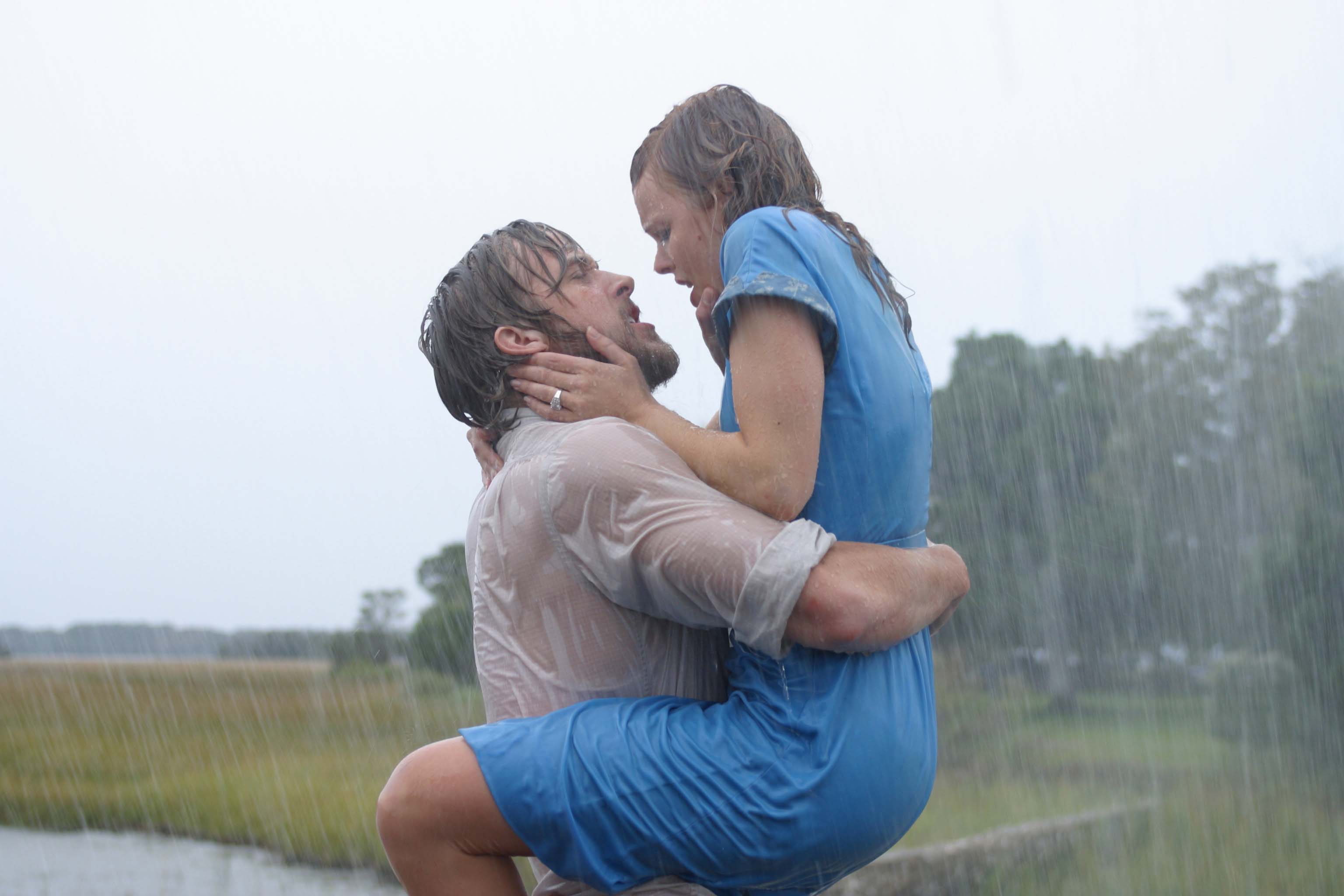
Chicago Reader Albert Williams
The streets and skyline of London provide a scenic backdrop for this maudlin, meandering tale of bittersweet romance (2010). The excellent Tobias Menzies (Brutus on HBO's Rome) plays a depressed musician whose suicide attempt is interrupted by a phone call from a free-spirited but lonely barmaid at the pub where he's just abandoned his guitar. As their casual encounter turns into a long night of soul searching, they fall in love and realize how short their time together may be. Alexander Holt and Lance Roehrig directed; with Genevieve O'Reilly and Gemma Jones.
FORGET
ME NOT Facets Multi Media
Fate brings together two strangers, but they may not remain close in Forget Me Not, a romantic drama from the UK. Will Fletcher (Tobias Menzies) is a talented but struggling musician who is playing a pub gig one evening when he meets Eve Fisher (Genevieve O'Reilly), a lovely, free-spirited woman working as a barmaid. Eve soon catches Will's eye, and when she is accosted by a drunken customer, he comes to her rescue. A grateful Eve ends up going to a party with Will after work, and as the evening wears on, the two begin to wonder if they have found love at first sight. However, after spending the night at Will's apartment, Eve learns that he has a secret he has not shared with her, and that their time together may not be as long as she hoped. Like the acclaimed film, Before Sunrise, this couple learns that their limited time together leads to their revealing more about themselves than they normally would, as well as the quixotic enchantment of a first encounter between two strangers whose paths could lead them anywhere.
NewCity Chicago Ray Pride
Slivers of urban living, not quite city symphonies of the condition of the high streets and alleyways of a town with a complicated history like London: these hold a special attraction. “Forget Me Not,” written by Mark Underwood, and directed by first-timers Alexander Holt and Lance Roehrig (who’ve made shorts together), swoops from city lights to golden-lit cafes and restaurants. Musician meets barmaid. Trouble finds trouble. Night turns to day and fortunately to night again in their first twenty-four hours of acquaintance, and the co-directors’ pacing has the kind of understated confidence that reassures. Modest, intermittently poetic, keen on fate and fatefulness, it’s sweet diversion, even with an overly sturdy use of the London Eye landmark. Avoid the inevitable comparison to Richard Linklater’s “Before Sunrise” and his masterpiece, “Before Sunset.” With Tobias Menzies and Genevieve O’Reilly as the couple that might not have come to be: their chemistry breaks all bonds of narrative forethought. Gemma Jones’ turn as a grandmother with failing faculties takes advantage of the gifts that Woody Allen only billboards in her role as a meddlesome psychic in his indigestible “You Will Meet A Tall Dark Stranger.” 93m.
The Film Pilgrim [Andrew Jones]
Forget Me Not opens with a man singing and playing guitar in a bar. Relaxed environment though this may be, when we follow him home where he runs a bath he grabs a razor blade and some pills and contemplates suicide. A cross between Once and Before Sunrise but set in London between midnight and midday, Forget Me Not wears it’s forefathers on it’s sleeve, and unfortunately only ever makes the audience fondly remember those films in comparison.
Our male and female leads get together due to the forgetting of a guitar, need for alcohol and a drunken bar patron who is a bit too ‘handsy’, and just like that, the two walk London, from party to mini-cab offices, talking, relaxing, and forming a bond, albeit one that has it’s ups and downs.
Tobias Menzies and Genevieve O’Reilly are easy to watch throughout the film, they have a good chemistry and handle the dialogue well enough. However, the film’s script falls down far too often; Dialogue can range from heavy-handed anecdotes about family, life and love to quick wit and snappy comebacks, but it lacks both the emotional punch and realistic edge for the former and real humour and great characters to work around the comebacks for the latter. Though one scene near the end, featuring a devastatingly brilliant Gemma Jones, slowly but thoroughly hits you hard. A test for Alzheimer’s (Thus the title of the film), which Eve (O’Reilly)’s grandmother fails, with a scene of painful truth that really is exceptional. Alas, this is a rare moment and the only time the script truly shines.
Thankfully though the two directors, Alexander Holt and Lance Roehrig, have added a lot to the film’s visual look. It stands out and has many well placed shots, great camerawork, some amazing bursts of colour and interesting use of depth of field which definitely separating it from other films of the same ilk. A visually stunning little film that manages to capture both the real London and some postcard shots too, such as a visit to the London Eye at about 6 in the morning, or walking down Whitehall at 7am and it being entirely empty, if only. When Forget Me Not works, it shines admirably, but when it doesn’t, the film can become tedious and the choice to add a twist at the end detracts from the rest of the film, as does it’s oddly dark opening. Whilst the film may be trying to separate itself from other similar features it manages to distinguish itself for the faults it creates in the process rather than what could have been a small but solid comic drama, with some grand moments of inspired emotional connection to the audience.
One hopes that the directors can move on and work on films that aren’t dragged down by a limp, often lifeless script, in the future and instead make a film that has the depth in drama that can go with the visually inspired way they work, but Forget Me Not isn’t a film that would ever be considered required viewing. Even for the moments that it works, the film can’t quite add up to a great series of filmic events in a dull film, which is the saddest thing about the whole affair.
Best For Film David Cornish
Forget Me Not | Review | Screen Mark Adams from Screendaily
Forget Me Not :: rogerebert.com :: Reviews
Los Angeles Times Kevin Thomas
Honda, Ishirô
Ishirô Honda biography BFI Sight
and Sound (link lost)
Born in 1911 in
Yamagata as part of a monk's family, Ishirô Honda's given name was a
combination of 'I' (or Ino) meaning 'boar', the animal of the year in which he
was born, and 'shiro' meaning 4th boy of the family. As a young boy, Honda
demonstrated an interest in drawing and set himself the goal of becoming an
artist. Yet, by the time he reached his adolescent years at school, he began to
become more interested in the world of cinema. Honda attended Nippon University,
studying in the Arts Department, and after graduation went to work for the
film-making company PCL (Photography Chemistry Laboratory). In 1933, just after
the company had completed construction of a large shooting studio, he acted as
assistant director, many times for Kajiro Yamamoto. After being drafted three
times Honda finally served 8 years in the military but continued to work on
films in between assignments.
During his second
stint in the military he was captured and spent a full year as a prisoner in
mainland China, close to the War's end. Resuming film-making full-time upon his
return to Japan, Honda served as second assistant director for Sadao Yamanaka
until he was called to work at the famous Toho Studios in 1951. His feature
film debut as director came the same year in the drama The Blue Pearl.
The following year he made The Man Who Came to the Bay, on which Honda
collaborated with producer Tomoyuki Tanaka and special effects director Eiji
Tsuburaya. The Man Who Came to the Bay was the story of a man on a
whaling ship which starred the actor most famous for his association with Akira
Kurosawa, Toshiro Mifune. Although not a special effects film as such, a lot of
real footage was used in tandem with many screen process shots.
The following
year, Honda made his first special effects feature, the war drama Eagle of
the Pacific with Eihi Tsuburaya and in 1954 the two men also collaborated
on Farewell Rabaul before teaming up with music composer Akira Ifukube
to produce Honda's undisputed masterpiece Godzilla (Gojira 1954).
From this point on, Honda's career increasingly shifted towards science fiction
and special effects films. In 1956, he added deft touches of horror and
suspense to Toho's first colour monster movie Rodan and the following
year directed Toho's first widescreen/colour sci-fi feature The Mysterians.
In the 1970s he curtailed his work on SFX films, but continued working on
special effects TV series such as Return of Ultraman and Mirror Man.
His final TV directing job was on the children's show Emergency Call
Ten-Four Ten-Four, following the exploits of a emergency rescue team.
Throughout his
career, Ishirô Honda maintained an especially close personal and professional
relationship with Japan's foremost director, Akira Kurosawa. As a mark of his
special fondness and respect for Kurosawa, Honda accepted the assistant
director's job for his colleague's late masterpieces Kagemusha (The
Shadow Warrior 1980) and Ran (1985). One of Honda's career-long
ambitions was to direct a film about a dead soldier returning to Japan, and it
is quite likely that 'The Tunnel' sequence in Kurosawa's Dreams (1990)
was the fulfilment of that ambition. When Kurosawa finally received an Honorary
Academy Award in 1990 to recognize the body of his work, Honda sent a televised
message on behalf of the entire staff at Toho Studios to congratulate his
friend.
By career's end
Ishirô Honda had worked on 46 feature films before dying in March of 1993 at
the age of 81. He was survived by his wife and two children. Although his career
ultimately became defined by his work on monster and science fiction films,
reaching its apotheosis in the rightly celebrated Godzilla (Gojira
1954), Honda never felt embarrassed or regretful about this. In fact he enjoyed
working on these films a lot and their success owed a great deal to his
philosophy of the genre.
GODZILLA (Gojira)
Introduction BFI
Sight and Sound (link lost)
Godzilla is one of the great films of
sci-fi master Ishiro Honda (Akira Kurosawa's great friend and occasional second
unit director) and in Japan his 1954 hit is regarded as one of the great
classics of cinema, rated among the top twenty Japanese movies of all time by
the prestigious film journal Kinema Junpo. Ishiro Honda cast Takashi
Shimura (best known for his Kurosawa roles, including the leader of the Seven
Samurai) as the human hero, a revered paleontologist who insists that
Godzilla must be studied, not destroyed (he's in a minority of one), whilst the
true star of the film, the 30-storey-high Jurassic behemoth, was created
byspecial effects genius Eiji Tsuburaya.
Godzilla was made in the shadow of the
newly developed hydrogen bomb, successfully exploded by the US in late 1952,
and by the Soviets a few months later. In March 1954 the crew of a Japanese
tuna boat, Lucky Dragon, all developed radiation sickness following the
American detonation of a 15-megaton H-bomb on Bikini Atoll. The incident sparked
a massive outcry in Japan, and this is in effect the moment at which Godzilla
opens, with the bomb tests awakening a long dormant pre-historic monster with
white-hot radioactive breath. With its images of panic and mass destruction
(including spectacular nightly attacks on Tokyo) and its references to nuclear
contamination, black rain, bomb shelters and the incineration of Nagasaki, Godzilla
struck a chord of terror with Japanese audiences traumatized by recent history
and still living with the fear of radiation poisoning.
The original
Japanese Godzilla was sold to an American distributor in 1956 and turned
into a typical monster-on-the-loose picture which, through the miracle of
editing, co-starred Raymond Burr as a news wire reporter commenting on the
action. It was this recut, dubbed version - with all traces of the original's
anti-nuclear message excised - that became familiar worldwide. (While the
Japanese cut runs 96 minutes, the US version is only 80, with 20 minutes of new
footage added, leaving only 60 minutes of the original.)
Now, for the
first time, British audiences will have a chance to experience the original Godzilla
which, with its potent blend of fantasy and documentary-style urgency, is a
thrilling tour de force.
The
Steve Pulaski Message Board [Steve Pulaski]
Trying to convince somebody that isn't wholly invested in cinema,
or somebody simply not willing to learn about the culture, that the first Godzilla
film was actually a film littered with commentary and played nothing like the
idea we all have in our heads about the towering monster is a daunting and
almost thankless task in itself. Once you grasp the idea of a postwar Japan
that was left demilitarized and financially and structurally battered, fearful
of invaders, nuclear repercussions, and the country's future in terms of basic
economic prosperity, the original, 1954 Japanese film (known as Gojira
in Japanese) becomes a film ripe for thoughtful dissection and analysis by just
your average cinephile or history buff.
Little needs to be explained in the way of the film's story, I feel, but the
basic idea concerns the awakening of a towering behemoth thanks to prolific
nuclear testing in the Pacific Ocean. The Japanese are petrified of the
destruction possible with this creature lurking around, find their government
is content on hiding and obscuring facts related to the issue, and see a
dissenting country in the mix of deciding what to do with the monster. While a
good majority of the people, understandably, want this monster extinct and
destroyed as soon as possible, Dr. Yamane Emiko (Momoko Kōchi) finds the
possibility for research and analysis on Godzilla invaluable and has the ambition
to try and capture him alive. Dr. Emiko is in the minority on this view, but he
sees the long-term value in the creature, while the townspeople, acting on
impulse and responding to an immediate conception of fear, want nothing to do
with the creature.
This ignites an idea brought on by classic Universal monster movies of the
1930's and 1940's about humans' role in these man-made disasters, or whether or
not humans have the responsibility to "play God" in any way. This
idea, in conjunction with relativistic looks at the Japanese mindset in the
1940's and 1950's, after the repercussions of World War II, the basic elements
of human fear, and what Godzilla metaphorically represents, are all relative in
analyzing this particular piece, and it may indeed be the only franchise where
the first film is looked at and critiqued in an entirely different light than
its successors.
Following the boom of the Japanese film industry in the 1950's and 1960's,
American activities such as golf were beginning to become prominent in Japan,
along with the ubiquity of home Television sets, which saw exponential sales
from a few thousands to two million during the mid to late 1960's. As a result,
Japan's successful film industry became short-lived, as less and less people
flocked out to the theaters due to the lack of popularity of the establishments
comparative to the United States. The company that released Gojira, Toho
and its director Ishirō Honda, began catering to the lowest
common-denominator, not filling their follow-up efforts to Godzilla with
thought-provoking commentary on Japanese culture and topical events, but
instead, loading them with the kind of cheesiness and glitz expected to attract
young children or a late-night audience. The Godzilla films became more
concerned with the sounds-and-lights aesthetic, ridiculous and often ludicrous
monsters that were totally geared towards selling action figures, and a line of
comic books and video games to license the everlasting hell out of Godzilla
name.
This kind of franchise and international ubiquity obscured the original film
not only for its datedness but made its justifications for social commentary
laughable to those uninformed about Japanese culture at the time . This is one
of the many things licensing does to hurt a brand or product in the long-term
sense, for it alienates consumers because they can't seem to escape it no
matter which way they turn, but the reasons for the greatness of the original
product become lessened or forgotten due to the constant influx of new material
related to the original work.
Gojira may find itself crude in parts, with its assembly of miniatures
optimistically passing off as a rogue monstrosity devastating a large
community, or its evident aspects showcasing overacting, but it's nonetheless
enjoyable on an entertainment level and thoughtful on a commentary-level. This
is one of the few films that can be so relevant and topical while playing one
of the most simplistic but effective instrumental tracks, and that in its own
right is uncommonly beautiful.
“History shows again and again,” writes that unsung modern philosopher Buck Dharma, “how nature points up the folly of men.” Meaning, for those unfamiliar with Blue Öyster Cult's 1979 monster hit, one Godzilla, 20-story-tall king of the monsters, and the most fearsome city-stomper in the history of cinema. Fifty years of sequels, tag-team monster mash-ups, and shitty Hollywood remakes have not blunted the sheer cinematographic force, let alone metaphorical heft, of Ishirô Honda's Godzilla. Rarely has the open wound of widespread devastation been transposed to celluloid with greater visceral impact. Put another way, Godzilla is the Germany Year Zero of monster movies.
The impetus for Godzilla was a series of undeclared H-bomb tests conducted by the U.S. military at Bikini Atoll in March of 1954, into which maelstrom a lone Japanese fishing boat, christened with terrible irony Lucky Dragon 5, sailed unawares. Exposure to clouds of irradiated fallout, dubbed “death ash” by the sailors, led to the swift demise of at least one crewmember. The still-fresh notoriety of that incident, restaged as the opening sequence of Godzilla, would have alerted Japanese audiences from the get-go that they were in for more than just another creature feature. Add to that frequent mention of matters of wartime survival, whether the firebombing of Tokyo, or the atomic bombs dropped on Hiroshima and Nagasaki, and it becomes something of an open secret that Godzilla represents American military might in all its blind destructiveness.
Stylistically, Godzilla fluctuates between noir-refracted stylization (early scenes, for instance, are heavy on window blind-filtered lighting) and documentary verisimilitude (radio and television broadcasts abound). Honda bides his time, building up a free-floating atmosphere of atomic age anxiety by withholding any glimpse of the Big Bad until 20 minutes in, emphasizing instead the aftermath of Godzilla's destructive path from maritime menace to the scourge of Odo Island, where it promptly takes out the sole survivor of its second ship-sinking, before wading its way into Tokyo Bay. The other narrative strand concerns an eminently conventional love triangle centered on Emiko (Momoko Kôchi), the daughter of renowned archeologist Dr. Yamane (Kurosawa regular Takashi Shimura). In the interests of narrative expediency, Emiko's torn between her newfound crush on Ogata (Akira Takarada), a salvage ship captain, and an arranged marriage with ugly duckling Serizawa (Akihiko Hirata), who just happens to have invented the doomsday weapon that can put an end to Godzilla's reign of terror.
It would be wrong to conclude that Godzilla heaps all of its eggs in one effects-driven basket, caring little for its human-sized drama: Honda infuses Serizawa's conscientious desire not to unveil his prototype weapon, knowing full well doing so will inevitably lead to an escalating Oxygen Destroyer race, with sufficient emotional charge. In fact, considering how the nominal lead, Ogata, is presented as a sidelined and acutely feckless observer, Serizawa ought to be seen as the film's secret hero, especially given his film-concluding act of self-sacrifice. Interestingly, this ultimate state of affairs flies smack in the face of the character's initial presentation: His dark glasses, eye-patch, and facial scars (owing to injuries, we're matter-of-factly told, suffered during the war) might lead viewers to put him down as a sort of Japanese Dr. Strangelove, which his mad scientist laboratory and unexplained-until-the-11th-hour death-dealing device seem to confirm. It's a nifty little subversion of expectations, then, that Serizawa ends up the locus of viewer identification.
Furthermore, the artistry of Eiji Tsuburaya's special-effects work encompasses far more than the sheer spectacle of a man in a rubber suit laying waste to those scale-model cityscapes. Tsuburaya and his team seamlessly integrate composites and matte paintings into the mise-en-scène; for every obvious—and potentially risible—miniature, there are a handful of effects-laden shots that still pack an affective wallop. In particular, Godzilla's nighttime incursion into Tokyo proper, and the resultant swath of destruction, possesses a psychotronic potency, an air of abreacted absurdity, reminiscent of the Do Lung bridge sequence in Apocalypse Now. As though implacable death from above were somehow intrinsic to the human condition. Then again, taking the long view of 20th-century history, perhaps it is.
Godzilla's
Little Acre - Film Comment Gregory
Solman on Roland Emmerich’s 1998
version, July/August 1998
This time Godzilla is really dead. A child of atomic blasts, it survived attacks by every conventional and fanciful weapon industrialized nations could throw at it: jets, bombs, gunships, rockets, tanks—the whole toy chest. Once, it was enclosed in a bubble and kidnapped to outer space, recruited to do another planet's dirty work. It's been attacked by flying saucers, the Super X2 experimental craft, an oversized King Kong, electrified pylons, Biollante the biological weapon, suspiciously penile-looking, poison-spitting Mothra larvae. It's been plotted against (“Implement Plan 2, Item 4, Schedule 5”) by alien Kilaaks and the Republic of Saradia, discussed by the Mental Science Exploitation Center and World Space Authority, mesmerized by teeny-bopper psychokinesis. It ate nuclear power plants, enjoyed those, thank you. It beat Rodan, Mechagodzilla, and hydra-headed King Ghidera (or Monster Zero, when controlled from the hidden fortress within Mount Fuji by aliens from Planet X in the Scorpion System). That paralyzing titanium ray in the back, just when it was about to slam down Titanosaurus? Well, let's just say that only made Godzilla's victory dance that much sweeter.
But in Godzilla vs. Das Spielbergle the beast finally meets its match. Director Roland “The Spielbergy” Emmerich (his nickname's mistranslation from his native German—surely they mean Spielburglar—might simply indicate that Germans don't get Spielberg any better than most American critics) lobotomized Godzilla's walnut-sized brain, removed its mind in extravagant digital cosmetic surgery, leaving poor Pop Toho destitute of reasons to ever make another inexpensive, innocent, adolescent mechanical/miniature adventure with ugly old analog Godzilla. The dead weight of Godzilla has permanently imbalanced the series' economy of scale.
“They show extreme intelligence, even problem solving intelligence … especially the big one,” says the Kenyan game warden Robert Muldoon of Jurassic Park's raptors. “That one, when she looks at you, you can see that she's working things out.” Well, when Modzilla looks at you, you can see it hasn't a clue. This Godzilla's had his personality digitized to death, a poor example of character animation, lacking any discernible character. Unlike the Jurassic dinosaurs, which Das Spielbergle simply copied in larger scale, Godzilla exhibits no creepy, recognizable, realistic animal behavior, either. Its figuration lacks a memorable, primal snapshot. It's posed a lot like the evil one from Spawn, and even then it's only glimpsed quickly, the first rogue of The Furtive Monsters of Filmland. (The Toho effects artists weren't hiding anything; they beheld Godzilla's enthralling visage with lingering, terror-and-giggle—inducing portraits.*) If not for the Taco Bell collectors cups and Dreyer's Ice Cream cartons you'd scarcely remember this Godzilla, much less conjure it in a nightmare. It's even a dull color—hey … it's Grey-zilla, it's Blah-zilla—not your toxic, Mountain Dew green. Seen as an atomo-mutated iguana, it has an overdeveloped lower jaw and a cruel face like a giant Alien, and mostly it's glimpsed in body parts. When a filmmaker settles on these newfangled effects, he doesn't want the audience looking too long at them. Besides, we're in New York and the meter's running.
The decision to make Godzilla an expensive effects film immediately departs from the series' aesthetic and iconographic tradition, which even resisted stop-motion (as in The Beast from 20,000 Fathoms or the effect Tim Burton captured so marvelously using computer-generated imagery in Mars Attacks!). The onslaught of exploitative digital effects effectively removes Godzilla from the world of juvenile pleasure—now it would need a gargantuan audience—leaving nothing of interest for any age. It's not a good adult movie; it's not a good kids movie; it's not a good movie; it's not a movie. It's an Event.
Godzilla overdone in this manner by a junkmeister proves that movies are improving in ways that don't matter and getting worse in ways that do. And how quickly did the promise of CGI's limitless possibilities run into the productized deceit of the banal. Despite the Spielberg mimicry (the fishermen on the wharf, “I think we need bigger guns”—yes, we know), the drama hasn't the snap of Jaws (while Spielberg's works toward transforming and perfecting genre, Emmerich hasn't yet achieved tongue-in-cheek). And the effects show no improvement over the now five-year-old Jurassic Park, such as in the swish pan to successively snapping baby godzillas in Madison Square Garden, which copies, not quotes, the raptors in the kitchen scene. (And we've seen Godzilla's dopey son, Minya, before. He grew up to become Barney.) As compared to the effects achieved in the contemporary production Lost World—with its safari romp, breathtaking cliffhanger sequence (a master class in directing that would have had Hitchcock furiously taking notes), and raptors attacking at dynamic obliques seen overhead as they cut swaths across the tall grass toward their prey—well, that's on another filmmaking planet.
Interested observers of the recent sins that have been visited upon all that's been held sacred about the cinema couldn't resist heaping upon the coming of Godzilla an unintended weight. Godzilla would not just symbolize, as it always has, man's imbalance with nature in the atomic age (Godzilla's reference to French nuclear testing speaks from tradition), but it would rather represent everything that's gone wrong with the movies. As the soulless, unstoppable, hyperbole machine emerged from the roiling water and headed toward a neighborhood near you, the monstrous Event would not be, indeed could not be, about a movie with any meaning.
A reading from the Prophetess Pauline (Kael's “Why Are Movies So Bad? Or, The Numbers”) predicts these apocalyptic Events. She foresaw such über-scaled product as coming from dispassionate, now unfettered directors like Emmerich, a local demigod merely because his movies StarGate and Independence Day—the cynically dumbed-down, obvious, humorless, clunkily scripted and unimaginative packets of stolen bits from better films—made money. (After The Noah's Ark Principle, Joey aka Making Contact, Hollywood-Monster aka Ghost Chase, Moon 44 aka Intruder, and Universal Soldier, no one was declaring his genius, or even his undiscovered aptitude—the Numbers in a nutshell.)
Godzilla's risk-less capitalization on a famous product trademark would promise expensive visual effects and thus create the kind of synergy between entertainment media (the $100 million in marketing buys lots of synergy) and line up TV and newspaper shills like professional advance men. Finally, since the audience for dogpatch poesy completes the prosaic act, the simple art of the genre film becomes defined downward for an audience so numb, desperate, and raddled that “all they want are noisy thrills and dumb jokes and images that move along in an undemanding way, so they can sit and react at the simplest motor level”—Prophetess Pauline, reviewing Godzilla, miraculously accurately, in 1980.
TriStar claims it begged the Dean Devlin—Roland Emmerich team four times before they agreed to make Godzilla; the Numbers mean a studio wouldn't even consider interesting Japanese directors such as Shasuke Kaneko, who made Gamera 2: Assault of the Legion as recently as 1996, or Kazuki Ohmori (Godzilla vs. Biollante shows updated technique without corruption of character), or Godzilla: 1985's Koji Hashimoto, or an American respectful of adolescent imagination such as Joe Dante. Give those guys $100 million and see what they come up with? Made-in-Japan pop can't even get distributed here.
Carefully debarked of anything objectionable or stimulating, Godzilla turns out to be far too pointedly pointless to get agitated about. It doesn't even destroy structures in New York that might resonate—the Citicorp Building (headquarters of the planet's most evil bank, by the way), the World Trade Center towers, the Limelight disco, or St. Patrick's Cathedral. The idea is to crush all meaning without mercy. Even as a study in scale, the effects are uninspiring; they lack the transfixing power of the giganticized George Michaels or Rolling Stones music videos, even the crude rear screen of the miner who discovers Rodan's nest.
What's more, the juvenile pleasure of Godzilla was suspension of suspension of disbelief, drifting between seeing Godzilla as a believable beast and/or a Japanese man in the Godzilla suit, destroying the neatest miniature city, not a photorealistic place but a spectacular diorama. It was attacked by your toy tanks and planes. Indeed, the Godzilla action figures of the Sixties were Godzilla—the movie character was not more realistic, it only moved. Did no one have the sense to ask Emmerich, at least rhetorically, “Why would you want to make a realistic Godzilla?”
Emmerich shows no sympathy for the devil. Toho's Godzilla was never Studio-sterile. Godzilla mogul Tomoyuki Tanaka's enterprise was stylized Japanese pop art for kids, replete with harmoniously singing twin-pixie girls, mod fashion, comic-book art direction, and mythic beasts in a pyrotechnic puppet-theater. The head forbade Godzilla to tromp right by the Tokyo skyscrapers and crush that delicate, precious, defenseless old pagoda; the heart secretly pounded applause to Godzilla's every destructive tantrum.
The real, famous, original Godzilla (Toho should now make this distinction, like Ray's Pizza parlors) has the face of a hopping-mad wet feline atop a long stiff neck, a house cat after a bath, with a flattened brow ridge cum fastback, an oddly likeable smirk, and irradiated dorsal fins splayed in a lovely rhythm down his spine. “That strangely innocent, and tragic monster,” as memorably described by series veteran Raymond Burr in Godzilla: 1985, was essentially a pro wrestler, as likely to be cast as hero with a sentimentalized departure as a villain to vanquish, even still a misty moment, or topple over, ending the movie immediately, sometimes seconds later.
That wrestling dynamic—the movies were even promoted as big fights—meant it had simple, dramatic coherency, too, the reconfiguration of popular theater Roland Barthes critiques lovingly. Even saddled with an inexpressive Kabuki mask face, Godzilla can gloat; it just needs body language to do that, arms outstretched, in that proto-Rocky pose. It tosses a huge bolder with a giant lobster monster, back and forth, until Godzilla gets bored and breaks off a claw. Its bawl is perfectly strange and horribly funny—an elephant shriek quickly descending into an ursine/leonine roar; now it's a cataleptic Sony Dynamic Digital Sound blast (only at selected theaters!). Good old Godzilla hops into karate kicks, does a Japanese jig, and thumps its overdeveloped chest with undersized arms. It judo-throws creatures to cheesy Hammond B-3 organ-led jazz riffs. Its heroism interrupted by a death ray from a UFO hovering above, Godzilla grabs his throat with one hand and gestures with the other, looks up plaintively as if stricken with laryngitis, and shakes his head as if to apologize to all the world's children, “I'm in the grip of a death ray! What can I do?”
Where is Emmerich's contribution to Godzilla's legend? His reductive method is the least holistic gestalt of A-level directors in Hollywood. He plucks from action films setups and shots and bits, but then he combines them dispassionately, artlessly, mechanically, without any added sensibility. By their first few minutes, his films feel old. In Universal Soldier (92), he starts in the Seagal/Stallone/Schwarzenegger mode of mayhem, then settles into RoboCop (minus Verhoeven's uncomprehended neo-Sirkian Euro-irony), Terminator 2 (the unflinchingly self-cauterizing mute brute protecting the tough yet emotional broad) with a touch of the good soldier/bad soldier dynamic of Platoon. The emotion is so calculated, it feels as if Emmerich's punched through the chest and ripped out the bloody half-hour heart of character development. His notion of artistic progress is stealing from better movies.
StarGate? Close Encounters and Timecop. Independence Day? Close Encounters and Star Wars. Godzilla? Jurassic Park, Jaws, and Alien(s). There's rarely reference to anything that wasn't hugely successful, because reiteration of successful formula is all Emmerich's about. This is hit-making by the Numbers, box-office #1s, and who can blame him? Godzilla made $74 million its first Hollywood (five-day!) weekend—probably more than all previous Godzilla pictures combined—to media-muttering of industry “disappointment”: The sole purpose of this product was to make more money than anything else before it, generate a reflexive response immune to critical and public opinion, then let it creep back to the mediocre-sea. But who grieves for Godzilla? This time, Godzilla won't be back. But the creature the Germans call Das Spielbergle? You'll never stop this guy.
*Mr. Inoshiro Honda, who directed most of the Toho Godzilla, exhibited old-fashioned showmanship. If Emmerich had any passion for the franchise, he'd have revised Honda's famous freeze-frame credit sequence sneak previews, which in the Sixties served the triple purpose of evoking gales of shrieking, laughter, and shouting (that's a sound one never hears anymore—movies today can't even work kids up into a frenzy); serving up instant gratification that made it easier to then settle in for plot; and giving flustered mothers the chance to scurry up the aisles with shocked, bawling infants. A black mark of our film culture, this Godzilla only excited furiously marketing and synergy-producing adults.
Godzilla: Poetry After the A-Bomb - From the Current - The Criterion ... Criterion essay by J. Hoberman, January 24, 2012
10
Things I Learned: Godzilla Criterion essay by Curtis Tsui, February 24,
2012
Godzilla Packaging photo gallery, January 27, 2012
Monsters! Photo gallery, February 08, 2012
Godzilla (1954) - The Criterion Collection
AND YOU CALL YOURSELF A SCIENTIST! -
Gojira (1954) Liz Kingsley
Gojira - Reviews -
Reverse Shot Nick Pinkerton,
July 6, 2004
The Atlantic [Christopher Orr]
Alternative Film Guide [Dan Schneider]
It's the Bomb | Village Voice J. Hoberman from The Village Voice, April 27, 2004
Godzilla Gerald Peary, June 2004
GODZILLA
50th Anniversary Pressbook « SciFi Japan
The Science Fiction, Horror and Fantasy Film Review [Richard Scheib]
Ruthless Reviews ("potentially offensive") Matt Cale
Cinefantastique - Film & DVD Review Steve Biodrowski
Classic-Horror.com [Nate Yapp]
HorrorNews.net [Nigel Honeybone]
CriterionConfessions.com [Jamie S. Rich]
Godzilla
(1954) Movie Review from Eye for Film Anton Bitel
Creative Loafing [Curt Holman]
The Onion A.V. Club [Keith Phipps]
Film @ The Digital Fix - Godzilla Anthony Nield
Film
@ The Digital Fix - Godzilla Final Box in April 2005 Dave Foster, 50th Anniversary
The
Sci-Fi Movie Page (Deluxe Collector's Edition DVD Set)
DVD Drive-In - The Criterion Collection [Joe Cascio]
Blu-ray.com [Dr. Svet Atanasov] Criterion Blu-Ray
DVD Savant - Blu-ray [Glenn Erickson] Criterion Blu-Ray
Blu-rayDefinition.com - Blu-ray [Brandon A. DuHamel] Criterion Blu-Ray
Real Movie News - Blu-ray [Ryan Russell Izay] Criterion Blu-Ray
Slant Magazine Blu-ray [Budd Wilkins] Criterion Blu-Ray
DVD Verdict (Blu-ray) [Patrick Bromley] Criterion Blu-Ray
DoBlu.com (Criterion Blu-ray) [Matt Paprocki] Criterion Blu-Ray
The QNetwork [James Kendrick] Criterion Blu-Ray
DVD Sleuth [Mike Long] Criterion Blu-Ray
The Rued Morgue - Criterion Blu-ray [Ross Ruediger]
AV Maniacs - Blu-ray [Steven Ruskin] Criterion Blu-Ray
Ferdy on Films [Marilyn Ferdinand]
A Film Odyssey [Robert Humanick]
BeyondHollywood.com Joseph Savitski
Foster on Film - Giant Monsters Matthew M. Foster
Jay's Movie Blog Jayson Seaver
The
1954 Godzilla Succeeds Where Many of Its ... - Village Voice Zachary Wigon
Cinepassion.org Fernando F. Croce
Passport Cinema [Chris Luedtke]
Combustible Celluloid [Jeffrey M. Anderson]
kamera.co.uk - book review - The
Cinema of Japan and Korea - Colin ... Colin Odell and Michelle Le Blanc
Rick Moody on the original Godzilla | Film | The Guardian Rick Moody, September 29, 2005
Godzilla:
the early years - in pictures | Film | The Guardian Greg Whitmore, June 28, 2014
Godzilla
at 60: How much do you know about the king ... - The Guardian Movie quiz, October 28, 2014
Godzilla
comes home: Japanese reptile takes on ... - The Guardian Justin McCurry from The Observer, December 20, 2014
Godzilla: why the Japanese original is no joke - Telegraph Tim Martin
Philadelphia City Paper [Sam Adams]
'Godzilla,' Uncut and Unmatched (washingtonpost.com) Desson Thomson
'Godzilla':
Not Your Daddy's Dinosaur (washingtonpost.com) Stephen Hunter
San Francisco Chronicle [Mick LaSalle]
Godzilla (1954
film) - Wikipedia, the free encyclopedia
Hondo, Med
Med Hondo African Dream, Chris Fujiwara from The
Mauritanian-born director Med Hondo could well say, with Samuel Fuller, that "the cinema is a battleground." Works of structural invention and sardonic irony, Med Hondo's films surround colonialism on all sides, dig underneath it, explode it in slow motion. The complexity of tone in his work expresses the filmmaker's mastery, his desire to be thoroughly equal to his enemy, the need to be free and uncontaminated by doubt in order to refuse evil. The Harvard Film Archive's tribute to Med Hondo includes screenings of five films and discussions with the filmmaker.
Med Hondo rose to prominence in 1970 when his first feature film,
Soleil O (April 30 at
Soleil O is a bracing, exciting film. It has an original
way of being very clear and abrupt in presenting situations that are absurd,
didactic, or on the threshold between fiction and reality, between principle
and example. The milieu of the characters is neither the
The sweeping Cinemascope epic Sarraounia (1986; April 29
at
Med Hondo's latest film, Watani, a World Without Evil
(1998; April 28 at
The Harvard retrospective also includes West Indies: The
Fugitive Slaves of Liberty (1979; April 28 at
The
films of Med Hondo An African filmmaker in Paris, by Françoise Pfaff from Jump Cut, March 1986
What
is cinema to us? by Med Hondo (Abid
Mohamed Medoun Hondo) from Jump Cut,
March 1986
Med
Hondo interview by Mark Reid and
Sylvie Blum from Jump Cut, March 1986
Research
on African film and video Françoise
Pfaff from Jump Cut, March 1986
Subsaharan
African film history Technological paternalism, by Manthia Diawara from Jump Cut, April 1987
SOLEIL Ô
France Mauritania (98 mi) 1967
Hondo takes no prisoners in his first feature documentary, an aggressively militant diatribe against both Africa's puppet regimes and the racist attitudes to immigrants in France. It follows a worker, delighted at having the opportunity to escape Mauritania and move to Paris. Though well educated, he soon experiences inequalities and prejudice. There is only manual work is available to him, while less qualified whites find promotion and preferential treatment. The film addresses directly the insidious, covert colonial attitude the west adopts towards Africa, despite the liberal platitudes trotted out by its governments. This is uncompromising and uncomfortable filmmaking.
Soleil O (1967) Dan Pavlides from All Movie Guide
A native of Mauritania is delighted when he is chosen to work in Paris. Hoping to parlay the experience into a better life for himself, he eagerly prepares for his departure from his native land. Although an educated man, he has extreme difficulty finding work and an apartment. He sees racial inequity as blacks are relegated to manual labor while less skilled whites are given preferential treatment. A dinner with a liberal white friend even reveals a continuing attitude of colonization towards third world countries. The disappointed man runs off to the woods where he hears the far off cry of the jungle drums calling him home from a cold and indifferent land.
The
films of Med Hondo An African filmmaker in Paris, by Françoise Pfaff from Jump Cut
WEST INDIES
aka:
West Indies ou les nègres marrons de la liberté
France Algeria Mouritania
(110 mi) 1979
The
films of Med Hondo An African filmmaker in Paris, by Françoise Pfaff from Jump Cut
SARRAOUNIA
Burkina Faso Mauritania France
(120 mi) 1986 ‘Scope
This co-production
between France and Burkina Faso traces the life of the titular 19th-century
Queen of the Aznas, who struck a blow for women's lib in a society dominated by
men. In fact, her reputed physical strength and powers of witchcraft come in
handy in this fictionalized tale, when a pair of racist French captains are
sent to Cameroon to prevent the uprising of the Sultan. While only the
characters, rather than the events, are inspired by fact, this still paints a
believable and compelling picture of an extraordinary monarch, showing how one
can triumph over all manner of race and gender prejudices.
Time Out Tony Rayns
Sarraounia is a young warrior queen of the Azna tribe, whose mastery of the ancient 'magic' skills of martial arts and pharmacology is first put to the test when she defends her people from attack by a neighbouring tribe. But the real trial of strength comes when the French army marches south to widen its colonial grip on the African continent. The second half of the film centres on the French, acidly but plausibly satirised as little tyrants whose megalomania swells in proportion with their failure to grasp the realities of the culture they are trying to crush. Everything here is grounded in careful but never pedantic historical research. The film is superbly crafted and expansive; the tone is celebratory, loud, assertive and spirited; but Hondo doesn't allow the visual and musical splendours to swamp his certainty that Africans need to learn to value and develop the identity that was theirs before the white man came.
LUMIÈRE NOIR
(Black Light)
France (107 mi) 1994
Med Hondo
made an international breakthrough in 1968 with his Burkina Faso-based
warrior-queen epic Sarraounia. Here he brings an outsider's eye to a
Parisian thriller: Poivey's an airport technician caught up in a terrorist
attack who has to fight police bureaucracy to clear his name when he's
suspected of involvement in the violence.
Hong Sang-soo
Hong Sang-soo was born in Korea but got a BFA at California
College of Arts and Crafts in Oakland and an MFA at the Art Institute of
The
Bourne Cinema Conspiracy: Notes on Hong Sang-soo's "Woman on ... Christopher Bourne
(excerpt)
Hong Sang-soo was born in 1960 in
Hong
Sang-soo at LACMA includes Sneak Preview of NIGHT & DAY - IFC ... Cigarettes
& Alcohol, September 11 – 19, 2009 (excerpt)
In conjunction with Your Bright Future: 12 Contemporary Artists from Korea, LACMA will screen eight feature films from contemporary, award-winning Korean filmmaker Hong Sang-soo. His consistent oeuvre eschews the genre tropes beloved by his contemporaries in Korean cinema and instead focuses on the human-scale drama of intimate relationships. His plots have the precision and sly wit of Rohmer, the attentive gaze of Ozu, the pervasive alienation of Antonioni, and mordant flourishes worthy of Buñuel. Set among hauntingly deserted vacation spots, anonymous smoky restaurants, and sparse apartments, his intricately constructed, indelibly frank seriocomedies float by on a current of amply-flowing Soju and romantic complications. His impulsive men and resilient women, characters whose bonds are never as simple as they seem, engage in love triangles and verbal jousts teeming with flirtation, evasion, misunderstanding and self-revelation. Always pining to revisit and revise the past, Hong’s melancholy intellectuals—filmmakers, artists, professors, actors—drift through the present moment lost somewhere between their art and real life.
Tales of Cinema: The Films of Hong Sang-soo Museum of Moving Image, June 3, 2016
The films of South Korean director Hong Sang-soo are at once
deceptively simple and dense with subtle shades of meaning. Hong is often
compared to legendary French filmmakers Éric Rohmer—for his extended dialogue
scenes and his acute moral vision—and Alain Resnais—for his abiding fascination
with the function (or malfunction) of memory and the structure of storytelling.
Yet his films are firmly grounded in the social and sexual politics, and
drinking rituals, of his native South Korea. Each new Hong movie stands on its
own virtues, while also seeming like a new episode in a vast overarching serial
narrative, a grand super-story about ceaseless self-sabotage, blinkered
yearning, male vanity, the resolute failure to learn from mistakes, and the
moments of tenderness and beauty which could almost, maybe redeem the whole
human comedy.
His characters are borne back into the past by regret. They make bad decisions
under the influence of lots and lots of soju—the South Korean national
drink—then wake up the next day and make the same bad decisions over again. But
what Hong’s films show, often through patterned, multi-part narratives, is that
no two slices of life are ever cut exactly the same, and that an infinite variety
is there to be dug out by anyone who looks at routine closely enough.
Frequently dealing with rude, clumsy, boorish, wrong-footed, and inebriate
folly, Hong’s films are, paradoxically, among the most delicate being made
today.
Sang-soo Hong - AsianMediaWiki biography
Hong was born in 1960 in Seoul. He first studied filmmaking at Chungang University before going to the U.S. to receive a BFA from the California College of Arts and Crafts, and an MFA from the Art Institute of Chicago. After spending a few months studying at the Cinematheque Francaise in Paris, he came back to Korea and got a job at broadcast company SBS. In 1996 he released his award-winning debut feature The Day a Pig Fell Into the Well, immediately winning great acclaim and establishing himself as a leading Korean filmmaker. As his career progressed, Hong also spent time teaching screenwriting at the Korean National University of Arts (KNUA). In recent years he has focused more exclusively on filmmaking, while also launching his own production company Jeonwonsa in 2004.
When watching Hong's films, one notices what initially seems like a contradiction. On one level, his work focuses on everyday, banal human interactions that feel stripped of any deeper meaning. Short segments of his films may appear to be made up of entirely random or spontaneous dialogue, nothing different from what you might overhear in a cafe. Yet a wider view reveals a complex and highly ordered architecture of connections and repetitions that undermine the work's supposed grounding in reality. In Adrien Gombeaud's beautifully assembled presskit for Woman is the Future of Man, Hong is quoted as saying "People tell me that I make films about reality. They're wrong. I make films based on structures that I have thought up."
Reunification
Blues Chuck Stephens from the Village Voice, October 28, 2003
The
brightest filmmaker to emerge from South Korean cinema's recent boom years,
Hong Sang-Soo has been making a career of reinventing the notion of the
"reverse angle." No, not the editorial exchange of shots of
characters engaged in conversation across a breakfast table, or bang-banging it
out over the tops of tumbleweeds. Hong, whose
two-failed-romances-do-not-make-a-right crowd-pleaser Turning Gate
played the New York Film Festival last year, and who's now being treated to a
BAM retro, has a much more metaphysical and broadly spaced sense of give and
take.
In
2000's Virgin Stripped Bare by Her Bachelors, Hong's first comedy—an
ultradark Annie Hall about a rich art dealer, a failed filmmaker, and
the woman they both want to bed—plays shot/reverse-shot ping-pong not from
image to image, but across the film's entire duration: Its first half sets up
one version of a broken love story, then uses the second half to retell the
first, subtly reversing the camera's view of events as well as the narrative's
original angles of intention, and rescinding the veracity of events we'd
initially been coaxed to trust. Every new elaboration on an incident
destabilizes the one before: Funny bits are reimagined as awful failings,
simplicity isn't so much erased as scribbled over into convolution, and the
more characters seem to come together, the more atomized their souls become.
Hong's
anomie-steeped debut, 1997's The Day a Pig Fell Into the Well, concerns
the unraveling of four loosely intertwined lives in late-20th-century Seoul—a
hack writer, a movie-house ticket-taker, a water-purifier salesman, and his
lonely wife—whose lives intersect at inopportune moments. Co-scripted with four
of his former students (and titled after a John Cheever story), the film has a
sense of urban isolation that owes a little to early films of Taiwan's Edward
Yang and Hou Hsiao-hsien, though Hong claims his main inspirations were
Bresson's Diary of a Country Priest and one of the Lumière brothers'
documentary actualitiés of turn-of-the-century dockworkers. Hong came
fully into his own with the masterful The Power of Kangwon Province (1998),
in which a young professor and his younger former student/lover make separate
desultory pilgrimages to the titular vacation spot—a woodsy mountain range
filled with shady paths, lonely waterfalls, and threatening cliffs—over the
course of the same sad weekend, yet never catch so much as a glimpse of one
another. Back in Seoul, the miserable lovers reunite, but the force of the film
isn't so much in their final clinch as in all the strange details that
characterize their weekend away: a fish mysteriously flopping about on a remote
mountain trail far from any stream, an ill-fated minor character who floats
past both protagonists like a noonday ghost, the sobs of a lovelorn policeman,
hanging from a balcony, too drunk to fall or fly.
Gorgeously
photographed and filled with startlingly fresh performances (Kangwon's
Oh Yun-Hong, a sylph with the shape of a sea fluke and eyelids like swollen
cotton sops, and Virgin's Lee Eun-Joo, a model of irritating desirability
to rank with Breton's Nadja, are both standouts), Hong's films are also
peppered with sly bits of cinephilia (the poster for The Untouchables in
Virgin is a wry touch). But while the director's modern mannerisms and
multiple film-fest awards clearly tickle international critics, his films are
every bit as Korea-specific as anything by culture-curator and Chunhyang
director Im Kwon-taek. Brilliantly bifurcated and deeply suspicious of
reunifications of any sort, Hong's films aren't just mounting portraits of
broken lovers; they're exploring the most difficult regions of his politically
and geographically fractured nation's historically broken heart.
"South Korean Film Genres and Art-House Anti-Poetics: Erasure and Negation in The Power of Kangwon Province" David Scott Diffrient from CineAction magazine (2003)
At the end of Les Mots et les choses, his breathtaking tour through four centuries worth of epistemological structures and institutional practices, Michel Foucault ruminates on the possible outcome of the modern episteme. Since the nineteenth-century, "man" has been veering inexorably towards an ontological crisis in which his status as biological, economic, and philological actor has become obsolescent, eclipsed by the organizing principles comprising objective language. Just as the various classificatory schemas undergirding the rule-bound "soft sciences" (psychology, sociology and cultural history) reconfigured the vestiges of earlier epistemological structures, from the resemblance systems of Renaissance thought to Classical modes of representation, so too is knowledge "as we know it" faced with its own imminent negation. The final paragraphs of Foucault's text thus recast his earlier arguments about the recent invention of "man" in a grim, premonitory pallor, and speak of humankind being erased "like a f ace drawn in the sand at the edge of the sea." (1) Near the beginning of Hong Sang-soo's cryptic film The Power of Kangwon Province (1998), a seemingly trivial scene lends visual texture to this idea of erasure. Not long after her arrival to the Korean seaside resort Kangwon-do, Chi-suk, a twenty-two year-old college student, accompanies her schoolmates to a beach where she bends down and casually draws something in the sand. Perhaps her sketch is a message, a signature, maybe even a Foucauldian face awaiting its salty demise. Or perhaps it is simply an empty gesture, a mindless doodle to kill time. The ambiguity of her textual inscription is left intact thanks to the static camera's emphatic detachment from the proceedings. Should we construe this mark, this semiological riddle, as a new wrinkle in the fabric of post-structuralist subjectivity, an already poignant if quietly understated beach scene is unexpectedly imbued with significance--manifesting some of the textual and industrial tensions unique to a n ow-internationally acclaimed and generically promiscuous South Korean cinema through an act of erasure. Before the breaking surf rolls in to dissolve the sand-script, Chi-suk wipes away the image, robbing the spectator of a glimpse into this character's troubled psyche while setting an early precedent for other enigmatic, quickly erased compositions throughout the film.
This essay proposes a set of hypotheses around this fleeting
moment in The Power of Kangwon Province, which not only foregrounds erasure as
a kind of self-effacing authorial prerogative but also highlights an ostensibly
non-generic "art-house" film's implicit connection to genre. Indeed,
taken as an example of the categorical impetus and imagery undergirding
Foucault's text (tables, grids, classificatory charts, etc--all of which
contribute to the experience of order, which is "the writing of history
itself"), The Power of Kangwon Province offers an illuminating case study
of generic inversion at the end of the twentieth century. After contextualizing
the film with reference to the industry's millennial drive toward genre
diversification, I examine the many instances of erasure (both literal and
figurative) throughout the film in hopes of pinpointing some of the thematic
preoccupations of Hong Sang-soo. Hong is a filmmaker whose own authorial
inclination throughout his seven-year directing and screenwriting c areer
appears to be linked to graphological tropes (retracing and erasing) and the
questioning of empirical knowledge, as well as the possibility of rendering
positive the power of negation. Running parallel to the frequent moments of
literal erasure in his films is the director's gravitation toward the
"rubbing out" of generic taxonomies. By sprinkling semantic cues and
iconographic elements throughout his texts only to blot them out in the end,
Hong is able to subtly demonstrate the presence of absence (and vice-versa).
At first glance, the four films thus far comprising Hong's oeuvre have little
in common with South Korea's mainstream, genre-based productions. The Day a Pig
Fell into a Well (1996), The Virgin Stripped Bare by Her Bachelors (2000), and
Turning Gate (2002) appear to be the minimalistic antitheses of such films as
Shin (1999), Friend (2001), Champion (2002), and YMCA Baseball Team (2002), 50
ensconced are the former in the niche market logic of film festival
distribution that any attempt to align them with escapist blockbusters,
gangster epics, biopics, and sports dramas is met with skepticism. Certainly,
The Power of Kangwon Province, a personal project undertaken by a director known
for his enigmatic yet stripped-down narratives and preference for neo-realistic
location-shooting and non-professional actors, would seem to rebuke the
formulaic constraints of commercial flimmaking. One of the goals of this essay
is to cast in relief the problematic nature of such "either/or"
binarism once mainstream genre produ ctions and art-house "boutique"
fare begin to slip from their antagonistically aligned positions and are shown
to be in dialogue (if not communion) with one another. The Power of Kangwon
Province alone dips into the semantic pools of the family melodrama, the murder
mystery, the detective film, the police procedural, the buddy film, the
youthpic, and the travelogue. Understood as a non-generic genre text, this
ultimately deconstructive film is an exemplary manifestation of "negative
genrification," inviting viewers to adopt alternative reading positions
vis-a-vis Korea's fin-de-siecle film renaissance--an admittedly unusual
petition for a film that presumably falls outside the purview of genre studies.
Cinematic Signatures and
the Difficulties of Naming
Just as his films frustrate knee-jerk summarizations, so too is Hong Sang-soo a
decidedly difficult figure to pin down. Having earned a Bachelor of Fine Arts
degree from the California College of Arts and a Masters from the Art Institute
of Chicago, this self-proclaimed "anti-nationalist" is at once the
most cosmopolitan or worldly of filmmakers as well as the "most
Korean"--an insular wonder whose ear for the comic inflections, tautological
wordplay, and slip-pages of meaning unique to his native language match his
ability to distill parochial mannerisms, city rhythms and quotidian details
into a profound meditation on "saenghwal ui balgyon" ("the
discovery of everyday life"--a more accurate Anglicization of the original
title for Turning Gate). One of the many examples of Hong's unsurpassed command
of verbal puns and double meanings occurs during the above-mentioned beach
scene in The Power.... When Chi-suk and her friends Mi-son and Un-kyong sing a
Korean version of "My Darling Clementine," a question abou t the
lyrics arises. Singing part of a stanza that in English would read, "You
are lost and gone forever," the girls stumble upon a linguistic
discrepancy, and debate whether the Korean lyrics should be "Yongyong odil
gatnuya" ("Forever gone where") or "Nonun odil
gatnuya" ("You are gone where"). Because the subject-pronoun is
inessential to and variable in Korean sentences--not linguistically pinned to
either "he" or "she," "you" or
"I"--their question is rendered moot and sent sliding down the
slippery slope of subjectivity. Rather than pursue that question into a
signifying pit, the girls wisely segue to a Korean song--"Arumdaun
gusok" ("Beautiful Imprisonment")--whose lyrics are written in a
songbook. This scene emphasizes the sense of forgetfulness, disagreement, and
absence that will hereafter permeate the film. Moreover, it gestures toward
other linguistic ruptures and moments of communication breakdown, subtly
underscoring how a subject can get lost in a thicket of connotative intricacies
and identifi catory uncertainties. The slipperiness of selfhood and the
ontological trickiness of naming--themes pivotal to Hong's oeuvre--are
comically conveyed in an ensuing scene, when the young women meet an awkward
policeman from the district who tells a corny joke. Referring to the
"musso" (hippopotamus) hood-ornament adorning many Korean RVs, the
cop asks, "Do you know why the small figure is there [on the automobile]?"
His punchline--"To remind [the vehicle] that it is a hippopotamus in case
it forgets its name"--prompts us to consider other markers of identity
throughout a film which both frustrates yet demands generic classification.
Eager to slap a name on Hong's work, Western critics often resort to pulling
out analogies from their Crayola boxes of international cinema. While there is
an obvious affinity between Hong's modernist aesthetic and that of his European
and American forebears--whether it's the austerity of Robert Bresson, the
catatonic romanticism of Michelangelo Antonioni, or the hangdog longueurs of
Jim Jarmusch--over-emphasis on Western precedents and stylistic traditions
threatens to undermine the indigenous character and local flavors of his films.
Though I myself detect similarities between Hong's densely-woven narratives and
the work of Alan Rudolph at his best (in particular, Welcome to L.A., a
bicentennial rondo filled with cheating spouses and self-absorbed artists that
conjures The Day a Pig Fell into the Well in both its spirit of minutia and
free-floating, multi-character plot), I will be the first to admit that little
of substantive weight can be derived from such a comparison if it is not
historically grounded. Cross-cultural comparisons should be done not to validate
a filmmaker's status as a new torchbearer in the high modernist tradition, but
rather as an opportunity to expand pre-existing critical paradigms of
authorship and genre while moving beyond the rigid strictures of nationalism
and ideological hermeticism. If not encyclopedically steeped in the history of
international cinema, Hong knows his Bunuel from his Lynch, and can insert a
dream sequence into a narrative (as in The Day...) that would make either of
these two cine-surrealists proud. But how do we make sense of such allusions?
If indeed The Virgin... is Bressonian in its mise-en-scenic precision,
Rashomonic in its questioning of the camera-eye's claim to truth, then
shouldn't the politics of transnational appropriation be contextually analyzed?
What can be made of the blatant, titular reference to a John Cheever short
story in The Day...; or of the ironic usage, in The Power..., of Lou Reed's
already cynical single "Perfect Day" as diegetic musical commentary?
We might question the significance of Scott Nearing, an American pacifist who
lived over a hundred years only to commit suicide in the end and whose
paperback autobiography Kyong-su, the main character in Turning Gate, is
immersed in. These are but a handful of instances in which traces of non-Korean
culture bob to the surface of intrinsically Korean texts. If indeed Hong's
films invite cross-cultural comparisons, then we should be prepared to engage
their narrative structures, thematic motifs and stylistic patterns on their own
generically promiscuous terms.
With the exceptions of Im Kwon-t'aek (a one-man institution in Korea and the
first to generate a book-length auteurist study in the West) and Chang Sun-woo
(the iconoclastic subject of Tony Rayns' 2001 digital documentary), no other
Korean director has earned such international prestige. (2) Hong Sang-soo is
typically portrayed as the posterboy of Korean art cinema whose work, though
sometimes disparaged by the general populace at home, is the toast of film
festivals throughout Asia, North America and Europe. From Cannes to Montreal,
in the pages of Film Comment and Cinema Scope, his works are lauded for their
nuance and emotional shading as well as their narrative sophistication. Of the
director's four films, his second feature, The Power..., is the most complex
and enigmatic, perhaps the summation of Hong's storytelling art, distilling
persistent themes into one supremely crafted work whose mysteries deepen with
each viewing. Indeed, "storytelling" appears to be one of the principal
themes of his work. As a filmmaker who once compared the act of making a film
to diary-writing, Hong draws liberally from literary traditions and foregrounds
the narrative speech-act through chapter-titles and the embedding of stories
within stories. Such literary aspirations might seem at odds with the
representational modes unique to film, but in fact they allow him to unravel
cinema-specific paradigms, such as the medium's chronotopic density, while
lending structure to decentred stories perforated by disruption, indeterminacy,
and multiplicity.
But for all its narrative sophistication, The Power...'s underlying story is
deceptively simple: As the Celsius soars and Seoulites leave their sweltering
city in droves for more provincial ports of call, three female college students
set off for Kangwon-do, a mountainous region stretching along the northeastern
coast of South Korea. Of the three young women, Chi-suk takes centre-stage in
the narrative. With more than just relaxation on her mind, Chi-suk uses this trip
as an opportunity to banish memories of her previous lover, a married college
lecturer named Sang-kwon, from her disconsolate heart. The aftershock of their
breakup threatens to derail her happiness, even after she falls into the arms
of a policeman from Kangwon-do--another married man who helps the three girls
procure a room at a private house. They all get drunk on the eve of their
return to Seoul, and later the policeman tries to have sex with Chi-suk. Back
in the thriving smog-choked metropolis, an indecisive Chi-suk receives counsel
from U n-kyong, who is not able to deter her friend from returning to
Kangwon-do for a rendezvous with the policeman. Their second one-night-stand is
as alcoholdrenched as their first, and about as fulfilling--culminating with
another failed attempt by the cop to have early morning sex with Chi-suk in a
hotel room. The hopelessness of the situation sends Chi-suk back once again to
Seoul by bus, this time in tears.
Thanks to the vagaries of episodic narrativity, Chi-suk herself is susceptible
to erasure and, by the forty-two minute mark, her story gives way to that of
her ex-lover, Sang-kwon, who will be the main character throughout the second
half of the film. Once the narrative concerning the young woman grinds to a halt,
the film recommences abruptly in another bus, where the male protagonist sits.
Unlike Chisuk, Sang-kwon, a man in his late thirties who divides his time
between office work and teaching duties at a local university, does not seem to
be harboring any resentment. Although he channels his time and energy toward
establishing tenure, he seems to lack the drive and initiative necessary to
gain permanent footing in academia (though he is not above bribes and unethical
tactics in order to land the desired position). He and his friend Chae-wan, a
tenured professor a few years his junior, take a weekend trip to Kangwon-do for
a momentary break from job and family. A scene from the first half of the film,
in w hich passengers are shown sardine-packed in a train compartment, is
repeated from a reverse angle, indicating that Sang-kwon and Chi-suk are on the
same train. However, their paths do not cross, as might be expected, but remain
parallel. Only at the end of the film, after Sang-kwon has returned home to
Seoul and won a position as professor at Ch'unch'on University, do the two meet
again. Their empty and loveless reunion is dampened by her confession that she
recently had an abortion--a remark that calls into question her activities in
Kangwondo. Cynically muttering, "Don't worry...It wasn't your baby,"
Chi-suk hints that she did have sex with the policeman. Though she is now
unable to have intercourse, she satiates Sang-kwon's selfish needs through
fellatio. The emotional vacuity of this scene, plus the film's curtain-closing
emphasis on abortion, cyclically gestures to Chi-suk's first act of negation on
the beach, where she wiped away a sandy hieroglyph drawn in a dreamily vacant
state.
The above description of the narrative does little to indicate its generic affiliations.
Nor does it convey the depth of Hong's "anti-poetics," in which
incidental occurrences play out in extreme long shots and characters appear
only to disappear unexpectedly. By not italicizing plot details, Hong places an
unusual amount of confidence in the spectator's imagination. An example of this
occurs in Sang-kwon's narrative, when he and his friend encounter an attractive
woman walking alone through the woods. Mistakenly thinking that she is
"available," Sang-kwon pursues her--an act that ultimately upsets her
male traveling companion and likely leads to her murder. The death of the
woman, which occurs offscreen, is a genre element (related to the murder
mystery) that is treated impartially and indirectly by the filmmaker, who is
more concerned with the quiet dementia leading up to such physical acts of
violence.
South Korean Film Genres
As in other national contexts, genres function primarily in South Korea as
promotional categories, and thus have as much to do with marketing strategies
as they do with critical concepts. The heightened recognition of genre as an
unspoken contract between audiences and film companies says a lot about the
Ch'ungmuro industry's attempts to forge a reception apparatus through
self-definitions. Product differentiation has spawned some unusual neologisms
in recent years. Chang Yun-hyon's Tell Me Something (2000), for instance, was
marketed by Koo & Cee Film as "hard gore"--a "new"
genre that telescoped pornography and the splatter film. Ardor (2002), Pyon
Yong-ju's mainstream follow-up to her celebrated "Comfort Woman
Trilogy," was promoted by its producers not simply as a melodrama, but as
a "passionate melodrama" ("kyokjong melo"), a nomenclature
that seemed to implicate the filmmaker's gender and sensitivity to the
spectatorial desires of the film's largely female audience. And in one of the
most politically (i n)correct, ideologically suspect maneuvers, Kim Tae-sung's
Bungee Jumping on their Own (2001) was labeled as both a "soulmate
film" and a "fusion love story" so as to counter accusations
that the narrative's same-sex love story was more homoerotic than universal
(the filmmakers, in tempering the film's queer sensibilities, were obviously
trying to eke out a wider audience for this marketing nightmare).
The last three years have seen the emergence of new generic dominants in the
industry, from the ubiquitous "Chop'ok" or gangster drama (Die Bad
[2000], Failan [2001], Friend) to a post-World Cup batch of sports films
(Champion, YMCA Baseball Team). While they reverberate with the current
cultural zeitgeist of renewed masculinity, these internationally distributed
films suggest that the South Korean film industry has grown from a burgeoning
contender to a heavyweight champion in the East Asian market. Film parody is
only the most recent manifestation of genre diversification, and has proven to
be fertile ground for up-and-coming directors, based on the box-office success
of Kim Sangjin's Kick the Moon (2001) and Chang Kyu-song's Funny Movie
(2002)--the latter a virtual compendium of intertextual references and in-jokes
that waggishly rewards the audience's familiarity with genre conventions.
Though, on the surface, the two are as similar as rubber chickens and real
elephants, The Power of Kangwon Province shar es with Funny Movie a
deconstructive impulse--a critical engagement with genrification as process.
While Chang's parodic text accomplishes this by making overt comic allusions to
Sopyonje (1993), Contact (1997), Whispering Corridors (1998), No. 3 (1999),
Shin, Attack the Gas Station (1999), Lies (1999), Nowhere to Hide (1999), Joint
Security Area (2000), and numerous other films in staccato fashion, Hong's
satirizes the industrial standards of contemporary cinematic praxis in a more
languorous, deceptive, and ambiguous way. If Funny Movie operates according to
the positive logic of accretion, then The Power... operates according to the
negative logic of depletion.
In The Power..., genre depletion is linked to textual negation. As critical
concepts relevant to everything from social theory and literary studies to
macroeconomics, negation and negativity have filtered into western academia
over the past four decades through the writings of such far-flung theorists as
Theodor Adorno, Stephen Heath, and Slavoj Zizek. For Heath, negativity is a
potentially transgressive force at the heart of Hollywood's classically
constructed "narrative space," one that enables and contains yet
emerges from a "realist" text's illusionism; whereas in Adorno's
Negative Dialectics it has come to both represent and contest the post-Cold War
gravitation toward multinational capitalism. Giving the term a slightly
different shading, Zizek's Tarrying with the Negative posits it as a form of
radical post-Marxist social antagonism. But for all of its sundry uses and
miscellaneous meanings, the negative has become one of the guiding principles
for disarticulating the hegemonic "order of things" in the post-'68
era of shattered ideals--an era in which most possibilities of radical change
(social, political, ideological) have been exhausted. Hong Sang-soo, an
ostensibly "apolitical" filmmaker, ironically engages history by
turning away from it, by pushing it to the margins of the frame and dealing
with its psychological fallout head-on. Hong is interested in the concreteness
of life, the material things that congeal around a person and delimit his or
her intellectual, emotional and interpersonal maturation. The dueling desires
to leach away and to leave intact the residual effects of this fallout is
allegorically alluded to in one of the many curious passages of dialogue in The
Power...: Taking a break from hiking, Sang-kwon informs Chae-wan how to wash
his body. Going against hygienic reason, he tells his friend that he need only
take a bath twice a month. It is good for the body to build up dead skin, which
can then be scraped away (as a snake might slither out of its skin). This
"ttae," or epidermal resi due, which connotes the middle-class male
protagonist's susceptibility to corruption and cowardliness, rests on negation
and is similar to the mantra-like expression spoken throughout Hong's Turning
Gate: "It's difficult being human, but let's not become monsters."
This phrase signifies both the liberatory and imprisoning facets of the
negative ("let's not") even as its arbitrary and meaningless
repetition turns speech into an empty gesture.
The art-house desire to do away with traditional categories and liberate
narrative from the straight jacket of convention is destined to fail, for, as
Rick Altman has remarked, even "anti-genre romantics could not escape the
tyranny of genre history as they sought to destroy generic specificity and with
it the weight of the past." (3) This builds on Jacques Derrida's argument
that, "Every text participates in one or several genres, there is no
genreless text; there is always a genre...yet such participation never amounts
to belonging. And not because of an abundant overflowing or a free, anarchic,
and unclassifiable productivity, but because of the trait of participation
itself." (4) We find in Derrida's words the very crux of Hong's cinema:
participation, a decidedly positive and playful upshot of the negative. Despite
its dinosaur status, genre has survived into the postmodern era--a period when
canonical genres are thought to be anachronistic, outmoded, because they cannot
fully contain the textual indeter minacies of contemporary film praxis.
According to Fredric Jameson, "high art" has been historically
characterized as the repository of all that is unsaid or repressed by society.
Though much the same could be said about "low" or trash art, high
modernist cultural productions--of which The Power... is an example--recuperate
the signifying impulses which fall outside the domain of genre codification. In
his essay, "The Existence of Italy," Jameson argues that a single
text can, under fortuitous circumstances, provide a multi-genre microcosm of
the ideological tensions at play during a particular historical moment, even as
it masks codes of realism through distraction tactics. To illustrate his point,
Jameson briefly discusses the MGM Depression-era film After the Thin Man, a
1936 sequel to the popular screen adaptation of Dashiell Hammett's detective
novel The Thin Man. Though After the Thin Man is explicitly affiliated with the
already-hybrid form of screwball mystery, a number of other generic traces can
be teased from the text, from noir elemen ts to musical motifs, from
"white telephone" iconography to Wild West symbiology. But despite
its omnibus-like ability to oscillate between distinct generic thresholds, this
classical studio-era film "which parades the various genres before us as
in a variety show or music hall...has nothing to do in its structure with that
transcendence of genre we will observe in nascent sound-film modernism; rather,
it remains a specifically generic text, which in the process reinforces the
genre system as a whole, as though the formal commitment to any specific genre
finally obligated the filmic text to touch bases will all of them, in something
like an inversion of what will later be call the auteur theory." (5)
Conversely, The Power of Kangwon Province is a film whose "author"
(unlike the director of After the Thin Man, W. S. Van Dyke II) has not slipped
into anonymity but rather signifies and constitutes in his own right a
cinematic shorthand for recurrent stylistic and thematic motifs. By trotting
out various semantic elements only to capsize the ontological basis upon which
they are built, Hong's film works as a deconstruction rather than outright
repudiation or celebration of the genre system, stripping away the categorical
imperatives of genrification while highlighting the spectator's own allegiance
to and pleasure in a pre-inscribed system of codes through diegetic acts of
authorial erasure and re-inscription. The difficulty in ascribing categorical
links to Hong's films derives, ironically, from their already encoded status as
"art films," a label which presupposes liberation from a factory-line
mode of production yet unimpeachable connection to the name "Hong
Sang-soo," a signifier in its own right. With Th e Power..., authorial
expressiveness transforms a simple story about ex-lovers into a rumination on
repetition and change, two mutually entangled aspects of genre formation.
The film, rather than being handcuffed to any one genre, instead mobilizes and
consolidates several generic impulses. In the following paragraphs, I summon
some of those impulses, and explain how The Power... both visualizes and erases
the foundations of genre in a way that can be likened to
"anti-poetics." Just as critic Douglas Winter has argued that the
so-called "anti-horror film" is horror in its "purest
state," so too does The Power... use genre conventions sub versively,
playing against them and going beyond them in search of new epistemological
paths. It does this by incorporating anomalous elements that are the generic
province of the family melodrama, the buddy film, the murder mystery, the
police procedural, the youthpic, and the travelogue.
THE MASTERY OF GENERIC FAILURE: THE POWER OF KANGWON PROVINCE AS...
...Anti-FamiIy Melodrama
According to the Korean Film Archive Internet database (www.koreafilm.or.kr),
The Power... falls squarely under the "melodrama" umbrella. However,
the film's meager domestic box-office numbers in the spring of 1998 attests to
the fact that the film might be labeled a "failed melodrama"--a
financially unsuccessful heir apparent to the many classics of the genre, such
as Madame Freedom (1956), The Houseguest and My Mother (1961), Bitter Once
Again (1968), and Hometown of Stars (1974). (6) Though we might be tempted to
brush off its lack of commercial viability as a sign of the film-going public's
appetite for big-budget spectacles, I argue that its "failure" in
faithfully adhering to the time-honored tropes of melodrama marks a success on
the part of Hong Sang-soo in upending the semantic base of Korea's film genre
par excellence.
While Hollywood's Eisenhower-era soap-operas typically revolve around upper-middle-class
wives and widows trapped in dysfunctional homes, a number of the family
melodramas of the Korean Golden Age--such as Shin Sang-ok's Romance Papa (1960)
and Kang Dae-jin's Mr. Pak (1960) and The Coachman (1961)--centre on a
benevolent patriarch (usually played by Kim Sung-ho) who experiences intense
generational and class conflict in the face of modernization. Running parallel
to this trend is a strong tradition of maternal melodrama, from Han Hyong-mo's
Madame Freedom and Shin Sang-ok's The Houseguest and My Mother to sleeker and
more sophisticated updatings such as E J-yong's An Affair (1998) and Chong
Chi-u's Happy End (1999). Regardless of their gendered focalizations,
practically all Korean melodramas thematize the friction between familial duties
and individual desires, usually ending with reconciliation and reaffirmation of
the family, a self-sustaining unit whose strength is derived from the members'
resistance to outside threats.
Many feminist critics cite Chong So-yong's Bitter Once Again as a prototypical
melodrama, a film distantly reminiscent of The Power... insofar as the former
similarly fluctuates between male and female subjectivities, between a
middle-class married man and his ex-lover who, like Chi-suk, had fallen for a
"sonsaengnim" ("teacher"--a term that denotes male
intellectual superiority and class status). This woman from the past re-enters
his life with an eight-year old illegitimate son in tow. Shame and
embarrassments ensue, as the guilt-wracked husband breaks the news to his wife,
who years ago had discovered his infidelity through an accidental encounter
with the mistress. During their second face-to-face confrontation, the two
women negotiate custody of the son. Competition or rivalry between the wife and
the mistress is a fundamental component of numerous Korean melodramas, from
Shin Sang-ok's Romance Gray (1963) to Kim Ki-yong's "Housemaid"
trilogy (1960/1971/1982). This component is omitted from The Power.... At no
point in the film do the two women presumably vying for Sang-kwon's love ever
meet. Nor is Sang-kwon's son a locus around which men and women gather and shed
tears. Although Sang-kwon expresses casual affection for his son when he
fleetingly appears, the child fails to function as an emotional focus. The missing
confrontation between Chi-suk and Sang-kwon's wife, the non-presence of
Chi-suk's family, and the absence of a child-centric discourse collectively
renovate the family melodrama genre through acts of erasure and negation.
...Anti-Buddy Film
If male-female relations are shown to be in a state of paralysis, then what
does the film say of same-sex companionship? Such a rhetorical inquiry forms
the thematic core of the genre known as the buddy film, a type of narrative in
which private prerogative and individual autonomy give way to usually
unselfish, mutually-fulfilling allegiances. The buddy film genre is certainly
no stranger to Korean cinema, which has been characterized by feminist critics
as virulently misogynous, a boys' club whose control over modes of production
and discrimination against women reflects the gender hegemony of a patriarchal
society. A short list of films exploring male camaraderie--often to the
exclusion or subjugation of women--includes Mandala (1981), Declaration of
Fools (1983), Gagman (1988), Chilsu and Mansu (1988), Two Cops (1993), Wild
Animals (1997), and Joint Security Area. The everyday world of marriage,
income, and familial ties is pushed to the periphery of the buddy universe,
which accommodates only those congen ialities that strengthen the fraternal
bonds between men. In The Power of Kangwon Province, the relationship between
Sang-kwon and Chae-wan initially mimics the buddy formula, depicting a world in
which wives and children mean less to men than their loyal business partners
and associates. Indeed, if Sang-kwon is attached to anyone besides Chi-suk,
then Chae-wan would indeed appear to be that person. Yet the emotional bond
between the two is weakened over time, and lack of solidarity exacerbates the
sense of personal isolation and egocentric behavior. More than anything, they
share a joint narcissism, which underscores the hypocrisy and pettiness of male
relationships. Even acts of generosity betray a latent stinginess, as when
Chae-wan buys eyedrops for Sang-kwon--not the expensive brand from Japan but
the cheap variety from Korea. Later, Sang-kwon, as if to display his seniority
and save face, "generously" pays for both a round of drinks and two
prostitutes for the evening, but does so in an insulting and co ndescending way
that exposes his inferiority complex. In the end, the two men go their separate
ways; Chaewan takes the last remaining airplane seat and returns to Seoul while
Sang-kwon stays behind in Kangwon-do an extra day.
The Western literary, cinematic and televisual imagination spills over with
male duos whose affection for one another endures all challenges and
misfortunes, whether in the furnace of war-time battle (as in such classic WWI
novels and films as All Quiet on the Western Front and What Price Glory?) or in
the interstellar playground of outer space. A list of famous
"buddies" would include the Lone Ranger and Tonto; Wyatt Earp and Doc
Holliday; Sherlock Holmes and Dr. Watson; Poirot and Hastings; Captain Kirk and
Mr. Spock; and Butch Cassidy and the Sundance Kid. The latter
duo--nineteenth-century Wyoming outlaws popularized by the eponymous 1969 film
directed by George Roy Hill--became permanently ingrained in the spectatorial
consciousness as devoted buddies jumping together from a mountain cliff. This
stock image of the two friends falling to their possible demise cemented the
theme of undying loyalty. When men plummet from great heights in Korean films
(for example, a filmmaker's suicidal leap from a highrise at the beginning of
Declaration of Fools; or a graphic artist's free-fall from a billboard at the
end of Chilsu and Mansu), such moments of peril tend to occur not in tandem but
as solo acts of self-destruction, as doomed rituals reflecting the
psychological toil that arises in a politically and/or socially repressive
climate.
In The Power..., the two so-called buddies are not only afraid of falling (near
the craggy summit of Sorak-san, Sang-kwon and Chae-wan sit at a safe distance
from the mountain ledge and watch foolhardy tourists testing their mettle near
the precipice) but are also mortified by a social phenomenon prevalent among
the intellectual and junior-managerial classes--one in which a slide down the
promotional ladder is equivalent to losing one's fiscal as well as physical
footing in the world. Read outside the generic framework of the buddy film, a
brief scene in which Chae-wan boasts about the "anti-slip soles" on
his new pair of Nikes would seem extraneous; but when understood as a sign of
regressively figured masculinity (implicitly linked to the West), his curious
comment gains relevance and unleashes the thematic undertow of a film
constantly hovering over images and non-images of falling. Before their ascent
up the mountain, Sang-kwon and Chae-wan discuss the cable car's safety, noting
an information plaque near the entrance that details the maximum tonnage of the
vehicle and the strength of the cable. Their fear of falling from the mountain
echoes an earlier scene: After dropping off his application documents at Ch'unch'on
University, Sang-kwon encounters a stray dog and is frozen in fear. His
timidity stands in marked contrast to the drunken caprices of the fearless cop
who hangs precariously from a hotel balcony in an attempt to sober up and have
sex with Chi-suk. The "failure" of the film to make good on its
promises of generic satisfaction is thus linked to a deficiency in male agency,
an impotence on the part of self-centred men who would rather risk losing
friendship and romance than face the domestic repercussions and societal
backlash of infidelity. Sang-kwon's inability to act upon the world is thus a
source rather than a byproduct of the film's abortive claim to genericity. This
is perhaps most tellingly evoked in the film's reference to and displacement of
tropes central to the "murder mystery" and "poli ce
procedural" genres.
...Anti-Murder Mystery and Anti-Police
Procedural
Though Hong's detractors sometimes assert that "nothing happens" in
his films, even hastily written synopses reveal quite the opposite. Besides the
obvious dollops of sex, violence, and alcohol, in both The Day... and The
Power... there is a murder, a key ingredient within the mystery and the police
procedural genres. However, in The Power..., the question which haunts the
narrative--How did the mysterious woman whom Sang-kwon met in Kangwon-do
die?--is resolved non-dramatically and ambiguously, thus short-circuiting the
audience's expectations. By relegating details about this potentially
intriguing and hermeneutically rich source of generic material to the
periphery, Hong confounds preconceptions of what constitutes a
"strong" narrative (i.e. one organized around a compelling premise
and carried through in logical order to its inevitable, yet satisfying
denouement).
The murder mystery, one of the perennial genres in American cinema, has become
a fixture in recent Korean cinema. Such films as Pak Chol-su's 301/302 (1995),
Yu Sang-uk's Mystery of the Cube (1999), Chang Yu-hyon's Tell Me Something, Yi
Myong-hyon's Truth Game (2000), Kim Sung-hong's Say Yes (2001), Pae Ch'ang-ho's
The Last Witness (2001), and Kang U-sok's Public Enemy (2002) revolve around
enigmas--the How, Why and (most importantly) Who behind a murder case. In these
and similar whodunits, detectives mobilize an investigative gaze so as to piece
together clues that lead to the unmasking of a killer who is revealed at the
end. This, the hermeneutic crux of the genre, is notably absent in Hong's film.
In an early scene, we hear that there has been an "accident" on the
mountain. Someone has fallen off a cliff. A scream was heard, but no witnesses
have thus far been found. In Sang-kwon's section of the film, attentive viewers
learn that the victim was the same woman he briefly met in Kangwon-do. She was
likely murdered by a male companion named Myong-hun, whom Sang-kwon sees in the
airport alone. Whether a lover or a husband, Myong-hun is certainly no
villainous mastermind but instead another, more troubling archetype: a jealous
man pushed too far. Had the Kangwon-do cop not been engaged in a drunken soiree
with the girls, he might have participated in the criminal investigation and
given the narrative a shot of iconography unique to the murder mystery (in
response to the girls' question, "How come you didn't go?" the cop
evasively claims that his beat is confined to the village and does not extend
to the mountains).
Additionally, had Sang-kwon taken an initiative and reported the crime in
person at a local police department, rather than from the comfortable anonymity
and distance afforded by the telephone, images associated with the police
procedural genre might have entered more fully into the picture. In such films
as Two Cops and Nowhere to Hide, male toughness and gut instinct are only
partially kept in check by guidelines, procedures, and the need for empirical
evidence. The goal of the law enforcement officer in the typical police
procedural is to anticipate the motives of criminals and apprehend them before
carrying out their nefarious plans. In The Power..., the cop who claims he is
not cut out for the job is considering quitting the force (though he does not
yet have any plans for the future). This video-game-addicted man does not even
carry a gun, saying to Chi-suk and her friends (who question whether he really
is a policeman) that he absent-mindedly left it behind. These examples show
that men, not women, are the source of a cinematic lack in Hong's universe, and
their apprehension in the face of natural and human obstacles provides a basis
for generic critique.
...Anti-Teenpic
The "teenpic," historically cross-pollinated with other genres (such
as science fiction and the social-problem film of the 1950s), would seem to
have little in common with The Power of Kangwon Province, an adult-oriented
"art film" whose thematic concerns are deeply rooted in Korean soil.
However, in much the same way Hong's work mobilizes archetypal buddy film
motifs only to capsize the very modes of production upon which they are
buttressed, semantic details affiliated with the youthpic genre sift into the
diegesis and provide yet another opportunity for both textual erasure and
generic negation. Though many Hollywood teenpics produced throughout the last
five decades revolve around juvenile delinquency and generational angst, they
more often than not devolve into frivolous flings on the beach where handsome
hunks and Barbie Doll blondes spend their "Endless Summers" and
bacchanalian spring breaks. Populating the seashores and shopping malls of
these films are Coppertoned teenyboppers, many of whom are play ed by ensemble
casts of twentysomethings--actors and actresses whose facial stubble or chest
size belie their pubescence. While the iconographic beach setting in The Power
of Kangwon Province initially suggests a carefree place for the three young
women to frolic about and gaze flirtatiously at the opposite sex, the film
departs from the generic coordinates of the youth picture in numerous ways. Not
only does it foreground an image of femininity that does not correspond to
traditional notions of Korean beauty, but it also robs the potentially
liberating seaside backdrop of its erotic intensity. The sparsely populated
beach is little more than a lonely vista, a melancholy landscape where one
might momentarily reflect on the messiness, not sexiness, of life.
Chi-suk, Mi-son and Un-kyong are far from being the fresh-faced, perpetually
convivial schoolmates we have come to expect in the youth picture (which, in
South Korean, dates back to the "Yalgae cycle" of films from the
late-1960s to the 1980s--a comic series focusing on mischievous yet wholesome
youth). To begin with, these childlike, somewhat homely women are college
students and, though they are not immune to adolescent fantasies, have much
weightier issues on their minds than their American equivalents. Chi-suk, for
instance, will have an abortion by the end of the film, and her failure to
enter into motherhood not only brings to mind her own absent mother (a staple
of the teenpic) but also underscores the moral ambivalence at the heart of a
genre that sees its protagonists in a liminal stage of life--as children
preparing to have children. Chi-suk is literally caught between teenage dreams
and adult responsibilities. When she alludes to her high school years in the
scene immediately following their trip t o the beach, she recounts an anecdote
about a lovelorn boy who fell from a terrace and was rushed to the hospital.
Though it represents the most memorable event in her life, the anecdote will
soon be overwritten by the traumatic termination of her pregnancy, an event
that Chi-suk hides from her friends. Unlike the gynocentric coming-of-age films
produced in Hollywood, The Power... does not paint a rosy image of female
bonding and solidarity, but shows interpersonal relations among young women to
be lacerated by jealousy and apathy, with occasional flashes of forgiveness to
alleviate the bleakness (after a drunken night of bitter tears and brutal
honesty, Chi-suk and Mi-son apologize to one another the next morning). The
film's honest, underplayed presentation of same-sex companionship paved the way
for subsequent Korean anti-teenpics, such as Im Sun-rye's Three Friends (1996)
and Chong Chaeun's Take Care of My Cat (2001), the latter a film which
similarly charts the interpersonal dynamic between five Inchonit es--high
school graduates whose friendship weathers physical, economic and emotional
strains against a bleak industrial backdrop.
...Anti-Travel Film
The "travelogue" or "exploration" genre dates back to
turn-of-the-century "scenics," early American, French and British
non-fiction actualites offering panoramic, sometimes stereoscopic, visions of
exotic tourist sites, from Cairo to Shanghai and all points between. From these
filmed scenics emerged the lyrical city-symphony film of the 1920s as well as
the mountain film" genre that gained popularity in Scandinavia, Italy,
France and Germany throughout the ensuing decades. In this latter
manifestation, the outdoors provided a pristine if inhospitable landscape to be
conquered by daredevil mountaineers. Man's ability to reach the proverbial peak
in such films as The White Hell of Pitz Palu (1929) and The Ski Chase (1931)
denotes a transcendence over awesome elemental forces--one notably absent in
The Power of Kangwon Province, which features timid men pitted against a more
formidable foe of their own making. Given Hong's penchant for extreme long
shots, the settings of his films threaten to dwarf the already s mall
characters at every turn. Though the same could be said of other picaresque tales,
such as Yi Man-hi's Road to Sampo (1975), Pae Ch'ang-ho's Whale Hunting (1984),
Yo Kyun-dong's Out of the World (1994), or any number of films made by elder
statesman Im Kwon-t'aek which similarly revolve around men and women searching
for personal and artistic meaning in natural environments, the erasure of
tourist attractions in Hong's films marks a significant break from the past and
stymies the spectatorial drive toward all things exotic.
As denoted by the title, at least half of Hong's film is set in Kangwon-do.
With its combination of craggy highlands, radiant beaches and spiritual
sanctuaries, Kangwon-do provides a bucolic alternative to the smog-choked
capital city--one which we naturally expect to see depicted as a series of
sweeping vistas and lovingly-photographed postcard images. Had another
filmmaker been behind the lens, this vacation get-away might indeed have been
rendered more resplendently, less interior-bound. In lieu of capturing
Kangwon-do's natural beauty, magnificent monuments, and local celebrations, The
Power... feeds us a small diet of bird's-eye views (such as the girls splashing
in riverbeds) or, more often, tiny swatches of a much larger landscape which
intensify feelings of spectatorial estrangement and the characters' mounting
ennui. When Chi-suk visits Naksan temple, for example, the towering white
statue known to Koreans as the "Ocean Bodhisattva" remains offscreen
for the duration of the shot. The camera, which si mply fixates on Chi-suk
kneeling but does not show the object of her prayer, visually conveys the young
woman's isolation as well as the simultaneous presence and absence of an
obliquely-situated genre element.
Though all of his films deal with indigenous travel, Hong has exhibited
remarkable restraint in his depictions of tourist destinations, opting several
times to conceal or deflect anticipated "money shots" of shrines,
pagodas, folkcraft villages, theme parks and museums. For example, the promised
trip to Cheju Island in The Virgin... never arrives. Instead, Chae-hun, who had
originally promised Su-jong a lover's excursion to the isle, convinces her that
a cheaper and nearer hotel in Uui-dong (a district of Seoul) will sufficiently
serve their needs and bring to fruition their long-delayed sex-act. A comparable
excursion-exclusion occurs in Turning Gate: After Kyongsu's friend recounts in
detail the folkloric legend of the Ch'ongp'yong-sa revolving gate near
Ch'unch'on (a fable involving a snake-coiled Chinese princess and the titular
entrance that together suggest a metaphor for lovemaking), the two men opt not
to see it at the last minute, and instead return to the ferryboat on which they
arrived. Later, when Kyong-su searches for the woman he met briefly on a train
in Kyongju, he departs from his sightseeing itinerary, climbs a residential
hill and peers out over the dingy rooftops of the former Shilla Dynasty
capital--its famous tourist sites conspicuous in their absence. In each of
these cases, sights are intentionally left unseen, and the whimsical actions
(or non-actions) of men derail the film's potential for generic fulfillment.
The Power..., is filled with similar moments of emptiness, and its emphatic
aversion of the touristic gaze is even ironically commented on in a
self-reflexive scene set in the woods. Hiking through the mountain forest,
Chi-suk and her friends momentarily stop at a "picture spot." As
Chi-suk and Mi-son pose for their photo by a stream, the light-dappled forest
provides a "beautiful" backdrop for a snapshot that Un-kyong, the photographer
who adduces the scene from the audience's point of view, calls
"mystical." This is the only moment in the film when an aestheticized
transposition of the characters' (and audiences') desires bubbles to the
surface. But like so many other instances of erasure throughout the film, the
shot's "beauty" is undermined by its status as constructed or
mediated illusion. This point is strengthened by the many scenes set inside
photo-shops throughout Hong's oeuvre (spaces that serve as metaphors of a
fabricated reality--one of mummified poses and empty gestures keeping intact
the thread bare sanctity of family) as well as by the fact that Unkyong, before
departing Kangwon-do, loses her cherished Nikon The absence of the camera, a
gift from Un-kyong's own vacationing uncle in Japan, prevents the spectator
from witnessing the "beautiful" photo of Chi-suk and Mi-son as it was
designed to be seen--as a fetish object linked nostalgically to an inauthentic
past.
In the Absence of Writing: Erasure as
Textual Inscription
Just as Hong performs a tabula rasa of the touristic gaze, withholding shots of
breathtaking vistas that are part and parcel of the vacation-travel film genre,
so too does he limit the epistemological gaze. When Sang-kwon receives an
official letter from Ch'unch'on University reporting the good news that he had
been waiting for, this pivotal moment in his career is presented
anti-climactically. We do not see the contents of the correspondence, though
the next scene, showing an after-dinner drink among professorial colleagues,
attests to his new position. But perhaps the most significant moment of textual
erasure occurs when Chi-suk returns to her apartment after washing herself at a
public bath. Just as she enters, she spots pencil-scribbles on the wall next to
the door, spelling out the message: "Breathing deeply, let's wait a little
longer." There is no indication at this point who the author of the
message is, or why it was written. As an extension of her own cleaning impulse,
she rubs out the graffiti. La ter, in Sang-kwon's narrative, we see him writing
the words that she had earlier erased. Because of the repetitive and recursive
nature of the narrative, erasure actually precedes writing. Thus, erasure is a
primal scene whose own undoing or effacement is an act of textual inscription.
Though Chi-suk's narrative has effectively been "written-over" by
Sang-kwon's, she has the power to erase, just as she has chosen to abort her
baby (whose earlier presence as life inside her belly only spawned another
absence).
Hong is not a filmmaker given to extravagance, and his (and cinematographer Kim
Yong-chol's) judicious deployment of deep focus, suppression of close-ups, and
static camera placements effectively render quotidian details in slice-of-life
tableaux. Less forgiving audience members might be lulled to sleep by the
tortoise-paced progression of his narratives- as if conscious of such feelings,
there is a point-of-view shot from Chi-suk's position outside a temple showing
two turtles floating languorously in a pond But this is precisely what Hong's
style is about: Leaching away excess so as to make way for anomalies--the
"turtles" that have no overt function in the text. If, according to
the old adage, "less is more," then nothing is the most. Out of
nothing comes a bounty. This is the negative flipside of the generic coin. On
the surface, Hong's minimalism runs counter to the superfluity of detail in
1990s genre films, which, as Wheeler Winston Dixon argues, are "everywhere
a creature of excess--excess running tim e, excess budgeting, excess
spectacle." (7) Made during the era of the Korean blockbuster (when the
incorporation of digital special effects and the convenience of post-production
doctoring contribute to the proliferation of picture-perfect extravaganzas),
The Power of Kangwon Province zeroes in on the emptiness at the heart of
cinematic spectacle. But just as explosive genre films such as Shin beguile
audiences by diverting attention away from that void, so too does Hong's
unfussy and introverted style distract us from the film's generic elements,
which sometimes appear like "matter out of place."
Matter out of Place and the Metaphysics
of Modernity
Toward the end of his life, a bitter Mark Twain wrote the
posthumously-published novelette The Mysterious Stranger, in which the
following words drip from the mouth of Satan's nephew: "Man is made of
dirt...Man is a museum of diseases, a home of impurities; he comes to-day and
is gone to-morrow." Though the young narrator, a church organist's son who
meets the evil apparition, believes that "one cannot compare things by
which their nature and by the interval between them are not comparable,"
he begins to grasp in those infernal words a fundamental truth about the human
condition, one that had heretofore escaped his consciousness. This truth has
not been lost on Hong Sang-soo. Not only do his multi-character episode films
force us to compare people and situations that, on the surface, have little in
common; but he also draws our attention to the "dirtiness" of men and
women who are like mere specks of dust in a hostile universe. Hence the
thematic obsession with cleanliness, which can be read as a futile attem pt to
bide one's time before earthly departure. One of the four main characters in
The Day..., a film filled with literal and figurative "stains," is a
cheating husband whose handwashing compulsion grows not only from his fear that
he has contracted a sexually transmitted disease but also from his desire to
"wash away everything tainted in our hearts." The husband's neurosis
reemerges in Turning Gate, when Kyong-su unexpectedly says to a woman he has
been hotly pursuing, "Let's not have sex...Let's stay clean and die."
But what is dirt if not "matter out of place"? The title of The Day a
Pig Fell into the Well highlights the sense of displacement and incongruity
that accompanies this well-known definition of dirt. With the exception of
"Babe," the titular pig in George Miller's 1998 film who travels to
the city, farm animals are not usually found in wells. In Hong's films,
however, there are numerous examples of matter out of place, foreign elements
whose "unbelonging" ruptures the visual coherence and verisimilitude
of otherwise realistically depicted scenes. The Power of Kangwon Province brims
with such instances. Before he and Chae-wan depart for Kangwon-do, Sang-kwon
gets a speck of dirt in his eye. Though a minor incident, five minutes are
devoted to this minutia, suggesting that other similar "irritants"
will test our own patience before the end of the film. In a later scene,
Sang-kwon goes to Professor Kim's apartment and drinks a glass of Coke with a
bug floating in it (though certainly out of its natural element, t he bug could
be said to represent the corruptibility of Western culture--a latent theme in
this and other Hong Sang-soo films). After leaving his former professor,
Sang-kwon realizes that he has left his umbrella inside and--although only a
few paces outside the building--opts not to retrieve it, perhaps because his
already-wounded pride could not tolerate such embarrassment.
Just as a speck of dirt in Sang-kwon's eye is an example of matter out of
place, so too are there more "metaphysical" displacements throughout
the film. In one scene, Sangkwon enters his office carrying a Tupperware bowl
filled with water and two fish left behind by neighbors. The presence of the
fish recalls an early scene in Chi-suk's narrative, when the three girls happen
upon a fish floundering about on a dirt path. "How did that get here?"
they ask before Chi-suk buries the still-living fish under a rock. Even earlier
in the film, when the three girls are at the beach, another visual anachronism
pricks our senses. On the beach is a pony, which seems as grossly out of place
as a pig in a well. Informed that the horse's name is Zuppie, they ask the
animal, "What are you doing here?" Reminiscent of the severed ear in
the grass during the opening scene of David Lynch's Blue Velvet (1986)--an
appendage that, like Hong's fish, mysteriously figures in the last half of the
film--the bizarre and unaccountable ima ges in The Power... suggest that, for
all of its ethnographic authenticity as a social document, the film refuses to
be categorized as simply a realist text. Like the invisible tennis ball that
rolls to a rest on its grassy cushion at the end of Antonioni's metaphysical
mystery Blow Up (1966), inexplicable elements such as the fish and the pony
contribute to the film's "irreal realism," imparting an air of
strangeness and irregularity to a straightforward story. Ever since his first
film, based on Ku Hyo-so's novel Natson yorum (Strange Summer), strangeness has
been a salient aspect of Hong's universe. This may emerge as simply a slight
deviation from the norm, as when the Kangwon-do policeman muses to Chi-suk,
"Isn't this strange? I never thought we'd be meeting and drinking like
this." More often, the film's strangeness springs from the paradox of
absence, which is necessarily predicated on a presence that continues to exert
psychic and emotional sway. The argument that because one is not in a given
place h e or she must be somewhere else--a vector of situated identity that is
by definition not "here"--suggests that the film's emphasis on place
and province underscores the inability to forget someone in his or her absence.
The puzzling ambiguity of the final scene, which shows Sang-kwon returning to
his old office and staring into the void of the makeshift fish bowl (which now
contains only one fish) suggests that we too are bound to an ineffable yet palpable
absence.
Beginning this essay with a passage from Foucault's magisterial if fiercely
debated Les Mots et les choses might seem to be a capricious way of staging
Hong's unique and overlooked connection to film genre. After all, Foucault, in
arguing against the transcendental consciousness of the phenomenological
subject for a theory of discursive practices unique to Western teleology, is
not concerned with concrete individuals but in epistemes--movements of
knowledge-flow with no apparent connection to Korean consciousness or history.
But in introducing the latent characteristics of The Power of Kangwon Province
by way of a text which locates the experience of order in the gap between logic
and perception (or, in other words, "the non-place of language"), (8)
I have attempted to construct countervailing alternatives to the binaristic
logic subtending film studies. Though critics are apt to separate art-house
films from the mainstream chaff, we can begin reconciling pop cinema and its
brainier cousin once the horizons o f genre studies are expanded. Skeptical
readers may chafe at the notion that something positive can be derived from a
film full of negations, but The Power... can not only be fruitfully linked to
historical trends within the South Korean film industry but also extended well
beyond its indigenous cultural context. Before the incoming tide of Foucault's
epistemic eraser enacts a "natural" dissolution of time, before the
waves come lapping at the haptic shore, let us recall the image of Chi-suk on
the beach: Just as she obliterates her own authorial signature--the
"stamp" of identity that would bind her to the past--so too does Hong
attempt to return things to a natural and unadorned state from which new and
less restrictive categories can be constructed.
In returning to these images of erasure in Foucault's and Hong's texts, when
the metaphorical breakers threaten to wash over beaches Past and Present, it
should now be apparent that The Power... had much the same effect of those
waves, and indeed rode the crest of a new wave of Korean cinema that cleared
the stage for subsequent generic deconstructions from the likes of directors Vi
Ch'ang-dong, Yun Chong-ch'an, and Pak Ch'an-uk. With the benefit of historical
hindsight, it is possible to situate Hong's 1998 film at that pivotal point in
Korean history when increased artistic freedom and reduced censorship paved the
way for a revitalization, if not complete erasure, of pre-existing film praxis.
Released the same spectacular year, Yi Kwang-mo's antiwar film Spring in My
Hometown (1998) and Ho Chin-ho's muted melodrama Christmas in August further
contributed to this new artistic movement. That three films of such profundity
and magnitude arrived within six months of each other attests to the dynamism
of South K orea's fin-de-siecle film renaissance. The Power of Kangwon Province
is more than a refreshing, palette-cleansing break from the earlier spate of
straight-faced melodramas; more than an oasis of contemplation amid the
hyperbolic bombast of contemporary blockbusters. It is an exemplary
manifestation of both the positive and negative aspects of genrification, made
at a time when genre-based filmmaking has become an industrial imperative for a
national cinema whose current reputation for excellence remains unexcelled.
I would like to thank Hye Seung Chung for her invaluable assistance in
translating and conceptualizing key texts and films. Her support--both
intellectual and emotional--was crucial to the writing of this paper.
(1.) Michel Foucault, The Order of Things: An Archeology of the Human Sciences,
New York: Routledge Classics, 2002. p. 422.
(2.) The first book-length study of a Korean filmmaker published in the United
States is Im Kwon-Taek: The Making of a Korean National Cinema, David E. James
and Kyung Hyun Kim, eds. Detroit, MI: Wayne State Univ. Press, 2002.
(3.) Rick Altman, "Reusable Packaging: Generic Products and the Recycling
Process," Refiguring American Film Genres, ed. Nick Browne, Berkeley, CA:
University of California Press, 1998, p. 1.
(4.) Jacques Derrida, "The Laws of Genre," Critical Inquiry Vol. 7,
no. 1 Autumn 1980, p.65.
(5.) Fredric Jameson, Signatures of the Visible, New York: Routledge, 1992, p.
176.
(6.) According to the Korean Film Archive database, the box-office receipts for
The Power of Kangwon Province upon its original theatrical release indicate a
movie attendance of just 15,967. This figure is less than 1% of the attendance
for such recent blockbusters as Shiri, Joint Security Area, and Friend.
(7.) Wheeler Winston Dixon, from the Introduction to Film Genre 2000: New
Critical Essays, Albany, NY: State University of New York Press, 2000, pp.4-5.
(8.) Foucault, xxv.
David Scott Diffrient is a Ph.D. candidate in the Department of Film and Television
at UCLA. His work has appeared in Paradoxa, Film Quarterly, and Asian Cinema,
with essays to be published in the forthcoming Made in Korea: Cinema and
Society, New Korean Cinema, Recyclables: Critical Approaches to Cultural
Recycling, and The Encyclopedia of Men and Masculinities.
Hong Sang-soo > Overview - AllMovie biography from Tom Vick
Director's Pages Adam Hartzell and Darcy Paquet from the Korean Film Page, also seen here: Hong Sangsoo Page
Hong Sang-soo (홍상수, Korean director, scriptwriter) @ HanCinema ... profile from HanCinema
Wapedia - Wiki: Hong Sang-soo profile page
Hong Sang-soo - Overview - MSN Movies biography
Hong Sang-soo The Auteurs
TCMDB profile page
Hong Sang-soo | Listology Not sure who’s in charge of this
Hong Sang-soo Aquarello film reviews from Strictly Film School
hong sang-soo | Tumblr a few more film comments
Rank Hong Sang Soo's films from least cynical to most brief discussion forum from The Auteurs
WW Vitality
of Korean Films, New Directors of the 1990’s, Kim Young Jin, from Cine 21, Summer 2000 (pdf)
Hong
Sang-soo's Unsexy Sex Adam Hartzell
from the Film Journal (2002)
Notes from the Hong Retrospective Adam Hartzell from the Korean Film Page, November 9, 2002
Soojung! Attends the Monster's Ball A comparison to MONSTER’S BALL by Adam Hartzell for the Korean Film Page, July 27, 2003
Details and Decomposition Adrien Gombeaud from
the Korean Film Page,
Where
are the Snows of Yesteryear?: Hong Sang-soo Searches for ... Aquarello from Senses of Cinema, October 28, 2004
Like Anna Karina's Sweater: How Men Are Filmbrain, September 27, 2004, also seen here: How Men Are
The
Films of Hong Sang-soo Criterion
Forum discussion group,
THE DECEPTIVE DESIGN OF HONG SANG-SOO'S VIRGIN STRIPPED BARE BY ... Marshall Deutelbaum abstract essay. April 2005 (pdf)
"Cinema is
the future of man" Brian Hu
from
"Let's
Not Turn Into Monsters, Okay?: The Films of Hong Sang-soo" Sky Hirschkron from Stylus magazine,
Delays in Celluloid Chris Stults from the Korean Film Page, August 25, 2006
HONG
SANG-SOO Tale of Cinema, by Michael Sicinski from Cinema Scope, Winter
2006
Bright
Lights Film Journal | Dragons, Tigers, and Citizen Rayns ... Ben Cho at the 25th
San Francisco Bay Guardian : Article : SFIAAFF: These monsters are ... Soju, bad sex, and deja vu in the films of Hong Sang-soo, by Matt Sussman from the San Francisco Bay Guardian, March 14, 2007
Our Boundaries,
Our Selves - The Films of Hong Sang-soo | GreenCine Adam Hartzell from GreenCine,
Los
Angeles Film+TV - Hong Sang-soo in Person - page 1 Scott Foundas from LA Weekly,
Walking with Hong Sang-soo Adam Hartzell from
GreenCine,
The Cinecultist's
Weekly Repertory Pick: Hong Sang-soo at BAM ... Gothamist,
The
Korea Society - Hong Sang-Soo Tribute | Film | Arts BAM Cinematek retrospective April 16 –
Director
Hong Sang-Soo Tribute Korean Film
Festival, BAM Cinematek retrospective April 16 –
Film Society of
Lincoln Center Chris Chang from Film Comment, May/June 2007
"Twice-told tales: James Quandt on the films of Hong Sang-soo" James Quandt from ArtForum magazine, Summer 2007
Subaltern cinema: Korean and Indian parallels | Edit Room Kishore Budha in an essay wondering what happened to independent Korean cinema, claims Hong Sang-soo is “the only truly successful independent in the last 13 years,” from Edit Room, September 22, 2007
Sang-soo
Hong's “Night and Day” to compete at the 58th Berlin ... EunWook from lunapark6,
CAAM Home Hong Sang-soo Asian America Media, January 30, 2008
Hong
Sang-soo's Film Vies for Berlin Award
Lee Hyo-wan from The Korea Times,
Something
Happened: Life, love, liquor and Hong Sang-soo Ray Pride from
SF360:
Hong Sang Soo on the SFFS Screen
Adam Hartzell from SF360,
Drift and duration in Hong Sang-soo's The Day a Pig Fell into the ... David Scott Diffrient from Post Script, June 22, 2008, also seen here: "Drift and duration in Hong Sang-soo's The Day a Pig Fell Into the Well"
"The Structure of Hong Sangsoo's The Power of Kangwon Province" Reconstruction (2008)
• View
topic - Hong Sang-soo Criterion
Forum discussion group,
Asia Pacific
Arts: Pusan International Film Festival: More than a ... Brian Hu from
Watching
Hong Sang-Soo films, discovering Miwa Nishikawa ... Edmund Yeo from Swifty, Writing,
Hong Sang-soo to take part in Jeonju Digital Project | News | Screen Jean Noh from Screendaily, December 5. 2008
Film of the Month Club: A Personal Introduction to Hong Sang-soo Marc Raymond from Foreigner’s Guide to Film Culture in Korea, February 27, 2009
The
Red Scarf: Dream Structure in Hong Sang-soo
Marc Raymond from Foreigner’s Guide to Film Culture in Korea February 28, 2009
Staying
Wide: Some random and disjointed [my apologies] thoughts on Woman is the Future
of Man Peter Rinaldi from
Foreigner’s Guide to Film Culture in Korea, March 15, 2009
Two
Shots That Intrigue(d)? Me Marc Raymond from Foreigner’s Guide to Film
Culture in
Final
Thoughts Marc Raymond from
Foreigner’s Guide to Film Culture in Korea March 29, 2009
Los Angeles Film+TV - Men Are From Seoul, Women Are From Pusanthe ... Scott Foundas from LA Weekly, September 14, 2009
Colin
Marshall: Four films by Sangsoo Hong
New York Movies - Hong Sang-soo Gets in Touch with Inner Frenchman ... Scott Foundas from The Village Voice, October 20, 2009
•
View topic - Hong Sang-soo Criterion
Forum discussion group,
Women Under the Influence: Hong Sangsoo’s Nobody’s Daughter Haewon & Our Sunhi Jordan Cronk from Cinema Scope, 2013
The Films of Sangsoo Hong Colin Marshall from The Quartely Conversation, June 11, 2013
"Nobody's
Daughter Haewon": The Days When I Do Not Exist on ... Boris Nelepo from Mubi, August 6, 2013
Where's the love for filmmaker (and honorary Chicagoan) Hong Sang ... Ben Sachs from The Chicago Reader, September 25, 2013
Existential
Lethargy: Hong Sang-soo's Nobody's Daughter Haewon ... John A. Riley from Bright Lights Film Journal, October 31, 2013
Film
Ha Ha: What's in a Zoom? - The films of Hong Sang-soo The Cynical Gamer from Film Ha Ha, May 15,
2014
Nick Pinkerton on “Tales of Cinema:
The Films of Hong Sang-soo ... Artforum magazine, June 2, 2016
The
Hong Sang-soo Retrospective Is a Must-See - The New Yorker Richard Brody, June 3, 2016
My Moments With Hong Adam Hartzell feature and interview from the
Korean Film Page,
"Cannes 2004 report" Darcy Paquet interview at Cannes from the Korean Film Page, August 5, 2004, also seen here: Excerpts from an interview with Hong at the Cannes Film Festival
"Symmetry,
Morose and Drunk: Cannes Just Loves This Korean" Interview from Digital Chosunilbo,
The
Evening Class: HONG SANG-SOO BLOGATHON—<em>Virgin Stripped ... Michael Guillen reports on a Q & A, March 22, 2007 , also seen
here: The
Evening Class [Michael Guillen]
"Hong
Sang-soo at the SFIAAFF" Hell
on
"Filmmaker Hong Sang Soo Takes a Less Traveled Path" Feature and interview from Koreana, Spring 2009
micropsia:
Entrevista a Hong Sang-soo (Light Sensitive) Feature and interview by Patrick Z. McGavin,
Catching up with Hong Sang-soo Gabe Klinger interview from Mubi, May 10, 2011
Hong Sang-soo - Wikipedia, the free encyclopedia
THE DAY A PIG FELL INTO THE WELL (Daijiga umule pajinnal) B 89
South Korea
Brooding, very
controlled pace, a filmmaker with plenty of style who tends to explore
relationships gone bad between men and women.
What stood out for me was the atmosphere, especially the complete lack
of artifice, and the honest portrayal of sex, which are among the best filmed
sexual sequences, all very naturalistic and fully integrated into the mood of
the characters. As this director’s first
film, it surprised me that it was full of so many unlikable individuals,
including the two leading males, both of whom are unfaithful, whose atrocious behavior
was comically vile. This film was weak
in the storytelling department, as there were so many characters it was hard to
tell them all apart, so sometimes we didn’t know who was doing what to
whom. The film takes place in the hustle
and bustle of Seoul
Time Out Tony Rayns
No pigs or wells
in sight in Hong's justly acclaimed first feature, which looks at the lives of
five very recognisable urban types as if all of them were witnesses at the
scene of some freak accident. These men and women make mistakes and suffer
frustrations in the ways we all do: a failed novelist blames everyone but
himself for his inability to keep a relationship going; a woman dreams of
divorcing her husband and pins her hopes on a lover who has already moved on; a
generally faithful husband impulsively rents a hooker while on a business trip
and catches an STD. Part of the pleasure here comes from the skill with which
Hong interweaves these seemingly unconnected lives; the rest comes from the
excellence of the images, sounds and performances and from Hong's warm but
unsentimental engagement with his characters.
User comments from imdb Author: liehtzu from Korea
The debut film by the great Korean filmmaker Hong Sang-soo
may have a bit more going on dramatically than the later ones, but it also
shows many of the trademarks that would achieve more polish as Hong refined his
rambling, low-key style. "The Day a Pig Fell in the Well" is a fine
debut, and the director carries it off with the assurance of a pro. Hong's
always liked to portray loser men and the women that suffer them (he's a
kindred spirit of the great Japanese director Naruse Mikio), and he's come up
with a pair of real sad-sacks here. A failed writer leaches off of a girl who's
smitten with him; meanwhile he latches onto a married woman, and demands that
she only sleep with him. Her traveling businessman husband is a
manic-compulsive who mopes over a family falling to pieces and a wife that will
no longer touch him.
Hong's structure here is similar to the films he'd make later: each of the main
characters gets a section of the movie and we slowly learn how their lives
relate to each other. In "Pig," Hong punctuates his typically
languidly paced scenes with clips of the characters' dreams and flashbacks, a
technique that he'd ditch in favor of a more straightforward approach by his
next film. Hong is a sharp guy and wants you to pay attention to the details
(though his seemingly haphazard style initially gives a very improvised and
random impression). Minor details or people who make cameos in one section of
the film become major factors or players later on, whereas things or people
that come off as potentially important in the beginning might only briefly be
mentioned in a later section or play no part at all. The director's always
mined the ways in which chance and fate play a part in human relationships
(this theme is probably best represented in the superb "Power of Kangwon
Province"), and the ways in which people fail to make the right decision
when presented with a possible way out of the pit they've dug themselves into.
Hong's first film is also his darkest; it's lacking in the occasional dry humor
of the later pictures and it's only one where the path ends in bloodshed for
any of the characters. "Pig" packs a quiet punch and has recently
been voted one of the greatest Korean films ever made by critics there. It has
also finally got a DVD release in Korea (the rest of the director's films are
also on DVD), though the English subtitles are rather poor.
The Day a Pig Fell Into the Well Adam Hartzell from the Korean Film Page
Made while Hong Sang-soo still held a day
job at SBS, The Day a Pig Fell Into the Well fell into acclaim at
international festivals, winning him dual Tigers, that is, the VPRO Tiger Award
at
Separated into four narratives, we slowly learn how each character is connected. Hyo-sub (Kim Eui-sung) is a struggling writer who isn't really struggling because of his writing, but because of his impulsive, angry tendencies. He is sexually involved with both Min-jae (Cho Eun-suk) and Po-kyong (Lee Eung-kyung) who each are followed in the final two narratives. Min-jae is a 24 year old woman making due with random jobs, both of which enact surveillance of her movement and voice. She pursues the affections of Hyo-sub even though he treats her like crap. Po-kyung is treated a little better by Hyo-sub because he claims he loves her. Po-kyong appears to walk, as if pulled along, in and out of Hyo-sub's embrace. It even appears that she might be leaving her husband for him, however, if this is the case, this effort is thwarted like so many efforts in Hong's films. Her husband Dong-woo (Park Jin-song) is followed in the second narrative and he heads to Chunjoo for business that is never consummated. Instead, he spends the night in a love motel with a prostitute trying to obtain something from her he could never have.
Many of the themes consistent throughout Hong's later films find their origins here in The Day A Pig Fell In The Well. We follow separate narratives, although a greater number of them than we've followed before. Each main character is presented with serious flaws that inhibit their chances of finding fulfillment in their personal and professional lives. And moments that may initially seem irrelevant or represent bad editing choices amount to significant scenes with multiple viewings.
Yet what is most interesting about this film is what Hong chose to portray that he has since stayed away from in his later work. Dong-woo and Hyo-sub are probably the most pathetic men Hong has ever portrayed. The image of Dong-woo with his head down, arms and legs clamped, body shaking vigorously as he sits on the bed of the Love Motel is one of the most harrowing we've seen in Hong's films because this man appears to be losing it right before our eyes. Also, Hyo-sub and one of the side characters in this film are portrayed much more violently than any other character in any of Hong's films to follow. And it is the presence of these two differences, (plus, perhaps, the lesser production quality present here that we find throughout the Korean film industry until 1998), that give this film a feeling of hopelessness that I have not felt in any of the three films to follow this one. In the later films, although each main character traveled in a trajectory of poor choices, I always felt that there were positive trajectories available to them that could help them stray from their unhealthy patterns if they would only simply choose these alternate routes. Here, everyone seems to be trapped in their own personal wells with a rope not long enough to scale their way out, but definitely long enough to hang themselves.
Drift and duration in Hong Sang-soo's The Day a Pig Fell into the ... David Scott Diffrient from Post Script, June 22, 2008, also seen here: "Drift and duration in Hong Sang-soo's The Day a Pig Fell Into the Well"
In Review: THE DAY A PIG FELL IN THE WELL (Hong Sang-soo, 1996) Marc Raymond from The One One Four, October 29, 2009
Daijiga Umule Pajinnal / The Day A Pig Fell Into The Well (Forum ... Berlin Film Festival, 1997
Strictly Film School
Acquarello
User comments from imdb Author: J Chang from United
States
User comments from imdb Author: Lalit Rao
(cpowerccc@yahoo.com) from Paris, France
R0K Dong-A YesAsia
R0K Marvel HK Flicks
THE POWER OF KANGWON PROVINCE (Kangwon-do
ui him) B+ 91
South Korea
An extremely subtle style of naturalistic storytelling,
featuring opening and closing segments that appear to have little in common
with one another, that are connected by a slender thread that occurred
offscreen. Using the mountainous tourist
attraction of
Hong throws in a few obvious Japanese and American references that suggest commercial influences from abroad that rather than improving people’s lives instead add a dose of cultural mediocrity to the overall tone of apathetic listlessness found in each of the characters. Out of the blue, the film veers to the story of two young guys who also venture to Kangwon Province, one of whom is an out of work professor, Sang-kwon (Baek Jong-hak), who grows increasingly frustrated and irritated, exacerbated by flashback scenes from home where he appears to be a layabout all but ignoring his own wife and child. After hiking up some gorgeous mountain trails, reminiscent of the outdoor beauty of Bruno Dumont’s TWENTYNINE PALMS (2003), he and a fellow professor are solicited by a nightclub hawker promising Russian girls, where despite being in the heart of natural splendor they eventually spend a wad of money on food and drink, also the company of a couple of girls, activities they could easily find in any big city, yet they remain inebriated and equally listless and bored with themselves. Sang-kwon’s sex scene with the prostitute is priceless as she keeps having to remind him to hurry up, while he also loses his temper with his friend, making a complete idiot of himself in typical Hong Sang-soo fashion, The obvious thought here is that people bring their troubles with them when they travel, expecting they will all somehow disappear like an escapist fantasy, but reality also comes along for the ride.
Only later do we discover that these two sequences are like bookends of one another happening within the same time frame but from a different character’s point of view, where there’s also an unseen connection between Ji-sook and Sang-kwon, the disgruntled travelers in the beginning of the film, former lovers who had previously broken up but were obviously not yet over one another, where returning to the scene of the crime only exacerbated their misery. By the time they do run into each other much later in the film after Sang-kwon has resumed work at a new university, the entire look of the film feels more mature, as Hong has eliminated the incessant banter of the earlier segments for prolonged silences, empty city streets at night, darkened moods, and another memorable hotel room scene with the same fucked up characters who are now framed in an ever expanding layer of hopeless futility. A much quieter, more profound film by the end, we are led to believe that old wounds never heal. Seen or unseen, the scars remain as they remain crippled by the choices they have made.
User comments from imdb Author: Adam Hartzell
(atomhartzell@excite.com) from San Francisco, CA, USA
A common plotline in films consists of the main characters leaving the
hustle and bustle of the city behind, and finding themselves in the tranquility
of nature. In Power of Kangwon Province, we are shown two stories of
individuals doing just that, trying to find themselves through a trip to the
popular Korean parks in the mountains of Kangwon Province. However, rather than
epiphanal moments, we have two characters whose trip into nature was just
another form of escape.
The pace of this movie is slow, contemplative. We learn in the end what really
brought each to Kangwon Province and we learn how they're connected. For those
who want Hollywood glam and for a movie to give them a definitive answer, this
movie will not satisfy. But for those who want a movie that leaves them
thinking, wondering, affecting them years after, this movie will more than
satiate that longing.
Time Out Tony Rayns
Less assertively
'new' than The Day a Pig Fell into the Well but more complex in
structure and subtler in effect, Hong's second film tells two seemingly
distinct stories (one after the other) and leaves the viewer to grapple with
two disconcerting revelations: first, that the two protagonists are ex-lovers
who have never got over each other, and second, that their stories happen not
sequentially but within the same time frame. The first centres on
Jisook, a young woman from Seoul who takes a trip to Kangwon with two
girlfriends and meets a nice-but-married cop with whom she stays in touch. The
second centres on Cho, a between-jobs teacher with a wife and kid; he, too,
takes a short break in Kangwon with an old schoolfriend, who already has tenure
in a university teaching post. The twist of lemon is that the two stories are
also virtual mirror images of each other, as if both were variations on some
larger meta-narrative. Virtuoso film-making, but not in the least high flown;
Hong's targets are the ways people trap themselves in routines of all kinds,
and the ways people hide truths from themselves and each other behind desultory
small talk.
The Village Voice [Michael Atkinson]
Despairing Korean New Wave structuralist Hong Sang-soo's second film, this 1998 ballade is surely the movement's most critic-revered work, and a sobering draught beside the intoxicated barn burnings of Park Chan-wook and Bong Joon-ho. Like Hong's next film, Virgin Stripped Bare by Her Bachelors, Power is a diptych, the hurting heart of which is not clear until the two narratives collide. First a wispy coed (Oh Yung-hong), sometimes on the verge of misery, visits the titular region with two friends for a few days hiking and touristing; midway through, the film hops over to an unemployed teacher (Baek Jong-hak) who is vaguely dissatisfied with his life and eventually joins a friend on a Kangwon trip of his own. The two vacations are simultaneous and are backgrounded by a current of mystery, but they never cross paths—the story of the protagonists' failed romance ended before the movie began, and what we see are its vapor trails and vacuums and bruises. Shot with Hong's symptomatic rigor, in a current of stock-still middle shots, the film unfurls like a haunting memory, replaying itself but always failing to find an elusive truth. In the end, Hong's clinical interrogation of modern love and its discontents holds at the center, more heartbreaking in its way than any tale of passion crippled by fate or society. For Hong's lost generation, the past never adds up to the present, and modernity is merely a fabric of unsatisfying lies. The DVD comes only with a score of language/subtitling options.
The Power of Kangwon Province Darcy Paquet from the Korean Film Page
This is the second film by acclaimed director Hong
Sang-Soo, who debuted in 1996 with The Day a Pig Fell into the Well.
Hong has quickly become one of the most respected directors in
The Power of Kangwon Province traces the
separate wanderings of a man and a woman who have recently decided to end their
covert affair. As they travel through the mountainous eastern
Hong's style comes across as honest and direct. He
uses only ambient noise and dialogue for his soundtrack, and makes extensive
use of the long take. The actors he casts are not particularly well-known in
Shortly after watching this movie I myself took a trip to Kangwon-do, and found myself constantly recalling images from the film. This is a remarkable work of art, probably the best made film of the year.
"After the End of the Affair" Filmbrain from Like Ana Karina’s Sweater, June 2004
Hong Sang-soo is the director most responsible for Filmbrain's interest in contemporary Korean cinema. As mentioned elsewhere on this blog, Filmbrain still considers him the best and most interesting Korean director working today. Hong wears his western influences on his sleeve, but the oft-made comparisons to Rohmer and Antonioni are perhaps a bit superficial. His method of exploring human nature and its shortcomings is distinctively his own. His depictions of relationships between men and women (and the reasons men want women, and vice-versa) are honest to the point of being painful. Unlike Rohmer, Hong isn't interested in creating moral parables, and if his films contain ambiguous endings, it's only due to the nature of the relationships he depicts. The one film of his that stands out from the others in this regard is his second film, 1998's The Power of Kangwon Province, which explores the lives of a man and a young woman shortly after their illicit affair has ended. Early on in the film, a minor character is shown reading the Rimbaud poem Sensation, which pretty much sums up the tone of the film:
I shall not speak, I shall think about nothing
But endless love will mount in my soul;
And I shall travel far, very far, like a gypsy,
Through the countryside, - happy as if I were with a woman.
The film is divided into two parts, covering the same period, but from the
individual perspectives of the man and the woman. As the film opens, Ji-sook is
on a crowded train from
The situation is much the same for Sang-kwon. At a crossroads career wise,
he finds himself unable to make a commitment, even with pressure from his wife.
Needing to escape, he heads to Kangwon with a friend, but the trip does nothing
to help his situation. After some reluctant sightseeing the two wind up with a
couple of prostitutes, and in one of the most un-erotic sex scenes ever,
Sang-kwon winds up being badgered by her to hurry up and finish. The events
that occur that night in Kangwon might as well have been in
Both Ji-sook and Sang-kwon's segments contain a scene that has become somewhat of a trademark for Hong -- a lengthy meal, many bottles of soju (a sweet potato vodka), and drunken confessions/truths that end up in either tears or a fight. (Hong demands that his actors are actually drunk in these scenes -- and it shows!) Though not as dramatic as the equivalent scene in his previous film, The Day a Pig Fell Into a Well, they are both a bit uncomfortable, and Hong's stationary camera gives it a somewhat voyeuristic quality.
The film ends with Sang-kwon and Ji-sook meeting again some months later, and their encounter is disturbing, degrading, and more than a little pathetic. The breakup left the two of them in a state of dissatisfaction with everything, and though both are shown waiting for something -- anything -- to help them rediscover some joy in life, the final scene shows that neither has succeeded. Though one could argue that Sang-kwon is better off situationally, emotionally the two are equally despondent. Filmbrain isn't sure what 'power' Kangwon holds, but it clearly isn't the power to heal.
If you've ever suffered from an unpleasant breakup (and let's face it, who hasn't) there's much in the film to identify with, and though we (hopefully) may not have made the same mistakes as Sang-kwon and Ji-sook, Hong still succeeds in churning up the kind of feelings that are better left unchurned. This is the type of film Filmbrain loves the most -- one that practically forces you to reflect on the less-than-stellar moments of your life.
"South Korean Film Genres and Art-House Anti-Poetics: Erasure and Negation in The Power of Kangwon Province" David Scott Diffrient from CineAction magazine (2003)
"The Structure of Hong Sangsoo's The Power of Kangwon Province" Reconstruction (2008)
"THE POWER OF KANGWON PROVINCE (Hong Sang-soo, 1998)" Marc Raymond from Foreigners Guide to Film Culture in Korea, April 22, 2008
• View topic - Hong Sang-soo colinr0380 from Criterion Forum discussion group, November 6, 2009
DVD Times
Noel Megahey
Strictly Film School
Acquarello
Colin Marshall: Four films by Sangsoo Hong September 25, 2009
User comments from imdb Author: J Chang from United States
AvaxHome -> Hong Sang-soo - Kangwon-do ui him ('The Power of ...
R3K Spectrum (Remastered) YesAsia
R0HK Attari (OOP) HK Flicks
VIRGIN STRIPPED BARE BY HER BACHELORS (Oh!
Soo-jung) B+ 92
South Korea (126 mi)
2001
A visually
beautiful black & white film that is difficult and very slow in developing,
that spends a great deal of time caught up in the confused states of mind and
body between men and women, and that alters the flow of events to provide
emphasis for the emotional confusion.
Unbelievably, the story does indeed follow the title. The filmmaker again examines the complexities
of troubled relationships when two insecure, immature guys, both of whom are
friends, try to put the make on the same virgin woman. Initially, both are aroused and attracted,
but they are also unable to follow through without making it difficult and
awkward. It’s surprising to me that both
grown men are professionals, yet so adolescent, and so unbelievably immature,
as if they are re-experiencing the personal growth that never took place in
high school. It’s a sharp critique of a
male society where the men have the jobs, yet are emasculated to a large degree
by their inability to perform “on the job.”
The story is told twice, revisited each time by a differing character’s
perspective. Of particular interest to
me is how each partner has different recollections of the same event, and how
the men appear to be sheltering their protected male ego. Again, the filmmaker shows a very deliberate
style that grows stronger with the blunt subject material, including a
surprising unvarnished openness about sex, with its lack of artifice, and with
its slow pace, which forces the viewer to stop and examine what’s taking place
on screen, like it or not, so that what seems to be a bad match may turn out to
be not so much different than anyone else.
The story is also advanced by the use of inner titles, and I took
particular interest in the last title.
The Village Voice [Michael Atkinson] (excerpt)
The temporal squishiness of cinema itself is taken on in the rather robustly titled Virgin Stripped Bare by Her Bachelors. In shadowy black-and-white, Hong Sang-Soo ruminates about a quietly unhappy trio of would-be lovers—two local-TV schmucks and a decidedly charmless young scriptwriter—in a multi-chaptered weft of conflicting recollections, contradicting points-of-view, and revealed betrayals. Undramatic, dour, and photographed wholly in long medium shots, Hong's structuralist dissection also reveals a Hou influence, but the effect is sometimes Jarmusch-like without the vaudeville.
Time Out Tony Rayns
Hong's third
feature is built on the same narrative intricacies and ambiguities as before,
but it extends the uncertainty principle into the areas of memory and
subjective consciousness. Soojung (Lee), a bright young woman who has been
saving her virginity for the right man, is quite close to her married boss
Youngsoo (Moon) but finds herself more attracted to his gallery-owning friend
Jaehoon (Jung), eventually promising to go to bed with him. The film is in five
chapters; the first, third and fifth detail events on the day Soojung is
supposed to surrender her virginity to Jaehoon in a Seoul hotel room. The
longer second and fourth chapters offer different and mutually contradictory
takes on the earlier stages in their relationship, reflecting the different
perceptions, memories and fantasies of the three central characters. Often very
funny and always spot-on in its observation of middle-class mores and secrets.
The Village Voice [Michael Atkinson]
Sensationally pulpy as Korean films tend to be, the New Wave
has room at least for one art-film maker: Hong Sang-soo, whose angsty, elusive
1998 masterpiece The Power of Kangwon Province may still be the most
critic-revered film of the movement. A grim, rigorous, cerebral follow-up,
Virgin Stripped Bare by Her Bachelors (2000) also examines modern romantic
disconnection from a quizzical arm's length, contemplating all the while the
temporal squishiness of cinema itself—which is just about right for a film
co-opting a title from Duchamp. In shadowy black-and-white, the movie ruminates
about a quietly unhappy trio of would-be lovers—an independent filmmaker, his
still-growing-up art-dealer friend, and a decidedly charmless young
scriptwriter—in a multi-chaptered relay that doubles back midway through and
recounts itself as a ribbon of conflicting perspectives and revealed betrayals.
Undramatic, dour, and photographed wholly in long medium shots that suggest Ozu
by way of Stranger Than Paradise, Hong's scenario is reincarnated as its
emotional antithesis—or as if the narrative had become rewritten by desire and
memory. In the end, there isn't a stable story line so much as an evolving
sense of the characters' inadequacies. At the very least, Hong's structuralist
dissection is a withering portrait of an urban Korean generation lost in binge
drinking, misogyny, and disaffection. Quoting from A Midsummer Night's Dream
and nagged by the ubiquity of American film, Hong's sensibility is indelibly
Korean; writing in these pages, Chuck Stephens described the oeuvre as
"[b]rilliantly bifurcated and deeply suspicious of reunifications of any
sort." Trailers, filmographies, and, oddly, a commentary by
Innovations at Cannes - Kinema : : A Journal for Film and ... Ron Holloway (2nd listed film)
The Korean New Wave is the talk of
Born 1961 in
Two years later, Hong was a key figure at the 3rd
Virgin Stripped Bare by Her Bachelors Darcy Paquet from the Korean Film Page
Hong Sang-soo has built himself a stong following abroad with his sober art films The Day a Pig Fell Into the Well and The Power of Kangwon Province. His latest release, titled The Virgin Stripped Bare by her Bachelors, will only add to his reputation as being the strongest and most cerebral of contemporary Korean filmmakers.
Virgin appears at first sight to be the simplest of his three works. Soojung (24), a writer and assistant at a small video company, is pursued in turn by her boss, Young Soo (37), and his former classmate, the wealthy Jae Hoon (35). Jae Hoon pressures her to have sex with him, but she continues to put him off, as his pleading grows ever more insistent. Despite this simple storyline, however, the film's plot evolves into much more of a tangle, with the conflicting memories of Soojung and Jae Hoon leaving the viewer with little sure ground to stand on. The film stars Lee Eun-ju, Moon Sung-keun, and Jung Bo-seok, who all excel in capturing the isolation felt by their characters.
For the first time, Hong has chosen to shoot a film in black and white. In the film's press kit, he explains why: "Color gives viewers more information than they need. A screen simplified in black and white, on the other hand, lets the audience concentrate on the characters and discern emotional changes without being disturbed by peripheral objects and environment." Indeed, Virgin feels much different from his earlier works, despite the similarities in theme and characterization. The film contains some beautiful images, which seem to take on an archival quality in black and white.
As in his previous works, Hong has picked a curious title for this film. The Korean title, Oh! Soojung, works both as a pun on a common Korean name and as a sexually-tinged reference ('Soojung' means 'fertilization' in Korean). The English title, in turn, is taken from a 1930's-era artwork by Marcel Duchamp titled "The Bride Stripped Bare by her Bachelors, Even." A green box containing one color plate and 93 reproductions of notes, photographs, and drawings of an unfinished painting, Duchamp's ardor for replication provides an interesting counterpoint to the multiple layers of Hong's film. (Click here for a detailed description of Duchamp's work)
I don't wish to give too much of this film away;
it's more interesting when you discover it for yourself. It will likely travel
the globe on the international film circuit, having already screened in Un
Certain Regard at
The
Evening Class: HONG SANG-SOO BLOGATHON—<em>Virgin Stripped ... Michael Guillen reports on a Q & A,
March 22, 2007, also seen here: The
Evening Class [Michael Guillen]
Oggs'
Movie Thoughts
THE VIRGIN STRIPPED BARE BY HER BACHELORS (Hong Sang-soo, 2000)" Marc Raymond from Foreigner’s Guide to Film Culture in Korea, April 24, 2008
Virgin Stripped Bare by Her Bachelors Colin Marshall, July 27, 2009
Film Critics United Christopher Armsted
THE DECEPTIVE DESIGN OF HONG SANG-SOO'S VIRGIN STRIPPED BARE BY ... Marshall Deutelbaum abstract essay. April 2005 (pdf)
Talking Pictures
[Howard Schumann]
Strictly Film School Acquarello
User
comments from imdb Author: liehtzu from Korea
User
comments from imdb Author: J Chang from United States
User comments from imdb Author: Michael Kerpan (kerpan) from New England
FilmsAsia
[Adrian Sim]
Mike D'Angelo
Eye for Film (Nicola Osborne) review [3.5/5]
Virgin Stripped bar By Her Bachelors
Blog-a-Thon Hell on Frisco Bay
Virgin Stripped Bare by Her Bachelors | San Francisco Film Festival Jason Sanders
Soojung! Attends the Monster's Ball A comparison to MONSTER’S BALL by Adam Hartzell for the Korean Film Page
R3K Spectrum (OOP) YesAsia, also here: R3K Spectrum (Remastered) (OOP)
R0HK Attari (OOP) HK Flicks
TURNING GATE (Saenghwalui balgyeon) A- 94
aka: On the Occasion of Remembering the Turning
Gate
This film gets
better and better as it progresses, nicely controlled, well acted, with an
unusual honesty, again, particularly notable for its frank, sexual
openness. It’s a pity there are no
American films this honest, with such a relaxed film style, yet this is the
second terrific film from South Korea, the first seen was Hur Jin-ho’s ONE FINE
SPRING DAY. Kim Sang-kyung plays a
personable, good-looking actor, and the camera follows him for nearly every
frame. While he doesn’t generate much
more than his mere presence, things do seem to happen to him, and the emotional
realism here is filtered through his world.
There are many parallels between this film and ONE FINE SPRING DAY, each
has a terrific male lead, but this guy is a little more crude, with less
ability to understand the value of selflessness, as the world revolves around
him all the time. This film doesn’t have the natural beauty of the world
outside helping to provide an inner harmony, instead, it has brief sexual
episodes in hotel rooms, the consequences of which our actor totally
avoids. The two women in the film are
fascinating, particularly
Time Out Tony Rayns
Hong's latest wry
dissection of the gap between head and heart is divided into seven chapters,
but the plot falls neatly into two halves. In the first, out-of-work actor
Kyung-Soo (Kim Sang-Kyung) visits a country town famous for its lakes and has a
fling with a dance instructor (Yea); she's crazy for him, but her affection
turns him off and he bolts. In the second, he takes a train and chats to
Sun-Young (Chu), who recognises him from his stage work; he gets off at Kyungju
to follow her home and next day knocks on her door. They have sex in a hotel
and he begs her to abandon husband and family to run away with him. She declines
- and reminds him that anyway they met in similar circumstances twenty years
earlier... As in The Power of Kangwon Province, the two halves are
riddled with parallels, echoes and contrasts; the plotting is as intricate and
detailed as anything you'd find in 19th century fiction (a form explicitly
evoked by the descriptive chapter-titles), but the overall aesthetic strategy
is as modernist as an ace scratch-mix. Often ruefully funny, too.
Slant Magazine Ed Gonzalez
One of the better films to play at this year's New York Film
Festival is still without a
Turning Gate Darcy Paquet from the Korean Film Page
Director Hong Sang-soo has maintained his signature style throughout all four of his critically-acclaimed films, but with each new work he provides us with a different twist. Whereas in Virgin Stripped Bare by Her Bachelors he plays with the idea of memory, in his latest work Turning Gate, Hong seems to be focused on the idea of comedy. Although there has always been a degree of humor in his films, here it takes center stage.
Once again, the film is structured around a
remarkably simple, almost arbitrary, plot: after the dismal failure of his
latest movie, an actor leaves
Although by no means a blockbuster, this has been Hong's most successful work at the box-office to date, with its humor making it far more accessible than his previous films. It cannot really be called lighthearted, however: much of the movie's strength comes from the tension between the humor and the underlying bleakness of the situations it presents. Some viewers may even feel it to be mean-spirited, as Hong seems to be laughing at, not with, his characters.
Yet there is an exhilaration in how the film is put together, with its economical style that dispenses with all but the most essential scenes and situations. As we proceed to the second half of the film, we start to see and hear echoes from the first. A visit to a fortune-teller provides the film's climax, then when it draws to a close, the music that accompanies the ending credits grounds the viewer immediately with its dreary, indifferent tone.
The film's stars Kim Sang-kyung and Yeh Ji-won worked previously in the realm of TV dramas, with only Choo Sang-mi (Say Yes, The Soul Guardians) having any prior film experience. Yeh Ji-won is particularly memorable for her forthright, slightly neurotic portrayal of our hero's first conquest.
Hong's latest film provides an interesting mix of
popular and arthouse sensibilities, and internationally, too, it is likely to
attract wider audiences than his previous films. Although at first glance it
may appear to contain less intellectual meat than what we normally expect from
Hong, in terms of genre it represents an interesting and significant departure.
Turning Gate
Michael Sicinski from the Academic Hack
This movie is a slippery one, given that its power (such as it is) exists so completely in the memory. Thinking about Turning Gate afterward is proving to be a far more rewarding experience than actually watching it was. In fact, I found most of the first hour so deadly dull as to be amazed at the film’s high reputation. What the film does do very well is demonstrate the performative aspect of everyday life, the way we quote ourselves and others while purporting to be spontaneous and natural. The same lines are recycled, the same professions of love are used from city to city and lover to lover, and the repetition of a gesture can rekindle long-forgotten feelings. (“History repeats, the old conceits, the glib replies, the same defeats.” – Elvis Costello) Some of this is extremely potent, like Seon-young’s impromptu dance recital. Other parts are just so sublimely revelatory as to be embarrassing, like when Kyung-su shows Girl #2 his “move,” and demands to know, on the spot, “Does that feel good? Do you like my move?” (I think I tried that “move” recently, to relative success, but now I think I will quietly retire it . . .) The fact is, in recounting this film’s highlights, I am almost convincing myself that I have severely underrated it, but there is simply no getting around the fact that so much slow-building set-up is required in the beginning, and (unlike in the similar Divine Intervention) it feels very much like dead time. I have no doubt a second viewing would enrich these early moments. And yet, the ambivalence permeating the film is no less deflating for being theoretically correct. The two men’s shoulder-shrug about the titular landmark is telling – they could see it or not, it doesn’t much matter. The purpose, of course, is not theirs so much as Hong’s. There’s a myth there, and hearing it is about as good as actually seeing the goddamned thing. Having the myth laid out allows Hong to restage it in his final rain-soaked shot. At first I was irritated by the archness, but then it became clear that Hong was simply subjecting himself to the same critique, showing that all he can do is quote, like any of the rest of us. Yes, fine, but it’s a bit like someone turning their pockets inside out and announcing, “Sorry bud, it’s the Postmodern Condition. I got nothin’.”
On
The Occasion Of Remembering The Turning Gate - The Digital Fix Noel Megahey
Turning Gate | DVD Review | Film @ The Digital Fix Clydefro Jones
Reverse Shot [Jeff Reichert] Turning Gate meets
"TURNING GATE (Hong Sang-soo, 2002)" Marc Raymond from Foreigner’s Guide to Film Culture in Korea, July 8, 2008
Movie
Martyr (Jeremy Heilman) review
[3/4]
Colin Marshall: Four films by Sangsoo Hong September 25, 2009
Ruthless Reviews' Best Films of The Decade Top 20 Films of the Decade Part 1, by Erich Schulte, November 16, 2009
AvaxHome -> Saenghwalui balgyeon - Hong Sang-soo (2002)
| WWW.PIFF.ORG | 14th PUSAN INTERNATIONAL FILM FESTIVAL
DVDBeaver.com - Full Graphic Review [Gary W.
Tooze]
WOMAN IS THE FUTURE OF MAN (Yeojaneun namjaui miraeda) B 84
South Korea
Koreans are too fond of sex. They have nothing better to do.
A small film that is really a series of real life vignettes following the lives of two friends who meet and reminisce, one an aspiring film school teacher, Kim Taewoo, who wants to make his own films, and the other, Yoo Jitae, a successful art professor who is married and lives in a giant estate with a wife who is never seen. Basically, these are two goons who spend the entire film carrying on inane drunken conversations over excessive quantities of food and drink in nameless, interchangeable restaurants, taking cab rides, and who strive to have quickie hotel room affairs at every opportunity to cover up the emptiness of their pompous, overbearing lives that are really filled with pettiness, self-loathing and contempt. Showing unprecedented bad manners and selfishness, they display the values that life is meaningless, begging the question – what if women were filled with the same self-contempt? The professor, who is drunk and only interested in available sex with his female students, displays boorish behavior with a group of his students, openly asking the women about their sex lives, then rising to self-anointed indignation when one of the students calls him on it. Sung Hyunah, a female student tells him: “Believing in nothing is nothing to be proud of,” but then meets him later for more meaningless sex, amusingly calling out during sex, “Can I moan?” Afterwards, surprisingly, as if it somehow all of a sudden occurred to them that it mattered, they have this weird conversation where they are actually worried what others may think of them. While the film is an eerie, heartless vision of gluttony and self excess, a snappy little musical ditty plays throughout the film on the piano, and by repeating itself over and over again, it becomes a stand-in for the theme of the film, as the music comes to represent the mindless repetitious behavior on display.
Philadelphia City Paper [Sam Adams]
Hong Sang-Soo (The
Turning Gate) returns with a characteristically bifurcated tale: the story
of two men who reflect on their mutual, and nearly overlapping, relationships
with the same woman. A master of the uncomfortable sex scene and the
alcohol-infused misstep — have any director's characters drunk so much? —
Hong's quietly acute films have attracted a small but potent global following.
(A hint to the curious: eBay.) Woman, whose elliptical title comes from
a Louis Aragon poem, is Hong's most concise, contained work, although its
slightness is deceptive: The more you think about it, the more mysterious it
becomes.
Time Out Tony Rayns
The title of
Hong's comedy of manners and mores, taken from a Louis Aragon poem, is gently
misleading: the woman here, bar-owner Sun-Hwa (Sung), is actually a figure from
the pasts of the two men, aspiring film-maker Kim (Kim) and university lecturer
Lee (Yu). Both men had affairs with her in their student days, although they
recall her very differently. And when they meet for the first time in some
years (Kim has been studying in the US) they decide to look her up - and both
of them fall for her all over again. The fact that Lee is now married is only
one of the complications which affect the resulting triangle of jealousies,
rivalries and generally less than great sex. As usual, Hong loads the film with
neat symmetries and patterns of repetition/variation, but there's less
formalist play with narrative structures than before. (Maybe the French
co-producer's demand for cuts forced him to axe some of his ideas this time?)
Still, it's funny, wry and emotionally acute.
Woman Is the Future of Man Michael Sicinski from the Academic Hack
Remember when Paul Thomas Anderson said he wanted to set out
to make "an 87-minute comedy with Adam Sandler"? Well, of course you
do. And however interesting the experiment may have seemed, the result was that
PTA's sensibility was crammed into an ill-fitting container. In trying to send
an off-kilter communiqué to a hypothetical Joe Sixpack,
The Onion A.V. Club [Noel Murray]
South Korean
filmmaker Hong Sang-soo has a seemingly uncontrollable attraction to stories
where hapless characters repeat relationship mistakes, often step-by-step. His
films typically follow one or more artistic types as they alternately adore and
spurn a series of women. The films are packed with mirror images and rhyming
characters, and they'd be wanly academic if Hong didn't also sport a dry wit
and a fascination with social ritual on a par with Yasujiro Ozu, Eric Rohmer,
and Whit Stillman.
Hong's 2004
feature Woman Is The Future Of Man is one of his trickiest. Kim Tae-woo
plays a film student who returns to Korea after a few years of failure in
America, and Yu Ji-tae plays his best friend, now a university professor
married to a rich woman. During a testy afternoon of drinking, they recall a
woman they both dated, Seong Hyeon-a, and decide to track her down, in part to
apologize for their loutish treatment of her, and in part to see if she's still
an easy lay.
In the early
going, Hong jumps back and forth in time without clearly indicating that he's
doing so, but any ensuing confusion is intentional, since the film is about
people who slip back into past patterns. They're also the sort who turn
fleeting whims into hard convictions. In one of the flashbacks, a horny Kim
gets irritated when Seong is late for an afternoon tryst, and when she explains
that she was kidnapped by an ex-boyfriend and sexually assaulted, he offers her
a moment's comfort, then gets back on the make. ("I'm making love to you
to cleanse you," he explains.)
Hong's characters
are hard to like, but they aren't completely unsympathetic, because their
obsessions with saying the right thing and being somewhere they aren't is
deeply relatable. When Woman Is The Future Of Man brings all its leads
back together for a night of subtle sexual maneuvering, the movie gets into a
rhythm where every line and gesture feels exactly right. And when the movie
ends, elliptically and somewhat painfully, the words of a haunted Kim echo:
"This isn't what I imagined."
Woman is the Future of Man Darcy Paquet from the Korean Film Page
Woman is the Future of Man may not mark any major departures of style for celebrated auteur Hong Sang-soo, but the filmmaker is still in top form in this tightly-constructed, mesmerizing work. Although it features much of the awkward dialogue and cutting irony that has made Hong's previous films so distinctive, Woman feels in some ways both more shallow and more elusive than the works that preceded it. As such, it is a difficult film to make sense of, unless you have had previous exposure to the negative energy that fills Hong's cinematic world.
The plot takes place over a 30-hour period in which
a university art lecturer (Yu Ji-tae) meets up with an old friend (Kim Tae-woo)
who has recently returned from studying filmmaking in the
Of course what seems like an overly mundane plot still ends up containing much that is hard to pin down. Unlike his previous works, where Hong adopts an overall structure that gives the film a clear symmetry or form, here he largely avoids it. The film takes several unexpected detours, and then feels little need to go back and link them up with what came before. At 86 minutes the film is also quite short, and is bound to leave many viewers feeling like they were told a story with no conclusion. Perhaps Hong felt that in a work filled with people living without meaning or direction, a clearly-structured form would be inappropriate. You might even liken the film itself to interrupted sex.
Despite some differences, the film's two male characters are quite similar in their callous arrogance, as can be seen in a hilarious exchange with a young waitress in the Chinese restaurant. I found the character of Seonhwa, played by Seong Hyun-ah, to be more interesting, even though we get only a rare glimpse into what she is thinking. To a certain extent she may have given up on the world, but she seems to hide a toughness underneath.
As with all of his previous works, Hong's title for this film is an object of curiosity. It is a line taken from an Louis Aragon poem that Hong saw printed on a postcard in a French bookstore. Hong's tongue-in-cheek effort to explain it doesn't leave one feeling any wiser: "As the future is yet to come, it means nothing, and if the future is multiplied by man, the result is still zero. And if woman is the future of man, which is zero, then woman is also nothing..."
After having The Power of Kangwon Province (1998) and Virgin Stripped Bare by her Bachelors (2000) screened out of competition at the Cannes film festival, this year Woman became the first of Hong's works to be included in the festival's prestigious Official Competition. Screened to crowds of press and critics, the reaction was actually quite negative, save for a group of French critics who praised it highly. My personal take on this is that, if you haven't seen any of Hong's previous works, that you are unlikely to get much out of this one. The movie is also distinctly uncommercial, which only provided more fuel for critics out to pan it.
Perhaps if those critics had researched Hong's filmography, they would have realized that his films are something unique in world cinema. On an aesthetic level, no other filmmaker produces the same weird tempo created by Hong's editing, and the elegance which underlies the awkward surface of his films. This is not where you should look for lectures on social ills or for moving tributes to humanity, but if you want an honest and sober effort to depict something truthful in human relationships, then this film is something you will enjoy more and more with each repeated viewing.
Where are the Snows of Yesteryear?: Hong Sang-soo Searches for ... Aquarello from Senses of Cinema, October 28, 2004
"WOMAN IS THE FUTURE OF MAN (Hong Sangsoo, 2004)" Marc Raymond from Foreigner’s Guide to Film Culture in Korea, May 27, 2008
Film of the Month Club: A Personal Introduction to Hong Sang-soo Marc Raymond from Foreigner’s Guide to Film Culture in Korea, February 27, 2009
The
Red Scarf: Dream Structure in Hong Sang-soo
Marc Raymond from Foreigner’s Guide to Film Culture in Korea, February
28, 2009
Staying
Wide: Some random and disjointed [my apologies] thoughts on Woman is the Future
of Man Peter Rinaldi from
Foreigner’s Guide to Film Culture in Korea, March 15, 2009
Two Shots That Intrigue(d)? Me Marc Raymond from Foreigner’s Guide to Film Culture in Korea, March 16, 2009
Final
Thoughts Marc Raymond from
Foreigner’s Guide to Film Culture in Korea, March 29, 2009
Like Anna Karina's Sweater: How Men Are Filmbrain, September 27, 2004, also seen here: How Men Are
Woman is the Future of Man Colin Marshall, July 15, 2009
The Village Voice [Michael Atkinson]
filmcritic.com (Chris Barsanti) review [4/5]
Woman
is the Future of Man (2004) - Home Video Reviews - TCM.com Jay Carr
d+kaz . intelligent movie reviews [Daniel
Kasman]
Milk Plus Phryephox,
also seen here: Review of Woman Is The Future of Man
Bright
Sights: Recent DVDs An ongoing column that looks at some of ... Gordon Thomas from Bright Lights Film Journal, August 1, 2007
Reel.com DVD review [Jim Hemphill]
Combustible Celluloid [Jeffrey M. Anderson]
Seattle Post-Intelligencer [Sean Axmaker]
Watching Hong Sang-Soo films, discovering Miwa Nishikawa ... Edmund Yeo from Swifty, Writing, November 12, 2008
DVD Talk (John Wallis) dvd review [3/5]
Film Journal International (Eric Monder) review
Movie Martyr (Jeremy Heilman) review [3/4]
Offoffoff.com review Joshua Tanzer
User comments from imdb Author: Gigo_Satana from Oriental State of Mind
User comments from imdb Author: jzappa from United States
User comments from imdb Author: J Chang from United States
Combustible Celluloid (Jeffrey M. Anderson) review
Premiere.com dvd review Glenn Kenny
Video Business capsule dvd review Ed Grant
Yeojaneun namjaui miraeda (Woman Is the Future of Man) (2004 ... excellent photo gallery
Woman is the Future of Man (HONG Sang-soo, 2004) Criterion Forum, film discussion group, August 1, 2006
Review of Woman Is The Future of Man Duane Byrge from the Hollywood Reporter
Excerpts from an interview with Hong at the Cannes Film Festival Darcy Paquet in 2004 for the Korean Film Page
Hong Sang-soo Poised to Reap Next Big - Digital Chosunilbo ... Chosun, May 9, 2004
TV Guide Entertainment Network, Movie Guide review [3/4]
New York Times (registration req'd) Manohla Dargis, her article used in the advertisement here from New Yorker Films: Woman of Man Woman is the Future of Man (pdf)
R3K Bear (OOP) YesAsia
TALE OF CINEMA (Geuk jang jeon) B+ 91
South Korea France
I have to think to get out of all this, to live a long time
An unconventional film with a twist that starts exactly where WOMAN IS THE FUTURE OF MAN ended, with that snappy little music that seems to reflect the mindlessness of the characters. A man and a woman meet, Yi Hyong-su and Ji-won Uhm, apparently close friends years ago that have gone separate ways, using a voiceover for the guy, a new device for this director replacing inner titles in prior works, and as usual in Hong films, the man is the passive dreamer, never willing to actually take a stand on anything while the always attractive woman is the aggressor, overly charming, who usually throws herself at the man. The female actresses in Hong films are always extremely liberated, even by American standards, and give terrific performances, usually including graphic sex scenes that are unusually naturalistic, usually following long drinking bouts with the guy who is unable to perform once they get into bed. That’s a common theme throughout, and this film is no different. But here, once the guy is unable to perform sexually, he decides he wants to die together with the girl. When she astonishingly agrees, the two take a handful of pills, split down the middle, and go to sleep. She wakes up, spits up the pills, calls his family on his cell phone to tell them where he is and splits from the scene, leaving him asleep on the bed. When his family arrives, he mysteriously is able to recover.
Flash forward, we see another man, Kim Sang-kyung from TURNING GATE, recognize this same girl, as he has just seen her starring in the film with the previous suicide pact lover, now a famous film director who is critically ill in a hospital. Both are coming out of his film retrospective, and the man presents a strange cross between an unbalanced stalker and an autistic pursuer, as he pursues without accepting human disinterest, out and out rejection, or anything else to keep him from reaching his objective. He is so over-forward that he’s beyond obnoxious, but he claims he loves this woman, which she finds hard to resist. They meet later at a gathering in a bar honoring the director who is facing financial problems and has fallen ill, trying to raise funds in his behalf. Both appear at the gathering where she sings this lovely karaoke song about ill-fated love and life’s misfortunes before making her exit. The guy, of course, pursues, as he just won’t leave her alone, and they spend the rest of the night getting drunk, ending up in a hotel room where they have great sex, but all night he seems to be recreating the circumstances around the role of the man in the director’s film, claiming it was based on his own life, that he was more than a little upset at the director for exposing his personal life in the making of this film. She leaves in the morning telling him she thinks he’s misunderstood the point of the film.
Strangely, the first and second parts of the film intersect, perhaps only in one person’s imagination, but then strangely again, move away in an entirely new direction that simply boggles the mind. What we think the entire film has been about, it hasn’t, it’s been a distraction for what the film is about, which is only revealed in the end, leaving the audience to ponder throughout the viewing experience whether what we’re seeing onscreen is real or imagined. The film is wonderfully written, with an odd mixture of humor, ennui, and relationships with witty dialogue, appealing characters that sometimes veer from understatement, nearly numb or brain dead to overly dramatic, emotionally out of control drama queens that seem totally out of place in this film, whose strange contrasts become hilarious at times, yet underneath, there’s a quiet, serious love affair going on that’s barely ever seen. We feel it, however, in strangely dramatic variations, the camera zooming in and out of the frame, drawing our attention to a specific face, always keeping us off balance. It’s a wonderfully constructed work, playful, witty, dark, always keeping us on edge, intelligent, yet takes a stab at the heart of this morbid mediocrity that the middle-class seems forever mired in, unable to punch their way out.
Another of Hong’s
deceptively small, multi-layered films, this starts off depicting what turns
out to be a suicidal relationship of a young couple. We then realise that what
we have been watching is a film-within-a-film, and a rather odd young
film-maker – who was at film school with the director of the movie we and he
have been watching – latches on to the actress who was in that film… Will life
imitate art, or history repeat itself, or what? Such are the questions raised
by Hong’s movie, which succeeds both as character study and as a wry meditation
both on the relationship between reality and representation and on the passing
of time. It’s a delicate film, as discreet in its observations as its
predecessors, but no less enjoyable or impressive for all that.
Tale of Cinema Adam Hartzell from the Korean Film Page
Every day I wallpaper my computer with a single image from a different South Korean film to help me suffer through the monotony of my day job. And I noticed something when I tile-d up my screen with the image of Hong Sangsoo's Tale of Cinema that is the left-center image at the top of this 2005 page. Because of the repetitive positioning of Hong's shot, this image creates dissonance when wallpaper-ed. Multiplied, the thick white line that divides our two characters appears to be a border, so Tong-su (Kim Sang-kyung - Memories of Murder and returning to work with Hong again after his exemplary portrayal in Turning Gate) and Yong-sil (Uhm Ji-won - Over The Rainbow, The Scarlet Letter) appear to be looking away from each other when in fact, as we know from the single image alone, they are looking at each other. (I actually brought over a colleague at my day job and asked her, 'Are the characters looking at or away from each other?'. She waffled in confusion - 'Looking away, wait, no, they're looking at each other, wait...?' - as I had with a cursory glance at my screen.) The Warholian multiples my computer affords results in an optical illusion of the 'Do you see a young or old lady?' variety. And what better way to demonstrate Hong's trope of the come-here/go-away ambivalence of his characters. Hong's characters are constantly struggling between either/or's - e.g., life/death, "clean"/"unclean", intimacy/isolation, love-me/love-me-not - that wallpaper their lives. And repetition of this single image underscores the repetition of single banal moments in Hong's films. This confusion around what constituted the border of the image highlights the tentative crossing, retrenching and re-crossing of borders, real and unreal, that Hong's characters engage in within each film and across his oeuvre.
The film begins with what we will later discover is a short film. This short film designates the first half of the larger film that is Hong's Tale of Cinema. This short film yet revealed to us as such involves a character named Sang-won (Lee Ki-woo - He Was Cool, Sad Movie) who happens upon an old classmate named Young-sil (played by the same actress as above). Sang-won's hesitation to meet up with Young-sil later eventually results in Sang-won ambivalently making a pact with Young-sil that they die together. When the second half emerges from the audience filing out of the short film we just saw along with them, we see the actress of the character in the short film, also named Young-sil, walking out and then we see Tong-su talking on his cell phone. We learn that the director of the short film, a character named Yi Hyong-su with whom Tong-su went to film school, is seriously sick in the hospital. Hyong-su's former classmates are meeting up for dinner to collect money to cover Hyong-su's hospital costs. On the way to and away from this dinner, Tong-su stalks Young-sil and repetitions of happenings "Like in the film" result.
Although not my favorite Hong film (I still go back and forth between The Power of Kangwon Province and Turning Gate), this film will still satisfy any Hong fan and annoy any Hong detractor. His second film in a row to compete in the main competition at Cannes, (the French title is Conte de Cinema), much has been said about Hong stepping away from his stationary camera to begin zooming in and out on his characters. Yet what I found most effective was his panning. In a scene in the first section where we pan towards a theater poster at which Sang-won is gazing, when we pan back, we expect to still see Sang-won staring at the poster. But instead he's gone, highlighting the elusive positions of Hong's characters who never stay grounded but run away from what's in front of them to later stumble upon the very people, situations and emotions they tried to escape. Outside of the new techniques, ever since Jeff Reichert's essay juxtaposing Turning Gate with Garden State in the Summer 2005 issue of the online journal Reverse Shot, I've been paying closer attention to Hong's use of color in the outfits of his characters. In the same image I discussed in the beginning here, Tong-su's dark blue (almost purple) jacket compliments Young-sil's cranberry scarf, adding a dissonating pleasure to the displeasure of that scene. The film score similarly presents contradictions, such as the hopeful melody that highlights the hopeless scene that ends the first half of this film. (By the way, the xylophonic score that begins the film is absolutely lovely.) Hong's use of vibrant colors and sounds to accompany otherwise discomforting scenes underscores the pleasure in the pain that his characters seem to endlessly repeat.
What struck me during this sixth film by Hong was how so many of the lines of dialogue, such as the subtitles "Why insist when it doesn't work?", "I couldn't go on doing nothing", or the dyad "I love you"/"You're talking rubbish", although well rooted in a specific context in a particular scene, could just as easily float through any of Hong's films and find just as believable a spot elsewhere to be spoken by any of his characters at any time. This is not a negative criticism, but part of what keeps bringing me back to Hong.
And speaking of criticism, when people ask me about my writing, I tell them although I write reviews and criticism, what I write are more like essays inspired by the film. And I love how Hong's films push me to write like this. I don't expect everyone to get as much out of Hong as I do. I know that some people find his constant returning to the "same" theme over and over again monotonous and elitist. (As if speaking for those critics during the opening scene, after Sang-won exhibits the "dodging the issue" behavior so important to Hong's men, Sang-won's older brother chastises Sang-won saying "That's typical!") But I have been watching and re-watching his films often - much easier to do thanks to the Kaurismäkian length to which his last two films have shrunk down -- because of the layers upon layers that keep building a treatise that I personally can't get enough of. Regardless of how "real" events portrayed in Hong's films might seem, I think of his films as not necessarily depicting real life but something deeper than that. They depict "philosophical life". And such is a life worth living. And one worth dying for as well.
HONG
SANG-SOO Tale of Cinema, by Michael Sicinski from Cinema Scope, Winter
2006
On both narrative and formal levels, Hong Sang-soo’s Tale of Cinema is a perplexing, passive-aggressive film. Hong augments his recent approach—a rigorous but flattened visual style largely comprised of static, unadorned two-shots—with odd new elements, such as a voiceover and an incessant use of the zoom lens, but without smoothly integrating them into his style. So far the critical response has been paradoxical. Some see Hong as having made the same film yet again, while others consider Tale’s formal oddities an impediment to the director’s recurrent themes. But, in fact, Tale expands on Hong’s preoccupations with a renewed conceptual depth. While it may be a tough film to love, it is also Hong’s finest work to date, marking a bold new direction just when Hong is most in need of a fresh start. In Turning Gate (2002) and especially Woman is the Future of Man (2004), the intra-frame complexities of Hong’s earliest films had given way to a rather visually transparent cinema of male embarrassment. The radical break that Hong achieves with Tale isn’t just the reappearance of a more complex cinematic vocabulary, but a newfound determination to engrain his protagonists’ lurching uncertainty and perceptual ambivalence into the film’s very form. Hong is no longer leveling judgment from outside, triangulating his auto-critique through various diegetic stand-ins. Formally, Tale continually points to the man behind the camera: Hong, and the cinema itself, are both fully implicated.
The first 40 minutes of Tale of Cinema are the short film-within-a-film of Yi Hyong-su, an ailing filmmaker whose work is being featured at a cinematheque retrospective. As the Yi film concludes, we meet Tong-su (Kim Sang-kyung), a member of Yi’s old posse who is convinced that he’s the model for Yi’s protagonist. Once Yi’s film ends, the voiceover is suspended. But the aggressive use of the zoom lens carries over from Yi’s film to “Hong’s film”—the story of Tong-su and his interactions with Yong-sil, the lead actress in the Yi short. In both parts of Tale, these zooms radically exclude portions of the characters’ worlds, dramatizing shifts in their self-involvement. We could say these zooms take us out of an open, fluid Renoirian world into a character-driven, action-oriented cinematic world, via the “philosophized” zoom lens of Michael Snow. As in Wavelength (1967), the zoom in Tale of Cinema serves as a bridge, taking the viewer from the multivalent life-world into the more limited world of human attention. Hong is dramatizing not only how narrow the world becomes when reduced to immediate “human interest,” but the way that cinema encourages this exclusion. When this tendency is harnessed to the narrow imperative of narration, only what drives the story forward (in our lives as well as in the films we watch) has a compelling reason to appear in the field of vision, or even to exist at all.
This is where things get interesting. Not only are the zooms obtrusive, they are also very weird: neither graceful like Tarkovsky’s, nor dramatic like Fassbinder’s; moving us around within individual scenes, as with Woody Allen’s Husbands and Wives (1992) or certain Dogme 95 films, but without vérité immediacy. Nearly every shot in Tale relies on these zooms, and while it is evident to the viewer that each and every take must be choreographed with extreme care, the zooms are far from “masterful.” They aren’t fast enough to be jarring, nor slow enough to emphasize the inexorable pull of cinematic time. They simply move us around inside single set-ups in almost exactly the same way as conventional editing. They shift our attention, and insist on letting us know when and how they do so. As such, Hong’s zooms hover between grace and clumsiness, producing an almost intolerable hyper-naturalism. It’s as though Hong has thoughtfully guided our presumed attention through tableau after tableau, all in order to elicit an unconscious protestation—“that’s not where my eyes were going.”
This controlled awkwardness is matched in the first part of Tale of Cinema by a melodramatic plot, performed with a stilted, deliberate manner that, like the zooms, is somewhat difficult to parse. Is Hong approximating the jerky rhythms of a student film? The Yi short involves a young man and woman becoming sexually involved, then suddenly forging a suicide pact. Character motivation is elided as incidents hurtle by, failing to convince as either drama or Brechtian demonstration. A Hongian narrative of miscommunication and misread signals is, in turn, miscommunicated, and the viewer is hard-pressed to determine whether or not this is intentional. But the second part of Tale shifts pace, following Tong-su, convinced that Yi’s film is a direct transcription of the events of his own life, through a more causally organized narrative as he stalks the actress Yong-sil, attempting to replicate the fictional(ized) onscreen relationship and assuming she will dutifully play her role.
Tong-su possesses the same self-delusion characteristic of Hong’s earlier male protagonists, albeit exponentially enlarged. Coming on like Asperger’s syndrome, he cannot read conversational cues or observe basic social niceties; he throws out non-sequiturs and announces his sexual intentions with ejaculatory candor. It’s as though Hong’s prior concerns with the ways in which storytelling shapes subjectivity have crystallized into an understanding of how cinema, when confused with life itself, exerts a unique power to short-circuit the ability to relate to other human beings. Hong’s usual tale of masculinity is, in effect, a tale of cinema. Tong-su tries and fails to direct real life as if he were the director-star of his own movie. This relates not only to the eerily stylized performances of the first half—did Yi really observe Tong-su and build a film around his handicap, or has Tong-su identified with a cinematic mirror whose distortions only he fails to recognize?—but to the Yi film’s third-person narration as well. While it appears to have evaporated once Tong-su’s story (“the real world”) begins, Hong brings the narrator back one last time at the end of his film. “I have to think,” the narrator says. “To get out of all this. To live a long time.”
Is this Hong’s memo to himself, a reminder that as a man of the cinema, Tong-su’s tendencies are also his own, ones he can avert only with concerted effort? This remains unclear, but I do believe these words bring Tale full circle, and perhaps explain its lukewarm reception. Tale seems to suggest that we can never think about cinema and experience it at the same time. Only by subverting cinema’s hypnotic power can we avoid trying to live through it. In order to test this hypothesis, Tale forces thought by making cinema strange. Hong’s filmmaking has broken through to a new level of self-awareness, renouncing mastery in favour of “bad form,” clumsy gropes toward insoluble aporias. With its inscrutable performances and a runaway zoom lens that works overtime just to lay itself bare, Tale embodies willful incomprehension, skillfully constructing itself as the cinematic version of Tong-su himself: someone we try to avoid at all costs because, once we’re stranded in his presence, we simply don’t know what to say.
"A
TALE OF CINEMA (Hong Sang-soo, 2005)"
Marc Raymond from Foreigner’s Guide to Film Culture in Korea, October 4,
2008
DVD Times Noel Megahey
BeyondHollywood.com
James Mudge
d+kaz. Intelligent Movie Reviews (Daniel Kasman) review [B+]
Lessons of Darkness [Nick Schager]
Strictly Film School
Acquarello
Movie Martyr (Jeremy Heilman) review [4/4]
Colin Marshall: Four films by Sangsoo Hong September 25, 2009
User
comments from imdb Author: Gigo_Satana from Oriental State of Mind
User
comments from imdb Author: J Chang from United States
User comments from imdb Author: Chris Knipp from Berkeley, California
Spirituality & Practice [Frederic and Mary Ann Brussat]
Tale of Cinema (Korean Movie - 2005) - 극장전 @ HanCinema :: The ... excellent photos from HanCinema
Philadelphia City Paper [Sam Adams]
R3K Woo Sung (OOP) YesAsia
WOMAN ON THE BEACH (Haebyeonui yeoin) B+ 91
South Korea
A continuation of the Hong Sang-soo style of theater accentuating maximum character development on themes of love and desire, as the director writes his own scripts for all but his very first film, using a complex set of characters in an intricate exploration of obsessions and personal relationships through drunken scenes revolving around food and drink in restaurants where characters speak ill of one another, followed by solitary, reflective moments smoking, and also intimate scenes in hotel rooms that nearly always go wrong, usually with tears and intense self-loathing, motifs that occur throughout his filmography. In this film, which is an interweaving of various relationships between charming but unlikeable characters who keep playing this game of musical chairs, despite one’s intentions, everyone loses. No one ever gains an upper hand, all are hurt enormously, revealing a world of pain that surrounds our mostly clumsy attempts to love and befriend one another. Hong’s films seem to be a study of embarrassment and human fallibility, of people finding themselves in awkward situations, where their only way out seems to be making things even worse. Similar to his earlier film WOMAN IS THE FUTURE OF MAN (2004), this is another film that places men on the brink of committment, pushing all the buttons to place themselves in a position of a woman’s trust, and then failing miserably to live up to that trust while happy, cheerful piano music from Jeong Yong-jin accompanies these small personal vignettes, repeating itself throughout as the characters could just as easily be walking through the same blueprint of their lives, repeating the same mistakes they’ve made before. Particularly telling is the offensive behavior of Director Kim (Kim Seung-woo), a film director who is the center of two women’s affections, who deceives each as a matter of routine, falling into the arms of whichever one is nearby, never really thinking of anyone except himself.
Despite the tragic elements of misconnections, alienation, and loss, much of this plays out as a lighthearted comedy, where the breezy manner of the conversation zips by so quickly the audience hardly has a chance to adjust to the decisively hurtful tone of much of it, as characters are noticeably less bashful in this film, displaying more spirited combativeness with their speech. Nearly all of the action takes place during the wintry offseason at the Shinduri beach resort, revealing a sleepy community that appears in winter hibernation, but also an endless stretch of beach that seems to go on forever before it ever reaches the ocean. Director Kim in Seoul summons his production designer Chang-wook (Kim Tae-woo), claiming he has writer’s block and needs his help immediately to finish a script by heading out to the coast and spending some private time to write. Chang-wook has a date with is girl friend, Moon-sook (Ko Hyeon-jeong), so he decides to bring her along. Once they’re together, while listening to her singing her own compositional music in the car, Moon-sook makes it clear almost immediately that she’s not his girl friend, opening up this threesome to infinite possibilities, all of which are exploited mercilessly by Director Kim, pushing poor Chang-wook off to the side to pout and feel sorry for himself. After a ridiculous loss of composure displayed by both men and the consumption of way too much alcohol, Director Kim sweeps Moon-sook off her feet, who then lies to Chang-wook about her whereabouts. Together they have a sexual tryst in a vacant hotel room, as the resorts units are all but empty, certainly a telling metaphor. Unlike previous Hong films that reveal explicit sexuality, here it is pushed completely offscreen, where the effects of sexual behavior plagues the participants like a dark shadow. The manner to which everyone deceives one another is near comical if it were not so dreadfully accurate, all to get what they selfishly want at the moment, which they come to regret by the next day, as Director Kim compulsively decides to return to Seoul, thus ending their brief excursion.
This same situation repeats itself again without Chang-wook, as Director Kim is back at the same resort location, but alone, where after a few unreturned phone calls to Moon-sook, he’s so regretful at his own sense of isolation that he actually gets down on his knees and prays for his immediate salvation. Within minutes he makes overtures to two girls, singling out one of them, Sun-hee (Song Seon-mi) for what he calls an interview needed for his upcoming film, claiming she resembles one of the characters, asking a few personal questions, all of them designed to remind him of Moon-sook. When she answers every question incorrectly, she immediately shifts the kind of girl she is to the one he wants her to be, and they develop an immediate rapport, which also leads to a sexual tryst, which is interrupted in the middle of the night not by her room-mate, who remains quietly out of view, but a drunkenly enraged Moon-sook who witnessed the two entering the apartment together. After unsuccessfully calling him out, she sleeps in heap outside their door all night, but they sneak out the back balcony window the next morning into a neighboring apartment to avoid being seen coming out of the apartment together. The sneak that he is, Kim then changes partners and pretends he barely knows Sun-hee, recoupling with Moon-sook, claiming he has missed her so much. She of course questions him incessantly about his version of events the previous night, and he fails miserably, pretending outrage, getting offended, bordering on the ridiculous with an arithmetically drawn, hilariously graphic explanation, pretty much typical male behavior of any lout.
There’s some interesting writing here about affections gone wrong, in some cases disappearing from sight altogether, where Moon-sook is estranged from her father, a classical composer, claiming he provided all the love in the world when she was a child, but she never speaks to him anymore. Moon-sook also has a mature attitude about dating, which included several relationships while living in Europe which outrage Director Kim, who goes into a xenophobic rant about how Europeans typically abuse Asian girls after showering them with affection. Moon-sook absorbs this obvious irrational tirade by ignoring it, claiming these are the views of the typical Korean male. But rather than heed this sign as a warning, she chooses to ignore it, a sure sign of self-deception. In a silent sequence in the night, Moon-sook has pulled her car off the side of the road, presumably from excessive drinking, where she veers off path by taking an unexplained walk in the woods, never getting lost exactly, but certainly stumbling off course. Another interesting side story develops from a strange couple walking their dog on the beach, Dori, an all-white puppy that Moon-sook immediately pampers with love and affection while Director Kim runs in the opposite direction, an irrational fear from receiving a dog bite earlier in his life. Later we see this same couple abandon that dog on the highway, an apt metaphor for how our feelings cruelly get set aside, sometimes dropped for good, never to be used again, while at the same time people develop lifelong affections towards their pets. Feelings are complicated, and their mis-use is the engine that generates interest in this film, an intelligent chamber drama revealing the vast interior wasteland of undeveloped and under-utilized feelings, relying instead on the same patterns of behavior that may feel comfortable, but bring us the least satisfaction.
Philadelphia
City Paper [Sam Adams]
Korea's Sang-soo Hong has never been one to sear the eyeballs, but Woman on the Beach continues his unsettling exploration of painful relationships and repeat offenders. Discarding the engaging structuralist gimmicks of previous films, Woman on the Beach more subtly encodes the notion of recurrence through the story of a self-important film director who becomes involved with two similar women. The understated style that has kept Hong out of American theaters can be illustrated by the fact that the movie's highlight is a scene in which the director uses scribbled drawings on a hotel pad to illustrate the nature of obsession. But if it doesn't cater to narrow notions of what's "cinematic," the scene is still a career highlight, a dry gut-buster that apparently mocks the director's own methods as well as the character's inherent self-delusion.
Woman on the Beach
New York Film Festival
Even for those who already recognize Hong Sang–soo as a filmmaker of great psychological sensitivity and refinement, his latest offering comes as an unexpected delight: It is the most sheerly enjoyable and satisfying film of his career. Chang–wook won (Seung–woo kim) is a film director trying to complete his script who stumbles into relationships with two women he meets at an off–season seaside resort. In the process, he lays bare the destructive patterns of his behavior and generates material for his new film. Even as Woman on the Beach brilliantly explores one of Hong's enduring themes—the Korean male psyche in all its willfulness, anger and self–contempt, it brings its female characters to the forefront in a revelatory new way. A luminous performance by superstar TV actress Go Hyun–jung, who chose to make her film debut with Hong, imbues the film with warmth, intelligence and hard–won optimism.
Movies into Film.com (N.P. Thompson)
In his follow-up to “Woman is the Future of Man,” South
Korean auteur Hong Sang-soo has etched one of the wittiest, most perceptive
takes on romantic bad behavior — on the petty cruelties we commit in the name
of love and lust. There isn’t anyone working in
The film follows a swaggeringly sexual movie director, Kim Joong-rae, who takes off for the weekend to Shinduri Beach; in tow are his sweetly sincere assistant, whose idolatry of Kim will take quite a beating, and the assistant’s date, a radiant young woman named Moon-sook. Kim wastes no time in trying to come between them: “Chang-wook, I admire you. … It’s hard for a married man to openly bring along his girlfriend … you must really trust me.” The neurotic one-upmanship grows grittier, even as Hong’s style remains softly aloof. The three main performances — Kim Seung-woo as the predatory artist, Kim Tae-woo as Chang-wook and Ko Hyeon-gang as their object of desire — are flawless.
Film Society of Lincoln Center Chris Chang from Film Comment, May/June 2007
The title of Hong Sang-soo’s sixth feature functions like the
South Korean director’s film itself: it’s a simple observation—with
metaphorical teeth. The woman in question, Moon-sook (Ko Hyeon-geong), has two
men vying for her affection: a film director named Joong-rae (Kim Seung-woo)
and his production designer Chang-wook (Kim Tae-woo). Chang-wook introduces
Moon-sook as his “girlfriend,” a status she denies by claiming “we’ve only
kissed once.” Her words clearly sting Chang-wook. But he’s not the only one in
a state of discomfort. Everyone, apparently, is the “woman on the beach,” i.e.,
we are all isolated and ultimately alone.
When not aimlessly walking on the dismal and seemingly infinite expanse of
sand—they’ve come to a ghostly off-season resort in the hopes that the fresh
air will jump-start Joong-rae’s current script—the trio spend a lot of time
sitting at small tables, either in cafés or hotel rooms, drinking, eating,
smoking, and talking. Two sexual encounters punctuate the narrative, but in
keeping with the film’s elliptical naturalism, they are not shown.
Hong has a deceptively simple director’s touch, an organic breeziness that
makes things feel spontaneous and improvised. Laughter comes often to his
characters—but if you think your way through Woman on the Beach’s
structure (two halves that pivot on an act of betrayal), the film reveals
itself as a tightly controlled, almost fatalistic bit of clockwork. That Hong
can maintain a sense of absolute poise while his characters verbally (and
physically) struggle with thorny subjects such as “Korean men,” xenophobia,
infidelity, etc., is testament to his skill as a cinematic tightrope artist:
he’s a director whose films walk the fine line between the heaven and hell of
the quotidian.
Hong Sang-soo's highly touted Woman on the Beach proves to be a sub-Rohmer style tale: quirky lovely females are preyed on by atrocious hypocritical men. In this case, it's an emotionally confused film director dancing between two seemingly similar women. From its sentimental opening musical theme to its static cinematography (occasionally interrupted by sudden jarring zooms, such as the one at the 46-minute mark) and, by virtue of its focus on mundane people and their actions, Woman on the Beach feels curiously bloated and empty at the same time.
The narrative concerns blocked director Kim Joong-rae (Kim Seung-woo) taking a working vacation to the western shore of Shinduri beach in order to get a handle on a vague script idea he has about the interconnections between people (the sort of idea that everyone is Hollywood appears to be having these days). Kim drags along his dorky production designer (Kim Tae-woo), who is married but who also happens to have a girlfriend, a composer named Moon-sook (Ko Hyun-Joung). Kim steals Moon-sook away from the dork, then pushes her away, then regrets his actions and takes up with another vacationer who supposedly resembles her, and then deals with Moon-sook again when she tracks him down back at the resort. Well, at least he gets his two-page script out of the farrago.
Apparently more "accessible" than Hong's earlier films, which also apparently feature film director protagonists, this is due to the film's absorption in the quotidian: driving, stopping for treats, looking at cherry blossoms, lavishing attention on a couple's dog met on the beach. All of this feels like padding, except the dog, named Dori, which soon comes to symbolize the pinball nature of romantic attachment in Hong's view of society (the dog is cruelly abandoned by its owners, and rescued by a stranger). Kim is like a Neil LaBute character, a charismatic and mature male stealing a dork's unlikely pretty girlfriend, flaunting his experience and power over weaker people. In the end, his character feels like the result of a self-forgiving auto critique.
Village Voice (J. Hoberman)
Master of the beautifully modulated and devastatingly melancholy romantic farce, Korean director Hong Sang-soo has been a New York Film Festival fixture for most of the 21st century. Back in the day, he'd have been a familiar art-house presence as well, but Woman on the Beach is only his second movie to receive a theatrical run.
Hong is nothing if not an auteur. There's a sense that the 47-year-old, American-educated filmmaker has been repeating himself since his first Korean hit, the wistful, dryly comic Turning Gate (2002). But then compulsive repetition is one of his major themes. In Turning Gate, a romantically maladroit out-of-work actor embarked on successive failed relationships with two self-possessed women; its follow-up, Woman Is the Future of Man (2005), somewhat inverted the triangle to have a pair of thirtysomething urban intellectuals searching for the woman each loved and lost; the self-reflexive Tale of Cinema (2006) offered a case study in male idiocy, focusing on a former film student who believes that his hapless love life has been appropriated as material by a more successful classmate.
Steeped in similar jealousies, Woman on the Beach presents a pair of overlapping erotic triangles. Famous filmmaker Kim Joong-rae (Kim Seung-woo), a bit younger than Hong, is having difficulty finishing his latest script; he prevails on his production designer, Won Chang-wook (Kim Tae-woo), to accompany him to the off-season seashore. Chang-wook insists on bringing along a date, the aspiring composer Kim Moon-sook (Ko Hyun-joung). Initially diffident, she turns out to be an independent type who cracks up the director by breezily dismissing his hapless assistant: "By the way, he's not my boyfriend."
Hong is the most Frenchified of contemporary Korean directors. His tone is droll, his mode is detached, and the essential division in his world—as Manohla Dargis noted a few years ago in the Times—is not between North and South Korea but rather between men and women. Hong's movies are predicated on awkward bullshit, symptomatic behavior, and careful camera placement. (Although his style is utterly his own, he has affinities not only with Eric Rohmer but Albert Brooks in his deadpan presentation of absurd antics.) Any of his films could be subtitled "The Psychopathology of Everyday Life."
Joong-rae's incomprehensible script (something to do with a guy staying at a hotel who keeps hearing the same music wherever he goes) is soon overshadowed by the accident-prone director's knack for precipitating real-life crises. He makes a scene at a local sushi joint as well as an inebriated pass at Moon-sook that includes a lengthy interview regarding the particulars of her love life during the five years she studied music in Germany. Then, because he can't control himself, he launches into an extended tirade about Asian women and foreign men. "You're different than your films," Moon-sook observes. "You're just another Korean man." She sleeps with him anyway, and he flees back to Seoul the next day.
A structured series of understated, actor-driven riffs, Woman on the Beach is seamlessly episodic. As minor characters, including a dog, wander in and out of the action, the wintry beach comes to seem an existential landscape. This is particularly apparent in the movie's second movement, when Joong-rae returns to the seashore a few days later and finds himself pursuing another young woman, Choi Sun-hee (Song Sun-mi), whom he believes resembles Moon-sook. It's research: Joong-rae's script has mutated into the story of his one-night affair. But that soon comes unhinged when, dislodging herself from a place in his imagination, Moon-sook returns to the beach, with predictably disruptive results.
Albeit not as textured as Hong's past few films, Woman on the Beach is no less engrossing—a rueful tale of karmic irony, self-deceived desire, squandered second chances, and unforeseen abandonment. Is it also something of a confession? Hong's alter ego can only create out of abject desperation and emotional chaos. At one point, the irate Joong-rae draws Moon-sook a diagram to illustrate his convoluted mental processes. The joke is that it's the most baffling image in this immaculately constructed movie.
Woman on the Beach Adam Hartzell from the Korean Film Page
Lately I've realized that I've been forgetting to emphasize an important aspect of Hong Sang-soo's films. Amongst all the serious philosophical issues that arise within Hong's oeuvre, there is the not so serious side of Hong. What I mean is Hong's films are freakin' hilarious! I was reminded of this resoundingly while watching Woman on the Beach for the second time when the film director character Kim Joong-rae (Kim Seung-woo) scribbles on a piece of paper what Kim Moon-sook (Ko Hyeon-jeong) initially proclaims "amazing" but later will identify as a "bullshit philosophy". This scene of bizarre geometries had me recalling Imelda Marcos' delusional drawings in the documentary Imelda (dir. Ramona S. Diaz). Joong-rae's messy metaphysics are absolutely outrageous in their ridiculousness, and Moon-sook's initial reaction of admiration is the icing on the proverbial cake that Joong-rae is having and eating too. Although those of us not fully conversant in Korean will miss a great deal of humor in Hong's dialogues, there are always scenes like this one where one does not need to know the intricacies of the language to catch the reflexivity of the humor.
Part of Hong's comedic skill is in his build-up, his character development. We gradually learn that a character's questionable actions and words are insincere in their professed sincerity. Joong-rae's maneuverings to snag Moon-sook's affections come off as much about alpha-male trumping Chang-wook as about Moon-sook's beauty. And when we witness the go-away distance that Joong-rae exhibits following his come-here conquest, we can reflect on Joong-rae's confessions of love as just so much bullshit about perpetrating the role of a lover than anything really about love. Hong's carnal moments are uncharged with passion because we see how these characters really behave in the lead up to those moments. Hong has us doubting every confession. Like his characters, we have nothing to hold on to. These structured dilemmas have us de-romanticizing every truism about love and authenticity.
The film begins with Joong-rae conniving his set designer friend Won Chang-wook (Kim Tae-woo, his second appearance in a Hong venture, the first being Woman Is the Future of Man) to come along with him as he travels to South Korea's west coast for the environs he feels he needs to finish a script he's writing. Chang-wook asks if he can bring the woman he naively calls his girlfriend, Moon-sook, a music composer who is also a big fan of Joong-rae. A prototypical Hongian triad emerges. Yet another triad will emerge when Choi Seon-hee (Song Seon-mi) enters the formation to complete a triad with two women as endpoints, an atypical Hongian triad. (Yes, Hong's debut, The Day a Pig Fell Into the Well, had two women pursuing the same man, but they never confronted one another directly as they do here.)
And this emergence of a womanly-weighted triad underscores an interesting progression in Hong's films. Ever since Turning Gate,, with the exception of the hiccup that is Woman Is the Future of Man, (a hiccup, mind you, only regarding this progression I'm noting here, since I still get almost as much out of that film as a whole as I do Hong's others), Hong's women characters have been getting "stronger" in that they are more active agents in their travels through the peninsula they survey. Despite claims by some organizations in South Korea that Hong's films such as Woman Is the Future of Man were misogynistic, I always knew there was feminist depth to Hong's portrayals. The misogyny portrayed on screen was never approved or exploited but part of the dis-ease of all his films which present the monsters we can become in our decisive, and indecisive, moments. I knew there was much more to Hong's women characters than what can be inferred by initial reactions and Women on the Beach validates this claim of mine.
Hong further demonstrates with Woman on the Beach that he can present women characters as momentarily meek and strong, as sporadically impotent and powerful, just like his men. The women presented here are equals to their men where it concerns their pathetic natures. With all the repetition of Hongian themes present in this psychological sandbox, it is as refreshing as the sea breeze that constantly brushes against these characters to see the women finally take common ground in their fully flawed selves.
"WOMAN ON THE BEACH (Hong Sangsoo, 2006)" Marc Raymond from Foreigner’s Guide to Film Culture in Korea, May 21, 2008
Slant Magazine
[Nick Schager]
Reverse Shot [(Jeff
Reichert]
REVIEW
| You’ve Got Male: Hong Sang-soo’s “Woman on the Beach” Michael Joshua Rowin from Reverse Shot at
indieWIRE, January 9, 2008
Now in theaters: "Woman on the Beach" (Hong, South Korea) Daniel Kasman from The Auteurs, also seen here: d+kaz. Intelligent Movie Reviews (Daniel Kasman) review [B+]
Breathless 3 - signandsight Ekkehard Knörer from Sign and Sight, (2nd listed film) October 2, 2007
Woman on the Beach Colin Marshall, June 16, 2009
SF360: Hong Sang Soo on the SFFS Screen Adam Hartzell from SF360, June 18, 2008
The New York Sun (Nicolas Rapold)
Greencine Andrew Grant
The Cine File: Woman on the Beach Andrew Schenker
The Bourne Cinema Conspiracy: Notes on Hong Sang-soo's "Woman on ... Christopher Bourne
The Lumière Reader Tim Wong
filmcritic.com (Chris Cabin) review [4/5]
PopMatters (Jake Meaney) review
Woman on the Beach Michael Sicinski from the Academic Hack
The Onion A.V. Club [Noel Murray]
Last Night With Riviera [Matt Riviera]
DVD Town (Christopher Long) dvd review
Something Happened: Life, love, liquor and Hong Sang-soo Ray Pride from New City, April 22, 2008
Watching Hong Sang-Soo films, discovering Miwa Nishikawa ... Edmund Yeo from Swifty, Writing, November 12, 2008
The Cinematheque - 2007 Reviews / Woman on the Beach Kevyn Knox
Film Journal International (David Noh)
Talking Pictures (UK) Howard Schumann
Lunapark6 Luna6
Strictly Film School Acquarello
Twitch (Andrew Mack) dvd review
User comments from imdb Author: liehtzu from Korea
User comments from imdb Author: erahatch from Baltimore, Maryland
User comments from imdb Author: J Chang from United States
User comments from imdb Author: allan campbell from Eastampton, New Jersey
User comments from imdb Author: Roland E. Zwick (magneteach@aol.com) from United States
DVD Verdict (Joel Pearce) dvd review
Tativille: New Film: The Go Master & Woman on the Beach Michael J. Anderson
Spirituality & Practice (Frederic and Mary Ann Brussat)
Woman on the Beach Richard Brody (capsule) from The New Yorker
Video Business capsule dvd review Cheryl Cheng
WOMAN ON THE BEACH previously at Film Forum in New York City Film Forum
Hell on Frisco Bay: Hong Sang-soo at the SFIAAFF Interview with Hong at the San Francisco International Asian American Film Festival
Entertainment Weekly review [A] Lisa Schwartzbaum
Variety (Todd McCarthy) review
Time Out New York (David Fear) review [4/6]
Time Out Chicago (Ben Kenigsberg) review [4/6]
Seattle Post-Intelligencer [Sean Axmaker]
San Francisco Chronicle (G. Allen Johnson) review
Los Angeles Film+TV - Hong Sang-soo in Person - page 1 Scott Foundas from LA Weekly, March 22, 2007
The New York Times (Manohla Dargis)
R3K Bitwin (OOP) YesAsia
NIGHT AND DAY (Bam gua nat) A- 93
South Korea (145 mi) 2008
Korean director Hong Sang-soo, considered the only remnant
of what's left of the Korean independent movement, has grown extremely
comfortable with his film style in this two and a half hour film, which is his
first shot outside Korea, and actually uses Jean Eustache's THE MOTHER AND THE
WHORE (1973) as his starting point for writing a Korean film taking place on
the streets of Paris. Due to the length
and the focus on a single individual throughout the entire film, this has the
look of his most autobiographical film yet, as it seems to contain many of the
elements from earlier films that have now been refined and reworked into this
existential examination of a man’s life, seen through the many characters he
interacts with. Using digital video for the
first time and blown up to 35 mm, the director also playfully uses the zoom
lens throughout, changing the focus of attention as easily as the mind shifts
from one thought to another, perhaps taking the place of the narrative
complexities that were on display in his earlier works. Opening with the magisterial chords of
Beethoven’s 7th symphony, innertitles and a subsequent voiceover
narration explain our lead was caught smoking a joint with foreign students who
were subsequently arrested, naming his name to the police, violating the
country’s strict drug laws, so Sung-nam (Kim Yeong-ho) takes the next flight to
Despite this carefully mapped out strategy to follow the
calendar, many in the audience will grow restless and some will leave the
theater, as it’s overly detached and slow going, where for the most part next
to nothing happens, as it’s a low-key, absurdist and minimalist modern drama
that could just as easily be performed onstage, guided throughout by
overlapping layers of dialogue between characters. Sung-nam’s always helped by the owner of the
Korean boarding house, Mr. Jang (Ju-bong Gi), who joins him for an occasional
smoke outside and offers him some Korean contacts to help him explore and enjoy
a richer cultural experience in Paris.
But mostly he has his eye on a revolving door of several young art
students, honing in on Yoo-jung Lee (
For the first time in any Hong Sang-soon film, which are notoriously non-political exercises, Sung-nam meets a young art student from North Korea, which he finds astounding on the streets of Paris (“Should I notify the consulate?”), so at a gathering of friends he treats him like a puppet of the Kim Jong-il government, embarrassing no one but himself in the process for his spectacular poor taste. This is all part of a continuing theme in all his films that reflect the ill-mannered, boorish behavior of men, guys that are beyond crude, that drink and eat too much, constantly manipulate whoever they can for sex, usually younger girls, and then perform poorly if at all in bed. While not exactly a picture of impotence, it’s clear the macho exteriors rarely lead to satisfactory performances in bed, where we typically see a naked couple in a hotel room bored out of their minds with little to say to one another afterwards, where they guy usually sleeps it off well into the late morning and is forced to apologize afterwards or dump the girl. This film, on the other hand, is noted for its lack of explicit sexual scenes, instead we get plenty of hugs and kisses and promises of love. By the end, we even get a mysterious dream sequence that takes place seemingly after the final shot of the film, which seamlessly continues, allowing fantasy and reality to become indistinguishable. These dream sequences of how Sung-nam idealizes his view of himself are most peculiar, revealing a surrealist absurdity, and represent a unique advancement in Hang-Sang soo’s film development, as it’s an example of an experimental film style through a continuing realist depiction, something French director François Ozon, for instance, routinely uses in his films. But it’s a refreshing change of atmosphere in this otherwise completely naturalistic style that mandates authenticity in every gesture. There’s very little drop off between one Hong Sang-soo film and another, as they are all of such high quality. Compared to Eric Rohmer in the film press for their use of conversation and character to explore human relationships, I find that misleading, as Hong is far more confrontational in his use of deluded and misbehaving men, using complex narrative schemes and creating a far more experimental style all his own, as his films are a devastating critique of befuddled male abhorrence, where it’s fair to say the abominable behavior on display is universal, the ultimate power play option where men are constantly trying to get the upper hand even while they’re flailing away in utter futility. They simply refuse to admit their weaknesses, even when they’re caught in the act. My guess is seeing this with a mostly Korean audience who are more familiar with the cultural subtleties might be a different experience altogether, as it would certainly generate more laughter, but this is well worth seeing, where the length and use of fantasy are something of a departure in the Hong repertoire, a subtle and challenging film that extends his observations of the human dynamic.
Chicago Reader JR Jones
Korean director Hong Sang-soo (Woman on the Beach) makes movies about sex, but it’s always the elephant in the room, diligently ignored by his characters even as they carry on the elaborate bargaining of seduction. In this 2008 feature a successful painter (Kim Yeong-ho) flees Seoul after a minor drug incident and hides out in Paris; though he’s got a wife back home, he immediately falls for a young art student (Park Eun-hye) who wants his validation almost as much as he wants her body. Two other women orbit the painter too, and as in Hong’s other movies, male vanity becomes an endless source of muted, tongue-in-cheek comedy. Hong works in long, improvised scenes that seem to go nowhere, but they’re so rife with sexual subtext that, even at 144 minutes, the movie never feels long. Of course, when you’re hoping to get laid, it’s easy to lose track of time. In French and Korean with subtitles.
The mild bunch Ekkehard Knörer at Berlin from Sign and Sight, February 18, 2008
But at least one truly original auteur film did make it into the Competition. Korean director Hong Sangsoo's "Night and Day", a comedy about male existence which is also a tragedy about the fundamental contradiction between words and deeds. His films function like mosaics which only form into solid characters and stories when observed from a distance. But the real rewards come from getting up closer. Because this is where the characters and the words they speak begin to oscillate weirdly, before separating into individual images in odd-ball zooms and pans and every now and then a pig knocks its snout against a window as if against the wall separating dream and reality. On first glance and in many of its details "Night and Day" is funny and malicious enough. But unlike all the films (and this goes for most of them) which content themselves with naive cliched illustration, unlike all the tiring productions which only want to make the viewer believe what he sees, watching Hong Sangsoo's film gets more rewarding the closer you look.
Somewhere out there is a pamphlet entitled A Beginner's Guide to Existential Filmmaking, Vol. 7: The Paris Edition and somehow director Hong Sang-soo got his hands on a tattered copy. You can tell because his flick Night and Day follows many of the rules therein. To wit: #3 Your protagonist should be a middle-aged man (Kim Yeong-ho) who smokes incessantly. #8 He should fall for a nymphette (Park Eun-hye) whose feet he glimpses poking out from under the sheets. #56 He should also have a wife, a mistress, an ex-girlfriend and a random woman to reject. #114 Scenes should end abruptly, right before something big is going to be said ("What is painting?") or done ("Make love to me!"). Hong's a competent filmmaker so Night and Day is never boring but like a skillful kiss given by a man with bad breath, it's not particularly satisfying either. That disappointing kiss is actually a good analogy too because there's no passion behind Night and Day either. More than anything else, the movie feels like an intellectual exercise in which the director explores ideas like deception, desire, and displacement, minus the deeper anxieties. There's ennui but no poignancy, disillusionment but no real grief.
NIGHT
AND DAY Facets Multi Media
Korean auteur Hong Sang-soo has established himself as the poet of male narcissism, desire, and neurosis and for more than a decade, he has been quietly but consistently turning out a series of films that are somehow both self-effacing and bold, behavioral and formally experimental, including masterpieces such as Virgin Stripped Bare by Her Bachelors, Turning Gate and Tale of Cinema. His most recent film, Night and Day finds him experimenting with a change of scene – set in Paris rather than Korea, thereby adding an element of cultural confusion to his usual thematic arsenal. After getting busted for smoking pot with some students, 40-year-old artist Seong-nam impulsively flees to Paris, leaving his wife behind, and finds himself living in a kind of limbo. Staying in a run-down hotel inhabited mostly by fellow Korean ex-pats, Seong-nam wanders aimlessly around the city, becoming ensnared by temptation in the form of both an ex-girlfriend, and a couple of young art students. Leisurely, episodic, sharp, and deeply funny, Night and Day finds Hong Sang-soo working at the height of his powers. Directed by Hong Sang-soo, Korea, 2008, 35mm, 144 mins. In Korean and French with English subtitles.
Lessons of Darkness [Nick Schager]
Night and Day’s title evokes a sense of duality that permeates director Hong Sang-soo’s (Tale of Cinema,Woman on the Beach) latest, achingly affecting portrait of confused modern masculinity. In Paris to avoid arrest for smoking pot with an American exchange student, artist Sung-nam (Kim Youngho) finds himself just as adrift as the story implies he was at home, unable to commit to his painting and conflicted and confused when it comes to love. As in Hong’s prior work, his protagonist is defined by dithering, frequent drunkeness, and inconsistent behavior, Sung-nam vacillating between lacking in self-confidence and flashing an egotistic streak as he becomes enmeshed in a love triangle with a nondescript woman and her art school plagiarist flatmate. Broken up by title cards that denote the date, the relaxed plot involves Sung-nam’s relationship with a host of Korean expats in the City of Lights, with whom he casually falls in and out of favor and love, his relationships fraught with indecision and accompanied by his diary-like (narrated) thoughts on France, marriage and sex. In search of self, he seeks answers in adultery, the Bible – most hilariously conveyed during a sequence in which he halts a romantic rendezvous with blather about righteously controlling base urges – and deception, with the line between truth and lies, reality and dreams, soon becoming blurred. The beauty of Night and Day is that it doesn’t attempt to reconcile these or any of Sung-nam’s other contradictions, crafting a portrait that’s at once highly specific and yet effortlessly attuned to life’s inherent disorder. Even when his narrative introduces a bit of symbolism (a baby bird in an airport terminal, Sung-nam’s arm-wrestling with a North Korean), the mood remains relaxed and artless, the film progressing with an engrossing spontaneity that’s epitomized by magnificently understated direction which – employing natural lighting, and navigating literal and emotional space via attentive pans and zooms – makes it seem as if the camera’s gaze is mirroring that of a human’s eye.
Filmbrain Like Ana Karina’s Sweater, also seen here: Night and Day, You Are the One...
In his fourth film, 2002’s Turning Gate, writer/director Hong Sang-soo used Arvo Pärt’s Spiegel im Spiegel as the sole musical cue for the film. (Gus van Sant used the same piece for Gerry.) A minimalist piece for piano and cello that contains simple progressions based on three notes, it was an ideal choice for this bifurcated story of a washed-up actor and his mirrored relationships with two women. In the three films that followed (Woman is the Future of Man, A Tale of Cinema, Woman on the Beach) Hong worked with composer Jeong Yong-jin, whose playful scores were used liberally throughout, at times to great effect (particularly in Woman on the Beach.)
For his eighth (and quite possibly greatest) film, Night and Day, Hong once again incorporates a classical work as a central theme, though this time he’s upgraded to the orchestral swells of the Allegretto from Beethoven’s 7th Symphony. It’s an apt choice, for just as the Pärt piece lent itself to the simplicity of Turning Gate’s structure, Night and Day is Hong composing, for the first time, in an orchestral vein. More mature in many respects, it’s a complex work that moves beyond his regular pieces for duos and trios, including a handful of characters on the periphery critical to the film's composition.
That’s not to say that Hong’s moved in an entirely different direction. Night and Day, the next chapter in Hong’s deconstruction of Korean masculinity, revolves around another restless, self-delusional, insecure yet somewhat narcissistic artist whose words and actions are often contradictory – traits found in nearly all of his lead characters. Yet what’s different this time around is that there’s more at stake than simply a bruised ego, as well as genuine repercussions for each character's actions, both immediate and long term. At the same time, the film exhibits attitudes towards love, marriage and children not found in prior works.
The film opens with forty-something Seung-nam (Kim Young-ho) arriving in Paris, having fled Korea after being arrested for smoking marijuana with an American (natch) exchange student. Stranded in a country where he doesn’t speak the language, Sung-nam settles in a cramped pension filled with other Korean expats. He spends his lonely days wandering the streets, and his nights in tears on the phone with his wife, desperate about his situation. The film is quite episodic, broken up into individual days, with the passage of time revealed by title cards indicating the date. Though his longest film yet (145 minutes), the pacing here is brisker than usual, with some of the days concentrating on a single incident in just a few brief moments. (Noticeably different, too, is the use of dream sequences – a first for Hong, if I’m not mistaken.)
In a bit of Hongian Kismet, Seung-nam runs into Min-sun on the street, a former lover, yet doesn’t remember who she is (cf. Turning Gate). Unhappily married to a Frenchman, she hopes to rekindle the flame with Sung-nam, who agrees to meet her in a hotel. However, a last minute change of heart finds Sung-nam, in one of Hong’s most audacious scenes, reading aloud choice Biblical passages about sin to a near nude Min-sun. Has a male Hong character heretofore ever refused sex when offered?
Soon Hyun-joo, an art student living in Paris, and her younger roommate, Yu-jeong enter the picture, and, not surprisingly, a distinctly Hongian triangle ensues, though it doesn't play out quite as expected. Emotional immaturity, drunken arguments, and failed attempts at seduction – staples of Hong's films – are all present, but at the same time the great distance from the comforts and familiarity of home finds his characters acting far less impulsive than usual. They're all searching for an identity, and sense of meaning, and in this regard the film approaches a realism not found in his earlier works – characters live for something other than the moment, and there are genuine consequences to their actions.
At the same time this is also Hong's most symbolic film, particularly around issues of identity, family, and religion. Whether arm-wrestling a North Korean (as if defending his entire nation), rescuing a baby bird that's fallen out of its nest (just days after fawning over a newborn baby), or dreaming of kissing a woman's feet, Seung-nam's self-imposed exile results in a series of reflections on his life, his marriage, and his limitations as an artist. He's as flawed as all of Hong's male characters, but for the first time there are efforts at soul-searching.
Like the opposites of its title, Night and Day is both solemn and playful, passionate and stoical. It's at once Hong's richest, most intricate film, yet in many ways his most minimal. I need to see it a second time to determine if it truly is his best film, but his evolution as a director is more fascinating than ever.
"Bam gua nat (Night and Day)" Dan Sallitt
I’m not quite ready to write anything substantial about this
wonderful film, but I’d like to get the word out, even though I don’t believe
it has an American distributor yet. Hong Sang-soo is the kind of director who,
though generally lionized by the critical community, is in danger of being
neglected on a film-by-film basis, because none of his films is so different
from the others as to constitute an event. This is a risky game for a critic’s
director: after two or three “Ho, hum, another excellent Hong film” reviews,
the critic feels an irresistible impulse to change the pace with “Lacking
Hong’s usual inspiration” or “Stuck in a rut.”
I think that Night and Day is Hong’s best film, and I’m worried that no
one is going to notice. There’s been a quiet style shift in Hong’s recent
career, and I think the new forms are coming together into something special.
I haven’t revisited many of Hong’s films: I’m looking forward to watching
everything again in chronological order when the first Hong retrospective
arrives. If my memory is accurate, Hong’s first five works rely largely on a
stationary frame, within which events play out without much response from the
camera; pans in these films are generally used to reframe the actors. This
objective camera posture lent itself to a kind of droll humor: the form of the
film was not altered by the characters’ eccentricities and absurdities. This
deadpan camera style is not Hong’s alone, of course, and it is not the only
sign of his directorial presence, or even the most prominent. At the risk of
being fanciful, sometimes it seemed to me that the proliferation of twinned
plot threads in Hong’s films, the undercutting of the narrative’s authority by
refusing to clarify the relationship between the alternate stories, was a
mischievous, surrealist rebellion against the simplicity of the camera’s gaze
and the implicit pretense of objectivity.
In A Tale of Cinema, Hong began playing with the zoom lens; the effect
seemed odd at first, at odds with the Asian master-shot style that Hong had
more or less signed up for. Woman on the Beach continued the zoom
experimentation, and its story was less bifurcated than usual for Hong. In Night
and Day, Hong takes the zooming one step further, combining it with an
interest in mobile pans. Far from simple reframes, the pans and zooms are
frequently wedded to a look or an expression of interest on the part of the
characters. Hong’s camera suddenly seems strangely liberated and curious,
freely taking up the characters’ concerns, which are, as usual for Hong, often
slight and transitory, not strongly tied to the spine of the story. The effect
is partly subjective and partly objective: the camera briefly follows a
character’s gaze (or, more accurately, mimics it) then returns to its
pedestrian duties. Because the pans and zooms are usually motivated by the
characters, they lack the didactic qualities of Rossellini’s camera play or the
gravity of Rohmer’s, and instead have a lightness that easily turns comic.
Night and Day sticks more or less to a single story line, and I feel a
connection between Hong’s move away from narrative doubling and his adoption of
a looser camera style. It’s almost as if Hong has been feeling the need for a
tool that would let him dart in and out of objectivity, and, having found it,
no longer needs to use dynamite to destroy classical narrative. (I’m using
strong metaphors – but there’s something weirdly unsettling about twinning a
narrative, about using “two” where most people use “three or more.” I registered
this penchant of Hong’s as a kind of violence.) Now that Hong is goofing on a
single narrative line rather than multiplying narratives, his surrealist
qualities become more apparent, and the storytelling wanders into blind alleys
and generates red herrings with a distinct sense of the absurd. For the first
time, I noted a Buñuelian cast to Hong’s humor. And the film’s biggest
narrative trick, the rather upsetting, out-of-the blue digression that sets up
the ending, makes the comparison to Buñuel unavoidable, not only in the
drollness of the exploit, but also in its unusual brutality that the film only
pretends to make a joke of.
The reason that I don’t feel ready to do a good analysis of Night and Day
is that so much of what makes it exciting has to do with Hong’s choice of
material. His inspired digressions deserve to be considered in terms of their
content as well as their storytelling function. Just as an example: there’s an
amazing scene where the film’s protagonist, a writer, is blocked from walking
down a Paris street by two pretty young production assistants with
walkie-talkies who are guarding the perimeter of a film shoot. As the
protagonist waits, the attention of the threesome is drawn to something on the
ground near them, which turns out to be a baby bird, fallen from its nest.
Still having the same slight difficulty communicating in French as when they
negotiated for use of the street, the PA’s and the writer pick up the baby
bird, comfort it, spot its home, contemplate options. The PA’s were not exactly
hostile to the writer when they were blocking his way, and they are not exactly
his friends when they join forces with him to help the bird – there is only the
slightest movement across the line that separates people in public spaces. The scene
ends before the baby bird is restored or friendships are formed. Though the
protagonist’s general interest in women is a motif, nothing that occurs before
or after this scene relates to it. Who else would dream up such an interlude?
not coming to a theater near you review Cullen Gallagher
Reverse Shot (warning: spoilers!) Man Eater, by Michael Joshua Rowin, October 2008
The Auteurs' Notebook Daniel Kasman at Berlin
The Village Voice [Scott Foundas]
Night and Day | Film Review | Slant Magazine Kevin B. Lee
The Lumière Reader Brannavan Gnanalingham
"Jeonju
Film Festival III: Hong Sangsoo"
Marc Raymond from Foreigner’s Guide to Film Culture in Korea, May 7, 2008
"The 46th New York Film Festival: Night and Day" Michael J. Anderson from Tativille, October 4, 2008
Asia Pacific Arts: Pusan International Film Festival: More than a ... Brian Hu from Asia Pacific Arts, October 17, 2008
Colin Marshall: Four films by Sangsoo Hong September 25, 2009
NYFF08: "Night and Day" Glenn Kenny from The Auteurs
Night and Day: Hong Sang Soo in Paris | London Korean Links Claire O’Connell from London Korean Links
Night and Day - Dir. Hong Sang-soo | FILM REVIEWS | Tiny Mix Tapes Derek Smith
User comments from imdb Author: Chris Knipp from
Berkeley, California
Berlinale Journal, Day 6 Jürgen Fauth’s Muckworld, February 14, 2008
filmcritic.com (Chris Cabin) review [4/5]
Strictly Film School review Acquarello
Screen International review Dan Fainaru
Not-So-Innocents Abroad | Film Reviews | The L Magazine - New York ... Andrew Schenker from The L magazine
CINE-FILE: Cine-List Ben Sachs
New
York - Sound of the City - Hong Sang-Soo's Night and Day at ... Benjamin Strong from The Village Voice
Cinema Autopsy (Thomas Caldwell) capsule review [3.5/5]
Karlovy Vary International Film Festival | Night and Day
Film-Forward.com [Kent Turner]
New Yorker Richard Brody (capsule)
Director bio The Auteurs
micropsia: Entrevista a Hong Sang-soo (Light Sensitive) Feature and interview by Patrick Z. McGavin, October 24, 2009
Korea's Night and Day seeks answers to personal identity ... Monsters and Critics interviews at Berlin
Time Out Online (Geoff Andrew) review
Time Out New York (Keith Uhlich) review [5/6]
Variety review Derek Elley at Berlin
Movie Review - Night and Day - Wandering in Paris, Woman to Woman ... Jeannette Catsoulis
LIKE YOU KNOW IT ALL (Jal al-ji-do mot-ha-myeon-seo)
South Korea (126 mi) 2009
Time Out (Geoff Andrew) review
Though again reflecting both Hong’s liking for partly repetitive two-part narratives and his interest in the psychological and ethical shortcomings of the modern Korean male, this modest study of a middle-aged art-movie director (Kim) is generally lighter in tone than most of his work to date. Indeed, the first half, set in a small town where the protagonist is on a festival jury, includes spot-on gags on the weird culture of film festivals, before shifting into slightly darker territory when assessing the director’s knack for saying and doing the wrong thing while drunk. The second half, set some months later in a university town where he’s giving a master class, negotiates an even more precarious balancing act as the hero’s experiences with an old flame now married to his former mentor come to highlight, to delicious serio-comic effect, his self-deluding emotional immaturity.
Cinema Autopsy (Thomas Caldwell) capsule review [3.5/5] also seen here at the Melbourne International Film Festival: July « 2009 « Cinema Autopsy
Audiences who caught Night
and Day at MIFF last year will have an idea of what to expect from
South Korean director Hong Sang-soo, whose easy-going and naturalistic approach
to filmmaking results in enjoyable and leisurely paced films. Like You Know
It All follows an up-and-coming art house film director. He is the guest
of a film festival during which he delivers a seminar to a group of critical
students and later discovers that his old mentor is now married to a woman he
once proposed to. Through various low-key drunken evenings and awkward social
encounters Hong depicts that various insecurities, insincerities, fawning,
soliciting and rivalries take place under the guise of polite conversations. Like
You Know It All is pleasantly entertaining, frequently funny and very
understated. While dialogue and situations from later in the film mirror events
from earlier, the film still feels as if it was developed in an almost stream
of consciousness style with little interest in creating an overall sense of
cohesion. It’s an enjoyable film but if you, for example, left five minutes
before it ended so as not to miss the start of another screening, you probably
won’t care about the lack of closure.
Cannes 2009: The Quiet Smart Aleck ("Like You Know It All," Hong) Daniel Kasden at Cannes from The Auteur’s Notebook
Hong Sang-soo’s new film is not what I expected at all. His last three (Tale of Cinema, Woman on the Beach, and Night and Day) all seemed subtle but substantial evolutions of a filmmaker unjustly accused of making the same movie again and again. Each had a discreet look, setting, and cast, but Hong’s new film, Like You Know It All, is puzzling, a remarkably amorphous film that harkens back to the feel of Hong’s first two movies while continuing to blend his structuralist rhymes and repetitions of the story deeper, more mysteriously and tenuously into the texture of the movie.
Like You Know It All is bifurcated—of course—between a film director (Go Hyun-jung) visiting a festival as a guest judge and falling into drunken mishaps with the locals and a trip soon after the filmmaker takes to do a Q&A with a class of students where he experiences a more mature, streamlined version of the previous trip’s drama. So far, so Hong. Yet Go plays his character as the most polite and distanced of all of Hong’s frustrated intellectuals, so much so that it’s not until the final reel that he actually voices any frustration at all. He also keeps it in his pants, which is to say that the reckless abandon Hong’s heroes tend to awkwardly climax with after days and nights of wary estimation of everything around them is, here, minor. The encounters that serve that Rohmerian function of facing our hero with things in the world and people’s views of life so that he may set himself with or against them to define himself are haphazard and far less A-to-B as in the past. Instead, there is an onward, subtle, even barely detected and mysteriously provoked maturation of Go's film director throughout the film. This slyness in development is as continually rewarding as its sneakiness is unexpected.
Despite the self-reflexive story, the film never fully forms a specific identity as past Hong films have, like the many shots that start or end by panning or zooming to a blasé composition of nature. It exists, just so. Like You Know It All is provocative in this respect especially for Hong fans (and I would be curious to read a reaction to the film of someone unfamiliar with his work). Things seems to be to an even great degree than Night and Day’s episodic pathways through Paris and male desire in a state of constant, unstable flux. The wide, quite varied, and often very funny and erratically acted cast only makes the path more bumpy, more curious. What is going on in this film? Hong’s past work, up until Night and Day, tended to fold neatly in on itself. Not so here. Slant rhyming replaces the more diagrammatic plots of the past, and the Buñuelian surrealism of dreams, objects, and dangerous ellipses all fit so naturally into this film one might barely note the weirdness of it all. Like You Know It All is as quicksilver as a modest, slow, deadpan and very wayward drama can be. Every Hong film seems to point to the next, but this unexpected move towards something different, a new, more opaque sense of storytelling—and perhaps even an attempt at the mainstream—leaves one not knowing what to expect next.
Like
You Know It All (Jal Aljido Mot Hamyeonsuh)
Lee Marshall at Cannes from Screendaily
An
elliptical, meandering but often quietly hilarious tale set around the downtime
of a Korean arthouse film director, Like You Know It All sees Hong
Sang-soo attempting nothing particularly new in his ninth feature, but rarely
has it all come together so smoothly and breezily.
Hong seems
to be mellowing, moving away from the prickly impenetrability of early works like
The Power of Kangwon Province towards a gentler, more observational
humour – though he has not abandoned his tendency to make films about
filmmakers, or his fascination with two-part structure.
Hong’s films
are well considered in Korea but make little impact on the box office; his
last, Night and Day, failed to break the $100,000 barrier. With its
healthy humour quotient, Like You Know It All should top that figure,
but the producer/director needs to look at territories such as France – where
he is a cult favourite – to fully recoup his modest budget. CTV International
picked up Francophone rights from Finecut on the eve of Cannes, and given the
right release the film should enjoy a modest but sustained arthouse run in
Gallic urban centres. Elsewhere, theatrical prospects are uncertain.
One of the
commercial limitations on Hong’s films is that so much of his visual style is
rather dreary point-and-shoot work in available light. In a way, however, this
serves to de-gloss the characters and focus attention on their deadpan
interactions. These begin in Like You Know It All when arthouse director
Ku (Kim Tae-woo) turns up at a (real) film festival in the northern town of
Jecheon, where he is on a jury organised by a skitty, Tourette-ish festival
director (Uhm Ji-won). After some heavy drinking, an old friend and business
partner invites Ku back to his house, and the next morning, the director
appears to have a liaison of sorts with the young wife of his friend, who
attacks Ku in a jealous rage.
Twelve days
later, Ku turns up on Jeju island, where he has been invited to address a class
of film students taught by an old college friend. Distorted parallels between
the two parts abound; Ku is approached by an attractive younger woman – a
kudos-seeking porn starlet in part one, a flirtatious young film student in
part two – who eventually ends up in bed with an artistic rival of the
director’s – a scuzzy fellow director in part one, a respected older painter in
part two. And when the painter invites Ku back to his house to meet his young
wife (Go Hyun-jung), we sort of know what to expect – though as always with
Hong, that’s not exactly what we’re given.
Like You
Know It All may be
breaking no new ground, but it’s wryly perceptive in its deconstruction of
artistic egos, sending up pretensions while at the same time making what sound
like first-person declarations about creativity. It’s also – and this is no
small part of of its appeal - Hong’s funniest film in years.
The Decade in Review | Quintín - Cinema Scope Quintin
Hong Sang-soo’s most recent film, Like You Know It All (2009), begins with a filmmaker arriving at a film festival in Korea, where he’s supposed to serve on the jury. Hong’s basic plots are usually triggered by his memories, and so some people call him a Proustian director, while others prefer Rohmerian, due to his portrayal of talkative relationships between unmarried people. And because he’s so Proustian and Rohmerian, people say he’s a French director, but I’ve never met anyone who’s struck me as so Korean (although I always think Koreans are always tremendously Korean, while Canadians aren’t all that Canadian).
At the beginning of the last decade I arrived in Pusan to serve on the film festival’s jury. Hong Sang-soo was also there. What I didn’t know is that I was entering a Hong Sang-soo movie. We smoked, ate fish, and drank soju like in his movies and, in the end, gave an award to Jealousy Is My Middle Name (2002), a film made by Park Chan-ok, a female former student and assistant of Hong’s; the film’s most unlikeable character is closely based on him. At the time, I didn’t know that, but two years later I did and, again in Pusan, while drinking in a restaurant and playing rock-paper-scissors with Hong and some of his friends, I asked about Park Chan-ok. Hong exploded in anger. “She should be more daring and have a life!” he yelled. I replied (everybody was a little drunk, I confess), “But she was daring enough to make a film about you!” Hong’s friends died laughing.
I’ve never had a serious conversation with the man since. Now that ten years have passed, and I am almost completely out of the film-festival circuit, those Pusan memories strike me as a remarkable experience. In the new century, South Korean cinema emerged onto the international stage, and Hong was one of the names that proved that the phenomenon was greater than a few films’ massive domestic box-office success. Somehow in the margins of the Korean wave exists this absolutely unique filmmaker whose films and daily life are so hard to separate. “I make films about myself, because that is the only subject I know about,” says director Kim in Like You Know It All. “I don’t make films that look pretty.” But Hong is not in the business of documentaries, not even in the twilight zone where it overlaps with fiction. Even if his films are absolutely accurate about social and psychological issues, and no one has portrayed modern South Korea and its contradictions in such a realistic way, the true source beyond them is more than personal experience—a sort of mathematical imagination, constructing plots based on the idea of the double, the ghost, the other side.
Hong is the king of number two: two men for a women (Virgin Stripped Bare by Her Bachelors, 2000), two women for a man (Woman on the Beach, 2006), two chapters in a male-female relation (Turning Gate, 2002), two films in one (Tale of Cinema, 2005), two filmmakers (Like You Know It All), two countries (Night and Day, 2008), two everything. In his films, almost every character, location, plot twist, and love affair have an alternative. Being true, being honest—as I recall hearing Hong’s angry speeches about cinema—is the only thing that matters to him, but at the same time, the truth is never there: it’s a phantom. The secret of his filmmaking is staying true to the false: that’s why his characters chase truth like a mirage that’s always changing place and shape. That formal device is what makes his films so similar, yet so fresh and so free. Hong’s tales of male hysteria and female madness—those sad-funny stories where everybody cheats on themselves—is an organic labyrinth where all paths cross and destiny can go all ways at each crossroads, though the same sense of loss and frustration lies at the end of every path. And there’s no way out of this nightmare because the world is not a Platonic Avatar but a Hong Sang-soo film.
"LIKE YOU KNOW IT ALL (Hong Sang-soo, 2009)" Marc Raymond from Foreigner’s Guide to Film Culture in Korea, May 30, 2009
Beyond Hollywood review James Mudge
FREAKYFLICKS - Sang-soo Hong - Jal aljido mothamyeonseo (2009) Freaky Flicks
Long Pauses (Darren Hughes) also seen here: TIFF Day 2
Institute of Contemporary Arts : Film : Like You Know It All
User comments from imdb Author: matthewscott8 from United Kingdom
Karina Longworth at Cannes from SpoutBlog, May 18, 2009, also seen here: LIKE YOU KNOW IT ALL. Cannes Review. | SpoutBlog
Cannes
'09: Day Four Mike D’Angelo at
Cannes from The IFC Blog, May 17, 2009
Cannes. "Like You Know It All" David Hudson at Cannes from The IFC Blog, May 17, 2009
Sang-soo Hong - Jal aljido mothamyeonseo aka Like you know it all ... vo2ov
Maggie Lee at Cannes from The
Hollywood Reporter, May 19, 2009
Justin Chang at Cannes from Variety,
May 17, 2009
R3K PRE.GM YesAsia
Like You Know It All | Hong Sang Soo Kim Tae Woo, Ko Hyun Jung ... Sensasian
LOST IN THE MOUNTAINS (Cheopcheopsanjung)
South Korea (31 mi) 2009
Foreigner's Guide to Film Culture in Korea: LOST IN THE MOUNTAINS ... Marc Raymond from Foreigner’s Guide to Film Culture in Korea, May 9, 2009
Hong Sang-soo's 30 minute short Lost in the Mountains
is one of the finer pieces in his uniformly strong output. Although Hong
apparently made short films as a student, this his first officially released
short film (at least that I am aware of). One advantage for Hong in making a
short film is that many viewers come in with an awareness of his typical style
and subject matter. As a result, he can perform some variations that give the
work added meaning for those familiar with his output. WARNING: spoilers ahead.
In plot, this is a very recognizable Hong film: a writer drives from Seoul to
Jeonju to visit her friend. She calls her former professor and lover and spends
the day with him. She then discovers that her friend is also involved with the
professor. Very upset by this revelation, she invites her ex-lover, another
former student, to join them. A night of drinking and sexual pairings concludes
with the four coincidentally meeting the next day. But despite this superficial
resemblance, this short has Hong exploring new material.
First, this is one of the few Hong films in which there is a clear lead
character, and the first time that this character is a woman. In this way, it
feels more like a follow-up to Woman on the Beach than to his last film,
Night and Day. Also, for the first time in his films (at least that I can
recall), there is a voice-over narration. This makes it his most psychological,
closer in tone to Turning Gate, the only other Hong film with a clear
protagonist. This combines to make this the most overtly emotional of his
films; in fact, compared to the other films, it has a nearly melodramatic feel.
This may be connected to the short form; it is as if all the plot of a typical
Hong film has been compressed down into this 30 minutes, and as a result has a
higher percentage of emotional peaks. One could speculate that this is why the
voice-over is used: it provides a kind of narrative economy, that Hong then
integrates into the type of story he wants to tell. There is a self-reflexive
moment in which he calls attention to this limitation, in which the lead
character says that she wants to write something short. For Hong, this time
constraint allows him to deal with very familiar material in a heightened register.
The style of the film is both consistent with his other films, with a number of
familiar long take compositions as well as many uses of the zoom lens. But the
editing is also quicker than any of his films since The Power of Kangwon
Province in 1998. There are 45 shots in a 30 minute film, making the ASL
roughly 40 seconds. 1o of these shots occur both at the beginning and the
ending, a rhyming 5 shot sequence of quick cuts of the hotel district of
Jeonju. But even without these shots, the style is more dynamic than usual, not
only in terms of editing, but also in relation to camera movement and zooms.
This seems to parallel to overall tone of the piece, which has a greater
momentum and urgency than other Hong works.
One could see all this as a negative, as Hong having to compromise his style
and subject matter to fit unnaturally into this small box of time. I may agree
if not for the film's magnificent ending, certainly the most progressive of
Hong's career. The scene consists of the four characters confronting each
other, with the two male characters in particular locked in an absurd and
hypocritical battle of words. Although the scene is very funny, it is at the
same time frustrating. We have to stand by and watch this hypocrisy because
proper Korean social manners forbid the characters from pointing out the
obvious. And because the emotional level of the film is already so high, it
creates a strong desire to say something, almost to yell at the screen. And
then, the lead character fulfills our wish, finally calling the characters on
their lies and leaving the scene. She gets into her car and exits. The
liberation of the moment is unmatched in anything else Hong has done. Hong is
typically seen as a rather apolitical filmmaker, but within the personal politics
of his films, this is his most overt statement.
HAHAHA
South Korea (116 mi) 2010
Melissa Anderson on day
ten of the 63rd Cannes Film Festival
at Cannes from ArtForum
magazine, May 21, 2010
“TRY WRITING a pretty poem every day,” the
sixteenth-century Korean naval hero Admiral Yi advises Jo Munk-yung (Kim
Sang-kyung) in a dream in Hong Sang-soo’s Hahaha,
which screened this morning in Un Certain Regard. Munk-yung, a Seoul-based
director on the skids visiting the coastal town of Tongyeong, tries his hand at
verse to impress the tour guide he initially assesses as possessing an “average
face, but a very nice figure.” Like most of Hong’s recent films, Hahaha
unfolds as a featherweight, auteur-stamped rom-com, with the men pickled in
alcohol and hopelessly bumbling, and the women mercurial, capricious, and often
right.
Hahaha Darcy Paquet at Cannes from Screendaily
Hong Sangsoo’s biting humour and complex, idiosyncratic style is as well-formed as ever in his 10th feature Ha Ha Ha. Nonetheless its rather stifling atmosphere in contrast to the breezy cool of Woman on the Beach (2006) and Like You Know It All (2009) will make it a hard sell beyond the director’s small group of devoted fans.
The independently-produced work is being well received on release in its native South Korea, where it stands a good chance of earning back its modest $100,000 budget. Internationally, prospects beyond France and perhaps the US are uncertain.
A clever framing device provides the audience with a comparatively accessible narrative structure, at the same time as the characters themselves prove more difficult to embrace. Shortly before emigrating to Canada, the aspiring film director Moon-kyung (Kim Sang-kyung) has a drink with his younger friend, the film critic Joong-sik (Yu Jun-sang). While talking they discover that they have each recently traveled to the seaside town of Tong-yeong. They agree to tell their stories, recounting only the good memories, but they don’t realize that they in fact spent their time in the same places with the same people, without ever running into each other.
These narrated flashbacks, shot in a purposefully nondescript visual style, set the stage for all the awkward social encounters and petty misunderstandings that animate Hong’s work. The director has cast a particularly large group of name actors this time around, and while the acclaimed Moon So-ri (Oasis) shines in her first Hong role as a hypersensitive tour guide, some of the young stars are merely so-so.
What some viewers may miss in this film is a character like Ko Hyun-jung in Like You Know It All who provides a counterpoint to the strained, awkward social dynamics of the other characters. Hong also refrains from introducing any major new stylistic developments in this latest work.
The film’s title is a word play on the Chinese character for “summer” as well as the more obvious connotation in English.
Guy Lodge announces FIPRESCI winners at Cannes from In Contention, May 22, 2010
Cannes 2010. Hong Sang-soo's "Ha Ha Ha" + Un Certain Regard Awards David Hudson announces the film wins the Un Certain Regard award at Cannes from The Auteurs, May 22, 2010
THE DAY HE ARRIVES (Book chon
bang hyang) B 88
South Korea (79 mi) 2011
No one makes films like this anymore except Korean director Hong Sang-soo, who has become something of a master of the minimalist feature, breaking everything down into small, compartmentalized pieces, where thoughts turned into memories, they replay in his head over and over again, a bit different each time in an existential examination of identity. Certainly since WOMAN IS THE FUTURE OF MAN (2004), Hong has been making variations of the same film, where a professor or esteemed professional meets with a group of students or admirers, spending the duration of the film smoking and eating noodles, also drinking profusely and behaving badly or awkwardly, often leading to regrettable sexual encounters that he’d just as soon forget, where drinking and his boorish behavior are the centerpiece of the film, showing men behaving badly in a culture that is otherwise dominated by male power. Beginning in Hong’s next film TALE OF CINEMA (2005), narrative strands began to intersect in his films, where the same moment is reshot from another character’s perspective, offering impressionistic glimpses that show life continually moving and evolving, never remaining static, where thoughts and memories have a life of their own. WOMAN ON THE BEACH (2006) is one of Hong’s most mature works, where he begins to feel comfortable with his developing style, writing his own films except his first feature, using a complex set of characters in an intricate exploration of obsessions and personal relationships through drunken scenes revolving around food and drink in restaurants where characters speak ill of one another, followed by solitary, reflective moments smoking, and also intimate scenes in hotel rooms that nearly always go wrong, usually with tears and intense self-loathing, motifs that occur throughout his filmography. THE DAY HE ARRIVES is one of his sparer efforts where the entire story is composed of bits and pieces of conversation, most all of it in the exact same places, a reliable Korean Noodle House and a completely intimate and relaxed neighborhood bar interestingly enough called Novel that is so comfortable, it’s like a figment of one’s imagination, as often the patrons are the only ones there, helping themselves to whatever they want, where payment apparently is on the honor system.
Men almost always dominate a Hong film, as often they’re the only ones with an actual career, but they are nearly always surrounded by younger and more attractive women, where it’s the women who make the films interesting, and this film is no exception. Sang-joon (Yu Jun-sang) is a film professor in an outlying university, but earlier in his career he was a filmmaker, making four films in Seoul before moving away from the city. Back in Seoul for a few days, he’s there to meet an old friend, but initially gets sidetracked and is instead invited to join a group of male film students in drinking, spending the day and night getting plastered, ultimately turning on the students and telling them to get lost. Dropping in unannounced, dead drunk at the door of an ex- girlfriend, Kyungjin (Kim Bo-kyung), someone he hasn’t seen in two years seems like the right thing to do, under the circumstances, and she calls him on it right away, embarrassed by his all-too-belated feeble gesture where he pitifully cries in her lap, claiming she’s the only one for him, confessing his undying love. Why this works, who knows? But he spends the night, seen leaving in the morning where he vows never to contact her again and urges her to do the same. The guy is a lout, but she obviously has long-standing feelings for him, where she’s sad to see him go. By this time, he’s heard from his friend, Young-ho (Kim Sang-jung), an older film critic who has brought along an attractive female colleague, Boram (Song Seon-mi), who’s seen his films and they meet in the noodle house before retreating to a back-alley neighborhood bar where they are the only customers. When the owner arrives, she’s the spitting image of Kyungjin, named Yejeon, played by the same actress. Over the course of three nights, they repeat their exact same routine, meeting at the noodle house before retreating to the bar, where each time they are the lone customers, where the proprietess arrives much later, but joins into their rambling conversation, where the camera simply observes, interestingly shot in Black and White.
Each night the barroom conversation is so similar, talking about the exact same thing, it’s as if it was queued up from the night before only to begin again where it left off, where it plays out like different takes on the same event rather than consecutive nights in the same place. What it really comes down to are the thoughts playing out in Sang-joon’s head, each given a slightly different perspective, where he’s also receiving text messages from Kyungjin, confessing her longing for him, playing piano each night as well while engaging with his friends and taking a similar interest in Yejeon. There’s a beautiful scene in the snow that recalls Visconti’s heavily romanticized but fleeting affair in White Nights (La Niotti Bianche) (1957), where Sang-joon takes a break and has a smoke out the back door overlooking the alley, watching the snow fall in silence, eventually joined by Yejeon who eagerly wants to buy some dumplings, where they have a chance to kiss in the snow, leading to an exact replica of the evening with Kyungjin, where Sang-joon pledges his everlasting love, that he’ll never leave her, making love through the night, leaving in the morning promising to never see her again. The men in Hong Sang-soon films are like broken records, where fidelity never enters the picture. Boram, on the other hand, is the alluring centerpiece between the two male friends, where both obviously enjoy her attention, as she’s likely smarter and perhaps more talented than either one of them, but held back as a woman, as men in Korea are slotted into career positions, not women. While Young-ho exhibits a kind of drunken outburst of support for Boram that’s really rather pathetic, neither man engages in any sense of sexist outrage on her behalf, or even acknowledge there’s an issue of second class status, but they’re certainly aware of cultural practices that exist in Korea where men are the favored group over women, receiving all the advantages. So it’s a bit ironic that Sang-joon’s *former* film career receives constant attention, even though he’s no longer making films, claiming he hasn’t the “energy” anymore, but is instead teaching at some outlying university where he’s too ashamed to even acknowledge his lowly salary. After three nights of this, there’s not a whit of difference between what happens in any of them, as there’s nothing to indicate Sang-joon has learned from his mistakes or would do anything differently the next time. The cycle of repetition is a stinging comment on the unchanging, predetermined status quo that exists in perpetuity in Korea, where life goes on exactly as it did before.
Vancouver International Film Festival 2011: Tyrannosaur, The Skin I ... Sean Axmaker from The House Next Door
The Day He Arrives (South Korea, dir/scr: Hong Sangsoo): I always forget how funny Hong's films are until I'm in the middle of their deadpan variations on a by now standard theme of immature, self-involved men and accommodating women fooling themselves into buying into their crap, at least as long as the drinks are being poured. This one, shot digitally in B&W (which gives it a kind of Woody Allen quality), is like Hong abstracted down to his essence and put on endless loop, like Groundhog Day as a South Korean mumblecore production: the same friend, restaurant, bar, absent owner, even former student who crosses his path like a stalker in the streets. The only difference: don't expect any emotion growth from this guy. Kampai!
The House Next Door [Fernando F. Croce]
A more benign web of affairs is spun by prolific Korean auteur Hong Sang-soo in The Day He Arrives, a doleful comedy of romance (as opposed to a "romantic comedy") that nevertheless boasts a structure as ingenious as the one of Alps. Following a semi-retired film director (Yu Jun-sang) as he runs into old girlfriends, drinks with students, hears his own insecurity echoing inside his head, and repeats it all over again (or does he?) during a trip to his native Seoul, it works up a gentle, slowly enveloping mist of falling snow, clinking glasses, and zigzagging emotions. The idea of "untraceable forces at work" comes up during one of the characters' numerous tipsy philosophical sessions, and a tinge of cosmic existentialism seems to hang over the film's moments of graceful humor and confessional anguish alike. "I have a memory to cherish now," the protagonist murmurs the morning after hooking up with an acquaintance. After viewing Hong's often sublime mélange of possibility and rue, viewers can say the same.
Cannes Film Festival 2011: Day 10 – Drive, The Day He Arrives, & This Must Be the Place Glenn Heath Jr. at Cannes from The House Next Door, May 20, 2011, also seen here: The House Next Door [Glenn Heath Jr.]
I can't imagine two films as stylistically different as Drive and Hong Sang-soo's sublime cinematic stroll from the city, The Day He Arrives. Shot in murky black and white, Hong's film traverses an open-air spectrum of repeating nuances, locations, and dialogue in charming ways. The small groups of characters, including mildly famous film director Sungjoon (Yu Jun-sang), who's visiting an old friend in Seoul, graze on the coincidences and human fallibilities defining their overlapping mental quirks. Together, they're like lost sheep roaming the urban academic landscape for a shepherd.
The typical Hong plot points and obsessions consistently appear: talky anecdotes, extreme social drinking, male fragility, and female loneliness. So why does The Day He Arrives feel so genuine and sad where some of the director's other film's come across as pedantic and shallow? Here, Hong is less concerned with the potency of his character's pain and more with the extended duration, the longing inherent to the process. This ends up making all the difference. He measures the repeating stories and mistakes with an attention to overlapping time, giving each personal moment of déjà vu a hazy importance.
Characters always comment on the consistent cold weather, the chance occurrences, and the levels of familiarity each story shares, but they fail to see the grander problems within their own contradictory decision process. This makes the warm drunken interiors even more misleading, intoxicated soft spots for people collectively coping with the disappointing lull of existence. While the tone of such sequences is always aglow in possibility, the complex reality of their failures to love and evolve is readily apparent in the last shot of the film. Exposing your own self-portrait, even over a bottle or two of soju with friends, can sometimes be too hard to bear. It's wondrous melancholia.
Cannes 2011. Rushes: "Melancholia", "The Day He Arrives" Daniel Kasman at Cannes from Mubi, May 21, 2011
One of the loveliest, lightest films at Cannes this year, pensive yet often swept by quiet pleasures, was Hong Sang-soo’s delicately surreal The Day He Arrives. It is a sparser Groundhog’s Day done by Hong, in black and white and with copious alcohol. A young retired film director returns to Seoul and decides to meet his old friend, and before, during and after that encounter he runs into numerous other film makers—this surreal Seoul seems populated nearly entirely by production crew—drunkenly looks up his ex-girlfriend, and hangs around a bar whose owner looks exactly like—and indeed is played by the same actress as—his ex. And then the next day comes, and it proceeds with déjà vu echoes as the previous one, yet with different turns of each encounter, results of each conversation—Hong’s cleverness is too subtle to make it clear time is repeating, and instead it just becomes slightly odd, like a jump in logic from a dream, that we never see our hero sleep, that each encounter seems similar to the previous night’s yet the characters seem to vaguely recall the past.
While many of Hong’s previous narratives can seem very structured, The Day He Arrives has a loose casualness to its repetition so that each day seems fresh—as if, indeed, the film is progressing, even when, in an atypical revelation, Hong’s hero never goes through the crisis or self re-assessement that concludes most of the director’s films. Instead, we get slices: some banal walks and talks during the day, and some remarkably tender nights.
On the periphery of the director's endless walks we get a lovely series of revelations about supporting characters that are avoided or elided from one night but brought out in another: the director's friend, able to punch out of the narrator's egotistic focus on the story with a drunken outburst to a woman he secretly loves; the hero's ex keeps it together until a slip into neediness, asking for a cell number to keep in SMS contact; a woman listens to a man explain how he has a formula for accurately describing any woman he meets, and then proceeds to charm that woman in the same conversation (in the same shot!) using that very technique. Even the weather seems to magically be summoned and dismissed as a variation created somewhere along a chain of the director's daily decisions (ones we never really see him make, at least not prominently). The snowfall frames some unusually lovely sequences of late night, semi-drunk romance that express a tactile emotional sensitivity rarely exhibited by this attentive and sly filmmaker. Most sly of all: The Day He Arrives ends as ambiguously as it began, leaving one to imagine another night, another day, and indeed, with a filmmaker who so successfully and prodigiously makes films that are remarkably similar, we can imagine another Hong film, itself a variation on this one, and hopefully just as beautiful.
Village Voice [Nick Pinkerton]
You don't have to understand the intricacies of Korean manners to enjoy Hong Sang-soo's subtly mortifying comedies. Nor do you have to be on familiar terms with the effects of alcohol—but it certainly helps.
The Day He Arrives, the prolific Hong's 12th film, begins with Sungjoon (Yu Jun-sang), a former film director now retired to a professorship at a provincial school, returning for a visit to Seoul, his former home. Failing to connect with a friend, Sungjoon instead gets embarrassingly blotto with a group of students and drops in unannounced on an ex-girlfriend, Kyungjin (Kim Bo-kyung). He tearfully confesses to his dismal loneliness without her, stays the night, and leaves the next morning without betraying even a trace of the prior evening's vulnerability.
Sungjoon goes out drinking on the three nights that follow, now with his friend Youngho (Kim Sang-joong) and Youngho's pretty colleague Boram (Song Sun-mi)—both film people—in tow. They frequent an otherwise empty bar where the proprietress, Yejeon, bears a Xerox resemblance to Kyungjin; soon enough, she falls into bed with Sungjoon as well. (Bo-kyung plays the double role.)
The name of Yejeon's bar is translated as "Novel," an ironic pun, for there is little novelty to the schedule of Sungjoon and his circle, so little progress between their evenings that they could almost be shuffled into any order. Conversational cues are reheated like leftovers. Each night, Sungjoon plays the same piece on the piano and silently takes melancholy text messages from Kyungjin.
The Day He Arrives is shot in black-and-white HD, almost entirely in long takes, which sit back and observe the conversational flow of Hong's particular brand of barroom philosophizing. "Random things happen for no reason in our lives," goes a typical bit from Sungjoon. "We choose a few and form a line of thought . . . made by all these dots, which we call a reason."
In filmmaking, these "dots" are called scenes, and they do illustrate something in The Day He Arrives, like what the great critic Manny Farber found in Eric Rohmer's 1969 My Night at Maud's: "Moving along through small, unpointed, often unconnected events, it gets to the component parts of this class's life." Farber was talking about cultivated French provincials, but Hong does much the same as ethnographer of South Korean cognoscenti. And like Rohmer, Hong is wonderful with atmospheric effects, using whirling snowfalls to place his characters' inchoate longing in relief. (There is a lingering morning-after scene of the principals waiting on the curb for a cab in light, damp snow that is simply perfect.)
"I saw my limits," says Sungjoon of his retreat from active life. "It's the same thing as finding yourself." Something similar could be said of Hong's filmmaking—the specificity of his subject matter gives his seemingly inconsequential films an unaccountable power. Sungjoon and friends are mostly beer drinkers, but the cumulative effect of The Day He Arrives is closer to a night with Soju: You empty the bottle and think it has affected you not at all . . . right until it's time to stand up and head home.
Modern Korean Cinema [Pierce Conran]
The Day He Arrives (Book chon bang hyang, 2011) Roderick Heath from Ferdy on Films
The House Next Door [Veronika Ferdman]
The Day He Arrives | Film | Movie Review | The A.V. Club Noel Murray
Slant Magazine [Jaime N. Christley]
Film Business Asia [Derek Elley]
The House Next Door [Oscar Moralde]
Bina007 Movies [Caterina Benincasa]
Seongyong's Private Place [Seongyong Cho]
The Day He Arrives | Chicago Reader JR Jones (capsule review)
Australian Film Review [Mia Robinson]
Catching up with Hong Sang-soo Gabe Klinger interview from Mubi, May 10, 2011
The Hollywood Reporter [Maggie Lee]
Time Out New York [Keith Uhlich]
Chicago Sun-Times [Roger Ebert]
'The Day He Arrives' Directed by Hong Sang ... - The New York Times Manohla Dargis
IN ANOTHER COUNTRY (Da-reun na-ra-e-seo)
South Korea (89 mi) 2012
Love under stormy skies Barbara Scharres at Cannes from the Ebert Blog, May 21, 2012
Next, came another comedy, "In Another Country" by Hong Sangsoo, but a comedy of a unique sort. This is the thirteenth feature for the School of the Art Institute of Chicago graduate, and he's been a fixture at Cannes with films including "Ha Ha Ha," "Like You Know It All," "A Tale of Cinema," and "Woman Is the Future of Man."
Hong's films are usually self-referential, and a filmmaker is often the protagonist. He has a droll sense of humor, and the comic aspects of his films grow out of awkward social interactions in which his characters are guilty of a great range of personal blunders that result from misinterpreting the intentions of others. His films have an off-hand feeling that at first seems unscripted, but clues and intentions always accumulates to surprise the viewer in the end.
Isabelle Huppert stars in "In Another Country" alongside a Korean cast. A young woman and her mother facing financial ruin are holed up at a seaside resort where the daughter begins writing a script. The three incidents that follow are those she is imagining and writing complete with variations and alternate versions. The same small cast is reshuffled in each episode, and Huppert's character is named Anne in all three.
In the first story, Anne is a French film director on holiday to visit a Korean director and his pregnant wife. His erotic overtures to Anne are blocked, and she has an odd but pleasant encounter with a lifeguard at the beach, who composes a song for her. In the second story, Anne is a married woman waiting at the resort for the arrival of her Korean lover; her conversation with a lifeguard inadvertently inspires jealousy. In the third story, Anne is a married woman whose husband has left her for a Korean woman. She arrives at the resort with a female friend and they discover that a famous film director is staying in the apartment next door.
By the time I got out of the Hong Sangsoo film, a storm had moved in for real, and the streets of Cannes were awash in torrential rain for what's predicted to be an all-night soaker. The itinerant street vendors had switched their wares from sunglasses and trinkets to armloads of striped umbrellas, and high winds put any one of those in danger. Cannes is a great place to be in the sun, and a lousy place to be in heavy rain.
In Another Country Dan Fainaru at Cannes from Screendaily
Echoes of the French New Wave resound all through this cute, light-hearted three-part romantic romp, which reads like a series of vignettes inspired by the encounter of Isabelle Huppert and the people and landscapes of South Korea. Yet another loving tribute by Hong Sangsoo to French cinema, somewhere between inconsequential and flimsy but pleasant to watch all through, In Another Country (Da-Reun Na-ra-e-suh) will charm both film students and their tutors, who will feast on the exercises of cinema language the film offers and over-analyse the use of identical dramatic ingredients in the three episodes that are much less separate than they pretend to be.
The framing story - just an excuse to keep these episodes together - has young film student, Wonju (Jung Yumi) and her mother Park Sook (Youn Yuhjung, the formidable older maid in Im Sangsoo’s Housemaid) hiding from their debtors in Mohang, a seaside town. The bored younger woman sets out to write a script whose plot will use the place they’re staying in for the location, but eventually comes up with three variants, using the same basic idea in all of them.
A French woman, Anne (Huppert, in three supposedly unrelated, but very similar parts) comes to Mohang and each time encounters a different set of characters, mostly played by the same actors. She goes through three different experiences, which are actually not that unlike each other. Not only the locations and the faces of the characters do not change but much of the dialogue remains the same as well.
First, there is Anne the filmmaker, visiting a fellow Korean director Jungsoo (Kwon Hyehyo) and his very pregnant and jealous wife Kumhee (Moon Sori, of Oasis fame). In the background, here as well as in the other two episodes, there are other characters, such as a dim but muscular lifeguard (Yu Junsang) whom Anne meets while strolling on the beach and looking (in all three episodes) for a mini-lighthouse.
The second Anne is the wife of a rich Frenchman who comes to the same guesthouse to meet her lover, a Korean filmmaker, Munsoo (Moon Sungkeun), and finally, there is Anne number three who comes arrives with her university lecturer friend Park Soon (again Youn Yuhjung) for some peace and quiet, after her husband left for his young Korean secretary.
Shot with the naturally sprightly approach of the early French New Wave, moving briskly and cheerfully while dispensing amusing wisecracks, Hong offers ironic portraits of the Korean male as a self-conscious, but not particularly competent, lecher who can’t help hitting on pretty foreigners when they come their way.
The entire cast, with Huppert in her sunniest disposition, seem to be having a lot of fun with this series of stylish sketches that purport to show how the same dramatic bricks, if intelligently used, can serve to build different houses.
Review: In Another Country - Film Comment Nick Schager, November 13, 2012
Reviewing a Hong Sang-soo film can feel akin to an exercise in cut-and-paste criticism, as the South Korean director so habitually repeats himself from film to film that analysis boils down to rehashing familiar concerns and plot points and then parsing minute shifts in tone and perspective. That situation, alas, doesn’t radically change with In Another Country, which distinguishes itself from its 12 feature-length predecessors by featuring a European female protagonist in the form of the mesmerizing Isabelle Huppert.
Unfortunately, that’s more or less all the innovation to be found in Hong’s latest, which otherwise finds the director content to trot out his usual devices: a narrative that’s self-consciously broken into segments that comment upon or reflect each other; characters who are filmmakers; self-absorbed men boozing on soju; cross-gender jealousies and communication breakdowns; and sudden zooms into and out of immaculately composed close-ups. Hong’s formal prowess remains formidable, and those zooms continue to be lively expressions of the emotional swings of his mixed-up players. The problem, however, is one of staleness. To indulge in the same tropes in the service of the same themes feels less and less like a method of constant re-examination than merely a refusal to develop ideas in fresh or unexpected ways.
In Another Country’s triptych is framed as a series of drafts by a Hong-proxy screenwriter (Jung Yumi) that play on the same premise. All feature Huppert as a woman named Anne who’s visiting the Korean seaside town of Mohan for a getaway, during which time she comes into contact with a man (Kwon Hyehyo) and his pregnant wife (Moon Sori), an outgoing lifeguard (Yu Junsang), and (appearing in one story apiece) her filmmaker lover (Moon Sungkeun) and a professor friend who sits her down with a monk. Anne is at first a single filmmaker, then the two-timing spouse of a businessman, and finally a cuckolded wife, inspiring varied reactions from those around her—suspicion, lust, disrespect, admiration.
Across the three tales, Anne has analogous experiences: she’ll meet Junsang’s lifeguard on the beach and ask for directions to a nearby lighthouse in one story, and then in another, strike up a conversation with a young woman and join her on a shopping trip. The language and culture barriers between English- and Korean-speaking individuals recur as often as do outbursts of romantic envy, but Hong’s treatment of these disconnections between people is so light that—though the material boasts his usual wispy comedy, born from the fumbling anxieties and insecurities of wayward souls—the proceedings feel like the inconsequential doodling of an artist with a one-track mind.
Still, In Another Country occasionally sparkles thanks to Huppert, who carries herself with a confidence that borders on radiance and yet also laces that poise with troubled loneliness and longing. Like a musician attempting to remake the same song with slightly different notes, Huppert reveals layers of emotions that surprisingly harmonize across the entirety of the film. The charming self-assuredness she exudes when the Anne of the first tale rebuffs a man’s request for a kiss gives way to a later Anne succumbing, in a foolish drunken bid for companionship, to an obvious come-on from the same gentleman.
Such synchronicities abound, all of them dramatized from slightly different visual and narrative vantage points to highlight the multitudinous possibilities of Hong’s conceit. Yet, at this stage of his career, to what end? Having tread this once fertile ground into dust, Hong presents neither novel insights nor compelling characterization. The action is beautifully shot, full of delicate, inviting compositions that reverberate with dynamic spatial arrangements amplifying his situations’ internal and interpersonal tensions. But the film is also incapable of moving past routine and convention to uncover, much less plumb, the thornier issues of confused desire and stunted male maturity that undergird his cinema.
In Another Country (2012) Movie Review | BeyondHollywood.com James Mudge
Acclaimed Korean director and international festival favourite Hong Sang Soo returns with “In Another Country”, his 15th outing and another playful meditation on life and relationships, washed down as ever with plenty of alcohol. The film represents somewhat of a coup for Hong, seeing him recruiting multiple international award winning French actress Isabelle Huppert for his female lead, who in her career has worked with such legendary helmers as Jean-Luc Godard, Claude Chabrol and Michael Haneke to name but a few. In addition to Huppert, the film reunites the director with Moon Sung Keun (“Oki’s Movie) and Yoo Jun Sang (“The Day he Arrives”), with Kwon Hae Hyo (“Cyrano Agency”), Moon So Ri (excellent in Lee Chang Dong’s “Oasis”) and Yoon Yeo Jeong, (“The Housemaid”) also in the cast.
As he has in the past, Hong splits the film into three narratively separate, though thematically overlapping stories which share the same cast in slightly different roles, held together by a framing device in which a young film student (Jung Yoo Mi, “Silenced”) writes a script set in a small seaside town where she is staying with her mother.
Each of the three segments revolves around Huppert, firstly with her playing a French film director called Anne on holiday with fellow director Jong Soo (Kwon Hae Hyo) and his pregnant wife (Moon So Ri). Complications arise when it’s revealed that Anne and Jong Soo may have shared intimate moments in the past, and once the drinks start to flow and his wife gets paranoid, trouble is soon brewing. In the second part, Huppert is this time a married woman who arrives in the town for a planned liaison with her lover, another older Korean film director (Moon Sung Keun). When he announces that he will be late for their tryst, she ends up wandering the streets and beaches, having a few odd encounters in the process. In the final part, Huppert this time plays a woman brought there by a friend (Yoon Yeo Jeong), hoping that the trip will help her get over her divorce. Again, curious events result, including a fateful meeting with the same enthusiastic and somewhat stalkery lifeguard (Yoo Jun Sang) who her other characters came across in the earlier stories.
Hong Sang Soo has been an enduring darling of the critics and film festival staple for some years now, and “In Another Country”, which played in competition at Cannes, perhaps unsurprisingly sees him sticking to what he does best. The film is instantly recognisable as a Hong film, with all of the director’s by now well-known trademarks present and correct, from his usual fractured narrative through to his continuing themes of infidelity, insecurity and alcohol consumption. The three story structure actually works very well, with the subtle repetitions and amusing differences allowing Hong to show his characters basically making the same mistakes from different angles, comically commenting on the many foibles of the human condition, with the male ego in particular coming in for quite a bashing. Although such a device might sound manipulative or obtuse, film is unpredictable and refreshingly unpretentious, Hong’s talent as a storyteller shining through.
Like “The Day he Arrives”, the film sees Hong on light-hearted form, throwing in plenty of comic misunderstandings and amusingly awkward moments. With Huppert on board, the focus is unsurprisingly on culture and language clashes, with lots of jokes at the expense of characters trying, and often failing to communicate for a variety of reasons, Yoo Jun Sang getting most of the laughs thanks to some hilarious (if sometimes a little creepy) bumbling. The cast all seem to have been having a great time, especially Huppert, who really shines in every scene and the film has an improvised and naturalistic feel. Though it doesn’t shy away from telling moments of harshness, it’s for the most part bright and breezy viewing, matching its picturesque and sunny seaside scenery with mischievous insights.
“In Another Country” is an easy recommendation for any Hong Sang Soo fans, as though it doesn’t offer anything different it sees the immensely talented director on wonderfully laid back form. For newcomers, the film is perhaps more accessible than some of his other works, and makes for alternately thoughtful fun throughout, benefitting from a fine and likeable cast.
Korea Through the Eyes of Hong Sangsoo, the Éric Rohmer and/or ... Colin Marshall from The LA Review of Books, December 12, 2015
In Another
Country By Max Nelson | November 16, 2012 - Reviews ... Max Nelson from Reverse Shot, November 16,
2012
In Another Country | Film Review | Tiny Mix Tapes Derek Smith
Notebook
Reviews: Hong Sang-soo's "In Another Country" on ... - Mubi Daniel Kasman from Mubi Notebook
Joshua Reviews Hong Sang-Soo's In Another Country [DVD Review] Joshua Brunsting from Criterion Cast
In Another Country Adam Hartzell from The Korean Film Page
In Another Country | Film Review | Slant Magazine Jesse Cataldo
KOFFIA
2012 Review: Hong Sang-soo's IN ANOTHER COUNTRY Pierce Conran from Twitch, also seen
here: Modern
Korean Cinema [Pierce Conran]
Cannes Review: It's Isabelle Huppert Times Three In Hong Sang-soo's ... Kevin Jagernauth from indieWIRE
Seongyong's
Private Place [Seongyong Cho]
0-5 Stars Moria - The Science Fiction, Horror and Fantasy Film Review [Richard Scheib]
In Another
Country (2012) Film Review | CineMalin: Film Commentary ... Sean L. Malin from Cinemalin
In Another Country · Film Review In Another Country · Movie Review ... Mike D’Angelo from The Onion A.V. Club, also seen here: Cannes '12, Day Five: Get out your Haneke-chiefs, we have a Palme D'Or favorite
Cine Outsider [Timothy E. RAW]
Slant Magazine DVD [Jordan Cronk]
DVD Talk [Christopher McQuain]
PlumeNoire.com [Sandrine Marques]
Review:
'In Another Country' Shows the Lighter But Less Engaging ... Rob Hunter from Film School Rejects
In Another
Country | Village Voice Nick
Pinkerton
Dave's Movie Site: Movie Review: In Another Country Dave van Houwelingen
In
Another Country (Hong Sang-soo, 2012), A retrospective review ... Reuben F. Tourettes from Pinealdreams Blog
Melissa Anderson at Cannes from ArtForum, May 21, 2012
DAILY | Cannes 2012 | Hong Sang-soo’s IN ANOTHER COUNTRY » David Hudson at Cannes, May 21, 2012
In
Another Country: Cannes Review - Hollywood Reporter Neil Young
In
Another Country | Variety
Maggie Lee
Cannes 2012: In Another Country – review | Film | The Guardian Peter Bradshaw
The Cleveland Movie Blog [Bob Ignizio]
'In
Another Country' review: Blithe at heart - SFGate Walter Addiego
Karina Longworth at Cannes from LA Weekly, May 21, 2012
'In Another Country,' Starring Isabelle Huppert - The New York Times A.O. Scott
In Another
Country (film) - Wikipedia, the free encyclopedia
NOBODY’S
DAUGHTER HAEWON (Nugu-ui ttal-do anin Hae-won)
South Korea (90 mi) 2013
Nobody's Daughter Haewon: New York Film Festival 2013 - Time Out Keith Uhlich
Everything old is new again in Hong Sang-soo’s melancholy romance. Acolytes know what to expect: lots of soju drinking, plentiful use of zooms and at least one filmmaker character, in this case the irritatingly needy Lee Seong-joon (Lee Sun-kyun). But in a twist on the usual formula, Hong’s interests are almost fully invested with his wistful female protagonist, Haewon (Jung Eun-chae), a student and aspiring actor who cautiously rekindles her romance with the married Lee after her mother moves to Canada. She almost immediately regrets the decision, and Hong explores her flip-flopping chagrin with an inventive, invigorating mix of verisimilitude and surreality. (The line separating dream and real life, a recurrent motif in Hong’s cinema, is even more blurred than usual.) It’s one of the Korean director’s best.
Berlin Diary #9 - Film Comment Giovanni Marchini Camia, February 18, 2013 (excerpt)
After the bang of Emir Baigazin’s Harmony Lessons the previous day, the Competition came to a close last Friday with a dispiriting whimper. First up was Hong Sang-soo’s Nobody’s Daughter Haewon, another quirky lo-fi affair by the prolific festival darling, albeit one too indistinct to truly resonate and unlikely to find many admirers outside of his devoted fan base.
Haewon is an acting student that has recently had a secret affair with one of her professors, Seongjun (who is also, this being a Hong film, a film director). Finding herself lonely after her mother expatriates to Canada, she calls up Seongjun and flirts with the idea of resuming their romance. The remainder of the film follows Haewon as she wanders around Seoul, meets with friends and acquaintances, encounters potential new lovers, drinks a fair bit of soju, and comes to grips with the impossibility of her attraction for Seongjun, a married man with a newborn child.
Focusing on a single character with a straightforward dilemma, Hong pushes his mode of merely suggesting themes but never elaborating on them to an insipid extreme. Though the characters talk incessantly, their chatter is rarely of much import, with countless conversations involving characters telling one another how pretty they are and punctuating their every sentence with outbursts of giggling. This is charming and funny at first, but becomes grinding in the long run as little else is offered to give credence or weight to Haewon’s supposed emotional quandaries. Nor is this generated by the film’s several dream sequences, which are mostly so unremarkable that if it weren’t for the eventual shot of Haewon waking up, one might simply consider their slight anomalies as variations on the director’s whimsical style. Given that Hong’s signature use of a flat digital aesthetic replete with unappealing zooms lacks the ability of evoking the feelings and emotions absent otherwise, the viewer is left wholly uninvested and the film crawls along at an exasperating pace, its 90-minute running time feeling considerably longer.
NYFF51
Spotlight: Hong Sang-soo's "Nobody's Daughter Haewon ... Julia Kennedy from Film Society of Lincoln
Center
Acclaimed South Korean director Hong Sang-Soo (Night and Day, Woman Is the Future of Man) returns to the New York Film Festival for the seventh time with Nobody’s Daughter Haewon, one of his two feature films to hit the festival circuit this year. Nobody’s Daughter Haewon screened in competition at the Berlin International Film Festival, and the film stands out as an interesting part of Sang-Soo’s oeuvre for its attention to detail and commitment to its subject.
Hong, who usually portrays male characters, changes course with a young film student as his heroine, although the power rice wine holds over his characters remains constant. The film is a representation of the eponymous Haewon’s struggle with her mother’s abandonment, subsequent feelings of loneliness, and increasing reliance on alcohol. Hong is interested in letting scenes play out to the fullest—using long takes, medium shots, and a zooming camera, he dabbles in the space between dream and reality, exploring themes of identity and secrecy.
Jeong Eun-Chae, in a standout performance as Haewon, inhabits whimsical dream territory and awkward dinner get-togethers with equal ease. The film allows Haewon to question who she really is: if she is “nobody’s” daughter, then who is she? The people around her (mostly men and her mother) tell her she is pretty, but she clearly does not know what to do with this information—in one scene she calls herself “the devil.” During the only section of the film when Haewon is not on camera, the other students gossip about her to her on-again, off-again lover and married professor, Sung-Joon, envious of her affluent background and curious about her mixed-race ethnicity.
Haewon experiences a spur of the moment encounter with a professor from the States, and he asks her to marry her, but her response is that he barely knows her. While she is tempted by the prospect of a different life with him, she is still attached to Sung-Joon, clinging to him in times of loneliness, yet somehow seeming even more lonely in his presence. The limited time frame of the film allows these questions of who Haewon is and whether the people who surround her can actually know her to be realized as they can only on film—as glimpses into a person’s individuality. Hong has created a fascinating portrait of a young woman’s internal crises, allowing the audience to observe her life in a sympathetic manner, effectively giving her life meaning.
BeyondHollywood.com [James Mudge]
Korean indie auteur and darling of the international festival circuit Hong Sang Soo returns with his latest offering “Nobody’s Daughter Haewon”, another whimsical tale of awkward relationships and human foibles, washed down as ever with plenty of alcohol. Though it does as usual include a clumsy, emotionally maladjusted director as one of its main characters, the film sees Hong focusing on a young female protagonist this time, the titular Haewon, played by up and coming actress Jung Eun Chae (“Haunters”), who’s joined by several of the director’s regular performers, including Lee Seon Gyun (“Night and Day”), Yoo Jun Sang (“In Another Country”) and Ye Ji Won (“Hahaha”), with a special appearance from veteran actress Jane Birkin.
Unfolding as a series of reminiscences from her diary, the film opens with film student Haewon spending time with her mother (Kim Ja Ok, “Working Mom”) before she heads off to live in Canada, wandering the streets together and chatting about the past. Feeling left behind and lost, Haewon ends up calling Sung Joon (Lee Seon Gyun), a married professor and director she’d been having an affair with. Despite the fact that neither of them really know what they want, the two seem to be rekindling their on-off relationship, until difficulties arise after a drunken dinner with several other students.
Like most of Hong Sang Soo’s recent films “Nobody’s Daughter Haewon” is both simple and complex at the same time, with a non-linear narrative and behaviour and motivations that are to a large extent left to the viewer to discern. Told from Haewon’s own perspective, the film features the kind of repetitions and loops which Hong tends to work into his films, with Haewon running into varying though oddly similar situations, different characters spouting the same dialogue in the same locations at different periods of unspecified time. This gives a definite air of ambiguity, not to mention of unreliability, with much left unresolved and up in the air, and with Hong avoiding either answers or explanations, preferring to sit back and hold his characters at a distance, simply letting things play and flow without judgement.
On this level, Haewon is an unconventional protagonist who some viewers may take to and others not. At once vulnerable and strong, aloof yet passive, it’s debatable whether she’s moral or amoral, or whether she’s a lost soul or someone comfortable floating through life. There’s a definite emotional complexity here, at least for those who look for it, not that Hong ever spells anything out, and much like his male characters, Haewon is flawed, troubled and given to odd decision making. At the same time though she is sympathetic, thanks to a fine performance from Jung Eun Chae, and is considerably less vain and petty than Hong’s usual male protagonists, as represented here by the amusingly immature and incompetent Sung Joon. Revolving in part around a love triangle of sorts involving her past, present and possibly future lovers, the film is filled with shifting perspectives and features a variety of different, though generally unsuccessful and painful relationships, allowing Hong to explore and poke fun at both the female and male psyches, with gently comical results.
One of the most enjoyable things about Hong’s films is the way that he never allows them to get heavy handed or melodramatic, and that’s certainly the case here, with the proceedings benefiting from a light and airy feel. There’s a pleasant rhythm to his direction, and though little happens beyond characters wandering around and talking or just sitting around, it’s highly engaging throughout in hypnotic and almost improvised fashion. Hong is one of the few directors working today to be able to bring relationships and emotions to the screen in a truly convincing manner, and the film’s strength lies in the fact that it feels real and genuine, despite what might be considered art house trappings. He’s also one of the even fewer number of directors to really seem to understand the drinking of alcohol and its importance in the human condition and the ebb and flow of conversations over wine – the film is perhaps at its best when the characters are doing nothing more than shooting the breeze and sinking a few.
While nothing new and pretty interchangeable with most of his other films of late, “Nobody’s Daughter Haewon” is nevertheless another immensely entertaining offering from Hong Sang Soo. A fun, part-abstract yet warm look at failed and failing relationships and a young woman’s attempts to get to grips with life, it shows again that Hong is one of Korea’s most accomplished directors, with a keen eye and considerable talent for laying bare the inherent foolishness of human nature.
Women Under the Influence: Hong Sangsoo’s Nobody’s Daughter Haewon & Our Sunhi Jordan Cronk from Cinema Scope, 2013
As an agent for acclimation, alcohol is one of our most proven resources. In the cinema of Hong Sangsoo, it’s less a casual commodity than a conduit for conducive social interaction, a property of both emotionally collateral and physically direct engagement. The characters portrayed in the prolific South Korean auteur’s work drink incessantly, to the point of excess and usually beyond, beer and soju bottles strewn geometrically across dining tables in an array of intuitive designs (and never further than arm’s reach, of course). As befits a filmography featuring heavy drinkers, written and directed by a heavy drinker—Hong is known to encourage, shall we say, method acting as the occasion sees fit—Hong’s narratives are often unpredictable proceedings, as restless or volatile as any given individual in the director’s dilated purview. It’s almost as if in Hong’s universe, as opposed to (most of) our everyday lives, liquor itself is the constant and emotion is the variable, as likely to facilitate communication as it is to reduce the same to simply a series of loaded, unconscious mannerisms.
This unstable configuration of erratic characterizations grafted onto shape-shifting chronologies is what has kept Hong’s approach fresh each time out, even as he has studiedly avoided deviating from such a deceptively modest aesthetic model. If his work has felt at times more like variations on a very specific set of themes rather than a meditation on any sort of broad sociological issue(s), this has lent the whole of his corpus a consistently familiar, intimate sense of (dis)comfort. Just as each drink presents new visual, physical, and emotional obstacles for the imbiber to negotiate, so too does each new Hong film construct a set of thoroughly recognizable but novel interpersonal challenges for its characters to navigate, matters which can lead to confrontation, communion, or, best-case scenario, commitment.
Yet while Hong’s recent fascination with female leads and a general (and likely temporary) shift toward a more deceptively linear storytelling mode might seem to signal a potential sea change in his methodology, his most recent efforts still play more as a concentration of his established thematic and conceptual concerns rather than a concerted shift in emphasis. It’s thus that Hong’s pair of 2013 world premieres, Nobody’s Daughter Haewon and Our Sunhi (the former bowing in Berlin, the latter in Locarno), share more than calendar space. As per their respective titles, these female-focused fictions take a single principal protagonist as their subject, a centralized configuration that Hong has seemingly been working toward recently: both Oki’s Movie (2010) and In Another Country (2012) featured women in the lead role, though in both cases these characters worked more as catalysts for the greater deconstruction of the male sexual id than as true female portraiture. Furthermore, both those earlier films made a point to emphasize their structural ingenuity, a strategy which Haewon and Sunhi dispense with. Nevertheless, both establish internal patterns, recycle motifs (both visual and, surprisingly, auditory: each film features diegetic uses of music which work almost as theme songs), and feature a number of the same actors. If Hong does concern himself with one specific theme across these two films, it’s our collective pursuit of an earnest and engaged emotional understanding—or, as one character in Our Sunhi rather bluntly proclaims, “Sooner strangle an infant in his cradle than nurse un-acted love.
Refreshingly streamlined, both Haewon and Sunhi proceed without concession to a larger conceptual schema (though Haewon does employ first-person, diary-like narration and elliptical dream sequences, these are mostly a means of contextualization). Rather than push the meta machinations of Oki’s Movie, the near-phenomenological revisionisms of The Day He Arrives (2011), or the comedic triangulation of In Another Country even further, Hong instead opts to let these films breathe simply by observing his central characters as they navigate the waters of collegiate-age romance and regret. Hong sets both stories in motion in a notably similar fashion: in short order, both of Hong’s heroines unexpectedly cross paths with mysterious figures—a vacationing celebrity (Jane Birkin, playing herself) in Haewon and a stylish, chain-smoking potential suitor in Sunhi—who, never to be seen again, inadvertently motivate each protagonist to act upon dormant feelings. This, of course, inevitably leads both ladies back to the comforts of the bottle, adding another soused and besotted duo to Hong’s growing gallery of disenchanted, self-destructive protagonists.
Of the two ladies, Haewon (Jeong Eunchae) is the more reckless and indulgent. After her brief encounter with Birkin and a subsequent exchange outside a café with a young man, which her mother facilitates and encourages her to build upon, Haewon contacts her ex-boyfriend, a professor named Seongjun (Lee Seongyun), out of both loneliness and convenience. The two meet, drink, and attempt to duck his former students, only to end up seated in a restaurant surrounded by these very same people for another of Hong’s expertly written, uncomfortably candid conversation scenes. Seongjun, now married and a part-time film director (Hong’s most commonly assigned vocation, prompting an easy correlation between himself and his male characters), is questioned incessantly as the group eats and drinks and drinks some more, and is put on the spot about everything from his profession to his break-up with Haewon to the effect their relationship (once a teacher/student controversy) has had on their group dynamic. Whether roused by Haewon’s invite or persuaded by guilt, Seongjun soon begins his romantic pursuit of Haewon again, losing sight, as Hong characters tend to do, of everyday obligations and commitments.
For her part, Sunhi (Yumi Jeong, who also played the title character in Oki’s Movie) as well is an incessant object of desire for the men in her life, and in the plural lies the problem: there are, in fact, three men. Following a confrontation with a classmate and a resulting conversation with Professor Choi (Kim Sangjung), a former teacher whose advances she entertains in an effort to procure a recommendation letter, Sunhi, like Haewon before her, proceeds to get drunk with her ex-boyfriend, Munsu (also a filmmaker, and also played by Lee Seongyun), who appears desperate to win back her affection. Further complicating matters is the fact that these two men know each other, just as they know Jaehak (Jeong Jaeyeong), a slightly older and established director who quietly pines for Sunhi despite offering romantic advice to Munsu. What transpires is a dark comedy of errors and miscommunication, each character appearing to seek the same sort of intense connection, yet, in their own individual ways, failing to properly articulate as much. Case in point: a piece of advice offered by Choi in the aforementioned scene keeps cropping up in different iterations throughout the film, like a game of broken telephone gone horribly awry.
Though the films’ relative absence of any greater structural conceit might provide a handy excuse for a lack of formal commitment, Haewon and Sunhi are instead two of Hong’s most aesthetically compelling films to date. Excepting perhaps his work in black and white, Nobody’s Daughter Haewon may be the most purely beautiful achievement of Hong’s career; a mid-film transition from the Seoul city centre to the remote mountain locale of Namhan Fortress inspires a series of stunning compositions, one of which, framed from behind his actors and overlooking a canyon with wind-blown flags positioned at either end, is so breathtaking that Hong even returns to it a second time to bask in its glow. The film’s shift to this moodier, expressive expanse seems to mirror Haewon’s reconciliation with her feelings—not for nothing does an early scene linger as Haewon joyously dances her way across a sparsely populated park, a rare occasion for this woman to express a sense of freedom, even in her confusion, that she can’t seem to replicate in the company of men. In this sense, Hong’s antiquated employment of the zoom lens weighs heavier here than usual: throughout the film, we, like Seongjun, are attempting to get closer to Haewon, even as she pushes against our advances. As the film’s title implies, this may very well be a futile pursuit, but rarely in Hong has the struggle proven so rewarding.
Perhaps Hong’s most rigorously composed work, Our Sunhi consists largely of lengthy, static two-shots wherein characters psychologically purge to the point of discomfort, forcing one to confront these contradictory personalities head on. (Hong has never been one for cross-cutting, but even so, a handful of scenes here run close to ten minutes in length; an early scene between Munsu and Jaehak approaches 12.) In another bit of symmetry with Haewon, the claustrophobic interiors of Sunhi’s first two acts eventually give way to a concluding sequence set outdoors. With the coordinates of this love quadrangle charted and seemingly set (Jaehak is the only one of the three men whom Sunhi seems willing to romantically respond to), this final flourish at Changgyeong Palace, a sort of open-air oasis, plays like a breath of literal and figurative fresh air. By systematically bringing all the characters together via a series of deferent cellphone calls, with the three men eventually meeting in an awkward convergence as Sunhi exits the scene, Hong neatly upends the preceding 85 minutes, transforming a previously draining relationship drama into an ironic comedy of coincidence.
With his penchant for modest, character-oriented narratives, deceptively elemental compositional sense, consistent desire to till similar thematic soil and, lest we forget, employment of booze as situational utility, Hong has understandably been tagged with Ozu comparisons throughout his career. But a more appropriate parallel, particularly in regard to Hong’s recent work, may be Eric Rohmer. Both Haewon and Sunhi are, in a sense, moral tales, aligning them with the nouvelle vague iconoclast’s famous sextet. However, with their emphasis on seasonal dramaturgy—the wintry, snowcapped plazas of The Day He Arrives, the day-glo, ocean-side summer retreats of In Another Country, the pointedly (and poignantly) autumnal sheen of Haewon and Sunhi—and concern with matters of the heart, Hong’s last few films feel of even greater spiritual accord with Rohmer’s triumphant late-career compendium Contes des quatre saisons (1990-1998). It may be reaching to assign conceptual divinations to a career as consistent as Hong’s, particularly since his work has often betrayed an awareness of such seemingly inconsequential things as seasonal setting (see, for example, Woman on the Beach [2006]), but his recent output, no matter Hong’s carefully calibrated subtlety, nonetheless assumes a more imposing stature when considered of a piece.
It’s perhaps telling that this Rohmeresque group identity among Hong’s recent works has emerged as he has gradually gravitated away from a male perspective. With few exceptions, the men in Hong’s work tend to be interchangeable—14 films in 17 years will have that effect, and it’s arguably the intended effect anyway (repetition being a primary Hong concern, from characterization to textual exposition to, finally, visualization). What’s fascinating, then, is that his current curiosity with women has resulted in some of the most uniquely passionate, indefatigable females in contemporary cinema. Oki, Isabelle Huppert’s nonchalantly amorous vacationer from In Another Country, and now Haewon and Sunhi: four utterly distinct, at times contradictory, but altogether vivid women seeking affection from men but who are in no way beholden to their physical or intellectual whims (“I don’t need to date men,” Sunhi confidently repeats more than once). Haewon, an unapologetic dreamer, will persevere despite her vulnerability; likewise, Sunhi, a girl prone to “disappearing for years,” seems, by the conclusion of her narrative, to be all set to move on to the next stage of her life, with or without these men. “Women shouldn’t be held back,” Jaehak explains to a distraught Munsu in an early scene in Our Sunhi. Thankfully Hong, chronicler of all things better left unspoken, doesn’t seem interested in doing anything of the sort.
"Nobody's
Daughter Haewon": The Days When I Do Not Exist on ... Boris Nelepo from Mubi, August 6, 2013
Nobody's
Daughter Haewon By Leo Goldsmith - Reviews - Reverse Shot Leo Goldsmith, September 29, 2013
Existential
Lethargy: Hong Sang-soo's Nobody's Daughter Haewon ... John A. Riley from Bright Lights Film Journal, October 31, 2013
Nobody's Daughter Haewon Adam Hartzell from Korean Film Page
Nobody's Daughter Haewon | Film Review | Slant Magazine Jesse Cataldo
LA Film Fest 2013 Review: NOBODY'S DAUGHTER HAEWON And ... Ben Umstead from Twitch
Film
Ha Ha: What's in a Zoom? - The films of Hong Sang-soo The Cynical Gamer from Film Ha Ha, May 15,
2014
VIFF 2013 Preview: Nobody's Daughter Haewon | The End of Cinema Sean Gilman
NYFF
Review: 'Nobody's Daughter Haewon' - MTV
Calum Marsh
Nobody's Daughter Hae-won | easternkicks.com Fausto Vernazzani
Seongyong's
Private Place [Seongyong Cho]
Nobody's
Daughter Haewon | Reviews | Screen
Dan Fainaru from Screendaily
[HanCinema's
Film Review] "Nobody's Daughter Haewon ... William Schwartz from Han Cinema
Nobody's Daughter Haewon (2013) | flickfeast Abbie Saunders
Pattern
Recognition (Nobody's Daughter Haewon, Modest Reception ... Michael Sooriyakumaran from The (New) World
Nobody's
Daughter Haewon – By Hong Sang Soo (Korean, 2013) | An ... An Unhealthy, Unwealthy and Unwise
EyeForFilm.co.uk [Jennie Kermode]
NYFF:
Nobody's Daughter Haewon - Blog - The Film Experience Jose Solίs
A /\/\ovie Waffler [Eric Hillis]
Grolsch Film Works [Ashley Clark]
These
Are a Few of My Favorite Things: New York Film Festival I ... Howard Feinstein from Filmmaker magazine, September 26, 2013
Nobody's
Daughter Haewon Film Society of Lincoln Center
NYFF
2013 | Hong Sang-soo's NOBODY'S DAUGHTER HAEWON
David Hudson from Fandor
Nobody's
Daughter Haewon: Berlin Review - Hollywood Reporter Deborah Young
Nobody's
Daughter Haewon – review | Film | The Guardian Peter Bradshaw
Film Business Asia [Derek Elley]
Nobody's
Daughter Haewon - Wikipedia, the free encyclopedia
OUR SUNHI (U ri Sunhi)
South Korea (88 mi)
2013
Flesh And Fantasy - The New Yorker Richard Brody, February 17, 2014
The South Korean director Hong Sang-soo’s latest film, “Our Sunhi,” opens the “Film Comment Selects” series at Film Society of Lincoln Center (Feb. 17-27). It arrives just four months after the New York Film Festival screening of his previous work, “Nobody’s Daughter Haewon.” Late in the last decade, Hong shifted his strategy toward ultra-low-budget films. In the process, he increased the pace of production and also liberated his artistic voice, filming with freer, more audacious strokes. Yet American distributors have been slow to keep up with his output. Series such as this one, which highlight undistributed new films, take up some of the slack.
Like many of Hong’s films, “Our Sunhi” centers on a milieu close to the director’s own—that of struggling filmmakers racing against time (Hong is fifty-three), whose artistic efforts and romantic crises overlap. The title character is a twenty-something woman who returns, after a long and unexplained absence, to her university in Seoul, to ask Dong-hyun, a film professor, to write a recommendation for her planned study abroad. Waiting for the document, Sunhi crosses paths with two other filmmakers from her past—Jaehak, who is living apart from his wife, and Munsu, a former lover whom she accuses of exploiting their love story in his low-budget movie—who join the professor in avowing their passion for her.
Hong is no psychologist, but, rather, something of a musician. His graceful images render even the simplest setup—a woman walking alone, two people seated face to face—lyrical and dynamic. In extended takes that run as long as eleven minutes, he traces the dryly comical course of his characters’ lives through uncanny recurrences, high and low (involving an old pop song, lofty philosophical dicta, and deliveries of takeout chicken). The probing conversations collapse into silences that expose rigid mores and resound with unexpressed emotion. Through small-scale action, Hong conjures long and troubled spans of life that offer only one way out of frustration—the imaginative power of immediate experience.
The House Next Door [Chris Cabin]
Professional uncertainty sparks the lithe narrative of Hong Sang-soo's latest wry relationship comedy, Our Sunhi. The film's eponymous filmmaker (Jeong Yu-mi) is considering going abroad to the States for further schooling, but quietly fears the routine of education and its comforts. Returning to her alma matter, she seeks a glowing recommendation from her former professor, Choi (Kim Su-ro), and Hong, in a familiar narrative tactic, throws all manner of romantic entanglement into Sunhi's two-day visit. A past of repressed feelings and bad trysts is summoned, but the conversations between Sunhi and her men seem to pivot more on questions of a sustainable career in filmmaking.
Themselves often filmmakers and film scholars, Hong's men have a tendency to envision women as controllable characters in their own narrative, as symbols of hope and inspiration, which the director often cannily upends. Hong has always been in danger of simplifying his female characters in similar ways, defining their world with less insight and nuance than his men, but Jeong's performance radiates with a steeled logic even as her character seems vulnerable in her own ambitions. (Or is it a need to put off an attempt at an artistic career by opting to extend an intellectual pursuit?) Choi's recommendation letter goes from a warm but wobbly endorsement to a full-throated praise of prodigious talent after they spend a drunken night of romantic confessions and making out.
Sunhi fulfills Choi's fantasy of rebirth and he rewards her, but Hong also considers Sunhi's floundering flirtations with a former classmate and lover (Lee Seon-gyun), and Jae-hak (Jung Jae-young), a beleaguered director and colleague of Choi's. What continues to separate Hong from the pack is the way he sharply and unromantically views the love affairs that almost were, those intimate moments that just didn't bloom. When Jae-hak and Sunhi nearly go home together, Hong is careful not to embarrass the elder character or make him out to be some wise man above the act of sleeping with Sunhi. In Our Sunhi, the interest isn't in depicting how personal choices denote a moral compass, but how revisiting decisions of the past can often mask an inability to make decisions concerning the future.
Alcohol, per usual, is seen as a crucial yet often damning social lubricant. (You'll notice how Hong's characters are constantly evading orders of fried food to drink more liquor.) Drinking stretches out time, allows one to evade actually getting to a point. Sunhi is herself looking for a reason to not quite start her professional career by giving schooling another go, and ultimately, her desperation and panic is no different from the men she encounters. There's a lacerating sense of self-defeat to Our Sunhi, but the bruising ramification of these actions are never felt as deeply as they are in Hong's most daring works (The Day He Arrives, Woman on the Beach, Night and Day). The drama is a bit too limited in scope in Our Sunhi, as that slight but key sting of regret is not felt by the time Sunhi's chickens come home to roost. Rather, Hong leaves the film with an eloquently comical and quietly reflexive scenario, as Choi directs (indeed, choreographs) Sunhi through a hurried exit from an impending storm of romantic ruin.
BeyondHollywood.com [James Mudge]
Acclaimed Korean auteur Hong Sang Soo returns with his 15th feature, “Our Sunhi”, which like his other 2013 outing “Nobody’s Daughter Haewon” sees him following a female protagonist on a personal journey and search for identity. With Jung Yoo Mi, star of Hong’s “Oki’s Movie” in the lead, the director teams again with a crowd of his usual collaborators, including Lee Seon Gyun, Kim Sang Joong and Ye Ji Won, who are joined by popular actor Jung Jae Young (“Moss”) as one of Sunhi’s potential suitors. As with all of his works, the film played at various international festivals, with Hong winning the Silver Leopard award for Best Director at the 66th Locarno International Film Festival.
Jung Yoo Mi plays the Sunhi of the title, a film school graduate trying to decide what to do with her life. Having made up her mind to study overseas in the US, she heads to her university to get a recommendation letter from her former professor Choi (Kim Sang Joong). Although he agrees to do the letter, he warns her that she might not like what he writes, and it’s clear that there is some kind of unresolved tension between the two. From there, Sunhi goes drinking by herself in a nearby chicken restaurant, where she calls her ex-boyfriend and amateur film maker Munsu (Lee Seon Gyun) to join her, and the two talk about the past and future. Munsu then goes to meet fellow director Jaehak (Jung Jae Young), who also happens to be a friend of Choi, and who later ends up meeting Sunhi. With the three men having their own ideas about her character and life, the question arises as to what Sunhi herself thinks.
Following on from the excellent “Nobody’s Daughter Haewon”, “Our Sunhi” again shows Hong Sang Soo becoming very talented at exploring the psyche of modern Korean women – albeit in part knowingly and occasionally ironically from a male point of view. The film is very much in line with his other works, and sees him turning his usual themes and playful techniques to this female perspective, and it features the same kind of overlapping relationships, repeated conversations, and cyclical coincidences that viewers have come to expect from the director. Of course, the film also packs in plenty of drinking, with most of its conversations taking place over a great many glasses of alcohol. Though there’s familiarity here, Hong is one of those directors whose approach always feels fresh and engaging, and the film has a beautiful sense of surface simplicity, both in terms of its structure and visuals, featuring some lovely shots of scenery that give it a laid back sense of place.
As usual, Hong lets his characters drive the film, and though she’s not always on-screen, the film is very much centred on Sunhi and her vague quest for self-knowledge. While her personal journey, in the usual manner of the director, is unfocused, whimsical and obtuse, without obvious answers or resolutions, it’s at the same time very rewarding and emotionally rich, in its own abstract kind of way. There’s a great deal of duplicity and duality throughout, mainly on behalf of the amusingly self-involved male characters, all of whom seem to change their opinions of Sunhi during their conversations, shifting from calling her weak and indecisive before declaring their affection and respect for her – seen in particular in the professor’s recommendation letters and her drunken meeting with Munsu.
As well as exploring the extent to which Sunhi (and possibly women in general) has been, or indeed has allowed herself to be defined by the questionably motivated dictates of incompetent others, the film also pokes gentle fun at the male ego, the guys who revolve around her all being pompous, insecure film makers and academics who clearly don’t have much of a clue themselves. This makes for some very funny scenes, and Hong as ever shows a sly, though gentle sense of humour that consistently rings true without ever seeming too mean-spirited.
With great performances from Jung Yoo Mi in the lead and from Lee Seon Gyun, Kim Sang Joong and Jung Jae Young, “Our Sunhi” is another highly accomplished and entertaining outing from Hong Sang Soo, whose status as one of Korea’s most talented living directors is by now unquestionable. Insightful, intelligent and with a deceptively light touch, the film is a must-see for fans of Hong, as well as a very accessible starting point for newcomers to his work.
Women Under the Influence: Hong Sangsoo’s Nobody’s Daughter Haewon & Our Sunhi Jordan Cronk from Cinema Scope, 2013
Our Sunhi Adam Hartzell from The Korean Film Page
The Lumière Reader [Brannavan Gnanalingam]
Modern
Korean Cinema [John A. Riley]
Sound On Sight [Justine Smith]
Seongyong's Private Place [Seongyong Cho]
Paste Magazine Tim Grierson
Movie Mezzanine [Dan Schindel]
Film-Forward.com
[Christopher Bourne]
The
House Next Door [Michael Pattison]
Our Sunhi | Film Society of Lincoln Center
Daily
| Locarno 2013 | Hong Sang-soo's OUR SUNHI | Keyframe ... David Hudson from Fandor
Our
Sunhi (U ri Sunhi): Locarno Review - Hollywood Reporter Boyd van Hoeij
Locarno Film Review: 'Our Sunhi' - Variety Scott Foundas
HILL OF FREEDOM (Ja-yu-eui eon-deok)
South Korea (66 mi) 2014
TIFF
2014 | Hill of Freedom (Hong Sang-soo, South Korea) — Masters ... Michael Sicinski from Cinema Scope, Fall 2014
Recently, some South Korean masters have made significant inroads into the English market. (We can call them “masters,” if you prefer a grain of salt in your bibimbap: Kim Jee-woon and Park Chan-wook are inevitably problematic figures to some. But I’ll accept no guff regarding Master Bong and his Piercer of Snow.) But those guys were never exactly boutique filmmakers to begin with. By contrast, the ever-prolific Hong Sang-soo is a niche figure at home and abroad, unlikely to cross over into the major leagues no matter what he makes. Nevertheless, like his big-budgeted brethren, Hong has just made a film that is about 85% in English. Building, however inadvertently, on the relative success of In Another Country (2012), his bilingual collaboration with Isabelle Huppert, Hill of Freedom again finds Hong exploring his favoured themes and engaging in the structured dislocation that defines his aesthetic. Mori (Ryô Kase), a Japanese man, visits Seoul; speaking no Korean, English becomes the lingua franca with everyone he encounters. He has left a series of letters for Youngsun (Moon So-ri), the woman for whom he had complicated feelings. At the start of the film, we see her drop the letters on the staircase, falling this way and that. Their now-random order provides a semi-diegetic excuse for the scrambled chronology of the young man’s tale as told in flashback, but Hong is once again really using this physical dispersal as a metaphor for the complexity of memory. Not without reason are Hong’s films frequently compared with Rohmer, but with Hill of Freedom he displays a subtle kinship with Resnais. As usual, he is an artist who comprehends the unique nuances of cultural expression. (An early scene in which Mori becomes oddly effusive at the drinking table is a masterstroke of embarrassment, offset beautifully by the presence of an American hipster who lives in Seoul, speaks Korean, and has clearly absorbed the local manners.) The temporal dislocation only heightens the comedic effect of Mori’s frequently stilted behaviour. And yet, Hill of Freedom doesn’t rely on linguistic miscues for easy humour. Even in English, it’s one of Hong’s best films to date, and demonstrates that his jaundiced vision of Korean culture—soju rituals and awkward passive-aggression, intellectual self-absorption and a condescending attitude toward women—can transcend the specificities of language.
Slant Magazine [Kenji Fujishima]
The title of Hong Sang-soo's latest film may refer to a café in which some of the action happens, but it also points to the director himself. Or, more precisely, that airy sense of infinite possibilities his more pared-down recent work has exuded even as he's basically stuck to his usual tropes: sudden zooms, alcohol-fueled improvisation, and a preoccupation with romantic relations and the insecurities of his male and female characters. Somewhat like Woody Allen, if much less ossified in his worldview, Hong doesn't so much reinvent himself with each new film as add small variations to his methods to keep his obsessions feeling fresh.
The main innovations he introduces in Hill of Freedom are twofold. One is structural, as much of the action is essentially an extended flashback driven by a letter a heartbroken woman reads in the titular cafe—but at one point, she drops the pages while going down a stairwell and, when she picks them up, the pages are out of order. Hong takes that as his cue to scramble the chronology around, with big chunks of flashback denoted by a recurring shot of the woman's hands turning to the next page. The other change, however, is more thematically tantalizing, at least in theory. As in the Isabelle Huppert-led In Another Country, Hong again casts a non-Korean as his lead: Japanese star Ryô Kase, whose character, Mori, is a recently unemployed, lovelorn young man in Korea looking for a female co-worker, Kwon (Seo Young-hwa), with whom he had a fling a couple years ago while they both worked at an English-language school (the woman is the one who's reading the letter at the Hill of Freedom).
Because Mori doesn't speak Korean, everyone around him is forced to speak to him in English, and Hong wrings some sharply comic scenes of miscommunication out of that premise. The elderly landlady who owns the room where Mori is staying tells him that she admires the Japanese for being “nice” and finds Mori's bluntness different from the norm—a quietly clever undermining of cultural stereotyping. Even characters' assumptions as to who knows or doesn't know English is turned into comedy, as in a rather dark scene in which one character angrily and repeatedly calls a young girl a “bitch” after she tells him off and the girl is heard sobbing loudly, having understood him after all.
Neither of these characteristics end up adding much to the film's central storyline; mostly, they just seem like half-baked gimmicks to gussy up yet another of Hong's self-deprecating examinations of personal insecurity and romantic confusion. Which isn't to say that he's lost any of his powers of human observation. Hong is such a master of subtle characterization that all he needs to show us is a scene of Mori reading books about philosophy to clue us into his romantic nature. There's even one moment when Hong's scrambled chronology actually bears resonant fruit, such as a similar conversation that takes place twice that seemingly no one remembers, or at least bothers to point out to each other. Otherwise, Hill of Freedom feels wispy and under-imagined. It isn't without its pleasures and occasional insights, but ultimately it's little more than an excuse for Hong to try out a new stylistic color in his auteurist palette. Which is a shame, because the new tools are intriguing enough to warrant a much deeper examination of memory, desire, and regret than he actually offers.
It's easy to accuse Hong Sangsoo of doing the same thing over and over again as each of his films revisit the same themes with similar characters, situations and locations. Such a reading can easily miss the point of his constant repetition, which cleverly lays bare the hypocrisy and narcissism of the characters that populate his output. Yet with his latest work, the particularly laid back jaunt Hill of Freedom, the director seems to have less to say than usual. However, with deliberately simple dialogue (in English) and an uncomplicated narrative, as well as a very brief 67-minute running time, the director also appears to be in a playful mood.
Two years after a spell teaching at a language institute in Seoul, Mori, a Japanese man, returns to Korea in an attempt to reconnect with Kwon, the woman he loved but had to leave behind. He leaves letters for her explaining his wish for them to meet as well as detailing the minutiae that fills up his Seoul summer days as he waits for her answer. During his sojourn, he hangs out in Bukcheon, a relaxed neighborhood (and Hong's stomping ground) in Korea's capital, staying in a guesthouse, frequenting a local café, making small talk and, of course, getting drunk with the locals.
As with many of Hong's films, Hill of Freedom takes a non-linear approach, which is accounted for when Kwon accidently drops and scatters Mori's letters, forcing her to read them out of sequence. The gimmick appears to be little more than that, an excuse to play around with a very simple storyline with little at stake. Then again, Hong's films are rarely about plot so much as they are about individual scenes, the more awkward the better, through which the director pokes holes in the personas we each construct.
Much like In Another Country (2012), Hill of Freedom plays out almost entirely in English but the basic language level employed by the film's characters, which often doesn't make it beyond small talk, is a stretch even by his standards, and is sure to rub anyone who has yet to warm to his works the wrong way. On the other hand, the simplistic dialogue plays right into his penchant for repetition, forcing characters with limited ability to communicate with one another to go through the motions again and again. Seeing how different people act in almost the same situation both hints at their personal quirks as well as offer a reflection on society, or how we are expected to behave as members of one, as a whole.
As the affable and slightly awkward Mori, Kase Ryu speaks in limited English throughout, surprising those around with his polite but frank observations and confessions. It's a breezy but confident turn from the Japanese star, who outshines most of the local cast, including Moon So-ri and Kim Eui-sung, who seem a little less at ease conversing in a foreign language. Veteran actress Youn Yeo-jeong, playing the guesthouse owner, fares a little better with a typically natural performance. What the cast lacks this time around is a standout performance such as Yu Jun-sang's uproarious lifeguard in In Another Country, whose flirtatious exchanges with Isabelle Huppert in broken English were worth the price of admission alone.
Though Hong has excelled in recent years with seemingly lightweight fare such as The Day He Arrives (2011) and Our Sunhi, his latest seems a little too content to coast by, lacking the compelling characters of those works. At barely over an hour, Hill of Freedom is an easy and pleasant watch but Hong Sangsoo fans may feel a little short-changed while it will likely prove perplexing for the uninitiated.
With the usual opening credits overlaid on a yellow screen, the latest Hong Sang-soo film commences in the only way it could, the golden hue bright and warm in its familiarity. That’s the realm in which the Korean auteur’s features often play in: recognisable and relatable, not just in their resemblance to each other, but in the simple scenarios shown. Of course, more always bubbles beneath the surface.
In Hill of Freedom (Ja-yu-eui eon-deok), straightforwardness marks the plot but not the presentation, as Japanese visitor Mori (Ryô Kase, Judge!) returns to Seoul to reunite with the language school co-worker, Kwon (Seo Young-hwa, The Gifted Hands), he wishes he made a life with two years earlier. She isn’t home, so he leaves a note on her door, stays at a guesthouse run by the polite Juok (Yoon Yeo-jeong, Boomerang Family) and also inhabited by her overly interested nephew Sangwon (Kim Eui-sung, The Winter Pianist), and frequents a coffee shop owned by the friendly Youngsun (Moon So-ri, The Spy: Undercover Operation), as he waits for her arrival.
Mori’s exploits, solely revolving around interacting with his new friends their only common tongue of English, are wittily recounted via letters he writes to pass the days. Hill of Freedom opens with Kwon collecting the correspondence, then shuffling through his scattered stories. There’s a gimmick at play in the way the tale unfolds, but in such an unassuming, talk-driven effort focused on the complexities of characters and conversation, it works. Filling in the gaps in the chatter and the action – between eating and drinking, as is the filmmaker’s style – is a curious puzzle audiences will revel in watching fall into place. That Mori reads a book about the illusion of time throughout the feature is telling.
Hong’s layered films often make a mystery out of ordinary moments and average people, all caught up in everyday confusion. Whether fascinated with a charming foreigner who influences those she interacts with (In Another Country), a wannabe actress at a juncture between her family and her future (Nobody's Daughter Haewon), or a woman circled by three friends who each think they understand her (Our Sunhi), as is the case in his most recent preceding output, there’s comfort and joy to be found in his exploration of the easily identifiable but never easy vagaries of personality, passion, life and love, and in his thoughtful conveying of such contemplations with recurrent light-hearted sensibilities.
In the writer/director’s sixteenth feature from a resume that also includes Hahaha, Oki’s Movie and The Day He Arrives, and possibly his funniest and sunniest, his usual modus operandi is evident; however here is the rare filmmaker who doesn’t suffer for returning to his preferred territory again and again. The same visual clarity is evident, the flat aesthetic quality perhaps lessening in each outing, just as the same awkwardness emanates. Also resurfacing is his winning way of wrestling earnest performances out of his engaging cast, whether playing intoxicated or restless, as well as his keen eye for capturing the heart of human connections, needy, thwarted and everything in between, and as shaded in hope as they are in darkness.
Exceeding the bounds of its brief 66-minute running time, Hill of Freedom swiftly becomes the definition of short and sweet, but with the substance often not accorded with such a description. Zooming in on the minutiae of relationships both literally through the director’s trademark fondness for the technique, and in a narrative that jumps from incident to incident, via modest means the end result is as revelatory as it is resonant courtesy in its amusing observation and on-point insights.
Hill of
Freedom By Michael Koresky | October 3, 2014 - Reverse Shot
Hill of Freedom Adam Hartzell from The Korean Film Page
Seongyong's Private Place [Seongyong Cho]
Toronto Review: Hong Sang-soo's 'Hill of Freedom' is Full of Soul ... John Anderson from indieWIRE
Sound On Sight Greg Cwik
The
Lumière Reader [Doug Dillaman]
EyeForFilm.co.uk [Amber Wilkinson]
The House Next Door [Jake Cole]
An Online Universe [Shaun Heenan]
Filmaluation [Hemanth Kissoon]
NYFF52 Spotlight: Hong Sang-soo's "Hill of Freedom" - Film Society of ... Maya Korn from Film Society of Lincoln Center
Best Unreleased Films of 2014 - Film Comment listed as #2, December 12, 2014
Daily
| NYFF 2014 | Hong Sang-soo's HILL OF FREEDOM | Keyframe ... David Hudson from Fandor
'Hill
of Freedom' ('Jayueui onduk'): Venice Review - Hollywood Reporter Clarence Tsui
Film
Review: 'Hill of Freedom' - Variety
Guy Lodge
The Japan Times [Mark Schilling]
South China Morning Post [Edmund Lee]
Film Business Asia [Derek Elley]
Hill of Freedom -
Wikipedia, the free encyclopedia
RIGHT
NOW, WRONG THEN (Ji-geum-eun-mat-go-geu-ddae-neun-teul-li-da) A- 93
South Korea (121 mi)
2015 ‘Scope
Hong Sang-soo was born in Korea but got a bachelor’s degree
at the California College of Arts and Crafts in Oakland and his masters at the
School of the Art Institute of
Hong has always had
a fascination with mirror images, treading the same ground twice, allowing
characters to see themselves differently, where this slight variation on a
theme often leads to startling results, where he finds moments of gripping
honesty that come out of nowhere, like a shock to the system. Shooting in a tableaux style, the camera
remains affixed, usually to a tiny, enclosed space, often holding for extended
sequences, allowing the scenes to develop, and perhaps at the last moment the
camera will veer up into the trees or sky or distant landscape, once again
holding the shot, or zoom onto a specific object of focus, such as a face,
allowing the emotional state of mind to register. In this way, the director decides what the
audience sees and notices, carefully making subtle changes at appropriate
moments, inevitably changing the outcome significantly with almost surgical
precision. Many claim Woody Allen has
been making the same film for successive decades, with only slight
variations. The same can be said for
Hong, though far fewer people see his films, which have just about become an
endangered species, as his top-grossing film until now has been IN ANOTHER
COUNTRY (2012), featuring international star extraordinaire Isabelle Huppert in
the lead role, raking in a grand total of $25,000. So this guy operates on a completely different
wavelength than what we’re used to, often dealing with modern routine and
repetition, yet showing a surprising amount of originality. Like a puzzle piece that all fits together in
the grand scheme of things, he operates with almost mathematical certainty,
continually changing the players, shifting their focus of attention, yet the
prevailing themes are immediately recognizable, an adherence to social customs,
male power and vanity on display, the elusiveness of love, the difficulty of
sustaining relationships, violating moral boundaries, a refusal to learn from
past mistakes, leading to regrets, apologies, moments of tenderness, and
personal torment, as he’s an extraordinary playwright who continues to explore
the human condition by finding a seemingly unlimited variation of new
possibilities. While one might think
being away from his films for nearly a decade it would be easy to fall out of
the rhythm and visual language of his cinematic style, where memory plays so
heavily in the slight shifts and variations from film to film, instead it felt
like “absence makes the heart grow fonder,” as there was a renewed appreciation
for what we’ve been missing all along, which is a director that shuns pretense
and commercialism, but instead insists upon exploring how people operate within
themselves, using a Jacques Demy choreography of missed opportunities, showing
how easily the choices we make might lead to another direction, where he loves
to compare parallel storylines, each one a distinct possibility, where there’s
no one single existing reality, but a merging of what takes place only in the
imagination and what actually happens, where it’s up to each individual viewer
to distinguish the difference.
What’s amusing, yet
tragically profound, is how this film reveals Hong’s autobiographical arc, as
he has in real life finally become a character from one of his own films,
breaking from the years of routine and repetition, in this case 30 years of
marriage, to run off with the female star of one of his films, Kim Min-hee, who
is twenty years younger, declaring his love for her and his intent to start a
new life. This has caused such a major
scandal in Korea that it has become tabloid fodder, with both at the center of
attention in what can only be described as a moral dilemma. Besides being an actress, Kim was a
spokesperson for a line of cosmetics, but after public adultery was exposed,
she was immediately dropped with the company demanding compensation for back
pay. Meanwhile Hong’s longtime wife is
outraged, claiming her husband is failing to support their own daughter,
claiming he is no longer paying for her education abroad as he needs to support
his new girlfriend, covering for her unexpected financial loss. Back and forth texts between Hong’s wife and
Kim’s mother have been made public, with one claiming the other should have
been a better parent, while the other reminded the irate wife that she is
having difficulty raising her own daughter.
Like Woody Allen and his 1992 breakup fiasco with Mia Farrow, running
away with one of her own adopted daughters, declaring his undying love, while
at the same time fending off charges of child molestation that have stuck with
him throughout his lifetime, let’s just agree that this is another huge mess,
though Hong’s wife indicated she had some inkling something was up after
watching this film, with its own stark revelations, where truth and fiction
intersect. It is perhaps no coincidence
that the lead male role is an art film director, Ham Chun-su (Jung Je-young),
visiting the city of Suwon for a screening of his most recent film, where he is
invited to participate in a Q & A discussion. The title card interestingly reads, “Right
Then, Wrong Now,” a distinct play on words suggesting something is out of
place. Arriving a day early, as the
event was pushed back a day, he mulls around town visiting historic sites,
including an ancient palace, carrying hot coffee in a cup to warm him from the
winter chill in the air, where he soon notices an attractive girl, Yoon Hee-jung
(Kim Min-hee), introducing himself, where he’s surprised to discover she
recognizes his name as a noted director, inviting her for coffee, learning she
is a former model that decided she was much happier instead spending her days
painting, though it leaves her alone and isolated for much of the time. Pressing to see her work, they retreat to her
art studio, which happens to be nearby, describing her paintings as loosely
going with the flow without an inherent plan, which is also how he describes
his movies, believing they have something in common. While obviously attracted to her, making that
plain for her to see, he seems more interested in drawing her out of her shell,
yet hides his real intentions behind pleasantries and flattering politeness, while
she remains shy, quietly hidden behind a customary wall of reserve. Working up an appetite, they go out for
sushi, which includes a heavy dose of soju (rice alcohol), making toasts to one
another, before heading off to a café where a friend is having a party. Imbibing in still more alcohol, he
inadvertently blurts out more than is discreet, causing Hee-jung to excuse
herself, as his constant attention is making her uncomfortable. Both having drunk too much, they depart on
separate paths.
The next day at the
screening shows amusing aftereffects, as in front of a scant few, Chun-su
suffers an emotional meltdown, still hung-over from the previous night’s
drinking binge, erupting in anger at having to describe in one sentence what
his films are attempting to convey, floundering for a while before gaining
momentum, where his words only grow more aggressive and inflammatory, as if
it’s ludicrous to even attempt such a thing, claiming his films have always
fought “against” words, eventually walking out of his own film discussion,
having reached a breaking point. Once
outside, having a smoke, he rails against the insipid shallowness of the film
critic on the podium, describing him as “ignorant,” absolving himself of any
responsibility for the incident before returning back to Seoul. Retracing its steps, the film begins again
with a different title card reading “Right Now, Wrong Then,” as the two meet in
front of the palace, head off for coffee and tea before visiting her art
studio. This time Chun-su is more
demonstrative, calling her work utterly conventional, as she refuses to
challenge herself, suggesting she may need to reevaluate her artistic
motives. She is floored and dumbstruck
by these remarks, which he quickly apologizes for afterwards, suggesting he
needs some air to smoke. As he steps out
the door, she asks if all directors are like that. Grinning sheepishly to himself, he responds,
“Yes, we are.” Surprisingly, she takes
more interest in him when he’s inconsiderate and wrenchingly honest, even to
the point of being brutally cruel. This
time, in the drunken conversation over sushi and soju, Chun-su passionately
declares his love for her, like uttering a personal proclamation, but then
collapses into a heap of embarrassment and personal torment by revealing he’s
married and has kids (a pertinent piece of information that was not revealed
the first time around), which seems to have a crushing effect upon him. Although consumed by tears, he once again
declares his love, making sure there is no misunderstanding. Overheated by all the drama, he needs to step
outside to clear his head, welcoming the blustery winter cold. At the party, Hee-jung quickly excuses
herself, claiming she’s drunk too much, leaving Chun-su to make a spectacle of
himself, as he hilariously removes every stitch of clothing to several
terrified women who react in horror, utterly petrified by what they see. This panicked confusion is followed by
Chun-su and Hee-jung leaving together, where they wonder if they need to invent
a lie or create an acceptable explanation to avoid moral suspicion, which is
equally amusing, considering what just happened. Once outside, Chun-su suggests they take a
taxi to Kangwon Province (a reference to his second film), which she readily
agrees to, but then both lose their courage when a taxi arrives but is pointed
in the wrong direction. Several more
taxis go by just crossing the street, so they end up walking instead down dimly
lit, narrow streets that are completely empty in the late hours as they
approach her house when Hee-jung receives an anxious call on her cellphone from
her mother, wondering if she was with that “madman” from the party earlier, as
one of the girls obviously described him as a lunatic that took all his clothes
off in front of them. Scrutinizing him
afterwards, she curiously asks what got into him, but they’re both still too
inebriated to make a fuss. Not yet ready
to say goodbye, still flush with the adrenaline of possibilities, Chun-su urges
her to go in, but come back outside, suggesting he’ll wait in the bitter
cold. Promising to do exactly that, she
goes inside, with her mother greeting her at the door, while Chun-su has a
smoke in the bitter cold, still standing in a nearby alley, which also
references his fourth film TURNING GATE (2002), where a gentleman suitor waits
hopefully in an alley waiting for a girl to step outside her family home. In each case, they wait in vain, as Chun-su,
showing no patience, quickly exits. The
next day there is no meltdown at his screening, no verbal jousting, instead he
stands around outside the building smoking with friends, accepting all flattery
that is directed his way, which includes greeting Hee-jung’s arrival, as she
eagerly anticipates viewing his first film, vowing to watch his others as well,
again, both going their separate ways.
Right Now, Wrong
Then, directed by Hong Sang-soo | Movie review Pierce Conran from Time Out London
Featuring a film director traveling to a local town for a screening of his work, he meets a beguiling young artist. Right Now, Wrong Then plays out the same 24-hour stretch twice, with slight variations, in a narrative structure reminiscent of his earlier film, Virgin Stripped Bare By Her Bachelors (2000).
For this film comprised of two halves, the devil is most certainly in the details as small changes quickly stack up to big differences. Hong is both at his most playful and melancholic as he explores malaise in the rare field of artistic success. Exemplary in the lead role, Jung Jaeyoung sports a hangdog expression, hinting at the protagonist’s guilt—both for his extramarital desires and the fame his station has afforded him. Equally impressive is Kim Min-hee, a magnetic presence in the frame even when not interacting with other characters.
As good an entry point as anything in Hong’s catalogue, but still a difficult sell for mainstream audiences, Right Now, Wrong Then in no way veers from his very specific style, yet he seems invigorated. The celebrated filmmaker is driving towards something, pushing against the walls of his own making and discovering a new voice in the process.
Cine-List - CINE-FILE Chicago Ben Sachs
RIGHT NOW, WRONG THEN is designed to resonate in your memory, but the resonances start before the film even ends. Hong Sang-soo’s 17th feature is divided (like his third, VIRGIN STRIPPED BARE BY HER BACHELORS) into two parts of roughly equal duration; each half relates more or less the same events, but with subtle differences in how they play out. In a sense, the movie represents Hong’s entire cinema in miniature, as his body of work is all about theme and variation, fine points of behavior, and how the cinematic apparatus affects the way we interact with others. The protagonist—as is often the case with Hong—is a passive-aggressive filmmaker who loves drinking and women. Visiting the city of Suwon to introduce a screening of one of his films, Ham Cheon-soo finds himself with time on his hands after the screening gets pushed back one day. He visits a palace and meets a former model and aspiring painter named Yoon Hee-jeong. She takes him to her studio, a restaurant (where much soju is imbibed), and to a bookstore owned by one of her friends. Is this the beginning of a beautiful friendship or a prolonged episode of social embarrassment? As Hong demonstrates, the events could go either way. In the first half (given the subtitle “Right Then, Wrong Now”), director Ham behaves cavalierly and Hee-jeong a little too eagertooplease, and both end up embarrassing themselves; in the second, both are more demure and self-effacing, and things go more or less okay. That’s not to say that the two halves are as different as night and day (to invoke another one of Hong’s films)—many events stay the same from one half to the other (and some go even worse the second time around), regardless of the characters’ change in attitude. Maybe fate is indifferent to how we aspire to be, maybe our inner natures are more rigidly defined than we’d like to think, or maybe Hong is just having fun with us. He’s certainly having fun with his actors, eliciting wonderful comic performances and an ingratiatingly casual vibe. Still, there’s a rigorous formal sensibility beneath the casualness, as evidenced by the characteristically scrupulous framing and the careful narrative rhymes and half-rhymes.
Review:
Right Now, Wrong Then | Hong Sangsoo - Film Comment Max Nelson, May/June 2016
For a filmmaker, the long take is a powerful check on possibility. Cuts generate options that demand decisions: whether to stay in a given setting or leave it; how to re-orient the camera; what to show next. A shot held at length, in contrast, imposes limits. The camera can only travel so far or negotiate a space so freely; an actor can only carry on for so long without making a mistake or running out of steam. Conversation scenes shot in long takes—like the ones that fill Right Now, Wrong Then, the most recent of Hong Sangsoo’s many films about restless male artists and the women they pursue—don’t show one possible order of re-arrangeable events. They show the only real thing there is to show: the situation that, in fact, was obtained in front of the camera. If you wanted to show anything happening differently without splitting up the shot (or digitally altering it), you would have to reshoot from scratch.
Hong is interested in the technical challenges lengthy shots pose. How can a filmmaker glean the benefits of long takes—a freer pace, a sense of unfaked naturalness, an impression of watching people gradually attract and repel one another in real time—while still suggesting that each shot represents only one possible arrangement of the many elements from which it’s combined?
There are two very long takes in Right Now, Wrong Then. Both show a male filmmaker named Cheon-soo (Jeong Jae-yeong) wooing Hee-jeong (Kim Min-hee), a young artist he’s just met in the city of Suwon, where he’s just arrived to give a talk. In both shots, the characters sit at the bar of a restaurant knocking back bottles of soju while the camera watches them from just further down the counter. The shot is duplicated because the movie itself splits down the middle. Its first half (“Right Then, Wrong Now”) shows the couple meeting at a tourist-trap temple, decamping to her studio, holing up for hours in the restaurant bar, and paying an ill-fated visit to several of her friends. The second half retells the same sequence of events with enough important variations to generate a radically new outcome.
The two long takes suggest a good deal about how Hong manipulates the romance at the center of this funny, ingenious, and prickly movie. It isn’t as if the scenes show two possible fallouts from the same event; instead, they show two possible ways in which the dynamic between these characters could be imagined, two different ratios in which these personalities could be combined. The first time, Cheon-soo showboats drunkenly. Hee-jeong pouts and flirts but keeps up her guard, as if she can’t decide whether he’s worth the trouble. When the scene repeats itself, his tone has deepened, softened, and sobered. Her announcement that she lacks close friends becomes a quavering confession rather than a boast. The inebriated declarations of love he makes in the scene’s first iteration mutate, in the second, into a tearful admission of what in the first go-round he only revealed later in the night—that he has a wife and two kids at home.
“These words float in my mind now,” Cheon-soo rants to a pompous critic during the Q&A that follows his screening at the end of the first episode. “But they’re just words. Myself, the movies, all the things I’ve experienced, all of your lives: they have nothing to do with words like these.” As with holding a take, he seems to suggest, putting words together means choosing a single formulation at the expense of any others. Usually, it means producing shots or sentences that come off as impoverished partial views. Hong specializes in figuring out how to forestall that outcome by letting multiple formulations of the same event dance inconclusively side by side—to refuse the choice between one “real thing” and another.
Right
Now, Wrong Then · Film Review Hong Sang-soo ... - The AV Club Mike D’Angelo
A few decades ago, Korean filmmaker Hong Sang-soo might have had the same degree of commercial success in America that, say, Éric Rohmer once did. Hong’s movies—he’s directed 17 features since 1996, all but the first of which he also wrote—are a lot like Rohmer’s, crafting minute variations on the intersection of art and romance from a very basic template. (Both directors have been accused, with some justification, of making the same film over and over again.) Unlike Rohmer, however, who had many crossover hits over the course of his lengthy career, Hong has yet to make more than a tiny dent at the U.S. box office. His top-grossing movie here, In Another Country (2012), brought in a piddling $25,000, and that was with Isabelle Huppert in the lead role. The arthouse market is no longer hospitable to a low-key miniaturist like Hong. That’s a real shame, because his latest effort, Right Now, Wrong Then—which won the top prize at 2015’s Locarno Film Festival, and is heroically being released by brand-new distributor Grasshopper Film—is not only his finest work to date but also the very best film released in 2016 so far.
Like several of Hong’s films, Right Now, Wrong Then tells a story, then abruptly restarts and tells the story again, but with a difference. Cheon-soo (Jeong Jae-yeong), a celebrated film director, has just arrived in Suwon, 19 miles south of Seoul, for a Q&A session following a screening of one of his films. (The preponderance of directors among Hong’s protagonists contributes heavily to the déjà vu issue.) Visiting an 18th-century palace during his downtime, Cheon-soo meets Hee-jeong (Kim Min-hee, who also stars in Park Chan-wook’s forthcoming The Handmaiden), an aspiring painter and ardent fan of his work. They go for coffee together, visit her studio, grab some dinner, then stop by a dinner party hosted by her friends. The evening ends somewhat badly… at which point (about an hour in) the whole narrative replays from the beginning, with entire scenes repeated almost verbatim. But slight divergences soon lead to one big divergence, after which events are superficially similar yet dramatically altered.
While this sort of doubling is commonplace in Hong’s films, it usually isn’t quite so literal. Turning Gate (2002), for example, has the same structure, but doesn’t actually repeat anything—the hero just applies what he learns from a fling with a woman in the film’s first half to his relationship with another woman in its second half. Virgin Stripped Bare By Her Bachelors (2000) does feature repeated scenes but with oddly meaningless variations—someone, say, drops a spoon instead of a fork, to no apparent effect. Here, by contrast, the divide is both inexplicable and stark, its fulcrum the scene at Hee-jeong’s studio. In the first half, when Hee-jeong asks Cheon-soo for his opinion of her paintings, he gushes nervous praise; in the second half, his response is critical almost to the point of being downright rude. What follows in each case slyly suggests that disarming honesty and candor will succeed where deceitful manipulation fails, but the film does so without a hint of moralism. Nor is it as tidy as that might sound—not everything fits the right-wrong dichotomy, and both endings are quizzical in their own way. (Also, a scene in which Cheon-soo flirts with another woman, before he meets Hee-jeong, is omitted in the second half, which seems significant.)
Arguably, the most satisfying interpretation of Right Now, Wrong Then (which, just to muddy the waters, titles its second half “Right Then, Wrong Now”) amounts to Mulholland Dr. in reverse: grim reality first, wish-fulfillment fantasy second. What makes the film truly great is that each half works beautifully even when divorced from the structural gimmick. Hong has relentlessly explored male fecklessness over the years, but lately he’s been giving his female characters equal weight. Jeong and Kim have terrific chemistry together, especially as Cheon-soo and Hee-jeong get progressively drunker over the course of the day (in both versions). It’s a constant pleasure just watching them tentatively thrust and parry, both in relatively quiet moments and in broad, crowd-pleasing set pieces (most notably the second dinner party, during which Cheon-soo suddenly decides to take his clothes off for no apparent reason). This is a comedy of embarrassment with a touchingly optimistic streak, and it carves out a space in contemporary cinema that resembles little else. With luck, Grasshopper will find an audience for it. Hong deserves one.
Film of the Week:
Right Now, Wrong Then - Film Comment
Jonathan Romney, June 17, 2016
Among the many parody Downfall videos on YouTube, featuring Bruno Ganz’s Hitler ranting in subtitles about every subject under the sun, there’s one about prolific South Korean director Hong Sangsoo. He has offended the Führer by “making the same film for 10 years . . . with his crap photography. Does he even have a DoP? . . . Always the same navel-gazing universe—and the critics love it!” As with the best of these DIY spoofs, which startle us into realizing we actually agree with Hitler, there’s a valid point being made, if a somewhat obvious one. Hong is probably more notorious than any other contemporary director for making films that resemble each other, repeatedly telling similar stories with minor variations.
Not only that, he sometimes divides his films into separate segments which themselves resemble each other, or even duplicate each other in all but the fine points. I defy even the most hardcore Hong admirer to have crystal-clear memories of, say, Woman Is the Future of Man (04) or Ha ha ha (10). Some Hong films stand out in having a different location or some sort of conceptual twist—like Woman on the Beach (06), set by the sea rather than in a mundane urban setting, or Night and Day (08), about Korean expats in Paris. There’s the one starring Isabelle Huppert, In Another Country (12), which stands out distinctly as “the one starring Isabelle Huppert”—although since Hong has just completed another shoot with her, at the Cannes Film Festival, we may be confused again before long.
Even when particular films stand out for some particular reason, the stories themselves resemble each other. As often as not, overconfident men fall for seemingly gauche women but end up tripping over their own gaucheness, usually as a result of getting drunk on soju, then leave town with their tails between their legs, while, reversing expectations, the women emerge as the real protagonists.
At first sight, Hong’s Right Now, Wrong Then looks pretty familiar. It tells two stories, or the same one twice over: a film director visits an unfamiliar town, spends a day with a younger woman he meets, and possibly learns something about himself (or fails to). Along the way, he drinks too much soju and makes a fool of himself. This all sounds very close to Like You Know It All (09), a diptych about a director on a film festival jury, who similarly overestimates his soju threshold; the four-part Oki’s Movie (10), in which much the same happens; or indeed The Day He Arrives (11), Hong’s most complex and overtly self-referential film, in which temporal signposts disappear, finely tuned repetitions rule, and much of the action takes place in a bar named Novel.
There’s a café in Right Now, Wrong Then which could easily be called Novella. This film shows Hong in delicate miniature mode, and while we may think we’ve seen it all before, what’s distinctive is the musical delicacy with which he adjusts small but all-important inflections. The first time we see this story, in the film’s first part, a young woman mixes orangey-pinkish pigment for a painting she’s working on; in the second part, the paint is blue-green. The two halves of the film, you might say, are colored differently.
Both sections feature a youngish-verging-on-middle-aged film director named not Hong Sangsoo, but Ham Chunsu (Jung Jaeyoung, from Hong’s Our Sunhi)—which is near enough for comic discomfort. He’s visiting the town of Suwon to present one of his films, but has arrived a day early. The first person glimpsed in the first half—Right Then, Wrong Now [sic], reads the subtitle to the opening credits—is a young woman walking away from camera toward the historic Hwaseong Haenggung palace, but after a first glance, Chunsu forgets about her. He’s next seen gazing from his hotel window at another young woman, Bora (Ko Asung, from Bong Joonho’s Snowpiercer), his festival contact. He’s interested, but reminds himself, in a voiceover interior monologue, “Be careful. She’s too pretty.” Clearly, he has a habit of getting himself into situations with pretty, impressionable young women. If we think we’ve seen this one before, rest assured, so has Chunsu.
Casting caution aside—possibly because Bora tells him she’s mad about his films—Chunsu spends time with her at a sledding rink, but things don’t go further between them because his mind turns to other matters. Visiting the palace, he spots the woman from the opening shot, Heejung (played by the impish Kim Minhee, recently seen in Park Chanwook’s Cannes competition entry The Handmaiden). “She’s still here?” Chunsu thinks to himself, as if overtly commenting on the remarkable narrative convenience of this turn of affairs. He cautiously chats her up with some lame comments about the banana milk she’s sipping, then casually lets slip that he’s a film director. He’s got her interest—she has heard of him although she has never seen any of his films—and he begins to reel her in. Or perhaps she’s the one reeling him in.
They spend the rest of the day together, chatting at length in a café, visiting the studio where she paints, and inevitably, getting tipsy together in a sushi bar, where things get more personal between them. She enthuses that he’s a real man; he tells her she’s a real woman, the first he’s ever known. What are we witnessing here? Love? Lust? Or just lines? We don’t really know, yet we’re never far from seeing real emotions floating to the surface, and from seeing those emotions yield ironic comedy. For example, Heejung gets maudlin about being lonely and having no friends—then invites Chunsu to join her at a café where her friends are getting together.
It’s in the café scene that things begin to unravel between the couple, and her friends—clumsily, or with real aggression—start digging at Chunsu, causing an awkward truth to emerge. Here, Hong’s famous penchant for abrupt zooms—a love-it-or-hate-it idiosyncrasy that divides his audiences—comes into its own, and the uneasy look on Heejung’s face as she sits at center frame is one of the sublime pleasures of the film, where Hong’s delicacy of comic perception, and the precision of Kim’s performance, emerge beautifully.
Soon after, it all starts again—literally, as Hong re-runs the opening title card. Only this time, the subtitle reads Right Now, Wrong Then. Again, Heejung walks towards the palace, but this time there’s no Bora to distract Chunsu. What ensues is the same but different, but now (unless my attention strayed and is misleading me) there’s no voiceover—which makes you wonder whether Part Two is a provisional variation on previous events, or whether Part One was a story Chunsu was writing about real events seen in Part Two. However, as usual with such “either-or/both-and” narrative constructions, you can never be sure about the exact status of the events you’re viewing; neither version is any more real than the other.
Suffice to say that what went right, or right-ish, the last time goes wrong now, and vice versa. Instead of praising Heejung’s paintings, Ham gives a too-brusque criticism, denting her self-esteem. A gaffe, or a conscious, cynical seduction technique? Again, it’s hard to know. Either way, it doesn’t do too much damage. Again, the pair wind up drunk over their sushi, and this time, they’re not censoring themselves: Ham goes so far as to tell Heejung he’s in love and wants to marry her, then bursts out crying.
It’s only at this point in the film that it occurred to me that the couple may have already made love by this point, perhaps at Heejung’s studio, something that didn’t seem apparent or likely in Part One (this time, they’ve shared an additional moment of romantic intimacy, gazing at the city skyline from her studio roof). Other questions are mounting by this point. Does Chunsu get into this situation at every festival he attends? Who’s the man Heejung says (in Part One) that she sometimes meets, although he isn’t a friend—and why hasn’t she mentioned him this time? The scene with Heejun’s friends plays out again, but this time, she takes a snooze in the next room, thereby missing the film’s comic high point, a delicious moment of farcical awkwardness.
On this occasion, the end of the couple’s day proves oddly abrupt, derisory, on the order of happenstance: if you expected to see these characters embrace their romantic destiny to the accompaniment of a soaring Liebestod, forget it; this is a Hong film. The play on alternative realities in his films never makes heavy weather of the “forking paths” narrative trope of “if-x-then-y.” We’re miles away from Kieslowski’s Blind Chance or, God forbid, Sliding Doors. You never get the sense that events in a Hong film have substantial real-world repercussions for any of their characters, much as you can’t imagine anyone’s life ever being changed by seeing any of his films (except on the subtlest, most microscopic level of ironic sensibility). There’s a sweetly weary resignation to the idea of life going on, repeating itself incessantly, as people make the same mistakes over and over again, yet survive them by the skin of their teeth. The essential tone of his films could be described as “deep inconsequentiality”—and maybe there are some substantial insights to be had from their superficiality. One is the lesson that drunkenness is the truest form of honesty. Another is offered by Bora, who tells Chunsu in Part One that she’s a huge fan of his films, and says that she’s learned from them that “life’s not that bad.”
It’s perhaps not the deepest lesson, but it sounds as though, all things considered, it might be a valuable one. Hong Sangsoo’s films make us realize that people like Chunsu have the potential to make life pretty dreadful for themselves and everyone around them, so thank goodness for providence—and a master manipulator like Hong Sangsoo—for saving everyone from the brink.
TIFF
2015 | Cinema Scope 64 Preview | Right Now, Wrong Then ... Roger Koza feature with interview by
Francisco Ferreira and Julien Gester
from Cinema Scope, Fall 2015
Set in Suwon, about 30 kilometres south of Seoul, Hong Sangsoo’s Golden Leopard-winning masterpiece is divided into two sections which are almost exactly the same. Even the opening credits are repeated once the film reboots an hour in, though with one subtle yet noticeable difference placed there for attentive viewers to make of it what they may: the title, at first Right Then, Wrong Now, has been reversed to read Right Now, Wrong Then. Both parts of the film have two main characters, a few secondary ones, and take place in the same public spaces: a temple, a bar, a restaurant, a university auditorium, an alley, and a street. The subject is the usual one for Hong: desire, as articulated in the everyday verbal and non-verbal exchanges between men and women from a specific social class. The verdict is also the same: communications between males and females are often well-meaning but ultimately defective (if not total failures), and thus they contain the potential for both humour and heartbreak.
The plot of Right Now, Wrong Then is formed by a minimal situation upon which a delay and a set of variations of brief scenes are established. Hong’s narrative method lies in delaying the initial premise that would normally be immediately developed by other filmmakers in order to reach a satisfactory resolution. Rather, Hong’s minor-key story is structured in a way that never fully closes what it started; when the main characters have left the screen, the film may be finished, but the ending remains open to all possible universes. In Right Now, Wrong Then this entails the premature arrival in Suwon of, yes, a filmmaker, Ham Chumsu (Jeong Jaeyoung), to present his latest film at a festival and deliver a talk. Because he’s arrived a day early by mistake and has free time, Chumsu decides to visit a temple where he meets Yoon Heejun (Kim Minhee)—a beautiful, wistful young woman who aspires to become a painter—in the room of the temple devoted to receiving blessings. After a chat in the temple they leave together to have a coffee and then go visit her atelier; later on, they dine and drink together, then pay a visit to some of her friends. Finally, Chumsu walks Heejun home, where she still lives with her mother. Next day, he presents his film, and has a particularly rancorous exchange with the moderator of his Q and A. That’s all.
The narrative power of Hong’s film is based on delaying and stretching time, with the idea being to postpone actions in order to intensify some of the characters’ behavioural traits in relation to modifications generated by the characters’ conversations. What we find in all of Hong’s work is an order in this repetition, a grammatical pattern. An hour into Right Now, Wrong Then, this gets—literally—duplicated, as if the film contains a remake of itself within itself. While the film’s situations are repeated following the exact same order, as is usual in Hong differences are produced within this repetition, caused by reasons that are not fully understood and based to a large degree on chance. Changes happen through minimal variations, both in terms of the emotional construction of the characters and, in some instances, modifications in the development of situations. The premise of this game of repetitions and duplications is the uncertain nature of any relationship or situation. For example, in the first part, when the characters visit Heejun’s atelier, she acts insecure, and in reaction Chumsu overpraises her painting, which is seen onscreen in great detail (thus generating the later awkward situation where his words are thrown back at him). In the second version, for whatever reason, Heejun is more sure of herself, and Chumsu’s comments on the painting are much more critical, while the painting itself remains off-screen. This minimal difference in Heejun’s attitude leads the same situation with the same characters towards a different result, illustrating how reliant Hong’s structure and dramatic action is on contingency.
The main gags in Hong’s seemingly effortless comedies are linguistic, verbal entanglements based on a slight disconnection between what a character says and does, and the way this disconnection is perceived. As in a number of Hong’s other films, the mechanism behind Right Now, Wrong Then can be encapsulated in the utterance of a single word, which here is “sensitivity.” Uttered at a specific point in a conversation, this word becomes the cause of a misunderstanding because it is also a sign that denotes something else, something unsaid. Such words are always associated with the power evoked through one character’s description of the other, a presumably keen observation through which unknown personality traits are revealed, and become a cause of unconscious pleasure. In a brilliant passage set in a café near the end of the first part of Right Now, Wrong Then, Heejun’s friends realize that Chumsu’s advice to Heejun about her art—that she doesn’t know where she’s headed, and because of this she’s bound to discover more in the process, even if this will be a difficult path requiring courage to reach the end—are precisely the same words Chumsu uses to describe his own filmmaking in interviews. Projection here is a discernible mechanism: what he sees in her is what he values about himself.
It should be mentioned that Jeong Jaeyeong, who won the Best Actor prize at Locarno, is extraordinary. The naturalism of his actors is a trademark of Hong’s cinema, but Jeong’s nuanced performance—most notably during an extended passage in a sushi restaurant where he drunkenly professes love and proposes marriage, his indescribable face juxtaposing shame and happiness distorted by soju consumption—is especially remarkable given that Hong’s actors have to perform knowing that, as their director often employs long takes, there likely won’t be any close-ups where they can use facial gestures to help them convey a feeling or a deep emotion. The only opportunity for the actors to unveil unsaid feelings at a closer proximity to the camera comes in Hong’s characteristic reframings within a single shot, the forward and backward zooms which usually coincide with some alteration in the emotional frequency of the verbal interaction (sometimes with changes in the setting). There are 32 zooms in Right Now, Wrong Then, which almost without exception occur when there are changes in the nature of a conversation’s logic or in the emotional consequences provoked by dialogue. In the first version, during the café scene, Heejun finds out the famous director whom she is falling in love with is married with children. When the situation becomes clear, the camera slowly zooms forward on Heejun and relocates her right in the middle of the frame, where her emotional modification is made intensely evident.
Detractors might claim Hong Sangsoo is merely doing the same thing over and over again, but it’s clear that he has become a specialist in employing repetition as a filmic and anthropological structure. Paradoxically, the lightness of his films achieves an extreme degree of depth. Repetition is one of the most delicate and difficult devices to deal with in general, because something that appears to be always the same sooner or later ends up drifting away into something unexpected, an unstable transformation that can only be captured and controlled by a patient filmmaker. In creating a remake of his film within the same film, Hong reaches the truth of his subject matter not through words themselves, but by filming failures in human communication between stereotypical characters—here, an arrogant filmmaker and a struggling young artist—particularly in relation to the indirect speech game played during the development of sexual attraction. The secret lies in using stereotypes in order to then move away from them, and through that operation offer a glimpse at a behavioural matrix.
Over the course of its two-hour running time, Right Now, Wrong Then renounces any trace of neatness or stylistic affectations, which is not to say that beauty is cast away. The final shot of Heejun walking away from the cinema on a snow-covered street is, without a doubt, an honest expression of all that is pleasant in the world. The same can be said about an unassuming opening insert showing a statue of Buddha on a roof adjacent to the house of Heejun and her mother. Beautiful shots such as these are speckled throughout the film without being over-stressed—they are there for those who look carefully—and taken as a whole these represent a truly astonishing visual regime that traps in its spell those viewers who are open to it. It wouldn’t be such a bad thing to stay and live inside of Right Now, Wrong Then. This is a kind and beautiful film. And those are in short supply.
—Roger Koza
Cinema Scope: We know that Right Now, Wrong Then is the title of your movie from the festival program, but in the opening credits, before we know this film will have two parts, we see it’s called Right Then, Wrong Now. One might think that you’d changed the title at the last minute before the world premiere. This leads us to something which is not new in your films but was never so clear as in this one: the notion of déjà vu, something that is not conscious in real life but that cinema can reproduce as a construction.
Hong Sangsoo: We could say that, yes. I didn’t think about déjà vu as the basis of my formal structure and yet… Well, in the second part, the character of the director doesn’t know the girl he meets. We cannot say that she reminds him of someone or something from his past. But the audience knows him and knows her when the second part begins. But I did give Jeong Jaeyeong the instruction to act as if he had an immediate, strange connection with her, a strong sympathy—to feel like you know her, but you can’t explain why. In this sense, talking about déjà vu makes sense.
Scope: As you explained in the press conference, you shot the first part, edited it, and then showed it to the actors, so the actors were aware of how the situation was structured, even if their characters in the second part are not. Perhaps because of this, in the second part one could say that there is some kind of moral improvement, even an elevation, in the way they relate to each other. But maybe déjà vu is actually what makes certain that everything doesn’t go perfectly the second time around, because it’s a troubling feeling.
Hong: In comparing these two parts, if I can call them parts, some elements can be well connected, and make the audience feel that they can explain the difference between the two in terms of morals and attitudes. But some elements are not meant to be like that, and the two worlds are meant to be quite independent. If one is able to offer a clear explanation about the relationship between the two parts, then that can be a pleasant thing. But that encloses everything…You know what I mean? This way we can proceed with some pleasure of making sense, but still feel that the two parts are quite independent. Not one moralistic message. Let me make a drawing…
Just look at these two circles in the drawing as two independent worlds. If you believe there’s a clear reason for these two worlds to exist, once you find a clear meaning between them, then these worlds themselves disappear. Once we make clear sense out of these two worlds, they are just used up. It happens that it’s not easy to give them a clear meaning. So all the questions are kept alive if there’s an infinite possibility of worlds. It’s like a permanent reverberation.
Scope: Even though the two parts are parallel worlds, still, continuity is important in the film, the fact that the second part comes after the first one. If you were doing videos for an art gallery you could show both parts on two screens at the same time, and things would happen in a parallel way.
Hong: Even if you put it together like that, you have to see something first, then something next. You can’t avoid the time frame. What’s important is what you think over the course of the experience of going through that time frame.
Scope: I don’t believe you’ve ever shot a film in Suwon.
Hong: No, this was my first time.
Scope: Is there something special about that city? What was your feeling when you shot there?
Hong: Nowadays I start my films with almost nothing, I mean, basically with two things: places and actors. I didn’t know anything about Suwon. Maybe I read a couple of things a long time ago that gave me a feeling about the place. It’s kind of a bleak city. I went there one day, met some people, walked in the neighbourhoods, and decided to work there. For example, the sushi bar in the movie is a place I just found by chance. The owner is a very nice guy, I told him, “I’m Hong Sangsoo, I’m a filmmaker, and I’ll be shooting in three weeks with my small film crew. My way of working is kind of strange, so I don’t know the exact date. Can you allow me to do that? Maybe I will come back twice or three times, but I will inform you as soon as I know.” He said, “OK, but not on the weekends.” So I made some deals with these places, but I didn’t know what I would do there, I just chose them intuitively.
Scope: Are first impressions important to you when you meet an actor that you’re planning to work with?
Hong: It might be a prejudice of mine, but I believe that when I meet an actor, first impressions are the starting point for everything. The person interests me above all, that’s the core: I see them as persons, and have no opinion about their work as actors. I often don’t even know what films they have done before. Based on this impression, sometimes I remember something that happened to me a long time ago, some situation, some dilemma or lost memory.
Scope: How did it happen this time with Kim Minhee, whom you’d never worked with before?
Hong: As simple as this: I asked her if she was available to work with me during this period. So then I had two main characters and some locations. At that point I have maybe two months before shooting, and some thoughts may emerge, but I never finalize them. I make some important decisions three or four days before the first day of shooting, like if I’m going to shoot a scene in front of the palace, and the characters will meet each other there. So I call the places, and tell them we will shoot something there. Very early on the first day of shooting I start writing the script for that day, in the office or even at the location. I start at 5:00 or 6:00am, and it can take three hours, sometimes five hours to write.
Scope: For how long have you been working this way, without a full script?
Hong: For my first three or four films I did it like everybody else. Then I started to avoid the script, and I had like 20 pages summarizing the whole thing. But even this, as I used to call it, “treatment,” became more and more compressed over the years. This compression became something more radical when I shot Oki’s Movie (2010). I just had a few notes. The “treatment” was gone.
Scope: You write better under pressure?
Hong: I kind of enjoy it, yes.
Scope: I’m interested to know how your films “flirt” with reality and with your own life and experiences. Let me give you two examples: I didn’t know Kim Minhee and when I googled her name, the first thing I read was that she was a model before she became an actress—which is something her character Heejun refers to. Then at the end of the second part, she is at the cinema watching Chumsu’s last film and, as you mentioned in the press conference, what we hear is the sound of your previous film Hill of Freedom (2014). Your films may not be based on real characters or your life, but there’s always a transmission.
Hong: But there has to be, of course. Anything that is important for you may be important for your film…
Imagine this rectangle is real life. I try to come as close as possible to it. How? Using details of my life, things I’ve lived, things I heard from other people I know or I just met. I always mix different sources, and it’s never about myself, but it looks like something that happened, or looks like its about me. I want it to be like that. I realized that when I was 23 and was writing a script based on a real story. I felt too tense; I couldn’t move. I needed distance. In the same way, my films are never a parallel line to reality. What I tend to do is to follow an arrow towards reality, avoiding it at the very last second.
Scope: You said before you don’t care what your actors have made before working with you. But still, you almost always use professional actors. It means you value and trust their skills and ability to act.
Hong: I worked with total amateurs before, in The Power of Kangwon Province (1998). I realized that at the same time they are genuine, showing us their true colours, but their thickness is too slim. It’s weak. It happens that my line, which seems natural, is actually artificial. It has to be very precise, and amateurs cannot adapt to it. That’s why I work with professionals: they can be very precise and do what I want them to do. But I don’t see them as actors when I first meet them.
Scope: Have you ever fired an actor?
Hong: Once I almost did. I wanted to get rid of an actor. He had many stupid ideas. So I called him, he came to my apartment, and then we went to the playground at night and talked…and he agreed he would do things differently.
Scope: You said yesterday that you always think of the same types of characters and situations because you are the same person. But you’ve been making films for 20 years now. And you’re not the same person. As you show in your films, when things repeat, everything that remains is transformed.
Hong: Yes. For instance, I felt differently 20 years ago about my mother than I do now. But I can use the same elements and show at the same time what changes I’ve experienced. Sometimes totally new elements come to me, but I don’t look for them in each film, I don’t feel I need them—what I do with the same elements is important. The kind of dilemmas and problems I’m interested in life only change gradually. My main character is a film director but he could be someone else, with another profession. But since I know quite well what a filmmaker is, things just became easier for me this way.
Scope: You are constantly looking for new faces, new actors, but you stay faithful to the same technical team, especially your cinematographer Park Hongyeol. Is it crucial for you to keep a kind of family together?
Hong: Well, filmmaking is one of the most important things in my life. When I make films I want to be happy and surrounded by good people. They don’t have to be really skillful, nor famous, it’s just important to me that they aren’t assholes.
Scope: Do you always decide where to put the camera?
Hong: I decide that!
Scope: And only one camera?
Hong: Only one. Always. I decide the angle, as the angle says many things, as does the camera movement.
Scope: For example, in the first part we see the canvas she is painting, but not in the second…
Hong: Two different shots with two different points of view. When I meet a DP for the first time, I always tell him that he has to accept that I’m going to decide the angle. That’s the first question.
Scope: Do you have time to rehearse with your actors?
Hong: When actors read my script in the morning they start to memorize the first scene. I give them maybe 30 minutes with the script, then I meet them, and they read the lines— it’s a precious moment that I really enjoy. Then I correct a little bit, not much, it takes maybe 30 more minutes, and then we start shooting. We then go on to the second scene of the day, and while we are moving locations and setting up the next scene, we repeat the process.
Scope: And you do very few takes?
Hong: Usually less then ten, sometimes 15. In very rare cases I can go up to 30 takes. But usually it’s seven or eight.
Scope: Why are there always scenes of people drinking in your films?
Hong: Because I like to drink; it’s an important aspect of my life. Why should I avoid this kind of situation I’m so familiar with? I have no hobbies. Many people fish or travel, etc. I don’t.
Scope: Would you ever consider making a film with an actor who doesn’t drink?
Hong: I did it! I respect the taste of each of them. Some of them just couldn’t drink—their faces became red—so then I gave them fake soju. For me it’s just more comfortable to be seated and drinking soju then…coffee.
Scope: You are often compared to the same directors, for example, Eric Rohmer. But are there other artists who influenced you who are not so obvious?
Hong: I don’t know who I should mention, but they are almost all writers, novelists. Hemingway is important, Chekhov and Dostoyevsky too. But the artist I admire the most is Cezanne. When I discovered his paintings at graduate school I thought they were perfect—I don’t need anything else. I felt an intimacy that really touched me. I had the feeling of being in front of perfection.
Scope: I hesitate to bring it up, but in press conferences there is always someone who asks you about your use of zooms, even if in this film there are instances where you use them differently, sometimes revealing a character who is out of frame…
Hong: I cannot explain to you why I use zooms, I really can’t. I started using them on my sixth film. I just felt one day that I would like to get closer to the actors without cutting the shot. By doing it I discovered that I could create a special rhythm in continuity. And it’s so easy. I just kept doing it ever since. I didn’t want to make it my trademark.
Scope: It was an accident?
Hong: But all the important things that happened to me in my life were by accident! Becoming a filmmaker was certainly one of them. The people I met, the women I fell in love with…I was 20 years old and doing nothing, not even preparing for my university exams, and I met this playwright. He was drunk. I sat beside him and he asked me, “Sangsoo, what are you doing in life?” “Nothing,” I said. “Well, you might be good as a theatre director.” Then I thought about this, and entered university to study theatre. It happens that their department was quite bad. I didn’t like their doctrines. So I looked outside the window and there was the film department on the other block, and there were two or three guys going on the street to shoot with a camera. So I transferred to the film department.
Scope: Did you meet your wife by accident too?
Hong: Yes! She was passing by when I was coming out of a library at the university. I liked her face and she was very friendly. I worked up the courage to ask for her phone number. I picked her up in the morning and we went to the seaside near her house and I asked her if she wanted to be my girlfriend. Two or three months later I asked her to marry me.
Scope: Will you ever act in one of your films or are you too shy?
Hong: I’m shy, but not too shy. But I know I’d be a terrible actor so I guess that will never happen. Or at least it’s beyond my horizon.
NYFF:
Right Now, Wrong Then - Reviews - Reverse Shot Adam Nayman, October 10, 2015
TIFF
Review: Hong Sang-soo Returns With 'Right Now, Wrong Then ... Kenji Fujishima from The Playlist, also seen
here: Hong
Sang-soo Perfects And Subverts His Formula With 'Right Now ...
Senses of Cinema: Bérénice Reynaud March 2016
'Right Now,
Wrong Then' rewatched by Michael Sicinski • Letterboxd Michael Sicinski, June 30, 2016
Seonyong's
Private Place [Seongyong Cho]
Slant
Magazine [James Lattimer]
Spectrum
Culture [Jesse Cataldo]
Right
Now, Wrong Then :: Movies :: Reviews :: Paste - Paste Magazine Tim Grierson
RIGHT
NOW, WRONG THEN – Hammer to Nail
Nelson Kim
easternKicks.com
[Andrew Heskins]
Locarno
2015 Review: RIGHT NOW, WRONG THEN ... - TwitchFilm Pierce Conran
The Hong Sang-soo Retrospective Is a Must-See - The New Yorker Richard Brody, June 3, 2016
RIGHT NOW, WRONG THEN Steve Erickson from Chronicle of a Passion
Right Now, Wrong
Then | 4:3 Jeremy Elphick
'Right
Now, Wrong Then': Review | Reviews | Screen
Wendy Ide from Screendaily
Locarno
Review: 'Right Now, Wrong Then' is Hong Sang-soo's ... Eric Kohn from indieWIRE
Right
Here, Right Now: On Hong Sang-soo's Right Now, Wrong Then ... Daniel Nava from Chicago Cinema Circuit
Senses of Cinema: Daniel Fairfax Daniel Fairfax and Joshua Sperling, December
16, 2015
Senses of Cinema: Jaimey Fisher September 15, 2015
Battleship
Pretension [Scott Nye]
Right
Now, Wrong Then - The New Yorker
Richard Brody (capsule review)
Ozus'
World Movie Reviews [Dennis Schwartz]
Right Now, Wrong
Then - Film Society of Lincoln Center
Busan
Critics Grand Prize for RIGHT NOW, WRONG THEN Pierce Conran from Korean Film News, December
16, 2015
Locarno
2015: Golden Leopard Goes To Hong Sangsoo - Twitchfilm Pierce Conran, August 16, 2015
Daily
| NYFF 2015 | Hong Sang-soo's RIGHT NOW, WRONG THEN ... David Hudson from Fandor
Daily
| Locarno 2015 | Hong Sang-soo's RIGHT NOW, WRONG THEN ... David Hudson from Fandor
Hollywood
Reporter [Boyn van Hoeij]
Vancouver Weekly [Michael Scoular]
Right
Now, Wrong Then review: Sliding Doors with weight Robbie Collin from The Telegraph
NYFF:
"Carol," "The Assassin," "Right Now, Wrong Then" Scout Tafoya from The Ebert site
Right Now, Wrong
Then - Wikipedia, the free encyclopedia
Honigmann, Heddy
Director
bio Icarus Films, also seen
here: Featured
Filmmaker Index
"Honigmann is one of the most brilliant documentarians
working today."—Karen Cooper,
Director, Film Forum,
"Heddy is simply one of the contemporary masters of the form... [She has] the consistent and uncanny ability to capture moments of profound emotional honesty." —Sean Farnel, Director of Programming, Hot Docs International Documentary Film Festival
Heddy Honigmann, a child of Holocaust survivors, was born in
1951 in
As the child of exiles, it's not surprising that the plight
of exiles and outsiders is a recurrent theme in her documentaries, as is
memory, music and love. Her subjects have included cab drivers in
In addition to the elegantly composed imagery of her films, Honigmann's most often recognized talent as a documentary filmmaker is her ability to make an emotional connection with the people she films, an empathetic ability to listen and to elicit surprisingly intimate responses from them. As Honigmann has described her approach, "I don't do interviews. I make conversation."
This quality has also been noted by Jytte Jensen, Associate Curator in the Department of Film and Media at the Museum of Modern Art. "An endlessly curious offscreen presence, Honigmann teases out the complex, astonishingly resilient, and often funny aspects of people's amazing lives. Her questions are direct and compassionate but persistent—like those of an old, dear friend."
Honigmann's body of work has been honored with retrospectives at the Walker Art Center in Minneapolis, the Museum of Modern Art in New York, the Cinema Arsenal in Berlin, the Madrid Film Museum, the Pacific Film Archive in San Francisco, and the Paris Film Festival, among many other venues. Her films have won major awards at film festivals around the world, including the Golden Gate Award at the San Francisco Film Festival, the Golden Pigeon at the Leipiz Film Festival, the Grand Prix at the Cinema du Réel in Paris, the Jury Prize at the Montreal World Film Festival, the Dutch Film Critics Award (twice!), and the J. Van Praag Award from The Humanist Association, which recognized her entire body of work, in which "important universal themes such as survival are developed in a unique filmic form."
Heddy Honigmann is Good For You by John Anderson San Francisco Film Festival essay
MINDSHADOWS (Hersenschimmen)
Netherlands Canada
(115 mi) 1988
The Tech
(MIT) (Manavendra K. Thakur) review
("Mind Shadows") does not provide its audience with any easy escape. The whole film is dedicated to portraying the twilight years of Maarten and Vera Klein, an elderly Dutch couple living in a small Nova Scotia community. Maarten develops Alzheimer's disease -- a mental affliction that causes premature senility -- and his wife Vera (Marja Kok) has to take care of him and learn to cope with the strain and difficulties that enter their life. Despite some problems in the film's construction, the sheer power of this material forces its viewers into stark confrontation with human mortality.
Joop Admiraal, who plays Maarten and whose mother in real life suffers from the disease, gives a performance that is the bedrock anchor of the film's success. He brings home the full impact of Alzheimer's disease on an aging brain, drawing the viewer into Maarten's world with all its mental non sequiturs and discontinuities. He also convincingly portrays a spectrum of symptoms that range from Maarten's incipient absentmindedness to his paranoid tendencies when he finds himself in a nursing home at the end of the film.
The performances of the other actors, however, range from the merely adequate to downright problematic. On the one hand, Marja Kok's portrayal of Vera (Maarten's wife) is good enough to hint at the sad and difficult direction her life has taken. On the other hand, Rick Collins' role as the owner of a bookstore calls for him to be onscreen for only a few moments, but those moments are awkward. Perhaps these lapses can be ascribed to elements of regional filmmaking that pop up from time to time in the film.
For the most part though, the other actors don't shine because the script simply doesn't allow them to do so. Melanie Doane, for example, is a beautiful young Canadian actress making her feature film debut. She plays Phil Taylor, a live-in nurse hired by Vera to take care of Maarten during the day. The role of Taylor, as provided by the screenplay, is too limited to allow Doane to exercise any acting talent she may possess. The same goes for other characters, most of whom are constantly overwhelmed by Maarten's persona and story.
That is why director Heddy Honigmann's strong focus on Maarten is such a mixed blessing: The other characters are not very satisfying because they are not fully articulated characters in their own right. They exist primarily as foils for Maarten and his mental deterioration, and even then Honigmann's direction only allows hints and whispers to come through. These characters should not be relegated to the background so much, because Alzheimer's disease can severely punish relatives of those afflicted by the disease, making their whole lives revolve around the painful and steady deterioration of their loved one.
Maarten's closest relative is, of course, Vera, his wife. Honigmann may have decided to devote relatively little time to Vera and other characters to avoid detracting from the film's focus on Maarten. Honigmann may also have wanted to to subsume the secondary characters into the background in order to strengthen the film's austere presentation of the cold and harsh Canadian winter environment. Finally, there is also the fact that audience members who have faced Alzheimer's in real life will need only a minimal presentation of Vera's plight to identify with her character. All of these issues underlie Honigmann's approach, but Honigmann is only partly successful in making them work to her advantage. As a result, most of the secondary characters remain vague and murky.
Nevertheless, Honigmann's direction is good enough to bring the issue of Alzheimer's disease to the screen, and she has done so with sensitivity, intelligence, and care. In particular, she has coupled Admiraal's startling performance with the inherent power of the film's subject matter. Considering that this project was markedly different from any that Honigmann tackled before (her background is in short, experimental films), her direction of this film is enough to raise hopes for her future efforts. One can only admire the integrity of a filmmaker who willingly takeson a topic with as little popular appeal as Alzheimer's disease.
METAL AND MELANCHOLY
Netherlands (80 mi)
1994
Chicago Reader (Ted Shen) capsule
review
In 1992 Dutch-born
director Heddy Honigmann returned to her hometown of Lima, Peru, after almost
20 years and found the city an economic ruin. Caught between the rightist
government and the Shining Path guerrillas, many in the dwindling middle class
were struggling to make a living and moonlighting as taxi drivers. This documentary—whose
title refers to the Peruvians' mixture of resilience and resignation—offers a
candid and kaleidoscopic view of the poverty-stricken metropolis through each
driver-philosopher's tale of hardship. Some of the stories are disarmingly
amusing, even comical; others are poignant and sobering, like that of a father
who spends most of his money on his five-year-old daughter's leukemia
treatment. While obviously sympathetic to her subjects, Honigmann eschews
sentimentality in favor of cheerful perseverance. In Spanish with subtitles.
Educational Media Reviews Online review
“You have to be ingenious to survive the crisis.” Taxi Cab Driver, Lima Peru
During the early 1990’s the Peruvian economy went through a harsh economic crisis. In order to combat the financial stress, members of the middle class used their personal vehicles to become part-time taxi drivers. Through ride alongs and interviews, this documentary provides a view into the eccentric and sometimes sad life of these individuals as they try to survive the bankruptcy of their country. Featured persons include: a policeman, an actor, a single mother, a teacher, and others who have formed a bond with their automobiles and utilize inventive and sometimes comical means in protecting them from thieves. Some moments are joyous, as one driver takes the cameras to his home where one can see his pride and love for his family. Other moments are poignant, as another driver discusses his daughter’s courage as she fights her battle with leukemia.
This is an entertaining and colorful documentary that takes a novel approach on portraying the way a severe economic situation can impact the human condition, but also proves even with pain, life goes on and can be beautiful.
Film Freak Central review Travis Mackenzie Hoover (excerpt), also
reviewing CRAZY
Where has Heddy Honigmann been all my life? Hidden amongst the well-intentioned sheep and voyeuristic wolves that usually crowd my stays at the Hot Docs documentary festival is her ferocious intelligence and shattering compassion--which, when combined, results in wrenching, haunting films that stand alone and put most other documentarians to shame. Like no other filmmaker, she shows people caught in the crossfire of forces beyond their control, and like no other filmmaker, she captures the creative ways in which people adapt to the environment created by those forces. Furthermore, there isn't a shred of liberal self-congratulation anywhere to be found--there is no distance from the pain of her subjects, and there is no escaping the surge of confusion at the situations in which they find themselves. Her films are direct, unpretentious, and highly articulate in their evocation of the people and places they describe.
Take, for example, her Metal and Melancholy (Metal y melancolia). The hook is simple: interview taxi drivers in Lima, Peru and show how the middle classes, in the wake of the country's economic crisis, have been reduced to hacking to make ends meet. A normal documentarian would have let it stop at basic facts about the crisis, letting the talking heads describe what we already know: that they're not happy at the squeeze that's been put on them. But Honigmann's approach is more complex. She instead asks them about their other lives--such as that of the actor who's appeared in several prominent Peruvian films, or the policeman who had to infiltrate a group of activists when he could still make a living at it. Skilfully, she puts lives and faces to people who would normally be statistics, showing how vast economic forces have cornered Lima's citizens into doing things they might not have chosen for themselves.
Honigmann is a genius at evoking the unpleasant circumstances that would greet these people if they resisted. Out of the windows we see scores of itinerant street vendors, hawking anything they can to eke out an existence; the proper merchants (such as the hapless guy selling taxi stickers) blur with the people selling whatever extraneous possessions they have, and the message is clear: the drivers are one step away from being these car-less and thus helpless individuals who vend for a pittance. This is all hugely important information, but Honigmann never speaks a word about it--she's more for experiential address, plopping you in the driver's seat of a makeshift taxi and flooding you with the visual information that informs their decisions. The juxtaposition of the world outside the cab and the personality within it shows you the enormity of the choice these people have made, and obliges you to consider how you might feel if faced with such odds.
Variety (Dennis Harvey) review
The New York Times (Stephen Holden) review
GOODBYE (Tot Ziens)
aka: Au Revoir
Netherlands (114 mi)
1995
An achingly true
account of consuming passion with an almost unbearably intense sexual and
emotional charge running through it, Dutch director Heddy Honigmann's "Goodbye"
is a drama of rare observational acuity. Desire and pain are rendered with
honesty and economy, without the need for dramatic artifice, providing deep
pangs of recognition for anyone with even half a heart. Lead actress Johanna
Ter Steege landed a special jury award at Locarno for her remarkable
performance in the film, which should win wide festival and quality TV
exposure.
Opening is like a
tantalizing round of foreplay, as Jan (Guy Van Sande) cruises Laura (Ter
Steege) while they glide round an Amsterdam ice rink and follow that with a
bicycle ride home. Silent courtship progresses straight to a fumbling clinch on
her doorstep, a heated body lock that carries them upstairs and a serious
sexual tussle on the carpet. Their first words are spoken only in the exhausted
aftermath, with Laura dissolving into laughter after learning that he's
Belgian.
She reacts less
lightly to the news that he's happily married, but something has clearly
clicked between them, setting the wheels in motion. Jan at first backs off in
fear of losing his wife, Ann (Els Dottermans), then comes back with a peace
offering. Laura visibly soars with the fierce optimism of someone pinning her
hopes on a long-awaited relationship, and sinks again each time he hesitates.
The on-again,
off-again path of the affair is played out like a variable two-way magnet, with
the two people on either side trying to stay apart in what's plainly an
unworkable deal, but unable to resist the pull.
Honigmann and
co-scripter Helena Van Der Meulen refuse to clutter the drama with romantic
angst or to verbalize every emotional twist of the knife. Instead they sustain
the basically uneventful proceedings simply by zeroing in on aspects of love
that feel unfailingly real and unembellished. The film's subtle shifts in mood
are richly enjoyable, moving effortlessly from warm comedy to quiet despair and
back to passionate hopefulness.
Aside from Jan's
married life, which slowly deteriorates as the relationship becomes an
increasing force to be reckoned with, the characters' lives away from each
other are related only in their bare essentials. Nonetheless, a vivid picture
is formed of her job as a preschool teacher, his as a journalist, and their
friendships with their respective confidants.
Making Laura as
tough as she is vulnerable, Ter Steege commands complete sympathy, conveying
all the subtleties of love at its best and worst. Given that his character is
the one unable to make the vital decision, Van Sande connects less directly
with the audience, but the actor ably communicates the fear and suffering
involved in a life-changing decision. The couple's scenes together have a
natural energy, making the attraction between them urgent and entirely
credible.
In line with her
scripting approach, director Honigmann opts for a no-distractions look,
handsomely lit and shot with sharp simplicity. The film is dedicated to late
Dutch film writers Ellen and Gerry Waller, the latter a long-term Variety
contributor.
James Berardinelli's ReelViews
Love is an aspect of the human experience that just about everyone has had some experience with. That single emotion has probably caused more joy and agony than any other, and has been responsible for countless follies and triumphs throughout the history of humankind. It's not surprising, therefore, that the motion picture industry embraces romance, whether it's of the transcendent, tragic, or comic type. Love doesn't just make the world go 'round -- it brings in money at the box office. Unfortunately, there don't seem to be many new stories to tell, and most screen romances are bland and forgettable. Au Revoir, from Dutch director Heddy Honigmann, is a rare, and very special, exception.
The plot doesn't sound remarkable at all: a happily-married man, Jan (Guy van Sande), falls for a beautiful blonde, Laura (Immortal Beloved's Johanna ter Steege). Their mutual attraction is overpowering, and, after they make love for the first time, they can't keep away from each other. But Jan loves his wife (Antonia's Line's Els Dottermans), and the pain of continuing the deception eats at his conscience. For her part, while Laura doesn't have another romantic entanglement, the uncertainty of her relationship with Jan leaves her life in a profound state of disarray.
With such a time-honored storyline, what makes Au Revoir noteworthy? Heddy Honigmann's direction, for one thing. The "reality" of the characters greatly exceeds that in all but the best love stories. You can experience Jan and Laura's passion and pain from the often-distant vantage point of a theater seat. Au Revoir is completely engrossing -- once you enter this world, you won't emerge until the final credits roll. The script (co-written by Honigmann) is smart and well-balanced. It doesn't condescend to either character, and never pretends to have a facile resolution to the devastating central problem.
Technically and artistically, Honigmann makes some fascinating choices. There is no dialogue in the film's opening fifteen minutes. Jan and Laura's meeting, playful flirtation, mutual seduction, and frenzied initial sexual encounter occur without either character uttering a word. Everything is accomplished with body language and smoldering glances. Honigmann also likes to use long, uncut takes -- the first lovemaking scene is an example of this technique.
Actors Johanna ter Steege and Guy van Sande are perfect as the leads. Both are charismatic in their own right, and, together, they're magical. They also allow themselves to be photographed in less-than-flattering circumstances. There is one scene in particular, where Laura's flushed face is twisted into an expression of silent anguish, with tears and sweat streaking her features, that stands out in my memory. The normally-beautiful actress doesn't look at all attractive in this sequence, but there are few better examples of acting in the film.
Au Revoir involves the audience in the characters' plight, and this results in an emotionally-exhausting two hours. The movie takes on the qualities of the affair it portrays: sometimes playful, occasionally tragic, often erotic, and always intense. It's a remarkable motion picture that defies and transcends common romantic melodrama, reaching a level that few similar films attain. In the United States, Au Revoir does not yet have a distributor, but it will be playing the film festival circuit, and is well worth seeking out.
O AMOR NATURAL
Netherlands (76 mi)
1996
User
comments froom imdb Author: raymond-15 from Australia
This is a documentary style film in which a TV interviewer questions numerous Brasilian characters about love and sex, more particularly about the erotic poetry of Carlos Drummond de Andrade not published until after his death. Each of the colourful and often amusing characters reads a poem from a paperback copy of his work and each praises the content of the verses. We too are caught up in this erotic adventure as the interviewer takes us from house to house and we get a glimpse of the earthiness of Brasilian life as it is lived in and around Rio. The verses are read very well but somewhat hesitantly when 8o-year olds struggle without their reading glasses. The poet uses few but well-chosen words in an attempt to describe the orgasmic feelings of two people in love. It is said that Carlos Drummond was a shy man but one can scarcely believe that from his colourful descriptions of the sex act. The film is completely absorbing throughout and the language though very direct is acceptable in the context of the film.
Poet Carlos Drummond de Andrade was popular in his native Brazil, but not until his death, in 1987, did fans get a chance to read his erotic works. Here, Dutch filmmaker Heddy Honigmann presents elderly men and women reading these poems aloud and discussing their thoughts on love and sex. The readers, randomly approached by Honigmann on the street, are refreshingly candid, relating details of their own sex lives with hilarious gusto and honesty. Watching two old women on a bus read an ode to anal sex has a certain shocking thrill, though the subtitles create a What's Up Tiger Lily? feeling of misplaced dubbing. An 86-year-old man boasts of the many women he's sampled during his "wild life"; a comparably aged woman describes her fantasies about violent sex, none of "that soft crap."
As these oldsters admire Drummond's poetry and revel in their own memories, it becomes clear that their love of sex hasn't withered with age. It's just changed. The "wild life" man now lives off his memories; another octogenarian offers to prove to Honigmann -- first-hand -- that he still knows his way around the bedroom. Drummond's works serve as the framework for Honigmann to explore human sexuality and aging. In the end we learn that a lust for life and a life of lust go hand in hand, no matter how old we grow.
Slant Magazine
[Fernando F. Croce]
When Brazil's greatest poet Carlos Drummond de Andrade died
in 1987 and his collection of erotic works was made available to the public,
the effect was akin to suddenly realizing that Robert Frost secretly wrote like
D.H. Lawrence. A good deal of the author's provocative posthumous texts are
sampled in O Amor Natural, and it's a testament to their ecstatic
carnality that the verses retain much of their force even after being
perfunctorily translated. Rather than examining the poet's life, Heddy
Honigmann's documentary explores the effect his work has on the people who read
it. Drummond de Andrade's presence in the picture is limited to a record of a
1972 presentation; Honigmann is much more interested in the voices of the aged
Rio de Janeiro citizens who, randomly asked to read from her volume of poetry,
react with humorous and moving anecdotes about their own sex life and youthful
days. A swimmer in her 80s approves of the author's use of sensuous water
imagery, while a couple of senior citizens lounging at the beach giggle like
teens over recollections of their affairs; another septuagenarian recites an
ode to the vulva and then weeps, gratified of being "reminded of my fuck
sessions." Breezy and playful, the film sees Drummond de Andrade's
tributes to the female ass and the "moist cavern of the vagina" being
read with equal appreciation at both feminist theater performances and men-only
barbershops, though Honigmann scarcely ignores the Brazilian sense of macho
entitlement in several of the writings, particularly as voiced by an elderly
actress who remembers being raised to think of sex exclusively as a way to
serve her husband. Even so, O Amor Natural remains hopeful about the
unifying potential of the author's poetry of desire, culminating with a samba
version of one of the poems that beautifully illustrates the passage of
cultural heritage not just from one generation to the next, but also from one
artistic medium to another.
Apollo Movie Guide [Brian Webster]
Anchorage Press [Brenda Sokolowski]
New York Times (registration req'd) Stephen Holden
THE UNDERGROUND ORCHESTRA (Het ondergrondse orkest)
Netherlands (108 mi) 1998
As this feature-length documentary reveals, the musicians who perform on the Paris Métro are 'underground' in more ways than one. They're often illegal immigrants, eking out an existence in a twilight world. There are some remarkable characters here - the Argentinian pianist and political activist who escaped torture to come to France, the Venezuelan harp player struggling for the rent, the Sarajevan violinist, and the Romanian citar player at odds with his son. Writer/director Honigmann tells their stories with humour and delicacy. They're all exiles, they all share a sense of loss, and (unlike most of their counterparts on the London Underground) they all play their instruments beautifully.
Educational Media Reviews Online review
The Underground Orchestra has been winning international attention, praise, and prizes (1998 Dutch Film Critic Prize, 1998 Festival Dei Popoli). The film is a documentary of the lives of the street and subway musicians of Paris and its Metro. They are anonymous to the viewers at first, as they are to their audience in the subway stations and squares. Even the normally nonchalant Parisians seem taken with the charm and talent of these modern day troubadours, accordionists, guitarists, and classical and jazz singers. They don't even seem to mind the obligatory pitch for "financial reward." On one train, riders are treated to a jazz singer in dreadlocks, guitarist, and full acoustic bass. When the filmmakers begin questioning the performers their nervousness about their legal status becomes immediately apparent. Many are political and/or economic refugees whose "papers" are questionable. As they feel less threatened with the questions, they open up and reveal the warmth, and in some cases, their own households to the cameras. They are, after all, performers. It is surprising to find they have so much in common. Most have professional music backgrounds, from National Opera companies to renowned conservatories. Some record in Paris studios, while at the same time fight discrimination and poverty, always with grace. Most come from large musical families. A highlight of the documentary is the large diverse gathering in a public square to perform together. The Underground Orchestra is a rare combination of entertainment, culture, and first rate film making. Highly recommended for all collections.
The Village Voice
[J. Hoberman]
There's a free-form, Altman-esque quality to the latest documentary feature by Peruvian-born Dutch filmmaker Heddy Honigmann. Likably eccentric, often touching, and somewhat self-indulgent, The Underground Orchestra concerns a number of street musicians eking out a living in the crevices of a very diverse (and exceedingly springlike) Paris.
The Underground Orchestra, currently at Film Forum (which opened two earlier Honigmann docs, Metal and Melancholy and O Amor Natural), begins with a handheld descent into the Paris Metro. Soon learning that it is forbidden to film in the subway (a legacy, perhaps, of the 1996 bombings), Honigmann returns with her camera concealed to document a Venezuelan harpist and several combos — one of which takes over an entire subway car to perform an elaborate version of "Try a Little Tenderness" seemingly between stops.
In the best tradition of stolen locations and I-spy cinematography, Honigmann observes not only the musicians but their underground audience— the curious kids, grouchy elders, self-involved lovers. But when the music ends and the filmmaker attempts to interview the artists, they are immediately spotted by a squadron of plainclothes cops. The police demand that everyone produce passports, serving to introduce the movie's real themes— insecurity, marginality, and exile.
Now banished from the Metro herself, Honigmann finds even more radically displaced musicians above ground— singers from West Africa and Vietnam, a denim-clad street violinist who turns out to have deserted the Bosnian army (which drafted him from the Sarajevo symphony orchestra), and a Romanian family who work in shifts, handing off their cymbalo the way an independent cab driver might sublease his hack. The interactions are varied and surprising. Even as Honigmann discovers an Iranian master of the Armenian stand-up fiddle, demonstrating his exotic skill in an outdoor market, his performance attracts the fraternal attention of an Algerian classical clarinetist.
Suffused with music and punctuated by recurring shots of the Paris rooftops, The Underground Orchestra is a world-beat city symphony. It conjures up a free-floating internationale of refugee musicians. Most of Honigmann's subjects have left their homelands— Argentina and Zaire, as well as the Balkans— for political reasons. Paris offers what one Romanian cellist wryly calls a "kind of freedom." His son— a more contemporary musician with the Guns N' Roses T-shirt to prove it— demonstrates this by comparing Jimi Hendrix to Beethoven, Jim Morrison to Schubert, and AC/DC to J.S. Bach.
BBC Films review William Gallagher
San Francisco Examiner (Walter Addiego) review
San Francisco Examiner (Wesley Morris) review
The New York Times (Stephen Holden) review
CRAZY
Netherlands (97 mi)
1999
User comments from imdb Author: (boxhopper999@hotmail.com)
from New York
Deeply moving account of dutch war veterans from recent conflicts (the Congo, Bosnia/Herzogovina etc.) who are struggling to come to terms with their post-war lives. The crutch many of them use is music, specifically a single song, which either kept them going while they were on active duty or is a rooting experience for them as they recall the horrors of their war experiences. One well-groomed officer of a UN unit composed of Dutch enlisted men, looks at first glance to be a well-balanced listener of say, classical music, although he uses Seal's song "Crazy" to recall how he had to stand by with his unarmed unit in former Yugoslavia as paramilitaries machine-gunned the inhabitants of a village in an adjacent building; another, a private, recalls driving his lorry through a sniper-infested route, as his song (can't remember it now) blared into his eardrums giving him the courage to keep going. Very unobtrusive directing by dutch master Honigmann and the recollections -- often tearful, as she keeps the camera on the veterans while the music plays -- are as powerful and damning an anti-war indictment as you're likely to see.
Continuing the personal reflection on war and remembrance she began in her last feature, "2 Minutes Silence, Please," documaker Heddy Honigmann's "Crazy" assembles a series of portraits of former Dutch armed forces officers involved in UN peace missions. With the director's customarily succinct but penetrating style, she examines not only the psychic aftershock of war but, more uniquely, the role of music in helping soldiers to stay sane throughout their ordeal or to remember and deal with their experiences years later. Docu forum and TV bookings seem certain.
Encompassing various ages and military ranks, Honigmann's subjects served in UN missions that range chronologically from the 1950 Korean War through conflicts in Cambodia, Lebanon, Rwanda and former Yugoslavia, with the docu closing poignantly on Dutch peace troops farewelling their loved ones before shipping out to Kosovo. Subtly questioning the nature and efficacy of peace missions, the film reveals a group of men --- and one woman --- no less scarred and shellshocked by their experience than any Vietnam veteran.
As they recount the horrors they witnessed and the crippling responsibilities they shouldered, the soldiers each recall a particular piece of music that was significant to them during their mission, either as a way of restoring calm or drowning out fear or due to association with some kind of reprieve or momentary happiness.
The music ranges from Puccini's "Nessun Dorma" to Pergolesi's "Stabat Mater," from a Korean folk song to Yugoslavian rock, from Guns n' Roses' version of "Knockin' on Heaven's Door" to Elvis doing "Always on My Mind." Title comes from the song by Seal, which was accompanied by a harrowing BBC video --- excerpted here --- of the Sarajevo marketplace massacre. Patsy Cline's "Crazy" also is featured over the end-credit crawl.
Asking only minimal questions, Honigmann allows the music to coax forth reactions in her subjects, many of whom profess to be trauma-free but quietly reveal themselves to be otherwise. The intimacy of the camera with the soldiers' faces as the music takes them back is both moving and uncomfortable to watch. Editor Mario Steenbergen skillfully threads together a wide variety of material, including the soldiers' home movies and videos, photographs and archival footage.
Film Freak Central review [Travis Hoover] also reviewing METAL AND MELANCHOLY
GOOD HUSBAND, DEAR SON
Netherlands (50 mi)
2001
User comments from imdb Author: chrisjeduinen
from Netherlands
The only drop of blood you see in "Good husband, dear son" is on the photograph of a young boy killed during an unknown genocide in 1992 in a little town in Bosnia, Ahatovici. His mother keeps the photograph, the only thing she has from him. The way the story of this genocide is told by Heddy Honigmann is absolutely touching and very original. There is no archive material, no detailed narration of the genocide and no boring journalistic information in this documentary. There are objects (working tools, photographs, a T-shirt, a watch, an apple tree...) which tell the story, objects cherished by the widows who lost their good husbands and dear sons. The memories these objects carry, told by these incredible strong women, make almost those boys and men alive. I never have seen a film which shows the spectator, with great poetry and delicacy and in such a profound way, the horror of what a war is and the emptiness and destruction a war lefts behind. The hole structure of a community is destroyed. The nice postman is death, the guitar-player who made the girls dance, the helpful man who brought the water to the little town, the football players, the man who loved to give advise to the ones who needed it... they are all gone and we also long for them. Great that the Sundance Channel showed "Good husband, dear son", a documentary of enormous quality.
User comments from imdb Author: Edward
Carney (carne006@umn.edu) from Roseville, Minnesota, USA
This film, opens on a young man, perhaps 33 years old, telling of his
experience in 1992. He has managed to survive by merest chance. That his
chances were slim is evident from the rest of the film.
We meet the inhabitants of Ahatovici, a Muslim town a few kilometers from
Sarajevo. In 1992 the town was attacked by Serbian forces. Their defenses were
worn down quickly and the townspeople were taken to a men's and a women's
concentration camp. The men were systematically tortured over many days, some
were murdered in the camp. Eventually, the ones who were left were forced to
lie down in buses "like sardines in a tin" and driven off, ostensibly
to be "exchanged." Instead, the Serbs stopped the buses, threw in
hand grenades and set the vehicles on fire.
Eighty-percent of the men in the town were dead at the end of it all.
The filmmaker, Heddy Honigmann, intrudes very little. After we meet the young
survivor at the beginning, an older man drives through the town pointing out
where men lived, their names, and whom they've left behind. We then meet the
widows, sisters, grandmothers and daughters, who tell their stories in their
own way. Most show little objects left behind by the men (one man's plastering
tools, another's torn t-shirt); some show objects found when the men's bodies
were exhumed from mass graves.
At the end, the old man walks through the cemetery, touching the individual
stones and telling a little about the men that he knew--two of them his own
sons.
The glimpses we have into these shattered lives is unforgettable.
GIVE ME YOUR HAND (Dame La
Mano)
Netherlands (112 mi)
2004
User comments from imdb Author: chrisjeduinen
from Netherlands
Everybody knows the power of music in our memories. Music is even more powerful when it's connected -as in Dame la mano- with the land where you were born. The films follows in a nice way a group of Cuban exiles living in NY and NJ. Some are musicians, others dancers, other just common exiles. All of them work hard to survive in the USA. They are attached in a ambivalent way to the country which has given them a shelter. All of the characters in the film attend each Sunday evening a place where the real Afro-Cuban rumba is performed. The place is called "Esquina Habanera" in NJ. When at the end of the film you see them all together in Esquina Habanera, you realize during the beautifully almost 30 minutes of music and dance, that those exiles are a family, united by the rumba. The award as Best Musical Film at the Tiburon International Film Festival in the USA, was very well deserved.
User comments from imdb Author: jotix100
from New York
Heddy Honigmann is a serious documentary maker whose previous
work we had admired. Among our personal favorites are: "The Underground
Orchestra" and "O Amor Natural", which clearly showed the talent
of Ms. Honigmann.
In this new film, "Dame la mano", Ms. Honigmann traveled to New
Jersey to follow a group of Cubans exiles that have brought with them their
country's traditions in the form of song and dance. We are taken to Union City,
a town across the Hudson, where we are introduced to the people that during the
day must work hard in order to make a living, but during their spare time, some
of them are seen honing on their skills as dancers, and singers. Afro-Cuban
culture is kept alive by all the people we see showcased in the documentary.
The final montage of a night at "La Esquina Habanera" shows how these
exiles party and do wonderful music together. All the participants are skilled
in dancing the rumba the way they learned in their homeland. The sweet Rafaela,
a sixty-something old woman, shows that she might be an excellent cook during
the day, but she is an amazing dancer at night.
Ms. Honigmann captured the essence of these people doing what they do best.
Variety (Ronnie Scheib) review
Joyous, exuberant docu, "Give
Me Your Hand" is about Cuban expatriates in New Jersey and
the music that sustains them: the rumba they credit with everything from curing
breast cancer to maintaining erections at age 83. Latest entry in the
impressive oeuvre of Dutch helmer Heddy Honigmann, who was the subject of a
recent retrospective at New York's Museum of
Modern Art, "Dame La Mano" builds to a half-hour
musical climax that sends auds dancing out of the theater. Warm, thoughtful,
well-crafted pic could attract theatrical play, particularly in Hispanic areas,
before comfortably settling in for a long cable run.
As Honigmann tracks several Cuban emigrants, she effortlessly establishes an intimacy that gently but insistently leads her subjects to reveal themselves. Sixty-one-year-old Leonardo Wignall, who works alone in the bowels of a building as an operating engineer, proudly displays the ledger that lists his over-150 hours of overtime a week. He admits to an addiction to capitalism that has him buying a $250 mini-television that just sits in his drawer, unused, along with 30 pairs of dancing shoes and three gold watches.
Rafaela Valdes at 62 lithely rumbas around the kitchen preparing huge pots of food and describing her job in Cuba, hand-cutting and rolling cigars, in vivid gestures and with an infectious laugh (almost aspiring to Jayne Mansfield's inimitable squeal in "The Girl Can't Help It") as she seasons her Cuban chicken with Coca-Cola.
Some youngsters and performers have found ways to reconcile their work and their passion. Young pianist/composer Lisandro Arias finds energy in his cab driving forays into the streets of the Bronx, his music enriched by contact with blacks from other cultures who like Latin music. Felix "Pupy" Insua limbers up his 56-year-old body, soon thereafter donning a skirt to teach women the ruffled intricacies of the rumba's erotic, aggressively flounced advances and retreats.
Most older interviewees miss Cuba and the families they left behind, finding their solace, strength and apparently eternal youth only in music, specifically in the many variations of the rumba.
Every Sunday night the entire cast of characters shed their workaday existences, spiff themselves up -- the women in blond wigs and silk dresses and the men sporting two-tone shoes -- and converge on La Esquina Habanera, a restaurant and favorite gathering place for Cubans in New Jersey.
The astounding virtuosity on display, from amateurs and professionals indistinguishably, is magnificently interactive; everyone encourages everyone else to greater heights, as a dancer goes one-on-one with a drummer or carries the rhythm into the streets. As the music swells, so too does Honigmann's flawless montage in an improvisational set piece that sums up the whole film, culminating in a rendition of "Dame La Mano," pic's titular leitmotif.
Tech credits are first rate.
FOREVER
Netherlands (97 mi)
2006
Movies into Film.com (N.P. Thompson) review
By turns whimsical or quietly devastating, director Heddy Honigmann’s cinematic walking tour of the Père-Lachaise cemetery in Paris takes us to the graves of Chopin, Proust, Apollinaire, the Iranian novelist Sadegh Hedayat and other luminaries. The movie draws much of its emotional power from shots of inscriptions: “I shall never forget you, my love,” adorns a heart-shaped black tombstone; a marble slab split diagonally reads, “For the brother that I had.” Sometimes the most casual exchanges in Honigmann’s conversations with mourners and tourists yield startling revelations. An elderly Spanish widow announces that the clergy’s aid to Franco’s regime of terror led to her atheism: “Because if a priest can kill, it proves there’s nothing.” In one of the filmmaker’s most inspired juxtapositions, she sets jazz pianist Michel Petrucciani’s improvisations to footage of Georges Méliès (both men are buried at Père-Lachaise) cloning his disembodied head in the 1898 short Un homme de têtes.
The Onion A.V. Club review Nathan Rabin
Heddy Honigmann's quietly affecting documentary Forever casts a melancholy, knowing look at Paris' legendary Père-Lachaise cemetery, the well-trod final resting place of Oscar Wilde, Marcel Proust, and Jim Morrison, among others. Driven by gentle humanism and insatiable curiosity about the infinite mysteries of the human condition, Honigmann films her subjects in unflinching long takes as they reflect on life, art, and the long, inescapable shadow of death. It's as much a celebration of the fragile beauty of life and the enduring glory of art as a meditation on death. So while it's unmistakably sad and bittersweet, it's seldom depressing.
Honigmann's subjects are eager to share their stories and their losses, unpacking cathartic, emotional monologues that transform their personal pain into public mourning. Lovely young pianist Yoshino Kimura stumbles poignantly to find the words to express her intertwined reverence for her Chopin-loving father and Chopin himself. When she performs a Chopin piece, she's clearly playing as much for her dead father as for the camera. In another graceful vignette, a middle-aged illustrator talks about how he wasn't able to appreciate Proust until he'd lived and suffered enough to understand him.
As many of the subjects talk about the writers, musicians, and icons they love, they're also talking about themselves, solidifying and expounding upon their emotional connection to the art and artists in their personal pantheon. Honigmann is ultimately concerned with how people process art and how it helps them better understand themselves and the world around them. It's filled with casual profundity: Even graffiti like "The artists are sad. Comfort them" reeks of off-handed poetry. In one particularly trenchant moment, a mourner observes that Père-Lachaise must preserve a peaceful, beautiful façade, because revealing the true nature of a cemetery would be unbearable. Without digging up a single rotting, worm-infested corpse or skeleton, Honigmann's lovely, elegant meditation nevertheless exposes haunting truths about Père-Lachaise and the visitors who fill it with such incongruous life and vivacity.
Twitch (Michael Guillen) review
Using my write-up on Olivier Dahan’s La Vie En Rose as a segue into commentary on Heddy Honigmann’s Forever, I pay another visit to Edith Piaf’s grave in Père-Lachaise Cemetery while faint refrains of La Goualante de Pauvre Jean drift off into the overhanging chestnut trees. Why did I cry? Was it because we had lost The Little Sparrow? Or because I recognized even then the weight of carrying on? The responsibility to create as the truest form of homage? As—the word implies—the ability to respond?
In her Filmmaker interview with Scott Macaulay, Marion Cotillard recalled that when the project was first proposed to her, she met Olivier Dahan “at that French café near the Père Lachaise. I live [near] there, and [Piaf’s] buried there.” Heddy Honigmann might just as well have filmed this connection between Piaf’s grave and the early conversations that generated the film La Vie En Rose. That continuity between the dead and living through the medium of artistic expression is unquestionably one of the main themes of Honigmann’s tranquil, lovely documentary.
If it is true that the etymological root of religion is the Latin religare—which means “to tie, to fasten, to bind”—then perhaps it is memory itself that binds the living to the dead, accounting for what I’ve long accepted as the religiosity of memory. Honigmann skillfully captures the nature of that religiosity, its faithfulness, its evocation. Whether through the maintenance of gravesites, offerings of flowers and touchstones, pilgrimages, or one of a million mirrors of memento mori, rituals of memory serve to underscore the import of what has been left behind and how it might inseminate the future. “Death is the mother of all beauty,” poet Wallace Stevens once wrote. And Joni Mitchell once sang, “I look at the granite markers / those tributes to finality / to eternity / and I look at myself here / chicken scratching for my immortality.” The gravestone is mirror; memory its reflection. What Honigmann suggests is that art is the memory that lasts the longest because it frequently inspires new art and sustained remembrance.
There’s much to love in this documentary. Not the least of which is Honigmann’s uncanny patience to sit and wait and watch, to let the stories come to her, to gently coax them near like shy deer, like nearly invisible things hungry to be seen. A young Japanese woman at the grave of Chopin reveals that she is in Paris training to be a concert pianist because her dead father loved Chopin. Three blind people allow her to film them “watching” Simone Signoret. A taxi cab driver far from home sings a plaintive ethnic lament. A woman reveals that the love of her life died three years after their marriage from a bee sting. That story touched me because bees—in and of themselves—are symbols of what is to be done with death. Antonio Machado saw it. Bees make sweet honey from old failures. And absence is presiding presence after all.
The Nation (Stuart Klawans) review
Everybody in Heddy Honigmann's documentary Forever visits the dead, but nobody grieves. As the characters come and go in the principal setting--Paris's Père-Lachaise Cemetery--they stroll, relax on benches, scrub the marble or even sing, and the air remains clear and mild for them, as if Honigmann had made time pause at 10 o'clock on a spring morning. In the trees' shade, a speck of life shines on weathered stone: a ladybug creeping across a graveside sculpture. Views of incised symbols fill the screen, one after another, alongside rows of letters, some formally chiseled, some scrawled by a passing hand: random pages, you'd think, in an illustrated book of consolation.
Which of the dead do the living come to see? Frédéric Chopin, Marcel Proust, Oscar Wilde, the husband of an elderly Spanish woman, Maria Callas, Georges Méliès, Amadeo Modigliani, an Armenian man who designed shoes, Yves Montand, Simone Signoret, a forgotten poet of the nineteenth century, Guillaume Apollinaire, Jean-Auguste Ingres and, repeatedly, Jim Morrison (though his many admirers never seem to get to him). Sometimes, little more than curiosity has drawn the visitors. "Have you read his books?" asks Honigmann, unseen behind the camera, of a group of French people paying their respects to Proust. The reply comes with a shrug: "It takes a lot of time to read À la recherche." More often, though, the people Honigmann encounters feel they share something with the dead. They show it by offering gifts: a pen for Proust (so he can go on writing), a lipstick kiss for Oscar Wilde, a flower in Poland's colors for Chopin. They also talk about this bond, telling Honigmann of their losses.
"Why did you leave Iran?" she asks a lanky middle-aged man whom she's found by the tomb of the writer Sadegh Hedayat. The man thinks for a moment, then quotes a passage from Hedayat's The Blind Owl, about going abroad because of weariness with other people. "I was also a bit tired of everything," the man says of Iran, with a sad grin that tells more. And now that he's in Paris, how does he make his living? He drives a taxi--"but my real reason for living, what keeps me alive, is singing Persian classical music." Will he sing something now? No, the man says. It's not the time or place; but Honigmann waits, with the camera running. No, the man says again, trying not to look at her. His voice isn't warmed up; but Honigmann still waits, pulling in for a tighter shot. "What would you like me to sing?" he asks at last. Sitting next to Sadegh Hedayat, the taxi driver takes out his notebook, chooses a poem by Hafez and begins to sigh and sob the lines, and his mournful cry continues even after Honigmann has cut from him to a detail of a memorial statue: the face of a shrouded woman, weeping into her hand.
From this small episode, you may begin to understand that the encounters in Forever aren't random at all, even though they're as unforced as the rustling of the leaves. So many of the subjects Honigmann chooses, such as Hedayat and the taxi driver, are people who have left home: the elderly widow who fled Madrid during the civil war; the young man from South Korea who found time to read À la recherche (but can't explain why it means so much to him, unless he says it in Korean); pianist Yoshino Kimura, of Japanese ancestry, who plays Chopin (another expatriate) in memory of her father. Like the taxi driver, these people have come to Père-Lachaise to feel closer to someone, most often a celebrated artist; and yet the monuments in these quiet lanes, like the visitors' favorite artworks, represent only what's gone.
"This is the tomb that moves me most of all," says Bertrand Beyern, a white-haired man who gives tours of Père-Lachaise, as he stands beside the memorial to Elisa Mercoeur. When Mercoeur died at age 26, in 1835, her mother had her poems inscribed on the gravestone. They were to be her immortality. "But now," Beyern says, "it's completely faded." The camera lingers over a pitted surface, haunted by the ghosts of indecipherable letters. "Soon there won't be much left but a few broken stones."
Forever is an essay about how people may abide with such loss--seeking it out, savoring it, instead of turning away. If they were artists, perhaps they played with absence, as Georges Méliès did. (Honigmann cannily represents him through one of his trick films, in which he showed himself juggling with his severed head.) If something is continually missing from their lives--the sense of sight, for example--they may make an art out of making do. (Two blind men, visitors to the grave of Simone Signoret, return home with a DVD of Les Diaboliques, which they listen to with chortling, speculative delight.) As for Honigmann herself: Toward the end of Forever, she demonstrates how a filmmaker may do well to cling to the little she's given, and ignore the vastness that escapes her, by recording one of Kimura's performances of Chopin. Shooting straight across the top of the piano, Honigmann frames a close-up of Kimura's face and simply leaves the camera there for the duration of the nocturne. A lesser filmmaker might have cut away to the hands, the expression of a listener, a photograph of the pianist's father; but Honigmann knows that the information you need, and all the emotion, are present in Kimura's intent features, which don't even stay in the frame. They sway in and out--and this corporeal ticking, this swing between here and gone, feels like climax enough.
It's been a long summer, my movie friends. Diversions, reports, polemics, come-ons and a plentiful supply of time-wasters have filled the theaters. Now, at last, comes a film that was made for love. I'd almost forgotten what I was missing until Honigmann reminded me--but that, of course, is what Forever is all about.
Picture
Show Pundits [Ray Bonilla]
Filmcritic.com Paul Brenner
The Lumière Reader David Levinson
The New York Sun (Nicolas Rapold) review
CineScene.com (Howard Schumann) review
Film Journal International (Maria Garcia) review
The
Village Voice [Nick Pinkerton]
DVD Verdict (Daniel Kelly) dvd review
Variety review Deborah Young
Boston Globe review [2.5/4] Mark Feeney
New York Times (registration req'd) Rachel Saltz, where the reader comments are much more interesting than the review itself
OBLIVION (El Olvido) A- 93
Netherlands France
Germany (93 mi) 2008 Official
site
Heddy Honigmann, a child of Holocaust survivors, was born in 1951 in Lima, Peru, where she studied biology and literature at the University of Lima. She left Peru in 1973, traveled throughout Mexico, Israel, Spain, and France, and later studied film at the Centro Sperimentale di Cinematografia in Rome. Since 1978 she has been a Dutch citizen and presently lives in Amsterdam, although her filmmaking career has taken her around the world. As the child of exiles, it’s not surprising that the plight of exiles and outsiders is a recurrent theme in her documentaries, as is memory, music, and love. Her subjects have included cab drivers in Peru, immigrant musicians on the Paris Metro, senior citizens in Brazil, and Cuban exiles in New Jersey. In addition to the elegantly composed imagery of her films, Honigmann’s most often recognized talent as a documentary filmmaker is her ability to make an emotional connection with the people she films, an empathetic ability to listen and to elicit surprisingly intimate responses from them. As Honigmann has described her approach, “I don’t do interviews. I make conversation.”
From the outset, the audience is treated to a
wonderfully told story filled with the most graciously expressed, eloquently
understated personal outrage by a bartender as he explains what he’s making as
he prepares a Peruvian national drink, a pisco sour, blending and shaking it to
perfection as he speaks, describing how he has personally served it several
times to different Peruvian presidents, as the presidential palace in Peru’s
capital city of Lima is nearby. This
gentleman may as well speak for an entire nation, as one common element of
nearly all the persons populating this film is a blisteringly low view of its
nation’s leaders, who can be seen in succession in archival footage taking
their vows of honor, promising to fulfill their duty for all Peruvian
citizens. Instead, for the last 25 years
Peru has been caught up in a cycle of corruption, bribery, and large scale
inflation that has devalued whatever little money people might have earned,
creating a permanent underclass living on the margins of society. Using her camera like a surgical instrument,
Honigmann has a Louis Malle documentary style, which is to say her camera’s
intrusion into people’s lives is impassive, used strictly as an outside
observer, respectfully listening to and responding to total strangers, where her role is to authenticate her subjects in their natural
environment, whether it be roaming dogs on the street, or jugglers or street
children performing tricks while cars stop at red lights hoping to persuade
motorists to offer them a few coins, a distinguished waiter proudly and
respectfully serving his table guests, or people returning home to their
ramshackle huts built in the slums on the side of a ravaged hillside, where
instead of handrailings a rope can be used to offer support as people climb up
endless stairs carrying their groceries up a dirt hill that seems to rise into the
horizon.
This director lets the viewer gaze and
decipher for themselves what they think, where Godard might over-intellectualize, and Herzog over-dramatize,
but in Honigmann’s hands, her moving and intimate portraits of shoeshine boys,
child acrobats, a leathergoods repairman, a bartender, a distinguished waiter,
a man who has handmade presidential sashes for decades, a frog-juice vendor,
street singers, or proud yet mournful mothers become a quiet, understated
reflection of life in this city, where begging for money may seem common, but a
family of five or six living off the proceeds is the grim everyday
reality. Much of this is heartbreaking
because of the matter of fact way so many lives have been permanently affected,
where there’s little to hope and dream for, where some of these kids can’t even
remember when they were happy, or had a good or bad memory, or when they were
in school. As far back as they can
recall, they’ve always had to work—this from a young teenager who works from
dawn til dark and earns only pennies a day.
Yet none of these subjects asks anyone to feel sorry for them, or that
they’re victimized. One man who lost
nearly all his savings due to record levels of inflation has tears well up in
his eyes, not of sadness or regret, but because he knows he would have been
lost without the help of his family for which he was eternally grateful and
appreciative. Rather than being
perceived as one of the lost or forgotten ones, like the troubled criminal
infested youth depicted in Buñuel’s LOS OLVIDADOS (1950), they are thankful to
be among the living, still proudly having a chance to work. When the sounds of Chopin add an entirely new
dimension to what we’re seeing onscreen, there’s a hauntingly quiet reverence
for human dignity, even in these marginalized lives, which the camera
eloquently visualizes with a profound sense of unsentimentalized clarity,
perhaps deserving the same company of some of the better documentary works of
Chantal Akerman, which are provocative, unsparing, quietly unsettling, and
poetically dense works.
Chicago Reader
JR Jones
Though active mostly in the Netherlands, the inspired
documentary maker Heddy Honigmann (Forever) was born in Lima, Peru. For
this 2008 feature she returned to the city to collect the stories of servants,
street performers, and shopkeepers who work near the presidential palace and
whose modest lives stand in stark contrast to the wealth and luxury of the
powerful people they serve. As she moves from one poor soul to the next,
exposing the essential dignity of each, their memories of political and
economic turbulence contribute to a rueful people's history of Peru. Mixing her
a pisco sour, the national cocktail, bartender Jorge Kanashiro recalls serving
the drink to past presidents and aptly describes the country's last few decades
as "a badly mixed cocktail made of semidemocratic elections, coups,
terrorism, and corruption." Yet Honigmann finds such beauty in the people
and their work that she generates an irrational sense of hope and connection.
In Spanish with subtitles. 93 min
OBLIVION Facets Multi Media
Oblivion is a film about waiters and bartenders in old Lima
restaurants who are fighting a silent struggle against the decline of their
lives and of their country. This latest documentary from Heddy Honigmann (Forever,
Metal and Melancholy) focuses on Peru's capital city of Lima, revealing its
startling contrasts of wealth and poverty, and how its poorest citizens have
survived decades of economic crisis, violence, denial of workers' rights, and
corruption. All are survivors who tell us what they did to survive the gigantic
inflation, the fall of the middle class, the violence of Shining Path and that
of the army in Peru. Sharp, tender, painful and funny stories are woven
together in a documentary about pride and self respect, glory long gone, love,
art and politics about a society, crumbling in a world which is out of control.
"In Oblivion, a bird flies over this forgotten city and stops here
and there; it flies again and finally becomes a crystal ball that a young man
keeps in." (Heddy Honigmann) Directed by Heddy Honigmann, The
Netherlands/France, Germany, 2008, 35mm, 93 mins. In Spanish with English
subtitles.
NewCity
Chicago Ray Pride
(El Olvido, 2008) One brilliantly conceived, eloquently
melancholy sequence in Peruvian-born, Dutch-based filmmaker Heddy Honigmann’s
twelfth feature-length documentary, “Oblivion,” exemplifies her inventive,
expressive style, seen in earlier movies like “Crazy,” for instance, where
scenes about the relationship to music by soldiers on the battlefield evokes
any number of emotions. In “Oblivion,” Honigmann compares the fates of the
vainglorious failed presidencies of Peru with the suffering of shopkeepers,
craftsmen, bartenders, children who play in the streets as a form of begging. A
café in Lima. The room is elegant, weathered, timeless, iscernibly South
American, high ceilings, gorgeous mirrored bar on one side of the room,
pillars, tables. It’s a wide shot. A man sits in the foreground and talks about
how the café came into his care. The camera does not move, but the shot
dissolves, the speaker disappears, and at another table, a couple relate to the
camera what the café means to them, et cetera. The room is a constant, and the
living presences move around the room like ghosts, or not-yet-ghosts of a
proud, crumbling country. “Oblivion” is never elegiac, but it is remains
hopeful observing sustained terrible circumstances. 93m. 35mm.
TimeOut Chicago
Keith Uhlich
This astonishing
documentary takes a contemplative look at Peru’s recent political history via
members of the service and street classes who reside in the capital city of
Lima. Bartender Jorge Kanashiro perhaps speaks for the discontent of many when
he describes his “coup d’état” against current president Alan Garcia: sneaking
enough alcohol into the “orange juice only” politician’s drink that he
collapsed at a commemorative function. Yet the Lima-born Honigmann makes sure
to individualize Kanashiro’s outrage—she never exploits her subjects to prove a
rigid point, but allows them a sensitive space within which to express their
varied perspectives.
The film’s
emotional fulcrum is a teenage shoe-shiner named Henry, who confesses to the
director that he has no dreams or memories, good or bad. Henry has no history
or prospects; his life is predicated on day-to-day survival. Such is the life
of the mind in a country that has seen its fair share of corrupt leaders come
and go (and, in Garcia’s case, come again). Honigmann’s tapestry-in-motion
gives a complicated voice to the oppressed while cherishing the importance of
even the tiniest action, be it the proper preparation of the national drink
(Pisco sour) or a magic-hour cartwheel through a crosswalk.
Oblivion | Film | A.V. Club Noel Murray
Heddy Honigmann’s undeniably ambitious documentary Oblivion
takes viewers on a tour of modern Peru, as seen through the eyes of a handful
of Lima citizens who’ve survived decades of social and political change. Part
travelogue, part character sketch, and part historical essay, Oblivion
balances lengthy interviews with lingering shots of street performers and
service-folk going about their daily routine. Some of Honigmann’s subjects know
each other; most don’t. But while regimes changed and economic recovery plans
collapsed, these Peruvians continued to wake up in their hillside slums every
morning and make their way into the city to punch in.
But as with Honigmann’s previous film, Forever—which
took a similar approach to combining monologues and quiet reflection—Oblivion
starts to lose its sense of surprise after a few iterations of the formula.
Though the “history in the voice of the people” format has its advantages,
Honigmann’s shunning of such journalistic niceties as statistics and detailed
timelines strips a lot of her subjects’ anecdotes of context. As a result, what
they say and do for Honigmann’s camera comes off as too stagy. When one
bartender gives a lecture at a catering school about proper public service, his
speech so strongly parallels the criticism of past Peruvian governments that
the moment isn’t as resonant as it should be. The speech feels like it was
written for him to read.
Still, Oblivion contains more than its share of
indelible images and memorable characters. Most of Honigmann’s interviewees
start off stiff, holding to a blandly positive view of Peru, but when asked
direct questions, they loosen up considerably. A tailor who fashions
presidential sashes rolls his eyes at the crooks he’s decorated, a server in a
swanky establishment recalls a minister of finance who didn’t know the cost of
everyday products and services, and so on. And though Honigmann overdoes the
slice-of-life scenes, it’s consistently heartbreaking to watch little girls
earn money by doing handstands and cartwheels in front of stopped cars. And
it’s hard to deny the poetic and symbolic power of one long sequence in which a
street juggler takes a long walk up a steep hill to a collapsing hovel that
seems hardly worth his effort.
New York Movies - Oblivion at Film Forum - page 1 J. Hoberman from The Village Voice
Born in Lima, the child of Polish Jewish refugees, Heddy Honigmann studied film in Rome, lives in Amsterdam, and has made documentaries in Paris, Rio, and Union City, New Jersey. With the provocatively titled Oblivion, the 58-year-old cosmopolitan (and Film Forum favorite) returns to her hometown for the first time, at least cinematically, since Metal and Melancholy, her 1992 portrait of the city's resilient taxi drivers.
Oblivion is firmly rooted in Peru's sprawling coastal metropolis. It's a casual city symphony that, like Metal and Melancholy, focuses on ubiquitous yet invisible urban types. That the Spanish for "oblivion" is "olvido" suggests a connection to Los Olvidados, Luis Buñuel's corrosive vision of Mexico City street kids. Oblivion is similarly populated by such impoverished "forgotten ones," albeit here oddly hopeful in their largely hopeless attempt to extract a few nuevos soles from drivers and passersby by juggling or turning cartwheels in the street. These antics recur throughout the film, punctuating Honigmann's interviews with members of Lima's service class—most of whom work around the city's colonial Plaza Mayor.
Haunting shabby, genteel posadas, the filmmaker engages middle-aged bartenders in conversation, never failing to ask these courtly gentlemen if they ever waited on El Presidente ("Oh, yes") and if they were ever treated badly ("No, never"). Out in the street, an illiterate shoeshine boy tells her that he hasn't any memories, happy or unhappy, and, even more obliviously oblivious, an impoverished mother sends her children out to play in the traffic for pennies. (There used to be four, but one was killed by a car.) As if to suggest the local Lethe in which the city drowns its misery, Honigmann opens with a bartender mixing up Peru's national libation, the pisco sour—best known to us as the tart, frothy, easily-knocked-back drink with which George W. Bush publicly fell off the wagon at the APEC Summit last summer.
In its engagingly roundabout way, Honigmann's documentary is a history of perpetual economic downturns, endemic underemployment, and corrupt, autocratic leaders. The result is a tender, poetically aimless movie by someone who no longer dwells among these stoic people, but feels like she might be the only one who remembers them.
Boxoffice Magazine review Sara Schieron
Dutch documentarian
Heddy Honigmann’s last film, Forever, explored the importance of art in
people’s lives by interviewing visitors of the famous French Cemetary
Père-Lachaise. A similarly simple approach is taken in her newest documentary, Oblivion,
but here the subject explored is that of memory and its influence on wealth,
politics and the people of Lima, Peru. Poetic in its structure and humane in
its storytelling, Oblivion is poignant, filled with interviews that
effortlessly speak volumes. Numbers may be small in theatres, as the film will
find its home in metro centers known for arthouse patronage. Still, theatres in
areas with Peruvian, or Latin American hubs nearby could benefit from outreach
to those communities.
A young man walks
through a ramshackle neighborhood in Lima, chatting with boys his age and
younger, all of them are practicing handstands. They practice for their daily
performances of acrobatics and juggling, which they do at intersections for
tips—and they’re not a minority. Many youth perform like this, in ways both
vexing and inventive. One little boy, perhaps 8 or 9, rubs a comb against a can
and sings window to window. The juggler heads to a bartending class where his
teacher speaks clearly and directly about the value of service and the
importance of smiling at your customers—service, it is stated, is about making
everyone feel welcome. This is a critical point, as the majority of the people
we meet in Oblivion seem unable to make a home in their homelands due to
inhospitable circumstances. They are, each in their fantastically unique ways,
dispossessed.
A distinguished
bartender at a luxury bar across from the Capitol Building explains that people
come to Lima because they’re inventive and there’s no future where they come
from. Ironically, Lima suffers from mass political corruption, at the hands of
supposedly publicly elected officials who, as it’s made clear by the bartending
class, have little concept of what it means to serve. The bartender tells a
story about a previous Minister of Finance who never lived in Lima and came to
the city just at the beginning of his term, heading straight to the bar where
he gave the bartender the equivalent of two dimes and told him to buy every
city paper with it. But the main city paper cost something like $2.50. The
bartender identifies promptly: “What could we expect of him as a Minister of
Finance?” Under this Minster, the country suffered a period of hyperinflation
from which it seems to still be recovering.
The factor
Honigmann weaves to unify these people is memory, particularly memory of better
times. Hongimann asks most of the interviewees, if they don’t bring up the
matter without her provocation, “Do you have any good memories?” And with the
exception of one heartbreaking, 14-year-old shoeshine boy, who’s so clearly
suffered in his short time, everyone has a story of easier days, with fewer
obstacles and more warmth. As a companion to her questions about good times,
Honigmann asks about bad times, in particular, when those in service were
treated badly. Most say they haven’t been treated terribly but one waiter at an
upscale eatery says, “I’m a good clown.” With a universe of dignity the waiter
says his wife has never eaten at the restaurant where he works. He can, he
explains; make those meals for her at home. He plays a folk song from his
pueblo about a massacre in a town square that took two of his family members.
It’s unknown still if the terrorists or the police were behind the massacre. As
with this man and his wife, it’s Lima’s elders, distinct and dignified, whose
silence echoes.
Honigmann
dedicates the film to the memory of her friend, poet and screenwriter José
Watanabe, whose poem she includes in its entirety: “Surrounded by horror, I
allow myself just this silent poem.”
Oblivion « Louis Proyect: The Unrepentant Marxist
Oblivion (El Olvido) Cynthia Fuchs from Pop Matters
Film Review: Oblivion Maria Garcia from Film Journal International
Oblivion Movie Review, DVD Release - Filmcritic.com Paul Brenner
Oblivion | Film Review | Slant Magazine Bill Weber
Oblivion / El Olvido (2008) | DOCNZ 2009 Documentary Film Festival
Oblivion [El Olvido]: Funny, Yet Sad, And Beautiful Critical Women on Film
Still in Motion: Interview: Heddy Honigmann, Director EL OLVIDO ... Interview by Still in Motion, March 25, 2009
Interview | 'Oblivion' Director Heddy Honigmann: 'I need more than ... Interview by indieWIRE, April 15, 2009
Variety review Jay Weissberg
Chicago Tribune Michael Phillips
Movie Review - 'Oblivion' - Heddy Honigmann Makes the Invisible ... Manohla Dargis from The New York Times
Honkasalo, Pirjo
THE THREE ROOMS OF MELANCHOLIA (Melancholian 3 huonetta)
BFI | Sight & Sound
| Edinburgh 2005: The 3 Rooms Of Melacholia Leslie
Felperin, September 2005
A new documentary sees
the Chechen conflict through children's eyes
Like Hubert Sauper's Darwin's
Nightmare, which also premiered at Venice 2004, Finnish film-maker Pirjo
Honkasalo's The 3 Rooms of Melancholia is one of the finest
documentaries of the past year. Heartbreaking, poetic and willing to take a
fearless look at the kind of hard truths most fiction film-makers don't want to
face, it meets children in three different corners of the former Soviet Union.
A collage of stories and harrowing yet transcendently beautiful images depicts
how hearts and minds are shaped to destroy bodies and souls.
Honkasalo explained to me at
Amsterdam's documentary festival last November that the film grew from an
aborted project to make a decalogue of documentaries based on the Ten
Commandments. After the series collapsed she started to think about "how
we can let what's going on in Russia happen," she said. "Back in
Soviet times we knew they had prison camps, we knew there were dissidents, but
we just accepted it was their internal affair. But now they've killed a quarter
of a million of their own people and we cannot accept it again. I felt strongly
that I was being given a second chance to open my mouth and if I didn't use it
I couldn't respect myself."
The first part of the triptych,
titled 'Nostalgia' (a nod to Andrei Tarkovsy), takes place at the Kronstadt
cadet academy near St Petersburg, where young Russian boys, most of them
orphans or from severely underprivileged backgrounds, are trained to become
future soldiers. In the beautiful school buildings, erected in the time of Peter
the Great, a chilling atmosphere prevails as the lads learn how to load and
fire guns, polish shoes and recite poetry by rote. Some of their stories are
told in voiceover and Honkasalo adds television footage of the Moscow theatre
siege as a reminder of the ongoing but distant war.
In the second part, 'Breathing',
we get close to that war as the film-maker and her crew enter a zone that even
well-connected journalists often find impossible to penetrate. Digital footage
(the rest of the film was shot on 16mm) provides long travelling shots of
Chechnya's war-torn capital Grozny, a hellish landscape of barely standing
buildings, ravaged civilians and constant gunfire, backed by a mournful score
written by avant-garde Finnish composer Sanna Salmenkallio, who uses lines from
some of the Kronstadt children's self-penned poetry as refrains. The climax
occurs in a derelict apartment block where a Chechen woman named Hadizhai
Gatheva comes to take away the distraught children of a dying woman who knows
this is her family's only chance.
The final section, 'Remembering',
takes place in a refugee camp in Chechnya's neighbouring country of Ingushetia,
where Gatheva cares for the children she has rescued. As they tell their
stories, often deeply distressing accounts of anguish and abuse at the hands of
soldiers and parents, the camera lingers on their blank faces or on scenes
around the camp. Viewers sensitive to animal welfare are warned there is
explicit footage of a goat being killed for food - though this pales beside the
record of human suffering.
"Strangely enough, the structure of the film came before anything else," said Honkasalo. "I always wanted to make a triptych with the Russians on the left, the Chechens on the right and the evil in the middle. I also always knew I wanted to have a musical structure, like a symphony that the audience could build up for themselves. I'm not so crazy about stories because today everything is narrative. And for me all the children here are one character in a way - when you put them all together they are same child."
Honor, Abigail
SAINTS AND SINNERS C- 69
USA
First-time documentarist filmmaker captures the lives of two ordinary gay men who wish to get married with a wedding sanctioned by the Roman Catholic church, claiming they were accepted all their lives by the church until they decided to get married. The church’s official position is that homosexuality is evil, so Catholic practices for homosexuals is explicitly forbidden, causing this couple to have to get married in an Episcopal church. While offering no cinematic surprises, the film ploddingly examines the mundane aspects of any marriage, what to wear, who to invite, where to sit the guests, what to say at the ceremony, etc, only with this wedding, there are many more complications than usual, as guests hesitate and have plenty of questions, as well as their own personal commentary. The film suggests non-gay couples have some 1049 rights bestowed upon them at marriage, but that for gays and lesbians, this amount is actually zero, that they have to fight for every right or privilege that others take for granted. What works in this film is how ordinary and utterly harmless these two guys are. They pose no threat to anyone. Yet if the church, their families, their communities, and their country at large have such issues with their request for a wedding ceremony, it is not their request that seems problematic.
Honoré, Christophe
SEVENTEEN TIMES CECILE CASSARD (Dix-sept fois Cécile Cassard) A 95
France
An exquisitely directed, well-written, beautifully edited film where Béatrice Dalle literally carries this film, as she is utterly fabulous, rivaling even the great Isabelle Huppert's THE PIANO TEACHER (2001) performance this year, and while saying little, this is one of the more strangely sensuous performances seen in years, arguably better than Samantha Morton's performance in expressing the exact same kind of morbid introspection from Lynne Ramsay’s MORVERN CALLAR (2002), another film about grief and loss that veers into an eccentric road movie. Well so does this one, intensely expressed through a kind of experimental, non-narrative journey, where there are no mind-altering hallucinogenics, instead it's all based on a collapsing interior world, where the common theme seems to be disassociation, displacement, disorientation, someone who has lost touch with the world.
Reminiscent of several terrific films, Fassbinder's QUERELLE (1982) first and foremost comes to mind, as a kind of rampant homoerotic underbelly seems to thrive in this small seaside town, yet there is a woman in the middle of it, very much in the vein of Jeanne Moreau's role, and this film has one of the most elegant, sensual scenes of the year, starting with some unusually dark and exotic music, every move is slow, calculated, and perfectly choreographed, where Dalle is slow dancing with one shirtless man (Romain Duris) while another man smoking silently looks on, then the other man very sensuously cuts in and the two men dance together, 17 fois Cécile Cassard - Christophe Honoré Bande ... - YouTube (2:14), while she, in her red dress, can be seen in the mirror looking on. Thematically, the film resembles Kieslowski’s THREE COLORS: BLUE (1993), especially the extent of one’s withdrawal from the world after the death of a spouse, where rather than living in solitude, as she intends, people begin to intrude in her life, also Antonioni’s RED DESERT (1964), where modern technology leads to a kind of shock to the nervous system, where humans are completely alienated from one another, even during sex, trapped in an interior psychological wasteland.
This is a carefully crafted look at a more mature women who is looking to find her way back, not gracefully, as she is utterly fearless in making choices that, in some sense, none among us has ever contemplated, where the originality factor is the uniqueness of the experience. Unable to function after the death of her husband in a car crash, Honoré offers an astonishing portrait of unending despair strewn out over just 17 fragmented scenes, where the mood is dead serious, pensive, yet odd, and always emotionally challenging, revealing a rarely expressed depth of emotion, initially someone on the edge of suicidal contemplation, then becoming lost in a kind of fevered sensuality, stuck in an aftermath state of oblivion that somehow leads to personal renewal, where she’s forced to literally rediscover herself. Beautifully expressed through the offbeat photography by Remy Chevrin, a tone poem where every image is a work of art, complimented by original music written by Alex Beaupain, the heavy metal rock interludes come out of nowhere and are emotionally bone jarring, and yes, they absolutely rock us from any sense of calm or complacency and add to the continuously disorienting mood in what is otherwise a wordlessly quiet and spacious film.
Seventeen Times Cecile Cassard Review. Movie ... - Time Out
A visually impressive, if sometimes psychologically unconvincing study of a woman, Cécile Cassard, who attempts to reclaim her life from grief after her husband's death in a car crash. Kieslowski's Blue is a narrative cousin, with Binoche's muteness and unpredictable behaviour echoed in Dalle's ascetic performance. However, with Cécile's child still alive but effectively abandoned after her mother's revivifying flight to the city, the film moves into its own territory, clear of that initial reference. Indeed, in its framing and deployment of space, The Red Desert, Antonioni's compelling take on female alienation, seems a more telling influence. Sombre, fragmented scenes offer stations on the journey through a world that is effectively shot to appear by turns hostile and mysterious in its workings on the damaged individual.
17
Fois Cécile Cassard | DVD Review | Film @ The Digital Fix Noel Megahey
MA MÈRE B 85
France
No one likes films like this. The
question is: can you survive this film
without hating it? Judging by the
audience reaction, this was perhaps the least favored film of the entire
festival, people walked out mumbling:
“Quelle horror! That was
sick! Disgusting! Merde!”
No one even wanted to talk about it afterwards, they just thought it
stunk. Adapted from the Georges Bataille novel by the same name - the same author,
by the way, that Julie Delpy was reading on the train in BEFORE SUNRISE
Christophe Honoré:
“Ma Mère is an unfinished book which came out in the 60’s
after Bataille’s death. Since then, we
have passed through a sexual revolution, all those things which changed the
relationship between morality and the body...I would like people to say these
characters are neither monstrous nor more perverse than ourselves, but that
they’re simply more free, more fully alive.
That they’ve succeeded, but we’re still prisoners of our reason.”
2004 Toronto International Film Festival Michael Sicinski from the Academic Hack (seen 9/13)
I know I'm in the minority, but I dug this picture. (Granted, Izzy in whorish-MILF territory is pre-sold as far as I'm concerned.) Its best move is its refusal to embalm Bataille's sex-and-death games in frigid ritual. Instead, incestuous longing, bodily excretions, and casual depravity are presented as social facts in an upper-class but otherwise everyday milieu. Honoré is an exceptional director, slyly blending non-complementary techniques for some serious sucker-punches. His dominant strategy is to adopt the standard neo-Pialat observational style (although his characters are far more psychologized); then, within this overall scheme, he'll perpetrate a sudden Fassbinder zoom, letting desire shatter the placid surface of the visual field. Ultimately it's all a bit broad, but so's Bataille. (It's the power of repression that makes it so much fun getting dirty, blah blah blah, Mr. Bubble in the tubble, etc.) Final scene almost hits its transcendent mark, but not quite. The character of Rea I will simply call "the Slutty Esther Kahn."
Ma Mère Eric Henderson from Slant magazine
Masturbation, so often mechanically pumped on screen in the
form of a punchline, takes on a devastating thematic function in Ma Mère,
Christophe Honoré's psychosexual farce (loosely based on an unfinished Georges
Bataille novella) which, at its center, resembles the primal scream which
emanates from the heart of every child who finally comes face to face with the
odds that their parents probably weren't fucking for procreative purposes when
they were conceived. Pierre plays the titular character's son, a sullen and
pouty-lipped little bitch (not my own words; they come from the mouth of one of
the film's loquacious characters) who, upon his return from Catholic boarding
school, deals with a one-two shock to his psyche when his distant father is
killed in a car accident and his mother suddenly takes an intense interest in
showing her teenage emo boy the ropes of sexual dissolution. Mother, it would
seem, is a whore. She cavalierly admits to her whoredom. Pierre's devotion to
his own fatigued sense of piety can't cope with her whorey pastimes and willful
temptations (and damned if the sexier-than-ever Isabelle Huppert doesn't turn
this object d'cypher role into exactly the sort of gay-son-as-Oedipus
tribute that Dan Harris flubbed with last year's Imaginary Heroes),
especially in light of the revelation that he owes his entire existence to a
lovemaking session between his parents that invoked a lurid dose of
horse-riding imagery. Played by mop-topped Louis Garrel, who looks like the
love child of Gael García Bernal and Diego Luna, Pierre reacts to the
unapologetically sex-centric nature of his mother's existence, to say nothing
of her increasingly forthright lustful passes, by burrowing into his dad's porn
stash and masturbating right into the magazines' folds, as if by engaging in
the most clichéd male adolescent rite of pube-passage he can recalibrate his
already wildly spinning moral compass. (At least it would represent a step in
the right direction, since he later reveals his sob-ridden prayer sessions are
merely a self-imposed façade, erected with the latent hope for his impending
corruption…and nothing says "Happy Mother's Day" like putting your
own dick in danger of being pierced by staples.) It is only the first of
Pierre's whackings off (which culminate in one of the most shockingly funny
scenes of spankus interruptus I've seen), but the message is clear: if
he means to break the cycle of incestuous relations clinging like crabs to his
lineage, he'd do best to drain his balls before taking his mother up on her
sadomasochistic offers.
Ma Mère | DVD Review | Film @ The Digital Fix Noel Megahey
INSIDE PARIS (DANS PARIS) A 95
relatives are sacrificed first
A
jarring, fully absorbing film experience, one that bursts with a free-wheeling
energy that moves from being delightfully clever and amusing to raw and
unflinchingly honest, that at its core is dense and probing, intelligently
written by Honoré himself with moments of pure brilliance,
a terrific ensemble cast, beautifully edited, featuring stunning shots by
Jean-Louis Vialard, and a knock-out, jazzy musical score by Alex Beaupain mixed
with bits of punk tracks, including Kim Wilde’s “Cambodia.” While the film pays reverential tribute to
the energetic French New Wave style of Godard, BREATHLESS (1960), BAND OF
OUTSIDERS (1964), Truffaut, JULES AND JIM (1962), Eustache, The
Mother and the Whore (La Maman et la Putain) (1973), Rivette, (Céline
and Julie Go Boating (Céline et Julie vont en bateau) (1974), or even Demy,
(The
Umbrellas of Cherbourg (Les Parapluies de Cherbourg) (1964), what it
ultimately has to offer is uniquely its own.
Set in modern day Paris with the Eiffel Tower looming outside the
apartment balcony, the film opens with one character Jonathan (Louis Garrel)
speaking directly to the audience, introducing himself as the narrator of the
story, which is a little unsettling, as it has all the makings of a completely pretentious
device that could derail the rest of the picture, instead it provides a calm
before the storm, as we are soon jettisoned into the middle of an intense,
contentious love affair between his brother Paul, Romain Duris and his girl
friend Anna, Joana Preiss, with blood curdling accusations
being hurled that suggest Paul is pretentiously avoiding their need for
separation.
We
backtrack a bit into an earlier period where there was still optimism and hope,
where the punk music sets the stage for a moody and introspective assault to
the senses, where there’s a kind of animal attraction between the two, but
where Paul is already exhibiting sure signs of trouble. Instead of probing this source of anguish,
the film instead explores the dynamics of the relationship between the two
brothers and their divorced father, Mirko (Guy Marchand), an interesting kind
of guy who seems out of a different kind of film, perhaps Eastern European, who
could have been the Writer or the Professor in Tarkovsky’s Stalker (1979),
as he has a modernist Waiting for Godot sensibility, who obviously means
well, but is completely clueless about how to communicate with or understand
both his sons. This is the heart of the
film, as it draws us into the modern dysfunctional helplessness that this
family comes to represent, especially Paul, who falls into a depressive funk
and can’t get out of bed, who seems emotionally distraught and hopelessly out
of touch. Despite a quick appearance
from their fashionably bourgeois mother, Marie-France
Pisier from CELINE AND JULIE, who leaves in a
huff, neither the father nor Jonathan can get Paul to budge, though Jonathan’s
exuberant Jean-Pierre Léaud-like efforts take us through a myriad of 60’s
films, which are expressed with a relentless joie de vivre that is simply
captivating, as he’s the offspring of this joyous spirit of optimism, hoping
some of it will rub off on his brother.
Along the way he gets detoured, however, by the likes of Héléna
Noguerra, a girl on a scooter, Annabelle Hettmann, who he sees in a window
image standing outside the Bon Marché Christmas store windows, and
especially Alice (Alice Butaud), an ex-flame who just couldn’t be more
adorable, and whose sparing appearances in this film only elevate the moments
when she is onscreen.
It is Duris’s intimate portrayal of Paul, however, that
stands out in this film, as clinical depression was not a prominent feature of
the youth driven, hi-energy French New Wave, and it is rare to find a director
showing genuine insight into this all too common modern affliction, which
depletes the energy and psychic resources of the entire family, epitomized by
the gulf of despair that surrounds Mirko in his loving but unsuccessful
attempts to offer help. The contrast
between the two brothers couldn’t be more markedly different, like the yin and
yang of the male species, one gregarious and outgoing, the other introspective
and brooding, yet they come together through an unusual common bond, the grief
of their dead sister who died a dozen years ago who may also have suffered from
depression, a factor that lingers in the mind of Paul who can’t shake an
overwhelming sense of inertia. The film
finds remarkably quiet and tender moments, but none more surprising than when
Paul makes a late night phone call to Anna, and in time to the same music we’ve
been hearing throughout the film, they
slowly begin singing what appears to be an improvised song entitled “Avant la
Haine” (“Before the Hate”), which is simply magical, Romain Duris And Joana
Preiss In Dans Paris - YouTube (3:22). This is followed by the reading
of a children’s story, where we see the bright, colorful pages while it’s being
read, again a clever device that accentuates the universality from early on of
hiding from one’s fears. All the way
through to the final shot, there’s a lucid clarity about the director’s
intentions. A
film that is full of wonderful surprises, not the least of which is a dazzling
virtuosity that beautifully balances the familiar in order to explore our
unfamiliarity with finding love in the world we live in today.
Bina007 Movie Reviews from Dirty Capitalist Bastards
DANS
PARIS is a movie written and directed by the young French
auteur, Christophe Honoré. It is a quiet,
lyrical, low budget film set in contemporary Paris, with a beautiful shooting
style that owes a little to the nouvelle vague and an outstanding score that
veers between free jazz and new punk by way of a virtuouso scene set to 80s pop
princess, Kim Wilde's Cambodia. (I really need to get a copy of the
soundtrack.) Style aside, the film is refreshing because it takes time to
capture the intimate relationship between a father and his two sons. The father
is caring but slightly misses the point with both of them - he cooks the elder
son chicken soup as if this will cure his clinical depression. The elder son is
played by Romain Duris. If not quite playing
against type, he certainly shows a different side to his acting - more interior
and at times playful. It is another interesting performance to chalk up on the
board. He is joined by the Louis Garrel - best known to British film-goers as
the French kid in Bertolucci's THE DREAMERS. Jonathan is a young
University student who runs around town is a state of simultaneously detached
and concerned brother-hood but also a sort of adolescent erotomania. It is a
charming and effervescent performance.
DANS PARIS
is essentially a day in the life of this family - a normal loving family that
occasionally gets on each other's nerves and that is bound together in its
grief for a dead sister. It's a tremendous film - nothing like the director's
previous outing - the disturing and high impact MA MERE - but offers something
genuinely insightful, touching and tragi-comic nonetheless.
Time Out London (Wally Hammond)
Pricked, perhaps,
by the violent critical reaction to the invasive, incestuous excursions of his
Georges Batailles adaptation, ‘Ma Mère’, the talented young French director
Christophe Honoré lightens up for his latest drama, where he invokes and
embraces the jump-cut, improvisatory and chic-ly attitudinising spirit of his
beloved French New Wave. Playing thoughtful cinematic games with the personas
of his two lead actors, he casts heart-throb Romain Duris as the volatile,
depressive Paul, older sibling to dreamboat Louis Garrel’s flighty charmer
Jonathan, who share floors and confidences in their father’s Paris flat.
Auteurists might point out the director’s continuing fascination here with the
themes of grieving and inheritance or with the complications of expressing
personal desires or feelings within a family context, but, in truth, ‘Dans
Paris’ is as much about the fun to be had exploring the polarities of ‘cool’
against the backdrop of the iconic French capital, here rendered, seductively,
by cinematographer Jean-Louis Vialard, as a memorable montage of cinéaste
location quotes and movie hommages.
Just as Honoré suggests movement through jiggling timeframes in his examination
of Paul’s troubled relationship with his demonstrative girlfriend, Anna (Joanna
Preiss) or Jonathan’s serial sexual conquests, so does his movie gain added
depth (and levity) by examining present concerns and modes through the
refractive lens of ’60s cinema. It’s the sort of movie in which a young
Belmondo could walk into and feel right at home. Certainly, Truffaut veterans
Guy Marchand and Marie-France Pisier do, offering touching, amusing and
enviably economic cameos as the sweetly indulgent father and as the flouncing
mother respectively.
Dans Paris Michael Sicinski from the Academic Hack
Christophe Honoré is an extremely interesting filmmaker,
and Dans Paris is a film brimming with ideas even if many of them don't
ultimately pan out. Ostensibly the film is the story of Paul (Romain Duris), an
immobilized clinical-depressive who has recently scuttled his love affair with
Anna (Joana Preiss), a woman every bit as sensitive and vivacious as Paul is
listless and passive-aggressive. As a formal conceit, Honoré contrasts Paul
with his younger brother Jonathan (Louis Garrel), a flighty student and
all-round cad intent on screwing his way across the central arrondissements.
Although these two young men are irksome and problematic to their family in
almost equal measure, Paul's affliction and tendency to wall himself off
paradoxically makes him the center of the clan, all others held in an orbit
that Paul himself wants no part of. This muted family melodrama / tale of
heartbreak only hints at what Honoré is really up to, however. Dan Paris
is largely a formal experiment in incompatible cinematic styles, the weight of
French film history, and the messy collision between direct and self-conscious
representational modes. The film opens with Jonathan delivering a
direct-address introduction, a la Truffaut, and throughout the rest of
the film, Jonathan seems to carry with him the irrepressible energy of the
Nouvelle Vague. Garrel's slight resemblance to New Wave axiom Jean-Pierre Leaud
is accentuated with a poofy shock of black hair, and his antics -- fast-motion
chases through the park, stylized post-coital bickering with a copy of Franny
and Zooey in hand, cocky intellectual banter as a mating ritual -- directly
allude to Godard. Even extra-diegetic visual cues, such as an intertitle
announcing arrival at the Bon Marché, or numerous aerial night shots of
Parisian lights on the Seine, appear along with Jonathan, like his
"theme." By contrast, when we first meet Paul he is involved in a
cruel fight with Anna that eventually ends up with her sexual humiliation. What
is Paul's world, in cinematic terms? Pialat, perhaps? Do his fragmented
memories allude to Resnais's Je t'aime, je t'aime? Or is Honoré's point
that Paul's depression somehow complicates any attempts to contain it through
mere representation, and that cinema's image-bank necessarily fails in the face
of inarticulate pain? It is clear that Honoré is working out a complicated
thesis here, and in some ways that's the problem. Dans Paris feels like
a film stranded between modes. It isn't confident enough in its elevation of
concept over drama to push its artifice to the limit. The film clearly expects
some level of emotional engagement. But at the same time, its gestures toward
direct visceral communication always feel a bit forced, issuing as they do from
a confident yet somewhat enclosed space of erudite self-awareness. Granted, I
would never want to claim that any film (and certainly no filmmaker)
was"too smart for its own good." But there is a sense that permeates Dans
Paris, of gut-level punches that fail to connect, and a facility with
gamesmanship and pastiche that Honoré seems to feel, for whatever reason,
isn't, or shouldn't be, enough.
After the turn-off of his
previous Ma Mère and the gloomy intensity of previous films, Christophe Honoré
has produced a fourth feature that's economical and entertaining, a remarkable
balance of moods that (as before) studies parental and sibling relationships,
this time with elegant dialogue and amusing contrasts of scenes and characters
and an evocation of the French New Wave that gives two of France's best and
hottest young male film actors a chance for virtuoso performances.
Dark and light come in the form of the two brothers these actors play. One,
Paul (Romain Duris), has broken up with his girlfriend (Joana Preiss) and,
depressed after a series of disastrous scenes which we observe early on in
back-and-forth jump-cut sequences that are intentionally confused in
chronology, goes back to live with his caring father.
Though Paul's younger brother Jonathan (Louis Garrel), who's never left the
paternal nest, tells us speaking into the camera in an early shot (which
establishes the light and detached side of the film), that he's the narrator
but only a lesser character in the story, he emerges also as an essential foil
to Paul because of his success with the ladies and his larky attitude. He's as
frolicsome as his brother is worrisomely dark-spirited and hopeless.
When not reading La Repubblica and watching Italian TV, Papà Mirko (Guy
Marchand) does domestic things like make chicken soup and drag home a big
Christmas tree he decorates alone.
Jonathan makes it with three girls in one day while trying to lure Paul
shopping for presents at Monoprix. Dad summons his estranged wife and the boy's
mother (Marie-France Pisier, of Jacques Rivette's 1974 Céline and Julie Go
Boating, which this film evokes) to cheer up Paul too. And she succeeds: Paul's
depression isn't seen one-dimensionally. Dad is amusingly cuddly, while
Garrel's high spirits constantly contrast with Duris' glumness and relative
inertia. But that inertia also has its sudden interruptions: he goes out early
in the morning and jumps into the Seine , then
returns wet and surprised at what he's done -- and at still being alive.
Jonathan/Garrel is also clearly the Jean-Pierre Léaud of our days, and a
bedroom shot links him with Godard's Belmondo. (Garrel is well-suited as a
reborn Sixties icon after starring in his father Philippe's great 2005
evocation of '68, Regular Lovers as well as the earlier Bertolucci '68 piece
The Dreamers, and his looks match the dash of Belmondo with the polish of
Léaud. Duris has already shown his mercurial potential in a string of romantic
comedies and his starring role in Jacques Audiard's dark, brilliant 2005
crime/art film, The Beat My Heart Skipped.
There's a lot of formally written and frenetically spoken French dialogue;
Garrel is a master of the pout, snicker, and slurred one-liner; Duris emerges
as the actor with more depth, while Garrel shows a new light, comedic side we
haven't seen much of before. Marchand is appealing, and the movie has energy.
Inrockuptibles, the influential and hip French review, calls this "The
best French film of the year." Dans Paris is an actors', writer's,
editor's tour de force that creates its own unique tragi-comic mood.
european-films.net Boyd van Hoeij, who listed it # 6 of his Best Films of 2006
Writer-director Christophe Honoré re-unites
the male protagonists of his first and second features for his third -- and by
far best -- outing Dans Paris (Inside
Duris played the bright gay friend to Béatrice Dalle in Honoré’s
otherwise dark debut 17 fois Cécile Cassard (Seventeen Times Cécile
Cassard), and the director cast a brooding Garrel as the son of Isabelle
Huppert’s depraved mother in the intellectually interesting but cinematically
fatuous George Bataille-adapation Ma mère. Here the roles are reversed
to great effect in a screenplay that finds a balance of melancholy and joy that
has not graced the French screens since the heydays of the nouvelle vague.
References to the serious playfulness of the films from that time abound
(especially the work of Truffaut); but those unfamiliar with the New Wave will
equally enjoy Dans Paris’s delicate balancing act of tone and
atmosphere. There are other influences too, and they all find a cosy place in
this stylistic mosaic that feels surprisingly coherent; the film's soundtrack
alone is composed of jazz, punk, Kim Wilde and an improvised song by Duris (on
the phone with his girlfriend).
The film opens
with three people in a bed on an early morning in a Parisian apartment; they
are Duris, a girl and Garrel, who escapes from the bed onto the balcony to have
some privacy to talk to the audience. Yes – to you. Effectively breaking the
fourth wall, Garrel’s affable Jonathan proposes to be a narrator and a
bit-player in this tale, in which Duris, after a difficult break-up with his
girlfriend Anna (Joana Preiss, also from Ma mère), returns from the
countryside to his father’s apartment in the French capital to take over his
younger brother’s room and sulk. But things are more complicated than that, and
Honoré and Duris turn Paul into a depressed human being rather than a facile
caricature of depression. Not incidentally, Paul and Jonathan’s late sister also
suffered from the same disease.
In what is perhaps
an unconscious move to counter his sister and brother’s woes, Jonathan’s
approach to life is -- for lack of a better word -- frolicsome. In less than 24
hours, he seizes the day with encounters with no less than three girls, but
Garrel’s swagger and Honoré’s mise en scène make sure no-one could mistake
Jonathan for a serial womaniser: he is a hedonist in the most positive sense of
the word, enjoying what life has to offer, rather than enjoying disposing off
conquests in order to boast about them. He is in it for the enjoyment, not
personal prowess. When one of the girls complains that he smells, we feel that
she says it with a kind affection that cannot be faked: she loves him for it
even as she complains about it. If that sounds contradictory, that is because
it is.
The film’s main theme is indeed contrast: the
contrast between the two brothers (and the absent sister) is the driving force
behind the film, and the sense of contrast is what makes the film exciting
formally as well. With two actors playing roles that are polar opposites of
their previous work for Honoré (and pretty much their entire filmographies), a
killer soundtrack and an involving and surprisingly resonant story, Dans Paris is one of the highlights of 2006.
Cinepinion [Henry Stewart] or
here: Film School Rejects [H. Stewart]
Beyond the Multiplex - Salon.com Amdrew O’Hehir, August 9, 2007
The Village Voice [Julia Wallace]
d+kaz [Daniel Kasman]
indieWIRE Jeff Reichert from Reverse Shot
The Lumière Reader Tim Wong
Filmcritic.com Chris
Cabin
The Onion A.V. Club [Noel Murray]
Cinemattraction.com [Sheila Cornelius]
Reel.com [Pam Grady]
Slant Magazine [Paul Schrodt]
CineScene [Chris Knipp]
About.com [Jurgen Fauth]
New York Times (registration req'd) Manohla
Dargis
LOVE SONGS (Les Chansons D’Amour) A- 93
Is this French enough for you? A return, at least subject wise, that feels closer to Honoré’s first film, but explored once again in ever more curious fashion, examining the reverberations of how one woman’s death effects the boy friend and her close knit family, sending aftershocks of grief and anguish, yet actualized through highly expressive rhapsodic idealizations of a French musical. There are actually links going back to Eustache’s The Mother and the Whore (La Maman et la Putain) (1973) exploring the dynamics of a three-way relationship, with Louis Garrel in the role of Jean-Pierre Leaud’s Alexandre, the highly indulgent monopolizer of the center of attention, described by Roger Ebert in his 1999 review, “Women keep a man like Alexandre around, I suspect, out of curiosity about what new idiocy he will next exhibit.” In this version, Garrel plays Ismaël, a guy who is always fishing in the sea for his musical chairs search for the right partner, surrounded in a ménage a trois by two women who adore him, the sensuously blonde Julie (Ludivine Sagnier) who appears to be his original partner and his recently added coworker Alice (Clotilde Hesme), who actually prefers the company of Julie, leaving Ismaël alone to gloat on the other side of the bed. But all three weave in and out of one another’s interest, and needless to say, it is all explored through song. The opening credit sequence of this film is riveting, with wondrous orchestral music introducing us to beautifully captivating realist images of the streets of Paris, with credits that only list the last names, never distinguishing between actor or director, etc, as the music thrusts us into the heartbeat of the city.
Divided into three chapter headings, they may
as well be the exploration of adolescent bliss, death and loss, and the
attempted rediscovery of love. And while
the film struggles to constantly find the right emotional note, interweaving
its way through combinations of relationships to get there, it’s quite a daring
and risqué journey. The performances,
which include the actors singing their own songs, are uniformly excellent,
though Garrel may grate on people’s nerves.
But like Alexandre, he’s designed with that in mind. What may bother most will be the airy
emptiness of the lyrics, which appear to be overly simplistic, embellished with
a poetic tendency to soar into the stratosphere without ever actually capturing
the reality of the moment. In my view,
the problem may be with the translation, as many French-speaking viewers in the
audience were actually laughing in parts that the rest of us didn’t comprehend,
where the subtitles may have minimized the emotional content. Honoré is usually quite clever in his use of
language and I suspect his use in a musical would be no different. Nevertheless, the words at times
disappointed, as they simply didn’t match the emotional content of the
scene. This is, after all, a film about
different people’s reactions to the death of a loved one.
Remy Chevrin, who shot
Honoré’s quirky first film, returns here in extraordinary fashion, as the sheer
look of the film is nothing less than superb.
The original music by Chantal Hymans is in synch with the exploration of
relationships, with the curiosity and restless spirit of the young actors and
the neon-lit splendor of Paris, where searching for love has its consequences,
people’s lives are impacted, and the emotional anguish of grief is really the
common thread throughout all of Honoré’s films, which couldn’t be more
different but explore the same emotional terrain. But the oddly unsatisfying lyrics from Alex
Beaupain never rise to the dramatic heights of the rest of the film. Chiara Mastroianni and Alice Butaud (from the
finale sequence of DANS PARIS [2006]) play Julie’s devoted sisters. Both are underutilized, though Mastroianni
especially is memorable in her small role.
But the real surprise may be Erwann, played by Grégoire Leprince-Ringuet,
a young Breton student (a fairly blatent reference to Jean Genets’ Querelle de Brest), who completely
changes the dynamic of the film, mostly from his unanticipated persistence and
boyish charm, and also because this is a film that allows his presence to
matter, something utterly unthinkable in an American musical. Honoré’s films tend to leave audiences sharply divided, and this is no
exception, but the sheer audacity of what lengths he will go to explore matters
of the heart through the depths of grief and loss are uniquely off the charts.
D-DAY Erica Abeel from Filmmaker magazine
The menage a trois in question occurs early on in Competition
entry Chansons d'Amour by Christophe Honore [pictured above], a
pleasant, at times poignant operetta about young people in
Screengrab Mike D’Angelo
Well,
it's official: Seeing movies without knowing who made them does indeed purify
the viewing experience. This morning's Competition screening, Love Songs,
turned out to be a musical — a genre rare enough, even in
Love Songs (Les Chansons d'Amour) Jonathan Romney from Screendaily at Cannes
The genre of the realist-inflected arthouse musical has intermittently
thrived in
So the
stakes are high for Love Songs, the follow-up to Christophe Honore's
While Alex
Beaupain's songs are witty and literate, elegant word-play won't translate
easily into subtitles, which won't help sales, given the general resistance of
most non-French cultures to the chanson style. Only the most keenly Francophile
niche distributors are likely to bite, although festival action should be
healthy, given the fashionable profile of Honoré and lead actor Louis Garrel.
Domestic action, however, should be brisk - and no doubt a fair few soundtrack
CDs will be shifted too.
Divided
into three chapters - entitled "The Departure", "The
Absence" and "The Return", Love Stories follows the
romantic and polysexual vagaries of a group of Parisians, centred around Ismaël
(Garrel). He lives with his girlfriend Julie (Sagnier), but Ismael's
predominantly lesbian co-worker Alice (Hesme) has recently moved in for a
menage-a-trois, leaving Ismael feeling somewhat left out. Ismael is also a
beloved fixture at the home of Julie's parents (Brigitte Rouan, Jean-Marie
Winling), where we also meet her sisters Jasmine (Alice Butaud) and Jeanne
(Mastroianni).
Things roll
along happily between the characters in a mutually appreciative love-in until
one night at a concert, when Julie suddenly collapses and promptly dies of a
heart attack. Subsequent episodes follow the characters' - especially Ismael's
- attempts to come to terms with her death, usually by reshuffling into new
romantic permutations.
Honoré has
shifted his approach considerably since his sombre early features 16 X
Cecile Cassard and the Georges Bataille adaptation Ma Mère. This
film is in keeping with playful breeziness of Dans Paris, but without
that film's extravagant formal play. Played like a realist psychodrama in which
characters simply happen burst into song, Love Songs proves surprisingly
short on stylistic brio, as if Honoré were concentrating too hard on getting
the songs right to really let loose.
The film
makes ample use, in a nod to early nouvelle vague shooting style, of everyday
A key
problem is Louis Garrel's performance, which pushes further his flamboyant turn
in Dans Paris: as a happy-go-lucky clown, who's keenly aware of his
attractiveness, Ismael comes across as neurotic and insufferably self-absorbed,
especially when putting on comic voices to amuse Julie's family (instead of
helping with the washing up). Among the other performers, Sagnier is insipid
and a strong Mastroianni oddly under-used, with Hesme making a vivacious
impression, mixing brains and chic.
As a
musical, the film leaves much to be desired, its brief dance sequences
seemingly improvised rather than choreographed. Alex Beaupain's songs are very
much in a standard idiom of rock-tinged modern chanson, but while his lyrics
are intelligent and wittily rhymed, their music is simply too repetitive. The
song's overall tendency to blandness is not helped by the reedily generic
singing voices of the cast, Sagnier and Mastroianni in particular; Garrel, on
the other hand, is a passable crooner, while Winling proves to have a mature
command of phrasing, à la Yves Montand.
Largely
coming across as a self-congratulatory, knowingly hip exercise, Love Songs
won't impress lovers of Jacques Demy, who will simply lament that they don't
write them like that any more.
review: Les chansons d'amour (Love Songs) (Cannes 2007) Boyd van Hoeij from European-Films
The only real musical in the 2007 Cannes Film Festival competition is Les chansons d’amour (Love Songs), and it is French author and writer-director Christophe Honoré's (Ma mere, Dans Paris/Inside Paris) most accessible film to date. This in no way means that he relinquishes his auteurist roots: many of the trademark touches of a Honoré project are actually amplified here and with good reason, since musicals are larger than life by definition and the best ones are a reflection of their makers’ personality as seen through a magnifying glass. A line-up of young French stars should help at the French boxoffice, though outside of Francophone territories the film will face the uphill battle of mostly unknown names and the innate difficulty of translating the lyrics which are an integral part of the story.
The titular chansons d’amour are culled from new as well as older work of composer Alex Beaupain, though many have been rearranged to fit the story and create a certain harmony between them. The composer seems not a so much interested in catchy tunes per se as he is in the meaning of the sung text and the accompanying music. Though this would seem to against the grain of a good musical (which one does not have at least one catchy tune?), it actually works to Honoré’s advantage here because it allows the story to calmly yet continuously push forward, uninterrupted by big production numbers that inspire awe but also distract from the matters at hand.
Combined with a mise-en-scene that does not distinguish much
between spoken and sung scenes, it gives the effect of one of the most
un-musical-like musicals that have recently graced the screen. Its formal
honesty will be startling for those used to the baroque tongue-in-cheek
musicals that are made nowadays; Moulin Rouge!
this is not. The highly associative style of the lyrics will present a problem
abroad: how much or how little will get lost in translation will play a big
role in the reception of the film abroad. The English subtitles caught on
the print in
French actor Louis Garrel -- who here teams up with Honoré for the third time -- and his co-stars all do their own singing. Garrel plays Ismaël, an emotionally immature young man who is in a relationship with the blonde Julie (Ludivine Sagnier, already caught singing in Ozon's 8 femmes). The raven-haired Alice (Clotilde Hesme, also Garrel’s lover in his father’s Les amants réguliers/Regular Lovers) is a self-proclaimed bridge between the two, acting as the third person in a ménage à trois for which Ismaël’s bed is much too small.
When Julie discusses the threesome arrangement with her sister Jeanne (Chiara Mastroianni, recalling her own mother Catherine Deneuve when she starred in Demy’s musicals in the 1960s) and her mother (Brigitte Roüan) -- as characters in French films are wont to do -- it becomes clear it is not really what she was hoping for. Not much later, when attending a concert with David and Alice, she dies of cardiac arrest -- or a broken heart in musical language.
Mourning is something of a Honoré obsession; it has played a
role in all of his films and even in the screenplays he co-wrote but did not
direct. In Chansons d’amour it even
gives the film its structure, as it is divided into three episodes: The
Departure, The Absence and The Return. Jeanne worries about Ismaël and tries to
connect with him, which he seems to reject.
Are the characters completely believable? No. Are the feelings the characters talk and sing about pinpointed with a precision that seems to have become a Honoré trademark as well? Very much so. It is this quality that makes Les chansons d’amour a good film -- if not necessarily a good musical.
Love Songs Patrick Z. McGavin
The fourth feature
of French filmmaker Christophe Honore, “Love Songs” marks another attempt to
rehabilitate the potency of the movie musical. The film tries valiantly to
entwine incandescent to the melancholia and sad eyed romanticism redolent in
the format into something more direct and immediate, but to no avail.
It is a difficult and complex process requiring just the right balance of
toughness, high style and memorable characterization. A roundelay about grief,
absence and resurrection, the movie about contemporary Paris, featuring 13
songs, is better in theory than execution. "Love Songs" has some
tender and evocative moments, though they appear too isolated and restricted to
make the kind of impression the ambitious and talented filmmaker no doubt
intends.
"Love Sogs" is animated by several actors the director clearly has an
affinity for. Honore’s recurring star, Louis Garrel, is a highly skilled and
impressive performer, and his is one of several interesting and varied
performances.
Nonetheless, the conception feels strangely attenuated and flat. The movie
never sings with abandon and fearlessness. "Love Songs" appears
remote, and even affected, in trying to assimilate the right form and style.
Unfortunately, the film seems permanently caught between the French realist
cinema and the more abstracted and anarchic form of French musicals of
yesteryear.
"Love Songs" follows such recent pieces as Jacques Rivette’s “Up Down
Fragile,” Ducastel and Martineau’s “Jeanne and the Perfect Guy” and Francois
Ozon’s “8 Women.” The transcendent model is clearly Jacques Demy, whose
musicals “Umbrellas of Cherbourg” and “The Young Girls of Rochefort,” have the
extraordinary advantage of beautifully, allusive and memorable scores and music
by the peerless Michel Legrand. By contrast, Alex Baupain’s music here is
competent though never dramatically revealing and filled with the kind of
longing and romantic abandon necessary to carry the work into a higher level.
Honore has previously demonstrated a judicious use of musical selection, like
the Turtles’ “Happy Together” in the climax of his notorious “Ma mere.” The
struggle is finding the proper tone and stylistic framing. New technology and
delivery platforms have diluted the power of the music video in recent years,
though the impact and sweeping change on music and filmmaking is hard to
understate. The prevalence of music video altered profoundly how we look at and
consider movement, cutting and rhythm and its connection to common forms of
discourse and talking, communicating and interacting.
Speed and tempo have fractured, accelerated and cut up the look and dramatic
shape of the musical. Montage is now the dominant formal shape. It seems pretty
incompatible to love the movie musical and not be chagrined by these
developments. The classic musical hardly registers in the current culture, and
what has been lost is significant, particularly the ability to transform song
into action or meaning and movement into emotion.
“Love Songs” is divided into three parts. It opens with a poetic, sharp
portrait of Paris streets and neighborhoods, captured from the interiors of
moving cars. An editor and publisher of a Paris newspaper, Garrel’s Ismael is
involved with Ludivine Sagnier’s smart, attractive Julie.
Stood up by Ismael, Julie turns wistfully toward the camera and reveals her
sense of disappointment and regret. Avid for new experiences and a breaking of
their romantic and sexual predictability, the couple has recently drawn
Ismael’s colleague Alice (Clotide Hesme) in a ménage a trios. Given the
transgressive and outré underpinnings of Honore’s other work, the
disappointingly underdeveloped and compromised scenario plays more consistently
to heighten comic uncertainty than obliterate sexual and social taboos.
The shocking and sudden death of one of the film’s principals irreversibly
alters the movie’s mood. The early songs about hope and romantic promise turn
into a fugue for powerlessness and loss. The early promise dissipates as well.
The numbers are repetitive and the performers are too insufficiently skilled
and vocally limited to give the numbers any kick or bounce. The plaintive,
depressive tonal shift suggests Jean-Luc Godard’s famous description, a
neo-realist musical of his own third feature, “A Woman is a Woman,” which
Godard concluded is a contradiction in terms.
Garrel and the attractive, vibrant Hesme played opposite each other in “Regular
Lovers,” his father Louis Garrel’s powerful portrait of the social and sexual
tumult of the events of May 1968. Hesme is lean and suggestive has a sharp,
subversive edge in her physical and body inflections. Louis Garrel is
attractive, and the kind of sexuality that goes either way, a rare quality that
he plays with some powerful and unsettling effect. The story’s fluid and
polymorphous shifting sexuality is brought on by the crush of a young school
boy, Erwann (Gregoire Leprince-Ringuet). Chiara Mastroianni registers the most
powerful and concentrated performance as Julie’s sister, part of the bohemian
family’s large brood.
Honore has demonstrated in his other work a feeling for space and rhythm, but
that talent is largely absent here. The numbers feel choppy and clogged off
motion and reaction. “Love Songs” does not suffer from a paucity of imagination
or ambition. The fact that it fails constitutes a severe disappointment for
those of us who passionately and ruthlessly adore and defend the need for a
musical. The bright spot is that such works continue to live in some form.
A cinema without musicals is a collective loss, and the movie’s failure proves
the need to never stop trying.
Les chansons d'amour | DVD Review | Film @ The Digital Fix Noel Megahey
The Times of London Wendy Ide
Film Freak Central Review [Bill Chambers]
The IFC Blog [Alison Willmore]
LA BELLE PERSONNE – made for
TV A- 94
Following the success of Laurent Cantet’s Palme D’Or winning
The
Class (Entre Les Murs) (2008), Honoré returns us to the high school setting but couldn’t use a more
radically different frame of reference, loosely adapting a Madame de La Fayette
17th century novel of forbidden passions La
Princesse de Clèves set 100 years earlier in the 16th century
high society French court to comment on current sexual practices and modern era
standards of morality. From the outset,
we are immersed in the hectic energy of hallways and classrooms, where modern
day kids hover around one another with good-natured talk and catch up on the
latest gossip. The subjects may be
mathematics, Italian, or even Russian, where some students stand out with their
intelligence and brash challenges to the teacher’s authority, where over time
we become more familiar with various students and teachers. What’s immediately apparent here is Honoré’s
framing of faces in close up, creating a stream of conscious screen look of
student’s faces, all in the same room, but each absorbed in something uniquely
different from the other, creating a PASSION OF JOAN OF ARC (1928) silent era
resemblance. This actually focuses the
audience’s attention on reading the faces of characters, as most are invariably
hiding something from one another. We
are soon introduced to an Italian teacher, Louis Garrel as Nemours, now in his
4th film with this director, synonymous with the face of French
cinema, son of director Philippe Garrel and an heir to the French New Wave’s
Jean-Pierre Leaud, in particular Leaud’s character of Alexandre in Eustache’s The Mother and the Whore (La Maman et la
Putain) (1973). Roger Ebert, Chicago Sun-Times describes him as follows: “Alexandre
is smart enough, but not a great intellect. His favorite area of study is
himself, but there he hasn't made much headway. He chatters about the cinema
and about life, sometimes confusing them… He spends his days in cafés, holding (but not reading) Proust… women
can let a man talk endlessly about himself while they regard him like a
specimen of aberrant behavior. Women keep a man like Alexandre around, I
suspect, out of curiosity about what new idiocy he will next exhibit.” This is the character Louis Garrel has
inhabited, the guy who talks feverishly to one woman while keeping his eye on
another, dropping women whenever it suits him, never giving them a second
thought as he’s on to his next conquest.
In the book his character is known as the dashing Duke of Nemours.
The focus of Nemours
attention turns to a student in his class, Junie played by Léa Seydoux, a strikingly pretty girl who
appears moody and keeps largely to herself, a new girl living with her cousin
who has joined mid-term and is subject to mood swings due to the recent death
of her mother but also exhibits a liberating sense of honesty, as she doesn’t
believe in keeping secrets. She allows
Otto (Grégoire Leprince-Ringuet)
to sweet talk and kiss her, a quiet, sensitive guy who adores her on first
sight, as does most every other guy, but Otto is so innocently pure that he’s
described by another student as “a saint.”
She treats him more like a friend than a lover, as he so willingly provides
whatever suits her purpose. What we
witness are plenty of pairings, where the object of one’s love is often in love
with someone else, and where love is often hidden or can only be expressed in
secret. In class, Nemours plays a
recording of Maria Callas singing Donizetti’s opera Lucia di Lammermoor, setting into play a choreography of emotions
which has a profound effect on Junie, as she’s suddenly the center of attention
and the object of everyone’s affection.
This environment of love in the air resembles musical chairs, as Nemours
instantly drops another student lover and a teacher girl friend, wiping the
slate clean, while confiding his swelling feelings of love for Junie to a
fellow teacher. But Junie is no naïve
girl, as is the character in the book, who despite her happy marriage suddenly
swoons and falls passionately in love with the Duke. Instead Junie remains heavily guarded,
despite being handed a love letter and told it was written by Nemours, supposedly
seen falling out of his pocket, but was instead written by her cousin
professing his gay love for another male student, an affair they kept secret
which is now suddenly out in the open.
This series of events is like combustible energy, as for every action,
there is an equal reaction, where everyone soon finds out what’s going on
behind closed doors. Junie is ensnared
in this web of intrigue, as she’s got a safe guy who loves her, but her
thoughts lie elsewhere, so she confides in Otto, who soon discovers the real
object of her affection. In an
astounding scene, Otto begins singing to himself the song that’s playing on the
soundtrack (a device also used in DANS PARIS), while everyone else around him
is oblivious to his character or his thoughts, as if he’s invisible, until he
throws himself off a balcony.
What’s striking in
Honoré films is the consistent tone of emotional
authenticity, even when using artificial Sirkian melodramatic means to express
it, such as the assaultive metal music taking the place of unspoken grief in 17
TIMES CÉCILE CASSARD (2002), the hedonistic and
incessant use of sex while spewing philosophically transcendent dialogue in MA
MÈRE (2004), the device of characters speaking
directly to the camera before veering into a reverential tribute to the energetic French
New Wave style in DANS PARIS (2006), or the use of original songs in a
naturalistic musical that soar into the stratosphere of poetic expression in
LOVE SONGS (2007). In this film, like
the last, it’s the exquisite use of pop song culture that expresses the
emotional sincerity of the teenage students, all of whom are more mature than
their teacher Nemours, even in their mixed up confusion over being dumped or
fooled in love. Their emotions are real,
even if covering up the catastrophe that is teenage life. Honoré is deft in using music as a
psychological thread throughout this film, first as background music or later
as a read-out-loud poem in Italian by Junie in class that turns out to be a pop
song that is first read in Italian before being re-read again as it is
translated back to French, but he also uses the playing of a jukebox song or
the recording of the opera, all creating a romanticized operatic atmosphere
drenched in the spirit of love, exploring its essence inside and out without
ever resorting to explicit sexuality.
There’s a wonderful line by aging bar owner Nicole (Chantal Neuwirth),
who matter of factly confesses “I haven’t been French-kissed for 23
years.” When Nemours obsessively turns
into a stalker of Junie, who is obviously avoiding him, she agrees to talk with
him, where he rushes her into a hotel room only to be told what a cad he is,
how she doesn’t wish to become another number in his forgotten list of lovers,
so she’d rather avoid him altogether, deciding to honor Otto’s love even in
death rather than disparage it. From an
era of forced or arranged marriages to a day when women are free to speak their
minds and reject interested suitors, where despite any sexual or women’s
liberation that has taken place, love still hurts in every way imaginable. Throughout the passage of time, nothing has
changed that inherent fact of life.
Indescribably, this film was made for television, though there are no
noticeable compromises in style or substance, excellent camerawork from Laurent
Brunet, brilliant editing, terrific ensemble work all around, and an intriguing
use of music from Alex Beaupain with songs by Nick Drake that once again enter
the film like an unseen character.
Screen International review Lee Marshall
A
contemporary adaptation of La Princesse de Cleves, the
seventeenth-century novel of unrequited aristocratic passions, La Belle
Personne plays out in a French high school which is a student-teacher
moshpit of romantic intrigue and sexual tension. A stylish, insouciant
affair, this claustrophobic drama from French maverick Christophe Honoré
debuted on French culture channel Arte (which co-produced) on September 12
before a home roll-out five days later and a
With a cast
led by Honoré's regular leading man Louis Garrel opposite rising talent Lea
Seydoux, this makes a merit out of its lack of documentary realism and its
erotic love of surface beauty. Unlike, say, Notes On a Scandal, La
Belle Personne is profoundly untroubled by the ethical dilemmas of
teacher-pupil love affairs – something which will no doubt disturb some viewers.
But there's little feeling that Honoré is setting out deliberately to provoke
as he did in the incest drama Ma Mere.
Garrel
plays Nemours, a young French high school Italian teacher who, when we meet
him, is already romantically involved with a fellow teacher and one of his
students. But the arrival of dark, sensuous Junie (Seydoux) in his class
unsettles him, and he finds himself falling in love. Junie, however, has
pledged herself to Otto (Leprince-Ringuet), a faithful and intense classmate
who gradually suspects (rightly as it turns out) that her kindness is for him,
but her passion for another. Intrigues involving a misplaced letter and a gay
love triangle inventively transpose the incidents of La Belle Personne's
source material.
When we
first see Nemours we assume he is a student, not a teacher. But this apparent
miscasting soon comes to seem part of the unsettling strategy of a film that
aims to recreate the hothouse atmosphere of Louis XV's court in a modern high
school context. Parents are virtually absent, and the city outside is reduced
to a coffee bar, a wintry park and the outside of two apartment blocks. Despite
its contemporary Parisian setting, you'd never guess that this school was in
the same city or historical timezone as the lycee we saw in this year's Palme
d'Or winner The Class.
There's
nothing made-for-TV about the production values: editing and camerawork have a
Truffaut-ish feel, and the soundtrack, big on ballads from singer-songwriter
Nick Drake, will appeal to students. A very French production, this is likely
to appeal to the same crowd that revelled in charms of Honoré's Dans Paris.
Fringe Report John Park
Mr Nemours (Louis Garrel), tall and with matineé-idol Italian good
looks, teaches Italian at a mixed school in
Half the film's action takes place in school, the rest is in the parks and elegant streets of the middle-class neighbourhood - and in the Café Sully, which provides coffee in the days and drinks and meals in the nights. It's the home from home for pupils and staff alike, and it's presided over by amply-built mother-confessor Nicole (Chantal Neuwirth). Nicole has kindly advice and companionship for all, though, as she confides to naughty Nemours, 'I haven't been French-kissed for 21 years'.
There are various devices to bind and sever the characters, one of which is a letter found in a cinema. The class and some staff have gone to a film and scheming Marie finds a letter which she says has fallen from the pocket of Nemours. Junie thinks its from him to her - it's a love letter. But it's from Martin (Martin Siméon) to Matthias. All this time they've been involved, and Junie hasn't noticed. Nor has Henri who has been passionately in love with Matthias. This is appalling news for poor Esther (Esther Garrel) who has been an item with Henri for a long time. The emotional temperature soars, with Henri in conflict with Matthias, and Otto hurt and jealous about the obvious latent (and not so latent) passion between Junie and Mr Nemous. Violence and tragedy could beckon. Will they?
Director Christophe Honoré presents a romantic and adventurous story told in sharp dialogue - script by Christophe Honoré and Gilles Taurand - with emotionally perceptive photography from Laurent Brunet. There's a compelling soundtrack, made up of songs, poems and a fine original score from Alex Beaupain. Editing is right on the button, cut sensually to bring out the passions that bubble and storm all the way from start to end - it's by Chantal Hymans (film editor) and Nicolas Bouvet (sound editor). Subtitles, which pretty much keep up with the convulutions of mood, plot, poetry and meaningful glances, are by Charles Masters.
The story is based on the novel La Princesse de Clèves (1678) by Marie Madeleine Pioche de la Vergne aka Madame de La Fayette (1634-1693), a drama of court intrigue. (Further info at Wikipedia http://en.wikipedia.org/wiki/La_Princesse_de_Clèves). What holds the film together so powerfully is the intensity which the main actors bring to the parts. Louis Garrel looks meaningful, Latin and handsome as Mr Nemours. Léa Seydoux looks pretty, intense, intellectual, French and sensual as Junie. But it's not just their good looks, in and perhaps it's not even their good looks. Each provides a performance rich in emotional depth, gently under-acted, with sharp impact. And that's true of each of the characters, playing large or small parts. It's an ensemble cast playing to each other in a wholly convincing way, with fine, convincing evocations from Agathe Bonitzer (Marie), Jacob Lyon (Jacob), Simon Truxillo (Henri), Esteban Carvajal-Alegria) (Matthias), Grégoire Leprince-Ringuet (Otto), and particularly from Anaïs Demoustier as gentle, discarded, accepting Catherine.
User comments from imdb Author: sandover from Greece
After teaching us the art of levity with his splendid "Les Chansons d'
Amour", Cristophe Honore tackles a loose adaptation of the Princess Des
Cleves in a modern day Parisian high-school. Junie, a new comer in mid-term,
joins her cousin's class, and soon afterwards gets entangled in the game of
love. Otto, a boy that I would term the common denominator of serious
lovemaking and affection in the film, of stably pursuing his affection towards
Junie, is in a way our guarantor in the film of common sense and, at least for
me, someone to identify with. His friends term him simpleton when he admits his
embarrassment on how to get closer to Junie. But that happens admirably quickly
and unaffectedly from both parts, even though we get to understand that Junie
has recently lost her mother, that is why she came to school at this time of
the year and why she gives way to moods of grave beauty.
We are then introduced to the third main character, the one who is given ample
presentation in a way, Nemours, a somewhat winning womanizer of both his fellow
teachers and students, teacher of Italian.
In one of his classes, and under the spell of Callas' Lucia di Lammermoor,
Junie gets, for reasons no one probes, overwhelmed with emotion - this is the
decisive moment, when Nemours and Junie pierce each other with glances
signifying love.
Next step, a miscast letter, that everyone thinks is Nemours' and that is being
addressed to Junie, finally gets into Junie's hands - yet it is, as we come to
learn, her cousin's, addressed to a boy, whence the pressure to retrieve it,
though with admirable clarity and absurdity Junie surmises that it is a letter
really written to her by Nemours, even though he plainly denies it. Clarity and
absurdity go here together because, even though it was not addressed to her, it
was she that was actually the addressee, it was meant for her.
And as everything that is written means tragedy, it soon arrives. Junie, even
if having claimed the letter, does not give in to Nemours' lovemaking, but
instead gives herself to Otto, after having tenderly and mischievously given
him just before a children's book with the title Otto, and half-said to him
that there is another person involved. That is really finely crafted by
C.Honore in a visual geometry of passion. Eventually, Otto learns that
something is going on between Junie and Nemours and calmly tries to confront it
with Junie, yet, there is misunderstanding involved: the person who witnessed
them, witnessed wrongly that the two kissed, from the perspective he saw them.
That is why Junie rebuts Otto's claim; that way, and as it should be, we loose
the common denominator in love's proceedings, and love becomes fatal. Otto does
not believe her, and in doing so, does not love her any more. He takes it for a
blatant lie and soon afterwards after literally singing away his despair, he
commits suicide.
From that point on, Junie decides not to give herself to Nemours on grounds
that their love will last for some time then expire, ranging it to the hordes
of commonality, thing impossible, since Otto, by his suicide, raised the
standard to such a degree, namely and actually loving her all his life, that
anything less will be degrading. So, after this explanation, she leaves it all
behind.
Up until somewhere in the middle of the movie I was still wondering to what
kind of explosion C.Honore's boiling sourdine will give in, but I felt in a way
that the film regressed to some kind of mannerism, in using devices of the two
films that came before it, namely the singing in exactly the same tone, and
using an actor/singer of the "Chansons d' Amour", right before Otto's
suicide, and then, the cut editing in a somber interior reminiscing the
technique involved in "Dans Paris", when Junie and Nemours finally
meet, the two of them, alone, inside. It may seem trifle, yet I took it as
regressive, since C.Honore set himself the standard so high!That said given the
fact that this was made for TV, it is of superlative quality as any film we
come to expect from French film-makers. Also the fact of watching the same team
of actors playing in two films in a row, gives one a rare warm feeling and the
wish that they would go on for some more!Even the fleeting presence of Chiara
Mastroianni!
The subplot is a pleasure, too: the way the two young boys' love is presented
in a mocking documentary fashion; and the way in their case the third party
reacts, recurring to violence, not contending himself, as happens in the other
triangle, to the violence of words.
The photography is very good: a gripping, nuanced grayness allover finely
portraying the incidents, and at one point, the beautiful faces of the
adolescents, not exactly like the rococo fresco coming in the middle of the
sequence, but the way a grave, beautiful Giotto stares us. The denouement may
not be as sublime as the "beautiful faces" are, but maybe this is the
point.
La Belle Personne James Gascoigne from Paris Update
Reeling Reviews (Robin and Laura Clifford) review [B-,B]
The NYC Movie Guru [Avi Offer]
Variety (Jordan Mintzer) review
Time Out Online (David Jenkins) review
Time Out New York (David Fear) review [3/6]
Philadelphia Weekly [Matt Prigge]
San Francisco Chronicle (David Lewis) review
The New York Times (A.O. Scott) review
La Princesse de Clèves / La Princesse de Cleves James Travers review of Jean Delannoy’s 1961 film version, from Filmsdefrance
La Princesse de Clèves - Wikipedia, the free encyclopedia
"Outstanding historical fiction: The Princess de Clèves", by Catherine Delors
Lucia di Lammermoor - Wikipedia, the free encyclopedia
Lucia di Lammermoor composer and librettist information
Synopsis of Lucia di Lammermoor Metropolitan Opera
OPERA America's "The Top 20" list of most-performed operas listing more links for each opera, from Cornerstones
Maria Callas Lucia di Lammermoor Mad Scene Part... Mad Scene, 1952 Part 1 on YouTube (5:52)
Maria Callas Lucia di Lammermoor Mad Scene Part... Mad Scene, 1952 Part 2 (5:45)
Maria Callas - Lucia di Lammermoor - Regnava ne... (8:01)
Maria Callas Lucia di Lammermoor Sextet and Fin... (8:35)
Katia Ricciarelli - Lucia di Lammermoor - "Mad ... Mad Scene (10:18)
MAKING PLANS FOR LENA (Non ma fille, tu n'iras pas danser) B+ 91
France (105 mi) 2009
Life
without drama is pointless.
—Michel (Fred Ulysse)
While Chiara Mastroianni’s acting career may have surfaced in a performance with her real life mother (Catherine Deneuve) in André Téchiné’s charming MY FAVORITE SEASON (1993), then perhaps discovered her own quirky style in De Oliveira’s LA LETTRE (1999), but here Honoré has written a film specifically with her in mind for the part of Lena, a baffling, anxiety-ridden mother who, it seems, can never make up her mind, falling victim to the continual criticism of others, a character who is onscreen in nearly every frame of the film. Though in a completely different context, almost as if this is a tribute to her father’s autobiographical meltdown in 8 ½ (1963), this is also reminiscent of Gena Rowlands as Mabel Longhetti in Cassavetes’ A Woman Under the Influence (1974), a testament to a woman who lives every moment of life to the fullest, as if each breath she takes may be her last. Women like this are easily misunderstood by others, as they spend their lives literally trying too hard. But imagine Mabel without Peter Falk, going through a messy divorce as he is having an affair with someone else, spending long periods of time without her children, and try to picture how she would literally come undone, which is how many viewed Mabel even during the good times. Written by Geneviève Brisac and director Honoré, this is a dense, novelistic style that turns into a sprawling dysfunctional family epic that leaves no holds barred, as it continuously challenges the viewer to endure this family’s constant bickering with each other over things large and small, where they are continually at each other’s throats. Much like the discontented family in Desplechin’s A CHRISTMAS TALE (2008), which once again reunites mother and daughter, Deneuve and Mastroianni, there is plenty of humor here as well, as these characters are forever maximizing their gripes and grievances for all they’re worth, at times looking pretty ridiculous doing it. But say what you will about this film, which like Lena seems to meander in every which direction, the director beautifully integrates the dramas of the various characters, literally every single one, who are brilliantly etched into our imaginations, as by the time this film is over, it feels like we’ve worked our way through an 800 page novel. Many may find the journey too exhausting, thinking perhaps this is a big waste of time, as in Lena’s life, precious little is actually accomplished, as her mind continually baffles everyone, mystifyingly changing her mind with such regularity, tender and loving at one moment, but sending people packing the next, confounding most of all herself and her children, who haven’t a clue what to make of her constant confusion. However the meticulous care and attention to detail in every character’s life has Honoré’s signature direction written all over it.
After discovering her husband’s affair and after an extended
work assignment without her children, Lena has gathered them up for a family
visit, returning to her childhood home with her parents in Brittany (the
director’s native home), which includes her personally instrusive and overly
critical mother, Marie-Christine Barrault, from Rohmer’s My
Night at Maud's (Ma Nuit Chez Maud) (1969), also a dream sequence
from her youth in CHLOE IN THE AFTERNOON (1972), her chain smoking and
perpetually downbeat sister, Marina Fois, the queen of negativity, who in
previous films, A TICKET TO SPACE (2006) or THE JOY OF SINGING (2008), showed
such comic flair, and her endlessly cheerful, always upbeat younger brother,
who happens to be the director’s brother, Julien Honoré. Her father, Fred Ulysse, from Patrice
Chéreau’s SON FRÈRE (2003), has a fatal neurological condition that they still
haven’t gotten around to telling the kids about even as the film ends. So while this family is brutally honest in
their negative swipes at one another, or the way they unanimously ignore her
brother’s friendly but simple-minded girl friend (Alice Butaud), they’re not
honest about the things they need to share with one another. Love is a near absent commodity, especially
as concerns the children, as they’re ignored and left to their own devices
throughout most of the film. But the
drama reaches its apex when Lena’s mother invites Nigel (Jean-Marc Barr from
the Lars von Trier camp), Lena’s separated husband, who is so detested for his
marital infidelity that his presence makes Lena leave on the spot. And she does leave, but she changes her mind,
again confusing her children who had to deal with her traumatic exit and then
again with her equally inexplicable return.
This thorn in her side, this divorce that she’s having to ingest into
her life, is tearing her apart inside, leaving her alone and frightened. Adding to her instability is the unexpected
arrival of the girl friend’s younger brother, none other than Louis Garrel who
makes an appearance past the midway point of the film, whose love interest in
Lena only causes her more anxiety.
Stylistically, this is a complex film that weaves in and out
of its own multi-layered complexities, developing characters with lives that
are clearly defined, each with their own personality stamp, which is
established through the constant interaction between characters. There’s an interesting use of the same Chopin
Etude used in Five
Easy Pieces (1970), played by none other than Jack Nicholson in the
Bob Rafelson movie, whose character’s middle name was Eroica. In Honoré’s film, the pace of the Etude is
faster, which when heard intersperced throughout the film actually creates a
menacing as opposed to tranquil effect.
Lena’s family’s life is so harrowing that even the quiet and peaceful
songs feel threatening, as the anticipated peaceful moments turn quite
disturbing. Even the French title has
been bastardized into English, as the original translates into “No My Daughter,
You Will Not Go Dancing,” which suggests an uncertain future filled with
difficult choices, where you have to invent your own future as you decide how
to live your life. As this film
suggests, this is not easy, as people can be overwhelmed by the multitude of
difficult choices that all but consume them, yet the tedious process of making
these decisions is what determines a family’s character. This film is all about choices and the effect
they have in our lives by accumulatively building up over time. Perhaps the centerpiece of the film, which is
certainly more linked to the French title, is a fable told to his mother by
Lena’s son, which plays out like a flashback or dream sequence. The story itself is quite vivid and
provocative, and the stylistic interpretation used by Honoré is exquisite, as
if we’ve been transported into another world, an ancient Breton folk tale that
could just as easily be Turkish. This
fantasy interlude concerns a young girl who attends a local fest believing
she’ll find a suitable mate if he can make her dance for hours. But after potential male suiters drop dead,
like flies, the villagers flee from the scene, all except one who dances her to
her death. The ornate folk costumes and
outrageous close-up facial expressions, like something out of Dreyer’s THE
PASSION OF JOAN OF ARC (1928), give rise to a monstrous message of conservative
outrage and repudiation, exactly the son’s feelings about his mother, as if
he’s passing judgment. Of all of Lena’s
critics, his seems to be the most deeply profound. This is not an easy film to digest, but there
are unusual layers of depth and complexities expressed throughout, where the
final sequence has a poetic and extremely intimate grace, a sublime rendition
of “Another World” by Antony and the Johnsons, where our own lives, by
comparison, may not be quite so complicated as we imagine them to be.
Making Plans for Lena JR Jones from The Reader
A vivid performance by Chiara Mastroianni (A Christmas Tale), as a neurotic woman on the brink of divorce, anchors this otherwise meandering family drama from French writer-director Christophe Honore. When Lena (Mastroianni) ditches her soon-to-be-ex-husband and takes their two children to visit her own family at a rented chalet in the country, she has to contend with an impossibly snarky younger brother and a sister who disapproves of her emotional extremes; the latter complicates the visit by surreptitiously inviting the husband to join them, and Lena's unease only increases with the arrival of her brother's young pal, with whom she once had a sexual episode. The characters are all intelligent and idiosyncratic, but their various conflicts maintain a steady boil without ever being resolved. "Life without drama is pointless," the patriarch observes at one point; true enough, but drama without a point is lifeless. In French with subtitles.
Time Out New York review [3/5] David Fear
Directors, especially French ones, like crafting cinematic love letters to actresses, and Christophe Honoré’s character study is one monolithic mash note for Chiara Mastroianni. Her Lena, a frazzled mother, has just lost her son in a train station; he’s tending to a bird with a broken wing. (You may officially start the symbolism meter now.) Mastroianni shows she can do angry, nurturing and kooky, all within the film’s first five minutes. As the dynamic among Lena, her siblings and soon-to-be ex-husband drifts into dysfunction at a country chateau, the star adds sorrowful and passionate to her palette. And when she later devolves into a petulant adolescent, Mastroianni demonstrates that her woman-on-the-verge-of-a-nervous-breakdown act is second to none.
Viewed as a valentine to a talent dogged by two large parental shadows (dad Marcello and mom Catherine Deneuve), Making Plans for Lena works like gangbusters. Treat the movie as anything else—a family drama, an everyfemme portrait, the film that finally proves that the potential Honoré showed in 2004’s Ma mere wasn’t a fluke—and it’s like watching a shaky house of cards tumble. This is a director who revels in making messy, meta-spiced films, but who too often mistakes that dishevelement for approximating real life. One doesn’t automatically equal the other; if Honoré keeps banking on this misconception, he may want to consider a backup plan.
The
Village Voice [Karina Longworth]
Christophe Honoré trades the whimsy of his quasi-musical "Paris Trilogy" for structurally ambitious psychodrama in Making Plans for Lena. Chiara Mastroianni is the 34-year-old title character, a single mom with the wardrobe of a college student and a responsibility allergy to match. Lena takes her two kids on a train trip to join her unhappily pregnant sister and blinded-by-young-love brother at the family's country estate: Worn thin by familial expectations, Lena is already close to a meltdown when she's forced to shoulder unexpected, unrelated visits from two men. Nigel (Jean-Marc Barr), the older husband Lena abruptly left upon discovering his mistress, makes it clear he's there to see their kids and not her; Simon (Honoré mainstay Louis Garrel) is the lusty dreamboat who Lena once led on and then failed to follow through with. As soon as this contrast is set (Nigel representing the adult world Lena can't hack; Simon, a temptation to slink farther away from it), Honoré takes a major stylistic leap, inserting a period film within the film, a brief fairy-tale interlude in which a girl with a bad reputation takes a suitor "to the local fete [because] before she married him, she wanted to see if he could make her dance for hours." Honoré then follows Lena back to Paris, where she finds it no easier to keep time. After early similarities to current French films (particularly Arnaud Desplechin's A Christmas Tale), Lena settles into a '70s American groove, with Mastroianni making an all-in, glam-free performance look easy.
Slant Magazine (Ed Gonzalez) review
Christophe Honoré has a remarkable sense of movement. Though his camera rarely moves, his compositions seethe with emotional and physical exuberance. At the start of his new film, Making Plans for Lena, the filmmaker voluptuously reflects his main character's perpetual sense of anxiety in his explosive use of space. From a mall jam-packed with people who seemingly exist for no other reason than to stand in the way of her comfort and the safety of her two young children, Lena (Chiara Mastroianni) emerges, like Jessica Harper's Suzy at the start of Dario Argento's Suspiria, as if in a spell—on the brink of tripping and falling through a rabbit hole.
Perhaps influenced by Argento and Catherine Breillat, Honoré refracts Lena's anxieties through a fairy-tale prism. It's in the way Lena's brother Gulven (Julien Honoré) holds a cute dog in his hand as he smooches his girlfriend, and in the secretiveness with which her father breaks the fourth wall by informing us of details from his daughter's recent past; even the way a family is glimpsed enjoying each other's company on the cover of a board game suggests something strange and mythic. Honoré's profound depth of field is almost suffocating, his colors are voluptuously saturated, his fixation on cherubic faces and critters is highly symbolic, and his contemplation of landscape is blissfully existential. It's a fetchingly eccentric vision that speaks to both Honoré and his characters' bewitched view of life.
The story, concerning Lena fleeing her "Yank" husband (Jean-Marc Barr) for her parents' country cottage, may be a trifle, but it becomes remarkable through Honoré's vibrant aesthetic and rich sense of detail. Gulven strips and hugs Lena in a scene that amusingly addresses the lengths siblings will go to in order to express their comfort with each other's sex and sense of boundaries, and in Lena and her sister Frédérique's (Marina Foïs) irrational contempt for Gulven's kooky girlfriend we understand the sisters not so much as petty, hypocritical women, but as sad creatures incapable of allowing themselves the simple pleasures of life. In such scenes, Making Plans for Lena becomes a more resonant, less self-conscious view of family dynamics than Arnaud Desplechin's A Christmas Tale.
But Honoré commits a colossal misstep. When Lena's son, Anton (Donatien Suner), insists on telling her a story about a woman from some distant past who dances potential suitors to death before she herself dies after a man finally appears who can keep up with her, Honoré visually stages the story for the audience in what becomes an epic digression that gratuitously acknowledges the filmmaker's fixation with myth and too bluntly draws comparisons between Lena and the woman in Anton's story. The film eventually returns to real life, following Lena's troubles with her men and children some months later, but by then the story has been completely sapped of its immediacy, the ethereal and suggestive giving way to the literal and scatterbrained.
With Téchiné-like expertise, Honoré delicately weaves together the dramas of his characters' lives. Though those dramas aren't always interesting (one could even say the character of Frédérique is completely beside the point), Making Plans for Lena is a gorgeous tapestry nonetheless. When Lena's parents travel to Rome, we learn, in addition to their love of sex, travel, and the people, young and old, that mill about in their periphery, that the father may be dying. But that plot point is left unresolved after the epic, spell-breaking fuck-up of Honoré's fairy-tale digression. Once we've flashed forward, Mastroianni magisterially keeps the film's energy alive, her character still raging against everyone around her for making the decisions she's unable to, and though the final decision she makes is as sensible as it is haunting, you can't help but feel that, by then, Honoré has adopted her self-absorbed point of view by leaving every other character, like us, completely hanging.
User reviews from imdb Author: Chris Knipp from
Berkeley, California
A plunge into Arnaud Desplechin territory, Variety calls this film,
comparing it unfavorably to the latter's recent A Christmas Tale. True, there
is an unruly family gathering around the older parents, who are affectionate,
and one of them seriously ill, just as in Desplechin's film. But it's not
Christmas, and that's not the whole focus. The genesis of Making Plans for
Léna/Non ma fille, tu n'iras pas danser lies in several things. Honoré wanted
to make a movie around Chiara Mastroianni. Having completed what he now calls
his "Paris trilogy" -- Dans Paris, Love Songs, and La Belle Personne
-- and now being married with a daughter, he wanted to return to his native
Brittany and focus on family, children, the role of women. And so,
collaborating on the script with the writer Genevieve Brisac, he has made a
more mature and many-layered work than he has ever done before.
It naturally lacks the charm, the focus, the elegance and the fabulous quality
of his Paris films, which deal with idealized or imaginary families and
romanticized, amusing, frivolous young men, as represented by his alter ego,
Louis Garrel. Garrel appears fleetingly here as Simon, Léna's (Mastroianni's)
younger lover or would-be lover. Typically, he plays his almost throwaway role
with lightness and verve, bringing welcome moments of fun into what is, after
all, for the most part a pretty heavy flick.
Taking her two children to the country to stay with her parents
(Marie-Christine Barrault and Fred Ulysse, seen as both annoying and sexy), she
encounters her ex-husband, the American Nigel (Jean-Marc Barr). On hand is her
playful younger brother Gulven (played by the director's own brother Julien
Honoré). Her sister (Marina Foïs) is fighting with her husband (Jean-Baptiste
Fonck) and seems on the verge of divorce. Léna comes on the scene as one who
can't cope: she momentarily loses her son Anton (Donatien Suner) in the Gare
Montparnasse train station before ever leaving Paris. Then she agrees to take
away the sick bird they've found but puts it in a bag that kills it. As in
Honoré's Love Songs, Mastroianni is continually troubled and sad and
overwhelmed. But this is the much bigger role that Honoré wanted to give her.
As Variety reviewer Jordan Mintzer writes of this career-capping performance,
Mastroianni "manages to channel real energy into her character early on,
making for a strong performance reminiscent of both Emmannuelle Devos in
(Desplechin's) Kings and Queen and Gena Rowland's unruly protags in the films
of John Cassavettes." And the thing is, the other principal actors are
also in top form and some of their best work.
The irony is that everyone else in the family wants to make Léna happy, and all
this "making plans" for her makes her feel put-upon and overwhelmed.
She wavers back and forth about whether to leave, with or without the children,
and carries her worries about her role in life back with her to Paris.
Anton is more articulate and calm than Léna is (and we get to see children
really tormented by watching the desperate honesty of adults). In the country,
he and Lena go on a walk and he recounts a Breton tale, of Katell Gollet (Katel
the Lost). The story is dramatized by figures in traditional Breton costume
enacting a festival where Katell torments young men by making them dance to
death and winds up marrying the devil to defy her father.
This strange but powerful interlude divides the film in two. Afterwards it
returns to Paris and to Léna's continuing difficulty coping in her own life,
wither taking care of the kids or her demanding job at a big florist shop that
requires her to do wholesale buying and delivery service for an unsympathetic
boss (Caroline Sihol).
This has been seen by French critics as a feminist film, and it focuses
primarily on how overburdened the modern woman is. But men are not demonized.
When Léna can't pick up her children because of a delivery to a cemetery, Nigel
immediately steps in to help. But there still comes a literally shattering
moment for Anton.
Making Plans for Léna, which is being released in the US by IFC Films,
surprises with its complexity after the New Wave-ish, stylish and relatively
brittle Paris trilogy with a rounded, complex, mature work that takes
Christophe Honoré to a new level. Long overshadowed by her illustrious parents,
the film icons Marcello Mastroianni and Catherine Deneuve ever since her small
part was cut out of a Fellini film when she was eight years old, Chiara
Mastroianni here finally has the opportunity to carry a film with a rich and
complex role.
User reviews from imdb Author: guy-bellinger
(guy.bellinger@wanadoo.fr) from Montigny-lès-Metz, France, comparing the
film to DANS PARIS
Film-Forward.com Yana
Litovsky
Making Plans for Lena (Non ma fille, tu n'iras pas danser ... Barry Byrne from Screendaily
The
L Magazine [Henry Stewart]
Big Picture Big Sound (David Kempler) review [2/4]
The Hollywood Reporter review
Variety (Jordan Mintzer) review
San Francisco Chronicle (Mick LaSalle) review [3/4]
The New York Times (Stephen Holden) review
Chopin Prelude No 4 via Five Easy Pieces YouTube (2:00)
Antony and the Johnsons - Another World (4:00)
MAN AT
Calling this a
Christophe Honoré film seems a bit of a stretch, though he takes credit for
writing and directing the film, though it appears some of it was loosely filmed
by other members in the cast, as this is an Andy Warhol style exhibition of
experimental video film, featuring male gay and straight sex, but mostly gay,
so in the film festival screening that I attended there may have been two women
in the theater. The only shock of the entire
film comes with the casting of gay porn star François Sagat, a black
muscleman with a perfectly sculpted body that he’s not afraid to show off,
whipping off his clothes at a moment’s notice and basically exhibiting
himself. While there’s not much of a
story other than that, much of it seems improvised on the spot surrounding Sagat’s
character, where he becomes the lover of a rich and narcissistic actor who
appears to be an uncredited Louis Garrel, instead going by the name Omar Ben
Sellem, as if he’s afraid his box office reputation would suffer for making a
gay oriented film. He also looks thinner
and more gaunt, wearing a moustache, where he attempts to look more butch but
he remains effeminate, as viewed in their
Nothing shown in this film can be construed as anything other than innocent observations of sexual encounters, where what we really see is a theme of changing partners. Some of this is rather humorous, such as a dance sequence by Sagat holding Windex in one hand and a wiping cloth in another, as he twirls around the apartment like a cleaning lady. It’s hard to imagine that he can’t dance a lick, but that’s the poetry of the moment. On the other hand, some is humiliating and demeaning, such as a segment where Sagat hits on cult writer Dennis Cooper after the break up where he’s hard up for money, thinking the two have had paid sexual encounters recently, but with Sagat stripped naked in front of him, Cooper tells him he no longer has any sexual interest in him at all, not unless he chooses to beat the crap out of one of his young and innocent lovers that he is attracted to, at which point he “might” reconsider. Equally humiliating for Sagat is a three-way sexual tryst with Omar and an actress girl friend, Kate Moran, where Sagat just lays there in bed naked completely ignored by the other two. The title of the film refers to a 19th century French impressionist painter Gustave Caillebotte whose nude portrait of a man coming out of a bath bears the French title Homme au Bain. The film seems mostly an excuse to shoot naked male bodies, some of which is scored to musical numbers from Dinah Washington to Charles Aznavour to others, creating a raw assemblage of fantasy shooting. One is reminded of Honoré’s own words after making his earlier film MA MÈRE (2004), adapted from a Georges Bataille novel, which offers insight into his own ideas on sexual liberation, where examples of Bataille, Jean Genet, or even Andy Warhol appear interchangeable:
“Ma Mère is an unfinished book which came out in the 60’s
after Bataille’s death. Since then, we
have passed through a sexual revolution, all those things which changed the
relationship between morality and the body...I would like people to say these
characters are neither monstrous nor more perverse than ourselves, but that
they’re simply more free, more fully alive.
That they’ve succeeded, but we’re still prisoners of our reason.”
CIFF 2010: MAN AT BATH Josephine Ferorelli from Cine-File
Some people complain that porn has no ideas and the
acting is bad. Some people complain that movie sex is just moaning and flapping
bedsheets. MAN AT BATH, a French mood piece in the fleshy tradition of
SHORTBUS, wants to bridge this divide. Christophe Honoré (DANS PARIS, MA MERE,
LES CHANSONS D’AMOUR) has been working on this engineering project for quite
some time, digging deep into Jacques Demy and Jean Eustache while reading the
erotic works Georges Bataille. If MAN AT BATH feels a little lighter than the
earlier films, it might signal a fun, new urban studies reading list. The plot
is simply that Emmanuel and Omar break up with each other and pursue other
prospects. Omar travels to New York for a week with his Handicam (and Chiara
Mastroianni) while Emmanuel stays in their apartment in Paris. During that week
they both get off with a lot of extremely attractive people , but despite these
adventures they still miss each other. Both men are flaneurs, Baudelaire’s
gentleman strollers of the city, lonely and stimulated by the crowded streets.
But a lot has changed since Baudelaire wrote ‘A une passante’, describing, as
Walter Benjamin puts it “the object of a love which only a city dweller
experiences, which Baudelaire captured for poetry, and of which one might not
infrequently say that it was spared, rather than denied, fulfillment”. Now as
neither protagonist nor audience is spared elegant, graphic scenes of this one
kind of fulfillment, we feel love’s absence strongly.
Man At Bath (Homme Au Bain) | Review | Screen Mike Goodridge from Screendaily
Christophe Honore’s poem to homosexual desire is part personal chant
d’amour, part the porno doodlings of a horny teenager. Devoid of the humour
which could have made it more palatable, this largely improvised affair is a
strictly minor curio from the prolific film-maker and it will find its chief
exposure on the gay and lesbian film festival circuit. Even GLBT audiences will
weary of the full frontal male nudity, erections and sex scenes, chiefly
enacted by porn star Francois Sagat, which often serve to elongate the
long-at-72-minutes running time.
The key
set-up itself – that a film-maker of some international reknown lives in a
rough housing estate on the outskirts of Paris with a musclebound lug of no
apparent intellectual capacity – is highly contrived. So is the dramatic
premise: after the lug Emmanuel (Sagat) anally rapes the film-maker Omar
(Sellem), Omar breaks up with him and asks him to be gone from the apartment by
the time he gets back from a weeklong promotional trip to New York City with
his lead actress Chiara Mastroianni (who might or might not be playing
herself).
Emmanuel and Omar proceed to spend their week apart and both reflect on their
relationship. Emmanuel has sex with as many men as he can lay his
strapping hands on (this particular tower block appears to be a hotbed for gay
activity), gradually waking up to his longing for Omar, while Omar and Chiara
do the rounds in New York and hook up with a cute Canadian kid called Dustin
(Segura-Suarez) who offers Omar sexual distraction from Emmanuel.
Honore’s camera lingers over Segura-Suarez’s tattooed body with the same
voyeuristic longing with which he shoots Sagat, a sad-faced beefcake of limited
acting range who also scored the lead in Bruce LaBruce’s new film LA Zombie.
Indeed the film possesses a juvenile sensibility throughout, from the casting
of Sagat to the preoccupation with his derriere, the aggressive smoking, the
showy reference to Salinger’s Franny And Zooey, and the tantrum a petulant
Mastroianni throws about a bunch of American students she has just spoken to.
Nor do the two strands – the suburban bleakness of Gennevilliers and the
business class trip to New York City – sit well together.
The New York section was shot on handheld DV camera by Honore (as Omar)
while he and Mastroianni were promoting their last film together, Making
Plans For Lena, and feels false.
Sagat’s section is equally artificial, as, romping through a series of kinky
sexual trysts, he realises with Neantherdal slowness that he is in love with
Omar after all. Particularly bemusing are an encounter with the aging American
intellectual upstairs (played by cult novelist Dennis Cooper), and a session
with an Omar-lookalike in which Emmanuel sticks strips of yellow tape to his
partner’s face leaving only his moustache uncovered. When Cooper’s character
likens Emmanuel to a piece of bad art, the irony is not lost, nor Sagat’s line
that he is uncomfortable around actors.
The title refers to a male nude by 19th century artist Gustave Caillebotte and,
apparently reflects Honore’s wish to shoot male bodies – a wish which he has
more than fulfilled. Alas, there is little of the insight into or tenderness
for his characters which leant such piquancy to earlier films like Dans
Paris and Love Songs.
Variety (Jay Weissberg) review
More hype will accrue to "Man at
Originally designed
as a short, the pic is part of a project sponsored by the Theatre de
Gennevilliers and commissioned by Olivier Assayas, in which directors are asked
to make films set in the Paris suburb of Gennevilliers (other invitees include
Lodge Kerrigan and Joachim Lafosse). Honore claims initial inspiration from
former Gennevilliers resident Gustave Caillebotte, the most underrated of all
French impressionists, and his title comes from the artist's famed canvas
"Man at Bath," in which a naked man, seen from behind, dries himself
with a towel.
The influences of
Honore faves Georges Bataille and J.D. Salinger, especially "Franny and
Zooey," are far more apparent than that of Caillebotte, however, though
the first glimpse of Sagat does echo the composition of the titular painting.
He plays Emmanuel, a hustler and the live-in lover of Omar (Omar Ben Sellem).
Unhappy that Omar is leaving for the week, Emmanuel punishes him with brutal
intercourse and is told by his angered b.f. to clear out.
Omar leaves for New
York with friend Chiara Mastroianni (playing herself), leading to on-the-fly
improv scenes shot on DV, in which Omar films Mastroianni promoting a film,
lecturing to students at the School of Visual Arts and hanging around
Manhattan. While Omar has a Gotham fling with Canadian film student Dustin
(Dustin Segura-Suarez), Emmanuel resentfully pines away, searching for cash and
the appreciative attention of guys turned on by his well-formed derriere.
Had Honore stayed in
Gennevilliers and not included the New York scenes, especially those with a
superfluous Mastroianni, he might have come up with a meaningful work on
longing, both sexual and companionate, but the unfocused (in more ways than
one) DV scenes feel artificially tacked on and don't drive either mood or
narrative in any cohesive direction. There are hints of better things: An
uncomfortable sequence in which Emmanuel is verbally humiliated by his client
Robin (cult writer Dennis Cooper) is pure Georges Bataille in the way it plays
with disturbing sexual power dynamics, but it's not integrated with the rest of
the pic.
Honore's use of Sagat is itself problematic, objectifying the muscled star, and yet the nudity -- of which there's plenty, including erections and explicit fellatio -- is perfunctory and slightly absurd. The actor rarely transcends sullenness, and forcing him to say lines like, "I'm not comfortable around actors" is almost cruel. An early scene of him dancing alone in Omar's apartment (to Nancy Wilson's "How Insensitive") reveals a performer always conscious of the spectator, and while it's apt to cast a porn star when dealing with concepts of viewing and being viewed, Honore barely explores the idea.
An unprettified matte quality characterizes much of the film, as Stephane Vallee's breezy handheld lensing offers intimacy but feels excessively low-budget. Honore's music choices, as always, are unerring, boasting a first-rate blend of classical and standard pop tunes.
Camera (color, HD/DV-to-35mm), Stephane Vallee; editor, Chantal Hymans; production designer, Samuel Deshors; sound (Dolby SRD), Nicolas Waschkovski, Valerie de Loof, Thierry Delor; assistant director, Franck Morand; casting, Sebastien Levy. Reviewed at Locarno Film Festival (competing), Aug. 7, 2010. Running time: 72 MIN.
DENNIS COOPER: OFFICIAL ONLINE RESOURCE
Dennis Cooper - Wikipedia, the free encyclopedia
disinformation |
dennis cooper Mike Wortman from
Disinformation,
Gustave Caillebotte - Wikipedia, the free encyclopedia
Gustave Caillebotte - The complete works
Gustave Caillebotte : Homme au Bain (1884)
Images for gustave caillebotte Homme au bain photo
BELOVED (Les Bien-Aimés) B+ 90
France Great Britain Czech Republic (135 mi) 2011 ‘Scope
Christophe Honoré, a regular early contributor to Cahiers du Cinéma and an established
novelist before he became a filmmaker, has developed into a remarkable
cinematic storyteller, as his films are layered with meticulous novelesque
detail. A film dedicated to Marie-France
Pisner, who died April 24, 2011, one of the screenwriters and actresses in Jacques
Rivette’s landmark film Céline
and Julie Go Boating (Céline et Julie vont ... (1974), and an actress in
Honoré’s own DANS PARIS (2006), which remains arguably his best film, and the
first of his films where out of the blue one of his characters will break into
song, much like the surprising use in MAGNOLIA (1999), which he uses to tender
effect in a telephone conversation between lovers, a moment that rises to
magical heights. By now, he’s written
several musicals, exploring the dynamics of a three-way relationship in LOVE
SONGS (2007) and the pent-up passion in a Sirkian youth melodrama in LA BELLE
PERSONNE (2008). Honoré’s films tend to
leave audiences sharply divided, and his use of songs as an extension of the
narrative is no exception, as he doesn’t accompany songs with traditional dance
numbers, or a lively choreographed sequence, but instead delves into the
downbeat psychological mindset of the character, often submerged in anguish,
lost love or grief, where musical numbers are used in the exact opposite manner
of one’s usual association, which is happy and upbeat, such a Demy’s The
Umbrellas of Cherbourg (Les Parapluies de Cherbourg) (1964). There’s even an umbrella sequence in this
film which takes place in the howling wind and rain where the umbrellas are
about to be blown away, and instead of the vivid kaleidescope colors, the frame
is dark and dreary. Honoré has been
consistent in his career in exploring matters of the heart through
non-conventional means, where MA MÈRE (2004) remains as unconventional a film
as you’ll ever see, but also a film that makes terrific use of a recurring
musical motif, the song “Happy Together” by The Turtles. Music has always been one of the best
attributes of an Honoré film, from the bone-jarring rock music used to
disorienting effect in 17 TIMES CÉCILE CASSARD (2002) to the punk music that
sets the stage for a moody and introspective assault to the senses in DANS
PARIS. In nearly every film, grief is a
major element for the prominent characters, where his films show unusual levels
of depth and complexity by intensely exploring how love is like memory, never
disappearing, forever etched into the fabric of our lives,
One of the real treats of this film is seeing Catherine
Deneuve work with her daughter, Chiara Mastroianni (who’s been in every Honoré
film since LOVE SONGS), where one cannot help recalling Jacques Demy’s
bliss-drenched The
Young Girls of Rochefort (Les demoiselles de Rochefort) (1967),
where the main attraction is the adorable sisters, blond Catherine Deneuve and
her older sister, brunette Françoise Dorléac, at ages 24 and 25, both stars
from their teens, as this is the only time they ever worked together
onscreen. Deneuve has worked with her
daughter before in André Téchiné’s charming MY FAVORITE SEASON (1993), also
more recently in Arnaud Desplechin’s dysfunctional family portrait, A CHRISTMAS
TALE (2008), but this is the first time they’ve worked together in a musical,
and their scenes together are simply stunning.
Mastroianni, especially, as Véra, the daughter of Deneuve’s character
Madeleine, is at the heart of the film, as her emotional turmoil reflects the
anxiety of the era in which she grew up, the late 80’s and 90’s when the world
was coming to terms with AIDS, where the terrifying idea of love is as under
attack as the human body. Ludivine
Sagnier plays Madeleine as a young girl in the years before she had a child,
where this film spans four decades from 1964 to 2008. In the fashionable 60’s, Madeleine is
strikingly attractive, catching the eye of an equally handsome and ambitious
young Czech doctor, Jaromil (Radivoje Bukvic), very much in the mode of the
Daniel Day-Lewis character from Philip Kaufman’s historical romance THE
UNBEARABLE LIGHTNESS OF BEING (1968).
Completely offscreen, in a blip of the eye, they fall in love, get
married, move to Prague, have a child, and get divorced, before she’s seen
later in Paris. But Jaromil returns to
Paris years later, maintaining an on-again and off-again relationship
throughout her life, even after she’s married to François (Michel Delpech),
supposedly a stabilizing influence in her life.
Véra, meanwhile, develops an infatuation with two different men, one
with fellow Parisian Clément (Louis Garrel, who’s been in every Honoré film
since MA MÈRE) that’s already over by the time it hits the screen, and another
with an American exile in London, a drummer named Henderson, played by Paul
Schneider, from David Gordon Green’s ALL THE REAL GIRLS (2003) and Jane
Campion’s more recent Bright
Star (2009), where the tempestuous confusion in their relationship is
fraught with difficulty.
As Madeleine transforms into Deneuve, Jaromil is amusingly played by Czech director Milos Forman, adding plenty of warmth and humor into his character, as he’s simply delighted to be around his ex-wife and daughter whenever he can, often making trips to Paris to revitalize his relationships. Part of the appeal of this film is the use of actual locations in Paris, Reims, Prague, London, and Montreal, where Honoré uses his traditional cinematographer Rémy Chevrin and original music from Alex Beaupain, both of whom have worked with him on and off since his first film. Chevrin’s hand-held camera work is simply superb, both in capturing the bustling energy from the world outdoors and in some of the most extreme close ups ever captured. Beaupain’s songs are not to be compared with the legendary Michel Legrand, as none are particularly memorable, but they do feature the delightfully charming Ludivine Sagnier singing “Je peux vivre sans toi” Je peux vivre sans toi - Les Bien-Aimés (Extrait) - YouTube (3:03), or Clara Couste as a young Véra singing "TOUT EST SI CALME"- Les Bien Aimés Fi (2:39), an ensemble piece which interestingly features older characters of both Véra and Madeleine interacting in the same shot with younger versions of themselves. In perhaps the scene of the film, Véra has the bar band experience of her life as she meets Henderson for the first time, the drummer in the British band that’s singing the 1956 Bo Diddley classic “Who Do You Love?” Thousand - Who Do You Love - Chiara Mas (2:58) in English, later heard again in a French refrain that is decidedly more downbeat Les Bien-Aimés - Qui aimes-tu? (2:44). Perhaps more than any other director working today, Honoré continues to work on riffs off the French New Wave, often expressing the ebullient energy of youth in vibrantly colorful street sequences, but also the downside of this blissful and breezy existence, exploring the personal introspection and brooding nature of lost and adrift people who feel disconnected from the world around them, becoming painfully heavy at times, where the psychological torment can literally suffocate these characters, some of whom never recover.
Beloved Review. Movie Reviews - Film - Time Out London Dave Calhoun
Only those prepared to swallow the long-winded storytelling and patchy charm of Christophe Honoré’s ‘Beloved’ are likely to find this decade-hopping, musical-realist study of love and loss truly appealing. With songs à la Jacques Demy and La Deneuve in a starring role, its love of French film is palpable as we follow free spirit Madeleine (first Ludivine Sagnier, later Catherine Deneuve) from 1964 to 2008. Madeleine falls in love with Czech doctor Jaromil (Radivoje Bukvic) while turning tricks in Paris, gives birth to Véra (played as an adult by Chiara Mastroianni), moves to Prague, and later returns to France. Despite remarrying, she maintains an on-off relationship with Jaromil.
Meanwhile, we track Véra from London to Montreal in her unhappy attempts to find love. The early scenes with Sagnier have real verve, and Honoré handles his first few shifts in time well, but ennui sets in with yet another chapter bringing songs of decreasing quality and events of increasing tiresomeness. Deneuve, as ever, achieves a cool insouciance as family and friends flap around her.
Slant Magazine [Jesse Cataldo]
When Maurice Chevalier burbled Sprechgesang imprecations in The Love Parade, it was a feat of minimalist ardor, representing a different avenue for often overblown talkie musicals. When Anouk Aimée and Marc Michel further Gallicized the practice in Jacques Demy's Lola, it was a stylistic choice, echoing their characters' inability to transcend the humdrum tedium of their lives. When it's deployed in Christophe Honoré's Beloved, it's because we've gone 20 minutes without a musical number, and there's an emotional plot point in need of some severe underlining.
Already seeming more than a bit unnecessary, the song numbers here are also repetitive and austerely choreographed, which would be one thing if this technique had some intended purpose. Honoré's intent is hard to determine, however, which leaves us with a series of gimmicky, under-sketched diversions in a movie already bursting at the seams with content. Usually tossed in the wake of large events, these half-spoken ditties fulfill the same purpose as bad voiceover narration, highlighting obvious emotions and repeating things that have already been suggested. The intrusion of overly didactic songs is usually forgivable in musicals, but the productions here are so groggily delivered that they come off as the most extraneous of all the fluff floating around Beloved, which has the core of a great love story (or two) encased somewhere in its hunk of unfinished marble.
Threading the story of a mother's repeated dalliances with a Czech doctor in with her daughter's romantic travails, Beloved has scope and range and more well developed characters than it knows what to do with. Honoré has made a habit of not hewing to standard dramatic cues, an inclination that grants his work an exciting malleability: multiple major players get killed off in the second act; climax-worthy action occurs in the first. In Love Songs, such moves were liberating, with the director plucking off one side of a love triangle to see what was going on inside, rather than conducting the usual exercise of watching the structure collapse on its own. But what's cute in 90 minutes becomes a slog at 135.
To summarize what happens within would be unfeasible and probably pointless. Suffice it to say that there are strong, melancholy turns from Catherine Deneuve and Chiara Mastroianni; Louis Garrel further establishes himself as this generation's Jean-Pierre Leaud; and Paul Schneider proves that he can handle meaty dramatic material (he's not so good at singing or realistically delivering French dialogue). His HIV-afflicted drummer, a kind of unattainable object for Mastroianni's daughter character, shows up a few times before unceremoniously vanishing, a decision that highlights the film's propensity for proudly presented patchiness.
Beholden to such irregularities, Beloved is ultimately crammed at a frustrating juncture between period-piece froth (it at times seems to be channeling François Ozon's recent Potiche) and seriously conceived drama, never tipping its hand toward either. Like Ma Mère, which darted between squirmy character-based horror and inane, solemn sex farce, it's never entirely clear what Honoré's murky freeform storytelling is aiming for.
Keyframe: the Fandor Blog [David Ehrenstein]
With his latest musical, Beloved, Christophe Honoré has created something never really seen before in the genre—a salute to psychological depression brought on by AIDS. I want to be very careful about what Honoré has and hasn’t done. For while the musical is traditionally associated with sweetness and light, grimness isn’t exactly absent. West Side Story and Porgy and Bess are most striking in this regard. But as John Cutts reminds us in his “Dark Side of the Light Fantastic” entry to Motion’s Companion to Sadism and Violence in the Cinema (February 1963) there’s “a very nasty episode in which Fred Astaire falls from a high piece of stage scenery while drunk” in Blue Skies, “Lana Turner is beaten up by Dan Dailey (in Ziegfeld Girl) and Robert Siodmak and Herman J. Mankiewicz’s ineffable rendition of Somerset Maugham’s Christmas Holiday—“songs by Deanna Durbin, killings by a homicidal Gene Kelly.” Jacques Demy’s bittersweet The Umbrellas of Cherbourg struggles toward a relatively happy ending, while his otherwise cheery The Young Girls of Rochefort climaxes with the revelation that one of its seemingly sweet-spirited characters is an axe murderer. And 13 years before Honoré’s AIDS musical, there was Olivier Ducasterl and Jacques Martineau’s Jeanne and the Perfect Guy. That salute to Jacques Demy (who himself died of the disease) starred his son Mathieu as a youth who becomes inflicted due to drug addict needle-sharing. He sung his heart out to his beloved, Virginie Ledoyen, in songs the filmmakers had written with composer Philippe Miller, much in the style of Demy and his musical collaborator Michel Legrand. The outcome was scarcely Mickey and Judy but a note of hope remains—much on the order of the hopefulness of Honoré’s previous musical Love Songs (2007) in which Louis Garrel, despondent after the sudden death of Ludivine Sagnier finds new and decidedly unexpected love in the eager arms of Gregoire LePrince-Ringuet, leading to my favorite last line in the history of the cinema: “Love me less, but love me for a long time.’
With Beloved Honoré goes himself one better/worse. For while death figures here to, this time composer Alex Beaupain has nothing cheerful for the actors to warble. It’s all downbeat ballads. And while the performers and images are as lovely as anything confected by Metro it all comes to grief in a way that some viewers will appreciate while others will find quite off-putting.
So much the worse for them.
It all begins on the sprightliest of notes (you can stretch the metaphor any distance you like) with Ludivine Sagnier’s Madeleine trotting off to work at a chic shoe shop to the tune of a French cover of “These Boots Are Made For Walking”—a big hit in the early ’60s where the story begins. Casually leaning up against a wall near the shop one afternoon she’s mistaken for a prostitute, a notion that pleases her in that turning the odd trick will supplement her income handily. But no sooner has she does so than she meets Jaromil (Radivoje Bukvic), a handsome Czech. In no time at all they’re married, she’s pregnant, they’re back in Czechoslovakia—and the Russian army has invaded. Our heroine returns France, where she reaches adulthood as Catherine Deneuve and their daughter likewise as Chiara Mastroianni.
“It’s not an effort to write big story through individual destinies,” Honoré told me recently of this decidedly ambitious project. “What interested me was the passage of time. An image in which certain things change and others remain behind.” This comes though quite automatically via the fact that Deneuve and Mastroianni (the latter Honoré’s virtual muse, prominently present in nearly all his films) are actual mother and daughter. But it works in other ways as well in that the adult Jaromil plays played by internationally famed director Milos Forman (Amadeus, One Flew Over the Cuckoo’s Nest) who himself emerged from the period of Czech history the film depicts.
But it’s the modern history of the AIDS pandemic that hit closest to home for Honoré who, having been born in 1970, came of age when this disaster struck. “For me and my friends, love always had the shadow of death nearby.” This is made startlingly clear when Chiara Mastroianni’s Vera (doubtless after Chytilova as Jaromil evokes Jires, another Czech New Wave touchstone) falls in love with Henderson (Paul Schneider), a gay American rock drummer she meets at a club. Her intentions are clear as the scene features a dance solo for Mastroianni, as intense as Monica Bellucci’s in Philippe Garrel’s A Burning Hot Summer. He’s quite honest with her. He discloses his sexual orientation, “promising nothing,” though he’s somewhat attracted to her. She, by contrast becomes obsessed with him, an obsession that not only fails to pale but is stoked to the max when he seroconverts. Is Honoré saying that the truest love is that of Death? It’s not an unreasonable conclusion— making Beloved an unreasonable film by commercial standards. It didn’t repeat the success of Love Songs in France, and is destined for the (un)happy few stateside. But it cannot be dismissed and it will not be forgotten.
It should be pointed out that the original French title of Honoré’s film is Les Bien-Aimes— The Loved Ones. Perhaps the U.S. distributors thought that title would be confused with Tony Richardson, Terry Southern and Christopher Isherwood’s adaptation of Evelyn Waugh’s The Loved One. But Beloved is also the title of Jonathan Demme and Oprah Winfrey’s film of Toni Morrison’s novel of the same name, which was a major flop. No guts no glory. And Christophe Honoré has plenty of both.
Beloved is dedicated to the memory of Marie-France Pisier, a Truffaut discovery whose most famouss films are André Téchiné‘s Souveniers d’en France, Jacques Rivette‘s Celine and Julie Go Boating and Charles Jarrot’s Sidney Sheldon’s The Other Side of Midnight. She drowned in her swimming pool last year.
Filmleaf [Chris Knipp]
Ciné-vu Noel Megahey
CANNES REVIEW | Christophe Honoré‘s “Beloved” Closes the Festival with the Familiar Eric Kohn at Cannes from indieWIRE, May 22, 2011, also seen here: Indie Wire [Eric Kohn]
CANNES REVIEW: Christophe Honoré's Les Bien-Aimés Is a Little Crazy and Plenty Bittersweet Stephanie Zacharek at Cannes from Movieline, May 21, 2011
James Rocchi at Cannes from the indieWIRE Playlist, May 22, 2011
Beloved Mike Goodridge at Cannes from Screendaily, May 21, 2011
Beloved (2011) Movie Review from Eye for Film Sophie Monks Kaufman
ColeSmithey.com [Cole Smithey]
CompuServe [Harvey Karten]
Movie-Report.com/Mr. Brown's Movies [Michael Dequina]
Avi Offer [The NYC Movie Guru]
Cannes 2011. Christophe Honoré's "Beloved" David Hudson at Cannes from Mubi, May 22, 2011
Beloved (Les Bien-Aimés): Cannes Film Review Kirk Honeycutt at Cannes from The Hollywood Review, May 21, 2011
MÉTAMORPHOSES D+ 66
France (102 mi) 2014 ‘Scope
Oh how the mighty have fallen. Honoré was a regular contributor to Cahiers du Cinéma and an established novelist before breaking into the ranks of filmmakers like a breath of fresh air with his first feature, Seventeen Times Cécile Cassard (Dix-sept fois Cécile Cassard) (2002), a radically inventive director working with some of the best actors and actresses in France, including Béatrice Dalle in his first feature, Isabelle Huppert in an unconventional incestial sex drama in MA MÈRE (2004), Romain Duris and Louis Garrel in a love letter to the French New Wave in DANS PARIS (2006), Ludivine Sagnier and Louis Garrel in a ménage à trois musical in LOVE SONGS (2007), turning actress Léa Seydoux into a breakout star in his Sirkian youth melodrama LA BELLE PERSONNE (2008), even reuniting the mother and daughter team of Catherine Deneuve and Chiara Mastroianni in Beloved (Les Bien-Aimés) (2011). Often wrenchingly dramatic, providing meticulous, novelesque detail while exploring the depths of human anguish, yet characters could just as easily break out into song, one had to wonder what couldn’t this guy do? But with his ninth feature he’s plummeted to the bottom of the food chain with this pathetic attempt to set Greek myths into the modern era youth of the Parisian banlieues, in most cases featuring non-professionals or first time performers. While he’s always integrated love and sex into the modern landscape as an intricate aspect of contemporary French culture, this full-blown retelling of Ovid’s myths is a misfire of gigantic proportions, lacking depth, emotional range, psychological intrigue, and artistic merit, basically all the aspects he excelled in with his earlier works, where sadly much of this resembles the prettified artificiality of a perfume commercial. One must attribute full responsibility to the director, as this is his project, adapting Ovid’s work himself, so the purely amateurish artistic ineptitude belongs to him in failing to breathe any life into this ultimately dull and uninspired affair. It pales in comparison to Rohmer’s last work, The Romance of Astrea and Celadon (Les Amours d’Astrée et de Céladon) (2007), a similar project that spent next to nothing on actors or production design, basically filmed in the French countryside, but Rohmer’s painterly detail and lush emotionalism brings the archaic language to life, finding fresh inspiration in a 5th century idealized love play of nymphs and shepherds frolicking in the forests before a 21st century audience with modern sensibilities, all the more remarkable considering he was 87 years of age when he created such an exquisitely youthful vision. Unfortunately, the same can’t be said for Honoré.
Unfolding in three
chapters, the story is told largely through the curious eyes of Europa (Amira
Akili), a disinterested teenage high school student who skips class and by
chance runs into Jupiter (Sébastien Hirel), an aloof yet arrogant and boastful
man who immediately captures her attention by promising he would change her
life, typical male bravado, but he lures her into a world of mythical gods that
have supernatural powers, including the ability to transform humans into
animals, often on a frivolous whim out of jealous vengeance. After having sex on a forested slope, he starts
telling her longwinded stories that suddenly spring to life, like a flashback
within a flashback, with both submerged into the narrative. What we quickly discover is the pettiness and
overtly sexist behavior of these mythical gods, constantly squabbling among
themselves, unable to control their volatile tempers and unquenchable desires,
apparently, where they roam from partner to partner, creating jealous animosity
wherever they roam, always looking young, never aging, where they remain
forever immortal. But they easily tire
of one another, instead taking pleasure in toying with the mortal humans, a
subspecies they can so easily control.
With an apparent lust for power and pleasure, often seen wandering naked
in the woods, they show no aptitude for changing their ways. While not overly impressed, Europa has a
pathetically distressing home life in the projects with a callously
disinterested father she’s not eager to return to, so she’s hoping to discover
something better, which explains why she puts up with the conceited antics of
Jupiter and the petulant gods, who seem besmitten by their own vanity, but
she’s hoping it might lead her somewhere.
The two of them wander into town encountering an old man, who invites
them into his home, where he and his aging wife offer them whatever they have,
which isn’t much. Out of gratitude,
Jupiter turns their table into a banquet of feasts before walking the old
couple out into the forests, promising to grant a wish in return for their
hospitality. Their biggest fear would be
to die alone, believing it would cause the surviving partner untold heartache,
so they wished they could die together.
Jupiter turned them into trees sitting side by side on the riverbank,
each basking in the beauty of the other.
Caught up in the moment, the young lovers have sex before Europa falls
asleep on one of the tree branches, while Jupiter wanders off to create more
mischief somewhere else, leaving Europa stranded on her own when she
awakens. As she wanders through the
forest, basically watching and listening, the film turns into a road movie
where Europa becomes acquainted with Jupiter’s extended family and friends,
including Bacchus (Damien Chapelle), one of his many sons, who’s just as big a
braggart as his father, but more devlish, and later Orpheus (George Babluani).
Bacchus forcefully
kidnaps a few girls, actually commandeering them into a truck at gunpoint, soon
to become naked women of the wilds prowling the rocks and riverbanks like a
vigilante death squad, the Bacchantes, before introducing Europa to the story of
Hermaphroditus (Julien Antonini), a young man seen birdwatching, minding his
own business, until Salmacis, a large-sized, extremely forward woman (Marlene
Saldana) starts pestering him, eventually stripping naked, asking if he likes
what he sees, suggesting they go swimming in the river. But when he hesitates, Salmacis mocks him
before disappearing from sight. Curious,
Hermaphroditus jumps into the water, where Salmacis suddenly reappears,
twisting her body around his, calling out to the gods that they should never
leave one another, as both disappear underwater. Afterwards, when Hermaphroditus steps out of
the river, he’s astonished to discover he’s half man, half woman. Europa eventually forgoes Bacchus and wanders
off with a prophetic Orpheus and his sad group of disciple followers,
apparently becoming transformed by the accumulating personal associations with
beauty, sex, violence, hardship, and death that surround her, eventually
jumping naked into a river, assuming a new identity, spirit, and soul. While mythical tales have an imaginary power
all their own, something is lost in the translation to the screen, given a
modern era context, where the gods and mortals are all high school students
living in the projects, each one indistinguishable from the other, as the real
and mythical worlds look exactly the same, with little hint of illusion or
magic, where any dramatic production of Shakespeare’s Midsummer Night’s
Dream will likely produce more artistry and imagination. None of these characters generate any
connection to the mythical parts they’re playing, no rush of emotion, no sense
of exhilaration, where there’s little identification with the ideas and themes
they represent. In the case of
Narcissus (Arthur Jacquin), who falls in love with his own reflection, he’s a
handsome kid, and the other high school girls swoon at the sight of him, but
he’s otherwise completely indifferent, a disaffected skater kid in the
projects, yet representative of the entire cast, where an overall sense of
detachment suffocates this picture.
While Honoré balances his mythical storylines with classical
music pieces written on similar themes, this feels all too simplistic, like
painting by numbers, where the entire effort falls under the weight of its own
pretentiousness. Whatever the idea was
behind this project to mix carefree youth with the casual exploits of the
mythical Greek characters just never generates any meaningful interest or
dialogue, instead feeling like everyone got sidetracked and lost interest along
the way. Much like the myths, movies
have a transformative power, but in the end, this is to Honoré what Song to
Song is to Malick, ideas that simply failed to come to fruition, in each
case, the first real disappointment in the director’s otherwise extraordinary
output.
Sydney Film Festival Review • Senses of Cinema Angelos Koutsourakis, September 12, 2015
Speaking of abstraction, Christophe Honoré’s latest work Metamorphoses was another film that drew on the employment of visual stimulation rather than narrative unity. Loosely based on Ovid’s poem Metamorphoses, the story follows Europa, a young girl approached by a boy who tells her stories about gods falling in love with humans. Once again, loose episodes, stories emanating from other stories, and a surplus of visual excess downplay diegetic coherence. The film’s formal complication retains the spirit of Ovid’s poem. While Metamorphoses is a visual tour de force, at times I wondered about its relevance to the present. Then again, as Rosalind Galt convincingly argues in her fascinating book Pretty, films that intentionally manipulate an aesthetics of visual superabundance – and Honoré’s film belongs to this category – can make us rethink the relationship between aesthetics and politics beyond the valorisation of the austere image (as it was the case in the aforementioned films by Seidl and Slaboshpytskiy that employed an ascetic aesthetic).
Metamorphoses (London Film Festival 2014) | Cinema Review | Film ... Nick Chen from The Digital Fix
Knowing that Christophe Honoré had a new film playing the festival, I did my homework by delving into Beloved and La belle personne – the latter is terrific, by the way. Really, I should have been studying Ovid’s mega poem. Honoré adapts Metamorphoses with a 21st century take that still treats it like an ancient mystery that happens to take by a train station. It also takes the form of an elliptical puzzle, rather than the dumbed down manner in which high school comedies interpret Shakespeare.
The cast of amateur actors (including Amira Akili, Sébastien Hirel, Damien Chapelle) take on a who’s who of famous Greek celebrities like Narcissus, Jupiter and Europa. Stories intertwine – as do riffs on multiracial relationships and the freedom of sex-ops – with occasionally dizzying effect, but never won me over. It might be the intrusion of modernity – young girls swim naked, cigarette in mouth, listening to French pop in overdone pop parody – or the way scenes would end on a shot lingering on a nearby motorway. Days after, I’m still wondering if I misunderstood a masterpiece. It requires a second viewing – but until then, I’ll make do with George Clooney in O Brother Where Art Thou.
Present-day France. A teenage girl is picked up by a good-looking man outside her high school. Her interest in the beautiful stranger grows stronger as he tells her sensual, marvellous tales of the gods falling for young mortals. She decides to follow him, for a while.
Christophe Honoré (La belle personne, Les bien-aimés) has said he wanted to bring an ode to the cultural heritage of Greece at a time when that country is getting only bad publicity. His virtuoso adaptation of Ovid’s Metamorphoses consists of a series of stories-in-stories in which the fickle gods in contemporary France turn up to amuse themselves with mortals.
In a triptych, we follow Europa, a French school student from a North African background, in her meetings with Jupiter, Bacchus and Orpheus. An initiation into a world as wild, mysterious and elevated as the elemental power that drives her: love. Métamorphoses is inspired storytelling full of visual innovation, brought to life by a stunning young cast. In his transformation of the classic Greek myths into a contemporary epic on universal themes such as love, jealousy, faith and imagination, Honoré proves to be a true heir to the Roman poet.
CINEFILE.info Kian Bergstrom
Of all the pleasures I’ve earned, surely one of the most delicious and wonderful was reaching the point in high school when I was able to successfully struggle through selections of Ovid’s great anti-epic poem, Metamorphoses. Slipping through its sonorous, flowing rhythms, its images pendulating like crystal ornaments of tones arrested at the very moment a chord is about to cohere, reading Ovid’s linked collection of shapechanging, travel, and discovery had a way of enchanting the whole of the world around me, infusing every glisten on every dewy leaf and every rippling of muscle underneath the skin of person or beast with silent music and dolorous perfection. Each second was a cataract of change in a sea of permanent, aching, hungry flux. Watching Christophe Honoré’s movie, a gorgeous and haunting adaptation of Ovid’s book, somehow manages to capture that transformative power better than I ever would have predicted. Absent are the Harryhausen-like effects that might be expected in a narrative that features a handful of plucked-out eyeballs turning into peacocks, a woman transforming into a heifer, an elderly married couple becoming entwined trees, and a man rooting into the soil and reforming into a flower. Honoré is far too sophisticated and gifted a director to depend upon the tactics of amazement and displays of technical virtuosity that mere depiction would bring to this work. For his movie is not about the fact of metamorphosis but rather about the wonder of it. Taking his cue from Buñuel’s estranging of the natural world, Honoré plays a delicate game with on- and off-screen spaces, with unnervingly distorted landscapes and teasingly obfuscating framing that prevents the myriad becomings and unbecomings featured in the disconnected plotline from being explained away as aberrant or unusual or strange. The world of METAMORPHOSES is a world that is always turning into something, a world that isn’t punctuated with moments of magic but which is magic itself, a realm of impossibility and graceful, dignified shock. Within it, Honoré stages a series of remarkable moments each overstuffed with glowing meaning. A hunter accidentally catches sight of a forbidden nakedness. A naked man makes love to a clump of reeds. A blind, cursed doctor divines the future of an infant. Two lovers fuck so powerfully they become lions. Honoré’s images are rigorously carnal—even the plant life seems visually to yearn for erotic contact—and every shot is charged with the possibility that it might well be showing us the only things in the world at that moment that are not exploding. Like his source text, Honoré recognizes that this is no tale of innocence and joy but of need and horror and the agony of never finding any safe, stable, stillness, and his METAMORPHOSES is a work of terrible, incredible beauty, sadness, and power.
Films of the Week: Two from Rendez-Vous - Film Comment Jonathan Romney, March 4, 2015
A very different efflorescence of beauty comes from the prolific Christophe Honoré, one of France’s more unpredictable auteurs. Some of his films I like enormously (the Bataille adaptation Ma Mère, the bustling Nouvelle Vague homage Dans Paris), others fairly set my teeth on edge. In Metamorphoses, however, he’s come up with something audacious, faintly preposterous, and utterly entrancing. It’s a modern-day setting (somehow “setting,” with its musical connotations, seems a more appropriate term than “adaptation”) of Ovid’s Metamorphoses, the anthology of classical myths in which mortals are changed into animal and vegetable forms by cruel, capricious, or merciful gods.
Comprising a selection of transmutation tales, the film takes as its central figure Europa, seduced by the father of the gods, Jupiter. Honoré’s Europa is initiated into the divine world by her encounters with assorted deities, who tell her stories that slip into other stories, and stories within stories, Saragossa Manuscript style. The founding conceit is to set these tales in a version of the present day—a device fashionable in French 20th-century modernism, as practiced in cinema and theater by artists such as Jean Cocteau, Jean Anouilh, and Jean Giraudoux.
What’s fresh about Honoré’s approach is its no-nonsense degree of polysexual raunchiness. The film begins with the myth of Actaeon, transformed into a stag by the goddess Diana after he witnesses her bathing; Actaeon is a lunkish young hunter who encounters a naked transsexual, showering from a plastic jerry can. Europa is a sulky, stocky teenager (Amira Akili) intrigued by a huge articulated truck that looms menacingly past her school; the truck itself is Jupiter, in a guise apparently inspired by Spielberg’s Duel, and so is the human form he later takes, a bearded and often naked young man (Sébastien Hirel). This drifts into the story of Jupiter’s seduction of Io, transformed into a heifer by a jealous Juno, which then shades into the story of Mercury’s encounter with the all-seeing Argus (the film’s only overt piece of CGI illusionism, and a knowingly silly one: Argus’s body is covered in blinking eyes).
So we drift on: Tirésias is a medical specialist on comparative sexual response who later predicts the fate of Narcissus, a sullenly self-adoring hero of the school basketball court. The latter, appropriately, is the only figure who directly addresses the camera, his “mirror”; he tells us there is no mystery behind his beauty, but “just me.” Indeed most of these characters, played by an almost entirely unknown cast, are “just themselves”: modern everyday figures, sometimes naked (or wearing only trainers), sometimes in jeans like the medieval knight in Eugène Green’s comparably anachronistic fantasia The Living World.* Honoré’s living world is not a million miles from Green’s, with its suggestion of animism, of divinity present in all things.
Typically of Honoré, Metamorphoses is hypercharged with sexuality: not least in the story of Atalante and her lover Hippomène who, cursed by Venus, can’t get enough of each other, and end up as lions. It’s polysexual, too, as that trans Diana suggests: Mercury kills Argos after what appears to be a gay postcoital reverie. It’s multiethnic, with an Asian actor as Hippomène, and a plethora of North African faces; it displays a gamut of body types, from the classically willowy and athletic to the very fleshy water nymph Salmacis; and it embraces old age in the moving treatment of lifelong partners Baucis and Philemon. Honoré’s film aspires to be inclusive, even encyclopedic—through myth, to speak about the whole of the human condition today as Ovid spoke about it in his time.
Bringing these myths’ eroticism, cruelty, and violence startlingly to life, Metamorphoses is also a remarkably beautiful film for many reasons: one being, again, Honoré’s use of music to underpin a sense of unearthly dread and rapture, from Mozart, through Webern and Schönberg (Transfigured Night, what else?) to Baxter Dury’s pop. Honoré chooses Southern French settings that, with their reeds, poplars, and pools luminously photographed by DP André Chemetoff, are richly evocative of the Hellenic world. But he also goes for urban settings, like the housing project where Orpheus and his followers are pursued by riot police. The most telling shot shows a vast field of grass that could easily be classical Arcadia, if not for the warehouse in the background, bearing the logo of the supermarket chain Carrefour (carrefour means “crossroads,” and there’s no more archetypal a mythic spot). The wonder of Metamorphoses lies in its vivid evocation of an eternal mythical sphere coexisting with ours, lying on the very edge of the everyday world we know. That, if you like, is not a bad working description of magic.
Metamorphoses | 4:3 - Four Three Film Virat Nehru
Métamorphoses – Review – Critics Associated Verity Healey
Staying
Vertical and Metamorphoses showcase the provocative side ... Ben Sachs from Chicago Reader
ScreenAnarchy.com (Dustin Chang)
EyeForFilm.co.uk [Anne-Katrin Titze]
Métamorphoses : men and deities in the French suburbs - Cineuropa Vittoria Scarpa
Slant Magazine [Diego Semerene]
Grolsch Film Works [Yohann Koshy]
Film-Forward.com [Kent Turner]
The Upcoming [Lauren Pennycott]
Right
Here, Right Now: On Christophe Honoré’s Metamorphoses Daniel Nava
Facets : Cinematheque Schedule: Metamorphoses
Picturing the gods, part 1 - Eye For Film Anne-Katrin Titze interview, March 17, 20015
Hollywood Reporter [Boyd van Hoeij]
A contemporary transformation of Ovid's ... - Los Angeles Times Katie Walsh
Hood, Gavin
TSOTSI A- 93
South Africa
the torn and brooding sky
The film was financed by the proceeds of an earlier short film, THE
STOREKEEPER, which won the Silver Hugo at the Chicago
Presley Chweneyagae is brilliant, in nearly every frame of the film, as Tsotsi, a South African slang for hoodlum, and he provides plenty of swagger along with remorseless acts of random violence, along with a few other low-life thugs that have known him since childhood. But once their antics escalate to murder for a few bucks, one among them feels they’ve crossed a line and challenges the conscience and moral leadership of Tsotsi, who immediately pummels his face into the floor before running off into the night into an upper-class neighborhood where he inexplicably shoots a woman to steal her car, which he can’t drive, so he swerves away somewhat out of control until he hears the sound of a baby in the back seat, plowing straight into a road sign. There are somewhat melodramatic flashbacks interspersed throughout the rest of the film of his horrid childhood to remind us that Tsotsi is nothing less than a baby himself, grown old before he’s even reached twenty. This baby seems to trigger a spark in his brain, sending messages of an evolving re-wiring of his inner person, as he immediately sympathizes and feels a need to protect. Realizing his paternity skills are profoundly, even savagely deficient, he kidnaps a woman carrying an infant (Terry Pheto) at gunpoint and forces her to nurse this child. In one of the most interesting scenes, he returns with the baby, always carrying him around in a shopping bag, to where he spent his own childhood, living inside a stack of giant concrete cylinders, where near feral children are continuing to raise themselves against all odds. Through an interesting transformation that takes place with the woman, whose maternal acts of kindness towards the baby come natural and easy, providing a calming state of grace, Tsotsi comes face to face with his own reflection. The film is, of course, overly optimistic, but extremely effective in reaching inside our own souls as this transformation is taking place, as it’s hard to deny the chilling realism of the visual intensity onscreen.
RENDITION
USA (120 mi) 2007 ‘Scope
Lessons of Darkness [Nick Schager]
The latest piece of preening liberal-guilt cinema, Gavin Hood’s Rendition is laughably melodramatic and agonizingly inert, more interested in its pretzel-y narrative structure than issues of torture, justice and “extraordinary rendition,” the policy in which terror suspects are transferred and indefinitely imprisoned in foreign countries. On his way home from an unspecified business meeting in “Northern Africa,” American citizen Anwar El-Ibrahimi (Omar Metwally) is grabbed by U.S. agents and shuttled off to a secret prison on the orders of a CIA neocon villainess (Meryl Streep), all because cell phone records indicate he may have been involved in an African market bombing in which an American agent was killed. Meanwhile, the deceased’s partner Douglas Freeman (Jake Gyllenhaal) is tasked with watching Anwar be tortured by a brutish cop (Igal Naor) whose daughter – in yet another of many concurrently running fatuous subplots – is having an affair with a young jihadist. Every moment is simplistically sketched and primed for maximum didacticism, while cast members, including Reese Witherspoon as Anwar’s Mariane Pearl-ish pregnant wife, are left to embody single virtues: Gyllenhaal is nobility, Witherspoon is loyalty, Streep is evil incarnate, Alan Arkin’s senator is self-serving careerism, and so on. Hood finds no way to tie his story’s various strands together in a compelling way, but his blundering direction is eventually no more egregious than the film’s simplistic, stacked-deck diatribe against U.S. military tactics and preachy, moral equivalence portrait of Americans and Arabs.
ON one level, Rendition is a cause for
celebration. In the current American political climate, it's heartening that
Hollywood can produce a big-budget production on such a sensitive, deserving
and topical subject: the notorious procedure known as 'extraordinary rendition'
in which an individual is forcibly transferred from one state to another,
whereby said person can be subjected to treatment (say, torture) which is legal
in the latter state (say, Egypt, Uzbekistan, or Jordan) but illegal in the
former (say, the USA).
The "rendered" subject here is Anwar El-Ibrahimi (Metwally): Egyptian
passport-holder, longtime Chicago resident, happily married to
(heavily-pregnant) US-citizen Isabella (Reese Witherspoon). After a terrorist
atrocity in an unspecified corner of "north Africa", Anwar -
travelling back from a conference in South Africa - is spirited off to a
facility where he's questioned about some inculpatory calls on his
mobile-phone. Observing the brutal "interrogation" is official
American observer Doug Freeman (Gyllenhaal), who becomes concerned about the
methods being deployed. Back home, an increasingly-desperate Isabella asks her
well-connected ex Alan (Peter Sarsgaard) to discover what's going on. The trail
leads to CIA bigwig Corrine Whitman (Meryl Streep), enthusiastic participant in
the "war on terror"...
It's easy to see what attracted such high-calibre names - Witherspoon, co-star Alan
Arkin and director Hood (Tsotsi) all fresh from Oscar wins - to this
project. And it's therefore even more disappointing when what results should be
a competently-handled but grindingly overlong and fundamentally lukewarm
treatment of such a hot-button issue - a cross between Breach
and The Kingdom, though the comparisons aren't to Rendition's
advantage. Apart from one scene where Streep and Sarsgaard coruscatingly spar,
the script seldom gives the thespian talent much to chew on. Indeed, it's
rather more concerned with the set-up and execution of a gimmicky, twisty
structural conceit than with exploring the complexities and implications of
rendition itself. Currently doing the film-festival rounds is British director
Jim Threapleton's Extraordinary
Rendition - which reaches a similarly middling level of distinction at
roughly two-thirds the length and a tiny fraction of the budget.
The Onion A.V. Club [Scott Tobias]
Recent news about
classified Justice Department documents endorsing "severe"
interrogation techniques like head-slapping and simulated drowning should bring
a measure of credibility to Rendition, a Traffic/Syriana/Babel
clone about the extrajudicial use of secret prisons and torture tactics
post-9/11. But relevancy isn't the only barometer worth reading here,
especially since it's one of the few elements the film has going for it.
Following up his overrated Oscar-winner Tsotsi, director Gavin Hood
brings the same well-meaning obviousness to a situation that's much more
ambiguous and debatable than the evils of apartheid. Two reasonable people can
disagree about how far the government should go in the fight against terrorism,
but Hood and screenwriter Kelley Sane lean so heavily on one side of the
argument that they leave no room for surprises. The good guys are the good
guys, the bad guys are the bad guys, and there's little uncertainty in the way
things play out.
The title refers
to "extraordinary rendition," a policy that allows the U.S. to detain
terrorist suspects indefinitely in a location outside its legal and judicial
reach. When Egyptian-American Omar Metwally simply doesn't come home from a
trip to Johannesburg, his upper-middle-class wife Reese Witherspoon has trouble
finding out where he's gone, much less how she can get him back. Having lost
his partner in a terrorist bombing in the Middle East, CIA analyst Jake
Gyllenhaal is keen to find the men responsible, but he finds Metwally's
detention and brutal interrogation disturbing. Meanwhile, Witherspoon appeals
to her old friend Peter Sarsgaard, who works as an aide to Senator Alan Arkin,
and tries to use political leverage to convince government higher-ups (including
one played by Meryl Streep) to free Metwally.
Though Gyllenhaal
has a decision to make about what actions are necessary for him to find justice
for his slain partner, every other conflict in Rendition is right there
on the surface: Characters are either fighting the good fight, or participating
in a horrible injustice. The filmmakers fail to acknowledge how the world turns
to suit Witherspoon's will solely because she's well-heeled and well-connected,
and they grant zero humanity to power brokers like Streep, who won't let
misgivings over torture keep her from sipping another glass of Chardonnay. With
a cast this stacked, the performances are predictably strong (particularly from
Sarsgaard, whose slow-burning role recalls his work in Shattered Glass),
but the first impression they make is the same as the last. Along with a big
twist that means nothing upon a moment's reflection, they're reduced to mere
pieces in a politically contrived puzzle.
Filmcritic.com Chris Cabin
About halfway through Gavin Hood's Rendition, Peter
Sarsgaard's dweeby congressman's assistant approaches Meryl Streep's white
witch of the CIA with enough huff-and-puff to blow down a Dairy Queen. The two ideological
opposites go at it with crisp, cool reverie: He promises to send her a copy of
the Constitution while she promises him that a copy of the 9/11 Report will be
arrive in his mailbox posthaste. It's sloganeering at its finest and that's not
the half of it.
CIA watchdog Corrine Whitman (Streep) sets up the titular protocol when
evidence is uncovered against Chicago family man and chemical engineer Anwar
El-Ibrahimi (Omar Metwally), Egyptian by birth. Whitman suspects that
El-Ibrahimi had a hand in a recent bombing of an unnamed North African tea
house; an attempt on the life of North African security head Fawal (Igal Naor).
Fawal heads the "interrogation" with CIA analyst Douglas Freeman
(Jake Gyllenhaal) there as counsel while they electrocute, drown, beat, and
strangle Anwar to give up information on the attack.
Soon enough, Anwar's pregnant wife Isabella (Reese Witherspoon) begins stirring
the pot with her ex-flame and Senator's aide Alan Smith (Sarsgaard). As a happy
coincidence, it's at the same time that Freeman's conscience kicks in after he
realizes that Anwar truly knows nothing about the attacks and gets ready to
hightail it out of the prison with Anwar. Meanwhile, Fawal's daughter spends
her nights kissing an extremist prepping for an attack to avenge his brother,
the victim of one of the security chief's prior interrogations.
Seductively shot by the great Dion Beebe (Collateral,
Miami
Vice), Hood has moved from very personal terrain (Tsotsi)
to a globe-spanning human rights drama. The transition, at times daunting and
inexcusably partisan, shows Hood as an assured director in the thick of
multiple narratives. The filmmaker tightly winds each scene and brings out the
strengths in Kelley Sane's skin-deep script. There's a solid scaffolding in
Sane's pages, but the script has no ear for the emotional maelstrom swirling
among these characters, giving the actors very little to work with. The
performances vary from passable to steadfast, but Naor, brooding with the
weight of tradition and responsibility, steals the film.
The film's title comes from the term "extraordinary rendition," a
buzzword dreamt up during the Clinton administration for when the government
secretly extradites terrorist suspects to other countries to weasel around
civil liberties. Whereas Stephen Gaghan's Syriana
found fault with liberals and conservatives alike, Rendition blindly
believes in one ending that will rightly crown those who stand against torture
and persecution as the righteous. Towards the later half, the film goes so far
as to presuppose that if people were to merely read about the torture and
mistreatment of an innocent that would change things for the better. In many
ways, Rendition can be best described as a fantasy.
World Socialist Web Site Hiram Lee
Cinepassion.org Fernando F. Croce
Salon.com [Stephanie Zacharek]
eFilmCritic.com [Erik Childress]
New York Magazine (David Edelstein)
James Berardinelli's ReelViews
Film Freak Central Review [Walter Chaw]
FlickFilosopher.com [MaryAnn Johanson]
Cinemattraction.com [Robert Levin]
DVD Talk Brian Orndorf, also seen here: OhmyNews [Brian Orndorf]
The Village Voice [Ella Taylor]
Jake Gyllenhaal, Rendition portrait by Mike D’Angelo from Esquire magazine
Austin Chronicle [Marjorie Baumgarten]
Los Angeles Times [Carina Chocano]
Roger Ebert, Chicago Sun-Times
New York Times (registration req'd) A.O. Scott
Hooper, Tobe
All-Movie
Guide bio from Hal Erickson
American director Tobe Hooper began his film career like many people
in the field, working on industrial films and TV advertisements. Using student
help, Hooper began making fictional films while an
instructor at the University of Texas. He exploded onto the public scene in
1974 with The Texas Chainsaw Massacre, a creepy
variation on the unhappy career of cannibalistic killer Ed Gein. Despite its
lurid title, the film scored more on the threat of violence than its actual
violent content, which was minimal. While critics either condemned the picture
or simply refused to review it, the movie became a cult favorite, and within
five years of its release it was being written about and analyzed by
intellectual film periodicals. But, so far as Hollywood was concerned, Hooper remained on the outside looking in, though
his cheaply produced Eaten Alive (1976) and The Funhouse (1981) also had loyal
followings. Television was more responsive to him, and he was eventually
entrusted with a 1979 TV movie version of Stephen King's Salem's Lot. In 1982, the director was given
his first mainstream assignment, the Steven Spielberg-produced Poltergeist (1982). Although a bit too
reliant upon special effects for Hooper's taste, it proved his ability to set and
sustain an eerie mood and highlighted his cheerful disregard for logic and
consistency. Hooper's later output included a 1985 remake of the
matinee perennial Invaders From Mars, a mishmash 1986 sequel
to Texas Chain Saw Massacre, and the
ponderously paced thriller Spontaneous Combustion (1989). To some, Hooper continued to be a "promising"
talent during the '90s — it's just that he promised more than he delivered.
The Official Website of Tobe Hooper
Film
Reference profile by Steven
Schneider
Hooper, Tobe They
Shoot Pictures, Don’t They
Scream
Television Interview by Steven
Schneider
THE TEXAS
Nitrate Online (capsule) Eddie Cockrell
Five young people in van meet a bizarre family of butchers in rural Texas in this very influential low-budget horror classic, directed by Tobe Hooper while still a film student and based on the same contemporary cannibal that inspired Psycho (one Ed Gein). Much has been made about the difference between the suspense of Hitchcock and the terror of this film (and the multitude of subsequent variations and rip-offs), but one key element unites them: as in Psycho, where the "blood" in the shower sequence was chocolate syrup and viewers never actually see the knife piercing skin, there's actually very little gore in Massacre and more suggested violence than actual explicit mayhem. The rights situation regarding this movie was extremely complicated, which means that there are a lot of different editions of the film circulating in tapes of various quality. The recently issued DVD version features a high-definition transfer and stereo surround sound remix supervised by Hooper, audio commentary by the director, DP Daniel Hooper and Gunnar Hansen (who played the demented, club-wielding Leatherface), and a half hour of deleted scenes, outtakes, trailers, TV spots, still photos and even a blooper reel (much of which is on the older laserdisc as well). Whatever version you find, The Texas Chainsaw Massacre is an unfathomably influential movie that will explain a great deal about trends in the contemporary horror film.
The Texas Chainsaw Massacre Eric Henderson from Slant magazine
All American horror films that really matter
can be separated into two time periods: before and after
The first big success story of this wave was George Romero's Night of the
Living Dead, which evoked a country coming apart at the seams even as it
portrayed a more threatening apocalypse. While not the first film to break the
gore barrier (give Herschell Gordon Lewis's mid-60s work credit for that), it
was the most successful at transplanting a genuine social dread into a
metaphorical house of mirrors. Though zombies are busting down doors and
chewing the flesh off of young couples outside, the protagonists who've barricaded
themselves inside a farmhouse are more concerned with who among their cultural
cross-section (a black man, an angry WASP man, a catatonic blond pinup) gets to
wear the political crown in their small kingdom. Other films that turned
American unrest into a catalyst for considerable horrors included Wes Craven's The Last House on the Left and, later, The
Hills Have Eyes. But the only other film to truly capture that uniquely
unsettling promise of Romero's first zombie epic and to deliver that threat to
an unsuspecting mass audience was Tobe Hooper's absolutely perverted
directorial debut The Texas Chainsaw Massacre. A spare and entirely
unsentimental tale of five teenagers who one-by-one stumble into the clutches
of a backwoods family of cannibalistic retards, the film has a far less
traditional narrative thrust than Night of the Living Dead. But Hooper
spikes his scenario with the baggage of the societal umbrages undercutting the
era:
The introductory montage (narrated by a somber John Larroquette) informs the
audience that the film's events are a true-life tragedy, but the film opens on
a note of chicken-fried slapstick. The tubby, wheelchair-bound
What separates Texas Chainsaw Massacre from its predecessors is its
anarchic, cynical hysteria—its bizarre and dark-as-hell gallows humor. Watching
Night of the Living Dead today with the wrong audience can turn the
one-time king of terror films into a monotonous and campy affair, thereby
sabotaging the film's 11th-hour plunge into hell. But because Chainsaw
is often as audaciously funny as it is distressing, no one dares laugh. In many
cases, the juxtaposition of horror with comedy is so confrontational, it can
have a stultifying, choking effect. When the first victim wanders into the lair
of the infamous Leatherface and is beaten to death by a sledgehammer, Hooper
mutes the man's screams and substitutes them with a frightened hog's squeals.
That's just one of many examples of Hooper using the friction of stylistic
dichotomies to create an atmosphere of perversion and dread. In addition to the
horror-comedy split, there is also a persistent tension between the film's
monochromatic, grainy, hand-held verité cinematography and the abstract
rusty-razor editing, and between the campy tin pan guitar on the van's radio
and the mechanical nightmare music score (which had to have been a primary
influence on Trent Reznor's Downward Spiral). The only place where some
semblance of balance exists is in
Texas Chainsaw Massacre is not as split on its subtextual social
stances, though. Its plea for vegetarianism could scarcely be more succinct.
Besides the sound effects equating the slaughter of the teenagers with the
slaughter of cattle and pigs, Hooper seems to be saying in many scenes
meat-is-meat, and meat-is-gore. When one of the teens stumbles into a room full
of grisly upholstery made from bones, skin and chicken feathers, it's never
clear what animals any of these bones originally came from.
Texas Chainsaw Massacre also updates the notion of encroaching
mechanization in the American production industry from Upton Sinclair's classic
novel The Jungle. In an early scene, a hitchhiker the teens pick up
complains that the machinery has put him and his family (guess who?) out of
work at the local slaughterhouse. It's easy for the characters (and the
audience, for that matter) to dismiss the hitchhiker's advocacy of the
sledgehammer instead of the automatic, assembly line air-gun as an example of
his insane bloodlust, but Hooper is more canny than that. He seemingly makes
the audacious and outraged postulation that
Throughout the film, Hooper maintains a level of miasmic, grimy funk that is
just about unparalleled in horror cinema. Much has been made of how Texas
Chainsaw Massacre is hardly as gory as its reputation suggests and that
much of its ingenuity is attributable to its power to strongly suggest
gore and blood. One could add that it's infinitely more impressive the way
Hooper elevates human sweat, clinging dirt and tangled hair to the harrowing
effect of gore. When Pam (Teri McMinn) wanders into the aforementioned room of
bones-on-twine, it's almost as distressing to see her collapse, choke back
vomit and struggle not to inhale the floating chicken feathers as it is to see
her walking toward the house (in a stunningly non-verité low-angle tracking
shot earlier in the film) or later being hung up on a meat hook. And Sally's
night escape from Leatherface through the woods is made terrifying not so much
by
Hooper's reputation has since waned and he's regarded at best as a one-hit
wonder. Some have suggested that the beginning of the end was a high profile
gig basically co-directing Poltergeist with Steven Spielberg. Hooper
reportedly had "creative differences" with the superstar mogul
regarding the film's necessary scare quotient. Spielberg was fulfilling his
boyhood fantasies over on the set of E.T., and Hooper might have ended
up damning any further chances at getting into Hollywood's good graces after
that (though his reputation had already been damaged from going over-budget on
his previous film, 1981's The Funhouse). One recent and significant work
by this sadly neglected auteur was a cartoonish sequel to Texas Chainsaw
Massacre starring Dennis Hopper that, though considered by some to be equal
to the original, unfortunately also literalizes the first film's implicit
reaction to
In the end, both The Funhouse and Poltergeist are underrated as
late-breaking entries in the American Nightmare canon of vanguard
horror. Indeed, the latter is almost a freakish bookend to the period: trickily
political (the invading paranormal deviants are actually vengeful westward
explorers' spirits upon whose graveyard a suburb was built) as well as a
societal mirror in that America's community standard had shifted from the
countryside to the upwardly mobile suburbs. But Hooper may well end up being
remembered solely for Texas Chainsaw Massacre, the film that fully earns
him a place alongside the greatest malaise-shredding horror mavericks.
Kinocite K.H. Brown
An
Unsawed Woman: Re-exhuming the Texas Chainsaw Massacre ... Erich Kuersten from Bright Lights Film Journal, November 1, 2005
eFilmCritic.com (Rob Gonsalves)
digitallyOBSESSED.com (Rich Rosell)
Texas Chainsaw Massacre, Jackson County Jail, and The Great Texas Dynamite Chase The meat hook mama, the nice girl, and Butch Cassidy in drag, by Mary Mackey from Jump Cuts
not coming to a theater near you (Rumsey Taylor)
The Science Fiction, Horror and Fantasy Film Review Richard Scheib
Eccentric Cinema (Dark Sky Ultimate Edition) Troy Howarth
Monsters At Play (Bradley Harding)
The Onion A.V. Club [Joshua Klein]
Not Another Teen Neophyte [Vadim Rizov]
DVD Verdict Patrick Naugle
10kbullets.com - review Michael Den Boer
HorrorWatch The Horrorist
filmcritic.com Christopher Null
Joe Bob's Drive-In Movie Review
DVDTalk - 2 Disc Ultimate Edition Review Michael Zupan
The Cavalcade Of Schlock [Brian J Wright]
HorrorTalk Rosie Fletcher
Bloody-Disgusting [Tex Massacre] DVD Review Tex Massacre
Horror View Krug Stillo
Eye for Film (Keith Hennessey Brown)
The Onion A.V. Club [Scott Tobias] also reviewing the sequel
Austin Chronicle [Marc Savlov]
Roger Ebert, Chicago Sun-Times
POLTERGEIST
USA (114 mi) 1982 ‘Scope
Lessons of Darkness [Nick Schager]
Although I was disappointed to find that my favorite scene from 1982’s Poltergeist -- the one with the paranormal expert tearing his face off in front of the bathroom mirror -- employs a lame fake head for the gruesome effect, the film otherwise holds up incredibly well twenty years after it first made people afraid of television static. According to Hollywood lore, executive producer Steven Spielberg, displeased with director Tobe Hooper (The Texas Chainsaw Massacre), more or less directed the film himself, and there’s no ignoring the abundant early-‘80s Spielberg touches -- the distinct sense of time and place (here, a California tract house community), an intimate familiarity with suburbia and its inhabitants’ lives (I love the parents smoking pot once the kids are asleep), and the intrusion of wonder and terror into this everyday environment via the supernatural. Of course, the gauzy widescreen compositions and tender affection for the nuclear family are also cut from the Spielberg mold. As in The Goonies (another Spielberg production), ruthless residential developers are the story’s true villains, but the film also quaintly critiques television as possessing the potentially dangerous ability to co-opt the minds (and perhaps even the bodies?) of the nation’s youth. Joe Beth Williams is tantalizingly sexy as the brood’s fiercely protective mother, and Heather “They’re heeere” O’Rourke is creepily porcelain as Carol Ann, but the film’s true star is Zelda Rubinstein who, as the psychic high priestess Tangina Barrons, dresses like a ‘70s gypsy and speaks in an unsettling, slightly condescending sing-songy cadence. Rubinstein’s bizzaro performance remains the highlight of this suspenseful supernatural chiller, and until the gaunt Reverend Kane appeared in Poltergeist II, it was Tangina -- not the glowing lights or flying furniture or slithering steak -- that scared the bejesus out of me as a kid.
Slant Magazine [Eric Henderson]
After a quarter-century, Poltergeist
remains one of the most popular movies whose reputation rests almost
exclusively on behind-the-scenes diversions. Who really directed it: Steven
Spielberg or Tobe Hooper? Did the controversy over authorship derail the
latter's career, who should've theoretically sky-rocketed on the momentum
between his unimpeachable classic The Texas Chain Saw Massacre and this smash
hit? Is there a Poltergeist curse? Standing in front of all these
basically unanswerable questions (well, maybe not entirely; the film is pretty
obviously more Spielberg's than Hooper's) is the most professionally mounted
scare show of either director's respective body of work, though probably not
the scariest if you didn't grow up cringing at clown dolls. Poltergeist's
most canny conceit is how it takes the concept of a haunted house—up to that
point a gothic, remote icon (you practically had to accept a dare and then
drive halfway across the state to ever find yourself in one)—and plops it in
the middle of the most mundane of all possible locations: American suburbia.
Spielberg was busy doing the same thing with aliens on the set of E.T.,
which explains in part why he had to hire Hooper to take the reigns of the
darker half of what are clearly bookend pieces.
Putting the curse aside (since no answers will come on that topic until we've
all crossed over into the light), the questions of authorship aren't entirely
irrelevant, and the fact of the matter is that, formally speaking, Poltergeist
wouldn't be nearly as effective a film if one weren't attuned to the hidden
diametric pull between various fissuring elements. Beginning with a seemingly
one-sided conversation between a little girl and her television set, and
ultimately ending in an extended marathon double-climax in which secularized
versions of both heaven and hell, respectively, get to state their case, Poltergeist
is bifurcated right down to its very core, which is the perfect place for a
film to be when it contains the immortal line: "You cannot choose between
life and death when we're dealing with what is in between." (Not to
mention a film that posits the greatest threat to the familial bond is that
flickering box in the living room.)
Spielberg's contributions to the project are self-evident and overwhelming. The
Californian suburbs, nuclear families, Industrial Light and Magic, a vivacious,
wholly idealized vision of motherhood that verges on Oedipal; it's as though
Spielberg watermarked the film like Pathé used to do in the early days of
cinema. One could be unkind and say Spielberg, in making both E.T. and Poltergeist,
was trying to suggest that the life of little boys might be all about fantasy
and interstellar understanding, but it would be hell to have to be a little
girl. That said, Hooper's hand is occasionally discernable. The film's second,
almost unfairly diabolical climax—which Spielberg, despite having written the
script, purportedly declared his least favorite section of the film—would seem
to be a nihilistic expulsion of the suburban dream that, even at his most
anarchic, Spielberg simply wouldn't have the guts to follow through on (not, at
least, with his name on the picture). He'd done corpses and gore before (need
anyone be reminded of the various atrocities of the Indiana Jones
series?), but flushing the bastion of mid-American, 3,000-square-foot utopia
down the supernatural toilet? To quote Carol Anne, uh-uh.
What came of the wreckage of Poltergeist, aside from the lesson (which
Joe Dante apparently took to heart before making Gremlins) that if
you're going to direct a Spielberg film, you'd do well to make your satirical
tones blunt? Ultimately, we have a total anomaly: a PG-rated, resolutely
un-family-friendly, mega-budget, overproduced, wildly commercial ghost story
that basically does nothing more than lurch from one splashy, effects-driven
spectacle to the next (if you came to the film at roughly the same age as Carol
Anne, it was that rare and elusive film with only good scenes) and still
manages to be its own best metaphor for Hollywood authorship. Poltergeist
is the most sensation-dependent film of Spielberg's career, and, in its
demolition of the Spielberg mystique, may be the most subversive film of all
Hooper's work. It's one of the strongest films in either director's canon, and
yet it's eerily impersonal. Collaboration can be a scary thing. Consider that
thought against the suburban spectacle of two neighbors waging remote control
war from either side of a nondescript wooden fence.

Reverse Shot Neal Block
Poltergeist
- TCM.com Paul Tatara
The Greatest Films - comprehensive analysis of classic US film Tim Dirks
DVD Journal Gregory P. Dorr
The Onion A.V. Club [Scott Tobias]
Reel.com DVD review [Jim Hemphill]
Poltergeist Suburban Ideology, by Douglas Kellner from Jump Cut
The SF, Horror and Fantasy Film Review Richard Scheib
DVD Verdict - 25th Anniversary Edition [Brett Cullum]
Celluloid Heroes [Paul McElligott]
Sci-Fi Movie Page (James O'Ehley)
Best-Horror-Movies.com Kimberly Chills
EyeForFilm.co.uk Amber Wilkinson
Film Threat, Hollywood's Indie Voice Jeremy Zoss
Combustible Celluloid [Jeffrey M. Anderson]
Movie ram-blings (Ram Samudrala)
Roger Ebert, Chicago Sun-Times
Hooper, Tom
THE KING’S SPEECH B- 81
This is a good old-fashioned tearjerker set in historical
terms just before World War II, which in the end is over simplified, never
really getting at the root of the drama, instead skimming over it, making this
a feel good entry into the Oscar season.
The problem, of course, is a would-be English King, Colin Firth as the Duke
of
While Firth is excellent as the stammering Duke, overly
fallible and at times pathetic, it pales in comparison to the severity of the
actual historical events of the times, such as the rise of Hitler and the
Nazi’s in
Reel Film
Reviews [David Nusair]
Based on true events, The King's Speech follows Britain's King George VI (Colin Firth) as he attempts to overcome a lifelong stuttering problem with the help of an off-kilter therapist (Geoffrey Rush's Lionel Logue) - with the film subsequently detailing George and Lionel's ongoing sessions as well as George's efforts at seamlessly taking the reins of England from his dead father (Michael Gambon's King George V). Director Tom Hooper, working from David Seidler's script, initially grabs the viewer's interest by emphasizing the protagonist's almost astonishing speech impediment and the degree to which it dominates his life, and there's little doubt that the inherently intriguing nature of the character's circumstances are heightened by Firth's absolutely enthralling performance. The strength of George and Lionel's first few encounters ensures that the film does suffer demonstrably when the emphasis is taken off their sessions, with the comparatively lackluster midsection, which is devoted mainly to the politics surround George's ascension to the throne, falls short of the better-than-average atmosphere established in the opening half hour. The watachable yet unspectacular vibe persists right up until the electrifying and thoroughly riveting third act, as Hooper closes the movie with a mesmerizing stretch revolving around a pivotal wartime speech - which ultimately ensures that The King's Speech finishes on an impressively (and palpably) positive note.
The King's Speech Mike D’Angelo from
Having humanized Elizabeth II a few years ago in The Queen,
for which Helen Mirren won every Best Actress award known to man, British
cinema now turns its middlebrow attention to her father, King George VI, who
unexpectedly found himself on the throne just as Hitler began gearing up for
war. And, sure enough, Colin Firth, playing the monarch, has already nabbed
several major prizes, including Best Actor citations from both the
More accurately, he stammered, horribly, to the point where public speaking—a necessity for the modern-day monarch, what with the advent of radio broadcasts—was next to impossible for him. In a last-ditch effort at a cure, his wife (Helena Bonham Carter) all but drags him to the office of an Australian-born speech therapist, Lionel Logue (Geoffrey Rush), whose methods are predictably but entertainingly unorthodox: reciting Shakespeare while wearing headphones blasting classical music, unleashing streams of highly un-royal profanity, etc. The two men form the contentious but mutually respectful bond you’d expect; any suspense boils down to whether George will pull off a crucial address to the nation in the fall of 1939. (Hint: Yes.)
To the extent that it focuses specifically on George’s struggle to take full possession of his larynx, The King’s Speech makes for a gratifyingly droll docudrama, with both Firth and Rush taking evident delight in their characters’ unusual battle of wills. Unfortunately, there’s really no getting around the true major event of this period in British history, so the movie frequently detours, to very little effect, over to George’s elder brother, Edward VIII (Guy Pearce), whose scandalous relationship with American divorcée Wallis Simpson (Eve Best) ultimately leads to his abdication of the throne. Much like George tripping over his consonants, the film keeps finding itself stuck in this dutiful-biopic groove. Alas, there is no cure for that.
Review: The King's
Speech - Film Comment Scott Foundas from Film
Comment, November/December 2010
“In the past, all a king had to do was look good in uniform,” observes King George V (Michael Gambon)—the first British monarch to address his subjects via radio—early on in Tom Hooper’s splendid period drama The King’s Speech. “Now we must invade people’s homes and ingratiate ourselves,” he continues. “We’ve become actors!” And this was 1934, three decades before the landmark BBC television documentary Royal Family brought the House of Windsor even closer to the people, and five before Lady Diana Spencer irrevocably blurred the line between commoner and royal, princess and pop icon. George V’s comments are directed at his youngest son, Albert Frederick Arthur George (Colin Firth), who will soon be thrust upon the throne just as England readies to enter World War II. But unlike his sober, stentorian-voiced father, the eventual George VI (father of Queen Elizabeth II) is hopelessly tongue-tied when it comes to public speaking, the victim of an acute stammer that turns ordinary conversation into a humiliating succession of false starts and too-long pauses.
If The King’s Speech risks being too cute by half in its depiction of how this royal without a voice comes to find one in his nation’s hour of need, Hooper and screenwriter David Seidler neatly avoid that trap by training their sights on a much bigger subject—namely, how the wireless waves of radio affected seismic changes to the nature of politics and society at large, turning public figures into performers, and narrowing the distance between classes. Yet amidst all the ballyhoo about Hooper’s film as The Social Network’s chief rival for Oscar gold, few if any have noted the extent to which the two movies orbit a similar central theme—two portraits of a communications revolution, separated by a century.
We first see the king-to-be (then Duke of York) freezing at the mic during his closing speech of the 1925 Empire Exhibition at Wembley. After being subjected to a succession of useless therapies by a series of royal quacks, the Duke takes a grudging chance on one Lionel Logue (Geoffrey Rush), an Australian-born amateur actor and self-taught speech therapist with no credentials other than his own track record. What follows suggests a role-reversal My Fair Lady, with the lowly Antipodean coaching the aristocrat through measures (rolling around on the ground, shouting streams of obscenities) that have more in common with radical psychotherapy than conventional speech pathology.
Conducting the sessions in a draughty basement room with unfinished walls, Logue adds insult to injury by asking His Royal Highness leading questions about his childhood—an inventory of other forcibly corrected “defects,” including left-handedness and knock knees—and calling him by his family nickname, “Bertie.” (He insists that, in order for the treatment to work, the two men must regard each other as equals.) Their back-and-forth repartee, courtesy of Seidler (a septuagenarian Hollywood vet whose most notable prior credit was on Francis Coppola’s Tucker: The Man and His Dream), is as sharp as anything this side of Aaron Sorkin. Even sharper, arguably, is the film’s sense of the high value placed on normalcy in a society with little tolerance for disability and aberration.
These are the sort of plum roles that can all too easily turn into smoked ham, but Firth and Rush manage them with an ideal balance of flourish and restraint. Hooper, who has become something of a specialist in exhuming British history from the mothballs of Masterpiece Theatre—his credits include Elizabeth I (05) and the masterful Longford (06), as well as The Damned United (09)—does so again, shooting in long takes and exaggerated wide angles that amplify Bertie’s mounting sense of uncertainty as he finds the weight of the world—and so many words—upon his shoulders.
Last year, Colin Firth was tapped to win an Oscar
for A Single Man, and this year with his stellar performance as the Duke
of York, who would later become King George VI ,in The King's Speech, he
may just walk away the man with the most cake.
Directed by Tom Hooper (The Damned United), The
King's Speech, which premiered at this year's Toronto International Film
Festival and is based upon true events, follows the Duke of York (Firth), son
to King George V (Michael Gambon) and brother to King Edward VIII (Guy Pearce),
as he tries to overcome a speech impediment he's had since infancy.
With the advent of radio wireless technology, the
significance of the Royal family's communications to the British public has
become of utmost importance, especially with Heir Hitler's threats rumbling in
the background, and King Edwards' scandalous affair with Wallis Simpson
bringing the royal family into disrepute.
The Duke and his wife Elizabeth (Helena Bonham Carter, who
for once isn't playing a Tim Burton, gaudy monstrosity) seek out the services
of Lionel Logue (Geoffrey Rush), a speech therapist from
Hooper takes a script that easily could have been another
stuffy costume drama about ponce-y people sporting posh accents and bumbling
about like they've giant gherkins thrust up their backside, and turns it into
the most endearing, finely tuned Royal family portrait, with a streak of
tawdy-dalliances, since The Queen.
Sequences of outright buffoonery told in boldfaced type
land on the right side of cheeky cleverness, such as a key montage of the Duke
and Logue performing rigorous, yet ridiculous, vocal training (i.e., rolling
around on the floor, shouting vowels and pushing Elizabeth up and down on his belly).
The script teems with myriad interesting ideas and detours concerning the
public's view of the stuffy Royals, but never too many.
When the Duke informs Logue that all previous doctors told
him his stuttering was fine, and Logue thusly calls them idiots, the Duke
responds, "They've all been knighted." "It's official
then," deadpans Logue. And "Fornication?" is the Duke's response
when asked if he knows the F word.
The tennis match dialogue chirps with acid-soaked burns,
while the marriage between common man and regal statehood is pleasingly
successful. The dynamic created by Firth and Rush is compelling and downright
funny. Geoffrey Rush, like a lad on a third date no longer concerned with
sucking his gut in, lets it all hang out. His performance assembles the blurry
fragments of a periphery character from history into a grand mosaic.
Director Hooper fashions each scene like delicate
gossamer, manipulated, shaped and carved to echo the grand scheme in his head -
a roaringly beautiful, mysterious thing. Helena Bonham Carter is so precious
and sweet as the young Duchess, who would later become the Queen Mother, she
could surely dissolve on your tongue.
But it is Firth who once again dabbles with genius, a
staggeringly compelling and technically masterful performance that won't go
unnoticed to Academy voters. The King's Speech is a sheer delight of a
film.
Wall
Street Journal [Joe Morgenstern]
"The King's Speech" is one of the most pleasurable movies to come along in years. The pleasure starts with two magnificent performances: Colin Firth as King George VI, afflicted by a terrible stutter, and Geoffrey Rush as an unorthodox Australian speech therapist, Lionel Logue. And the depth of feeling in Tom Hooper's film is matched by the breadth of its appeal. Here's a period piece with irresistible immediacy, a brilliant pairing of a monarch who's heroic by virtue of his personal struggle, and an uncommon commoner who helps him find his authentic voice.
David Seidler based his script on a little-known story from England between the wars. King George VI—the father of Queen Elizabeth II—did, in fact, have a stutter, though its severity is a matter of debate. (Mr. Seidler had one too, which is why he was drawn to the story in the first place.) And the king was indeed treated by Logue, a man who'd had remarkable success working with shell-shocked Australian veterans of World War I, despite his lack of a degree or conventional credentials. Yet the film, which opens today in limited release, shouldn't be seen as a quasidocumentary, any more than it should be mistaken for a big-screen version of "Masterpiece Theater." Its great distinction grows out of dramatic inventions and dazzling wit. "The King's Speech" is a captivating fable of egalitarianism, a battle royal between social unequals that turns the combatants into cherished friends.
The buildup to the battle could hardly be more artful. The story begins in 1934, when the future king is still the Duke of York; his father, King George V (Michael Gambon) still wears the crown, and his brother, the Prince of Wales (Guy Pearce), is besotted by the American divorcée Wallis Simpson (Eve Best). The Duke of York, or Bertie, as he's known to his family, can't avoid the occasional agony of speaking in public, or the unmitigated torture of confronting a microphone, radio being a relatively new and increasingly pervasive medium. Desperate for help, he turns to Logue, who insists that their sessions be conducted on a first-name basis, and in his agreeably seedy apartment rather than the royal residence.
These early encounters are wonderfully funny. Logue won't indulge his patient's stuffiness, while Bertie considers Logue a charlatan until a breakthrough moment that involves Hamlet's soliloquy and a recording machine. Bertie's desperation turns to panic, though, when his father suddenly dies, his brother abdicates and Bertie finds himself the reluctant and all-but-mute king of a country that doubts his competence, yet needs his leadership as war clouds gather once again.
No screen portrait of a king has ever been more stirring—heartbreaking at first, then stirring. That's partly due to the screenplay, which contains two of the best-written roles in recent memory, and to Mr. Hooper's superb direction. (More about that later.) But what Mr. Firth makes of his role is sheer magic. Fear, forlorn hopelessness, self-irony, self-loathing, towering anger, unyielding courage, he plays it all with Shakespearean fullness and Chekhovian tact, and all by way of revealing the memorable presence of a good man.
In a film with abundant conflict but no villain, the goodness of Mr. Rush's man reveals itself through tenacity and unflappable humor. This irreverent version of Lionel Logue turns out to be an Aussie variant of a Frank Capra hero, a little guy who refuses to be awed by big guys, even one with lofty lineage and a throne. (Logue outrages Bertie, to therapeutic effect, by sitting on the throne in Westminster Abbey prior to the coronation.) The scenes between them are enormous fun, and grounded in the details of Logue's professional process. He shows his patient how to loosen his tongue by shaking his jowls—Mr. Rush's Shar-Pei features are perfectly suited to this exercise—by jumping up and down, rolling on the floor unregally, speaking his thoughts to the tune of "Swanee River" or firing off a fusillade of four-letter words that will have George Carlin grinning in his grave. (Those words have already earned the movie an R rating.)
When this year's awards are passed out, both Mr. Firth and Mr. Rush better come with acceptance speeches in their pockets. And "The King's Speech" positively swarms with fine supporting performances, especially that of Helena Bonham Carter as Elizabeth, the queen mother. Ms. Bonham Carter's portrayal isn't flashy, but her presence is crucial. She gives Elizabeth the warmth of heart and liveliness of spirit to sustain her husband in his darkest days, and to delight him in his bright ones. When the Hamlet breakthrough comes, the camera holds briefly on his face, which is frozen with astonishment, but quickly moves to her face for eloquent confirmation that something important has just happened.
That camera move is a directorial choice, one of the innumerable decisions that contribute to Mr. Hooper's elegant, self-effacing style. His direction of actors is nearly flawless. (Timothy Spall's Winston Churchill is awfully much.) A filmmaker who frames his own shots, he uses the camera—and particularly the very wide 18mm lens that Stanley Kubrick famously favored—to create a distinctive look in which spaces become as striking as the people in them. (Many of the encounters between Bertie and Lionel are set in the latter's consultation room, a cavernous space whose expansive walls are covered with peeling wallpaper that could have been designed by Matisse.) And he makes music an accomplice, rather than an accompaniment, to the action. Not just the lovely score by Alexandre Desplat, but the throbbing and soaring passages from Beethoven's Seventh symphony that punctuate the movie's climactic speech. That choice might have pushed the climax into excess, but the result is simply sublime.
Sight
& Sound [Philip Kemp] February,
2011
REVIEW: Colin Firth Leaves Us Speechless in The King's Speech ... Stephanie Zacharek from Movieline, also here: Movieline [Stephanie Zacharek]
The King's Speech: good movie, very bad history. - By Christopher ... Christopher Hitchens from Slate, January 24, 2011
Hitchens to The King's Speech screenwriter: You're a dupe for the royal family. Christopher Hitchens from Slate, February 21, 2011
How
"The King's Speech" gets stuttering wrong Katherine Preston from Slate,
Hollywood’s
Royal Stammer Martin Filler from The New York Review of Books, January
25, 2011
Film Review: “The King’s Speech” Andreas Moser from Publish or Perish, January 17, 2011
The City Review [Carter B. Horsley]
Alt Film Guide [Nathan Donarum]
The King's Speech Tony Medley
Christian Science Monitor [Peter Rainer]
Edward Copeland on Film (Josh R)
Mark Reviews Movies [Mark Dujsik]
Critics At Large: Style and Substance: The King's Speech Kevin Courrier
Time
[Richard Corliss] Richard Corliss at
Review | “The King's Speech” > Todd McCarthy's Deep Focus
Moviefreak.com [Sara Michelle Fetters]
The Village Voice [J. Hoberman]
New York
Magazine [David Edelstein]
Filmcritic.com Chris Barsanti
King's Speech, The - Reelviews Movie Reviews James Berardinelli
Living in Cinema [Craig Kennedy]
The Onion A.V. Club [Tasha Robinson]
The King's Speech - Daily Film Dose Alan Bacchus
Critic's Notebook [Sarah Manvel]
Combustible Celluloid film review - The King's Speech (2010), Tom ... Jeffrey M. Anderson
Film Monthly.com – The King's Speech Sanela Djokovic
TIFF Movie Review: The King's Speech (2010) – RopeofSilicon.com ... Brad Brevet
Movie Review - The King's Speech - www.ericdsnider.com - The ... Eric D. Snider
This plush, evocative slice of British royal history - ShowReview Frank Swietek from One Guy’s Opinion
Digital Spy [Stella Papamichael]
Screenjabber.com
[Anne Wollenberg]
tonymacklin.net [Tony Macklin]
Box Office Magazine [Pete Hammond]
Talking
Pictures [Howard Schumann]
The King's
Speech Daniek
Sarath from Talking Pictures (
film review: King's Speech > Leonard Maltin's Movie Crazy - indieWIRE
Movie Review - King's Speech, The - eFilmCritic Brian Orndorf, DVD Talk [Brian Orndorf]
Eye for Film : The King's Speech Movie Review (2010) James Benefield
The King's Speech Review :: Movies :: Reviews - Paste Magazine Josh Jackson
Cinepassion.org
[Fernando F. Croce]
The King's
Speech - CineSnob.net Kiki
The King's Speech / Film Review written by Matthew Pejkovic ... Matt’s Movie Reviews
The
Hollywood Reporter [Kirk Honeycutt]
Entertainment Weekly [Lisa Schwarzbaum]
The
King's Speech Tom Huddleston from Time Out
Time Out New York [Joshua Rothkopf]
The King's Speech: Firth and Rush make it soar - The Globe and Mail Rick Groen
Colin
Firth has left his posh acting peers in the dust. Give him the Oscar for The
King's Speech now John Patterson
from The Guardian,
The King's Speech: True blood or right royal dud? Alex von Tunzelmann from The Guardian, January 13, 2011
Review: The King's Speech - Reviews - Boston Phoenix Peter Keough
Movie
review: 'The King's Speech' is crowning achievement ... Chris Hewitt from St. Paul Pioneer Press
Austin
Chronicle [Marc Savlov]
The King's Speech (B+) | Dallas-Fort Worth Entertainment News and ... Chris Vognar
San
Francisco Chronicle [Amy Biancolli]
Los
Angeles Times [Kenneth Turan]
Chicago
Tribune [Michael Phillips]
Chicago Sun-Times [Roger Ebert]
New York Times
(registration req'd) Manohla Dargis,
An
Accidental King Finds His Voice
Sara Lyall from The New York
Times, October 28, 2010
LES MISÉRABLES
USA Great Britain (158 mi) 2012
Helena Bonham Carter let down by 'Les Miserables' singing MSN Entertainment
Helena Bonham Carter has mixed feelings about her performance in "Les Miserables" as she expected her voice to sound "so much better and bigger" in the movie musical.
The eccentric Brit underwent intense vocal lessons to prepare for her role as pick-pocketing Madame Thenardier, and sang live in director Tom Hooper's big-screen adaptation of the beloved Broadway show.
But the actress was let down by her turn in "Les Miserables" and is convinced she sounded better in the 2007 musical "Sweeney Todd: The Demon Barber of Fleet Street" because technicians boosted her vocals.
"I had lots of vocal training for 'Les Mis' but I didn't improve as much as I thought I would. I watched it and thought ... I was going to be so much better, I thought my voice was going to be so much bigger," she told the Daily Mail. "I practiced and practiced and practiced but the thing with 'Les Mis' is that it was real so that's what we sounded like. In 'Sweeney' I had people making me sound better than I am but not for this."
Said Bonham Carter: "It's quite daunting because you've got 50 people watching you, filming you and you've just got this thing in your ear with the tune and you're the only one singing. And it just feels weird."
The actress also ruled out ever starring in a live musical, adding, "I would do another singing (film) role if someone else was foolish enough to employ me but I wouldn't do a stage musical. I don't have a strong enough voice. Maybe for one night but with singing it's like any muscle, it doesn't last."
Why I walked out of Les
Miserables Emma
Gosnell, deputy editor, Seven
magazine, from The London Telegraph
There were only 37 minutes to go. Surely we could make it to the end? But having spent the last two hours hoping vainly that things must get better, I gave in. “Let’s get out of here,” I said.
And so it was, on the film’s £8 million-grossing opening weekend, that I walked out of Les Misérables.
I’ve never done that to any film before. Directed by Tom Hooper (The King’s Speech), this is the musical that has already bagged a Golden Globe and been nominated for eight Oscars and nine Baftas. Everywhere you look there are five-star reviews, and reports of audiences crying so hard you can hardly believe this is Britain.
It is also a film that I’d been incredibly excited about ever since I saw the trailer with Anne Hathaway sob-singing I Dreamed a Dream. It was going to be epic. I would be swept up with the emotion. And, most of all, it was a melodrama with a grand, historical sweep, in which people would be doing – and doing it with incredible passion and grit – the thing I love most of all: singing.
That every line of dialogue in the film is “sung-through” – performed, rather than merely spoken – held no fear for me. And it started so well, with a seething sea and a swelling chorus of strong-armed convicts heaving a giant ship into shore.
But then Russell Crowe opened his mouth. “We’ll be ready for these schoolboys, they will wet themselves with blood,” he boomed at one point, as the revolutionaries prepared to attack. Except he doesn’t boom. He whispers.
I wasn’t the only one who hated almost every minute of it. At work the next day, a colleague quietly admitted to having watched it stony-faced as the cinema audience sobbed around her. Anthony Lane, one of the world’s most eminent film critics, also demolished it, saying: “I screamed a scream as time went by.”
Les Misérables is about poverty, pain, isolation, frustration, suffering. The songs are, in every way, “big”. And that’s where, for me, it fell so woefully short. Where Hugh Jackman, as the long-suffering central character Jean Valjean, imprisoned for 17 years for stealing a loaf of bread, should have soared in moments of anger or pain, his vocals died. Instead of following through on the long, sustained notes – of which there are many in Les Mis – he cut them off with a weak, nasal vibrato. It was as if Jackman was afraid to go for it.
I didn’t dislike all of the performances. Hathaway sang her anguished soul out in I Dreamed a Dream. I loved Eddie Redmayne’s performance as Marius, the earnest revolutionary. And the long-suffering Éponine, played by Samantha Barks, was not just technically adept but completely credible. You felt her pain.
As we were told countless times in the build-up to the film’s opening, the cast bravely recorded their vocals live, with no tweaking in the studio afterwards. As someone who is learning to sing, I know how hard it can be to perform live. As Crowe retorted when American Idol runner-up Adam Lambert dared to criticise the cast’s performances – resulting in hundreds of bile-filled tweets – the singing wasn’t meant to be technically perfect, but “raw and real”. Well, I’m fine with raw and real. I don’t believe singing has to be technically perfect but it does need to express emotion.
And for me, at key moments in the score, the vocals just weren’t raw and real enough. They weren’t sung from the gut. A decades-old rivalry between Hugh Jackman and Russell Crowe’s characters underpins the entire musical, and they needed to carry the film; instead, they sagged under its weight.
I’m sure audiences on both sides of the Atlantic would happily take me to the guillotines for these opinions. After all, Jackman cut his teeth in musicals and has been Oscar-nominated for his turn as Valjean. Grown men have reportedly wept at Crowe’s portrayal of the implacable policeman Javert’s final, “noble” gesture.
So what on earth is going on? Do I possess a “heart pumping porridge”, as the Telegraph’s film critic, Robbie Collin, said of those unmoved by this film?
Marni Nixon, the 82-year-old Hollywood musicals veteran, is known in the industry as the “ghostess with the mostess”, having been a “singing double” for everyone from Audrey Hepburn in My Fair Lady, Deborah Kerr in The King and I and – without her knowledge – Natalie Wood in West Side Story. Famously, Nixon was drafted in to sing the high notes in Marilyn Monroe’s rendition of Diamonds Are a Girl’s Best Friend. In her opinion, the Les Misérables film was misconceived.
“If you’re making a musical, you should hire singers,” she tells me. “Singers who can act. In a musical, you want singing that’s technically good. It’s cruel to make people who can’t sing, sing.”
For Nixon, Jackman wasn’t a bad singer, just miscast: “Acting-wise he was wonderful, but could have done with a nobler voice.” Crowe, on the other hand, “was nothing. It wasn’t that he was choosing to sing like that, he just couldn’t do anything else.”
The female actors, says Nixon, “came off much better” – apart from Helena Bonham Carter, that is, whose comic number, Master of the House, a duet with her screen husband Sacha Baron Cohen, is meant to provide the film’s light relief: “You couldn’t understand one word she said. There wasn’t enough tone in her voice to carry any emotion.”
Nixon is warm and funny; there’s nothing mean-spirited about her. She is passionate about singing, and musicals in particular. What, then, went so wrong with this one? Nixon believes it was Hooper’s decision to make an operatic musical in the vernacular: “It doesn’t suit this score to have actors speak-singing it. Les Misérables is written to be sung operatically, with long lines to make it come off.” She chuckles, adding: “Maybe the director told the actors, 'You don’t have to hold the notes that long, because it’s silly. It sounds like you’re singing!’ ”
She gives short shrift to Crowe’s “raw and real” defence: “We’re talking about a musical. Is that real? People don’t go around singing 'La la la la’ to each other all day!”
Madalena Alberto, who played a highly acclaimed and memorable Fantine in the 25th anniversary touring production of Les Misérables, was moved by Jackman’s performance, but admits to having “doubts” during some of his bigger numbers. “Bring Him Home is a beautiful song. I wanted it smaller; it should be a prayer to God. I missed a little of Valjean’s vulnerability. But whether it was a directing choice or his ability, I can’t be sure.”
So, rather than being sung to camera, should some of the numbers in Les Misérables have been – whisper it – overdubbed afterwards by professional singers? Is this as inauthentic as many critics claim?
“Strangely enough, I don’t think it matters if actors are dubbed,” says Nixon, “as long as it’s done really well, and you don’t notice the difference in timing, and that the actor and the singer are totally in synch. The energy levels need to be exactly the same.”
This brings me to the question I have been dying to ask Nixon, who, in My Fair Lady, hits that legendary high F at the end of I Could Have Danced All Night. Can anyone become a singer?
“I think the desire and the talent has to be innate,” she says. “And then it’s according to your imagination as to how you develop that.” I shall keep trying – and so should Russell Crowe.
Anthony
Lane: “Les Miserables,” “Django Unchained,” and “Amour ... Anthony Lane from The New Yorker
There's
Still Hope for People Who Love “Les Mis” - The New Yorker David Denby from The New Yorker
Anne Hathaway: In Defense of the Happy Girl : The New Yorker Sasha Weiss from The New Yorker
The A.V. Club [Tasha Robinson]
ReelViews [James Berardinelli]
The Digital Fix [Gavin Midgley]
World Socialist Web Site [Hiram Lee]
The Atlantic Wire [Richard Lawson]
The Atlantic [Christopher Orr]
Surrender to the Void [Steven Flores]
Film Freak Central Review [Walter Chaw]
DVD Talk - Blu-ray [Neil Lumbard]
Movie Metropolis [William David Lee]
theartsdesk.com [Karen Krizanovich]
Paste Magazine [Jeremy Mathews]
Movie Cynics [The Vocabulariast]
Talking Pictures [Howard Schumann]
Ozus' World Movie Reviews [Dennis Schwartz]
Eye for Film [Amber Wilkinson]
Uh Oh. Anne Hathaway Doesn't Sound So Good in Les Mis Cassie Murdoch from Jezebel
Anne Hathaway's Les Mis Performance Moved Anne Hathaway So ... Laura Beck from Jezebel
Why All the Hate for Les Mis? - The Daily Beast Megan McArdle
Inside the Anne Hathaway 'Les Miserables' Video Spoof That Went ... Ramin Setoodeh from The Daily Beast
Why do people hate Anne Hathaway? One reason is simple sexism. Forrest Wickman from Slate, January 31, 2013
Merciless critics lead the 'Les Mis' rebellion
Why Does Everyone Hate Anne Hathaway? | Celebrity News ... Brian Moylan from Hollywood
The Hollywood Reporter [Todd McCarthy]
The Guardian [Catherine Shoard]
Philadelphia Inquirer [Steven Rea]
Philadelphia Daily News [Gary Thompson]
Washington Post [Ann Hornaday]
Austin Chronicle [Kimberley Jones]
New York Times [Manohla Dargis]
Hopkins, Duane
BETTER THINGS
Great Britain (93 mi) 2008
Jason Solomons at Cannes from The Observer
Another British talent unveiled was Duane Hopkins, whose debut Better Things unfolds in photographic compositions rather than dramatic scenes. It's a painful portrait of a fractured Cotswolds community, though not the one on the postcards. Hopkins's version is a world of teenage heroin addicts shooting up and driving too fast down country lanes, and sad, elderly folk staring out of windows. Using non-professional actors and unknown faces, the film's effect is gradual and numbing.
Jonathan
Romney at Cannes from The Independent
Also on show, in
the Critics' Week sidebar, is another British discovery, debut film Better
Things by Duane Hopkins. A fluid, episodic ensemble piece, it's about a group
of young people – and a few old ones – living in the Cotwolds. The drama takes
place in the wake of a young woman's heroin overdose, and most of the young
characters are past or present users. Austere in the extreme, Better Things is
shot in a vein (perhaps "vein" isn't the best word) of poetic
realism, Hopkins displaying an intuitive knack for stitching together allusive
chains of images. It's certainly fated to be dismissed by some as the latest
chapter in the history of British miserabilism, but Hopkins is a director with
an introspective subtlety uncommon in UK film-making. Better Things proves the
Brits can make Belgian art films as well as anyone – and I hope you realise
that's a compliment.
CANNES '08 NOTEBOOK | Auteur
Fatigue, "Gomorra" Pops and Wayward Youths Anthony Kaufman at Cannes from indieWIRE (excerpt)
In searching for other Cannes discoveries, there were two intriguing, idiosyncratic visions of wayward youths from first-time directors, Mexican-born helmer Antonio Campos' U.S. production "Aftershool," playing in the Un Certain Regard section, and British director Duane Hopkins' Critics Week selection "Better Things." Nothing says disaffected young men like the glazed-over eyes of videogame-playing, whether in Campos' elite American private school or Hopkins' middle-class rural English town. Both films also center on drug use, with the overdoses of pretty young girls propelling their plots. The two debuts may test the patience of viewers, but they also signal the arrival of talented directors to watch.
"Better Things," filled with beautifully composed still images and a stark poetic sensibility, addresses the confusion of youth via several characters, a lot of drug-addled and suffering young kids, set apart by the film's initially confusing inclusion of a trio of elderly characters. Perhaps overly obtuse and glacially paced, the film shows a keen photographic eye and cinematic riskiness: In one scene, Hopkins abruptly cuts all ambient sound, allowing the stark dialogue to come powerfully to the fore. There's even less narrative here than "Afterschool," as it's more concerned with imbuing a feeling, of pain, loss, and hopelessness. As the voice-over repeats, "Why does she think falling in love would make it any easier?"
Many attendees have suggested such bleak tones exist aplenty in this year's selection. But hey, considering the state of the world, isn't that to be expected?
Better
Things Screendaily at Cannes
Coping as best they can, the perpetually glum inhabitants of
a rural town in the North of England feel emotionally isolated, verging towards
distraught in Better Things. Permeated by dispassionate drug use
depicted without a shred of glamour, writer-director Duane Hopkins' debut
feature displays considerable craft. There is no plot to speak of. But loosely
interconnected mini-portraits gradually deliver cathartic symmetry for those
not turned off by so much free-floating sorrow. Undeniable cinematic qualities
aside, this ode to persistent distress as experienced by young people and their
more resilient but careworn elders will be hard going for many viewers.
The film's
presentation in Cannes ' Intern ational Critic's Week – the first British
feature to garner a slot in the three years since the similarly-set The
Great Ecstasy Of Robert Carmichael - should attract festival programmers
and put Hopkins on the radar as a talent to watch. But if Ecstasy... was
on uppers, Better Things is on downers, and theatrical outside the UK
seems a dim prospect. Those tuning in will find a sadly universal window into
seemingly insurmountable despair, leavened by microscopic glimmers of hope.
Gail (McIntyre), a
pudgy girl in her early 20s, is housebound with her mother and ailing
grandmother due to severe agoraphobia. Of course, it's not hard to see why a
young person would feel crippling trepidation towards the outside world as it's
presented here. Another young woman has recently died of an overdose, leaving
her boyfriend Rob (Mcllfatrick) confused and bereft.
For boys and girls
alike, losing one's virginity seems to take a back seat to when to start
flirting with heroin, followed by when to inject it. For in this part of the
world, amidst reasonably comfortable homes and proximity to nature, hazardous
drug use is as much of a given as, say, driving around aimlessly is for
teenagers in California.
If for some the needle
is a way to escape untenable grief, for others it seems to be the local remedy
for crushing boredom. Most conversations depicted are as uncomfortable as a
lumpy sofa. Better Things puts particularly wrenching emphasis on two
male characters, over half a century apart in age, both tormented by the
infidelity of the women in their lives.
Hopkins elicits
affecting performances from a mostly non-professional cast, with elderly cast
members especially strong as the episodic narrative unfolds. Their faces alone
speak volumes in conveying that love's pain or solace can define a life.
Some may feel the film
nails the essence of unenlightened modern life; others may doubt that a place
so unrelentingly bleak could exist in tandem with the creature comforts of the
21st century.
BFI | Sight & Sound
| Film of the Month: Better Things (2007)
Rural Retreats,
Jonathan Romney from Sight and Sound,
February 2009
Andrew Pulver Get Ready for the British New Wave, a profile of new directors from The Guardian, May 14, 2008
Hopkins, Stephen
THE LIFE AND DEATH OF PETER SELLERS
The
Life And Death Of Peter Sellers
Allan
Hunter in
A tour de force performance from
Geoffrey Rush is the star attraction and saving grace of The Life And Death Of Peter Sellers, a flashy, highly selective
biography of the late comedian. Sellers signature character was the defective
detective Inspector Clouseau but Chance in Being
There appears to have been the closest he came to playing himself. Chance
was a blank piece of paper whose personality was defined by the way he was
perceived and treated by those around him.
The film follows the lead of
Roger Lewis’s mammoth biography by contending that Sellers was an equally
hollow man who only came alive by inhabiting the comfort of a fictional
character. It is a solid but rather earthbound addition to the ranks of
tortured genius biographies (Sylvia,
Hilary And Jackie etc) seeking the one insight that might help construct a
sweeping psychological profile.
Twenty-five years after his
death, audiences might still buy and appreciate a DVD collection of Sellers’ Pink Panther romps but its debatable
whether they have much interest in learning more of the troubled, often
disagreeable man behind them. This biography will struggle to find a theatrical
audience before faring significantly better in ancillary markets, especially as
a small screen event.
Trying to condense a hectic life
and showbusiness career into a two hour biography clearly presents problems. The Life And Death Of Peter Sellers
addresses them by beginning when Sellers (Rush) was at the height of his radio
fame as part of the anarchic Goons. Raised to be ambitious by his smothering
mother Peg (Margoyles), he dreams of cinema stardom and the film includes some
brief but spot-on recreations of early Sellers performances in The Ladykillers, The Mouse That Roared
and I’m Alright Jack. Loyal first
wife Anne (Watson) remains by his side as his fame grows and his neuroses
expand. By 1960, he has convinced himself that glamorous co-star Sophia Loren(
a radiant Aquino who arrives like summer sunshine in an English winter)
is infatuated with him and leaves his wife for the Italian diva who graciously
rebuffs his gauche advances.
Aiming at a Felliniesque portrait
of the artist, the film has Rush as Sellers made up as key figures in his life
and commenting on events in the guise of his mum, his mild-mannered dad
(Vaughan), wife Anne and directors like Stanley Kubrick (Tucci) and Blake
Edwards (Lithgow). It provides an opportunity for Rush to dazzle with his
versatility at characterisation and is in keeping with Sellers relentless self
documentation (home movies, photography etc) and ability to hide beneath
multiple masks but it doesn’t necessarily add anything extra to the film or our
understanding of the man.
Skimming through Sellers life in
the 1960s and beyond, the film covers his marriage to Britt Ekland (a very
convincing Theron) and the 1964 heart attack that nearly claimed his life. The
approach is always to see Sellers as a clown who wanted to play Hamlet or an
ordinary, intemperate man whose insecurities were magnified and indulged
because of his global fame and wealth.
The film has a certain
swashbuckling style and energy that stretches from opening titles in the manner
of The Pink Panther series to a
brassy, aptly chosen soundtrack by artists of the period including
Shirley Bassey and Tom Jones. The performances cannot be faulted. John Lithgow
captures the gruff essence of Blake Edwards and his exasperating love/hate
relationship with Sellers over their six film collaboration. Stanley Tucci
makes a suitably imposing Stanley Kubrick. Theron’s Britt Ekland is vivacious
and sympathetic and Rush seems to nail many aspects of Sellers from the
slightly manic twinkle in his eye to the repertoire of silly voices, elements
of the way he walked and moved and the sense that underneath the public face
there was probably nothing going on.
Inevitably, there is a good deal
that is missing from the film including coverage of Sellers third and fourth
marriages and the relationship with his adult children who were shabbily
treated in his will. You also assume that there was a need to tread carefully
in the depiction of individuals who are still alive, including Britt Ekland and
Sophia Loren.
Overall, this tries hard to
involve us in the search to discover what made Sellers tick. Watchable and
engaging at times, it does leave you pondering quite why they bothered.
Hopper, Dennis
Fade
Out: Dennis Hopper - Film Comment
Michael Almereyda from Film
Comment, July/August, 2010
Easy Rider
In 1970, following the phenomenal worldwide, cross-cultural success of Easy Rider, Dennis Hopper appeared on the Johnny Cash show. You can see an excerpt on YouTube, during which Hopper—wearing denim, a Stetson, and centrally parted long hair—removes his hat and recites the entirety of Rudyard Kipling’s “If.”
The poem is delivered in a single spotlit shot, with the camera slowly moving in. Hopper’s enunciation is unexpectedly crisp, earnest, and assured. Not only does he know the words, he seems to have internalized them. “If you can meet with Triumph and Disaster / And treat those two imposters just the same…”
Somehow Kipling’s anthemic invocation of English stoicism and self-knowledge translates stirringly into a vehicle for Hopper, age 33. “If you can make one heap of all your winnings / and risk it on one turn of pitch-and-toss / And lose, and start again at your bginnings…” As the camera locks into a close-up, Hopper is holding two admonitory fingers in front of his blazing eyes—a cowboy Jesus as imagined by Pier Paolo Pasolini. The end of the poem triggers a musical cue and massive applause, and Cash, towering over Hopper, steps in to shake his hand. “I’m gonna tell that to June Carter,” he declares.
The Last Movie
The episode is silly and wondrous and, for anyone who cares about Dennis Hopper, resoundingly poignant. You realize he had 40 more years of triumph and disaster ahead—many occasions to remind himself that he’d beaten the odds, accomplished fine and great things, and outlived his most calamitous losses, his mistakes and missteps.
You might also realize that virtually no one but Hopper could have provided, on network television, a plausible bridge between Rudyard Kipling and Johnny Cash.
Just so, from early on and over the years, as a performer, filmmaker, aesthete, certified “rebel,” hipster, and survivor, Hopper was an anomaly, straddling multiple eras and attitudes, linking unlikely people, mediums, worlds.
He acted in my first film, a short, in the fall of 1985. He was, in fact, the first professional actor I ever worked with—his scenes were the first up, the real beginning for me. I’ll always be sentimental about him.
It was during his crowded post-rehab year, when he acted in six features back to back, accepting roles—in Blue Velvet and River’s Edge, most notably—that had been first rejected by Harry Dean Stanton. Stanton had determined that he was no longer available to portray psychopaths, killers, and drunks; Hopper, by contrast, was ready for anything—including my rather opaque project, a loose, contemporary adaptation of a chapter from Mikhail Lermontov’s 19th-century novel, A Hero of our Time, to be shot in 35mm, in black and white.
The American Friend
I remember my first glimpse of him, staring down at me from the window of his Gehry-renovated, postmodern palace in Venice Beach, when I was first invited to visit. He looked furtive and spooked, like Tom Ripley in Wenders’s The American Friend; then he reappeared at the door, transformed into the person who became familiar in months ahead—unfailingly mild-mannered, deferential, modest, lucid. We had Kansas in common—though I grew up in the Northeastern corner, near Kansas City, where Dennis, born in Dodge, landed in his high-school years. We shared, I’d venture to say, a mid-Westerner’s underlying, uneasy earnestness, despite whatever protective coloring had been acquired down the road. He explained, at any rate, that things had been rough but he was looking after himself. He confided, with an air of wonderment, that he was doing his own laundry. He had that quick smile, that crackling laugh.
I cast Hopper (predictably, alas) as the pathologically violent villain. For the Los Angeles update, his character—a Tartar bandit in the original—became an unhinged record producer. Coordinates from the source material hovered over the action like a dissolving vapor trail. The point was to show contemporary men measuring themselves against heroic lost codes. (I was, need I admit, 25 years old.)
Hopper’s patience and cool-headedness extended through the shoot, which covered two days and one night during a break in the filming of Blue Velvet. I steered him toward restraint, some notion of low-key naturalism. That is, in my movie he looks like Blue Velvet’s Frank Booth, but drained of color and decidedly subdued. “It’s funny,” he said at one point, “David kept saying ‘More, more!’ And you keep asking for less.“
Blue Velvet
He brought a quality of romantic fatalism to the part, and a slow-burning humor. “I don’t think you’re taking your life seriously,” was a key line, delivered matter-of-factly to the woman who abandoned him for the story’s putative hero. Hopper finished his compact monologue, his biggest scene, with an understated sense of anguish. His concluding words: “I used to be somebody more interesting than I am now.”
He tapped into the script, believed in it. I can say this with some certainty because he recommended me to Wim Wenders, who was searching for a screenwriter for his globe-spanning road movie, Until the End of the World. I got the job—another story, but the point is I have double cause to be eternally grateful to Hopper.
I struggled, fitfully, to finish the short over the next three years. Eventual acceptance by Sundance seemed anti-climactic; I was more pleased to have the movie included in a traveling Hopper retrospective, From Method to Madness, organized by the Walker Arts Center in 1988. (J. Hoberman’s catalog commentary furnished a definitive rumination on Hopper’s achievement in movies. Somebody should reprint it, pronto.) By then, I’d moved on to my first feature, Twister, adapted from a novel by Mary Robison. I adjusted the part of the Kansan patriarch—a soda-pop magnate who doesn’t kill or threaten anyone—with Dennis in mind. He agreed to do it, but by the time financing arrived he was booked on another film and the role went to… Harry Dean Stanton.
Out of the Blue
I believed in Hopper as a filmmaker—both as a craftsman and a visionary. Easy Rider looms, of course, as a cultural watershed, a phenomenon as much as a motion picture. The idea that Hopper actually directed it seemed slippery to just about everyone but him. But The Last Movie, by contrast, was unmistakably his, and he was vilified for it. I saw it in 1986 at the Nuart Theater, followed by a Q&A session with Hopper. Yes, the film is a self-conscious gallop and lurch down a hall of mirrors, but I remember being impressed both by how accessible it is, and how emotional. (The long tracking shot following Hopper’s character outside a party, culminating in tears, still registers as one of the most powerful things he’s done.)
And then there’s Out of the Blue (80), all the more miraculous for being a last-minute plunge, as Hopper was enlisted to take over the film after two weeks of shooting under another director. He refashioned the story, its focus and temper, coming up with an expressionistic social critique worthy of Fassbinder or Nicholas Ray, a movie that crashes a sense of working-class reality into punk nihilism and an appreciation of the absurd. He sank his own money into it, and waited three years for the distributor to release and then withdraw it when the film was met with critical incomprehension and dismal sales. It’s plainly a film ripe for rediscovery, but one measure of its greatness is that it’s probably as assaultive now, as painful and hard to take, as it ever was.
I visited the set of Colors in 1987, and remember an energized Hopper, palpably grateful to Sean Penn, without whom he couldn’t have made the movie. Colors was conventional and compelling enough to warrant the hope that Hopper was in it for the long haul, a committed, employable Hollywood filmmaker. The picture provided evidence that he could find his way into a briar patch of hectic, heightened drama and, with the mutual encouragement of strong actors, make himself at home. But his next three directorial jobs—The Hot Spot (90), Backtrack (90), Chasers (94)—showed few traces of conviction or daring. As a filmmaker, he was no longer playing for high stakes. It was as if he’d been persuaded that an aggressive personal style was something to run from or hide.
Hoosiers
I’m guessing now, but the realignment of his political views—the writer/director of Easy Rider and Out of the Blue became a Republican in the Eighties, and was eventually vocal about it—seemed to originate from a similar move toward self-erasure. Or it’s just simple proof that he was tired of being on the losing team, tired of failure. The Last Movie (71), as aptly summarized by J. Hoberman, had been “an ode to failure.” Out of the Blue must have felt like a dead end rather than a pinnacle. And then it’s a safe bet that Triumph and Disaster stop looking like impostors once you’ve been nominated for an Academy Award for Best Supporting Actor (for Hoosiers, 86) and seen your salary elevated by an appearance in a genuine blockbuster (Speed, 94).
We reconnected, briefly, in 1994 when Dennis came to New York to act in Search and Destroy, directed by David Salle (another Kansan) from a script I’d adapted from Howard Korder’s play. (Hopper’s role, as Dr. Luther Waxling, involved a send-up of televangelist Gene Scott, whom Hopper, in icier moments, rather resembled.) I was directing my own movie, Nadja, across town. As if to confirm the proliferation of connections still linking me to Hopper’s world, I told him that Nadja was produced by David Lynch, and Peter Fonda had a prominent role in it. He seemed amused, but groused that Fonda owed him a few million dollars. When Fonda and I accompanied Nadja to Cannes the next year, and Hopper was also working the room, somebody noted the publicity-friendly fact that Fonda and Hopper hadn’t cruised the Croisette together since the glory days of Easy Rider. I sat beachside tent while a succession of interviewers flowed through with questions. It was, from what I could tell, one of Hopper’s finest performances. He was relaxed, attentive, gracious, funny. He acted as if all was forgiven between Peter and himself, and he faced each familiar dim question as if it sparkled, reflecting his own hard-won optimism.
I find myself bristling when I read the caustic, condescending account of Hopper’s career in David Thomson’s Biographical Dictionary of Film. Thomson has high praise for Frank Booth, but little love for much else in the Hopper canon. He recognizes that the actor became a simulacrum of his former self. (Yes, but really, past a certain point, who isn’t?) Hopper’s more recent role—as guardian angel and godfather, ambassador from a more reckless era, a renegade emeritus, primed to bless and encourage younger intransigent types—is hardly available for critical review, but from the Eighties onward Hopper took on this role with great generosity of spirit. I feel it necessary to insist on this, of course, speaking as one of its beneficiaries.
It was still early, during our first day of shooting, when he took me aside for a kind of Polonius moment.
“The most important thing in movies,” he confided, “is timing.”
A pause, then: “Timing and lighting, actually.”
Another pause, then he corrected himself: “The most important things in life are timing and lighting.”
Without examining it too closely, I still believe this statement to be unmistakably true.
R.I.P. Dennis
Hopper - Letterboxd April 20, 2015
Dennis Hopper will always be missed, and to honor his work, I
made this list of movies where he dies on screen. Dennis Hopper died quite a
few times in film and in quite a variety of ways!
**spoilers below**
His ways of dying include:
1. Shot by redneck
2. Shot by Chris Walken
3. Stabbed in a John Wayne western
4. Shot in a David Lynch film
5. Beaten to death with a chair in a bar
6. Falling into an explosion
7. Turned into slime
8. Crushed in a collapsing Philistine building
9. Impaled on a statue in a graveyard, then shot
10. Decapitated in a subway
11. Exploding RV
12. Shot in a John Wayne western
13. Killed by mythical Greek hero
14. Killed with scissors
15. Drives car off cliff
EASY RIDER B 88
USA (95 mi)
1969
Written by Peter Fonda, Dennis Hopper, and Terry Southern, with a stand-out performance by Jack Nicholson, whose legendary career took off afterwards with twelve Oscar nominations, winning two Best Actor and one Best Supporting Actor awards throughout his career, it’s interesting that the three main stars got their start in the film business with low-budget B-movie producer Roger Corman, working together in the pot-smoking motorcycle saga THE WILD ANGELS (1966) and the LSD fantasy THE TRIP (1967), where Peter Fonda was under contract to make one more biker movie. Hopper persuaded Fonda to let him direct this final film, written by Southern, where the initial idea had to do with a couple of young guys who are fed up with the system, want to make one big score and split, using the money to buy a boat in Key West and sail out into the sunset, a notion where capitalism is alive and well. It was only after several drug-induced revisions that their shallow, materialistically-based dreams of grandeur led them to question the notion of the American Dream. From the outset, Fonda and Hopper’s characters are fairly well established, with Fonda as the calmer of the two, quieter and more stoic, given to meditative and conscientious moments, while Hopper’s frenzied, overly anxious paranoia is largely based upon incessant drug use, where he remains stoned throughout the movie. The film’s ideology is rooted at the beginning of the picture, where they have accumulated enough money from a drug deal to “head out on the highway” for a pot-infused road trip to Mardi Gras, where their notions of freedom from conventional mainstream society are reflective of Timothy Leary’s 60’s counterculture mantra of turning on and dropping out. There is barely a scene in the film that is not inundated with rock music playing over images of two men riding their bikes through a vast and seemingly endless landscape. Coming from a tradition of the American western, the motorcycles take the place of the horse, a point expressed early on when they’re seen fixing a flat while simultaneously in the same frame ranchers are repairing the shoe of a horse. The look of the film is largely the creation of Hungarian cinematographer László Kovács, whose earlier credits had included the B-movie biker classic HELL’S ANGELS ON WHEELS (1967), starring Nicholson as a hot-headed gas station attendant that rides with the Hell’s Angels with predictable results. While not glorifying hippie ideology, something it ultimately criticizes, it also cynically embraces the language, attire, and habits of the counterculture, and in doing so becomes a defining film for that generation.
Basically a B-movie
made on the cheap, made for about $375,000, but grossing $50 million dollars,
opening the floodgates for the youth market in Hollywood, believing there was
an untapped market to exploit, spawning several spin-offs, but none captured
the attention of the 60’s counterculture quite like this one. The fascination with the film was that it
starred a couple of long-haired hippies that hit the road, which mirrored what
plenty of young, mostly white, middle-class youth were doing at the time,
getting out of the cities and making their own discoveries about this vast
nation of ours. Some of the music is
disappointing, but there’s no question that one of the draws to the film was
the use of music by Bob Dylan, Jimi Hendrix, Roger McGuinn and the Byrds, the
Band, and Steppenwolf, all of which were bands that the youth in America were
listening to at the time of its release, where there were plenty of marketing
posters advertising this film much like they would a rock concert. For the most part, people liked experiencing
the film even if they didn’t particularly “like” the film, much like Melvin van
Peebles’ SWEET SWEETBACK’S BAADDASSSSS SONG (1971) struck a similar nerve with
black America. For the most part, it was
the identification with freedom and open expression that attracted legions of
younger kids, who were probably equally turned off by the apocalyptic message
of doom, as the movie foretells the end of the Age of Aquarius, bringing an
abrupt halt to the hopes and ideals of the 60’s. Surprisingly, as portrayed by these two
leads, the film has a relatively paranoid and conservative outlook, more
reflective of the director suffering the after-effects of large-scale drug
consumption, as revealed in L.M. Kit Carson and Lawrence Schiller’s The
American Dreamer (1971), a documentary portrait of Hopper that reveals just
how unoriginal and uninspired he was as an artist shortly after making this
film, unable to break through his own delusions and self-imposed psychological
barriers. That’s not to say there aren’t
inspired moments in this film, as there’s plenty of artistry to acclaim, but
overall, the film rarely rises above convention and is content to portray
characters as stereotypes, never really delving into an inner life of anyone,
as opposed to the more complex character study shown in Bob Rafelson’s Five
Easy Pieces (1970), or the bare-bones expression of an achingly lonely life
on the road revealed in Monte Hellman’s
critically dismissed Two-Lane
Blacktop (1971), which is much more of an authentic time capsule of the
era.
The film has all the
elements of an exploitation movie, sex, drugs, and rock ‘n’ roll music
coinciding with a prevailing mood of social alienation and discontent, as this
was an era of protest marches against the war in Vietnam, which grinded on for
another four years, actually escalating into Cambodia, where the political
acceptance of the status quo sent kids out of the cities in droves looking for
an alternative lifestyle, as the authoritarian rigidity of the powers that be
were being challenged on every front.
This film makes no reference to
Certainly one of the
reservations about this film’s place in history are the two lead characters themselves,
not only two conflicted, morally dubious souls,
drifters making
their way on a road trip across America from Los Angeles to Mardi Gras in New
Orleans, but they are both criminal outlaws, set up by a major cocaine deal
going down in Mexico as the film begins, generating a huge cash profit when
they sell the cocaine to a ridiculously wealthy customer (ironically played by
record producer Phil Spector, currently serving 19 years to life for
murder). If these two drug dealers got
caught today, they’d be thrown right alongside Spector in serving 20 years of
hard time. Had they made a pot deal,
perhaps it might be different, as the 60’s generation never viewed pot smoking
as illegal, considering how prevalent it was, but instead considered it a sign
of the times, a part of the counterculture, like underground comics, dropping
acid, or loving the one you’re with.
Instead we get a taste of Steppenwolf’s grinding guitars expressing the
amoral indifference of the drug dealer in “The Pusher,” Steppenwolf - The Pusher -
YouTube (5:48).
You know I smoked a lot
of grass.
Oh Lord! I popped a lot of pills.
But I've never touched nothin'
That my spirit couldn't kill.
You know I've seen a lot of people walking 'round
With tombstones in their eyes.
But the pusher don't care
If you live -- or if you die.
God Damn! The pusher.
Played while the audience sees Peter Fonda stuffing wads of cash in a plastic tube inserted into the gas tank of his Stars and Stripes Harley chopper, the two immediately transform themselves into Captain America (Fonda as Wyatt) and his sidekick Billy (Hopper), a spinoff of mythical Western heroes Wyatt Earp and Billy the Kid, where the popularity of the song, played alongside the rebellious rock anthem Born to be wild - Steppenwolf - YouTube (3:15), two songs that would forever be associated with motorcycles afterwards, suggests a liberating spirit associated with a life on the road, where you are your own boss, answering to no one else, free to set your own agenda. EASY RIDER is part of a long line of American films that revere outlaws, like Raoul Walsh’s White Heat (1949), Arthur Penn’s Bonnie and Clyde (1967), or Sam Peckinpah’s The Wild Bunch (1969), where all the attention focuses upon the internal psychological profile of outlaws as compelling figures, even as they may resort to reckless acts of violence, often captured in a slow motion montage of cinematic beauty, rarely dwelling for long on the plight of the victims. Instead the camera languishes long and hard on the chiseled profiles of the featured characters set against the vast expanse of the American landscape, where they are viewed as the last of a dying breed, the last vestiges of the untamed Western frontier. Too often these films are greeted with initial disgust at glorifying criminality, before giving way to critical acclaim, where these outlaws become symbols against authority and the establishment, embraced by a youth culture, where Bonnie and Clyde screenwriters David Newman and Robert Benton observe:
If Bonnie and Clyde
were here today, they would be hip. Their values have become assimilated in
much of our culture—not robbing banks and killing people, of course, but their
style, their sexuality, their bravado, their delicacy, their cultivated
arrogance, their narcissistic insecurity, their curious ambition have relevance
to the way we live now.
Filmed just months after the Tet Offensive of 1968, a North Vietnamese attack that took the Americans by surprise, making counterfeit all the military and political hyperbole about “winning the war,” EASY RIDER is an anthem of opposition, giving voice to the 60’s counterculture in their use of drugs, style of dress, embracement of free love, distrust of law enforcement, irreverent display of American symbols, for being perceived as having radical views, not the least of which is dropping out of mainstream society and setting an uncharted path of their own, where the open road represents some mysteriously existential, sought-after freedom. Many might argue that this duo was ill-prepared for the journey, where the initial panorama of stark natural beauty makes way for a southwest populated by abandoned vehicles and dilapidated buildings, by motels that shut their doors, or Mom and Pop café’s that refuse to serve them. In contrast, the film is an affirmation of hippie ideology, though one has to scratch their head at the questionable merits of a hippie commune visited along the way, which is a far cry from self-sufficient, and without any source of food or income could hardly be viewed as self-sustaining. Something suggests this picture of America as an open road of untapped freedom is misguided, where the initial naïve optimism is met instead with a newly discovered pessimism at what was missing from this picture, as the purveyors of peace and love are met with unflinching hostility, where they run up against small town police authority that would just as soon see them rot in jail. It is there that they meet George Hanson (Jack Nicholson), an American Civil Liberties Union lawyer sleeping it off in a drunk tank, who helps them get out of jail and decides to join them on their odyssey to New Orleans, which begins with his ominous pronouncement, “This used to be a hell of a good country. I can’t understand what's gone wrong with it.”
As an alcoholic and
something of a southern square, upstanding citizen George may seem a bit out of
touch, but he understands the southern landscape and is familiar with how
locals feel about hippies, already experiencing incidents of adverse run-ins
with the law, and excessive abuses of authority. When George smokes a joint under a gorgeous
nighttime sky with Wyatt and Billy, he rambles on for awhile about aliens and
UFO’s, but also gets philosophical, becoming the mouthpiece for the filmmakers,
suggesting ordinary people are bound by concepts of work and responsibility
that limit their understanding and appreciation of freedom, suggesting they
actually resent the idea of others having a freedom they no longer have:
They don’t hate
you. They hate the idea of you…Oh,
they’re not scared of you. They’re
scared of what you represent to them. ... What you represent to them is
freedom. ... But talking about it [freedom] and being it — that’s two different
things. I mean, it’s real hard to be
free when you are bought and sold in the marketplace. ‘Course don’t ever tell anybody that they’re
not free, ‘cause then they’re gonna get real busy killin’ and maimin’ to prove
to you that they are. Oh, yeah — they’re
gonna talk to you, and talk to you, and talk to you about individual freedom —
but they see a free individual, it’s gonna scare 'em. ... It makes ‘em
dangerous.
George doesn’t
survive the night, as the three are brutally beaten in their sleep by men with
clubs, where Wyatt and Billy suffer only superficial injuries. The further the two travel away from the west
coast, the more the film is about being a stranger in your own country, where
the fundamental principles that you’re taught in school do not apply, where the
interactions with various people they encounter along the way serves as an
example of an American society unwilling to live up to its professed
ideals. By the time they reach New
Orleans, they visit an upscale brothel that was George’s intended destination,
where they meet two prostitutes, Karen and Mary, Karen Black and Toni
Basil. It is only when the four of them
leave the premises and hit the streets of Mardi Gras that the movie elevates in
form and turns into an experimental film shot on various film stocks, becoming
the most memorable and artistically impressive sequence in the film. As they wander to a nearby cemetery, they
take LSD, expressed through a kaleidoscopic sequence of distorted sights and
sounds, resembling a hallucinogenic experience with jarring sound effects, bizarre
camera angles, and quick edits, where instead of a rapturous embellishment of
sensuous delight, it’s instead a disquieting portrait of personal
disillusionment, becoming a near wordless montage that produces some of the
most visually shocking images of the film.
The psychedelic sequence includes a flash forward moment, a split second
foreboding image of what’s about to happen to them, only seen out of context,
where it’s only an image seen amidst a flood of constantly changing images,
ending with an unusual note of pessimism where Wyatt tells Billy “We blew it,”
suggesting that brief moment in one’s life when they have a chance to actually
accomplish something meaningful had been lost, which may as well speak to the
end of an era. It’s a stunning admission,
holding themselves up to a mirror, reflective of a larger cultural landscape
that was embarking upon a similar path of misadventure. In Vietnam, there were too many senseless
deaths and lives destroyed, creating a divided and morally disenchanted nation,
where the inevitable collision course that lay ahead would play out like a bad
dream, where the film is both a celebration and an epitaph for 60’s counterculture ideals that never
materialized.
What happens to a dream
deferred?
Does it dry up
like a raisin in the sun?
Or fester like a sore--
And then run?
Does it stink like rotten meat?
Or crust and sugar over--
like a syrupy sweet?
Maybe it just sags
like a heavy load.
Or
does it explode?
A
Dream Deferred (by Langston Hughes), from Harlem, also known as Montage
of a Dream Deferred, 1951
Easy Rider | review, synopsis, book tickets, showtimes ... Time Out London
'Some day I'd like to see some of this country we're travelling through' says one of the fugitive couple in They Live By Night. Two decades later, their spiritual children had gone 'underground', discovered dope, rock and road... and a preference for male friendships. In this simplistic amalgam of travelogue and the zoom lens, a beatific Fonda and his mumbling St John go looking for America, financed courtesy of a coke deal with Phil Spector. The film was right about one thing at least: the advent of cocaine as the drug.
Cinepassion.org [Fernando F. Croce]
How would Jesus look on a chopper? "Born to Be Wild"
replaces "Rock Around the Clock" in the opening, though views of
youth in revolt haven’t progressed much since The Blackboard Jungle.
Wyatt Earp and Billy the Kid are now counterculture ramblers split between
Peter Fonda’s thousand-yard stare and Dennis Hopper’s helter-skelter peepers,
both "with tombstones in their eyes." The voyage is from Los Angeles
to New Orleans, financed by dope money and lubricated with flash cuts, zooms,
and Steppenwolf, The Byrds, and Jimi Hendrix. The hippie commune in the desert
is put forth as the epitome of "doing your own thing in your own
time," the camera turns 360° at their dinner gathering to forge a sort of
circular Giotto mural. The AIP biker-flick aesthetic, puffed up into mythical
fatalism: Stoned campfire improv and fuschia-silhouette sunsets abound, along
with "geeeeeet it?" forehead-slappers (cocaine sold at a
junkyard, horseshoes equal motorcycle wheels). Despite it all, it’s a valuable
document of hepcat actors taking snapshots of America circa 1969 while shooting
a pandering movie. László Kovács’ cinematography keeps stretching space in the
lyrical biking sequences, enthralled by the sheer size of the road. "The
Pusher" played as dollar bills are rolled up into tubes and fed into a
flag-festooned gas tank would have tickled Kenneth Anger. And the sanctimonious
air is dissipated by Luke Askew’s deflating testiness as the hitchhiker
pondering the essence of Porky Pig, and by Jack Nicholson’s sweet-natured
clowning as the gone-to-seed Southern gent tagging along in his football
helmet. (Jack’s liquid-breakfast toast shows the hand of Terry Southern: "To
ol’ D.H. Lawrence.") "Your time’s running out, man." "I’m
hip about time." Does Fonda’s inscrutable epitaph ("We blew it")
refer to a generation’s wasted potential for revolution, or to the production’s
endless supply of doobies? Hopper makes a hash of the hallucinatory Mardi Gras
sequence, but he knows enough to capture the elusiveness of freedom, and to
linger on Bob Dylan’s poetry as sung by Roger McGuinn. With Karen Black, Toni
Basil, Warren Finnerty, Luana Anders, Robert Walker, Jr., and Phil Spector.
Studies in Cinema: Easy Rider Jeremy Carr from Studies in Cinema, also seen here: Studies in Cinema [Jeremy Carr]
"A man went looking for America, and couldn't find it anywhere..." With a blistering rock-and-roll soundtrack, a host of trippy cinematic techniques and dialogue that represented a very unique period in American history (“They're not scared of you. They're scared of what you represent to them.”) Easy Rider from 1969 is a hallmark American film, and a great independent feature success.
Written by Peter Fonda, Dennis Hopper and Terry Southern – an
iconic 1960s group if there ever was one – and directed, rather haphazardly
according to some reports, but rather well in many cases, by Hopper, the film
achieves a cohesive and engrossing quality, seemingly despite its best efforts.
The story is thin, the structure loose, but with a stand-out performance by
Jack Nicholson, original visuals, an accurate sense of time and space, and,
again, that music, Easy Rider is positioned as a seminal American work.
The three main stars of the picture had their roots in the pioneering “film
school” that was Roger Corman. As Greg Merritt notes in “Celluloid Mavericks,”
Fonda had to his credit performances in two “starring turns for Roger Corman,
the successful pot-smoking biker romp The Wild Angels
(1966), and the LSD fantasy The Trip
(1967). The latter was scripted by Jack Nicholson and costarred Dennis Hopper.”
But here, in this Oscar-nominated and Cannes Film Festival winning film (for
“Best First Work”), the trio had really scored.
When we first meet Wyatt, AKA “Captain America” (Fonda) and Billy (Hopper),
their broad roles are already in place. Hopper is overly anxious, leery,
child-like and continually high as a kite; Fonda represents the more stoic,
calm, meditative and conscientious version on this duel hippie
characterization. We also see at the outset a conscious, but no less appealing,
effort on Hopper’s part as director to utilize angles that, frankly, look cool.
Much of the picture is designed around careful compositions, clearly influenced
by the cognizant and intentional framings of the European art films (a la Antonioni,
Bergman, Fellini, Godard, etc.) that were surely a major influence on this
particular band of filmmakers. Another technical feature showcased early on and
used regularly throughout the picture is the nowadays nearly lost art of the
zoom. It’s a tool that now seems antiquated but was a common method in American
films during this period and is on display in other decisive 60s films like Midnight Cowboy,
The Wild Bunch
and The Graduate
(and was used brilliantly in Stanley Kubrick’s Barry Lyndon
later in 1975).
The film’s ideology is also firmly rooted at the beginning of the
picture. These two men, after a drug deal, have accumulated enough money to
head out on the highway, as it were, on a pot-infused road trip towards Mardi
Gras. Their notions of freedom and escape from standardized society are admirable
in (albeit naive) intent, but too much validity is cut short when one becomes
aware of the fact that the whole trip, their escape from said society, is
nevertheless necessitated upon the amassing of the almighty dollar. Even in
this hippie/biker culture, American capitalism is alive and well.
The first feature of further note is the fantastic use of the music mentioned
above. There is scarcely a scene of the two on the road without the inclusion
of classic rock music. The music, as opposed to a typical score, is not
necessarily a commentary on the action (though many times there is a general
commonality between filmic and music subject matter, namely in this case,
drugs), nor is the music emotionally manipulative. It is simply there – great
music over images of two men riding their bikes through a vast landscape, in a
way acting as a precursor to the music video form to emerge in years
later.
The bikes next deserve mention. Symbolically they represent the unbridled and
unconstrained freedom being sought by Billy and Wyatt. They are open, there is
a direct physical closeness between nature and their notoriety (aided in large
part by films previous) represents if not lawlessness at least rebellion. In a
Kenneth Anger-esque collage of slows pans and soft close-ups the bikes are
almost fetishized in their filmic and symbolic role.
A generic comparison is also founded. The film’s clear allusions to, yet
mindful departure from, the Western is apparent. Aside from Wyatt’s and Billy’s
names, clearly references to mythical western characters of the past – the real
and cinematic – the film’s images of two loners journeying through the
southwest also evoke common Western motifs. This contrast is also aided in the
explicit juxtaposition of the motorcycles in place of the horse, a point
hammered home in a frame which features ranchers shoeing a horse in the
foreground while, in a strikingly similar form, Wyatt and Billy fix the tire of
a bike in the background. Notably though, Wyatt and Billy are in the barn, the
others are outside.
Technically, Hopper and editor Donn Cambern use an interesting inter-scene
editing form quite often. It’s a sort of flash-forward/flash-back cutting that
quickly provides glimpses of the scene to come, cutting back then to the scene
we’re currently in. This continues rapidly usually three times until we do
finally arrive in the new location. It’s a unique device that, as far as I can
tell, serves no purpose aside from simply being an original narrative feature.
Credit should also be given to cinematographer László Kovács, a great
image-maker also behind the camera of such terrific and representative '60s and
'70s films like Targets
(1968), Five Easy Pieces
(1970) and Shampoo (1975).
His approach to lighting and capturing nature in all of its magnificence is
crucial to the look and feel of the picture.
While quite entertaining and enjoyable, Easy Rider nonetheless doesn’t
quite take off as a great film until about 45 minutes in when Hopper and Fonda
are arrested (for hilariously parading without a permit of all things) and are
locked up in a small-town prison. There, like a drug-induced epiphany, bursts
onto the screen Jack Nicholson. His George Hanson, the town’s local drunk, a
“regular regular” in the jail, provides not only a terrific role that Nicholson
revels in, but also allows a voice for Easy Rider’s didactic discourse,
which it is by no means coy about espousing. We’ve already heard statements on
their views – “You do your own thing in your own time” – but now Nicholson
offers the alternative, opposing view of things, not that he believes them, but
he knows how others see characters like Billy and Wyatt. He explains the
symbolic role of the two.
After a stopover in a volatile town where “they’re trying to make everyone look
like Yul Brynner,” the three are brutally beaten in their sleep. Nicholson's
character dies. Jaded and warped by this horrific incident, Hopper and Fonda
continue on to New Orleans. There, after visiting the whorehouse of Hanson’s
suggestion, they take two women through the streets of the Mardi Gras
festivities and finally end up in a graveyard where they drop acid given to
them earlier. However, this is the wrong time and the wrong people, contrary to
the acid-giver’s instruction, and things go badly in a kaleidoscopic sequence
of nightmarish sights and sounds, distorted and mottled on various film stocks.
It’s after this, back on the road, that the film reaches it tragic and
(in)famous conclusion where some passer-by rednecks shoot down Wyatt and Billy.
The film's idealism is now conflicted by cruel realities, and nothing could be
harsher than the fact that these two could get killed without justifiable
cause, merely riding along the road.
The film has much to do with hippie enlightenment, but I will
concede that the picture approaches such issues rather cynically. It is not
glorifying these principals by any means. But the fact that it was such a
success seems to me to indicate it was very much tapping into a present and
popular cultural zeitgeist.
For Nicholson, this film would pave the way for a decade of stellar performances,
including in such great films as Five Easy Pieces (1970), The Last Detail
(1973), Chinatown
(1974), Professione: reporter
(1975), and One Flew Over the
Cuckoo's Nest (1975). Though Hopper’s role in Blue Velvet
(1986) is one for the ages, neither he nor Fonda would match Nicholson’s
ultimate historic importance. Fonda, especially, would never quite be able to
evolve popularly from a '60s icon, a facet cleverly used by Steven Soderbergh
in his 1999 film The Limey.
Easy Rider is not just a significant American work, but it also stands
as an exceptional example of an independent film, one where, with the push of
youth and a desire for something different, a film rises above the
establishment to reach a success all its own. Ambition, pertinence and a
reasonable degree of skill combined to create a film, a very good one, that
markedly stands as defining a generation, and a generation of American cinema.
One Big Real Place: BBS From Head to Hearts Criterion essay by November 28, 2010, also seen here: Criterion Collection film essay [J. Hoberman]
Easy Rider: Wild at Heart Criterion essay by November 24, 2010
Easy Rider (1969) - The Criterion Collection
Easy Rider - Paul Schrader Los Angeles Free Press, July 25, 1969 (pdf format), also seen here: Easy Rider - Los Angeles Free Press – July 25-August 1, 1969
A
Legacy Went Searching for a Film… Dennis Hopper and Easy Rider ... Dean Brandum from Senses of Cinema,
April 4, 2010
A long piece for Slate retracing the path of Easy Rider. The Easy Rider Road Trip, by Keith Phipps from Slate, November 16, 2009
Easy Rider - Turner Classic Movies Jeff Stafford
TCM's MovieMorlocks.com Hellman on Wheels, a look at Two-Laned Blacktop by Richard Harland Smith, February 16, 2007
The Greatest Films - comprehensive analysis of classic US film Tim Dirks
Ending the Exceptional: Convention Defiance in Dennis Hopper’s 'Easy Rider' Daniel Schneider from Pop Matters, June 4, 2010, also seen here from Student Pulse: Ending the Exceptional: Defiance of Conventions in Dennis ...
Easy Rider and American Empire: A Postcolonial ... William Cummings from the International Journal of Motorcycle Studies, November 2005
Very long essay on the film Easy Rider - 2012 Kawasaki Motorc Depmodeche
'Easy Rider': Dennis Hopper Explains America Michael E. Ross from Pop Matters, June 1, 2010
Fire Out of a Monkey's Head: Dennis Hopper (1936 - 2010) Bill Gibron from Pop Matters, May 29, 2010
Film
Court The Fourth Reich Is Within Us,
by Lawrence Russell, November 1999, also seen here: The Fourth Reich - Culture
Court
Coleman's Corner in Cinema...: Easy Rider (1969) Alexander Coleman, May 30, 2008
Critic's Notebook: Why 'Easy Rider' Still Matters 45 Years ... Tom Folsom from indieWIRE
'Easy Rider' asks: Did my generation blow it? | The Inyo ... Chris Langley from The Inyo Register, December 31, 2013
They Blew It: The Secret of ''Easy Rider' - jfxgillis - Newsvine December 12, 2007
Parallax View [Sean Axmaker] also seen in a more condensed version here: seanax.com [Sean Axmaker]
Easy Rider - Film (Movie) Plot and Review ... - Film Reference Deborah H. Holdstein
Ubersite - Easy Rider Essay Existentialism in Easy Rider, by Ryan Donovan
“Easy Rider” - Salon.com Dennis Hopper and Peter Fonda go back to a time when a kilo of good pot was a budgeted movie expense, by Max Garrone from Salon, April 16, 2001
CoS on Film: Easy Rider (1969) | Consequence of Sound Len Comaratta, May 21, 2011
DVD Verdict Sean McGinnis
Home Theater Info DVD Review Doug McLaren
DVD Savant Glenn Erickson, Deluxe Edition
DVDTimes [D.J. Nock] Special Edition
DVDTown [John J. Puccio] Special Edition
DVD Verdict Dan Mancini, Special Edition
DVD Verdict Sean McGinnis, Special Edition
DVDProfiles.com [Steve Rogers] Special Edition
PopMatters Adele Melander-Dayton, 40th Anniversary, Blu-Ray
DVD Talk Stuart Galbraith IV, 40th Anniversary, Blu-Ray
DVD Town - Blu-ray [James Plath] 40th Anniversary, Blu-Ray
DVD Verdict (Blu-Ray) [Gordon Sullivan] 40th Anniversary, Blu-Ray
High-Def Digest [El Bicho] 40th Anniversary, Blu-Ray
Cineaste America Lost and Found: The BBS Story, Criterion Blu-Ray, by Noah Tsika
DVDTalk.com - Criterion Edition America Lost & Found: The BBS Story, by Jamie S. Rich, Criterion Blu-Ray, also seen here: CriterionConfessions.com [Jamie S. Rich]
Blu-ray.com [Dr. Svet Atanasov] America Lost & Found: The BBS Story, Criterion Blu-Ray
'America Lost and Found: The BBS Story': A Cinematic Open Road Thomas Britt from Pop Matters, Criterion Blu-Ray
DVD Verdict - America Lost and Found: The BBS Story Criterion Collection (Blu-ray) [Gordon Sullivan]
The QNetwork [James Kendrick] America Lost & Found: The BBS Story, Criterion Blu-Ray
CriterionForum.org: Easy Rider Blu-ray Review
Movie House Commentary Johnny Web and Tuna
The Tech (MIT) [Raul Gonzalez]
Armchair Oscars [Jerry Dean Roberts]
Ozus' World Movie Reviews [Dennis Schwartz]
Easy Rider Route from the Movie | Mr. Zip 66
SquabbleBox.co.uk [Dave James]
Public Transportation Snob [Dan Heaton]
BLACK DOG and EASY RIDER review [Ain't It Cool News] Harry Knowles
Exclaim! James Keast
The Spinning Image Graeme Clark
Daily Film Dose [Alan Bacchus]
Edinburgh U Film Society [Stephen Cox]
Scopophilia: Movies of the 60's, 70's, 80's [Richard Winters]
Movie Reviews UK Damian Cannon
EASY RIDER - Badass Digest Jordan Hoffman review of the 2012 EASY RIDER remix by James Benning, visiting the original locations of the film
Paris Review – Terry Southern on the Films Easy Rider and ... Terry Southern in Full, interview by Thessaly La Force, from The Paris Review, June 7, 2010
Variety Gene Moskowitz
Time Out New York [Keith Uhlich]
examiner.com [Christopher Granger]
Remembering 'Easy Rider' and 'The Last Movie' - The Austin ... The Austin Chronicle, June 4, 2010
Chicago Sun-Times [Roger Ebert] September 28, 1969
Chicago Sun-Times [Roger Ebert] October 24, 2004
'Easy Rider': A Statement on Film - The New York Times Vincent Canby, also seen here: The New York Times
Dennis Hopper, an 'Easy Rider' Misfit, Dies at 74 ... - New York Times May 29, 2010
DVDBeaver.com BBS Blu-ray [Gary Tooze]
Easy Rider - Wikipedia, the free encyclopedia
Easy Rider | Reference.com Answers
THE LAST MOVIE
USA (108 mi) 1971
Chicago Reader [Jonathan Rosenbaum]
The least that can be said for Dennis Hopper's 1971 drama is that no other studio-released film of the period is quite so formally audacious. After Easy Rider, Hopper was given carte blanche by Universal Pictures to make this disjointed epic in Peru; although it was given a special prize at the Venice film festival, the film was withdrawn from circulation in the U.S. after a couple of weeks and has rarely been screened since. After working in a western directed by Samuel Fuller (playing himself), during which one of the lead actors (Dean Stockwell) has been killed, an American stunt man (Hopper) remains behind with a Peruvian woman. He is eventually drafted into an imaginary movie being made by the Indian villagers and is also enlisted in a scheme to find gold in the mountains. The curious thing about this freewheeling allegory is that it is simultaneously about many things (the fakery of moviemaking, mutual exploitation, ugly Americans in the third world, Hopper as Jesus) and nothing at all.
"Dennis
Hopper's the Last Movie: Beginning of the End" by Dan E. Burns from Film Quarterly, April 1, 1979 (link lost)
Dennis Hopper's The Last Movie:
Beginning of the End
When judged by audiences accustomed to Hollywood heroes and soap opera
formulas, The Last Movie tends to provoke an extraordinary response. It was
acclaimed "best feature" at the 1971 Venice Film Festival by the
International Committee for the Diffusion of the Arts and Letters of Cinema,
but it is listed in The Film Buff's Bible as "not worth seeing." It
was featured in Life, Look, Esquire and Playboy as the most anxiously awaited
film of 1971, but after a two-week run in New York and Los Angeles it was
withdrawn from circulation. Judged by commercial standards, The Last Movie has
been, to this date, a landmark failure. But its occasional revival on cable
television and its appearance at university film festivals testifies to a
persistent core of interest which may indicate that audiences are less hostile
to Hopper's distinctive narrative technique than Universal Studios had
anticipated. The problem that many viewers have had with the film may be
implicit in a remark that Hopper made after the phenomenal success of his first
film, Easy Rider. "I'm very hung up on structure," he told a reporter
for Sight and Sound. "I look for ideas, take in all I can. I formulate, I
lay it out. But movies are beginning to catch up with the novel, beginning to
get into the mind. "1
In contrast to its conspicuous pre-release publicity and in spite of the
interest shown on college campuses, The Last Movie has received very little
serious critical attention. Early reviewers were for the most part acrimonious-
upset, it would seem, by what Foster Hirsch calls "its hectically
non-linear structure."2 Thus Stefan Kanfer, writing for Time, condemned
the film as "formless, artless,"3 while Hollis Alpert complained in
the Saturday Review that it "all but defies linear description."4
David Denby of The AtlanticMonthly echoed this opinion, reviling the film as
"an endless, chaotic, suffocating, acid-soaked movie with moments of
clarity and coherence that don't connect with each other or with what goes on
in the visionary sections."5 And Andrew Sarris, who called the film
"muddled," concluded his review by denouncing it as "a hateful
experience."6 It is difficult to account for the tone of outrage typical
of these instantaneous evaluations, especially in view of the fact that much of
our serious literature since Joyce has been non-linear. Perhaps Pauline Kael
comes close to an explanation when she says of Hopper that "his deliberate
disintegration of the story elements he has built up screams at us that, with
so much horror in toe world, he refuses to entertain us."7
Following the rush of weekly reviews there appeared a smaller group of articles
by critics who, though less than fully enthusiastic about the film, perceived
that The Last Movie had been given short shrift. In a column pointedly entitled
"Overlooked & Underrated," Stuart M. Kaminsky called The Last
Movie "a mad attempt to break through conventions and film."8 He
defended the nonlinear structure as a continuation of the experimental
tradition, noting that "Hopper does nothing in his film that has not been
done by underground filmmakers like Kuchars or Jack Smith, but he has done it
overground, in a commercial 35mm film with theater distribution."9 Furthermore,
in an article provocatively titled "You're Wrong If You Write Off Dennis
Hopper" Foster Hirsch proclaimed that "it is not, as most of the
reviews might lead you to believe, contemptible or vicious or idiotic: it is
not a public offense; what's more, it is not incoherent. It has temperament.
Pace. Energy. Conviction. It certifies that toe virtues of Easy Rider were not
lucky guesswork."10 Hirsch goes on to note that "toe film attempts to
occupy vast spaces" and concedes, perhaps prematurely, that "the
narrative base cannot support with complete comfort toe archetypal-and
myth-ridden-superstructure."11
It may be, however, that toe "problem" of structure which has
troubled so many reviewers is really no problem at all. If, as Hopper's remarks
imply, The Last Movie gets into toe mind, then what is significant is not time
sequence or causal relationships, but image patterns that group and regroup in
alternative combinations as in the play of memory, when a person tries to draw
meaningful connections between events. This would explain why toe film, in
Hollis Alpert's words, "all but defies linear description." In any
case we can agree with Hirsch that The Last Movie "rightfully commands
more respect and attention than it has received."
As a visionary work The Last Movie is the latest development in Hopper's
preoccupation with religious and sacrificial subject matter, evidenced by his
photographic treatment of "The Last Supper" (exhibited in Spoleto,
Italy, from a touring exhibition of Hopper's photographs organized by toe Fort
Worth Art Center), by the Christ symbolism in Easy Rider (George Hanson, the
innocent, is slain while sleeping between Wyatt and Billy who, Hopper admits,
represent for him the "two thieves"12), and by his regard for religious
allegory in art of the Flemish and Italian Renaissance. In fact, as actor,
writer, painter, sculptor, photographer, and student of art history. Hopper has
consistently displayed an interest in Christology.13 Moreover his concern with
suffering and sacrifice extends into the personal sphere. "The first time
I heard about the crucifixion of Christ," says Hopper recalling his
childhood, "I couldn't stop crying for two days."14 But it is said
that Hopper carried a portrait of Jesus that looked almost exactly like himself
and was once convinced that, like Christ, he was going to die in his 33rd
year.15 If, as several of his biographers suggest, he has assumed the mantle of
James Dean, Hopper may have placed himself in the sacrificial role: "to
die in the movie," as Kansas tells Maria, "like Dean did."
The Last Movie extends the sacrificial theme into the apocalyptic mode. It is,
as the title implies, eschatological: concerned with ultimate or last things
such as death, judgment, heaven, and hell. Produced in 1970 at the climax of a
decade characterized by war, psychedelia, and social disintegration, it echoes
on a mythological level the millennial hopes and fears of a generation of
idealistsa generation of "heroes," to use Hopper's epithet- who had
often, like Kansas, suffered misunderstanding, persecution, and imprisonment,
and who were turning, as The Last Movie finally turns, from politics to
mysticism.
Although sources for The Last Movie are as various as Hopper's full range of
experience, the film has much in common with The Gospel According to Thomas, a
gnostic book which contains the sayings of Jesus as recorded by Didymos Judas
Thomas, discovered after the Second World War in a ruined tomb near Nag Hamadi,
Egypt. The Thomas gospel, which is thematically similar to other apocalyptic
and millennial literature- notably Revelation-brought Hopper back from
unbelief. "I was a Methodist first," he says, "then an agnostic,
and then an atheist. Now they call me a Bible Belt communist." Hopper's description
of the book is brief and accurate: "there's no miracles-it's just what
Christ said." Furthermore, it is apparent, as Anthony Macklin has noted in
conjunction with Easy Rider, that the Thomas gospel helped form Hopper's
artistic vision. This book bears on The Last Movie in three ways.
The gospel, like the film, is eschatological: concerned with first and last
things, with "kingdom come." Furthermore in Thomas' book the
beginning and the end are one. "Blessed is he," reads saying
eighteen, "who will stand in the beginning, and will know the end and will
not taste death."16 Except for its epilog The Last Movie begins at the
ending and ends at the beginning. And contrary to expectation Kansas does not
"taste death."
The Thomas gospel is imaged in a series of paired opposites, the Kingdom of
Darkness and the Kingdom of Light, each with its respective inhabitants: the
infant and the old man, the serpent and the dove, the male and the female, the
left hand and the right hand, the Corpse and the Living One, and so on. The Last
Movie, as we shall see, also works in a series of paired opposites, of image
groups belonging to the paradisacal World of Light and the demonic Kingdom of
Darkness...
Finally, Thomas presents us with a universe of what Northrop Frye
calls "total metaphoric identification" in which everything is
potentially identified with everything else. The point of merger is also the
point of liberation. Thus:
When you make the two one
and make the inside like toe outside
and the outside like the inside
and the upper side like the under side
and (in such a way) that you make toe man (with)
the woman a single one. . .
When you make eyes in place of an eye
and a hand in place of a hand
and a foot in place of a foot
an image in place of an image
then you will go into [the kingdom] .
Other sayings extend the identities until toe two opposing worlds merge in the
All.
Thus we have in The Gospel According to Thomas an eschatological universe of
daydream and nightmare imagery-the kingdom of light and toe kingdom of
darkness- presented as paired opposites which are metaphorically identified
with each other and with everything else. This scheme is congruent with
Hopper's tendency to view the real world through "dialectic logic"
(to use his own term) and with his stated belief that symbolism, mysticism, and
reality are inseparably combined.
Hopper pays direct homage to the Thomas gospel in The Last Movie, for toe
sermon board of the church facade, featured twice in medium shot, is labeled
"Church of Didymos Judas Thomas" and contains a paraphrase of Thomas'
saying number sixty-seven: "Show me toe stone toe builders have rejected,
for they are toe corner stones." But toe influence of toe Thomas gospel
runs far deeper than this. In fact, as I shall argue, its pattern of imagery
provides a master plan for Hopper's film- a blueprint which, when understood,
not only helps elucidate the "plot" but which transforms The Last
Movie into a full, rich, and deeply moving experience. Astounding as it may appear
to most readers, toe underlying pattern is simply this: that toe visual motifs
in The Last Movie, like toe major imagery in The Gospel According to Thomas,
consist of inverse image pairs belonging to toe daydream and nightmare worlds,
that the "plot" consists of the conversion of motifs, and that at the
climax of the film these opposing images merge. In this paper it is my
intention to explicate the design of the film. I will isolate the major motifs
common to the daydream and the nightmare worlds, trace the conversion of motifs
through toe plot line, and show how these opposing images coalesce at toe
climax.
The Daydream World, or the world of desire fulfilled, is presented in a series
of linked episodes in which Kansas and Maria wander through a flower-laden countryside
that suggests, with its majestic landscapes, its sun rays, and its heraldic
colors green and gold, a paradise on earth. Here Hopper, who plays Kansas, is
cast as a second Adam with Maria as his Eve. The movement in this series of
episodes is upward, beginning with Kansas on his horse in the idyllic fields,
following the lovers hand in hand toward the foot of the mountain, past
silhouetted children who stand like angels at the gates of Eden, through the
gates themselves-present here as steps leading up through an oval cleft in the
precipice-into a small, rounded, womb-like canyon where, naked on a table of
rock at the foot of a waterfall and within sight of the Priest and his
entourage of children hiking on the trails above, Kansas and Maria make love.
Later as they sit overlooking the valley, they continue making plans for an
ascent to toe daydream world. "Just give me a little adobe up on those
rocks," says Kansas, pointing to a mesa, "and I'll be a very happy
man."
Present in these idyllic episodes are eight motifs which recur as daydream
imagery throughout the film: Kansas as Adam, Maria as the virgin, or madonna
figure, the canyon as the womb or temple, the slab of rock on which the couple
makes love as the table, the child conceived here as the infant, imaginary
adobe as the pinnacle, the horse as the servant, and the setting as a paradise
under countenance of the Priest. Together these eight motifs represent the
world of aspiration and desire.
In opposition to the daydream world is the world of nightmare imagery: the
familiar world, in Northrop Frye's words, "of bondage and pain and
confusion ... of perverted and wasted work, ruins and catacombs, instruments of
torture and monuments of folly."17 As in the case of the daydream motifs
eight major nightmare images, generated early in the film, run throughout The
Last Movie. Thus the opening sequence with its shots of the Corpus Christi
procession intercut with the aimless parade of mock-movie paraphernalia and
followed by a haggard and bleeding young man give us Kansas the scapegoat.
Similarly the fur-stoled and miniskirted Maria who poses on toe steps of a
ruined church facade is Maria the harlot- an identification confirmed by later
events. Meanwhile toe juxtaposition of processions creates a sense of confusion
appropriate to the labyrinth. Throughout the early scenes flash shots of the
jail, which like shots of the coffin-strewn sanctuary, serve as prototypes for
the dungeon. During the cast party the ear-piercing ceremony, staged as a mock
Eucharist, gives us a model for the altar, with toe masked figures behind it as
four versions of the beast. The dead man is present in the opening scenes not
only as the corpse strapped to the red car but also as the stone monument which
seems to tower over the graveyard sequence. The churchyard itself with its
tombstones, dry bones, and burning tree is representative of Golgotha, existing
(like the rest of the nightmare world and its inhabitants) under countenance of
the mock Director, whom toe Priest calls "the Evil One."
Thus we have in the opening scenes eight pairs of linked images which function
as motifs throughout the film. Maria, for example, is not just the virgin or
madonna figure; she is also, in Hopper's terms, "Mary Magdalene, the Mary
that Christ talked about." Similarly each image characteristic of toe
daydream world has its dialectic counterpart in nightmare. The chart with
dichotomies is based on a close analysis of the imagery. Throughout the central
part of the film, which carries the weight of the narrative, we may trace the
conversion of motifs from daydream to nightmare imagery in preparation for his
sacrificial death.
The Archway
These terms are linked at one end by the Archway and at the other by the Cross.
The descent is foreshadowed even as Kansas and Maria reach the pinnacle, for
his rapidly escalating scheme to build a hotel in place of the "little
adobe" of his dreams is symptomatic of the perverse sense of values that
would despoil the very paradise he sought. Economics is important here, for it
is in part their desire for the products of civilization that destroys the
dream. Thus the decline begins when the couple actually acquires a "little
adobe"- with swimming pool- on a mountain overlooking the city, for as Kansas
says, "There's an awful lot goin' out and there's nothin' comin' in."
Descending from their pinnacle in hope that the movie company will return,
Kansas and Maria enter the labyrinthine city below. Here begins the drinking,
gambling, and whoring section (accompanied intermittently by the
"hee-haw" siren reminiscent of a ravenous beast) that ends with
Kansas broke, evicted, alienated from Maria and wandering across the desert in
search of a phantom gold mine. On his return to the village, in a completion of
the descent, he is thrown into jail by Mercado, the mock Director, who is
shooting his own make-believe version of The Death of Billy the Kid in which
the "actors" commit real violence. Maria is back at work in the
whorehouse, and Kansas is conscripted to play the leading role in the
make-believe production, which Mercado calls the "Last Movie." As his
part in the "Last Movie" is announced, Kansas is surrounded by the
masked animal figures familiar from the mock Eucharist section, above.
Thus we have moved with Kansas and Maria from the pinnacle through the
labyrinth, from the paradise through Golgotha, the desert, from the home or
temple to the dungeon. Maria is a harlot, and Kansas is the scapegoat cast in
the role of the "dead man" who must perish under the cross on an
altar-like street to be consumed by the beast. The conversion of motifs is
complete.
In The Gospel According to Thomas the two opposing worlds so carefully
delineated merge. Thus in saying twenty-three, "When you make the two one,
and make the inside like the outside, and the outside like the inside . . .
then you will go into [the kingdom] ." And in saying three, "The old
man in his days will not hesitate to ask an infant of seven days about the
place of life, and he will live, For many of the first will be last, and they
will be a single one." Ih The Revelation of St. John the Divine a similar
merger occurs in the person of Christ, who says, "I am Alpha and Omega,
the beginning and the end, the first and the last." In fact the merger of
opposites seems to be typical of eschatological works, which end by recombining
polar images into the original unity of creation. In the screenplay for The
Last Movie this kind of merger takes place at the very conclusion, in what was
originally scripted as Kansas' death scene. As the villagers lay the dying man
(who was to have been called "Tex") on a litter we see into his mind:
His MOTHER'S BREASTS, lull, tne milk leaking out. MARIA'S FACE and TEX
splashing it with milk from the goat. MARIA'S MOUTH seeking. TEX'S MOUTH,
seeking. The MOTHER in the photograph. A BABY (Tex) suckling at the Mother's
breast . . . TEX on the pinnacle, screaming in terror. Klee klee klee klee
klee! The BABY (Tex) crying. The RACE TRACK the runner, faraway . . . The
withered, dried-out BREASTS of an OLD WOMAN (Tex's Mother). A HORSE raises its
tail and defecates. WIMPY stops eating his hamburger. TEX, as a man, is ..CR
YING on his DEAD MOTHER'S BREAST as she lies in a coffin.18
Thus Maria and the Mother are allied in metaphorical identification, as are
Tex, the baby, and the man.
But in The Last Movie as we have it, this merger of opposites is further
extended and presented at a different point in the narrative, for in the film
version it is Kansas' state of delirium prior to the sacrifice that serves as
an "apocalyptic vision" in which daydream and nightmare imagery
coalesce. After the fight in the whorehouse as Kansas drags himself onto the
saddle of the servant, his horse, we hear the continuing wail of the beast. As
he lurches through the maze-like, echoing Inca arches- present here as temple,
labyrinth, and dungeon- he imagines himself in a pinnacle in the posture of
Adam triumphant although the lyrics which accompany this section, "Who
nailed you up there/and strung you limb from limb," identify him as a
Christ figure in the scapegoat role. Maria is present as a mini-skirted nun- an
amalgamation of the virgin and the harlot- perched on the barren sterile rocks
at the cleft in the "gates of Eden," which by juxtaposition
consolidate the fertile paradise and Golgotha, toe desert. A close-up of a baby
turning his head away from its mother's spurting breast is matched with a
close-up of Kansas in the same act while he moans, "I'm dying I'm dying
I'm dying," metaphorically uniting toe infant and the dead man.
Furthermore, while awakening from his delirium, he is attended both by toe
Priest and by a villager who resembles toe mock Director, pressed close to toe
Priest's shoulder. Thus Kansas' question, "who are you?" is ironically
appropriate at this point, for here the image pairs characteristic of toe two
worlds have merged.
It is clear, of course, that Kansas is scripted to die in the mock Director's
movie, "like Dean did." He is captured, jailed, shriven, and shorn.
After toe confession, in which he accepts responsibility for what has happened
to the village ("I sinned Father . . . toe movies! "), we see him led
to toe killing spot by a parade of drunken revelers while he is participating
in the festivities-smiling, drinking, waving, and nodding approval of toe
Priest's call for "Joy! Joy!" Apparently Kansas is to serve as a kind
of scapegoat whose "death" will affect a catharsis, freeing the
village from violence and apostasy. And in toe original screenplay Kansas (known
as "Tex") actually does die of an imaginary gunshot wound which he
believes has been inflicted by toe mock Director, although according to toe
script, "In reality there is no wound-only the old makeup blood around toe
tear in toe shirt."
Much that is controversial in The Last Movie-its improvisational technique, its
relationship to the audience, its defiance of expectations based on linear plot
patterns- is focused on this projected death scene. For as Hopper says,
"By toe time I got to toe end I didn't feel that it was advantageous to
toe film that he die." Thus when Stern was invited to view a rough
assembly of toe film he was astounded to discover that toe death scene he had
envisioned as toe climax of his screenplay had never been shot. Stern says,
I went down and saw all this glory spinning out on the screen and also all this
*beep* I was exalted and horrified. I kept asking to see those scenes and then
it turned out that they weren't there. I tried and tried to prevail upon him as
to the sense of putting them in . . . and he was really adamant. He said
"Look. There are many movies in a movie . . . but this is my movie, my
movie, and that's the movie that's going out on the screen."19
Hopper's judgment seemed to be vindicated when The Last Movie won toe best
picture award at toe Venice Film Festival in 1971. But even after this toe
executives at Universal Studios demanded that he change toe climax. "They
didn't deny that it was an artistic movie," said Hopper, "but they
told me toe only good artist was a dead artist. They said it would never be
commercial . . . and that they were going to shelve toe picture unless I killed
toe guy at toe end. They didn't care how I killed him- if I dropped a camera on
him or ran him over with horses or how I did it. They just wanted me to kill
him at toe end.
Kansas' death would indeed have served as a focal point for toe major themes of
toe film while satisfying toe audience's sense of narrative conventions. But in
The Last Movie as we have it, Hopper has created something quite unusual:
something which strips away the accretions of convention and reveals The Last
Movie in its affinity with the Dionysian origins of drama. For at this point in
the film the fictional world so carefully assembled begins to fall apart. The
"Priest" blows his lines and laughs at the camera, the "mock
Director" appears out of costume, and "Kansas," shirtless, says,
"Hey, fellas, I don't even have my *beep* scar on." It appears that
we are watching documentary footage of Dennis Hopper and his crew preparing to
shoot the last scene of their film. This realization is followed by the
disintegration of film technique: the "Priest" sticks out his tongue
in slow motion, the "mock Director" shoots a gun which goes off out
of synchronization, the sound track degenerates into a medley of motifs-the
alarm bell, a chisel, wailing, the "hee haw" siren, a baby, sheep-
which bear no clear relationship to what is happening on the screen. At the
conclusion of this section there is an amplified and attenuated gunshot sound mixed
with an ominous guitar chord as Hopper gets up and walks out of the shot with
the "mock Director" clinging like a demon to the back of his shirt.
What we have at this point in The Last Movie is something like the medieval
masque (associated like Hopper's film with the Corpus Christi festival) in
which, as a final gesture of surrender, the actors unmask and join the audience
in a dance.20
The following shot of children silhouetted on a hill, recalling a similar shot
from the graveyard sequence, suggests the innocence of a game, just as
(finally) The Last Movie has become a game. And when the climactic death scene
does occur it, too, has become play acting: Hopper falls into a
"crucifix" pose, flat on his back with arms outstretched above his
head, in an unmistakable imitation of the death of Billy the Kid- then, in
front of his assembled audience, rises and repeats the fall. This act, we may
assume, would climax the movie fiesta if there were still any fiesta to climax.
It is the great "death" scene we have been expecting since the
opening shots, and to delay it to this point, after the actors have unmasked,
is to force a reconsideration of everything that has gone before. It is Hopper,
not Kansas, who plays the scene, and it is the real inhabitants of Chincero,
not the make believe villagers, who watch the "resurrection." We can
now see The Last Movie as a series of envelopes, beginning with Fuller's
"Billy the Kid" Western, expanding into the mock Director's
"Last Movie," unfolding into The Last Movie as Stern and Hopper once
conceived it, and opening finally into the movie on the screen in front of
us-Dennis Hopper's last movie. Thus at the climax of the film we have the
merging of art and life at the same time that, in a final liberation of
opposites, death and resurrection become one.
Once the concept is understood, the "plot" of The Last Movie becomes
clear, and may be summarized, as we have seen in four parts: the presentation
of opposing worlds, Kansas' descent from the daydream to the nightmare world,
the merger of opposites focused through Kansas as sacrificial victim, and
liberation of the conflict thus created into game. It is true that The Last
Movie all but defies linear description, and it is also true that this very
complexity makes it a potentially fascinating experience. Like Antonioni's Red
Desert and Fellini's 8½-both earlier examples of nonlinear films-Hopper's
second movie (which is surely not his last) is ready to reward those who will
give it toe close attention it deserves and commands. Critics who watch the
film unprejudiced by anachronistic notions of plot may find, as I have found,
that TAe Last Movie is a coherent, rich and deeply satisfying work of art.
Drugstore Cowboy | Village Voice J. Hoberman, August 8, 2006
MONEY INTO LIGHT: THE LAST MOVIE (Dennis Hopper ... Paul Rowlands
Dennis Hopper's The Last Movie | The Confidential Report Anukvabist
Not Coming to a Theater Near You [Leo Goldsmith]
The Last Movie | Reverse Shot Andrew Tracy
Maybe Not the Last, But Certainly Not the Least - Like Anna ... Filmbrain from Like Anna Karina’s Sweater
Fade Out: Michael Almereyda on Dennis Hopper | Film ... Film Comment, July/August, 2010
The Last Movie - 1971 | Jack L. film reviews
unreceivedopinion [Richard Parkin]
The Spinning Image [Graeme Clark]
Ozus' World Movie Reviews [Dennis Schwartz]
DENNIS HOPPER'S “THE LAST MOVIE” | THE FILM THAT ... terrific photos from The Selvedge Yard
Dennis Hopper's cult classic 'The Last Movie' screened ... Michael Dickinson from The Vulturehound
Fantastic Movie Musings and Ramblings Dave Sindelar
CinematicThreads.com Matthew Lotti
The Last Movie | review, synopsis, book tickets ... - Time Out
New York Times [Vincent Canby]
HOPPER by Tom Folsom | Kirkus - Kirkus Reviews
Dennis Hopper's carnival ride through life - Los Angeles Times Sean Howe book review of Tom Folsom’s Hopper: A Journey Into the American Dream, from The LA Times, March 14, 2013
Book review: Dennis Hopper bio follows Hollywood rebel's ... Rich Kienzle book review of Tom Folsom’s Hopper: A Journey Into the American Dream, from The Pittsburgh Post-Gazette, March 27, 2013
Epic failure of 'Last Movie' at heart of Dennis Hopper bio ... Christopher Schobert book review of Tom Folsom’s Hopper: A Journey Into the American Dream, from The Buffalo News, May 5, 2013
Dennis Hopper Needed Our Love: An Interview with Peter ... John Wisniewski’s interview of writer Peter L. Winkler, author of Dennis Hopper: The Wild Ride of a Hollywood Rebel, from The LA Review of Books, June 1, 2013
Book Review – Dennis Hopper: The Wild Ride of a ... Jordan book review of Peter L. Winkler’s Dennis Hopper: The Wild Ride of a Hollywood Rebel, from Jordan and Eddie, August 1, 2013
The Last Movie - Wikipedia, the free encyclopedia
The Last Movie: Information from Answers.com
OUT OF THE BLUE A- 93
aka: No Looking Back
Canada (95 mi) 1980
Everybody
left me. My father left me, Johnny
Rotten left me, Sid Vicious left me, and now you, the King has to leave me. I know you don’t understand, it’s just not the
same without you. I’m trying…
—Cindy “Cebe” Barnes (Linda Manz)
Raw and ragged, with a fatalism befitting of the times, crudely honest and completely unpretentious, though relentlessly downbeat, this film has a spectacular air of nihilist rebellion about it unlike any other, where this may have been a blueprint for Harmony Korine’s GUMMO (1997), with the common connection being Linda Manz, who appears in both, an actress best known for her brilliant narration in Terrence Malick’s DAYS OF HEAVEN (1978), one of the greatest voiceovers in cinema history. Manz, raised on East 78th Street in New York, was in her early teens at the time of her discovery, and hadn’t done much acting outside of the classes forced on her by her mother—a cleaning woman in the World Trade Center. While Jonathan Rosenbaum lists the film among his 15 best of the decade, "Jonathan Rosenbaum's Top Ten Lists 1974-2006", it was shot in Vancouver, originally conceived as a Canadian tax shelter, with Canadian-born actor Raymond Burr in the lead role. Co-written and directed by Leonard Yakir, he proved to be completely incompetent once shooting began, so just 8 days into the shoot he was fired. Producer Paul Lewis, one of the producers of Hopper’s THE LAST MOVIE (1971), which failed critically and financially and was pulled from theaters after a two-week run in New York (and is listed in The Fifty Worst Films of All Time, though it has developed an enhanced reputation over time and may one day be perceived completely differently in the future), literally blacklisting Hopper from working in Hollywood afterwards, turned to Hopper to complete the film, perhaps the least likely person to be offered the job. Described by Francis Ford Coppola, who hired him for APOCALYPSE NOW (1979), as “98% bullshit and 2% genius,” Coppola claimed he was going for the genius in his manic performance. Hopper, who was on the set at the time only as a hired actor, but hadn’t been filmed yet, rewrote the script over a weekend, discovered new locations, and changed the focus of the entire movie, becoming a blistering teen angst film about insufferable alienation starring Linda Manz, who delivers a ferocious performance, one for the ages, and is the real reason to see this film. Raymond Burr, who thought he was the star of the movie and whose presence was needed to receive the Canadian tax shelters, received 50% of the budget in salary, though he was largely cut out of the movie and is only utilized in two scenes. Unlike THE LAST MOVIE, where it took him a year or two to edit the film (see 1971’s The American Dreamer, paralyzed by writer’s block and naked groupies for how he was spending his time during the editing process), this film was edited in six weeks, in time to premiere at Cannes in May 1980, where according to Roger Ebert, “it caused a considerable sensation, and [Linda] Manz was mentioned as a front-runner for the best actress award. But back in North America, the film’s Canadian backers had difficulties in making a distribution deal, and the film slipped through the cracks.” Losing the tax shelter status, the film was retitled NO LOOKING BACK, and wasn’t released in Vancouver until late 1983.
Originally titled CEBE, Hopper heard the Neil Young song “My My, Hey Hey (Out of the Blue)” Out Of The Blue (1980) trailer YouTube (2:23) on the radio while on the way to the set one day inspiring him to use the music while renaming the film OUT OF THE BLUE. While the collaboration of 13-year old Manz with Malick produced the utterly sublime poetry of DAYS OF HEAVEN, the same collaboration two years later with Hopper produces a combustible force that is this movie, filled with the foreboding and doom associated with the director’s notorious drug consumption which was at its peak in the 70’s and 80’s following the huge economic success of Easy Rider (1969), where Hopper considered himself an alcoholic that used drugs to keep himself awake so he could drink even more. Before he went into rehab, he was quoted as “drinking half a gallon of rum a day with a fifth of rum on the side, and about 28 bottles of beer and 3 grams of cocaine. That was my daily input. Then I started shooting up cocaine.” While Hopper was exiled from the Hollywood studios, he continued to work outside the system for the rest of his career, as evidenced by a similar performance in Wim Wenders’ The American Friend (Der amerikanische Freund) (1977), where this is an independent film made during a time when there was no outlet for these films. Using the Cassavetes template, Hopper’s style was a similar utilization of long, extended takes, allowing performers time and space to develop their characters. In doing so, there’s a growing fascination with the inner turmoil and messy uneasiness of their lives, where the glaring imperfections are everpresent, including a low-budget, Roger Corman look of a film made on the fly, but also captured are real emotions, which is what matters most to this director. If there were any lingering thoughts about resurrecting the innocence and idealism of the 60’s in the face of the shrill cries of nihilism from the rebellious punk scene of the 70’s, this film puts that dream to rest, appropriately conveyed by the Neil Young end-of-the-60’s punk anthem playing on the soundtrack with its immortal line, “It’s better to burn out than fade away,” which ironically achieved notoriety for supplying Kurt Cobain with a well-publicized quote in his suicide note. Opening and closing with a bang, the film is largely a portrait of a dysfunctional family destroyed by a catastrophic event when a drunken Don Barnes (Dennis Hopper) crashes his truck directly into the center of a school bus stalled in the middle of an intersection, killing a busload of small children, forever damning Cebe’s reputation in school and in a town filled with angry parents. Sent to prison for five years, young Cebe has largely raised herself alone, as her stressed out mother Kathy (Sharon Farrell) can’t make ends meet from her part-time job as a waitress where she’s sleeping with the owner while shooting heroin whenever she can get it. Cebe establishes the mood with her opening credits rant to passing truckers on CB radio while sitting in the decaying cab of her father’s destroyed truck, Disco Sucks! Kill all Hippies!!! (1:34).
Subvert normality. Punk is not sexual, it’s just
aggression. Destroy. Kill All Hippies. I’m not talking at you, I’m talking to
you. Anarchy. Disco sucks.
I don’t wanna hear about you, I wanna hear from you. This is Gorgeous. Does anybody out there read me? Disco sucks, kill all hippies. Pretty vacant, eh? Subvert normality. Signing off.
This is Gorgeous. Signing off.
With a cigarette in her mouth and a shrine to Elvis Presley
in her room along with a drum set, Cebe literally struts down the street in her
blue jean jacket with Elvis written on the back, terrorizing anyone and
everyone she meets, yet despite the gruff exterior full of bluster and bravado,
there’s still a little kid inside who’s frightened by her dead-end future,
where the film is seen through her impressionable teenage eyes with the
constant refrains of “Heartbreak Hotel” Elvis Presley - Heartbreak
Hotel - YouTube (2:09) echoing throughout the film, following her around
like a dark shadow. Given little reason
to care while obsessed by the rebellious rage of Elvis and punk music, Cebe
finds all adults pretty much useless, including her teachers, expressing no
interest in a school system that fails to make any attempt to comprehend her
broken home circumstances, whose kneejerk reaction is simply to kick her out of
the classroom, all but encouraging her to cut classes and stop being “their”
problem, instead spending her time wandering around the dingy streets of
Vancouver, seen in an early 80’s time capsule, all shot in verité style.
One of the better scenes has Cebe fleeing from a potential scene of
sexual exploitation into the manic hysteria of a punk club, Out of the Blue (1980) Pointed
Sticks (5:45), making an instant connection with the drummer, where one of
the exhilarating moments of her young life is playing onstage, even if it’s
only for a few seconds, making her an instant star in the eyes of the other kids. While she meets with a court-appointed
therapist, none other than Raymond Burr as Dr. Brean, playing the role of
police officer Ray Fremick (Edward Platt) from REBEL WITHOUT A CAUSE
(1955), who tries to help her adjust to her father’s release. While she thinks everything will get better
with her father back home, she’s in for a rude awakening, as he drinks recklessly, even on the
job, where he drives a bulldozer emptying trash into a mammoth junkyard overrun
by seagulls, Bob Seger (?) - Dennis
Hopper - Out of the Blue (4:00), eventually fired after one of the
irate parents complains to the owner, taking
his rage out by demolishing the owner’s wooden shack. Cebe has a terrific scene that plays on the
theme of small town conformity, with a marching band in formation and
cheerleaders in uniform, where Cebe disrupts their precision like a
heat-seeking missile, walking through the lines before knocking over one of the
cheerleaders that had given her a hard time earlier, seen in this updated
YouTube clip set to the anti-disco reverberations of a modern era Spanish group
Los Ginkas, LOS GINKAS- LINDA MANZ (2:40). Out of work and back with his old gang, led
by the equally crazed Don Gordon as Charlie, Don literally descends into a path
of oblivion, growing more deranged and dangerous every day, where Cebe’s parents
never stop bickering and fighting, offering little more than a picture of
hopeless futility. Hopper is to be
commended for offering such an unflinchingly raw glimpse of the seedy realism
and darker edges of out-of-control lives.
Most can’t even imagine this kind of life, much less see it onscreen, as
it is the picture of senselessness and moral depravity, leaving Cebe no avenue
of escape from this madness, where even their happiest days are shrouded in
gloom. Linda Manz is unforgettable in
the role, where she obviously connected with the mad obsessions of the one and
only Dennis Hopper.
The perfect lead-in (the opening ten minutes) and post film
discussion is led by independent filmmaker Richard Linklater during a screening
at the Austin Film Society, Richard
Linklater presents Dennis Hopper's OUT OF THE BLUE at the Marchesa (5/28/14)
(39:02), offering some insane Hopper recollections (blowing himself up with
dynamite and surviving!) that were associated with Linklater’s initial viewing
of the film as a teenager, as he was there the night they finally led Dennis
Hopper off to rehab. Around the 33-minute mark Linklater describes
Hopper’s intergalactic, sci-fi follow-up film to EASY RIDER. Well worth listening and paying
attention to, as Linklater perfectly encapsulates the flavor of the movie and
the incredibly twisted nature of the man who made it.
New
York Magazine - Apr 25, 1983 - Page 69 - Google Books R David Denby from The New Yorker (pdf file)
Dennis Hopper's
dogged, painful, desperately sincere Out of the Blue is a portrait of a family that has fallen apart. Hopper's sub-Cassavetes improvisatory style can be infuriatingly clotted and
inexpressive, but now and then the despair of an aimless, booze-centered
existence comes through with the force of a fist smashing down on a table.
From its horrific opening - truckdriver Hopper drunk at the wheel with daughter Manz ploughs into a school bus full of screaming children - you're left in no doubt that you're in for an edgy experience. The teenage Manz, in a quite sensational performance under Hopper's direction, embodies the nihilistic ethos of punk in a way that other mainstream projects (Foxes, Times Square) couldn't begin to achieve. Manz impassively (and why not, with mum a junkie and dad an incestuous paedophile) observes life in small-town America's roadhouses and bowling alleys, embittered by the death of Elvis and Sid Vicious, and interested only in the drum kit at which she flails away in her bedroom. If ever there was a movie about Sex and Drugs and Rock'n'Roll, this is it, a film of and about extremes, directed by an extremist.
Cinepassion.org Fernando F. Croce
"...And into the black." Directing for the first time since The Last Movie, Dennis Hopper introduces the scrappy teen protagonist (Linda Manz) and her junkie mom (Sharon Farrell) with a tight, easeful extended take at the dinky diner, just to shake off the rust. The kid's two sanctuaries are a shrine devoted to Elvis, and a rotting truck carcass into which she climbs to spray the airwaves with a litany of Johnny Rotten koans ("Subvert normality!"); her trucker father (Hopper) is in jail, but shows up in Manz's dreams to plow his rig through a stalled school bus. Small-town life is a matter of trailer parks, bowling alleys, and honky tonks, so the pissed-off tomboy runs away to the big city for a punk concert; a raucous street singer presents her with an offhand aria, the filmmaker can be heard cheering from behind the camera. The joyride lands her in the office of counselor Raymond Burr, though not before a detour into a tawdry hotel room, where Manz is serenaded by a stoned cab driver, a tranny with a hiked-up skirt savors a lollypop, and Hopper arranges the whole thing into a Weegee snapshot. The same impressionistic eye combines a valley of rubbish pecked at by albatrosses with Neil Young's "Thrasher," and stages the father's homecoming party as a volatile jag teetering on collapse. The '60s hangover hangs over the familial structure, with the film a severe progression through the younger generation's self-lacerating killing of idols -- Manz guides her father's face toward her crotch with one hand and reaches for a razor with the other, only able to escape via a literal detonation. This is Hopper's mature masterpiece, for sure, jagged, rough, and lyrical: Harmony Korine lifted the whole kit and kaboodle in Gummo, including Manz, who here provides a scarring moment mumbling "Heartbreak Hotel" to herself outside a greenhouse, devastatingly etching the character's life into the lyrics ("I get so lonely... I could die"). With Don Gordon, Eric Allen, and Fiona Brody.
CINE-FILE:
Cine-List - CINE-FILE Chicago Jeremy
M. Davies
It is the start of the 1980's: Michael
Cimino's HEAVEN'S GATE signaled the end of New Hollywood's opulence and
seemingly unlimited power, while Dennis Hopper's OUT OF THE BLUE signaled the
demise of New Hollywood's intimate and piercing fragility. Along with Robert
Bresson's THE DEVIL, PROBABLY, this may be one of the most "punk"
films of all-time. Hopper's previous film, THE LAST MOVIE, was already 9 years
past, when he took the reins of this project, which follows Linda Manz, the
unbelievably talented teen actress from DAYS OF HEAVEN, as she navigates a new
era and counter-culture: the punk years of the early eighties. Oddly enough,
this was also an era whose golden age was waning, almost gone. Seeing it in
contrast to the counter-culture of the late Sixties, we can better understand
the world the adult characters inhabit: a fallout town on the outskirts of a
city, where dreams go to garbage dumps; perhaps the very same where Manz's
father, Hopper himself, now works following a tragic accident that has landed
him in prison. His daughter, who was witness to the accident, lives with her
sometimes drug-addled and partner-swapping mother. In order to escape her
existence, she occasionally sneaks off to the city to catch punk shows and
smoke pot. The world she inhabits is a mostly unsentimental world, similar to
those found in the work of Maurice Pialat and Abel Ferrara (who cast Hopper in
his own reality-shattering film, THE BLACKOUT, over a decade later.) This is
not a world where character's change or become better people. These are
characters grounded in the reality of stagnation, unable to make adjustments to
their lives, only able to continue along, hoping their flaws don't affect the
lives of others. It's tempting to view this as a follow-up to Hopper's EASY
RIDER, the film that launched the initial flare for the Sixties counter-culture
movement, so its not unreasonable to see these characters as shades of those
characters, provided they survived the ending of the previous film. At one
point, Hopper says to a friend of his, "I really fucked up man", a
line that echoes the line he said to Peter Fonda over a decade before, "We
blew it man." And just like the title, a line from a song on Neil Young's
"Rust Never Sleeps," these characters search in bottles, joints,
needles, music, and sex, for a way to escape into the blackness, a zone whose
calling attracts only because it isn't the present; it's the unavoidable
unknown, the place deep within those who lasted long enough to see their hopes
bleed out before the steps of reality. Whereas EASY RIDER provided a shocking
ending to a beginning full of wonder and freedom, this story is well past the
expansive camera positions, open road, and various psych-folk-rock jams, to a
world where the camera stays at a cautious distance, the songs never change,
and their words wrap the characters in a thicket of prophetic repetition and
foreboding.
Bombast: Punking
Out - Film Comment Nick Pinkerton,
June 13, 2014 (excerpt)
“Punk is not sexual,” says Linda Manz’s Cebe in Out of the Blue,
to no one in particular. “It’s just aggression.” (If you haven’t seen the
movie, maybe you’ve heard the sound bite on the song “Kill All Hippies” from
Primal Scream’s XTRMNTR album.) She’s sitting in the cab of a wrecked
18-wheeler, sending out messages in a bottle via the CB radio, which is where
her nickname comes from. (Her truck driver father, away in the slammer when the
movie starts, left her with the handle, and a hefty freight of psychological
problems.) Out of the Blue was Hopper’s first directing job since The
Last Movie in 1971, and one that he backed his way into, though it seems
tailor-made to the concerns of a man who worshipped at the altar of James Dean
in Rebel Without a Cause. In the period preceding the shoot, Hopper had
been in Mexico City trying to set up an adaptation of B. Traven’s The Death
Ship, investigating the decease of the mysterious German author and
ingesting God-knows-what his free time. Hopper was signed on to play Cebe’s
father in the movie, originally titled Cebe, but when co-scenarist and
first-time director Leonard Yakir was yanked eight days into the shoot,
producer Paul Lewis, who’d worked with Hopper on both Easy Rider and The
Last Movie, slotted Hopper into the director’s chair, and apparently signed
off on his flying in his Last Movie survivor Don Gordon for a part and
rewriting the script to minimize the role of Canadian earthquake Raymond Burr
as a child psychiatrist. (For all of their individuality and anthropological
acumen, both Suburbia and Out of the Blue carry the vestiges of
the Fifties JD movie.)
Out of the Blue played BAMcinématek last month as part of a 12-film
series titled “Punk Rock Girls,” which opened with a preview screening of We
Are the Best!, the rest of the slate including the likes of the Nancy
Dowd–scripted Ladies and Gentlemen, the Fabulous Stains and Derek
Jarman’s 1978 Jubilee, which features roles for formidable female punks
like Siouxsie Sioux and all three of The Slits. Like Out of the Blue,
which takes place on the shabby fringes of blue-collar Vancouver, these movies
have desolate backdrops—a postapocalyptic Britain in Jubilee, a dead-end
central Pennsylvania in Fabulous Stains. Cebe, however, doesn’t even
enjoy the camaraderie of bandmates in her purgatory. She has girlfriends her
own age, but have feathered hair and dress to fit in. You wonder if Cebe’s ever
actually met a punker, or if the idea of punk rock is just something that
floated to her over the radio waves from the outside world, something that she
seized on and embellished what little she knew of—Johnny Rotten, safety
pins—with her own imagination. (She mostly seems to listen to Elvis and Neil
Young, whose 1979 “Hey Hey, My My” provides the film its title.) I can’t think
of another film that so perfectly encapsulates how, in the absence of readily
available older-sibling instruction or searchable and downloadable identity,
kids left to forage for their own thing rummaged up very idiosyncratic and
entirely bizarre handmade identities. When I was 14 years old, for example, I
was regularly going to school in a polyester Goodwill blazer in plaid Easter
colors accessorized with a three-foot length of industrial chain, worn entirely
for cosmetic purposes, which made a tremendous clatter whenever I sat down in
the classroom. I am certain that I looked literally insane, which is the risk
you run when you make things up as you go along.
This would’ve been in 1994, not long after Kurt Cobain had quoted “Hey
Hey, My My” in his suicide note. Turning away from a fucked home situation to
cobble together an identity out of spare parts in a nowhere Northwest, Cebe
might be Cobain’s female counterpart—she’s the right age to be his twin sister.
Cebe never gets a shot at finding a creative outlet, however. The nearest she
comes is on a runaway trip into the city, being invited to sit in behind the
kit for Vancouver band The Pointed Sticks after their drummer takes her under
his wing in an interaction that’s halfway between big-brother benevolent and
predatory. (The bands plays “Out of Luck,” released via Stiff Records, and “Somebody’s
Mom.”) To draw out the punk/Bresson comparison, this brief moment of
release and glimpse at another, outside life is Cebe’s version of the
bumper-car ride in Mouchette.
Dennis Hopper's Out of the Blue remains a powerful depiction of teen delinquency Ben Sachs from The Chicago Reader
Tomorrow at 7 PM, Northwest Chicago Film Society will present a
35-millimeter print of Out of the Blue (1980), Dennis Hopper's
third directorial effort, at Northeastern University. Hopper described Blue
as a follow-up to Easy Rider, even though it contains none of the same
characters or that film's fascination with motorcycle culture; rather, the
connection is spiritual and stylistic. As Reader emeritus Jonathan
Rosenbaum once wrote, the movie is defined by "the Hopper flavor:
relentlessly raunchy and downbeat, and informed throughout by the kind of
generational anguish and sense of doom that characterizes both of his earlier
films [Rider and The Last Movie]." It's unmistakably a downer,
beginning and ending with scenes of violent death and featuring numerous
depictions of drug abuse and emotional violence along the way. It's also a
haunting portrait of juvenile delinquency that ranks among the most powerful in
American cinema.
Linda Manz (best known as the heroine of Terrence Malick's Days of Heaven) stars as Cebe, a 15-year-old living in
a blue-collar area outside of Vancouver. When the movie begins, her father
(Hopper) has been in jail for five years for a drunk-driving accident that
killed an entire school bus filled with children. Her mother (Sharon Farrell)
is a heroin addict who's provided little guidance in the father's absence. Cebe
often cuts school, smokes pot, and picks fights; her heroes are Elvis Presley
and the Sex Pistols. She ascribes to punk ethos like the antiheroes of Rider
ascribed to the dropout ethos of their era, taking pride in her aimlessness and
disrespect for authority. However, she still looks up to her father. When he's
released from prison, she hangs around him affectionately, even though he
continues to be a raging drunk. Hopper the director likewise presents this
broken family with affection, emphasizing the characters' humanity in spite of
their flawed nature.
Surely Hopper related to their flaws—he directed Out of the
Blue when he was at the height of his alcoholism and drug addiction. (He
wasn't supposed to direct the movie at first. When the original director,
Leonard Yakir, got kicked off the production, Hopper took over for him, but
first he rewrote the script to make it more personal.) The film, in fact,
suggests the influence of drug experience in its uncommon narrative structure.
Hopper skips over scenes you'd expect him to show (like the father getting
released from prison) and lingers on incidental moments that don't move the
story forward. Yet this feels like an appropriate way to convey the
driftlessness of the characters' lives. Consider a lengthy passage that occurs
in the middle of the film, wherein Cebe heads to Vancouver for a debauched
night. She gets into a taxi and talks up the driver about punk rock, and he
offers to take her to a house where they can get high. Hopper presents the drug
den in lurid, authentic-seeming detail, letting his camera rest on images of
people doing various nasty business in different rooms of the house. In these
moments, one gets a vivid sense of how far down Cebe has gone and how much further
she can still go.
After Cebe gets high, she sprawls out on a bed and sucks her thumb—a memorable
image that reminds us that this character is still a child. In a sense, all
three major characters of Out of the Blue are children, as they're
incapable of taking control of their lives. Hopper's truck driver shows no
remorse for the accident that landed him in jail (at one point he even picks a
fight with the father of one of his victims), nor does he make any effort to
better himself upon release. He gets drunk at every opportunity, loses his job
at a garbage dump, and abuses his wife. That Cebe looks to him as a role model
reflects the absence of role models in her life.
It's a sad existence, though Hopper acknowledges how this existence can be exhilarating.
The acting in Out of the Blue is galvanic, conveying extreme emotional
states with raw power, and Hopper often presents scenes in long takes that
preserve the intensity of the performances. Watching the film, you get absorbed
in the characters' self-destructive behavior even though you know it will come
to no good.
"'Out of the Blue' -
The Tyee" Dorothy Woodend
Before it was co-opted by Def Leppard, and provided the sign off to Kurt Cobain's suicide note, Neil Young's song "My My, Hey Hey," with its immortal line, "It's better to burn out, than fade away" was better known as the death knell of '60s rock, in the face of punk's ascendant rancidity. It is a fittingly appropriate introduction for Dennis Hopper's Out of the Blue, a film that chronicles the moment when the '60s finally bit the dust and the '70s ground any lingering idealism and innocence into the dirt.
Even though Out of the Blue was released in 1980, it is ripe and raw with a certain flavour of '70s nihilism. Anyone who came of ages in the decade will remember it well. Suffused with the bleak acidity of a time when films often ended with the hero (or heroine) going up in a ball of flame. Call it Zabriski pointillism, embodied in Kowalski's white charger, and here in Dennis Hopper's explosion of familial dynamics.
A runaway truck of a story
At its heart, Out of the Blue is the story of one very sad family that starts and ends with a bang. The story is relatively simple. The flavour and texture lies in the seams and the margins, and mostly in the runaway vehicle that is Dennis Hopper, who careens through the film like he might spontaneously combust at any moment. His performance is met and matched by that of Linda Manz.
Hopper plays a Don, a man who is sent to prison for driving his big rig right through the middle of a school bus packed with small children (dressed in Halloween costumes no less). After five years in prison, Don is about to be loosed upon the world and his family again. Meanwhile, his daughter, Cebe (Manz) has grown into a tiny little toughie, a smaller version of her father, complete with his black leather jacket, studded motorcycle hat and enormous shoulder chip. The third wheel in this familial dysfunction is Cebe's smacked out mom (Sharon Farrell), who is bedding her boss and mainlining horse, in that order. It's little wonder that young Cebe sees no point in anything. Obsessed with Elvis, punk music, and constantly flirting with the line between genuine danger and punk posturing, she is another accident simply waiting to happen. Cebe's opening lines in the film sum up just about everything that is about to happen. Sitting in the destroyed cab of her father's murderous truck, she sends out missives to the universe via CB radio, chanting "Kill all Hippies, subvert normality, pretty vacant." Watching her moving closer into the heart of darkness is a little like witnessing a car crash in slow motion. Linda Manz, who rightfully earned cult super stardom for her role, is literally something else.
If you took Tatum O'Neal and Jackie Earle Haley from The Bad News Bears, mashed them into one creature, added in a dash of the Dishrags, and a sprinkling of Louis Malle's Pretty Baby, you would find Ms. Manz. The ultimate '70s kid, Manz easily straddles the border between boy and girl, child and adult, which is what perhaps makes her so oddly terrifying and mesmerizing at the same time. With the mouth of a sailor and lingering love affair with her thumb, Manz packs her small breastless body into a denim uniform and struts around like she owns the joint. She is one of those kids you would run from in the '70s, but secretly admire from a safe distance.
With dad sprung from prison, family life resumes, with drunken parties, sordid sex, and a lingering sense of deep wrong. Even at Don's welcome home bash, the father of one of the children who died in the bus accident pays a very unpleasant visit. As the simmering tension between her parents erupts into screaming fights, young Cebe books it for the big city. As she wanders Vancouver's mean streets, falling in and out of danger, escaping the predation of pedophiles, and playing drums for the Pointed Sticks, she finally ends up in the care of Raymond Burr, who plays a court-appointed therapist. Pity Mr. Burr, who seems like he is in another film entirely, which, in some ways he was.
'A raw bleeding slice of gonzo realism'
The legend of Out of the Blue is that Hopper shot it in a couple of weeks, stepping in to replace the previous director and jettisoning almost all of the film's then-star Raymond Burr's scenes. What was supposed to have been a television film of the week instead turned into a raw bleeding slice of gonzo realism, filled with Vancouver's rude and rough energy. Watching the film, the Vancouver of old emerges, from the days when the place was the end of the line, a port city, filled with burnt out leftovers warbling Elvis tunes on Hastings Street, and punks thrashing out a living at clubs on Hastings Street. Vancouver is as much a star of the film as Hopper and Manz. Although, it is a tad distracting sometimes to know where individual scenes were filmed, be it the Ridge Theatre, Varsity Lanes, Chinatown, or, most infamously, the Viking Hall on Hastings Street where the Pointed Sticks and their fans put on a show. The story of that particular scene is laid out fully in Susanne Tabata's documentary Bloodied But Unbowed, which if you didn't see it at DOXA Documentary Film Festival last spring, you ought to be horsewhipped.
The particular brand of innocence and experience is most explicit in scenes of Cebe wandering through downtown Vancouver. Like the city itself, she is both awkward adolescent and lingering child. As passersby gawk openly at the camera, and the sights and places that you remember from your own teenage years are caught and captured on film, like flies stuck in amber, it's hard not to have a personal reaction to the film. I remember quite clearly hating films like Out of the Blue as a kid because you knew there would be no happy endings. Watching it as an adult, there is a certain lingering nostalgia attached to the fatalism that hurtles one out of the blue, and into the black.
But what was once considered shocking -- drugs, punk, even incest -- seems almost quaint nowadays. Just as Vancouver in its adolescence seems a little sad, knowing, as we do, what was about to happen to the place. The punks got old, condos grew over the old neighbourhoods and things moved on. Oh nihilism... where have you gone? Passed into that great big blue, along with Dennis Hopper, who slipped his mortal coil and went off to raise a little hell with some truly terrified angels.
More to this picture than meets the eye
Given than Hopper has moved on, and the time and place that he represented is also on its way out the door, what is one to draw from this gritty piece of work? The idea that society has little use for outsiders, be they punks, Dennis Hoppers or tough-talking tomboys still stands. Which is why long after the final scene you may find yourself murmuring under your breath the words to Neil Young's punk anthem.
"Hey hey, my, my
Rock and roll can never die
There's more to the picture
Than meets the eye..."
Out of the Blue plays this weekend at the Vancity Theatre (Friday, Saturday and Sunday at 7pm). A number of special guests will be in attendance on Friday and Saturday, including the Pointed Stick's Tony Bardach, as well as members of the film's cast and crew who will wax nostalgic about the making of the film.
Dennis Hopper's Out of the Blue - BLASTITUDE.COM Alfred Chamberlain from Blastitude, also seen here: "Films You May Have Missed: Out of the Blue"
Calling
Linda Manz | Village Voice Nick
Pinkerton
'Dennis
Hopper et le Nouvel Hollywood' | eyeline publishing Wes Hill, November 11, 2009
Out
of the Blue — A Hammer to Nail Review | Filmmaker ... Michael Tully from Filmmaker magazine, June 2, 2011
Slant Magazine [Joseph Jon Lanthier]
Not
a Picnic: Dennis Hopper's Family Drama Out of the Blue ... J. Hoberman from The Village Voice
reelingback.com [Michael Walsh]
Farewell
to Dennis Hopper (R.I.P., 1936-2010) | Jonathan ... Jonathan Rosenbaum, May 30, 2010
Social
Criticism | Movie Review | Chicago Reader
Jonathan Rosenbaum touches on Out
of the Blue in his review of Colors,
May 5, 1988
Friday
Editor's Pick: “Out of the Blue” (1980) - Alt Screen
Through the Shattered Lens [Lisa Marie Bowman]
Ozus' World Movie Reviews [Dennis Schwartz]
Shock Cinema [Steven Puchalski]
Scopophilia: Movies of the 60's, 70's, 80's [Richard Winters]
The Cinematic Threads (capsule review) Matthew Lotti
Hopper,
Godard, Hitch, Fellini, Bigelow and More on ... - Mubi David Hudson, June 3, 2011
Channel 4 Film [capsule review]
Review:
'Out of the Blue' - Variety
Out of the Blue - Time
Out Keith Uhlich
Out
of the Blue - The New York Times
Janet Maslin, also seen here: New
York Times
Out of the
Blue (1980 film) - Wikipedia, the free encyclopedia
Horton, Jeremy
100 PROOF A- 93
USA
A raw and deeply disturbing low budget film, a piece of anti-nostalgia, reminding the viewer of all the reasons you don’t want to go home again, using a film style reminiscent of Fassbinder’s KATZELMACHER, as the hand-held camera faces two women walking down the street heading aimlessly towards the camera. Based on a real event that happened 4-23-86 in Lexington, Kentucky, even though LaFonda Foster and Tina Hickey Powell were not mentioned anywhere in the movie, they were the woman on whose lives the film was based.
The film opens with the gravelly voice of an old man that reeks of fanaticism, senility, and profanity, complaining about his wife, her cats, and his gout as the camera surveys the interior of a small, run-down house until it finds the speaker, played perfectly by Jack Stubblefield Johnson, reminding me instantly of BROTHERS KEEPER, who is being sponged in the bath tub by Rae, Pamela Holden Stewart, who inquires about his pension check. When that leads nowhere, she places his hand underneath her sweater directly upon her breasts demanding more information about his check. Ultimately, she takes money from his pants pocket and she’s off, joined by her friend Carla, Tara Bellando, as the two hit the streets in search of drugs and booze, small time hustlers who lie, cheat, steal, and prostitute their way through a brutally bleak, impoverished existence in a blue-collar world of gun stores, liquor stores and mini marts.
The two women run into Rae’s father coming out of a pool hall bathroom, a more despicable man you’re not likely to meet, asking Rae to whore for him tonight, like she did in the good old days. They encounter one frustration after another until they score some coke. With methodical deliberation, the scene turns nerve jarring when Carla nearly overdoses while shooting cocaine, actually pulling a knife on Rae when she gets too close, and the two go back and forth in a delirious, paranoiac, drug-induced haze filled with smoke, rage, and anger, leading almost matter of factly to more violence, turning later to murder, as the only way Rae can control the events swirling out of control is to shoot or stab anything that moves or stands in her way, culminating in a pathetically brutal murder sequence that is without any hint of artifice or remorse. The realism here leaves the viewer with the sad impression that lives and souls this barren are all too commonplace.
Hou Hsiao-hsien
Taiwanese Popular
Cinema and the Strange Apprenticeship of Hou Hsiao-hsien James Udden from Modern Chinese Literature and Culture 15, 1
(Spring 2003): 120-45
The Taiwanese director, Hou
Hsiao-hsien, is known around the world for a unique film style that includes
intricate lighting, improvisational acting and most notably a proclivity
towards exceptionally long takes. What is little understood, however, is how he
first developed such a rarified style. Many have opted for generalized cultural
explanations. What is overlooked is Hou's early apprenticeship in a low-budget
commercial film industry in Taiwan starting in 1973. Working his way up, Hou
was steeped in the rigid practices of this film industry, and he found them
wanting. Many of the salient features of his style today were initially responses
to the limitations Hou found in a specific set of industrial conditions. Once
he became a director, he dismantled these practices one by one, laying the
groundwork for a style that now makes him one of the most important directors
in the world today.
Hou
Hsiao-hsien World Cinema
His family joined the exodus to
Cinema, Dream, Existence: The Films of
Hou Hsiao-hsien Leo Chanjen Chen
from the New Left Review
39 (May-June 2006) (excerpt)
With City of
Sadness and The Puppetmaster, Hou Hsiao-Hsien established the
landmarks of Taiwan’s New Cinema—distinguished by aesthetic distance and break
with political taboo. Chen traces the origins of Hou’s achievement to a mixture
of an apprenticeship in commercial film, a unique synthesis of islander and
high-modern culture, and impartial sympathy for those caught up in history’s
storm.
Now widely regarded
as Asia’s greatest living director, author of an extensive oeuvre—some nineteen
films to date—Hou Hsiao-Hsien remains nonetheless one of the least understood
figures in world cinema. Frequent awards at film festivals—Nantes, Berlin,
Venice, Cannes—did not immediately catapult him to international attention;
while at home in Taiwan his reception has been strangely lethargic and
unbalanced. The films that have made him famous are a high art more exacting,
and elliptical, in its forms than those of his equally gifted contemporary
Edward Yang. Yet unlike the latter, or perhaps any other director of comparable
reputation, Hou is the product of a decade of activity at the lowest rungs of
commercial cinema, and the two halves of his career are not unrelated. Never
having spent any extended period outside the island, he is a more purely
Taiwanese master than Yang—not to speak of Hollywood’s jack-of-all-trades Ang
Lee—and his achievement can be grasped only in its setting, the complex
development of Taiwanese society since the Second World War.
girish: HHH
July 17, 2005
·
Here's
the thing. I usually find it not very hard to watch a film and then put down
some words about it, perform a little "close reading", point to a few
of its aspects that interest me. But what I find fiendishly hard is to say
about a director I like, in bullet form with some clarity: These are
the precise reasons — bang, bang, bang — why I like his/her films.
And yet, I often feel like this could be an important activity, a distillation
of an artist's appeal for you, lucidly articulated for yourself. Should lead to
a clearer understanding of that artist in your mind, no?
Well, seeing as I've trumpeted
Hou Hsiao-Hsien as my favorite living filmmaker, it's only fair that I try to
do as much with him (or to him, the poor fella). So, here goes.
Some reasons why Hou's films truly....knock, me, out:
·
The long
takes, with all manner of activity or inactivity in the frame, forcing you
to (1) observe, (2) in real time.
·
A non-judgmental
presentation within the shot that doesn't guide your eye away from the
"less" dramatic to the "more" dramatic areas of the frame.
In other words, drama is everywhere.
·
Ellipses.
One of my favorite
aspects of his work, in which time and events are passed over, elided, when
moving from one scene to another, leaving "gaps" in the narrative.
·
This
has the miraculous effect of disengaging the connection between cause and
effect. Most Hollywood cinema is of course based upon tight linkages
between cause and effect, in which all explanation and motivation is
strenuously laid out.
·
He
almost never uses close-ups. Instead, he keeps you at a distance, and
you're craning your neck, leaning in, dying to get closer and soak in every
detail, visual and aural. But he holds you back, on purpose. And your curiosity
mounts because of it.
·
Most
films cut or fade from one scene to another at a point soon after the dramatic
arc of the scene has peaked. When Hou transitions to a new scene, it almost
always floors me because he chooses a quiet, seemingly unimportant, "undramatic"
moment and then (later, in your mind) makes you realize that in real life, any
moment can be a dramatic moment if you're being mindful.
·
His
attention to these moments of undramatic "dead time"
ennobles ordinary life, yours and mine. What are 99% of our days if not
ordinary? Hou shows us beauty and significance in the ordinary.
·
No
matter what the story of a Hou film, it's also about history.
·
This
one's close to my own heart: Hou never disparages so-called "low"
culture. He's a lover of pop music and a karaoke addict, and has made both
weighty historical films as well as teen movies (the wonderful Daughter Of
The Nile) and techno-driven studies of modern life (Millennium Mambo).
Jerry
White is a doctoral student in Comparative Literature at the University of
Alberta, where he also teaches Film Studies, comparing Hou Hsiao-hsien and
Zhang Yimou in Cinema Scope (link no longer available):
Taking the
The representation of political and social change in Hou Hsiao-hsien’s
films, like so much in his body of work, exists in an eerie state of
in-between. There’s no doubt that the weight of history hangs heavy over films
like A City of Sadness and Flowers of Shanghai, but it’s sometimes hard to tell
if that sense of heaviness comes from something concrete – like the shift from
Japanese to Chinese occupiers or a progression towards an alienating version of
modernity – or if it’s just part of some larger, disaffected portrait having
little to do with the vagaries of geopolitical, cultural, or economic power.
This sense of ambiguity, this depiction of political change with a combination
of ghostlike absence and overwhelming immediacy, seems to be a direct result of
Hou’s nationalist need to make his films speak from the perspective of
Godfrey Cheshire once put Hou and Zhang together in a way that reminds me of
just these kinds of arguments about Japanese cinema that appeared (among other
places) in the pages of the 1950s Cahiers du cinéma – in particular, Luc
Moullet’s acidic assessment of a 1957 Kurosawa retrospective at the
Cinémathèque Française. “The real Japanese cinema lies elsewhere,” he wrote,
pining for the then under-appreciated work of Mizoguchi and Ozu. Cheshire
echoed in the November/December 1993 Film Comment that “Hou’s films seem far
more redolent of Chinese artistic tradition than do contemporary Hong Kong
films...or recent mainland films of Zhang Yimou or Chen Kaige, whose need to
appeal to international audiences perhaps accounts for the impression of a
sometimes superficial chinoiserie (lavish colors, ‘exotic’ décors, etc.) that
owes as much to Western perceptions as to indigenous traditions.” I can
sympathize with
These kinds of arguments about authenticity were questionable enough when it
came to Japanese cinema; given the greater geo-aesthetic complexity of Zhang’s
films, and Hou’s status as a collaborator of Zhang’s (he was executive producer
on Raise the Red Lantern), they are here dicier still. So I’m not setting up
this opposition because Hou is “Asian” and therefore nobly unfriendly to North
American distribution, while Zhang is the most Western of Chinese filmmakers
and, therefore, an international art-house hit. Rather, Zhang seems to me
quintessentially urban, as seen through the narrative efficiency, visual
extravagance, and clarity of his films, while Hou – who was born on the
mainland in 1947, but left for
A City of
These two films deal with more or less the same period in Chinese history,
Red Sorghum taking place in 1939, when Japanese invaders overran huge parts of
China, and A City of Sadness in 1945, when the Japanese were being pushed out
of Taiwan and the Chinese nationalist Kuomintang government assumed power. This
conflict, though, is visualized in radically different ways. A City of
Consider the scene in A City of Sadness when the Chinese army cracks down on
local dissent; it contains the film’s most dramatic moment and basically gives
the narrative its form. The scene consists of a long shot: an image of a radio
in an empty house, with an announcer describing the official version of the
infamous 2.28 massacre, namely, telling of a minor incident where troublemakers
were arrested and a riot had been averted. This is followed by a shot of a
rainy landscape. The whole sequence is melancholy, detached, and empty: it is
anything but, to be sure, tragic. The evocation of one of the most dramatic
moments in
Odd, then that he calls this film A City of Sadness. Aren’t we dealing with
a film which has almost nothing to do with the look and feel of a city? What
Hou evokes is a place that should have come together the way that a city does.
He depicts a group of people linked by a common history, language, and
sensibility; they seem in all ways to be citizens of a shared community. But
there are no spaces of autonomy, clarity, focus, or purpose in Hou’s island
universe. Instead, there is an everpresent, free-floating sense of melancholy
and danger, and these emotions develop in an environment so closed off that
there’s no way they will be able to dissipate. In this film there are no real
cities anywhere on the
There’s nothing like this detachment in the sequence in Red Sorghum where
the Japanese Army rounds up the inhabitants of a small village of farmers and
insists that the butcher slaughter some of his neighbours. This is an
excruciating scene, rendered in alarming, violent detail. Here are themes that
would be taken up by Hou a year later: the impact of remote areas of the
Japanese occupation of
Flowers of
Aside from their common
While Flowers of Shanghai has the kind of formal wholeness and autonomy that
Europeans would recognize as characteristic of chamber music, it has at its
centre a sense of deep alienation. The manoeuvering within the film’s brothels
is not only complex, but unfolds in a way that makes all concerned seem
exceptionally cold and calculating. Kent Jones writes that the film’s
protagonist, Master Wang, “is prone to melancholy and a delicately formal
social manner: wanting to walk away from all the drinking games, the opium
pipes, and the beautiful flower girls and spend his time thinking about the
world but not looking at it, his head continually cocked to the side in a
semi-smile.” Tony Leung Chiu-wai’s impressive portrayal yields the inescapable
sense of a man unable to connect with the tremendous amount of sensuality
around him. As he slowly moves from brothel to brothel, allowing himself,
perhaps unwittingly, to be drawn into increasingly complex and life-threatening
plots, there is a disquieting sense that he cares little about the outcome, little
about who gets hurt by all this manoeuvering, even if he turns out to be that
victim. Flowers of
As much as I love Shanghai Triad, it just doesn’t have that kind of conflict
and complexity. It too projects the decadence and sensuality that in the
popular imagination defined pre-revolutionary
Both films present
While many rightly shrink from efforts to set up binaries when discussing
the work of filmmakers as complex as Hou Hsiao-hsien and Zhang Yimou, thinking
about their work in just that way does yield some useful insights. Zhang’s
viscerally stunning films certainly bear the mark of 1980s-90s China – their
narratives are extremely efficient, partly because they are so tightly packed
with social and political nuance and comment. Hou’s films, similarly, bear on
every frame the mark of the lived experience of
No such dualistic mixture of narrative and non-narrative strategies can be seen in any of Zhang’s films; he always moves forward, with a clear purpose never far out of sight. Watching Hou Hsiao-hsien’s work, you find yourself surrounded by a body of water just big enough to obscure the horizon, which you know very well is where their elusive meaning lies.
Cinema with a Roof Over its Head: Hou Hsiao-Hsien - Film Comment Kent Jones from Film Comment, October 18, 1999
Where are movies at today? One thing’s for sure: we’ll never find out from all the critical posturing that’s been going on. The rousing enthusiasm for Todd McCarthy’s Variety blast at this year’s Cannes competition was utterly breathtaking. Critics were suddenly coming on like the Red Cross, with an outpouring of concern for the tenderhearted majority. What’s up with all this sudden compassion for the common man?
In fairness to McCarthy, his piece was thoughtful and intelligently written, far more durable than most of the diagnostic / prescriptive “think pieces” that have been appearing with laughable regularity these last five years. The suggestion that world cinema desperately needs (unconsciously wants?) some kind of Hal Wallis figure to keep out-of-control directorial egos in check is absolutely, irredeemably nutty. Is it 1942 again? It’s as if we’re taking our cues from the critic who wondered how Mr. Welles could possibly ask us to care about the Ambersons when our boys were risking their lives overseas.
It seems to me that this particular drum started beating about three years ago with the appearance of Hou Hsiao-hsien’s Goodbye South, Goodbye, with which Hou joined the ever-growing number of filmmakers who appear to have climbed too far out on the limb of aestheticism, showing no regard whatever for their paying customers. Not that Hou is lacking for admirers around the world, but in America he seems to have become a marked man before making the transition from cult phenomenon to arthouse favorite.
Why would film critics—any film critic—at the end of the century consider a populist litmus test to be a valid tool of the trade, unless they were trying to pitch woo to their readership? The fact is that it’s easy to imagine a cinema of mass appeal, where the popular and the artistically ambitious merge, if you’re an American and your country’s film industry has dominated the rest of the world since before the dawn of sound. Being a non-American filmmaker is tough, since American culture in general and American movies in particular set the standards for so much: technology, philosophical outlook, narrative construction, modes of production, and, most importantly, the question of how a film should relate to its audience. Compared with a straightforward, visceral, traumatic history lesson like Saving Private Ryan, almost anything is going to look minoritarian and élitist. God forbid if your country’s history is as messy and complicated as that of Taiwan, where national identity is a permanent question mark. Trying to conjure up a form that will accommodate such fragmentation, and stay true to the odd sensation of losing what there is of your culture to mercenary capitalism, is a tall order. So even if Hou were some effete aesthete, he would deserve a little extra credit for just trying. But at a time when the film image is in real danger of succumbing to the digital image, painting Hou Hsiao-hsien as some rare bird who caters to festival directors seems suicidally wrongheaded, a little like turning away a drink of water in the desert because you don’t like the tint of the glass.
Among Hou’s trio of late “difficult” films, the one to garner the least respect is Goodbye South, Goodbye (96). But is there another film since Warhol with a better sense of just hanging out? It’s about how time feels as it’s passing, about the feeling of simply existing, moving through life as most people do, no big deal, caught in a state of being itchy, nervously under the gun, pressured from outside to perform, to straighten up, to make a little money. “My theory was that the readers just thought they cared about nothing but the action,” wrote Raymond Chandler. The conflict between the narrative and the nonnarrative is an old story. But in Hou’s films, the later ones in particular, the balance between the sense of a story being told and a continuum of life imparted to the camera is not just a happy coincidence—it’s precisely what Hou seeks. Every space is allowed to live as itself, and the size of the people in relation to what’s around them always sits on the border between observation and involvement, between respect and interest.
The hotel room lair of Gao, Flatty, and Pretzel in Goodbye South gets a limited number of compositions that accentuate the boxlike shape of the room. Three almost-losers, spending time together in a cramped room, out of it, their boredom itself a numbing opiate. The miscellaneous activity—tossing a ball, angrily tuning out everything else in the room and concentrating on a video game from floor level, trying to talk on the phone and sleep at the same time, a blowup that ends with Flatty disappearing out the window, Pretzel sitting on the toilet and not bothering to close the door—is perfect, stretched to just the right length. And it never boils over into overextended improvisations, or the cute aimlessness of mid-Eighties American independent films. Hou’s scenes are never “studies” in mood, and they never get into the kind of poetically tinged sociology that is the standard in third-tier French realism. There’s always a balance; every scene is specific, exacting, hitting the right story points. (Here it’s the impossibility of Gao’s situation, his running out of steam after too much scamming and hustling, Flatty and Pretzel’s relative ineptitude, the strange mix of intimacy and annoyance that colors their nomadic, unmoored life together.) But as those points are being made, a space and a mode of being register on our senses through depth, color, hypnotically repeated motion.
Almost every shot Hou has ever filmed has a ravishing arrangement of light and shapes, little corners and crooks of color or darkness that the eye tunnels into, half-defined spaces. In his three latest films the concentration induces a form of delirium. In Good Men, Good Women (95), Annie Shizuka Inoh sits in front of a mirror and puts on makeup as Jack Kao caresses and fondles her from behind, and throughout the space little semi-disclosed passageways and pools of light surround the tilted mirror, suggesting an array of passage ways into new dimensions, like the hole in the wall that led to the fourth dimension in the “Little Girl Lost” episode of “The Twilight Zone.” Almost any given space in Flowers of Shanghai (98)—the dinners, the visits to the chambers of the various flower girls—is multi-planed, jewellike, bewitching. The ancient Chinese aesthetic concept of liu-pai—allowing what’s visible within the frame to open out in the mind of the viewer onto the world that extends beyond its parameters—is expanded in the new films, where space at times feels as if it could spring into any direction.
Characters in Hou operate within strictly defined behavioral limits. Jack Kao’s Gao in Goodbye South, Goodbye is a leathery but amiable guy in a buzz cut, sunglasses, and loud shirts, with a nice disposition and a friendly, slouching posture, who’s watching himself lose control of his own life. Tony Leung’s Master Wang in Flowers of Shanghai is prone to melancholy and a delicately formal social manner: wanting to walk away from all the drinking games, the opium pipes, and the beautiful flower girls and spend his life thinking about the world but not looking at it, his head continually cocked to the side in a semi-smile. In Hou’s work, the question that obsesses the mind of every Western filmmaker—”What makes my characters tick?!?”—has been settled, and the sense of mystery lies elsewhere. These three movies are studded with piercing moments in which characters worn down to a permanently ruminative state are quietly overcome with the question of how they have arrived at their own particular fate, how they have come to be in this particular place at this particular time under this particular set of circumstances: Gao’s little reverie with his girlfriend, or his crying episode in the southern hotel over what a fucked-up disappointment he is; the utterly flat, desolate tone of Annie Shizuka Inoh’s crawls to her fax machine to get more pages from her diary in Good Men, Good Women; Leung’s quiet withdrawal from social interaction during the first, stunning dinner scene in Flowers.
Each of these movies is an adventure in form, and in tone, too. Goodbye South, Goodbye moves dreamily through time—and “move” is the operative word. Hou was reportedly trying to figure out a valid way to deal with contemporary life (this was his first film with a completely contemporary setting since Daughter of the Nile), and he settled on movement as the central motif. Gao, Flatty, and Pretzel are at peace only when they’re going from one place to another on trains, in cars, on mopeds, from one reverie of failure and regret to the next, from one pipe dream or bad situation to the next, everything devolving to Flatty’s offending the local gangster chieftains down south by coming to claim his share of family money from his corrupt cousin on the police force. The hard facts of the world, where everything is pressurized by time, dissolve into the floating dream of motion. Hou cuts to these flights suddenly, throughout the film, and gets a very graceful, loping form, like a wordless cowboy ballad on the subject of bad luck. The trip up into the mountains on mopeds is lush, cool, muted, an idyll. And then there’s another flight that goes skyward. Flatty (played by Lim Giong, who composed the score, and a very nice performance: lanky, in shapeless bellbottoms, he’s like a giant Ed Norton without the jokes) squats on the roof slowly eating his lunch, looking down as a passenger train stops to pick up passengers and then pulls away. And then Hou cuts with a dreamy logic to the train’s viewpoint as it chugs up into the mountains, where it gets greener and greener. And there are nice little trips down flat rural highways and city thoroughfares, sometimes filtered through the yellow tint of Flatty’s mod shades. The density of Hou’s concentration within any given shot is apparently infinite, and there’s no such thing as an “insert” or a “cutaway” in his work. Which is why a jump in time or a sudden juxtaposition can feel immense. Starting with The Puppetmaster (93), the logic of each film is built around the effects of these breaks and juxtapositions. In interviews, Hou often portrays himself as a chronicler, devoted to preserving the bits and pieces of his culture that are disappearing. True enough, and in a sense it’s possible to look at Good Men, Good Women as the contrast between a heroic past and an empty, sterile present, at Goodbye South, Goodbye as a tour through down-and-out modern Taiwan, and at Flowers of Shanghai as an evocation of a disreputable but breathtaking world gone by. But as I said before, Hou is not a documentarian. Once I told a friend of mine that I was reading Proust, and he just looked at me, lifted his arms in the air, and joined them over his head, as if making the sign of a house: art with a roof over its head. In most of the art we encounter, a lot of things are taken for granted: societal and cultural norms and conventions, ingrained ideas, temporary or otherwise. In Hou, as in Proust, nothing is taken for granted, and you get the whole architecture of the world in which the characters live.
This occurs most spectacularly in Flowers of Shanghai, which is so damned cool in its balance between individuals and the network in which they operate, between particular actions and their general context, between the ravishing beauty of what we’re watching and the utterly transitory, finite nature of it all. And the repetitions—of dinners eaten over drinking games initiated by overexcited brothel customers (“It’s going to be a great night—order some more dishes!”), of pining men hopelessly confused between love and money, addiction and obligation, of jealous courtesans giving their youthful competition a good talking-to—are in place to give you the motoring design for an entire world. By the time you get to the end of the film, the smell of that world, its texture, its pushing/pulling emotional extremes, its map of power (the men move to the outskirts of the room while the women tend to hold the center) and the precise placement of every character within it, are all so clear and present that the net effect, as in Proust, is of a luxury hotel being taken off its foundations and moved across town.
“It’s something new in cinema,” said the friend with whom I saw Flowers of Shanghai. And he’s right: there aren’t many other films outside of Dreyer’s where every move, every gesture, and every shift in perspective registers so completely. I like Kathleen Murphy’s comparison with Henry James in these pages a few issues back. Unlike Dreyer’s emptied-out images, the images of Flowers have a Jamesian feeling for the world of objects, the importance they hold for characters: as in James, it’s not so much a question of value placed on fine objects as much as a fantasy of devotion that’s projected into them.
I’ve heard that Flowers of Shanghai is difficult to follow, that there are too many characters to keep track of. In fact, what there is of the story is very simple. Most of it’s centered around Master Wang and his addiction/devotion to the idea of love, oscillating between two women, and aging courtesan Crimson and her insistence on fairness. More precisely, it’s also centered around the way that money, the thing that truly brings them together and the subject of which only comes up as a defensive tactic, becomes a bit like the phantom hovering in the room whose presence everyone feels but can’t quite describe. Everything else that happens—the intrigues between the other flower girls (which suggest warring star actresses at MGM in the Thirties), the constant bargaining, upbraiding, and counseling of Crimson’s servant, the aborted suicide pact between the young flower girl and her equally young sponsor who has pledged his undying love to a prostitute—is a deepening, a broadening and restatement of the behaviors, customs, manners, and overall worldview that informs every square inch of the narrative. We never get beyond these lushly appointed rooms (it’s Hou’s one and only studio-bound film), but we don’t need to—this might be the ultimate example of liu-pai. As in “The Beast in the Jungle” or “The Jolly Corner,” the sense of an entire culture is bound up in the precise description of its material world.
Hou’s characters don’t evolve much by Western standards, but our sense of them deepens as the structure of their universe comes into ever sharper focus through the duration of the film. Perhaps the ultimate example of this form of vertical character development occurs in Good Men, Good Women, where you hardly see the actress/heroine in the film’s present-tense sequences—she’s usually crawling out from under the sheets to get another faxed page from her stolen diary. The film, which could be profitably described as Hou’s <em>Providence, operates in three tenses: the heroine’s present, her disreputable past as a barmaid in a disco with a smalltime gangster lover (Jack Kao again, one of the finest presences in modern movies), and a conditional tense of a film about the Taiwanese dissident Chiang Bi-Yu and her husband Chung Hao-Tung, who were persecuted during the White Terror of the 1950s. These scenes, shot in black and white, are from a movie (called Good Men, Good Women) in which she’s about to play the lead, as she imagines it will be.
This may seem like way too intellectual a construct, and it must be said that Good Men, Good Women lacks the immediacy of the other two films. But tones of the various scenes are so carefully negotiated and modulated that it becomes a fairly breathtaking experience. As opposed to Flowers of Shanghai‘s ever-deepening perspective from the inside, this film moves from one hallucinatory immersion in visually articulated space to another. And the connections between the different temporal milieux are exceedingly delicate. Inoh and Kao have a conversation about her getting pregnant and getting an abortion, and Hou cuts to Chiang Bi-Yu, pregnant, working in a relief camp. The transition is very movingly rendered: as always with Hou, nothing fancy or emphatic, the idea being to let the connection ease into the viewer’s consciousness. The net effect is of time, experienced from an ordinary perspective, flowing through the medium of a saddened spirit. When Inoh finally confesses to her mysterious faxer that she has not only set up Ah-wei for blood money but also that she truly loved him, Hou cuts back to Chiang Bi-yu preparing her husband’s body for burial after he’s died in the custody of Kuomintang officials. And then he achieves a remarkable effect by fading the color into the black-and-white image. It’s not just a woman’s self-actualization through confession, but the realization that the personal past and the historical past are inseparable, one in the same.
The fact is that no matter how deep an affinity Westerners develop for Eastern culture, the moment always arrives when the conceptually unfamiliar impedes the flow of pleasure, and the bridge to “universal meaning” must be crossed with intellectual effort. Sometimes the day of reckoning can be put off; sometimes, as with the Japanese masters we all revere, some fancy footwork can be done, with Western ideas and paradigms plugging in our gaps in knowledge. But does that instantly invalidate the experience? We expect a sort of generic variety of “Eastern calm” from modern Asian filmmakers, which seems patently absurd, given the convulsive state of that part of the world right now. Unfortunately for Hou, assuming that he actually cares a whole lot about what Westerners think, his early films seemed to fill the bill and his later ones do not. Hou may require a bit of brainwork from the viewer, but does that make him an ivory-tower dweller? Isn’t there room in cinema for the “semi-popular” artist, to use a term coined by the rock critic Bob Christgau? Prompting an artist of this magnitude to make his work more accessible is like asking Stockhausen to write catchier tunes, or asking John Ashbery to appeal to readers of USA Today. It doesn’t make any sense.
Because right now, it doesn’t get much better than Hou Hsiao-hsien.
All-Movie Guide biography from Jonathan Crow, also seen here
Film Reference an extensive profile by Vivian Huang, updated by Robin Wood
The Films of Hou Hsiao-Hsien - by Michael E. Grost Michael E. Grost from Classic Film and Television
City of Sadness (Beiqing chengshi) website by Abe Mark Nornes and Yeh Yueh-yu
Hou
Hsiao Hsien's Early Films - An Exploration of Substance and Style ... 45-page essay by Eric Sun (Undated) (pdf)
Hou Hsaio-hsien | Tony
McKibbin A Question of Cosmic Closeness (Undated)
Taiwan's Hou Hsiao-hsien Brilliantly Taps Film Medium's Affinity for ... David Sterrit from the Christian Science Monitor, November 16, 1989
Plural and transnational: introduction Gina Marchetti from Jump Cut, December 1998
New Taiwan Cinema in the 80s Douglas Kellner from Jump Cut, December 1998
New York
Movies - Time Regained - page 1
J. Hoberman from The Village Voice
on a Hou retrospective, October 12, 1999
the films of
hou hsiao-hsien Walter Reade
Theater, October 13 – 27, 1999
hou Director of the Decade: Hou Hsiao-hsien, from Camera-Stylo (2000)
Hou Hsiao-Hsien - Boston Phoenix Cinema of sadness, Recapturing lost illusions in the films of Hou Hsiao-Hsien, by Peter Keough, March 2, 2000
A Force Unto Himself [on Hou Hsiao-hsien] | Jonathan ... Jonathan Rosenbaum, June 2, 2000, also seen here: A Force Unto Himself | Movie Review | Chicago
Decoding Hou: Analyzing Structural Coincidences ... - Senses of Cinema Gabe Klinger from Senses of Cinema, July 18, 2000
World Socialist Web Site David Walsh from Cinema Scope, August 2000
Sing-song Girls of the World: Hou Hsiao-hsien's Border Thinking in Flowers of Shanghai Gang Xu, UCLA Conference paper, Remapping Taiwan, Oct 13 – 15, 2000 (pdf)
On Four
Prosaic Formulas which Might Summarize Hou's Poetics ... Fergus Daly from Senses of Cinema, February 13, 2001
East
Asian Films at the 26th Toronto International Film Festival - A ... Shelly Kraicer on Millennium Mambo at Toronto from Senses of Cinema, November 2001
Black Holes of Globalization: Critique of the New Millennium in Taiwan Cinema Ban Wang, from Modern Chinese Literature and Culture, vol. 15, no. 1, pages 90 – 119 (Spring 2003)
The Boys from Fengkuei • Senses of Cinema Kevin Lee from Senses of Cinema, May 22, 2003
The Puppetmaster • Senses of Cinema Howard Schumann from Senses of Cinema, May 22, 2003
CINETEXT Hou Hsiao-hsien Cinema of Sadness: Hou Hsiao-hsien and ‘New Taiwanese Film,’ by Adam Bingham from Cinetext, November 1, 2003, also seen here: Cinetext Essay (2003)
In
Search of New Genres and Directions for Asian Cinema by Hou Hsiao-hsien, translated, edited and introduced
by Lin Wenchi, Rouge
(2003)
Parametric
Narration and Optical Transition Devices: Hou Hsiao-hsien ... Colin
Burnett from Senses of Cinema, October 28, 2004, also seen here: Parametric
Narration and Optical Transition Devices: Hou Hsiao-hsien and Robert Bresson in
Comparison
Cheerful
Staging: Hou’s Early Films Figures Traced in Light: On Cinematic
Staging, Part IV from David Bordwell’s website on cinema (2005)
Café Lumière The Eloquence of the Taciturn: An Essay on Hou Hsiao-hsien, by Shigehiko Hasumi from Rouge 2005
Ozu
- Bright Lights Film Journal
Train to Somewhere: Hou
Hsiao-hsien Pays Sweet Homage to Ozu in Café Lumière, by Ian Johnston,
April 30, 2005
The Future of a Luminescent Cloud: Recent Developments in a Pan-Asian Style James Udden from Synoptique, August 1, 2005
A certain slant of light: James Quandt on the films of Hou Hsiao ... Artforum, October 1, 2005, also seen here: James Quandt on the films of Hou Hsiao-hsien
The Fullness of Minimalism Yvette Bíró from Rouge 2006
The Time to Live and the Time to Die • Hou Hsiao ... - Senses of Cinema Kevin B. Lee from Senses of Cinema, February 7, 2006
Hou
Hsiou-hsien's Urban Female Youth Trilogy • Senses of Cinema Daniel Kasman analyzes Hou Hsiao-hsien’s Urban
Female Youth Trilogy (1987 Daughter of
the Nile, 1995 Good Men, Good Women,
and 2001’s Millennium Mambo) from Senses of Cinema, May 5, 2006
Situations
over Stories: Café Lumière and Hou Hsiao-hsien • Senses ... Tony McKibbin
from Senses of Cinema, May 5, 2006
The
Complexity of Minimalism: Hou Hsiao-hsien's ... - Senses of Cinema Dag Sødtholt from Senses of Cinema, May 5, 2006
Smoke Gets in Your Eyes: Hou Hsiao-hsien's ... - Senses of Cinema Charles R. Warner from Senses of Cinema, May 5, 2006
History and
Love [THREE TIMES] | Jonathan Rosenbaum Jonathan Rosenbaum from the Chicago Reader, June 23, 2006
girish: The Long Take July 11, 2006
Revisiting Hou Hsiao Hsien's Best of Times by Siu Heng from YesAsia, August 12, 2006
Hou Hsiao-hsien Retrospective Peter Rist from Offscreen, December 6 – 21, 2006
Searching for Taiwanese identity: reading June Yip’s Envisioning Taiwan Li Zeng from Jump Cut, Spring 2007
Remapping Hou Hsiao-Hsien | The Brooklyn Rail Ara Osterweil from The Brooklyn Rail, May 6, 2008
Hou
Hsiao-hsien: In Search of Lost Time - Reverse Shot Michael Koresky and Jeff Reichert from
Reverse Shot, August 20, 2008, also seen here:
In
Search of Lost Time: An Introduction
"A Time for Freedom: Taiwanese filmmakers in transition" Edo S. Choi and Paola Iovene from DOC Films, Spring 2009
The Films Of Hou Hsiao-hsien (Part 1/2) « The Seventh Art Srikanth Srinivasan, March 14, 2010
The Films Of Hou Hsiao-hsien (Part 2/2) « The Seventh Art Srikanth Srinivasan, March 27, 2010
The Contemporization of Hou Hsiao-Hsien Are the Hills Going to March Off, December 12, 2011
Hou Hsiao-hsien | Brandon's movie memory May 24, 2012
Master shots: On the set of Hou Hsiao-hsien's THE ASSASSIN David Bordwell, January 6, 2013
Remarkable History Through the Lens of the Common ... Laila Writes, August 6, 2013
Hou Hsiao-hsien - Bard College Also like Life: the Films of Hou Hsiao-hsien, accompanying book and retrospective edited and organized by Richard I. Suchenski, Director, Center for Moving Image Arts at Bard College, 2014
The Past -- and the Great Hou Hsiao-hsien -- Flourish at MOMI Aaron Cutler from The Village Voice, September 10, 2014
Also Like Life: The Films of Hou Hsiao-hsien David Hudson from Fandor, September 12, 2014
Also Like Life: The Films of Hou Hsiao-hsien Museum of the Moving Image, September 12 ─ October 17, 2014
BOMB
Magazine — Feeling Hou Hsiao-hsien by Nicholas ...
Nicholas Elliot from Bomb magazine, September 18, 2014
Taiwan's
Master Timekeeper by J. Hoberman | NYR Daily | The New ... J. Hoberman from The
New York Review of Books, September 19, 2014
The Films of Hou Hsiao-hsien - Harvard College Library October 3 – November 2, 2014
Michael Pattison Hou Hsiao-hsien, Anthologized, from Fandor, November 9, 2014
Also Like Life: The Films of Hou Hsiao-hsien - Northwest Film For March 20 – March 28, 2015
Killer Technique - Film Comment Aliza Ma from Film Comment, September/October, 2015
Hou Hsiao-Hsien They Shoot Pictures, Don’t They
Guardian Unlimited Interview (2005) The Go-Between, article and interview by Geoffrey Macnab for the Guardian at Cannes, June 16, 2005
MCLC Resource Center review by Robert Chi Hitchcock with a Chinese Face: Cinematic Doubles,Oedipal Triangles, and China's Moral Voice, by Jerome Silbergeld, book review by Robert Chi, September 2006
Amy Qin Cannes Film Festival: Hou Hsiao-Hsien Takes a Detour Into Martial Arts, by Amy Qin interview from The New York Times, May 12, 2015
Interview: Hou Hsiao-hsien with Shu Qi and Chang Chen ... Rubing Liang interview from Film Comment, September 3, 2015
Manohla Dargis Interview from The New York Times, May 21, 2015
CUTE GIRL (Jiu shi liu liu de ta)
Taiwan (90 mi) 1980 ‘Scope
Cute
Girl; Cheerful Wind; The Green, Green Grass of Home Andrew Chan from Reverse Shot, August 1, 2008
CHEERFUL WIND (Feng er ti ta cai)
Taiwan (90 mi) 1981 ‘Scope
Cute
Girl; Cheerful Wind; The Green, Green Grass of Home Andrew Chan from Reverse Shot, August 1, 2008
THE GREEN, GREEN GRASS OF HOME (Zai na he pan qing cao qing)
Taiwan (90 mi) 1982 ‘Scope
User comments from imdb Author: alsolikelife
from United States
A chronicle of a city schoolteacher
who sojourns in the southern countryside, this film amply demonstrates an early
populist streak in Hou's work, marked especially by his remarkable handling of
child actors and themes (to think that 1982 was the year when Hou and Steven
"E.T." Spielberg were most aligned in their sensibilities). There's
an incredibly Farrellian sequence devoted to how the kids handle their
teacher's request to produce their own stool samples for tapeworm inspection,
and a musical number about drinking cola that comes out of nowhere (right
before the hero gets his *** kicked while attempting to stop a poacher from
fishing illegally). Despite the wacky sequence of events, Hou's understanding
of social milieu is already pronounced.
The Green, Green Grass of Home | review ... - Time Out Tony Rayns
Hou's third
feature is as 'cute' and 'wholesome' as the worst government-sanctioned Taiwan
movies of the 1970s, but it contains clear signs of the Hou to come in its
long-take mise-en-scène and in its handling of child actors. Pop star Kenny Bee
(allowed only one song) plays a temp teacher in a small town primary school in
southern Taiwan. During his brief tenure he dumps a bossy, egocentric
girlfriend from Taipei, falls in love with a sweet local girl, sorts out a
delinquent in the making and launches an environmental movement to clean up the
river and restock it with fish. Sitting through some of it takes nerves of
steel, but there are shots and even some sequences capable of raising cinephile
goosebumps.
Cute
Girl; Cheerful Wind; The Green, Green Grass of Home Andrew Chan from Reverse Shot, August 1, 2008
In his last
Chinese-language film, 2005’s Three Times, Hou Hsiao-hsien reintroduced
himself to audiences as one of cinema’s most exquisite love poets. The
directness of that film’s lush beauty and sensuality highlighted a range of
emotions that are central but often muted in his work. Looking back on an
oeuvre whose towering subject has been the entanglements of Taiwanese
nationality and Chinese identity—a preoccupation so grave and culturally
specific it almost bullies foreign audiences into uncomprehending
admiration—even ardent Hou fans are apt to forget how his masterpieces hinge on
delicate portraits of romance, including the young sweethearts in Dust in
the Wind, the humorous flirtations in The Puppetmaster, and the
doomed affairs of courtesans in Flowers of Shanghai. How strange, then,
to realize that Hou began his career with three blatantly commercial romantic
comedies, vehicles for the Hong Kong pop star Kenny Bee (a.k.a. Zhong Zhentao)
churned out in a brisk two years. Where love, like sociopolitical identity,
proves compelling but indefinable in his mature work, there is nothing mysterious
about it at all in his first features Cute Girl (1980), Cheerful Wind
(1981), and The Green, Green Grass of Home (1983)—whose juvenile English
titles are reflective of how minor they are. Stripped of such undesirable
byproducts as lust, jealousy, and personal compromise, love flows easily enough
between Bee and his female costars, so that director and audience alike can
feel free to take it for granted. In the first two films, when the couples
finally overcome their challenges, finding their path toward uncontroversial
marriages, Hou extends them his non-ironic “Congratulations!” in cheeky end
titles, as if to insist he was really invested all along in their predictable
happiness.
Cute Girl begins with Bee and actress Feng Feifei
meeting in rural Taiwan, he as a surveyor seeking to develop the land and she
as a filial city girl visiting family in the countryside. Though she has
already been set up for marriage to a nerdy foreign-exchange student in France
(Chen You), the two end up carving their names on the village “love tree,”
thereby ensuring a happy ending together. Cheerful Wind reunites the
pair, this time with Feng as a young woman with dreams of traveling to Europe
and Bee as a blind man willing to wait as long as it takes for her return. Perhaps
the most noteworthy of the three, Green, Green Grass casts Bee and a new
ingénue, Jiang Ling (who gets almost no dialogue), as schoolteachers in the
countryside. Where the first two films were built on the universal
romantic-comedy set-up in which a woman must choose between the cold
intelligence of one suitor and the open-hearted spontaneity of another, Green,
Green Grass finds Hou loosening up and departing from strict genre
templates, rooting his film in the particularities of his setting, and willfully
distracting himself with anecdotes from the extended family of his colorful
supporting cast. While the female characters are far more marginalized here
than they are in Cute Girl or Cheerful Wind, his portrayal of the
emotional lives of children—which would become so central in his most
autobiographical films—gains a new sophistication. But even in spite of these
developments, the film is of a piece with the breezy sentimentality of its
predecessors and, like them, ends with a social and moral message: where Cute
Girl warns against urban encroachment, and Cheerful Wind encourages
patience, charity, and loyalty, Green, Green Grass teaches grade-school
lessons of environmental responsibility and conflict resolution.
It can be
unpleasant to watch Hou—famously delinquent in his youth (he depicts himself as
a budding street tough in the autobiographical A Time to Live and a Time to
Die), achingly poetic in his art—stumble through these polite genre
exercises. There are moments that anticipate Hou’s knack for narrative
playfulness—such as the films’ dream sequences, or the film-within-a-film that
begins Cheerful Wind—but they obviously stem from the hodgepodge,
variety-show nature of Chinese pop sensibility rather than the aesthetic and
historical interrogations of his later films. Since Hou has a tendency to
compartmentalize large chunks of his career in threes, these earliest films
constitute a kind of unintentional trilogy that invites comparison to the more
deliberately and confidently stylized efforts that came after, including his
reminiscences of childhood and adolescence (A Summer at Grandpa’s, Dust in
the Wind, and A Time to Live and a Time to Die), his sweeping chronicle of
Taiwan in the twentieth century (City of Sadness, The Puppetmaster, and Good
Men, Good Women), and the romantic triptych of Three Times. Like
those films, these comedies mirror each other thematically; unlike them, they
are for the most part interchangeable, lacking in the powerful, deepening
variations of the later trilogies.
The green fields
of the Taiwanese countryside are constants throughout these early works, and
one of the ways a viewer can chart Hou’s development is to study his approach
to the Taiwanese landscape in this first trilogy and then in the ones that
follow. In the romantic comedies’ widescreen compositions, the camera roves
around without much interest in its surroundings, anchoring its attention to
characters and objects important to the plot. Even what’s natural comes to look
like a studio construction built for a specifically theatrical purpose. The
rural landscape is figured in terms of pastoral innocence, and the deep-seated
conflicts between urban and rural communities in modern Chinese and Taiwanese
history are only hinted at. As picturesque as the images sometimes are, the
scenery functions as mere backdrops for scripted drama, and the genre
constraints provide no room for contemplation of one of the abiding mysteries
in Hou’s oeuvre—the ineffable essence of place.
Beginning with A
Summer at Grandpa’s, landscape becomes soulful and expansive while,
paradoxically, its boundaries become more forbidding. The audience can get lost
in the terrain of these middle films the way Hou’s fictionalized grandmother
does in A Time to Live and a Time to Die. Finally, at the height of his
extraordinary partnership with cinematographer Mark Lee Ping-bin (particularly
over the past 15 years), Hou moves inward, toward a more aestheticized,
emotional style, taking account of how the history of a landscape dances on the
edge of objective and subjective experience. While Chen Kun Ho’s
straightforward framing and inconspicuous, natural palette would define the
early work, Lee would be responsible for the gradual re-envisioning of Hou as a
modernist and sensualist, introducing the deliberate style of mise-en-scène,
and the depths of light and shadow, that would turn Hou into a great visual
artist. (It is perhaps important to note that Hou would never again utilize as
wide an aspect ratio as he did in his first three films, allowing for the
intensity and purity of perception you find in the mature work.) The story of
Hou’s career has been, in part, an evolution from the breezy, unstudied images
of Cute Girl to the delicately wrought art objects of the later years.
Kenny Bee—seeking
solo attention after leaving his Cantopop band, the Wynners—could never have
guessed he was acting as a stepping stone for an artist who would later be
considered difficult and high-brow (or, in Armond White’s description,
“coterie”). Unlike the Hou of the past decade, whose main audience has been
comprised of festival goers and cinephiles, these earliest films are tailored
to the average Chinese-speaking viewer. Like much of the Taiwanese commercial
cinema of the time, they exist in Mandarin and Cantonese versions, with
smatterings of the Minnan dialect to establish local flavor. But for many
Westerners, the thin charm of these toss-offs will be all but lost. With their
almost juvenile sugary-sweetness (complete with chirpy, endlessly repeated
theme songs), they feel like watered-down versions of the sharp and tart
Chinese genre flicks (mainly those of Hong Kong) that are prized here, and
certainly worlds away from the heft of Hou’s most monumental films.
It is awkward and
a bit absurd to hold such films up under the auteurist microscope. But it is
also unavoidable because that is the kind of attention Hou’s audience has
become accustomed to giving his films. Contemporary Chinese viewers will still
be more likely to find these trifles nostalgic mementos of Bee’s popularity,
rather than as the debut works of the New Taiwanese Cinema’s most
internationally celebrated artist. In fact, the Hong Kong DVDs on which the
films are most readily available do not even make mention of Hou on their cover
art, and instead emphasize Bee’s starring role. This would not be the
director’s last collaboration with a superstar boasting a mainstream pan-Asian
following—City of Sadness’s Tony Leung springs to mind as another Hong
Kong import who, like Bee, did not always make a comfortable fit with his
Taiwanese surroundings—but in the future these actors would come to Hou in
order to prove their versatility as thespians, instead of requiring him to
match his directing style to their celebrity image.
Like many of the
singers-turned-actors of Hong Kong cinema, such as Aaron Kwok and Leon Lai, Bee
presupposes the audience’s relationship to his likable but static persona, so
that the comfort of familiarity often substitutes for real charisma and skill.
His acting lacks the distinctiveness of his famously husky singing voice,
partly because all the dialogue is dubbed by someone else, in a much higher
pitch (Taiwanese films only started using sync sound when Hou made City of
Sadness in 1989). At his best, Bee resembles Donald O’Connor in Singin’
in the Rain, given to nonstop tangents of spontaneous slapstick; at his
most ineffectual, he can make decency and affability seem tiresome and
strangely desexualized. The films’ dependence on Bee’s now-faded stardom only
serves to remind us, by contrast, of what makes the best of Hou’s work so
original and profound, namely his shifting of character and persona away from
center stage, his perfectly calibrated sense of what it feels like to be a
human being dwarfed and engulfed by time, and his passionate enactment of the
ways people (not just individuals, but families, nations) navigate the
quicksand of history. These three early films offer a fascinating look at an
artist searching for his voice with the only vocabulary available to him. By
the end of this phase in his work, he was already beginning to pave his way
toward a more personal and expressive language.
The Films Of Hou Hsiao-hsien (Part 1/2) « The Seventh Art Srikanth Srinivasan, March 14, 2010
Cheerful
Staging: Hou’s Early Films Figures Traced in Light: On Cinematic
Staging, Part IV from David Bordwell’s website on cinema (2005)
THE BOYS FROM FENGKUEI (Feng gui lai de ren) B 88
Taiwan
The
boys went to Kaohsiung and were tricked into an unfinished building to watch a
movie. There was actually neither a
movie nor a romantic story. They looked
at the city through a window as big as the screen. What the city presented to them was cruel
reality.
—Jia Zhangke on The Boys from Fengkuei, I Wish I Knew By Aliza
Ma - Features - Reverse Shot
Ah-Ching and his friends have just finished school in their island fishing
village, and now spend most of their time drinking and fighting. Three of them
decide to go to the port city of Kaohsiung
A film that seems a blueprint for his later work, DUST IN
THE WIND, Hou is searching for a specifically Chinese approach to
filmmaking. THE BOYS FROM FENGKUEI was
the first film in what has become the traditional Hou style, extended long
takes and a fixed-camera angle that heightens the sense of real time. While the film details the daily street life,
particularly the vendors selling their wares, the street sounds are out of
balance, with the sounds of cars and buses rumbling past, which are too
loud. Also, it’s a chatty film with few
film moments in relative silence.
Instead, it depicts the awkwardness of teenage life, most times having
little or nothing to say, never really able to express their feelings, and
over-indulging from time to time simply because there’s nothing else to
do. There’s a brilliant image of 4 guys
dancing in front of some crashing waves, all in a vain attempt to capture the
attention of a disinterested girl. The
film depicts the social and economic changes taking place in postwar Taiwan as
reflected in the lives of ordinary working class teenagers. After finishing
school, the friends have little to do but spend time getting into trouble with
the police. They play crude practical jokes, gamble, drink, fight, and chase
girls as they wait for compulsory military service. The most introspective of
the group, Ah-Ching lives in two worlds, the dissonant world of his buddies and
the traditional culture that comes back to him in flashes of memory of his
father when he was a young boy. Perhaps
the most poignant moment in the film comes from the difficulty his father’s
death causes, leaving him moments alone, away from his nagging family.
Constantly berated by his mother for his lack of ambition, Ah-Ching and two
friends leave their traditional island home in Penghu to look for work in the
Southern city of Kaohsiung. On the surface, the boys are street-wise, but
beneath their swagger, their naiveté is apparent when they are conned into
paying to see non-existent porn movies on the 11th floor of a high-rise
building. Ah-Ching's sister offers the boys an apartment and they find jobs in
a local factory but an infatuation with a hoodlum's girl friend leaves Ah-Ching
more alone than when he came. The only film of Hou to use Western classical
music as a background, specifically Vivaldi’s “Four Seasons” and Bach’s “Air on
a G String,” THE BOYS FROM FENGKUEI is a work of nostalgia and remembrance,
touching on love, respect for tradition, and the joy and pain of growing up.
Hou
Hsiao Hsien's Early Films - An Exploration of Substance and Style ... 45-page essay by Eric Sun (Undated) (pdf)
Hou Hsaio-hsien | Tony
McKibbin A Question of Cosmic Closeness (Undated)
The Boys from
Fengkuei • Senses of Cinema Kevin
Lee from Senses of Cinema, May 22, 2003
The Boys from
Fengkuei - Archive - Reverse Shot Mark Asch from Reverse
Shot, August 4, 2008
The Films Of Hou Hsiao-hsien (Part 1/2) « The Seventh Art Srikanth Srinivasan, March 14, 2010
MovieMartyr.com Blog » coming-of-age Jeremy Heilman, June 17, 2009
The
Boys from Fengkuei Acquarello
from Strictly
Two early films of Hou Hsiao-hsien - FilmLeaf Howard Schumann
The New Wave at 50: Riding the wave Sight and Sound, May 2009
New Taiwan Cinema in the 80s by Douglas Kellner - Jump Cut December 1998
DVDBeaver.com - Review [Gary W. Tooze]
The Boys from
Fengkuei - Wikipedia
THE SANDWICH MAN (Er zi de da wan ou)
aka: The Son’s Big Doll
The Sandwich Man | review, synopsis, book ... - Time Out Tony Rayns
One of several
portmanteau films made at Taiwan's CMPC in the early 1980s to give new
directors a chance to flex creative muscles. Here, all three episodes (each a
vignette of economic hardship in the 1960s) are based on stories by then
fashionable 'nativist' writer Huang Chunming and consequently full of Taiwanese
(rather than Mandarin) dialogue. Hou's near plotless episode goes for pathos: a
young man desperate to feed his wife and baby takes a demeaning job as a
walking billboard. The other two episodes hinge on irony. Zeng's is about two
salesmen coming to grief as they try to flog unsafe Japanese pressure-cookers
in rural towns; Wan's shows a squatter-hut family going from grief to
jubilation as it realises that a road accident will produce a compensation
payment windfall. Early ripples of Taiwan's new wave.
User reviews from imdb Author: gmwhite from Brisbane, Australia
This omnibus film, consisting of three 35 minute shorts, is
considered - along with 'In Our Time' - the beginning of the New Wave of
Taiwanese cinema. All three of the short films are based on stories by Huang
Chun-ming about 1960s
The collection takes its name from the first of the three (in Chinese the title
is 'The Son's Big Doll'), by Hou Hsiao Hsien . It is a tale of a 'Sandwich
Man', who dresses as a clown and carries placards back and front advertising
films for a local cinema. Using many flashbacks, this is a real slice-of-life
piece from Hou with many of the techniques and the same appeal as his longer
films. (Incidentally, one of the posters he carries advertises 'Oyster Girl',
itself an important Taiwanese film, praised for its 'healthy realism'.) The
second film is 'Vicki's Hat', directed by Wan Jen, tells a story of two
itinerant salesmen trying to sell cheap Japanese rice cookers in a small
coastal town. The 'Vicki' of the title is a young local girl who always wears a
hat, stirring the curiosity of one of the salesmen, while the other is
determined to make sales so as to return to his pregnant wife with head held
high. Flashbacks are used to give more background to the salesmen's training
and personal situations.
The third film, 'The Taste of Apples' by Zhuang Xiang Zeng, is more humorous,
and tells of a worker who is run over by an American colonel and then taken to
an American military hospital. His large family visit him there, where they are
informed of the generous compensation they are due to receive. Moving to the
city was perhaps not such a bad idea after all, especially if you are lucky
enough to be run down by an American officer! The acting is very naturalistic
in the first two films, and a little more melodramatic in the third, according
well with its lighter, amusing tone. All three films use numerous flashbacks,
no doubt as a way to give background detail quickly while showing how it
relates to the present situations of the characters.
The state of Taiwanese society at the time is clearly visible in all three
stories, and they are fascinating for this alone. This is clearly a deliberate
break away from escapist action or romances, and it is easy to see how Sandwich
Man would become of such importance for the development of Taiwanese film. For
this reason, it is also a hard film to rate exactly. In terms of cultural
significance, it is indispensable. Its entertainment value is also quite high,
for the stories are all well presented, though I would recommend it most for
people already familiar with the works of Hou Hsiao Hsien and other 'New Wave'
directors, and who can appreciate the quiet, cumulative power of such films,
whether long, or in this case, short.
New Taiwan Cinema in the 80s by Douglas Kellner - Jump Cut December 1998
The Sandwich Man - Archive - Reverse Shot Andrew Chan from Reverse Shot, August 3, 2008
Strictly Film School Acquarello
A
SUMMER AT GRANDPA’S (Dong Dong De Jia Qi) A- 93
Taiwan
Time
passes amidst the laughter,
What’s
left are the memories.
—opening
valedictorian oration
The film is inspired by screenwriter Chu
Tien-wen's childhood memories. It is the
first installment of Hou Hsiao-Hsien's coming-of-age trilogy that features
three different coming-of-age stories by three prominent Taiwanese screenwriters,
including A
Time to Live and a Time to Die (Tong nien wang shi) (1985) inspired by Hou
Hsiao-hsien himself, and Dust
in the Wind (Lian lian feng chen) (1986) inspired by Wu Nien-jen. A sweet, gentle, and unconventional film, in
the sense that a story is never really told, instead reality unfolds using a
detached calm where we observe what happens with little or no commentary. In this manner, the filmmaker deflects all
powers of purpose and meaning to the viewer.
Told using natural sounds and a series of personal event vignettes, the
film centers around the lives of two children, 11-year old Tung-Tung (Wang
Chi-kwang) and his 4-year old sister Ting-Ting (Sun Cheeng-Lee). When their mother is hospitalized with gall
bladder complications, the father, played by fellow Taiwanese film director
Edward Yang, stays by her side while their uncle takes the two kids to spend
the summer with their grandfather, a stern, elderly doctor in a small, rural
town. The film seems to have had a
profound influence on two other Asian films in particular, including Hayao Miyazaki’s
animated masterwork MY NEIGHBOR TOTORO (1988), which has a similar storyline of
children the same age, an absent mother recovering in a hospital, a community
search for a child temporarily going lost or missing, but also a similar color
palette where the gentle, pastoral look of the countryside bears a strange
resemblance. In that film, the
children’s imagination constitutes the developing storyline, while here the
world is seen through the eyes and experiences of two young children. The other is Edward Yang’s YI YI (2000),
which also has a missing mother sequence while reprising the role of Ting-Ting
as a teenage girl who develops a special affection and close-knit relationship
with her grandmother, becoming a profoundly insightful family drama that
beautifully balances the carefree innocence of youth with their initial
exposure to the difficult and sometimes threatening realities of adult
life. Interestingly the end credits
theme music for the film was composed by Edward Yang.
This trilogy is particularly influenced by Japanese director Yasujirō Ozu, especially the incessant use of trains rumbling by, which reflect the passage of time, but also the fixed camera placement, omitting the use of close ups, where scenes are frequently shot from a single point of view, where any action is often seen in the farthest regions of the shot. Interior shots have a painterly composition with a ground level camera, where characteristic locations are empty rooms or kitchens, where the visual style is quietly contemplative, capturing the mood with meticulous detail of banal and ordinary events. While Taiwan was a colony of Japan for over 50 years, it’s interesting how pervasive their aesthetic has become imprinted into the Taiwanese consciousness, where this director would eventually develop a love affair with long shots, but he was also one of the first Taiwanese directors to use indigenous dialect in his films. Born as a member of the Hakka ethnic minority in southern Guangdong province in mainland China, but raised in rural Taiwan, as his parents emigrated to Kaohsiung, Taiwan in 1949 while escaping the bloodshed of the Chinese civil war, Hou entered the National Taiwan College of the Arts after serving in the military, graduating in 1972 where he worked as a salesman for a year until he landed a job as a screenwriter and assistant director in the commercial Taiwanese film industry. Working his way up, his earliest films are examples of low-budget products from that industry, which had extremely rigid and often ineffective guidelines for churning out technically proficient commercial movies at the time, often starring pop stars in lightweight comedies. Once Hou became a director, he began dismantling many of these practices one by one, finding them cumbersome and overly limiting, developing the groundwork on his 80’s pictures for a new aesthetic that makes him such a significant director in the world today. The films he produced in the 90’s are among the most original, aesthetically impactful films of the last 50 years, where French director Olivier Assayas flew to Taiwan and filmed a living documentary portrait, HHH – A Portrait of Hou Hsiao-hsien (1997). Today, like everyone else it seems, this director has had difficulty obtaining funding for new films, where he hasn’t made a film in 7 years, the longest period of absence throughout his entire career.
Tung-Tung arrives from the city, bringing his mechanized remote control car, while the local kids are playing with turtles, where the contrast between city and country is immediately apparent. We witness rural methods of catching birds, climbing trees, or boys swimming naked in a river, where they have a rude habit of constantly excluding Ting-Ting, who reluctantly clings to her toy electric fan, eventually throwing the boys’ clothes into the river. The film shows how the children try to insulate themselves from the outside world but can never quite escape it, being compelled to include adult events in their life of which they have little comprehension. There’s such an effortless, natural feel to this film, where the film’s strengths are catching fleeting moments, finding the rhythms of everyday life, where summer represents all the time in the world for young kids, constantly seeing groups of children at play, teasing one another, witnessing something odd or terrifying, sometimes discovering something unexpectedly, other times just laying around the floor, bored with nothing to do, all told without pretense, seen through the vantage point of the children, where we hear the continuous sound of trains mixed with children’s voices. Tung-Tung writes beautiful letters to his parents that show a delicate sensitivity but also a lack of understanding of what the adults around him are up to. While most of the film is bathed in sunshine, the film has a hard edge without a hint of sentimentality. The kids witness a robbery and mugging in progress and stare silently from afar, completely non-judgmental, while also enjoying the firecrackers going off on the street filled with food vendors with their stacks of food, while the offscreen explosions of sound continue through many of the next scenes. The grandfather (Koo Chuen) shows a social concern, leading a discussion among neighbors of what’s in the best interest for a wandering, mentally ill girl who has gotten pregnant, but he is also harshly judgmental, forbidding the children's uncle Chang-ming to marry his girlfriend Pi-yun, even angrily attacking his son's moped when he learns he has gotten his girlfriend pregnant. Clearly the absence of Ting-Ting and Tung-Tung's mother is deeply traumatic for both, but the film gets at this sorrow and confusion without ever simply stating it. Also there is a gorgeously affecting relationship that develops between Ting-Ting and the mentally ill woman which is all done without a word of dialogue. This typifies what the filmmaker is attempting to do, using no embellished musical themes, relying instead on recording the natural rhythms of life, as recalled in childhood remembrances of things past.
A Summer at Grandpa's | review, synopsis, book ... - Time Ou Geoff Andrew
Young Tung-Tung and
his little sister spend the vacation with their grandparents while mother lies
sick in hospital. It's an eventful stay, but Hou never opts for melodrama, and
at first his quietly amused observation of events seems to border on the
inconsequential. Not so, however. What makes the film so affecting is its
unflinching honesty. As boy and girl take time off from playing games to become
barely comprehending witnesses to the adult world, the film examines, with
precision and wit, both the innocence and the unthinking cruelty of childhood.
But life among the grown-ups is no better, and the children are confronted with
violence, crime, sexual passion, and the presence of death. It's a clear-eyed
movie, never sentimental, always intelligent and revealing.
A Summer at Grandpa's | Chicago - Chicago Reader Pat Graham
Taiwanese filmmaker Hou
Hsiao-hsien (A Time to Live and a Time to Die) emerged as a major new
talent of the 80s, and this lyrical childhood remembrance shows you why. A
young boy and his sister spend a summer at their grandparents' house in the
country while their mother recuperates from an illness; they while away the
hours climbing trees, swimming in a stream, searching for missing cattle, and
coming to uneasy grips with the enigmatic and sometimes threatening realities
of adult life. The fine, unsentimental attention to childhood incident, as well
as the vignettish formal structure, recalls the work of Japan's Hiroshi
Shimizu, a child-genre specialist of the 30s and 40s whose Four Seasons of
Children this film closely resembles, though Hou's social concerns run
deeper, and his spare, contemplative styling--the precise formal center around
which a world accumulates--sets him squarely among the modernists. There's a
slight sense of drift toward the end, as if Hou's personal, long-take certainty
had momentarily deserted him, but otherwise it's a remarkably assured effort.
102 min.
MovieMartyr.com Jeremy Heilman
Hou Hsiao-hsien’s easygoing but heartfelt tale A Summer at Grandpa’s is astutely told
from a childlike point of view without falling into any of the pitfalls that hamper
most movies with young protagonists. Following Ting-Ting and Tung-Tung, a
preteen brother and sister who must leave
Although Hou never feels it necessary to burden Grandpa’s with melodramatic affectation, he still manages to convey the sense of confused hurt that Ting-Ting and Tung-Tung feel. His attention to the nuances in their behavior, such as the way that the boys rebuff Tung-Tung, adding to her loneliness, tells the audience much about the hurt that the kids feel and their inability to articulate it. What most centers the film’s point of view as a childlike one, however, is the way that the moods that come and go are rather superficial, even if they’re felt intensely. These kids are sometimes depressed, but they aren’t really introspective. Their most ardent attention is focused on whatever is happening the moment. When things go wrong for them, everything is awful, but when the ordeal is over, their tone perks up. Lessons are learned, but not every event in the film is a paradigm-altering one. Including that youthful lack of an emotional attention span is perceptive and makes the kids much more believable than they would be if Hou had chosen to give them a more conventional, adult character arc. Few filmmakers seem as adept as Hou is here at showing both the complexities of being a child stuck in an adult world and the childhood pleasures of being able to totally isolate oneself from that world with blithe insularity.
Perhaps it’s because their stories are being told in such close proximity to a child’s point of view, but some of the adults in A Summer at Grandpa’s seem to act with the same sort of short-temperedness and poor judgment that is usually associated with kids. Hou points out that parental concerns don’t stop once a child reaches adulthood in a subplot that deals with Ting-Ting’s irresponsible uncle. He’s shown sneaking around behind his father’s back, acting without considering consequence, and talking to Ting-Ting more casually than any other adult character. His tendency toward rash behavior, especially when contrasted with Grandpa’s tendency toward the opposite, suggests that maturity isn’t something that automatically arrives with adulthood, but instead something that is present in some adult actions, but not others. That Grandpa himself even lapses into a petulant fit or two is indicative of Hou’s fundamentally humane unwillingness to present any unassailable model for behavior. The introduction of Tung-Tung’s makeshift maternal figure, a wandering retarded woman, only further explores this belief that childlike moments exist in all adults, and it’s that theme that most ably justifies the film’s point of view in a film intended for adult audiences. A Summer at Grandpa’s sees the moments where Ting-Ting steps up to adult understanding as actions that are just as thoughtfully considered as the ones where the adults resolve their problems, and similarly suggests that their lapses of maturity are equitable.
Hou
Hsiao Hsien's Early Films - An Exploration of Substance and Style ... 45-page essay by Eric Sun (Undated) (pdf)
Hou Hsaio-hsien | Tony
McKibbin A Question of Cosmic Closeness (Undated)
A Summer at Grandpa's - Archive - Reverse Shot Leo Goldsmith from Reverse Shot, August 6, 2008
The
Films Of Hou Hsiao-hsien (Part 1/2) « The Seventh Art Srikanth Srinivasan,
New Taiwan Cinema in the 80s by Douglas Kellner - Jump Cut December 1998
Tuesday Editor's Pick: Summer at Grandpa's (1984)
Next Projection [Matthew Blevins]
Two early films of Hou Hsiao-hsien - FilmLeaf Howard Schumann
Cinepassion.org [Fernando F. Croce]
Combustible Celluloid Review - A Summer at Grandpa's ... Jeffrey M. Anderson
A Summer at Grandpa's - A Journey to the Center of ... Oz from A Journey to the Center of Cinematic Madness
A (Vaguely Film Related) Title: A Summer at Grandpa's (Hou ...
Dongdong de jiaqi (A summer at Grandpa's) - Film Citation
Hou Hsiao-Hsien - Boston Phoenix Peter Keough, March 2 – 9, 2000
Vincent
Canby - The New York Times Vincent Canby from
The New York Times, April 18, 1986,
also seen here: NEW DIRECTORS/NEW
FILMS; 'A SUMMER AT GRANDPA'S'
Vincent Canby - The New York Times Vincent Canby from The New York Times, October 6, 1993
DVDBeaver.com - Review [Gary W. Tooze] 4-DVD boxed set, also seen here: Hou Hsiao-Hsien's Classics - DVDBeaver.com
Dust in the Wind Blu-ray Lian lian feng chen - Hsiao-hsien ... Gary W. Tooze from DVDBeaver
A Summer at Grandpa's - Wikipedia, the free encyclopedia
A TIME TO LIVE AND A TIME TO
DIE (Tong nien wang shi) A 97
Hou’s autobiographical film bears a strong similarity to Edward Yang’s later masterwork A BRIGHTER SUMMER DAY (1991), almost as if it is a trial run of the same film, though seen from a different perspective. Both directors were born in the exact same year (1947) in China with families that emigrated shortly afterwards to Taiwan, where in each film the Japanese style homes of the protagonists reflect the remnants of half a century of Japanese colonization, including the presence of samurai swords left behind, where so much was expected of the first generation of offspring, but the uncertainties of the parents, whose lives were uprooted, are passed onto their children, thinking initially the move to Taiwan would be short term before returning to the mainland. Set against the backdrop of the island’s turbulent and often bloody history, the significance of education is similarly ignored by bored and disinterested kids, where even the depiction of gang fights is similar, using a static camera to capture a long shot of a street scene, where people move in and out of the picture, where the only depicted violence evolves out of a quick rush of gang members followed by threatening offscreen sounds of yelling and screaming. These moments of instantaneous chaos erupt out of complete stillness. The second installment of a coming-of-age trilogy featuring three different Taiwanese screenwriters, coming after A Summer at Grandpa's (Dong Dong De Jia Qi) (1984, inspired by the childhood memories of Chu Tien-wen), and before Dust in the Wind (Lian lian feng chen) (1986, inspired by Wu Nien-jen), the film chronicles the family’s attempt to acclimate to life in postwar Taiwan in the aftermath of the Chinese revolution when Chiang Kai-shek’s Nationalist troops along with nearly 2 million Chinese were driven by the Communists off the mainland into exile on the tiny island of Taiwan, where the film can be seen as a longterm search to recapture their own identity. Only the second of Hou’s films to reach the West (following the first segment of the trilogy), the film won the International Critic’s Prize at the Berlin Film Festival in 1986.
More than any other Hou Hsiao-hsien film, this quiet and contemplative film also bears a strong aesthetic resemblance to Ozu, particularly themes of transience and mortality, where the interior shots are framed by a fixed, ground level camera inside a home featuring Japanese architecture, where conventional narrative is abandoned and emphasis is placed on establishing a rhythm through the framing and pacing of observational shots, where the passing of time is reflected through the slowly evolving lives and experiences of a single family, where death plays a prominent part. Narrated by the director offering “some memories from my youth,” the film covers three generations, a kindly grandmother (Tang Yu-Yuen), the parents, and children, including young Ah-ha (You Ashun), a stand-in for the director, where each develops a unique relationship between the present and the past. The grandmother continues to believe she’s still on the mainland and keeps looking for a Mekong Bridge that isn’t there, but that doesn’t stop her from searching for it, while the parents, the dutiful mother (Mei Feng) and sickly, asthmatic father (Tien Feng), believe their stay is temporary in Taiwan and that soon life will return to the way it was in the past, while the children are oblivious to any connection to the past and lead rootless lives. Unfolding in long, lingering shots by Mark Lee Ping Bin, the first in what has become a lifelong collaboration with this director, the film is given a flowing, naturalistic style where a collection of detail accumulates power over time, as the audience grows more invested with the family. Mostly seen through the eyes of Ah-ha, where due to his father’s asthma, the family has to move from the urban city of Hsinchu further south to the backwater town of Fengshan, where a conflict between urban and rural values is a recurring theme in many of Hou’s films. Adding authenticity to the story, the film is actually shot in the house where the director grew up as a youth, as do the other stories in the trilogy, as A Summer at Grandpa's (Dong Dong De Jia Qi) was actually shot at screenwriter Chu Tien-Wen's grandparents’ home in the countryside, and Dust in the Wind (Lian lian feng chen) in Wu Nien-Jen's home town,
The film is a flow of recurring memories, seeing his father sit at his desk, or his mother and elder sister working in the kitchen, while he and his brothers play around the house or outside on the street, or we’ll see the entire family sitting around chewing sugarcane while a parent reads a letter received from a relative back home, as the audience is regularly invited into the family home through the director’s perspective. While the parents are stricken with emotion, realizing the fading connection to their pasts, the kids are more interested in adding the envelope’s stamp to their growing collection, seen peeling the stamp off the paper in steaming hot water, then placing the stamps on a windowpane to dry. Early on there are images of soldiers arriving in town on horseback, or one can hear the sound of tanks rumbling through the village in the middle of the night. While these military references are clear, including belligerent radio reports of various military activities, there is no follow up discussion about it by the family, as they all but ignore it. In contrast, there are also random power outages where families in the darkness must rely upon candlelight, or a recurring image of sounds of the rain pattering against the windowpanes with Ah-ha looking out, often associated with illness or loss, sounds and images of loneliness and isolation. One of the more poignant scenes comes the night before elder sister’s wedding, where her mother reminisces about the past with her daughter, describing how she lost the second daughter under dire circumstances, a quiet moment where the daughter sits in silence and only the rain outside can be heard, a poetic use of silence and emptiness, where the sound of the rain emphasizes the spreading atmosphere of sorrow, all told in a single shot where the camera never moves, where in only a few sentences we sense how the experiences of a lifetime are being distilled and transmitted to the next generation. In a single shot, the time jumps ahead ten years with no other accompanying explanation, but a new set of actors play the children. The shifts in daily routine are accurately recorded, where the balance of childhood is beautifully contrasted against a devastating portrait of growing old. The death sequences have a jolting power, not that they’re unexpected, but the haunting impact they have on the family can be overwhelming. Of interest, Hou uses recurrent theme music from Wu Chu-chu that adds a lyric grace note to this exquisite Proustian meditation that may as well be called In Search of Lost Time.
A Time to Live and a Time to Die : The New Yorker Richard Brody
The strands of intimate and historical memory twist together in this delicate, haunted drama, from 1986, in which the director Hou Hsiao-hsien conjures his reminiscences of childhood and adolescence in a remote Taiwan village in the nineteen-forties and fifties. There, the young Hsiao-yen lives with his family (including his ailing father and his increasingly loopy grandmother), shadowed by the story of his father’s 1947 departure from mainland China on the eve of the revolution. When his father dies, the boy grows up (a moment dramatized brilliantly by Hou in a single jolting cut), and turns into a quietly wild adolescent of the streets. The ambient menace of war and the militarized culture lend a hectic tint to daily life and give rise to Hsiao-yen’s inner turmoil (the teen-ager even considers going to a military academy). The older generation’s devastated lives and poignant secrets provide the silently roiling undertones of Hou’s sharply drawn and tender yet nostalgia-free recollections. He depicts the gang violence, family burdens, authoritarian schooling, broken romance, and grinding poverty that proved to be the crucible of his clear-eyed, poetic artistry. In Mandarin.
The Time to Live and the Time to Die Geoff Andrew from Time Out London
A subtle, deeply
moving picture of Taiwanese history seen through the eyes of a boy whose family
has recently emigrated from the Mainland. As a child in the '50s, Ah Xiao's
life seems one long summer of playing marbles, chasing friends, and listening
to grandma's plans to return home. But family illness provides his first taste
of death, and years later he has grown into a loutish teenager, torn between
filial duty and the need to prove himself on the streets. Hou's
autobiographically-based film is as beautifully performed, shot and scored as
his earlier Summer at Grandpa's, but there is a distinct progress in the
depiction of the wider dynamics of society. It is the unflinching,
unsentimental honesty that supplies the elegiac intelligence: Hou's quiet style
bursts forth, here and there, into sudden, superlative scenes of untrammelled
emotional power. It's a brilliantly simple but multi-faceted portrait of loss
and the complacency of childhood: quite literally, we can't go home again.
A Time to Live and a Time to Die | Chicago Reader Jonathan Rosenbaum
A reflective autobiographical
film (1985) about filmmaker Hou Hsiao-hsien's youth in the late 40s and early
50s. Largely filmed in the same places in Taiwan where the events originally
happened, this unhurried family chronicle carries an emotional force and a
historical significance that may not be immediately apparent. Working in long
takes and wide-screen, deep-focus compositions that frame the characters from a
discreet distance, Hou allows the locations to seep into our own memories and
experience, so that, as in Olmi's The Tree of the Wooden Clogs and
Tian's The Blue Kite, we come to know them almost as intimately as
touchstones in our own lives. Yet paradoxically, the unseen Chinese mainland
carries as much weight as the landscape of Taiwan: Hou's Christian family left
in 1948, and the revolution that followed made it impossible for them to
return. Subtly interweaving everyday details with processes and understandings
that evolve over years, the film conveys a density of familial detail that we
usually encounter only in certain novels, and a sense of the tragic within
hailing distance of Ozu. This was the first film by Hou I ever saw, and it
provides an excellent introduction to his work as a whole. In Mandarin with
subtitles. 137 min.
Lessons of Darkness [Nick Schager]
The Time to Live and the Time to Die is the first film I've seen by renowned Taiwanese director Hou Hsiao-Hsien, and it strikes me as a near-masterpiece. A challenging, immensely moving semi-autobiographical portrait of two decades in the life of a Chinese family displaced from mainland China to Taiwan in the 1940s and 1950s, the film is, in certain respects, reminiscent of the Italian neorealism movement and the work of Satyajit Ray and Yasujiro Ozu. Hou favors long, unbroken takes and unintrusive master shots (i.e. wide shots that capture the entire scene from start to finish) that turn his film's action -- mostly made up of mundane events such as people washing the floor and kids playing in the street -- into beautifully naturalistic snapshots of everyday life. Yet while the film shares with its aforementioned cinematic predecessors both a relaxed, fly-on-the-wall immediacy and emphasis on detail and mood over melodramatic action, Hou's gorgeously sweeping camera and ethereal editing -- which blends scenes together with dreamy, almost subconscious grace -- are all his own.
The film focuses on second-oldest son Ah-ha (based, in part, on
Hou), who moves with his family first to
User Reviews from imdb Author: Howard Schumann from Vancouver, B.C
Seeking a better life, a teacher brings his
family from
The Time to Live is shot in a reflective style that allows an intimacy with the
material. In the first half, the family learns to adjust to their new
environment: the children play outside, the family eats dinner together and
engage in small family rituals. Hou is observant of the political and
technological changes taking place in the background, noting, for example, the
increasing number of cars and motorcycles on the streets, the installation of
electricity in their home, the improving medical treatment that the parents
receive, and a letter from an aunt revealing the Great Leap Forward in
As the family gets older, the longing for their
homeland increases. On several occasions, the old grandmother becomes
disoriented and asks shopkeepers for directions to the
This is Hou's most personal film and one that is filled with images of
extraordinary power. I was moved to see Ah Hsiao face when he sees death for
the first time while walking into the room containing his father's body, and
when the family shares loving recollections of the father soon after his death.
Backed by a lyrical soundtrack, the street scenes and images of family life
convey a rare authenticity and visual poetry. As in the film "Pather
Panchali" by Satyajit Ray, the tiny village in
Looking
for nostalgia: memory and national identity in Hou Hsiao ... Wu I-fen from CineAction, January 1, 2003
Hou
Hsiao-Hsien is generally regarded as the most important director in
Taiwanese New Wave Cinema. His films made between 1983 and 1996 have a
consistent focus on Taiwan's past that mark them as the most important
materials dealing with histories and social changes as they unfold. His best
known films, A City of Sadness (Beiqing chengshi, 1989), along with The
Puppetmaster (Ximeng zensheng, 1993), and Good Men Good Women (Haona naonu,
1995), form a trilogy representing Taiwan's colonial history, manifesting his
approach to the collective memories of Taiwan, revealing his confidence in
expanding the sphere of subject matter from the individual to the public.
Before making A City of Sadness, Hou consistently drew on his personal life
experiences and those of his co-writers' in the overall structure of the
narratives, through which he represented the history of the increasingly industrialised and
westernised Taiwan. The Boys from Fengkuei (Fengkuei lai de ren, 1983) was
adapted from Hou's adolescent experience; A Summer at Grandpa's (Dong-Dong de
jiaqi, 1984) was based on its screenwriter Chu TienWen's short story, and was
about her childhood at her grandparents' home in central Taiwan; A Time to
Live, A Time to Die (Tongnian wangshi, 1985) was strongly autobiographical of
Hou himself; Dust in the Wind (Lianlian fengchen, 1986) was its screenwriter Wu
Nien-Jen's memory of growing up in a miner's family. These films looked at the
past with nostalgia, filled with remembrances of childhood and adolescence, but
nevertheless depicted Hou's generation in ideological movement, redefining
national identity in a way that did not centre on ethnicity. Hou is a Chinese
Hakka, who was born in China and grew up in Taiwan; Chu Tien-Wen is
a second generation mainlander, whose mother is a Taiwanese Hakka, and Wu Nien-Jen is
a typical Taiwanese. (1) These three people with different ethnic backgrounds
shared the same experience of living in Taiwan, which became the trigger for
them to rethink the meaning of national history and reconstruct it on the
screen. By projecting themselves into their films, Hou and his screenwriters tried
to offer the cinematic equivalent of historical representation, raising
questions of identity on a symbolic level, in which they appeared to articulate
themselves while simultaneously being articulated into history.
A Time to Live, A Time to Die represents the history of the 1950s, when the
Chinese Nationalist government led by Chiang
Kai-Shek was defeated by the Chinese
Communist party in the Chinese
Civil War, and formally retreated to Taiwan with a substantial wave of
refugees in 1949. Compared with European migrations to America, Australia, and New Zealand,
which were, as Benedict
Anderson points out, largely due to the expansion of European imperial
and colonial power, the Chinese
migrations to southeast Asia were,
on the contrary, rarely the products of overseas adventures or territorial
expansion planned by the Middle Kingdom. (2) Either I because of wars or the
hardship of life, the inhabitants of
southeast China had been moving to Taiwan since the seventeenth century, which
paved the way for the Taiwan's gradual development as part of Chinese culture.
The last great wave of Chinese migration to Taiwan, which took place between
1945 and 1949, produced two million refugees who sought refuge from calamity rather
th an seeking a good life, and who became a privileged community as the
Nationalist government was eager to construct a de-Japanised Taiwan as soon as
possible, with policies implemented through language and education. The
Chinese-speaking refugees newly-arrived thereby grew to be the dominant group
in post-war Taiwan, a rare case of a social minority forcing Taiwan to identify
with Chinese authority through the gradual absorption of its population into
politico-cultural units. Like the Europeans who had begun to name places in
their colonies with new versions of old toponyms in their lands of origin, the
Chinese Nationalist government renamed Taiwanese cities after their own,
particularly in Taipei, intending to create an imagined China in Taiwan, as if they
were the only legal authority representing China. (3) Viewing itself as the
inheritor of China, the Nationalist government in Taiwan aimed to have these
new places safeguard the continuing authority rather than the parallelism of
the old ones; in other words, China and Taiwan did not co-exist in
equality--the relationship between them was a fight for inheritance rather than
a sibling competition.
Intensely embedded in
a climate of political and cultural disciplines, the historical landscape of
post-war Taiwan was marked by an era in which the very notion and function of
history was to create a sense of "Chineseness", and to repress the
shape of memory about Taiwan into a prohibited issue. This hidden corner is
illuminated in Hou Hsiao-Hsien's A Time to Live, A Time to Die, in which the
director not only meditates on a forbidden era of historical memory, but also
on the political issues that inform the widely shared memory of
the national past. Hou has strong ties to the characters whose memories are
portrayed in the film: he is from the second generation of mainlanders growing
up in Kaohsiung, as his family moved to Taiwan in 1947 when he was one year old.
Representing the past through his personal memory, Hou's A Time to Live, A Time
to Die is strongly autobiographical, and his voice-over narration over the
opening shots indicates that this film is about the memory of his childhood.
Like his other two films, A Summer at Grandpa's, which was actually shot at its
screenplay writer, Chu Tien-Wen's grandparents' home, and Dust in the Wind at
its screenplay writer, Wu NienJen's home town, Hou shot this film in the house
where he grew up in southern Taiwan, in order to add the authenticity of his
memory. Revealing a nostalgic impulse surrounding the era of the 1950s, A Time
to Live, A Time to Die reflects a historical moment in which the past is
recollected through a memory of youth that embodies a certain vision of
Taiwan's history. Instead of probing the sensitive issues of political
conflicts and historical ambiguities to emphasise the historical reality, A
Time to Live, A Time to Die focuses on ordinary family life without delineating
dramatic ups and downs,
simply seizing history through the transformation of a family. Memory of
childhood provides a focus in this film for turning the past into a nostalgic
preservation of a history which is repressed and
rewritten, and turns the past into a narrative that offers profundity to an era
whose history is officially defined.
Turning nostalgia into a series of history, Hou's A Time to Live, A Time to Die
illustrates the past in a regressive way
in which it is recalled as it has been remembered. This film is certainly not
the only one in Taiwanese New Cinema in which nostalgia impels memory to
re-trace history. Edward Yang's A Brighter Summer Day (1991), and Wu Nien-Jen's
A Borrowed Life (1994), for instance, are both complex and suggestive about the
era of their childhood, touching upon some ambiguous areas of Taiwanese
history. (4) But the significance of A Time to Live, A Time to Die lies in its
approach of tracing history, which focuses not merely on the issue of identity
of the Chinese mainlanders, as dealt with in A Brighter Summer Day, nor simply
on the impact of the colonial authority upon the Taiwanese, as tackled in A
Borrowed Life; it shows the process in which a second generation Chinese
mainlander identifies with Taiwan through his growing experience which, though
deeply imbued with nostalgia, reflects the national past and points to a shift
of socio-political climate. This sense of nostalgia does not only influence the
film's presentation of the past, but also implicitly mirrors the changing
political and cultural landscape of the 1980s, when Taiwan was about to start
its political and social reformations. Shot one year before the establishment
of Taiwan's first opposition party, the Democratic Progress Party (DPP), two years
before lifting the fifty-year martial law,
and three years before the collapse of Chiang's regime, A Time to Live, A Time
to Die has been assumed to represent an awakening of national consciousness, cloaking
the director's search for national identity in the folds of history. At the
time this film appeared, Hou Hsiao-Hsien was one of the few directors engaged
in a process of national soul searching, reconstructing history as a function
of reflecting the present. Preoccupied with memory, the tone of historical
nostalgia that pervades A Time to Live, A Time to Die is set in order to
foreground the issu e of national identity that has been silenced from the late
1940s through to the 1980s. As Pierre Nora declares,
"only memory gives the idea of the Nation.., its pertinence and its
legitimacy"; (5) it is precisely Hou's memory that becomes a strategy for
constructing the national past, having a fully historical grasp of the past and
the present, and addressing the potential problem of Taiwanese people's
national identity which has previously been refused acknowledgement by the
Chinese Nationalist government.
A Time to Live, A Time to Die is probably the closest film to Hou's heart
precisely because it is strongly autobiographical. It begins with Hou's
voice-over narration, which flows through the scenes, in which the camera
shoots in extreme long shots, of his father sitting in front of his desk, his
mother and elder sister cooking in the kitchen, and his brothers playing
together in the house, heightening the
sense that he is an insider looking at a world to which he himself belonged.
Hou combines spontaneous performances from non-professional actors with a stylised visual use
of the long shot to capture the richness of everyday life, giving a visual
purity through the simple storyline and
the startling simplicity
of fixed-frame shots. A subtle nostalgia is evoked in the opening shots in
which the memory of Ah-Ha's (Hou's) childhood prevails in the recurring images
of his profile of family life, which create an atmosphere that seems to blur
the boundary between images and reality, reviving the historical era of the
1950s and 1960s.
As the film title disappears, Hou moves the focus to Ah-Ha, who is summoned by
his grandmother in Hakka
dialect while he is playing a game with his friends in the village
square, and is then seen to bury his money and marbles under a big tree before
going home. The images of the square and the tree, as well as Ah-Ha's home, are
repeated throughout the film shot at a similar angle, as a contrast between the
unchanging landscape
and life's changes, implying that history remains constant through the
variation of life. As the shape of the past is gradually accumulated through
the images of childhood memory which are glimpsed from the opening scenes, it
is worth noting that a broad historical context is also being unfolded; for
example, as the film opens, the family's Japanese style house comes into shot,
which reminds the viewer that the Japanese government retreated from Taiwan as
it was defeated in World War II, and that later many mainlanders moved to
Taiwan to take over the property left vacant by the Japanese. Often shot with
long takes at eye level, the scenes of the family's Japanese house display a
spectacular mise-en-scene, commanding a limited field of vision, which demands
the viewer's participation in the characters' everyday lives. Hou's cinematic
style in A Time to Live, A Time to Die parallels that of the Japanese director,
Yasujiro Ozu, who was fond of shooting scenes at eye level with 360 degree space,
and often framed his shots with the features of Japanese
architecture such as doors and corridors to create spatial
possibilities. Although Hou has never admitted Ozu's influence upon his films,
his A Time to Live, A Time to Die, however, looks similar to Ozu's style. For
example, the Japanese paper door, which is framed in the centre, divides the
screen into at least three areas: the father's study, the living room, and the
kitchen offscreen.
This creates a second frame inside the film frame, and emphasises the graphic
qualities of the images. When Ah-Ha is chased by his mother around the paper
door t o retrieve the money he has stolen, the off-screen space outside the
frame is emphasised as Ah-Ha ascends and descends the stairs several times,
which not only extends the visual dimensions of the movie screen into an
invisible area, but also reminds the viewer that what is outside the frame
could possibly add significance to the framed action preferred by the camera.
(6)
It is graphically fascinating to create visual dimensions by framing the doors,
but most
importantly, the visible and invisible in front of and behind the doors, as
well as the audible and the inaudible inside or outside the house, provide the
backdrop to Hou's construction of history. His arrangement of mise-enscene and filmic narrative in A
Time to Live, A Time to Die is in every way an illustration of nostalgia,
through which he displays historical and cultural complexities. The specific
Hakka background of Ah-Ha's family is firstly manifested at the beginning of
the film when Ah-Ha's grandmother repeatedly calls his nickname, Ah-Ha-Gu, in
Hakka, and the use of dialect in the family emphasises the generation gap
between Ah-Ha and his parents. Here it comes into
the sharp focus that Ah-Ha's parents and grandmother never speak Mandarin nor
Taiwanese, and on the contrary, that Ah-Ha and his siblings rarely speak
Hakka. Ah-Ha spontaneously responds to his mother in Mandarin when he denies
stealing her money, and later, Ah-Ha's brother tells his grandmother in
Mandarin that Ah-Ha has passed his examination. The language diversity reflects
different attitudes towards history between the Chinese mainlanders and their
children, which is particularly obvious when memory plays a role shaping
history. For instance, when the whole family is sitting together in the autumn
afternoon, chewing sugarcane in the living room, Ah-Ha's father talks about the
death of his close friend when he studied in Guangdong. Listening to his
father's remembrance of the past, Ah-Ha's mother joins the talk and tells what
happened to this friend's wife before she learned of her husband's death. None
of the children speak, except the elder sister, who occasionally responds to
her mother in Mandarin, and they all sit quietly chewing the sugarcane, unable
to participate in their parents' memories.
The children's alienation from their parents' memories suggests that the
construction of historical sense mainly relies on a shared memory of the past,
a point which is manifested in the scene in which Ah-Ha's aunt sends a letter
from South
Africa to pass on the news of his adopted brother, Ah-Ching, who was
left in the mainland by their parents. While Ah-Ha's parents sob in
regret at leaving him alone in Guangdong after reading the letter, Ah-Ha's younger
brothers seem to be more excited about removing the foreign stamps to
put in their album, rather than paying attention to
hear from a brother whom they have never met. The parents' memory of the past
emphasises the connection between China and Taiwan, the continuity between past
and present, but in fact forms an unbridgeable chasm between them and their
children in the realm of national history. Unaware that the change of political
situation in 1949 has led to a conspicuously new construction of historical
identity, Ah-Ha's parents depend upon their memorie s in China for a sense of identity,
which eventually turns them away from the changing historical and cultural
landscapes of Taiwan. A strong sense of emotional
dissonance is thus raised when the younger generation cannot sense the
most profound tremors of their parents' past. There are scenes in which Ah-Ha
turns down his grandmother and asks curiously, "what do we do in
China?" when his grandmother enthusiastically asks him to go back to China
with her. Ah-Ha cannot figure out why she is so keen to return to China as
their home is in Taiwan. On that summer afternoon, Ah-Ha and his grandmother
are walking along the country road, and it is later understood that she is
taking him back to the mainland. Cutting to a tracking shot of a road on which
Ah-Ha and his grandmother are strolling, and back to the long shots with long
takes of the train and the landscape, the camera shots beautifully frame the
countryside of southern Taiwan, portraying its geographical beauty in a painterly composition.
While taking a rest at a snack vendor, the grandmother patiently asks the
owner, a village girl, how to get to Mekong Bridge in Mei County but is not
understood at all, as Hakka dialect is not spoken everywhere in Taiwan, and the
bridge is not known. The road back to Mei County in Guangdong, which is
intensely remembered by the grandmother, is not only her most profound memory
of home, it also embodies the values of an aged woman's identification with
nation, which has been emotionally lived in the geographical and historical
landscape of China. The grandmother's confused sense of geography clearly
relates to her loss of historical sense, which is bound to her memory of the
past, and deeply imbued with the consciousness of a society that she used to
know. Unable to acknowledge the transformation of society and transmit its
values, the grandmother has not only lost her sense of geography but also that
of history. Her wish to return to China becomes a delusion, which
draws a boundary that binds her to her imaginary
world in whic h she cannot recognise the fact that Mekong Bridge is no
longer a link in the journey home and that she can never walk back to the
mainland, because the Taiwan Strait geographically
separates Taiwan and China, over which there is no bridge.
Embedded in their insistent nostalgia, which enables them to believe the
political propaganda of the Chinese Nationalist government, which declares its
authority to represent the mainland, Ah-Ha's parents and grandmother resist
recognising the changing cultural and historical landscape, brought about by
political transformation, and refuse to identify with a society which has
nothing to do with their struggles and memories of China. Their estrangement
from Taiwan is made clear when the eldest daughter goes through her parents'
belongings after the mother's funeral, among which is the father's memoir. The
shot is focused on the father's calligraphic handwriting
while the daughter reads and sobs. She tells her brothers that their father did
not plan to stay long in Taiwan, and therefore bought all cheap bamboo
furniture; he did not even let their mother have a sewing machine for
many years. It is precisely his desire to return to China that defines him in
an ideological position which is politically and histori cally indifferent to
Taiwan. The parents and grandmother all seem to confront the ideological
conflicts as their memories of the past shadow the present, which makes the
contrast between the past and the present more complex. The ideological
contradiction is implied in the visual images: Ah-Ha's grandmother frequently
gets lost whenever she is out of the house; Ah-Ha's parents are always framed
inside the Japanese style house; the fence of the house is often shot with a
closed entrance door. It can be said that the fence signals a boundary that
divides inside and outside, the present and the past, reality and the
imaginary, separating Ah-Ha's parents and grandmother from the shift in
historical and cultural patterns.
Inside the fence is the parents' legendary narrative of the past, and outside
is the children's plenitude of
the present that points to a broader social and cultural phenomenon, embracing
a certain idea of Taiwanese identity. Ah-Ha speaks Taiwanese when he plays with
local children in the village. In the scene in which Ah-Ha and his friends spin
a top in the village square, the shot is focused on the spinning top, while the
children's Taiwanese quarrel is loudly heard off-screen. In school, Ah-Ha
speaks Mandarin with his classmates, as
it is strictly prohibited for students to speak Taiwanese at schools. After the
bell rings for next class, the next scene is in Ah-Ha's classroom, in which a
boy stands in front of all the students, announcing with a joking manner that
" teacher says we are returning to the mainland China!" Ah-Ha slings
a stone at him, yelling, "you are lying"; the whole class laughs and
starts to make a noise. Here Hou uses language to imply Ah-Ha's identification with
Taiwan, and again, to emphasise that the mainland exists only in the imaginary
realm, which is remote and unpalpable to Ah-Ha's generation.
When told to get ready to return to the mainland, the young Ah-Ha takes it as a
joke; when playing pool with friends in the local soldiers' club, the adult
Ah-Ha has a fight with a mainlander, who is irritated by their
having fun while he and his companions are listening to the live broadcast of
the vice-president's funeral. Shot in a certain distance with a long take and
low-key lighting, it is difficult to understand what is going on between the
mainlander and Ah-Ha's group through the visual image, as the figures are not
easily distinguishable until Ah-Ha is dragged out of the club, and we see that
he is the one in trouble. When dealing with the gang fight, Hou has his camera
shots fixed at a distance, intending to have the tension prevalent but not to
judge who is right or wrong, and this shooting style is often seen in his other
films. (e.g. The Boys from Fengkuei, and later, A City of Sadness) The camera
shot remains at the same angle after Ah-Ha is taken out, focusing on the window
through which Ah-Ha is seen, impatiently and angrily, to stand next to the
mainlander who is nagging him to behave more properly, with respect to the late
vice-president. Framed as a second frame of the screen, the window is like a
screen within a screen; the viewer seems to be able to enter the first screen,
as if they were Ah-Ha's friends, holding their breath to see what is going on.
Annoyed by the mainlander's nagging, Ah-Ha unexpectedly pushes him, and then
both groups start fighting. The tension between the mainlander and Ah-Ha is
obviously raised by ideological conflicts, as the former's patriotism is
fuelled by a growing preoccupation with the Chinese national past and with the
ideology he has been taught to remember, which is completely beyond the
latter's comprehension. For Ah-Ha, the local soldiers' club is a place to play
poor rather than to cultivate patriotism; for the mainlander, the death of the
late president is a national loss and deserving of national mourning as he is
an image representing the Chinese nationa l past. The ideological conflicts
between them reach their height when Ah-Ha and his friends throw stones to
break the door of the soldiers' club, suggesting that the official version of
history based on the Chinese national past has been questioned, and the
patriotism fostered by the myth of Chinese identity has been challenged.
Sound has been widely employed in A Time to Live, A Time to Die, evoking
emotional states and significantly contributing to political references. The
live broadcast of the funeral of the late vice-president, which, emotionally and
sadly, narrates the accomplishments in Mandarin, is in stark contrast to
Ah-Ha's swearing in Taiwanese, when he is asked to properly observe the
funeral. The broadcast in A Time to Live, A Time to Die is acknowledged, on
more than one occasion, with a distinctly right-wing stamp, addressing the
disturbing zones of recent history. For example, on the National Day when
Ah-Ha's family are chewing sugarcane and chatting in their living room, the
radio is broadcasting news of an air battle between Taiwan and China. The
broadcast reports the heated battle, and propagandises how strong the Taiwanese
air force is to defeat that of Communist China over Mazu Island. (7) While the
news continues, there is no discussion about this battle. It seems that nobody
is disturbed by the news, as if they are used to the political tension between
two countries.
The broad sweep of Hou's political concern, as well as the sense of political
and social crisis, is hinted at in his use of sound. Throughout the film, the
political issue has never been mentioned. Yet, in some ways, it is at the epicentre of
the themes and issues, fully addressing the complexity and difficulty of the
political situation in the 1950s. This political instability is explicitly
expressed when a group of teachers talk about newspaper articles. A medium shot
of a newspaper headline demands the viewer's attention, in which the military
tension between Taiwan and China, and Chiang Kal-Shek's instruction to the
national army to await orders, are reported. Rather than unnecessary
conversation or fussy action,
Hou uses a shot of coconut trees swinging in the background of blue sky, in
which the chirping of
grasshoppers is
heard; he cuts to a shot of a group of people standing together, and then to a
shot of the newspaper. A propaganda song is heard which urges, "Regain the
mainland, which is our territory, and the people there are our
compatriots," reflecting the social phenomenon of that era in which
anti-Communist ideology was strongly implemented by the Nationalist government.
At first glance, it seems that every shot is irrelevant, every composition
static, and every cut plain. No action is exactly intended as a comment on
another; no conversation leads particularly to the next shot, but the political
instability of the 1950s is simply but clearly explained. Although it is the
political turmoil which has been described, a feeling of tranquillity prevails
through the images. That night, the noise of tanks rumbling past in the
darkness is heard over the scene of Ah-Ha's family deeply sleeping. Except for
the father who wakes up to look through the window, it seems that nobody is
bothered by the thundering noise. The next scene is in the early morning, a
muddy road with the tracks of tanks left the previous night, but it soon looks
like another beautiful day with a shot of bright sunny morning. The ongoing
political tension exists but does not shadow the younger generation's world.
(8)
A Time to Live, A Time to Die moves slowly, with a small number of scenes,
whose images appear simple on the surface, but can be seen an closer analysis
to contain deeper meaning. Sound has been used remarkably as a narrative
strategy to explore the wonder on that surface, and to mirror the emotional
state of the characters. For example, the sound of rain is particularly built
around moments of intense emotion surrounding events like illness and
separation to reflect the characters' sense of loss. In the first half of the
film, Ah-Ha's father appears to be ill and weak from asthma and tuberculosis.
The children, who seem to be remote from their father, hardly ask about his
illness, nor panic when they see him vomiting blood,
as if they are used to accepting his illness as a part of family life. However,
when the doctor is sent for to see their father, their concern and fear for his
health is revealed, as they all stand aside and look at him. The sound of heavy
rain heard in the scene of the typhoon reflects
the family members' worries of their father and their fear of losing him.
The rhythm of the raindrop in A Time to Live, A Time to Die is an essential
theatrical device conveying a sense of poetic sentiment, an expression of
subtle feelings towards a world in which life is constantly changing and does
not allow everyone to interpret each moment in his own way. The day before the
eldest sister's wedding, Ah-Ha's mother recounts the old days to her, stretching
from her secret love affair, to her marriage, to the death of her second
daughter. In the living room, an interior shot with extremely long take shows
the mother and daughter sitting on tatamis, the former showing the latter the
family heirloom and photographs. (9) A nostalgic sadness is evoked in this
scene when the mother starts to narrate that she had a secret crush on her
colleague but dared not to tell her parents; she was worried about her
husband's emaciated health
and the poverty of the family after the marriage; she was nagged by her
mother-in-law for having two daughters in a row, and was urged to adopt a baby
boy for a good luck; (10) and she regrets that she did not take good care of the
second daughter, who died of food-poisoning. The mother's reminiscence of
the past is completely shot in one take; the camera never moves, holding long
enough at the same angle to allow the atmosphere to brim over with
the mother's sorrow and sadness, while Ah-Ha's eldest sister listens, remaining
silent until her mother sobs at the end of her story. (11) This is a quiet,
sentimental moment, and only the pouring rain outside the window is heard.
Silence and emptiness often appear in Hou's films, they are treated as though
they are audible sounds and tangible objects. Responding quietly to her
mother's narration of her past, the eldest daughter's silence is quite subtle
here, a rather good mean by which to express her share of her mother's
feelings; the sound of rain actively arouses emotional upsurge, spreading the
atmosphere of sorrow in a subdued manner
surrounding the mother and the daughter, for the memories of the past, and also
for the latter's impending departure
to get married.
The sound of rain dropping on the roof or flipping upon windows marks the sense
of silence in A Time to Live, A Time to Die, giving it form and meaning. When
Ah-Ha causes trouble for his tutor and is nearly expelled from school, his
sister is sent for to talk to the dean of students. In the shot, Ah-Ha is
sitting and looking at the camera while in the background the sister and the
dean of students discuss how to discipline him. Ah-Ha says nothing, not even
defending himself. In the next shot, Ah-Ha sees his sister off, and then
remains silent, walking noiselessly to
the bicycle parking lot. It is raining heavily outside, and rain drops
rhythmically on the tin awning. Ah-Ha finds his tutor's bike, and stabs its
front wheel with a screwdriver.
He calmly leaves, gradually disappearing in the pathway. The sound of rain
renders Ah-Ha's silence electric, and is much more meaningful than anything
Ah-Ha could have said to interpret his rebellious youth.
Apart from the use of sound which is very emotionally charged in A Time to
Live, A Time to Die, empty shots are frequently found in other moments. Kathe
Geist defines empty shots as "empty of identified characters, as
transitions between scenes and sometimes as interludes within them." (12)
As Chae points out, Hou's empty shot, in which the characters are absent and a
certain place is focused with a static camera movement, forms a narrative in A
Time to Live, A Time to Die to link the emotional development of sequences. The
night when Ah-Ha's father dies, the power supply is cut off, and the screen
turns black for a few seconds. The eldest daughter finds out that the father is
dead when she lights a candle in his study. In the second half of the film,
when the mother goes to the local hospital for the last time, Ah-Ha and his
brother help her to get into a pedicab, and then there is a cut to the shot of
the moving pedicab in the background. The camera remains even after the pedicab
has left the screen, leaving only the empty road in the rain, as if to suggest
the mother will never come back. She dies that night. At the end of the film,
Hou again inserts an empty shot to imply the grandmother's death, by framing
the stool beside the tea table where she had often sat. The camera shot then
moves backward to the tatamis on which the grandmother stiffly lies, while the
details of her death are narrated. (13) This kind of empty shot forms a unique
narrative style in Hou's films, conveying a sort of resigned sadness, as well
as a calm acceptance of the unpredictable shift from life to death. Also, the
empty shot stimulates the viewer's understanding of the scene, which appears
empty and static but contains implicit meaning. For example, the father's empty
chair is framed in the film's opening shot to imply the family's memory of him.
The remembrance of his father sitting in front of his desk working on the
paperwork he brought home is Ah-Ha's deepest memory of him. This chair in his
study thus "becomes a symbol of his physical absence and memories about
him" as he dies when Ah-Ha is still a young boy. (14) As Hou mentions at
the beginning of his narration, this film is about his childhood, especially
the memory of his father, but this sounds unmotivated as the father is barely
present, nor does he seem close to his children. However, it is later
understood that it is his fear of infecting them with his tuberculosis that makes
him keep his distance from them. (15) The chair is left empty after his
father's death, yet it fulfils Hou's impression of his father, and of his time
with his father. The empty chair is filled with memory; emptiness is, in a
sense, a kind of fullness. It is interesting to find out that the fathers in
all Hou's early films are weak: the father in The Boys from Fengkuei is an imbecile;
the one in A Summer at Grandpa's just shows up twice to pick up his children;
in Dust in the Wind the father is a disabled miner; in Daughter of the Nile he
is an injured policeman.
Contrasted with the image of the mother , which is tough and strong, that of
the father sketched in Hou's films is powerless, which indicates that his
childhood memory of his own father, who was physically ill, shaped the
representation of fathers in the films.
Generally speaking, Hou's long shots are filled with deep, untapped feelings
that evoke a nostalgia towards the past. When Ah-Ha gives his first love letter
to May, the camera shot frames both of them in the centre, and then cuts to
Ah-Ha's point-of-view shot, of looking at May leaving, and afterwards remains
focused on her back until she is hardly seen in the distance. Following Ah-Ha's
point-of-view shot, the audience share a deep sense of loss as if they were
Ah-Ha himself, gazing at May disappearing at the end of street, evoking an
intense, nostalgic sadness connected with memories of youth and the vanishing
of a world which used to be lived so intensely. Ah-Ha's gang-fight, his first
experience in the red light district, or his harassment of
a cloth vendor: all these everyday activities are shot to form a rhythm of
life, drawing the viewer's attention to experience of the landscape of Ah-Ha's
past. Indeed, Hou attempts to oblige the viewer's historical consciousness to
return to an era which no longer ex ists. This is obvious in one scene in which
the eldest sister's friends come to visit, and one of them proposes to take a
picture for the family: grandmother, mother and Ah-Ha join the daughter and her
friends in the front yard, and everybody smiles and looks at the camera. Hou's
camera shot freezes at this moment while the colour of the image becomes yellow
as if an old picture were being presented on the screen. The freezing of this
shot, which produces the effect of a photograph, is the freezing of a
historical moment, encouraging the viewer to meditate upon the
meaning of history, and to think of the history that separates the observer and
the observed. The understanding of historical transformation through the 1950s
to the late 1960s is poignantly reflected by the Ah-Ha's attitudes towards the
deaths of his father, mother, and grandmother. From the panicking fear, to great
sorrow, and then to calm acceptance, Hou seems to think optimistically that
a new historical era is about to start, as the old genera tion
has gradually passed away. In the last few shots of the film, his grandmother
dies on the tatamis without being discovered until her body start to rot. Ah-Ha
and his brothers all stand still looking at their grandmother until the
undertakers arrive. One of the undertakers gives the brothers a dirty look, as
if to accuse of them neglecting their grandmother. For the last shot, in which
the four brothers' gaze for a long time at their grandmother's corpse, it looks
as though they return a gaze to the camera, as if they are looking at the
audience; the Taiwanese film critic Chen Kuo-Fu comments that it is the younger
generation's witnessing of the passing of the previous century. A Time to Live,
A Time to Die is a film about historical and national memory; this film finds
its viewpoint in history, and returns it to the audience. (16) History is
constituted only if it is considered; it is regained only if it is looked at.
(17) Seeing history projected on the screen, the audience becomes the object of
history 's gaze, and is expected to think about the meaning of history and its
related issues.
Hou
Hsiao Hsien's Early Films - An Exploration of Substance and Style ... 45-page essay by Eric Sun (Undated) (pdf)
Hou Hsaio-hsien | Tony
McKibbin A Question of Cosmic Closeness (Undated)
The Time to Live and
the Time to Die • Hou Hsiao ... - Senses of Cinema Kevin B. Lee from Senses of Cinema, February 7, 2006
A Time to Live and a Time to Die - Reverse Shot Eric Hynes from Reverse Shot, August 7, 2008
Searching for Taiwanese identity: reading June Yip’s Envisioning Taiwan Li Zeng from Jump Cut, Spring 2007
New Taiwan Cinema in the 80s by Douglas Kellner - Jump Cut December 1998
TIME TO LIVE, AND THE TIME TO DIE (1985)... (8/10) Aaron Mannino from I Left My Heart in Berlin Alexanderplatz
The
Films Of Hou Hsiao-hsien (Part 1/2) « The Seventh Art Srikanth Srinivasan,
A
Time to Live A Time to Die sieteocho
from FilmsAsia
Genji Press Serdar
The Films of Hou Hsiao-hsien [Michael E. Grost]
Ozus' World Movie Reviews [Dennis Schwartz]
Strictly Film School Acquarello
Cinepassion.org Fernando F. Croce
Films of Hou Hsiao-Hsien - China.org.cn
Taiwan's Hou Hsiao-hsien Brilliantly Taps Film Medium's Affinity for ... Christian Science Monitor, November 16, 1989
A Time to Live and a Time to Die - A Journey to the Center of ... Oz from A Journey to the Center of Cinematic Madness
Combustible Celluloid [Jeffrey M. Anderson]
Winds From The East: A Time to Live and a Time to Die photos
Hou
Hsiao-hsien: The Time to Live and the Time to Die Derek Malcolm from the Guardian, August
3, 2000
Hou
Hsiao-Hsien - Boston Phoenix Peter
Keough,
'TIME
TO LIVE' RECOUNTS STORY OF TAIWAN FAMILY
Janet Maslin from The New York
Times
DVDBeaver.com - Review [Gary W. Tooze] 4-DVD boxed set, also seen here: Hou Hsiao-Hsien's Classics - DVDBeaver.com
The Time to Live and the Time to Die - Wikipedia, the free ...
DUST IN THE WIND (Lian lian
feng chen) A 95
aka: Love, Love, Wind, Dust
The final installment of Hou Hsiao-hsien's coming-of-age
trilogy featuring three different coming-of-age stories by three prominent
Taiwanese screenwriters, where A
Summer at Grandpa's (Dong Dong De Jia Qi) (1984) was inspired by the
childhood memories of Chu Tien-wen, A
Time to Live and a Time to Die (Tong nien wang shi) (1985) was inspired by Hou
Hsiao-hsien’s own childhood, while DUST IN THE WIND (1986) was written by Wu
Nien-jen, who played the father NJ in Edward Yang’s YI YI (2000). In keeping with the tone of authenticity,
each of the three films was shot in the actual childhood home of each
writer. The setting of this film takes
place in the picturesque mountain village of Jiufen in the northeast part of
Taiwan, which was used again in A
City of Sadness (Bei qing cheng shi) (1989), Hou’s first entry into his
historical trilogy, where the shot from the mountain to the hillside inlets and
cliffs jutting out into the bay below offers a spectacular panoramic vista
(third photo shown here: Two
kinds of Hou Hsiao hsien | Notes on The Cultured Life), perhaps the most
identifiable, signature shot of Taiwan throughout the director’s career. This early coming-of-age trilogy is also
significant for the director’s initial use of non-professional actors, a key
component in establishing a natural style of realism that reflects an
unembellished world stripped of all artifice, using extensive improvisation to
arrive at the final shape of his scenes, where his film aesthetic is reflected
in sparse dialogue with long stretches of silence, long takes and minimal
camera movement, where the story advances by the reading of letters, the
telling of stories, a change in hairstyle, or barely perceptible shifts in the
inner lives of characters. Unlike films
of the West, Hou’s films offer no unnecessary explanation, where the use of
close-ups and point-of-view shots are nonexistent, while the key to
understanding the poetry of his films is recognizing the rhythm and sequence of
his shots, which are often expressed with great visual grace and beauty, most
notably through a lifelong collaboration with cinematographer Mark Lee Ping-bin
which began in A
Time to Live and a Time to Die (Tong nien wang shi), developing a
familiarity with the lives shown onscreen, offering insights that can only be
obtained through the perception and imagination of an ever vigilant viewer,
where Hou’s films are increasingly challenging and unorthodox.
This is a small
film which paints a beautiful portrait of impermanence, evoking poetic moods
and shifting tides that affect the fate of our lives. The film is set in 1965 in the small mining
town of
Ultimately, this is a heartbreaking story of
lost love, quite reminiscent of Jacques Demy’s The
Umbrellas of Cherbourg (Les Paraplegias de Cherbourg) (1964), where the
essential characteristic expressed throughout is a youthful sincerity. Using trains traveling through a countryside,
motorbikes through the streets of the city, or a young man drifting aimlessly
through meaningless jobs, the film contrasts the harshness of the country with
the equally bleak city life, examining the problems of surviving without an
education in an unsympathetic environment.
Without an actual plot or storyline, the director uses a series of
vignettes connected by utterly sublime guitar music by Ming Jang-chen where
over a ten year time period, people continue to look the same but something in
their lives has changed, where doors that open ever so briefly are also quickly
closed by a turn of events. While Huen’s
hauntingly quiet beauty represents a purity and innocence of youth, Wan is a
very unrefined young man with suppressed emotions, a very closed personality,
unlike his grandfather who is often seen sitting outside smoking, where he
talks to all the neighbors and doesn’t miss a thing. The couple is always shown together in the
first half of the film, where there are no hugs or kisses, only an established
intimacy, but when Wan is drafted into the army, the separation has untold
consequences, as Huen begins seeing the postman, eventually getting married,
causing a shock to the local families, leaving Wan stupefied from afar, showing
how one leaves the carefree moments of youth with a great deal of reluctance, a
theme that returns again in MILLENNIUM MAMBO (2001). Much like Japanese director Ozu, Hou uses
transitional shots of telephone lines, railway switches, balconies overlooking
the street, train shots through the mountainsides, wash hanging on the lines in
alleyways, or street scenes with the inevitable stacks of food lined up, often
shown glowing in the dark. Actually the
entire film is composed of transitional shots, like reflections of childhood
memories, expressed in the continual railway travels back and forth in their
youth or the suspension bridge of Jiufen, where a train passes in the
background leaving behind a trail of smoke.
The village is literally set on a mountainside, where one must climb a
steep set of stairs just to get there, young and old alike. Using brief images of landscapes or a quiet,
recurring musical guitar theme, the film evokes great sympathy for its
characters, using a slow, unhurried style of long takes that captures the
hardships and humor of everyday life.
But it’s a frail balance holding it all together, so when a single
thread breaks loose, one can easily lose hold of one’s bearings.
Dust in the Wind | review, synopsis, book tickets ... - Time Out Tony Rayns
Faintly disappointing
by Hou's own very high standards, this story of teenage love and betrayal
(framed by a move from village to city) is notable for its sociological
precision and its oblique criticism of Taiwanese militarism. As often in Hou's
movies, mainland China is a huge off-screen presence, here briefly stumbling
on-screen in the person of a terrified fisherman whose boat has sailed
off-course. Performances and technical standards are both superb, but there's a
nagging sense that the director is marking time rather than moving forward.
Chinese Film
Festival, 1998 Pacific Cinematheque (link
lost)
Hou Hsiao-hsien is considered by many to be one of the
finest directors working in the world today; his Dust in the Wind is a
strikingly individual shengtu (rural) film about young people torn between
village life and the lure of the world beyond. A young man, Wan, and his
girlfriend, Wuen, quit high school and depart for
Doc
Films A Time for Freedom: Taiwanese Filmmakers in Transition, essay
by Edo S. Choi and Paola Iovene, Spring 2009 (excerpt)
Over the course of the decade, Hou Hsiao-hsien's films
contemplated the space between the rural and the urban. The last in a series of
coming of age stories, Dust in the Wind (1986)
is illustrative of this trend and marks the culmination of Hou's early career.
A loose adaptation of Wu Nien-jen's autobiography, the film depicts a young
couple who leave their mining village to find work in the city. From the movie
screen stretched above the village square to the urban theatre where the
protagonists often meet, the film features scenes of film spectatorship that
powerfully reflect the significance of cinema, and the city, in the
imaginations of marginalized provincial folk.
This film about provincial adolescents migrating to the
city is the summation of the retrospective stylistics and autobiographical
situations that dominate the first phase of Hou Hsiao-hsien's oeuvre. If Yang's
films consistently exploded the New Taiwan Cinema's formal parameters, as
defined by Growing Up, Hou's refined
and epitomized them. His work came to signify the movement entire, exerting an
immediate influence on the next generation, including China's Jia Zhang-ke,
whose distanced set-ups in Platform (2000),
also autobiographical, are difficult to imagine without Dust in the Wind.
Café Lumière The Eloquence of the Taciturn: An Essay on Hou Hsiao-hsien, by Shigehiko Hasumi from Rouge 2005, also an extract version seen here: The eloquence of the taciturn: an essay on Hou Hsiao-Hsien
Dust
in the Wind, a color film set in the verdant mountains of Taiwan,
includes two scenes almost identical to the black-and-white and silent films by
the Lumières, shot at the end of the nineteenth century: Arrival of a Train at La Ciotat and Passage Through a Railway Tunnel. As Hou's mise-en-scène consists
of the fixed camera angle with its long takes, it is the means of
transportation that brings motion to the film, controlling dramatic elements of
each work. The luxury cars, which appear in his first three romantic comedies,
symbolize the rich and the motorbike the common people. The drivers are all
young women, but an automobile cannot be a setting for love. In Daughter of the Nile and Goodbye South, Goodbye, the cars offer
no protection to men trying to escape. Compared with the thematic negativity
that the automobile possess in Hou's universe, the motion of the passing
trains, taken from many angles, offers rich and profound significations. When
the camera is inside the train, the protagonists are taciturn, such as the two
adolescents in Dust in the Wind who
show their intimacy with each other without saying words. When the camera is
next to the tracks or on the platform, the situation changes. In A Time to Live, A Time to Die, Hou
depicts the grandmother sitting next to her grandson at a shop by the train and
sipping sweet ice while behind them passes a freight train that emphasizes the
anxious solitude of the old woman exiled from her homeland. A sublime depiction
of the sense of powerlessness of both the deaf-mute photographer and his family
before a passing train is the scene on the deserted platform in A City of Sadness. In Café Lumière, the young woman and her
friend in the passing train recognize how valuable they are to each other
without saying words. This taciturnity suggests a certain kind of love that
needs no sexual language.
Strictly Film School Acquarello
The sublime opening sequence of Dust in the Wind follows a nearly imperceptible diffused white speck - perhaps the referential "dust" of the film's evocative title - as it momentarily shifts location near the center of the frame then continues on its inexorable course, gradually converging to reveal a light at the end of a tunnel from onboard a lumbering passenger train. It is an indelible metaphor for what would prove to be the bittersweet experience of first love in the lives of the two high school students commuting on the train: a pensive and diligent young man named Wan (Wang Jingwen) and his reticent, devoted girlfriend Huen (Xin Shufen). Faced with limited opportunity for his academic competency beyond handwriting dictated letters for illiterate neighbors in the bucolic peasant village (a seemingly inescapable reality reinforced by his father's comment, "If you want to be a cow, there will always be a plow for you."), Wan decides to forgo his senior high school education and move to Taipei. Finding work as a printing press operator at a modest, family-run shop during the day - a job that was only made palatable by his unlimited opportunity to read the assortment of literature being published while typesetting - Wan is determined to further his education by attending evening classes, and strives to forge a career beyond the socio-economic sphere of his provincial coal mining hometown (where a night of carousing for the miners invariably ends up in a comic display of masculine competition involving the displacement of large rocks onto the street). After graduation, the less scholarly Huen follows Wan to Taipei and obtains a respectable job as a seamstress at a dressmaking shop that includes room and board, allowing her to occasionally send money home to her family. The film then follows the plight of the young couple as they drift through the waning days of adolescence between their humble work lives in Taipei and periodic visits to their hometown, reluctantly awaiting Wan's inevitable military conscription with the reassurring knowledge that they will be able to marry after completing his compulsory service.
Based on a true
account of a formative episode in the life of novelist, screenwriter, and early
Hou Hsiao-hsien collaborator, Wu Nien-Jen (who subsequently played the role of
N.J. in contemporary Taiwanese filmmaker, Edward Yang's Yi Yi), Dust in the Wind
is an understated, contemplative, and elegiac portrait on the ephemeral nature
of time, youth, love, and existence. Hou's familiar aesthetic of distancing,
alienated framing and stationary camera incorporates the predominant imagery of
natural landscape that - like Michelangelo
Antonioni, Roberto
Rossellini, and Mrinal Sen - figuratively reinforces man's
insignificance in relation to his environment. The recurrence of trains and
stations through the course of the narrative - the approaching tunnel shot of
the introductory sequence contrasted against the retreating view of a tunnel
from the rear of the train as Wan and Huen travel home to visit their families;
the transversal shot of a passing train against the image of a footbridge in
the quaint village seemingly left behind by industrialization and technology;
the resigned, emotionally muted farewell at the Taipei station as Wan returns
home to report for military duty that is humorously expressed in the
grandfather's (Li Tianlu) subsequent explosion of firecrackers along the train
tracks in honor of his grandson's departure and symbolic maturity -
metaphorically reflect the film's theme of physical existence as a transitory
human passage. Inevitably, the trains in the film serve, not only as a reminder
of life's unalterable progression, but also as silent, unobtrusive vessels for
the commutation of fleeting, isolated personal memories to a more encompassing,
elemental landscape of an interconnected human experience.
Hou
Hsiao Hsien's Early Films - An Exploration of Substance and Style ... 45-page essay by Eric Sun (Undated) (pdf)
Hou Hsaio-hsien | Tony
McKibbin A Question of Cosmic Closeness (Undated)
“Intimate Temporalities: Affective Historiologies in Hou Hsiao-hsien’s Dust in the Wind.” Lily Wong from Asian Cinema, Fall/Winter 2011
New Taiwan Cinema in the 80s by Douglas Kellner - Jump Cut December 1998
Hou Hsiao-Hsien - Film Reference Vivian Huang, updated by Robin Wood
Dust in the Wind - Archive - Reverse Shot Andrew Tracy, August 9, 2008
The Films
of Hou Hsiao-Hsien Review | CultureVulture
George Wu,
World Socialist Web Site David Walsh,
The
Films Of Hou Hsiao-hsien (Part 1/2) « The Seventh Art Srikanth Srinivasan,
TIFF's A Century of Chinese Cinema Review: Dust in the ... Asher Helzer Govatos from Next Projection, June 10, 2013
Musings on Movies: Review – Dust in the Wind Azrael Bigler
Lessons of Darkness [Nick Schager]
CineScene.com (Chris Dashiell)
DUST IN THE WIND (Hou Hsiao-hsien, 1986) | Dennis Grunes
Ozus' World Movie Reviews [Dennis Schwartz]
Cinepassion.org Fernando F. Croce
Dust in the Wind (1986) - gotterdammerung
The films of
Hou Hsiao-hsien Barbara Scharres
from The Art Institute of
Dust in the
wind Cinematheque Ontario
Dust in the Wind | White City Cinema Michael Glover Smith
Dust in the Wind (Hou Hsiao Hsien, 1986) DVD & Blu-ray Criterion film discussion forum
Hou
Hsiao-Hsien - Boston Phoenix Peter
Keough,
Dust
in the Wind Blu-ray Lian lian feng chen - Hsiao-hsien ...
DVDBeaver.com - Review [Gary W. Tooze] 4-DVD boxed set, also seen here: Hou Hsiao-Hsien's Classics - DVDBeaver.com
Dust in the Wind (film) - Wikipedia, the free encyclopedia
Dust in the Wind: Information from Answers.com
DAUGHTER OF THE NILE (Ni luo he nu er) B 86
Taiwan
A rarely screened film, one of the hardest
films to find since it was never released on DVD, one’s initial impressions are
that this looks like blown up Hou Hsiao-hsien, as due to extensive mid-range
close ups, a rarety for this director, the characters seem much bigger
onscreen, which added to a constant stream of commercial pop songs create a
more commercial look, perhaps Hou’s only commercial work in his entire
career. Problematic for him was the
studio’s requirement that he use pop star Yang Lin in the lead role, Taiwan
Yang Lin narrates the film, mostly at the
opening and closing sequences, offering a personalized diary feel as she
describes the fate of her family, where she has already lost her mother, while
her older brother (Jack Kao) is a thief and a gambler, connected to the
underworld of gangsters, wearing a variety of sharp suits as he heads off “for
work,” but from what we see, he took care of his mother when she was sick and
now looks after his two younger sisters, high school and elementary grades, but
engages in vicious fights with his father, a policeman who always wants to
attack him to set him straight. Enter Li
Tien-Lu, from The
Puppetmaster (Xi meng ren sheng) (1993), playing a common sense elderly
grandfather who always seems to want to come in out of the hot sun and get away
from his own nagging wife, who we never see, but we hear him complain about
behind her back. Most of the film takes
place in the claustrophobic quarters of their home, where from the living room,
we see an aquarium on the near edge of the wall, and a darkened hallway that
passes through the kitchen past a table and chair to an outside door on the
other end, where grandpa arrives, always slightly out of focus as seen through
the screen door, and where trees sway in the light. This exact same view is seen in a variety of
ways, each with a slightly different use of space and lighting. Younger sister constantly yells at her older
sister to come help her with her schoolwork, or if she loses something, as
she’s apparently not the most gifted student, always wearing the exact same
school uniform. Yang Lin, of course,
goes through an entire wardrobe department on her own, and appears to be
dreamy, someone who’d like to always be somewhere other than where she is,
stuck right back where she started. Without
much explanation, the film title is referenced by the older sister reading a
Japanese manga comic about another young heroine who escapes into the past and
falls in love with an ancient Egyptian king, like a vivid daydream, which she
transfers to one of the baby-faced gangsters working with her brother.
In much
the same way, older brother’s restaurant (which looks more like a club,
featuring a long bar) is the hang out for his gang, set in a soulless yet
neon-lit neighborhood in Taipei where they can be seen sitting around smoking
incessantly and gambling, discussing their business matters among themselves,
where in the late 80’s he had a beeper, so when it rings, he goes to the bar to
make a telephone call (on a rotary phone!).
Meanwhile there is constant trouble with a rival gang, as apparently
baby-face is going with one of their girls.
There are plenty of back and forth skirmishes which take place at or
near the club, where one scene is particularly well designed, as the opposing
gang slides into view from the dark of night, not easily distinguishable from
other passersby, but eventually we see the outline of clubs or baseball bats
and we soon sense their purpose. While
this is going on in older brother’s hectic life, older sister likes to let
loose every once in awhile and is gleefully shown riding through the city in a
long tracking shot on her motorbike, where the pop soundtrack includes
American music, like The Bangles song “Walk Like an Egyptian” on the car radio
when she borrows a white Mercedes convertible Jeep with fellow passengers
standing up and celebrating their youthful exhilaration in a way only kids can,
like something we might have seen in Godard’s BAND OF OUTSIDERS (1964). One (of the many) undeveloped storylines that
captured my attention was discovering older sister’s nightschool teacher is
none other than NJ, the family father from Edward Yang’s YI YI (2000), Nien-Jen Wu, who was also one of
the writers of Hou’s previous film DUST IN THE WIND (1986). His job, however falls under scrutiny when a
student files a complaint against him, claiming he was teaching “black, yellow,
and red.” The class nearly riots to
determine which student (we never find out), but eventually he is fired for
reasons that remain unclear, where his students urge him to stay on even in
non-paid status. I found this little
sequence fascinating, especially the way it is never explained, as if he was
teaching subversive or unauthorized political material, though I was most
impressed with Nien-Jen Wu’s artistically perfect way to write Chinese
character lettering on the blackboard.
In much the same way, the future for this family is clouded in
uncertainty, beautifully expressed in a rooftop scene as dark storm clouds
approach with the sound of thunder, where ominous signs hang over the distant
mountains that are nearly covered in darkness, revealing just the briefest
glimpse of available light.
OLDIES Theodoros Panayides, December 1, 2005 reviews
Transitional, to put it kindly. Hou tries to move from
rural family dramas to urban anomie, but doesn't yet know how; visual style
isn't there, relationships feel sketchy rather than disenchanted, and the
staging of the gangster stuff just feels amateurish. (No wonder he retreated
into Taiwanese history for a couple of movies, honing the more heightened, metaphorical
style of the mid-90s.) Mostly a drag, and the titular comic-book strand is as
undeveloped as the rest of it.
the films of hou hsiao-hsien Walter Reade Theater (excerpt)
A young woman (played by Yang Lin, Taiwan's most popular
singer) who works in a fast-food restaurant and her burglar brother (Kao Jai)
try to survive amid the money-driven neon glamour of Westernized Taipei.
DAUGHTER interweaves the rich rhythms of Ozu-like family life, the
misadventures of petty gangsters and the excitement of nightclubbing--to
compose urban music, sometimes cacophonous, sometimes melodic, but always full
of energy. The title refers to the girl's favorite comicbook, about an American
girl who falls in love with an Egyptian king.
Time Out Tony Rayns
At first sight,
you wouldn't clock this as a film from the director of A Summer at Grandpa's
and The Time to Live and the Time to Die. But despite the shift from his usual
rural settings to the extremely mean streets of present-day Taipei, this is
another of Hou's haunting accounts of the joys and terrors of adolescence. The
central character is a young woman struggling to keep her father and elder
brother (cop and thief respectively) from each other's throats, while nursing a
distant crush on one of her brother's friends, a too-pretty gigolo who gets
into trouble when he starts dating a gangster's moll. The tangled relationships
resolve themselves into a mesh of disappointments and frustrations, but despite
the downbeat mood there are charming eruptions of humour, and the sheer
eloquence of Hou's mellow visual style makes the film a lot more life-enhancing
than most.
Daughter
of the Nile Jonathan
Rosenbaum from The Reader
This 1987 Taiwanese feature by Hou Hsiao-hsien (Flight of the Red Balloon) is lively and energetic at its edges but rather blurry and undefined at its center. The title refers to a popular Asian comic strip about an American girl in love with an Egyptian king, and the plot largely concerns the relationship between a woman (played by Yang Lin, Taiwan's most popular singer) and her brother (Kao Jai), who's involved with a group of petty gangsters. On the level of plot, Hou has edited his film against the grain, emphasizing various family relationships and leaving many aspects of the story vague (which leads to some continuity problems: one family pet, for instance, disappears without explanation and is later replaced by another). The director's Ozu-like framing, which makes full use of domestic interiors, is striking, and the film has many interesting moments. But it's difficult to shake off an overall sense that this is hackwork by a very talented filmmaker who deserves to be working with better material. In Chinese with subtitles. 109 min.
"A
Time for Freedom: Taiwanese filmmakers in transition" Edo
S. Choi and Paola Iovene from DOC Films, Spring 2009 (excerpt)
Over the course of the decade, Hou Hsiao-hsien's films
contemplated the space between the rural and the urban. By Hou's Daughter of the Nile (1987), the
pastoral landscape that sparked nostalgia in healthy realist cinema, and a
quiet sense of unrest in Hou's earlier films, has dissolved before the cold,
neon liquidity of Taipei, foreshadowing his preoccupation with postmodern
temporal drift in more recent works such as Millennium
Mambo (2001).
Hou's most obscure film, a transitional work that is rarely
discussed and even more rarely screened, Daughter
of the Nile nevertheless represents an exhilarating anticipation of the
director's later masterpiece Millennium
Mambo (2001). Both examine Taipei's youth culture, each elucidating the
itinerant existence of a twenty-something party girl (here played by Taiwan's
most renowned eighties pop singer). And similar to Hou's hypnotic exploration
of Taipei clubs in the latter, Nile
is punctuated with bewitching interludes, such as a nighttime motorcycle ride
and beach bonfire.
Hou
Hsiou-hsien's Urban Female Youth Trilogy • Senses of Cinema Daniel Kasman analyzes Hou Hsiao-hsien’s Urban
Female Youth Trilogy (1987 Daughter of
the Nile, 1995 Good Men, Good Women,
and 2001’s Millennium Mambo) from Senses of Cinema, May 5, 2006 (excerpt)
Though praise for Taiwanese director Hou Hsiou-hsien has been consistent since his rise into international renown in the mid-1980s, a number of his films are generally elided when talking about the importance of Hou’s filmography. Eclipsed by the acclaim and visibility of the grander, more accessible historical period films surrounding it, 1987’s Niluohe nuer (Daughter of the Nile) is remarkable for two aspects unique to Hou’s films up to this point: a female protagonist and an entirely urban, contemporary setting. Up until that point, Hou’s films had either taken place in the countryside, in the past, or amongst several male protagonists (or a combination thereof). Though 1996’s Nanguo shang hua (Goodbye South, Goodbye) was another film that dealt with urban youth, it was not until Qianxi manbo (Millennium Mambo, 2001) that Hou returned again to the isolation of a singular urban setting. Not coincidentally, his protagonist is again a single female. Tracing a line from the strictly contemporary, highly urbanized Daughter of the Nile to Millennium Mambo one can find a connection between these two films and Haonan haonu (Good Men, Good Women, 1995), a film mixing a youthful female heroine with a complicated urban scenario and a burdensome historical past. These three works can be united into a trilogy on the trials and tribulations of modern, urban, female Taiwanese youth…
With the young men distracted by the modern, urban lures of easy wealth, the women who do little else besides follow or romantically latch onto these men around seem apt for a transfer of power. The line of thought is clear: the opportunities missed by the socially empowered males in the mid-20th century have given way to modern, contemporary opportunities similarly being missed by Taiwan’s women. The shift from films in the past tense to films in the present tense indicate an attempt by the director to make a incisive point about what is happening now around him rather than create films around the now-pat themes of nostalgia and reflection. Hou sees these new women – strong-willed, romantic, partially socially conscious and vaguely looking for something to do with their lives – as the hope for dragging Taiwanese society out of the qualms of the modern life. These women are not active, empowered agents in the narratives; rather, the narratives of the films are constructed so that the audience gradually becomes aware that these women (the young women of today) are the sites of hope for Taiwan as the women themselves in the films move on to more important things in life.
A day-to-day ontological look at the lives of youth forms what could be considered the meat of these films’ narratives of slow awareness. Strictly speaking, none of these films has a story with plot points built on causality, and the progress in the narratives is instead subtly seen through the female characters moving from social stagnation to some form of consciousness. Mainly, Hou uses his staid camera and long takes to concentrate on how these three young women live each day rather than pick up these protagonists in the middle of or at the beginning of a unique story. The nearly non-existent stories that exist in the films are mostly dynamic only by slight variations in the girls’ routine. Their lives – and the films themselves – are listless, uneventful, repetitious and filled with attempted distraction and ephemeral meaning.
Hsiao-yang (Yang Lin), the lead in Daughter of the Nile, spends her days working at an American fast-food joint, lounging around the restaurant owned by her brother, listening to pop music, going to night-school, hanging around the family’s apartment and interacting with various relatives, or pining for a friend of her brother who is dating a gangster’s moll. The relationship Hsiao-yang has with her family is unique in this trilogy of Hou’s, as the connection to family in the later women is elided almost completely. The presence of Hou-regular actor Li Tianlu, who has not only acted in several of the director’s historical films but also is the subject of the biopic, Hsimeng jensheng (The Puppetmaster, 1993), intertextually emphasizes Hsiao-yang’s connection not just to family but also history. This latter connection is of some major importance, as the girl clearly has no concept of Taiwanese history, and her attempts at night-school are shown mostly as her class goofing around or deriding their professor, but Hsiao-yang’s concern for the welfare of her family, including her gangster brother and younger sister, lets the character find meaning and solace amongst the Americanised, hermetic spaces of her urban life.
Hou Hsiou-hsien’s formalism has never been as rigid and easy to analyse as that of the director he is often mentioned with, Yasujiro Ozu, whose thematic focus on transience is quoted through a clip from Banshun (Late Spring, 1949) in Good Men, Good Women. Hou’s long-shot, long-take æsthetic is common through all three of these films, but their mise en scène and use of the camera is generally fairly different. Being Hou’s first entry into urban filmmaking, Daughter of the Nile’s palette is in a similar vein as the works of Taiwanese director Edward Yang, using a visual scheme that is understandably cool, greyish and drained of colour except for minor punctuations of vibrant neon lights. The camera very rarely moves, and Hou uses this technique to separate spaces, from concrete interior spaces such as the direct, cubicle-like division of the rooms of the family’s apartment, to clarifying the separation of social spaces, such as various restaurant meetings, or the interior of a KFC. Though the camera is both static and immobile, angles are often more oblique than most Hou films and stasis does not feel pervasive, making the film formally one of the most unassuming of Hou’s work, especially since the æsthetic ideas do not deviate much from those of other films about urban alienation such as those of Yang or Michelangelo Antonioni. Hou’s relatively plain version of this æsthetic reflects the film’s existence as the most ungainly and unsure of Hou’s mature works, focusing on a single protagonist but spending too much time with other, undeveloped characters, not putting much effort into making the film’s look or subject different from other similar and recent Taiwanese works, and not featuring a decisive ending, even one subtle-ised through ellipses and abstruse filmmaking. Still, this new look to Hou’s first urban film distinctly separates it from the burnished, warm nostalgia that pervades the æsthetic tone of Hou’s strictly historical films.
Hou and Pop! Daughter of the Nile,
by Alvin Lu from Cinema Scope (2000),
who reviews film for the San Francisco Bay Guardian and edits the
Japanese comic magazine PULP, (link
no longer available):
Such as it exists, the same conventional wisdom on Taiwanese new wave film
that ascribes the “city boy” role to Edward Yang and “country boy” status to
Hou Hsiao-hsien also evaluates Hou’s films according to how countrified they
are. Time as much as place plays a role in this evaluation, with
Which is to say that though Hou’s films might magically bridge the gap
between high art and common folk – insofar as they make high art out of folk
life – they are outside the vast middle ground of feature filmmaking; they are
not pop objects, and don’t feed into the consumer fantasies of pop (as opposed
to populist) culture. Obvious enough. (I’d also argue that Flowers of Shanghai
is the first of Hou’s films to exist entirely within the realm of fantasy, or
dream.) But I think it’s simplistic to regard Hou as either an elitist or a
primitive, or some rare amalgamation of both. He hardly avoids pop. In fact,
outside his cinematic career he’s continued to pursue his teenage dream of
being a music singer, though his brand of music might be considered a bit dated
these days. His approach to
Daughter of the
Daughter is underrated (of course), since its strengths are exactly what’s perceived as its weaknesses – primarily the feeling that, unlike in Hou’s memoir- and history-oriented works, the style doesn’t befit the subject matter, leading to a sense of incoherence. Whether intentional or not (or simply a consequence of Hou’s method), it is precisely its incoherence, the lack of gel between the fantasies and realities of the characters, between Hou’s camera-eye and the genre-oriented subject matter, that lends Daughter its unique perspective on pop.
It also anticipates the next generation of Taiwanese film. Since, whether or
not one agrees Daughter hangs together, it’s fascinating as a record of the
giddiest moment in Taiwan’s economic bubble, and as a forerunner of such early
1990s urban-youth-alienation films as Tsai Ming-liang’s Rebels of the Neon God,
Chen Kuo-fu’s Treasure Island, and Hsu Hsiao-ming’s Dust of Angels. All of these
films take Daughter as a template, from the almost identical skyline and
freeway long shots that evoke tempo and mood, to the qualities of its young
protagonists, living somewhere between bored teen spirit and petty
criminalhood. For all of Edward Yang’s reputation as an urban filmmaker, his
vision of
Reality exists externally in Hou’s films. This faith in shared existence is
what allows Hou to capture with an equally telling eye the earthy details of
Taiwanese country life and those aspects of urban-youth lifestyle he’s
supposedly estranged from. In Daughter, Hou, whose sense of humour lies in all
that’s tacky and vain in the Taiwanese make-up, demonstrates a taste for the
cheesier aspects of mid-1980s
About that title: it’s borrowed from the Japanese girls’ comic series that
the film’s protagonist Siao-yang reads. Although an obscure referent to most
Western filmgoers, Hosokawa Chieko’s shojo manga was a huge hit in the 1980s,
particularly in
Admittedly, the comic-book allegory never quite comes off. The attempted
connections are made heavy-handedly, mostly in voiceover (“Sometimes I feel
like Carol,” Siao-yang monologues, “who has left her brother, father,
classmates in the 20th century, in the ancient Egyptian world of Memphis, happy
yet lonely. But
It may be that what I’ve referred to so far hardly sounds like a Hou Hsiao-hsien movie (there’s even a cheap-shock-horror-movie dream sequence involving a walking-dead Jack Kao shot in the neck), but a passing understanding of Hou’s creative process makes it easy to see how the project came about, and how it fits in with his other work. Future studies of Hou should look more closely at the contributions of his regular collaborators (most noticeable among them actors, musicians, and especially his screenwriters) and how they provide his films a sense of continuity, not to mention community, subject matter and, most importantly, that forceful sense of authenticity. Most of Hou’s mature films can be seen as biographies of his collaborators, in whole or composite: Time of Hou himself; Dust of screenwriter and novelist Wu Nien-jen; Puppetmaster of actor and puppeteer Li Tien-lu; Good Men, Good Women of pop idol Annie Inoh; and Goodbye South of actor Jack Kao and alternarock figure Lim Giong. Some of these regulars appear in Daughter. Kao plays a key role as the doomed older brother, Li appears memorably as an irascible gambling, farting grandfather (yes, there are fart jokes in the movie, too), and Wu plays a school teacher fired for his political beliefs. (“The charge is that I teach black, yellow, and red ideology. Well I tell you, that’s all passe. Green is in fashion now, understand? Green!” – a reference to the then-underground Taiwanese independence movement.)
Daughter is clearly screenwriter
What keeps Daughter from being what it constantly threatens to become – a
comic book – is its obstinate refusal, or inability, to speak pop’s true
language. If
In the one scene that most clearly shows Godard’s influence, for instance, Siao-yang is telling her brother Siao-fang not to smoke so much. “I saw on TV that this cowboy who did cigarette ads smoked so much he got cancer. When he died there were two tubes in his nostrils,” she says, referring to the Marlboro Man (who, not incidentally, hangs on the wall of the pub Siao-fang runs). Buried deep in the screen behind Siao-fang, hardly noticeable, is a poster of James Dean, cigarette dangling from lips.
But just as Siao-yang’s identification with Carol in her comic book isn’t clearly delineated, one never gets the sense from Siao-fang that, despite the alarming proliferation of images of virile American manhood around him, he really thinks of himself as a Dean-like tragic hero. One doesn’t sense, as in Godard or Scorsese, that his activities are somehow a pale imitation of the movies captured in the movies. Instead, as with so many others of Hou’s casts of schemers (as opposed to dreamers), he seems to be acting out of survival. It’s unknown whether the sense of romanticism that the film occasionally bestows on him, however cheap, ever registers in his own mind. Possibly, and this is the most forgiving reading of the film, it’s all in his sister’s mind.
Is Daughter’s inability to dramatize its main character’s inner conflicts a
consequence of the gap between
Hou
Hsiao Hsien's Early Films - An Exploration of Substance and Style ... 45-page essay by Eric Sun (Undated) (pdf)
Hou Hsaio-hsien | Tony
McKibbin A Question of Cosmic Closeness (Undated)
Daughter of the Nile - Reverse Shot Michael Joshua Rowin from Reverse Shot, August 10, 2008
"A Time for Freedom: Taiwanese filmmakers in transition" Edo S. Choi and Paola Iovene from DOC Films, Spring 2009
Taiwan Panorama Love Song for Taiwan--Island Etude Rides High, Kaya Huang from Taiwan Panorama, August 2007
Cheerful Staging: Hou’s Early Films Figures Traced in Light: On Cinematic Staging, Part IV from David Bordwell’s website on cinema (2005)
East
Asian Films at the 26th Toronto International Film Festival - A ... Shelly Kraicer on Millennium Mambo at Toronto from Senses of Cinema, November 2001
The Films Of Hou Hsiao-hsien (Part 1/2) « The Seventh Art Srikanth Srinivasan, March 14, 2010
Rootless in Americanized Taiwan Vincent Canby from The New York Times
A CITY OF SADNESS (Bei qing cheng shi) A 98
Taiwan
It’s
also worth remarking that City of Sadness, one of Hou’s more difficult films
for Westerners in terms of plot, was his biggest hit in Taiwan; by broaching historical
and cultural issues that couldn’t be discussed when the island was under
martial law—that is, for the entire century until 1987—it caused a major
sensation. —Jonathan Rosenbaum
A devastating, densely constructed, and
complicated film that unravels very much like a novel, set in 1945 with the
surrender of the Japanese after 51 years of colonial rule in Taiwan, while at
the same time a child is being born into the Lin family, a name that means
“light,” and the film follows the travails of that family, which coincides with
true references to historical events.
While the Taiwanese celebrated their liberation from Japan, there was a
national upheaval when it became clear that the Mainlanders intended to continue
the colonial structures of exploitation, only with Chiang Kai-Shek’s Nationalist
Chinese as the sole party in control.
When the Taiwanese rebelled against the Nationalist’s implementation of
martial law in 1947, effectively turning the country into a police state in
what is known as The
February 28 Incident, anywhere from 18 – 28,000 or more Taiwanese were
massacred by Nationalist troops, the same party currently ruling the country,
which effectively banned any reference to this subject until martial law was
revoked in 1987, allowing, for the first time, a film like this to be
made. So this is considered a highly
significant nationalist work, using an exceedingly complex plot reconstructing
the nation’s history as a backdrop for following the daily routines, personal
dramas, and eventual destruction of a single family, something resembling The Brothers Karamazov. Much of the film’s power comes from
placing so much of the violence off in the distance, or even off-screen,
heightening the internal experience of the viewer. The film ends in 1949 when the Chiang Kai-Shek Nationalist’s attempt to regain the Mainland fails and
the Kuomintang retreat to the island of Taiwan.
Headed by the
humorously candid, always-wonderful father, Li Tien-Lu, so extraordinary in The
Puppetmaster (Xi meng ren sheng) (1993), he was an acknowledged gangster who spent
much time during the war in and out of the Japanese jails attempting to
sabotage the Japanese rule. His family
consists of 4 sons, 1st brother is another low-life gangster who
turns his Japanese-style bar into a restaurant called “Little Shanghai,”
largely a front for his own proclivity for gambling, while 2nd
brother has disappeared in the Philippines fighting the Japanese, 3rd
brother (Jack Kao) returns from the war mentally unstable, yet collaborates on
the black market with drug smugglers, requiring the rescuing intervention by
the 1st brother that nearly leads to the entire family’s demise,
while the 4th brother, a photographer played by Tony Leung, is
deaf. Nearly everyone in the family is
either arrested or attacked in this film, as after defeating the Japanese, Taiwan
becomes a brutal police state that coincides with the corrupt rule of the
gangsters, so after fighting the Japanese as well as the Mainland Chinese, they
still have to fend off wave after wave of more Taiwanese Chinese. There is a beautiful extended sequence early
in the film where a happy group of friends and brothers drunkenly sing “A Song
of Exile” out the window, which seems to represent an obvious theme of
displacement.
Xin Shufen, who
played the young girl friend in DUST IN THE WIND (1986), is nothing short of
heartbreaking in this film as Hinomi, the quiet, beguiling sister to the 4th
brother’s best friend, Hinoe (Fang Wou Yi), a girl who works tirelessly as a
nurse at the hospital. She actually
narrates the film and can frequently be seen writing her thoughts in her
diary. She is the closest companion to
and secretly loves the deaf 4th brother, played with complete
understatement by Tony Leung, whose character was changed to a mute as he
didn’t speak Mandarin, so the couple communicate by handing each other written
notes. Their quiet sensitivity is
stunningly contrasted against the violence of the gangsters and the
soldiers. And if anything, that is the
heart of this film, intermingling the deeply personal interior world with the
deeply disturbing exterior political world.
Hinoe is repeatedly arrested for secretly spreading his Socialist
beliefs on the island, a belief shared by the 4th brother, believing
that is the best way to repel outside colonialist forces. The deafness of the youngest brother becomes
a metaphor for the muted voices of opposition.
In one of the most shocking scenes, he is jailed, awaiting his name to
be called, but he hears nothing, while off-screen, execution shots can be heard.
Of note, Hou seems
to be more comfortable with his film style, which uses poetic innertitles to
reflect appropriate philosophical thought and also several repeated static
shots from a distance, each with moving objects or people in the foreground
while something entirely different is happening in the rear. One is at the local hospital, as patients or
family members arrive, others are seated waiting, someone is mopping the
floors, something is happening outside on the street, but everything is
choreographed into this small, restricted space. Also, there are multiple table shots at the
restaurant, so much so that this familiar scene actually becomes a symbol for
the family, as people are eating in the foreground while others are in a room
in the back, and people move easily in and out of the scene. There is an interesting use of still
photographs, 4th brother’s profession, each of which places the
story of the events being shown in a deeper historical context. As usual, the music is carefully interwoven
into the emotional fabric of the film, playing even after the closing credits
end, giving the film an epic scope.
Probably the most stunning sequence comes at the end, the last 15
minutes of the film, where the sadness of the family becomes the mourning of
the nation, and where the life cycles of death-rebirth and death again are so
poetically rendered.
Time Out Tony Rayns
Loaded with detail
and elliptically structured to let viewers make their own connections, Hou's
film spans four fateful years of transition in Taiwan, from the defeat of the
Japanese colonialists in WWII, when the island was returned to China, to the
retreat to Taiwan of Chiang Kai-Shek's Nationalists at the end of the civil war
in 1949. The period is shown from the perspective of a single family: a
virtually senile widower, his sons (one missing presumed dead, one a gangster,
one a deaf-mute photographer, the fourth a former translator for the Japanese)
and their wives. As always with Hou, the human dimension is paramount - this is
no history lesson - but it's clear that he is reaching for a sense of Taiwan's
identity through the family's affairs. Given the panoramic sweep - which
focuses particularly on the underworld and the political underground - Hou
turns in a masterpiece of small gestures and massive resonance; once you
surrender to its spell, the obscurities vanish.
Richard Brody from
The New Yorker (link lost):
This vastly ambitious drama about political strife in
City
of Sadness Jonathan Rosenbaum from The
Reader, also seen here: JonathanRosenbaum.com » Blog
Archive » City of Sadness
This beautiful family saga by the great Taiwanese filmmaker
Hou Hsiao-hsien begins in 1945, when Japan ended its 51-year colonial rule in
Taiwan, and concludes in 1949, when mainland China became communist and Chiang
Kai-shek's government retreated to Taipei. Perceiving these historical
upheavals through the varied lives of a single family, Hou again proves himself
a master of long takes and complex framing, with a great talent for passionate
(though elliptical and distanced) storytelling. Given the diverse languages and
dialects spoken here (including the language of a deaf-mute, rendered in
intertitles), this 1989 drama is largely a meditation on communication itself,
and appropriately enough it was the first Taiwanese film to use direct sound.
It's also one of the supreme masterworks of the contemporary cinema, the first
feature of Hou's magisterial trilogy (followed by The Puppet Master and Good
Men, Good Women) about Taiwan during the 20th century. In Chinese with
subtitles. 160 min.
With restrictions on discussing certain historical topics
lifted in 1987, Hsiao-hsien Hou took a break from his autobiographical works to
craft a family saga that's filtered through the events leading up to the birth
of the new Taiwan in 1949 with the KMT shifting their headquarters after losing
the civil war in China to the communists.
User comments from imdb Author: Howard Schumann from Vancouver, B.C
On the evening of
Hou Hsiao-hsien's magnificent 1989 film, City of Sadness, brings to light the
truth about the 1947 massacre known as the 2/28 incident. Winner of the Golden
Lion Award at the 1989 Venice Film Festival, City of
Brother number three, Wen-leung (Jack Gao) suffered mental problems as a direct
result of the war and is bedridden at a local hospital. Amazingly, he recovers
enough to deal with
As in all of Hou's films, there are no peak moments of dramatic interest to
which everything else is simply a build up. The camera simply records the
events from a distance without judgment or evaluation, allowing the
complexities of the characters and situations to gradually unfold. Everything
is relevant -- taking care of the baby, eating, cleaning the floor, and washing
the dishes. This attention to the ordinary makes us realize that history
happens to everyone, not only in the battlefield, but also in the quiet of
everyday life. Far from being bogged down in banality, however, the film
achieves transcendence in moments such as Hinome and Wen-ching listening to a
German folk song, Wen-ching imitating the voice of an opera singer when he was
only eight, the solitary flight of a bird after a sudden death, and the gentle
caressing voiceover of Hinome.
City of
"A Time for Freedom: Taiwanese filmmakers in transition" Edo S. Choi and Paola Iovene from DOC Films, Spring 2009 (excerpt)
Even a brief overview
of
Pressured by foreign competition, mostly from the
With the death of
Chiang Kai-shek and the diplomatic isolation that followed the 1971 UN decision
to recognize the People's Republic of
In 1980, Wu Nien-jen, a precocious novelist, found himself
hired as a creative supervisor to reinvigorate CMPC's productions. The
resulting project In Our Time (1982)
inaugurated the New Taiwan Cinema with its quotidian tales of childhood
mortification, sexual awakening, and urban maladjustment. It also occasioned
the first film from a young former journeyman of television, Edward Yang. But
it was Growing Up (Chen Kun-hou,
1983) that first attracted broad critical and popular attention to the
movement. Penned by Hou Hsiao-hsien, eventually the movement's most prominent
filmmaker, in his first of many collaborations (nearly every work of his
career) with another novelist, a young woman named Chu T'ien-wen, Growing Up established some of the
movement's key stylistic approaches and narrative concerns, with its subdued
manner in relating the story of an adolescent boy grappling with everyday pangs
amid Taiwan's fraught provincial context. The same year saw the release of The Sandwich Man, Wu Nien-jen's second
omnibus film consisting of three shorts including Hou Hsiao-hsien's first
personal project as a director. It was immediately hailed as a ``completely new
start for the Chinese cinema of Taiwan.''
Most of the New Taiwan
filmmakers, including Hou, Wu,
These four individuals
outline a representative cadre of a larger group, some trained at home and some
abroad. Drawing inspiration from the Hong Kong New Wave or international art
cinema, or shaped by their work in television and the popular film industry,
they emphasized a naturalistic acting style, location photography, and everyday
depictions of
Over the course of the decade, Hou Hsiao-hsien's films
contemplated the space between the rural and the urban. By contrast, the films
of Edward Yang in this period, with one exception, were resolutely urban.
Sometimes described as a ``moralist'' because many of his characters seemed in
search of ethical frames of reference, Yang was certainly ruthless. As the
decade came to a close, the lifting of martial law in 1987 allowed Hou and Yang
to push these initial experiments in personal and social articulation even
further, and to confront
The first of these, based on a script by Wu Nien-jen and
Chu T'ien-wen, was Hou Hsiao-hsien's A
City of Sadness (1989), a consummately balanced attempt to encompass the
traumatic events that shaped Taiwan's national identity in the 20th
Century. The first film to openly address the February 28 incident of 1947,
when popular protests were violently suppressed by the Nationalist government,
claiming the lives of some 8,000 to 10,000 native Taiwanese, it was also one of
the first films to contain significant sections in various local languages.
Chronicling the desolation of a native clan during the transition between
Japanese and Nationalist sovereignty, the picture takes a distanced gaze toward
history, correlative to the silent eyes of the youngest of four brothers, a
deaf-mute photographer, sensitively interpreted by a youthful Tony Leung. As
official authority is metonymically conveyed though off-screen sounds or discreetly
viewed signals (radio broadcasts, idle chatter, the sound of boots, a uniform),
the camera keeps its eye on the domestic bustle within the homes of characters
who pass in and out of its frame with a devastatingly mortal fluidity. Though
these people leave behind a collection of fragmentary inscriptions –
photographs, journals, scrawled notes, and letters – all grasping to evoke a
traumatic history, they cannot reconstitute a univocal narrative, a task, which
Hou leaves to us, and future generations.
The greatest film to emerge from the New Taiwan Cinema, this historical epic
about the desolation visited upon a native Taiwanese clan over the course of
the White Terror, when Chiang Kai-shek's Kuomintang (Chinese Nationalist Party)
imprisoned or executed some 140,000 Taiwanese for dissidence real and
perceived, proceeds in half-defined spans of narration, allowing us only a
tenuous grasp of history in its making. Similarly deprived of the agency to
determine their fate, Hou's characters cannot but endure catastrophe, while
fumbling to adequately articulate their experience of time.
Context I: History of Taiwan Abe Mark Nornes and Yeh Yueh-yu, also here: STYLE --- An Introduction, and here: Sound/Writing/Photography
Hou
Hsiao Hsien's Early Films - An Exploration of Substance and Style ... 45-page essay by Eric Sun (Undated) (pdf)
Hou Hsaio-hsien | Tony
McKibbin A Question of Cosmic Closeness (Undated)
City of Sadness Robin Wood from Film Reference
Cinema and National Memory - Hou Hsiao-hsien's City of Sadness ... M. Harrison from Taiwan/China, August 23, 2005
City of Sadness - Archive - Reverse Shot Kevin B. Lee from Reverse Shot, August 12, 2008
werewolf » Milestone Movies : A City of Sadness (1989) A Brighter ... Brannavan Gnanalingham, September 28, 2010
Not Just Movies: A City of Sadness (Hou Hsiao-hsien, 1989) Jake Cole
CINETEXT Hou Hsiao-hsien Adam Bingham from Cinetext, November 1, 2003
A City of Sadness - Hsiao-hsien Hou, Sung Young Chen, Wou Yi Fang ... Learn Media, August 10, 2004
Talking Pictures [Alan Pavelin] and Howard Schumann
The Films Of Hou Hsiao-hsien (Part 1/2) « The Seventh Art Srikanth Srinivasan, March 14, 2010
A City of Sadness study guide from Ohio State website
A City of Sadness Acquarello from Strictly Film School
411mania.com: Movies - Nether Regions 12.05.12: A City of Sadness Chad Webb
BFI Filmstore BFI Classics A City of Sadness, by Bérénice Reynaud, (96 pages)
A City of Sadness by Bérénice Reynaud (London: British Film ... Stephen Teo book review from Senses of Cinema, September 2003
BFI Modern Classics: A City of Sadness book review Acquarello from Strictly Film School
History and National Identity in A City of Sadness (1989) (PPT format)
A City of Sadness (1989) The Auteurs
S.E.N.S. Official Web Site 5th album, musical soundtrack review
Taiwan Review Oscar Chung, March 1, 2008
Film Festival; Postwar 'Sadness' In Taiwan Caryn James from The New York Times
""This Is the Shame"" Time magazine, June 10, 1946
"Terror in Taiwan" Tillman Durdin from The New York Times, March 29, 1947, also The Nation, May 24, 1947
Formosa Betrayed George H. Kerr, published 1965 (pdf format)
Bevin Chu, "Taiwan Independence and the 2-28 Incident", AntiWar.com February 25, 2000
Michael Richardson : Boston Progressive Examiner: Chiang Kai-shek ordered "228 Massacre" to crush uprising against Chinese rule of Taiwan February 26, 2009
Taipei graveyard holds key to White Terror: Arrigo - The China Post Trista di Genova from The China Post, March 1, 2009
A City of Sadness - Wikipedia, the free encyclopedia
228 Incident - Wikipedia, the free encyclopedia
The February 28 Incident also see: The City of Sadness Controversy
White Terror | Encyclopedia of Modern Asia Summary
THE PUPPETMASTER (Xi meng ren sheng) A 100
Taiwan
—Hou Hsiao-hsien
The second installment of Hou Hsiao-Hsien's historical trilogy, which
also includes A
City of Sadness (Bei qing cheng shi) (1989) and Good
Men, Good Women (Hao nan hao nu) (1995), THE PUPPETMASTER is based on the life of
famed Chinese puppet master Li Tien-Lu. Spanning the years 1909 to 1945 and
covering major historical events in
China Taiwan Japan Taiwan
Perhaps most
unique of the three, as there’s really nothing else in cinema history to
compare, the film is based on the memoirs of celebrated Taiwanese puppeteer Li
Tien-lu, who narrates directly to the camera in this biographical film, which
at the same time reveals a country’s history of 51 years under Japanese
occupation. Now in his eighties, the film
follows the story of his life, as he joins a traveling puppet theatre as a
teenager in the first half of the century and subsequently makes a career as
one of Taiwan Taiwan
In an interview
Hou has stated that in this film he is “exploring the values of traditional
culture which we have lost…. We have distanced ourselves from nature and man
has become like a puppet—he has lost his power to be his own master. THE
PUPPETMASTER…represents the lament which I feel for the loss of our
culture.” Li narrates the story in the
tradition of professional Chinese storytelling, a popular form of entertainment
in which a story is told by a single performer in daily installments over an
extended period of time. The film
intersperses Li's narration with indigenous music and with examples of
performances and theatre, including Peking
Opera, musical skits, puppetry and propaganda plays written for the Japanese,
usually preceded by the crackling noise of firecrackers. Hou utilizes long static shots to convey the
experience of distance, as if the viewer is watching a theatrical performance
from the audience. As the film so
accentuates the life of a single character, with the history of the country paralleling
that of the unforgettable Li Tien-lu, he comes to personify the identity of
that nation, as he is someone who has survived the brutal past with his wits
and his dignity intact.
Time Out Tony Rayns
This hallucinatory
biopic covers the first 36 years of Li Tianlu's life story. The film shows a
life buffeted every which way by family, work and politics (Taiwan was a
Japanese colony for the whole period shown here, and things got rough in the
war years), but Li survived each chapter of accidents by turning himself into a
true folk-artist, retelling myths and legends on his puppet theatre stage. Li
appears several times as a funny and very laid-back raconteur, but mostly we
see reconstructed episodes from his memoirs. The film covers much ground, from
the collapse of feudal society to the defeat of the Japanese, but the overall
pace is slow and contemplative, and the focus is deliberately narrow. Hou Xiaoxian
has been moving towards this storytelling style for years, and it's probably
too minimalist to make new converts. But long-term admirers (and dope heads)
will come out of the film with a vivid sense of Chinese folk-culture and an
agreeably blurred vision of the relations between an individual and his
society.
The Onion A.V. Club [Scott Tobias]
Until last year,
when WinStar scooped up the rights to six of his features for a touring
retrospective and subsequent video release, Taiwanese director Hou Hsiao-Hsien
was almost a mythical figure in this country, the fabled territory of big-city
cineastes and film-festival circuiteers. Distributors were scared off by the
seemingly impenetrable "foreignness" of Hou's work, which wholly
rejects Western dramatic conventions in favor of long, scrupulously composed
master shots, elliptical narratives, and a way of viewing the past through a
personal and culturally specific lens. Granted, it takes time and patience (and
maybe a little research) to get acclimated to the formal and historical
complexity of Hou's films, but 1993's The Puppetmaster and 1998's Flowers
Of Shanghai, the first Hou films to be released on video and DVD, are a
good place to start. If the two movies have anything in common, it's their
micro-scale insularity, their intense focus on characters that try to steel
themselves from the harsh dictates of the outside world. The second in a
trilogy on Taiwanese history (preceded by 1989's City Of Sadness and followed
by 1996's Goodbye South, Goodbye), The Puppetmaster takes place
during the Japanese occupation of the country from 1895 until the end of WWII.
Rather than chronicle a checklist of the period's major events, Hou shows how
they impress on the tumultuous life of Li Tianlu, Taiwan's most celebrated
puppeteer, and a man Hou once called "a living encyclopedia of Chinese
tradition." Born in 1909, Li appeared as an actor in two of Hou's previous
films, but his presence in The Puppetmaster, narrating staged scenes of
his own life after they unfold, creates a unique amalgam of fiction and
documentary techniques. Though it's difficult to understand some of the
cultural nuances and keep track of the large cast of characters (a task made
easier by the DVD's helpful "family tree"), Li's remarkable story
provides a strong enough through-line to hold the larger picture together. His
gift for theatrics spares him from the cruel fate visited on many of his family
members, but it also holds him in the sway of forces beyond his control,
leading him at one point to participate in WWII propaganda plays for the
Japanese. The idea of puppeteer-as-puppet may be a little on-the-nose, but it's
an illuminating metaphor for a country struggling to find its own space between
the opposing influences of China and Japan. To extend the metaphor further, Hou
inserts performance footage that's sequenced like a parallel history, moving
from Peking Opera to puppet troupes to crude propaganda, until the triumphant
final image, in which Li (and Taiwan) can finally set his own stage. Though
strictly classified as a historical drama about turn-of-the-century China, Flowers
Of Shanghai creates a beguiling world unto itself, sealed off from all
other worlds, real or cinematic. Try as they might, the clients and
"flower girls" at a Shanghai brothel cannot escape its suffocatingly
ornate interiors, so instead they turn to the numbing lethargy of the opium
pipe. Hou's precise, seductive style—marked here by lamp-lit interiors, gently
swaying camera movements, and a simple, gorgeous violin strain—communicates
their anguish without excessive punctuation. Flowers Of Shanghai is
concerned with the commodification of sex and its hurtful consequences, but Hou
leaves the perversion and beatings off-screen. What remains is a succession of
tableaux so vividly realized in purely cinematic terms that the emotions seem
to waft from the screen like smoke.
Slant Magazine [Nick Schager]
For a director whose deliberate, demanding work sometimes
receives criticism for being too boring, impenetrable, and difficult to follow,
Taiwanese auteur Hou Hsiao-hsien remains a master at conveying movement,
progression, and a sense of the inexorable rotations of the wheel of time.
Though somewhat aesthetically similar to contemporaries Tsai Ming-liang and
Wong Kar Wai (as well as Japan's late, legendary Yasujiro Ozu, to whom Hou paid
tribute with 2003's Café Lumière),
it is Hou, more than any other living filmmaker, who is capable of elegantly
and eloquently evoking humanity's unstoppable advancement into the future via
every subtle camera movement, understated musical gesture, or melancholy fade
to black. Hou is famous for not employing standard cinematic storytelling
techniques like insert shots and cutaways, two omissions that—when coupled with
his preference for long, unbroken master shots with little lateral and
horizontal movement—create a visual stasis that, ironically, heightens one's
sensitivity to the burdensome heft and evolution of each passing second,
minute, and year. Clichéd as it may sound, Hou's films are designed to be
experienced as well as watched, since they require a willingness to attune
one's faculties not just to the literal action at hand, but also to the
rhythmic, measured melody of Hou's mise-en-scène.
As Hou's cinema concerns itself with the weight of time, so too does it
narratively address the past's never-ending influence on the present, a
recurring thematic preoccupation that reached its apex in 1993's The
Puppetmaster. Having previously cast amateur actor Li Tien-lu in Dust in
the Wind, Daughter of the Nile, and City of Sadness, Hou
decided to mine the elderly gentleman's life story for a film about Taiwanese
life under Japanese occupation, a 50-year span from 1895 to the conclusion of
World War II that corresponded with Li's rise to prominence as an acclaimed and
beloved puppeteer. Combining conventional dramatization (featuring Lim Giong as
Li the young adult, Lin Chung as Li the adolescent) with narration from the
actual Li and documentary-ish interviews in which Li recounts key moments from
his life, the film is a stylistic amalgam that highlights the dichotomies
between fiction and fact, memory and reality even as it seeks to synthesize
them into a harmonious tapestry. By tackling history through the prism of one
man's tumultuous life, Hou forms a link between the personal and the political,
and in the figure of Li—a person whose life eerily mirrors his country's
half-century struggle for identity—the filmmaker finds an ideal vehicle through
which to tell Taiwan's story of subjugation, resistance, and liberation.
"So that's how I was born," says Li during The Puppetmaster's
opening scene, having already recounted (over the sight of his grandfather
doting on him as an infant) how his last name, shared by his maternal side of
the family, was given to him through a careful series of arrangements between
his father and grandfather. That Li ascribes his origins to a set of legal
provisions immediately connects him to his occupied homeland—a disempowered
territory now defined by the rules and regulations of a foreign party—just as
his age-old profession ties him to the ancestral traditions of Taiwanese
culture. Such associations run throughout Hou's biographical tale, with Li's
rebellion against his abusive father and stepmother, his exile from
puppeteering after the Japanese forbade public performances, his compulsory
work for a Japanese propaganda puppet troupe (part of the government's
"Japanization movement"), and his ultimate triumphant rebirth as a
celebrated artist all designed to reflect the upheaval of a country in which
the indigenous population was forced to accept that, as one drunken Imperial
Army soldier tells Li, "You can never escape the fact that you are a
colonized islander. A third-class citizen."
Yet despite these clear-cut parallels, Hou's rigorously formal film is far from
straightforward. Rather, it's a beautifully assembled series of narrative
ellipses, faux-reliable commentary and playful artifice that, besides seeking
to link the modern with the bygone, also delicately strives to reinforce the
notion that the past is unavoidably fictionalized through memory. The first
presentation of a Li puppet show begins with a head-on shot of the ornate stage
before cutting to a cross-section view that reveals the puppeteer pulling the
strings behind the curtain, an illuminating image of how Li's art is a man-made
construction that, along with an opera performance in which the audience's
shuffling and seated foreground silhouettes emphasize the overriding staginess
of the theatrical routine on display, articulates the embroidery involved in
storytelling. By conceding that stories, both those rooted in fiction and fact,
are synthetic constructs fashioned by people, Hou admits to his own film's
questionable veracity as well as shows how long-gone incidents and emotions are
constantly revisited through the filter of one's recollections, a semi-reliable
sieve inevitably prone to embellishment and distortion.
Nowhere in The Puppetmaster is this idea more clearly illustrated than
in Li's infrequent voice-over and interview interludes, which find him
describing key episodes (such as the specifics surrounding how his
father-in-law contracted malaria in a coffin) that Hou has already dramatized,
in slightly different form, minutes earlier. By having Li relate altered
versions of things we've already witnessed, Hou strikingly points out how the
act of remembering invariably sparks a metamorphosis of what's come before. Yet
just as importantly, such a device allows the filmmaker to express the passage
of time by asking viewers to experience the film's occurrences in both
real-time and, through our own reliving of certain scenes more than once via
Li's delayed annotations, the past. This process of experiential repetition is
the film's most arresting and vital structural component, linking now with
then, the real with the semi-real, in a web of era-intertwined symbiosis. And
through forcing us to be continually and acutely aware of his story's fractured
chronological procession, Hou also creates a tangible impression of history's
ubiquitous impact on the present.
Shots of tiny individuals either set against the countryside's towering
mountains or enveloped by lush forests while navigating a bridge situated in
the trees skillfully impart the enveloping enormity of the film's locales. And
by utilizing a tight 1.33:1 aspect ratio and interior doorways to visually
enclose his screen (as is his trademark), Hou conveys the constriction of
geography and the past on his characters, all of whom—by walking in and out of
the near-motionless frame—come across as mere transitory figures in a static,
eternal environment. Yet despite The Puppetmaster's somewhat imposing
evocation of man's relationship to nature (and national history), the director
nonetheless conjures up a dose of joyous, transcendent magic through Li's
regularly amusing anecdotes about his relatives and friends (which are filled
with talk of superstition) and the recreations of Li's enchantingly elaborate
puppet shows. In these performances' exquisite, stunning glory, Hou's
masterpiece becomes not only a depiction of one man's decades-spanning bond
with his familial birthplace, but also, just as affectingly, a tribute to
art's, and the artist's, power to help us comprehend and confront the world
around us.
Hou
Hsiao Hsien's Early Films - An Exploration of Substance and Style ... 45-page essay by Eric Sun (Undated) (pdf)
Hou Hsaio-hsien | Tony
McKibbin A Question of Cosmic Closeness (Undated)
The Puppetmaster • Senses of Cinema Howard Schumann from Senses of Cinema, May 22, 2003
The Puppetmaster - Archive - Reverse Shot Travis Mackenzie Hoover from Reverse Shot, August 13, 2008
THE PUPPETMASTER Steve Erickson from Chronicle of a Passion
Decoding Hou: Analyzing Structural Coincidences ... - Senses of Cinema Gabe Klinger from Senses of Cinema, July 18, 2000
The Puppetmaster | Film Review | Slant Magazine Nick Schager
CineScene.com (Chris Dashiell)
not coming to a theater near you (Leo Goldsmith)
The Films Of Hou Hsiao-hsien (Part 1/2) « The Seventh Art Srikanth Srinivasan, March 14, 2010
Reduced Light - on Hsimeng Rensheng - shomingeki blog
The Puppetmaster (1993, Hou Hsiao-hsien) Brandon’s Movie Memory
MovieMartyr.com Jeremy Heilman
Ozus' World Movie Reviews (Dennis Schwartz)
digitallyOBSESSED.com (Rich Rosell)
Review/Film Festival; A Taiwan Artist Tells His Island's Story Obliquely Vincent Canby from The New York Times

GOOD MEN, GOOD WOMEN (Hao nan hao nu) A 100
Taiwan Japan
I walked out of the theater thinking I could kiss the guy that made this film. It was an honor to be able to see it, made in the same year as my daughter Eva’s birth – hopefully, an auspicious sign – a brilliant, deeply felt tribute to all those political victims of the 1950’s. What might be propaganda in someone else’s hands is instead one of the most moving and affectionate political films ever seen, with very little actual politics coming into play, instead it pays a loving tribute to those unsung heroes that lived and died in the past, who are all but forgotten now, as a country’s future has been steered into a different direction, resembling the decadence of an American consumer society. As Taiwan was under Japanese occupation for 51 years up until the end of World War II, a few Taiwanese Socialist freedom fighters in the 1940’s joined the Chinese Mainland Communists who had already been invaded by Japan. These individuals came under suspicion both by the Chinese Communists, who felt they were Japanese spies, and then later during the anticommunist “White Terror” of the 50’s when they were tried by the Taiwanese Nationalist forces, who were themselves forced to retreat in exile to Taiwan in 1949, executing many of them for fighting with the Communists. Taiwan’s fate as the frontline against Communism was sealed when America sent in the 7th Fleet to protect the Taiwan Straits from the Communist North Koreans during the Korean War in 1950, saving Taiwan from Communism, but also eliminating any real political opposition in the process. The Taiwanese Nationalists imposed martial law in 1947, which lead to The February 28 Incident of the same year where over 20,000 Taiwanese were massacred by Nationalist troops, who covered up their own malicious acts and continually blamed the Communists for this revolt. Covering the period of 1949 to the present, this is the third and final film of the Trilogy on 20th century Taiwan, which began with A City of Sadness (Bei qing cheng shi) (1989), which covers the end of World War II through the retreat of the Kuomintang to Taiwan in 1949, followed by The Puppetmaster (Xi meng ren sheng) (1993), set during the Japanese occupation, covering the years 1909 to 1945, and is based on a novel by Chiang Bi-Yu, who followed her husband to Mainland China to fight the Japanese, only to see him executed later by his own countrymen.
The editing and
visual mastery of this film is stunning, as is the evidence of such formal
control by the director himself, whose amazingly personal and complex film
structure is reminiscent of Tarkovsky’s THE MIRROR (1975). The film movingly opens in black and white as
several men and women, with the look of peasants, are walking through the
countryside singing songs. They are a
group of socialist-leaning professionals who have left Taiwan
The film moves
back and forth in time from modern day color to this sumptuously beautiful
black and white of the past as impressively as any film seen, brilliantly
filmed by Chen Huai-en. The present is
represented by garish colors and wild night-club-style fashions, filled with
over-indulgent, superficial people who can think only of themselves. There is an exquisite scene of the girl
talking to her gangster boyfriend, Jack Kao, about getting an abortion or
having his baby, while she effortlessly puts on her make up in front of a
mirror, and little glimpses of light seem to be trying to find their way around
this mirror. No scene in the film
provides a better contrast, as the real-life Chiang Bi-Yu
is then seen pregnant, working in a labor camp, where she was forced to give up
her children to be able to fight for the causes she believed in. There are extraordinary prison sequences,
contrasting images of long, empty corridors to the women huddled together in a
tiny cell, only the backs of the guards are seen as they unlock the doors and
one by one call out their names, telling them it is time for them to face their judgment. It’s an unseen, faceless power that has
ruthlessly gained control of their lives.
This is contrasted by the hauntingly beautiful music of Chiang Hsiao-Wen
that plays during the black and white pastoral sequences, where people can be
heard chatting happily among themselves off-screen, or seen working together,
eating together, cleaning their rooms, helping one another in such effortless,
normal settings, yet it is strikingly poetic in its magical power to remind us
of a world that could have been, that never came to be. This film is really a requiem to a lost
freedom movement, to a country’s failure to live up to it’s hopes and
aspirations of being a free society, suggesting now they are on a wayward path
where their future has been bartered and sold, where instead of fighting for
social justice, they are left to squabble over meaningless petty
indulgences. The final sequences of the
film are as moving and as heartfelt as anything in the Hou Hsiao-hsien
repertoire.
Hou again looks at
recent Taiwanese history. The story centres on an actress mourning her lover
who's convinced she's receiving silent phone calls from the person who stole
her diary. She begins to identify with the character she's playing in a movie
about a couple involved in the Resistance during the '40s and '50s. With its
narrative switching between past and present, 'reality' and the
film-within-a-film, Hou's movie is complex and challenging, but never
inaccessible. Blending the personal with the political to typically resonant
effect, it's a multi-layered exploration of changing cultural ideals, haunted
memories, and the joys and pains of love. With patience, it soon becomes clear
this is some sort of masterpiece.
Good Men, Good Women Jonathan Rosenbaum
Like its predecessors, the concluding and entirely
self-sufficient feature in Hou Hsiao-hsien’s epic trilogy about the history of
Taiwan in the 20th century–a landmark in Taiwanese cinema along with Edward
Yang’s A Brighter Summer Day–focuses on a specific period and a specific art
form. City of Sadness (1989) covers the end of World War II through the retreat
of the Kuomintang to Taiwan in 1949 and concentrates on still photography; The
Puppet Master (1993) covers the first 36 years (1909-’45) in the life of puppet
master Li Tien-lu and showcases his art. This film, whose art form is cinema itself,
intercuts material from 1949 to the present. In the present a young film
actress preparing to play Chiang Bi-yu–an anti-Japanese guerrilla in 40s China
who, along with her husband, was arrested when she returned to Taiwan during
the anticommunist “White Terror” of the 50s–is harassed by an anonymous caller
who’s stolen her diary and is faxing her pages from it. Images evoked by her
diary from her past as a drug-addicted barmaid involved with a gangster
alternate with her imaginative projections of the film she’s about to shoot,
seen in black and white. The complex, haunting structure suggests three
interwoven tenses in the manner of Alain Resnais–present, past, and a curious
blend of future conditional and speculative past–yet the film is the trilogy’s
most direct as well as the shortest (108 minutes), and the visual mastery is
stunning. A long static take showing the barmaid with her gangster boyfriend as
she puts on makeup at a mirrored dressing table is one of the most ravishingly
beautiful shots I’ve ever seen, with pockets of light in the surrounding room
comprising a vast universe of possibilities. Reproaching contemporary Taiwan
politically by praising the courage of an earlier generation, this film is
controversial in its home country and doesn’t even have a distributor here, but
it’s probably the most artistically accomplished new feature I saw in 1995.
Encouraged by American foreign policy, the Kuomintang
government in
Good Men, Good Women takes place in three different time sequences: the
contemporary world of actress Liang Ching (Annie Shizuka Inoh), her
recollection of her recent past as a drug-addicted barmaid, and the world of a
yet to be made film about resistance fighters in the 1940s. Hou suggests a
contrast between the sterile, corrupt lives of the present generation and the
young people of the past who acted with a social conscience. While it is a
complex and elliptical film, it is one of Hou's greatest, filled with
tenderness and sensuality and an aching melancholy for a world whose promise
has remained unfulfilled.
The film opens with a parade of young people dressed as peasants who march
toward the camera singing a joyous song: "When yesterday's sadness is
about to die. When tomorrow's good cheer is marching towards us. Then people
say, don't cry. So why don't we sing." The camera then cuts to present day
Hou shows that events buried in a nation's past can have far reaching
consequences and that history may be indistinguishable from personal memory.
Yet the film is not one of ideas but of images and Hou has provided some
memorable ones; for example, when Liang sits before a mirror putting on her
makeup as Ah Wei sits closely beside her talking about the possibility of her
being pregnant. It is a mundane event, yet Hou imparts it with a mysterious and
timeless quality. In many ways, Good Men, Good Women is typical of Hou's films
with its static camera, long takes, and rhythms of everyday life, yet it is
also his most political, a searing indictment of the squandering of a nation's
heritage, allowing us to see that a country, like its people, cannot redeem its
future until it tells the truth about its past.
World Socialist Web Site David Walsh from Cinema Scope, August 2000
“It is not so much ‘facts' that history as such disseminates but
symbols of spiritual realities.”
— André Breton, 1949
In Hou Hsiao-hsien's remarkable Good Men, Good Women, an unhappy actress in contemporary Taipei, Liang Ching, receives entries taken from her stolen diary over her fax machine. They remind her of her dead lover — a petty criminal, Ah Wei, shot and killed several years earlier —and the fact that she took three million in “blood money” from his murderers as a settlement. On the phone, at one point, she tells the anonymous individual sending the faxed passages, “Everyone said: the dead stay dead, but money's real.”
If an artist could send pages of social history to contemporary audiences with the aim of reminding them of past traumas and their bearing on the present, how would he go about it? We don't have to sit around and speculate. Hou has accomplished it in Good Men, Good Women.
One of the pressing issues of our day is the need to read emotional life historically. That is to say, to put it bluntly, how do we account for the extraordinary unhappiness, confusion, and sense that something is absent from life afflicting great numbers of people (leaving aside, of course, those who are feeding at the stock market trough or its overflow, and whose existence is its own punishment)? Each individual attributes his or her own state of mind to personal factors, all of which may be real and legitimate. But surely if the condition is so generalized, it suggests a broader process at work. It occurs to almost no one — least of all in North America — to look to history as the source at least in part of his or her difficulties. Is there a generalized social psychology and can its historical trajectory be traced?
Hou, it seems to me, is one of the few contemporary artists who has considered this problem. Good Men, Good Women can be interpreted in a number of ways, as a modernist love story, a Taiwanese melodrama, a crime drama, an historical puzzle that needs to be pieced together. Through and beyond all that, it's a meditation on history and sadness. Hou locates the historical trauma, and it would be a good place for any of us to begin, in the post-World War II era. Liang Ching (Annie Shizuka Inoh) is acting in a film about Chiang Bi-yu (also Inoh) and Chung Hao-tung (Lim Giong), a Taiwanese couple who went off to fight in the anti-Japanese resistance on the Chinese mainland in 1940. Upon returning to Taiwan after the war, they helped establish a left-wing group that published a magazine called The Enlightenment for the purposes of “educating the masses.” They fell under the heel of political repression. Chung Hao-tung, along with many other socialists and opponents of the Chiang Kai-shek regime, was executed and Chiang Bi-yu widowed.
The Taiwanese of the 1990s are haunted, albeit unconsciously, by this past. Hou stresses the parallels between the two periods and the two women. He has said his theme was to show what remains constant, “the true color and energies of men and women.” Both Chiang Bi-yu and Liang want children and are unable to have or keep them; both women are in love with “outlaws” who meet early and violent deaths; and both mourn and grieve for these absent lovers.
It seems impossible, however, for a spectator not to be struck forcefully by the differences in their lives and times. Chiang Bi-yu dedicated her life, no matter how naively, to the ideals of social equality and justice. Liang's life has no such purpose, but Hou doesn't moralize. Her wretchedness is palpable, and it can't be attributed solely to her sadness at Ah Wei's death. She leads a largely cold, empty life, hanging around with small-time gangsters and drinking till she passes out. Whereas Chiang Bi-yu turns to her sister for support at the time of her arrest, Liang and her sister squabble over the former's supposed attentiveness to the latter's husband.
In the 1990s everything seems petty. The pursuit of money has replaced social idealism. In one of those scenes that only Hou and perhaps one or two other Taiwanese directors can stage and shoot — in which complex social relationships are brought out and dramatized in the most apparently effortless manner, as if such exposures were the most natural thing in the world — we see the intimate ties between gangsters and politicians, working out some filthy deal over a waste disposal plant. It's a thoroughly corrupt environment. The only thing Liang can do to try and make her situation more tolerable is remember Ah Wei and sing about her broken heart: “All around I see gilded lives, but mine is tarnished. All around I hear words like jade, but mine are luckless.”
The most exquisite and painful scenes are Liang's memories of her affair with Ah Wei (Jack Kao). It's truly terrible: their yearning, their helplessness, and how they connect intimately and how — at the same moments — they remain entirely apart from one another. In one scene, the pair sits on the floor in front of a mirror propped up against a wall. At first we see only Liang putting on make-up and her reflection in the glass. (A woman applying make-up is a fascinating sociological and sensual phenomenon.) The two discuss the possibility she's pregnant. It's the kind of dialogue that no one, or practically no one, in the US or Europe can write these days: the universal, the “sacred,” in the form of the everyday, the banal.
Liang: “So we should we get rid of it? [Camera moves slowly.] What if it is yours? [We see him, playing with her hair.] Okay, I won't have it. [Pause.] Okay, I'll have it and bring it up myself. Do you want a child?” Ah Wei: “Is it mine? [She slaps him lightly.] No more jokes like that, okay?” Liang: “Loads of women could have a child with you. You don't want to?” They go on in this vein. Later, he says: “I'd give you all you need.” She: “That personality of yours, it'll be the death of you.” He: “I'd just like to see a little Ah Wei.” Tough, sweet, unconscious and so obviously doomed — by a thousand external pressures and personal inadequacies and a cold-hearted social order.
The scenes of Chiang Bi-yu and Chung Hao-tung in the 1940s are perhaps too reverently done to fully come to life, and it's understandable why. Hou wants to pay tribute to people who have suffered horribly. He treads carefully, perhaps too carefully. And possibly too he has more of a feeling for his contemporaries. In any event, the figures in the past remain a little distant, their inner lives a bit hard to discern. On the other hand, the scene of the socialist group meeting, in which its members discuss their plans for The Enlightenment, is wonderfully done, particularly as I have no reason to believe Hou sympathizes with the group's goals. He treats them without a hint of condescension or irony. Clearly, these are courageous and farsighted people. Also, as it happens, doomed.
The shot of Chung Hao-tung, who's been beaten savagely by police, being supported by his comrades as they make their way down the prison corridor stays with you. The subsequent shot of the long, sterile, empty corridor is even more evocative. A number of Taiwanese films have similar images. Their country was a prison for decades. Why should anyone forget it?
It seems legitimate at this point to ask, and not in a provocative manner: how many of those who admire Taiwanese films know something of the island's history? China ceded Taiwan to Japan after the First Sino-Japanese War (1894-95). It remained in Japanese hands until the end of World War II, at which point Chiang Kai-shek's Kuomintang [KMT] forces occupied the island. Friction between the Taiwanese population and the KMT authorities, fueled by oppression, social inequity and shortages created by the war, grew to the boiling point. On February 28, 1947, in response to the beating of a woman cigarette-seller by police, the local population rebelled. The authorities carried out a massacre throughout the island; estimates of the dead range from 18,000 to 28,000.
With the victory of Mao's forces on the mainland in 1949, Chiang Kai-shek moved the seat of his government to Taiwan. The island became, as the narration in Good Men, Good Women has it, “a front line in the anti-Communist struggle.” The KMT regime, supported to the hilt by the United States and the rest of the “Free World,” carried out brutal political repression. Martial law was not lifted until 1987. Only at that point was it possible for filmmakers to raise the “2.28 Incident” and the “White Terror.” Good Men, Good Women is dedicated to “all the political victims of the 1950s.” Where else but Taiwan was someone making a film like this in 1995?
Many people admire the Taiwanese and Iranian films of the 1990s. Is it not telling that citizens of both societies suffered for decades under US-backed regimes and were perhaps not so likely to share in the triumphalism that followed the collapse of Stalinism in 1989-91? Filmmakers in those two countries seemed able to keep their wits about them while so many elsewhere were losing theirs. People can pretend all they like that there are North American or European equivalents of Hou and Abbas Kiarostami and Mohsen Makhmalbaf, but there aren't at the moment. And there are reasons for it.
To return to the starting-point: Hou is one of those who understands that historical events have implications for the psychological life of the individual. (He is not unique among Taiwanese directors in this regard. I think of Hsu Hsiao-ming's Heartbreak Island, Wu Nien-jen's A Borrowed Life and Wan Jen's Super Citizen Ko, among others.) Here he shows how modern Taiwanese society was born by stamping out what was best in some people and physically eliminating others, and by elevating obedience and the worship of money. And how this helps make people sad today, without their understanding why, and how doubly sad that is.
But this is by no means simply a Taiwanese problem, or the film wouldn't move and disturb us. The political witch-hunts and the generalized disappointments of the post-war period, for which Stalinism was also responsible, have significance for everyone. In advanced capitalist countries at least the 1950s were marked by that disorienting combination of relative prosperity and psychic devastation. What would a society look like in which much of the energy generated by revolutionary and utopian ideas had been temporarily siphoned off? Look around you.
This film about sadness is full of life. It has too many elements to talk about: the music, the shots of trees, the food, the way people talk to each other like real human beings — not like one supermodel to another, and the beautiful and precise imagery. There are plenty of ambiguities, things I can't explain, things that can't be explained. Good Men, Good Women adopts a serious attitude to life. It suggests that there are difficult, painful social and personal problems that aren't going to be solved overnight, or by shortcuts. Good Men, Good Women needs to be seen and reseen. Writing about it only gets you so far.
And the conclusions you draw from the film will partly depend on what you bring to it. It's not “pessimistic.” The real pessimists today are the ones who more or less cheerfully accept the present situation. There's hopelessness for you! André Breton was another artist who knew that history had psychic consequences. And he wrote that “the feeling that one is lost, however alarming it may be, is not — far from it — one of those feelings that leave man in the depths of despair, precisely because it instinctively begets the question of how to find a way out.”
Hou
Hsiao Hsien's Early Films - An Exploration of Substance and Style ... 45-page essay by Eric Sun (Undated) (pdf)
Hou Hsaio-hsien | Tony
McKibbin A Question of Cosmic Closeness (Undated)
On Four Prosaic Formulas which Might Summarize Hou's Poetics ... Fergus Daly from Senses of Cinema, February 13, 2001
Hou Hsiou-hsien's Urban Female Youth Trilogy • Senses of Cinema Daniel Kasman analyzes Hou Hsiao-hsien’s Urban Female Youth Trilogy (1987 Daughter of the Nile, 1995 Good Men, Good Women, and 2001’s Millennium Mambo) from Senses of Cinema, May 5, 2006
Good Men, Good Women - Archive - Reverse Shot Michael Koresky from Reverse Shot, August 14, 2008
Long Pauses Darren
Hughes
MCLC Resource Center review
by Robert Chi Hitchcock with a Chinese Face: Cinematic
Doubles, Oedipal Triangles, and China's Moral Voice, by Jerome
Sibergeld Seattle: University of Washington Press, 2004
Lessons of Darkness [Nick Schager]
The Films Of Hou Hsiao-hsien (Part 2/2) « The Seventh Art Srikanth Srinivasan, March 27, 2010
Ozus' World Movie Reviews (Dennis Schwartz)
Strictly Film School Acquarello
FILM FESTIVAL REVIEW; A Complex Taiwan Tale Needs a Key Caryn James from The New York Times
GOODBYE SOUTH, GOODBYE (Nan
guo zai jian, nan guo) A 96
Taiwan
This is truly a
modern film about going nowhere fast, a film with a frenetic pace, featuring
lowlife gangsters and small-time, black market crooks all trying to make a
buck, desperately trying to keep up with the everchanging economy while
maintaining their aimless, self-indulgent lifestyle. Hou throws out his stationary camera, and
instead creates a magical, fluid world of motion and restlessness, a sleight of
hand game where one thinks they’re heading for freedom and salvation when what
they’re really heading for is total oblivion.
The film follows Kao (Jack Kao, who co-wrote the film) big brother to
Flathead, Giong Lim, an actor who also provided the original music for this
film and MILLENNIUM MAMBO, now a DJ in Taipei night clubs, and their
girlfriends Ying (Kuei-Ying Hsu) and Pretzel (Annie Shizuka Inoh, the lead in
GOOD MEN, GOOD WOMEN), in a rambling road movie that spends much of its time
stuck in a car, in hotel rooms, sleeping it off the next morning, sitting at
train stations eating noodles and rice, in night clubs or restaurants, drinking
and making toasts, following the endless conversations on cell phones, all
talking about their next big score, their next venture, but as Kao realizes,
after ten years of this life, what does he have to show for it? So when Ying talks about moving to America
The music and photography (Mark Pin Bing Lee) in this film can only be
considered inspired, as there are some extraordinary countryside scenes, some
in green and red filters, trains riding through the country, motorcycles
through a forest, cars riding through a rainstorm or through the night, lead
only by its headlights, all seen while listening to some of the loudest,
strongest, most pulsating Western music imaginable. The screen rocks. This would be a terrific midnight flick, as it has energy to burn, and it
looks and sounds very cutting edge. As
to its relevancy, it’s a turning point stylistically for this director, who has
with a flourish come to terms with his country’s past, but the present is seen
stuck in a standstill, as if in a state of limbo, business ventures with the
mainland are seen as potential disasters, and life at home is seen as a dead
end, so those looking to make a quick buck, for all they know about the world
outside, they may as well be on the planet Mars, the results are
disastrous. What have they gotten
themselves into Hou seems to be asking?
This film provides no answers, but it’s clear the characters of this
film are looking in all the wrong places.
Time Out Geoff Andrew
Though Hou has
said that he wanted this to have a different rhythm from the slow, even static
pace of his previous work, it remains immediately recognisable as a Hou movie,
not only because of the very lengthy takes (here, admittedly, often of moving
trains, cars, motorbikes, etc), but because of his determinedly oblique
approach to narrative and the way it provides information. This time round, the
'story' of a group of small-time punks on the fringes of the underworld is
designed to offer insights into the moral, political and economic climate of
'90s Taiwan; it does, and the movie looks as marvellous as ever. But for all
the expertise on view, one can't help feeling a sense of déjà vu. The film
echoes much of Hou's own previous work, and the plot's central strand - an
ambitious guy and his younger, more volatile buddy finally get their
comeuppance in a car crash - is oddly reminiscent of Mean Streets.
User reviews from imdb Author: Howard Schumann from Vancouver, B.C:
Goodbye South Goodbye presents a beautifully delineated portrait of a
generation of Taiwanese cut off from their society's traditional values. Hou
records a world stuck in short-lived businesses and scams in which the
characters have no real shot at economic advancement. The characters are cold,
rootless, and basically corrupt. No real communication is taking place here. It
reminds me of "The Wind Will Carry Us" where the cell phone
represents an intrusion of western technology in a village steeped in
tradition.
This film portrays the contrast between the almost feudal tradition and its
hierarchy with gangsterism and corrupt business practices. Somehow, Hou
transcends this feeling of entrapment and aimlessness with long takes of
lyrical beauty. For example, the green filter shown when the three are riding
through a tunnel in
The camera in this film does not judge. It simply records the unfolding of
events. Hou simply discloses the character of complex relationships and
situations. This film, like all of HHHs films that I've seen including his new
"Millennium Mambo", is pulsating with rhythm, the rhythm of a train,
the rhythm of punk music, the rhythm of life.
Chinese Cinema Page review Shelly
Kraicer
Hou Hsiao-hsien continues to move away from exploring
Jack Gao stars as Gao, a would-be Taiwanese gangster/shady businessman (something in between: the film underlines that there is no useful distinction to be made between the two), with a burden of problems: his "gang", space-cadet Flathead (Taiwan pop star Lim Giong, who did the film's superb music) and perpetually strung-out Pretzel (Annie Shizuka Inoh) can't keep out of trouble. And Gao's extended family (most of the characters in the film are various sorts of "cousins" of Gao) call on him with crisis after crisis. Gao is a non-stop schemer: he plans to set up a gambling den in Taiwan, get into business in Shanghai, start his own restaurant, and make a quick buck in a shady deal with government support to resell pigs for cash, all so he can settle down and marry his girlfriend Ying, with whom he has a baby. But nothing really seems to work out: in the film's most moving scene, Gao's iron reserve cracks while he's ill in a restaurant toilet, and he starts to weep over his frustrated ambitions, lack of direction, and seemingly limitless series of pressures. Flathead eventually gets the gang into serious trouble (he has a penchant for starting fights with well-connected toughs) in the south. With the aid of corrupt cops and a polician who works like a gang leader, things move to a curious non-resolution.
This may not sound all that funny, but GSG has a quiet undercurrent of
comedy. Gao's problems sometimes border on ludicrous: we're treated to shots of
would-be gangster pig-dealers herding their charges into trucks. Flathead and
Pretzel get to sport wild parodies of
GSG doesn't have Hou's usual abundance of exquisite, perfectly framed and proportioned images: he's after a completely different style here. Present are the long takes, non-explicitly connected narrative moments, and indirect shots (through doors frames, windows, mirrors). But the images this time are rawer, harsher, even ugly. As if he has the confidence to abandon offering us the pleasure of gorgeous cinematography, and instead create something more "realistic" and disturbing. His earlier films were aesthetized by nostalgia: their narratives exist in the past, in memory. This beautifies them. Filtered through nostalgia for loss, for what was imagined but perhaps never really was, things can look more beautiful than they are. But GSG rudely, abruptly introduces a new look. Harsh, unnaturally coloured scenes are everywhere, from the lurid but "found" neon night lights and garish karaoke clubs to a strikingly use of yellow, red and green filters that transform many scenes into hallucinations or nightmares.
Music in this film works in the same way: in the past, Hou has used a spare film score to underline moments of special remembered beauty and grace. But GSG unwinds over Lim Giong's jagged, aggressive guitar and chanted vocals set to a series of propulsive hip hop dance beats.
Long expressive tracking shots seem to be the fashion this year among great Chinese directors. Zhang Yimou's Shanghai Triad and Chen Kaige's Temptress Moon both highlight this technique (largely to express personal, intimate points of view), but Hou reserves them for a very specific purpose: to depict movement and travel. GSG is full of long shots from the backs of trains, through series of tunnels, along the tracks into a village, out the back seats of cars, following a long motorcycle ride in the country. And they serve as moments of punctuation, the only islands of grace and calm in the film. We have a clue here to what might be at the core of the movie. To reject looking obsessively backwards is to concentrate on looking ahead, moving forwards, or at least constantly to be moving, in some direction. Abandoning the fixed perspective of memory means to settle for what's available now: a set of sliding, mobile and dispersed points of view that define contemporaneity. That several-minute-long motorcycle scene: we see, from a camera just preceding them up the mountain, Flathead and Pretzel on one bike, Gao just beside them on another, all three smiling, gliding and weaving their way up the road. No words, just a picture of energy, play, a euphoric celebration of freedom and motion.
But Hou is not giving us a world where anything goes, just as long at it
moves. "Don't fall asleep at the wheel" may be the "moral"
of the story, if there is one. Flathead and Pretzel, and assorted hoodlums
(both official [government] and unofficial [underworld]) look respectively
comical and sinister in either their blind aimless drifting or barren, corrupt
stasis. Gao, on the other hand, needs to be constantly in forward motion. His
plans may fail, one after another, but he knows that to stay alive he must come
up with a new one every time. Alone in the film, it is Gao who is alive: we
learn to follow his despair, his frustration, and the moment of joy he finds,
no matter how many obstacles litter the path of his journey of self-invention.
Mark
Peranson is the editor of Cinema Scope (link no longer available):
On The Road to Nowhere
“This film represents a big challenge to me since I tried to create a new
rhythm different from my previous films.” So said Hou Hsiao-hsein at
I don’t know if distraught, meandering anomie is what it’s like to live in
Goodbye South, Goodbye has Hou back in the present full throttle, and
while the machismo has yet to subside, look at how much the visuals have
changed for the grubbier since 1987’s Daughter of the
The new rhythm, in another word, is movement, comprising both the theme and the formal system; the bases of the rhythm are the train, with its stops and starts, and the harsher tones of the Taiwanese-language punk music on Lim Giong’s soundtrack, with its periodic, harsh explosions. (The odd Cindy Shermanesque artwork of the soundtrack jacket, which features crafted action figures of the three leads and Hou floating in a sea of headless Barbie figures, yields the intriguing possibility that the film may be marketed as a mass pop curio back home.) It’s not a movement through time, as in The Puppetmaster’s progression in the life of Li Tien-lu, or Good Men, Good Women’s jumbled chronological machinations. It’s a movement through space, and, becomes, one could say, the textbook definition of a “transitional film.” The camera is no longer static; the set-ups no longer along the same axis, and made familiar over time. As Gao, Pretzel, and Flatty progress along shock points in an unseen earthquake fault line towards the south of the island, stopping to organize a shady pig sale, start up a restaurant, or hunt down a familial inheritance, the locations change, and nothing is familiar – Hou doesn’t return to the same places; these are rootless would-be cosmopolitans, going down a road to nowhere, unaware of their destiny.
If there is a protagonist, it is the what-passes-for-ambitious Gao (Jack Kao), a Hou surrogate whose emotions are almost always kept in check, a manly man preferring the unpredictable over the planned-out – to whom all the other characters spiral outwards; the closer they are to Gao, the more we know of them, and those on the periphery are only names, occupations, or “cousins.” He is a centre always on the move – in the first scene, we are drawn to him first, standing in front of the couple Pretzel (Annie Shizuka Inoh) and Flatty (Lim Giong) – on a train in no seeming hurry to reach its final destination, slicing through the countryside. Later on, he drives, by night, by car, by day, on motorcycle. Pause, we think, after a while, and he may very well cease to exist – and, it seems, that he does…Gao only stops when movement has had the most of him and, we might assume, he loses consciousness at the wheel of the car.
Yet the movement works to establish a distinct sense of being trapped, of existing in a society where familial bonds – so strong and traditional in A City of Sadness – are in the process of dissolving. The connections between the “leader” and his acolytes are never clarified – how did they meet? are they related? why does Gao need them? why do they hang around? – constitute some kind of alternative family. Kao is distracted, talking about the pig scam, as Dad faints in the background. Flatty’s actual cousins, who have ripped him off, orchestrate his kidnapping. The Mean Streets template does not translate into an attraction-repulsion between the two and, indeed, Hou doesn’t care to tell us what attracts Gao to Flatty at all.
As Flatty hits up his actual relatives (with whom he clearly has little
contact) for an unpaid inheritance and finds himself in trouble, the rhythm
takes another major shift. How odd it is that the centres of the film vanish in
the last reel, first kidnapped and then released, only to appear as shadowed
figures lit by cigarette lighter or flashlight, searching for the keys to their
predicament. Only then do we come to realize that we’ve been dealing with pawns
that can be sacrificed at any minute. But, look closer – they have not fully
existed all the way through, ducking in and out of the frame, being obscured by
others, being plunged into darkness in one of
Hou is simply masterful in his use of off-screen space, in conjunction with his surround sound, which from the very beginning precedes the image; his camera reveals more and more of a location with each creeping pan. Action constantly takes place out of camera view on screen as well, a new wrinkle to the program – it’s quite possible that a character is hidden or obscured in every single take. Look closely: I’m not exaggerating. There is, consequently, no real hub of any of the crowded, interior deep-focus shots; at any moment, a character, previously unseen, can jump into frame, or a table full of tangential nobodies will miraculously appear. And he makes it all seem so easy-going.
Take Pretzel, for one, an interesting case, a character who seem to live at the edge of the frame, or, in the house-moving (more movement, that) episode that culminates with a comparison of tattoos, sits right in the centre of the frame, but is totally obscured by the bustle of boxes, furniture, and people. She’s a marginal among marginals and, most likely, some kind of drug addict; in the gambling den scenes at the beginning, Pretzel is clearly misbehaving off screen, though we’re not privy to her excitability or, as usual for Hou, ever given any explanation. We are told of her massive loans accrued as a bar girl, but never see evidence of her impetuosity.
Hou’s notorious stripping away of causation, in tandem with his camera, so comes to enforce a general sense of marginality. For all of Hou’s newly found movement, the sense of entrapment and aimlessness is best accomplished in one particular static take, about thirty minutes into the film, which gathers Gao, Pretzel, Flatty, and Ying in one space, a cramped and disheveled hotel room, for the only time. In almost all the other scenes where the camera doesn’t move, Hou’s got it on the front of the car, or a train, yet even within this set-up, movement is key. The stricture is severe, and the actors and their director have some rare psychic connection (the kind many critics associate with Cassavetes and his clan): it’s a perfect illustration of how improvisation can lead, under the right director, to incrementally built-up genius.
The framing and reframing by the actors is subtle and extraordinary, their spatial relations in a constant state of flux. The two older characters, as often, begin in the foreground. Ying covers the wasted Pretzel, who lies on the bed with her wrist slit…when she finally moves, leaping up like Lazarus, it comes as a shock – has she been there the whole time, or did she vanish, then reappear? A punching bag slowly swings like a sedated pendulum in the upper-right, only maintaining motion as Flatty nudges it every time he glances by. A cat…a cat? crawls across bottom-left, and goes unnoticed, probably by most of the audience. And, then, as so often happens in Hou’s work, a fight erupts out of nowhere, as a fed-up Gao flings his drink and charges at the nonchalant Flatty, who has no avenue of escape. Or does he? The only way out of the frame is by escaping the room entirely, and out the window he plunges, landing with a sudden, understated thump.
The com bustible scene ends with Pretzel crying at the window, half in and
half out. Hou’s contemporary work is likewise stuck in a state of unfamiliar,
ambivalent in between. An in between, however, of complete control, a step on
the way to an “exquisite formality,” Flowers of
As we critics are tempted to do, inferring what exactly Hou tries to accomplish with this new formal system must follow. From the constant camera obscuration, can one read Hou as dealing with a way of life – if not a country – that is in danger of vanishing itself? Or that would fail to even be aware of its own existence if it wasn’t for the constant ringing of the cell phone? (This technique, and the soundtrack as a whole, strikes me as very Bressonian. To point to the most obvious example, think of the armour in Lancelot du Lac.) For a film marked by tension regarding the present, the lack of any explicit politics is both staggering and effective. Likewise, there is no urgency, only a melancholy, drunken breakdown. “How can I talk about the future?” Gao sobs, in his one emotional outpouring, while plastered in a restaurant toilet. Together, Gao and his cohorts seem to represent an amalgamated rugged collectivism – perched in between the Confucian ideals of history, and the infringing Western ethics inundating the landscape. Compare this communal, yet existential, decidedly non-slackerdom to Goodbye South’s somewhat companion state-of-the-nation piece, Edward Yang’s A Confucian Confusion, which acts out the themes of the clash between present and past that Hou treats as givens, while presenting the capitalist glamour that Hou elides. Yang’s means of criticism is Woody Allenesque satire, while Hou instead looks askance, tragicomically, sympathetically, at the burden of time – discussing it is irrelevant. The sheer instance of this portrait, of “wasted” youth, of marginals, almost demands an uppity viewer’s antagonism – and perhaps that’s what attracts me the most. Just as, in a shorthand way, A City of Sadness is about what it means to be Taiwanese, Goodbye South, Goodbye is about what it means to be.
Hou
Hsiao Hsien's Early Films - An Exploration of Substance and Style ... 45-page essay by Eric Sun (Undated) (pdf)
Hou Hsaio-hsien | Tony
McKibbin A Question of Cosmic Closeness (Undated)
Cinema with a Roof Over its Head: Hou Hsiao-Hsien - Film Comment Kent Jones from Film Comment, October 18, 1999
Goodbye South, Goodbye - Archive - Reverse Shot Elbert Ventura from Reverse Shot, August 15, 2008
World Socialist Web Site David Walsh
Lessons of Darkness [Nick Schager]
hou Derek Lam from Camera Stylo
The Films Of Hou Hsiao-hsien (Part 2/2) « The Seventh Art Srikanth Srinivasan, March 27, 2010
MovieMartyr.com Jeremy Heilman
Ozus' World Movie Reviews (Dennis Schwartz)
Strictly Film School Acquarello
DVD Talk (John Wallis) not buying all the praise
GOODBYE SOUTH, GOODBYE Melissa Morrison from Boxoffice magazine, also unfazed by the style
Wheeling and Dealing in Taiwan's Backwaters Stephen Holden from The New York Times
FLOWERS OF SHANGHAI (Hai shang hua) A 99
Pleasure shouldn’t just turn into vindictiveness. —Master Hong
Other than Ingmar Bergman’s distinctively red color design in CRIES AND WHISPERS (1972), no other film seems to match the extreme elegance captured in this exquisitely delicate and beautiful film, adapted from an 1894 Chinese novel by Han Zuyin which initially had hundreds of characters, stripped down to three essential storylines, constructing a deliberately artificial world capturing the rhythms of opium addiction during the late 19th century. Made for $2.6 millions dollars, nearly $2 million was spent on sets, props, and costumes. Entirely studio shot by cinematographer Mark Ping Bin Lee, the film is set in an upscale Shanghai brothel, or “flower house,” using long takes (supposedly 39 shots) with little or no camera movement, where time literally stands still, with terrific use of interior lighting that adds a golden hue, as if lit by candlelight or oil lamps, where each shot fades to black, as the next fades in from black. The film begins with an 8-minute opening shot before the credits, a banquet sequence with drinking and revelry where there is constant chatter, where the women pour wine while standing behind the men sitting at a table playing drinking games, beautifully enveloped in a golden light. Afterwards, each character is luxuriously dressed in ornate silks, sitting in darkened rooms where layers upon layers of ritual are repeated, as a hot towel is brought to the customer along with some tea, where they are asked if they would please smoke, bringing out an opium pipe, followed by a lit stick, as soup, rice, and dishes of food are placed upon a table. After sufficient time passes, someone clears away the table, where there is a constantly repeated ritual of meticulous motion, every movement precise. Rarely does anyone ever raise their voice, as emotions are kept in check, while the smoking of opium is constant, accentuated by the eerie and quietly haunting music by Yoshihiro Hanno that underscores the opium haze, sounding almost like a muted Miles Davis with soft, repeated echoes, providing exotic, barely audible layers of space that waft in the air like drifting smoke.
This is a slow moving film that is literally drenched in its own heavily stylized aesthetic, where it’s not so much the story but how it is told, inducing a dream-like state where it may be hard to distinguish between characters, as the attire, manner and dress is so alike, where the sound of a chosen flower girl may be called out in the background, with names like Pearl, Jasmin, Crimson, Emerald, or Jade, where sex and money are never seen onscreen, instead there is more socializing than sex, with patrons arriving, often escorted by friends, who seem to catch up on the latest gossip, surrounded by the movements of the Madame, housekeepers, and maids, where words are carefully chosen. Each man is called by his title, where great effort is made to reveal the proper respect in each situation, to maintain an elevated sense of dignity and honor. The girls themselves are a continuous source of neverending melodrama, with petty squabbles continuously erupting behind the scenes which everyone comments upon until couples are eventually left alone to smoke opium in darkened rooms, a deeply subtle world where emotions are revealed only by barely noticeable changes in the expression of faces. Initially several girls are introduced with their own segments, including Pearl (Carina Lau), the daughter of the Madame who is given special privileges, acting as a mediator, offering instruction and direction to the younger flower girls, namely Jade (Shuan Fang) and Treasure, almost always seen smoking opium alone where she remains the most independent minded while maintaining her femininity. Deliberate, cautious, ever graceful, and easily the most intelligent character in the film, she is the eyes and ears of this world, the one they all come to for help sorting out their troubles, where she can always see clearly through the haze, as she has no illusions. She consorts with the elder Master Hong, a mainstay of the house, where the two can always be relied upon to concoct some master plan.
Another segment introduces us to Crimson, Michiko
Hada, who has fallen under the exclusive patronage of Master Yang (Tony Leung)
for the past several years, developing a love affair, though when we see her
she’s visibly upset, as Master Yang has been spending time with Jasmin (Vicky
Wei), which feels like a betrayal. When
they meet, they stare straight ahead, barely acknowledging each other, where
even with the intervention of Master Hong, where Yang agrees to pay all her
ongoing expenses, he remains unaware how he has dishonored her, as men always
feel they have the right to pick whoever they want, irrespective of emotional
attachments. Interestingly, the
Taiwanese director insisted upon Shanghai Chinese dialect, but actor Tony Leung
didn’t know a single word and nearly quit due to the difficulty in learning the
language. Crimson was initially offered
to Maggie Cheung, but her own unfamiliarity with the dialect along with
obligations to director Wong Kar-wai prevented her from taking the role. As Shochiku Studio is the main Japanese
backer of the film, they suggested Japanese actress Michiko Hada, who also had
no connection to the language, so her lines were dubbed in post
production. A third segment introduces
us to Emerald (Michelle Reis), an arrogant and disdainfully proud flower girl
who openly speaks of buying her freedom, much to the consternation of the
Madame (Rebecca Pan), affectionately known as Auntie. She explores several offers, literally
opening a bidding war, showing the audacity to boldly reject several offers
before accepting the patronage of Master Luo (Jack Kuo), a discerning
businessman. Much of what’s happening
here is witnessing women fighting for their lives, where they must engage in
polite conversations, almost always heard publicly by others, where they
attempt to negotiate a better position for themselves in the eyes of their
patrons, as they are the sole providers for the girls whose financial success
depends upon their popularity.
What’s clear in this film is the depiction of the
buying and selling of women as commerce, as a typical business
proposition. The life of a flower girl
is brief, usually purchased before the age of 10, then housed, clothed, fed,
and trained by the Auntie who invests in their potential, as their moneymaking
years will only come during their beautiful youth, perhaps as little as 5
years, where they are totally dependent on their wealthy customers, who often
promise what they don’t deliver. When
flower girls are seen exclusively for several years by one benefactor, it’s
always with the hope they will pay off their debts, freeing them from any house
obligations and marry them, making the rest of their lives comfortable. Due to the competition, the women continually
argue about money and reveal their petty jealousies, often explaining to their
customers the reasons for their anger, where their maids may intervene and
attempt to help them save face and preserve their honor. In this manner, despite the surface
appearance of opium induced tranquility that prevails throughout, emotions
erupt under the surface, disguised with such elegant language, but they flare
up, like the striking of a match, before the flames go out, only to be
rekindled later. This expresses the
behavior of Master Yang and Crimson, who tears up the place when he sees her
with another man, an opera star, deciding the next day to marry Jasmin instead
because of Crimson’s alleged betrayal.
In his final face to face meeting with Crimson, both are polite, neither
one reveals the turmoil within, as the two sit in silence for several minutes
where extraordinary emotions remain hidden under the surface. Finally, when she pleads with him to
understand her innocence, it’s clear they love each other, but to save face he
can’t acknowledge it.
Because of the love interest and ultimate tragedy,
where Crimson even acknowledges at one point “there is no other option but
death,” this storyline overshadows the others, where Master Yang appears in
more than half the scenes, more than anyone else. Yet despite this, he says very little,
reminiscent of his mute role in A
City of Sadness (Bei qing cheng shi) (1989). This wordless aspect of the film only
enhances the quiet mystery of the intoxicating music that is heard throughout,
like the repetition of a silent prayer, where the perfectly decorated opium
rooms are a sanctity of harmony and beauty.
Underneath this surface allure, like the flower girls themselves, this
business model is about the exploitation of women, as the system only works if
the women remain repressed, which preserves this artificially constructed model
of capitalism. While the film is largely
a portrait of the all-enduring strength of women, they’re lives are dependent
on the financial decisions of men, as only they have the power to buy and sell
in the marketplace. In a capitalist
system that caters exclusively to men, men own the world, while women can only learn
how to live in it. There’s no sharing
the wealth. In this Shanghai world, men
are just a den of thieves, an illicit gang of controlling interests, no
different really than the controlling political and financial interests in
Taiwan and China today. Even in the
United States, according to the Fortune 500 richest companies, less than 3% of
the most successful companies have women sitting in positions of power. Yet the illusion is capitalism adheres to the
principles of open market reforms. This
is hardly reform, as men still preserve their controlling interests in the
institutions of money and power. The
opium metaphor has multiple reference points, not the least of which is
historical, but in this film one of the determining factors used throughout is
deception. Ironically, Master Yang’s new
wife betrays him as well, where the final shot of the film oddly resembles the
final shot of Altman’s
McCabe
& Mrs. Miller (1971), with Crimson back together with Master Yang, both under the
influence of opium, where her once promising hopes of love have evaporated,
expressed in a near still portrait where they sit alone in a darkened room,
neither speaking, both smoking the opium, where nothing is left but the
opium.
Philadelphia City Paper [Sam Adams]
The Flowers of Shanghai (1998) thankfully suffers no
indignities when it comes to the DVD treatment. Set towards the close of the
19th century in the high-class brothels of Shanghai, the film positively glows
with the light of oil lanterns filtered through air heavy with opium smoke. The
"flowers" are the brothel’s mistresses, who both exert their holds on
their wealthy clients and suffer the whims of their changing affections.
Particularly callous in that regard is Master Wang (Tony Leung of In the
Mood for Love and The Lover), who over the course of the movie
shifts his support from one flower girl to another without even bothering to
inform the former, despite her total financial dependence on him. Of all Hou’s
’90s films, Flowers makes the best emotional use of the long-take
style, as the camera’s distance conveys the sense of disassociation and longing
that persists despite the opulently erotic surroundings.
Flowers of Shanghai Review. Movie Reviews - Film - Time Out London Tony Rayns
Entirely studio shot,
Hou's most formally daring film to date is less an adaptation of a century old
novel by Han Ziyun than a distillation of the lost world it describes. The
'flower houses' of old Shanghai were technically brothels, but not primarily
places for sex; at a time when arranged marriages were the norm, China's male
elite patronised them to get an éducation sentimentale. Hou organises
the film around two strands of narrative. In one, Cantonese civil servant Wang
(Leung) turns his back on his favourite 'flower girl' after catching her with
another lover. In the other, a 'gentleman caller' and a cynical 'flower girl'
conspire to profit from arranging to cover up the scandal of an attempted
suicide. Each scene is a continuous take, bracketed by fades up from and back
to black; the one (crucial) exception is the insert of Wang's point-of-view as
he witnesses Ms Crimson's unfaithfulness. Hauntingly sad, the film elegantly
deranges the viewer's sense of time: this seemingly unchanging world is in fact
riven by off-screen incidents - which change everything.
1998 Jonathan Rosenbaum’s Best Films of 1998
article from the Reader
7. Kundun and Flowers of
Hou Hsiao-hsien's Flowers of Shanghai, which was shown at the Chicago International
Film Festival, may well be greater than Kundun and most of the other
films on this list, but even after seeing it twice I haven't learned how to
find my way through it properly, something that took me a good while to
accomplish with his last two features, Good Men, Good Women and Goodbye
South, Goodbye (and which, in this case, was further hampered by the film's
uneven lip sync). In other words, my admiration for this virtuosic,
claustrophobic period drama about power battles waged by Shanghai prostitutes
against their male customers and each other hasn't yet been matched by full
appreciation, though I suspect that, as with those other films, it will come in
time. I might add that, on the Ozu panel, when I commented that Hou and Ozu
were both "historians of the present"--especially in reference to Goodbye
South, Goodbye--Hou responded that, despite his former interest in period
movies, he was beginning to mistrust them because they invite nostalgia, and
that he wanted to make more films about the present.
Lessons of Darkness [Nick Schager]
A story of insularity, slavery and sexual politics, Hou
Hsiao-hsien’s straightforward period piece Flowers of Shanghai tells the
story of four brothel houses (“flower houses”) and the relationships shared
between its wealthy patrons and attractive, cunning employees (“flower girls”).
In 1880s
Entertainment & the Arts | `Flowers': a lot left unseen | Seattle Times ... Erik Lundergaard
"Flowers of Shanghai," the latest film from acclaimed Taiwanese director Hou Hsiao-Hsien (recently voted best director of the decade in a Village Voice poll), is as remarkable for what it doesn't show as for what it does.
Most notably, although the film takes place entirely within high-class brothels in the British section of 19th-century Shanghai, China, there is no sex.
Instead, we see customers, members of the Chinese elite in the last decades of the Ching Dynasty, indulging in gossip, food, opium and endless drinking games. When they retire to a parlor with a prostitute - or "flower girl," as they were known - the relationship between the two seems closer to a marriage than a one-night stand.
Such is the case for Wang Liangsheng (Tony Leung of "Chungking Express" fame), a Cantonese civil servant, and Crimson (Michiko Hada), the flower girl he frequents. At the beginning of the film, he's been seeing Jasmin, another flower girl. Crimson, jealous, or at least anxious over losing the power of Wang's patronage, has publicly confronted Jasmin, leading to a loss of face all around. Elaborate negotiations are necessary between representatives of Wang and Crimson, in which the two principles sit in embarrassed, strained silence.
Indeed, these houses of prostitution are more often houses of negotiation. Pearl must play peacemaker between two young flower girls, Treasure and Jade, who are always fighting. Emerald is interested in securing her freedom. There are betrayals and recrimination throughout. One flower girl even attempts to trick a customer into a suicide pact.
If all of this sounds rather like soap opera, have no fear; director Hou shows a restraint that at times borders on the excruciating.
We never make it outside the gas-lit brothels, which adds to our sense of how trapped these characters are: not only by their emotions, not only by the unseen Western powers who have carved up their city, but by their own Confucian traditions and rituals, which are extensive and elliptical.
What exactly do these characters want? People talk around problems. (It's no accident that a lot of the dialogue is spoken off-camera.) Does Crimson simply wish to marry Wang? Is that it? And is Wang unsure about whether to take this final step?
Ah, but there's a danger in bringing a sloppy Western sentimentality to the picture, for this is no "Pretty Woman." Hou Hsiao-Hsien's characters are complex and ambiguous, and they rarely act in ways we expect.
"Flowers of Shanghai" was adapted from a 19th-century novel by Han Ziyun (which was only recently translated from local dialect into Mandarin Chinese), and the film has been getting raves around the country and, indeed, around the world. It was in the running for the Cannes Palme d'Or in 1998, and no less a writer than Phillip Lopate, in Film Comment, called it "one of the most beautiful films ever made."
Yet while I was challenged by the film, I found the storyline more arbitrary when compared with some of Hou's earlier work, such as "A Time to Live, A Time to Die" (which plays at noon tomorrow and Sunday at the Grand Illusion), and "City of Sadness" (at noon Feb. 12-13 at the Grand Illusion). Those films acted upon the viewer in a way that life can - i.e., they seemed episodic until one detected a pattern near the end (as opposed to most Hollywood films, in which one detects a pattern two minutes in).
At the end of "Flowers," a pattern was still not apparent. Is Hou simply chronicling the enervated lives of the Chinese upper classes at the end of the Ching Dynasty? Or is he after something more universal - such as the emotional gulf between men and women? Anyone who has been trapped in a disintegrating relationship will certainly recognize the strained silences in the scenes between Wang and Crimson. At the least, "Flowers" should provoke some very interesting after-movie discussions.
Hou
Hsiao Hsien's Early Films - An Exploration of Substance and Style ... 45-page essay by Eric Sun (Undated) (pdf)
Hou Hsaio-hsien | Tony
McKibbin A Question of Cosmic Closeness (Undated)
Flowers of Shanghai - Archive - Reverse Shot In Pursuit of Perfection, Jeff Reichert from Reverse Shot, August 16, 2008
World Socialist Web Site David
Walsh
Director's Cup Film Analysis: Flowers of Shanghai (1998) by Hou ... Jeffrey M. Anderson from Mubi
Combustible Celluloid [Jeffrey M. Anderson]
Next Projection [Matthew Blevins]
The Onion A.V. Club [Scott Tobias]
Flowers of Shanghai (TAIWAN 1998) - LoveHKFilm.com Calvin McMillin
Flowers of Shanghai (1998) Götterdämmerung
DVD Talk Gil Jawetz
MovieMartyr.com Jeremy Heilman
Flowers of Shanghai – Review | Japan Cinema Olivia
Ozus' World Movie Reviews (Dennis Schwartz) also seen here: Dennis Schwartz
Strictly Film School Acquarello
The Flowers of Shanghai « The Seventh Art Srikanth Srinivasan
Film Review: Flowers of Shanghai: ThingsAsian
Opening Shots: 'Flowers of Shanghai' - scanners Girish Shambu contribution
Film Scouts Reviews: Hai shan hua David Sterritt
Flowers of Shanghai | Chicago Reader Berenice Reynaud
dOc DVD Review: Flowers of Shanghai (1998) - digitallyOBSESSED! Dan Lopez, not quite ready to admit outright how dull he finds the film
Epinions [Stephen O. Murray] bored with the film AND the transfer to DVD
Sing-song Girls of the
World: Hou Hsiao-hsien's Border Thinking in Flowers of Shanghai Gang Xu, Conference paper, Remapping Taiwan (UCLA, Oct 13-15, 2000)
No man an island: the cinema of Hou Hsiao-hsien - Google Books Result by James Udden (226 pages), 2009 (pdf)
FILM FESTIVAL REVIEW; Discreetly Veiled Brothels of Old Shanghai Lawrence Van Gelder from The New York Times
DVDBeaver.com [Pascal Acquarello]
Opium Wars - Wikipedia, the free encyclopedia
MILLENNIUM MAMBO (Qian xi man po) A 96
Was Hou influenced by the cinematic flourish, yet dour mood of Wong
Kar-wai’s FALLEN ANGELS? Seeing little connection
between the two films, FALLEN ANGELS remains over-stylized and cinematically distorted
throughout, which keeps us from identifying with character or story, as it
was all mood and experimentation to an extreme.
While there are two distinctly different halves of MILLENNIUM MAMBO,
basically following the sad life of a young girl who becomes fully exposed
before our eyes, but a life we can certainly identify with, as she
represents an idealized or fictitious beauty that is an optical illusion, as in
the blink of an eye her carefree life is over, the happiness of her youth is
gone. She is forced to look into the mirror and see someone else
looking back that she barely knows, only belatedly realizing how
profoundly empty her life is, filled with an unending despair.
The style and
opening of this film is quite similar to FLOWERS OF SHANGHAI, featuring the
absolutely superb photography of Mark Lee Ping-Bing, who just this year also
contributed to the looks of IN THE MOOD FOR LOVE and VERTICAL RAY OF THE
SUN. After a dreamy opening scene, a
long, slow-motion tracking shot of a girl moving down a futuristic boulevard,
with a voice over explaining this is happening 10 years previous in the year
2001, so while futuristic, we are always looking backwards in time. The scene abruptly shifts to a lengthy party
sequence where Vicky, the splendid Shu Qi, meets Hao-Hao, a violent and aimless
DJ, while exploring various Taipei disco clubs, featuring this outstanding
sound mix by Lim Giong that goes on uninterrupted for the first hour of the
film, always under the surface, providing a pulsating rhythm which cannot be
denied, which turns out to be a remix of “The Bright Road Ahead,” which was a
#1 hit in 2000 in Taiwan, also a similar refrain called “A Pure Person”
sounding at times like Til Tuesday’s
“What About Love.” Images are beautifully mixed with psychedelic
photography featuring close-ups of faces in black-light-accentuated purples
with other neon brightened colors, where the look of the film is simply ultra
hip, brash bohemian free form. The
opening hour is like a non-stop party filled with alcohol, amphetamines and
crack pipes, Vicky and Hao-Hao are irresistibly drawn, yet also repulsed by one
another, so she gets away from the city by joining a friend Ko in the northern
Japanese island of Hokkaido, where they have a brief romp in the snow until she
returns to Taipei and meets the suave and understated Jack, a yakuza tattooed
Jack Kao, and she dances for awhile as a bar girl in his club. Vicky is drawn to both Hao-Hao and Jack, but
feels worlds apart from both of them, a high school drop out at the urging of
her boy friend, leaving her on a path going nowhere, knowing only how to be a
comfort girl. Vicky withdraws into the
safety of Jack’s protection, but Jack leaves for
The first half of
the film is a great adrenaline rush and truly does capture the essence of being
consumed by another world. Impossible
not to feel right at home here, like being immersed into the world of the 60’s
APOCALYPSE NOW, only here the artistic cinematic compositions are pulsating
with an endless supply of color and energy.
And then, suddenly, the pace of the film comes to an abrupt halt, like
crashing into a wall, like the loss of Jim Morrison or Janis Joplin or Jimi
Hendrix, like Dylan’s motorcycle crash, or James Dean’s car crash – the energy
simply stops and the film crawls into a ghost-like crevasse, a mind-numbing,
desolate despair akin to a Stanley Kwan film, like HOLD YOU TIGHT, until
finally resolving itself into a more harmonious balance.
This film, really,
is a melancholy homage to youth that is summed up by the director: “Looking at the young friends around me, I
find that their life cycle and rhythm, birth, aging, illness and death, move
several times faster than those of my generation. This is particularly true among young
girls: like flowers, they fade almost
immediately upon blooming. The process
occurs in an instant.” When Vicky joins
the older, more measured Jack, the pace of the film slows considerably, the
music stops, the dialogue is minimal, the shots are long and silent, faces that appear on the edge of
the screen stare out with emotionless glances, the camera pauses in empty rooms
with dark interiors with a pictureless television image reflected on the
windows, so Vicky takes flight back to the snowy world of Hokkaido, where the
soft whiteness of winter graces the screen with a natural beauty, an eloquent
contrast to the throbbing urban wasteland of Taipei.
Split winner of Silver Hugo Award at the
The Boston Phoenix Chris Fujiwara
Hou Hsiao-hsien's 2001 film, at last getting US distribution, is both a brilliant, casual portrait of contemporary urban nightlife and a lovely paean to star Shu Qi. Her Vicky is a young Taiwanese woman trapped in an obsessive relationship with the jealous Hao Hao (Tuan Chun-hao). Neither of the two appears to have much going on in life: she never finished school because he didn’t wake her up on the day of her exams; he’s a drug aficionado and would-be DJ who at one point is reduced to stealing his father’s Rolex. The film spends much of its languorous running time depicting the pair’s slack, momentum-less, random existence.
Much of the success of Millennium Mambo is due to the cinematography by Mark Lee Ping-bin, who makes each frame a mosaic of electric color. As a sensuous experience, the film is incredible: colors seem to move at their own speeds, independently of the actors; scenes start on shock cuts to fields of pure pastel purple or blue; Hou’s busy, exciting long takes distribute his zoned-out cast at various distances from the camera, whose circling movements and almost imperceptible focus shifts impart an unearthly grace to the mundane goings-on. Despite its cool, nothing’s-happening mood and its occasional sordidness, Millennium Mambo is a work of high spirits and quiet compassion; Hou affirms his heroine’s quest for dignity and backs it up with a profound sensitivity to ordinary pleasures. In Mandarin with English subtitles. (120m)
User reviews from imdb Author: Chris Knipp from Berkeley, California:
In a revealing interview included on the DVD, Hou Hsiao Hsien
says he wanted "Millennium Mambo" to be a picture of Taipei night
life and also "much more," a "multifaceted" film with
"multiple points of view" that he would have liked to make six hours
long; something post-modern and deconstructed and free-form and improvised, but
"modernist" too in some aspects.
The actual film isn't so much multifaceted or plot less as it is a portrait in
the moment of a few people composed, with a voice-over from ten years later,
from the point of view of a pretty middle-class girl called Vicky (The
bee-sting-lipped, doe-eyed Qi Shu, who also stars in the present-day chapter of
Hou's recent "Three Times") who's stuck in a dysfunctional
relationship with a spoiled, also pretty, middle-class boy, the bleached-haired
Hao Hao (Chun-hao Tuan), who does drugs and hits on Vicky when she least wants
to be hit on and who won't work and, as Vicky's omnipresent voice-over tells
us, at one point has stolen his dad's Rolex and pawned it for a lot of money.
They live together and hang out at clubs and Vicky works at a bar as a
"hostess," a euphemism for a lap dancer who does drugs and drinks
with customers and probably has sex with them -- like Liang Ching (Annie
Shizuka Inoh) the actress-narrator of Hou's 1995 "Good Men, Good
Women." Vicky's bar job gets her involved with an older gangsterish man
named Jack (Jack Kao, the actress Liang Ching's dead lover in "Good
Men").
"Millennium "Mambo" doesn't show us
Atypically for Hou, the camera moves around quite a bit too in this film,
following the people and hugging their faces and bodies -- but also lingering,
in his old style, statically observing doorways, walls, light fixtures, or
windows with a train going by outside. Many cigarettes are lit, many are
smoked. Meth is puffed in a pipe. Hao Hao pouts. Vicky looks sad or angry. The
couple break up, but Vicky comes back, or Hao Hao comes after her. It's
approach/avoidance: he tells her she's from another planet, but he keeps getting
her back. Jack is an oasis for Vicky; but at a crucial time in winter when she
goes to
User reviews from imdb Author: FilmSnobby from San Diego
Apparently, the major critics were not willing. Hou
Hsiao-hsien is no longer the Flavor of the Month, if the reception given to
*Millennium Mambo* is any guide. Hou may no longer be trendy, but his latest
film remains a masterpiece -- just another notch on the Master's belt. The
critics castigated Hou for wasting our collective time with a movie about a
party girl; simultaneously, they praised the juvenile *Kill Bill* to the skies.
The critic for the New York Times essentially declared that the artistry in the
movie wasn't worth it. The critic was "bored" by the artistry.
Meanwhile, those of us who are NOT bored by Hou's artistry may enjoy a feast of
it in this edgy, profoundly sad movie. It's set in
For the unpleasant details soon assert themselves: she's getting spacey on
drugs in a nightclub, returning home to a live-in boyfriend who is abusive, on
drugs himself, and erratically but dangerously jealous. One scene, at once
nasty and blackly humorous, shows the boyfriend literally sniffing for evidence
of adultery on Vicky. The girl occasionally rebels at these indignities and
leaves the jerk, but, "as if hypnotized", she always returns whenever
he finds her and begs her to come back to him (and he ALWAYS finds her). Hou
instinctively understands the self-destructive persona, and he meticulously
illustrates Vicky's addictions, whether to cigarettes, booze,
"excitement", or degrading sexual relationships. The narration gives
us a crucial clue, as well: we learn that this boyfriend of hers convinced her
to blow off her final high school exam years back, which basically made her a
drop-out and started her on a path toward a wasted life. Hou also understands
WHY we're self-destructive; he understands that failure is so much easier.
Occasionally, we get a break from the woozy-headed, nauseous neon underworld of
It goes without saying that the Hou's camera placement is utterly and simply
without peer. If anything, *Millennium Mambo* marks an advance in his
technique: he takes a little more control, here, and is not quite so blandly
omniscient as he can sometimes be. It's hard to write about technicalities, but
Hou somehow has managed to find the perfect balance between a focused POV and
his more usual reliance on oblique reference points. His cameraman, Mark Lee
Ping-Bing (of *In the Mood for Love* fame), gloriously realizes Hou's vision
with incredible color: smeary and throbbing neon in
*Millennium Mambo* is a must-see for the cineaste. 9 stars out of 10.
Millennium
Mambo Tuna
from the Asian Cinema Drifter (link lost)
I
can’t tell if its me or
everyone else. Something about Hou
Hsiao-hsien just fails to capture my attention. Labeled the
“current king of the Taiwanese new wave,” he gave the impression of a
resemblance to Wong Kar Wai, focusing on subjects that branch out away from
love, that can be enjoyed for filmmaking beauty and entertainment. The problem
with Millennium Mambo is it drags on Tsai
Ming-liang style with shots (but without as compelling a reason),
and takes a tedious plot path without a pleasing story to back it up.
Millennium Mambo tells the story of a beautiful woman named Vicky living in
The plot sounds all fine and dandy when worded like that, but the story
actually feels unclear and unnecessarily complicated. One can understand the
simplicity of the story and the need to fill in time, but when the filler
affects the main storyline it’s a problem. The Jack character seemed too rushed
in and felt hardly memorable, as I can recall only about three or four scenes
if his scenes, all of which depicts minimal chemistry between him and Vicky. As
one can take in from Flowers of Shanghai, Hou seems to enjoy spending time on
mundane activities to order to make points. Not all the way on the Tsai
Ming-liang spectrum of things, these scenes feel quite fitting
in the context of the first half as she lives out her meaningless life with
Hau. It's still an annoyance though, after it occurs a number of times.
On the otherhand, I may have loved watching Shu Qi.
Throwing all male inhibitions aside, it's easy to come out and say that the
film’s best quality lies in the glorification of Shu Qi.
The entire film revolves around her and she looks absolutely beautiful in every
scene of the movie. She does a fine job acting with an ability to subtly
suggest the emotional torment and displeasure in certain scenes, while shifting
her mood instantly to have a blast in
This ends up being another positive as Hou moves from more historical themes to
modern youth culture. A phenomenal techno soundtrack covers most of the
nightclub scenes (which is more frequent than one'd expect) but the gorgeous
execution of the scenes is welcome. Herein lies the shining characteristic of
Hou’s films. He’s an absolute genius in the visual aspects of the film and
that’s largely in part due to cinematographer Mark Lee Ping-bin, whom of course
deserves repeated appreciation for his work on In the Mood for Love. The
pleasing composition of the slow motion reflective scenes with Shu Qi
merely walking some hundred yards. The beat of the music, the innovative camera
techniques and the satisfying trendy visuals of her, converge to highlight the
best qualities of the film in comtemplative montages.
But I digress, despite the technical achievements and the cast, the movie has
no plot of any substance and as a story is pretty much necessary in narrative
filmmaking today, it's only possible to praise half the film. Maybe if more
thought was put into the story, serious comparisons could have been made with
In the Mood for Love. Still, be sure to check this out if it’s playing in any
local theatres. I was lucky enough to catch it and the big screen made it one
of the most visually stunning times I’ve had at a theatre. Hopefully Hou will
find a wider distribution in this country because if anyone’s films deserve to
be on the big screen, it’s his.
Chinese Cinema Page (Shelly Kraicer)
What is it about Hou
Hsiao-hsien's Millenium Mambo that has provoked many of the most devoted
Hou-ites to greet it with scepticism, if not outright disappointment? Although
it displays clear ruptures with Hou's previous methods of filmmaking, there are
also continuities that firmly anchor the film in his formidable body of work,
perhaps the most impressive of any filmmaker now working today. Mambo is an
urban youth film, set in the bars, clubs, and dingy apartments of contemporary
Contemporary Hou is disorienting, experimental, jarring. Unprecedented for him,
most of Mambo is shot in shallow focus and medium close-up, with a
roaming, exploratory camera always in motion. A Hou who directs the viewer's
eye, too, is something new: we're used to slowly, patiently exploring the
spaces he lays out for us, to exercising a certain autonomy as we read meaning
into his films. Hou controls our eyes in Mambo and shows us what he
himself seems to be in the process of discovering, in something like real time.
But watch without preconceptions and let yourself fall into the rhythms of the
film: the dance music of his
Steve Erickson from Chronicle of a Passion (link lost):
The release of “Millennium Mambo” by Taiwanese director Hou Hsiao-hsien’s is
an event. One of the masters of contemporary world cinema, Hou never had a
commercial release in the
For once, an “uncommercial” director had managed to reach a fairly large
audience. Perhaps his interest in carefully documenting 20th century Taiwanese
history made him a tough sell. His most difficult film, “City of
Following that series, Wellspring released four of his films on video,
although the DVDs are pretty bad transfers. Yet these films never received
theatrical runs. It took two years for “Millennium Mambo” to make it to
Set in
Although she recognizes that their relationship is at a dead end, Vicky keeps returning to Hao-hao. She takes a job as a bar hostess, which looks fairly close to stripping. At the club, she meets Jack (Jack Gao), a kindhearted gangster who supplants Hao-hao in her affections.
Hou’s style is distinctive and instantly recognizable. He loves long takes, letting characters walk in, out, and around the frame as the camera continues filming. These scenes sometimes appear aimless until some violent action takes place. “Millennium Mambo” uses plenty of close-ups and medium shots for the elliptical storytelling.
The time frame of “Millennium Mambo” is unclear, since Vicky recalls events before we see them happen. Her omniscience creates an odd, bittersweet tone.
It’s reassuring, because one knows that Vicky got out of a difficult situation in one piece, and strange, because we find out information about her life before she does. We’re told that Hao-hao sold his father’s Rolex before police showed up at his apartment to search for it.
“Millennium Mambo” is very fast, as well as very slow. Its speed is derived from the techno soundtrack and Hou’s constantly moving camera. Its languor comes from Hou’s rare feel for the rhythms of hanging out and doing nothing. The long takes make for an intimate understanding of Vicky and Hao-hao’s apartment. This lethargy is broken by bursts of sudden, unexpected motion.
Above all else, the film is great eye candy. Hou compensates for it’s slow pacing with a stunningly beautiful palette of blues and yellows. Shallow focus turns background lights into gorgeous blobs of color. Seen through doorways, windows become a wash of shiny blue. His use of music sometimes brings the film close to MTV territory, but its rigor prevents it from being a case of style over substance.
Nevertheless, “Millennium Mambo” never lives up to its promise. It carries too many echoes of Hou’s better films. “Goodbye, South, Goodbye” most resembles “Millennium Mambo.” Both films depict a milieu of petty criminals, break up the narrative with bursts of movement, and share a vision of youthful anomie. However, “Goodbye, South, Goodbye” critiqued an empty and corrupt society in which materialism reigns and the boundaries between legal and illegal business barely exist. Implicitly, it brought the body of work represented by Hou’s period pieces into the present, attempting to view the zeitgeist historically. The “mambo” part of “Millennium Mambo” is readily apparent; it’s anyone’s guess what it has to do with the millennium.
Perhaps the film will acquit itself better with the passage of time.
Certainly, one can understand Hou’s desire to examine life in contemporary
This is a decidedly minor film. Still, Hou’s eye for beauty has few peers. Even one of his lesser films beats most directors’ peaks.
Millennium Mambo - Archive - Reverse Shot Of Time and the City, Chris Wisniewski from Reverse Shot, August 17, 2008
Hou
Hsiou-hsien's Urban Female Youth Trilogy • Senses of Cinema Daniel Kasman analyzes Hou Hsiao-hsien’s Urban
Female Youth Trilogy (1987 Daughter of
the Nile, 1995 Good Men, Good Women,
and 2001’s Millennium Mambo) from Senses of Cinema, May 5, 2006
The Village Voice [J. Hoberman]
MILLENIUM
MAMBO (2001).. 9/10 Aaron Mannino
from I Left My Heart in Berlin Alexanderplatz
PopMatters Elbert Ventura
The Onion A.V. Club [Scott Tobias]
Millennium Mambo Michael E. Grost from Classic Film and Television
Cinepassion Fernando F. Croce
Lessons of Darkness [Nick Schager]
The Films Of Hou Hsiao-hsien (Part 2/2) « The Seventh Art Srikanth Srinivasan, March 27, 2010
Film Threat, Hollywood's Indie Voice Phil Hall
Combustible Celluloid (Jeffrey M. Anderson)
BeyondHollywood.com Gopal
Twitch Todd
DVD Verdict Joel Pearce
eFilmCritic Reviews Jay Seaver
CineScene.com (Josh Timmermann)
digitallyOBSESSED.com (Robert Edwards)
Film Journal International (Daniel Eagan)
Black Holes of Globalization: Critique of the New Millennium in Taiwan Cinema Ban Wang from Modern Chinese Literature and Culture, pages 90 - 119 (Spring 2003)
Time Out Tony Rayns
New York Times (registration req'd) Elvis Mitchell
DVDBeaver.com - Graphic Review [Gary W. Tooze]
CAFÉ LUMIÈRE (Kôhî jikô) B+ 90
Japan Taiwan
a
quiet contemplation of everyday life
Opening with the Ozu studio insignia, followed immediately by images of laundry hanging on a line and a passing trolley with connecting lines reaching out into the sky, signature Ozu images, the film is dedicated to the 100th anniversary of his birth. Interestingly, the film is made by a Taiwanese director using Japanese actors and locations, his first venture into a foreign country. While there are many Ozu references, filming ordinary scenes of family life through the nearly fixed camera, sometimes gazing across several rooms, usually in long shots, showing people squeezed into cramped quarters, such as the visit to the bookstore where her friend works, which appears even more tightly restricted than the shots riding on a commuter trolley, borrowing sake, including drinking glasses from the neighbor next door (from TOKYO STORY), always polite and gracious respect for friends replete with exchanging gifts out of respect, a relationship with aging parents which includes multiple communal food scenes, electric fans instead of the hand held Ozu fans, but the time is August in the sweltering heat, people walking, bicycling, taking the trolley as a means of ordinary transit, very few cars are seen, and there is a wondrous look at a train passing in front of mountains covered in a mist, also multiple images of moving trains, sometimes cris-crossing across the screen, pausing at train stops or stations, where we see very young children with big hats walking next to the train, their hands held by an adult, all shot in the feeling of Ozu, but by a director who has his own style, especially the long takes, the extended silences, food sequences that always include eating noodles with chopsticks, his own love of train sequences, and an attempt to show the present by looking into the past.
The lead is played by a Japanese pop singer, Yo Hitoto, a writer who has just returned to her home from Taiwan where she is researching Taiwanese composer Jiang Wen-Ye (1910-1983), who was popular in the 30’s and spent much of his time living in Japan. She revisits a bookstore and street cafe which he liked while spending much of her free time in an empty cafe which is her own favorite. Her friend (Asano Tadanobu) works in a bookstore, investigating information she needs, finding her reference materials, but also has a love of trains, expressed through a beautiful shot captured on a computer screen, where he zooms in and out of a myriad of train images, while also giving her glances of admiration that she never notices. He also finds a children’s book that features images that she’s been having in a recurring dream. She visits her parents home, falling asleep when she gets there, where her stoic father sits in front of the electric fan, then raids the kitchen late at night for food, rescued by her mother who fixes her something, at which time she reveals she’s pregnant by a man she knows in Taiwan, who is heard on a voicemail, but never seen in the film. She insists on raising the child alone, as she has no interest in marrying this man. The parents also visit her in her own apartment, where despite his wife’s gentle proddings, the father never utters a word about her decision not to marry.
Most of the film is static indoor shots, or tracking shots as she walks down crowded streets, featuring trolley cars, rides on trains, and multiple images of trains passing by, including the final shot, where her friend is recording the sound of trains while she stands alongside, concluding with this multiple train image, a symphony of trains cris-crossing across the landscape, traveling over a bridge that stretches across a river, then another passes in the opposite direction. Eventually, trains are cris-crossing the screen from multiple directions in a manner that can only put a smile on your face. The effect is for a grown and accomplished film director to be playing with his electric train set, using real trains. For anyone familiar with Ozu, this film is a pleasure to experience, as it is made with obvious reverence, but as a stand alone film, while visually appealing, shot by cinematographer Mark Lee Ping-Bing, it lacks an emotional connection with the audience. There is no reference to the title in the film, which instead pays tribute to the founders of cinema, the Lumière Brothers, and their historic 1895 film ARRIVAL OF A TRAIN AT A STATION.
Cafe Lumiere Jonathan Rosenbaum from the Reader
Hou Hsiao-hsien's most minimalist film to date (2003) is a bracing return to form, a provocative and haunting look at Tokyo and the overall drift of the world that's slow to reveal its secrets and beauties. Commissioned by the Japanese studio Shochiku as an homage to its famous house director Yasujiro Ozu, it references Ozu only indirectly, through the repetition of a few visual motifs and through details that indicate how much the world has changed since his heyday. The 23-year-old heroine (pop singer Yo Hitoto), single and pregnant, is a freelance writer obsessed with the life of Taiwanese classical composer Jiang Wenye (whose music we hear in the film); she's helped in her research by a friend equally obsessed with recording the noises of subway trains. The plot is spare, but the sounds, images, and ambience are indelible. In Japanese with subtitles. 103 min.
I went to
The Boston Phoenix Peter Keough
In such films as his masterful Tokyo Story, the great
Japanese director Yasujiro Ozu addressed the disintegration of society and the
inevitability of loss with a style that was lucid, precise, and structured. In
paying tribute to the 2003 centenary of Ozu’s birth, the great Taiwanese
director Hou Hsiao-Hsien touches on the same themes, and his style doesn’t
resist evanescence but embraces it. Yoko (Japanese pop star Yo Hitoto), a
free-wheeling
Film Comment Amy Taubin
How does one convince a distributor to take a chance on a
film that dispenses with drama in the interest of encouraging viewers to keep
their eyes on the light? Indeed, Café Lumière, the title of Hou
Hsiao-hsien's latest, refers not merely to the tiny shop where the heroine (a
writer who's researching a Thirties Japanese classical composer) and her soul
mate (a used bookstore owner devoted to recording the sounds of the Tokyo tram
system) occasionally meet but to the luminosity of the entire physical world.
Made in celebration of the 100th anniversary of Ozu's birth, Hou's unassuming
and utterly ecstatic film - thanks in part to Mark Lee Pin Bing's softly radiant
cinematography - is filled with homages (the opening shot of the train is right
out of Tokyo Story). Hou borrows Ozu's signature low-angled framing but
maintains his own fluid style of camera movement. Some 40 years after Ozu's
death, the traditions that govern middle-class Japanese family life - the crux
of his films - are even more frayed. Hou's quietly self-possessed heroine is
pregnant and completely uninterested in marrying the father of her future
child, much to the bewilderment of her parents. We hope that she and the
bookstore owner will become a couple, but Hou resists any such closure. Instead
he offers glimpses of ephemeral beauty and the quotidian rendered transcendent
through the play of light. Millennium Mambo, Hou's previous film and his
first to receive commercial distribution in the U.S.
Acutely observed and exquisitely realized, Hou Hsiao-hsien's sixteenth film, Café Lumiére, is a loving tribute to the great Japanese filmmaker Yasujiro Ozu on the centenary of his birth. It's the first film by Hou to be shot in a foreign location, and it pays homage to Ozu by depicting themes repeated in many of his films: relationships between aging parents, the marriage plans of a grown child, the coming and going on trains, and the quiet contemplation of everyday life. The style, however, is still unmistakably Hou, with its long takes, extended silences, and focus on mundane conversations. In one scene inside a tempura shop, the camera simply observes people coming and going for several minutes while we hear the sound of plates clattering, and food being fried.
Yo Hitoto plays Yoko, a young Japanese writer who is researching the life of
a real Taiwanese musician Jiang Wen-ye, who was popular in
The pace in Café Lumiére is deliberate, painstakingly detailed, and without much narrative thrust, but it may be the film that Ozu would have made if he lived in the modern age. Beautifully shot by Lee Ping-ping, the film allows us to view the world the characters inhabit, providing extraordinary details of Tokyo life, including outlying districts such as Jimbocho, known for its many bookstores, and Kishibojin with its look of old Tokyo. Millennium Mambo may be considered minor Hou and Café Lumiére transitional Hou but whatever category it is placed in, Hou's work, for me, is illuminating and unforgettable.
Café
Lumière Michael Sicinski from the Academic Hack
While it's sort of easy to see why
On the occasion of Yasujiro Ozu's
centenary celebration, Shochiku invited some of today's most respected
directors to pay tribute to the late Japanese master who spent his entire
career at that studio. From the Taiwanese auteur whose
work often invites Ozu comparisons, Hou Hsiao-hsien's Café Lumière is arguably the effort that elicits the
most interest and excitement. “I tried to think how Ozu himself would have shot
a film in today's Japan,” he stated in the press material. Shochiku itself even
dubbed the film “ Tokyo Story for the 21 st century” in advertisements
for the Japanese release. But at the Venice Film Festival, Hou reminded
journalists that this isn't an Ozu film at all.
Hou introduces some of Ozu's
recurring scenarios and motifs, patiently meditating on their significance in a
world and a society four decades removed from Ozu's own. He recognizes that
Ozu's contributions to cinema aren't solely mechanical ones like low-angle
shots, long takes and mid-range close-ups. His genius lies in his ability to
capture the bittersweet breeze that sweeps through a society slowly drowning in
a sea of social change. Every frame in Café Lumière precisely
connects to Ozu's earlier articulation, and quietly contemplates present
Japanese culture—the lasting traditions, the inevitable adjustments since World
War II, and the challenges ahead.
There is a real danger in
trivializing this exercise as homage – the kind Brian De Palma pays to Alfred
Hitchcock or P.T. Anderson to Robert Altman. A few critics who discount it as
such naturally deem it self-indulgent. Hou makes no real effort here to copy
Ozu's style or emulate the emotional impact of his films. Rather, it's as if
Hou is performing Ozu's themes with his own distinctive improvisation. Café Lumière gracefully functions both as social
commentary and as film criticism (the kind that French New Wave
critics-turned-directors once made). To those unwilling to savor its every
drop, the film may evaporate like pleasant but somewhat mysterious steam
hovering over a hot drink.
Café Lumière is more straightforward than
many have suggested, and those perplexed by it have overlooked the obvious.
Yoko Inoue (Yo Hitoto) is a Japanese writer researching the Taiwanese-born
composer Jiang Wen-ye. She has recently visited Taiwan for a field trip, and upon
her return continues to track down used bookstores and coffee shops that Jiang
frequented while living in Japan. Hou basically does the exact same thing, but
his research subject is Ozu. This explains why the film must be set in Japan, a
decision that may have initially baffled some fans since Hou has not previously
shot a film entirely in a foreign language. Tokyo Story seems
to be the Ozu film that turns up most frequently in articles on Café Lumière. Yoko's parents
(Kimiko Yo and Nenji Kobayashi) do drop by her Tokyo apartment for a stay, Tokyo Story -style. But aside from that, there
actually aren't too many tangible links between the two films.
Familial issues preoccupy Ozu's
body of work, and they also immediately stand out here. As with the daughters
in Late Spring (1949), Early Summer (1951),
Equinox Flower (1958), and An Autumn Afternoon (1962), Yoko has her own ideas about
marriage, to her parents' dismay. Many daughters in Ozu films would rather
dutifully look after their widowed fathers than marry, as it was not customary
for widowers to remarry back then (an idea the daughter in Late Spring greeted with total disgust). Those
misgivings have waned, and the divorce and remarriage of Yoko's father seems
not to have caused a scandal. Single-motherhood is the taboo du jour though,
and Yoko has no inclination to marry the father of her unborn child. Unlike the
parents in Ozu's films, who would have chastised their children for
disobedience, Yoko's parents only sheepishly question her unconventional
choice.
Although not immediately
apparent, Ozu's explicitly comical Good
Morning (1959)
emerges as the main inspiration here. It is about how technologies and Western
values threaten to pollute Japan's cultural landscape, and Hou seems most keen
on following up Ozu's observations. In that film, two boys regularly visited a
tutor for English lessons, while their aunt also sought the tutor's assistance
in translating documents. English is ubiquitous in Japan nowadays, and the mise-en-scène of Café Lumière nonchalantly
encompasses a few glimpses of billboards advertising English classes. Yoko also
comprehends the language, effortlessly reading through a children's book
entirely in English.
The mischievous boys in Good Morning were skeptical of Japanese cultural
formalities like greetings and bowing, which motivated their petulant silent
treatment when they couldn't have a TV set. Apparently, they were trailblazers
of sorts. In the world of Café
Lumière, those formalities are absent and people seldom converse.
Electrical appliances like televisions and washing machines were the source of
disharmony between neighbors and within households in Good Morning. Hou here suggests
that technology is the root of urban alienation. Ozu's heroines (especially in Early Summer and Equinox Flower) always met their close-knit female friends
for coffee. Yoko is perfectly content sharing a pot of brew with her PowerBook.
Even when she does hang out with her platonic pal Hajime (the prolific Tadanobu
Asano), they often interact (or not) while fiddling with a CD player, a laptop,
or an audio recorder.
In Café Lumière, Hou alludes to the historical importance of
Ozu's work through the motif of recorded history. Yoko listens to Wen-ye's
compositions, visits his favorite hangouts, interviews his loved ones, and
browses through his photo albums so she can turn her findings into a written
work. Hajime likewise uses a recorder to collect sounds at train-station
platforms and inside the trains themselves. This motif seems to eulogize Ozu's
definitive illustrations of postwar Japanese life. Interestingly enough, Hou
himself has made the definitive portraits of life in post-Chinese Civil War
Taiwan with films such as City of
Sadness ( 1989) and
The Puppetmaster (1993).
As if spotting familiar faces in
a crowd, Hou discovers some things that have remained the same in spite of the
wealth of transformation in Japan since Ozu's time. Just like the neighbours in
Good Morning who lent things to each other, Yoko
makes a habit of borrowing soy sauce and sake from her landlord. And like the
shy English tutor in that film, Hajime is unlikely to declare his affection for
Yoko anytime soon. Café Lumière closes with a motif that traverses Ozu's
works, showing a series of trains crawling across the landscape with remarkable
precision and rhythm. It seems to serve as a gentle reminder that Ozu's
masterpieces are among those things that have stood the test of time.
Situations
over Stories: Café Lumière and Hou Hsiao-hsien • Senses ... Tony McKibbin from Senses of Cinema, May 5, 2006
Café Lumière The Eloquence of the Taciturn: An Essay on Hou Hsiao-hsien, by Shigehiko Hasumi from Rouge 2005
The Fullness of Minimalism Yvette Bíró from Rouge 2006
The Village Voice [J. Hoberman]
Cafe Lumière -
Reverse Shot The Light Outside the Window, Genevieve Yue from Reverse Shot,
August 18, 2008
Cafe Lumiere meets Sunrise - Archive - Reverse Shot Modern Romance, James Crawford, May 17, 2005
Ozu
- Bright Lights Film Journal
Train to Somewhere: Hou
Hsiao-hsien Pays Sweet Homage to Ozu in Café Lumière, by Ian Johnston,
April 30, 2005
Slant Magazine [Nick Schager]
Café Lumière Chris
Fujiwara from Art New England
Asia Pacific Arts [Brian Hu] also seen here: Asia Pacific Arts: Darkness and Light
Chicago Reader Movie Review Jonathan Rosenbaum, also seen here: Outsider Artists
Hou Hsiao-Hsien's Café Lumière :: An Homage to Yasujiro Ozu ... Sly from The Open End, January 20, 2009
Café Lumière Michael E. Grost from Classic Film and Telelvision
PopMatters Zach Hines
stylusmagazine.com (Josh Timmermann)
The Onion A.V. Club [Scott Tobias]
Filmbrain Like Anna Karina’s Sweater
girish: Toronto Film Festival--"Cafe Lumiere"
Criterion Confessions [Jamie S. Rich] also reviewing Akira Kurosawa’s THE BAD SLEEP WELL
d+kaz . intelligent movie reviews [Daniel Kasman]
Combustible Celluloid [Jeffrey M. Anderson]
Milk Plus Daniel
Reel.com DVD review [James Emanuel Shapiro]
The Films Of Hou Hsiao-hsien (Part 2/2) « The Seventh Art March 27, 2010
Talking Pictures (UK) Alan Pavelin
Strictly Film School Acquarello
FILM FESTIVAL REVIEW; Like Trains, Crossing But Never Touching A.O. Scott from The New York Times
THREE TIMES (Zui hao de shi guang) A 97
Taiwan
A triptych, three episodes told out of time, connected by the same actors playing different roles in each story, Shu Qi and Chang Chen, the 14-year old Xiao S’ir from BRIGHTER SUMMER DAY (1991), now with a receding hairline, but whose sensitivity onscreen allows for depictions of heretofore undiscovered emotional realms. Mark Pin Bing Lee provides the sumptuous cinematography which is outstandingly elegant. Mood is paramount in this film, with brilliant, near wordless character performances, and an interlinking storyline of missed connections, adrift in an emotional void of longing, lost love, and regret, perhaps a poetic rendering of Taiwan’s lost connection to China, seen via historical reference points through human characters that continue to misstep, inexplicably missing their moment in time, avoiding the love interests and historical opportunities standing right in front of them. While the film may be unusually slow to most viewers, who may think nothing ever really happens, the languid pace beautifully sets up the internalized personal turmoil, which only becomes apparent after we’ve spent sufficient time with the characters. The editing, the use of sound and music in this film are nothing less than brilliant, as is the acting of Shu Qi in each segment. From film critic A.O. Scott, “With its slow, oblique, beautifully shot scenes, and its stories that are at once utterly simple and full of resonance and implication, it creates an emotional and sensual effect that is something like falling in love.”
"A Time of Love" is set in Kaohsiung in 1966, opening with an Ozu-like shot, where calmness prevails through the extraordinary patience of a camera that looks past a pool table where sliding doors open to the natural world with plant vegetation and giant trees. Within this setting a parlor girl greets pool players, serving them drinks, encouraging them to play, acting as the establishment’s hostess. To the music of The Platters “Smoke Gets in Your Eyes,” and a wordless choreography of glances, smiles, awkward looks, a young man reveals he is about to enter military service, but he will write to her at this address. She can be seen later receiving the letter, which he reads in a voiceover, claiming he keeps hearing the music of Aphrodite’s Child’s classic song “Rain and Tears,” as he writes his letter, a romantic image of young lovers heartbroken from missing someone. When he returns to visit over the holidays, she has gone, and he pursues her, thwarted at every turn, where the use of subtitled road signs become a theme after awhile, amusingly so when rhythmic, Wong Kar-wai-style music is added to his search until ultimately his efforts pay off, discovering her in another pool hall in another town. Their eyes meet and her smile tells it all. It’s such an understated, undeclared statement of yearning, attraction and love, beautifully rendered by naturalistic performances that couldn’t be more appealing. We are drawn into their world through the music, the familiarity of images, a boy, a girl, a pool table, a few casual people mingling, occasional travel shots, including a tribute to Jean Vigo’s L’ATALANTE where a completely ordinary river ferry transporting the young lovers is an expression of transfixed love, whose finally enclasped hands offer the briefest glimpse of hope.
“A
Time For Freedom” is set in Dadaocheng in 1911, nearly entirely interior shots
in a darkened, oil lamp or candle-lit room, where a middle-aged man and woman
are dressed in fine silks and behave with impeccable manners towards one
another as she carefully combs his long pig-tail. Mouths open with words, but no sound comes
out, instead, intertitles reveal their conversations in an expression of the
silent film era. This is such a
brilliant follow up to the near wordless opening segment, creating an
experimental feel to the advancement of the narrative, using delicate piano
music and perfectly composed edits to create a feeling a extraordinary fragility. She is hired by the house to take charge of
the development of the young girls, teaching them the art of femininity and the
life of a courtesan, bringing profits to the house establishment, while he is a
free-thinking diplomat following the teachings of a renowned political figure
who advocates independence. Taiwan, at that time, was ceded by China Japan Yangtze
River flooded, drowning 100,000 people, including many of the
troops situated near the river. When the
government failed to respond afterwards, where people saw the catastrophe as an
act of the government’s weakness, this gave the revolutionary forces a chance
to declare a provisional government, forcing a unifying compromise agreement
between both sides that led to the eventual formation of the Republic of
China. In Taiwan
The final episode, “A Time For Youth,” is set in modern Taipei in 2005, and
immediately it has an odd, frenetic pace of life in the city, abruptly flooding
the screen with blurring neon colors, food vendors, traffic noise and video arcades,
with quick edits, opening and closing with a long, fast tracking shot of a
young couple on a motorcycle, a sort of homage to the aimless indifference of
BREATHLESS. Much of it suddenly
outdoors, where humans are immersed in a sea of double decker buses and taxi
cabs, displaying a world of constant transition, people coming and going, where
relationships drift apart as well. He
works in a Photoshop, while she is a rock singer who suffers from epilepsy and
is nearly blind in her right eye. After
a near wordless night together, there’s a wonderful transition where he’s
researching her on-line profile at work, which suddenly evolves into a night
club scene, led by the hushed undertones of the music, where she is onstage
singing in English. He and several
others nearly pornographically photograph her as she performs, amusingly
getting underneath and inside every pore.
She’s attempting to escape with him from the insecure demands of her
overly suspicious lesbian girlfriend, torn between a world that was and a world
that could be, expressed through an endless series of text messages and
e-mails, a tenuous thread that barely holds them together at all. As she grows more weary from the emotional
baggage of leaving someone behind, filled with misunderstandings and personal
resentments, as well as a series of new expectations, just a roller coaster of
insecurity that describes modern relationships, she is pushed and pulled in
every direction, all at the same time, going nowhere fast. Set to sublime musical transitions, she can
be seen sitting alone in a darkened corner of the screen, excessive black
eye-liner around her eyes, looking like a vampire in distress, an angel of
doom, hopelessly racing for a future, that despite her frenetic attempts, never comes, leaving her empty and drained,
systemically paralyzed in a permanent state of inertia and disinterest.
Rediscovering
the Heights A.O. Scott Cannes Journal
for The New York Times
Hou Hsiao Hsien's "Three Times" is, as the title suggests, a trio of stories, each one starring the same actors (Shu Qi and Chang Chen), set in a different period of Taiwanese history- -1966, 1911 and the present. The middle, 1911, panel in the triptych (called "A Time for Freedom") is, appropriately to the period, a silent film, in which the dialogue is presented on intertitles and the action is accompanied by Chinese and Western classical music.
And also, at this morning's screening, by an awful lot of coughing. Maybe the smokers in the Salle Lumière were enduring a morning nicotine fit. Maybe a lot of people had caught colds in the fluctuating weather earlier in the week. But in any case, it seemed as if the Palais des Festivals might have to change its name to the Sanitarium des Festivals.
But then again, there may be a simpler explanation: Hou Hsiao Hsien had taken our breath away. I have written earlier about the folly of coming to Cannes expecting masterpieces, but no sooner had I weaned myself of this habit than a masterpiece was staring me in the face. At least that's how it feels at the moment. A movie like David Cronenberg's "History of Violence," one of the high points up until today, is an example of excellent filmmaking. "Three Times" exists on another level entirely; this is why cinema exists. With its slow, oblique, beautifully shot scenes, and its stories that are at once utterly simple and full of resonance and implication, it creates an emotional and sensual effect that is something like falling in love. Or perhaps making love, given the afterglow that seemed to float through the Palais after the screening.
Three Times Allan Hunter in Cannes from Screendaily
Taiwanese director Hou Hsiao-Hsien is in the mood for love with Three Times, a tryptich of romantic stories in which the same actors (Shu Qi and Chang Chen) play different characters in 1966, 1911 and the present day. An ambitious notion results in a slight, wisp of a film that is long on delicate charm but short on substance. The three stories are also self-contained items rather than the kind of narrative exercise that leads the viewer to look for connections and parallels.
The idea has worked more effectively down the decades from Michael Powell’s The Life And Death Of Colonel Blimp to Bill Forsyth’s underappreciated Being Human. Lyrical and agonisingly slow even by the director’s own standards, this will only attract hardcore arthouse fans and patient admirers of the director’s past efforts following its Cannes competition slot.
The first story, A Time For Love, is the most conventional and probably the most engaging. Set in Kaohsiung in 1966, it tells of a young man heading off to complete his military service in Taipei and the young woman he meets in a pool hall. When she moves on, he eventually pursues her across the country in an understated declaration of his feelings.
Tenderly realised, this is as sentimental as any American romantic fare (ie The Notebook), tugging at the heartstrings with a soundtrack of pop tunes from the period including Rain And Tears and Smoke Gets In You Eyes. There is little dialogue just looks and smiles and some luminous images as the green baize of the snooker table is reflected back on to faces of the players.
The 1960s setting, the music and the seductive, dream-like ambience all conspire to make this feel like Wong Kar-Wai lite and it can only suffer in comparison to that director’s more romantic endeavours.
The second story, A Time For Freedom, is set in Dadaocheng in 1911 and is made more problematic by the fact that it is screened mute. A married diplomat and his admirer skirt around their feelings for each other, expressing tenderness as she combs his ponytail or as they discuss they fate of others whose predicament is similar to their own.
The actors speak but the words are conveyed via inter-titles in the manner of silent cinema. The only sounds to be heard are a plaintive piano soundtrack and the snoring of a fellow critic two rows away. It seemed unfair to the film’s reception that such a demanding film as this should be shown so late in the official Cannes competition selection.
The final tale, the doom-laden A Time For Youth, is set in Taipei in 2005. This time the couple are a frail young woman who suffers from epilepsy and a devoted photographer who has come to mean more to her than the woman with whom she had shared her life. Passions simmer away beneath the placid surface of misunderstandings, rejections and modern relationship that flourish or fail from the safe distance of text messages and e-mails.
Three Times Michael Sicinski from the Academic Hack
Why you tryin' to play me, Hou? After some initial
rumors of "new cut" following the
Three Times, the latest film from Taiwanese master Hou
Hsiao-hsien, is a lyrical, sensuous, but disappointing collection of three love
stories set in 1911, 1966, and 2005. Marvelously performed by Shu Qi (Millennium
Mambo) and Chang Chen, the film is both a retrospective of Hou's earlier
work, a historical study of a culture, and a cogent statement about how social
limitations affect each person's ability to relate. The message, however, that
social restraints and modern technology hampers our ability to connect with one
another is hardly new and, though depicted via Hou's gorgeous minimalism, was
not enough to allow me to become emotionally involved with the characters.
Utilizing a traditional three-act
structure, the mood of the film shifts from one time period to the other but
the position of the women remains significant. The first segment is set in 1966
and is titled "A Time for Love". Uncharacteristically, Hou uses pop
songs as background to the episode involving a chance encounter between Chen,
an on-leave soldier and May, a young woman who works at various pool halls in
different Taiwanese towns. The songs, repeated throughout the segment in the
style of Hong Kong director Wong Kar-wai, are the Platters 1959 version of the
thirties love song "Smoke Gets in your Eyes" and the 1968 hit by
Aphrodite's Child "Rain and Tears". Chen becomes attracted to May
after returning to visit a previous pool girl to whom he had written love letters
while away in service.
Both watch each other carefully
across smoky pool tables but are forced to leave and the remainder of the
segment follows Chen as he attempts to track May in local pool halls across
Taiwan. Though the first act contains some poetic moments of mutual attraction,
it is mostly teasing in its elusiveness. May and Chen rarely speak and when
they do, it is mostly about snooker. Nonetheless, Hou creates an atmosphere of
tension as the lovers, perhaps like Taiwan itself at this time, must choose
between remaining comfortable in their status quo or taking risks to engender
more intriguing possibilities.
Set in 1911, act two, "A
Time for Freedom", takes place in a concubine reminiscent of Hou's
beautiful but claustrophobic Flowers of Shanghai. This 35-minute segment
contains no dialogue, simply intertitles as in silent films and a tinkling
piano in the background. Hou's ostensible reason for using this device is that
he was unable to recreate the Taiwanese spoken language of the period. Though
this is understandable, I doubt if many would have noticed and the absence of
dialogue for that long a period of time comes across as an affectation. In this
section, the two lovers from the first segment are now reprieved as master and
concubine. The master is a political activist who writes articles promoting
independence and provides financial help to a concubine pupil to allow her to
achieve the status of companion.
Unfortunately, he does not
address the issue his concubine is most concerned about - her own personal
freedom, and he remains indifferent as she expresses her longings, again
perhaps reflecting the political idea that Taiwan was not capable of
independence at this time. The final chapter brings us to the modern world of
freeways, cellphones, and text messaging. Named "A Time for Youth",
the title of this segment is steeped in irony. No longer a subtext, the lack of
communication fostered by modern technology reminds us of previous films by the
director that eloquently conveyed the apathetic self-indulgence of modern
Taiwanese youth, Goodbye South, Goodbye and Millennium Mambo.
Unlike Goodbye South, Goodbye, which employed colored filters to
highlight the garishness of modern Taipei, however, the city in the current
film is now dark and foreboding.
The characters are a
photographer, his girlfriend, a rock singer, and her own female lover. The
singer is torn between these two lovers and I was frustrated by the intrusion
of the female lover who acts as a brake on a fulfilling possibility between the
two main protagonists, promised in the opening two segments. Though most likely
true to the director's intentions, the final section feels artificial and cold
and Three Times, while bearing flashes of Hou's brilliance, comes across
as a cinematic exercise, an appealing concept that is ultimately unsatisfying.
History and
Love [THREE TIMES] | Jonathan Rosenbaum Jonathan Rosenbaum from the Chicago Reader, June 23, 2006
FOR DECADES CHINESE HISTORY
has been suppressed in
Hou Hsiao-hsien’s Three Times (2005) is split into three episodes set in Taiwan, each running about 40 minutes and featuring Chang Chen and Shu Qi; all three reflect Hou’s overriding concern with the way one’s sense of freedom, desire, and life possibilities is inflected by the age one lives in. The episodes are also about romantic disconnection and failed communication, with the romantic tensions reflecting international ones.
In “A Time for Love,” set in 1966 in
The arrangement of episodes isn’t chronological, which allows a shift from sweet nostalgia to bitter confusion. The film’s Chinese title, which means “The Best of Times,” suggests a further ironic spin on the idea of historical rhymes and regressive developments. Yet despite the titles, it’s the interplay and tension involving love, freedom, and youth that defines all three episodes, especially if these terms are defined broadly, so that love means commitment and devotion as well as infatuation and youth means flexibility and energy as well as innocence.
Seen in isolation, the first episode has the most satisfying plot and the last the least. But the film’s achievement lies mostly in the beautifully articulated similarities and differences among the three—in their compositions and themes, in the way space is defined and camera pans connect characters, in their use of music and other means of personal expression (snooker, pop tunes, and letters in 1966; poetry, singing, and letters in 1911; photographs, singing, and e-mails in 2005), and in the performances of the two stars. Chang, who was discovered by Edward Yang and played the lead in Yang’s A Brighter Summer Day (1991) and Mahjong (1996), has become more identified with Wong Kar-wai, having appeared in Happy Together (1997), 2046 (2004), and “The Hand” (Wong’s episode in Eros, 2004). He’s also in Crouching Tiger, Hidden Dragon (2000). Shu has appeared in more than 50 films, including The Transporter (2002).
Some aspects of Three Times evoke Hou’s earlier films, beginning with
his trilogy about
Discussing the mise en scene of the 1911 segment, Hou has suggested that his
creative decisions were simplified by the constraints of a single enclosed set
and that the longer 2005 segment was made more difficult because he had most of
Late last year Three Times was voted the best undistributed film in
critics polls held by the Village Voice and Film Comment. Most of
Hou’s 16 other features have screened here at the
BFI | Sight & Sound | Songs For Swinging Lovers Tony Rayns from Sight and Sound, August 2006
The
Complexity of Minimalism: Hou Hsiao-hsien's ... - Senses of Cinema Dag Sødtholt from Senses of Cinema, May 5, 2006
Smoke Gets in Your Eyes: Hou Hsiao-hsien's ... - Senses of Cinema Charles R. Warner from Senses of Cinema, May 5, 2006
The Fullness of Minimalism Yvette Bíró from Rouge 2006
Three
Times - Symposiums - Reverse Shot Better Left Unsaid, Nathan Kosub from Reverse Shot,
August 19, 2008
Three Times -
Archive - Reverse Shot Lost in Space, Andrew Tracy from Reverse Shot, August 19, 2008
Three Times - Reverse Shot Tight Little Island, Michael Koresky from Reverse Shot, August 19, 2008
Reverse Shot's Best of 2006 January 7, 2007 - Features ... #6
The Village Voice [J. Hoberman]
DVD Times Noel Megahey
Not Coming to a Theater Near You [Chiranjit
Goswami]
Salon.com [Stephanie Zacharek]
PopMatters Chris Barsanti
The Onion A.V. Club [Scott Tobias]
stylusmagazine.com (Josh Timmermann)
Camera Eye Evan Pulgino
Combustible Celluloid [Jeffrey M. Anderson]
d+kaz . intelligent movie reviews [Daniel Kasman]
Reverse Shot [Michael Koresky] also Andrew Tracy
indieWire [Elbert Ventura] with responses from Jeff Reichert and Chris Wisniewksi from Reverse Shot
Last Night With Riviera [Matt Riviera]
Three Times Michael E. Grost from Classic Film and Television
Cinepassion.org Fernando F. Croce
Reel.com DVD review [Tim Knight]
Film Journal International (David Noh)
The Films Of Hou Hsiao-hsien (Part 2/2) « The Seventh Art Srikanth Srinivasan, March 27, 2010
Strictly Film School Acquarello
Time Out Geoff Andrew
Los Angeles Times [Kevin Thomas]
Roger Ebert, Chicago Sun-Times
New York Times (registration req'd) Manohla Dargis April 2006
NEW YORK FILM FESTIVAL REVIEWS; Discoveries Abound From Far Away and, in a Couple of Cases, Long Ago Manohla Dargis October 2005 from The New York Times
DVDBeaver.com [Per-Olof Strandberg]
***************
Wuchang Uprising - Wikipedia, the free encyclopedia A brief explanation of the Wuchang Uprising
The Wuchang Uprising (武昌起義,
pinyin:
Wǔchāng Qǐy쩠of October
10 1911,
started the Xinhai Revolution, which triggered the collapse
of the Qing Dynasty and establishment of the Republic of China.
In 1900,
the ruling Qing Dynasty decided to create a modernized army, called the "New Army".
At the time, the city of Wuchang, on the Yangtze
River in the
The uprising itself broke out largely by accident. Revolutionaries intent on
overthrowing the Qing dynasty had built bombs and one accidentally exploded.
This led police to investigate, and they discovered lists of revolutionaries
within the New Army. At this point elements of the New Army revolted rather
than face arrest. The provincial government panicked and fled. Initially, the
revolt was considered to be merely the latest in a series of mutinies that had
occurred in southern
Sun Yat-sen himself had no direct part in the uprising and was traveling in the United States at the time in an effort to recruit more support from among overseas Chinese. He found out about the uprising by reading a newspaper report.
A sense of the Qing dynasty's having lost the mandate of heaven may have contributed to the
revolt. Evidence of the loss of the mandate of heaven, in
The Qing government, led by the regent, 2nd Prince Chun, failed to respond for a crucial few weeks. This gave the revolutionaries time to declare a provisional government. Other provincial assemblies then joined the revolutionaries. Within a month, representatives of the seceding provinces had met to declare a Republic of China. A compromise between the conservative gentry and the revolutionaries saw Sun Yat-sen chosen as provisional president.
In Taiwan, the date of
the uprising, October 10, is celebrated as a national holiday known as
Double
Tenth Day.
THE FLIGHT OF THE RED BALLOON (Le Voyage du Ballon Rouge) B+ 91
Another variation on a theme, a prelude and a fugue, this has the feel
of a United Nations ambassador selection, as it’s among the most accessible Hou
Hsiao-hsien ventures, featuring dazzling imagery with a few absolutely sublime
takes, once more shot by Mark Lee Ping Bing,
but
never even for a moment venturing into commercial filmmaking, an international
mix from a Taiwanese director, a French leading actress in a French language
film shot in Paris, also featuring a blind piano tuner, a Chinese film student
and another Chinese puppeteer in supporting roles. Put them all together in this smorgasbord
European film and what you have is a film that reflects how the brisk pace of
modern urban life can be altered by a dose of Asian gentility. Even as very real problems keep exploding
like land mines all over the screen, where a harried mother is always on the
verge of losing control, after her initial outrage, the way things are
eventually resolved, if at all, is with civility and grace, which certainly
describes the mood inside the Parisian home of Juliette Binoche. She’s amusingly placed in the role of a lover
of puppeteers, running a small theatrical review performing multiple voices
herself which consumes a great deal of her time, as well as single-handedly raising
her young 7-year old son, as her older daughter is studying abroad in Belgium
and her husband is languishing in Montreal spending endless time supposedly
writing a book, so she rents out a downstairs apartment and hires a Chinese
film student, Song (Fang Song) to baby-sit.
That’s basically the film, as slowly Song begins to have a subtle
impact, casting a quietly appealing spell, expressed through glowing imagery
that reflects the influence of an Asian mindset.
From the start, a recurring motif is the parade of visitors knocking on
the door that Song must contend with, but which she handles in her own
dignified manner. Song also takes long
walks with the son, Simon (Simon Iteanu), after picking him up from school,
letting him play pinball, choosing snacks, and even including him in a short
film she’s making, an homage to Albert Lamorisse’s THE RED BALLOON (1956). Another motif has a real red balloon
seemingly with a mind of its own floating in and around Paris on its own,
hovering over Song and Simon from time to time, like a silent observer or
perhaps even a guardian angel. Binoche
is challenged not only professionally, but by the myriad of problems that seem
to reflect her busy lifestyle, always on the run with no time to think, so
there is precious little time to actually enjoy the moment.
There is a pervasive style of reflective imagery best represented by Apichatpong Weerasethakul from SYNDROMES AND A CENTURY (2006) as seen here: http://www.kickthemachine.com/works/images/syndromes/Large/S01.jpg, which is used a dozen or so times in this film, all having to do with mirror or window reflections, also his prevalent use of soft, golden interior lighting, and a superb musical score by Constance Lee Camille that features a pensive exploratory piano that perfectly balances both the visual explorations and interior moods. One of the more memorable images is of the puppet show in the dark, where off to the side engulfed in black Song may be seen, but only her face is dimly illuminated, creating the appearance of a floating mask. Due to a slight or all but absent narrative, many may see this as a tone poem about little or nothing at all, but Binoche’s energy is captivating, cast as a blond with her hair standing on edge, where she always looks disorganized and just a little bit frazzled, yet she always has a smile for her son and her contribution to this film cannot be overstated. Mostly this is a sublime, delightfully charming and loving film that in the manner of a jazz riff elegantly mixes various combinations of mood and style to reflect a gentle world vision where people occasionally fall off the rails, but where the influence of others, through a blend of art and knowledge perpetuated throughout eternity, casts a timeless glow that we're likely to overlook in our lives. This is a beautiful reminder of how much we matter to one another.

Time Out London (David Jenkins)
A Parisian boy and
his babysitter are trailed by the titular balloon in Taiwanese master Hou Hsiao-hsien's
first French-language film.
Cinema rarely
soothes the heart and mind with the grace and quiet intellect of this wonderful
new work from Taiwanese master Hou
Hsiao-Hsien. Commissioned by Paris’s Musée d’Orsay and taking Albert
Lamorisse’s 1956 children’s film ‘Le Ballon Rouge’ as its base, it’s the
director’s second project (the first was 2003’s Japan-set ‘Café Lumière’) to be
shot outside of his homeland. It’s also one of his finest.
Adopting a
typically muted approach to narrative, Hou’s intensely lyrical film offers a
tiny window onto the chaotic day-to-day travails of Parisian puppet voice
artist Suzanne (Juliette
Binoche, at her semi-improvisational best) who is in the midst of dealing
with the shifty tenants of her pokey upstairs apartment, an absentee husband
and a visiting film student from Taiwan who is babysitting her inquisitive young
son, Simon.
It’s a film that basks in the importance of life’s minutiae and gently invites
us to draw our own conclusions from the material as we would from a photograph,
a painting or a poem; a process that is explained in an ingenious final scene where
Simon is told how to deconstruct Félix Vallotton’s painting ‘The Balloon’.
Perspective, as Hou affirms, is the key, and as an outsider casting a fresh eye
over the City of Lights, he compounds the notion that different people can
interpret the same things in completely different ways.
It’s also gorgeously constructed, with burnished russet and gold photography
lending the French capital a swooning, dusky hue which is further bolstered by
Lee Ping Bing’s long, floating tracking shots and the mournful piano on the
soundtrack. It’s an exceptional piece of filmmaking, intricate, elaborate and
exuding warmth and wisdom from its every frame.
here review from Cannes, updated here: The IFC Blog [Alison Willmore]
Hou Hsiao Hsien's "Flight of the Red Balloon" was
commissioned by the Musee d'Orsay, and the film finds it way there at its
close, as children peer at Vallotton's "The Balloon" and are coaxed through
a discussion of whether the painting is a happy one, or a sad one. It's as
close as one comes to feeling any sense of narrative pressure from the film,
which combines Hou's typically exquisite naturalism with melancholy Parisian
imagery inspired by a film doubtless thrust upon many an unwilling child by
loftily intentioned parents, Albert Lamorisse's 1956 "The
Red Balloon." Simon, the child in Hou's film, sometimes
has his own balloon bobbing alongside him, and drifts in the half-emergent
awareness of childhood. The adults in his life, as one points out, are a bit
more complicated. Foremost is his mother, played by Juliette
Binoche in a valiantly unflattering though not unsympathetic role as
a blowsy single parent devoted to her theatrical puppet troupe and struggling
to rid her house of the freeloading friends of her lover, who has taken off for
Montreal to write a novel and seems to have no intention of coming back.
Binoche is fantastic as one of those warm, ramshackle human beings whose emotions
seem to always be slipping the reins of their control; though sometimes shrill,
her Juliette is always genial and all but invites others to prop her up. In the
beginning of the film the one she's found to do this is Song (Song Fang),
a sometimes amusingly even-keeled (her sentences are always punctuated with
"d'accord" — "all right") Chinese film student to serve as
Simon's nanny. Song is also using Simon in her student film, itself an update
of Lamorisse's, and in one of the most charming scenes we see Simon trotting
down the street being followed by a balloon being carried by a man in full
green screen costume.

We loved this film, but while watching it couldn't help but
think that there's a reason Hou's work rarely make much headway in the US. His
muted narratives aren't difficult to follow as much as unfriendly to the even
slightly impatient. Lacking the visual voluptuousness of his last, "Three
Times," the slender slices of Parisian life depicted in
"Flight of the Red Balloon" require a predisposed viewer to capture
interest, which, we suppose, is exactly what the film will attract when it
reaches theaters here this year. The dramas it delineates are slight but
momentous, not at all like those in your average movie, but a lot like those in
everyday life.
european-films.net Boyd van Hoeij at Cannes
Taiwanese director Hou Hsiao Hsien directs Juliette Binoche in a carefully observed tale of 21st century distress and the possibly healing power of art in the French-language and Paris-set Le voyage du ballon rouge (The Flight of the Red Balloon). The opening film of the Cannes Film Festival's Un certain regard section is contemplative and at times poetic, but is strongest when caught up in the whirlwind of conflicting emotions of Binoche’s character, an overworked puppeteer and a mother of a seven year-old boy she mostly leaves in the care of a Chinese nanny. The combination of Binoche and Hou’s names should make for a very arthouse friendly run before finding a larger audience on DVD.
The film’s title derives from a red balloon that accompanies the characters from the start, as seven-year-old Simon (Simon Iteanu) tries to catch it as it floats above a metro entrance on the Place de la Bastille. The balloon motif is inspired by Albert Lamorisse's 1956 short film Le ballon rouge (The Red Balloon), which this film pays homage to. Hou’s first major European project is also the first film in a series that celebrates the Parisian Musée d’Orsay. That museum is shown in the film during an informal lecture for Simon’s class on a painting from Swiss artist Félix Vallotton that features a small boy and a red balloon and is described in terms of its dark-light contrasts and it effects on mood.
The Lamorisse short is explicitly referenced in the film by the nanny Song (Fang Song), who is a cinema student and who follows the little boy around with her video camera for her own film project involving a red balloon. Like Binoche’s Suzanne, Song is a busy woman who seems to find solace in her art, though Le voyage du ballon rouge does not see art as a one-size-fits-all Band-Aid but as something as complex as life in the big city in the 21st century.
The nanny’s first working day coincides with the moment the audience first meets the characters and is thus used as an easy entry point into the lives of the characters since Song is not at all familiar with either Suzanne or Simon and neither are they with her. Hou and co-writer and producer François Margolin illustrate how intricate our lives have become by offering three points-of-view that are close (but do never completely coincide with) the main characters: Suzanne, who is absorbed not only by her job but also her problems with the person who lets the apartment downstairs and her absent "man"; the newly arrived nanny who knows nothing about the family’s private life and how it is organised and the small boy, who is too little to understand everything but tries to make sense of it as well as he can. "Well, she’s my sister, but she’s not really my sister," he at one point explains to Song. "My parents got divorced, that’s all I know."
Though the film indulges perhaps a bit too much in shots of the titular balloon floating above the Parisian skyline, it remains a very well-chosen symbol of the simple pleasures of childhood, the continuous vitality and regenerative qualities of art (through its connection to the painting and the short film) and, through its colour, to China itself.
But the most fascinating part of the film is Binoche's full-bodied and fully realised character, a modern woman who tries to raise a child, have a job and handle all her affairs as well as she can. It is often difficult and at times seems impossible, but there is always a consolation at hand in the form of her creative work and the love for her son, the latter expressed in an especially poignant scene towards the end in which the clings to him as if her life depended on it -- which it probably does.
Salon.com [Andrew O'Hehir] at Cannes
I'm in the swing of things here. I've already consumed coffee
after
Late in Taiwanese director Hou Hsiao-hsien's "The Flight of the Red Balloon," a class of schoolchildren goes to a museum with their teacher to see Félix Vallotton's painting "The Balloon." When she asks them whether it's a happy painting or a sad painting, there are various responses, but some of the kids observe that part of the canvas is light and part is dark, so it's both happy and sad. That's exactly the way to describe Hou's marvelous film as well.
There's some internal film-world controversy about why
"The Flight of the Red Balloon" -- a film shot in Paris and inspired by Albert
Lamorisse's 1956 children's classic "The Red Balloon" -- wound up as
the opening film of the Certain Regard sidebar competition here, rather than
being included in the main selection. I can't explain it to you, but having
seen the results of this cinematic master's journey to
One of the mini-themes of this festival is East-West collaboration, in unlikely or unexpected forms. Wong Kar-wai's English-language "My Blueberry Nights," which opened the main competition, is lovely, self-indulgent, distinctly ungainly; two days later I'm still not sure if its merits outweigh its flaws. "The Flight of the Red Balloon," on the other hand, is a work of tremendous precision and heartfelt emotion, made by one of the great artists in the medium.
Like most of Hou's films (which include "The
Puppetmaster," "Flowers of
The boy in Hou's film, Simon (Simon Iteanu), belongs to the
21st century, not the sad postwar
Simon's harried mom is marvelously played by French star
Juliette Binoche. She rushes through shots, dropping things with a crash and
then tripping over them. She wears half-baked outfits, and her hair stands on
end. She's been semi-deserted by her husband, who's in
You can watch this whole movie without even noticing Hou's
elegant, theatrically constructed shots, which often go on for several minutes
while the characters make sandwiches, bash into lamps, misunderstand each other
and generally conduct their lives. Several people walked out of the premiere
and I can only assume they were bored by this stuff. I'm not so naive as to
think there's a large audience for Hou's films in
Those of us who stayed got on our feet and clapped as the reticent Hou and the radiant Binoche linked arms and left the theater together. As they walked past me I could see that both of them had been crying, with what set of emotions I can only imagine. Then we all followed them out into the night. I looked for my own red balloon, but couldn't see it among the palm trees and the seagulls, wheeling in great clouds above the roof spotlights of the beachfront hotels.
The House Next Door [Kenji Fujishima]
The Village Voice [J. Hoberman]
The House Next Door [Kevin B. Lee] also seen here:
Zoom in Online (Mike Raffensperger)
Flight
of the Red Balloon - Archive - Reverse Shot
We Float, by Michael Koresky,
August 20, 2008, also seen here: Reverse Shot [Michael Koresky]
Hou Hsiao-hsien: In Search of Lost Time - Reverse Shot Jeff Reichert and Michael Koresky, August 20, 2008
Flight of the Red Balloon - Reverse Shot Leo Goldsmith, December 23, 2009
Flight of the Red Balloon Michael Sicinski from The Academic Hack
Filmcritic.com Movie Reviews Chris Cabin
Film Journal International (Chris Barsanti)
The New York Sun (Martin Tsai)
The New York Sun (Nicolas Rapold)
indieWIRE Chris Wisniewski from Reverse Shot
d+kaz. Intelligent Movie Reviews (Daniel Kasman)
Flight of the Red Balloon Michael J. Anderson from Tativille
Flight of the Red Balloon Emmanuel Levy
Salon.com [Stephanie Zacharek]
The Onion A.V. Club Scott Tobias
OhmyNews (Howard Schumann) also seen here: CineScene.com (Howard Schumann)
Strictly Film School Acquarello
ScreenGrab: The Nerve Movie Blog - Indie Film News, Reviews and Gossip Mike D’Angelo, May 18, 2007 (2:30 pm)
World Film Beat: "Flight of the Red Balloon" Phil Nugent from Screengrab
Daily Film Dose [Alan Bacchus]
Combustible Celluloid [Jeffrey M. Anderson]
The Films Of Hou Hsiao-hsien (Part 2/2) « The Seventh Art Srikanth Srinivasan, March 27, 2010
EyeForFilm.co.uk [Paul Griffiths]
Manhattan Movie Magazine Marlow Stern
Bright Lights Film Journal [Robert Keser] capsule review
New York Magazine (David Edelstein) Page 2
Tiscali UK Paul Hurley, calling it deeply pretentious and completely self-indulgent
New York Times (registration req'd) Manohla Dargis
THE ASSASSIN (Nie Yinniang) A- 94
Taiwan China Hong Kong France (104 mi) 2015 Official site [Japan]
Winner of the Best Director at Cannes, shot on 35 mm by longtime
cinematographer Mark Lee Ping Bin, this is undoubtedly one of the most
ravishingly beautiful films ever seen, thought of during the screening as a
cross between Wong Kar-wai’s ASHES OF TIME REDUX (2008, from 1994 version) and
Kurosawa in 3D. From the outset one can’t
help but be impressed by the luxuriousness of the images and the multiple
layers of form that exist like wavy tree branches swaying in the breeze, with
someone seen stirring in the shadows, moving slowly between the various fields
of visions, as rocky crevices seemingly protrude off the screen, where movement
is expressed by changes of focus within the frame of the same shot, continually
altering the depth perception of the viewer, offering an experience like no
other. While this is Hou Hsiao-hsien’s rendering
of a Wuxia film, slow and
hypnotically mesmerizing, thoughtfully accentuating the historical period
detail in a film drenched in a painterly opulence that supersedes any
consideration for action sequences, credit must be given to costumes and
production designer Huang Wen-ying that so illustriously recreates the
meticulous look of the 9th century, including paintings on the set
that were drawn by students from the academy of fine arts in Taipei, while also
featuring the captivatingly percussive music by Lim Giong, as there isn’t a
single frame that doesn’t appear in synch with the director’s artistic
vision. The problem, as there is for
most all martial arts films, is there’s simply not much of a story, and what
little there is feels overshadowed by the luminous dreamlike quality of the
film. His first costume drama since the
hypnotic allure of Flowers of
Shanghai (Hai shang hua) (1998), and his first feature in 8 years since THE
FLIGHT OF THE RED BALLOON (2007), this is an almost equally financed
Taiwan-China production (also a first for this director) costing ten times more
than any of his previous works, adapted from a 9th century short
story from the Tang Dynasty scribe Pei Xing, known as chuanqi, freely reimagined by the director who has had this film in
mind for the past 25 years, initially written in very precise, classical
Chinese language, simplified in the English subtitles for easier comprehension,
yet also pared down again by the director who refuses to reveal too much,
eliminating all extraneous material, leaving behind only a minimalist,
barebones outline of a story.
Set in a time when the Imperial Court and the Weibo province (the
largest and strongest of the many provinces) co-exist in an uneasy alliance
when various military factions are still vying for power and control in China,
the film is named after the lead character, Nie Yinniang, Shu Qi from THREE TMES
(2005), exiled by her family at the age of ten where she was raised by Jiaxin
(Sheu Fang-yi), a princess turned Taoist nun, a near
mythological creature that trains her to become a lethal assassin charged with
the task of targeting a tyranny of governors that avoid the authority of the
Emperor in the Imperial Court. In the
opening prologue, filmed in black and white, condensed into a boxed 1:37 aspect
ratio, we see Yinniang (which means Hidden Woman) dressed entirely in black,
waiting patiently lurking in the shadows before springing into action,
literally flying across the screen, striking a lethal blow, slitting the throat
of a man on horseback, all happening in the blink of an eye, seemingly faster
than the eye can see. When it becomes
apparent what’s happened, the stunned guards react angrily, but all we see are
flashes of swords chasing through the foliage of a dense forest that fades into
darkness. Moving on to the house of her
next prey, she is once again a near invisible presence, but decides not to
strike her intended victim, preferring not to kill him in front of his young
son seen innocently chasing after a butterfly.
This sentiment clearly angers her teacher, believing the art of killing
is coldblooded efficiency, with all emotions held in check. As a test of her resolve, Jiaxin sends her on
a mission to murder the governor of Weibo, the place where Yinniang was born. Upon returning to the familiar grounds of her
family home after the passage of who knows how many years, a place she no
longer has any connection to, the frame expands to widescreen along with bursts
of color, as the opening title greets the audience set against the crimson
colors of a stunning landscape shot at sunset.
What follows is a stream of confusion, as Hou introduces a flurry of new
characters each with differing motives, including a new palace aflutter with
rumors and political turmoil in an expanding interior architectural design
featuring stunning ornamental decors, blending the lavish elegance and color of
the silk robes illuminated by candlelight with the curtains blowing in the
breeze. Once again, the camera pans
around the corners of existing layers that exist within the frame of each
composition, where Yinniang lurks in hidden places only the audience sees.
Chang Chen, previously paired with Shu Qi in THREE TIMES (2005), having
evolved from the young 14-year old nonprofessional lead in Edward Yang’s
masterwork A BRIGHTER SUMMER DAY (1991), plays the targeted governor Lord Tian
Ji’an, the most powerful leader in the Weibo province, who just happens to be
Yinniang’s cousin, where once they were young lovers slated to be married, but
we learn his mother betrayed her, so she was sent away instead, and a political
marriage was arranged between two powerful families in order to help maintain
the peace between Weibo and the Imperial Court.
One of the more poignant aspects of the film is revealed when Lord Tian
explains the significance of two matching jade pieces that he and Yinniang were
given as children. All of this adds an
element of intrigue surrounding her mission, as she’s ordered to kill a man she
once loved. In the flurry of activity
inside the palace, Lord Tian has problems of his own, where the supposed peace
appears to be crumbling, angrily banishing a young lord for speaking unwisely,
sending soldiers after him to bury him alive, leading to a confrontation with
Yinniang in a gorgeously realized ambush in the birch trees, while his wife
Lady Tian (Zhou Yun) is growing more increasingly hostile towards his favorite
concubine, Huji (Hsieh Hsin-ying), who is concealing her pregnancy. Making matters worse, Lord Tian is regularly
approached by a seemingly dark presence that appears out of the shadows, always
arriving unexpectedly, none more amusing than when Yinniang reveals herself to
the Lord by falling from the roof and coming face-to-face to announce Huji’s
pregnancy, then disappearing just as quickly into the night. One of the more bizarre scenes features
Yinniang having to dual a literal mirror image of herself, another female
adversary in a gold mask, which suggests she’s from a wealthy house, in
contrast to the black outfit worn by Yinniang.
While this scene is never explained and is more of a puzzle than
anything else, with some suggesting she’s fighting her own inner demons, the
lady in the gold mask is none other than Lady Tian, apparently unhappy with the
way Yinniang has returned to meddle in her husband’s affairs, also showing
she’s willing to fight any perceived threat to her own family’s position in
Weibo, playing a more complex, Lady Macbeth role (even more devious later),
which gives Yinniang reason to pause. Of
interest, the lady in the gold mask and Lady Tian were two different characters
in the original script, but were merged into one by the final shooting.
One of the more sinister characters behind the scenes is a bald wizard
with huge eyebrows and an overflowing beard, viewed as a martial arts master
with magic powers (perhaps the teacher of Lady Tian), who makes paper dolls
carrying demonic spells. In the one
supernatural sequence of the film, the doll produces a poisonous fog that seems
to disintegrate the unsuspecting Huji, only to be thwarted by the intervention
of Yinniang who discovers the murderous plot.
When the soldiers find the old wizard, they shoot him with a volley of
arrows. In Hou’s original conception,
however, the old man magically escapes by disappearing in front of the
soldiers, leaving the arrows to find only his clothes that remain without a
human body. But Hou never found a way to
make this look convincing, so the old man perished. Certainly one of the most gorgeous scenes is
a rhapsodic ceremonial sequence that is literally drenched in the visual
extravagance of Oriental fantasies, which is an astonishing physical
reconstruction of 9th century Weibo.
Populating the landscape with remarkably dense forests from Inner
Mongolia and China’s Hubei province, the martial arts sequences are themselves
conceived as short bursts of energy, viewed as a perfect economy of the spirit,
practicing humility, while always maintaining harmonious balance according to
the teachings of the I Ching. According to interviews, Hou
has indicated viewers may need to see this film as many as three times in order
to fully understand the intricacies involved, first to get a rough idea of the
artistic presentation, second to understand the story buried so deeply within
the rich textures of the film, and third to fully appreciate just how
extraordinary this film is. It does pose
a Shakespearean dilemma posed in Hamlet,
but in this film, which audaciously features an assassin as the protagonist, it
asks the question: to kill or not to
kill? Spending most of the movie waiting
and ponderously observing, the character could serve as an alter ego or
stand-in for the filmmaker himself, as Yinniang is torn between the teachings
of her Taoist master to carry
out her assignment, while also having to contend with her own family, as her
father is an advisor to Lord Tian, to whom she may still have an unspoken
connection of her own, becoming something of a prolonged battle of wills. While it’s extremely unusual for a lead
character to only have about nine speaking lines, her opaque, gravely toned
down performance matches the severity of her mission, which allows the audience
to interpret what she’s experiencing while continuously looming behind the
scenes. While she’s curiously
indecisive, playing to the strength of her mental resolve to evaluate in its
entirety just how things are playing out in the Weibo palace before she acts,
only intervening from time to time, as she allows the natural order of things
to unfold while assailing the unpredictable fluctuations of history and
time. When all is said and done, she
emerges as the master of her own destiny, much like the director who has made
yet another film unlike anyone else, redefining the well-traveled genre as an
art form that can literally transport an audience back into another mystical
time and place in breathtaking fashion.
Sins of Omission -
Film Comment Gavin Smith, July/August 2015
On Day 7 the dependable Jia Zhang-ke came up just a little short with Mountains May Depart, a triptych spanning three decades about selling out in 21st-century China. The knockout opening gave new meaning to the Pet Shop Boys’ “Go West,” but after two emotionally devastating sections, it faltered with a (forgivably) shaky third act set in 2025. After this letdown, those longing for a transcendent experience were left pinning all their hopes on a Taiwanese filmmaker last heard from eight years ago. And lo, on Day 8 Hou Hsiao-hsien descended from on high to save the day with his long-gestating wuxia period drama The Assassin, which immediately became almost everybody’s favorite Competition film (mine included), even if many professed themselves as much mystified as entranced. A film like this is almost in a league of its own, but when it received the Best Director award, some admirers felt this was nothing less than a snub.
Setting Sun - Film
Comment Amy Taubin, July/August 2015
In the eighth day of press screenings at Cannes 2015, a great film appeared. By then, many people, especially those in the industry, had gone home, suspecting that a lackluster selection would only get worse in the final four days. But Hou Hsiao-hsien’s The Assassin, crystalline in beauty and oblique in narrative, its titular heroine (Shu Qi) as taut and steely as her sword, reaffirmed one’s belief in movies, much as Hou’s 1998 Flowers of Shanghai had at the end of the last century.
At the press conference, someone asked whether the assassin’s
point of view dominates the film, to which Shu (through a translator)
responded, “No more than the mountains or the forests.” Set in luxuriously
rendered 7th-century China under the Tang Dynasty, The Assassin has
contemporary resonances. The mountains endure; they exist out of time. So, too,
a family of goats, lolling in the sun, chewing the cud. The assassin abandons
her profession, and the deadly influence she wields over the political
intrigues of the ruling class, to guide a nomadic goat-herding family to parts
unknown. It might take a few viewings to sort out the elliptically composed
plot, but Hou’s message is perfectly clear.
The Assassin was shot on 35mm by Hou’s longtime cinematographer, Mark Lee Ping Bing, although it was projected as a DCP, as was every official entry in the festival except Son of Saul. Because of its shimmering surface, many people—including this writer—assumed it had been shot digitally, but the glitter was the result of a last-minute 2K transfer. Last year, in an interview in Paris a few days before his 3-D Goodbye to Language premiered at Cannes, Jean-Luc Godard remarked that he had been advised to master in 4K on the assumption that the higher the resolution and the newer the technology the better, but he preferred the older 2K because its “imperfections” functioned visually for him as a link to film. I have no idea what subtle imagistic changes there will be in The Assassin when it is released, but the fact that it was shot on film by a master matters very much.
CINE-FILE:
Cine-List - CINE-FILE Chicago Edo Choi
Beginning with A CITY OF SADNESS, his 1989
masterpiece, nearly every film Hou Hsiao-hsien has given us since has been a
great one, and even MILLENNIUM MAMBO, arguably the sole exception, is a work of
unearthly beauty featuring one of the most indelible endings in modern cinema. Hou's
best films, however—THE PUPPETMASTER, FLOWERS OF SHANGHAI, and now, possibly,
this beguiling work—have achieved something even rarer than garden-variety
greatness. They have suggested no less than a total re-imagining of cinema
itself from the ground up, as if returning us to the silent era. Simply put,
THE ASSASSIN is unprecedented. Ostensibly a wuxia film, this is worlds apart
from anything King Hu might have dreamed up. There exists no film like it,
though there are a handful of faint antecedents. Carl Dreyer's DAY OF WRATH,
Akira Kurosawa's THRONE OF BLOOD, and Robert Bresson's LANCELOT DU LAC suggest
something of the mysticism, the atmosphere of people under the spell of ancient
superstition that Hou casts over this Tang Dynasty legend. Both Kurosawa's and
Kenji Mizoguchi's historical films draw on the aesthetic philosophies
underpinning classical Japanese painting, just as this film draws on related
traditions in Chinese painting. But neither of these potential lineages
suffices to fully account for the swirl of sensations THE ASSASSIN induces in
each of its richly appointed images. Likewise, Hou's previous work suggests
ways one might understand and misunderstand the film in equal measure. If
you're used to the allusive narrative strategies and long take style that
reached full maturity with THE PUPPETMASTER, you may be disappointed to find
that Hou's mode of address is slightly more direct here, his cutting within and
between scenes is both more frequent and swifter. While he has not abandoned
his aesthetic principles, he has tweaked them to fit his subject matter,
achieving a level of concision that is new for him, but totally appropriate for
what is fundamentally speaking a work of action cinema, albeit one of the
oddest sort you are ever likely to encounter. The result is that this film
feels simultaneously close to and remote from the films that came before it.
There is nothing here like the entrancing, eight-minute take that opens FLOWERS
OF SHANGHAI. Instead, a similarly entrancing rhythm is spun from the gradual
drifting of one image into the next like lapping wisps of cloud, and the
vertiginous alternation between deep, jewel-like interiors and vast, dream-like
exteriors whose uncanny qualities surpass even those of Lisandro Alonso's JAUJA
of last year. As with every Hou film since at least GOODBYE SOUTH, GOODBYE,
critics have charged that all this visual splendor is allowed to intervene
between the audience and the story's human elements ("intriguing, but
ultimately opaque", "a lovely, inert object", "no love for
anyone, or anything, outside of beauty"), and indeed one or even two
viewings may not be enough to unpack this work's most buried currents of
feeling, but they are there to be sure, concealed like the titular assassin herself
or like the wind in the trees.
Wonders to Behold
- Film Comment Kent Jones, July/August 2015
A gape… astonishment… awe… when the lights came up after the first press screening of Hou Hsiao-hsien’s The Assassin, some of us were still sitting there in silence as ushers cleared the room, staring at the screen and wondering: where did that come from?
“I hear it has problems,” people had been saying of Hou’s first wuxia. “I hear he scrapped everything and that he’s starting from scratch,” they said in 2013 and 2012 and before that. Year after year—seven, to be precise, since The Flight of the Red Balloon—the rumor mill ground away, day and night. Too much pressure on Chinese filmmakers to go martial arts, too many extracurricular duties (Hou was the chairman of the Taipei Film Festival and served on the “Executive Committee” of the Golden Horse Film Festival), too much “brandy and cigars,” as a friend of mine speculated. And I found myself thinking: too much time, with The Grandmaster and Hard to Be a God in my head. It’s so easy to let the film slip away, like the leaves falling from the calendar in a Thirties passing-of-time montage, to lose it amidst all the possible alternate endings and scenes and possibilities that present themselves over too long a span of time.
As it happens, Hou explained at his sparsely attended press conference, most of the time was spent doing the aforementioned jobs and reading and thinking about the Tang Dynasty and the legend from which he drew what became the film’s fairly simple narrative (“Nie Yinniang,” written by Pei Xing in the 9th century). But if it was so simple, why did so many of us walk away exclaiming that we wouldn’t be able to summarize the plot to save our lives? In Hou’s films, our various senses of time—narrative, immersive, subjective—are collapsed into one flow of movement, emotion, color, and light; and what is immediately arresting in the unfolding moment seems to be both happening in the present and reverberating in the memory. Whose memory? Perhaps this or that character’s, or mine or yours. It doesn’t really matter. Hou’s cinema has always been uncanny, and the effect is intensified in The Assassin, made with a refinement and economy that feels almost impossible, particularly in contrast to 90 percent of the rest of the films in Cannes.
Every element of The Assassin harmonizes with every other element, a case in point being the lengthy scene in which Lord Tian Ji’an (Chang Chen) tells his mistress the story of his estrangement from his once beloved cousin Yinniang (Shu Qi), now a trained assassin. As he speaks, Yinniang lingers in the shadows, visible to us but not to the couple and… my description of this scene is already weighted down with too many cumbersome words. A scene? A spell—a matter of breezes, curtains obscuring and revealing, flames flickering, fields of red and gold brightening and darkening, pockets of darkness that become portals to secret worlds, and every gradation of feeling between the characters is felt in the most infinitesimal shifts of tone and volume. On a grander scale, a cut to a new scene is never just a move to a new location, and a landscape (no matter how breathtaking) is never just a landscape, but a variation of a great universal tone. I saw it twice, the plot was easier to understand the second time around, but while the many more viewings to come in my future will certainly make the film more familiar, I fully expect it to become more and more extraordinary.
Cannes Roundtable
#2 - Film Comment June 5, 2015
Participants:
Gavin Smith, editor for Film Comment
Charlotte Garson, film critic for Etudes
Alexander Horwath, director of the Austrian Film Museum
Wesley Morris, staff writer for Grantland
Anton Dolin, film critic for Moskovskie Novosti
Scott Foundas, chief
film critic for Variety
AH: But the surveillance of your coworkers, at
least equally if not more so, is a new element. Not that it’s such an important
film, but I would more happily say The Measure of a Man is a decent
film, and in the list of awards, Vincent Lindon as Best Actor is the only one
of the eight that feels right. I can’t relate to the other awards in any way. I
don’t see how a film like Carol could be marginalized so radically by
being given a shared Best Actress award for what’s not even the film’s best
performance. But this goes for everything. I love Hou Hsiao-Hsien’s The
Assassin, but it feels almost like an aggressive slighting of the
greatness of this film by giving it the Best Director prize. Best Screenplay
and Best Director are awards that films get that often don’t feel right. It’s
not an issue of being a good director—The Assassin is a Gesamkunstwerk
in my view. It’s the work of someone who cannot be reduced to the director
function. The Assassin was clearly the best film in competition. At
least Vincent Lindon for Best Actor feels right.
GS: It’s deserved and I can’t really think of an
alternative. Who deserved it more than he did? In an ideal world, The
Assassin would win the Palme d’Or, but do you seriously think there was
any chance of that happening?
AH: [quick sigh] I don’t know about
chances, I don’t know these eight or nine people on the jury. I remember 22
years ago when Flowers of Shanghai was in competition. The
Puppetmaster did receive the third-highest award, the Prix du Jury. The
Puppetmaster is easily as difficult. Hou Hsiao-Hsien’s cinema is difficult
cinema almost always, but there was a time when it was more possible for him to
win. To understand the historical connections The Puppetmaster deals
with—it’s definitely not a film in which your average moviegoer will have any
clue what the main character is talking about. I think now it’s just an awful
time for acknowledging work of that type, so maybe the odds were long. Only a
few years ago, we had a similar jury give the Palme d’Or to Uncle Boonmee
Who Can Recall His Past Lives, so The Assassin shouldn’t be seen
as impossible to receive an award with a somewhat film historically-versed or
cinephile jury. They could have said, “Well it may be a somewhat esoteric film,
it may be hard for the general audience to understand, but Hou Hsiao-Hsien’s
body of work deserves a Palme d’Or, and we have a great film to do it with.
That can’t be said of Jacques Audiard.
CG: Best Director is saying you’re still the
best director, even though this film is not quite satisfactory. I think they
really did a set of intelligent, calculated choices given the mediocre
competition that they had. I don’t think anything is a scandal.
AD: I think it’s a great event in cinema when
someone can make a very accurate historical film that’s actually saying
something very modern, and really trying to say something important for us, but
not in a way of changing real history or the circumstances of the original
story. Here, the Asian way of seeing violence and being against violence and
making violence too beautiful and being against the beauty of violence—it’s all
presented here. This is the first time I have seen it in a wuxia film.
When great directors like Zhang Yimou or Chen Kaige started to make wuxia
films, they were always about the beauty of killing or the beauty of dying. Hero,
for instance, is a great film but it’s so totalitarian compared to Zhang’s
earlier films, and he’s less attentive to ethical questions. Hou Hsiao-Hsien
has succeeded in making a true wuxia film about warriors and the code
of being a warrior, dying for a greater idea—but he’s made it a human film.
It’s not just an idea in a screenplay, it’s in its imagery. He shows us nature,
and never shows us the faces of characters or goes into psychology—in some
ways, what he does is on a higher level than psychology. Kurosawa would be the
closest point of comparison with this film, except that for me Hou
Hsiao-Hsien’s film is even more noble.
CG: I didn’t relate to it—it never got me into
the film. I had this sense that I was seeing some parts of a much bigger thing,
and I only got the parts that were the most disconnected. It was impossible for
me to get into any kind of narrative, even just the simplest parts—identifying
which character is which was a problem.
GS: That’s why I sat in the fifth row.
CG: I felt like I was looking at a series of beautiful
stills. I loved the color, but I found myself thinking about how it was shot
and arranged, not what was going on. And honestly, the Shu Qi films of Hou
Hsiao-Hsien are for me the least interesting. Maybe it’s because she’s so
perfect and beautiful that it draws the films she’s in toward an aestheticizing
that’s over the top. He’s so fascinated by image and imagery, and I feel bad
because what touches me about his cinema isn’t that at all.
GS: Wesley, are you also part of team Assassin?
Wesley Morris: I like it a lot—it’s beautiful. I admire all of its formal qualities. I was awake, which helped. But the reason I was able to follow it was because I didn’t go on the first night. I had been warned by a sufficient number of people to be alert. But hey, it’s a Hou Hsiao-Hsien film, you should always be paying attention. It might have been the best-directed movie of those 19 films. It’s the best-made of all of them. At the same time, I don’t love the movie. I feel no passion for it, really. I have passion for other movies of his.
Interview: Hou
Hsiao-hsien with Shu Qi and Chang Chen ...
Rubing Liang interview from Film
Comment, September 3, 2015
How did you come to the
idea of making a film about Nie Yinniang?
Hou: I read the short stories by Pei Xing, known as chuanqi, when I was in college. There are a lot of female characters in the stories—Nie Yinniang is one of my favorites. The Tang Dynasty had the greatest number of chuanqi, with all kinds of different characters. I’ve always wanted to make a film based on them. I read a lot from The New Book of Tang, Old Book of Tang, Zizhi Tongjian, etc. Those were the foundation of the film. Then I have this range for developing the story. Without this foundation, you could easily get lost. A period piece usually spends a long time in pre-production. I was thinking, “I’ll do it when I’m older,” and all of a sudden I’m older already. The actors got mature too—it would be too late if I didn’t decide to make the film now.
The audience expected to
see a swordsman (wuxia) film, a genre in which the protagonist helps
others and serves the cause of justice. How do you describe the idea of justice
in The Assassin?
Hou: In the classic Records of the Grand Historian, a section is devoted to rangers and assassins. Many novels in the later periods (The Assassin is based on a novel of this period) also have assassins as protagonists, but not many of them are considered swordsmen. But what’s the definition of a swordsman? Some act because of their own personalities; others act because they understand that by killing one guy they can save thousands. Their philosophies are different. Swordsman novels came even later as a literary genre, in which the heroes act because they want to serve justice.
This is another amazing
collaboration with Lee Ping Bing. Did you shoot in film or digitally, and which
way do you prefer?
Hou: We shot it in 35 mm, more than 500,000 feet of film. It was the first time I edited the film digitally: we scanned the film in 4K, and edited in 1K, because that’s how the editing process works. I’m really not into this digital process at all. It’s so complicated, we didn’t have the best editing system to do it, and it just took too long. The same with the color correction process: we had two systems, the first one wouldn’t give me the color I wanted no matter what, and we had to change it. Everything took so long, and costs far more than editing in film, with which we were able to finish much faster. And this is only the beginning, because the system and the equipment have to be upgraded from time to time, which costs you all the money. You think you have a good camera, but that’s only for now. But after all, I have a cinematographer I love to work with—that’s the most important thing. All that matters is the way you look at things and the way you work.
Can you talk about the use
of colors—red, black, gold?
Hou: To show exactly how the Tang Dynasty would look like, our art department went to India and South Korea to buy handmade silk products. Suzhou and Hangzhou too. As for the colors, gold is the symbol of royal power. Usually the local governments were not allowed to use it.
But at that time, it was the end of the Tang Dynasty, and the provinces mentioned in the film were as powerful as the Court, especially Weibo. The color red, I think, looks the best on silk products. They are my favorite colors, too, so the art department used this as a guide, and they did a great job.
Did the stars ever have to
adjust their shooting schedule during production?
Hou: The actresses all got bruises during the shooting of the fight scenes, so they took their time to recover, then rehearse, and then we shot again. None of them are professional action film or kung fu actors—only Sheu Fang-yi, she fit in faster because she’s a modern dancer. She was great in the film, and I’m even considering hiring her as my martial-arts advisor. She knows the human body very well and what was physically possible for the actresses to do in a scene.
[To Shu Qi and Chang
Chen] Hou looks gentle, but he is tough inside. Do you think so? Shu Qi
used to say she was afraid of him.
Shu: That’s only hearsay [laughs], and it is he who’s afraid of me. But when we were on the red carpet and he walked in front of us, we all looked like his bodyguards. He has the innate presence of not a swordsman but the leader of swordsmen.
Hou: No, I’m a lone swordsman. You know, after Wen Tianxiang of the Golden Horse Awards saw the film, he texted me: “This film is about you! Like the protagonist, you are always alone with no one similar to you.”
Chang: You should visit our shoot next time, because it’s always quiet on set, and you can hear the drop of a needle. That’s the power of his presence. It’s because, first, we all respect Hou a great deal, and second, we all know an anecdote about him. One day, when we were shooting Three Times, we saw that his hand was wrapped in bandages. We didn’t dare to ask him what happened, and only heard from someone else later that Hou was upset about a problem in the film, and he punched the door and got hurt. We all know him well, and so we try to pay particular attention to that. He is very persistent, so that we are all able to concentrate on what we should do.
Shu: Most of the time Hou is angry at himself. When we shot Flowers of Shanghai, he was so angry that he kicked the door and had a fracture. A journalist at the time even said Hou had a hot temper.
Hou: That’s not right. I was just impatient.
Shu: But Hou has never been angry with the crew or given them strict demands. Even when a microphone is mistakenly placed, he doesn’t say a word or blame anyone, but rather tries to adjust it himself. He knows what he wants, and being impatient, he doesn’t want to waste time. This spirit motivates all of us to be efficient. You will find us on set working all the time, but we are happy. A little sad sometimes, perhaps. For example, those paintings on the set were drawn by students from the academy of fine arts in Taipei. They worked from morning to night, every day for a few months. All these beautiful screens were drawn by them.
Hou: In the end they were all blocked by the silk curtains.
You combined a swordsman
story with your style of long shots perfectly. Can you talk a little bit about
that, and did you ever consider the traditional Hong Kong kung fu style, using
fast-paced editing?
Hou: There are already so many films with that style, why bother making another one? For me, actually, short shots are more difficult, because that requires more editing work, and the final version could be very different from what you thought it should be. I have been used to long shots since the beginning of my career. But for action scenes, it’s very difficult to shoot in long shots—how long could the actresses actually be fighting? I have no interest in storyboards or anything like that. Instead, I think the actual condition on the day of shooting affects things more.
In my early works I used some nonprofessional actors. Part of the use of long shots is to make them feel more comfortable when acting. Close-ups, short shots, they might not be able to do it. Same thing, for nonprofessionals, in order to capture the most natural reaction, I usually shoot the morning scenes in the morning, the eating scenes during actual lunch time, etc. For the professionals, they are all my longtime collaborators and are very familiar with the way I shoot.
The action scenes are
short and fast. Can you talk a bit more about the fight choreography?
Hou: It’s not my style to have fighters flying through the air. That’s not my way. I want to follow the rules of gravity. The most important thing is to be close to reality. The assassins used short knives, so it’s more like close fighting. So in this case, we need professional fight choreographers to design every scene, and a long rehearsal period was required for the actors. Another important thing was the facial expressions. As assassins and fighters, they could not have any facial expression when fighting—it may exaggerate the whole scene.
Some people said they were
impressed by the look of the film, but didn’t quite get the story.
Hou: That’s normal, and it can’t be helped. Hollywood-style films are popular all around the world nowadays, and they need a strict story structure. If the story is not told that way, not continuous enough, the audience will have difficulty following along. But that’s only one of the many ways of telling a story: there are hugely different ways of filmmaking in world cinema. Only because of the huge impact of Hollywood, young people want to imitate that style. Actually, almost all filmmakers want to imitate the style of Hollywood. But I don’t see it that way. A good film is when you continue your imagination [of it] after seeing it.
In one scene, Nie Yinniang
fights another lady assassin with a golden mask. That character appears twice.
Can you tell us who she really is? The credit shows she was played by Zhou Yun,
who also plays Tian’s wife. What’s the relationship between the wife and this
lady assassin?
Hou: The character’s name is Jing Jing’er. She and Kong Kong’er, the wizard with the white beard, were kung fu masters in the original story. But Jing and the wife were two different characters in the story. In the film, I wanted to show the fact that the Yuan family married their daughter to the Tian family in order to seize power in Weibo, so the wife was actually a matchless assassin too. Only when something happened, when she felt any threat, she would put on her mask and become an assassin. So in the film, the wife is the lady assassin. Actually, Tian knew about this, too—just nobody talked about it.
I feel that the actors and
actresses are like your props, and that you are the brightest star of the film.
Hou: What is performance? You have seen too many Hollywood movies if you expect the performers to show their actions and emotions clearly. But why should there be only one type of performance? It’s true that my actors and actresses stand at a distance from the camera so that their movements are not always clear to the audience. But I hope such distance can make you think more, even after the on-screen actions are over.
The style of the film depends on the filmmaker’s personality. I went to film school after military service because I loved watching movies when I was small. I found a book at the school library called Film Director. I read the preface—a very long one—and in the end it says: “Even after you understand everything in this book, you are still not able to direct.” And I thought: so what’s the point of reading it? So I returned the book. In my sophomore year I had a teacher who just finished studying abroad in Japan and taught us practical stuff. But once I looked through the camera, I realized that what he taught was useless to me, because everything was clear in front of my eyes, and I would never make a mistake. I’m not a steadfast person, but I always make sure I do what I think should be done.
On my set, once the script and camera are there, everything is ready. I don’t do rehearsals. Once the actors walk naturally into the scene, my job is to simply let the camera follow them. I don’t like to impose things; people are different, and I don’t force them to act in my way. Also, some directors pay a lot of attention to drama and structure. I’m not one of them.
What about the music in
the film?
Hou: The original soundtrack is produced by Lim Giong. He’s been collaborating with me since Goodbye South, Goodbye. I cast him as an actor in Goodbye South, and that was the third time he acted in my films: before that there were The Puppetmaster and Good Men, Good Women. He is a musician. I went to his show once, and he had such wildness on stage—that’s why I cast him. But he is very shy in person, like my son. Then I found out that, because he is an artist too, he has a different and more complicated vision in seeing things during the shooting—he couldn’t be 100 percent committed to a role. Instead, I asked him to write the music for my films. For Goodbye South, he finished everything in only one month, and the score was very well received in Europe. For The Assassin, he just looked at the film and knew what I wanted.
As for the music at the end, my assistant director, Yao Hongyi, and I sat down and tried different pieces. That one was found by him. It’s actually a well-known piece in Europe from five or six years ago—a piece of percussion music written by an African musician, and he played it with a French orchestra. I fell for it immediately, and also it’s not expensive to get. There was another piece by a German musician which was too expensive so I had to give it up.
Have you considered how The
Assassin will be received at the box office when it opens?
Hou: I’ve been making films for so many years now. There’s one thing I always believe: when you are in the moment of creating art, the audiences are not there. Most of the filmmakers will have to face this problem that if you don’t make a film for the audience, the way in front of you will become tougher. It costs a lot of money to make a film, and if it’s not doing well enough in box office, it’s very possible that you won’t be able to make any more films. This one, The Assassin, cost almost 90 million yuan [$14 million]. If it were not me, I don’t think anyone else could do it this way. I’m no different—I could have difficulty getting money in the future too. But I always try to find a way to make it even without enough money: I collaborate with my friends, people I know well, like Shu Qi. She will be part of my film for nothing.
Can you talk about your
next project? Is it an adaptation of Hsieh Hai-meng’s award-winning novel Shulan
River?
Hou: Yes, it’s a movie about a river goddess set in the modern era. Taipei used to be in a basin with a lot of waterways, and aboriginal tribes lived along them. The waterways were used for paddy irrigation, but many of them have since been covered over by roads as a result of urbanization. They are all underground now. Many of the streets in Taipei are named after the old waterways. I thought, if there were a river goddess, she would be very lonely, feeling sad about this situation. I’m interested in this project because a lot of Taipeinese have lived in Taipei so long but they never got the chance to know about this. Xie told me about this idea before she wrote the novel. Now that the novel is there, I’ll choose some parts from it and adapt them into a film.
Killer
Technique - Film Comment Aliza Ma from Film Comment, September/October, 2015
Films need people more than stories.
Landscapes also harbor emotions.
Music can blow like the wind through a scene.
—Hirokazu Kore-eda, Things I Learned from Hou
An unparalleled reservoir of cultural memory, the wuxia genre has deep roots in ancient Chinese history. Fueled by fanciful imagery of Heaven and Hell, these stories about legendary assassins who once roamed the country unfold against the backdrop of China’s vastly shifting political climes, bearing an otherworldliness anchored in a certain social realism. Ever pervasive in poetry, novellas, and serials, they have stirred the imagination of filmmakers for as long as the medium has existed in China. The wuxia film—combining elements of music, dance, literature, and martial arts—is a total art form that belongs wholly to Chinese tradition. By now it’s almost a rite of passage for a major filmmaker from Hong Kong, Taiwan, or Mainland China to make one, from Wong Kar Wai to Jia Zhang-ke.
Once praised by Jia as “the genius narrator passing down the memories of a nation through films,” Hou Hsiao-hsien, at age 68, has made his first wuxia film. Its long and arduous production (adhering to a $15 million budget) began shortly after Flight of the Red Balloon was released in 2008, leaving the longest gap in the Taiwanese filmmaker’s career since his first feature in 1980. Because it had originally been scheduled to be completed last year and timed to an international touring retrospective, the anticipation for its Cannes premiere was all the more ardent.
Adapted from the Tang Dynasty short story “Nie Yinniang,” The Assassin is about a princess (Shu Qi, in a piercing performance) who was abducted from her Imperial family by a nun in exile and trained to become a vigilante killer for the sole purpose of murdering corrupt politicians. As punishment for failing one of her assignments, the nun (Zhou Yun) sends her home to kill her beloved cousin (Chang Chen, who starred opposite Shu Qi in 2005’s Three Times), now a prominent military leader.
Scenes of breathtaking, expansive, and meditative stillness alternate with swift, cutting sword-fighting action. With his uncanny visual and aural ability to draw the past into the present, Hou instills scenes set in the 9th century with a haunted realism. Whereas the opiate-tinged beauty of the Qing Dynasty pleasure quarters in The Flowers of Shanghai (98) was tempered by formal strictures, here Hou lets cinematographer Mark Lee Ping Bin’s indelible long takes linger and steep us in the Imperial grandeur and sublime imagery. His third film to reckon with Chinese history (The Puppetmaster was the first film he shot in Mainland China), The Assassin is also his most monumental in scale and breadth, and a poised distillation of his aesthetic codes. Delving into themes of captivity and freedom, Hou finds a parallel between his own contrasting visual strategies—defined by rigorous formal planning and on-set improvisation—and the plight of these characters trapped between their piety and unrequited emotional desires.
Can you talk about the history of the wuxia genre?
The wu in wuxia means both “to cut” and “to stop.” It also refers to the weapon—usually a sword—carried by the assassin, the hero of the story. The genre became very popular during the Song Dynasty [960–1279]. These stories often depicted a soldier in revolt, usually against a corrupt political leader. In order to stop corruption and the killing of innocent people, the hero must become an assassin. So wuxia stories are concerned with the premise of ending violence with violence. Although their actions are motivated by political reasons, the hero’s journey is epic and transformative—physically, emotionally, and spiritually. In the Tang Dynasty, a prominent poet named Li Bai wrote some verses about an assassin. This is the earliest example I know of wuxia literature. Gradually, the genre gave shape to ideas and stories that had been percolating in historical and mythological spheres. Although these stories were often inspired by real events of the past, to me they feel very contemporary and relevant.
It’s one of the oldest genres in Chinese literature, and there are countless wuxia novels today. I began to immerse myself in these novels when I was in elementary school, and they quickly became my favorite things to read. I started with newer books and worked my way back to the earliest writing from the Tang Dynasty.
When did you first encounter wuxia films?
They were among the many films I watched by sneaking into movie theaters as a kid. I would tug on the sleeves of the grown-ups in line and ask them to take me inside. In middle school, I often went to the cinema with a friend. We would go to the first screening of that day, and after, when the lights came on, we would look for ticket stubs that had fallen between the seats on the floor. Then, we would go to the ticket-taker booth and steal the other half of the stubs that have been torn off. We glued the two parts together to make a complete ticket.
Back then, there were only four theaters in my hometown of Fengshan. Three would show film, and one was an opera house. I became obsessed with movies there. Every time a new film was on screen, I would go see it. This hobby carried over when I left for Taipei to go to film school. After school, I was a computer salesman for about one year. Those huge machines were very pricey back then! After that, I sought film-related work, and eventually entered the industry as a writer and assistant director. In all these decades, I never stopped reading wuxia novels.
When did you decide to adapt Pei Xing’s “Nie Yinniang” story?
In university, I was reading a lot of Tang Dynasty literature. The chuanqi—which “Nie Yinniang” was written as—was a popular short-story form from that period, and there are many female characters in these stories. I read this chuanqi in freshman year, and I loved the idea of a princess turned female assassin. I always kept this book in my memory, and thought about adapting it ever since I entered the industry working as a writer and assistant director.
So you have been waiting to make a wuxia film for a long time.
From very early on in my career, it has been my intention, but there is a process to everything. In the beginning, I couldn’t afford not to pay attention to things like box-office earnings. I had to appease the market, prove my abilities as a filmmaker, and earn people’s trust so they could invest in my future films. What everyone wanted me to make back then were comedies, so that’s what I made. They were highly marketable and sold very well. After proving myself, I earned a position that allowed me to make personal films about my own past experiences: my childhood and how I grew up. I was acutely aware of the wuxia film as being the one missing piece of the puzzle, because the memories of those novels from my childhood have lived inside me for all these years.
The reason for this long delay is very clear: it is the most difficult kind of film to make. It is epic on the level of choreography, mise en scène, and movement. You need to set everything perfectly into place before you start, and that requires a lot of preparation and planning. In recent years, I started thinking to myself that if I don’t make this soon, I’ll keep getting older. The people I work with will get older. So I made the decision to finally adapt one of the wuxia novels that captivated my young imagination—to resurrect the Tang Dynasty and the heroine who stirred my imagination. But it wasn’t easy. The historical and cultural background of the Tang Dynasty is very complex, which is why traditionally a lot of filmmakers stayed away from portraying this period. A lot of work needed to go into the design to reach a level of authenticity, from the sets to the costumes, down to the smallest details. It took us years to prepare.
I heard you were going to use a Bolex camera. Why did you finally decide against it?
My cinematographer Mark Lee Ping Bin and I did some tests with the Bolex before principal photography in Japan. Although he is a few years younger than me, Lee is not a young man anymore, and he had a difficult time looking through the view-finder of this camera and getting precisely the right shot. One of Lee’s assistants, who has been with my company for many years, knew how to use one, but I thought one camera wasn’t enough. I wanted to shoot with three cameras on the actors at all times. It was difficult to find anyone else who knew how to use it, so we had the scrap the idea. We decided to go with a regular 35mm film camera. In the end, I shot nearly 500,000 feet of 35mm film!
What would it have been like if you had used a Bolex, and made the film in 16mm?
I specifically wanted to use a wind-up. You wind the camera up, and shoot for less than one minute, and you have to wind it up again. I like the inscribed structure of this filming process and the inherent limitation it posed. I always want to set some kind of external limit for myself before working. They become a very important part of my process and the structuring principle of each film. Flowers of Shanghai, for example, was made with only 30 shots. I believe that imposing such limits forces an artist to be more creative. Complicating the terms of the filmmaking process with these structures can lead to interesting surprises beyond what I could have imagined on my own.
How does this artistic tenet relate to the Nie Yinniang character?
An externally imposed set of limits also defines her freedom. Yet it’s those limits that bring forth her unrequited emotions and her destiny. As with her life—and with filmmaking—you need to know your limit before you can know where you’re going. Without this structure, you may have absolute freedom, but have no direction. Without direction, your imagination can’t be activated. Once you know the perimeter that defines your reality, you would no longer waste time contemplating where those limits lie, because they become part of your concrete reality. Only then can you know your true freedom.
Can you talk about how the script came together, and your collaboration with the three other writers?
Xie Hai Meng is an author I admire, and a Tang specialist. I got her together with Zhong Acheng and Chu Tien-Wen, and we had long conversations about the historical background for the film. Details from the Imperial court in this period were all very scrupulously recorded and passed down. We read them and looked for details that had dramatic qualities. It was most important to pin down the exact historical moment when this story could have happened. We needed to know this before thinking about the inner qualities of each character.
When did you know you were going to shoot in Mongolia and Hubei province?
As soon as we finished the script, I went to Hubei province. I found indelible landscapes there. We went to a village where the way the people live hasn’t changed very much from ancient times. They still reside in large agrarian families. In the nighttime they light fires and go to sleep with it burning next to their beds. I left these interiors virtually untouched during the filming process. The forests there were too small for the fight scenes, so we went to Inner Mongolia to shoot those outdoor scenes.
Were Shu Qi and Chang Chen involved from the beginning?
I had them in mind from the very beginning, even before I started writing the script. I’ve worked with Shu Qi on many films now. I can understand Shu Qi’s range of emotional states very well. I also understood very clearly how Chang Chen could inhabit his role. We see each other at film festivals often, and we always call each other over holidays. I always see them when I’m in Hong Kong. We’re very good friends, and I love collaborating with them.
What was the biggest challenge for the actors?
The biggest challenge was getting the right emotional tenor while speaking in this old language [guwen, or Classical Chinese]. The spoken language back then was different from the written language. It had a much smaller vocabulary, and did not communicate emotional subtleties easily. Language was more basic back then. Or you could say that each word carried much more meaning. The actors had to practice how to draw out the emotional nuances in their performances with their bodies and faces, because they couldn’t rely on the dialogue. That was the most difficult part. It’s not a big deal if they mess up the lines—we can always fix that in postproduction. The important thing is we get the shifting emotional qualities of each character.
You often set aside your scripts when you’re filming. Was this the case with The Assassin?
Although we worked on the script for a long time, when it came time to film, we were faced with the reality of the present moment. After we see all the actors in their costumes inhabiting the sets for the first time and how the natural light of the location affects the image, when the concept is met with concrete execution, certain adjustments are always needed. Once we were on location, I needed to make all kinds of recalibrations until I could convince myself this was a scene from the past—that it held the flavor of the Tang Dynasty, and felt it was okay to begin shooting. Aside from setting the atmosphere, some of the dramatic moments often needed to be revised, so the script would also change accordingly.
Did you stick with your no-rehearsal rule?
Indeed, no rehearsals. The only rehearsal we did was for the
dance sequence, just
to memorize the choreography. Everything else, including the fights, had to be
spontaneous and unstudied. I want to feel like the actors are speaking to me
directly, and I am filming them directly. If it doesn’t work, we try again. Sometimes,
we wait a few days and try again. Sometimes we discarded the scene entirely. I
can tell by looking in the eyes of my actors if they are not ready for a scene
yet. This method also gives them a positive kind of pressure. If they know what
they’re doing isn’t working, they can find another approach quickly because
they learn to be impulsive.
How did you conceive of realism with this story from such a remote location and time?
Conceptualizing the realism of the Tang Dynasty first begins with the written word. I started by rereading all the books from my childhood, and reawakened their worlds in my mind. Books written during and about the Tang period, especially in the chuanqi form, often described scenes of daily life in great detail. People had their distinct castes: Imperial court workers, poets, doctors, and so on. I respond very intuitively to the written word. In each Chinese character, there is a world of connotations. For example, the old character for bed, ta, describes the various parts of the bed; its shape and functions are all represented in this single Chinese character. The word for dance, wu, describes the body, dressed in traditional clothing in motion. Sometimes, I couldn’t find the specific detail I was looking for in my research, but from these characters you can reverse-engineer a great deal of Chinese history.
I tried to close in on some key details of daily life, and then zoom out to a wider canvas. For example, I learned that at dawn and dusk, the sound of the beating of drums would fill the streets. According to Tang custom, 3,000 drumbeats would sound from the imperial quarters. Every li [the unit in which distance was measured at the time], there is another drum that starts to beat, until everyone knew it was time to get up. This signified the beginning of a day. When it got dark, the drums would beat 500 times. This meant curfew time, when people had to stay confined to within one li of their living quarters. You can learn all this by reading the wuxia novels carefully. Beneath all the mystical or fantastic elements, you will find traces of daily minutiae, which help you understand the limits that defined life back then—how each day was bookended.
I read one book about a fox spirit who takes on human form and falls in love with a man. The other women in the village become suspicious of her identity because she goes to the market to buy clothes, rather than making them herself. From that, I learned that all women used to sew their own clothes in those days. Through these different levels of understanding, a reality of this past can slowly present itself. All you need is a little extra imagination to complete the picture. Of course, no one living has seen the Tang Dynasty with their own eyes. Moreover, the paintings of that period were very minimalist. But the more I read about it and steeped myself in it, the more real this world became to me.
Can you explain the motif of the bluebird and the mirror in the story first told by Nie Yinniang’s master, and later recalled by Nie?
This imagery came from Tang Dynasty literature. It quickly became a widely used metaphor all over the country. In the original story, the bluebird is a peacock, an exotic pet kept by the King of Jibing. Wishing it would sing, the Queen and King decide to place a mirror in front of it, hoping it might think its reflection was a companion who had come to visit. When it saw its own image, it began to sing out all its sadness until death came the next morning. The mirror and the bluebird are interchangeable metaphors for the self, and the deepest sadness, and loneliness. It describes the emotional quality of someone living in solitude, like Nie Yinniang, who was taken to Weibo and lived in isolation, away from everyone she knew.
What kind of directions did you give to Lim Giong for the film’s percussive score?
I left the music completely up to Lim Giong. He always knows just what I’m looking for. He recorded the sounds of popular instruments used in Tang music and familiarized himself with their sonic qualities before composing the score. The drums in the first part of the film correspond to the dawn or dusk, as I just described.
It’s been eight years since your last film, Flight of the Red Balloon, came out. Can you comment on the vast changes that have taken place in the Asian film industry?
For three of these eight years, I was serving as the president of the Taipei Film Festival. For the last five years I have been the president of the Golden Horse Awards. I have been observing the shifting landscape of contemporary Asian cinema from these positions on the other side of filmmaking. I’ve seen a huge spike in the number of Mainland films being made year after year. Inversely, Hong Kong productions have slowed down considerably. It’s an undeniable fact that the Mainland film market is increasing in magnitude. Given the population there, and the new theaters being built, it’s not surprising. Sadly, the Taiwan market seems to be getting smaller. People are making fewer films here compared to eight years ago. In general, there is less local cinema being made compared to eight years ago. What is local film identity? Being able to really look at your environment, the people in it, and be inspired to condense all this into a script for a film that in turn reflects back on daily life. That’s what the Taiwanese New Wave represented. Of course, these types of films have always been rare around the world, and they have a small audience. They are outliers in the market. Now audiences in Mainland are viewing all kinds of films online. In this ever-changing climate, perhaps there will be a new wave.
You’ve talked about your dream of owning your own cinema. Have you realized this dream yet?
I have three art-house theaters in Taiwan. They’re called Spot cinemas, and I think they may be the only places that still project celluloid.
Will your next film be shot on 35mm, like The Assassin?
I’m pretty sure it will be digital, because it’s so expensive to shoot on film these days. If you use film, the footage needs to be scanned digitally, which takes a lot of time and money. I’m thinking to myself, maybe forget about film, and try going digital. I’ve been putting it off until now. With celluloid, other tests are required to find the tone, palette, texture of the exact image I need to create. With Goodbye South, Goodbye [96], I added red filters to accentuate the indigos and greens and blacks in Taiwan’s landscapes. We do this before shooting each film, including The Assassin, to find the right tone for the image. With The Assassin, all the “effects” were applied directly on the camera, and not in the postproduction process. In making this switch to digital, I’ll need to do a lot of tests. I’ll try a lot of different filters. I need to grasp the essence of this digital medium first—to find its limit. Only then will I be able to determine whether it works for me.
Master shots: On
the set of Hou Hsiao-hsien's THE ASSASSIN
David Bordwell, January 6, 2013
Also Like Life: The Films of Hou Hsiao-hsien David Hudson from Fandor, September 12, 2014
Also Like Life: The Films of Hou Hsiao-hsien Museum of the Moving Image, September 12
─ October 17, 2014
Taiwan's Master
Timekeeper by J. Hoberman | NYRblog ... J.
Hoberman from The New York Review of
Books, September 19, 2014
Michael Pattison Hou
Hsiao-hsien, Anthologized, from Fandor, November 9, 2014
Cannes Review: Hou
Hsiao-Hsien's 'The Assassin' Is An Epic Visual Poem Jessia Kiang from The Playlist, May 20, 2015
Sight & Sound
[Geoff Andrew] May 22, 2015
Slant Magazine
[Jesse Cataldo]
Cannes 2015 – The
Assassin (Hou Hsiao-Hsien) Marc van de
Klashorst from International Cinephile Society
The House Next
Door [James Lattimer]
Cannes 2015: The
Assassin – Articles | Little White Lies
David Jenkins
EyeForFilm.co.uk
[Anne-Katrin Titze]
The Assassin —
Chicago Cinema Circuit Daniel Nava
First Cannes
Reviews: Hou Hsiao-Hsien's "The Assassin ... Vikram Murthi from indieWIRE
Looking Ahead: The
Assassin (Hou Hsiao Hsien) - Next ...
Christopher Misch from Next Projection, February 18, 2013
Cannes: 'The
Assassin' and 'Mountains May Depart' Present Eric
Kohn from indieWIRE
Cannes 2015
Review: Wrestling With THE ASSASSIN's ... Ben
Croll from Twitch
'The Assassin':
Review - Screen International Allan
Hunter
Sight & Sound
[Geoff Andrew] June 1, 2015
The House Next
Door [Keith Uhlich]
Hou Hsiao-hsien’s
The Assassin is the most beautiful film at Cannes Ignatiy Vishnevetsky from The Onion A.V.
Club, May 21, 2015
Cannes Film
Festival 2015: Part Two - Reverse Shot
Jordan Cronk
Day 8: Miles of
style / The Dissolve Mike
D’Angelo, May 21, 2015
Sound On Sight Zornitsa Staneva
THE LIVES OF
OTHERS Cannes 2015 | The Brooklyn Rail
Glenn Heath Jr.
The Lumière Reader
[Jacob Powell]
Read Nick James on
Hou Hsiao-Hsien’s Best Director prize for The Assassin at the Cannes Film
Festival. Nick James from Sight and Sound, June 1, 2015
What to see at the
51st Chicago International Film Festival ... JR
Jones from the Chicago Reader
Cannes: Watch The
First Two Clips From Hou Hsiao Hsien's M
Edward Davis from The Playlist
Daily | Cannes
2015 | Hou Hsiao-hsien's THE ASSASSIN ...
David Hudson from Fandor
Hou Hsiao-hsien on
the Unique Challenge of the ‘The Assassin’ (Q&A) Justin Chang interview from Variety, October 21, 2015, also seen
here: 'The Assassin': Hou
Hsiao-hsien on the Making of His ...
The Assassin: the
film Hou Hsiao-hsien wanted to make since he was a boy Edmund Lee interview from South China Morning Post, August 10,
2015
Manohla Dargis Interview
from The New York Times, May 21, 2015
Amy Qin Cannes Film Festival: Hou
Hsiao-Hsien Takes a Detour Into Martial Arts, by Amy Qin interview from The New York Times, May 12, 2015
'The Assassin':
Cannes Review Deborah Young from The Hollywood Reporter
Cannes Film
Review: 'The Assassin' Justin
Chang from Variety
Cannes 2015: Peter
Bradshaw predicts the award-winners and Palme d'Or Peter Bradshaw from The Guardian, May 21, 2015
The Assassin
review - enigmatically refined martial arts tale baffles beautifully Peter Bradshaw from The Guardian, May 20, 2015
The Assassin: the
work of an obsessive tinkerer driven by aesthetic purity | Cannes Review Donald Clarke from The Irish Times
View from Cannes:
The Assassin by Hou Hsiao-hsien is a visual poem Clarence Tsui from South China Morning Post, May 21, 2015
South China
Morning Post [Edmund Lee]
Hou Hsiao-hsien
brings an artist's eye to martial arts movies with 'The Assassin' in Cannes Jill Lawless from The Minneapolis Star Tribune
Why Hou
Hsiao-Hsien made 'The Assassin' so elliptical
Steven Zeitchik from The LA Times,
May 26, 2015
Cannes 2015:
"Youth," "Madonna," "The Assassin" Barbara Scharres from the Ebert site
At the Cannes Film
Festival, Some Gems Midway Through
Manohla Dargis from The New York
Times, May 20, 2015
Hou Yong
JASMINE WOMAN (Mo li hua kai) B- 82
aka: Jasmine Flower
China
A sprawling, well-crafted, sumptuously beautiful film spanning three generations of Chinese woman set in Shanghai in the late 30’s, late 50’s, and early 80’s, which turns out to be the kind of story we’ve seen before, like Zhang Yang’s 2005 film SUNFLOWER, also starring Joan Chen, or Stanley Kwan’s evocation to Shanghai, EVERLASTING REGRET, and both I’m afraid are better films. An adaptation of Su Tong’s novel “Women’s Lives,” this overwrought, melodramatic tearjerker would certainly play well on television, elevating the material we normally see there, as the look of the film is nothing less than superb, but in a theater or film festival, this is fairly standard stuff, sort of a Hallmark card rendering of one family’s difficulties during various periods of turbulent change in Chinese history. The director is perhaps better known as the cinematographer for Zhang Yimou's late '90s pictures, including THE ROAD HOME, Zhang Ziyi's feature film debut, as well as producer Tian Zhuangzhuang’s early films, HORSE THIEF and THE BLUE KITE, two of the best Chinese films ever made.
Divided into three chapters: "Grandmother," "Mother," and "Daughter,” each chapter set in brilliant color schemes that are among the most richly beautiful colors seen in modern films today, the incomparable Joan Chen is simply marvelous, playing the elder woman in each sequence, while Zhang Ziyi gets all the accolades and attention, once again playing the spoiled face of insolence and youth, plays the youngest. In the initial sequence, Ziyi plays an aspiring movie actress Mo, whose over-reaching screen test reflects her poor acting skills, but also her stunning beauty, recognized immediately by a powerful English-speaking Chinese movie director, Mr. Meng (Wen Jiang). Some of the outfits Mo wears in this section are stunningly gorgeous, and she is especially glamorous singing at a smoky night club. Despite her mother warning her against the disreputable movie business, Mo gets pregnant as Meng splits with all the money to Hong Kong, leaving her and her daughter Li abandoned.
The middle sequence shows the birth of the Cultural Revolution, where Li (Ziyi with a red birthmark on her forehead) admires a young man Zou Jie (Lu Yi), the only Party member in her school, a handsome man who advocates Chairman Mao’s shifting of power from a bourgeois elite to a worker state, who has a head filled with slogans and catch phrases which Li readily agrees with until she moves into his mother’s house and is forced to actually perform housework or sleep next to the smelly chamber pot at night. Despite his obvious affectionate nature with their adopted daughter Hua, Li has a nervous anxiety of a delusional nature, suspecting him of fictitious sexual improprieties, which causes him to throw himself in front of a train in shame, and causes Li to unexpectedly disappear.
Hua (Ziyi in glasses) is an educated girl living with her grandmother, who falls in love with a professional student Ye Liu (Xia Du), whose school is always a great distance from home. Despite her grandmother’s warnings, Hua also plunges headfirst into love and marriage, becoming pregnant with his child, even as he writes from Japan that he wants a divorce. The childbirth sequence is the best thing in the film, a stunning scene in a downpour of rain, where she searches for anyone to help deliver her baby in the middle of the night but finds no one, reminiscent of Penélope Cruz in Almodóvar’s LIVE FLESH, but even more harrowing, supported by tremendously effective choral music that reaches spine-tingling spiritual depths, allowing Hua a personal transformation of her own, evidenced in the final shot which leads us to the Hallmark card version of the newly transformed China.
DVD Talk (Jamie S. Rich) dvd review [2/5]
Spanning five generations, Jasmine
Women is a multiple-hankie "women's picture." Based on a novel by Su
Tong (also the author of Raise the Red Lantern), this grand epic of the
struggle of mothers and daughters has a classic Hollywood feel, but replacing
the sudsy gloss with a more realistic melodramatic approach Chinese filmmakers
have always had a special handle on. Think Zhang Yimou directing Imitation of
Life.
Jasmine Women begins in
Mo and her mother are the beginning
of a cycle. The women of their family will always be alone, always left to
somehow fend for themselves. Sometimes it is the fault of the man, like the
selfish Xia Du (Ye Liu, The Promise), who leaves Mo's granddaughter, Hua,
rather than give up his pursuit of a higher education; other times, the man
tries to do right, but he can't make it work, such as when Mo's daughter, Lily,
goes mad, and her husband (Yi Lu, Seven Swords) is unable to cope. The title
song of the movie links all three women, its lyrical narrative not too far
afield from the "gather ye rosebuds while ye may" cliché:
essentially, cultivate the good now, because tomorrow may not be so bright.
Both Chen and Ziyi play multiple
roles. Chen starts off as Mo's mother and then takes over the role of Mo when
the younger woman grows older. Ziyi, who won
Jasmine Women is the second
directorial effort of Yong Hou, who is perhaps better known as the
cinematographer for Zhang Yimou's late '90s pictures (including The Road Home,
Ziyi Zhang's feature film debut). As co-writer of the script, he has structured
Jasmine Women into three chapters: "Grandmother," "Mother,"
and "Daughter." He gives each chapter its own unique color palette.
For the first one, set in the '30s, everything is bright green or purple, including
the many lovely dresses worn by the actresses at Mr. Meng's film studio.
Chapter two spans the '50s and '60s, as communism really took root, and red is
the primary color, eventually fading into browns. Finally, in Hua's chapter,
set in the '80s, green returns, but more the olive drab of an army uniform. As
Hua gains her ground, the colors become stronger, too, giving over to more pure
blues and whites. This careful attention to art direction makes the awful DVD
transfer more of an atrocity. These colors should come through vividly with all
the power Yong Hou intended.
Make no mistake, Jasmine Women is a
tearjerker, but except for the last scene, it manages to avoid schmaltz. This
is mainly to the credit of the two fine actresses at the heart of the picture.
Given all the obstacles their characters must face, one can even forgive the
final lapse into treacle, as it feels like its about time one of these ladies
got a break. For all the broken promises suffered by its subjects, Jasmine
Women comes through when it counts, and as a viewer, the reward gained is a
reward shared.
The Age review Philippa Hawker
Variety (Russell Edwards) review
Howard, Ron
A
BEAUTIFUL MIND B 86
USA
A
Beautiful Mind Anthony Lane from the
New Yorker
If you think the title stinks, try the movie. Russell Crowe plays John
Nash, a real-life mathematician whose most radical work was produced in his
early twenties and who shared the 1994 Nobel Prize for Economics at the age of
sixty-six. In between lay years of darkness, during which Nash was assailed by
paranoid schizophrenia. When it comes to the delicate matter of his delusions,
this earnest movie, written by Akiva Goldsman and directed by Ron Howard, pulls
a flagrant scam: whole characters and episodes are presented as urgently
authentic, only to be revealed as figments of a cracked imagination. Crowe
pulls out the stops, but he looks too bullish and controlled for such a
pitiable victim. On safer ground, Ed Harris lends his icy eyes to the role of a
Cold War spymaster. The movie grinds on forever until it bumps into redemption;
the best reason to stay with it is Jennifer Connelly, who smolders and suffers
to perfection as Nash's weary wife. Math skills not required.
A
beautiful mind(fuck): Hollywood structures of identity Jonathan Eig on movies like The Sixth Sense, The Others, The Usual
Suspects, Waking Life, A Beautiful Mind, Fight Club, Memento, Mulholland Drive,
and Donnie Darko,
from Jump Cut, Summer 2003
THE MISSING C+ 77
USA
Everything in this film, we've seen before, and probably done much better by somebody else. Look for bits of what unintentionally resembles THE EXORCIST in the middle of this film, easily the film’s most incredulous moment. However, with some inspired casting, particularly Tommie Lee Jones, the major players always keep the film interesting, though the outcome was never really in doubt, as the film is once more steeped in the stereotypical good guys versus bad guys mentality. As in war, and pretty much standard American westerns, the bad has to be sadistic and overwhelmingly evil, so much so that the good guys are typically cheered for trying to wipe it out. Sound pretty much like the standard state of mind in the world today? If so, then this is pretty predictable stuff, sort of a cross between THE SEARCHERS and HOMBRE, only not nearly in the same league.
BFI | Sight & Sound
| The Last Frontier David
Thomson, February 2004
The Missing Henry Sheehan
THE DA VINCI CODE
USA
The
Da Vinci Code Mike Goodridge in
If Dan Brown's soaraway
bestseller The Da Vinci Code was clumsily written but a page-turning guilty
pleasure, Ron Howard's film version is well-made but chronically devoid of the
guilty pleasures it needs to make it succeed as first-rate popcorn
entertainment. Howard and screenwriter Akiva Goldsman have remained rigidly
faithful to the chronology and events of the book, but make ponderous work of
the delicious conspiracy theories and treasure hunt which are the phenomenon's
raison d'etre.
The problem is that the
preposterous particulars of Brown's one-night chase across French and English
monuments become markedly silly when depicted with such sombre portentousness
as Howard adopts here. Rejecting the exhilarating adventure pacing of other
treasure hunt hokum like Raiders Of The Lost Ark and National
Treasure, the film-makers attempt to overlay the pulpy material with a
thick coating of dramatic solemnity more evocative of adult fare like The
Ninth Gate or Eyes Wide Shut.
The murky, often turgid result
will be disappointing to many fans of Brown's wildly successful book and its
many imitators, but that cannot stop this juggernaut from becoming one of the
year's biggest blockbusters when it rides into the world's theatres this
weekend after its world premiere as the Cannes opening night film today. Not
even Sony Pictures could have predicted the excitement, anticipation and column
inches that The Da Vinci Code is generating. Indeed no film would ever
be able to meet these expectations or this hype.
The closest thing to a model is
probably Harry Potter And The Sorcerer's Stone which set about bringing
another venerated book to the screen with global box office results of over
$950m in 2001. The Da Vinci Code will probably fail to reach those dizzy
numbers but its initial impact will be seismic as the enormous want-to-see is
indulged by millions, both fans of the book and those who want to know what all
the fuss is about. Its descent from those heavenly heights will be rapid and
steep due to lukewarm reviews and so-so word-of-mouth, but by then Sony will no
doubt have raked in a holy grail's worth of box office gold.
Howard and cinematographer
Salvatore Totino opt for an almost gloomy palette of night-time shades and
colours in their visual treatment, setting the tone for their drama in the
darkly-lit opening sequences.
Their actors likewise play it
grimly straight, Tom Hanks making for a solid, unexciting Dr Robert Langdon and
Audrey Tautou a distinctly flat and ill-humoured Sophie Neveu. Not that the
crowded, didactic screenplay allows them much to work with. They spend most of
the time discussing the vagaries of history, she questioning, he explaining.
Langdon is lecturing in Paris
when he is summoned to the Louvre to help police chief Bezu Fache (Reno) with
his investigation of the murder of Louvre curator Jacques Sauniere (Marielle).
As it happens, in his final moments, Sauniere has left a series of clues in the
museum's famous paintings by Leonardo Da Vinci to Langdon and his
grand-daughter Sophie (Tautou) as to the location of a secret for which he has
clearly paid with his life.
Fache, however, a member of the
Catholic sect Opus Dei, has other plans for Langdon who, he is convinced by the
manipulative Bishop Aringarosa (Molina), was responsible for the murder of
Sauniere and three other murders. In reality the four killings were all
committed by Aringarosa's henchman Silas (Bettany), a tortured Albino monk with
a penchant for self-flagellation.
Langdon and Neveu go on the run
following the clues that will lead them to uncover the existence of the Priory
Of Sion, a covert organization which protects the secret of the Holy Grail.
Thank heavens for Ian McKellen,
whose Sir Leigh Teabing enters the plot halfway through. Injecting the film
with its only humour as the wry conspiracy theorist with whom the fugitives
seek refuge, McKellen gleefully hams it up as he describes in pompous
educational detail the "true" secret of the Grail - the facts that
Jesus Christ was married to Mary Magdalene, that they had a child and that a
royal bloodline exists to this day.
McKellen brings a much-needed
vigour to the film, seriously flagging at this point, which lasts through the
subsequent sequences in London. The spark has been extinguished, however, by
the time the film gets to Rosslyn Chapel in Scotland where the final
revelations are revealed with unintentionally comic gravity.
As if afraid to reshape any of
the source narrative, the film weighs in at a lengthy 152 minutes but even at
that length, its twists and turns are far too numerous for a film to encompass
without compromising on character development and narrative momentum. Howard
relies on Hans Zimmer's omnipresent score to keep the drama intense and a
multitude of flashbacks, often cumbersome and unnecessary, many over-loaded
with CGI, to give the story coherence.
The production's use of real
locations from the Grande Galerie of the Louvre to Chateau de Villette outside
Paris to various exteriors in London benefits the film enormously and will no
doubt contribute to the growing tourist industry surrounding Dan Brown's
creation.
FROST/NIXON B- 81
USA Great Britain France (122 mi) 2008 ‘Scope
Bush
has done far worse and he hasn’t resigned.
—voices overheard leaving the theater
Of course, Nixon didn’t resign either until it became apparent that the votes were there to have him impeached, so he resigned rather than be thrown out of office. Interesting that having Nixon to kick around once again, perhaps the most disgraced President in history, the only one to resign from office, a man who was caught on White House taped recordings obstructing justice by ordering his White House staff to authorize hush money to suppress the truth about the Watergate burglary from ever coming to light, but quickly given a full Presidential pardon by Gerald Ford, is a step up from the current President, George W. Bush, who is perhaps, by comparison, the worst President in American history. Seeing Nixon again actually brings a certain amount of honor and dignity to the position compared to Bush, as even after his own shameful conduct, which included fighting for two years to keep the tapes secret from the American people, which came to an end only when the Supreme Court ruled that they were to be made public, there was a certain amount of remorse and personal self-loathing involved for his regrettable actions, not so with the self-aggrandizing Bush (seen here less than 60 days before leaving office at a Peruvian economic summit all but ignored by others: http://www.nytimes.com/imagepages/2008/11/24/world/24prexy01.ready.html).
Unfortunately, the film re-emphasizes David Frost’s position
in the television industry as a lightweight, artificially smiling, British
tabloid talk show host who at his best interviewed People magazine celebrities and hosted lavish parties which
received wall-to-wall coverage in the tabloid press. What got him the interview with Nixon three
years after his resignation was his promise to pay $600,000 for the privilege
of four two-hour sessions, with only one dealing with Watergate, while American
television stations uniformly refused to pay politicians for interviews that
were seen as in the public’s interest.
Nixon took this opportunity to resurrect his image and perhaps re-enter
the political fray, as he had been treated as a pariah and subject to near
isolation following his resignation.
Frost was having difficulty obtaining program sponsors and there was
some question whether he could actually get these interviews on the air,
eventually saved by investing large sums of his own personal wealth. Both were seen as down and out, where it was
a long shot that either career could be resuscitated. So in typical
The film is based on a Broadway play written by Peter Morgan, who also wrote THE QUEEN (2006), using the same excellent stage actors, the Tony award winning Frank Langella as Nixon and Michael Sheen as Frost. Nixon especially is given added stature and intellectual clout through Langella’s larger than life, King Lear-like performance, as he plays everything back through his sharp-witted personal attorney, Kevin Bacon, who could easily be mistaken for a Secret Service man himself. While Nixon has wealth and power, still surrounded by a Secret Service entourage at his oceanside San Clemente retreat, including a police escort in a bulletproof limo, Frost has a likeability and charm factor as well as a gorgeous girl at his side (Rebecca Hall), an image he steadfastly maintained throughout his career, but it’s not getting him the desired results this time around, which is instead a battle of wits where he’s clearly outmatched. In a Hail Mary act of desperation, he actually does a little homework this time around and it pays dividends, as Frost keeps his career while Nixon is forced into an ignominious state of disrepute. Nixon’s final act is the film’s finest hour, as it reveals a weighted down Nixon in a kind of shrouded gloom, as if his eternal fate would be to replay in his mind everything that derailed his career. Interestingly, THE BAD SEED (1956) Patty McCormack plays Pat Nixon.
On Broadway, Peter Morgan's "Frost/Nixon" made
for a deliciously smart and dramatic mano a mano between the disgraced
former president and the slick, jet-setting British TV interviewer David Frost, whose career, and his personal
fortune, depended on his getting an on-air confession about Watergate. The
surprising news is that "Frost/Nixon" works even better on screen.
Director Ron Howard and Morgan, adapting his own play, have both opened up the
tale and, with the power of close-ups, made this duel of wits even more
intimate and suspenseful. Howard's giddily entertaining, sharply observant
movie plays like a thriller. "I shall be your fiercest adversary,"
Nixon (Frank Langella) warns Frost (Michael Sheen) before the taping of their
first session. "I shall come after you with everything I've got. Because
the limelight can only shine on one of us." Nixon, the cunning old fox, is
playing mind games with his interviewer, but his words proved truer than he
imagined. Frost and his team are out for blood. The aim, as the muckraking
writer James Reston Jr. (Sam Rockwell) puts it, is "to give Richard Nixon the trial he never had."
Langella and Sheen
originated these roles on stage, and it's impossible to imagine anyone else
playing them. Sheen, who was Tony Blair in Morgan's "The Queen,"
dazzles as the debonair media high-wire artist holding on for dear life when
the slippery Nixon ducks all his early-round punches. More presidential than the
real president, Langella gives Nixon a stature and poignancy that the man
himself rarely displayed: it's a towering, witty performance that reaches its
peak in the drunken late-night phone call he makes to Frost, sizing him up as a
man, like himself, with a fiercely competitive chip on his shoulder. The scene
is Morgan's invention, but it's an illuminating, inspired fiction. Not
everything in "Frost/Nixon" happened in real life, but both sides
would probably agree it should have.
The Onion A.V. Club (Nathan Rabin) review
In Frost/Nixon,
Frank Langella and Michael Sheen each play men aching for redemption.
Langella's Richard Nixon longs to rehabilitate his public image after the long
national nightmare of Watergate and a tidal wave of bad press and public
derision. Sheen's David Frost, in turn, wants to prove to a snickering world
that he's more than just a blow-dried entertainer, at home chatting with
starlets and celebrities, but woefully out of his league conducting a makeshift
prosecution of a former president of prodigious intellectual gifts and
ferocious intensity. Ron Howard directed the film, but its auteur is
undoubtedly playwright-screenwriter Peter Morgan (The Queen, The Deal,
The Last King Of Scotland), who continues his ongoing exploration of the
20th century as filtered through crucial interpersonal relationships.
Frost/Nixon dramatizes a legendary series of
interviews between Langella's disgraced former president and Sheen's globetrotting
international playboy, who wears his megawatt smile like armor. Langella agrees
to the interviews both as a way of picking up easy money and as a means of
finally conquering his old foe the television, that infernal beast that helped
cost him the 1960 election. Langella sees the interviews as conversational
blood sport, a verbal sparring match between himself and a glass-jawed
lightweight of a foe, but he underestimates his opponent and pays a steep price
for his arrogance. The film consequently has the emotional arc of a sports
movie, with the overmatched underdog enduring a vicious beating before staging
a stunning comeback.
Howard hammers
home the boxing metaphor a little too hard; he doesn't always trust the power
of Morgan's words and the mesmerizing performances of his perfectly cast leads.
Yet Frost/Nixon finds an intriguing new angle on one of history's most
documented and fascinating figures. In a masterful performance, Langella
highlights Nixon's oily charm and guile; there's a reason an ugly, unpleasant
man with a hangdog face, gravelly voice, perpetual 5 o'clock shadow, and sad
eyes rose from nothing to become the most powerful man in the world. This is
Nixon at his debate-club-president best, though he can only refrain from
self-sabotage for so long. Sheen's Frost may like to think he landed the
knockout blow, but in the end, only Nixon can defeat Nixon.
The New Yorker (David Denby) review
In 1969,
just after Richard Nixon was elected President, he gave a press conference in
which he addressed the question of Soviet-American relations. His remarks were
an entirely cogent and candid summing up of the state of affairs, and, among
the cadre of Nixon haters, of whom, even though young, I was a veteran, the
shock was considerable. Some of us had made the mistake of not noticing that
Nixon was extremely intelligent. Later on, of course, during the Watergate
crisis, Nixon’s brilliance was overcome by pathologies of various kinds. One of
the virtues of “Frost/Nixon,” Ron Howard’s adaptation of Peter Morgan’s hit
play, is that it brings the intelligence back to the forefront without
dispelling the elements of menace and fraudulence that were also part of
Nixon’s temperament. The movie re-creates the circumstances around the famous
set of televised interviews that the British talk-show entrepreneur David Frost
conducted with Nixon in 1977, three years after he resigned the Presidency.
Howard and Morgan have opened up the play to the big-media world of airports,
hotels, limos, and anxious telephone calls, but the center of the material is
still the interviews themselves, and what each man hoped to gain from them:
Nixon (Frank Langella) wanted fresh access to the stage as a statesman; Frost
(Michael Sheen), whose career was in decline, wanted a chance to be taken
seriously as a journalist. The interviews turn into a duel: Will Frost get
Nixon to break his iron habits of denial? Or will Nixon face down Frost and
escape public judgment, cheating the American people yet again of an apology, a
confession of sin?
During the
preparations and the negotiations, we quickly take the measure of Frost—an
affable, chipper, smart, but rather shallow showman with plenty of hustle and
daring. But Nixon keeps changing; we never do completely understand him.
Langella has mastered the rumbling voice with its occasional touch of animal
growl. He leans forward as he walks, almost apelike as his arms hang down; he
gets Nixon’s heaviness of bearing, the awkwardness, the grotesque
sentimentality, and also his power, the dangerousness even in retreat. This man
notices many things, including any eccentricity of dress, any hint of weakness
in his opponent, and he’s cagey about offering signs of friendliness—an
anecdote, a bit of personal advice—that would make Frost falter. Protected and
coached by the fierce ex-marine Jack Brennan (Kevin Bacon), Nixon dominates the
early interviews, talking at length, cutting off tough questions. But then,
after unleashing the journalist James Reston, Jr. (Sam Rockwell), who finds
evidence that Nixon knew of the Watergate cover-up well before he claimed,
Frost sees his chance for victory and gets to work.
“Frost/Nixon”
offers considerable insight into the Nixon mystery, without solving it; the
movie is fully absorbing and even, when Nixon falls into a drunken, resentful
rage, exciting, but I can’t escape the feeling that it carries about it an aura
of momentousness that isn’t warranted by the events. Why is it meant to be so
important to us whether David Frost revives his career? Frost and Reston did
finally goad Nixon into saying that he let the American people down, and that
he believed that “when the President does it, that means it’s not illegal,” and
they have extracted a considerable amount of copy out of the broadcasts
(including two books). But it’s possible that both journalists and playwright
have confused a media coup (and a less important one than that of Bob Woodward
and Carl Bernstein) with a cleansing act that forever chastened the Presidency.
It was anything but that: after all, twenty-four years later, George W. Bush
and Dick Cheney entered the White House.
Chicago Sun-Times (Roger Ebert) review [4/4]
Strange, how a man once so reviled has gained stature in the memory. How we cheered when Richard M. Nixon resigned the presidency! How dramatic it was when David Frost cornered him on TV and presided over the humiliating confession that he had stonewalled for three years. And yet how much more intelligent, thoughtful and, well, presidential, he now seems, compared to the occupant of the office from 2001 to 2009.
Nixon was thought to have been destroyed by Watergate and
interred by the Frost interviews. But wouldn't you trade him in a second for
Bush?
The confession wrung out of him by Frost acted as a catharsis. He admitted what
everyone already knew, and that freed him to get on with things, to end his
limbo in San Clemente, Calif., to give other interviews, to write books, to be
consulted as an elder statesman. Indeed, to show his face in public.
Ron
Howard's "Frost/Nixon"
is a somewhat fictionalized version of the famous 1977 interviews, all the more
effective in taking the point of view of the outsider, the
"lightweight" celebrity interviewer, then in his own exile in
Australia. Precisely because David Frost (Michael
Sheen) was at a low ebb professionally and had gambled all his money on the
interviews, his POV enhances and deepens the shadows around Nixon (Frank
Langella). This story could not have been told from Nixon's POV because we
would not have cared about Frost.
The film begins as a fascinating inside look at the TV news business and then
tightens into a spellbinding thriller. Early, apparently inconsequential scenes
(Frost as a "TV star," Frost picking up a woman on an airplane, Frost
partying) are crucial in establishing his starting point. He was scorned at the
time for even presuming to interview Nixon. He won the interview for two
reasons: He paid the ex-president $600,000 from mostly his own money, and he
was viewed by Nixon and his advisers as a lightweight pushover.
And so he seems during the early stages of the interviews (the chronology has
been much foreshortened for dramatic purposes). He sidetracks Frost, embarks on
endless digressions, evades points, falls back on windy anecdotes. Frost's team
grows desperate. Consisting of an experienced TV newsman named Bob Zelnick (Oliver
Platt) and a researcher, James Reston Jr. (Sam
Rockwell), they implore him to interrupt Nixon, to bear down hard, to keep
repeating questions until he gets an answer. Frost was a man accustomed to
being nice to Zsa
Zsa Gabor. He didn't have to be nice to Nixon. He had hired Nixon.
I can't be sure how much of the film's relationship between the two men is
fictionalized. I accept it as a given in the film because this is not a
documentary. The screenplay by Peter Morgan is based on his award-winning
London and Broadway play, which also starred Langella and Sheen. What Morgan
suggests is that even while Nixon was out-fencing Frost, two things were going
on deep within his mind: (1) a need to confess, which may have been his buried
reason for agreeing to the interviews in the first place, and (2)
identification with Frost, and even sympathy for him. Nixon always thought of
himself as the underdog, the outsider, the unpopular kid. "You won't have
Nixon to kick around anymore," he told the press when his political career
apparently ended in his loss of the 1962 California gubernatorial election.
Now look at Frost. Although he had a brilliant early career in England, which
Nixon may not have been very familiar with, he is shown in the film as a virtual
has-been, exiled to Australia. You can count on Nixon and his agent Swifty
Lazar (Toby
Jones) to know that Frost had failed to find financial backing, was paying
Nixon out of his own pocket and would be ruined if he didn't get what he
clearly needed. Then factor in Nixon's envy of Frost's popularity and genial
personality. In one revealing moment, Nixon confides he would do anything to be
able to attend a party and just relax around people. Nixon also questions him
closely about his "girl friends." Frost represented Nixon's
vulnerabilities, his shortcomings and even some of his desires.
This all sets the stage for the (fictionialized) scene that is the crucial
moment in the story. A drunken Nixon calls Frost late at night. The next day,
he doesn't remember the call, but like an alcoholic after a blackout, he has an
all too vivid imagination of what he might have said. At that day's interview,
he's not only playing their chess game with a hangover, but has sacrificed his
queen.
Frank
Langella and Michael
Sheen do not attempt to mimic their characters, but to embody them. There's
the usual settling-in period, common to all biopics about people we're familiar
with, when we're comparing the real with the performance. Then that fades out
and we become absorbed into the drama. Howard uses authentic locations (Nixon's
house at San Clemente, Frost's original hotel suite), and there are period
details, but the film really comes down to these two compelling intense
performances, these two men with such deep needs entirely outside the subjects
of the interviews. All we know about the real Frost and the real Nixon is
almost beside the point. It all comes down to those two men in that room while
the cameras are rolling.
PopMatters (Michael Phillips) review
Richard M. Nixon adored the movies. He walked out of “West Side Story,” which he dismissed as “propaganda,” but he revered John Ford, kept up with the New Hollywood experiments, including Robert Altman’s “The Long Goodbye,” and screened hundreds of films while living in the White House, some of them three times, including “Patton” and an older one often accounted as his favorite: “Around the World in 80 Days.”
It’s easy to imagine Nixon sitting down at the piano and serenading no one in particular with that 1956 Oscar winner’s familiar theme song. It’s easy to imagine, particularly as parody, because the surface Nixon is easy, as easy as the Nixon psyche is not. The man’s vocal and physical mannerisms turned America into a nation of amateur Nixon impersonators, a cynical Greek chorus backing up the routines of David Frye and Rich Little.
After all these years and all the Watergate revelations, the disgraced president has been depicted on-screen more often than anyone had a right to expect. The latest to have a go is Frank Langella, reprising his Tony Award-winning stage performance for director Ron Howard in the engaging new film “Frost/Nixon,” opening Dec. 12. Written by Peter Morgan, whose exercises in deft, small-scale biographical portraiture include “The Queen” and “The Last King of Scotland,” the film focuses on the run-up to a televised, civilized war of words, the 1977 Nixon interviews conducted for television by British talk show host David Frost (played by Michael Sheen).
Langella’s performance has generated a lot of Academy Award-nomination talk. Actors love playing Nixon: so many hypocrisies, so much intelligence, so much self-destructive paranoia. Irresistible. Yet he’s “a can’t-win proposition,” according to Mark Feeney, Pulitzer Prize-winning Boston Globe arts writer and author of the book “Nixon at the Movies.”
“Almost everyone in the audience already has this image of him, so on the one hand, (an actor) can’t descend too far into simple impersonation. But if he gets too far away from the familiar tics and idiosyncrasies, then people say: ‘But that doesn’t look like Richard Nixon!’”
Langella’s empathetic portrait joins a cinematic Nixon gallery painted in generally less forgiving and darker hues. Anthony Hopkins tried the subject on for size in Oliver Stone’s “Nixon” (1995). In the 1999 comedy “Dick,” Nixon was played for cheap (if reliable) laughs by Dan Hedaya.
Many feel the cinematic Nixon to beat is the least like the real thing. In 1984 director Robert Altman filmed a stage play, “Secret Honor,” performed by Philip Baker Hall. Ranting into a microphone like a refugee from Samuel Beckett’s “Krapp’s Last Tape,” Hall’s Nixon was like a cornered animal, fighting for his life. Freed from impersonation, Hall tore it up. His hound-dog countenance and creased visage were close enough an approximation to take care of the believability issue. The performance is genuinely ferocious.
Nixon has been referred to as our first film-noir president. His voice of authoritative doom was the voice of second thug from the left. Or the thug’s boss. Even when he was young, and the House Un-American Activities Committee was in full flower, he sounded like that. (Peter Riegert portrayed a young, ambitious Nixon, with Alger Hiss in his legal sights, in the 1984 American Playhouse miniseries “Concealed Enemies.")
No stranger to 1950s American pop culture, Nixon became an indelibly famous face - memorably distressed, opposite the more telegenic John F. Kennedy - in the 1960 presidential debates.
“If one was first amused by him, one was ultimately astonished,” wrote Philip Roth in a 1961 issue of Commentary. The debate, he wrote, provoked within Roth “a type of professional envy.” Against such a strange mixture of show business and politics, Mr. Cool versus the blinking, sweating man, what chance did a fiction writer have?
Hopkins’ performance in the Stone movie “Nixon” never cohered for reasons that had everything to do with Stone’s feelings about his subject. If he was a man without a sense of himself, or a soul, then the actor must dazzle us with the unsettling fragments. Hopkins was all surface and no psychology. His was a Nixonian performance but in the wrong way, conveying mostly sweat and effort.
Langella’s performance, honed by hundreds of warm-up performances onstage in London and New York, is another story. “Frost/Nixon” doesn’t try to explain the man. It’s a procedural, empathetic to all parties, about a TV event and how it came to pass, and how the key players tried to maximize the publicity. We return to Richard Nixon, on film, in opera ("Nixon in China"), in literature, because as Feeney says “there’s no resolution to him.”
Are we destined to re-examine George W. Bush as often as we return to Nixon? “Of course not,” Feeney says. “Nixon is simultaneously Iago and Richard III, and at the end of his life, a bit of Prospero, as well as Malvolio from ‘Twelfth Night.’ He’s like a walking Shakespearean concordance. George Bush ... is barely a sitcom.”
New York Magazine (David Edelstein) review
Village Voice (J. Hoberman) review
Pajiba (Daniel Carlson) review
CBC.ca Arts review Katrina Onstad
Ruthless Reviews review Matt Cale
PopMatters (Chris Barsanti) review
Review: 'Frost/Nixon' makes for fine viewing Tom Charity from CNN News
ReelViews (James Berardinelli) review [3.5/4]
About.com Hollywood Movies (Rebecca Murray) review [A]
Last Night With Riviera [Matt Riviera]
Salon (Stephanie Zacharek) review
eFilmCritic.com (Erik Childress) review [5/5]
The Wall Street Journal (Joe Morgenstern) review
eFilmCritic.com (Peter Sobczynski) review [4/5]
eFilmCritic.com (Mel Valentin) review [4/5]
Flipside Movie Emporium (Rob Vaux) review [B]
Christian Science Monitor (Peter Rainer) review
Slant Magazine review Bill Weber
Combustible Celluloid (Jeffrey M. Anderson) review
Chicago Reader (J.R. Jones) review
Lessons of Darkness [Nick Schager]
Screen International review Fionnuala Halligan
Reel.com review [4/4] Sean O’Connell, also seen here: filmcritic.com (Sean O'Connell) review [5/5]
Entertainment Weekly review [A-] Lisa Schwarzbaum
Austin Chronicle review [3.5/5] Marjorie Baumgarten
San Francisco Chronicle (Mick LaSalle) review [4/4]
Los Angeles Times (Kenneth Turan) review
Chicago Tribune (Michael Phillips) review
The New York Times (Manohla Dargis) review
Richard Nixon - Wikipedia, the free encyclopedia
The History Place - Impeachment: Richard Nixon
1977 cover story: Nixon talks Time magazine, May 9, 1977
David Frost remembers 'fascinating' Nixon CNN News, January 5, 2009
Howell, Annie J. and Lisa Robinson
SMALL, BEAUTIFULLY MOVING PARTS B- 80
USA (73 mi) 2011 Official site
This is a modest feature and a somewhat unorthodox film, spawned as a pregnancy fantasia expressed in the form of a road movie, where having a baby is partly looking backwards at family recollections and photos, and also a journey ahead into the unknown. Sarah Sparks (Anna Margaret Hollyman) is a fairly level-headed young woman with a fondness for electronic gadgets and fixing things, where she expresses elation (“Well hello there!”) at the idea of seeing the electrical circuitry inside an old broken down radio picked up for fifty cents. But when a simple pregnancy stick records that she’s pregnant, she’s instantly befuddled and seems to lose all sense of coherency, suddenly becoming a klutz in every respect. While her partner Leon (Andre Holland) is totally supportive, both literally jazz-riffing with joy off the ultra sound baby movements, he’s not the part of the puzzle that needs to be put together, instead it’s a missing piece of her life, as her mother abandoned her and her sister without explanation some time ago and has simply disappeared from her life. Not knowing what to expect, she insists on paying her mother an unexpected visit, which will be part of a combined West Coast Los Angeles visit to see her father and sister. While her father is completely engrossed with exploring online relationships, he barely has a moment for her except to use her computer repair expertise to fix sudden inexplicable Skype blackouts and intermittent sound loss, where once everything’s back in order, he’s never off the computer.
Sarah’s visit to her sister is a little more involving, as
she’s already a mother, though admittedly a poor excuse for one as evidenced by
her insistence that her daughter be potty trained in a day, and is part of a
community of mothers with kids that are used to getting together and providing
collective child care. Sarah is called
upon to fix their laptop computer as well, suffering an unexpected child
“accident.” The tone of the film reaches
darkly comic proportions when her sister throws the inevitable baby shower from
Hell, where Sarah is literally attacked by a small army of loudly misbehaving
children who don’t pay the least bit of attention to their cluelessly inept
mothers, which leaves her shell-shocked and a bit traumatized, right alongside
the news from her father that her mother doesn’t care to see her, claiming “I Fed-Exed her a
postcard and she faxed back.” Sarah
makes a vain attempt to write her an actual letter, but finds this too
painstakingly old school and decides to drive into the middle of nowhere in the
desert regions of Arizona instead, where word is her mother has “fallen off the
grid.” Maintaining constant phone
contact with Leon, who willingly suggests he join her, Sarah insists this is
something she needs to do on her own, becoming a metaphor for her physiological
pregnancy, which comes complete with side effects, like altered mood swings,
unexpected tearfulness, and strange food cravings. Sarah actually breaks out into a smile when
the GPS equipment (actually the voice of the director) in her rented car starts
calling her by her name.
But when electronic things inevitably start breaking down, Leon urges her to visit his sister in Las Vegas, the last place anyone would seemingly seek comfort during a pregnancy. Nonetheless, Towie (Susan Kelechi Watson) has magical hands in touch with the spiritual world and finds a strangely alluring invisible parallel creature, a lizard with a light bulb for a head, living just outside her skin, giving her a drawing to take with her on her journey. After a lengthy drive through the Grand Canyon, to the exact same site of an old photograph of her as a baby in her mother’s arms, where Sarah gets downright dour with a traveling family (the director again) that just wants their picture taken, she loses all traces of electronic communication in an apparent dead zone, where somewhere out there among the cactus trees in the dirt roads of the desert are traces of her missing mother. What she discovers is somewhat eccentric, but very West Coast, as people take their cult worshipping very seriously, where like her father, they are totally engrossed in silent meditating, without an ounce of free time to spare for anybody else. What seems brazenly selfish is exactly that, yet spun in some mysterious hodgepodge of philosophical selflessness, to be at one with the universe, but lost, apparently to the world around you and everyone in it. The film is a depository for missed and failed communication, which is certainly a stand-in for all the fears and doubts that suddenly take center stage during pregnancy, especially the closer one comes to full term. Hollyman, herself, beautifully understates the role with tiny bits of humor throughout, where perhaps the ultimate irony is the circuitry she’s finally called upon to fix is none other than her own, where the title beautifully expresses that slowly developing life form growing inside. Filled with vague and ambivalent feelings throughout, always expressed through small details, never with a big picture approach, this is as loving and gentle an offbeat portrait of pregnancy and having a baby as you’re going to find.
NewCity Chicago
Ray Pride
Anna Margaret Hollyman is the one compelling reason to see “Small, Beautifully Moving Parts,” a microbudget road movie about Sarah Sparks, a callow young woman who is pregnant and in search of answers to her own questions about the mothers who preceded her and their yet-to-be-communicated secrets. The peripatetic Sarah identifies herself as a “freelance technologist,” repairing technology defunct and nearly so, puttering and muttering. Hollyman is such a fleet, charming presence, quick to react and quicker to gleam, that it’s possible to read much more into the short-story-slim quality of writer-directors Lisa Robinson and Annie J. Howell’s storytelling. It’s doubly moving: the character makes discoveries, and Hollyman sparks them to unlikely life. Her eyes alone are bright magic. With Richard Hoag, Andre Holland, Sarah Rafferty, Mary Beth Peil. 73m. Shot in twenty-one days on the Canon 7D DSLR camera.
TimeOut Chicago Matt Singer
“Freelance technologist” Sarah Sparks (Anna Margaret Hollyman) prefers the company of gadgets to people. Technology is easily fixed; damaged relationships, not so much. So when Sarah finds out she’s pregnant—after first admiring the quality of the font on her disposable pregnancy test—she sets out on a road trip in search of her estranged and intensely technophobic mother, who lives off the grid somewhere in Arizona. She doesn’t know what she’ll say if she finds her, but she hopes it will help quell her ambivalence about motherhood.
Small, Beautifully Moving Parts, directed by film-school classmates turned film-school professors Annie Howell and Lisa Robinson, is a low-key look at the pleasures and perils of technologically enhanced communication. Cell phones and webcams keep Sarah connected to her boyfriend back home, but they do little to strengthen the weak emotional ties within her family. She has more-meaningful conversations with strangers she meets on the road (in scenes that slip nimbly between fiction and documentary-style man-on-the-street interviews) and even her chatty rental-car GPS than with her own blood relatives. Written with wit, shot with handsome casualness on a consumer-grade Canon and anchored by a charmingly understated performance from Hollyman, the film is true to its title: small, beautiful and moving.
The House Next Door [Jonathan Pacheco]
The fact that newly pregnant Sarah (Anna Margaret Hollyman) is more intimately connected with technology than she is with the ever-forming child in her belly is evident from the Small, Beautifully Moving Parts's get-go, when, as her boyfriend Leon (Andre Holland) glows at the news of his fatherhood, Sarah admires the choice of typeface on the disposable pregnancy test. Only Sarah seems to be unaware of her ambivalence and at times borderline numbness toward her unborn child, so when she does come to this self-realization halfway through the film, the audience doesn't feel the same impact that it would've if this character trait had been revealed more gradually and organically.
The film then shifts its focus to Sarah's relationship with her mother, with our pregnant hero embarking on a road trip to find the woman who abandoned her many years ago. While the excursion results in a few nice moments of insight, especially a scene involving one-way communication via a video baby monitor, the journey is ultimately unsatisfying in that it gets few answers for questions that seemed somewhat irrelevant to begin with. Sarah's abandonment issues with her mother don't feel like the source of her current problems with her own baby, but the directors insist on making the connection anyway.
These shortcomings, however, are mostly eclipsed by Hollyman's downright charming performance as Sarah; the actress is adorable, genuinely funny, and completely natural, so it's somewhat shocking to see her relatively slim acting resume so far. I don't anticipate that to last long. Her effortlessness makes her believable and her casualness makes her nearly irresistible, in turn making Annie Howell and Lisa Robinson's film worth the occasional qualm.
Sarah Sparks loves technology. A freelance tech geek, she fixes everything from new computers to old radios and calls her home pregnancy test a “nifty gadget.” When its digital face displays the word “pregnant,” she comments to boyfriend, Leon, “It’s actually a pretty good quality font for a disposable,” before recognizing that her life is about to be altered by something much less predictable than technology. In first time feature directors Annie J. Howell and Lisa Robinson’s Small, Beautifully Moving Parts, Sarah (Anna Margaret Hollyman) is ambivalent about her pregnancy. She never expresses a desire not to have her child, but her concern is that she doesn’t relate well to living creatures. Sarah worries she doesn’t know how to be a parent, and thinks the solution is to seek out her estranged mother who’s “gone off the grid” without e-mail or a telephone. So Sarah treks across the west to find her and visits various family along the way. As she drives alone with only a GPS, Sarah quickly runs hundreds of miles off course when her navigator malfunctions, and her iPhone and electric toothbrush die in the Arizona desert. Even as SBMP explores the nature of family, self, and Sarah’s digital dependence, it underscores that technology can lead you astray and let you down as much as any human.
Considering the overabundance of female movie characters obsessed with either weddings or babies, Sarah Sparks is a wonderfully realistic counter image. She’s skeptical and charming, passionate about her profession, and competent with gadgetry. She’s a nuanced character we’re not likely to see outside of independent cinema.
Howell and Robinson wrote SBMP as a feature length version of their web series, Sparks, which also features character Sarah Sparks. The two envisioned the movie as a road film, using the locations they could most easily access, and shot with a small cast and crew trekking cross-country in a lone van. They tell Sarah’s story with significant humor, focusing on technology’s human foibles with a subtle comedy that points to the ridiculousness of communication, no matter the format. When Sarah’s father calls with the news that her mother doesn’t want to see her, he explains the speed of their communiqué: “I fed-exed her a postcard and she faxed back.”
In an interview with IFC at SXSW, Howell explained their interest was in exploring how “people’s relationships to technology have taken on the qualities of human relationships.” Throughout the film we see Sarah just as affected by tech as by people, smiling affectionately at her GPS when it calls her by name. She repairs things for everyone in her family, both saving her sister’s laptop from toddler pee and fixing her father’s Skype for his daily chat with his online girlfriend, but she finds writing her mother a letter “too analog” and prefers driving to Arizona instead.
Though much is made of Sarah’s connection to cords and a digital existence, her ambivalence toward impending parenthood stems more from her mother’s distance than any social disconnection. For someone who relates better to machines, she has an intense curiosity about other humans that’s shown in improvised sequences where she interviews strangers about their views on technology, with one particularly revealing series where she stops off at the Grand Canyon to visit the site of an old, joyous photo she took with her mother as a child. Her concerns turn toward family as she asks several tourists if they ever look at happy vacation photos and recall that the day had been terribly opposite their smiling faces. The more questions she asks, the more apparent Sarah’s actual fears become.
Anna Margaret Hollyman is engaging as the skeptical Sarah, making her both vulnerable and funny, which is a feat considering she spends much of the movie alone. Small, Beautifully Moving Parts is quietly charming as it probes our modern anxieties about our increasing dependence on tech and whether its presence in our lives deadens us to other humans. The film doesn’t currently have U.S. distribution, but the filmmakers plan to distribute it via DIY channels if no deal happens. Check out the trailer below and demand to see it in a theater near you.
Slant Magazine [Andrew Schenker]
NPR Ian Buckwalter, also seen here: NPR [Ian Buckwalter]
Gordon and the Whale [Kate Erbland]
Smells Like Screen Spirit [Don Simpson] also seen here: JEsther Entertainment [Don Simpson]
Spirituality & Practice Frederic and Mary Ann Brussat
Film Journal Intl David Noh
IFC Stephen Saito, also seen here: IFC [Stephen Saito]
Small, Beautifully Moving Parts Mark Bell from Film Threat
SMALL,
BEAUTIFULLY MOVING PARTS Facets
Multi Media
Hollyman
interview Austin Street interview with actress Anna Margaret
Hollyman, March 14, 2011
Interview: Anna Margaret Hollyman, Lisa Robinson and Annie J. Howell on Tinkering With "Small, Beautifully Moving Parts" Stephen Saito from The Moveable Fest, May 10, 2012
Hozer, Michèle and Peter Raymont
GENIUS WITHIN: THE INNER LIFE OF GLENN GOULD B 87
Canada (109 mi) 2010
I don’t care much for sunlight. Bright colours of any sort depress me.
My motto is: Behind Every Silver
Lining Is A Cloud.
—Glenn Gould
In what could easily have been the documentary film of the year, as Gould is simply that sensational a subject, sadly, this was not to be. In fact, outside of that rush of interest at the beginning, the filmmakers lacked an ability to focus on Gould’s music or place it in context as to why it remains singularly unique in the historical annals of classical music and instead went for a photo spread, unleashing a steady stream of several hundred photos, most all of them in black and white, as the film barely skims the surface of Gould’s life. The film opens with a bang, however, with Gould’s unseen voice during an interview disussing his childhood, learning to read music before he could read words, becoming a child prodigy, graduating from the Royal Conservatory of Music in Toronto at age 13, playing professionally at the age of 14. The film identifies his teacher, Alberto Guerrero, as a music professor with a strict penchant for clarity in tone, teaching his students not to lift the fingers but to pull down on the keys instead of striking them from above, allowing the fingers to release naturally and simply glide over the entire keyboard, balancing the right hand with the left, producing an unmatched technical proficiency of speed and clarity. When another student demonstrates Guerrero’s technique, the viewer instantly recognizes the style that was to become synonymous with Glenn Gould. From his initial American recording at age 22, Bach’s Goldberg Variations, he was an instant star, as no one had ever heard such clear delineation of polyphonic thematic lines before. As one person commented, it was as if he took apart a perfectly engineered Swiss watch and put it back together again in a way that reflected his own unique vision. The filmmakers suggest this is exactly what Gould did as a teenager following his graduation, spending untold amount of hours practicing in near isolation, working and re-working the masterworks until he felt comfortable with his own take on them. By the time he was ready to record, he was only implementing what he had already discovered during his own practice sessions. The results were phenomenal, as he was an overnight international sensation.
Gould discusses his two-week tour of Russia, which at that time in the mid 50’s was still suffering from the effects of Stalin, where few outside artists received much of a reception, and little was expected of Gould as well. The Music Conservatory was only about half full when he opened with Bach, considered a composer of sacred works who received little recognition within the Russian elite, but the response was instant, where people called their friends to get there pronto and the house was filled to the rafters by the time he finished. He became a beloved figure instantly, largely because he expressed so much passion in the way he played, where his technique was unparalleled, and at that time, his wavy hair falling into his handsome young face cut a bold figure, where he was immediately seen as a rebel artist cutting against the grain, featuring the music of Schoenberg and Berg, suppressed artists during the Stalin era. He was, in fact, the Bobby Fischer (world chess master) of the classicial piano, where he played to sold out audiences for the duration of his tour. It was one of the phenomenal successes of his career, as the adulation received in concerts seemed to inspire him to play even better, eventually playing a two-handed Bach Piano Concerto with a young Russian phenom Sviatoslav Richter. Footage of him walking next to a thunderous river near Lake Simcoe in Canada, where his family owned a cottage, reveals a man in perfect harmony with nature. He became a fixture on Canadian radio, introducing any number of subjects he happened to be interested in, one of which included a fascination with the pop music of Petula Clark, who he held in admiration, spending many long hours listening to her as he drove across Canada in his car. But Gould developed a hatred for the rigorous scheduling of concert artists, living out of hotels, eating and sleeping poorly, playing with strange and unfamiliar orchestras, and doing it night after night. Gould began calling audiences a ”force of evil,” so he developed a reputation for canceling until by age 31, he quit touring altogether, performing fewer than 200 concerts over his entire career, which would amount to about two years of touring for a typical classical pianist.
Unfortunately, the directors succumb to the same problem as most of his critics during his lifetime, which is to eventually be lured away from a focus on his music and art and instead dwell on a fascination with his personal tics and eccentricities, his reputation for oddness, the wearing of gloves, scarves and heavy overcoats in the middle of the hot summer, his aversion to shaking people’s hands and to germs, which even led to his refusal to see his mother in a hospital at her death, his habit of dousing his hands in near boiling water before every performance, his insistence on using an old, broken down chair set much lower than standard piano benches, his need to control every aspect of his studio recording sessions which he claimed would be sonically superior to live performances, his habit of humming loudly to the music as he played, but most especially the protection of his privacy and his reputation as a hermit with extremely limited friendships, where a host of noticeable changes occurred in his behavior, possibly even mental deterioration, such as losing his flamboyance and air of self confidence, his engaging personal warmth and zany sense of humor, continually turning further inward, becoming more of an ascetic recluse. But his career descent may have been instigated by director Leonard Bernstein, who introduced a concert with Gould by speaking directly to the audience disassociating himself with Gould’s differing interpretation of Brahms, comments that left the New York press in a flurry of scathing remarks about Gould’s eccentric self-indulgence, negative labels that would follow him for the rest of his career, especially when he quit performing and they had nothing else to write about. The film does offer an interesting theory, suggesting he was taking anti-depressant drugs, which were still highly unproven and experimental in those days, even moving from doctor to doctor for more pills, but then fails to follow up the mental or physiological ramifications with any medical evidence. The audience is left in the dark as to why he was taking this medication, as there is no indication he was suffering from depression, though all seem to agree he suffered from delusions of non-existing ailments due to his severe hypochondria. However his lover at the time, Cornelia Foss, who left her husband Lukas Foss, a composer and fellow pianist, and brought her two children to live with Gould, indicates that he was slowly losing that part of himself that she fell in love with, becoming aloof, isolated, paranoid, and overly controlling, not allowing her to pursue her own artistic career as a painter, where she claimed “Anything pretentious made him ill.” This lasted four years before she returned back to her husband. Gould had another brief affair with soprano Roxolana Roslak, recording 20th century music of Strauss and Hindemith together, but the pace of the film slows to a crawl after the breakup of Foss, where the tone grows solemn and funereal, completely losing its bite.
Of note, Gould loved to read Shakespeare out loud, and eventually other literary works as well, but his favorite Shakespeare was Richard II. Throughout the film, Gould is playing music in the background, but most of it is never identified, nor is it listed in the final credits, suggesting the filmmakers never obtained the rights to play this music, so it remains unidentified, which is unfortunate, as viewers need to connect the artist with the work, especially if they want to seek out these recordings for additional exploration. Much of Gould’s recording highlights are limited to two radically different versions of Bach’s Goldberg Variations, both the first and final recordings in his career, as if his reputation is defined exclusively by that single work, while the rest are rarely mentioned at all, such as his monumental recording of Beethoven’s 5th Piano Concerto “Emperor” with Leopold Stokowski, and never offers a clue as to why he refused to play Schumann, Liszt, or Chopin. Violinist Jaime Laredo is seen twice in the film, but we never hear any of his legendary recordings with Gould of Bach’s Piano and Violin Sonatas, where Laredo plays Bach note for note while Gould seemingly improvises around him. There’s still so much left out of this film, where the opening 30 minutes is sensational as he rises to fame, but the rest only touches on the complexities of the man, his open sense of curiosity, his overall intelligence, and his highly appealing musical understandings and unique individuality which actually altered the way music is appreciated both today and well into the future. He was betrayed by nagging criticism that didn’t speak of his art but instead demanded that he reveal his human vulnerabilities, especially after they had built him up into such a celebrity and star, putting him on the cover of Life magazine, refusing to recognize he was touched with immortality, and instead felt an overriding need to drag him down to earth like the rest of us in what is easily the saddest and most painful part of the story. The world was not an easy or pleasant place to live for Glenn Gould, who had a bit of Boo Radley in him. The filmmakers, despite offering a somewhat academic and biographical approach, never really offer a window into what separates this man into the realm of genius, as that’s a word attributed to so many, but few are the real thing.
Genius
Within: The Inner Life of Glenn Gould
Ben Sachs from The Reader
A slightly academic character study of the great classical pianist, whose mysterious nature was reflected in his exacting, ghostly performance style. The film's overriding impression of Gould--as a Keatsian Romantic too fragile for modern life--borders on hagiography, especially when the requisite talking heads appear to praise his obvious talent. Truly compelling, however, is the material about Gould's innovative studio recordings and radio documentaries. The latter, evocative collages of music and philosophical narration, influenced Michele Hozer's clever editing here: illustrating the interviews with home movies and esoteric stock footage, she adopts a Gouldian sense of counterpoint to let the subject matter ring out in several directions. Hozer and Peter Raymont directed.
Review: Genius Within: The Inner Life of Glenn Gould Ray Pride from New City
Peter Raymont and Michèle Hozer’s “Genius Within: The Inner Life of Glenn Gould” is the most intriguing attempt to decipher the inner workings of the mind of the pianist and Canadian cultural hero since François Girard and Don McKellar’s 1993 “32 Short Films About Glenn Gould.” The virtue here is a wealth of goofy images, still and moving, of the charismatic, perfectionist character, known first for eccentric public performances and later, for painstaking sessions in the recording studio (humming along is a constant in both cases). Something like 300 recently unearthed stills are on display. There’s no explaining his unapologetic, mad public self, or his mastery of the music of Bach, but Hozer and Raymont provide a wealth of ticklish imagery. And insights the casual observer wouldn’t know, such as his adoration of Petula Clark. All sorts of analogies of the career and eccentricity could be made about Gould, who died at the age of 50, from James Dean to Michael Jackson, but at its best, “Genius Within” reveals him, generously, as a singularity. He’s a gorgeous screen presence, but Raymont and Hozer structure their telling with skill and love.
Time Out New York review [3/5] Keith Uhlrich
Michèle Hozer and Peter Raymont’s portrait of pianist Glenn Gould initially promises to be more of an abstract collage than a traditional doc. Things get off to an appropriately rhythmic start: An apparently tongue-in-cheek promotional film of Gould going to record his unflaggingly popular 1955 album of Bach’s Goldberg Variations is interwoven with present-day voiceover interviews and some soaring, implications-of-genius nature shots. Then the talking heads take over, and the stylistic deviations soon morph into disruptive distractions (e.g., a Gould body double walking along desolate Canadian streets).
There’s still a wealth of information and opinion to maintain one’s interest. The most affecting scenes feature Gould’s lover, Cornelia Foss, and her children speaking openly about the pleasures and challenges of living with him. And opera singer Roxolana Roslak tells a humorous anecdote about rehearsing with Gould: They decompressed from their intense recording sessions by watching Mary Hartman, Mary Hartman. The artist’s brilliance is often presumed by the filmmakers and their subjects, rather than grappled with, which is understandable, but it makes the movie an ultimately detached experience. Gould is as much of a mystery at the end as at the beginning. You get the feeling that’s the way he’d have wanted it.
The Village Voice [Nick Pinkerton]
Michele Hozer and Peter Raymont's portrait of idiosyncratic Canadian piano prodigy Glenn Gould bedecks their subject's early grave with homage. Gould's ex-lovers, few true friends, and biographer come forth to tell what they saw of the musician's phobic, closely guarded mind. Early press portraits show a striking, messy twentysomething who, after debuting singular Bach interpretations, became a pianist second in fame through the 1950s only to Jerry Lee. But this overwhelming performer gave no concerts in the last two decades of his life. (He died in 1982 at age 50.) Like other lone-wolf icons of his vintage, Gould withdrew—more effacingly Canadian in his eccentricity than Brando, he shied away from world tours for the gray, private, Presbyterian Toronto of his youth. His playing trickles over his refracted self-presentations: Inner Life shows the charming interviewee, the virtuoso incanting over his keyboard, the studio-monk audio artisan, a host of costumed alter egos in home-movie skits—while original footage has a stand-in suggesting the bundled, vagrant-like man of later years, wandering empty landscapes. Devotees will perhaps find something new in this deep pool of archival footage, and newcomers will get an appropriate introduction to the beguiling charisma of a most media-savvy isolationist.
User reviews from imdb Author: ptb-8 from Australia
This new Canadian production about the life and music of concert pianist Glenn Gould is quite simply a stunning and fascinating cinematic portrait of a music genius. For the uninitiated, Glenn Gould's birth in 1932 to parents already in their 40s meant their focus love and education input resulted in a fantastic and handsome child/teen piano concert prodigy who became an icon of performance before the age of 20. This film is as striking and compelling as the Chet Baker documentary LETS GET LOST and easily is the piano equivalent of that definitive jazz trumpet film. The footage drawn from home movies, newsreels, TV appearances and scrapbooks especially of the period of the late 40s - 60s catapults the viewer into those iconic black and white images of James Dean in NY and the fantastic world as seen in photos and stories depicting the Actors Studio days of Brando/Clift/Wagner/Perkins that the public find absolutely fascinating. Indeed, Gould's existence and the imagery and footage shown here is the classic piano version in a parallel universe to those. At 109 minutes it certainly leisurely examines and interviews those closest to him who have outlived his short 50 years (he died in 1982) and the emotional denouement in this chronological edit is strong. I really knew nothing about Glenn Gould and now I feel as though I have been privy to a stunning talent and a concert pianist of astonishing good looks and intense private moods. He certainly was the James Dean of the North American piano concert scene. The trips to Moscow in the 50s, the surprising detour into the music of Petulia Clark, Leonard Bernstein and his Opera contacts all make for riveting viewing. It is the avalanche of sensational footage and the emotionally connective interviews that make this film an absolute must for students of cinema humanities and music alike. His death at age 50 and the extent that he looked far older show how full his life was; I did note that he died not long after his aged parents, him being their only child. This is a great, truly rewarding epic documentary and it is fascinating viewing for 50 different reasons. A 2006 Swiss film called VITUS reminds me of a fictional version of his childhood and is a good chaser.
Slant Magazine (Eric Henderson) review
The notion that the myths are more interesting than the men is borne out in Genius Within: The Inner Life of Glenn Gould, a routine deflation of the life and times of Glenn Gould. Gould was one of the mid-century's most prominent classical superstars who, no matter what his level of talent, had the good sense to embrace audio recording technology at the precise time American pop culture was new and fresh enough to be swept up in the possibility of committing generations' worth of masterworks to aural permanence. (The first few years of the Grammy Awards pay testament to this, with recordings of classical works grabbing as many prominent nominations as spoken-word, comedy, and pop standards efforts.)
In most other senses, Gould seemed habitually counter to the times. He made no great social overtures to the other classical superstars of the era and, in fact, seemed to exacerbate a friendly sort of antagonism between himself and Leonard Bernstein—one which inspired a notorious pre-concert drubbing in which Bernstein, as conductor, publicly absolved himself of responsibility for Gould's unorthodox interpretation of a Brahms concerto. He focused almost obsessively on the repertoire of Johann Sebastian Bach—that quintessentially fusty purveyor of tony, difficult counterpoint harmonies—when virtuosity, modernity, and sensationalism (on the order of Tchaikovsky's Piano Concerto No. 1) were what moved tickets. And when he did delve into the realm of the post-baroque, it was usually to investigate the underexposed works of Paul Hindemith and Arnold Schoenberg, never the apparently vulgar likes of Chopin. He was cerebral and, no matter how much sweat poured from his brow during performances, performed from his mind more so than his fingers, which sometimes seemed as though they worked out of reflex.
Nonetheless, Gould's debut recording with Columbia Records, his showy dissection of Bach's Goldberg Variations, was a smash success, establishing his reputation as a pianist to be reckoned with. Of course, his little idiosyncrasies became the gild to his talent's lily, and details as mundane as his preferred room temperature for recording became blown out of proportion, almost as if to create a misunderstood legend out of a man who really seemed, at heart, more Jimmy Stewart than J.D. Salinger. The interview subjects who promulgate Gould's story in Genius Within often skirt around the theory that his life may have been just a teensy bit boring. Gould was, yes, an obsessive hypochondriac (the revelation of his malady diaries is brilliantly accompanied by Gould's fastidious performance of Prokofiev's Piano Sonata No. 7), but he was also an allegedly straight, Protestant man playing a game deliciously defined by Vladimir Horowitz's quip, "There are three kinds of pianists—Jewish pianists, homosexual pianists, and bad pianists." (There are also pianists who are Martha Argerich, but that revelation was still a few years to come when Gould was peaking.)
Ultimately, Michèle Hozer and Peter Raymont's portrait of Gould is bloodless and conservative in execution, which only Gould's harshest critics accused the pianist of embodying. For anyone who would insist the life experiences inform the performer's art, Genius Within doesn't offer much to support Gould's mystique.
The Canadian classical pianist Glenn Gould was a musical
genius whose recordings and other work will always be important. This new film
about him is one of many, but it may be the most comprehensive, emotionally
warm, and exciting of all the on-screen portraits.
Hozer and Raymont's documentary contains the fruits of several
thoroughly researched recent biographies and new interviews and uses unseen as
well as familiar archival footage to provide a joyous sense of Glenn Gould's
glamour and personal appeal, especially as a young man.
A prodigy, born in 1932, Glenn graduated from the Royal Conservatory of Music with highest honors at 13 and began public performance at 14. In 1955, at the age of 23, he made a recording of Bach's Goldberg Variations for Columbia Records that made him instantly famous. The lean precision, energy, keen intelligence, effortless fluency, balance of the left and right hands, rhythmic muscularity, and clear separation of thematic lines, were unmatched; the style was instantly recognizable and was to remain so. A sample of his Well-Tempered Clavier has been sent into outer space to show other beings what us humans are capable of. Here on earth Sony has reissued all his recordings and they are much listened to.
Gould first became famous for his eccentricities, whose value for selling his records he himself came to understand. A Life Magazine article showed him bundled up in overcoat, gloves and scarf in warm weather and soaking his hands and arms in hot water before playing, and these practices, along with robust baritone vocalizing when he played, continued all his life, as did nocturnal habits, isolation, and hypochondria and control-freak tendencies whenever he recorded or edited -- tendencies about which, however, he was always cheerful and good-natured. Making friends was never easy for Glenn, but many came to love him, and some of these are essential talking heads newly heard from in Genius Within. When he died, thousands came to his memorial in the Anglican cathedral and many wept when the strains of the Aria from the Goldberg (one lover laughingly calls it the "Gouldberg") Variations were heard.
For every period of the life this documentary provides extra archival footage, more smoothly introduced than ever before. Family, childhood, school, musical training are well developed. A newly clarified point: his radically low seat at the piano (the eccentric sawed-off chair carried everywhere) and his staccato close-to-the-key touch were both techniques rigorously taught to all the students of Gould's main piano teacher at the Conservatory, Alberto Guerrero; Gould simply mastered them more thoroughly than the other students and made them more completely his own. This film brings to life the several weeks of his early tour of Russia, where he made an immense impression, as Vladimir Ashkenazy comments.
There's material that's almost completely new:
the exploration of Gould's love life.
A major dividing line comes in 1964 when, at 32, after only eleven years of
big-time international concert touring, Glenn carried out a threat of some
years and formally quit giving public concerts altogether to devote himself to
recording. He was always shy and reclusive and he detested the cruel
"blood sport" aspect of public performances. With time
free from touring, he focused on recording, but also on his unique radio
creations, beginning with "The Idea of North," and many TV
performances and talks, and comedy turns where he showed his penchant for
somewhat silly collegiate humor, as well as a love of the songs of Petula
Clark, who, in an interview, wishes they'd gotten together.
The myth that Gould was a weird celibate recluse is shattered in this film's
exploration of his straightforward heterosexual relationships with various
women -- most notably with Cornelia Foss, wife of composer and pianist Lucas
Foss, who left her husband and went to live in Toronto with her son and
daughter to be with Gould for four and a half years. She only made public this
relationship in 2007. Here she and the grown son and daughter speak freely
about Gould's important role in their lives. He loved animals, but he also was great
with children, Cornilia reveals. True, she admits her lover's eccentricities,
including a disturbing paranoid tendency, grew greater than when they met and
led, sadly for both them and for the children, to a breakup and gradual return
to her husband, but this story shows Gould's dark, eccentric side is more a
myth he himself encouraged than the reality. Before Cornelia there was a
musical contemporary, fleetingly interviewed. After, there was an opera
singer he worked with, Roxolana Roslak, who became his companion.
The focus on all this is essential in humanizing the famous eccentric, but
there is a corresponding gap: his recordings other than of Bach are
insufficiently described. He had a strong penchant for atonal modern music of
Schoenberg, Berg, Krenek, et al., and he was a great lover of Richard Strauss.
He issued plenty of recordings of Beethoven, Brahms, even Mozart, Haydn, and
composers he ostensibly eschewed like Schumann and Chopin. Since recording was
his refuge, a bit more detail about what he did there was in order (see Bruno
Montsaingeon's films). Gould's limited output as a composer isn't fully covered
either, though it comes in for mention early and his "So You Want to Write
a Fugue" choral fugue is the closing credit music.
What is thoroughly explored is Glenn's involvement in sound engineering, with
his intimate friend and collaborator the engineer Lorne Tulk the main spokesman
about that, and Tulk's moving contribution makes up for a lot.
It's true, and not true, that Gould was a "James Dean" or
"Michael Jackson" of classical music. It's true that his
eccentricities (and charm too) explain why he has been so thoroughly documented
and written about. But even if he played for the camera, his eccentricities
were also real. And though they may explain some of his fame, his Bach speaks
for itself and always will. Once you get past the eccentricities, what remains
is greatness. Hopefully this film will lead more appreciation of Gould's
manifold gifts.
Movie Review - 'The Genius Within' - Glenn Gould, Not Quite ... Glenn Gould's 'Genius Within,' Not Quite Exposed, by Mark Jenkins from NPR, September 9, 2010
World Socialist Web Site [Joanne Laurier]
National Post review [3/4] Jay Stone
Eye for Film (Angus Wolfe Murray) review [5/5]
Glenn Gould archive good as gold John Coulbourn from Jam! Movies review
Glenn Gould elusive in documentary Jim Slotek, also seen here: Jam! Movies review
Film-Forward.com Kevin Filipski
Variety (John Anderson) review
Genius Within Jay Stone interviews the directors from The Vancouver Sun, November 30, 2009
The New York Times (A.O. Scott) review September 9, 2010
Film - A Documentary About the Pianist Glenn Gould Seeking the Ordinary in the Eccentric, by Larry Rohter from The New York Times, September 1, 2010
Glenn Gould - Wikipedia, the free encyclopedia
GLENN GOULD website
Glenn Gould Archive Library of Archives Canada
Glenn Gould's entry at the Encyclopedia of Music in Canada extensive biography, including two videos
Cornelia Foss website
Cornelia Foss Bio - Cornelia Foss bio from website
The secret life of Glenn Gould - thestar.com Michael Clarkson from The Toronto Star, August 25, 2007, also seen here from Vleeptron_Z: Vleeptron_Z: Glenn Gould and Cornelia Foss -- music, art, love ...
Cornelia Foss art gallery exhibition May 17 – June 18, 2005
Vleeptron_Z: 2008 painting of Glenn Gould by Gould's lover ... Vleeptron_Z, January 26, 2009
Cornelia Foss on artnet artworks for sale
Roslak, Roxolana - The Canadian Encyclopedia
Roxolana Roslak The Royal Conservatory of Music
GG - and Roxolana Roslak? from a Gould website
Glenn Gould: Variations on an Artist CBC, including several videos
glenngould.org - Glenn Gould links various links
Denis Dutton on Glenn Gould The Ecstasy of Glenn Gould, by Denis Dutton, from Glenn Gould Variations: Glenn Gould by Himself and His Friends, 1983.
The Glenn Gould Performance Database
Karishmeh Felfeli & Sarabande, the Glenn Gould Project
Zenph Studios re-performance Glenn Gould 1955 Bach Goldberg ... Bach’s Goldberg Variations
Glenn Gould Cinemaseekers
Genius Within: The Inner Life of Glenn Gould film website
boulder commemorating Glenn Gould gravesite, also here: Gould family monument
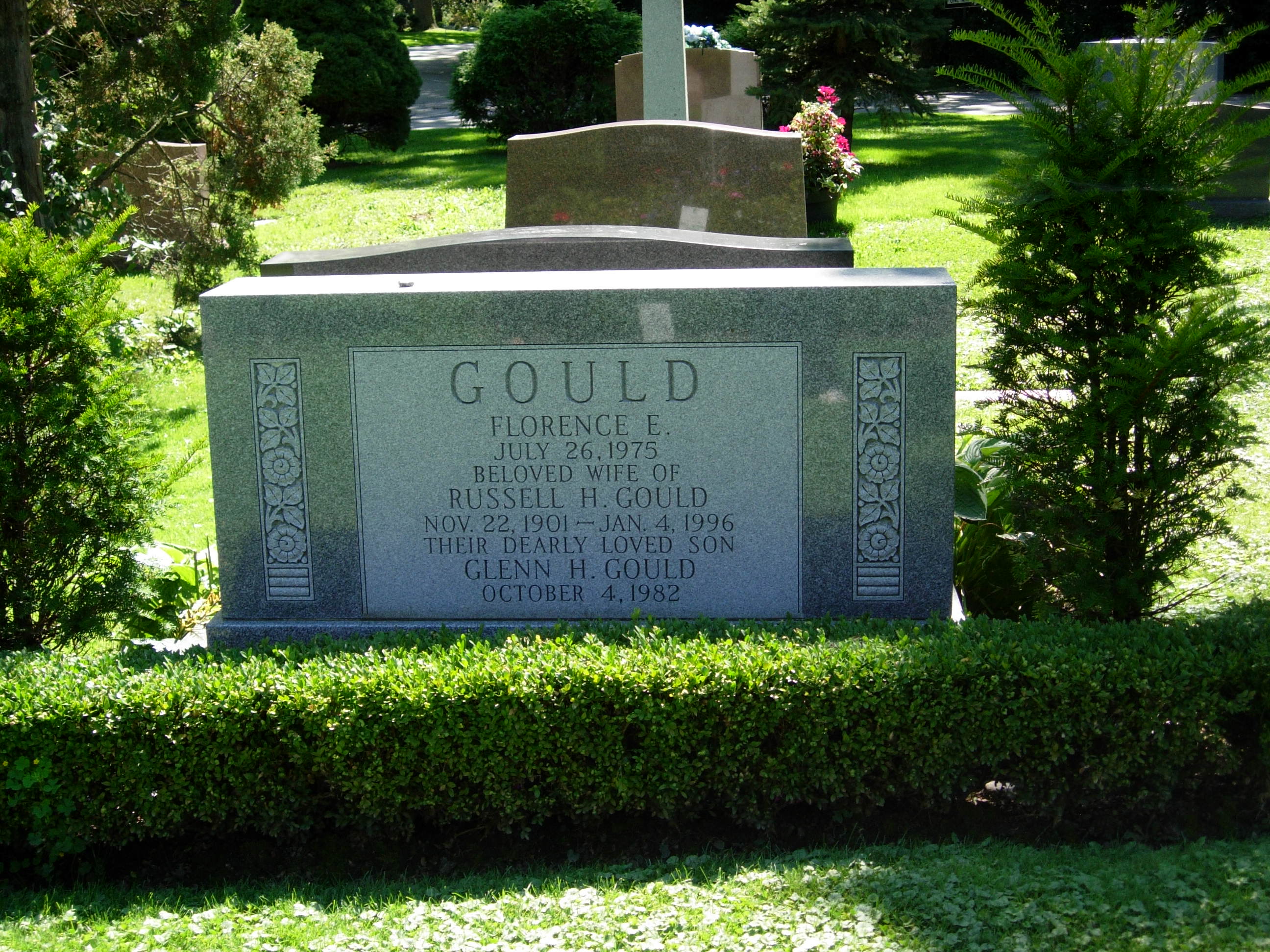
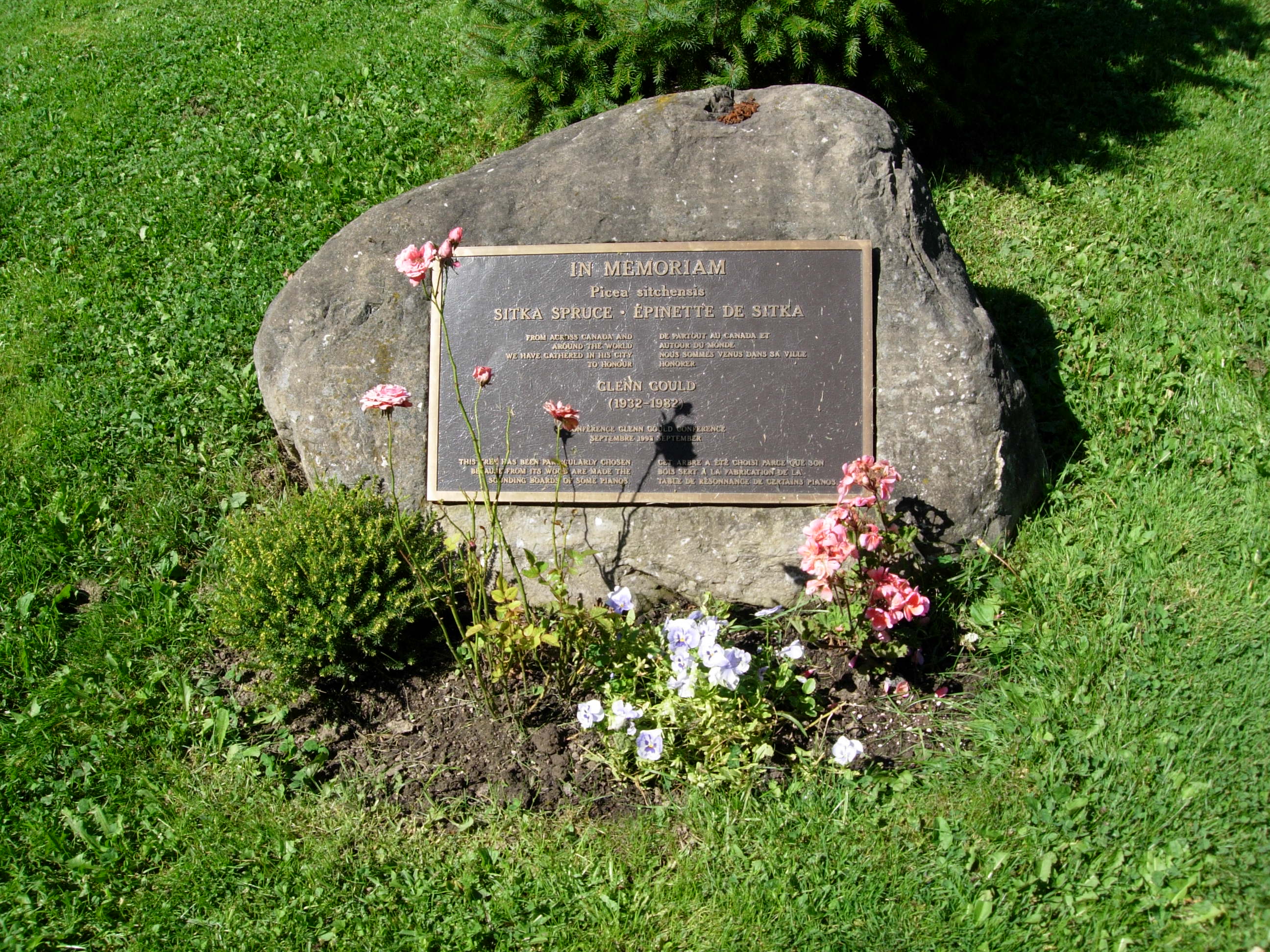
Videos for glenn gould YouTube
Glenn Gould and Roxolana Roslak -- Hindemith: Marienleben No 5 ... YouTube (1:9)
Hrebejk,
Jan
KAWASAKI’S
ROSE (Kawasakiho ruze) B 86
Czech Republic (100 mi)
2009 ‘Scope
Thank God somewhere on earth they continue to shoot using real film, as
it’s positively thrilling to see a gorgeous looking movie, something that may
as well be preserved in a time capsule, as they’re becoming such a rare
commodity these days. This is a
throwback to an old school style of filmmaking, where mature acting and an
intelligent story is a prerequisite, though one wonders about the underlying
message, whether it’s a fictionalized story or whether writer Petr Jarchovský
is targeting someone specific within the Czech historical elite, where one
immediately thinks of the highly decorated Václav Havel, a political dissident
who after spending a good deal of time in prison under the Communist regime
became his new nation’s first President.
Martin Huba plays Pavel, a distinguished aristocrat, a former dissident
who is now a revered and respected psychiatrist, approached by a young team of
television journalists who wish to interview him at his country home for the
record. What appears to be routine
escalates into something of a smear campaign, led by Pavel’s son-in-law Ludek
(Milan Mikulcík), who has been sleeping with his blond film crew member Radka
(Petra Hrebícková) for over a year while his sick spouse Lucie (Lenka
Vlasáková) has been attempting to find answers for what she suspects is stomach
cancer. Ludek has an inferiority complex
around Pavel, always suspecting he disapproved of the marriage because Ludek’s
father was a lowly Communist police agent.
But as soon as Lucie finally receives the news that she doesn’t have
cancer, but something benign yet hard to diagnose, Ludek springs the news to
her about his wayward philandering, even bringing in Jana in an absurd face to
face discussion preaching a Siddhartha-like Buddhist need for forgiveness that
winds up getting Ludek thrown out on his rear.
Good riddance. But he becomes a
focal point in the film, as he has personal reasons for ruining Pavel’s public
reputation, driven by his own hatred for the man, thinking he acts so pious and
so high and mighty. In reality, however,
this taints Ludek’s motives, giving the appearance that his methods come from
the gutter, as he’s constantly seen behind the scenes rubbing his hands in
relish, willing to resort to any means to gleefully bring this man down.
Bearing in mind that this would likely receive an entirely different
reaction in the West than the Czech Republic, as this would be like raising
similar moral charges against JFK or Martin Luther King, revered historical
icons who suffered these same kinds of gutter allegations when they were alive,
so a Westerner’s view would immediately be suspect of the sudden discovery of
incriminating evidence, a secret file with historical implications suggesting
Pavel cooperated with the Communists in getting a fellow artist, Borek (Antonin
Kratochvil), a rival suitor to Pavel’s eventual wife, deported permanently out
of the country. As it turns out, Pavel’s
wife was pregnant at the time with Borek’s child, making him Lucie’s real
father, a man exiled to Gothenburg, Sweden who hasn’t been seen or heard from
in thirty years. But in Eastern European
countries, they’re familiar with the Communist method of spying on their own
citizens, where the presence of such files could almost always guarantee
compliance, where few could withstand the harassment of repeated arrests and
tortuous interrogations. The question is
who is the driving force behind the release of the files? Lucie is starting to denounce Pavel as well,
having read the specifics of the case, where in a seemingly beneficial manner,
Pavel routinely held dissidents shielded as psychiatric patients away from the
police during the days of the Communist era in order to protect them against
political interrogations. But one of
those men was Borek, whose hospital file was allegedly handed over to the
secret police, certainly damning evidence if true. The question is whether the same dark forces
that compiled the files would be willing to fabricate suppressed evidence even
after the establishment of a democratic republic? It is here that the family suspicions match
the unraveling secrets of the nation.
Lucie and her pink haired, pierced and punkish looking teenage daughter
Bára (Anna Simonová), easily one of the bright points in the film, seen
hilariously stuffing herself with chocolate candy bars before being run out of
a corner shop by a family of Asian owners, eventually set sail for Gothenburg
to meet their long lost “real” father and grandfather. The Swedish scenes are luminously shot by
Martin Sácha, showing a thriving port city where the giant ships at sea move in
and out of the harbors, sailing under immense bridges, offering a stunning
landscape given especially rich textures, where the bright and thriving colors
are a direct contrast to the drab colors of Eastern Europe. Borek is living with a fellow Japanese
artist, Mr. Kawasaki (Isao Onoda), a painfully shy and secretive man who paints
flowers, but hasn’t painted since he lost his family to the sarin gas attack
massacre in the Tokyo subway. They make
an interesting pair of abandoned exiles, but greet their newly discovered
family warmly, again a sharp contrast to the contemptuous superiority exhibited
in a simultaneous camera interview of a former secret police investigator Kafka
(Lasislav Chudik), the man behind Borek’s alleged torture and deportation. He calmly and proudly displays the kind of
arrogance of men in his position, an officer whose role was to routinely break
the spirits and physical stamina of dissident prisoners. The film makes reference to Charter 77, a wide ranging
group of artists and dissidents who in the late 1980’s signed in solidarity
against the dictatorship, including Václav Havel, thus becoming targets of the
government. While the questions raised
are potent, to be sure, and historically relevant, as there are likely many
established heroes who collaborated with the enemy, the melodramatic flourish
of the finale wraps things up all too easily.
Much more impressive are the film’s dark elements, the unanswered moral
quandaries, where the characters are scrambling around for the truth, literally
forced to defy all that they formerly knew, where pockets of confusion blur the
line between memory and history.
Excerpts from Handel’s opera Ariodante, a searing
melodrama of betrayal and false accusations, play over the end credits.
The
Village Voice [Nick Schager]
Kawasaki’s Rose pivots around a long-suppressed bombshell,
yet there’s little overblown spectacle to Polish filmmaker Jan Hrebejk’s
graceful drama about psychiatrist Pavel (Martin
Huba), who, on the eve of receiving an illustrious award for his renowned
work as a dissident to Czechoslovakia’s communist regime, is exposed as
having been a collaborator. That revelation reverberates throughout Pavel’s
household, given that his treachery led to the forced exile of an artist (Antonin Kratochvil) with intimate ties to
Pavel’s wife, Jana (Daniela Kolárová), and recently ill daughter,
Lucie (Lenka Vlasáková). Again teaming with his Divided
We Fall screenwriter Petr Jarchovsky, Hrebejk positions this
earth-rattling news as the centerpiece of his understated inquiry into memory,
judgment, treachery, and the multifaceted nature of truth. An introductory
thread involving Pavel’s adulterous son-in-law, Ludek (Milan Mikulcík), furthers the story’s complex
portrait of betrayal, and though that subplot is somewhat abruptly dropped
during the second half, its lack of proper resolution is in keeping with a
narrative uninterested in neat-and-tidy outcomes. Performed and directed with
assured elegance, Kawasaki’s Rose> is a film that recognizes life as
a tumultuous mess of both noble and base intensions and actions, as well as one
that understands the thorny tragedies such chaos often leaves in its wake.
Visit our Blog for
reviews of individual films Ben Sachs from Cine-File, March 11, 2011
The world needs minor artists, wrote Robert Warshow, and the
movies need more directors like Jan Hrebejk (UP AND DOWN, SHAMELESS). A maker
of light comedies about recognizably messy emotions and a human-scaled
chronicler of political controversies, Hrebejk often recalls James L. Brooks
(BROADCAST NEWS, SPANGLISH) in his social observation, but he lacks Brooks’
incessant begging for his audiences to like him. Hrebejk is not afraid of
making his characters unlikeable (particularly the most masculine ones), nor
does he try to reconcile their conflicts by the end of every film. The last
scene of
The Onion
A.V. Club [Noel Murray]
In the
That’s a powerful theme for Kawasaki’s Rose to explore, illustrating how it may be hard to judge historical events as they’re happening, but it’s even harder in retrospect, removed from the immediate circumstances. The problem with Kawasaki’s Rose is that the theme is far more compelling than the movie. Hrebejk and Jarchovský have made a very talky film, free of flashbacks, where people mainly just describe or explain old events. The actual plot happened decades ago; now, everyone’s just hashing out the consequences. The structure of Kawasaki’s Rose suits its subject matter in some ways, in that these characters have conflicting memories of their shared histories, complicated by the positive results of some of their blunders. But Hrebejk and Jarchovský blunder themselves by reducing the significance of the present-day, treating it as a mere outcome of past actions. Isn’t it possible that what’s happening to this family right now could be just a much a source of ever-evolving shame and pride in the decades to come? Is it too much to ask that the filmmakers make contemporary life just a little bit dramatic?
When I was in
If the 1993 split is an embarrassment that the proud Czechs want to hush up,
imagine the deadly secrets that are uncovered in Jan Krebejk’s dramatic film “
Hrebejk, using Petr Jarchovsky’s screenplay, mixes national politics with
family drama, introducing us to Pavel’s daughter, Lucie (Lenka Vlasáková), who
has just made medical history as the third person diagnosed with a rare benign
tumor; her husband, Ludek (Milan Mikulcik), who is on a shoot of a documentary
about Pavel and has contempt for his “arrogant” father-in-law; Lucie’s mother
Jana (Daniela Kolárová), Lucie’s daughter, Bara (Anna Simonová), and Radka
(Petra Hrebicková), a former girlfriend of Lucie’s husband, Ludek. Guilt
feelings begin to abound, and will continue to spread through parts of the
family as Ludek senselessly (in my opinion) confesses to Lucie that contrary to
what he had told her, he never did split up with girlfriend Radka. In the
movie’s most humorous triangular scene, Radka and Ludek try to convince Lucie
to read a book about Buddhism that should rationally convince the wife that
three is not a crowd.
During the documentary shooting, a file supposed to have been trashed is
uncovered indicating that the saintly dissident, Pavel, had actually
collaborated with the big, bad communists, ratting out one Borek (Antonin
Kratochvil), an artist who was forced to leave the country and move to
Contrary to what young people the world over believe, there are few real
flat-out saints and villains among rats. The subjects are nuanced.
At least one of the collaborators is told that if he did not give the secret
police the information they sought, important prescription medicine would be
denied to a seriously ill member of his family. Who would not cave in under
such a motivation? “Kawasaki’s Rose” is the type of film that would play
well to New York’s Film Forum crowd, possessing as it does the bitter-sweet
Czech mood, small periods of light humor contrasting with mostly intellectual
content and one fiery, melodramatic family scene involving a potential abortion
that was happily blocked.
CriterionCast.com
[Jamie S. Rich]
EyeForFilm.co.uk
[Angus Wolfe Murray]
Slant
Magazine [Jesse Cataldo]
Film-Forward.com [Kent
Turner]
The
NYC Movie Guru [Avi Offer]
User reviews from imdb Author: JvH48 from Netherlands
User reviews from imdb Author: johno-21 from United
States
New
York Times (registration req'd) A.O.
Scott
Václav Havel -
Wikipedia, the free encyclopedia
Hsiao Ya-Chuan
MIRROR IMAGE (Ming dai zhui zhu) B 86
Taiwan (92 mi) 2001
Quirky
comedy, not really about anything, but quite detailed in it’s observances of
the daily rhythms, rituals, and routines of the son of an aging pawnbroker who
has a stroke, so his son takes over the business, spends 24 hrs/day doing
mostly nothing on the premises with his girl friend who reads palms, the son
has lost his handprint from a motorcycle accident, so she is intrigued in
knowing his original handprint, to discover his missing lifeline, perhaps a
reference to Taiwan’s missing identity.
Yet another woman lures him away from the store and beckons him to sell
black market wares on the subway, a rather frenzied and not altogether
satisfying flirtation that for me contrasts the conservative and safe economic
paths against the more daring but risky ventures, all dealing with total
strangers, with success based on what seems to be total chance encounters, as
there are no real lasting relationships here, just glimpses of what might come
to pass. The title comes from the image
of a tree, with the roots underneath the same size as the tree above, an image
of harmony that always seems missing from the lives of the exiled
Taiwanese. Perfect harmony seems to be
the reunification of Taiwan China Taiwan Taiwan SHANGHAI
King Hu (Hu Jinquan)
All-Movie
Guide Sandra Brennan
Filmmaker King Hu had great influence on Hong Kong martial
arts films. It was he who popularized the use of lightning-cut montage to make
action sequences more exciting. He also helped popularize the genre with the
addition of humor, something that greatly influenced such directors as Tsui Hark and John Woo. Born near Beijing, young Hu was raised in Hong Kong (he had been visiting
there when the Communists took over mainland China and was not allowed to
return). He broke into films as a set painter. He then worked as an actor and a
writer as well as writing and producing radio shows for the Voice of America.
In the early '60s, Hu began directing martial arts actioners for Shaw
Brothers. In total, Hu directed 16 films. In the West, Hu is best known for A Touch of Zen (1973) which won an award at Cannes.
King Hu spent the last decade of his life living in
Los Angeles. He was visiting friends in Taipei and preparing to direct The Battle of Ono when he suffered a fatal
stroke.
Love HK Film
Biography Sanjuro
Acclaimed director King Hu was born in Beijing and received his education there, but left for Hong Kong in 1949 as the political situation intensified. Hu worked in various studio art departments and even tried his hand at acting before joining the Shaw Brothers in 1958 as a fulltime actor, writer, and eventually director. Hu's 1966 surprise hit Come Drink With Me established his reputation as a filmmaker and allowed him the opportunity to form his own studio in Taiwan. Once there, he helmed two more classics of the genre - Dragon Gate Inn and A Touch of Zen, the latter earning a special jury prize at the Cannes Film Festival, the first time a Chinese picture had been recognized by the prestigious organization. In addition, Ang Lee, director of the mega-hit Crouching Tiger, Hidden Dragon, has cited A Touch of Zen as the inspiration for the "bamboo balancing act" sequence contained within in his own famous film.
Later pictures of note include The Fate of Lee Khan, Legend
of the Mountain, Swordsman, and Painted Skin. It should be
noted that while King Hu was the original director for Swordsman, he had
to bow out early in production. Poor health has been cited for his departure
from the project, but many assume that the famous director had "creative
differences" with fiery producer Tsui Hark. Interestingly enough, shortly
before his death, King Hu planned to make a movie involving Chinese rail
workers in America during the California Gold Rush. Though Hu passed away in
1997, John Woo and Terence Chang (the film's original backers) have proceeded
onward with the project with Chow Yun-Fat and Nicholas Cage rumored in the lead
roles. With great directors like Ang Lee and John Woo paying respect to the
master in their own films, it seems safe to say that the King Hu legacy lives
on. (Sanjuro 2002)
Film
Reference Vivian Huang
King Hu was not only a master in the historical martial art film genre (known in Chinese as Wu Hsia P'ien or Wu Xia Pian), but a revolutionary of the form as well. One of the most popular genres in Chinese film history, it reached its peak in the 1970s in Hong Kong. In fact, the very first film made in China was an historical martial art film documenting Peking Opera performer T'an Hsin P'ei, who performed some fighting scenes from the opera Ting Chun Shang in 1906.
Influenced by Peking opera, King Hu always presented his main characters clearly and vividly in their first appearances on screen and lets the characters' interactions occur within a limited space. The presentations provide the audience with an early introduction of the main characters' backgrounds, personalities, motives, and duties, giving a clear indication of where everyone fits in the moral landscape. This restricted realm creates denser and more intensive emotional developments, paving the way to a higher dramatic climax. Such structuring can be observed at the temple in Raining in the Mountain, and the inn in both The Dragon Gate Inn and The Fate of Lee Khan. Most filmmakers in this genre tend to focus on fighting scenes and on displaying various styles of kung fu. In many cases the plots are constructed simply to support the fighting, which itself is given over to such elaborate special effects as to resemble more closely a supernatural force than a manifestation of human struggle. History itself loses its meaning: it simply provides an excuse for making another "historical" martial art film. This destruction of referentiality becomes all the balder when a character from the Han dynasty wears a hat from the Ming dynasty to go with his Han dynasty robe, goes into an inn that is a mess of Tang architecture and Ching furniture. As a result, the historical martial art film genre's main function is to create an imaginary and mystical world for the audience to escape to. But King Hu's work stood out with its professionalism in art direction and the director's personal philosophy in historical backgrounding.
The Ming dynasty (1386–1644 A.D.) was King Hu's favorite historical period, reflecting as it does two major issues of the contemporary Chinese political situation. First of all, the legitimacy of the Chinese government—should it belong to the Nationalist Party, founded by Dr. Sun Yat-sen, or the Chinese Communist Party, which enjoys the support of the majority of Chinese? King Hu never gave an answer, but he surely did not hesitate to take a Han-centric viewpoint of the Ming dynasty. In Chinese history, it is commonly perceived as an act of legitimization of authority when Chu Yuan-chang, the founding emperor of the Ming dynasty, started a revolution to overthrow the Yuan dynasty, founded by Mongolian "invaders." Chu is a Han, the majority ethnic group of China. In The Fate of Lee Khan, the revolutionaries led by Chu are brave, intelligent, united, self-sacrificing, and virtuous, while the Mongolians are cowardly, stupid, selfish, and morally corrupted. Although it seems to be an exception that the Mongolian lord and princess are equally brave, smart, and know the secrets of kung fu, they are cruel to their people. They even attempt to kill a traitor to Chu who offers them secret information about Chu's military power. In the end, the Mongolian lord, princess, and the traitor are killed by the revolutionaries.
Another parallel to contemporary times is the Ming dynasty's power struggles. The rivalries among corrupt officers, ministers, and eunuchs not only deceived the emperors, but ruined the welfare of the Chinese people. Facing a chaotic era like this, King Hu's solution seems to be found in A Touch of Zen, which won the Grand Prix de Technique Superieur at Cannes in 1975, marking a milestone in his career. King Hu expresses the limitations of scholarly and chivalric life in the first half of A Touch of Zen, while in the other half he initiates the audience into a surrealistic visionary world—the realm of Zen metaphysics: a monk bleeds gold and possesses extraordinary powers that seem to stem from the sun and other natural forces.
However, one may find a different philosophy in The Swordsman, which he co-directed with Tsui Hark, a leading figure of the Hong Kong New Wave and director of Peking Opera Blues. Although the artistic disputes between Tsui Hark and King Hu caused the latter to leave in the middle of production, The Swordsman surprisingly ends up being a combination of several filmmakers' virtues. Stylistically, there are kung fu scenes from martial art director Chen Hsiao Tung (director of Chinese Ghost Story), visionary special effects from Tsui Hark, and art design from King Hu, who eventually set the story in his preferred Ming dynasty. Its pace is one of the contemporary commercial Hong Kong film, much faster than King Hu's normal work. It employs Tsui Hark's cynical view of life, showing almost none of the characters to be trustworthy: they all have their own selfish ambitions, the fact of which breaks down the easy formulation of hero and villain. King Hu's specialty—the power struggles within intensive circumstances—is still in evidence, while a rather forced romantic relationship is evidence of Chen's hand.
King Hu's metaphysical Zen and the sublimation of the spiritual are not themes in The Swordsman. They are replaced by the nihilism of Tsui Hark, as seen when the protagonist and his girlfriend ride without a clear direction on an uncultivated field after they both encounter some of the complexities of life. Somehow more rooted in reality, King Hu subsequently prepared a film about the Chinese railroad workers' early U.S. history following immigration in the nineteenth century.
Kaiju
Shakedown: King Hu's The Battle of Ono - Film Comment Grady Hendrix, May 4, 2014
A rustle of silk, a flash of steel, and a swordswoman flutters out of the sky and alights on a tree limb that bends gracefully beneath her feet. This is the image most people associate with wuxia, Hong Kong and China’s flying swordsman films. Wuxia novels have been popular in China for centuries, and they’ve been adapted for the big screen since 1928.
But after Hong Kong was swamped by protests, riots, strikes, and a wave of terrorist bombings that lasted from 1966 through the end of 1967, Chang Cheh channeled the counterculture outrage of the times to create The One-Armed Swordsman, starring Jimmy Wang Yu, Chinese cinema’s original cocky, charismatic badass. Previously, wuxia were about sophisticated swordsmen and women, dressed in silk, wielding mystical weapons but One-Armed Swordsman changed the genre forever, giving audiences young, male, working-class heroes, stripped to the waist and smeared with gore, chopping out their futures with their swords and dying with an axe in their guts.
While Chang crowned himself king of the brutal, brawling, macho wuxia, the more elegant and refined wuxia were still the province of King Hu, a Taiwanese filmmaker who is regarded as one of cinema’s original geniuses, right up there with Akira Kurosawa and John Ford. King Hu directed his first great wuxia, Come Drink with Me, in 1966 for Shaw Brothers, and it was the studio’s only big wuxia hit before One-Armed Swordsman. Then Hu moved to Taiwan where he parlayed his success with Come Drink With Me into another box office hit, Dragon Inn (68), before calling in all his markers to make A Touch of Zen (71), a three-hour wuxia that took three years to make at a time when most directors were shooting two or three films each year.
A Touch of Zen is as close to the lysergic spirituality of Alejandro Jodorowsky as wuxia would ever get. It’s told through the eyes of a meek, ineffectual male scholar, a common type in pre-1967 wuxia, while its main character is a typically ferocious female swordswoman. What wasn’t common was its emphasis on the idea of awakening consciousness. From the small moment when the scholar devises a clever trap, laughing at its effectiveness, and then stops as he witnesses the carnage it has wrought, to the finale when the characters realize that the world of wuxia is a dead end and they must transcend its constant conflicts to embrace a Buddhist idea of peace and harmony, this is a movie about spiritual growth.
The first Chinese film to win a prize at the Cannes Film Festival, it was a box-office flop that heralded the beginning of the end of Hu’s fortunes. He would make eight more movies, some of them exceptional, but audiences abandoned him, and he gradually tried to do more and more with fewer resources. BAM is holding a King Hu retrospective called “All Hail the King: The Films of King Hu” from June 6 to 17, featuring A Touch of Zen (which anyone who cares about movies should see), his all-action fiesta The Valiant Ones (75), and two of his autumnal late-career movies (Legend of the Mountain and Raining in the Mountain, both from 1979). But the program doesn't include the film that was supposed to be his big breakthrough in the West, the one that would change everything: The Battle of Ono.
Set in the 1890s, Ono is about Chinese coolies, brought to America to build the railroad. Ripped off by the construction company, they’re abandoned in America with no money and no way home. Then, like a lot of no-hope Americans at the time, they decide to mine for gold. They find a claim but are thrown out by white people. They relocate, stake another claim, and this time when the white guys come to throw them out, they fight back in an elaborate action setpiece full of booby traps and explosives. Set during a time when Chinese were legally barred from entering the country and could not testify in court against white people, and when the lynching of Chinese was common in the West, it was a wildly ambitious project. Sarah Pillsbury (Desperately Seeking Susan) was attached as the producer, and she had the idea of hiring award-winning playwright David Henry Hwang (M. Butterfly) to write the script.
“It was in ‘81 or ‘82,” Hwang tells Kaiju Shakedown. “My play, The Dance and the Railroad, had had a successful run Off-Broadway and this was the first movie offer I ever had. I worked with King Hu over the next five or six years, periodically, trying to develop the script.”
“King had a five- or six-page treatment called Igo Ono about the two towns where the story takes place,” Hwang says. “One, where the Chinese were driven out (Igo) and one where they made their stand (Ono). This was my first screenplay, and basically, what I decided to do was flesh out what he’d given me, creating characters who were as well-rounded as I [could] make them. King had very specific ideas for the action sequences, so I was trying to stitch together the story from one action sequence to another.”
King Hu’s greatest influence was Chinese opera, and the way he approached his characters and scripts had more in common with the stylized, heightened reality of theater and its archetypes than Western psychological realism. He was also a deeply visual director, who often designed his own costumes and sets, and strove to eschew simple narrative in favor of achieving moments of pure cinema.
“It’s not like he came into the project with a deep understanding of his characters,” Hwang says. “His characters seemed to me to be more types, and I got the impression that that’s who they were supposed to be. A Western sense of psychological development was not present in the treatment, and King didn’t seem all that concerned about it.”
Hwang came up with a first draft, took notes from the producers, and refined it further. “I didn’t feel like King was taking too active of a role in the development of the picture. He seemed pretty pleased with my first draft, but that might have been because he felt like he could change it during shooting so it was good enough.”
After that, the producers sent Hwang to Hong Kong, where he stayed for two or three weeks working with King Hu on the next draft. Then he was sent to Taiwan and lived in a hotel room while King Hu was working on another movie. “While I was there I also met Cheng Pei-pei,” he says. “But I don’t think she was cast in the movie. She was just there to be supportive of King. She seemed to be part of this large circle who were there to do anything he needed. I didn’t know who any of these people were at the time, but they felt like his surrogate family.”
As for King himself, Hwang remembers: “I didn’t know anything about King Hu back then. He’d been described to me as a ‘Chinese Kurosawa,’ and I took that at face value. His English was pretty good, and my Chinese was non-existent. He seemed to be very soft-spoken, sweet, and very humble. Even when I was in Taiwan working with him while he was shooting movies, I did not get the sense of this grand dictator. I got the sense of somebody who was somewhat reserved, who seemed kind of scholarly, who was very knowledgeable about food, but that was it. It was strange. I didn’t know who he was and he didn’t act in a way to contradict that impression.”
“I found him to be a very easygoing collaborator. He had general notes, and specific scenes that he wanted in the movie, but he was less concerned about how to get from one moment that he wanted to another moment he wanted. In that respect, he was pretty laissez-faire about how I would end up laying the track. He had an overall sense of the story, though.”
That’s not to give the impression that King Hu didn’t care about the film. His ideas on certain aspects of the film were extremely specific, as he recounted himself in the last interview he ever gave, talking about how his characters find gold in The Battle of Ono:
“As they set out on their way to San Francisco, they see the whites prospecting gold in the river. So they follow suit and they find some gold because one of them possesses expert knowledge of herbs, being a student of Chinese medicine. This guy sees scrub grass growing in the area. According to Chinese legend, if you dig in areas where the scrub grass grow, you can find gold or other minerals. Though a legend, this has been scientifically proven in Joseph Needham’s Science and Civilization of China. During the Tang dynasty, gold was discovered through this method.”
Hwang confirms that it was the more physical, less plot-driven, more complicated setpieces in the film that captured King Hu’s attention.
“The end of the movie is an elaborate preparation sequence where they set up traps with pits and spikes covered with soil,” he says. “And that was the thing that King was really into, the mechanics of how that would work, and he had very elaborate and specific ideas about it.”
Then the film took one of the turns that were to characterize its fate. “After Taiwan,” Hwang says, “at a certain point they were hitting a lot of dead ends, and it went into limbo. Then M. Butterfly happened and I was hot, but even before then they’d hired someone else to do a pass on the script and I never wound up back on The Battle of Ono. Looking back, what probably happened is that I did a few drafts with King Hu and they still felt the script wasn’t good enough. It happens.”
Unable to secure financing in Hollywood, or from Hong Kong, Japan, or Taiwan, the film floated through various hands and various incarnations for over a decade, but in Hollywood hope never dies. As Hwang explains:
“If you go through the whole history of Ono there’s always a sense of ‘It’s just around the corner,’ and that’s Hollywood. A project either dies or there’s this sense of eternal optimism, this sense of ‘This is taking a while, but after we do this one next thing, it’s finally going to happen.’”
In late 1996, with John Woo and Terence Chang now working in Hollywood, it looked like The Battle of Ono had a new lease on life, with the two men reportedly backing the project as producers. Chow Yun-fat was said to be starring as Lum, the more heroic of the Chinese coolies (a late draft of the screenplay even features him firing two pistols at once in classic Chow Yun-fat mode). Before shooting began, Hu went back to Taiwan to attend a memorial for the other great Shaw Brothers director, Li Han-hsiang, who died in December 1996. While in Taiwan, he went for a check-up to make sure he was healthy enough to shoot Ono, and his doctor recommended that he have an angioplasty. He died a few hours after the procedure was completed, on January 14, 1997. King Hu was 64 years old. The Battle of Ono was over.
There have been rumors that Battle of Ono is not dead, but it seems unlikely it will ever get made without its director at the helm. But Hwang thinks there may still be something to it.
“I really believed in the project, and I believe in it to this day,” he says. “It’s a great American story, and it’s true, and people don’t know about it. It’s a classic underdog story and, yes, it is about white racism against Chinese people, but it also has great action scenes in a way people aren’t used to.”
The only thing Hwang regrets about the experience is that he didn’t know who King Hu was at the time. “If anything, I just feel I could have had a richer experience if I’d been a little more informed. And that’s my own fault. Now we know so much more about filmmakers from China, but in the Eighties we just didn’t know much about Chinese filmmakers and we didn’t care much. Looking back, King Hu was such an important and substantial figure. He was so much more groundbreaking than I knew at the time.”
LINKS!
It’s not just King Hu who’s being celebrated at BAM’s retrospective. Make sure not to miss the following two movies:
Tsui Hark’s radical deconstruction of Chang Cheh’s The One-Armed Swordsman was panned when it was released, but it’s gone on to be generally acknowledged as a classic. You’ve never seen a movie this visually aggressive before, and its production design is unlike anything else in Chinese cinema. A few years ago we screened it in New York and the projectionist got so caught up in the the action that he forgot to make the reel change. That’s how good it is: this jaded union guy who’s seen thousands of movies forgot to do his job because this was unlike anything he’d ever seen before.
Li Han-hsiang was one of the great directors at Shaw Brothers before King Hu and Chang Cheh appeared, specializing in historical epics and period love stories. His films drip opulence from every frame, and they look like a glittering historical diorama come to life. Many of Shaw’s major hits before 1967 were his movies, and The Love Eterne (63) was one of the biggest. An adaptation of the classic folktale The Butterfly Lovers (later remade by Tsui Hark as The Lovers), it’s a huangmei diao, a filmed Chinese opera. Not to all tastes, but if you’ve ever wanted to see what audiences all over Asia were watching in the early Sixties before martial arts and wuxia movies made their comeback, this is the best chance you’ll get, with what’s considered one of the best Chinese films ever made.
Hong Kong Film
Directors' Guild - Directors - King HU
biography
A
Famous Chinese Director,King Hu - ForeignerCN.com biography
King
Hu Chin-Chuan - HKMDB fimography
King Hu | WIDE HOUSE French film reenacting the director
King
Hu; Award-Winning Martial Arts Film Director - latimes Obituary,
January 16, 1997
King
Hu, 65, Maker Of Kung Fu Films - The New York Times Obituary, January 17, 1997
King Hu • Great
Director profile • Senses of Cinema Stephen
Tao from Senses of Cinema, July 19,
2002
King Hu's The Fate of Lee
Khan and The Valiant Ones • Senses of ... Stephen Teo from Senses of Cinema, May 21, 2002
A
Touch of Hu: A Fan's Notes and an Appreciation – Offscreen Peter Rist from Offscreen,
October 31, 2002
Kung
Fu Cult Masters – From Bruce Lee To Crouching Tiger by Leon ... Peter Gravestock book review of Leon Hunt’s Kung Fu Cult
Masters – From Bruce Lee To Crouching Tiger, from Senses
of Cinema, December 2, 2003
Kung Fu Chaos: The Hong Kong Martial Arts
Film Leon Hunt from Kamera, January 10, 2004
King Hu and the Art
of Wuxia - Harvard Film Archive March 24,
2013
NYC
Happenings: "All Hail The King: The Films of King Hu" Pays ... Christopher Bourne from Screen Anarchy, May
8, 2014
Nick Pinkerton on “All Hail the
King: The Films of King Hu” at ... Artforum, June 6, 2014
Action Aesthetics:
Realism and Martial Arts Cinema, Part 1 – Offscreen Kyle Barrowman from Offscreen, October 2014
Action Aesthetics:
Realism and Martial Arts Cinema, Part 2 – Offscreen Kyle Barrowman from Offscreen, October 2014
Learning
From The Masters Of Cinema: King Hu's DRAGON INN James Marsh from Screen Anarchy, December 1,
2015
The wuxia
epics of King Hu | Cagey Films
Kenneth George Godwin, April 6, 2016
"A
Touch of Zen": King Hu's Masterful Concoction of Cinematic Flavors ... Jeremy Carr from Mubi, April 21, 2016
King
Hu's Kung Fu Epic 'A Touch of Zen' Returns to Film Forum ... Aaron Hillis from The Village Voice, April 22, 2016
Transcending the
Limits: King Hu's “New Wuxia Century” and After ... Josh Martin from AAA Film Fest, August 22,
2016
The
Aesthetic Majesty of King Hu: <i>A Touch of Zen</i> on Criterion
... Tony Williams from Film
International, March 6, 2017
TSPDT - King Hu They Shoot Pictures, Don’t They
Interview: Leon
Hunt - Kung Fu Movie Guide Ben
Johnson interview – Leon Hunt published Kung Fu Cult Masters:
From Bruce Lee to Crouching Tiger, 2003, posted June 25, 2014
King
Hu (1932 - 1997) - Find A Grave Memorial
THE
LOVE ETERNE (Liang Shan Bo yu Zhu Ying Tai)
Hong Kong (126 mi) 1963
‘Scope director: Li Han Hsiang, King Hu in the cast
Vulture: Bilge Ebiri The 50 Best
Foreign-Language Movie-Musicals Ever, Listed as #40, October 28, 2015
One of the biggest hits in Chinese history, this sumptuous retelling of the classic cross-dressing “Butterfly lovers” tale — about a young scholar (Ivy Ling Po, an actress playing a man) who falls for a fellow student, who’s actually a girl pretending to be a boy (and played by Betty Loh Ti, an actress playing a woman pretending to be a man) in order to go to school — is a meditation on desire and restraint. Ultimately, its deliberate tone gives way to a tornado of sadness and regret. Unlike more traditional works of Chinese opera, the music here demonstrates a mix of mainland and Western influences. Despite its archness, it’s a highly involving film.
User Reviews from imdb Author: moviesbest from Asia, August 6, 2005
A very simple tale but great direction by Li and great acting by the 2 leads, simply the 3's best movie. All the songs are the best of this genre too.Legendary Classic Beauty Betty Loh Ti(her fame then was only next to "evergreen" Li Lihua and 4 times Asian movie queen Lin Dai) proved to be a great actress again, considering her role is more difficult(she need to play both sexes) and the singing is not her own voice and she has to "act" the songs too. The opening part where she imposed as a male to fool his dad, the rest of the scenes which she imposed as a male against his male classmate and secretly in love with him, till she appears as a female to face him are all great acting, seldom seen anywhere else.Her acting is natural and seeing it 40 over years later now, you don't feel outdated like some of the acting by others in the early days. Observe her body language too while as a female and male, is so natural you just don't feel she is acting. Those who enjoyed her should also watch her 2 other great movies, available in DVD now,"Enchanting Shadow"(remade by Tsui Hark, Chinese Ghose Story) and "Dream of the Red Chamber". Tsui Hark also remade this into "Butterfly Lovers". Ivy Ling Po who acted as the male did a good job(her own singing voice) too although she overacted in some scenes. She became an instant hit and continued to acted many male roles in such genre but none of her films to follow come close to this. WARNING; Foreigners who are not used to such films may find it hard to accept as more than 95% of the dialogs are done in songs. This movie created a craze in all Chinese areas and broke all box-office records. Reported that someone in Taiwan saw it 40 over times during the original release !! A great pity so few people in IMDb saw it. Note: This movie is voted among the Top Ten of HK films, wonder why not mentioned in this site.
User Reviews from imdb Author: Brian Camp from Bronx, NY, September 17, 2002
THE LOVE ETERNE (aka LIANG SHAN-PO AND CHU YING-TAI) is a 1963
Hong Kong operetta based on the oft-filmed classic story, "Liang Shan-Po
And Chu Ying-Tai," aka "The Butterfly Lovers." It offers
sumptuous color filming on lavish Shaw Bros. studio sets and tells its love
story in a combination of dialogue and song, focusing on a pair of students at
a university in Hangchow, one, Chu Ying-Tai, a female disguised as a man in
order to gain entry into the school and the other an older fellow student,
Liang Shan-Po.
Ying-Tai falls in love with Shan-Po and, when she has to leave school after
three years, tries to drop hints in song that she's really a female as the
clueless boy accompanies her part of the way on her memorable trip home.
Eventually, he gets the picture but by then her family has already promised her
to someone else, setting the stage for a tear-jerking finale. This is the film
that Ang Lee, director of CROUCHING TIGER, HIDDEN DRAGON, chose to watch with
reporter Rick Lyman when he was the subject of an installment of the
"Watching Movies" series in The New York Times (March 9, 2001).
The stars of the 127-minute film are Le Di (touted in the DVD cast notes as
Hong Kong cinema's "one and only 'Classical Beauty'") in the role of
Chu Ying-Tai and Ivy Ling Po (aka Ling Bo), one of Shaw Brothers' top female
stars of the time, in the male role of Shan-Po. They're both quite captivating,
whether in the straight dramatic and comic interactions of the spoken dialogue
or the operetta-style singing to each other in the more intimate scenes. The
camera is usually focused on the two lead performers so the success of the film
depends greatly on their expertise in conveying believably the strong emotions
of the intense love story, particularly in the latter stage of the film where
Ying-Tai's family has effectively blocked the young pair's budding romance.
Ling Po's turn as a heartbroken young man in the throes of an emotional
breakdown is quite wrenching and most convincing.
Ivy Ling Po often played young men in Chinese Opera-based Shaw Bros. films of
the era, most notably THE GRAND SUBSTITUTION (1965), a tale of court politics
and family loyalty in Old China. The actress can also be seen as a female
swordswoman in TWIN SWORDS (1965), starring Jimmy Wang Yu. Both films are also
reviewed on this site.
The songs in LOVE ETERNE are quite pleasing and the orchestrations, making use
of traditional instruments, quite evocative of Chinese Opera. The score does
not use the famed "Butterfly Lovers" violin concerto, which figures
prominently in a later film version of the same story, THE LOVERS (1994),
directed by Tsui Hark and starring Nicky Wu (a male actor) as Liang Shan Po and
Charlie Young (an actress) as Chu Ying-Tai. The characters don't sing in Hark's
film, leaving the scriptwriters more time to pack the film with plot and incident
and make it much more intense. They tell the same story but they're two
different kinds of films, with the older one drawing more explicitly on Chinese
theatrical traditions while the newer film is a little punchier and designed to
spruce up the tale for modern youth appeal.
The Taiwanese DVD available for review was made from a print with very good
color values but transferred with too much cropping--on all four sides. The
cropping at the bottom of the frame is designed to cover up the original
burned-in Chinese subtitles and provide a space to put the new, removable
subtitles. That said, it should be pointed out that much of the camera-work
consists of closeups of the two leads rather than the widescreen action
compositions featured in so many Shaw Bros. films that suffer from cropping
when transferred to tape. Also, unlike those tape transfers, the subtitles in
LOVE ETERNE are all clear and wholly visible. As a result, this DVD offers one
of the better transfers of an early HK film available in the U.S., although a
new subtitled widescreen transfer would be most desirable.
The English title given on the DVD case is THE SHAN-PO AND CHU YING-TAI.
ADDENDUM (April 6, 2010): Since doing this review, the film has come out, under
the title LOVE ETERNE, in a restored, remastered Region 3 DVD from Celestial
Pictures as part of its massive Shaw Bros. restoration campaign. Watching the
new DVD was like seeing it for the first time. It's a beautiful film and Ivy
Ling Po's performance is breathtaking. Also since the original review, a
Taiwanese animated version of the tale has come out on DVD, under the title THE
BUTTERFLY LOVERS (2003). It has its good points, but is too Disney-influenced
and kiddie-oriented for my tastes.
Time
Out Hong Kong - 100 Greatest Hong Kong Films [Edmund Lee] Listed as #4
COME
DRINK WITH ME (Da zui xia)
Hong Kong (91 mi) 1966
‘Scope
Available at last
on a digitally restored DVD, this was Hu's first foray into wuxia
(martial chivalry) territory and already featured many of his future
trademarks: a heroine in drag, fights in the confined space of an inn, music
and percussion cues from Peking Opera and a plot which suddenly expands to a
larger frame of reference. Posing as the knight errant Golden Swallow, Xiyan
(Cheng) sets out to rescue her brother, an official held hostage by the Five
Tiger Gang; she is aided, at first obliquely, by the beggar Drunken Cat (Yueh),
who leads a raggle-taggle troupe of kids (great haircuts!) who sing for small
change. He is actually Fan Dabei, a 'drunken master' in retreat since the
murder of his teacher, and the plot shift occurs when he realises that the
gang's mastermind is the traitor who did the foul deed. Less ambitious than Hu's
later classics in the genre, but the charismatic performances and the overall
sense of a form in transition give it a lasting freshness and charm.
Love HK Films review Ross Chen
Classic martial arts tale from
King Hu. Widely considered one of the best Hong Kong movies ever made. I liked
it.
Thanks to the deep pockets of
Celestial Pictures, the massive catalog of Shaw Brothers films are due to be
released on DVD. What that means is ten DVDs a month of old HK Cinema,
remastered and restored for everybody's favorite digital format. Old flicks are
on tap, made by the likes of King Hu and Chang Cheh, and starring people like
Cheng Pei-Pei, David Chiang and Ti Lung. There's even a Wong Jing film in
there. It's like heaven.
Many of the to-be-released films
have been touted as classics. That may be true for the heavily initiated, but
there are probably many interested newbies who would like to check out these
flicks but have no idea what they're like. I would have to count myself among
them, as my HK Cinema knowledge involves names like Stephen Chow, Wong Jing,
Ekin Cheng and Maggie Cheung. The worlds of Chang Cheh and Lo Lieh mean little
to me, so this is a golden opportunity to answer that eternal question: are
these films really classics? And will a person weaned on Drunken Master II
and Comrades, Almost a Love Story find any of this stuff good?
Considering King Hu's Come
Drink with Me, I would have to say yes. Considered a classic of the genre
and a seminal woman warrior flick, it stars Cheng Pei-Pei in one of her
career-defining roles. She plays Golden Swallow, who attempts to free her
brother from the clutches of a band of evil thugs. They want their leader freed
in return, but a deal isn't initially forthcoming. Swallow is aided by Drunken
Cat (Yueh Hua), an inebriated beggar who's actually a kung-fu master. Fighting
ensues.
The action here isn't of the
Ching Siu-Tung fast-motion variety, nor is it cartoonishly choreographed ala
Jackie Chan. Instead, it's exactingly staged, beautifully framed, and artful in
its perfectly-timed rhythms. The action here resembles the work of Akira
Kurosawa, in that it uses stillness as effectively as it does motion, and
presents action realistically, but with a stylized cinematic edge. The
swordplay in Come Drink with Me looks like you'd expect real swordplay
to look.
The action compensates for the
fact that the plot is no great shakes. It's your standard good guy vs. bad guy
stuff with a female fighter thrown in for extra spark. That said, Cheng Pei-Pei
is quite lovely (and young) as Golden Swallow, and handles the action sequences
with great dignity. Likewise, Yueh Hua shows good presence as Drunken Cat, and
the cinematography dazzles with its vibrant color and gorgeous scope framing.
For its time, the film was considered a revelation in martial arts filmmaking,
but even now it holds up incredibly as just a well-made film. It wouldn't be a
stretch to say that it plays better now than most of Hong Kong's early-nineties
wuxia do.
This isn't to say that Come
Drink with Me is inherently superior to all of the films that it preceeded.
It's really hard to make that sort of qualification. Whereas some critics
(including Paul Fornoroff) state that they prefer Come Drink with Me to Crouching
Tiger Hidden Dragon, it's likely that some modern audiences would disagree.
There is some truth to the fact that CTHD is a more emotionally
satisfying kung-fu epic. The film features pronounced melodrama and a tragic
love story, which heightens the appeal to modern—and Westernized—audiences.
But, Come Drink with Me is
refreshing in that it presents a spare, stripped-down story with no extra fat,
so to speak. Soul-searching and pronounced inner conflict don't occur here.
This is simply a well-staged, brilliantly shot kung-fu film without all the
unnecessary bells and whistles. An analogy could almost be made to Johnnie To's
Milky Way films, which present gangland drama in matter-of-fact ways free of extraneous
emotional baggage. Those films are exhilirating in their pure storytelling,
where a film serves its genre and not its audience. Come Drink with Me
operates in much of the same way, and provides good action, too.
DVD Times Dave Foster
KFC Cinema review Janick Neveu
The Lumière Reader Aaron Yap
The SF, Horror and Fantasy Film Review Richard Scheib
Box Office Prophets review Chris Hyde
A Nutshell Review Stefan S
Planet Sick-Boy Jon Popick
DRAGON
INN (Long men kezhan)
aka: Dragon Gate Inn
Taiwan (111 mi) 1967
‘Scope
User reviews from imdb Author: Ron Chow from Ottawa, Canada
I saw this film in the 60's, and have yet to find one to beat
it. 'Hidden Dragon, Crouching Tiger' has to come in behind this masterpiece.
The use of new actors and actresses, the adoption of well-timed traditional
Chinese music, e.g. to usher in the villain, the innovative action sequence in
sword fights, all added to the brilliance of this film.
Yes, there are shortcomings. Toward the end, and the climax, the anti-gravity
leaps to the trees were overdone and unnecessary. Regardless, this film
resembles the best of the traditional, addictive Chinese martial art novels
that once consumed many hours of the armchair martial art addicts.
User reviews from imdb Author: Deusvolt from United States
I saw this during its initial run under the title
"Dragon Inn."
This is no ordinary swordplay movie. It is a visual treat of ancient Chinese
costumes and weaponry. The traditional Chinese instruments used for the
background music added an otherwordly flavor. I left the theatre wondering if
the movie was truly historical.
The head of the Yu clan has been condemned to death by the evil prime minister
who has usurped imperial power. A palace eunuch who managed to claw his way to
power, he is also reputed to be China's greatest swordsman. He plots to
eliminate the entire Yu family but is opposed by a master swordsman and swordswoman.
A memorable scene that has nothing to do with fighting is the dinner at Dragon
Inn which introduced me to the Mongolian Fire Pot (shabu-shabu) style of
eating. To the uninitiated, there is a fire pot in the middle of the table
decked out with all sorts of raw food which you put into the boiling water of
the firepot and eat them as they are cooked. The cooking water is sipped as
soup.
I took my little sister to see it and from then on she got hooked on Chinese
swordplay movies. She began reading up on ancient China and in college she
majored in history and archaeology -- all because I took her to see Dragon Inn.
I am gratified to learn recently that the female supporting actress Feng Hsu
moved on to become a producer-director herself with a number of critically
acclaimed films to her credit. I look forward to seeing them soon.
Cine-List - CINE-FILE Chicago Ben Sachs
After the popular success of his second feature, COME DRINK WITH ME, King Hu left Hong Kong and the Shaw Brothers studio, went to Taiwan, and directed an even bigger wuxia hit, DRAGON INN. The film has much in common with its predecessor: as in DRINK, the action is largely confined to a lodge-and-tavern, the drama concerns the life-and-death struggle between authoritarian forces and rebel fighters, the tone moves confidently between rousing comedy and nail-biting suspense, and a strong (and decidedly not sexualized) female fighter figures prominently among the heroes. Formally speaking, DRAGON INN is even more accomplished than DRINK. One could argue that it was with this film that Hu fully realized his potential as a master of the widescreen frame. No matter whether the shot is long or close, the viewer feels overwhelmed with a sense of spectacle; Hu sets action against sweeping mountain ranges, employs crafty low-angle shots to make interior spaces seem cavernous, and lines the playing space with players. The montage is no less impressive. Hu is widely credited with introducing western-style editing to Asian cinema, and DRAGON INN showcases this style at its finest. You get sucked into the action, the cutting communicating a rhythm so subtle that it’s barely noticeable. (The more ostentatious editing effects—like the shock cuts that punctuate certain action sequences—are plenty satisfying too.) These formal strategies wouldn’t be worth scrutinizing, however, if DRAGON INN weren’t one of the most entertaining films ever made. Even before the action takes off, Hu gets you rooting for the good guys and jeering the baddies, setting up the characters and their rivalries with an expert knack for building tension. The story is fairly simple: Sometime during the Ming dynasty, a wicked warlord sends troops to the remote title outpost to assassinate the exiled grown children of his political opponent, whom we see executed at the start of the film. But unbeknownst to the warlord, a goodhearted martial arts expert, Xiao, is already at the inn, ready to protect the targets. (It also turns out that the targets are pretty adept at defending themselves.) Once all the characters are in place, DRAGON INN becomes a martial arts extravaganza; the second half of the film is defined by almost constant fighting, all of it beautifully choreographed and impossible to look away from. Seeing this on a big screen is sure to be one of the most satisfying treats Chicago moviegoers get all year.
King Hu's classic swordplay drama
about the cruel East Chamber eunuch's attempts to wipe out the Yu family. Yu's
children are being transported to the isolated Dragon Gate Inn, where the
eunuch's forces lie in wait. Additionally, some friends of the Yu's are
converging on Dragon Gate Inn in order to liberate the children, which sets the
stage for a tense showdown.
Unfortunately, the whole thing
comes off as a mess. While beautifully filmed and well acted, the continuity is
shaky and the story is overly difficult to follow. Often times I was left
scratching my head wondering how one scene led into the next, making me wonder
if I was watching a severely edited version. Character development is nearly
non-existent and dialog is sparse and subtle. The film prefers to advance the
plot through action and body language, but unfortunately suffers from the
tedious pacing that was popular at the time. The action scenes are a mixed bag.
While the cinematography and editing are superb, the choreography is rather
weak and the execution is awkward and sluggish. It's still better than today's
super tight machine gun fight editing, though, since you can actually SEE what
the players are doing and what effect their actions have. The music score is
very traditional Chinese opera style music that's overly tinny and has an
overly heavy emphasis on woodblocks. It's so painful to listen to that I had to
turn the volume down for the majority of the film. If I remember correctly,
this film awarded Taiwanese actress Polly Shang Kwan with a Golden Horse for
best actress, which puzzles me because she doesn't really get to do much except
look menacing. I wonder what that says about the state of female roles in the industry
at the time?
A
TOUCH OF ZEN (Xia nü)
Taiwan (200 mi) 1969
‘Scope
A Touch of Zen, directed by King Hu | Film review - Time Out
King Hu's remarkable Ming Dynasty epic deliberately makes itself impossible to define, beginning as a ghost story, then turning into a political thriller, and finally becoming a metaphysical battle as the role of the monk Hui-Yuan (Chiao) comes to the fore. Structured like a set of Chinese boxes, twice forcing you to expand your frame of reference and reassess the meaning of what you've seen, it begins with a realistic portrait of life in a sleepy town outside Peking, and ends with extended fantasies of Zen Buddhism in action - and in between has a core of action scenes that transform Peking Opera stagecraft into sheer flights of imagination. Delights include a heroine who holds her own with men without being 'masculine', and transcendent moments like the stabbing of the monk, who bleeds gold... And the visual style will set your eyes on fire.
Cine-List - CINE-FILE Chicago Max Frank
Legendary Taiwanese filmmaker King Hu had already set the
standard for martial arts films with DRAGON GATE INN and COME DRINK WITH
ME by the time he made his masterpiece, A TOUCH OF ZEN, in 1971. Hu’s
films, which drew from traditional Chinese wuxia stories, focused on the
experience of marginalized provincial Chinese people and lonewolf heroes
fighting for justice in a corrupt world. This was in stark contrast to the
often courtly, revenge-based movies that the Shaw brothers were beginning
to produce in Hong Kong. The wuxia genre might be compared to the American
western, but its characters’ concerns and morals are from a world so far
from the present that they are, to put it bluntly, mystical little
objects. Hu never shied from engaging with this mysticism in his work,
particularly in his early directorial efforts; this reached an apex in A
TOUCH OF ZEN, which may be the first film of its kind to feel formally at
one with nature. Its opening shots of spider webs, ancient temples, and
dense forests, are enrapturing—as though the movie screen is a window into
a distant past. In terms of his fight choreography, Hu never used the whippan
or quickzoom the way someone like Chang Cheh did. Rather, he used
intricate longtakes and slow tracking shots to establish a sense of space
as well as the power relationships between his righteous heroes and their
oppressors. A TOUCH OF ZEN builds its fight scenes on these stylistic
moves, but its images also breathe with an almost avantgarde, magical
style—influenced by Hu’s interest in Buddhism—that wouldn’t really be
further developed in the genre until Hou Hsiao Hsien’s THE
ASSASSIN decades later (not to mention Hu’s choice to adapt wuxia
stories about strong, unsexualized female characters, practically unheard
of at the time). Although he hasn’t achieved the kind of modern cult favor
like the Shaw Bros enjoy, Hu was immensely important to the following
generation of outsider filmmakers in China—like Hou and Tsai MingLiang,
both of whom have overtly drawn on Hu’s work in their own.
Combustible Celluloid (Jeffrey M. Anderson)
When Ang Lee's Crouching Tiger, Hidden Dragon was released in late 2000, most film writers were not all that familiar with Hong Kong martial arts cinema. Some brought up Tsui Hark's Swordsman II or Ching Siu-tung's A Chinese Ghost Story as obvious influences, but fewer still understood that even Tsui and Ching owed everything they knew to King Hu.
Even before Bruce Lee stepped in front of a camera, King Hu invented the flying swordsman genre, in which skilled fighters flipped and swirled through the air, jumping thirty feet off the ground for one quick metallic CLANG of swords before landing on their feet, ready for more. Hu's three-hour epic A Touch of Zen is generally considered his masterpiece, and it's a truly beautiful, awesome piece of work.
The story has a brilliant but modest artist who becomes fascinated with the beautiful girl who has moved into the abandoned building next door. It turns out that she's on the run from an evil Eunuch who killed her whole family and wants her dead as well. With the help of some monks and a few other fighters, the good guys prepare for war with the bad guys.
Hu fills his dazzling Cinemascope frame with waving foxtails, swirling fog, and stunning architecture. Each shot is like a photograph of China as we might imagine it in a dream.
The print used in Tai Seng's new DVD is slightly bleached and scratched, but not so bad that you won't be blown away. The sound fares a little less so, but the subtitles are well-written and clear. The disc contains a King Hu biography and filmography.
LoveHKFilm.com (Calvin McMillin)
Highly influential martial arts epic from acclaimed director King Hu. I liked it, but the film's three-hour running time can be a real drag. This ain't The Lord of the Rings, folks.
For those wondering where the idea for that amazing "bamboo balancing act" in Crouching Tiger, Hidden Dragon came from, they need look no further than the 1971 epic, A Touch of Zen. Despite the former film's huge popularity, this King Hu classic is more than just a footnote in the Crouching Tiger, Hidden Dragon juggernaut. A Touch of Zen is no mere chopsocky flick, but instead a genre essential and a definite must-see for wuxia fans.
In many ways, the A Touch of Zen works as a companion piece to the director's earlier wuxia effort, Dragon Gate Inn. As in that Ming Dynasty-set film, the heroes of A Touch of Zen are plagued by the machinations of a pesky East Chamber eunuch. But the focus of this film resides not just on upper-crust political maneuverings, but also on the role of the "little guy." In the first ninety minutes, we are introduced to Ku Shen-Chai (Shih Jun), the village scholar who enjoys a simple life and, despite his obvious intelligence, refuses to take the officer's exam. This vexes Shen-Chai's live-in mother, who constantly harasses him to find a real job, get a wife, and start producing some grandchildren. In a film that embodies the phrase "epic grandeur," the comic banter between this mother and son team is a welcome surprise.
Shen-Chai encounters Ouyang Nin (Tin Peng), a mysterious visitor searching for two "criminals": Yang Hui-Ching (Hsu Feng) and General Shih (Pai Ying). For those viewers who've seen at least one Hong Kong film involving eunuchs, the fugitives' backstory will seem somewhat familiar: Yang and General Shih are on the run from the thoroughly corrupt, power-hungry Eunuch Wei. The problem stems from Yang's father, who apparently upset the Eunuch. The problem here is that when you offend a eunuch, he doesn't just kill you; he goes after your whole family. The eunuchs are like the mafia, just minus the testicles.
Already curious about Ouyang Nin's presence, the scholar's normal life is thoroughly disrupted when Yang and General Shih find sanctuary in an abandoned estate near his home. Soon, a bond emerges between the unlikely allies, which catapults the action of the film's second half. From that point forward, the movie is crammed with plenty of intrigue and suspense. For starters, there's the aforementioned bamboo forest duel, which is followed by a last stand of sorts involving some traps and trickery in a "haunted" estate. Add to the mix the intervention of some badass Buddhist monks (led by scene stealer Roy Chiao), a pregnancy subplot, and a final, fateful battle against Hsu (Han Ying-Chieh), Eunuch Wei's chief commander, and you've got yourself one action-packed final act.
But even in my praise, I would be remiss if I didn't mention the film's problems. The oft-mentioned bamboo forest duel is less than spectacular. Trampolines are creatively employed for the "flying," but the sequence is surprisingly short and lacks punch. King Hu's preoccupation with filming beautiful vistas is evident here (in fact, before he was replaced as director on 1990's Swordsman, all King Hu's Taiwanese shots were exteriors of palaces, bamboo woods, and waterfalls). However, even though the vistas are pretty, this continual footage of landscapes can sometimes disrupt the flow of the narrative. And even though the film is a veritable classic, the three-hour running time can be frustrating. Plenty of scenes could have been truncated or deleted altogether to improve the film, particularly in the meandering first half. There's a really good story here; King Hu just needed to trim some fat. Thankfully, at least Miramax wasn't involved.
Despite my criticisms, I still think A Touch of Zen is redeemed by its compelling story, snappy choreography, and yes, beautiful cinematography—all of which outweigh any complaints about the daunting running time. King Hu takes his own sweet-ass time telling the overused storyline of "an ordinary man caught up in extraordinary circumstances," and still you somehow want to find out what happens. For that alone, A Touch of Zen and its director King Hu deserve praise. And hey, if that's not enough, this flick has got the coolest monks this side of Shaolin Soccer.
• A Touch of Zen was the first Chinese film ever to be
recognized by the Cannes Film Festival
• A young Sammo Hung cameos as an East Chamber flunky, referred to as "the
fat one."
• Besides Ang Lee, A Touch of Zen has another famous fan. John Carpenter
has cited the film as an influence for his cult classic, Big Trouble in
Little China.
The Illuminated Lantern Peter Nepstad
Kung Fu Cinema Mark Pollard
DVD Times Gary Couzens
Teleport City Movie Reviews Keith
Hong Kong Digital - DVD Review
Shadows on the Wall [Rich Cline]
Modamag.com -DVD Review [Kage Alan]
Koroshiya.co.uk - Asian Movie Reviews SteveG
Ozus' World Movie Reviews [Dennis Schwartz]
The New York Times (A.H. Weiler)
THE
FATE OF LEE KHAN (Ying chun ge zhi Fengbo)
Taiwan Hong Kong (105 mi)
1973 ‘Scope
The Fate of Lee Khan is to the Chinese martial arts movie what Once Upon a Time in the West is to the Italian Western: a brilliant anthology of its genre's theme and styles, yielding an exhilaratingly original vision. It's set in the Yuan Dynasty, when China was under Mongol rule, and centres on the efforts of a band of Chinese patriots (mostly women) to retrieve a map that has fallen into the hands of Mongol baron Lee Khan. A lighthearted exposition (especially witty in its handling of the sexual politics) leads up to a tense stalemate, with the patriots posing as manager and staff of an inn where their enemy is lodging, but unable to follow through their original plan. King Hu's mastery of pace, humour, colour and design makes most other movies around look tatty.
A long and boring rip-off of
"Dragon Gate Inn" (1966) that fails to live up to the suspense and
action of the story. A Mongol prince (Lo Lieh) and his sister (enchantingly
bitchy Hsu Feng) come to an inn full of spies and rebels. The inn keeper, her
allies, and her four adorable fighting waitresses spend about an hour devising
plans and schemes for stealing a document from the prince, and the charade
finally falls apart at the end with a free-for-all sword fight. Nearly the
entire film takes place inside the inn, but nothing interesting ever happens
there. The fighting is also unremarkable, with only Lo Lieh, adorable Angela
Mao, and Wang Chung (?) getting in some brief, but decent chops. Considered a
classic in Hong Kong cinema, this film took three years to complete, but it's
hard to tell why since there's only one set. Kind of a stinker, but the girls
are nice to look at.
User reviews from imdb Author: phillip-58 from United Kingdom
Vastly underrated mainly because it seems a bit dated now and is very hard to get hold of. My copy distributed by Beauty from China is not the best of transfers and has no extras. Anything by King Hu is worth watching and this has echoes of his earlier classic Dragon Gate Inn. Rebels and the Manch warlord Lee Kahn come together in a remote inn and the tension builds during the period of the Yuan Dynasty where the Han people fought to expel the Mongol invaders. There are many stars in this early film, Roy Chiao, Angela Mao, Lil Lil-hua (brilliant as the owner of the inn), Hsu Feng (as Lee Kahn's sister) and the action choreography (rather limited but effective) is by Sammo Hung. Tin Fung is chilling as Lee Kahn and both the acting, direction and photography (King Hu loved scenery shots) are superior and unusually for films of the period, the female leads are all strong characters. A great genre film well worth watching.
THE
VALIANT ONES (Zhong lie tu)
Taiwan Hong Kong (102 mi)
1975 ‘Scope
It comes as no
surprise that a movie which reunites the director/writer and the three stars of
A Touch of Zen should offer so many hitherto untasted pleasures. The
Valiant Ones delivers riches aplenty as an exemplary piece of Ming Dynasty
Chinese historiography, and at the same time as a daringly innovative action
adventure story, quite different in its tone and visual style from the
pyrotechnics that characterised A Touch of Zen. An enfeebled emperor
appoints a loyal official to tackle the problem of Sino-Japanese pirate bands
who are pillaging the south coast of China; the official assembles a team of
peasants and intellectuals, and plans a war of strategies, not confrontations.
Plot developments, however, occur between scenes rather than in them. The film
dreams a series of martial set pieces, with increasingly abstract action once
again derived from the Peking Opera tradition. The glittering images include a
chess game that suddenly becomes a battle plan, a silent woman with heightened
sight and hearing, and a rumbustious zen archer.
User reviews from imdb Author: Brian Camp from Bronx, NY
THE VALIANT ONES (1974) is a mid-career work from celebrated
Chinese director King Hu who worked in Hong Kong and Taiwan and specialized in
costume adventures with martial arts themes. It's a historical swordplay
adventure about Chinese officials trying to find a way to thwart Japanese
pirates plundering the coast of China. It's all rather slow going until the
final full-scale battle in the woods between the Chinese soldiers and the
pirates and the final duels on the beach between the heroes and the head pirate.
It's nicely photographed on Taiwan locations, but the script is contrived, the
characters restrained, and most of the fighting, until the end battle, not
terribly well staged. There is some attempt to incorporate the newer kung fu
styles then gaining ascendancy at Shaw Bros. in Hong Kong, but the lead actor
here, Pai Ying, is not quite the fighter the part required. Further down the
cast list are some important names who would become prominent in kung fu films
a few years later. Samo Hung plays the lead Japanese pirate. Yuen Biao appears
as one of the pirates and has a brief bout with the hero. Simon Yuen, patriarch
of the famous Yuen clan and the title character in Jackie Chan's original
DRUNKEN MASTER (1978), appears as a bald monk. Rounding out the cast is the
beautiful and formidable Hsu Feng, one of director Hu's favorite actresses. The
film is in Mandarin with English subtitles that are frequently hard to decipher
in this full-frame VHS transfer which cuts off the subtitles on the sides.
User reviews from imdb Author: amerh from Washington, DC
Late in the 70's Kung Fu cycle, director King Hu shows how to
direct classic Wu Xia. This swordplay film focuses mainly on action. The setup
is minimal, characters are barely introduced, if at all. No story, little
exposition, no romance. Just a series of scenes where the heroes, always
outnumbered, cleverly draw the pirates into traps, and then fight them. Hu is
mostly interested in the tactics and cunning. His direction of the action
scenes is exemplary and a joy to watch: dynamic movement, jump cuts, fast
camera movements, quick strokes, rhythmic dancelike movements. The fight
choreography is presented more like the films of the 60's, emphasizing rhythm
and movement over clarity. This is not the movie to watch if you want to study
different fighting styles. The most exemplary scene is the last one, which
features a duel between Ying Bai and Sammo Hung. It does not matter that Sammo
is a much better martial artist, the scene is so dynamic, cut with quick
strokes at the fast rhythm of clanging swords, that the viewer cannot observe
for even a short moment what each fighter is doing, but gets taken instead by
the sheer momentum and mayhem. Only in the 80's did Tsui Hark and Honk Kong
Cinema pick up where King Hu had pioneered.
The performers are charismatic, in particular Ying Bai as the cool hero (very
60's in style), and the lovely Feng Hsu as the cool, silent but deadly wife.
She is such a striking presence in this film, that it is not surprising that
King Hu featured her in practically all his movies during this period. Sammo
Hung is appropriately menacing as the head Japanese pirate and was responsible
for the fight choreography. The landscapes (possibly Taiwan) are impressively
and beautifully filmed, creating great settings for the action scenes and
adding to the pure enjoyment of watching this well orchestrated and graceful
film.
Hong Kong Cinema - The Valiant Ones also seen here: View From The Brooklyn Bridge
RAINING
IN THE MOUNTAIN (Kong shan ling yu)
Hong Kong China (120 mi)
1979
Stylised gesture,
pantomime humour, flurries of colour and fighting: King Hu's
tale of a power struggle in a Ming dynasty monastery has all the abrupt magic
of a fairy story, with its villains, good guys, and secret treasure. An
immaculately made, inscrutable, and eventually frustrating play of forms.
User reviews from imdb Author: Mozjoukine (Mozjoukine@yahoo.com.au) from Australia
It's amazing that a film as accomplished as this can fade
from the collective memory - or at least the IMDb as a representation of it.
At a time when the Hong Kong industry was churning out its most popular product
to a schedule, their greatest director King Hu took his crew off into a remote
area and filmed this and LEGEND OF THE MOUNTAIN both featuring his elegant star
and producer to be Hsu Feng.
Don't let anyone kid you that this is a work of art removed from the crass
commerce of the Shaw Brothers and the rest but it is one clearly more seriously
undertaken in the same tradition of the swordsman film.
They build up to the acrobatics in a way that gives them, if not plausibility,
at a least suitable place in the film. The one piece if violence - White Fox
murdering the lieutenant - is neatly turned into a grim joke. Plausibility is
also derived from the detail of monastery life. No kung fu monks here. The
inhabitants are spooked at the thought of working for a living too.
However this and the robbery plot are secondary to the beauty of the wide
screen imagery, with each position in a camera movement a perfectly judged
composition. The viewer carries away a sense treat memory of fabric, stone,
foliage and water inhabited by attention getting characters.
THE
SWORDSMAN (Xiao ao jiang hu)
Hong Kong Taiwan (120 mi)
1990 co-directors: Ching Siu-tung, Ann Hui, Tsui Hark, and
Andrew Kam
Rather
tendentiously credited to the veteran King Hu (it
was supposed to be a ‘comeback’ film for the director of A Touch of Zen,
but he left the production very early on and none of his footage remains), this
actually plays like a vulgar and resolutely modern-spirited pastiche of the
kind of movie he used to make. As such, it’s a lot of fun: a roller-coaster
ride through memories of the great Chinese swordplay movies of the ’60s. It
plays out the joke about an explosion in a dye-factory, and then romps through
a series of gravity-defying fight scenes in which the antagonists not only
clash in mid-air and slice each other in half, but also unleash darts, poisons
and swarms of deadly insects at each other.
User reviews from imdb Author: TrevorAclea from London, England
The Swordsman all too obviously shows its many production problems – started by King Hu it was finished by Tsui Hark, Ann Hui, Andrew Kam, Siu-Tung Chin and possibly others – in a plot that is confusing even by Hong Kong standards, with characters constantly changing sides several times in individual scenes while suffering from collective amnesia about what's gone before. The action scenes don't compensate, largely because you're too busy trying to work out who is trying to kill who this time and why. That they're all too often unimaginative and derivative as well as largely devoid of swordplay doesn't help, though there is one good death by bee stings. Still, the song is pleasant enough.
LoveHKFilm.com (Calvin McMillin)
VideoVista Steven Hampton
H.K. DVD Heaven (Chris Gilbert)
A Nutshell Review Stefan S
The Science Fiction, Horror and Fantasy Film Review Richard Scheib
PAINTED
SKIN (Hua pi
zhi: Yin yang fa wang)
Hong Kong China (95 mi)
1993
King Hu has made great films in his lifetime; these films
defined the wuxia genre; films like
Come Drink With Me (1966), Dragon Inn (1966), and his masterpiece A Touch of Zen (1969). Aside from forwarding
the thematics and stylistics of the genre, his films and stature influenced
many directors. Ang Lee's bamboo fight scenes in Crouching
Tiger, Hidden Dragon (2000) was borrowed from a similar scene in A Touch of Zen. Zhang Yimou's House of Flying Daggers (2004) evokes a
similar intrepid adventurism as many of Hu's wuxia
features. Tsui Hark, one of the defining directors of 80's and 90's
Hong Kong cinema acknowledges Hu as a direct influence to his artistry. He even
tapped Hu to co-direct Swordsman
(1990), but after discovering a difference in working habits (Hu was too slow),
removed him from the directing team while keeping his name, out of respect, in
the credits.
Hu's final film, Painted Skin,
surfaced in the early 90's. It wasn't greeted with critical laurels. It seems
that Hu, unlike Tsui who was reactive to the burgeoning influence of the
globalization of American cinmea, wasn't evolving as a director. Painted Skin, although quite similar in the
sub-genre revitalized by Tsui's A Chinese Ghost
Story (1987), is bothered with a bumpy pace and a narrative
slightness. However, to completely dismiss Painted
Skin as a
failure in Hu's filmography is completely out of place. True, the film is
probably the weakest in Hu's works, but it's something of a last hurrah to the
classy, the lyrical, the intrepid filmmaking that defined 60's and 70's Hong
Kong cinema. Moreover, Hu's visuals is as tight as before --- there's a
grandiose and graceful quality to his filmmaking that seemingly transcends the
genre's limitations; his editing is as quick and crisp as ever --- the film
actually utilizes very little extraneous effects (wire-fu, pre-CGI visual
effects) as Hu's editing adequately fills in the illusion of action and flash.
Painted Skin concerns the plight of You Feng (Joey
Wong), a ghost who is prevented from descending to hell to be reincarnated into
the mortal world by the Yin-Yang king. She escapes to earth, where she blindly
meets a scholar-philanderer Wang (Adam Cheng). Wang adopts You Feng, unaware
that she is a ghost. When he sees her repainting her face, he seeks the help of
two Taoist monks to try to remove the spirit from his home. You Feng then
travels with the two Taoist monks to seek the help of the High Priest (Sammo Hung)
to defeat the Yin-Yank king and restore the natural flow of spirits and the
process of reincarnation.
The problem with Painted Skin is
that there is an inherent absence of rapport in between its characters. The
motivations behind their decisions are skewed; their rationale for being seems
to be a result of predestination rather than human appropriation. You Feng's
plight seems to be too unexplainedly great, especially for the Yin-Yang king to
get worried over for. Even the High Priest's reasons for helping You Feng is
individualistic instead of heroic; the same can be said for the lecherous
scholar who claims You Feng as his concubine rather than an object for good
deeds. Hu's world seems to have transformed from being a battleground of
virtues and camaraderie into a stage of blurred lines between good and evil.
There is not one character that represents virtue, not even human imperfection.
Instead, Hu forwards a scenario wherein confusion abound in terms of the
characters' station in the moral ladder. Facades are put into a thematic
spotlight. You Feng wears a painted human face to lure help; The High Priest
pretends to be a lowly peasant to hide his godly powers; The yin-yang king has
invisibility powers, represents an orderly rebellious bureaucratic government
against the natural flow, and possesses human bodies to pave the way for his
plans. In a way, the slightly told battle against a single evil is revoked of
its benevolent ideals by the fact that there is nothing to grab, nothing to
take in, with no character to represent the human plight, as opposed to Hu's
more successful films --- probably the reason why Painted
Skin is seen as a failure rather than a mild addition to Hu's
filmography.
The Illuminated Lantern [Peter Nepstad]
Kung Fu Cinema Mark Pollard
Huang
Jainxin
BLACK
CANNON INCIDENT (Hei pao shi jian) B+ 91
China
An unusual style of
Communist film, as social satire was forbidden during the Maoist era, but
allowed during the Deng Xiaping era of reform, belittling, of course, the mistakes
of Chairman Mao. Zhao is a young
business translator who is investigated as a spy by his construction company
when they cannot decipher a telegram he sends ordering a lost chess piece,
which he calls “the black cannon.”
Zhao’s superiors get into a flurry of beaurocratic blunders. demoting
him while he’s being investigated, claiming he’s an honest guy, but “foreigners
are involved,” replacing him with a hopelessly incompetent translator that is
backed by the Party. A series of Party
meetings is each more ridiculous than the last.
The meetings are filmed in black and white, the background is entirely
white except for a giant clock with black hands situated directly behind the
chairman. Everyone is wearing white
shirts, with black hair, reminiscent of the antiseptic room in Fassbinder’s
VERONIKA VOSS. Somehow, despite his
innocence, but because they cannot explain his actions, they continue to see
Zhao as part of some conspiracy and refuse to put him back on the job, despite
the ruin of the company, featuring Communist interrogation scenes somewhat
reminiscent of Kieslowski’s 1975 short film, CURRICULUM VITAE. There’s an interesting scene at the end with
Zhao searching for his own explanation in, of all things, a Christian church,
where he never actually goes inside, but he hesitates, thinks about it,
followed by a scene of two kids playing dominos with bricks in an open field,
filmed in slow motion, using modern electronic music.
SAMSARA (Lun hui)
China (117 mi) 1988
Representations of democracy in China Blood in the Square: Representations of Democracy in China, by Scott Nygren from Jump Cut, July 1992 (excerpt)
SAMSARA, as Paul Clark notes, begins playfully before it turns deadly serious. At the beginning, the central character Shi Ba performs the stereotyped rebellion of a Western teenager. He runs down the up escalator to a subway platform, lights a cigarette next to a "No Smoking" sign, and discovers an attractive young woman named Yu Jing. The camera plays with composition by sighting on a game of cards through a series of triangular hand grips and then turns back to Shi Ms point-ofview shot to see Yu Jing replaced by an older woman who has sat in front of her. This positioning of an individualized viewer as transgressive adolescent male seems so familiar as to be a selfconscious pastiche of classical Western cinematic narration.
In this context, Huang then plays with cultural role reversals and problems of translation: Shi Ba remarks to Yu Jing at her dance studio that "only Western clothes fit me," foregrounding Shi Ba's claim to Western self-positioning. Later at dinner with Yu Jing, two other Chinese and two North American men, he complains that the Chinese have for a hundred years allowed Westerners to act arrogantly, but the American addressed can't understand him because he speaks too fast. As in BLACK CANNON INCIDENT, Huang's earlier film, direct expression across cultures becomes deflected by the characters' self-important posturing and an unintentional collapse of meaning.
SAMSARA then presents the story of young private entrepreneurs in contemporary Beijing woven together with blackmail and violence. Shi Ba privately sells such merchandise as consumer electronics and engages in transactions both legal and illegal in a life style made possible by Deng's economic reforms of the 1980's. His initial success attracts blackmailers who first threaten, then severely beat him, leaving him permanently crippled. Though his romance with Yu Jing had at first seemed to flourish, by the time they marry, an emotional deadness has set in. At the end of the film, Shi Ba climbs over the balcony railing of his high-rise apartment and falls to his death.
SAMSARA represents the central character's individualism ambivalently, as neither progressive nor regressive in simple terms, but as ultimately suicidal under present circumstances. Like Juzo Itami's A TAXING WOMAN in Japan (1987), where the central entrepreneur character is also crippled, SAMSARA implicitly critiques the equation of individualism and capitalist investment as unavoidably corrupt. Enrichment appears inextricably bound up with criminal victimization and a paralysis of desire. Itami suggests that the new democratic Japan is founded on corruption at the highest levels: in A TAXING WOMAN RETURNS (1989), the greatest criminals escape prosecution. Similarly, the 1989 student protests in Beijing had as a priciple target the extensive corruption that Dengts reforms had helped create.
Instead of assuming the inevitable progress of democratic consumerism, SAMSARA suggests more interesting questions at the root of Chinese student protests. How can the totalized systems of state communism and monopoly capital be mutually deconstructed to reconcile economic initiative with social responsibility? How can the "equivalential" logic that Ernesto Laclau and Chantal Mouffe find both in classical democracy and in Marxism[13] be infiltrated by the problematics of desire? If Shi Ba and Yu Jing represent the extinction of youthful initiative and desire under the present conditions of dictatorship and corruption, it is not clear that democratic reforms alone, even as theorized by Laclau and Mouffe, could bring them back to life.
As a film by one of the Fifth Generation's most skillful and innovative directors, SAMSARA asks us to keep the larger questions of film practice in mind. Jean-François Lyotard has argued the necessity of thinking through the interconnection of political and economic philosophy with the psychoanalysis of subjectivity and desire. How can film, as a mode of cultural representation, articulate what Lyotard calls a libidinal economy? Can film produce a textual game which coordinates the play of innovation and social justice?[14] Does a pessimistic narrative of character psychology mark the limits of this style for reinscribing Chinese culture?
Huang Shuqin
Huang
Shuqin - Encyclopedia of Contemporary Chinese Culture
Huang Shuqin | IFFR Rotterdam Film Festival
Huang Shuqin - Wikipedia, the
free encyclopedia
CONTEMPORARIES (Dang-Dai Ren)
China (95 mi) 1981
Movies
in China by Tani Barlowe and Donald Lowe - Jump Cut Tani Barlow and Donald M. Lowe from Jump
Cut, March 1986
A lot of students told us we should go see DANG-DAI REN (CONTEMPORARIES), a new film by Huang Shu-quin. The five other foreign experts at the college decided to go too, because their classes had all recommended it. We saw a nice story about a tractor factory outside Guilin. The factory has a production and a maintenance department. Production over-fulfills its quota. But it turns out shoddy goods. Neighboring communes keep returning the machines to maintenance for repairs. The young production chief doesn't care, since on paper he's doing his job. Complicating things, the chief of production wants to marry the factory manager's daughter. Young, handsome, charismatic, musical (he does a soft shoe routine in one scene), Cal Ming, the assistant factory manger, would like to reform the plant. The main storyline focuses on Cai Ming's attempts to carry out his plan. After a number of amusing, frustrating setbacks, he sends his fiancée, a fellow factory worker, off to Beijing to get new investment capital for updating the plant. In the last scenes, the old factory manager retires after a moving self-criticism, and Cai Ming takes over.
CONTEMPORARIES had two important subplots. The first centered on Wang Weidan, the privileged, fashionable daughter of the factory manager. She has an unrequited passion for Cai Ming. Soft filters exaggerated the actress's good looks, and heavy make-up made her seductive and pouty. She wore unusually provocative costumes. In one scene, she emerges from a public bathhouse wearing short shorts and a sleeveless shirt and accosts Cal Ming on a deserted street corner. The second subplot introduced a domestic tragi-comedy. The factory's chief engineer and his wife, an assembly-line worker, have twin boys. This is a real blessing under the current birth control policy. But since both parents work, childcare becomes an irresolvable problem. Initially the engineer shoulders his share of the housework and childcare. But his obligations mount every time Cai Ming makes a successful modernizing effort, and the wife ends up being overwhelmed by the "lucky" burden. A serious conflict develops between socialist loyalty and sexual equality.
The director, Huang Shu-quin, shot the film in vivid technicolor and heightened its pace with many short scenes and fast transitions. Most Chinese films favor a deadly slow version of the 1930s French mise-en-scene. This subordinates cinematographic technique to filmic narrativity. In CONTEMPORARIES, the images supported the narrative. Shots of automobiles, motor scooters, cement highways, airplanes and a long sequence of Chinese passengers mingling with foreign tourists at the Guilin airport reconfirmed the theme of modernization. Huang used images to contrast the old and the new. In one sequence, a car containing visiting dignitaries slows to a crawl behind what appears to be a very, very slow-moving tractor. The camera pans around to the front of the tractor — to reveal a water buffalo towing the tractor back to the factory. Another skillfully edited sequence showed factory officials at the top of a flight of stairs leading to the auditorium. As guests arrive, Huang cuts to a close-up of feet running down the stairs to greet the visitor, then marching back up the stairs. Since the guests keep arriving, the feet keep running up and down. We also saw some obvious borrowings. Though not exactly a musical, Huang seemed to have been influenced by the light, facile pace and color scheme of THE UMBRELLAS OF CHERBOURG. A thoroughly gratuitous scene showed the hero in a shower, naked to the waist; several times female characters began taking off their dresses before the camera moved away. During an airport arrival scene, the jet exhaust lifted the fiancée's already short skirt up around her thighs. All these cinematic clichés have become second nature to Western films. It really startled us to see them for the first time in a Chinese film.
Generally, Chinese audiences don't make much noise. The night we saw CONTEMPORARIES, the audience laughed, grunted, groaned and talked. The sequence that got the most knowing roar of laughter was a long slapstick routine where the requisition clerk finds himself caught between the competing demands of the production and maintenance departments. The competitors physically pull the clerk from side to side, and he ends up drenched with sweat but still unable to satisfy either of them. Finally, he slips on a big wooden abacus and falls flat on his face.
When the film was over and the lights came on, the five other foreign experts looked quite irritable. John and Jane, who usually find nothing but good in anything Chinese, shifted uneasily in their seats. "Why was Wang Weidan always lounging around, showing off her legs and bare arms, and screwing up her mouth provocatively?" Valerie asked. Jane and John said they thought the love scenes between Cai Ming and his fiancée had been too steamy. They all were repulsed by the Wang Weidan character. Jane said she couldn't see how Wang could claim she had emancipated herself just because she refused to marry the production chief. Valerie thought the so-called "emancipated" Wang Weidan promoted all the old clichés about female weakness by crying every time she didn't like something. "This is what we complain about at home," Holly, Nelson's wife, said. "It's certainly disheartening to see it here."
To Holly, the most sexist scene in the movie was the exchange between Cai Ming and the wife of the chief engineer. The female assembly workers confront Cai Ming. They say they will go on a sympathy strike unless he does something about their friend's childcare problem. The twins' mother snorts at so-called women's liberation, saying it's liberated her right into slavery. Cai Ming resolved the problem not by giving his chief engineer some time off or setting up a day care center, but by sending the wife home to take care of the children. "For god's sake," said Holly, who happened to be pregnant, "why is the answer to the woman's question the same in a socialist country as in a capitalist one — send the women home?"
We felt just as vehement, and were curious why the regular audience responded so enthusiastically to the film. So we decided to check in with our students and ask them what they thought of it. A bright, older man said he and his group of friends enjoyed the movie because of its wit and humor. It was a nice little film that took a caustic look at mundane problems like bureaucracy, backdoorism, incompetent management, and domestic contradiction. "Chinese audiences live with these problems," he said. "They know Huang was aiming the camera at ordinary people." He suggested that maybe the foreign experts could not appreciate the film because we do not live regular Chinese lives and have no way to measure how close to reality the film got. We let the student talk, waiting for him to mention the sexism. He never did.
We thought maybe the student hadn't said anything because being male he might not be sensitive to the issue. We turned to a very intelligent female student. She repeated what he had already said. We pushed her a little. We asked her what she thought about the Wang Weidan character. "Oh," she said, "there are so many girls like Wang around now. They're only interested in clothes and boyfriends. The parents spoil them, so they think they should get everything they want." We asked her if she found Wang too sexy. "Not at all," she replied. "You must have seen her type around." We just didn't feel like admitting we hadn't. Our student-friend didn't seem to notice the uncomfortable pause. "Where did you see the sex?" she asked. We marshaled the evidence: the shorts, the skimpy, tight sweater, the fiancée's thighs, the shower scene, the bathhouse scene, the kissing. The more we talked, the less convinced she looked. Finally, she just shrugged her shoulders, as if to say something's wrong with our perception. Since she obviously hadn't noticed the sexual images, we wondered if she thought the ploy to send the twins' mother home was fair or not. That problem really interested her. All women would like to spend the first three years of their baby's life at home on extended maternity leave, if possible.
By that time we were more interested in the gap of perception than in the film itself. We heard Huang Shuqin the film's director was giving a talk on campus a couple of days later, so we decided to go. It would be intriguing to find out what the director had intended the film to be. The auditorium was packed. Huang turned out to be a pleasant, solid-looking woman in her fifties with a commanding voice. Her talk focused mainly on how she'd created characters and how she had chosen the actors. Cai Ming she had intended to be extraordinary but not superhuman, and that's why she gave him the ability to maintain presence of mind when others got confused, but also included a scene of him getting drunk to make his character plausible. But her most difficult decision was in choosing an ugly actor, rather than a typically handsome one, to play the role. That came as a big surprise to us.
Finally she got around to the female characters. She began by defending the actress who played Cal Ming's fiancée. Those who criticized her failed to understand that the fiancée was a secondary, passive character, included in order to highlight the active nature of Wang Weidan. Huang called Wang an "instinctual" woman. Wang was not too intelligent or educated. But she had a good nature, and her love for Cai Ming was genuine. Her story showed how even ordinary people can deepen their own self-understanding. Cal Ming understood Wang Weidan and helped her transfer her feelings from him to the collective unit. That was why she appeared in the last scene as his secretary. This was another surprise. We hadn't realized the vague, well-dressed clerk hovering around Cai Ming in the last scene had been Wang Weidan. Wang's instinctual nature, continued Huang, had positive elements because passionate impulses in women should not be condemned. But Wang had to learn how to turn selfish desire to more productive ends. Secondly, added Huang, Wang Weidan had taken a big step in the struggle for a personal choice in marriage. She rejected the young production chief, even though he had already given her parents a color television set as a "feudal" bride price. Wang had genuinely emancipated herself and contributed to the modernization of the individual.
Huang's gloss was plausible, but not convincing to us. Movies communicate messages through complex cultural codes. But they are composed of images very different from literature. Huang's intention turned out to be quite different from what we had expected. But our original objection still existed. Those were sexual images we had seen. It did not matter that Huang never once referred to having sexualized her "instinctual" character or that the Chinese audience didn't see any sex in the film. From a longrange point of view, sexualized clichés borrowed from the West will alter Chinese perception.
Huang had a great deal to say about the engineer's wife, but none of it had anything to do with the issue Holly had raised. Huang said she had intended the character to illustrate the worst problem young couples face — the childcare problem. Even when the young generation acts selflessly, the irresolvable problem of childcare interferes with their work and domestic happiness. Huang repeated the contention that the childcare problem affected both the husband and the wife. The only solution was "to probe around for a gap," to find a quasi-legal justification for letting the twins' mother go home on extended leave. Huang remained blandly unconcerned with the problem of sexual equality her solution had raised. She said only that she had made a special effort to create realistic female characters. She admitted some of her inspiration came from Western film history. In the 1930s and 1940s Hollywood turned out fabulous movies starring unrealistically beautiful women, she argued. Neorealism after World War II reversed that tendency. The new directors in China could learn a lot about female characters from European neorealism. That was as close to a discussion of feminine image in CONTEMPORARIES as Huang got that night.
We thought we were beginning to understand CONTEMPORARIES. But we also noticed some people in the audience getting restless during Huang's talk. A few got up and left. So later we caught up with one of our students and asked him why so many people left early. "Some people left," he replied, "because they wanted Huang to gossip more about the lives of the movie stars, and they thought the lecture was too serious, boring." He just thought she didn't have anything to say. This student criticized the character of Cai Ming. No man who had lived through the turmoil of the GPCR would ever have been so defiant and obvious. The GPCR made people very cautious. Real "contemporaries" scheme, maneuver and strategize to avoid direct confrontations with problems. Cai Ming was a false, unbelievable character. In fact, he thought the whole movie was phony and second-rate.
A number of students asked us why we were so interested in this particular film. We decided to give them a copy of what we had written about it. They apparently circulated it around, because we soon started getting all sorts of responses. One woman walked up to Tani and told her bluntly she found the quality of our perception disappointing. It showed her how foreign we still were. We had not understood how difficult balancing work and family is for Chinese woman. If we were more aware and sensitive, we would not object to the twins' mother wanting to go home. Several people said they were a little shocked at all the emphasis we had put on sexuality. They really didn't see it. Finally, a very well-informed man came around to say he'd considered this letter peculiar when he first read it. Then he heard from a friend from another university that a similar story was circulating at his campus. A foreign expert there took her visiting parents to see CONTEMPORARIES, and all three of them had the same reaction to the film as we did. Our student wanted to say the entire round robin made him realize that even sexuality differed from culture to culture.
The CONTEMPORARIES episode taught us a number of things. We try as hard as we can to see life around us as the people who live it. Sometimes we fail because we don't see enough. Other times we don't understand what we are looking at. But there are obstacles which just cannot be gotten around. Like everyone else, we have immediate responses to certain things, like sexuality. There is a limit to how much we can submerge our own perspective into the Chinese norm. We will simply never stop seeing sex, because we are post-Freudians. This leads to the second barrier. We may learn to sympathize and accurately report Chinese norms of perception, but that doesn't mean we always agree with them. We will always filter them through ourselves and write in order to explain Chinese experiences and our encounters in U.S. terms. Our students only know us as good teachers able to explain the United States in Chinese terms. This led them to overestimate how "Chinese" we have become. It's not possible to become the other. We feel more and more divided.
https://www.youtube.com/watch?v=M2_j1INk5Kw entire film, no subtitles (95:39)
CHILDHOOD FRIENDS (Tong nian
de peng you)
China (93 mi)
1984
Winner of the
Ministry of Culture’s Best Film award in 1985
user reviews from imdb Author: zzmale
The
literal translation of the title of this film is: Childhood Friend.
The story may not mean much to westerners, but it is very touching for Chinese
because in China, political turmoil make it extremely difficult if not possible
for a true friendship to exist.
user reviews from imdb Author: onefern from Sg
This
is a simple story about how people manage to forge firm friendships and care
for others even during the hardship of wartime. Simple things like the
distribution of biscuits, which everyone looks forward to, takes on a poignant
significance when life is austere.
But forty years later, kids in a childcare centre still rush for it when they
hear shouts of "Come collect your biscuits". Some things, like the
innocence of childhood and the treasured simple treat of biscuits never change.
Worth a watch.
https://www.youtube.com/watch?v=c2-SAtkVyFo entire film in HD, no subtitles (93:42)
WOMAN,
DEMON, EMOTION (Ren Gui Qing)
aka: Woman, Demon, Human
Reportedly the first feminist film in China, the film is inspired by the true story of famous opera actress Pei Yanling, who also stars and gives a number of operatic performances throughout. Pei is represented onscreen by the fictional character Qiu Yun, who, like Pei, grew up in a traveling opera troupe after her mother eloped when she was child. With a determination to learn opera, Qiu studies hard and eventually becomes renowned for her performances as the male leads. On the stage she hides her own gender behind a man’s role, in particular the underworld god Zhongkui, who fast becomes her favorite character. Off stage, Qiu has an unhappy personal life, but she finds solace through frequent conversations with Zhongkui in her mind, seeking his protection and consul by retreating deep into her imagination and her art. Often regarded as a feminist piece, the film probes deeply into a woman’s psychological world.
Pacific Cinematheque (link lost)
Huang Shuqin, daughter of renowned Chinese theatre director
and theoretician Huang Zuolin, is one of
User reviews from imdb Author: nonon99_99 from United Kingdom, October 6, 2005
Ren Gui Qing (roughly translated as Human, Ghost and love) is
called the first Chinese feminism film. Why so, there are many reasons, such as
its protagonist being a woman and its autobiographic style which feminism
writings always have. More importantly this film depicts a soul, dislocated in
a rigorously classified society, can only find sympathy and comfort in her projected
self on the stage. It happens that this soul is a woman and perhaps not so
surprising, her self-projection is Zhong Kui, a masculine spirit of low rank in
Chinese mythology.
The film is basic on a true story. The actress acts her real life. Being a little
girl,she was bred as a boy to survive in a local traditional opera company.
When she grew up, she was compelled to have a marriage without love and her
once true love led to betrayal and suffering. She found no position in that
male dominated society. In dream, she encountered Zhong Kui, the ghost hunter
whom she famously acts in theatre, they had a bitter dialogue.
What fascinating about this film is its allegoric aspect, it could be about a
woman, a precious art tradition, or any individual. They are all situated in a
peculiar society and have problematic existence. Its abundant images of
traditional arts, vivid portrayal of Chinese lives and depiction of inner
world, make itself a valuable document of Chinese thoughts in 1980s.
The music is quite interesting, it is really surprising to hear tunes from
traditional opera played on piano, surrounded by texture of orchestra. The
profound association with old Chinese operatic art is a major feature here.
Saying Chinese films as such, people usually think about those by Zhang Yi-mou
and Chen Kai-ge. Yet this film surpass theirs. Without pretence, it touches you
in a comfortable way. I hope this film not forgotten, and reaches more
audiences.
EUCHAN-en - News Euro-China Audiovisual
Network
Based on the real life story of Pei Yanling, the movie portrays a famous female performer of leading male roles in Hebei opera, her best-known role being the underworld demon catcher Zhong Kui. In an interview, the female director Huang Shuqin said: “What astonished me about Pei Yanling was that such a pretty and charming actress was playing the rugged, ugly ghost catcher Zhong Kui. It struck me that in this was an extraordinary spiritual journey that was worth delving into.” The film begins with a shot of Qiuyun (Pei Yanling’s fictitious persona) as an adult, putting on her make-up in front of a confusing array of mirrors. In some of the mirrors, she appears fully made up as the male character Zhong Kui, in others, she’s quite obviously an adult woman.
Qiuyun becomes increasingly confused about her identity as her onstage “male” persona begins to bleed into her offstage “female” life. This is further complicated by her relationship with her parents: her father, who also specializes in playing Zhong Kui, does not want her to enter the acting profession and has a very close bond with her after her mother abandons the family to run off with another man. Throughout her acting career, Quiyun endures hardship and repeated misfortune and wins her successes only with difficulty. Qiuyun’s mother’s adulterous love and her elopement constitute rebellion against traditional moral ethics. In her ignorance, Qiuyun is a victim of traditional ideas but also identifies with them, and this is why she clashes with her childhood friends, is unlucky in love, has an unhappy marriage, and is estranged from her mother.
It’s a fascinating film that bends reality and raises questions about gender and identity that aren’t often addressed in mainstream Chinese films, or indeed in any other national cinema. It is also probably the movie that made Huang Shuqin’s name and in the words of female critic Dai Jinghua is “the only movie in contemporary China that can unequivocally be called a women’s film”. This work may be viewed from a great variety of perspectives. It was produced in the context of contemporary China’s ongoing cultural critique, giving voice to the malaises that pervaded the cultural life of the 1980s.
Dai Jinhua 1 - Jump Cut Chinese Feminist Film Criticism, by Gina Marchetti, who examines the essays of Dai Jinhua, one of China’s most prolific film and cultural studies academics, from Jump Cut, 2003 (excerpt)
The next two essays focus on women in Chinese film, women filmmakers, and feminist readings of Chinese cinema. “Gender and Narration: Women in Contemporary Chinese Film” provides a sweeping overview of women in Chinese history, depictions of women in pre- and post-1949 cinema. It has a special emphasis on the long career of the melodramatist Xie Jin, and concludes with a discussion of the work of women filmmakers in China. Edited from a longer manuscript, this chapter tends to drift off on tangents out of line with its apparent focus on the depiction of women in Chinese film. While some readers may not be familiar with the legendary Hua Mulan, the Chinese “new woman” of the May Fourth movement (embodied by the actress Ruan Ling-yu), the “White Haired Girl” or the “Women’s Red Army Detachment” (a.k.a. “Red Detachment of Women”) of Mao’s “revolutionary romanticism” (both made into films on more than one occasion), this scattered background information does not always support the chapter’s exploration of women in Chinese film. Dai’s discussion of Xie Jin and the changing dynamics of women in relation to class structure and the political vicissitudes of post-1949 China marks a high point in this chapter. However, more detailed analyses of films by women filmmakers like Zhang Nuanxin, Li Shaohong, Hu Mei, and Ning Ying in relation to contemporary political and economic changes in China would have been welcome.
Dai does, indeed, look closely at Huang Shuqin’s Human, Woman, Demon (1987)[11] in the following chapter. Here, Dai’s allegorical reading of the film in relation to Chinese opera adds to an appreciation of this critically neglected film as a key work within the genre of opera film allegories so important to Chinese film history. Unfortunately, however, Dai does not connect this film to others within this tradition, such as Xie Jin’s Two Stage Sisters (1965) or Chen Kaige’s more recent Farewell My Concubine (1993). Unlike other films in this tradition, Human, Woman, Demon focuses more on the performance of gender roles, the continuing burden of male privilege, and the particularity of the woman’s voice in the narrative to a degree that overshadows the broader political allegory. While Dai notes the film’s feminist perspective, she does not tease out what makes this film distinct within the genre by comparing it to similar films.
A
case study of the influence of directorial gender on the ... A case
study of the influence of directorial gender on the representation of female
sexuality in four contemporary Chinese films, an 18-page academic essay by
Lara Vanderstaay
Shuqin
Cui Women Through the Lens - University of Rochester Greta Aiyu Niu reviews Shuqin Cui’s book Women Through the Lens:
Gender and Nation in a Century of Chinese Cinema, published 2003, sections of the book may be downloaded here: Project
MUSE - Women Through the Lens
Woman, Demon, Human | The World Of Chinese Charlie Custer
Woman, Demon, Human (人鬼情 Rén Guǐ Qíng) | Film Studies Center
https://www.youtube.com/watch?v=uGjQx6J-PSI entire film in HD, with subtitles (99:45)
SOUL
OF A PAINTER (Hua Hun) C- 67
aka: A Soul Haunted By Painting
China France
Taiwan (130 mi) 1994
Reportedly based on the life of Pan Yuliang, an extremely
controversial female Chinese painter studying in France, though it’s told as a
conventional cable TV film bio of the first successful female Chinese artist
recognized in
A SOUL HAUNTED BY PAINTING (Huang Shuqin, 1993) | Dennis ... Dennis Grunes
Hua hun is a charming, poignant film about twentieth-century Chinese painter and sculptor Pan Yuliang, framed as the elderly Yuliang’s reminiscence, but then hauntingly extended to include her death in Paris in 1977. Her family sold the orphaned fifteen-year-old to a brothel, but she gains her release through marriage to Pan Zanhua. They have both fallen deeply in love with one another. It is at the Shanghai Art Institute that Yuliang learns to paint; she completes her education, on scholarship, in Paris. Rejoining Zanhua, who is now in Nanjing, Yuliang becomes a popular professor at National Central University, but an exhibition of her artwork becomes scandalous because of its European influence and her own background. Unable to give her husband a child, she departs again for Paris, where she will remain in poverty for the rest of her life, leaving her husband to his first wife, with whom he has a son. Very late, she is exhibited at the Musée D’Orsay; but she dreams of acceptance in China, where she hopes her paintings someday will return. Eight years after her death, the dream materializes.
Two women are primarily responsible for the overall beauty of this conventional biography. One is the filmmaker, Huang Shuqin, who handles nearly every aspect of Hua hun with tact, clarity and force. This holds especially true for its delicate unifying theme: Yuliang’s determination to take care of herself, however poor a job of it she manages, despite a series of sincere offers by others to do the job. Subtly and with assurance Huang conveys that this element of Yuliang’s mindset was essential for her work and its distinctive quality. Huang’s greatest collaborator is her brilliant star, Gong Li, who gives the performance of a lifetime as Pan Yuliang.
Gummi Popcorn Neko Noir
I often boast that I have seen over 200 Hong Kong films. It’s
true, of course, but I haven’t had nearly the same degree of experience with
films from mainland China. Although both places are neighbors on the globe,
their cinematic styles are worlds apart. While Hong Kong is home to action
superstar Jackie Chan and comedic giant Stephen Chow, the films from China
itself are generally more dramatic, artistic and subtle; what you might call
“art house”. I have rarely ventured beyond those films which have gained
popularity on Western shores; films like Raise the Red Lantern (Da hong deng
long gao gao gua) and Fairwell My Concubine (Ba weng bie ji). So, in
an effort to round out my Chinese film experience, I decided to rent A Soul
Haunted By Painting.
This movie is based upon the life of Pan Yuliang, one of China’s early
controversial and ground-breaking painters. As the film begins, a young Yulaing
is living in a brothel, in training to become one of the hired girls. On her
first night as an official prostitute, she is raped. Terrified, she runs away
from the brothel and begs local official Xiao Lan, for whom she was originally
to entertain, to help her. He takes her in and the couple soon fall in love.
Shortly after Xiao takes Pan as his second wife, he leaves to take part in a
political uprising. While he is away, Yulaing entertains herself by learning to
paint.
She finds that she has an affinity for the art and begins to study at a local
Chinese school. But, the school is shut down for using nude models. Since it’s
clear that her homeland is too conservative, she travels to France with a
classmate to continue her studies. After meeting with some success there, she
returns to China to be with her husband. Much to their chagrin, however, the
couple discovers that Yuliang is unable to bear children. Recognizing the
importance in their culture for a man to have a son, Yuliang writes to Pan’s
first wife, inviting her to come and stay with them. As can be expected, the
situation soon becomes unbearable for Yuliang and she returns to Europe.
The story continues in this fashion, back and forth between countries and
cultures, throughout Yuliang’s lifetime. As is typical of some Chinese film,
much focus is put on the tragedy and pain of existence. So, the film isn’t
particularly upbeat, but no less interesting and important, if only for its
biographical content and social commentary. Pan Yulaing is clearly an important
historical figure and the filmmakers of Hua hun paint the woman as
strong-willed in the face of a very restrictive and male-centric society.
Aside from its significance as an historical piece, the film isn’t particularly
interesting. Many tales from China seem to begin in brothels and end in
tragedy. So, it wasn’t terribly exciting or original. It also seemed to drag on
forever and I kept checking the clock, wondering how much more of it I would
have to endure. I think that the film could have been much more exciting while
still maintaining the same degree of historical accuracy (or inaccuracy?).
My impression of Hua hun wasn’t helped by the low production quality of
the DVD. The only mildly appealing feature on the disc (aside from the film
itself) was an introduction that was obviously taken from a British television
program that, at one point, must have featured this film. It points out some of
the cultural highlights, which doesn’t actually help if you watch this feature
after viewing the movie. The picture itself is very poor. The film is grainy
and washed out and, in some scenes, it’s even difficult to make out what the
actors are doing. Not being able to see the movie definitely detracts from
enjoyment of it!
The most positive attribute of A Soul Haunted by Painting was, by far,
the acting. While I don’t agree with the profoundly popular opinion that Li
Gong is one of the most beautiful actors in the world, I do agree that she’s
one of the more talented. She plays a fantastic Pan Yuliang, until the
character becomes elderly. After which, she is less convincing. However, that
version of her character is a very brief part of the film and the rest of her
performance is passionate and committed. Her male counterpart, Fang Cen, is
talented as well. Watching their two characters interact is the most absorbing
element of Hua hun and without these two, I think the film might have
been quite a bit less bearable under most circumstances (wine and Vicoden make
almost any movie bearable).
I like the character Pan Yulaing and I think she’s an important historical
figure, especially from the viewpoint of women’s rights. However, this
depiction of her life failed to move me and if it weren’t for the earnest
efforts of its actors, I think I may have panned the film completely.
Yale Arts Calendar: A Soul Haunted by Painting (Huang Shuqin, 1994 ...
Gong Li in 画魂 / A Soul Haunted by Painting (1994... brief images from the film by Musk Ming
Hudson, Hugh
CHARIOTS OF FIRE
Great Britain (123 mi) 1981
Gosh, aren't the
British remarkable? They win Olympic races despite running in slow motion, they
castigate old conservatives while revelling in patriotic claptrap, they win
Oscars galore while making crappy films. OK, so some of the acting's all right,
but really this is an overblown piece of self-congratulatory emotional
manipulation perfectly suited for Thatcherite liberals. Pap. And Greystoke
is no better.
BFI Screen Online Ade Solanke Show full
synopsis
"Films should be used to show what's best in society, or what can be so, given the exceptional man or woman with vision and will-power." So says David Puttnam, producer of Chariots of Fire (1981). While some found the film unduly patriotic and emotionally manipulative, its reception by audiences and critics at home and overseas has made it one of Britain's most enduringly popular and successful films.
Based on a true story, Hugh Hudson's first feature won Academy Awards for Best Picture, Best Screenplay (by Colin Welland), Best Score (by Vangelis) and Best Costume Design (by Milena Canonero).
Ian Charleson plays Scottish missionary Eric Liddell and Ben Cross plays Jewish Cambridge student Harold Abrahams. Both men - and it is a film about male energy and aspiration - overcome great odds to run and triumph in the 1924 Olympics.
Even the film's detractors concede the performances are powerful. Charleson, particularly, exudes tremendous agony and ecstacy as the zealous preacher who, having devoted his life to serving God, must reconcile this with his earthly promise. Cross is equally compelling as the talented student driven to prove himself in bigoted English society.
One of the film's strengths is its truly cinematic storytelling - from the early shots of feet pounding the ground, to the slow-motion races, the soaring music supports a truly stirring story, almost in the tradition of the biblical epics.
Relationships with the film's female characters - Liddell's equally religious sister, Mary (Cheryl Campbell), and the non-Jewish actress whom Abraham courts (Alice Krige) - don't quite hit the notes of authenticity as the men's relationships with each other. But the evocation of a post-WWI society in the throes of great change is engrossing and entertaining.
Welland's vainglorious "The British are coming" speech at the Oscar ceremony claimed a new dawn for British cinema. Soon after, Puttnam became the first (and last) Brit to run a Hollywood studio. But his brief tenure as head of Columbia Pictures (he retired from filmmaking shortly after) didn't make for major change.
"Let us praise great men," a line from an earlier draft of Chariots of Fire, suggests one reason why. The heroic, inspirational theme and message of the film - and Puttnam's philosophy of cinema - is perhaps out of sync with an era which worships anti-heroes: self-centred, material men and woman who strive for personal gain, not the greater good.
sportsillustrated.cnn.com - Nearly
picture-perfect [Frank Deford]
Chariots of Fire is about, foremost, manners, which once upon a time, at the remove of an ocean and a Vince Lombardi, existed, even in sports, in a place called England. The film is a period piece, lovingly, faithfully constructed by director Hugh Hudson, and essentially it presents two one-hour stories about the '24 Olympics in one two-hour film. The events are all the more affecting in their antiquity in that they took place but 60 years ago and not in some make-believe King Arthur's court or Robin Hood's forest. Here the people dress nearly like us and drive motor cars and go off to the Olympics every four years. But how they think and what they say and what matters to them are so very different. Hudson has not let nostalgia get in the way. Especially in our throwaway world, the re-creation of the recent past -- when properly done, as here -- staggers the imagination so much more than does going way back into time, when people dressed funny and didn't have Blue Cross or indoor plumbing.
Indeed, I fear this work, with the cultural detail of a Dutch genre painting, may be too perceptive, too evocative for the broad American taste in sports art. It would be a pity. Neither of the athletic heroes, Harold Abrahams and Eric Liddell, is what we have come to expect -- Frank Merriwell or Joe Palooka or Rocky Balboa or even Reggie Jackson. Rather, Chariots of Fire is a tale about an era and two real men who happened to run through it in their own fashion, meeting only once along the way.
Abrahams, played by Ben Cross, is Jewish, the son of an immigrant Lithuanian. The father was self-made, and Harold is now a Cambridge Blue, "arrogant ... defensive to the point of pugnacity." Liddell, portrayed by Ian Charleson, is the son of Scottish Christian missionaries. Determined to become one also, he is wholly devout, utterly sure and humble alike, untroubled: "When I run I feel His pleasure." Abrahams and Liddell are both sprinters, pointing to the '24 Games in Paris and a showdown with the two U.S. speed merchants, Charlie Paddock and Jackson Scholz.
Because it's a great deal easier to portray compulsion than faith, Abrahams has the more appeal and provides the better part. Movie people never know quite how to present men of faith without making them hopelessly tedious in their piety and surrounding them -- as is the case here -- with even dippier friends. Abrahams has all the good backup characters on his side as well, including Sir John Gielgud. All the more credit to Charleston then for how stoutly attractive he comes off. When he must confront the Prince of Wales and other Olympic pooh-bahs, he commands the single best scene in the film.
Liddell stands, by the way, as an interesting transitional figure in sports religion, in a continuum that begins with the Victorian concept of "muscular Christianity" -- exhaust boys on the playing fields for the same reason saltpeter is put in their food -- and extends to the present Fellowship of Christian Athletes, which uses sports heroes to advertise Jesus. Liddell sometimes reads scriptures and delivers sermons after he sprints.
Cutting back and forth from his homely services in the Scottish highlands to Cambridge and the other venues where Abrahams and his upper-class WASP chums congregate isn't always easy. There is too much backing and filling. For the same reason, though the whole film is so very subtle, the minor characters who come across best are necessarily the most obvious ones: Gielgud as a Cambridge master; Ian Holm as Abrahams's coach; Nigel Havers as Lord Andrew Lindsay, who trains for the hurdles on champagne and cigarettes; and, perhaps best of all, David Yelland as the supercilious Prince of Wales, the incipient Duke of Windsor.
What makes these two disparate sagas meld and grasp us is, above all, the gentle camera work, which so perfectly fondles England at this moment in its past that never do we doubt the people who inhabit the place, even if we may be puzzled by their attitudes. It's only a shame that once again -- even in a movie as true and sophisticated as this one -- the sporting scenes are marred by slow-motion sequences. Can't people in movies run and jump and bat and throw at the same speed with which they do everything else?
But if Chariots of Fire is tarnished by that one ghastly cliche, no other part is seriously flawed, and one comes away with a warm sense that whatever Abrahams and Liddell took from athletics was a fair bargain for sport. It's not just England that has changed.
Chariots of Fire - TCM.com Eleanor Quin
Nick's Flick Picks (Full Review) Nick Davis
Chariots Of Fire Traditional values/false history, by Ed Carter from Jump Cut
The Flick Filosopher's take MaryAnn Johanson
James Berardinelli's ReelViews
Film Freak Central Travis Mackenzie
Special Edition, DVD Town [John J. Puccio]
EyeForFilm.co.uk Angus Wolfe Murray
DVD Verdict Eric Profancik
my essay Classic Film Guide personal essay about how rare a gem this track & field (individual sport) film is!
Chariots of Fire Jeffrey Overstreet from Looking Closer
filmcritic.com Christopher Null
Roger Ebert, Chicago Sun-Times
Read the New York Times Review » Vincent Canby
Huerga, Manuel
MAX HEADROOM: 20 MINUTES INTO THE FUTURE – made for TV
Spain “Arsenal” TV series, Season One, Episode 9 (30 mi) 1985
Max Headroom CCCCatching
the wave, by Erik MacDonald from Jump Cut
Hughes, Albert and Allen
THE BOOK OF ELI C 70
USA (118 mi) 2010 ‘Scope
Another post-apocalyptic, wasteland movie where Denzel Washington, of all people, wanders the wastes with his ever sharpened machete-size knife and a backpack filled with valuables, not the least of which is a leather bound book with a cross on the cover, supposedly the last copy on earth, as some say it was this book that caused the wars that led to the giant flash that for all practical purposes ended the world and left these nomadic survivers a chance to live a meager existence, where food and water is a scarcity and outlaw gangs now roam the earth. It is nearly always the case in these stories that the lone man we follow is near Christ-like in their virtuous morality, with assassin-like speed in martial arts or weaponry, while the rest of the world is perceived with an amoral, dregs-of-the-earth like criminality, somewhat reminiscent of David Carradine as Kwai Chang Caine roaming the American West in the old Kung Fu TV series. Nonetheless, the washed out look of the film is striking and Denzel’s low-key demeanor actually works for awhile, but the audience grows weary of the inevitable lawlessness of the bad guys, which resembles the crass, one-dimensional nature of comic book villains. No one is allowed to think for themselves in these movies. No one except Denzel, but he’s carrying the book, and has received a message to deliver the book, claiming he will be protected along the way. This sounds very similar to the Witches prophecy to Macbeth, which gave him the mistaken impression he was invincible.
In a world where everyone somehow has their own designer brand of sunglasses, as without them the sun is too bright for human eyes, you’d think dark glasses would be the commodity most stockpiled by bandits and then sold for a tidy profit, only here it’s water. But this film doesn’t swell on details, instead paints a broad picture of good and evil, where the world has become overrun by evil, where there isn’t a drop of good left anywhere on the planet. There are hilarious people discovered along the way, such as the lone surviving Norman Rockwell prairie family consisting of gun happy Michael Gambon and his polite, tea serving wife Frances de la Tour, who like to fatten their guests up before serving them for dinner. Gary Oldham as the Mussolini-reading leader of an army of derelicts and outcasts hams it up a bit with his over the top menace, always resorting to sadistic means designed to produce wails of pain and displeasure. The actual storyline itself is near absent and overly simplistic, to the point of being laughable, especially how far a near wrecked truck can travel on a single tank of gas. But you have to throw credibility out the window in films like this, which is all about attitude, calm, an empty existence, and then in an eyelash, guns blazing settling a score. The religious references here are way overdone, grow tiresome after awhile, and really don’t add that much. The ending is downright silly and trivializes everything that has come before. The writer, Gary Whitta, was the former editor of PC Gamer magazine, which specializes in video games.
Time Out Chicago (Hank Sartin) review [3/5]
If we tell you that this flick is set in a post-apocalyptic wasteland, you can probably fill in a lot of the blanks: a loner who walks through the desert, bands of cannibals, rumors of a place that’s green. You know the drill. It’s all there in The Book of Eli, with an overlay of Christian theology, or at least fetishistic obsession with what may be the last remaining copy of the Bible, thrown in for good measure. For what it is, it’s pretty entertaining.
Those expecting a lot of action may grumble about the Hughes brothers’ focus on ambiance. Sure, Bible-reading wanderer Eli (Washington) unleashes some mad killing skills. Book of Eli doesn’t have the deep attention to the details of post-disaster decay of, say, I Am Legend (Book of Eli’s wasteland is pretty generic), but the Hughes brothers know how to work a mood and get good performances out of all the players, which is no small feat in this sort of movie.
The religious aspects of Gary Whitta’s screenplay get a bit overbearing at times, and the last 20 minutes could have been tightened up a bit, but on the whole, this is a hell of a lot better than most of the post-apocalyptic thrillers we’ve seen lately.
Time Out New York (Keith Uhlich) review [2/5]
The stylish opening of The Book of Eli—a lateral camera track through an ashen forest—attests to the spellbinding talents of ace cinematographer Don Burgess. His moody and immersive visuals (most notably a shoot-out filmed, Children of Men–style, in an illusory single take) lend weight to this otherwise rote postapocalyptic tale from Allen and Albert Hughes (From Hell).
A mean motherfuckin’ servant of God (Washington) shepherds a mysterious book to some unknown locale out West. (The tome’s identity is fairly obvious, despite the calculatedly hushed, oblique tones used to speak about it.) After a stopover in a decrepit outpost, the holy warrior attracts the attention of a snake-tongued saloon owner (Oldman) who wants to use the book for his own diabolical purposes. Cue guns-’n’-ammo showdowns, not to mention voluminous product placement—the J.Crew and Motorola conglomerates bedevil us even in the end-times.
A spunky sidekick (Kunis’s irritating barmaid) and character-role cameos (Michael Gambon, Malcolm McDowell and Tom Waits) round out this vision of a world where “Ring My Bell” played on an antique Victrola is meant to stoke nostalgia. Thank the pallid green heavens for Flashdance’s Jennifer Beals, positively ravishing as a sightless kept woman who acts as the story’s oracle. She wanders the halls of her makeshift prison like a goddess deprived of power, and ultimately takes an elatingly bloodless revenge on her captor. For a few brief moments, the film becomes something close to Greek mythology, as opposed to graphic-novel imitator. What a feeling!
The Wall Street Journal (Joe Morgenstern) review
Religious overtones slowly grow into the dominant tone of "The Book of Eli," a bizarre and sententious pastiche—part Samurai legend, part postapocalyptic western with a surprise ending—starring Denzel Washington as a wanderer heading westward with a Bible in his dusty backpack. It's not just any Bible, but the last one on earth; and Eli isn't just any wanderer, but a master swordsman/archer/gunslinger who'll do anything that's required to protect his book. The story requires a greater leap of faith than I was willing or able to muster, since Eli is also a saintly pilgrim on a God-given mission to save a ruined world.
Worse movies than this one have been taken seriously, and "The Book of Eli," which is being marketed heavily though not exclusively to Christian audiences, has the virtue of audacity; it's "The Road" with a message of hope. The directors were the Hughes brothers, Allen and Albert (the twins' last film, shot almost a decade ago, was the Jack the Ripper thriller "From Hell"), working from a script by Gary Whitta, and the elaborate production was given a distinctive sepia look by the cinematographer Don Burgess. Mr. Washington manages to sustain a heroic aura in the face of some serious silliness. Gary Oldman is scruffily impressive—and, praise be, occasionally funny—as Carnegie, an outlaw turned local despot who's determined to separate Eli from his book because, in a perverse way, he recognizes the Bible's power: "It's a weapon," Carnegie says, "aimed right at the weak and the desperate."
But the movie is aimed at two targets moving in different directions—people of faith and fans of violence. While the religious content makes itself felt, sometimes strongly, the heavy action quotient—the story of Eli the slasher—tears feelings to tatters. Jennifer Beals is Carnegie's blind wife, Claudia, and Mila Kunis is Solara, his sexy stepdaughter. In the midst of a veritable valley of death, Solara looks and sounds like a Valley Girl.
The Onion A.V. Club review [B] Scott Tobias
In the wake of The Passion Of The Christ, the expected deluge of big-budget Christian entertainments has never quite materialized, but the logline for the post-apocalyptic thriller The Book Of Eli—about a Biblical warrior who protects the last known copy of the Good Book—suggests a late start. Working from a script by Gary Whitta, the Hughes brothers, Albert and Allen, have made a stark affirmation of faith as a guiding light for a broken, lawless civilization, but to their credit, the film stops well short of proselytizing. In their world, there’s no intrinsic good in Bible-thumpers spreading the word; it all depends on who’s doing the thumping.
Wandering the scorched landscape familiar to countless other post-apocalyptic movies—The Road Warrior and A Boy And His Dog especially, though the film owes something to ’70s anti-Westerns, too—Denzel Washington plays a loner heading west with precious cargo. Thirty-one years after “the flash” wiped out much of humanity, Washington dodges the roadside marauders and cannibals who scramble for scarce resources, and when he can’t dodge them, he runs them through with a sharp sword. While stranded in a Wild West town, Washington butts heads with fellow bibliophile Gary Oldman, a nefarious power broker who believes the Bible will help him expand his empire. A miscast Mila Kunis also stars as a conspicuously glamorous young woman who supports this stranger’s mission.
The Book Of Eli takes the form of an ultra-violent graphic novel, with Washington as a steely Man With No Name type who cuts a righteous path through the gullets of sinners and savages. At a time when theaters are experiencing a glut of doomsday scenarios, the Hughes’ ashen, bombed-out future world looks a little too familiar, no matter how crisply they present it. But the showdown between Washington and a deliciously hammy Oldman complicates the film’s overt religiosity, making it less a testament to a Christian God than to the power of the written word. Its hero may be on a mission from above, but in a refreshing twist, the fate of mankind rests with the literate.
Village Voice (Nick Pinkerton) review
The fourth film from directors Allen and Albert Hughes, The Book of Eli centers on the Christianity that was at the margins of their previous films—hypocritically misused by Bokeem Woodbine's bush-crazy marine turned pulpit-pounder turned stick-up man in Dead Presidents, and the sanctimonious grandparents in Menace II Society.
"I don't think God really cares too much about us, or he wouldn't have put us here. . . . Look where we stay at." Thus spoke Menace's O-Dog, referring to Crenshaw Boulevard, not so different from Presidents' Vietnam and '70s Bronx, and From Hell's Whitechapel. In The Book of Eli, the whole world's a blasted ghetto. It's 31 years after the scorched-earth apocalypse. As in The Road, The End has terminally desaturated the world's palette. Only a few tattered product placements have managed to survive. On the road since Year Zero, Denzel Washington's Eli has become an expert at using his wickedly quick machete arm to ward off roving bands of highwaymen from his precious cargo: the last copy of the Bible.
The other copies have been destroyed as taboo, since religious conflict inspired the nuclear holocaust. That's not impossible to believe, though it taxes credulity that a fragmented society that can't dig freshwater wells has managed to destroy every other copy of the most ubiquitous book in the Western world, undoing all of the Gideons' good work. As does the disciple Eli attracting Solara—a badly miscast Mila Kunis, who looks like she's spending a semester abroad in the post-apocalypse from her fashion school's co-op program. As does Eli's zoning out to his iPod during night watches in the hazardous wasteland (a twist-ending revelation makes this particularly ridiculous).
It's water and a battery charge that lure Eli down the Main Street of a repopulated ghost town. The Hugheses play up the spaghetti-western element, as Denzel's Stranger strolls into a saloon owned by Gary Oldman, the town's corroded, lizard-like first citizen. Carnegie is one of the few survivors, like Eli, old enough to remember the lost world. His saloon is the lobby of the abandoned movie theater that he has made his headquarters. Accordingly, he's interested in resurrecting lost forms of mass mind control—Oldman is introduced reading a biography of a great cinephile, Mussolini. It's with cynical messianic intent that he's been scouring the countryside for a Good Book, which sets up a showdown with true believer Eli.
The Hugheses once had a black-comic sense to match their comic-book horror impulses (every line of Menace is a potential inside joke). Here, that sense is evident only in a roadside stop-off with some unhinged survivalists, an elderly American Gothic couple played by Michael Gambon and Frances de la Tour. This opens into a firefight showing off the Hugheses' other strength, their allegiance to uselessly beautiful tracking shots, here scuttling in and out of a besieged frame house as it's shot to pieces. The rest of the rote splatter-violence has Denzel whirlwind lopping off heads through philistine hordes, sequences only good for insight into what PS3 games the Hugheses were playing in pre-production (screenwriter Gary Whitta's previous credits are, aptly, in video games).
It remains to be seen how the clergy, often overeager to accept tribute from popular culture, will receive this gory simony. Nobody reads Pilgrim's Progress anymore, so I guess you take it where you can get it, but The Book of Eli's plastic parable isn't much more advanced than Insane Clown Posse theology. Eli eventually summarizes a lifetime of scriptural study as "Do more for other people than you do for yourself"—an idea hardly unique to Christ—while an ending that combines Fahrenheit 451's Book People and Malcolm McDowell in an insupportable mustache seems to downplay the importance of Eli's cargo.
Eli himself resoundingly fails to follow the Good Samaritan's example when witnessing a roadside hijacking; the most that can be said is that he remains chaste without visible effort. Our hero is mostly an Old Testament smiter of the wicked, finally—unless I forget when Christ said, "You lay that hand on me again and you will not get it back" at the Garden of Gethsemane.
Kung Fu Cinema review [6/10] Mark Pollard
DVD Talk (Jamie S. Rich) review [3/5]
eFilmCritic.com (Erik Childress) review [4/5]
PopMatters (Cynthia Fuchs) review
Q Network Film Desk (James Kendrick) review [3/4]
Pajiba (Brian Prisco) review
ReelViews (James Berardinelli) review [2.5/4]
Film School Rejects [Rob Hunter]
Mark Reviews Movies (Mark Dujsik) review [2.5/4]
Beyond Hollywood review Nix
SF, Horror and Fantasy Film Review review [2/5] Richard Scheib
Slant Magazine [Nick Schager]
Film Freak Central review Ian Pugh
Screen International (Mike Goodridge) review
About.com Hollywood Movies (Rebecca Murray) review [B-]
eFilmCritic.com (Peter Sobczynski) review [2/5]
CompuServe (Harvey S. Karten) review
Sci-Fi Movie Page (James O'Ehley) review Brian Orndorf, also seen here: FilmJerk.com (Brian Orndorf) review [B-] also here: DVD Talk
CHUD.com (Devin Faraci) review
The Land of Eric (Eric D. Snider) review [B]
eFilmCritic.com (Rob Gonsalves) review [3/5]
Screenjabber review Doug Cooper
filmcritic.com (Christopher Null) review [3.5/5]
Digital Spy [Ben Rawson-Jones]
eFilmCritic.com (William Goss) review [3/5]
The Flick Filosopher (MaryAnn Johanson) review
Combustible Celluloid (Jeffrey M. Anderson) review [3/4]
One Guy's Opinion (Frank Swietek) review [F]
Film Monthly (Rick Villalobos) review
Black Flix (Laurence Washington) review
Entertainment Weekly review [D] Owen Gleiberman
The Hollywood Reporter review Kirk Honeycutt
The Daily Telegraph review [3/5] Tim Robey
The Independent (Anthony Quinn) review [1/5]
Austin Chronicle review [3/5] Marc Savlov
Chicago Tribune (Michael Phillips) review
Chicago Sun-Times (Roger Ebert) review [3/4]
The New York Times (Manohla Dargis) review
Hughes, Howard
HELLS ANGELS
USA (127 mi) 1930 uncredited
directors: James Whale and Edmund
Goulding
The Hughes folly over which he
laboured for nearly three years, going through a slew of directors (including
Luther Reed, James Whale and Howard Hawks) at various stages in the hope of
making the greatest and most impressively realistic flying movie ever. Saddled
with an atrocious boy's own paper plot about a good brother and a bad brother,
both in the Flying Corps and clashing over a girl, the end result is barely
adequate. But it does feature a spectacularly elaborate World War I dogfight,
and an equally fine Zeppelin sequence. And of course there's Harlow,
unflatteringly lit and making a nonsense of the plot by playing her character
as an unmistakable floozie, but undeniably making an impact.
Hell's Angels started as a silent film and took so long to make, it had to be largely reshot when talkies came in. It was easily one of the most expensive films of its era. Aviation and tool works magnate Howard Hughes produced it as a pet project about his favorite subjects, flying and womanizing. The story is unusually violent, racy and profane, even for a pre-code talkie. And it introduced to the silver screen the sex sensation of the 1930s, Jean Harlow.
Presenting a sterling transfer of the UCLA Film Archive's restored version, this DVD resurrects a reel of two-strip technicolor that includes the only color footage ever shot of Jean Harlow ... and her hair really is platinum blonde.
Prewar Germany. After seducing a German officers' wife, the wayward Monte Rutledge (Ben Lyon) weasels out of a duel of honor. His ethical brother Roy (JamesHall) secretly takes his place. Surviving, Roy rejoins Monte at Oxford and is unaware that Monte is making moves on his new girlfriend, the beautiful Helen (Jean Harlow, billed originally as Harlowe). War breaks out and the brothers' German friend Karl (John Darrow) is repatriated to fly dirigible raids over London. Both brothers join the RAF for different reasons and are soon in France flying suicidal raids over enemy territory.
The main reason for Hell's Angels' popularity is the spectacular flying filmed and re-filmed for years by Howard Hughes. Paramount's Wings had shown exciting aerial combat but it pales in comparison to Hughes' two major flying sequences, which made a minimal use of special effects and miniatures. Almost all the aerial scenes including star closeups were shot while aloft and the realism is at times stunning. Thirty or forty biplanes careen through the sky in one close combat sequence. Hughes' flyers were a rough bunch of veterans eager to make big money and just as eager to prove their stuff on camera. Many shots look as though the pilots were taking some heavy risks.
The first flying scene is a giddy combination of expert special effects and anti-Hun sadism. Pacifist good-German Karl is the bombardier on a dirigible crewed by Kaiser fanatics. He misdirects their bombs away from Trafalgar square and into a lake. When the RAF closes in the German commander lightens ship by sacrificing his crew, ordering them to jump to their deaths. It's a disturbing and macabre scene. I'm given to understand that the main dirigible model was built on a vast scale, and when it explodes (in crimson tints) the effect is staggering. It really looks huge.
Hell's Angels also gave Hughes an excuse to rebuild a German Gotha biplane bomber for the final battle. It's actually James Hall strapped into the open-air gun position up front, in what has to have been the most dangerous acting assignment of the era.
Self-styled tough guy Howard Hughes had his writers concoct a story with plenty of his favorite subject matter, loose women and battling male egos. Everywhere the student heroes go there are willing barmaids and society wives to seduce, until the brothers finally come up against the blonde bombshell herself. Jean Harlow is ludicrous as an English socialite but we soon ignore her accent in favor of watching her slink around in skimpy costumes; she's pre-code glory all the way. For Hughes, women were unreliable playthings and Harlow's Helen exists only to humiliate one brother and reject the other. Just when we think she will be redeemed and the lovers reconciled, she opts for big-time harlotry in a petting party with a drunken British officer. The boys have to make do with other good-time girls.
The language is pretty raw as well. The flyers shout very atypical dialogue from plane to plane: "Jesus Christ!" and "You son of a bitch!" Hughes apparently could ignore the censors, something he couldn't repeat for his next filmic outing The Outlaw, which also took years to film.
The film has some interesting politics. The war is seen as a hypocritical travesty and Hughes seems to agree with a street agitator that it is folly to fight in a war that is really about the profits of capitalists. The soapbox orator is labeled an anarchist and beaten by the crowd. But that line of reasoning is later adopted by the "bad" brother Monte and equated with plain cowardice. The only true love and loyalty in the movie is represented by "good" brother Roy; he selflessly takes Monte's sins upon himself until the very end. Compared to the romantic excesses of later stories like The Dawn Patrol, Hell's Angels is hardboiled to the extreme. Captured by the sinister Germans and accused as spies, the brothers' fate is not sentimentalized.
When sound came in in mid-production Hughes scrapped the entire dramatic side of his story and had it reshot with spoken dialogue. Some silent intertitles are still there to translate the German in the dirigible sequence. James Whale was brought in to "stage" the dialogue scenes but the experts say that he basically directed them as well. An English evening dance party was also re-filmed in two-strip Technicolor.
Jean Harlow was a last-minute replacement for a silent actress with a heavy foreign accent. You can't say that she is a good actress but she's certainly the shape of things to come. A full-blown screen goddess in the modern mode, Harlow's sexual attraction hasn't dated a bit and she set the standard for what could be gotten away with in the pre-code era.
The Greatest Films - comprehensive analysis of classic US film Tim Dirks
Hell's Angels - TCM.com Rob Nixon
CineScene.com (Chris Dashiell)
The New York Times (Mordaunt Hall) also seen here: New York Times
Hughes, John
All-Movie
Guide Rebecca Flint Marx
Once dubbed the "philosopher
of adolescence" by film critic and fellow Chicagoan Roger Ebert,
John Hughes
made his mark as the man most frequently associated with the 1980s teen angst
genre. With his name attached in some form to such genre classics as Sixteen Candles,
The Breakfast Club,
Pretty in Pink,
Ferris Bueller's
Day Off, and Some Kind of
Wonderful, Hughes
was in large part responsible for defining the cinematic mood of a certain era.
From Molly Ringwald's
red hair to Ben Stein's
monotonous "Bueller....Bueller," the characters and images in his
films are still able to evoke a certain nostalgia in people who suffered
through adolescence during the 1980s and remain as much of an embodiment of the
decade's culture as shoulder pads and junk bonds.
Originally hailing from Lansing,
MI, where he was born February 18, 1950, Hughes
was 13 when he moved with his family to the Chicago suburbs. His adopted city
would figure largely in his films, providing both a source of inspiration and a
familiar setting for his stories. Hughes
also found a good deal of inspiration in old Three Stooges
movies, and hoped to one day bring his own spin on the Stooges'
brand of slapstick to his own movies. His dreams of providing such slapstick
for future generations were interrupted by a brief stint at Arizona State
University (he dropped out during his junior year) and a subsequent job as an
advertising copywriter, although he spent much of his spare time writing short
stories, magazine articles, some unpublished novels, and jokes for stand-up
comedians. In 1979, Hughes
was made the editor of National Lampoon magazine, which at the time was
basking in the warm, vomit-tinged glow of the success of joyfully ribald National Lampoon's
Animal House (1978). The film's popularity led Hollywood
to recruit various Lampoon writers to come up with movie ideas, which
effectively provided Hughes
with his first break as a professional screenwriter.
While penning scripts for National Lampoon's
Class Reunion (1982), Mr. Mom
(1983), and National Lampoon's
Vacation (1983) — the last of which was based on a short
story he had written about his family's own disastrous vacation — Hughes
saw a number of early '80s teen films, including WarGames
(1983) and Fast Times at
Ridgemont High (1982), and decided that he had the
ability to produce teen films of superior quality. In 1984, he entered the
arena and emerged triumphant with his directorial debut, Sixteen Candles.
Starring Molly Ringwald
as its embattled teen heroine, the film was funny but never condescending in
its treatment of the woes of Ringwald's
protagonist, a girl whose 16th birthday is ignored as her family prepares for
her older sister's wedding. Sixteen Candles
launched the career of both its director and its star, and laid the foundation
for the niche Hughes
went on to build for himself as the foremost purveyor of '80s adolescent
misery.
The following year, Hughes
entered into a multiple-picture contract with Paramount and began producing
films under his own banner, the John Hughes Company. He scored a double hit
that year as the director, writer, and producer of Weird Science
and The Breakfast Club,
the latter of which was written before Sixteen Candles.
The Breakfast Club
proved to be a particular success for Hughes,
an earnest, at times amiably dopey drama about a group of high school
archetypes (the nerd, the jock, the social queen, the delinquent, the freak)
finding common ground during a Saturday detention session; the film became a
cult favorite for millions of teens. It also helped give rise to the Brat Pack,
a moniker attached to a group of young actors — Ringwald,
Ally Sheedy,
Anthony Michael Hall,
Judd Nelson,
Emilio Estevez,
to name a few — many of whom populated Hughes'
films.
Hughes
scored his next major triumph with Ferris Bueller's
Day Off (1986), a film that was both an ode to Chicago
and one of the most popular teen comedies of all time. Starring Matthew Broderick
as its titular hero (and partially set at Glenbrook North High School, Hughes'
alma mater), the film combined wise-assed fantasy and slapstick with a
surprising amount of philosophical reflection, and this combination struck a
resounding chord with critics and audiences alike. On the heels of Ferris,
Hughes
added two more classic teen dramas to his resumé, as the screenwriter and
producer for Pretty In Pink
(1986) and Some Kind of
Wonderful (1987), both of which were directed by Howard Deutch,
who would also collaborate with Hughes
on The Great Outdoors
(1988). He then shifted gears to make films that focused on adult characters,
most notably the critically acclaimed farce Planes, Trains, and
Automobiles (1987), which starred Steve Martin
and John Candy,
and Uncle Buck
(1989), which featured Candy
as the title character, a disorganized yet somehow endearing slob called upon
to babysit for his three young nieces and nephew.
Hughes
began the 1990s on an exceptionally positive note as the screenwriter and
producer of Chris Columbus'
Home Alone
(1990), a hugely popular family comedy that launched the tumultuous career of Macaulay Culkin.
However, many of Hughes'
subsequent projects, which were largely family oriented, were nowhere near as
successful; his only two directorial projects of the decade, Curly Sue
(1991) and What Have I Written
(1996), failed to make much of a financial or critical impact. Two films that Hughes
scripted, Beethoven
(1992) and 101 Dalmatians
(1996), did provide additional plumes for the filmmaker's hat, but in general,
his work throughout the 1990s was nowhere near as successful as that of the
previous decade. Possibly in response to this, Hughes
began the new century with a return to the teen film genre — and an Illinois
setting — in the form of New Port South,
a high school rebellion drama that featured a script by his son, James.
The John Hughes File
Teen Films THE 1980s RESURGENCE profile from Film Reference
John Hughes - Salon.com John Hughes, by Maura Kelly from Salon, July 17, 2001
VIEW; When the Losers Ruled in Teenage Movies Michael Joseph Gross from The New York Times, May 9, 2004
John Hughes' imprint remains - Los Angeles Times Patrick Goldstein from the Los Angeles Times, March 24, 2008
'Ferris Bueller' director John Hughes dies of heart attack Chicago Sun Times, August 6, 2009
Ebert's take John Hughes: In Memory, Roger Ebert, August 6, 2009, also a photo gallery: His movies
John
Hughes, writer, director and music fan (8/06/2009 7:44:45 PM) Jim DeRogatis from
The
Chicago Sun Times, August 6, 2007
Sincerely, John Hughes Alison Byrne Fields from We'll Know When We Get There, August 6, 2009
John Hughes, Director of ’80s Comedies, Dies at 59 Michael Cieply from The New York Times, August 6, 2009
ArtsBeat: What’s Your Favorite John Hughes Movie Moment? Mekado Murphy and Melena Ryzik from The New York Times, August 6, 2009
Remembering John Hughes photo gallery from The New York Times, August 6, 2009
'80s Icons Remember Director John Hughes CBS News, August 6, 2009, including a photo essay: Hughes' Hits
The movies that defined a generation | Salon Arts & Entertainment clips from John Hughes movies, from Salon August 6, 2009
R.I.P. John Hughes | Film | A.V. Club Noel Murray, August 6, 2009
Remembering John Hughes: A Teenager At Heart : Rolling Stone Rolling Stone magazine, August 6, 2009
John Hughes Obituary | Scathing Reviews for Bitchy People Pajiba, August 6, 2009
I Helped John Hughes Get His Writing Start (True Story) John Blumenthal from Randomidiocies, August 6, 2009
Our 7 Favorite John Hughes Musical Moments | Spin Magazine Online Spin magazine, August 6, 2009
John Hughes R.I.P. 7 favorite musical moments from Pitchfork, August 6, 2009
Cinematical Seven: Greatest John Hughes Movie Moments - Cinematical Peter Martin from Cinematical, August 6, 2009
AP Obituary New York Times, August 7, 2009
Don't you forget about John Hughes Stephanie Zacharek from Salon, August 7, 2009
Variety news ["Director John Hughes Dies at 59"] [2009-08-07] Obituary from Variety, August 7, 2009
News: John Hughes dies, aged 59 David Batty from The Guardian, August 7, 2009
Obituary: John Hughes Ryan Gilbey from The Guardian, August 7, 2009
Blog: Andrew Pulver on deaths of Budd Schulberg and John Hughes Andrew Pulver from The Guardian, August 7, 2009
Anna Pickard on why John Hughes felt like a friend The Guardian Film Blog, August 7, 2009
Steve Martin, Molly Ringwald and Matthew Broderick lead tributes to director John Hughes Ben Child from The Guardian, August 7, 2009
Breakfast Club director John Hughes: 'He had a massive impact on cinema' YouTube Memorial tribute by Paul MacInnes, Andrew Pulver and Laurence Topham from The Guardian, August 7, 2009 (3:04)
John Hughes The Daily Telegraph Obituary, August 7, 2009
Sixteen Candles in the Wind: Remembering John Hughes David Edelstein from The Projectionist, August 7, 2009
'Ferris' could never go too far, to our delight Richard Roeper from The Chicago Sun Times, August 7, 2009
Filmmaker Hughes dead at 59 Mark Caro from The Chicago Tribune, August 7, 2009
John Hughes put spotlight on teen insecurities -- chicagotribune.com Michael Phillips from The Chicago Tribune, August 7, 2009
Actors
who worked with Hughes recall him as influential and 'a ... Hillel Italie from The Chicago Tribune, August 7, 2009
John Hughes dies at 59; writer-director of '80s teen films - Los ... Dennis McLellan from The LA Times, August 7, 2009
Brat Pack & friends remember John Hughes - Macaulay Culkin - Los ... photo gallery from The LA Times, August 7, 2009
The John Hughes Touch A.O. Scott from The New York Times, August 7, 2009
Filmmaker John Hughes, Chronicler of '80s Teens, Dies at 59 - TIME Richard Corliss from Time magazine, August 7, 2009
Top 10 John Hughes Movie Moments Time magazine, also seen here: Remembering John Hughes Through His 10 Greatest Scenes watch!
The House Next Door: John Hughes, 1950-2009 Matt Zoller Seitz, August 7, 2009
HeraldNet: Weekend reading: John Hughes remembered Herald Net, August 7, 2009
Some Came Running: What John Hughes meant to me... Glenn Kenny, August 7, 2009
Don't You (Forget About Me): Remembering John Hughes' Musical Legacy 8 favorite musical moments from Stereogum, August 7, 2009
The movies of John Hughes - chicagotribune.com photo gallery from The Chicago Tribune, August 7, 2009
John Hughes' teens: Where are they now? - chicagotribune.com photo gallery from The Chicago Tribune, August 7, 2009
Hughes' soundtracks were in tune with Gen X -- chicagotribune.com Todd Martens from The Chicago Tribune, August 11, 2009
Op-Ed Contributor - The Neverland Club Molly Ringwald from The New York Times, August 11, 2009
Last thoughts on John Hughes The Onion A.V. Club, August 11, 2009
Don’t You Forget About Me: John Hughes and Our Teenage Heartbeat Ten personal essays on the loss of John Hughes by New City Film, August 11, 2009
The 10 Best John Hughes Movies Film critic, September 2009
The Voice Apologizes to John Hughes Rob Nelson from The Village Voice, September 15, 2010
Hughes, John They Shoot Pictures, Don’t They
a 1991 interview Him Alone, Bill Carter feature on John Hughes from The New York Times, August 4, 1991
1999 interview with Hughes Julio Diaz interview from Ink 19,
March 1999
501 Movie Directors: A
Comprehensive Guide to the Greatest Filmmakers
John Hughes (director) - Wikipedia, the free encyclopedia
dance sequence We Are Not Alone, from Breakfast Club, on YouTube (1:21)
SIXTEEN
CANDLES B 86
USA
Otherwise known as Beauty
and the Geek, this is a formula movie that may have set the standard for
other formula movies, but it’s nonetheless hilarious in spots and features a
terrific lead performance from Molly Ringwald who is utterly appealing as the
miserable high school girl whose parents forgot her 16th
birthday. Could the world get any
crueler? Shot in a variety of Chicago
North Shore locations, as director Hughes himself attended Glenbrook North High
School in Northbrook, known for having an excellent early rock n roll record
collection, a guy who spent plenty of time in the auto shop (yes, it was an
offered class and is featured in one of the scenes here), the film perfectly
captures suburban angst where kids who have everything fuck up whatever they do
have, yet always yearn for something they don’t. As life in suburbia typically revolves around
yourself, everyone finds whatever that is boring. As a result, there is an excessively high
alcohol intake in the suburbs, starting with the parents, who leave plenty on
hand for their kids to delve into pretty much whenever the urge hits them. Parties are typically at the kid’s house
whose parents are away, but of late, the drinking and partying has become so
blatant that many parents intentionally provide the alcohol for their children
and their friends, as partying has become a staple of social acceptance. Think of Cybill Shepherd in Peter
Bogdanovich’s THE LAST PICTURE SHOW (1971), where even in the poor rural areas
of Southwest Texas, the rich kids had to go elsewhere for their party
scene. Partying is a rite of passage for
rich kids, where most kids, based on the example set by their parents, make
complete asses of themselves. This is
the setting on the ultra-rich
It helps to have some understanding of this white suburban mentality, as the film uses low-grade humor as a starting point. Siblings hate each other, call each other colorful names, while parents are clueless about anything that their kids are into, yet refuse to admit how unnecessary they are other than a pocket book. Everything revolves around money and prestige, which filters into the high school way of viewing things, as they mimic the same set of values, where the popular kids are filthy rich and basically buy their friends, creating their own stratosphere of social class, and anyone who’s not in it is so uncool. Kids hate themselves for not being good enough, pretty enough, popular enough, when really it all comes down to how much money and influence their parents have. If kids have everything, all the latest cars, fashions and gadgets, they’re immediately accepted, while those that don’t are outcasts. Molly Ringwald enters this world as a sophomore without a clue why she can’t get a date or the attention of the cute rich boys, and instead blends into the mediocrity of the kids who are miserable. Anthony Michael Hall, known only as The Geek, is a revelation, as he’s a freshman who knows he doesn’t fit in, who has fears about getting the shit kicked out of him by upper classmen, but nonetheless uses his wit and oddball humor to try to get attention. He sees himself as the lord of the misfits, which includes John Cusack as a nerdy guy who thinks too much about extraterrestrials and hasn’t a clue how to talk to a girl, and his sister Joan Cusack as a weird girl in a neckbrace who probably won’t have a single person speak to her in her entire high school career. The Geek is a born talker, a schmoozer, who delights in crowding in on someone he likes and bothering them endlessly. This is his idea of foreplay.
The Geek puts the moves on Molly, who totally ignores him, but he keeps following her around like a modern day stalker, eventually wearing her down because she’s having the worst day of her entire life. The Geek makes her an offer that she incredulously agrees to, which endears her to him even more despite the fact she won’t give him the time of day. But Molly has her own fantasy, which this film stupefyingly gives way too much significance, perpetuating that prince in shining armor fantasy that in real life is simply not going to happen and is an extension of every girl is a princess waiting for her handsome prince dream. In this neighborhood, money makes friends, not looks, feelings, or mutual attractiveness. People fall into groups with others in their same social strata, as that’s the way their parents plan their lives, intentionally being seen with all the right people, and the same goes with their kids. Nothing happens by accident with lives that have been planned since birth. If it does, their parents take care of it to make sure it doesn’t happen again. Their leverage is the leniency of their cash flow. SIXTEEN CANDLES ignores exploring the social reality of money, yet takes it for granted in the way people are pigeonholed into various cliques. This film oversimplifies wealth, but then writes some terrific scenes for Molly Ringwald who is nothing less than adorable here, completely misunderstood by everyone else, ignored by her own family and pretty much everyone else at her school, she’s continually down in the dumps, yet she’s smart and attractive but simply can’t get anyone’s attention. Isn’t that the way teenagers are, who get morbidly depressed thinking nobody cares? Hughes has his finger on that teenage psyche that spends so much time evaluating and re-evaluating their own self-image, with posters all over their bedroom walls, music that in many ways best describes who and what they are, and kids who are too ashamed to think anyone else could possibly actually like them. Molly Ringwald had a brief career as the brooding teenager, but she is already in full bloom by this picture. It may have helped that in her first movie she worked with some of the best actors in the business, Paul Mazursky, John Cassavetes, Gena Rowlands, Susan Sarandon, Vittorio Gassman, and Raul Julia for starters in THE TEMPEST (1982).
filmcritic.com (Chris Barsanti)
It’s difficult to explain the draw that Sixteen Candles still
exerts almost two decades after its original release – and next to impossible
if you’re talking to someone who wasn’t in high school at some point prior to
1990. On the surface, the premise is nothing spectacular: Samantha Baker (Molly
Ringwald) has just turned sixteen, but her family is so obsessed with her older
sister’s wedding the next day, that they forget. Further complicating Sam’s life
is the fact that she’s hopelessly in love with senior über-hunk Jake
Ryan (Michael Schoeffling (who?)) – who already has the prom-queen for a
girlfriend – and she’s being stalked by a freshman (Anthony Michael Hall, whose
character is given no other name in the credits but “The Geek.”)
Sam chases after Jake, while The Geek chases after Sam. After one school dance,
your standard '80s teen party – including requisite shots of piles of junk food
and empty beer cans, as well as throngs of kids in brightly colored sweaters
dancing badly in somebody’s suburban living room – and a late night ride in a
Rolls Royce driven by a kid without a license, true love will somehow manage to
prevail.
The story proves surprisingly fertile ground, though, as it gives the movie the
opportunity not only to explore teen/parent resentment, but forlorn love,
unwanted love, hellish weddings and the nagging idea that a sixteenth birthday
should change everything that’s wrong in one’s life but probably won’t. The
resulting movie is not only one of the greatest teen movies of all time, but
probably the funniest ever made by John Hughes. A pretty hot comedy writer at
the time, Hughes already had hits like Mr. Mom and Vacation
to his credit when he pushed to be allowed to direct his own script. It was
probably for the best, because Hughes’s direction, though occasionally crude,
was idiosyncratic enough that it played up the sometimes offbeat comedy. Plus,
he cast the movie’s teen roles with complete unknowns like Ringwald and Hall,
threw in a nifty New Wave soundtrack (courtesy of music supervisor Jimmy
Iovine, now the impresario at Interscope records), and may have started the
trend of scoring scenes with the themes from old TV shows (Dragnet, Peter
Gunn, and The Twilight Zone are all used for simple gags here).
Some of the humor on display here is so crude that it manages to avoid being
offensive, even when it should be (there’s a healthy dose of white flight fear
lurking in the movie’s ethnic caricatures). The guy that Sam’s older sister is
marrying is Italian and referred to generally as “the oily bohunk;” to drive
the point further home, the theme from The
Godfather is played at one point. Then there’s the issue of the Donger:
Gedde Watanabe gets the seemingly thankless task of playing exchange student
Long Duk Dong, who comes to Sam’s house with her grandparents and gets foisted
on her as a companion to the school dance, where he quickly scores a girlfriend
and later tears up the town on a drunken binge. It was bad enough that
everybody in the movie refers to him as a “Chinaman” (even though his name
sounds Vietnamese), but then why does he shout “Banzai!” at one point? Through
some strange sleight of hand that can only be explained by brilliant comic
timing, Watanabe makes the role sing, and practically walks away with the
movie; in the midst of all the teen angst, he’s practically the only one having
a great time.
Realistic? Yes, in a way. If a sociologist was, for some reason, studying the
customs of kids in affluent North Shore of Chicago suburbs (where Sixteen
Candles was shot), they could do worse than to start with this movie. It
gets all the details just right. Ringwald and Hall do pretty good work for
newcomers, Hall especially, playing the self-described “king of the dipshits,”
a loser who knows he’s a loser but at least commands the respect of all the
other losers. Look for a very young John Cusack as one of The Geek’s henchman.
Universal’s “High School Reunion” DVD is as simple as it gets, with a
barely-passable picture transfer (hardly better than watching on video) and
remastered sound that at least makes the songs from Bowie, Prince, and Billy
Idol more audible than they used to be.
Why “Pretty in Pink” endures: John Hughes’ classic is more than
just... Annie Zaleski from Salon, February 12, 2016
Montreal Film Journal (Kevin N. Laforest) review
eFilmCritic.com (Brian Orndorf) review [5/5]
DVD Talk (Mike Long) dvd review [3/5]
Crazy for Cinema (Lisa Skrzyniarz) review
ReelViews (James Berardinelli) review [2.5/4]
eFilmCritic.com review [5/5] Py Thomas
DVD Verdict [Brett Cullum] - Brat Pack Collection
DVD Talk - High School Flashback Collection [Jamie S. Rich]
DVDActive (Rebecca Taylor) dvd review [8/10] ['High School Reunion' Collection]
Chicago Sun-Times (Roger Ebert) review [3/4]
The New York Times (Janet Maslin) review
THE
BREAKFAST CLUB A- 93
USA
“And
these children that you spit on as they try to change their worlds; are immune to
your consultations, they are quite aware of what they are going
through.” —David
Bowie
Even after nearly 25 years, this remains among the smartest and most refreshing teen comedies out there, written and directed by John Hughes, partially filmed at Glenbrook North High School where he grew up, the school interior and the football field, while the Maine North High School exterior and library are utilized. While it remains something of a time capsule, as it accurately depicts a suburban reality without any traces of racial diversification, nonetheless it stands out because for the most part it vividly fills the empty spaces in a movie about kids where absolutely nothing happens, relying almost exclusively on dialogue and performances, which uses a combination of near 1930's screwball comedy timing mixed with some unique ideas about teenagers, who appear perfectly within their element in this film, nothing perfunctory or stereotypical, even though there were roles chosen to represent certain cliques that to my knowledge still exist at high schools. Opening with the Bowie quote as Simple Minds “Don’t You Forget About Me” blares over the soundtrack, five high school kids arrive at school promptly at 7 am on a Saturday morning to spend 8 hours sitting quietly at their desks in a library doing nothing while serving detention for some minor infraction, or so it was written. Paul Gleason as the bullying teacher reads them the riot act, which is nothing less than his pathetic attempt to take charge of a situation that is largely beyond his control, as it’s soon evident that the teacher is on detention as well, spending the entire day alone in a cramped office directly across the hall. Despite having the authority, there’s no question that he’s got it worse, and his belligerent attitude towards kids reflects how little he really understands. In the void of silence, Hughes hones in on the quirky things that kids do alone when they’re bored, like play with their hair or watch others, while Judd Nelson, brilliant as the obnoxious John Bender, starts things off by getting on people’s nerves. Initially rebuffed by the other kids for being a jerk, their feelings about him soon change when he removes the screws and closes the door, shutting the teacher out entirely, which they all seem to appreciate, then sticking together in solidarity when the teacher accuses Bender, who’s apparently a repeat offender, but can’t get anyone to confess. In his apparent frustration, the teacher is all over Bender in this charade of authority that’s closer to abuse, as he continually ticks off extra days of detention that Bender will have to serve because of his snot-nosed attitude.
The other students include Molly Ringwald as the perfectly coiffed Claire, known as the prom queen or the princess, who’s in detention because she ditched school to go shopping, Emilio Estevez as Andrew, who’s a jock on the varsity wrestling team, but only because he’s goaded by his father, Anthony Michael Hall as Brian, the geeky brain, who especially in the opening moments is nothing less than hilarious, as the things that come babbling out of this kid’s mouth are surprisingly comical because the truth feels so out of place, and finally the silent one, Ally Sheedy as Allison, a girl who never utters a word for the first half of the film, huddled under her dark overcoat hiding her face most of the time, sitting in the back safely out of range. Slowly the others come out of their shells, largely due to the well placed insults by Bender, who sarcastically makes fun of everyone, but surprisingly, he’s right on target most of the time, which is the amazing aspect of this film. Like a playwright, Hughes’ writing is relentlessly precise. Everyone wants to be left alone, no one wants to say anything or stand out, but when forced to, because of a direct confrontation by another student, they have to react, and in doing so, reveal a tiny piece of themselves. This is uniquely original, as it’s all done with well written dialogue that shows amazing insight into the lives of teenagers, who are actually taken seriously for a change. This is so unusual that the kids themselves are not used to it either. Bender is like the unpleasantly manipulative stage director who forces people to feel uncomfortable by hurling at them a neverending stream of personal insults, some of which are so hurtful that others must come to their defense. In this manner, the kids get to know one another, as time passes slowly.
There are quite a few standout scenes as the movie becomes a metamorphosis for change, perhaps best represented by Ally Sheedy’s transformation, as in the course of the day, each one is identified by their manner of dress, their popularity, sexual exploits, social habits, monetary class, conformism, or how they act around their friends. Brian is such a geek that he’s on a first name basis with the janitor, which in high school is so the wrong thing to do. What they bring for lunch comes under close scrutiny, especially by Bender who brought nothing, as it reveals tons about each person. When Bender pulls out his stash of pot, time has already stopped, so it doesn’t get any slower, but it brings them closer together, as what comes out of people’s mouths is somewhat different than what we heard before, sounding more like personal confessions, the kind of rarely heard truths uttered by teenagers. At one point, the thought of becoming like their parents makes Claire want to vomit, but Allison, who’s finally joined the human race, perceptively announces that it’s inevitable, because “When you grow up, your heart dies.” Now this isn’t some fortune cookie philosophy, this is a profound revelation. What these characters reveal is how intensely sensitized kids are at this age, when they are acutely aware of their surroundings, of every boy and girl they see, where everything has consequences. Everything seems to mean something. Love has a completely different connotation than at any other time in their lives, because it’s brand spanking new, because it’s never happened before. The love these kids are looking for is so open ended, it’s exquisitely filled with a world of possibilities. They still have hope, because they have not yet learned to be defeated by their jobs, by their routines, by the necessities of life that can literally beat you down and leave you sitting alone at the curb wondering how it all disappeared so quickly. This is what’s so beautiful about this film, as despite the licking that Bender gives each and every one, not to mention the abuse he undergoes by the teacher, they still feel fascinated by one another, friends even, puzzled that there’s any interest at all, as yesterday, who’d of thought it? And tomorrow, who knows what will happen? There’s a brilliant sequence where Brian the whiz kid asks that exact same question, and what he discovers is a heartbreakingly authentic moment. It’s perhaps the question of the film. Can people change? The answer hangs in the balance, as the rest of their life awaits them. Interestingly, it’s John Hughes himself that plays Brian’s father picking him up in the car afterwards. Life goes on and tomorrow never knows.
Breakfast
Club essay, written after the death of fellow high school classmate, John
Hughes
While I think it’s interesting that sociologists would
attempt to break down the structure of the Breakfast Club and then apply
similar principles to various other social settings, in other words make it
meaningful. Actually this has already been done in Reality TV shows,
which continually stick people from different backgrounds together in small
Breakfast Club-style groups and ask that they work together in order to achieve
a common goal. I’m thinking of The Apprentice, Survivor,
and any number of these Big Brother House shows where they stick people
together under one roof & watch what happens.
But as far as the film goes, this omits one major
factor. Other than the essay assignment which they all ignored - no one
wrote 1000 words - so one huge factor that helped bring this group together was
the prospects of spending the entire day with absolutely nothing to do.
For high school kids, the idea of being bored is paramount to death, as in
their lives, nothing could be worse. This detention, which is based upon
the idea of kids spending 8 hours doing nothing, reflects how society sees them
- as completely worthless, so it’s only natural that this is what they have to
rebel against. What made the movie interesting is how they decided to fill
those empty spaces so they didn’t feel worthless.
The problem with the Breakfast Club method in other
applications is that you’d have to find something relevant for them to do, such
as the suggestions to work together on a political campaign or in a nursing
home. While this may make sense as a sociological experiment, it is not
really the same. In The Apprentice, for instance, because they are
trying to succeed at a specific goal, such as make more money than another
group that is doing something similar, they deflect their own individuality in
order to work for a common goal, as there is a higher purpose involved.
Accordingly, they don’t spend time getting to know one another. On the
contrary, they spend time being suspicious of one another because their
ultimate goal is to win the prize, so they undermine and back stab one another,
principles that apparently work in the capitalistic society, suggesting this is
what you have to do to get the jump on the next guy.
In The Breakfast Club movie, the beauty of it was
they didn’t have any assignment whatsoever. Without a task involved, or
any specific purpose, from the viewer’s perspective, this is completely open
ended how we choose to view this, as it’s basically a blank slate, like a blank
piece of paper to a writer. Hughes then fills those empty spaces
with common insights into the teenage experience, as these kids are allowed to
express themselves pretty much as teenagers really do express themselves.
They go on power trips, develop attitudes, try to impress, harp on
negatives, feel sorry for themselves, hide secrets, drop out altogether, claim
they don’t care, blame others, continually criticize others, whether it’s the
school itself or their parents or even each other, and what works is that they
use language that sounds like teenagers. This isn’t a documentary, but it
accurately reflects a slice of life, much like say Thirteen does, which
is a much more action oriented thrill ride into the world of teenage
woes. Both are authentic. But The Breakfast Club is more
Chekhovian, as it takes its time with these kids and gives them each A
Chorus Line moment, allowing them to expound on their personal
experience. In this way it’s not manipulative or formulaic, but open to
suggestions and ideas. Each opens a door to a particular side of
themselves that had otherwise been slammed shut.
It is interesting to wonder what will happen when they
return to school again. I’m of the opinion that people move into
cliques where they feel most comfortable, the shopper hangs with other
shoppers, the geek with other geeks, the jock with fellow jocks - - this is not
rocket science. Also, typically, blacks hang with other
blacks, Hispanics speak Spanish with other Hispanics, etc. So it’s
likely each will return to their same cliques. I didn’t really buy the
girlfriend/boyfriend angle, as that did feel manipulative, like they’re
intentionally making this more hopeful than it really is. I preferred to
take the view that they will remain who they are, in the same groups, but with
greater insight into themselves. That means Claire may speak up every
once in awhile in her group when previously she didn’t. Like for
instance, this "That’s so gay" campaign. That would be a
perfect example of how she might speak up, or if a girl friend had an abusive
relationship, either at home or with another guy. Here as well, her
added experience makes it more likely she will be a better friend.
The jock may stand up to his old man, and hell, may quit the wrestling
team, though that’s unlikely, because it’s something he’s so successful
at. The geek will continue to get good grades. Failing Shop is not
the norm, getting A’s is the norm. He’ll run off to a good college and
get a decent job. But the geek will say hello to everyone in the
hallways, as if they’re friends. I’m of the opinion that they won’t be
friends, but they will acknowledge one another with a knowing smile and will
not show disrespect to one another after this event. Bender will still be
abused at home, will continue on a criminal path, & will likely just get
himself into more trouble with the police unless there’s an intervention of
some kind. This kid may never finish high school, which is rare in the
white suburbs, unless he finds someone or something that will challenge
him. It could be a girl, it could be a certain teacher or counselor that
really connects. But this guy is really openly hostile. Allison’s
future is completely open ended, as she had no ulterior motive whatsoever other
than to be accepted, which she finally was. She’s pretty enough that she
could be the prom queen, but her social skills are so nonexistent that hanging
out in the Art department is more like it. She could be a writer, as she
has a rare interest in observation.
So I guess I concluded that each would have their own
personal nirvana moment, like Siddhartha, and gain from it what insight they
could, but that as a social group they would continue on separate paths.
Unfortunately, the practical applications of The Breakfast Club is
likely only in the arts, like A Chorus Line, or Who's Afraid of
Virginia Woolf, The Iceman Cometh, or any number of personal
confession works, where there’s a poetic beauty in the way these personal
revelations are revealed to an audience. For me, obviously, The
Breakfast Club had more impact as a modern day play, one of the few
where the heightened sensitivities of teenagers at that age was in fact the
drama, not some action sequence or other contrivance, but simply the rare
moment in kid’s lives when the world is whirling around them at a faster pace
than at any other time in their lives. It’s about time someone
noticed. That for me was the beauty of the film.
The
Breakfast Club Dave Kehr from the Reader
John Hughes's 1985
film seems meant to explain 80s youngsters to yesterday's youth, and comes to
the comforting conclusion that they're just as alienated, idealistic, and
vulnerable as the baby boomers of the 1960s. The chosen format is the Broadway
encounter group, in which a circle of cross-sectional characters (one from
every major high school social group) get together to swap dreams and anxieties
and come out with a better understanding of themselves and the world they live
in; needless to say, these kids wouldn't so much as speak to each other in real
life. With Emilio Estevez, Paul Gleason, Anthony Michael Hall, Judd Nelson,
Molly Ringwald, and Ally Sheedy. 97 min.
Brilliant
Observations on 1173 Films [Clayton Trapp]
The actors are not perfect, especially when they yell, the
dialogues are often brilliant but plagued by a few dead spots, the music is
'80s but good within that severe limitation, not much happens....BUT! This is
an incredibly ambitious film, misleading because it's a John Hughes and he made
a number of light and entertaining teen films during the decade. This isn't one
of them, this is cultural warfare of the sort that dull normal Americans had
hoped was long past. The young actors are perfectly cast, it is surprising that
all of them did not continue at this level, that in fact none ever got anywhere
near it again. Judd Nelson looks to be a budding James Dean, Ally Sheedy a darker
Audrey Hepburn, Emilio Estevez a lost Clint Eastwood, Molly Ringwald perhaps an
incarnation from the Meryl Streep pool, Anthony Michael Hall....he looks to
have invented a new genre of kinder, gentler antihero. Paul Gleason is a great
foil for them all, an ordinary American who has sold out everything he has to
Reagan ethics, to the point where he can't even think of why anyone would want
to be one of the Beatles, and is even more perplexed as to why no one wants to
be him. If you walk out of this film accepting that some people will never face
down their culture, others will never face down their parents, and others will
never think for themselves...but they are still basically good people, then you
have taken the message to heart. If you follow it all and refuse to accept the
impending failures of others you may have gained something even more special.
Riddled with lines so brilliant that I laugh maniacally upon the tenth viewing.
"I wanna be an Airborne Ranger!"
My anthem through High School was Nirvana and "Smells Like Teen Spirit" and not John Hughes. But like another Teen Angst movie called "Pump Up the Volume", Hughes' 1985 movie "The Breakfast Club" is good because it's timeless. Yes, I'll grant you that the characters are all obvious stereotypes: Emilio Estevez's jock, Anthony Michael Hall's nerd, Judd Nelson's troublemaker, Molly Ringwald's preppy, and Ally Sheedy's weirdo. Even the adults, represented by Paul Gleason's Vernon, are stereotyped. But then again -- isn't that the whole point?
"The Breakfast Club" has a basic premise: 5 students with different personalities and backgrounds are sentenced to a Saturday in detention and confined to their school's library for 8 hours. During those times, the students at first clash over differences, but eventually unite under a banner of "parents just don't understand". Like "Volume", "Club" makes very broad strokes about the inability of parents, and adults in general, to relate to teens. But also like "Volume", though the situation may be exaggerated there's no doubt that the gap really does exist and it's only getting wider.
By all accounts
"Club" is a formulaic Teen Movie, with the exception being that the
topics brought up are more than clothes, the upcoming prom, and how to land
that hot cheerleader. Instead of those trivial matters, writer/director John
Hughes throws alienation, abuse, and pressures both peer and parental, at us.
Although it's also a comedy, "Club" does offer some heavy doses of
melodrama. There are also the inevitable Moments of Big Revelation where each
character bears their soul and as a result all their trespasses up to this
point is supposed to be forgiven.
Despite being very
predictable, "Club" still manages to stir the emotions because of its
effective cast. The star seems to be Judd Nelson, whose troublemaker Bender
gets all of the screenplay's best lines. Ally Sheedy also gets in some good
quips, as well as looking quite attractive despite the "weirdo"
makeup and clothes her character wears. As is the case in a lot of Hughes'
movies involving high schoolers, the nerd is clearly the cinematic reincarnation
of Hughes himself. In this case, Hughes appears in the movie by way of Anthony
Michael Hall, whose character also opens and ends the movie with a brief
voiceover narration.
Despite its '80s
pedigree, "Club" stands up surprisingly well in 2003. The screenplay
by Hughes is not completely anachronistic, as is the case with a lot of '80s
Teen Movie. Sure, the clothes, and a scene where the kids start dancing for no
particular reason, seems a bit, well, '80ish, but as a whole the film stands up
very well to time. Change the clothes, some of the slang, and make Ally
Sheedy's weirdo into a Goth, and the film could be a 2003 movie without missing
a beat.
"The Breakfast Club" is a good movie for teens. It's oftentimes funny and despite its broad strokes and perhaps too familiar stereotypical "teens", the film still manages to sell the angst with conviction. The film works on many levels and I believe parents should really see it to get a decent understanding of their teens. Yes, "Club" was made in 1985, but if you think it's since lost its relevance, you would be wrong. Teen Angst is alive and well, and it's never going to go away as long as there are parents and teens. That's life. Deal with it.
filmcritic.com (Chris Barsanti)
Like a group therapy session with no psychologist in sight (unless that
scary principal counts), The Breakfast Club is often considered the Most
Meaningful of all the John Hughes teen movies. And while that very well might
be the case, that doesn’t necessarily make it the best of those movies; that
prize would most likely have to go to Sixteen
Candles or Pretty
in Pink. But one thing that must be said about The Breakfast Club
is that it doesn’t quite resemble any other teen movie done before or since, a
more impressive feat than you might think.
The idea is impressively theatrical for a teen movie: Five teens show up at
Instead of her usual waifish misfit, Molly Ringwald, as Claire, plays a
princess-y rich girl (which, come to think of it, is pretty much as prissy and
self-important as her misfit roles, just with more expensive clothes). Anthony
Michael Hall, not surprisingly, plays the brain, while Emilio Estevez and Ally
Sheedy are, respectively, the jock and Goth basket case. All three of them do some
of the best work of their careers, which were, admittedly, already peaking by
this early Brat Pack stage. The exception would probably be the thick-headed
Estevez, who doesn’t do a terribly convincing job of imbuing his wrestler
character with a soul.
But all eyes are ever on Bender, the loud, pissy metalhead punk, played by Judd
Nelson at his most arrogant and charismatic. The other kids are more than
willing to simply buckle down and doze through their wasted day in the school
library, suffering the occasional taunts of their sadistic principal (Paul
Gleason, loud, tired, and bullying, the prototypical educator who’s spent a few
too many years in the trenches and has a frightening amount of resentment
towards his charges). But Bender goes off like a hand grenade every few
minutes, enraging the principal, starting fights with the jock, coming on to
the princess, mocking the brain. The whole situation could easily dissolve into
complete chaos, and probably would with a normal group of people. But these are
teenagers, who we must remember are an odd, mercurial bunch, and so it isn’t
long before all five have joined in the back of the library, smoking Bender’s
pot and bonding over tales of how parents just don’t understand.
It isn’t unusual for a teen movie to make the not-so-shocking observation that
Hey, we’re not that different after all! But normally such a revelation comes
at the school prom, or at a party or some other situation where the moment can
be presided over by an applauding group of onlookers. The Breakfast Club
keeps everything under a tight lid, taking these five kids and letting the
outside world recede until all that matters is each other. They leave the
school at the end with claims that they’ll be different in the outside world;
you don’t know if they will, and in a sense it doesn’t matter, because at least
for one day they connected with somebody outside of their own tiny worlds. In
that sense, it’s the best After-School Special ever, with better music and no
lecture about their language and all that pot they smoked.
The picture transfer on the “High School Reunion” DVD is passable, but just
barely, and there’s no extras to speak of. Hopefully in the future Universal
will put out a special edition that will include the TV broadcast edit – which
is how most of my peers saw the movie for the first time – with all the
jerkily-dubbed-over language, which seems somehow a more appropriate viewing
environment.
User comments frpm imdb Author: MovieAddict2009
from UK
Parents have never understood the
youth of the world. Elvis used to be evil. Now he's too tame for modern music
enthusiasts. Just imagine how tame Eminem will seem years from now. And as a
scarier thought, who (or what) could be worse than some of the singers on
today's market?
John Hughes is locked in a time capsule, still bearing the mind of a teenager,
and he is able to tap into these feelings of teenage angst. That is what
separates "The Breakfast Club" from, say, "The New Guy," or
one of those other stupid teen films of recent years.
And the jerk, played by Judd Nelson, isn't meant to be cool. He is a jerk, and
if older viewers took the time to pay attention to the film, they would perhaps
realize that the point of the film, from the very beginning, is to establish
that this so-called jerk is only acting like one to get attention. Because he
is obviously shunned at home. He's an outcast. And unlike other films that
refuse to establish their characters, "The Breakfast Club" introduces
him as a jerk, and proceeds to explain why he is that way. This is what makes
this movie tick.
I knew a kid like Bender (Nelson) once when I was in school, and generations of
kids continue to go through the exact same things. Once they reach a certain
age, though, it seems as though all adults suddenly break away from the teenage
emotions. John Hughes never did, I guess. (Although he certainly tapped into
adult behavior with his best film, "Planes, Trains and Automobiles"
[1987], a welcome introduction to Hughes' adult comedy, hinted at in
"Vacation" [1981], which he wrote.)
The film opens with a quote from David Bowie that just about sums the entire
film up. We are introduced to five kids spending eight hours of detention at
Shermer High School in Illinois. They are: Andrew the Jock (Emilio Estevez),
Brian the Nerd (Anthony Michael Hall), Bender the Criminal (Judd Nelson),
Claire the Princess (Molly Ringwald), and Allison the Basketcase (Ally Sheedy).
They are looked over by the school principal (Paul Gleason), who assigns them
the task of writing a report on why they are here in detention and what they
did to get there.
To say that the outcome is predictable is an understatement. We know who's
going to get together with whom from the beginning, but getting there's all the
fun. Watching the characters come to appreciate their differences and learn
that they're more than just billboard examples of angry teenagers is more than
half the fun.
Teenagers are not as unaware of who they are as some people always think. John
Hughes knew this, and deliberately tapped into this state of mind as no other
director has done before -- or since, for that matter. Sure, they've tried.
(Hughes' "Ferris Bueller's Day Off" was just about the only other
film that tried to show teenagers as something more than stupid hormone-crazy
rambunctious adolescents, but as young adults who were trying to grow up fast
-- the scene where Ferris and Sloane pretend their water is wine is good
evidence of this.)
Hughes' teenage characters were not the clichés they are now when "The
Breakfast Club" came out in 1985 -- this film has proved to be the steeple
of teen clichés (many of them poked fun at in "Not Another Teen
Movie," which features a cameo by Ringwald). Think of "2001" or
"Halloween" -- the drifting spaceships and psycho killers chasing
sex-hungry teenagers is now routine, but it wasn't then. The Jock, The Nerd,
The Criminal, The Princess, and The Basketcase weren't clichéd back then,
either -- although Hughes purposely chose these references to the characters in
order to let Brian, The Nerd, say that they were more than just that in the
beginning of the film when he's reading his essay in voice-over narrative.
I seriously doubt whether this film is any better than the work of Coppola,
Cortiz, Kurosawa, Scorsese, Welles, et al. If I were assembling a list of
"the greatest movies ever made," I'd never include this.
But sometimes the greatest films aren't just the films that are technically
perfect, but those that connect to you on one level or another. I know that my
all-time favorite comedy ("Planes, Trains and Automobiles") may not
be considered better than something such as "Some Like it Hot," but
that film doesn't affect me the same way. I either don't connect with the
story, the characters, the feelings, or I just don't appreciate the film as a
whole. I appreciate "The Breakfast Club" in many ways, and for that
reason it will always be considered one of my favorite films. Even if it is
kinda sappy.
DVD Times Eamonn McCusker
Film Freak Central Vincent Suarez
CultureCartel.com (Lee Chase IV) review [4/5]
ReelViews (James Berardinelli) review [3/4]
DVD Town (Dean Winkelspecht) dvd review [HD-DVD Version]
Movie-Vault.com (Arturo García Lasca)
Qwipster's Movie Reviews (Vince Leo) review [3.5/5]
Crazy for Cinema (Lisa Skrzyniarz)
DVD Talk (Adam Tyner) dvd review [3/5] [HD-DVD Version]
eFilmCritic.com (Brian Orndorf) review [5/5]
Three Movie Buffs (Eric Nash) review [4/4]
DVD Verdict (Dennis Prince) dvd review [HD-DVD/DVD Combo Format]
eFilmCritic.com review [5/5] Py Thomas
Reel.com DVD review [Tim Knight]
eFilmCritic.com (Justin Helmer) review [5/5]
The Breakfast Club zunguzungu, February 11, 2009
DVD Talk - High School Flashback Collection [Jamie S. Rich]
DVD Verdict- The High School Flashback Collection [Christopher Kulik]
DVD Verdict [Brett Cullum] - Brat Pack Collection
Chicago Sun-Times (Roger Ebert) review [3/4]
The New York Times (Janet Maslin)
TIME Archive: Well, Hello Molly! Feature on Molly Ringwald from Time magazine, May 26, 1986, also seen here: (Read a 1986 TIME cover story on Molly Ringwald.)
Op-Ed Contributor - The Neverland Club Molly Ringwald on Hughes’s death from The New York Times, August 11, 2009
MovieScreenShots.blogspot.com photo gallery of the entire film
dance sequence We Are Not Alone, from Breakfast Club, on YouTube (1:21)
Breakfast Club - We
are not alone - Karla DeVito (3:37)
The Breakfast Club clip (3:54)
The Breakfast Club (in four
minutes) (4:15)
The breakfast club -
Don't you forget about me (4:30)
FERRIS
BUELLER’S DAY OFF C+ 77
USA
Looking back at it, this film seems to be the blueprint for the HOME ALONE (1990 – 2002) series, as so many misfortunes prey upon anyone suspecting that foul play is emanating from Ferris Bueller’s house, and every step taken to uncover a suspected ruse is met with a house electronically wired for suspected visitors leading to nasty pratfalls for anyone who wants to take a closer look. Of course the world here is divided between teenagers and adults, where the adults are mere caricatures of the most minimal of sentient human beings while the kids get to have all the fun, which in this film amounts to taking a day off of school by pretending to be sick. Matthew Broderick plays Ferris, a smug, over indulged suburban teen who has everything money can offer along with dimwitted parents who pretend to be so understanding, living in a palatial neighborhood where everyone has an enormous back lawn, some with pools and/or a Jacuzzi. Looking out the window one morning it looks like too good a day to waste at school, so he hatches a plot to share all day with a friend Cameron, the apparently pill-fried Alan Ruck, who lives in an architecturally designed glass house in the middle of a forest, including his father’s red Ferrari convertible which is borrowed for the occasion, and his girl friend Sloane, Mia Sara, who feigns the death of a grandparent to join Ferris in his spontaneous escapade through the city streets of Chicago, taking in a Cub game, lunch under an assumed name at a swanky restaurant, a visit to the Art Institute, the top of Sears Tower, the stock exchange, and finally a parade downtown where Ferris steals the hour by doing his best Wayne Newton rendition of “Danke Schoen” while riding on a parade float before breaking into a full throttle version of “Twist and Shout,” where the entire downtown population suddenly joins in on the happy antics, easily one of the best numbers in the entire Hughes repertoire.
What doesn’t work so well are the secondary characters, all of whom are standard stereotypes, where Ferris himself establishes a tone of artificiality by speaking directly to the camera throughout, narrating his own adventure story. With this film, writer/director John Hughes leaves any hint of existential realism behind, going instead for broader strokes and near Disney PG humor, as there isn’t a hint of subversiveness anywhere in the picture to speak of, as instead it’s a feel good buddy picture where the nihilistic behavior of Ferris teaches his friend Cameron to stand up for himself, his girl friend to feel good about herself, even as she strips down for the pool in front of someone, and where in the lily white suburbs there are no consequences for shameless lies or self-indulgent behavior, all of which make Ferris one of the most popular kids at school. The entire day plays out like a wish fulfillment fantasy sequence, where hot on their trail is the school disciplinarian, Jeffrey Jones as Mr. Rooney, eventually the butt of all jokes, and the vengeful sister act of Jennifer Grey who can’t believe Ferris is going to get away with it. The film is too uneven to really work as anything more than lowbrow entertainment and instead is remembered for a nonstop musical soundtrack and a few skillful sequences. Unlike his two previous films, there’s no character development, no dramatic heft from Molly Ringwald, and a tendency to go for easy laughs rather than say anything substantial. It’s too bad, because put Christian Slater in the lead role, add a tone of subversiveness, and you’ve got HEATHERS (1988) or PUMP UP THE VOLUME (1990), two vastly superior teen comedies.
Ferris
Bueller's Day Off Dave Kehr from the Reader
When Canses Were Classeled... [Eric
Henderson]
I was
reading some reviews in various places of this "touchtone '80s teen
flick," and was struck by how many complacently allow themselves to
categorize this as a lite-anarchist joie de vivre jaunt. Sure, Ferris
skips school, jumps up on parade floats, drives his friend's dad's luxury
car... basically acts like he's enacting that sociology lab experiment kids do
when they go out into public breaking one of society's unspoken mores (dressing
in the clothing of the opposite gender or walking backwards, for instance).
This is no more evident than in the scene at the Chez Whatever restaurant when
Ferris runs rings around the snippy maitre d'. But it's this scene in particular
that encapsulates everything that turns me off about this film in general.
Namely this: for all the breaking-rules posturing the film adopts (and
reinforces with the grotesque Jeffrey Jones dean of students caricature), there
is nothing remotely dangerous or, ultimately, vindicating about a scenario that
so faithfully adheres to the supremacy of the American suburb enclave. Ferris
can go around all he wants, teaching others like Cameron to open up and live
life and acting like he actually deserves to be taken as Abe Froman the
Sausage King at the upscale restaurant, but all the while knowing that at the
end of the day he can still enjoy his living-room-sized bedroom in his small
mansion on a street where the rude life of the city (i.e. the minority valets)
he crassly exploits by day is safely twentysometing miles away and where his
mother will always be there to tuck him back in and make him soup after she
gets herself settled (that she's a working mother -- "get settled" is
a phrase that just about induces goose-pimples of recognition to kids that had
a few hours after school alone before their parents got back -- is undercut in
one fell swoop with that line of dialogue). Now, the big city in question is
The Onion A.V. Club [Scott Tobias]
According to Ben Stein, whose
one-off performance as a droning high-school teacher ("Bueller...
Bueller...") brought him a narrow sort of immortality, Ferris Bueller's
Day Off "is to comedies what Gone With The Wind is to
epics." He goes on to call director John Hughes "an extraordinary
genius," evokes Thomas Jefferson's principles about the pursuit of
happiness, and likens the title character to—we shit you not—Jesus Christ,
because both of them spread liberty without hurting anyone. Given such bizarre
hyperbole, which crops up in a featurette on the new Ferris Bueller special-edition
DVD, the film couldn't possibly live up to its billing, but even with lower
expectations than Stein's, it's remarkable how poorly this and other Hughes
comedies have aged since their '80s heyday. Maybe that's because Hughes, who
seemed to have his finger on the adolescent pulse throughout the decade, now
seems more like an outsider who knew how to pander to pimple-faced narcissists.
In that sense, Ferris Bueller
may be his most shrewdly calculated fantasy this side of The Breakfast Club:
Here, the standard teen hang-ups (clueless and/or hostile parents, worry about
the future, hatred of school, etc.) are relieved by a skip day that even
Jefferson might have found excessive. Instead of spending the day with his
stomach in knots, fearful of getting caught, Matthew Broderick's Ferris is
something of a teenage superhero: serenely self-confident, always the cleverest
guy in the room, and concerned about nothing more than having a good time. Alan
Ruck plays his neurotic opposite and best friend, though it's hard to tell
whether they're actually close, or Broderick has always just terrorized Ruck
into going along with him. Whatever the case, the two of them and Broderick's
girlfriend (Mia Sara) journey from the Chicago suburbs into the city for an
afternoon tour with several touristy pit-stops.
Ferris Bueller is a touchstone for those who came of age
in the '80s, and it holds a certain appeal as Gen X couch-potato comfort
food—it's engaging without ever being all that funny. Most of the material not
involving Ferris and friends falls flat, including the pouty vindictiveness of
Broderick's sister (Jennifer Grey) and Jeffrey Jones' Wile E. Coyote bit as the
school principal, which predicted the aggressive slapstick of Hughes' Home
Alone series. That only leaves some fun Chicago destinations worth asking
your travel agent about, and that annoying "Oh yeah" music cue by
Yello.
Celluloid Heroes [Paul McElligott]
Are you also aware, Mrs. Bueller, that Ferris
does not have what we consider to be an exemplary attendance record?
This movie may be, just a little, the curse of my generation. I have many
memories from approximately five, six years ago, sitting in a conference call
at my job. I worked for Gateway Computers at the time and the rest of my team
was in
Along with Fast Times at Ridgemont High, Ferris Bueller has become sort of an “official” movie for people who went to high school during the eighties. It is, quite simply, the perfect high school fantasy where the clever adolescent ditches school and puts one over on the entire adult world.
Ferris Bueller (Matthew
Broderick ) is
that Teflon teenager, for whom nothing ever seems to go wrong. If it does, the
consequences usually fall on someone else, usually the school’s hapless dean,
Ed Rooney (Jeffrey Jones). He
has doting parents and a girlfriend named Sloane Peterson (Mia
Sara), who’s
sweet, understanding and a drop-dead knockout. What he does not have is a car.
For transportation, he depends upon his best friend, Cameron Frye (Alan
Ruck), a
nebbish with serious daddy issues. It seems the elder Frye has this impeccably
restored 1961 Ferrari on which he lavishes far more attention than either his
wife or his son.
) is
that Teflon teenager, for whom nothing ever seems to go wrong. If it does, the
consequences usually fall on someone else, usually the school’s hapless dean,
Ed Rooney (Jeffrey Jones). He
has doting parents and a girlfriend named Sloane Peterson (Mia
Sara), who’s
sweet, understanding and a drop-dead knockout. What he does not have is a car.
For transportation, he depends upon his best friend, Cameron Frye (Alan
Ruck), a
nebbish with serious daddy issues. It seems the elder Frye has this impeccably
restored 1961 Ferrari on which he lavishes far more attention than either his
wife or his son.
I have a feeling that if they did a “where are they now” piece on Ferris
Bueller, like at the end of Animal
House, it would go something like this: “Founded internet start-up, made
billions and cashed in before the stock market tanked.” Despite (or because of)
his ability to get away with everything short of murder, Ferris is almost
universally beloved by his teachers and classmates, with two exceptions. The
first is dean Ed Rooney, who has a near-Ahab-like obsession with proving that
Bueller is, in fact, cutting school and not home sick like his gullible mother
insists. Ferris’ other nemesis is his sister Jeannie (Jennifer
Grey), whose
jealousy of her do-no-wrong brother ascends to such Shakespearean heights that
I half-expected her to speak in iambic pentameter.
The mere fact that Ferris is such a likeable character seems like a minor
miracle. On paper he seems irresponsible and manipulative, faking an illness
and then bullying Cameron into “borrowing” his father’s Ferrari for trip into
Thus, instead of being an irresponsible manipulator, Ferris Bueller is a guy
who put his high school graduation on the line for the benefit of his best
friend. Through the best writing of John
Hughes‘ career
and Matthew Broderick’s performance, Ferris Bueller has emerged on one of the
enduring comic characters of the eighties, right next to Fast Times‘
Jeff Spicoli.
Ferris
Bueller's Day Off - TCM.com Eleanor
Quin
Ferris Bueller's Day Off (Bueller... Bueller... Edition) Noel Megahey from DVD Times
CultureCartel.com (John Nesbit)
filmcritic.com is takin' the Day Off Pete Croatto
PopMatters John G. Nettles
Combustible Celluloid [Jeffrey M. Anderson]
JackassCritics.com (Tom Blain)
digitallyOBSESSED.com (Joel Cunningham)
The Digital Bits Brad Pilcher
Crazy for Cinema (Lisa Skrzyniarz)
Roger Ebert, Chicago Sun-Times
Read the New York Times Review » Nina Darnton
PLANES,
TRAINS, & AUTOMOBILES
USA
filmcritic.com Pete Croatto
In 1987 John Hughes took a huge risk. The man who had spent three years
profiling the lives of teenagers did the unthinkable: He wrote and directed two
movies featuring adults: She’s Having a Baby and Planes, Trains &
Automobiles.
She’s Having a Baby is a pleasant comedy, but PTA is an absolute
gem and one of the 1980s' most overlooked movies, a mixture of human drama and
dizzying goofiness that qualifies it for timeless status. I should know. A
co-worker and I continually quote lines from this 17-year-old movie. At this
point we could audition for a remake.
The movie stars Steve Martin as Neal Page, a Chicago ad executive who wants
nothing more than to leave New York and to spend Thanksgiving with his family.
That proves tricky. He can’t catch a cab (and nearly breaks his neck in the
process), suffers through a flight delay and when he does board, gets bumped to
coach. Frustrating Neal at each turn is Del Griffith (John Candy), a shower
curtain ring salesman who is truly apologetic for stealing Neal’s cab, and
through a flight cancellation becomes his companion on the trip from hell.
How bad is it? These guys travel in the back of a milk truck and that qualifies
as a highlight. Neal tags along with
What’s amazing, especially after repeated viewings, is that both actors are
playing such extremes, yet you’re never annoyed by them. Give Hughes credit for
caring about his characters as people, especially
The two stars’ dynamics would mean nothing without Hughes’ script, which passes
the ultimate test: If you watch the movie with somebody will you repeatedly
quote from it? In PTA they’re about 10 jumping off points: “Do you feel
this vehicle is safe for highway driving?” “Those aren’t pillows!!” “If I
wanted to laugh I’d go into the bathroom and watch you take a leak.”
For laughs, PTA is a very good movie. The performances of Martin and
Candy and Hughes’ surprising sympathy for their characters make it great. If
you don’t trust me, so be it. I’ll still be waiting to run lines with you.
Film Freak Central review [Bill Chambers] also seen here: Bill Chambers, Movie & DVD review
The Digital Bits Greg Suarez
Crazy for Cinema Lisa Skrzyniarz
The Flick Filosopher (MaryAnn Johanson)
James Berardinelli's ReelViews
DVD Verdict Norman Short
digitallyOBSESSED.com (Mark Zimmer)
Q Network Film Desk (James Kendrick)
Roger Ebert, Chicago Sun-Times in 1987
Roger Ebert, Chicago Sun-Times in 2000
Siskel & Ebert (video)
The New York Times (Janet Maslin)
Hughes, Patrick
RED HILL C 70
Friend,
this is
This is a film that starts out like gangbusters, where the introduction of characters in a small Australian town leads to wondrous possibilities, where a young straight shooting police officer, Constable Shane Cooper (Ryan Kwanten from True Blood), has been reassigned to the local police force after a transfer from the city, a storyline which resembles almost exactly that of a previous festival surprise, the Danish film TERRIBLY HAPPY (2008). Both feature the new cop in town, both are beautifully shot on ‘Scope featuring ravishingly beautiful rural landscapes, and both highlight the eccentric nature of the local personalities, where colorful characters tend to hide the dysfunctional underbelly of a much darker world underneath. But there the contrasts end, as this film turns into little more than a typical small town revenge saga where a wronged man returns with a vengeance to wipe out all the corrupt men in town, one by one, whose fabricated testimony sent him to jail in the first place. Actually, this is little more than a revisiting of the FRIDAY THE 13TH (1980) scenario set in the Australian outback. Instead of a blast, this became monotonous after awhile, as the audience just watches it play out exactly as formatted. Tim Hudson’s photography is outstanding from the opening shots, which shows a mysterious force reaching across the land causing the livestock to take notice, like an unseen danger lurking in the midst. When the camera pans the local town, all the shops are boarded up and closed down. Shortly afterwards, the prison announces a jailbreak, where scarfaced Aborigine outlaw Jimmy Conway (Tommy Lewis), a convicted murderer serving a life sentence behind bars, is on the loose, a man the public should consider armed and dangerous.
Cooper’s first day on the job resembles a journey through the Apocalypse, as Conway lays siege to the town that convicted him, a man hellbent on payback and revenge. But it starts out easy enough, with Cooper paying a visit to a cattle attack, where something big took a huge bite out of one of his cattle, the likes of which the rancher has never seen before, but it worries him, thinking it may be a panther on the loose, hearing tales of two escaped panthers from a circus some 100 years ago. When Cooper relays these thoughts back to the weathered Sheriff, Old Bill (Steven Bisley), his grumpy disposition shoots back, “Friend, this is Australia, not fuckin’ Africa.” Bill lays out a plan to cover all the roads into town, thinking that if he makes it into town, “He’ll be bringing Hell along with him.” Right away the plan fails and Cooper is right in the thick of it.
Devised with the Sergio Leone signature style in mind, which includes a parade of facial close ups, this eventual face-off between the two orneriest men in the outback has its own theme music, with an excellent score composed by Dmitri Golovko. Bearing some resemblance to the Coen brother’s NO COUNTRY FOR OLD MEN (2007), a western saga about collecting stolen mafia money where Javier Bardem plays psychopathic killer Anton Chigurh, whose job is to track the money down, Conway begins his search one crooked cop at a time, laying them to waste where bodies are strewn out in the middle of the street after awhile. As the body count rises, the secrets of what actually happened become more and more exposed, where outsider Cooper begins putting together the clues, causing a rift between himself and Old Bill, who seems to have a personal bone to pick with Conway, who resembles Rambo in his ability to do considerable damage while remaining completely out of sight. But by the time this one is finished, no one is the wiser, which makes this something of a disappointment and hardly film festival material, but it does have some interesting stylization.
Cinema Autopsy (Thomas Caldwell) capsule review [3/5]
On the other hand, seeing the
Australian Red Hill was a lot more enjoyable but this time I think I
am somewhat in the minority for simply liking it rather than absolutely loving
it. However, I mostly did enjoy this small town revenge story and the heavy use
of Western iconography in the film’s visual style, music and narrative worked
really well. There were just one or two elements that pulled me out of the
film’s gritty tone but Red Hill is still a strong film and I can’t
wait to see what writer/director Patrick Hughes does next.
When a young police
officer, Constable Shane Cooper (Ryan Kwanten), relocates to the small
high-country town of ‘Red Hill’ with his pregnant wife (Claire van der Bloom),
he does so in the hope of starting a new family. But when news of a prison
break in the city sends the local law enforcement officers into a panic,
Shane’s first day on duty quickly goes from bad to worse.
Enter Jimmy Conway (Tommy Lewis), a convicted murderer serving life behind
bars, he returns to the isolated outpost seeking revenge. Now caught in the
middle of what quickly becomes a horrifying blood bath, Shane will be forced to
take the law into his own hands if he is to survive.
User reviews from imdb Author: gregking4 from
Australia
RED HILL is a wonderful genre piece from local filmmaker Patrick Hughes.
Part action thriller and part modern western, the film deals with themes of
revenge, retribution and redemption. It has the lean, mean look of the
traditional western and has a similar moral code. Filmed in Omeo, in
User reviews from imdb Author: Mondo_Giallo from
Red Hill could best be described as an Australian take on the American
Western. It centres on a young policeman who moves to a remote town to work
with the local police department. The town is immediately laid under siege by
an escaped Aboriginal convict who appears to have a grudge against the local
police officers and their lackeys. Dark secrets from the past are gradually
revealed.
This is a very well put together film. Cinematography, music and acting are all
of a very high calibre. Ryan Kwanten is particularly good as the young
policeman with insecurities and fears of his own; Kwanten makes for a very
likable lead and injects some moments of humour into the suspenseful narrative.
Tommy Lewis is also highly memorable as Jimmy Conway, the silent escaped
convict with grimly burned face. The Australian landscape is captured nicely
and the score compliments proceedings well.
It has to be said that the storyline is a little predictable. There isn't
really anything overly new here. But this is not a significant problem as it
really is a very well put together film. It's a solid thriller, and along with
Eye for Film (Amber Wilkinson) review [2.5/5]
There's a dusty landscape, a one-horse town (more on the horse later) and a
new arrival called Shane, but though Patrick Hughes' debut wears the trappings
of a western, the setting isn't 19th century
Fresh from the city, he's moved to Red Hill with his heavily pregnant wife (Claire van der Boom) to help keep down her blood pressure, although his is already climbing, not least because he can't find his gun for his first day at work. That's just the beginning of his woes. When he gets to the station he finds the local cops are, at best, indifferent and, at worst, downright hostile to his presence. In particular, his new boss Old Bill (no pun intended, I don't think) is sure his latest employee has other reasons for wanting to move to the backwaters.
But there's no time for building bridges, since within moments of his arrival there are reports of a prison break out. The man who has escaped is no ordinary convict, however. He was banged up for the murder of his wife and attempting to kill a cop. The man who put him away was Old Bill (TV veteran Steve Bisley) and he and the rest of his team seem convinced he'll come looking for payback.
The con is expert tracker Jimmy Conway (Tommy Lewis) and he's not a happy man. Actually, through the course of the film you come to wonder if he is a man at all, so super-human does his ability to avoid getting hurt seem to be. And this is one of the problems with Red Hill. On the one hand, it is played utterly straight - with even some early humorous shenanigans with the police horse kept pretty lowkey - but on the other, outlandish things and over-the-top acts of violence keep happening.
For the first half an hour, the tension bubbles along nicely thanks to the slick camerawork and the action unfolds in a relaxed, reassuringly old-fashioned way as Hughes sets the stage for a cat-and-mouse game between Shane and Jimmy. But the further into the runtime we ride, the more the cliches stack up. Instead of letting the action fly and embracing some of the more outrageous aspects of the plot - panther, anyone? - the fact that Hughes' tone remains resolutely serious, if not portentous, means that it all starts to feel distinctly silly. Enjoyable enough if you're prepared to go with the flow and there's no denying Hughes has plenty of directorial skill but it's disappointing that Red Hill fails to deliver on the promise of the early scenes.
The Hollywood Reporter review Peter Brunette at
This first feature demonstrates
that 31-year-old Aussie director Patrick Hughes likes to be in control -- after
all, he's listed as writer, director, editor, and producer -- and also that
he's got a very good eye. The visuals in this Western from Down Under are
always expressive and occasionally memorable, and Hughes seems to have a gift
for knowing where to put the camera to accentuate his moody thriller.
But visuals aren't everything, of course, and despite some semi-surprising
twists near the end, "Red Hill" is weighed down and finally destroyed
by too many cliches and a lack of clarity about what's being attempted.
Television and ancillary rights are a possibility in some territories, but
theatrical release, except perhaps in the shopping malls of
Shane Cooper is a young police officer who, with his pregnant wife, has
relocated to the high country of
Hughes's debut is filled with the myriad conventions that either ratify a
genre's staying power or display an acute lack of imagination, depending on how
you look at it. Of course Shane is bullied by his hard-bitten boss, Old Bill,
and chuckles are produced when he's forced to use a horse as his police
vehicle, which the city boy clearly doesn't know how to ride. Each minor
revelation is punctuated by that guitar twang first introduced by Sergio Leone,
and used to death ever since.
When Jimmy Conway first appears he seems to have escaped from a horror film
rather than prison, what with his burned and scarred face. Uttering nary a
word, he proceeds to kill virtually every member of the macho posse that has
been formed to greet him. Only Jimmy stands in his way.
The suspense that Hughes manages to mount remains low-grade throughout and the
plot never becomes entirely plausible. At one point the tone of dread is
completely destroyed when Shane pops back to his house to retrieve his weapon
and has to undergo wifely banter concerning how his first day went. The final
twists in the story would have had more power if Hughes had written a few hints
into the script to signal their approach. The music is loud and mostly
dreadful, and the climactic scene is so artificially jacked up that the film
threatens to literally self-destruct. When a semi-mythic panther is introduced
into the scenario one feels Hughes's strain.
hoopla.nu review Mark Lavercombe
Sound On Sight Al White
EatSleepLiveFilm [Jordan McGrath]
Images for Omeo, Victoria, Australia photos
Hui,
Ann
Hui, Ann Art and Culture
In 1999, when Ann Hui was asked
how she’d been spending her time, she replied that she'd been teaching. Was she
on the faculty at the London Film School (her alma mater), or perhaps at some
prestigious American university? No. Surprisingly, Hui was not working in film
at all -- instead, she was paying the bills as an English instructor. "I'm
flat broke," she concluded. For a prestigious Hong Kong director with 12
feature films under her belt, this seems like an aberration. Unfortunately,
it's merely the state of things.
Ann Hui's range is remarkable.
Just as Kubrick could produce a masterpiece in any genre, so too can Hui take
on a romantic drama here, or a martial-arts epic there, emerging with ease on
all fronts. She stands apart from other Hong Kong directors in that she isn't
slick or accelerated, but sophisticated and compassionate. In a world of car
chases, special effects, and sinking cruise ships, Hui has had to struggle to
establish herself as a viable director -- despite the fact that her films have
had commercial as well as artistic success.
So it's a bit ironic that she
launched the career of Chow Yun-Fat, the acclaimed star of wildly popular
action flicks. Hui cast him as the lead in "The Story of Woo Viet"
(1981), a film about a veteran of the South Vietnamese army who decides to travel
to the United States. As his literal journey turns into a psychological one,
emotional turbulence comes rattling out of him. For his performance, Chow won a
Golden Horse award (Taiwan's equivalent of the Oscar).
While Hui has remained largely
unnoticed by local audiences, the international film community has welcomed and
applauded her work. She has been nominated at Cannes twice and has won awards
at the London and Berlin Film Festivals. Her "Eighteen Springs" had
people scratching their heads, wondering aloud whether they should just
proclaim it a masterpiece. The film is a bittersweet love story, shot with
precise close-ups and traditional dramatic long shots.
These accolades haven't helped
her in her native land. The Asian economic crisis coupled with people's tastes
for blockbusters have many directors from Hong Kong running for the Hollywood
Hills. Hui remains unusually stolid, explaining that her love of relating
stories of the heart far outweighs any desire for commercial success.
All-Movie
Guide bio from Gönül Dönmez-Colin
Plural and
transnational: introduction Gina Marchetti from Jump Cut, December 1998
SONG
OF THE EXILE The Politics of “Home,” by
Chua Siew Keng from Jump Cut,
December 1998
SONG
OF THE EXILE Border-Crossing Melodrama, by Tony Williams from Jump Cut, December 1998
Hui, Ann They Shoot Pictures, Don’t They
BFI | Sight & Sound | Top Ten Poll 2002 - How the directors and ... Ann Hui’s vote
SONG OF THE EXILE (Ke tu qiu
hen) A- 94
aka: Autumnal Lament in Exile
Taiwan Hong Kong (100 mi)
1990
Born to a Chinese
father and a Japanese mother, director Ann Hui uses her own life as a basis of
personal exploration, creating a bittersweet melodrama about how the past
affects the present, using brief moments of poignant, yet nostalgic music that
bridges all national barriers, becoming one of the better films on people of
mixed cultures. Written by Wu Nien-Jen,
who played NJ in Edward Yang’s YI YI (2000), and was also Hou
Hsiao-hsien’s screenwriter during the 1980’s and 90’s, and co-writer of Yang’s
THAT DAY, ON THE BEACH (1983), the film traces the
post-World War II life of a Japanese woman married to a Chinese Nationalist
soldier, her adolescent daughter’s discovery of her mother’s ethnicity, and
their reconciliation as she accompanies her homesick mother back to her native
town in Japan. Moving between the past
and the present through a series of extended flashbacks, the story is set in
the 1970s and takes place across
This film opens and
closes with a bridge across water, where travel becomes a central theme of the
film, both internally and externally, as bicycles, trains, airplanes and ships
are all part of the personal journeys undertaken by characters in the film where
friends and family are often seen waving goodbye. Set in the early 1970’s in the English
language with the playing of “Mr. Tambourine Man” Bob Dylan - Mr. Tambourine
Man YouTube (5:31), Hueyin receives
her Masters degree in
In a complete
surprise, the majority of this joint Taiwanese/Hong Kong film takes place in
Song of the Exile Review. Movie Reviews - Film - Time Out London Tony Rayns
Ann Hui's semi-autobiographical film about a troubled mother-daughter relationship opens shakily with scenes set in the London of the late 1960s, but finds its feet as soon as it reaches Hong Kong and sets off for other points East. Hui uses an intricate web of flashbacks to explore the roots of the problem between the two women: the mother turns out to be Japanese, and she had a very hard time when she married into a Chinese family just after the war; the daughter has always considered herself wholly Chinese, and was taught by her grandparents to despise her mother. The complications are explored (and ultimately exorcised) in moving and intelligent scenes that throw light on areas long dark. Very well acted, too, especially by Maggie Cheung as the daughter.
Song of the Exile Jonathan Rosenbaum from The Reader
A lovely autobiographical feature by Boat People's Ann Hui, set in 1973. A young Chinese woman (Maggie Cheung) studying in London is summoned back to Hong Kong to attend her younger sister's wedding, and finds herself in frequent conflict with her Japanese mother (Chang Shwu-fen) until she accompanies her mother on her first trip back to Japan since being married. In Japan the daughter experiences much of the same cultural estrangement her mother went through when she came to China, and gradually the bond between mother and daughter becomes closer. Much of this is an interesting lesson for Westerners about some of the vast differences between Chinese and Japanese life. (A major problem for the daughter is the language barrier, and on a few occasions she can get by only in English.) Hui's sensitive handling of her actors and her keen feeling for family dynamics never falter (1990).
Return to SONG OF THE EXILE
webpage
Always at odds with her mother, Ann (Maggie Cheung from DAYS OF BEING WILD) is only now returning from London, where she has gotten a Masters Degree in Communications. She had hopes of staying in England to work for the BBC, but when that doesn’t come through she accepts the invitation to her sister’s wedding back in Hong Kong. Ann bristles under her mother’s renewed attempts to rule over her life, but is sobered by the revelation that her mother was actually Japanese and had married Ann’s father in Manchuria, the Japanese foothold in China during World War II. Curious about her mother’s origins, Ann agrees to travel with her to Japan to see long distant relatives. While there, Ann begins to feel as her mother must have felt – a “stranger in a strange land” with different food, language, and customs, The trip is healing for both mother and daughter. Adding to Ann’s sense of estrangement, however, is her trip to Canton to visit her dying grandfather, who had mistakenly returned to mainland China from Hong Kong in hopes of being part of the “new China.” The Red Guards, in the name of the Cultural Revolution of the late 1960s and early 70s, tortured his illusions right out of him. This is a very sensitive portrayal of alienation within one’s own culture, country, family, and heart. At the time of its release such was a rare subject for a Hong Kong film.
SONG OF THE EXILE Program Notes - Austin Film Society Chale Nafus
The ones dearest to us are always the ones furthest away. —Aiko
Ann Hui is a contemplative observer in the midst of the myriad forms of Hong Kong action films. But she started out differently. After film studies in London, she returned to Hong Kong in the mid-1970s to work as an assistant in the production of martial arts films of King Hu. She also worked in TV making documentaries and then began directing “genre movies (ghost stories, thrillers and martial arts epics).” But it would be within the genre of quiet family melodramas that she could find her subjects and her signature style: sensitive presentations of women in the home and in their communities. As one critic writes, she has “remained a political filmmaker, concerned with issues of class, gender and ethnicity, with history and memory, with the nexus between the public and private lives of ordinary unheroic people.”
SONG OF THE EXILE (1990) is her most autobiographical work. Chang Hueyin (played wonderfully by Maggie Cheung) has completed her media studies in London and plans to stay there in order to work for a TV station, if not for the BBC. But her younger sister’s impending marriage requires her return to Hong Kong and to a mother she feels so estranged from. With the “present” in the film defined as 1973, through flashbacks (both from Hueyin and her mother’s memories primarily), we see family episodes in the early 1950s (Macao), 1963 (Hong Kong), and even in the closing days of World War II in Manchuria. It is that latter location and time that contribute to the complexity of family relations.
Ann Hui’s father was Chinese and her mother Japanese. In the 1930s, in the first revelation of their imperialist intentions, the Japanese military invaded north-eastern China. Manchuria was renamed Manchuko and became a colony of Japan. But when World War II was obviously ending in defeat, Japanese colonists had to flee China. In some cases the advancing Chinese army assisted in such expatriation. But there was also a Russian factor as Stalin’s armies were pushing eastward to grab territories from a weakened Chinese government, preoccupied with the rise of Mao Zedong and the impending Communist revolution. Such were the historical forces in that turbulent time and place. It is near the end of SONG OF THE EXILE that we see a Chinese soldier, Chang, trained in traditional medicine, asking a Japanese woman, Aiko, to remain in China with him rather than return to Japan. We had earlier learned how she had wanted to leave Japan anyway and accompany her brother to Manchuko. She joins this young man, who had just saved her infant nephew from death, and severs ties with her family in Japan. Together the new couple will live in Macao, where their first daughter, Hueyin, is born. In a somewhat similar way, Ann Hui’s parents, a Japanese mother and a Chinese father, became husband and wife at the end of World War II.
Through this film Ann Hui is obviously trying to understand her own mother, lost in Chinese culture. Various flashbacks reveal how isolated Aiko felt living with her husband’s parents in Macao, still a Portuguese “protectorate” at the time. She didn’t yet speak Cantonese well. Her husband had left to find work in Hong Kong and could not yet take her to live with him there. The young child, Hueyin, is attached to her grandparents much more than to her mother. Fights ensue, tears are shed, and Aiko loses her daughter’s love. She is a lonely, isolated woman adrift in a culture that is foreign to her. This was not the happiness that she, as a beautiful young woman, from a rather privileged family in Japan, had expected from life.
But Hueyin knows none of this until she is 15 and is preparing to go off to boarding school. All she knows is that she and her mother fight constantly and do not understand one another. When her father tells her of Aiko’s origins, she is surprised, but it is already too late to repair the damage between mother and daughter. There is a younger sister now in the family, and Hueyin is the one who feels like the outsider.
It is only in the present (1973) that mother and daughter have a chance at reconciliation, but not in Hong Kong. Aiko, now a widow for some years, decides to return “home” to her family’s village. Her younger daughter has gone off to Canada with her new husband, and Aiko assumes that Hueyin will do what she has wanted to do – return to London for a career. But, to her surprise, Hueyin decides to accompany her mother to Japan.
It is there, in a small rural community, where few speak any language other than Japanese, that Hueyin quickly begins to feel and understand what it is like to be lost in an unfamiliar culture. The language, the food, the ceremonies, the familial relationships are all foreign to her. She is finally experiencing just a taste of what her mother felt over 25 years ago. An uncle, who speaks a bit of Mandarin, which Hueyin also knows, and a young man, who speaks English, can help her understand some otherwise incomprehensible situations, but it is her mother who is finally able to clarify the family dynamics and history. Only by being in her mother’s shoes (as a stranger in a strange land) can Hueyin come to know her mother better. The healing in their relationship begins as both have come to understand the meaning of exile.
The style of SONG OF THE EXILE is deceptively simple. There are no expressionistic explosions of color, movement, and sylistics as in the pyrotechnic works of Wong Kar-wai. But there are plenty of moments, carefully composed and edited, which take us deeply into the characters and their relationships. In the scenes in Macao, in her in-laws’ home in the early 1950s, Aiko is often seen as an isolated, lonely figure, lost in her new surroundings. The grandparents are seen with Hueyin in beautiful places – gardens, markets, teahouses. They are giving her China, even in a Portuguese colony, by showing her all aspects of the culture – the food, the language, the lovely locations. It is important to the grandfather that Hueyin “not forget her origins.” And they truly love her and can show that love. The grandfather takes a nap and his granddaughter sleeps on his stomach. The grandmother intrudes on a mother-daughter quarrel and tells Hueyin that she doesn’t need to cut her hair or wear a school uniform to attend school for the first time. Grandmother walks her to school, not her mother, who is seen looking out the window at her daughter who is metaphorically being taken away from her.
Throughout the film present-day events trigger memories for Hueyin, her mother, and even her uncle (later in Japan). Hueyin’s dislike of the red dress her mother wants her to wear in Huewei’s wedding surprises Aiko, who reminds Hueyin that she always liked red as a child. On that first problematic day of school, Aiko remembers Hueyin dressed in a red checked dress. At that time red was a problem between mother and daughter. Now it is once more, but with the demands being reversed.
The same theme of individual desire vs. familial demands runs throughout the film, in all generations. Grandfather had wanted to learn Western medicine once. But great- grandpa owned a Chinese medicine shop and forced his son to learn Chinese medicine. So, even he, a male, had to follow family demands. Tradition vs. modern is played over and over in this film (and in all cultures). Aiko had wanted to experience something new and had run away to Manchuko during the war. Her marriage to a Chinese man made her younger brother consider her disloyal, a traitor to Japan. Now her desire to return home and, in fact, to take back her portion of the family home runs up against the needs and expectations of her Japanese relatives’ needs and wishes.
Ann Hui has proven herself to be a fearless director. She made BOAT PEOPLE (1983), about Vietnamese trying to escape their homeland after the US withdrawal. This was one of the first Hong Kong films to be shot in China. The film was banned in Taiwan (because of shooting in PRC), barely distributed in Hong Kong, and forbidden exhibition in China. Despite that enormous wall thrown up against her, she continued making films, many of which have never been distributed in the US. Only a handful appear to be available on DVD even now.
But maybe she is her own worst publicist. Shockingly she said in an interview after a festival screening of SONG OF THE EXILE: “We pulled off a story which works, but I’m not very satisfied with my own ability. All of us tried our best. It’s a good effort, but if that’s the most I can do, I’m disappointed with myself.” She goes on: “The scriptwriter and I discussed it and gradually got the story out. It’s about the character’s realization of something during the course of the film, but at the same time, it’s about how people have drifted in our generation. I don’t know which message got across. I’m not running it down, but because of my own experience in commercial movies, the way it’s shot falls short of being more inventive. There should be a whole way of looking at the picture so that it’s more inventive in terms of sequences. Lots of things are very standard, although the structure isn’t.”
She drives more nails into the coffin: “I’m really sincere in making this effort. I try my best to do it. I can’t think of a style or an aesthetic which is very good. When I first showed Song of the Exile, people thought it was very strange. They thought it should be a very quiet, ponderous film, but for the first two reels it has a very breakneck pace. Should an art film be like this? I’m just thinking about what sort of films I should be making in the future. People always criticize me for running myself down in front of interviewers, but I feel it’s better to find out what’s wrong with a film and improve it than to say what’s so good about it. I know what’s good about it. People say I’m trying to get a backhanded compliment, but that’s not my intention. At this stage, I don’t need compliments.”
She is indeed fearless (if foolish in some interviews) and should be better known, not just because she is a good filmmaker working in a male-dominated industry in Hong Kong, but because she is a great director who has a lot to show us.
"Song of the Exile" by Chua Siew Keng Jump Cut, December 1998
Song of the Exile
• Senses of Cinema Audrey
Yue, October 11, 2010
Border Crossings:
Ann Hui's cinema • Senses of Cinema Freda Freiberg from Senses
of Cinema, October 4, 2002
SONG OF THE EXILE (Ann Hui, 1990) « Dennis Grunes
Song Of The Exile - So Good Reviews Kenneth Brorsson
MOVIE REVIEW : Odyssey of Self-Discovery in 'Song of the Exile ... Kevin Thomas from The LA Times
AH KAM
aka: The Stunt Woman
Chinese Cinema Page review Shelly Kraicer
The plot of Ah Kam is divided into three parts. The first and most interesting promises to be a behind-the-scenes look at a stunt company.We follow Michelle's rise from stunt extra to action director, under the tutelage of, and then with growing independence from Samo Hung (who plays essentially himself). This story could and should occupy an entire film, but it moves too quickly to chapter two, wherein Michelle falls for Ken-doll "Sam", a good-looking, rich yet shallow businessman. We can see the impending disillusion coming for a half an hour. It's painful to watch Michelle Yeoh, deflated, playing a fancy-coiffed club hostess and male adornment, until she figures out the obvious.
What feeble narrative energy remaining is completely expended in chapter three. A wild, aimless kidnapping plot brings Yeoh and a tough-but-adorable kid (Ah Long) together. Three parts of a woman's life: professional, girlfriend, mother-figure. A trite idea that may have been intended to serve Michelle Yeoh's career by reshaping her star persona. But she is much larger than the feeble scaffold erected here around her.
Given a story that fails to be interesting enough on its own, one could see the film as a form of double autobiography:
·
first, a fictionalized account of
Michelle Yeoh the action movie star who married, left the business, and then
returned when her marriage ended.
·
second, the story of the making
of the film (which most fans would have been aware of), as embedded in the
final product: Michelle Yeoh the action actress is injured in filming her fall
from the highway bridge. That scene (with its undisguised central cut) and all
subsequent ones reflect her injury (she uses a stunt double, does little
further action). And the film ends with a long and film-stealing
"outtake", which records her injury and her pain (almost too closely
to watch).
It is puzzling how badly Ann Hui and her talented crew (many of whom worked on the fine and subtle Josephine Siao showcase Summer Snow) serve the star in this would-be star vehicle.
Yeoh's most interesting roles have been variously and creatively gendered. In Wing Chun, her character plays with cross-dressing and homoeroticism before she settles into marriage. Heroic Trio casts her, in a form of parody, as one of a trio of hyper-feminized fighting glam-queens. And she out-stunted and out-manned the manliest action star of all, Jackie Chan, in Supercop (Police Story 3). But Ah Kam denies Yeoh's breadth. It ignores her breathtaking capacity simultaneously to span and inhabit such a wide range of gender-inflected personas. It attempts to squish her into a redefined and conventionalized all-around woman: professional/lover/nurturer. But this only manages to undermine the basis of her charisma.
Still, it's no small compliment to acknowledge that Yeoh emerges from this
film with her dignity and star power (if not her body) pretty much
unscathed.
EIGHTEEN SPRINGS (Ban sheng yuan)
Chinese Cinema Page Shelly Kraicer
The films of Ann Hui have always stood apart from the mainstream of
Hui works within, or perhaps more accurately, beside, existing film genres. Refracted through her sensibility, martial arts epic becomes Romance of Book and Sword, romantic melodrama becomes The Story of Woo Viet, action-bio becomes The Story of Ah Kam, and domestic comedy becomes Summer Snow.
Eighteen Springs continues this project. It is based on an Eileen
Chang novel, a story of romance and fate set in the
Eighteen Springs takes this material and reshapes it, through both
stylistic and structural means. In style, the film is designed to recreate the
film world of 1930s and 40s
·
we see Manlu, after arguing with
her husband, upside down on her bed, all skewed angles and off-kilter
composition. This immediately followed by a similarly designed, almost abstract
skewed-angle shot of a
·
the best single shot in the film
has a strictly narrative purpose, and seems to take an anachronistically
innocent delight in how a camera can tell a story. Shujun has just left Manlu's
house, after being told that Manjing has disappeared. But the camera finds
Manjing imprisoned, upstairs, unaware of his visit, just as she discovers a
pair of gloves that she had intended to give to him. The camera pans up and
focuses on the space outside the window, behind her, and catches Shujun,
walking away, in a garden suffused in golden light. But Manjing, lost in her
memories of him, fails to turn around and look out.
The structure of Eighteen Springs also serves to reshape the melodramatic impulse at its heart. From the very first scene, we hear the voices of two narrators: Manjing, and then Shujun relate (in slightly contradictory versions) how they first met. This structure of parallel narration continues throughout the film: one character's voice over is immediately followed by the other's.
Hui provides a visual frame for only one side of this, though. In several
scenes, we see Shujun, at some future time (about 15 years after the start of
the story), riding on a trolley towards his last meeting with Manjing. So his
voice-overs recall the early story of their romance, from the point of view of
the beginning of the film's last scene. No similar visual point of reference is
given for Manjing's narration, though: we don't learn when they might be
located (at what point in time she is remembering). The core of the story,
though, is Manjing's experience: the construction of a particular woman's
identity, her attempts to maintain control, to shape her destiny, and the
extent to which that destiny seems to shape her. But this perspective seems to
be distorted, the story's strength deflated, the narrative focus muddied, by
the way the film elevates Shujun's perspective to a status at least equal to
that of Manjing's. One has to wonder to what extent casting decisions, and
their attendant commercial calculations, are responsible for this. Leon Lai is
one of the biggest box office draws/pop stars in Hong Kong: a decision to
exaggerate the prominence of his character, at the expense of Wu Chien-lien's,
makes sense in the currently (commercially) depressed world of Hong Kong
cinema. And it seems to have worked: advertising of the film focuses on Lai,
and box office figures for Eighteen Springs were quite respectable
during its
This focus on Leon Lai should not obscure the achievement of Wu Chien-lien in the film's leading role. Finally, this younger actress of great promise (suggestions of which we've seen in major roles in Eat Drink Man Woman (1994), Treasure Hunt (1994), and Beyond Hypothermia (1996), the most significant of her 29 film roles to date) has a part that she deserves, and in which she can shine. Wu doesn't chose an easier, self-consciously melodramatic style for her portrayal of Shujun. Anita Mui, as Shujun's older sister, shows both the power and limitations of this option: she strikes an unforgettable set of gorgeously sinister poses, which seem expressly designed for the camera. But one is always aware that one is watching Anita Mui, larger-than-life, dazzling us on the screen.
Wu Chien-lien takes an opposite, far more difficult approach. Against the expectations imposed by the melodrama genre, she builds a character out of small, lightly sketched, delicately nuanced moments. Each in itself only hints at a full emotional world that lies beneath. But as they accumulate, as Wu's character slowly builds, the parts add up to a rich and very moving whole. Her approach neatly parallels what the film teaches about how character is formed: how this woman's personality is constructed out of various pieces, events, and reactions, out of a combination of resistances to and defeats by circumstance (or'fate', in the language of the film). When Wu shows Manjing's shock, despair, and determination to survive what's thrown at her, all of which play briefly across her face as she is told that Shujun has married someone else, we're witnessing great acting; that illuminates character, resonates with the film's structure, and at the same time subverts its overtly melodramatic form.
If this isn't a career defining performance, yet, it is only because the rest of the film doesn't give Wu Chien-lien as much support as she could use. The rest of the cast is well chosen. Anita Mui is brilliantly cast as Wu's older sister (both their resemblance and their contrasts are quite striking); Ge You does more than should be possible with the villain's role of Zhu Hongcai; Annie Wu and Huang Lei, and Wang Zhiwen provide fine work in supporting roles. Leon Lai fills space handsomely, but in his scenes with her, he is negative energy: you can almost see how hard Wu is working, how much energy she has to put out to make the scenes work (although they do).
A mixed achievement then, whose strengths more than outweigh its weaknesses.
A mature, delicately drawn film, that ranks near Ann Hui's best. What is new,
here, is how deeply Hui has explored the roots of a woman's identity. Eighteen
Springs adopts the structure of melodrama, only to subvert it (a move which
is not unexpected, given both melodrama's focus on female characters and lives,
and its essentially patriarchal assumptions about those characters); inflecting
it with a specific sense of time passing, one which acknowledges loss, but
forestalls nostalgia. A re-constructed melodrama for a post-1997
In Defense of Non-Masterpieces | Movie Review | Chicago Reader Jonathan Rosenbaum, April 16, 1998
A SIMPLE LIFE (Tao jie) A- 94
Hong Kong China (118 mi) 2011
One of the more thoughtful and lyrical films on the subject of aging, told without an ounce of condescension or pretense, where the director herself is about the exact same age as actress Deannie Ip, coming out of retirement, as she hasn’t made a movie in over a decade. Much like Lee Chang-dong’s Poetry (2010), where Korean actress Yun Jung-hee performed in over 300 films in her career, coming out of retirement after sixteen years of living in Paris to be in nearly every scene of the film. While this doesn’t have the novelesque density of that movie, Ip dominates this film as well, though the writing is more quietly observant, paying attention to small details, where many sequences during the opening half hour are near wordless. In an innertitle following the opening credits, the audience quickly learns about Ah Tao (Ip), whose father died during the Japanese occupation of Hong Kong, while her mother gave her away to a wealthy Chinese family in Hong Kong, making her an orphan, where she served that same family as the household maid through 4 generations for the next 60 years, where all but one have moved away, either to Mainland China or to the United States, where the seventyish Ah Tao remains the servant of Roger Leung (Andy Lau), a middle aged bachelor otherwise living alone, a successful movie producer with a knack for reading financial records. The circular choreography of the elderly Ah Tao serving meals to the young Master is a sight to behold, as they needn’t utter a word to be on the same wavelength, where she serves the various courses of the meal exactly as he desires. Earlier we see her shopping in the market, asking the price, checking each item for freshness until finding the very best vegetables in the marketplace, which are the only ones she’ll use. Based on the real life of co-writer and producer Roger Lee, Ah Tao is a perfectionist in the kitchen, as is Roger, both extremely picky about what food they’ll eat.
The film takes a turn when Ah Tao suffers a stroke, losing muscle control on one side, relying heavily upon a cane to walk, announcing she’s retiring and intends to live out her years in an old folk’s home, insisting she pay her own way, nothing fancy, just something practical, as she refuses to be a burden. Roger offers to pay but complies with her wishes, where despite his busy schedule which requires extensive travel throughout Asia, he discovers he misses her, as she may be his best friend, as the two have shared their lives together, perhaps never realizing how important they are to one another. When he finds a place for her, it’s little more than a storefront operation, where it’s hard not to believe seniors are warehoused in the cheapest manner possible, fitting them into tiny cubicles with no ceilings, where it more likely resembles a prison, as at night it’s impossible not to hear the uncontrollable sleep noises of everyone else. The initial experience is something dreadful, but over time, she comes to know each and every one of the residents and the staff, including their interests and their eccentricities, making no judgments, offering them what help she can, as initially she’s one of the more able bodied, where she soon has the run of the place. All the other residents take an interest in her regular visits from Roger, calling him her godson (ironically mimicking their real life relationship), instead of her former employer, a mistake neither one ever attempts to correct, where he’s one of the few to make regular appearances. Soon his mother shows up to visit as well, each time offering respectful gestures and a host of presents, more than Ah Tao can handle, so when her visitors leave, all the other residents are salivating over the sumptuous food dishes left behind, where her visitors have a way of improving the group morale. One of the more delightfully amusing sequences is when Roger takes Ah Tao to a dress-up gala movie premiere, where cameo appearances by real life Hong Kong director Tsui Hark, tough guy actor Anthony Wong, martial arts producer Raymond Chow, and fight choreographer Sammo Hung only add to the enjoyment of the event, especially seeing Roger work a room filled with important dignitaries.
Born in Manchuria, Ann Hui came from mixed parents, a Chinese father and a Japanese mother, first working with acclaimed director King Hu, but her films have taken a special interest in the role of Asian women in contemporary society. With few embellishments, using a near documentary style, Hui establishes a precise rhythm of life which she sustains throughout, continually keeping her focus on Ah Tao’s daily routines and her generosity of spirit, where her relationship to the characters around her are allowed to evolve, developing into a clearer picture of their significance to one another over time. Deannie Ip is remarkably appealing, literally inhabiting the role with complete understatement, always deflecting to others, never seeking out attention, never seeing herself as any better or worse than anybody else, where she understands her unique role in being a part of so many lives, where she knows better than them what kind of kids they were or how difficult they may have been. The family always shared things with her they might not have expressed to their own parents as she was more accessible, less harsh or judgmental, and always supportive. She was the one who made sure they got to eat their favorite meals, prepared exactly as they preferred, and when others tried to emulate her, they’d forget a key ingredient or lacked her sense of grace, getting teased by others afterwards as they couldn’t live up to her high standards. But Andy Lau, one of Asia’s biggest stars, the distant romantic interest in Wong Kar-wai’s lushly impressionistic DAYS OF BEING WILD (1990) or the ever vigilant police inspector in the high powered action flick INTERNAL AFFAIRS (2002), tones down his performance here, becoming a highly intelligent, but somewhat loner character, who discovers after her stroke that Ah Tao, like him, both carefully guarding their secrets, may be the most directly plain speaking and honest person he knows, and probably had the most influence in his life, but never took any of the credit for it. An extremely low key and humble woman in a world full of people who more often think only of themselves, she’s singularly unique. For a director to paint such a complex and fully developed portrait through a series of what feels like very ordinary moments is no small task, but this is a meticulously drawn and deeply heartfelt testament to a woman who lost her family, yet ultimately made the lives of everyone around her feel greater appreciation.
Village Voice
Ernest Hardy
Director Ann Hui's Simple Life, a deceptively simple
film, gingerly peels layer after layer of sharp insights into the dynamics of
familial love, using compassion and droll humor as its tools. Its strength is
that it manages to tap genuine emotion without succumbing to sentimentality. A
closely observed character study about the low-key but powerful affection
between an aged housekeeper and the middle-age man she helped raise from
infancy, it's based on true events from the life of Hong Kong film producer Roger Lee. When Ah Tao (Deanie
Ip) has a stroke, it falls to single, career-minded Roger (Andy
Lau) to provide care for her, a reversal of roles that neither is quite
prepared for. As she settles into a nursing home and he begins frequent visits,
their relationship enters a new key, and something of the culturally enforced
class barrier melts between them. The shift in the ways they interact is
subtly, beautifully illustrated in nuanced performances by Ip and Lau. The film
is also energized by subplots (the treatment of other elders in the nursing
home by their own families) and shrewdly deployed cameos by martial-arts film
icons Tsui Hark and Sammo Hung that make for wonderful in-jokes for fans of
Hong Kong cinema.
A SIMPLE LIFE Facets Multi Media
For a director like Ann Hui who excels when dealing with everyday
reality, it is understandable that age becomes a recurring theme. In A
Simple Life, Hui's latest film, the 65-year-old director looks old age
directly in the eye and tells a bittersweet, heartwarming story about a
relationship between a man and his servant. The film sees veteran actors Andy
Lau (Infernal Affairs) and Deanie Ip reunited on the big screen for the
first time in 23 years.
Ip plays Ah Tao, a domestic helper who has worked as maid and nanny for several
generations of the Leung family since her teens. Over the 60 years that Ah Tao
dedicated to serving the household, elders passed away, children were born and
grew up, and most members of the family emigrated. She now takes care of Roger
(Lau), a bachelor film producer and the last family member to remain in Hong
Kong. One day, Ah Tao falls ill when preparing supper. In the evening, Roger
returns from a trip to Beijing and finds the aging servant unconscious after a
stroke. But life without Ah Tao makes Roger begin to realize just how important
she is to him and he decides to look after the woman who has nursed him all his
life. The two grow closer to each other, and their mutual affection brings
solace and contentment to their lives.
Based on a true story, A Simple Life delicately traces a decades-long
bond with pathos and humor.
Time Out Hong Kong [Edmund Lee]
Life simply and gracefully goes on in Ann Hui’s at times gently humourous, often intensely moving but never outwardly sentimental drama. The multiple-award-winning film sees the veteran director achieve tonal perfection in an ongoing thematic exploration that she began with 2006’s The Postmodern Life of My Aunt and continued with 2008’s The Way We Are. A Simple Life is a slice-of-life masterpiece dealing compassionately with the inevitable ageing process, the loneliness that comes with it and the human connections that can turn it all into a small, bittersweet triumph. This is one of the year’s best films.
In a subtly emotional performance Andy Lau plays Roger Leung, a character based on real-life film producer Roger Lee who lends his autobiographical account to this heartfelt story. Having been nursed back to health by Sister Tao (Deanie Ip in her career-best performance) after suffering a heart condition a few years back, Roger – who’s been taken care of by Tao throughout his life, and is now the only member of his family still living in Hong Kong – assumes a kind of filial duty to his elderly housekeeper after the latter suffers a minor stroke. In a selfless attempt not to become a burden to her employer-turned-closest family, the unmarried Tao tenders her resignation after working 60-plus years in the household and moves into an old people’s home; but Roger, who travels frequently for his work, has come to appreciate Tao’s significance, thereby deciding to nurse his servant to the very end and becoming her godson in the process.
Potentially a very heavy drama on a person’s slow waltz towards death, Hui’s realist portrait has benefitted from its determination against the kind of tear-jerking manipulation ubiquitous in similar movies. The episodes of suffering and death are uniformly kept off-screen in the film, which is interspersed with light-hearted moments and well-timed star cameos (highlighted by Tsui Hark and Sammo Hung playing a hilarious version of themselves). It’s as poignant to see Tao holds on to her very particular demands on the domestic details, from cooking to hygienic arrangement, as it is to observe her excitement at the occasional gatherings or phone calls of Roger and his relatives and friends, all the while doing her utmost to soften their worries over her wellbeing. Brimming with love and humanity, A Simple Life is also easily the best collaboration between Ip and Lau, who have played mother and son nearly a dozen times in the past three decades.
A Simple Life (LFF) Andy H from Eastern Kicks
Based on some of the true life experiences of co-writer and producer Roger Lee, A Simple Life charts an intense relationship between a middle-aged man and the elderly woman who has served his family through four generations and some 60 years. With Roger’s (Andy Lau, The Warlords, Infernal Affairs, Detective Dee and the Mystery of Phantom Flame) family relocated to the US, Ah Tao (Deanie Ip, My Name Ain’t Suzie, Pom Pom, Dragons Forever) is more than just a maid to him, but a cook and doted confidante. Coming home to find she’s had a stroke, he rushes her to hospital where she announces that she wishes to retire. Having dedicated her life to running the families household, Ah Tao has no children to rely upon, but Roger dutifully finds a decent retirement home for her to live in (run by a shady ex-film producer in a bizarre appearance by Anthony Wong).
As Ah Tao comes to grips with her new surroundings and all its quirks, the relationship between them becomes much closer. Roger realises his feelings for her run much deeper than just as a domestic helper: she is as much a part of their family as any of his relatives. As she becomes frailer, the carer becomes cared for, and Roger finds new depth to his life out of looking after her.
Once again director Ann Hui proves she has a deep understanding people and familial relationships. There are many levels here, as the film maturely ideas about the aging process, caring for our elders and the dynamics of class relations, without the need for heavy handed or cloying sentiment. Intrinsically that means it’s a film that’s very much about Hong Kong itself and the culture there, not China, and highlights a growing divide between filmmakers who are moving towards films created for the larger mainland China audience, and those who prefer to stick to the stories that are relevant to them.
A veteran of Hong Kong cinema, her career began in the late 70s with others like Tsui Hark and Patrick Tam as part of what would become known as the New Wave of Hong Kong directors. Unlike many of her peers, her films have always maintained much more of a human level. She’s largely avoided action and wuxia to concentrate on human relationships, and her skill at bringing these convincingly to life doesn’t cease to amaze me. Her films are full of moments we recognise from our own life, even if the situations are unfamiliar.
One of her earliest films, Boat People, put both herself and her young star Andy Lau on the map. Lau produced this film, and with Roger Lee’s involvement this can essentially be seen as a personal project for those involved, and undoubtedly a vehicle for Deanie Ip. Perhaps that accounts for the (frankly) jaw dropping amount of cameos from Hong Kong filmmaking. Raymond Chow, Stanley Kwan and Ning Hao are just a few of the names making an appearance.
The real gem is Tsui Hark and Sammo Hung (possibly on a break from Detective Dee) appearing as themselves (well, sort of) as Tsui pretends to be a ‘typically bolshie’ director just to extend the budget of a film while Hung and Roger (Lau) pretend to be reasonable. And there’s some great references: at one point Lau’s character admits he’s working on another ‘Three Kingdoms’ film. ‘What, another one?’ a friend asks. (Lau himself appeared in Three Kingdoms: Resurrection of the Dragon.) Embarrassed to admit that Tao is his maid, Roger describes himself as her god-son (which is actually true in real life!). The film also continually plays with Lau’s star status: there’s a line where Tao tells him he could have been a film star; Roger repeatedly being mistaken for a tradesman due to his casual appearance, not a top film producer.
All of which could prove distracting, if not for Hui’s masterly direction and the rock solid performances of her leads. Deanie Ip gives a magnificent, spot-on turn as the fussy and protective domestic coming to terms with aging and the limitations that brings. It’s a wonderful return for an actress who has been overlooked for a decade now which deservedly won her the Coppa Volpi award for best actress for her role at the 68th Venice Film Festival. Lau, on the other hand, really gets to flex his acting muscles. Neither disappoint, and nor do the supporting cast, including veteran HK star Paul Chun Pui (The Water Margin, I Love Maria, Just Heroes, The Truth) as a wily, oversexed octogenarian, Qin Hailu (Qiu Xi, Love Battlefield) as a well-meaning supervisor at the care home and Chapman To (Infernal Affairs, Jiang Hu, Golden Chicken) as a dentist. These are real, believable characters.
A deeply moving and superb film from Ann Hui that will touch audiences – and a delight for Hong Kong film fans too
The
devastation's in the details | Movie Review | Chicago Reader Ben Sachs, August 8, 2012
Three questions for Ann Hui's A Simple Life | Bleader Ben Sachs, May 7, 2012
Ferdy on Films [Marilyn Ferdinand]
A Simple Life 2011 – Ann Hui – one of the greatest films of the ... Alan Fish from Wonders in the Dark
EyeForFilm.co.uk [Sophie Monks Kaufman]
theartsdesk.com [Alexandra Coghlan]
Jigsaw Lounge / Tribune [Neil Young]
A Simple Life | Review, Cast | SBS Film Russell Edwards
Permanent Plastic Helmet [Cathy Landicho]
Next Projection [Rowena Santos Aquino]
@ Filmnomenon [Eternality Tan] also seen here: InCinemas Singapore [Eternality Tan]
Reel Film Reviews [David Nusair]
Roger Lee interview: A not-so-Simple Life | easternkicks.com Andy H interviews Roger Lee from Eastern Kicks, July 26, 2012
A Simple Life Review. Movie Reviews - Film - Time Out London Trevor Johnston
A Simple Life, Seven magazine review - Telegraph Mike McCahill
Guardian UK Peter
Bradshaw
A Simple Life – review | Film | The Observer Philip French
Movie review: A Simple Life (桃姐) - Taipei Times Ho Yi
Boston
Phoenix Peter Keough
'Simple Life' a layered beauty - BostonHerald.com James Verniere
Washington Post
Mark Jenkins
'A Simple Life,' Directed by Ann Hui - NYTimes.com Rachel Saltz
Huillet, Danièle and Jean-Marie
Straub
Huillet,
Danièle World Cinema
Huillet and Straub work as a co-scripting and co-directing
team, their equal collaboration so close that it is scarcely meaningful to
separate the roles (Huillet has, however, indicated that she tends to be in
charge of sound and editing, while Straub does most of the camerawork). Huillet
and Straub's work is modernist, oppositional, demanding - and rarely seen
outside the film festival circuit. Their films have their roots in European
(mostly German) high culture: literature (Brecht, Böll, Kafka) and music (Bach,
Schoenberg) and are concerned with an exploration of history. They are
politically committed, sometimes explicitly, as in Fortini / Cani
(1976), which reworks material about the Israeli-Palestinian conflict, but more
often in the approach to their material. It is a cinema which is, in Maureen
Turim's terms, "theoretical, elliptical, innovative, and
challenging." — Ginette Vincendeau,
Encyclopedia of European Cinema
Not Reconciled.The Cinema of Jean-Marie Straub and Danièle Huillet ... Harvard Film Archive, November 28, 2016
Danièle Huillet (1936-2006) once recalled that she could clearly remember first meeting Jean-Marie Straub (b. 1933) in Paris in November 1954 because the Algerian War was just breaking out. Soon beginning work on a script for a film about the life of Bach, their relationship was again marked by the conflict when the couple left France in 1958 so that Straub could dodge the draft.
They settled in Munich, home to a lively, young film scene, making their first films in German, including Machorka-Muff, Not Reconciled and the long-planned Chronicle of Anna Magdalena Bach, films that garnered them a strong international critical reputation. Eventually settling in Rome in 1969, they became truly international filmmakers, making films in German, Italian and French, shot with international crews and casts in Germany, Italy, France, Egypt and (three shots) in America.
Compared early on to the work of Bresson, Dreyer and Brecht, their films are, nevertheless, truly singular. These are films that disorient and overwhelm. And through the moments of disorientation come brilliant moments of clarity. These films stare at, and listen intensely to, the world and its people, so that we may see what is always present but absent. Filmed by a camera Straub once described as an "accomplice," the characters energetically burst off the screen through carefully rehearsed performances that focus on the voice and minimal, but immense, gestures. We experience their struggles, their hopes, and their pain as though they were sitting right in front of us.
Working with simple means, small budgets, and a set of gradually refined rules, their films are nevertheless diverse and varied, polished and handmade. They collaborated with many of the same crew members for decades (sound engineer Louis Hochet, cinematographers Uto Piccone, Renato Berta, and William Lubtchansky) and they edited their films themselves, creating unexpected, off-kilter rhythms out of blocks of shots ("cinematographic material," they called it) with direct location sound that was never mixed to smooth out the discontinuity between takes.
Just as contemporary politics and border crossing marked their young lives, their films return constantly to themes relating to geography, national borders and language. In short, the land: who it belongs to, how it is divided and by whom, how it is used, whose blood has been spilled on it and who lies buried beneath. Already present as a background issue in their early short films, the land takes an ever more prominent role, overtaking the frame and soundtrack. Long landscape sequences punctuate, break up, or emphasize the drama in Moses and Aaron and Fortini/Cani; making bonfires and sacrifices to the gods to ensure a good harvest are discussed again and again in From the Cloud to the Resistance; Too Early, Too Late surveys the landscapes of France and Egypt in relation to their various revolutions; and the earth comes to the fore as a secondary character, if not in some sense a protagonist, in Antigone, Workers, Peasants and The Death of Empedocles, whose subtitle—"When the green of the earth glistens for you anew"—could very well serve to describe their entire oeuvre. – Ted Fendt, editor of Jean-Marie Straub and Danièle Huillet (FilmmuseumSynemaPublications, 2016)
Concurrent with the film retrospective, Jean-Marie Straub and Danièle Huillet: Three Works will be on exhibit on Levels 0 and 3 of the Carpenter Center August 4 – September 24. The installations feature video, stills, an annotated script and other materials related to Every Revolution is a Throw of the Dice, Cézanne. Conversation with Joachim Gasquet and A Visit to the Louvre. Straub and Huillet’s publication Writings (2016) accompanies the exhibition and is available in the Carpenter Center’s CRC/bookshop. The exhibit is organized by James Voorhies, former John R. and Barbara Robinson Family Director of the Carpenter Center, in coordination with Miguel Abreu Gallery in New York. For more information visit ccva.fas.harvard.edu.
Special thanks: Joshua Siegel—Museum of Modern Art, New York; Miguel Abreu Gallery, New York; Thomas Beard.
Notes
of Actuality: A New Anthology Documenting the Films of Jean ... Notes
of Actuality: A New Anthology Documenting the Films of Jean-Marie Straub and
Danièle Huillet, by Kevin McMahon from The LA Review of Books, April 7, 2017
FOR NEARLY HALF A CENTURY, the films of Jean-Marie Straub and Danièle Huillet have been the exclusive property of cinephiles, but that may be changing. Their collaboration debuted in 1963 with the deliciously wicked stink bomb Machorka-Muff and culminated with the radiant These Encounters of Theirs (2006). And since Huillet’s death in 2006, Straub has completed more than a dozen striking projects. But all of these works have been hard to find in the United States until now.
A Straub-Huillet retrospective at the Museum of Modern Art last May and June has given rise to mini-festivals across the country. (The Los Angeles screenings were held in January and February at the UCLA Film & Television Archive’s Billy Wilder Theater, with additional screenings by Art Center and FilmForum.) The retrospective also prompted two valuable new books: a collection of essays from the Austrian Film Museum, edited by Ted Fendt, and — best of all — an anthology bearing the deceptively modest title Writings. The latter volume’s editor and translator, Sally Shafto, has selected texts and images with shrewdness and insight, and designer Scott Ponik has assembled them into a book that is not merely easy to read, but is a pleasure to hold. People who’ve never heard of Straub-Huillet will want to be seen with it.
One of the merits of Shafto’s anthology is its foregrounding of music, which lies at the core of Straub-Huillet’s thinking and filmmaking. In a 1975 interview, Straub declared, “The world of sound is far vaster than the visual world.” A few pages — and a dozen years — later, Straub amplified: “We are more interested in the music than the ideas.” The duo’s films are musical in the conventional sense, featuring discretely calibrated accompaniments that are more inclusive than most classical concerts — lots of Bach, but also Schumann, Mahler, Varèse, Bernd Alois Zimmermann, and György Kurtág. More significantly, many of their films document musical performances. And “document” is the word.
Shafto includes a 1966 prospectus for The Chronicle of Anna Magdalena Bach (1968), in which Straub takes pains to distinguish their approach from that of a conventional biopic: “[W]e will show people in costume; we will show a man wearing a wig and a cantor’s costume, but we won’t necessarily say to the spectator, ‘Here is Bach.’” Shafto bookends this with an even more explicit declaration by Straub, three decades later: “We wanted to film not the music in itself, but the execution of a score as a work in process of being done, and even a collective work whose point of convergence is the one who directs, in this case Bach.” Their sensitivity to sound-space explains their violent aversion to dubbing, a practice that, according to Straub, does nothing but “transform a real space into a confused labyrinth where the viewer can no longer find himself.”
It also explains their insistence on filming in direct sound, on location, even in situations when this is considered impossible — and on capturing sounds that are often painstakingly edited out of conventional movies: birdsong, rustling foliage, traffic. These incidental sounds sometimes take precedence over dialogue, which may be rendered unintelligible. To what end — being difficult for the sake of difficulty? Hardly. Straub’s description of their breakthrough film Othon (1969) reads like an account of a post–World War II concert:
For the spoken texts, the words, are here no more important than the very different rhythms and tempi of the actors, and their accents […] no more important than their singular voices captured in the moment of their struggle against noise, air, space, sun, and wind; no more important than the sighs they involuntarily emit or than other tiny surprises of life that are recorded with them, such as single sounds that suddenly take on meaning.
Indeed, Straub-Huillet’s films are so unlike anyone else’s that it’s easier to compare them to works in other media. The duo’s closest contemporary was probably the composer Luigi Nono, who also combined radical politics with radical formal innovations, and even set texts by Cesare Pavese, Hölderlin, and other Straub-Huillet favorites.
My own path to Straub-Huillet’s work was, appropriately, musical. I was lucky enough to catch their 1976 film adaptation of Arnold Schoenberg’s Moses und Aron a few years after it was made. It remains for me the opera’s perfect realization — though not every Schoenbergian agrees. When it premiered in Los Angeles, the Times music critic Martin Bernheimer praised the musical performance but denounced Straub-Huillet’s cinematic realization as “a colossal cop-out.” And in a stock formulation of Straub-Huillet-bashing, he bemoaned the “stultifying immobility, a primitivism that borders on the amateurish.”
That “immobility,” an almost-stillness, is a feature of many of their films. And again, there’s a musical analogy — the silences of John Cage. If you can go along with it in Straub-Huillet, it opens unexpected doors, often counterpointing the dialogue or narration. In Moses and Aaron, Schoenberg’s extravagantly lush and robust music is adorned by the cinematic restraint, not undermined by it.
Moses and Aaron is well represented in Shafto’s collection with a set of contrasting documents. First, there’s a sober and not-so-small “Small Historical Excursus” of the story of Exodus by Huillet. Later comes “Work Journal for Moses and Aaron” by Gregory Woods, annotated with Huillet’s “Notes” en face. Woods writes in the tradition of “making of” accounts, heavy on comic collisions of illusion and reality, which spurs Huillet to corrections and amplifications much longer than the inciting text. Woods offers a significant step-by-step account of Straub-Huillet’s attempt to capture the singing live, on location, in a desolate patch of Alba Fucens. He also prompts Huillet’s thoughts on unexpected subjects, like their expedition to Egypt in search of props, and the controversy about the location’s sanitary facilities. “Notes” is full of revealing treasures, including an outburst from Huillet beginning with the immortal sentence, “The imbecile who brought the cobra didn’t have the slightest notion about the psychology of his animal.”
The “imbecile” notwithstanding, it should be said that, in general, Straub-Huillet are generous with praise for their colleagues, and, while demanding, took pains to engage technicians and actors as people, not employees. Indeed, Straub-Huillet viewed actors not only as people, but also as creative musicians. They developed this unique approach as early as Not Reconciled (1965), when, according to Straub, they “didn’t ask the actors to ‘perform’ their text in any particular way, but ‘to recite’ it, like a very precise score.” The anthology demonstrates that they mean “score” literally. It features reproductions of colorfully annotated scripts for Antigone (1991) and These Encounters of Theirs (2006). These could stand alone as beautiful and fascinating works of visual art, but they are definitely working documents, indicating, in the manner of a musical score, stresses, pauses, tempi, and tricky parts. The resulting dialogue has a distinctive anti-colloquial sound: rushed, declamatory, with pauses in the middle of a phrase rather than the end. Foreign and regional accents and dialects abound. In preparing foreign language versions of their films, Straub-Huillet also strategically skimp with subtitles, which could never capture the music of the speech. Whole paragraphs of talk are simply unaccounted for. (This prompted exasperated vocal music from the audience at some of the UCLA screenings I attended.)
Friction between the text and the presentation is one of Straub-Huillet’s favorite effects. Franco Fortini’s recitation of his own text of Fortini/Cani (1976) is so unlike the smooth professional norm (Straub: “he had no talent for reading”), that Fortini himself considered the film a critique rather than a presentation. By contrast, when a Straub-Huillet veteran like Angela Nugara declaims, the harangue becomes an overpowering operatic cabaletta. Yet self-dramatizing, bravura performances of any kind (by technicians, by performers) are typically avoided. The most direct, least “theatrical” method is always preferred. In a somewhat unexpected way, this preference informs their later Schoenberg opera film, From Today until Tomorrow (1997). It is emphatically a filmed performance: we see the stage, the orchestra, and the (empty) theater. The scene never “opens up,” emphasizing the comically claustrophobic domestic battlefield plot. Years before MetLive developed their conventions for filmed opera, Straub-Huillet were subverting them with close-ups of wide-open mouths (Christine Whittlesey’s dental work is exposed for inspection), and non-interacting actors (Richard Salter sings to the theater seats, not to his co-star). Shafto includes Huillet’s daily tally of shots completed, correlated with bars of the score; it looks like an accidental Hanne Darboven drawing.
Straub-Huillet’s concern with the sound-space is complemented by a concern with place-space. All the elements — cinematography, sound, editing, together with text and performances — aim at situating the spectator in a coherent, specific place. Not just any place will do. The documents in Writings attest to Straub-Huillet’s painstaking efforts to find locations that suit the exact requirements of the project. And once they find it, they refine to exactitude how they will use it. For Straub, “This location work is essential; otherwise you do any old thing during the shoot. If it is not mastered by patience and time, it’s worth nothing. It must penetrate and it must take root.”
One intriguing section of Shafto’s anthology is a series of diagrams of camera and actor positions for The Death of Empedocles (1987). This is supplemented by an extended text describing their struggle to determine a single setup that would accommodate the entire trial scene. The diagrams and discussion make it sound like a geometry exercise, but the resulting scene — camera work combined with careful editing and unhurried pace — really does create a sense of presence at a performance in a numinous natural setting. Straub-Huillet are known for extended shots of landscapes, moments when the camera lingers on a scene after the performers exit, or turns away from them. These landscape episodes are not decorative pauses. In their earlier films they were polemically anti-picturesque: a street lined with prostitutes (The Bridegroom, the Actress, and the Pimp, 1968); the unprettified but compelling ruins surrounded by modern Rome (Othon); the same city seen from the back seat of a car (History Lessons, 1972); and more ruins in a rocky wilderness (Moses and Aaron). In 1975, Straub-Huillet proudly distinguished their choice of locations from filmmakers like the Taviani brothers and Pasolini, “who look for pretty spots, post-cards.”
In the 1970s, Straub-Huillet permanently relocated to Italy, and their engagement with the landscape changed and deepened. The anthology includes a letter by Huillet from 1981, in which she muses, “in Germany one learns of the class struggle, but in Italy one learns to see.” In Fortini/Cani, most of the scenes that counterpoint the narration are rural — picturesque, if not postcard-y. But these are not empty decor. Among the landscapes surveyed are vistas of Sant’Anna di Stazzema and Marzabotto, where German soldiers massacred civilians in 1944. These events are mentioned in Fortini’s text, but not on the screen. Here, Straub-Huillet’s high-modernist allusiveness and unwillingness to tell people what to think, admirable as these impulses are, become problematic. Uninformed viewers get a vague sense of places rich in history, but no indication of how sinister that history is.
From the Clouds to the Resistance (1979) goes deeper into the countryside, staging Pavese’s texts in landscapes of Poussin and Corot. By The Death of Empedocles, Straub-Huillet boldly embrace the deadest cliché of highbrow TV, reciting poetry over images of grass waving in the breeze, sky, and clouds. As is often the case with their later features, the scene is Sicily: landscapes associated not only with the philosopher Empedocles but the homeland of Theocritus, the initiator of the Western tradition of pastoral poetry.
The apex of this critical pastoral mode might be Workers, Peasants (2000), based on Elio Vittorini’s Women of Messina (1950/1964). Standing in a summery, sylvan grove, actors declaim Vittorini’s soliloquies of displaced victims of World War II struggling to survive in a destroyed village during a brutal winter. The grove frames the struggle for survival, acting as a reminder of hope and larger possibilities. Decades earlier, Straub praised “the purely sensual reality of the space which the actors leave empty at the end of each act: how sweet it would be without the tragedy of cynicism, oppression, imperialism, exploitation — our earth; let us liberate it!”
Straub-Huillet’s concern with sound-space and place-space is not matched, however, by any concern with narrative coherence. Quite the contrary: from their first feature, Not Reconciled, they have resisted anything like conventional exposition. Although their films typically emerge from literature as classical as the music they prefer — Corneille, Hölderlin, Kafka, Brecht, Vittorini, and Pavese — their engagement with the texts is dialectical. As Straub explained, “We address ourselves to texts that offer us resistance. We try to test them out; we make audiovisual objects out of them, which consist of movements, movements within a visual frame, movements of light and sound.”
They must have found Pavese especially “resistant,” because one of his books, Dialogues with Leucò, provided material for two major Straub-Huillet films, From the Clouds to the Resistance and These Encounters of Theirs, as well as four of Straub’s solo projects: Artemide’s Knee (2008), Witches (2009), The Inconsolable One (2011), and The Mother (2012).
Pavese’s book consists of 27 dialogues in which a pair discusses a traditional Greek mythological event. Sometimes the two are the main actors, but more often they are bystanders. Taking a cue from Leopardi’s Operette morali, the speeches are concise and droll, but leave a tart aftertaste. Pavese’s strategy is to take each mythological situation — no matter how absurd — absolutely seriously: What would Ixion say to the Cloud when he assaulted it? What if the Cloud tried to warn him about the punishment he was fated to suffer? How would a Cloud phrase it? The specifics of each case lead to more general questions: Why am I bound by someone else’s laws? Why are there laws at all? Why are acts that were permitted — even honored — in the past now condemned? Why do I have to decline into old age? Why can’t human Society be as simple and direct as Nature?
Indeed, this one book informs not only the films Straub-Huillet derived from it, but all of their work. Conflict and struggle are inevitable, resolution is perpetually deferred, but nature, poetry, and music refresh and inspire.
Straub-Huillet’s long-running dialogue with Pavese’s Dialogues led to a little typographic slip in the otherwise exemplary Writings. The translation of the press kit for These Encounters of Theirs presents two paragraphs (beginning “Myth is not something arbitrary”) as if they were by Straub-Huillet, when they’re in fact drawn from Pavese’s introduction to Dialogues. If an excuse is necessary, this repeats a flub found in the original text — which I know only because this excellent book reproduces that, too!
Shafto’s anthology will no doubt kindle interest in the films, but it can’t take their place. Sadly, Straub-Huillet’s masterpieces are still not readily accessible to viewers in the United States. Thanks to the recent festivals, there are new digital versions of many of their features. Is it too much to ask for decent Region 1 Blu-Rays? In the era of Snapchat, it might be more important than ever to rediscover these musician-filmmakers, who believed that, “For an image to exist, you must give it a bit of time and a little patience.”
English - Jean-Marie STRAUB et
Danièle HUILLET
Danièle Huillet Archives - Critics Round Up
Cinemeteorology
[Serge Daney on TOO EARLY, TOO LATE ...
Jonathan Rosenbaum, October 6, 1982
The Sound
of German | Jonathan Rosenbaum The Death of Empedocles review, December
2, 1988
Landscapes of Resistance: The German Films of Danièle Huillet and ... Landscapes of Resistance: The German Films of Danièle Huillet and Jean-Marie Straub, (1995) 324 pages, entire book by Barton Byg available online, also seen here: online
Intense
Materialism: Too Soon, Too Late • Senses of Cinema Jonathan Rosenbaum from Senses of Cinema, May 3, 2000
Lacrimae Rerum
Materialized • Senses of Cinema Tad
Gallagher, October 20, 2005
The
Place(s) of Danièle | Jonathan Rosenbaum
March 22, 2006
Danièle Huillet -
Obituary - The New York Times
October 12, 2006
Obituary:
Danièle Huillet | World news | The Guardian
Ronad Bergan, October 17, 2006
Danièle
Huillet Tribute: Curiosity/Exigency - Fipresci Home Adrian Martin, October 19, 2006, also seen
here: Curiosity/Exigency
Danièle
Huillet 1936-2006: A Tribute Fipresci magazine, November 2006
The
Place(s) of Danièle Jonathan
Rosenbaum from Fipresci magazine,
November 2006
Resistance Chris Fujiwara from Fipresci magazine, November 2006
Danièle
Huillet Tribute: From Yesterday until Tomorrow - Fipresci Home John Gianvito, November 2006, also seen here:
From
Yesterday until Tomorrow
Danièle
Huillet Tribute: Materialist Filmmaker - Fipresci Home by the editors of Cahiers du cinema,
translated by Chris Fujiwara, November 2006, also seen here: Danièle
Huillet (1936-2006), Materialist Filmmaker
Mondays
— Monday Night – Danièle Huillet & Jean Marie Straub ... 16 Beaver Group, December 4, 2006, also seen
here: Monday
Night – Danièle Huillet & Jean Marie Straub Evening – 12.04.06
For Danièle Huillet (1936-2006)
and Jean-Marie Straub (1933-) - Rouge
Miguel Marías from Rouge, 2007
Class Relations – Film Journey Doug Cummings, May 11, 2007
Jean-Marie Straub and Danièle Huillet • Great Director profile Daniel Fairfax from Senses of Cinema, September 6, 2009
Elective affinities: the films of Daniele Huillet and Jean-Marie Straub 221-page PhD thesis from Claudia Pummer, Fall 2011 (pdf)
A CINEMA OF
RESISTANCE: THE FILMS OF JEAN-MARIE STRAUB AND P. Adams Sitney from Artforum, May 2016
Are the films of Jean-Marie Straub and Danièle Huillet a genuine ... David Walsh from The World Socialist Web Site, May 7, 2016
'We
make our films so that audiences can walk out of them' | Frieze Nick Pinkerton, May 17, 2016
The
Straub-Huillet Project - Fandor
David Hudson, April 19, 2017
TSPDT - Jean-Marie
Straub & Danièle Huillet
NOT RECONCILED (Nicht Versöhnt)
aka: Only Violence Helps Where Violence Rules
Germany (53 mi)
1965 d: Jean-Marie Straub
Nicht
Versöhnt
Fifty years of
German social and political history, from the anti-Communism of 1910 through
the anti-semitism of the '30s to a political reprisal in 1960. Explored
a-chronologically, in vignettes from the lives of three generations of a middle
class family. Taken from Heinrich Böll's novel Billiards at Half Past Nine,
but with all the mechanics of storytelling and the frosting of 'style' removed.
Read the novel for the narrative; see Straub's movie for the steely precision
of its ideas and images, enhanced by Brechtian acting and the absence of all
redundancies. Difficult in ways that few films are, but necessarily difficult.
Strictly Film School Acquarello
An early episode of a sacramental canticle recited by a monotonic, impassive chorus (in an oddly surreal scene that fuses home economics and religion) provides an integrally illuminating puzzle piece to Jean-Marie Straub and Danièle Huillet's maddeningly opaque and fragmented, yet abstractly intriguing and curiously resonant film, Not Reconciled:
How shall we redeem the world?
'Through sheep's wool, sheep's leather, sheep's milk, and knitting.'
Wherein lies the world's salvation?
'In sheep.'
Evoking such intricately interwoven allusive images as religious rigidity, blind faith, false idolatry, and passive complicity, the seemingly perfunctory episode distills the essence of Heinrich Böll's, radical, anti-militarist postwar novel, Billiards at Half-Past Nine, an indicting examination of the collective psyche of the German people that contributed to rise of Nazism and its insidious perpetuation in contemporary society. Unfolding in disorientingly elliptical vignettes that eschew dramatic action in favor of oppressively distended temp morts, autonomic ritual (most notably, in the recurring image of Robert Fähmel (Henning Harmssen) playing a lone game of billiards), and decontextualized, uninflected monologues (that recall the dedramatized, pensive recitation of Robert Bresson's equally spare and austere cinema), the film chronicles three generations of architects and their personal association with - and ancestral legacy through - St. Anthony's Abbey and, in the process, presents an incisive and relevant portrait of a traumatized nation's culturally fostered (but publicly unarticulated) xenophobia, suppressed memory, deliberate inaction, and tacit support for (and therefore, condoned harboring of) war criminals into positions of power, authority, and influence in postwar Germany. Filming in stark black and white, Straub and Huillet also set the somber atmosphere of figurative, unreconciled ghosts of souls (and histories) passed through the opening image of otherworldly forms and shadows cast by a bleak and desolate winter forest. Straub and Huillet further underscore the film's recurring theme of alienation and distance through non-confronting dialogue, incongruous narration, and isolated and occluded character framing. Similarly, the film's asequential structure conflates past and present in order to create a pervasive sentimental inertia - a metaphoric existential vicious circle for a national soul that is still haunted by its own past, even as it continues to steadfastly cling to its self-destructive behaviors - obfuscating moral complicity through delusive self-denial and perverted, hollow rituals. It is this inextricable sense of moribund transcendence that is captured in the Fähmel family's intertwined destinies with the wartime-sabotaged cathedral, the tragic and tortuous course of human history that reveals only a shell of irredeemably lost grandeur and inevitable fall from grace.
THE CHRONICLE OF ANNA MAGDALENA BACH (Chronik der Anna Magdalena Bach)
Germany Italy (94 mi) 1968 d: Jean-Marie Straub
Classic Films Michael Sicinski from the Academic Hack
Bizarrely, it's the most sensuous of the films of theirs I've
seen, and also the most austere. And that's saying something with this duo.
(Even HISTORY LESSONS throws in some tracking shots through
'A film about the
past which is lucid can help people of the present to achieve that necessary
lucidity.' Straub's account of Bach is nothing if not lucid: it documents the
last 27 years of its subject's life (through the mediating eyes of his wife)
principally in terms of his music. The music itself obviates any need for a
'drama' to present Bach; Straub celebrates its range and complexity while
showing it always in performance, to emphasise the nature of Bach's work as
musician/conductor. A narration (compiled from contemporary sources) sets the
man in his economic and social context. With his minimalist's sensitivity to
nuance and inflection, Straub eschews pointless cutting and camera movement.
The beautiful result has the air of a crystal-clear meditation.
The Village Voice [Michael Atkinson]
The European art film may have never come this close to being a non-movie—and to summoning the nascent force of cinema as a primal concentration of experience. Jean-Marie Straub and Daniéle Huillet's famous, hard-to-see meta-thing, their first feature, is now on DVD, and it's a living demonstration of less-as-more. Period-dressed performances of J.S. Bach's music—in their entireties—are interpolated against a handful of static dramatic exchanges and glimpses of Bach's manuscripts and publications. All of it is contextualized by narration spoken out of the eponymous diary. That's it: But the restrictive form of the film liberates rather than limits, and, as in the movies of Warhol, Snow, and Sokurov (among others), our demands for distractive progression are slapped down and we're given pure sensual intimacy instead. Marital love is not expressed but is inherent in every word and note; history is fastidiously resurrected, but only for its sounds. (In this, it's a one-up on Rossellini's historical pageants, which Straub and Huillet have claimed to loathe.) The net effect is not having seen a film but having lived a real moment, in the presence of monumental music. Is this a documentary, or a biopic, or something else we've never named? The disc comes with a rare 20-minute doc made at the time of shooting, and a booklet filthy with timeline context, Bach-ographic annotation, cantata lyrics, and writings on the film by Richard Roud, Armond White, and Straub himself.
The films of
Jean-Marie Straub and Danièle Huillet are so difficult to categorize that it is
difficult even to assign them a nationality. Both French nationals, their films
are clearly a product of the French New Wave but they are just as properly
considered members of the first generation of New German Cinema (they went into
exile in Germany after the Algerian War) and, of late, they have been making
films in Italian. Often they are simply referred to as Straub-Huillet, but
Straub frequently receives solo credit as director as is the case with
"Chronicle of Anna Magdalena Bach" (1967).
Many terms can accurately be used to describe the films of Straub-Huillet:
austere, rigorous, languorous, politically charged, avant-garde. Above all,
their films are part of an ongoing experiment in questioning the traditional
role of narrative and the sound-image relationship in cinema. For
Straub-Huillet, sound is no bastard child to image but every bit its equal and,
on occasion, its superior as is certainly the case in "Chronicle."
"Chronicle" tells the story of Johann Sebastian Bach through the
words of his second wife, Anna Magdalena. Both main roles are played by
musicians: Dutch harpsichordist Gustav Leonhardt as J.S. Bach and Christiane
Lang as Anna. Straub/Huillet mix actual historical material with voice-over
from Anna´s "diary" to stitch together a narrative which covers the
period from Bach´s marriage to Anna to his death (1721-1750).
The film is only nominally a biopic, however. Anna, in a strictly functional
voice-over, rattles off the major events of her husband´s life: his prestigious
appointment in Leipzig, his growing blindness, and the many tragic deaths of
their children (Bach had twelve children with Anna; eight of them died by the
age of five). These historical facts, however, serve only as an excuse to
propel the film from one performance to another, and it is the music which is
always at the center of "Chronicle of Anna Magdalena Bach."
Straub claimed that he wanted to make a film "in which music was utilized
not as an accompaniment… but as esthetic material." Straub-Huillet
compress twenty separate Bach performances into their 93 minute film: some are
excerpts played by one performer, others extended renditions played by an
entire orchestra. Each performance is captured as a real, live occurrence;
Straub-Huillet only recorded direct sound and most of the numbers are shot in a
single long take. Thus each performance is not just a rendition of a Bach
composition, but also a documentary record of Leonhardt, Lang and other
musicians playing live on set. You get the sense not simply of listening to a
movie soundtrack, but to the real performances as they might have sounded to
Bach or anyone else listening at the time.
The bulk of the film´s budget was spent on hiring the most talented classical
musicians available, and it pays off. This is one of the most enthralling
musical experiences ever captured on film. The film accumulates an
extraordinary sense of energy as it races from one song to another, spanning
the heart of Bach´s career from his Brandenburg Concertos in the 1720s to the
Goldberg Variations in the 1740s. Many of Straub-Huillet´s films can rightly be
described as lethargic or even tedious, but "Chronicle" brims over
with vitality.
Though the film´s primary focus is the music, Straub-Huillet´s static,
painterly compositions are an equal part of the movie´s charm. The camera does
move in most of the scenes (usually slow, deliberate dolly shots), but usually
only after resting in place for an extended period of time. We get the chance
to consider each frame as we would a painting in a museum. Many of
Straub-Huillet´s images feature dynamic diagonal lines that draw the eye. In
one of the film´s most beautiful shots, young music students sit at a dining
table which slices right to left and slightly off the vertical axis while the
beams on the ceiling carve left to right and just a tad off the horizontal
axis. I hesitate to interpret the meaning of such images, I only know that they
are beautiful and point the direction to some of Straub-Huillet´s remarkable
films to come such as later, structural films such as the magisterial "Too
Early, Too Late" (1982).
Note that the
title of the film is not "Chronicle of Johann Sebastian Bach." Though
the focus is on the composer, the heart of the story is really Anna´s
near-religious devotion to her husband and his work. She sacrificed greatly
during her life, losing eight of her children and, eventually, her husband who
died on Jul 28, 1750. Anna Magdalena may not have created Bach´s music, but she
remains as the keeper of her husband´s memory and his art and she is a moving
and eloquent witness to his legacy.
A feast for the ears and the eyes, "Chronicle of Anna Magdalena Bach"
is, at the very least, a minor masterpiece and, more importantly, a hell of a
lot of fun.
I listed several terms to describe the films of Straub-Huillet but the most accurate of all might be "films never seen by anyone outside of film school." Straub-Huillet´s films are notoriously difficult to find and I believe (though I am not certain) that this is the first Region 1 release of one of their movies. If so, it´s an appropriate choice to serve as a jumping-on point for some of the most singular and challenging films ever created. "Chronicle" is certainly one of their most accessible films, though its simplicity is deceptive. On the off-chance you happen to live near a specialty video store that carries their films, other titles I can strongly recommend are: "Not Reconciled" (1965), "From the Clouds to the Resistance" (1979) and "Too Early, Too Late."
Slant Magazine [Fernando F. Croce]
Ozus' World Movie Reviews [Dennis Schwartz]
The New York Times (A.H. Weiler)
OTHON
Germany Italy (83 mi) 1969
Othon Dan Pavlides from All Movie Guide
This plodding, pretentious feature is based on the story Othon by Pierre Corneille. The expressionless actors deliver their lines dressed in ancient Roman costumes while the traffic of modern-day Rome roars by in the background. Director Jean-Marie Straub's fascination with the Gallic poet is admirable, but people left en mass at the Venice Film Festival well before the picture was done being shown.
Straub examines
the process by which events enter our cultural mainstream, and the process by
which their use as part of a communications system is transformed into Culture.
Corneille's play of political intrigue in Late Empire Rome is used as a base.
The text speaks of individual power games outside any social context. Straub
perches his actors in togas on the Capitoline Hill in broad daylight. He treats
Corneille's words as an undifferentiated block of sound (the actors gabble
expressionlessly), and interweaves it with birdsong, traffic noises, the loud
splashing of a fountain. A dialectic is set up between the abstraction of the
actors' speech and the intimacy of their presence on screen; and between the
actors as actors and the actors as play characters, between the actuality of
the past and our use of it, with light and colour changes taking on some of the
functions of intonation in speech. The film can be mesmeric or irritating:
irritating if one tries to force it into fulfilling preconceived notions of
plot and character, mesmeric if one trusts the film-maker to lead one into
fresh areas of perception.
Types
of Audience Response From tear-jerkers to thought-provokers, by Chuck Kleinhans from Jump Cut
HISTORY LESSONS (Geschichtsunterricht)
Germany (88 mi) 1972
History Lessons derives from sections of Brecht's
incomplete novel The Business Affairs of Mr Julius Caesar. It comprises
four interviews with contemporaries of Caesar's (every word on the soundtrack
is Brecht's): a banker, a former soldier, a lawyer and a writer, all of whom
place Caesar's exploits in direct political perspectives. Typically, though,
the film-makers insist on doing more than merely re-examining historical fact.
They inscribe the dissection of Rome's imperialist past within three detailed
studies of Rome today, establishing links that work both ways. And they leave
the city altogether for the scenes in which their actors quote Brecht's
dialogue; these scenes make a radical (Brechtian) break with the 'rules' of
narrative film grammar. Illusions of all kinds are, in fact, ruthlessly pared
away, leaving a series of concrete facts and statements in the forms of sounds
and images that the viewer is free to use to construct meanings. This is
arguably political cinema at its most advanced and provocative.
MOSES AND AARON
Austria France Germany Italy (107 mi) 1975
Jean-Marie Straub and Daniele Huillet have used Arnold
Schoenberg's 12-tone opera as the basis for a rigorous and fascinating exercise
in elemental cinema (1975). A film about film--the meaning of long takes and
short shots, of camera movement and static composition, of angles and
perspectives. Schoenberg is Greek to me, but Straub and Huillet's investigation
of the medium is an important experience for anyone interested in the way film
represents reality--or fails to. In German with subtitles. 105 min.
As in
Straub/Huillet's Chronicle of Anna Magdalena Bach, the soundtrack comes
first: a performance, sung live on location, of Schönberg's passionately
dialectical opera. The original is notoriously difficult to stage adequately,
and Straub's 'materialist' approach serves it better than any theatrical
production is ever likely to; the precise, ultra-concrete images are simple
enough to permit concentration on the score, and (again like the Bach film)
sufficiently charged to generate a passionate intensity of their own.
The New York Times (Richard Eder)
At first, movies were silent images: Then sound was added. For some time now, the German director Jean-Marie Straub has been at work trying to remove the images.
In his latest film—it can't be called a movie because virtually nothing moves, neither the camera nor what it is photographing — Mr. Straub has come close to purging the screen of anything to see. At the same time, he will come close to purging the movie theater of anybody to watch.
Some kind of anchorite ideal is being approached here: a motionless screen in an empty theater with angry, monotone voices on the soundtrack reading out pamphlets to music.
Some people — more in Europe than here—fervently admire Mr. Straub for his aridity. Dryness in our still lush and overnourished civilization can seem a virtue. "Aaron and Moses," which will be shown at Lincoln Center this afternoon and Tuesday night as Mr. Straub's entry in the New York Film Festival, is one great Sahara.
It is a filmed version of the atonal opera by Arnold Schoenberg, whose work was attacked in its day for uncompromising severity and even now is rarely whistled. Schoenberg, considering himself no minor prophet, modeled Moses upon himself. In the opera his Moses stands for the gaunt, unadorned religious Idea, conveyed solely through words and without images. Aaron argues that a living people needs images—the Golden Calf, for instance—and other aids to be able to grasp and fulfill the Idea.
The opera is about the conflict. Schoenberg uses his technique to reinforce it: Aaron's tenor has musical phrases to sing; Moses' bass keeps to an atonal sung speech.
Mr. Straub too seems to identify with Moses the image-breaker. He uses his cinema techniques in an attempt to reinforce the musical effect sought by Schoenberg. The first section, where Moses is present, is almost without motion. Moses' opening, lasting nearly five minutes, is rendered by the camera's fixing itself on the back of the singer's head. When he enlists Aaron, a second lengthy scene is done with the two men performing simultaneously, the camera merely showing them face to face.
The Chosen People is represented by the Chorus of the Austrian Radio standing in a motionless block, like workers posing for pictures at a factory picnic. At times the screen goes blank or black for minutes on end, allowing the tiny light flaws skipping across to make up one of the film's visual high points.
When Moses is up on the mountain and Aaron is in charge, the figures move a bit more. The Golden Calf is set up, there is a bit of dancing and a tiny orgy. It is done in detached, drugged fashion, with deliberate pictorial dullness.
Dullness can be a statement, and in the case of Mr. Straub, whose control of his material is not in doubt, it obviously is. (The one major nondeliberate error is the subtitles. With so much emphasis on the singing and talking, and nothing much else happening, they assume a major importance. They are so bad, so Germanic, that sometimes it seems that this is a movie about present participles.)
The reason for making dullness into a statement is less clear. But it seems to amount to a radical rejection of the successive cinematic fashions that generally try to heighten or vary the image, not to deaden it.
Mr. Straub is making a minimal film, in other words, the equivalent of minimal painting. It is an antimovie and this would be fine except, maybe, for the people who go see it. Could they get in, perhaps, with anti-money?
Moses and Aaron Straub-Huillet’s Schoenberg, by Martin Walsh from Jump Cut
Jean-Marie Straub and Daniele Huillet Moses and Aaron as an object of Marxist reflection, inteview by Joel Rogers from Jump Cut
FORTINI/CANI
Italy Germany (83 mi) 1976
The film essay is
a fairly recondite genre, but it's safe to say that there has never been an
example like this. It's a film of a book: the Italian writer Franco Fortini is
seen and heard reading sections from his book The Dogs of Sinai, in
which he attacks Italian reactions to the war in Palestine in the light of his
own part-Jewish upbringing. Although Straub completely respects the integrity
of Fortini's words, he 'contexts' the argument in a number of provocative ways.
A haunting image of a seashore at night, or a brief extract from Schoenberg's Moses
and Aaron, are enough to underline the element of melodrama in Fortini's
autobiography; a placid study of the hills where Nazis massacred the Italian
resistance is enough to generate a meditation on the meaning of Fortini's
anti-fascism. The film draws attention to issues of frightening relevance, and
yet allows the viewer plenty of space to think and feel.
FROM THE CLOUDS TO THE RESISTANCE (Dalla nube alla resistenza)
Italy France Germany Great Britain (103 mi) 1979
From
the Cloud to the Resistance
Straub and Huillet expand their concerns with dazzling scope and beauty: the struggle between gods and men, the eruption of the past into the present. From the first shots of a goddess seated in a tree, through a long debate between mythological characters, to the exploration of a village's fascist past, the film constantly startles by its imaginative and historical leaps. Operatic and documentary in approach, the film carefully juxtaposes two texts by Cesare Pavese, one a series of dialogues on fate and destiny, the other an elliptical narrative about the search for memories in an Italian village after the Liberation. A work of provocation which strips ornament and leaves essences, and whose integrity gives it a distinct sense of the sublime.
TOO EARLY, TOO LATE (Trop tôt/Trop tard)
France (100 mi) 1982
User reviews from imdb Author: CommaPolice
Featuring a justly infamous, even startling opening sequence with a tilted camera pointed out the window of a moving car that keeps driving and driving around a famous traffic circle (forget the name) in Paris for 10 odd minute - a continual 360 that never catches a glimpse of its axis, too perfect - TOO EARLY, TOO LATE is a singular meditation and extended visual metaphor on the theme of revolution (get it??) shot in a variety of locations and cities with a Marxist voice-over reading from famous selections on the subject. Quite unlike anything else you'll see and while obviously not what you'd call entertainment, some of the shooting once you get outside the city is breathtakingly beautiful. Are they trying to implicate us in this collective indifference to social ills by growing absorbed in the natural beauty of the surroundings? I'm not sure, but certainly Straub/Huillet's subtle avant-garde combo filmwork is among the most underappreciated in German and, indeed, international cinema.
Too Early, Too Late | Chicago Reader Jonathan Rosenbaum
This 1981 color documentary by
Jean-Marie Straub and Daniele Huillet, one of their few works in 16-millimeter,
is almost certainly my favorite landscape film. There are no
"characters" in this 105-minute feature about places, yet
paradoxically it's the most densely populated work in their oeuvre to date. The
first part shows a series of locations in contemporary France, accompanied by
Huillet reading part of a letter Friedrich Engels wrote to Karl Kautsky
describing the impoverished state of French peasants, and excerpts from the
"Notebooks of Grievances" compiled in 1789 by the village mayors of
those same locales in response to plans for further taxation. The especially
fine second section, roughly twice as long, does the same thing with a more
recent Marxist text by Mahmoud Hussein about Egyptian peasants' resistance to
English occupation prior to the "petit-bourgeois" revolution of
Neguib in 1952. Both sections suggest that the peasants revolted too soon and
succeeded too late. One of the film's formal inspirations is Beethoven's late
quartets, and its slow rhythm is central to the experience it yields; what's
remarkable about Straub and Huillet's beautiful long takes is how their
rigorous attention to both sound and image seems to open up an entire universe,
whether in front of a large urban factory or out on a country road. As in
Jacques Tati's studio-made Playtime, their subject is the sheer richness
of the world we live in.
Cinemeteorology
[Serge Daney on TOO EARLY, TOO LATE ...
Jonathan Rosenbaum, October 6, 1982
The Sound
of German | Jonathan Rosenbaum The Death of Empedocles review, December
2, 1988
Intense
Materialism: Too Soon, Too Late • Senses of Cinema Jonathan Rosenbaum from Senses of Cinema, May 3, 2000
CLASS RELATIONS (Klassenverhältnisse)
France Germany (126 mi) 1984
The Straubs always
base their movies on existing texts (novels, poems, essays, plays or operas),
choosing material, they say, that 'resists' them in some way. The idea is that
their films become battlegrounds where the original author's words are
confronted by the rigorous materialism of the Straubs' approach to film-making.
In this case the source is Kafka's last novel Amerika, and the problem
is that it doesn't yield much of a skirmish. This is the closest the Straubs
have ever come to a straightforward literary adaptation: young Karl Rossman,
newly arrived in a very German America, moves through a series of brutal
encounters that destroy his 'New World' idealism and educate him in the
verities of power and class difference. This is not to say that the film plays
like a BBC 'classic serial', but the axeing of the book's philosophical
speculations leaves the Straubs plodding rather than soaring through Kafka's
political undercurrents. The stark images none the less have the 'minimalist'
beauty that drives some viewers to distraction.
Using the fragmentary Kafka novel
Amerika as their armature, West German minimalists Jean-Marie Straub and
Daniele Huillet (Moses and Aaron, From the Cloud to the Resistance)
have fashioned a modern parable of immigrant opportunity (1983) based on the
Marxian idea that economics, rather than politics or religion or other
conceptual inventions, comprises the social bedrock of all human relationships.
In contrast to Europe, where ideological "superstructure" still
camouflages the economic nature of interclass struggles, Straub and Huillet
evidently see the United States as a land of perfect economic clarity, where
social relations are matter-of-factly accepted for what they are and everyone's
a fully advertent actor in the economic arena (though I suspect we market
animals may not share the filmmakers' Realpolitiker enthusiasms for our
infrastructural candor). It sounds provocative to say the least, and it's
certainly a departure from the interiorized Kafka we're used to on film,
however loosely adapted. With Christian Heinisch, Mario Adorf, and Laura Betti.
In German with subtitles. 126 min.
Filmjourney Doug Cummings
Danièle Huillet passed away
last year and although her filmmaking partner Jean-Marie Straub announced he
won't continue making films, their legacy lives on through not-fast-enough New
Yorker DVD releases (last year's The Chronicle of Anna Magdalena Bach
and this June's Moses and Aaron) and implicitly through the work of
contemporary filmmakers like Pedro Costa and Harun Farocki. Fans of Costa's
static but lush images, nonprofessional actors, social concerns, and elliptical
narration are witnessing the spirit of Straub-Huillet firsthand. As Costa tells
Thom Andersen in a recent issue of Cinema Scope: "They were the
fastest, the most furious, the most beautiful, sensual, ancient, modern."
Earlier this week, the REDCAT screened Straub-Huillet's masterful Class Relations (1984), an adaptation of Franz Kafka's unfinished novel, Amerika (1927). Andersen--who plays a small part in the film--introduced the movie and talked about Kafka's social commitment. (For starters, the German lawyer implemented the use of the hard hat and other industrial safety reforms, saving thousands of workers' lives.)
Class Relations tells a story that evokes monolithic institutions, impervious authorities, and slippages of justice; one could easily read it as a black comedy, but Straub-Huillet are more profoundly invested in its themes, once describing it as "a journey into the land of vampires." Karl Rossmann is a serious-minded German teenager sent to America after he had an affair with a housemaid. In New York harbor, he takes up--and loses--the cause of a mistreated coal stoker, later finds himself adopted then abandoned by a long lost uncle, and continues through a series of jobs in which accidents or misunderstandings inevitably result in his blame; despite his rigid attempts to appropriate logic and defend his position, his status as a (disposable) lower class immigrant continually undermines his efficacy. In his book on the filmmakers, Barton Byg (who also appears in the film) makes a convincing case for how Straub-Huillet stylistically diffuse Rossmann's impact on the narrative, isolating him through fractured space, intonation, and dialogue: "He speaks less and less until, in the final scene, he is completely silent."
The film contains stunning black-and-white imagery, artificially lit--most noticeably in a night scene that occurs in the woods--emphasizing composition and figure placement and underscoring Rossmann's position in relation to the world around him; characters are posed in counterpoint with little movement, as if fixed in a perennial courtroom. The few tracking shots in the film evoke Rossmann's journey between stages, promising progress but inevitably depositing him in places of stasis and defeat. Yet the film's final image is a gloriously extended tracking shot onboard a train traveling through the Midwest, and it simultaneously suggests eternal return as well as, perhaps, hope for Rossmann's future.
In Cinema Scope, Costa complains bitterly that many of Straub-Huillet's admiring critics have helped to scare audiences away with labels like "Maoist-Marxist-terrorist-hard intellectual," and last week's LA Weekly nearly followed suit, despite highlighted the film in its "Good Rep" section: "tracking shots of various landscapes offer brief moments of motion in a film otherwise filled with looonng static shots that encase the characters in clearly defined paradigms of power." That's not a particularly accurate description of the film's form or its feeling, which didn't feel looonng to me at all, but well-paced and immersive. It has been said that Kafka was raised by a strict, overbearing father, and the dramatic tension of the scenes in which Rossmann determinedly but ineffectively defends himself before domineering authorities are keenly felt. It's an easy film to watch, and a compelling blend of reality, absurdity and horror.
Along with Andersen, the film's final act casts another filmmaker, the aforementioned Farocki, as the lean, conniving drifter Delamarche. Farocki made his own 26-minute tribute to the filmmakers in 1983, Jean-Marie Straub and Danièle Huillet at Work on a Film, which offers an account of the production of Class Relations. I haven't had an opportunity to see it yet, but according to Acquarello, Farocki (as would be expected) emphasizes his acting experience, highlighting Straub-Huillet's penchant for unending rehearsals and their demanding ear for rhythm. The influence of Straub-Huillet is vast, and one can only hope their entire oeuvre will become more readily available on DVD in the coming months.
Acquarello Strictly Film School
Movie Review - - 'CLASS RELATIONS' IS BASED ON KAFKA ... Vincent Canby from The New York Times
MAKE WAY FOR TOMORROW (Von heute auf morgen)
France Germany (62 mi) 1997
My original intention was to write at least 300 words about every festival film, but there seems little point in blathering on about From Today Until Tomorrow, the latest experimental film by longtime collaborators Danièle Huillet and Jean-Marie Straub. Shot in stark black-and-white, it's nothing more than a largely static performance of Arnold Schönberg's 1929 opera of the same title, and most of its 62-minute running time consists only of two singers warbling their hearts out (in German, with subtitles) on a single drab set. I don't like opera; I found Schönberg's score painfully atonal; and "avant-garde" cinema tends to make me itch -- I think it's probably safe to say that I do not belong to this picture's target audience. That the New York Times chose to assign the film to a music critic, rather than a film critic, is telling; the program notes claim that it's "at once highly theatrical and totally cinematic," but I'm afraid that I missed the "cinematic" part entirely, except insofar as it was, in fact, shot on film. For fans of opera and/or Schönberg only.
The New York Times (Paul Griffiths)
SICILIA!
Italy France Switzerland (66 mi) 1999
Veteran
experimentalists Straub and Huillet offer a compact adaptation of Conversation
in Sicily, Elio Vittorini's anti-fascist novel of 1939 which was banned
outright by the Italian authorities in 1942. Buscarino plays the author's alter
ego, and the narrative charts his return from the north to visit old haunts and
family after some 15 years in exile. Shot in high contrast b/w, which somehow
only emphasises the luminescence of the Sicilian sunshine, it takes the form of
static images and exchanges of dialogue. The centrepiece is a lengthy scene
with the protagonist's mother whose revelations reshape the family's emotional
and political history, and who naturally directs the discussion towards simple
but wonderful food. The starkness of the project may alienate many viewers, but
there's no doubting the film-makers' committed investment in their subject
matter.
World Socialist Web Site David Walsh
Sicily! by Jean-Marie Straub and Daniele Huillet, adapted
from Elio Vittorini's 1939 novel Conversazione in Sicilia (banned in
Mussolini's Italy), is an intriguing film. Straub and Huillet, who have been
artistic partners since the 1950s, are known for their left-wing views and
almost relentless formal rigor. These are people who took Bertolt Brecht's
theory of the “alienation effect” to heart many years ago (perhaps one-sidedly)
and have never relinquished it. At times their work has been quite dry and
nearly inaccessible.
Sicily! is a 66-minute film, composed of a series of
dialogues. Stories of poverty, betrayal and corruption are delivered with
aggression and fury. The language is shouted or perhaps sung by one unmoving
performer to the other, creating an unearthly effect. This is a fascinating and
surprisingly emotional effort. “God bless the world,” says one
poverty-stricken man to another, and they proceed to enumerate its marvelous
qualities.
Sicilia! Zach Campbell from
Elusive Lucidity
I've seen, I
think, seven Straub/Huillet films now (shorts & features), but not until
last night did I have a reasonably optimal screening experience--projected on
celluloid, the print was decent, the theater acceptable, and I wasn't suffering
from any lingering colds or exhaustion. I have a weird track record where I
show up to the couple's films very tired after a long day, or having come down
with a bug, attending the screenings at all only because of their rarity.
(Later in the evening, during another film, I admit I started to yawn and
slouch over--the body wasn't cooperating!) Sicilia! may be greater
than other S/H films I've caught, or maybe it's simply benefitted from having a
fair and proper go-round. All of the S/H films I've seen have been good,
interesting, even great--but this one hit me very, very deeply.
As I hope to teach
film one day I would love to show the sequence (at the end of reel one and the
beginning of reel two) when Sicilia! becomes silent--just after the
train car conversation, before Silvestro reaches his mother--and we just see a
few tracking shots from the train. These tracking shots and pans of the
Sicilian landscape (they reappear a few more times) are breathtaking, and the
one from the train (with Mt. Etna, I believe?) would be a perfect comparison to
Robert Breer's great film Fuji in a class ... to show how the static integrity
of a b&w Straubian image compares to the dynamic fluctuations of Breer's
photography + animation--how both achievements are great in their own ways, how
they may work in tandem to express something about perception (in this case,
the simple act of looking out the window from a train ride, with an important
mountain in the distance) and even cognition ... Breer's images articulate
(among other things) the way the eye creates an conception, or a conceptual
image, out of disparate and conjoined images; I think S/H's indicates something
about constancy versus change (the implacable lonely peak in the background,
the rapid movement of the Mediterranean brush in the foreground). Straub and
Huillet are ("they" were) filmmakers who delight in words,
in conversation: they may be called dreadfully boring or any number of bad
things, but "empty" formalism is a battleaxe no sane person can
charge them with. And it's so refreshing to see these meaningful,
anti-verisimilitudinal conversations laced together with shots of landscape.
Powerful and intelligent images, great natural beauty, the establishment of
human contact as monumental as the sensual consideration of terrain of
countless generations (and gods) ...
New York Times (registration req'd) Stephen Holden
The notion of an intrinsic
national or regional character is investigated in "Sicilia!,"
Jean-Marie Straub and Danièle Huillet's austere and pretentiously minimalistic
screen adaptation of Elio Vittorini's celebrated 1939 novel,
"Conversazione in Sicilia" ("Conversations in Sicily"). The
Sicilians who discourse in the film, sometimes casually and sometimes in
intense personal conversations, tend to speak in cadences that echo the
fervency of Italian opera. The culture they evoke is proudly earthbound, its
values rooted in long-standing pre-modern traditions of honor and warfare and a
stereotypically Italianate machismo.
These impressions are filtered
through the travels of an unnamed man (Gianni Buscarino) who is returning to
his native Sicily after living for many years in Bologna. In the film's
centerpiece, the traveler engages in a probing conversation with his widowed
mother (Angela Nugara) about everything from the raising of crops to her
disappointment in her husband, who was more of a poet than a man's man and who
could never live up to the heroic image of her father. His biggest failure,
this formidable woman remembers, was his inability to help her when she was giving
birth because he was so frightened.
The conversation, filmed in
high-contrast black-and-white, is punctuated with pregnant pauses in which the
camera pulls back to observe the mother and son impassively silhouetted against
a stark white wall as if they were strangers in the same room.
"Sicilia!" has many
similar moments that make you aware of the camera in a way that underlines its
detachment. In the radically austere films of the Straub-Huillet team, who had
two earlier movies, "From Today and Until Tomorrow" (a screen version
of Arnold Schoenberg's 1929 light opera) and "Class Relations" (an
adaptation of Kafka) in the New York Film Festival, the camera rarely
editorializes. Here, at odd moments, it pans slowly back and forth across a
particular setting as if to emphasize the filmmakers' blank emotional and
editorial slate. For in the Straub-Huillet esthetic, truth is to supposed to be
revealed as much through accident, inference and subtext as through what is
actually said.
The movie, which the New York
Film Festival is showing tomorrow afternoon at 4:30 at Alice Tully Hall, is
divided into four movements. The first finds the traveler conversing casually
with strangers while waiting in a port. The main subject of conversation is the
diminished market for oranges and the bleak economic consequences. The film
then jumps ahead to the traveler's boisterous conversation with a group of men
on a train. In the boldest challenge to our attention, the camera turns away to
cast its gaze for several minutes at arid landscape outside the train window.
The third movement reunites him with his mother.
In the finale, our traveler is
captivated by the spiel of a knife-sharpener whose honing stone is attached to
the wheel of a stationary bicycle. Like the traveler's mother, this hardy
wayfarer is a timeless figure virtually untouched by modernity, plying a simple
trade that goes back for centuries, if not millennia.
Mike D'Angelo
UNE VISITE AU LOUVRE (A Trip to the Louvre)
France Germany Italy (49 mi) 2004
Strictly Film School Acquarello
Resonating in a similar vein as the organically meditative - though less ethereal - cultural elegies of Aleksandr Sokurov (specifically, Elegy of a Voyage and Russian Ark or a stylistically flattened early Alain Resnais art documentary (most notably, Van Gogh and Guernica), A Trip to the Louvre seems on the surface to be devoid of elements that bear the signature of a Jean-Marie Straub and Danièle Huillet film: the emotive (if not histrionic) voice-over of an off-screen narrator replaces the tempered, atonal, alienated speech of a Straub/Huillet protagonist; the baroque images of European classical art replace the spare mise-en-scène; the absence of implicit social radicalization in the context of the film. Nevertheless, upon closer inspection (and aided by visual repetition since the film is presented in two near identical parts, with modulations on the opening and concluding sequences - the latter, repurposed from their earlier film Ouvriers, paysan), the film inevitably resolves into more familiar Straub/Huillet terrain of converging sensual, emotional, and cerebral engagement and challenging the aesthetic notions (and interrelations) of beauty, truth, and realism.
Adapted from the biography of Paul Cézanne by Aix-en-Provence poet and admirer Joachim Gasquet, the film presents a series of paintings from the Louvre shot in long takes from a stationary camera as an off-screen female narrator (Julia Kolta) assumes an impassioned first-person observation and criticism of the artworks in a distancing (gender inconguent) voice performance as Cézanne. A painting is shown in its tableaux-like physical tactileness, but appears before the viewer as an image reproduction: the mutation from object (and inorganic performer) to image occurring between the apparatus of the camera and the human eye. A highlighted detail, often a seemingly trivial subscene from a richly detailed and complex work such as Veronese's The Marriage at Cana, is shot through the proportionality of the overarching image such that the contextual aspect is preserved within the totality of the visible camera - and canvas - frame, but appears microcosmically autonomous from it. Eschewing works that seek the idealization - and therefore, negation of the human essence - of the physical body through formalized gestures, embellishment, and impossible symmetry, Cézanne delights in the realism of voluptuous forms, textures, and incidental serendipity that elevate the quotidian to the sublime, the transfiguration of image reproduction to humanist work of art, the perfection of the imperfect.
THESE ENCOUNTERS OF THEIRS (Quei loro incontri)
Italy France (68 mi) 2006
The House Next Door [Keith Uhlich]
Jean-Marie Straub and the late Danièle Huillet’s reported final collaboration, These Encounters of Theirs, did next to nothing for me, though it’s probably my fault for beginning at the end (this is, to appropriately paraphrase, my first encounter with their considerable body of work). Standing on the outside looking in, I discern something quite meaningful in the visual/structural rigor of this 68-minute adaptation of mock-classical dialogues by the Communist philosopher Cesare Pavese, even as I find its outdoor still-life performances impenetrable (two Italian actors per scene, declaiming the gods-descended-to-earth dialogues in ways uncomfortably, though perhaps intentionally, close to parody) and its ultimate meanings frustratingly elusive. “Subjects for Further Research” as Andrew Sarris might say -- I eagerly await the work that will confirm Straub/Huillet’s greatness and look forward to re-evaluating These Encounters of Theirs in the retrospect of this hoped-for illumination.
Cinema Scope Magazine (Olaf Möller)
As Venice began, friends of Danièle Huillet and Jean-Marie Straub said that the couple wouldn’t make it to the festival to present Quei loro incontri (Ces rencontres avec eux/These Encounters of Theirs) in competition: the rumour was that she was ill and he was taking care of her. And besides, they joked, Straub would go ballistic if he saw the security measures the festival had put in place. Sure enough, he sent a short, oft-discussed but seldom appreciated memoire-manifesto about his experiences with Venice, and, quoting Franco Fortini, why a certain kind of terrorism matters. So nobody gave their absence a second thought.
For the last two years, rumours about Straub being seriously ill made the rounds, but nobody ever said anything about Huillet. Then, suddenly, she was gone. Afterwards, it was said that she was diagnosed with cancer last year, and she’d decided to forego treatment. At that point, Huillet and Straub were already at work on Quei loro incontri: the film was shot sometime in summer 2005 and finished by winter 2005-6; their habitual initial presentation of their work as a theatre piece was in late May 2005 (the taping Quei loro incontri. Gli uomini... gli dei is from May 23). As Huillet and Straub claim it took about a year, the work with the actors and the text must have begun in mid-2004. Surely this means that Quei loro incontri was only to be another film in their lifelong struggle, even if its lucidity, serenity, and talk of man’s mortality—and the folly of it all—make it feel like a testament, a quintessential last film.
In fact, Quei loro incontri might not be their final work, as afterwards—or maybe in between—they made an unsigned cinetract called Europa 2005 - 27 Octobre, the first of a series commissioned by Enrico Ghezzi for Fuori Orario (a legendary mavericks-and-visionaries-only Italian TV show) to celebrate Roberto Rossellini’s centenary. Asked to imagine a moment in the life or the death of Ingrid Bergman’s character in Europa ‘51 (1952), their reading of Rossellini yielded a video-ugly pamphlet—as subtle as a knee to the groin—mourning the death of two Parisian youngsters who, chased by the police, hid in a high-voltage electric transformer and burned to death. A little later, the banlieus were burning. The film is like nothing else in Huillet and Straub’s oeuvre since Introduction to Arnold Schoenberg’s Accompaniment to a Cinematic Scene (1972), their tract on Modernism and collaborationism, WWII and Vietnam, the Old World, the New World, and the Third World.
Only 12 minutes long, Europa 2005 - 27 Octobre is obviously an incidental work, but it’s nevertheless/therefore important, for it reminds us that Huillet and Straub are political artists who recurrently tackled very real, precise, and timely political subjects, something too many of their self-appointed acolytes couldn’t be bothered with. And even if Straub’s overly judgmental musings get on one’s nerves, they’re still preferable to the docile, “understanding” silences or demagogic ravings which make up the present style of political non-discussions: with Huillet and Straub one can at least fight. They possess unquiet hearts and minds, unreconciled, unconsoled, hopeful. They care.
Like their previous film, Une visite au Louvre (2004), which revisited Cezanne: Conversation with Joachim Gasquet (1989), Quei loro incontri is a return to and a reconsideration of an earlier work, From the Clouds to the Resistance (1978), whose first half, like the whole of Quei loro incontri, is based upon Cesare Pavese’s Dialogues with Leucò. In the earlier film, Huillet and Straub worked with the first plus five more somewhat earlier of Pavese’s 27 dialogues between Hellenic Gods; now it’s the final five. In From the Clouds to the Resistance, Huillet and Straub clad their actors in historical garb, and the characters address each other by their mythological names; in Quei loro incontri the actors wear nondescript clothes, never pretending to represent anybody other than themselves: man-made Gods, literally, who in the first dialogue wonder about why Their Highest went amongst those humans. What fools these immortals be.
From its look and feel, Quei loro incontri is closest to the diptych Operai, contadini (2001) and Il ritorno del figlio prodigo—Umiliati (2003), even if Pavese, as the couple point out, is different from Elio Vittorini. Huillet and Straub date the film 1947-2005: it’s a work from a time after a war. Operai, contadini is set in the aftermath of WWII and tells of the way life begins again, how a new community is forged from the rubble of a culture divided, how by forgiving, by believing, love once again becomes possible. On the other hand, Il ritorno del figlio prodigo—Umiliati talks about how quickly all this ends, for the war continues, as does the struggle.
Accordingly, Europa 2005 - 27 Octobre is a brusque reminder that the war still rages. When Straub in his Venice missive quotes Franco Fortini—“As long as there’s American imperialist capitalism, there can’t be enough terrorists in the world”—it’s effectively a call to arms. Quei loro incontri’s peace, its humble devotion to nature, the skies of our innocence regained/remembered, the soothing greens, sunlight bouncing off leaves in a breeze, and stones slowly smoothed by millennia of rain and wind—this all comes at a price. It has to be fought for: love has its conditions, as does peace, as does serenity. Considering life on philosophical and mythological levels, Huillet and Straub go beyond obvious needs to try looking at us from the perspective of time indefinite, to find new courage in that most essential realization: life has gone on for so long and it should go on, even if right now it looks unlikely. They also know it’s tempting to get lost in those hopeful, melancholic musings, but as long as the war continues, Arcadia remains far distant.
So Quei loro incontri is a paean to mankind’s essential goodness, its potential. Beings from above and beyond, Gods talk about us; they’re sad and not a little disappointed, but still hopeful. Their five dialogues are full of wonder and puzzlement, sorrow and amusement, confidence, even spunkiness. Huillet and Straub present images of light to re-awaken life, images simple, open, evident, and wedded to each other in a way that never feels forced yet is never taken for granted. These are images that were meant for each other, as a community, a demos. It’s a stable construction so light and transparent one feels as if one could hear its makers’ breaths the way one can hear musicians inhale.
Around the time of From the Clouds to the Resistance, Huillet and Straub were sometimes faulted for believing that there is something like an essence of goodness to be found in simplicity—that humility might be man’s saving grace, that man is, fundamentally and for all his faults, good. Despite ever-gathering evidence to the contrary, their conviction in this has only grown. The second half of From the Clouds to the Resistance comes from Pavese’s The Moon and the Bonfires. The dialogues tell the story of a burning farm that belonged to an exploiter, of a girl who betrayed the resistance and was shot, her body thrown unceremoniously on a pyre. This functions as a counterweight to the more metaphysical first half, both segments dealing with the question of sacrifices. There is no counterweight in Quei loro incontri: only the presence of a hope and a belief.
Strictly Film School Acquarello
Proposition in Four Parts / These Encounters of Theirs | Harvard College
These Encounters of Theirs | Variety
EUROPA 25 – 27 OCTOBRE – made for
TV
Italy (12 mi) 2007
Aug Michael Sicinski from the Academic Hack
On the surface, nothing could be simpler. This brief video-tract, the couple's last collaborative effort before Huillet's death last year, consists to five semi-circular pans, first to the left and then back again. What we're seeing is an electrical transformer, the warning walls around it, and the cheap council housing directly adjacent to it. Two Arab kids who were being chased by the cops ran into this very transformer and burned to death, setting off the banlieue riots on the date referenced in the video's title. After each of the sweeps across this nondescript suburban byway, the filmmakers gaze at the transformer and finally label it: "electric chair / gas chamber." And that's it. Straub and Huillet's name does not even appear on the video. If you saw this piece on television, you most likely would have no idea what it was. And to a great extent, I think this is the point. Straub and Huillet made Europa 2005 in response to an assignment commemorating the Rossellini centennial. They were asked to imagine a moment in Ingrid Bergman's character's life in Europa '51. Instead, the filmmakers handed in something almost excruciatingly materialist, radically anti-speculative, practically anti-art.
Well, sort of. Let's consider the evidence. Not only does this video turn the commission on its head. It upends virtually the entire career Straub and Huillet had achieved up to this point, in essence ending on a self-immolating note. Consider the facts. It is their first (and last) video, after years of producing works of cinema so distilled and minimal that at times the luminosity of celluloid -- its registration of sunlight on a landscape, or an actor declaiming a text in a near-empty glade -- represented Straub and Huillet's sole concession to "cinema" as practiced by virtually every other filmmaker on earth. Texture and light were the only inch they gave. What's more, Europa 2005 looks at first like an actual repetition of a single two-shot sequence five times. In fact, the exact same camera movements are repeated at five different times of day. Close examination of the shadows and tint of the walls and trees reveals the subtle differences in light quality. But to what end? Whereas filmmakers like Nathaniel Dorsky or Ernie Gehr would have gently foregrounded this irreducibility of a lighted space in time, marking its variations in the manner of Cézanne (a true hero to Straub / Huillet, let's recall), these novice videographers posit a kind of sameness, a drab beige existence whose minor shifts in hue amount to very little. The cramped proximity of shabby apartments to the dangerous transformer not only suggests inhumane suburban planning. It suggests spatial continuity, since both purely-functional architectural vessels (power station / low income housing) contain what the French state considers its necessary fuel (electricity / the immigrant working-poor) and nothing more. In Europa 2005, as in the banlieues themselves, to bracket the lived-in world in order to address it from a purely aesthetic point of view requires an effort so heroic as to border on the perverse. This is not a refutation of the power of the aesthetic, a mode of thought that Straub and Huillet worked through and fought for throughout their illustrious career. It is, however, a rendering of the aesthetic, and in fact all forms of life, at a dead end, electrocuted by state power, a future annihilated. In a sense, this really is Straub / Huillet's sincere tribute to Rossellini, since it is not only unadorned and functional to the point of materialist anti-beatitude, but also self-consuming in every way, a work of art as a comrade laying down its life for the cause. And so, the senseless police-state murders of Zyad Benna and Bouna Traoré become concretely represented by the absence of art or beauty, a picture of both aesthetic and experiential hopelessness -- video as electric death.
[Europa 2005, 27 Octobre can be viewed online here.]
ITINÉRAIRE DE JEAN BRICARD
France (40 mi) 2008
Cannes
Film Festival, 2008: “Le Genou d’Artemide” (Straub, Italy) & “Itinéraire de
Jean Bricard” (Straub/Huillet, France)
Daniel Kasman at Cannes from The Auteur’s Notebook
It is easy to forget that the
cinema is but light and shadow, and for such a simple admission, it takes
someone like Jean-Marie Straub and Danièle Huillet to remind us of this vital
fact.
More cryptic than Le Genou
d’Artemide is what seems to be the last film made by the husband and wife
couple, Itinéraire de Jean Bricard, shot in severe, silvery, and
restrained shades of black and white. A travelogue of the island area which
Bricard grew up and lived on during the German occupation, with astringent
matter-of-factness Straub/Hulliet show us the places once imbued with farming,
commerce, and, later, apparently, a degree of resistance against the Germans,
as well as deaths by their hands.
Opening with two long traveling
tracking shots of a boat passing the island coast and curving around its point,
the film eventually grounds itself on land, around the buildings and earth that
made up Bricard’s life. We know this because the soundtrack, beside ambient
direct sound, consists of Bricard’s recorded voice from the 1990s, saying here
is this, there is that. With the floods and change in water level, a number of
places of some importance, either to Bricard or to history or both, are
partially obscured or no longer visible (a placard commemorating the death of a
number of island residents and one of Bricard’s family is actually on the wrong
side of the river), and Straub/Huillet commit their film to the solemnity and
presence of an area, landscape, and history that no longer seems evident
without background, without someone like Bricard—or the filmmakers—to help us.
Commemorated now, even if only
commemorating its passing, the filmmaker couple’s last film becomes an ode to
the evidence of a disappearing history—or the history of disappearance—just as
their final project may become but the last surviving evidence of cinema’s
master artists.
Monday
19 Emmanuel Burdeau
at Cannes from Cahiers du Cinéma
Hunt,
Courtney
FROZEN
RIVER B 88
USA (97 mi) 2008
Though it takes place the week before Christmas,
don’t expect this film to replace IT’S A WONDERFUL LIFE (1946) as your
Christmas holiday movie, though it might be more appropriate for Mother’s Day,
as the miserablist tone is extremely grim throughout mired in the lower end of
the poverty scale where it remains relentlessly downbeat. Melissa Leo started her career as Cookie, a
Times Square hooker in STREETWALKIN’ (1985), was ex-convict Benicio Del Toro’s
street hardened wife in 21 GRAMS (2003), and also figured prominently as a
small town love interest in the recent Tommie Lee Jones’ venture THE THREE
BURIALS OF MELQUIADES ESTRADA (2005), where her trademark is expressing
no-nonsense, down-to-earth, genuine characters.
Here the film revolves around her rough and tumble portrayal of Ray, a
completely unglamorous, hard-edged mother of two spirited boys ages 15 and 5,
whose only means of support is working at the Yankee Dollar store where the
manager feels she’s a part timer with no full-time future, believing she’ll
eventually just leave on her own. There
are no good options after her husband blows the household savings in a last
minute bingo binge, skipping town afterwords and simply disappearing from view,
leaving the family emptyhanded, unable to pay for basic necessities in their
dilapidated trailer or make the last payment needed on a new “double wide”
trailer home that was to be the family’s Christmas present. Living in Massena, New York, a border town on
the St. Lawrence River across from Canada where Ottawa or Montreal are an
hour’s drive away, it is also the home of the St. Regis Mohawk Indian
reservation which straddles both countries separated by the river, where under
treaty rights Indians maintain dual citizenship. Since they have historically been allowed
free crossing rights between borders, this has been the sight of smuggling
operations since the early days of smuggling cigarettes, bootleg liquor, and
now specializing in trafficking illegal immigrants. Since Tribal police pay no attention to
routine crossings, State troopers regularly monitor the activities, but from a
discreet distance, keeping a car posted just outside the reservation. This piece of historical lore is beautifully
integrated into the storyline written by this first-time director (from
Chatham, New York) who from the opening shot reveals she has an eye for
details, as the opening sequence could just as easily have been made by indie
icon David Gordon Green, who has left an impressionistic imprint on how rural America
looks, capturing its sprawling natural splendor while leaving its inhabitants
feeling isolated and cut off from the rest of the world. This vision of America is comprised of rugged
individuals who have a tough time of going it alone. Ray is no exception.
Down and out from the start, her kids have already
gotten on her last nerve before the day has even begun, but she offers little
in the way of consoling attention, forcing them to fend for themselves as
well. Looking for her missing husband,
she finds someone else driving his car out of the bingo parking lot that turns
out to be Lila (Misty Upham), a young Mohawk woman who is in her own world of
hurt, but she needs a car, offering quick cash if she can use Ray’s. A promised short jaunt turns into a dash
across a frozen river where what she believes will be an offer on her car turns
out to be two smuggled Chinese in the trunk of her car. The sight of quick cash stuns her into a
state of submissive paralysis, going along with the plan even as it changes
every minute. Needless to say, this is
not the last time the two hook up, becoming friends in need even after a
contentious introduction. While the two
remain openly suspicious of one another, this is part of the charm of the film,
as their distrust, even overt signs of racism, feels believable and
authentic. While we see the hardships
accumulating in their lives, as Lila’s one-year old baby was stolen by her
mother-in-law who felt her lawlessness would only lead into trouble, when these
two are thrown together, single mothers who are desperate to provide for their
children, it turns into a road movie of risks and polar opposites, as what they
each hope to achieve is decidedly different for each of them and where the
seedy world that awaits them across the frozen river just invites
catastrophe. Their entry into this world
just gets more and more bizarre. One
would think they each have enough troubles, but like her missing husband, Ray’s
apparently willing to play the odds.
The setting of the holiday
season is interesting, as simultaneous to a child’s hope to see Santa Claus is
another kind of hope in the air that somehow people’s screwed up lives will get
better. Christmas season is the season
of hope. But in this film, there’s
nothing false about it, as when you’re really destitute, when all that’s left
to feed your kids is popcorn and Tang, there’s nothing left but hope. Surrounded by this dark moral abyss,
perfectly visualized by the endless expanse of that river, something has got to
give. Offset by a perfectly genteel
visit from a State trooper (Michael O’Keefe) on Christmas day, no less, which
couldn’t be more genuinely down to earth, as he’s concerned about her welfare,
knowing full well the history of her road partner, this could be perceived as a
prophetic warning with ominous almost Macbethian implications. But Ray has as little self control as her
gambling addicted husband. Once she
believes she can get the money for that home, she’s lost plunging headlong into
her mission of destiny, come what may.
As the grim tone of their futile lives matches that of the barren wintry
landscape, one is fairly certain how this will turn out. And in that sense, this film disappoints, as
without suspense we all too easily get pulled into a one-note path that
continuously plays in a minor key.
There’s no real shifting of storyline, no introduction of new
characters, no back drop to speak of, and no sense of how these lives became so
desperate in the first place. But to
their credit, this duo never becomes unhinged, despite the precarious position
they place themselves, retaining every shred of dignity even to the last. Once again, a Tribal police officer gently
and humanely has the last word, a charming and appealing scene where justice is
swift. If only, but then…
User comments from imdb Author: lynslord
from United States
This film is not only moving but looks beautiful. It's also
wonderful that Courtney had the insight and good fortune to hire a talented
female cinematographer/DP, Reed Morano. She definitely gives the film a
different perspective. Her closeups of Melissa Leo and stark river scenes were
terrific. She's featured in August American Cinematographer and deserves to be.
The technical trials and tribulations were quite a challenge and Reed and her
crew seemed to overcome them all.
The film is being shown in limited engagement and yet there's been a demand for
the film everywhere. There is a blog in Boston that is about why the film isn't
being released there as well. Not only that but NPR ran a review on the film
that was glowing and now many in New England are clamoring to see this film in
our local theater. Sony should consider a wider release, I've heard that it is
doing very well in the few theaters it's showing now.
User
comments from imdb Author: Mike Caccioppoli from Seattle
The town where Frozen River takes place is Massena, New York,
a few miles from the Canadian border in the middle of a Mohawk reservation, and
in the winter it's every bit as cold and grey as the film depicts. This is one
of those films that depicts a slice of life that most of us aren't privy too
and it seems to know its subject inside and out.
Frozen River is independent film-making at its best, both vital and timely.
Writer/Director Courtney Hunt shows how otherwise law abiding people can be
driven to do some shady things when there are no other options. While there may
still be a great divide between Natives and non-Natives, the film depicts how
economic hardship has no boundaries and in fact unites us. As Lila and Ray make
those dangerous trips across the border with state troopers lurking all around
them, Hunt pays considerable attention to the small details of human smuggling,
and the result is a constant state of dread as if anything can go awry at any
time. Leo is absolutely brilliant as Ray, and Upham (raised in Seattle) is a
pure revelation as Lila. Frozen River shines a light on a dark corner of our
nation, one that is an unfortunate result of a useless immigration policy and a
failing economy.
The Village Voice [Ella Taylor]
When I heard that Quentin Tarantino handed the Grand Jury Prize for best feature to Courtney Hunt's Frozen River at this year's Sundance Film Festival, telling the audience that the movie "put my heart in a vise and proceeded to twist that vise until the last frame," my jaw went slack. A solemn, style-free first feature about two upstate New York single mothers dragged into smuggling illegal immigrants, Frozen River stands for everything Tarantino has dismissed as the dulling of American cinema. And on paper, it sure sounds like a sop to the rich people who go to Sundance for their annual weep over poor people.
But Tarantino was raised by his mom, and if there's one thing this movie gets dead right, it's the desperation of impoverished single mothers trying to fend for their children. And if Frozen River finally gets the terrific actress Melissa Leo her place in the sun to boot, so much the better.
Like Amy Ryan, Leo has the kind of sharply etched features and hunted eyes that earn a steady dollar playing tough cops, harried spouses, and other working-class women made harsh by harsh living. Best known as Detective Howard, the tough cop who got written out of television's Homicide: Life on the Streets, Leo has never landed a meaty supporting film role like the one that put Ryan on Hollywood's map, if only for a studio minute, in Gone Baby Gone. If Leo were Charlize Theron with artfully applied bags under the eyes, an Oscar nomination would surely be forthcoming for her truculent turn as Frozen River's Ray Eddy, an upstate New York mother of two boys who's abandoned by her gambler husband just as she is about to make a down payment on a prefabricated home.
Ray is prickly, quick on the draw, and difficult to like. No plucky homemaker, she fights with the teenage son (the excellent Charlie McDermott) whom she's had no choice but to saddle with caring for his toddler brother. She's not above ratting out a tardy female fellow worker in hopes of making assistant manager at the local market. And when she reluctantly teams up with Lila (Misty Upham), a Native American who tried to steal Ray's husband's car, to ferry illegal refugees across the border, she reveals herself as an instinctive xenophobe, if not an outright bigot.
Hunt is very good at sketching the trailers and dreary bingo halls that these women find themselves in, and shows an astute visual command of the wintry, almost lunar landscape that frames their efforts to survive. But like many first features that began life as shorts and were shot over two weeks with a Varicam, Frozen River can be ragged viewing. Hunt's a bit free with the thin ice as metaphor and slathered-on pathos, and the movie careens uncertainly between gritty realism, sudden bursts of melodrama, and inspiration. Too many bad things happen, then too many good things, and I took bets with myself on the precise arrival time of the flowering of female solidarity between these two tigresses risking all for their cubs. That it comes on cue in a rushed climax only takes away from Leo's powerfully direct evocation of Ray's aloneness, the way she grows so hard and cold with the grind of trying to survive day in, day out, and her willingness to get what she needs off the backs of others, if necessary.
That Ray's automaton hardness has its limits goes without saying, or Frozen River would never have been picked up by Sony Pictures Classics. But what sticks in memory isn't the eleventh-hour redemption of Ray and Lila, but the unnerving lack of basic safety that comes with living on the financial edge. For women like Ray, poverty isn't just about money. It's about leaping in desperation into worlds of risk, about endangering themselves, as well as those they love and total strangers, every single day.
Why 'Frozen River' Director Courtney Hunt Didn't Make a Cute Movie ... Karen Schoemer from The New York magazine, March 24, 2008
The fortysomething, out-of-the-culture-loop moms who left their fabulous lives in New York City to raise their kids in Columbia County were buzzing. Courtney Hunt, one of our own, denizen of the local diner, had directed a film, Frozen River, that was accepted into Sundance. Then in late January a thrill spread through the county: She’d won the Grand Jury Prize for drama.
Hunt left Sundance riding a wave of acclaim. Quentin Tarantino, the festival juror who handed out the prize, said that the film, about a poverty-stricken upstate mom who teams with a Native American woman to smuggle illegal immigrants across the U.S.-Canada border, “put my heart in a vise and proceeded to twist that vise until the last frame.” Sony Pictures Classics bought the distribution rights, with a release date scheduled for August. Three weeks later, Frozen River was chosen to open this week’s New Directors/New Films festival at MoMA and Lincoln Center. Apparently, we’d manufactured our own Orson Welles.
Bursting with local pride, I ride the train to New York City for a screening, but my enthusiasm tapers somewhat after I speak with my city friends. One journalist tells me she skipped Frozen River at Sundance. “If I’d described it to my editor, she would have gone into a coma,” she explains. My screening date reads Hunt’s bio in the production notes, which leads with her M.F.A. thesis film, Althea Faught, a Civil War drama. “Bad sign,” he says, as the theater lights go down.
Frozen River opens with a long, slow close-up of actress Melissa Leo (21 Grams). Her character, Ray Eddy, a dollar-store clerk, has just discovered that her derelict gambler of a husband has taken off with the down payment for their double-wide. The camera pans up her body and lingers on her face. Every crease is visible; the eyelids are red, the mouth dry and drawn. I realize with horror that Leo isn’t wearing any makeup. She looks haggard, like the women I see at my dollar store. Her desolate, snow-covered yard evokes the view out my window. The sky is an all-too-familiar, relentless winter gray. Events don’t exactly veer into the hunky-dory over the rest of the movie: brushes with the law, racial profiling, and children without Christmas presents. As the two women stagger through the film without a lifeline, I can’t wait to get that vise off.
I had expected something different from Sundance-blessed indie cinema, but Hunt’s film is as disconnected from the warm-fuzzy quirks and geek-cool affirmations of Juno and Little Miss Sunshine as it is from Hollywood at large. When I meet Hunt the following week, she admits as much. “It’s hard to watch,” she says cheerfully.
We’re at a coffee shop on the poky little Main Street of Valatie, New York, halfway between her house and mine. Hunt was in the city the previous day for a photo shoot, and she wears the remnants—the cakey orange glow of yesterday’s makeup—the way a vacationer returning from the Bahamas sports a winter tan. She finds the process excruciating. “There’s this focus on you, and you feel really scrutinized and weird,” she says. “And less attractive than ever, as they continue to pile this crap on your face.”
Hunt’s on a bit of a crusade when it comes to makeup, and more generally, most movie depictions of working-class women. “People are so jaded at this point by seeing only beautiful, big, toothy smiles,” she says. “Even if the characters are dirt-poor and desperate, they’re gorgeous. I guess I’ll be struck dead for saying this, but I didn’t like Erin Brockovich. I feel like we don’t have to seduce everybody every moment.”
Hunt has another bone to pick with Hollywood about depictions of violence. “I don’t like big, huge violence,” she says. “I find it hard to believe. It’s all choreographed. Real violence is small. It’s messy and inaccurate. People try to shoot somebody and wind up shooting their own ear off.” When the director staged a fight between Ray and her Native American smuggling partner, Lila (played by newcomer Misty Upham), she let it happen in a spastic, awkwardly angled way. “Lila whacks Ray in the head, and Ray’s head is bleeding, and she’s like, ‘Bitch!’ That’s what fighting is, in my mind.”
Hunt, 43, grew up in Memphis and Nashville, raised by a mother who was married at 18 and divorced when Courtney was 3. Isolated and struggling, her mom took refuge in film. “I saw Alice Doesn’t Live Here Anymore when I was 11,” Hunt says. “I related to everything in that movie. I was living with a single mother, she was making it the best way she could. It was not pretty; she’d have boyfriends, and maybe they’d be nice and maybe they wouldn’t.” Her mom eventually worked her way through law school, and after college, Hunt followed her path, despite realizing only a couple of months in that a law career wasn’t for her.
Hunt eventually graduated from Columbia’s film school, in 1994, and soon after began the laborious process of developing Frozen River. She spent ten years researching the Mohawk tribe near the Canadian border, befriending a medicine woman and slowly gaining the insular community’s trust. “It took me a long time to feel like I understood enough about that life to make a credible character,” she says.
Hunt wrote Frozen River first as a short, which made it into the 2004 New York Film Festival. Her husband, Donald Harwood, raised less than $1 million from business associates to make the feature. “We had nobody interfering,” Hunt says. “We had no, ‘Geez, the actress really doesn’t want to wear that color.’ In a way we had this wonderful, chaste experience. It was desperate, but it was pure.”
And that’s when I get it. Hunt had left the city, dropped out of the loop, in order to create that space where something pure could happen. It’s taken her a while, but she’s pulled it off. She’s tapped into upstate’s alternate reality, and while it may be harsher and less pretty than I expected, it is, on some level, what all of us came looking for. Suddenly she’s my hero.
Then I panic. What if her aesthetic becomes more polished? What if she goes Hollywood? “I’m not going to catch you directing Charlie’s Angels 10 someday, am I?” I ask.
She cracks up. “No, no, no,” she says. “I’m too old. My personality’s largely formed at this point. I’m pretty much cooked.”
Chicago Reader (J.R. Jones) review
indieWIRE review Steve Ramos
filmcritic.com (Chris Cabin) review [2.5/5]
Movies into Film.com (N.P. Thompson) review
Salon.com [Andrew O'Hehir] including an interview with the director
The Onion A.V. Club review Scott Tobias
New York Magazine (David Edelstein) review
Critic's Notebook [Robert Levin]
PopMatters (Cynthia Fuchs) review
culturevulture.net, Choices for the Cognoscenti review Harry Chotiner
Cinema Signals (Jules Brenner) review [4/4]
Monsters and Critics Ron Wilkinson
Screen International review David D’Arcy
Film Freak Central Review [Walter Chaw]
Film Threat, Hollywood's Indie Voice review [5/5] Don R. Lewis (including an interesting comment from Native actress Misty Upham’s father afterwards)
The New York Sun (Meghan Keane) review
Film Journal International (Doris Toumarkine) review
The New York Sun (S. James Snyder) review at Sundance
FilmJerk.com (Brian Orndorf) review [B-] also seen here: BrianOrndorf.com
Time Out New York (David Fear) review [2/6]
Time Out Chicago (Hank Sartin) review [3/6]
San Francisco Chronicle (Mick LaSalle) review [2/4]
Los Angeles Times (Kenneth Turan) review
Chicago Tribune (Tasha Robinson) review
Chicago Sun-Times (Roger Ebert) review [4/4]
The New York Times (Stephen Holden) review
Hunter,
Neil and Tom Hunsinger
LAWLESS HEART B+ 92
Great Britain
BFI | Sight & Sound
| Lawless Heart (2001) John
Mount, July 2002
Long-term traveller Tim (Douglas
Henshall), returns home to a small Essex coastal town and attends the funeral
of his cousin Stuart (David Coffey). Dan (Bill Nighy), the husband of Stuart's
sister Judy (Ellie Haddington), reveals that Stuart was gay and introduces his
grieving lover Nick (Tom Hollander). Dan strikes up a conversation with an
attractive Frenchwoman Corinne (Clémentine Célarié), who presumes he is single.
Unnerved, Dan slinks back to Judy's side. Judy has inherited Stuart's money and
restaurant business, but she tells Dan that she intends to give the money to
Nick. Dan, revealing both his homophobia and financial worries, objects. Days
later Dan uses a party given by Tim as an alibi to accept a dinner invitation
from Corinne, but he loses his nerve and ends up giving a lift to Michelle, one
of Tim's drunken party guests, who mistakes him for a minicab driver, and gives
him a blow job.
The opening funeral scene is
revisited. Nick takes in Tim temporarily but regrets this when Tim throws a
party and a couple have sex in his bedroom; the woman, Charlie (Sukie Smith),
passes out. Some days later he sees her at the supermarket and a friendship
grows between them. Judy is piqued to find Nick has a female friend and decides
to keep Stuart's money. Nick throws Tim out. Charlie lends a hand waitressing
at the restaurant, which is becoming increasingly chaotic. Next day Nick has
sex with Charlie in a beach hut and immediately regrets it.
Tim's story then picks up from
the funeral. Tim falls for Leah (Josephine Butler), a local shopkeeper, and
invites her to a fictitious party at Nick's. When the invitation is accepted he
enlists the help of his adopted brother David (Stuart Laing) to organise the
party. Leah spots David at the party and makes a hasty departure. It transpires
that they had an affair which ended David's marriage. Tim is unaware of the
couple's history and invites David out tenpin bowling with them. When Leah is
injured it is to David that she first turns. The penny finally drops for Tim,
and during dinner at Stuart's restaurant he aborts his plan to propose to Leah.
After Nick kicks him out, Tim moves back in with his parents and shortly afterwards
comes to blows with David only to telephone him later to tell him not to miss
his chance of happiness with Leah. An old friend of Tim's arrives from Prague
to offer him a share in a new bar business. Tim knows about Dan's encounter
with Michelle and blackmails a loan out of him. When Judy decides to give
Stuart's money to Nick after all, Tim tries to convince Nick to lend him the
money. Tim fixes Stuart's projector and Stuart's loved ones watch his home
movies.
Review
If Alan Ayckbourn were to
appropriate the structure of Quentin Tarantino's Pulp Fiction, the result might
bear a passing resemblance to this, Neil Hunter and Tom Hunsinger's second
feature film (the first was the micro-budgeted Boyfriends). That's
meant as a compliment. The film hinges on a superb opening scene at a funeral
reception. Beautifully understated and delightfully unclear, it pitches the
audience straight into the lives of three mourners, Nick, Tim and Dan. The
film-makers then depict the post-funeral events from the perspective of each of
these three to create a rich picture of the effects of sudden death on a man's
nearest and dearest.
If the rest of the film never
quite manages to match the acutely observed humour of Bill Nighy's portrayal of
married middle-aged farmer Dan's faltering flirtation with an attractive
Frenchwoman, it nevertheless draws a consistently witty and heartfelt portrait
of contemporary British lives. There are no remarkable insights into death or
mourning, no startling denouements, but the film brims with emotional
intelligence. Perhaps the directors' smartest decision was to start the story
at the point at which most disease-of-the-week television movies end: after a
death.
Each of the characters is treated
even-handedly: their weaknesses and contradictions are simply shown and, as the
plot loops back on itself, filling in missing details and revealing different
perspectives, their experiences become all the more resonant. The directors
display a confident knowledge of the emotional and geographical topography of
the story, and the combination of good, believable dialogue and a well-chosen
cast leads to exemplary ensemble acting throughout. Director of Photography
Sean Bobbitt (who worked on the similarly engaging Wonderland)
parallels the shifts in the storyline with distinctive camera styles to portray
the viewpoints of each of the three main characters. Tracking shots give way to
static shots and finally to juddering handheld camerawork as the narrative
advances, but Bobbitt uses the strategy with restraint.
As a consequence Lawless
Heart's meticulously interwoven narrative has a layered coherence. The
structure and content work for rather than against each other. Occasionally it
all feels too tightly conceived: the use of the female characters as catalysts
to propel the emotional fortunes of the three main males is perhaps one
structural troika too many. That said, Ellie Haddington and Sukie Smith in
particular do a lot with their roles as Judy and Charlie.
For the most part the film
conveys a lyrical sense of shifts in time and fortune amid memorable Essex
coastal locations. Many scenes reverberate with small moments of recognition
and unforced gestures, remarks or actions. One hopes for a little more
asymmetry in the directors' next film but, for the time being, here is a modest
and optimistic answer to all who have of late bemoaned the lack of small,
intelligent British films.
Hunter,
Tim
RIVER’S
EDGE
USA (99 mi) 1986
Time Out review Geoff Andrew
Kicking off with an overweight and slobbish teenager
(Roebuck) sitting dispassionately next to the naked corpse of the girl he's
just murdered, this raw picture of the lost generation tackles thorny issues of
responsibility and loyalty: will the psycho killer's peers remain true to their
(lack of) ideals, or turn fink and risk retribution? In Hunter's smalltown
hell, the dilemma is not easily dealt with: on the one hand, Roebuck's barely
motivated act of violence escalates beyond fun into nightmare territory; on the
other, society is truly fucked - why bother saving it? - with the kids gripped
by the baleful influence of the dope-dealin', gun-totin', mannequin doll-lovin'
Feck (Hopper, excessively indulged). For all its uncompromising toughness, the
film, like the kids, gets out of hand, its bleak portrait of alienated,
antisocial behaviour increasingly wrecked by hysterical performances (Glover
especially), a sentimental teen-romance subplot, and melodramatic contrivance.
There are some good, frightening scenes of volatile lunacy, but the whole thing
badly lacks a controlling distance and perspective; much inferior to Hunter's
script for Jonathan Kaplan's superficially similar Over the Edge, it
continually teeters on the verge of self- parody.
Washington Post (Hal Hinson) review
It's a gray northern California morning, and by the edge of the muddy waters of a river at flood-tide, a big, lumpish teen-age boy lets out a couple of loud, spirited whoops. Beside him lies the nude body of his girlfriend, whom he's just strangled to death. Only a short time has passed, but already her lips have turned a grape-juicy purple, and, lying against the bright green of the grass, her skin has an unearthly alabaster hue. Sitting at her feet, the boy stares into space, rocking gently back and forth, clutching the girl's clothes. He seems paralyzed. Death, he thinks to himself, changes everything.
The image of that dead girl's body at the begining of Tim Hunter's new film, "River's Edge," is a potent one, and it's at the mixed-up heart of this movie. Nobody seems to know how to react to it. Neil Jimenez, who wrote the screenplay, and Hunter have loosely based their story on a similar 1981 case in Milpitas, Calif., in which a heavy-metal teen throttled his girlfriend, raped her and then walked away, leaving her nude body behind.
The movie evolves in much the same way. After grabbing a couple of brews, John (Daniel Roebuck) goes to school and tells his friends, not so much indulging in locker room braggadocio as looking for help. He's panicked, and when they don't believe him, he takes them in small groups down to the river bank. Looking at her stone-dead corpse, they still can't believe it. One member of the gang, Layne (Crispin Glover), pokes her with a stick to see if she's real.
The movie, which is Hunter's second feature -- his first was "Tex" -- focuses on a group of dopers and heavy-metal freaks who have known each other since kindergarten. These kids are casually amoral. They smoke and drink beer and hang out at the arcades. They are completely unsophisticated and, in the area of sex, not very advanced. They're blanked out, voidoids, and their emotions have been so worn away that they can't even react to the loss of their friend. Only Layne, the group's de facto leader, seems to have an emotional response. And, in practical terms, it's the wrong one.
Layne, a rag-mop speed freak, is not only the gang chief, he's their moral center. From his point of view -- which, though it makes sense, is hard to embrace, simply because Glover is so bad -- John's act is a test of their loyalty and friendship, and he tries to encourage his mates to come to his aid. But even John is unmoved. When Layne asks him to help bury the body, he answers over his shoulder, "She's heavy."
At its worst, "River's Edge" is crackpot sociology. Jimenez and Hunter use the characters' lack of affect as an indictment. The film has a hectoring, hysterical tone. It wants to find out why these kids, who have grown up in splintered, lower-middle-class homes, are like they are. They want to blame somebody.
But the movie's thinking is hackneyed and sloppy. "River's Edge" looks at its troubled teen-agers in the same way that the youth movies of the '50s and '60s did. It's like "Rebel Without a Cause," but only the bad parts -- the scenes between James Dean and Jim Backus.
The movie's point of view is essentially that of alarmed parents. In one scene, a cop bears down on the Matt (Keanu Reeves), the boy who "narcs" on John, screaming, "What did you feel when you saw her? Were you shocked? Angered? Excited? Or didn't you feel anything?"
Matt's answer is always the same: "I don't know." And the filmmakers want us to hear the rumbling of the apocalypse in his words. It's "I don't know" written in thunder.
The film raises questions -- about our reactions to death, about the ramifications of change in the culture -- and then makes a muddle of them. What the filmmakers don't seem to realize is that a numbed response to anything as monumental as death is a natural one. Why then, at the end of "River's Edge," does something of the movie stay with you? Partly because, however ineptly, it manages to touch on something -- on a sort of deadening of the soul -- that's threateningly real and that these teens symbolize.
The best scenes in the film are those that move outside its range of cultural thinking -- the ones in which Dennis Hopper lives. Hunter tries to turn Hopper's character, a one-legged ex-biker named Feck who supplies weed to the kids, into a symbol of '60s romantic passion to contrast with the blitzed-out children of the '80s -- but Hopper won't allow it. Hopper brings too much real experience to the role for that.
Feck is another one of Hopper's sainted crazies. Twenty years ago he killed his own girlfriend -- blew her brains out. Now his closest (and only) friend is Ellie, an inflatable sex doll. By description, what Hopper does here might sound like the a variation on his lunatic virtuosity in "Blue Velvet." And, in a sense, it is.
In interviews, Hopper has talked about how he's always idolized James Dean. But in his recent movies, Hopper has shown that he's become a greater actor than Dean. Hopper has attained real tragic grandeur on the screen. In "River's Edge," he manages to show the normal feelings of loss that are buried under Feck's depravity. When he asks John, "Did you love her?" the movie is jacked up to a different level. And their scene together by the river is a marvel, for both actors, but particularly for Hopper. It's those scenes, and their spooky personal rhythms, that you take away from the film.
not coming to
a theater near you review Alan Hogue
digitallyOBSESSED.com
(Dale Dobson) dvd review
Film
Freak Central dvd review Bill Chambers
Brad Laidman: Elvis Needs
Boats review
DVD Talk
(Jeff Shannon) dvd review [3/5]
Q Network
Film Desk (James Kendrick) dvd review
[3.5/5]
SF, Horror
and Fantasy Film Review review [4/5] Richard Scheib
Shane R. Burridge
retrospective
filmcritic.com (Christopher Null) review [4.5/5]
Washington Post (Desson Howe) review
Austin Chronicle [Adrienne Martini]
Chicago Sun-Times (Roger Ebert) review [3.5/4]
Siskel & Ebert (video)
The New York Times (Janet Maslin) review
Huntgeburth,
Hermine
Effi Briest - german films - Film
Archive
Hermine Huntgeburth was born in
Festival of
German Films 2009 - Films - Effi Briest
- Goethe-Institut
EFFI
BRIEST B+ 92
Germany (118 mi) 2009 ‘Scope
Hermine Huntgeburth’s
update on the classic German novel featuring one of the most unhappy heroines
in all of German literature, a novel, according to the director, that is
usually required reading in Germany during one’s final year of high
school. Set during the age it was
written, the last decade of the late 1890’s, it is a companion piece to Ibsen’s
A Doll House, written a decade
earlier, as both are defined by an era of women’s dependency on men, viewed
almost like servants, as they were seen as a submissive class with few rights
to speak of, only those permitted by the husband who had full authority to
grant or deny any of their requests.
Women were largely trophy pieces to be displayed on the arms of men in
public, and while at home, they had no duties or responsibilities whatsoever,
so were seen as detached and disconnected, especially in the ways of love due
to the historical practice of arranged marriages where women married for social
status and financial security, never out of love. A good cinematic companion piece would be
Dreyer’s final film GERTRUD (1964), which features an intelligent and educated
woman who is facing the same choices late in the 20th century, where
she can be displayed on the arm of a cabinet minister and have little to no say
in her marriage, where she would be as dead or lifeless as the inanimate
objects that decorate the room, or she could walk away, a choice not offered in
the 19th century.
Opening a bit like
Masterpiece Theater where we’re immediately plunged into the invigorative dance
steps of a formal ball where 17-year old Effi (Julia Jentsch) is introduced by
her mother (Juliane Köhler) to a rising diplomat twenty years her senior, Baron
von Innstetten (Sebastian Koch) who once had designs on the mother but was not
yet of an acceptable social stature, a situation by now resolved. Effi however is happy and in love with her
same age cousin. When the Baron asks for
her hand in marriage the very next day, indicating she offers him a second
chance on life, Effi’s parents happily accept in her behalf, thinking Effi will
want for nothing. In the book, he is
more of an unpleasant swine than the dispassionate aloofness on display here. But it is a loveless marriage that includes
plenty of restless anxiety, defined by her recurring ghost dreams that feature
a deceased Chinaman wreaking havoc in people’s lives. But when Effi sees the pharmacist for
sleeping pills, he indicates that’s the last thing he would prescribe, that she
needs “stimulation.” Almost immediately,
who should cut a handsome figure standing atop a nearby sand dune but the
immaculately dressed military Major Crampas (Mišel
Matičević) who arrives in the form of stimulation. With her husband away for weeks
at a time on business, after some initial hesitation, they are soon meeting
secretly in a beach hut in the sand dunes near the Baltic Sea. While the small town is meant to be Kessin,
Germany, it was actually filmed using the massive sand dunes of Slowinski
National Park in Poland, where the imagery of Effi hiking through the enormity
of the sand is a striking image befitting of a Jane Campion film.
In this film
version, Effi has her first orgasm with the Major and discovers a taste for
lust, thinking this must be love, adding sensual embellishments that do not
appear in the book. Huntgeburth’s
version focuses almost exclusively on Effi, where everything is seen through her
eyes. The book is layered in unseen description
that describes all manner of inner thoughts, where a good deal of this film is
suggestively wordless. Julia Jentsch is
exquisitely charming in the role, always exhibiting an air of confidence in her
role even as her vulnerabilities are exposed.
There’s an interesting use of her chosen housekeeper in Joanna (Barabara
Auer), a women most likely sleeping with her husband, who feigns interest in
Effi while at the same time exhibiting a sadistic streak where she deliberately
appears cruel. When her husband finally
gains his desired post in Berlin, the move puts an end to her affair, though
they still correspond through secret letters which are eventually discovered,
leading to an enormous scandal, including a good old-fashioned duel sequence,
with Effi inquisitively wondering which one survived, an event that would lead
to her downfall and complete ostracism.
In the book she returns to the home of her parents where the separation
from her own child leaves her a recluse in the depths of despair, where she
pitifully drowns in her sorrows and dies, matched by the hopelessly bleak
Fassbinder version (1974) which accentuates the oppressive cruelty of the
society, while this version is positively hopeful in comparison. Separated from her child and even her own
parents, Effi is distraught at how cold and robotic her daughter has become in
the hands of royalty, yet after an acceptable passage of time when offered a
chance to return to the Baron, refuses totally and completely, utterly
despising the man that in her eyes ruined her life, emphasis on her personal
scorn and her liberating use of a cigarette, as the rumble of horses clattering
on the street reveals the noises of a bustling city where a solitary figure is
easily absorbed into its fold.
Special Note – best actress Julia Jentsch,
best supporting actress Barbara Auer, cinematography Martin Langer, music Johan
Söderqvist, costumes, art direction
Festival of
German Films 2009 - Films - Effi Briest
- Goethe-Institut
Based on Theodor
Fontane’s frequently-filmed 1894 masterpiece, “Effi Briest” stars Julia Jentsch
(“Sophie Scholl”, 2005; “The Edukators”, 2004) as the free-spirited daughter of
an aristocratic family in Northern Germany. At the urging of her parents Effi
marries Baron von Innstetten (Sebastian Koch), nearly 20 years her senior.
Bored with her passionless marriage and life in the unexciting Baltic Sea town
of Kessin, Effi comes alive when her husband’s handsome military colleague
Major Crampas (Mišel Matičević) arrives. Crampas and Effi start an
affair, with tragic consequences. Elegantly appointed and powerfully performed,
“Effi Briest” is a compelling commentary on the mores of marriage in the 19th
century.
Effi Briest - german films - Film
Archive
At her parents' urging, Effi Briest, a free-spirited
17-year-old girl, marries Baron von Innstetten, nearly 20 years her senior –
and a former admirer of Effi's mother. The arranged marriage spells the
beginning of a monotonous existence for Effi far away from her hometown:
Innstetten is entirely pre-occupied with his political career and the sleepy
artist town of
Variety (Boyd van Hoeij) review
The unhappiest
young woman in Teuton literature is resuscitated again onscreen in “Effi
Briest,” though helmer Hermine Huntgeburth provides the adulterous Prussian
teen with a less infelicitous destiny and more explicit sex than in the novel.
Despite attempts to modernize the character, Effi -- played by a terrific Julia
Jentsch -- here seems to want to escape from an unhappy marriage as much as
from the confines of an overly simplified costume drama. Gorgeous-looking pic
bows locally Feb. 12 and should do respectable biz, but abroad, its chances for
bigscreen exploitation are rather small.
“Effi Briest” is
considered Theodor Fontane’s finest work and is often mentioned in the same
breath as “Anna Karenina” and “Madame Bovary.” Like those tales of a woman’s
adulterous affair with fatal consequences, “Effi Briest” has been filmed
numerous times, going back as early as 1939; other versions include an East
German production as well as the famous 1974 adaptation by Fassbinder.
Huntgeburth’s
version opens with a ballroom sequence that highlights the importance of
etiquette and foreshadows the tragic events to come. Seventeen-year-old Effi
(Jentsch) is introduced to Baron von Instetten (Sebastian Koch, “The Lives of
Others”), some 20 years her senior, by her mother, Luise (Juliane Koehler),
with whom he has a shared history. Effi dances with the baron despite having
promised the dance to her cousin Dagobert (Mirko Lang), whom she loves.
Describing it as a
second chance, the baron asks for Effi’s hand and they move to a sleepy seaside
town, where the appearance of the dashing Major Crampass (Misel Maticevic)
finally makes Effi’s life bearable. In Huntgeburth’s telling, their attraction
is purely physical, and the pic makes it clear that Effi has her first orgasm
with Crampass -- and wants more. However, that’s about the extent of the
modernization of Effi’s character, even if the pic lets her smoke a cigarette
in public -- gasp! -- before allowing her to go her own way, rather than
returning to her parents’ home to die, as in the novel.
Fontane’s most
famous scene, the duel between Crampass and the baron, is handsomely staged in
the dunes but has almost no dramatic heft, since neither man has been developed
much except as the sexual opposite of the other.Volker Einrauch’s screenplay is
too concentrated on Effi to give the other characters much room.
Jentsch (“Sophie
Scholl”), almost constantly onscreen, again gives a magnetic perf, even if her
gait feels slightly too modern. The sympathetic Koch struggles to make clear
why Effi wants to run away from him. Koehler, though physically very different
from Jentsch, nicely draws her spindly matriarch character in just a few
scenes. Huntgeburth (“The White Masai”) is clearly more interested in the women,
even adding scenes for some of the maids.
Gorgeous lensing
works best when it relies on composed establishing shots and closeups; handheld
shots distract rather than adding a modern touch. Production and costume design
are sumptuous without going overboard; the same cannot be said of the
steamrolling score.
Camera (color,
widescreen), Martin Langer; editor, Eva Schnare; music, Johan Soderqvist;
production designer, Thomas Freudenthal; costume designer, Lucie Bates; sound
(Dolby Digital), Martin Steyer; casting, Simone Baer. Reviewed at Berlin Film
Festival (Berlinale Special), Feb. 8, 2009. Running time: 112 MIN.
Effi Briest (1974) Damian Cannon from Movie reviews UK
A tragic, lethal tale of societal limits confronting youthful naivety, Effi Briest excludes emotional harmonics as it exposes the central cruelty. Effi Briest (Hanna Schygulla), a young girl of seventeen, still lives with her parents and behaves like a tomboy. As she prefers climbing trees to acting the lady, the earnest marriage proposal of Baron Geert Von Instetten (Wolfgang Schenck) comes as a surprise. A much older Prussian diplomat, the oddity is that Instetten had previously vied for the hand of Luise Briest (Lilo Pempeit), Effi's mother. Since then his status has much improved, making his new advance acceptable to Herr Briest (Herbert Steinmetz).
Effi is socially ambitious so she accepts, despite the considerable age difference. In short order she finds herself stranded in a remote Baltic town with a man she barely knows, not that this dents Effi's enthusiasm. She believes her husband to be a decent fellow of firm principle (relative to her moral code, in any case). Yet the Instetten household gives Effi the cold-shoulder, with the housekeeper Johanna (Irm Hermann) taking particular umbrage. Even when Effi falls pregnant her situation remains poor, since the town elite have long since decided that she doesn't fit in. A lapsed Catholic nanny, Roswitha (Ursula Strätz), helps but still Effi comes to innocently spend her time with the inveterate womaniser Major Crampas (Ulli Lommel).
As Effi Briest plays, there is one quality that comes to dominate: the flatness of its emotional landscape. In scene after scene the characters talk past one another, mouthpieces for an interior monologue. Instead of showing us the events that drive this story, Rainer Werner Fassbinder describes them; at times his narration quotes almost verbatim from Theodor Fontane's text. What we have, at least initially, is the unbearable sight of a film suffocating by its own rigidity. Yet curiously this seems to be exactly the mood that Fassbinder is striving for, hoping to remark upon the stifling repression of 19th Century Germany. If so then Fassbinder hits this nail square on; the problem is that this doesn't make for a delightful viewing experience. When emotion must be hidden at all costs, this leaves nothing for the audience to get a hold of.
In line with Fassbinder's wishes, the majority of the cast put no inflection into their speech, avoiding any semblance of an emotional response. Effi Briest feels almost like a rehearsal, where the cast are simply running through their lines without shading in the intricacies. The only character who makes any sort of impression is Roswitha, principally through the hooks that we are given into her past. Strätz induces a response because she's tangible, because she directly interacts with other people. There are moments, near the end, where Schygulla breaks free of Fassbinder's straitjacket but this just enhances our sense of frustration. Effi Briest is tough and impenetrable, its strands thickly packed together; if only there were a way to taste the film's lifeblood.
As usual Fassbinder demonstrates absolute technical control, using Jürgen Jürges and Dietrich Lohmann to photograph his vision. Throughout, Fassbinder's strict stylisation guides the lighting and spatial dynamics of each scene, reinforcing Effi Briest's aura of alienation. Characters are pinned in place by formality, unnatural in the mode of a butterfly museum. To open up the frame, Fassbinder repeatedly employs a clever device; mirrors, placed everywhere, reflect back on the camera. Thus he allows an interpretative flexibility while simultaneously increasing the character's emotional distance; we don't see the "real" protagonists during some key moments, merely their ghosts.
In retrospect it becomes clear that Effi Briest is hardly a film at all, in the traditional sense. Fassbinder is in love with Fontane's words, to the extent that his monochrome creation is pushed into the background by the film's literary source. Unlike the vast majority of movies, which attempt to engage on a visceral level, this is a purely intellectual journey. The oppressive cruelty of Effi's chosen society is stripped repulsively naked, a bloated force that turns the characters into puppets. This environment is the tale's key figure; it means nothing in human terms, yet its influence is all around. The inevitable conclusion is that Effi Briest will appeal to a select group, those able to appreciate its complex, cerebral overtones, arid nature and slippery angst.
That said, there is a caveat: as Fassbinder remarks, "Well, it's a film that really only works in the German language." This is quite correct, although the poorly translated subtitles do little to express the inherent subtlety of Fontane's novel. If you're not fluent in the German language then be prepared to miss out on an important, perhaps critical, aspect.
THE GHOST IN EFFI BRIEST Forum for Modern Language Studies
User comments from imdb Author: kleiner_fuchs from
Germany
Effi Briest - Wikipedia, the free encyclopedia
Effi Briest by Theodor Fontane - Project Gutenberg
The
Existence Machine: Thoughts on <i>Effi
Briest</i> Richard
Crary, October 2, 2009
Słowiński
National Park - Wikipedia, the
free encyclopedia
Pictures of Slowinski National Park, Poland
Image
results for Slowinski National Park
Hur
Jin-ho
CHRISTMAS
IN AUGUST (Palwolui Keuriseumaseu)
South Korea
Tuna from Asian
Cinema Drifter (link lost)
Hur Jin-Ho’s debut feature film is essential Korean romance. Quite
possibly the essential Korean romance. One in which is surprisingly different
from the set-up of the tiring trend kickstarted by My Sassy Girl. A rare
occurrence in the genre indeed, the topic of love and death are approached with
the utmost realism and no sight of melodrama, save for the longing that exists
in our mind.
The film tells the story about a simple, nice guy who runs a photography store
in his hometown, which he’s never left. He begins a subtle, and by movie
standards, almost non-existent romance with a local traffic cop that descends
into an overwhelming heart-break for the viewer over the most trivial matters
such as the practical restraint of a character. Han Suk-kyu
injects his character with a sort of magnanimity in the most insignificant of
affairs, with a character so considerate and thoughtful that you can’t help but
love, but one with understandable flaws that you attempt to empathize with as
well. Shim Eun-ha plays the love interest with a personality to adore as well
as a stubbornness to comprehend. While on the surface, Christmas in August
tells a simple story about a romance in its most minimal sense, its characters
and themes have the appeal to change our lives. Whether it be a newfound
appreciation for something, or character examples to apply to life, the themes
are surprisingly strong enough to evoke a touching sense of satisfaction from a
movie that does so little in the name of dramatics and intensity for its
romance. In the end, by seemingly attempting nothing, the characters, the plot,
the static camera, everything, works together to make Christmas In August just
another warm film to remember forever.
koreanfilm.org Darcy Paquet from the Korean Film Page
This is a debut feature by director Hur Jin-ho
and stars two of the most popular actors in
The film was shot in a regional city called Gunsan and centers on a small photography shop owned by the main character (Han Suk-kyu). We learn soon into the film that he has a disease which leaves him only a short time to live. Nonetheless, the director chooses to focus on the more common details of his life: portrait-taking, drinking with friends, and spending time with his father and sister. At this time he meets Darim (Shim Eun-ha), a meter reader who drops by his studio to develop pictures of parking violators. As she becomes a part of his daily routine he finds himself becoming more and more attached to her.
I own a copy of this film, and I've watched it I don't know how many times. Apart from the acting I love the film's subtlety. Many scenes hinge on the most delicate changes in facial expression, and yet the film as a whole creates a powerful impression. The director has stated that he wanted to present an image of death in 'warm tones,' and I think he succeeds beautifully.
The director, Hur Jin-ho, studied at the Korean film academy and worked as an assistant director on two films by noted director Park Kwang-soo, To the Starry Island and A Single Spark. He also co-wrote the screenplay for A Single Spark.
This film is notable for being the final,
posthumous work of cinematographer Yoo Young-kil. The 1998 Pusan Film Festival
screened a special retrospective on Yoo, whose remarkable career spanned
several decades and included some of
This is hardly the first film to choose death as
its theme, but I believe it to be somewhat unique in its measured, intimate
approach. It is well worth seeing.
ONE
FINE SPRING DAY (Bomnaleun ganda) A- 93
South Korea
A charming and delightful
film that explores the four seasons of love, providing gorgeous, natural
backdrops for a sound recording engineer, Yoo Ji Tae, who meets and falls in
love with a less serious radio host, Lee Young-Ae, as they work on an
assignment together recording the winds in a bamboo forest, snowflakes falling
on wind chimes, or her soft voice singing next to a gently flowing river. He is just the sweetest guy in the world, and
while his relationship blossoms and wilts, simultaneously he has a wonderful
relationship with his granny, whose husband has left her for another woman, so
she is seen as being completely eccentric, always wandering away and getting
lost, but their friendship is truly touching, as she reveals special insights
for him when his girl friend loses interest and wants to move on. Without a hint of artifice, there’s a
beautiful rhythm and pace to the film, a quiet, reflective study of their
changing moods.
Time Out review Tony Rayns
Young sound recordist Sang-Woo (Yoo)
lives in Seoul with his father, aunt and senile grandmother; he accepts a gig
recording natural sounds for a radio series which takes him to Gangleung City
and introduces him to divorcée Eun-Soo (Lee). They meet-cute (he has her mobile
phone to wake her in the station waiting room), and so it's no surprise that
they drift into a sexual relationship. But as winter shades into spring, she
tires of her toy-boy and calls it all off - whereupon he falls to pieces. The
emphasis on male vulnerability could be seen as a reaction against the gains in
social/sexual status made by Korean women in recent years, except that the
film's identification with the hapless Sang-Woo is so obviously heartfelt and personal.
In its low key, contemplative way, this well-acted and observed movie offers a
modern counterpoint to von Sternberg's The Devil Is a Woman.
Chicago Reader capsule review Shelly Kraicer
Korean director Hur Jin-ho's lachrymal romantic dramas are
all about restraint. They etch with the sparest of means the space around the
precisely poised stillness that's at the intersection of romance and mourning.
This film, like his previous melodrama, Christmas in August (1998),
traces a love affair that begins and ends with seeming inevitability. It keenly
observes, using a distanced camera, the delicate adjustments two young
adults--a sound technician in a small South Korean town and a radio producer
who hires him to record sounds of nature--must make to accommodate their
changing feelings about each other. Unlike most Korean films, this one puts the
woman in charge. She nudges their undefined courtship toward something more
passionate, and when she decides she's had enough he's completely nonplussed. A
subdued palette and precisely framed, virtually still compositions anchor the
actors in a natural world that echoes the story as it moves from spring to
winter and back to spring. The soundscape is exquisitely detailed--we hear the
sigh of wind through a bamboo grove, the rustling of tall grasses, the tinkling
of a temple's bells. Hur's achievement might have been close to sublime if his
controlling style hadn't smothered any spontaneity in the actors' performances
and the denouement hadn't pushed the tone off-key. In Korean with subtitles.
115 min.
Asian
Cinema Drifter Tuna (link lost)
Although Hur Jin-ho
seems to take more than a couple years between his films, there’s no reason to
be complaining as his romances are quite possibly the best ones out of
Sang-woo is a single sound engineer living with his ill grandmother in a rural
area of
So in effect, the plot isn’t really the most important of things in the film,
as the characters and relationship seem to basically carry it along. Everything
about the two main characters is perfect on every level. The characters are
unique, although not anywhere near eccentric. They are true, believable
characters that you can really understand throughout the relationship. Hur Jin-ho
directs the film at a lethargic pace to help strengthen this style that relies
on subtleties like the way characters look at each other, just as much as it
relies on dialogue. However, the pacing isn't too big a problem because the
actors are amazing with this requirement.
Lee
Young-ae was less than interesting when I last saw her in Joint
Security Area, but here, she more than makes up for it with an impressive
performance of transition in character. The way she naturally depicts the
change in Eun-su is one of the big reasons I see this film’s plot motivated by
its characters. It’s not as if a plot event dictated that Young-ae’s character
should act a certain way. It feels as if the characters are in charge because
they stand out as the ones guiding the story. And in this, Young-ae’s
performance is perfect because it leaves you feeling an indescribable range of
emotions, just as you would imagine Sang-woo feels.
Yu Ji-tae deserves just as much credit as he tends to be the main character
with which the audience finds easiest to identify. His performance is all over
the place from lazy, to lovable, to lost or simply drunken. He takes the
audience on every up and down of his life without any dialogue or voice-overs,
but simply good acting in Jin-ho’s well-scripted ideas. Seriously. We can
understand exactly how ecstatic he is in one scene. Or why he’s so restless or
languid in another. It’s just so clear that Jin-ho knows exactly what he’s
talking about, or Ji-tae knows exactly what his character is going through. And
if the viewer has ever been in that situation before, they’ll see all the truth
in it.
There’s so much to like in this movie that on the surface, seems to offer so
little. It’s got a fantastic visual style, as we shift through the seasons, and
cinematographer Kim
Hyeong-gyu captures everything from the beautiful spring forest,
to the countryside fields in the summer and the falling snow or freezing
streams in the winter. The static style of shooting works very well as it
remains consistent, capturing nice long shots of nature while at the same time
providing a perfect framing for the characters to reduce cutting. This, along
with a particular attention to sound (given the context of the character’s
jobs) simply helps supplement the ties we feel with the characters. Everything
helps create a surprisingly ethereal mood (almost Lily Chou Chou-esque) that
only sucks us in further into their world to leave us wanting more as we drift
through the touching final scenes.
One Fine
Spring Day Darcy Paquet from the Korean Film Page
Few films have had as much influence within the
Korean film industry as the 1998 melodrama Christmas in August. Despite
its subdued tone and understated themes, the film in many ways revolutionized
the way Korean filmmakers approach melodrama. Director Hur Jin-ho won
over many fans both in
For his second film, Hur chose a universal and somewhat ordinary subject: a man and a woman who fall in love, and then break up. He says that while his first film was structured around the beginnings of love, One Fine Spring Day is more concerned with how it ends. As with his previous film, the idea of family also plays a big role: the man, Sang-woo, lives with his father, aunt, and grandmother, relying at times on their support; Eun-su, the woman, lives alone.
One Fine Spring Day is a gorgeous and yet
somewhat abstract sort of a film, that will bore some viewers and captivate
others. Hur has been called "
One thing that makes this film particularly special is its use of sound. The characters themselves are drawn together by sounds (Sang-woo is a recording engineer, Eun-su is a radio producer), but everyday sounds, both man-made and natural, make up a crucial aspect of the film's style. When combined with precise and at times striking camerawork, the film is able to create moments that are both solemn and beautiful to see.
The film's stars, Yoo Ji-tae and Lee Young-ae, earned both praise and new respect from local critics after the film's opening. Both are popular new actors who are just coming into their own, which makes them particularly appropriate for the roles of a young couple who are struggling to understand how they feel about each other.
Anyone who has been through a painful breakup will likely find resonance in the situations depicted by this film; part of this film's strength is its universality. Yet what makes the movie truly special is the care with which it was made and the quiet force of its personality.
DVDTimes Noel Megahey
OhmyNews (Howard Schumann) also seen here: Talking Pictures (UK) review
Reel Movie Critic (Lee Shoquist) review [3/4]
Heroic Cinema Deni Stoner
The Village Voice [Michael Atkinson] Subway Cinema collective
APRIL SNOW (Oechul) C- 68
South Korea
The theater was packed with 95% Asians, mostly women, all swooning at the
opportunity to see Korean heartthrob Bae Yong-joon onscreen for a film listed
in today’s paper as “a Korean box office smash.” According to Carol, Roger Ebert’s personal
assistant, who just returned from Japan Japan
Other than an early scene where In-Su comes home at night drunk, and knocks loudly on Seoyoung’s door, which turns out to be the wrong door, the rest is all too predictable. The pace is overly slow and repetitive to the point of apathy or indifference, where a good part of this film, say about half of it, is wordless, which always sounds interesting, but it plays on the same emotional note throughout the entire film, a slow, melancholy sadness, with occasional smiles and tears, and then more quiet, moody silences where the young lovers hold hands and take long walks along the beach, where the music starts out quiet enough, but it repeats so often that all meaning has been squeezed out of every note until it sounds like Kenny G and elevator music. If anyone’s interested, Bae Yong-joon can’t act a lick, but the girl in this film, Son Ye-jin, is outstanding, the only thing that continually rises above the genre format. Also of interest, in the initial scene where the two explore the idea of being lovers themselves, alone in a hotel room, we see his glasses removed, his shirt off, a close up on his chest muscles, she removes her blouse, exposing a low cut brassiere, and as he reaches for her cleavage the entire theater lets out a huge collective gasp, like we’re in a horror flick, as it was all too unbelievable to imagine, apparently, for most of the women in the house. They rest is all atmospheric, overly delicate, overly reflective, with very little to reflect upon. While this has the look and pacing of an art film, this is a sappy Hallmark card movie of the week featuring a couple of pretty Asian faces, one of whom gives an unbelievable performance.
Tuna from Asian Cinema Drifter (link lost)
Christmas In August director Hur Jin-ho returns with another highly anticipated romance, this one starring Bae Yong-joon and Son Ye-jin. The plot is as follows: In-su, a successful lighting director, suddenly receives an urgent phone call while working at a concert, and rushes off. He frantically heads to the emergency room to see his wife Su-jin, who has been injured in a serious car accident. But upon arriving, he is shocked to discover that Kyung-ho, the driver of the car she was in, and Su-jin were lovers. In the intensity of the moment, In-su, torn between feelings of love and hatred towards his wife, bitterly says, “You should've died in the accident”. At the hospital, he then meets Seo-young, who is Kyung-ho's wife. The two, having unexpectedly been thrown together, share sympathy for each other and eventually share a special intimacy and fall in love.
April Snow Adam Hartzell from the Korean Film Page
According to interviews he did prior to the release of his third feature, Hur Jin-ho doesn't want us to talk about his "previous works" when addressing April Snow. But when he repeats so many of his previous themes, the development of an ambivalent relationship, a male character who works in another sensory-dependent profession (photographer, sound man, and now lighting director), a male character who is again mother-less (but this time he's mother-in-law-less), and a title that invokes seasonal irony, how can we not compare it to the ones that came before?
In-su (Bae Yong-joon - Untold Scandal and the internationally popular TV drama Winter Sonata) and Seo-young (Son Ye-jin - The Classic, A Moment To Remember) meet when their respective partners are in a car crash that leaves them in mutual comas. The remnants of this car crash - condoms, text messages on cellphones, camera video of them in bed together - confirm their suspicions that their partners were having an affair with each other. Having rented rooms in the same hotel to remain near the hospital, In-su and Seo-young decide to begin an affair themselves, which results in the Hur trope of a hesitant relationship emerging between these two halves of broken wholes. The sex scenes in particular demonstrate quite well the trademark Hur uncertainty between his characters. Although this film has been getting poor reviews, I personally don't think it's that bad, although it is nowhere near the quality of his first two explorations of the ebb and flow of relationships.
Early on, when Seo-young demurely tells In-su that she does housework and chores for a living, she feels a need to add that she guesses career women are more attractive. In-su answers with a definitive, "Actually, no." It is this interchange that is the intersection of all that makes April Snow a commercially successful film and a troubling one.
There is the obligatory note that must be made when
speaking about this film, and that's about Yonsama. As you should know by now,
Bae is HUGELY popular in
But this bit of dialogue also validates what I've found seeping underneath Hur's films: a problematic catharsis for the so-called 'nice guy'. This all goes back to what Hur said during a discussion after a screening of One Fine Spring Day at the San Francisco Asian-American International Film Festival where he claimed from his privileged male position that South Korean women have forgotten the importance of family. This proclamation had me receive the ending of One Fine Spring Day with less finery. It had me noticing how, to represent this 'family forgetfulness' in his women, each of his films includes a male character who is mother-less. And when I looked back at Christmas In August for the umpteenth time, I noticed something I had missed during all my previous viewings. The ex-lover who jilted our main character was placed into an abusive relationship within the narrative, leaving it open for the reasonable argument that she was receiving her 'just' punishment for not receiving the 'nice guy' when he desired her. Through his narratives, Hur demonstrates the revenge that simmers underneath every jilted nice guy, except rather than holding that anger and letting it dissipate, Hur continues to provide catharsis for the bad-guy-within that shadows the nice guy, the bad guy within the nice guy who seeks to lash out at the women who, for whatever reason, choose not to be with them. This desire for revenge comes full surface in April Snow when Seo-young asks In-su what he wants to do when his wife awakes form her coma. His answer is simple, "Get Revenge."
Hur can think whatever he wants about women who either expect more from their men and families or desire all the privileges afforded men, but by insisting on presenting this view as a Vengeance For Mr. Sympathy, I have to say that this is a gift I'd refuse regardless of the time of year when it's presented, in August or in April. It is this cathartic need that ends up tainting all the beauty that otherwise abounds in Hur's oeuvre. As a result of this underlying theme, what were otherwise touching stories about unattainable love risk becoming the opposite, tales about subtly executed revenge.
I truly didn't want this theory about Hur's films validated. I was hoping that April Snow would diverge from Hur's previous works in this regard. But sadly, like the seasons, this is a harmful theme that Hur keeps cycling back to.
Twitch dvd review Korean DVD Reviews
DVD Times Noel Megahey
A Nutshell Review Stefan S
Eye for Film (Angus Wolfe Murray) review [4/5]
James Berardinelli's ReelViews Toronto updates
Hurwitz, Leo and Paul Strand
NATIVE LAND B 85
USA (80 mi)
1942
Democracy! Fought
for and built into the steel girders of America...
This is a rare kind
of film, deserving of being placed in a time capsule of American history, as
there are nuggets of information from our past that we’re not going to find
anywhere else, but films like this are rarely seen by many Americans at all,
but it was released shortly after the attack on Pearl Harbor, so it does
represent a call for all American citizens to unite behind inherited concepts
of freedom and liberty. The only place
you’d see a film like this today might be when screened by your local union
hall, as it shows in graphic detail just how unions were targeted in the late
30’s by big business with their members shot and killed all across the land for
standing up for their rights. While it
does come across as an unashamedly leftist propaganda film, where the message
is pounded into the head of the viewers without a trace of subtlety, it is
nonetheless unique because there are so few American films like it. Sam Fuller’s PARK ROW (1952) comes to mind,
as both are rousing pieces of flag-waving Americana, and both love those
majestic shots of the Statue of Liberty as a symbolic image of freedom, but this
film takes a decidedly more leftist turn.
American still photographer Paul Strand
was one of the modernist artists that helped establish photography as an art
form in the 20th century, where his work covered six decades,
examining the human condition in a modern urban context, collecting poignant
evidence of poverty among urban cultures, while working as one of the
cinematographers for the Dust Bowl documentary THE PLOW THAT BROKE THE PLAINS
(1936). Here he codirects, cowrites, and
shoots another documentary in collaboration with Leo Hurwitz, who was
blacklisted during the McCarthy period.
Made over a three year period, it is the most ambitious work from
Strand’s Frontier Films Collective, and while Strand himself was never a
communist, his film collective was blacklisted during the Hollywood Red Scare,
branded as “subversive and un-American,” causing Strand to move to France in
1949 where he lived in quiet exile for the final 27 years of his life. Hurwitz was also a driving force behind the Film and Photo League, which
documented so much of the Depression-era struggle for a more just society,
where some of the League’s footage is incorporated into the film.
What sets this film
apart is the bold narrative reading by Paul
Robeson, described by Time magazine in their 1942 Review of Native Land as perhaps “the finest spoken
commentary ever recorded on celluloid.”
Invoking patriotism with historical ties to Jamestown, Plymouth Rock,
the Declaration of Independence, the Bill of Rights, the Civil War, and the
move to settle the Western frontier, the film originated in 1938, tentatively
entitled Labor Spy, as it warns
ordinary Americans not to take their freedom for granted, and while we fought against
fascism in Europe, our own school history is often shamefully silent in
pointing out the prevalence of fascism here at home in the heavy handed
techniques used against labor organizations, where factories or large
industries have consistently attempted to thwart union organizing or even union
sympathizers through intimidation and force, which includes the use of the Klu
Klux Klan in beatings, castration, and murder.
This film takes a look at some of the most extreme examples, pulled from
the findings of the U.S. Senate’s La Follette Civil Liberties Committee between
1936 and 1940, which exposed the surveillance, physical intimidation, and other
techniques used by large employers to prevent workers from organizing. In large part dramatic reenactments, as newsreels from the era did not report these civil rights abuses to
the public, we see a farmer beaten up and killed on his own land in
Custer, Michigan for speaking out at a public meeting, or Arkansas
sharecroppers fighting for a living wage, asking for a mere 10 cents an hour
wage increase, having to meet clandestinely, but are tracked down and shot by
local sheriff deputies, or a union representative is found murdered, tied in a
gunnysack and left on the side of the railroad tracks. One of the most notorious Klu Klux Klan incidents
in Florida history occurred on a road north of Tampa, Florida in 1937, when
labor organizer Joseph Shoemaker and his two companions, who almost defeated
the Klan in the city elections, were flogged, castrated, and tarred and
feathered, where all nine Klansmen indicted for murder were eventually
released.
The notion of infiltrating union organizations by paying off informers
was one of the most common and effective practices of the era, where these
spies (seen brutalized with their lives threatened, where the corporate thugs
casually claim “we do this every day of the week”) would report back to the
corporations when meetings were going to take place, what actions transpired,
providing a list of members, where subsequently every single one on the
membership list would be fired. In
addition to these episodic reenactments, the film also includes vintage footage
of labor riots, including a 1937 Memorial Day march of 2000 workers approaching
a Chicago steel plant, where despite securing a permit, the police blocked the
marchers and began opening fire into the fleeing crowds, where ten people were
found dead afterwards, all shot in the back trying to get away. This footage never made it into the newsreels
that played in movie houses and served as one of the main sources for news in
its day. Ironically, the film was
originally intended to subvert the right-wing newsreel The
March of Time (1935 – 1951), satirized in the News on the March
newsreel segment from Orson Welles’ CITIZEN KANE (1941), where the original
negatives were actually destroyed during the McCarthy witch hunts, labeled
“communist propaganda” by the FBI and the film was suppressed
for twenty years, where the public was not allowed to see the film until the
rights were repurchased by Hurwitz in the 60’s, where it was eventually
restored by the UCLA Film and Television Archive,
returning to circulation in 1974.
While the overall emphasis of the film
to combat these atrocities was for workers to organize and gain strength in
numbers, history has shown exactly the opposite has happened, as union
membership has dwindled. Ironically, the
Red Scare of the 50’s has to be deemed an unqualified success for the union
busters, whether intentional or not, as it shifted the numbers on union
affiliation, reaching a peak in 1954 when almost 35% of workers belonged to a
union, while today it’s closer to 12%.
While this is one of the first overtly political documentaries produced
in the United States, part of its legendary status is the lackluster reponse
and its fall to relative obscurity.
After the war, McCarthyism swept through the
American consciousness, and those leftist Americans dedicated to social change
were silenced, including Paul Robeson, one of the few voices in America
encouraging President Truman to enact legislation to abolish lynching in
America, for instance, coming after four more blacks in the South were lynched
in 1946, so when Truman refused, Robeson called upon all Americans to
demand in the late 1940’s that Congress pass civil rights legislation. Instead, Robeson, and others, were singled out for their particular brand of patriotism, which
was relabeled subversive and un-American, where Robeson was blacklisted and
stripped of his passport in 1950. Today,
Robeson stands as a pillor of courage and freedom for standing up to this
scourge of mass hysteria, where much of the predominate themes raised by the
film about corporate fascism threatening our liberties show how capitalism’s
war against the common man is just as relevant today.
Native
Land Jonathan Rosenbaum from The Reader
A fascinating relic from 1942, codirected, cowritten, and partially shot by the great still photographer Paul Strand in collaboration with Leo Hurwitz. Narrated by Paul Robeson and with a score by Marc Blitzstein, this documentary feature uses newsreel footage, still photographs, and extended reenactments to dramatize the findings of the U.S. Senate's La Follette Committee regarding union busting and corporate labor spying; more generally, it's concerned with everyday violations of the Bill of Rights that most citizens knew (and know) nothing about, including those fostered in the south by the Ku Klux Klan. Made over a three-year period, this is the most ambitious work of Strand's Frontier Films collective, but because it was released shortly after Pearl Harbor, its impact was severely blunted, which discouraged Strand from doing further work in film. If you subscribe, as I do, to the notion that the most "dated" films are often the ones that have the most to teach us about their respective periods, you shouldn't miss this singular work.
Art House by Charles Mudede - Seattle Film - The Stranger, Seattle's ... Charles Mudede from The Stranger
Narrated by the great actor/singer/scholar Paul Robeson, Native Land is a documentary primarily about the political, social, and economic state of working-class America in the late 1930s. The documentary has lots of re-creations: big business's oppression of and spying on union activities; a sharecropper getting murdered on his own land; the Ku Klux Klan torturing, persecuting, and shooting black and white Americans; and so on.
The documentary begins with the myth of American democracy (the Pilgrims arriving in virgin country, the westward expansion of pioneers, the growth and industrialization of towns), but it soon exposes the truth about this society (class warfare all over the place). The substance of the re-created stories (the oppression of the poor) might be as old as the hills, but the docs's cinematography, editing, and score are very experimental. Indeed, a political revolution is never complete without an artistic revolution. Lastly, Robeson's voice is just pure gold. It's as bold, large, and epic as the whole history of the United States of America.
In the 1930s, the burgeoning American labor movement is under threat from large corporations, which will stop at nothing to prevent unionism and collective bargaining.
This “legendary political film” — a series of historical
reenactments based on reports from the La Follette Senate Civil Liberties
Committee, and narrated by Paul Robeson — posits that “major U.S. corporations
were involved in a large-scale conspiracy to undermine unionism through the
systematic use of terrorism, labor spies, police, and blacklisting.” While the
documentary now comes across as “a bit disappointing considering its
reputation”, it nonetheless remains a salient example of progressive filmmaking
in early 20th century. My favorite vignette shows a flirtatious young cleaning
lady whose pastoral working existence is shattered when she discovers one of
her clients lying murdered on the floor of his apartment. Indeed, the entire
film is framed as a series of contrasts between the “natural” joy people
experience in communal existence, versus the corruption, greed, and disloyalty
of Big Business.
CINE-FILE: Cine-List - CINE-FILE Chicago Candace Witt
In 1936, Leo Hurwitz and Paul Strand founded Frontier Films, a nonprofit documentary production company that produced political and social activist documentaries. The best known of these is their 1942 film NATIVE LAND. Hurwitz and Strand's film begins with the great actor, singer, and activist Paul Robeson narrating the history of America—from the settlement of Jamestown in 1607 to the present day—as it was shaped by the people. Robeson eloquently recounts the various hard-fought struggles for liberty, in particular those of American labor in the 1930s. The film recreates the heinous crimes against organizing attempts across the United States through fictional episodes, since newsreels from the era did not report these abuses of civil rights to the public. Hurwitz and Strand based the scenes upon information obtained through the LaFollette Committee's governmental hearings about crimes perpetrated by corporations against fledgling unions and their members and supporters. While NATIVE LAND deftly mixes different types of footage to tell its (hi)story, Strand makes the most important contribution to the film's visual aesthetic. It is no wonder considering his still photography helped to define the canon of early American modernism. The traditional humanist genres of landscape, architecture, and portraiture inspired both his photography and filmmaking. In the film, Strand moves from the natural landscape to the modern city, its industries, and its inhabitants, remarkably capturing the details of everyday life that frequently escape us. Although NATIVE LAND screened briefly at small art houses in 1942, the filmmakers were blacklisted for their political beliefs in the McCarthy era, and audiences did not see the film again until Hurwitz bought the rights back in the 1960s. Showing in a newly restored print from the UCLA Film and Television Archive. (1942, 80 min, 35mm)
Native Land + The Forgotten Village - Film Society of Lincoln Center
The controversial docudrama by Paul Strand and Leo Hurwitz is a
strikingly shot and fluidly edited essay on patriotism, intolerance, and class
struggle, mingling reenactment and newsreels.
Paul Strand and Leo Hurwitz’s independently produced docudrama, Native Land,
was politically more radical than anything Strand had ever done, yet the film
also continues Strand’s exploration of man and nature. Its troubled production
history (1937-1941), due to a chronic lack of funds, was further compounded when
The Hitler-Stalin Pact, then World War II negatively impacted the film’s reach
and effectiveness. Initially based on the United States Senate’s LaFollette
Committee on Civil Rights Hearings on labor union busting and corporate labor
spying, the script by Ben Maddow and the directors became a paean to the growth
of the American labor movement. Constructed out of documentary and newsreel
sequences as well as fictional footage using professional actors to reenact
events, the film opened commercially in May 1942 and quickly disappeared, its
message of class struggle no longer in tune with the national unity politics of
the home front in World War II.
The film opens with a series of images of waves crashing against the rocky
cliffs of a primordial land. In the following shots Strand cuts from the sea to
the forest to majestic mountains, to rivers. With Paul Robeson’s strong voice
booming on the soundtrack, the film develops a surprisingly patriotic narrative
of man struggling for freedom, given it’s leftist ideology. Yet the development
of cities and civilization alienates man ever further from nature. Powerful
political and economic interests exploit the land and its people, as
demonstrated in powerful sequences of racism, intolerance, and corporate
thuggery. Certainly an ideological hybrid in its time, the film’s striking
black and white cinematography is supported by fluid editing that mark the
filmmakers as students of Eisenstein and Pudovkin.
Review of Native Land An Angry Film: Native Land, from Time magazine, June 8, 1942
Native Land (Frontier Films) is an angry picture. Its wrath is directed at violators of U.S. civil rights, especially those vested interests who struck down American working men in the labor turmoil of the recent 1930s. Unashamedly pro-labor propaganda, it is, nevertheless, an eloquent indictment of acts of injustice and intolerance which did happen here and might again.
Most of these acts are taken from the files of the U.S. Senate Civil Liberties Committee. Producers Leo Hurwitz and Paul Strand have dramatized them in sequences bound together by straight documentary interludes, highlighted them with perhaps the finest spoken commentary (Paul Robeson) ever recorded on celluloid and an effective musical score ( Marc Blitzstein ) accompanying the Robeson songs. The result, better as episodes than as a whole movie, is a shocking, stinging picture whose realism could never have been achieved in soft-stepping Hollywood.
Like some of the early Soviet films, Native Land is charged with power by its in-line, unswerving theme. It opens softly with a camera portrait of the U.S. which free men have built by virtue of the Bill of Rights, veers suddenly into an outrageous violation of those rights: the murder of a forthright farmer (at Custer, Mich., in 1934 ) for presuming to speak his mind at a grange meeting.
From that incident until the final reel, Native Land seldom lets down. With a fine feeling for suspense and violence, it re-enacts the vigilante pursuit (in 1936) and murder of a pair of Arkansas sharecroppers who wanted a trivial raise, the Ku-Klux flogging of Joseph Shoemaker and two companions (in 1935, on a road north of Tampa, Fla.) for almost defeating a Klansman in the city elections, the untidy tale of a company labor spy, etc.
These savage episodic passages receive the full benefit of Producer Strand's sensitive, pointed camera work, and of the remarkably natural performances of Fred Johnson (farmer), Art Smith (labor spy), Housely Stevens (sharecropper), et al.
Native Land's fervent faults are the faults of propaganda. It fails to identify the violators of its civil liberties, save by implication and by frequent mention of big business. It ignores the flies in labor's own ointment, advocates militant unionism as the future guarantor of the people's civil rights, almost forgets the Administration's efforts on behalf of organized labor, and displays small interest in union means or ends beyond an economic security guaranteed by organized mass membership.
Although it was designed to plead labor's cause and harps on a few notorious cases of injustice, Native Land is incidentally a powerful reminder of the necessity for guarding the Bill of Rights as a protection for those people who are wantonly crushed in all kinds of struggles. Despite its partisanship. it is as vitally American as Carl Sandburg.
Paul Robeson: A Modern Man Criterion essay by Clement Alexander Price, February 12, 2007
Paul Robeson: The Artist in Pictures April 09, 2012
Native Land (1942) - The Criterion Collection
Native Land (1942) - Notes - TCM.com
Criterion Reflections [David Blakeslee]
Native Land - American Studies @ The University of Virginia
DVD Verdict - Portraits Of The Artist: Criterion Collection [Bill Gibron]
The Village Voice [Nicolas Rapold]
MoMA | Leo Hurwitz and Paul Strand's Native Land Al Campbell
STRANGER THAN FICTION FILM SERIES - Native Land ~ NY ...
The New York Times Bosley Crowther, also seen here: NY Times Original Review
DVDBeaver.com [Gary W. Tooze] Paul Robeson: Portraits of the Artist, 4 discs
Native Land - Wikipedia, the free encyclopedia
Famous Photographers; Paul Strand | The Minimalist Photographer
Hustache-Mathieu, Gérald
APRIL (AVRIL) B+ 90
After making two shorts, both starring this lead in this first feature, Sophie Quinton, fresh from her starring role in the dreadful French thriller WHO KILLED BAMBI? (2003), but she is a revelation here, perfectly cast as a devoted but naïve nun (showing strains of VIRIDIANA) who is about to make her vows, who has been raised since infancy as an orphan by the sisters in this isolated mountainous convent and knows no other life but one devoted to God. Who would think this subject is rife with promise? But think again, as this turns into a delightful road movie which takes advantage of terrific locations, some excellent young actors, and an off the wall soundtrack that out and out shocks the audience into having a rollicking good time. Opening with an impressionistic watercolor design, it seems Avril, a novice nun, has quite a talent for her artistic renditions of the natural flowers from the region, which she lovingly keeps in a small notebook. As she is about to enter a two week vow of silence in accordance with her order’s traditions, accompanied by a fast while confined all alone in an old remote chapel, one of the older nuns (Miou Miou) plants the idea in her head that she may be too young to make these vows at her tender age, as she doesn’t yet know the world outside, then drops a bomb on her that she has a twin brother who was left behind at the orphanage, but she doesn’t know where he is now. Hoping to find him and return before the sisters come looking for her in two weeks, Avril is seen broken down on the side of the road on a bike with a flat. A young man Pierre (Nicholas Duvauchelle) offers his assistance, taking her into town where a monk locates her orphaned brother, while also amusingly mentioning that her religious order has no official standing with the church.
Camping in the Carmarque region in
Festival
of New French Cinema Andrea
Gronvall from the Reader
This pleasingly offbeat character study (2006) centers on a
cloistered nun (Sophie Quinton) whose faith is tested after she learns she has
a twin brother. While an older nun (Miou-Miou) covers for her absence, the
young woman, assisted by a genial trucker, traces the brother (Clement Sibony)
to a seaside hideaway in Provence. She isn’t fazed when he turns out to be gay,
though he’s rattled by the frequency and ardor of her prayers. Writer-director
Gerald Hustache-Mathieu strikes a tone that’s neither snide nor condescending,
introducing an element of the miraculous into his joyful heroine’s sensual awakening.
With Nicolas Duvauchelle and Richaud Valls.
Festival of New French Cinema Diane Eberhardt from Facets
Avril is a gentle,
soft-spoken young nun who grew up in a convent where she was found abandoned at
birth. On the eve of her vows, which will seal her lifetime commitment to the
church, she learns that she has a twin brother, also abandoned at birth. Facing
the outside world for the first time, Avril leaves the convent in secrecy and embarks
on an adventure that will take her to the wild, deserted landscapes of
Camargue, where, with the help of a friendly, tattooed and handsome stranger
she finds her brother and his boyfriend. Seen through the eyes of an innocent,
this film is filled with the discovery of new pleasures and emotions, the
sensual beauty of life on the beach and grilled fish by the campfire, the joy
of companionship and the exhilaration of youth and freedom. But Avril's journey
must also lead her to a painful confrontation with the past and a difficult
re-evaluation of her life choices. The vibrant young cast brings energy and
authenticity to a narrative that strives to look at the question of faith in
the modern world with honesty and fairness. Miou-Miou delivers a powerful performance
as one of the nuns at the convent with a few secrets of her own. Directed by
"A pleasingly peculiar blend of sacred and profane
that's quite unlike the vast majority of contemporary French films."
-Variety
User reviews from imdb Author: writers_reign
This is yet another charmer albeit offbeat from
User reviews from imdb Author: film_ophile from boston mass. usa
Just returned from seeing this as part of the Boston Museum of Fine Arts'
tremendous yearly French Film Festival. Again, I feel so lucky to live in
The screenplay is perfect, with a naturalness in allowing the characters to
just be and look and feel. Editing is super; every shot and scene is
meaningful. Dialogue too is natural, unrushed, unpretentious. The lead
character grows before you over a 2 week period in a completely believable way,
as she awakens to the greater world beyond the convent.I also loved all the
male characters with their goodness.Very refreshing, given the portrayal of men
in much of cinema today.The camaraderie and love they all shared with Avril was
most heartening and I felt really fortunate to have been part of it.
I am so looking forward to this new director's next work.
User reviews from imdb Author: guy-bellinger (guy.bellinger@wanadoo.fr) from Montigny-lès-Metz, France
A very offbeat exciting film debut for Gerald Hustache-Mathieu.With
"Avril", his first full-length film, the fledgling movie-maker has
opted for a story set in and out of a convent, with a young nun as its central
character, which is going against the flow, particularly in the France of
2006,not a particularly religious country. Which also makes viewing this U.F.O.
an intriguing and rewarding experience.
Hustache-Mathieu (what a name!) must first be congratulated on his miraculous
soft touch. One of the themes being that of a young nun awakening to
"secular" life, one could have feared some smutty details, which
luckily never happens. For, although Avril gradually discovers her body and
ends up bathing in the nude, vulgarity is never on the agenda. Likewise,
although Pierre, a traveling hardware merchant, develops a crush on her and the
two young men they meet and mix with are gay, nothing dirty is ever shown. The
writer-director respects his characters and his empathy is communicative. We
feel good with these three-dimensional characters and we would like them to
exist in real life to prolong the pleasure of their company.
Also pleasant is the skilfully devised plot. The director has a knack for
doling out surprises throughout the story and we never know in advance where he
is leading us.At the beginning, "Avril" tells the tale of a novice
about to take her vows, then it changes to Avril discovering her twin brother
and his lover in the company of
This stimulating narration is enhanced by topnotch acting: Sophie Quinton,
impeccably going through all the stages of the evolution of her character from
awkward naive nun to full-fledged woman, leads the cast. But all the others are
wonderful as well, from Miou-Miou as a distressed sister to Geneviève Casile as
the demented Mother Superior, from Nicolas Duvauchelle, adding delicacy to good
looks, to Richaud Valls, both hilarious and engaging.
All in all an original first film by a gifted new French movie-maker, avoiding
to fall into the traps too many of his colleagues eagerly fall into: arty
self-absorption or prime time vulgarity.
Huston, John
Huston, John Art and Culture
Director John Huston lit up the screen with riveting adaptations of genres ranging from modern epic ("Moby Dick") to Southern Gothic ("Reflections in a Golden Eye," "Night of the Iguana") and pulp fiction ("The Maltese Falcon"). Fiercely independent and uncompromising in his cinematic style, John Huston had an immense hunger for life that spilled across the boundary between fiction and reality. With a Hemingway-esque flair, he collected daring careers and macho hobbies: he was a blue-ribbon horseman, big game hunter, champion boxer, stage actor, painter, journalist, and lieutenant in the Mexican cavalry.
The rapid-fire verbal volleys and hard-boiled psychology of
"The Maltese Falcon," Huston's splashy directorial debut, reflect his
hard-edged take on life. The film was nominated for best picture at the 1941
Academy Awards. Other classics in which Huston directed Bogart include "
Huston’s love of the grand statement inspired epic-length monologues that sometimes marred the tautness of his scripts. His favorite dramatic scenario was the undermining of ambitious plans by human weakness, as in "The Treasure of the Sierra Madre" (1949), "The Asphalt Jungle" (1950), and "Beat the Devil" (1954).
As Huston cultivated a more aristocratic persona off-screen, his film lexicon gradually underwent a tonal face-lift, shifting from earthy pessimism to arty pretense. Lofty aspirations interfered with his mastery of material in "Moulin Rouge" (1953), "Moby Dick" (1956), and "Freud" (1963). From the mid-1950s on, Huston’s career went into decline, ending with slick formula entertainments like "The Mackintosh Man" and "Annie." Huston redeemed himself in his later films -- "The Man Who Would Be King" (1975); "Prizzi's Honor" (1985), which earned his daughter, Anjelica Huston, a best supporting actress Oscar; and "The Dead" (1987), filmed just before his death. In his best films, Huston used his psychological and emotional insights, blustering vitality, and eccentric wit to breathe cinematic life into literary genres.
Introduction Sight and Sound
Huston began
his third decade in the director's chair with his legend in high standing but
the value on his accomplishments eroded since the 40s, the period when he was
assessed a creative rival of DW Griffith. Never aloof to personal publicity,
and far too colourful a character to avoid it anyway, Huston played into the
notion that, vide Wilde (and Andrew Sarris), his talent was for movies, his
genius for living, that the work had become the means to some other ends,
whether hunting big game in Africa, experiencing the culture of Japan, or
financing the restoration of a crumbling Irish manor house. There were to be
sure many failures (some noble and some less so) and mercenary endeavours among
Huston's credits, but the director's many remarkable films in these years were
- and in many cases remain - consistently undervalued.
In the 60s,
the onslaught of gossipy press attention for Huston's all-star productions, The
Misfits and The Night of the Iguana, overwhelmed a proper
recognition of these two cris du coeur, Iguana especially, a
great and deeply humane work and one of the director's most personal films,
while the masterful Reflections in a Golden Eye simply fell between the
cracks on release (and despite its own superstar cast in Marlon Brando and Liz
Taylor). The 70s, for Huston, started with another brilliant film, the
dazzling, wicked Kremlin Letter, criminally neglected on release (and
still), the best spy movie ever made. With Fat City, Huston's sad,
artful study of tank-town boxers, another deeply felt work, released in 1972,
the man was judged, finally, to have had his 'comeback'. Three years later, The
Man Who Would Be King, an exhilarating adventure fable out of Kipling, was
both a critical and box-office success. King highlighted Huston's gifts
as a classical film-maker and grand storyteller of the old school, while his
next would again show the varied and unpredictable nature of his talent: the
very small-scale black comedy, Wise Blood, a bizarre tale of insanity
and religion, in its theme and originality worthy of comparison to Laughton's The
Night of the Hunter. Nearing his 80th birthday, his contemporaries nearly
all dead or long retired, Huston continued to work, in increasing ill health but
defiant, perched in a wheelchair, tubes out of oxygen tanks sustaining him on
his film sets. One could forgive a dwindling ability in this uncomfortable
twilight. And yet the final works are extraordinary: the Mafia comedy, Prizzi's
Honor, as sly and hiply self-assured as The Maltese Falcon and Beat
the Devil decades before, and the last, The Dead, that
beautifully-wrought contemplation of life and its conclusion.
Nick Pinkerton on “Let There Be
Light: The Films of John Huston ... Artforum, December 19, 2014
JOHN HUSTON doesn’t have a flawless track record as a film director, but few have so perfectly embodied the idea of what a film director ought to be. With his deliciously drawn-out, folksy baritone and those long, eloquent hands, Huston exuded authority—a quality which other directors were happy to take advantage of. When Otto Preminger needed someone to play a Boston prelate in The Cardinal (1963), he tapped Huston for the job, and so launched his parallel career as an actor. Orson Welles, whom Huston had employed in his 1956 Moby Dick among other films, invited Huston to star in his The Other Side of the Wind as Jake Hannaford, an aging film director who shares Huston’s initials and many of his personality traits. (Never finished in Welles’s lifetime, the film is slated for a believe-it-when-I-see-it release next May.) Huston’s most famous role would be that of Noah Cross, the venal and corrupt overlord of Los Angeles’s water supply, in Chinatown (1974). The film is the work of Roman Polanski and screenwriter Robert Towne, though Cross’s “most people never have to face the fact that at the right time and the right place, they’re capable of anything” would seem to square with the pessimistic worldview visible in Huston’s films.
Chinatown is among the non-Huston-directed works playing in the Film Society of Lincoln Center’s “Let There Be Light: The Films of John Huston,” a three-week retrospective made up of a whopping forty-six programs, shown mostly on 35- and 16-mm celluloid, and including Huston’s innovative documentaries for the Army Signal Corps produced during World War II. (The program’s title refers to one of these, which deals with PTSD cases among returning veterans, among the finest documentaries ever made.) You can also see Huston, never one to turn down work, in the Italian creature-feature Tentacles (1977), or Clint Eastwood consciously impersonating someone other than Clint Eastwood for the only time in his entire career, playing Huston surrogate “John Wilson” in White Hunter, Black Heart (1990).
Eastwood’s film is based on a novel by screenwriter Peter Viertel, a thinly veiled account of his experience going on location with Huston in the Congo to shoot The African Queen (1951), one of the director’s most beloved pictures. It depicts Huston’s off-the-cuff shooting style, which may seem like the caprice of genius or, if you were the one putting up money, simply irresponsible. Eastwood’s sullen, easily distracted Huston makes a useful counterbalance to the portrait of the Prometheus Bound who appears in the book Picture, Lillian Ross’s account of every stage of the production of Huston’s 1951 adaptation of Stephen Crane’s The Red Badge of Courage. In it, Ross diligently documents every piece of hypocritical kowtowing through which a personal vision—in this case, Huston’s—is gradually whittled down by committee compromise.
Huston was born forty-three years before the events depicted in Picture, in Nevada, Missouri. His father, Walter Huston, whom he later directed to an Oscar in The Treasure of the Sierra Madre (1948), was then but a lowly vaudevillian. His mother, Rhea Gore Huston, may have been even more interesting—she was a newspaper sportswriter who would later work with young director-to-be Sam Fuller at the tabloid New York Evening Graphic. Knocking about the country, Huston accumulated one of those eclectic resumes particular to footloose, adventuresome young men who read too much Jack London. He entered the picture business eventually, distinguished himself as a screenwriter, and made his directorial debut with The Maltese Falcon (1941), the film credited with establishing Humphrey Bogart as a leading man and with anticipating the loosely defined cycle of film noir to come.
Ross’s depiction of Huston as an eagle-with-clipped-wings in Picture might seem a bit much, were it not for the fact that, in due time, he proved her thesis—that he knew better than anyone else how to put his talents to work on a film. In a rare turn of events, Huston’s “late” period—comprising, let’s say, the movies he made from the age of sixty onward—is also his greatest. It is a case of the American industry catching up with a man who was long at odds with its standards, in subject matter and technique, and in the process giving him a new lease on life. This renaissance begins shortly after Andrew Sarris evaluated Huston as “coasting on his reputation as a wronged individualist with an alibi with every bad movie” in his The American Cinema, a judgment almost as damning in auteurist circles as Pauline Kael’s enthusiasm for him.
Huston began to sparingly integrate the handheld camerawork of his WWII documentaries into his fiction films. He tested the new license made possible in light of a weakened Production Code, putting a bare-assed Adam and Eve in The Bible: In the Beginning… (1966), then going the whole hog in the following year’s Reflections in a Golden Eye, his adaptation of Carson McCullers’s novella of the seething hidden life of a southern military base, with Brando as Major Weldon Penderton, a glum closet case forever wary of being betrayed by his dainty bulkiness.
Huston’s Fat City (1972), a cult item which had the benefit of a two-week run at Film Forum in 2009, has increasingly been recognized for what it is, one of the greatest films of a great decade for American movies, and the purest distillation of Huston’s career-long engagement with doomed, hubristic personal quests and pyrrhic victories. A onetime amateur lightweight boxing champion of California, Huston took his crew to the armpit of the San Joaquin Valley to capture the texture of the sour side of the sweet science. In the scenes between Stacy Keach’s washed-up middleweight and Susan Tyrrell’s slatternly barfly, Fat City becomes a terrifically funny-sad movie—a quality also evident in Huston’s robustly bleak The Man Who Would Be King (1975) and Wise Blood (1979).
The last-named is a return to what we may broadly call the “southern gothic” terrain of Reflections, this time working from source material by Flannery O’Conner. In Huston’s hands it becomes a rollicking cornpone farce, a film of relentless, surging energy, dragged hither and thither by Brad Dourif’s Hazel Motes, a cracked veteran—shades of Let There Be Light—who comes home a self-styled prophet. To this haul we can add The Kremlin Letter (1970) and The Mackintosh Man (1973), among the finest of Cold War espionage films, both notable for their laconic, affectless tone, the latter a reunion with Paul Newman, star of Huston’s last and finest western, The Life and Times of Judge Roy Bean (1972).
Huston plucked his source material from all over, but one overarching theme emerges before all others in his work: that of the death drive that lies coiled within (mostly masculine) ambition. This theme hardly begins with Huston, but it stems from his engagement with literary history—his Moby Dick is a key work. For nearly fifty years, Huston, in his films, told and retold the tale of the fatal, inexorable mission, a story older than Melville which, in due time, would be carried on by others. Mackintosh Man and Judge Roy Bean were respectively written by Walter Hill and John Milius, two soon-to-be directors whose work would show Huston’s influence, while another Melville, Jean-Pierre, praised The Kremlin Letter. Failure is Huston’s theme, but in his fecund run of the late 1960s and 1970s, you will find anything but.
All-Movie
Guide biography from Andrea
LeVasseur
John Huston - Film
Actor, Actor, Director - Biography.com
John Huston | American
director, writer, and actor | Britannica.com
Film Noir Directors:
John Huston - Eskimo North biography
Biography
for John Huston - TCM.com
John Huston | The
Bogie Film Blog
Film
Reference extensive profile by Stuart
M. Kaminsky
Film
Noir Directors John Huston: The Man Who Would be King
John
Huston, Film Director, Writer and Actor, Dies at 81 Peter B. Flint obituary from The New York Times, August 29, 1987
Inside
John Huston's Georgian-Style Manor in Ireland | Architectural ... Lawrence Grobel from Architectural Digest, September 1, 2016, originally printed April
1992
Ray
Bradbury`s Fearsome Encounter With Film Director John Huston ... Thomas Flanagan
reviews Ray Bradbury’s Green Shadows,
White Whale, 271 pages, from The Chicago Tribune, May 31, 1992
In the Waiting Room: John
Huston's Let There Be ... - Senses of Cinema Quentin
Turnour, May 3, 2000
John
Huston by Lillian Ross - The Film Desk
June 2002, 400 pages
John
Huston, Hollywood's Human Element : NPR
Pat Dowell from NPR, August 5,
2006
John Huston at 100 | The
American Spectator Bill Croke, August 15, 2006
Evil
Under the Sun: John Huston in Chinatown | The House Next Door ... Jeremiah Kipp, August 15, 2006
Boston
Phoenix Article (2006) Reflections
of a Golden Filmmaker, by Steve Vineberg, September 27, 2006
John Huston: a prolific filmmaker with some brilliant works - World ... Richard Phillips from The World Socialist Web Site, August 7, 2007
John Huston Great Noir Director Part 1: The Maltese Falcon | Film Noir ... Pt 1, William Hare from Film Noir of the Week, November 1, 2007
John Houston Part 2: The Asphalt Jungle | Film Noir of the Week Pt 2, William Hare from Film Noir of the Week, November 1, 2007
John Huston's
Mexican Odyssey - Chapala.com Bill
Mesusan, April 2008
John Huston: Withholding Judgment - Parallax View David Coursen, May 13, 2009
Anjelica
Huston: My father John's wildest shoot | Film | The Guardian Steve Rose, May 11, 2010
The
Treasure of the Sierra Madre or, Socrates in ... - Senses of Cinema Pedro Blas Gonzalez, June 23, 2011
John
Huston and the Making of 'The Maltese Falcon' - Signature Reads Excerpt from Chapter 5 of John Huston: Courage and Art, by Jeffrey
Meyers, September 27, 2011
Meet
the Devil: Remembering John Huston - Bright Lights Film Journal Graham Daseler, October 31, 2011
John
Huston: Courage and Art: Book Review | Pret-a-Reporter Todd McCarthy book review of Jeffrey Meyers John Huston: Courage and Art, from The Hollywood Reporter, November 13,
2011
John
Huston film about WW II soldiers that Army suppressed is restored Steve Vogel from The Washington Post, May 24, 2012
Finding
John Huston - The New Yorker Terrell
Tannen, August 14, 2013
10
Essential John Huston Films You Need To Watch - Taste of Cinema Emilio Santoni, July 12, 2014
Hobart
:: Annie: An Outlier In The Filmmaking Career Of John Huston Charlie Riccardelli, September 16, 2014
Glutton
for Punishment Dante A. Ciampaglia on Fat City, from The Paris Review, November 18, 2015
John
Huston's World War II Documentaries - Under the Radar James Barber, January 25, 2016
The Asphalt
Jungle - Joyless Creatures Joseph
Houlihan, February 2, 2016
Faith
and faithfulness in John Huston's Wise Blood | Library of America Stuart Klawans, August 10, 2016
John
Huston and Truman Capote's Bizarre Confection, 'Beat the Devil ...
Chadwick Jenkins from Pop Matters,
February 16, 2017
Reflections
in a Golden Eye (John Huston, 1967) • Senses of Cinema Justine Smith, March 17, 2017
TSPDT - John
Huston They Shoot Pictures, Don’t They
John Huston | BillMoyers.com Bill Moyers interview, June 12, 1982
A
Ghost Eye View of an American Myth: John Huston - BOMB Magazine Tina
L’Hotsky interview from Bomb
magazine, Fall 1985
Anjelica
Huston on Her Father, John Huston: “He Was Extremely Well ...
Anjelica Huston excerpt from her memoirs, A Story Lately Told, in Vanity
Fair, October 22, 2013
The 22nd Most Influential Director of All Time (2002 MovieMaker Poll)
John
Huston (1906 - 1987) - Find A Grave Memorial
THE MALTESE FALCON
Huston's first
film displays the hallmarks that were to distinguish his later work: the
mocking attitude toward human greed; the cavalier insolence with which plot
details are treated almost as asides; the delight in bizarre characterisations,
here ranging from the amiably snarling Sam Spade ('When you're slapped, you'll
take it and like it') who opened a whole new romantic career for Bogart, to
Lorre's petulant, gardenia-scented Joel Cairo, Cook's waspishly effete gunsel,
and Greenstreet's monstrously jocular Fat Man ('By gad, sir, you are a
character'). What makes it a prototype film noir is the vein of unease
missing from the two earlier versions of Hammett's novel. Filmed almost
entirely in interiors, it presents a claustrophobic world animated by betrayal,
perversion and pain, never - even at its most irresistibly funny, as when Cook
listens in outraged disbelief while his fat sugar daddy proposes to sell him
down the line - quite losing sight of this central abyss of darkness,
ultimately embodied by Mary Astor's sadly duplicitous siren.
All Movie Guide [Lucia Bozzola]
Adapting Dashiell Hammett's novel -- and staying as close to the original story as the Production Code allowed -- first-time director John Huston turned The Maltese Falcon into a movie often considered the first film noir. In his star-making performance as Sam Spade, Humphrey Bogart embodied the coolly ruthless private eye who recognizes the dark side of humanity, in all its greedy perversity, and who feels its temptations, especially when they are embodied by a woman. While Huston's mostly straightforward visual approach renders The Maltese Falcon an instance of early noir more in its hardboiled attitude than in the chiaroscuro style common to other films noirs, the collection of venal characters, colorfully played by Sydney Greenstreet, Peter Lorre, and Elisha Cook, Jr.; Mary Astor's femme fatale; and Bogart's morally relativistic Spade pointed the way to the mid-1940s flowering of noir in Billy Wilder's Double Indemnity (1944), Otto Preminger's Laura (1944), and Howard Hawks's The Big Sleep (1946). A critical as well as popular success, The Maltese Falcon was nominated for three Oscars, including Best Picture and Best Screenplay, establishing Huston as a formidable dual talent and Bogart as the archetypal detective antihero.
The Magnificent
Seven to The Man on the Eiffel Tower
Pauline Kael
Humphrey Bogart's most exciting role was Sam Spade, that ambiguous mixture of avarice and honor, sexuality and fear, who gave new dimension to the detective genre. This film, the first directed by John Huston, is an almost perfect visual equivalent of the Dashiell Hammett thriller. Huston used Hammett's plot design and economic dialogue in a hard, precise directorial style that brings out the full viciousness of characters so ruthless and greedy that they become comic. It is (and this is rare in American films) a work of entertainment that is yet so skillfully constructed that after many years and many viewings it has the same brittle explosiveness-and even some of the same surprise-that it had in its first run. Bogart is backed by an impeccably "right" cast: Mary Astor as Brigid O'Shaughnessy, Sydney Greenstreet as Casper Gutman, Peter Lorre as Joel Cairo, Gladys George as Iva, Elisha Cook, Jr., as Wilmer the gunsel, Jerome Cowan as Miles Archer, Lee Patrick as Effie, Ward Bond and Barton MacLane as the cops, and the director's father, Walter Huston (uncredited), as Captain Jacoby. The young Huston was a good enough screenwriter to see that Hammett had already written the scenario, and he didn't soften Sam Spade's character. Bogart played him as written by Hammett, and Hammett was not sentimental about detectives: they were cops who were going it alone, i.e., who had smartened up and become more openly mercenary and crooked. Bogart's Spade is a loner who uses nice, simple people. He's a man who's constantly testing himself, who doesn't want to be touched, who's obsessively anti-homosexual-he enjoys hitting Joel Cairo and humiliating Wilmer. A flaw: the appalling Warners music (by Adolph Deutsch), rising and swelling to call our attention to the big "I won't because all of me wants to" speech at the end, almost kills the scene. And a regret: that Huston didn't (or couldn't) retain Hammett's final twist-Effie's realization of what a bastard Spade is. But perhaps its absence is part of what made the movie a hit: Huston, by shooting the material from Spade's point of view, makes it possible for the audience to enjoy Spade's petty, sadistic victories and his sense of triumph as he proves he's tougher than anybody. Spade was left a romantic figure, though he's only a few steps away from the psychopathic "Nobody ever put anything over on Fred C. Dobbs" of THE TREASURE OF THE SIERRA MADRE (1948), which was a box-office failure-perhaps because the audience was forced to see what was inside the hero. Warners had already got its money's worth out of THE MALTESE FALCON-in 1931, with Ricardo Cortez and Bebe Daniels, and again in 1936, as SATAN MET A LADY, with Warren William and Bette Davis.
filmcritic.com (Chris Barsanti)
The proof that some films are simply immune to satire or the
wear and tear of time is fully contained in the sharp little diamond of cinema
that is John Huston's 1941 version of The Maltese Falcon. (Dashiell Hammett's
novel was actually filmed twice before, under the same title in 1931 and as
Satan Met a Lady in 1936 with Bette Davis.) All the recognizable private
detective flick elements are here, from the wisecracking P.I. himself to the
femme fatale, scurrilous mugs who are too quick with their guns and too slow
with their brains, and the McGuffin itself, a 400-year old statue of
inestimable value. But even though these stock devices have become so well-worn
over the intervening years with mockery or tribute, this remains a highly
entertaining thing of beauty, done with skill and economy, not to mention
smarts: none of which are things much in evidence today.
Smarts is ultimately what separates Bogart's Sam Spade as clearly from the rest
of the characters in Maltese Falcon just as it separates the film itself from
most of its inferior imitators. Spade is the eagle-eyed watcher, a calloused
and borderline morally indifferent student of humanity who seems to get his
kicks tossing verbal banana peels out for the more dim-witted to trip
themselves up on. He has plenty of opportunity for such sparrings, dropped as
he is into a mess of scam-artists and treasure hunters violently turning
First, the femme fatale Brigid (Mary Astor, hilarious in her obviously
over-the-top deviousness) gets Spade's partner Miles Archer killed. Then the
cops come knocking down Spade's door trying to pin another, related murder on
him. A strange little man smelling of gardenias (Peter Lorre) comes bearing
offers of cash, and when that doesn't work, a gun. Then a corpulent fellow of
great merriment and casual cruelty (Sydney Greenstreet) shows up to give Spade
the full lowdown on the Falcon, and when money doesn't serve as enticement,
drugs him.
Spade remains aloof from all this at first by his lack of knowledge -- everyone
assumes he knows more than he does -- but very quickly by playing each
individual off of each other. It's a delicate balancing act, but one that Spade
carries off with aplomb, hiding out from Archer's not-so-grieving widow (she and
Spade were having an affair), feeding the cops just enough to placate them, and
playing divide and conquer with the money-hungry treasure hunters. Bogart's
Spade is able to pull all this off not just through his smarts ("Ms. Spade
didn't raise any children dippy enough to make guesses in front of a district
attorney, and an assistant district attorney and a stenographer") but
through his relative soullessness. Archer's death seems barely to faze him,
with the body barely in the ambulance before Spade is having the name on the
office door changed, and he expertly plays Brigid even as she thinks she's
wrapping him around her finger. He's the callous counterpart to the
comparatively humane Philip Marlowe that Bogart would play in Howard Hawks'
film of The Big Sleep, moving like a shark amid a
school of hapless fish.
John Huston's direction is similarly sharp and jagged. The mise-en-scène is
stripped clean, without the long shadows that would soon define film noir, but
with the occasional spectacular flourish like Lorre caressing his walking stick
with an almost erotic intensity, or all those shots of Spade from behind as he's
perched, bird-like, between two others. Huston moves the film forward with an
economy almost unheard of in modern film, most every line of dialogue honed to
a gleaming perfection (those two earlier films probably having helped weed out
the weaker lines). It's an appropriate approach for a film as cold-minded and
cynical as this one, where the jokes are weapons, emotion and excess are
weakness; as Spade says to one gunsel, "The cheaper the crook, the gaudier
the patter, eh?"
The new Warner Bros. special edition release of The Maltese Falcon is a
three-disc set containing an excellent new digital transfer of the film, both
of the previous versions, vintage newsreels, documentaries, and a studio
blooper reel. It's also available as part of the Bogart Signature Collection
Vol. 2, which also includes a good number of war films Bogie made.
The Maltese
Falcon (1941) - TCM.com Sarah
Heiman
Dashiell Hammett's 1930 novel The Maltese Falcon had
already been made into a movie twice before its most well known version was
created in 1941 and became an American cinema classic. The Maltese Falcon
(1941) was John Huston's directorial debut, and it made quite an impression on
audiences and critics alike. George Raft, a Warner Bros. contract player, was
the studio's first choice to play detective Sam Spade, but he turned down the
opportunity because he felt that it was not an important picture. Humphrey
Bogart, who had been on suspension for refusing to appear in Bad Men of
Missouri (1941), was drafted into the role instead. Geraldine Fitzgerald
was first choice to play Brigid, the role that ended up being immortalized by
Mary Astor.
John Huston cast his father, Walter, in an uncredited cameo as the man who
staggers into Spade's office with the infamous statue, then dies. John had some
fun making his father do the scene over and over again, and that same night
Mary Astor called Walter pretending to be John's secretary. She said that John
would need him to re-shoot his scene because something had happened to the film
in the lab. Walter screamed, "You tell my son to get another actor or go
to hell!" as Mary held out the receiver for everyone to hear. Jokes such
as this were commonplace on the set. The cast and crew had the feeling they
were shooting something exciting and tried to deter any unwanted visitors from
coming to the set. The publicity people once brought a group of priests to the
set. Before shooting began, Astor looked down at her legs and said, "Hold
it a minute, I've got a g**damn run in my stocking" while the publicity
man quickly ushered the priests off the set. From that moment on, jokes like
that became a way for the cast and crew to amuse themselves and keep unwanted
people off the set at the same time.
The people involved in The Maltese Falcon were so efficient that they
often finished shooting for the day early and went to lunch at the nearby
Lakeside Golf Club. On one of these days, Huston (who made detailed plans and
sketches for each shot, much like Hitchcock later did) had set aside an entire
day to shoot one elaborate moving camera sequence. The sequence lasted about
seven minutes, and they nailed it perfectly in one take; the rest of the day
was spent at the golf club. It was because of days like this that production
finished two days ahead of schedule and $54,000 under budget.
Today, many film scholars refer to The Maltese Falcon as the first
official film noir. To Huston's credit, he did not change one line of dialogue,
and he only dropped one short scene when he realized he could substitute a
phone call instead. Bogart's role in this film elevated him to cult status, and
Ingrid Bergman studied him as Sam Spade to judge how to interact with him in
John Huston Great Noir Director Part 1: The Maltese Falcon | Film Noir ... Pt 1, William Hare from Film Noir of the Week, November 1, 2007
John
Huston and the Making of 'The Maltese Falcon' - Signature Reads Excerpt from Chapter 5 of John Huston: Courage and Art, by Jeffrey
Meyers, September 27, 2011
Foster on Film - Film Noir Matthew M. Foster
The
Maltese Falcon (1941) - Home Video Reviews - TCM.com Jay S. Steinberg
The
Maltese Falcon (1941) - Articles - TCM.com
DVD Savant (Glenn Erickson) from the Humphrey Bogart Signature Collection, vol. 2
DVD Verdict Norman Short
Movie Vault [Friday and Saturday Night Critic]
The Greatest Films - comprehensive analysis of classic US film Tim Dirks
DVD Review e-zine Guido Henkel
Reel.com DVD review [Pam Grady]
DVD Movie Central Michael Jacobson
eFilmCritic.com (M.P. Bartley)
digitallyOBSESSED.com (David Krauss)
Combustible Celluloid (Jeffrey M. Anderson)
Movie Reviews UK Damian Cannon
Pretentious Musings (Kevin Koehler)
Edinburgh U Film Society [Stephen Cox]
Brilliant Observations on 1173 Films [Clayton Trapp]
Phillip
Marlowe films hardboiled to softboiled to poached, by
William VanWert from Jump Cut
Comparative Review of the three "Maltese Falcon" Classic Film Guide
Turner Classic Movies Jay S. Steinberg, also reviewing 5 films from the Humphrey Bogart Signature Collection, vol. 2
DVD Verdict - Humphrey Bogart: The Signature Collection, Volume 2 [Mike Pinsky] reviewing 5 films from the Humphrey Bogart Signature Collection, vol. 2
DVD Talk - 3-disc reissue [Jamie S. Rich] reviewing 5 films from the Humphrey Bogart Signature Collection, vol. 2
DVD Town - Three-Disc Special Edition [John J. Puccio] reviewing 5 films from the Humphrey Bogart Signature Collection, vol. 2
DVDTalk [Paul Mavis] also reviewing CITIZEN KANE and BEN HUR
The
10 best last lines - in pictures
Philip French #10 from The
Observer, January 28, 2012
Roger Ebert, Chicago Sun-Times
Read the New York Times Review » Bosley Crowther
REPORT FROM THE ALEUTIANS
USA (47 mi)
1943
Downloadable
MPEG 1, 2, and 4 Files at the Internet Archive the entire film may be viewed here
"Report from the Aleutians," directed
by John Huston, follows the daily life of American soldiers serving in the
Aleutian Islands, which extend in sequence off the shores of Alaska. Despite
being cold, barren, and generally disagreeable, the Aleutians held military
bases of immense strategic value in the Pacific theater of World War II. The
film describes the geographic importance of the islands, and provides a
portrait of daily wartime operations, such as attack planning and bombing
raids, that take place at the bases. Huston pays particular attention to life
on the island of Adak in the wake of the Battle of Dutch Harbor, culminating in
a first-person perspective of an actual American bombing run against the
Japanese.
User
comments from imdb Author: jimsim22
from United States
A nice and fairly accurate portrayal of combat in the Aleutians. One item I thought very interesting was the lack of mention regarding the large Canadian contribution to this theater. I would have to guess it was not considered appropriate for the home audience in the US at the time. Considering the minor theater the Aleutins seemed to be view as it is a great tribute to this campaign. I found the scenes of vastness of the area amazing. The views of old aircraft in action would be of great interest to aviation fans. For most people, I'm sure this is film will be the only views of the Aleutian Islands most people will ever see! Certainly require viewing for any WWll buff!
User
comments from imdb Author: rsoonsa
(rsoonsa@bandbbooks.com) from Mountain Mesa, California
Director John Huston, while a member of the U.S. Army Signal Corps in 1943, creates an Academy Award winning documentary, which he narrates with assistance from his actor father Walter, treating of the Armed Forces' successful effort to prevent the fall of the Aleutian Islands to advancing Japanese troops who had captured several islets. Although no claim can be reasonably made that this location was of major strategic importance during the War, it presented enormous tactical and logistic difficulty for those assigned there, and Huston's color film demonstrates the determined ensemble work upon the outpost of Adak by a wide range of military specialists who combat loneliness and boredom along with notably severe weather conditions. The work was made over a six month period, and is climaxed by the preparations for, followed by an actual filming of, a bombing run over Japanese-occupied Kiska, wherein Huston nearly lost his life, and which is significant for its combat footage and for the atmosphere of suspense present in the viewer who wonders if all will return safely.
John
Huston's World War II Documentaries - Under the Radar James Barber, January 25, 2016
THE BATTLE OF SAN PIETRO
FilmFanatic.org [Sylvia Stralberg Bagley]
John Huston’s documentary about the WWII Battle of San Pietro
was considered too “anti-war” by the
All Movie
Guide Review Hal Erickson
The Battle of San Pietro was
I hate to recommend "The Battle of San Pietro
(1945)." The film, only 33 minutes long, is a fragment, blown apart as if
by a German 88 shell, but it was really "friendly fire" that almost
destroyed John Huston's documentary about the capture of an obscure Italian
village, 40 miles southeast of Rome, in World War II.
Yes, it is a discarded fragment.
Besides, it will be hard to find; it's in black and white; it will probably be
in a dismal print. And, perhaps because we are drowned in them now by TV news
services, we don't go out of our way to look at documentaries. Still, Bill
Mauldin, the superb WW II combat cartoonist, said "The
At the age of 37, John Huston, son of Actor Walter Huston, was a veteran of the
Mexican Cavalry, a screen writer (MURDERS IN THE RUE MORGUE, 1932; HIGH SIERRA,
1940; SERGEANT YORK, 1941), a new director (THE MALTESE FALCON, 1941) and an
almost suicidal adventurer in many areas.
It is not surprising, then, that after volunteering for the Army Signal Corps
and making REPORT FROM THE
Arriving in Naples, met by his righthand man and lifelong friend, Jules Buck,
Huston immediately made contact with great Life Magazine Photographer Robert
Capa. His study of Capa's new war photographs caused him to adopt a more
naturalistic style that influenced the work he produced in the rest of his
career.
With the help of an opposite number, British spy novelist Eric Ambler (A Coffin
for Demitrios, etc), Huston made a deal with American General Mark Clark. In
return for working on a studio manufactured "documentary," TUNESIAN
VICTORY (an attempt to equal the superb British DESERT VICTORY, 1943), and for shooting
PR footage of French Colonial troops attached to the Fifth Army, he obtained a
commission, with camera, crew and film stock, to make a five reel documentary
on the Allied advance toward Rome.
General Clark, considered "a political general," was in a frenzied
--one might say, obscene -- competition with General George Patton and British
General Bernard Montgomery to be the first to liberate the
An ideal spot for a classic American victory was selected. A team of Texas
Rangers and the 143rd Infantry Regiment were expected to capture the village of
San Pietro with little trouble, as Field Marshal Albert von Kesselring had his
forces retreat up the Liri valley toward their major stronghold at Casino.
The plan given Huston was to interview the
Instead, just before Christmas 1943, on the high ground at the entrance to the
valley, the Germans chose to fight.
Huston, Ambler, Buck, and the small crew followed the Rangers into battle and
found themselves between the Americans and the Germans. General Clark ordered
repeated frontal assaults in order to push on; and under continuous machine gun
and shell fire, Huston's team took some of the most brutal, authentic battle
footage of the War.
They returned after the battle to photograph the indeed thankful residents of
San Pietro. It was the satisfactory conclusion, according to plan.
The terrible reality of the rest of the film, however, as Huston put it
together, showed (despite careful efforts to cut away) that some tall,
laughing, smoking Rangers -- handsome as Gary Cooper or Robert Taylor -- at the
beginning of THE BATTLE OF SAN PIETRO, are the same men being folded into their
shrouds near the end. The 143rd Infantry lost 12 of sixteen supporting tanks in
the initial assault, and required 1,100 troop replacements.
When Huston showed the nearly 90 minute film to the American High Command in
August 1944, one general after another got up and left. Later, one of them said
to Huston, "This could be interpreted as an anti-war film."
To which, Huston replied: "Gentlemen, if I ever make anything other than
an anti-war film, I hope you take me out and shoot me."
THE
Famous Critic James Agee declared, as it stood, "The
John Huston never recovered fully from his experience, nor his witness to
In other words, if you want to find out where Steven Spielberg got some of his
ideas for the first half hour of SAVING PRIVATE RYAN (1998), you might look out
"The Battle of San Pietro".
The
Battle of San Pietro - TCM.com Paul
Tatara
The winning and losing of hearts and minds: Vietnam, Iraq, and
the claims of the war documentary
Tony Grajeda from Jump Cut,
Spring 2007
John
Huston's World War II Documentaries - Under the Radar James Barber, January 25, 2016
THE TREASURE OF THE SIERRA
MADRE
Edinburgh U Film Society [Stephen Cox]
Bogart's best film. His portrayal
of a callous, miserly disloyal sonofabitch was a marked contrast to the smooth
benevolence of Rick in Casablanca; which is why the film flopped at the
box office, the audience didn't want the actor they wanted the stereotype.
Bogart, Tim Holt and Walter
Huston, the director's father; are roughnecks digging for gold in Mexico.
Initial trust crumbles as the trio strike it rich, and greed and suspicion (or
in Bogart's case madness) set in. Huston establishes the characters and in his
own words "Watches them stew in their own juice." In fact the film is
one long complex character study into the effect of wealth on a clan of
wretches. Beside the subtextual themes of loyalty and male-bonding is the
film's message - life is cheap. Note the motiveless deaths that occur and their
effect on the other characters.
Huston's obssession with
authenticity lead him to film entirely on location in Mexico (another reason
the film bombed, as the audience couldn't accept anything other than a studio
look) and include long chunks of Spanish dialogue. He won two Oscars for
direction and screenplay and Walter Huston won Best Supporting Actor but the
best film award went to Olivier's Hamlet (a mistake I believe). The
fight scene in which Bogart and Holt beat up their boss must surely rank as one
of the classic moments in cinema history.
Tortilla Flat to The Trojan Women Pauline Kael
One of the strongest of all
American movies. Three Americans stranded in Mexico Tampico
Philadelphia City Paper [Sam Adams] (excerpt)
Drawn from
opposite ends of John Huston's career -- Treasure (1948) was his third
feature, Prizzi's Honor (1985) his next-to-last -- these two films
show a remarkable consistency of theme, and as intriguing a difference in tone.
Starring Humphrey Bogart as backstabbing gold prospector Fred Dobbs, Treasure
is one of the most corrosively cynical movies ever released by a Hollywood
studio. Though Huston moved the production to Mexico to shoot valuable
exteriors, the three-way struggle between Bogart, the slightly less
opportunistic Tim Holt and grizzled prospector Walter Huston is so concentrated
it could practically have been filmed on a bare stage. (It seems no coincidence
that Huston had just finished staging No Exit on Broadway.) Having
spent the war filming shattered GIs, Huston was disinclined to further heroic
myths; there's no romance in Treasure's frontier, only a lust for gold
whose worth, the old prospector points out, is essentially a function of human
toil. His metaphor is made flesh as the three laboriously extract gold dust out
of a mountaintop mine, growing ever more paranoid and deceptive as their
collective riches mount. Huston's sophistication gives the lie to the present
equation of jaded acceptance and worldliness; lack of sentiment isn't the same
as endorsement. Bogart's titanic performance of the greed-crazed Dobbs is
tempered by the movie's Depression-era setting, and the prologue, which shows
him begging for meals, cheated out of wages for even the meager work he can
find. A horror film without the comforting remove of genre, Treasure
ends with a tiny upward flourish, just enough to let you know Huston hasn't
given up hope, but it's the darkness that stays with you.
CINE-FILE:
Cine-List Candace Wirt
THE TREASURE OF THE SIERRA MADRE stars
Humphrey Bogart and Tim Holt as drifters named Dobbs and Curtin who eagerly
join an old prospector, Howard (Walter Huston), in the search for gold in
Mexico. They find and mine the gold very early, so the story is about keeping
it. Although "civilized," the determined prospectors cause a greater
threat to one another than any other factor in the wilds. Huston's plot
and dialogue explore the theme of greed, which gives rise to theft and
murder. Can a moral individual exist in a capitalist society, or are we
all corrupted by money? Toward the beginning of the film, another drifter
tells Howard that gold is valuable because it is scarce. Howard disagrees,
"A thousand men, say, go searchin' for gold. After six months, one of
them's lucky, one out of a thousand. His find represents not only his own
labor, but that of nine hundred and ninety-nine others to boot. That's six
thousand months, five hundred years, scrabblin' over a mountain, goin' hungry
and thirsty. An ounce of gold, mister, is worth what it is because of the human
labor that went into the findin' and the gettin' of it...There's no other
explanation, mister. Gold itself ain't good for nothing except makin' jewelry
with and gold teeth." Yet, Dobbs and Curtin do not treasure gold for
Howard's reason nor the labor of men other than themselves. They imbue it
with the qualities of a chimera, and as a result, it immediately transcends
mere objecthood. The men's greed, especially Dobbs', leads Huston to also
explore the theme of illusion, which does not constitute an object but exists
in the human mind. When Dobbs wrongly believes that he spots gold, he
becomes transfixed as it glitters in the sunshine, although it is in fact
pyrite or fool's gold; he displays the same reaction when it turns into his
property. The early fascination escalates to paranoia that Howard or Curtin
will steal his gold. His delusions ultimately devolve into madness and the
actions that such a state of mind commands. In his review of the film,
James Agee celebrated the quality that Jacques Rivette later determined as the
secret to Howard Hawk's genius. Agee revealed, "Nominally an adventure
story, this is really an exploration of character as revealed in vivid action;
and character and action yield revelations of their own, political,
metaphysical, moral, and above all, poetic."
Film Freak Central review [Walter Chaw]
John Ford isn't
Just a discussion of The Treasure of the Sierra Madre requires an examination of the Apollonian/Dionysian divide, of the ways in which the cult of man breeds animalism even as it restrains it and the ways in which politics can sometimes bolster a film rather than unhorse it. It's also beautifully photographed with what feels like awe and affection for the blasted saguaro landscape. As the picture's central trio of Dobbs (Bogart), Howard (Walter Huston), and Curtin (Tim Holt) make their way up the side of a mountain in pursuit of the titular vein of gold, there is an authenticity to the location that makes of its vaguely socialist tale of greed and madness a microcosm before the insensate harshness of the setting.
Dobbs is an American in
Bogart delivers one of the silver screen's most memorable bastards in Dobbs, a braggart who boasts of his immunity to the charms of gold only to be unable to list one noble thing he'd do with his cash besides play the big shot for people who've wronged him. Walter Huston (who won an Oscar for his work, as did son John as both director and screenwriter) is something of a force of morality even as he's a force of nature. A Vaudevillian known primarily for his button-down work in stuff like Dodsworth and Yankee Doodle Dandy, Walter had the role written for him by his son (mysterious B. Traven, the author of the source novel, reportedly envisioned someone older), with the caveat that he had to perform it sans teeth. His Howard, by the end of the film, is as constant and alive as the Mexican landscape: note his attempts to slow Dobbs' descent into madness and the moments when he looks at him--more importantly, the moments he doesn't. And though Holt is the most often ignored of the three leads (too many dismiss him out of hand as a B-movie staple), in watching a scene where he struggles with whether or not to save a partner from a cave-in one is reminded that Holt spent time in films like My Darling Clementine and The Magnificent Ambersons.
The Treasure of the Sierra Madre is so good that
writing about it is embarrassing. One is tempted to call nearly every aspect of
it perfect, yet perfection is boring enough that a new term needs to be found.
Better to say that The Treasure of the Sierra Madre is as imperfect as
life--an organic beast that breathes and pulses like a thing alive and spry
today as it was in 1948. The performances pound with a dirty intimacy: studio
bosses spent sleepless nights watching dailies in which Bogart, then the most
popular actor in the Warner Bros. stable (and, arguably, in America), looked
like forty miles of rough road. It's a courageous movie, one that should never
have been made in a
Warner presents The Treasure of the Sierra Madre in another of their remarkable Two-Disc Special Editions. Leonard Maltin--a hell of a historian, if only a mediocre critic--gives background to the standard "Night at the Movies" simulation that includes in this instance the trailer for Bogart and Huston's Key Largo, a newsreel, the comedy short So You Want to Be a Detective, and the Looney Tunes cartoon Hot Cross Bunny (featuring an ape on Lionel Barrymore, whom audiences would have just seen in the Key Largo trailer). A film-length commentary by Bogart biographer Eric Lax is academic but accessible and informative, while the first disc is rounded out with a gallery of trailers for the Bogie flicks The Petrified Forest, Angels with Dirty Faces, The Roaring Twenties, They Drive By Night, High Sierra, The Maltese Falcon, Casablanca, To Have and Have Not, The Big Sleep, Dark Passage, Key Largo, and The Treasure of the Sierra Madre. Picture quality for the film proper (presented in 1.33:1 fullscreen, as intended) is fabulous, audio quality (Dolby Digital 2-channel mono) is fine.
The second disc sports a feature-length documentary from 1988 called John Huston: The Man, the Movies, the Maverick. Lovingly narrated by Robert Mitchum, it encompasses the whole of the title subject's career in a way more engrossing than the now de rigueur A&E Biography style. The segment on The Misfits was of particular interest to me (sort of obsessed with that movie), but there's something for everyone in the piece. "Discovering Treasure: The Story of The Treasure of the Sierra Madre" is a new documentary, about an hour long, that features an introduction by Martin Scorsese before going on to talk to an impressive array of historians and confidantes. Another Looney Tunes short, 8 Ball Bunny (featuring a certain Dobbs-ian drifter), a radio broadcast of the source material wherein Bogart and Walter Huston reprise their roles, and the usual suspects--talent bios, set photos, storyboards, and publicity stills--finish out this tremendous, definitive presentation.
The
Treasure of the Sierra Madre or, Socrates in ... - Senses of Cinema Pedro Blas Gonzalez, June 23, 2011
digitallyOBSESSED.com (Jon Danziger)
The Treasure of the Sierra Madre - TCM.com Eleanor Quin
The
Treasure of the Sierra Madre (1948) - Articles - TCM.com
DVD Verdict Dan Mancini
filmcritic.com (Christopher Null)
Ill-Informed Gadfly [Ben Nuckols]
The Greatest Films - comprehensive analysis of classic US film Tim Dirks
DVDActive (Dustin McNeill) reviewing the Humphrey Bogart Signature Collection, vol. 1
DVD Review e-zine Guido Henkel
Brilliant Observations on 1173 Films [Clayton Trapp]
Roger Ebert, Chicago Sun-Times
Read the New York Times Review » Bosley Crowther
KEY
Reworking of a
Maxwell Anderson play about a gangster under threat of deportation who holes up
with his henchmen in a semi-derelict hotel on an island off Florida, holding
the occupants at gunpoint and remaining blind to the menace posed by a coming
hurricane. The debt to The Petrified Forest is obvious, but instead of
wallowing in world-weary pseudo-philosophy, Key Largo has altogether
sharper things to say about post-war disillusionment, corruption in politics,
and the fact that the old freebooting ways of the gangster were about to change
into something more sinisterly complex. Huston skilfully breaks up the action
(basically one set and one continuous scene), working subtle variations on his
groupings with the aid of superb deep-focus camera-work by Karl Freund. And
although the characters are basically stereotypes, they are lent the gift of
life by a superlative cast: Robinson as the truculent Little Caesar, Bogart as
an embittered ex-Army officer, Bacall as the innocent who loves him, and above
all Trevor as the gangster's disillusioned, drink-sodden moll.
Kagemusha to The Killing Fields Pauline Kael
The soporific Maxwell Anderson
play is an unlikely subject for John Huston but he steers a shrewd course,
bailing Anderson Florida
Keys -with suspense, ambiguous motives, and some hilariously hammy
bits, and the cast all go at it as if the nonsense about gangsters and human
dignity were high drama. Humphrey Bogart plays a Second World War veteran-a
major who goes to the hotel, which is run by the widow (Lauren Bacall) and
father (Lionel Barrymore) of one of his men. The major has become disillusioned
about the value of fighting, but when gangsters (who are symbols of reaction,
corruption, Hitlerism) take over the hotel and start killing people, he is forced
into action. Bogart wins Bacall, who looks wonderful but gives a stiff,
amateurish performance. The most memorable image is that of Edward G. Robinson,
as the head racketeer, chomping on a cigar while soaking in a bathtub; he has,
as Huston said, "the look of a crustacean with its shell off." For
diversion, this home-grown Hitler humiliates his aging, drunken mistress,
played by Claire Trevor, who packed such a load of pathos into her role that
she won the Academy Award for Best Supporting Actress. Thomas Gomez, as one of
the hoods, and Barrymore do their usual overacting. With Marc Lawrence, Dan
Seymour, Monte Blue, Jay Silverheels, Harry Lewis, John Rodney, and Rodric
Redwing. The handsome, airy cinematography is by Karl Freund; the music is by
Max Steiner. Produced by Jerry Wald for Warners.
Key Largo occupies an odd slot in popular culture,
having inspired (though that may be too strong a word) a top-ten US hit single - of the same title - for soft-rocker Bertie Higgins
in 1982 which continues to be played on 'Gold' stations around the world,
just as the film itself keeps cropping up on afternoon TV. This was the
high-water mark of Higgins' career - he was noted as a "one-hit
wonder" in Brent Mann's 2003 book on the subject.
According to another critic, the song - which peaked at number 60 in the
Set on the largest of the
The film updates the action to the aftermath of World War II. America now
stands uneasily at a crossroads - its destiny perhaps lying in the hands of
bruised, battle-hardened, fundamentally decent men like war-hero Frank
McCloud (Bogart); perhaps in the hands of craven, self-seeking, opportunistic
gangsters like Johnny Rocco (Edward G Robinson, who fortuitously looks a little
like Richard M Nixon from certain angles).
The crackling conflict between the two men is the crux of
Huston very cannily delays Rocco's entrance, deploying the Shakespearean tactic
of having minor characters speak constantly about him before he actually
appears. And when we are finally "shown" Rocco, we can't see
his face properly as he's sitting in a bath behind the revolving blades of an
electric fan. Robinson didn't play this kind of role after Key Largo,
and seems to enjoy giving his trademark snarling-ganglord persona one final
runout - he's a textbook bully, sneeringly dominant those weaker than himself
(including Claire Trevor, winning an Oscar as faded-bloom lush 'Gaye Dawn') but
who eventually meets his match. On one level, McCloud is this match - but the
weather also plays a significant part in cutting Rocco down to size, as the
plot includes a ferocious hurricane which sweeps across the island.
The fetid hotel battens down the hatches - leaving a hapless band of Native
Americans stranded outside in one of the film's more heavy-handed moments of
allegory. McCloud and company are concerned for the Native Americans'
well-being; Rocco and his crooks couldn't care less if they all drowned.
Unfortunately, the film-makers come across as rather more Rocco-like than McCloud-ish
by leaving the actors playing the 'Injuns' uncredited, despite the fact that
many of them have lines to speak - including one Jay Silverheels who was later
to find TV fame, and receive the courtesy of on-screen credit, as The Lone
Ranger's faithful sidekick Tonto.
Silverheels plays Tom Osceola, one of two escaped-convict brothers whose return
to their native island - at the same time that McCloud is paying a visit to the
family of a fallen comrade-in-arms - sets the plot in motion. And despite moments
of staginess where the theatrical origin pokes through the celluloid, it's
mostly tense stuff once Bogart and Robinson go front and centre and
mano-a-mano. Huston keeps things moving nicely up to the tense boat-bound
climax, and the only really nagging negatives are an overemphatic Max Steiner
score (one recalls the famous Bette Davis line about not wanting to come down a
certain staircase 'accompanied' by Mr Steiner's music) and a slightly corny,
over-optimistic coda with its aggresively upbeat sunshine-after-the-storm vibe.
As Higgins puts it, "baby, this can't be the end."
The Misfits | DVD Review | Film @ The Digital Fix Mike Sutton Film Court (Lawrence Russell)
Key Largo -
TCM.com Jeff Stafford
DVD Verdict Nicholas Sylvain
digitallyOBSESSED.com (Mark Zimmer)
Apollo Movie Guide [Brian Webster]
DVD Review e-zine Ed Peters
Ozus' World Movie Reviews (Dennis Schwartz)
Read the New York Times Review » Bosley Crowther
THE ASPHALT JUNGLE
Great film noir by director John Huston, this one featuring actor Sterling Hayden's best performance - his character leads the group of 'specialists' assembled for a heist (he would later play a similar role in director Stanley Kubrick's The Killing (1956)). The crime story is based on a novel by W.R. Burnett (Wake Island (1942)); Huston co-wrote the screenplay with Ben Maddow. The cast, which is outstanding, includes Louis Calhern, Jean Hagen, James Whitmore, Sam Jaffe, and even an early appearance by Marilyn Monroe. Huston & Maddow earned an Oscar nomination for their Screenplay, as did Huston for his direction. Harold Rosson's B&W Cinematography was also nominated. Like screenwriter Maddow, actor Jaffe would earn his only Academy recognition for his work on this film; his Doc Riedenschneider character is the mastermind for the jewelry robbery that begins fine, but ends badly when their fence (Calhern) double crosses them.
Edinburgh U Film Society [Stephen Townsend]
John Huston was a filmmaker of
quite exceptional ability. A versatile talent, he turned his hand to a wide
range of subjects and concerns. Over the years his work has received massive
critical and commercial approval. Among his cinematic triumphs are The
Maltese Falcon, The African Queen and The Misfits. To this
list can be justifiably added his 1950 thriller, The Asphalt Jungle.
The film concentrates on the
(largely unsympathetic) characters involved in a large-scale diamond heist.
Heading the cast is Sam Jaffe, playing a high class German jewel thief recently
out of prison. He has an apparently fool-proof plan for a robbery. Five
assorted individuals soon join forces with him to fulfil his dream. Nothing can
go wrong, can it?
The Asphalt Jungle is a very well constructed film. Tension builds
minute by minute. The characters (principal and secondary) are well drawn and
strongly delineated. The ensemble acting is terrific. The superlative cast
includes such stalwart character actors as Steriing Hayden, Loius Calhern and
James Whitmore. The director uses the camera remarkably assuredly, creating a
tense atmosphere which perfectly complements the nature of the plot. Watch out
for a young Marlyn Monroe as Calhern's mistress!
The Asphalt Jungle Sight
and Sound
'A
brilliant, glacial thriller' —Dilys Powell, The Sunday Times
The
godfather of all heist movies, The Asphalt Jungle has inspired countless
imitations and was especially admired by the master of the French gangster
thriller, Jean-Pierre Melville. With a screenplay adapted from a novel by W. R.
Burnett (who wrote Little Caesar), it was one of the first films to
depict a heist in authentic-looking detail - something previously discouraged
under Hollywood's restrictive Production Code.
The
individual personalities of the gang of criminals and their conflicting motives
and ambitions are vividly portrayed by a strong ensemble cast. Criminal
mastermind Doc Erwin Riedenschneider - coldly calculating and elaborately courteous
- is played by Sam Jaffe, who won the Best Actor award at Venice. The Doc has
just got out of jail but wants to pull off one last job at an upmarket
jewellery store before retiring to the pure air of Mexico. He teams up with
menacing blonde hunk Dix Handley (Sterling Hayden), a small-time hooligan who
dreams of returning to his childhood home down South. The jewels are to be
fenced by crooked attorney Alonzo D. Emmerich (Louis Calhern) who plans to
double-cross his associates - which is where the meticulously orchestrated plan
falls apart. Marilyn Monroe who, according to one contemporary critic,
"would fetch the wolves out of any jungle, asphalt or otherwise",
makes a brief but alluring appearance as Emmerich's mistress - the breakthrough
role which launched her on the path to stardom.
Set amid the
bleak, mean streets and sleazy dives of an anonymous Mid-Western city, The
Asphalt Jungle received four Academy Award nominations, including one for
Harold Rosson's impressive cinematography, but lost out to tough competition
from All About Eve. No matter - Huston's film stands out today as a
superbly taut thriller and an acute, unsentimental study of crime which it so
memorably defines as just "a left-handed form of human endeavour".
The Asphalt
Jungle - TCM.com Scott McGee
Alonzo D. Emmerich (Louis Calhern), a stylish but corrupt
lawyer, bankrolls an elaborate jewel heist masterminded by Doc Riedenschneider
(Sam Jaffe) and a crew of professional criminals, including Dix Handley
(Sterling Hayden), Gus Ninissi (James Whitmore), and Louis Ciavelli (Anthony
Caruso). Emmerich, however, plans to double cross the gang as soon as the heist
is completed but his strategy fails when Handley murders a private detective
hired to sabotage the fencing operation. This action sets off a chain of events
which fragments the group and plays havoc with their getaway plans.
The Asphalt Jungle is a different kind of film noir from John Huston,
director of The Maltese Falcon (1941) and
The Asphalt Jungle was also different in that the criminal element is
given human dimensions. Huston not only creates sympathy for the gang, but he
shows respect for the way they do their jobs. Furthermore, instead of painting
them as amoral thugs and murderers, Huston imbues them with human weaknesses,
frailties, and idiosyncratic behavior that viewers at the time would not expect
in a movie about criminals. Gone are the uncomplicated, unethical killers from
former crime thrillers like Tom Powers (James Cagney) of The Public Enemy
(1931) and Tony Camonte (Paul Muni) of Scarface (1932). The hoods in The
Asphalt Jungle are family men, proud professionals who perform their crimes
with precision, and essentially good men who happen to steal things.
Additionally, the women in The Asphalt Jungle are not femme fatales,
luring men to their doom. Instead, it is their devotion and commitment to these
men which bring them bad luck and misery.
"Although MGM did not tamper with it, The Asphalt Jungle was
criticized for its liberal attitude toward the underworld," wrote film
scholar Carlos Clarens in Crime Movies: An Illustrated History. "In
Huston's word: 'My defense...was that unless we understand the
criminal...there's no way of coping with him.' This is a proposition that
Huston conveyed , at its simplest, by having the straights misconstrue the
hoods, their dark-mirror images. 'When I think of all those awful people you
come in contact with, downright criminals, I get scared,' says the lawyer's
crippled wife (Dorothy Tree); to which her husband replies, 'There's nothing so
different about them.'
Today, The Asphalt Jungle is regarded by film historians and critics as
a seminal movie in the film noir genre and its style and storyline were
imitated repeatedly in a string of crime thrillers that followed in its wake.
Among the remakes it spawned are The Badlanders (1950), a Western
starring Alan Ladd,
John Houston Part 2: The Asphalt Jungle | Film Noir of the Week Pt 2, William Hare from Film Noir of the Week, November 1, 2007
The Asphalt
Jungle - Joyless Creatures Joseph
Houlihan, February 2, 2016
Catching
the Classics [Clayton L. White]
Film Noir of the Week Steve-O
DVD Savant (Glenn Erickson)
Dragan Antulov
Lessons of
Darkness [Nick Schager]
Combustible Celluloid (Jeffrey M. Anderson)
Film Court (Lawrence Russell)
The Greatest Films - comprehensive analysis of classic US film Tim Dirks
Film Forno » Blog Archive » The Asphalt
Jungle, John Huston, Jean ... a visual analysis
from Joe D
filmcritic.com (Christopher Null)
Bina007 Movie Reviews finds it boring
digitallyOBSESSED.com (Matt Peterson)
Ozus' World Movie Reviews (Dennis Schwartz)
George Chabot's Review
Turner Classic Movies Jeremy Arnold reviewing the 5-film Film Noir Collection
The Onion A.V. Club [Scott Tobias] reviewing the 5-film Film Noir Collection
DVD Verdict reviewing the 5-film Film Noir Collection
Read the New York Times Review » Bosley Crowther
DVDBeaver.com - Review [Gary W. Tooze]
THE AFRICAN QUEEN
The African Queen to Aliens Pauline Kael
An inspired piece of casting
brought Humphrey Bogart and Katharine Hepburn together. This is a comedy, a
love story, and a tale of adventure, and it is one of the most charming and
entertaining movies ever made. The director, John Huston, has written that the
comedy was not present either in the novel by C.S. Forester or in the original
screenplay by James Agee, John Collier, and himself, but that it grew out of
the relationship of Hepburn and Bogart, who were just naturally funny when they
worked together. Hepburn has revealed that the picture wasn't going well until
Huston came up with the inspiration that she should think of Rosie as Mrs.
Roosevelt. After that, Bogart and Hepburn played together with an ease and
humor that makes their love affair-the mating of a forbidding, ironclad
spinster and a tough, gin-soaked riverboat captain-seem not only inevitable,
but perfect. The story, set in central Africa in 1914, is so convincingly acted
that you may feel a bit jarred at the end; after the lovers have brought the
boat, the African Queen, over dangerous rapids to torpedo a German battleship,
Huston seems to stop taking the movie seriously. With Robert Morley as
Hepburn's missionary brother, and Peter Bull. Cinematography by Jack Cardiff.
Bogart's performance took the Academy Award for Best Actor. (Peter Viertel, who
worked on the dialogue while the company was on location in Africa, wrote White
Hunter, Black Heart-one of the best of all moviemaking novels-about his
experiences with Huston.) Produced by Sam Spiegel, for United Artists.
Directed by John Huston, who adapted the C. S. Forester novel with Pulitzer Prize winner James Agee, this essential adventure drama set during World War I stars Humphrey Bogart and Katharine Hepburn in their only pairing. This helped Bogie net his only Oscar on his second of three Best Actor nominations. He plays the scruffy, crude, hardened steamboat captain Charlie Allnut. Hepburn picked up her fifth of 12 Best Actress nominations for her portrayal of prim, proper, and religious Rose Sayer. Director Huston (The Treasure of the Sierra Madre (1948)) picked up his third of five Oscar nominations whereas he shared his sixth of eight Screenplay writing nomination with Agee. In an extremely competitive year, the film itself failed to receive a nomination. It was added to the National Film Registry in 1994. #17 on AFI’s 100 Greatest Movies list; #14 on AFI’s 100 Greatest Love Stories list. #48 on AFI's 100 Most Inspiring Movies list.
When Rose's missionary brother Reverend Samuel Sayer (Robert Morley) dies, Allnut agrees to take her to civilization on his supply boat, the African Queen. Along the way, they find themselves on an adventure, encountering various obstacles: leeches, the raging river, and even a German warship. During this, their initially cantankerous relationship develops into one of mutual respect, fondness and even love. Since her brother had been essentially killed by the Germans, Rose and Charlie eventually agree to take on the German Louisa, captained by (actors) Peter Bull and Theodore Bikel.
ToxicUniverse.com (Tony Pellum)
The 1947 Academy Awards marked an important shift in American
cinema. Two still-American classics, the idealistic It's A Wonderful Life and the breakthrough in social realism, The Best Years of Our Lives were
pitted against each other in each major award. By the time an establishment as
conventional as the Oscars rewards unconventional trends (the same
establishment that awarded safe In
The Heat Of The Night over the counter-cultural, albeit superior Bonnie and Clyde and The Graduate), it is clear that
the times are changing in both culture and film.
The Best Years of Our Lives
swept every major category and, as character actors and method acting began to
replace the star, bleaker subject matter began to replace the optimistically
romantic.
The African Queen, then,
arrives at an interesting time. While Marlon Brando was laying the groundwork
for what would become the epitome of method acting in A Streetcar Named Desire, John
Huston got the green light on an adventure story starring two fading greats of
cinema, Humphrey Bogart and Katharine Hepburn. Unfortunately, The African Queen does little more
than beckon to the glorious studio days as a shadow of a once great formula.
Katharine Hepburn plays Rose, a chaste European missionary working with her
brother in
The film plays as an old-fashioned romance in a rugged setting, but Huston goes
into autopilot, assuming his stars can carry the lightweight narrative. Adapted
from an equally lightweight novel, The
African Queen gives viewers what they think they want to see as the
lead characters are forced into a series of trying situations with love being
the inevitable result. To call the narrative device forced would be an
understatement, as even Hepburn and Bogart have little character development to
work with.
With the rise of social realism in American cinema, audiences began to not only
question idealistic narrative, but also demand some plausibility. This is why
the combination of rugged atmosphere and star-based narrative fails to work—the
on-location shots in
The African Queen's
biggest failure is the unexplained and uncharacteristic metamorphosis of Rose.
The opening sequences present her as a chaste missionary with unwavering
devotion. Like the screwball comedy, Rose and Charlie are presented from the
beginning as an unlikely couple—Rose is disgusted by his crude mannerisms and
even more repulsed by his binge drinking. In a scene immediately following
frightening drunkenness, Rose devoutly reads her bible and refuses to speak to
Charlie. Where unexplained matchmaking is forgivable (and entertaining)
catalyst in lighthearted comedy, where young men and women battle social
convention to follow their unreasonable hearts, the same formula cannot work
here, as Rose is a much more devout, rational and aged woman.
Despite Hepburn and Bogart's immense talent, they appear lost in the forced
storyline. Visually, Hepburn doesn't have the same magnetic presence away from
the silver-screen, black and white aura and Bogart, despite his previous work
with Huston in The Maltese Falcon,
looks more like a buck-toothed thug than a suave badass. They appear as mere
caricatures of what they have previously accomplished, so formulaic that you
can almost hear Huston shout “longing” as the camera zooms in on Hepburn's face
and “distress” as Bogart rolls his eyes—making method acting seem all the more
prominent and the star method feel all the more archaic.
Quite simply, The African Queen
is not a compelling adventure story. The danger consists of a combination of
modest rapids (which, logically, Charlie should have already known of as the
navigator) and live animal shots not too dissimilar from
Instead we are left with an adventure/love story free from suspense or
conflict. The relational aspect is unrealistic while uncontested due to lack of
competition. Even the climax becomes monotonous as the antagonists pose no real
threat—the danger summed up in an unfunny joke, “I now pronounce you man and
wife. Proceed with the execution.”
Why The African Queen is
considered such an American classic is beyond me. It is an awkward experiment
that showcases two of
The African Queen
disappoints as a forced and formulaic narrative with underdeveloped characters
who don't stay true to themselves at a time when character acting was on the
rise. Even Hepburn and Bogart feel outdated as the film walks a bizarre
no-man's land—a gap between old and new that can't be bridged. And Huston never
really recovered—the studio detective noir that made The Maltese Falcon groundbreaking was replaced by lower-class
heroics via On The Waterfront,
and a series of subpar, nostalgic literary adaptations marred his initial
masterwork.
As for Hepburn and Bogart, it is hard to view The African Queen as a misstep—their characters aren't too
dissimilar from their older characters, the writing is just far less sophisticated
and the situational comedy minimal. Much of the disappointment is due to social
realism's inevitable ushering out of the classic
The
African Queen - TCM.com Jeremy
Arnold
"A story of two old people going up and down an African
river - Who's going to be interested in that? You'll be bankrupt."
So spoke British producer Alexander Korda to American producer Sam Spiegel upon
learning that Spiegel wanted to film The African Queen. Korda wasn't
alone in his skepticism. The novel by C.S. Forester had been making the
The African Queen (1951) is set at the beginning of WWI. German troops
set fire to an African village, resulting in the death of an English
missionary. His straightlaced sister Rose (Katharine Hepburn), now alone, is
taken aboard a riverboat, the African Queen, by its gin-soaked Canadian
skipper, Charlie Allnut (Humphrey Bogart). Allnut would love to sit out the war
just drinking and smoking, but Rose convinces him otherwise; newly invigorated
and desiring revenge, she persuades him to take her downriver where they will
try to destroy a German U-boat using homemade torpedoes. Along the way, the
unlikely pair falls in love.
The location shoot in the African Congo turned out to be one of the most
difficult, most legendary, and most recounted in
Other location problems included sun, rain, snakes, scorpions, crocodiles,
tsetse flies, hornets, huge biting black ants, and constant humidity which
created mildew everywhere. Further, the African Queen's engine had problems,
rope would get tangled in its propellers, sound from the generator would
interfere with shots. One night the Queen sank, and it took three days to raise
the boat and get it ready again. There also were no toilets except the outhouse
back at camp. The food was OK but the dishes were washed in infected river
water, and virtually everyone in the cast and crew got sick - except for Bogart
and Huston, which they attributed to the fact that they basically lived on
imported Scotch. Bogart later said, "All I ate was baked beans, canned
asparagus and Scotch whiskey. Whenever a fly bit Huston or me, it dropped
dead."
But in Hepburn's memoir, the shoot nonetheless comes off as a grand adventure,
led by John Huston, a man with a strong but odd personality. Hepburn was
frustrated with Huston's lack of interest in discussing the script - which
Hepburn thought had major problems - before leaving for
As Hepburn found out from Bogart, Huston's nickname was "the Monster"
for the way he tended to treat people around him. He enjoyed seeing his actors
suffer, it seemed. Simply deciding to shoot in the
Still, for all Huston's oddities and the pranks that he and Bogart pulled on
Hepburn (such as writing dirty words in soap on her mirror), she came to
respect his talent deeply. One episode in particular won her over for good. The
director had been dissatisfied with Hepburn's performance, finding it too
serious-minded. He came calling at her hut one day and suggested that she model
her performance on Eleanor Roosevelt - to put on her "society smile"
in the face of all adversity. Huston left the hut, and Hepburn sat for a moment
before deciding, "that is the goddamnedest best piece of direction I have
ever heard." Hepburn, Bogart, Huston and Agee went on to earn Oscar®
nominations, and Bogart won the Best Actor Academy Award® for the first and
only time in his career.
The
African Queen (1951) - Articles - TCM.com
DVDTOWN - Import
edition [John J. Puccio]
Crazy for Cinema Lisa Skrzyniarz
Apollo Movie Guide [Dan
Jardine]
The Greatest Films - comprehensive analysis of classic US film Tim Dirks
Three Movie Buffs (Eric Nash)
Dragan Antulov
The Lumière Reader David Levinson
VideoVista Peter Schilling
George Chabot's Review of The African Queen
Ozus' World Movie Reviews [Dennis Schwartz]
Anjelica
Huston: My father John's wildest shoot | Film | The Guardian Steve Rose, May 11, 2010
Read the New York Times Review » Bosley Crowther
DVDBeaver.com - Review [Gary W. Tooze]
MOULIN ROUGE
Lumpish biopic,
historically laughable as it pursues Hollywood's perennial view of the artist
as solitary and star-crossed in both life and love. What taste can do, Huston
does, abetted by Paul Sheriff's set designs and some fine colour camerawork
from Oswald Morris. But playing Toulouse Lautrec on his knees, Ferrer could
equally well be begging for mercy from the script. Best bit is the first reel,
which evokes the spirit of Paris in the Naughty Nineties in a swirling mass of
colour and movement.
The Most Dangerous Game to Murder on the Orient Express Pauline Kael
It's hard to believe this was
made by the John Huston who made THE MALTESE FALCON. That was lean; this is
fatty (and soft at the center). It's a biography of Toulouse-Lautrec (José
Ferrer, standing on his knees in tricky boots), with visual recreations that
are often extraordinary. But the script, by Anthony Veiller and Huston, based
on Pierre LaMure's book, has been conceived in a deluxe style and takes itself
very seriously. It's a pompous movie. Ferrer speaks with a weird, rolling
accent and recites his epigrams and his over-written lines as if they were well
memorized. With Colette Marchand, Suzanne Flon, and Zsa Zsa Gabor as Jane
Avril, singing the famous Georges Auric theme song in a dubbed voice. (Gabor is
radiantly pretty, though her gestures while she pretends to sing are idiotic.)
Ferrer also plays Lautrec's father--a tall, unfeeling aristocrat. And the cast
includes Katherine Kath as La Goulue, Christopher Lee as Gauguin, and Claude
Nollier, Muriel Smith, Mary Clare, Jill Bennett, and Peter Cushing. Oswald
Morris was the cinematographer; Eliot Elisofon was the color consultant; Paul
Sheriff was the art director; the costumes are by Marcel Vertès. Filmed in
France. A Romulus Films Production, released by United Artists.
ToxicUniverse.com [John Nesbit]
Henri de Toulouse-Lautrec has become synonymous with
Embracing
Most notable are his lithographs of the Moulin Rouge and other cabarets that
were plastered all over
Too big, thanks to your poster. Oh, I know I'm making millions, but I liked the Moulin Rouge as she was, lighthearted and hot-blooded, a little strumpet who thought only of tonight. Now she is grown up and knowns better. She has money in her stocking, wears corsets, and never drinks a drop too much. Worst of all, she never sees her old friends anymore. She has gone into society. Last night she entertained a cabinet minister and his wife and daughter. It's disgusting.
Likewise, John
Huston's 1952 rendition of Moulin Rouge only lightly touches
Following his Oscar win for Cyrano de Bergerac, José Ferrer is double cast as
Henri de Toulouse-Lautrec and as the artist's father, Le Compte de
Toulouse-Lautrec; of course, the younger man gets most of the screen time.
Huston shoots Ferrer's upper torso as much as possible—not too difficult to
fathom due to his penchant for sitting in clubs drinking vodka and an
occasional absinthe—but Huston remarkably shows Toulouse-Lautrec deformed body
without using modern CGI technology (instead using camera angles, makeup,
costume, concealed pits and platforms and short body doubles). For the
uninitiated, that first glance at Lautrec's short legs could be a bit of a
shock, as Huston builds up the suspence with initial hints about his “ugliness”
and “shortness” before putting them in a frame.
This part is historically accurate, since Toulouse-Lautrec did injure both of
his legs separately at age 12 and two years later, and the legs never fully
mended nor grew. Thus, his upper torso grew normally while his lower half
remained stunted the rest of his life. He stood a mere 4 ½ feet, and the film
competently demonstrates how this deformity affected his psyche and changed the
entire course of his life. Forced into seclusion, he becomes engrossed in art
and into a world of fellow misfits—far away from his rich, aristocratic
upbringing.
Ferrer keeps his emotions tight to the vest, continually harping on how no
woman could ever possibly love him, so he attempts to feign stoicism as a
protective condom. To no avail as he does fall for a woman of the streets early
on, but the relationship is doomed for mutual frustration. Ferrer plays the
artist with so much sullen fatalism, that it's difficult to imagine that he
accurately reflects the same artist that painted the
A few historical references do survive Huston's pen and cutting room floor, and
especially memorable are early excursions to the brightly colored Moulin Rouge
for lively can-can sequences with the irrepressible La Goulue. Also sharing
significant screen time is Hungarian actress Zsa Zsa Gabor (as Jane Avril), who
embarrassingly lip synchs songs without any regard to their English
equivalents—Huston must have decided that camera intimacy trumped a more distant
view to hide her ineptness in this area. She does come across as the intended
prima donna, however, and she adds the touch of gaiety that Ferrer lacks.
One historical disappointment is the missing singer/commedian Aristide Bruant,
whose visage ranks among the most memorable of Toulouse-Lautrec's posters—the
guy dressed in black with the red scarf. Huston also re-arranges the years to
inaccurately show La Goulue as a forgotten queen from yesteryear (about 26
years too soon) and skips over the artist's sanatorium stint to get to his
death bed. But what Huston does create interest in the great artist with his
cursory outline of Toulouse-Lautrec's life, by capturing some of the Moulin
Rouge's turn of the century sparkle, and most notably sprinkling bountiful
samples of Toulouse-Lautrec's artwork throughout the film. Moulin Rouge
certainly doesn't stand with John Huston's best work, yet it's a watchable film
that suitably introduces the “soul of
Epinions [metalluk]
Movie Vault
[Goatdog]
Nick's Flick Picks (Review) Nick Davis
George Chabot's Review
Movie
Magazine International [Monica Sullivan]
Read the New York Times Review » Bosley Crowther
BEAT THE DEVIL
Chicago Reader [Dave Kehr] (capsule review)
The birthplace of camp (1953, 100
min.), with John Huston parodying the kind of material that made him a star
director (The Maltese Falcon) and Truman Capote providing a ragged,
day-by-day screenplay that left the actors stranded (and in Humphrey Bogart's
case, visibly annoyed). The film ranges from the diffident to the grotesque,
with Huston selecting his lenses to make the performers look as freakish as
possible (a style he returned to in Wise Blood). Originally released as
a straight thriller, it quite understandably baffled audiences everywhere,
ending Huston's long relationship with Bogart (who put up the money). Reissued
with a jokey ad campaign, it became a cult item in some circles, though Huston
has since been bettered in this game by John Waters, among others. With Gina
Lollobrigida, Jennifer Jones, and Robert Morley.
Beat the Devil to The Best Man Pauline Kael
"The formula of BEAT THE
DEVIL," its director, John Huston, once remarked, "is that everyone
is slightly absurd." The plot of the picture was unknown to the cast, but
presumably known to Huston and his co-writer, Truman Capote; however, Capote
later remarked that he had "a suspicion that Huston wasn't too clear about
it." Commercially speaking, the movie courted-and achieved-disaster.
According to most accounts, Capote wrote the script as they went along (reading
it aloud to the cast each morning, Robert Morley says), and Huston didn't show
any signs of anxiety. This improvisation was not necessarily an actor's
delight, and Humphrey Bogart, who looks rather bewildered through much of it,
as if he hadn't been let in on the joke, said, "Only the phonies think it's
funny. It's a mess." Yes, but it may be the funniest mess of all time. It
kidded itself, yet it succeeded in some original (and perhaps dangerously
marginal) way by finding a style of its own. Bogart and his wife, Gina
Lollobrigida, are on a ship bound for British East Africa; their travelling
companions are a gang of uranium swindlers-Morley, Peter Lorre, Marco Tulli,
and Ivor Barnard. The funniest performer is Jennifer Jones (in a blond wig) as
a creative liar; she's married to a bogus British lord (Edward Underdown). Then
there's a shipwreck. This straight-faced parody of the international thriller
killed off the whole genre. (It also ended the Huston-Bogart working
relationship. Bogart had had his own money in the picture.) With Bernard Lee.
Cinematography by Oswald Morris and Freddie Francis; from a novel by James
Helvick (a pseudonym for Claud Cockburn). A Santana-Romulus Production, for
United Artists.
eFilmCritic.com [Jay Seaver]
Heh. The Brattle listing called this one a "self-parody", but I prefer to look at this 1953 movie as just being about 40 years or so before its time.
It's a wonderful movie about inept scoundrels trying to get
one up on each other with people who are innocent to the point of parody
throwing a monkey wrench into their plans. Though it was adapted by John Huston
and Truman Capote from a more serious James Helvick (real name Claud Cockburn)
novel, it's the sort of thing that fans of Barry Sonnenfeld and Elmore Leonard
would feel right at home with. Bogart's character has been hired by a quartet
of thieves to help steal a plot of land loaded with uranium, but the boat which
will take them to
There's a plot, to be sure, but the thing of the matter is, there are all
manner of things going wrong and preventing it from actually advancing. No problem,
though, as it allows the cast of eccentrics to play off each other in
delightful fashion. The quartet of would-be villains are a mix of physical and
emotional types - the gigantic Robert Morley, the sad-faced Marco Tulli, the
small but combustible Ivor Barnard, and the ever-dependable Peter Lorre
(Quentin Tarantino must occasionally weep about never getting a chance to use
Lorre in a picture). The diversions grow more and more outlandish, but by the
time the characters have washed up on the shore of the wrong part of
This was probably my favorite discovery at the Brattle's recent Bogart series; indeed, one of my favorite classic films period.
(more Bogart reviews from Jay's Movie Blog)
Beat the Devil - TCM.com Bret Wood
Undoubtedly one of the most peculiar films to appear from a
major director and star in the 1950s is John Huston's Beat the Devil
(1953). Produced by Humphrey Bogart's Santana Productions, the film was unlike
anything being released by the major studios, and even today is a fascinating gem
of cinematic chutzpah.
Bogart stars as Billy Dannreuther, frontman for a group of sinister
"businessmen" stranded in an Italian port town, scheming for a way to
take ownership of uranium-rich, government-owned land in
Originally the script, based on Claud Cockburn's novel (written under the
pseudonym James Helvick), was penned by two of Huston's frequent collaborators,
Anthony Veiller (Moulin Rouge, 1952) and Peter Viertel (author of the
semi-biographical novel about Huston, White Hunter, Black Heart). But by
all accounts, the resulting screenplay was lackluster and had been deemed
"unacceptable under the provisions of the Production Code" by the
censors. Producer David O. Selznick, who was not involved with the production
but who was married to Jones, recommended that Huston call in writer Truman
Capote (Breakfast at Tiffany's, 1961; In Cold Blood, 1967), who
had worked on the script of Selznick and Jones's Indiscretion of an American
Wife (1953). Capote's touch, it turned out, was exactly what the film
needed to be transformed into something unique. Capote wrote the script while
on the set, working two to three days ahead of the shooting schedule. The
resulting screenplay is spontaneous, unpredictable and, one could argue,
unbothered by the obligation to form a traditional
At times the film seems more like a literary parlor game than an espionage
thriller, with dialogue scripted so intricately that one dare not laugh for
fear of missing the next turn of phrase to tumble from the actors' lips.
The effectiveness of the film lies in the actors' deadpan demeanor. Rather than
play the film as a conventional comedy, every line is delivered with utter
seriousness, which only adds to the film's eclectic tone. Bogart was even more
tight-lipped than usual, possibly due to an automobile accident he and Huston
were involved in while being driven to a location in Ravello, Italy - an
accident that badly cut Bogart's tongue and knocked out his bridge of front teeth.
The devilish Huston couldn't stifle his laughter at the sight of the
bloody-mouthed (but not seriously injured) Bogart, whom he remembered muttering
in response, "John...you dirty, no-good thun-of-a-bith!"
Capote cut a strange figure among the uber-masculine Bogart and Huston, but the
five-foot, squeaky-voiced, openly gay writer quickly won their favor. It is
said that Bogart challenged the diminutive Capote to an arm wrestling bout and
lost. When Bogart challenged him a second time, Capote insisted they wager $50,
which the writer won by defeating the actor again. After a third match - and
another victory for Capote - the evening degenerated to full body wrestling and
Capote again reportedly was triumphant. "He put Bogie on his ass,"
Huston later said. "He was a little bull."
The actor and director were not merely impressed by Capote's strength but awed
by his skills as a writer. "He wrote like fury," Bogart said.
"He had the damnedest and most upside-down slant on humor you've ever
heard."
Beat the Devil was the last of six collaborations between Huston and
Bogart, and brought their partnership full circle as it spoofed the
detective-story conventions that flavored their first film together, The
Maltese Falcon (1941). In the roles of two of Dannreuther's confederates,
Huston cast Peter Lorre (who had played Joel
Meet
the Devil: Remembering John Huston - Bright Lights Film Journal Graham Daseler, October 31, 2011
John
Huston and Truman Capote's Bizarre Confection, 'Beat the Devil ...
Chadwick Jenkins from Pop Matters,
February 16, 2017
Matchflick [Lona]
Brilliant
Observations on 1173 Films [Clayton Trapp]
JackassCritics.com (Tom Blain)
All Movie
Guide [Judd Blaise]
George Chabot's Review
Epinions [Stephen O. Murray]
Roger
Ebert, Chicago Sun-Times
Read the New York Times Review » H.H.T.
MOBY DICK
Great Britain
Time Out
Easy to pick holes
in Huston's brave stab at Melville's masterpiece, which opens with breathtaking
boldness as a solitary wanderer appears over the brow of a hill, comes to
camera to proclaim his 'Call me...Ishmael', then leaves it to follow in the
wake of his odyssey. Granted the great white whale is significantly less
impressive when lifting bodily out of the sea to crush the Pequod than when
first glimpsed one moonlit night, a dim white mass of menace lurking in a black
sea. Granted, too, a lightweight Ahab (Peck) and a pitifully weak Starbuck
(Genn). But there are marvellous things here: Ishmael's alarming initiation
into the whaling community at the tavern; Father Mapple's sermon (superbly
delivered by Welles); Queequeg's casting of the bones and his preparation for
death; nearly all the whaling scenes. Lent a stout overall unity by Ray
Bradbury's intelligent adaptation, by colour grading which gives the images the
tonal quality of old whaling prints, and by the discreet use of a commentary
drawn from Melville's text which imposes the resonance of legend, it is often
staggeringly good.
Mildred Pierce to The Model Shop Pauline Kael
It's an impressive attempt to be
faithful to Melville, and the battles with the elements (and the whale) were so
difficult to stage that the footage was shot over a two-year period, while the
cost of the production rose to almost $5 million. Yet for all his dedication to
this ambitious project, the director, John Huston, must not have been able to
keep up his energy level; at times, his work seems surprisingly perfunctory.
The film begins imaginatively, with Richard Basehart as Ishmael going down to
the shore, and has all kinds of stirring things in it--Orson Welles' reading of
Father Mapple's wonderful sermon about Jonah; finely textured cinematography by
Oswald Morris, which has the look of steel engravings and calls up suggestions
of Coleridge; exciting sequences; some great rhetoric; and a general display of
Huston's pyrotechnics. But Gregory Peck--the least demonic of leading men--is a
disastrous Ahab; bearded, he looks like a stock-company Lincoln. And the movie
doesn't add up to anything approaching the novel; it lacks the unity, the
rhythm, the poetry, the mind at work. There are still more than enough reasons
to see it. Ray Bradbury and Huston wrote the screenplay. With Leo Genn as
Starbuck, Friedrich Ledebur as Queequeg, Royal Dano as Elijah, and Bernard
Miles, James Robertson Justice, Harry Andrews, and Mervyn Johns. Shot off the
coasts of Wales and the Canary Islands, and on location in Ireland, as well as
in a London studio. (This was the third version; both earlier ones--1926 and
1930--starred John Barrymore.) Warners.
Moby Dick
(1956) - TCM.com Brian Cady
To the last I grapple with thee; from hell's heart I stab
at thee; for hate's sake I spit my last breath at thee! - Captain Ahab
The story of a sea captain, obsessed with the white whale that took his leg,
became an obsession in its own way for one of
Huston saw his father Walter Huston as the perfect Ahab and after John and his
father received Academy Awards for Best Director and Best Supporting Actor
respectively for The Treasure of the Sierra Madre (1948), a chance to
make their big-budget adaptation became a reality. Then, in 1950, Walter
suddenly died of an aneurysm and John was forced to find another Ahab.
Gregory Peck became Huston's new choice through a chance meeting at a
To condense Melville's mammoth novel, Huston first turned to Anthony Veiller (The
Stranger, 1946, The Killers, 1946). However, after a falling out
with the screenwriter over his previous film Beat the Devil (1953),
Huston turned to Ray Bradbury, a writer then known only for science-fiction
books like The Martian Chronicles (1950). Bradbury had come to Huston's
attention after sending fan letters to the director, begging for a chance to
work with him. They were fan letters Bradbury probably came to regret as their
collaboration became combative and ultimately provoked a lawsuit over screen
credit. After Bradbury left, Roald Dahl and John Goldley made uncredited
additions to the script.
The shoot was no calmer. A ninety-foot model of the great white whale was built
for $30,000. A tug pulled it out into the
That was not the end of the problems. Richard Basehart, who played Ishmael,
broke his foot jumping into a whaleboat, Leo Genn, the Irish actor portraying
first mate Starbuck, slipped a disc in his back and Gregory Peck not only
injured his kneecap hobbling about on his peg leg, but was also nearly lost at
sea and came close to drowning twice. Meanwhile the
Huston's quest for the perfect film of Moby Dick chewed up writers, cast
and crew, strangely mirroring Ahab's own search. Perhaps it gave Huston a way
of looking into the mad captain's soul. The result of all that pain and torment
yielded the most accurate and probably the quintessential movie version of Melville's
book. Other versions include a 1930 adaptation starring John Barrymore that
works in an improbable romance between Ahab and a parson's daughter and a 1998
TV version featuring Patrick Stewart as the whale obsessed captain.
DVD Savant Review Glenn Erickson
Apollo Movie Guide [Dan
Jardine]
Edwin Jahiel
George Chabot's Review
New York Times (registration req'd) Bosley Crowther
THE MISFITS A 99
I
don't know. Maybe all there really is is just the next thing. The next thing
that happens. Maybe you're not supposed to remember anybody's promises.
—Roslyn Taber (Marilyn Monroe)
It’s sad how sad sadness is, as this is easily one of the saddest films
ever made, but profoundly downbeat rather than sentimentalized, where just
catching your breath afterwards may feel like it comes at some cost, where the
dirt and sweat of the Nevada heat never looked and felt so wearyingly
bleak. Many find that Peckinpah’s The Wild
Bunch (1969) most brilliantly defines the end of an era in Westerns, a portrait of the
last of a dying breed, men who live outside the laws of civilization and
literally make their own rules, living and dying as outcasts. For others, it’s THE MISFITS which similarly
defines a more interior portrait of men who refuse to accept boundaries in
their lives, who live on their own, refuse to work for wages, and embrace a
lifestyle of independence and freedom, where the open frontier remains as far
as the eye can see. Despite the extolled
freewheeling cowboy spirit, what’s most devastating in this picture is the
inherent cruelty within man, the hurt and pain they bring to the world, and the
utter indifference it seems to make to them.
So much that was taken for granted in “the old days” suddenly comes into
question when a woman is introduced into their world, where the lives of men
are literally turned upside down. This
film is about the fall from that utopian vision, from the cowboy era of
yesteryears, and offers us a timeless walk into the modern era. It’s not a pretty sight, there’s nothing
sugar coated, as there’s nothing familiar about the present except that in time,
it leads to the future, a place of endless possibilities, but also broken
hearts and dreams, and the eternal suffering of people having to live with so
much disappointment. It’s a damn shame
people can’t be happier, that life can’t be easier, but no one’s learned a
better way, where the struggle of hard knocks and rotten luck comprises the
core of our fragile existence, where surviving life’s tribulations is the only
road to understanding ourselves, where going it alone might seem easier
sometimes, free from disagreement or unwanted interruptions, but feeling alone
is mercilessly treacherous and an unending heartache, where nearly every minute
you feel unworthy of love. Making the
choice to allow yourself to need others is a road not taken by men in Westerns,
it’s an aberration, an anti-cowboy attitude filled with compromises and
unwanted boundaries and seemingly predictable outcomes, but it is also the
essence of joining the community of mankind, of coming in out of the cold and
barren wasteland that also defines the heart of a cowboy’s eternally wounded
soul.
A distinguishing aspect of this film is the romanticized allure of
bringing together such iconic screen representatives, where Marilyn Monroe was
the sex symbol and archetypal female of the 50’s while Clark Gable’s star
persona was based on his sexy, masculine appeal ever since his role in GONE
WITH THE WIND (1939). Pitting them
together, then adding Montgomery Clift, in a script written by Monroe’s
husband, the brilliant playwright Arthur Miller, has a uniquely curious appeal,
especially since the film itself has so much dramatic heft. The tragedy associated with the film is
equally legendary, where Gable suffered a heart attack 2 days after the
shooting ended and died 10 days later, where theories suggest he lost 40 pounds
for the role, but he also performed all his own physically demanding stunts in
the film, which included being dragged about 400 feet across a dry lake
bed at more than 30 miles per hour in 108 degree heat, and he had to deal with the
frustratingly unprofessional antics of dealing with Marilyn Monroe, who was
almost always late or never showed up at all on the movie set. Both Clift and Monroe were heavily abusing
alcohol and prescription drugs at the time, where Monroe never made another
film and died a year and a half later under mysterious circumstances that
included an apparent drug overdose, while Clift’s career faltered and died from
a heart attack six years after the filming, where ironically THE MISFITS was
playing on television the night he died, where his secretary asked if he wanted
to watch it, but his final spoken words were “Absolutely not.” Adding to the personal anguish was the
deteriorating marriage between Monroe and Miller taking place on the set, with
Miller constantly making script rewrites as the shooting progressed, while
director John Huston actually shut down production in the middle of the shoot
to send Monroe to a detox facility for a few weeks, while he notoriously
gambled and drank, often falling asleep on the set, where the production
company was forced to cover some of his gambling losses.
It’s an unruly romance, and a poetic farewell gesture to the things in
our lives we’ve left behind, but the superior level acting and naturalistic
rhythm add an emotional force that is unparalleled, especially in a
Western. Almost forgotten about the film
is Monroe’s opening divorce, which in the more conservative era of the 50’s
placed an unwarranted social stigma on women, effectively ostracizing them from
proper society, placing them in dubious distinction, almost as if they were
morally unclean, which in her case only made her more desirable by men. But this explains why she has come to
“Cowboys are the last real men left in the world, and they’re about as
reliable as jackrabbits,” is the unflappable Thelma Ritter’s advice as the
older Isabelle to sexy divorcée Roslyn (Monroe), as no sooner has she received her
divorce papers but she’s already falling for another guy in Gay (Clark Gable),
an older, bluntly speaking cowboy that still gets by on charm and good looks,
who knows a woman when he sees one, and since she’s never been outside the city
limits, they all agree to spend some time together near the mountains in the
partially built but still unfinished home of Guido (Eli Wallach), Gay’s
sometimes partner, a despondent war pilot still mourning over the loss of his
wife. Monroe exudes sensuality in an
opening dance sequence, accompanied by endless rounds of drinking, until she
wanders outside and swirls alone among the trees, a free spirit taking no root,
but by morning, she’s in the arms of Gay.
While he might have made a once proud living rounding up wild mustangs
in the nearby mountains, the numbers remaining are a scant few, where they are
now forced to scrounge out a pitiful existence selling what few they find for dogfood. Nonetheless, the sound of adventure makes
them all spring to life, picking up a rodeo cowboy Perce (Montgomery Clift)
along the way, where after getting brutally thrown off a bull and a horse,
leaving his head stitched up and bandaged, they celebrate by carousing in a
local saloon Marilyn Monroe - He Put His Hands On Her! YouTube (
Time Out Tom Milne
A superbly shot
anti-Western, constantly dragged down by Arthur Miller's verbose, cloyingly
glib script about emotional cripples searching for a meaning to life in the
twilight of the American frontier, with Monroe as the Reno divorcee who becomes
a sort of earth mother/conscience to a group of ex-cowboys scratching an
unhappy living around the rodeos. Lent a testamentary (almost prophetic) gloss
when it proved to be the end of the line for both Gable and Monroe, with Clift
- giving the best performance in the film - to follow soon after. But it really
comes good only in the mustang round-up at the end, an overly symbolic but
nevertheless magnificent sequence.
Clark Gable's and Marilyn Monroe's last film; Gable's exhausting effort on-screen, wrestling with horses, and off (putting up with Monroe's "antics") probably contributed to Gable's fatal heart attack. John Huston directs this story written by Monroe's most recently divorced husband (Arthur Miller). A modern Western, about this dying way of life, also features a post-"auto accident" Montgomery Clift, a terrifically cynical (as always) Thelma Ritter, and Eli Wallach. The stark B&W cinematography by Russell Metty helps to illustrate the characters, the macho yet defeated men that have lost (and no longer know) their place in the world: Gable because his passion for horse breaking has been reduced to rounding up wild horses to sell for pet food processing, beat-up rodeo star Montgomery because of his deteriorating abilities and frustration over a lost ranch, and Wallach, the pilot that chases the horses out of the hills and onto the range for roundup, is a despondent widower. Monroe, shot in soft focus, provides her own startling contrast: her perkiness, zest for life after a quickie Reno divorce (from Kevin McCarthy), and beauty helps to stir the men from their fog toward a messy climax, when her character finally realizes what they’re doing, and she sees herself symbolically represented by the trapped stallion (held down by men).
Pauline Kael
An erratic, sometimes personal in
the wrong way, and generally unlucky picture that is often affecting. Arthur
Miller wrote the screenplay (from a story he'd published in Esquire) about
contemporary cowboys--"misfits" in the film's symbolism--who hunt
down wild horses and sell them to be butchered for dog food. Marilyn Monroe is
a lonely, emotionally unstable divorcée who is deeply upset by the men's
determination to capture the horses. Monroe had never worked her vulnerability
so fulsomely before; the film has an uncomfortable element of fake
psychodrama--she's pushy about her own sensitivity. Clark Gable plays an aging
cowhand who falls in love with her, and Montgomery Clift is particularly
engaging in the smaller role of a cowhand-rodeo rider with mother troubles. If
there is a right tone in which to play the Miller script, the director, John
Huston, doesn't find it. Much publicity attended the making of the film (in
Nevada); it was plagued by delays caused by Monroe's psychiatric disorders and
these delays, the heat, and the arduous actions required of Gable are widely
believed to have caused his heart attack and death, just after shooting was
finished. At a final cost of $4 million, it was one of the most expensive
black-and-white movies made up to that time. The score is by Alex North; the
cinematography is by Russell Metty. With Eli Wallach, Thelma Ritter, Kevin
McCarthy, Marietta Tree, James Barton, and Estelle Winwood. United
Artists-Seven Arts.
Apollo Movie Guide [Dan Jardine]
The Misfits is a story about people for whom the world
spins just a little too quickly, who as a result feel constantly off kilter and
unable to find their footing. This collaboration between acclaimed playwright
Arthur Miller and director John Huston,
while not without flaw, is a consistently engaging study of the inevitable
death by degrees of the faux values of the American Dream.
Guys like Gay (Clark Gable) are littered throughout small towns across North
America – these are folks who remember how it ‘Used to Be,’ and who feel lost
in the New World Order, where the sort of machismo that manifests itself in
wrestling 800 pound stallions to the ground single-handedly is no longer a
ruling concern. Gay’s mantra, “Better than wages, ain’t it?” is a paean to a
simpler time when free men didn’t have to work for The Man, but could take care
of themselves, thanks very much. Separating Gay from the herd of like-minded
crusty individualists is his disarming charm, distracting, rugged good looks
and the super-charged hyper-realistic Arthur Miller dialogue he is allowed to
utter.
Roslyn (Marilyn
Monroe), on the other hand, is a more rare bird: flighty and sensuous,
beautiful and beaten, she is this world’s canary in the coalmine. This is
easily
Huston gets the most out of the striking locations – the parched tableaux
outside of Reno,
Over three decades in advance of Clint Eastwood’s
highly touted Academy Award winning film Unforgiven, The Misfits
performs a similar deconstruction of the mythos of the Wild West in order to
present an honest appraisal of the modern American Cowboy, tough but damaged,
smart but uneducated, and ultimately ill-fitted for this world.
The Misfits was the last film of its stars Clark Gable and Marilyn Monroe,
and they couldn’t have asked for a better send-off. Gable, looking gaunt and
time-ravaged, manhandles the role of Gay with his devilish good looks and
disarming charm. To play Roslyn, it is clear that Monroe (for whom Miller wrote
the part) held up a mirror, as she plays the part with the nervousness and
flightiness of a wild mustang. She conveys such tangible sensitivity to other’s
pain that you don’t have to be Kreskin to foresee her sad fate.
The Misfits - Turner Classic Movies Frank Miller
"I have a sense that we are all moving into one of those
rare productions when everything touched becomes alive."
Arthur Miller
Arthur Miller couldn't have been further from the truth when he wrote those
words during the early days of bringing The Misfits (1961) to the
screen. The tortured production -- once a classic flop, now considered a minor
classic -- marked the last completed film for both of its stars, Marilyn Monroe
and Clark Gable. And the debate continues as to whether the film led to Gable's
death from a heart attack at the still-young age of 59.
The Misfits began life as a 1957 short story in which Miller combined
his memories of the modern-day cowboys he met while in Reno to divorce his
first wife and his feelings about his second wife, Monroe, who initially struck
him as a pure creature intimately connected to the spirit of life. In search of
a project that would allow the newlyweds to work together, they pitched a film
version to United Artists. They offered the script to director John Huston, who
accepted with a one-word cable, "Magnificent." Huston wanted Robert
Mitchum to star as the washed-out cowboy who becomes involved with a sensitive
divorcee in Reno and takes her along on a job to catch wild horses for a dog
food company. Unfortunately, Mitchum considered the script incomprehensible and
dodged Huston's phone calls until Clark Gable was cast. When he finally spoke
to the director, he warned him about Gable's age and health: "You get him
at the end of a rope, fighting those horses, and that's going to be the end of
him."
The damage may have been done before the horses even entered the picture,
however. Because of Monroe's commitment to make the musical Let's Make Love
(1960), production couldn't start until July 1960, when the Nevada locations
were baked by temperatures climbing to 120 degrees each day. Delays caused by
Monroe's habitual lateness didn't help either. Because of her sleeping
problems, Monroe rarely was called before 11 a.m., and usually showed up later
than that. In her defense, however, she also had to stay up into the small
hours trying to learn Miller's many script changes while trying to deal with
the effects of her numerous pain and sleeping medications. Though he often
resented her lateness, Gable went out of his way to help her through the shoot,
enduring retakes while she tried to focus on the lines and praising her work at
every opportunity.
Compounding Monroe's problems was the fact that the film, conceived while she
and Miller were still in the full flush of first love, was filmed as their
marriage was falling apart. During shooting, she moved out of their shared
hotel room to stay with her acting coach, Paula Strasberg. Moreover, she was
heartbroken that a role she had seen as her chance to prove that she could play
something other than "Marilyn Monroe" was being re-written to include
embarrassing elements from her personal life, including references to her
mother's mental problems and the failure of her marriage to baseball legend Joe
DiMaggio. Even Gable's casting contributed to the autobiographical elements of
the film. Miller knew she had idolized "The King" during her
childhood, often fantasizing that he was her father.
Huston played his own part in the production problems. He was already
developing emphysema after decades of heavy smoking, and several days were lost
when he was too sick to work. And location shooting in the only U.S. state with
legal gambling was a huge mistake for him; he was usually up in the casinos
until five in the morning and kept falling asleep in the director's chair
during filming. United Artists had given him a gambling allowance. When his
losses exceeded that, he had to shut down production for a week to find the
money. So he convinced Monroe's psychiatrist and doctor to put her in a Los
Angeles hospital for a week to deal with her drug dependency, thereby making
her bear the blame for the production shutdown he had caused.
The most grueling scenes in the film were those near the end in which Gable and
two other cowboys (Montgomery Clift and Eli Wallach) capture wild horses in the
desert and break their leader. Rumors at the time suggested that the scenes
trying to hold back the lead horse contributed to Gable's heart problems, but a
close study of the film reveals that most of these were done through careful
cutting. Gable is rarely in the same shot as the horse. He did, however, have
to shoot a scene in which the horse drags him across the desert floor. He was
actually holding a rope attached to a truck, with the camera in the bed. But
even though he was heavily padded, he came home from the day's shooting a
bloody mess. He tried to lie to his wife that it had just been an accident, but
she knew better, telling him he was out of his mind.
The film finished shooting with studio work in Hollywood, but Gable was already
too sick to attend the wrap party on November 4. He suffered a heart attack on
the sixth and died ten days later. In a sorrowful interview, Monroe wondered if
she'd contributed to his ill health, while gossip columnist Hedda Hopper blamed
it on Huston. Few at the time even considered his three-pack-a-day smoking
habit or his grief over the death of good friend Ward Bond just days earlier.
Since Huston had shot in sequence and cut the film as they went along, Gable
had already seen his performance before he took ill and felt it was his best
acting ever. With his death, United Artists tried to get the film completed in
time for the 1960 Academy Awards®, hoping he would snare a posthumous
nomination. But when composer Alex North protested that he couldn't possibly
get the picture scored that quickly, Huston had to agree. The release was
pushed back to a more reasonable February 1 date, when it fared poorly with
critics and audiences. Over time, however, the film has gained a special
luster, particularly when Monroe died two years later without having finished
another picture. Today, The Misfits is considered a minor classic, with
special interest as an example of the loss of traditional values in the modern
Western, as one of Huston's trademark celebrations of a team of charismatic
losers and as the last film from two of Hollywood's greatest stars.
DVDTalk.com - Blu-Ray [Jamie S. Rich]
Home Theater Info DVD [Douglas MacLean]
The Misfits | DVD Review | Film @ The Digital Fix Mike Sutton
The Greatest Films - comprehensive analysis of classic US film Tim Dirks
not coming to a theater near you Evan Kindley
On the Silver (and Plasma) Screen: The Misfits | Britannica Blog Gregory McNamee
The Misfits - Film (Movie) Plot and Review ... - Film Reference Richard Lippe
Articles why the film is essential, from TCM
Trivia - The Misfits - Turner Classic Movies Trivia and Famous Quotes from the film, also seen here: Trivia
Crazy for Cinema Lisa Skrzyniarz
Slant Magazine Blu-ray [Chris Cabin]
Movie Reviews UK Damian Cannon
The New Republic
Stanley Kauffmann
George Chabot's Review
Film Monthly Jef Burnham
digitallyOBSESSED.com Jesse Shanks
DVD Verdict Barrie Maxwell
Home Theater Info DVD [Douglas MacLean] Blu-Ray
DVD Savant Glenn Erickson, Blu-Ray
DVD Verdict (Blu-ray) [Clark Douglas]
High-Def Digest [Steven Cohen] Blu-Ray
DVD Town James Plath, Blu-Ray
The Misfits Gerald Peary
Dennis Schwartz also seen here: Ozus' World Movie Reviews
The Spinning Image Graeme Clark
filmcritic.com Christopher Null
EyeForFilm.co.uk [James Benefield]
The Video Vacuum [Mitch Lovell]
filmsgraded.com [Brian Koller]
Combustible Celluloid [Jeffrey M. Anderson]
Variety review also seen
here: Variety
The New York Times (Bosley Crowther) review also
seen here: The New York Times
DVDBeaver - Blu-ray [Gary Tooze]
The Misfits (film) - Wikipedia, the free encyclopedia
THE NIGHT OF THE IGUANA
Films of Tennessee
Williams' plays now often look very artificial and overwrought, but with this
Huston came up with one of the best. Williams is treated with respect rather
than reverence, and Huston injects his own sly humour. The film, which
perambulates around Burton as the clergyman turned travel courier after a sex
scandal, and the effects of his various crises of faith on the coachload of
women teachers he is escorting (with assorted provocations from Lyon's nymphet,
Gardner's blowsy hotel proprietor, Kerr's artist) is all the more interesting
in the light of Wise Blood, Huston's later descent into the maelstrom of
religious obsessions.
A Night at the Opera to The Nutty Professor Pauline Kael
Richard Burton is the defrocked
clergyman working as a tour guide; Ava Gardner is the strumpety widow who
operates the rundown Mexican hotel where the action centers; Deborah Kerr is
the saintly, middle-aged spinster from Nantucket, travelling with her
97-year-old poet-grandfather (Cyril Delevanti); Sue Lyon is the teenager out to
seduce the minister; and Grayson Hall is the head of the schoolteachers' tour
group. The director, John Huston, brings some coarse melodramatic vitality to
the Tennessee Williams play, but whatever poetry it had seems to have leaked
out. And without that the movie is terribly obvious, sentimental, and plain
dumb. It's also indifferently made. MGM.
Film Freak Central Review [Walter Chaw]
Reverend Shannon (Richard Burton) has had his bellyful of
Christian self-righteousness and piety, and in a sermon that serves as the
bravura opening sequence of John Huston's amazing Tennessee Williams adaptation
The Night of the Iguana, he lets his constituents know it with brimstone
and rancor. Sin is natural, maybe good--certainly unavoidable, says
To call The Night of the Iguana apeshit would be
accurate, but would also serve to devalue its brilliance or, at the very least,
attribute its brilliance to some kind of savant dementia instead of the
meticulous craft of Huston and Williams. They are mavericks in perfect league
with one another, conspiring to conjure the essence of rebellion into
performance and image. Add problem child Burton, finding a role at ease with his
gonzo masculinity (Russell Crowe is the inheritor of Burton's mantle), this
rogue Shannon a match for his complete unpredictability and the curious way
he's as at home in priestly vestments as he is in a hammock (turned into
straitjacket by this film's end).
Steeped in religious iconography twisted into delightful
sacrilege, Williams' bawdy comedy of eros becomes an exercise in transference
in Huston's hands. God is centralized in lust--the film is a John Donne poem in
its profundity and glory, the kind of literary adaptation that, a little like
Kenneth Branagh's Henry V, seems to actually understand how the play
breathes and stalks instead of just symbolizing and representing. (You
appreciate Elia Kazan's Williams adaptations; you're assaulted by Huston's.)
When
Hannah has the film's most graceful moment in relating her clumsy deflowering: "Nothing human disgusts me, Mr. Shannon, unless it's unkind, violent." It captures in one sentiment the best, albeit broad, moral analysis of Williams' life and work. The Night of the Iguana would play well on a double-bill with Huston's The Misfits. Like that film, it features the last great performance of a few screen legends, coaxed from them by the director's miraculous ability to cast actors needing not only to make some kind of statement about the state of their careers, but also temporary surcease from the weight of their distinction. Burton would receive an Oscar nomination that year for playing another bawdy man of the cloth in Becket, but it's here that he finds his proper epitaph alongside the best that Gardner's ever been and another example of why Kerr might have been the finest pure actress of her generation. There's a tightrope walked here that, should any of the principals (including Hall and young Lyon) fall, would plunge the whole shebang into self-parody and farce. As it is, it's a remarkable high-wire comedy afire with the combustible energy and ballsy brinkmanship of the medium cool generation.
The Night of the Iguana debuts on DVD in a 1.78:1 anamorphic widescreen transfer shot through with minor lines and other faults that manage not to leave much of a negative impression. I noticed that the print wasn't perfect, but even in the noticing I was disregarding it before the technical excellence of the presentation as a whole. It's a beautiful restoration: filmic at the same time that it's sharp, exhibiting Huston and DP Gabriel Figuera's stark B&W chiaroscuro with radiance and logic. The image is matched by a remastered DD 1.0 mono track that reproduces the soundtrack with a roomy comprehensibility.
A new featurette called "The Night of the Iguana: Huston's Gamble" (10 mins.) is a disappointingly empty endeavour that glosses over the incendiary circumstances surrounding the shoot (it mentions Burton's affair with Elizabeth Taylor and her presence on set yet neglects to point out that Gardner once had an affair with Kerr's ex-husband), ending with the story of how Huston gave gold-plated Derringers to each member of the cast, loaded with bullets inscribed with their co-stars' names. It's just sensationalism without detail, however, serving only as a prod to folks already familiar with the story while giving no meat to folks with no clue. Just as worthless is a contemporaneous piece called "On the Trail of the Iguana" (14 mins.), produced at the time of the film's release by MGM's PR department and meant to drum up publicity, tabloid-style, for what was the studio's prestige picture of the season. It's a little bit interesting for its B-roll footage of Huston wandering around, looking meaningfully out over the ocean, but that's about it. A "Teaser Trailer" (1 min.) beginning with a shot of Burton and Lyon emerging in swimwear from the sea and shot through with lurid music and graphics ("Since man has known woman, there has never been such a night!") rounds out the disc along with a "Theatrical Trailer" (3 mins.) that makes it look just as much the psycho-sexual horror flick. No accident that each of these (cock)teasers centres around Gardner's sexy surf-side, Y Tu Mamá También-style romp with two Mexican lads. Safe to say that both completely capture the film and utterly fail to do the same.
DVD Savant (Glenn Erickson)
Epinions [Stephen O. Murray]
The
Night of the Iguana (1964) - Home Video Reviews - TCM.com Paul Sherman
The
Night of the Iguana - TCM.com
Margarita Landazari
Monsters and Critics [Frankie Dees]
DVD Review e-zine Brad Baker
Ozus' World Movie Reviews (Dennis Schwartz)
Real and Surreal offers a collection of photos and movie posters
The
Night of the Iguana and Puerto Vallarta - PuertoVallarta.net
REFLECTIONS IN A GOLDEN EYE
A veritable
hothouse of strange desires and bizarre fancies, what with Taylor and Brando
brooding moodily, brandishing whips, and galloping round on symbolic stallions.
Stuck in the married quarters of a Deep South army base, she is carrying on
with another officer (Keith), while he hopefully dogs a virginal young soldier
(Forster) with a penchant for riding nude in the woods. The soldier meanwhile
takes to sneaking into Taylor's room to watch her sleep, and Keith's neurotic
wife (Harris) consoles herself in a motherly affair with a cuddly Filipino
houseboy. It all ends predictably in murder, but isn't nearly so risible as it
sounds. For one thing, Huston's quirkish sense of humour is way ahead of
anybody, while the unusually literate script (based on the Carson McCullers
novel) manages to lend genuine depth and credibility to the characters. For
another, the sense of tranquil summer stagnation is beautifully sustained; the
lectures on military history in stifling classrooms, the afternoons spent
riding in the forest, the evening drinks and endless card games, and at night
the boredom, the frustrations, and the loneliness which make anything possible.
All in all, a superbly controlled exercise in the malevolent torments of
despair.
Edinburgh U Film Society [Mark Radice]
A remarkable film by Huston, who
displays his innate talent for extracting easily recognisable and very vivid
themes out of a rather tortuous narrative. The farcical action takes place
during peacetime in the married quarters of a Deep South army base.
Marlon Brando plays a homosexual
major while Elizabeth Taylor plays his wife. He fancies a young private who
likes to ride nude on horseback, while she is having an affair with their
neighbour, whose neurotic wife is having an affair with her Filipino houseboy
while the young private gets off on watching Taylor as she sleeps.
Try not to be put off by this seemingly
unworkable plot. It is to Huston's credit that the film remains entirely
accessible, and revels in some delightfully quirky bits of humour while never
sinking to nadirs of ludicrousness. Huston's typically off-beat sense of humour
goes hand in hand with the bizarre interrelationships in the plot, and
ultimately is the main force that strings the film together.
Also noteworthy, however, is fine
attention to characterisation within the convoluted plotline, hence most of the
characters come out of this with much depth and credibility. Huston manages to
convey lucidly the torpid and torrid feelings of summer stagnation and
repression with the frustrating routine of this army camp life eloquently
mapped out. An amusing film, with the mad characters and weird happenings
perfectly justified by Huston's superb realisation of the frustration and
claustrophobic despair driving the protagonists to such rabid actions.
The Razor's Edge to Repulsion Pauline Kael
John Huston directed this
sensuous and intense version of Carson McCullers' Georgia-set short novel of
1941; the visual style, which suggests paintings made from photographs, has a
measured lyricism. The movie doesn't find a way to give us the emotional
texture of the interrelationships and dependencies in the book (one can
probably enjoy the film much more if one knows the book) but the principal
actors (Marlon Brando, Brian Keith, Elizabeth Taylor, Julie Harris) were able
to do some startling things with their roles. The stifled homosexuality of
Brando's duty-bound Major Penderton is grotesque and painful. This is one of
Brando's most daring performances: the fat, ugly Major putting cold cream on
his face, or preening at the mirror, or patting his hair nervously when he
thinks he has a gentleman caller is so pitiful yet so ghastly that some members
of the audience invariably cut themselves off from him by laughter. Taylor is
charming as the Major's silly, ardent, Southern-"lady" wife, who
makes love to Keith in a berry patch. Keith, underplaying, has one of his rare
opportunities to show depth; at moments he seems the most believable of
actors--these are great moments. The movie is most garishly novelistic just
when it departs most from McCullers--when it attempts to clarify the original
and bring it up to date, which means bringing in the sexual platitudes that in
60s movies were considered Freudian modernism. The story has been furbished
with additional fetishes, as if McCullers' material weren't Southern and gothic
enough. The Major's wife gives him a horsewhipping and then explains that the
whipping cleared the air; we are cued to crank out the Freudian explanation
"Oh, yes, he wanted to be beaten." With Robert Forster and Zorro
David. The script is by Chapman Mortimer and Gladys Hill; the offensive score
is by Toshiro Mayuzumi; the cinematography is by Aldo Tonti. The first release
prints were in a "desaturated" color process--they were golden hued,
with delicate sepia and pink tones; when the movie didn't do well at box
offices, this stylized color was blamed, full-color prints were substituted,
and the film lost its dreamy, mythic ambiance. The picture's bad luck was
capped when it was condemned by the National Catholic Office for Motion
Pictures. A Ray Stark Production for Warner-Seven Arts.
Outrate.net Mark Adnum
Reflections In A Golden Eye is another unmissable
stop along the great gay Film Noir-Southern Gothic line, which also takes in Suddenly,
Last Summer, and The Deep End.
Loopy plotting, deluxe star power and arresting camera work make the film a
joy, and it’s tantalising to think what might have been should original casting
plans panned out, and an experimental version, tinted entirely in gold, been
released.
Claustrophobic bad marriages and sweaty, illicit desire torment the residents
of a sleepy peacetime army post. At the centre of the action is Private L.G.
Williams (Robert Forster), a brooder who is also quite the horse whisperer,
riding not just bareback, but occasionally stark naked! He’s observed by Major
Weldon Penderton (Marlon Brando), a latently homosexual introvert who cops many
a face-slap from his adulterous wife, Leonora (Elizabeth Taylor). Major
Penderton stalks Private Williams, obsessed with his younger charge’s charisma,
good-looks, and ease with big animals, but completely unaware of the Private’s
secret midnight visits to Leonora’s bedroom.
Next door, Leonora’s lover, Lieutenant Colonel Morris Langdon (Brian Keith)
lives with his wife Alison (Julie Harris), who cut off her nipples
with garden shears after a failed pregnancy, is hearing voices,
seeing things, and hanging out with her theatrical Philippino butler (Zorro
David).
As the mercury soars, so does the hysterical drama, as Leonora plans one of her
twice-yearly parties, her white stallion canters around symbolically, and a
nearby mental institution gets ready to welcome some new patients.
Montgomery Clift was meant to be cast as Major Penderton, but his frail health
was a worry for the film’s producers.
Brando does a great job of isolating himself from his wife and virtually every
other character, but there’s something about his demeanour, his size, his
Brando-ness, that sets the film into a very Brando rhythm. It would have been
easy to see why the stunning Taylor, shackled on screen with the declining
Clift, would take up with any man, but it’s a little harder to see why she’s so
disinterested in Brando’s Penderton, a sophisticated and lusty man with a
body-builder’s physique who's her perfect psycho-sexual match.
Brando’s casting is good news for
Julie Harris doesn’t have quite as much to work with, her half-mad Alison
stationed at the bedroom window for most of the film, spying on events next
door, or playing with Anacleto, Zorro David’s incredible nurse/butler/confidant/concubine.
David’s performance – his one and only big screen appearance – is a wonder to
behold. Representing the inverted male, who ignores machismo and responsibility
in favour of theatricality and creativity, he’s a Klaxon warning to Pendelton,
and a grotesque showcase for asexuality. Anacleto's the only character in the
film whose fate isn’t driven by his sexual desires. Like a eunuch in a brothel,
Anacleto is a lame and disabled sexual persona among a half-dozen seething
ones, but he’s aware of this, and for the most part navigates a safe path with
astute psychological and emotional manipulation (the well-sharpened tools of
any excluded observer).
The misfits, madwomen, studs and sluts of Reflections In
A Golden Eye hurtle towards a murderous dénouement (the hilarious
left-right, right-left filming of which has to be seen to be believed) without
stopping to catch breath, or even a little whiff of morality. Up to their
eyeballs in sexual confusion and narcissistic longing, their horny adventures
make for fabulous, top-shelf
Reflections
in a Golden Eye (John Huston, 1967) • Senses of Cinema Justine Smith, March 17, 2017
Boston
Phoenix Article (2006) Reflections
of a Golden Filmmaker, by Steve Vineberg, September 27, 2006
Reflections
in a Golden Eye - TCM.com Jeff
Stafford
Ozus' World Movie Reviews [Dennis Schwartz]
filmcritic.com (Don Willmott)
ReelTalk (Donald Levit)
DVD Savant (Glenn Erickson) reviews the Marlon Brando Collection
DVD Verdict [Ryan Keefer]
reviews the Marlon Brando Collection
Cleveland Press (Tony Mastroianni)
Reflections in a Golden Eye Movie Review (1967) | Roger Ebert
Reflections
in a Golden Eye (film) - Wikipedia
FAT CITY
Marvellous, grimly
downbeat study of desperate lives and the escape routes people construct for
themselves, stunningly shot by Conrad Hall. The setting is Stockton,
California, a dreary wasteland of smoky bars and sunbleached streets where the
lives of two boxers briefly meet, one on the way up, one on the way down.
Neither, you sense instantly, for all their talk of past successes and future
glories, will ever know any other world than the back-street gymnasiums and
cheap boxing-rings where battered trainers and managers exchange confidences
about their ailments, disappointments and dreams, and where in a sad and
sobering climax two sick men beat each other half to death for a few dollars
and a pint of glory. Huston directs with the same puritanical rigour he brought
to Wise Blood. Beautifully summed up by Paul Taylor as a 'masterpiece of
skid row poetry'.
F/X to Fatal Attraction Pauline Kael
Set and shot in Stockton,
California, this John Huston movie about boxing is almost a really memorable
movie, but it suffers from a central piece of miscasting. Stacy Keach is
catatonically drab as Tully, the boxer on the skids. The film is beautifully
acted and directed around the edges, but it also suffers from a tragic tone
that has a blurring, antiquing effect. You watch all these losers losing, and
you don't know why they're losing or why you're watching them. Their losing appears
to be a plot necessity for the sake of a faded idea of classical structure. In
the role of a nice, dumb young fighter, Jeff Bridges helps to compensate for
the missing center. He doesn't have much chance for characterization, but the
way he moves is so unobtrusively natural and right that you feel you know the
kid and understand him. Curtis Cokes, a fighter who had never acted before, is
remarkable as Earl. Also with the flamboyant Susan Tyrrell as the drunken Oma,
and Candy Clark, Art Aragon, and Nicholas Colosanto. The screenplay, by Leonard
Gardner, is adapted from his novel; the cinematography is by Conrad Hall. With
the song "Help Me Make It Through the Night," by Kris Kristofferson.
Produced by Ray Stark; he later acknowledged he'd made a mistake in rejecting
Huston's choice for Tully-Marlon Brando, who wanted to play the part. Columbia.
All Movie Guide [Elbert Ventura]
One of the masterpieces of
Film Freak Central review [Bill Chambers]
A boxer in his youth like his contemporary Ernest Hemingway, director John Huston finally made a movie about the sport with 1971's scorching Fat City; funny thing is, he seems to have arrived at a wrestling picture instead. Stacy Keach stars as Tully, a former champ of the amateur circuit. Feeling dejected and rejected, he drowns his sorrows at a squalid watering hole and earns a living hoeing fields, allegedly as a method of getting back into fighting shape. Meanwhile, Ernie (Jeff Bridges), an up-and-coming pugilist training with Tully's old manager Ruben (Nicholas Colasanto), supports his pregnant wife by touring in matches--the parallel stories positioning Tully as some kind of phantom mentor to Ernie. Keach and Bridges meet three times in Fat City: first in an otherwise empty gymnasium, then on a work farm excursion, and finally on the streetcorner, which leads to the oft-excerpted diner scene between the two of them, an unimaginably melancholy conclusion to an insightful, humanist masterwork.
Huston hits not one false note in a picture that starts out looking slack and detached, the camera a mere eye-level chronicle of movement in that forties--dare I say Hawksian--way. (According to the film's painterly cinematographer Conrad Hall, Huston told him that they were making "anti-cinema.") But a spell is being cast over you, the protracted takes offering so unflinching a spectacle of sadsacks as to coax an identification with them. Keach steals the show in a performance of heartbreaking understatement, though it's important to point out that there are few others to upstage: Bridges plays a counterpoint, not a correlative, thus his screentime is brief (one imagines man's-man Huston finding the soft-centred Ernie little more than an amusing distraction, anyway (even the name is emasculating)), while Colasanto, crafting a shady promoter of some depth from almost nothing, was of a dying breed of actor born for ensemble--as "Cheers" would later demonstrate, he was a natural fit in the sitcom environment.
Keach must only really go toe-to-toe with Susan Tyrell, who, in a bravado, electric turn, plays an emotionally stunted alcoholic on whom Tully makes the mistake of leaning--she takes more than he can give in return; rarely has an actress placed this much faith in the humiliation of her character, and it's no surprise that she was Oscar-nominated in the role. What might shock viewers, though, is Fat City's placid surface--it's Huston's least brawny picture this side of Annie, a movie that could be called antithetical to Raging Bull in its exploration of the mortal anguish that keeps a man from living up to his potential rather than the anger that can usher him through life on a leash. Fat City is about people feeling sorry for themselves, and that's okay sometimes.
Columbia Tri-Star presents Fat City on a dual-layer DVD containing 1.85:1 anamorphic widescreen and matted versions of the film. Age-related dirt and haze mars several individual shots (never whole sequences), while the letterbox bands hug the top of the frame too tightly now and again, cropping heads in an indiscreet manner. Sound is Dolby 2.0 mono of adequate fidelity. Trailers for The Greatest (starring Muhammad Ali in his own premature biopic), xXx, and On the Waterfront round out the disc; there may not be enough here to recommend a casual purchase, but trust me when I say that Fat City is among The Essentials.
Sports
Illustrated [Roy Blount, Jr.]
Glutton
for Punishment Dante A. Ciampaglia on Fat City, from The Paris Review, November 18, 2015
The KO Picture Show Rob Tillisch
Derek
Malcolm's Century of Films: Fat City
Fat City
- TCM.com Paul Tatara
digitallyOBSESSED!
[Brian Calhoun]
DVD Savant [Glenn
Erickson]
DVD Verdict [Bill
Gibron]
Combustible
Celluloid [Jeffrey M. Anderson]
Edward
Copeland on Film
Ozus'
World Movie Reviews [Dennis Schwartz]
Epinions.com [George
Chabot]
Epinions [Stephen Murray]
Roger
Ebert, Chicago Sun-Times
Read the New York Times Review » Vincent Canby
THE LIFE AND TIMES OF JUDGE
ROY BEAN
A beguiling
Western, even if the John Milius script got semi-strangled along the way.
Hawkish mythmaker extraordinary, Milius saw Judge Bean - outlaw turned
self-appointed law-giver - as an embodiment of the ambivalent virtues of the
old West: evil but necessary, a robber baron achieving tragic grandeur as 'a
man who comes in and builds something and then is discarded by what he built'.
As such, he should have had the same outsize dimensions as the Teddy Roosevelt
of The Wind and the Lion, but emerges somewhat diminished in Newman's
portrayal of a winsome charmer straight out of Butch Cassidy (complete
with lyrical interludes and a stickily dreadful song). Playing both ends against
the middle, Huston turns it into a rumbustious, episodic lark stuffed with
eccentric cameos, but still manages to invest it with his own quizzical
attitude to all myths and mythmakers, so that it can be read as an allegory
about the capitalistic corruptions of Nixon's America. On the whole, an
underrated film.
The Letter to Little Miss Marker Pauline Kael
Nihilism plus sentimentality
about the rugged-individualist hero-Paul Newman. A mock-epic Western that
cannibalizes old movies and mixes an enthusiasm for slaughter with a tacky
geniality. John Huston directed this logy, thick-skinned movie from a brutal,
jokey script by John Milius, whose imagination appears to have been fed by John
Ford, Kurosawa, and a heavy dose of Jodorowsky's EL TOPO. The big scenes don't
grow out of anything, and there are no characters-just mannerisms. Newman, his
voice lowered to a gruff, non-musical level, sounds like Huston; hiding in a
beard throughout, he goes in for a lot of beer-drinking. With Stacy Keach, who
has a funny bit as a wild albino, and Ava Gardner as Lily Langtry, and
Jacqueline Bisset, Roddy McDowall, Anthony Perkins, Tab Hunter, Victoria
Principal, Ned Beatty, Anthony Zerbe, and Huston. (The 1940 Gary Cooper movie
THE WESTERNER also dealt with Roy Bean, who was played by Walter Brennan.) A First
Artists Production. For a more extended discussion, see Pauline Kael's book
Reeling.
Macresarf1 - Epinions Review
Director John Huston (1906-1987) is not considered in the
same league with William Wyler or John Ford, but he shared with them both a
sense of professionalism. In THE LIFE AND TIMES OF JUDGE ROY BEAN (1972), his
last Western, Huston picked a subject dealt with over 30 years before by Wyler
in THE WESTERNER (1940), for which Walter Brennan won a third Oscar as Judge
Roy Bean. I suspect Huston saw something of himself in the character known as
"The Law West of the
Working from a script by John Milius, Huston sketches the life of Judge Roy
Bean (Paul Newman), first as realism, then legend which becomes myth and ends
as nostalgia. In other words, he presents a history of the West as it has
evolved in life and art.
Huston once said that, when he could not make a living as a painter, he turned
to writing and directing films. His fine painter's eye sees the story
progressively as classicism, romanticism, impressionism, surrealism and finally
elegy.
Unlike most Huston films, its structure is fragmentary, on purpose. We begin
with the sod hut that was to become a general store, bar, civic center, and
courthouse for "The Law West of the
Critics had been down on Huston for several years, and after applauding his FAT
CITY in 1972, saw THE LIFE AND TIMES OF JUDGE ROY BEAN as a resumption of his
decline.
The film is full of episodes, each more outrageous than the last. Bean takes up
with a huge bear; he hangs a photographer (Roddy McDowell) who angers him; he
blows daylight through the back of Albino Bob (Stacy Keach); he has a child by
a Spanish girl (Victoria Principal, her debut). Other episodes involve Anthony
Perkins, Tab Hunter, Ned Beatty (first appearance) and Huston himself.
The child grows up to be a spunky daughter played by Jacqueline Bisset not
unlike, in spirit at least, Huston's own daughter Anjelica, and Bean comes to
her aid, out of a whirlwind, as it were, when thugs and oilmen take over the
town he built.
And of course, the thread that holds the film together is Bean's romantic love
from afar for the great late 19th, early 20th Century beauty: The Jersey Lily,
Lily Langtry (Ava Gardner, in her last good role). Bean never manages to meet
his love, but many years after he has disappeared, Lily is touched, when, on a
tour of Bean's town, she is shown his unsent letter to her in the
bar-courthouse-museum.
Screenwriter Milius, who had wanted to direct and stayed on location during the
filming, complained his "gritty" script had been ruined by what he
saw as Huston's sentimentalism. Huston, himself, said the film reminded him of
stories his grandmother told him about her husband John Gore, who spent wild
years in the Oklahoma Territories as a drunken judge and, later, a sober saloon
keeper.
In Laurence Grobel's The Hustons, John Huston is quoted as saying of the film:
"It seemed to reflect the old American Spirit that was capable of doing so
many unlikely things. There was a breadth and generosity and a carelessness
about it that I fostered in the picture. It was an allegory, and the vengeance
of the past interested me. My Grandfather would have been quite capable of
coming back and destroying a place the way the judge did. I loved the audacity
of the film."
Full of gallows humor and chapter on chapter of Tall Story, THE LIFE AND TIMES
OF JUDGE ROY BEAN is a Farewell to the Old West, and, I think, a much
underrated film. Rent it and see what you think.
Silver
Screen Reviews
Roger
Ebert, Chicago Sun-Times
Read the New York Times Review » Vincent Canby
THE MACKINTOSH MAN
Great Britain USA (98 mi) 1973
Reasonably
entertaining old-fashioned thriller, with British intelligence hiring a
freelance agent (Newman) to expose Communist infiltration in high places. A
quick stretch inside to gain credibility with the opposition, then a
well-handled break-out leads Newman to a remote and mysterious house in
Ireland. A spot of bother, another nicely handled escape across the moors; a
resumé of the plot for Dominique Sanda, who can't work it out; then everyone's
off to Malta for the climax. If you can accept Newman as a totally unconvincing
Australian (thankfully only for about 20 minutes), an appalling array of
accents (mainly Irish), and Dominique Sanda as an unlikely member of the
British Secret Service, then it whiles away the time pleasantly enough. (From a
novel by Desmond Bagley.)
John Huston’s 1973 "Mackintosh Man" returned Paul
Newman to being brutalized and chased (The Prize, Harper,
Cool Hand Luke) and to the complexities of defections and double-agents of
Hitchcock’s uninspired "Torn Curtain." Huston had just directed
Newman as Judge Roy Bean (1972) and, a few years earlier (1970) had made an
ugly, confusing, and notably vicious Cold War betrayal thriller (The Kremlin
Letter, 1970). Neither of those two movies, nor this one, will eclipse
"The Maltese Falcon" (1941) or "The Treasure of the Sierra
Madre"(1948) in remembering Huston, but after being fairly perplexed and
underwhelmed through most of watching "Mackintosh Man," by the time
it was over, I had to give it my somewhat grudging respect.
Unlike, say Cary Grant in Hitchock’s "North by Northwest" or Paul
Newman’s role in "The Prize," Newman’c character here, Joseph
Rearden, is consciously a secret agent and, more or less, knows the risks he is
running and the dangers he is getting into. Rearden is dispatched by Mackintosh
(Harry Andrews [The Hill, The Ruling Class and innumerable other movies]) to be
arrested and sent to a high-security prison where various traitors, including
Slade (Ian Bannen [the original Flight of the
The plot, especially who is betraying whom, is complex and remains murky until
the finale, and even then, it’s hard to be sure about Mrs. Smith (a robotic
Dominique Sanda who appears to have learned her lines phonetically without
being told what the words she spoke meant) and her relationship to Mackintosh.
There are two major chase scenes. The automotive one is fairly standard issue
(as is the portrait of prison life), but the one on foot across streams and low
walls, is very scenic and visually striking. It includes a novelty that I
wouldn’t want to spoil by revealing.
From
This is one spy thriller in which the icy blonde is not thawed by passion for
the leading man whom she aids or seems to aid (contrast "39 Steps" or
"North by Northwest"). Though Sanda is French, her most memorable
roles involved being dubbed into Italian ("The Conformist" and
"1900" for Bertolucci; The Garden of the
Finzi-Continis for de Sica; I haven’t seen Bresson’s "La femme
douce"). As Mrs. Smith she is a beautiful, statuesque cypher. This is
alright, because Rearden is not supposed to understand the plans (Mackintosh’s
and/or Mrs. Smith’s) in advance. However, he also must make some unobvious
deductions (even more so than in "The Prize," though his characters
make the same one in both movies.)
Paul Newman was considerably more engaging and charismatic than Patrick O’Neal
was in "The Kremlin Letter," and was not scripted as being so
superhuman as O’Neal was in that (nor as James Bonds always are). There is no
romance to slow down the plot. Nonetheless, it still does not proceed briskly
(or clearly!). The car chase is too long, and it takes too long to get Rearden
into prison.
The ultra-respectable traitor pops up in many Cold War espionage movies,
including "A Question of Attribution," Defense of the Realm,
and (of course) "North by Northwest." Newman’s Rearden is battered
but not as weary of the world of betrayals as John Le Carré heroes or as Scorpio is.
Although not breaking any new visual or conceptual ground, "Mackintosh
Man" becomes interesting, though it requires patiently paying close
attention and staying with it until the bitter end and only then being able to
fit most of the pieces of the puzzle together. For late-period Huston movies of
duplicity, I’d recommend "Prizzi’s Honor" instead of "Mackintosh
Man," (and for entetainment with a murky plot, his earlier Beat the Devil) though
Huston made worse films ("Annie, ""Freud," "A Walk
with Love and Death," and "The Roots of Heaven" to start that
list).
The Stop Button [Andrew Wickliffe]
DVD Savant (Glenn Erickson) reviewing The Paul Newman Collection
DVD Verdict-The Paul Newman Collection [Brendan Babish]
Cleveland Press (Tony Mastroianni)
Roger Ebert, Chicago Sun-Times
Read the New York Times Review » Vincent Canby
THE MAN WHO WOULD BE KING
Huston first
mooted his Kipling adaptation in the '40s (for Gable and Bogart), but the wait
proved more than worthwhile, with the imperialist parody of two conmen's rise
to Kafiristan kingship gaining in resonance from its director's maturity.
Connery and Caine (both excellent) become classic Huston overreachers, and
echoes of The Treasure of the Sierra Madre and Moby Dick permeate
the mythic yarn. Almost too lively to be dubbed a meditation on power.
The Man on the Flying Trapeze to Marnie Pauline Kael
John Huston's exhilarating
farfetched adventure fantasy, based on the Rudyard Kipling short story, is
about two roughneck con men, Danny and Peachy (Sean Connery and Michael Caine),
in Victoria's England, who decide to conquer a barbarous land for themselves,
and set out for Kafiristan, a region which was once ruled by Alexander the
Great. This ironic fable about imperialism has some of the pleasures of GUNGA
DIN; it's a wonderfully full and satisfying movie, with superb performances by
Connery and Caine and also by Saeed Jaffrey, who plays Billy Fish. The role of
Kipling is played by Christopher Plummer, and Roxanne is played by Shakira
Caine. The script is by Huston and Gladys Hill; the cinematographer was Oswald
Morris; the music is by Maurice Jarre; the production design is by Alexander
Trauner. Allied Artists. For a more extended discussion, see Pauline Kael's
book When the Lights Go Down.
The
Man Who Would Be King - TCM.com Jerry Renshaw
While bedridden as a child, director John Huston became a student of Rudyard
Kipling's writing. In a l976 article for Film Encyclopedia, Huston
remarked, "I read so much Kipling, it's in my unconscious. You start a
verse I'll finish it. Kipling writes about a world gone, a geography gone. It's
the world of adventure, high honor, mystery". Kipling's romantic worldview
may well have informed Huston's adult life, with his experiences as a Mexican
cavalry officer, big-game hunter, boxer, painter and even opera singer. There
could be no more perfect director, then, to helm the larger-than-life story of The
Man Who Would Be King (1975).
Set in colonial
Huston had envisioned a screen version of The Man Who Would Be King as
far back as the l950s, at various times considering Bogart, Gable, Peter
O'Toole, Richard Burton, and (lastly) Paul Newman and Robert Redford for the
lead roles. At Newman's urging, the director hooked Connery and Caine, and the
result was a rare screen chemistry that drives the narrative wonderfully.
Christopher Plummer holds down the role of Kipling himself in a performance
that makes it difficult to imagine anyone different playing the role. In
Lawrence Grobel's The Hustons, Caine remarked that The Man Who Would
Be King was "a classic of its kind" and "the only film I've
done that will last after I've gone". In regards to Huston's deft
direction, Caine noted, "Most directors today don't know what they want -
so they shoot everything they can think of. They use the camera like a machine
gun. John used it like a sniper". The film is a grand-scale,
"don't-make-'em-like-that-anymore" adventure that plays like Kipling
himself would likely have imagined it.
Citizen Caine Marjorie Johns
John Huston actually acquired the
rights ot make Rudyard Kipling's story over 30 years before he eventually made
it. His initial casting thoughts were Clark Gable and Humphrey Bogart, but
nothing ever came of it. He revived the idea in the early 1970s, with the idea
of casting Paul Newman and Robert Redford to reprise their easy-going Butch
and Sundance chemistry. In fact, it was supposedly Newman who suggested
the eventual leads.
Caine himself rates it as
"the only film I've done that will last after I'm gone," and,
although that's a bit harsh on his other great roles (Get Carter
and Alfie,
for instance), it's certainly a film which will stand the test of time.
Ostensibly a rollicking adventure
film, it's a complex moral tale focusing on the damage that greed can cause,
more in keeping with Huston's The Treasure of the Sierra Madre. The
story focuses on the exploits of two former British Army sergeants, Daniel
Dravot (Connery) and Peachy Tolliver Carnahan (Caine). Two free-wheeling souls
who have remained in India after their usefulness to Queen and Empire have
ended, they are charming rogues, making their living by swindling the local
British and Indian gentry.
The film opens with an
opportunistic theft of journalist Rudyard Kipling's watch and the tale is
narrated in flashback by Carnahan to Kipling (Plummer), three years after their
initial meeting. Dravot and Carnahan had headed off through the infamous Khyber
Pass and Afghanistan into the unexplored northern land of Kafiristan,
unexplored since the days of Alexander the Great, where they planned to become
kings and "plunder the country four ways from Sunday."
Although you know from Carnahan's
appearance that it must all end badly, you still follow the duo optimistically
as they face hard terrain and restless natives in achieving their quest. It all
goes well, especially after they meet a willing Gurkha, nicknamed Billy Fish,
who acts at their official translator which solves their language barrier.
Their plan is simple: conquer the country, village by village, training their
own army from the local populace ("Not before the others. Not after the
others. With the bloody others!") until they are made kings of this
foreign land.
In the hands of another director,
it would have been so much Indiana Jones and the Temple of Doom, swashbuckling
tosh. But Huston is more interested in exploring what happens when Peachy and
Danny get everything they ever wanted, riches beyond their dreams. It's Danny
who becomes easily seduced by it all, especially after he's hailed as a God.
Huston and screenwriter Hill never shy away from the fact that our heroes are
actually amoral chancers no better than the blood-thirsty "heathen"
populace, who use their vanquished enemies heads to play polo.
As you'd expect, Huston has an
uncanny eye for the detail, especially in the bazaar scenes in the opening
sequences and in casting the locals. He supposedly found the 100 year-old High
Priest tending an olive grove nearby the shoot. Shakira Caine (in her one and
only film role) is suitably regal as the girl who Danny intends to marry. But
it's the central pairing of Caine and Connery - in their only major film
together - who really catch the imagination as the dreamer Danny and his more
practical friend, Peachy.
A rare film which is both
intelligent and enthralling, The Man Who Would Be King is essential
viewing.
The Book-Lover's Guide to Cinema (Matthew Gold)
The man who would be king -
Salon.com Carles Taylor,
October 24, 2003
Edinburgh U Film Society [Stephen Cox]
Brilliant Observations on 1173 Films [Clayton Trapp]
Movie Magazine International [Casey McCabe]
DVD MovieGuide Colin Jacobson
Roger Ebert, Chicago Sun-Times
Read the New York Times Review » Vincent Canby
WISE BLOOD
A comedy? A
tragedy? Philosophical farce, rather...in which a young fanatic (Dourif)
returns from the army to his home town in the Bible-belt South, and stages a
doomed private rebellion against the evangelism and repression of his
upbringing. The enemy is neither tangible, nor simply a feature of his lived
memory, but permeates the whole town: Jesus is celebrated in neon, on the
street, in the language of everyday chatter. The young heretic's 'Church of
Truth Without Jesus Christ' finally founders under the weight of human deception,
driving its twisted creator into a real-life imitation of the martyrdom of
Christ. Tragically, desperately funny: this adaptation of Flannery O'Connor's
novel is John Huston's best film for many years.
Wise Blood Hal Erickson from All Movie Guide
Set in the Deep South during the postwar era, Wise Blood stars Brad Dourif as an aimless veteran, who decides to become a Bible-thumping preacher (for a questionable concern called "The Church Wihout Christ") principally because he hasn't anything better lined up. Dourif links up with a veteran of the hellfire-and-brimstone circuit, who for business purposes pretends to be blind. The older man persuades Dourif to blind himself for real so that he can truly "see the light" (yes, the movie is that weird). Director Huston, himself, appears as Dourif's grandfather. Adapted from the one-of-a-kind novel by Flannery O'Connor, Wise Blood was a noble experiment but a box-office failure-though, to be fair, Huston never set out to make a blockbuster from O'Connor's offbeat tale.
"I don't have to run away from anything 'cause I don't
believe in anything," says Hazel Motes (Brad Dourif). Growing up with a
fire and brimstone bible thumper for a grandfather (John Huston), Hazel has
come to associate the Lord with vengeance and spite, hence the need to
eliminate him from the equation. Without Jesus Christ dying for our souls,
there's no guilt, no need for salvation and redemption, no bastards, original
sin, resurrection, blind men seeing, and all that jazz. Obviously a man who
starts The
Faith
and faithfulness in John Huston's Wise Blood | Library of America Stuart Klawans, August 10, 2016
Talking Pictures [Howard Schumann]
Wise Blood Vincent Canby from The New York Times
UNDER THE VOLCANO
Mexico USA (112 mi) 1984
Everyone will be
doing Huston's film a favour if they try hard not to compare it with the now
classic Malcolm Lowry novel. In fact it captures the doomed spirit of the
original, while - rightly - in no way apeing its dense, poetic style. Huston
opts for straightforward narrative, telling the story of Geoffrey Firmin, an
alcoholic English ex-diplomat who embraces his own destruction in Mexico
shortly before the outbreak of World War II. As the limp-wristed observers of
this manic process, Andrews and Bisset are at best merely decorative, at worst
an embarrassment, and the film's success rests largely on an (often literally)
staggering performance from Finney as the dipso diplo. Slurring sentences, sweating
like a pig, wobbling on his pins, he conveys a character who is still, somehow,
holding on to his sense of love and dignity. Not for the purists, maybe, but
the last half-hour, as Firmin plunges ever deeper into his self-created hell,
leaves one shell-shocked.
Under the
Volcano Hal Erickson from All Movie
Guide
A strange, hallucinatory adaptation of the Malcolm Lowry novel of the same name, John Huston's bleak drama is set during the Mexican "Day of the Dead" ceremony in 1939. Albert Finney stars as Geoffrey Firmin, the booze-besotted former British consul to Cuernevarca, who has cut himself off from his loved ones, the better to drink himself to death while surrounded by all manner of skull-and-skeleton decorations. At the urging of his wife Yvonne (Jacqueline Bisset), his half-brother Hugh (Anthony Andrews) goes on a "heart of darkness" search for his missing sibling. Novelist Lowry was himself a suicidal alcoholic, who poured every drop of his embittered philosophy into the Firmin character. If any director could bring Lowry's difficult novel to life, it was Huston, whose own record for drunken self-destruction is the source of legend. (Huston was actually the seventh director to tackle the novel, which had originally been optioned in 1957 by actor Zachary Scott.) Artists contributing to the fascinating Under the Volcano include the brilliant Mexican cinematographer Gabriel Figueroa, screenwriter Guy Gallo, composer Alex North, and director Emilio Fernandez, cast in a significant cameo as a bartender.
Ugetsu to Utu Pauline Kael
Malcolm Lowry, who wrote the
novel, had a mystique about booze: he somehow got himself to believe that
alcoholic self-destruction would give him access to the states of mind
necessary to set words on fire. And his hero, Geoffrey Firmin, the former
British Consul in Cuernavaca, is meant to be a genius with the courage to
destroy himself so that he can transcend the limits of ordinary men and see
things more intensely. For the movie to mean anything resembling the novel, we
would have to see something of what Firmin--with his psyched-up
consciousness--perceives. But all that it does is take a literal approach to
the novel, as if it were no more than an account of the final binge of a drunk
who becomes suicidally careless and gets himself killed. Since there's almost
no attempt to find equivalents of Firmin's visions or of the excitement of
Lowry's incendiary prose, the film puts a terribly heavy burden on Albert
Finney, who plays Firmin. The drama has to come from his performance, in a big
yet virtually unwritten role, and Finney can't help making us aware that he's
giving the role more than his best shot--that he's pushing too hard (frequently
in closeup), and overusing his facial muscles. Directed by John Huston, from a
script by Guy Gallo, the movie has a deep-toned flossy and "artistic"
clarity and a peculiarly literary tone--the dialogue doesn't sound like living
people talking. With Jacqueline Bisset, Anthony Andrews (who gives an arch,
acting-by-the-manual performance), James Villiers, Emilio Fernandez, Katy
Jurado, and Ignacio Lopez Tarso. The cinematography is by Gabriel Figueroa; the
score, by Alex North, ages the material, gives it a pompous emotionalism.
Filmed in Mexico. For a more extended discussion, see Pauline Kael's book State
of the Art.
RalfBenner
Roger Ebert, Chicago Sun-Times
Read the New York Times Review » Janet Maslin
FILMMAKING 'VOLCANO' Janet Maslin reviews OBSERVATIONS UNDER THE VOLCANO, Christian Blackwood’s film on the making of the Huston film
PRIZZI’S HONOR
When hit man
Nicholson, a thick lieutenant for the Prizzi mob, falls for unknown beauty
Turner, it's bad luck that she too turns out to be a highly paid, if freelance,
assassin. She's also brainy enough to take the Prizzi clan for a financial
ride; so it's only a matter of time before it's a case of till death do them
part. The movie's success lies in Huston's very sure manipulation of mood and
tone, somehow connecting black comedy, tongue-in-cheek acting, heavy irony, and
even high camp into a coherent story. For all the coast-to-coast jetting, the
action is largely composed of faces talking in rooms; the period could be '50s,
could be '80s; and Nicholson's thick-upper-lip impersonation of Burt Young has
him moving perilously close to Brando, both in mannerism and sheer size. It is,
however, a very stylish walk with love and death.
Prizzi's
Honor Hal Erickson from All Movie
Guide
Richard Condon's delicious black comedy was lovingly translated to the screen by legendary director John Huston in one of his last movies. The Prizzis are a powerful family of mobsters, as devoted to their code of honor as they are to bending laws and breaking skulls. Charley Partanna (Jack Nicholson), a Prizzi hit man, is not quite so honorable, at least where affairs of the heart are concerned. While attending a mob wedding, he throws over his longtime sweetheart Maerose Prizzi (Anjelica Huston) in favor of gorgeous Irene Walker (Kathleen Turner). Supposedly a tax consultant, Irene is actually a paid killer like Charley--and this endears her to him all the more. But when it turns out that Irene has betrayed the Prizzis, Charley finds himself on the horns of a dilemma: does he kill Irene or marry her? Fortuitously, Irene helps Charley make up his mind by attempting to kill him. The film's strongest suit is its matter-of-fact approach to Charley and Irene's profession; in the movie's most memorable scene, the two lovers calmly discuss their dinner plans while disposing of the corpse of their latest victim. Nominated for eight Academy Awards, including Best Picture and Best Director, Prizzi's Honor won Best Supporting Actress for Huston's daughter Anjelica, playing the "art imitates life" role of Nicholson's cast-off girl friend. The win made Anjelica, John, and Walter Huston the only three generations of one family all to win Oscars
Pretty Poison to The Producers Pauline Kael
Adapted from Richard Condon's
prankish satire of American corruption, this John Huston picture has a ripe and
daring comic tone. It revels voluptuously in the murderous finagling of the
members of a Brooklyn Mafia family, and rejoices in their scams. It's like THE
GODFATHER acted out by The Munsters. Jack Nicholson's average-guyness as
Charley, the clan's enforcer, is the film's touchstone: this is a baroque
comedy about people who behave in ordinary ways in grotesque circumstances, and
it has the juice of everyday family craziness in it. Everything in this picture
works with everything else--which is to say that John Huston has it all in the
palm of his big, bony hand. With William Hickey as the shrunken old Don
Corrado, ghouly and wormy, with tiny, shocking bright eyes; Anjelica Huston as
the don's scheming granddaughter, a high-fashion Vampira who moves like a
swooping bird and talks in a honking Brooklynese that comes out of the corner
of her twisted mouth; Kathleen Turner as Charley's ravishingly pretty bride;
John Randolph as Pop, the Prizzis' consigliere and Charley's beaming, proud
father; and Lee Richardson and Robert Loggia as the don's two sons, and
Lawrence Tierney as a corrupt cop, Tomasina Baratta as an opera singer, and
Alexandra Ivanoff as the soprano in the wedding scene. The script is by Condon
and Janet Roach; the cinematography is by Andrzej Bartkowiak. Alex North's
score, with its lush, parodistic use of Puccini, and some Rossini, a little
Verdi, and a dash of Donizetti, too, actively contributes to the whirling
texture of the scenes. An ABC Production, released through 20th Century-Fox. For
a more extended discussion, see Pauline Kael's book State of the Art.
Prizzi's
Honor - TCM.com Lorraine
LoBianco
By the mid-1980’s, legendary director John Huston was nearing
the end of his life. Age and emphysema had made him frail and he required an
oxygen tank much of the time. But his spirit and his creativity remained strong
and he wanted to make another film.
Huston had found a subject in the novel Prizzi’s Honor, a story of
mafia, hit men and questionable loyalties, by Richard Condon, who had
previously written The Manchurian Candidate. He convinced Condon and
screenwriter Janet Roach to do a script which would then be shopped around to
the studios. As
Once 20th Century Fox gave Prizzi’s Honor (1985) the green light, Huston
found that his star Jack Nicholson had the same problem with the script as the
studio heads. He didn’t realize the film was a comedy. Kathleen Turner
remembered their first reading of the script. “Jack took the first reading and
as soon as I read my line, ‘What kind of creep wouldn’t catch a baby?’ we’re
all laughing and Jack goes, ‘This is funny.’ And we go, ‘Yeah’. John [Huston]
said, ‘It’s a very funny story, what’s wrong with you?’ And Jack said, ‘It’s a
comedy?’ He never thought that until he heard it out loud.”
Huston’s daughter, Anjelica, was cast in the role of Maerose Prizzi. She worked
hard to get her characterization of a mafia daughter right. “It was up to us to
get our accents down, so Jack [Nicholson] went to the
Anjelica Huston and Jack Nicholson, who had lived together for several years,
found that working together all day and going home to be together all night
would be difficult, so they lived in different hotels while on location in
Not only was Prizzi’s Honor a family affair, with Huston casting his
daughter, Anjelica and Jack Nicholson, but it was a reunion of sorts as well.
Huston used old friends and co-workers: his former secretary, Ann Selepegno
played the Don’s wife; his first script girl on The Maltese Falcon
(1941), Meta Wilde, was script supervisor, and Rudi Fehr, who was the editor on
Key Largo (1948) came out of retirement and worked with his daughter,
Kaja (now an editor on Desperate Housewives).
Prizzi’s Honor was released on
On the night of the awards, John Huston repeated what he had done nearly forty
years before: he directed a family member in the film that won them a Best
Supporting Oscar. In 1948 it was his father, Walter, in The Treasure of the
Sierra Madre. In 1986, it was his daughter, Anjelica. Hers would be the
only award the film would win, but for John Huston, it must have been the most
important.
Prizzi's Honor Peter Reiher
Nick's Flick Picks (Nick Davis)
DVD Town [Yunda Eddie Feng and John J. Puccio]
digitallyOBSESSED.com (Mark Zimmer) emphatic appreciation
digitallyOBSESSED.com (Jon Danziger) not so enthused
DVD Verdict Rob Lineberger
Roger Ebert, Chicago Sun-Times
Read the New York Times Review » Janet Maslin
THE DEAD
A few light taps upon the pane made him turn to the window.
It had begun to snow again. He watched sleepily the flakes, silver and dark,
falling obliquely against the lamplight. The time had come for him to set out
on his journey westward. Yes, the newspapers were right: snow was general all
over
—James
Joyce, “The Dead” from Dubliners
Day Dreams to Defence of the Realm Pauline Kael
Working in a mood of tranquil
exuberance, the 80-year-old John Huston made a great warm, funny movie out of
the great story that James Joyce wrote at 25. Huston never before blended his
actors so intuitively, so musically. The party that the Morkan sisters and
their fortyish niece give in their Dublin town house on January 6, 1904, the
Feast of the Epiphany, suggests the Chekhov production of your dreams, or maybe
one of Satyajit Ray's triumphs. The cast is glorious: Donal McCann is Gabriel;
Anjelica Huston is Gabriel's wife, Gretta; Donal Donnelly is Freddy; Marie Kean
is Freddy's mother; Cathleen Delany is Aunt Julia; Helena Carroll is Aunt Kate;
Ingrid Craigie is Mary Jane; Dan O'Herlihy is the Protestant Mr. Browne; and
Frank Patterson is the tenor who sings "The Lass of Aughrim."
Screenplay by Tony Huston; cinematography by Fred Murphy; score by Alex North.
Vestron. For a more extended discussion, see Pauline Kael's book Hooked.
Time Out Dave Calhoun
Showing at the NFT
as part of a two-month season of his work, ‘The Dead’ was the last picture to
be directed by John Huston. It was a family affair: written by Huston’s son
Tony, it features daughter Angelica among its ensemble cast. And as if to
complete the personal, valedictory air of the movie, it’s a near word-for-word
adaptation of a short story by James Joyce, hero writer of the country that
Huston called home for much of his life.
Like its literary source, ‘The Dead’ is a beguiling chamber piece that seizes
on the conflict between public and private lives. Huston immerses us in a
dinner party at a well-to-do Dublin home in 1904. Our hosts are two ageing
sisters, Kate and Julia Morkan, and their young niece, Mary Jane. The mood is
lively: a friendly drunk, Freddy Malins, joins his frail mother; the
house-servant, Lily, is continually flustered; and well-liked writer Gabriel Conroy
(Donal McCann) attends with his contained wife, Gretta (Anjelica Huston), and
gives a witty speech to the assembled reps of Dublin’s beau monde. The whirl is
social, and Huston cuts between conversations. There are hints of lost dreams,
not least when Huston’s camera wanders upstairs and rummages among Julia’s
belongings, but most of the film is an easy dose of chat and dance. It’s only
in the final act that Huston – and Joyce – leave this jolly gathering and ride
back to a hotel room with the Conroys. Once there, Gretta punctuates Gabriel’s
self-satisfaction with a memory that turns the film on its head.
Fans of Patrice Chéreau’s ‘Gabrielle’ should respond particularly well to both
Huston’s superb handling of this interior drama and Joyce’s pointed lament for
love lost or never found.
EyeForFilm.co.uk Caro
Many consider The Dead to be the finest short story in the English language; so bringing it to the screen was an almost impossible task, not least because it is such an internal piece of fiction.
John Huston and his son, Tony, who wrote an elegant and
subtle screenplay, which was Oscar nominated, rise to the occasion with
consummate ease. Everything about this film, from the music to the script to
the cinematography, oozes the period. It is delicate and unhurried, warm and
welcoming, like the family Christmas get-together, with music and dancing, in
turn-of-the-century
The atmosphere Huston engenders is one of connectedness of community, of a gregarious family that takes turns enchanting us with music, with humour, with stories. And yet the screenwriter, director and cast, whilst conveying a delight in the superficial notion of social company, gossip, musicality and conviviality, also reveal a sense of suppression and repression.
The cast is astonishing. Anjelica Huston, as Gretta Conroy, gives one of her finest performances as the woman who has kept hidden from her husband her love for Michael Fury, a man who died because she couldn't be his. Her walk down the stairs, as she listens to a song that reminds her of him, is one of the most simple and yet most poignant imaginable. I freely admit that movies often reduce me to tears but I defy anyone not to be moved by this performance.
Likewise Donal McCann, as the disdainful Gabriel Conroy, who considers himself superior to the other guests, gives a performance of great finesse. We see the events of the night through his eyes and he conveys an extraordinary weight of inner sadness when he learns in the course of it that his love for his wife has never been, nor will be, reciprocated. But it is not just the principles who contribute to the power of this film, the whole cast contributes to a seamless ensemble production which has the immediacy and intimacy of the stage.
Ostensibly the film is about a party and the protagonists who people it, who all know each other very well, and yet ultimately it is about love, that is lost, or never found. In the end, Gabriel realises that he has never shared even the smallest glimpse of true love with his wife. The key moment in the film is indeed Gabriel's, as he weeps for the man whom his wife once loved, a man he never met. In weeping for him, he weeps for man's predicament. With knowledge, choice and consciousness comes the ability to know loss and grieve for it.
John Huston is reported as saying that "all I know about filmmaking is in this film." And it shows. It is graceful, visually and verbally. It is stately and serene and yet humorous, allowing the story to unfold through the characters, who bring meaning and insight with exquisite dialogue and the subtlest of acting.
Watching the film is like being invited into the room with them to share the music, the dancing, the food. There is a much-quoted line that bears repetition here: "Better pass boldly into that other world, in the full glory of some passion, than fade and wither dismally with age." The Dead is alive with such emotion and wisdom.
Huston suffered chronic emphysema during its making and died shortly after its release, but he had the courage and imagination to transform one of the greatest stories ever told onto celluloid and so it remains the finest testament to his skills as a director - his requiem, if you like.
This is a film that should be in every home.
"The Dead," the late John Huston's film of the James Joyce short story, has a mellifluous simplicity. The images flow so easily and the filmmaking is so self-effacing, so direct and economical, that you don't expect it to affect you as powerfully as it does. Huston's approach here is so assured that it verges on the serene. The movie's musicality enfolds you, pulls you into its world, and into the rhythms of its period. Watching it, you're momentarily swept away, and the experience -- like the experience of anything great in art -- is rapturous, consuming, sublime.
Huston tells his story -- as Joyce did -- through an accretion of sensuous detail. And the narrative, which traces the course of a single evening in January of 1904 at a party in the home of the sisters Kate and Julia Morkan and their niece Mary Jane, is told as naturally as if it were being recited from memory.
The movie begins with a shot of the Morkans' town house in
Each of the characters is well known to the others, and their roles in the group have become well established over time. As Huston draws them, the members of the party emerge as affectionate comic portraits. And the work that he has received from his performers -- most of them well-known Irish character actors -- is the most inspired sort of ensemble playing. The pleasure that we take from watching these actors inhabit their roles can't be underestimated; a more glorious congregation of faces may never have appeared on the screen. And Huston seems to revel in the wealth.
The atmosphere that Huston creates is that of a big, gregarious family, with
each of the members taking a turn beguiling and entertaining the guests,
telling a joke or a story or sitting down at the piano. The richness in this,
the feeling of connectedness and communality, is nowhere in Joyce presented as
seductively as it is in this story. This is the forgiving, sympathetic side of
Joyce's attitude toward his homeland and his people. But the author, even in a
magnanimous mood, was forever ambivalent about
What Huston conveys in its fullness is Joyce's sensitivity to the charms of the place and the counterpoint of his fear that they will entangle him and prevent his escape. The character of Gabriel (Donal McCann), who reviews books for the British paper (and gets tweaked for his unpatriotic behavior by one of the guests), is the writer's vision of himself as a middle-aged failure, as the artist who lingered in the comforting glow of the Morkans' hearth and withered away.
Gabriel is the self-conscious center of the movie. We see the events of the night, and the characters' actions, through his eyes, and McCann is magnificently subtle in showing the mixture of disdain and regret that Gabriel feels.
Gabriel can't help but see himself as superior to the endearing parochialism of his friends. In the story, Gabriel's resentment is more vehement; he hates the dullness of the sticks and longs to be elsewhere, where new ideas are breaking. Huston has softened these sentiments; Gabriel's mood is more resigned than angry. And his tendency to affect a grander style has become an occasion for good-natured ribbing from his wife Gretta (Anjelica Huston).
Gabriel's resignation deepens as the night progresses. As he does every
year, he delivers a speech after the sumptuous dinner is served, praising the
three hostesses -- whom he christens "the Three Graces" -- as
examples of
This realization fills Gabriel with an overwhelming, indefinable longing, and we can feel the emotion welling up within him. It comes to a climax in a moment of almost unnatural stillness. As Gretta and Gabriel are leaving, a voice from an upstairs room is heard singing "The Lass of Aughrim." Gretta stops immediately on the stair to listen, as does Gabriel, and the look he sees on his wife's face is not one he recognizes; she seems transfigured, lost in the music, and in Gabriel's eyes, she has never been more alluring.
In that moment, Gabriel is drawn to his wife as never before, but it is
unlikely that he has ever been less in her thoughts. Joyce conceived "The
Dead" in part as a story about a marriage, and in part as a homage to his
wife Nora. But in truth it may be a testament to the impossibility of any real
union between man and woman. The movie ends with the couple in the hotel room
they've booked for the night in order to avoid the long drive home. There
Gretta tells Gabriel about a young boy who loved her back in
This is a movie of exquisite, overwhelmingly passionate moments, but Anjelica Huston pours such emotion into this story that her lines seem like a scraping away of the soul; it's almost unendurably painful. The emptiness that Gabriel feels after she has cried out her last line -- "Oh, the day I heard that, that he was dead!" -- is nearly unendurable as well. In addition to what he calls "the riot of emotion" he has felt all night, he has been made aware of the insignificance of his place in his wife's life, and he cannot help but feel a kind of jealousy for the love that his wife shared with the dead boy.
In telling this story, Huston and his son Tony, who wrote the script, have adopted Joyce's restrained formal classicism. Ultimately, they rely on the writer's words as well, and the affinity that Huston feels for his material is evident here in every frame; you almost imagine that you can hear the director's strong, whiskey-and-cigarettes voice under the visuals.
What we see in Huston's direction of "The Dead" is an artist working out of the core of his talent, cleanly and without uncertainty, and bringing to bear the accumulated experience of a long career. Luis Bun~uel attained this freedom of expression, and so did Jean Renoir, and Huston's achievement here is on par with theirs.
The movie was Huston's last and it's a great culminating work. As such, it couldn't be more perfect. "The Dead" is sonorous, moving and deeply funny -- a work of great feeling and beauty.
The Dead
- TCM.com Sean Axmaker
The Dead | DVD Review | Film @ The Digital Fix Noel Megahey
Edwin Jahiel
Salon.com
[Allen Barra]
Bina007
Movie Reviews
Combustible Celluloid (Jeffrey M. Anderson)
Edinburgh U Film Society
[Stephen Cox]
Guardian/Observer
Roger Ebert, Chicago Sun-Times in 1987
Roger Ebert, Chicago Sun-Times in 2005
Film:
'The Dead,' by Huston Vincent Canby from The New York Times
Full New York Times Review » Janet Maslin reviews Lilyan Sievernich’s 1987 documentary film, JOHN HUSTON AND THE DUBLINERS, on the making of THE DEAD
Hutchinson, Peter D, Kelly
Nyks, and Jared P. Scott
REQUIEM FOR AN AMERICAN DREAM B+ 91
USA (73 mi)
2015 Official
site
While this is an
ordinary documentary format, consisting almost exclusively of frontal close-up
shots of Noam Chomsky, legendary 87-year old MIT professor emeritus who
is a linguist, political philosopher, world renowned intellectual and writer of
over 100 books, the complexity and far-ranging impact of the various subjects
discussed is anything but ordinary. Shot
over the course of four years, Chomsky has free reign to provide an overview of
what specific events led America to this particular point in history, seemingly
mired abroad in a decades-long war against terror while remaining embroiled in
a seemingly endless worldwide financial crisis.
It actually has the feel of being in a college lecture class, where
Chomsky expounds as only he can, condensing an entire semester of history into
a streamlined 73-minutes. Personal and
thought-provoking, it’s a brilliant analysis, irrespective of one’s political
leanings, explaining how we got ourselves into this mess, where policies designed to favor the rich have
created a concentration of wealth and
power in the hands of a select few, where American society has never been more
unequal since its inception. Constructed
around Ten Principles of Concentration of Wealth and Power, originally drawn from Scottish economist Adam Smith’s
book The Wealth of Nations published
in 1776, suggesting: “All for
ourselves, and nothing for other people, seems, in every age of the world, to
have been the vile maxim of the masters of mankind.” Never speaking over our
heads, while avoiding academic overkill, Chomsky
concisely illustrates each principle, lucidly providing background information
and supporting facts, while drawing upon his own experiences in a life
committed to social activism and political engagement.
1) Reduce Democracy
2) Shape Ideology
3) Redesign the Economy
4) Shift the Burden
5) Attack Solidarity (or “Divide and Conquer”)
6) Run the Regulators
7) Engineer Elections
8) Keep the rabble in line
9) Manufacture Consent
10) Marginalize the population
The age-old struggles between the rich and poor are nothing new, going back to the days of Aristotle, who believed democracy was the best form of government, yet the wealthy had to control the disaffection of the majority who had less wealth and power, where democracy allowed them to utilize their majority status to shift the power to themselves. To prevent this, the Greeks maintained the use of democracy to shrink the divide between rich and poor by creating a welfare state that reduced economic inequality and provided an acceptable standard of living. This is similar to the existing democracies in Scandinavian nations that promote a robust enough economy that lower wage workers such as waitresses don’t need to rely upon tipping to make a living. In addition, the CEO’s of these countries are not making 2000% more than their lowest paid employees, so there is less economic discrepancy between the haves and the have-nots. America, on the other hand, was founded on reducing democracy, where power existed only in the hands of the elite, who were exclusively white men of property and privilege. According to James Madison in the debates at the Constitutional Convention, to give the vote to those with property was to “protect the minority of the opulent against the majority.” As a result, women, slaves, Native Americans, or other ethnic groups that were not property owners could not vote. The original senate was not elected, but appointed, where power remained in the hands of a few, mostly ignoring the poor and lower classes, suggesting the Constitution was written to prevent, not promote, democracy. Similarly, Adam Smith believed that the “principal architects of policy” are those wealthy enough to own the businesses within the country, the merchant class, irrespective of the harmful impact on others. Accordingly, the first giants of industry, Cornelius Vanderbilt, with steamboats and railroads, John D. Rockefeller, oil, Andrew Carnegie, steel, and J.P. Morgan, finance, were known for their undemocratic, tyrannical rule, forming monopolies, where they accommodated favor and influenced presidents in order to maintain a healthy advantage for their businesses. In this way, the original manufacturing giants amassed personal fortunes, very much like the present era, where stifling unions and worker dissent is the first order of business, demonstrating how the American system of democracy has essentially been hijacked by corporate interests with the aim of maintaining a divide between the super wealthy and everyone else. To a large extent, the creation of political parties supported these views, aligned with the rich, becoming part and parcel with a vision promising an American Dream while maintaining economic inequality.
With the rise of industrialism, the willful exposure of factory workers, including children, to hazardous conditions resulted in a series of horrific accidents and recurring deaths, altering the mindset of the public, which began questioning the authoritarian rule of industrialists, leading to a rise of union participation and an era of socialist influence, which was probably at its greatest peak during the Great Depression of the 1930’s when President Franklin Delano Roosevelt’s New Deal legislation created Social Security, the WPA, a GI Bill of Rights, and even federal legislation providing collective bargaining rights for unions, allowing them to organize and strike. World War II changed the focus of the nation, where part of the war effort at home was working for and contributing to the public good, with postwar conditions leading to a middle class in the 50’s with unprecedented opportunities, where average workers of all races earned paychecks that allowed them to buy a home, support a family, and educate their children with a free or low-cost education available to most students. This unrivaled prosperity led to a tumultuous decade of democratic activism in the 60’s, where the civil rights, antiwar, and feminist movements transformed society by reaching ordinary citizens in their homes through the medium of television. What followed afterwards is the crux of the film, the conservative backlash to the social protests and democratic advances gained in the 60’s, where in the eyes of conservatives democracy was running amok, forcing private business to take back control, beginning with the Powell Memo (pdf) in 1971, where Lewis Powell, just months before his nomination by President Nixon as a Supreme Court justice, was a hired gun for the tobacco industry, writing a confidential memo to the Chamber of Commerce, which did not become public knowledge until well after he was confirmed, warning about the “threat to the American free enterprise system.” It was a call designed to shift attitudes and public perceptions by expanding corporate privilege, which led to the Heritage Foundation, the Manhattan Institute, the Cato Institute, Americans for Prosperity, Citizens for a Sound Economy, and other conservative based organizations promoting a carte blanche, “hands-off” business philosophy.
A new federalism policy was instituted during the Reagan era of the 80’s returning federal power to the states, increasing the power of lobbyists and corporations in Washington, then consolidating an extension of business and free market strategies that loosened the grip of governmental oversight, where bankers and financial institutions actually wrote the new deregulated tax laws, shifting the burden away from businesses paying their fair share of taxes onto the backs of the middle class and the poor, who can’t afford it, allowing corporate America a return to an era of free reign, including government bailouts, where profits for the wealthy have skyrocketed. After more than 40 years of now-entrenched, business-friendly tax policies, a perceptible shift in the country has occurred, with government programs continually underfunded, producing an ever-widening wage gap, which includes the defunding of public education and the staggering cost of higher education, leaving today’s students with an accumulated debt 260% higher than their parents’ generation, where thoughts of upward mobility has all but vanished. Instead of career stability, with thoughts of owning a home, a new generation of workers are placed in a precarious position, faced with having to patch together a living from a string of part-time jobs, with little hope of ever receiving a pension. A 2010 Supreme Court decision, Citizens United v. FEC, has reshaped the political landscape, concentrating even more power in the hands of well-financed lobbyists and special interests, as there is no limit on the flood of money individuals or corporations, seen as one and the same, can pour into a political election, undermining the influence of average Americans. The clout of corporate advertising in politics and modern culture cannot be overstated, literally overwhelming citizens, turning consumers into blind followers of products, where common sense is twisted and distorted in order to fit conveniently into political spin, leaving viewers prone to making decisions that are increasingly irrational and contrary to their own interests, where rational discourse is a thing of the past. Simply put, Chomsky suggests the 1% of richest Americans believe in consolidated power, refuse to share the wealth, and despise democratic principles that benefit the interests of the other 99%. Blatant corporate greed, according to Chomsky, is the enduring legacy of our times.
The
15 best movies to see at the Tribeca Film ... - Time Out Joshua Rothkopf
Were you expecting something more upbeat from political analyst Noam Chomsky? Interviewed over four years in a wide-ranging conversation that touches on power, money, democracy and his own career, 86-year-old Chomsky nails down a creeping but perceptible shift in societal thinking since the 1960s. His critique extends beyond left and right (or Democrat and Republican), resulting in a lucid analysis that’s breathtaking in its simplicity, and all the more scary for it.
Requiem for
the American Dream | AAFCA Kam
Williams from African American Film Critics Association
MIT Professor Noam Chomsky has been an outspoken critic of the Establishment ever since opposing the Vietnam War way back in the Sixties. At 87, the controversial firebrand is now decrying the incredible gulf between the filthy rich and the rest of us.
He is the subject of Requiem for the American Dream, a cautionary documentary delineating the consequences lying in wait for a nation where wealth is concentrated in the hands of the top 1/10th of 1% at the expense of the rapidly-disappearing middle-class. Co-directed by Peter D. Hutchison, Kelly Nyks and Jared P. Scott, the movie was culled from interviews conducted with Chomsky over the past four years.
Nevertheless, the talented trio managed to edit the footage into a very engaging and enlightening monologue bemoaning the current state of the union. The upshot is a fascinating film featuring a “less-is-more” format reminiscent of the one employed by Errol Morris in his Oscar-winning Fog of War (2003).
The picture basically consists of close-ups of Chomsky shot against a black backdrop as he talks about the Machiavellian manipulations employed by the power elite. It also intermittently interweaves illustrative file footage of suffering and decadence into the production to help drive home the aging grass roots activist’s salient points.
Chomsky begins by waxing romantic about the Golden Age of the Fifties and Sixties when the American Dream was still within the grasp of the Average Joe. He says that was the period when the U.S. populace benefited the most from the host of domestic programs implemented by President Roosevelt. However, the affluent have always hated the New Deal, especially Social Security and the Glass-Steagall Act, which explains why they have repeatedly attempted to repeal those measures.
Chomsky states that, in addition, the privileged have deliberately crippled our democracy to such a degree that public opinion no longer has any influence on politicians. Just consider how it has been impossible to get Congress to pass a bill making it harder for the mentally ill to purchase a gun, despite the fact that the overwhelming majority of voters support the common sense idea.
Overall, what we have here is vintage Chomsky issuing a rabble-rousing, rallying cry intended to rouse the masses before it’s too late. America redefined as a civilization in sharp decline and on the verge of collapse because of the very greedy’s systematic elimination of class mobility from the society.
We Have Met The “Frenemy” and IT IS US: A Review of ... Vernon Nickerson from The Art of Monteque
The writing and directing team of Peter D. Hutchinson, Kelly Nyks, and Jared P. Scott have struck pure gold with their new documentary featuring the fact – based reflections of Dr. Noam Chomsky, distinguished linguistics scholar, intellectual and participant observer in the epic history of the United States over the last half – century. The four years spent filming Professor Chomsky, who is also the documentary’s star and narrator, have resulted in a 90 minute detailed and provocative assessment of America’s attempts to move towards ” a more perfect union”.
Requiem for the American Dream is premiering at the 2015 Tribeca Film Festival and is a must see film for every citizen of the United States of America. I could only hope that someone would finance the project of translating the film into Spanish (37 million native speakers) and Chinese (2.8 million speakers) at a minimum. I come to this conclusion because of Chomsky’s central argument which demands universal attention:
“All for ourselves, and nothing for other people, seems, in every age of the world, to have been the vile maxim of the the masters of mankind”- (Adam Smith, Chapter 4, page 448, “The Wealth of Nations”).
Requiem is exquisitely constructed around 10 Principles that just so happen to advance Smith’s “vile maxim”. Chomsky thoroughly supports each principle with historical facts and the filmmakers underline each principle with eye-catching graphics and animation:
1) Reduce Democracy
2) Shape Ideology
3) Redesign the Economy
4) Shift the Burden
5) Attack Solidarity ( or, as I like to call it, “Divide and Conquer”)
6) Run the Regulators
7) Engineer Elections
8) Keep the rabble in line
9) Manufacture Consent
10) Marginalize the population
Chomsky cites significant examples of how the “One Percenter’s” at all points along the Liberal – Conservative spectrum have fully embraced and promoted his 10 Principles. On any given day, you can watch or read the news, any television commercial or print ad and see examples of one or more of the 10 Principles. Nevertheless, as sure as Spring follows Winter, two of Chomsky’s insights give me ( and hopefully every one of us) reason to believe that the American Dream can become the American Reality:
1) 1960-1970 was the most significant period of democratization in our history because of the fights for civil rights for minorities and women, the Vietnam War protests and the first Earth Day;
2) The recent increase in issues – based activism by America’s young people in the 21st Century.
All that being said, YOU SIMPLY MUST SEE THIS FILM.
Requiem for the American Dream; Something Better to Come Louis Proyect
Despite my disaffection from Noam Chomsky in recent months for his touting Patrick Cockburn’s pro-Assad views on Syria, I found “Requiem for the American Dream” totally absorbing and urge New Yorkers to see it at the Cinema Village where it opens tomorrow. This is a documentary that is pieced together of four years’ worth of interviews with Chomsky interspersed with still photos and newsreel footage spanning around the same number of years that he has been alive (eighty-seven). While I would have found Chomsky’s insights compelling in and of themselves, co-directors Kelly Nyks, Jared P. Scott, Peter D. Hutchison have made what is essentially a talking head film exciting cinema. With a minimalist but powerful film score by Malcolm Francis, “Requiem for the American Dream” makes for a mind-altering tour of American politics that will be as useful for those starting to question the system as it is for grizzled veterans like me.
If nothing else Chomsky’s display of erudition is worth the price of a ticket. He points out that Adam Smith believed that the “principal architects of policy” are those who own the country: the merchants and no matter how “grievous” the impact on others, including the people of England.
He then cites James Madison on the need to maintain a system that is undemocratic as possible in order to protect the interest of the propertied. Madison openly stated that the government “ought to be so constituted as to protect the minority of the opulent against the majority.”
Turning next to Lewis Powell, who before becoming a Supreme Court justice was a hired gun for the tobacco industry, we learn from Chomsky that in 1971 he wrote a confidential memo to the head of the Chamber of Commerce warning about the “threat to the American free enterprise system”. It was a diatribe against the student movement and a call for all out assault to curb democratic rights and promote the kind of neoliberalism that we live under now, which you can read here. It reveals the degree to which the bourgeoisie worried about the masses, even if their fears were as overstated as was ours about our prospects.
The overriding first need is for businessmen to recognize that the ultimate issue may be survival – survival of what we call the free enterprise system, and all that this means for the strength and prosperity of America and the freedom of our people.
The film is structured as a ten-part meditation on the principles of money and power that make the USA a plutocracy. As is customary for Chomsky, there is much more of an emphasis on democratizing the system than in what Karl Marx called concocting recipes for a future society (a sorry feature of ZNet, where Chomsky is held in reverence.) Mostly what comes out of the documentary is a kind of prophetic denunciation of existing conditions that perhaps might owe something to Chomsky’s upbringing in an orthodox Jewish household.
Chomsky’s father was the principal of a Hebrew school and raised his son according to traditional Jewish beliefs. Although his parents identified with the New Deal, various cousins, aunts and uncles were further to the left. Within the extended Chomsky household, various opinions clashed with each other. Against this political backdrop, it was inevitable that he would come to identify with the left, especially since the radical opinions he heard all about him were reinforced by “seeing people coming to the door and trying to sell rags or apples” and ” travelling in a trolley car past a textile factory where women were on strike, and watching riot police beat the strikers”.
The bulk of the young people who became radicalized during the 1930s joined the Communist Party, while a smaller number became anti-Stalinists. And within this minority most joined the Trotskyist movement or the left wing of the Socialist Party, which tended to overlap. There were, however, a smaller number that identified with anarchism or the left communism (sometimes called council communism) that constituted a reaction to the compromises with world capitalism forced on the USSR. Noam Chomsky became part of this current.
Chomsky created an eclectic blend of council communism, anarchism and a left-Zionism that was natural to a Jewish household that retained many traditional beliefs side-by-side with progressive politics. All three influences reinforced each other and produce what appears to be a life-long affinity for small-scale cooperatives against “state socialism.”
Whatever his ideology, Chomsky stands out above all as a riveting critic of the existing system, conveying in his own way what Karl Marx called “ruthless criticism of all that exists, ruthless both in the sense of not being afraid of the results it arrives at and in the sense of being just as little afraid of conflict with the powers that be.” Although of Jewish ethnicity, Marx was raised as a Christian. Living in a historical epoch where as Yeats put it, “the best lack all conviction, while the worst are full of passionate intensity”, we should be grateful for the writings of latter-day prophets such as Marx and Chomsky. Put this film on your calendar if you are in NY and look for it when it is available VOD as it surely will be if there is any justice left in the USA.
Movie
Review: 'Requiem For The American Dream' with ...
Carole di Tosti from Blog Critics
Film-Forward.com
[Ted Metrakas]
Requiem
for the American Dream: New Noam Chomsky ... Alexandra Rosenmann from The
Raw Story
Big
Picture Big Sound [David Kempler]
Wylie
Writes [Shahbaz Khayambashi]
Requiem
for the American Dream - Spirituality & Practice Frederic and Mary
Ann Brussat
Assholes
Watching Movies [Matt]
In Theatres: REQUIEM FOR THE AMERICAN DREAM Basil Tsiokos from what (not) to doc
Requiem
for the American Dream | Chicago Reader JR Jones
Facets
: Cinematheque Schedule: Requiem for the ...
12 Must-See Films at the 2015 Tribeca Film Festival | Indiewire
Requiem
for the American Dream – co-directors Jared P. Scott and Peter Hutchison (Kelly
Nyks) Film School Radio
Common
Sense Media [S. Jhoanna Robledo]
Noam
Chomsky On Inequality And The 2016 ... - WBEZ radio interview with Noam Chomsky, March 10,
2016
'Requiem
for the American Dream': Tribeca Review ... John DeFore from The Hollywood Reporter, also seen here
at Film Journal: Film
Review: Requiem for the American Dream | Film ...
'Requiem
for the American Dream' Review: Noam Chomsky Weighs In ... Dennis Harvey from Variety
REVIEW
Noam Chomsky industry continues with Requiem ... John
Semley from The Globe and the Mail
Toronto
Film Scene [Jordan Adler]
Requiem
for the American Dream review | National Post Chris Knight
"Requiem
for the American Dream": Wake Up Call!
Michael Berkowitz from The
Huffington Post
In
'Requiem,' Chomsky analyzes the American economy - SFGate Mick LaSalle
Los
Angeles Times [Martin Tsai]
Noam
Chomsky Inspires a Glimmer of Hope in Requiem for the ... Amy
Brady from The LA Weekly
Requiem
for the American Dream - Roger Ebert Geoffrey Cheshire
Review: Noam Chomsky Focuses on Financial Inequality in ... Daniel M. Gold from The New York Times
The Powell Memo (or the Powell Manifesto): Text and Analysis Reclaim Democracy!
Hutton, Peter
SKAGAFJÖRDUR
Skagafjördur Michael Sicinski from the Academic Hack
More than any other film in the festival, I want to see
Hutton's latest again. (I was a bit distracted with mentally reheasing my
thoughts about Kirby's piece.) Hutton's
Hytner, Nicholas
THE HISTORY BOYS A- 93
Great Britain
At a time when educational “values” seem lost in a politicized morass, when cultural debates have been reduced to either televised sound bites or talk radio where one side out shouts the other, when it all seems like such an obnoxious way to express oneself, along comes this delightfully insightful film about high school students that is filled with humor, intelligence and wit, that gets to the heart of the characters with their precise choice of words. School funding has been steadily reduced, forcing cuts in programs such as the arts, which is really altering the cultural landscape of the country. Everyone knows who sells $200 basketball shoes on TV, but are only vaguely familiar with any except the top-tiered writers. To ask about painters or composers is simply unthinkable, as if these are age old arts, the kinds of things people studied before the invention of television. How boring. Then along comes this eminently appealing play captured on film using the same director and lead parts that scored London and Broadway stage success winning six Tonys, adapted by its author Alan Bennett for the screen, altering to some degree the play’s original emphasis.
Using the classroom as the stage, we peek into the lives of some of the brightest kids in the working class town of Yorkshire, specifically 8 kids who scored so well on their college entrance exams that they actually have a good chance of getting into Oxford or Cambridge, the icons of British class and intelligence, and are taking an extra term just to prepare them for that possibility. Not since Michael Winterbottom’s insightful 1996 film JUDE, an adaptation of the late 19th century Thomas Hardy novel Jude the Obscure, have the complexities of British thought, class, and education been explored with such relish and detail. This film is a huge delight in large part driven by the same elements that made the play such a success—smart, witty, eloquent and precise language as well as the emotional development of character, featuring likeable kids who are undeniably appealing because of their outspoken honesty, especially their ability to express themselves so clearly, and their wonderful support of one another. No shrinking violets among them, they’re each constantly aware of everything that happens around them, including each other’s business, spending hours of preparation each night, coming to class alertly aware of what’s expected of them, and in class they perform magnificently, offering lucid, well thought-out opinions, reciting literary passages, performing improvised dramatic skits in a foreign language, singing show tunes, including brief excerpts from movies or plays where their teacher has to guess the original source, like playing Stump the Band.
The teachers are just as outstanding, featuring the jocular
yet rotund Richard Griffiths as Mr. Hector, a brilliantly inspirational
sixtyish renaissance man who exudes the very soul of knowledge, who plies the
curiosity of youth with neverending quotes from poets of all ages, always
finding the right turn of phrase to capture any given moment, and in one scene
when he’s alone with just one student dissecting a passage from Thomas Hardy,
the density of thought in that brief span of time borders on the sublime. Frances de la Tour is a rock of Gibraltar,
her demeanor never changing, offering her expertise on her subject of history,
becoming brilliant at one point when suggesting a woman might be present at
their college interviews, going on an eloquent description of history as a
commentary on the “continuing incapabilities of men.” The school headmaster (Clive Merrison) on the
other hand, is a severely repressed, awards-driven administrator who thinks
only of the image of his school, thinking the students themselves are too
crass, but need special tutoring from a recent
There’s a brisk pace to the film, wonderfully expressed with
the musical selection of the Cure or The Clash’s “Rock the Casbah” as the kids
are checking out books from the library, moments that might otherwise be
sluggish or forgettable. A continuing
thread throughout the film are gay themes, with Mr. Hector being more open
about it than the closeted Mr. Irwin, but also in the portrait of one of the
students, Posner (Samuel Barnett), who can’t take his eyes off one of the other
students, Dakin (Dominic Cooper), who is something of a hunk, the only student
who regularly flaunts his sexual prowess.
One of the best scenes in the entire film is Posner’s heartfelt
rendition of the song “Bewitched, Bothered and Bewildered,” Bewitched Samuel Barnett
-The History BoysOST YouTube (3:12), emphasizing the male attraction
in the lyrics, (“l sing to him, each spring to him, and worship the trousers
that cling to him”), directing every line towards Dakin. There’s also a beautiful epilogue segment,
cast in a differering hue, portrayed with a kind of afterlife omniscience, as
the kids sit around and reveal what careers they chose in their lives. It’s an especially poignant scene that works
only because of the steady build up of shared moments with each student, who
are now intimately familiar to us.
The Nation (Stuart Klawans) review
I come at
last to a holiday release that has no cinema--The History Boys--and
discover it's the most satisfying of the present lot. About Nicholas Hytner's
direction, I can say only that it keeps the actors in the frame and misuses
just one of them. (Clive Merrison is the victim, in the role of a comical headmaster.
He's encouraged to be such a gargoyle that the movie could turn to stone around
him.) Whatever style you find in The History Boys comes solely from
screenwriter Alan Bennett (adapting his own play) and from poetry anthologies,
which are the chief resource for the characters' chattering, flighty,
competitive dialogue.
Richard
Griffiths leads the ensemble cast as the head chatterer: a waddling, walrusy
old teacher in a boys' secondary school in
The new
man talks as if knowledge is just flash; the old one insists it has meaning.
(Here, too, the Holocaust comes in for discussion, as a reality not to be
trifled with.) Had David Hare written The History Boys, that would have
been the whole movie: a canned debate between postmodernism and tradition. So
thank God for Alan Bennett. He knows there's a school corridor where the two
sides can meet, in disappointment and longing, and smile over secrets that were
never much concealed.
You should watch Griffiths and Moore do that. There's real style in their acting. The substance is a joy.
Time Out London (Dave Calhoun) review
There’s something of Joe Orton about ‘The History Boys’, the
play by Alan Bennett which makes the transfer from stage to screen with its
original director, National Theatre’s Nicholas Hytner, in tow, and both cast
and script intact, give or take the odd character, new scene and cinematic
flourish here and there. In plays like ‘What the Butler Saw’ and ‘Loot’, Orton
embraced the palatable trappings of farce – swinging doors and dropping
trousers – to mask an otherwise strong vein of anti-establishment and, for its
time, daring thought. Bennett, who penned ‘Prick Up Your Ears’ about Orton in
1987, plays a similar, if not quite so crafty, game with ‘The History Boys’,
which offers a sly mix of broad comedy, tender wordplay and heartfelt
subversion. It’s a two-headed film which one could easily enjoy solely as a
protest for more imagination in the classroom, while ignoring completely its
radical and central plea for sexual and emotional liberation. Such is Bennett’s
particular knack: to present spiky gifts in pleasant-looking packages.
It’s 1983 at a grammar school in Sheffield, but really it could be anywhere in
England at any time in the past few decades, despite the splattering of Smiths
and New Order on the soundtrack, as eight boys prepare to take the entrance
exam that could propel them to Oxford and Cambridge to study history. They
certainly don’t behave like most sixth-formers. Posner (Samuel Barnett), a
spotty and vulnerable boy, openly touts his affection for Dakin (Dominic
Cooper), the confident class hunk, who, despite his fumblings with the
headmaster’s assistant (Georgia Taylor), has a bit of thing – perhaps
reciprocated – for their young teaching temp, Irwin (Stephen Campbell Moore).
Lording over them is their passionate and dedicated general studies teacher,
Hector (Richard Griffiths), who sneers at the very thought of the kind of
thrusting exam-training that Irwin propounds and runs unorthodox classes during
which the boys act out brothel-scenes in French or re-enact moments from ‘Now,
Voyager’ and ‘Brief Encounter’ (both films which Bennett, in his memoirs,
recalls from childhood, a distinct sign of how personal this film is to him).
Hector’s passion comes at a price: each evening, he likes to give a different
boy a lift home on his motorbike and then cop a feel mid-journey, much to the
amusement of his eyeball-rolling students. Most of them oblige, but, crucially,
they also tell him where to shove it at the moment when hand meets thigh. The
boys are in control. They play Hector’s game in return for his unique teaching.
They’re aware, too, that he is weak (‘a secret sorrow’, Bennett calls it) and
needs support; in one very moving scene, he breaks down in tears before them.
It’s an actors’ film.
Bennett has written elsewhere that he looks back on his own schooldays and
remembers nothing of the exuberance of ‘The History Boys’. No larger-than-life
teachers. No schoolboy love affairs. He remembers his own sexuality as hovering
somewhere between the latent and non-existent. Yet he admits the play – and so
the film – is rooted in his own experience. The behaviour he applies to the
pupils must be seen partly as wish-fulfilment – a heightened, superbly and comically
written drama within the real and recognisable confines of a drab school. Most
audiences will find it (maybe surprisingly given the Brit-com marketing
campaign) to be a very gay film, and we should view the boys’ comfort at
same-sex attraction and lack of homophobia as hopeful thinking on Bennett’s
part, a dramatic rejection of repression and longing, and a celebration of
emotional honesty as central to intellectual blossoming. (In one scene, Irwin
and Dakin literally hide in the closet from their prosaic, straight-as-a-die
headmaster.)
The transfer from stage to film isn’t entirely trouble-free. There’s a
conflict, if only slight, between the film’s more intimate scenes, such as the
tender exchange between Hector and Posner as they discuss war poetry, which are
shot in close-up, and those ensemble scenes which retain theatrical blocking
and sit oddly with the realism of the film’s location work. A few musical
montages jar too, not least one which resembles an A-ha music video reshot on
an
Outstanding British films are - as the saying used to go,
pre-deregulation - much like
For History Boys, the obvious candidates are Alan Bennett (Best
Adapted Screenplay) for managing to improve on his own very entertaining stage
play - set in 1983, it chronicles the efforts of Sheffield grammar-school
lads to get into Oxbridge - and Richard Griffiths (Best Supporting Actor), the
latter simply superb as their sixtysomething, spherically rotund,
eccentrically inspirational General Studies teacher Mr Hector.
Griffiths and the lads, all of whom originated the roles on stage back in 2004
(the play mopped up at the Tonys after transferring to Broadway last
year), deliver Bennett's dialogue to a T, mining the material for its
considerable reserves of erudition, wit and emotion. The poster announces
that this is "A COMEDY BY ALAN BENNETT," and it is one of
the funniest pictures of the year. But the label is somewhat misleading
- Bennett's intent is fundamentally serious. There's real substance here:
especially in comparison with the normal run of British fare (such as the
upcoming Starter for Ten)
or the nearest American equivalents (Dead Poets' Society and its
lachrymose ilk).
This is that rare picture that appeals to the heart as well as
the brain - an accessibly intelligent film that isn't afraid to
tackle big ideas and make political points that remain piercingly topical
20-odd years on, although the setting of 1983 is clearly far from
accidental (aftermath of the Falklands War, Thatcher's second election victory,
the miners' strike just around the geographical corner.)
Hytner's direction (he also brought Bennett's Madness of George III to
the screen) is fluid and no-nonsense, though he does go a bit overboard
with the score at certain crucial points and displays very little of
Mr Hector's much-prized 'flair.' This isn't a major problem, however: as with
Stephen Frears' work on The Queen, what matters is the performances,
the dialogue, the themes and the characters - and on each front The
History Boys scores high marks indeed.
The Observer (Philip French) review
Most films about schooldays are American and concerned with who'll take whom to the prom, who'll fix the school bully, who'll score the decisive touchdown. Few have much to do with education. Indeed only a couple come readily to mind - the Hollywood version of Emlyn Williams's The Corn is Green in which a Welsh miner's son is encouraged to go to Oxford by an inspirational schoolmistress, and of course Dead Poets Society. That's why the film version of Alan Bennett's The History Boys is special, though certainly not the only reason. It's been thoughtfully brought to the screen with its National Theatre cast intact and with the same director, Nicholas Hytner, who made his movie debut 12 years ago with The Madness of King George, based on another National Theatre play by Bennett.
After years of writing and performing sketches for the stage, radio and television, Bennett wrote his first play in 1968, the comedy Forty Years On, which used a minor public school as an image of Britain. Working through parody and pastiche, it reviewed the recent history of the country through a play staged by a rebellious new teacher in defiance of a hide-bound headmaster. The History Boys can be seen as a development of this prentice work. Though it's much more elaborately shaped, deeper, and even funnier, it's another state-of-the-nation play using a school as the setting, dealing with the same themes of education, history, class and national identity.
The year is 1983, the setting is now an all-boys grammar
school in
There's no feeling of this being a filmed play (on the stage
there was quite considerable use of video material), but the classroom remains
central. Except for a couple of deft montages (the boys going to
There is no doubt about where Bennett's sympathies lie, and the production designer, John Beard, has served him and Hytner well. The caricatured headmaster's study is packed with cups, shields and other trophies of his school's success. The sensible Mrs Lintott's history room has maps and dynastic charts on the wall. The general studies wall is covered higgledy-piggledy with hundreds of postcards of art ancient and modern and portraits of Wilde, Joyce, Orwell, Betjeman, Bette Davis, Jack Hulbert and numerous others, including several of Charles Laughton with whom the fat, gay, histrionic Hector evidently identifies. They reflect his mind, methods and ethos as do the endless quotations he swaps with his class, the games they play, the delight they take in jokes, in learning, in life. Irwin, a man of mystery and deceit, has no office, no hinterland; he's a moral and social chameleon.
On its way to the screen Hector's role has been somewhat
diminished and Irwin has become less sinister, his future as a revisionist
historian and a political spin doctor toned down. The play's sexual politics,
mostly concerned with frustration and discontent, are now more prominent.
Hector practices grope therapy on pupils who ride pillion on his bike, and thus
blights his professional future. The most sensitive of the boys, Posner
(beautifully played by Samuel Barnett), confides in the closet gay Irwin: 'I'm
a Jew. I'm small. I'm homosexual. And I live in
Posner loves the saturnine Dakin, the only sexually experienced member of the class, and serenades him with the Rodgers and Hart song 'Bewitched', which restores the original gay intention of Hart's lyrics. The manipulative Dakin not only toys with the affections of Posner, Irwin and Hector, he blackmails the headmaster over his lunges at the school's flirtatious girl secretary. As for the forthright Mrs Lintott, who's as much a reflection of Bennett as Hector is, she recalls her first pizza at Durham more vividly (and fondly) than her first experience of sex.
Approaching the film version I feared that the acting, so wonderful on stage, might be overly theatrical. This is not the case. The performances are nicely toned down. That the headmaster remains two-dimensional is not Clive Merrison's fault. I also worried that the boys would look too old when scrutinised in close-up. This too hasn't happened. They look just right and just as scruffy in their uniforms as teenagers ever were. Of course they're cleverer, wittier, better informed than grammar-school boys were in my day. But there's a moment when the assured Dakin is embarrassed and humiliated to discover he's been mispronouncing the name of Nietzsche that rings absolutely true. It brought back painful memories I've been trying to suppress all my life.
The New Yorker (David Denby) review
“The History Boys” is alive on the screen. The director
Nicholas Hytner, who staged the original production of Alan Bennett’s play for
the National Theatre in
No actual classrooms, I imagine, have ever been as animated as these. The boys talk back to their teachers, and everyone seems familiar with the details of everyone else’s private life. Inarticulateness doesn’t exist; even the lone dunce explains his slowness vividly. This is what we want in a film about learning: not humdrum stammer and error but brilliant shenanigans, with everyone leaping, bodily and intellectually, around the room, and all eight students competing to be the brightest boy—that is, the best actor—in class. In part, what goes on is licensed by the unorthodox pedagogy of the movie’s hero, Hector (Richard Griffiths), a portly, sixtyish English master who runs a class in General Studies. Hector teaches only one subject, poetry; the rest of his discourse is dedicated to the education of souls. Among the boys rising to Hector’s challenge are the chubby clown, Timms (James Corden); the cunning, dark-eyed seducer, Dakin (Dominic Cooper), who has benevolent as well as cynical tendencies; and the smooth-cheeked Posner (Samuel Barnett), who’s physically less mature than the other boys and hopelessly in love with Dakin. In the classroom, Posner sings Rodgers and Hart’s “Bewitched” in a high, unbroken voice; he’s like a Shakespearean boy actor offering plaintive Elizabethan ballads in the interludes between action. His unrequited love brings him close to Hector, who carries an aura of melancholy and mortality around with him. The boys adore their teacher, so they wearily put up with his habit of groping them when they ride home on the back of his motorcycle—it’s merely the price of being his student. The movie is imbued with a shrugging acceptance of homosexual longing; Hector is not so much a predator as a lonely old man (he’s married, sort of), and Richard Griffiths, cranky, red-faced, and eloquent, makes him a wounded humanist not quite at bay.
Hector’s antagonist is a new man, the young Irwin (Steven Campbell Moore), who teaches the boys how to summarize historical periods with easy-to-remember categories and ready-made quotes. Irwin is a kind of clever highbrow trot. He acquaints the students with the power of perversity. In order to gain the attention of a tired exam-paper reader, he says, take the received wisdom and turn it inside out: make Hitler or Stalin sympathetic. Interest, in the Irwin doctrine, is more important than truth. Irwin was made for television, not for teaching, and Bennett appears to be using him to vent his disgust at hyper-articulate prime-time historians who are overly fond of clever paradox. Not that truth is a unitary and certifiable phenomenon—I don’t think Bennett would say that. On the contrary, the movie advocates the limited but powerful truth-telling of poetry, as well as ordinary decency and plain speaking. Auden, Larkin, and Orwell are its gods, but only Alan Bennett could have melded the spirit of those three into an entertainment about education. If pleasure is the ultimate teacher, Bennett and his faithful director, Hytner, are superlative pedagogues.
New York Magazine (David Edelstein) review
Slant Magazine review Jason Clark
Old School Reviews [John Nesbit]
The Guardian (Peter Bradshaw) review
VideoVista review Jonathan McCalmont
Salon (Stephanie Zacharek) review
The Onion A.V. Club review Nathan Rabin
DVD Savant (Glenn Erickson) dvd review
culturevulture.net, Choices for the Cognoscenti review Beverly Berning
PopMatters (Emma Simmons) review
digitallyOBSESSED.com (David Krauss) dvd review
Eye for Film ("Chris") review [4/5]
stylusmagazine.com (Learned Foote) review
The Village Voice [Scott Foundas]
The New York Sun (Meghan Keane) review
PopMatters (Cynthia Fuchs) review
CompuServe (Harvey S. Karten) review
Reel.com review [3.5/4] Pam Grady
Talking Pictures (UK) review Jamie Garwood
A Nutshell Review Stefan S
Black Sheep Reviews [Joseph Belanger]
Commentary Track [Rishi Agrawal]
filmcritic.com (Anne Gilbert) review [3.5/5]
Ruthless Reviews review Matt Cale
cinemattraction (Phillip Piggott) review
eFilmCritic Reviews Eric D Snyder, also seen here: Eric D. Snider
Movie Picture Film (Scott Hoffman) review [3/4]
ReelTalk (Adam J. Hakari) review
The Flick Filosopher (MaryAnn Johanson) review
Montreal Film Journal (Kevin N. Laforest) review
OhmyNews (10 Worst Films of 2006 #10) Brian Orndorf
Entertainment Weekly review [B] Lisa Schwarzbaum
The Independent (Reviewed by Robert Hanks) review [3/5]
Time Out New York (Joshua Rothkopf) review [3/6]
Boston Globe review [3.5/4] Wesley Morris
Philadelphia City Paper [Sam Adams]
Austin Chronicle (Toddy Burton) review [3.5/5]
Seattle Post-Intelligencer review William Arnold
San Francisco Chronicle (Mick LaSalle) review [2/4]
Los Angeles Times (Carina Chocano) review
Chicago Tribune [Michael Phillips]
The New York Times (Stephen Holden) review
THE LADY IN THE VAN B- 80
Great Britain (104 mi) 2016
As much a portrait of the artist himself as the real-life
subject he amusingly details, playwright Alan Bennett, author of The
History Boys (2005), has
brought another long-time stage success to the screen, this time focusing upon
the irascible behavior of an elderly, destitute woman who takes residence
inside a broken down van parked just outside his door in a comfortable, middle
class neighborhood in Camden, reprising the original 1999 stage production with
its original star, the irrepressible Maggie Smith, now in her early 80’s,
literally imposing her will upon the entire cast and crew. Originating with a lengthy essay piece
written by Bennett in The London Review of Books, published
October 26, 1989, this was released a short period after the actual woman died,
where it appears as a kind of tribute to her life. While it also appeared in his
autobiographical compendium Untold
Stories in 2005, released when he thought he was dying of cancer, and a
subsequent 2009 radio play, there are snippets of his diary that recently
appeared as well in The Guardian, Alan
Bennett's Diary: The Lady in the Van - The Guardian on November 14, 2015,
so one has had ample opportunities to familiarize themselves with the
subject. Establishing the appropriate
tone with the opening disclaimer, “This is a mostly true story,” there’s a bit
of tongue-in-cheek going on shortly after Bennett, played by Alex Jennings, has
moved into this new upscale neighborhood in the 1970’s, where the film is shot
in the actual house where he lived, initially observing her outside his window,
literally talking to himself, asking questions about who she is, or more to the
point, who does she think she is? This
tricky little device divides Bennett’s characters into twin versions of
himself, both played by Jennings, one that curiously engages with the old lady,
perhaps bringing her a cup of tea, and one that fastidiously sits in front of
his typewriter tapping out stories while avoiding her completely, where the two
continuously bicker with one another like an old married couple about what
should be done with their new neighbor.
Almost instantly she’s allowed inside access in order to use the
bathroom facilities. While she’s
homeless in every respect, unwashed, wearing the same clothes, peculiarly
disinterested in the affairs of others as she’s otherwise thoroughly consumed
with the daily business of running her own life, she turns her residence into a
garbage heap, with untold numbers of bags lying “outside” the van, where one
suspects a foul odor aggressively announces her presence wherever she goes.
Accompanying any
curiosity surrounding this new mystery woman is a collective Greek chorus of
neighbors, including Bennett regular Frances de la Tour, and theater royalty
Deborah Findlay and Roger Allam, viewed as little more than gossipers stating
the obvious, where honestly they want nothing to do with this woman, whose mere
presence causes them considerable grief, feeling sorry for poor Alan because
she’s parked directly in front of his home.
He learns, however, that the woman’s name is Miss Mary Shepherd, that
she has moved to a different spot because of an utter aversion to hearing music
coming from the nearby houses, and that she’s not easily approachable, where
her imperious nature keeps others at bay, as she doesn’t welcome company, where
the presence of others feels like an intrusion into her own private
lifestyle. Usually muttering something
under her breath that is no doubt unflattering, she doesn’t accept gifts or
helpful handouts, exclaiming, “I’m a very busy woman,” claiming divine
intervention from the Virgin Mary, where she simply doesn’t have time for
ordinary foolishness. While the opening
sequence gives us unique insight that she might be on the lam, running from an
unfortunate accident scene, where keeping a low profile is probably among her
concerns, yet she stands out in a crowd, painting her van such a bright and
distinguishingly yellow color (apparently to cover up the blood detected on the
cracked windshield) that it may as well have been applied by squeezed
mustard. Out of kindness and pity, with
a heavy dose of class guilt as well, Alan offers her a spot in his driveway
until she can sort things out, where a few months extends to 15 years. Despite this generous offer, where other
neighbors are aghast at the gesture, Mary expresses little gratitude, and her
regal countenance remains undaunted throughout their lengthy affiliation, where
it’s surprising how little he actually knows of this women, as the British
don’t generally pry into other people’s affairs. Mary, on the other hand, shows the kind of
stubborn, thorny, and heroic character of tight-lipped British perseverance
expressed so nobly during the London bombing campaigns of the war, where they
were able to endure and eventually overcome unimaginable horrors. All of this seems built into who she is, a
mysterious woman with an unknown past, with Bennett painting an intimate
portrait of aging.
As the story
develops Bennett learns that Miss Shepherd is really Margaret Fairchild, a
former gifted student of the esteemed French-Swiss pianist and conductor Alfred
Cortot, one of the most celebrated piano interpreters of Chopin. Though largely playing over the end credits,
there’s a marvelous black and white reconstruction of a concert she plays at The Proms
before the war, with Clare Hammond as the younger version of herself playing
Chopin’s Piano Concerto No. 1 with the Brighton Symphony Orchestra, some of which
is played here by Krystian Zimerman, Frederic Chopin - Piano
Concerto No. 1 Op. 11 ... - YouTube (10:45). We also learn that she gave up a classical
career to become a nun, which may explain her aversion to listening to
classical music, though she was viewed with some skepticism by the church,
eventually returning her back into the world where her own brother had her
committed to an asylum from which she eventually escaped, leading to the initial
accident that precipitated all these events.
Parallel to her story are visits from Alan’s own mother (Gwen Taylor),
who repels him by continually smothering him with affection, like he’s still a
young boy. He becomes fascinated by the
idea that he’s actually grown closer to this stranger in his driveway than his
mother, who grows more and more infirmed, where eventually he has to place her
in a home, no longer able to recognize him.
Equally unrooted, Mary hides her anxieties and insecurities behind her
gruff exterior, always maintaining a healthy distance from others by showing a
cantankerous side. While neighbors
shower her with clothes, food, and even gifts, perhaps secretly hoping that she
will move on, she makes no attempt to thank them, but instead seems to take
advantage of their collective guilty consciences. Perhaps due to the poignancy of her
particular situation, where homelessness is not something to laugh at, even in
its playfulness, a good deal of this picture is not exactly funny, becoming
more of an examination of ourselves, questioning what’s happened to societal
empathy for those less fortunate than ourselves. What particularly intrigues Bennett is her
classical training and education, wondering how someone could fall so far from
grace, yet maintain, even in her frail and decrepit situation, a position of
psychological dominance, as if she always has the upper hand. Perfectly fluent in French, the woman hides
all her educational attributes, where she’s not at all what she seems, yet
despite his curiosity, Bennett is not inclined to pry her with questions about
her past. So she remains an enigma
throughout her lifetime, only learning about her by talking to her family after
she dies peacefully in her sleep inside the van one night. An interesting sideline to the film is how
Bennett showcases, often with brief cameo appearances, every single member of
the cast from THE HISTORY BOYS (2005), with the exception of the late
lamented Richard Griffiths, and even makes an appearance of his own at the end,
cleverly blending reality into a fictionalized but “mostly true story.”
FilmFracture [James Jay Edwards]
As a title card at the beginning of the movie tells us, The Lady in the Van is "A
Mostly True Story" about an elderly homeless lady named Miss Shepherd
(Maggie Smith from "Downton Abbey") who lives in a van, moving it
from spot to spot on the street to keep it from being ticketed or impounded.
She becomes a fixture in the neighborhood, with all of the residents chipping
in to make her life a little easier - as long as she is not camped out right in
front of their house for too long. When the city cracks down on street parking,
a timid writer named Alan Bennett (Alex Jennings from "Silk") offers
to let Miss Shepherd move her van into his driveway for a few months while she
figures out where to go - and it stays there, with her inside, for fifteen
years. The Lady in the Van is a document of the relationship between the
benevolent Alan and the manipulative Miss Shepherd.
The actual story behind The Lady in the Van is more interesting than the
movie itself. The script is derived from a stage play that was adapted from a
memoir, all written by the real author/playwright Alan Bennett. Like the movie
says, the story is "mostly true" - Miss Shepherd was a real woman who
lived in a dilapidated van outside of Bennett's home. The movie was shot on the
actual street, in the house, and in the driveway where the events actually
occurred. The film itself represents a reunion of sorts, as Maggie Smith
portrayed Miss Shepherd in the London theatrical production, and director
Nicholas Hytner has been Bennett's go-to guy for movie adaptations in the past,
having turned both his The Madness of King George and his The History
Boys into feature films. A neighbor of Bennett's long before he was a
collaborator, Hytner remembered the van being parked in front of the writer's
home in the 1980s, so The Lady in the Van is a bit like the relationship
between Bennett and Hytner coming full circle.
As intriguing as the premise and real-life making-of story sound,
the movie is hit-and-miss. The performances are cinematic gold, with the highlight
being the caustic chemistry between Maggie Smith and Alex Jennings. The story
is just as much about Alan as it is about Miss Shepherd; the obvious arc
belongs to the misunderstood old lady living in the van, but the film spends
just as much time on Alan and his process of observation and documentation of
his experience as it does on the experience itself. Unfortunately for The
Lady in the Van, many of the monologues and dialogues don't translate well
from stage to screen. There are long dry stretches of the film that are slow at
best, downright tedious at worst. The hour-and-forty five minute narrative
could probably have been snipped to about a half hour without effectively
losing anything noticeable. It's the type of story that was probably more fun
to have lived through than it is to watch onscreen.
In the end, The Lady in the Van is essentially a good cast stuck in a
mediocre movie, and the talented actors can only do so much with it. There are
people who will find the movie entertaining, and even some that will find it
charming, but for the most part, The Lady in the Van is a snoozer.
Although The Lady in the Van is classified as a comedy, it's not incredibly funny. It's chock-full of that dry British-style humor that is not really understood by many Americans (this reviewer included). It's mostly deprecating or insulting verbal sparring with just a splash of physical comedy tossed in, but none of it is particularly uproarious. The funniest aspect of the film is watching how the neighborhood residents deal with the rude elderly lady who is taking advantage of their kindness - the neighbors are so over-the-top nice and pleasant about the entire situation that it becomes comic in its absurdity. But the laughs are more from discomfort and awkwardness than they are from actual humor. Again, maybe on the other side of the pond, The Lady in the Van is hilarious, but here, it's just mildly amusing.
Review: The Lady in the Van - Film Comment Graham Fuller, November/December 2015
The Lady in the Van is the third film Nicholas Hytner has made from an Alan Bennett screenplay having first directed Bennett’s stage version. Unlike The Madness of King George (94) and The History Boys (06), its ostensible focus is a woman—the emotionally troubled, unwashed indigent with delusions of grandeur who, sleeping initially in her Bedford Van, took root in the driveway of Bennett’s house in a middle-class part of Camden in 1974 and stayed for 15 years. Bennett had invited her there partly out of kindness, partly to stop the commotions that resulted whenever she was told to move her vehicle. Their oddly formal friendship inspired him to write a memoir, first published in The London Review of Books and subsequently in book form, and then adapted as a play and then a radio drama.
Maggie Smith originated this world-class eccentric on stage, played her on the air, and is the movie’s star. She makes Miss Shepherd as imperious as her fellow reactionary Margaret Thatcher, whose performance as prime minister Shepherd believed she could have bettered, and as withering as Downton Abbey’s Dowager Countess of Grantham. Bennett has no peer in caustically but compassionately unmasking repressed middle-aged and elderly Englishwomen, as demonstrated by some of the episodes of his BBC-TV Talking Heads monologue series (87/98), the most lauded of which showcases Smith’s brilliance as a vicar’s subdued, sherry-tippling wife.
Though The Lady in the Van is a detective story that gradually reveals why Miss Shepherd hates music, speaks French fluently, knows London’s streets as well as any cabbie, and cannot maintain a fixed abode, its more involving character is Bennett. Alex Jennings stringently impersonates him as not one but two pithy Northerners—like Nicolas Cage’s screenwriting Kaufman twins in Adaptation. Here, one Bennett writes and the other Bennett lives, even if the latter doesn’t exert himself much more than his languid literary counterpart, whom he faintly disdains. The bifurcated Bennett suggests an uncomfortably codependent couple or another pair of twins who get on each other’s nerves, and this codependency further emphasizes the whole man’s loneliness.
The “only connect” imperative in Bennett’s helping Miss Shepherd is complicated by the notion that, in coming to live a few feet from his house, she was the one bestowing the favor, as she would’ve no doubt affirmed. He gets on well enough with his neighbors (variously guilty liberals, snobs, hypocrites, and naïfs) but the strained intimacy of his relationship with Miss Shepherd is a more effective salve for his romantic isolation, typified by the brusque “Nah” he gets when he asks one of the male prostitutes who visits him to stick around for a cup of tea.
Though Miss Shepherd is needy in practical matters, she’s emotionally self-contained, having good reasons for preserving her distance from Bennett. This makes her a more tolerable mother figure than his increasingly infirm real mother. “Mam” (Gwen Taylor) repels him with her smothering affection and desire to live with him, which, presumably, triggers his repressed Oedipal anxieties. Miss Shepherd may fail to cover her urine odor with lavender water, but as an asexual presence (a two-time nun, in fact) she doesn’t threaten to disturb Bennett’s equilibrium. Her impact on him is still dampening: only after she has ceased to live on his property is he able to unify his two halves and fulfill himself as a mature man.
By his own admission, Hytner is not a film stylist who can “think with a camera,” but he handles Bennett’s tales with crisp economy. He even allows himself a “meta” moment here. At the end, the real Alan Bennett cycles to the house in the movie (where he actually lived and Miss Shepherd parked) to watch Jennings’s Bennett talk to a TV crew about the departed lady. Happily, these two Bennetts have no need to make peace with each other.
The London Review of Books Alan Bennett, October 26, 1989
‘I ran into a snake this afternoon,’ Miss Shepherd said. ‘It was coming up Parkway. It was a long, grey snake, a boa constrictor possibly, it looked poisonous. It was keeping close to the wall and seemed to know its way. I’ve a feeling it may have been heading for the van.’ I was relieved that on this occasion she didn’t demand that I ring the police, as she regularly did if anything out of the ordinary occurred. Perhaps this was too out of the ordinary (though it turned out the pet shop in Parkway had been broken into the previous night, so she may have seen a snake). She brought her mug over and I made her a drink which she took back to the van. ‘I thought I’d better tell you,’ she said, ‘just to be on the safe side. I’ve had some close shaves with snakes.’
This encounter with the putative boa constrictor was in the summer of 1971 when Miss Shepherd and her van had for some months been at a permanent halt opposite my house in Camden Town. I had first come across her a few years previously, stood by her van, stalled as usual near the convent at the top of the street. The convent (which was to have a subsequent career as the Japanese School) was a gaunt reformatory-like building that housed a dwindling garrison of aged nuns and was notable for a striking crucifix attached to the wall overlooking the traffic lights. There was something about the position of Christ, pressing himself against the grim pebbledash beneath the barred windows of the convent that called up visions of the Stalag and the search-light and which had caused us to dub him ‘The Christ of Colditz’. Miss Shepherd, not looking un-crucified herself, was standing by her vehicle in an attitude with which I was to become very familiar, left arm extended with the palm flat against the side of the van indicating ownership, the right arm summoning anyone who was fool enough to take notice of her, on this occasion me. Nearly six foot, she was a commanding figure and would have been more so had she not been kitted out in greasy raincoat, orange skirt, Ben Hogan golfing cap and carpet slippers. She would be going on sixty at this time.
She must have prevailed on me to push the van as far as Albany Street, though I recall nothing of the exchange. What I do remember as I trundled the van across Gloucester Bridge was being overtaken by two policemen in a panda car and thinking that, as the van was certainly holding up the traffic, they might have leant a hand. They were wiser than I knew. The other feature of this first run-in with Miss Shepherd was her driving technique. Scarcely had I put my shoulder to the back of the van, an old Bedford, than a long arm was stretched elegantly out of the driver’s window to indicate in textbook fashion that she (or rather I) was moving off. A few yards further on, as we were about to turn into Albany Street, the arm emerged again, twirling elaborately in the air to indicate that we were branching left, the movement done with such boneless grace that this section of the Highway Code might have been choreographed by Petipa with Ulanova at the wheel. Her ‘I am coming to a halt’ was less poised as she had plainly not expected me to give up pushing and shouted angrily back that it was the other end of Albany Street she wanted, a mile further on. But I had had enough by this time and left her there with no thanks for my trouble. Far from it. She even climbed out of the van and came running after me, shouting that I had no business abandoning her, so that passers-by looked at me as if I had done some injury to this pathetic scarecrow. ‘Some people!’ I suppose I thought, feeling foolish that I’d been taken for a ride (or taken her for one) and cross that I’d fared worse than if I’d never lifted a finger, these mixed feelings to be the invariable aftermath of any transaction involving Miss Shepherd. One seldom was able to do her a good turn without some thoughts of strangulation.
It must have been a year or so after this, and so some time in the late Sixties, that the van first appeared in Gloucester Crescent. In those days the street was still a bit of a mixture. Its large semi-detached villas had originally been built to house the Victorian middle class, then it had gone down in the world, and though it had never entirely decayed, many of the villas degenerated into rooming-houses and so were among the earliest candidates for what is now called ‘gentrification’, but which was then called ‘knocking through’. Young professional couples, many of them in journalism or television, bought up the houses, converted them and (an invariable feature of such conversions) knocked the basement rooms together to form a large kitchen-dining-room. In the mid-Sixties I wrote a BBC TV series, Life in NW1, based on one such family, the Stringalongs, whom Mark Boxer then took over to people a cartoon strip in the Listener, and who kept cropping up in his drawings for the rest of his life. What made the social set-up funny was the disparity between the style in which the new arrivals found themselves able to live and their progressive opinions: guilt, put simply, which today’s gentrifiers are said famously not to feel (or ‘not to have a problem about’). We did have a problem, though I’m not sure we were any better for it. There was a gap between our social position and our social obligations. It was in this gap that Miss Shepherd (in her van) was able to live.
October 1969 When she is not in the van Miss S. spends much of her day sitting on the pavement in Parkway, where she has a pitch outside Williams and Glyn’s Bank. She sells tracts, entitled ‘True View: Mattering Things’, which she writes herself though this isn’t something she will admit. ‘I sell them but so far as the authorship is concerned, I’ll say they are anonymous and that’s as far as I’m prepared to go.’ She generally chalks the gist of the current pamphlet on the pavement, though with no attempt at artistry. ‘St Francis FLUNG money from him’ is today’s message and prospective customers have to step over it to get into the bank. She also makes a few coppers selling pencils. ‘A gentleman came the other day and said that the pencil he had bought from me was the best pencil on the market at the present time. It lasted him three months. He’ll be back for another one shortly.’ D., one of the more conventional neighbours (and not a Knocker-Through), stops me and says: ‘Tell me, is she a genuine eccentric?’
April 1970 Today we moved the old lady’s van. An obstruction order had been put under the windscreen wiper, stating that it was stationed outside No 63 and is a danger to public health. This order, Miss S. insists, is a statutory order: ‘And statutory means standing, in this case standing outside No 63, so if the van is moved on, the order will be invalid.’ Nobody ventures to argue with this but she can’t decide whether her next pitch should be outside No 61 or my house opposite. Eventually she decides there is ‘a nice space’ outside 62 and plumps for that. Nick Tomalin and I heave away at the back of the van but while she is gracefully indicating that she is moving off (for all of the fifteen feet) the van doesn’t budge. ‘Have you let the hand brake off?’ Nick Tomalin asks. There is a pause. ‘I’m just in the process of taking it off.’ As we are poised for the move, another Camden Town eccentric materialises, a tall elderly figure in long overcoat and Homburg hat, with a distinguished grey moustache and in his buttonhole a flag for the Primrose League. He takes off a grubby canary glove and leans a shaking hand against the rear of the van (OLU 246), and when we have moved it forward the few statutory feet, he puts on his glove again, saying: ‘If you should need me I’m just round the corner’ (i.e. in Arlington House). I ask Miss S. how long she has had the van. ‘Since 1965,’ she says, ‘though don’t spread that around. I got it to put my things in. I came down from St Albans in it and plan to go back there eventually. I’m just pedalling water at the moment. I’ve always been in the transport line. Chiefly delivery and chauffeuring. You know,’ she says mysteriously, ‘renovated army vehicles. And I’ve got good topography. I always have had. I knew Kensington in the black-out.’
This van (there were to be three others in the course of the next twenty years) was originally brown but by the time it had reached the Crescent it had been given a coat of yellow. Miss S. was fond of yellow (‘It’s the Papal colour’) and was never content to leave her vehicles long in their original trim. Sooner or later she could be seen moving slowly round her immobile home, thoughtfully touching up the rust from a tiny tin of primrose paint, looking in her long dress and sun hat much as Vanessa Bell would have looked had she gone in for painting Bedford vans. Miss S. never appreciated the difference between car enamel and ordinary gloss paint and even this she never bothered to mix. The result was that all her vehicles ended up looking as if they had been given a coat of badly-made custard or plastered with scrambled egg. Still, there were few occasions on which one saw Miss Shepherd genuinely happy and one of them was when she was putting paint on. A few years before she died she went in for a Reliant Robin (to put more of her things in). It was actually yellow to start with, but that didn’t save it from an additional coat which she applied as Monet might have done, standing back to judge the effect of each brush-stroke. The Reliant stood outside my gate. It was towed away earlier this year, a scatter of yellow drops on the kerb all that remains to mark its final parking place.
January 1971 Charity in Gloucester Crescent takes refined forms. The publishers next door are bringing out some Classical volume and to celebrate the event last night held a Roman Dinner. This morning the au pair was to be seen knocking at the window of the van with a plate of Roman remains. But Miss S. is never easy to help. After 12 last night I saw her striding up the Crescent waving her stick and telling someone to be off. Then I heard a retreating middle-class voice say plaintively: ‘But I only asked if you were all right.’
June 1971 Scarcely a day passes now without some sort of incident involving the old lady. Yesterday evening around ten a sports car swerves over to her side of the road so that the driver, rich, smart and in his twenties, can lean over and bang on the side of the van, presumably to flush out for his grinning girlfriend the old witch who lives there. I shout at him and he sounds his horn and roars off. Miss S. of course wants the police called, but I can’t see the point and indeed around five this morning I wake to find two policemen at much the same game, idly shining their torches in the windows in the hope that she’ll wake up and enliven a dull hour of their beat. Tonight a white car reverses dramatically up the street, screeches to a halt beside the van and a burly young man jumps out and gives the van a terrific shaking. Assuming (hoping, probably) he would have driven off by the time I get outside, I find he’s still there, and ask him what the fuck he thinks he’s doing. His response is quite mild. ‘What’s up with you then?’ he asks. ‘You still on the telly? You nervous? You’re trembling all over.’ He then calls me a fucking cunt and drives off. After all that, of course, Miss S. isn’t in the van at all, so I end up as usual more furious with her than I am with the lout.
These attacks, I’m sure, disturbed my peace of mind more than they did hers. Living in the way she did every day must have brought such cruelties. Some of the stallholders in the Inverness Street market used to persecute her with Medieval relish – and children too, who both inflict and suffer such casual cruelties themselves. One night two drunks systematically smashed all the windows of the van, the flying glass cutting her face. Furious over any small liberty, she was only mildly disturbed by this. ‘They may have had too much to drink by mistake,’ she says, ‘that does occur through not having eaten, possibly. I don’t want a case.’ She’s far more interested in ‘a ginger feller I saw in Parkway in company with Mr Khrushchev. Has he disappeared recently?’
But to find such sadism and intolerance so close at hand began actively to depress me and having to be on the alert for every senseless attack made it impossible to work. There came a day when after a long succession of such incidents I suggested that she spend at least the nights in a lean-to at the side of my house. Initially reluctant, as with any change, over the next two years she gradually abandoned the van for the hut.
In giving her sanctuary in my garden and landing myself with a tenancy that went on eventually for fifteen years I was never under any illusion that the impulse was purely charitable. And of course it made me furious that I had been driven to such a pass. But I wanted a quiet life as much as, and possibly more than, she did. In the garden she was at least out of harm’s way.
October 1973 I have run a lead out to the lean-to and now regularly have to mend Miss S.’s electric fire which she keeps fusing by plugging too many appliances into the attachment. I sit on the steps fiddling with the fuse while she squats on her haunches in the hut. ‘Aren’t you cold? You could come in here. I could light a candle and then it would be a bit warmer. The toad’s been in once or twice. He was in here with a slug. I think he may be in love with the slug. I tried to turn it out and it got very disturbed. I thought he was going to go for me.’ She complains that there is not enough room in the shed and suggests I get her a tent which she could then use to store some of her things. ‘It would only be three feet high and by rights ought to be erected in a meadow. Then there are these shatterproof greenhouses. Or something could he done with old raincoats possibly.’
March 1974 The Council are introducing parking restrictions in the Crescent. Residents’ bays have been provided and yellow lines drawn up the rest of the street. To begin with, the workmen are very understanding, painting the yellow line as far as the van, then beginning again on the other side so that technically it is still legally parked. However, a higher official has now stepped in and served a removal order on it, so all this week there has been a great deal of activity as Miss S. transports cargoes of plastic bags across the road, through the garden and into the hut. While professing faith in divine protection for the van, she is prudently clearing out her belongings against its possible removal. A notice she has written declaring the Council’s action illegal twirls idly under the windscreen wiper. ‘The notice was served on a Sunday. I believe you can serve search warrants on a Sunday but nothing else, possibly. I should have the Freedom of the Land for the good articles I’ve sold on the economy.’ She is particularly concerned about the tyres of the van which ‘may be miraculous. They’ve only been pumped up twice since 1964. If I get another vehicle’ – and Lady W. is threatening to buy her one – ‘I’d like them transferred.’
Alan Bennett's Diary: The Lady in the Van - The Guardian Alan Bennett, November 14, 2015
Review: In 'The Lady in the Van,' Maggie Smith Dazzles Yet ... Christopher Orr from The Atlantic
PopMatters [Rebecca Keegan] also seen from The LA Times here: Maggie Smith brings a regal bearing to a bag lady role in ...
[Review] The Lady in the Van - The Film Stage Nathan Bartlebough
The Lady in the Van - Village Voice Alan Scherstuhl
Review: 'The Lady in the Van' Features Another Stellar Pe ... Kimber Myers from The Playlist
The Lady In The Van · Film Review Maggie Smith looks for a ... Jesse Hassenger from The Onion A.V. Club
Fuse
Film Review: “The Lady in the Van” — Distilled Alan Bennett ... Betsy Sherman from The Arts Fuse
Slant Magazine [Elise Nakhnikian]
Movie Shark Deblore [Debbie Lynn Elias]
DVDizzy.com - Blu-ray [Luke Bonanno]
Daily Verdict (Blu-ray) [Clark Douglas]
DVD Compare [Eric Cotenas] (American Blu-ray)
AVForums - Blu-ray [Simon Crust]
Talking Pictures [Howard Schumann]
The Lady in the Van | Chicago Reader JR Jones
Radio
Times [Stella Papamichael]
Film-Forward.com [Nora Lee Mandel]
Hollywood Reporter [Frank Scheck]
The
Lady in the Van review – a wonderfully warm-hearted ... Mark Kermode from The Observer
Alan
Bennett's Diary: The Lady in the Van - The Guardian Alan Bennett, November 14, 2015
The
Lady In The Van, film review: A brilliant portrayal of a truly odd ... Geoffrey Macnab from The Independent
Evening Standard [David Sexton]
Irish
Film Critic [Ashley Jones]
Toronto
Film Scene [Andrew Parker]
Examiner.com [Jana J. Monji] also seen here: Pasadena Art Beat [Jana J. Monji]
'The
Lady in the Van,' with Maggie Smith as its eccentric title character ... Ann Hornaday from The Washington Post
Austin Chronicle [Steve Davis]
RogerEbert.com [Susan Wloszczyna]
Review: In 'The Lady in the Van,' Maggie Smith Homesteads ... Stephen Holden from The New York Times